EP4407023A1 - Lactobacillus reuteri for prolonging lifespan, resisting aging and reducing fat, and product thereof and use thereof - Google Patents
Lactobacillus reuteri for prolonging lifespan, resisting aging and reducing fat, and product thereof and use thereof Download PDFInfo
- Publication number
- EP4407023A1 EP4407023A1 EP22946602.4A EP22946602A EP4407023A1 EP 4407023 A1 EP4407023 A1 EP 4407023A1 EP 22946602 A EP22946602 A EP 22946602A EP 4407023 A1 EP4407023 A1 EP 4407023A1
- Authority
- EP
- European Patent Office
- Prior art keywords
- lactobacillus reuteri
- product
- food
- present
- nematodes
- Prior art date
- Legal status (The legal status is an assumption and is not a legal conclusion. Google has not performed a legal analysis and makes no representation as to the accuracy of the status listed.)
- Granted
Links
Images


Classifications
-
- C—CHEMISTRY; METALLURGY
- C12—BIOCHEMISTRY; BEER; SPIRITS; WINE; VINEGAR; MICROBIOLOGY; ENZYMOLOGY; MUTATION OR GENETIC ENGINEERING
- C12N—MICROORGANISMS OR ENZYMES; COMPOSITIONS THEREOF; PROPAGATING, PRESERVING, OR MAINTAINING MICROORGANISMS; MUTATION OR GENETIC ENGINEERING; CULTURE MEDIA
- C12N1/00—Microorganisms; Compositions thereof; Processes of propagating, maintaining or preserving microorganisms or compositions thereof; Processes of preparing or isolating a composition containing a microorganism; Culture media therefor
- C12N1/20—Bacteria; Culture media therefor
- C12N1/205—Bacterial isolates
-
- A—HUMAN NECESSITIES
- A23—FOODS OR FOODSTUFFS; TREATMENT THEREOF, NOT COVERED BY OTHER CLASSES
- A23L—FOODS, FOODSTUFFS OR NON-ALCOHOLIC BEVERAGES, NOT OTHERWISE PROVIDED FOR; PREPARATION OR TREATMENT THEREOF
- A23L33/00—Modifying nutritive qualities of foods; Dietetic products; Preparation or treatment thereof
- A23L33/10—Modifying nutritive qualities of foods; Dietetic products; Preparation or treatment thereof using additives
- A23L33/135—Bacteria or derivatives thereof, e.g. probiotics
-
- A—HUMAN NECESSITIES
- A23—FOODS OR FOODSTUFFS; TREATMENT THEREOF, NOT COVERED BY OTHER CLASSES
- A23L—FOODS, FOODSTUFFS OR NON-ALCOHOLIC BEVERAGES, NOT OTHERWISE PROVIDED FOR; PREPARATION OR TREATMENT THEREOF
- A23L33/00—Modifying nutritive qualities of foods; Dietetic products; Preparation or treatment thereof
- A23L33/10—Modifying nutritive qualities of foods; Dietetic products; Preparation or treatment thereof using additives
- A23L33/105—Plant extracts, their artificial duplicates or their derivatives
-
- A—HUMAN NECESSITIES
- A23—FOODS OR FOODSTUFFS; TREATMENT THEREOF, NOT COVERED BY OTHER CLASSES
- A23L—FOODS, FOODSTUFFS OR NON-ALCOHOLIC BEVERAGES, NOT OTHERWISE PROVIDED FOR; PREPARATION OR TREATMENT THEREOF
- A23L33/00—Modifying nutritive qualities of foods; Dietetic products; Preparation or treatment thereof
- A23L33/20—Reducing nutritive value; Dietetic products with reduced nutritive value
- A23L33/21—Addition of substantially indigestible substances, e.g. dietary fibres
-
- A—HUMAN NECESSITIES
- A61—MEDICAL OR VETERINARY SCIENCE; HYGIENE
- A61K—PREPARATIONS FOR MEDICAL, DENTAL OR TOILETRY PURPOSES
- A61K35/00—Medicinal preparations containing materials or reaction products thereof with undetermined constitution
- A61K35/66—Microorganisms or materials therefrom
- A61K35/74—Bacteria
- A61K35/741—Probiotics
- A61K35/744—Lactic acid bacteria, e.g. enterococci, pediococci, lactococci, streptococci or leuconostocs
- A61K35/747—Lactobacilli, e.g. L. acidophilus or L. brevis
-
- C—CHEMISTRY; METALLURGY
- C12—BIOCHEMISTRY; BEER; SPIRITS; WINE; VINEGAR; MICROBIOLOGY; ENZYMOLOGY; MUTATION OR GENETIC ENGINEERING
- C12N—MICROORGANISMS OR ENZYMES; COMPOSITIONS THEREOF; PROPAGATING, PRESERVING, OR MAINTAINING MICROORGANISMS; MUTATION OR GENETIC ENGINEERING; CULTURE MEDIA
- C12N1/00—Microorganisms; Compositions thereof; Processes of propagating, maintaining or preserving microorganisms or compositions thereof; Processes of preparing or isolating a composition containing a microorganism; Culture media therefor
- C12N1/20—Bacteria; Culture media therefor
-
- A—HUMAN NECESSITIES
- A23—FOODS OR FOODSTUFFS; TREATMENT THEREOF, NOT COVERED BY OTHER CLASSES
- A23B—PRESERVATION OF FOODS, FOODSTUFFS OR NON-ALCOHOLIC BEVERAGES; CHEMICAL RIPENING OF FRUIT OR VEGETABLES
- A23B2/00—Preservation of foods or foodstuffs, in general
- A23B2/70—Preservation of foods or foodstuffs, in general by treatment with chemicals
- A23B2/725—Preservation of foods or foodstuffs, in general by treatment with chemicals in the form of liquids or solids
- A23B2/729—Organic compounds; Microorganisms; Enzymes
- A23B2/783—Microorganisms; Enzymes
-
- A—HUMAN NECESSITIES
- A61—MEDICAL OR VETERINARY SCIENCE; HYGIENE
- A61Q—SPECIFIC USE OF COSMETICS OR SIMILAR TOILETRY PREPARATIONS
- A61Q19/00—Preparations for care of the skin
- A61Q19/08—Anti-ageing preparations
-
- C—CHEMISTRY; METALLURGY
- C12—BIOCHEMISTRY; BEER; SPIRITS; WINE; VINEGAR; MICROBIOLOGY; ENZYMOLOGY; MUTATION OR GENETIC ENGINEERING
- C12R—INDEXING SCHEME ASSOCIATED WITH SUBCLASSES C12C - C12Q, RELATING TO MICROORGANISMS
- C12R2001/00—Microorganisms ; Processes using microorganisms
- C12R2001/01—Bacteria or Actinomycetales ; using bacteria or Actinomycetales
- C12R2001/225—Lactobacillus
Definitions
- the present invention belongs to the technical field of screening and application of microorganisms, and specifically relates to Lactobacillus reuteri for prolonging the lifespan, resisting aging and reducing fat, and product thereof and use thereof.
- Lactobacillus reuteri is a lactic acid bacterium that has been reported to exist naturally in the intestines of almost all vertebrates and mammals, which has a certain broad-spectrum antibacterial activity.
- the Ministry of Health of China approved that Lactobacillus reuteri can be used as a microbial strain for human health care products, and the Lactobacillus reuteri has been recognized internationally as a novel probiotic lactic acid bacterium, which has high theoretical research and production application value.
- the present invention aims to solve at least one of the above-mentioned technical problems existing in the prior art.
- the present disclosure provides a Lactobacillus reuteri for prolonging lifespan, resisting aging and reducing fat, and product thereof and use thereof.
- the present disclosure is based on a strain of Lactobacillus reuteri A21041 successfully isolated form fecal samples of centenarians in Guangxi, China. It is found that this strain has a better effect of prolonging lifespan than other known Lactobacillus reuteri, and it also has both gastrointestinal colonization effect and fat reduction effect, and has extremely high development and practical value, providing new directions and ideas for the development and application of products for prolonging lifespan, resisting aging and reducing fat.
- a strain of Lactobacillus reuteri is provided.
- the Lactobacillus reuteri is Lactobacillus reuteri A21041, which is taxonomically named Lactobacillus reuteri and deposited on September 23, 2022 in the Guangdong Microbial Culture Collection Center (GDMCC) (deposit address: 5th Floor, Building 59, No. 100 Xianlie Middle Road, Guangzhou, Guangdong province, China) with the deposit number of GDMCC No: 62832.
- GDMCC Guangdong Microbial Culture Collection Center
- the Lactobacillus reuteri A21041 is isolated from fecal samples from centenarians in Hepu County, Beihai City, Guangxi, China.
- the colony of the Lactobacillus reuteri A21041 is in the morphology of a round, convex, smooth, neatly-edged and white or milky white colony.
- the 16S sequence of the Lactobacillus reuteri A21041 is as shown in SEQ ID NO: 5.
- the whole-gene information of the Lactobacillus reuteri A21041 is as shown in Table 2.
- the screening and isolation method for the Lactobacillus reuteri A21041 comprises: taking fecal samples of centenarians in Hepu County, Beihai City, Guangxi, China, and placing them into MRS solid medium for culture under anaerobic conditions for 0.2 to 3 days, selecting the colonies in the morphology of round, convex, smooth, neatly-edged and white or milky white in the culture medium, and performing PCR amplification identification, thereby obtaining the Lactobacillus reuteri A21041.
- the culture time is 15 h-24 h.
- the culture temperature of the Lactobacillus reuteri A21041 is 30°C to 37°C, and the rotation speed is 150 rpm to 220 rpm.
- Lactobacillus reuteri-specific amplification primers are used in the PCR amplification identification.
- the Lactobacillus reuteri -specific amplification primers are as shown in SEQ ID NO: 1 and 2.
- an amplification system for the PCR amplification identification is: Components Content 10 ⁇ M upstream primer F 1 ⁇ L 10 ⁇ M downstream primer R 1 ⁇ L PCR amplification solution 12.5 ⁇ L DNA template 1 ⁇ L ddH 2 O Adding to 25 ⁇ L
- an amplification procedure for the PCR amplification identification is: 95°C for 3 min; 95°C for 40 s, 56°C for 30 s, 72°C for 1 min, 30 cycles; and 72°C for 8 min.
- a product containing the Lactobacillus reuteri described in the first aspect of the present invention includes food, food additives, feed, feed additives, medicines and cosmetics.
- the Lactobacillus reuteri is Lactobacillus reuteri A21041.
- a mass fraction of the Lactobacillus reuteri in the product is greater than or equal to 5%.
- the mass fraction of the Lactobacillus reuteri in the product is greater than or equal to 8%.
- the mass fraction of the Lactobacillus reuteri in the product is greater than or equal to 10%.
- the mass fraction of the Lactobacillus reuteri in the product is 5% to 15%.
- the product further contains other auxiliary materials.
- the auxiliary materials include pharmaceutically acceptable auxiliary agents, food additives, or cosmetic auxiliary materials.
- the pharmaceutically acceptable auxiliary agents include, but are not limited to, diluting agents (such as starch, dextrin, sucrose, lactose, mannitol, etc.), absorbing agents (such as calcium sulfate, calcium hydrogen phosphate, etc.), wetting agents (such as ethanol), bonding agents (such as hypromellose, povidone, etc.), disaggregating agents (such as sodium hydroxymethyl starch, crospovidone, etc.), lubricating agents (such as talc, hydrogenated vegetable oil, polyethylene glycol, etc.), coloring agents (such as titanium dioxide, methylene blue, etc.), coating materials, solvents, pH adjusting agents, antibacterial agents (such as sodium sulfite, sodium thiosulfate, etc.), isoosmotic adjusting agents (such as glucose, sodium chloride, etc.), and chelating agents (such as disodium EDTA).
- diluting agents such as starch, dextrin, sucrose, lacto
- the food additives include, but are not limited to, coloring agents, enzyme preparations, thickeners, leavening agents, and sweeteners.
- the cosmetic auxiliary materials include, but are not limited to, flavors, pigments, preservatives, and antioxidants.
- the Lactobacillus reuteri in the product is in the form including freeze-dried powder, bacterial liquid, and granular inoculant.
- freeze-dried powder bacterial liquid
- granular inoculant granular inoculant
- freeze-dried powder refers to a freeze-dried product made by using a vacuum freeze-drying method of a freeze dryer to freeze water in the liquid medicine in advance, and then sublimating the frozen water in the liquid medicine in a vacuum sterile environment.
- the term "granular inoculant” refers to a bacteria inoculant used to prevent the powdered bacteria inoculant from directly contacting with the bactericide or chemical fertilizer during use, resulting in reduced effectiveness. It usually refers to a type of inoculant obtained by mixing the bacterial liquid with granular carriers (such as biochar, vermiculite, etc.).
- the effective bacterial activity of the Lactobacillus reuteri in the product is 10 7 cfu/mL-10 9 cfu/mL.
- a preparation method for the product described in the second aspect of the present invention comprising the following steps: activating and propagating Lactobacillus reuteri, processing the Lactobacillus reuteri into a bacterial agent, and mixing the bacterial agent with other auxiliary materials, thereby obtaining the product.
- the Lactobacillus reuteri is Lactobacillus reuteri A21041.
- the activation and propagation conditions of the Lactobacillus reuteri are as follows: culture time: 15 h-24 h, culture temperature: 30°C-37°C, and the rotation speed: 150 rpm-220 rpm.
- the bacterial agent includes, but is not limited to, freeze-dried powder, bacterial solution, and granular inoculant.
- the processing technique of the bacterial agent is carried out according to the conventional method in the art.
- the preparation method for the freeze-dried powder comprises: freeze-drying the bacterial solution of the Lactobacillus reuteri A21041, thereby obtaining the freeze-dried powder.
- the auxiliary materials include pharmaceutically acceptable auxiliary agents, food additives, or cosmetic auxiliary materials.
- a food additive containing the Lactobacillus reuteri described in the first aspect of the present invention includes Lactobacillus reuteri A21041 freeze-dried powder, plant extracts, starch hydrolyzed polysaccharide and dietary fiber.
- the plant extract includes, but is not limited to, plant essential oil, saponin, alkaloid, polysaccharide, polyphenol and flavonoid compounds.
- the plant extract is tea polyphenol and bayberry anthocyanin extract.
- the starch hydrolyzed polysaccharide includes, but is not limited to, glycogen, inulin, cellulose, hemicellulose, pectic substances, peptidoglycan, and maltodextrin.
- the starch hydrolyzed polysaccharide is maltodextrin.
- the dietary fiber includes soluble dietary fiber and insoluble dietary fiber.
- the dietary fiber is soluble dietary fiber.
- the food additive includes 5-15% Lactobacillus reuteri A21041 freeze-dried powder, 15-45% plant extract, 40-60% starch hydrolyzed polysaccharide and 5-15% dietary fiber.
- the food additive includes 5-15% Lactobacillus reuteri A21041 freeze-dried powder, 5-15% tea polyphenol, 10-30% bayberry anthocyanin extract, 40-60% maltodextrin and 5-15% soluble dietary fiber.
- the food additive includes 8-12% Lactobacillus reuteri A21041 freeze-dried powder, 10-15% tea polyphenol, 10-15% bayberry anthocyanin extract, 45-55% maltodextrin and 8-12% soluble dietary fiber.
- the food additive includes 10% Lactobacillus reuteri A21041 freeze-dried powder, 15% tea polyphenol, 15% bayberry anthocyanin extract, 50% maltodextrin and 10% soluble dietary fiber.
- the preparation method for the food additive comprises: thoroughly mixing Lactobacillus reuteri A21041 freeze-dried powder, plant extract, starch hydrolyzed polysaccharide and dietary fiber, thereby obtaining the food additive.
- the food, food additives, feed, feed additives, medicines or cosmetics have at least one of the following functions (1) to (4):
- a nematode ( Caenorhabditis elegans ) screening platform is used to verify relevant effects.
- Caenorhabditis elegans has a simple structure, a transparent body, is easy to observe, has a short development cycle, is easy to cultivate artificially, and has a highly conserved signaling pathway. As a result, the effect verification accuracy based on Caenorhabditis elegans model is high and the experimental cost is low.
- the Lactobacillus reuteri A21041 has excellent effects of prolonging lifespan, resisting aging, and reducing body weight and fat simultaneously. Moreover, based on the fact that the Lactobacillus reuteri A21041 can survive in a simulated gastrointestinal environmentit, it can be shown that the Lactobacillus reuteri A21041 has the potential to colonize in the gastrointestinal tract of the body, and fulfills the effects of prolonging lifespan, resisting aging, and reducing body weight and fat stably and permanently.
- a method for prolonging lifespan and resisting aging compriseing the following step: administering an effective dosage of Lactobacillus reuteri A21041 to a subject in need.
- the effective dosage (for humans) is 0.02-0.04 g/kg body weight.
- the administration is oral administration.
- the administration frequency is once every 1 to 24 h.
- the administration frequency is: once every 1 h, every 2 h, every 4 h, every 6 h, every 8 h, every 12 h or every 24 h.
- a method for reducing fat compriseing the following step: administering an effective dosage of Lactobacillus reuteri A21041 to a desired subj ect.
- the effective dosage (for humans) is 0.02-0.04 g/kg body weight.
- the administration is oral administration.
- the administration frequency is once every 1 to 24 h.
- the administration frequency is: once every 1 h, every 2 h, every 4 h, every 6 h, every 8 h, every 12 h or every 24 h.
- the formula of the MRS solid medium used is as follows: peptone 10 g/L, beef extract powder 5 g/L, yeast extract powder 4 g/L, glucose 20 g/L, dipotassium hydrogen phosphate 2 g/L, triammonium citrate 2 g/L, sodium acetate 5 g/L, magnesium sulfate 0.2 g/L, manganese sulfate 0.05 g/L, agar 15 g/L, and Tween-80 1 g/L. After mixing the above components, 1L of deionized water was added, the pH to 6.2 ⁇ 0.2 was adjusted, and sterilizing was carried out at 121°C for 15 min to obtain the MRS solid medium.
- Lactobacillus reuteri A21041 in this example of the present invention are specifically as follows: Fecal samples from centenarians in Hepu County, Beihai City, Guangxi, China, was taken and an appropriate amount of the fecal samples were placed into MRS solid medium. After coating evenly, they were placed in an anaerobic workstation for culture at 37°C under the conditions of 90% nitrogen and 10% carbon dioxide for 2 days. After the culture was completed, colonies in the morphology of round, convex, smooth, and neatly-edged and white or milky white colonies on the agar plates were selected and placed into a small amount of MRS liquid medium. After mixing evenly, the mixed solution was transferred into a PCR tube, and placed in a 37 °C incubator for further culture for 24 h.
- PCR amplification solution (2 ⁇ Taq PCR StarMix with Loading Dye, purchased from GenStar Biosolutions Co., Ltd. was added to the cultured PCR tube, and Lactobacillus reuteri- specific amplification primers was added to perform PCR amplification (the amplification system is as shown in Table 1).
- Lactobacillus reuteri -specific amplification primers are:
- the amplification procedure is: 95°C for 3 min; 95°C for 40 s, 56°C for 30 s, 72°C for 1 min, 30 cycles; 72°C for 8 min.
- the amplification product was taken for gel electrophoresis.
- the product was determined to be Lactobacillus reuteri by polyacrylamide gel electrophoresis, the gel film being as shown in FIG. 1 .
- the nucleotide sequences of the used 16S primers are as follows:
- the confirmed culture solution was purified by plate streaking twice, and the purified single colonies were selected for repeated culture to obtain b acterial liquid.
- the bacterial liquid was mixed with 30% glycerol preservation solution at a volume ratio of 1: 1 in a strain cryopreservation tube, and the strain cryopreservation tube was stored in a -8 0°C refrigerator.
- Lactobacillus reuteri obtained in the above example was subjected to whole-gene sequencing (performed by Annuouda Gene Technology (Beijing) Co., Ltd.). The results are as shown in Table 2.
- Table 2 Whole-gene sequencing results of Lactobacillus reuteri A21041 Sample ID Contigs Total lenght /bp GC ratio (%) CDS/ piece Gene/ piece A21041 128 2011591 38.77 1977 2048
- Lactobacillus reuteri A21041 which is taxonomically named Lactobacillus reuteri and deposited on September 23, 2022 in Guangdong Microbial Culture Collection Center (GDMCC) (deposit address: 5th Floor, Building 59, No. 100 Xianlie Middle Road, Guangzhou, Guangdong, China) with the deposit number of GDMCC No: 62832.
- GDMCC Guangdong Microbial Culture Collection Center
- Trypsin aqueous solution (dissolving 10 g of trypsin in water) was added. It diluted to 1000 mL with water) according to an inoculation amount of 10% by volume.
- the bacterial liquid was inoculated into MRS liquid medium of 0.3 g/L and 0.5 g/L of ox bile salt according to an inoculation amount of 10% by volume respectively. 100 ⁇ L of solutions were taken after 0 h, 2 h and 24 h respectively and coated onto the MRS agar plates, which were cultured in a biochemical incubator at 37°C for 48 h, and the number of single colonies was counted.
- the survival rates of Lactobacillus reuteri A21041 after being treated with 0.3 g/L and 0.5 g/L of ox cholate solutions for 24 h were 260% and 80% respectively. Therefore, Lactobacillus reuteri A21041 in the example of the present invention has the potential to colonize in the human gastrointestinal tract for a long time.
- Lactobacillus reuteri A21041 In order to ensure the safety of Lactobacillus reuteri A21041 in various uses, safety evaluation was performed on the strain in this example, and the detection institution was Guangdong Detection Center of Microbiology. According to the determination criteria in Appendix A of the Guideline on Safety Inspection and Evaluation of Strains Used in Health Food Raw Materials (2020) in China, Lactobacillus reuteri A21041 has no adverse effects on the general health of mice. There was no statistically significant difference in weight and other indicators compared with the control group. Therefore, under the conditions of the example of the present invention, the sample is not pathogenic. Meanwhile, whole-genome sequencing was performed on A21041, and whole-genome analysis was performed through Diamond (version 2.1.0.4) and RGI (version 5.2.0) software.
- the matching degree of A21041 is ⁇ 95%, and the e-value is ⁇ 10 -5 . Therefore, from the genetic level evaluation, A21041 is non-toxic. Therefore, Lactobacillus reuteri A21041 is a safe probiotic.
- Lactobacillus reuteri A21041 in MRS liquid medium and Escherichia coli OP50 in LB liquid medium were cultured under the culture conditions of: temperature: 37°C, time: 20 h, rotation speed: 200 rpm.
- Bacterial liquids of Lactobacillus reuteri A21041 and Escherichia coli OP50 (both bacterial liquid concentrations are 10 7 CFU/mL) were taken and spread onto nematode growth medium (NGM) for overnight culture.
- the formula of the NGM culture medium is as follows: 3 g of sodium chloride, 17 g of agar powder, 2.5 g of peptone, and 975 mL of deionized water. After mixing the above components thoroughly, seal with tin foil. After high-pressure steam sterilization for 20 min, cool the water bath to 55°C. Aseptically add the following sterile solutions: 1 mL of 1M CaCl 2 , 1 mL of 1M MgSO 4 , 25 mL of 1M KPO 4 buffer, 1 mL of 5 mg/mL cholesterol (dissolved in 95% ethanol).
- the thawed nematodes (Caenorhabditis elegans) was centrifuged and added to the NGM with OP50 respectively, and placed in a 20°C incubator for culture for 3 days.
- M9 buffer was used to suspend the cultured nematodes in step (1). They were sucked into the culture tubes. Lysis solution (5N NaOH by mass and 5% sodium hypochlorite solution by volume) was added to each tube for 6 min lysis, centrifuge for 1 min at 3500 r/min, discard the supernatant was discarded, and washed 4 times repeatedly with M9 buffer. Centrifuge again and the supernatant was discarded. The precipitate was transferred to the NGM for overnight culture at a constant temperature of 20°C to obtain L1 stage nematode larvae.
- Lysis solution 5N NaOH by mass and 5% sodium hypochlorite solution by volume
- the nematode larvae was transferred to the NGM agar plate containing OP50, and cultured at 20°C for 28-30 h to obtain synchronized nematodes, namely L4 stage nematodes.
- the obtained synchronized nematodes were randomly divided into two groups (control group (OP50) and experimental group (A21041)), with 150 nematodes in each group. The day when the L4 stage nematodes were picked was recorded as day 0. During the experiment, for the nematodes, the NGM containing OP50 and A21041 was changed every 2 days and lifespans were counted until all nematodes died. Abnormally dead nematodes were excluded in the statistics. Statistical analysis was performed using GraphPad Prism 5, and the significant differences between multiple groups were compared using the one-way ANOVA; and the differences between every two groups using the t-test method were analyzed. P ⁇ 0.05 means that there is a significant difference, and P ⁇ 0.01 means that there is a very significant difference.
- Lactobacillus reuteri A21041, Escherichia coli OP50 and Caenorhabditis elegans were cultured according to the method in the above example, and nematodes were synchronized.
- the synchronized nematodes were randomly divided into two groups (control group (OP50) and experimental group (A21041)), with 150 nematodes in each group.
- the day when L4 stage nematodes were picked was recorded as day 0.
- the NGM containing OP50 and A21041 was changed every 2 days.
- the frequencies of head swing of the nematodes were counted within 30 s one by one on the NGM agar plate containing M9 buffer when the nematodes were raised to day 5, day 10 and day 15.
- the swing of the nematode's head from one side to the other side and back to the original position was counted as one swing.
- Lactobacillus reuteri A21041 can significantly increase the frequency of head swing of nematodes and increase the vitality of nematodes. Therefore, Lactobacillus reuteri A21041 can significantly delay nematode aging.
- Lactobacillus reuteri A21041, Escherichia coli OP50 and Caenorhabditis elegans were cultured according to the method in the above example, and nematodes were synchronized.
- 100 synchronized nematodes were transferred to agar plates coated with OP50 and A21041 for culture. Culture for 7 days, and the plates were changed every other day. The nematodes were re-suspended in 4% paraformaldehyde after washing three times with chilled M9 buffer on day 7. Shake slightly at room temperature for 1 hour, centrifuge at 3000-4000 rpm for 1 min, the supernatant was removed and washed twice with M9 buffer.
- the nematodes were re-suspended in a mixed PBS solution containing 60% isopropyl alcohol and 0.01% Triton X-100 by volume, and incubated for 15 min; after the nematodes settle, the isopropyl alcohol was removed, 1 mL of 40% Oil Red O stain was added, and incubated on a 25°C shaker for 1 to 2 h. Remove the dye, and wash twice with M9 buffer. 200 ⁇ L of M9 buffer was added, and pictures of the nematodes were taken one by one under an inverted fluorescence microscope. The image data was counted using Image J, and the fat particle degradation rate data was counted using GraphPad Prism 5.
- P ⁇ 0.05 means that there is a significant difference
- P ⁇ 0.01 means that there is a very significant difference.
- Lactobacillus reuteri A21041, Escherichia coli OP50 and Caenorhabditis elegans were cultured according to the method in the above example, and nematodes were synchronized.
- RNA samples were taken from each group for reverse transcription PCR amplification according to the instructions of the reverse transcription kit (purchased from Tiangen Biotech (Beijing) Co., Ltd.).
- nhr-80 and daf-12 genes were significantly up-regulated, especially nhr-80, which was up-regulated nearly 2 times compared with the control group. Therefore, the above results can show that prolonging nematode lifespan by A21041 may be related to the signaling pathways regulated by nhr-80 and daf-12 genes, that is, related to the nuclear hormone receptor signaling pathway.
- Example 8 Preparation of product for prolonging lifespan, anti-aging and reducing fat based on Lactobacillus reuteri A21041
- Lactobacillus reuteri A21041 strain was taken for fermentation and propagation and then centrifuged and freeze-dried the bacterial liquid after fermentation and propagation to obtain Lactobacillus reuteri A21041 freeze-dried powder.
- the formula of the food additive or dietary supplement containing Lactobacillus reuteri A21041 is as follows: 10% Lactobacillus reuteri A21041 freeze-dried powder, 15% tea polyphenol (purchased from Thankcome Biological Science and Technology Co., Ltd.), 15% bayberry anthocyanin extract (purchased from Thankcome Biological Science and Technology Co., Ltd.), 50% maltodextrin and 10% soluble dietary fiber (purchased from Thankcome Biological Science and Technology Co., Ltd.).
- the preparation method includes: thoroughly mixing the above raw materials to obtain the product.
- the effect comparison results are as shown in FIG. 6 . It can be found that compared with the OP50 control group, the lifespans of nematodes can be prolonged after feeding Lactobacillus reuteri 17938 (the average lifespans of the OP50 control group and the Lactobacillus reuteri 17938 experimental group were 18 d and 20 d respectively). Compared with the OP50 control group, 17938 prolonged the lifespans of nematodes by 11.11%.
- the lifespan prolonging effect of Lactobacillus reuteri A21041 is more significant, indicating that Lactobacillus reuteri A21041 has a stronger lifespan prolonging effect than the existing Lactobacillus reuteri.
- the source and culture method of the commercial Lactobacillus reuteri 17938 strain were the same as those in the above-mentioned comparative example 1, and the nematode fat particle test method is the same as that in the above-mentioned example.
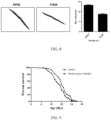
- the effect comparison results are as shown in FIG. 7 . It can be found that the color of the fat particles of nematodes fed with the commercial Lactobacillus reuteri 17938 strain is not significantly different from that of the control group. The inhibition rate is only 33.85%, and there is no fat reduction effect. Lactobacillus reuteri A21041 has a significant fat reduction effect.
- metformin a drug for treating diabetes mellitus type 2
- has the effect of prolonging the lifespans of nematodes it was used as a positive drug in this comparative example.
- Lactobacillus reuteri A21041, Escherichia coli OP50 and Caenorhabditis elegans were cultured according to the method in the above example, and nematodes were synchronized.
- Synchronized nematodes were randomly divided into two groups (control group (OP50) and positive group (OP50+Metformin (final concentration: 10mM)), with 150 nematodes in each group. The day when L4 stage nematodes were picked was recorded as day 0. During the experiment, for the nematodes, the NGM containing OP50 was changed every 2 days and their lifespans were counted until all nematodes died. Abnormally dead nematodes were excluded in the statistics. Statistical analysis was performed using GraphPad Prism 5, and the significant differences between multiple groups were compared using the one-way ANOVA; and and the differences between every two groups were analyzed using the t-test method. P ⁇ 0.05 means that there is a significant difference, and P ⁇ 0.01 means that there is a very significant difference.
- the effect comparison results are as shown in FIG. 8 . It can be found that compared with the control group, the lifespans of nematodes can be prolonged after feeding OP50+Metformin (10 mM) (the average lifespans of the OP50 control group and the OP50+Metformin (10 mM) positive group were 18 d and 19 d respectively). Compared with the control group, Metformin (10 mM) prolonged the lifespans of nematodes by 5.56%. However, compared with the feeding effect of Lactobacillus reuteri A21041, the prolonging effect of lifespans of nematodes fed with Lactobacillus reuteri A21041 was significantly better than that of the positive group added with Metformin.
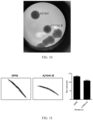
- a strain of Lactobacillus reuteri A21041-B was also isolated. Observed under a microscope, the Lactobacillus reuteri A21041-B was different from the Lactobacillus reuteri A21041 in colony morphology, the edge of the colony of A21041-B was thinner and the overall colony was more transparent; and the edge of the colony of A21041 was thicker, as shown in FIG. 9 .
- the 16S sequenced nucleotide sequence of A21041-B is the same as SEQ ID NO: 5, indicating that it is also a strain of Lactobacillus reuteri.
- A21041-B was subjected to the same isolation and purification, artificial gastrointestinal fluid resistance test, artificial bile salt resistance test and fat particle test.
- A21041-B also has a certain effect of resisting artificial gastrointestinal fluid and bile salt, its inhibitory effect on nematode fat particles is not as good as Lactobacillus reuteri A21041, and the inhibition rate is only 18.24%.
- Lactobacillus reuteri A21041 has excellent effects of prolonging lifespan, anti-aging, and reducing body weight and fat simultaneously.
- Lactobacillus reuteri A21041 can survive in a simulated gastrointestinal environment, it can be shown that the Lactobacillus reuteri A2104 has the potential to colonize in the gastrointestinal tract of the body, and fulfills the effects of prolonging lifespan, resisting aging, and reducing body weight and fat stably and permanently.
Landscapes
- Life Sciences & Earth Sciences (AREA)
- Health & Medical Sciences (AREA)
- Chemical & Material Sciences (AREA)
- Engineering & Computer Science (AREA)
- Mycology (AREA)
- Microbiology (AREA)
- Bioinformatics & Cheminformatics (AREA)
- Organic Chemistry (AREA)
- Genetics & Genomics (AREA)
- Wood Science & Technology (AREA)
- Zoology (AREA)
- Biotechnology (AREA)
- Medicinal Chemistry (AREA)
- General Health & Medical Sciences (AREA)
- Polymers & Plastics (AREA)
- Food Science & Technology (AREA)
- Nutrition Science (AREA)
- Virology (AREA)
- General Engineering & Computer Science (AREA)
- Biochemistry (AREA)
- Biomedical Technology (AREA)
- Tropical Medicine & Parasitology (AREA)
- Pharmacology & Pharmacy (AREA)
- Molecular Biology (AREA)
- Epidemiology (AREA)
- Animal Behavior & Ethology (AREA)
- Public Health (AREA)
- Veterinary Medicine (AREA)
- Botany (AREA)
- Micro-Organisms Or Cultivation Processes Thereof (AREA)
- Pharmaceuticals Containing Other Organic And Inorganic Compounds (AREA)
Abstract
Description
- The present invention belongs to the technical field of screening and application of microorganisms, and specifically relates to Lactobacillus reuteri for prolonging the lifespan, resisting aging and reducing fat, and product thereof and use thereof.
- According to relevant research and survey data, by the end of 2017, there were 240 million elderly people aged 60 and above in China, accounting for 17.3% of the total population. In 2017, the number of new elderly people increased by more than 10 million, and Chinese society is gradually entering the aging stage, which has brought certain pressures and challenges to the national economy and medical system. As the human body ages, many diseases, such as hypertension, etc. may occur in the body. The main cause of hypertension is body obesity. The World Health Organization has declared that obesity is one of the primary health problems. According to the China's "2014 National Physique Monitoring Bulletin", in 2014, the overweight rate of elderly people has exceeded 40%. Moreover, with the growth of the economy and the improvement of living standards, the prevalence of obesity is also increasing, making it gradually become a disease that seriously endangers human health with a continuously increasing incidence rate. At present, the treatment of obesity is still a major challenge, and thus there is an urgent need for a more efficient and safe treatment method for obesity worldwide.
- Supplementing probiotics is an obesity treatment idea favored by many researchers at present. Related technologies have shown that probiotics can effectively promote the digestion, absorption and metabolism of human nutrients, improve the body's antioxidant level, and improve the body's immunity. Lactobacillus reuteri is a lactic acid bacterium that has been reported to exist naturally in the intestines of almost all vertebrates and mammals, which has a certain broad-spectrum antibacterial activity. In 2003, the Ministry of Health of China approved that Lactobacillus reuteri can be used as a microbial strain for human health care products, and the Lactobacillus reuteri has been recognized internationally as a novel probiotic lactic acid bacterium, which has high theoretical research and production application value. However, there are few reports on the use of Lactobacillus reuteri to develop products for prolonging the lifespan, resisting aging and reducing fat or other uses thereof in related fields.
- The present invention aims to solve at least one of the above-mentioned technical problems existing in the prior art. To this end, the present disclosure provides a Lactobacillus reuteri for prolonging lifespan, resisting aging and reducing fat, and product thereof and use thereof. The present disclosure is based on a strain of Lactobacillus reuteri A21041 successfully isolated form fecal samples of centenarians in Guangxi, China. It is found that this strain has a better effect of prolonging lifespan than other known Lactobacillus reuteri, and it also has both gastrointestinal colonization effect and fat reduction effect, and has extremely high development and practical value, providing new directions and ideas for the development and application of products for prolonging lifespan, resisting aging and reducing fat.
- In first aspect of the present invention, a strain of Lactobacillus reuteri is provided. The Lactobacillus reuteri is Lactobacillus reuteri A21041, which is taxonomically named Lactobacillus reuteri and deposited on September 23, 2022 in the Guangdong Microbial Culture Collection Center (GDMCC) (deposit address: 5th Floor, Building 59, No. 100 Xianlie Middle Road, Guangzhou, Guangdong Province, China) with the deposit number of GDMCC No: 62832.
- In some embodiments of the present invention, the Lactobacillus reuteri A21041 is isolated from fecal samples from centenarians in Hepu County, Beihai City, Guangxi, China.
- In some embodiments of the present invention, the colony of the Lactobacillus reuteri A21041 is in the morphology of a round, convex, smooth, neatly-edged and white or milky white colony.
- In some embodiments of the present invention, the 16S sequence of the Lactobacillus reuteri A21041 is as shown in SEQ ID NO: 5.
- In some embodiments of the present invention, the whole-gene information of the Lactobacillus reuteri A21041 is as shown in Table 2.
- In some embodiments of the present invention, the screening and isolation method for the Lactobacillus reuteri A21041 comprises: taking fecal samples of centenarians in Hepu County, Beihai City, Guangxi, China, and placing them into MRS solid medium for culture under anaerobic conditions for 0.2 to 3 days, selecting the colonies in the morphology of round, convex, smooth, neatly-edged and white or milky white in the culture medium, and performing PCR amplification identification, thereby obtaining the Lactobacillus reuteri A21041.
- In some embodiments of the present invention, the culture time is 15 h-24 h.
- In some embodiments of the present invention, the culture temperature of the Lactobacillus reuteri A21041 is 30°C to 37°C, and the rotation speed is 150 rpm to 220 rpm.
- In some embodiments of the present invention, Lactobacillus reuteri-specific amplification primers are used in the PCR amplification identification.
- In some embodiments of the present invention, the Lactobacillus reuteri-specific amplification primers are as shown in SEQ ID NO: 1 and 2.
- In some embodiments of the present invention, an amplification system for the PCR amplification identification is:
Components Content 10 µM upstream primer F 1 µL 10 µM downstream primer R 1 µL PCR amplification solution 12.5 µL DNA template 1 µL ddH2O Adding to 25 µL - In some embodiments of the present invention, an amplification procedure for the PCR amplification identification is: 95°C for 3 min; 95°C for 40 s, 56°C for 30 s, 72°C for 1 min, 30 cycles; and 72°C for 8 min.
- Of course, those skilled in the art can also reasonably adjust the content and concentration in the PCR amplification system, as well as the amplification procedure, according to actual needs, so as to achieve identification.
- In second aspect of the present invention, a product containing the Lactobacillus reuteri described in the first aspect of the present invention is provided. The product includes food, food additives, feed, feed additives, medicines and cosmetics.
- In some embodiments of the present invention, the Lactobacillus reuteri is Lactobacillus reuteri A21041.
- In some embodiments of the present invention, a mass fraction of the Lactobacillus reuteri in the product is greater than or equal to 5%.
- In some embodiments of the present invention, the mass fraction of the Lactobacillus reuteri in the product is greater than or equal to 8%.
- In some embodiments of the present invention, the mass fraction of the Lactobacillus reuteri in the product is greater than or equal to 10%.
- In some embodiments of the present invention, the mass fraction of the Lactobacillus reuteri in the product is 5% to 15%.
- In some embodiments of the present invention, the product further contains other auxiliary materials.
- In some embodiments of the present invention, the auxiliary materials include pharmaceutically acceptable auxiliary agents, food additives, or cosmetic auxiliary materials.
- In some embodiments of the present invention, the pharmaceutically acceptable auxiliary agents include, but are not limited to, diluting agents (such as starch, dextrin, sucrose, lactose, mannitol, etc.), absorbing agents (such as calcium sulfate, calcium hydrogen phosphate, etc.), wetting agents (such as ethanol), bonding agents (such as hypromellose, povidone, etc.), disaggregating agents (such as sodium hydroxymethyl starch, crospovidone, etc.), lubricating agents (such as talc, hydrogenated vegetable oil, polyethylene glycol, etc.), coloring agents (such as titanium dioxide, methylene blue, etc.), coating materials, solvents, pH adjusting agents, antibacterial agents (such as sodium sulfite, sodium thiosulfate, etc.), isoosmotic adjusting agents (such as glucose, sodium chloride, etc.), and chelating agents (such as disodium EDTA).
- In some embodiments of the present invention, the food additives include, but are not limited to, coloring agents, enzyme preparations, thickeners, leavening agents, and sweeteners.
- In some embodiments of the present invention, the cosmetic auxiliary materials include, but are not limited to, flavors, pigments, preservatives, and antioxidants.
- In some embodiments of the present invention, the Lactobacillus reuteri in the product is in the form including freeze-dried powder, bacterial liquid, and granular inoculant. Of course, it should be understood that those skilled in the art can also reasonably select appropriate forms of Lactobacillus reuteri for use based on actual needs for use and existing processing techniques, including, but not limited to, the above-mentioned freeze-dried powder, bacterial liquid, and granular inoculant.
- In the present invention, the term " freeze-dried powder" refers to a freeze-dried product made by using a vacuum freeze-drying method of a freeze dryer to freeze water in the liquid medicine in advance, and then sublimating the frozen water in the liquid medicine in a vacuum sterile environment.
- In the present invention, the term "granular inoculant" refers to a bacteria inoculant used to prevent the powdered bacteria inoculant from directly contacting with the bactericide or chemical fertilizer during use, resulting in reduced effectiveness. It usually refers to a type of inoculant obtained by mixing the bacterial liquid with granular carriers (such as biochar, vermiculite, etc.).
- In some embodiments of the present invention, the effective bacterial activity of the Lactobacillus reuteri in the product is 107 cfu/mL-109 cfu/mL.
- Of course, those skilled in the art can reasonably adjust the activity of the Lactobacillus reuteri in the product according to the actual form thereof, thereby achieving stable technical effects.
- In third aspect of the present invention, a preparation method for the product described in the second aspect of the present invention is provided, comprising the following steps: activating and propagating Lactobacillus reuteri, processing the Lactobacillus reuteri into a bacterial agent, and mixing the bacterial agent with other auxiliary materials, thereby obtaining the product.
- In some embodiments of the present invention, the Lactobacillus reuteri is Lactobacillus reuteri A21041.
- In some embodiments of the present invention, the activation and propagation conditions of the Lactobacillus reuteri are as follows: culture time: 15 h-24 h, culture temperature: 30°C-37°C, and the rotation speed: 150 rpm-220 rpm.
- In some embodiments of the present invention, the bacterial agent includes, but is not limited to, freeze-dried powder, bacterial solution, and granular inoculant.
- In some embodiments of the present invention, the processing technique of the bacterial agent is carried out according to the conventional method in the art. Exemplarily, the preparation method for the freeze-dried powder comprises: freeze-drying the bacterial solution of the Lactobacillus reuteri A21041, thereby obtaining the freeze-dried powder.
- In some embodiments of the present invention, the auxiliary materials include pharmaceutically acceptable auxiliary agents, food additives, or cosmetic auxiliary materials.
- In fourth aspect of the present invention, a food additive containing the Lactobacillus reuteri described in the first aspect of the present invention is provided. The food additive includes Lactobacillus reuteri A21041 freeze-dried powder, plant extracts, starch hydrolyzed polysaccharide and dietary fiber.
- In some embodiments of the present invention, the plant extract includes, but is not limited to, plant essential oil, saponin, alkaloid, polysaccharide, polyphenol and flavonoid compounds.
- In some embodiments of the present invention, the plant extract is tea polyphenol and bayberry anthocyanin extract.
- In some embodiments of the present invention, the starch hydrolyzed polysaccharide includes, but is not limited to, glycogen, inulin, cellulose, hemicellulose, pectic substances, peptidoglycan, and maltodextrin.
- In some embodiments of the present invention, the starch hydrolyzed polysaccharide is maltodextrin.
- In some embodiments of the present invention, the dietary fiber includes soluble dietary fiber and insoluble dietary fiber.
- In some embodiments of the present invention, the dietary fiber is soluble dietary fiber.
- In some embodiments of the present invention, by mass percentage, the food additive includes 5-15% Lactobacillus reuteri A21041 freeze-dried powder, 15-45% plant extract, 40-60% starch hydrolyzed polysaccharide and 5-15% dietary fiber.
- In some embodiments of the present invention, by mass percentage, the food additive includes 5-15% Lactobacillus reuteri A21041 freeze-dried powder, 5-15% tea polyphenol, 10-30% bayberry anthocyanin extract, 40-60% maltodextrin and 5-15% soluble dietary fiber.
- In some embodiments of the present invention, by mass percentage, the food additive includes 8-12% Lactobacillus reuteri A21041 freeze-dried powder, 10-15% tea polyphenol, 10-15% bayberry anthocyanin extract, 45-55% maltodextrin and 8-12% soluble dietary fiber.
- In some embodiments of the present invention, by mass percentage, the food additive includes 10% Lactobacillus reuteri A21041 freeze-dried powder, 15% tea polyphenol, 15% bayberry anthocyanin extract, 50% maltodextrin and 10% soluble dietary fiber.
- In some embodiments of the present invention, the preparation method for the food additive comprises: thoroughly mixing Lactobacillus reuteri A21041 freeze-dried powder, plant extract, starch hydrolyzed polysaccharide and dietary fiber, thereby obtaining the food additive.
- In fifth aspect of the present invention, use of the Lactobacillus reuteri described in the first aspect of the present invention in the preparation of food, food additives, feed, feed additives, medicines or cosmetics is provided.
- In some embodiments of the present invention, the food, food additives, feed, feed additives, medicines or cosmetics have at least one of the following functions (1) to (4):
- (1) prolonging lifespan;
- (2) promoting colonization of gastrointestinal flora;
- (3) resisting aging; and
- (4) reducing fat.
- In the present invention, a nematode (Caenorhabditis elegans) screening platform is used to verify relevant effects. Caenorhabditis elegans has a simple structure, a transparent body, is easy to observe, has a short development cycle, is easy to cultivate artificially, and has a highly conserved signaling pathway. As a result, the effect verification accuracy based on Caenorhabditis elegans model is high and the experimental cost is low. In the present invention, through the lifespan test, aging resisting test and fat reduction test based on Caenorhabditis elegans, it is effectively proved that the Lactobacillus reuteri A21041 has excellent effects of prolonging lifespan, resisting aging, and reducing body weight and fat simultaneously. Moreover, based on the fact that the Lactobacillus reuteri A21041 can survive in a simulated gastrointestinal environmentit, it can be shown that the Lactobacillus reuteri A21041 has the potential to colonize in the gastrointestinal tract of the body, and fulfills the effects of prolonging lifespan, resisting aging, and reducing body weight and fat stably and permanently.
- In sixth aspect of the present invention, a method for prolonging lifespan and resisting aging is provided, compriseing the following step: administering an effective dosage of Lactobacillus reuteri A21041 to a subject in need.
- In some embodiments of the present invention, the effective dosage (for humans) is 0.02-0.04 g/kg body weight.
- Of course, those skilled in the art can obtain the effective dosage for other animals, including, but not limited to, rats, rabbits, dogs, pigs and monkeys, based on the above-mentioned effective dosage for humans according to a conversion formula.
- In some embodiments of the present invention, the administration is oral administration.
- In some embodiments of the present invention, the administration frequency is once every 1 to 24 h.
- In some embodiments of the present invention, the administration frequency is: once every 1 h, every 2 h, every 4 h, every 6 h, every 8 h, every 12 h or every 24 h.
- In seventh aspect of the present invention, a method for reducing fat is provided, compriseing the following step: administering an effective dosage of Lactobacillus reuteri A21041 to a desired subj ect.
- In some embodiments of the present invention, the effective dosage (for humans) is 0.02-0.04 g/kg body weight.
- Of course, those skilled in the art can obtain the effective dosage for other animals, including, but not limited to, rats, rabbits, dogs, pigs and monkeys, based on the above-mentioned effective dosage for humans according to conversion formula.
- In some embodiments of the present invention, the administration is oral administration.
- In some embodiments of the present invention, the administration frequency is once every 1 to 24 h.
- In some embodiments of the present invention, the administration frequency is: once every 1 h, every 2 h, every 4 h, every 6 h, every 8 h, every 12 h or every 24 h.
- The present invention has the beneficial effects that:
- 1. The present invention discovers for the first time, a strain of Lactobacillus reuteri that has an excellent resistance to artificial gastrointestinal fluids and cholatet, and also has excellent effects of prolonging the lifespan, anti-aging, and weight loss and fat lowering. Therefore, the related product can be effectively developed on the basis of the strain, which has an extremely high practical value.
- 2. The product of the present invention contains Lactobacillus reuteri A21041, which has the potential to effectively colonize in the gastrointestinal tract of the body, and fulfills the effects of prolonging lifespan, anti-aging, and weight loss and fat lowering stably and permanently.
-
-
FIG. 1 is a specific PCR electrophoresis diagram of Lactobacillus reuteri A21041 in example 1; -
FIG. 2 is a comparative diagram of the effects of Lactobacillus reuteri A21041 in example 4 and control group OP50 on nematode lifespan; -
FIG. 3 is a comparative diagram of the effects of Lactobacillus reuteri A21041 in example 5 and control group OP50 on nematode aging; -
FIG. 4 is a comparative diagram of nematode fat staining between Lactobacillus reuteri A21041 in example 6 and control group OP50 onday 7; -
FIG. 5 is a comparative diagram of nematode fat staining between Lactobacillus reuteri A21041 in example 7 and control group OP50 onday 5; -
FIG. 6 is a diagram showing the effect of Lactobacillus reuteri A21041 in example 7 on nematode lifespan and fat metabolism gene expression level, and a diagram of related mechanism pathways; -
FIG. 7 is a comparative diagram of the effects ofcommercial Lactobacillus reuteri 17938 in comparative example 1 and control group OP50 on nematode lifespan; -
FIG. 8 is a comparative diagram of nematode fat staining betweencommercial Lactobacillus reuteri 17938 in comparative example 2 and control group OP50; -
FIG. 9 is a comparativ diagram of the effects of OP50+Metformin (10 mM) in comparative example 3 and control group OP50 on nematode lifespans; -
FIG. 10 is a comparative diagram of the colony forms of Lactobacillus reuteri A21041-B in comparative example 4 and Lactobacillus reuteri A21041; and -
FIG. 11 is a comparative diagram of nematode fat staining between Lactobacillus reuteri A21041-B in comparative example 4 and control group OP50. - In order to make the purposes, technical solutions and technical effects of the present invention clearer, the present invention will be further described in detail below in conjunction with specific embodiments. It should be understood that the specific embodiments described in this specification are only intended to explain the present invention and are not intended to limit the present invention.
- The experimental materials and reagents used, unless otherwise specified, are all conventional consumables and reagents available from commercial sources.
- In the following examples, the formula of the MRS solid medium used is as follows: peptone 10 g/L, beef extract powder 5 g/L, yeast extract powder 4 g/L, glucose 20 g/L, dipotassium hydrogen phosphate 2 g/L, triammonium citrate 2 g/L, sodium acetate 5 g/L, magnesium sulfate 0.2 g/L, manganese sulfate 0.05 g/L, agar 15 g/L, and Tween-80 1 g/L. After mixing the above components, 1L of deionized water was added, the pH to 6.2 ± 0.2 was adjusted, and sterilizing was carried out at 121°C for 15 min to obtain the MRS solid medium.
- The isolation and purification steps of Lactobacillus reuteri A21041 in this example of the present invention are specifically as follows:
Fecal samples from centenarians in Hepu County, Beihai City, Guangxi, China, was taken and an appropriate amount of the fecal samples were placed into MRS solid medium. After coating evenly, they were placed in an anaerobic workstation for culture at 37°C under the conditions of 90% nitrogen and 10% carbon dioxide for 2 days. After the culture was completed, colonies in the morphology of round, convex, smooth, and neatly-edged and white or milky white colonies on the agar plates were selected and placed into a small amount of MRS liquid medium. After mixing evenly, the mixed solution was transferred into a PCR tube, and placed in a 37 °C incubator for further culture for 24 h. - PCR amplification solution (2 × Taq PCR StarMix with Loading Dye, purchased from GenStar Biosolutions Co., Ltd.) was added to the cultured PCR tube, and Lactobacillus reuteri-specific amplification primers was added to perform PCR amplification (the amplification system is as shown in Table 1).
- The Lactobacillus reuteri-specific amplification primers are:
- Forward primer F: 5'-GCTTCACTCGCTGCAGTTAA-3' (SEQ ID NO: 1); and
- Reverse primer R: 5'-CCAACCAAACCTCGGTCAGA-3' (SEQ ID NO: 2).
- The amplification procedure is: 95°C for 3 min; 95°C for 40 s, 56°C for 30 s, 72°C for 1 min, 30 cycles; 72°C for 8 min.
- The amplification product was taken for gel electrophoresis.
- The product was determined to be Lactobacillus reuteri by polyacrylamide gel electrophoresis, the gel film being as shown in
FIG. 1 . - Meanwhile, a part of the culture solution was taken and 16S primers were used to perform PCR amplification according to the PCR amplification system shown in Table 1 (the amplification procedure was the same as that in the above example), and the amplification product was sent to Sangon Biotech (Shanghai) Co., Ltd. for sequencing identification.
- The nucleotide sequences of the used 16S primers are as follows:
- Forward primer 16S-F: 5'-AGAGTTTGATCCTGGCTCAG-3' (SEQ ID NO: 3); and
- Reverse primer 16S-R: 5'-TACGGCTACCTTGTTACGACTT-3' (SEQ ID NO: 4).
- After sequencing identification, it was confirmed to be Lactobacillus reuteri, with 16S sequen ce: 5'-GAGGGACGGGCGGGTGCTATACATGCAAGTCGTACGCACTGGCCCAACTGATTGA TGGTGCTTGCACCTGATTGACGATGGATCACCAGTGAGTGGCGGACGGGTGAGTAACAC GTAGGTAACCTGCCCCGGAGCGGGGGATAACATTTGGAAACAGATGCTAATACCGCATA ACAACAAAAGCCGCATGGCTTTTGTTTGAAAGATGGCTTTGGCTATCACTCTGGGATGG ACCTGCGGTGCATTAGCTAGTTGGTAAGGTAACGGCTTACCAAGGCGATGATGCATAGCC GAGTTGAGAGACTGATCGGCCACAATGGAACTGAGACACGGTCCATACTCCTACGGGA GGCAGCAGTAGGGAATCTTCCACAATGGGCGCAAGCCTGATGGAGCAACACCGCGTGA GTGAAGAAGGGTTTCGGCTCGTAAAGCTCTGTTGTTGGAGAAGAACGTGCGTGAGAGT AACTGTTCACGCAGTGACGGTATCCAACCAGAAAGTCACGGCTAACTACGTGCCAGCA GCCGCGGTAATACGTAGGTGGCAAGCGTTATCCGGATTTATTGGGCGTAAAGCGAGCGC AGGCGGTTGCTTAGGTCTGATGTGAAAGCCTTCGGCTTAACCGAAGAAGTGCATCGGAA ACCGGGCGACTTGAGTGCAGAAGAGGACAGTGGAACTCCATGTGTAGCGGTGGAATGC GTAGATATATGGAAGAACACCAGTGGCGAAGGGCGGCTGTCTGGTCTGCAACTGACGCT GAGGCTCGAAAGCATGGGTAGCGAACAGGATTAGATACCCTGGTAGTCCATGCCGTAAA CGATGAGTGCTAGGTGTTGGAGGGTTTCCGCCCTTCAGTGCCGGAGCTAACGCATTAAG CACTCCGCCTGGGGAGTACGACCGCAAGGTTGAAACTCAAAGGAATTGACGGGGGCCC GCACAAGCGGTGGAGCATGTGGTTTAATTCGAAGCTACGCGAAGAACCTTACCAGGTCT TGACATCTTGCGCTAACCTTAGAGATAAGGCGTTCCCTTCGGGGACGCAATGACAGGTG GTGCATGGTCGTCGTCAGCTCGTGTCGTGAGATGTTGGGTTAAGTCCCGCAACGAGCGC AACCCTTGTTACTAGTTGCCAGCATTGAGTTGGGCACTCTAGTGAGACTGCCGGTGACA AACCGGAGGAAGGTGGGGACGACGTCAGATCATCATGCCCCTTATGACCTGGGCTACAC ACGTGCTACAATGGACGGTACAACGAGTCGCAAACTCGCGAGAGTAAGCTAATCTCTTA AAGCCGTTCTCAGTTCGGACTGTAGGCTGCAACTCGCCTACACGAAGTCGGAATCGCTA GTAATCGCGGATCAGCATGCCGCGGTGAATACGTTCCCGGGCCTTGTACACACCGCCCG TCACACCATGGGAGTTTGTAACGCCCAAAGTCGGTGGCCTAACCTTTATGGAGGGGACC GCGCCCCCCCCTATAACGC-3' (SEQ ID NO: 5). The confirmed culture solution was purified by plate streaking twice, and the purified single colonies were selected for repeated culture to obtain b acterial liquid. The bacterial liquid was mixed with 30% glycerol preservation solution at a volume ratio of 1: 1 in a strain cryopreservation tube, and the strain cryopreservation tube was stored in a -8 0°C refrigerator.
- Further, the Lactobacillus reuteri obtained in the above example was subjected to whole-gene sequencing (performed by Annuouda Gene Technology (Beijing) Co., Ltd.). The results are as shown in Table 2.
Table 2 Whole-gene sequencing results of Lactobacillus reuteri A21041 Sample ID Contigs Total lenght /bp GC ratio (%) CDS/ piece Gene/ piece A21041 128 2011591 38.77 1977 2048 - The Lactobacillus reuteri obtained in the above example (named Lactobacillus reuteri A21041), which is taxonomically named Lactobacillus reuteri and deposited on September 23, 2022 in Guangdong Microbial Culture Collection Center (GDMCC) (deposit address: 5th Floor, Building 59, No. 100 Xianlie Middle Road, Guangzhou, Guangdong, China) with the deposit number of GDMCC No: 62832.
- The specific experimental steps are as follows:
The above-mentioned Lactobacillus reuteri A21041 was taken for overnight culture and activation, and the bacterial liquid was diluted to a concentration of OD600=1. The bacterial liquid was inoculated into an artificial gastric fluid with pH = 2.5 (obtained by diluting 1 mol/mL of dilute hydrochloric acid with water) according to an inoculation amount of 10% by volume. 100 µL of solutions were taken after 0 h, 1 h and 3 h respectively and coated onto the MRS agar plates, which were cultured in a biochemical incubator at 37°C for 48 h, and the number of single colonies was counted. - By means of the same method as above, the bacterial liquid was inoculated into an artificial intestinal fluid with pH = 8 (pH 6.8, 6.8 g of potassium dihydrogen phosphate was taken, adding with 500 mL of water to dissolve, and 0.1 mol/L of sodium hydroxide solution was used to adjust the pH to 6.8. Trypsin aqueous solution (dissolving 10 g of trypsin in water) was added. It diluted to 1000 mL with water) according to an inoculation amount of 10% by volume. 100 µL of solutions were taken after 2 h, 4 h, 6 h and 8 h respectively and coated onto the MRS agar plates, which were cultured in a biochemical incubator at 37°C for 48 h, and the number of single colonies was counted.
- Meanwhile, the bacterial liquid was inoculated into MRS liquid medium of 0.3 g/L and 0.5 g/L of ox bile salt according to an inoculation amount of 10% by volume respectively. 100 µL of solutions were taken after 0 h, 2 h and 24 h respectively and coated onto the MRS agar plates, which were cultured in a biochemical incubator at 37°C for 48 h, and the number of single colonies was counted.
- The survival rate of Lactobacillus reuteri A21041 in artificial gastrointestinal fluids and ox cholate solutions based on the number of single colonies in the above experiment was calculated.
- The results showed that the survival rate of Lactobacillus reuteri A21041 was 90% after being treated with artificial gastric fluid with pH = 2.5 for 3 h, and the survival rate was about 80% after being treated with artificial intestinal fluid with pH = 8.0 for 8 h. The survival rates of Lactobacillus reuteri A21041 after being treated with 0.3 g/L and 0.5 g/L of ox cholate solutions for 24 h were 260% and 80% respectively. Therefore, Lactobacillus reuteri A21041 in the example of the present invention has the potential to colonize in the human gastrointestinal tract for a long time.
- In order to ensure the safety of Lactobacillus reuteri A21041 in various uses, safety evaluation was performed on the strain in this example, and the detection institution was Guangdong Detection Center of Microbiology. According to the determination criteria in Appendix A of the Guideline on Safety Inspection and Evaluation of Strains Used in Health Food Raw Materials (2020) in China, Lactobacillus reuteri A21041 has no adverse effects on the general health of mice. There was no statistically significant difference in weight and other indicators compared with the control group. Therefore, under the conditions of the example of the present invention, the sample is not pathogenic. Meanwhile, whole-genome sequencing was performed on A21041, and whole-genome analysis was performed through Diamond (version 2.1.0.4) and RGI (version 5.2.0) software. According to the virulence factor database standards (matching degree ≥ 85% and e-value < 10-5 means non-toxic genes or pathogenic factors), the matching degree of A21041 is ≥ 95%, and the e-value is < 10-5. Therefore, from the genetic level evaluation, A21041 is non-toxic. Therefore, Lactobacillus reuteri A21041 is a safe probiotic.
- Lactobacillus reuteri A21041 in MRS liquid medium and Escherichia coli OP50 in LB liquid medium were cultured under the culture conditions of: temperature: 37°C, time: 20 h, rotation speed: 200 rpm. Bacterial liquids of Lactobacillus reuteri A21041 and Escherichia coli OP50 (both bacterial liquid concentrations are 107 CFU/mL) were taken and spread onto nematode growth medium (NGM) for overnight culture.
- The formula of the NGM culture medium is as follows: 3 g of sodium chloride, 17 g of agar powder, 2.5 g of peptone, and 975 mL of deionized water. After mixing the above components thoroughly, seal with tin foil. After high-pressure steam sterilization for 20 min, cool the water bath to 55°C. Aseptically add the following sterile solutions: 1 mL of 1M CaCl2, 1 mL of 1M MgSO4, 25 mL of 1M KPO4 buffer, 1 mL of 5 mg/mL cholesterol (dissolved in 95% ethanol).
- The thawed nematodes (Caenorhabditis elegans) was centrifuged and added to the NGM with OP50 respectively, and placed in a 20°C incubator for culture for 3 days.
- M9 buffer was used to suspend the cultured nematodes in step (1). They were sucked into the culture tubes. Lysis solution (5N NaOH by mass and 5% sodium hypochlorite solution by volume) was added to each tube for 6 min lysis, centrifuge for 1 min at 3500 r/min, discard the supernatant was discarded, and washed 4 times repeatedly with M9 buffer. Centrifuge again and the supernatant was discarded. The precipitate was transferred to the NGM for overnight culture at a constant temperature of 20°C to obtain L1 stage nematode larvae. After washing with M9 buffer and centrifuging once, the nematode larvae was transferred to the NGM agar plate containing OP50, and cultured at 20°C for 28-30 h to obtain synchronized nematodes, namely L4 stage nematodes.
- The obtained synchronized nematodes were randomly divided into two groups (control group (OP50) and experimental group (A21041)), with 150 nematodes in each group. The day when the L4 stage nematodes were picked was recorded as
day 0. During the experiment, for the nematodes, the NGM containing OP50 and A21041 was changed every 2 days and lifespans were counted until all nematodes died. Abnormally dead nematodes were excluded in the statistics. Statistical analysis was performed usingGraphPad Prism 5, and the significant differences between multiple groups were compared using the one-way ANOVA; and the differences between every two groups using the t-test method were analyzed. P < 0.05 means that there is a significant difference, and P < 0.01 means that there is a very significant difference. - The results are as shown in
FIG. 1 . It can be found that compared with the OP50 control group, the lifespans of nematodes were significantly prolonged after feeding A21041 (the average lifespans of the OP50 control group and A21041 experimental group were 18 days (d) and 21.5 days (d) respectively). Compared with the OP50 control group, A21041 prolonged the lifespans of nematodes by 19.66% (P < 0.05). - Lactobacillus reuteri A21041, Escherichia coli OP50 and Caenorhabditis elegans were cultured according to the method in the above example, and nematodes were synchronized.
- The synchronized nematodes were randomly divided into two groups (control group (OP50) and experimental group (A21041)), with 150 nematodes in each group. The day when L4 stage nematodes were picked was recorded as
day 0. During the experiment, for the nematodes, the NGM containing OP50 and A21041 was changed every 2 days. The frequencies of head swing of the nematodes were counted within 30 s one by one on the NGM agar plate containing M9 buffer when the nematodes were raised today 5,day 10 andday 15. The swing of the nematode's head from one side to the other side and back to the original position was counted as one swing. - The results are as shown in
FIG. 2 . It can be found that onday 10 and day 15 (middle-aged and elderly stages of nematodes), Lactobacillus reuteri A21041 can significantly increase the frequency of head swing of nematodes and increase the vitality of nematodes. Therefore, Lactobacillus reuteri A21041 can significantly delay nematode aging. - Lactobacillus reuteri A21041, Escherichia coli OP50 and Caenorhabditis elegans were cultured according to the method in the above example, and nematodes were synchronized.
- 100 synchronized nematodes were transferred to agar plates coated with OP50 and A21041 for culture. Culture for 7 days, and the plates were changed every other day. The nematodes were re-suspended in 4% paraformaldehyde after washing three times with chilled M9 buffer on
day 7. Shake slightly at room temperature for 1 hour, centrifuge at 3000-4000 rpm for 1 min, the supernatant was removed and washed twice with M9 buffer. The nematodes were re-suspended in a mixed PBS solution containing 60% isopropyl alcohol and 0.01% Triton X-100 by volume, and incubated for 15 min; after the nematodes settle, the isopropyl alcohol was removed, 1 mL of 40% Oil Red O stain was added, and incubated on a 25°C shaker for 1 to 2 h. Remove the dye, and wash twice with M9 buffer. 200 µL of M9 buffer was added, and pictures of the nematodes were taken one by one under an inverted fluorescence microscope. The image data was counted using Image J, and the fat particle degradation rate data was counted usingGraphPad Prism 5. P < 0.05 means that there is a significant difference, and P < 0.01 means that there is a very significant difference. - The results are as shown in
FIG. 3 . It can be found that compared with the OP50 control group, the fat particles of the nematodes in the experimental group fed with Lactobacillus reuteri A21041 were obviously lighter in color and the fat particles were smaller, indicating that Lactobacillus reuteri A21041 had a significant inhibitory effect on nematode fat particles, with an inhibition rate up to 68.77% (P < 0.01). - The above experiment was repeated and the culture time was adjusted to 5 days.
- The results are as shown in
FIG. 4 . Onday 5 after feeding A21041, after staining the nematodes, it was found that compared with the OP50 control group, the fat particles of the nematodes in the experimental group fed with Lactobacillus reuteri A21041 were obviously lighter in color and the fat particles were smaller, indicating that feeding Lactobacillus reuteri A21041 for only 5 days can have a significant inhibitory effect on nematode fat particles, with an inhibition rate of 54.47%. - Lactobacillus reuteri A21041, Escherichia coli OP50 and Caenorhabditis elegans were cultured according to the method in the above example, and nematodes were synchronized.
- 800 synchronized nematodes were transferred to agar plates coated with OP50 and A21041 for culture. Culture for 5 days, and the plates were changed every other day. The nematodes were washed 1-2 times with M9 buffer on
day 5. The nematodes after freeze-drying were ground with liquid nitrogen, and total RNA was extracted from the nematodes according to the instructions of the total RNA extraction kit (purchased from Promega (Beijing) Biotech Co., Ltd.). Then, equal amounts of RNA samples were taken from each group for reverse transcription PCR amplification according to the instructions of the reverse transcription kit (purchased from Tiangen Biotech (Beijing) Co., Ltd.). The PCR amplification products was stored at -20°C for later use. The primer pairs of each gene shown in Table 3 were used to perform conventional fluorescence quantitative PCR, and 2-ΔΔCt was used for data statistics.Table 3 Fluorescent quantitative PCR detection locus and corresponding primer sequence information Locus Nucleotide sequences act act-IF 5'-CTACGAACTTCCTGACGGACAAG-3' (SEQ ID NO:6) act-1R 5'-CCGGCGGACTCCATACC-3' (SEQ ID NO:7) daf-16 daf-16F 5'-CTAACTTCAAGCCAATGCCACTA-3' (SEQ ID NO:8) daf-16R 5'-TCCAGCTTGACTCAGCTCATGTC-3' (SEQ ID NO:9) sod sod-3F 5'-CTCCAAGCACACTCTCCCAG-3' (SEQ ID NO:10) sod-3R 5'-TCCCTTTCGAAACAGCCTCG-3' (SEQ ID NO:11) hsf hsf-1F 5'-TTTGCATTTTCTCGTCTCTGTC-3' (SEQ ID NO:12) hsf-1R 5'-TCTATTTCCAGCACACCTCGT-3' (SEQ ID NO:13) hsp-16.2 hsp-16.2F 5'-GGTGCAGTTGCTTCGAATCTT-3' (SEQ ID NO:14) hsp-16.2R 5'-TCTTCCTTGAACCGCTTCTTTC-3' (SEQ ID NO:15) nhr-80 nhr-80 F 5'-AATTCCGATTTCCAGCTTCTTC-3' (SEQ ID NO:16) nhr-80 R 5'-TCTGCAGATTTGGTGCATACTATAA-3' (SEQ ID NO:17) fat-6 fat-6 F 5'-GGCAAACCGTGATTTTCACATT-3' (SEQ ID NO:18) fat-6 R 5'-TCACGAGCCCATTCGATGAC-3' (SEQ ID NO:19) daf-12 daf-12 F 5'-TCCAATGCCAGCTGAAACAACACC-3' (SEQ ID NO:20) daf-12 R 5'-TGGAATGGCTGACACGGTTGAATG-3' (SEQ ID NO:21) fard-1 fard-1 F 5'-CGCATTCGCCAAGAGAAACC-3' (SEQ ID NO:22) fard-1 R 5'-ACGTTGACATTGTCTCGGATGA-3' (SEQ ID NO:23) skn-1 skn-1F 5'-TACAGAACGTCCAACCACATC-3' (SEQ ID NO:24) skn-1R 5'-GCCCTTCTCTCCAGCAATATC-3' (SEQ ID NO:25) daf-2 daf-2F 5'-GAGCTTCGGAGTTGTTCTCTATG-3'(SEQ ID NO:26) daf-2R 5'-CTTCCGGGCCATTCCAATATAA-3' (SEQ ID NO:27) age-1 age-1F 5'-GTGACGAGCTTCGATCGATTAG-3' (SEQ ID NO:28) age-1R 5'-GGACGATGGCTTTGTCGATTA-3' (SEQ ID NO:29) - The results are as shown in
FIG. 5 . It can be seen that the expression of nhr-80 and daf-12 genes was significantly up-regulated, especially nhr-80, which was up-regulated nearly 2 times compared with the control group. Therefore, the above results can show that prolonging nematode lifespan by A21041 may be related to the signaling pathways regulated by nhr-80 and daf-12 genes, that is, related to the nuclear hormone receptor signaling pathway. - The Lactobacillus reuteri A21041 strain was taken for fermentation and propagation and then centrifuged and freeze-dried the bacterial liquid after fermentation and propagation to obtain Lactobacillus reuteri A21041 freeze-dried powder. Compound according to the following formula to obtain a food additive or dietary supplement containing Lactobacillus reuteri A21041.
- Based on the dosage for humans and calculated by weight percentage, the formula of the food additive or dietary supplement containing Lactobacillus reuteri A21041 is as follows: 10% Lactobacillus reuteri A21041 freeze-dried powder, 15% tea polyphenol (purchased from Thankcome Biological Science and Technology Co., Ltd.), 15% bayberry anthocyanin extract (purchased from Thankcome Biological Science and Technology Co., Ltd.), 50% maltodextrin and 10% soluble dietary fiber (purchased from Thankcome Biological Science and Technology Co., Ltd.). The preparation method includes: thoroughly mixing the above raw materials to obtain the product.
- In this comparative example, the commercial
Lactobacillus reuteri strain 17938 was isolated from Senbao probiotic drops, and the culture method and nematode lifespan test method were the same as those in the above example. - The effect comparison results are as shown in
FIG. 6 . It can be found that compared with the OP50 control group, the lifespans of nematodes can be prolonged after feeding Lactobacillus reuteri 17938 (the average lifespans of the OP50 control group and theLactobacillus reuteri 17938 experimental group were 18 d and 20 d respectively). Compared with the OP50 control group, 17938 prolonged the lifespans of nematodes by 11.11%. However, compared with Lactobacillus reuteri A21041, the lifespan prolonging effect of Lactobacillus reuteri A21041 is more significant, indicating that Lactobacillus reuteri A21041 has a stronger lifespan prolonging effect than the existing Lactobacillus reuteri. - In this comparative example, the source and culture method of the
commercial Lactobacillus reuteri 17938 strain were the same as those in the above-mentioned comparative example 1, and the nematode fat particle test method is the same as that in the above-mentioned example. - The effect comparison results are as shown in
FIG. 7 . It can be found that the color of the fat particles of nematodes fed with thecommercial Lactobacillus reuteri 17938 strain is not significantly different from that of the control group. The inhibition rate is only 33.85%, and there is no fat reduction effect. Lactobacillus reuteri A21041 has a significant fat reduction effect. - Because metformin, a drug for treating
diabetes mellitus type 2, has the effect of prolonging the lifespans of nematodes, it was used as a positive drug in this comparative example. - In this comparative example, Lactobacillus reuteri A21041, Escherichia coli OP50 and Caenorhabditis elegans were cultured according to the method in the above example, and nematodes were synchronized.
- Synchronized nematodes were randomly divided into two groups (control group (OP50) and positive group (OP50+Metformin (final concentration: 10mM)), with 150 nematodes in each group. The day when L4 stage nematodes were picked was recorded as
day 0. During the experiment, for the nematodes, the NGM containing OP50 was changed every 2 days and their lifespans were counted until all nematodes died. Abnormally dead nematodes were excluded in the statistics. Statistical analysis was performed usingGraphPad Prism 5, and the significant differences between multiple groups were compared using the one-way ANOVA; and and the differences between every two groups were analyzed using the t-test method. P < 0.05 means that there is a significant difference, and P < 0.01 means that there is a very significant difference. - The effect comparison results are as shown in
FIG. 8 . It can be found that compared with the control group, the lifespans of nematodes can be prolonged after feeding OP50+Metformin (10 mM) (the average lifespans of the OP50 control group and the OP50+Metformin (10 mM) positive group were 18 d and 19 d respectively). Compared with the control group, Metformin (10 mM) prolonged the lifespans of nematodes by 5.56%. However, compared with the feeding effect of Lactobacillus reuteri A21041, the prolonging effect of lifespans of nematodes fed with Lactobacillus reuteri A21041 was significantly better than that of the positive group added with Metformin. - From the samples in example 1, a strain of Lactobacillus reuteri A21041-B was also isolated. Observed under a microscope, the Lactobacillus reuteri A21041-B was different from the Lactobacillus reuteri A21041 in colony morphology, the edge of the colony of A21041-B was thinner and the overall colony was more transparent; and the edge of the colony of A21041 was thicker, as shown in
FIG. 9 . In addition, the 16S sequenced nucleotide sequence of A21041-B is the same as SEQ ID NO: 5, indicating that it is also a strain of Lactobacillus reuteri. - According to the operations in the above example, A21041-B was subjected to the same isolation and purification, artificial gastrointestinal fluid resistance test, artificial bile salt resistance test and fat particle test.
- The results are as shown in
FIG. 10 . It can be found that although A21041-B also has a certain effect of resisting artificial gastrointestinal fluid and bile salt, its inhibitory effect on nematode fat particles is not as good as Lactobacillus reuteri A21041, and the inhibition rate is only 18.24%. - In summary, the above results show that among the existing Lactobacillus reuteri, only Lactobacillus reuteri A21041 has excellent effects of prolonging lifespan, anti-aging, and reducing body weight and fat simultaneously. Moreover, based on the fact that Lactobacillus reuteri A21041 can survive in a simulated gastrointestinal environment, it can be shown that the Lactobacillus reuteri A2104 has the potential to colonize in the gastrointestinal tract of the body, and fulfills the effects of prolonging lifespan, resisting aging, and reducing body weight and fat stably and permanently.
- The above examples are preferred examples of the present invention, but the embodiments of the present invention are not limited to the above examples. Any other changes, modifications, substitutions, combinations, etc. made without departing from the spirit and principles of the present invention should be equivalent substitutions, and are all included in the protection scope of the present invention.
| Components | Content |
| 10 µM | 1 |
| 10 µM | 1 µL |
| PCR amplification solution | 12.5 |
| DNA template | |
| 1 µL | |
| ddH2O | Adding to 25 µL |
Claims (10)
- A strain of Lactobacillus reuteri, wherein the Lactobacillus reuteri is Lactobacillus reuteri A21041, which is taxonomically named Lactobacillus reuteri and deposited on September 23, 2022 in the Guangdong Microbial Culture Collection Center with the deposit number of GDMCC No: 62832.
- A product containing the Lactobacillus reuteri according to claim 1, wherein the product comprises food, food additives, feed, feed additives, medicines and cosmetics.
- The product according to claim 2, wherein a mass fraction of the Lactobacillus reuteri in the product is greater than or equal to 5%, preferably greater than or equal to 8%, and more preferably greater than or equal to 10%.
- The product according to claim 2, wherein the product further contains other auxiliary materials, and the auxiliary materials comprise pharmaceutically acceptable auxiliary agents, food additives, and cosmetic auxiliary materials.
- The product according to claim 1, wherein the Lactobacillus reuteri in the product is in a form including freeze-dried powder, bacterial liquid, and a granular inoculant.
- A preparation method for the product according to any one of claims 2 to 5, comprising the following steps: activating and propagating Lactobacillus reuteri, processing the Lactobacillus reuteri into a bacterial agent, and mixing the bacterial agent with other auxiliary materials, thereby obtaining the product.
- A food additive containing the Lactobacillus reuteri according to claim 1, wherein the food additive comprises Lactobacillus reuteri A21041 freeze-dried powder, a plant extract, starch hydrolyzed polysaccharide and dietary fiber.
- The food additive according to claim 7, wherein by mass percentage, the food additive comprises 5-15% Lactobacillus reuteri A21041 freeze-dried powder, 15-45% plant extract, 40-60% starch hydrolyzed polysaccharide and 5-15% dietary fiber.
- Use of the Lactobacillus reuteri according to claim 1 in preparation of food, food additives, feed, feed additives, medicines and cosmetics.
- The use according to claim 9, wherein the food, food additives, feed, feed additives, medicines and cosmetics have at least one of the following functions (1) to (4):(1) prolonging lifespan;(2) promoting colonization of gastrointestinal flora;(3) resisting aging; and(4) reducing fat.
Applications Claiming Priority (1)
| Application Number | Priority Date | Filing Date | Title |
|---|---|---|---|
| PCT/CN2022/135531 WO2023240936A1 (en) | 2022-11-30 | 2022-11-30 | Lactobacillus reuteri for prolonging lifespan, resisting aging and reducing fat, and product thereof and use thereof |
Publications (4)
| Publication Number | Publication Date |
|---|---|
| EP4407023A1 true EP4407023A1 (en) | 2024-07-31 |
| EP4407023A4 EP4407023A4 (en) | 2025-03-26 |
| EP4407023B1 EP4407023B1 (en) | 2025-10-29 |
| EP4407023C0 EP4407023C0 (en) | 2025-10-29 |
Family
ID=89193052
Family Applications (1)
| Application Number | Title | Priority Date | Filing Date |
|---|---|---|---|
| EP22946602.4A Active EP4407023B1 (en) | 2022-11-30 | 2022-11-30 | Lactobacillus reuteri for prolonging lifespan, resisting aging and reducing fat, and product thereof and use thereof |
Country Status (5)
| Country | Link |
|---|---|
| US (1) | US20250081999A1 (en) |
| EP (1) | EP4407023B1 (en) |
| CN (1) | CN118019840B (en) |
| AU (1) | AU2022465859B2 (en) |
| WO (1) | WO2023240936A1 (en) |
Families Citing this family (3)
| Publication number | Priority date | Publication date | Assignee | Title |
|---|---|---|---|---|
| CN117866832B (en) * | 2024-01-12 | 2025-01-21 | 广西科学院 | A Pediococcus acidilactici strain A21186 with anti-aging and anti-stress functions and its application |
| CN119614463A (en) * | 2025-02-12 | 2025-03-14 | 天津大学浙江研究院(绍兴) | Lactobacillus reuteri and application thereof |
| CN120366142A (en) * | 2025-04-30 | 2025-07-25 | 广西爱生生命科技有限公司 | Lactobacillus johnsonii A21065 for resisting oxidation, prolonging life and delaying parkinsonism and product and application thereof |
Family Cites Families (14)
| Publication number | Priority date | Publication date | Assignee | Title |
|---|---|---|---|---|
| US9301984B2 (en) * | 2014-01-10 | 2016-04-05 | Genmont Biotech Inc. | Lactobacillus reuteri GMNL-263 composition for controlling body weight and its use thereof |
| CN106399154B (en) * | 2016-08-29 | 2019-10-18 | 中国疾病预防控制中心传染病预防控制所 | Lactobacillus probiotic CGMCC NO.12422 and its application in the preparation of lipid-lowering drugs |
| US10590496B2 (en) * | 2016-11-29 | 2020-03-17 | Wedea Inc. | Composition for preventing and treating degenerative brain disease using novel lactic acid bacteria |
| CN110373342B (en) * | 2018-04-13 | 2022-11-01 | 深圳华大基因农业控股有限公司 | Lactobacillus reuteri and uses thereof |
| CN110452828B (en) * | 2019-03-24 | 2021-08-27 | 广西大学 | Lactobacillus reuteri strain and application thereof |
| CN110205261B (en) * | 2019-05-10 | 2020-08-04 | 湖南菲勒生物技术有限公司 | Application of breast milk-derived lactobacillus reuteri in reducing blood fat and regulating lipid metabolism rhythm |
| CN111254090B (en) * | 2019-12-30 | 2021-11-05 | 杭州娃哈哈科技有限公司 | Lactobacillus reuteri with weight losing function and application thereof |
| CN111004757B (en) * | 2019-12-31 | 2021-11-02 | 深圳市沁帆科技有限公司 | Lactobacillus reuteri, microbial inoculum and food product |
| US20210401731A1 (en) * | 2020-06-24 | 2021-12-30 | Marco Ruggiero | Anti-Aging Formula |
| CN114717128B (en) * | 2021-04-18 | 2023-11-17 | 青岛蔚蓝生物股份有限公司 | Lactobacillus reuteri with effects of improving aging skin and enhancing hair health and application thereof |
| CN114711429B (en) * | 2021-06-08 | 2023-11-17 | 青岛蔚蓝生物股份有限公司 | Lactobacillus reuteri with bone health enhancing effect and application thereof |
| CN114717220B (en) * | 2021-06-09 | 2023-06-27 | 青岛蔚蓝生物股份有限公司 | Lactobacillus reuteri microcapsule and preparation method thereof |
| CN115948292B (en) * | 2022-12-12 | 2023-09-08 | 广西爱生生命科技有限公司 | Lactobacillus reuteri strain A21041 with anti-inflammatory and antioxidant functions and application thereof |
| CN117165477B (en) * | 2023-09-04 | 2024-03-29 | 广西爱生生命科技有限公司 | A kind of life-extending and anti-aging Lactobacillus crispatus A21013 and A21033 and its application |
-
2022
- 2022-11-30 AU AU2022465859A patent/AU2022465859B2/en active Active
- 2022-11-30 WO PCT/CN2022/135531 patent/WO2023240936A1/en not_active Ceased
- 2022-11-30 CN CN202280067122.5A patent/CN118019840B/en active Active
- 2022-11-30 EP EP22946602.4A patent/EP4407023B1/en active Active
- 2022-11-30 US US18/723,328 patent/US20250081999A1/en active Pending
Also Published As
| Publication number | Publication date |
|---|---|
| CN118019840B (en) | 2024-07-23 |
| AU2022465859A1 (en) | 2024-06-13 |
| AU2022465859B2 (en) | 2025-09-18 |
| WO2023240936A1 (en) | 2023-12-21 |
| EP4407023B1 (en) | 2025-10-29 |
| EP4407023C0 (en) | 2025-10-29 |
| CN118019840A (en) | 2024-05-10 |
| EP4407023A4 (en) | 2025-03-26 |
| US20250081999A1 (en) | 2025-03-13 |
Similar Documents
| Publication | Publication Date | Title |
|---|---|---|
| EP4407023B1 (en) | Lactobacillus reuteri for prolonging lifespan, resisting aging and reducing fat, and product thereof and use thereof | |
| CN114350578B (en) | Lactobacillus plantarum LP1Z for producing lysozyme and efficiently antagonizing multidrug-resistant helicobacter pylori and application thereof | |
| EP4442806A1 (en) | Akkermansia guangxiensis capable of resisting oxidation, reducing fat and inhibiting tumor growth, and product and use thereof | |
| CN115975880B (en) | Lactobacillus mucilaginosus CYQ09 and application thereof | |
| CN117165477B (en) | A kind of life-extending and anti-aging Lactobacillus crispatus A21013 and A21033 and its application | |
| CN110452829A (en) | Bifidobacterium longum strain and its application | |
| CN117448202A (en) | A Lactobacillus plantarum strain A21352 that relieves hangover, protects liver and gastrointestinal mucosa and its application | |
| CN117384797B (en) | Rhamnose cheese bacillus LRPerfectus158 and application thereof | |
| CN110452828A (en) | Lactobacillus reuteri strain and its application | |
| CN116904341A (en) | Lactobacillus rhamnosus capable of improving oral health and probiotic composition thereof | |
| CN104818230A (en) | Lactobacillus plantarum L01 having cholesterol degrading function and application thereof | |
| Wang et al. | Potential prebiotic properties of exopolysaccharides produced by a novel Lactobacillus strain, Lactobacillus pentosus YY-112 | |
| WO2008052468A1 (en) | New lactobacillus rhamnosus strain, its pharmaceutical composition and the uses thereof, and the method for preparation | |
| CN119215074B (en) | Application of akkermansia muciniphila Akk in preparing element absorption promoter and product thereof | |
| CN115433700A (en) | Arthrobacter sakei and application thereof in preparation of medicines for preventing and treating inflammatory bowel diseases | |
| CN115927106B (en) | Lactobacillus rhamnosus DY801 and application thereof | |
| CN116426406B (en) | A kind of saliva combined with Lactobacillus DY802 and its application | |
| CN114574405B (en) | Lactobacillus plantarum WKA86, application thereof in preparation of halitosis preventing and treating product and halitosis preventing and treating product | |
| KR101201420B1 (en) | A feed additive containing novel Lactobacillus jonhsonnii | |
| CN114921351A (en) | Pichia pastoris DPUY-F1 with probiotic function and application thereof in relieving colitis symptoms | |
| KR102792146B1 (en) | Lactiplantibacillus plantarum strain lm1215 derived from healthy korean women vaginal tract, and composition comprising the same | |
| CN117402794B (en) | Lactobacillus gasseri and application thereof | |
| KR100692207B1 (en) | Probiotics for livestock for the prevention and treatment of new strain Streptomyces pradia jr and poultry | |
| CN121406504A (en) | A strain of Bacteroides polymorpha and its application | |
| CN121086916A (en) | Lactobacillus plantarum HL-PL05 with triple antibacterial effect and application thereof |
Legal Events
| Date | Code | Title | Description |
|---|---|---|---|
| STAA | Information on the status of an ep patent application or granted ep patent |
Free format text: STATUS: THE INTERNATIONAL PUBLICATION HAS BEEN MADE |
|
| PUAI | Public reference made under article 153(3) epc to a published international application that has entered the european phase |
Free format text: ORIGINAL CODE: 0009012 |
|
| STAA | Information on the status of an ep patent application or granted ep patent |
Free format text: STATUS: REQUEST FOR EXAMINATION WAS MADE |
|
| 17P | Request for examination filed |
Effective date: 20240423 |
|
| AK | Designated contracting states |
Kind code of ref document: A1 Designated state(s): AL AT BE BG CH CY CZ DE DK EE ES FI FR GB GR HR HU IE IS IT LI LT LU LV MC ME MK MT NL NO PL PT RO RS SE SI SK SM TR |
|
| A4 | Supplementary search report drawn up and despatched |
Effective date: 20250220 |
|
| RIC1 | Information provided on ipc code assigned before grant |
Ipc: C12R 1/225 20060101ALN20250217BHEP Ipc: A61Q 19/08 20060101ALI20250217BHEP Ipc: A23L 33/135 20160101ALI20250217BHEP Ipc: A61K 35/747 20150101ALI20250217BHEP Ipc: C12N 1/20 20060101AFI20250217BHEP |
|
| GRAP | Despatch of communication of intention to grant a patent |
Free format text: ORIGINAL CODE: EPIDOSNIGR1 |
|
| STAA | Information on the status of an ep patent application or granted ep patent |
Free format text: STATUS: GRANT OF PATENT IS INTENDED |
|
| RIC1 | Information provided on ipc code assigned before grant |
Ipc: C12N 1/20 20060101AFI20250710BHEP Ipc: A61K 35/747 20150101ALI20250710BHEP Ipc: A23L 33/135 20160101ALI20250710BHEP Ipc: A61Q 19/08 20060101ALI20250710BHEP Ipc: C12R 1/225 20060101ALN20250710BHEP |
|
| DAV | Request for validation of the european patent (deleted) | ||
| DAX | Request for extension of the european patent (deleted) | ||
| INTG | Intention to grant announced |
Effective date: 20250724 |
|
| GRAS | Grant fee paid |
Free format text: ORIGINAL CODE: EPIDOSNIGR3 |
|
| GRAA | (expected) grant |
Free format text: ORIGINAL CODE: 0009210 |
|
| STAA | Information on the status of an ep patent application or granted ep patent |
Free format text: STATUS: THE PATENT HAS BEEN GRANTED |
|
| AK | Designated contracting states |
Kind code of ref document: B1 Designated state(s): AL AT BE BG CH CY CZ DE DK EE ES FI FR GB GR HR HU IE IS IT LI LT LU LV MC ME MK MT NL NO PL PT RO RS SE SI SK SM TR |
|
| REG | Reference to a national code |
Ref country code: CH Ref legal event code: F10 Free format text: ST27 STATUS EVENT CODE: U-0-0-F10-F00 (AS PROVIDED BY THE NATIONAL OFFICE) Effective date: 20251029 Ref country code: GB Ref legal event code: FG4D |
|
| REG | Reference to a national code |
Ref country code: CH Ref legal event code: R17 Free format text: ST27 STATUS EVENT CODE: U-0-0-R10-R17 (AS PROVIDED BY THE NATIONAL OFFICE) Effective date: 20251031 |
|
| REG | Reference to a national code |
Ref country code: DE Ref legal event code: R096 Ref document number: 602022024228 Country of ref document: DE |
|
| REG | Reference to a national code |
Ref country code: IE Ref legal event code: FG4D |
|
| REG | Reference to a national code |
Ref country code: CH Ref legal event code: U11 Free format text: ST27 STATUS EVENT CODE: U-0-0-U10-U11 (AS PROVIDED BY THE NATIONAL OFFICE) Effective date: 20251201 |
|
| U01 | Request for unitary effect filed |
Effective date: 20251126 |
|
| U07 | Unitary effect registered |
Designated state(s): AT BE BG DE DK EE FI FR IT LT LU LV MT NL PT RO SE SI Effective date: 20251201 |
|
| U20 | Renewal fee for the european patent with unitary effect paid |
Year of fee payment: 4 Effective date: 20251201 |
|
| PGFP | Annual fee paid to national office [announced via postgrant information from national office to epo] |
Ref country code: CH Payment date: 20251201 Year of fee payment: 4 |
|
| PG25 | Lapsed in a contracting state [announced via postgrant information from national office to epo] |
Ref country code: ES Free format text: LAPSE BECAUSE OF FAILURE TO SUBMIT A TRANSLATION OF THE DESCRIPTION OR TO PAY THE FEE WITHIN THE PRESCRIBED TIME-LIMIT Effective date: 20251029 |
|
| PG25 | Lapsed in a contracting state [announced via postgrant information from national office to epo] |
Ref country code: NO Free format text: LAPSE BECAUSE OF FAILURE TO SUBMIT A TRANSLATION OF THE DESCRIPTION OR TO PAY THE FEE WITHIN THE PRESCRIBED TIME-LIMIT Effective date: 20260129 |
|
| PG25 | Lapsed in a contracting state [announced via postgrant information from national office to epo] |
Ref country code: HR Free format text: LAPSE BECAUSE OF FAILURE TO SUBMIT A TRANSLATION OF THE DESCRIPTION OR TO PAY THE FEE WITHIN THE PRESCRIBED TIME-LIMIT Effective date: 20251029 |
|
| PG25 | Lapsed in a contracting state [announced via postgrant information from national office to epo] |
Ref country code: RS Free format text: LAPSE BECAUSE OF FAILURE TO SUBMIT A TRANSLATION OF THE DESCRIPTION OR TO PAY THE FEE WITHIN THE PRESCRIBED TIME-LIMIT Effective date: 20260129 |
|
| PG25 | Lapsed in a contracting state [announced via postgrant information from national office to epo] |
Ref country code: IS Free format text: LAPSE BECAUSE OF FAILURE TO SUBMIT A TRANSLATION OF THE DESCRIPTION OR TO PAY THE FEE WITHIN THE PRESCRIBED TIME-LIMIT Effective date: 20260228 |
|
| PG25 | Lapsed in a contracting state [announced via postgrant information from national office to epo] |
Ref country code: PL Free format text: LAPSE BECAUSE OF FAILURE TO SUBMIT A TRANSLATION OF THE DESCRIPTION OR TO PAY THE FEE WITHIN THE PRESCRIBED TIME-LIMIT Effective date: 20251029 |
|
| U1N | Appointed representative for the unitary patent procedure changed after the registration of the unitary effect |
Representative=s name: MARKS & CLERK LLP; GB |
|
| PG25 | Lapsed in a contracting state [announced via postgrant information from national office to epo] |
Ref country code: SM Free format text: LAPSE BECAUSE OF FAILURE TO SUBMIT A TRANSLATION OF THE DESCRIPTION OR TO PAY THE FEE WITHIN THE PRESCRIBED TIME-LIMIT Effective date: 20251029 |
|
| PG25 | Lapsed in a contracting state [announced via postgrant information from national office to epo] |
Ref country code: MC Free format text: LAPSE BECAUSE OF FAILURE TO SUBMIT A TRANSLATION OF THE DESCRIPTION OR TO PAY THE FEE WITHIN THE PRESCRIBED TIME-LIMIT Effective date: 20251029 |
|
| PG25 | Lapsed in a contracting state [announced via postgrant information from national office to epo] |
Ref country code: CZ Free format text: LAPSE BECAUSE OF FAILURE TO SUBMIT A TRANSLATION OF THE DESCRIPTION OR TO PAY THE FEE WITHIN THE PRESCRIBED TIME-LIMIT Effective date: 20251029 |
|
| PG25 | Lapsed in a contracting state [announced via postgrant information from national office to epo] |
Ref country code: SK Free format text: LAPSE BECAUSE OF FAILURE TO SUBMIT A TRANSLATION OF THE DESCRIPTION OR TO PAY THE FEE WITHIN THE PRESCRIBED TIME-LIMIT Effective date: 20251029 |