EP4403104A1 - Alcohol detection apparatus - Google Patents
Alcohol detection apparatus Download PDFInfo
- Publication number
- EP4403104A1 EP4403104A1 EP24151088.2A EP24151088A EP4403104A1 EP 4403104 A1 EP4403104 A1 EP 4403104A1 EP 24151088 A EP24151088 A EP 24151088A EP 4403104 A1 EP4403104 A1 EP 4403104A1
- Authority
- EP
- European Patent Office
- Prior art keywords
- alcohol
- sensor
- occupant
- driver
- detection
- Prior art date
- Legal status (The legal status is an assumption and is not a legal conclusion. Google has not performed a legal analysis and makes no representation as to the accuracy of the status listed.)
- Granted
Links
Images

Classifications
-
- A—HUMAN NECESSITIES
- A61—MEDICAL OR VETERINARY SCIENCE; HYGIENE
- A61B—DIAGNOSIS; SURGERY; IDENTIFICATION
- A61B5/00—Measuring for diagnostic purposes; Identification of persons
- A61B5/48—Other medical applications
- A61B5/4845—Toxicology, e.g. by detection of alcohol, drug or toxic products
-
- G—PHYSICS
- G06—COMPUTING OR CALCULATING; COUNTING
- G06V—IMAGE OR VIDEO RECOGNITION OR UNDERSTANDING
- G06V20/00—Scenes; Scene-specific elements
- G06V20/50—Context or environment of the image
- G06V20/59—Context or environment of the image inside of a vehicle, e.g. relating to seat occupancy, driver state or inner lighting conditions
- G06V20/597—Recognising the driver's state or behaviour, e.g. attention or drowsiness
-
- A—HUMAN NECESSITIES
- A61—MEDICAL OR VETERINARY SCIENCE; HYGIENE
- A61B—DIAGNOSIS; SURGERY; IDENTIFICATION
- A61B5/00—Measuring for diagnostic purposes; Identification of persons
- A61B5/0059—Measuring for diagnostic purposes; Identification of persons using light, e.g. diagnosis by transillumination, diascopy, fluorescence
- A61B5/0077—Devices for viewing the surface of the body, e.g. camera, magnifying lens
-
- A—HUMAN NECESSITIES
- A61—MEDICAL OR VETERINARY SCIENCE; HYGIENE
- A61B—DIAGNOSIS; SURGERY; IDENTIFICATION
- A61B5/00—Measuring for diagnostic purposes; Identification of persons
- A61B5/08—Measuring devices for evaluating the respiratory organs
- A61B5/082—Evaluation by breath analysis, e.g. determination of the chemical composition of exhaled breath
-
- A—HUMAN NECESSITIES
- A61—MEDICAL OR VETERINARY SCIENCE; HYGIENE
- A61B—DIAGNOSIS; SURGERY; IDENTIFICATION
- A61B5/00—Measuring for diagnostic purposes; Identification of persons
- A61B5/16—Devices for psychotechnics; Testing reaction times ; Devices for evaluating the psychological state
- A61B5/18—Devices for psychotechnics; Testing reaction times ; Devices for evaluating the psychological state for vehicle drivers or machine operators
-
- A—HUMAN NECESSITIES
- A61—MEDICAL OR VETERINARY SCIENCE; HYGIENE
- A61B—DIAGNOSIS; SURGERY; IDENTIFICATION
- A61B5/00—Measuring for diagnostic purposes; Identification of persons
- A61B5/48—Other medical applications
- A61B5/4824—Touch or pain perception evaluation
-
- A—HUMAN NECESSITIES
- A61—MEDICAL OR VETERINARY SCIENCE; HYGIENE
- A61B—DIAGNOSIS; SURGERY; IDENTIFICATION
- A61B5/00—Measuring for diagnostic purposes; Identification of persons
- A61B5/68—Arrangements of detecting, measuring or recording means, e.g. sensors, in relation to patient
- A61B5/6887—Arrangements of detecting, measuring or recording means, e.g. sensors, in relation to patient mounted on external non-worn devices, e.g. non-medical devices
- A61B5/6893—Cars
-
- A—HUMAN NECESSITIES
- A61—MEDICAL OR VETERINARY SCIENCE; HYGIENE
- A61B—DIAGNOSIS; SURGERY; IDENTIFICATION
- A61B5/00—Measuring for diagnostic purposes; Identification of persons
- A61B5/72—Signal processing specially adapted for physiological signals or for diagnostic purposes
- A61B5/7271—Specific aspects of physiological measurement analysis
- A61B5/7282—Event detection, e.g. detecting unique waveforms indicative of a medical condition
-
- B—PERFORMING OPERATIONS; TRANSPORTING
- B60—VEHICLES IN GENERAL
- B60K—ARRANGEMENT OR MOUNTING OF PROPULSION UNITS OR OF TRANSMISSIONS IN VEHICLES; ARRANGEMENT OR MOUNTING OF PLURAL DIVERSE PRIME-MOVERS IN VEHICLES; AUXILIARY DRIVES FOR VEHICLES; INSTRUMENTATION OR DASHBOARDS FOR VEHICLES; ARRANGEMENTS IN CONNECTION WITH COOLING, AIR INTAKE, GAS EXHAUST OR FUEL SUPPLY OF PROPULSION UNITS IN VEHICLES
- B60K28/00—Safety devices for propulsion-unit control, specially adapted for, or arranged in, vehicles, e.g. preventing fuel supply or ignition in the event of potentially dangerous conditions
- B60K28/02—Safety devices for propulsion-unit control, specially adapted for, or arranged in, vehicles, e.g. preventing fuel supply or ignition in the event of potentially dangerous conditions responsive to conditions relating to the driver
- B60K28/06—Safety devices for propulsion-unit control, specially adapted for, or arranged in, vehicles, e.g. preventing fuel supply or ignition in the event of potentially dangerous conditions responsive to conditions relating to the driver responsive to incapacity of driver
- B60K28/063—Safety devices for propulsion-unit control, specially adapted for, or arranged in, vehicles, e.g. preventing fuel supply or ignition in the event of potentially dangerous conditions responsive to conditions relating to the driver responsive to incapacity of driver preventing starting of vehicles
-
- G—PHYSICS
- G06—COMPUTING OR CALCULATING; COUNTING
- G06T—IMAGE DATA PROCESSING OR GENERATION, IN GENERAL
- G06T7/00—Image analysis
- G06T7/70—Determining position or orientation of objects or cameras
-
- G—PHYSICS
- G06—COMPUTING OR CALCULATING; COUNTING
- G06V—IMAGE OR VIDEO RECOGNITION OR UNDERSTANDING
- G06V40/00—Recognition of biometric, human-related or animal-related patterns in image or video data
- G06V40/10—Human or animal bodies, e.g. vehicle occupants or pedestrians; Body parts, e.g. hands
- G06V40/107—Static hand or arm
-
- H—ELECTRICITY
- H04—ELECTRIC COMMUNICATION TECHNIQUE
- H04N—PICTORIAL COMMUNICATION, e.g. TELEVISION
- H04N23/00—Cameras or camera modules comprising electronic image sensors; Control thereof
- H04N23/50—Constructional details
-
- H—ELECTRICITY
- H04—ELECTRIC COMMUNICATION TECHNIQUE
- H04N—PICTORIAL COMMUNICATION, e.g. TELEVISION
- H04N25/00—Circuitry of solid-state image sensors [SSIS]; Control thereof
- H04N25/70—SSIS architectures; Circuits associated therewith
-
- A—HUMAN NECESSITIES
- A61—MEDICAL OR VETERINARY SCIENCE; HYGIENE
- A61B—DIAGNOSIS; SURGERY; IDENTIFICATION
- A61B2503/00—Evaluating a particular growth phase or type of persons or animals
- A61B2503/20—Workers
- A61B2503/22—Motor vehicles operators, e.g. drivers, pilots, captains
-
- G—PHYSICS
- G01—MEASURING; TESTING
- G01N—INVESTIGATING OR ANALYSING MATERIALS BY DETERMINING THEIR CHEMICAL OR PHYSICAL PROPERTIES
- G01N33/00—Investigating or analysing materials by specific methods not covered by groups G01N1/00 - G01N31/00
- G01N33/48—Biological material, e.g. blood, urine; Haemocytometers
- G01N33/483—Physical analysis of biological material
- G01N33/497—Physical analysis of biological material of gaseous biological material, e.g. breath
- G01N33/4972—Determining alcohol content
-
- G—PHYSICS
- G06—COMPUTING OR CALCULATING; COUNTING
- G06T—IMAGE DATA PROCESSING OR GENERATION, IN GENERAL
- G06T2207/00—Indexing scheme for image analysis or image enhancement
- G06T2207/30—Subject of image; Context of image processing
- G06T2207/30196—Human being; Person
- G06T2207/30201—Face
-
- G—PHYSICS
- G06—COMPUTING OR CALCULATING; COUNTING
- G06T—IMAGE DATA PROCESSING OR GENERATION, IN GENERAL
- G06T2207/00—Indexing scheme for image analysis or image enhancement
- G06T2207/30—Subject of image; Context of image processing
- G06T2207/30248—Vehicle exterior or interior
- G06T2207/30268—Vehicle interior
Definitions
- the invention relates to an alcohol detection apparatus configured to detect an alcohol component included in breath of an occupant.
- Japanese Unexamined Patent Application Publication JP 2014-002 162 A discloses an apparatus configured to detect an alcohol component included in breath of an occupant.
- An aspect of the invention provides an alcohol detection apparatus that includes an image sensor, a touch sensor, an alcohol sensor, and a processor.
- the image sensor is configured to generate a captured image by performing imaging of a first occupant in a driver's seat of a vehicle.
- the touch sensor is provided at the driver's seat and is configured to perform a detection of a touch.
- the alcohol sensor is configured to perform a detection of an alcohol component included in breath of the first occupant.
- the processor is configured to perform processes based on the captured image generated by the image sensor, a result of the detection performed by the touch sensor, and a result of the detection performed by the alcohol sensor.
- the processor is configured to perform a first process of confirming, based on the captured image, whether the first occupant in the driver's seat is touching the touch sensor.
- the processor is configured to perform a second process of confirming, based on the captured image, whether the first occupant in the driver's seat is holding the alcohol sensor.
- the processor is configured to perform a determination process of determining that the result of the detection obtainable by the alcohol sensor is effective when a plurality of conditions is satisfied.
- the plurality of conditions includes that the first occupant is touching the touch sensor in the first process and that the first occupant is holding the alcohol sensor in the second process.
- a vehicle it may be desired to detect whether an occupant of the vehicle has drunk alcohol, and it may be expected to more effectively detect whether the occupant has drunk alcohol.
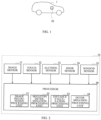
- FIG. 1 illustrates a configuration example of a vehicle 1 provided with an alcohol detection apparatus according to an example embodiment of the invention.
- the vehicle 1 may include an alcohol detection apparatus 10.
- FIG. 2 illustrates a configuration example of the alcohol detection apparatus 10.
- the alcohol detection apparatus 10 may include an image sensor 11, a touch sensor 12, an alcohol sensor 13, a door sensor 14, a window sensor 15, and a processor 20.
- the image sensor 11 may be configured to generate a captured image by performing imaging of an inside of the vehicle 1.
- the image sensor 11 may be configured to perform imaging of an occupant seated in a seat such as a driver's seat or a passenger seat.
- the touch sensor 12 may be provided at a steering wheel of the vehicle 1.
- the touch sensor 12 may be configured to perform a detection of a touch of a driver who is an occupant seated in the driver's seat.
- the driver holding the steering wheel may cause, for example, a finger tip of the driver to touch a detection surface of the touch sensor 12.
- the alcohol sensor 13 may be configured to perform a detection of an alcohol component included in breath of the driver. For example, the driver breathing into a blowing port of the alcohol sensor 13 may allow the alcohol sensor 13 to detect an alcohol component included in the breath of the driver.
- the alcohol sensor 13 may include a housing having a surface provided with a marker.
- the marker may include a reflective material.
- the configuration of the marker is not limited thereto, and in one example, the marker may include a graphical pattern.
- the alcohol detection apparatus 10 may be configured to recognize the alcohol sensor 13 based on an image of the marker included in the captured image generated by the image sensor 11, as will be described later.
- the door sensor 14 may be configured to perform a detection of an open state and a closed state of a door of the vehicle 1.
- the window sensor 15 may be configured to perform a detection of an open state and a closed state of a window of the vehicle 1.
- the processor 20 may be configured to perform a process of permitting or forbidding the driver to drive the vehicle 1, based on an amount of the alcohol component included in the breath of the driver.
- the processor 20 may include one or more processors and one or more memories, and may be configured to execute a program to perform processes.
- the processor 20 may include an image recognition processing unit 21, a skeleton determination processing unit 22, a distance calculation processing unit 23, and a determination processing unit 24.
- the image recognition processing unit 21 may be configured to perform an image recognition process based on the captured image supplied from the image sensor 11. For example, the image recognition processing unit 21 may perform the image recognition process to detect the driver seated in the driver's seat and detect the alcohol sensor 13 based on the marker of the alcohol sensor 13.
- the skeleton determination processing unit 22 may be configured to perform a skeleton determination process regarding the driver based on the captured image supplied from the image sensor 11. For example, the skeleton determination processing unit 22 may perform the skeleton determination process to detect that the driver is holding the steering wheel by one hand and that the driver is holding the alcohol sensor 13 by another hand.
- the distance calculation processing unit 23 may be configured to perform a distance calculation process based on the captured image supplied from the image sensor 11. For example, the distance calculation processing unit 23 may be configured to, when the driver is breathing into the blowing port of the alcohol sensor 13, calculate a distance from the driver's face to the blowing port of the alcohol sensor 13 based on the captured image.
- the determination processing unit 24 may be configured to determine whether a result of the detection obtainable by the alcohol sensor 13 is effective, based on respective results of the processes performed by the image recognition processing unit 21, the skeleton determination processing unit 22, and the distance calculation processing unit 23.
- the determination processing unit 24 may perform a process of permitting the driver to drive the vehicle 1. In this case, for example, the determination processing unit 24 may allow an engine of the vehicle 1 to be started.
- the determination processing unit 24 may perform a process of forbidding the driver to drive the vehicle 1. In this case, for example, the determination processing unit 24 may inhibit the engine of the vehicle 1 from being started.
- the image sensor 11 may serve as an "image sensor”.
- the touch sensor 12 may serve as a "touch sensor”.
- the alcohol sensor 13 may serve as an "alcohol sensor”.
- the processor 20 may serve as a "processor”.
- the image sensor 11 may generate a captured image by performing imaging of the inside of the vehicle 1.
- the touch sensor 12 may perform a detection of a touch of the driver who is the occupant seated in the driver's seat.
- the alcohol sensor 13 may perform a detection of the alcohol component included in the breath of the driver.
- the door sensor 14 may perform a detection of the open state and the closed state of the door of the vehicle 1.
- the window sensor 15 may perform a detection of the open state and the closed state of the window of the vehicle 1.
- the processor 20 may perform the process of permitting or forbidding the driver to drive the vehicle 1, based on the amount of the alcohol component included in the breath of the driver.
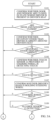
- FIG. 3 illustrates an operation example of the alcohol detection apparatus 10.
- the alcohol detection apparatus 10 may confirm whether the door and the window are closed in a state where the driver is present in the driver's seat (step S101).
- the image recognition processing unit 21 may detect whether the driver is present in the driver's seat by performing the image recognition process based on the captured image supplied from the image sensor 11.
- the processor 20 may confirm whether all the doors of the vehicle 1 and all the windows of the vehicle 1 are closed, based on the respective results of the detections performed by the door sensor 14 and the window sensor 15. Note that this is non-limiting, and in one example, the processor 20 may detect whether a door near the driver's seat and a window near the driver's seat of the vehicle 1 are closed based on the respective results of the detections performed by the door sensor 14 and the window sensor 15. If any of the door and the window is not closed (step S102: NO), the process may proceed to step S115.
- the alcohol detection apparatus 10 may confirm whether an occupant other than the driver is absent around the driver's seat (step S103).
- the image recognition processing unit 21 may confirm whether an occupant other than the driver is not leaning over the driver's seat from a seat other than the driver's seat by performing the image recognition process based on the captured image supplied from the image sensor 11
- step S104 If the door and the window are closed and an occupant other than the driver is absent around the driver's seat, a possibility may be low that a detection of alcohol is performed based on breath of a person other than the driver. Therefore, it may be highly possible that the result of the detection obtainable by the alcohol sensor 13 is effective. If an occupant other than the driver is present around the driver's seat (step S104: NO), the process may proceed to step S115.
- step S104 If an occupant other than the driver is absent around the driver's seat in step S104 (step S104: YES), the processor 20 of the alcohol detection apparatus 10 may confirm whether the touch sensor 12 provided at the steering wheel is detecting a touch (step S105). If the touch sensor 12 is not detecting any touch (step S106: NO), the process may proceed to step S115.
- step S106 the alcohol detection apparatus 10 may confirm whether the driver's hand is holding the steering wheel (step S107).
- the skeleton determination processing unit 22 may detect whether the driver's hand is holding the steering wheel by performing the skeleton determination process based on the captured image supplied from the image sensor 11. If the driver's hand is not holding the steering wheel (step S108: NO), the process may proceed to step S115.
- the alcohol detection apparatus 10 may confirm whether the alcohol sensor 13 is detected (step S109).
- the image recognition processing unit 21 may detect the marker of the alcohol sensor 13 by performing the image recognition process based on the captured image supplied from the image sensor 11.
- the image recognition processing unit 21 may determine that the alcohol sensor 13 is detected. If the alcohol sensor 13 is not detected by the image recognition processing unit 21 (step S109: NO), the process in step S109 may be repeated until the image recognition processing unit 21 detects the alcohol sensor 13.
- the alcohol detection apparatus 10 may confirm whether the driver's hand is holding the alcohol sensor 13 (step S110). For example, the skeleton determination processing unit 22 may determine whether the driver is holding the alcohol sensor 13 by his or her hand other than the hand holding the steering wheel, by performing the skeleton determination process based on the captured image supplied from the image sensor 11. If the driver is holding the steering wheel by one hand and is holding the alcohol sensor 13 by another hand, for example, a possibility may be low that a wrong act such as using breath of another person stored in a balloon for the detection of alcohol is performed. Therefore, it may be highly possible that the result of the detection obtainable by the alcohol sensor 13 is effective. If the driver's hand is not holding the alcohol sensor 13 (step S111: NO), the process may proceed to step S115.
- the alcohol detection apparatus 10 may confirm whether the driver is breathing into the alcohol sensor 13, based on the distance from the driver's face to the alcohol sensor 13 (step S112).
- the distance calculation processing unit 23 may calculate the distance from the driver's face to the blowing port of the alcohol sensor 13 by performing the distance calculation process based on the captured image supplied from the image sensor 11. Further, the distance calculation processing unit 23 may confirm whether the driver is breathing into the blowing port of the alcohol sensor 13 by confirming whether the calculated distance is less than or equal to a predetermined distance.
- the predetermined distance may be about 10 cm, for example. If the driver is breathing into the alcohol sensor 13, it may be highly possible that the detection of alcohol is performed based on the breath of the driver. Accordingly, it may be highly possible that the result of the detection obtainable by the alcohol sensor 13 is effective. If the driver is not breathing into the alcohol sensor 13 (step S113: NO), the process may proceed to step S115.
- step S113 If the driver is breathing into the alcohol sensor 13 in step S113 (step S113: YES), the determination processing unit 24 may determine that the result of the detection obtainable by the alcohol sensor 13 is effective (step S114). That is, the alcohol detection apparatus 10 may determine that it is highly possible that the detection of alcohol is performed based on the breath of the driver based on the processes in steps S101 to S113, and may determine that the result of the determination obtainable by the alcohol sensor 13 is effective. Thereafter, the process may proceed to step S116.
- step S102: NO if any of the door and the window is not closed in step S102 (step S102: NO), if an occupant other than the driver is present around the driver's seat in step S104 (step S104: NO), if the touch sensor 12 does not detect any touch in step S106 (step S106: NO), if the driver's hand is not holding the steering wheel in step S108 (step S108: NO), if the driver's hand is not holding the alcohol sensor 13 in step S111 (step S111: NO), or if the driver is not breathing into the blowing port of the alcohol sensor 13 in step S113 (step S113: NO), the determination processing unit 24 may determine that the result of the detection obtainable by the alcohol sensor 13 is not effective (step S115).
- the alcohol detection apparatus 10 may determine that there is a possibility that the detection of alcohol is not performed based on the breath of the driver based on the processes in steps S101 to S113, and may determine that the result of the detection obtainable by the alcohol sensor 13 is not effective. Thereafter, the process may proceed to step S119.
- the processor 20 of the alcohol detection apparatus 10 may thereafter confirm the amount of the alcohol component included in the breath of the driver based on the result of the detection obtained by the alcohol sensor 13 (step S116).
- the determination processing unit 24 may permit the driver to drive the vehicle 1 (step S118). Further, the determination processing unit 24 may allow the engine of the vehicle 1 to be started, for example. This may be the end of this flow.
- the determination processing unit 24 may forbid the driver to drive the vehicle 1 (step S119). Further, the determination processing unit 24 may inhibit the engine of the vehicle 1 from being started, for example. This may be the end of this flow.
- the alcohol detection apparatus 10 incudes the image sensor 11, the touch sensor 12, the alcohol sensor 13, and the processor 20.
- the image sensor 11 is configured to generate the captured image by performing imaging of the occupant in the driver's seat of the vehicle 1.
- the touch sensor 12 is provided at the driver's seat and is configured to perform a detection of a touch.
- the alcohol sensor 13 is configured to perform a detection of the alcohol component included in the breath of the occupant.
- the processor 20 is configured to perform processes based on the captured image generated by the image sensor 11, the result of the detection performed by the touch sensor 12, and the result of the detection performed by the alcohol sensor 13.
- the processor 20 is configured to perform a first process of confirming, based on the captured image, whether the occupant in the driver's seat is touching the touch sensor 12.
- the processor 20 is configured to perform a second process of confirming, based on the captured image, whether the occupant in the driver's seat is holding the alcohol sensor 13.
- the processor 20 is configured to perform a determination process of determining that the result of the detection obtainable by the alcohol sensor 13 is effective when a plurality of conditions is satisfied.
- the plurality of conditions include that the occupant is touching the touch sensor 12 in the first process and that the occupant is holding the alcohol sensor 13 in the second process.
- both hands of the occupant may be prevented from being free.
- a possibility may be low that the occupant performs a wrong act such as using breath of another person stored in a balloon for the detection of alcohol. Therefore, a reliability of the result of the detection obtainable by the alcohol sensor 13 may increase.
- the processor 20 may determine that the result of the detection obtainable by the alcohol sensor 13 is effective. For example, when it is determined that the result of the detection obtainable by the alcohol sensor 13 is effective, the alcohol detection apparatus 10 may permit or forbid the occupant to drive the vehicle 1 based on the result of the detection obtained by the alcohol sensor 13. When it is determined that the result of the detection obtainable by the alcohol sensor 13 is not effective, the alcohol detection apparatus 10 may forbid the occupant to drive the vehicle 1. Accordingly, the alcohol detection apparatus 10 makes it possible to more effectively detect whether the occupant has drunk alcohol.
- the processor 20 may be configured to further perform a third process of calculating the distance from the face of the occupant in the driver's seat to the alcohol sensor 13 based on the captured image.
- the plurality of conditions may further include that the distance is less than or equal to the predetermined distance in the third process.
- the distance from the face of the occupant to the alcohol sensor 13 is less than or equal to the predetermined distance, it may be highly possible that the detection of alcohol is performed based on the breath of the occupant.
- the reliability of the result of the detection obtainable by the alcohol sensor 13 may increase. Accordingly, the processor 20 may determine that the result of the detection obtainable by the alcohol sensor 13 is effective. As a result, the alcohol detection apparatus 10 makes it possible to more effectively detect whether the occupant has drunk alcohol.
- the processor 20 may be configured to further perform a fourth process of confirming, based on the captured image, whether another occupant other than the occupant is present around the driver's seat.
- the plurality of conditions may further include that the other occupant other than the occupant is not present around the driver's seat in the fourth process.
- the processor 20 may determine that the result of the detection obtainable by the alcohol sensor 13 is effective. As a result, the alcohol detection apparatus 10 makes it possible to more effectively detect whether the occupant has drunk alcohol.
- the processor 20 may be configured to further perform a fifth process of confirming, based on the captured image, whether the door and the window of the vehicle 1 are closed.
- the plurality of conditions may further include that the door and the window of the vehicle 1 are closed in the fifth process.
- the processor 20 may determine that the result of the detection obtainable by the alcohol sensor 13 is effective. As a result, the alcohol detection apparatus 10 makes it possible to more effectively detect whether the occupant has drunk alcohol.
- the first process may include confirming whether a first hand of the occupant in the driver's seat is touching the touch sensor 12.
- the second process may include confirming whether a second hand of the occupant in the driver's seat is holding the alcohol sensor 13.
- the processor 20 may determine that the result of the detection obtainable by the alcohol sensor 13 is effective. As a result, the alcohol detection apparatus 10 makes it possible to more effectively detect whether the occupant has drunk alcohol.
- an image sensor configured to generate a captured image by performing imaging of a first occupant in a driver's seat of a vehicle.
- the touch sensor is provided at the driver's seat and is configured to perform a detection of a touch.
- the alcohol sensor is configured to perform a detection of an alcohol component included in breath of the first occupant.
- the processor is configured to perform processes based on the captured image generated by the image sensor, a result of the detection performed by the touch sensor, and a result of the detection performed by the alcohol sensor.
- the processor is configured to perform a first process of confirming, based on the captured image, whether the first occupant in the driver's seat is touching the touch sensor.
- the processor is configured to perform a second process of confirming, based on the captured image, whether the first occupant in the driver's seat is holding the alcohol sensor.
- the processor is configured to perform a determination process of determining that the result of the detection obtainable by the alcohol sensor is effective when a plurality of conditions is satisfied.
- the plurality of conditions includes that the first occupant is touching the touch sensor in the first process and that the first occupant is holding the alcohol sensor in the second process. It is therefore possible to more effectively detect whether an occupant has drunk alcohol.
- the processor may be configured to further perform a third process of calculating a distance from a face of the first occupant in the driver's seat to the alcohol sensor based on the captured image.
- the plurality of conditions may further include that the distance is less than or equal to a predetermined distance in the third process. It is therefore possible to more effectively detect whether an occupant has drunk alcohol.
- the processor may be configured to further perform a fourth process of confirming, based on the captured image, whether a second occupant other than the first occupant is present around the driver's seat.
- the plurality of conditions may further include that the second occupant other than the first occupant is not present around the driver's seat in the fourth process. It is therefore possible to more effectively detect whether an occupant has drunk alcohol.
- the processor may be configured to further perform a fifth process of confirming, based on the captured image, whether a door and a window of the vehicle are closed.
- the plurality of conditions may further include that the door and the window of the vehicle are closed in the fifth process. It is therefore possible to more effectively detect whether an occupant has drunk alcohol.
- the first process may include confirming whether a first hand of the first occupant in the driver's seat is touching the touch sensor.
- the second process may include confirming whether a second hand of the first occupant in the driver's seat is holding the alcohol sensor. It is therefore possible to more effectively detect whether an occupant has drunk alcohol.
- the processes may be performed in the order illustrated in FIGS. 3A and 3B ; however, the order of the processes is not limited thereto, and may be changed appropriately, for example.
- the alcohol sensor 13 may detect the alcohol component if it is determined that the result of the detection obtainable by the alcohol sensor 13 is effective; however, this is non-limiting.
- the alcohol sensor 13 may detect the alcohol component, and it may be thereafter determined whether the result of the detection obtained by the alcohol sensor 13 is effective.
- the touch sensor 12 may be provided at the steering wheel; however, a position to provide the touch sensor 12 is not limited thereto, and the touch sensor 12 may be provided at various positions where the driver is able to touch.
- the touch sensor 12 may be provided at a gear shift lever that allows for an operation of a transmission.
- the touch sensor 12 may be provided at a device which the driver is able to hold firmly.
- the driver's hand firmly holding the device may prevent the driver's hand from being free. This may decrease a possibility that the driver performs a wrong act. As a result, it is possible to more effectively detect whether an occupant has drunk alcohol.
- FIGS. 3A and 3B are mere examples, and some of the processes may be omitted or any other process may be additionally provided.
- An embodiment of the invention may have any of the following configurations.
- the processor 20 illustrated in FIG. 2 is implementable by circuitry including at least one semiconductor integrated circuit such as at least one processor (e.g., a central processing unit (CPU)), at least one application specific integrated circuit (ASIC), and/or at least one field programmable gate array (FPGA). At least one processor is configurable, by reading instructions from at least one machine readable non-transitory tangible medium, to perform all or a part of functions of the processor 20 illustrated in FIG. 2 .
- processor e.g., a central processing unit (CPU)
- ASIC application specific integrated circuit
- FPGA field programmable gate array
- Such a medium may take many forms, including, but not limited to, any type of magnetic medium such as a hard disk, any type of optical medium such as a CD and a DVD, any type of semiconductor memory (i.e., semiconductor circuit) such as a volatile memory and a nonvolatile memory.
- the volatile memory may include a DRAM and a SRAM
- the nonvolatile memory may include a ROM and a NVRAM.
- the ASIC is an integrated circuit (IC) customized to perform
- the FPGA is an integrated circuit designed to be configured after manufacturing in order to perform, all or a part of the functions of the processor 20 illustrated in FIG. 2 .
Landscapes
- Health & Medical Sciences (AREA)
- Life Sciences & Earth Sciences (AREA)
- Engineering & Computer Science (AREA)
- Physics & Mathematics (AREA)
- Medical Informatics (AREA)
- Animal Behavior & Ethology (AREA)
- Biophysics (AREA)
- Pathology (AREA)
- Biomedical Technology (AREA)
- Heart & Thoracic Surgery (AREA)
- Veterinary Medicine (AREA)
- Molecular Biology (AREA)
- Surgery (AREA)
- Public Health (AREA)
- General Health & Medical Sciences (AREA)
- Multimedia (AREA)
- Physiology (AREA)
- Theoretical Computer Science (AREA)
- General Physics & Mathematics (AREA)
- Psychiatry (AREA)
- Pulmonology (AREA)
- Signal Processing (AREA)
- Bioinformatics & Cheminformatics (AREA)
- Pharmacology & Pharmacy (AREA)
- Toxicology (AREA)
- Computer Vision & Pattern Recognition (AREA)
- Hospice & Palliative Care (AREA)
- Psychology (AREA)
- Child & Adolescent Psychology (AREA)
- Social Psychology (AREA)
- Human Computer Interaction (AREA)
- Educational Technology (AREA)
- Developmental Disabilities (AREA)
- Transportation (AREA)
- Chemical & Material Sciences (AREA)
- Combustion & Propulsion (AREA)
- Pain & Pain Management (AREA)
- Mechanical Engineering (AREA)
- Artificial Intelligence (AREA)
- Auxiliary Drives, Propulsion Controls, And Safety Devices (AREA)
Abstract
Description
- The invention relates to an alcohol detection apparatus configured to detect an alcohol component included in breath of an occupant.
- Many vehicles are provided with an apparatus configured to detect whether an occupant has drunk alcohol. For example, Japanese Unexamined Patent Application Publication
JP 2014-002 162 A - An aspect of the invention provides an alcohol detection apparatus that includes an image sensor, a touch sensor, an alcohol sensor, and a processor. The image sensor is configured to generate a captured image by performing imaging of a first occupant in a driver's seat of a vehicle. The touch sensor is provided at the driver's seat and is configured to perform a detection of a touch. The alcohol sensor is configured to perform a detection of an alcohol component included in breath of the first occupant. The processor is configured to perform processes based on the captured image generated by the image sensor, a result of the detection performed by the touch sensor, and a result of the detection performed by the alcohol sensor.
- The processor is configured to perform a first process of confirming, based on the captured image, whether the first occupant in the driver's seat is touching the touch sensor. The processor is configured to perform a second process of confirming, based on the captured image, whether the first occupant in the driver's seat is holding the alcohol sensor. The processor is configured to perform a determination process of determining that the result of the detection obtainable by the alcohol sensor is effective when a plurality of conditions is satisfied. The plurality of conditions includes that the first occupant is touching the touch sensor in the first process and that the first occupant is holding the alcohol sensor in the second process.
- The accompanying drawings are included to provide a further understanding of the invention, and are incorporated in and constitute a part of this specification. The drawings illustrate embodiments and, together with the specification, serve to explain the principles of the invention.
-
FIG. 1 is an explanatory diagram illustrating a configuration example of a vehicle according to one example embodiment of the invention. -
FIG. 2 is a block diagram illustrating a configuration example of an alcohol detection apparatus illustrated inFIG. 1 . -
FIG. 3A is a flowchart illustrating an operation example of the alcohol detection apparatus illustrated inFIG. 2 . -
FIG. 3B is another flowchart illustrating the operation example of the alcohol detection apparatus illustrated inFIG. 2 . - Regarding a vehicle, it may be desired to detect whether an occupant of the vehicle has drunk alcohol, and it may be expected to more effectively detect whether the occupant has drunk alcohol.
- It is desirable to provide an alcohol detection apparatus configured to more effectively detect whether an occupant has drunk alcohol.
- In the following, some example embodiments of the invention are described in detail with reference to the accompanying drawings. Note that the following description is directed to illustrative examples of the invention and not to be construed as limiting to the invention. Factors including, without limitation, numerical values, shapes, materials, components, positions of the components, and how the components are coupled to each other are illustrative only and not to be construed as limiting to the invention. Further, elements in the following example embodiments which are not recited in a most-generic independent claim of the invention are optional and may be provided on an as-needed basis.
- The drawings are schematic and are not intended to be drawn to scale. Throughout the present specification and the drawings, elements having substantially the same function and configuration are denoted with the same reference numerals to avoid any redundant description. In addition, elements that are not directly related to any embodiment of the invention are unillustrated in the drawings.
-
FIG. 1 illustrates a configuration example of a vehicle 1 provided with an alcohol detection apparatus according to an example embodiment of the invention. The vehicle 1 may include analcohol detection apparatus 10.FIG. 2 illustrates a configuration example of thealcohol detection apparatus 10. - The
alcohol detection apparatus 10 may include animage sensor 11, atouch sensor 12, analcohol sensor 13, adoor sensor 14, awindow sensor 15, and aprocessor 20. - The
image sensor 11 may be configured to generate a captured image by performing imaging of an inside of the vehicle 1. For example, theimage sensor 11 may be configured to perform imaging of an occupant seated in a seat such as a driver's seat or a passenger seat. - The
touch sensor 12 may be provided at a steering wheel of the vehicle 1. Thetouch sensor 12 may be configured to perform a detection of a touch of a driver who is an occupant seated in the driver's seat. In this example, the driver holding the steering wheel may cause, for example, a finger tip of the driver to touch a detection surface of thetouch sensor 12. - The
alcohol sensor 13 may be configured to perform a detection of an alcohol component included in breath of the driver. For example, the driver breathing into a blowing port of thealcohol sensor 13 may allow thealcohol sensor 13 to detect an alcohol component included in the breath of the driver. Thealcohol sensor 13 may include a housing having a surface provided with a marker. - For example, the marker may include a reflective material. Note that the configuration of the marker is not limited thereto, and in one example, the marker may include a graphical pattern. The
alcohol detection apparatus 10 may be configured to recognize thealcohol sensor 13 based on an image of the marker included in the captured image generated by theimage sensor 11, as will be described later. - The
door sensor 14 may be configured to perform a detection of an open state and a closed state of a door of the vehicle 1. Thewindow sensor 15 may be configured to perform a detection of an open state and a closed state of a window of the vehicle 1. - The
processor 20 may be configured to perform a process of permitting or forbidding the driver to drive the vehicle 1, based on an amount of the alcohol component included in the breath of the driver. For example, theprocessor 20 may include one or more processors and one or more memories, and may be configured to execute a program to perform processes. Theprocessor 20 may include an imagerecognition processing unit 21, a skeletondetermination processing unit 22, a distancecalculation processing unit 23, and adetermination processing unit 24. - The image
recognition processing unit 21 may be configured to perform an image recognition process based on the captured image supplied from theimage sensor 11. For example, the imagerecognition processing unit 21 may perform the image recognition process to detect the driver seated in the driver's seat and detect thealcohol sensor 13 based on the marker of thealcohol sensor 13. - The skeleton
determination processing unit 22 may be configured to perform a skeleton determination process regarding the driver based on the captured image supplied from theimage sensor 11. For example, the skeletondetermination processing unit 22 may perform the skeleton determination process to detect that the driver is holding the steering wheel by one hand and that the driver is holding thealcohol sensor 13 by another hand. - The distance
calculation processing unit 23 may be configured to perform a distance calculation process based on the captured image supplied from theimage sensor 11. For example, the distancecalculation processing unit 23 may be configured to, when the driver is breathing into the blowing port of thealcohol sensor 13, calculate a distance from the driver's face to the blowing port of thealcohol sensor 13 based on the captured image. - The
determination processing unit 24 may be configured to determine whether a result of the detection obtainable by thealcohol sensor 13 is effective, based on respective results of the processes performed by the imagerecognition processing unit 21, the skeletondetermination processing unit 22, and the distancecalculation processing unit 23. When thedetermination processing unit 24 determines that the result of the detection obtainable by thealcohol sensor 13 is effective and the amount of the alcohol component detected by thealcohol sensor 13 is less than or equal to a predetermined amount, thedetermination processing unit 24 may perform a process of permitting the driver to drive the vehicle 1. In this case, for example, thedetermination processing unit 24 may allow an engine of the vehicle 1 to be started. - When the
determination processing unit 24 determines that the result of the detection obtainable by thealcohol sensor 13 is effective and the amount of the alcohol component detected by thealcohol sensor 13 is not less than or equal to the predetermined amount, or when thedetermination processing unit 24 determines that the result of the detection obtainable by thealcohol sensor 13 is not effective, thedetermination processing unit 24 may perform a process of forbidding the driver to drive the vehicle 1. In this case, for example, thedetermination processing unit 24 may inhibit the engine of the vehicle 1 from being started. - In one embodiment, the
image sensor 11 may serve as an "image sensor". In one embodiment, thetouch sensor 12 may serve as a "touch sensor". In one embodiment, thealcohol sensor 13 may serve as an "alcohol sensor". In one embodiment, theprocessor 20 may serve as a "processor". - Next, an operation and workings of the
alcohol detection apparatus 10 according to the example embodiment will be described. - First, the operation of the
alcohol detection apparatus 10 will be described with reference toFIG. 2 . Theimage sensor 11 may generate a captured image by performing imaging of the inside of the vehicle 1. Thetouch sensor 12 may perform a detection of a touch of the driver who is the occupant seated in the driver's seat. Thealcohol sensor 13 may perform a detection of the alcohol component included in the breath of the driver. Thedoor sensor 14 may perform a detection of the open state and the closed state of the door of the vehicle 1. Thewindow sensor 15 may perform a detection of the open state and the closed state of the window of the vehicle 1. Theprocessor 20 may perform the process of permitting or forbidding the driver to drive the vehicle 1, based on the amount of the alcohol component included in the breath of the driver. -
FIG. 3 illustrates an operation example of thealcohol detection apparatus 10. - First, the
alcohol detection apparatus 10 may confirm whether the door and the window are closed in a state where the driver is present in the driver's seat (step S101). For example, the imagerecognition processing unit 21 may detect whether the driver is present in the driver's seat by performing the image recognition process based on the captured image supplied from theimage sensor 11. - Further, the
processor 20 may confirm whether all the doors of the vehicle 1 and all the windows of the vehicle 1 are closed, based on the respective results of the detections performed by thedoor sensor 14 and thewindow sensor 15. Note that this is non-limiting, and in one example, theprocessor 20 may detect whether a door near the driver's seat and a window near the driver's seat of the vehicle 1 are closed based on the respective results of the detections performed by thedoor sensor 14 and thewindow sensor 15. If any of the door and the window is not closed (step S102: NO), the process may proceed to step S115. - If the door and the window are closed in step S102 (step S102: YES), the
alcohol detection apparatus 10 may confirm whether an occupant other than the driver is absent around the driver's seat (step S103). For example, the imagerecognition processing unit 21 may confirm whether an occupant other than the driver is not leaning over the driver's seat from a seat other than the driver's seat by performing the image recognition process based on the captured image supplied from theimage sensor 11 - If the door and the window are closed and an occupant other than the driver is absent around the driver's seat, a possibility may be low that a detection of alcohol is performed based on breath of a person other than the driver. Therefore, it may be highly possible that the result of the detection obtainable by the
alcohol sensor 13 is effective. If an occupant other than the driver is present around the driver's seat (step S104: NO), the process may proceed to step S115. - If an occupant other than the driver is absent around the driver's seat in step S104 (step S104: YES), the
processor 20 of thealcohol detection apparatus 10 may confirm whether thetouch sensor 12 provided at the steering wheel is detecting a touch (step S105). If thetouch sensor 12 is not detecting any touch (step S106: NO), the process may proceed to step S115. - If the
touch sensor 12 detects a touch in step S106 (step S106: YES), thealcohol detection apparatus 10 may confirm whether the driver's hand is holding the steering wheel (step S107). For example, the skeletondetermination processing unit 22 may detect whether the driver's hand is holding the steering wheel by performing the skeleton determination process based on the captured image supplied from theimage sensor 11. If the driver's hand is not holding the steering wheel (step S108: NO), the process may proceed to step S115. - If the driver's hand is holding the steering wheel in step S108 (step S108: YES), the
alcohol detection apparatus 10 may confirm whether thealcohol sensor 13 is detected (step S109). For example, the imagerecognition processing unit 21 may detect the marker of thealcohol sensor 13 by performing the image recognition process based on the captured image supplied from theimage sensor 11. - If the marker of the
alcohol sensor 13 is detected, the imagerecognition processing unit 21 may determine that thealcohol sensor 13 is detected. If thealcohol sensor 13 is not detected by the image recognition processing unit 21 (step S109: NO), the process in step S109 may be repeated until the imagerecognition processing unit 21 detects thealcohol sensor 13. - If the image
recognition processing unit 21 detects thealcohol sensor 13 in step S109 (step S109: YES), thealcohol detection apparatus 10 may confirm whether the driver's hand is holding the alcohol sensor 13 (step S110). For example, the skeletondetermination processing unit 22 may determine whether the driver is holding thealcohol sensor 13 by his or her hand other than the hand holding the steering wheel, by performing the skeleton determination process based on the captured image supplied from theimage sensor 11. If the driver is holding the steering wheel by one hand and is holding thealcohol sensor 13 by another hand, for example, a possibility may be low that a wrong act such as using breath of another person stored in a balloon for the detection of alcohol is performed. Therefore, it may be highly possible that the result of the detection obtainable by thealcohol sensor 13 is effective. If the driver's hand is not holding the alcohol sensor 13 (step S111: NO), the process may proceed to step S115. - If the driver's hand is holding the
alcohol sensor 13 in step S111 (step S111: YES), thealcohol detection apparatus 10 may confirm whether the driver is breathing into thealcohol sensor 13, based on the distance from the driver's face to the alcohol sensor 13 (step S112). For example, the distancecalculation processing unit 23 may calculate the distance from the driver's face to the blowing port of thealcohol sensor 13 by performing the distance calculation process based on the captured image supplied from theimage sensor 11. Further, the distancecalculation processing unit 23 may confirm whether the driver is breathing into the blowing port of thealcohol sensor 13 by confirming whether the calculated distance is less than or equal to a predetermined distance. - The predetermined distance may be about 10 cm, for example. If the driver is breathing into the
alcohol sensor 13, it may be highly possible that the detection of alcohol is performed based on the breath of the driver. Accordingly, it may be highly possible that the result of the detection obtainable by thealcohol sensor 13 is effective. If the driver is not breathing into the alcohol sensor 13 (step S113: NO), the process may proceed to step S115. - If the driver is breathing into the
alcohol sensor 13 in step S113 (step S113: YES), thedetermination processing unit 24 may determine that the result of the detection obtainable by thealcohol sensor 13 is effective (step S114). That is, thealcohol detection apparatus 10 may determine that it is highly possible that the detection of alcohol is performed based on the breath of the driver based on the processes in steps S101 to S113, and may determine that the result of the determination obtainable by thealcohol sensor 13 is effective. Thereafter, the process may proceed to step S116. - In contrast, if any of the door and the window is not closed in step S102 (step S102: NO), if an occupant other than the driver is present around the driver's seat in step S104 (step S104: NO), if the
touch sensor 12 does not detect any touch in step S106 (step S106: NO), if the driver's hand is not holding the steering wheel in step S108 (step S108: NO), if the driver's hand is not holding thealcohol sensor 13 in step S111 (step S111: NO), or if the driver is not breathing into the blowing port of thealcohol sensor 13 in step S113 (step S113: NO), thedetermination processing unit 24 may determine that the result of the detection obtainable by thealcohol sensor 13 is not effective (step S115). - That is, the
alcohol detection apparatus 10 may determine that there is a possibility that the detection of alcohol is not performed based on the breath of the driver based on the processes in steps S101 to S113, and may determine that the result of the detection obtainable by thealcohol sensor 13 is not effective. Thereafter, the process may proceed to step S119. - If it is determined that the result of the detection obtainable by the
alcohol sensor 13 is effective, theprocessor 20 of thealcohol detection apparatus 10 may thereafter confirm the amount of the alcohol component included in the breath of the driver based on the result of the detection obtained by the alcohol sensor 13 (step S116). - If the amount of the alcohol component included in the breath of the driver is less than or equal to the predetermined amount (step S117: YES), the
determination processing unit 24 may permit the driver to drive the vehicle 1 (step S118). Further, thedetermination processing unit 24 may allow the engine of the vehicle 1 to be started, for example. This may be the end of this flow. - If the
determination processing unit 24 determines that the result of the determination obtainable by thealcohol sensor 13 is not effective in step S115, or if the amount of the alcohol component included in the breath of the driver is not less than or equal to the predetermined amount (step S117: NO), thedetermination processing unit 24 may forbid the driver to drive the vehicle 1 (step S119). Further, thedetermination processing unit 24 may inhibit the engine of the vehicle 1 from being started, for example. This may be the end of this flow. - As described above, the
alcohol detection apparatus 10 incudes theimage sensor 11, thetouch sensor 12, thealcohol sensor 13, and theprocessor 20. Theimage sensor 11 is configured to generate the captured image by performing imaging of the occupant in the driver's seat of the vehicle 1. Thetouch sensor 12 is provided at the driver's seat and is configured to perform a detection of a touch. Thealcohol sensor 13 is configured to perform a detection of the alcohol component included in the breath of the occupant. Theprocessor 20 is configured to perform processes based on the captured image generated by theimage sensor 11, the result of the detection performed by thetouch sensor 12, and the result of the detection performed by thealcohol sensor 13. - The
processor 20 is configured to perform a first process of confirming, based on the captured image, whether the occupant in the driver's seat is touching thetouch sensor 12. Theprocessor 20 is configured to perform a second process of confirming, based on the captured image, whether the occupant in the driver's seat is holding thealcohol sensor 13. Theprocessor 20 is configured to perform a determination process of determining that the result of the detection obtainable by thealcohol sensor 13 is effective when a plurality of conditions is satisfied. The plurality of conditions include that the occupant is touching thetouch sensor 12 in the first process and that the occupant is holding thealcohol sensor 13 in the second process. - When the occupant in the driver's seat is touching the
touch sensor 12 by holding the steering wheel and is holding thealcohol sensor 13, both hands of the occupant may be prevented from being free. In this case, for example, a possibility may be low that the occupant performs a wrong act such as using breath of another person stored in a balloon for the detection of alcohol. Therefore, a reliability of the result of the detection obtainable by thealcohol sensor 13 may increase. - Accordingly, the
processor 20 may determine that the result of the detection obtainable by thealcohol sensor 13 is effective. For example, when it is determined that the result of the detection obtainable by thealcohol sensor 13 is effective, thealcohol detection apparatus 10 may permit or forbid the occupant to drive the vehicle 1 based on the result of the detection obtained by thealcohol sensor 13. When it is determined that the result of the detection obtainable by thealcohol sensor 13 is not effective, thealcohol detection apparatus 10 may forbid the occupant to drive the vehicle 1. Accordingly, thealcohol detection apparatus 10 makes it possible to more effectively detect whether the occupant has drunk alcohol. - In the
alcohol detection apparatus 10, theprocessor 20 may be configured to further perform a third process of calculating the distance from the face of the occupant in the driver's seat to thealcohol sensor 13 based on the captured image. The plurality of conditions may further include that the distance is less than or equal to the predetermined distance in the third process. When the distance from the face of the occupant to thealcohol sensor 13 is less than or equal to the predetermined distance, it may be highly possible that the detection of alcohol is performed based on the breath of the occupant. - Therefore, the reliability of the result of the detection obtainable by the
alcohol sensor 13 may increase. Accordingly, theprocessor 20 may determine that the result of the detection obtainable by thealcohol sensor 13 is effective. As a result, thealcohol detection apparatus 10 makes it possible to more effectively detect whether the occupant has drunk alcohol. - In the
alcohol detection apparatus 10, theprocessor 20 may be configured to further perform a fourth process of confirming, based on the captured image, whether another occupant other than the occupant is present around the driver's seat. The plurality of conditions may further include that the other occupant other than the occupant is not present around the driver's seat in the fourth process. - When the other occupant other than the occupant is not present around the driver's seat, it may be highly possible that the detection of alcohol is performed based on the breath of the occupant. Therefore, the reliability of the result of the detection obtainable by the
alcohol sensor 13 may increase. Accordingly, theprocessor 20 may determine that the result of the detection obtainable by thealcohol sensor 13 is effective. As a result, thealcohol detection apparatus 10 makes it possible to more effectively detect whether the occupant has drunk alcohol. - In the
alcohol detection apparatus 10, theprocessor 20 may be configured to further perform a fifth process of confirming, based on the captured image, whether the door and the window of the vehicle 1 are closed. The plurality of conditions may further include that the door and the window of the vehicle 1 are closed in the fifth process. - When the door and the window of the vehicle 1 are closed, it may be highly possible that the detection of alcohol is performed based on the breath of the occupant. Therefore, the reliability of the result of the detection obtainable by the
alcohol sensor 13 may increase. Accordingly, theprocessor 20 may determine that the result of the detection obtainable by thealcohol sensor 13 is effective. As a result, thealcohol detection apparatus 10 makes it possible to more effectively detect whether the occupant has drunk alcohol. - In the
alcohol detection apparatus 10, the first process may include confirming whether a first hand of the occupant in the driver's seat is touching thetouch sensor 12. The second process may include confirming whether a second hand of the occupant in the driver's seat is holding thealcohol sensor 13. When the occupant in the driver's seat is touching thetouch sensor 12 by the first hand and is holding thealcohol sensor 13 by the second hand, both hands of the occupant may be prevented from being free. - In this case, for example, the possibility may be low that the occupant performs a wrong act such as using breath of another person stored in a balloon for the detection of alcohol. Therefore, the reliability of the result of the detection obtainable by the
alcohol sensor 13 may increase. Accordingly, theprocessor 20 may determine that the result of the detection obtainable by thealcohol sensor 13 is effective. As a result, thealcohol detection apparatus 10 makes it possible to more effectively detect whether the occupant has drunk alcohol. - As described above, according to the example embodiment of the invention, an image sensor, a touch sensor, an alcohol sensor, and a processor are provided. The image sensor is configured to generate a captured image by performing imaging of a first occupant in a driver's seat of a vehicle. The touch sensor is provided at the driver's seat and is configured to perform a detection of a touch. The alcohol sensor is configured to perform a detection of an alcohol component included in breath of the first occupant.
- The processor is configured to perform processes based on the captured image generated by the image sensor, a result of the detection performed by the touch sensor, and a result of the detection performed by the alcohol sensor. The processor is configured to perform a first process of confirming, based on the captured image, whether the first occupant in the driver's seat is touching the touch sensor. The processor is configured to perform a second process of confirming, based on the captured image, whether the first occupant in the driver's seat is holding the alcohol sensor.
- The processor is configured to perform a determination process of determining that the result of the detection obtainable by the alcohol sensor is effective when a plurality of conditions is satisfied. The plurality of conditions includes that the first occupant is touching the touch sensor in the first process and that the first occupant is holding the alcohol sensor in the second process. It is therefore possible to more effectively detect whether an occupant has drunk alcohol.
- According to the example embodiment of the invention, the processor may be configured to further perform a third process of calculating a distance from a face of the first occupant in the driver's seat to the alcohol sensor based on the captured image. The plurality of conditions may further include that the distance is less than or equal to a predetermined distance in the third process. It is therefore possible to more effectively detect whether an occupant has drunk alcohol.
- According to the example embodiment of the invention, the processor may be configured to further perform a fourth process of confirming, based on the captured image, whether a second occupant other than the first occupant is present around the driver's seat. The plurality of conditions may further include that the second occupant other than the first occupant is not present around the driver's seat in the fourth process. It is therefore possible to more effectively detect whether an occupant has drunk alcohol.
- According to the example embodiment of the invention, the processor may be configured to further perform a fifth process of confirming, based on the captured image, whether a door and a window of the vehicle are closed. The plurality of conditions may further include that the door and the window of the vehicle are closed in the fifth process. It is therefore possible to more effectively detect whether an occupant has drunk alcohol.
- According to the example embodiment of the invention, the first process may include confirming whether a first hand of the first occupant in the driver's seat is touching the touch sensor. The second process may include confirming whether a second hand of the first occupant in the driver's seat is holding the alcohol sensor. It is therefore possible to more effectively detect whether an occupant has drunk alcohol.
- In the example embodiment described above, the processes may be performed in the order illustrated in
FIGS. 3A and3B ; however, the order of the processes is not limited thereto, and may be changed appropriately, for example. - In the example embodiment described above, as illustrated in
FIGS. 3A and3B , it may be determined whether the result of the detection obtainable by thealcohol sensor 13 is effective, and thealcohol sensor 13 may detect the alcohol component if it is determined that the result of the detection obtainable by thealcohol sensor 13 is effective; however, this is non-limiting. Alternatively, thealcohol sensor 13 may detect the alcohol component, and it may be thereafter determined whether the result of the detection obtained by thealcohol sensor 13 is effective. - In the example embodiment described above, the
touch sensor 12 may be provided at the steering wheel; however, a position to provide thetouch sensor 12 is not limited thereto, and thetouch sensor 12 may be provided at various positions where the driver is able to touch. For example, thetouch sensor 12 may be provided at a gear shift lever that allows for an operation of a transmission. - For example, the
touch sensor 12 may be provided at a device which the driver is able to hold firmly. In this case, the driver's hand firmly holding the device may prevent the driver's hand from being free. This may decrease a possibility that the driver performs a wrong act. As a result, it is possible to more effectively detect whether an occupant has drunk alcohol. - Further, two or more of the foregoing modifications may be combined with each other.
- Although some example embodiments of the invention have been described in the foregoing by way of example with reference to the accompanying drawings, the invention is by no means limited to the embodiments described above. It should be appreciated that modifications and alterations may be made by persons skilled in the art without departing from the scope as defined by the appended claims. The invention is intended to include such modifications and alterations in so far as they fall within the scope of the appended claims or the equivalents thereof.
- For example, the processes illustrated in
FIGS. 3A and3B are mere examples, and some of the processes may be omitted or any other process may be additionally provided. - The effects described herein are mere examples, and effects of an embodiment of the invention are not limited thereto. Accordingly, any other effect may be obtained in relation to the embodiment of the invention.
- An embodiment of the invention may have any of the following configurations.
- (1) An alcohol detection apparatus including:
- an image sensor configured to generate a captured image by performing imaging of a first occupant in a driver's seat of a vehicle;
- a touch sensor provided at the driver's seat and configured to perform a detection of a touch;
- an alcohol sensor configured to perform a detection of an alcohol component included in breath of the first occupant; and
- a processor configured to perform processes based on the captured image generated by the image sensor, a result of the detection performed by the touch sensor, and a result of the detection performed by the alcohol sensor, in which
- the processor is configured to
- perform a first process of confirming, based on the captured image, whether the first occupant in the driver's seat is touching the touch sensor,
- perform a second process of confirming, based on the captured image, whether the first occupant in the driver's seat is holding the alcohol sensor, and
- perform a determination process of determining that the result of the detection obtainable by the alcohol sensor is effective when a plurality of conditions is satisfied, the plurality of conditions including that the first occupant is touching the touch sensor in the first process and that the first occupant is holding the alcohol sensor in the second process.
- (2) The alcohol detection apparatus according to (1) described above, in which
- the processor is configured to further perform a third process of calculating a distance from a face of the first occupant in the driver's seat to the alcohol sensor based on the captured image, and
- the plurality of conditions further includes that the distance is less than or equal to a predetermined distance in the third process.
- (3) The alcohol detection apparatus according to (1) or (2) described above, in which
- the processor is configured to further perform a fourth process of confirming, based on the captured image, whether a second occupant other than the first occupant is present around the driver's seat, and
- the plurality of conditions further includes that the second occupant other than the first occupant is not present around the driver's seat in the fourth process.
- (4) The alcohol detection apparatus according to any one of (1) to (3) described above, in which
- the processor is configured to further perform a fifth process of confirming, based on the captured image, whether a door and a window of the vehicle are closed, and
- the plurality of conditions further includes that the door and the window of the vehicle are closed in the fifth process.
- (5) The alcohol detection apparatus according to any one of (1) to (4) described above, in which
- the first process includes confirming whether a first hand of the first occupant in the driver's seat is touching the touch sensor, and
- the second process includes confirming whether a second hand of the first occupant in the driver's seat is holding the alcohol sensor.
- The
processor 20 illustrated inFIG. 2 is implementable by circuitry including at least one semiconductor integrated circuit such as at least one processor (e.g., a central processing unit (CPU)), at least one application specific integrated circuit (ASIC), and/or at least one field programmable gate array (FPGA). At least one processor is configurable, by reading instructions from at least one machine readable non-transitory tangible medium, to perform all or a part of functions of theprocessor 20 illustrated inFIG. 2 . - Such a medium may take many forms, including, but not limited to, any type of magnetic medium such as a hard disk, any type of optical medium such as a CD and a DVD, any type of semiconductor memory (i.e., semiconductor circuit) such as a volatile memory and a nonvolatile memory. The volatile memory may include a DRAM and a SRAM, and the nonvolatile memory may include a ROM and a NVRAM. The ASIC is an integrated circuit (IC) customized to perform, and the FPGA is an integrated circuit designed to be configured after manufacturing in order to perform, all or a part of the functions of the
processor 20 illustrated inFIG. 2 .
Claims (5)
- An alcohol detection apparatus (10) comprising:- an image sensor (11) configured to generate a captured image by performing imaging of a first occupant in a driver's seat of a vehicle (1);- a touch sensor (12) provided at the driver's seat and configured to perform a detection of a touch;- an alcohol sensor (13) configured to perform a detection of an alcohol component included in breath of the first occupant; and- a processor (20) configured to perform processes based on the captured image generated by the image sensor (11), a result of the detection performed by the touch sensor (12), and a result of the detection performed by the alcohol sensor (13),wherein the processor (20) is configured toperform a first process of confirming, based on the captured image, whether the first occupant in the driver's seat is touching the touch sensor (12),perform a second process of confirming, based on the captured image, whether the first occupant in the driver's seat is holding the alcohol sensor (13), andperform a determination process of determining that the result of the detection obtainable by the alcohol sensor (13) is effective when a plurality of conditions is satisfied, the plurality of conditions comprising that the first occupant is touching the touch sensor (12) in the first process and that the first occupant is holding the alcohol sensor (13) in the second process.
- The alcohol detection apparatus (10) according to claim 1,wherein the processor (20) is configured to further perform a third process of calculating a distance from a face of the first occupant in the driver's seat to the alcohol sensor (13) based on the captured image, andthe plurality of conditions further comprises that the distance is less than or equal to a predetermined distance in the third process.
- The alcohol detection apparatus (10) according to claim 1 or 2,wherein the processor (20) is configured to further perform a fourth process of confirming, based on the captured image, whether a second occupant other than the first occupant is present around the driver's seat, andthe plurality of conditions further comprises that the second occupant other than the first occupant is not present around the driver's seat in the fourth process.
- The alcohol detection apparatus (10) according to any one of claims 1 to 3,wherein the processor (20) is configured to further perform a fifth process of confirming, based on the captured image, whether a door and a window of the vehicle (1) are closed, andthe plurality of conditions further comprises that the door and the window of the vehicle (1) are closed in the fifth process.
- The alcohol detection apparatus (10) according to any one of claims 1 to 4,wherein the first process comprises confirming whether a first hand of the first occupant in the driver's seat is touching the touch sensor (12), andthe second process comprises confirming whether a second hand of the first occupant in the driver's seat is holding the alcohol sensor (13).
Applications Claiming Priority (1)
| Application Number | Priority Date | Filing Date | Title |
|---|---|---|---|
| JP2023005930A JP2024101794A (en) | 2023-01-18 | 2023-01-18 | Alcohol detection device |
Publications (2)
| Publication Number | Publication Date |
|---|---|
| EP4403104A1 true EP4403104A1 (en) | 2024-07-24 |
| EP4403104B1 EP4403104B1 (en) | 2026-03-11 |
Family
ID=89573417
Family Applications (1)
| Application Number | Title | Priority Date | Filing Date |
|---|---|---|---|
| EP24151088.2A Active EP4403104B1 (en) | 2023-01-18 | 2024-01-10 | Alcohol detection apparatus |
Country Status (4)
| Country | Link |
|---|---|
| US (1) | US20240242515A1 (en) |
| EP (1) | EP4403104B1 (en) |
| JP (1) | JP2024101794A (en) |
| CN (1) | CN118356149A (en) |
Families Citing this family (1)
| Publication number | Priority date | Publication date | Assignee | Title |
|---|---|---|---|---|
| US12561990B2 (en) * | 2024-01-05 | 2026-02-24 | Valeo Comfort And Driving Assistance | Preventing cheating of in-vehicle breath alcohol analyzer system |
Citations (7)
| Publication number | Priority date | Publication date | Assignee | Title |
|---|---|---|---|---|
| JP2005297816A (en) * | 2004-04-13 | 2005-10-27 | Fujitsu Ten Ltd | In-vehicle air conditioning controller |
| US20080316037A1 (en) * | 2007-06-25 | 2008-12-25 | Matsushita Electric Industrial Co., Ltd. | Alcohol detection system |
| JP2009113708A (en) * | 2007-11-08 | 2009-05-28 | Tokai Rika Co Ltd | Drunken driving preventive device |
| JP2009274563A (en) * | 2008-05-14 | 2009-11-26 | Denso Corp | Drunken driving prevention device |
| JP2014002162A (en) | 2009-10-13 | 2014-01-09 | Hitachi Ltd | Ion detection device |
| US20150165903A1 (en) * | 2012-03-12 | 2015-06-18 | Transbiotec, Inc. | Alcohol detection system for vehicle driver testing with integral temperature compensation |
| US20220169152A1 (en) * | 2020-12-02 | 2022-06-02 | Hyundai Motor Company | Device and method for controlling vehicle |
Family Cites Families (4)
| Publication number | Priority date | Publication date | Assignee | Title |
|---|---|---|---|---|
| DE10133511A1 (en) * | 2001-07-10 | 2003-01-30 | Siemens Ag | Method and device for the optical detection of the opening state of a vehicle door |
| JP2009136393A (en) * | 2007-12-04 | 2009-06-25 | Toyota Motor Corp | Alcohol detection device |
| US10894546B2 (en) * | 2018-10-19 | 2021-01-19 | Valeo Comfort And Driving Assistance | Method and apparatus for in-vehicle impairment detection with driver verification |
| JP2023036289A (en) * | 2021-09-02 | 2023-03-14 | 豊田合成株式会社 | Drunk state detection device |
-
2023
- 2023-01-18 JP JP2023005930A patent/JP2024101794A/en active Pending
- 2023-12-14 CN CN202311720149.2A patent/CN118356149A/en active Pending
-
2024
- 2024-01-04 US US18/404,597 patent/US20240242515A1/en active Pending
- 2024-01-10 EP EP24151088.2A patent/EP4403104B1/en active Active
Patent Citations (7)
| Publication number | Priority date | Publication date | Assignee | Title |
|---|---|---|---|---|
| JP2005297816A (en) * | 2004-04-13 | 2005-10-27 | Fujitsu Ten Ltd | In-vehicle air conditioning controller |
| US20080316037A1 (en) * | 2007-06-25 | 2008-12-25 | Matsushita Electric Industrial Co., Ltd. | Alcohol detection system |
| JP2009113708A (en) * | 2007-11-08 | 2009-05-28 | Tokai Rika Co Ltd | Drunken driving preventive device |
| JP2009274563A (en) * | 2008-05-14 | 2009-11-26 | Denso Corp | Drunken driving prevention device |
| JP2014002162A (en) | 2009-10-13 | 2014-01-09 | Hitachi Ltd | Ion detection device |
| US20150165903A1 (en) * | 2012-03-12 | 2015-06-18 | Transbiotec, Inc. | Alcohol detection system for vehicle driver testing with integral temperature compensation |
| US20220169152A1 (en) * | 2020-12-02 | 2022-06-02 | Hyundai Motor Company | Device and method for controlling vehicle |
Also Published As
| Publication number | Publication date |
|---|---|
| CN118356149A (en) | 2024-07-19 |
| US20240242515A1 (en) | 2024-07-18 |
| JP2024101794A (en) | 2024-07-30 |
| EP4403104B1 (en) | 2026-03-11 |
Similar Documents
| Publication | Publication Date | Title |
|---|---|---|
| EP4403104A1 (en) | Alcohol detection apparatus | |
| US9822576B2 (en) | Method for operating an activatable locking device for a door and/or a window, securing device for a vehicle, vehicle | |
| US11488319B2 (en) | Three-dimensional position estimation device and three-dimensional position estimation method | |
| JP4266762B2 (en) | Operator identification device and multi-function switch | |
| US20240304022A1 (en) | Physique determination device and physique determination method | |
| CN111601736B (en) | Passenger detection device, passenger detection system, and passenger detection method | |
| CN107615096A (en) | Action detection device | |
| KR20150067679A (en) | System and method for gesture recognition of vehicle | |
| JP7558426B2 (en) | Physique determination device and physique determination method | |
| US20240367603A1 (en) | Physique estimation device and physique estimation method | |
| US11345385B2 (en) | Apparatus for controlling behavior of autonomous vehicle and method thereof | |
| US20150224951A1 (en) | Method and device for triggering at least one passenger protection means of a vehicle | |
| CN113919386A (en) | Emotion estimation device, emotion estimation method, and non-transitory storage medium | |
| JP7275409B2 (en) | Occupant state determination device and occupant state determination method | |
| WO2021229741A1 (en) | Gesture detecting device and gesture detecting method | |
| US11840186B2 (en) | Vehicle occupant notification apparatus | |
| JP7312971B2 (en) | vehicle display | |
| US20240143310A1 (en) | Vehicle software update apparatus | |
| JP7072737B2 (en) | Gesture detector and gesture detection method | |
| JP7301256B2 (en) | Face direction determination device and face direction determination method | |
| JP4214875B2 (en) | In-vehicle display controller | |
| KR20210073386A (en) | Apparatus and method for controlling alcohol interlock | |
| US20250304094A1 (en) | Vehicle speed control device, vehicle speed control system, and information processing method | |
| US12175771B2 (en) | Control system for vehicle and control method for vehicle | |
| WO2024034109A1 (en) | Physique determination device and physique determination method |
Legal Events
| Date | Code | Title | Description |
|---|---|---|---|
| PUAI | Public reference made under article 153(3) epc to a published international application that has entered the european phase |
Free format text: ORIGINAL CODE: 0009012 |
|
| STAA | Information on the status of an ep patent application or granted ep patent |
Free format text: STATUS: THE APPLICATION HAS BEEN PUBLISHED |
|
| AK | Designated contracting states |
Kind code of ref document: A1 Designated state(s): AL AT BE BG CH CY CZ DE DK EE ES FI FR GB GR HR HU IE IS IT LI LT LU LV MC ME MK MT NL NO PL PT RO RS SE SI SK SM TR |
|
| STAA | Information on the status of an ep patent application or granted ep patent |
Free format text: STATUS: REQUEST FOR EXAMINATION WAS MADE |
|
| 17P | Request for examination filed |
Effective date: 20250120 |
|
| GRAP | Despatch of communication of intention to grant a patent |
Free format text: ORIGINAL CODE: EPIDOSNIGR1 |
|
| STAA | Information on the status of an ep patent application or granted ep patent |
Free format text: STATUS: GRANT OF PATENT IS INTENDED |
|
| INTG | Intention to grant announced |
Effective date: 20250903 |
|
| GRAS | Grant fee paid |
Free format text: ORIGINAL CODE: EPIDOSNIGR3 |
|
| GRAA | (expected) grant |
Free format text: ORIGINAL CODE: 0009210 |
|
| STAA | Information on the status of an ep patent application or granted ep patent |
Free format text: STATUS: THE PATENT HAS BEEN GRANTED |
|
| P01 | Opt-out of the competence of the unified patent court (upc) registered |
Free format text: CASE NUMBER: UPC_APP_0000977_4403104/2026 Effective date: 20260112 |
|
| AK | Designated contracting states |
Kind code of ref document: B1 Designated state(s): AL AT BE BG CH CY CZ DE DK EE ES FI FR GB GR HR HU IE IS IT LI LT LU LV MC ME MK MT NL NO PL PT RO RS SE SI SK SM TR |
|
| REG | Reference to a national code |
Ref country code: CH Ref legal event code: F10 Free format text: ST27 STATUS EVENT CODE: U-0-0-F10-F00 (AS PROVIDED BY THE NATIONAL OFFICE) Effective date: 20260311 Ref country code: GB Ref legal event code: FG4D |
|
| REG | Reference to a national code |
Ref country code: DE Ref legal event code: R096 Ref document number: 602024003024 Country of ref document: DE |
|
| REG | Reference to a national code |
Ref country code: IE Ref legal event code: FG4D |