EP4400624A1 - Ferritic stainless steel with excellent clad sheet workability, and manufacturing method therefor - Google Patents
Ferritic stainless steel with excellent clad sheet workability, and manufacturing method therefor Download PDFInfo
- Publication number
- EP4400624A1 EP4400624A1 EP22887479.8A EP22887479A EP4400624A1 EP 4400624 A1 EP4400624 A1 EP 4400624A1 EP 22887479 A EP22887479 A EP 22887479A EP 4400624 A1 EP4400624 A1 EP 4400624A1
- Authority
- EP
- European Patent Office
- Prior art keywords
- stainless steel
- ferritic stainless
- less
- manufacturing
- clad plate
- Prior art date
- Legal status (The legal status is an assumption and is not a legal conclusion. Google has not performed a legal analysis and makes no representation as to the accuracy of the status listed.)
- Pending
Links
Images

Classifications
-
- C—CHEMISTRY; METALLURGY
- C22—METALLURGY; FERROUS OR NON-FERROUS ALLOYS; TREATMENT OF ALLOYS OR NON-FERROUS METALS
- C22C—ALLOYS
- C22C38/00—Ferrous alloys, e.g. steel alloys
- C22C38/18—Ferrous alloys, e.g. steel alloys containing chromium
- C22C38/26—Ferrous alloys, e.g. steel alloys containing chromium with niobium or tantalum
-
- C—CHEMISTRY; METALLURGY
- C21—METALLURGY OF IRON
- C21D—MODIFYING THE PHYSICAL STRUCTURE OF FERROUS METALS; GENERAL DEVICES FOR HEAT TREATMENT OF FERROUS OR NON-FERROUS METALS OR ALLOYS; MAKING METAL MALLEABLE, e.g. BY DECARBURISATION OR TEMPERING
- C21D6/00—Heat treatment of ferrous alloys
- C21D6/002—Heat treatment of ferrous alloys containing Cr
-
- B—PERFORMING OPERATIONS; TRANSPORTING
- B23—MACHINE TOOLS; METAL-WORKING NOT OTHERWISE PROVIDED FOR
- B23K—SOLDERING OR UNSOLDERING; WELDING; CLADDING OR PLATING BY SOLDERING OR WELDING; CUTTING BY APPLYING HEAT LOCALLY, e.g. FLAME CUTTING; WORKING BY LASER BEAM
- B23K20/00—Non-electric welding by applying impact or other pressure, with or without the application of heat, e.g. cladding or plating
-
- C—CHEMISTRY; METALLURGY
- C21—METALLURGY OF IRON
- C21D—MODIFYING THE PHYSICAL STRUCTURE OF FERROUS METALS; GENERAL DEVICES FOR HEAT TREATMENT OF FERROUS OR NON-FERROUS METALS OR ALLOYS; MAKING METAL MALLEABLE, e.g. BY DECARBURISATION OR TEMPERING
- C21D8/00—Modifying the physical properties of ferrous metals or ferrous alloys by deformation combined with, or followed by, heat treatment
- C21D8/02—Modifying the physical properties of ferrous metals or ferrous alloys by deformation combined with, or followed by, heat treatment during manufacturing of plates or strips
-
- C—CHEMISTRY; METALLURGY
- C21—METALLURGY OF IRON
- C21D—MODIFYING THE PHYSICAL STRUCTURE OF FERROUS METALS; GENERAL DEVICES FOR HEAT TREATMENT OF FERROUS OR NON-FERROUS METALS OR ALLOYS; MAKING METAL MALLEABLE, e.g. BY DECARBURISATION OR TEMPERING
- C21D8/00—Modifying the physical properties of ferrous metals or ferrous alloys by deformation combined with, or followed by, heat treatment
- C21D8/02—Modifying the physical properties of ferrous metals or ferrous alloys by deformation combined with, or followed by, heat treatment during manufacturing of plates or strips
- C21D8/0221—Modifying the physical properties of ferrous metals or ferrous alloys by deformation combined with, or followed by, heat treatment during manufacturing of plates or strips characterised by the working steps
- C21D8/0226—Hot rolling
-
- C—CHEMISTRY; METALLURGY
- C21—METALLURGY OF IRON
- C21D—MODIFYING THE PHYSICAL STRUCTURE OF FERROUS METALS; GENERAL DEVICES FOR HEAT TREATMENT OF FERROUS OR NON-FERROUS METALS OR ALLOYS; MAKING METAL MALLEABLE, e.g. BY DECARBURISATION OR TEMPERING
- C21D8/00—Modifying the physical properties of ferrous metals or ferrous alloys by deformation combined with, or followed by, heat treatment
- C21D8/02—Modifying the physical properties of ferrous metals or ferrous alloys by deformation combined with, or followed by, heat treatment during manufacturing of plates or strips
- C21D8/0221—Modifying the physical properties of ferrous metals or ferrous alloys by deformation combined with, or followed by, heat treatment during manufacturing of plates or strips characterised by the working steps
- C21D8/0236—Cold rolling
-
- C—CHEMISTRY; METALLURGY
- C21—METALLURGY OF IRON
- C21D—MODIFYING THE PHYSICAL STRUCTURE OF FERROUS METALS; GENERAL DEVICES FOR HEAT TREATMENT OF FERROUS OR NON-FERROUS METALS OR ALLOYS; MAKING METAL MALLEABLE, e.g. BY DECARBURISATION OR TEMPERING
- C21D8/00—Modifying the physical properties of ferrous metals or ferrous alloys by deformation combined with, or followed by, heat treatment
- C21D8/02—Modifying the physical properties of ferrous metals or ferrous alloys by deformation combined with, or followed by, heat treatment during manufacturing of plates or strips
- C21D8/0247—Modifying the physical properties of ferrous metals or ferrous alloys by deformation combined with, or followed by, heat treatment during manufacturing of plates or strips characterised by the heat treatment
- C21D8/0263—Modifying the physical properties of ferrous metals or ferrous alloys by deformation combined with, or followed by, heat treatment during manufacturing of plates or strips characterised by the heat treatment following hot rolling
-
- C—CHEMISTRY; METALLURGY
- C21—METALLURGY OF IRON
- C21D—MODIFYING THE PHYSICAL STRUCTURE OF FERROUS METALS; GENERAL DEVICES FOR HEAT TREATMENT OF FERROUS OR NON-FERROUS METALS OR ALLOYS; MAKING METAL MALLEABLE, e.g. BY DECARBURISATION OR TEMPERING
- C21D8/00—Modifying the physical properties of ferrous metals or ferrous alloys by deformation combined with, or followed by, heat treatment
- C21D8/02—Modifying the physical properties of ferrous metals or ferrous alloys by deformation combined with, or followed by, heat treatment during manufacturing of plates or strips
- C21D8/0247—Modifying the physical properties of ferrous metals or ferrous alloys by deformation combined with, or followed by, heat treatment during manufacturing of plates or strips characterised by the heat treatment
- C21D8/0273—Final recrystallisation annealing
-
- C—CHEMISTRY; METALLURGY
- C21—METALLURGY OF IRON
- C21D—MODIFYING THE PHYSICAL STRUCTURE OF FERROUS METALS; GENERAL DEVICES FOR HEAT TREATMENT OF FERROUS OR NON-FERROUS METALS OR ALLOYS; MAKING METAL MALLEABLE, e.g. BY DECARBURISATION OR TEMPERING
- C21D9/00—Heat treatment, e.g. annealing, hardening, quenching or tempering, adapted for particular articles; Furnaces therefor
- C21D9/46—Heat treatment, e.g. annealing, hardening, quenching or tempering, adapted for particular articles; Furnaces therefor for sheet metals
-
- C—CHEMISTRY; METALLURGY
- C22—METALLURGY; FERROUS OR NON-FERROUS ALLOYS; TREATMENT OF ALLOYS OR NON-FERROUS METALS
- C22C—ALLOYS
- C22C38/00—Ferrous alloys, e.g. steel alloys
- C22C38/001—Ferrous alloys, e.g. steel alloys containing N
-
- C—CHEMISTRY; METALLURGY
- C22—METALLURGY; FERROUS OR NON-FERROUS ALLOYS; TREATMENT OF ALLOYS OR NON-FERROUS METALS
- C22C—ALLOYS
- C22C38/00—Ferrous alloys, e.g. steel alloys
- C22C38/002—Ferrous alloys, e.g. steel alloys containing In, Mg, or other elements not provided for in one single group C22C38/001 - C22C38/60
-
- C—CHEMISTRY; METALLURGY
- C22—METALLURGY; FERROUS OR NON-FERROUS ALLOYS; TREATMENT OF ALLOYS OR NON-FERROUS METALS
- C22C—ALLOYS
- C22C38/00—Ferrous alloys, e.g. steel alloys
- C22C38/004—Very low carbon steels, i.e. having a carbon content of less than 0,01%
-
- C—CHEMISTRY; METALLURGY
- C22—METALLURGY; FERROUS OR NON-FERROUS ALLOYS; TREATMENT OF ALLOYS OR NON-FERROUS METALS
- C22C—ALLOYS
- C22C38/00—Ferrous alloys, e.g. steel alloys
- C22C38/02—Ferrous alloys, e.g. steel alloys containing silicon
-
- C—CHEMISTRY; METALLURGY
- C22—METALLURGY; FERROUS OR NON-FERROUS ALLOYS; TREATMENT OF ALLOYS OR NON-FERROUS METALS
- C22C—ALLOYS
- C22C38/00—Ferrous alloys, e.g. steel alloys
- C22C38/04—Ferrous alloys, e.g. steel alloys containing manganese
-
- C—CHEMISTRY; METALLURGY
- C22—METALLURGY; FERROUS OR NON-FERROUS ALLOYS; TREATMENT OF ALLOYS OR NON-FERROUS METALS
- C22C—ALLOYS
- C22C38/00—Ferrous alloys, e.g. steel alloys
- C22C38/18—Ferrous alloys, e.g. steel alloys containing chromium
- C22C38/28—Ferrous alloys, e.g. steel alloys containing chromium with titanium or zirconium
-
- C—CHEMISTRY; METALLURGY
- C21—METALLURGY OF IRON
- C21D—MODIFYING THE PHYSICAL STRUCTURE OF FERROUS METALS; GENERAL DEVICES FOR HEAT TREATMENT OF FERROUS OR NON-FERROUS METALS OR ALLOYS; MAKING METAL MALLEABLE, e.g. BY DECARBURISATION OR TEMPERING
- C21D2211/00—Microstructure comprising significant phases
- C21D2211/005—Ferrite
Definitions
- the disclosure relates to a ferritic stainless steel with excellent clad plate workability and method of manufacturing the same, which is a technology for improving material quality and workability by controlling the alloy composition.
- Ferritic stainless steel is used a lot for home appliances such as washing machines, refrigerators, etc., and even for cooking utensils such as pots, rice cookers, etc., due to lower prices and fine surface quality as compared to austenitic stainless steel.
- the pot, rice cooker, etc. in particular uses the ferritic stainless steel a lot by considering harmfulness of the existing Al and a demand for high functionality such as luxurious surface and an induction heater.
- the ferritic stainless steel when only the ferritic stainless steel is used, it weighs a lot and heat conductivity is low as compared to the existing Al, so there are many disadvantages for cooking.
- more and more pots or rice cookers are made by being clad in the stainless steel and Al or Cu.
- the disclosure is to solve the above problems and aims to improve material quality and clad plate workability through optimization of steel composition.
- a stainless steel includes, in % by weight, 0.0005 to 0.02% of C, 0.005 to 0.02% of N, 0.01 to 1.0% of Si, 0.01 to 1.0% of Mn, 0.001 to 0.05% of P, 10.0 to 25.0% of Cr, 0.01 to 0.5% of Nb, 0.01 to 0.5% of Ti, and the remainder having Fe and unavoidable impurities, wherein an average R-bar value of R values for respective directions is at least 1.5 (where average R-bar value refers to (R 0 + 2R 45 + R 90 )/4) and height of bends after clad plate processing is 25 ⁇ m or less.
- a method of manufacturing a stainless steel includes manufacturing a slab including, in % by weight, 0.0005 to 0.02% of C, 0.005 to 0.02% of N, 0.01 to 1.0% of Si, 0.01 to 1.0% of Mn, 0.001 to 0.05% of P, 10.0 to 25.0% of Cr, 0.01 to 0.5% of Nb, 0.01 to 0.5% of Ti, and the remainder having Fe and unavoidable impurities through a continuous casting process; hot-rolling the manufactured slab at a range of 800 to 1250 °C; performing hot rolling annealing at a temperature range of 900 to 1050 °C followed by cold-rolling with a reduction rate of at least 70%; and performing final cold rolling annealing at a temperature range of 800 to 950 °C for less than 1 hour.
- a ferritic stainless steel with superior clad plate workability may be manufactured.
- a stainless steel includes, in % by weight, 0.0005 to 0.02% of C, 0.005 to 0.02% of N, 0.01 to 1.0% of Si, 0.01 to 1.0% of Mn, 0.001 to 0.05% of P, 10.0 to 25.0% of Cr, 0.01 to 0.5% of Nb, 0.01 to 0.5% of Ti, and the remainder having Fe and unavoidable impurities, wherein an average R-bar value of R values for respective directions is at least 1.5 (where average R-bar value refers to (R 0 + 2R 45 + R 90 )/4) and height of bends after clad plate processing is 25 ⁇ m or less.
- a stainless steel includes, in % by weight, 0.0005 to 0.02% of C, 0.005 to 0.02% of N, 0.01 to 1.0% of Si, 0.01 to 1.0% of Mn, 0.001 to 0.05% of P, 10.0 to 25.0% of Cr, 0.01 to 0.5% of Nb, 0.01 to 0.5% of Ti, and the remainder having Fe and unavoidable impurities, wherein an average R-bar value of R values for respective directions is at least 1.5 (where average R-bar value refers to (R 0 + 2R 45 + R 90 )/4) and height of bends after clad plate processing is 25 ⁇ m or less.
- the amount of carbon C is at least 0.0005% and equal to or less than 0.02%.
- the amount of carbon C is less than 0.0005%, the price of refining to make a high-purity product is expensive, and when the amount exceeds 0.02%, impurities in the material increase, leading to a drop in elongation rate and corrosion resistance.
- the amount of nitrogen N is at least 0.005% and equal to or less than 0.02%.
- the amount of nitrogen N is less than 0.005%, TiN crystallization decreases and thus, the equiaxed crystal ratio of the slab is lowered, and when it exceeds 0.02%, impurities in the material increase, causing a drop in elongation rate and corrosion resistance.
- the amount of silicon Si is at least 0.01% and equal to or less than 1.0%.
- the amount of silicon Si is less than 0.01%, the price of refining to make a high-purity product is expensive, and when the amount exceeds 1.0%, hardness of the material overly increases, workability drops and bends are made.
- the amount of chrome Cr is at least 10.0% and equal to or less than 25.0%. When the amount of chrome Cr is less than 10.0%, corrosion resistance and strength are reduced, when it exceeds 25.0%, the burden of rising prices increases.
- the amount of manganese Mn is at least 0.01% and equal to or less than 1.0%.
- the amount of manganese Mn is less than 0.01%, the refining price increases, and it exceeds 1.0%, impurities in the material increase, leading to a decrease in elongation rate.
- Phosphorus P 0.001 to 0.05%
- the amount of phosphorus P is at least 0.001% and equal to or less than 0.05%.
- Phosphorus P is an impurity unavoidably contained in steel, and is a major element that causes intergranular corrosion during pickling or impairs hot workability, so it is desirable to control the content as low as possible.
- the refining price increases, and when it exceeds 0.05%, the elongation rate and the work hardening index are lowered due to an increase in impurities.
- Niobium Nb 0.01 to 0.5%
- the amount of niobium Nb is at least 0.01% and equal to or less than 0.5%.
- the amount of niobium Nb is less than 0.01%, crystal grains grow too much and the R value decreases as in comparative examples 1 to 4 below, and when it exceeds 0.5%, workability decreases and it costs a lot.
- Titanium Ti 0.01 to 0.5%
- the amount of titanium Ti is at least 0.01% and equal to or less than 0.5%.
- the amount of titanium Ti is less than 0.01%, crystal grains grow too much and the R value decreases as in comparative examples 1 to 4 below, and when it exceeds 0.5%, there are increasing defects due to Ti-based inclusions.
- R-bar (R 0 +2R 45 +R 90 )/4), which is desirably at least 1.5.
- R-bar value is less than 1.5, processing cracks in the clad plate occur frequently, and the height of the bends increases after forming the clad plate.
- the difference in cross-sectional hardness between two materials after bonding with Al may be 50 to 150 Hv.
- the hardness difference is less than 50 Hv, processing cracks in clad plate occur frequently, and when the hardness difference exceeds 150 Hv, local necking may occur periodically in ferritic stainless steel due to uneven deformation of Al in clad plate processing even when the R-bar value is at least 1.5, so that bends are formed on the surface.
- a method of manufacturing a stainless steel includes manufacturing a slab including, in % by weight, 0.0005 to 0.02% of C, 0.005 to 0.02% of N, 0.01 to 1.0% of Si, 0.01 to 1.0% of Mn, 0.001 to 0.05% of P, 10.0 to 25.0% of Cr, 0.01 to 0.5% of Nb, 0.01 to 0.5% of Ti, and the remainder having Fe and unavoidable impurities through a continuous casting process;
- the stainless steel of embodiments 1 to 3 and comparative examples 1 to 7 was manufactured by manufacturing a steel having ingredients in table 1 below into a slab through continuous casting, hot-rolling at a range of 800 to 1250 °C, performing hot rolling annealing at a temperature range of 900 to 1050 °C, cooling with a reduction rate of at least 70% and performing final cool rolling annealing at a temperature range of 800 to 950 °C for less than 1 hour, and was measured in terms of R-bar, hardness difference and curve height, which are shown in table 2 below.
- the hardness difference was obtained as a difference in Vickers hardness between cross-sections of two materials after bonding with Al, and the measurement of Vickers hardness was performed by using an HV-114 Vickers hardness tester manufactured by Mitutoyo.
- Embodiments 1 to 3 secured at least 1.5 of R-bar value by satisfying the alloy composition range and manufacturing conditions of the disclosure and controlled the hardness difference to be 50 to 150 Hv, thereby manufacturing a clad plate with superior workability that has 25 ⁇ m or less of curve occurrence.
- comparative examples 1 to 4 had less than 1.5 of R-bar value, so processing cracks occurred frequently in the clad plate and after forming the clad plate, the height of the bends increased to at least 25 ⁇ m.
- a ferritic stainless steel with superior clad plate workability that may reduce occurrence of cracks and bends may be manufactured, so the industrial applicability is acknowledged.
Landscapes
- Chemical & Material Sciences (AREA)
- Engineering & Computer Science (AREA)
- Mechanical Engineering (AREA)
- Materials Engineering (AREA)
- Metallurgy (AREA)
- Organic Chemistry (AREA)
- Physics & Mathematics (AREA)
- Thermal Sciences (AREA)
- Crystallography & Structural Chemistry (AREA)
- Heat Treatment Of Steel (AREA)
- Heat Treatment Of Sheet Steel (AREA)
Abstract
Description
- The disclosure relates to a ferritic stainless steel with excellent clad plate workability and method of manufacturing the same, which is a technology for improving material quality and workability by controlling the alloy composition.
- Ferritic stainless steel is used a lot for home appliances such as washing machines, refrigerators, etc., and even for cooking utensils such as pots, rice cookers, etc., due to lower prices and fine surface quality as compared to austenitic stainless steel. The pot, rice cooker, etc., in particular uses the ferritic stainless steel a lot by considering harmfulness of the existing Al and a demand for high functionality such as luxurious surface and an induction heater. However, when only the ferritic stainless steel is used, it weighs a lot and heat conductivity is low as compared to the existing Al, so there are many disadvantages for cooking. Hence, to make this improved, more and more pots or rice cookers are made by being clad in the stainless steel and Al or Cu.
- However, in processing the clad plate, there are problems with occurrence of processing cracks and bends due to materials having different physical properties. Accordingly, there is a need for developing a ferritic stainless steel with superior clad plate processability.
- The disclosure is to solve the above problems and aims to improve material quality and clad plate workability through optimization of steel composition.
- According to an embodiment of the disclosure, a stainless steel includes, in % by weight, 0.0005 to 0.02% of C, 0.005 to 0.02% of N, 0.01 to 1.0% of Si, 0.01 to 1.0% of Mn, 0.001 to 0.05% of P, 10.0 to 25.0% of Cr, 0.01 to 0.5% of Nb, 0.01 to 0.5% of Ti, and the remainder having Fe and unavoidable impurities, wherein an average R-bar value of R values for respective directions is at least 1.5 (where average R-bar value refers to (R0 + 2R45 + R90)/4) and height of bends after clad plate processing is 25 µm or less.
- According to another embodiment of the disclosure, a method of manufacturing a stainless steel includes manufacturing a slab including, in % by weight, 0.0005 to 0.02% of C, 0.005 to 0.02% of N, 0.01 to 1.0% of Si, 0.01 to 1.0% of Mn, 0.001 to 0.05% of P, 10.0 to 25.0% of Cr, 0.01 to 0.5% of Nb, 0.01 to 0.5% of Ti, and the remainder having Fe and unavoidable impurities through a continuous casting process; hot-rolling the manufactured slab at a range of 800 to 1250 °C; performing hot rolling annealing at a temperature range of 900 to 1050 °C followed by cold-rolling with a reduction rate of at least 70%; and performing final cold rolling annealing at a temperature range of 800 to 950 °C for less than 1 hour.
- According to the disclosure, a ferritic stainless steel with superior clad plate workability may be manufactured.
-
-
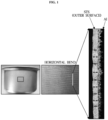
FIG. 1 is a picture of bends occurrence and cross-sectional tissues after pot forming of a clad plate. -
FIG. 2 is a graph illustrating bend heights according to hardness differences between stainless and Al. - According to an embodiment of the disclosure, a stainless steel includes, in % by weight, 0.0005 to 0.02% of C, 0.005 to 0.02% of N, 0.01 to 1.0% of Si, 0.01 to 1.0% of Mn, 0.001 to 0.05% of P, 10.0 to 25.0% of Cr, 0.01 to 0.5% of Nb, 0.01 to 0.5% of Ti, and the remainder having Fe and unavoidable impurities, wherein an average R-bar value of R values for respective directions is at least 1.5 (where average R-bar value refers to (R0 + 2R45 + R90)/4) and height of bends after clad plate processing is 25 µm or less.
- According to an embodiment of the disclosure, a stainless steel includes, in % by weight, 0.0005 to 0.02% of C, 0.005 to 0.02% of N, 0.01 to 1.0% of Si, 0.01 to 1.0% of Mn, 0.001 to 0.05% of P, 10.0 to 25.0% of Cr, 0.01 to 0.5% of Nb, 0.01 to 0.5% of Ti, and the remainder having Fe and unavoidable impurities, wherein an average R-bar value of R values for respective directions is at least 1.5 (where average R-bar value refers to (R0 + 2R45 + R90)/4) and height of bends after clad plate processing is 25 µm or less.
- A unit of wt% will now be used unless otherwise mentioned. The term "include (or including)" or "comprise (or comprising)" is inclusive or open-ended and does not exclude additional, unrecited elements or method steps, unless otherwise mentioned.
- The amount of carbon C is at least 0.0005% and equal to or less than 0.02%. When the amount of carbon C is less than 0.0005%, the price of refining to make a high-purity product is expensive, and when the amount exceeds 0.02%, impurities in the material increase, leading to a drop in elongation rate and corrosion resistance.
- The amount of nitrogen N is at least 0.005% and equal to or less than 0.02%. When the amount of nitrogen N is less than 0.005%, TiN crystallization decreases and thus, the equiaxed crystal ratio of the slab is lowered, and when it exceeds 0.02%, impurities in the material increase, causing a drop in elongation rate and corrosion resistance.
- The amount of silicon Si is at least 0.01% and equal to or less than 1.0%. When the amount of silicon Si is less than 0.01%, the price of refining to make a high-purity product is expensive, and when the amount exceeds 1.0%, hardness of the material overly increases, workability drops and bends are made.
- The amount of chrome Cr is at least 10.0% and equal to or less than 25.0%. When the amount of chrome Cr is less than 10.0%, corrosion resistance and strength are reduced, when it exceeds 25.0%, the burden of rising prices increases.
- The amount of manganese Mn is at least 0.01% and equal to or less than 1.0%. When the amount of manganese Mn is less than 0.01%, the refining price increases, and it exceeds 1.0%, impurities in the material increase, leading to a decrease in elongation rate.
- The amount of phosphorus P is at least 0.001% and equal to or less than 0.05%. Phosphorus P is an impurity unavoidably contained in steel, and is a major element that causes intergranular corrosion during pickling or impairs hot workability, so it is desirable to control the content as low as possible. However, when it is controlled to less than 0.001%, the refining price increases, and when it exceeds 0.05%, the elongation rate and the work hardening index are lowered due to an increase in impurities.
- The amount of niobium Nb is at least 0.01% and equal to or less than 0.5%. When the amount of niobium Nb is less than 0.01%, crystal grains grow too much and the R value decreases as in comparative examples 1 to 4 below, and when it exceeds 0.5%, workability decreases and it costs a lot.
- The amount of titanium Ti is at least 0.01% and equal to or less than 0.5%. When the amount of titanium Ti is less than 0.01%, crystal grains grow too much and the R value decreases as in comparative examples 1 to 4 below, and when it exceeds 0.5%, there are increasing defects due to Ti-based inclusions.
- An average value of R values for respective directions is calculated to be R-bar=(R0+2R45+R90)/4), which is desirably at least 1.5. When the R-bar value is less than 1.5, processing cracks in the clad plate occur frequently, and the height of the bends increases after forming the clad plate.
- Furthermore, in the disclosure, the difference in cross-sectional hardness between two materials after bonding with Al may be 50 to 150 Hv. When the hardness difference is less than 50 Hv, processing cracks in clad plate occur frequently, and when the hardness difference exceeds 150 Hv, local necking may occur periodically in ferritic stainless steel due to uneven deformation of Al in clad plate processing even when the R-bar value is at least 1.5, so that bends are formed on the surface.
- According to an embodiment of the disclosure, a method of manufacturing a stainless steel includes manufacturing a slab including, in % by weight, 0.0005 to 0.02% of C, 0.005 to 0.02% of N, 0.01 to 1.0% of Si, 0.01 to 1.0% of Mn, 0.001 to 0.05% of P, 10.0 to 25.0% of Cr, 0.01 to 0.5% of Nb, 0.01 to 0.5% of Ti, and the remainder having Fe and unavoidable impurities through a continuous casting process;
- hot-rolling the manufactured slab at a range of 800 to 1250 °C;
- performing hot rolling annealing at a temperature range of 900 to 1050 °C followed by cold-rolling with a reduction rate of at least 70%; and
- performing final cold rolling annealing at a temperature range of 800 to 950 °C for less than 1 hour.
- Embodiments of the disclosure will now be described in more detail.
- The following embodiments are provided to deliver the idea of the disclosure to those of ordinary skill in the art, but the disclosure is not limited to the embodiments and may be implemented in other forms.
- The stainless steel of embodiments 1 to 3 and comparative examples 1 to 7 was manufactured by manufacturing a steel having ingredients in table 1 below into a slab through continuous casting, hot-rolling at a range of 800 to 1250 °C, performing hot rolling annealing at a temperature range of 900 to 1050 °C, cooling with a reduction rate of at least 70% and performing final cool rolling annealing at a temperature range of 800 to 950 °C for less than 1 hour, and was measured in terms of R-bar, hardness difference and curve height, which are shown in table 2 below.
- The R-bar value was obtained by processing tensile specimens in directions of 0 °, 45 °, and 90 ° with respect to the rolling direction, doing a 15% tensile test and measuring an R value (Lankford value). It was calculated as an average of R values measured for the respective directions, i.e., R-bar value = (R0 + 2R45 + R90)/4.
- The hardness difference was obtained as a difference in Vickers hardness between cross-sections of two materials after bonding with Al, and the measurement of Vickers hardness was performed by using an HV-114 Vickers hardness tester manufactured by Mitutoyo.
- The bend height was measured by using a Mitutoyo surface roughness measuring instrument under the conditions of λc = 8 and n = 2.
[Table 1] Steel grade C N Si Mn P Cr Nb Ti section A 0.01 51 0.01 14 0.3 0.4 0.02 18.1 0.00 2 0.00 4 Steel grade of comparative example B 0.01 04 0.00 83 0.2 0.5 0.03 17.8 0.00 3 0.00 2 E 0.00 92 0.00 90 0.2 0.4 0.02 22.4 0.04 0.21 Steel grade of embodiment F 0.00 96 0.01 10 0.3 0.5 0.02 18.2 0.30 0.05 G 0.01 34 0.00 97 0.3 0.5 0.02 16.4 0.12 0.18 [Table 2] section Steel grade R-bar Hardness difference (STS-Al, Hv) Curve height (µm) Embodiment 1 E 1.92 95 12 Embodiment 2 F 1.75 138 21 Embodiment 3 G 1.98 117 15 Comparative example 1 A 1.24 124 27 Comparative example 2 B 1.35 132 31 Comparative example 3 A 1.07 157 36 Comparative example 4 B 1.18 166 42 Comparative example 5 E 1.84 162 28 Comparative example 6 F 1.72 185 39 Comparative example 7 G 1.92 171 34 - Embodiments 1 to 3 secured at least 1.5 of R-bar value by satisfying the alloy composition range and manufacturing conditions of the disclosure and controlled the hardness difference to be 50 to 150 Hv, thereby manufacturing a clad plate with superior workability that has 25 µm or less of curve occurrence.
- On the other hand, it could be seen that comparative examples 1 to 4 had less than 1.5 of R-bar value, so processing cracks occurred frequently in the clad plate and after forming the clad plate, the height of the bends increased to at least 25 µm.
- Furthermore, it could be seen that in comparative examples 5 to 7 where the hardness difference exceeded 150 Hv, even when the R-bar value was at least 1.5, periodical local necking occurred in the ferritic stainless steel due to uneven deformation of Al in clad plate processing, causing formation of bends on the surface (see
FIG. 1 ). - According to the disclosure, a ferritic stainless steel with superior clad plate workability that may reduce occurrence of cracks and bends may be manufactured, so the industrial applicability is acknowledged.
Claims (3)
- A ferritic stainless steel with superior clad plate workability, the ferritic stainless steel comprising:
in % by weight, 0.0005 to 0.02% of C, 0.005 to 0.02% of N, 0.01 to 1.0% of Si, 0.01 to 1.0% of Mn, 0.001 to 0.05% of P, 10.0 to 25.0% of Cr, 0.01 to 0.5% of Nb, 0.01 to 0.5% of Ti, and the remainder having Fe and unavoidable impurities, wherein an average R-bar value of R values for respective directions is at least 1.5 (where average R-bar value refers to (R0 + 2R45 + R90)/4) and height of bends after clad plate processing is 25 µm or less. - The ferritic stainless steel of claim 1, wherein a hardness difference from Al after the clad bonding is 50 to 150 Hv.
- A method of manufacturing a ferritic stainless steel with superior clad plate workability, the method comprising:manufacturing a slab including, in % by weight, 0.0005 to 0.02% of C, 0.005 to 0.02% of N, 0.01 to 1.0% of Si, 0.01 to 1.0% of Mn, 0.001 to 0.05% of P, 10.0 to 25.0% of Cr, 0.01 to 0.5% of Nb, 0.01 to 0.5% of Ti, and the remainder having Fe and unavoidable impurities, through a continuous casting process;hot-rolling the manufactured slab at a range of 800 to 1250 °C;performing hot rolling annealing at a temperature range of 900 to 1050 °C followed by cold-rolling with a reduction rate of at least 70%; andperforming final cold rolling annealing at a temperature range of 800 to 950 °C for less than 1 hour.
Applications Claiming Priority (2)
| Application Number | Priority Date | Filing Date | Title |
|---|---|---|---|
| KR1020210143016A KR20230059023A (en) | 2021-10-25 | 2021-10-25 | Ferritic stainless steel having excellent in workability of clad plate and method of manufacturing the same |
| PCT/KR2022/015951 WO2023075283A1 (en) | 2021-10-25 | 2022-10-19 | Ferritic stainless steel with excellent clad sheet workability, and manufacturing method therefor |
Publications (2)
| Publication Number | Publication Date |
|---|---|
| EP4400624A1 true EP4400624A1 (en) | 2024-07-17 |
| EP4400624A4 EP4400624A4 (en) | 2025-10-29 |
Family
ID=86159539
Family Applications (1)
| Application Number | Title | Priority Date | Filing Date |
|---|---|---|---|
| EP22887479.8A Pending EP4400624A4 (en) | 2021-10-25 | 2022-10-19 | Ferritic stainless steel with excellent coating film workability and manufacturing process for it |
Country Status (6)
| Country | Link |
|---|---|
| US (1) | US20240417832A1 (en) |
| EP (1) | EP4400624A4 (en) |
| JP (1) | JP2024537909A (en) |
| KR (1) | KR20230059023A (en) |
| CN (1) | CN118140002A (en) |
| WO (1) | WO2023075283A1 (en) |
Family Cites Families (11)
| Publication number | Priority date | Publication date | Assignee | Title |
|---|---|---|---|---|
| KR100484037B1 (en) * | 1999-03-30 | 2005-04-18 | 제이에프이 스틸 가부시키가이샤 | Ferritic stainless steel sheet having excellent formability |
| KR100762151B1 (en) * | 2001-10-31 | 2007-10-01 | 제이에프이 스틸 가부시키가이샤 | Ferritic stainless steel sheet having excellent deep-drawability and brittle resistance to secondary processing and method for making the same |
| JP5002991B2 (en) * | 2006-03-20 | 2012-08-15 | Jfeスチール株式会社 | Method for producing ferritic stainless steel cold-rolled steel sheet excellent in surface distortion resistance and surface properties and coated steel sheet |
| KR101485639B1 (en) * | 2012-12-20 | 2015-01-22 | 주식회사 포스코 | Ferritic stainless steel sheet with excellent ridging resistance and manufacturing method thereof |
| KR101695758B1 (en) * | 2015-12-23 | 2017-01-13 | 주식회사 포스코 | Ferritic stainless steel and method of manufacturing the same |
| CN109136735A (en) * | 2017-06-27 | 2019-01-04 | 宝钢不锈钢有限公司 | Ferritic stainless steel and its manufacturing method with favorable forming property |
| KR101964318B1 (en) * | 2017-08-31 | 2019-04-01 | 주식회사포스코 | Ferritic stainless steel with improved heat dissipation and workability and method of manufacturing the same |
| JP6983077B2 (en) * | 2018-01-12 | 2021-12-17 | 日鉄ステンレス株式会社 | Ferritic stainless steel sheet and its manufacturing method |
| CN108315648B (en) * | 2018-02-13 | 2020-04-14 | 济南大学 | Ferritic stainless steel for rear-stage muffler of automobile exhaust system carrying SCR treatment device and preparation method thereof |
| JP6738928B1 (en) * | 2019-03-29 | 2020-08-12 | 日鉄ステンレス株式会社 | Ferritic stainless steel sheet and method of manufacturing the same |
| KR102748718B1 (en) * | 2019-10-02 | 2024-12-31 | 닛테츠 스테인레스 가부시키가이샤 | Ferritic stainless steel sheet and method for manufacturing the same, and ferritic stainless steel member |
-
2021
- 2021-10-25 KR KR1020210143016A patent/KR20230059023A/en active Pending
-
2022
- 2022-10-19 WO PCT/KR2022/015951 patent/WO2023075283A1/en not_active Ceased
- 2022-10-19 EP EP22887479.8A patent/EP4400624A4/en active Pending
- 2022-10-19 CN CN202280070630.9A patent/CN118140002A/en active Pending
- 2022-10-19 US US18/698,704 patent/US20240417832A1/en active Pending
- 2022-10-19 JP JP2024523511A patent/JP2024537909A/en active Pending
Also Published As
| Publication number | Publication date |
|---|---|
| JP2024537909A (en) | 2024-10-16 |
| EP4400624A4 (en) | 2025-10-29 |
| WO2023075283A1 (en) | 2023-05-04 |
| US20240417832A1 (en) | 2024-12-19 |
| CN118140002A (en) | 2024-06-04 |
| KR20230059023A (en) | 2023-05-03 |
Similar Documents
| Publication | Publication Date | Title |
|---|---|---|
| KR100484037B1 (en) | Ferritic stainless steel sheet having excellent formability | |
| KR100977600B1 (en) | Ferritic stainless steel sheet with small orange peel and excellent moldability and manufacturing method | |
| US6413332B1 (en) | Method of producing ferritic Cr-containing steel sheet having excellent ductility, formability, and anti-ridging properties | |
| JPWO2000060134A1 (en) | Ferritic stainless steel sheet with excellent formability | |
| JP5219689B2 (en) | Ferritic stainless steel sheet with low surface roughness and manufacturing method thereof | |
| CN105331899A (en) | Ferritic stainless steel with good crease resistance and manufacturing method of ferritic stainless steel | |
| JP7580254B2 (en) | Ferritic stainless steel sheet and its manufacturing method | |
| EP2220260A1 (en) | Low chrome ferritic stainless steel with high corrosion resistance and stretchability and method of manufacturing the same | |
| TWI513831B (en) | Molybdenum iron stainless steel plate with excellent formability | |
| JP6809325B2 (en) | Duplex stainless steel shaped steel and its manufacturing method | |
| KR101695758B1 (en) | Ferritic stainless steel and method of manufacturing the same | |
| US20240417832A1 (en) | Ferritic stainless steel with excellent clad sheet workability, and manufacturing method therefor | |
| JP3941363B2 (en) | Ferritic stainless cold-rolled steel sheet excellent in ductility, workability and ridging resistance, and method for producing the same | |
| KR101316907B1 (en) | Ferritic stainless steel and method for manufacturing the same | |
| KR101279051B1 (en) | Ferritic stainless steel and method for manufacturing the same | |
| KR101569589B1 (en) | Ferritic stainless steel having excellentridging resistance and menufacturing method there of | |
| JP2010270399A (en) | Method for producing ferritic stainless steel with excellent ridging resistance | |
| JP4740021B2 (en) | Cr-containing thin steel sheet having excellent shape freezing property and method for producing the same | |
| JP4824857B2 (en) | Ferritic stainless steel sheet and manufacturing method thereof | |
| KR20030050211A (en) | austenitic stainless steel with excellent formability and resistant of season cracking | |
| KR102424980B1 (en) | Ferritic stainless steel with improved strength, workability and corrosion resistance | |
| JP2013053366A (en) | Ferritic stainless steel sheet with excellent ridging resistance and method for producing the same | |
| KR950007792B1 (en) | Austenitic stainless steel with excellent formability | |
| JPH0953118A (en) | High Young's modulus hot rolled steel sheet manufacturing method | |
| KR940007495B1 (en) | Making method of ferrite stainless steel |
Legal Events
| Date | Code | Title | Description |
|---|---|---|---|
| STAA | Information on the status of an ep patent application or granted ep patent |
Free format text: STATUS: THE INTERNATIONAL PUBLICATION HAS BEEN MADE |
|
| PUAI | Public reference made under article 153(3) epc to a published international application that has entered the european phase |
Free format text: ORIGINAL CODE: 0009012 |
|
| STAA | Information on the status of an ep patent application or granted ep patent |
Free format text: STATUS: REQUEST FOR EXAMINATION WAS MADE |
|
| 17P | Request for examination filed |
Effective date: 20240412 |
|
| AK | Designated contracting states |
Kind code of ref document: A1 Designated state(s): AL AT BE BG CH CY CZ DE DK EE ES FI FR GB GR HR HU IE IS IT LI LT LU LV MC ME MK MT NL NO PL PT RO RS SE SI SK SM TR |
|
| DAV | Request for validation of the european patent (deleted) | ||
| DAX | Request for extension of the european patent (deleted) | ||
| A4 | Supplementary search report drawn up and despatched |
Effective date: 20250926 |
|
| RIC1 | Information provided on ipc code assigned before grant |
Ipc: C22C 38/26 20060101AFI20250922BHEP Ipc: C22C 38/28 20060101ALI20250922BHEP Ipc: C22C 38/00 20060101ALI20250922BHEP Ipc: C22C 38/02 20060101ALI20250922BHEP Ipc: C22C 38/04 20060101ALI20250922BHEP Ipc: C21D 9/46 20060101ALI20250922BHEP Ipc: C21D 8/02 20060101ALI20250922BHEP Ipc: C21D 6/00 20060101ALI20250922BHEP |