EP4397469A1 - Sealing device for secondary battery - Google Patents
Sealing device for secondary battery Download PDFInfo
- Publication number
- EP4397469A1 EP4397469A1 EP23861644.5A EP23861644A EP4397469A1 EP 4397469 A1 EP4397469 A1 EP 4397469A1 EP 23861644 A EP23861644 A EP 23861644A EP 4397469 A1 EP4397469 A1 EP 4397469A1
- Authority
- EP
- European Patent Office
- Prior art keywords
- sealing
- pouch casing
- secondary battery
- tool
- thermal insulation
- Prior art date
- Legal status (The legal status is an assumption and is not a legal conclusion. Google has not performed a legal analysis and makes no representation as to the accuracy of the status listed.)
- Pending
Links
Images

Classifications
-
- B—PERFORMING OPERATIONS; TRANSPORTING
- B29—WORKING OF PLASTICS; WORKING OF SUBSTANCES IN A PLASTIC STATE IN GENERAL
- B29C—SHAPING OR JOINING OF PLASTICS; SHAPING OF MATERIAL IN A PLASTIC STATE, NOT OTHERWISE PROVIDED FOR; AFTER-TREATMENT OF THE SHAPED PRODUCTS, e.g. REPAIRING
- B29C66/00—General aspects of processes or apparatus for joining preformed parts
- B29C66/40—General aspects of joining substantially flat articles, e.g. plates, sheets or web-like materials; Making flat seams in tubular or hollow articles; Joining single elements to substantially flat surfaces
- B29C66/41—Joining substantially flat articles ; Making flat seams in tubular or hollow articles
- B29C66/43—Joining a relatively small portion of the surface of said articles
- B29C66/433—Casing-in, i.e. enclosing an element between two sheets by an outlined seam
-
- H—ELECTRICITY
- H01—ELECTRIC ELEMENTS
- H01M—PROCESSES OR MEANS, e.g. BATTERIES, FOR THE DIRECT CONVERSION OF CHEMICAL ENERGY INTO ELECTRICAL ENERGY
- H01M10/00—Secondary cells; Manufacture thereof
- H01M10/04—Construction or manufacture in general
- H01M10/0404—Machines for assembling batteries
-
- B—PERFORMING OPERATIONS; TRANSPORTING
- B29—WORKING OF PLASTICS; WORKING OF SUBSTANCES IN A PLASTIC STATE IN GENERAL
- B29C—SHAPING OR JOINING OF PLASTICS; SHAPING OF MATERIAL IN A PLASTIC STATE, NOT OTHERWISE PROVIDED FOR; AFTER-TREATMENT OF THE SHAPED PRODUCTS, e.g. REPAIRING
- B29C65/00—Joining or sealing of preformed parts, e.g. welding of plastics materials; Apparatus therefor
- B29C65/02—Joining or sealing of preformed parts, e.g. welding of plastics materials; Apparatus therefor by heating, with or without pressure
- B29C65/18—Joining or sealing of preformed parts, e.g. welding of plastics materials; Apparatus therefor by heating, with or without pressure using heated tools
-
- B—PERFORMING OPERATIONS; TRANSPORTING
- B29—WORKING OF PLASTICS; WORKING OF SUBSTANCES IN A PLASTIC STATE IN GENERAL
- B29C—SHAPING OR JOINING OF PLASTICS; SHAPING OF MATERIAL IN A PLASTIC STATE, NOT OTHERWISE PROVIDED FOR; AFTER-TREATMENT OF THE SHAPED PRODUCTS, e.g. REPAIRING
- B29C65/00—Joining or sealing of preformed parts, e.g. welding of plastics materials; Apparatus therefor
- B29C65/02—Joining or sealing of preformed parts, e.g. welding of plastics materials; Apparatus therefor by heating, with or without pressure
- B29C65/18—Joining or sealing of preformed parts, e.g. welding of plastics materials; Apparatus therefor by heating, with or without pressure using heated tools
- B29C65/24—Joining or sealing of preformed parts, e.g. welding of plastics materials; Apparatus therefor by heating, with or without pressure using heated tools characterised by the means for heating the tool
-
- B—PERFORMING OPERATIONS; TRANSPORTING
- B29—WORKING OF PLASTICS; WORKING OF SUBSTANCES IN A PLASTIC STATE IN GENERAL
- B29C—SHAPING OR JOINING OF PLASTICS; SHAPING OF MATERIAL IN A PLASTIC STATE, NOT OTHERWISE PROVIDED FOR; AFTER-TREATMENT OF THE SHAPED PRODUCTS, e.g. REPAIRING
- B29C65/00—Joining or sealing of preformed parts, e.g. welding of plastics materials; Apparatus therefor
- B29C65/02—Joining or sealing of preformed parts, e.g. welding of plastics materials; Apparatus therefor by heating, with or without pressure
- B29C65/18—Joining or sealing of preformed parts, e.g. welding of plastics materials; Apparatus therefor by heating, with or without pressure using heated tools
- B29C65/24—Joining or sealing of preformed parts, e.g. welding of plastics materials; Apparatus therefor by heating, with or without pressure using heated tools characterised by the means for heating the tool
- B29C65/30—Electrical means
- B29C65/305—Electrical means involving the use of cartridge heaters
-
- B—PERFORMING OPERATIONS; TRANSPORTING
- B29—WORKING OF PLASTICS; WORKING OF SUBSTANCES IN A PLASTIC STATE IN GENERAL
- B29C—SHAPING OR JOINING OF PLASTICS; SHAPING OF MATERIAL IN A PLASTIC STATE, NOT OTHERWISE PROVIDED FOR; AFTER-TREATMENT OF THE SHAPED PRODUCTS, e.g. REPAIRING
- B29C66/00—General aspects of processes or apparatus for joining preformed parts
- B29C66/01—General aspects dealing with the joint area or with the area to be joined
- B29C66/05—Particular design of joint configurations
- B29C66/10—Particular design of joint configurations particular design of the joint cross-sections
- B29C66/11—Joint cross-sections comprising a single joint-segment, i.e. one of the parts to be joined comprising a single joint-segment in the joint cross-section
- B29C66/112—Single lapped joints
- B29C66/1122—Single lap to lap joints, i.e. overlap joints
-
- B—PERFORMING OPERATIONS; TRANSPORTING
- B29—WORKING OF PLASTICS; WORKING OF SUBSTANCES IN A PLASTIC STATE IN GENERAL
- B29C—SHAPING OR JOINING OF PLASTICS; SHAPING OF MATERIAL IN A PLASTIC STATE, NOT OTHERWISE PROVIDED FOR; AFTER-TREATMENT OF THE SHAPED PRODUCTS, e.g. REPAIRING
- B29C66/00—General aspects of processes or apparatus for joining preformed parts
- B29C66/40—General aspects of joining substantially flat articles, e.g. plates, sheets or web-like materials; Making flat seams in tubular or hollow articles; Joining single elements to substantially flat surfaces
- B29C66/41—Joining substantially flat articles ; Making flat seams in tubular or hollow articles
- B29C66/43—Joining a relatively small portion of the surface of said articles
- B29C66/431—Joining the articles to themselves
- B29C66/4312—Joining the articles to themselves for making flat seams in tubular or hollow articles, e.g. transversal seams
- B29C66/43121—Closing the ends of tubular or hollow single articles, e.g. closing the ends of bags
-
- B—PERFORMING OPERATIONS; TRANSPORTING
- B29—WORKING OF PLASTICS; WORKING OF SUBSTANCES IN A PLASTIC STATE IN GENERAL
- B29C—SHAPING OR JOINING OF PLASTICS; SHAPING OF MATERIAL IN A PLASTIC STATE, NOT OTHERWISE PROVIDED FOR; AFTER-TREATMENT OF THE SHAPED PRODUCTS, e.g. REPAIRING
- B29C66/00—General aspects of processes or apparatus for joining preformed parts
- B29C66/80—General aspects of machine operations or constructions and parts thereof
- B29C66/81—General aspects of the pressing elements, i.e. the elements applying pressure on the parts to be joined in the area to be joined, e.g. the welding jaws or clamps
- B29C66/814—General aspects of the pressing elements, i.e. the elements applying pressure on the parts to be joined in the area to be joined, e.g. the welding jaws or clamps characterised by the design of the pressing elements, e.g. of the welding jaws or clamps
- B29C66/8141—General aspects of the pressing elements, i.e. the elements applying pressure on the parts to be joined in the area to be joined, e.g. the welding jaws or clamps characterised by the design of the pressing elements, e.g. of the welding jaws or clamps characterised by the surface geometry of the part of the pressing elements, e.g. welding jaws or clamps, coming into contact with the parts to be joined
- B29C66/81427—General aspects of the pressing elements, i.e. the elements applying pressure on the parts to be joined in the area to be joined, e.g. the welding jaws or clamps characterised by the design of the pressing elements, e.g. of the welding jaws or clamps characterised by the surface geometry of the part of the pressing elements, e.g. welding jaws or clamps, coming into contact with the parts to be joined comprising a single ridge, e.g. for making a weakening line; comprising a single tooth
-
- B—PERFORMING OPERATIONS; TRANSPORTING
- B29—WORKING OF PLASTICS; WORKING OF SUBSTANCES IN A PLASTIC STATE IN GENERAL
- B29C—SHAPING OR JOINING OF PLASTICS; SHAPING OF MATERIAL IN A PLASTIC STATE, NOT OTHERWISE PROVIDED FOR; AFTER-TREATMENT OF THE SHAPED PRODUCTS, e.g. REPAIRING
- B29C66/00—General aspects of processes or apparatus for joining preformed parts
- B29C66/80—General aspects of machine operations or constructions and parts thereof
- B29C66/81—General aspects of the pressing elements, i.e. the elements applying pressure on the parts to be joined in the area to be joined, e.g. the welding jaws or clamps
- B29C66/818—General aspects of the pressing elements, i.e. the elements applying pressure on the parts to be joined in the area to be joined, e.g. the welding jaws or clamps characterised by the cooling constructional aspects, or by the thermal or electrical insulating or conducting constructional aspects of the welding jaws or of the clamps ; comprising means for compensating for the thermal expansion of the welding jaws or of the clamps
- B29C66/8182—General aspects of the pressing elements, i.e. the elements applying pressure on the parts to be joined in the area to be joined, e.g. the welding jaws or clamps characterised by the cooling constructional aspects, or by the thermal or electrical insulating or conducting constructional aspects of the welding jaws or of the clamps ; comprising means for compensating for the thermal expansion of the welding jaws or of the clamps characterised by the thermal insulating constructional aspects
-
- B—PERFORMING OPERATIONS; TRANSPORTING
- B29—WORKING OF PLASTICS; WORKING OF SUBSTANCES IN A PLASTIC STATE IN GENERAL
- B29C—SHAPING OR JOINING OF PLASTICS; SHAPING OF MATERIAL IN A PLASTIC STATE, NOT OTHERWISE PROVIDED FOR; AFTER-TREATMENT OF THE SHAPED PRODUCTS, e.g. REPAIRING
- B29C66/00—General aspects of processes or apparatus for joining preformed parts
- B29C66/80—General aspects of machine operations or constructions and parts thereof
- B29C66/81—General aspects of the pressing elements, i.e. the elements applying pressure on the parts to be joined in the area to be joined, e.g. the welding jaws or clamps
- B29C66/818—General aspects of the pressing elements, i.e. the elements applying pressure on the parts to be joined in the area to be joined, e.g. the welding jaws or clamps characterised by the cooling constructional aspects, or by the thermal or electrical insulating or conducting constructional aspects of the welding jaws or of the clamps ; comprising means for compensating for the thermal expansion of the welding jaws or of the clamps
- B29C66/8182—General aspects of the pressing elements, i.e. the elements applying pressure on the parts to be joined in the area to be joined, e.g. the welding jaws or clamps characterised by the cooling constructional aspects, or by the thermal or electrical insulating or conducting constructional aspects of the welding jaws or of the clamps ; comprising means for compensating for the thermal expansion of the welding jaws or of the clamps characterised by the thermal insulating constructional aspects
- B29C66/81821—General aspects of the pressing elements, i.e. the elements applying pressure on the parts to be joined in the area to be joined, e.g. the welding jaws or clamps characterised by the cooling constructional aspects, or by the thermal or electrical insulating or conducting constructional aspects of the welding jaws or of the clamps ; comprising means for compensating for the thermal expansion of the welding jaws or of the clamps characterised by the thermal insulating constructional aspects of the welding jaws
-
- B—PERFORMING OPERATIONS; TRANSPORTING
- B29—WORKING OF PLASTICS; WORKING OF SUBSTANCES IN A PLASTIC STATE IN GENERAL
- B29C—SHAPING OR JOINING OF PLASTICS; SHAPING OF MATERIAL IN A PLASTIC STATE, NOT OTHERWISE PROVIDED FOR; AFTER-TREATMENT OF THE SHAPED PRODUCTS, e.g. REPAIRING
- B29C66/00—General aspects of processes or apparatus for joining preformed parts
- B29C66/80—General aspects of machine operations or constructions and parts thereof
- B29C66/83—General aspects of machine operations or constructions and parts thereof characterised by the movement of the joining or pressing tools
- B29C66/832—Reciprocating joining or pressing tools
- B29C66/8322—Joining or pressing tools reciprocating along one axis
- B29C66/83221—Joining or pressing tools reciprocating along one axis cooperating reciprocating tools, each tool reciprocating along one axis
-
- H—ELECTRICITY
- H01—ELECTRIC ELEMENTS
- H01M—PROCESSES OR MEANS, e.g. BATTERIES, FOR THE DIRECT CONVERSION OF CHEMICAL ENERGY INTO ELECTRICAL ENERGY
- H01M50/00—Constructional details or processes of manufacture of the non-active parts of electrochemical cells other than fuel cells, e.g. hybrid cells
- H01M50/10—Primary casings; Jackets or wrappings
- H01M50/172—Arrangements of electric connectors penetrating the casing
- H01M50/174—Arrangements of electric connectors penetrating the casing adapted for the shape of the cells
- H01M50/178—Arrangements of electric connectors penetrating the casing adapted for the shape of the cells for pouch or flexible bag cells
-
- H—ELECTRICITY
- H01—ELECTRIC ELEMENTS
- H01M—PROCESSES OR MEANS, e.g. BATTERIES, FOR THE DIRECT CONVERSION OF CHEMICAL ENERGY INTO ELECTRICAL ENERGY
- H01M50/00—Constructional details or processes of manufacture of the non-active parts of electrochemical cells other than fuel cells, e.g. hybrid cells
- H01M50/10—Primary casings; Jackets or wrappings
- H01M50/183—Sealing members
- H01M50/186—Sealing members characterised by the disposition of the sealing members
-
- H—ELECTRICITY
- H01—ELECTRIC ELEMENTS
- H01M—PROCESSES OR MEANS, e.g. BATTERIES, FOR THE DIRECT CONVERSION OF CHEMICAL ENERGY INTO ELECTRICAL ENERGY
- H01M50/00—Constructional details or processes of manufacture of the non-active parts of electrochemical cells other than fuel cells, e.g. hybrid cells
- H01M50/50—Current conducting connections for cells or batteries
- H01M50/572—Means for preventing undesired use or discharge
- H01M50/584—Means for preventing undesired use or discharge for preventing incorrect connections inside or outside the batteries
- H01M50/59—Means for preventing undesired use or discharge for preventing incorrect connections inside or outside the batteries characterised by the protection means
- H01M50/593—Spacers; Insulating plates
-
- B—PERFORMING OPERATIONS; TRANSPORTING
- B29—WORKING OF PLASTICS; WORKING OF SUBSTANCES IN A PLASTIC STATE IN GENERAL
- B29C—SHAPING OR JOINING OF PLASTICS; SHAPING OF MATERIAL IN A PLASTIC STATE, NOT OTHERWISE PROVIDED FOR; AFTER-TREATMENT OF THE SHAPED PRODUCTS, e.g. REPAIRING
- B29C65/00—Joining or sealing of preformed parts, e.g. welding of plastics materials; Apparatus therefor
- B29C65/48—Joining or sealing of preformed parts, e.g. welding of plastics materials; Apparatus therefor using adhesives, i.e. using supplementary joining material; solvent bonding
-
- B—PERFORMING OPERATIONS; TRANSPORTING
- B29—WORKING OF PLASTICS; WORKING OF SUBSTANCES IN A PLASTIC STATE IN GENERAL
- B29L—INDEXING SCHEME ASSOCIATED WITH SUBCLASS B29C, RELATING TO PARTICULAR ARTICLES
- B29L2031/00—Other particular articles
- B29L2031/34—Electrical apparatus, e.g. sparking plugs or parts thereof
- B29L2031/3468—Batteries, accumulators or fuel cells
-
- B—PERFORMING OPERATIONS; TRANSPORTING
- B29—WORKING OF PLASTICS; WORKING OF SUBSTANCES IN A PLASTIC STATE IN GENERAL
- B29L—INDEXING SCHEME ASSOCIATED WITH SUBCLASS B29C, RELATING TO PARTICULAR ARTICLES
- B29L2031/00—Other particular articles
- B29L2031/712—Containers; Packaging elements or accessories, Packages
- B29L2031/7146—Battery-cases
-
- H—ELECTRICITY
- H01—ELECTRIC ELEMENTS
- H01M—PROCESSES OR MEANS, e.g. BATTERIES, FOR THE DIRECT CONVERSION OF CHEMICAL ENERGY INTO ELECTRICAL ENERGY
- H01M50/00—Constructional details or processes of manufacture of the non-active parts of electrochemical cells other than fuel cells, e.g. hybrid cells
- H01M50/10—Primary casings; Jackets or wrappings
- H01M50/102—Primary casings; Jackets or wrappings characterised by their shape or physical structure
- H01M50/105—Pouches or flexible bags
-
- H—ELECTRICITY
- H01—ELECTRIC ELEMENTS
- H01M—PROCESSES OR MEANS, e.g. BATTERIES, FOR THE DIRECT CONVERSION OF CHEMICAL ENERGY INTO ELECTRICAL ENERGY
- H01M50/00—Constructional details or processes of manufacture of the non-active parts of electrochemical cells other than fuel cells, e.g. hybrid cells
- H01M50/50—Current conducting connections for cells or batteries
- H01M50/543—Terminals
- H01M50/552—Terminals characterised by their shape
- H01M50/553—Terminals adapted for prismatic, pouch or rectangular cells
-
- Y—GENERAL TAGGING OF NEW TECHNOLOGICAL DEVELOPMENTS; GENERAL TAGGING OF CROSS-SECTIONAL TECHNOLOGIES SPANNING OVER SEVERAL SECTIONS OF THE IPC; TECHNICAL SUBJECTS COVERED BY FORMER USPC CROSS-REFERENCE ART COLLECTIONS [XRACs] AND DIGESTS
- Y02—TECHNOLOGIES OR APPLICATIONS FOR MITIGATION OR ADAPTATION AGAINST CLIMATE CHANGE
- Y02E—REDUCTION OF GREENHOUSE GAS [GHG] EMISSIONS, RELATED TO ENERGY GENERATION, TRANSMISSION OR DISTRIBUTION
- Y02E60/00—Enabling technologies; Technologies with a potential or indirect contribution to GHG emissions mitigation
- Y02E60/10—Energy storage using batteries
-
- Y—GENERAL TAGGING OF NEW TECHNOLOGICAL DEVELOPMENTS; GENERAL TAGGING OF CROSS-SECTIONAL TECHNOLOGIES SPANNING OVER SEVERAL SECTIONS OF THE IPC; TECHNICAL SUBJECTS COVERED BY FORMER USPC CROSS-REFERENCE ART COLLECTIONS [XRACs] AND DIGESTS
- Y02—TECHNOLOGIES OR APPLICATIONS FOR MITIGATION OR ADAPTATION AGAINST CLIMATE CHANGE
- Y02P—CLIMATE CHANGE MITIGATION TECHNOLOGIES IN THE PRODUCTION OR PROCESSING OF GOODS
- Y02P70/00—Climate change mitigation technologies in the production process for final industrial or consumer products
- Y02P70/50—Manufacturing or production processes characterised by the final manufactured product
Definitions
- the present invention relates to an apparatus for sealing a secondary battery.
- a secondary battery refers to a battery that may be charged and discharged, unlike a primary battery that cannot be charged.
- the secondary batteries are widely used in cutting-edge electronic device fields such as phones, laptop computers, and camcorders.
- a thermal insulation coating layer 40 may be positioned on a lateral surface of the sealing tool 10.
- the lateral surface of the sealing tool 10 means a surface perpendicular to the surface that comes into contact with the pouch casing 1.
- the thermal insulation coating layer 40 may be positioned on an outer surface excluding the surface opposite to the surface that is in contact with the sealing block 20.
- the sealing block 20 heats the sealing tool 10 or supports the pouch casing 1.
- the sealing block 20 may be provided as a pair of sealing blocks 20.
- the sealing tool 10 may be positioned on one surface of the sealing block 20.
- the sealing block 20 may serve to heat the sealing tool 10 and does not come into contact with the pouch casing 1.
Landscapes
- Engineering & Computer Science (AREA)
- Mechanical Engineering (AREA)
- Chemical & Material Sciences (AREA)
- Chemical Kinetics & Catalysis (AREA)
- Electrochemistry (AREA)
- General Chemical & Material Sciences (AREA)
- Physics & Mathematics (AREA)
- Thermal Sciences (AREA)
- Manufacturing & Machinery (AREA)
- Sealing Battery Cases Or Jackets (AREA)
- Package Closures (AREA)
- Secondary Cells (AREA)
Abstract
Description
- This application claims priority to and the benefit of
Korean Patent Application No. 10-2022-0147040 filed with the Korean Intellectual Property Office on November 7, 2022 - The present invention relates to an apparatus for sealing a secondary battery.
- In general, a secondary battery refers to a battery that may be charged and discharged, unlike a primary battery that cannot be charged. The secondary batteries are widely used in cutting-edge electronic device fields such as phones, laptop computers, and camcorders.
- The stability of the secondary battery may be ensured by performing a stability test that compresses one surface of the secondary battery with a pressing machine and then measures an internal short circuit.
- Depending on shapes of battery casings, the secondary batteries are classified into a cylindrical or angular secondary battery in which an electrode assembly is embedded in a cylindrical or angular metal can, and a pouch casing-type secondary battery in which an electrode assembly is embedded in a pouch casing-type casing provided in the form of a laminated aluminum sheet.
- During a process of manufacturing a pouch casing-type battery, an electrode assembly is accommodated in a pouch casing, and then the pouch casing is sealed by pressing and heating an outer peripheral surface of the pouch casing by using a sealing tool from above and below the pouch casing.
- In this case, a region of the sealing tool, which seals a portion where an electrode lead is positioned, is positioned inside the sealing tool and heated to a temperature relatively higher than a temperature outside the sealing tool. For this reason, a sealing portion is not sealed with a uniform temperature, which causes a problem in that uniform sealing quality cannot be ensured.
- Further, because the sealing tool is configured to discharge heat therein to the outside through a surface thereof, a large amount of time is required to heat and seal the next pouch casing after the previous pouch casing is sealed. Therefore, there is a limitation in shortening the time it takes to process the secondary battery.
- The present invention has been made in an effort to solve the above-mentioned problem, and an object of the present invention is to provide an apparatus for sealing a secondary battery, which is capable of preventing a temperature of a sealing tool from being diffused to the outside.
- An embodiment of the present invention provides an apparatus for sealing a secondary battery, which manufactures a secondary battery by sealing an outer peripheral surface of a pouch casing embedded with an electrode assembly, the apparatus including: a sealing tool configured to seal the outer peripheral surface of the pouch casing and having a thermal insulation coating layer positioned on a lateral surface of the sealing tool; a pair of sealing blocks configured to heat the sealing tool or support the pouch casing; and a heating member positioned in the sealing block and configured to heat the sealing block.
- The embodiment of the present invention provides the apparatus for sealing a secondary battery in which the secondary battery may include an electrode lead extending to the outside of the pouch casing, and the sealing tool may include: a pouch casing sealing portion configured to press and heat a pouch casing region in which the electrode lead is not positioned; and a lead sealing portion configured to press and heat a region in which the electrode lead is positioned.
- The embodiment of the present invention provides the apparatus for sealing a secondary battery in which a height of the lead sealing portion may be lower than a height of the pouch casing sealing portion.
- The embodiment of the present invention provides the apparatus for sealing a secondary battery in which the thermal insulation coating layer positioned on the lead sealing portion may be thinner than the thermal insulation coating layer positioned on the pouch casing sealing portion.
- The embodiment of the present invention provides the apparatus for sealing a secondary battery in which the thermal insulation coating layer may be positioned on an outer surface of the sealing block, except for a region in which the sealing tool is positioned.
- The embodiment of the present invention provides the apparatus for sealing a secondary battery in which the thermal insulation coating layer may include a bonding layer provided on one surface thereof and bonded to the sealing tool.
- The embodiment of the present invention provides the apparatus for sealing a secondary battery in which the sealing block may have a space into which the heating member is inserted.
- The embodiment of the present invention provides the apparatus for sealing a secondary battery in which the heating member may be provided in the form of a rod or coil.
- The embodiment of the present invention provides the apparatus for sealing a secondary battery in which the sealing tool may be positioned on one surface of any one of or both the pair of sealing blocks.
- The embodiment of the present invention provides the apparatus for sealing a secondary battery in which any one of or both the pair of sealing blocks may further include a movable member configured to move the sealing block upward or downward.
- According to apparatus for sealing a secondary battery according to the embodiment of the present invention, the thermal insulation coating layer may be positioned on the outer surface of the sealing tool that is not in contact with the pouch casing, thereby minimizing a degree to which the heat in the sealing tool from being diffused to the outside.
- Further, according to the apparatus for sealing a secondary battery, the thermal insulation coating layer, which is positioned on the sealing tool for sealing the region in which the pouch casing and the lead are stacked, and the thermal insulation coating layer, which is positioned on the sealing tool for sealing the region in which only the pouch casing is stacked, have different thicknesses. Therefore, it is possible to uniformize the temperature of the sealing tool and easily ensure the uniform sealing quality.
-
-
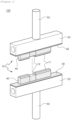
FIG. 1 is a perspective view of an apparatus for sealing a secondary battery according to an embodiment of the present invention. -
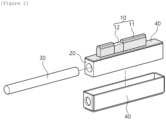
FIG. 2 is an exploded perspective view of the apparatus for sealing a secondary battery according to the embodiment of the present invention. -
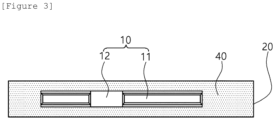
FIG. 3 is a top plan view of the apparatus for sealing a secondary battery according to the embodiment of the present invention. -
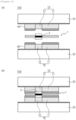
FIG. 4A is a front view of the apparatus for sealing a secondary battery according to the embodiment of the present invention, andFIG. 4B is a front view illustrating a state in which the apparatus for sealing a secondary battery according to the embodiment of the present invention presses a secondary battery. -
FIG. 5 is a perspective view of an apparatus for sealing a secondary battery according to another embodiment of the present invention. -
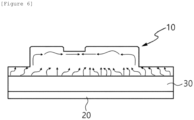
FIG. 6 is a cross-sectional view illustrating a state in which heat generated by a heating member according to the embodiment of the present invention is transferred to a sealing block and a sealing tool. -
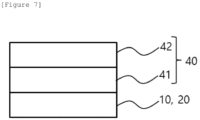
FIG. 7 is a schematic view illustrating a structure of a thermal insulation coating layer according to the embodiment of the present invention. -
- 100: Apparatus for sealing secondary battery
- 1: Pouch casing
- 2: Electrode lead
- 10: Sealing tool
- 11: Pouch casing sealing portion
- 12: Lead sealing portion
- 20: Sealing block
- 30: Heating member
- 40: Thermal insulation coating layer
- 41: Bonding layer
- 42: Thermal insulation layer
- 50: Movable member
- The detailed description of the present invention is provided to completely explain the present invention to a person with ordinary skill in the art. Throughout the specification, unless explicitly described to the contrary, when one component "comprises (includes)" another component or "characterized by" having a certain structure and a certain shape, this means that other components, structures, and shapes may be included without being excluded.
- The present invention may be variously modified and may have various embodiments, and specific embodiments will be described in detail in the detailed description. However, the description of the embodiments is not intended to limit the contents of the present invention, but it should be understood that the present invention is to cover all modifications, equivalents and alternatives falling within the spirit and technical scope of the present invention.
- Hereinafter, the present invention will be described in detail with reference to the drawings. However, the drawings are intended to illustratively describe the present invention, and the scope of the present invention is not limited by the drawings.
-
FIG. 1 is a perspective view of anapparatus 100 for sealing a secondary battery according to an embodiment of the present invention,FIG. 2 is an exploded perspective view of theapparatus 100 for sealing a secondary battery according to the embodiment of the present invention, andFIG. 3 is a top plan view of the apparatus for sealing a secondary battery according to the embodiment of the present invention. - The
apparatus 100 for sealing a secondary battery according to the present invention includessealing tools 10,sealing blocks 20, andheating members 30. - The
apparatus 100 for sealing a secondary battery serves to seal an outer peripheral surface of a pouch casing 1 embedded with an electrode assembly (not illustrated). In this case, the secondary battery may be a pouch casing-type secondary battery and include the electrode assembly and the pouch casing 1. - The electrode assembly may include a positive electrode, a negative electrode, and a separator. The electrode assembly may be accommodated in a pouch casing while occupying a maximum volume in the pouch casing to increase an energy density. Therefore, the secondary battery may be implemented as a secondary battery having a high capacity and a high output with a size remaining the same.
- The pouch casing 1 includes an accommodation space capable of accommodating the electrode assembly, and a sealing space positioned around the accommodation space and sealed in a state in which only the pouch casing 1 is stacked or electrode leads 2 to be described below are stacked together with the pouch casing 1. The accommodation space may be provided such that the electrode assembly occupies a maximum volume. The accommodation space may have a volume or area equal to a volume of the electrode assembly.
- Further, the secondary battery may include the electrode leads 2 extending to the outside of the pouch casing 1. The
electrode lead 2 may protrude to the outside through a periphery of the pouch casing 1. - In more detail, the electrode assembly may include a negative electrode tab and a positive electrode tab formed by extending current collecting plates of a negative electrode and a positive electrode. The electrode leads 2 may extend from the negative electrode tab and the positive electrode tab and protrude to the outside through the sealing space of the pouch casing 1. Therefore, the electrode leads 2 may be positioned in the pouch casing 1, i.e., in the sealing space of the pouch casing 1.
- The
apparatus 100 for sealing a secondary battery according to the present invention may seal the sealing space of the pouch casing 1 by heating and pressing the sealing space of the pouch casing 1. - The sealing
tool 10 seals the periphery of the pouch casing 1. A contact surface of the sealing space of the pouch casing 1 is coated with a sealant. The sealingtool 10 may bond (seal) the pouch casing 1 of the sealing space by pressing and heating the sealing space of the pouch casing 1. - The sealing
tool 10 may include a pouchcasing sealing portion 11 configured to press and heat a region in which only the pouch casing 1 is stacked without theelectrode lead 2, and alead sealing portion 12 configured to press and heat a region in which theelectrode lead 2 is positioned in the pouch casing 1. - The electrode leads 2 may be positioned on one side or two facing sides among four sides of the electrode assembly. Therefore, a sealing region of the pouch casing 1 may include a first sealing region including the electrode leads 2, and a second sealing region that does not include the
electrode lead 2. - A structure of the sealing
tool 10 for sealing the first sealing region and a structure of the sealingtool 10 for sealing the second sealing region may be different from each other. The sealingtool 10 for sealing the first sealing region may include both the pouchcasing sealing portion 11 and thelead sealing portion 12. The sealingtool 10 for sealing the second sealing region may include only the pouchcasing sealing portion 11. -
FIG. 4A is a front view of theapparatus 100 for sealing a secondary battery according to the embodiment of the present invention, andFIG. 4B is a front view illustrating a state in which theapparatus 100 for sealing a secondary battery according to the embodiment of the present invention presses a secondary battery. - A height of the
lead sealing portion 12 may be lower than a height of the pouchcasing sealing portion 11. In this case, the height means a distance between one surface of the sealingtool 10, which is in contact with the sealingblock 20, and a surface opposite to one surface. - The
electrode lead 2 has a predetermined thickness. In the sealing region, a portion where theelectrode lead 2 is positioned may have a larger thickness than a portion where theelectrode lead 2 is not positioned. Therefore, thelead sealing portion 12 has a lower height than the pouchcasing sealing portion 11, such that thelead sealing portion 12 may come into contact with the sealing region that is thick because of theelectrode lead 2. That is, thelead sealing portion 12 may be provided at a height lower than the height of the pouchcasing sealing portion 11 by the thickness of theelectrode lead 2. - Further, when the
apparatus 100 for sealing a secondary battery presses the pouch casing 1 with the same pressure, the pouchcasing sealing portion 11 and thelead sealing portion 12 may be pressed by the same pressure even though the sealing regions have different thicknesses because of the electrode leads 2. Therefore, it is possible to ensure the same sealing quality for both the first sealing region and the second sealing region. - A thermal
insulation coating layer 40 may be positioned on a lateral surface of the sealingtool 10. In this case, the lateral surface of the sealingtool 10 means a surface perpendicular to the surface that comes into contact with the pouch casing 1. In other words, the thermalinsulation coating layer 40 may be positioned on an outer surface excluding the surface opposite to the surface that is in contact with the sealingblock 20. - The heat in the
sealing tool 10 may be discharged to the outside before, during, and after the process of sealing the pouch casing 1. The thermalinsulation coating layer 40 may prevent the heat in thesealing tool 10 from being discharged to the outside, which provides an economic effect of reducing the supply amount of heat supplied to seal the secondary battery. - The thermal insulation coating layers 40 positioned on the lateral surface of the pouch
casing sealing portion 11 and the lateral surface of thelead sealing portion 12 of the sealingtool 10 may have different thicknesses. - In the embodiment, the pouch
casing sealing portion 11, thelead sealing portion 12, and the pouchcasing sealing portion 11 of the sealingtool 10 may be provided in this order in a length direction of the sealingblock 20. In this case, thelead sealing portion 12 positioned between the pouchcasing sealing portions 11 has a higher temperature than the pouchcasing sealing portion 11 and has a smaller amount of convective heat (heat discharged to the outside from the sealing tool 10) than the pouchcasing sealing portion 11. Therefore, in thesealing tool 10, the thermalinsulation coating layer 40 positioned on thelead sealing portion 12 may have a smaller thickness than the thermalinsulation coating layer 40 positioned on the pouchcasing sealing portion 11. - Because the thermal
insulation coating layer 40 positioned on the pouchcasing sealing portion 11 has a larger thickness than the thermalinsulation coating layer 40 positioned on thelead sealing portion 12, the convective heat of thelead sealing portion 12 is smaller in amount than the convective heat of the pouchcasing sealing portion 11, such that the temperature of the sealingtool 10 may be uniformly maintained. Further, because the temperature of the sealingtool 10 is uniformly maintained, the sealing quality of the pouch casing 1 may be uniformly maintained. -
FIG. 7 is a schematic view illustrating a structure of the thermal insulation coating layers 40 according to the embodiment of the present invention. - The thermal
insulation coating layer 40 may include abonding layer 41 bonded to a base material such as the sealingtool 10 or the sealingblock 20, and athermal insulation layer 42 provided on one surface of thebonding layer 41 and configured to prevent heat in the base material from being discharged to the outside. For example, thebonding layer 41 may include any one or more of NiCoCrAlY, NiCrAlY, and CoCrAlY so that a phase of thebonding layer 41 is not changed by a temperature of the base material. Further, for example, thethermal insulation layer 42 may include any one or more of stabilized zirconia, yttria, and aluminum oxide. - The sealing
block 20 heats the sealingtool 10 or supports the pouch casing 1. The sealingblock 20 may be provided as a pair of sealing blocks 20. - In the embodiment, the sealing
tool 10 may be positioned on one surface of the sealingblock 20. In this case, the sealingblock 20 may serve to heat thesealing tool 10 and does not come into contact with the pouch casing 1. - In another embodiment, the sealing
tool 10 may not be positioned on one surface of the sealingblock 20. In this case, the sealingblock 20 may support the pouch casing 1 in which the electrode assembly is accommodated. In more detail, the sealingblock 20 may support the sealing region of the pouch casing 1. -
FIG. 5 is a perspective view illustrating theapparatus 100 for sealing a secondary battery according to another embodiment of the present invention. - With reference to
FIG. 1 , both the pair of sealingblocks 20 may each be configured as the sealingblock 20 according to the embodiment. - Alternatively, with reference to
FIG. 5 , one of the sealing blocks 20 may be provided as the sealingblock 20 according to the embodiment, and the other of the sealing blocks 20 may be provided as the sealingblock 20 according to another embodiment. In this case, in the sealingblock 20 according to another embodiment, the thermalinsulation coating layer 40 is not positioned in a region corresponding to thesealing tool 10 of the sealingblock 20 according to the embodiment. Therefore, according to the sealingblock 20 according to another embodiment, the region corresponding to thesealing tool 10 may heat the pouch casing 1 while supporting the pouch casing 1. - The
apparatus 100 for sealing a secondary battery may further includemovable members 50 configured to move the sealing blocks 20 upward or downward. Themovable members 50 serve to move the sealingblock 20 to press the pouch casing 1. Themovable member 50 may be provided on the other surface of the sealingblock 20, i.e., the surface opposite to the surface on which thesealing tool 10 is positioned. - For example, in case that both the pair of sealing blocks 20 is each implemented as the sealing
block 20 according to the embodiment, themovable members 50 may be respectively provided on both the pair of sealing blocks 20. - Alternatively, in case that the pair of sealing blocks 20 is respectively implemented as the sealing
block 20 according to the embodiment and the sealingblock 20 according to another embodiment, themovable member 50 may be provided only on one of the pair of sealing blocks 20. In this case, the sealingblock 20 according to the embodiment may be positioned on an upper portion of the pouch casing 1, and the pouch casing 1 may be mounted on one surface of the sealingblock 20 according to another embodiment. - Alternatively, in case that the pair of sealing blocks 20 is respectively implemented as the sealing
block 20 according to the embodiment and the sealingblock 20 according to another embodiment, themovable members 50 may be provided on both the pair of sealing blocks 20. - The thermal
insulation coating layer 40 may be positioned on the surface of the sealingblock 20 on which thesealing tool 10 is not positioned in order to prevent the convective heat from being generated through the surface on which thesealing tool 10 is not positioned. The thermalinsulation coating layer 40 may be positioned on the lateral and lower surfaces of the sealingblock 20 and the portion where the sealingtool 10 is not positioned at the side at which thesealing tool 10 is provided. The lateral surface of the sealingblock 20 means the surface perpendicular to the surface on which thesealing tool 10 is provided. The lower surface means the surface opposite to the surface on which thesealing tool 10 is positioned. - The thermal
insulation coating layer 40 positioned on the lateral and lower surfaces of the sealingblock 20 may be bonded to the lateral surface of the sealingblock 20. Alternatively, the thermalinsulation coating layer 40 may be provided as a casing having a shape corresponding to the lateral and lower surfaces of the sealingblock 20 and attached to or detached from the sealingblock 20. - The
apparatus 100 for sealing a secondary battery according to the present invention includes theheating member 30 configured to heat the sealingblock 20. Theheating member 30 may be positioned in the sealingblock 20. Therefore, the sealingblock 20 may include a space into which theheating member 30 is inserted. - For example, the sealing
block 20 may have a hollow cylindrical space formed in the length direction. Further, theheating member 30 may be formed in a cylindrical shape or a coil shape and inserted into the hollow space of the sealingblock 20. -
FIG. 6 is a cross-sectional view illustrating a state in which heat generated by theheating member 30 according to the embodiment of the present invention is transferred to the sealingblock 20 and thesealing tool 10. - The
heating member 30 may heat the sealingblock 20, and theheated sealing block 20 may heat thesealing tool 10 being in direct contact with one surface. Further, the thermalinsulation coating layer 40 positioned on the surface of the sealingblock 20 and the surface of the sealingtool 10 may prevent the heat in the sealingblock 20 and thesealing tool 10 from being discharged to the outside. - While the present invention has been described above with reference to the exemplary embodiments, it may be understood by those skilled in the art that the present invention may be variously modified and changed without departing from the spirit and scope of the present invention disclosed in the claims.
Claims (10)
- An apparatus for sealing a secondary battery, which manufactures a secondary battery by sealing an outer peripheral surface of a pouch casing embedded with an electrode assembly, the apparatus comprising:a sealing tool configured to seal the outer peripheral surface of the pouch casing and having a thermal insulation coating layer positioned on a lateral surface of the sealing tool;a pair of sealing blocks configured to heat the sealing tool or support the pouch casing; anda heating member positioned in the sealing block and configured to heat the sealing block.
- The apparatus of claim 1, wherein the secondary battery comprises an electrode lead extending to the outside of the pouch casing, and
wherein the sealing tool comprises:a pouch casing sealing portion configured to press and heat a pouch casing region in which the electrode lead is not positioned; anda lead sealing portion configured to press and heat a region in which the electrode lead is positioned. - The apparatus of claim 2, wherein a height of the lead sealing portion is lower than a height of the pouch casing sealing portion.
- The apparatus of claim 2, wherein the thermal insulation coating layer positioned on the lead sealing portion is thinner than the thermal insulation coating layer positioned on the pouch casing sealing portion.
- The apparatus of claim 1, wherein the thermal insulation coating layer is positioned on an outer surface of the sealing block, except for a region in which the sealing tool is positioned.
- The apparatus of claim 1, wherein the thermal insulation coating layer comprises a bonding layer provided on one surface thereof and bonded to the sealing tool.
- The apparatus of claim 1, wherein the sealing block has a space into which the heating member is inserted.
- The apparatus of claim 1, wherein the heating member is provided in the form of a rod or coil.
- The apparatus of claim 1, wherein the sealing tool is positioned on one surface of any one of or both the pair of sealing blocks.
- The apparatus of claim 1, wherein any one of or both the pair of sealing blocks further comprise a movable member configured to move the sealing block upward or downward.
Applications Claiming Priority (2)
| Application Number | Priority Date | Filing Date | Title |
|---|---|---|---|
| KR1020220147040A KR20240065834A (en) | 2022-11-07 | 2022-11-07 | Sealing device for secondary battery |
| PCT/KR2023/009121 WO2024101574A1 (en) | 2022-11-07 | 2023-06-29 | Sealing device for secondary battery |
Publications (2)
| Publication Number | Publication Date |
|---|---|
| EP4397469A1 true EP4397469A1 (en) | 2024-07-10 |
| EP4397469A4 EP4397469A4 (en) | 2025-01-29 |
Family
ID=90366593
Family Applications (1)
| Application Number | Title | Priority Date | Filing Date |
|---|---|---|---|
| EP23861644.5A Pending EP4397469A4 (en) | 2022-11-07 | 2023-06-29 | SEALANT DEVICE FOR SECONDARY BATTERY |
Country Status (6)
| Country | Link |
|---|---|
| US (1) | US20250239640A1 (en) |
| EP (1) | EP4397469A4 (en) |
| JP (1) | JP7782775B2 (en) |
| KR (1) | KR20240065834A (en) |
| CN (1) | CN118317861A (en) |
| WO (1) | WO2024101574A1 (en) |
Families Citing this family (2)
| Publication number | Priority date | Publication date | Assignee | Title |
|---|---|---|---|---|
| KR20260034202A (en) * | 2024-09-04 | 2026-03-11 | 주식회사 엘지에너지솔루션 | Sealing device for pouch-type battery case and sealing method using the same |
| KR20260058617A (en) * | 2024-10-22 | 2026-04-29 | 주식회사 엘지에너지솔루션 | Sealing device |
Family Cites Families (13)
| Publication number | Priority date | Publication date | Assignee | Title |
|---|---|---|---|---|
| CA2368006C (en) | 2000-01-26 | 2008-12-30 | Dai Nippon Printing Co., Ltd. | Heat-sealing machine, heat-sealing method, embossing method, work pressing machine and workpiece |
| JP2006256642A (en) | 2005-03-16 | 2006-09-28 | Ishida Co Ltd | Packaging machine |
| KR20120126932A (en) * | 2011-05-13 | 2012-11-21 | 에스케이이노베이션 주식회사 | Sealing method and device of pouch type secondary battery |
| WO2016159607A1 (en) | 2015-04-02 | 2016-10-06 | 주식회사 엘지화학 | Sealing apparatus of pouch-type rechargeable battery |
| KR101852250B1 (en) | 2015-04-02 | 2018-04-26 | 주식회사 엘지화학 | Sealing tool for a pouch type secondary battery |
| KR102407509B1 (en) * | 2015-05-11 | 2022-06-13 | 에스케이온 주식회사 | Pouch sealing apparatus and method of manufacturing secondary battery |
| US10873111B2 (en) | 2016-08-09 | 2020-12-22 | Wisk Aero Llc | Battery with compression and prevention of thermal runaway propagation features |
| JP6804382B2 (en) | 2017-05-16 | 2020-12-23 | Ckd株式会社 | Sealing device |
| KR102348775B1 (en) * | 2017-05-31 | 2022-01-06 | 한국전기연구원 | Pressing apparatus for secondary battery cell |
| KR102843785B1 (en) | 2020-08-11 | 2025-08-07 | 주식회사 엘지에너지솔루션 | Sealing device for rechargeable battery |
| KR102867387B1 (en) * | 2020-10-06 | 2025-10-01 | 에스케이온 주식회사 | Secondary battery pouch sealing device and secondary battery pouch sealing method using the same |
| KR102957211B1 (en) | 2021-04-26 | 2026-04-24 | 은하수 | A server for providing product sales service using a proxy marketer and a method for providing product sales service thereof |
| CN216085059U (en) | 2021-07-27 | 2022-03-18 | 恒大新能源技术(深圳)有限公司 | End socket and packaging device |
-
2022
- 2022-11-07 KR KR1020220147040A patent/KR20240065834A/en active Pending
-
2023
- 2023-06-29 EP EP23861644.5A patent/EP4397469A4/en active Pending
- 2023-06-29 US US18/699,769 patent/US20250239640A1/en active Pending
- 2023-06-29 JP JP2024515698A patent/JP7782775B2/en active Active
- 2023-06-29 WO PCT/KR2023/009121 patent/WO2024101574A1/en not_active Ceased
- 2023-06-29 CN CN202380013643.7A patent/CN118317861A/en active Pending
Also Published As
| Publication number | Publication date |
|---|---|
| JP2024545549A (en) | 2024-12-10 |
| EP4397469A4 (en) | 2025-01-29 |
| CN118317861A (en) | 2024-07-09 |
| WO2024101574A1 (en) | 2024-05-16 |
| US20250239640A1 (en) | 2025-07-24 |
| KR20240065834A (en) | 2024-05-14 |
| JP7782775B2 (en) | 2025-12-09 |
Similar Documents
| Publication | Publication Date | Title |
|---|---|---|
| US11935997B2 (en) | Pouch exterior for secondary battery, pouch-type secondary battery using the pouch exterior, and method of manufacturing the pouch-type secondary battery | |
| US11811076B2 (en) | Secondary battery and method for manufacturing the same, and pressing block for manufacturing secondary battery | |
| US10476096B2 (en) | Method for manufacturing secondary battery and method for manufacturing electrode assembly | |
| EP3249732B1 (en) | Sealing apparatus of pouch-type rechargeable battery | |
| KR101713042B1 (en) | High Temperature Pressing Device for Battery Cell | |
| US20250239640A1 (en) | Apparatus for Sealing Secondary Battery | |
| US20080286644A1 (en) | Label for secondary battery and secondary battery using the label | |
| KR101826894B1 (en) | Electrode assembly and apparatus for manufacturing the same | |
| KR20190042800A (en) | Pouch-Type Battery Case Having Structure to Prevent Crack and Method for Preparing the Same | |
| KR20180028714A (en) | Sealing Device for Battery Case Comprising Sealing Protrusion and Method of Manufacturing Battery Cell Using the Same | |
| KR20120136379A (en) | Integrated frame battery cell | |
| EP4220796B1 (en) | Secondary battery and method for manufacturing the same, and pressing block for manufacturing secondary battery | |
| CN110380080B (en) | Resin frame-equipped electrolyte membrane-electrode assembly for fuel cell | |
| US12500260B2 (en) | Pressing jig with a gradient hardness pressing pad for a battery cell and a degassing method of battery cell using the same | |
| EP1939958B1 (en) | System for receiving film-coated electric device | |
| US11424474B2 (en) | Secondary battery, and apparatus and method for manufacturing the same | |
| CN118610545A (en) | Electric device, solid-state battery and manufacturing method thereof | |
| KR20230123839A (en) | Secondary battery manufacturing method and secondary battery manufacturing apparatus used therefor | |
| JP7567137B2 (en) | Pouch Sealing Machine | |
| CN118899596A (en) | Solid-state battery cell and method for manufacturing the same | |
| KR100522682B1 (en) | Secondary battery | |
| KR20160130588A (en) | A Sealing Device For Battery Case having an unsealing portion employed with possibly adjusting heights | |
| EP4539218A1 (en) | Secondary battery sealing device | |
| EP4742388A1 (en) | Method and mold for sealing pouch-type batteries and pouch-type battery | |
| EP4401207A1 (en) | Sealing method for pouch type secondary battery, manufacturing method for pouch type secondary battery, sealing device for pouch type secondary battery, and pouch type secondary battery manufactured using same |
Legal Events
| Date | Code | Title | Description |
|---|---|---|---|
| STAA | Information on the status of an ep patent application or granted ep patent |
Free format text: STATUS: UNKNOWN |
|
| STAA | Information on the status of an ep patent application or granted ep patent |
Free format text: STATUS: THE INTERNATIONAL PUBLICATION HAS BEEN MADE |
|
| PUAI | Public reference made under article 153(3) epc to a published international application that has entered the european phase |
Free format text: ORIGINAL CODE: 0009012 |
|
| STAA | Information on the status of an ep patent application or granted ep patent |
Free format text: STATUS: REQUEST FOR EXAMINATION WAS MADE |
|
| 17P | Request for examination filed |
Effective date: 20240311 |
|
| AK | Designated contracting states |
Kind code of ref document: A1 Designated state(s): AL AT BE BG CH CY CZ DE DK EE ES FI FR GB GR HR HU IE IS IT LI LT LU LV MC ME MK MT NL NO PL PT RO RS SE SI SK SM TR |
|
| REG | Reference to a national code |
Ref country code: DE Ref legal event code: R079 Free format text: PREVIOUS MAIN CLASS: B29C0065000000 Ipc: H01M0050178000 |
|
| A4 | Supplementary search report drawn up and despatched |
Effective date: 20250108 |
|
| RIC1 | Information provided on ipc code assigned before grant |
Ipc: B29L 31/34 20060101ALI20241223BHEP Ipc: B29C 65/30 20060101ALI20241223BHEP Ipc: B29L 31/00 20060101ALI20241223BHEP Ipc: B29C 65/48 20060101ALI20241223BHEP Ipc: B29C 65/24 20060101ALI20241223BHEP Ipc: B29C 65/18 20060101ALI20241223BHEP Ipc: B29C 65/00 20060101ALI20241223BHEP Ipc: H01M 50/593 20210101ALI20241223BHEP Ipc: H01M 50/105 20210101ALI20241223BHEP Ipc: H01M 50/178 20210101AFI20241223BHEP |
|
| STAA | Information on the status of an ep patent application or granted ep patent |
Free format text: STATUS: EXAMINATION IS IN PROGRESS |
|
| 17Q | First examination report despatched |
Effective date: 20250919 |
|
| DAV | Request for validation of the european patent (deleted) | ||
| DAX | Request for extension of the european patent (deleted) |