EP4395349A1 - Camera control method and system, electronic device and storage medium - Google Patents
Camera control method and system, electronic device and storage medium Download PDFInfo
- Publication number
- EP4395349A1 EP4395349A1 EP22871609.8A EP22871609A EP4395349A1 EP 4395349 A1 EP4395349 A1 EP 4395349A1 EP 22871609 A EP22871609 A EP 22871609A EP 4395349 A1 EP4395349 A1 EP 4395349A1
- Authority
- EP
- European Patent Office
- Prior art keywords
- image frames
- camera
- server
- cache queue
- client
- Prior art date
- Legal status (The legal status is an assumption and is not a legal conclusion. Google has not performed a legal analysis and makes no representation as to the accuracy of the status listed.)
- Pending
Links
Images

Classifications
-
- H—ELECTRICITY
- H04—ELECTRIC COMMUNICATION TECHNIQUE
- H04N—PICTORIAL COMMUNICATION, e.g. TELEVISION
- H04N23/00—Cameras or camera modules comprising electronic image sensors; Control thereof
- H04N23/60—Control of cameras or camera modules
- H04N23/66—Remote control of cameras or camera parts, e.g. by remote control devices
- H04N23/661—Transmitting camera control signals through networks, e.g. control via the Internet
-
- H—ELECTRICITY
- H04—ELECTRIC COMMUNICATION TECHNIQUE
- H04L—TRANSMISSION OF DIGITAL INFORMATION, e.g. TELEGRAPHIC COMMUNICATION
- H04L65/00—Network arrangements, protocols or services for supporting real-time applications in data packet communication
- H04L65/10—Architectures or entities
- H04L65/1059—End-user terminal functionalities specially adapted for real-time communication
-
- H—ELECTRICITY
- H04—ELECTRIC COMMUNICATION TECHNIQUE
- H04L—TRANSMISSION OF DIGITAL INFORMATION, e.g. TELEGRAPHIC COMMUNICATION
- H04L65/00—Network arrangements, protocols or services for supporting real-time applications in data packet communication
- H04L65/60—Network streaming of media packets
- H04L65/75—Media network packet handling
-
- H—ELECTRICITY
- H04—ELECTRIC COMMUNICATION TECHNIQUE
- H04N—PICTORIAL COMMUNICATION, e.g. TELEVISION
- H04N19/00—Methods or arrangements for coding, decoding, compressing or decompressing digital video signals
- H04N19/42—Methods or arrangements for coding, decoding, compressing or decompressing digital video signals characterised by implementation details or hardware specially adapted for video compression or decompression, e.g. dedicated software implementation
- H04N19/423—Methods or arrangements for coding, decoding, compressing or decompressing digital video signals characterised by implementation details or hardware specially adapted for video compression or decompression, e.g. dedicated software implementation characterised by memory arrangements
- H04N19/426—Methods or arrangements for coding, decoding, compressing or decompressing digital video signals characterised by implementation details or hardware specially adapted for video compression or decompression, e.g. dedicated software implementation characterised by memory arrangements using memory downsizing methods
-
- H—ELECTRICITY
- H04—ELECTRIC COMMUNICATION TECHNIQUE
- H04N—PICTORIAL COMMUNICATION, e.g. TELEVISION
- H04N23/00—Cameras or camera modules comprising electronic image sensors; Control thereof
- H04N23/80—Camera processing pipelines; Components thereof
-
- H—ELECTRICITY
- H04—ELECTRIC COMMUNICATION TECHNIQUE
- H04N—PICTORIAL COMMUNICATION, e.g. TELEVISION
- H04N5/00—Details of television systems
- H04N5/76—Television signal recording
-
- H—ELECTRICITY
- H04—ELECTRIC COMMUNICATION TECHNIQUE
- H04N—PICTORIAL COMMUNICATION, e.g. TELEVISION
- H04N7/00—Television systems
- H04N7/18—Closed-circuit television [CCTV] systems, i.e. systems in which the video signal is not broadcast
- H04N7/183—Closed-circuit television [CCTV] systems, i.e. systems in which the video signal is not broadcast for receiving images from a single remote source
- H04N7/185—Closed-circuit television [CCTV] systems, i.e. systems in which the video signal is not broadcast for receiving images from a single remote source from a mobile camera, e.g. for remote control
-
- H—ELECTRICITY
- H04—ELECTRIC COMMUNICATION TECHNIQUE
- H04N—PICTORIAL COMMUNICATION, e.g. TELEVISION
- H04N21/00—Selective content distribution, e.g. interactive television or video on demand [VOD]
- H04N21/20—Servers specifically adapted for the distribution of content, e.g. VOD servers; Operations thereof
- H04N21/23—Processing of content or additional data; Elementary server operations; Server middleware
- H04N21/234—Processing of video elementary streams, e.g. splicing of video streams or manipulating encoded video stream scene graphs
- H04N21/23406—Processing of video elementary streams, e.g. splicing of video streams or manipulating encoded video stream scene graphs involving management of server-side video buffer
Definitions
- Embodiments of the present application relate to the technical field of the Internet, and in particular relate to a camera control method, an electronic device and a storage medium.
- a cloud mobile phone refers to a mobile phone that applies a cloud computing technology to network terminal services and implement cloud services through a cloud server. In fact, it is a smartphone that deeply integrates network services. This type of mobile phone can achieve numerous functions through the network with its built-in system and network terminals set up by manufacturers.
- An operating system of the cloud mobile phone also known as a mobile phone virtual machine
- a camera redirection method is generally used, which establishes a connection between the mobile phone virtual machine and a client, and maps the client's camera to the mobile phone virtual machine for use.
- this solution is prone to affecting the real-time performance of pictures after camera redirection, thereby affecting the user experience.
- An embodiment of the present application further provides a camera control method.
- the camera control method is applied to a server, a virtual terminal runs in the server, and the method includes: sending a control instruction for a camera to a client, wherein according to the control instruction, the client controls the camera to collect image frames and store the image frames in a cache queue; clearing a target image frame in the cache queue and sending remaining image frames in the cache queue to the server in a case that the quantity of the image frames in the cache queue is greater than a preset quantity threshold, wherein a time interval between a time stamp of the target image frame and a current time stamp is greater than a preset time interval; and receiving the image frames sent by the client and sending the image frames to a camera hardware abstraction layer in an operating system of the virtual terminal.
- An embodiment of the present application further provides a camera control system, including: a server and a client, wherein a virtual terminal runs in the server; the server is configured to send a control instruction for a camera to the client; the client is configured to control, according to the control instruction, the camera to collect image frames, and store the image frames in a cache queue; the client is further configured to clear, in a case that the quantity of the image frames in the cache queue is greater than a preset quantity threshold, a target image frame in the cache queue, and send remaining image frames in the cache queue to the server, wherein a time interval between a time stamp of the target image frame and a current time stamp is greater than a preset interval; and the server is further configured to send the received image frames to a camera hardware abstraction layer in an operating system of the virtual terminal.
- An embodiment of the present application further provides an electronic device, including: at least one processor; and a memory in communication connection with the at least one processor, wherein the memory stores instructions that may be executed by the at least one processor; in a case that the electronic device is a client, the instructions are executed by the at least one processor to cause the at least one processor to be capable of executing the camera control method applied to the client; and in a case that the electronic device is a server, the instructions are executed by the at least one processor to cause the at least one processor to be capable of executing the camera control method applied to the server.
- Embodiments of the present application mainly aim to provide a camera control method, an electronic device and a computer-readable storage medium, so that the real-time performance of pictures after camera redirection can be improved, thereby improving the user experience.
- the camera hardware abstraction layer 4010 is used for intercepting an acquired usage request for the camera from an APP running in the virtual terminal (such as a mobile phone virtual machine), the usage request carries usage parameters, and the camera hardware abstraction layer 4010 converts the usage request to an instruction of controlling the camera (may also be called a control instruction for the camera), and sends the instruction to the client 402 through the interface machine server 4012 running in the mobile phone virtual machine.
- an instruction of controlling the camera may also be called a control instruction for the camera
- the server 401 detects the usage request of the camera from the APP
- a notification may be sent to the mobile phone virtual machine through an existing link between the client 402 and the mobile phone virtual machine, and then the interface machine client 4024 establishes a camera redirection data link with the interface machine server 4012.
Landscapes
- Engineering & Computer Science (AREA)
- Multimedia (AREA)
- Signal Processing (AREA)
- Computer Networks & Wireless Communication (AREA)
- Two-Way Televisions, Distribution Of Moving Picture Or The Like (AREA)
- Studio Devices (AREA)
Abstract
Description
- The present application is proposed based on and claims the priority of the
Chinese patent application with the application No. 2021111316385 and the filing date of September 26, 2021 - Embodiments of the present application relate to the technical field of the Internet, and in particular relate to a camera control method, an electronic device and a storage medium.
- A cloud mobile phone refers to a mobile phone that applies a cloud computing technology to network terminal services and implement cloud services through a cloud server. In fact, it is a smartphone that deeply integrates network services. This type of mobile phone can achieve numerous functions through the network with its built-in system and network terminals set up by manufacturers. An operating system of the cloud mobile phone (also known as a mobile phone virtual machine) runs in the cloud and has no camera for use, which leads to the lack of a camera function in the mobile phone virtual machine, and if applications (APPs) in the mobile phone virtual machine need to use camera-related functions such as taking photos, recording videos, scanning QR codes, etc., it will not function properly.
- To solve the problem that the APPs running in the mobile phone virtual machine cannot operate camera hardware, a camera redirection method is generally used, which establishes a connection between the mobile phone virtual machine and a client, and maps the client's camera to the mobile phone virtual machine for use. However, this solution is prone to affecting the real-time performance of pictures after camera redirection, thereby affecting the user experience.
- An embodiment of the present application provides a camera control method. The camera control method is applied to a client and includes: receiving a control instruction for a camera sent by a virtual terminal running in a server; controlling, according to the control instruction, the camera to collect image frames, and storing the image frames in a cache queue; clearing a target image frame in the cache queue in a case that the quantity of the image frames in the cache queue is greater than a preset quantity threshold, wherein a time interval between a time stamp of the target image frame and a current time stamp is greater than a preset interval; and sending remaining image frames in the cache queue to the server such that the server sends the received image frames to a camera hardware abstraction layer in an operating system of the virtual terminal.
- An embodiment of the present application further provides a camera control method. The camera control method is applied to a server, a virtual terminal runs in the server, and the method includes: sending a control instruction for a camera to a client, wherein according to the control instruction, the client controls the camera to collect image frames and store the image frames in a cache queue; clearing a target image frame in the cache queue and sending remaining image frames in the cache queue to the server in a case that the quantity of the image frames in the cache queue is greater than a preset quantity threshold, wherein a time interval between a time stamp of the target image frame and a current time stamp is greater than a preset time interval; and receiving the image frames sent by the client and sending the image frames to a camera hardware abstraction layer in an operating system of the virtual terminal.
- An embodiment of the present application further provides a camera control system, including: a server and a client, wherein a virtual terminal runs in the server; the server is configured to send a control instruction for a camera to the client; the client is configured to control, according to the control instruction, the camera to collect image frames, and store the image frames in a cache queue; the client is further configured to clear, in a case that the quantity of the image frames in the cache queue is greater than a preset quantity threshold, a target image frame in the cache queue, and send remaining image frames in the cache queue to the server, wherein a time interval between a time stamp of the target image frame and a current time stamp is greater than a preset interval; and the server is further configured to send the received image frames to a camera hardware abstraction layer in an operating system of the virtual terminal.
- An embodiment of the present application further provides an electronic device, including: at least one processor; and a memory in communication connection with the at least one processor, wherein the memory stores instructions that may be executed by the at least one processor; in a case that the electronic device is a client, the instructions are executed by the at least one processor to cause the at least one processor to be capable of executing the camera control method applied to the client; and in a case that the electronic device is a server, the instructions are executed by the at least one processor to cause the at least one processor to be capable of executing the camera control method applied to the server.
- An embodiment of the present application further provides a computer-readable storage medium, storing a computer program, wherein the computer program, when executed by a processor, implements the camera control method applied to a client, or implements the camera control method applied to a server.
-
-
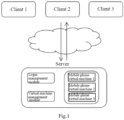
Fig. 1 is a schematic diagram of an application scenario mentioned in an embodiment of the present application. -
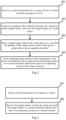
Fig. 2 is a schematic flow diagram of a camera control method applied to a client mentioned in an embodiment of the present application. -
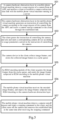
Fig. 3 is a schematic flow diagram of a camera control method applied to a server mentioned in an embodiment of the present application. -
Fig. 4 is a schematic diagram of a camera control system mentioned in an embodiment of the present application. -
Fig. 5 is a schematic flow diagram of another camera control method mentioned in an embodiment of the present application. -
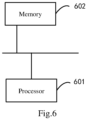
Fig. 6 is a schematic structural diagram of an electronic device mentioned in an embodiment of the present application. - Embodiments of the present application mainly aim to provide a camera control method, an electronic device and a computer-readable storage medium, so that the real-time performance of pictures after camera redirection can be improved, thereby improving the user experience.
- In order to make the objectives, technical solutions and advantages of the embodiments of the present application clearer, the embodiments of the present application will be described in detail below in combination with the accompanying drawings. However, those of ordinary skill in the art may understand that many technical details are provided for making readers understand the present application better in the embodiments of the present application. However, even without these technical details and various changes and modifications based on the following embodiments, the technical solutions required for protection in the present application can still be achieved. The division of the following embodiments is for the convenience of description and should not constitute any limitation on specific implementations of the present application, and the embodiments can be combined with and referenced to each other without contradiction.
- For the convenience of understanding the embodiments of the present application, the following briefly explains an application scenario involved in the present application first:
- In an example, a schematic diagram of the application scenario of the embodiments of the present application may refer to
Fig. 1 . A cloud mobile phone system includes: clients (such as aclient 1, aclient 2 and aclient 3 inFig. 1 ) and a server. The server may include: a login management module and a virtual machine management module. Mobile phone virtual machines (such as a mobile phonevirtual machine 1, a mobile phonevirtual machine 2 and a mobile phonevirtual machine 3 inFig. 1 ) further run in the server. - The clients are configured to launch a login request to the server, the server verifies a login account, assigns a mobile phone virtual machine to a corresponding login user after the login account passes the verification and returns connection parameters of this mobile phone virtual machine to the clients, the clients may establish a link connected with the corresponding mobile phone virtual machine through the returned connection parameters, and the corresponding mobile phone virtual machine may be operated through the clients after successful connection.
- The login management module, the virtual machine management module, etc. run in the server. The login management module is configured to manage user information and login verification. The virtual machine management module is configured to manage the mobile phone virtual machines, including creation, deletion, starting, stopping and the like of the mobile phone virtual machines, and may further be configured to manage running states of the mobile phone virtual machines.
- The mobile phone virtual machines are independent systems running in the server, and the clients may establish connection with the mobile phone virtual machines and operate the mobile phone virtual machines through the established link. Usually, some preset modules may be further deployed on the mobile phone virtual machines, and may be used for controlling the mobile phone virtual machines.
- An embodiment of the present application provides a camera control method, applied to a client. The client may be the clients in the cloud mobile phone system in
Fig. 1 , the client may be an ordinary mobile phone device, but the client may only achieve a function of human-machine interaction when a cloud mobile phone is used. A camera (i.e., a camera device) is arranged on the client, a plurality of clients may be provided, as shown inFig. 1 , the server may be connected with theclient 1, theclient 2 and theclient 3 at the same time, and operating systems of a plurality of mobile phone virtual machines may run on the server at the same time, and are used by theclient 1, theclient 2 and theclient 3 respectively. A schematic flow diagram of the camera control method in the present embodiment may refer toFig. 2 , and the method includes: - step 201: a control instruction for the camera sent by a virtual terminal running in the server is received;
- step 202: according to the control instruction, the camera is controlled to collect image frames, and the image frames are stored in a cache queue;
- step 203: in a case that the quantity of the image frames in the cache queue is greater than a preset quantity threshold, a target image frame in the cache queue is cleared; and
- step 204: remaining image frames in the cache queue are sent to the server such that the server sends the received image frames to a camera hardware abstraction layer in an operating system of the virtual terminal.
- In the present embodiment, in a case that the quantity of the image frames in the cache queue is greater than the preset quantity threshold, it indicates that lots of image frames currently existing in the cache queue cannot be reported in time due to the fact that a current network state is not good, that is, a large quantity of data are accumulated in the cache queue, at the moment, the client will clear a target image frame in the cache queue, a time interval between a time stamp of the target image frame and a current time stamp is greater than a preset interval, that is to say, the target image frame is an image frame which is stored in the cache queue long ago and may be seen as expired data, that is, in the embodiment of the present application, the expired data in the cache queue may be cleared in time in a case that lots of image frames are accumulated in the cache queue. Then, the client sends the remaining image frames in the cache queue to the server such that the server sends the received image frames to the camera hardware abstraction layer in the operating system of the virtual terminal. That is to say, the client may send relatively new image frames to the server in time such that the server sends these relatively new image frames to the camera hardware abstraction layer in the operating system of the virtual terminal, which avoids the situation that image pictures have a large delay after camera redirection due to large-quantity accumulation of the image frames in the cache queue, and facilitates the improvement of the real-time performance of the pictures after camera redirection, thereby improving the user experience.
- In
step 201, the client may receive the control instruction for the camera sent by the virtual terminal running in the server. The virtual terminal running in the server may be the mobile phone virtual machine inFig. 1 . The camera hardware abstraction layer in the operating system of the mobile phone virtual machine may intercept a usage request for the camera from an APP running in the mobile phone virtual machine. The usage request may carry usage parameters, which may include camera parameters expected by the APP during the camera's usage, such as: a camera resolution, whether a flash is turned on, a shooting mode (such as a portrait mode, a landscape mode and a night mode), a storage address for captured images, whether to turn on a front camera or a rear camera, and a frame rate. The camera hardware abstraction layer may generate the control instruction for the camera according to the usage request carrying the usage parameters, and send the control instruction for the camera to the client. - In an example, a transmission control protocol (TCP) link is established between the client and the server, and the client and the server may transmit data through the TCP link, for example, the server may send the control instruction for the camera to the client through the TCP link.
- In
step 202, the client may control, according to the control instruction, the camera to collect the image frames, and store the image frames in the cache queue. The client may acquire camera usage parameters of an APP running in the mobile phone virtual machine according to the control instruction, and set the camera device, i.e., the camera, in the client according to the usage parameters, such as setting a camera resolution, whether a flash is turned on during shooting, a shooting mode (such as a portrait mode, a landscape mode and a night mode), a storage address for captured images and whether to turn on a front camera or a rear camera. After the camera device, i.e., the camera, in the client is set, image capturing may be performed, namely the image frames are collected. The client may store all the collected image frames in the preset cache queue, the image frames stored in the cache queue may all have time stamps correspondingly, and the time stamps of the image frames may be understood as time points at which the image frames are collected, or time points at which the collected image frames are stored in the cache queue. - In
step 203, the time interval between the time stamp of the target image frame and the current time stamp is greater than the preset interval. The client may judge whether the quantity of the image frames stored in the cache queue is greater than the preset quantity threshold after the collected image frames are stored in the cache queue, and clear the target image frame in the cache queue in a case of determining that the quantity of the image frames in the cache queue is greater than the preset quantity threshold. The preset quantity threshold may be set according to actual demands, and is used for representing that too many image frames are stored in the cache queue at present. The inventors of the present application found that, when the network state is not good, it may be difficult to send the image frames in the cache queue to the server in time, consequently it is prone to accumulating lots of image frames in the cache queue, and the server cannot receive the newest image frames in time, which is prone to causing the delay of pictures. Therefore, in the present embodiment, by clearing the target image frame in the cache queue, namely clearing old data in the cache queue, data accumulation in the cache queue is avoided, so that an image frame at the head of the cache queue is relatively new data. - In
step 204, the camera hardware abstraction layer (HAL) is located at an interface layer between a kernel and a hardware circuit of the operating system. The client sends the remaining image frames in the cache queue to the server such that the server will send the received image frames to the camera hardware abstraction layer in the operating system of the virtual terminal. For example, the client may send the remaining image frames to the server in sequence according to a sequence of the remaining image frames entering the cache queue. - In a specific implementation, the client may send the remaining image frames in the cache queue to the server through the TCP link established with the server. The server may send the received image frames to the camera hardware abstraction layer in the operating system of the virtual terminal which launches the control instruction for the camera, and then an APP running in the virtual terminal and requiring to use the camera may display camera pictures normally.
- In one embodiment, after the target image frame in the cache queue is cleared, the method further includes: lowering a frame rate of the camera in a case that there are image frames in the cache queue that have not been sent to the server for a duration exceeding a preset duration. That is to say, after the target image frame in the cache queue is cleared, if the situation that there are image frames in the cache queue that have not been sent to the server for a duration exceeding a preset duration is detected, it indicates that the poor network state does not occur occasionally or in a short time, but is an inevitable objective circumstance within a period of time at present, and at the moment, the frame rate of the camera may be lowered, namely lowering the quantity of image frames displayed per second, to adapt to the objective circumstance that the current network is not good, so as to guarantee that users have good using experience.
- In an example, lowering the frame rate of the camera includes: determining a sending speed of sending the image frames in the cache queue to the server; and determining a frame rate adjusting amount according to the sending speed, and lowering the frame rate of the camera according to the frame rate adjusting amount. The higher the speed of sending the image frames to the server, the relatively higher the current network speed, and the relatively better the network state. The lower the speed of sending the image frames to the server, the relatively lower the current network speed, and the relatively poorer the network state. The lower the speed of sending the image frames to the server, the larger the frame rate adjusting amount. The higher the speed of sending the image frames to the server, the smaller the frame rate adjusting amount. The frame rate of the camera after the lowering is the current frame rate minus the frame rate adjusting amount of the camera. That is to say, the lower the speed of sending the image frames to the server, the smaller the frame rate after the lowering, and the higher the speed of sending the image frames to the server, the larger the frame rate after the lowering. Optionally, a correspondence relationship between sending speeds and frame rate adjusting amounts may be pre-stored in the client, and thus the client may determine the frame rate adjusting amount according to the pre-stored correspondence relationship and the sending speed of sending the image frames to the server. It may adapt to different network states better through this frame rate adjusting manner.
- In another example, lowering the frame rate of the camera may also be achieved through the following manner: lowering the frame rate of the camera with a preset stepping value, wherein the stepping value may be set as actually required, namely lowering the frame rate of the camera by the stepping value every time.
- In an example, when the frame rate of the camera is lowered, the frame rate is lowered to a preset frame rate at most. That is to say, the frame rate will not be lowered without limitation, and when the frame rate is the preset frame rate, the frame rate will not be further lowered any more. By setting the preset frame rate, the lowering amplitude of the frame rate may be controlled while the frame rate is lowered to adapt to the objective circumstance that the current network is not good, and this will not cause the frame rate after the lowering to be too small, thus ensuring the coherence of picture display to a certain extent.
- The preset frame rate may be set as actually required, such as being set according to the requirement of a user for coherence, if the requirement for the picture coherence is high, the preset frame rate may be set to be relatively high, and on the contrary, if the requirement for the picture coherence is low, the preset frame rate may be set to be relatively low. In a specific implementation, the preset frame rate may be set to be 20 fps, that is, the frame rate is lowered to 20 fps at most.
- In one embodiment, above
step 204 that the remaining image frames in the cache queue are sent to the virtual terminal running in the server includes: performing H264 encoding on the remaining image frames in the cache queue to obtain encoded image frames; and sending the encoded image frames to the virtual terminal running in the server for the virtual terminal to perform H264 decoding on the encoded image frames to obtain decoded image frames. By performing H264 encoding on the image frames, a large amount of redundant information in image frame data may be reduced, a data volume to be sent is reduced, and thus the speed of sending the image frames to the server by the client is increased, which is beneficial to improving the real-time performance of camera pictures to a certain extent. - Encoding may be soft encoding or hard encoding, soft encoding is completed by using the operation of a central processing unit (CPU), hard encoding is completed by using the operation of a graphics processing unit (GPU), and the efficiency of hard encoding is far higher than that of soft encoding. Corresponding decoding may be soft decoding or hard decoding, soft decoding is completed by using the operation of a CPU, hard decoding is completed by using the operation of a GPU, and the efficiency of hard decoding is far higher than that of soft decoding.
- An embodiment of the present application further provides a camera control method, applied to a server. A virtual terminal runs in the server. The server may be the server in
Fig. 1 . A schematic flow diagram of the camera control method applied to the server may refer toFig. 3 , and the method includes:
step 301: a control instruction for a camera is sent to a client. - According to the control instruction, the client controls the camera to collect image frames and store the image frames in a cache queue; in a case that the quantity of the image frames in the cache queue is greater than a preset quantity threshold, a target image frame in the cache queue is cleared and remaining image frames in the cache queue are sent to the server, wherein a time interval between a time stamp of the target image frame and a current time stamp is greater than a preset interval.
- In a specific implementation, when the server detects a request of calling the camera (i.e., a usage request for the camera) from the virtual terminal, the control instruction for the camera may be sent to the client according to the request of calling the camera. The request of calling the camera from the virtual terminal may be specifically a request of calling the camera from a certain APP running in the virtual terminal.
- Step 302: the image frames sent by the client are received, and the image frames are sent to a camera hardware abstraction layer in an operating system of the virtual terminal.
- In an example, receiving the image frames sent by the client includes: receiving encoded image frames sent by the client, wherein the client performs H264 encoding on the remaining image frames in the cache queue to obtain the encoded image frames, and performs H264 decoding on the encoded image frames to obtain decoded image frames; and sending the decoded image frames to the camera hardware abstraction layer in the operating system of the virtual terminal.
- It should be noted that the above examples in the embodiment of the present application are for the convenience of understanding and do not constitute limitations on the technical solution of the present application.
- It is not difficult to find that the present embodiment is an embodiment applied to the server corresponding to the above embodiment applied to the client, and the present embodiment can be implemented in conjunction with the above embodiment applied to the client. The relevant technical details and effects mentioned in the above embodiment applied to the client are still effective in the present embodiment, and in order to reduce repetition, they will not be repeated here. Correspondingly, the relevant technical details mentioned in the present embodiment can also be applied to the above embodiment applied to the client.
- The step division of the above methods is only for the purpose of clear description, when implemented, the steps can be merged into one step or some steps can be split into multiple steps, and as long as the same logical relationship is included, they are within the scope of protection of this patent. Adding irrelevant modifications or introducing irrelevant designs to algorithms or processes, but not changing the core design of the algorithms and processes, is within the scope of protection of this patent.
- An embodiment of the present application further provides a camera control system, including: a server and a client, wherein a virtual terminal runs in the server; the server is configured to send a control instruction for a camera to the client; the client is configured to control, according to the control instruction, the camera to collect image frames, and store the image frames in a cache queue; the client is further configured to clear, in a case that the quantity of the image frames in the cache queue is greater than a preset quantity threshold, a target image frame in the cache queue, and send remaining image frames in the cache queue to the server, wherein a time interval between a time stamp of the target image frame and a current time stamp is greater than a preset interval; and the server is further configured to send the received image frames to a camera hardware abstraction layer in an operating system of the virtual terminal.
- In an example, a schematic diagram of the camera control system may refer to
Fig. 4 , and the system includes: theserver 401 and theclient 402. The virtual terminal running in theserver 401 includes: the camerahardware abstraction layer 4010, anH264 decoding module 4011, and aninterface machine server 4012. Theclient 402 includes: acamera device 4020, aframe cache module 4021, acamera control module 4022, anH264 encoding module 4023, and aninterface machine client 4024. - The camera
hardware abstraction layer 4010 is used for intercepting an acquired usage request for the camera from an APP running in the virtual terminal (such as a mobile phone virtual machine), the usage request carries usage parameters, and the camerahardware abstraction layer 4010 converts the usage request to an instruction of controlling the camera (may also be called a control instruction for the camera), and sends the instruction to theclient 402 through theinterface machine server 4012 running in the mobile phone virtual machine. In a specific implementation, when theserver 401 detects the usage request of the camera from the APP, a notification may be sent to the mobile phone virtual machine through an existing link between theclient 402 and the mobile phone virtual machine, and then theinterface machine client 4024 establishes a camera redirection data link with theinterface machine server 4012. - The
interface machine server 4012 is configured to issue the instruction of controlling the camera and receive the image frames sent by the client. - The
H264 decoding module 4011 is configured to decode encoded image frames received by theinterface machine server 4012 and inject decoded data into the camerahardware abstraction layer 4010. - The
interface machine client 4024 is configured to establish a TCP link with theinterface machine server 4012, receive the instruction of controlling the camera sent by theinterface machine server 4012, and send H264-encoded image frames to the server. - The
camera device 4020 is configured to complete camera setting and image capture according to the instruction of controlling the camera, and store captured image frames in the cache queue of theframe cache module 4021. The camera device may be understood as the camera. - The
frame cache module 4021 is configured to manage and cache the image frames, the quantity of the image frames in the cache queue is large when the network is not good (i.e., determining that the quantity of the image frames stored in the cache queue is greater than the preset quantity threshold), and then old data (i.e., the above target image frame) in the cache queue are abandoned to guarantee the real-time performance of camera videos. - The
camera control module 4022 is configured to manage thecamera device 4020 and theframe cache module 4021 in real time according to the current network condition. In a case that the network is not good, a large amount of data will be accumulated in the cache queue, resulting in that the server cannot receive the newest frame data in time and picture delay occurs, and thecamera control module 4022 detects the data volume in the cache queue and clears old data (i.e., expired data) in the cache queue in time when the quantity of cached image frames is large. When the image frames in the cache queue still cannot be sent in time for a long time, a frame rate of the camera will be lowered, thereby avoiding large-quantity accumulation of the image frames, and guaranteeing the real-time performance of pictures after camera redirection. - The
H264 encoding module 4023 is configured to acquire the image frames from theframe cache module 4021, perform H264 encoding, and send the encoded data to the server through theinterface machine client 4024. - In an example, with the camera control system shown in
Fig. 4 , a camera control method may refer toFig. 5 , including:
step 501: the camera hardware abstraction layer in the mobile phone virtual machine detects the usage request of the camera from the APP, and notifies the client to establish the camera redirection data link with the mobile phone virtual machine running in the server. - For example, by adding an interception function in the camera hardware abstraction layer, when the usage request of the camera from the APP is detected, a notification is immediately sent to the client through a connection link between the client and the mobile phone virtual machine, and the camera redirection data link with the interface machine server is established by the interface machine client.
- Step 502: the camera hardware abstraction layer in the mobile phone virtual machine generates the instruction of controlling the camera according to the usage request of the camera from the APP, and issues a camera startup command to the client through the established link.
- The instruction of controlling the camera carries the usage parameters of the camera. The camera hardware abstraction layer may also acquire camera operation parameters from an application layer APP and then convert these parameters to corresponding instructions to be issued to the client, and the client is used for actually completing the operation of the camera.
- Step 503: the client parses the instruction of controlling the camera, and sets and starts the corresponding camera device according to the usage parameters carried in the instruction of controlling the camera.
- Step 504: the camera device in the client collects the image frames, and stores the collected image frames in the cache queue.
- The camera device which is normally started will output picture data of each frame according to the set frame rate, and the client will acquire these image frames regularly and store the image frames in the cache queue. When the image frames are stored in the frame cache queue, the camera management module will judge the data volume accumulated in the cache queue at present, and will clear expired data (i.e., the above target image frame) in a case that the accumulated data volume is large. When the image frames cannot be sent in time for a long time, the frame rate of the camera will be lowered, thereby guaranteeing the real-time performance of camera pictures after camera redirection.
- Step 505: the H264 encoding module of the client acquires the image frames from the cache queue, and sends the image frames subjected to H264 encoding to the mobile phone virtual machine.
- Step 506: the mobile phone virtual machine receives the encoded image frames, and injects the image frames subjected into H264 decoding to the camera hardware abstraction layer.
- The decoded data are injected into the camera hardware abstraction layer in the operating system of the mobile phone virtual machine, and then the APP running in the mobile phone virtual machine can display camera pictures normally.
- Step 507: the mobile phone virtual machine detects a camera turnoff request and sends a stopping command to the client, and the client turns off the camera and removes the established link at the same time after receiving the stopping command.
- The camera turnoff request from the APP may also be captured in the camera hardware abstraction layer of the mobile phone virtual machine, an instruction of turning off the camera may also be issued to the client through the interface machine server, and after receiving the turnoff instruction, the client turns off the camera and removes the camera redirection data link with the mobile phone virtual machine at the same time.
- In the present embodiment, first, the camera management module is introduced, when the network is not good and lots of image frames cannot be reported in time and are accumulated in the cache queue, the camera management module is responsible for clearing the expired data in the cache queue in time, and if the image frames cannot be sent in time for a long time, the frame rate of the camera will be adjusted to avoid the situation that the accumulation of the image frames causes a large delay of the camera pictures after camera redirection, thereby guaranteeing the real-time performance of the camera pictures. Second, the image frames are encoded through H264 encoding, a large amount of redundant information in the image frames is reduced, a data volume to be sent is reduced, and the stability of redirected pictures is improved. Through the two above improvements, a bandwidth occupied by sending can be reduced, and good user experience can still be guaranteed in a case that the network is not good.
- It is not difficult to find that the present embodiment is a system embodiment corresponding to the above embodiment applied to the client and the above embodiment applied to the server, and the present embodiment can be implemented in conjunction with the above embodiment applied to the client and the above embodiment applied to the server. The relevant technical details and effects mentioned in the above embodiment applied to the client and the above embodiment applied to the server are still effective in the present embodiment, and in order to reduce repetition, they will not be repeated here. Correspondingly, the relevant technical details mentioned in the present embodiment can also be applied to the above embodiment applied to the client and the above embodiment applied to the server.
- An embodiment of the present application further provides an electronic device, as shown in
Fig. 6 , including: at least oneprocessor 601; and
amemory 602 in communication connection with the at least oneprocessor 601, wherein thememory 602 stores instructions that may be executed by the at least oneprocessor 601; in a case that the electronic device is a client, the instructions are executed by the at least oneprocessor 601 to cause the at least oneprocessor 601 to be capable of executing the camera control method applied to the client; and in a case that the electronic device is a server, the instructions are executed by the at least oneprocessor 601 to cause the at least oneprocessor 601 to be capable of executing the camera control method applied to the server. - The
memory 602 and theprocessor 601 are connected by a bus, the bus may include interconnected buses of any number and bridges of any number, and various circuits of one ormore processors 601 and various circuits of thememory 602 are connected together by the bus. The bus may also connect various other circuits such as peripheral devices, voltage regulators, and power management circuits, which are well known in the art, and therefore are not further described herein. A bus interface provides an interface between the bus and a transceiver. The transceiver may be a single element or multiple elements, such as multiple receivers and transmitters, providing a unit for communication with various other apparatuses on a transmission medium. Data processed by theprocessor 601 are transmitted on a wireless medium through an antenna, and further, the antenna receives the data and transmits the data to theprocessor 601. - The
processor 601 is responsible for managing the bus and general processing, and may also provide various functions, including timing, peripheral interfaces, voltage regulation, power management, and other control functions. Thememory 602 may be configured to store data used when theprocessor 601 executes operations. - An embodiment of the present application further provides a computer-readable storage medium which stores a computer program. The computer program implements the above method embodiment when executed by a processor.
- That is, those skilled in the art can understand that implementing all or part of the steps in the above embodiment method can be completed by instructing relevant hardware through a program, which is stored in a storage medium and includes several instructions to enable a device (such as a single-chip computer and a chip) or a processor to execute all or part of the steps of the methods described in the various embodiments of the present application. The aforementioned storage medium includes: a USB flash disk, a mobile hard disk, a read-only memory (ROM), a random access memory (RAM), a magnetic disk or an optical disk and other media that can store program codes.
- Those of ordinary skill in the art can understand that the above implementations are specific embodiments implementing the present application, and in practical applications, various changes can be made in form and details without deviating from the scope of the present application.
Claims (10)
- A camera control method, applied to a client, and comprising:receiving a control instruction for a camera sent by a virtual terminal running in a server;controlling, according to the control instruction, the camera to collect image frames, and storing the image frames in a cache queue;clearing a target image frame in the cache queue in a case that the quantity of the image frames in the cache queue is greater than a preset quantity threshold, wherein a time interval between a time stamp of the target image frame and a current time stamp is greater than a preset interval; andsending remaining image frames in the cache queue to the server such that the server sends the received image frames to a camera hardware abstraction layer in an operating system of the virtual terminal.
- The camera control method according to claim 1, wherein after the clearing a target image frame in the cache queue, the camera control method further comprises:
lowering a frame rate of the camera in a case that there are image frames in the cache queue that have not been sent to the server for a duration exceeding a preset duration. - The camera control method according to claim 2, wherein the lowering a frame rate of the camera comprises:determining a sending speed of sending the image frames in the cache queue to the server; anddetermining a frame rate adjusting amount according to the sending speed, and lowering the frame rate of the camera according to the frame rate adjusting amount.
- The camera control method according to claim 2 or 3, wherein when the frame rate of the camera is lowered, the frame rate is lowered to a preset frame rate at most.
- The camera control method according to any one of claims 1 to 4, wherein the sending remaining image frames in the cache queue to the virtual terminal running in the server comprises:performing H264 encoding on the remaining image frames in the cache queue to obtain encoded image frames; andsending the encoded image frames to the virtual terminal running in the server for the virtual terminal to perform H264 decoding on the encoded image frames to obtain decoded image frames.
- A camera control method, applied to a server, wherein a virtual terminal runs in the server, and the method comprises:sending a control instruction for a camera to a client, wherein according to the control instruction, the client controls the camera to collect image frames and store the image frames in a cache queue; clearing a target image frame in the cache queue and sending remaining image frames in the cache queue to the server in a case that the quantity of the image frames in the cache queue is greater than a preset quantity threshold, wherein a time interval between a time stamp of the target image frame and a current time stamp is greater than a preset interval; andreceiving the image frames sent by the client and sending the image frames to a camera hardware abstraction layer in an operating system of the virtual terminal.
- The camera control method according to claim 6, wherein the receiving the image frames sent by the client comprises:receiving encoded image frames sent by the client, wherein the client performs H264 encoding on the remaining image frames in the cache queue to obtain the encoded image frames;performing H264 decoding on the encoded image frames to obtain decoded image frames; andsending the decoded image frames to the camera hardware abstraction layer in the operating system of the virtual terminal.
- A camera control system, comprising: a server and a client, wherein a virtual terminal runs in the server;the server is configured to send a control instruction for a camera to the client;the client is configured to control, according to the control instruction, the camera to collect image frames, and store the image frames in a cache queue;the client is further configured to clear, in a case that the quantity of the image frames in the cache queue is greater than a preset quantity threshold, a target image frame in the cache queue, and send remaining image frames in the cache queue to the server, wherein a time interval between a time stamp of the target image frame and a current time stamp is greater than a preset interval; andthe server is further configured to send the received image frames to a camera hardware abstraction layer in an operating system of the virtual terminal.
- An electronic device, comprising: at least one processor; anda memory in communication connection with the at least one processor, wherein the memory stores instructions that may be executed by the at least one processor;in a case that the electronic device is a client, the instructions are executed by the at least one processor to cause the at least one processor to be capable of executing the camera control method according to any one of claims 1 to 5; andin a case that the electronic device is a server, the instructions are executed by the at least one processor to cause the at least one processor to be capable of executing the camera control method according to any one of claims 6 to 7.
- A computer-readable storage medium, storing a computer program, wherein the computer program, when executed by a processor, implements the camera control method according to any one of claims 1 to 5, or implements the camera control method according to any one of claims 6 to 7.
Applications Claiming Priority (2)
| Application Number | Priority Date | Filing Date | Title |
|---|---|---|---|
| CN202111131638.5A CN115883962A (en) | 2021-09-26 | 2021-09-26 | Camera control method, system, electronic device and storage medium |
| PCT/CN2022/108302 WO2023045551A1 (en) | 2021-09-26 | 2022-07-27 | Camera control method and system, electronic device and storage medium |
Publications (2)
| Publication Number | Publication Date |
|---|---|
| EP4395349A1 true EP4395349A1 (en) | 2024-07-03 |
| EP4395349A4 EP4395349A4 (en) | 2025-01-01 |
Family
ID=85719692
Family Applications (1)
| Application Number | Title | Priority Date | Filing Date |
|---|---|---|---|
| EP22871609.8A Pending EP4395349A4 (en) | 2021-09-26 | 2022-07-27 | METHOD AND SYSTEM FOR CONTROLLING CAMERA, ELECTRONIC DEVICE AND RECORDING MEDIUM |
Country Status (4)
| Country | Link |
|---|---|
| US (1) | US20240334048A1 (en) |
| EP (1) | EP4395349A4 (en) |
| CN (1) | CN115883962A (en) |
| WO (1) | WO2023045551A1 (en) |
Families Citing this family (2)
| Publication number | Priority date | Publication date | Assignee | Title |
|---|---|---|---|---|
| CN116233372B (en) * | 2023-05-10 | 2023-07-14 | 北京城建智控科技股份有限公司 | Safety monitoring method and system for interior of mobile shelter |
| CN117255245B (en) * | 2023-11-17 | 2024-03-15 | 深圳市法本信息技术股份有限公司 | Camera matching method, device, terminal equipment and storage medium |
Family Cites Families (10)
| Publication number | Priority date | Publication date | Assignee | Title |
|---|---|---|---|---|
| US7839926B1 (en) * | 2000-11-17 | 2010-11-23 | Metzger Raymond R | Bandwidth management and control |
| GB2406014B (en) * | 2003-09-10 | 2007-01-31 | Thales Uk Plc | Video system |
| CN1787481B (en) * | 2004-12-08 | 2010-04-28 | 腾讯科技(深圳)有限公司 | A Method of Reducing the Playback Delay of Data Packets |
| US7895629B1 (en) * | 2007-11-07 | 2011-02-22 | At&T Mobility Ii Llc | Video service buffer management in a mobile rate control enabled network |
| MY162260A (en) * | 2012-09-10 | 2017-05-31 | Mimos Berhad | Load balancing of graphics processing units in an image processing system |
| CN104410583B (en) * | 2014-11-26 | 2017-09-22 | 北京邮电大学 | Up channel data processing method in base band resource pool |
| CN108206787A (en) * | 2016-12-17 | 2018-06-26 | 北京华为数字技术有限公司 | A kind of congestion-preventing approach and device |
| JP2020187706A (en) * | 2019-05-17 | 2020-11-19 | キヤノン株式会社 | Image processing device, image processing system, image processing method, and program |
| CN110493203A (en) * | 2019-07-31 | 2019-11-22 | 湖南微算互联信息技术有限公司 | A kind of cloud cell-phone camera head controlling method, system, device and storage medium |
| CN111917988B (en) * | 2020-08-28 | 2021-12-10 | 湖南多行云计算机科技有限公司 | Remote camera application method, system and medium of cloud mobile phone |
-
2021
- 2021-09-26 CN CN202111131638.5A patent/CN115883962A/en active Pending
-
2022
- 2022-07-27 EP EP22871609.8A patent/EP4395349A4/en active Pending
- 2022-07-27 WO PCT/CN2022/108302 patent/WO2023045551A1/en not_active Ceased
- 2022-07-27 US US18/693,936 patent/US20240334048A1/en active Pending
Also Published As
| Publication number | Publication date |
|---|---|
| CN115883962A (en) | 2023-03-31 |
| EP4395349A4 (en) | 2025-01-01 |
| US20240334048A1 (en) | 2024-10-03 |
| WO2023045551A1 (en) | 2023-03-30 |
Similar Documents
| Publication | Publication Date | Title |
|---|---|---|
| EP4287634A1 (en) | Game data processing method and apparatus, and storage medium | |
| US10356194B2 (en) | Method, system and client for uploading image, network server and computer storage medium | |
| US9967315B2 (en) | Electronic device, storage medium and file transferring method | |
| EP4395349A1 (en) | Camera control method and system, electronic device and storage medium | |
| CN111628847A (en) | Data transmission method and device | |
| CN115834556B (en) | Data transmission method, system, device, storage medium and program product | |
| CN113259717B (en) | Video stream processing method, device, equipment and computer readable storage medium | |
| WO2019154221A1 (en) | Method for sending streaming data and data sending device | |
| CN113938457B (en) | Method, system and equipment for cloud mobile phone to apply remote camera | |
| CN113891175B (en) | Live broadcast push flow method, device and system | |
| KR102036579B1 (en) | Method and apparatus for providing a web service in a wireless communication system | |
| CN110109865A (en) | A kind of date storage method, device, equipment and readable storage medium storing program for executing | |
| CN117793422A (en) | Picture pushing method, device, equipment and storage medium | |
| US20190349616A1 (en) | Method and device for transmitting video | |
| CN109587511A (en) | More equipment net cast methods, equipment, system and storage medium | |
| EP3860131A1 (en) | Data transmission method and apparatus | |
| CN115883854A (en) | Cloud desktop display method, terminal, cloud desktop system, device and readable medium | |
| CN108600696B (en) | Video stream decoding method and decoding equipment | |
| CN112543374A (en) | Transcoding control method and device and electronic equipment | |
| CN112511848A (en) | Live broadcast method, server and computer readable storage medium | |
| CN110912922A (en) | Image transmission method and device, electronic equipment and storage medium | |
| WO2020155538A1 (en) | Video processing method and system, computer device and storage medium | |
| CN112929228B (en) | Bandwidth testing method, user equipment and storage device | |
| WO2023169094A1 (en) | Image dynamic transmission method for remote operation and control, and apparatus | |
| KR20160116434A (en) | Apparatus and method for optimizing resource of system based on self-adaptive for natwork application |
Legal Events
| Date | Code | Title | Description |
|---|---|---|---|
| STAA | Information on the status of an ep patent application or granted ep patent |
Free format text: STATUS: THE INTERNATIONAL PUBLICATION HAS BEEN MADE |
|
| PUAI | Public reference made under article 153(3) epc to a published international application that has entered the european phase |
Free format text: ORIGINAL CODE: 0009012 |
|
| STAA | Information on the status of an ep patent application or granted ep patent |
Free format text: STATUS: REQUEST FOR EXAMINATION WAS MADE |
|
| 17P | Request for examination filed |
Effective date: 20240326 |
|
| AK | Designated contracting states |
Kind code of ref document: A1 Designated state(s): AL AT BE BG CH CY CZ DE DK EE ES FI FR GB GR HR HU IE IS IT LI LT LU LV MC MK MT NL NO PL PT RO RS SE SI SK SM TR |
|
| REG | Reference to a national code |
Ref country code: DE Ref legal event code: R079 Free format text: PREVIOUS MAIN CLASS: H04N0023600000 Ipc: H04N0007180000 |
|
| A4 | Supplementary search report drawn up and despatched |
Effective date: 20241204 |
|
| DAV | Request for validation of the european patent (deleted) | ||
| DAX | Request for extension of the european patent (deleted) | ||
| RIC1 | Information provided on ipc code assigned before grant |
Ipc: H04L 65/10 20220101ALI20241128BHEP Ipc: H04N 23/60 20230101ALI20241128BHEP Ipc: H04N 7/18 20060101AFI20241128BHEP |
|
| STAA | Information on the status of an ep patent application or granted ep patent |
Free format text: STATUS: EXAMINATION IS IN PROGRESS |
|
| 17Q | First examination report despatched |
Effective date: 20251223 |
|
| STAA | Information on the status of an ep patent application or granted ep patent |
Free format text: STATUS: THE APPLICATION HAS BEEN WITHDRAWN |