EP4395292A2 - Call method and call system - Google Patents
Call method and call system Download PDFInfo
- Publication number
- EP4395292A2 EP4395292A2 EP23213188.8A EP23213188A EP4395292A2 EP 4395292 A2 EP4395292 A2 EP 4395292A2 EP 23213188 A EP23213188 A EP 23213188A EP 4395292 A2 EP4395292 A2 EP 4395292A2
- Authority
- EP
- European Patent Office
- Prior art keywords
- session
- terminal
- vehicle
- remote service
- space
- Prior art date
- Legal status (The legal status is an assumption and is not a legal conclusion. Google has not performed a legal analysis and makes no representation as to the accuracy of the status listed.)
- Pending
Links
- 238000000034 method Methods 0.000 title claims abstract description 71
- 230000004044 response Effects 0.000 claims abstract description 32
- 238000004891 communication Methods 0.000 claims abstract description 18
- 238000004590 computer program Methods 0.000 claims description 12
- 238000010586 diagram Methods 0.000 description 2
- 238000007429 general method Methods 0.000 description 2
- 238000012423 maintenance Methods 0.000 description 2
- 230000002159 abnormal effect Effects 0.000 description 1
- 150000001875 compounds Chemical class 0.000 description 1
- 230000003287 optical effect Effects 0.000 description 1
Images


Classifications
-
- H—ELECTRICITY
- H04—ELECTRIC COMMUNICATION TECHNIQUE
- H04M—TELEPHONIC COMMUNICATION
- H04M3/00—Automatic or semi-automatic exchanges
- H04M3/42—Systems providing special services or facilities to subscribers
- H04M3/42127—Systems providing several special services or facilities from groups H04M3/42008 - H04M3/58
-
- H—ELECTRICITY
- H04—ELECTRIC COMMUNICATION TECHNIQUE
- H04M—TELEPHONIC COMMUNICATION
- H04M3/00—Automatic or semi-automatic exchanges
- H04M3/42—Systems providing special services or facilities to subscribers
- H04M3/42195—Arrangements for calling back a calling subscriber
-
- H—ELECTRICITY
- H04—ELECTRIC COMMUNICATION TECHNIQUE
- H04M—TELEPHONIC COMMUNICATION
- H04M2203/00—Aspects of automatic or semi-automatic exchanges
- H04M2203/20—Aspects of automatic or semi-automatic exchanges related to features of supplementary services
- H04M2203/2016—Call initiation by network rather than by subscriber
-
- H—ELECTRICITY
- H04—ELECTRIC COMMUNICATION TECHNIQUE
- H04M—TELEPHONIC COMMUNICATION
- H04M3/00—Automatic or semi-automatic exchanges
- H04M3/42—Systems providing special services or facilities to subscribers
- H04M3/42025—Calling or Called party identification service
- H04M3/42034—Calling party identification service
- H04M3/42059—Making use of the calling party identifier
-
- H—ELECTRICITY
- H04—ELECTRIC COMMUNICATION TECHNIQUE
- H04M—TELEPHONIC COMMUNICATION
- H04M3/00—Automatic or semi-automatic exchanges
- H04M3/42—Systems providing special services or facilities to subscribers
- H04M3/42025—Calling or Called party identification service
- H04M3/42085—Called party identification service
- H04M3/42102—Making use of the called party identifier
Definitions
- the creating, through a telephone network terminal, a session space and an identifier associated with the session space includes: sending a request for creating the session space to the telephone network terminal; and receiving the identifier associated with the session space from the telephone network terminal in response to creation of the session space through the telephone network terminal.
- the creating, through a telephone network terminal, a session space and an identifier associated with the session space includes: sending a request for creating the session space to the telephone network terminal; and receiving the identifier associated with the session space from the telephone network terminal in response to creation of the session space through the telephone network terminal.
- a computer storage medium which includes instructions. When the instructions are run, the steps of the call method according to the first aspect of the disclosure are performed.
- the remote service terminal may join the session space through a PSTN, and the vehicle-mounted terminal may join the session space through a real-time communication (RTC) network.
- RTC real-time communication
- the above call method may further include that: the vehicle-mounted terminal is instructed, when receiving a request for ending the session from the remote service terminal, to end the session, the session is ended when receiving an answering message for ending the session from the vehicle-mounted terminal, and the remote service terminal and the vehicle-mounted terminal are invoked to quit the session space.
- FIG. 2 is a flowchart of a call method according to one or more embodiments of the disclosure.
- step S9 after receiving the created session, the remote service terminal joins the session space through a PSTN.
- step S12 the remote service terminal sends an answering message for ending the current session to the call system according to one or more embodiments of the disclosure.
- step S13 after receiving the answering message for ending the current session, the call system according to one or more embodiments of the disclosure ends the current session.
- step S 14 the remote service terminal is invoked to quit the session space.
- step S 15 the vehicle-mounted terminal is invoked to quit the session space.
- steps S16 to S21 show a process in which the remote service terminal ends the session.
- step S16 the remote service terminal sends a request for ending the current session to the call system according to one or more embodiments of the disclosure.
- step S 17 after receiving the request for ending the current session, the call system according to one or more embodiments of the disclosure instructs the vehicle-mounted terminal to end the current session.
- the call system according to one or more embodiments of the disclosure may instruct the vehicle-mounted terminal, through an Internet of vehicles, to end the current session.
- step S 18 the vehicle-mounted terminal sends an answering message for ending the current session to the call system according to one or more embodiments of the disclosure.
- step S19 after receiving the answering message for ending the current session, the call system according to one or more embodiments of the disclosure ends the current session.
- step S21 the vehicle-mounted terminal is invoked to quit the session space.
- step S7 may be performed before step S6, step S9 may be performed before step S8, step S15 may be performed before step S14, and step S21 may be performed before step S20.
- step S303 the session is created based on the identifier associated with the session space, and the created session is sent to the vehicle-mounted terminal.
- the created session may be bound to the contact number of the remote service terminal, an identifier of the vehicle-mounted terminal, and the identifier associated with the session space.
- step S305 a voice channel with the remote service terminal is established.
- the telephone network terminal may send a call request to the remote service terminal, and establish the voice channel with the remote service terminal in response to the remote service terminal answering the call request.
- an http request may be sent to the telephone network terminal to call the contact number of the remote service terminal.
- the telephone network terminal sends the call request to the remote service terminal through an operator.
- the remote service terminal returns an event indicating ringing and an event indicating answering to the telephone network terminal.
- the telephone network terminal After receiving the event indicating ringing, the telephone network terminal generates and returns an identifier of the remote service terminal. After receiving the event indicating answering, the telephone network terminal generates and returns an indication of starting calling.
- step S307 the voice channel and the vehicle-mounted terminal are caused to join the session space, such that the remote service terminal and the vehicle-mounted terminal conduct the session in the session space.
- the voice channel may join the session space through a PSTN, and the vehicle-mounted terminal may join the session space through RTC.
- the PSTN and RTC are combined to perform a call, so that the remote service terminal can manage a busy/idle state of service personnel to ensure efficient and balanced call distribution. Therefore, a service is provided for a user efficiently and conveniently.
- the above call method may further include that: the remote service terminal is requested, when receiving a request for ending the session from the vehicle-mounted terminal, to end the session, the voice channel is invoked to quit the session space when receiving an answering message for ending the session from the remote service terminal, the vehicle-mounted terminal is instructed to end the session, and the vehicle-mounted terminal is invoked to quit the session space.
- the above call method may further include that: the voice channel is invoked to quit the session space when receiving a request for ending the session from the remote service terminal, the vehicle-mounted terminal is instructed to end the session, and the vehicle-mounted terminal is invoked to quit the session space.
- a direct call channel can be established between the vehicle-mounted terminal and the remote service terminal, so that the vehicle-mounted terminal can perform a call with the remote service terminal through the channel by using a console screen of a vehicle without connecting a mobile phone through Bluetooth or dialing with a mobile phone in the vehicle.
- a general method for real-time two-way communication between the remote service terminal and the vehicle-mounted terminal can be provided, a pluggable underlying communication architecture is adaptively supported, and a heterogeneous communication architecture may further be supported.
- FIG. 4 is a flowchart of a call method according to one or more embodiments of the disclosure.
- steps S1' to S14' show a process in which a vehicle-mounted terminal calls a remote service terminal.
- step S 1' the vehicle-mounted terminal sends a request for a session with the remote service terminal to a call system according to one or more embodiments of the disclosure.
- the vehicle-mounted terminal may obtain a contact number of the remote service terminal from a service backend, and call the remote service terminal by using the RTC client.
- step S2' after receiving the request for the session with the remote service terminal from the vehicle-mounted terminal, the call system according to one or more embodiments of the disclosure sends an http request for creating a session space to a telephone network terminal.
- step S3' after receiving the http request for creating the session space, the telephone network terminal creates the session space and an identifier associated with the session space.
- step S4' the telephone network terminal returns the created identifier associated with the session space to the call system according to one or more embodiments of the disclosure.
- step S6' the call system according to one or more embodiments of the disclosure returns the created session to the vehicle-mounted terminal.
- step S7' the call system according to one or more embodiments of the disclosure initiates an http request to the telephone network terminal to call the contact number of the remote service terminal.
- step S8' after receiving the http request, the telephone network terminal sends a call request to the remote service terminal.
- step S9' after receiving the call request, the remote service terminal returns an event indicating ringing to the telephone network terminal through an operator.
- step S10' after receiving the event indicating ringing, the telephone network terminal generates an identifier of the remote service terminal, and returns the identifier to the call system according to one or more embodiments of the disclosure.
- step S 13' the voice channel with the remote service terminal is caused to join the session space through a PSTN.
- step S14' the vehicle-mounted terminal is caused to join the session space through RTC.
- steps S 15' to S23' show a process in which the vehicle-mounted terminal ends the session.
- step S15' the vehicle-mounted terminal sends a request for ending the current session to the call system according to one or more embodiments of the disclosure.
- step S 16' after receiving the request for ending the current session, the call system according to one or more embodiments of the disclosure initiates an http request to the telephone network terminal to request for ending the current session.
- step S 17' after receiving the http request, the telephone network terminal sends the request for ending the current session to the remote service terminal.
- step S 18' after receiving the request for ending the current session, the remote service terminal sends an answering message for ending the current session to the telephone network terminal.
- step S19' the telephone network terminal sends an indication of ending the current session to the call system according to one or more embodiments of the disclosure.
- step S20' the voice channel is invoked to quit the session space.
- step S21' the call system according to one or more embodiments of the disclosure instructs the vehicle-mounted terminal to end the current session.
- the call system according to one or more embodiments of the disclosure may instruct the vehicle-mounted terminal, through an Internet of vehicles, to end the current session.
- step S23' the vehicle-mounted terminal is invoked to quit the session space.
- steps S24' to S28' show a process in which the remote service terminal ends the session.
- step S24' the remote service terminal sends a request for ending the current session to the call system according to one or more embodiments of the disclosure.
- step S25' the voice channel is invoked to quit the session space.
- step S26' the call system according to one or more embodiments of the disclosure instructs the vehicle-mounted terminal to end the current session.
- the call system according to one or more embodiments of the disclosure may instruct the vehicle-mounted terminal, through an Internet of vehicles, to end the current session.
- step S27' the current session is ended.
- FIG. 5 is a block diagram of a call system according to one or more embodiments of the disclosure.
- the call system 50 includes a communication unit 510, a memory 520 (for example, a non-volatile memory such as a flash memory, a ROM, a hard disk drive, a magnetic disk, or an optical disc), a processor 530, and a computer program 540 stored on the memory 320 and capable of running on the processor 530.
- a memory 520 for example, a non-volatile memory such as a flash memory, a ROM, a hard disk drive, a magnetic disk, or an optical disc
- a processor 530 for example, a non-volatile memory such as a flash memory, a ROM, a hard disk drive, a magnetic disk, or an optical disc
- a computer program 540 stored on the memory 320 and capable of running on the processor 530.
- the communication unit 510 is configured to establish a communication connection between the call system 50 and an external device or network (for example, a remote service terminal, a telephone network terminal, or a vehicle-mounted terminal).
- an external device or network for example, a remote service terminal, a telephone network terminal, or a vehicle-mounted terminal.
- the memory 520 stores the computer program 540 executable by the processor 530.
- the memory 520 may further store data generated when the processor 530 executes the computer program and data or commands received from the outside through the communication unit 510.
- the processor 530 is configured to execute the computer program 540 to implement a call method according to one or more embodiments of the disclosure.
- the disclosure may also be implemented as a computer-readable storage medium, including instructions.
- the instructions When the instructions are run, a call method according to one or more embodiments of the disclosure is performed.
- Various embodiments provided in the disclosure may be implemented by hardware, software, or a combination of hardware and software where applicable.
- various hardware components and/or software components described in this specification may be combined into a combined component including software, hardware, and/or both where applicable.
- various hardware components and/or software components described in this specification may be separated into sub-components including software, hardware, or both where applicable.
- software components can be implemented as hardware components, and vice versa.
- Software in the disclosure may be stored on one or more computer storage media. It is also contemplated that the software identified herein can be implemented using one or more general-purpose or special-purpose computers and/or computer systems, networked and/or otherwise. The steps described herein can be changed in order, combined into compound steps, and/or divided into sub-steps where applicable, to provide the features described herein.
Landscapes
- Engineering & Computer Science (AREA)
- Signal Processing (AREA)
- Mobile Radio Communication Systems (AREA)
- Telephonic Communication Services (AREA)
Abstract
Description
- The disclosure relates to the field of communication, and more specifically, to a call method, a call system, and a computer storage medium.
- Some organizations providing vehicle services usually need calls with vehicle users through manual intervention, to solve problems such as user consultations, some faults that can be remotely handled, and abnormal orders, for example, a background service center of a battery swap station, a background service center of a charging station, or an automobile sales and maintenance service center. In addition, the vehicle users also have requirements for calls with the organizations providing the vehicle services.
- Currently, the organizations providing the vehicle services usually need to dial phone numbers to contact the vehicle users. However, the organizations providing the vehicle services may not have the phone numbers of the users or it is difficult to contact the users through the phone numbers. As a result, helps cannot be provided for the users, and user experience is affected. In addition, if the users contact, in driving processes with mobile phones, the organizations providing the vehicle services, driving safety may also be affected.
- In order to solve or at least alleviate one or more of the above problems, the following technical solutions are provided.
- According to a first aspect of the disclosure, there is provided a call method. The method includes: creating, through a telephone network terminal in response to receiving a request for a session with a vehicle-mounted terminal from a remote service terminal, a session space and an identifier associated with the session space; creating the session based on the identifier associated with the session space; and instructing, in response to creation of the session, the remote service terminal and the vehicle-mounted terminal to start the session, so as to cause the remote service terminal and the vehicle-mounted terminal to join the session space for the session.
- In the call method according to an embodiment of the disclosure, the creating, through a telephone network terminal, a session space and an identifier associated with the session space includes: sending a request for creating the session space to the telephone network terminal; and receiving the identifier associated with the session space from the telephone network terminal in response to creation of the session space through the telephone network terminal.
- In the call method according to an embodiment or any one of the above embodiments of the disclosure, the session is associated with an identifier of the remote service terminal, an identifier of the vehicle-mounted terminal, and the identifier associated with the session space.
- In the call method according to an embodiment or any one of the above embodiments of the disclosure, causing the remote service terminal and the vehicle-mounted terminal to join the session space for the session includes: causing the remote service terminal to join the session space through a telephone network; and causing the vehicle-mounted terminal to join the session space through a real-time communication network.
- In the call method according to an embodiment or any one of the above embodiments of the disclosure, the method further includes: instructing, in response to receiving a request for ending the session from the vehicle-mounted terminal, the remote service terminal to end the session; ending the session in response to receiving an answering message for ending the session from the remote service terminal; and invoking the remote service terminal and the vehicle-mounted terminal to quit the session space.
- In the call method according to an embodiment or any one of the above embodiments of the disclosure, the method further includes: instructing, in response to receiving a request for ending the session from the remote service terminal, the vehicle-mounted terminal to end the session; ending the session in response to receiving an answering message for ending the session from the vehicle-mounted terminal; and invoking the remote service terminal and the vehicle-mounted terminal to quit the session space.
- According to a second aspect of the disclosure, there is provided a call method. The method includes: creating, through a telephone network terminal in response to receiving a request for a session with a remote service terminal from a vehicle-mounted terminal, a session space and an identifier associated with the session space; creating the session based on the identifier associated with the session space, and sending the session to the vehicle-mounted terminal; establishing a voice channel with the remote service terminal; and causing the voice channel and the vehicle-mounted terminal to join the session space, such that the remote service terminal and the vehicle-mounted terminal conduct the session in the session space.
- In the call method according to an embodiment of the disclosure, the creating, through a telephone network terminal, a session space and an identifier associated with the session space includes: sending a request for creating the session space to the telephone network terminal; and receiving the identifier associated with the session space from the telephone network terminal in response to creation of the session space through the telephone network terminal.
- In the call method according to an embodiment or any one of the above embodiments of the disclosure, the session is associated with an identifier of the vehicle-mounted terminal, a number identifier of the remote service terminal, and the identifier associated with the session space.
- In the call method according to an embodiment or any one of the above embodiments of the disclosure, the establishing a voice channel with the remote service terminal includes: sending a call request to the remote service terminal through the telephone network terminal; and establishing the voice channel with the remote service terminal in response to the remote service terminal answering the call request.
- In the call method according to an embodiment or any one of the above embodiments of the disclosure, the causing the voice channel and the vehicle-mounted terminal to join the session space includes: causing the voice channel to join the session space through a telephone network; and causing the vehicle-mounted terminal to join the session space through a real-time communication network.
- In the call method according to an embodiment or any one of the above embodiments of the disclosure, the method further includes: requesting, in response to receiving a request for ending the session from the vehicle-mounted terminal, the remote service terminal to end the session; invoking, in response to receiving an answering message for ending the session from the remote service terminal, the voice channel to quit the session space; and instructing the vehicle-mounted terminal to end the session, and invoking the vehicle-mounted terminal to quit the session space.
- In the call method according to an embodiment or any one of the above embodiments of the disclosure, the method further includes: invoking, in response to receiving a request for ending the session from the remote service terminal, the voice channel to quit the session space; and instructing the vehicle-mounted terminal to end the session, and invoking the vehicle-mounted terminal to quit the session space.
- According to a third aspect of the disclosure, there is provided a call system. The system includes: a memory; a processor coupled to the memory; and a computer program stored on the memory and running on the processor. The computer program runs to perform the steps of the call method according to the first aspect of the disclosure.
- According to a fourth aspect of the disclosure, there is provided a call system. The system includes: a memory; a processor coupled to the memory; and a computer program stored on the memory and running on the processor. The computer program runs to perform the steps of the call method according to the second aspect of the disclosure.
- According to a fifth aspect of the disclosure, there is provided a computer storage medium, which includes instructions. When the instructions are run, the steps of the call method according to the first aspect of the disclosure are performed.
- According to a sixth aspect of the disclosure, there is provided a computer storage medium, which includes instructions. When the instructions are run, the steps of the call method according to the second aspect of the disclosure are performed.
- In the call solutions according to one or more embodiments of the disclosure, a direct call channel can be established between the remote service terminal and the vehicle-mounted terminal, so that the remote service terminal can perform a call with the vehicle-mounted terminal through the channel without dialing a phone number of a vehicle user, which avoids a case that helps cannot be provided for the user because there is no phone number of the user or it is difficult to contact the user through the phone number. Therefore, a service is provided for the user efficiently and conveniently.
- The above-mentioned and/or other aspects and advantages of the disclosure will become more apparent and more readily appreciated from the following description of various aspects in conjunction with the accompanying drawings, in which the same or similar units are denoted by the same reference numerals. In the drawings:
-
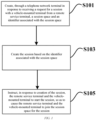
FIG. 1 is a flowchart of a call method according to one or more embodiments of the disclosure; -
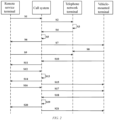
FIG. 2 is a flowchart of a call method according to one or more embodiments of the disclosure; -
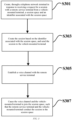
FIG. 3 is a flowchart of a call method according to one or more embodiments of the disclosure; -
FIG. 4 is a flowchart of a call method according to one or more embodiments of the disclosure; and -
FIG. 5 is a block diagram of a call system according to one or more embodiments of the disclosure. - The disclosure is described below more comprehensively with reference to the accompanying drawings in which schematic embodiments of the disclosure are shown. However, the disclosure may be implemented in different forms, and should not be construed as being limited to the embodiments provided herein. The embodiments provided above are intended to make the disclosure of this specification comprehensive and complete, to more comprehensively convey the scope of protection of the disclosure to those skilled in the art.
- In this specification, the terms such as "include" and "comprise" indicate that in addition to the units and steps that are directly and explicitly described in the specification and claims, other units and steps that are not directly or explicitly described are not excluded in the technical solutions of the disclosure.
- Unless otherwise specified, the terms such as "first" and "second" are not used to indicate sequences of units in terms of time, space, size, etc., and are only used to distinguish between the units.
- In this specification, a remote service terminal may be understood as various organizations capable of providing vehicle services. The services may include but are not limited to a battery swap service, a charging service, a maintenance service, and an after-sales service.
- Various exemplary embodiments according to the disclosure will be described below in detail with reference to the accompanying drawings.
-
FIG. 1 is a flowchart of a call method according to one or more embodiments of the disclosure. - As shown in
FIG. 1 , in step S101, a telephone network terminal creates, in response to receiving a request for a session with a vehicle-mounted terminal from a remote service terminal, a session space and an identifier associated with the session space. - Optionally, in step S101, when the request for the session with the vehicle-mounted terminal is received from the remote service terminal, an http request for creating the session space may be initiated to the telephone network terminal. After receiving the http request for creating the session space, the telephone network terminal may create the session space and the identifier associated with the session space, and return the identifier associated with the session space. Exemplarily, the telephone network terminal may be implemented as a public switched telephone network (PSTN) service provider. Exemplarily, the remote service terminal may be implemented as a backend duty center of a battery swap station, and provides a remote service for a site on which there is no battery swap duty service.
- In step S103, the session is created based on the identifier associated with the session space.
- Optionally, the vehicle-mounted terminal and the remote service terminal may preset specific identifiers to represent respective identities. Optionally, the created session may be bound to an identifier of the remote service terminal, an identifier of the vehicle-mounted terminal, and the identifier associated with the session space.
- In step S 105, the remote service terminal and the vehicle-mounted terminal are instructed, in response to creation of the session, to start the session, so as to cause the remote service terminal and the vehicle-mounted terminal to join the session space for the session.
- Optionally, in step S105, the remote service terminal may join the session space through a PSTN, and the vehicle-mounted terminal may join the session space through a real-time communication (RTC) network.
- Optionally, the above call method may further include that: the remote service terminal is instructed, when receiving a request for ending the session from the vehicle-mounted terminal, to end the session, the session is ended when receiving an answering message for ending the session from the remote service terminal, and the remote service terminal and the vehicle-mounted terminal are invoked to quit the session space.
- Optionally, the above call method may further include that: the vehicle-mounted terminal is instructed, when receiving a request for ending the session from the remote service terminal, to end the session, the session is ended when receiving an answering message for ending the session from the vehicle-mounted terminal, and the remote service terminal and the vehicle-mounted terminal are invoked to quit the session space.
- In the call method proposed according to an aspect of the disclosure, a direct call channel can be established between the remote service terminal and the vehicle-mounted terminal, so that the remote service terminal can perform a call with the vehicle-mounted terminal through the channel without dialing a phone number of a vehicle user. For example, the remote service terminal can directly call a console screen of a vehicle with one touch to contact the vehicle user without dialing the phone number of the user. In this way, a case that helps cannot be provided for the user because there is no phone number of the user or it is difficult to contact the user through the phone number is avoided. Therefore, a service is provided for the user efficiently and conveniently. In addition, in the call method proposed according to an aspect of the disclosure, a general method for real-time two-way communication between the remote service terminal and the vehicle-mounted terminal can be provided, a pluggable underlying communication architecture is adaptively supported, and a heterogeneous communication architecture may further be supported.
-
FIG. 2 is a flowchart of a call method according to one or more embodiments of the disclosure. - As shown in
FIG. 2 , steps S1 to S9 show a process in which a remote service terminal calls a vehicle-mounted terminal. - In
step S 1, the remote service terminal sends a request for a session with the vehicle-mounted terminal to a call system according to one or more embodiments of the disclosure. - In step S2, after receiving the request for the session with the vehicle-mounted terminal from the remote service terminal, the call system according to one or more embodiments of the disclosure sends an http request for creating a session space to a telephone network terminal.
- In step S3, after receiving the http request for creating the session space, the telephone network terminal creates the session space and an identifier associated with the session space.
- In step S4, the telephone network terminal returns the created identifier associated with the session space to the call system according to one or more embodiments of the disclosure.
- In step S5, the call system according to one or more embodiments of the disclosure creates the session based on the identifier associated with the session space. Optionally, the created session is bound to an identifier of the remote service terminal, an identifier of the vehicle-mounted terminal, and the identifier associated with the session space.
- In step S6, the call system according to one or more embodiments of the disclosure returns the created session to the remote service terminal.
- In step S7, the call system according to one or more embodiments of the disclosure instructs the vehicle-mounted terminal to start the session. Exemplarily, the call system according to one or more embodiments of the disclosure may instruct the vehicle-mounted terminal, through an Internet of vehicles, to start the session.
- In step S8, after receiving the indication of starting the session, the vehicle-mounted terminal joins the session space through RTC.
- In step S9, after receiving the created session, the remote service terminal joins the session space through a PSTN.
- As shown in
FIG. 2 , stepsS 10 toS 15 show a process in which the vehicle-mounted terminal ends the session. - In
step S 10, the vehicle-mounted terminal sends a request for ending the current session to the call system according to one or more embodiments of the disclosure. - In step S 11, after receiving the request for ending the current session, the call system according to one or more embodiments of the disclosure instructs the remote service terminal to end the current session.
- In step S12, the remote service terminal sends an answering message for ending the current session to the call system according to one or more embodiments of the disclosure.
- In step S13, after receiving the answering message for ending the current session, the call system according to one or more embodiments of the disclosure ends the current session.
- In
step S 14, the remote service terminal is invoked to quit the session space. - In
step S 15, the vehicle-mounted terminal is invoked to quit the session space. - As shown in
FIG. 2 , steps S16 to S21 show a process in which the remote service terminal ends the session. - In step S16, the remote service terminal sends a request for ending the current session to the call system according to one or more embodiments of the disclosure.
- In step S 17, after receiving the request for ending the current session, the call system according to one or more embodiments of the disclosure instructs the vehicle-mounted terminal to end the current session. Exemplarily, the call system according to one or more embodiments of the disclosure may instruct the vehicle-mounted terminal, through an Internet of vehicles, to end the current session.
- In step S 18, the vehicle-mounted terminal sends an answering message for ending the current session to the call system according to one or more embodiments of the disclosure.
- In step S19, after receiving the answering message for ending the current session, the call system according to one or more embodiments of the disclosure ends the current session.
- In step S20, the remote service terminal is invoked to quit the session space.
- In step S21, the vehicle-mounted terminal is invoked to quit the session space.
- It should be noted that a sequence of the steps of the call method according to one or more embodiments of the disclosure described in combination with
FIG. 2 is merely exemplary, and the sequence of the steps of the method may be changed without departing from the spirit and the scope of the disclosure. For example, step S7 may be performed before step S6, step S9 may be performed before step S8, step S15 may be performed before step S14, and step S21 may be performed before step S20. -
FIG. 3 is a flowchart of a call method according to one or more embodiments of the disclosure. - As shown in
FIG. 3 , in step S301, a telephone network terminal creates, in response to receiving a request for a session with a remote service terminal from a vehicle-mounted terminal, a session space and an identifier associated with the session space. - Optionally, in step S301, when the request for the session with the remote service terminal is received from the vehicle-mounted terminal, an http request for creating the session space may be initiated to the telephone network terminal. After receiving the http request for creating the session space, the telephone network terminal may create the session space and the identifier associated with the session space, and return the identifier associated with the session space. Exemplarily, the telephone network terminal may be implemented as a PSTN service provider.
- Optionally, the vehicle-mounted terminal may be integrated with an RTC client, and may preset a specific identifier to represent an identity of the vehicle-mounted terminal. Optionally, the vehicle-mounted terminal may obtain a contact number of the remote service terminal from a service backend, and call the remote service terminal by using the RTC client.
- In step S303, the session is created based on the identifier associated with the session space, and the created session is sent to the vehicle-mounted terminal.
- Optionally, the created session may be bound to the contact number of the remote service terminal, an identifier of the vehicle-mounted terminal, and the identifier associated with the session space.
- In step S305, a voice channel with the remote service terminal is established.
- Optionally, in step S305, the telephone network terminal may send a call request to the remote service terminal, and establish the voice channel with the remote service terminal in response to the remote service terminal answering the call request.
- Optionally, in step S305, an http request may be sent to the telephone network terminal to call the contact number of the remote service terminal. After receiving the http request, the telephone network terminal sends the call request to the remote service terminal through an operator. After receiving the call request, the remote service terminal returns an event indicating ringing and an event indicating answering to the telephone network terminal. After receiving the event indicating ringing, the telephone network terminal generates and returns an identifier of the remote service terminal. After receiving the event indicating answering, the telephone network terminal generates and returns an indication of starting calling.
- In step S307, the voice channel and the vehicle-mounted terminal are caused to join the session space, such that the remote service terminal and the vehicle-mounted terminal conduct the session in the session space.
- Optionally, in step S307, the voice channel may join the session space through a PSTN, and the vehicle-mounted terminal may join the session space through RTC.
- The PSTN and RTC are combined to perform a call, so that the remote service terminal can manage a busy/idle state of service personnel to ensure efficient and balanced call distribution. Therefore, a service is provided for a user efficiently and conveniently.
- Optionally, the above call method may further include that: the remote service terminal is requested, when receiving a request for ending the session from the vehicle-mounted terminal, to end the session, the voice channel is invoked to quit the session space when receiving an answering message for ending the session from the remote service terminal, the vehicle-mounted terminal is instructed to end the session, and the vehicle-mounted terminal is invoked to quit the session space.
- Optionally, the above call method may further include that: the voice channel is invoked to quit the session space when receiving a request for ending the session from the remote service terminal, the vehicle-mounted terminal is instructed to end the session, and the vehicle-mounted terminal is invoked to quit the session space.
- In the call method proposed according to an aspect of the disclosure, a direct call channel can be established between the vehicle-mounted terminal and the remote service terminal, so that the vehicle-mounted terminal can perform a call with the remote service terminal through the channel by using a console screen of a vehicle without connecting a mobile phone through Bluetooth or dialing with a mobile phone in the vehicle. In addition, in the call method proposed according to an aspect of the disclosure, a general method for real-time two-way communication between the remote service terminal and the vehicle-mounted terminal can be provided, a pluggable underlying communication architecture is adaptively supported, and a heterogeneous communication architecture may further be supported.
-
FIG. 4 is a flowchart of a call method according to one or more embodiments of the disclosure. - As shown in
FIG. 4 , steps S1' to S14' show a process in which a vehicle-mounted terminal calls a remote service terminal. - In step S 1', the vehicle-mounted terminal sends a request for a session with the remote service terminal to a call system according to one or more embodiments of the disclosure. Optionally, the vehicle-mounted terminal may obtain a contact number of the remote service terminal from a service backend, and call the remote service terminal by using the RTC client.
- In step S2', after receiving the request for the session with the remote service terminal from the vehicle-mounted terminal, the call system according to one or more embodiments of the disclosure sends an http request for creating a session space to a telephone network terminal.
- In step S3', after receiving the http request for creating the session space, the telephone network terminal creates the session space and an identifier associated with the session space.
- In step S4', the telephone network terminal returns the created identifier associated with the session space to the call system according to one or more embodiments of the disclosure.
- In step S5', the call system according to one or more embodiments of the disclosure creates the session based on the identifier associated with the session space. Optionally, the created session is bound to the contact number of the remote service terminal, an identifier of the vehicle-mounted terminal, and the identifier associated with the session space.
- In step S6', the call system according to one or more embodiments of the disclosure returns the created session to the vehicle-mounted terminal.
- In step S7', the call system according to one or more embodiments of the disclosure initiates an http request to the telephone network terminal to call the contact number of the remote service terminal.
- In step S8', after receiving the http request, the telephone network terminal sends a call request to the remote service terminal.
- In step S9', after receiving the call request, the remote service terminal returns an event indicating ringing to the telephone network terminal through an operator.
- In step S10', after receiving the event indicating ringing, the telephone network terminal generates an identifier of the remote service terminal, and returns the identifier to the call system according to one or more embodiments of the disclosure.
- In step S 11', after receiving the call request, the remote service terminal returns an event indicating answering to the telephone network terminal through the operator.
- In step S12', after receiving the event indicating answering, the telephone network terminal generates an indication of starting calling, and returns the indication to the call system according to one or more embodiments of the disclosure. In this way, a voice channel with the remote service terminal is established.
- In step S 13', the voice channel with the remote service terminal is caused to join the session space through a PSTN.
- In step S14', the vehicle-mounted terminal is caused to join the session space through RTC.
- As shown in
FIG. 4 , steps S 15' to S23' show a process in which the vehicle-mounted terminal ends the session. - In step S15', the vehicle-mounted terminal sends a request for ending the current session to the call system according to one or more embodiments of the disclosure.
- In step S 16', after receiving the request for ending the current session, the call system according to one or more embodiments of the disclosure initiates an http request to the telephone network terminal to request for ending the current session.
- In step S 17', after receiving the http request, the telephone network terminal sends the request for ending the current session to the remote service terminal.
- In step S 18', after receiving the request for ending the current session, the remote service terminal sends an answering message for ending the current session to the telephone network terminal.
- In step S19', the telephone network terminal sends an indication of ending the current session to the call system according to one or more embodiments of the disclosure.
- In step S20', the voice channel is invoked to quit the session space.
- In step S21', the call system according to one or more embodiments of the disclosure instructs the vehicle-mounted terminal to end the current session. Exemplarily, the call system according to one or more embodiments of the disclosure may instruct the vehicle-mounted terminal, through an Internet of vehicles, to end the current session.
- In step S22', the current session is ended.
- In step S23', the vehicle-mounted terminal is invoked to quit the session space.
- As shown in
FIG. 4 , steps S24' to S28' show a process in which the remote service terminal ends the session. - In step S24', the remote service terminal sends a request for ending the current session to the call system according to one or more embodiments of the disclosure.
- In step S25', the voice channel is invoked to quit the session space.
- In step S26', the call system according to one or more embodiments of the disclosure instructs the vehicle-mounted terminal to end the current session. Exemplarily, the call system according to one or more embodiments of the disclosure may instruct the vehicle-mounted terminal, through an Internet of vehicles, to end the current session.
- In step S27', the current session is ended.
- In step S28', the vehicle-mounted terminal is invoked to quit the session space.
- It should be noted that a sequence of the steps of the call method according to one or more embodiments of the disclosure described in combination with
FIG. 4 is merely exemplary, and the sequence of the steps of the method may be changed without departing from the spirit and the scope of the disclosure. For example, step S 14' may be performed before step S13'. -
FIG. 5 is a block diagram of a call system according to one or more embodiments of the disclosure. - As shown in
FIG. 5 , thecall system 50 includes acommunication unit 510, a memory 520 (for example, a non-volatile memory such as a flash memory, a ROM, a hard disk drive, a magnetic disk, or an optical disc), aprocessor 530, and acomputer program 540 stored on the memory 320 and capable of running on theprocessor 530. - The
communication unit 510, as a communication interface, is configured to establish a communication connection between thecall system 50 and an external device or network (for example, a remote service terminal, a telephone network terminal, or a vehicle-mounted terminal). - The
memory 520 stores thecomputer program 540 executable by theprocessor 530. In addition, thememory 520 may further store data generated when theprocessor 530 executes the computer program and data or commands received from the outside through thecommunication unit 510. - The
processor 530 is configured to execute thecomputer program 540 to implement a call method according to one or more embodiments of the disclosure. - In addition, as described above, the disclosure may also be implemented as a computer-readable storage medium, including instructions. When the instructions are run, a call method according to one or more embodiments of the disclosure is performed.
- Various embodiments provided in the disclosure may be implemented by hardware, software, or a combination of hardware and software where applicable. In addition, without departing from the scope of the disclosure, various hardware components and/or software components described in this specification may be combined into a combined component including software, hardware, and/or both where applicable. Without departing from the scope of the disclosure, various hardware components and/or software components described in this specification may be separated into sub-components including software, hardware, or both where applicable. In addition, where applicable, it is contemplated that software components can be implemented as hardware components, and vice versa.
- Software (such as program code and/or data) in the disclosure may be stored on one or more computer storage media. It is also contemplated that the software identified herein can be implemented using one or more general-purpose or special-purpose computers and/or computer systems, networked and/or otherwise. The steps described herein can be changed in order, combined into compound steps, and/or divided into sub-steps where applicable, to provide the features described herein.
- The embodiments and examples proposed herein are provided to describe as adequately as possible embodiments according to the disclosure and specific applications thereof and thus enable those skilled in the art to implement and use the disclosure. However, those skilled in the art will know that the above descriptions and examples are provided only for description and illustration. The proposed description is not intended to cover all aspects of the disclosure or limit the disclosure to the disclosed precise forms.
Claims (15)
- A call method, comprising the following steps:creating, through a telephone network terminal in response to receiving a request for a session with a vehicle-mounted terminal from a remote service terminal, a session space and an identifier associated with the session space;creating the session based on the identifier associated with the session space; andinstructing, in response to creation of the session, the remote service terminal and the vehicle-mounted terminal to start the session, so as to cause the remote service terminal and the vehicle-mounted terminal to join the session space for the session.
- The method according to claim 1, wherein the creating, through a telephone network terminal, a session space and an identifier associated with the session space comprises:sending a request for creating the session space to the telephone network terminal; andreceiving the identifier associated with the session space from the telephone network terminal in response to creation of the session space through the telephone network terminal.
- The method according to claim 1 or 2, wherein the session is associated with an identifier of the remote service terminal, an identifier of the vehicle-mounted terminal, and the identifier associated with the session space.
- The method according to any one of claims 1 to 3, wherein causing the remote service terminal and the vehicle-mounted terminal to join the session space for the session comprises:causing the remote service terminal to join the session space through a telephone network; andcausing the vehicle-mounted terminal to join the session space through a real-time communication network.
- The method according to any one of claims 1 to 4, further comprising:instructing, in response to receiving a request for ending the session from the vehicle-mounted terminal, the remote service terminal to end the session;ending the session in response to receiving an answering message for ending the session from the remote service terminal; andinvoking the remote service terminal and the vehicle-mounted terminal to quit the session space.
- The method according to any one of claims 1 to 5, further comprising:instructing, in response to receiving a request for ending the session from the remote service terminal, the vehicle-mounted terminal to end the session;ending the session in response to receiving an answering message for ending the session from the vehicle-mounted terminal; andinvoking the remote service terminal and the vehicle-mounted terminal to quit the session space.
- A call method, comprising the following steps:creating, through a telephone network terminal in response to receiving a request for a session with a remote service terminal from a vehicle-mounted terminal, a session space and an identifier associated with the session space;creating the session based on the identifier associated with the session space, and sending the session to the vehicle-mounted terminal;establishing a voice channel with the remote service terminal; andcausing the voice channel and the vehicle-mounted terminal to join the session space, such that the remote service terminal and the vehicle-mounted terminal conduct the session in the session space.
- The method according to claim 7, wherein the creating, through a telephone network terminal, a session space and an identifier associated with the session space comprises:sending a request for creating the session space to the telephone network terminal; andreceiving the identifier associated with the session space from the telephone network terminal in response to creation of the session space through the telephone network terminal.
- The method according to claim 7 or 8, wherein the session is associated with an identifier of the vehicle-mounted terminal, a number identifier of the remote service terminal, and the identifier associated with the session space.
- The method according to claim 7, 8, or 9, wherein the establishing a voice channel with the remote service terminal comprises:sending a call request to the remote service terminal through the telephone network terminal; andestablishing the voice channel with the remote service terminal in response to the remote service terminal answering the call request.
- The method according to any one of claims 7 to 10, wherein the causing the voice channel and the vehicle-mounted terminal to join the session space comprises:causing the voice channel to join the session space through a telephone network; andcausing the vehicle-mounted terminal to join the session space through a real-time communication network.
- The method according to any one of claims 7 to 11, further comprising:requesting, in response to receiving a request for ending the session from the vehicle-mounted terminal, the remote service terminal to end the session;invoking, in response to receiving an answering message for ending the session from the remote service terminal, the voice channel to quit the session space; andinstructing the vehicle-mounted terminal to end the session, and invoking the vehicle-mounted terminal to quit the session space.
- The method according to any one of claims 7 to 12, further comprising:invoking, in response to receiving a request for ending the session from the remote service terminal, the voice channel to quit the session space; andinstructing the vehicle-mounted terminal to end the session, and invoking the vehicle-mounted terminal to quit the session space.
- A call system, comprising:a memory;a processor coupled to the memory; anda computer program stored on the memory and running on the processor, wherein the computer program runs to perform a call method according to any one of claims 1 to 6.
- A call system, comprising:a memory;a processor coupled to the memory; anda computer program stored on the memory and running on the processor, wherein the computer program runs to perform a call method according to any one of claims 7 to 13.
Applications Claiming Priority (1)
| Application Number | Priority Date | Filing Date | Title |
|---|---|---|---|
| CN202211679522.XA CN115701894B (en) | 2022-12-27 | 2022-12-27 | Communication method, communication system and computer storage medium |
Publications (2)
| Publication Number | Publication Date |
|---|---|
| EP4395292A2 true EP4395292A2 (en) | 2024-07-03 |
| EP4395292A3 EP4395292A3 (en) | 2024-09-11 |
Family
ID=85162811
Family Applications (1)
| Application Number | Title | Priority Date | Filing Date |
|---|---|---|---|
| EP23213188.8A Pending EP4395292A3 (en) | 2022-12-27 | 2023-11-30 | Call method and call system |
Country Status (2)
| Country | Link |
|---|---|
| EP (1) | EP4395292A3 (en) |
| CN (1) | CN115701894B (en) |
Family Cites Families (19)
| Publication number | Priority date | Publication date | Assignee | Title |
|---|---|---|---|---|
| JP2003189370A (en) * | 2001-12-21 | 2003-07-04 | Auto Network Gijutsu Kenkyusho:Kk | In-vehicle communication method |
| US7062286B2 (en) * | 2004-04-05 | 2006-06-13 | Motorola, Inc. | Conversion of calls from an ad hoc communication network |
| US20070190950A1 (en) * | 2006-02-15 | 2007-08-16 | General Motors Corporation | Method of configuring voice and data communication over a voice channel |
| US20100152960A1 (en) * | 2008-12-17 | 2010-06-17 | General Motors Llc | On-line vehicle management system |
| CN102196103B (en) * | 2011-06-16 | 2013-06-19 | 杨勇 | Platform for implementing competitive bidding of taxi services based on mobile communication and positioning technology |
| US9183835B2 (en) * | 2011-10-18 | 2015-11-10 | GM Global Technology Operations LLC | Speech-based user interface for a mobile device |
| CN106537931B (en) * | 2014-07-23 | 2020-03-03 | 高通股份有限公司 | Emergency call from vehicle |
| CN107920174B (en) * | 2016-10-08 | 2020-06-16 | 腾讯科技(深圳)有限公司 | A method and device for calling an Internet phone |
| CN108271131A (en) * | 2016-12-30 | 2018-07-10 | 深圳市中兴微电子技术有限公司 | A call control method, server, vehicle-mounted terminal and mobile terminal |
| CN108881784B (en) * | 2017-05-12 | 2020-07-03 | 腾讯科技(深圳)有限公司 | Virtual scene realization method, device, terminal and server |
| CN110719372B (en) * | 2018-07-12 | 2021-02-19 | 广州小鹏汽车科技有限公司 | Method, device and system for remote communication with vehicle |
| CN108737764A (en) * | 2018-07-28 | 2018-11-02 | 北京旺马科技有限公司 | A kind of video call method, equipment and storage medium |
| CN111464978A (en) * | 2019-01-22 | 2020-07-28 | 岳秀兰 | Vehicle remote driving system established by connection of primary wireless equipment and secondary wireless equipment through Internet of things |
| ES2986677T3 (en) * | 2019-05-20 | 2024-11-12 | Vodafone Ip Licensing Ltd | Network service system and method |
| US11095691B2 (en) * | 2019-06-26 | 2021-08-17 | Oracle International Corporation | Methods, systems, and computer readable media for establishing a communication session between a public switched telephone network (PSTN) endpoint and a web real time communications (WebRTC) endpoint |
| CN112953925B (en) * | 2021-02-05 | 2022-08-16 | 广州启智信息科技有限公司 | Real-time audio and video communication system and method based on SIP (Session initiation protocol) and RTC (real time communication) network |
| CN113746808B (en) * | 2021-08-12 | 2023-09-08 | 杭州网易智企科技有限公司 | Converged communication method, gateway, electronic equipment and storage medium for online conference |
| CN113905023B (en) * | 2021-08-25 | 2024-02-27 | 贝壳找房(北京)科技有限公司 | Outbound system and method based on webpage instant messaging technology |
| CN115442334A (en) * | 2022-08-31 | 2022-12-06 | 东风商用车有限公司 | Call control method, device, equipment and readable storage medium |
-
2022
- 2022-12-27 CN CN202211679522.XA patent/CN115701894B/en active Active
-
2023
- 2023-11-30 EP EP23213188.8A patent/EP4395292A3/en active Pending
Also Published As
| Publication number | Publication date |
|---|---|
| CN115701894A (en) | 2023-02-14 |
| EP4395292A3 (en) | 2024-09-11 |
| CN115701894B (en) | 2023-10-24 |
Similar Documents
| Publication | Publication Date | Title |
|---|---|---|
| US9736666B2 (en) | Controlling communications equipment | |
| CN101742004B (en) | Call transfer method and device in multi-call central system | |
| US8634531B2 (en) | Systems and methods for reestablishing a call in a telecommunications network | |
| CN101771769B (en) | Method, device and system for call control | |
| US7100166B2 (en) | Network application decentralized execution system, terminal equipment and network application execution method therefor, and operation method for terminal equipment | |
| CN112565526A (en) | Monitoring method, monitoring device, vehicle and storage medium | |
| JP5471442B2 (en) | Telephone additional service communication control system | |
| EP2186314B1 (en) | System, method, and devices for allocating communications-related charges | |
| CN108200296A (en) | A kind of method and device for calling car owner and moving vehicle | |
| CN109831591B (en) | Calling method, device and terminal of call center | |
| JP2008113399A (en) | Call control communication system and call control communication method | |
| WO2016143856A1 (en) | Device and method for using appropriate telephone number for call connection | |
| CN101848447A (en) | Call processing method and device in communication process | |
| JP5084652B2 (en) | Telephone service system and telephone service method | |
| CN115701894B (en) | Communication method, communication system and computer storage medium | |
| JP2001326964A (en) | Radio communication system, portable telephone composing the same, external equipment, and radio communication method | |
| JP4568229B2 (en) | Telephone connection method, call agent server, telephone connection system, and communication program | |
| KR101003790B1 (en) | VoIP based call forwarding service method | |
| CN111447334A (en) | Call method, device, phone terminal and storage medium | |
| KR101360771B1 (en) | Mobile phone and Method for automatic storing conversation contents, and Recording medium thereof | |
| JPH1188505A (en) | Computer readable storage medium storing program information of communication fee billing method for communication system | |
| JP2003092645A (en) | How to connect to a call center | |
| CN116132586B (en) | Communication connection methods, systems and devices | |
| JP2007295246A (en) | Connection control system | |
| CN1942010A (en) | Methods and apparatus' of standby during communication for mobile phone |
Legal Events
| Date | Code | Title | Description |
|---|---|---|---|
| PUAI | Public reference made under article 153(3) epc to a published international application that has entered the european phase |
Free format text: ORIGINAL CODE: 0009012 |
|
| STAA | Information on the status of an ep patent application or granted ep patent |
Free format text: STATUS: REQUEST FOR EXAMINATION WAS MADE |
|
| 17P | Request for examination filed |
Effective date: 20231130 |
|
| AK | Designated contracting states |
Kind code of ref document: A2 Designated state(s): AL AT BE BG CH CY CZ DE DK EE ES FI FR GB GR HR HU IE IS IT LI LT LU LV MC ME MK MT NL NO PL PT RO RS SE SI SK SM TR |
|
| PUAL | Search report despatched |
Free format text: ORIGINAL CODE: 0009013 |
|
| AK | Designated contracting states |
Kind code of ref document: A3 Designated state(s): AL AT BE BG CH CY CZ DE DK EE ES FI FR GB GR HR HU IE IS IT LI LT LU LV MC ME MK MT NL NO PL PT RO RS SE SI SK SM TR |
|
| RIC1 | Information provided on ipc code assigned before grant |
Ipc: H04M 3/42 20060101AFI20240808BHEP |