EP4394160B1 - Rotary engine - Google Patents
Rotary engine Download PDFInfo
- Publication number
- EP4394160B1 EP4394160B1 EP22217225.6A EP22217225A EP4394160B1 EP 4394160 B1 EP4394160 B1 EP 4394160B1 EP 22217225 A EP22217225 A EP 22217225A EP 4394160 B1 EP4394160 B1 EP 4394160B1
- Authority
- EP
- European Patent Office
- Prior art keywords
- stator
- intake
- annular
- exhaust
- groove
- Prior art date
- Legal status (The legal status is an assumption and is not a legal conclusion. Google has not performed a legal analysis and makes no representation as to the accuracy of the status listed.)
- Active
Links
Images







Classifications
-
- F—MECHANICAL ENGINEERING; LIGHTING; HEATING; WEAPONS; BLASTING
- F02—COMBUSTION ENGINES; HOT-GAS OR COMBUSTION-PRODUCT ENGINE PLANTS
- F02B—INTERNAL-COMBUSTION PISTON ENGINES; COMBUSTION ENGINES IN GENERAL
- F02B57/00—Internal-combustion aspects of rotary engines in which the combusted gases displace one or more reciprocating pistons
- F02B57/08—Engines with star-shaped cylinder arrangements
-
- F—MECHANICAL ENGINEERING; LIGHTING; HEATING; WEAPONS; BLASTING
- F01—MACHINES OR ENGINES IN GENERAL; ENGINE PLANTS IN GENERAL; STEAM ENGINES
- F01B—MACHINES OR ENGINES, IN GENERAL OR OF POSITIVE-DISPLACEMENT TYPE, e.g. STEAM ENGINES
- F01B1/00—Reciprocating-piston machines or engines characterised by number or relative disposition of cylinders or by being built-up from separate cylinder-crankcase elements
- F01B1/06—Reciprocating-piston machines or engines characterised by number or relative disposition of cylinders or by being built-up from separate cylinder-crankcase elements with cylinders in star or fan arrangement
- F01B1/062—Reciprocating-piston machines or engines characterised by number or relative disposition of cylinders or by being built-up from separate cylinder-crankcase elements with cylinders in star or fan arrangement the connection of the pistons with an actuating or actuated element being at the inner ends of the cylinders
-
- F—MECHANICAL ENGINEERING; LIGHTING; HEATING; WEAPONS; BLASTING
- F01—MACHINES OR ENGINES IN GENERAL; ENGINE PLANTS IN GENERAL; STEAM ENGINES
- F01B—MACHINES OR ENGINES, IN GENERAL OR OF POSITIVE-DISPLACEMENT TYPE, e.g. STEAM ENGINES
- F01B1/00—Reciprocating-piston machines or engines characterised by number or relative disposition of cylinders or by being built-up from separate cylinder-crankcase elements
- F01B1/06—Reciprocating-piston machines or engines characterised by number or relative disposition of cylinders or by being built-up from separate cylinder-crankcase elements with cylinders in star or fan arrangement
- F01B1/0641—Details, component parts specially adapted for such machines
- F01B1/0668—Supporting and guiding means for the piston
-
- F—MECHANICAL ENGINEERING; LIGHTING; HEATING; WEAPONS; BLASTING
- F01—MACHINES OR ENGINES IN GENERAL; ENGINE PLANTS IN GENERAL; STEAM ENGINES
- F01B—MACHINES OR ENGINES, IN GENERAL OR OF POSITIVE-DISPLACEMENT TYPE, e.g. STEAM ENGINES
- F01B9/00—Reciprocating-piston machines or engines characterised by connections between pistons and main shafts, not specific to groups F01B1/00 - F01B7/00
- F01B9/04—Reciprocating-piston machines or engines characterised by connections between pistons and main shafts, not specific to groups F01B1/00 - F01B7/00 with rotary main shaft other than crankshaft
- F01B9/06—Reciprocating-piston machines or engines characterised by connections between pistons and main shafts, not specific to groups F01B1/00 - F01B7/00 with rotary main shaft other than crankshaft the piston motion being transmitted by curved surfaces
-
- F—MECHANICAL ENGINEERING; LIGHTING; HEATING; WEAPONS; BLASTING
- F01—MACHINES OR ENGINES IN GENERAL; ENGINE PLANTS IN GENERAL; STEAM ENGINES
- F01L—CYCLICALLY OPERATING VALVES FOR MACHINES OR ENGINES
- F01L1/00—Valve-gear or valve arrangements, e.g. lift-valve gear
- F01L1/36—Valve-gear or valve arrangements, e.g. lift-valve gear peculiar to machines or engines of specific type other than four-stroke cycle
- F01L1/42—Valve-gear or valve arrangements, e.g. lift-valve gear peculiar to machines or engines of specific type other than four-stroke cycle for machines or engines characterised by cylinder arrangements, e.g. star or fan
-
- F—MECHANICAL ENGINEERING; LIGHTING; HEATING; WEAPONS; BLASTING
- F02—COMBUSTION ENGINES; HOT-GAS OR COMBUSTION-PRODUCT ENGINE PLANTS
- F02B—INTERNAL-COMBUSTION PISTON ENGINES; COMBUSTION ENGINES IN GENERAL
- F02B75/00—Other engines
- F02B75/16—Engines characterised by number of cylinders, e.g. single-cylinder engines
- F02B75/18—Multi-cylinder engines
- F02B75/22—Multi-cylinder engines with cylinders in V, fan, or star arrangement
- F02B75/222—Multi-cylinder engines with cylinders in V, fan, or star arrangement with cylinders in star arrangement
-
- F—MECHANICAL ENGINEERING; LIGHTING; HEATING; WEAPONS; BLASTING
- F16—ENGINEERING ELEMENTS AND UNITS; GENERAL MEASURES FOR PRODUCING AND MAINTAINING EFFECTIVE FUNCTIONING OF MACHINES OR INSTALLATIONS; THERMAL INSULATION IN GENERAL
- F16C—SHAFTS; FLEXIBLE SHAFTS; ELEMENTS OR CRANKSHAFT MECHANISMS; ROTARY BODIES OTHER THAN GEARING ELEMENTS; BEARINGS
- F16C11/00—Pivots; Pivotal connections
- F16C11/02—Trunnions; Crank-pins
-
- F—MECHANICAL ENGINEERING; LIGHTING; HEATING; WEAPONS; BLASTING
- F16—ENGINEERING ELEMENTS AND UNITS; GENERAL MEASURES FOR PRODUCING AND MAINTAINING EFFECTIVE FUNCTIONING OF MACHINES OR INSTALLATIONS; THERMAL INSULATION IN GENERAL
- F16C—SHAFTS; FLEXIBLE SHAFTS; ELEMENTS OR CRANKSHAFT MECHANISMS; ROTARY BODIES OTHER THAN GEARING ELEMENTS; BEARINGS
- F16C19/00—Bearings with rolling contact, for exclusively rotary movement
- F16C19/22—Bearings with rolling contact, for exclusively rotary movement with bearing rollers essentially of the same size in one or more circular rows, e.g. needle bearings
- F16C19/44—Needle bearings
- F16C19/46—Needle bearings with one row or needles
- F16C19/466—Needle bearings with one row or needles comprising needle rollers and an outer ring, i.e. subunit without inner ring
-
- F—MECHANICAL ENGINEERING; LIGHTING; HEATING; WEAPONS; BLASTING
- F01—MACHINES OR ENGINES IN GENERAL; ENGINE PLANTS IN GENERAL; STEAM ENGINES
- F01L—CYCLICALLY OPERATING VALVES FOR MACHINES OR ENGINES
- F01L1/00—Valve-gear or valve arrangements, e.g. lift-valve gear
- F01L1/12—Transmitting gear between valve drive and valve
- F01L1/18—Rocking arms or levers
- F01L1/181—Centre pivot rocking arms
- F01L1/182—Centre pivot rocking arms the rocking arm being pivoted about an individual fulcrum, i.e. not about a common shaft
-
- F—MECHANICAL ENGINEERING; LIGHTING; HEATING; WEAPONS; BLASTING
- F01—MACHINES OR ENGINES IN GENERAL; ENGINE PLANTS IN GENERAL; STEAM ENGINES
- F01L—CYCLICALLY OPERATING VALVES FOR MACHINES OR ENGINES
- F01L2305/00—Valve arrangements comprising rollers
-
- F—MECHANICAL ENGINEERING; LIGHTING; HEATING; WEAPONS; BLASTING
- F02—COMBUSTION ENGINES; HOT-GAS OR COMBUSTION-PRODUCT ENGINE PLANTS
- F02B—INTERNAL-COMBUSTION PISTON ENGINES; COMBUSTION ENGINES IN GENERAL
- F02B75/00—Other engines
- F02B75/32—Engines characterised by connections between pistons and main shafts and not specific to preceding main groups
-
- F—MECHANICAL ENGINEERING; LIGHTING; HEATING; WEAPONS; BLASTING
- F16—ENGINEERING ELEMENTS AND UNITS; GENERAL MEASURES FOR PRODUCING AND MAINTAINING EFFECTIVE FUNCTIONING OF MACHINES OR INSTALLATIONS; THERMAL INSULATION IN GENERAL
- F16C—SHAFTS; FLEXIBLE SHAFTS; ELEMENTS OR CRANKSHAFT MECHANISMS; ROTARY BODIES OTHER THAN GEARING ELEMENTS; BEARINGS
- F16C2360/00—Engines or pumps
- F16C2360/22—Internal combustion engines
Definitions
- the present invention relates to a rotary engine.
- the engine plays an important role in the power demands of vehicles or other fields.
- the conventional engine performs intake, compression, power and exhaust strokes through the cooperation of the cylinder, piston, crankshaft, valve, to achieve a complete power cycle.
- the manufacture and assembly of the structure and components of the conventional engine are very complicated and difficult.
- the crankshaft needs to be designed as a curved shaft according to the number of pistons. Therefore, the piston moves up and down eccentrically, and thus there is great friction between the piston and the cylinder. As a result, the cylinder and piston are easy to wear and damage, and the crankshaft is easy to break.
- the piston rod and the crankshaft of the conventional engine are aligned with each other, so the power generated by the explosion is not efficiently transmitted so that the power cannot be fully output.
- the number of cylinders of the conventional engine is also greatly limited, so it cannot provide a large power output.
- a large shaft larger than the crankshaft of the conventional engine can be used in a rotary engine so that the rotary engine runs more smoothly and outputs greater power and so that an air supply hole can be formed in the large shaft, which allows the cooling air outside the rotary engine to enter the cylinder to cool the rotary engine effectively and quickly.
- the main object of the present invention is to provide a rotary engine which can carry out multiple power strokes during one rotation and provide greater power output.
Landscapes
- Engineering & Computer Science (AREA)
- General Engineering & Computer Science (AREA)
- Mechanical Engineering (AREA)
- Chemical & Material Sciences (AREA)
- Combustion & Propulsion (AREA)
- Valve Device For Special Equipments (AREA)
Description
- The present invention relates to a rotary engine.
- Nowadays, the engine plays an important role in the power demands of vehicles or other fields. Generally, the conventional engine performs intake, compression, power and exhaust strokes through the cooperation of the cylinder, piston, crankshaft, valve, to achieve a complete power cycle.
- Document
US 11 060 450 B1 - However, the manufacture and assembly of the structure and components of the conventional engine are very complicated and difficult. For example, the crankshaft needs to be designed as a curved shaft according to the number of pistons. Therefore, the piston moves up and down eccentrically, and thus there is great friction between the piston and the cylinder. As a result, the cylinder and piston are easy to wear and damage, and the crankshaft is easy to break. Moreover, at a power starting point when the power stroke starts, the piston rod and the crankshaft of the conventional engine are aligned with each other, so the power generated by the explosion is not efficiently transmitted so that the power cannot be fully output. In addition, the number of cylinders of the conventional engine is also greatly limited, so it cannot provide a large power output. In the present invention, a large shaft larger than the crankshaft of the conventional engine can be used in a rotary engine so that the rotary engine runs more smoothly and outputs greater power and so that an air supply hole can be formed in the large shaft, which allows the cooling air outside the rotary engine to enter the cylinder to cool the rotary engine effectively and quickly.
- The present invention is, therefore, arisen to obviate or at least mitigate the above-mentioned disadvantages.
- The main object of the present invention is to provide a rotary engine which can carry out multiple power strokes during one rotation and provide greater power output.
- To achieve the above and other objects, a rotary engine according to claim 1 is provided, including: a stator assembly, including an intake stator and an exhaust stator, the intake stator and the exhaust stator each including an annular guiding groove, the annular guiding groove of the intake stator and the annular guiding groove of the exhaust stator axially corresponding to each other and defining a track, the intake stator further including an annular intake groove, the exhaust stator further including an annular exhaust groove; a rotor, rotatably disposed between the intake stator and the exhaust stator, including a plurality of cylinders and a plurality of cylinder heads, each of the plurality of cylinders being covered by one of the plurality of cylinder heads, each of the plurality of cylinder heads including an intake port and an exhaust port, the intake port being connected to the annular intake groove, the exhaust port being connected to the annular exhaust groove; a shaft, inserted axially in the stator assembly and the rotor; a plurality of valve mechanisms, posited on the plurality of cylinder heads respectively and each including an intake valve configured to selectively close the intake port and an exhaust valve configured to selectively close the exhaust port; a plurality of pistons, received in the plurality of cylinders respectively and each including a piston rod which projects radially beyond one of the plurality of cylinders and is movable along the track, an intake starting point, a compression starting point, a power starting point and an exhaust starting point of each of the plurality of pistons being defined sequentially relatively based on the track; and a plurality of spark plugs, posited on the plurality of cylinder heads and exposed to interiors of the plurality of cylinders, respectively.
- The present invention will become more obvious from the following description when taken in connection with the accompanying drawings, which show, for purpose of illustrations only, the preferred embodiment(s) in accordance with the present invention.
-
-
Fig. 1 is a stereogram of a preferable embodiment of the present invention; -
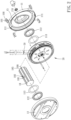
Fig. 2 is a breakdown drawing of a preferable embodiment of the present invention; -
Fig. 3 is a partial breakdown drawing of a preferable embodiment of the present invention; -
Fig. 4 is a drawing showing operation of a rotary engine of a preferable embodiment of the present invention; -
Fig. 5 is a drawing showing a piston of a preferable embodiment of the present invention; -
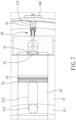
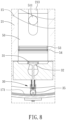
Figs. 6-8 are schematic diagrams ofFig. 4 ; -
Fig. 9 is a partial cross-sectional view of a preferable embodiment of the present invention; -
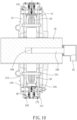
Fig. 10 is a cross-sectional view taken radially according to a preferable embodiment of the present invention; -
Fig. 11 is a schematic diagram ofFig. 10 ; -
Fig. 12 is a first side view of a preferable embodiment of the present invention; -
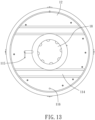
Fig. 13 is a second side view of a preferable embodiment of the present invention; -
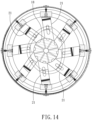
Fig. 14 is a cross-sectional view taken radially according to another preferable embodiment of the present invention; and -
Fig. 15 is a partial cross-sectional view of the another preferable embodiment of the present invention. - Please refer to
Figs. 1 to 14 for a preferable embodiment of the present invention. A rotary engine 1 of the present invention includes astator assembly 10, arotor 20, a plurality ofvalve mechanisms 30, a plurality ofpistons 50 and a plurality ofspark plugs 60. - The
stator assembly 10 includes anintake stator 11 and anexhaust stator 12. Theintake stator 11 and theexhaust stator 12 each include an annular guiding groove 13, and the annular guiding groove 13 of theintake stator 11 and the annular guiding groove 13 of theexhaust stator 12 axially correspond to each other and define atrack 15. Theintake stator 11 further includes anannular intake groove 111, and theexhaust stator 12 further includes anannular exhaust groove 121. Therotor 20 is rotatably disposed between theintake stator 11 and theexhaust stator 12, and therotor 20 includes a plurality ofcylinders 21 and a plurality ofcylinder heads 22. Each of the plurality ofcylinders 21 is covered by one of the plurality ofcylinder heads 22, and acylinder gasket 23 is disposed between thecylinder head 22 andcylinder 21. Each of the plurality ofcylinder heads 22 includes anintake port 221 and anexhaust port 222, theintake port 221 is connected to theannular intake groove 111, and theexhaust port 222 is connected to theannular exhaust groove 121. The plurality ofvalve mechanisms 30 are posited on the plurality ofcylinder heads 22 respectively and each include anintake valve 31 configured to selectively close theintake port 221 and anexhaust valve 32 configured to selectively close theexhaust port 222. The plurality ofpistons 50 are received in the plurality ofcylinders 21 respectively and each include apiston rod 51 which projects radially beyond one of the plurality ofcylinders 21 and is movable along thetrack 15. An intake starting point I, a compression starting point C, a power starting point B and an exhaust starting point E of each of the plurality ofpistons 50 are sequentially defined relatively based on the track 15 (Fig. 4 ). The plurality ofspark plugs 60 are posited on the plurality ofcylinder heads 22 and exposed to interiors of the plurality ofcylinders 21, respectively, for ignition at the power starting point B. Thestator assembly 10 is fixedly connected to afixation frame 100, and thefixation frame 100 includes aterminal 101. When each of the plurality ofspark plugs 60 moves with thecylinder head 22 to correspondingly contact the terminal, it ignites. Whereby, there are multiple power strokes during one rotation of therotor 20, which can provide greater power output. - Preferably, the
track 15 includes aninclined section 151 in a location on its inner side corresponding to the power starting point B. Theinclined section 151 allows thebearing 511 of thepiston rod 51 to slide downward along theinclined section 151 smoothly at the power starting point B so that the explosion power can be maximally converted to thepiston 50 to generate huge torque without decreasing the power conversion efficiency. - The
rotor 20 further includes two annular chambers 23 (Fig. 9 ), and each of the twoannular chambers 23 is defined by an innerannular wall 231 and an outerannular wall 232 inserted in theannular intake groove 111 and theannular exhaust groove 121, respectively. The outerannular wall 232 includes anannular reservoir 233 on an outer side thereof, thestator assembly 10 further includes a plurality ofoiling holes 81 connected to at least oneoil pot 80, and each of the plurality ofoiling holes 81 is connected to theannular reservoir 233. Twoseals 82 are engaged within the outer annular wall at two sides of theannular reservoir 233 and abutted against an inner surface of the annular guiding groove 13, so that the oil can be retained in theannular reservoir 233 and the twoseals 82 help air sealing. The consumption of oil between the twoseals 82 is little so that theoil pot 80 is sufficient to supply the oil required and to ensure formation of the sealing chamber. There areoiling holes 115 between therotor 20 and theintake stator 11 and between therotor 20 and theexhaust stator 12, which allows the oil to lubricate thepiston 50 and the twoseals 82 and enhances cooling of the rotary engine. - A
shaft 18 is inserted axially in thestator assembly 10 and therotor 20, and theshaft 18 and therotor 20 include akey slot 181, respectively. Akey 182 is keyed in the key slots of theshaft 18 and therotor 20 so that therotor 20 rotates in lock steps with theshaft 18. - In an alternative embodiment (
Fig. 14 ), thecylinders 21 are eccentrically arranged relative to theshaft 18. - A first bearing 112 is sleeved with and between the
intake stator 11 and theshaft 18, and a second bearing 122 is sleeved with and between theexhaust stator 12 and theshaft 18. Theshaft 18 includes an axial hole 183 (Fig. 9 ) and a plurality ofradial holes 184 extending radially from theaxial hole 183 and opened on an outer circumferential surface of theshaft 18, and each of the plurality ofcylinders 21 is connected to at least one of the plurality ofradial holes 184. The total area of cross-sections of the plurality ofradial holes 184 is less than the cross-section of theaxial hole 183 so that the airflow in each of the plurality ofradial holes 184 is of high pressure and low flow velocity and so that the airflow ejects in high flow velocity from theradial holes 184, which effectively cools the piston and the cylinder. Theaxial hole 183 is configured to be connected to an air supply device such as a blower, for forcing the air to enter thecylinder 21, and thus the heat dissipation efficiency is high. Preferably, theshaft 18 is provided with a large size, which is beneficial to the stability of the engine, helps the heat transfer and cooling of the engine, is conducive to the large power output, and is beneficial to form the axial hole 183 (big air hole) and the plurality of radial holes 184 (small air hole) blowing the air to thepiston 50. Anair supply device 19 is provided at an end of theshaft 18, and the air supply device forces the cooling fluid to the plurality ofradial holes 184 through theaxial hole 183, to achieve better heat dissipation efficiency. The present invention is very suitable for the design and manufacture of a multi-cylinder engine which needs the most a large shaft to stabilize the engine and transmit power, and the rotary engine 1 just fits requirement of the large shaft. Specifically, theshaft 18 further includes a plurality ofribs 185 extending axially on the outer circumferential surface, neighboring two of the plurality ofribs 185, thestator assembly 10 and therotor 20 define agroove 186, and each of the plurality ofradial holes 184 is opened on one of the plurality ofribs 185. Thegroove 186 is connected to an outside of the rotary engine 1, which is beneficial for heat dissipation. - Preferably, two
steel sheets 113 are interposed between theintake stator 11 and therotor 20 and between theexhaust stator 12 and therotor 20, respectively. The twosteel sheets 113 are radially protruding beyond thefirst bearing 112 and thesecond bearing 122, respectively. The two steel sheets113 are configured to keep the gaps and to block the oil from flowing to theshaft 18. Centrifugal force prevents the oil in thecylinder 21 from flowing to theshaft 18. Only when the engine stops, the oil is able to flow to theshaft 18; however, as the engine starts again, the oil will be thrown outward. The twosteel sheets 113 each can act as a barrier to prevent oil from easily entering thegroove 186 of theshaft 18 and flowing out from thegroove 186. In addition, with the spacer function of the twosteel sheets 113, it avoids large-area friction between therotor 20 and theintake stator 11 and between therotor 20 and theexhaust stator 12, and avoids loss of kinetic energy. - Preferably, the
stator assembly 10 further includes at least onecooling pipe 114 configured for receiving cooling medium, and the at least onecooling pipe 114 may be integrally formed as a part of at least one of theintake stator 11 and theexhaust stator 12. Preferably, thecooling pipe 114 is provided on theexhaust stator 12 and can be connected to the pipe receiving cooling medium, which can achieve an excellent heat dissipation effect. - In this embodiment, each of the plurality of
cylinders 21 extends along a diametric direction of therotor 20, which favors rotational balance, each of the plurality ofcylinders 21 includes two guidingslots 213 which are disposed therethrough and diametrically correspond to each other and are configured to guide thepiston rod 51. Two ends of each of the plurality ofpiston rods 51 are each sleeved with abearing 511 received within thetrack 15, wherein thebearing 511 reduces friction considerably and allows thepiston 50 to operate smoothly and efficiently. - An upper portion of each of the plurality of
pistons 50 includes at least tworing receiving grooves 52 and at least oneoil reservoiring groove 53 lower than the at least tworing receiving grooves 52, and at least twopiston rings 54 are engaged within the at least tworing receiving grooves 52, respectively. The at least twopiston rings 54 establish a good sealing between thepiston 50 and thecylinder 21. Preferably, a (inner or outer) lower portion of each of the plurality ofpistons 50 includes a plurality of pistonheat dissipation fins 55, enhancing heat dissipation. Thestator assembly 10 further includes acylinder oiling hole 115 and a drain hole 116 (lower than the cylinder oiling hole, about six o'clock position inFig. 14 ) connected to thetrack 15. The oil is poured into the at least oneoil reservoiring groove 53 via thecylinder oiling hole 115, and thus there is sufficient quantity of oil for lubricating thepiston 50 in the next high-load stroke (compression stroke and explosion stroke). When therotor 20 rotates and thecylinder oiling hole 115 and theoil reservoiring groove 53 of thepiston 50 correspond to and are connected to each other, the oil contacts thepiston 50, and the oil can enter thecylinder 21 because of the action of centrifugal force; when the oil entering thepiston 50 is scraped back by the twopiston rings 54, some oil can enter the gap between therotor 20 and theintake stator 11 and the gap between therotor 20 and theexhaust stator 12 via the guidingslots 213 of the cylinder, and the oil moves between an inner seal of therotor 20 and thedrain hole 116 because of the action of centrifugal force, and the oil can be drained from thedrain hole 116, wherein thedrain hole 116 is preferably located in a lower position, for example, almost next to the inner edge of theannular intake groove 111. The oil entering the at least oneoil reservoiring groove 53 moves with thepiston 50 and lubricates thecylinder 21. Repeatedly, the oil can lubricate thecylinder 21 and dissipate the heat from thepiston 50 and thecylinder 21 to the outside of the system. In addition, a plurality of statorheat dissipation fins 118 may be provided on an axially-facing outer surface of theintake stator 11 to increase heat dissipation. - The
stator assembly 10 further includes a track oiling hole 117 (in this embodiment, about six o'clock position inFig. 12 ) connected to thetrack 15. A small amount of oil brought by the plurality ofcylinders 21 enters thetrack 15 at a point about six o'clock position. Since the oil in thecylinder oiling hole 115 applied at the point about nine o'clock position 9 might not enter thetrack 15, it needs to pour some oil into thetrack 15. - As illustrated in
Figs. 3 and6-11 , each of the plurality ofvalve mechanisms 30 further includes avalve stem assembly 34 which is resiliently posited on thecylinder head 22 and includes aroller 35 abutted against thestator assembly 10. When theroller 35 moves with therotor 20 and is urged by a raise posited on an outer circumferential surface of thestator assembly 10, thevalve mechanism 30 is driven to open. Preferably, theroller 35 is partially received within an annular guiding groove posited on an inner circumferential surface of thestator assembly 10, which provides precise and stable guidance to theroller 35. Theroller 35 is preferably a wheel made of high-strength rubber, which prevents and buffers theroller 35 from impacting hard against anintake raise 171 on theintake stator 11 or against anexhaust raise 172 on theexhaust stator 12 when theroller 35 is running at high speed. - Please refer to
Fig. 4 , it shows the operation of rotary engine of the present invention. Combustion gas (mixture of air and fuel) is supplied, from the outside of the rotary engine 1, into the annular intake groove 111; the intake stroke (from I to C) is about 150 degrees; a first cylinder I1, a second cylinder I2 and a third cylinder I3 are within the intake stroke; there is none of exhaust raise 172 provided on an exhaust inner surface 102 of the exhaust stator 12, and the exhaust valve 32 is therefore in a closed state; when the intake valve 31 can be urged to open by the intake raise 171 posited on an intake inner surface 103 of the intake stator 11, and at the same time, the piston 50 moves along the track 15 from a top dead center to a bottom dead center so that the cylinder 21 carries out a 150-degree intake stroke (the intake raise 171 extends for 150 degrees) for entering sufficient combustion gas; when the intake stroke ends, the intake raise 171 on the intake inner surface 103 of the intake stator 11 does not correspond to the intake valve 31, the intake valve 31 is closed, and at the same time, the piston 50 moves along the track 15 from the bottom dead center to the top dead center to carry out the compression stroke (from C to B) for 60 degrees, wherein a fourth cylinder C1 inFig. 4 is carrying out the compression stroke; when the compression stroke ends (B), then the spark plug 60 ignites to induce explosion to generate power, the power stroke (B to E) is carried out for about 90 degrees, wherein a fifth cylinder B1 and a sixth cylinder B2 inFig. 4 are carrying out the power stroke, the piston 50 in the cylinder 21 moves along the inclined section 151 toward the bottom dead center, and since the piston 50 moves along the inclined section 151 of the track 15, it does not result in loss of the power generated so that the engine can generate a huge torque; when the power stroke ends (E), then the exhaust stroke (from E to I) is carried out for about 60 degrees (the exhaust raise 172 also extends for about 60 degrees), wherein a seventh cylinder E1 inFig. 4 is carrying out the exhaust stroke, and at the same time, the exhaust raise 172 on the exhaust inner surface 102 of the exhaust stator 12 corresponds to the exhaust valve 32, the exhaust valve 32 is opened, the piston 50 moves along the track 15 toward the top dead center, exhaust gas in the cylinder 21 is discharged via the exhaust port 222 (Fig. 11 ); a eighth cylinder E2 inFig. 4 is carrying out the last part of the exhaust stroke. The above are the basic intake, compression, power and exhaust strokes of an engine, wherein through the cooperation of the opening and closing of the plurality ofvalve mechanisms 30 at the appropriate timing, the individual actuation timings of all strokes can be controlled separately and precisely. - In another embodiment (
Fig. 15 ), the two stators each include araise 17A on the outer circumference thereof, for controlling thedrag lever 91. When an end of thedrag lever 91 is lifted by theraise 17A, the spring will be compressed, thereby controlling the opening and closing of the valve mechanism.
Claims (14)
- A rotary engine (1), including:a stator assembly (10), including an intake stator (11) and an exhaust stator (12), the intake stator (11) and the exhaust stator (12) each including an annular guiding groove (13), the annular guiding groove (13) of the intake stator (11) and the annular guiding groove (13) of the exhaust stator (12) axially corresponding to each other and defining a track (15), the intake stator (11) further including an annular intake groove (111), the exhaust stator (12) further including an annular exhaust groove (121);a rotor (20), rotatably disposed between the intake stator (11) and the exhaust stator (12), including a plurality of cylinders (21) and a plurality of cylinder heads (22), each of the plurality of cylinders (21) being covered by one of the plurality of cylinder heads (22), each of the plurality of cylinder heads (22) including an intake port (221) and an exhaust port (222), the intake port (221) being connected to the annular intake groove (111), the exhaust port (222) being connected to the annular exhaust groove (121);a shaft (18), inserted axially in the stator assembly (10) and the rotor (20);a plurality of valve mechanisms (30), posited on the plurality of cylinder heads (22) respectively and each including an intake valve (31) configured to selectively close the intake port (221) and an exhaust valve (32) configured to selectively close the exhaust port (222);a plurality of pistons (50), received in the plurality of cylinders (21) respectively and each including a piston rod (51) which projects radially beyond one of the plurality of cylinders (21) and is movable along the track (15), an intake starting point (I), a compression starting point (C), a power starting point (B) and an exhaust starting point (E) of each of the plurality of pistons (50) being sequentially defined relatively based on the track (15); anda plurality of spark plugs (60), posited on the plurality of cylinder heads (22) and exposed to interiors of the plurality of cylinders (21), respectively;characterized in thatthe annular intake groove (111) and the annular exhaust groove (121) extend annularly around the shaft (18) and annularly around the track (15); andeach of the plurality of valve mechanisms (30) further includes a valve stem assembly (34) which is resiliently posited on the cylinder head (22) and includes a roller (35) abutted against the stator assembly (10), and when the roller (35) moves with the rotor (20) and is urged by a raise (171, 172, 17A) posited on an outer circumferential surface of the stator assembly (10), the valve mechanism (30) is driven to open.
- The rotary engine (1) of claim 1, wherein each of the plurality of cylinders (21) extends along a diametric direction of the rotor (20).
- The rotary engine (1) of claim 1, wherein two ends of each of the plurality of piston rods (51) are each sleeved with a bearing (511) received within the track (15).
- The rotary engine (1) of claim 1, wherein each of the plurality of cylinders (21) includes two guiding slots (213) which are disposed therethrough and diametrically correspond to each other and are configured to guide the piston rod (51).
- The rotary engine (1) of claim 4, wherein an upper portion of each of the plurality of pistons (50) includes at least two ring receiving grooves (52) and at least one oil reservoiring groove (53) lower than the at least two ring receiving grooves (52), at least two piston rings (54) are engaged within the at least two ring receiving grooves (52) respectively, the stator assembly (10) further includes a cylinder oiling hole (115), and the cylinder oiling hole (115) is connected to one of the two guiding slots (213) and corresponds to the at least one oil reservoiring groove (53).
- The rotary engine (1) of claim 1, wherein a lower portion of each of the plurality of pistons (50) includes a plurality of piston heat dissipation fins (55).
- The rotary engine (1) of claim 4, wherein the stator assembly (10) further includes a track oiling hole (117) connected to the track (15).
- The rotary engine (1) of claim 1, wherein the stator assembly (10) further includes a drain hole (116) connected to the track (15).
- The rotary engine (1) of claim 1, wherein the rotor (20) further includes two annular chambers (23), each of the two annular chambers (23) is defined by an inner annular wall (231) and an outer annular wall (232) inserted in the annular intake groove (111) and the annular exhaust groove (121), respectively, the outer annular wall (232) includes an annular reservoir (233) on an outer side thereof, and two seals (82) are engaged within the outer annular wall (232) at two sides of the annular reservoir (233) and abutted against an inner surface of the annular guiding groove (13).
- The rotary engine (1) of claim 9, wherein the stator assembly (10) further includes a plurality of oiling holes (81) connected to at least one oil pot (80), and each of the plurality of oiling holes (81) is connected to the annular reservoir (233).
- The rotary engine (1) of claim 1, wherein the shaft (18) includes an axial hole (183) extending axially and a plurality of radial holes (184) extending radially from the axial hole (183) and opened on an outer circumferential surface of the shaft (18), and each of the plurality of cylinders (21) is connected to at least one of the plurality of radial holes (184).
- The rotary engine (1) of claim 11, wherein the shaft (18) further includes a plurality of ribs (185) extending axially on the outer circumferential surface, neighboring two of the plurality of ribs (185), the stator assembly (10) and the rotor (20) define a groove (186), and each of the plurality of radial holes (184) is opened one of the plurality of ribs (185).
- The rotary engine (1) of claim 12, wherein a first bearing (112) is sleeved with and between the intake stator (11) and the shaft (18), and a second bearing (122) is sleeved with and between the exhaust stator (12) and the shaft (18); two steel sheets (113) are interposed between the intake stator (11) and the rotor (20) and between the exhaust stator (12) and the rotor (20), respectively, and the two steel sheets (113) are radially protrusive beyond the first bearing (112) and the second bearing (122), respectively.
- The rotary engine (1) of claim 1, wherein each of the plurality of valve mechanisms (30) further includes a drag lever (91) which is pivotally connected to the rotor (20), the drag lever (91) includes a roller abutted against an outer circumferential surface of the stator assembly (10), and when the roller moves with the rotor (20) and is urged by the raise (17A) on the outer circumferential surface of the stator assembly (10), the drag lever (91) drives the valve stem assembly (34) to open.
Priority Applications (1)
| Application Number | Priority Date | Filing Date | Title |
|---|---|---|---|
| EP22217225.6A EP4394160B1 (en) | 2022-12-29 | 2022-12-29 | Rotary engine |
Applications Claiming Priority (1)
| Application Number | Priority Date | Filing Date | Title |
|---|---|---|---|
| EP22217225.6A EP4394160B1 (en) | 2022-12-29 | 2022-12-29 | Rotary engine |
Publications (3)
| Publication Number | Publication Date |
|---|---|
| EP4394160A1 EP4394160A1 (en) | 2024-07-03 |
| EP4394160B1 true EP4394160B1 (en) | 2025-02-26 |
| EP4394160C0 EP4394160C0 (en) | 2025-02-26 |
Family
ID=84689074
Family Applications (1)
| Application Number | Title | Priority Date | Filing Date |
|---|---|---|---|
| EP22217225.6A Active EP4394160B1 (en) | 2022-12-29 | 2022-12-29 | Rotary engine |
Country Status (1)
| Country | Link |
|---|---|
| EP (1) | EP4394160B1 (en) |
Family Cites Families (5)
| Publication number | Priority date | Publication date | Assignee | Title |
|---|---|---|---|---|
| DE4003338A1 (en) * | 1990-02-05 | 1991-11-28 | Straetling Hedwig | Rotary reciprocating piston engine - has end housing covers rigidly connected each other and able to pivot around rotor shaft |
| US5529029A (en) * | 1994-06-24 | 1996-06-25 | Tritec Power Systems Ltd. | Tri-lobed cam engine |
| US8316817B2 (en) * | 2005-12-21 | 2012-11-27 | Dezmotec Ag | Rotary piston engine |
| EP3117084A4 (en) * | 2014-02-14 | 2017-10-11 | Zhou, Jing Yuan | Cam driven internal combustion engine with toothed roller arrays |
| US11060450B1 (en) * | 2017-04-13 | 2021-07-13 | Roderick A Newstrom | Cam-driven radial rotary engine incorporating an HCCI apparatus |
-
2022
- 2022-12-29 EP EP22217225.6A patent/EP4394160B1/en active Active
Also Published As
| Publication number | Publication date |
|---|---|
| EP4394160A1 (en) | 2024-07-03 |
| EP4394160C0 (en) | 2025-02-26 |
Similar Documents
| Publication | Publication Date | Title |
|---|---|---|
| CN112879159B (en) | Internal combustion engine with Tesla valve structure | |
| US6321699B1 (en) | Spheroidal rotary valve for combustion engines | |
| EP0933500B1 (en) | Rotary piston machine | |
| KR20160089385A (en) | Internal combustion engine | |
| US6941900B1 (en) | VAL rotary engine | |
| US5197434A (en) | I.c. engines | |
| EP4394160B1 (en) | Rotary engine | |
| US6279518B1 (en) | Rotary engine having a conical rotor | |
| KR20090015774A (en) | Continuous auto piston oval engine | |
| US11697993B1 (en) | Rotary engine | |
| US7121247B2 (en) | Spherical rotary engine valve assembly | |
| EP2598728B1 (en) | Discharge valve assembly for two-stroke engine, provided with cooling, non-contacting seal and self-cleaning | |
| EP2764218B1 (en) | A rotary valve internal combustion engines | |
| US5601055A (en) | Rotary vee engine with supply piston induction | |
| JP7407314B1 (en) | rotary engine | |
| EP1282764B1 (en) | Improved two-stroke internal combustion engine, with increased efficiency and low emission of polluting gas | |
| NL2011947C2 (en) | Combustion engine comprising a cylinder. | |
| CN114294106A (en) | Circular cylinder internal combustion engine | |
| CN208416698U (en) | A kind of internal combustion engine end cap and rotary combustion engine | |
| JPS5930185Y2 (en) | internal combustion engine | |
| CN101852089B (en) | Cylinder and piston co-rotating type engine | |
| US4489681A (en) | Multiple piston expansion chamber engine | |
| TWI850778B (en) | Improvement of two-stroke fuel engine | |
| JP6039426B2 (en) | engine | |
| AU2013201881B2 (en) | An Internal Combustion Engine |
Legal Events
| Date | Code | Title | Description |
|---|---|---|---|
| PUAI | Public reference made under article 153(3) epc to a published international application that has entered the european phase |
Free format text: ORIGINAL CODE: 0009012 |
|
| STAA | Information on the status of an ep patent application or granted ep patent |
Free format text: STATUS: REQUEST FOR EXAMINATION WAS MADE |
|
| 17P | Request for examination filed |
Effective date: 20230324 |
|
| AK | Designated contracting states |
Kind code of ref document: A1 Designated state(s): AL AT BE BG CH CY CZ DE DK EE ES FI FR GB GR HR HU IE IS IT LI LT LU LV MC ME MK MT NL NO PL PT RO RS SE SI SK SM TR |
|
| GRAP | Despatch of communication of intention to grant a patent |
Free format text: ORIGINAL CODE: EPIDOSNIGR1 |
|
| STAA | Information on the status of an ep patent application or granted ep patent |
Free format text: STATUS: GRANT OF PATENT IS INTENDED |
|
| RIC1 | Information provided on ipc code assigned before grant |
Ipc: F02B 75/32 20060101ALN20240717BHEP Ipc: F16C 29/04 20060101ALI20240717BHEP Ipc: F02B 75/22 20060101ALI20240717BHEP Ipc: F02B 57/08 20060101ALI20240717BHEP Ipc: F01L 1/42 20060101ALI20240717BHEP Ipc: F01B 9/06 20060101ALI20240717BHEP Ipc: F01B 1/06 20060101AFI20240717BHEP |
|
| INTG | Intention to grant announced |
Effective date: 20240805 |
|
| GRAS | Grant fee paid |
Free format text: ORIGINAL CODE: EPIDOSNIGR3 |
|
| GRAA | (expected) grant |
Free format text: ORIGINAL CODE: 0009210 |
|
| STAA | Information on the status of an ep patent application or granted ep patent |
Free format text: STATUS: THE PATENT HAS BEEN GRANTED |
|
| AK | Designated contracting states |
Kind code of ref document: B1 Designated state(s): AL AT BE BG CH CY CZ DE DK EE ES FI FR GB GR HR HU IE IS IT LI LT LU LV MC ME MK MT NL NO PL PT RO RS SE SI SK SM TR |
|
| REG | Reference to a national code |
Ref country code: GB Ref legal event code: FG4D |
|
| REG | Reference to a national code |
Ref country code: CH Ref legal event code: EP |
|
| REG | Reference to a national code |
Ref country code: DE Ref legal event code: R096 Ref document number: 602022011079 Country of ref document: DE |
|
| REG | Reference to a national code |
Ref country code: IE Ref legal event code: FG4D |
|
| U01 | Request for unitary effect filed |
Effective date: 20250326 |
|
| U07 | Unitary effect registered |
Designated state(s): AT BE BG DE DK EE FI FR IT LT LU LV MT NL PT RO SE SI Effective date: 20250401 |
|
| PG25 | Lapsed in a contracting state [announced via postgrant information from national office to epo] |
Ref country code: RS Free format text: LAPSE BECAUSE OF FAILURE TO SUBMIT A TRANSLATION OF THE DESCRIPTION OR TO PAY THE FEE WITHIN THE PRESCRIBED TIME-LIMIT Effective date: 20250526 |
|
| PG25 | Lapsed in a contracting state [announced via postgrant information from national office to epo] |
Ref country code: PL Free format text: LAPSE BECAUSE OF FAILURE TO SUBMIT A TRANSLATION OF THE DESCRIPTION OR TO PAY THE FEE WITHIN THE PRESCRIBED TIME-LIMIT Effective date: 20250226 |
|
| PG25 | Lapsed in a contracting state [announced via postgrant information from national office to epo] |
Ref country code: ES Free format text: LAPSE BECAUSE OF FAILURE TO SUBMIT A TRANSLATION OF THE DESCRIPTION OR TO PAY THE FEE WITHIN THE PRESCRIBED TIME-LIMIT Effective date: 20250226 |
|
| PG25 | Lapsed in a contracting state [announced via postgrant information from national office to epo] |
Ref country code: IS Free format text: LAPSE BECAUSE OF FAILURE TO SUBMIT A TRANSLATION OF THE DESCRIPTION OR TO PAY THE FEE WITHIN THE PRESCRIBED TIME-LIMIT Effective date: 20250626 Ref country code: NO Free format text: LAPSE BECAUSE OF FAILURE TO SUBMIT A TRANSLATION OF THE DESCRIPTION OR TO PAY THE FEE WITHIN THE PRESCRIBED TIME-LIMIT Effective date: 20250526 |
|
| PG25 | Lapsed in a contracting state [announced via postgrant information from national office to epo] |
Ref country code: HR Free format text: LAPSE BECAUSE OF FAILURE TO SUBMIT A TRANSLATION OF THE DESCRIPTION OR TO PAY THE FEE WITHIN THE PRESCRIBED TIME-LIMIT Effective date: 20250226 |
|
| PG25 | Lapsed in a contracting state [announced via postgrant information from national office to epo] |
Ref country code: GR Free format text: LAPSE BECAUSE OF FAILURE TO SUBMIT A TRANSLATION OF THE DESCRIPTION OR TO PAY THE FEE WITHIN THE PRESCRIBED TIME-LIMIT Effective date: 20250527 |
|
| PG25 | Lapsed in a contracting state [announced via postgrant information from national office to epo] |
Ref country code: SM Free format text: LAPSE BECAUSE OF FAILURE TO SUBMIT A TRANSLATION OF THE DESCRIPTION OR TO PAY THE FEE WITHIN THE PRESCRIBED TIME-LIMIT Effective date: 20250226 |
|
| PG25 | Lapsed in a contracting state [announced via postgrant information from national office to epo] |
Ref country code: CZ Free format text: LAPSE BECAUSE OF FAILURE TO SUBMIT A TRANSLATION OF THE DESCRIPTION OR TO PAY THE FEE WITHIN THE PRESCRIBED TIME-LIMIT Effective date: 20250226 |
|
| PG25 | Lapsed in a contracting state [announced via postgrant information from national office to epo] |
Ref country code: SK Free format text: LAPSE BECAUSE OF FAILURE TO SUBMIT A TRANSLATION OF THE DESCRIPTION OR TO PAY THE FEE WITHIN THE PRESCRIBED TIME-LIMIT Effective date: 20250226 |
|
| PLBE | No opposition filed within time limit |
Free format text: ORIGINAL CODE: 0009261 |
|
| STAA | Information on the status of an ep patent application or granted ep patent |
Free format text: STATUS: NO OPPOSITION FILED WITHIN TIME LIMIT |
|
| 26N | No opposition filed |
Effective date: 20251127 |