EP4378942A1 - Crystal form of a pde3/4 inhibitor - Google Patents
Crystal form of a pde3/4 inhibitor Download PDFInfo
- Publication number
- EP4378942A1 EP4378942A1 EP22211191.6A EP22211191A EP4378942A1 EP 4378942 A1 EP4378942 A1 EP 4378942A1 EP 22211191 A EP22211191 A EP 22211191A EP 4378942 A1 EP4378942 A1 EP 4378942A1
- Authority
- EP
- European Patent Office
- Prior art keywords
- ensifentrine
- pharmaceutical composition
- crystal
- present
- asthma
- Prior art date
- Legal status (The legal status is an assumption and is not a legal conclusion. Google has not performed a legal analysis and makes no representation as to the accuracy of the status listed.)
- Ceased
Links
- 239000013078 crystal Substances 0.000 title claims abstract description 93
- 101100135868 Dictyostelium discoideum pde3 gene Proteins 0.000 title description 5
- 239000003112 inhibitor Substances 0.000 title 1
- CSOBIBXVIYAXFM-BYNJWEBRSA-N ensifentrine Chemical compound c-12cc(OC)c(OC)cc2CCn(c(n2CCNC(N)=O)=O)c-1c\c2=N/c1c(C)cc(C)cc1C CSOBIBXVIYAXFM-BYNJWEBRSA-N 0.000 claims abstract description 116
- 239000008194 pharmaceutical composition Substances 0.000 claims abstract description 44
- 229940121439 ensifentrine Drugs 0.000 claims abstract description 34
- 208000006673 asthma Diseases 0.000 claims abstract description 19
- 239000000546 pharmaceutical excipient Substances 0.000 claims abstract description 15
- 238000002360 preparation method Methods 0.000 claims abstract description 14
- 208000025721 COVID-19 Diseases 0.000 claims abstract description 7
- 208000006545 Chronic Obstructive Pulmonary Disease Diseases 0.000 claims abstract description 7
- 201000003883 Cystic fibrosis Diseases 0.000 claims abstract description 7
- 239000012458 free base Substances 0.000 claims abstract description 7
- 208000024891 symptom Diseases 0.000 claims abstract description 6
- 238000011282 treatment Methods 0.000 claims abstract description 6
- 239000003814 drug Substances 0.000 claims abstract description 5
- 239000002245 particle Substances 0.000 claims description 30
- 239000000203 mixture Substances 0.000 claims description 20
- 239000000843 powder Substances 0.000 claims description 19
- 239000003085 diluting agent Substances 0.000 claims description 13
- 239000007787 solid Substances 0.000 claims description 11
- 230000005855 radiation Effects 0.000 claims description 8
- 238000001157 Fourier transform infrared spectrum Methods 0.000 claims description 7
- 229910003460 diamond Inorganic materials 0.000 claims description 7
- 239000010432 diamond Substances 0.000 claims description 7
- 206010001052 Acute respiratory distress syndrome Diseases 0.000 claims description 6
- 208000013616 Respiratory Distress Syndrome Diseases 0.000 claims description 6
- 208000011341 adult acute respiratory distress syndrome Diseases 0.000 claims description 6
- 201000000028 adult respiratory distress syndrome Diseases 0.000 claims description 6
- 208000005069 pulmonary fibrosis Diseases 0.000 claims description 6
- 208000035285 Allergic Seasonal Rhinitis Diseases 0.000 claims description 3
- 208000023275 Autoimmune disease Diseases 0.000 claims description 3
- 206010008120 Cerebral ischaemia Diseases 0.000 claims description 3
- 206010012438 Dermatitis atopic Diseases 0.000 claims description 3
- 206010014561 Emphysema Diseases 0.000 claims description 3
- 206010061218 Inflammation Diseases 0.000 claims description 3
- 208000029523 Interstitial Lung disease Diseases 0.000 claims description 3
- 201000004681 Psoriasis Diseases 0.000 claims description 3
- 206010039085 Rhinitis allergic Diseases 0.000 claims description 3
- 201000009961 allergic asthma Diseases 0.000 claims description 3
- 201000010105 allergic rhinitis Diseases 0.000 claims description 3
- 201000008937 atopic dermatitis Diseases 0.000 claims description 3
- 201000009267 bronchiectasis Diseases 0.000 claims description 3
- 206010006451 bronchitis Diseases 0.000 claims description 3
- 238000009826 distribution Methods 0.000 claims description 3
- 208000027866 inflammatory disease Diseases 0.000 claims description 3
- 230000004054 inflammatory process Effects 0.000 claims description 3
- 239000007788 liquid Substances 0.000 claims description 3
- 208000017520 skin disease Diseases 0.000 claims description 3
- 150000003431 steroids Chemical class 0.000 claims description 3
- 238000005102 attenuated total reflection Methods 0.000 claims description 2
- 239000006199 nebulizer Substances 0.000 claims description 2
- 238000011321 prophylaxis Methods 0.000 claims description 2
- 229940112141 dry powder inhaler Drugs 0.000 claims 1
- 238000000034 method Methods 0.000 abstract description 15
- 230000008569 process Effects 0.000 abstract description 6
- 230000002265 prevention Effects 0.000 abstract description 3
- 238000000634 powder X-ray diffraction Methods 0.000 description 16
- 238000002411 thermogravimetry Methods 0.000 description 13
- 239000000126 substance Substances 0.000 description 12
- 239000008186 active pharmaceutical agent Substances 0.000 description 11
- 238000000113 differential scanning calorimetry Methods 0.000 description 10
- YMWUJEATGCHHMB-UHFFFAOYSA-N Dichloromethane Chemical compound ClCCl YMWUJEATGCHHMB-UHFFFAOYSA-N 0.000 description 9
- 239000003826 tablet Substances 0.000 description 9
- 238000005033 Fourier transform infrared spectroscopy Methods 0.000 description 7
- GUBGYTABKSRVRQ-QKKXKWKRSA-N Lactose Natural products OC[C@H]1O[C@@H](O[C@H]2[C@H](O)[C@@H](O)C(O)O[C@@H]2CO)[C@H](O)[C@@H](O)[C@H]1O GUBGYTABKSRVRQ-QKKXKWKRSA-N 0.000 description 6
- OKKJLVBELUTLKV-UHFFFAOYSA-N Methanol Chemical compound OC OKKJLVBELUTLKV-UHFFFAOYSA-N 0.000 description 6
- 238000004090 dissolution Methods 0.000 description 6
- 238000001035 drying Methods 0.000 description 6
- 229960001375 lactose Drugs 0.000 description 6
- 239000008101 lactose Substances 0.000 description 6
- 238000001179 sorption measurement Methods 0.000 description 6
- 238000001757 thermogravimetry curve Methods 0.000 description 6
- RTZKZFJDLAIYFH-UHFFFAOYSA-N Diethyl ether Chemical compound CCOCC RTZKZFJDLAIYFH-UHFFFAOYSA-N 0.000 description 5
- 239000003795 chemical substances by application Substances 0.000 description 5
- 150000001875 compounds Chemical class 0.000 description 5
- 239000000945 filler Substances 0.000 description 5
- 238000010438 heat treatment Methods 0.000 description 5
- 238000005259 measurement Methods 0.000 description 5
- 238000002844 melting Methods 0.000 description 5
- 230000008018 melting Effects 0.000 description 5
- 239000000825 pharmaceutical preparation Substances 0.000 description 5
- XLYOFNOQVPJJNP-UHFFFAOYSA-N water Substances O XLYOFNOQVPJJNP-UHFFFAOYSA-N 0.000 description 5
- IJGRMHOSHXDMSA-UHFFFAOYSA-N Atomic nitrogen Chemical compound N#N IJGRMHOSHXDMSA-UHFFFAOYSA-N 0.000 description 4
- XAGFODPZIPBFFR-UHFFFAOYSA-N aluminium Chemical compound [Al] XAGFODPZIPBFFR-UHFFFAOYSA-N 0.000 description 4
- 229910052782 aluminium Inorganic materials 0.000 description 4
- 239000011230 binding agent Substances 0.000 description 4
- 238000001938 differential scanning calorimetry curve Methods 0.000 description 4
- 239000007884 disintegrant Substances 0.000 description 4
- 239000000314 lubricant Substances 0.000 description 4
- 238000004519 manufacturing process Methods 0.000 description 4
- 239000003960 organic solvent Substances 0.000 description 4
- 238000010926 purge Methods 0.000 description 4
- 238000001228 spectrum Methods 0.000 description 4
- IVOMOUWHDPKRLL-KQYNXXCUSA-N Cyclic adenosine monophosphate Chemical compound C([C@H]1O2)OP(O)(=O)O[C@H]1[C@@H](O)[C@@H]2N1C(N=CN=C2N)=C2N=C1 IVOMOUWHDPKRLL-KQYNXXCUSA-N 0.000 description 3
- 238000004458 analytical method Methods 0.000 description 3
- 239000000872 buffer Substances 0.000 description 3
- 210000004027 cell Anatomy 0.000 description 3
- 238000000576 coating method Methods 0.000 description 3
- 229940126534 drug product Drugs 0.000 description 3
- 238000002474 experimental method Methods 0.000 description 3
- 239000001866 hydroxypropyl methyl cellulose Substances 0.000 description 3
- 229920003088 hydroxypropyl methyl cellulose Polymers 0.000 description 3
- 235000010979 hydroxypropyl methyl cellulose Nutrition 0.000 description 3
- UFVKGYZPFZQRLF-UHFFFAOYSA-N hydroxypropyl methyl cellulose Chemical compound OC1C(O)C(OC)OC(CO)C1OC1C(O)C(O)C(OC2C(C(O)C(OC3C(C(O)C(O)C(CO)O3)O)C(CO)O2)O)C(CO)O1 UFVKGYZPFZQRLF-UHFFFAOYSA-N 0.000 description 3
- 230000000670 limiting effect Effects 0.000 description 3
- 150000003839 salts Chemical class 0.000 description 3
- 239000011343 solid material Substances 0.000 description 3
- 239000012453 solvate Substances 0.000 description 3
- 239000002904 solvent Substances 0.000 description 3
- 239000004094 surface-active agent Substances 0.000 description 3
- 101100296720 Dictyostelium discoideum Pde4 gene Proteins 0.000 description 2
- ZAFNJMIOTHYJRJ-UHFFFAOYSA-N Diisopropyl ether Chemical compound CC(C)OC(C)C ZAFNJMIOTHYJRJ-UHFFFAOYSA-N 0.000 description 2
- AFVFQIVMOAPDHO-UHFFFAOYSA-N Methanesulfonic acid Chemical compound CS(O)(=O)=O AFVFQIVMOAPDHO-UHFFFAOYSA-N 0.000 description 2
- BZLVMXJERCGZMT-UHFFFAOYSA-N Methyl tert-butyl ether Chemical compound COC(C)(C)C BZLVMXJERCGZMT-UHFFFAOYSA-N 0.000 description 2
- 238000005481 NMR spectroscopy Methods 0.000 description 2
- NBIIXXVUZAFLBC-UHFFFAOYSA-N Phosphoric acid Chemical compound OP(O)(O)=O NBIIXXVUZAFLBC-UHFFFAOYSA-N 0.000 description 2
- 101100082610 Plasmodium falciparum (isolate 3D7) PDEdelta gene Proteins 0.000 description 2
- QAOWNCQODCNURD-UHFFFAOYSA-N Sulfuric acid Chemical compound OS(O)(=O)=O QAOWNCQODCNURD-UHFFFAOYSA-N 0.000 description 2
- 238000002441 X-ray diffraction Methods 0.000 description 2
- DPXJVFZANSGRMM-UHFFFAOYSA-N acetic acid;2,3,4,5,6-pentahydroxyhexanal;sodium Chemical compound [Na].CC(O)=O.OCC(O)C(O)C(O)C(O)C=O DPXJVFZANSGRMM-UHFFFAOYSA-N 0.000 description 2
- 239000004411 aluminium Substances 0.000 description 2
- 208000007502 anemia Diseases 0.000 description 2
- 230000003110 anti-inflammatory effect Effects 0.000 description 2
- 239000002775 capsule Substances 0.000 description 2
- 230000008859 change Effects 0.000 description 2
- 238000007906 compression Methods 0.000 description 2
- 230000006835 compression Effects 0.000 description 2
- 238000002425 crystallisation Methods 0.000 description 2
- 230000008025 crystallization Effects 0.000 description 2
- ZOOGRGPOEVQQDX-KHLHZJAASA-N cyclic guanosine monophosphate Chemical compound C([C@H]1O2)O[P@](O)(=O)O[C@@H]1[C@H](O)[C@H]2N1C(N=C(NC2=O)N)=C2N=C1 ZOOGRGPOEVQQDX-KHLHZJAASA-N 0.000 description 2
- 230000003247 decreasing effect Effects 0.000 description 2
- 238000003795 desorption Methods 0.000 description 2
- 230000000694 effects Effects 0.000 description 2
- 239000002662 enteric coated tablet Substances 0.000 description 2
- 239000007941 film coated tablet Substances 0.000 description 2
- 239000007789 gas Substances 0.000 description 2
- 150000004677 hydrates Chemical class 0.000 description 2
- 230000005764 inhibitory process Effects 0.000 description 2
- HQKMJHAJHXVSDF-UHFFFAOYSA-L magnesium stearate Chemical compound [Mg+2].CCCCCCCCCCCCCCCCCC([O-])=O.CCCCCCCCCCCCCCCCCC([O-])=O HQKMJHAJHXVSDF-UHFFFAOYSA-L 0.000 description 2
- 239000000463 material Substances 0.000 description 2
- 229910052757 nitrogen Inorganic materials 0.000 description 2
- 239000008363 phosphate buffer Substances 0.000 description 2
- 230000003389 potentiating effect Effects 0.000 description 2
- 230000002829 reductive effect Effects 0.000 description 2
- CSOBIBXVIYAXFM-UHFFFAOYSA-N rpl-554 Chemical compound C1=2C=C(OC)C(OC)=CC=2CCN(C(N2CCNC(N)=O)=O)C1=CC2=NC1=C(C)C=C(C)C=C1C CSOBIBXVIYAXFM-UHFFFAOYSA-N 0.000 description 2
- 239000003381 stabilizer Substances 0.000 description 2
- 239000007858 starting material Substances 0.000 description 2
- 230000035882 stress Effects 0.000 description 2
- JOXIMZWYDAKGHI-UHFFFAOYSA-N toluene-4-sulfonic acid Chemical compound CC1=CC=C(S(O)(=O)=O)C=C1 JOXIMZWYDAKGHI-UHFFFAOYSA-N 0.000 description 2
- 230000001256 tonic effect Effects 0.000 description 2
- 230000009466 transformation Effects 0.000 description 2
- 230000007704 transition Effects 0.000 description 2
- 238000005160 1H NMR spectroscopy Methods 0.000 description 1
- WSVLPVUVIUVCRA-KPKNDVKVSA-N Alpha-lactose monohydrate Chemical compound O.O[C@@H]1[C@@H](O)[C@@H](O)[C@@H](CO)O[C@H]1O[C@@H]1[C@@H](CO)O[C@H](O)[C@H](O)[C@H]1O WSVLPVUVIUVCRA-KPKNDVKVSA-N 0.000 description 1
- 101100223811 Caenorhabditis elegans dsc-1 gene Proteins 0.000 description 1
- 229920000623 Cellulose acetate phthalate Polymers 0.000 description 1
- 229920002785 Croscarmellose sodium Polymers 0.000 description 1
- 108010010803 Gelatin Proteins 0.000 description 1
- 229920000663 Hydroxyethyl cellulose Polymers 0.000 description 1
- 239000004354 Hydroxyethyl cellulose Substances 0.000 description 1
- 238000004566 IR spectroscopy Methods 0.000 description 1
- 229920000168 Microcrystalline cellulose Polymers 0.000 description 1
- WHNWPMSKXPGLAX-UHFFFAOYSA-N N-Vinyl-2-pyrrolidone Chemical compound C=CN1CCCC1=O WHNWPMSKXPGLAX-UHFFFAOYSA-N 0.000 description 1
- 229940123932 Phosphodiesterase 4 inhibitor Drugs 0.000 description 1
- 102000004861 Phosphoric Diester Hydrolases Human genes 0.000 description 1
- 108090001050 Phosphoric Diester Hydrolases Proteins 0.000 description 1
- 229920003171 Poly (ethylene oxide) Polymers 0.000 description 1
- 239000004372 Polyvinyl alcohol Substances 0.000 description 1
- 229940124639 Selective inhibitor Drugs 0.000 description 1
- 238000010521 absorption reaction Methods 0.000 description 1
- 239000002253 acid Substances 0.000 description 1
- 230000004913 activation Effects 0.000 description 1
- 239000000654 additive Substances 0.000 description 1
- 230000000996 additive effect Effects 0.000 description 1
- 210000005091 airway smooth muscle Anatomy 0.000 description 1
- 210000005057 airway smooth muscle cell Anatomy 0.000 description 1
- 125000001931 aliphatic group Chemical group 0.000 description 1
- 229910000147 aluminium phosphate Inorganic materials 0.000 description 1
- SRSXLGNVWSONIS-UHFFFAOYSA-N benzenesulfonic acid Chemical compound OS(=O)(=O)C1=CC=CC=C1 SRSXLGNVWSONIS-UHFFFAOYSA-N 0.000 description 1
- 229940092714 benzenesulfonic acid Drugs 0.000 description 1
- 230000005540 biological transmission Effects 0.000 description 1
- 229940124630 bronchodilator Drugs 0.000 description 1
- 239000007963 capsule composition Substances 0.000 description 1
- 229910052799 carbon Inorganic materials 0.000 description 1
- 229920003123 carboxymethyl cellulose sodium Polymers 0.000 description 1
- 229940063834 carboxymethylcellulose sodium Drugs 0.000 description 1
- 229940081734 cellulose acetate phthalate Drugs 0.000 description 1
- 238000012512 characterization method Methods 0.000 description 1
- 239000011248 coating agent Substances 0.000 description 1
- 238000012790 confirmation Methods 0.000 description 1
- 239000011162 core material Substances 0.000 description 1
- 238000003869 coulometry Methods 0.000 description 1
- 229960001681 croscarmellose sodium Drugs 0.000 description 1
- 235000010947 crosslinked sodium carboxy methyl cellulose Nutrition 0.000 description 1
- 239000002178 crystalline material Substances 0.000 description 1
- 238000000354 decomposition reaction Methods 0.000 description 1
- 201000010099 disease Diseases 0.000 description 1
- 208000037265 diseases, disorders, signs and symptoms Diseases 0.000 description 1
- 238000007908 dry granulation Methods 0.000 description 1
- 238000005538 encapsulation Methods 0.000 description 1
- 239000003623 enhancer Substances 0.000 description 1
- AFAXGSQYZLGZPG-UHFFFAOYSA-N ethanedisulfonic acid Chemical compound OS(=O)(=O)CCS(O)(=O)=O AFAXGSQYZLGZPG-UHFFFAOYSA-N 0.000 description 1
- CCIVGXIOQKPBKL-UHFFFAOYSA-M ethanesulfonate Chemical compound CCS([O-])(=O)=O CCIVGXIOQKPBKL-UHFFFAOYSA-M 0.000 description 1
- LYCAIKOWRPUZTN-UHFFFAOYSA-N ethylene glycol Natural products OCCO LYCAIKOWRPUZTN-UHFFFAOYSA-N 0.000 description 1
- 230000002349 favourable effect Effects 0.000 description 1
- 238000001914 filtration Methods 0.000 description 1
- 238000009472 formulation Methods 0.000 description 1
- 229920000159 gelatin Polymers 0.000 description 1
- 239000008273 gelatin Substances 0.000 description 1
- 235000019322 gelatine Nutrition 0.000 description 1
- 235000011852 gelatine desserts Nutrition 0.000 description 1
- BICAGYDGRXJYGD-UHFFFAOYSA-N hydrobromide;hydrochloride Chemical compound Cl.Br BICAGYDGRXJYGD-UHFFFAOYSA-N 0.000 description 1
- WGCNASOHLSPBMP-UHFFFAOYSA-N hydroxyacetaldehyde Natural products OCC=O WGCNASOHLSPBMP-UHFFFAOYSA-N 0.000 description 1
- 235000019447 hydroxyethyl cellulose Nutrition 0.000 description 1
- 210000004969 inflammatory cell Anatomy 0.000 description 1
- 229960001021 lactose monohydrate Drugs 0.000 description 1
- 235000019359 magnesium stearate Nutrition 0.000 description 1
- 229940057948 magnesium stearate Drugs 0.000 description 1
- 239000000155 melt Substances 0.000 description 1
- 229940098779 methanesulfonic acid Drugs 0.000 description 1
- 229940016286 microcrystalline cellulose Drugs 0.000 description 1
- 235000019813 microcrystalline cellulose Nutrition 0.000 description 1
- 239000008108 microcrystalline cellulose Substances 0.000 description 1
- 238000002156 mixing Methods 0.000 description 1
- 239000012452 mother liquor Substances 0.000 description 1
- 238000010899 nucleation Methods 0.000 description 1
- 230000000144 pharmacologic effect Effects 0.000 description 1
- 239000002587 phosphodiesterase IV inhibitor Substances 0.000 description 1
- 229940057838 polyethylene glycol 4000 Drugs 0.000 description 1
- 229920000642 polymer Polymers 0.000 description 1
- -1 polyoxyethylene Polymers 0.000 description 1
- 229920002451 polyvinyl alcohol Polymers 0.000 description 1
- 235000019422 polyvinyl alcohol Nutrition 0.000 description 1
- 229920000036 polyvinylpyrrolidone Polymers 0.000 description 1
- 235000013855 polyvinylpyrrolidone Nutrition 0.000 description 1
- 229940069328 povidone Drugs 0.000 description 1
- 230000000069 prophylactic effect Effects 0.000 description 1
- 230000004648 relaxation of smooth muscle Effects 0.000 description 1
- 230000003252 repetitive effect Effects 0.000 description 1
- 230000004044 response Effects 0.000 description 1
- 229910052594 sapphire Inorganic materials 0.000 description 1
- 239000010980 sapphire Substances 0.000 description 1
- 238000005549 size reduction Methods 0.000 description 1
- 239000011877 solvent mixture Substances 0.000 description 1
- 238000010183 spectrum analysis Methods 0.000 description 1
- 238000012430 stability testing Methods 0.000 description 1
- 238000010561 standard procedure Methods 0.000 description 1
- 230000002195 synergetic effect Effects 0.000 description 1
- 239000007916 tablet composition Substances 0.000 description 1
- 230000001225 therapeutic effect Effects 0.000 description 1
- 238000000844 transformation Methods 0.000 description 1
- 238000002834 transmittance Methods 0.000 description 1
Images


Classifications
-
- C—CHEMISTRY; METALLURGY
- C07—ORGANIC CHEMISTRY
- C07D—HETEROCYCLIC COMPOUNDS
- C07D471/00—Heterocyclic compounds containing nitrogen atoms as the only ring hetero atoms in the condensed system, at least one ring being a six-membered ring with one nitrogen atom, not provided for by groups C07D451/00 - C07D463/00
- C07D471/02—Heterocyclic compounds containing nitrogen atoms as the only ring hetero atoms in the condensed system, at least one ring being a six-membered ring with one nitrogen atom, not provided for by groups C07D451/00 - C07D463/00 in which the condensed system contains two hetero rings
- C07D471/04—Ortho-condensed systems
-
- A—HUMAN NECESSITIES
- A61—MEDICAL OR VETERINARY SCIENCE; HYGIENE
- A61P—SPECIFIC THERAPEUTIC ACTIVITY OF CHEMICAL COMPOUNDS OR MEDICINAL PREPARATIONS
- A61P11/00—Drugs for disorders of the respiratory system
-
- A—HUMAN NECESSITIES
- A61—MEDICAL OR VETERINARY SCIENCE; HYGIENE
- A61P—SPECIFIC THERAPEUTIC ACTIVITY OF CHEMICAL COMPOUNDS OR MEDICINAL PREPARATIONS
- A61P11/00—Drugs for disorders of the respiratory system
- A61P11/06—Antiasthmatics
-
- A—HUMAN NECESSITIES
- A61—MEDICAL OR VETERINARY SCIENCE; HYGIENE
- A61P—SPECIFIC THERAPEUTIC ACTIVITY OF CHEMICAL COMPOUNDS OR MEDICINAL PREPARATIONS
- A61P17/00—Drugs for dermatological disorders
-
- A—HUMAN NECESSITIES
- A61—MEDICAL OR VETERINARY SCIENCE; HYGIENE
- A61P—SPECIFIC THERAPEUTIC ACTIVITY OF CHEMICAL COMPOUNDS OR MEDICINAL PREPARATIONS
- A61P17/00—Drugs for dermatological disorders
- A61P17/06—Antipsoriatics
-
- A—HUMAN NECESSITIES
- A61—MEDICAL OR VETERINARY SCIENCE; HYGIENE
- A61P—SPECIFIC THERAPEUTIC ACTIVITY OF CHEMICAL COMPOUNDS OR MEDICINAL PREPARATIONS
- A61P27/00—Drugs for disorders of the senses
- A61P27/02—Ophthalmic agents
-
- A—HUMAN NECESSITIES
- A61—MEDICAL OR VETERINARY SCIENCE; HYGIENE
- A61P—SPECIFIC THERAPEUTIC ACTIVITY OF CHEMICAL COMPOUNDS OR MEDICINAL PREPARATIONS
- A61P29/00—Non-central analgesic, antipyretic or antiinflammatory agents, e.g. antirheumatic agents; Non-steroidal antiinflammatory drugs [NSAID]
-
- A—HUMAN NECESSITIES
- A61—MEDICAL OR VETERINARY SCIENCE; HYGIENE
- A61P—SPECIFIC THERAPEUTIC ACTIVITY OF CHEMICAL COMPOUNDS OR MEDICINAL PREPARATIONS
- A61P31/00—Antiinfectives, i.e. antibiotics, antiseptics, chemotherapeutics
- A61P31/12—Antivirals
-
- A—HUMAN NECESSITIES
- A61—MEDICAL OR VETERINARY SCIENCE; HYGIENE
- A61P—SPECIFIC THERAPEUTIC ACTIVITY OF CHEMICAL COMPOUNDS OR MEDICINAL PREPARATIONS
- A61P37/00—Drugs for immunological or allergic disorders
Definitions
- the present invention relates to a crystal of ensifentrine free base and to a process for its preparation. Furthermore, the invention relates to a pharmaceutical composition comprising said Ensifentrine free base crystal, at least one pharmaceutically acceptable excipient.
- the crystal and the pharmaceutical composition of the present invention can be use in the treatment or prevention of a disease or condition selected from asthma, allergic asthma, hay fever, allergic rhinitis, bronchitis, emphysema, bronchiectasis, chronic obstructive pulmonary disease (COPD), adult respiratory distress syndrome (ARDS), steroid resistant asthma, severe asthma, paediatric asthma, cystic fibrosis, lung fibrosis, pulmonary fibrosis, interstitial lung disease, skin disorders, atopic dermatitis, psoriasis, ocular inflammation, cerebral ischaemia, inflammatory diseases, auto-immune diseases and symptoms of a COVID-19 infection.
- Ensifentrine is a potent and selective inhibitor of phosphodiesterases 3 and 4 (PDE3/4).
- PDE3 regulates cyclic adenosine monophosphate (cAMP) and cyclic guanosine monophosphate (cGMP) concentrations in airway smooth muscle cells.
- cAMP cyclic adenosine monophosphate
- cGMP cyclic guanosine monophosphate
- Ensifentrine is chemically also designated (9,10-dimethoxy-2-(2,4,6-trimethylphenylimino)-3-(N-carbamoyl-2-aminoethyl)-3,4,6,7-tetrahydro-2H-pyrimido[6,1-a]isoquinolin-4-one) and can be represented by the chemical structure as depicted in formula A:
- the compound Ensifentrine was first disclosed in WO 2000/058308 A1 as a yellow solid.
- a polymorph screen disclosed in WO 2012/020016 A1 led to the identification of crystalline ensifentrine Form I.
- WO 2016/128742 discloses ensifentrine acid addition salts with ethane-1,2-disulfonic acid, ethanesulfonic acid, methanesulfonic acid, benzenesulfonic acid, p-toluenesulfonic acid, hydrochloric acid hydrobromic acid, phosphoric acid or sulfuric acid.
- API active pharmaceutical ingredient
- solid-state forms of an active pharmaceutical ingredient often possess different physical and chemical properties such as but not limited to dissolution rate, solubility, chemical stability, physical stability, hygroscopicity, melting point, morphology, flowability, bulk density and compressibility.
- conventional solid-state forms of an API such as polymorphs, pseudopolymorphs (hydrates and solvates) and salts
- pharmaceutical co-crystals open up further opportunities for customizing the physicochemical properties of APIs with a process or clinical need. For example, they can be tailored to enhance drug product bioavailability and stability and to enhance the processability of APIs during drug product manufacture.
- the invention solves one or more of the above defined objectives by providing a novel pharmaceutical crystal of ensifentrine free base (Form A).
- the crystal of the present invention possesses one or more improved physicochemical properties selected from dissolution rate, solubility, chemical stability, physical stability, hygroscopicity, melting point, morphology, flowability, bulk density and compressibility.
- room temperature refers to a temperature in the range of from 20 to 30 °C.
- Ensifentrine refers to (9,10-dimethoxy-2-(2,4,6-trimethylphenylimino)-3-(N-carbamoyl-2-aminoethyl)-3,4,6,7-tetrahydro-2H-pyrimido[6,1-a]isoquinolin-4-one) according to the chemical structure depicted in formula A disclosed herein above.
- Ensifentrine form I refers to the crystalline form I of ensifentrine, which is disclosed in WO 2012/020016 A1 .
- Form A of Ensifentrine can be characterized by having a powder X-ray diffractogram comprising reflections at 2-Theta angles of (5.7 ⁇ 0.2)°, (9.8 ⁇ 0.2)° and (20.0 ⁇ 0.2)°, when measured at a temperature in the range of from 20 to 30 °C with Cu-Kalpha 1,2 radiation having a wavelength of 0.15419 nm.
- the term "measured at a temperature in the range of from 20 to 30 °C" refers to a measurement under standard conditions.
- standard conditions mean a temperature in the range of from 20 to 30 °C, i.e. at room temperature.
- Standard conditions can mean a temperature of about 22 °C.
- standard conditions can additionally mean a measurement under 20-50% relative humidity.
- reflection with regard to powder X-ray diffraction as used herein, means peaks in an X-ray diffractogram, which are caused at certain diffraction angles (Bragg angles) by constructive interference from X-rays scattered by parallel planes of atoms in solid material, which are distributed in an ordered and repetitive pattern in a long-range positional order.
- a solid material is classified as crystalline material, whereas amorphous material is defined as solid material, which lacks long-range order and only displays short-range order, thus resulting in broad scattering.
- long-range order e.g.
- the term "essentially the same" with reference to powder X-ray diffraction means that variabilities in reflection positions and relative intensities of the reflections are to be taken into account.
- a typical precision of the 2-Theta values is in the range of ⁇ 0.2° 2-Theta, preferably in the range of ⁇ 0.1° 2-Theta.
- a reflection that usually appears at 5.7° 2-Theta for example can appear between 5.5° and 5.9° 2-Theta, preferably between 5.6° and 5.8° 2-Theta on most X-ray diffractometers under standard conditions.
- relative reflection intensities will show inter-apparatus variability as well as variability due to degree of crystallinity, preferred orientation, sample preparation and other factors known to those skilled in the art and should be taken as qualitative measure only.
- the term "essentially the same" with reference to Fourier transform infrared spectroscopy means that variabilities in peak positions and relative intensities of the peaks are to be taken into account.
- a typical precision of the wavenumber values is in the range of ⁇ 2 cm -1 .
- a peak at 3468 cm -1 for example can appear in the range of from 3470 to 3466 cm -1 on most infrared spectrometers under standard conditions. Differences in relative intensities are typically smaller compared to X-ray diffraction.
- Relative peak intensities should therefore be taken as qualitative measure only.
- solid-state form refers to any crystalline and/or amorphous phase of a compound.
- Crystalline phases include anhydrous/non-solvated forms of a compound and their polymorphs, hydrates and solvates of a compound and their polymorphs, salts and co-crystals of a compound and any mixtures thereof.
- the term "essentially free of any other solid-state form" with reference to the composition comprising the ensifentrine Form A crystal of the present invention means that the ensifentrine Form A crystal contains at most 20 weight%, preferably at most 10 weight%, more preferably at most 5 weight%, 4 weight%, 3 weight%, 2 weight% or 1 weight% of any other solid-state form of ensifentrine, in particular ensifentrine Form A, based on the weight of the composition.
- anhydrous or “anhydrate” as used herein refer to a crystalline solid where no water is cooperated in or accommodated by the crystal structure.
- Anhydrous forms may still contain residual water, which is not part of the crystal structure but may be adsorbed on the surface or absorbed in disordered regions of the crystal.
- an anhydrous form does not contain more than 1.0 weight%, preferably not more than 0.5 weight% and most preferably not more than 0.3 weight%, 0.2 weight% or 0.1 weight% of water, based on the weight of the crystalline form.
- the water content can be determined by Karl-Fischer Coulometry and/or by thermogravimetric analysis (TGA), e.g. by determining the mass loss in the range of from 25 to 180 °C, 190 °C or 200 °C at a heating rate of 10 K/min.
- non-solvated when talking about a crystalline solid indicates that no organic solvent is cooperated in or accommodated by the crystal structure.
- Non-solvated forms may still contain residual organic solvents, which are not part of the crystal structure but may be adsorbed on the surface or absorbed in disordered regions of the crystal.
- a non-solvated form does not contain more than 1.0 weight%, preferably not more than 0.5 weight%, and most preferably not more than 0.3 weight%, 0.2 weight% or 0.1 weight% of organic solvents, based on the weight of the crystalline form.
- the organic solvent content can be determined by thermogravimetric analysis (TGA), e.g. by determining the mass loss in the range of from 25 to 300 °C at a heating rate of 10 K/min or by 1 H-NMR.
- the ensifentrine Form A crystal may be referred to herein as being characterized by a powder X-ray diffractogram, a Fourier transform infrared spectrum and/or a "as shown in” a figure.
- the person skilled in the art understands that factors such as variations in instrument type, response and variations in sample directionality, sample concentration, sample purity, sample history and sample preparation may lead to variations, for example relating to the exact reflection or peak positions and intensities.
- a comparison of the graphical data in the figures herein with the graphical data generated for an unknown physical form and the confirmation that two sets of graphical data relate to the same crystal form is well within the knowledge of a person skilled in the art.
- mother liquor refers to the solution remaining after crystallization of a solid from said solution.
- a "predetermined amount" as used herein with regard to ensifentrine Form A crystal of the present invention refers to the initial amount of the ensifentrine Form A crystal used for the preparation of a pharmaceutical composition having a desired dosage strength of ensifentrine.
- the term "effective amount" in conjunction with the ensifentrine Form A crystal of the present invention encompasses an amount of the the ensifentrine Form A crystal which causes the desired therapeutic or prophylactic effect.
- the term "about” means within a statistically meaningful range of a value. Such a range can be within an order of magnitude, typically within 10%, more typically within 5%, even more typically within 1% and most typically within 0.1% of the indicated value or range. Sometimes, such a range can lie within the experimental error, typical of standard methods used for the measurement and/or determination of a given value or range.
- pharmaceutically acceptable excipient refers to substances, which do not show a significant pharmacological activity at the given dose and that are added to a pharmaceutical composition in addition to the active pharmaceutical ingredient.
- Excipients may take the function of vehicle, diluent, release agent, surfactant, tonic adjuster, buffer, disintegrating agent, dissolution modifying agent, absorption enhancer, stabilizer or a manufacturing aid among others.
- Excipients may include fillers, diluents, surfactant, tonic adjuster, buffer, binders, disintegrants, lubricants and glidants.
- filler or "diluent” as used herein refer to substances that are used to dilute the active pharmaceutical ingredient prior to delivery. Diluents and fillers can also serve as stabilizers.
- binder refers to substances which bind the active pharmaceutical ingredient and pharmaceutically acceptable excipient together to maintain cohesive and discrete portions.
- disintegrant or "disintegrating agent” as used herein refers to substances which, upon addition to a solid pharmaceutical composition, facilitate its break-up or disintegration after administration and permits the release of the active pharmaceutical ingredient as efficiently as possible to allow for its rapid dissolution.
- lubricant refers to substances which are added to a powder blend to prevent the compacted powder mass from sticking to the equipment during tableting or encapsulation process. They aid the ejection of the tablet from the dies and can improve powder flow.
- glidant refers to substances which are used for tablet and capsule formulations in order to improve flow properties during tablet compression and to produce an anti-caking effect.
- the ensifentrine Form A crystal of the present invention is physically stable toward temperature stress e.g. it shows no thermal events in a DSC experiment up to a temperature of approximately 200°C.
- a TGA experiment performed with the crystalline form of the present invention revealed a mass loss of about 0.5% or less up to a temperature of 200°C. Above 200 °C a phase transition and a mass loss of about 5% until melting, which indicates the presence of a solvated solid-state form, which was finally proved by PXRD.
- preliminary stability testing at 40°C/75%rh, 30°C/65%rh, 25°C/60%rh and RT/97%rh did not result in changes of the PXRD spectrum and TGA curve after one week.
- the ensifentrine Form A crystal of the present invention shows advantageous dissolution behavioiur, good chemical and physical stability and is characterized by excellent powder properties such as good flowability, high bulk density and good compressibility. All in all, these favorable attributes allow for a robust formulation and ensure a reliable safety and efficacy profile of a drug product containing the ensifentrine Form A crystal of the present invention during the whole shelf-life of the product.
- the ensifentrine Form A crystal of the present invention may be characterized by analytical methods well known in the field of the pharmaceutical industry for characterizing crystalline solids. Such methods comprise but are not limited to powder and single X-ray diffraction, Fourier transform and, DSC, TGA and GMS.
- the crystal of the present invention may be characterized by one of the aforementioned analytical methods or by combining two or more of them.
- the crystal of the present invention may be characterized by any one of the following embodiments or by combining two or more of the following embodiments.
- the invention relates to a crystal of ensifentrine Form A characterized by having a PXRD comprising reflections at 2-Theta angles of:
- the invention relates to a crystal of ensifentrine Form A characterized by having a PXRD comprising reflections at 2-Theta angles of:
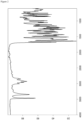
- the invention relates to a crystal of ensifentrine Form A characterized by having a PXRD essentially the same as shown in figure 1 of the present invention, when measured at RT with Cu-Kalpha 1,2 radiation having a wavelength of 0.15419 nm.
- the present invention relates to a crystal of ensifentrine Form A, characterized by having an FTIR spectrum comprising peaks at wavenumbers of:
- the present invention relates to a crystalline form of ensifentrine free base, characterized by having a FTIR spectrum essentially the same as shown in figure 2 of the present invention, when measured at RT with a diamond ATR cell.
- the present invention relates to crystal of ensifentrine Form A characterized in that the crystal is solvated.
- the present invention relates to a crystal of ensifentrine Form A is a dichloromethane solvate.
- the present invention relates to a crystal of ensifentrine Form A, characterized by having a DSC curve comprising a first endothermic peak, having an onset temperature of (201 ⁇ 1)°C, and a second endothermic peak, preferably a second endothermic peak, having an onset temperature of (221 ⁇ 1)°C, when measured with DSC at a heating rate of 10 K/min.
- the present invention relates to a crystal of ensifentrine Form A, characterized by having a DSC curve comprising a first endothermic peak, having a peak maximum temperature of (208 ⁇ 1)°C and a second endothermic peak, having a peak maximum temperature of (231 ⁇ 1)°C, when measured with DSC at a heating rate of 10 K/min.
- the present invention relates to a crystal of ensifentrine Form A, characterized by having a TGA curve showing a mass loss of 0.2 weight% or less, when heated from RT to 100 °C at a rate of 10 K/min.
- the present invention relates to a crystal of ensifentrine Form A, characterized by having a TGA curve showing a mass loss of 1 weight% or less, when heated from RT to 200 °C at a rate of 10 K/min.
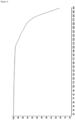
- the present invention relates to a crystal of Ensifentrine Form A, characterized by having a TGA curve showing a mass loss of about 5 weight%, when heated from 170 °C to 260 °C at a rate of 10 K/min.
- Thermal analyses such as DSC and TGA revealed that the crystal of ensifentrine Form A of the present invention is thermally highly stable e.g. does not undergo phase transformations or decomposition up to a temperature of 200 °C. Heating to 210 °C finally leads to a phase transformation into ensifentrine Form I first disclosed in WO 2012/020016 A1 as indicated by an PXRD. Independently, the TGA shows the phase transition occurring at a temperature above 200 °C is accompanied with a continous loss of solvent until melting of the sample.
- the thermal stability of the ensifentrine Form A crystal is sufficient for use in a pharmaceutical composition and preparation of a medicament.
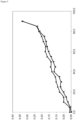
- the present invention relates to ensifentrine Form Form A crystal characterized by showing a mass change of about 0.3 weight%, based on the weight of the crystalline form, when measured with GMS at a relative humidity in the range of from 0 to 90% and a temperature of (25 0 + 1.0)°C as outlined in figure 6.
- a PXRD measured after the GMS experiment corresponds with that of the original sample.
- the stability under humid conditions of the ensifentrine Form A crystal is sufficient for use in a pharmaceutical composition and preparation of a medicament.
- the present invention relates to a composition comprising the ensifentrine Form A crystal of the present invention as defined in any of the embodiments described above, said composition being essentially free of any other solid-state form of Ensifentrine.
- a composition comprising the ensifentrine Form A crystal of the present invention comprises at most 20 weight%, preferably at most 10 weight%, more preferably at most 5 weight%, 4 weight%, 3 weight%, 2 weight% or 1 weight% of any other solid-state form of ensifentrine, based on the weight of the composition.
- the any other solid-state form of Ensifentrine is form I of WO 2012/020016 A1 .
- Form I of ensifentrine has a PXRD comprising amongst others characteristic reflections at 2-Theta angles of (10.1 ⁇ 0.2)° and (12.9 ⁇ 0.2)°, when measured at a temperature in the range of from 20 to 30 °C with Cu-Kalpha 1,2 radiation having a wavelength of 0.15419 nm. Therefore, the absence of reflections at 2-Theta angles of (10.1 ⁇ 0.2)° and (12.9 ⁇ 0.2)° in the PXRD confirms the absence of Ensifentrine form I in the composition.
- the present invention relates to a composition
- a composition comprising the ensifentrine Form A crystal of the present invention as defined in any of the embodiments described above, said composition having a PXRD comprising no reflections at 2-Theta angles of (10.1 ⁇ 0.2)° and (12.9 ⁇ 0.2)°, when measured at a temperature in the range of from 20 to 30 °C with Cu-Kalpha 1,2 radiation having a wavelength of 0.15419 nm.
- the present invention relates to a process for the preparation of the ensifentrine Form A crystal of the present invention or the composition comprising the ensifentrine Form A crystal as defined in any one of the aspects and their corresponding embodiments described above comprising:
- Ensifentrine can for example be prepared according to procedures provided in example 1 of WO 2000/058308 A1 and example 17 of WO 2018/020249 A1 .
- Amorphous ensifentrine which may be prepared according to the procedures disclosed in WO 2012/020016 A1 is used as starting material for the production of the ensifentrine Form A crystal of the present invention.
- ensifentrine Form A crystals may be added as seeds in order to promote crystallization and/or to control particle size distribution.
- the amount of seed crystals employed may range from about 1 to 20 weight%, preferably from about 1 to 10 weight% and most preferably from about 1 to 5 weight%, based on the weight of applied Ensifentrine starting material.
- Seed crystals may be prepared according to steps (a) to (b) of the above described procedure e.g. according to the procedure disclosed in example 1 of the present invention.
- the isolated crystals are washed with at least one aliphatic ether selected from the group consisting of diisopropyl ether, tert-butylmethyl ether and diethyl ether or any mixtures thereof.
- diisopropyl ether and/or tert- butylmethyl ether are used.
- the obtained crystals may then optionally be dried. Drying may be performed at a temperature in the range of from about 20 to 80 °C, preferably in the range of from about 20 to 50 °C. Drying may be performed for a period in the range of from about 1 to 72 hours, preferably of from about 2 to 48 hours, more preferably of from about 4 to 24 hours and most preferably of from about 6 to 18 hours. Drying may be performed at ambient pressure and/ or under reduced pressure. Preferably, drying is performed at a pressure of about 100 mbar or less, more preferably of about 50 mbar or less and most preferably of about 30 mbar or less, for example a vacuum of about 25 mbar is applied for drying.
- the present invention relates to the use of crystalline ensifentrine Form A for the preparation of a pharmaceutical composition.
- the present invention relates to particles comprising crystalline ensifentrine Form A and optionally at least one pharmaceutically acceptable excipient, having a particle size distribution with a Dv50 value of from about 0.25 ⁇ m to about 5 ⁇ m.
- These particles may be produced by a particle size controlled production process or any pharmaceutically acceptable size reduction process.
- the amount of crystalline ensifentrine Form A in the particles may range from about 50 to 100 weight%, preferably from about 80 to 100 weight% and most preferably 100% weight%.
- the present invention relates to a pharmaceutical composition
- a pharmaceutical composition comprising the ensifentrine form A crystal or particles comprising the same as decribed above and at least one additional pharmaceutical acceptable excipient.
- the predetermined and/or effective amount of the ensifentrine form A crystal of the present invention is in the range of from 0.5 to 10 mg calculated as ensifentrine.
- the predetermined and/or effective amount of the ensifentrine Form A crystal of the present invention is 1 mg, 2 mg, 3 mg, 5 mg, 6 mg or 10 mg, preferably 2 mg, 3 mg or 5 mg and most preferably 3 mg calculated as ensifentrine.
- the present invention relates to a pharmaceutical composition suitable for administration by inhalation comprising the ensifentrine form A crystal or particles comprising the same as decribed above and at least one additional pharmaceutical acceptable excipient.
- the acceptable excipient is but is not limited to one or more diluents, one or more surfactants, one or more buffers or one or more tonicity adjusters.
- the present invention relates to the use of the ensifentrine Form A crystal or particles comprising the same as defined in any one of the aspects and their corresponding embodiments described in the application for the preparation of a pharmaceutical composition suitable for administration by inhalation.
- the invention relates to a pharmaceutical composition suitable for administration by inhalation comprising a liquid diluent.
- a liquid diluent is water.
- a liquid pharmaceutical composition according to the invention typically comprises:
- the present invention relates to a nebulizer comprising the pharmaceutical composition suitable for administration by inhalation decribed above.
- the invention relates to a pharmaceutical composition suitable for administration by inhalation comprising a solid diluent functioning as carrier also termed as dry powder composition.
- a solid diluent functioning as carrier also termed as dry powder composition.
- the solid diluent comprises lactose particles.
- the invention relates to a dry powder pharmaceutical composition suitable for administration by inhalation comprising: (i) particles comprising crystalline ensifentrine Form A ; (ii) coarse lactose particles having a Dv50 of from 40 ⁇ m to 80 ⁇ m; and (iii) fine lactose particles having a Dv50 of from 5 ⁇ m to 10 mm, wherein the fine lactose particles are present in an amount of from 0.2 wt% to 6.0 wt% relative to the total weight to the dry powder pharmaceutical composition.
- a dry powder composition typically comprises:
- the present invention relates to the use of the ensifentrine Form A crystal or particles comprising the same as defined in any one of the aspects and their corresponding embodiments described above for the preparation of a pharmaceutical composition suitable for oral administration.
- the predetermined and/or effective amount of the ensifentrine form A crystal of the present invention is in the range of from 0.5 to 10 mg calculated as ensifentrine.
- the predetermined and/or effective amount of the ensifentrine Form A crystal of the present invention is 1 mg, 2 mg, 3 mg, 5 mg, 6 mg or 10 mg, preferably 2 mg, 3 mg or 5 mg and most preferably 3 mg calculated as ensifentrine.
- the at least one pharmaceutically acceptable excipient which is comprised in the pharmaceutical composition of the present invention, is preferably selected from the group consisting of fillers, diluents, binders, disintegrants, lubricants, glidants and combinations thereof.
- the at least one pharmaceutically acceptable excipient is selected from the group consisting of lactose monohydrate, microcrystalline cellulose, povidone, croscarmellose sodium, magnesium stearate and combinations thereof. Even more preferably, all of these pharmaceutically acceptable excipients are comprised by the pharmaceutical composition of the present invention.
- the pharmaceutical composition of the present invention is a tablet, preferably a film-coated tablet comprising a tablet core and a coating, most preferably a enteric-coated tablet.
- the tablet or tablet core may be prepared by mixing the crytalline ensifentrine Form A with at least one excipient such as fillers, diluents, binders, disintegrants, lubricants, glidants or combinations thereof and optionally with at least one photostabilizing agent followed by compressing the mixture.
- a dry granulation step is performed before compression.
- the tablet core is subsequently coated with a film-coat, whereat non-limiting examples of coatings include polyvinylalcohol-based, hydroxyethylcellulose, hydroxypropylmethylcellulose, carboxymethylcellulose sodium polyethylene glycol 4000 and cellulose acetate phthalate coatings.
- Methods of preparing such tablets, tablet cores, film-coated tablets and enteric-coated tablets are well known in the pharmaceutical arts.
- the pharmaceutical composition of the present invention as describe above is a capsule.
- the capsule shell is a gelatin shell or a hydroxypropylmethylcellulose (HPMC) shell.
- the present invention relates to the crystaline ensifentrine Form A, the particle comprising the crystalline ensifentrine Form A or the pharmaceutical composition comprising the crystalline ensifentrine Form A as defined in any one of the above described aspects and their corresponding embodiments for use as a medicament.
- the present invention relates to the ensifentrine Form A crystal, the particle comprising the crystalline ensifentrine Form A or the pharmaceutical composition comprising the crystalline ensifentrine Form A as defined in any one of the above described aspects and their corresponding embodiments for use in the treatment and/or prevention of anemia.
- anemia is selected from the group consisting of asthma, allergic asthma, hay fever, allergic rhinitis, bronchitis, emphysema, bronchiectasis, chronic obstructive pulmonary disease (COPD), adult respiratory distress syndrome (ARDS), steroid resistant asthma, severe asthma, paediatric asthma, cystic fibrosis, lung fibrosis, pulmonary fibrosis, interstitial lung disease, skin disorders, atopic dermatitis, psoriasis, ocular inflammation, cerebral ischaemia, inflammatory diseases, auto-immune diseases and symptoms of a COVID-19 infection.
- COPD chronic obstructive pulmonary disease
- ARDS adult respiratory distress syndrome
- steroid resistant asthma severe asthma, paediatric asthma, cystic fibrosis, lung fibrosis, pulmonary fibrosis, interstitial lung disease, skin disorders, atopic dermatitis, psoriasis, ocular inflammation, cerebral ischaemia,
- the invention relates to the crystalline ensifentrine Form A, the particle comprising the crystalline ensifentrine Form A or the pharmaceutical composition comprising the crystalline ensifentrine Form A as defined in any one of the above described aspects and their corresponding embodiments for use in the treatment and/or prophylaxis of asthma, chronic obstructive pulmonary disease (COPD), cystic fibrosis and symptoms of a COVID-19 infection.
- COPD chronic obstructive pulmonary disease
- the invention concerns a method of treating and/or preventing asthma, chronic obstructive pulmonary disease (COPD), cystic fibrosis and COVID-19 infection, said method comprising administering an effective amount of the crystalline ensifentrine Form A as defined in the above described aspect and its corresponding embodiments to a patient in need of such a treatment.
- COPD chronic obstructive pulmonary disease
- compositions comprising ensifentrine and their use have been disclosed in WO 2014/140647 A1 , WO 2014/140648 A1 , WO 2015/173551 A1 , WO 2016/042313 A1 , WO 2020/074894 A1 , WO 2021/028679 A1 and WO 2021/171034 A1 and are thereby incorporated as reference.
- Example 1 Preparation of the ensifentrine Form A crystal of the present invention
- Ensifentrine (2.0 g, e.g. prepared according to the method disclosed in example 1 of WO 2000/058308 A1 ) were dissolved at room temperature in a mixture of methanol (40 mL) and dichloromethane (400 mL). After one hour the solvent was removed using a rotary evaporator. The crystalline solid obtained was collected and dried at 45 °C under vacuum (25 mbar) to obtain 1.8 g (yield: 67% of theory) of the ensifentrine Form A crystal according to the present invention.
- the ensifentrine Form A crystalline form according to the present invention was investigated by powder X-ray diffraction, which was performed with a PANalytical X'Pert PRO diffractometer equipped with a theta/theta coupled goniometer in transmission geometry, Cu-Kalpha 1,2 radiation (wavelength 0.15419 nm) with a focusing mirror and a solid state PIXcel detector. Diffractograms were recorded at a tube voltage of 45 kV and a tube current of 40 mA, applying a stepsize of 0.013° 2-theta with 40s per step (255 channels) in the angular range of 2° to 40° 2-Theta at ambient conditions.
- a typical precision of the 2-Theta values is in the range of ⁇ 0.2° 2-Theta, preferably of ⁇ 0.1° 2-Theta.
- the diffraction peak of the ensifentrine Form A crystal of the present invention at 5.7° 2-Theta can appear in the range of from 5.5 to 5.9° 2-Theta, preferably in the range of from 5.6 to 5.8° 2-Theta on most X-ray diffractometers under standard conditions.
- a representative diffractogram of the ensifentrine Form A crystal according to the present invention is displayed in figure 1 and the corresponding reflection list (peak list) from 2 to 30° 2-Theta is provided in table 1 below.
- Table 1 Reflection (peak) positions of the ensifentrine form A crystal according to the present invention in the range of from 2 to 30° 2-Theta;
- a typical precision of the 2-Theta values is in the range of ⁇ 0.2° 2-Theta, preferably of ⁇ 0.1° 2-Theta.
- the crystalline ensifentrine Form A according to the present invention was investigated by FTIR spectroscopy.
- the FTIR spectrum was recorded on an MKII Golden Gate TM Single Reflection Diamond ATR cell with a Bruker Tensor 27 FTIR spectrometer with 4 cm -1 resolution at RT.
- To record a spectrum a spatula tip of the sample was applied to the surface of the diamond in powder form. Then the sample was pressed onto the diamond with a sapphire anvil and the spectrum was recorded. A spectrum of the clean diamond was used as background spectrum.
- a typical precision of the wavenumber values is in the range of from about ⁇ 2 cm -1 .
- the infrared peak of the ensifentrine Form A crystal according to the present invention at 3468 cm -1 can appear between 3466 and 3470 cm -1 on most infrared spectrometers under standard conditions.
- FIG. 2 A representative FTIR spectrum of the ensifentrine Form A crystal according to the present invention is displayed in figure 2 and the corresponding peak list is provided in table 2 below.
- Table 2 FTIR peak list of the ensifentrine Form A crystal according to the present invention; a typical precision of the wavenumbers is in the range of ⁇ 2 cm -1 .
- Wavenumber [cm -1 ] Wavenumber [cm -1 ]
- Wavenumber [cm -1 ] Wavenumber [cm -1 ]
- the ensifentrine Form A crystal according to the present invention was investigated by DSC, which was performed on a Mettler Polymer DSC R instrument.
- the sample (2.72 mg) was heated in a 40 microliter aluminium pan with a pierced aluminium lid from 25 to 300 °C at a rate of 10 K/min. Nitrogen (purge rate 50 mL/min) was used as purge gas.
- the DSC curve shows a first endothermic peak with an onset temperature of about 201 °C and a peak temperature of about 208 °C, and a second endothermic peak with an onset temperature of about 221 °C and a peak temperature of about 231 °C which is due to the melting of the sample. Despite the solvated nature of the crystal it shows an excellent thermal stability.
- the ensifentrine Form A crystal according to the present invention was investigated by TGA, which was performed on a Mettler TGA/DSC 1 instrument.
- the sample (16.28 mg) was heated in a 100 microliter aluminum pan closed with an aluminum lid. The lid was automatically pierced at the beginning of the measurement.
- the sample was heated from 25 to 300 °C at a rate of 10 K/min. Nitrogen (purge rate 50 mL/min) was used as purge gas.
- the TGA curve shows no significant mass loss until the sample melts. For example mass losses of only about 0.1 weight% up to a temperature of about 180 °C, about 0.2 weight% up to a temperature of about 190 °C and about 0.3 weight% up to a temperature of about 200 °C were observed, which further proves the stability of the ensifentrine Form A crystal.
- Moisture sorption isotherms were recorded with an SPSx-1 ⁇ moisture sorption analyzer (ProUmid, Ulm). The measurement cycle was started at ambient relative humidity (RH) of 40%. Relative humidity was then decreased to 5% RH in 5% steps, followed by a further decrease to 3% RH and to 0% RH. Afterwards RH was increased from 0% to 90% RH in a sorption cycle and decreased to 0 % in a desorption cycle in 5% steps. Finally, RH was increased from 0 to 40% RH in 5% steps.
Landscapes
- Health & Medical Sciences (AREA)
- Organic Chemistry (AREA)
- Chemical & Material Sciences (AREA)
- Life Sciences & Earth Sciences (AREA)
- Animal Behavior & Ethology (AREA)
- Veterinary Medicine (AREA)
- Chemical Kinetics & Catalysis (AREA)
- General Chemical & Material Sciences (AREA)
- Medicinal Chemistry (AREA)
- Nuclear Medicine, Radiotherapy & Molecular Imaging (AREA)
- Pharmacology & Pharmacy (AREA)
- Public Health (AREA)
- General Health & Medical Sciences (AREA)
- Engineering & Computer Science (AREA)
- Bioinformatics & Cheminformatics (AREA)
- Pulmonology (AREA)
- Dermatology (AREA)
- Ophthalmology & Optometry (AREA)
- Pain & Pain Management (AREA)
- Rheumatology (AREA)
- Virology (AREA)
- Communicable Diseases (AREA)
- Oncology (AREA)
- Immunology (AREA)
- Pharmaceuticals Containing Other Organic And Inorganic Compounds (AREA)
Abstract
The present invention relates to a novel crystal of ensifentrine free base and to a process for its preparation. Furthermore, the invention relates to a pharmaceutical composition comprising said ensifentrine free base crystal, at least one pharmaceutically acceptable excipient. The pharmaceutical composition of the present invention can be used as a medicament, in particular for the treatment and/or prevention of asthma, chronic obstructive pulmonary disease (COPD), cystic fibrosis and symptoms of a COVID-19 infection.
Description
- The present invention relates to a crystal of ensifentrine free base and to a process for its preparation. Furthermore, the invention relates to a pharmaceutical composition comprising said Ensifentrine free base crystal, at least one pharmaceutically acceptable excipient. The crystal and the pharmaceutical composition of the present invention can be use in the treatment or prevention of a disease or condition selected from asthma, allergic asthma, hay fever, allergic rhinitis, bronchitis, emphysema, bronchiectasis, chronic obstructive pulmonary disease (COPD), adult respiratory distress syndrome (ARDS), steroid resistant asthma, severe asthma, paediatric asthma, cystic fibrosis, lung fibrosis, pulmonary fibrosis, interstitial lung disease, skin disorders, atopic dermatitis, psoriasis, ocular inflammation, cerebral ischaemia, inflammatory diseases, auto-immune diseases and symptoms of a COVID-19 infection.
- Ensifentrine is a potent and selective inhibitor of phosphodiesterases 3 and 4 (PDE3/4). PDE3 regulates cyclic adenosine monophosphate (cAMP) and cyclic guanosine monophosphate (cGMP) concentrations in airway smooth muscle cells. Not surprisingly, inhibition of PDE3 was found to result in airway smooth muscle relaxation. PDE4 regulates cAMP concentrations and was found to be involved in activation of inflammatory cells, whereas PDE4 inhibitors show potent anti-inflammatory activity. Simultaneous inhibition of PDE3 and PDE4 can mediate both anti-inflammatory and bronchodilator activity in additive or synergistic manner.
- Ensifentrine is chemically also designated (9,10-dimethoxy-2-(2,4,6-trimethylphenylimino)-3-(N-carbamoyl-2-aminoethyl)-3,4,6,7-tetrahydro-2H-pyrimido[6,1-a]isoquinolin-4-one) and can be represented by the chemical structure as depicted in formula A:

- The compound Ensifentrine was first disclosed in
WO 2000/058308 A1WO 2012/020016 A1 led to the identification of crystalline ensifentrine Form I. InWO 2016/128742 discloses ensifentrine acid addition salts with ethane-1,2-disulfonic acid, ethanesulfonic acid, methanesulfonic acid, benzenesulfonic acid, p-toluenesulfonic acid, hydrochloric acid hydrobromic acid, phosphoric acid or sulfuric acid. - Different solid-state forms of an active pharmaceutical ingredient (API) often possess different physical and chemical properties such as but not limited to dissolution rate, solubility, chemical stability, physical stability, hygroscopicity, melting point, morphology, flowability, bulk density and compressibility. Apart from conventional solid-state forms of an API, such as polymorphs, pseudopolymorphs (hydrates and solvates) and salts, pharmaceutical co-crystals open up further opportunities for customizing the physicochemical properties of APIs with a process or clinical need. For example, they can be tailored to enhance drug product bioavailability and stability and to enhance the processability of APIs during drug product manufacture.
- It is thus an objective of the present invention to provide an improved solid-state form of ensifentrine, in particular a crystal of ensifentrine, which is physically stable against temperature stress. It is a further objective of the present invention to provide an improved solid-state form of Ensifentrine, in particular a crystal of ensifentrine, which is characterized by improved dissolution/solubility and/or characterized by improved powder characteristics such as flowability, bulk density and compressibility.
- The invention solves one or more of the above defined objectives by providing a novel pharmaceutical crystal of ensifentrine free base (Form A). The crystal of the present invention possesses one or more improved physicochemical properties selected from dissolution rate, solubility, chemical stability, physical stability, hygroscopicity, melting point, morphology, flowability, bulk density and compressibility.
-
- PXRD
- powder X-ray diffractogram
- FTIR
- Fourier transform infrared
- ATR
- attenuated total reflection
- DSC
- differential scanning calorimetry
- TGA
- thermogravimetric analysis
- NMR
- nuclear magnetic resonance
- RT
- room temperature
- RH
- relative humidity
- API
- active pharmaceutical ingredient
- As used herein the term "room temperature" refers to a temperature in the range of from 20 to 30 °C.
- The term "Ensifentrine" as used herein refers to (9,10-dimethoxy-2-(2,4,6-trimethylphenylimino)-3-(N-carbamoyl-2-aminoethyl)-3,4,6,7-tetrahydro-2H-pyrimido[6,1-a]isoquinolin-4-one) according to the chemical structure depicted in formula A disclosed herein above.
- The term "ensifentrine form I" as used herein, refers to the crystalline form I of ensifentrine, which is disclosed in
WO 2012/020016 A1 . Form A of Ensifentrine can be characterized by having a powder X-ray diffractogram comprising reflections at 2-Theta angles of (5.7 ± 0.2)°, (9.8 ± 0.2)° and (20.0 ± 0.2)°, when measured at a temperature in the range of from 20 to 30 °C with Cu-Kalpha1,2 radiation having a wavelength of 0.15419 nm. - As used herein, the term "measured at a temperature in the range of from 20 to 30 °C" refers to a measurement under standard conditions. Typically, standard conditions mean a temperature in the range of from 20 to 30 °C, i.e. at room temperature. Standard conditions can mean a temperature of about 22 °C. Typically, standard conditions can additionally mean a measurement under 20-50% relative humidity.
- The term "reflection" with regard to powder X-ray diffraction as used herein, means peaks in an X-ray diffractogram, which are caused at certain diffraction angles (Bragg angles) by constructive interference from X-rays scattered by parallel planes of atoms in solid material, which are distributed in an ordered and repetitive pattern in a long-range positional order. Such a solid material is classified as crystalline material, whereas amorphous material is defined as solid material, which lacks long-range order and only displays short-range order, thus resulting in broad scattering. According to literature, long-range order e.g. extends over approximately 100 to 1000 atoms, whereas short-range order is over a few atoms only (see " Fundamentals of Powder Diffraction and Structural Characterization of Materials" by Vitalij K. Pecharsky and Peter Y. Zavalij, Kluwer Academic Publishers, 2003, page 3).
- The term "essentially the same" with reference to powder X-ray diffraction means that variabilities in reflection positions and relative intensities of the reflections are to be taken into account. For example, a typical precision of the 2-Theta values is in the range of ± 0.2° 2-Theta, preferably in the range of ± 0.1° 2-Theta. Thus, a reflection that usually appears at 5.7° 2-Theta for example can appear between 5.5° and 5.9° 2-Theta, preferably between 5.6° and 5.8° 2-Theta on most X-ray diffractometers under standard conditions. Furthermore, one skilled in the art will appreciate that relative reflection intensities will show inter-apparatus variability as well as variability due to degree of crystallinity, preferred orientation, sample preparation and other factors known to those skilled in the art and should be taken as qualitative measure only.
- The term "essentially the same" with reference to Fourier transform infrared spectroscopy means that variabilities in peak positions and relative intensities of the peaks are to be taken into account. For example, a typical precision of the wavenumber values is in the range of ± 2 cm-1. Thus, a peak at 3468 cm-1 for example can appear in the range of from 3470 to 3466 cm-1 on most infrared spectrometers under standard conditions. Differences in relative intensities are typically smaller compared to X-ray diffraction. However, one skilled in the art will appreciate that small differences in peak intensities due to degree of crystallinity, sample preparation and other factors can also occur in infrared spectroscopy. Relative peak intensities should therefore be taken as qualitative measure only.
- The term "solid-state form" as used herein refers to any crystalline and/or amorphous phase of a compound. Crystalline phases include anhydrous/non-solvated forms of a compound and their polymorphs, hydrates and solvates of a compound and their polymorphs, salts and co-crystals of a compound and any mixtures thereof.
- As used herein, the term "essentially free of any other solid-state form" with reference to the composition comprising the ensifentrine Form A crystal of the present invention, means that the ensifentrine Form A crystal contains at most 20 weight%, preferably at most 10 weight%, more preferably at most 5 weight%, 4 weight%, 3 weight%, 2 weight% or 1 weight% of any other solid-state form of ensifentrine, in particular ensifentrine Form A, based on the weight of the composition.
- The terms "anhydrous" or "anhydrate" as used herein refer to a crystalline solid where no water is cooperated in or accommodated by the crystal structure. Anhydrous forms may still contain residual water, which is not part of the crystal structure but may be adsorbed on the surface or absorbed in disordered regions of the crystal. Typically, an anhydrous form does not contain more than 1.0 weight%, preferably not more than 0.5 weight% and most preferably not more than 0.3 weight%, 0.2 weight% or 0.1 weight% of water, based on the weight of the crystalline form. The water content can be determined by Karl-Fischer Coulometry and/or by thermogravimetric analysis (TGA), e.g. by determining the mass loss in the range of from 25 to 180 °C, 190 °C or 200 °C at a heating rate of 10 K/min.
- The term "non-solvated" as used herein, when talking about a crystalline solid indicates that no organic solvent is cooperated in or accommodated by the crystal structure. Non-solvated forms may still contain residual organic solvents, which are not part of the crystal structure but may be adsorbed on the surface or absorbed in disordered regions of the crystal. Typically, a non-solvated form does not contain more than 1.0 weight%, preferably not more than 0.5 weight%, and most preferably not more than 0.3 weight%, 0.2 weight% or 0.1 weight% of organic solvents, based on the weight of the crystalline form. The organic solvent content can be determined by thermogravimetric analysis (TGA), e.g. by determining the mass loss in the range of from 25 to 300 °C at a heating rate of 10 K/min or by 1H-NMR.
- The ensifentrine Form A crystal may be referred to herein as being characterized by a powder X-ray diffractogram, a Fourier transform infrared spectrum and/or a "as shown in" a figure. The person skilled in the art understands that factors such as variations in instrument type, response and variations in sample directionality, sample concentration, sample purity, sample history and sample preparation may lead to variations, for example relating to the exact reflection or peak positions and intensities. However, a comparison of the graphical data in the figures herein with the graphical data generated for an unknown physical form and the confirmation that two sets of graphical data relate to the same crystal form is well within the knowledge of a person skilled in the art.
- As used herein, the term "mother liquor" refers to the solution remaining after crystallization of a solid from said solution.
- A "predetermined amount" as used herein with regard to ensifentrine Form A crystal of the present invention refers to the initial amount of the ensifentrine Form A crystal used for the preparation of a pharmaceutical composition having a desired dosage strength of ensifentrine.
- As used herein, the term "effective amount" in conjunction with the ensifentrine Form A crystal of the present invention encompasses an amount of the the ensifentrine Form A crystal which causes the desired therapeutic or prophylactic effect.
- As used herein, the term "about" means within a statistically meaningful range of a value. Such a range can be within an order of magnitude, typically within 10%, more typically within 5%, even more typically within 1% and most typically within 0.1% of the indicated value or range. Sometimes, such a range can lie within the experimental error, typical of standard methods used for the measurement and/or determination of a given value or range.
- The term "pharmaceutically acceptable excipient" as used herein refers to substances, which do not show a significant pharmacological activity at the given dose and that are added to a pharmaceutical composition in addition to the active pharmaceutical ingredient. Excipients may take the function of vehicle, diluent, release agent, surfactant, tonic adjuster, buffer, disintegrating agent, dissolution modifying agent, absorption enhancer, stabilizer or a manufacturing aid among others. Excipients may include fillers, diluents, surfactant, tonic adjuster, buffer, binders, disintegrants, lubricants and glidants.
- The terms "filler" or "diluent" as used herein refer to substances that are used to dilute the active pharmaceutical ingredient prior to delivery. Diluents and fillers can also serve as stabilizers.
- As used herein the term "binder" refers to substances which bind the active pharmaceutical ingredient and pharmaceutically acceptable excipient together to maintain cohesive and discrete portions.
- The terms "disintegrant" or "disintegrating agent" as used herein refers to substances which, upon addition to a solid pharmaceutical composition, facilitate its break-up or disintegration after administration and permits the release of the active pharmaceutical ingredient as efficiently as possible to allow for its rapid dissolution.
- The term "lubricant" as used herein refers to substances which are added to a powder blend to prevent the compacted powder mass from sticking to the equipment during tableting or encapsulation process. They aid the ejection of the tablet from the dies and can improve powder flow.
- The term "glidant" as used herein refers to substances which are used for tablet and capsule formulations in order to improve flow properties during tablet compression and to produce an anti-caking effect.
-
-
Figure 1 : illustrates a representative PXRD of the ensifentrine Form A crystal according to the present invention. The x-axis shows the scattering angle in °2-Theta, the y-axis shows the intensity of the scattered X-ray beam in counts of detected photons. -
Figure 2 : illustrates a representative FTIR spectrum of the ensifentrine Form A crystal according to the present invention. The x-axis shows the wavenumbers in cm-1, the y-axis shows the relative intensity in percent transmittance. -
Figure 3 : illustrates a representative DSC curve of the ensifentrine Form A crystal according to the present invention. The x-axis shows the temperature in degree Celsius (°C), the y-axis shows the heat flow rate in Watt per gram (W/g) with endothermic peaks going up. -
Figure 4 : illustrates a representative TGA curve of the Ensifentrine Form A crystal according to the present invention. The x-axis shows the temperature in degree Celsius (°C), the y-axis shows the mass (loss) of the sample in weight percent (weight%). -
Figure 5 : illustrates a representative GMS isotherms of ensifentrine Form A crystal of the present invention in the range of from 0 to 90% relative humidity. The x-axis displays the relative humidity in percent (%) measured at a temperature of (25.0 ± 0.1)°C, the y-axis displays the equilibrium mass change in weight percent (w-%). Sample weight at 0% relative humidity at the start of the sorption curve is used as reference weight. Sorption curve points are displayed as triangles, desorption curve points as squares. - The ensifentrine Form A crystal of the present invention is physically stable toward temperature stress e.g. it shows no thermal events in a DSC experiment up to a temperature of approximately 200°C. Moreover, a TGA experiment performed with the crystalline form of the present invention revealed a mass loss of about 0.5% or less up to a temperature of 200°C. Above 200 °C a phase transition and a mass loss of about 5% until melting, which indicates the presence of a solvated solid-state form, which was finally proved by PXRD. Furthermore, preliminary stability testing at 40°C/75%rh, 30°C/65%rh, 25°C/60%rh and RT/97%rh did not result in changes of the PXRD spectrum and TGA curve after one week. In addition, the ensifentrine Form A crystal of the present invention shows advantageous dissolution behavioiur, good chemical and physical stability and is characterized by excellent powder properties such as good flowability, high bulk density and good compressibility. All in all, these favorable attributes allow for a robust formulation and ensure a reliable safety and efficacy profile of a drug product containing the ensifentrine Form A crystal of the present invention during the whole shelf-life of the product.
- The ensifentrine Form A crystal of the present invention may be characterized by analytical methods well known in the field of the pharmaceutical industry for characterizing crystalline solids. Such methods comprise but are not limited to powder and single X-ray diffraction, Fourier transform and, DSC, TGA and GMS. The crystal of the present invention may be characterized by one of the aforementioned analytical methods or by combining two or more of them. In particular, the crystal of the present invention may be characterized by any one of the following embodiments or by combining two or more of the following embodiments.
- In one embodiment the invention relates to a crystal of ensifentrine Form A characterized by having a PXRD comprising reflections at 2-Theta angles of:
- (5.7 ± 0.2)°, (9.8 ± 0.2)° and (20.0 ± 0.2)°; or
- (5.7 ± 0.2)°, (9.8 ± 0.2)°, (20.0 ± 0.2)° and (23.3 ± 0.2)°; or
- (5.7 ± 0.2)°, (9.8 ± 0.2)°, (13.7 ± 0.2)°, (20.0 ± 0.2)° and (23.3 ± 0.2)°; or
- (5.7 ± 0.2)°, (9.8 ± 0.2)°, (13.7 ± 0.2)°, (20.0 ± 0.2)°, (23.3 ± 0.2)° and (25.3 ± 0.2)°; or
- (5.7 ± 0.2)°, (9.8 ± 0.2)°, (13.7 ± 0.2)°, (14.2 ± 0.2)°, (20.0 ± 0.2)°, (23.3 ± 0.2)° and (25.3 ± 0.2)°; or
- (5.7 ± 0.2)°, (6.7 ± 0.2)°, (9.8 ± 0.2)°, (13.7 ± 0.2)°, (14.2 ± 0.2)°, (20.0 ± 0.2)°, (23.3 ± 0.2)° and (25.3 ± 0.2)°; or
- (5.7 ± 0.2)°, (6.7 ± 0.2)°, (9.8 ± 0.2)°, (13.7 ± 0.2)°, (14.2 ± 0.2)°, (16.4 ± 0.2)°, (20.0 ± 0.2)°, (23.3 ± 0.2)° and (25.3 ± 0.2)°; or
- (5.7 ± 0.2)°, (6.7 ± 0.2)°, (9.8 ± 0.2)°, (13.7 ± 0.2)°, (14.2 ± 0.2)°, (16.4 ± 0.2)°, (18.7 ± 0.2)°, (20.0 ± 0.2)°, (23.3 ± 0.2)° and (25.3 ± 0.2)°,
- In a further embodiment the invention relates to a crystal of ensifentrine Form A characterized by having a PXRD comprising reflections at 2-Theta angles of:
- (5.7 ± 0.1)°, (9.8 ± 0.1)° and (20.0 ± 0.1)°; or
- (5.7 ± 0.1)°, (9.8 ± 0.1)°, (20.0 ± 0.1)° and (23.3 ± 0.1)°; or
- (5.7 ± 0.1)°, (9.8 ± 0.1)°, (13.7 ± 0.1)°, (20.0 ± 0.1)° and (23.3 ± 0.1)°; or
- (5.7 ± 0.1)°, (9.8 ± 0.1)°, (13.7 ± 0.1)°, (20.0 ± 0.1)°, (23.3 ± 0.1)° and (25.3 ± 0.1)°; or
- (5.7 ± 0.1)°, (9.8 ± 0.1)°, (13.7 ± 0.1)°, (14.2 ± 0.1)°, (20.0 ± 0.1)°, (23.3 ± 0.1)° and (25.3 ± 0.1)°; or
- (5.7 ± 0.1)°, (6.7 ± 0.1)°, (9.8 ± 0.1)°, (13.7 ± 0.1)°, (14.2 ± 0.1)°, (20.0 ± 0.1)°, (23.3 ± 0.1)° and (25.3 ± 0.1)°; or
- (5.7 ± 0.1)°, (6.7 ± 0.1)°, (9.8 ± 0.1)°, (13.7 ± 0.1)°, (14.2 ± 0.1)°, (16.4 ± 0.1)°, (20.0 ± 0.1)°, (23.3 ± 0.1)° and (25.3 ± 0.1)°; or
- (5.7 ±0.1)°, (6.7 ±0.1)°, (9.8 ±0.1)°, (13.7 ±0.1)°, (14.2 ±0.1)°, (16.4 ±0.1)°, (18.7 ± 0.1)°, (20.0 ± 0.1)°, (23.3 ± 0.1)° and (25.3 ± 0.1)°,
- In yet another embodiment the invention relates to a crystal of ensifentrine Form A characterized by having a PXRD essentially the same as shown in
figure 1 of the present invention, when measured at RT with Cu-Kalpha1,2 radiation having a wavelength of 0.15419 nm. - In a further embodiment, the present invention relates to a crystal of ensifentrine Form A, characterized by having an FTIR spectrum comprising peaks at wavenumbers of:
- (3468 ± 2) cm-1, (2931 ± 2) cm-1 and (1644 ± 2) cm-1 or;
- (3468 ± 2) cm-1, (3351 ± 2) cm-1, (2931 ± 2) cm-1 and (1644 ± 2) cm-1 or;
- (3468 ± 2) cm-1, (3351 ± 2) cm-1, (2931 ± 2) cm-1, (1644 ± 2) cm-1 and (1594 ± 2) cm-1 or;
- (3468 ± 2) cm-1, (3351 ± 2) cm-1, (2931 ± 2) cm-1, (1644 ± 2) cm-1 (1594 ± 2) cm-1 and (1222 ± 2) cm-1 or;
- (3468 ± 2) cm-1, (3351 ± 2) cm-1, (2931 ± 2) cm-1, (1644 ± 2) cm-1, (1594 ± 2) cm-1, (1512 ± 2) cm-1, (1436 ± 2) cm-1 and (1222 ± 2) cm-1 or;
- (3468 ± 2) cm-1, (3351 ± 2) cm-1, (2931 ± 2) cm-1, (1644 ± 2) cm-1, (1594 ± 2) cm-1, (1512 ± 2) cm-1, (1436 ± 2) cm-1, (1222 ± 2) cm-1 and (792 ± 2) cm-1 or;
- (3468 ± 2) cm-1, (3351 ± 2) cm-1, (2931 ± 2) cm-1, (1644 ± 2) cm-1, (1594 ± 2) cm-1, (1512 ± 2) cm-1, (1436 ± 2) cm-1, (1222 ± 2) cm-1, (993 ± 2) cm-1 and (792 ± 2) cm-1 or, when measured at RT with a diamond ATR cell.
- In yet another embodiment, the present invention relates to a crystalline form of ensifentrine free base, characterized by having a FTIR spectrum essentially the same as shown in
figure 2 of the present invention, when measured at RT with a diamond ATR cell. - In one embodiment, the present invention relates to crystal of ensifentrine Form A characterized in that the crystal is solvated.
- In another embodiment, the present invention relates to a crystal of ensifentrine Form A is a dichloromethane solvate.
- In another embodiment, the present invention relates to a crystal of ensifentrine Form A, characterized by having a DSC curve comprising a first endothermic peak, having an onset temperature of (201 ±1)°C, and a second endothermic peak, preferably a second endothermic peak, having an onset temperature of (221 ±1)°C, when measured with DSC at a heating rate of 10 K/min.
- In a further embodiment, the present invention relates to a crystal of ensifentrine Form A, characterized by having a DSC curve comprising a first endothermic peak, having a peak maximum temperature of (208 ± 1)°C and a second endothermic peak, having a peak maximum temperature of (231 ± 1)°C, when measured with DSC at a heating rate of 10 K/min.
- In another embodiment, the present invention relates to a crystal of ensifentrine Form A, characterized by having a TGA curve showing a mass loss of 0.2 weight% or less, when heated from RT to 100 °C at a rate of 10 K/min.
- In a further embodiment, the present invention relates to a crystal of ensifentrine Form A, characterized by having a TGA curve showing a mass loss of 1 weight% or less, when heated from RT to 200 °C at a rate of 10 K/min.
- In yet a further embodiment, the present invention relates to a crystal of Ensifentrine Form A, characterized by having a TGA curve showing a mass loss of about 5 weight%, when heated from 170 °C to 260 °C at a rate of 10 K/min.
- Thermal analyses such as DSC and TGA revealed that the crystal of ensifentrine Form A of the present invention is thermally highly stable e.g. does not undergo phase transformations or decomposition up to a temperature of 200 °C. Heating to 210 °C finally leads to a phase transformation into ensifentrine Form I first disclosed in
WO 2012/020016 A1 as indicated by an PXRD. Independently, the TGA shows the phase transition occurring at a temperature above 200 °C is accompanied with a continous loss of solvent until melting of the sample. - Hence, the thermal stability of the ensifentrine Form A crystal is sufficient for use in a pharmaceutical composition and preparation of a medicament.
- In a further embodiment, the present invention relates to ensifentrine Form Form A crystal characterized by showing a mass change of about 0.3 weight%, based on the weight of the crystalline form, when measured with GMS at a relative humidity in the range of from 0 to 90% and a temperature of (25 0 + 1.0)°C as outlined in figure 6. A PXRD measured after the GMS experiment corresponds with that of the original sample.
- Hence, the stability under humid conditions of the ensifentrine Form A crystal is sufficient for use in a pharmaceutical composition and preparation of a medicament.
- In another aspect, the present invention relates to a composition comprising the ensifentrine Form A crystal of the present invention as defined in any of the embodiments described above, said composition being essentially free of any other solid-state form of Ensifentrine. For example, a composition comprising the ensifentrine Form A crystal of the present invention comprises at most 20 weight%, preferably at most 10 weight%, more preferably at most 5 weight%, 4 weight%, 3 weight%, 2 weight% or 1 weight% of any other solid-state form of ensifentrine, based on the weight of the composition. Preferably, the any other solid-state form of Ensifentrine is form I of
WO 2012/020016 A1 . Form I of ensifentrine has a PXRD comprising amongst others characteristic reflections at 2-Theta angles of (10.1 ± 0.2)° and (12.9 ± 0.2)°, when measured at a temperature in the range of from 20 to 30 °C with Cu-Kalpha1,2 radiation having a wavelength of 0.15419 nm. Therefore, the absence of reflections at 2-Theta angles of (10.1 ± 0.2)° and (12.9 ± 0.2)° in the PXRD confirms the absence of Ensifentrine form I in the composition. - Hence, in a preferred embodiment, the present invention relates to a composition comprising the ensifentrine Form A crystal of the present invention as defined in any of the embodiments described above, said composition having a PXRD comprising no reflections at 2-Theta angles of (10.1 ± 0.2)° and (12.9 ± 0.2)°, when measured at a temperature in the range of from 20 to 30 °C with Cu-Kalpha1,2 radiation having a wavelength of 0.15419 nm.
- In a further aspect, the present invention relates to a process for the preparation of the ensifentrine Form A crystal of the present invention or the composition comprising the ensifentrine Form A crystal as defined in any one of the aspects and their corresponding embodiments described above comprising:
- (a) dissolving ensifentrine in a solvent mixture comprising methanol and dichloromethane;
- (b) optionally, removing insoluble particles by filtration
- (c) optionally, seeding the mixture obtained in (a or b) with ensifentrine Form A crystals according to the present invention;
- (d) removing the solvent at reduced pressure
- (e) optionally, drying the crystals.
- Ensifentrine can for example be prepared according to procedures provided in example 1 of
WO 2000/058308 A1 and example 17 ofWO 2018/020249 A1 . Amorphous ensifentrine which may be prepared according to the procedures disclosed inWO 2012/020016 A1 is used as starting material for the production of the ensifentrine Form A crystal of the present invention. - Optionally, ensifentrine Form A crystals may be added as seeds in order to promote crystallization and/or to control particle size distribution. The amount of seed crystals employed may range from about 1 to 20 weight%, preferably from about 1 to 10 weight% and most preferably from about 1 to 5 weight%, based on the weight of applied Ensifentrine starting material. Seed crystals may be prepared according to steps (a) to (b) of the above described procedure e.g. according to the procedure disclosed in example 1 of the present invention.
- Optionally, in a further step the isolated crystals are washed with at least one aliphatic ether selected from the group consisting of diisopropyl ether, tert-butylmethyl ether and diethyl ether or any mixtures thereof. Preferably, diisopropyl ether and/or tert-butylmethyl ether are used.
- The obtained crystals may then optionally be dried. Drying may be performed at a temperature in the range of from about 20 to 80 °C, preferably in the range of from about 20 to 50 °C. Drying may be performed for a period in the range of from about 1 to 72 hours, preferably of from about 2 to 48 hours, more preferably of from about 4 to 24 hours and most preferably of from about 6 to 18 hours. Drying may be performed at ambient pressure and/ or under reduced pressure. Preferably, drying is performed at a pressure of about 100 mbar or less, more preferably of about 50 mbar or less and most preferably of about 30 mbar or less, for example a vacuum of about 25 mbar is applied for drying.
- In a further aspect, the present invention relates to the use of crystalline ensifentrine Form A for the preparation of a pharmaceutical composition.
- In another aspect, the present invention relates to particles comprising crystalline ensifentrine Form A and optionally at least one pharmaceutically acceptable excipient, having a particle size distribution with a Dv50 value of from about 0.25 µm to about 5 µm. These particles may be produced by a particle size controlled production process or any pharmaceutically acceptable size reduction process.
- Preferably, the amount of crystalline ensifentrine Form A in the particles may range from about 50 to 100 weight%, preferably from about 80 to 100 weight% and most preferably 100% weight%.
- In a further aspect, the present invention relates to a pharmaceutical composition comprising the ensifentrine form A crystal or particles comprising the same as decribed above and at least one additional pharmaceutical acceptable excipient.
- Preferably, the predetermined and/or effective amount of the ensifentrine form A crystal of the present invention is in the range of from 0.5 to 10 mg calculated as ensifentrine. For example the predetermined and/or effective amount of the ensifentrine Form A crystal of the present invention is 1 mg, 2 mg, 3 mg, 5 mg, 6 mg or 10 mg, preferably 2 mg, 3 mg or 5 mg and most preferably 3 mg calculated as ensifentrine.
- In a further aspect, the present invention relates to a pharmaceutical composition suitable for administration by inhalation comprising the ensifentrine form A crystal or particles comprising the same as decribed above and at least one additional pharmaceutical acceptable excipient. The acceptable excipient is but is not limited to one or more diluents, one or more surfactants, one or more buffers or one or more tonicity adjusters.
- In yet a further aspect, the present invention relates to the use of the ensifentrine Form A crystal or particles comprising the same as defined in any one of the aspects and their corresponding embodiments described in the application for the preparation of a pharmaceutical composition suitable for administration by inhalation.
- In a prefered aspect, the invention relates to a pharmaceutical composition suitable for administration by inhalation comprising a liquid diluent. For instance, the diluent is water.
- A liquid pharmaceutical composition according to the invention typically comprises:
- (a) the particles comprising crystalline Ensifentrine Form A of the present invention at a concentration of 0.1 mg/mL to 40 mg/mL;
- (b) a polyoxyethylene glycol sorbitan alkyl ester at a concentration of from 0.1 mg/mL to 2 mg/mL;
- (c) a sorbitan alkyl ester at a concentration of from 0.01 mg/mL to 0.1 mg/mL;
- (d) a first phosphate buffer component at a concentration of from 5 mg/mL to 8 mg/mL;
- (e) a second phosphate buffer component at a concentration of from 5 mg/mL to 8 mg/mL; and
- (f) a tonicity adjuster at a concentration of from 2.5 mg/mL to 8 mg/mL.
- In another aspect, the present invention relates to a nebulizer comprising the pharmaceutical composition suitable for administration by inhalation decribed above.
- In another prefered aspect, the invention relates to a pharmaceutical composition suitable for administration by inhalation comprising a solid diluent functioning as carrier also termed as dry powder composition. For instance, the solid diluent comprises lactose particles.
- In further prefered aspect, the invention relates to a dry powder pharmaceutical composition suitable for administration by inhalation comprising: (i) particles comprising crystalline ensifentrine Form A ; (ii) coarse lactose particles having a Dv50 of from 40 µm to 80 µm; and (iii) fine lactose particles having a Dv50 of from 5 µm to 10 mm, wherein the fine lactose particles are present in an amount of from 0.2 wt% to 6.0 wt% relative to the total weight to the dry powder pharmaceutical composition.
- A dry powder composition, according to the invention typically comprises:
- (a) the particles comprising crystalline ensifentrine Form A at a concentration of from 0.1 weight% to 20 weight% relative to the total weight of the dry powder pharmaceutical composition
- (b) coarse lactose particles at a concentration of from 80 weight% to 97 weight% relative to the total weight of the dry powder pharmaceutical composition.
- (c) fine lactose particles at a concentration of from 0.5 wt% to 5.0 weight% relative to the total weight of the dry powder pharmaceutical composition.
- In yet a further aspect, the present invention relates to the use of the ensifentrine Form A crystal or particles comprising the same as defined in any one of the aspects and their corresponding embodiments described above for the preparation of a pharmaceutical composition suitable for oral administration.
- Preferably, the predetermined and/or effective amount of the ensifentrine form A crystal of the present invention is in the range of from 0.5 to 10 mg calculated as ensifentrine. For example the predetermined and/or effective amount of the ensifentrine Form A crystal of the present invention is 1 mg, 2 mg, 3 mg, 5 mg, 6 mg or 10 mg, preferably 2 mg, 3 mg or 5 mg and most preferably 3 mg calculated as ensifentrine.
- The at least one pharmaceutically acceptable excipient, which is comprised in the pharmaceutical composition of the present invention, is preferably selected from the group consisting of fillers, diluents, binders, disintegrants, lubricants, glidants and combinations thereof. Preferably, the at least one pharmaceutically acceptable excipient is selected from the group consisting of lactose monohydrate, microcrystalline cellulose, povidone, croscarmellose sodium, magnesium stearate and combinations thereof. Even more preferably, all of these pharmaceutically acceptable excipients are comprised by the pharmaceutical composition of the present invention.
- In a particular embodiment, the pharmaceutical composition of the present invention as describe above is a tablet, preferably a film-coated tablet comprising a tablet core and a coating, most preferably a enteric-coated tablet.
- The tablet or tablet core may be prepared by mixing the crytalline ensifentrine Form A with at least one excipient such as fillers, diluents, binders, disintegrants, lubricants, glidants or combinations thereof and optionally with at least one photostabilizing agent followed by compressing the mixture. Optionally, a dry granulation step is performed before compression. Preferably, the tablet core is subsequently coated with a film-coat, whereat non-limiting examples of coatings include polyvinylalcohol-based, hydroxyethylcellulose, hydroxypropylmethylcellulose, carboxymethylcellulose
sodium polyethylene glycol 4000 and cellulose acetate phthalate coatings. Methods of preparing such tablets, tablet cores, film-coated tablets and enteric-coated tablets are well known in the pharmaceutical arts. - In another particular embodiment, the pharmaceutical composition of the present invention as describe above is a capsule. In a further embodiment, the capsule shell is a gelatin shell or a hydroxypropylmethylcellulose (HPMC) shell.
- In a further aspect, the present invention relates to the crystaline ensifentrine Form A, the particle comprising the crystalline ensifentrine Form A or the pharmaceutical composition comprising the crystalline ensifentrine Form A as defined in any one of the above described aspects and their corresponding embodiments for use as a medicament.
- In yet another aspect, the present invention relates to the ensifentrine Form A crystal, the particle comprising the crystalline ensifentrine Form A or the pharmaceutical composition comprising the crystalline ensifentrine Form A as defined in any one of the above described aspects and their corresponding embodiments for use in the treatment and/or prevention of anemia. For example, anemia is selected from the group consisting of asthma, allergic asthma, hay fever, allergic rhinitis, bronchitis, emphysema, bronchiectasis, chronic obstructive pulmonary disease (COPD), adult respiratory distress syndrome (ARDS), steroid resistant asthma, severe asthma, paediatric asthma, cystic fibrosis, lung fibrosis, pulmonary fibrosis, interstitial lung disease, skin disorders, atopic dermatitis, psoriasis, ocular inflammation, cerebral ischaemia, inflammatory diseases, auto-immune diseases and symptoms of a COVID-19 infection.
- In a particular preferred embodiment, the invention relates to the crystalline ensifentrine Form A, the particle comprising the crystalline ensifentrine Form A or the pharmaceutical composition comprising the crystalline ensifentrine Form A as defined in any one of the above described aspects and their corresponding embodiments for use in the treatment and/or prophylaxis of asthma, chronic obstructive pulmonary disease (COPD), cystic fibrosis and symptoms of a COVID-19 infection.
- In another preferred embodiment, the invention concerns a method of treating and/or preventing asthma, chronic obstructive pulmonary disease (COPD), cystic fibrosis and COVID-19 infection, said method comprising administering an effective amount of the crystalline ensifentrine Form A as defined in the above described aspect and its corresponding embodiments to a patient in need of such a treatment.
- Pharmaceutical compositions comprising ensifentrine and their use have been disclosed in
WO 2014/140647 A1 ,WO 2014/140648 A1 ,WO 2015/173551 A1 ,WO 2016/042313 A1 ,WO 2020/074894 A1 ,WO 2021/028679 A1 andWO 2021/171034 A1 and are thereby incorporated as reference. - The following non-limiting examples are illustrative for the disclosure and are not to be construed as to be in any way limiting for the scope of the invention.
- Ensifentrine (2.0 g, e.g. prepared according to the method disclosed in example 1 of
WO 2000/058308 A1 ) were dissolved at room temperature in a mixture of methanol (40 mL) and dichloromethane (400 mL). After one hour the solvent was removed using a rotary evaporator. The crystalline solid obtained was collected and dried at 45 °C under vacuum (25 mbar) to obtain 1.8 g (yield: 67% of theory) of the ensifentrine Form A crystal according to the present invention. - The ensifentrine Form A crystalline form according to the present invention was investigated by powder X-ray diffraction, which was performed with a PANalytical X'Pert PRO diffractometer equipped with a theta/theta coupled goniometer in transmission geometry, Cu-Kalpha1,2 radiation (wavelength 0.15419 nm) with a focusing mirror and a solid state PIXcel detector. Diffractograms were recorded at a tube voltage of 45 kV and a tube current of 40 mA, applying a stepsize of 0.013° 2-theta with 40s per step (255 channels) in the angular range of 2° to 40° 2-Theta at ambient conditions. A typical precision of the 2-Theta values is in the range of ± 0.2° 2-Theta, preferably of ± 0.1° 2-Theta. Thus, the diffraction peak of the ensifentrine Form A crystal of the present invention at 5.7° 2-Theta can appear in the range of from 5.5 to 5.9° 2-Theta, preferably in the range of from 5.6 to 5.8° 2-Theta on most X-ray diffractometers under standard conditions.
- A representative diffractogram of the ensifentrine Form A crystal according to the present invention is displayed in
figure 1 and the corresponding reflection list (peak list) from 2 to 30° 2-Theta is provided in table 1 below.Table 1: Reflection (peak) positions of the ensifentrine form A crystal according to the present invention in the range of from 2 to 30° 2-Theta; A typical precision of the 2-Theta values is in the range of ± 0.2° 2-Theta, preferably of ± 0.1° 2-Theta. Reflection position [° 2-Theta] Reflection position [° 2-Theta] Reflection position [° 2-Theta] Reflection position [° 2-Theta] 5.7 14.2 21.1 25.6 6.7 16.4 22.2 26.1 8.2 18.7 22.7 26.4 9.2 19.4 23.3 27.3 9.8 20.0 23.9 27.9 13.5 20.4 24.7 28.8 13.7 20.8 25.3 - The crystalline ensifentrine Form A according to the present invention was investigated by FTIR spectroscopy. The FTIR spectrum was recorded on an MKII Golden Gate™ Single Reflection Diamond ATR cell with a Bruker Tensor 27 FTIR spectrometer with 4 cm-1 resolution at RT. To record a spectrum a spatula tip of the sample was applied to the surface of the diamond in powder form. Then the sample was pressed onto the diamond with a sapphire anvil and the spectrum was recorded. A spectrum of the clean diamond was used as background spectrum. A typical precision of the wavenumber values is in the range of from about ± 2 cm-1. Thus, the infrared peak of the ensifentrine Form A crystal according to the present invention at 3468 cm-1 can appear between 3466 and 3470 cm-1 on most infrared spectrometers under standard conditions.
- A representative FTIR spectrum of the ensifentrine Form A crystal according to the present invention is displayed in
figure 2 and the corresponding peak list is provided in table 2 below.Table 2: FTIR peak list of the ensifentrine Form A crystal according to the present invention; a typical precision of the wavenumbers is in the range of ± 2 cm-1. Wavenumber [cm-1] Wavenumber [cm-1] Wavenumber [cm-1] Wavenumber [cm-1] 3468 1594 1272 993 3351 1512 1248 858 3005 1476 1222 843 2960 1436 1202 814 2931 1402 1159 792 2852 1359 1115 753 1681 1339 1052 689 1644 1316 1037 - The ensifentrine Form A crystal according to the present invention was investigated by DSC, which was performed on a Mettler Polymer DSC R instrument. The sample (2.72 mg) was heated in a 40 microliter aluminium pan with a pierced aluminium lid from 25 to 300 °C at a rate of 10 K/min. Nitrogen (purge
rate 50 mL/min) was used as purge gas. - The DSC curve shows a first endothermic peak with an onset temperature of about 201 °C and a peak temperature of about 208 °C, and a second endothermic peak with an onset temperature of about 221 °C and a peak temperature of about 231 °C which is due to the melting of the sample. Despite the solvated nature of the crystal it shows an excellent thermal stability.
- The ensifentrine Form A crystal according to the present invention was investigated by TGA, which was performed on a Mettler TGA/DSC 1 instrument. The sample (16.28 mg) was heated in a 100 microliter aluminum pan closed with an aluminum lid. The lid was automatically pierced at the beginning of the measurement. The sample was heated from 25 to 300 °C at a rate of 10 K/min. Nitrogen (purge
rate 50 mL/min) was used as purge gas. - The TGA curve shows no significant mass loss until the sample melts. For example mass losses of only about 0.1 weight% up to a temperature of about 180 °C, about 0.2 weight% up to a temperature of about 190 °C and about 0.3 weight% up to a temperature of about 200 °C were observed, which further proves the stability of the ensifentrine Form A crystal.
- Moisture sorption isotherms were recorded with an SPSx-1µ moisture sorption analyzer (ProUmid, Ulm). The measurement cycle was started at ambient relative humidity (RH) of 40%. Relative humidity was then decreased to 5% RH in 5% steps, followed by a further decrease to 3% RH and to 0% RH. Afterwards RH was increased from 0% to 90% RH in a sorption cycle and decreased to 0 % in a desorption cycle in 5% steps. Finally, RH was increased from 0 to 40% RH in 5% steps.
Claims (14)
- A crystalline form of ensifentrine free base (Form A) characterized by having a powder X-ray diffractogram comprising reflections at 2-Theta angles of (5.7 ± 0.2)°, (7.2 ± 0.2)° and (20.0 ± 0.2)°, when measured at a temperature in the range of from 20 to 30 °C with Cu-Kalpha1,2 radiation having a wavelength of 0.15419 nm.
- The crystalline form according to any one of the preceding claims characterized by having a Fourier transform infrared spectrum comprising peaks at wavenumbers of (3468 ± 2) cm-1, (2931 ± 2) cm-1 and (1644 ± 2) cm-1, when measured at a temperature in the range of from 20 to 30 °C with a diamond attenuated total reflection cell.
- A particle comprising the crystal as defined in any one of the preceding claims characterized by having a particle size distribution with a Dv50 value of from about 0.25 µm to about 5 µm.
- A pharmaceutical composition comprising the crystal as defined in any one of claims 1 to 3 or the particle as defined in claim 4 and at least one pharmaceutically acceptable excipient.
- The pharmaceutical composition according of claim 5, wherein the pharmaceutical composition is suitable for administration by inhalation.
- The pharmaceutical composition according of claim 6, wherein the pharmaceutical composition comprises a liquid diluent.
- The pharmaceutical composition according of claim 6, wherein the pharmaceutical composition comprises a solid diluent functioning as a carrier.
- A nebulizer comprising the pharmaceutical composition suitable for administration by inhalation according of claim 7.
- A dry powder inhaler comprising the pharmaceutical composition suitable for administration by inhalation according of claim 8.
- The crystal as defined in any one of claims 1 to 3, the particle as defined in claim 4 or the pharmaceutical composition according to any one of claims 5 to 8
- Use of the crystal as defined in any one of claims 1 to 3 and the particle as defined in claim 4 for the preparation of a pharmaceutical composition.
- The crystal as defined in any one of claims 1 to 3, the particle as defined in claim 4 or the composition as defined in any one of claims 5 to 8 for use as a medicament.
- The crystal as defined in any one of claims 1 to 3, the particle as defined in claim 4 or the pharmaceutical composition as defined in any one of claims 5 to 8 for use in the treatment and/or prophylaxis of a condition selected from asthma, allergic asthma, hay fever, allergic rhinitis, bronchitis, emphysema, bronchiectasis, chronic obstructive pulmonary disease (COPD), adult respiratory distress syndrome (ARDS), steroid resistant asthma, severe asthma, paediatric asthma, cystic fibrosis, lung fibrosis, pulmonary fibrosis, interstitial lung disease, skin disorders, atopic dermatitis, psoriasis, ocular inflammation, cerebral ischaemia, inflammatory diseases, auto-immune diseases, and symptoms of a COVID-19 infection.
- The use as defined in claim 14 wherein the condition is selected from asthma, chronic obstructive pulmonary disease (COPD), cystic fibrosis and symptoms of a COVID-19 infection.
Priority Applications (2)
| Application Number | Priority Date | Filing Date | Title |
|---|---|---|---|
| EP22211191.6A EP4378942A1 (en) | 2022-12-02 | 2022-12-02 | Crystal form of a pde3/4 inhibitor |
| PCT/EP2023/083908 WO2024115727A1 (en) | 2022-12-02 | 2023-12-01 | Crystal form of a pde3/4 inhibitor |
Applications Claiming Priority (1)
| Application Number | Priority Date | Filing Date | Title |
|---|---|---|---|
| EP22211191.6A EP4378942A1 (en) | 2022-12-02 | 2022-12-02 | Crystal form of a pde3/4 inhibitor |
Publications (1)
| Publication Number | Publication Date |
|---|---|
| EP4378942A1 true EP4378942A1 (en) | 2024-06-05 |
Family
ID=84387602
Family Applications (1)
| Application Number | Title | Priority Date | Filing Date |
|---|---|---|---|
| EP22211191.6A Ceased EP4378942A1 (en) | 2022-12-02 | 2022-12-02 | Crystal form of a pde3/4 inhibitor |
Country Status (2)
| Country | Link |
|---|---|
| EP (1) | EP4378942A1 (en) |
| WO (1) | WO2024115727A1 (en) |
Families Citing this family (1)
| Publication number | Priority date | Publication date | Assignee | Title |
|---|---|---|---|---|
| CN121226374A (en) * | 2025-12-03 | 2025-12-30 | 长风药业股份有限公司 | An encefentin salt-type compound, its salt formation method and application |
Citations (10)
| Publication number | Priority date | Publication date | Assignee | Title |
|---|---|---|---|---|
| WO2000058308A1 (en) | 1999-03-31 | 2000-10-05 | Vernalis Limited | DERIVATIVES OF PYRIMIDO[6,1-a]ISOQUINOLIN-4-ONE |
| WO2012020016A1 (en) | 2010-08-09 | 2012-02-16 | Verona Pharma Plc | Crystalline form of pyrimidio[6,1-a]isoquinolin-4-one compound |
| WO2014140648A1 (en) | 2013-03-15 | 2014-09-18 | Verona Pharma Plc | Drug combination |
| WO2015173551A1 (en) | 2014-05-12 | 2015-11-19 | Verona Pharma Plc | New treatment |
| WO2016042313A1 (en) | 2014-09-15 | 2016-03-24 | Verona Pharma Plc | Liquid inhalation formulation comprising rpl554 |
| WO2016128742A1 (en) | 2015-02-11 | 2016-08-18 | Verona Pharma Plc | Salt of a pyrimido[6,1-a]isoquinolin-4-one compound |
| WO2018020249A1 (en) | 2016-07-28 | 2018-02-01 | Verona Pharma Plc | New compound and process |
| WO2020074894A1 (en) | 2018-10-09 | 2020-04-16 | Verona Pharma Plc | Pharmaceutical compositions comprising rpl554 in hfa-134a for administration by inhalation |
| WO2021028679A1 (en) | 2019-08-12 | 2021-02-18 | Verona Pharma Plc | Pharmaeutical composition comprising ensifentrine |
| WO2021171034A1 (en) | 2020-02-27 | 2021-09-02 | Verona Pharma Plc | Liquid pharmaceutical composition comprising ensifentrine and glycopyrrolate |
-
2022
- 2022-12-02 EP EP22211191.6A patent/EP4378942A1/en not_active Ceased
-
2023
- 2023-12-01 WO PCT/EP2023/083908 patent/WO2024115727A1/en not_active Ceased
Patent Citations (11)
| Publication number | Priority date | Publication date | Assignee | Title |
|---|---|---|---|---|
| WO2000058308A1 (en) | 1999-03-31 | 2000-10-05 | Vernalis Limited | DERIVATIVES OF PYRIMIDO[6,1-a]ISOQUINOLIN-4-ONE |
| WO2012020016A1 (en) | 2010-08-09 | 2012-02-16 | Verona Pharma Plc | Crystalline form of pyrimidio[6,1-a]isoquinolin-4-one compound |
| WO2014140648A1 (en) | 2013-03-15 | 2014-09-18 | Verona Pharma Plc | Drug combination |
| WO2014140647A1 (en) | 2013-03-15 | 2014-09-18 | Verona Pharma Plc | Drug combination |
| WO2015173551A1 (en) | 2014-05-12 | 2015-11-19 | Verona Pharma Plc | New treatment |
| WO2016042313A1 (en) | 2014-09-15 | 2016-03-24 | Verona Pharma Plc | Liquid inhalation formulation comprising rpl554 |
| WO2016128742A1 (en) | 2015-02-11 | 2016-08-18 | Verona Pharma Plc | Salt of a pyrimido[6,1-a]isoquinolin-4-one compound |
| WO2018020249A1 (en) | 2016-07-28 | 2018-02-01 | Verona Pharma Plc | New compound and process |
| WO2020074894A1 (en) | 2018-10-09 | 2020-04-16 | Verona Pharma Plc | Pharmaceutical compositions comprising rpl554 in hfa-134a for administration by inhalation |
| WO2021028679A1 (en) | 2019-08-12 | 2021-02-18 | Verona Pharma Plc | Pharmaeutical composition comprising ensifentrine |
| WO2021171034A1 (en) | 2020-02-27 | 2021-09-02 | Verona Pharma Plc | Liquid pharmaceutical composition comprising ensifentrine and glycopyrrolate |
Non-Patent Citations (2)
| Title |
|---|
| "<467> RESIDUAL SOLVENTS INTRODUCTION", 1 May 2019 (2019-05-01), XP093046863, Retrieved from the Internet <URL:chrome-extension://efaidnbmnnnibpcajpcglclefindmkaj/https://ospt.osi.lv/wp-content/uploads/2019/05/c467.pdf> [retrieved on 20230515] * |
| VITALIJ K. PECHARSKYPETER Y. ZAVALIJ: "Fundamentals of Powder Diffraction and Structural Characterization of Materials", 2003, KLUWER ACADEMIC PUBLISHERS, pages: 3 |
Also Published As
| Publication number | Publication date |
|---|---|
| WO2024115727A1 (en) | 2024-06-06 |
Similar Documents
| Publication | Publication Date | Title |
|---|---|---|
| US11603363B2 (en) | Crystalline form of LNP023 | |
| EP4359410B1 (en) | Crystalline form of sotorasib | |
| EP3679017B1 (en) | Co-crystal of an orally available hif prolyl hydroxylase inhibitor | |
| EP3274332B1 (en) | Crystalline forms of cabozantinib phosphate and cabozantinib hydrochloride | |
| US20220194936A1 (en) | Crystalline forms of n-(5-(5-((1r,2s)-2-fluorocyclopropyl)-1,2,4-oxadiazol-3-yl)-2-methylphenyl)imidazo[1,2-a]pyridine-3-carboxamide | |
| WO2022189599A1 (en) | Crystalline forms of mavacamten for the treatment of hcm | |
| US20210206770A1 (en) | Co-Crystal of an Orally Available Janus Kinase Inhibitor | |
| EP3887356B1 (en) | Multi-component crystals of an orally available hif prolyl hydroxylase inhibitor | |
| KR20200030107A (en) | Amorphous form of bilanterol tripenatate and preparation method thereof | |
| WO2020182978A1 (en) | Crystalline salt of a 5-ht2a receptor antagonist | |
| WO2024115727A1 (en) | Crystal form of a pde3/4 inhibitor | |
| US20240343712A1 (en) | Solid-state forms of 2-(3-(4-(1h-indazol-5-ylamino)quinazolin-2-yl)phenoxy)-n-isopropylacetamide methane sulfonic acid salt | |
| TW202241425A (en) | Process for manufacturing a diphenylpyrazine derivative | |
| WO2021259732A1 (en) | Multi-component compounds comprising zanubrutinib and a benzoic acid derivative | |
| WO2022069357A1 (en) | Crystalline form of selpercatinib | |
| EP4227305A1 (en) | Crystalline form of sotorasib | |
| EP4126237B1 (en) | Dimaleate form of 1-((2r,4r)-2-(1h-benzo[d]imidazol-2-yl)-1-methylpiperidin-4-yl)-3-(4-cyanophenyl)urea | |
| EP4137133A1 (en) | Crystalline form of avacopan | |
| US20240327379A1 (en) | Mandelate form of 1-(4-(((6-amino-5-(4-phenoxyphenyl)pyrimidin-4-yl)amino)methyl)piperidin-1-yl)prop-2-en-1-one | |
| WO2023052652A1 (en) | Crystalline form of acoramidis hydrochloride | |
| WO2019086509A1 (en) | Crystalline salt of a tricyclic poly(adp-ribose) polymerase inhibitor | |
| WO2022263263A1 (en) | Crystalline form of avacopan | |
| WO2020187674A1 (en) | Crystalline (s)-[3,4-difluoro-2-(2-fluoro-4-iodophenylamino)phenyl][3-hydroxy-3-(piperidin-2-yl)azetidin-1-yl]methanone hemisuccinate | |
| TW202509034A (en) | Crystalline forms of 2-[3-(2,2,6,6-tetramethylpiperidin-4-yl)-3h- [1,2,3]triazolo[4,5-c]pyridazin-6-yl]-5-(2h-1,2,3-triazol-2-yl)phenol | |
| EP3653629A1 (en) | Acid addition salts of an integrase strand transfer inhibitor |
Legal Events
| Date | Code | Title | Description |
|---|---|---|---|
| PUAI | Public reference made under article 153(3) epc to a published international application that has entered the european phase |
Free format text: ORIGINAL CODE: 0009012 |
|
| STAA | Information on the status of an ep patent application or granted ep patent |
Free format text: STATUS: THE APPLICATION HAS BEEN PUBLISHED |
|
| AK | Designated contracting states |
Kind code of ref document: A1 Designated state(s): AL AT BE BG CH CY CZ DE DK EE ES FI FR GB GR HR HU IE IS IT LI LT LU LV MC ME MK MT NL NO PL PT RO RS SE SI SK SM TR |
|
| STAA | Information on the status of an ep patent application or granted ep patent |
Free format text: STATUS: THE APPLICATION HAS BEEN REFUSED |
|
| 18R | Application refused |
Effective date: 20240614 |