EP4375659B1 - A method for the quantitative determination of human serum albumin monomer in virus-containing pharmaceutical compositions - Google Patents
A method for the quantitative determination of human serum albumin monomer in virus-containing pharmaceutical compositions Download PDFInfo
- Publication number
- EP4375659B1 EP4375659B1 EP23212703.5A EP23212703A EP4375659B1 EP 4375659 B1 EP4375659 B1 EP 4375659B1 EP 23212703 A EP23212703 A EP 23212703A EP 4375659 B1 EP4375659 B1 EP 4375659B1
- Authority
- EP
- European Patent Office
- Prior art keywords
- virus
- hsa
- determination
- monomer
- tdv
- Prior art date
- Legal status (The legal status is an assumption and is not a legal conclusion. Google has not performed a legal analysis and makes no representation as to the accuracy of the status listed.)
- Active
Links
Images
Classifications
-
- G—PHYSICS
- G01—MEASURING; TESTING
- G01N—INVESTIGATING OR ANALYSING MATERIALS BY DETERMINING THEIR CHEMICAL OR PHYSICAL PROPERTIES
- G01N30/00—Investigating or analysing materials by separation into components using adsorption, absorption or similar phenomena or using ion-exchange, e.g. chromatography or field flow fractionation
- G01N30/02—Column chromatography
- G01N30/88—Integrated analysis systems specially adapted therefor, not covered by a single one of the groups G01N30/04 - G01N30/86
-
- G—PHYSICS
- G01—MEASURING; TESTING
- G01N—INVESTIGATING OR ANALYSING MATERIALS BY DETERMINING THEIR CHEMICAL OR PHYSICAL PROPERTIES
- G01N30/00—Investigating or analysing materials by separation into components using adsorption, absorption or similar phenomena or using ion-exchange, e.g. chromatography or field flow fractionation
- G01N30/02—Column chromatography
- G01N30/88—Integrated analysis systems specially adapted therefor, not covered by a single one of the groups G01N30/04 - G01N30/86
- G01N2030/8809—Integrated analysis systems specially adapted therefor, not covered by a single one of the groups G01N30/04 - G01N30/86 analysis specially adapted for the sample
- G01N2030/8813—Integrated analysis systems specially adapted therefor, not covered by a single one of the groups G01N30/04 - G01N30/86 analysis specially adapted for the sample biological materials
- G01N2030/8831—Integrated analysis systems specially adapted therefor, not covered by a single one of the groups G01N30/04 - G01N30/86 analysis specially adapted for the sample biological materials involving peptides or proteins
-
- Y—GENERAL TAGGING OF NEW TECHNOLOGICAL DEVELOPMENTS; GENERAL TAGGING OF CROSS-SECTIONAL TECHNOLOGIES SPANNING OVER SEVERAL SECTIONS OF THE IPC; TECHNICAL SUBJECTS COVERED BY FORMER USPC CROSS-REFERENCE ART COLLECTIONS [XRACs] AND DIGESTS
- Y02—TECHNOLOGIES OR APPLICATIONS FOR MITIGATION OR ADAPTATION AGAINST CLIMATE CHANGE
- Y02A—TECHNOLOGIES FOR ADAPTATION TO CLIMATE CHANGE
- Y02A50/00—TECHNOLOGIES FOR ADAPTATION TO CLIMATE CHANGE in human health protection, e.g. against extreme weather
- Y02A50/30—Against vector-borne diseases, e.g. mosquito-borne, fly-borne, tick-borne or waterborne diseases whose impact is exacerbated by climate change
Definitions
- the present invention relates to methods for the quantitative determination of human serum albumin (HSA) monomer in virus-containing, in particular flavivirus, pharmaceutical compositions.
- HSA human serum albumin
- the present invention also relates to the use of the methods in the quality control of virus-containing pharmaceutical compositions.
- the present invention also relate to the use of the inventive methods for monitoring the long-term stability of the HSA monomer in virus-containing pharmaceutical formulations.
- Vaccines for protection against viral infections have been effectively used to reduce the incidence of human disease.
- One of the most successful technologies for viral vaccines is to immunize animals or humans with a weakened or attenuated virus strain (a "live attenuated virus").
- live attenuated virus The limited viral replication is sufficient to express the full repertoire of viral antigens and can generate potent and long-lasting immune responses to the virus.
- the immunized individual upon subsequent exposure to a pathogenic virus strain, the immunized individual is protected from the disease.
- live attenuated viral vaccines are among the most successful vaccines used in public health.
- Dengue disease is a mosquito-borne disease caused by infection with a dengue virus. Dengue virus infections can lead to debilitating and painful symptoms, including a sudden high fever, headaches, joint and muscle pain, nausea, vomiting and skin rashes. To date, four serotypes of dengue virus have been identified: dengue-l (DENV-l), dengue-2 (DENV-2), dengue-3 (DENV-3) and dengue-4 (DENV-4). Dengue virus serotypes 1-4 can also cause dengue hemorrhagic fever (DHF) and dengue shock syndrome (DSS). In the most severe cases, DHF and DSS can be life threatening.
- DHF dengue hemorrhagic fever
- DSS dengue shock syndrome
- Dengue viruses cause 50-100 million cases of debilitating dengue fever, 500,000 cases of DHF/DSS, and more than 20,000 deaths each year, a large portion of which are children. All four dengue virus serotypes are endemic throughout the tropical regions of the world and constitute the most significant mosquito-borne viral threat to humans there. Dengue viruses are transmitted to humans primarily by Aedes aegypti mosquitoes, but also by Aedes albopictus mosquitoes. Infection with one dengue virus serotype results in life-long protection from re-infection by that serotype, but does not prevent secondary infection by one of the other three dengue virus serotypes. In fact, previous infection with one dengue virus serotype may lead to an increased risk of severe disease (DHF/DSS) upon secondary infection with a different serotype.
- DHF/DSS severe disease
- the tetravalent dengue virus composition is a dengue virus composition comprising four different immunogenic components from the four different dengue serotypes DENV-1, DENV-2, DENV-3 and DENV-4, comprising four different live, attenuated dengue viruses, each representing one dengue serotype, and which aims to stimulate immune responses to all four dengue serotypes.
- Virus-containing pharmaceutical formulations frequently contain human serum albumin (HSA) as stabilizer of the active ingredients.
- HSA human serum albumin
- Physical instability or denaturation of a protein often involves unfolding of the molecule.
- the unfolded protein is susceptible to further inactivation by aggregation. Aggregation usually leads to reduced bioactivity and immunogenic reactions, possibly because of increased molecular weight and unacceptable physical characteristics, such as the turbidity and opalescence, which gives the product undesirable properties.
- albumin also undergoes aggregation, the storage temperature being the main induction factor.
- HSA tetravalent vaccine drug product
- US 2014/0186447 describes in the examples a size-exclusion chromatography for the determination of HSA monomer in a composition comprising nanoparticles comprising albumin and paclitaxel. Neither the mobile phase composition nor the pH value are disclosed.
- One technical problem underlying the present invention is therefore to provide such a validated method for the quantitative determination of HSA monomer, wherein the method is accurate, precise, specific and/or robust.
- the method shall be useful in routine methods for quality control of virus-containing complex pharmaceutical formulations.
- the present invention provides a method for the quantitative determination of human serum albumin (HSA) monomer in a liquid composition comprising at least one virus and at least one pharmaceutically acceptable carrier other than HSA, wherein the method comprises the steps of:
- the present invention provides the use of the inventive method in the quality control of an in-process monovalent drug substance, a bulk monovalent drug substance and/or a final tetravalent drug product.
- the present invention provides the use of the inventive method for monitoring the long-term stability of the HSA monomer in virus-containing pharmaceutical formulations.
- the present invention provides a quality control for vaccines containing live, attenuated dengue virus comprising performing the method according to the present invention and at least one further method selected from the group consisting of identity assay, immunofocus assay, visual inspection, determination of reconstitution time or resuspendability of lyophilisates, sterility test, test for bacterial endotoxins, determination of host cell DNA, determination of pH, colorimetric determination of water, determination of osmolality, determination of the content of one or more excipient(s).
- viruses contained in the pharmaceutical formulations contain relevant amounts of different structural and non-structural proteins such as for dengue viruses e.g. the envelope protein, the pre-membrane protein, the capsid protein and, the non-structural proteins NSl, NS2A, NS2B, NS3, NS4A, NS4B, NS5 proteins, it would have been expected that these different proteins would provide relevant background complicating the analysis of HSA, in particular in its monomeric form.
- any numerical value indicated is typically associated with an interval of accuracy that the person skilled in the art will understand to still ensure the technical effect of the feature in question.
- the deviation from the indicated numerical value is in the range of ⁇ 10%, and preferably of ⁇ 5%.
- the aforementioned deviation from the indicated numerical interval of ⁇ 10%, and preferably of ⁇ 5% is also indicated by the terms "about” and “approximately” used herein with respect to a numerical value.
- the present invention provides a method for the quantitative determination of human serum albumin (HSA) monomer in a liquid composition comprising at least one virus and at least one pharmaceutically acceptable carrier other than HSA, wherein the method comprises the steps of:
- the at least one virus is selected from a flavivirus.
- Flaviviruses include dengue virus, Yellow Fever virus, Japanese Encephalitis virus, Murray Valley encephalitis virus and West Nile virus.
- the flavivirus is a dengue virus.
- Attenuated virus herein means that the virus has a reduced replication capacity and/or a reduced infectivity in host cells compared to wild-type virus.
- the replication capacity and/or infectivity may be determined in vitro in suitable cell systems or in vivo in suitable animal models. Attenuation may be achieved by serial passaging of the virus in a foreign host such as in tissue culture, embryonated eggs or live animals. Alternatively, attenuation may be performed by chemical agents.
- Live attenuated viruses are important for use in viral vaccines, since the live attenuated virus generates a stronger immune response compared to an inactivated virus.
- live attenuated virus can refer to e.g. a chimeric virus or a non-chimeric virus.
- the flavivirus composition comprises more than one live, attenuated virus
- the composition in a preferred embodiment comprises at least one chimeric live attenuated flavivirus. More preferably, the composition comprises one chimeric flavivirus and three non-chimeric flaviviruses. Particularly preferred, the composition comprises live, attenuated DENV-1, DENV-2 and DENV-4 viruses and a chimeric DENV-2/DENV-4 chimeric virus.
- the composition comprises at least two chimeric live, attenuated viruses and at least one non-chimeric flavivirus. More preferably, the composition comprises a live, attenuated DENV-2 virus, a chimeric DENV-2/DENV-1 virus, a chimeric DENV-2/DENV-3 virus and a chimeric DENV-2/DEN-4 virus.
- Dengue virus herein includes any wild-type or dengue virus mutant.
- the mutant may naturally occur or obtained by genetic engineering of the wild-type virus.
- the genetic modifications include additions, deletions, insertions and/or substitutions. The modifications are not particularly limited.
- the term "dengue virus” also includes chimeras with genetic information from at least one further virus.
- the chimera may contain genetic information from another flavivirus such as Yellow Fever virus, Japanese Encephalitis virus, Murray Valley encephalitis virus and West Nile virus.
- the chimera includes at least the E gene from another dengue virus strain.
- dengue chimera is a dengue/dengue chimera derived from two different dengue viruses.
- Multivalent compositions comprising three or tetravalent compositions comprising four dengue/dengue chimeras are particularly envisaged.
- the dengue virus is a single stranded, positive sense RNA virus of the family flaviviridae.
- the family flaviviridae includes three genera, flavivirus, hepacivirus and pestivirus.
- the genus flavivirus contains highly pathogenic and potentially hemorrhagic fever viruses, such as yellow fever virus and dengue virus, encephalitic viruses, such as Japanese encephalitis virus, Murray Valley encephalitis virus and West Nile virus, and a number of less pathogenic viruses.
- the flavivirus genome comprises in 5' to 3' direction:
- the viral structural proteins are C, prM and E, and the nonstructural proteins are NSl to NS5.
- the structural and nonstructural proteins are translated as a single polyprotein and processed by cellular and viral proteases.
- the dengue virus also includes dengue virus chimera comprising more than one dengue virus subtype. Suitable variants of dengue virus chimera are described in detail in WO 2020/051328 . The disclosure of which is incorporated herein by reference. Preferably, the methods according to the invention are used for determining the virus titer of the dengue virus variants TDV-1, TDV-2, TDV-3 and TDV-4 outlined below.
- the term also includes dengue virus chimera comprising genetic information from another flavivirus.
- the other flavivirus is selected from Japanese encephalitis virus, Tick-borne encephalitis virus, West Nile virus, Yellow fever virus and Zika virus.
- Dengue virus vaccine composition herein includes monovalent compositions comprising only a single dengue virus or a dengue virus chimera. It also includes a flavivirus chimera comprising at least the E gene from dengue virus. The term also includes multivalent composition comprising more than one single dengue virus or chimera or flavivirus chimera comprising at least the E gene from dengue virus. Preferably, the multivalent compositions include dengue virus from more than one subtype, wherein the subtype is selected from DENV-1, DENV-2, DENV-3 and DENV-4. More preferably, the multivalent composition is a tetravalent composition comprising dengue viruses and/or chimeras from each dengue virus subtype.
- TDV-2 was modified by replacing the nucleic acid sequence encoding the DENV-2 prM and E glycoproteins with the nucleic acid sequence encoding the corresponding wild type prM and E glycoproteins from the DENV-1, DENV-3, and DENV-4 wild type strains DENV-1 16007, DENV-3 16562 or DENV-4 1036 virus, respectively, using standard molecular genetic engineering methods ( Huang et al. (2003) J. Virol. 77(21): 11436-11447 ). Table 1.
- TDV virus strains SEQ ID NO. dengue virus strain sequence type SEQ ID NO. 1 TDV-1 amino acid sequence SEQ ID NO. 2 TDV-2 amino acid sequence SEQ ID NO. 3 TDV-3 amino acid sequence SEQ ID NO. 4 TDV-4 amino acid sequence "at least one pharmaceutically acceptable carrier other than HSA".
- pharmaceutically acceptable carriers suitable for the preparation of pharmaceutical formulations, in particular liquid formulations or formulations to be lyophilized.
- the term includes any suitable diluent or excipient including any pharmaceutical agent that does not in itself induce the production of antibodies harmful to the individula receiving the composition, and which may be administered without undue toxicity.
- the term includes, but is not limited to : vehicle solvents such as water, alcohol, glycerin, propylene glycol; co-solvents such as glycerol, propylene glycol, ethanol, polyethylene glycols; surfactants such as anionic, cationic, zwitterionic or nonionic.
- vehicle solvents such as water, alcohol, glycerin, propylene glycol
- co-solvents such as glycerol, propylene glycol, ethanol, polyethylene glycols
- surfactants such as anionic, cationic, zwitterionic or nonionic.
- the term also includes preservatives and viscosity modifiers or suspending agents.
- the term further includes substances to stabilize pH, or to function as adjuvants, wetting agents, or emulsifying agents, which can serve to improve the effectiveness of the vaccine.
- the pharmaceutically acceptable carrier other than HSA is selected from the group consisting of trehalose, poloxamer, urea, arginine hydrochloride, tromethamine, Tris-hydrochloride, chloride salts, and phosphate salts or any combination thereof.
- trehalose is ⁇ , ⁇ -trehalose dihydrate.
- poloxamer is poloxamer 407, also known by its trade names Pluronic F127 and Synperonic PE/F127.
- the chloride salts may comprise or consist of one or both of potassium chloride and sodium chloride.
- the phosphate salts may comprise or consist of one or both of potassium dihydrogen phosphate and disodium hydrogen phosphate.
- the excipients are a combination of trehalose, at least one poloxamer, and human serum albumin. More preferably, the excipients are a combination of trehalose, poloxamer, human serum albumin, chloride salts, and phosphate salts. Most preferably, the excipients are a combination of ⁇ , ⁇ -trehalose dihydrate, poloxamer 407, human serum albumin, potassium chloride, sodium chloride, potassium dihydrogen phosphate, and disodium hydrogen phosphate.
- the excipients are a combination of trehalose, at least one poloxamer, urea, arginine hydrochloride, tromethamine, Tris-hydrochloride and human serum albumin. More preferably, the excipients are a combination of trehalose, poloxamer, urea, arginine hydrochloride, tromethamine, human serum albumin, chloride salts and phosphate salts.
- the chloride salts comprise or consist of sodium chloride and potassium chloride.
- the phosphate salts comprise or consist of potassium dihydrogen phosphate and disodium hydrogen phosphate.
- the excipients are a combination of ⁇ , ⁇ -trehalose, poloxamer 407, urea, L-arginine hydrochloride, tromethamine, Tris-hydrochloride, human serum albumin, potassium dihydrogen phosphate, disodium hydrogen phosphate, potassium chloride and sodium chloride.
- the liquid composition may be obtained by mixing the one or more virus with a pharmaceutically acceptable carrier in a suitable solvent.
- the liquid composition herein includes a reconstituted lyophilized composition. Reconstitution may be achieved with a suitable solvent or buffer.
- the column material according to the present invention is a silica gel to which diol residues are covalently bound.
- the diol residues are dihydroxypropyl residues.
- a modified column material is commercially available e.g. as YMC-Pack Diol (YMC Co., Ltd.). This material available as Pack Diol-60, Diol-120, Diol-200 and Diol-300.
- the material is YMC Pack Diol-200.
- the column is preferably installed in an HPLC system which are commercially available such as e.g. Thermo Fisher/Dionex HPLC system with UV detector (DAD).
- HPLC system which are commercially available such as e.g. Thermo Fisher/Dionex HPLC system with UV detector (DAD).
- DAD UV detector
- the column temperature is preferably about 20 ⁇ 2 °C.
- injection volume of the liquid composition preferably about 5 to 15 ⁇ L, more preferably about 10 ⁇ L.
- the column material Prior to the application of the liquid composition, the column material may be washed and equilibrated. (b) performing size-exclusion chromatography with a mobile phase comprising a phosphate salt and a sulfate salt at a pH value from about 6 to about 8;
- the mobile phase comprises about 0.08 to about 0.12 M phosphate buffer with about 0.08 M to about 0.12 M sodium sulfate at a pH value from about 6.8 to about 7.0. More preferably, the mobile phase consists of about 0.1 M phosphate buffer with about 0.1 M sodium sulfate at a pH value of about 6.9.
- the size exclusion chromatography is performed in an isocratic manner, i.e. without changing the mobile phase.
- the size-exclusion chromatography in step (b) is performed at a flow rate of about 0.7 to about 0.9 mL/min. More preferably, the flow rate is about 0.8 mL/min.
- step (c) detecting the UV absorption of the HSA monomer at the outlet of the column;
- the used detector is a diode array detector (DAD).
- DAD diode array detector
- the absorption of the eluate at a wavelength of about 210 to about 220 nm, more preferably of about 214 nm is detected.
- the retention time of HSA monomer of standard solutions is determined.
- the HSA monomer elutes with a retention time of the peak at about 13.5 to 13.7 min; at a flow rate of 0.8 mL/min the HSA monomer elutes with a retention time of the peak at about 11.8 to about 12 min; at a flow rate of 0.9 mL/min with a retention time of the peak at about 10.5 to about 10.7 min.
- the HSA monomer peak is baseline separated from the further peaks in the chromatogram.
- the calculation of the amount of the HSA monomer may be carried out any suitable HPLC software may be used, in which the mathematical relationship between the inserted substance quantity and the determined peak area of the HSA peak is stored.
- the Chromeleon software (Thermo Fisher, Inc.) may be used.
- the present invention provides the use of the inventive method in the quality control of a virus preparation containing HSA or a vaccine composition containing HSA.
- the reliable determination of HSA monomer is highly relevant at different stages of the vaccine manufacturing and filling of the final product.
- it is important for assessing the HSA monomer concentration of the monovalent drug substance and before and after the final formulation of the tetravalent drug product.
- the determination of HSA monomer is also relevant for HSA containing buffers used for the preparation of the final virus containing buffers.
- the method according to the present invention may be used for the determination of the HSA monomer in the Fixed Excipient Buffer (FEB) or in the Variable Excipient Buffer (VEB).
- the composition of the FEB is 150 g/L ⁇ , ⁇ -trehalose, dihydrate, 10.0 g/L Kolliphor P407 (F127), 1.00 g/L HSA, 0.939 mM potassium dihydrogen phosphate, 5.33 mM disodium hydrogen phosphate, dihydrate, 1.44 mM potassium chloride and 124 mM sodium chloride.
- the composition of the VEB (utilizing a 20 % HSA stock solution) is 204 g/L ⁇ , ⁇ -trehalose, dihydrate, 10.0 g/L Kolliphor P407 (F127), 1.00 g/L HSA, 3.76 mM potassium dihydrogen phosphate, 21.4 mM disodium hydrogen phosphate, dihydrate, 5.76 mM potassium chloride and 41.6 mM sodium chloride.
- the present invention provides the use of the inventive method for monitoring the long-term stability of the HSA monomer in virus-containing pharmaceutical formulations. It is also of utmost importance to monitor the long-term stability of the HSA monomer to determine the relevant shelf-life of the virus-containing pharmaceutical composition.
- the present invention provides a quality control for vaccines containing live, attenuated dengue virus comprising performing the method according to the present invention and at least one further method selected from the group consisting of identity assay, immunofocus assay, visual inspection, determination of reconstitution time or resuspendability of lyophilisates, sterility test, test for bacterial endotoxins, determination of host cell DNA, determination of pH, colorimetric determination of water, determination of osmolality, determination of the content of one or more excipient(s).
- the quality control method comprises or consists of the method of the first aspect of the invention and at least two further methods selected from the group consisting of identity assay, immunofocus assay, visual inspection, determination of reconstitution time or resuspendability of lyophilisates, sterility test, test for bacterial endotoxins, determination of host cell DNA, determination of pH, colorimetric determination of water, determination of osmolality, determination of the content of one or more excipient(s).
- the quality control method comprises or consists of the method of the first aspect of the invention and at least three further methods selected from the group consisting of identity assay , immunofocus assay, visual inspection, determination of reconstitution time or resuspendability of lyophilisates, sterility test, test for bacterial endotoxins, determination of host cell DNA, determination of pH, colorimetric determination of water, determination of osmolality, determination of the content of one or more excipient(s).
- the quality control method comprises or consists of the method of the first aspect of the invention and at least four further methods selected from the group consisting of identity assay, immunofocus assay, visual inspection, determination of reconstitution time or resuspendability of lyophilisates, sterility test, test for bacterial endotoxins, determination of host cell DNA, determination of pH, colorimetric determination of water, determination of osmolality, determination of the content of one or more excipient(s).
- the quality control method comprises or consists of the method of the first aspect of the invention and at least five further methods selected from the group consisting of identity assay, immunofocus assay, visual inspection, determination of reconstitution time or resuspendability of lyophilisates, sterility test, test for bacterial endotoxins, determination of host cell DNA, determination of pH, colorimetric determination of water, determination of osmolality, determination of the content of one or more excipient(s).
- the quality control method comprises or consists of the method of the first aspect of the invention and at least six further methods selected from the group consisting of identity assay, immunofocus assay, visual inspection, determination of reconstitution time or resuspendability of lyophilisates, sterility test, test for bacterial endotoxins, determination of host cell DNA, determination of pH, colorimetric determination of water, determination of osmolality, determination of the content of one or more excipient(s).
- the quality control method comprises or consists of the method of the first aspect of the invention and at least seven further methods selected from the group consisting of identity assay, immunofocus assay, visual inspection, determination of reconstitution time or resuspendability of lyophilisates, sterility test, test for bacterial endotoxins, determination of host cell DNA, determination of pH, colorimetric determination of water, determination of osmolality, determination of the content of one or more excipient(s).
- the quality control method comprises or consists of the method of the first aspect of the invention and at least eight further methods selected from the group consisting of identity assay, immunofocus assay, visual inspection, determination of reconstitution time or resuspendability of lyophilisates, sterility test, test for bacterial endotoxins, determination of host cell DNA, determination of pH, colorimetric determination of water, determination of osmolality, determination of the content of one or more excipient(s).
- the quality control method comprises or consists of the method of the first aspect of the invention and at least nine further methods selected from the group consisting of identity assay, immunofocus assay, visual inspection, determination of reconstitution time or resuspendability of lyophilisates, sterility test, test for bacterial endotoxins, determination of host cell DNA, determination of pH, colorimetric determination of water, determination of osmolality, determination of the content of one or more excipient(s).
- the quality control method comprises or consists of the method of the first aspect of the invention and all of identity assay, immunofocus assay, visual inspection, determination of reconstitution time or resuspendability of lyophilisates, sterility test, test for bacterial endotoxins, determination of host cell DNA, determination of pH, colorimetric determination of water, determination of osmolality, determination of the content of one or more excipient(s).
- the one or more excipients may be selected from the group consisting of trehalose, poloxamer, urea, arginine hydrochloride, tromethamine, Tris-hydrochloride, human serum albumin, chloride salts, and phosphate salts or any combination thereof.
- trehalose is ⁇ , ⁇ -trehalose dihydrate.
- poloxamer is poloxamer 407, also known by its trade names Pluronic F127 and Synperonic PE/F127.
- the chloride salts may comprise or consist of one or both of potassium chloride and sodium chloride.
- the phosphate salts may comprise or consist of one or both of potassium dihydrogen phosphate and disodium hydrogen phosphate.
- the excipients are a combination of trehalose, at least one poloxamer, and human serum albumin. More preferably, the excipients are a combination of trehalose, poloxamer, human serum albumin, chloride salts, and phosphate salts. Most preferably, the excipients are a combination of ⁇ , ⁇ -trehalose dihydrate, poloxamer 407, human serum albumin, potassium chloride, sodium chloride, potassium dihydrogen phosphate, and disodium hydrogen phosphate.
- the excipients are a combination of trehalose, at least one poloxamer, urea, arginine hydrochloride, tromethamine, Tris-hydrochloride, and human serum albumin. More preferably, the excipients are a combination of trehalose, poloxamer, urea, arginine hydrochloride, tromethamine, human serum albumin, chloride salts and phosphate salts.
- the chloride salts comprise or consist of sodium chloride.
- TDV-1 to TDV-4 used in the present example are shown in Table 1 above and the accompanying sequence listing.
- a size exclusion high-pressure liquid chromatography (SE-HPLC) method is used to identify and measure the amounts of HSA in TDV drug product.
- Samples are analyzed using a 30-minute isocratic method using 0.1 M phosphate buffer at pH 6.9 containing 0.1 M sodium sulfate as the mobile phase at a flow rate of 0.8 mL/minute.
- the reconstituted lyophilized drug product material is injected as neat sample into the YMC-Pack-Diol 200 (300 ⁇ 8 mm, 5 ⁇ m, 20 nm pore size) size exclusion column which is monitored at UV 214 nm.
- HSA separates into the monomer, dimer and oligomer peaks under these conditions. Accurate quantitation is achieved by comparing the test sample peak area to an external standard curve, prepared using albumin standards and assayed at the same time. The monomer concentration is reported in mg/mL.
- Drug product formulations are targeted to contain 1.0 mg/mL of HSA and are analyzed as neat samples. External standards are prepared to obtain the concentration range 0.156-1.75 mg/mL in Mobile Phase Buffer (MPB) [0.1M Phosphate buffer/0.1M sodium sulfate, pH 6.9].
- MPB Mobile Phase Buffer
- the aliquoted stock HSA standard is filtered through a 0.2 ⁇ m PES filter immediately before analysis. The aliquot is drawn up completely into the syringe and filtered. 2 mL of the filtrate is discarded and 1 mL is collected into a 1.5-mL Eppendorf tube.
- Reference Solution 7 (1.0 mg/mL of HSA in mobile phase buffer) is used.
- the lyophilizate DP vial (1 mg/mL) is removed from cold storage and re-suspension is performed by pipetting 590 ⁇ L of TDV diluent (37 mM NaCl) into the opened vial.
- TDV diluent 37 mM NaCl
- the reconstituted drug product sample is transferred into HPLC vials. Each sample is taken in two HPLC vials and each vial is injected twice for analysis.
- the determination of the content is carried out using the Chromeleon software (any suitable HPLC software may be used), in which the mathematical relationship between the inserted substance quantity and the determined peak area of the HSA peak is stored. Prior to data evaluation, the chromatograms are checked to ensure that automatic integration is performed in the correct manner.
- Standard Solution 5 (1.75 mg/mL) through 10 (0.156 mg/mL), which are used for the calibration curve.
- the observed amount obtained at varied injection volumes were analyzed using basic statistics and using linear regression using ADAPT.
- the volume analyzed was 2x lower, (1.5x and 2x) higher than the standard injection volume of 10 ⁇ l.
- the volume analyzed was 2x lower, (1.5x and 2x) higher than the standard injection volume of 10 ⁇ l.
- Neat samples were evaluated using 5 different flow rates [0.6mL/min, 0.7mL/min, 0.8mL/min (standard flow rate), 0.9 mL/min and 1mL/min] using DPV024-3 BDS.
- Table 7 Summary Statistics - Variable Flow Rate - Peak Area - DPV024-3 BDS Flow Rate (DPV024 -3 BDS-1mg / mL) n Retenti on time (minut es) Mean Peak Area Mean Peak Area Minim um Peak Area Maximu m Standar d Deviatio n Coeffic ient of Variati on Lower 95% Cl for Mean Upper 95% Cl for Mean 0.6 mL/min 4 15.89 9089471 9056221 9105678 22461 0.002 9053731 9125210 0.7 mL/min 4 13.62 8049465 8023569 8068434 19540 0.002 8018373 8080557 0.8 mL/min 4 11.94 7146552 7084500 7204763 54883 0.008 7059220 7233883 0.9 mL/min 4 10.63 6294290 6234526 6338576 43683
- the overall %CV corresponding to flow precision across 5 different flow rates ranged from 0.002% -0.008 % for DPV024-3 BDS sample.
- the retention time of the HSA monomer depends on the applied flow rate.
- a flow rate of 0.8 mL/min was considered to be optimal for the validation of the method.
- Table 8 linear regression results - Flow Rate vs. Peak Area - DPV024-3 BDS Parameter Estimate 95% Confidence Level Lower Upper Slope -8940430 -9275314 -8605547 Constant 14367668 14103509 14631828 r (Correlation Coeff.) 0.99751 R-Square 0.99503 STD Deviation (s) 88112
- the flow rates analyzed was 0.2 mL/ minute lower and 0.2 ml/minute higher than the standard flow rate of 0.8 ml/minute. Flow rate change is considered robust based on the results observed.
Landscapes
- Physics & Mathematics (AREA)
- Health & Medical Sciences (AREA)
- Life Sciences & Earth Sciences (AREA)
- Chemical & Material Sciences (AREA)
- Analytical Chemistry (AREA)
- Biochemistry (AREA)
- General Health & Medical Sciences (AREA)
- General Physics & Mathematics (AREA)
- Immunology (AREA)
- Pathology (AREA)
- Medicines Containing Antibodies Or Antigens For Use As Internal Diagnostic Agents (AREA)
Description
- The present specification makes reference to a sequence listing (submitted electronically on the same date as the present application). The entire contents of the Sequence Listing are incorporated herein by reference.
- The present invention relates to methods for the quantitative determination of human serum albumin (HSA) monomer in virus-containing, in particular flavivirus, pharmaceutical compositions. The present invention also relates to the use of the methods in the quality control of virus-containing pharmaceutical compositions. In a further aspect the present invention also relate to the use of the inventive methods for monitoring the long-term stability of the HSA monomer in virus-containing pharmaceutical formulations.
- Vaccines for protection against viral infections have been effectively used to reduce the incidence of human disease. One of the most successful technologies for viral vaccines is to immunize animals or humans with a weakened or attenuated virus strain (a "live attenuated virus"). The limited viral replication is sufficient to express the full repertoire of viral antigens and can generate potent and long-lasting immune responses to the virus. Thus, upon subsequent exposure to a pathogenic virus strain, the immunized individual is protected from the disease. These live attenuated viral vaccines are among the most successful vaccines used in public health.
- Dengue disease is a mosquito-borne disease caused by infection with a dengue virus. Dengue virus infections can lead to debilitating and painful symptoms, including a sudden high fever, headaches, joint and muscle pain, nausea, vomiting and skin rashes. To date, four serotypes of dengue virus have been identified: dengue-l (DENV-l), dengue-2 (DENV-2), dengue-3 (DENV-3) and dengue-4 (DENV-4). Dengue virus serotypes 1-4 can also cause dengue hemorrhagic fever (DHF) and dengue shock syndrome (DSS). In the most severe cases, DHF and DSS can be life threatening. Dengue viruses cause 50-100 million cases of debilitating dengue fever, 500,000 cases of DHF/DSS, and more than 20,000 deaths each year, a large portion of which are children. All four dengue virus serotypes are endemic throughout the tropical regions of the world and constitute the most significant mosquito-borne viral threat to humans there. Dengue viruses are transmitted to humans primarily by Aedes aegypti mosquitoes, but also by Aedes albopictus mosquitoes. Infection with one dengue virus serotype results in life-long protection from re-infection by that serotype, but does not prevent secondary infection by one of the other three dengue virus serotypes. In fact, previous infection with one dengue virus serotype may lead to an increased risk of severe disease (DHF/DSS) upon secondary infection with a different serotype.
- Takeda has developed a tetravalent dengue vaccine candidate (TAK-003). This product is now approved as QDENGA® in Indonesia. The tetravalent dengue virus composition is a dengue virus composition comprising four different immunogenic components from the four different dengue serotypes DENV-1, DENV-2, DENV-3 and DENV-4, comprising four different live, attenuated dengue viruses, each representing one dengue serotype, and which aims to stimulate immune responses to all four dengue serotypes.
- Virus-containing pharmaceutical formulations frequently contain human serum albumin (HSA) as stabilizer of the active ingredients. Physical instability or denaturation of a protein often involves unfolding of the molecule. The unfolded protein is susceptible to further inactivation by aggregation. Aggregation usually leads to reduced bioactivity and immunogenic reactions, possibly because of increased molecular weight and unacceptable physical characteristics, such as the turbidity and opalescence, which gives the product undesirable properties. Like most large proteins, albumin also undergoes aggregation, the storage temperature being the main induction factor.
- For quality control and reliable manufacture of vaccines including live attenuated viruses it is of utmost importance to determine the amount of HSA, in particular in its monomeric form, for example in the monovalent Bulk Drug Substance (BDS), and tetravalent vaccine drug product (DP). The determination of the amount of HSA can also be used as an in process control test (IPC) during manufacture.
- In the prior art numerous techniques such as capillary electrophoresis, mass spectrometry, light scattering, size-exclusion chromatography and analytical ultracentrifugation are known for the determination of protein molecular weight of proteins. However, there is no validated method for the quantitative determination of HSA monomer in virus-containing pharmaceutical formulations, in particular for flavirus-containing vaccine formulations.
-
US 2014/0186447 describes in the examples a size-exclusion chromatography for the determination of HSA monomer in a composition comprising nanoparticles comprising albumin and paclitaxel. Neither the mobile phase composition nor the pH value are disclosed. - One technical problem underlying the present invention is therefore to provide such a validated method for the quantitative determination of HSA monomer, wherein the method is accurate, precise, specific and/or robust. The method shall be useful in routine methods for quality control of virus-containing complex pharmaceutical formulations.
- The technical problems underlying the invention are solved by the provision of the subject-matter as defined in the claims.
- According to a first aspect, the present invention provides a method for the quantitative determination of human serum albumin (HSA) monomer in a liquid composition comprising at least one virus and at least one pharmaceutically acceptable carrier other than HSA, wherein the method comprises the steps of:
- (a) applying the liquid composition on a size-exclusion chromatography column, wherein the column material comprises diol residues coupled to a silica gel;
- (b) performing size-exclusion chromatography with a mobile phase comprising a phosphate salt and a sulfate salt at a pH value from about 6 to about 8;
- (c) detecting the UV absorption of the HSA monomer at the outlet of the column; and
- (d) calculating the amount of HSA monomer from the area under the curve (AUC) of the detected signal.
- In a second aspect the present invention provides the use of the inventive method in the quality control of an in-process monovalent drug substance, a bulk monovalent drug substance and/or a final tetravalent drug product.
- In a third aspect the present invention provides the use of the inventive method for monitoring the long-term stability of the HSA monomer in virus-containing pharmaceutical formulations.
- In a fourth aspect the present invention provides a quality control for vaccines containing live, attenuated dengue virus comprising performing the method according to the present invention and at least one further method selected from the group consisting of identity assay, immunofocus assay, visual inspection, determination of reconstitution time or resuspendability of lyophilisates, sterility test, test for bacterial endotoxins, determination of host cell DNA, determination of pH, colorimetric determination of water, determination of osmolality, determination of the content of one or more excipient(s).
- The inventors surprisingly found that the claimed method could be validated for pharmaceutical industry purposes, because it is accurate, precise, specific and robust. Since the viruses contained in the pharmaceutical formulations contain relevant amounts of different structural and non-structural proteins such as for dengue viruses e.g. the envelope protein, the pre-membrane protein, the capsid protein and, the non-structural proteins NSl, NS2A, NS2B, NS3, NS4A, NS4B, NS5 proteins, it would have been expected that these different proteins would provide relevant background complicating the analysis of HSA, in particular in its monomeric form.
- This is further supported by the findings of Sviridov et al., Clinical Chemistry 52 (2006), 389-397 determining that size-exclusion HPLC does not resolve albumin from several other proteins in complex samples such as urine. The authors outlined that the albumin peak resolved by this technique, although predominantly composed of albumin, contains several coeluting globulins that would contribute to overestimation of albumin concentration by size-exclusion HPLC. The skilled person would have assumed to encounter similar problems for present complex sample comprising multiple proteins from the virus and potential fragments thereof.
- The deliberate choice of the particular column material and mobile phase composition according to the present invention resulted in the provision of an excellent method. This is further improved in specific embodiments by the deliberate choice of a specific injection volume and specific flow rate which also contribute to the excellent separation capability of the present method as shown in the examples.
-
-
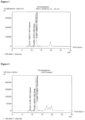
Figure 1 shows the chromatogram of HSA standard at 1 mg/mL in mobile phase buffer (MPB) [0.1M Phosphate buffer/0.1M sodium sulfate, pH 6.9]. -
Figure 2 shows the chromatogram of HAS in TDV (Takeda's tetravalent Dengue Vaccine) sample (DPV024-3 BDS) [bulk drug substance]. -
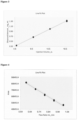
Figure 3 shows the linear regression analysis for the determined HSA monomer content according to the present invention when varying the injection volume used. As sample, DPV024-3 BDS has been used. -
Figure 4 shows the linear regression analysis for the determined HSA monomer content according to the present invention when varying the flow rate used. As sample, DPV024-3 BDS has been used. - Where the term "comprise" or "comprising" is used in the present description and claims, it does not exclude other elements or steps. For the purpose of the present invention, the term "consisting of" is considered to be an optional embodiment of the term "comprising". If hereinafter a group is defined to comprise at least a certain number of embodiments, this is also to be understood to disclose a group which optionally consists only of these embodiments.
- Where an indefinite or a definite article is used when referring to a singular noun e.g. "a" or "an", "the", this includes a plural form of that noun unless specifically stated.
- Vice versa, when the plural form of a noun is used it refers also to the singular form.
- Furthermore, the terms first, second, third or (a), (b), (c) and the like in the description and in the claims are used for distinguishing between similar elements and not necessarily for describing a sequential or chronological order. It is to be understood that the terms so used are interchangeable under appropriate circumstances and that the embodiments of the invention described herein are capable of operation in other sequences than described or illustrated herein.
- In the context of the present invention any numerical value indicated is typically associated with an interval of accuracy that the person skilled in the art will understand to still ensure the technical effect of the feature in question. As used herein, the deviation from the indicated numerical value is in the range of ± 10%, and preferably of ± 5%. The aforementioned deviation from the indicated numerical interval of ± 10%, and preferably of ± 5% is also indicated by the terms "about" and "approximately" used herein with respect to a numerical value.
- According to the first aspect, the present invention provides a method for the quantitative determination of human serum albumin (HSA) monomer in a liquid composition comprising at least one virus and at least one pharmaceutically acceptable carrier other than HSA, wherein the method comprises the steps of:
- (a) applying the liquid composition on a size-exclusion chromatography column, wherein the column material comprises diol residues coupled to a silica gel;
- (b) performing size-exclusion chromatograpy with a mobile phase comprising a phosphate salt and a sulfate salt at a pH value from about 6 to about 8;
- (c) detecting the UV absorption of the HSA monomer at the outlet of the column; and
- (d) calculating the amount of HSA monomer from the area under the curve (AUC) of the detected signal.
- In a preferred embodiment the at least one virus is selected from a flavivirus. Flaviviruses include dengue virus, Yellow Fever virus, Japanese Encephalitis virus, Murray Valley encephalitis virus and West Nile virus. In a more preferred embodiment the flavivirus is a dengue virus.
- "An attenuated virus" herein means that the virus has a reduced replication capacity and/or a reduced infectivity in host cells compared to wild-type virus. The replication capacity and/or infectivity may be determined in vitro in suitable cell systems or in vivo in suitable animal models. Attenuation may be achieved by serial passaging of the virus in a foreign host such as in tissue culture, embryonated eggs or live animals. Alternatively, attenuation may be performed by chemical agents.
- "Live attenuated" viruses are important for use in viral vaccines, since the live attenuated virus generates a stronger immune response compared to an inactivated virus. As used herein, the term "live attenuated virus" can refer to e.g. a chimeric virus or a non-chimeric virus.
- In embodiments where the flavivirus composition comprises more than one live, attenuated virus, the composition in a preferred embodiment comprises at least one chimeric live attenuated flavivirus. More preferably, the composition comprises one chimeric flavivirus and three non-chimeric flaviviruses. Particularly preferred, the composition comprises live, attenuated DENV-1, DENV-2 and DENV-4 viruses and a chimeric DENV-2/DENV-4 chimeric virus.
- In an alternative preferred embodiment the composition comprises at least two chimeric live, attenuated viruses and at least one non-chimeric flavivirus. More preferably, the composition comprises a live, attenuated DENV-2 virus, a chimeric DENV-2/DENV-1 virus, a chimeric DENV-2/DENV-3 virus and a chimeric DENV-2/DEN-4 virus.
- "Dengue virus" herein includes any wild-type or dengue virus mutant. The mutant may naturally occur or obtained by genetic engineering of the wild-type virus. The genetic modifications include additions, deletions, insertions and/or substitutions. The modifications are not particularly limited.
- The term "dengue virus" also includes chimeras with genetic information from at least one further virus. The chimera may contain genetic information from another flavivirus such as Yellow Fever virus, Japanese Encephalitis virus, Murray Valley encephalitis virus and West Nile virus. Preferably, the chimera includes at least the E gene from another dengue virus strain.
- Most preferably, the term "dengue chimera" is a dengue/dengue chimera derived from two different dengue viruses. Multivalent compositions comprising three or tetravalent compositions comprising four dengue/dengue chimeras are particularly envisaged.
- The dengue virus is a single stranded, positive sense RNA virus of the family flaviviridae. The family flaviviridae includes three genera, flavivirus, hepacivirus and pestivirus. The genus flavivirus contains highly pathogenic and potentially hemorrhagic fever viruses, such as yellow fever virus and dengue virus, encephalitic viruses, such as Japanese encephalitis virus, Murray Valley encephalitis virus and West Nile virus, and a number of less pathogenic viruses.
- The flavivirus genome comprises in 5' to 3' direction:
- a 5'-noncoding region (5'-NCR),
- a capsid protein (C) encoding region,
- a pre-membrane protein (prM) encoding region,
- an envelope protein (E) encoding region,
- a region encoding nonstructural proteins (NSl, NS2A, NS2B, NS3, NS4A, NS4B, NS5) and
- a 3' noncoding region (3'-NCR).
- The viral structural proteins are C, prM and E, and the nonstructural proteins are NSl to NS5. The structural and nonstructural proteins are translated as a single polyprotein and processed by cellular and viral proteases.
- The dengue virus also includes dengue virus chimera comprising more than one dengue virus subtype. Suitable variants of dengue virus chimera are described in detail in
WO 2020/051328 . The disclosure of which is incorporated herein by reference. Preferably, the methods according to the invention are used for determining the virus titer of the dengue virus variants TDV-1, TDV-2, TDV-3 and TDV-4 outlined below. - The term also includes dengue virus chimera comprising genetic information from another flavivirus. Preferably, the other flavivirus is selected from Japanese encephalitis virus, Tick-borne encephalitis virus, West Nile virus, Yellow fever virus and Zika virus.
- "Dengue virus vaccine composition" herein includes monovalent compositions comprising only a single dengue virus or a dengue virus chimera. It also includes a flavivirus chimera comprising at least the E gene from dengue virus. The term also includes multivalent composition comprising more than one single dengue virus or chimera or flavivirus chimera comprising at least the E gene from dengue virus. Preferably, the multivalent compositions include dengue virus from more than one subtype, wherein the subtype is selected from DENV-1, DENV-2, DENV-3 and DENV-4. More preferably, the multivalent composition is a tetravalent composition comprising dengue viruses and/or chimeras from each dengue virus subtype.
- The dengue virus structural envelope (E) protein and pre-membrane (prM) protein have been identified as the primary antigens that elicit a neutralizing protective antibody response. For creation of the tetravalent dengue vaccine (TDV), TDV-2 was modified by replacing the nucleic acid sequence encoding the DENV-2 prM and E glycoproteins with the nucleic acid sequence encoding the corresponding wild type prM and E glycoproteins from the DENV-1, DENV-3, and DENV-4 wild type strains DENV-1 16007, DENV-3 16562 or DENV-4 1036 virus, respectively, using standard molecular genetic engineering methods (Huang et al. (2003) J. Virol. 77(21): 11436-11447).
Table 1. Sequences of the TDV virus strains SEQ ID NO. dengue virus strain sequence type SEQ ID NO. 1 TDV-1 amino acid sequence SEQ ID NO. 2 TDV-2 amino acid sequence SEQ ID NO. 3 TDV-3 amino acid sequence SEQ ID NO. 4 TDV-4 amino acid sequence - The term includes, but is not limited to : vehicle solvents such as water, alcohol, glycerin, propylene glycol; co-solvents such as glycerol, propylene glycol, ethanol, polyethylene glycols; surfactants such as anionic, cationic, zwitterionic or nonionic. The term also includes preservatives and viscosity modifiers or suspending agents. The term further includes substances to stabilize pH, or to function as adjuvants, wetting agents, or emulsifying agents, which can serve to improve the effectiveness of the vaccine. Preferably, the pharmaceutically acceptable carrier other than HSA is selected from the group consisting of trehalose, poloxamer, urea, arginine hydrochloride, tromethamine, Tris-hydrochloride, chloride salts, and phosphate salts or any combination thereof. Preferably, trehalose is α,α-trehalose dihydrate. Preferably, poloxamer is poloxamer 407, also known by its trade names Pluronic F127 and Synperonic PE/F127. Preferably, the chloride salts may comprise or consist of one or both of potassium chloride and sodium chloride. Preferably, the phosphate salts may comprise or consist of one or both of potassium dihydrogen phosphate and disodium hydrogen phosphate.
- In one preferred such embodiment, the excipients are a combination of trehalose, at least one poloxamer, and human serum albumin. More preferably, the excipients are a combination of trehalose, poloxamer, human serum albumin, chloride salts, and phosphate salts. Most preferably, the excipients are a combination of α,α-trehalose dihydrate, poloxamer 407, human serum albumin, potassium chloride, sodium chloride, potassium dihydrogen phosphate, and disodium hydrogen phosphate.
- In another preferred such embodiment, the excipients are a combination of trehalose, at least one poloxamer, urea, arginine hydrochloride, tromethamine, Tris-hydrochloride and human serum albumin. More preferably, the excipients are a combination of trehalose, poloxamer, urea, arginine hydrochloride, tromethamine, human serum albumin, chloride salts and phosphate salts. Preferably, the chloride salts comprise or consist of sodium chloride and potassium chloride. Preferably, the phosphate salts comprise or consist of potassium dihydrogen phosphate and disodium hydrogen phosphate. Most preferably, the excipients are a combination of α,α-trehalose, poloxamer 407, urea, L-arginine hydrochloride, tromethamine, Tris-hydrochloride, human serum albumin, potassium dihydrogen phosphate, disodium hydrogen phosphate, potassium chloride and sodium chloride.
- The liquid composition may be obtained by mixing the one or more virus with a pharmaceutically acceptable carrier in a suitable solvent. The liquid composition herein includes a reconstituted lyophilized composition. Reconstitution may be achieved with a suitable solvent or buffer.
- (a) applying the liquid composition on a size-exclusion chromatography column, wherein the column material comprises diol residues coupled to a silica gel;
- Size-exclusion chromatography columns may be obtained commercially or be prepared by the skilled person. The column material according to the present invention is a silica gel to which diol residues are covalently bound. Preferably, the diol residues are dihydroxypropyl residues. Such a modified column material is commercially available e.g. as YMC-Pack Diol (YMC Co., Ltd.). This material available as Pack Diol-60, Diol-120, Diol-200 and Diol-300. Preferably, the material is YMC Pack Diol-200.
- The column is preferably installed in an HPLC system which are commercially available such as e.g. Thermo Fisher/Dionex HPLC system with UV detector (DAD).
- The column temperature is preferably about 20±2 °C. As injection volume of the liquid composition, preferably about 5 to 15 µL, more preferably about 10 µL.
- Prior to the application of the liquid composition, the column material may be washed and equilibrated.
(b) performing size-exclusion chromatography with a mobile phase comprising a phosphate salt and a sulfate salt at a pH value from about 6 to about 8; - Preferably, the mobile phase comprises about 0.08 to about 0.12 M phosphate buffer with about 0.08 M to about 0.12 M sodium sulfate at a pH value from about 6.8 to about 7.0. More preferably, the mobile phase consists of about 0.1 M phosphate buffer with about 0.1 M sodium sulfate at a pH value of about 6.9.
- Preferably, the size exclusion chromatography is performed in an isocratic manner, i.e. without changing the mobile phase.
- In one preferred embodiment the size-exclusion chromatography in step (b) is performed at a flow rate of about 0.7 to about 0.9 mL/min. More preferably, the flow rate is about 0.8 mL/min.
(c) detecting the UV absorption of the HSA monomer at the outlet of the column; and - In one preferred embodiment the used detector is a diode array detector (DAD). Preferably, the absorption of the eluate at a wavelength of about 210 to about 220 nm, more preferably of about 214 nm is detected. Before a complex sample is separated by size-exclusion chromatography the retention time of HSA monomer of standard solutions is determined.
- Preferably, at a flow rate of 0.7 mL/min the HSA monomer elutes with a retention time of the peak at about 13.5 to 13.7 min; at a flow rate of 0.8 mL/min the HSA monomer elutes with a retention time of the peak at about 11.8 to about 12 min; at a flow rate of 0.9 mL/min with a retention time of the peak at about 10.5 to about 10.7 min.
- As can be seen from the appended
Figures 1 and 2 , the HSA monomer peak is baseline separated from the further peaks in the chromatogram.
(d) calculating the amount of HSA monomer from the area under the curve (AUC) of the detected signal. - The calculation of the amount of the HSA monomer may be carried out any suitable HPLC software may be used, in which the mathematical relationship between the inserted substance quantity and the determined peak area of the HSA peak is stored.
- Preferably, the Chromeleon software (Thermo Fisher, Inc.) may be used.
- In one more preferred embodiment the inventive method comprises the steps of
- (a) applying about 5 µL to about 15 µL of the liquid composition on a size-exclusion chromatography column, wherein the column material comprises diol residues coupled to a silica gel;
- (b) performing size-exclusion chromatography at a flow rate of about 0.7 to about 0.9 mL/min with a mobile phase comprising about 0.08 to about 0.12 M phosphate buffer with about 0.08 M to about 0.12 M sodium sulfate at a pH value from about 6.8 to about 7.0;
- (c) detecting the UV absorption of the HSA monomer at the outlet of the column; and
- (d) calculating the amount of HSA monomer from the area under the curve (AUC) of the detected signal.
- In a further aspect the present invention provides the use of the inventive method in the quality control of a virus preparation containing HSA or a vaccine composition containing HSA. The reliable determination of HSA monomer is highly relevant at different stages of the vaccine manufacturing and filling of the final product. In addition, it is important for assessing the HSA monomer concentration of the monovalent drug substance and before and after the final formulation of the tetravalent drug product.
- The determination of HSA monomer is also relevant for HSA containing buffers used for the preparation of the final virus containing buffers. Preferably, the method according to the present invention may be used for the determination of the HSA monomer in the Fixed Excipient Buffer (FEB) or in the Variable Excipient Buffer (VEB).
- The composition of the FEB is 150 g/L α,α-trehalose, dihydrate, 10.0 g/L Kolliphor P407 (F127), 1.00 g/L HSA, 0.939 mM potassium dihydrogen phosphate, 5.33 mM disodium hydrogen phosphate, dihydrate, 1.44 mM potassium chloride and 124 mM sodium chloride. The composition of the VEB (utilizing a 20 % HSA stock solution) is 204 g/L α,α-trehalose, dihydrate, 10.0 g/L Kolliphor P407 (F127), 1.00 g/L HSA, 3.76 mM potassium dihydrogen phosphate, 21.4 mM disodium hydrogen phosphate, dihydrate, 5.76 mM potassium chloride and 41.6 mM sodium chloride.
- In a further aspect the present invention provides the use of the inventive method for monitoring the long-term stability of the HSA monomer in virus-containing pharmaceutical formulations. It is also of utmost importance to monitor the long-term stability of the HSA monomer to determine the relevant shelf-life of the virus-containing pharmaceutical composition.
- In a further aspect the present invention provides a quality control for vaccines containing live, attenuated dengue virus comprising performing the method according to the present invention and at least one further method selected from the group consisting of identity assay, immunofocus assay, visual inspection, determination of reconstitution time or resuspendability of lyophilisates, sterility test, test for bacterial endotoxins, determination of host cell DNA, determination of pH, colorimetric determination of water, determination of osmolality, determination of the content of one or more excipient(s).
- In an embodiment, the quality control method comprises or consists of the method of the first aspect of the invention and at least two further methods selected from the group consisting of identity assay, immunofocus assay, visual inspection, determination of reconstitution time or resuspendability of lyophilisates, sterility test, test for bacterial endotoxins, determination of host cell DNA, determination of pH, colorimetric determination of water, determination of osmolality, determination of the content of one or more excipient(s). In an embodiment, the quality control method comprises or consists of the method of the first aspect of the invention and at least three further methods selected from the group consisting of identity assay , immunofocus assay, visual inspection, determination of reconstitution time or resuspendability of lyophilisates, sterility test, test for bacterial endotoxins, determination of host cell DNA, determination of pH, colorimetric determination of water, determination of osmolality, determination of the content of one or more excipient(s). In an embodiment, the quality control method comprises or consists of the method of the first aspect of the invention and at least four further methods selected from the group consisting of identity assay, immunofocus assay, visual inspection, determination of reconstitution time or resuspendability of lyophilisates, sterility test, test for bacterial endotoxins, determination of host cell DNA, determination of pH, colorimetric determination of water, determination of osmolality, determination of the content of one or more excipient(s). In an embodiment, the quality control method comprises or consists of the method of the first aspect of the invention and at least five further methods selected from the group consisting of identity assay, immunofocus assay, visual inspection, determination of reconstitution time or resuspendability of lyophilisates, sterility test, test for bacterial endotoxins, determination of host cell DNA, determination of pH, colorimetric determination of water, determination of osmolality, determination of the content of one or more excipient(s). In an embodiment, the quality control method comprises or consists of the method of the first aspect of the invention and at least six further methods selected from the group consisting of identity assay, immunofocus assay, visual inspection, determination of reconstitution time or resuspendability of lyophilisates, sterility test, test for bacterial endotoxins, determination of host cell DNA, determination of pH, colorimetric determination of water, determination of osmolality, determination of the content of one or more excipient(s). In an embodiment, the quality control method comprises or consists of the method of the first aspect of the invention and at least seven further methods selected from the group consisting of identity assay, immunofocus assay, visual inspection, determination of reconstitution time or resuspendability of lyophilisates, sterility test, test for bacterial endotoxins, determination of host cell DNA, determination of pH, colorimetric determination of water, determination of osmolality, determination of the content of one or more excipient(s). In an embodiment, the quality control method comprises or consists of the method of the first aspect of the invention and at least eight further methods selected from the group consisting of identity assay, immunofocus assay, visual inspection, determination of reconstitution time or resuspendability of lyophilisates, sterility test, test for bacterial endotoxins, determination of host cell DNA, determination of pH, colorimetric determination of water, determination of osmolality, determination of the content of one or more excipient(s). In an embodiment, the quality control method comprises or consists of the method of the first aspect of the invention and at least nine further methods selected from the group consisting of identity assay, immunofocus assay, visual inspection, determination of reconstitution time or resuspendability of lyophilisates, sterility test, test for bacterial endotoxins, determination of host cell DNA, determination of pH, colorimetric determination of water, determination of osmolality, determination of the content of one or more excipient(s). In an embodiment, the quality control method comprises or consists of the method of the first aspect of the invention and all of identity assay, immunofocus assay, visual inspection, determination of reconstitution time or resuspendability of lyophilisates, sterility test, test for bacterial endotoxins, determination of host cell DNA, determination of pH, colorimetric determination of water, determination of osmolality, determination of the content of one or more excipient(s).
- In one embodiment, the one or more excipients may be selected from the group consisting of trehalose, poloxamer, urea, arginine hydrochloride, tromethamine, Tris-hydrochloride, human serum albumin, chloride salts, and phosphate salts or any combination thereof. Preferably, trehalose is α,α-trehalose dihydrate. Preferably, poloxamer is poloxamer 407, also known by its trade names Pluronic F127 and Synperonic PE/F127. Preferably, the chloride salts may comprise or consist of one or both of potassium chloride and sodium chloride. Preferably, the phosphate salts may comprise or consist of one or both of potassium dihydrogen phosphate and disodium hydrogen phosphate.
- In one preferred such embodiment, the excipients are a combination of trehalose, at least one poloxamer, and human serum albumin. More preferably, the excipients are a combination of trehalose, poloxamer, human serum albumin, chloride salts, and phosphate salts. Most preferably, the excipients are a combination of α,α-trehalose dihydrate, poloxamer 407, human serum albumin, potassium chloride, sodium chloride, potassium dihydrogen phosphate, and disodium hydrogen phosphate.
- In another preferred such embodiment, the excipients are a combination of trehalose, at least one poloxamer, urea, arginine hydrochloride, tromethamine, Tris-hydrochloride, and human serum albumin. More preferably, the excipients are a combination of trehalose, poloxamer, urea, arginine hydrochloride, tromethamine, human serum albumin, chloride salts and phosphate salts. Preferably, the chloride salts comprise or consist of sodium chloride.
- The invention is further described in the following examples which are solely for the purpose of illustrating specific embodiments of the invention, and are also not to be construed as limiting the scope of the invention in any way.
- The following Examples are included to demonstrate certain aspects and embodiments of the invention as described in the claims. It should be appreciated by those of skill in the art, however, that the following description is illustrative only and should not be taken in any way as a restriction of the invention.
- The methods used to generate the chimeric dengue strains TDV-1, -3 and -4 were standard molecular cloning and DNA engineering methods and are described in Huang et al. (2003) J. Virology 77(21): 11436-11447.
- The amino acid sequences of TDV-1 to TDV-4 used in the present example are shown in Table 1 above and the accompanying sequence listing.
- A size exclusion high-pressure liquid chromatography (SE-HPLC) method is used to identify and measure the amounts of HSA in TDV drug product. Samples are analyzed using a 30-minute isocratic method using 0.1 M phosphate buffer at pH 6.9 containing 0.1 M sodium sulfate as the mobile phase at a flow rate of 0.8 mL/minute. The reconstituted lyophilized drug product material is injected as neat sample into the YMC-Pack-Diol 200 (300 × 8 mm, 5 µm, 20 nm pore size) size exclusion column which is monitored at UV 214 nm. HSA separates into the monomer, dimer and oligomer peaks under these conditions. Accurate quantitation is achieved by comparing the test sample peak area to an external standard curve, prepared using albumin standards and assayed at the same time. The monomer concentration is reported in mg/mL.
- Drug product formulations are targeted to contain 1.0 mg/mL of HSA and are analyzed as neat samples. External standards are prepared to obtain the concentration range 0.156-1.75 mg/mL in Mobile Phase Buffer (MPB) [0.1M Phosphate buffer/0.1M sodium sulfate, pH 6.9].
- The aliquoted stock HSA standard is filtered through a 0.2 µm PES filter immediately before analysis. The aliquot is drawn up completely into the syringe and filtered. 2 mL of the filtrate is discarded and 1 mL is collected into a 1.5-mL Eppendorf tube.
- Reference solutions are prepared with mobile phase buffer (MPB) to obtain the concentration range 0.156 mg/mL to 1.75 mg/mL using the dilution scheme given below in Table 2.a.
Solution 5 toSolution 10 are used as standards for analysis.Table 2.a Preparation of HSA Standard Solutions Solution No. 1 2 3 4 5 6 7 8 9 10 Concentration (mg/mL) 20 10 5 2.50 1.75 1.25 1.00 0.62 5 0.31 2 0.15 6 HSA (µL) 100 500 of 1 500 of 2 500 of 3 175 of 3 500 of 4 50 of 2 500 of 6 500 of 8 500 of 9 Mobile phase buffer (µL) 900 500 500 500 325 500 450 500 500 500 - Reference Solution 7 (1.0 mg/mL of HSA in mobile phase buffer) is used.
- The lyophilizate DP vial (1 mg/mL) is removed from cold storage and re-suspension is performed by pipetting 590 µL of TDV diluent (37 mM NaCl) into the opened vial. The reconstituted drug product sample is transferred into HPLC vials. Each sample is taken in two HPLC vials and each vial is injected twice for analysis.
- A qualified high pressure chromatographic system equipped with a UV detector. The instrument operating parameters are listed in Table 3.a.
Table 3.a Operating Conditions for the HSA HPLC Method Description (a) HPLC Conditions HPLC Thermo Fisher/Dionex HPLC system with UV detector (DAD) Mobile phase 0.1 M PBS in 0.1 M sodium sulfate at pH 6.9 Flow rate 0.8 mL/min Elution condition Isocratic Column YMC Pack-Diol-200, (300 mm × 8 mm), 5 µm, 20 nm pore size Pre-column YMC Pack-Diol-200, (30 mm × 8 mm), 5 µm, 20 nm pore size Column type Size exclusion Column temperature 20°C±2°C Autosampler temperature 4° C Injector volume 10 µL Flow rate 0.8 mL/min Detection wavelength 214 nm Run time 30 min (a) Equivalent instruments may be qualified and used. - The determination of the content is carried out using the Chromeleon software (any suitable HPLC software may be used), in which the mathematical relationship between the inserted substance quantity and the determined peak area of the HSA peak is stored. Prior to data evaluation, the chromatograms are checked to ensure that automatic integration is performed in the correct manner.
-

- Ctheor.sol. No.x
- Theoretical HSA concentration in solution No.x
- CSTDcurr
- Currently declared HSA concentration of the HSA stock solution (mg/mL or %)
- CSTDtheor
- Declared HSA concentration in the HSA stock solution (200 mg/ml or 20%)
- Csolution No.x
- Calculated HSA concentration in solution No.x
- The formula is applied for Standard Solution 5 (1.75 mg/mL) through 10 (0.156 mg/mL), which are used for the calibration curve.
- The HSA content in the sample solutions is calculated based on the calibration curve according to the following formula:

- Ass
- Peak area of the sample solution (mAU·min)
- n
- Offset of the calibration curve (mAU·min)
- m
- Slope of the calibration curve (mAU·min/[mg/mL])
- F
- Dilution factor of the sample (1 or 3 for diluted samples)
- Css
- Calculated HSA concentration of the sample solution (mg/mL)
- For each sample, 4 individual results are obtained which is averaged to generate one result.
- It could be shown that the above described method is accurate, specific and robust for the monovalent drug substance, the tetravalent drug product and the filled and finished product. The method has accordingly been validated as a release assay for the quality control in the pharmaceutical industry.
- A sumary of the obtained results is shown below in Table 4:
Parameter Result Specificity Specific for HSA Linearity 0.50 -2.50 mg/mL Correlation Coefficient 'r' = 0.9930 Accuracy Average recovery: 99.89% to 100.58% Precision (Repeatability)1 %CV ≤3.67% Precision (Intermediate Precision)1 %CV ≤ 8.57% Range 0.50 - 2.50 mg/mL Robustness : Injection Volume Pass Robustness: Flow Rate Pass Robustness: HSA Temperature and Thaw effects Pass Robustness: Column Batch Pass Robustness: HSA Stability in the autosampler at 4°C Pass 1 The reported CV% corresponds to the value determined at a target concentration of 1mg/mL of HSA - 5 µL to 20 µL DPV024-3 BDS have been used as injection volumes.
- The observed amount obtained at varied injection volumes were analyzed using basic statistics and using linear regression using ADAPT.
- Results are summarised in (Table 5) and linear regression results are given in (Table 6).
Table 5: Summary Statistics - Variable Injection volumes - obs. Amt. DPV024-3 BDS Injection Volume (DPV024-3 BDS-1mg/mL) n Retent ion Time Mean (minut es) Obser ved Amt. Mean Observ ed Amt. Minimu m Observe dAmt. Maximu m Stand ard Deviat ion Coeffici ent of Variatio n Lower 95% Cl for Mean Upper 95% Cl for Mean 5µL 4 11.96 0.3313 0.3280 0.3330 0.0024 0.71% 0.3275 0.3350 10µL 6 11.95 0.6653 0.6610 0.6690 0.0029 0.43% 0.6623 0.6684 15µL 4 11.98 0.9950 0.9940 0.9960 0.0008 0.08% 0.9937 0.9963 20µL 5 11.98 1.3180 1.2970 1.3290 0.0129 0.98% 1.3020 1.3340 - The overall %CV corresponding to injection precision across 4 injection volumes ranged from 0.08% - 0.98 % for DPV024-3 BDS sample.
Table 6: Linear Regression Results - Injection Volume - Obs. Amt. - DPV024-3 BDS Parameter Estimate 95% Confidence Level Lower Upper Slope 0.06574 0.06511 0.06637 Constant 0.00578 -0.00294 0.01449 r (Correlation Coeff.) 0.99982 R-Square 0.99965 STD Deviation (s) 0.00715 - Linear regression analysis using varied injection volumes against Observed Amounts showed a good correlation coefficient (r) value of 0.999 corresponding to a strong linear response for the DPV024-3 BDS sample. Changing the injection volume did not have any impact on the chromatograms or the retention time of the peaks. The overall % CV based on injection precision ranged from 0.08% to 0.98 % for the two samples used. The result is shown in
Figure 3 . - The volume analyzed was 2x lower, (1.5x and 2x) higher than the standard injection volume of 10 µl. Thus either of the volumes above and below the standard injection volume can be used to carry out the analysis demonstrating the method robustness.
- Neat samples were evaluated using 5 different flow rates [0.6mL/min, 0.7mL/min, 0.8mL/min (standard flow rate), 0.9 mL/min and 1mL/min] using DPV024-3 BDS.
- The peak areas obtained at varied flow rates were analyzed using basic statistics and using linear regression using ADAPT.
- Results are summarised in Table 7 and linear regression results are given in Table 8.
Table 7: Summary Statistics - Variable Flow Rate - Peak Area - DPV024-3 BDS Flow Rate (DPV024 -3 BDS-1mg/mL) n Retenti on time (minut es) Mean Peak Area Mean Peak Area Minim um Peak Area Maximu m Standar d Deviatio n Coeffic ient of Variati on Lower 95% Cl for Mean Upper 95% Cl for Mean 0.6 mL/min 4 15.89 9089471 9056221 9105678 22461 0.002 9053731 9125210 0.7 mL/min 4 13.62 8049465 8023569 8068434 19540 0.002 8018373 8080557 0.8 mL/min 4 11.94 7146552 7084500 7204763 54883 0.008 7059220 7233883 0.9 mL/min 4 10.63 6294290 6234526 6338576 43683 0.007 6224781 6363799 1mL/min 2 9.61 5566448 5533059 5599836 47218 0.008 5142206 5990689 - The overall %CV corresponding to flow precision across 5 different flow rates ranged from 0.002% -0.008 % for DPV024-3 BDS sample.
- As can be seen, the retention time of the HSA monomer depends on the applied flow rate. A flow rate of 0.8 mL/min was considered to be optimal for the validation of the method.
Table 8: linear regression results - Flow Rate vs. Peak Area - DPV024-3 BDS Parameter Estimate 95% Confidence Level Lower Upper Slope -8940430 -9275314 -8605547 Constant 14367668 14103509 14631828 r (Correlation Coeff.) 0.99751 R-Square 0.99503 STD Deviation (s) 88112 - Linear regression analysis using varied flow rates against peak areas a good correlation coefficient (r) value of 0.997 for the DPV024-3 BDS sample corresponding to a strong linear response. The overall % CV based on injection precision ranged from 0.002% to 1.957 % for the two samples used. The result is shown in
Figure 4 . - The flow rates analyzed was 0.2 mL/ minute lower and 0.2 ml/minute higher than the standard flow rate of 0.8 ml/minute. Flow rate change is considered robust based on the results observed.
Claims (17)
- A method for the quantitative determination of human serum albumin (HSA) monomer in a liquid composition comprising at least one virus and at least one pharmaceutically acceptable carrier other than HSA, wherein the method comprises the steps of:(a) applying the liquid composition on a size-exclusion chromatography column, wherein the column material comprises diol residues coupled to a silica gel;(b) performing size-exclusion chromatography with a mobile phase comprising a phosphate salt and a sulfate salt at a pH value from about 6 to about 8;(c) detecting the UV absorption of the HSA monomer at the outlet of the column; and(d) calculating the amount of HSA monomer from the area under the curve (AUC) of the detected signal.
- The method of claim 1, wherein the at least one virus is selected from a flavivirus, more preferably the flavivirus is a dengue virus.
- The method of claim 1 or 2, wherein the at least one virus is an attenuated dengue virus, preferably the attenuated virus is selected from TDV-1 to TDV-4 (SEQ ID Nos: 1 to 4), and any combination thereof.
- The method of any one of claims 1 to 3, wherein the liquid composition is a vaccine composition.
- The method of any one of claims 1 to 4, wherein the liquid composition is obtained by reconstitution of a lyophilized vaccine composition.
- The method according to any one of claims 1 to 5, wherein the column material of step (a) has a pore size of about 15 to 30 nm, preferably about 18 to 22 nm.
- The method according to any one of claims 1 to 6, wherein the column material comprises dihydroxypropyl residues coupled to the silica gel.
- The method according to any one of claims 1 to 7, wherein the mobile phase comprises about 0.08 to about 0.12 M phosphate buffer with about 0.08 M to about 0.12 M sodium sulfate at a pH value from about 6.8 to about 7.0.
- The method according to any one of claims 1 to 8, wherein the injection volume of the liquid composition applied in step (a) is about 5 to 15 µL.
- The method according to any one of claims 1 to 9, wherein the size-exclusion chromatography in step (b) is performed at a flow rate of about 0.7 to about 0.9 mL/min.
- The method according to any one of claims 1 to 10, wherein the concentration of the HSA in the liquid composition is in the range from 0.15 mg/mL to about 2 mg/mL, preferably about 0.8 to about 1.2 mg/L.
- The method according to any one of claims 1 to 11, wherein the at least one pharmaceutically acceptable carrier other than HSA is selected from the group consisting of trehalose, poloxamer, urea, arginine hydrochloride, tromethamine, Tris-hydrochloride, chloride salts, and phosphate salts or any combination thereof.
- The method according to any one of claims 1 to 12, wherein the method comprises the steps of:(a) applying about 5 µL to about 15 µL of the liquid composition on a size-exclusion chromatography column, wherein the column material comprises diol residues coupled to a silica gel;(b) performing size-exclusion chromatography at a flow rate of about 0.7 to about 0.9 mL/min with a mobile phase comprising about 0.08 to about 0.12 M phosphate buffer with about 0.08 M to about 0.12 M sodium sulfate at a pH value from about 6.8 to about 7.0;(c) detecting the UV absorption of the HSA monomer at the outlet of the column; and(d) calculating the amount of HSA monomer from the area under the curve (AUC) of the detected signal.
- Use of the method according to any one of claims 1 to 13 in the quality control of an in-process monovalent drug substance, a bulk monovalent drug substance and/or a final tetravalent drug product.
- Use of the method according to claim 14, wherein the monovalent drug substance comprises a dengue virus selected from TDV-1 to TDV-4 and the tetravalent drug product comprises each of TDV-1 to TDV-4.
- Use of the method according to any one of claims 1 to 13 for monitoring the long-term stability of the HSA monomer in virus-containing pharmaceutical formulations.
- A quality control method for vaccines containing live, attenuated dengue virus comprising performing the method according to any one of claims 1 to 13 and at least one further method selected from the group consisting of identity assay, immunofocus assay, visual inspection, determination of reconstitution time or resuspendability of lyophilisates, sterility test, test for bacterial endotoxins, determination of host cell DNA, determination of pH, colorimetric determination of water, determination of osmolality, determination of the content of one or more excipient(s).
Applications Claiming Priority (1)
| Application Number | Priority Date | Filing Date | Title |
|---|---|---|---|
| EP22210027 | 2022-11-28 |
Publications (3)
| Publication Number | Publication Date |
|---|---|
| EP4375659A1 EP4375659A1 (en) | 2024-05-29 |
| EP4375659C0 EP4375659C0 (en) | 2025-03-26 |
| EP4375659B1 true EP4375659B1 (en) | 2025-03-26 |
Family
ID=84519728
Family Applications (1)
| Application Number | Title | Priority Date | Filing Date |
|---|---|---|---|
| EP23212703.5A Active EP4375659B1 (en) | 2022-11-28 | 2023-11-28 | A method for the quantitative determination of human serum albumin monomer in virus-containing pharmaceutical compositions |
Country Status (2)
| Country | Link |
|---|---|
| EP (1) | EP4375659B1 (en) |
| WO (1) | WO2024118542A1 (en) |
Citations (4)
| Publication number | Priority date | Publication date | Assignee | Title |
|---|---|---|---|---|
| US6210683B1 (en) | 1997-09-05 | 2001-04-03 | Merck & Co., Inc. | Stabilizers containing recombinant human serum albumin for live virus vaccines |
| WO2013006675A1 (en) | 2011-07-05 | 2013-01-10 | Novozymes Biopharma Uk Limited | Albumin formulation and use |
| US20140186447A1 (en) | 2012-12-28 | 2014-07-03 | Abraxis Bioscience, Llc | Nanoparticle compositions of albumin and paclitaxel |
| WO2019112921A1 (en) | 2017-12-07 | 2019-06-13 | Merck Sharp & Dohme Corp. | Formulations of dengue virus vaccine compositions |
Family Cites Families (4)
| Publication number | Priority date | Publication date | Assignee | Title |
|---|---|---|---|---|
| US5178756A (en) * | 1991-06-25 | 1993-01-12 | Jarrett Iii Harry W | Glucose-silica medium for high-pressure gel filtration chromatography |
| WO2020051328A1 (en) | 2018-09-05 | 2020-03-12 | Takeda Vaccines, Inc. | Assay for determining antibody response to dengue virus |
| CN116056775B (en) * | 2020-09-16 | 2025-12-02 | 沃特世科技公司 | Improved size exclusion chromatography using low concentrations of amino acids in the mobile phase. |
| BR112023022041A2 (en) * | 2021-04-23 | 2023-12-26 | Amgen Inc | MODIFIED ANTI-TSLP ANTIBODIES |
-
2023
- 2023-11-28 WO PCT/US2023/081243 patent/WO2024118542A1/en not_active Ceased
- 2023-11-28 EP EP23212703.5A patent/EP4375659B1/en active Active
Patent Citations (4)
| Publication number | Priority date | Publication date | Assignee | Title |
|---|---|---|---|---|
| US6210683B1 (en) | 1997-09-05 | 2001-04-03 | Merck & Co., Inc. | Stabilizers containing recombinant human serum albumin for live virus vaccines |
| WO2013006675A1 (en) | 2011-07-05 | 2013-01-10 | Novozymes Biopharma Uk Limited | Albumin formulation and use |
| US20140186447A1 (en) | 2012-12-28 | 2014-07-03 | Abraxis Bioscience, Llc | Nanoparticle compositions of albumin and paclitaxel |
| WO2019112921A1 (en) | 2017-12-07 | 2019-06-13 | Merck Sharp & Dohme Corp. | Formulations of dengue virus vaccine compositions |
Non-Patent Citations (23)
| Title |
|---|
| "Essential Human Virology", 1 January 2016, ELSEVIER, ISBN: 978-0-12-800947-5, article JENNIFER LOUTEN: "Virus Structure and Classification", pages: 19 - 29, XP093152599, DOI: 10.1016/B978-0-12-800947-5.00002-8 |
| ANONYMOUS: "Application Overview - Gel Filtration Chromatography with TSKgel columns", TOSOH BIOSCIENCE LLC, 1 May 2011 (2011-05-01), XP093356002 |
| ANONYMOUS: "HUMAN ALBUMIN SOLUTION", EUROPEAN PHARMACOPEIA, 5TH ED., vol. 5, 1 January 2005 (2005-01-01), pages 3218 - 3219, XP093355986 |
| ANONYMOUS: "rAlbumin Human", UNITED STATES PHARMACOPEIA, NF MONOGRAPHS, 1 January 2008 (2008-01-01), XP093355989 |
| ANONYMOUS: "Reflection paper on quality, non-clinical and clinical issues related to the development of recombinant adenoassociated viral vectors", EMA; EMEA/CHMP/GTWP/587488/2007 REV. 1; COMMITTEE FOR THE MEDICINAL PRODUCTS FOR HUMAN USE (CHMP), 24 June 2010 (2010-06-24), XP093356006, Retrieved from the Internet <URL:https://www.ema.europa.eu/en/documents/scientific-guideline/reflection-paper-quality-non-clinical-and-clinical-issues-related-development-recombinant-adeno-associated-viral-vectors_en.pdf> |
| ANONYMOUS: "YMC-Pack Diol", YMC (ACCESSED VIA THE WAYBACK MACHINE), 18 February 2020 (2020-02-18), XP093356017, Retrieved from the Internet <URL:https://web.archive.org/web/20200218192345/http://www.ymc.co.jp/en/columns/ymc_pack_diol/> |
| BOUVIER EDOUARD S.P., KOZA STEPHAN M.: "Advances in size-exclusion separations of proteins and polymers by UHPLC", TRENDS IN ANALYTICAL CHEMISTRY, ELSEVIER, AMSTERDAM, NL, vol. 63, 1 December 2014 (2014-12-01), AMSTERDAM, NL , pages 85 - 94, XP093321811, ISSN: 0165-9936, DOI: 10.1016/j.trac.2014.08.002 |
| CHI-SAN WU: "Handbook of Size Exclusion Chromatography, Chromatographic science series v69 , 1st edition. ", 1 January 1995, MARCEL DEKKER, INC, US, ISBN: 0-8247-9288-2, article "Molecular Weight-Sensitive Detectors for Size Exclusion Chromatography", pages: 103 - 145, XP009565635 |
| D16 - EXPERIMENTAL REPORT SUBMITTED BY THE OPPONENT |
| D19 - MACHINE TRANSLATION OF YONGHONG ET AL. 2020, CHINESE JOURNAL OF PHARMACEUTICAL ANALYSIS, PURITY DETERMINATION OF ONCOLYTIC ADENOVIRUS INJECTION BY SEC-HPLC, 40(1): 48-51 |
| D2 - ONLINE AVAILABILITY OF PRODUCT INFORMATION ON THE TOSOH TSKGEL G3000SWXL COLUMN |
| D24 - EXPERIMENTAL REPORT SUBMITTED BY THE OPPONENT |
| D27 - USER´S GUIDE ON THE YMC-PACK DIOL SEC COLUMN SERIES (DATE?) |
| DENG JAMES Z., RUSTANDI RICHARD R., SWARTZ ANDREW, SHIEH YVONNE, BAKER JACK B., VLASAK JOSEF, WANG SHIYI, LOUGHNEY JOHN W.: "SEC coupled with in-line multiple detectors for the characterization of an oncolytic Coxsackievirus", MOLECULAR THERAPY - ONCOLYTICS, ELSEVIER, vol. 24, 1 March 2022 (2022-03-01), pages 139 - 147, XP093356009, ISSN: 2372-7705, DOI: 10.1016/j.omto.2021.12.009 |
| EMA: "European Medicines Agency ICH Topic Q 6 B Specifications: Test Procedures and Acceptance Criteria for Biotechnological/Biological Products Step 5 NOTE FOR GUIDANCE ON SPECIFICATIONS: TEST PROCEDURES AND ACCEPTANCE CRITERIA FOR BIOTECHNOLOGICAL/BIOLOGICAL PRODUCTS", 1 September 1999 (1999-09-01), pages 1 - 17, XP093024022, Retrieved from the Internet <URL:https://www.ema.europa.eu/en/documents/scientific-guideline/ich-q-6-b-test-procedures-acceptance-criteria-biotechnological/biological-products-step-5_en.pdf> |
| GAUTAM SAURABH, XIN DONGYUE, GARCIA ALAN PARDO, SPIESSCHAERT BART: "Single-step rapid chromatographic purification and characterization of clinical stage oncolytic VSV-GP", FRONTIERS IN BIOENGINEERING AND BIOTECHNOLOGY, FRONTIERS RESEARCH FOUNDATION, CH, vol. 10, CH , XP093356013, ISSN: 2296-4185, DOI: 10.3389/fbioe.2022.992069 |
| HONG PAULA, KOZA STEPHAN, BOUVIER EDOUARD S. P.: "A REVIEW SIZE-EXCLUSION CHROMATOGRAPHY FOR THE ANALYSIS OF PROTEIN BIOTHERAPEUTICS AND THEIR AGGREGATES", JOURNAL OF LIQUID CHROMATOGRAPHY AND RELATED TECHNOLOGIES, MONTICELLO, NY, US, vol. 35, no. 20, 30 November 2012 (2012-11-30), US , pages 2923 - 2950, XP093230757, ISSN: 1082-6076, DOI: 10.1080/10826076.2012.743724 |
| KUHN RICHARD J., ZHANG WEI, ROSSMANN MICHAEL G., PLETNEV SERGEI V., CORVER JEROEN, LENCHES EDITH, JONES CHRISTOPHER T., MUKHOPADHY: "Structure of Dengue Virus: Implications for Flavivirus Organization, Maturation, and Fusion", CELL, vol. 108, no. 5, 8 March 2002 (2002-03-08), pages 717 - 725, XP093355999, DOI: 10.1016/s0092-8674(02)00660-8 |
| LI YONGHONG, HAN CHUN-MEI, BI HUA, TAO LEI, LI XIANG, RAO CHUN-MING: "Purity determination of oncolytic adenovirus injection by SEC-HPLC", CHINESE JOURNAL OF PHARMACEUTICAL ANALYSIS, ZHONGGUO YAOXUEHUI, BEIJING, CN, vol. 40, no. 1, 31 January 2020 (2020-01-31), CN , pages 48 - 51, XP093356008, ISSN: 0254-1793, DOI: 10.16155/j.0254-1793.2020.01.07 |
| LUIK A.I., NABOKA YU.N., MOGILEVICH S.E., HUSHCHA T.O., MISCHENKO N.I.: "Study of human serum albumin structure by dynamic light scattering: two types of reactions under different pH and interaction with physiologically active compounds", SPECTROCHIMICA ACTA PART A: MOLECULAR AND BIOMOLECULAR SPECTROSCOPY, ELSEVIER, AMSTERDAM, NL, vol. 54, no. 10, 1 September 1998 (1998-09-01), AMSTERDAM, NL, pages 1503 - 1507, XP093355991, ISSN: 1386-1425, DOI: 10.1016/S1386-1425(98)00171-1 |
| QIAN, J. ; TANG, Q. ; CRONIN, B. ; MARKOVICH, R. ; RUSTUM, A.: "Development of a high performance size exclusion chromatography method to determine the stability of Human Serum Albumin in a lyophilized formulation of Interferon alfa-2b", JOURNAL OF CHROMATOGRAPHY A, ELSEVIER, AMSTERDAM, NL, vol. 1194, no. 1, 13 June 2008 (2008-06-13), AMSTERDAM, NL, pages 48 - 56, XP022696673, ISSN: 0021-9673, DOI: 10.1016/j.chroma.2008.01.040 |
| THEODORE PETERS: "All about albumin : biochemistry, genetics, and medical applications", 1 January 1996, ACADEMIC PRESS, ISBN: 0-12-552110-3, article THEODORE PETERS JR.: "2 - The Albumin Molecule: Its Structure and Chemical Properties", pages: 9 - 75, XP009565634, DOI: 10.1016/B978-012552110-9/50004-0 |
| THEODORE PETERS: "All about albumin : biochemistry, genetics, and medical applications", 1 January 1996, ACADEMIC PRESS, ISBN: 0-12-552110-3, article THEODORE PETERS: "7 - Practical Aspects: Albumin in the Laboratory", pages: 285 - 318, XP009565632, DOI: 10.1016/B978-012552110-9/50009-X |
Also Published As
| Publication number | Publication date |
|---|---|
| EP4375659C0 (en) | 2025-03-26 |
| EP4375659A1 (en) | 2024-05-29 |
| WO2024118542A1 (en) | 2024-06-06 |
Similar Documents
| Publication | Publication Date | Title |
|---|---|---|
| Sabchareon et al. | Safety and immunogenicity of tetravalent live-attenuated dengue vaccines in Thai adult volunteers: role of serotype concentration, ratio, and multiple doses. | |
| US10653767B2 (en) | Zika virus MRNA vaccines | |
| Blaney Jr et al. | Recombinant, live-attenuated tetravalent dengue virus vaccine formulations induce a balanced, broad, and protective neutralizing antibody response against each of the four serotypes in rhesus monkeys | |
| AU2007328960B2 (en) | Liquid anti-rabies antibody formulations | |
| Artpradit et al. | Recognition of heparan sulfate by clinical strains of dengue virus serotype 1 using recombinant subviral particles | |
| AU2007327367A1 (en) | Immunization protocol against the 4 dengue serotypes | |
| JP2010509226A (en) | Stabilization of vaccine by lyophilization | |
| CN101238144B (en) | Dengue serotype 1 attenuated strain | |
| Wright et al. | Phase 1 trial of the dengue virus type 4 vaccine candidate rDEN4Δ30-4995 in healthy adult volunteers | |
| WO2005052116A2 (en) | Preservative-containing virus formulations | |
| EP4375659A1 (en) | A method for the quantitative determination of human serum albumin monomer in virus-containing pharmaceutical compositions | |
| Oh et al. | A purified inactivated vaccine derived from Vero cell-adapted zika virus elicits protection in mice | |
| CN113663063A (en) | Dengue virus modified mRNA vaccine | |
| AU2020328159A1 (en) | Single shot Chikungunya virus vaccine | |
| EP4356925B1 (en) | Dengue vaccine formulation | |
| JP2025032070A (en) | Methods for preventing dengue fever and hepatitis A | |
| Jacobs et al. | Dengue: a continuing challenge for molecular biology | |
| Simasathein et al. | Dengue vaccine | |
| HK40110789B (en) | Dengue vaccine formulation | |
| EP4479025B1 (en) | Dengue vaccine batch mixing process | |
| HK40110789A (en) | Dengue vaccine formulation | |
| Wilken | Novel interventions against mosquito-borne flaviviruses | |
| WO2024173621A2 (en) | Dengue virus mrna vaccine and method against dengue virus infection using the same | |
| WO2026052881A1 (en) | Chikungunya virus vaccine multidose formulation and use thereof in outbreaks | |
| WO2025122062A1 (en) | Messenger rna vaccines targeting dengue virus proteins |
Legal Events
| Date | Code | Title | Description |
|---|---|---|---|
| PUAI | Public reference made under article 153(3) epc to a published international application that has entered the european phase |
Free format text: ORIGINAL CODE: 0009012 |
|
| STAA | Information on the status of an ep patent application or granted ep patent |
Free format text: STATUS: THE APPLICATION HAS BEEN PUBLISHED |
|
| AK | Designated contracting states |
Kind code of ref document: A1 Designated state(s): AL AT BE BG CH CY CZ DE DK EE ES FI FR GB GR HR HU IE IS IT LI LT LU LV MC ME MK MT NL NO PL PT RO RS SE SI SK SM TR |
|
| STAA | Information on the status of an ep patent application or granted ep patent |
Free format text: STATUS: REQUEST FOR EXAMINATION WAS MADE |
|
| 17P | Request for examination filed |
Effective date: 20240705 |
|
| RBV | Designated contracting states (corrected) |
Designated state(s): AL AT BE BG CH CY CZ DE DK EE ES FI FR GB GR HR HU IE IS IT LI LT LU LV MC ME MK MT NL NO PL PT RO RS SE SI SK SM TR |
|
| GRAP | Despatch of communication of intention to grant a patent |
Free format text: ORIGINAL CODE: EPIDOSNIGR1 |
|
| STAA | Information on the status of an ep patent application or granted ep patent |
Free format text: STATUS: GRANT OF PATENT IS INTENDED |
|
| INTG | Intention to grant announced |
Effective date: 20241017 |
|
| GRAS | Grant fee paid |
Free format text: ORIGINAL CODE: EPIDOSNIGR3 |
|
| GRAA | (expected) grant |
Free format text: ORIGINAL CODE: 0009210 |
|
| STAA | Information on the status of an ep patent application or granted ep patent |
Free format text: STATUS: THE PATENT HAS BEEN GRANTED |
|
| AK | Designated contracting states |
Kind code of ref document: B1 Designated state(s): AL AT BE BG CH CY CZ DE DK EE ES FI FR GB GR HR HU IE IS IT LI LT LU LV MC ME MK MT NL NO PL PT RO RS SE SI SK SM TR |
|
| REG | Reference to a national code |
Ref country code: GB Ref legal event code: FG4D |
|
| REG | Reference to a national code |
Ref country code: CH Ref legal event code: EP |
|
| REG | Reference to a national code |
Ref country code: DE Ref legal event code: R096 Ref document number: 602023002608 Country of ref document: DE |
|
| REG | Reference to a national code |
Ref country code: IE Ref legal event code: FG4D |
|
| U01 | Request for unitary effect filed |
Effective date: 20250410 |
|
| U07 | Unitary effect registered |
Designated state(s): AT BE BG DE DK EE FI FR IT LT LU LV MT NL PT RO SE SI Effective date: 20250417 |
|
| PG25 | Lapsed in a contracting state [announced via postgrant information from national office to epo] |
Ref country code: RS Free format text: LAPSE BECAUSE OF FAILURE TO SUBMIT A TRANSLATION OF THE DESCRIPTION OR TO PAY THE FEE WITHIN THE PRESCRIBED TIME-LIMIT Effective date: 20250626 |
|
| PG25 | Lapsed in a contracting state [announced via postgrant information from national office to epo] |
Ref country code: NO Free format text: LAPSE BECAUSE OF FAILURE TO SUBMIT A TRANSLATION OF THE DESCRIPTION OR TO PAY THE FEE WITHIN THE PRESCRIBED TIME-LIMIT Effective date: 20250626 |
|
| PG25 | Lapsed in a contracting state [announced via postgrant information from national office to epo] |
Ref country code: HR Free format text: LAPSE BECAUSE OF FAILURE TO SUBMIT A TRANSLATION OF THE DESCRIPTION OR TO PAY THE FEE WITHIN THE PRESCRIBED TIME-LIMIT Effective date: 20250326 |
|
| PG25 | Lapsed in a contracting state [announced via postgrant information from national office to epo] |
Ref country code: GR Free format text: LAPSE BECAUSE OF FAILURE TO SUBMIT A TRANSLATION OF THE DESCRIPTION OR TO PAY THE FEE WITHIN THE PRESCRIBED TIME-LIMIT Effective date: 20250627 |
|
| PG25 | Lapsed in a contracting state [announced via postgrant information from national office to epo] |
Ref country code: SM Free format text: LAPSE BECAUSE OF FAILURE TO SUBMIT A TRANSLATION OF THE DESCRIPTION OR TO PAY THE FEE WITHIN THE PRESCRIBED TIME-LIMIT Effective date: 20250326 |
|
| PG25 | Lapsed in a contracting state [announced via postgrant information from national office to epo] |
Ref country code: ES Free format text: LAPSE BECAUSE OF FAILURE TO SUBMIT A TRANSLATION OF THE DESCRIPTION OR TO PAY THE FEE WITHIN THE PRESCRIBED TIME-LIMIT Effective date: 20250326 |
|
| PG25 | Lapsed in a contracting state [announced via postgrant information from national office to epo] |
Ref country code: PL Free format text: LAPSE BECAUSE OF FAILURE TO SUBMIT A TRANSLATION OF THE DESCRIPTION OR TO PAY THE FEE WITHIN THE PRESCRIBED TIME-LIMIT Effective date: 20250326 |
|
| PG25 | Lapsed in a contracting state [announced via postgrant information from national office to epo] |
Ref country code: SK Free format text: LAPSE BECAUSE OF FAILURE TO SUBMIT A TRANSLATION OF THE DESCRIPTION OR TO PAY THE FEE WITHIN THE PRESCRIBED TIME-LIMIT Effective date: 20250326 |
|
| PG25 | Lapsed in a contracting state [announced via postgrant information from national office to epo] |
Ref country code: IS Free format text: LAPSE BECAUSE OF FAILURE TO SUBMIT A TRANSLATION OF THE DESCRIPTION OR TO PAY THE FEE WITHIN THE PRESCRIBED TIME-LIMIT Effective date: 20250726 |
|
| U20 | Renewal fee for the european patent with unitary effect paid |
Year of fee payment: 3 Effective date: 20251022 |
|
| PLBI | Opposition filed |
Free format text: ORIGINAL CODE: 0009260 |
|
| PLAX | Notice of opposition and request to file observation + time limit sent |
Free format text: ORIGINAL CODE: EPIDOSNOBS2 |
|
| PG25 | Lapsed in a contracting state [announced via postgrant information from national office to epo] |
Ref country code: CZ Free format text: LAPSE BECAUSE OF FAILURE TO SUBMIT A TRANSLATION OF THE DESCRIPTION OR TO PAY THE FEE WITHIN THE PRESCRIBED TIME-LIMIT Effective date: 20250326 |
|
| PGFP | Annual fee paid to national office [announced via postgrant information from national office to epo] |
Ref country code: IE Payment date: 20251024 Year of fee payment: 3 |
|
| 26 | Opposition filed |
Opponent name: COHAUSZ & FLORACK PATENT- UND RECHTSANWAELTEPARTNERSCHAFTSGESELLSCHAFT MBB Effective date: 20251218 |