EP4371576A1 - Acetylcysteine-stabilized gold nanoclusters for acute kidney injury, and preparation method therefor and use thereof - Google Patents
Acetylcysteine-stabilized gold nanoclusters for acute kidney injury, and preparation method therefor and use thereof Download PDFInfo
- Publication number
- EP4371576A1 EP4371576A1 EP22841048.6A EP22841048A EP4371576A1 EP 4371576 A1 EP4371576 A1 EP 4371576A1 EP 22841048 A EP22841048 A EP 22841048A EP 4371576 A1 EP4371576 A1 EP 4371576A1
- Authority
- EP
- European Patent Office
- Prior art keywords
- acetylcysteine
- nac
- ncs
- gold nanoclusters
- kidney injury
- Prior art date
- Legal status (The legal status is an assumption and is not a legal conclusion. Google has not performed a legal analysis and makes no representation as to the accuracy of the status listed.)
- Pending
Links
Images



Classifications
-
- A—HUMAN NECESSITIES
- A61—MEDICAL OR VETERINARY SCIENCE; HYGIENE
- A61K—PREPARATIONS FOR MEDICAL, DENTAL OR TOILETRY PURPOSES
- A61K47/00—Medicinal preparations characterised by the non-active ingredients used, e.g. carriers or inert additives; Targeting or modifying agents chemically bound to the active ingredient
- A61K47/50—Medicinal preparations characterised by the non-active ingredients used, e.g. carriers or inert additives; Targeting or modifying agents chemically bound to the active ingredient the non-active ingredient being chemically bound to the active ingredient, e.g. polymer-drug conjugates
- A61K47/69—Medicinal preparations characterised by the non-active ingredients used, e.g. carriers or inert additives; Targeting or modifying agents chemically bound to the active ingredient the non-active ingredient being chemically bound to the active ingredient, e.g. polymer-drug conjugates the conjugate being characterised by physical or galenical forms, e.g. emulsion, particle, inclusion complex, stent or kit
- A61K47/6921—Medicinal preparations characterised by the non-active ingredients used, e.g. carriers or inert additives; Targeting or modifying agents chemically bound to the active ingredient the non-active ingredient being chemically bound to the active ingredient, e.g. polymer-drug conjugates the conjugate being characterised by physical or galenical forms, e.g. emulsion, particle, inclusion complex, stent or kit the form being a particulate, a powder, an adsorbate, a bead or a sphere
- A61K47/6927—Medicinal preparations characterised by the non-active ingredients used, e.g. carriers or inert additives; Targeting or modifying agents chemically bound to the active ingredient the non-active ingredient being chemically bound to the active ingredient, e.g. polymer-drug conjugates the conjugate being characterised by physical or galenical forms, e.g. emulsion, particle, inclusion complex, stent or kit the form being a particulate, a powder, an adsorbate, a bead or a sphere the form being a solid microparticle having no hollow or gas-filled cores
- A61K47/6929—Medicinal preparations characterised by the non-active ingredients used, e.g. carriers or inert additives; Targeting or modifying agents chemically bound to the active ingredient the non-active ingredient being chemically bound to the active ingredient, e.g. polymer-drug conjugates the conjugate being characterised by physical or galenical forms, e.g. emulsion, particle, inclusion complex, stent or kit the form being a particulate, a powder, an adsorbate, a bead or a sphere the form being a solid microparticle having no hollow or gas-filled cores the form being a nanoparticle, e.g. an immuno-nanoparticle
-
- A—HUMAN NECESSITIES
- A61—MEDICAL OR VETERINARY SCIENCE; HYGIENE
- A61K—PREPARATIONS FOR MEDICAL, DENTAL OR TOILETRY PURPOSES
- A61K31/00—Medicinal preparations containing organic active ingredients
- A61K31/185—Acids; Anhydrides, halides or salts thereof, e.g. sulfur acids, imidic, hydrazonic or hydroximic acids
- A61K31/19—Carboxylic acids, e.g. valproic acid
- A61K31/195—Carboxylic acids, e.g. valproic acid having an amino group
- A61K31/197—Carboxylic acids, e.g. valproic acid having an amino group the amino and the carboxyl groups being attached to the same acyclic carbon chain, e.g. gamma-aminobutyric acid [GABA], beta-alanine, epsilon-aminocaproic acid or pantothenic acid
- A61K31/198—Alpha-amino acids, e.g. alanine or edetic acid [EDTA]
-
- A—HUMAN NECESSITIES
- A61—MEDICAL OR VETERINARY SCIENCE; HYGIENE
- A61K—PREPARATIONS FOR MEDICAL, DENTAL OR TOILETRY PURPOSES
- A61K33/00—Medicinal preparations containing inorganic active ingredients
- A61K33/24—Heavy metals; Compounds thereof
- A61K33/242—Gold; Compounds thereof
-
- A—HUMAN NECESSITIES
- A61—MEDICAL OR VETERINARY SCIENCE; HYGIENE
- A61K—PREPARATIONS FOR MEDICAL, DENTAL OR TOILETRY PURPOSES
- A61K47/00—Medicinal preparations characterised by the non-active ingredients used, e.g. carriers or inert additives; Targeting or modifying agents chemically bound to the active ingredient
- A61K47/50—Medicinal preparations characterised by the non-active ingredients used, e.g. carriers or inert additives; Targeting or modifying agents chemically bound to the active ingredient the non-active ingredient being chemically bound to the active ingredient, e.g. polymer-drug conjugates
- A61K47/51—Medicinal preparations characterised by the non-active ingredients used, e.g. carriers or inert additives; Targeting or modifying agents chemically bound to the active ingredient the non-active ingredient being chemically bound to the active ingredient, e.g. polymer-drug conjugates the non-active ingredient being a modifying agent
- A61K47/54—Medicinal preparations characterised by the non-active ingredients used, e.g. carriers or inert additives; Targeting or modifying agents chemically bound to the active ingredient the non-active ingredient being chemically bound to the active ingredient, e.g. polymer-drug conjugates the non-active ingredient being a modifying agent the modifying agent being an organic compound
- A61K47/542—Carboxylic acids, e.g. a fatty acid or an amino acid
-
- A—HUMAN NECESSITIES
- A61—MEDICAL OR VETERINARY SCIENCE; HYGIENE
- A61K—PREPARATIONS FOR MEDICAL, DENTAL OR TOILETRY PURPOSES
- A61K47/00—Medicinal preparations characterised by the non-active ingredients used, e.g. carriers or inert additives; Targeting or modifying agents chemically bound to the active ingredient
- A61K47/50—Medicinal preparations characterised by the non-active ingredients used, e.g. carriers or inert additives; Targeting or modifying agents chemically bound to the active ingredient the non-active ingredient being chemically bound to the active ingredient, e.g. polymer-drug conjugates
- A61K47/69—Medicinal preparations characterised by the non-active ingredients used, e.g. carriers or inert additives; Targeting or modifying agents chemically bound to the active ingredient the non-active ingredient being chemically bound to the active ingredient, e.g. polymer-drug conjugates the conjugate being characterised by physical or galenical forms, e.g. emulsion, particle, inclusion complex, stent or kit
- A61K47/6921—Medicinal preparations characterised by the non-active ingredients used, e.g. carriers or inert additives; Targeting or modifying agents chemically bound to the active ingredient the non-active ingredient being chemically bound to the active ingredient, e.g. polymer-drug conjugates the conjugate being characterised by physical or galenical forms, e.g. emulsion, particle, inclusion complex, stent or kit the form being a particulate, a powder, an adsorbate, a bead or a sphere
- A61K47/6923—Medicinal preparations characterised by the non-active ingredients used, e.g. carriers or inert additives; Targeting or modifying agents chemically bound to the active ingredient the non-active ingredient being chemically bound to the active ingredient, e.g. polymer-drug conjugates the conjugate being characterised by physical or galenical forms, e.g. emulsion, particle, inclusion complex, stent or kit the form being a particulate, a powder, an adsorbate, a bead or a sphere the form being an inorganic particle, e.g. ceramic particles, silica particles, ferrite or synsorb
-
- A—HUMAN NECESSITIES
- A61—MEDICAL OR VETERINARY SCIENCE; HYGIENE
- A61P—SPECIFIC THERAPEUTIC ACTIVITY OF CHEMICAL COMPOUNDS OR MEDICINAL PREPARATIONS
- A61P13/00—Drugs for disorders of the urinary system
- A61P13/12—Drugs for disorders of the urinary system of the kidneys
-
- B—PERFORMING OPERATIONS; TRANSPORTING
- B82—NANOTECHNOLOGY
- B82Y—SPECIFIC USES OR APPLICATIONS OF NANOSTRUCTURES; MEASUREMENT OR ANALYSIS OF NANOSTRUCTURES; MANUFACTURE OR TREATMENT OF NANOSTRUCTURES
- B82Y30/00—Nanotechnology for materials or surface science, e.g. nanocomposites
-
- B—PERFORMING OPERATIONS; TRANSPORTING
- B82—NANOTECHNOLOGY
- B82Y—SPECIFIC USES OR APPLICATIONS OF NANOSTRUCTURES; MEASUREMENT OR ANALYSIS OF NANOSTRUCTURES; MANUFACTURE OR TREATMENT OF NANOSTRUCTURES
- B82Y5/00—Nanobiotechnology or nanomedicine, e.g. protein engineering or drug delivery
-
- B—PERFORMING OPERATIONS; TRANSPORTING
- B82—NANOTECHNOLOGY
- B82Y—SPECIFIC USES OR APPLICATIONS OF NANOSTRUCTURES; MEASUREMENT OR ANALYSIS OF NANOSTRUCTURES; MANUFACTURE OR TREATMENT OF NANOSTRUCTURES
- B82Y15/00—Nanotechnology for interacting, sensing or actuating, e.g. quantum dots as markers in protein assays or molecular motors
-
- Y—GENERAL TAGGING OF NEW TECHNOLOGICAL DEVELOPMENTS; GENERAL TAGGING OF CROSS-SECTIONAL TECHNOLOGIES SPANNING OVER SEVERAL SECTIONS OF THE IPC; TECHNICAL SUBJECTS COVERED BY FORMER USPC CROSS-REFERENCE ART COLLECTIONS [XRACs] AND DIGESTS
- Y02—TECHNOLOGIES OR APPLICATIONS FOR MITIGATION OR ADAPTATION AGAINST CLIMATE CHANGE
- Y02A—TECHNOLOGIES FOR ADAPTATION TO CLIMATE CHANGE
- Y02A50/00—TECHNOLOGIES FOR ADAPTATION TO CLIMATE CHANGE in human health protection, e.g. against extreme weather
- Y02A50/30—Against vector-borne diseases, e.g. mosquito-borne, fly-borne, tick-borne or waterborne diseases whose impact is exacerbated by climate change
Definitions
- the present disclosure relates to the technical field of biomedical materials, and in particular to an acetylcysteine-stabilized gold nanoclusters (denoted as Au NCs-NAC) for acute kidney injury, and a preparation method and an application thereof.
- Au NCs-NAC acetylcysteine-stabilized gold nanoclusters
- Acute kidney injury represents a significant health concern for human. Given its high incidence and mortality rates, an estimated 1.7 million deaths occur globally each year. Currently, supportive therapy and kidney transplantation are the most common treatment modalities. Recent studies indicate that the pathogenesis of acute kidney injury is associated with an excess of intracellular reactive oxygen and nitrogen species. Previously, certain small-molecule drugs, such as allopurinol and acetylcysteine, have been proved to be antioxidant to eliminate reactive oxygen species to alleviate acute kidney injury. However, small-molecule drugs exhibit lower bioavailability, greater side effects, and limited efficacy, hindering their clinical applications. Nonetheless, the successful development of antioxidants provides a solid foundation for future treatments of acute kidney injury.
- metal nano materials offer significant advantages such as low cost, tunable catalytic properties, and scalability.
- metal nano materials especially gold nanoclusters demonstrate a broad-spectrum capability for eliminating reactive oxygen and nitrogen species. Additionally, they exhibit outstanding anti-inflammatory capabilities.
- the ultra-small size of metal nanoparticles allows for metabolism through the kidneys, offering potential avenues for the treatment of acute kidney injury.
- acetylcysteine-stabilized gold nanoclusters (Au NCs-NAC) for the treatment of acute kidney injury.
- the present disclosure provides an acetylcysteine-stabilized gold nanocluster (Au NCs-NAC) for acute kidney injury and a preparation method and an application thereof, aiming to solve the technical problems that existing small molecule drugs have low utilization rate, severe side effects and are difficult to be adopted in treating acute kidney injury.
- Au NCs-NAC acetylcysteine-stabilized gold nanocluster
- a first aspect of the present disclosure provides an Au NCs-NAC for acute kidney injury, which includes: gold nanoclusters, and acetylcysteine bound to a surface of the gold nanoclusters.
- the gold nanoclusters and the acetylcysteine are bound through gold-sulfur coordination bonds.
- Acetylcysteine (as surface ligand) in the present disclosure can effectively stabilize gold nanoclusters and control the gold nanoclusters to form ultra-small size. Moreover, they all have good water solubility and biosafety, and are not easy to interact with serum proteins, which is beneficial to the circulation of Au NCs-NAC in the blood.
- cysteine can also be used as a surface ligand to stabilize on the surface of gold nanoclusters.
- the mass ratio of the gold nanoclusters to the acetylcysteine is 1:(1-10).
- the Au NCs-NAC are spherical cluster particles with a diameter less than or equal to 3 nm.
- a second aspect of the present disclosure provides a method for preparing the Au NCs-NAC for acute kidney injury as described above, which includes steps of: mixing chloroauric acid, sodium hydroxide and acetylcysteine in water, stirring and heating to obtain a mixed solution, dialyzing the mixed solution to obtain the Au NCs-NAC.
- the mass ratio of the chloroauric acid to acetylcysteine is 1:(1-10), such as 1:6.528.
- a time of the stirring and heating is 1-4 hours.
- a temperature of the stirring and heating is 25-50 °C.
- a third aspect of the present disclosure provides an application of the Au NCs-NAC as described above in preparing a drug for treating acute kidney injury;
- the Au NCs-NAC of the present disclosure includes the surface ligand acetylcysteine and the gold nanoclusters protected by the surface ligand.
- the surface ligand can effectively stabilize the gold nanoclusters and control the gold nanoclusters to form ultra-small size. Since the Au NCs-NAC of the present disclosure has an ultra-small size, which is below the renal filtration threshold of 5.5 nm, Au NCs-NAC can be effectively enriched in the mice kidneys. By clearing a significant amount of reactive oxygen or nitrogen species within the renal tubules, the Au NCs-NAC alleviate and treat glycerol-induced acute kidney injury. Additionally, the Au NCs-NAC possess anti-inflammatory capabilities and exhibits superior therapeutic efficacy compared to acetylcysteine. Furthermore, the Au NCs-NAC demonstrate excellent biocompatibility and biosafety.
- the present disclosure provides an Au NCs-NAC for acute kidney injury and a preparation method and an application thereof.
- the present disclosure is further described in detail below. It should be understood that the embodiments described here are only used to explain the present disclosure and are not intended to limit the present disclosure.
- An embodiment of the present disclosure provides an Au NCs-NAC for acute kidney injury, which includes: gold nanoclusters, and acetylcysteine bound to the surface of the gold nanoclusters.
- Au NCs-NAC in the present embodiment of the present disclosure includes surface ligand acetylcysteine and gold nanoclusters protected by the surface ligand acetylcysteine.
- the gold nanoclusters and the acetylcysteine are bound through gold-sulfur coordination bonds, specifically the gold element on the surface of the gold nanoclusters forms a coordination bond with the sulfur element in the acetylcysteine, so that the acetylcysteine is bound to the surface of the gold nanoclusters.
- the acetylcysteine can effectively stabilize the gold nanoclusters and control the gold nanoclusters to form ultra-small size, so that the final obtained Au NCs-NAC has ultra-small size.
- the Au NCs-NAC have good water solubility and biosafety, and are not easy to interact with serum proteins, which are beneficial to the circulation of Au NCs-NAC in the blood.
- the Au NCs-NAC have an ultra-small size, which is beneficial for effectively reaching the mice kidney, and alleviate and treat acute kidney injury by clearing a significant amount of reactive oxygen or nitrogen species within the renal tubules.
- the Au NCs-NAC possess anti-inflammatory capabilities and exhibits superior therapeutic efficacy compared to single acetylcysteine in the same dose.
- the mass ratio of the gold nanoclusters to the acetylcysteine is 1:(1-10), such as 1:6.528.
- the Au NCs-NAC obtained within this ratio range exhibits excellent dispersibility and stability, along with a small size.
- the Au NCs-NAC are spherical particles with a diameter less than or equal to 3 nm. Ultra-small nanoparticles are conducive to reaching the mice kidneys, and ultra-small nanoparticles are conducive to metabolism through the kidneys. Further, the Au NCs-NAC are spherical particles with a diameter of 1-3 nm.
- An embodiment of the present disclosure provides a method for preparing the Au NCs-NAC for acute kidney injury as described above, which includes steps of: mixing chloroauric acid, sodium hydroxide, and acetylcysteine in water; stirring and heating to obtain a mixed solution; dialyzing the mixed solution to obtain the Au NCs-NAC.
- the mixed solution is put into a dialysis bag and dialyzed for one day to obtain the Au NCs-NAC.
- the mass ratio of the chloroauric acid to acetylcysteine is 1:(1-10), such as 1:6.528.
- Acetylcysteine can reduce chloroauric acid and control the growth of gold nanoclusters to form ultra-small gold nanoclusters.
- the use of water as a solvent can ensure good dispersion of the material.
- the time of the stirring and heating is 1-4 hours (such as 2.5 hours).
- the temperature of the stirring and heating is 25-50 °C.
- the chloroauric acid is chloroauric acid trihydrate or chloroauric acid tetrahydrate, but is not limited thereto.
- Au NCs-NAC synthesis chloroauric acid (2 mL, concentration: 20 mg/mL) and NaOH aqueous solution (3 mL, concentration: 0.5 mol/mL) were added to NAC aqueous solution (20 mL, concentration: 80 mmol/mL), and stirred at 37 °C for 2.5 hours. Then, the reacted aqueous solution was dialyzed for two days, and the water was changed every 4 hours. Finally, the resulting solution was stored in a 4 °C refrigerator for later use.
- Fig. 1 is a roadmap for the synthesis of Au NCs-NAC, where HAuCl 4 represents chloroauric acid and NAC represents acetylcysteine.
- the surface ligand acetylcysteine in the Au NCs-NAC can stabilize gold nanoclusters well.
- Fig. 2 is the TEM image of the synthesized Au NCs-NAC
- Fig. 3 is the XPS image of the synthesized Au NCs-NAC
- Fig. 2 and Fig. 3 show that Au NCs-NAC is successfully synthesized and has ultra-small size, and the S element in the XPS demonstrates the successful modification of acetylcysteine.
- the efficiency for of Au NCs-NAC in different concentrations (25-100 ⁇ g /mL) to eliminate hydroxyl radicals was determined by the hydroxyl radical antioxidant capacity (HORAC) kit (Cell Biolabs, Inc., USA). Testing was performed according to the protocol provided by the manufacturer.
- HORAC hydroxyl radical antioxidant capacity
- the Au NCs-NAC can effectively eliminate hydroxyl radicals with a concentration-dependent property. Moreover, the eliminating efficiency of Au NCs-NAC is significantly superior to that of acetylcysteine alone. At a concentration of 100 ⁇ g/mL, Au NCs-NAC can eliminate 77.7% of hydroxyl radicals, while acetylcysteine can only eliminate 47.2%.
- the efficiency of Au NCs-NAC in removing superoxide anions at different concentrations was determined using the SOD assay kit (Sigma-Aldrich, USA). The test was conducted according to the instructions provided by the manufacture.
- Au NCs-NAC can effectively eliminate superoxide anions with a concentration-dependent property. Furthermore, the superoxide anion eliminating efficiency of Au NCs-NAC is significantly superior to that of acetylcysteine alone. At a concentration of 100 ⁇ g/mL, Au NCs-NAC can eliminate 30.4% of superoxide anions, while acetylcysteine alone can only eliminate 6%.
- the free radicals eliminating ability of Au NCs-NAC was tested using the ABTS free radical cation discoloration method.
- ABTS (7 mM) was dissolved in water, and 2.45 mM potassium persulfate was added to react for 12 hours to produce ABTS free radical cations (•ABTS+).
- the absorbance values of the pure •ABTS+ solution (AB) and the mixed solution of different concentrations (12.5-100 ⁇ g/mL) of Au NCs-NAC and •ABTS+ were measured at 734 nm.
- the formula for calculating ABTS eliminating efficiency is [(AB - AP)/AB] * 100. All measurements were performed in triplicate.
- Au NCs-NAC can effectively eliminate free radicals with a concentration-dependent property. Additionally, the ABTS eliminating efficiency of Au NCs-NAC is significantly superior to that of acetylcysteine alone. At a concentration of 100 ⁇ g/mL, Au NCs-NAC can eliminate 80.6% of •ABTS+, while acetylcysteine alone can only eliminate 68.9%.
- 293T cells were seeded into a 96-well plate at a density of 1 ⁇ 104 per well and incubated at 37 °C and 5% CO 2 for 12 h.
- the old culture medium in the 96-well plate was aspirated, and culture medium solutions containing Au NCs-NAC at different concentrations were added.
- the old culture medium in the 96-well plate was aspirated, and 100 ⁇ L MTT culture medium solution (0.8 mg/mL) was added to each well, and the cells were cultured for another 4 h.
- the remaining culture medium in the 96-well plate was aspirated, and 150 ⁇ L DMSO solution was added to each well.
- both macrophages and 293T renal embryonic cells were seeded into 96-well plates. Then, 293T renal embryonic cells were treated with 400 ng/mL lipopolysaccharide (LPS) for 1 h. Then, the supernatant of 293T renal embryonic cell culture was transferred to a 96-well plate to culture RAW264.7 macrophages overnight. Finally, the TNF- ⁇ /IL-6 ELISA kit was used to detect the concentrations of TNF- ⁇ and IL-6 in the RAW264.7 macrophage supernatant.
- LPS lipopolysaccharide
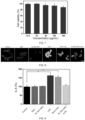
- Fig. 7 it is the cell survival rate of 293T renal embryonic cells treated by the synthesized Au NCs-NAC, the cells still maintain a survival rate of more than 80% even reaching the maximum concentration of Au NCs-NAC of 200 ⁇ g/mL. It shows that the Au NCs-NAC in the present embodiment has low cytotoxicity.
- Au NCs-NAC can effectively reduce the production of inflammatory factors (TNF- ⁇ and IL-6), which are produced by macrophages due to LPS stimulation, to be close to normal cell levels.
- inflammatory factors TNF- ⁇ and IL-6
- equivalent doses of acetylcysteine alone are not able to achieve the same.
- mice Female athymic mice (six weeks, 20-25 g) were injected with 8 mL/kg 50% glycerol solution intramuscularly into the hind legs to establish a mice model of acute renal failure. After 2 hours, the small molecule drug acetylcysteine or Au NCs-NAC was injected.
- mice were randomly divided into 5 groups: (1) healthy mice injected with phosphate buffer; (2) healthy mice injected with Au NCs-NAC; (3) glycerol-induced acute renal failure mice injected with phosphate buffer; (4) glycerol-induced acute renal failure mice injected with Au NCs-NAC; (5) glycerol-induced acute renal failure mice injected with acetylcysteine in the same dose of Au NCs-NAC. Healthy mice and mice with glycerol-induced acute renal failure were euthanized 24 hours later. The blood of the mice was centrifuged to obtain serum, and the creatinine and blood urea nitrogen contents were measured.
- the phosphate buffer used for injection was 100 ⁇ L
- the injection dose of Au NCs-NAC was 4 mg/kg
- the injection dose of acetylcysteine was 4 mg/kg.
- mice with acute renal failure were injected with phosphate buffer and Au NCs-NAC, and the survival of the mice within fifteen days was recorded. As shown in Fig. 13 , compared with the control group, the survival rate of mice injected with Au NCs-NAC is significantly improved.
- the present disclosure enables the large-scale production of ultra-small nanometer-sized particles Au NCs-NAC through a simple synthesis method.
- the Au NCs-NAC can effectively clear various reactive oxygen species/reactive nitrogen species, demonstrating a broad-spectrum capability of eliminating reactive oxygen/reactive nitrogen superior to that of acetylcysteine alone. Moreover, it exhibits low cytotoxic towards 293T renal cells, with cell survival rates consistently exceeding 80% after 24 hours of co-culture. Additionally, Au NCs-NAC protects cells from hydrogen peroxide stimulation by eliminating excess intracellular reactive oxygen/reactive nitrogen. Furthermore, it significantly reduces the production of inflammatory factors, a feat unattainable under equivalent dose condition with acetylcysteine alone.
- Au NCs-NAC demonstrates promising therapeutic effects in mice with glycerol-induced acute renal failure, surpassing the efficacy of equivalent doses of acetylcysteine alone. More important, Au NCs-NAC exhibits excellent biocompatibility and biosafety.
Landscapes
- Health & Medical Sciences (AREA)
- Chemical & Material Sciences (AREA)
- Engineering & Computer Science (AREA)
- General Health & Medical Sciences (AREA)
- Medicinal Chemistry (AREA)
- Pharmacology & Pharmacy (AREA)
- Life Sciences & Earth Sciences (AREA)
- Animal Behavior & Ethology (AREA)
- Public Health (AREA)
- Veterinary Medicine (AREA)
- Epidemiology (AREA)
- Bioinformatics & Cheminformatics (AREA)
- Nanotechnology (AREA)
- Inorganic Chemistry (AREA)
- Chemical Kinetics & Catalysis (AREA)
- Urology & Nephrology (AREA)
- Crystallography & Structural Chemistry (AREA)
- General Chemical & Material Sciences (AREA)
- Nuclear Medicine, Radiotherapy & Molecular Imaging (AREA)
- Organic Chemistry (AREA)
- Medical Informatics (AREA)
- Biotechnology (AREA)
- General Engineering & Computer Science (AREA)
- Biophysics (AREA)
- Molecular Biology (AREA)
- Immunology (AREA)
- Physics & Mathematics (AREA)
- Composite Materials (AREA)
- Condensed Matter Physics & Semiconductors (AREA)
- General Physics & Mathematics (AREA)
- Materials Engineering (AREA)
- Ceramic Engineering (AREA)
- Pharmaceuticals Containing Other Organic And Inorganic Compounds (AREA)
Abstract
Description
- The present disclosure relates to the technical field of biomedical materials, and in particular to an acetylcysteine-stabilized gold nanoclusters (denoted as Au NCs-NAC) for acute kidney injury, and a preparation method and an application thereof.
- Acute kidney injury represents a significant health concern for human. Given its high incidence and mortality rates, an estimated 1.7 million deaths occur globally each year. Currently, supportive therapy and kidney transplantation are the most common treatment modalities. Recent studies indicate that the pathogenesis of acute kidney injury is associated with an excess of intracellular reactive oxygen and nitrogen species. Previously, certain small-molecule drugs, such as allopurinol and acetylcysteine, have been proved to be antioxidant to eliminate reactive oxygen species to alleviate acute kidney injury. However, small-molecule drugs exhibit lower bioavailability, greater side effects, and limited efficacy, hindering their clinical applications. Nonetheless, the successful development of antioxidants provides a solid foundation for future treatments of acute kidney injury.
- Inventors have discovered that, compared to traditional proteases, metal nano materials offer significant advantages such as low cost, tunable catalytic properties, and scalability. Among metal nano materials, especially gold nanoclusters demonstrate a broad-spectrum capability for eliminating reactive oxygen and nitrogen species. Additionally, they exhibit outstanding anti-inflammatory capabilities. Importantly, the ultra-small size of metal nanoparticles allows for metabolism through the kidneys, offering potential avenues for the treatment of acute kidney injury.
- Based on this, the present disclosure developed acetylcysteine-stabilized gold nanoclusters (Au NCs-NAC) for the treatment of acute kidney injury.
- Specifically, the present disclosure provides an acetylcysteine-stabilized gold nanocluster (Au NCs-NAC) for acute kidney injury and a preparation method and an application thereof, aiming to solve the technical problems that existing small molecule drugs have low utilization rate, severe side effects and are difficult to be adopted in treating acute kidney injury.
- A first aspect of the present disclosure provides an Au NCs-NAC for acute kidney injury, which includes: gold nanoclusters, and acetylcysteine bound to a surface of the gold nanoclusters.
- In the present disclosure, the gold nanoclusters and the acetylcysteine are bound through gold-sulfur coordination bonds.
- Acetylcysteine (as surface ligand) in the present disclosure can effectively stabilize gold nanoclusters and control the gold nanoclusters to form ultra-small size. Moreover, they all have good water solubility and biosafety, and are not easy to interact with serum proteins, which is beneficial to the circulation of Au NCs-NAC in the blood.
- It should be noted that the present disclosure is not limited to adopt acetylcysteine, cysteine can also be used as a surface ligand to stabilize on the surface of gold nanoclusters.
- Optionally, the mass ratio of the gold nanoclusters to the acetylcysteine is 1:(1-10).
- Optionally, the Au NCs-NAC are spherical cluster particles with a diameter less than or equal to 3 nm.
- A second aspect of the present disclosure provides a method for preparing the Au NCs-NAC for acute kidney injury as described above, which includes steps of: mixing chloroauric acid, sodium hydroxide and acetylcysteine in water, stirring and heating to obtain a mixed solution, dialyzing the mixed solution to obtain the Au NCs-NAC.
- Optionally, the mass ratio of the chloroauric acid to acetylcysteine is 1:(1-10), such as 1:6.528.
- Optionally, a time of the stirring and heating is 1-4 hours.
- Optionally, a temperature of the stirring and heating is 25-50 °C.
- A third aspect of the present disclosure provides an application of the Au NCs-NAC as described above in preparing a drug for treating acute kidney injury;
- Alternatively, provided is an application of the Au NCs-NAC prepared by the above method in preparing a drug for treating acute kidney injury is provided.
- The Au NCs-NAC of the present disclosure includes the surface ligand acetylcysteine and the gold nanoclusters protected by the surface ligand. The surface ligand can effectively stabilize the gold nanoclusters and control the gold nanoclusters to form ultra-small size. Since the Au NCs-NAC of the present disclosure has an ultra-small size, which is below the renal filtration threshold of 5.5 nm, Au NCs-NAC can be effectively enriched in the mice kidneys. By clearing a significant amount of reactive oxygen or nitrogen species within the renal tubules, the Au NCs-NAC alleviate and treat glycerol-induced acute kidney injury. Additionally, the Au NCs-NAC possess anti-inflammatory capabilities and exhibits superior therapeutic efficacy compared to acetylcysteine. Furthermore, the Au NCs-NAC demonstrate excellent biocompatibility and biosafety.
-
-
Fig. 1 is a synthesis route diagram of Au NCs-NAC in an embodiment of the present disclosure; -
Fig. 2 is a TEM image of Au NCs-NAC in an embodiment of the present disclosure; -
Fig. 3 is an XPS image of Au NCs-NAC in an embodiment of the present disclosure; -
Fig. 4 is a graph comparing the hydroxyl radical eliminating rate of Au NCs-NAC and NAC in embodiments of the present disclosure; -
Fig. 5 is a graph comparing the superoxide anion clearance rate of Au NCs-NAC and NAC in embodiments of the present disclosure; -
Fig. 6 is a graph comparing the free radical eliminating rate of Au NCs-NAC and NAC in embodiments of the present disclosure; -
Fig. 7 is a graph showing the survival rate of renal tubular cells (293T) treated with Au NCs-NAC in an embodiment of the present disclosure; -
Fig. 8 is a graph comparing the reactive oxygen species staining of Au NCs-NAC and NAC in renal tubular cells (293T) in an embodiment of the present disclosure; -
Fig. 9 is a graph comparing the relative levels of TNF-α of Au NCs-NAC and NAC in renal tubular cells (293T) in embodiments of the present disclosure; -
Fig. 10 is a graph comparing the relative levels of IL-6 of Au NCs-NAC and NAC in renal tubular cells (293T) in an embodiment of the present disclosure; -
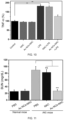
Fig. 11 is a graph showing the blood urea nitrogen content in the serum of mice in different Au NCs-NAC treatment groups in embodiments of the present disclosure; -
Fig. 12 is a diagram showing the blood creatinine content in the serum of mice in different Au NCs-NAC treatment groups in embodiments of the present disclosure; -
Fig. 13 is a graph showing the survival changes of mice with acute renal failure injected with Au NCs-NAC and phosphate buffer (control) in an embodiment of the present disclosure. - The present disclosure provides an Au NCs-NAC for acute kidney injury and a preparation method and an application thereof. In order to make the purpose, technical solution, and effect of the present disclosure clearer, the present disclosure is further described in detail below. It should be understood that the embodiments described here are only used to explain the present disclosure and are not intended to limit the present disclosure.
- An embodiment of the present disclosure provides an Au NCs-NAC for acute kidney injury, which includes: gold nanoclusters, and acetylcysteine bound to the surface of the gold nanoclusters.
- Au NCs-NAC in the present embodiment of the present disclosure includes surface ligand acetylcysteine and gold nanoclusters protected by the surface ligand acetylcysteine. The gold nanoclusters and the acetylcysteine are bound through gold-sulfur coordination bonds, specifically the gold element on the surface of the gold nanoclusters forms a coordination bond with the sulfur element in the acetylcysteine, so that the acetylcysteine is bound to the surface of the gold nanoclusters. The acetylcysteine can effectively stabilize the gold nanoclusters and control the gold nanoclusters to form ultra-small size, so that the final obtained Au NCs-NAC has ultra-small size. Moreover, they all have good water solubility and biosafety, and are not easy to interact with serum proteins, which are beneficial to the circulation of Au NCs-NAC in the blood. In the embodiment of the present disclosure, the Au NCs-NAC have an ultra-small size, which is beneficial for effectively reaching the mice kidney, and alleviate and treat acute kidney injury by clearing a significant amount of reactive oxygen or nitrogen species within the renal tubules. Additionally, the Au NCs-NAC possess anti-inflammatory capabilities and exhibits superior therapeutic efficacy compared to single acetylcysteine in the same dose.
- It should be noted that the embodiments of the present disclosure are not limited to the gold nanoclusters.
- In one embodiment, the mass ratio of the gold nanoclusters to the acetylcysteine is 1:(1-10), such as 1:6.528. The Au NCs-NAC obtained within this ratio range exhibits excellent dispersibility and stability, along with a small size.
- In one embodiment, the Au NCs-NAC are spherical particles with a diameter less than or equal to 3 nm. Ultra-small nanoparticles are conducive to reaching the mice kidneys, and ultra-small nanoparticles are conducive to metabolism through the kidneys. Further, the Au NCs-NAC are spherical particles with a diameter of 1-3 nm.
- An embodiment of the present disclosure provides a method for preparing the Au NCs-NAC for acute kidney injury as described above, which includes steps of: mixing chloroauric acid, sodium hydroxide, and acetylcysteine in water; stirring and heating to obtain a mixed solution; dialyzing the mixed solution to obtain the Au NCs-NAC.
- In one embodiment, the mixed solution is put into a dialysis bag and dialyzed for one day to obtain the Au NCs-NAC.
- In one embodiment, the mass ratio of the chloroauric acid to acetylcysteine is 1:(1-10), such as 1:6.528.
- In one embodiment, in terms of mass ratio, chloroauric acid : sodium hydroxide : acetylcysteine=1:1.5:6.528. Acetylcysteine can reduce chloroauric acid and control the growth of gold nanoclusters to form ultra-small gold nanoclusters. The use of water as a solvent can ensure good dispersion of the material.
- In one embodiment, the time of the stirring and heating is 1-4 hours (such as 2.5 hours).
- In one embodiment, the temperature of the stirring and heating is 25-50 °C.
- In one embodiment, the chloroauric acid is chloroauric acid trihydrate or chloroauric acid tetrahydrate, but is not limited thereto.
- An application of the Au NCs-NAC described in the embodiment of the present disclosure in preparing drugs for treating acute kidney injury.
- An application of the Au NCs-NAC prepared by the method described in the embodiment of the present disclosure in preparing drugs for treating acute kidney injury.
- The technical solution of the present disclosure is further described below through embodiments.
- Au NCs-NAC synthesis: chloroauric acid (2 mL, concentration: 20 mg/mL) and NaOH aqueous solution (3 mL, concentration: 0.5 mol/mL) were added to NAC aqueous solution (20 mL, concentration: 80 mmol/mL), and stirred at 37 °C for 2.5 hours. Then, the reacted aqueous solution was dialyzed for two days, and the water was changed every 4 hours. Finally, the resulting solution was stored in a 4 °C refrigerator for later use.
-
Fig. 1 is a roadmap for the synthesis of Au NCs-NAC, where HAuCl4 represents chloroauric acid and NAC represents acetylcysteine. The surface ligand acetylcysteine in the Au NCs-NAC can stabilize gold nanoclusters well. -
Fig. 2 is the TEM image of the synthesized Au NCs-NAC;Fig. 3 is the XPS image of the synthesized Au NCs-NAC;Fig. 2 and Fig. 3 show that Au NCs-NAC is successfully synthesized and has ultra-small size, and the S element in the XPS demonstrates the successful modification of acetylcysteine. - The efficiency for of Au NCs-NAC in different concentrations (25-100 µg /mL) to eliminate hydroxyl radicals was determined by the hydroxyl radical antioxidant capacity (HORAC) kit (Cell Biolabs, Inc., USA). Testing was performed according to the protocol provided by the manufacturer.
- As shown in
Fig. 4 , the Au NCs-NAC can effectively eliminate hydroxyl radicals with a concentration-dependent property. Moreover, the eliminating efficiency of Au NCs-NAC is significantly superior to that of acetylcysteine alone. At a concentration of 100 µg/mL, Au NCs-NAC can eliminate 77.7% of hydroxyl radicals, while acetylcysteine can only eliminate 47.2%. - The efficiency of Au NCs-NAC in removing superoxide anions at different concentrations (25-100 µg/mL) was determined using the SOD assay kit (Sigma-Aldrich, USA). The test was conducted according to the instructions provided by the manufacture.
- As shown in
Fig. 5 , Au NCs-NAC can effectively eliminate superoxide anions with a concentration-dependent property. Furthermore, the superoxide anion eliminating efficiency of Au NCs-NAC is significantly superior to that of acetylcysteine alone. At a concentration of 100 µg/mL, Au NCs-NAC can eliminate 30.4% of superoxide anions, while acetylcysteine alone can only eliminate 6%. - The test for eliminating ABTS (2,2'-azino-bis ( 3-ethylbenzothiazoline-6-sulfonic acid) ) free radicals by Au NCs-NAC.
- The free radicals eliminating ability of Au NCs-NAC was tested using the ABTS free radical cation discoloration method. ABTS (7 mM) was dissolved in water, and 2.45 mM potassium persulfate was added to react for 12 hours to produce ABTS free radical cations (•ABTS+). Then, the absorbance values of the pure •ABTS+ solution (AB) and the mixed solution of different concentrations (12.5-100 µg/mL) of Au NCs-NAC and •ABTS+ were measured at 734 nm. The formula for calculating ABTS eliminating efficiency is [(AB - AP)/AB] * 100. All measurements were performed in triplicate.
- As shown in
Fig. 6 , Au NCs-NAC can effectively eliminate free radicals with a concentration-dependent property. Additionally, the ABTS eliminating efficiency of Au NCs-NAC is significantly superior to that of acetylcysteine alone. At a concentration of 100 µg/mL, Au NCs-NAC can eliminate 80.6% of •ABTS+, while acetylcysteine alone can only eliminate 68.9%. - 293T cells were seeded into a 96-well plate at a density of 1×10⁴ per well and incubated at 37 °C and 5% CO2 for 12 h. Next, the old culture medium in the 96-well plate was aspirated, and culture medium solutions containing Au NCs-NAC at different concentrations were added. After culturing for another 20 h, the old culture medium in the 96-well plate was aspirated, and 100 µL MTT culture medium solution (0.8 mg/mL) was added to each well, and the cells were cultured for another 4 h. The remaining culture medium in the 96-well plate was aspirated, and 150 µL DMSO solution was added to each well. After gently shaking, the OD value of each well was detected on a Synergy H1 microplate reader (detection wavelength was 570 nm). The following formula was adopted to calculate the cell survival rate: Cell viability (%) = (OD570 of the sample / OD570 of the blank) × 100%.
- For in vitro anti-inflammatory studies, both macrophages and 293T renal embryonic cells were seeded into 96-well plates. Then, 293T renal embryonic cells were treated with 400 ng/mL lipopolysaccharide (LPS) for 1 h. Then, the supernatant of 293T renal embryonic cell culture was transferred to a 96-well plate to culture RAW264.7 macrophages overnight. Finally, the TNF-α/IL-6 ELISA kit was used to detect the concentrations of TNF-α and IL-6 in the RAW264.7 macrophage supernatant.
- As shown in
Fig. 7 , it is the cell survival rate of 293T renal embryonic cells treated by the synthesized Au NCs-NAC, the cells still maintain a survival rate of more than 80% even reaching the maximum concentration of Au NCs-NAC of 200 µg/mL. It shows that the Au NCs-NAC in the present embodiment has low cytotoxicity. - Taking Au NCs-NAC as an example, 293T cells were treated with Au NCs-NAC (100 µg/mL) 4 hours in advance, and then medium containing 2 mM hydrogen peroxide was added. The reactive oxygen species probe DCFH-DA was then used respectively (
Fig. 8 ), imaging was performed after washing using a laser confocal microscope. As shown inFig. 8 , compared with cells stimulated by hydrogen peroxide, the reactive oxygen species fluorescence in cells treated with Au NCs-NAC is significantly weakened and is close to that of cells in the control group. This shows that Au NCs-NAC can effectively remove reactive oxygen/nitrogen in cells and thereby protect cells. In addition, as shown inFigs. 9-10 , Au NCs-NAC can effectively reduce the production of inflammatory factors (TNF-α and IL-6), which are produced by macrophages due to LPS stimulation, to be close to normal cell levels. However, equivalent doses of acetylcysteine alone are not able to achieve the same. - All experimental operations were performed in accordance with the animal use and care system approved by the Clinical Center Animal Care and Use Committee. Female athymic mice (six weeks, 20-25 g) were injected with 8 mL/
kg 50% glycerol solution intramuscularly into the hind legs to establish a mice model of acute renal failure. After 2 hours, the small molecule drug acetylcysteine or Au NCs-NAC was injected. - Mice were randomly divided into 5 groups: (1) healthy mice injected with phosphate buffer; (2) healthy mice injected with Au NCs-NAC; (3) glycerol-induced acute renal failure mice injected with phosphate buffer; (4) glycerol-induced acute renal failure mice injected with Au NCs-NAC; (5) glycerol-induced acute renal failure mice injected with acetylcysteine in the same dose of Au NCs-NAC. Healthy mice and mice with glycerol-induced acute renal failure were euthanized 24 hours later. The blood of the mice was centrifuged to obtain serum, and the creatinine and blood urea nitrogen contents were measured. The phosphate buffer used for injection was 100 µL, the injection dose of Au NCs-NAC was 4 mg/kg, and the injection dose of acetylcysteine was 4 mg/kg.
- As shown in
Figs. 11-12 , there is no significant change in the creatinine and blood urea nitrogen contents of healthy mice injected with Au NCs-NAC. While the creatinine and blood urea nitrogen levels of acute renal failure mice injected with Au NCs-NAC are significantly lower than those of mice injected only with phosphate buffer, and are close to the levels of healthy mice. On the other hand, the same dose of acetylcysteine cannot effectively reduce the two indicators. This shows that Au NCs-NAC can effectively alleviate and treat acute renal failure, and has better therapeutic effect than the small molecule drug acetylcysteine alone. - In addition, mice with acute renal failure were injected with phosphate buffer and Au NCs-NAC, and the survival of the mice within fifteen days was recorded. As shown in
Fig. 13 , compared with the control group, the survival rate of mice injected with Au NCs-NAC is significantly improved. - In summary, the present disclosure enables the large-scale production of ultra-small nanometer-sized particles Au NCs-NAC through a simple synthesis method. The Au NCs-NAC can effectively clear various reactive oxygen species/reactive nitrogen species, demonstrating a broad-spectrum capability of eliminating reactive oxygen/reactive nitrogen superior to that of acetylcysteine alone. Moreover, it exhibits low cytotoxic towards 293T renal cells, with cell survival rates consistently exceeding 80% after 24 hours of co-culture. Additionally, Au NCs-NAC protects cells from hydrogen peroxide stimulation by eliminating excess intracellular reactive oxygen/reactive nitrogen. Furthermore, it significantly reduces the production of inflammatory factors, a feat unattainable under equivalent dose condition with acetylcysteine alone. Notably, Au NCs-NAC demonstrates promising therapeutic effects in mice with glycerol-induced acute renal failure, surpassing the efficacy of equivalent doses of acetylcysteine alone. More important, Au NCs-NAC exhibits excellent biocompatibility and biosafety.
- It should be understood that the application of the present disclosure is not limited to the above embodiments. Those skilled in the art can make improvements or changes based on the above descriptions. All these improvements and changes should fall within the protection scope of the appended claims of the present disclosure.
Claims (9)
- An acetylcysteine-stabilized gold nanoclusters for acute kidney injury, wherein the acetylcysteine-stabilized gold nanoclusters comprise: gold nanoclusters, and acetylcysteine bound to a surface of the gold nanoclusters.
- The acetylcysteine-stabilized gold nanoclusters for acute kidney injury according to claim 1, wherein the gold nanoclusters and the acetylcysteine are bound through gold-sulfur coordination bonds.
- The acetylcysteine-stabilized gold nanoclusters for acute kidney injury according to claim 1, wherein the mass ratio of the gold nanoclusters to the acetylcysteine is 1:(1-10).
- The acetylcysteine-stabilized gold nanoclusters for acute kidney injury according to claim 1, wherein the acetylcysteine-stabilized gold nanoclusters are spherical cluster particles with a diameter less than or equal to 3 nm.
- A method for preparing the acetylcysteine-stabilized gold nanoclusters for acute kidney injury according to any one of claims 1-4, wherein the method comprises: mixing chloroauric acid, sodium hydroxide and acetylcysteine in water, stirring and heating to obtain a mixed solution, dialyzing the mixed solution to obtain the Au NCs-NAC.
- The method for preparing the acetylcysteine-stabilized gold nanoclusters for acute kidney injury according to claim 5, characterized in that the mass ratio of the chloroauric acid and acetylcysteine is 1: (1-10).
- The method for preparing the acetylcysteine-stabilized gold nanoclusters for acute kidney injury according to claim 5, wherein a time of the stirring and heating is 1-4 hours.
- The method for preparing the acetylcysteine-stabilized gold nanoclusters for acute kidney injury according to claim 5, wherein a temperature of the stirring and heating is 25-50 °C.
- A use of the acetylcysteine-stabilized gold nanoclusters according to any one of claims 1-4 in preparing drugs for treatment of acute kidney injury;
or, a use of the acetylcysteine-stabilized gold nanocluster prepared by the method according to any one of claims 5-8 in preparing drugs for treatment of acute kidney injury.
Applications Claiming Priority (2)
| Application Number | Priority Date | Filing Date | Title |
|---|---|---|---|
| CN202110786544.5A CN113663082B (en) | 2021-07-12 | 2021-07-12 | Acetylcysteine-stabilized gold nanoclusters for acute kidney injury, preparation method and application thereof |
| PCT/CN2022/093947 WO2023284408A1 (en) | 2021-07-12 | 2022-05-19 | Acetylcysteine-stabilized gold nanoclusters for acute kidney injury, and preparation method therefor and use thereof |
Publications (2)
| Publication Number | Publication Date |
|---|---|
| EP4371576A1 true EP4371576A1 (en) | 2024-05-22 |
| EP4371576A4 EP4371576A4 (en) | 2024-12-25 |
Family
ID=78538977
Family Applications (1)
| Application Number | Title | Priority Date | Filing Date |
|---|---|---|---|
| EP22841048.6A Pending EP4371576A4 (en) | 2021-07-12 | 2022-05-19 | ACETYLCYSTEINE-STABILIZED GOLD NANOAGGREGATES FOR ACUTE KIDNEY INJURY, THEIR PREPARATION METHOD AND USE |
Country Status (4)
| Country | Link |
|---|---|
| US (1) | US20260216112A1 (en) |
| EP (1) | EP4371576A4 (en) |
| CN (1) | CN113663082B (en) |
| WO (1) | WO2023284408A1 (en) |
Families Citing this family (1)
| Publication number | Priority date | Publication date | Assignee | Title |
|---|---|---|---|---|
| CN113663082B (en) * | 2021-07-12 | 2023-06-02 | 深圳大学 | Acetylcysteine-stabilized gold nanoclusters for acute kidney injury, preparation method and application thereof |
Family Cites Families (5)
| Publication number | Priority date | Publication date | Assignee | Title |
|---|---|---|---|---|
| CN104198454B (en) * | 2014-09-13 | 2016-11-09 | 福建医科大学 | Urea Determination Method Using Fluorescent Gold Nanoclusters as Probes |
| CN104330393B (en) * | 2014-11-04 | 2017-01-25 | 福建医科大学 | Method for determining glucose by using gold nano-cluster as fluorescence probe |
| CN108802139A (en) * | 2018-08-08 | 2018-11-13 | 福建医科大学 | A kind of electrogenerated chemiluminescence method of detection glutathione |
| CN112263686A (en) * | 2020-10-19 | 2021-01-26 | 深圳大学 | Nano enzyme diagnosis and treatment agent for acute kidney injury and preparation method and application thereof |
| CN113663082B (en) * | 2021-07-12 | 2023-06-02 | 深圳大学 | Acetylcysteine-stabilized gold nanoclusters for acute kidney injury, preparation method and application thereof |
-
2021
- 2021-07-12 CN CN202110786544.5A patent/CN113663082B/en active Active
-
2022
- 2022-05-19 EP EP22841048.6A patent/EP4371576A4/en active Pending
- 2022-05-19 US US18/578,508 patent/US20260216112A1/en active Pending
- 2022-05-19 WO PCT/CN2022/093947 patent/WO2023284408A1/en not_active Ceased
Also Published As
| Publication number | Publication date |
|---|---|
| WO2023284408A1 (en) | 2023-01-19 |
| CN113663082A (en) | 2021-11-19 |
| CN113663082B (en) | 2023-06-02 |
| US20260216112A1 (en) | 2026-07-30 |
| EP4371576A4 (en) | 2024-12-25 |
Similar Documents
| Publication | Publication Date | Title |
|---|---|---|
| Zhang et al. | In situ hydrogel based on Cu–Fe3O4 nanoclusters exploits oxidative stress and the ferroptosis/cuproptosis pathway for chemodynamic therapy | |
| Kou et al. | Acid-responsive H2-releasing Fe nanoparticles for safe and effective cancer therapy | |
| Liu et al. | An ultrasmall RuO2 nanozyme exhibiting multienzyme-like activity for the prevention of acute kidney injury | |
| Meng et al. | Tumor metabolism destruction via metformin-based glycolysis inhibition and glucose oxidase-mediated glucose deprivation for enhanced cancer therapy | |
| Liu et al. | Metal-free multifunctional nanozymes mimicking endogenous antioxidant system for acute kidney injury alleviation | |
| Rao et al. | Ag2 [Fe (CN) 5NO] nanoparticles exhibit antibacterial activity and wound healing properties | |
| Lu et al. | PEGylated Elesclomol@ Cu (Ⅱ)-based Metal‒organic framework with effective nanozyme performance and cuproptosis induction efficacy for enhanced PD-L1-based immunotherapy | |
| Zhao et al. | 2D Piezoelectric BiVO4 artificial nanozyme with adjustable vanadium vacancy for ultrasound enhanced piezoelectric/sonodynamic therapy | |
| CN116870029B (en) | A metal polyphenol-based nanoparticle, its preparation method, and its application in the treatment of acute kidney injury. | |
| Xu et al. | Copper-rich multifunctional Prussian blue nanozymes for infected wound healing | |
| Zhong et al. | In situ sacrificial growth of metastable copper-enriched nanomedicine for cuproptosis-based synergistic cancer therapy | |
| CN112263686A (en) | Nano enzyme diagnosis and treatment agent for acute kidney injury and preparation method and application thereof | |
| Zheng et al. | Reactive oxygen/nitrogen species scavenging and inflammatory regulation by renal-targeted bio-inspired rhodium nanozymes for acute kidney injury theranostics | |
| CN103385806B (en) | A kind of method suppressing skin-lightening cosmetic to turn yellow | |
| Yao et al. | Cascade nanozymes based on the “butterfly effect” for enhanced starvation therapy through the regulation of autophagy | |
| Hou et al. | Treatment of acute kidney injury using a dual enzyme embedded zeolitic imidazolate frameworks cascade that catalyzes in vivo reactive oxygen species scavenging | |
| Ji et al. | pH-Activatable copper-axitinib coordinated multifunctional nanoparticles for synergistic chemo-chemodynamic therapy against aggressive cancers | |
| Chen et al. | A tumor microenvironment-responsive nanocomposite for enhanced copper retention and hypoxia reversal to promote cuproptosis in tumor treatment | |
| Shao et al. | Multifunctional selenium-doped carbon dots for modulating Alzheimer's disease related toxic ions, inhibiting amyloid aggregation and scavenging reactive oxygen species | |
| Dong et al. | Acid-degradable nanocomposite hydrogel and glucose oxidase combination for killing bacterial with photothermal augmented chemodynamic therapy | |
| Liu et al. | Establishment of anti-oxidation platform based on few-layer molybdenum disulfide nanosheet-coated titanium dioxide nanobelt nanocomposite | |
| Yang et al. | pH‑responsive nanozyme cascade catalysis: A strategy of BiVO4 application for modulation of pathological wound microenvironment | |
| Liao et al. | Multifunctional nanogel based on carboxymethyl cellulose interfering with cellular redox homeostasis enhances phycocyanobilin photodynamic therapy | |
| Tang et al. | Precision‐Engineered Silver Single‐Atom Carbon Dot Nanozymes for Theranostic Management of Acute Kidney Injury | |
| Bai et al. | Design of a nanozyme-based magnetic nanoplatform to enhance photodynamic therapy and immunotherapy |
Legal Events
| Date | Code | Title | Description |
|---|---|---|---|
| STAA | Information on the status of an ep patent application or granted ep patent |
Free format text: STATUS: THE INTERNATIONAL PUBLICATION HAS BEEN MADE |
|
| PUAI | Public reference made under article 153(3) epc to a published international application that has entered the european phase |
Free format text: ORIGINAL CODE: 0009012 |
|
| STAA | Information on the status of an ep patent application or granted ep patent |
Free format text: STATUS: REQUEST FOR EXAMINATION WAS MADE |
|
| 17P | Request for examination filed |
Effective date: 20240208 |
|
| AK | Designated contracting states |
Kind code of ref document: A1 Designated state(s): AL AT BE BG CH CY CZ DE DK EE ES FI FR GB GR HR HU IE IS IT LI LT LU LV MC MK MT NL NO PL PT RO RS SE SI SK SM TR |
|
| DAV | Request for validation of the european patent (deleted) | ||
| DAX | Request for extension of the european patent (deleted) | ||
| A4 | Supplementary search report drawn up and despatched |
Effective date: 20241125 |
|
| RIC1 | Information provided on ipc code assigned before grant |
Ipc: A61K 47/69 20170101ALI20241119BHEP Ipc: B82Y 30/00 20110101ALI20241119BHEP Ipc: B82Y 5/00 20110101ALI20241119BHEP Ipc: A61P 13/12 20060101ALI20241119BHEP Ipc: A61K 33/242 20190101ALI20241119BHEP Ipc: A61K 47/54 20170101AFI20241119BHEP |