EP4369702B1 - Method for storing multi-lens recording file and multi-lens recording apparatus - Google Patents
Method for storing multi-lens recording file and multi-lens recording apparatus Download PDFInfo
- Publication number
- EP4369702B1 EP4369702B1 EP23157293.4A EP23157293A EP4369702B1 EP 4369702 B1 EP4369702 B1 EP 4369702B1 EP 23157293 A EP23157293 A EP 23157293A EP 4369702 B1 EP4369702 B1 EP 4369702B1
- Authority
- EP
- European Patent Office
- Prior art keywords
- lens
- lenses
- amount
- file
- recorded
- Prior art date
- Legal status (The legal status is an assumption and is not a legal conclusion. Google has not performed a legal analysis and makes no representation as to the accuracy of the status listed.)
- Active
Links
Images

Classifications
-
- H—ELECTRICITY
- H04—ELECTRIC COMMUNICATION TECHNIQUE
- H04N—PICTORIAL COMMUNICATION, e.g. TELEVISION
- H04N5/00—Details of television systems
- H04N5/76—Television signal recording
-
- H—ELECTRICITY
- H04—ELECTRIC COMMUNICATION TECHNIQUE
- H04N—PICTORIAL COMMUNICATION, e.g. TELEVISION
- H04N5/00—Details of television systems
- H04N5/76—Television signal recording
- H04N5/765—Interface circuits between an apparatus for recording and another apparatus
- H04N5/77—Interface circuits between an apparatus for recording and another apparatus between a recording apparatus and a television camera
-
- G—PHYSICS
- G11—INFORMATION STORAGE
- G11B—INFORMATION STORAGE BASED ON RELATIVE MOVEMENT BETWEEN RECORD CARRIER AND TRANSDUCER
- G11B27/00—Editing; Indexing; Addressing; Timing or synchronising; Monitoring; Measuring tape travel
- G11B27/10—Indexing; Addressing; Timing or synchronising; Measuring tape travel
- G11B27/19—Indexing; Addressing; Timing or synchronising; Measuring tape travel by using information detectable on the record carrier
- G11B27/28—Indexing; Addressing; Timing or synchronising; Measuring tape travel by using information detectable on the record carrier by using information signals recorded by the same method as the main recording
- G11B27/32—Indexing; Addressing; Timing or synchronising; Measuring tape travel by using information detectable on the record carrier by using information signals recorded by the same method as the main recording on separate auxiliary tracks of the same or an auxiliary record carrier
- G11B27/326—Indexing; Addressing; Timing or synchronising; Measuring tape travel by using information detectable on the record carrier by using information signals recorded by the same method as the main recording on separate auxiliary tracks of the same or an auxiliary record carrier used signal is a video-frame or a video-field (P.I.P.)
-
- G—PHYSICS
- G06—COMPUTING OR CALCULATING; COUNTING
- G06F—ELECTRIC DIGITAL DATA PROCESSING
- G06F3/00—Input arrangements for transferring data to be processed into a form capable of being handled by the computer; Output arrangements for transferring data from processing unit to output unit, e.g. interface arrangements
- G06F3/06—Digital input from, or digital output to, record carriers, e.g. RAID, emulated record carriers or networked record carriers
- G06F3/0601—Interfaces specially adapted for storage systems
- G06F3/0602—Interfaces specially adapted for storage systems specifically adapted to achieve a particular effect
- G06F3/0608—Saving storage space on storage systems
-
- G—PHYSICS
- G06—COMPUTING OR CALCULATING; COUNTING
- G06F—ELECTRIC DIGITAL DATA PROCESSING
- G06F3/00—Input arrangements for transferring data to be processed into a form capable of being handled by the computer; Output arrangements for transferring data from processing unit to output unit, e.g. interface arrangements
- G06F3/06—Digital input from, or digital output to, record carriers, e.g. RAID, emulated record carriers or networked record carriers
- G06F3/0601—Interfaces specially adapted for storage systems
- G06F3/0628—Interfaces specially adapted for storage systems making use of a particular technique
- G06F3/0638—Organizing or formatting or addressing of data
- G06F3/0643—Management of files
-
- G—PHYSICS
- G06—COMPUTING OR CALCULATING; COUNTING
- G06F—ELECTRIC DIGITAL DATA PROCESSING
- G06F3/00—Input arrangements for transferring data to be processed into a form capable of being handled by the computer; Output arrangements for transferring data from processing unit to output unit, e.g. interface arrangements
- G06F3/06—Digital input from, or digital output to, record carriers, e.g. RAID, emulated record carriers or networked record carriers
- G06F3/0601—Interfaces specially adapted for storage systems
- G06F3/0628—Interfaces specially adapted for storage systems making use of a particular technique
- G06F3/0646—Horizontal data movement in storage systems, i.e. moving data in between storage devices or systems
- G06F3/0652—Erasing, e.g. deleting, data cleaning, moving of data to a wastebasket
-
- G—PHYSICS
- G06—COMPUTING OR CALCULATING; COUNTING
- G06F—ELECTRIC DIGITAL DATA PROCESSING
- G06F3/00—Input arrangements for transferring data to be processed into a form capable of being handled by the computer; Output arrangements for transferring data from processing unit to output unit, e.g. interface arrangements
- G06F3/06—Digital input from, or digital output to, record carriers, e.g. RAID, emulated record carriers or networked record carriers
- G06F3/0601—Interfaces specially adapted for storage systems
- G06F3/0668—Interfaces specially adapted for storage systems adopting a particular infrastructure
- G06F3/0671—In-line storage system
- G06F3/0683—Plurality of storage devices
-
- G—PHYSICS
- G07—CHECKING-DEVICES
- G07C—TIME OR ATTENDANCE REGISTERS; REGISTERING OR INDICATING THE WORKING OF MACHINES; GENERATING RANDOM NUMBERS; VOTING OR LOTTERY APPARATUS; ARRANGEMENTS, SYSTEMS OR APPARATUS FOR CHECKING NOT PROVIDED FOR ELSEWHERE
- G07C5/00—Registering or indicating the working of vehicles
- G07C5/08—Registering or indicating performance data other than driving, working, idle, or waiting time, with or without registering driving, working, idle or waiting time
- G07C5/0841—Registering performance data
- G07C5/085—Registering performance data using electronic data carriers
- G07C5/0866—Registering performance data using electronic data carriers the electronic data carrier being a digital video recorder in combination with video camera
-
- H—ELECTRICITY
- H04—ELECTRIC COMMUNICATION TECHNIQUE
- H04N—PICTORIAL COMMUNICATION, e.g. TELEVISION
- H04N13/00—Stereoscopic video systems; Multi-view video systems; Details thereof
- H04N13/10—Processing, recording or transmission of stereoscopic or multi-view image signals
- H04N13/189—Recording image signals; Reproducing recorded image signals
Definitions
- the disclosure relates to a storage mechanism, and more particularly, a method for storing multi-lens recording file and a multi-lens recording apparatus.
- the loop recording function of driving recorder is different from normal video recording.
- the driving recorder needs to record for a long time and without intervals to avoid missing the file of important or collision events.
- Loop recording is used on all of the driving recorders on the market so as to record continuously. Older video files are deleted when the storage capacity is full, and then new video files are continuously written, so that the driving recorder may function properly.
- CN 106600750 B relates to the technical field of data storage and provides a method and system for loop recording and a tachograph.
- the method for storing multi-lens recording file of the disclosure is adapted for being executed by a processor, which is described below.
- a total recording capacity of at least one lens for loop recording is calculated in response to at least one of multiple lenses being driven to perform the loop recording based on respective setting data of the at least one lens being driven.
- Each of the lenses has a lens number correspondingly. Whether the remaining capacity of the storage space is less than the total recording capacity is determined.
- a file cleaning action is performed on multiple recorded files stored in the storage space by the at least one lens in response to the remaining capacity being less than the total recording capacity, which is described below.
- At least one recorded file stored in the storage space is deleted based on the recording time and the lens number, until the remaining capacity is no less than the total recording capacity.
- the loop recording is performed through the at least one lens being driven and a currently recorded file is stored in response to the remaining capacity being no less than the total recording capacity.
- the file cleaning action in response to a first lens among the lenses being driven, the file cleaning action is described below. Whether a first amount of the recorded files corresponding to the first lens stored in the storage space is greater than a default amount is determined based on the lens number of the first lens. An earliest recorded file among the recorded files corresponding to the first lens is deleted based on the recording time in response to the first amount being greater than the default amount.
- a second lens is decided among remaining lenses of the lenses in response to the first amount not being greater than the default amount, where a second amount of the recorded files corresponding to the second lens stored in the storage space is greater than the default amount.
- the earliest recorded file among the recorded files corresponding to the second lens is deleted based on the recording time.
- a second lens is decided among remaining lenses of the lenses in response to the first amount not being greater than the default amount, where a second amount of the recorded files corresponding to the second lens stored in the storage space is greater than the default amount.
- a recorded file with a largest file size among the recorded files corresponding to the second lens is deleted based on a file size.
- the setting data includes a resolution, frames per second, a loop recording time, and a file compression format.
- the process of calculating the total recording capacity of the at least one lens for the loop recording is described below.
- a file size is calculated correspondingly based on the resolution, the frames per second, the loop recording time, and the file compression format corresponding to each of the at least one lens being driven.
- the total recording capacity is obtained by summing up the file size corresponding to the lens being driven.
- the method is further elaborated as below.
- Multiple queues are set up respectively for the lenses, where each of the queues is configured to record file information of the recorded file stored in the storage space by each of the lenses.
- the method is further elaborated as below. Whether the setting data of the lens being driven is updated is determined. The total recording capacity for the loop recording of the lens is recalculated in response to the setting data being updated.
- the multi-lens recording apparatus of the disclosure includes multiple lenses, a storage, and a processor.
- the storage includes a storage space.
- the processor is coupled to the lenses and the storage and configured to execute the method for storing multi-lens recording file.
- the disclosure may estimate the file size of a single file recorded by each of the lenses according to setting data of the lens being driven, and reserve the required storage space to ensure that each of the lenses may record a complete file. Accordingly, the reserved storage space may be changed, and more storage space may be used for storage.
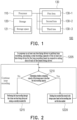
- FIG. 1 is a block diagram of a multi-lens recording apparatus according to an embodiment of the disclosure.
- a multi-lens recording apparatus 100 is, for example, a driving recorder, a robot, a monitoring system, and the like.
- the multi-lens recording apparatus 100 includes a processor 110, a storage 120, and multiple lenses 130.
- three lenses are shown for illustration, that is, the first lens 130-1, the second lens 130-2, and the third lens 130-3, but not limited thereto.
- the amount of the lens 130 may be 2, 4, or more.
- the processor 110 is, for example, a central processing unit (CPU), a physical processing unit (PPU), a programmable microprocessor, an embedded control chip, a digital signal processor (DSP), an application specific integrated circuits (ASIC), or other similar devices.
- CPU central processing unit
- PPU physical processing unit
- DSP digital signal processor
- ASIC application specific integrated circuits
- the storage 120 may be implemented by, for example, any type of fixed or removable random access memory (RAM), read-only memory (ROM), flash memory, hard disk, or other similar device or a combination of these devices.
- RAM random access memory
- ROM read-only memory
- flash memory hard disk, or other similar device or a combination of these devices.
Landscapes
- Engineering & Computer Science (AREA)
- Theoretical Computer Science (AREA)
- Multimedia (AREA)
- Physics & Mathematics (AREA)
- General Physics & Mathematics (AREA)
- Human Computer Interaction (AREA)
- General Engineering & Computer Science (AREA)
- Signal Processing (AREA)
- Information Retrieval, Db Structures And Fs Structures Therefor (AREA)
- Studio Devices (AREA)
- Signal Processing For Digital Recording And Reproducing (AREA)
- Optical Recording Or Reproduction (AREA)
Description
- The disclosure relates to a storage mechanism, and more particularly, a method for storing multi-lens recording file and a multi-lens recording apparatus.
- The loop recording function of driving recorder is different from normal video recording. The driving recorder needs to record for a long time and without intervals to avoid missing the file of important or collision events. Loop recording is used on all of the driving recorders on the market so as to record continuously. Older video files are deleted when the storage capacity is full, and then new video files are continuously written, so that the driving recorder may function properly.
- Currently, the host and the lens of a split-type driving recorder are separated, usually equipped with a dual lens or multiple lenses of three or more. However, when multiple lenses are used simultaneously on the same host for loop recording, the storage space drops quickly and may become uneven as lenses are switched on and off, making it impossible to guarantee that sufficient space is available for each of the lenses to store the recorded video. When the writing of a file is finished, there is no way to check if there is sufficient space as other cameras are still writing their files, making it easier to miss seconds or lose files. For this reason, typical designs always reserve a storage space equal to the maximum size of the video file multiplied by the number of lenses. When it falls below the reserved storage space, old video files will start to be deleted to ensure that there is no space problem for each writing of files. However, this requires a large amount of storage space, and once the settings for the resolution, the frames per second (FPS), the loop recording time, and the file compression format, etc. have been changed, the original settings for the reserved storage space will not be applicable.
CN 106600750 B relates to the technical field of data storage and provides a method and system for loop recording and a tachograph. - The invention is set out in the appended set of claims. The following disclosure serves a better understanding of the present invention. The disclosure provides a method for storing multi-lens recording file and a multi-lens recording apparatus, which may reserve storage space according to the amount of the lens.
- The method for storing multi-lens recording file of the disclosure is adapted for being executed by a processor, which is described below. A total recording capacity of at least one lens for loop recording is calculated in response to at least one of multiple lenses being driven to perform the loop recording based on respective setting data of the at least one lens being driven. Each of the lenses has a lens number correspondingly. Whether the remaining capacity of the storage space is less than the total recording capacity is determined. A file cleaning action is performed on multiple recorded files stored in the storage space by the at least one lens in response to the remaining capacity being less than the total recording capacity, which is described below. At least one recorded file stored in the storage space is deleted based on the recording time and the lens number, until the remaining capacity is no less than the total recording capacity. The loop recording is performed through the at least one lens being driven and a currently recorded file is stored in response to the remaining capacity being no less than the total recording capacity.
- In an embodiment of the disclosure, in response to a first lens among the lenses being driven, the file cleaning action is described below. Whether a first amount of the recorded files corresponding to the first lens stored in the storage space is greater than a default amount is determined based on the lens number of the first lens. An earliest recorded file among the recorded files corresponding to the first lens is deleted based on the recording time in response to the first amount being greater than the default amount.
- In an embodiment of the disclosure, after determining whether the first amount of the recorded files corresponding to the first lens stored in the storage space is greater than the default amount, a second lens is decided among remaining lenses of the lenses in response to the first amount not being greater than the default amount, where a second amount of the recorded files corresponding to the second lens stored in the storage space is greater than the default amount. The earliest recorded file among the recorded files corresponding to the second lens is deleted based on the recording time.
- In an embodiment of the disclosure, after determining whether the first amount of the recorded files corresponding to the first lens stored in the storage space is greater than the default amount, a second lens is decided among remaining lenses of the lenses in response to the first amount not being greater than the default amount, where a second amount of the recorded files corresponding to the second lens stored in the storage space is greater than the default amount. A recorded file with a largest file size among the recorded files corresponding to the second lens is deleted based on a file size.
- In an embodiment of the disclosure, in response to multiple lenses among the lenses being driven, the file cleaning action is described below. For each of the lenses being driven, whether a first amount of the recorded files corresponding to each of the lenses stored in the storage space is greater than a default amount is determined based on the lens number of each of the lenses. The earliest recorded file among the recorded files corresponding to each of the lenses in response to the first amount being greater than the default amount is deleted based on the recording time.
- In an embodiment, after determining whether the first amount of the recorded files corresponding to each of the lenses stored in the storage space is greater than the default amount, For lenses for which the first amount is not greater than the default amount, the earliest recorded file among the recorded files corresponding to another lens stored in the storage space is deleted based on the recording time, where a second amount of the recorded files corresponding to the another lens stored in the storage space is greater than the default amount.
- In an embodiment, after determining whether the first amount of the recorded files corresponding to each of the lenses stored in the storage space is greater than the default amount, For lenses for which the first amount is not greater than the default amount, a recorded file with a largest file size among the recorded files corresponding to another lens stored in the storage space is deleted based on a file size. where a second amount of the recorded files corresponding to the another lens stored in the storage space is greater than the default amount.
- In an embodiment of the disclosure, the setting data includes a resolution, frames per second, a loop recording time, and a file compression format. The process of calculating the total recording capacity of the at least one lens for the loop recording is described below. A file size is calculated correspondingly based on the resolution, the frames per second, the loop recording time, and the file compression format corresponding to each of the at least one lens being driven. The total recording capacity is obtained by summing up the file size corresponding to the lens being driven.
- In an embodiment of the disclosure, the method is further elaborated as below. Multiple queues are set up respectively for the lenses, where each of the queues is configured to record file information of the recorded file stored in the storage space by each of the lenses.
- In an embodiment of the disclosure, the method is further elaborated as below. Whether the setting data of the lens being driven is updated is determined. The total recording capacity for the loop recording of the lens is recalculated in response to the setting data being updated.
- The multi-lens recording apparatus of the disclosure includes multiple lenses, a storage, and a processor. The storage includes a storage space. The processor is coupled to the lenses and the storage and configured to execute the method for storing multi-lens recording file.
- Based on the above, the disclosure may estimate the file size of a single file recorded by each of the lenses according to setting data of the lens being driven, and reserve the required storage space to ensure that each of the lenses may record a complete file. Accordingly, the reserved storage space may be changed, and more storage space may be used for storage.
-
-
FIG. 1 is a block diagram of a multi-lens recording apparatus according to an embodiment of the disclosure. -
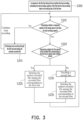
FIG. 2 is a flow diagram of a method for storing multi-lens recording file according to an embodiment of the disclosure. -
FIG. 3 is a flow diagram of the method for storing multi-lens recording file with a single lens being driven according to an embodiment of the disclosure. -
FIG. 4 is a flow diagram of the method for storing multi-lens recording file with multiple lenses being driven according to an embodiment of the disclosure. -
FIG. 1 is a block diagram of a multi-lens recording apparatus according to an embodiment of the disclosure. Referring toFIG. 1 , amulti-lens recording apparatus 100 is, for example, a driving recorder, a robot, a monitoring system, and the like. Themulti-lens recording apparatus 100 includes aprocessor 110, astorage 120, andmultiple lenses 130. In this embodiment, three lenses are shown for illustration, that is, the first lens 130-1, the second lens 130-2, and the third lens 130-3, but not limited thereto. The amount of thelens 130 may be 2, 4, or more. - The
processor 110 is, for example, a central processing unit (CPU), a physical processing unit (PPU), a programmable microprocessor, an embedded control chip, a digital signal processor (DSP), an application specific integrated circuits (ASIC), or other similar devices. - The
storage 120 may be implemented by, for example, any type of fixed or removable random access memory (RAM), read-only memory (ROM), flash memory, hard disk, or other similar device or a combination of these devices. - The
lens 130 may be implemented by using a charge coupled element (CCD) lens, a complementary metal oxide semiconductor transistor (CMOS) lens, and the like. - A
storage space 121 is set in thestorage 120 to store the recorded file of thelens 130. Thestorage 120 also stores at least one code snippet. After the above code snippet is installed, theprocessor 110 executes the following method for storing multi-lens recording file. -
FIG. 2 is a flow diagram of a method for storing multi-lens recording file according to an embodiment of the disclosure. Referring toFIG. 1 and FIG. 2 , in step S205, in response to at least onelens 130 being driven to perform loop recording, theprocessor 110 calculates the total recording capacity of thelens 130 being driven for loop recording based on setting data of each of thelenses 130 being driven. - In response to the
multi-lens recording apparatus 100 being turned on, theprocessor 110 calculates the file size of a single file recorded by each of thelenses 130 according to the setting data of thelenses 130 being driven (one or more). In this way, required space may be reserved in thestorage space 121 to ensure that each of thelenses 130 may record a complete file. - Setting data includes a resolution, frames per second (FPS), a loop recording time, and a file compression format. The
processor 110 calculates the file size correspondingly based on the resolution, the frames per second, the loop recording time, and the file compression format corresponding to each of thelenses 130 being driven. The setting data of each of thelenses 130 being driven is assumed to be as follows: the file compression format is Motion JPEG (Joint Photographic Experts Group), the resolution is 720×480, the frames per second is 10, and the loop recording time is 3 minutes. As a result, the file size of a single recording file of eachlens 130 being driven is 82.5MB. If the boot-up setting is set to drive only one first lens 130-1, the total recording capacity is 82.5MB. If the boot-up setting is set to drive the first lens 130-1, the second lens 130-2, and the third lens 130-3 at the same time, the total recording capacity is 247.5 (82.5×3) MB. In other embodiments, the setting data of each of the lenses being driven may also be different, which is not limited herein. - Next, in step S210, the
processor 110 determines whether the remaining capacity of thestorage space 121 is less than the total recording capacity. Before starting to record through thelens 130, theprocessor 110 determines whether the remaining capacity is sufficient. - If the remaining capacity is less than the total recording capacity, in step S220, the
processor 110 performs a file cleaning action on the recorded files stored in thestorage space 121 by each of thelenses 130 being driven. That is, theprocessor 110 deletes at least one recorded file stored in thestorage space 121 based on the recording time and a lens number, and returns to step S210 until the remaining capacity of thestorage space 121 is no less than the total recording capacity. Each of thelenses 130 has a lens number correspondingly, and each of the recorded files has information related to the lens number of thecorresponding lens 130. - In an embodiment, it may be set to: in response to the remaining capacity of the
storage space 121 being insufficient, the recorded file corresponding to thelens 130 being driven is first deleted. In order to maintain a balance of the recorded files stored by each of thelenses 130, it may be further set to: keeping the amount of the recorded files stored in thestorage space 121 by thelens 130 being driven not less than the default amount. That is, in response to the remaining capacity of thestorage space 121 being insufficient and the recorded files stored in thestorage space 121 by thelens 130 being driven being greater than the default amount, the earliest recorded file is deleted based on the recording time. In response to the amount of the recorded files stored in thestorage space 121 by thelens 130 being driven not being greater than the default amount, another lens is decided among other remaining lenses. The amount of the recorded files stored in thestorage space 121 by the another lens is greater than the default amount. The earliest recorded file among the recorded files corresponding to the another lens is deleted. In addition, it may also be set to: deleting the recorded file with the largest file size. - For example, with the first lens 130-1 being driven, is it assumed that the lens number of the first lens 130-1 is "Video1", the default amount is X, and the amount of the recorded files stored in the
storage space 121 with the lens number of "Video1" is Y. If Y≥X, the earliest recorded file among the recorded files with the lens number "Video1" is deleted. If Y<X, the earliest recorded file among the recorded files corresponding to another lens number and with an amount greater than X is deleted. - In response to the remaining capacity of the
storage space 121 being no less than the total recording capacity, in step S215, theprocessor 110 performs loop recording through at least onelens 130 being driven and stores the currently recorded file. Afterwards, continue loop recording and return to step S210 to continuously monitor whether the remaining capacity is sufficient to store subsequent recorded files. - The
processor 110 further determines whether the setting data of thelens 130 being driven is updated during the loop recording. In response to the setting data of thelens 130 being changed during the loop recording, theprocessor 110 has to recalculate the total recording capacity of thelens 130 being driven for loop recording. For example, assuming the file size of a newly recorded file of the first lens 130-1 calculated based on the updated setting data is 88MB and the original recorded file size is 30MB, it is necessary to delete three recorded files corresponding to the first lens 130-1 in thestorage space 121 at one time, so as to ensure sufficient space for completely storing the next recorded file. If there are insufficient recorded files corresponding to the first lens 130-1 in thestorage space 121 to be deleted, the recorded files corresponding to another lens are deleted instead. - In the following, examples are given for driving one
lens 130 and drivingmultiple lenses 130 respectively. -
FIG. 3 is a flow diagram of the method for storing multi-lens recording file with a single lens being driven according to an embodiment of the disclosure. In this embodiment, the first lens 130-1 is used as an example. Referring toFIG. 1 andFIG. 3 , in step S305, in response to the first lens 130-1 being driven to perform loop recording, theprocessor 110 calculates the total recording capacity of the first lens 130-1 for loop recording based on the setting data of the first lens 130-1. That is, the file size of a single recording of the first lens 130-1 is set as the total recording capacity. - Next, in step S310, the
processor 110 determines whether the remaining capacity of thestorage space 121 is less than the total recording capacity. - In response to the remaining capacity of the
storage space 121 being no less than the total recording capacity, in step S315, theprocessor 110 performs loop recording through the first lens 130-1 being driven and stores the currently recorded file. Afterwards, continue loop recording and return to step S210 to continuously monitor whether the remaining capacity is sufficient to store subsequent recorded files of the first lens 130-1. - In response to the remaining capacity of the
storage space 121 being less than the total recording capacity, in step S320, theprocessor 110 determines whether the first amount of the recorded files corresponding to the first lens 130-1 stored in thestorage space 121 is greater than the default amount based on the lens number of the first lens 130-1. - In response to the first amount being greater than the default amount, in step S325, the earliest recorded file among the recorded files corresponding to the first lens 130-1 is deleted by the
processor 110 based on the recording time. Afterwards, return to step S310 until the remaining capacity of thestorage space 121 is no less than the total recording capacity. - In addition, in response to the first amount not being greater than the default amount, in step S330, the
processor 110 decides a second lens 130-2 among the other remaining lenses. Theprocessor 110 finds another lens (assumed to be the second lens 130-2 here) with a second amount of the corresponding recorded file thereof greater than the default amount among other lenses. That is, the second amount of the recorded files corresponding to the second lens 130-2 stored in thestorage space 121 is greater than the default amount. - After that, in step S335, the
processor 110 deletes the earliest recorded file among the recorded files corresponding to the second lens 130-2 based on the recording time. In addition, in other embodiments, theprocessor 110 may also delete the recorded file with the largest file size among the recorded files corresponding to the second lens 130-2 based on the file size. Afterwards, return to step S310 until the remaining capacity of thestorage space 121 is no less than the total recording capacity. -
FIG. 4 is a flow diagram of the method for storing multi-lens recording file with multiple lenses being driven according to an embodiment of the disclosure. In this embodiment, the first lens 130-1 to the third lens 130-3 are used as examples. Referring toFIG. 1 andFIG. 4 , in step S405, in response to the first lens 130-1 to the third lens 130-3 being driven to perform loop recording, theprocessor 110 calculates the total recording capacity of the first lens 130-1 to the third lens 130-3 for loop recording based on the setting data of the first lens 130-1 to the third lens 130-3. That is, the total recording capacity is set as the sum of the file sizes of the recorded files recorded individually by the first lens 130-1 to the third lens 130-3. - Next, in step S415, the
processor 110 performs loop recording by the first lens 130-1 to the third lens 130-3 and stores the currently recorded file. Afterwards, continue loop recording and return to step S410 to continuously monitor whether the remaining capacity is sufficient to store subsequent recorded files of the first lens 130-1 to the third lens 130-3. - In response to the remaining capacity of the
storage space 121 being less than the total recording capacity, in step S420, theprocessor 110 performs a file cleaning action on the recorded files corresponding to the first lens 130-1 to the third lens 130-3, respectively, based on the lens numbers of the first lens 130-1 to the third lens 130-3. Step S420 includes step S421, step S423, and step S425. For the file cleaning action of step S421, step S423, and step S425, please refer to the file cleaning action of step S320 to step S335. In step S421, step S423, and step S425, the file cleaning action is performed on each of the first lens 130-1 to the third lens 130-3, respectively. - That is, whether the first amount of the recorded files corresponding to each of the first lens 130-1 to the third lens 130-3 stored in the
storage space 121 is greater than default amount is determined based on the each of the lens numbers of the first lens 130-1 to the third lens 130-3. In response to the first amount being greater than the default amount, the earliest recorded file among each of the recorded files corresponding to the first lens 130-1 to the third lens 130-3 is deleted based on the recording time. - For lenses for which the first amount is not greater than the default amount, the earliest recorded file among the recorded files corresponding to another lens stored in the
storage space 121 is deleted based on the recording time. Alternatively, a recorded file with a largest file size among the recorded files corresponding to another lens stored in thestorage space 121 is deleted based on a file size. The second amount of the recorded files corresponding to the another lens stored in thestorage space 121 is greater than the default amount. - In an embodiment, queues corresponding to the first lens 130-1 to the third lens 130-3 may be set up in the
storage 120 to respectively record the file information of the recorded files stored in thestorage space 121 by the first lens 130-1 to the third lens 130-3. The file information includes the file name, the lens number, the recording time, and the file size. - In an embodiment, the file name may be set to be associated with the lens number and the recording time, for example, "lens number_recording date_recording start time". For example, assuming that the lens number of the first lens 130-1 is "Video 1" and the recording starts at 10:29:30 AM on June 29, 2022, the file name of the recorded file is, for example, "Video 1_2022-06- 29_10-29-30". However, this is for illustrative purposes only and not as a limitation.
- The
processor 110 records the file name into a corresponding queue based on the lens number. For the file name "Video1_2022-06-29_10-29-30", in response to storing the corresponding recorded file in thestorage space 121, theprocessor 110 records the file name correspondingly to the queue of the first lens 130-1 according to the lens number "Video1". In addition, in response to deleting the recorded file corresponding to the file name "Video1_2022-06-29_10-29-30" from thestorage space 121, theprocessor 110 deletes the file name from the queue of the first lens 130-1. - In response to the
processor 110 determining that the remaining capacity of thestorage space 121 is insufficient to store the file of the next loop recording, theprocessor 110 may first read each of the queues to determine the amount of the recorded file stored in thestorage space 121 by each of thelenses 130. The file name tells the recording time of each of the recorded files, so that the earliest recorded file is found accordingly. In addition, the file size and the file name of each of the recorded files may be further recorded in the corresponding queue, so that the recorded file with the largest file size may be found based on the records of the queue. - To sum up, the disclosure estimates the file size of a single file recorded by each of the lenses according to the setting data of the lens being driven when the multi-lens recording apparatus is turned on, and reserve the required storage space to ensure that each of the lenses may record a complete file. Accordingly, it is possible to reserve sufficient space for the next recording before the storage space is full. In addition, recorded files corresponding to each of the lenses being driven is deleted one by one, so that the number of files stored in the storage space of each of the lenses is balanced. Accordingly, the reserved storage space may be changed, and more storage space may be used for storage. The use of circuit boards may be reduced by using one circuit board to connect multiple lenses.
-
- 100: multi-lens recording apparatus
- 110: processor
- 120: storage
- 121: storage space
- 130: lens
- 130-1: first lens
- 130-2: second lens
- 130-3: third lens
- S205~S220: step for storing multi-lens recording file
- S305~S335: step for storing multi-lens recording file with a single lens being driven S405~S425: step for storing multi-lens recording file with multiple lenses being driven
Claims (15)
- A method for storing a recording file of a multi-lens recording apparatus, adapted for being executed by a processor (110), characterized in that the method comprises:calculating (S205, S305, S405) a total recording capacity in response to one or multiple of a plurality of lenses being driven to perform a loop recording, wherein each of the lenses (130) has a lens number correspondingly, and calculating the total recording capacity comprises:in response to one of the lenses being driven to perform the loop recording, calculating a file size of a file recorded by the lens being driven based on setting data of the lens being driven and setting the file size as the total recording capacity; andin response to multiple of the lenses being driven to perform the loop recording, calculating file sizes of files recorded individually by the multiple lenses being driven based on respective setting data of the multiple lenses being driven and setting sum of the file sizes as the total recording capacity;after obtaining the total recording capacity, determining (S210, S310, S410) whether a remaining capacity of a storage space (121) is less than the total recording capacity;performing a file cleaning action on a plurality of recorded files stored in the storage space (121) in response to the remaining capacity being less than the total recording capacity, comprising: deleting (S220) at least one of the recorded files stored in the storage space (121) based on a recording time and a first amount of the recorded files corresponding to the lens number of each lens being driven being greater than a default amount, until the remaining capacity is no less than the total recording capacity; andin response to the remaining capacity being no less than the total recording capacity, performing (S215, S315, S415) the loop recording through each driven lens (130), associating a file currently recorded by each driven lens with the corresponding lens number, and then storing the file currently recorded by each driven lens to the storage space.
- The method according to claim 1, wherein the one of the lenses being driven to perform the loop recording is a first lens (130-1), performing the file cleaning action comprises:determining (S320) whether the first amount of the recorded files corresponding to the first lens (130-1) stored in the storage space (121) is greater than the default amount based on the lens number of the first lens (130-1); anddeleting (S325) an earliest recorded file among the recorded files corresponding to the first lens (130-1) based on the recording time in response to the first amount being greater than the default amount.
- The method according to claim 2, wherein after determining whether the first amount of the recorded files corresponding to the first lens (130-1) stored in the storage space (121) is greater than the default amount, further comprises:deciding (S330) a second lens (130-2) among remaining lenses of the lenses (130) in response to the first amount not being greater than the default amount, wherein a second amount of the recorded files corresponding to the second lens (130-2) stored in the storage space (121) is greater than the default amount; anddeleting (S335) the earliest recorded file among the recorded files corresponding to the second lens (130-2) based on the recording time.
- The method according to claim 2, wherein after determining whether the first amount of the recorded files corresponding to the first lens (130-1) stored in the storage space (121) is greater than the default amount, further comprises:deciding (S330) a second lens (130-2) among remaining lenses of the lenses (130) in response to the first amount not being greater than the default amount, wherein a second amount of the recorded files corresponding to the second lens (130-2) stored in the storage space (121) is greater than the default amount; anddeleting a recorded file with a largest file size among the recorded files corresponding to the second lens (130-2) based on a file size.
- The method according to claim 1, wherein in response to the multiple of lenses among the lenses (130) being driven, performing the file cleaning action comprises:determining, for each of the lenses (130) being driven, whether the first amount of the recorded files corresponding to each of the lenses (130) stored in the storage space (121) is greater than the default amount based on the lens number of each of the lenses (130); anddeleting an earliest recorded file among the recorded files corresponding to each of the lenses (130) in response to the first amount being greater than the default amount based on the recording time.
- The method according to claim 5, wherein after determining whether the first amount of the recorded files corresponding to each of the lenses (130) stored in the storage space (121) is greater than the default amount, further comprises:
deleting, for lenses (130) for which the first amount is not greater than the default amount, the earliest recorded file among the recorded files corresponding to another lens (130) stored in the storage space (121) based on the recording time, wherein a second amount of the recorded files corresponding to the another lens (130) stored in the storage space (121) is greater than the default amount. - The method according to claim 5, wherein after determining whether the first amount of the recorded files corresponding to each of the lenses stored in the storage space (121) is greater than the default amount, further comprises:
deleting, for lenses (130) for which the first amount is not greater than the default amount, a recorded file with a largest file size among the recorded files corresponding to another lens (130) stored in the storage space (121) based on a file size, wherein a second amount of the recorded files corresponding to the another lens (130) stored in the storage space (121) is greater than the default amount. - The method according to one of claims 1 to 7, wherein the setting data comprises a resolution, frames per second, a loop recording time, and a file compression format, wherein calculating the total recording capacity of the at least one lens (130) for the loop recording comprises:calculating the file size correspondingly based on the resolution, the frames per second, the loop recording time, and the file compression format corresponding to each lens (130) being driven; andobtaining the total recording capacity by summing up the file size corresponding to the lens (130) being driven.
- The method according to one of claims 1 to 8, further comprising:
setting up a plurality of queues respectively for the lenses (130), wherein each of the queues is configured to record file information of the recorded file stored in the storage space (121) by each of the lenses (130). - The method according to one of claims 1 to 8, further comprising:determining whether the setting data of the lens (130) being driven is updated; andrecalculating the total recording capacity for the loop recording of the lens (130) in response to the setting data being updated.
- A multi-lens recording apparatus (100) comprising:a plurality of lenses (130);a storage (120), comprising a storage space (121);a processor (110), coupled to the lenses (130) and the storage (120) and configured to:calculate a total recording capacity in response to one or multiple of the lenses (130) being driven to perform a loop recording, wherein each of the lenses (130) has a lens number correspondingly, and in calculating the total recording capacity the processor (110) is configured to:in response to one of the lenses being driven to perform the loop recording, calculate a file size of a file recorded by the lens being driven based on setting data of the lens being driven and setting the file size as the total recording capacity; andin response to multiple of the lenses being driven to perform the loop recording, calculate file sizes of files recorded individually by the multiple lenses being driven based on respective setting data of the multiple lenses being driven and setting sum of the file sizes as the total recording capacity;after obtaining the total recording capacity, determine whether a remaining capacity of the storage space (121) is less than the total recording capacity;perform a file cleaning action on a plurality of recorded files stored in the storage space (121)in response to the remaining capacity being less than the total recording capacity, which comprises: deleting at least one of the recorded files stored in the storage space (121) based on a recording time and a first amount of the recorded files corresponding to the lens number of each lens being driven being greater than a default amount, until the remaining capacity is no less than the total recording capacity; andin response to the remaining capacity being no less than the total recording capacity, perform the loop recording through each driven lens (130), associate a file currently recorded by each driven lens with the corresponding lens number, and then store the file currently recorded by each driven lens to the storage space.
- The multi-lens recording apparatus (100) according to claim 11, wherein the one of the lenses being driven to perform the loop recording is a first lens (130-1) among the lenses (130) being driven, the processor (110) is configured to:determine whether the first amount of the recorded files corresponding to the first lens (130-1) stored in the storage space (121) is greater than the default amount based on the lens number of the first lens (130-1); anddelete an earliest recorded file among the recorded files corresponding to the first lens (130-1) based on the recording time in response to the first amount being greater than the default amount.
- The multi-lens recording apparatus (100) according to claim 12, wherein in response to the first lens (130-1) among the lenses (130) being driven, the processor (110) is configured to:decide a second lens (130-2) among remaining lenses of the lenses (130) in response to the first amount not being greater than the default amount, wherein a second amount of the recorded files corresponding to the second lens (130-2) stored in the storage space (121) is greater than the default amount; and delete the earliest recorded file among the recorded files corresponding to the second lens (130-2) based on the recording time,or the processor (110) is configured to:
decide the second lens (130-2) among remaining lenses of the lenses (130) in response to the first amount not being greater than the default amount, wherein a second amount of the recorded files corresponding to the second lens (130-2) stored in the storage space (121) is greater than the default amount; and delete a recorded file with a largest file size among the recorded files corresponding to the second lens (130-2) based on a file size. - The multi-lens recording apparatus (100) according to claim 11, wherein in response to the multiple of lenses (130) among the lenses (130) being driven, the processor (110) is configured to:determine, for each of the lenses (130) being driven, whether the first amount of the recorded files corresponding to each of the lenses (130) stored in the storage space (121) is greater than the default amount based on the lens number of each of the lenses (130); anddelete an earliest recorded file among the recorded files corresponding to each of the lenses (130) in response to the first amount being greater than the default amount based on the recording time.
- The multi-lens recording apparatus (100) according to claim 14, wherein in response to a plurality of lenses (130) among the lenses (130) being driven, the processor (110) is configured to:delete, for lenses (130) for which the first amount is not greater than the default amount, the earliest recorded file among the recorded files corresponding to another lens (130) stored in the storage space (121) based on the recording time, wherein a second amount of the recorded files corresponding to the another lens (130) stored in the storage space (121) is greater than the default amount,or the processor (110) is configured to:.
delete, for lenses (130) for which the first amount is not greater than the default amount, a recorded file with a largest file size among the recorded files corresponding to another lens (130) stored in the storage space (121) based on a file size, wherein a second amount of the recorded files corresponding to the another lens (130) stored in the storage space (121) is greater than the default amount.
Applications Claiming Priority (1)
| Application Number | Priority Date | Filing Date | Title |
|---|---|---|---|
| TW111143445A TWI819894B (en) | 2022-11-14 | 2022-11-14 | Method for storing multi-lens recording file and multi-lens recording apparatus |
Publications (3)
| Publication Number | Publication Date |
|---|---|
| EP4369702A1 EP4369702A1 (en) | 2024-05-15 |
| EP4369702C0 EP4369702C0 (en) | 2025-07-02 |
| EP4369702B1 true EP4369702B1 (en) | 2025-07-02 |
Family
ID=85283618
Family Applications (1)
| Application Number | Title | Priority Date | Filing Date |
|---|---|---|---|
| EP23157293.4A Active EP4369702B1 (en) | 2022-11-14 | 2023-02-17 | Method for storing multi-lens recording file and multi-lens recording apparatus |
Country Status (5)
| Country | Link |
|---|---|
| US (1) | US12131755B2 (en) |
| EP (1) | EP4369702B1 (en) |
| JP (1) | JP7503165B2 (en) |
| CN (1) | CN118034578A (en) |
| TW (1) | TWI819894B (en) |
Family Cites Families (25)
| Publication number | Priority date | Publication date | Assignee | Title |
|---|---|---|---|---|
| US5768162A (en) * | 1995-07-26 | 1998-06-16 | Comptek Federal Systems, Inc. | Data bus recorder |
| EP1058256A1 (en) * | 1998-12-23 | 2000-12-06 | Matsushita Electric Industrial Co., Ltd. | Video/audio data recording apparatus, video/audio data reproducing apparatus, video/audio data recording / reproducing apparatus, video/audio data recording method, video/audio data reproducing method, and medium |
| US7863552B2 (en) * | 2001-07-06 | 2011-01-04 | Palantyr Research Llc | Digital images and related methodologies |
| JP4225740B2 (en) * | 2002-04-26 | 2009-02-18 | 三洋電機株式会社 | File management device |
| TW200615862A (en) * | 2004-11-11 | 2006-05-16 | Chih-Yuan Chang | Security monitoring and warning recording method by using a mobile communication apparatus |
| TWI263109B (en) * | 2005-03-09 | 2006-10-01 | Asia Optical Co Inc | Recording method of camera device |
| US8310540B2 (en) * | 2006-08-31 | 2012-11-13 | Stellar, Llc | Loop recording with book marking |
| JP2008165859A (en) * | 2006-12-27 | 2008-07-17 | Toshiba Corp | Recording apparatus, recording / reproducing system, and recording method |
| JP4891847B2 (en) * | 2007-06-29 | 2012-03-07 | 株式会社東芝 | Recording apparatus, recording / reproducing system, and recording method |
| JP4245645B1 (en) * | 2007-12-22 | 2009-03-25 | 株式会社東芝 | Storage device and storage method |
| JP5634057B2 (en) * | 2009-12-16 | 2014-12-03 | キヤノン株式会社 | Recording apparatus and recording method |
| JP6355234B2 (en) | 2013-04-09 | 2018-07-11 | 株式会社ユピテル | Image recording apparatus, image recording system, and program |
| TWI555406B (en) * | 2014-11-20 | 2016-10-21 | 聯詠科技股份有限公司 | Storage method and processing device and video recording system thereof |
| JP2017005325A (en) * | 2015-06-05 | 2017-01-05 | キヤノン株式会社 | Imaging apparatus, imaging method, and program of the same |
| JP6701776B2 (en) * | 2016-02-15 | 2020-05-27 | 船井電機株式会社 | Recording device, recording method |
| CN106600750B (en) | 2016-11-21 | 2019-05-10 | 建荣半导体(深圳)有限公司 | A kind of method of circulation recording, system and automobile data recorder |
| US20190379822A1 (en) * | 2017-02-23 | 2019-12-12 | 5l Corporation Pty. Limited | Camera apparatus |
| CN107302676A (en) | 2017-07-28 | 2017-10-27 | 建荣半导体(深圳)有限公司 | A kind of videotape storage means, system, chip, storage device and drive recorder |
| CN108959419B (en) * | 2018-06-08 | 2020-10-23 | 日立楼宇技术(广州)有限公司 | Video file recording processing method and device, computer equipment and storage medium |
| JP6678863B2 (en) | 2019-01-08 | 2020-04-08 | 株式会社ユピテル | Recording device and program |
| JP6774611B2 (en) | 2019-03-27 | 2020-10-28 | 株式会社Jvcケンウッド | Recording control device, recording device, recording control method and recording control program |
| CN113678060B (en) * | 2019-04-18 | 2025-04-04 | 索尼集团公司 | Interchangeable lens, information processing device, information processing method and program |
| CN114125371B (en) * | 2020-08-25 | 2025-02-25 | 安霸国际有限合伙企业 | Intelligent time-lapse video capture on camera devices using neural network input to reduce the video bit rate to save bandwidth |
| JP7097631B2 (en) | 2020-11-04 | 2022-07-08 | 株式会社ユピテル | Systems and programs |
| JP2023128457A (en) * | 2022-03-03 | 2023-09-14 | キヤノン株式会社 | Imaging device, accessory device, control method and program |
-
2022
- 2022-11-14 TW TW111143445A patent/TWI819894B/en active
- 2022-11-30 CN CN202211528588.9A patent/CN118034578A/en active Pending
- 2022-12-27 US US18/089,522 patent/US12131755B2/en active Active
-
2023
- 2023-02-17 EP EP23157293.4A patent/EP4369702B1/en active Active
- 2023-03-13 JP JP2023039146A patent/JP7503165B2/en active Active
Also Published As
| Publication number | Publication date |
|---|---|
| JP7503165B2 (en) | 2024-06-19 |
| TWI819894B (en) | 2023-10-21 |
| EP4369702C0 (en) | 2025-07-02 |
| US20240161786A1 (en) | 2024-05-16 |
| US12131755B2 (en) | 2024-10-29 |
| EP4369702A1 (en) | 2024-05-15 |
| JP2024071329A (en) | 2024-05-24 |
| TW202420804A (en) | 2024-05-16 |
| CN118034578A (en) | 2024-05-14 |
Similar Documents
| Publication | Publication Date | Title |
|---|---|---|
| USRE42779E1 (en) | Apparatus and method for handling digital image data | |
| US6177956B1 (en) | System and method for correlating processing data and image data within a digital camera device | |
| JPH10172237A (en) | Method and apparatus for information memory control and information memory apparatus having the control function | |
| EP2176800A1 (en) | Coded removable storage device allowing change detection | |
| JP2001094844A (en) | Camera | |
| JP5235541B2 (en) | Recording apparatus and method | |
| EP4369702A1 (en) | Method for storing multi-lens recording file and multi-lens recording apparatus | |
| CN1920952B (en) | Information recording apparatus and information recording method | |
| US8006080B2 (en) | Apparatus, method, computer program and recording medium for processing information | |
| JP2004266386A (en) | Recording device | |
| US20090162030A1 (en) | Recording apparatus | |
| JP2007080465A (en) | Imaging device | |
| JP2002247509A (en) | Camera device | |
| KR20030079655A (en) | Information recording apparatus and information recoding method | |
| JPH06189251A (en) | Electronic still camera device | |
| US8929723B2 (en) | Recording apparatus, imaging and recording apparatus, recording method, and program | |
| JP3552247B2 (en) | Electronic still camera | |
| US20110134279A1 (en) | Digital Camera | |
| JP2002229829A (en) | File management information generation method and device | |
| CN120872858A (en) | Parameter updating method and related equipment | |
| CN111083413B (en) | Image display method and device, electronic equipment and storage medium | |
| US8081869B2 (en) | Time-varying image recording device | |
| JPH1050084A (en) | Memory control device and memory access method | |
| JP2002262217A (en) | Electronic camera device | |
| JP4261991B2 (en) | IMAGING DEVICE, METHOD FOR STORING IMAGE DATA IN IMAGING DEVICE, AND STORAGE MEDIUM |
Legal Events
| Date | Code | Title | Description |
|---|---|---|---|
| PUAI | Public reference made under article 153(3) epc to a published international application that has entered the european phase |
Free format text: ORIGINAL CODE: 0009012 |
|
| STAA | Information on the status of an ep patent application or granted ep patent |
Free format text: STATUS: REQUEST FOR EXAMINATION WAS MADE |
|
| 17P | Request for examination filed |
Effective date: 20231121 |
|
| AK | Designated contracting states |
Kind code of ref document: A1 Designated state(s): AL AT BE BG CH CY CZ DE DK EE ES FI FR GB GR HR HU IE IS IT LI LT LU LV MC ME MK MT NL NO PL PT RO RS SE SI SK SM TR |
|
| RIC1 | Information provided on ipc code assigned before grant |
Ipc: G07C 5/08 20060101ALI20250325BHEP Ipc: H04N 5/77 20060101AFI20250325BHEP |
|
| GRAP | Despatch of communication of intention to grant a patent |
Free format text: ORIGINAL CODE: EPIDOSNIGR1 |
|
| STAA | Information on the status of an ep patent application or granted ep patent |
Free format text: STATUS: GRANT OF PATENT IS INTENDED |
|
| GRAS | Grant fee paid |
Free format text: ORIGINAL CODE: EPIDOSNIGR3 |
|
| GRAA | (expected) grant |
Free format text: ORIGINAL CODE: 0009210 |
|
| STAA | Information on the status of an ep patent application or granted ep patent |
Free format text: STATUS: THE PATENT HAS BEEN GRANTED |
|
| INTG | Intention to grant announced |
Effective date: 20250507 |
|
| AK | Designated contracting states |
Kind code of ref document: B1 Designated state(s): AL AT BE BG CH CY CZ DE DK EE ES FI FR GB GR HR HU IE IS IT LI LT LU LV MC ME MK MT NL NO PL PT RO RS SE SI SK SM TR |
|
| REG | Reference to a national code |
Ref country code: GB Ref legal event code: FG4D |
|
| REG | Reference to a national code |
Ref country code: CH Ref legal event code: EP |
|
| REG | Reference to a national code |
Ref country code: DE Ref legal event code: R096 Ref document number: 602023004378 Country of ref document: DE |
|
| REG | Reference to a national code |
Ref country code: IE Ref legal event code: FG4D |
|
| U01 | Request for unitary effect filed |
Effective date: 20250703 |
|
| U07 | Unitary effect registered |
Designated state(s): AT BE BG DE DK EE FI FR IT LT LU LV MT NL PT RO SE SI Effective date: 20250710 |
|
| PG25 | Lapsed in a contracting state [announced via postgrant information from national office to epo] |
Ref country code: IS Free format text: LAPSE BECAUSE OF FAILURE TO SUBMIT A TRANSLATION OF THE DESCRIPTION OR TO PAY THE FEE WITHIN THE PRESCRIBED TIME-LIMIT Effective date: 20251102 |
|
| PG25 | Lapsed in a contracting state [announced via postgrant information from national office to epo] |
Ref country code: NO Free format text: LAPSE BECAUSE OF FAILURE TO SUBMIT A TRANSLATION OF THE DESCRIPTION OR TO PAY THE FEE WITHIN THE PRESCRIBED TIME-LIMIT Effective date: 20251002 |
|
| PG25 | Lapsed in a contracting state [announced via postgrant information from national office to epo] |
Ref country code: HR Free format text: LAPSE BECAUSE OF FAILURE TO SUBMIT A TRANSLATION OF THE DESCRIPTION OR TO PAY THE FEE WITHIN THE PRESCRIBED TIME-LIMIT Effective date: 20250702 |
|
| PG25 | Lapsed in a contracting state [announced via postgrant information from national office to epo] |
Ref country code: GR Free format text: LAPSE BECAUSE OF FAILURE TO SUBMIT A TRANSLATION OF THE DESCRIPTION OR TO PAY THE FEE WITHIN THE PRESCRIBED TIME-LIMIT Effective date: 20251003 |
|
| PG25 | Lapsed in a contracting state [announced via postgrant information from national office to epo] |
Ref country code: CZ Free format text: LAPSE BECAUSE OF FAILURE TO SUBMIT A TRANSLATION OF THE DESCRIPTION OR TO PAY THE FEE WITHIN THE PRESCRIBED TIME-LIMIT Effective date: 20250702 |
|
| PG25 | Lapsed in a contracting state [announced via postgrant information from national office to epo] |
Ref country code: PL Free format text: LAPSE BECAUSE OF FAILURE TO SUBMIT A TRANSLATION OF THE DESCRIPTION OR TO PAY THE FEE WITHIN THE PRESCRIBED TIME-LIMIT Effective date: 20250702 |
|
| PG25 | Lapsed in a contracting state [announced via postgrant information from national office to epo] |
Ref country code: RS Free format text: LAPSE BECAUSE OF FAILURE TO SUBMIT A TRANSLATION OF THE DESCRIPTION OR TO PAY THE FEE WITHIN THE PRESCRIBED TIME-LIMIT Effective date: 20251002 |
|
| PG25 | Lapsed in a contracting state [announced via postgrant information from national office to epo] |
Ref country code: ES Free format text: LAPSE BECAUSE OF FAILURE TO SUBMIT A TRANSLATION OF THE DESCRIPTION OR TO PAY THE FEE WITHIN THE PRESCRIBED TIME-LIMIT Effective date: 20250702 |
|
| U20 | Renewal fee for the european patent with unitary effect paid |
Year of fee payment: 4 Effective date: 20260224 |
|
| PG25 | Lapsed in a contracting state [announced via postgrant information from national office to epo] |
Ref country code: SM Free format text: LAPSE BECAUSE OF FAILURE TO SUBMIT A TRANSLATION OF THE DESCRIPTION OR TO PAY THE FEE WITHIN THE PRESCRIBED TIME-LIMIT Effective date: 20250702 |
|
| PG25 | Lapsed in a contracting state [announced via postgrant information from national office to epo] |
Ref country code: SK Free format text: LAPSE BECAUSE OF FAILURE TO SUBMIT A TRANSLATION OF THE DESCRIPTION OR TO PAY THE FEE WITHIN THE PRESCRIBED TIME-LIMIT Effective date: 20250702 |
|
| PLBE | No opposition filed within time limit |
Free format text: ORIGINAL CODE: 0009261 |
|
| STAA | Information on the status of an ep patent application or granted ep patent |
Free format text: STATUS: NO OPPOSITION FILED WITHIN TIME LIMIT |