EP4368183A1 - Pharmaceutical composition for cancer prevention or treatment, comprising cdk4/6 inhibitor and tricyclic antidepressant - Google Patents
Pharmaceutical composition for cancer prevention or treatment, comprising cdk4/6 inhibitor and tricyclic antidepressant Download PDFInfo
- Publication number
- EP4368183A1 EP4368183A1 EP22837896.4A EP22837896A EP4368183A1 EP 4368183 A1 EP4368183 A1 EP 4368183A1 EP 22837896 A EP22837896 A EP 22837896A EP 4368183 A1 EP4368183 A1 EP 4368183A1
- Authority
- EP
- European Patent Office
- Prior art keywords
- cancer
- cdk4
- pharmaceutical composition
- inhibitor
- tricyclic antidepressant
- Prior art date
- Legal status (The legal status is an assumption and is not a legal conclusion. Google has not performed a legal analysis and makes no representation as to the accuracy of the status listed.)
- Pending
Links
Images


Classifications
-
- A—HUMAN NECESSITIES
- A61—MEDICAL OR VETERINARY SCIENCE; HYGIENE
- A61K—PREPARATIONS FOR MEDICAL, DENTAL OR TOILETRY PURPOSES
- A61K31/00—Medicinal preparations containing organic active ingredients
- A61K31/33—Heterocyclic compounds
- A61K31/395—Heterocyclic compounds having nitrogen as a ring hetero atom, e.g. guanethidine or rifamycins
- A61K31/495—Heterocyclic compounds having nitrogen as a ring hetero atom, e.g. guanethidine or rifamycins having six-membered rings with two or more nitrogen atoms as the only ring heteroatoms, e.g. piperazine or tetrazines
- A61K31/505—Pyrimidines; Hydrogenated pyrimidines, e.g. trimethoprim
- A61K31/506—Pyrimidines; Hydrogenated pyrimidines, e.g. trimethoprim not condensed and containing further heterocyclic rings
-
- A—HUMAN NECESSITIES
- A61—MEDICAL OR VETERINARY SCIENCE; HYGIENE
- A61K—PREPARATIONS FOR MEDICAL, DENTAL OR TOILETRY PURPOSES
- A61K31/00—Medicinal preparations containing organic active ingredients
- A61K31/13—Amines
- A61K31/135—Amines having aromatic rings, e.g. ketamine, nortriptyline
-
- A—HUMAN NECESSITIES
- A61—MEDICAL OR VETERINARY SCIENCE; HYGIENE
- A61K—PREPARATIONS FOR MEDICAL, DENTAL OR TOILETRY PURPOSES
- A61K31/00—Medicinal preparations containing organic active ingredients
- A61K31/33—Heterocyclic compounds
- A61K31/395—Heterocyclic compounds having nitrogen as a ring hetero atom, e.g. guanethidine or rifamycins
- A61K31/495—Heterocyclic compounds having nitrogen as a ring hetero atom, e.g. guanethidine or rifamycins having six-membered rings with two or more nitrogen atoms as the only ring heteroatoms, e.g. piperazine or tetrazines
- A61K31/505—Pyrimidines; Hydrogenated pyrimidines, e.g. trimethoprim
- A61K31/519—Pyrimidines; Hydrogenated pyrimidines, e.g. trimethoprim ortho- or peri-condensed with heterocyclic rings
-
- A—HUMAN NECESSITIES
- A61—MEDICAL OR VETERINARY SCIENCE; HYGIENE
- A61K—PREPARATIONS FOR MEDICAL, DENTAL OR TOILETRY PURPOSES
- A61K31/00—Medicinal preparations containing organic active ingredients
- A61K31/33—Heterocyclic compounds
- A61K31/395—Heterocyclic compounds having nitrogen as a ring hetero atom, e.g. guanethidine or rifamycins
- A61K31/55—Heterocyclic compounds having nitrogen as a ring hetero atom, e.g. guanethidine or rifamycins having seven-membered rings, e.g. azelastine, pentylenetetrazole
-
- A—HUMAN NECESSITIES
- A61—MEDICAL OR VETERINARY SCIENCE; HYGIENE
- A61K—PREPARATIONS FOR MEDICAL, DENTAL OR TOILETRY PURPOSES
- A61K45/00—Medicinal preparations containing active ingredients not provided for in groups A61K31/00 - A61K41/00
- A61K45/06—Mixtures of active ingredients without chemical characterisation, e.g. antiphlogistics and cardiaca
-
- A—HUMAN NECESSITIES
- A61—MEDICAL OR VETERINARY SCIENCE; HYGIENE
- A61P—SPECIFIC THERAPEUTIC ACTIVITY OF CHEMICAL COMPOUNDS OR MEDICINAL PREPARATIONS
- A61P35/00—Antineoplastic agents
-
- A—HUMAN NECESSITIES
- A61—MEDICAL OR VETERINARY SCIENCE; HYGIENE
- A61K—PREPARATIONS FOR MEDICAL, DENTAL OR TOILETRY PURPOSES
- A61K2300/00—Mixtures or combinations of active ingredients, wherein at least one active ingredient is fully defined in groups A61K31/00 - A61K41/00
Definitions
- the present invention relates to a pharmaceutical composition for ameliorating, preventing or treating cancer, comprising a CDK4/6 inhibitor and a tricyclic antidepressant as active ingredients.
- Cyclin-dependent kinase is an enzyme that regulates cell division and proliferation, and cell cycle progression is controlled by cyclins and their associated CDKs. Most cancer cells exhibit dysregulated CDKs, and CDK inhibition is emerging as a potential treatment for various cancers.
- CDK4/6 is responsible for regulating the progression from G1 phase of the cell cycle to S phase by phosphorylating cyclin protein D1 to increase its activity.
- a CDK4/6 inhibitor is a drug that blocks the formation of the CDK4/6-cyclin D1 complex and stops cell division, and three inhibitors, palbociclib, ribociclib and abemaciclib, were approved for the treatment of HR(+), HER2(-) advanced or metastatic breast cancer ( U.S. Pharm. 2020; 45(5 ) ( Specialty&Oncology suppl) :3-8 ).
- clinical trials have been conducted using the CDK4/6 inhibitor as a combination therapy with letrozole or fulvestrant, which are drugs used to treat breast cancer.
- the present invention provides a pharmaceutical composition for preventing or treating cancer, comprising a CDK4/6 inhibitor and a tricyclic antidepressant as active ingredients.
- CDK Cyclin-dependent kinase
- CDK 4 and CDK 6 are responsible for regulating the progression from G1 phase of the cell cycle to S phase by phosphorylating cyclin protein D1 to increase its activity.
- CDK4/6 inhibitor refers to a drug that inhibits both CDK 4 and CDK 6, and CDK4/6 will be used throughout this document to refer to both CDK4 and CDK6.
- CDK4/6 inhibitors may be used without limitation as long as they are drugs that block the formation of the CDK4/6-cyclin D complex and stop cell division, and specifically, they may be abemaciclib, ribociclib, palbociclib, or a pharmaceutically acceptable salt thereof.
- tricyclic antidepressant refers to a drug that is one of the antidepressants that has been used for a long time as a therapeutic agent for psychosis and has three rings in its chemical structure. It interferes with the reabsorption of amine-based neurotransmitters secreted from nerve endings, thereby allowing many substances to remain in the nerve junction.
- the tricyclic antidepressant may be, but is not limited to, 7-OH-amoxapine, amezepine, amineptine, amitriptyline, amitriptylinoxide, amoxapine, aptazapine, azepindole, azipramine, batelapine, butriptyline, cianopramine, ciclazindol, ciclopramine, cidoxepin, clomipramine, cotriptyline, cyanodothiepin, demexiptiline, depramine (balipramine), desipramine (desmethylimipramine), desmethylclomipramine, desmethyltrimipramine, dibenzepin, dimetacrine, dosulepin (dothiepin), doxepin, enprazepine, esmirtazapine, fantridone, fluotracen, hepzidine, homopipramol, imipramine, imipramine,
- active ingredient refers to an ingredient that can exhibit the desired activity alone or exhibit activity in combination with a carrier having no activity itself.
- the cancer may be solid cancer or hematologic malignancy.
- the cancer may be, but is not limited to, lung cancer, pancreatic cancer, pharynx cancer, laryngeal cancer, esophageal cancer, gastric cancer, duodenal cancer, small intestine cancer, colorectal cancer, colon cancer, rectal cancer, breast cancer, ovarian cancer, prostate cancer, liver cancer, thyroid cancer, kidney cancer, uterine cancer, brain tumor, skin cancer, melanoma, malignant bone tumor, bladder cancer, or hematologic malignancy. More specifically, the cancer may be lung cancer, colorectal cancer, or breast cancer.
- prevention refers to all actions that suppress or delay the occurrence of cancer by administering the pharmaceutical composition of the present invention to an individual.
- treatment refers to all actions that result in beneficial effects such as improving, relieving or ameliorating cancer by administering the pharmaceutical composition of the present invention to an individual.
- the pharmaceutical composition of the present invention may be used for combined administration of the CDK4/6 inhibitor and the tricyclic antidepressant.
- the pharmaceutical composition may be in the form of a mixture in which the CDK4/6 inhibitor and the tricyclic antidepressant are mixed, or the CDK4/6 inhibitor and the tricyclic antidepressant may be separately formulated and administered simultaneously or sequentially, but is not limited thereto.
- the administered concentration ratio of the CDK4/6 inhibitor and the tricyclic antidepressant may be, but is not limited to, 1:0.001 to 1:1000, specifically 1:0.003 to 1:500, 1:0.01 to 1:500, 1:0.1 to 1:500, or 1:0.7 to 1:500, more specifically 1:0.003, 1:0.01, 1:0.02, 1:0.03, 1:0.05, 1:0.08, 1:0.1, 1:1, 1:2, 1:3, 1:4, 1:5, 1:7, 1:8, 1:10, 1:11, 1:12, 1:20, 1:25, 1:100, 1:125, 1:200, or 1:500.
- the pharmaceutical composition of the present invention may further comprise a pharmaceutically acceptable carrier, excipient or diluent according to conventional methods.
- the pharmaceutically acceptable carrier is well known in the art depending on the route of administration or formulation, and specifically, may be referred to each country's pharmacopoeia, including the 'Korean Pharmacopoeia.
- the carrier, excipient and diluent that may be included in the pharmaceutical composition of the present invention may include, but are not limited to, lactose, dextrose, sucrose, sorbitol, mannitol, xylitol, erythritol, maltitol, starch, gum acacia, alginate, gelatin, calcium phosphate, calcium silicate, cellulose, methyl cellulose, microcrystalline cellulose, polyvinyl pyrrolidone, water, methylhydroxybenzoate, propylhydroxybenzoate, talc, magnesium stearate, and mineral oil.
- the pharmaceutical composition of the present invention may be formulated and used in the form of oral formulations such as powders, granules, tablets, capsules, suspensions, emulsions, syrups and aerosols, external preparations, suppositories or sterile injectable solutions according to conventional methods.
- oral formulations such as powders, granules, tablets, capsules, suspensions, emulsions, syrups and aerosols, external preparations, suppositories or sterile injectable solutions according to conventional methods.
- it may be prepared using diluents or excipients, such as fillers, extenders, binders, wetting agents, disintegrants and surfactants, which are commonly used when formulated.
- Solid formulations for oral administration include tablets, pills, powders, granules, capsules, and the like, and such solid formulations may be prepared by mixing the compounds with one or more excipients, such as starch, calcium carbonate, sucrose, lactose and gelatin. In addition to simple excipients, lubricants such as magnesium stearate and talc may also be used.
- Liquid formulations for oral administration include suspensions, solutions for internal use, emulsions, syrups, and the like, and may include various excipients, such as wetting agents, sweeteners, flavoring agents and preservatives, in addition to commonly used simple diluents such as water and liquid paraffin.
- Formulations for parenteral administration include sterile aqueous solutions, non-aqueous solutions, suspensions, emulsions, lyophilized formulations, and suppositories.
- non-aqueous solutions and suspensions propylene glycol, polyethylene glycol, vegetable oils such as olive oil, injectable esters such as ethyl oleate, and so on may be used.
- suppositories Witepsol, Macrogol, Tween 61, cacao butter, laurin, glycerogelatin, and so on may be used.
- the specific formulation of the pharmaceutical composition is known in the art, and may be referred to, for example, Remington's Pharmaceutical Sciences (19th ed., 1995 ), and the like. This document is considered as part of the present specification.
- the pharmaceutical composition of the present invention may be applied in any formulation comprising the CDK4/6 inhibitor and the tricyclic antidepressant as active ingredients, and may be prepared as an oral or parenteral formulation.
- the mode of administration includes, but is not limited to, forms suitable for oral, rectal, nasal, topical (including buccal and sublingual), subcutaneous, vaginal or parenteral (including intramuscular, subcutaneous and intravenous) administration, or forms suitable for administration by inhalation or insufflation.
- the pharmaceutical composition of the present invention is administered in a pharmaceutically effective amount.
- the pharmaceutically effective amount refers to an amount that is sufficient to treat a disease at a reasonable benefit/risk ratio applicable to medical treatment and does not cause side effects, and the level of the effective dose may be determined depending on factors including the patient's health status, the type and severity of the disease, the activity of the drug, the sensitivity to the drug, the mode of administration, the time of administration, the route of administration and the rate of the excretion, the duration of treatment, combination and the drugs used simultaneously, and other factors well known in the medical field.
- the dosage and frequency of administration do not limit the scope of the present invention in any way.
- the pharmaceutical composition of the present invention may be administered to mammal animals such as mice, dogs, cats, cows, horses, pigs and humans through various routes.
- the administration of the present invention may be administered once a day, or may be administered in several divided doses.
- the pharmaceutical composition of the present invention may be used alone or in combination with various anti-cancer therapies commonly used in the art, such as surgery, radiotherapy, hormone therapy, chemotherapy and biological response regulators.
- the pharmaceutical composition of the present invention may include the form of an anti-cancer adjuvant that enhances the anti-cancer effect of other anti-cancer agents or suppresses or improves the side effects.
- a method of preventing or treating cancer comprising administering a pharmaceutically effective amount of the pharmaceutical composition to an individual.
- the term "individual” as used herein includes, without limitation, animals such as mammals, including mice, livestock, humans, and the like, that are likely to develop cancer or are affected by cancer.
- the pharmaceutical composition may be administered through any general route, as long as it can reach a target tissue.
- the pharmaceutical composition of the present invention may be administered, but is not particularly limited to, through various routes such as oral administration, intravenous administration and rectal administration, and in some cases, it may be administered through other routes depending on the purpose.
- a combination of a CDK4/6 inhibitor and a tricyclic antidepressant or the use of a composition comprising a CDK4/6 inhibitor and a tricyclic antidepressant as active ingredients, for preventing or treating cancer.
- a combination of a CDK4/6 inhibitor and a tricyclic antidepressant or the use of a composition comprising a CDK4/6 inhibitor and a tricyclic antidepressant, for the preparation of a medicament for treating or preventing cancer.
- composition comprising a CDK4/6 inhibitor and a tricyclic antidepressant according to the prevention invention
- anti-cancer synergistic effects are exhibited such that the survival rate of cancer cells is remarkably reduced compared to that of the group treated with the CDK4/6 inhibitor or tricyclic antidepressant alone.
- the composition comprising a CDK4/6 inhibitor and a tricyclic antidepressant as active ingredients may be usefully used as a preventive or therapeutic agent for cancer.
- the lung cancer cell line H460 has a KRAS mutation [p.Q61H]
- the colorectal cancer cell line HCT116 has a KRAS mutation [p.G13D]
- the breast cancer cell line MCF7 has the characteristic of being positive for estrogen receptor and progesterone receptor but negative for HER2.
- the cell lines H460 and MCF7 were cultured using RPMI1640 medium containing 10% FBS and 1% penicillin-streptomycin, and the cell line HCT116 was cultured using McCoy's 5A medium containing 10% FBS and 1% penicillin-streptomycin.
- the cell lines H460, HCT116 and MCF7 were cultured at 3 ⁇ 10 3 cells/well in a 96 well plate. The next day, each drug was prepared at the concentrations shown in Tables 1 and 2, mixed with the medium, and then added to each well and left for 48 hours. After 48 hours, 10 ul/well of WST-1 reagent was added thereto and reacted for 1 hour. Samples reacted with WST-1 were analyzed by ELISA at 450 nM, and the same conditions were repeated three times to calculate the average value and standard error.
- a subcutaneous tumor model was constructed using the colorectal cancer cell line HCT116.
- the human colorectal cancer cell line HCT116 was purchased from the American Type Culture Collection (ATCC, USA) and cultured in McCoy's 5A medium containing 10% fetal bovine serum (FBS) and penicillin-streptomycin under conditions of 37°C, 5% carbon dioxide and standard humidity. HCT116 cancer cells were injected subcutaneously into nude mice (Balb/c nude) at an amount of 5 ⁇ 10 6 cells/100 ⁇ L, and tumors were confirmed to be formed about 7-10 days later.
- ATCC American Type Culture Collection
- McCoy's 5A medium containing 10% fetal bovine serum (FBS) and penicillin-streptomycin under conditions of 37°C, 5% carbon dioxide and standard humidity.
- HCT116 cancer cells were injected subcutaneously into nude mice (Balb/c nude) at an amount of 5 ⁇ 10 6 cells/100 ⁇ L, and tumors were confirmed to be formed about 7-10 days later.
- mice were divided into 4 groups (negative control group, desipramine alone treatment group, abemaciclib alone treatment group, and desipramine and abemaciclib combined treatment group), and the experiment was conducted. Desipramine was injected intraperitoneally at a dose of 20 mg/kg, and abemaciclib was administered orally at a dose of 30 mg/kg. Desipramine and abemaciclib were administered once a day until the end of the experiment, and vehicle was administered to the control group.
- the tumor size was measured every day until day 14 after treatment, and the differences between each group were analyzed.
- V (mm 3 ) 1/2 ⁇ long axis (mm) ⁇ short axis (mm) ⁇ height (mm).
Landscapes
- Health & Medical Sciences (AREA)
- Life Sciences & Earth Sciences (AREA)
- Public Health (AREA)
- Veterinary Medicine (AREA)
- Medicinal Chemistry (AREA)
- Pharmacology & Pharmacy (AREA)
- Chemical & Material Sciences (AREA)
- Animal Behavior & Ethology (AREA)
- General Health & Medical Sciences (AREA)
- Epidemiology (AREA)
- Chemical Kinetics & Catalysis (AREA)
- Organic Chemistry (AREA)
- Nuclear Medicine, Radiotherapy & Molecular Imaging (AREA)
- General Chemical & Material Sciences (AREA)
- Acyclic And Carbocyclic Compounds In Medicinal Compositions (AREA)
- Pharmaceuticals Containing Other Organic And Inorganic Compounds (AREA)
- Medicines That Contain Protein Lipid Enzymes And Other Medicines (AREA)
Abstract
Description
- The present invention relates to a pharmaceutical composition for ameliorating, preventing or treating cancer, comprising a CDK4/6 inhibitor and a tricyclic antidepressant as active ingredients.
- Cyclin-dependent kinase (CDK) is an enzyme that regulates cell division and proliferation, and cell cycle progression is controlled by cyclins and their associated CDKs. Most cancer cells exhibit dysregulated CDKs, and CDK inhibition is emerging as a potential treatment for various cancers. CDK4/6 is responsible for regulating the progression from G1 phase of the cell cycle to S phase by phosphorylating cyclin protein D1 to increase its activity.
- A CDK4/6 inhibitor is a drug that blocks the formation of the CDK4/6-cyclin D1 complex and stops cell division, and three inhibitors, palbociclib, ribociclib and abemaciclib, were approved for the treatment of HR(+), HER2(-) advanced or metastatic breast cancer (U.S. Pharm. 2020; 45(5) (Specialty&Oncology suppl) :3-8). In addition, clinical trials have been conducted using the CDK4/6 inhibitor as a combination therapy with letrozole or fulvestrant, which are drugs used to treat breast cancer.
- However, it was reported that various side effects occur with the use of CDK4/6 inhibitors, most side effects are low-risk side effects of
level - On the one hand, in the case of cancer patients, the incidence of depression is high due to the pain experienced during the treatment process, so that antidepressants are frequently prescribed to solve this problem, and the prescriptions are carried out in various concentration ranges. It is known that the side effects due to antidepressant prescriptions include insomnia, weight loss, dry mouth, chest pain, and the like, but unlike the side effects of CDK4/6 inhibitors, there are no dangerous side effects such as decreased blood cells (Oncology (Williston Park). 33(2):62-8.)
- In addition, a study investigating the survival rate of cancer patients according to the use of antidepressants showed the results that the survival rate of cancer patients did not worsen due to the use of antidepressants, and in particular, in the case of tricyclic antidepressants, the survival rate significantly increased in the lung cancer patient group (Cancer Treat Res Commun. 2017; 10: 33-39.)
- Under these backgrounds, as a result of intensive research efforts to develop a method that may maximize the anti-cancer effect while minimizing side effects, the present inventors have confirmed that excellent anti-cancer effects are exhibited when the CDK4/6 inhibitor and the tricyclic antidepressant are administered in combination, and have completed the present invention.
- It is an object of the present invention to provide a pharmaceutical composition for preventing or treating cancer, comprising a CDK4/6 inhibitor and a tricyclic antidepressant as active ingredients.
- The technical problems to be achieved according to the technical idea of the invention disclosed in the present specification are not limited to the above-mentioned problems to be solved, and other problems not mentioned will be clearly understood by those skilled in the art from the description below.
- These will be described in detail as follows. On the other hand, each description and embodiment disclosed in the present application may also be applied to each other description and embodiment. That is, all combinations of the various elements disclosed in this application fall within the scope of this application. In addition, it cannot be seen that the scope of the present application is limited by the specific descriptions described below.
- In an aspect for achieving the above objects, the present invention provides a pharmaceutical composition for preventing or treating cancer, comprising a CDK4/6 inhibitor and a tricyclic antidepressant as active ingredients.
- The term "CDK (Cyclin-dependent kinase)" as used herein refers to a cyclin-dependent protein kinase that has the function of regulating the cell cycle, and binding to cyclin is essential for its activity. Among the CDK family,
CDK 4 andCDK 6 are responsible for regulating the progression from G1 phase of the cell cycle to S phase by phosphorylating cyclin protein D1 to increase its activity. - The term "CDK4/6 inhibitor" as used herein refers to a drug that inhibits both
CDK 4 andCDK 6, and CDK4/6 will be used throughout this document to refer to both CDK4 and CDK6. CDK4/6 inhibitors may be used without limitation as long as they are drugs that block the formation of the CDK4/6-cyclin D complex and stop cell division, and specifically, they may be abemaciclib, ribociclib, palbociclib, or a pharmaceutically acceptable salt thereof. - The term "tricyclic antidepressant" as used herein refers to a drug that is one of the antidepressants that has been used for a long time as a therapeutic agent for psychosis and has three rings in its chemical structure. It interferes with the reabsorption of amine-based neurotransmitters secreted from nerve endings, thereby allowing many substances to remain in the nerve junction. Specifically, the tricyclic antidepressant may be, but is not limited to, 7-OH-amoxapine, amezepine, amineptine, amitriptyline, amitriptylinoxide, amoxapine, aptazapine, azepindole, azipramine, batelapine, butriptyline, cianopramine, ciclazindol, ciclopramine, cidoxepin, clomipramine, cotriptyline, cyanodothiepin, demexiptiline, depramine (balipramine), desipramine (desmethylimipramine), desmethylclomipramine, desmethyltrimipramine, dibenzepin, dimetacrine, dosulepin (dothiepin), doxepin, enprazepine, esmirtazapine, fantridone, fluotracen, hepzidine, homopipramol, imipramine, imipraminoxide, intriptyline, iprindole, ketipramine, litracen, lofepramine, losindole, loxapine, maprotiline, mariptiline, mazindol, melitracen, metapramine, mezepine, mianserin, mirtazapine, monometarine, naranol, nitroxazepine, norbutriptyline, nordoxepin, northiaden (nordosulepin), nortriptyline (noramitriptyline), noxiptiline, octriptyline, opipramol, oxaprotiline, pipofezine, pirandamine, promethazine, propizepine, protriptyline, quinupramine, setiptiline (teciptiline), spiroxepin, tandamine, tampramine, tianeptine, tienopramine, trimipramine, imipramine blue, or a pharmaceutically acceptable salt thereof. More specifically, the tricyclic antidepressant may be amitriptyline, clomipramine, desipramine, imipramine, promethazine, or imipramine blue.
- The term "active ingredient" as used herein refers to an ingredient that can exhibit the desired activity alone or exhibit activity in combination with a carrier having no activity itself.
- The term "cancer (or tumor)" as used herein includes both primary and metastatic cancers without distinction. In the present invention, the cancer may be solid cancer or hematologic malignancy. Specifically, the cancer may be, but is not limited to, lung cancer, pancreatic cancer, pharynx cancer, laryngeal cancer, esophageal cancer, gastric cancer, duodenal cancer, small intestine cancer, colorectal cancer, colon cancer, rectal cancer, breast cancer, ovarian cancer, prostate cancer, liver cancer, thyroid cancer, kidney cancer, uterine cancer, brain tumor, skin cancer, melanoma, malignant bone tumor, bladder cancer, or hematologic malignancy. More specifically, the cancer may be lung cancer, colorectal cancer, or breast cancer.
- The term "prevention" as used herein refers to all actions that suppress or delay the occurrence of cancer by administering the pharmaceutical composition of the present invention to an individual.
- The term "treatment" as used herein refers to all actions that result in beneficial effects such as improving, relieving or ameliorating cancer by administering the pharmaceutical composition of the present invention to an individual.
- The pharmaceutical composition of the present invention may be used for combined administration of the CDK4/6 inhibitor and the tricyclic antidepressant. Specifically, the pharmaceutical composition may be in the form of a mixture in which the CDK4/6 inhibitor and the tricyclic antidepressant are mixed, or the CDK4/6 inhibitor and the tricyclic antidepressant may be separately formulated and administered simultaneously or sequentially, but is not limited thereto.
- When the CDK4/6 inhibitor and the tricyclic antidepressant are administered in combination, the administered concentration ratio of the CDK4/6 inhibitor and the tricyclic antidepressant may be, but is not limited to, 1:0.001 to 1:1000, specifically 1:0.003 to 1:500, 1:0.01 to 1:500, 1:0.1 to 1:500, or 1:0.7 to 1:500, more specifically 1:0.003, 1:0.01, 1:0.02, 1:0.03, 1:0.05, 1:0.08, 1:0.1, 1:1, 1:2, 1:3, 1:4, 1:5, 1:7, 1:8, 1:10, 1:11, 1:12, 1:20, 1:25, 1:100, 1:125, 1:200, or 1:500.
- The pharmaceutical composition of the present invention may further comprise a pharmaceutically acceptable carrier, excipient or diluent according to conventional methods. The pharmaceutically acceptable carrier is well known in the art depending on the route of administration or formulation, and specifically, may be referred to each country's pharmacopoeia, including the 'Korean Pharmacopoeia.' The carrier, excipient and diluent that may be included in the pharmaceutical composition of the present invention may include, but are not limited to, lactose, dextrose, sucrose, sorbitol, mannitol, xylitol, erythritol, maltitol, starch, gum acacia, alginate, gelatin, calcium phosphate, calcium silicate, cellulose, methyl cellulose, microcrystalline cellulose, polyvinyl pyrrolidone, water, methylhydroxybenzoate, propylhydroxybenzoate, talc, magnesium stearate, and mineral oil. In addition, the carrier, excipient and diluent that may be included in the composition of the present invention may be, but are not limited to, unnatural carriers.
- The pharmaceutical composition of the present invention may be formulated and used in the form of oral formulations such as powders, granules, tablets, capsules, suspensions, emulsions, syrups and aerosols, external preparations, suppositories or sterile injectable solutions according to conventional methods. In detail, it may be prepared using diluents or excipients, such as fillers, extenders, binders, wetting agents, disintegrants and surfactants, which are commonly used when formulated. Solid formulations for oral administration include tablets, pills, powders, granules, capsules, and the like, and such solid formulations may be prepared by mixing the compounds with one or more excipients, such as starch, calcium carbonate, sucrose, lactose and gelatin. In addition to simple excipients, lubricants such as magnesium stearate and talc may also be used. Liquid formulations for oral administration include suspensions, solutions for internal use, emulsions, syrups, and the like, and may include various excipients, such as wetting agents, sweeteners, flavoring agents and preservatives, in addition to commonly used simple diluents such as water and liquid paraffin. Formulations for parenteral administration include sterile aqueous solutions, non-aqueous solutions, suspensions, emulsions, lyophilized formulations, and suppositories. As the non-aqueous solutions and suspensions, propylene glycol, polyethylene glycol, vegetable oils such as olive oil, injectable esters such as ethyl oleate, and so on may be used. As a base of the suppositories, Witepsol, Macrogol, Tween 61, cacao butter, laurin, glycerogelatin, and so on may be used. The specific formulation of the pharmaceutical composition is known in the art, and may be referred to, for example, Remington's Pharmaceutical Sciences (19th ed., 1995), and the like. This document is considered as part of the present specification.
- The pharmaceutical composition of the present invention may be applied in any formulation comprising the CDK4/6 inhibitor and the tricyclic antidepressant as active ingredients, and may be prepared as an oral or parenteral formulation. Specifically, the mode of administration includes, but is not limited to, forms suitable for oral, rectal, nasal, topical (including buccal and sublingual), subcutaneous, vaginal or parenteral (including intramuscular, subcutaneous and intravenous) administration, or forms suitable for administration by inhalation or insufflation.
- The pharmaceutical composition of the present invention is administered in a pharmaceutically effective amount. The pharmaceutically effective amount refers to an amount that is sufficient to treat a disease at a reasonable benefit/risk ratio applicable to medical treatment and does not cause side effects, and the level of the effective dose may be determined depending on factors including the patient's health status, the type and severity of the disease, the activity of the drug, the sensitivity to the drug, the mode of administration, the time of administration, the route of administration and the rate of the excretion, the duration of treatment, combination and the drugs used simultaneously, and other factors well known in the medical field. The dosage and frequency of administration do not limit the scope of the present invention in any way.
- The pharmaceutical composition of the present invention may be administered to mammal animals such as mice, dogs, cats, cows, horses, pigs and humans through various routes.
- The administration of the present invention may be administered once a day, or may be administered in several divided doses.
- The pharmaceutical composition of the present invention may be used alone or in combination with various anti-cancer therapies commonly used in the art, such as surgery, radiotherapy, hormone therapy, chemotherapy and biological response regulators. In this sense, the pharmaceutical composition of the present invention may include the form of an anti-cancer adjuvant that enhances the anti-cancer effect of other anti-cancer agents or suppresses or improves the side effects.
- In another aspect of the present invention for achieving the above objects, there is provided a method of preventing or treating cancer, comprising administering a pharmaceutically effective amount of the pharmaceutical composition to an individual.
- The term "individual" as used herein includes, without limitation, animals such as mammals, including mice, livestock, humans, and the like, that are likely to develop cancer or are affected by cancer.
- In the method of preventing or treating cancer of the present invention, the pharmaceutical composition may be administered through any general route, as long as it can reach a target tissue. The pharmaceutical composition of the present invention may be administered, but is not particularly limited to, through various routes such as oral administration, intravenous administration and rectal administration, and in some cases, it may be administered through other routes depending on the purpose.
- In another aspect of the present invention for achieving the above objects, there is provided the use of a combination of a CDK4/6 inhibitor and a tricyclic antidepressant; or the use of a composition comprising a CDK4/6 inhibitor and a tricyclic antidepressant as active ingredients, for preventing or treating cancer. In another aspect, there is provided a combination of a CDK4/6 inhibitor and a tricyclic antidepressant; or the use of a composition comprising a CDK4/6 inhibitor and a tricyclic antidepressant, for the preparation of a medicament for treating or preventing cancer.
- If the composition comprising a CDK4/6 inhibitor and a tricyclic antidepressant according to the prevention invention is administered in combination, anti-cancer synergistic effects are exhibited such that the survival rate of cancer cells is remarkably reduced compared to that of the group treated with the CDK4/6 inhibitor or tricyclic antidepressant alone. In addition, since it is possible to obtain a high anti-cancer effect while alleviating the side effects of the CDK4/6 inhibitor by administration of the composition according to the present invention, the composition comprising a CDK4/6 inhibitor and a tricyclic antidepressant as active ingredients may be usefully used as a preventive or therapeutic agent for cancer.
-
-
Figure 1a shows the results of measuring the change in tumor size over time when desipramine and abemaciclib were administered separately or in combination. -
Figure 1b shows the results of comparing tumor sizes in the alone and combinedadministration groups 14 days after desipramine and abemaciclib were administered separately or in combination. -
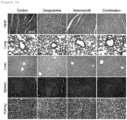
Figure 2a shows the results of hematoxylin and eosin staining of the heart, lung, liver, spleen and kidney in the alone and combinedadministration groups 14 days after desipramine and abemaciclib were administered separately or in combination. -
Figure 2b shows the results of measuring the change in body weight of mice over time in the desipramine and abemaciclib alone and combined administration groups. -
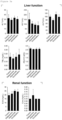
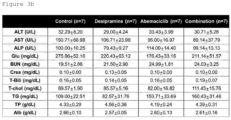
Figures 3a and3b show the results of performing biochemical analysis on blood collected frommice 14 days after desipramine and abemaciclib were administered separately or in combination. - Hereinafter, the configuration and effects of the present invention will be described in more detail through examples. These examples are only for illustrating the present invention, and the scope of the present invention is not limited thereto.
- This experiment was conducted on the lung cancer cell line H460, the colorectal cancer cell line HCT116, and the breast cancer cell line MCF7. As for the genetic characteristics of each cell line, the lung cancer cell line H460 has a KRAS mutation [p.Q61H], the colorectal cancer cell line HCT116 has a KRAS mutation [p.G13D], and the breast cancer cell line MCF7 has the characteristic of being positive for estrogen receptor and progesterone receptor but negative for HER2. The cell lines H460 and MCF7 were cultured using RPMI1640 medium containing 10% FBS and 1% penicillin-streptomycin, and the cell line HCT116 was cultured using McCoy's 5A medium containing 10% FBS and 1% penicillin-streptomycin.
- Cancer cell killing effects were confirmed for various combinations of CDK4/6 inhibitors and tricyclic antidepressants.
- Specifically, abemaciclib, ribociclib and palbociclib were used as CDK4/6 inhibitors, and DMSO was used as a solvent to prepare the drug stock. Imipramine, clomipramine, desipramine, amitriptyline and imipramine blue were used as tricyclic antidepressants, distilled water (DW) was used as a solvent to prepare the drug stock, and DMSO was used only for imipramine blue. Each drug was used after diluting to the concentrations shown in Table 1 (antidepressant concentration used (µM)) and Table 2 (CDK4/6 inhibitor concentration used (µM)) below.
- The cell lines H460, HCT116 and MCF7 were cultured at 3×10³ cells/well in a 96 well plate. The next day, each drug was prepared at the concentrations shown in Tables 1 and 2, mixed with the medium, and then added to each well and left for 48 hours. After 48 hours, 10 ul/well of WST-1 reagent was added thereto and reacted for 1 hour. Samples reacted with WST-1 were analyzed by ELISA at 450 nM, and the same conditions were repeated three times to calculate the average value and standard error.
[Table 1] Solven t H460 HCT116 MCF7 Imipramine DW 100 100 50 Clomipramine DW 40 40 20 Desipramine DW 50 20 50 Amitriptyline DW 45 25 50 Imipramine blue DMSO 0.5 0.4 0.1 [Table 2] Solven t H460 HCT116 MCF7 Abemaciclib DMSO 4 0.2 10 Ribociclib DMSO 50 20 30 Palbociclib DMSO 15 5 20 - The experimental results for each cell line were observed as follows.
- When treated with 4 µM abemaciclib alone, the lung cancer cell survival rate was found to be 71%, and the survival rates of the antidepressants alone and combined treatment groups were as follows.
[Table 3] Cell survival rate (%) Treatment with antidepressants alone Combined treatment with abemaciclib Imipramine 78 20 Clomipramine 65 20 Desipramine 40 24 Amitriptyline 65 50 Imipramine blue 62 50 - As shown in Table 3, when the CDK4/6 inhibitor abemaciclib is treated with one of the antidepressants imipramine, clomipramine, desipramine, amitriptyline and imipramine blue, it was confirmed that the cancer cell survival rate was remarkably reduced compared to the group treated with CDK4/6 inhibitors or antidepressants alone, showing an anti-cancer synergy effect.
- When treated with 50 µM ribociclib alone, the lung cancer cell survival rate was found to be 72%, and the survival rates of the antidepressants alone and combined treatment groups were as follows.
[Table 4] Cell survival rate (%) Treatment with antidepressant alone Combined treatment with ribociclib Imipramine 78 47 Clomipramine 65 34 Desipramine 40 16 Amitriptyline 65 32 Imipramine blue 62 36 - As shown in Table 4, when the CDK4/6 inhibitor ribociclib is treated with one of the antidepressants imipramine, clomipramine, desipramine, amitriptyline and imipramine blue, it was confirmed that the cancer cell survival rate was remarkably reduced compared to the group treated with CDK4/6 inhibitors or antidepressants alone, showing an anti-cancer synergy effect.
- When treated with 15 µM palbociclib alone, the lung cancer cell survival rate was found to be 67%, and the survival rates of the antidepressants alone and combined treatment groups were as follows.
[Table 5] Cell survival rate (%) Treatment with antidepressant alone Combined treatment with palbociclib Imipramine 78 53 Clomipramine 65 33 Desipramine 40 14 Amitriptyline 65 58 Imipramine blue 62 36 - As shown in Table 5, when the CDK4/6 inhibitor palbociclib is treated with one of the antidepressants imipramine, clomipramine, desipramine, amitriptyline and imipramine blue, it was confirmed that the cancer cell survival rate was remarkably reduced compared to the group treated with CDK4/6 inhibitors or antidepressants alone, showing an anti-cancer synergy effect.
- When treated with 0.2 µM abemaciclib alone, the colorectal cancer cell survival rate was found to be 87%, and the survival rates of the antidepressants alone and combined treatment groups were as follows.
[Table 6] Cell survival rate (%) Treatment with antidepressant alone Combined treatment with abemaciclib Imipramine 77 58 Clomipramine 65 32 Desipramine 71 28 Amitriptyline 86 64 Imipramine blue 53 39 - As shown in Table 6, when the CDK4/6 inhibitor abemaciclib is treated with one of the antidepressants imipramine, clomipramine, desipramine, amitriptyline and imipramine blue, it was confirmed that the cancer cell survival rate was remarkably reduced compared to the group treated with CDK4/6 inhibitors or antidepressants alone, showing an anti-cancer synergy effect.
- When treated with 20 µM ribociclib alone, the colorectal cancer cell survival rate was found to be 73%, and the survival rates of the antidepressants alone and combined treatment groups were as follows.
[Table 7] Cell survival rate (%) Treatment with antidepressants alone Combined treatment with ribociclib Imipramine 77 39 Clomipramine 65 23 Desipramine 71 29 Amitriptyline 86 46 Imipramine blue 53 31 - As shown in Table 7, when the CDK4/6 inhibitor ribociclib is treated with one of the antidepressants imipramine, clomipramine, desipramine, amitriptyline and imipramine blue, it was confirmed that the cancer cell survival rate was remarkably reduced compared to the group treated with CDK4/6 inhibitors or antidepressants alone, showing an anti-cancer synergy effect.
- When treated with 5 µM palbociclib alone, the lung cancer cell survival rate was found to be 79%, and the survival rates of the antidepressants alone and combined treatment groups were as follows.
[Table 8] Cell survival rate (%) Treatment with antidepressants alone Combined treatment with palbociclib Imipramine 77 41 Clomipramine 65 34 Desipramine 71 44 Amitriptyline 86 54 Imipramine blue 53 43 - As shown in Table 8, when the CDK4/6 inhibitor palbociclib is treated with one of the antidepressants imipramine, clomipramine, desipramine, amitriptyline and imipramine blue, it was confirmed that the cancer cell survival rate was remarkably reduced compared to the group treated with CDK4/6 inhibitors or antidepressants alone, showing an anti-cancer synergy effect.
- When treated with 10 µM abemaciclib alone, the breast cancer cell survival rate was found to be 59%, and the survival rates of the antidepressants alone and combined treatment groups were as follows.
[Table 9] Cell survival rate (%) Treatment with antidepressants alone Combined treatment with abemaciclib Imipramine 83 34 Clomipramine 81 37 Desipramine 60 21 Amitriptyline 63 21 Imipramine blue 88 43 - As shown in Table 9, when the CDK4/6 inhibitor abemaciclib is treated with one of the antidepressants imipramine, clomipramine, desipramine, amitriptyline and imipramine blue, it was confirmed that the cancer cell survival rate was remarkably reduced compared to the group treated with CDK4/6 inhibitors or antidepressants alone, showing an anti-cancer synergy effect.
- When treated with 30 µM ribociclib alone, the breast cancer cell survival rate was found to be 80%, and the survival rates of the antidepressants alone and combined treatment groups were as follows.
[Table 10] Cell survival rate (%) Treatment with antidepressants alone Combined treatment with ribociclib Imipramine 83 55 Clomipramine 81 56 Desipramine 60 28 Amitriptyline 63 28 Imipramine blue 88 60 - As shown in Table 10, when the CDK4/6 inhibitor ribociclib is treated with one of the antidepressants imipramine, clomipramine, desipramine, amitriptyline and imipramine blue, it was confirmed that the cancer cell survival rate was remarkably reduced compared to the group treated with CDK4/6 inhibitors or antidepressants alone, showing an anti-cancer synergy effect.
- When treated with 20 µM palbociclib alone, the breast cancer cell survival rate was found to be 75%, and the survival rates of the antidepressants alone and combined treatment groups were as follows.
[Table 11] Cell survival rate (%) Treatment with antidepressants alone Combined treatment with palbociclib Imipramine 83 53 Clomipramine 81 43 Desipramine 60 45 Amitriptyline 63 45 Imipramine blue 88 59 - As shown in Table 11, when the CDK4/6 inhibitor palbociclib is treated with one of the antidepressants imipramine, clomipramine, desipramine, amitriptyline and amitriptyline, it was confirmed that the cancer cell survival rate was remarkably reduced compared to the group treated with CDK4/6 inhibitors or antidepressants alone, showing an anti-cancer synergy effect.
- In order to evaluate the improvement of therapeutic effect following the combined treatment of desipramine and abemaciclib, a subcutaneous tumor model was constructed using the colorectal cancer cell line HCT116.
- Specifically, the human colorectal cancer cell line HCT116 was purchased from the American Type Culture Collection (ATCC, USA) and cultured in McCoy's 5A medium containing 10% fetal bovine serum (FBS) and penicillin-streptomycin under conditions of 37°C, 5% carbon dioxide and standard humidity. HCT116 cancer cells were injected subcutaneously into nude mice (Balb/c nude) at an amount of 5×10⁶ cells/100 µL, and tumors were confirmed to be formed about 7-10 days later. When the tumor size reached 60-70 mm3, the mice were divided into 4 groups (negative control group, desipramine alone treatment group, abemaciclib alone treatment group, and desipramine and abemaciclib combined treatment group), and the experiment was conducted. Desipramine was injected intraperitoneally at a dose of 20 mg/kg, and abemaciclib was administered orally at a dose of 30 mg/kg. Desipramine and abemaciclib were administered once a day until the end of the experiment, and vehicle was administered to the control group.
- To evaluate the anti-tumor effect, the tumor size was measured every day until
day 14 after treatment, and the differences between each group were analyzed. The tumor size was calculated as follows: V (mm3) = 1/2 × long axis (mm) × short axis (mm) × height (mm). Byday 14, the tumor size was measured, a tumor growth graph was created, and the tumor size between each group was compared and analyzed. As can be seen in the results ofFigures 1a and 1b , it could be confirmed that the anti-tumor effect was the best in the desipramine and abemaciclib combined treatment group, and onday 14, it was confirmed that the tumor sizes in the desipramine alone treatment group, abemaciclib alone treatment group, and desipramine and abemaciclib combined treatment group were measured to be 75.2% (**P < 0.01), 54.6% (***P < 0.001) and 25.9% (***P < 0.001), respectively, and there was an anti-cancer synergistic effect in the combined treatment group compared to the alone treatment group (Figure 1 ). - In order to evaluate the biotoxic effect of the administration of desipramine and abemaciclib, major normal organs such as heart, lung, liver, spleen and kidney were collected on
day 14, and sections were prepared, and then histological changes were confirmed through hematoxylin and eosin staining. - As a result of biopsy of major organs for the groups administered desipramine and abemaciclib separately or in combination, no histological changes were observed compared to the control group (
Figure 2a ). In addition, as a result of measuring body weight for 14 days for the groups administered desipramine and abemaciclib separately or in combination, no significant difference in body weight was observed between each group (Figure 2b ). - When blood was collected from mice and blood biochemical analysis was performed on
day 14 after treatment for the groups administered desipramine and abemaciclib separately or in combination, no significant differences in various toxicity-related factors in the blood were found between each group (Figure 3 ). Considering these results together, it was confirmed that the combined dose of desipramine and abemaciclib resulted in a synergistic cancer therapeutic effect and did not cause toxicity to normal tissues.
Claims (8)
- A pharmaceutical composition for preventing or treating cancer, comprising a CDK4/6 inhibitor and a tricyclic antidepressant as active ingredients.
- The pharmaceutical composition for preventing or treating cancer according to claim 1, wherein the CDK4/6 inhibitor is abemaciclib, ribociclib, or palbociclib.
- The pharmaceutical composition for preventing or treating cancer according to claim 1, wherein the tricyclic antidepressant is 7-OH-amoxapine, amezepine, amineptine, amitriptyline, amitriptylinoxide, amoxapine, aptazapine, azepindole, azipramine, batelapine, butriptyline, cianopramine, ciclazindol, ciclopramine, cidoxepin, clomipramine, cotriptyline, cyanodothiepin, demexiptiline, depramine (balipramine), desipramine (desmethylimipramine), desmethylclomipramine, desmethyltrimipramine, dibenzepin, dimetacrine, dosulepin (dothiepin), doxepin, enprazepine, esmirtazapine, fantridone, fluotracen, hepzidine, homopipramol, imipramine, imipraminoxide, intriptyline, iprindole, ketipramine, litracen, lofepramine, losindole, loxapine, maprotiline, mariptiline, mazindol, melitracen, metapramine, mezepine, mianserin, mirtazapine, monometarine, naranol, nitroxazepine, norbutriptyline, nordoxepin, northiaden (nordosulepin), nortriptyline (noramitriptyline), noxiptiline, octriptyline, opipramol, oxaprotiline, pipofezine, pirandamine, promethazine, propizepine, protriptyline, quinupramine, setiptiline (teciptiline), spiroxepin, tandamine, tampramine, tianeptine, tienopramine, trimipramine, or imipramine blue.
- The pharmaceutical composition for preventing or treating cancer according to claim 1, wherein the pharmaceutical composition is for combined administration of the CDK4/6 inhibitor and the tricyclic antidepressant.
- The pharmaceutical composition for preventing or treating cancer according to claim 4, wherein the pharmaceutical composition is in the form of a mixture in which the CDK4/6 inhibitor and the tricyclic antidepressant are mixed, or the CDK4/6 inhibitor and the tricyclic antidepressant are separately formulated and administered simultaneously or sequentially.
- The pharmaceutical composition for preventing or treating cancer according to claim 1, wherein the cancer is lung cancer, pancreatic cancer, pharynx cancer, laryngeal cancer, esophageal cancer, gastric cancer, duodenal cancer, small intestine cancer, colorectal cancer, colon cancer, rectal cancer, breast cancer, ovarian cancer, prostate cancer, liver cancer, thyroid cancer, kidney cancer, uterine cancer, brain tumor, skin cancer, melanoma, malignant bone tumor, bladder cancer, or hematologic malignancy.
- The pharmaceutical composition for preventing or treating cancer according to claim 6, wherein the cancer is lung cancer, colorectal cancer, or breast cancer.
- The pharmaceutical composition for preventing or treating cancer according to claim 1, wherein the pharmaceutical composition further comprises a pharmaceutically acceptable carrier, excipient, or diluent.
Applications Claiming Priority (2)
| Application Number | Priority Date | Filing Date | Title |
|---|---|---|---|
| KR20210088445 | 2021-07-06 | ||
| PCT/KR2022/009462 WO2023282544A1 (en) | 2021-07-06 | 2022-06-30 | Pharmaceutical composition for cancer prevention or treatment, comprising cdk4/6 inhibitor and tricyclic antidepressant |
Publications (2)
| Publication Number | Publication Date |
|---|---|
| EP4368183A1 true EP4368183A1 (en) | 2024-05-15 |
| EP4368183A4 EP4368183A4 (en) | 2025-07-02 |
Family
ID=84800644
Family Applications (1)
| Application Number | Title | Priority Date | Filing Date |
|---|---|---|---|
| EP22837896.4A Pending EP4368183A4 (en) | 2021-07-06 | 2022-06-30 | Pharmaceutical composition for cancer prevention or treatment containing CDK4/6 inhibitor and tricyclic antidepressant |
Country Status (6)
| Country | Link |
|---|---|
| US (1) | US20240307393A1 (en) |
| EP (1) | EP4368183A4 (en) |
| JP (1) | JP7681791B2 (en) |
| KR (1) | KR102861622B1 (en) |
| CN (1) | CN117597126A (en) |
| WO (1) | WO2023282544A1 (en) |
Families Citing this family (2)
| Publication number | Priority date | Publication date | Assignee | Title |
|---|---|---|---|---|
| CN117982667B (en) * | 2024-04-02 | 2024-06-21 | 四川省肿瘤医院 | Delivery system targeting TLR4-MD2/MyD88 signal pathway, preparation method and application thereof |
| CN118649159A (en) * | 2024-06-12 | 2024-09-17 | 深圳技术大学 | Application of doxepin hydrochloride in the preparation of anti-tumor drugs |
Family Cites Families (6)
| Publication number | Priority date | Publication date | Assignee | Title |
|---|---|---|---|---|
| ES2363394B2 (en) * | 2010-01-19 | 2012-01-31 | Universidad De Sevilla | USE OF AMITRIPTILINE AS AN ANTITUMORAL AGENT FOR THE TREATMENT OF LUNG CANCER. |
| PE20141381A1 (en) * | 2011-07-01 | 2014-10-21 | Novartis Ag | COMBINATION THERAPY INCLUDING A CDK4 / 6 INHIBITOR AND A PI3K INHIBITOR FOR USE IN THE TREATMENT OF CANCER |
| WO2014018563A2 (en) * | 2012-07-23 | 2014-01-30 | The Board Of Trustees Of The Leland Stanford Junior University | Methods for the treatment of cancer |
| US20140271727A1 (en) * | 2013-03-18 | 2014-09-18 | National Yang-Ming University | Method of using an antidepressant for increasing immunity of a subject and treating cancer |
| WO2017205216A1 (en) * | 2016-05-23 | 2017-11-30 | Eli Lilly And Company | Combination of pembrolizumab and abemaciclib for the treatment of cancer |
| JP2018008914A (en) * | 2016-07-15 | 2018-01-18 | 国立大学法人金沢大学 | Anti-brain tumor agent and pharmaceutical composition for treatment of brain tumor |
-
2022
- 2022-06-30 JP JP2024500343A patent/JP7681791B2/en active Active
- 2022-06-30 CN CN202280047609.7A patent/CN117597126A/en active Pending
- 2022-06-30 KR KR1020220080388A patent/KR102861622B1/en active Active
- 2022-06-30 WO PCT/KR2022/009462 patent/WO2023282544A1/en not_active Ceased
- 2022-06-30 US US18/576,427 patent/US20240307393A1/en active Pending
- 2022-06-30 EP EP22837896.4A patent/EP4368183A4/en active Pending
Also Published As
| Publication number | Publication date |
|---|---|
| JP7681791B2 (en) | 2025-05-22 |
| KR20230007945A (en) | 2023-01-13 |
| KR102861622B1 (en) | 2025-09-18 |
| US20240307393A1 (en) | 2024-09-19 |
| EP4368183A4 (en) | 2025-07-02 |
| WO2023282544A1 (en) | 2023-01-12 |
| CN117597126A (en) | 2024-02-23 |
| JP2024524567A (en) | 2024-07-05 |
Similar Documents
| Publication | Publication Date | Title |
|---|---|---|
| EP3342411B1 (en) | Rapamycin derivative for treating pancreas cancer | |
| KR100827942B1 (en) | Pharmaceutical composition comprising rapamycin 42-ester (CCI-779) with 3-hydroxy-2- (hydroxymethyl) -2-methylpropionic acid as an antitumor agent | |
| US20240307393A1 (en) | Pharmaceutical composition for cancer prevention or treatment, comprising cdk4/6 inhibitor and tricyclic antidepressant | |
| EP2906219B1 (en) | Orvepitant for the treatment of chronic pruritus | |
| HK1224211A1 (en) | Crenolanib for treating flt3 mutated proliferative disorders | |
| KR20010043563A (en) | Agent for alleviating side effects | |
| US9358247B2 (en) | Methods and compositions for promoting activity of anti-cancer therapies | |
| JP7703124B1 (en) | Methods of Treating Cancer Using Combination SERD Dosing Regimens | |
| US20190282541A1 (en) | Use of eribulin and histone deacetylase inhibitors in the treatment of cancer | |
| CN113453671A (en) | Combination therapy of a Raf inhibitor and a CDK4/6 inhibitor for the treatment of cancer | |
| US20220296611A1 (en) | Pharmaceutical composition for preventing or treating cancer | |
| US20200129473A1 (en) | Use of eribulin and cyclin dependent kinase inhibitors in the treatment of cancer | |
| KR102363043B1 (en) | Pharmaceutical composition for preventing or treating cancer comprising a PI3 kinase inhibitor and a cytotoxic anticancer agent | |
| US20240335440A1 (en) | Combination therapy comprising a pkc inhibitor and a c-met inhibitor | |
| KR101844816B1 (en) | Composition For Improving Or Treating Anorexia Including Guanabenz And Method Using Thereof | |
| EA009082B1 (en) | Ameliorant for chemical treatment of cancer | |
| HK40061016A (en) | Combination therapy for the treatment of uveal melanoma | |
| KR20200110858A (en) | Medicinal composition for preventing or treating cancer | |
| KR20050073440A (en) | Compositions of ezetimibe and methods for the treatment of cholesterol-associated benign and malignant tumors | |
| HK1232469B (en) | Rapamycin derivative for the treatment of lung cancer |
Legal Events
| Date | Code | Title | Description |
|---|---|---|---|
| STAA | Information on the status of an ep patent application or granted ep patent |
Free format text: STATUS: THE INTERNATIONAL PUBLICATION HAS BEEN MADE |
|
| PUAI | Public reference made under article 153(3) epc to a published international application that has entered the european phase |
Free format text: ORIGINAL CODE: 0009012 |
|
| STAA | Information on the status of an ep patent application or granted ep patent |
Free format text: STATUS: REQUEST FOR EXAMINATION WAS MADE |
|
| 17P | Request for examination filed |
Effective date: 20240105 |
|
| AK | Designated contracting states |
Kind code of ref document: A1 Designated state(s): AL AT BE BG CH CY CZ DE DK EE ES FI FR GB GR HR HU IE IS IT LI LT LU LV MC MK MT NL NO PL PT RO RS SE SI SK SM TR |
|
| DAV | Request for validation of the european patent (deleted) | ||
| DAX | Request for extension of the european patent (deleted) | ||
| REG | Reference to a national code |
Ref country code: DE Ref legal event code: R079 Free format text: PREVIOUS MAIN CLASS: A61K0031506000 Ipc: A61K0031135000 |
|
| A4 | Supplementary search report drawn up and despatched |
Effective date: 20250528 |
|
| RIC1 | Information provided on ipc code assigned before grant |
Ipc: A61P 35/00 20060101ALI20250523BHEP Ipc: A61K 45/06 20060101ALI20250523BHEP Ipc: A61K 31/137 20060101ALI20250523BHEP Ipc: A61K 31/55 20060101ALI20250523BHEP Ipc: A61K 31/519 20060101ALI20250523BHEP Ipc: A61K 31/506 20060101ALI20250523BHEP Ipc: A61K 31/135 20060101AFI20250523BHEP |