EP4363532B1 - Process and apparatus for producing bioethanol without coemissions by conversion of syngas obtained from the thermal conversion of waste at high temperature - Google Patents
Process and apparatus for producing bioethanol without coemissions by conversion of syngas obtained from the thermal conversion of waste at high temperature Download PDFInfo
- Publication number
- EP4363532B1 EP4363532B1 EP22758022.2A EP22758022A EP4363532B1 EP 4363532 B1 EP4363532 B1 EP 4363532B1 EP 22758022 A EP22758022 A EP 22758022A EP 4363532 B1 EP4363532 B1 EP 4363532B1
- Authority
- EP
- European Patent Office
- Prior art keywords
- conversion
- fermentation
- syngas
- waste
- produced
- Prior art date
- Legal status (The legal status is an assumption and is not a legal conclusion. Google has not performed a legal analysis and makes no representation as to the accuracy of the status listed.)
- Active
Links
Images




Classifications
-
- B—PERFORMING OPERATIONS; TRANSPORTING
- B01—PHYSICAL OR CHEMICAL PROCESSES OR APPARATUS IN GENERAL
- B01D—SEPARATION
- B01D53/00—Separation of gases or vapours; Recovering vapours of volatile solvents from gases; Chemical or biological purification of waste gases, e.g. engine exhaust gases, smoke, fumes, flue gases, aerosols
- B01D53/34—Chemical or biological purification of waste gases
- B01D53/74—General processes for purification of waste gases; Apparatus or devices specially adapted therefor
-
- C—CHEMISTRY; METALLURGY
- C10—PETROLEUM, GAS OR COKE INDUSTRIES; TECHNICAL GASES CONTAINING CARBON MONOXIDE; FUELS; LUBRICANTS; PEAT
- C10J—PRODUCTION OF PRODUCER GAS, WATER-GAS, SYNTHESIS GAS FROM SOLID CARBONACEOUS MATERIAL, OR MIXTURES CONTAINING THESE GASES; CARBURETTING AIR OR OTHER GASES
- C10J3/00—Production of combustible gases containing carbon monoxide from solid carbonaceous fuels
-
- C—CHEMISTRY; METALLURGY
- C12—BIOCHEMISTRY; BEER; SPIRITS; WINE; VINEGAR; MICROBIOLOGY; ENZYMOLOGY; MUTATION OR GENETIC ENGINEERING
- C12M—APPARATUS FOR ENZYMOLOGY OR MICROBIOLOGY; APPARATUS FOR CULTURING MICROORGANISMS FOR PRODUCING BIOMASS, FOR GROWING CELLS OR FOR OBTAINING FERMENTATION OR METABOLIC PRODUCTS, i.e. BIOREACTORS OR FERMENTERS
- C12M43/00—Combinations of bioreactors or fermenters with other apparatus
-
- C—CHEMISTRY; METALLURGY
- C12—BIOCHEMISTRY; BEER; SPIRITS; WINE; VINEGAR; MICROBIOLOGY; ENZYMOLOGY; MUTATION OR GENETIC ENGINEERING
- C12M—APPARATUS FOR ENZYMOLOGY OR MICROBIOLOGY; APPARATUS FOR CULTURING MICROORGANISMS FOR PRODUCING BIOMASS, FOR GROWING CELLS OR FOR OBTAINING FERMENTATION OR METABOLIC PRODUCTS, i.e. BIOREACTORS OR FERMENTERS
- C12M43/00—Combinations of bioreactors or fermenters with other apparatus
- C12M43/02—Bioreactors or fermenters combined with devices for liquid fuel extraction; Biorefineries
-
- C—CHEMISTRY; METALLURGY
- C12—BIOCHEMISTRY; BEER; SPIRITS; WINE; VINEGAR; MICROBIOLOGY; ENZYMOLOGY; MUTATION OR GENETIC ENGINEERING
- C12P—FERMENTATION OR ENZYME-USING PROCESSES TO SYNTHESISE A DESIRED CHEMICAL COMPOUND OR COMPOSITION OR TO SEPARATE OPTICAL ISOMERS FROM A RACEMIC MIXTURE
- C12P7/00—Preparation of oxygen-containing organic compounds
- C12P7/02—Preparation of oxygen-containing organic compounds containing a hydroxy group
- C12P7/04—Preparation of oxygen-containing organic compounds containing a hydroxy group acyclic
- C12P7/06—Ethanol, i.e. non-beverage
- C12P7/065—Ethanol, i.e. non-beverage with microorganisms other than yeasts
-
- C—CHEMISTRY; METALLURGY
- C25—ELECTROLYTIC OR ELECTROPHORETIC PROCESSES; APPARATUS THEREFOR
- C25B—ELECTROLYTIC OR ELECTROPHORETIC PROCESSES FOR THE PRODUCTION OF COMPOUNDS OR NON-METALS; APPARATUS THEREFOR
- C25B1/00—Electrolytic production of inorganic compounds or non-metals
- C25B1/01—Products
- C25B1/02—Hydrogen or oxygen
- C25B1/04—Hydrogen or oxygen by electrolysis of water
-
- C—CHEMISTRY; METALLURGY
- C25—ELECTROLYTIC OR ELECTROPHORETIC PROCESSES; APPARATUS THEREFOR
- C25B—ELECTROLYTIC OR ELECTROPHORETIC PROCESSES FOR THE PRODUCTION OF COMPOUNDS OR NON-METALS; APPARATUS THEREFOR
- C25B9/00—Cells or assemblies of cells; Constructional parts of cells; Assemblies of constructional parts, e.g. electrode-diaphragm assemblies; Process-related cell features
- C25B9/70—Assemblies comprising two or more cells
-
- C—CHEMISTRY; METALLURGY
- C10—PETROLEUM, GAS OR COKE INDUSTRIES; TECHNICAL GASES CONTAINING CARBON MONOXIDE; FUELS; LUBRICANTS; PEAT
- C10J—PRODUCTION OF PRODUCER GAS, WATER-GAS, SYNTHESIS GAS FROM SOLID CARBONACEOUS MATERIAL, OR MIXTURES CONTAINING THESE GASES; CARBURETTING AIR OR OTHER GASES
- C10J2300/00—Details of gasification processes
- C10J2300/09—Details of the feed, e.g. feeding of spent catalyst, inert gas or halogens
- C10J2300/0913—Carbonaceous raw material
- C10J2300/0946—Waste, e.g. MSW, tires, glass, tar sand, peat, paper, lignite, oil shale
-
- C—CHEMISTRY; METALLURGY
- C10—PETROLEUM, GAS OR COKE INDUSTRIES; TECHNICAL GASES CONTAINING CARBON MONOXIDE; FUELS; LUBRICANTS; PEAT
- C10J—PRODUCTION OF PRODUCER GAS, WATER-GAS, SYNTHESIS GAS FROM SOLID CARBONACEOUS MATERIAL, OR MIXTURES CONTAINING THESE GASES; CARBURETTING AIR OR OTHER GASES
- C10J2300/00—Details of gasification processes
- C10J2300/09—Details of the feed, e.g. feeding of spent catalyst, inert gas or halogens
- C10J2300/0953—Gasifying agents
- C10J2300/0959—Oxygen
-
- C—CHEMISTRY; METALLURGY
- C10—PETROLEUM, GAS OR COKE INDUSTRIES; TECHNICAL GASES CONTAINING CARBON MONOXIDE; FUELS; LUBRICANTS; PEAT
- C10J—PRODUCTION OF PRODUCER GAS, WATER-GAS, SYNTHESIS GAS FROM SOLID CARBONACEOUS MATERIAL, OR MIXTURES CONTAINING THESE GASES; CARBURETTING AIR OR OTHER GASES
- C10J2300/00—Details of gasification processes
- C10J2300/09—Details of the feed, e.g. feeding of spent catalyst, inert gas or halogens
- C10J2300/0953—Gasifying agents
- C10J2300/0969—Carbon dioxide
-
- C—CHEMISTRY; METALLURGY
- C10—PETROLEUM, GAS OR COKE INDUSTRIES; TECHNICAL GASES CONTAINING CARBON MONOXIDE; FUELS; LUBRICANTS; PEAT
- C10J—PRODUCTION OF PRODUCER GAS, WATER-GAS, SYNTHESIS GAS FROM SOLID CARBONACEOUS MATERIAL, OR MIXTURES CONTAINING THESE GASES; CARBURETTING AIR OR OTHER GASES
- C10J2300/00—Details of gasification processes
- C10J2300/09—Details of the feed, e.g. feeding of spent catalyst, inert gas or halogens
- C10J2300/0983—Additives
- C10J2300/0989—Hydrocarbons as additives to gasifying agents to improve caloric properties
-
- C—CHEMISTRY; METALLURGY
- C10—PETROLEUM, GAS OR COKE INDUSTRIES; TECHNICAL GASES CONTAINING CARBON MONOXIDE; FUELS; LUBRICANTS; PEAT
- C10J—PRODUCTION OF PRODUCER GAS, WATER-GAS, SYNTHESIS GAS FROM SOLID CARBONACEOUS MATERIAL, OR MIXTURES CONTAINING THESE GASES; CARBURETTING AIR OR OTHER GASES
- C10J2300/00—Details of gasification processes
- C10J2300/16—Integration of gasification processes with another plant or parts within the plant
- C10J2300/1603—Integration of gasification processes with another plant or parts within the plant with gas treatment
- C10J2300/1618—Modification of synthesis gas composition, e.g. to meet some criteria
-
- C—CHEMISTRY; METALLURGY
- C10—PETROLEUM, GAS OR COKE INDUSTRIES; TECHNICAL GASES CONTAINING CARBON MONOXIDE; FUELS; LUBRICANTS; PEAT
- C10J—PRODUCTION OF PRODUCER GAS, WATER-GAS, SYNTHESIS GAS FROM SOLID CARBONACEOUS MATERIAL, OR MIXTURES CONTAINING THESE GASES; CARBURETTING AIR OR OTHER GASES
- C10J2300/00—Details of gasification processes
- C10J2300/16—Integration of gasification processes with another plant or parts within the plant
- C10J2300/164—Integration of gasification processes with another plant or parts within the plant with conversion of synthesis gas
- C10J2300/1656—Conversion of synthesis gas to chemicals
- C10J2300/1665—Conversion of synthesis gas to chemicals to alcohols, e.g. methanol or ethanol
-
- C—CHEMISTRY; METALLURGY
- C10—PETROLEUM, GAS OR COKE INDUSTRIES; TECHNICAL GASES CONTAINING CARBON MONOXIDE; FUELS; LUBRICANTS; PEAT
- C10J—PRODUCTION OF PRODUCER GAS, WATER-GAS, SYNTHESIS GAS FROM SOLID CARBONACEOUS MATERIAL, OR MIXTURES CONTAINING THESE GASES; CARBURETTING AIR OR OTHER GASES
- C10J2300/00—Details of gasification processes
- C10J2300/16—Integration of gasification processes with another plant or parts within the plant
- C10J2300/1681—Integration of gasification processes with another plant or parts within the plant with biological plants, e.g. involving bacteria, algae, fungi
-
- C—CHEMISTRY; METALLURGY
- C10—PETROLEUM, GAS OR COKE INDUSTRIES; TECHNICAL GASES CONTAINING CARBON MONOXIDE; FUELS; LUBRICANTS; PEAT
- C10J—PRODUCTION OF PRODUCER GAS, WATER-GAS, SYNTHESIS GAS FROM SOLID CARBONACEOUS MATERIAL, OR MIXTURES CONTAINING THESE GASES; CARBURETTING AIR OR OTHER GASES
- C10J2300/00—Details of gasification processes
- C10J2300/16—Integration of gasification processes with another plant or parts within the plant
- C10J2300/1684—Integration of gasification processes with another plant or parts within the plant with electrolysis of water
-
- C—CHEMISTRY; METALLURGY
- C10—PETROLEUM, GAS OR COKE INDUSTRIES; TECHNICAL GASES CONTAINING CARBON MONOXIDE; FUELS; LUBRICANTS; PEAT
- C10J—PRODUCTION OF PRODUCER GAS, WATER-GAS, SYNTHESIS GAS FROM SOLID CARBONACEOUS MATERIAL, OR MIXTURES CONTAINING THESE GASES; CARBURETTING AIR OR OTHER GASES
- C10J2300/00—Details of gasification processes
- C10J2300/18—Details of the gasification process, e.g. loops, autothermal operation
- C10J2300/1807—Recycle loops, e.g. gas, solids, heating medium, water
-
- Y—GENERAL TAGGING OF NEW TECHNOLOGICAL DEVELOPMENTS; GENERAL TAGGING OF CROSS-SECTIONAL TECHNOLOGIES SPANNING OVER SEVERAL SECTIONS OF THE IPC; TECHNICAL SUBJECTS COVERED BY FORMER USPC CROSS-REFERENCE ART COLLECTIONS [XRACs] AND DIGESTS
- Y02—TECHNOLOGIES OR APPLICATIONS FOR MITIGATION OR ADAPTATION AGAINST CLIMATE CHANGE
- Y02E—REDUCTION OF GREENHOUSE GAS [GHG] EMISSIONS, RELATED TO ENERGY GENERATION, TRANSMISSION OR DISTRIBUTION
- Y02E50/00—Technologies for the production of fuel of non-fossil origin
- Y02E50/10—Biofuels, e.g. bio-diesel
-
- Y—GENERAL TAGGING OF NEW TECHNOLOGICAL DEVELOPMENTS; GENERAL TAGGING OF CROSS-SECTIONAL TECHNOLOGIES SPANNING OVER SEVERAL SECTIONS OF THE IPC; TECHNICAL SUBJECTS COVERED BY FORMER USPC CROSS-REFERENCE ART COLLECTIONS [XRACs] AND DIGESTS
- Y02—TECHNOLOGIES OR APPLICATIONS FOR MITIGATION OR ADAPTATION AGAINST CLIMATE CHANGE
- Y02E—REDUCTION OF GREENHOUSE GAS [GHG] EMISSIONS, RELATED TO ENERGY GENERATION, TRANSMISSION OR DISTRIBUTION
- Y02E50/00—Technologies for the production of fuel of non-fossil origin
- Y02E50/30—Fuel from waste, e.g. synthetic alcohol or diesel
Definitions
- the invention regards the field of processes and apparatuses suitable to convert RDF (Refuse Derived Fuel), MSW (Municipal Solid Waste) and similar materials such as plastic residues into products with higher added value by ensuring eco-compatibility in terms of absence of greenhouse gas emissions, and it specifically consists of a process and apparatus for producing bioethanol without CO 2 emissions by converting syngas obtained from the thermal conversion of waste at high temperature.
- RDF Refuse Derived Fuel
- MSW Mounicipal Solid Waste
- GHG greenhouse gas
- the conventional way to dispose of municipal, agricultural and industrial waste through incineration is also one of the main sources of greenhouse gas emissions, mainly CO 2 , CH 4 and nitrogen oxides.
- the waste can be used as a source of carbon and hydrogen by converting it into a syngas, a mixture of CO, CO 2 and H 2 .
- the processes for such a conversion are known in the art.
- patent WO/2018/066013 describes a gasification process through the use of pure oxygen for the conversion of waste into syngas controlling the temperature along the vertical axis of the reactor.
- Patent WO/2018/134853 describes a waste conversion process at high temperature for producing syngas, followed by the purification of the syngas and the regulation of the H 2 /CO ratio for the purpose of producing methanol.
- Patent US9518237 describes a process for converting a syngas into oxygenated hydrocarbon products through anaerobic bioconversion; said hydrocarbon products are in particular ethanol, acetic acid, n-propanol and n-butanol.
- Patent US2019/0078121 describes a different method for improving the CO/H 2 composition of the flow of gas available for supplying a microbial production of oxygenated compound.
- Refuse derived fuel is a sort of fuel produced after the separation of the organic fraction, metals, paper and plastic.
- CA 3 090 411 A1 , CA 3 013 354 A1 and US 9 926 196 B2 describe processes and apparatuses for improving carbon capture and fermentation efficiency in ethanol production by utilising gasification-derived substrates, with emphasis on optimising hydrogen and carbon monoxide ratios through electrolysis and partial oxidation to reduce CO 2 emissions and enhance carbon conversion.
- the aim of the invention is to overcome the limits of the prior art by providing a process and apparatus which are compatible with the guidelines of the regulations aiming at reducing greenhouse gas emissions in the environment to zero and suitable for the conversion of municipal waste, together with other industrial waste, such as non-recyclable plastics, into bioethanol.
- the provided solution is a process, and the related apparatus, in which the CO 2 emissions are avoided due to the synergistic effect of a fermentation step and a methanation step, also by considering that it is well known that the gasification of such feed implies a greater production of CO and CO 2 , so as to produce a syngas which is enriched with extra hydrogen from electrolytic processes and thus maximizing the biological fermentation process for producing ethanol.
- the present invention relates to a process for producing raw bioethanol by means of the fermentation of the syngas produced by the thermal conversion of the feed composed of one or more types of waste.
- the invention further describes an apparatus for carrying out the aforementioned process.
- waste such as, for example, ethanol
- said waste comprises Municipal Solid Waste (MSW), agricultural waste or derivatives thereof such as Refuse Derived Fuel (RFD) or even industrial waste, such as non-recyclable plastic waste.
- MSW Municipal Solid Waste
- RFD Refuse Derived Fuel
- industrial waste such as non-recyclable plastic waste.
- the process exploits the availability of hydrogen, produced by electrolysis, to allow the conversion into ethanol of the carbonaceous elements contained in the gasified waste.
- the availability of hydrogen produced by electrolysis further allows to avoid any emission of CO 2 into the atmosphere since any carbonaceous elements not converted during the fermentation step are converted into methane through a methanation reaction by simply adding further hydrogen; the methane thus produced can be sent for distribution or recycled to the gasifier to control the waste conversion temperature.
- the process developed originates from the consideration that the syngas produced by the high temperature conversion of municipal solid waste, treated or not, or by the thermal conversion of agricultural or industrial waste, has a H 2 /CO ratio by volume equal to about 1.
- the optimal H 2 /CO ratio required to produce ethanol by fermentation is about 2.0 ⁇ 2.2 by volume and thus it is obvious that the thermal conversion of waste, such as the above mentioned, which produces a syngas with a lower ratio value than the optimal one, would result into an excess of carbonaceous components which would come out from the process mainly in the form of carbon dioxide.
- the process comprises a plurality of high temperature waste converters able to produce the syngas and a plurality of electrolysis cells for producing hydrogen and oxygen.
- said methane can be used in the high temperature conversion of the waste for better control of the process and sent at the battery limits for use outside this process.
- the present invention relates to an eco-compatible process for producing ethanol from waste, through a step of fermentation of the syngas, said fermentation being optimized by adding extra hydrogen obtained through electrolysis of water whereas the oxygen of the same electrolysis is used as a comburent within the thermal conversion step, allowing to avoid the emission of CO 2 into the atmosphere.
- such a process comprises the following main steps:
- Said main steps can also include some further secondary steps such as:
- the step of high temperature conversion of waste to syngas (100) comprises multiple conversion trains, or reactors; more specifically it was chosen to use a minimum of two, preferably three, thermal conversion trains for converting the feed into syngas.
- Such a solution allows to correctly manage the maintenance period so as to ensure a certain continuity of use; thereby even when a single train is stopped for maintaining the other two trains, are able to work at a greater capacity, thus ensuring a minimum turndown (75-80%) and continuous and almost constant operation for the steps downstream of the thermal conversion.
- the operating choice to perform thermal conversion on multiple trains allows to equalize the composition of the various streams of syngas leaving each gasifier before the subsequent purification step; this implies the possibility to modulate the feed with which each gasifier is supplied in order to obtain a raw syngas that is suitable to be treated in the subsequent purification step, increasing the flexibility of the plant.
- a flow rate of waste between 8 and 10 t/h was chosen, which is supplied to each individual thermal conversion line for an overall total of 24-30 t/h of convertible waste.
- Table 1 ELEMENT AVERAGE COMPOSITION (BY WEIGHT) C 38 - 42 %wt, wet basis H 5 - 6 %wt, wet basis N 0.2 - 1 %wt, wet basis S 0.2 - 1 %wt, wet basis Cl 0.5 - 1 %wt, wet basis O 19 - 22 %wt, wet basis HUMIDITY 10 - 16 %wt, wet basis ASH 15 - 18 %wt, wet basis
- Each thermal converter is supplied with pure oxygen, produced by the electrolysis process (102), as a gasifying agent; moreover, there is provided the introduction of a certain aliquot of natural gas (CH 4 ), recycled from the methanation step (105) and subsequent separation (106), for the purpose of controlling the temperature profile inside the reactor.
- CH 4 natural gas
- the stream of CO 2 can also advantageously be used for inerting the waste supply system thus preventing any syngas losses and any air infiltration; in the embodiment described it was chosen to use CO 2 as an inerting agent which is likely to be available within the streams that evolve in the process.
- Each conversion train consists of a conversion reactor which operates at almost atmospheric pressure (max 500 mbarg) and which dispenses syngas at a temperature of 1100-1200°C; said syngas is quickly cooled to 90°C through an evaporative quench which fixes the composition of the syngas obtained at high temperature inside the reactor avoiding triggering collateral reactions responsible for the formation of pollutants such as dioxins and furans.
- the invention includes, downstream of the thermal conversion unit (100), a purification step which acts at dual pressure (101), comprising multiple units according to the capacity of the plant, the aim of which is to remove particulate, metals, chlorides, ammonia, COS and H 2 S.
- the syngas leaving every gasifier is at a pressure approximately to atmospheric pressure, about between 100-500 mbarg at most; said syngas is routed to an acid wash column operating at pH 1-3; these conditions allow removing any collected particles and metals from the syngas stream.
- the syngas outcoming from the three conversion trains at the outlet of the acid columns is collected together and routed to a common alkaline wash column which neutralizes it by increasing the pH above 7 and reducing any corrosion phenomena on the downstream equipment.
- a further purification step is carried out by means of a wet electrostatic precipitator (WEP) the aim of which is to remove the collected dust and which is possibly followed by a washing with subcooled water in a column with the aim of further reducing the dust and particulate in the syngas.
- WEP wet electrostatic precipitator
- a gas storage tank allows handling any flow rate and pressure fluctuations in the syngas; according to the invention the pressure at the gasometer is set at about 40 mbarg.
- the syngas Before entering the high pressure purification section, the syngas is compressed up to 12 barg through a dedicated compression unit; the pressurized syngas is then sent to an adsorbent bed with the aim of remove the residual dust, particulate and heavy metals.
- This operation is followed by a catalyst/adsorbent bed allowing the removal of HCl and a hydrolysis reactor allowing the conversion of COS and HCN into H 2 S and NH 3 , respectively.
- the synthesis gas leaving from the hydrolysis reactor is sent to an Hg removal bed and to an H 2 S removal system according to known technologies.
- H 2 S can be carried out either through a system that allows the transformation of the H 2 S into elemental sulfur and then removed as sulfur sludge, or through amine washing.
- the syngas thus purified can be supplied to the ethanol fermentation section (103).
- Table 2 The data shown in table 2 confirm what has already been mentioned in relation to the H 2 /CO ratio which is lower than the optimal ratio for the fermentation step.
- the further hydrogen required to obtain an optimal H 2 /CO ratio is supplied by an electrolysis step (102) based on several cells, according to the capacity of the plant, suitable for the production of hydrogen and oxygen.
- part of the hydrogen produced by electrolysis is added to the syngas upstream of the fermentation step (103) and the remaining part is added downstream of the fermentation unit (103), before the methanation step (105) with the aim of optimizing both steps in terms of volume and operating conditions of the equipment involved; in an alternative embodiment, the stream of hydrogen produced in the electrolysis is fully added before the fermentation step (103) promoting the maximization of the conversion of CO and CO 2 into ethanol.
- the conversion of CO and CO 2 into ethanol is carried out in a fermentation step (103) in which said conversion is carried out in one or more bioreactors containing a bacterial culture dispersed in a liquid nutrient medium.
- the synthesis gas containing CO, CO 2 , added with the H 2 incoming from electrolysis is bubbled inside the liquid nutrient medium; the conversion causes the formation of dispersed ethanol in the nutrient medium in the aqueous phase and the production of a residual gaseous stream containing unreacted components and CO 2 generated by the biological conversion process during fermentation.
- the ethanol concentration in the stream outcoming from the fermentation step is comprised in the range between 3-6 %wt and thus it is required a specific step to separate ethanol from the aqueous phase in order to obtain anhydrous ethanol.
- the synthesis gas in addition with part of the hydrogen produced by electrolysis and therefore having an H 2 /CO ratio between 2.0 - 2.2 %vol, is converted into raw ethanol and a purge gas.
- the syngas in addition with all the hydrogen produced by electrolysis, will have an H 2 /CO ratio between 5 - 5.2 %vol thus converting CO and CO 2 into ethanol; according to this operating mode, the CO 2 initially contained in the syngas is converted during the fermentation process with a consequent increase in the yield of ethanol and a minimization of the purge gas stream.
- the purge gas produced by the fermentation step is further treated in the methanation step (105) in order to convert the CO 2 still present in the gas into methane preventing emissions into the environment.
- the remaining part of the hydrogen produced by electrolysis (102) is added to the stream of purge gas downstream of the fermentation step (103) in order to make the H 2 /C 1 optimal for performing the methanation of the amount of CO 2 still present in the purge gas and with the aim to produce synthetic methane; in the alternative embodiment described in which the hydrogen produced by electrolysis is fully added before the fermentation step, and thus generating a minimum amount of purge gas, the remaining amount of residue H 2 in the outcoming stream of purge gas at the outlet of the fermenter is sufficient for carrying out the methanation of residual CO and CO 2 without any further addition of fresh H 2 .
- the methane produced in step 105 is separated from any CO 2 unreacted in step 106, for the purpose of avoiding any emissions of CO 2 into the atmosphere.
- part of the methane is recycled to the conversion reactors (100) with the aim to control the temperature profile inside the reactors, while the remaining part is sent to other uses or sold externally.
- CO 2 is recycled in part to the methanation step (105) and in part to the thermal conversion step (100) as an inerting agent for the waste supply system; in particular in the alternative embodiment described, where the hydrogen from electrolysis (102) is fully added upstream of the fermenter (103), the amount of CO 2 recovered in the separation step (106) is low and not sufficient for inerting the waste supply system.
- a nitrogen-rich stream deriving from the known CO 2 separation process is used and which corresponds to a sub-product of the same block 106, as shown in fig. 5 .
- the liquid phase outcoming from the fermenter, containing diluted ethanol, can be sent to the raw bioethanol, produced by fermentation, purification step (104) for recovering the product; in general this step typically includes the recovery of the biocatalyst, which is recycled again to the fermenter, and an ethanol recovery and purification step, generally carried out by means of several distillation columns, followed by dehydration through molecular sieve filtration in order to comply with the requirements on the residual water.
- a stream of anhydrous ethanol and a stream of water containing traces of alcohols produced during the fermentation process as sub-products are obtained; generally, such sub-products consist of butanediol, ethyl acetate and other higher alcohols.
- Said aqueous stream produced during the distillation step can be routed to a waste water treatment step (107) such as to allow the recycling of the water purified at the electrolysis step (102).
- the stream containing the sub-products consisting of butanediol, ethyl acetate and higher alcohols, and also the excess bacteria introduced into the fermenter (103), can be advantageously sent to the thermal conversion step (100); thereby, there is obtained the dual advantage of not dispersing organic components into the environment and further contributing to controlling the thermal conversion in terms of the composition of the raw syngas produced.
- the described process allows producing bioethanol from waste such as RDF, municipal solid waste, plastic residues and the like without introducing CO 2 into the atmosphere; indeed, the synergistic effect of the fermentation step followed by the methanation step of the purge gas produced during fermentation, allows to reduce, or completely break down, the amount of CO 2 in the outlet stream, thus avoiding introduction into the atmosphere.
- the methanation step does not completely remove CO 2 but preserves a certain amount thereof which is however separated downstream of methanation, thus preventing its introduction into the atmosphere; said recovered CO 2 stream is advantageously used to inert the waste supply system, thus preventing any syngas losses and any air infiltrations which would lead to lower conversion yields of the reactor with subsequent imbalances in the fermentation steps.
Landscapes
- Chemical & Material Sciences (AREA)
- Engineering & Computer Science (AREA)
- Organic Chemistry (AREA)
- Life Sciences & Earth Sciences (AREA)
- Wood Science & Technology (AREA)
- Zoology (AREA)
- Health & Medical Sciences (AREA)
- Bioinformatics & Cheminformatics (AREA)
- Chemical Kinetics & Catalysis (AREA)
- General Engineering & Computer Science (AREA)
- Biochemistry (AREA)
- Microbiology (AREA)
- General Health & Medical Sciences (AREA)
- Oil, Petroleum & Natural Gas (AREA)
- Genetics & Genomics (AREA)
- Biotechnology (AREA)
- Biomedical Technology (AREA)
- Materials Engineering (AREA)
- Metallurgy (AREA)
- Electrochemistry (AREA)
- General Chemical & Material Sciences (AREA)
- Combustion & Propulsion (AREA)
- Environmental & Geological Engineering (AREA)
- Sustainable Development (AREA)
- Inorganic Chemistry (AREA)
- Analytical Chemistry (AREA)
- Processing Of Solid Wastes (AREA)
- Preparation Of Compounds By Using Micro-Organisms (AREA)
- Organic Low-Molecular-Weight Compounds And Preparation Thereof (AREA)
- Coke Industry (AREA)
Description
- The invention regards the field of processes and apparatuses suitable to convert RDF (Refuse Derived Fuel), MSW (Municipal Solid Waste) and similar materials such as plastic residues into products with higher added value by ensuring eco-compatibility in terms of absence of greenhouse gas emissions, and it specifically consists of a process and apparatus for producing bioethanol without CO2 emissions by converting syngas obtained from the thermal conversion of waste at high temperature.
- Global warming is forcing the European Union to actuate a strategy for eliminating greenhouse gas (GHG) emissions in Europe by 2050 by looking for alternatives to the use of natural gas or other hydrocarbons.
- The conventional way to dispose of municipal, agricultural and industrial waste through incineration is also one of the main sources of greenhouse gas emissions, mainly CO2, CH4 and nitrogen oxides. In contrast, the waste can be used as a source of carbon and hydrogen by converting it into a syngas, a mixture of CO, CO2 and H2. The processes for such a conversion are known in the art.
- For example, patent
WO/2018/066013 describes a gasification process through the use of pure oxygen for the conversion of waste into syngas controlling the temperature along the vertical axis of the reactor. - Patent
WO/2018/134853 describes a waste conversion process at high temperature for producing syngas, followed by the purification of the syngas and the regulation of the H2/CO ratio for the purpose of producing methanol. - In both of the cited examples there is an excess of carbon in the matrix of the feed, with respect to the final product, which leaves the process mainly in the form of CO2.
- The further conversion of syngas into the desired products, in particular ethanol, can be performed through different ways.
- Patent
US9518237 - Patent
US2019/0078121 describes a different method for improving the CO/H2 composition of the flow of gas available for supplying a microbial production of oxygenated compound. - Finally, in patent document
US2019/0323042 , the production of ethanol is obtained through anaerobic fermentation from a CO-rich syngas, but this implies that a fraction of carbon is lost as CO2 whereas the production of CO2 can only be reduced or avoided as the amount of available H2 increases. - Therefore, the need remains for a process and apparatus with zero emissions, for producing chemical substances or biofuels such as ethanol, from the carbon contained in municipal solid waste (MSW), agricultural waste, or in derivatives thereof such as refuse derived fuel (RDF) and industrial waste such as non-recyclable plastic residues.
- Refuse derived fuel (RDF) is a sort of fuel produced after the separation of the organic fraction, metals, paper and plastic.
- Furthermore, there is a need for a process and apparatus which has zero emissions, in particular in relation to CO2 emissions.
-
CA 3 090 411 A1 ,CA 3 013 354 A1 andUS 9 926 196 B2 - The aim of the invention is to overcome the limits of the prior art by providing a process and apparatus which are compatible with the guidelines of the regulations aiming at reducing greenhouse gas emissions in the environment to zero and suitable for the conversion of municipal waste, together with other industrial waste, such as non-recyclable plastics, into bioethanol.
- The provided solution is a process, and the related apparatus, in which the CO2 emissions are avoided due to the synergistic effect of a fermentation step and a methanation step, also by considering that it is well known that the gasification of such feed implies a greater production of CO and CO2, so as to produce a syngas which is enriched with extra hydrogen from electrolytic processes and thus maximizing the biological fermentation process for producing ethanol.
- A better understanding of the invention will be had by means of the following detailed description and with reference to the accompanying drawings, illustrating a preferred embodiment by way of non-limiting examples.
- In the drawings:
-
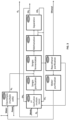
Figure 1 shows a general conceptual diagram of the invention. -
Figure 2 shows a block diagram of a preferred embodiment of the invention with introduction of hydrogen upstream and downstream of the fermenter, and with units for refining the raw ethanol and purifying the recovered water. -
Figure 3 shows a block diagram of an alternative embodiment of the invention with introduction of hydrogen completely upstream of the fermenter. -
Figure 4 shows a detailed diagram of a preferred embodiment with introduction of hydrogen upstream and downstream of the fermenter. -
Figure 5 is an alternative embodiment with respect tofigure 4 in which hydrogen is only introduced upstream of the fermenter. - The present invention relates to a process for producing raw bioethanol by means of the fermentation of the syngas produced by the thermal conversion of the feed composed of one or more types of waste.
- The invention further describes an apparatus for carrying out the aforementioned process.
- The process and apparatus described allow the conversion of waste into biofuel such as, for example, ethanol; said waste comprises Municipal Solid Waste (MSW), agricultural waste or derivatives thereof such as Refuse Derived Fuel (RFD) or even industrial waste, such as non-recyclable plastic waste.
- According to a first feature of the invention, the process exploits the availability of hydrogen, produced by electrolysis, to allow the conversion into ethanol of the carbonaceous elements contained in the gasified waste.
- The availability of hydrogen produced by electrolysis further allows to avoid any emission of CO2 into the atmosphere since any carbonaceous elements not converted during the fermentation step are converted into methane through a methanation reaction by simply adding further hydrogen; the methane thus produced can be sent for distribution or recycled to the gasifier to control the waste conversion temperature.
- The process developed originates from the consideration that the syngas produced by the high temperature conversion of municipal solid waste, treated or not, or by the thermal conversion of agricultural or industrial waste, has a H2/CO ratio by volume equal to about 1.
- The optimal H2/CO ratio required to produce ethanol by fermentation is about 2.0 ÷ 2.2 by volume and thus it is obvious that the thermal conversion of waste, such as the above mentioned, which produces a syngas with a lower ratio value than the optimal one, would result into an excess of carbonaceous components which would come out from the process mainly in the form of carbon dioxide.
- According to another feature of the invention, it has been provided that the process comprises a plurality of high temperature waste converters able to produce the syngas and a plurality of electrolysis cells for producing hydrogen and oxygen.
- By integrating the syngas produced by the converters with the hydrogen (H2), produced by electrolysis, it is possible to use almost totally all of the carbonaceous component in the form of CO/CO2 of the syngas for producing ethanol; furthermore, in order to maximize the CO2 conversion , thus avoiding releasing it into the atmosphere, it is provided that the residual component, still present in the streams downstream of the fermenter, is converted into synthetic methane through the so-called methanation reaction
CO2 + 4H2 ←→ 2H2O + CH4
- Advantageously, said methane can be used in the high temperature conversion of the waste for better control of the process and sent at the battery limits for use outside this process.
- The block diagrams of the embodiments described can be seen in
figures 4 and5 ; alternative embodiments of the invention are however possible without altering the inventive concept underlying the invention. - Rather, the embodiments described herein aim to provide a complete and exhaustive disclosure which completely transmits the purpose of the invention to the expert skilled in the art.
- Therefore, the present invention relates to an eco-compatible process for producing ethanol from waste, through a step of fermentation of the syngas, said fermentation being optimized by adding extra hydrogen obtained through electrolysis of water whereas the oxygen of the same electrolysis is used as a comburent within the thermal conversion step, allowing to avoid the emission of CO2 into the atmosphere.
- In a preferred but not limiting embodiment, such a process comprises the following main steps:
- High temperature thermal conversion of the waste with production of raw syngas (100);
- Production of H2 and O2 through electrolysis (102);
- Purification of the raw syngas (101);
- Fermentation (103) of the purified syngas for producing raw bioethanol, after the addition of all or part of the hydrogen produced by electrolysis for achieving the optimal H2/CO ratio required for the fermentation reactions;
- Partial or total conversion of the residual carbon dioxide present in the purge gas from the fermentation into methane (105);
- Separation (106) of the produced methane from the unconverted carbon dioxide, and recycling of all or part of the methane recovered and all the CO2 separated to the high temperature thermal conversion step (100);
- Purification of the raw bioethanol (104) produced by fermentation;
- Said main steps can also include some further secondary steps such as:
- Purification of the water (107) obtained from the purification of the raw bioethanol and recycling of the same water to the electrolysis unit.
- The secondary steps described above contribute to the optimization of the process in terms of utility consumptions.
- In the preferred embodiment described, the step of high temperature conversion of waste to syngas (100) comprises multiple conversion trains, or reactors; more specifically it was chosen to use a minimum of two, preferably three, thermal conversion trains for converting the feed into syngas.
- Such a solution allows to correctly manage the maintenance period so as to ensure a certain continuity of use; thereby even when a single train is stopped for maintaining the other two trains, are able to work at a greater capacity, thus ensuring a minimum turndown (75-80%) and continuous and almost constant operation for the steps downstream of the thermal conversion.
- Furthermore, the operating choice to perform thermal conversion on multiple trains allows to equalize the composition of the various streams of syngas leaving each gasifier before the subsequent purification step; this implies the possibility to modulate the feed with which each gasifier is supplied in order to obtain a raw syngas that is suitable to be treated in the subsequent purification step, increasing the flexibility of the plant.
- For example, a flow rate of waste between 8 and 10 t/h was chosen, which is supplied to each individual thermal conversion line for an overall total of 24-30 t/h of convertible waste.
- The typical composition of the waste is shown in table 1.
Table 1 ELEMENT AVERAGE COMPOSITION (BY WEIGHT) C 38 - 42 %wt, wet basis H 5 - 6 %wt, wet basis N 0.2 - 1 %wt, wet basis S 0.2 - 1 %wt, wet basis Cl 0.5 - 1 %wt, wet basis O 19 - 22 %wt, wet basis HUMIDITY 10 - 16 %wt, wet basis ASH 15 - 18 %wt, wet basis - Each thermal converter is supplied with pure oxygen, produced by the electrolysis process (102), as a gasifying agent; moreover, there is provided the introduction of a certain aliquot of natural gas (CH4), recycled from the methanation step (105) and subsequent separation (106), for the purpose of controlling the temperature profile inside the reactor.
- The stream of CO2 can also advantageously be used for inerting the waste supply system thus preventing any syngas losses and any air infiltration; in the embodiment described it was chosen to use CO2 as an inerting agent which is likely to be available within the streams that evolve in the process.
- It is however possible to use other alternative inert gases to CO2, such as, for example, nitrogen-rich streams, for reaching the same purpose of preventing any syngas losses and any air infiltrations into the waste supply system.
- For that purpose, it was chosen to add a further amount of hydrogen so as to allow a certain amount of CO2 to be present downstream of the methanation step, separating it from the methane produced and recirculating it fully to the thermal conversion step (100) as an inerting agent.
- Thereby, by performing the fermentation step (103) and the subsequent methanation step (105) so as not to fully convert CO2, the unconverted amount of carbon dioxide is kept in circulation within the plant, thus achieving optimization and stabilization of all the processing steps.
- Each conversion train consists of a conversion reactor which operates at almost atmospheric pressure (max 500 mbarg) and which dispenses syngas at a temperature of 1100-1200°C; said syngas is quickly cooled to 90°C through an evaporative quench which fixes the composition of the syngas obtained at high temperature inside the reactor avoiding triggering collateral reactions responsible for the formation of pollutants such as dioxins and furans.
- The invention includes, downstream of the thermal conversion unit (100), a purification step which acts at dual pressure (101), comprising multiple units according to the capacity of the plant, the aim of which is to remove particulate, metals, chlorides, ammonia, COS and H2S.
- In the low-pressure area downstream of the quench, the syngas leaving every gasifier is at a pressure approximately to atmospheric pressure, about between 100-500 mbarg at most; said syngas is routed to an acid wash column operating at pH 1-3; these conditions allow removing any collected particles and metals from the syngas stream.
- The syngas outcoming from the three conversion trains at the outlet of the acid columns is collected together and routed to a common alkaline wash column which neutralizes it by increasing the pH above 7 and reducing any corrosion phenomena on the downstream equipment.
- A further purification step is carried out by means of a wet electrostatic precipitator (WEP) the aim of which is to remove the collected dust and which is possibly followed by a washing with subcooled water in a column with the aim of further reducing the dust and particulate in the syngas.
- At the outlet of the low temperature washing section, a gas storage tank allows handling any flow rate and pressure fluctuations in the syngas; according to the invention the pressure at the gasometer is set at about 40 mbarg.
- Before entering the high pressure purification section, the syngas is compressed up to 12 barg through a dedicated compression unit; the pressurized syngas is then sent to an adsorbent bed with the aim of remove the residual dust, particulate and heavy metals.
- This operation is followed by a catalyst/adsorbent bed allowing the removal of HCl and a hydrolysis reactor allowing the conversion of COS and HCN into H2S and NH3, respectively.
- The synthesis gas leaving from the hydrolysis reactor is sent to an Hg removal bed and to an H2S removal system according to known technologies.
- In this sense, the removal of H2S can be carried out either through a system that allows the transformation of the H2S into elemental sulfur and then removed as sulfur sludge, or through amine washing.
- A typical composition of purified syngas is shown in table 2.
- The syngas thus purified can be supplied to the ethanol fermentation section (103).
- The data shown in table 2 confirm what has already been mentioned in relation to the H2/CO ratio which is lower than the optimal ratio for the fermentation step.
Table 2 ELEMENT AVERAGE COMPOSITION H2 40 - 38 %mol CO 42 - 41 %mol CO2 10 - 12 %mol N 4 - 4.5 %mol H2O 4 - 4.5 %mol PRESSURE 9 - 10 Barg TEMPERATURE 40 - 45 °C - According to the invention, the further hydrogen required to obtain an optimal H2/CO ratio is supplied by an electrolysis step (102) based on several cells, according to the capacity of the plant, suitable for the production of hydrogen and oxygen.
- In a preferred but non-limiting embodiment of the invention, part of the hydrogen produced by electrolysis is added to the syngas upstream of the fermentation step (103) and the remaining part is added downstream of the fermentation unit (103), before the methanation step (105) with the aim of optimizing both steps in terms of volume and operating conditions of the equipment involved; in an alternative embodiment, the stream of hydrogen produced in the electrolysis is fully added before the fermentation step (103) promoting the maximization of the conversion of CO and CO2 into ethanol.
- In both of the solutions described, the oxygen is sent to the conversion trains to carry out the waste conversion (100).
- According to the invention the conversion of CO and CO2 into ethanol is carried out in a fermentation step (103) in which said conversion is carried out in one or more bioreactors containing a bacterial culture dispersed in a liquid nutrient medium.
- As is known an organic stream consisting of single carbon atoms (C1) and thus comprising one or more of the elements CO and CO2, in combination with H2, is converted into ethanol at low temperature 30-40°C and low pressure 3-5 barg.
- Therefore, according to the invention, the synthesis gas containing CO, CO2, added with the H2 incoming from electrolysis, is bubbled inside the liquid nutrient medium; the conversion causes the formation of dispersed ethanol in the nutrient medium in the aqueous phase and the production of a residual gaseous stream containing unreacted components and CO2 generated by the biological conversion process during fermentation.
- The ethanol concentration in the stream outcoming from the fermentation step is comprised in the range between 3-6 %wt and thus it is required a specific step to separate ethanol from the aqueous phase in order to obtain anhydrous ethanol.
- In a preferred embodiment the synthesis gas, in addition with part of the hydrogen produced by electrolysis and therefore having an H2/CO ratio between 2.0 - 2.2 %vol, is converted into raw ethanol and a purge gas.
- In an alternative embodiment, the syngas, in addition with all the hydrogen produced by electrolysis, will have an H2/CO ratio between 5 - 5.2 %vol thus converting CO and CO2 into ethanol; according to this operating mode, the CO2 initially contained in the syngas is converted during the fermentation process with a consequent increase in the yield of ethanol and a minimization of the purge gas stream.
- The purge gas produced by the fermentation step is further treated in the methanation step (105) in order to convert the CO2 still present in the gas into methane preventing emissions into the environment.
- In the preferred embodiment described, the remaining part of the hydrogen produced by electrolysis (102) is added to the stream of purge gas downstream of the fermentation step (103) in order to make the H2/C1 optimal for performing the methanation of the amount of CO2 still present in the purge gas and with the aim to produce synthetic methane; in the alternative embodiment described in which the hydrogen produced by electrolysis is fully added before the fermentation step, and thus generating a minimum amount of purge gas, the remaining amount of residue H2 in the outcoming stream of purge gas at the outlet of the fermenter is sufficient for carrying out the methanation of residual CO and CO2 without any further addition of fresh H2.
- According to the invention the methane produced in step 105 is separated from any CO2 unreacted in step 106, for the purpose of avoiding any emissions of CO2 into the atmosphere.
- As previously said, part of the methane is recycled to the conversion reactors (100) with the aim to control the temperature profile inside the reactors, while the remaining part is sent to other uses or sold externally.
- CO2 is recycled in part to the methanation step (105) and in part to the thermal conversion step (100) as an inerting agent for the waste supply system; in particular in the alternative embodiment described, where the hydrogen from electrolysis (102) is fully added upstream of the fermenter (103), the amount of CO2 recovered in the separation step (106) is low and not sufficient for inerting the waste supply system.
- Therefore in the alternative embodiment described, in addition to the recovered CO2, a nitrogen-rich stream deriving from the known CO2 separation process is used and which corresponds to a sub-product of the same block 106, as shown in
fig. 5 . - The liquid phase outcoming from the fermenter, containing diluted ethanol, can be sent to the raw bioethanol, produced by fermentation, purification step (104) for recovering the product; in general this step typically includes the recovery of the biocatalyst, which is recycled again to the fermenter, and an ethanol recovery and purification step, generally carried out by means of several distillation columns, followed by dehydration through molecular sieve filtration in order to comply with the requirements on the residual water.
- Therefore, from the purification unit (104) a stream of anhydrous ethanol and a stream of water containing traces of alcohols produced during the fermentation process as sub-products are obtained; generally, such sub-products consist of butanediol, ethyl acetate and other higher alcohols.
- Said aqueous stream produced during the distillation step can be routed to a waste water treatment step (107) such as to allow the recycling of the water purified at the electrolysis step (102).
- Furthermore, according to the invention, the stream containing the sub-products consisting of butanediol, ethyl acetate and higher alcohols, and also the excess bacteria introduced into the fermenter (103), can be advantageously sent to the thermal conversion step (100); thereby, there is obtained the dual advantage of not dispersing organic components into the environment and further contributing to controlling the thermal conversion in terms of the composition of the raw syngas produced.
- Advantageously, the described process allows producing bioethanol from waste such as RDF, municipal solid waste, plastic residues and the like without introducing CO2 into the atmosphere; indeed, the synergistic effect of the fermentation step followed by the methanation step of the purge gas produced during fermentation, allows to reduce, or completely break down, the amount of CO2 in the outlet stream, thus avoiding introduction into the atmosphere.
- As mentioned in the embodiments described, the methanation step does not completely remove CO2 but preserves a certain amount thereof which is however separated downstream of methanation, thus preventing its introduction into the atmosphere; said recovered CO2 stream is advantageously used to inert the waste supply system, thus preventing any syngas losses and any air infiltrations which would lead to lower conversion yields of the reactor with subsequent imbalances in the fermentation steps.
Claims (16)
- A process for producing ethanol by anaerobic fermentation of a synthesis gas, characterized in that:• said syngas is produced by the thermal conversion at high temperature, above 1000°C, of a feed comprising municipal solid waste (MSW), agricultural waste or derivatives thereof such as refused derived fuel (RDF) or even industrial waste such as non-recyclable plastic waste or a combination thereof, and• further hydrogen is added to said syngas, produced by electrolysis so as to balance the H2/CO ratio to a value equal to at least 2,0 ÷ 2,2 in volume, thus maximizing the conversion of the organic components in the fermentation step so as to avoid the emission of CO2 into the atmosphere,and wherein
said process comprises the following steps:• High temperature conversion of the waste with production of raw syngas (100);• Production of H2 and O2 through electrolysis (102);• Purification of the raw syngas by a purification unit which acts on two pressure levels (101), the purpose of which is the removal of particulate, metals, chlorides, ammonia, COS, and H2S (101);• Fermentation of the purified syngas for producing raw bioethanol, after the addition of all or part of the hydrogen produced by electrolysis for achieving the optimal H2/CO ratio required for the fermentation reactions (103);• Partial or total conversion of the residual carbon dioxide present in the purge gas outcoming from the fermentation into methane (105);• Separation (106) of the methane produced by unconverted carbon dioxide, and recycling of all or part of the methane recovered and all the CO2 separated to the thermal conversion step (100). - A process according to the preceding claim characterized in that it further includes a step (104) of purifying the raw ethanol produced by fermentation from which a stream of anhydrous ethanol and an aqueous stream containing alcohols and other organic products exit.
- A process according to the preceding claim characterized in that it further includes a step of purifying the water (107) obtained in the raw ethanol purification step in order to recycle the recovered water to the electrolysis unit.
- A process according to one or more of the preceding claims characterized in that the high temperature waste conversion step for the production of raw syngas (100) consists of a plurality of converters, providing at least of two trains thereof, preferably three conversion trains.
- A process according to one or more of the preceding claims characterized in that the step of purifying the syngas produced (101) consists of a plurality of trains depending on the capacity of the plant.
- A process according to one or more of the preceding claims characterized in that, in the water electrolysis step, several cells are used depending on the capacity of the plant.
- A process according to one or more of claims from 1 to 6 characterized in that the hydrogen produced in the electrolysis step (102) is partially added upstream of the fermentation step, thus shifting the H2/CO ratio to a value between 2.0 and 2.2 %vol, and the remaining part is added downstream of the fermentation step in order to enable the development of methanation reactions (105), thus optimizing the process in terms of volumes and operating conditions of the fermentation and methanation steps.
- A process according to one or more of claims from 1 to 6 characterized in that the hydrogen produced in the electrolysis step (102) is fully added upstream of the fermentation step, thus shifting the H2/CO ratio to a value between 5 and 5.2 %vol, maximizing the conversion process of CO and CO2 into bioethanol.
- A process according to one or more of the preceding claims characterized in that the oxygen produced by electrolysis is used as a combustive agent in the conversion step for converting waste into syngas.
- A process according to one or more of the preceding claims characterized in that the fermentation step (103) is carried out in one or more bioreactors, depending on the capacity of the plant, containing a bacterial culture dispersed in a liquid nutrient medium.
- A process according to one or more of the preceding claims characterized in that an amount of the methane stream produced during methanation (105) and exiting from the separation step (106) is recycled to the thermal waste conversion step (100) in order to control the conversion temperature of the feed.
- A process according to one or more of the preceding claims characterized in that the excess bacteria exiting from the fermentation step (103) and the byproducts consisting of butanediol, ethyl acetate, and superior alcohols exiting from the water purification unit (107), are routed to the converter in order to control the conversion of waste in terms of composition of the syngas produced.
- A process according to one or more of the preceding claims characterized in that the CO2 outcoming from the separation process (106) is used individually or in a mixture with other streams, consisting of inert substances and which form byproducts of the same separation step (106), for inerting the waste supply system thus preventing any syngas losses and any air infiltration, and allowing an equalization of the conversion yields.
- An apparatus for producing ethanol by anaerobic fermentation of a synthesis gas characterized in that it includes the conversion into said ethanol of the syngas produced by the thermal conversion of municipal solid waste (MSW), agricultural waste or derivatives thereof such as refused derived fuel (RFD) or even industrial waste such as non-recyclable plastic waste, wherein said process does not imply any CO2 emission into the atmosphere as it uses electrolysis for the production of further hydrogen to be added to said syngas so as to balance the H2/CO ratio, thus maximizing the conversion of the organic components in the fermentation step,
and wherein
said apparatus comprises the following steps:• at least one thermal, high temperature waste conversion unit with the production of raw syngas (100) consisting of a plurality of conversion reactors;• at least one unit for producing H2 and O2 by electrolysis (102) consisting of a plurality of electrolysis cells;• at least one raw syngas purification unit consisting of a plurality of purification trains (101) acting at double stage pressure, low pressure and high pressure, the purpose of said purification trains (101) being to remove particulate, metals, chlorides, ammonia, COS, and H2S;• at least one unit for the fermentation of the purified syngas, consisting of a plurality of bioreactors, for producing raw bioethanol, upon the addition of all or part of the hydrogen produced by electrolysis for achieving the optimal H2/CO ratio required for the fermentation reactions (103);• at least one unit for the partial or total conversion of the residual carbon dioxide present in the purge gas from the fermentation into methane (105);• at least one separation unit (106) for separating the produced methane from unconverted carbon dioxide and a line for recycling both of the streams to the converter;• at least one recycling line exiting from the separation step (106) and routed to the thermal conversion step (100) for recycling all or part of the methane, exiting from the separation step, as a temperature control vector in the thermal conversion step;• at least one recycling line exiting from the separation step (106) and routed to the thermal conversion step (100) for recycling all of the CO2, recovered in the separation step, as an inerting agent in the thermal conversion step. - An apparatus according to claim 14 characterized in that it further includes at least one purification unit (104) for purifying the raw ethanol produced by fermentation from which a stream of anhydrous ethanol and an aqueous stream containing alcohols and other organic products exit.
- An apparatus according to claims 14 and 15 characterized in that it further includes at least one water purification unit (107) for the aqueous stream produced in the raw ethanol purification step in order to recycle the recovered water to the electrolysis unit.
Applications Claiming Priority (2)
| Application Number | Priority Date | Filing Date | Title |
|---|---|---|---|
| IT102021000020819A IT202100020819A1 (en) | 2021-08-02 | 2021-08-02 | PROCESS AND APPARATUS FOR THE PRODUCTION OF BIOETHANOL WITHOUT CO2 EMISSIONS THROUGH THE CONVERSION OF SYNGAS OBTAINED FROM THE HIGH TEMPERATURE THERMAL CONVERSION OF WASTE |
| PCT/IB2022/057126 WO2023012644A1 (en) | 2021-08-02 | 2022-08-01 | Process and apparatus for producing bioethanol without co2 emissions by conversion of syngas obtained from the thermal conversion of waste at high temperature |
Publications (4)
| Publication Number | Publication Date |
|---|---|
| EP4363532A1 EP4363532A1 (en) | 2024-05-08 |
| EP4363532B1 true EP4363532B1 (en) | 2025-03-26 |
| EP4363532C0 EP4363532C0 (en) | 2025-03-26 |
| EP4363532B8 EP4363532B8 (en) | 2025-08-06 |
Family
ID=78212530
Family Applications (1)
| Application Number | Title | Priority Date | Filing Date |
|---|---|---|---|
| EP22758022.2A Active EP4363532B8 (en) | 2021-08-02 | 2022-08-01 | Process and apparatus for producing bioethanol without co2 emissions by conversion of syngas obtained from the thermal conversion of waste at high temperature |
Country Status (8)
| Country | Link |
|---|---|
| US (1) | US20240344092A1 (en) |
| EP (1) | EP4363532B8 (en) |
| JP (1) | JP2024531104A (en) |
| ES (1) | ES3033156T3 (en) |
| IT (1) | IT202100020819A1 (en) |
| MY (1) | MY210541A (en) |
| PL (1) | PL4363532T3 (en) |
| WO (1) | WO2023012644A1 (en) |
Family Cites Families (12)
| Publication number | Priority date | Publication date | Assignee | Title |
|---|---|---|---|---|
| WO2008109122A1 (en) * | 2007-03-05 | 2008-09-12 | Novus Energy, Llc | Efficient use of biogas carbon dioxie in liquid fuel synthesis |
| US8895274B2 (en) * | 2011-11-28 | 2014-11-25 | Coskata, Inc. | Processes for the conversion of biomass to oxygenated organic compound, apparatus therefor and compositions produced thereby |
| US9011578B2 (en) | 2012-04-05 | 2015-04-21 | Coskata, Inc. | Integrated processes for refining syngas and bioconversion to oxygenated organic compound |
| US10619173B2 (en) * | 2014-07-22 | 2020-04-14 | Iogen Corporation | Process for using biogenic carbon dioxide derived from non-fossil organic material |
| CA2971889A1 (en) * | 2014-12-23 | 2016-06-30 | Greenfield Specialty Alcohols Inc. | Conversion of biomass, organic waste and carbon dioxide into synthetic hydrocarbons |
| WO2017136478A1 (en) * | 2016-02-01 | 2017-08-10 | Lanzatech New Zealand Limited | Integrated fermentation and electrolysis process |
| IT201600100814A1 (en) | 2016-10-07 | 2018-04-07 | Processi Innovativi S R L | Process and plant for the production of waste syngas, preferably industrial or municipal waste and related associated products. |
| DE102017200435A1 (en) * | 2017-01-12 | 2018-07-12 | Siemens Aktiengesellschaft | Process and apparatus for the production of hydrocarbons |
| EP3679149B1 (en) | 2017-09-08 | 2022-06-29 | Lanzatech, Inc. | Processes for metabolite production using hydrogen rich c1-containing substrates |
| US11359294B2 (en) * | 2018-02-12 | 2022-06-14 | Lanzatech, Inc. | Process for improving carbon conversion efficiency |
| MY204224A (en) | 2018-04-20 | 2024-08-16 | Lanzatech Inc | Intermittent electrolysis streams |
| CN112955560A (en) * | 2019-07-11 | 2021-06-11 | 朗泽科技有限公司 | Method for optimizing gas utilization |
-
2021
- 2021-08-02 IT IT102021000020819A patent/IT202100020819A1/en unknown
-
2022
- 2022-08-01 US US18/294,972 patent/US20240344092A1/en active Pending
- 2022-08-01 MY MYPI2024000631A patent/MY210541A/en unknown
- 2022-08-01 JP JP2024506514A patent/JP2024531104A/en active Pending
- 2022-08-01 ES ES22758022T patent/ES3033156T3/en active Active
- 2022-08-01 EP EP22758022.2A patent/EP4363532B8/en active Active
- 2022-08-01 PL PL22758022.2T patent/PL4363532T3/en unknown
- 2022-08-01 WO PCT/IB2022/057126 patent/WO2023012644A1/en not_active Ceased
Also Published As
| Publication number | Publication date |
|---|---|
| ES3033156T3 (en) | 2025-07-31 |
| JP2024531104A (en) | 2024-08-29 |
| EP4363532C0 (en) | 2025-03-26 |
| PL4363532T3 (en) | 2025-09-08 |
| WO2023012644A1 (en) | 2023-02-09 |
| EP4363532A1 (en) | 2024-05-08 |
| MY210541A (en) | 2025-09-30 |
| US20240344092A1 (en) | 2024-10-17 |
| IT202100020819A1 (en) | 2023-02-02 |
| EP4363532B8 (en) | 2025-08-06 |
Similar Documents
| Publication | Publication Date | Title |
|---|---|---|
| US8592492B2 (en) | Using fossil fuels to increase biomass-based fuel benefits | |
| US8673135B2 (en) | Coal liquefaction complex with minimal carbon dioxide emissions | |
| US20130072583A1 (en) | Method of producing a hydrocarbon composition | |
| US20250042829A1 (en) | Methanol from biomass gasification | |
| AU2011333473B2 (en) | Process for improving the hydrogen content of a synthesis gas | |
| US9062257B1 (en) | Enhanced GTL process | |
| US11267767B2 (en) | Integrated gasification and electrolysis process | |
| US20120056132A1 (en) | Systems and Processes for Processing Hydrogen and Carbon Monoxide | |
| WO2016197702A1 (en) | Chloralkali method and fischer-tropsch synthesis integrated utilization adjustment process and equipment therefor | |
| KR102675423B1 (en) | Flexible fermentation platform for improved conversion of carbon dioxide to products | |
| US20250313520A1 (en) | Process and plant for producing renewable fuels | |
| EP2584023A1 (en) | Method of producing a syngas composition | |
| EP4328287A1 (en) | Synthetic fuel production method | |
| US20240344092A1 (en) | Process and apparatus for producing bioethanol without co2 emissions by conversion of syngas obtained from the thermal conversion of waste at high temperature | |
| EP3411356A1 (en) | A carbon neutral process and relating apparatus to produce urea from municipal or industrial wastes with zero emissions | |
| US20250215459A1 (en) | Flexible fermentation platform for improved conversion of carbon dioxide into products | |
| US20240376392A1 (en) | Method for producing synthetic fuel | |
| CN120699671A (en) | Process for synthesizing sustainable aviation fuel from pure biomass by low-pressure and high-temperature steam gasification | |
| JP2024531104A5 (en) |
Legal Events
| Date | Code | Title | Description |
|---|---|---|---|
| STAA | Information on the status of an ep patent application or granted ep patent |
Free format text: STATUS: UNKNOWN |
|
| STAA | Information on the status of an ep patent application or granted ep patent |
Free format text: STATUS: THE INTERNATIONAL PUBLICATION HAS BEEN MADE |
|
| PUAI | Public reference made under article 153(3) epc to a published international application that has entered the european phase |
Free format text: ORIGINAL CODE: 0009012 |
|
| STAA | Information on the status of an ep patent application or granted ep patent |
Free format text: STATUS: REQUEST FOR EXAMINATION WAS MADE |
|
| 17P | Request for examination filed |
Effective date: 20240129 |
|
| AK | Designated contracting states |
Kind code of ref document: A1 Designated state(s): AL AT BE BG CH CY CZ DE DK EE ES FI FR GB GR HR HU IE IS IT LI LT LU LV MC MK MT NL NO PL PT RO RS SE SI SK SM TR |
|
| DAV | Request for validation of the european patent (deleted) | ||
| DAX | Request for extension of the european patent (deleted) | ||
| GRAP | Despatch of communication of intention to grant a patent |
Free format text: ORIGINAL CODE: EPIDOSNIGR1 |
|
| STAA | Information on the status of an ep patent application or granted ep patent |
Free format text: STATUS: GRANT OF PATENT IS INTENDED |
|
| INTG | Intention to grant announced |
Effective date: 20241111 |
|
| GRAS | Grant fee paid |
Free format text: ORIGINAL CODE: EPIDOSNIGR3 |
|
| GRAA | (expected) grant |
Free format text: ORIGINAL CODE: 0009210 |
|
| STAA | Information on the status of an ep patent application or granted ep patent |
Free format text: STATUS: THE PATENT HAS BEEN GRANTED |
|
| AK | Designated contracting states |
Kind code of ref document: B1 Designated state(s): AL AT BE BG CH CY CZ DE DK EE ES FI FR GB GR HR HU IE IS IT LI LT LU LV MC MK MT NL NO PL PT RO RS SE SI SK SM TR |
|
| REG | Reference to a national code |
Ref country code: GB Ref legal event code: FG4D |
|
| REG | Reference to a national code |
Ref country code: CH Ref legal event code: EP |
|
| REG | Reference to a national code |
Ref country code: DE Ref legal event code: R096 Ref document number: 602022012342 Country of ref document: DE |
|
| REG | Reference to a national code |
Ref country code: IE Ref legal event code: FG4D |
|
| U01 | Request for unitary effect filed |
Effective date: 20250417 |
|
| U07 | Unitary effect registered |
Designated state(s): AT BE BG DE DK EE FI FR IT LT LU LV MT NL PT RO SE SI Effective date: 20250425 |
|
| REG | Reference to a national code |
Ref country code: CH Ref legal event code: PK Free format text: TITEL |
|
| PG25 | Lapsed in a contracting state [announced via postgrant information from national office to epo] |
Ref country code: RS Free format text: LAPSE BECAUSE OF FAILURE TO SUBMIT A TRANSLATION OF THE DESCRIPTION OR TO PAY THE FEE WITHIN THE PRESCRIBED TIME-LIMIT Effective date: 20250626 |
|
| PGFP | Annual fee paid to national office [announced via postgrant information from national office to epo] |
Ref country code: NO Payment date: 20250611 Year of fee payment: 4 |
|
| REG | Reference to a national code |
Ref country code: CH Ref legal event code: PK Free format text: BERICHTIGUNG B8 |
|
| PG25 | Lapsed in a contracting state [announced via postgrant information from national office to epo] |
Ref country code: HR Free format text: LAPSE BECAUSE OF FAILURE TO SUBMIT A TRANSLATION OF THE DESCRIPTION OR TO PAY THE FEE WITHIN THE PRESCRIBED TIME-LIMIT Effective date: 20250326 |
|
| PGFP | Annual fee paid to national office [announced via postgrant information from national office to epo] |
Ref country code: TR Payment date: 20250527 Year of fee payment: 4 |
|
| REG | Reference to a national code |
Ref country code: ES Ref legal event code: FG2A Ref document number: 3033156 Country of ref document: ES Kind code of ref document: T3 Effective date: 20250731 |
|
| REG | Reference to a national code |
Ref country code: GR Ref legal event code: EP Ref document number: 20250401273 Country of ref document: GR Effective date: 20250707 |
|
| U20 | Renewal fee for the european patent with unitary effect paid |
Year of fee payment: 4 Effective date: 20250826 |
|
| PG25 | Lapsed in a contracting state [announced via postgrant information from national office to epo] |
Ref country code: SM Free format text: LAPSE BECAUSE OF FAILURE TO SUBMIT A TRANSLATION OF THE DESCRIPTION OR TO PAY THE FEE WITHIN THE PRESCRIBED TIME-LIMIT Effective date: 20250326 |
|
| PGFP | Annual fee paid to national office [announced via postgrant information from national office to epo] |
Ref country code: ES Payment date: 20250901 Year of fee payment: 4 |
|
| PGFP | Annual fee paid to national office [announced via postgrant information from national office to epo] |
Ref country code: GR Payment date: 20250704 Year of fee payment: 4 |
|
| PGFP | Annual fee paid to national office [announced via postgrant information from national office to epo] |
Ref country code: PL Payment date: 20250526 Year of fee payment: 4 |
|
| PG25 | Lapsed in a contracting state [announced via postgrant information from national office to epo] |
Ref country code: SK Free format text: LAPSE BECAUSE OF FAILURE TO SUBMIT A TRANSLATION OF THE DESCRIPTION OR TO PAY THE FEE WITHIN THE PRESCRIBED TIME-LIMIT Effective date: 20250326 |
|
| PG25 | Lapsed in a contracting state [announced via postgrant information from national office to epo] |
Ref country code: IS Free format text: LAPSE BECAUSE OF FAILURE TO SUBMIT A TRANSLATION OF THE DESCRIPTION OR TO PAY THE FEE WITHIN THE PRESCRIBED TIME-LIMIT Effective date: 20250726 |
|
| PGFP | Annual fee paid to national office [announced via postgrant information from national office to epo] |
Ref country code: MK Payment date: 20250617 Year of fee payment: 4 |
|
| PG25 | Lapsed in a contracting state [announced via postgrant information from national office to epo] |
Ref country code: CZ Free format text: LAPSE BECAUSE OF FAILURE TO SUBMIT A TRANSLATION OF THE DESCRIPTION OR TO PAY THE FEE WITHIN THE PRESCRIBED TIME-LIMIT Effective date: 20250326 |
|
| PLBE | No opposition filed within time limit |
Free format text: ORIGINAL CODE: 0009261 |
|
| STAA | Information on the status of an ep patent application or granted ep patent |
Free format text: STATUS: NO OPPOSITION FILED WITHIN TIME LIMIT |
|
| REG | Reference to a national code |
Ref country code: CH Ref legal event code: L10 Free format text: ST27 STATUS EVENT CODE: U-0-0-L10-L00 (AS PROVIDED BY THE NATIONAL OFFICE) Effective date: 20260211 |
|
| 26N | No opposition filed |
Effective date: 20260105 |
|
| REG | Reference to a national code |
Ref country code: CH Ref legal event code: H13 Free format text: ST27 STATUS EVENT CODE: U-0-0-H10-H13 (AS PROVIDED BY THE NATIONAL OFFICE) Effective date: 20260324 |
|
| PG25 | Lapsed in a contracting state [announced via postgrant information from national office to epo] |
Ref country code: MC Free format text: LAPSE BECAUSE OF FAILURE TO SUBMIT A TRANSLATION OF THE DESCRIPTION OR TO PAY THE FEE WITHIN THE PRESCRIBED TIME-LIMIT Effective date: 20250326 |
|
| PG25 | Lapsed in a contracting state [announced via postgrant information from national office to epo] |
Ref country code: CH Free format text: LAPSE BECAUSE OF NON-PAYMENT OF DUE FEES Effective date: 20250831 |