EP4360472A1 - Composition for suppressing muscle damage - Google Patents
Composition for suppressing muscle damage Download PDFInfo
- Publication number
- EP4360472A1 EP4360472A1 EP22828532.6A EP22828532A EP4360472A1 EP 4360472 A1 EP4360472 A1 EP 4360472A1 EP 22828532 A EP22828532 A EP 22828532A EP 4360472 A1 EP4360472 A1 EP 4360472A1
- Authority
- EP
- European Patent Office
- Prior art keywords
- kaempferol
- composition
- muscle damage
- glycoside
- hours
- Prior art date
- Legal status (The legal status is an assumption and is not a legal conclusion. Google has not performed a legal analysis and makes no representation as to the accuracy of the status listed.)
- Pending
Links
Images
Classifications
-
- A—HUMAN NECESSITIES
- A23—FOODS OR FOODSTUFFS; TREATMENT THEREOF, NOT COVERED BY OTHER CLASSES
- A23L—FOODS, FOODSTUFFS OR NON-ALCOHOLIC BEVERAGES, NOT OTHERWISE PROVIDED FOR; PREPARATION OR TREATMENT THEREOF
- A23L33/00—Modifying nutritive qualities of foods; Dietetic products; Preparation or treatment thereof
- A23L33/10—Modifying nutritive qualities of foods; Dietetic products; Preparation or treatment thereof using additives
- A23L33/105—Plant extracts, their artificial duplicates or their derivatives
- A23L33/11—Plant sterols or derivatives thereof, e.g. phytosterols
-
- A—HUMAN NECESSITIES
- A61—MEDICAL OR VETERINARY SCIENCE; HYGIENE
- A61K—PREPARATIONS FOR MEDICAL, DENTAL OR TOILETRY PURPOSES
- A61K31/00—Medicinal preparations containing organic active ingredients
- A61K31/33—Heterocyclic compounds
- A61K31/335—Heterocyclic compounds having oxygen as the only ring hetero atom, e.g. fungichromin
- A61K31/35—Heterocyclic compounds having oxygen as the only ring hetero atom, e.g. fungichromin having six-membered rings with one oxygen as the only ring hetero atom
- A61K31/352—Heterocyclic compounds having oxygen as the only ring hetero atom, e.g. fungichromin having six-membered rings with one oxygen as the only ring hetero atom condensed with carbocyclic rings, e.g. methantheline
-
- A—HUMAN NECESSITIES
- A23—FOODS OR FOODSTUFFS; TREATMENT THEREOF, NOT COVERED BY OTHER CLASSES
- A23L—FOODS, FOODSTUFFS OR NON-ALCOHOLIC BEVERAGES, NOT OTHERWISE PROVIDED FOR; PREPARATION OR TREATMENT THEREOF
- A23L33/00—Modifying nutritive qualities of foods; Dietetic products; Preparation or treatment thereof
- A23L33/10—Modifying nutritive qualities of foods; Dietetic products; Preparation or treatment thereof using additives
- A23L33/105—Plant extracts, their artificial duplicates or their derivatives
-
- A—HUMAN NECESSITIES
- A61—MEDICAL OR VETERINARY SCIENCE; HYGIENE
- A61K—PREPARATIONS FOR MEDICAL, DENTAL OR TOILETRY PURPOSES
- A61K31/00—Medicinal preparations containing organic active ingredients
- A61K31/70—Carbohydrates; Sugars; Derivatives thereof
- A61K31/7042—Compounds having saccharide radicals and heterocyclic rings
- A61K31/7048—Compounds having saccharide radicals and heterocyclic rings having oxygen as a ring hetero atom, e.g. leucoglucosan, hesperidin, erythromycin, nystatin, digitoxin or digoxin
-
- A—HUMAN NECESSITIES
- A61—MEDICAL OR VETERINARY SCIENCE; HYGIENE
- A61P—SPECIFIC THERAPEUTIC ACTIVITY OF CHEMICAL COMPOUNDS OR MEDICINAL PREPARATIONS
- A61P21/00—Drugs for disorders of the muscular or neuromuscular system
-
- A—HUMAN NECESSITIES
- A23—FOODS OR FOODSTUFFS; TREATMENT THEREOF, NOT COVERED BY OTHER CLASSES
- A23V—INDEXING SCHEME RELATING TO FOODS, FOODSTUFFS OR NON-ALCOHOLIC BEVERAGES AND LACTIC OR PROPIONIC ACID BACTERIA USED IN FOODSTUFFS OR FOOD PREPARATION
- A23V2002/00—Food compositions, function of food ingredients or processes for food or foodstuffs
-
- A—HUMAN NECESSITIES
- A23—FOODS OR FOODSTUFFS; TREATMENT THEREOF, NOT COVERED BY OTHER CLASSES
- A23V—INDEXING SCHEME RELATING TO FOODS, FOODSTUFFS OR NON-ALCOHOLIC BEVERAGES AND LACTIC OR PROPIONIC ACID BACTERIA USED IN FOODSTUFFS OR FOOD PREPARATION
- A23V2200/00—Function of food ingredients
- A23V2200/30—Foods, ingredients or supplements having a functional effect on health
- A23V2200/316—Foods, ingredients or supplements having a functional effect on health having an effect on regeneration or building of ligaments or muscles
-
- A—HUMAN NECESSITIES
- A23—FOODS OR FOODSTUFFS; TREATMENT THEREOF, NOT COVERED BY OTHER CLASSES
- A23V—INDEXING SCHEME RELATING TO FOODS, FOODSTUFFS OR NON-ALCOHOLIC BEVERAGES AND LACTIC OR PROPIONIC ACID BACTERIA USED IN FOODSTUFFS OR FOOD PREPARATION
- A23V2250/00—Food ingredients
- A23V2250/20—Natural extracts
- A23V2250/21—Plant extracts
- A23V2250/2116—Flavonoids, isoflavones
-
- A—HUMAN NECESSITIES
- A23—FOODS OR FOODSTUFFS; TREATMENT THEREOF, NOT COVERED BY OTHER CLASSES
- A23V—INDEXING SCHEME RELATING TO FOODS, FOODSTUFFS OR NON-ALCOHOLIC BEVERAGES AND LACTIC OR PROPIONIC ACID BACTERIA USED IN FOODSTUFFS OR FOOD PREPARATION
- A23V2250/00—Food ingredients
- A23V2250/20—Natural extracts
- A23V2250/21—Plant extracts
- A23V2250/2136—Phytosterols, phytostanols
Definitions
- Kaempferol is a substance represented by the following structural formula and is a type of natural flavonoid found in many edible plants such as tea, broccoli, grapefruit, cabbage, kale, beans, endive, leeks, tomatoes, strawberries, grapes, Brussels sprouts, apples, quinoa, and horseradish.
- KMP kaempferol
- PTL Patent Literature
- Muscle damage Damage to muscle (also referred to as “muscle damage”) is caused by excessive exercise load or the like, leading to muscle pain and/or muscle weakness. Thus, particularly in athletes etc., muscle damage is a cause of decreased athletic performance, and there is a need to suppress and reduce muscle damage.
- NPL 1 J. Appl. Physiol. 83(4): 1076-1082, 1997
- An object is to provide a novel means for suppressing or reducing muscle damage.
- the present inventors conducted extensive research to achieve the above object, and found that muscle damage is suppressed or reduced by using kaempferol. As a result of further research based on this finding, the invention, including the following subject matter, is provided.
- a composition for preventing or reducing muscle damage comprising kaempferol and/or a glycoside thereof.
- composition according to Item 1 wherein the muscle damage is accompanied by an increase in a blood myoglobin level.
- a composition for suppressing an increase in a blood myoglobin level comprising kaempferol and/or a glycoside thereof.
- composition according to any one of Items 1 to 3, which is a food or drink, a pharmaceutical product, or a quasi-drug.
- a method for preventing or reducing muscle damage comprising allowing a subject in need thereof to ingest kaempferol and/or a glycoside thereof.
- a method for suppressing an increase in a blood myoglobin level comprising allowing a subject in need thereof to ingest kaempferol and/or a glycoside thereof.
- kaempferol and/or a glycoside thereof for producing a composition for suppressing an increase in a blood myoglobin level.
- Muscle damage can be effectively prevented, suppressed, or reduced.
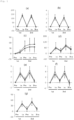
- Fig. 1 shows the concentrations of various blood markers measured in the Examples.
- Fig. 1(a) shows the results of lactic acid, and the unit of the vertical axis is "mg/dL.”
- Fig. 1(b) shows the results of pyruvic acid, and the unit of the vertical axis is “mg/dL.”
- Fig. 1(c) shows the results of myoglobin, and the unit of the vertical axis is "ng/mL.”
- Fig. 1 (d) shows the results of creatine phosphokinase (CPK), and the unit of the vertical axis is "U/L.”
- CPK creatine phosphokinase
- Fig. 1(e) shows the results of aspartate aminotransferase (AST), and the unit of the vertical axis is "U/L.”
- Fig. 1(f) shows the results of alanine aminotransferase (ALT), and the unit of the vertical axis is "U/L.”
- Fig. 1(g) shows the results of lactate dehydrogenase (LDH), and the unit of the vertical axis is "U/L.”
- the solid black lines are the results of ingesting kaempferol (mean ⁇ standard deviation), and the solid gray lines are the results of ingesting a placebo (mean ⁇ standard deviation).
- Kaempferol is a type of natural flavonoid found in many edible plants such as tea, broccoli, grapefruit, cabbage, kale, beans, endive, leeks, tomatoes, strawberries, grapes, Brussels sprouts, apples, quinoa, and horseradish.
- Kaempferol may be isolated, or present in an extract.
- kaempferol is preferably derived from a plant selected from the group consisting of quinoa and horseradish.
- a glycoside of kaempferol means a compound in which a sugar chain having at least one (preferably one to three, more preferably one) sugar residue is glycosidically bonded to at least one (preferably one to two, more preferably one) hydroxy group.
- sugar residues include a glucose residue, a mannose residue, a galactose residue, a fucose residue, a rhamnose residue, an arabinose residue, a xylose residue, a fructose residue, a glucuronic acid residue, and an apiose residue.
- the glycoside of kaempferol can be converted to its aglycone in vivo and thus can exhibit the same action as that of kaempferol.
- the composition for preventing or reducing muscle damage and the composition for suppressing an increase in the blood myoglobin level (which hereinafter may be collectively referred to as "the composition") preferably comprise kaempferol and/or a glycoside thereof as an active ingredient.
- the composition preferably comprises kaempferol.
- the kaempferol and glycoside thereof may be obtained by extraction from plants according to known methods, or purchased commercially.
- Muscle damage is a concept that includes muscle damage (slight damage to connective tissue surrounding myofibrils and muscle fibers) caused by excessive exercise load or the like.
- the muscle damage is preferably muscle damage accompanied by a symptom of a blood myoglobin level. Blood myoglobin levels are known to increase with muscle damage ( J. Appl. Physiol. 83(4): 1076-1082, 1997 ).
- the amount of the kaempferol or glycoside thereof contained in the composition, the amount of the kaempferol or glycoside thereof to be taken per intake, and the amount of the kaempferol or glycoside thereof to be taken per day can be designed as appropriate within the ranges in which the desired effect is exhibited, and can be selected as appropriate according to the form of the composition, frequency of administration, health condition of the subject, and the like.
- the administration period of the composition is not particularly limited as long as the desired effect is exhibited, and the composition may be administered as a single dose or continuously. In one embodiment, the composition is desirably administered continuously over a certain period of time, for example, for 2 days, 3 days, 1 week, 10 days, 1 month, or 3 months or more.
- the composition is preferably ingested before, during, and/or after exercise (preferably exercise that may cause muscle damage).
- the composition is ingested before exercise, it is preferably ingested a few hours to a few days before exercise.
- the composition is ingested during exercise, it is preferably ingested between exercises (rest time).
- the composition is ingested after exercise, it is preferably ingested immediately after exercise, or within a few hours or a few days after exercise.
- the term "a few hours” means 1 hour, 2 hours, 3 hours, 4 hours, 5 hours, 6 hours, 7 hours, 8 hours, 9 hours, 10 hours, 11 hours, or 12 hours.
- the term "a few days” means 1 day, 2 days, or 3 days.
- the amount of the kaempferol or glycoside thereof contained in the composition may vary depending on the total weight of the composition, and is, for example, 0.1 mg to 200 mg, preferably 0.5 mg to 100 mg, more preferably 1 mg to 30 mg, and most preferably 2 mg to 15 mg, as a value in terms of kaempferol.
- the lower limit of the value in terms of kaempferol is, for example, 0.1 mg, 0.5 mg, 1 mg, 2 mg, or 2.5 mg
- the upper limit of the value in terms of kaempferol is, for example, 200 mg, 150 mg, 100 mg, 50 mg, 30 mg, 25 mg, or 15 mg. These upper limits and lower limits can be combined in any way.
- value in terms of kaempferol means a value obtained by converting the amount of the glycoside of kaempferol into the amount of kaempferol as its aglycone. Specifically, the value in terms of kaempferol can be obtained by multiplying the number of moles of the glycoside, which is obtained by dividing the amount of the glycoside by its molecular weight, by the molecular weight of the aglycone.
- the intake of the composition can be set individually based on the degree of muscle damage, age, sex, weight, diet, etc.
- the daily intake of the composition may be, for example, 0.1 mg to 600 mg, preferably 0.5 mg to 200 mg, and more preferably 1 mg to 100 mg, as a value in terms of kaempferol.
- the lower limit of the value in terms of kaempferol is, for example, 0.1 mg, 0.5 mg, 1 mg, 2 mg, or 2.5 mg.
- the upper limit of the value in terms of kaempferol is, for example, 600 mg, 300 mg, 200 mg, 150 mg, 100 mg, 50 mg, 30 mg, 25 mg, 15 mg, 10 mg, 5 mg, 3 mg, or 2.5 mg. These upper limits and lower limits can be combined in any way.
- the frequency of ingestion of the composition may be once or multiple times (e.g., 2, 3, 4, or 5 times) a day.
- the composition may be a food or drink, a pharmaceutical composition, or a quasi-drug.
- the food or drink includes foods with function claims, foods for specified health uses, health foods, dietary supplements (supplements), foods for medical purposes, foods for the sick, and the like.
- the composition can be produced based on a known formulation technique and a known food manufacturing technique.
- the dosage form of the composition is not particularly limited and can be designed as appropriate according to the purpose.
- the composition may be in the form of, for example, tablets, granules, capsules, powders, chewable tablets, confectionery (e.g., cookies, biscuits, chocolate confections, chips, cake, gum, candies, gummy candies, buns, adzuki-bean jelly, pudding, jelly, yogurt, ice cream, and sherbet), bread, noodles, cooked rice, cereal foods, drinks (e.g., liquids, soft drinks, carbonated drinks, nutritional drinks, powdered drinks, fruit drinks, dairy drinks, and jelly drinks), soups (powder, freeze-dry), miso soups (powder, freeze-dry), or other common food products.
- confectionery e.g., cookies, biscuits, chocolate confections, chips, cake, gum, candies, gummy candies, buns, adzuki-bean jelly, pudding, jelly, yogurt, ice cream, and sherbet
- bread
- composition may contain any pharmaceutically acceptable carrier in addition to the kaempferol and/or glycoside thereof.
- the subject that ingests the composition is not particularly limited, and is preferably a subject that may experience muscle damage.
- the subject that may experience muscle damage includes, for example, a subject that exercises.
- the subject may be a human.
- the human may be 15 years old or older, 20 years old or older, 30 years old or older, 40 years old or older, 50 years old or older, 60 years old or older, 70 years old or older, or 80 years old or older.
- the exercise is preferably exercise such that the subject experiences muscle pain.
- Table 1 Objective Verification of function of KMP using 400-m run Subject 16 healthy subjects (20 to 22 years old) Test substance - Capsule food containing no KMP (placebo) - Capsule food containing 10 mg of KMP Ingestion method Single dose on the morning of the test day Measurement item Three hours after ingestion of the test substance, the subjects ran 400 m at full speed, and after a 90-minute interval, they again ran 400 m at full speed. Blood markers (lactic acid, pyruvic acid, myoglobin, CPK, AST, ALT, and LDH) were measured before, immediately after, and 3 hours after running at full speed.
- Fig. 1 shows the results.
- the blood myoglobin level after running at full speed was found to be significantly lower when KMP was ingested than that when the placebo was ingested. It is known that blood myoglobin is detected with muscle fiber damage and that its concentration increases with muscle fiber damage ( J. Appl. Physiol. 83(4): 1076-1082, 1997 ). Thus, the results strongly suggest that muscle damage is prevented, suppressed, or reduced by the ingestion of kaempferol.
- the capsule foods used in the test were prepared according to the following procedures. Quinoa grains were extracted twice with 50% aqueous ethanol at 70°C, followed by concentration under reduced pressure. To a solution obtained by purifying the resultant with resin, Aromase H2 (produced by Amano Enzyme, Inc.) was added, and the enzyme was allowed to act (conversion into aglycone) while stirring at 50°C. The resulting reaction liquid was heated to 100°C and maintained for 15 minutes to inactivate the enzyme. Thereafter, the treated liquid was freeze-dried to give an ethanol extraction powder. To the powder, starch was added in an amount equal to the amount of the powder (on a weight basis), followed by mixing.
- Aromase H2 produced by Amano Enzyme, Inc.
- Capsules were filled with the resulting mixture in an amount of 116 mg (including 2.5 mg of kaempferol) per capsule.
- the subjects ingested four capsules (10 mg of kaempferol in total) at one time.
- the food used as the placebo was obtained by filling capsules with only starch.
Landscapes
- Health & Medical Sciences (AREA)
- Life Sciences & Earth Sciences (AREA)
- Chemical & Material Sciences (AREA)
- Medicinal Chemistry (AREA)
- Pharmacology & Pharmacy (AREA)
- Animal Behavior & Ethology (AREA)
- General Health & Medical Sciences (AREA)
- Public Health (AREA)
- Veterinary Medicine (AREA)
- Engineering & Computer Science (AREA)
- Epidemiology (AREA)
- Neurology (AREA)
- Organic Chemistry (AREA)
- Orthopedic Medicine & Surgery (AREA)
- Physical Education & Sports Medicine (AREA)
- Chemical Kinetics & Catalysis (AREA)
- General Chemical & Material Sciences (AREA)
- Nuclear Medicine, Radiotherapy & Molecular Imaging (AREA)
- Bioinformatics & Cheminformatics (AREA)
- Botany (AREA)
- Mycology (AREA)
- Nutrition Science (AREA)
- Food Science & Technology (AREA)
- Polymers & Plastics (AREA)
- Molecular Biology (AREA)
- Pharmaceuticals Containing Other Organic And Inorganic Compounds (AREA)
Abstract
Description
- Disclosed are techniques related to suppression of muscle damage using kaempferol.
- Kaempferol is a substance represented by the following structural formula and is a type of natural flavonoid found in many edible plants such as tea, broccoli, grapefruit, cabbage, kale, beans, endive, leeks, tomatoes, strawberries, grapes, Brussels sprouts, apples, quinoa, and horseradish. A study has recently reported that kaempferol ("KMP" below) improves oxygen consumption efficiency in vivo and has physiological actions such as limiting a decrease in exercise efficiency and decreasing fatigue (Patent Literature (PTL) 1).

- Damage to muscle (also referred to as "muscle damage") is caused by excessive exercise load or the like, leading to muscle pain and/or muscle weakness. Thus, particularly in athletes etc., muscle damage is a cause of decreased athletic performance, and there is a need to suppress and reduce muscle damage.
- PTL 1:
WO2019/044964 - NPL 1: J. Appl. Physiol. 83(4): 1076-1082, 1997
- An object is to provide a novel means for suppressing or reducing muscle damage.
- The present inventors conducted extensive research to achieve the above object, and found that muscle damage is suppressed or reduced by using kaempferol. As a result of further research based on this finding, the invention, including the following subject matter, is provided.
- A composition for preventing or reducing muscle damage, comprising kaempferol and/or a glycoside thereof.
- The composition according to
Item 1, wherein the muscle damage is accompanied by an increase in a blood myoglobin level. - A composition for suppressing an increase in a blood myoglobin level, comprising kaempferol and/or a glycoside thereof.
- The composition according to any one of
Items 1 to 3, which is a food or drink, a pharmaceutical product, or a quasi-drug. - A method for preventing or reducing muscle damage, comprising allowing a subject in need thereof to ingest kaempferol and/or a glycoside thereof.
- The method according to Item A1, wherein the muscle damage is accompanied by an increase in a blood myoglobin level.
- A method for suppressing an increase in a blood myoglobin level, comprising allowing a subject in need thereof to ingest kaempferol and/or a glycoside thereof.
- Use of kaempferol and/or a glycoside thereof for producing a composition for preventing or reducing muscle damage.
- Use according to Item B1, wherein the muscle damage is accompanied by an increase in a blood myoglobin level.
- Use of kaempferol and/or a glycoside thereof for producing a composition for suppressing an increase in a blood myoglobin level.
- Muscle damage can be effectively prevented, suppressed, or reduced.
-
Fig. 1 shows the concentrations of various blood markers measured in the Examples.Fig. 1(a) shows the results of lactic acid, and the unit of the vertical axis is "mg/dL."Fig. 1(b) shows the results of pyruvic acid, and the unit of the vertical axis is "mg/dL."Fig. 1(c) shows the results of myoglobin, and the unit of the vertical axis is "ng/mL."Fig. 1 (d) shows the results of creatine phosphokinase (CPK), and the unit of the vertical axis is "U/L."Fig. 1(e) shows the results of aspartate aminotransferase (AST), and the unit of the vertical axis is "U/L."Fig. 1(f) shows the results of alanine aminotransferase (ALT), and the unit of the vertical axis is "U/L."Fig. 1(g) shows the results of lactate dehydrogenase (LDH), and the unit of the vertical axis is "U/L." The solid black lines are the results of ingesting kaempferol (mean ± standard deviation), and the solid gray lines are the results of ingesting a placebo (mean ± standard deviation). The symbol "†" means "P<0.1," and the symbol "*" means "P<0.05 vs placebo." "i.a." means immediately after running; "3h.a." means 3 hours after running; "1st" means 1st running;, "2nd" means 2nd running. - Kaempferol is a type of natural flavonoid found in many edible plants such as tea, broccoli, grapefruit, cabbage, kale, beans, endive, leeks, tomatoes, strawberries, grapes, Brussels sprouts, apples, quinoa, and horseradish. Kaempferol may be isolated, or present in an extract. In one embodiment, kaempferol is preferably derived from a plant selected from the group consisting of quinoa and horseradish.
- A glycoside of kaempferol means a compound in which a sugar chain having at least one (preferably one to three, more preferably one) sugar residue is glycosidically bonded to at least one (preferably one to two, more preferably one) hydroxy group. Preferred examples of sugar residues include a glucose residue, a mannose residue, a galactose residue, a fucose residue, a rhamnose residue, an arabinose residue, a xylose residue, a fructose residue, a glucuronic acid residue, and an apiose residue. The glycoside of kaempferol can be converted to its aglycone in vivo and thus can exhibit the same action as that of kaempferol.
- The composition for preventing or reducing muscle damage and the composition for suppressing an increase in the blood myoglobin level (which hereinafter may be collectively referred to as "the composition") preferably comprise kaempferol and/or a glycoside thereof as an active ingredient. In one embodiment, the composition preferably comprises kaempferol. The kaempferol and glycoside thereof may be obtained by extraction from plants according to known methods, or purchased commercially.
- Muscle damage is a concept that includes muscle damage (slight damage to connective tissue surrounding myofibrils and muscle fibers) caused by excessive exercise load or the like. In one embodiment, the muscle damage is preferably muscle damage accompanied by a symptom of a blood myoglobin level. Blood myoglobin levels are known to increase with muscle damage (J. Appl. Physiol. 83(4): 1076-1082, 1997).
- The amount of the kaempferol or glycoside thereof contained in the composition, the amount of the kaempferol or glycoside thereof to be taken per intake, and the amount of the kaempferol or glycoside thereof to be taken per day can be designed as appropriate within the ranges in which the desired effect is exhibited, and can be selected as appropriate according to the form of the composition, frequency of administration, health condition of the subject, and the like. The administration period of the composition is not particularly limited as long as the desired effect is exhibited, and the composition may be administered as a single dose or continuously. In one embodiment, the composition is desirably administered continuously over a certain period of time, for example, for 2 days, 3 days, 1 week, 10 days, 1 month, or 3 months or more.
- In one embodiment, the composition is preferably ingested before, during, and/or after exercise (preferably exercise that may cause muscle damage). When the composition is ingested before exercise, it is preferably ingested a few hours to a few days before exercise. When the composition is ingested during exercise, it is preferably ingested between exercises (rest time). When the composition is ingested after exercise, it is preferably ingested immediately after exercise, or within a few hours or a few days after exercise. The term "a few hours" means 1 hour, 2 hours, 3 hours, 4 hours, 5 hours, 6 hours, 7 hours, 8 hours, 9 hours, 10 hours, 11 hours, or 12 hours. The term "a few days" means 1 day, 2 days, or 3 days.
- The amount of the kaempferol or glycoside thereof contained in the composition may vary depending on the total weight of the composition, and is, for example, 0.1 mg to 200 mg, preferably 0.5 mg to 100 mg, more preferably 1 mg to 30 mg, and most preferably 2 mg to 15 mg, as a value in terms of kaempferol. The lower limit of the value in terms of kaempferol is, for example, 0.1 mg, 0.5 mg, 1 mg, 2 mg, or 2.5 mg, and the upper limit of the value in terms of kaempferol is, for example, 200 mg, 150 mg, 100 mg, 50 mg, 30 mg, 25 mg, or 15 mg. These upper limits and lower limits can be combined in any way.
- The term "value in terms of kaempferol" means a value obtained by converting the amount of the glycoside of kaempferol into the amount of kaempferol as its aglycone. Specifically, the value in terms of kaempferol can be obtained by multiplying the number of moles of the glycoside, which is obtained by dividing the amount of the glycoside by its molecular weight, by the molecular weight of the aglycone.
- The intake of the composition can be set individually based on the degree of muscle damage, age, sex, weight, diet, etc. The daily intake of the composition may be, for example, 0.1 mg to 600 mg, preferably 0.5 mg to 200 mg, and more preferably 1 mg to 100 mg, as a value in terms of kaempferol. The lower limit of the value in terms of kaempferol is, for example, 0.1 mg, 0.5 mg, 1 mg, 2 mg, or 2.5 mg. The upper limit of the value in terms of kaempferol is, for example, 600 mg, 300 mg, 200 mg, 150 mg, 100 mg, 50 mg, 30 mg, 25 mg, 15 mg, 10 mg, 5 mg, 3 mg, or 2.5 mg. These upper limits and lower limits can be combined in any way. The frequency of ingestion of the composition may be once or multiple times (e.g., 2, 3, 4, or 5 times) a day.
- The composition may be a food or drink, a pharmaceutical composition, or a quasi-drug. The food or drink includes foods with function claims, foods for specified health uses, health foods, dietary supplements (supplements), foods for medical purposes, foods for the sick, and the like. The composition can be produced based on a known formulation technique and a known food manufacturing technique.
- The dosage form of the composition is not particularly limited and can be designed as appropriate according to the purpose. The composition may be in the form of, for example, tablets, granules, capsules, powders, chewable tablets, confectionery (e.g., cookies, biscuits, chocolate confections, chips, cake, gum, candies, gummy candies, buns, adzuki-bean jelly, pudding, jelly, yogurt, ice cream, and sherbet), bread, noodles, cooked rice, cereal foods, drinks (e.g., liquids, soft drinks, carbonated drinks, nutritional drinks, powdered drinks, fruit drinks, dairy drinks, and jelly drinks), soups (powder, freeze-dry), miso soups (powder, freeze-dry), or other common food products.
- The composition may contain any pharmaceutically acceptable carrier in addition to the kaempferol and/or glycoside thereof.
- The subject that ingests the composition is not particularly limited, and is preferably a subject that may experience muscle damage. The subject that may experience muscle damage includes, for example, a subject that exercises. In one embodiment, the subject may be a human. In one embodiment, the human may be 15 years old or older, 20 years old or older, 30 years old or older, 40 years old or older, 50 years old or older, 60 years old or older, 70 years old or older, or 80 years old or older. In one embodiment, the exercise is preferably exercise such that the subject experiences muscle pain.
- The following describes the present invention in more detail with reference to Examples. However, the present invention is not limited to these Examples.
- To verify the function of kaempferol, a test summarized in the table below was conducted.
Table 1 Objective Verification of function of KMP using 400-m run Subject 16 healthy subjects (20 to 22 years old) Test substance - Capsule food containing no KMP (placebo) - Capsule food containing 10 mg of KMP Ingestion method Single dose on the morning of the test day Measurement item Three hours after ingestion of the test substance, the subjects ran 400 m at full speed, and after a 90-minute interval, they again ran 400 m at full speed. Blood markers (lactic acid, pyruvic acid, myoglobin, CPK, AST, ALT, and LDH) were measured before, immediately after, and 3 hours after running at full speed. - According to usual methods, blood samples were taken, and the concentration of each blood marker was measured.
Fig. 1 shows the results. As shown inFig. 1 , of the blood markers measured, the blood myoglobin level after running at full speed was found to be significantly lower when KMP was ingested than that when the placebo was ingested. It is known that blood myoglobin is detected with muscle fiber damage and that its concentration increases with muscle fiber damage (J. Appl. Physiol. 83(4): 1076-1082, 1997). Thus, the results strongly suggest that muscle damage is prevented, suppressed, or reduced by the ingestion of kaempferol. - The capsule foods used in the test were prepared according to the following procedures. Quinoa grains were extracted twice with 50% aqueous ethanol at 70°C, followed by concentration under reduced pressure. To a solution obtained by purifying the resultant with resin, Aromase H2 (produced by Amano Enzyme, Inc.) was added, and the enzyme was allowed to act (conversion into aglycone) while stirring at 50°C. The resulting reaction liquid was heated to 100°C and maintained for 15 minutes to inactivate the enzyme. Thereafter, the treated liquid was freeze-dried to give an ethanol extraction powder. To the powder, starch was added in an amount equal to the amount of the powder (on a weight basis), followed by mixing. Capsules were filled with the resulting mixture in an amount of 116 mg (including 2.5 mg of kaempferol) per capsule. The subjects ingested four capsules (10 mg of kaempferol in total) at one time. The food used as the placebo was obtained by filling capsules with only starch.
Claims (4)
- A composition for preventing or reducing muscle damage, comprising kaempferol and/or a glycoside thereof.
- The composition according to claim 1, wherein the muscle damage is accompanied by an increase in a blood myoglobin level.
- A composition for suppressing an increase in a blood myoglobin level, comprising kaempferol and/or a glycoside thereof.
- The composition according to any one of claims 1 to 3, which is a food or drink, a pharmaceutical product, or a quasi-drug.
Applications Claiming Priority (2)
| Application Number | Priority Date | Filing Date | Title |
|---|---|---|---|
| PCT/JP2021/024243 WO2022269931A1 (en) | 2021-06-25 | 2021-06-25 | Muscle damage inhibiting composition |
| PCT/JP2022/025267 WO2022270616A1 (en) | 2021-06-25 | 2022-06-24 | Composition for suppressing muscle damage |
Publications (2)
| Publication Number | Publication Date |
|---|---|
| EP4360472A1 true EP4360472A1 (en) | 2024-05-01 |
| EP4360472A4 EP4360472A4 (en) | 2025-07-23 |
Family
ID=84543732
Family Applications (1)
| Application Number | Title | Priority Date | Filing Date |
|---|---|---|---|
| EP22828532.6A Pending EP4360472A4 (en) | 2021-06-25 | 2022-06-24 | COMPOSITION FOR SUPPRESSING MUSCLE DAMAGE |
Country Status (6)
| Country | Link |
|---|---|
| US (1) | US20240299339A1 (en) |
| EP (1) | EP4360472A4 (en) |
| JP (1) | JPWO2022270616A1 (en) |
| KR (1) | KR20240023165A (en) |
| CN (1) | CN117561002A (en) |
| WO (2) | WO2022269931A1 (en) |
Families Citing this family (1)
| Publication number | Priority date | Publication date | Assignee | Title |
|---|---|---|---|---|
| CN121196172A (en) * | 2025-11-28 | 2025-12-26 | 云南农业大学 | A muscle-building dietary flavonoid complex protein composition, its preparation method and application |
Family Cites Families (9)
| Publication number | Priority date | Publication date | Assignee | Title |
|---|---|---|---|---|
| US20060222682A1 (en) * | 2005-03-18 | 2006-10-05 | Andrews David A | Nutraceutical Moringa composition |
| JP2013542924A (en) * | 2010-09-17 | 2013-11-28 | ストークリー−ヴァン キャンプ インコーポレイテッド | Method for reducing blood lactate concentration |
| CN102600269A (en) * | 2011-01-19 | 2012-07-25 | 江苏中康药物科技有限公司 | Gallbladder wood leaf composition containing strictosamide as well as preparation and application thereof |
| JP6751709B2 (en) * | 2015-04-10 | 2020-09-09 | オリザ油化株式会社 | Energy metabolism activator in muscle cells |
| WO2017061614A1 (en) * | 2015-10-08 | 2017-04-13 | 神戸ウェルネスサイエンス株式会社 | Inhibitor of muscle damage or muscle fatigue |
| KR102195547B1 (en) * | 2016-01-12 | 2020-12-28 | 신파 티엔리 파머슈티컬 컴퍼니 리미티드 (항저우) | Use of Cistanke Tubulosa Extract and Isoacteoside in Muscle Protection |
| WO2019043846A1 (en) * | 2017-08-30 | 2019-03-07 | 大塚製薬株式会社 | Kaempferol analog-containing composition |
| MX2021010346A (en) * | 2019-02-27 | 2021-12-15 | Otsuka Pharma Co Ltd | COMPOSITION CONTAINING EXTRACT DERIVED FROM PLANTS AND/OR PROCESSED PRODUCT DERIVED FROM PLANTS. |
| CN112568425A (en) * | 2019-09-30 | 2021-03-30 | 中粮营养健康研究院有限公司 | Energy bar, preparation method thereof and application thereof in preparation of products for resisting muscle injury |
-
2021
- 2021-06-25 WO PCT/JP2021/024243 patent/WO2022269931A1/en not_active Ceased
-
2022
- 2022-06-24 JP JP2023530139A patent/JPWO2022270616A1/ja active Pending
- 2022-06-24 EP EP22828532.6A patent/EP4360472A4/en active Pending
- 2022-06-24 WO PCT/JP2022/025267 patent/WO2022270616A1/en not_active Ceased
- 2022-06-24 KR KR1020247002340A patent/KR20240023165A/en active Pending
- 2022-06-24 CN CN202280045083.9A patent/CN117561002A/en active Pending
- 2022-06-24 US US18/573,785 patent/US20240299339A1/en active Pending
Also Published As
| Publication number | Publication date |
|---|---|
| JPWO2022270616A1 (en) | 2022-12-29 |
| KR20240023165A (en) | 2024-02-20 |
| WO2022270616A1 (en) | 2022-12-29 |
| WO2022269931A1 (en) | 2022-12-29 |
| CN117561002A (en) | 2024-02-13 |
| US20240299339A1 (en) | 2024-09-12 |
| EP4360472A4 (en) | 2025-07-23 |
Similar Documents
| Publication | Publication Date | Title |
|---|---|---|
| EP2799083B1 (en) | Muscle atrophy inhibitor | |
| JPWO2005074962A1 (en) | Muscle tension enhancer | |
| JP2010053122A (en) | Lipid synthesis inhibitor | |
| JP5564330B2 (en) | Composition for prevention, amelioration or treatment of metabolic syndrome | |
| CA3073804A1 (en) | Kaempferol-containing composition and uses thereof | |
| FR2972330A1 (en) | NUTRACEUTICAL COMPOSITION FOR LIMITING THE ABSORPTION OF FOOD LIPIDS AND FOR INDUCING WEIGHT LOSS COMPRISING AS ACTIVE AGENT AT LEAST ONE CARROT EXTRACT. | |
| US20240299339A1 (en) | Composition for suppressing muscle damage | |
| US10471038B2 (en) | Inhibitor of muscle damage or muscle fatigue | |
| KR101811210B1 (en) | Composition for treatment, improvement or prevention of Diabetes comprising extract of fruit of Sorbus commixta as an effective component | |
| JP2005170836A (en) | Seaweed extract and lipase inhibitor containing the same | |
| TW201424743A (en) | IGF-1 production promoter | |
| US20080020067A1 (en) | Skin Moisturizer | |
| JP4022350B2 (en) | Composition having an inhibitory effect on cholesterol elevation and an inhibitory effect on HDL-cholesterol lowering | |
| JP7136939B2 (en) | Composition for improving vascular endothelial function | |
| JP6841444B2 (en) | Immunostimulant | |
| JPWO2005074961A1 (en) | Body fat regulator | |
| JP2019073476A (en) | Agent for atp production promotion | |
| Vishwakarma et al. | Analytical Method, Chemistry and Properties of Fructose, Sucrose and Ascorbic Acid in Pear Fruit Juice | |
| RU2781248C1 (en) | Specialized food product for dietic therapeutic and dietic preventive nutrition and method of its application | |
| RU2781249C1 (en) | Specialized food product for dietary therapeutic and dietic preventive nutrition of children over three years and method of its application | |
| US20250049749A1 (en) | Composition for improving sleep quality or controlling autonomic nervous system | |
| KR20180000124A (en) | Composition for improving metabolism containing extraction of Cinnamomum cassia Blume | |
| JP2025038385A (en) | Inhibitor of bone mineral density loss and promoter of bone formation | |
| JP2025170487A (en) | Promotes urinary sugar excretion | |
| JP2025056445A (en) | Mitochondrial function enhancer |
Legal Events
| Date | Code | Title | Description |
|---|---|---|---|
| STAA | Information on the status of an ep patent application or granted ep patent |
Free format text: STATUS: THE INTERNATIONAL PUBLICATION HAS BEEN MADE |
|
| PUAI | Public reference made under article 153(3) epc to a published international application that has entered the european phase |
Free format text: ORIGINAL CODE: 0009012 |
|
| STAA | Information on the status of an ep patent application or granted ep patent |
Free format text: STATUS: REQUEST FOR EXAMINATION WAS MADE |
|
| 17P | Request for examination filed |
Effective date: 20240112 |
|
| AK | Designated contracting states |
Kind code of ref document: A1 Designated state(s): AL AT BE BG CH CY CZ DE DK EE ES FI FR GB GR HR HU IE IS IT LI LT LU LV MC MK MT NL NO PL PT RO RS SE SI SK SM TR |
|
| DAV | Request for validation of the european patent (deleted) | ||
| DAX | Request for extension of the european patent (deleted) | ||
| REG | Reference to a national code |
Ref country code: DE Ref legal event code: R079 Free format text: PREVIOUS MAIN CLASS: A23L0033110000 Ipc: A23L0033105000 |
|
| A4 | Supplementary search report drawn up and despatched |
Effective date: 20250624 |
|
| RIC1 | Information provided on ipc code assigned before grant |
Ipc: A23L 33/105 20160101AFI20250617BHEP Ipc: A61K 31/352 20060101ALI20250617BHEP Ipc: A61P 21/00 20060101ALI20250617BHEP Ipc: A61K 31/7048 20060101ALI20250617BHEP |