EP4349969A1 - Composition containing feeder cell for proliferating natural killer cell - Google Patents
Composition containing feeder cell for proliferating natural killer cell Download PDFInfo
- Publication number
- EP4349969A1 EP4349969A1 EP22816452.1A EP22816452A EP4349969A1 EP 4349969 A1 EP4349969 A1 EP 4349969A1 EP 22816452 A EP22816452 A EP 22816452A EP 4349969 A1 EP4349969 A1 EP 4349969A1
- Authority
- EP
- European Patent Office
- Prior art keywords
- cells
- cd137l
- arh77
- feeder
- natural killer
- Prior art date
- Legal status (The legal status is an assumption and is not a legal conclusion. Google has not performed a legal analysis and makes no representation as to the accuracy of the status listed.)
- Pending
Links
Images





Classifications
-
- C—CHEMISTRY; METALLURGY
- C12—BIOCHEMISTRY; BEER; SPIRITS; WINE; VINEGAR; MICROBIOLOGY; ENZYMOLOGY; MUTATION OR GENETIC ENGINEERING
- C12N—MICROORGANISMS OR ENZYMES; COMPOSITIONS THEREOF; PROPAGATING, PRESERVING, OR MAINTAINING MICROORGANISMS; MUTATION OR GENETIC ENGINEERING; CULTURE MEDIA
- C12N5/00—Undifferentiated human, animal or plant cells, e.g. cell lines; Tissues; Cultivation or maintenance thereof; Culture media therefor
- C12N5/06—Animal cells or tissues; Human cells or tissues
- C12N5/0602—Vertebrate cells
- C12N5/0634—Cells from the blood or the immune system
- C12N5/0646—Natural killers cells [NK], NKT cells
-
- C—CHEMISTRY; METALLURGY
- C07—ORGANIC CHEMISTRY
- C07K—PEPTIDES
- C07K14/00—Peptides having more than 20 amino acids; Gastrins; Somatostatins; Melanotropins; Derivatives thereof
- C07K14/435—Peptides having more than 20 amino acids; Gastrins; Somatostatins; Melanotropins; Derivatives thereof from animals; from humans
- C07K14/46—Peptides having more than 20 amino acids; Gastrins; Somatostatins; Melanotropins; Derivatives thereof from animals; from humans from vertebrates
- C07K14/47—Peptides having more than 20 amino acids; Gastrins; Somatostatins; Melanotropins; Derivatives thereof from animals; from humans from vertebrates from mammals
- C07K14/4701—Peptides having more than 20 amino acids; Gastrins; Somatostatins; Melanotropins; Derivatives thereof from animals; from humans from vertebrates from mammals not used
- C07K14/4702—Regulators; Modulating activity
-
- C—CHEMISTRY; METALLURGY
- C07—ORGANIC CHEMISTRY
- C07K—PEPTIDES
- C07K14/00—Peptides having more than 20 amino acids; Gastrins; Somatostatins; Melanotropins; Derivatives thereof
- C07K14/435—Peptides having more than 20 amino acids; Gastrins; Somatostatins; Melanotropins; Derivatives thereof from animals; from humans
- C07K14/46—Peptides having more than 20 amino acids; Gastrins; Somatostatins; Melanotropins; Derivatives thereof from animals; from humans from vertebrates
- C07K14/47—Peptides having more than 20 amino acids; Gastrins; Somatostatins; Melanotropins; Derivatives thereof from animals; from humans from vertebrates from mammals
-
- C—CHEMISTRY; METALLURGY
- C07—ORGANIC CHEMISTRY
- C07K—PEPTIDES
- C07K14/00—Peptides having more than 20 amino acids; Gastrins; Somatostatins; Melanotropins; Derivatives thereof
- C07K14/435—Peptides having more than 20 amino acids; Gastrins; Somatostatins; Melanotropins; Derivatives thereof from animals; from humans
- C07K14/52—Cytokines; Lymphokines; Interferons
- C07K14/54—Interleukins [IL]
- C07K14/5443—IL-15
-
- C—CHEMISTRY; METALLURGY
- C07—ORGANIC CHEMISTRY
- C07K—PEPTIDES
- C07K14/00—Peptides having more than 20 amino acids; Gastrins; Somatostatins; Melanotropins; Derivatives thereof
- C07K14/435—Peptides having more than 20 amino acids; Gastrins; Somatostatins; Melanotropins; Derivatives thereof from animals; from humans
- C07K14/705—Receptors; Cell surface antigens; Cell surface determinants
- C07K14/70596—Molecules with a "CD"-designation not provided for elsewhere
-
- C—CHEMISTRY; METALLURGY
- C07—ORGANIC CHEMISTRY
- C07K—PEPTIDES
- C07K14/00—Peptides having more than 20 amino acids; Gastrins; Somatostatins; Melanotropins; Derivatives thereof
- C07K14/435—Peptides having more than 20 amino acids; Gastrins; Somatostatins; Melanotropins; Derivatives thereof from animals; from humans
- C07K14/705—Receptors; Cell surface antigens; Cell surface determinants
- C07K14/715—Receptors; Cell surface antigens; Cell surface determinants for cytokines; for lymphokines; for interferons
- C07K14/7155—Receptors; Cell surface antigens; Cell surface determinants for cytokines; for lymphokines; for interferons for interleukins [IL]
-
- C—CHEMISTRY; METALLURGY
- C12—BIOCHEMISTRY; BEER; SPIRITS; WINE; VINEGAR; MICROBIOLOGY; ENZYMOLOGY; MUTATION OR GENETIC ENGINEERING
- C12N—MICROORGANISMS OR ENZYMES; COMPOSITIONS THEREOF; PROPAGATING, PRESERVING, OR MAINTAINING MICROORGANISMS; MUTATION OR GENETIC ENGINEERING; CULTURE MEDIA
- C12N5/00—Undifferentiated human, animal or plant cells, e.g. cell lines; Tissues; Cultivation or maintenance thereof; Culture media therefor
- C12N5/06—Animal cells or tissues; Human cells or tissues
- C12N5/0602—Vertebrate cells
- C12N5/0693—Tumour cells; Cancer cells
-
- C—CHEMISTRY; METALLURGY
- C12—BIOCHEMISTRY; BEER; SPIRITS; WINE; VINEGAR; MICROBIOLOGY; ENZYMOLOGY; MUTATION OR GENETIC ENGINEERING
- C12N—MICROORGANISMS OR ENZYMES; COMPOSITIONS THEREOF; PROPAGATING, PRESERVING, OR MAINTAINING MICROORGANISMS; MUTATION OR GENETIC ENGINEERING; CULTURE MEDIA
- C12N2501/00—Active agents used in cell culture processes, e.g. differentation
- C12N2501/20—Cytokines; Chemokines
- C12N2501/23—Interleukins [IL]
- C12N2501/2302—Interleukin-2 (IL-2)
-
- C—CHEMISTRY; METALLURGY
- C12—BIOCHEMISTRY; BEER; SPIRITS; WINE; VINEGAR; MICROBIOLOGY; ENZYMOLOGY; MUTATION OR GENETIC ENGINEERING
- C12N—MICROORGANISMS OR ENZYMES; COMPOSITIONS THEREOF; PROPAGATING, PRESERVING, OR MAINTAINING MICROORGANISMS; MUTATION OR GENETIC ENGINEERING; CULTURE MEDIA
- C12N2501/00—Active agents used in cell culture processes, e.g. differentation
- C12N2501/20—Cytokines; Chemokines
- C12N2501/23—Interleukins [IL]
- C12N2501/2315—Interleukin-15 (IL-15)
-
- C—CHEMISTRY; METALLURGY
- C12—BIOCHEMISTRY; BEER; SPIRITS; WINE; VINEGAR; MICROBIOLOGY; ENZYMOLOGY; MUTATION OR GENETIC ENGINEERING
- C12N—MICROORGANISMS OR ENZYMES; COMPOSITIONS THEREOF; PROPAGATING, PRESERVING, OR MAINTAINING MICROORGANISMS; MUTATION OR GENETIC ENGINEERING; CULTURE MEDIA
- C12N2501/00—Active agents used in cell culture processes, e.g. differentation
- C12N2501/20—Cytokines; Chemokines
- C12N2501/23—Interleukins [IL]
- C12N2501/2321—Interleukin-21 (IL-21)
-
- C—CHEMISTRY; METALLURGY
- C12—BIOCHEMISTRY; BEER; SPIRITS; WINE; VINEGAR; MICROBIOLOGY; ENZYMOLOGY; MUTATION OR GENETIC ENGINEERING
- C12N—MICROORGANISMS OR ENZYMES; COMPOSITIONS THEREOF; PROPAGATING, PRESERVING, OR MAINTAINING MICROORGANISMS; MUTATION OR GENETIC ENGINEERING; CULTURE MEDIA
- C12N2501/00—Active agents used in cell culture processes, e.g. differentation
- C12N2501/50—Cell markers; Cell surface determinants
- C12N2501/51—B7 molecules, e.g. CD80, CD86, CD28 (ligand), CD152 (ligand)
-
- C—CHEMISTRY; METALLURGY
- C12—BIOCHEMISTRY; BEER; SPIRITS; WINE; VINEGAR; MICROBIOLOGY; ENZYMOLOGY; MUTATION OR GENETIC ENGINEERING
- C12N—MICROORGANISMS OR ENZYMES; COMPOSITIONS THEREOF; PROPAGATING, PRESERVING, OR MAINTAINING MICROORGANISMS; MUTATION OR GENETIC ENGINEERING; CULTURE MEDIA
- C12N2501/00—Active agents used in cell culture processes, e.g. differentation
- C12N2501/50—Cell markers; Cell surface determinants
- C12N2501/599—Cell markers; Cell surface determinants with CD designations not provided for elsewhere
-
- C—CHEMISTRY; METALLURGY
- C12—BIOCHEMISTRY; BEER; SPIRITS; WINE; VINEGAR; MICROBIOLOGY; ENZYMOLOGY; MUTATION OR GENETIC ENGINEERING
- C12N—MICROORGANISMS OR ENZYMES; COMPOSITIONS THEREOF; PROPAGATING, PRESERVING, OR MAINTAINING MICROORGANISMS; MUTATION OR GENETIC ENGINEERING; CULTURE MEDIA
- C12N2502/00—Coculture with; Conditioned medium produced by
- C12N2502/11—Coculture with; Conditioned medium produced by blood or immune system cells
-
- C—CHEMISTRY; METALLURGY
- C12—BIOCHEMISTRY; BEER; SPIRITS; WINE; VINEGAR; MICROBIOLOGY; ENZYMOLOGY; MUTATION OR GENETIC ENGINEERING
- C12N—MICROORGANISMS OR ENZYMES; COMPOSITIONS THEREOF; PROPAGATING, PRESERVING, OR MAINTAINING MICROORGANISMS; MUTATION OR GENETIC ENGINEERING; CULTURE MEDIA
- C12N2502/00—Coculture with; Conditioned medium produced by
- C12N2502/30—Coculture with; Conditioned medium produced by tumour cells
-
- C—CHEMISTRY; METALLURGY
- C12—BIOCHEMISTRY; BEER; SPIRITS; WINE; VINEGAR; MICROBIOLOGY; ENZYMOLOGY; MUTATION OR GENETIC ENGINEERING
- C12N—MICROORGANISMS OR ENZYMES; COMPOSITIONS THEREOF; PROPAGATING, PRESERVING, OR MAINTAINING MICROORGANISMS; MUTATION OR GENETIC ENGINEERING; CULTURE MEDIA
- C12N2510/00—Genetically modified cells
Definitions
- the present invention relates to a composition for proliferating natural killer cells, comprising feeder cells and a method for proliferating natural killer cells. Specifically, the present invention relates to a method for proliferating natural killer cells by using feeder cells that are transformed to express at least one gene selected from the group consisting of B7H6, CD137L, IL-15, and IL-15R ⁇ .
- Natural killer cell is a representative cell responsible for innate immunity and is a type of lymphocyte that possesses large granules and is cytotoxic to various types of tumor cells and virus-infected cells. NK cells make up 5-10% of human peripheral blood lymphocytes, and unlike T cells, they mature in the liver or bone marrow. In general, immune cells eliminate infected cells by detecting infected cells through major histocompatibility complex (MHC) proteins presented on their surface and secreting various cytokines and chemicals that induce apoptosis. However, NK cells can induce an immediate immune response because they can recognize and eliminate abnormal cells even without the major histocompatibility complex bound to the antigen.
- MHC major histocompatibility complex
- NK cells Defects in the function of NK cells have been reported in many diseases, and it is known that most NK cells are inactivated, especially in patients with cancer. Some researchers conducted research on methods to proliferate and activate NK cells in vitro, and demonstrated that NK cells amplified in vitro showed excellent cytotoxicity when reacted against various carcinomas.
- PBMC peripheral blood mononuclear cells
- HFWT a Wilms tumor-derived cell line
- EBV-LCL EBV transformed lymphoblastoid cells
- feeder cells expressing B7H6 have an excellent NK cell proliferation effect
- ARH77 cells are excellent feeder cells and have an NK cell proliferation effect. Based on the above, the present inventors completed the present invention.
- An object of the present invention is to provide a composition for proliferating natural killer cells, comprising feeder cells that are transformed to express at least one gene selected from the group consisting of B7H6, CD137L, IL-15, and IL-15R ⁇ .
- another object of the present invention is to provide a feeder cell line that is transformed to express at least one gene selected from the group consisting of B7H6, CD137L, IL-15, and IL-15R ⁇ and a method for proliferating natural killer cells using the same.
- the present invention provides a composition for proliferating natural killer cells, comprising feeder cells that are transformed to express B7H6 gene.
- the present invention provides a composition for proliferating natural killer cells, comprising feeder cells that are transformed to express at least one gene selected from the group consisting of B7H6, CD137L, IL-15, and IL-15R ⁇ .
- composition of the present invention may comprise feeder cells that express B7H6, and the feeder cells may further express at least one selected from the group consisting of CD137L, IL-15, and IL-15R ⁇ .
- composition of the present invention may comprise feeder cells that express B7H6, CD137L, and IL-15.
- composition of the present invention may comprise feeder cells that express B7H6, CD137L, IL-15, and IL-15R ⁇ .
- the feeder cells of the present invention may be ARH77 or K562 cells, and preferably the feeder cells may be ARH77 cells.
- the present invention provides a feeder cell line that expresses B7H6.
- the feeder cells of the present invention line may further express at least one selected from the group consisting of CD137L, IL-15, and IL-15R ⁇ .
- the feeder cell line of the present invention may be ARH77 or K562 cell line.
- the present invention provides a method of producing feeder cells that express B7H6, comprising the steps of:
- the transgene of the present invention may further include at least one gene selected from the group consisting of CD137L, IL-15, and IL-15R ⁇ .
- the virus of the present invention may be a lentivirus or a retrovirus.
- the feeder cells of the present invention may be ARH77 or K562 cells.
- the present invention provides a method for proliferating natural killer cells, comprising the step of culturing feeder cells that express B7H6 and peripheral blood mononuclear cells.
- the feeder cells of the present invention may further express at least one selected from the group consisting of CD137L, IL-15, and IL-15R ⁇ .
- the feeder cells of the present invention may be ARH77 or K562 cells.
- the culture solution of the present invention may comprise at least one selected from the group consisting of penicillin, streptomycin, glutamine, gentamicin, fetal bovine serum, human serum, mercaptoethanol, ethanolamine, ascorbic acid, and sodium selenite.
- the culture solution of the present invention may comprise at least one selected from the group consisting of glutamine, gentamicin, human serum, mercaptoethanol, ethanolamine, ascorbic acid, and sodium selenite.
- the proliferation method of the present invention may further comprise the step of adding at least one selected from the group consisting of recombinant human interleukin-2, recombinant human interleukin-21, and recombinant human interleukin-15.
- the method may further comprise the steps of (a) adding recombinant human interleukin-2 and recombinant human interleukin-21, and (b) adding recombinant human interleukin-2 and recombinant human interleukin-15.
- the present invention may provide a natural killer cell line produced by the proliferation method of the present invention.
- the feeder cells that express at least one gene selected from the group consisting of B7H6, CD137L, IL-15, and IL-15R ⁇ according to the present invention have the effect of obtaining NK cells with higher levels of expansion rate, purity, and cytotoxicity when the feeder cells according to the present invention are used to proliferate natural killer cells (NK cells) compared to the method using the previously known feeder cells. Therefore, the feeder cells according to the present invention can be very useful in various immune cell therapies using NK cells, etc.
- the present invention relates to a composition for proliferating natural killer cells, comprising feeder cells that are transformed to express B7H6 gene and a method for proliferating natural killer cells.
- the present invention relates to a composition for proliferating natural killer cells, comprising feeder cells that are transformed to express at least one gene selected from the group consisting of B7H6, CD137L, IL-15, and IL-15R ⁇ and a method for proliferating natural killer cells.
- B7H6 refers to the ligand of the natural killer cell receptor NKp30.
- the B7H6 gene according to the present invention may be composed of the nucleotide sequence of SEQ ID NO: 1, and homologs of the nucleotide sequence are included within the scope of the present invention.
- the gene may comprise a nucleotide sequence having sequence homology of at least 70%, preferably at least 80%, more preferably at least 90%, and most preferably at least 95% with the nucleotide sequence of SEQ ID NO: 1.
- the CD137L gene according to the present invention may be composed of the nucleotide sequence of SEQ ID NO: 2, and homologs of the nucleotide sequence are included within the scope of the present invention.
- the gene may comprise a nucleotide sequence having sequence homology of at least 70%, preferably at least 80%, more preferably at least 90%, and most preferably at least 95% with the nucleotide sequence of SEQ ID NO: 2.
- IL-15 refers to interleukin-15, which is a cytokine produced in epithelial cells.
- the IL-15 gene according to the present invention may be composed of the nucleotide sequence of SEQ ID NO: 3, and homologs of the nucleotide sequence are included within the scope of the present invention.
- the gene may comprise a nucleotide sequence having sequence homology of at least 70%, preferably at least 80%, more preferably at least 90%, and most preferably at least 95% with the nucleotide sequence of SEQ ID NO: 3.
- IL-15R ⁇ refers to interleukin 15 receptor ⁇ -chain.
- the IL-15R ⁇ gene according to the present invention may be composed of the nucleotide sequence of SEQ ID NO: 4, and homologs of the nucleotide sequence are included within the scope of the present invention.
- the gene may comprise a nucleotide sequence having sequence homology of at least 70%, preferably at least 80%, more preferably at least 90%, and most preferably at least 95% with the nucleotide sequence of SEQ ID NO: 4.
- the term "feeder cell (supporting cell)” refers to a cell that does not have the ability to divide and proliferate, but is metabolically active and produces various metabolites to help the proliferation of target NK cells.
- the feeder cells that can be used in the present invention include animal cell lines into which genes have been introduced, peripheral blood leukocytes (PBL) treated with various cytokines or compounds, one's own or another person's peripheral blood leukocytes, T cells, B cells, or monocytes, etc.
- PBL peripheral blood leukocytes
- the feeder cells may be ARH77 cells, but are not limited thereto.
- Other feeder cells known to be commonly available in the technical field to which the present invention belongs can also be used without limitation as long as they meet the purpose of the present invention.
- expression vector is a vector capable of expressing a target protein or target RNA in a suitable host cell, and refers to a gene construct comprising essential regulatory elements operably linked to express the gene insert.
- operably linked refers to a functional linkage between a nucleic acid expression control sequence and a nucleic acid sequence encoding a desired protein or RNA to perform a general function.
- a promoter and a nucleic acid sequence encoding a protein or RNA can be operably linked to affect expression of the encoding nucleic acid sequence.
- Operably linking with a recombinant expression vector can be achieved using genetic recombination techniques well known in the art, and site-specific DNA cleavage and ligation can be achieved using enzymes commonly known in the art.
- Expression vectors that can be used in the present invention include, but are not limited to, plasmid vectors, cosmid vectors, bacteriophage vectors, viral vectors, and the like.
- the vector may be a viral vector, and more preferably a lentiviral or retroviral vector, but is not limited thereto.
- suitable expression vectors can be prepared in various ways depending on the purpose, including a signal sequence or a leader sequence for membrane targeting or secretion, in addition to an expression control sequence such as a promoter, an operator, an initiation codon, a termination codon, a polyadenylation signal, and an enhancer.
- the promoter of an expression vector can be constitutive or inducible.
- the expression vector includes a selection marker for selecting host cells containing the vector, and, in the case of an expression vector capable of replication, includes an origin of replication.
- peripheral blood mononuclear cell refers to a cell with a spherical nucleus present in the blood.
- the peripheral blood mononuclear cells include immune cells such as B cells, T cells, macrophages, dendritic cells, and natural killer cells (NK cells).
- IL-2 interleukin-2
- IL-2Ra deficiency indirectly affects the number and activation of NK cells.
- the IL-2R chain is known to be involved in forming the IL-15 receptor.
- IL-15 interleukin-15
- IFN transcription factor interferon
- IL-21 interleukin-21
- STAT-3 stimulating transcription-3
- IL-21 helps the growth of NK cells in human CD34+ hematopoietic stem cells through combination with IL-15.
- mb membrane-bound IL-21
- IFN- ⁇ interferon gamma
- the genes for B7H6, CD137L, IL-15, and IL-15R ⁇ were cloned, and then the cDNA of each gene was transferred to the pLVX-EF1 ⁇ -IRES-Puro (Takara, Japan) plasmid, a lentivirus expression vector, to produce a lentivirus.
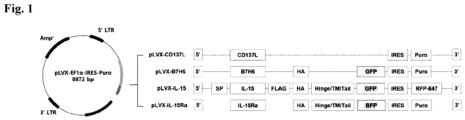
- the CD137L gene, B7H6 and EGFP genes, IL-15 and RFP-647 genes, and IL-15R ⁇ and BFP genes were inserted into the multiple cloning site of each pLVX-EF1 ⁇ -IRES-Puro plasmid.
- the lentiviral plasmid (10 ⁇ g) into which each gene was introduced was transfected into HEK 293T cells together with Lenti-X TM Packaging Single shots (Takara) and cultured in DMEM culture solution containing 10% FBS for 48 to 72 hours. Thus, a recombinant lentivirus was produced.
- ARH77 cells and K562 cells were dispensed at 2 ⁇ 10 5 cells per well in a 24 well plate, and then the recombinant lentivirus was added to each well along with polybrene (8 ⁇ g/mL). The mixture was centrifuged at 1,500g for 2 hours at 25 °C and then cultured for 48 hours in an incubator at 37 °C and 5% CO 2 conditions. Thereafter, the culture solution was removed, and culture was maintained while replacing with fresh culture solution (2 mL/well).
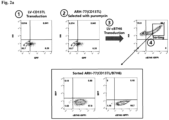
- each gene was introduced into ARH77 cells and K562 cells in the order shown in Fig. 2 , and the cells were subjected to a selection process to produce ARH77-B7H6-CD137L-IL15-IL15R ⁇ and K562-B7H6-CD137L-IL15-IL15R ⁇ cells.
- the expansion rate of NK cells was evaluated using K562 cells, B7H6 expressing K562 (K562-B7H6) cells, and CD137L expressing K562 (K562-CD137L) cells.
- PBMCs were isolated from the peripheral blood of healthy blood donors using density gradient centrifugation and washed twice with PBS, and then 3 ⁇ 10 6 PBMCs were co-cultured with 5 ⁇ 10 5 respective feeder cells (K562 cells, K562-B7H6 cells, or K562-CD137L cells) irradiated with 100 Gy of gamma radiation in a 24 well plate with 2 mL/well of culture solution in an incubator at 37 °C and 5% CO 2 conditions.
- respective feeder cells K562 cells, K562-B7H6 cells, or K562-CD137L cells
- RPMI1640 culture solution containing 10% fetal bovine serum (FBS), 100 U.mL penicillin, 100 ⁇ g/mL streptomycin, and 4 mmol/L L-glutamine was used.
- FBS fetal bovine serum
- penicillin 100 U.mL
- streptomycin 100 ⁇ g/mL streptomycin
- 4 mmol/L L-glutamine 4 mmol/L L-glutamine was used.
- 10 U/mL recombinant human interleukin (rhIL)-2 and 5 ng/mL rhIL-21 were added to the culture solution, and after 1 week of culture, 100 U/mL rhIL-2 and 5 ng/mL rhIL-15 were added to the culture solution, and cultured for 28 days.
- the culture solution was replaced with new culture solution every 1 to 2 days.
- NK cells CD3-, CD56+ cells
- the total number of NK cells was calculated by multiplying the total number of viable cells among the recovered cells by the ratio of NK cells.
- the total number of NK cells in PBMCs prior to culture was calculated in the same manner.
- the expansion rate of NK cells was calculated by dividing the total number of NK cells on days 14, 21, and 28 of culture by the number of NK cells prior to culture, respectively.
- NK cells obtained through K562 cells exhibited an expansion rate of 291 times after 4 weeks of culture, while NK cells obtained through B7H6 expressing K562 (K562-B7H6) cells exhibited an expansion rate of 1,383 times after 4 weeks of culture.
- NK cells obtained through CD137L expressing K562 (K562-CD137L) cells exhibited an expansion rate of 3,344 times after 4 weeks of culture.
- B7H6 expressing K562 (K562-B7H6) cells exhibited an expansion rate of 4 times or more compared to K562 cells
- CD137L expressing K562 (K562-CD137L) cells exhibited an expansion rate of 11 times or more, and thus, it can be seen that the cells have a more excellent NK cell expansion effect.
- NK cell activation effect by B7H6 or CD137L expression the purity of NK cells was evaluated using K562 cells, B7H6 expressing K562 (K562-B7H6) cells, and CD137L expressing K562 (K562-CD137L) cells.
- PBMCs were isolated and co-cultured with each feeder cell irradiated with radiation.
- PBMC prior to culture and each cell recovered on days 14, 21, and 28 of culture were stained with fluorescent-conjugated human CD3 and CD56 monoclonal antibodies, and then the purity of NK cells was evaluated by flow cytometry.
- the ratio of CD3- CD56+ NK cells in each cell was evaluated as the purity of NK cells.
- both B7H6 expressing K562 (K562-B7H6) cells and CD137L expressing K562 (K562-CD137L) cells can proliferate NK cells with high purity.
- Toxicity Cytotoxicity % 100 % ⁇ 100 ⁇ A 450 of effector cell treated target cells ⁇ A 450 if effector cells / A 450 of target cells ⁇ A 450 of target cells without WST ⁇ 8
- NK cells obtained through B7H6 expressing K562 (K562-B7H6) cells and CD137L expressing K562 (K562-CD137L) cells exhibited a higher cytotoxicity than NK cells obtained through K562 cells.
- B7H6 expressing K562 (K562-B7H6) cells and CD137L expressing K562 (K562-CD137L) cells can proliferate NK cells exhibiting a higher level of cytotoxicity.
- the expansion rate of NK cells was evaluated using ARH77 cells and IL15R ⁇ expressing ARH77 (ARH77-IL15R ⁇ ) cells.
- NK cells obtained through ARH77 cells exhibited an expansion rate of 222 times after 3 weeks of culture, while NK cells obtained through IL15R ⁇ expressing ARH77 (ARH77-IL15R ⁇ ) cells exhibited an expansion rate of 388 times after 3 weeks of culture.
- IL15R ⁇ expressing ARH77 (ARH77-IL15R ⁇ ) cells exhibited an expansion rate of 1.5 times or more compared to ARH77 cells, and thus, it can be seen that the cells have a more excellent NK cell expansion effect.
- NK cell activation effect by IL15R ⁇ expression the purity of NK cells was evaluated using ARH77 cells and IL15R ⁇ expressing ARH77 (ARH77-IL15R ⁇ ) cells.
- NK cells obtained through ARH77 cells exhibited a purity of 59 to 70%, while NK cells obtained through IL15R ⁇ expressing ARH77 (ARH77-IL15R ⁇ ) cells exhibited a purity of 63 to 79%, which is higher than that of the above cells.
- NK cells obtained through IL15R ⁇ expressing ARH77 (ARH77-IL15R ⁇ ) cells have higher purity, and IL15R ⁇ expressing ARH77 (ARH77-IL15R ⁇ ) cells can proliferate NK cells with higher purity.
- NK cells obtained through IL15R ⁇ expressing ARH77 (ARH77-IL15R ⁇ ) cells exhibited a higher cytotoxicity than NK cells obtained through ARH77 cells.
- IL15R ⁇ expressing ARH77 (ARH77-IL15R ⁇ ) cells can proliferate NK cells exhibiting a higher level of cytotoxicity.
- the expansion rate of NK cells was evaluated using ARH77 cells and K562 cells.
- PBMCs were isolated and co-cultured with ARH77 cells or K562 cells irradiated with radiation.
- PBMC prior to culture and each cell recovered on days 14, 21, and 28 of culture were stained with fluorescent-conjugated human CD3 and CD56 monoclonal antibodies, and then the purity of NK cells (CD3- CD56+ cells) was evaluated by flow cytometry.
- the total number of NK cells was calculated by multiplying the total number of viable cells among the recovered cells by the ratio of NK cells.
- the total number of NK cells in PBMCs prior to culture was calculated in the same manner, and the expansion rate of NK cells was calculated by dividing the total number of NK cells on days 14, 21, and 28 of culture by the number of NK cells prior to culture, respectively.
- NK cells obtained through K562 cells exhibited an expansion rate of 627 times after 4 weeks of culture, while NK cells obtained through ARH77 cells exhibited an expansion rate of 1,376 times after 4 weeks of culture.
- ARH77 cells have a more excellent NK cell expansion effect by 2 times or more.
- NK cells obtained through K562 cells exhibited a purity of 46.1 to 68.7%, while NK cells obtained through ARH77 cells exhibited a purity of 69.0 to 83.1%, which is higher than that of the above cells.
- NK cells obtained through ARH77 cells have higher purity.
- ARH77 cells can proliferate NK cells exhibiting a similar level of cytotoxicity to K562 cells.
- NKp46 MFI 2 weeks 3 weeks 4 weeks Mean SD Mean SD Mean SD ARH77 5 3 6 4 5 4 K562 3 2 3 2 4 3
- CD16 MFI 2 weeks 3 weeks 4 weeks Mean SD Mean SD Mean SD ARH77 41 15 76 37 69 26 K562 33 18 60 38 36 34
- CD158b MFI 2 weeks 3 weeks 4 weeks Mean SD Mean SD Mean SD ARH77 17 30 11 19 16 10 K562 44 71 24 22 17 11
- NKp44 MFI 2 weeks 3 weeks 4 weeks Mean SD Mean SD Mean SD ARH77 6 4 13 5 8 4 K562 4 3 6 4 4 1 [Table 18]
- NKp30 MFI 2 weeks 3 weeks 4 weeks Mean SD Mean SD Mean SD ARH77 21 11 16 12 13 10 K562 16 10
- ARH77 cells exhibited a higher mean fluorescence intensity (MFI) than K562 cells in all measurements except CD158b, and exhibited a lower mean fluorescence intensity in CD158b, which inhibits the function of NK cells. Therefore, it was confirmed that ARH77 cells express receptors important for NK cell activation better than K562 cells.
- MFI mean fluorescence intensity
- ARH77 cells have a more excellent NK cell stimulating effect as feeder cells compared to K562 cells.
- the expansion rate of NK cells was evaluated using ARH77 cells and K562 cells expressing the above genes.
- PBMCs were isolated and co-cultured with each feeder cell irradiated with radiation.
- the purity of NK cells CD3 - CD56 + cells
- the expansion rate of NK cells was calculated in the same manner as above.
- B7H6, CD137L, and IL-15 expressing ARH-77 (ARH77-B7H6-CD137L-IL15) cells
- B7H6, CD137L, IL-15, and IL-15R ⁇ expressing ARH77 (ARH77-B7H6-CD137L-IL15-IL15R ⁇ ) cells
- B7H6, CD137L, IL-15, and IL-15R ⁇ expressing K562 (K562-B7H6-CD137L-IL15-IL15R ⁇ ) cells exhibit the most excellent expansion rate of NK cells at 3 weeks.
- NK cell stimulating effect by B7H6, CD137L, IL15, and IL15R ⁇ expressing feeder cells the purity of NK cells was evaluated using ARH77 cells and K562 cells expressing the above genes.
- B7H6, CD137L, and IL-15 expressing ARH-77 (ARH77-B7H6-CD137L-IL15) cells
- B7H6, CD137L, IL-15, and IL-15R ⁇ expressing ARH77 (ARH77-B7H6-CD137L-IL15-IL15R ⁇ ) cells
- B7H6, CD137L, IL-15, and IL-15R ⁇ expressing K562 (K562-B7H6-CD137L-IL15-IL15R ⁇ ) cells have an excellent NK cell stimulating effect as feeder cells.
- the expansion rate of NK cells was evaluated using a medium optimized for NK cells.
- PBMCs were isolated and co-cultured with each feeder cell irradiated with radiation.
- DMEM culture solution containing 30% HAM'S F12, 10% human serum (HS), 10 ⁇ g/mL gentamicin, 1x Glutamax, 10 ⁇ M ⁇ -mercaptoethanol, 50 ⁇ M ethanolamine, 20 ⁇ g/mL ascorbioc acid, and 5 ng/mL sodium selenite was used.
- rhIL human interleukin-2
- 5 ng/mL rhIL-21 were added to the culture solution
- 100 U/mL rhIL-2 and 5 ng/mL rhIL-15 were added to the culture solution, and cultured for 28 days.
- the culture solution was replaced with new culture solution every 1 to 2 days.
- the cultured cells were recovered, and the ratio (purity) of NK cells (CD3-, CD56+ cells) in the recovered cells was evaluated by flow cytometry.
- the total number of NK cells was calculated by multiplying the total number of viable cells among the recovered cells by the ratio of NK cells.
- the total number of NK cells in PBMCs prior to culture was calculated in the same manner, and the expansion rate of NK cells was calculated by dividing the total number of NK cells on days 14, 21, and 28 of culture by the number of NK cells prior to culture, respectively.
- NK cells obtained through B7H6, CD137L, IL-15, and IL-15R ⁇ expressing ARH77 (ARH77-B7H6-CD137L-IL15-IL15R ⁇ ) cells have an expansion rate by about 3.5 times higher compared to NK cells obtained through B7H6, CD137L, IL-15, and IL-15R ⁇ expressing K562 (K562-B7H6-CD137L-IL15-IL15R ⁇ ) cells after 4 weeks of culture.
- the cytotoxicity ofNK cells was evaluated using a medium optimized for NK cells.
- B7H6, CD137L, IL-15, and IL-15R ⁇ expressing ARH77 (ARH77-B7H6-CD137L-IL15-IL15R ⁇ ) cells have the most excellent NK cell stimulating effect as feeder cells.
Landscapes
- Health & Medical Sciences (AREA)
- Life Sciences & Earth Sciences (AREA)
- Chemical & Material Sciences (AREA)
- Organic Chemistry (AREA)
- Engineering & Computer Science (AREA)
- Genetics & Genomics (AREA)
- Zoology (AREA)
- Biomedical Technology (AREA)
- Biochemistry (AREA)
- General Health & Medical Sciences (AREA)
- Bioinformatics & Cheminformatics (AREA)
- Biotechnology (AREA)
- Wood Science & Technology (AREA)
- Cell Biology (AREA)
- Proteomics, Peptides & Aminoacids (AREA)
- Molecular Biology (AREA)
- Medicinal Chemistry (AREA)
- Biophysics (AREA)
- Gastroenterology & Hepatology (AREA)
- Toxicology (AREA)
- Immunology (AREA)
- Microbiology (AREA)
- General Engineering & Computer Science (AREA)
- Hematology (AREA)
- Oncology (AREA)
- Micro-Organisms Or Cultivation Processes Thereof (AREA)
Abstract
Description
- The present invention relates to a composition for proliferating natural killer cells, comprising feeder cells and a method for proliferating natural killer cells. Specifically, the present invention relates to a method for proliferating natural killer cells by using feeder cells that are transformed to express at least one gene selected from the group consisting of B7H6, CD137L, IL-15, and IL-15Rα.
- Natural killer cell (NK cell) is a representative cell responsible for innate immunity and is a type of lymphocyte that possesses large granules and is cytotoxic to various types of tumor cells and virus-infected cells. NK cells make up 5-10% of human peripheral blood lymphocytes, and unlike T cells, they mature in the liver or bone marrow. In general, immune cells eliminate infected cells by detecting infected cells through major histocompatibility complex (MHC) proteins presented on their surface and secreting various cytokines and chemicals that induce apoptosis. However, NK cells can induce an immediate immune response because they can recognize and eliminate abnormal cells even without the major histocompatibility complex bound to the antigen.
- Defects in the function of NK cells have been reported in many diseases, and it is known that most NK cells are inactivated, especially in patients with cancer. Some researchers conducted research on methods to proliferate and activate NK cells in vitro, and demonstrated that NK cells amplified in vitro showed excellent cytotoxicity when reacted against various carcinomas.
- Therefore, methods for proliferation of NK cells are being studied, and research is being conducted using feeder cells as one of the efficient methods for selective amplification of NK cells. However, the clear mechanism of how to amplify NK cells is unknown.
- Allogeneic or autologous peripheral blood mononuclear cells (PBMC) and cancer cell lines are used as feeder cells for the amplification of NK cells. As cancer cell lines, HFWT, a Wilms tumor-derived cell line, EBV-LCL (EBV transformed lymphoblastoid cells), and the like are known.
- The present inventors discovered that feeder cells expressing B7H6 have an excellent NK cell proliferation effect, and also discovered that, in addition to previously known feeder cells, ARH77 cells are excellent feeder cells and have an NK cell proliferation effect. Based on the above, the present inventors completed the present invention.
-
- (Non-Patent Document 1) Hiroyuki Fujisaki, Harumi Kakuda, Noriko Shimasaki, Chihaya Imai, Jing Ma, Timothy Lockey, et al. (2009) EXPANSION OF HIGHLY CYTOTOXIC HUMAN NATURAL KILLER CELLS FOR CANCER CELL THERAPY Cancer Res. Author manuscript. 2009 May 1; 69(9): 4010-4017
- (Non-Patent Document 2) Denman CJ, Senyukov VV, Somanchi SS, Phatarpekar PV, Kopp LM, et al. (2012) Membrane-Bound IL-21 Promotes Sustained Ex Vivo Proliferation of Human Natural Killer Cells. PLoS ONE 7(1): e30264
- An object of the present invention is to provide a composition for proliferating natural killer cells, comprising feeder cells that are transformed to express at least one gene selected from the group consisting of B7H6, CD137L, IL-15, and IL-15Rα.
- In addition, another object of the present invention is to provide a feeder cell line that is transformed to express at least one gene selected from the group consisting of B7H6, CD137L, IL-15, and IL-15Rα and a method for proliferating natural killer cells using the same.
- The present invention provides a composition for proliferating natural killer cells, comprising feeder cells that are transformed to express B7H6 gene.
- The present invention provides a composition for proliferating natural killer cells, comprising feeder cells that are transformed to express at least one gene selected from the group consisting of B7H6, CD137L, IL-15, and IL-15Rα.
- The composition of the present invention may comprise feeder cells that express B7H6, and the feeder cells may further express at least one selected from the group consisting of CD137L, IL-15, and IL-15Rα.
- Preferably, the composition of the present invention may comprise feeder cells that express B7H6, CD137L, and IL-15.
- More preferably, the composition of the present invention may comprise feeder cells that express B7H6, CD137L, IL-15, and IL-15Rα.
- The feeder cells of the present invention may be ARH77 or K562 cells, and preferably the feeder cells may be ARH77 cells.
- The present invention provides a feeder cell line that expresses B7H6.
- The feeder cells of the present invention line may further express at least one selected from the group consisting of CD137L, IL-15, and IL-15Rα.
- The feeder cell line of the present invention may be ARH77 or K562 cell line.
- In addition, the present invention provides a method of producing feeder cells that express B7H6, comprising the steps of:
- (1) transforming the B7H6 gene with a virus expression vector to produce a recombinant virus; and
- (2) adding the recombinant virus to the feeder cells and culturing them.
- The transgene of the present invention may further include at least one gene selected from the group consisting of CD137L, IL-15, and IL-15Rα.
- The virus of the present invention may be a lentivirus or a retrovirus.
- The feeder cells of the present invention may be ARH77 or K562 cells.
- In addition, the present invention provides a method for proliferating natural killer cells, comprising the step of culturing feeder cells that express B7H6 and peripheral blood mononuclear cells.
- The feeder cells of the present invention may further express at least one selected from the group consisting of CD137L, IL-15, and IL-15Rα.
- The feeder cells of the present invention may be ARH77 or K562 cells.
- The culture solution of the present invention may comprise at least one selected from the group consisting of penicillin, streptomycin, glutamine, gentamicin, fetal bovine serum, human serum, mercaptoethanol, ethanolamine, ascorbic acid, and sodium selenite. Preferably, the culture solution of the present invention may comprise at least one selected from the group consisting of glutamine, gentamicin, human serum, mercaptoethanol, ethanolamine, ascorbic acid, and sodium selenite.
- The proliferation method of the present invention may further comprise the step of adding at least one selected from the group consisting of recombinant human interleukin-2, recombinant human interleukin-21, and recombinant human interleukin-15.
- Preferably, the method may further comprise the steps of (a) adding recombinant human interleukin-2 and recombinant human interleukin-21, and (b) adding recombinant human interleukin-2 and recombinant human interleukin-15.
- In addition, the present invention may provide a natural killer cell line produced by the proliferation method of the present invention.
- The feeder cells that express at least one gene selected from the group consisting of B7H6, CD137L, IL-15, and IL-15Rα according to the present invention have the effect of obtaining NK cells with higher levels of expansion rate, purity, and cytotoxicity when the feeder cells according to the present invention are used to proliferate natural killer cells (NK cells) compared to the method using the previously known feeder cells. Therefore, the feeder cells according to the present invention can be very useful in various immune cell therapies using NK cells, etc.
-
-
Fig. 1 shows the structure of a lentiviral vector. -
Figs. 2a and2b show the sequence of introducing each gene into ARH77 cells and the process of selecting cells expressing the gene. -
Figs. 3 and4 show the expansion rate of NK cells obtained through K562 cells, B7H6 expressing K562 (K562-B7H6) cells, and CD137L expressing K562 (K562-CD137L) cells. -
Figs. 5 and6 show the purity of NK cells obtained through K562 cells, B7H6 expressing K562 (K562-B7H6) cells, and CD137L expressing K562 (K562-CD137L) cells. -
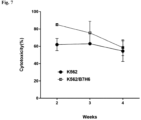
Figs. 7 and8 show the cytotoxicity of NK cells obtained through K562 cells, B7H6 expressing K562 (K562-B7H6) cells, and CD137L expressing K562 (K562-CD137L) cells. -
Fig. 9 shows the expansion rate of NK cells obtained through ARH77 cells and IL15Rα expressing ARH77 (ARH77-IL15Rα) cells. -
Fig. 10 shows the purity of NK cells obtained through ARH77 cells and IL15Rα expressing ARH77 (ARH77-IL15Rα) cells. -
Fig. 11 shows the cytotoxicity of NK cells obtained through ARH77 cells and IL15Rα expressing ARH77 (ARH77-IL15Rα) cells. -
Fig. 12 shows the expansion rate of NK cells obtained through ARH77 cells and K562 cells. -
Figs. 13 and14 show the purity of NK cells obtained through ARH77 cells and K562 cells. -
Fig. 15 shows the cytotoxicity of NK cells obtained through ARH77 cells and K562 cells. -
Figs. 16 to 22 show the mean fluorescence intensity (MFI) of expression levels of the receptor that plays an important role in NK cell activation in ARH77 cells and K562 cells. -
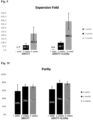
Fig. 23 shows the expansion rate of NK cells obtained through B7H6, CD137L, and IL-15 expressing ARH-77 (ARH77-B7H6-CD137L-IL15) cells, B7H6, CD137L, IL-15, and IL-15Rα expressing ARH77 (ARH77-B7H6-CD137L-IL15-IL15Rα) cells, and B7H6, CD137L, IL-15, and IL-15Rα expressing K562 (K562-B7H6-CD137L-IL15-IL15Rα) cells. -
Fig. 24 shows the purity of NK cells obtained through B7H6, CD137L, and IL-15 expressing ARH-77 (ARH77-B7H6-CD137L-IL15) cells, B7H6, CD137L, IL-15, and IL-15Rα expressing ARH77 (ARH77-B7H6-CD137L-IL15-IL15Rα) cells, and B7H6, CD137L, IL-15, and IL-15Rα expressing K562 (K562-B7H6-CD137L-IL15-IL15Rα) cells. -
Fig. 25 shows the cytotoxicity of NK cells obtained through B7H6, CD137L, and IL-15 expressing ARH-77 (ARH77-B7H6-CD137L-IL15) cells, B7H6, CD137L, IL-15, and IL-15Rα expressing ARH77 (ARH77-B7H6-CD137L-IL15-IL15Rα) cells, and B7H6, CD137L, IL-15, and IL-15Rα expressing K562 (K562-B7H6-CD137L-IL15-IL15Rα) cells. - Hereinafter, with reference to the accompanying drawings, embodiments and examples of the present disclosure will be described in detail so that those of ordinary skill in the art to which the present invention belongs can easily practice the present invention. However, the present disclosure may be implemented in various forms and is not limited to the embodiments and examples described herein.
- Throughout the present specification, when a certain part "includes" a certain component, it means that other components may be further included, rather than excluding other components, unless otherwise stated.
- The present invention relates to a composition for proliferating natural killer cells, comprising feeder cells that are transformed to express B7H6 gene and a method for proliferating natural killer cells.
- The present invention relates to a composition for proliferating natural killer cells, comprising feeder cells that are transformed to express at least one gene selected from the group consisting of B7H6, CD137L, IL-15, and IL-15Rα and a method for proliferating natural killer cells.
- As used herein, the term "B7H6" refers to the ligand of the natural killer cell receptor NKp30.
- The B7H6 gene according to the present invention may be composed of the nucleotide sequence of SEQ ID NO: 1, and homologs of the nucleotide sequence are included within the scope of the present invention. Specifically, the gene may comprise a nucleotide sequence having sequence homology of at least 70%, preferably at least 80%, more preferably at least 90%, and most preferably at least 95% with the nucleotide sequence of SEQ ID NO: 1.
- As used herein, the term "CD137L" refers to the ligand of CD137.
- The CD137L gene according to the present invention may be composed of the nucleotide sequence of SEQ ID NO: 2, and homologs of the nucleotide sequence are included within the scope of the present invention. Specifically, the gene may comprise a nucleotide sequence having sequence homology of at least 70%, preferably at least 80%, more preferably at least 90%, and most preferably at least 95% with the nucleotide sequence of SEQ ID NO: 2.
- As used herein, the term "IL-15" refers to interleukin-15, which is a cytokine produced in epithelial cells.
- The IL-15 gene according to the present invention may be composed of the nucleotide sequence of SEQ ID NO: 3, and homologs of the nucleotide sequence are included within the scope of the present invention. Specifically, the gene may comprise a nucleotide sequence having sequence homology of at least 70%, preferably at least 80%, more preferably at least 90%, and most preferably at least 95% with the nucleotide sequence of SEQ ID NO: 3.
- As used herein, the term "IL-15Rα" refers to
interleukin 15 receptor α-chain. - The IL-15Rα gene according to the present invention may be composed of the nucleotide sequence of SEQ ID NO: 4, and homologs of the nucleotide sequence are included within the scope of the present invention. Specifically, the gene may comprise a nucleotide sequence having sequence homology of at least 70%, preferably at least 80%, more preferably at least 90%, and most preferably at least 95% with the nucleotide sequence of SEQ ID NO: 4.
- As used herein, the term "feeder cell (supporting cell)" refers to a cell that does not have the ability to divide and proliferate, but is metabolically active and produces various metabolites to help the proliferation of target NK cells. The feeder cells that can be used in the present invention include animal cell lines into which genes have been introduced, peripheral blood leukocytes (PBL) treated with various cytokines or compounds, one's own or another person's peripheral blood leukocytes, T cells, B cells, or monocytes, etc. Preferably, animal cell lines into which genes have been introduced can be used. More preferably, the feeder cells may be ARH77 cells, but are not limited thereto. Other feeder cells known to be commonly available in the technical field to which the present invention belongs can also be used without limitation as long as they meet the purpose of the present invention.
- As used herein, the term "expression vector" is a vector capable of expressing a target protein or target RNA in a suitable host cell, and refers to a gene construct comprising essential regulatory elements operably linked to express the gene insert.
- As used herein, the term "operably linked" refers to a functional linkage between a nucleic acid expression control sequence and a nucleic acid sequence encoding a desired protein or RNA to perform a general function. For example, a promoter and a nucleic acid sequence encoding a protein or RNA can be operably linked to affect expression of the encoding nucleic acid sequence. Operably linking with a recombinant expression vector can be achieved using genetic recombination techniques well known in the art, and site-specific DNA cleavage and ligation can be achieved using enzymes commonly known in the art.
- Expression vectors that can be used in the present invention include, but are not limited to, plasmid vectors, cosmid vectors, bacteriophage vectors, viral vectors, and the like. Preferably, the vector may be a viral vector, and more preferably a lentiviral or retroviral vector, but is not limited thereto. In addition, suitable expression vectors can be prepared in various ways depending on the purpose, including a signal sequence or a leader sequence for membrane targeting or secretion, in addition to an expression control sequence such as a promoter, an operator, an initiation codon, a termination codon, a polyadenylation signal, and an enhancer. The promoter of an expression vector can be constitutive or inducible. In addition, the expression vector includes a selection marker for selecting host cells containing the vector, and, in the case of an expression vector capable of replication, includes an origin of replication.
- As used herein, the term "peripheral blood mononuclear cell (PBMC)" refers to a cell with a spherical nucleus present in the blood. The peripheral blood mononuclear cells include immune cells such as B cells, T cells, macrophages, dendritic cells, and natural killer cells (NK cells).
- "IL-2 (interleukin-2)" as used herein has been reported to have the function of enhancing the proliferation and activation of mature NK cells. There are reports that the number of NK cells is significantly reduced in humans and mice deficient in IL-2. On the other hand, there are also studies showing that IL-2 and IL-2Ra deficiency indirectly affects the number and activation of NK cells. The IL-2R chain is known to be involved in forming the IL-15 receptor.
- Regarding "IL-15 (interleukin-15)" as used herein, it was found that NK cells were not found in mice deficient in IL-15 or IL-15Rα. In addition, it was found that NK cells were deficient in mice deficient in transcription factor interferon (IFN)-
regulatory factor 1 that is required for IL-15 production. Accordingly, it is known that IL-15 is involved in NK cell differentiation and that IL-15 directly promotes the growth and differentiation of NK cells through the IL-15 receptor expressed on NK cells. - "IL-21 (interleukin-21)" as used herein is known to increase the telomere length of NK cells by stimulating transcription-3 (STAT-3) and to play an important role in the activation, growth, and amplification of NK cells. In particular, it has been reported that IL-21 helps the growth of NK cells in human CD34+ hematopoietic stem cells through combination with IL-15. It was confirmed that when NK cells are amplified through membrane-bound (mb) IL-21, the expression and cytotoxicity of interferon gamma (IFN-γ) are increased. In addition, it has been reported that a single initial injection of IL-21 is more effective in amplifying NK cells than continuous injection of IL-21 into the culture solution.
- Hereinafter, the present invention will be described in more detail through the examples, but the following examples are for illustrative purposes only and are not intended to limit the scope of the present invention.
- The genes for B7H6, CD137L, IL-15, and IL-15Rα were cloned, and then the cDNA of each gene was transferred to the pLVX-EF1α-IRES-Puro (Takara, Japan) plasmid, a lentivirus expression vector, to produce a lentivirus.
- As shown in
Fig. 1 , the CD137L gene, B7H6 and EGFP genes, IL-15 and RFP-647 genes, and IL-15Rα and BFP genes were inserted into the multiple cloning site of each pLVX-EF1α-IRES-Puro plasmid. The lentiviral plasmid (10 µg) into which each gene was introduced was transfected into HEK 293T cells together with Lenti-X™ Packaging Single shots (Takara) and cultured in DMEM culture solution containing 10% FBS for 48 to 72 hours. Thus, a recombinant lentivirus was produced. - In order to transduce each gene into feeder cells, ARH77 cells and K562 cells were dispensed at 2 × 10⁵ cells per well in a 24 well plate, and then the recombinant lentivirus was added to each well along with polybrene (8 µg/mL). The mixture was centrifuged at 1,500g for 2 hours at 25 °C and then cultured for 48 hours in an incubator at 37 °C and 5% CO2 conditions. Thereafter, the culture solution was removed, and culture was maintained while replacing with fresh culture solution (2 mL/well). One week after transduction, all cells were individually recovered, and then only fluorescence-positive cells were isolated using a cell sorting device, BD FACSAria™III, and these cells were continued to be cultured in RPMI1640 culture solution containing 10% FBS.
- In the same manner as above, each gene was introduced into ARH77 cells and K562 cells in the order shown in
Fig. 2 , and the cells were subjected to a selection process to produce ARH77-B7H6-CD137L-IL15-IL15Rα and K562-B7H6-CD137L-IL15-IL15Rα cells. - The nucleotide sequences of B7H6, CD137L, IL-15, and IL-15Rα are listed in Table 1 below.
[Table 1] Gene SEQ ID NO Nucleotide sequence B7H6 SEQ ID NO: 1 

CD137L SEQ ID NO: 2 
IL-15 SEQ ID NO: 3 
IL-15Rα SEQ ID NO: 4 

- In order to confirm the NK cell activation effect by B7H6 or CD137L expression, the expansion rate of NK cells was evaluated using K562 cells, B7H6 expressing K562 (K562-B7H6) cells, and CD137L expressing K562 (K562-CD137L) cells.
- PBMCs were isolated from the peripheral blood of healthy blood donors using density gradient centrifugation and washed twice with PBS, and then 3×10⁶ PBMCs were co-cultured with 5 × 10⁵ respective feeder cells (K562 cells, K562-B7H6 cells, or K562-CD137L cells) irradiated with 100 Gy of gamma radiation in a 24 well plate with 2 mL/well of culture solution in an incubator at 37 °C and 5% CO2 conditions.
- As a culture solution, RPMI1640 culture solution containing 10% fetal bovine serum (FBS), 100 U.mL penicillin, 100 µg/mL streptomycin, and 4 mmol/L L-glutamine was used. For one week from the start of culture, 10 U/mL recombinant human interleukin (rhIL)-2 and 5 ng/mL rhIL-21 were added to the culture solution, and after 1 week of culture, 100 U/mL rhIL-2 and 5 ng/mL rhIL-15 were added to the culture solution, and cultured for 28 days. The culture solution was replaced with new culture solution every 1 to 2 days.
- On days 14, 21, and 28 of culture, the cultured cells were recovered, and the ratio (purity) of NK cells (CD3-, CD56+ cells) in the recovered cells was evaluated by flow cytometry. The total number of NK cells was calculated by multiplying the total number of viable cells among the recovered cells by the ratio of NK cells. The total number of NK cells in PBMCs prior to culture was calculated in the same manner. The expansion rate of NK cells was calculated by dividing the total number of NK cells on days 14, 21, and 28 of culture by the number of NK cells prior to culture, respectively.
- The experimental results are shown in Tables 2 and 3 below and
Figs. 3 and4 .[Table 2] Fold 2 weeks 3 weeks 4 weeks Mean SD Mean SD Mean SD K562 61 30 167 58 291 141 K562/B7H6 72 23 378 136 1383 495 [Table 3] Fold 2 weeks 3 weeks 4 weeks Mean SD Mean SD Mean SD K562 61 30 167 58 291 141 K562/CD137L 82 13 835 778 3344 1621 - As shown in Table 2 above and
Fig. 3 , NK cells obtained through K562 cells exhibited an expansion rate of 291 times after 4 weeks of culture, while NK cells obtained through B7H6 expressing K562 (K562-B7H6) cells exhibited an expansion rate of 1,383 times after 4 weeks of culture. - In addition, as shown in Table 3 above and
Fig. 4 , NK cells obtained through CD137L expressing K562 (K562-CD137L) cells exhibited an expansion rate of 3,344 times after 4 weeks of culture. - Therefore, B7H6 expressing K562 (K562-B7H6) cells exhibited an expansion rate of 4 times or more compared to K562 cells, and CD137L expressing K562 (K562-CD137L) cells exhibited an expansion rate of 11 times or more, and thus, it can be seen that the cells have a more excellent NK cell expansion effect.
- In order to confirm the NK cell activation effect by B7H6 or CD137L expression, the purity of NK cells was evaluated using K562 cells, B7H6 expressing K562 (K562-B7H6) cells, and CD137L expressing K562 (K562-CD137L) cells.
- In the same manner as in Example 1-1 above, PBMCs were isolated and co-cultured with each feeder cell irradiated with radiation. PBMC prior to culture and each cell recovered on days 14, 21, and 28 of culture were stained with fluorescent-conjugated human CD3 and CD56 monoclonal antibodies, and then the purity of NK cells was evaluated by flow cytometry. The ratio of CD3- CD56+ NK cells in each cell was evaluated as the purity of NK cells.
- The experimental results are shown in Tables 4 and 5 below and
Figs. 5 and6 .[Table 4] Purity 2 weeks 3 weeks 4 weeks Mean SD Mean SD Mean SD K562 93 2 94 1 92 3 K562/B7H6 96 1 97 1 96 2 [Table 5] Purity 2 weeks 3 weeks 4 weeks Mean SD Mean SD Mean SD K562 93 2 94 1 92 3 K562/CD137L 95 1 96 1 95 3 - As shown in Tables 4 and 5 above and
Figs. 5 and6 , NK cells obtained through K562 cells, B7H6 expressing K562 (K562-B7H6) cells, and CD137L expressing K562 (K562-CD137L) cells all exhibited a purity of 90% or more. - Therefore, it can be seen that both B7H6 expressing K562 (K562-B7H6) cells and CD137L expressing K562 (K562-CD137L) cells can proliferate NK cells with high purity.
- In order to confirm the NK cell activation effect by B7H6 or CD137L expression, the cytotoxicity capability against cancer cells of NK cells that were proliferated using K562 cells, B7H6 expressing K562 (K562-B7H6) cells, and CD137L expressing K562 (K562-CD137L) cells was evaluated.
- The killing ability ofNK cells proliferated in the same manner as in Example 1-1 above against K562 cells was measured by a highly sensitive colorimetric assay using WST-8 (Biotool, USA). K562 cells (1×10⁵ cells/100 µL of culture solution), which are cancer cells targeted by NK cells, were dispensed in a 96 well plate, and then 2.5×10⁴ proliferated NK cells were added and mixed (effector: target ratio = 0.25:1). Thereafter, the cells were centrifuged at 1,500 rpm for 3 minutes and cultured in an incubator at 37 °C and 5% CO2 conditions. After 3 hours of culture, 10 µL of WST-8 was added to each well and then cultured for another hour. Thereafter, the absorbance (A450) was measured using SpectraMax (Molecular Devices, USA) at a wavelength of 450 nm, and the ratio (%) of cancer cells killed by NK cells was calculated using the following calculation formula.

- The experimental results are shown in Tables 6 and 7 below and
Figs. 7 and8 .[Table 6] Toxicity (%) 2 weeks 3 weeks 4 weeks Mean SD Mean SD Mean SD K562 62 7 63 0 55 12 K562/B7H6 85 1 76 13 59 9 [Table 7] Toxicity (%) 2 weeks 3 weeks 4 weeks Mean SD Mean SD Mean SD K562 62 7 63 0 55 12 K562/CD137L 78.5 9.192388 76.5 0.707107 72 11.31371 - As shown in Tables 6 and 7 above and
Figs. 7 and8 , NK cells obtained through B7H6 expressing K562 (K562-B7H6) cells and CD137L expressing K562 (K562-CD137L) cells exhibited a higher cytotoxicity than NK cells obtained through K562 cells. - Therefore, it can be seen that B7H6 expressing K562 (K562-B7H6) cells and CD137L expressing K562 (K562-CD137L) cells can proliferate NK cells exhibiting a higher level of cytotoxicity.
- In order to confirm the NK cell activation effect by IL15Rα expression, the expansion rate of NK cells was evaluated using ARH77 cells and IL15Rα expressing ARH77 (ARH77-IL15Rα) cells.
- The experiment was conducted in the same manner as in Example 1-1 above, and only IL-2 and IL-15 were added to the culture solution, and the cells were cultured and evaluated for 3 weeks. The experimental results are shown in Table 8 below and
Fig. 9 .[Table 8] Fold 1 week 2 weeks 3 weeks Mean SD Mean SD Mean SD ARH77 1.7 1.01 64.1 26.2 222.4 88.3 ARH77/IL15Rα 3.6 1.31 98.7 18.8 388.1 111.1 - As shown in Table 8 above and
Fig. 9 , NK cells obtained through ARH77 cells exhibited an expansion rate of 222 times after 3 weeks of culture, while NK cells obtained through IL15Rα expressing ARH77 (ARH77-IL15Rα) cells exhibited an expansion rate of 388 times after 3 weeks of culture. - Therefore, IL15Rα expressing ARH77 (ARH77-IL15Rα) cells exhibited an expansion rate of 1.5 times or more compared to ARH77 cells, and thus, it can be seen that the cells have a more excellent NK cell expansion effect.
- In order to confirm the NK cell activation effect by IL15Rα expression, the purity of NK cells was evaluated using ARH77 cells and IL15Rα expressing ARH77 (ARH77-IL15Rα) cells.
- The experiment was conducted in the same manner as in Example 1-2 above and evaluated for 3 weeks. The experimental results are shown in Table 9 below and
Fig. 10 .[Table 9] Purity 1 week 2 weeks 3 weeks Mean SD Mean SD Mean SD ARH77 59 0.16 70 0.05 70 0.04 ARH77/ IL15Rα 63 0.07 79 0.07 78 0.04 - As shown in Table 9 above and
Fig. 10 , NK cells obtained through ARH77 cells exhibited a purity of 59 to 70%, while NK cells obtained through IL15Rα expressing ARH77 (ARH77-IL15Rα) cells exhibited a purity of 63 to 79%, which is higher than that of the above cells. - Therefore, it can be seen that NK cells obtained through IL15Rα expressing ARH77 (ARH77-IL15Rα) cells have higher purity, and IL15Rα expressing ARH77 (ARH77-IL15Rα) cells can proliferate NK cells with higher purity.
- In order to confirm the NK cell activation effect by IL15Rα expression, the cytotoxicity capability against cancer cells of NK cells that were proliferated using ARH77 cells and IL15Rα expressing ARH77 (ARH77-IL15Rα) cells was evaluated.
- The experiment was conducted in the same manner as in Example 1-3 above and evaluated for 3 weeks. The experimental results are shown in Table 10 below and
Fig. 11 .[Table 10] Toxicity (%) 1 week 2 weeks 3 weeks Mean SD Mean SD Mean SD ARH77 35.6 6.45 63.2 1.42 61.2 7.62 ARH77/IL15Rα 47.1 7.44 74.1 3.12 64.9 3.12 - As shown in Table 10 above and
Fig. 11 , NK cells obtained through IL15Rα expressing ARH77 (ARH77-IL15Rα) cells exhibited a higher cytotoxicity than NK cells obtained through ARH77 cells. - Therefore, it can be seen that IL15Rα expressing ARH77 (ARH77-IL15Rα) cells can proliferate NK cells exhibiting a higher level of cytotoxicity.
- In order to confirm the NK cell stimulating effect of ARH77 cells, the expansion rate of NK cells was evaluated using ARH77 cells and K562 cells.
- In the same manner as in Example 1-1 above, PBMCs were isolated and co-cultured with ARH77 cells or K562 cells irradiated with radiation. PBMC prior to culture and each cell recovered on days 14, 21, and 28 of culture were stained with fluorescent-conjugated human CD3 and CD56 monoclonal antibodies, and then the purity of NK cells (CD3- CD56+ cells) was evaluated by flow cytometry. The total number of NK cells was calculated by multiplying the total number of viable cells among the recovered cells by the ratio of NK cells. The total number of NK cells in PBMCs prior to culture was calculated in the same manner, and the expansion rate of NK cells was calculated by dividing the total number of NK cells on days 14, 21, and 28 of culture by the number of NK cells prior to culture, respectively.
- The experimental results are shown in Table 11 below and
Fig. 12 .[Table 11] Expansion rate (fold) 2 weeks 3 weeks 4 weeks Mean SD Mean SD Mean SD ARH77 234 176 1313 1628 1376 1386 K562 150 267 477 766 627 798 - As shown in Table 11 above and
Fig. 12 , NK cells obtained through K562 cells exhibited an expansion rate of 627 times after 4 weeks of culture, while NK cells obtained through ARH77 cells exhibited an expansion rate of 1,376 times after 4 weeks of culture. - Therefore, it can be seen that ARH77 cells have a more excellent NK cell expansion effect by 2 times or more.
- In order to confirm the NK cell stimulating effect of ARH77 cells, the purity of NK cells obtained using ARH77 cells and K562 cells was evaluated.
- The purity was evaluated by measuring the ratio of CD3- CD56+ NK cells in the cell by flow cytometry in the same manner as in Example 1-2 above, and the experimental results are shown in Table 12 below and
Figs. 13 and14 .[Table 12] Purity 2 weeks 3 weeks 4 weeks Mean SD Mean SD Mean SD ARH77 83.1 18 77.6 19 69.0 20 K562 68.8 29 59.7 29 46.1 27 - As shown in Table 12 above and
Figs. 13 and14 , NK cells obtained through K562 cells exhibited a purity of 46.1 to 68.7%, while NK cells obtained through ARH77 cells exhibited a purity of 69.0 to 83.1%, which is higher than that of the above cells. - Therefore, it can be seen that NK cells obtained through ARH77 cells have higher purity.
- In order to confirm the NK cell stimulating effect of ARH77 cells, the cytotoxicity of NK cells obtained using ARH77 cells and K562 cells was evaluated.
- In the same manner as in Example 1-3 above, the cytotoxicity capability against cancer cells of NK cells obtained using ARH77 cells or K562 cells was measured, and the experimental results are shown in Table 13 below and
Fig. 15 .[Table 13] Toxicity (%) 2 weeks 3 weeks 4 weeks Mean SD Mean SD Mean SD ARH77 56 13 61 11 50 10 K562 60 9 62 13 52 17 - As shown in Table 13 above and
Fig. 15 , it was confirmed that the cytotoxicity of NK cells obtained through ARH77 cells and K562 cells was significant. - Therefore, it can be seen that ARH77 cells can proliferate NK cells exhibiting a similar level of cytotoxicity to K562 cells.
- In order to confirm the NK cell stimulating effect of ARH77 cells, the receptor expression of NK cells obtained using ARH77 cells and K562 cells was evaluated, and the results are shown in Tables 14 to 20 below and
Figs. 16 to 22 .[Table 14] NKp46 MFI 2 weeks 3 weeks 4 weeks Mean SD Mean SD Mean SD ARH77 5 3 6 4 5 4 K562 3 2 3 2 4 3 [Table 15] CD16 MFI 2 weeks 3 weeks 4 weeks Mean SD Mean SD Mean SD ARH77 41 15 76 37 69 26 K562 33 18 60 38 36 34 [Table 16] CD158b MFI 2 weeks 3 weeks 4 weeks Mean SD Mean SD Mean SD ARH77 17 30 11 19 16 10 K562 44 71 24 22 17 11 [Table 17] NKp44 MFI 2 weeks 3 weeks 4 weeks Mean SD Mean SD Mean SD ARH77 6 4 13 5 8 4 K562 4 3 6 4 4 1 [Table 18] NKp30 MFI 2 weeks 3 weeks 4 weeks Mean SD Mean SD Mean SD ARH77 21 11 16 12 13 10 K562 16 10 8 8 5 3 [Table 19] NKG2D MFI 2 weeks 3 weeks 4 weeks Mean SD Mean SD Mean SD ARH77 17 9 17 7 10 4 K562 13 6 10 6 4 1 [Table 20] DNAM-1 MFI 2 weeks 3 weeks 4 weeks Mean SD Mean SD Mean SD ARH77 14 5 19 10 16 11 K562 11 2 14 2 13 4 - As shown in Tables 14 to 20 above and
Figs. 16 to 22 , ARH77 cells exhibited a higher mean fluorescence intensity (MFI) than K562 cells in all measurements except CD158b, and exhibited a lower mean fluorescence intensity in CD158b, which inhibits the function of NK cells. Therefore, it was confirmed that ARH77 cells express receptors important for NK cell activation better than K562 cells. - Therefore, it can be seen that ARH77 cells have a more excellent NK cell stimulating effect as feeder cells compared to K562 cells.
- In order to confirm the NK cell stimulating effect by B7H6, CD137L, IL15, and IL15Rα expressing feeder cells, the following experiment was conducted by expressing each gene using ARH77 cells and K562 cells.
- In order to confirm the NK cell stimulating effect by B7H6, CD137L, IL15, and IL15Rα expressing feeder cells, the expansion rate of NK cells was evaluated using ARH77 cells and K562 cells expressing the above genes.
- In the same manner as in Example 1-1 above, PBMCs were isolated and co-cultured with each feeder cell irradiated with radiation. In PBMC prior to culture and each cell recovered on days 14, 21, and 28 of culture, the purity of NK cells (CD3 - CD56 + cells) was evaluated by flow cytometry, and then the expansion rate of NK cells was calculated in the same manner as above.
- The experimental results are shown in Table 21 below.
[Table 21] Expansion rate (fold) 2 weeks 3 weeks 4 weeks Mean SD Mean SD Mean SD ARH-77 234 176 1,313 1628 1,376 1,386 ARH-77/B7H6/IL-15 99 84 364 419 568 928 ARH-77/137L/IL-15 631 356 6,910 3,931 43,448 48,524 ARH-77/B7H6/IL-15/IL-15Rα 116 92 352 238 480 420 ARH-77/13 7L/IL-15/IL-15Rα 640 388 7,391 4,684 33,231 34,541 ARH-77/ B7H6/ 137L/IL-15757 386 9,821 8,477 39,732 35,137 ARH-77/B7H6/13 7L/IL-15/IL-15Ra 746 360 10,030 7,358 28,983 19,224 K562 150 267 477 766 627 798 K562/ B7H6/ 137L/IL-15571 342 5,398 1,368 36,353 21,864 K562/ B7H6/ 137L/IL-15/IL-15Rα748 424 10,445 9,098 25,742 15,439 - As shown in Table 21 above, it was confirmed that B7H6, CD137L, and IL-15 expressing ARH-77 (ARH77-B7H6-CD137L-IL15) cells, B7H6, CD137L, IL-15, and IL-15Rα expressing ARH77 (ARH77-B7H6-CD137L-IL15-IL15Rα) cells, and B7H6, CD137L, IL-15, and IL-15Rα expressing K562 (K562-B7H6-CD137L-IL15-IL15Rα) cells exhibit the most excellent expansion rate of NK cells at 3 weeks.
- In order to confirm the NK cell stimulating effect by B7H6, CD137L, IL15, and IL15Rα expressing feeder cells, the purity of NK cells was evaluated using ARH77 cells and K562 cells expressing the above genes.
- The purity was evaluated by measuring the ratio of CD3- CD56+ NK cells in the cell by flow cytometry in the same manner as in Example 1-2 above, and the experimental results are shown in Table 22 below.
[Table 22] Purity 2 weeks 3 weeks 4 weeks Mean SD Mean SD Mean SD ARH-77 83 18 78 19 69 20 ARH-77/B7H6/IL-15 83 15 70 22 60 28 ARH-77/137L/IL-15 94 5 92 7 87 12 ARH-77/B7H6/IL-15/IL-15Rα 83 20 80 22 75 25 ARH-77/13 7L/IL-15/IL-15Rα 95 5 92 8 86 12 ARH-77/ B7H6/ 137L/IL-1595 4 94 5 88 9 ARH-77/B7H6/13 7L/IL-15/IL-15Ra 94 4 93 6 89 9 K562 69 29 60 29 46 27 K562/ B7H6/ 137L/IL-1597 3 96 4 93 8 K562/ B7H6/ 137L/IL-15/IL-15Rα95 4 95 5 91 7 - As shown in Table 22 above, it was confirmed that NK cells obtained through B7H6, CD137L, and IL-15 expressing ARH-77 (ARH77-B7H6-CD137L-IL15) cells, B7H6, CD137L, IL-15, and IL-15Rα expressing ARH77 (ARH77-B7H6-CD137L-IL15-IL15Rα) cells, B7H6, CD137L, and IL-15 expressing K562 (K562-B7H6-CD137L-IL15) cell, and B7H6, CD137L, IL-15, and IL-15Rα expressing K562 (K562-B7H6-CD137L-IL15-IL15Rα) cells exhibit a purity of about 90% or more by the fourth week.
- In order to confirm the NK cell stimulating effect by B7H6, CD137L, IL15, and IL15Rα expressing feeder cells, the cytotoxicity against cancer cells of NK cells that were proliferated using ARH77 cells and K562 cells expressing the above genes was evaluated.
- In the same manner as in Example 1-3 above, the cytotoxicity capability against cancer cells of NK cells that were proliferated using each gene expressing feeder cell was measured, and the experimental results are shown in Table 23 below.
[Table 23] Toxicity (%) 2 weeks 3W 4W Mean SD Mean SD Mean SD ARH-77 56 13 61 11 50 10 ARH-77/B7H6/IL-15 60 9 58 11 39 16 ARH-77/137L/IL-15 59 10 66 12 50 9 ARH-77/B7H6/IL-15/IL-15Rα 64 8 67 5 44 15 ARH-77/137L/IL-15/IL-15Rα 64 9 63 10 55 11 ARH-77/ B7H6/ 137L/IL-1561 13 65 11 65 11 ARH-77/ B7H6/ 137L/IL-15/IL-15Rα61 11 64 11 67 14 K562 60 9 62 13 52 17 K562/ B7H6/ 137L/IL-1566 8 72 10 55 15 K562/ B7H6/ 137L/IL-15/IL-15Rα65 12 65 12 64 13 - As shown in Table 23 above, it was confirmed that NK cells obtained through B7H6, CD137L, and IL-15 expressing ARH-77 (ARH77-B7H6-CD137L-IL15) cells, B7H6, CD137L, IL-15, and IL-15Rα expressing ARH77 (ARH77-B7H6-CD137L-IL15-IL15Rα) cells, and B7H6, CD137L, IL-15, and IL-15Rα expressing K562 (K562-B7H6-CD137L-IL15-IL15Rα) cells maintain toxicity by the fourth week, but NK cells using the remaining cells have reduced toxicity.
- Therefore, it can be seen that B7H6, CD137L, and IL-15 expressing ARH-77 (ARH77-B7H6-CD137L-IL15) cells, B7H6, CD137L, IL-15, and IL-15Rα expressing ARH77 (ARH77-B7H6-CD137L-IL15-IL15Rα) cells, and B7H6, CD137L, IL-15, and IL-15Rα expressing K562 (K562-B7H6-CD137L-IL15-IL15Rα) cells have an excellent NK cell stimulating effect as feeder cells.
- The following experiment was conducted using B7H6, CD137L, and IL-15 expressing ARH-77 (ARH77-B7H6-CD137L-IL15) cells, B7H6, CD137L, IL-15, and IL-15Rα expressing ARH77 (ARH77-B7H6-CD137L-IL15-IL15Rα) cells, and B7H6, CD137L, IL-15, and IL-15Rα expressing K562 (K562-B7H6-CD137L-IL15-IL15Rα) cells, which have an excellent NK cell stimulating effect as feeder cells in Example 3 above.
- In order to confirm the NK cell stimulating effect by the three genetically modified feeder cells, the expansion rate of NK cells was evaluated using a medium optimized for NK cells.
- In the same manner as in Example 1-1 above, PBMCs were isolated and co-cultured with each feeder cell irradiated with radiation. As a culture solution, DMEM culture solution containing 30% HAM'S F12, 10% human serum (HS), 10 µg/mL gentamicin, 1x Glutamax, 10 µM β-mercaptoethanol, 50 µM ethanolamine, 20 µg/mL ascorbioc acid, and 5 ng/mL sodium selenite was used. For one week from the start of culture, 10 U/mL recombinant human interleukin (rhIL)-2 and 5 ng/mL rhIL-21 were added to the culture solution, and after 1 week of culture, 100 U/mL rhIL-2 and 5 ng/mL rhIL-15 were added to the culture solution, and cultured for 28 days.
- The culture solution was replaced with new culture solution every 1 to 2 days. On days 14, 21, and 28 of culture, the cultured cells were recovered, and the ratio (purity) of NK cells (CD3-, CD56+ cells) in the recovered cells was evaluated by flow cytometry. The total number of NK cells was calculated by multiplying the total number of viable cells among the recovered cells by the ratio of NK cells.
- The total number of NK cells in PBMCs prior to culture was calculated in the same manner, and the expansion rate of NK cells was calculated by dividing the total number of NK cells on days 14, 21, and 28 of culture by the number of NK cells prior to culture, respectively.
- The experimental results are shown in Table 24 below and
Fig. 23 .[Table 24] Expansion rate (fold) 2 weeks 3 weeks 4 weeks Mean SD Mean SD Mean SD ARH-77 745 287 5,130 2,806 9,935 7,524 ARH-77/ B7H6/ 137L/IL-151752 876 24,539 11,282 73,276 46,272 ARH-77/ B7H6/ 137L/IL-15/IL-15Ra2154 1,307 29,633 16,672 132,683 80,843 K562 516 531 6,057 8,017 9,513 12,002 K562/ B7H6/ 137L/IL-15/IL-15Rα872 625 14,685 10,278 37,904 29,125 - As shown in Table 24 above and
Fig. 23 , it was confirmed that B7H6, CD137L, IL-15, and IL-15Rα expressing ARH77 (ARH77-B7H6-CD137L-IL15-IL15Rα) cells have the most excellent effect on NK cell expansion. - Specifically, it was confirmed that NK cells obtained through B7H6, CD137L, IL-15, and IL-15Rα expressing ARH77 (ARH77-B7H6-CD137L-IL15-IL15Rα) cells have an expansion rate by about 3.5 times higher compared to NK cells obtained through B7H6, CD137L, IL-15, and IL-15Rα expressing K562 (K562-B7H6-CD137L-IL15-IL15Rα) cells after 4 weeks of culture.
- In order to confirm the NK cell stimulating effect by the three genetically modified feeder cells of Example 4-1 above, the purity of NK cells was evaluated using a medium optimized for NK cells.
- The purity was evaluated by measuring the ratio of CD3- CD56+ NK cells in the cell by flow cytometry in the same manner as in Example 1-2 above, and the experimental results are shown in Table 25 below and
Fig. 24 .[Table 25] Purity 2 weeks 3 weeks 4 weeks Mean SD Mean SD Mean SD ARH-77 83 24 84 20 85 14 ARH-77/ B7H6/ 137L/IL-1589 12 90 9 89 7 ARH-77/ B7H6/ 137L/IL-15/IL-15Ra87 15 87 13 89 9 K562 77 26 77 23 77 17 K562/ B7H6/ 137L/IL-15/IL-15Rα83 6 86 11 86 12 - As shown in Table 25 above and
Fig. 24 , it was confirmed that NK cells obtained through B7H6, CD137L, and IL-15 expressing ARH-77 (ARH77-B7H6-CD137L-IL15) cells, B7H6, CD137L, IL-15, and IL-15Rα expressing ARH77 (ARH77-B7H6-CD137L-IL15-IL15Rα) cells, and B7H6, CD137L, IL-15, and IL-15Rα expressing K562 (K562-B7H6-CD137L-IL15-IL15Rα) cells all maintain a purity of about 85% or more for up to 4 weeks. In particular, it was confirmed that NK cells obtained through ARH77 cells have a more excellent purity. - In order to confirm the NK cell stimulating effect by the three genetically modified feeder cells, the cytotoxicity ofNK cells was evaluated using a medium optimized for NK cells.
- The cytotoxicity against cancer cells of NK cells that were proliferated using each gene expressing feeder cell was measured in the same manner as in Example 1-3 above, and the experimental results are shown in Table 26 below and
Fig. 25 .[Table 26] Toxicity (%) 2 weeks 3 weeks 4 weeks Mean SD Mean SD Mean SD ARH-77 72 5 79 12 78 6 ARH-77/ B7H6/ 137L/IL-1570 11 78 15 82 5 ARH-77/ B7H6/ 137L/IL-15/IL-15Ra66 10 79 13 83 5 K562 67 10 69 22 80 6 K562/ B7H6/ 137L/IL-15/IL-15Rα72 11 83 7 84 7 - As shown in Table 26 above and
Fig. 25 , it was confirmed that NK cells obtained through B7H6, CD137L, and IL-15 expressing ARH-77 (ARH77-B7H6-CD137L-IL15) cells, B7H6, CD137L, IL-15, and IL-15Rα expressing ARH77 (ARH77-B7H6-CD137L-IL15-IL15Rα) cells, and B7H6, CD137L, IL-15, and IL-15Rα expressing K562 (K562-B7H6-CD137L-IL15-IL15Rα) cells all exhibit excellent cytotoxicity. - Ultimately, from the above experimental results, it can be seen that B7H6, CD137L, IL-15, and IL-15Rα expressing ARH77 (ARH77-B7H6-CD137L-IL15-IL15Rα) cells have the most excellent NK cell stimulating effect as feeder cells.
Claims (21)
- A composition for proliferating natural killer cells, comprising feeder cells that express B7H6.
- The composition for proliferating natural killer cells according to claim 1, wherein the composition further expresses at least one selected from the group consisting of CD137L, IL-15, and IL-15Rα.
- The composition for proliferating natural killer cells according to claim 1, wherein the composition comprises feeder cells that express B7H6, CD137L, and IL-15.
- The composition for proliferating natural killer cells according to claim 1, wherein the composition comprises feeder cells that express B7H6, CD137L, IL-15, and IL-15Rα.
- The composition for proliferating natural killer cells according to claim 1, wherein the feeder cells are ARH77 or K562 cells.
- The composition for proliferating natural killer cells according to claim 1, wherein the feeder cells are ARH77 cells.
- A feeder cell line that expresses B7H6.
- The feeder cell line according to claim 7, wherein the feeder cell line further expresses at least one selected from the group consisting of CD137L, IL-15, and IL-15Rα.
- The feeder cell line according to claim 7, wherein the feeder cell line is ARH77 or K562 cell line.
- A method of producing feeder cells that express B7H6, comprising the steps of:(1) transforming the B7H6 gene with a virus expression vector to produce a recombinant virus; and(2) adding the recombinant virus to the feeder cells and culturing them.
- The method of producing feeder cells according to claim 10, wherein in step (1), at least one gene selected from the group consisting of CD137L, IL-15, and IL-15Rα is further transformed.
- The method of producing feeder cells according to claim 10, wherein the feeder cells are ARH77 or K562 cells.
- The method of producing feeder cells according to claim 10, wherein the virus is a lentivirus or a retrovirus.
- A method for proliferating natural killer cells, comprising the step of culturing feeder cells that express B7H6 and peripheral blood mononuclear cells.
- The method for proliferating natural killer cells according to claim 14, wherein the feeder cells further express at least one selected from the group consisting of CD137L, IL-15, and IL-15Rα.
- The method for proliferating natural killer cells according to claim 14, wherein the feeder cells are ARH77 or K562 cells.
- The method for proliferating natural killer cells according to claim 14, wherein the culture solution comprises at least one selected from the group consisting of penicillin, streptomycin, glutamine, gentamicin, fetal bovine serum, human serum, mercaptoethanol, ethanolamine, ascorbic acid, and sodium selenite.
- The method for proliferating natural killer cells according to claim 14, wherein the culture solution comprises at least one selected from the group consisting of glutamine, gentamicin, human serum, mercaptoethanol, ethanolamine, ascorbic acid, and sodium selenite.
- The method for proliferating natural killer cells according to claim 14, wherein the method further comprises the step of adding at least one selected from the group consisting of recombinant human interleukin-2, recombinant human interleukin-21, and recombinant human interleukin-15.
- The method for proliferating natural killer cells according to claim 14, wherein the method further comprises the steps of (a) adding recombinant human interleukin-2 and recombinant human interleukin-21, and (b) adding recombinant human interleukin-2 and recombinant human interleukin-15.
- A natural killer cell line produced by the method according to claim 14.
Applications Claiming Priority (2)
| Application Number | Priority Date | Filing Date | Title |
|---|---|---|---|
| KR20210070778 | 2021-06-01 | ||
| PCT/KR2022/007782 WO2022255793A1 (en) | 2021-06-01 | 2022-05-31 | Composition containing feeder cell for proliferating natural killer cell |
Publications (2)
| Publication Number | Publication Date |
|---|---|
| EP4349969A1 true EP4349969A1 (en) | 2024-04-10 |
| EP4349969A4 EP4349969A4 (en) | 2025-06-11 |
Family
ID=84324425
Family Applications (1)
| Application Number | Title | Priority Date | Filing Date |
|---|---|---|---|
| EP22816452.1A Pending EP4349969A4 (en) | 2021-06-01 | 2022-05-31 | Composition containing feeder cell for proliferating natural killer cell |
Country Status (8)
| Country | Link |
|---|---|
| US (1) | US20240254445A1 (en) |
| EP (1) | EP4349969A4 (en) |
| JP (1) | JP7679001B2 (en) |
| KR (1) | KR102829749B1 (en) |
| CN (1) | CN117716024A (en) |
| AU (1) | AU2022285433B2 (en) |
| CA (1) | CA3220759A1 (en) |
| WO (1) | WO2022255793A1 (en) |
Families Citing this family (2)
| Publication number | Priority date | Publication date | Assignee | Title |
|---|---|---|---|---|
| CN115710577A (en) * | 2022-12-12 | 2023-02-24 | 北京汉氏联合生物技术股份有限公司 | NK cell culture medium and method for in-vitro amplification of NK cells |
| KR20250153112A (en) * | 2024-04-16 | 2025-10-24 | 주식회사 유씨아이테라퓨틱스 | Feeder cells for improving expansion and efficiency of transduction of natural killer cell |
Family Cites Families (11)
| Publication number | Priority date | Publication date | Assignee | Title |
|---|---|---|---|---|
| ES2110411T3 (en) * | 1989-08-25 | 1998-02-16 | Chiron Corp | METHODS FOR CULTIVATING HEPATITIS C VIRUS (HCV) IN CELL LINES OF LYMPHOCYTES B OR T. |
| US20090220501A1 (en) * | 2006-01-30 | 2009-09-03 | Fey Georg H | Anti-CD19 Antibody, Immunotoxin and Treatment Method |
| KR20130083267A (en) * | 2012-01-12 | 2013-07-22 | 전남대학교산학협력단 | Method of nk cell activity assay using cancer cell line stably expressing luciferase |
| CN103484429A (en) * | 2013-09-28 | 2014-01-01 | 青岛麦迪赛斯生物科技有限公司 | Method for preparing NK (natural killer) cell |
| WO2015154012A1 (en) * | 2014-04-03 | 2015-10-08 | Memorial Sloan-Kettering Cancer Center | Clonogenic natural killer (nk) cell populations and methods of producing and using such populations |
| US12060394B2 (en) * | 2016-04-28 | 2024-08-13 | The Trustees Of Dartmouth College | Nucleic acid constructs for co-expression of chimeric antigen receptor and transcription factor, cells containing and therapeutic use thereof |
| EP3633029A4 (en) * | 2017-05-26 | 2021-06-09 | Green Cross Lab Cell Corporation | Method for culturing natural killer cell, using transformed t cell |
| ES2956241T3 (en) * | 2017-12-20 | 2023-12-15 | Miltenyi Biotec Bv & Co Kg | Method for NK cell transduction |
| MX2020009359A (en) * | 2018-03-08 | 2021-01-29 | Rubius Therapeutics Inc | THERAPEUTIC CELL SYSTEMS AND METHODS FOR THE TREATMENT OF CANCER AND INFECTIOUS DISEASES. |
| KR102227155B1 (en) * | 2018-05-29 | 2021-03-12 | 주식회사 박셀바이오 | Feeder cells expressing OX40L and natural killer cell culture method using the same |
| SG11202110613SA (en) * | 2019-03-27 | 2021-10-28 | Res Inst Nationwide Childrens Hospital | Generation of chimeric antigen receptor (car)-primary nk cells for cancer immunotherapy using a combination of cas9/rnp and aav viruses |
-
2022
- 2022-05-31 CN CN202280039681.5A patent/CN117716024A/en active Pending
- 2022-05-31 CA CA3220759A patent/CA3220759A1/en active Pending
- 2022-05-31 KR KR1020220066974A patent/KR102829749B1/en active Active
- 2022-05-31 JP JP2023573464A patent/JP7679001B2/en active Active
- 2022-05-31 EP EP22816452.1A patent/EP4349969A4/en active Pending
- 2022-05-31 WO PCT/KR2022/007782 patent/WO2022255793A1/en not_active Ceased
- 2022-05-31 US US18/566,110 patent/US20240254445A1/en active Pending
- 2022-05-31 AU AU2022285433A patent/AU2022285433B2/en active Active
Also Published As
| Publication number | Publication date |
|---|---|
| WO2022255793A1 (en) | 2022-12-08 |
| AU2022285433B2 (en) | 2025-09-25 |
| US20240254445A1 (en) | 2024-08-01 |
| EP4349969A4 (en) | 2025-06-11 |
| KR102829749B1 (en) | 2025-07-07 |
| CA3220759A1 (en) | 2022-12-08 |
| JP7679001B2 (en) | 2025-05-19 |
| KR20220163286A (en) | 2022-12-09 |
| CN117716024A (en) | 2024-03-15 |
| JP2024520103A (en) | 2024-05-21 |
| AU2022285433A1 (en) | 2024-01-04 |
Similar Documents
| Publication | Publication Date | Title |
|---|---|---|
| US20250109380A1 (en) | Method for culturing natural killer cell, using transformed t cell | |
| US10968431B2 (en) | Adoptive transfer of CD8+ T cell clones derived from central memory cells | |
| KR102584532B1 (en) | Genetically engineered cell line for activating and expanding natural killer cells, and uses thereof | |
| EP1939278A1 (en) | Method for production of t cell population | |
| KR20190135912A (en) | Feeder cells expressing OX40L and natural killer cell culture method using the same | |
| CA3151472A1 (en) | Chimeric cytokine receptors | |
| US20240254445A1 (en) | Composition containing feeder cell for proliferating natural killer cell | |
| EP4039799A1 (en) | Engineered immune killer cell, preparation method therefor and use thereof | |
| JP2024170618A (en) | Genetically engineered cell lines for NK cell activation and expansion and uses thereof | |
| KR102338957B1 (en) | Method for culturing natural killer cells derived from cord bloods with genetically engineered t cells | |
| EP4163366A1 (en) | Genetically-modified cell line for nk cell activation and amplification, and use thereof | |
| KR20230078501A (en) | Genetically engineered cell line for expressing HLA-E, and uses thereof | |
| KR20230167047A (en) | new method | |
| EP4502162A1 (en) | Selective regulatory gene (srg) system for genetically modified immune cell therapy | |
| HK40109248A (en) | Composition containing feeder cell for proliferating natural killer cell | |
| KR20250110716A (en) | Feeder cell for activating and expanding natural killer cells and uses thereof | |
| WO2025017308A1 (en) | Anti-tcrb1 and anti-tcrb2 t cells | |
| WO2023227900A1 (en) | Method | |
| HK40058243A (en) | Method for culturing cord blood-derived natural killer cells using transformed t-cells | |
| HK40058243B (en) | Method for culturing cord blood-derived natural killer cells using transformed t-cells |
Legal Events
| Date | Code | Title | Description |
|---|---|---|---|
| STAA | Information on the status of an ep patent application or granted ep patent |
Free format text: STATUS: THE INTERNATIONAL PUBLICATION HAS BEEN MADE |
|
| PUAI | Public reference made under article 153(3) epc to a published international application that has entered the european phase |
Free format text: ORIGINAL CODE: 0009012 |
|
| STAA | Information on the status of an ep patent application or granted ep patent |
Free format text: STATUS: REQUEST FOR EXAMINATION WAS MADE |
|
| 17P | Request for examination filed |
Effective date: 20231201 |
|
| AK | Designated contracting states |
Kind code of ref document: A1 Designated state(s): AL AT BE BG CH CY CZ DE DK EE ES FI FR GB GR HR HU IE IS IT LI LT LU LV MC MK MT NL NO PL PT RO RS SE SI SK SM TR |
|
| DAV | Request for validation of the european patent (deleted) | ||
| DAX | Request for extension of the european patent (deleted) | ||
| A4 | Supplementary search report drawn up and despatched |
Effective date: 20250513 |
|
| RIC1 | Information provided on ipc code assigned before grant |
Ipc: C12N 5/09 20100101ALI20250507BHEP Ipc: C07K 14/715 20060101ALI20250507BHEP Ipc: C07K 14/54 20060101ALI20250507BHEP Ipc: C07K 14/705 20060101ALI20250507BHEP Ipc: C07K 14/47 20060101ALI20250507BHEP Ipc: C12N 5/0783 20100101AFI20250507BHEP |
|
| RAP1 | Party data changed (applicant data changed or rights of an application transferred) |
Owner name: VAXCELL-BIO |
|
| RAP1 | Party data changed (applicant data changed or rights of an application transferred) |
Owner name: VAXCELL-BIO Owner name: INDUSTRY FOUNDATION OF CHONNAM NATIONAL UNIVERSITY |