EP4343325A1 - Biomarker for infectious disease - Google Patents
Biomarker for infectious disease Download PDFInfo
- Publication number
- EP4343325A1 EP4343325A1 EP22804700.7A EP22804700A EP4343325A1 EP 4343325 A1 EP4343325 A1 EP 4343325A1 EP 22804700 A EP22804700 A EP 22804700A EP 4343325 A1 EP4343325 A1 EP 4343325A1
- Authority
- EP
- European Patent Office
- Prior art keywords
- biomarker
- sulfur
- diagnosing
- infection
- metabolite
- Prior art date
- Legal status (The legal status is an assumption and is not a legal conclusion. Google has not performed a legal analysis and makes no representation as to the accuracy of the status listed.)
- Pending
Links
Images

Classifications
-
- G—PHYSICS
- G01—MEASURING; TESTING
- G01N—INVESTIGATING OR ANALYSING MATERIALS BY DETERMINING THEIR CHEMICAL OR PHYSICAL PROPERTIES
- G01N33/00—Investigating or analysing materials by specific methods not covered by groups G01N1/00 - G01N31/00
- G01N33/48—Biological material, e.g. blood, urine; Haemocytometers
- G01N33/50—Chemical analysis of biological material, e.g. blood, urine; Testing involving biospecific ligand binding methods; Immunological testing
- G01N33/68—Chemical analysis of biological material, e.g. blood, urine; Testing involving biospecific ligand binding methods; Immunological testing involving proteins, peptides or amino acids
- G01N33/6893—Chemical analysis of biological material, e.g. blood, urine; Testing involving biospecific ligand binding methods; Immunological testing involving proteins, peptides or amino acids related to diseases not provided for elsewhere
-
- G—PHYSICS
- G01—MEASURING; TESTING
- G01N—INVESTIGATING OR ANALYSING MATERIALS BY DETERMINING THEIR CHEMICAL OR PHYSICAL PROPERTIES
- G01N33/00—Investigating or analysing materials by specific methods not covered by groups G01N1/00 - G01N31/00
- G01N33/48—Biological material, e.g. blood, urine; Haemocytometers
- G01N33/483—Physical analysis of biological material
- G01N33/497—Physical analysis of biological material of gaseous biological material, e.g. breath
-
- G—PHYSICS
- G01—MEASURING; TESTING
- G01N—INVESTIGATING OR ANALYSING MATERIALS BY DETERMINING THEIR CHEMICAL OR PHYSICAL PROPERTIES
- G01N33/00—Investigating or analysing materials by specific methods not covered by groups G01N1/00 - G01N31/00
- G01N33/48—Biological material, e.g. blood, urine; Haemocytometers
- G01N33/50—Chemical analysis of biological material, e.g. blood, urine; Testing involving biospecific ligand binding methods; Immunological testing
- G01N33/53—Immunoassay; Biospecific binding assay; Materials therefor
- G01N33/569—Immunoassay; Biospecific binding assay; Materials therefor for microorganisms, e.g. protozoa, bacteria, viruses
- G01N33/56983—Viruses
-
- G—PHYSICS
- G01—MEASURING; TESTING
- G01N—INVESTIGATING OR ANALYSING MATERIALS BY DETERMINING THEIR CHEMICAL OR PHYSICAL PROPERTIES
- G01N33/00—Investigating or analysing materials by specific methods not covered by groups G01N1/00 - G01N31/00
- G01N33/48—Biological material, e.g. blood, urine; Haemocytometers
- G01N33/50—Chemical analysis of biological material, e.g. blood, urine; Testing involving biospecific ligand binding methods; Immunological testing
- G01N33/84—Chemical analysis of biological material, e.g. blood, urine; Testing involving biospecific ligand binding methods; Immunological testing involving inorganic compounds or pH
-
- G—PHYSICS
- G01—MEASURING; TESTING
- G01N—INVESTIGATING OR ANALYSING MATERIALS BY DETERMINING THEIR CHEMICAL OR PHYSICAL PROPERTIES
- G01N2333/00—Assays involving biological materials from specific organisms or of a specific nature
- G01N2333/005—Assays involving biological materials from specific organisms or of a specific nature from viruses
- G01N2333/08—RNA viruses
- G01N2333/165—Coronaviridae, e.g. avian infectious bronchitis virus
-
- G—PHYSICS
- G01—MEASURING; TESTING
- G01N—INVESTIGATING OR ANALYSING MATERIALS BY DETERMINING THEIR CHEMICAL OR PHYSICAL PROPERTIES
- G01N2800/00—Detection or diagnosis of diseases
- G01N2800/26—Infectious diseases, e.g. generalised sepsis
-
- G—PHYSICS
- G01—MEASURING; TESTING
- G01N—INVESTIGATING OR ANALYSING MATERIALS BY DETERMINING THEIR CHEMICAL OR PHYSICAL PROPERTIES
- G01N33/00—Investigating or analysing materials by specific methods not covered by groups G01N1/00 - G01N31/00
- G01N33/48—Biological material, e.g. blood, urine; Haemocytometers
- G01N33/483—Physical analysis of biological material
- G01N33/497—Physical analysis of biological material of gaseous biological material, e.g. breath
- G01N33/4977—Metabolic gas from microbes, cell cultures or plant tissues
Definitions
- the present invention relates to a biomarker for infectious disease, and relates to a sulfur metabolite.
- RSS reactive sulfur species/active sulfur molecular species
- cysteine hydropolysulfide CysSSH
- glutathione polysulfide GSSH
- cysteine hydropolysulfide (CysSSH) is generated in various organisms in large amounts, the biosynthesis and the physiological function thereof are hardly known. It is clear that extensive persulfides are formed in cysteine-containing proteins of E. coli and mammalian cells, and it is believed that this is produced in the posttranslational process including chemical reaction related to in-vivo sulfur metabolites.
- CysSSH from the substrate L-cysteine, which is a reaction catalyzed by cysteinyl-tRNA synthetases (CARSs) of procaryotes and mammalians.
- CARSs cysteinyl-tRNA synthetases
- the targeted disruption of genes encoding mitochondrial CARSs in mouse and human cells shows that CARSs play an important role in endogenous CysSSH production, and suggests that these enzymes function as main cysteine persulfide synthases in vivo.
- CARS also catalyzes the co-translational cysteine persulfidation, and participates in the biosynthesis in mitochondria and the regulation of bioenergy.
- RSSs namely active sulfur molecules, maintain energy metabolism in mitochondria (Non Patent Literature 2), and meanwhile exhibit strong antioxidant function (Non Patent Literature 1), antiinflammatory function (Non Patent Literature 3), and immune regulatory function (Non Patent Literature 3).
- SARS-CoV-2 which causes new coronavirus infectious disease (COVID-19), urgently needs to be clarified, and methods for preventing and treating new coronavirus infectious disease urgently needs to be established.
- SARS-CoV-2 protease inhibitors have been reported as therapeutic drugs for COVID-19 (Non Patent Literatures 4 and 5).
- the present inventor has developed a drug that takes the effect of preventing and treating viral infectious disease by inhibiting protease derived from virus, namely an "antiviral drug containing an active sulfur compound as the main medicinal effective ingredient", based on various bioactive actions of active sulfur compounds that are present in vivo ( Japanese Patent Application No. 2020-167343 ).
- An object of the present invention is to achieve the usefulness of a sulfur metabolite based on active sulfur metabolomics.
- the present inventor has found that a sulfur metabolite functions as a biomarker related to infectious disease in the examination of the usefulness of the sulfur metabolite in association with the antiviral effect of an activity sulfur compound based on active sulfur metabolomics.
- the present invention is characterized by being a biomarker for infection containing the sulfur metabolite.
- the sulfur metabolite may be a sulfur metabolite present in exhaled air.
- the sulfur metabolite can be detected from exhaled air condensate.
- the sulfur metabolite may be especially at least one type of sulfite ions (HSO 3 - ), thiosulfate ions (HS 2 O 3 - ), and hydrogen disulfide ions (HS 2 - ); salts thereof; or compounds or molecules containing these; or derivatives thereof.
- the biomarker for infectious disease includes a biomarker for diagnosing bacterial and viral infection, especially new coronavirus infection; a biomarker for diagnosing pneumonia such as infectious pneumonia, especially interstitial pneumonia due to new coronavirus infection, and additionally alveolar pneumonia; and a biomarker for diagnosing exacerbation due to infection, especially for diagnosing the risk of the transition to exacerbation due to new coronavirus infection.
- the present invention is further a diagnostic system for detecting a biomarker for diagnosing infection comprising a sulfur metabolite from exhaled air, and is a system for determining infection, especially for diagnosing new coronavirus infection, including: an exhaled air collector and an exhaled air collecting apparatus for collecting exhaled air of a subject, and an analysis apparatus for the qualitative and quantitative analysis of a sulfur metabolite in the collected exhaled air.
- the usefulness of a sulfur metabolite was able to be achieved based on active sulfur metabolomics.
- exhaled air collector GL Sciences Inc.
- exhaled air collecting apparatus GL Sciences Inc.
- the exhaled air collecting apparatus was cooled to -20 degrees Celsius beforehand.
- exhaled air aerosol was rapidly cooled to collect around 1 ml of exhaled air condensate.
- HPE-IAM ⁇ -(4-hydroxyphenyl)ethyl iodoacetamide
- HPE-IAM adduct standard was added to each of the multiple sulfur metabolites so that the concentration in the solution was 10 nM. This was prepared into a sample for mass spectrometry.
- HPE-IAM adducts of sulfite ions (HSO 3 - ), thiosulfate ions (HS 2 O 3 - ), hydrogen disulfide ions (HS 2 - ) were quantitatively analyzed with a mass spectroscope according to Non Patent Literature 1 ( Akaike T, et al. Nat Commun 2017 ).
- Figure 3 shows data on the results of quantitatively analyzing the 12 healthy persons and the 12 persons infected with new coronavirus for these three types of ions.
- the concentrations of the various sulfur metabolites contained in the exhaled air condensate were generally at low generation levels as compared with in vivo. It is believed that this is influenced by the fact that the in-vivo sulfur metabolites are diluted in the exhaled air, and the exhaled air is not necessarily collected efficiently. It was then confirmed that the levels of sulfite ions (HSO 3 - ), thiosulfate ions (HS 2 O 3 - ), and hydrogen disulfide ions (HS 2 - ) were significantly high in the moderate patients as compared with the healthy persons.
- Figure 4 shows the results of measuring the sulfite ions (HSO 3 - ) and thiosulfate ions (HS 2 O 3 - ) at the time of the exacerbation. It was found that the generation levels of thiosulfate ions (HS 2 O 3 - ) were significantly high at the time of mild symptoms and also at the time of severe symptoms as compared with the healthy persons. In the moderate patient in which pneumonia was exacerbated later (patient No. 3), a marked increase in sulfite ions (HSO 3 - ) was observed in the specimen collected before the exacerbation.
- sulfite ions are promising as a biomarker for evaluating a risk of the exacerbation of pneumonia due to new coronavirus infectious disease.
- active sulfur has antioxidant activity, and that is, active sulfur is oxidized by oxidative stress, active oxygen, and the like, it can be said that the exacerbation of pneumonia, namely the aggravation of oxidative stress shifts the profiles of the sulfur metabolites toward the oxidized state.
Landscapes
- Health & Medical Sciences (AREA)
- Life Sciences & Earth Sciences (AREA)
- Engineering & Computer Science (AREA)
- Chemical & Material Sciences (AREA)
- Molecular Biology (AREA)
- Biomedical Technology (AREA)
- Immunology (AREA)
- Hematology (AREA)
- Urology & Nephrology (AREA)
- Physics & Mathematics (AREA)
- Food Science & Technology (AREA)
- Medicinal Chemistry (AREA)
- Analytical Chemistry (AREA)
- Biochemistry (AREA)
- General Health & Medical Sciences (AREA)
- General Physics & Mathematics (AREA)
- Pathology (AREA)
- Cell Biology (AREA)
- Microbiology (AREA)
- Biotechnology (AREA)
- Biophysics (AREA)
- Virology (AREA)
- Inorganic Chemistry (AREA)
- Proteomics, Peptides & Aminoacids (AREA)
- Tropical Medicine & Parasitology (AREA)
- Investigating Or Analysing Biological Materials (AREA)
- Pharmaceuticals Containing Other Organic And Inorganic Compounds (AREA)
Abstract
Description
- The present invention relates to a biomarker for infectious disease, and relates to a sulfur metabolite.
- The inventor has clarified the physiological function and the metabolic pathway of in-vivo reactive sulfur molecular species/active sulfur molecular species (reactive sulfur species, RSS) such as cysteine hydropolysulfide (CysSSH) and glutathione polysulfide (GSSH) (
Non Patent Literatures 1 and 2). - Although cysteine hydropolysulfide (CysSSH) is generated in various organisms in large amounts, the biosynthesis and the physiological function thereof are hardly known. It is clear that extensive persulfides are formed in cysteine-containing proteins of E. coli and mammalian cells, and it is believed that this is produced in the posttranslational process including chemical reaction related to in-vivo sulfur metabolites.
- Effective synthesis of CysSSH from the substrate L-cysteine, which is a reaction catalyzed by cysteinyl-tRNA synthetases (CARSs) of procaryotes and mammalians, is present. The targeted disruption of genes encoding mitochondrial CARSs in mouse and human cells shows that CARSs play an important role in endogenous CysSSH production, and suggests that these enzymes function as main cysteine persulfide synthases in vivo. CARS also catalyzes the co-translational cysteine persulfidation, and participates in the biosynthesis in mitochondria and the regulation of bioenergy.
- Accordingly, the clarification of the CARS-dependent production mechanism of persulfurated metabolites may lead to the understanding of abnormal oxidation-reduction signal transduction under physiological and pathophysiological conditions and suggest therapeutic targets based on oxidative stress and mitochondrial dysfunction.
- The chemical properties of polysulfide are not completely understood or clarified due to the reactivity or the complicated redox activity characteristics thereof. The inventor has however developed active sulfur metabolomic analysis using RSS metabolism profiling. This is revealing the in-vivo kinetics of RSSs endogenously and ubiquitously generated in both procaryotes and eukaryotes. RSSs, namely active sulfur molecules, maintain energy metabolism in mitochondria (Non Patent Literature 2), and meanwhile exhibit strong antioxidant function (Non Patent Literature 1), antiinflammatory function (Non Patent Literature 3), and immune regulatory function (Non Patent Literature 3).
- The pathosis of new coronavirus (SARS-CoV-2), which causes new coronavirus infectious disease (COVID-19), urgently needs to be clarified, and methods for preventing and treating new coronavirus infectious disease urgently needs to be established. SARS-CoV-2 protease inhibitors have been reported as therapeutic drugs for COVID-19 (
Non Patent Literatures 4 and 5). -
-
Non Patent Literature 1
Ida T, Sawa T, Ihara H, Tsuchiya Y, Watanabe Y, Kumagai Y, Suematsu M, Motohashi H, Fujii S, Matsunaga T, Yamamoto M, Ono K, Devarie-Baez NO, Xian M, Fukuto JM, Akaike T. Reactive cysteine persulfides and S-polythiolation regulate oxidative stress and redox signaling. Proc Natl Acad Sci USA 111:7606-7611 (2014). -
Non Patent Literature 2
Akaike T, Ida T, Wei FY, Nishida M, Kumagai Y, Alam MM, Ihara H, Sawa T, Matsunaga T, Kasamatsu S, Nishimura A, Morita M, Tomizawa K, Nishimura A, Watanabe S, Inaba K, Shima H, Tanuma N, Jung M, Fujii S, Watanabe Y, hmuraya M, Nagy P, Feelisch M, Fuk to JM, Motohashi H. Cysteinyl-tRNA synthetase governs cysteine polysulfidation and mitochondrial bioenergetics. Nat Commun 8:1177 (2017). -
Non Patent Literature 3
Zhang T, Ono K, Tsutsuki H, Ihara H, Islam W, Akaike T, Sawa T. Enhanced cellular polysulfides negatively regulate TLR4 signaling and mitigate lethal endotoxin shock. Cell Chem Biol 26:686-698 (2019). -
Non Patent Literature 4
Zhang L, et al. Crystal structure of SARS-CoV-2 main protease provides a basis for design of improved α ketoamide inhibitors. Science 368:409-412 (2020). -
Non Patent Literature 5
Jin Z, et al. Structure of Mpro from SARS-CoV-2 and discovery of its inhibitors. Nature 582:289-293 (2020). - The present inventor has developed a drug that takes the effect of preventing and treating viral infectious disease by inhibiting protease derived from virus, namely an "antiviral drug containing an active sulfur compound as the main medicinal effective ingredient", based on various bioactive actions of active sulfur compounds that are present in vivo (
Japanese Patent Application No. 2020-167343 - The present inventor has found that a sulfur metabolite functions as a biomarker related to infectious disease in the examination of the usefulness of the sulfur metabolite in association with the antiviral effect of an activity sulfur compound based on active sulfur metabolomics.
- That is, the present invention is characterized by being a biomarker for infection containing the sulfur metabolite. The sulfur metabolite may be a sulfur metabolite present in exhaled air. The sulfur metabolite can be detected from exhaled air condensate. The sulfur metabolite may be especially at least one type of sulfite ions (HSO3 -), thiosulfate ions (HS2O3 -), and hydrogen disulfide ions (HS2 -); salts thereof; or compounds or molecules containing these; or derivatives thereof. The biomarker for infectious disease includes a biomarker for diagnosing bacterial and viral infection, especially new coronavirus infection; a biomarker for diagnosing pneumonia such as infectious pneumonia, especially interstitial pneumonia due to new coronavirus infection, and additionally alveolar pneumonia; and a biomarker for diagnosing exacerbation due to infection, especially for diagnosing the risk of the transition to exacerbation due to new coronavirus infection.
- The present invention is further a diagnostic system for detecting a biomarker for diagnosing infection comprising a sulfur metabolite from exhaled air, and is a system for determining infection, especially for diagnosing new coronavirus infection, including: an exhaled air collector and an exhaled air collecting apparatus for collecting exhaled air of a subject, and an analysis apparatus for the qualitative and quantitative analysis of a sulfur metabolite in the collected exhaled air.
- According to the present invention, the usefulness of a sulfur metabolite was able to be achieved based on active sulfur metabolomics.
-
- [
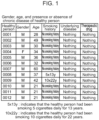
Figure 1] Figure 1 is a subject list of 12 healthy persons not infected with new coronavirus. - [
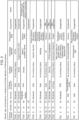
Figure 2] Figure 2 is a subject list of 12 patients infected with new coronavirus. - [
Figure 3] Figure 3 is data on the results of the quantitative analysis of the healthy persons and the patients infected with new coronavirus. - [
Figure 4] Figure 4 is the results of measuring sulfite ions (HSO3 -) and thiosulfate ions (HS2O3 -) of one patient infected with new coronavirus at the time of the exacerbation. - First, 12 healthy persons not infected with new coronavirus (
Figure 1 ) and 12 persons infected with new coronavirus (inpatients in the hospital affiliated with the medical faculty of Tokai University,Figure 2 ) were analyzed for sulfur metabolites in exhaled air as subjects. It was determined based on the PCR test whether the subjects were infected with new coronavirus or not. Among the twelve persons affected with new coronavirus, two persons were mild, and ten persons were moderate. Among the ten persons, one person was exacerbated later. The classification into mild, moderate, and severe patients was based on the saturated oxygen concentrations, the respiratory symptoms, and the chest CT images. For example, this classification is described in Shingata Korona Wirusu Kansensho (COVID-19), Shinryo no Tebiki Dai 4.1 ban (New Coronavirus Infectious Disease (COVID-19), Medical care manual ver. 4.1). - An exhaled air collector (GL Sciences Inc.) and an exhaled air collecting apparatus (GL Sciences Inc.) were utilized for collecting exhaled air. The exhaled air collecting apparatus was cooled to -20 degrees Celsius beforehand. When a subject breathed for 5 to 10 minutes through the exhaled air collector (mouthpiece type, mask type), exhaled air aerosol was rapidly cooled to collect around 1 ml of exhaled air condensate.
- The addition of β-(4-hydroxyphenyl)ethyl iodoacetamide (HPE-IAM), which was an electrophilic alkylating agent, to 25 µl of the exhaled air condensate to 5 mM leads to alkylation reaction at 37 degrees Celsius for 30 minutes. Formic acid was then added to 1% to stabilize sulfur metabolites as HPE-IAM adducts. The electrophilic alkylating agent alkalinizes electron pairs of sulfur, and suppresses the decomposition of the sulfur metabolites.
- Furthermore, a stable isotope-labeled HPE-IAM adduct standard was added to each of the multiple sulfur metabolites so that the concentration in the solution was 10 nM. This was prepared into a sample for mass spectrometry. The HPE-IAM adducts of sulfite ions (HSO3 -), thiosulfate ions (HS2O3 -), hydrogen disulfide ions (HS2 -) were quantitatively analyzed with a mass spectroscope according to Non Patent Literature 1 (Akaike T, et al. Nat Commun 2017). That is, 35 µl of the above-mentioned sample for mass spectrometry/standard was injected into the high-performance liquid chromatographmass spectroscope LCMS(TM)-8060 (SHIMADZU CORPORATION) and quantitatively analyzed under the following MRM (multiple reaction monitoring) conditions (Table 1).
[Table 1] Compounds Polarity Precursor ion (mlz) Production (m/z) Collision energy (V) HSO3-HPE-IAM adduct - 258.1 121.0 20.0 H[34S]O3-HPE-IAM adduct - 260.1 121.0 20.0 HS2O3-HPE-IAM adduct - 290.0 208.2 14.0 H[34S2]O3-HPE-IAM adduct - 294.0 210.2 14.0 Bis-SS-HPE-IAM adduct + 420.9 121.0 -23.0 Bis-[34S2]-HPE-IAM adduct + 424.9 121.0 -23.0 -
Figure 3 shows data on the results of quantitatively analyzing the 12 healthy persons and the 12 persons infected with new coronavirus for these three types of ions. The concentrations of the various sulfur metabolites contained in the exhaled air condensate were generally at low generation levels as compared with in vivo. It is believed that this is influenced by the fact that the in-vivo sulfur metabolites are diluted in the exhaled air, and the exhaled air is not necessarily collected efficiently. It was then confirmed that the levels of sulfite ions (HSO3 -), thiosulfate ions (HS2O3 -), and hydrogen disulfide ions (HS2 -) were significantly high in the moderate patients as compared with the healthy persons. - The symptoms of the patient (patient No. 3) in
Figure 2 changed from moderate symptoms to severe symptoms.Figure 4 shows the results of measuring the sulfite ions (HSO3 -) and thiosulfate ions (HS2O3 -) at the time of the exacerbation. It was found that the generation levels of thiosulfate ions (HS2O3 -) were significantly high at the time of mild symptoms and also at the time of severe symptoms as compared with the healthy persons. In the moderate patient in which pneumonia was exacerbated later (patient No. 3), a marked increase in sulfite ions (HSO3 -) was observed in the specimen collected before the exacerbation. In the moderate patients in which pneumonia was not exacerbated, such an increase was not, however, seen. Accordingly, sulfite ions (HSO3 -) are promising as a biomarker for evaluating a risk of the exacerbation of pneumonia due to new coronavirus infectious disease. - Since active sulfur has antioxidant activity, and that is, active sulfur is oxidized by oxidative stress, active oxygen, and the like, it can be said that the exacerbation of pneumonia, namely the aggravation of oxidative stress shifts the profiles of the sulfur metabolites toward the oxidized state.
Claims (9)
- A biomarker for diagnosing infectious disease, wherein the biomarker is a sulfur metabolite.
- The biomarker according to claim 1, wherein the sulfur metabolite is collected from an exhaled air.
- The biomarker according to claim 2, wherein the sulfur metabolite is produced by metabolism of an active sulfur compound in vivo.
- The biomarker according to claim 3, wherein the sulfur metabolite is at least one type of sulfite ions (HSO3 -), thiosulfate ions (HS2O3 -), and hydrogen disulfide ions (HS2 -).
- The biomarker according to claim 4, wherein the biomarker is for diagnosing viral infection.
- The biomarker according to claim 5, wherein the biomarker is for diagnosing new coronavirus infection.
- The biomarker according to claim 5 or 6, wherein the biomarker is for diagnosing pneumonia due to the infection.
- The biomarker according to claim 6, wherein the biomarker is for evaluating a risk of exacerbation of the new coronavirus infection.
- The biomarker according to claim 8, wherein the sulfur metabolite is sulfite ions (HSO3 -).
Applications Claiming Priority (2)
| Application Number | Priority Date | Filing Date | Title |
|---|---|---|---|
| JP2021084723A JP7718650B2 (en) | 2021-05-19 | 2021-05-19 | Infectious disease biomarkers |
| PCT/JP2022/020597 WO2022244789A1 (en) | 2021-05-19 | 2022-05-17 | Biomarker for infectious disease |
Publications (2)
| Publication Number | Publication Date |
|---|---|
| EP4343325A1 true EP4343325A1 (en) | 2024-03-27 |
| EP4343325A4 EP4343325A4 (en) | 2025-06-11 |
Family
ID=84141567
Family Applications (1)
| Application Number | Title | Priority Date | Filing Date |
|---|---|---|---|
| EP22804700.7A Pending EP4343325A4 (en) | 2021-05-19 | 2022-05-17 | Biomarker for infectious disease |
Country Status (5)
| Country | Link |
|---|---|
| US (1) | US20240085401A1 (en) |
| EP (1) | EP4343325A4 (en) |
| JP (1) | JP7718650B2 (en) |
| CN (1) | CN117337391A (en) |
| WO (1) | WO2022244789A1 (en) |
Families Citing this family (1)
| Publication number | Priority date | Publication date | Assignee | Title |
|---|---|---|---|---|
| JP2025063465A (en) | 2023-10-04 | 2025-04-16 | 国立大学法人東北大学 | Methods for detecting gastrointestinal cancer |
Family Cites Families (15)
| Publication number | Priority date | Publication date | Assignee | Title |
|---|---|---|---|---|
| US7048906B2 (en) * | 1995-05-17 | 2006-05-23 | Cedars-Sinai Medical Center | Methods of diagnosing and treating small intestinal bacterial overgrowth (SIBO) and SIBO-related conditions |
| US6057162A (en) * | 1997-03-07 | 2000-05-02 | Thermedics Detection, Inc. | Disease diagnosis by vapor sample analysis |
| JP3475910B2 (en) * | 2000-05-24 | 2003-12-10 | 株式会社村田製作所 | Electronic component, method of manufacturing electronic component, and circuit board |
| WO2009023059A2 (en) * | 2007-06-01 | 2009-02-19 | The Trustees Of Princeton University | Treatment of viral infections by modulation of host cell metabolic pathways |
| WO2011068976A1 (en) | 2009-12-02 | 2011-06-09 | The Research Foundation Of State University Of New York | Gas sensor with compensation for baseline variations |
| KR101171716B1 (en) * | 2011-12-14 | 2012-08-09 | 배재대학교 산학협력단 | Composition for diagnosis of Ovarian cancer or Pneumonia comprising thioredoxin 1 and the use thereof |
| US8512676B1 (en) * | 2012-03-07 | 2013-08-20 | Wisconsin Alumni Research Foundation | Detection of rate changes in systematic oscillations of metabolic athways by monitoring isotope ratios |
| CH707875B1 (en) | 2013-04-11 | 2017-10-31 | Sunstar Suisse Sa | Apparatus and method for the analysis of a respiratory gas mixture, especially for the detection of halitosis. |
| WO2017049086A1 (en) * | 2015-09-17 | 2017-03-23 | William Marsh Rice University | Thiosulfate biosensor for gut inflammation |
| CN108318590A (en) * | 2017-12-25 | 2018-07-24 | 浙江大学 | Diagnostic system based on the pneumonia caused by the encountered pathogenic bacteria infection using exhaled gas marker spectrum |
| US20210186367A1 (en) | 2018-09-03 | 2021-06-24 | Kozhnosys Private Limited | System for detection of volatile organic compounds (voc) in exhaled breath for health monitoring |
| JP6669915B1 (en) | 2019-03-29 | 2020-03-18 | 旭化成株式会社 | Method for producing non-aqueous alkali metal energy storage device |
| KR102253363B1 (en) * | 2019-11-14 | 2021-05-18 | 연세대학교 산학협력단 | A Novel Metabolite Marker for Tuberculosis and A Method for Diagnosing Tuberculosis Using the Same |
| JP2023145811A (en) * | 2020-08-17 | 2023-10-12 | 孝章 赤池 | Learning model generation method, program, and computation device |
| CN112067712B (en) * | 2020-08-18 | 2022-11-01 | 上海纳米技术及应用国家工程研究中心有限公司 | Volatile marker for diagnosing novel coronavirus and application thereof |
-
2021
- 2021-05-19 JP JP2021084723A patent/JP7718650B2/en active Active
-
2022
- 2022-05-17 WO PCT/JP2022/020597 patent/WO2022244789A1/en not_active Ceased
- 2022-05-17 EP EP22804700.7A patent/EP4343325A4/en active Pending
- 2022-05-17 CN CN202280035795.2A patent/CN117337391A/en active Pending
-
2023
- 2023-11-17 US US18/512,841 patent/US20240085401A1/en not_active Abandoned
Also Published As
| Publication number | Publication date |
|---|---|
| JP2022178150A (en) | 2022-12-02 |
| CN117337391A (en) | 2024-01-02 |
| JP7718650B2 (en) | 2025-08-05 |
| US20240085401A1 (en) | 2024-03-14 |
| WO2022244789A1 (en) | 2022-11-24 |
| EP4343325A4 (en) | 2025-06-11 |
Similar Documents
| Publication | Publication Date | Title |
|---|---|---|
| Bazhanov et al. | Hydrogen sulfide: a novel player in airway development, pathophysiology of respiratory diseases, and antiviral defenses | |
| Wilcox et al. | Modifications of superoxide dismutase (SOD1) in human erythrocytes: a possible role in amyotrophic lateral sclerosis | |
| Chandler et al. | Myeloperoxidase oxidation of methionine associates with early cystic fibrosis lung disease | |
| Qian et al. | Radioprotective effect of hydrogen in cultured cells and mice | |
| Saudubray et al. | Neonatal congenital lactic acidosis with pyruvate carboxylase deficiency in two siblings | |
| Dabholkar et al. | Repurposing methylene blue in the management of COVID-19: Mechanistic aspects and clinical investigations | |
| Etheridge et al. | Effects of hypoxia on muscle protein synthesis and anabolic signaling at rest and in response to acute resistance exercise | |
| Wang et al. | Oxidative stress in ARDS: mechanisms and therapeutic potential | |
| US20240085401A1 (en) | Biomarker for infectious disease | |
| Jing et al. | Caffeine ameliorates hyperoxia-induced lung injury by protecting GCH1 function in neonatal rat pups | |
| Sun et al. | Analysis of volatile organic compounds from patients and cell lines for the validation of lung cancer biomarkers by proton-transfer-reaction mass spectrometry | |
| Dolch et al. | Molecular breath-gas analysis by online mass spectrometry in mechanically ventilated patients: a new software-based method of CO2-controlled alveolar gas monitoring | |
| Szkudlarek et al. | Effect of inhaled N-acetylcysteine on hydrogen peroxide exhalation in healthy subjects | |
| Zhang et al. | Hydrogen sulfide poisoning in forensic pathology and toxicology: mechanism and metabolites quantification analysis | |
| Khaw et al. | Effects of different inspired oxygen fractions on lipid peroxidation during general anaesthesia for elective Caesarean section | |
| Clayton | Applications of mass spectrometry in the study of inborn errors of metabolism | |
| US12324822B2 (en) | Method of treating type 2 diabetic patients | |
| Thirion et al. | 1H-NMR metabolomics investigation of CSF from children with HIV reveals altered neuroenergetics due to persistent immune activation | |
| Norman et al. | Identification and quantitation of urinary dicarboxylic acids as their dicyclohexyl esters in disease states by gas chromatography mass spectrometry | |
| Modaressi et al. | Trace elements (Se, Zn, and Cu) levels in patients with newly diagnosed acute leukemia | |
| Li et al. | Occupational acute argon gas poisoning: A case report | |
| Frisk et al. | Decrease of trace elements in erythrocytes and plasma after removal of dental amalgam and other metal alloys | |
| Hosoe et al. | Effects on the reactive oxygen species of erdosteine and its metabolite in vitro | |
| Boroumand et al. | Investigation by top‐down high‐performance liquid chromatography–mass spectrometry of glutathionylation and cysteinylation of salivary S100A9 and cystatin B in preterm newborns | |
| Bhatt et al. | Patients with sickle cell disease presented dysregulated plasma Rb/K ratio and Gamma-glutamyl cycle in red blood cells |
Legal Events
| Date | Code | Title | Description |
|---|---|---|---|
| STAA | Information on the status of an ep patent application or granted ep patent |
Free format text: STATUS: THE INTERNATIONAL PUBLICATION HAS BEEN MADE |
|
| PUAI | Public reference made under article 153(3) epc to a published international application that has entered the european phase |
Free format text: ORIGINAL CODE: 0009012 |
|
| STAA | Information on the status of an ep patent application or granted ep patent |
Free format text: STATUS: REQUEST FOR EXAMINATION WAS MADE |
|
| 17P | Request for examination filed |
Effective date: 20231206 |
|
| AK | Designated contracting states |
Kind code of ref document: A1 Designated state(s): AL AT BE BG CH CY CZ DE DK EE ES FI FR GB GR HR HU IE IS IT LI LT LU LV MC MK MT NL NO PL PT RO RS SE SI SK SM TR |
|
| DAV | Request for validation of the european patent (deleted) | ||
| DAX | Request for extension of the european patent (deleted) | ||
| A4 | Supplementary search report drawn up and despatched |
Effective date: 20250512 |
|
| RIC1 | Information provided on ipc code assigned before grant |
Ipc: G01N 33/68 20060101ALI20250506BHEP Ipc: G01N 33/84 20060101ALI20250506BHEP Ipc: G01N 33/569 20060101ALI20250506BHEP Ipc: G01N 33/497 20060101AFI20250506BHEP |
|
| GRAP | Despatch of communication of intention to grant a patent |
Free format text: ORIGINAL CODE: EPIDOSNIGR1 |
|
| STAA | Information on the status of an ep patent application or granted ep patent |
Free format text: STATUS: GRANT OF PATENT IS INTENDED |
|
| INTG | Intention to grant announced |
Effective date: 20260126 |