EP4335875A1 - Chemically modified bacterial cellulose core-shell microparticles and their use for the encapsulation of bioactive elements - Google Patents
Chemically modified bacterial cellulose core-shell microparticles and their use for the encapsulation of bioactive elements Download PDFInfo
- Publication number
- EP4335875A1 EP4335875A1 EP22382844.3A EP22382844A EP4335875A1 EP 4335875 A1 EP4335875 A1 EP 4335875A1 EP 22382844 A EP22382844 A EP 22382844A EP 4335875 A1 EP4335875 A1 EP 4335875A1
- Authority
- EP
- European Patent Office
- Prior art keywords
- phb
- phas
- core
- bacterial cellulose
- shell
- Prior art date
- Legal status (The legal status is an assumption and is not a legal conclusion. Google has not performed a legal analysis and makes no representation as to the accuracy of the status listed.)
- Withdrawn
Links
- 229920002749 Bacterial cellulose Polymers 0.000 title claims abstract description 95
- 239000005016 bacterial cellulose Substances 0.000 title claims abstract description 95
- 239000011258 core-shell material Substances 0.000 title claims abstract description 32
- 239000011859 microparticle Substances 0.000 title abstract description 17
- 230000000975 bioactive effect Effects 0.000 title abstract description 13
- 238000005538 encapsulation Methods 0.000 title description 5
- 229920000903 polyhydroxyalkanoate Polymers 0.000 claims abstract description 163
- 239000005014 poly(hydroxyalkanoate) Substances 0.000 claims abstract description 161
- 239000002245 particle Substances 0.000 claims abstract description 135
- 229920000331 Polyhydroxybutyrate Polymers 0.000 claims description 158
- 239000005015 poly(hydroxybutyrate) Substances 0.000 claims description 158
- 238000000034 method Methods 0.000 claims description 66
- 239000002608 ionic liquid Substances 0.000 claims description 63
- 229920000642 polymer Polymers 0.000 claims description 50
- IAZDPXIOMUYVGZ-UHFFFAOYSA-N Dimethylsulphoxide Chemical compound CS(C)=O IAZDPXIOMUYVGZ-UHFFFAOYSA-N 0.000 claims description 32
- 229920000728 polyester Polymers 0.000 claims description 29
- 150000001263 acyl chlorides Chemical class 0.000 claims description 19
- FHDQNOXQSTVAIC-UHFFFAOYSA-M 1-butyl-3-methylimidazol-3-ium;chloride Chemical compound [Cl-].CCCCN1C=C[N+](C)=C1 FHDQNOXQSTVAIC-UHFFFAOYSA-M 0.000 claims description 16
- 241000894006 Bacteria Species 0.000 claims description 14
- ZMXDDKWLCZADIW-UHFFFAOYSA-N N,N-Dimethylformamide Chemical compound CN(C)C=O ZMXDDKWLCZADIW-UHFFFAOYSA-N 0.000 claims description 14
- XLYOFNOQVPJJNP-UHFFFAOYSA-N water Substances O XLYOFNOQVPJJNP-UHFFFAOYSA-N 0.000 claims description 13
- FYSNRJHAOHDILO-UHFFFAOYSA-N thionyl chloride Chemical compound ClS(Cl)=O FYSNRJHAOHDILO-UHFFFAOYSA-N 0.000 claims description 12
- -1 poly(butylene succinate) Polymers 0.000 claims description 11
- CSCPPACGZOOCGX-UHFFFAOYSA-N Acetone Chemical compound CC(C)=O CSCPPACGZOOCGX-UHFFFAOYSA-N 0.000 claims description 10
- 239000002904 solvent Substances 0.000 claims description 10
- 108090000790 Enzymes Proteins 0.000 claims description 8
- 102000004190 Enzymes Human genes 0.000 claims description 8
- 239000006184 cosolvent Substances 0.000 claims description 8
- 241000589776 Pseudomonas putida Species 0.000 claims description 7
- 239000004411 aluminium Substances 0.000 claims description 7
- XAGFODPZIPBFFR-UHFFFAOYSA-N aluminium Chemical compound [Al] XAGFODPZIPBFFR-UHFFFAOYSA-N 0.000 claims description 7
- 229910052782 aluminium Inorganic materials 0.000 claims description 7
- 239000003960 organic solvent Substances 0.000 claims description 6
- QLACRIKFZRFWRU-UHFFFAOYSA-N [4-oxo-4-(4-oxobutan-2-yloxy)butan-2-yl] 3-hydroxybutanoate Chemical compound CC(O)CC(=O)OC(C)CC(=O)OC(C)CC=O QLACRIKFZRFWRU-UHFFFAOYSA-N 0.000 claims description 5
- 241000604931 Bdellovibrio bacteriovorus Species 0.000 claims description 4
- 241000186000 Bifidobacterium Species 0.000 claims description 4
- 241000588724 Escherichia coli Species 0.000 claims description 4
- 241000186660 Lactobacillus Species 0.000 claims description 4
- 229940039696 lactobacillus Drugs 0.000 claims description 4
- 235000010335 lysozyme Nutrition 0.000 claims description 4
- 238000002156 mixing Methods 0.000 claims description 4
- 102000004882 Lipase Human genes 0.000 claims description 3
- 108090001060 Lipase Proteins 0.000 claims description 3
- 239000004367 Lipase Substances 0.000 claims description 3
- 238000001704 evaporation Methods 0.000 claims description 3
- 235000019421 lipase Nutrition 0.000 claims description 3
- 238000005917 acylation reaction Methods 0.000 claims description 2
- 230000008020 evaporation Effects 0.000 claims description 2
- 229920001896 polybutyrate Polymers 0.000 claims 9
- 102000004316 Oxidoreductases Human genes 0.000 claims 2
- 108090000854 Oxidoreductases Proteins 0.000 claims 2
- 229920000578 graft copolymer Polymers 0.000 abstract description 11
- 238000007787 electrohydrodynamic spraying Methods 0.000 abstract description 10
- 239000010409 thin film Substances 0.000 abstract description 3
- 239000000243 solution Substances 0.000 description 87
- LOKCTEFSRHRXRJ-UHFFFAOYSA-I dipotassium trisodium dihydrogen phosphate hydrogen phosphate dichloride Chemical compound P(=O)(O)(O)[O-].[K+].P(=O)(O)([O-])[O-].[Na+].[Na+].[Cl-].[K+].[Cl-].[Na+] LOKCTEFSRHRXRJ-UHFFFAOYSA-I 0.000 description 37
- 239000002953 phosphate buffered saline Substances 0.000 description 37
- YMWUJEATGCHHMB-UHFFFAOYSA-N Dichloromethane Chemical compound ClCCl YMWUJEATGCHHMB-UHFFFAOYSA-N 0.000 description 24
- 208000037534 Progressive hemifacial atrophy Diseases 0.000 description 15
- 239000000463 material Substances 0.000 description 15
- 238000012017 passive hemagglutination assay Methods 0.000 description 15
- HEDRZPFGACZZDS-UHFFFAOYSA-N Chloroform Chemical compound ClC(Cl)Cl HEDRZPFGACZZDS-UHFFFAOYSA-N 0.000 description 13
- 238000001218 confocal laser scanning microscopy Methods 0.000 description 13
- 239000010410 layer Substances 0.000 description 12
- 239000000178 monomer Substances 0.000 description 12
- 239000000126 substance Substances 0.000 description 12
- 229920002678 cellulose Polymers 0.000 description 11
- 239000001913 cellulose Substances 0.000 description 11
- 239000000203 mixture Substances 0.000 description 11
- 238000004458 analytical method Methods 0.000 description 9
- 238000002411 thermogravimetry Methods 0.000 description 8
- QAOWNCQODCNURD-UHFFFAOYSA-N Sulfuric acid Chemical compound OS(O)(=O)=O QAOWNCQODCNURD-UHFFFAOYSA-N 0.000 description 7
- 230000001580 bacterial effect Effects 0.000 description 7
- 229920001577 copolymer Polymers 0.000 description 7
- 230000008569 process Effects 0.000 description 7
- IJGRMHOSHXDMSA-UHFFFAOYSA-N Atomic nitrogen Chemical compound N#N IJGRMHOSHXDMSA-UHFFFAOYSA-N 0.000 description 6
- 230000015556 catabolic process Effects 0.000 description 6
- 238000006243 chemical reaction Methods 0.000 description 6
- 238000006731 degradation reaction Methods 0.000 description 6
- 230000004580 weight loss Effects 0.000 description 6
- 125000002915 carbonyl group Chemical group [*:2]C([*:1])=O 0.000 description 5
- 210000004027 cell Anatomy 0.000 description 5
- 238000009826 distribution Methods 0.000 description 5
- 238000002389 environmental scanning electron microscopy Methods 0.000 description 5
- 230000002209 hydrophobic effect Effects 0.000 description 5
- GPSDUZXPYCFOSQ-UHFFFAOYSA-N m-toluic acid Chemical compound CC1=CC=CC(C(O)=O)=C1 GPSDUZXPYCFOSQ-UHFFFAOYSA-N 0.000 description 5
- 230000004048 modification Effects 0.000 description 5
- 238000012986 modification Methods 0.000 description 5
- 239000002105 nanoparticle Substances 0.000 description 5
- CNGYZEMWVAWWOB-VAWYXSNFSA-N 5-[[4-anilino-6-[bis(2-hydroxyethyl)amino]-1,3,5-triazin-2-yl]amino]-2-[(e)-2-[4-[[4-anilino-6-[bis(2-hydroxyethyl)amino]-1,3,5-triazin-2-yl]amino]-2-sulfophenyl]ethenyl]benzenesulfonic acid Chemical compound N=1C(NC=2C=C(C(\C=C\C=3C(=CC(NC=4N=C(N=C(NC=5C=CC=CC=5)N=4)N(CCO)CCO)=CC=3)S(O)(=O)=O)=CC=2)S(O)(=O)=O)=NC(N(CCO)CCO)=NC=1NC1=CC=CC=C1 CNGYZEMWVAWWOB-VAWYXSNFSA-N 0.000 description 4
- MCMNRKCIXSYSNV-UHFFFAOYSA-N Zirconium dioxide Chemical compound O=[Zr]=O MCMNRKCIXSYSNV-UHFFFAOYSA-N 0.000 description 4
- 229920001222 biopolymer Polymers 0.000 description 4
- 238000012512 characterization method Methods 0.000 description 4
- ZYGHJZDHTFUPRJ-UHFFFAOYSA-N coumarin Chemical compound C1=CC=C2OC(=O)C=CC2=C1 ZYGHJZDHTFUPRJ-UHFFFAOYSA-N 0.000 description 4
- 238000001317 epifluorescence microscopy Methods 0.000 description 4
- 239000007788 liquid Substances 0.000 description 4
- 244000005700 microbiome Species 0.000 description 4
- 239000012071 phase Substances 0.000 description 4
- 238000002360 preparation method Methods 0.000 description 4
- 230000002829 reductive effect Effects 0.000 description 4
- 238000001878 scanning electron micrograph Methods 0.000 description 4
- 239000007787 solid Substances 0.000 description 4
- 238000001228 spectrum Methods 0.000 description 4
- OKKJLVBELUTLKV-UHFFFAOYSA-N Methanol Chemical compound OC OKKJLVBELUTLKV-UHFFFAOYSA-N 0.000 description 3
- KKEYFWRCBNTPAC-UHFFFAOYSA-N Terephthalic acid Chemical compound OC(=O)C1=CC=C(C(O)=O)C=C1 KKEYFWRCBNTPAC-UHFFFAOYSA-N 0.000 description 3
- 230000035508 accumulation Effects 0.000 description 3
- 238000009825 accumulation Methods 0.000 description 3
- 230000015572 biosynthetic process Effects 0.000 description 3
- 150000001732 carboxylic acid derivatives Chemical group 0.000 description 3
- 238000004090 dissolution Methods 0.000 description 3
- 125000004185 ester group Chemical group 0.000 description 3
- 239000010408 film Substances 0.000 description 3
- 239000007789 gas Substances 0.000 description 3
- 239000008187 granular material Substances 0.000 description 3
- 239000005090 green fluorescent protein Substances 0.000 description 3
- 239000001257 hydrogen Substances 0.000 description 3
- 229910052739 hydrogen Inorganic materials 0.000 description 3
- 238000004519 manufacturing process Methods 0.000 description 3
- 239000012528 membrane Substances 0.000 description 3
- 238000006140 methanolysis reaction Methods 0.000 description 3
- VOFUROIFQGPCGE-UHFFFAOYSA-N nile red Chemical compound C1=CC=C2C3=NC4=CC=C(N(CC)CC)C=C4OC3=CC(=O)C2=C1 VOFUROIFQGPCGE-UHFFFAOYSA-N 0.000 description 3
- 229910052757 nitrogen Inorganic materials 0.000 description 3
- 239000012074 organic phase Substances 0.000 description 3
- 239000000047 product Substances 0.000 description 3
- FYSSBMZUBSBFJL-VIFPVBQESA-N (S)-3-hydroxydecanoic acid Chemical compound CCCCCCC[C@H](O)CC(O)=O FYSSBMZUBSBFJL-VIFPVBQESA-N 0.000 description 2
- GTJFILPOSMPQHQ-UHFFFAOYSA-N 3-hydroxy-5-oxohexanethioic s-acid Chemical compound CC(=O)CC(O)CC(S)=O GTJFILPOSMPQHQ-UHFFFAOYSA-N 0.000 description 2
- ZILZUJOSHIQAOL-UHFFFAOYSA-N 3-hydroxy-7-oxooctanethioic s-acid Chemical compound CC(=O)CCCC(O)CC(S)=O ZILZUJOSHIQAOL-UHFFFAOYSA-N 0.000 description 2
- HPMGFDVTYHWBAG-UHFFFAOYSA-N 3-hydroxyhexanoic acid Chemical compound CCCC(O)CC(O)=O HPMGFDVTYHWBAG-UHFFFAOYSA-N 0.000 description 2
- NDPLAKGOSZHTPH-UHFFFAOYSA-N 3-hydroxyoctanoic acid Chemical compound CCCCCC(O)CC(O)=O NDPLAKGOSZHTPH-UHFFFAOYSA-N 0.000 description 2
- 239000002253 acid Substances 0.000 description 2
- 150000007513 acids Chemical class 0.000 description 2
- 150000001335 aliphatic alkanes Chemical group 0.000 description 2
- 229920003232 aliphatic polyester Polymers 0.000 description 2
- 230000008901 benefit Effects 0.000 description 2
- CDQSJQSWAWPGKG-UHFFFAOYSA-N butane-1,1-diol Chemical compound CCCC(O)O CDQSJQSWAWPGKG-UHFFFAOYSA-N 0.000 description 2
- 125000001309 chloro group Chemical group Cl* 0.000 description 2
- 150000001875 compounds Chemical class 0.000 description 2
- 229960000956 coumarin Drugs 0.000 description 2
- 235000001671 coumarin Nutrition 0.000 description 2
- 238000000354 decomposition reaction Methods 0.000 description 2
- 238000011161 development Methods 0.000 description 2
- 238000012377 drug delivery Methods 0.000 description 2
- 239000000975 dye Substances 0.000 description 2
- 238000005516 engineering process Methods 0.000 description 2
- 238000002474 experimental method Methods 0.000 description 2
- 230000004907 flux Effects 0.000 description 2
- 238000002290 gas chromatography-mass spectrometry Methods 0.000 description 2
- 230000000977 initiatory effect Effects 0.000 description 2
- 230000003993 interaction Effects 0.000 description 2
- 239000011159 matrix material Substances 0.000 description 2
- 238000001000 micrograph Methods 0.000 description 2
- 231100000956 nontoxicity Toxicity 0.000 description 2
- 230000003287 optical effect Effects 0.000 description 2
- 150000002894 organic compounds Chemical class 0.000 description 2
- 230000035515 penetration Effects 0.000 description 2
- 230000035699 permeability Effects 0.000 description 2
- 229920003023 plastic Polymers 0.000 description 2
- 239000004033 plastic Substances 0.000 description 2
- 229920000070 poly-3-hydroxybutyrate Polymers 0.000 description 2
- 150000003138 primary alcohols Chemical class 0.000 description 2
- 239000006041 probiotic Substances 0.000 description 2
- 235000018291 probiotics Nutrition 0.000 description 2
- 239000012798 spherical particle Substances 0.000 description 2
- 238000003756 stirring Methods 0.000 description 2
- KDYFGRWQOYBRFD-UHFFFAOYSA-N succinic acid Chemical compound OC(=O)CCC(O)=O KDYFGRWQOYBRFD-UHFFFAOYSA-N 0.000 description 2
- 238000003786 synthesis reaction Methods 0.000 description 2
- 229920001059 synthetic polymer Polymers 0.000 description 2
- 238000004483 ATR-FTIR spectroscopy Methods 0.000 description 1
- OKTJSMMVPCPJKN-UHFFFAOYSA-N Carbon Chemical group [C] OKTJSMMVPCPJKN-UHFFFAOYSA-N 0.000 description 1
- 238000005033 Fourier transform infrared spectroscopy Methods 0.000 description 1
- 229920001503 Glucan Polymers 0.000 description 1
- 108010043121 Green Fluorescent Proteins Proteins 0.000 description 1
- 102000004144 Green Fluorescent Proteins Human genes 0.000 description 1
- 241000496217 Komagataeibacter medellinensis Species 0.000 description 1
- LDLDJEAVRNAEBW-UHFFFAOYSA-N Methyl 3-hydroxybutyrate Chemical compound COC(=O)CC(C)O LDLDJEAVRNAEBW-UHFFFAOYSA-N 0.000 description 1
- 101710157860 Oxydoreductase Proteins 0.000 description 1
- 208000034530 PLAA-associated neurodevelopmental disease Diseases 0.000 description 1
- 229910019142 PO4 Inorganic materials 0.000 description 1
- 229910006124 SOCl2 Inorganic materials 0.000 description 1
- PMZURENOXWZQFD-UHFFFAOYSA-L Sodium Sulfate Chemical compound [Na+].[Na+].[O-]S([O-])(=O)=O PMZURENOXWZQFD-UHFFFAOYSA-L 0.000 description 1
- 206010041925 Staphylococcal infections Diseases 0.000 description 1
- 229920001963 Synthetic biodegradable polymer Polymers 0.000 description 1
- 125000002252 acyl group Chemical group 0.000 description 1
- 239000000783 alginic acid Substances 0.000 description 1
- 230000000844 anti-bacterial effect Effects 0.000 description 1
- 230000000845 anti-microbial effect Effects 0.000 description 1
- 239000012296 anti-solvent Substances 0.000 description 1
- 239000004599 antimicrobial Substances 0.000 description 1
- 125000003118 aryl group Chemical group 0.000 description 1
- 230000002238 attenuated effect Effects 0.000 description 1
- 230000009286 beneficial effect Effects 0.000 description 1
- 239000012867 bioactive agent Substances 0.000 description 1
- 229920000229 biodegradable polyester Polymers 0.000 description 1
- 239000004622 biodegradable polyester Substances 0.000 description 1
- 239000012620 biological material Substances 0.000 description 1
- 229910052799 carbon Inorganic materials 0.000 description 1
- 125000003178 carboxy group Chemical group [H]OC(*)=O 0.000 description 1
- 150000001735 carboxylic acids Chemical group 0.000 description 1
- 239000012159 carrier gas Substances 0.000 description 1
- 229910052801 chlorine Inorganic materials 0.000 description 1
- 239000011248 coating agent Substances 0.000 description 1
- 238000000576 coating method Methods 0.000 description 1
- 238000004624 confocal microscopy Methods 0.000 description 1
- 230000021615 conjugation Effects 0.000 description 1
- 238000001816 cooling Methods 0.000 description 1
- 238000005859 coupling reaction Methods 0.000 description 1
- 238000004132 cross linking Methods 0.000 description 1
- 238000001723 curing Methods 0.000 description 1
- 210000000805 cytoplasm Anatomy 0.000 description 1
- 230000003247 decreasing effect Effects 0.000 description 1
- 238000013461 design Methods 0.000 description 1
- 230000006866 deterioration Effects 0.000 description 1
- 238000009792 diffusion process Methods 0.000 description 1
- 239000012153 distilled water Substances 0.000 description 1
- 238000009509 drug development Methods 0.000 description 1
- 238000004043 dyeing Methods 0.000 description 1
- 230000000694 effects Effects 0.000 description 1
- 150000002148 esters Chemical class 0.000 description 1
- 238000013265 extended release Methods 0.000 description 1
- 238000001125 extrusion Methods 0.000 description 1
- 239000007850 fluorescent dye Substances 0.000 description 1
- 150000004676 glycans Chemical class 0.000 description 1
- PCHJSUWPFVWCPO-UHFFFAOYSA-N gold Chemical compound [Au] PCHJSUWPFVWCPO-UHFFFAOYSA-N 0.000 description 1
- 239000010931 gold Substances 0.000 description 1
- 229910052737 gold Inorganic materials 0.000 description 1
- 229910052736 halogen Inorganic materials 0.000 description 1
- 150000002367 halogens Chemical class 0.000 description 1
- 238000010438 heat treatment Methods 0.000 description 1
- 239000001307 helium Substances 0.000 description 1
- 229910052734 helium Inorganic materials 0.000 description 1
- SWQJXJOGLNCZEY-UHFFFAOYSA-N helium atom Chemical compound [He] SWQJXJOGLNCZEY-UHFFFAOYSA-N 0.000 description 1
- 229920001519 homopolymer Polymers 0.000 description 1
- 230000007062 hydrolysis Effects 0.000 description 1
- 238000006460 hydrolysis reaction Methods 0.000 description 1
- 229920001600 hydrophobic polymer Polymers 0.000 description 1
- 238000011065 in-situ storage Methods 0.000 description 1
- 210000003000 inclusion body Anatomy 0.000 description 1
- 238000002329 infrared spectrum Methods 0.000 description 1
- 150000002484 inorganic compounds Chemical class 0.000 description 1
- 150000002500 ions Chemical class 0.000 description 1
- 150000002632 lipids Chemical class 0.000 description 1
- 238000011068 loading method Methods 0.000 description 1
- 229920002521 macromolecule Polymers 0.000 description 1
- 238000001819 mass spectrum Methods 0.000 description 1
- 238000005259 measurement Methods 0.000 description 1
- 238000002844 melting Methods 0.000 description 1
- 230000008018 melting Effects 0.000 description 1
- 230000002503 metabolic effect Effects 0.000 description 1
- 208000015688 methicillin-resistant staphylococcus aureus infectious disease Diseases 0.000 description 1
- 125000002496 methyl group Chemical group [H]C([H])([H])* 0.000 description 1
- 238000000386 microscopy Methods 0.000 description 1
- 239000002121 nanofiber Substances 0.000 description 1
- 239000002086 nanomaterial Substances 0.000 description 1
- 230000007935 neutral effect Effects 0.000 description 1
- 235000015097 nutrients Nutrition 0.000 description 1
- 238000003921 particle size analysis Methods 0.000 description 1
- 230000037361 pathway Effects 0.000 description 1
- NBIIXXVUZAFLBC-UHFFFAOYSA-K phosphate Chemical compound [O-]P([O-])([O-])=O NBIIXXVUZAFLBC-UHFFFAOYSA-K 0.000 description 1
- 239000010452 phosphate Substances 0.000 description 1
- 230000000704 physical effect Effects 0.000 description 1
- 238000006068 polycondensation reaction Methods 0.000 description 1
- 229920001282 polysaccharide Polymers 0.000 description 1
- 239000005017 polysaccharide Substances 0.000 description 1
- 239000002244 precipitate Substances 0.000 description 1
- 230000000529 probiotic effect Effects 0.000 description 1
- 238000012545 processing Methods 0.000 description 1
- 239000011241 protective layer Substances 0.000 description 1
- 239000002994 raw material Substances 0.000 description 1
- 230000035484 reaction time Effects 0.000 description 1
- 238000000926 separation method Methods 0.000 description 1
- 239000010420 shell particle Substances 0.000 description 1
- 229910052938 sodium sulfate Inorganic materials 0.000 description 1
- 235000011152 sodium sulphate Nutrition 0.000 description 1
- 241000894007 species Species 0.000 description 1
- 238000009987 spinning Methods 0.000 description 1
- 230000003068 static effect Effects 0.000 description 1
- 125000001424 substituent group Chemical group 0.000 description 1
- 239000001384 succinic acid Substances 0.000 description 1
- 239000002344 surface layer Substances 0.000 description 1
- 239000000725 suspension Substances 0.000 description 1
- 230000008961 swelling Effects 0.000 description 1
- 238000012360 testing method Methods 0.000 description 1
- 125000000383 tetramethylene group Chemical group [H]C([H])([*:1])C([H])([H])C([H])([H])C([H])([H])[*:2] 0.000 description 1
- 229920001169 thermoplastic Polymers 0.000 description 1
- 239000004416 thermosoftening plastic Substances 0.000 description 1
- 150000007970 thio esters Chemical group 0.000 description 1
- 238000012546 transfer Methods 0.000 description 1
- WFKWXMTUELFFGS-UHFFFAOYSA-N tungsten Chemical compound [W] WFKWXMTUELFFGS-UHFFFAOYSA-N 0.000 description 1
- 229910052721 tungsten Inorganic materials 0.000 description 1
- 239000010937 tungsten Substances 0.000 description 1
- 229940070710 valerate Drugs 0.000 description 1
- 230000035899 viability Effects 0.000 description 1
- 238000005406 washing Methods 0.000 description 1
Images





Classifications
-
- C—CHEMISTRY; METALLURGY
- C08—ORGANIC MACROMOLECULAR COMPOUNDS; THEIR PREPARATION OR CHEMICAL WORKING-UP; COMPOSITIONS BASED THEREON
- C08B—POLYSACCHARIDES; DERIVATIVES THEREOF
- C08B3/00—Preparation of cellulose esters of organic acids
- C08B3/12—Preparation of cellulose esters of organic acids of polybasic organic acids
-
- C—CHEMISTRY; METALLURGY
- C08—ORGANIC MACROMOLECULAR COMPOUNDS; THEIR PREPARATION OR CHEMICAL WORKING-UP; COMPOSITIONS BASED THEREON
- C08G—MACROMOLECULAR COMPOUNDS OBTAINED OTHERWISE THAN BY REACTIONS ONLY INVOLVING UNSATURATED CARBON-TO-CARBON BONDS
- C08G63/00—Macromolecular compounds obtained by reactions forming a carboxylic ester link in the main chain of the macromolecule
- C08G63/02—Polyesters derived from hydroxycarboxylic acids or from polycarboxylic acids and polyhydroxy compounds
- C08G63/06—Polyesters derived from hydroxycarboxylic acids or from polycarboxylic acids and polyhydroxy compounds derived from hydroxycarboxylic acids
-
- C—CHEMISTRY; METALLURGY
- C08—ORGANIC MACROMOLECULAR COMPOUNDS; THEIR PREPARATION OR CHEMICAL WORKING-UP; COMPOSITIONS BASED THEREON
- C08G—MACROMOLECULAR COMPOUNDS OBTAINED OTHERWISE THAN BY REACTIONS ONLY INVOLVING UNSATURATED CARBON-TO-CARBON BONDS
- C08G63/00—Macromolecular compounds obtained by reactions forming a carboxylic ester link in the main chain of the macromolecule
- C08G63/91—Polymers modified by chemical after-treatment
- C08G63/912—Polymers modified by chemical after-treatment derived from hydroxycarboxylic acids
-
- C—CHEMISTRY; METALLURGY
- C08—ORGANIC MACROMOLECULAR COMPOUNDS; THEIR PREPARATION OR CHEMICAL WORKING-UP; COMPOSITIONS BASED THEREON
- C08J—WORKING-UP; GENERAL PROCESSES OF COMPOUNDING; AFTER-TREATMENT NOT COVERED BY SUBCLASSES C08B, C08C, C08F, C08G or C08H
- C08J3/00—Processes of treating or compounding macromolecular substances
- C08J3/12—Powdering or granulating
- C08J3/126—Polymer particles coated by polymer, e.g. core shell structures
-
- C—CHEMISTRY; METALLURGY
- C08—ORGANIC MACROMOLECULAR COMPOUNDS; THEIR PREPARATION OR CHEMICAL WORKING-UP; COMPOSITIONS BASED THEREON
- C08L—COMPOSITIONS OF MACROMOLECULAR COMPOUNDS
- C08L1/00—Compositions of cellulose, modified cellulose or cellulose derivatives
- C08L1/08—Cellulose derivatives
- C08L1/10—Esters of organic acids, i.e. acylates
-
- C—CHEMISTRY; METALLURGY
- C08—ORGANIC MACROMOLECULAR COMPOUNDS; THEIR PREPARATION OR CHEMICAL WORKING-UP; COMPOSITIONS BASED THEREON
- C08J—WORKING-UP; GENERAL PROCESSES OF COMPOUNDING; AFTER-TREATMENT NOT COVERED BY SUBCLASSES C08B, C08C, C08F, C08G or C08H
- C08J2301/00—Characterised by the use of cellulose, modified cellulose or cellulose derivatives
- C08J2301/02—Cellulose; Modified cellulose
-
- C—CHEMISTRY; METALLURGY
- C08—ORGANIC MACROMOLECULAR COMPOUNDS; THEIR PREPARATION OR CHEMICAL WORKING-UP; COMPOSITIONS BASED THEREON
- C08J—WORKING-UP; GENERAL PROCESSES OF COMPOUNDING; AFTER-TREATMENT NOT COVERED BY SUBCLASSES C08B, C08C, C08F, C08G or C08H
- C08J2351/00—Characterised by the use of graft polymers in which the grafted component is obtained by reactions only involving carbon-to-carbon unsaturated bonds; Derivatives of such polymers
-
- C—CHEMISTRY; METALLURGY
- C08—ORGANIC MACROMOLECULAR COMPOUNDS; THEIR PREPARATION OR CHEMICAL WORKING-UP; COMPOSITIONS BASED THEREON
- C08J—WORKING-UP; GENERAL PROCESSES OF COMPOUNDING; AFTER-TREATMENT NOT COVERED BY SUBCLASSES C08B, C08C, C08F, C08G or C08H
- C08J2367/00—Characterised by the use of polyesters obtained by reactions forming a carboxylic ester link in the main chain; Derivatives of such polymers
- C08J2367/02—Polyesters derived from dicarboxylic acids and dihydroxy compounds
-
- C—CHEMISTRY; METALLURGY
- C08—ORGANIC MACROMOLECULAR COMPOUNDS; THEIR PREPARATION OR CHEMICAL WORKING-UP; COMPOSITIONS BASED THEREON
- C08J—WORKING-UP; GENERAL PROCESSES OF COMPOUNDING; AFTER-TREATMENT NOT COVERED BY SUBCLASSES C08B, C08C, C08F, C08G or C08H
- C08J2367/00—Characterised by the use of polyesters obtained by reactions forming a carboxylic ester link in the main chain; Derivatives of such polymers
- C08J2367/04—Polyesters derived from hydroxy carboxylic acids, e.g. lactones
-
- C—CHEMISTRY; METALLURGY
- C08—ORGANIC MACROMOLECULAR COMPOUNDS; THEIR PREPARATION OR CHEMICAL WORKING-UP; COMPOSITIONS BASED THEREON
- C08J—WORKING-UP; GENERAL PROCESSES OF COMPOUNDING; AFTER-TREATMENT NOT COVERED BY SUBCLASSES C08B, C08C, C08F, C08G or C08H
- C08J2467/00—Characterised by the use of polyesters obtained by reactions forming a carboxylic ester link in the main chain; Derivatives of such polymers
- C08J2467/04—Polyesters derived from hydroxy carboxylic acids, e.g. lactones
Definitions
- the present invention can be embeded in the chemical field, particularly, in the filed of core-shell microparticles based on bacterial cellulose (BC) and polyhydroxyalkanoates (PHAs) for encapsulating bioactive cargos.
- BC bacterial cellulose
- PHAs polyhydroxyalkanoates
- Microparticles are of great interest for delivery applications because they offer versatile advantages such as: encapsulation of a range of molecules, including hydrophobic, hydrophilic or neutral molecules, or bioactive elements such as enzymes or microorganisms; protection of cargos from degradation in the harsh environment; and control of site-specific release [ Shalu Suri, Gang Ruan, Jessica Winter, Christine E. Schmidt, Chapter 1.2.19 - Microparticles and Nanoparticles, Editor(s): Buddy D. Ratner, Allan S. Hoffman, Frederick J. Schoen, Jack E. Lemons, Biomaterials Science (Third Edition), Academic Press, 2013, Pages 360-388, ISBN 9780123746269, https://doi.org/10.1016/B978-0-08-087780-8.00034-6. (https://www.sciencedirect.com/science/article/pii/B9780080877808000346 )].
- the cargo can be encapsulated within the particle or entrapped, that is, anchored to the outside by surface modification techniques.
- a microparticle offers the possibility of releasing multiple biomolecules at the same time to target more than one application. Cargo release generally occurs by degradation of the particles or by diffusion through swelling and this process can be controlled by modulating the rate of degradation of the microparticles.
- micro- and nano-particles have a composition based on inorganic and organic compounds, synthetic polymers or hybrid materials, but recently there is increasing interest in their production using alternative bio-based raw materials, as renewable resources are essential to contribute to the goals of the 2030 Agenda for Sustainable Development [ Carvalho2021 Nanomaterials 2021, 11, 2744 ].
- Biodegradable polymeric micro- and nanoparticles are widely used as drug delivery systems because these biodegradable matrices not only improve drug delivery, but also provide a relatively slow release rate and extended release time [ Electrospray technique for solid lipid-based particle production. Drug Development and Industrial Pharmacy, 2010; 36(4): 431-438 VBLDDI]. In this sense, polysaccharides provide excellent mechanical and chemical properties combined with the characteristics of biocompatibility and sustainability.
- BC is a polyssacharide that possesses very good properties such as a high tensile strength, mechanical stability, non-toxicity, high crystallinity, high water-holding capacity, a remarkable permeability to gases and liquids and a great compatibility with living organisms [ International Journal of Biological Macromolecules 162 (2020) 1869-1879 ]. But it should be noted that cellulose as such cannot be processed like conventional thermoplastics due to its extensive network of hydrogen bonds. However, if cellulose is chemically modified, it can be used as a sustainable alternative to many durable synthetic polymeric materials.
- PHA polyhydroxyalkanoates
- the side chain varies in length and composition, and depending on their length, PHAs are classified as short-chain (scl), such as poly(3-hydroxybutyrate) (PHB) or poly(3-hydroxybutyrate-co-valerate) (PHBV), and medium-chain (mcl), such as poly(3-hydroxyoctanoate-co-3-hexanoate) (PHOHx).
- scl short-chain
- mcl poly(3-hydroxyoctanoate-co-3-hexanoate)
- electrospray offers several advantages. Firstly, the process can be carried out under ambient conditions, which is beneficial for sensitive biomolecules and even for living cells. Furthermore, it is possible to produce nano/microparticles with a narrow size distribution, high encapsulation efficiency and in a reproducible way.
- This technique allows the use of coaxial electrospray methods to create core-shell particles.
- the coaxial electrospray configuration allows the generation of multilayer structures, which means one or more additional protective layers for the bioactive elements.
- two polymer solutions are pumped independently into a needle composed of two separate needles. The element to be encapsulated is pumped through the inner needle together with the biopolymer core solution and the other biopolymer solution flows through the outer needle to finally form the particle shell ( Fig. 1 ).
- polyhydroxyalkanoates is understood as a family of polyhydroxyesters of 3-, 4-, 5- and 6-hydroxyalkanoic acids, which are produced by a variety of bacterial species and are found as discrete cytoplasmic inclusions in bacterial cells.
- polyesters preferably “degradable polyester” are understood as polyesters whose chemical and physical characteristics undergo deterioration and completely degrade when exposed to abiotic and biotic systems such as hydrolysis, cells and enzymes biocatalyst.
- PLA and PHA are polyesters that degrade when their ester linkages are broken.
- PBAT is understood as a synthetic biodegradable polymer, in particular, is an aliphatic-aromatic co-polyester that can combine excellent biodegradability provided from aliphatic polyesters and good properties from aromatic polyesters. It is derived from common petrochemicals-purified terephthalic acid (PTA), butanediol, and adipic acid-and yet it is biodegradable. As a synthetic polymer, it can readily be produced at large scale, and it has the physical properties needed to make flexible films that rival those from conventional plastics.
- PBS poly(butylene succinate)
- butylene succinate an aliphatic polyester and one of the most important biodegradable polyesters synthesized by polycondensation between succinic acid and butanediol.
- solvent to enhance the electrosprayability is understood as solvent that plays a significant role in the dissolution and processing of cellulose since they can reduce the viscosity and increase the electrical conductivity of ILs, key parameters in electrospray technique, and accelerate the dissolution process without compromising the interactions between ILs and cellulose.
- bacterial cellulose is understood as a natural homopolymer produced extracellularly by some bacterial strains whose chemical structure is composed of linear chains of ⁇ -1,4-glucan.
- the highly pure 3-D structure of the nanofibers (3-8 nm) is stabilized by inter- and intra-fibrillar hydrogen bonds providing BC with unique mechanical characteristics, such as high tensile strength, mechanical stability, non-toxicity, high crystallinity, high water-holding capacity and a remarkable permeability to gases and liquids.
- polyhydroxybutyrate refers to the following chemical structure poly-3-hydroxybutyrate, a short-chain-length polyhydroxyalkanoate whose substituent is a methyl group.
- an acyl chloride of polyhydroxybutyrate refers to the following chemical structure polyhydroxybutyrate in which the terminal carboxylic acid of the scl-PHA is an acyl chloride.
- poly(3-hydroxyoctanoate-co-3-hexanoate) refers to the following chemical structure poly(3-hydroxyoctanoate-co-3-hexanoate) copolymer with 5% of poly(3-hydroxyhexanoate), a medium-chain-length polyhydroxyalkanoate.
- an acyl chloride of poly(3-hydroxyoctanoate-co-3-hexanoate) copolymer refers to the following chemical structure poly(3-hydroxyoctanoate-co-3-hexanoate) copolymer with 5% of poly(3-hydroxyhexanoate) in which the terminal carboxylic acid of the mcl-PHA is an acyl chloride.
- poly-(3-hydroxy-acetylthioalkanoate-co-3-hydroxyalkanoate) refers to the following chemical structure poly-(3-hydroxy-acetylthioalkanoate-co-3-hydroxyalkanoate) a medium-chain-length polyhydroxyalkanoate, which monomer content was 40% of non-functionalized monomers (3-hydroxyoctanoate, 3-hydroxydecanoate, and 3-hydroxyhexanoate monomers) and 60% of functionalized monomers (3-hydroxy-6-acetylthiohexanoate and 3- hydroxy-4-acetylthiobutanoate monomers). It was obtained through metabolic engeineering and contains thioester groups in the side chain that confer antibacterial activity to PHACOS specifically against 5. aureus isolates including MRSA.
- an acyl chloride of poly-(3-hydroxy-acetylthioalkanoate-co-3-hydroxyalkanoate) refers to the following chemical structure poly-(3-hydroxy-acetylthioalkanoate-co-3-hydroxyalkanoate) a medium-chain-length polyhydroxyalkanoate, which monomer content was 40% of non-functionalized monomers (3-hydroxyoctanoate, 3-hydroxydecanoate, and 3-hydroxyhexanoate monomers) and 60% of functionalized monomers (3-hydroxy-6-acetylthiohexanoate and 3- hydroxy-4-acetylthiobutanoate monomers), in which the terminal carboxylic acid of the mcl-PHA is an acyl chloride.
- polyhydroxyalkanoates grafted onto bacterial cellulose is understood as a new polymer in which primary alcohols of bacterial cellulose are bonded to the acyl chlorides of PHA.
- a core-shell particle is understood as a class of particles which contain a core composed of a covalent modified BC-PHA polymer and a shell composed of polyhydroxyalkanoate (PHA).
- a coaxial electrospray device is understood as a technology whose process produces multilayer particles. It consists of a high voltage power supply that confers a positive charge to the syringe needle.
- a coaxial needle containing two different compartments, one for the inner solution and one for the outer solution. Two syringe pumps, for each solution and a grounded collector.
- an ionic liquid is understood as a compound composed of ions with melting point below 100°C.
- the IL is 1-butyl-3-methylimidazolium chloride (BMIMCI) and works as solvent for the different polymers.
- an acyl chloride is understood as an organic compound with a chlorine atom bound to an acyl group.
- the general formula is RCO-CI. It is prepared by the reaction of the terminal carboxylic acids of the PHA with thionyl chloride.
- flow rate ratio is understood as volume flow rate, is the volume of liquid that the pump travels through the system in a given time. It defines the rate at which a pump can push the liquid through the system.
- outer solution in the context of a coaxial electrospray device is understood as the polymer solution that is pumped through the outer needle, that in this case is a polyester such as PHA, PBAT, or PBS, in IL and dimethyl sulfoxide (DMSO).
- a polyester such as PHA, PBAT, or PBS
- DMSO dimethyl sulfoxide
- inner solution in the context of a coaxial electrospray device is understood as the polymer solution that is pumped through the inner needle, that in this case is, preferably, covalently modified BC-PHA in IL and DMSO.
- cargo or bioactive element is preferably understood as bacteria and enzymes. That is, the elements encapsulated within these coaxial particles will be bacteria and enzymes with biotechnological applications.
- polyhydroxyalkanoates grafted onto bacterial cellulose were manufactured by first dissolving PHB, poly(3-hydroxyoctanoate-co-3-hexanoate) copolymer (PHOHX) or poly-(3-hydroxy-acetylthioalkanoate-co-3-hydroxyalkanoate) (PHACOS) in an halogenated organic solvent, preferably in dichloromethane (DCM), and mixing it with thionyl chloride under an inert atmosphere, preferably under nitrogen, and the mixture was maintained for a sufficient time, preferably under stirring for 2 h. After this time, the solvent was eliminated or reduced, preferably by evaporating it under reduced pressure till dry.
- PHB poly(3-hydroxyoctanoate-co-3-hexanoate) copolymer
- PHACOS poly-(3-hydroxy-acetylthioalkanoate-co-3-hydroxyalkanoate)
- the product obtained was dissolved again in an halogenated organic solvent, preferably DCM, and subsequently, the solvent was evaporated to yield the different acyl chlorides.
- bacterial cellulose BC was dissolved in an ionic liquid, preferably BMIMCI, at a sufficient time and temperature, preferably 80°C for 5h, and then the acyl chloride dissolved in the organic medium, preferably DMF, was added.
- the mixture was preferably stirred overnight at that temperature to provide the polyhydroxyalkanoates (PHAs) grafted onto bacterial cellulose.
- a first aspect of the invention refers to a method to produce polyhydroxyalkanoates (PHAs) grafted onto bacterial cellulose, by an acylation reaction between bacterial cellulose and acyl chlorides of polyhydroxyalkanoates (PHAs), the method comprising the following steps:
- the PHA is selected from the list consisting of polyhydroxybutyrate (PHB), poly(3-hydroxyoctanoate-co-3-hexanoate) copolymer (PHOHX) and poly-(3-hydroxy-acetylthioalkanoate-co-3-hydroxyalkanoate) (PHACOS), preferably the PHA is PHB.
- PHB polyhydroxybutyrate
- PHOHX poly(3-hydroxyoctanoate-co-3-hexanoate) copolymer
- PHACOS poly-(3-hydroxy-acetylthioalkanoate-co-3-hydroxyalkanoate)
- the acyl chloride of PHA is prepared by dissolving the PHA in an organic solvent and reacting it with thionyl chloride and optionally isolating or obtaining the resultant product by eliminating or reducing the solvent, i.e. by evaporation.
- the PHA of step a) is mixed with the bacterial cellulose dissolved in an organic solvent, preferably in dichloromethane (DCM).
- DCM dichloromethane
- the ionic liquid is BMIMCI.
- a second aspect of the invention refers to polyhydroxyalkanoates (PHAs) grafted onto bacterial cellulose obtained or obtainable by the method of the first aspect of the invention or of any of its preferred embodiments.
- the polyhydroxyalkanoates (PHAs) grafted onto bacterial cellulose are PHB grafted onto bacterial cellulose.
- new core-shell microparticles based on bacterial cellulose (BC) and polyhydroxyalkanoates (PHAs) have been obtained by coaxial electrospraying. These particles are spherical, reproducible and stable.
- the core-shell of the particle is composed of a BC-PHA grafted polymer, such as the one indicated in the second aspect of the invention, that ensures a good environment for encapsulating bioactive cargos.
- the polyhydroxyalkanoates (PHAs) shell provides the thin film that maintains the spherical shape of the particle. It is noted that this shell can be form by any degradable polyester such as a PHA, PBAT or PBS as exemplified in the present invention.
- a third aspect of the invention refers to a method to obtain or to produce a core-shell particle comprising:
- the method of the third aspect of the invention comprises using a coaxial electrospray device to obtain the particle, wherein the coaxial electrospray device comprises a collector support or plate (such as an aluminium plate containing water), a voltage power supply, a coaxial needle and at least two microsyringe pumps to pump the polymer solutions to the coaxial needle, and wherein the method comprises passing through the inner capillary (the core) of a coaxial needle of the coaxial electrospray device a solution of polyhydroxyalkanoates (PHAs), preferably of polyhydroxybutyrate (PHB), grafted onto bacterial cellulose dissolved in an ionic liquid (IL) and through the external part (shell) of the coaxial needle, a solution of a degradable polyester such as a PHA, PBAT or PBS, preferably polyhydroxyalkanoates (PHAs), more preferably of polyhydroxybutyrate (PHB), dissolved in IL to provide core-shell particles onto the collector plate or support and optionally isol
- the flow rate ratio of the outer solution is from 0.05-0.2 mL/h, preferably about 0.05 mL/h, and of the inner solutions is from 0.2-0.1 mL/h, preferably 0.2 mL/h, wherein it is noted that the lower and upper limits of these ranges are deemed included within the range.
- the polyhydroxyalkanoates (PHAs), preferably polyhydroxybutyrate (PHB), grafted onto bacterial cellulose is obtained by the method the first aspect of the invention or of any of its preferred embodiments.
- the outer solution is prepared by dissolving the degradable polyester such as a PHA, PBAT or PBS, preferably polyhydroxyalkanoates (PHAs), more preferably polyhydroxybutyrates (PHB), in an ionic liquid such as BMIMCI
- the inner solution is prepared by dissolving the polyhydroxyalkanoates (PHAs), preferably polyhydroxybutyrate (PHB), grafted onto bacterial cellulose in an ionic liquid such as BMIMCI, and wherein, much preferably, each of the solutions are further mixed with a cosolvent to enhance the electrosprayability of both solutions, such as DMSO (Dimethyl sulfoxide), acetone or DMF (Dimethylformamide).
- DMSO Dimethyl sulfoxide
- acetone Dimethylformamide
- a fourth aspect of the invention refers to a method of encapsulating a cargo in a core-shell particle comprising:
- the flow rate ratio of the outer solution is from 0.05-0.2 mL/h, preferably about 0.05 mL/h
- of the inner solutions is from 0.2-0.1 mL/h, preferably about 0.2 mL/h
- of the solution comprising the cargo is from 0.2-0.5 ml/h, preferably about 0.5 mL/h, wherein it is noted that the lower and upper limits of these ranges are deemed included within the range.
- the polyhydroxybutyrate (PHB) grafted onto bacterial cellulose is obtained by the method of the first aspect of the invention or of any of its preferred embodiments.
- the cargo or bioactive elements are selected from the list consisting of enzymes or bacteria with biotechnological application, e.g. lysozymes, oxydoreductases, lipases or depolymerases, or Pseudomonas putida, Bdellovibrio bacteriovorus, Escherichia coli, Lactobacillus or Bifidobacterium, among others, respectively. Any further suitable probiotic microorganism could be included in this embodiment.
- a fifth aspect of the invention refers to core-shell particle comprising, consisting essentially of or consisting of:
- a sixth aspect of the invention refers to a core-shell particle comprising, consisting essentially of or consisting of:
- a seventh aspect of the invention refers to the core-shell particle according to the fifth or sixth aspect of the invention or any of its preferred embodiments, for encapsulating cargos or bioactive elements, such as those selected from the group consisting of enzymes or bacteria with biotechnological application, e.g. lysozymes or depolymerases, or Pseudomonas putida or Bdellovibrio bacteriovorus, , Escherichia coli, Lactobacillus or Bifidobacterium (or any further probiotics), among others, respectively.
- bioactive elements such as those selected from the group consisting of enzymes or bacteria with biotechnological application, e.g. lysozymes or depolymerases, or Pseudomonas putida or Bdellovibrio bacteriovorus, , Escherichia coli, Lactobacillus or Bifidobacterium (or any further probiotics), among others, respectively.
- PHB Polyhydroxybutyrate
- Sigma-Aldrich CAS: 29435-48-1 ; 363502
- BC pellicles were produced in static culture using the bacterial strain Komagataeibacter medellinensis ID13488 as previously described (Hernández-Arriaga et al., 2019).
- 1-butyl-3-methylimidazolium chloride 99% ( CAS: 79917-90-1 ; AB 289585) was purchased from abcr GmbH (Karlsruhe, Germany).
- DMSO CAS: 67-68-5 ; 1029521000
- sulfuric acid CAS: 7664-93-9 ; 30743-1L-M
- chloroform CAS: 67-66-3 ; 1024451000
- 3-methylbenzoic acid CAS: 99-04-7 ; 89890
- the oven temperature program was initial temperature 80 °C for 2 min, then from 80 °C up to 175 °C at a rate of 5 °C min -1 , for efficient separation of peaks.
- EI mass spectra were recorded in full scan mode (m/z).
- the monomer of PHB and the internal standard (3MB) weredetected with this program.
- the outer solution was prepared by dissolving 50 mg of PHB in 10 mL of BMIMCI at 80°C for 24h. Then, 1 ml of the solution of 0.5 mg/mL of PHB was mixed with 0.2 mL of DMSO. In the case of the inner solution, 50 mg of the polymer BC-PHB obtained previously were dissolved in 10 mL of BMIMCI at 80°C for 24h. Subsequently, 1 ml of the solution of 0.5 mg/ml of BC-PHB was mixed with 0.2 mL of DMSO. Each of the solutions was subjected to an IKA Ultra-turrax disperser, trying to remove possible lumps and homogenise the mixture, and then sonicated for 10 minutes to eliminate the remaining bubbles.
- Electrospraying was performed on a homemade vertical spinning apparatus with an aluminium collector ( Fig 1 ).
- the equipment contains a high voltage power supply (Slassam High Voltage Inc. Series EL) set at 30 kV to confer a constant positive charge to the syringe needle.
- the polymer solutions were first loaded into a 1mL BD plastic syringe (inner diameter 4.7 mm).
- Two programmable microsyringe pumps (Harvard Apparatus 70-2208) were used to pump the polymer solutions to the coaxial needle.
- the inner diameter of the coaxial needle is 0.305 mm and the outer diameter is 0.559 mm.
- the distance between the needle tip and the grounded collector plate was set up at 10 cm.
- the flow rates of the different solutions were varied to find the optimal parameters, the inner solution was conducted at 0.1-0.2 mL/min and the external solution at 0.05 - 0.2 mL/min. All experiments were conducted in a closed chamber at room temperature and under atmospheric pressure. When the particles spread from the needle and fell onto the aluminium plate containing water, the particle solidified by releasing the BMIMCI into the water. The particles were washed five times with water facilitating the removal of the BMIMCI.
- Attenuated total internal reflectance Fourier transform infrared (ATR-FTIR) characterization of the BC-PHB material and the particles were carried out in a Perkin-Elmer (Spectrum One) spectrometer equipped with an ATR accessory. Spectra were recorded in the range from 4000 to 400 cm -1 by 32 scans and with a resolution of 4 cm -1 .
- the morphology and the diameter of the particles were routinely checked using an epifluorescence microscope (Nikon Eclipse E400 equipped with a Nikon Digital Sight DS-2Mv camera).
- Calcofluor White M2R Fluorescent Brightener 28, Sigma-Aldrich, EX/EM: 535/617
- the superposition of images from the different channels (blue and phase contrast) allows us the observation of layers. Contrast and bright images were adjusted for improved observation. This procedure was repeated several times to analyse the maximum number of particles and to obtain a particle size range.
- TGA Thermogravimetric analyses of the BC-PHB material and the particles were performed on TGA Q500 (TA Instruments) thermogravimetric analyser, under dynamic nitrogen at a heating rate of 10 °C/min working in a range of 25 - 600 °C. A known mass of each sample was weighed and the weight loss was recorded over temperature. The extrapolated onset temperature (Tonset), denotes the temperature at which the weight loss starts, and temperature at peak maximum (Tmax) in the DTG curve, shows the maximum decomposition rate of a component of the material, was measured.
- Tonset denotes the temperature at which the weight loss starts
- Tmax temperature at peak maximum
- the morphology of the particles was examined by environmental scanning electron microscopy (ESEM) using a Philips XL 30 that employs a Schottky-based gun design using a point-source cathode of tungsten which has a surface layer of zirconia (ZrO 2 ), with an accelerating voltage of 25 kV. Previous to the analysis, all samples were sputter-coated with gold (Polaron SC7640, Quorum Technologies Ltd., England).
- BC The internal structure of BC was observed under confocal laser scanning microscopy (CLSM) using a Leica TCS SP5 equipped with 8 laser lines. Particles were dyed with Calcofluor White M2R (Fluorescent Brightener 28, Sigma-Aldrich, EX/EM: 380/475) was used for BC; and Nile Red (Sigma-Aldrich, EX/EM: 550/640) for PHB. Images were acquired each 5 ⁇ m at 10x magnification, while laser intensity and gain were compensated during laser penetration to allow for a good resolution throughout the entire thickness of the sample.
- Calcofluor White M2R Fluorescent Brightener 28, Sigma-Aldrich, EX/EM: 380/475
- Nile Red Sigma-Aldrich, EX/EM: 550/640
- PBS phosphate-buffered saline
- BC has great physical and chemical properties due to its three-dimensional structure, but the lack of thermoplasticity and highly hydrophilicity make it undesirable for some applications. Modification of their properties can be carried out by different tecniques such as blending, cross-linking, curing or grafting. Therefore, considering that the aim of the work is to obtain stable particles that provide an ideal environment for microorganisms or bioactive cargos, it is necessary to confer BC with the necessary characteristics.
- tecniques such as blending, cross-linking, curing or grafting. Therefore, considering that the aim of the work is to obtain stable particles that provide an ideal environment for microorganisms or bioactive cargos, it is necessary to confer BC with the necessary characteristics.
- blends between BC and PHAs but for the electrospray technique anuniform and consistent material is needed to obtain homogeneous and reproducible particles, with improved compatibility between both polymers and maintaining the intrinsic properties of each of them.
- the final carboxyl group of the main PHA chain is bonded to the cellulose via the primary alcohols, but in the second example, the new bond is formed via the tertiary carbon of the PHA and the CH 2 of the cellulose, and this grafting reaction occurred preferentially in the amorphous regions of both polymers.
- the BC used is with high crystallinity (> 85%), so an ionic liquid (IL) is added to achieve greater modification of the polymer.
- IL ionic liquid
- the use of IL in the chemical transformation ensures a larger surface area for polymer modification. Ionic liquids have been widely used to dissolve and functionalize diverse materials such as cellulose.
- the washing step of the resulting graft polymer is the key to remove the unreacted CI-PHB.
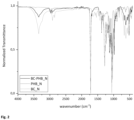
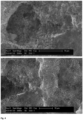
- the BC-PHB polymer was confirmed by ATR-FTIR spectroscopy, ESEM and TGA.
- the bands related to the PHB are the peak at 1722 cm -1 , which corresponds to the carbonyl group of the ester group of the PHB.
- the intensity of this band also indicates a high proportion of this polymer in the final material.
- the band observed at 1280 cm -1 corresponds to the C-O bonding.
- the solution is the coaxial electrospray, where the core solution is the grafted polymer and the shell solution is a thin layer of PHB, sufficient to contain the grafted BC and confer the required reproducible particle shape and size characteristics.
- this thin PHB layer will help control the release of the cargo contained in the particle. It should be noted that the compatibility between the two layers is due to the PHB bonded to the BC, which acts as a compatibiliser between the two polymers, making the resulting particle stable.
- the choice of solvent for the electrospray process is important because it is a parameter in the final particle morphology and structure.
- polymer solutions used IL as a solvent.
- the solution of BC-PHB and PHB polymers in the IL results in a very viscous solution, so it is necessary to add a cosolvent to enhance the electrosprayability of both solutions.
- the cosolvent is DMSO which enters the gaps between the chains and the IL improves the mobility of the chains due to a weaker interaction with them. Consequently, the BC chains can easily elongate and fibrillate during the process.
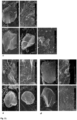
- the particles are not perfectly rounded, and some aggregates of PHB can be observed on the outer membrane ( Fig 7c .).
- the thickness of this layer can be analysed when the contrast phase merges with the blue field after adding calcofluor to the inner polymer solution, and it is observed that it is not regular throughout the particle.
- Particles were prepared with a PBAT (Polybutylenadipat-terephthalat) or PBS shell under the same conditions as explained above.
- the main problem was the dissolution of these polymers in BMIMCI, as it is described that they dissolve best in phosphate and not halogen IL.
- PBAT and PBS were first dissolved in chloroform, IL was added and the chloroform evaporated, obtaining the polymer solution in IL at the desired concentration. Then, following the electrospray procedure described above and setting the internal flow rate at 0.2 mL/h and the external flow at 0.05 mL/h, spherical particles were obtained.
- Microscopy can be used as a method of particle size analysis, since the image of a particle seen under the microscope is two-dimensional and an estimate of the particle size must be made from this image. For each external flow, successive measurements of different particles are made to determine the relative number of particles in each of the size classes. These represent the size distribution by number from which it is possible to calculate the volume distribution.
- the particle radius is approximately 356.85 ⁇ m, with a low deviation from the distribution in the case of the lowest external polymer flow (Table 2). Both particle size and deviation increase at higher fluxes, as in these cases a greater variety of radii can be found, as well as particles that are not perfectly spherical due to PHB accumulations in their outer layer.
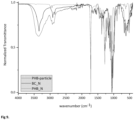
- the ATR-FTIR spectrum of the PHB shell particles shows the same bands as in the case of BC-PHB grafted polymer.
- the more representative peaks are the ones corresponding to the carbonyl group of the ester group of the PHB at 1722 cm -1 , the CO-C asymmetric stretching at 1162 cm -1 , the hydrogen-bonded OH stretching band at 3358 cm -1 , the C-O stretching at 1054 cm -1 and 1029 cm -1 , the C-O bonding at 1280 cm -1 and the presence of -CH (alkanes) bonding at 2964 to 2874 cm -1 .
- SEM was used to characterize the morphology of the different microparticles obtained.
- SEM images ( Fig. 11 ) show a less porous surface morphology. Zheng et al. observed this phenomenon earlier and it is due to the rapid outflow of the IL when the particle is exposed to the anti-solvent in the collector, water in this case.
- the outer layer shows a thin film with granules or hydrophobic polymer accumulation (PHB, PBAT or PBS) on the inner layer. In the case of PBAT or PBS particles, these accumulations are much higher than in the PHB case, probably due to better compatibilization with the particle core.
- PHB hydrophobic polymer accumulation
- the internal structure of the particles was analysed with CLSM.
- the microparticle has a radius of about 400 ⁇ m, so it is impossible to have a 3D reconstruction of the whole particle, but it is possible to have a section of about 200 ⁇ m ( Fig 12 ).
- CLSM was used in conjugation with two fluorescent dyes. The PHB in the particle can be seen in green, both the PHB grafted onto the BC and the PHB on the outer membrane, showing a homogeneous structure.
- This third solution was incorporated inside the coaxial needle, as shown in figure 1 .
- This third solution consisted of a Pseudomonas putida Pp08_225 culture at an optical density (OD) of 15 in 0.1% phosphate-buffered saline solution (PBS).
- PBS phosphate-buffered saline solution
- P. putida was precultured overnight in LB at 30 °C and 200 rpm. Cells were washed with PBS and resuspended in PBS at an optical density (OD) of 15 at 600 nm.
Landscapes
- Chemical & Material Sciences (AREA)
- Organic Chemistry (AREA)
- Health & Medical Sciences (AREA)
- Chemical Kinetics & Catalysis (AREA)
- Medicinal Chemistry (AREA)
- Polymers & Plastics (AREA)
- Engineering & Computer Science (AREA)
- Biochemistry (AREA)
- Materials Engineering (AREA)
- Life Sciences & Earth Sciences (AREA)
- Crystallography & Structural Chemistry (AREA)
- General Chemical & Material Sciences (AREA)
- Preparation Of Compounds By Using Micro-Organisms (AREA)
Abstract
New core-shell microparticles based on bacterial cellulose (BC) and polyhydroxyalkanoates (PHAs) have been obtained by coaxial electrospraying. These particles are spherical, reproducible and stable. The core-shell of the particle is composed of a BC-PHA grafted polymer that ensures a good environment for encapsulating bioactive cargos. The polyhydroxyalkanoates (PHAs) shell provides the thin film that maintains the spherical shape of the particle.
Description
- The present invention can be embeded in the chemical field, particularly, in the filed of core-shell microparticles based on bacterial cellulose (BC) and polyhydroxyalkanoates (PHAs) for encapsulating bioactive cargos.
- Microparticles are of great interest for delivery applications because they offer versatile advantages such as: encapsulation of a range of molecules, including hydrophobic, hydrophilic or neutral molecules, or bioactive elements such as enzymes or microorganisms; protection of cargos from degradation in the harsh environment; and control of site-specific release [Shalu Suri, Gang Ruan, Jessica Winter, Christine E. Schmidt, Chapter 1.2.19 - Microparticles and Nanoparticles, Editor(s): Buddy D. Ratner, Allan S. Hoffman, Frederick J. Schoen, Jack E. Lemons, Biomaterials Science (Third Edition), Academic Press, 2013, Pages 360-388, ISBN 9780123746269, https://doi.org/10.1016/B978-0-08-087780-8.00034-6. (https://www.sciencedirect.com/science/article/pii/B9780080877808000346)].
- The cargo can be encapsulated within the particle or entrapped, that is, anchored to the outside by surface modification techniques. In addition, a microparticle offers the possibility of releasing multiple biomolecules at the same time to target more than one application. Cargo release generally occurs by degradation of the particles or by diffusion through swelling and this process can be controlled by modulating the rate of degradation of the microparticles.
- The majority of micro- and nano-particles have a composition based on inorganic and organic compounds, synthetic polymers or hybrid materials, but recently there is increasing interest in their production using alternative bio-based raw materials, as renewable resources are essential to contribute to the goals of the 2030 Agenda for Sustainable Development [Carvalho2021 Nanomaterials 2021, 11, 2744].
- Biodegradable polymeric micro- and nanoparticles are widely used as drug delivery systems because these biodegradable matrices not only improve drug delivery, but also provide a relatively slow release rate and extended release time [Electrospray technique for solid lipid-based particle production. Drug Development and Industrial Pharmacy, 2010; 36(4): 431-438 VBLDDI]. In this sense, polysaccharides provide excellent mechanical and chemical properties combined with the characteristics of biocompatibility and sustainability. BC is a polyssacharide that possesses very good properties such as a high tensile strength, mechanical stability, non-toxicity, high crystallinity, high water-holding capacity, a remarkable permeability to gases and liquids and a great compatibility with living organisms [International Journal of Biological Macromolecules 162 (2020) 1869-1879]. But it should be noted that cellulose as such cannot be processed like conventional thermoplastics due to its extensive network of hydrogen bonds. However, if cellulose is chemically modified, it can be used as a sustainable alternative to many durable synthetic polymeric materials. Another bacterial biopolymer of great interest are polyhydroxyalkanoates (PHA), which are hydrophobic polyesters of 3-hydroxyalkanoic acids stored as inclusions in the bacterial cytoplasm under nutrient limitations. The side chain varies in length and composition, and depending on their length, PHAs are classified as short-chain (scl), such as poly(3-hydroxybutyrate) (PHB) or poly(3-hydroxybutyrate-co-valerate) (PHBV), and medium-chain (mcl), such as poly(3-hydroxyoctanoate-co-3-hexanoate) (PHOHx). Novel microparticles based on the combination of BC and PHA have not been reported so far. In this work, two biopolymers of different nature, one hydrophobic and other hydrophilic, were specifically chosen for the development of microparticles for potential application in encapsulation of bioactive cargos.
- Among the various methods for producing micro- and nanoparticles, electrospray offers several advantages. Firstly, the process can be carried out under ambient conditions, which is beneficial for sensitive biomolecules and even for living cells. Furthermore, it is possible to produce nano/microparticles with a narrow size distribution, high encapsulation efficiency and in a reproducible way. This technique allows the use of coaxial electrospray methods to create core-shell particles. The coaxial electrospray configuration allows the generation of multilayer structures, which means one or more additional protective layers for the bioactive elements. In the coaxial configuration, two polymer solutions are pumped independently into a needle composed of two separate needles. The element to be encapsulated is pumped through the inner needle together with the biopolymer core solution and the other biopolymer solution flows through the outer needle to finally form the particle shell (
Fig. 1 ). -
-
Fig 1 . Scheme of the electrospraying process. -
Fig 2 . ATR-FTIR bands of BC, PHB and BC-PHB polymers. -
Fig 3 . ATR-FTIR bands of BC-PHA grafted polymers (BC with PHB, PHOHxand PHACOS) and control samples (BC, PHB, PHOHx and PHACOS). -
Fig 4 . SEM images (3 kV) of BC-PHB polymer. -
Fig 5 . TGA and DTG results of the BC-PHB grafting, BC and PHB references. -
Fig 6 . a. Epifluorescence microscopy shows the particles obtained after electrospraying BC and PHOHx mixed in the IL. The green fluorescence is due to the coumarin added to the polymer solution. This compound binds to the hydrophobic component of the particles, that is the PHOHx, and fluoresces green (light grey and white in the image). It can be seen that PHOHx is mostly concentrated in the centre of the particle, and part of it is located on the BC. b. In this case, the particles have a homogeneous distribution of PHB on the BC due to the covalent grafting between both polymers, but the size and shape are not regular. -
Fig.7 . Epifluorescence micrographs (objective 4x). Calcofluor is added to the polymer inner solution, which binds to the BC and fluoresces blue (light grey in the image). Coumarin is added to the polymer outer solution, which binds to the PHB and fluoresces green (in grey in the images of the central column with black background). The first image corresponds to the contrast phase, the second one to the green field, to see the PHB in the particle, and the third one is a superposition of the blue field and the contrast phase, to analyse the BC-PHB in the particle. a. Particles corresponding to an internal flow rate of 0.2 mL/h and an external flow rate of 0.05 mL/h. b. Particles corresponding to an internal flow rate of 0.2 mL/h and an external flow rate of 0.1 mL/h. c. Particles corresponding to an internal flow rate of 0.2 mL/h and an external flow rate of 0.2mL/h. -
Fig. 8 . Particles obtained with an internal flow rate of 0.2 mL/h and an external flow rate of 0.05 mL/h. -
Fig 9 . ATR-FTIR bands of particles with PHB as shell and control samples (BC and PHB). -
Fig 10 . ATR-FTIR bands of particles with PHB, PBAT and PBS as shell and control samples (BC and PHB). -
Fig. 11 . SEM images of a. PHB particles; b. PBS particles; c. PBAT particles. -
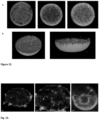
Figure 12 . a. Images obtained from confocal laser scanning microscopy (CLSM); b. 3D reconstruction of images acquired through confocal laser scanning microscopy (CLSM). -
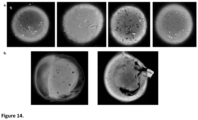
Fig. 13 . Epifluorescence micrographs. No fluorescence dyes were added to the solutions. In the images, bacteria expressing GFP are shown in white. -
Figure 14 . Images obtained from confocal laser scanning microscopy (CLSM); in the images, bacteria expressing GFP are shown in white; a. particles at 4h; b. particles at 24h. Two fluorescence dyes were added to the particle solution: Nile red showing PHB in red and calcofluorine showing BC in blue (in the picture they are in different shades of grey). - As used herein, polyhydroxyalkanoates (PHAs) is understood as a family of polyhydroxyesters of 3-, 4-, 5- and 6-hydroxyalkanoic acids, which are produced by a variety of bacterial species and are found as discrete cytoplasmic inclusions in bacterial cells.
- As used herein, "polyesters", preferably "degradable polyester", are understood as polyesters whose chemical and physical characteristics undergo deterioration and completely degrade when exposed to abiotic and biotic systems such as hydrolysis, cells and enzymes biocatalyst. For example, PLA and PHA are polyesters that degrade when their ester linkages are broken.
- As used herein, "PBAT" is understood as a synthetic biodegradable polymer, in particular, is an aliphatic-aromatic co-polyester that can combine excellent biodegradability provided from aliphatic polyesters and good properties from aromatic polyesters. It is derived from common petrochemicals-purified terephthalic acid (PTA), butanediol, and adipic acid-and yet it is biodegradable. As a synthetic polymer, it can readily be produced at large scale, and it has the physical properties needed to make flexible films that rival those from conventional plastics.
- As used herein, "PBS" is understood as is the acronym for poly(butylene succinate), that is an aliphatic polyester and one of the most important biodegradable polyesters synthesized by polycondensation between succinic acid and butanediol.
- As used herein, "cosolvent to enhance the electrosprayability" is understood as solvent that plays a significant role in the dissolution and processing of cellulose since they can reduce the viscosity and increase the electrical conductivity of ILs, key parameters in electrospray technique, and accelerate the dissolution process without compromising the interactions between ILs and cellulose.
- As used herein bacterial cellulose (BC) is understood as a natural homopolymer produced extracellularly by some bacterial strains whose chemical structure is composed of linear chains of β-1,4-glucan. The highly pure 3-D structure of the nanofibers (3-8 nm) is stabilized by inter- and intra-fibrillar hydrogen bonds providing BC with unique mechanical characteristics, such as high tensile strength, mechanical stability, non-toxicity, high crystallinity, high water-holding capacity and a remarkable permeability to gases and liquids.
- As used herein polyhydroxybutyrate (PHB) refers to the following chemical structure poly-3-hydroxybutyrate, a short-chain-length polyhydroxyalkanoate whose substituent is a methyl group.
- As used herein an acyl chloride of polyhydroxybutyrate (PHB) refers to the following chemical structure polyhydroxybutyrate in which the terminal carboxylic acid of the scl-PHA is an acyl chloride.
- As used herein poly(3-hydroxyoctanoate-co-3-hexanoate) (PHOHx) refers to the following chemical structure poly(3-hydroxyoctanoate-co-3-hexanoate) copolymer with 5% of poly(3-hydroxyhexanoate), a medium-chain-length polyhydroxyalkanoate.
- As used herein an acyl chloride of poly(3-hydroxyoctanoate-co-3-hexanoate) copolymer (PHOHX) refers to the following chemical structure poly(3-hydroxyoctanoate-co-3-hexanoate) copolymer with 5% of poly(3-hydroxyhexanoate) in which the terminal carboxylic acid of the mcl-PHA is an acyl chloride.
- As used herein poly-(3-hydroxy-acetylthioalkanoate-co-3-hydroxyalkanoate) (PHACOS) refers to the following chemical structure poly-(3-hydroxy-acetylthioalkanoate-co-3-hydroxyalkanoate) a medium-chain-length polyhydroxyalkanoate, which monomer content was 40% of non-functionalized monomers (3-hydroxyoctanoate, 3-hydroxydecanoate, and 3-hydroxyhexanoate monomers) and 60% of functionalized monomers (3-hydroxy-6-acetylthiohexanoate and 3- hydroxy-4-acetylthiobutanoate monomers). It was obtained through metabolic engeineering and contains thioester groups in the side chain that confer antibacterial activity to PHACOS specifically against 5. aureus isolates including MRSA.
- As used herein an acyl chloride of poly-(3-hydroxy-acetylthioalkanoate-co-3-hydroxyalkanoate) (PHACOS) refers to the following chemical structure poly-(3-hydroxy-acetylthioalkanoate-co-3-hydroxyalkanoate) a medium-chain-length polyhydroxyalkanoate, which monomer content was 40% of non-functionalized monomers (3-hydroxyoctanoate, 3-hydroxydecanoate, and 3-hydroxyhexanoate monomers) and 60% of functionalized monomers (3-hydroxy-6-acetylthiohexanoate and 3- hydroxy-4-acetylthiobutanoate monomers), in which the terminal carboxylic acid of the mcl-PHA is an acyl chloride.
- As used herein polyhydroxyalkanoates (PHAs) grafted onto bacterial cellulose is understood as a new polymer in which primary alcohols of bacterial cellulose are bonded to the acyl chlorides of PHA.
- As used herein a core-shell particle is understood as a class of particles which contain a core composed of a covalent modified BC-PHA polymer and a shell composed of polyhydroxyalkanoate (PHA).
- As used herein a coaxial electrospray device is understood as a technology whose process produces multilayer particles. It consists of a high voltage power supply that confers a positive charge to the syringe needle. A coaxial needle containing two different compartments, one for the inner solution and one for the outer solution. Two syringe pumps, for each solution and a grounded collector.
- As used herein an ionic liquid (IL) is understood as a compound composed of ions with melting point below 100°C. In the presente invention, prefeably, the IL is 1-butyl-3-methylimidazolium chloride (BMIMCI) and works as solvent for the different polymers.
- As used herein an acyl chloride is understood as an organic compound with a chlorine atom bound to an acyl group. The general formula is RCO-CI. It is prepared by the reaction of the terminal carboxylic acids of the PHA with thionyl chloride.
- As used herein flow rate ratio is understood as volume flow rate, is the volume of liquid that the pump travels through the system in a given time. It defines the rate at which a pump can push the liquid through the system.
- As used herein outer solution in the context of a coaxial electrospray device is understood as the polymer solution that is pumped through the outer needle, that in this case is a polyester such as PHA, PBAT, or PBS, in IL and dimethyl sulfoxide (DMSO).
- As used herein inner solution in the context of a coaxial electrospray device is understood as the polymer solution that is pumped through the inner needle, that in this case is, preferably, covalently modified BC-PHA in IL and DMSO.
- As used herein cargo or bioactive element is preferably understood as bacteria and enzymes. That is, the elements encapsulated within these coaxial particles will be bacteria and enzymes with biotechnological applications.
- In the present invention, polyhydroxyalkanoates (PHAs) grafted onto bacterial cellulose were manufactured by first dissolving PHB, poly(3-hydroxyoctanoate-co-3-hexanoate) copolymer (PHOHX) or poly-(3-hydroxy-acetylthioalkanoate-co-3-hydroxyalkanoate) (PHACOS) in an halogenated organic solvent, preferably in dichloromethane (DCM), and mixing it with thionyl chloride under an inert atmosphere, preferably under nitrogen, and the mixture was maintained for a sufficient time, preferably under stirring for 2 h. After this time, the solvent was eliminated or reduced, preferably by evaporating it under reduced pressure till dry. The product obtained was dissolved again in an halogenated organic solvent, preferably DCM, and subsequently, the solvent was evaporated to yield the different acyl chlorides. Then, bacterial cellulose BC was dissolved in an ionic liquid, preferably BMIMCI, at a sufficient time and temperature, preferably 80°C for 5h, and then the acyl chloride dissolved in the organic medium, preferably DMF, was added. The mixture was preferably stirred overnight at that temperature to provide the polyhydroxyalkanoates (PHAs) grafted onto bacterial cellulose. As indicated, this procedure was performed with PHB, and with two mcl-PHAs, poly(3-hydroxyoctanoate-co-3-hexanoate) copolymer (PHOHX) and poly-(3-hydroxy-acetylthioalkanoate-co-3-hydroxyalkanoate) (PHACOS).
- Therefore, a first aspect of the invention refers to a method to produce polyhydroxyalkanoates (PHAs) grafted onto bacterial cellulose, by an acylation reaction between bacterial cellulose and acyl chlorides of polyhydroxyalkanoates (PHAs), the method comprising the following steps:
- a) Mixing bacterial cellulose dissolved in an ionic liquid with an acyl chloride of PHA; and
- b) Optionally Isolating and/or purifying the polyhydroxyalkanoates (PHAs) grafted onto bacterial cellulose.
- In a preferred embodiment of the first aspect of the invention, the PHA is selected from the list consisting of polyhydroxybutyrate (PHB), poly(3-hydroxyoctanoate-co-3-hexanoate) copolymer (PHOHX) and poly-(3-hydroxy-acetylthioalkanoate-co-3-hydroxyalkanoate) (PHACOS), preferably the PHA is PHB.
- In another preferred embodiment of the first aspect of the invention or of any of its preferred embodiments, prior to step a) the acyl chloride of PHA is prepared by dissolving the PHA in an organic solvent and reacting it with thionyl chloride and optionally isolating or obtaining the resultant product by eliminating or reducing the solvent, i.e. by evaporation.
- In another preferred embodiment of the first aspect of the invention or of any of its preferred embodiments, the PHA of step a) is mixed with the bacterial cellulose dissolved in an organic solvent, preferably in dichloromethane (DCM).
- In another preferred embodiment of the first aspect of the invention or of any of its preferred embodiments, the ionic liquid is BMIMCI.
- A second aspect of the invention refers to polyhydroxyalkanoates (PHAs) grafted onto bacterial cellulose obtained or obtainable by the method of the first aspect of the invention or of any of its preferred embodiments. Preferably, the polyhydroxyalkanoates (PHAs) grafted onto bacterial cellulose are PHB grafted onto bacterial cellulose.
- On the other hand, in this invention, new core-shell microparticles based on bacterial cellulose (BC) and polyhydroxyalkanoates (PHAs) have been obtained by coaxial electrospraying. These particles are spherical, reproducible and stable. The core-shell of the particle is composed of a BC-PHA grafted polymer, such as the one indicated in the second aspect of the invention, that ensures a good environment for encapsulating bioactive cargos. The polyhydroxyalkanoates (PHAs) shell provides the thin film that maintains the spherical shape of the particle. It is noted that this shell can be form by any degradable polyester such as a PHA, PBAT or PBS as exemplified in the present invention. The combination of both polymers (core and shell) results in stable microparticles that are designed for the immobilization of the bioactive substance of interest. Moreover, the coating of the core BC-PHA, such as BC-PHB, with PHA or any other degradable polyester such as a PBAT or PBS, helps controlling the rate of release of the encapsulated cargo. As already indicated, these novel particles constitute excellent tools for the encapsulation of bioactive elements.
- Therefore, a third aspect of the invention refers to a method to obtain or to produce a core-shell particle comprising:
- a. A core made of polyhydroxyalkanoates (PHAs), preferably of polyhydroxybutyrate (PHB), grafted onto bacterial cellulose; and
- b. A shell comprising or consisting of a degradable polyester such as a PHA, PBAT or PBS, preferably polyhydroxyalkanoates (PHAs), more preferably of polyhydroxybutyrate (PHB).
- Preferably, the method of the third aspect of the invention comprises using a coaxial electrospray device to obtain the particle, wherein the coaxial electrospray device comprises a collector support or plate (such as an aluminium plate containing water), a voltage power supply, a coaxial needle and at least two microsyringe pumps to pump the polymer solutions to the coaxial needle, and wherein the method comprises passing through the inner capillary (the core) of a coaxial needle of the coaxial electrospray device a solution of polyhydroxyalkanoates (PHAs), preferably of polyhydroxybutyrate (PHB), grafted onto bacterial cellulose dissolved in an ionic liquid (IL) and through the external part (shell) of the coaxial needle, a solution of a degradable polyester such as a PHA, PBAT or PBS, preferably polyhydroxyalkanoates (PHAs), more preferably of polyhydroxybutyrate (PHB), dissolved in IL to provide core-shell particles onto the collector plate or support and optionally isolating and/or purifying said particles.
- In a preferred embodiment of the third aspect of the invention, the flow rate ratio of the outer solution is from 0.05-0.2 mL/h, preferably about 0.05 mL/h, and of the inner solutions is from 0.2-0.1 mL/h, preferably 0.2 mL/h, wherein it is noted that the lower and upper limits of these ranges are deemed included within the range.
- In another preferred embodiment of the third aspect of the invention or of any of its preferred embodiments, the polyhydroxyalkanoates (PHAs), preferably polyhydroxybutyrate (PHB), grafted onto bacterial cellulose is obtained by the method the first aspect of the invention or of any of its preferred embodiments.
- In another preferred embodiment of the third aspect of the invention or of any of its preferred embodiments, the outer solution is prepared by dissolving the degradable polyester such as a PHA, PBAT or PBS, preferably polyhydroxyalkanoates (PHAs), more preferably polyhydroxybutyrates (PHB), in an ionic liquid such as BMIMCI, and the inner solution is prepared by dissolving the polyhydroxyalkanoates (PHAs), preferably polyhydroxybutyrate (PHB), grafted onto bacterial cellulose in an ionic liquid such as BMIMCI, and wherein, much preferably, each of the solutions are further mixed with a cosolvent to enhance the electrosprayability of both solutions, such as DMSO (Dimethyl sulfoxide), acetone or DMF (Dimethylformamide).
- A fourth aspect of the invention refers to a method of encapsulating a cargo in a core-shell particle comprising:
- a. A core made of polyhydroxyalkanoates (PHAs), preferably of polyhydroxybutyrate (PHB), grafted onto bacterial cellulose; and
- b. A shell consisting of a degradable polyester such as a PHA, PBAT or PBS, preferably polyhydroxyalkanoates (PHAs), more preferably of polyhydroxybutyrate (PHB);
- In another preferred embodiment of the fourth aspect of the invention or of any of its preferred embodiments, the flow rate ratio of the outer solution is from 0.05-0.2 mL/h, preferably about 0.05 mL/h, of the inner solutions is from 0.2-0.1 mL/h, preferably about 0.2 mL/h, and of the solution comprising the cargo is from 0.2-0.5 ml/h, preferably about 0.5 mL/h, wherein it is noted that the lower and upper limits of these ranges are deemed included within the range.
- In another preferred embodiment of the fourth aspect of the invention or of any of its preferred embodiments, the polyhydroxybutyrate (PHB) grafted onto bacterial cellulose is obtained by the method of the first aspect of the invention or of any of its preferred embodiments.
- In another preferred embodiment of the fourth aspect of the invention or of any of its preferred embodiments, the cargo or bioactive elements are selected from the list consisting of enzymes or bacteria with biotechnological application, e.g. lysozymes, oxydoreductases, lipases or depolymerases, or Pseudomonas putida, Bdellovibrio bacteriovorus, Escherichia coli, Lactobacillus or Bifidobacterium, among others, respectively. Any further suitable probiotic microorganism could be included in this embodiment.
- A fifth aspect of the invention refers to core-shell particle comprising, consisting essentially of or consisting of:
- a. A core made of PHA, preferably polyhydroxybutyrate (PHB), grafted onto bacterial cellulose; and
- b. A shell consisting of a degradable polyester such as a PHA, PBAT or PBS, preferably polyhydroxyalkanoates (PHAs), more preferably of polyhydroxybutyrate (PHB).
- A sixth aspect of the invention refers to a core-shell particle comprising, consisting essentially of or consisting of:
- a. A core made of PHA, preferably polyhydroxybutyrate (PHB), grafted onto bacterial cellulose; and
- b. A shell consisting of a degradable polyester such as a PHA, PBAT or PBS, preferably polyhydroxyalkanoates (PHAs), more preferably of polyhydroxybutyrate (PHB).
- A seventh aspect of the invention refers to the core-shell particle according to the fifth or sixth aspect of the invention or any of its preferred embodiments, for encapsulating cargos or bioactive elements, such as those selected from the group consisting of enzymes or bacteria with biotechnological application, e.g. lysozymes or depolymerases, or Pseudomonas putida or Bdellovibrio bacteriovorus, , Escherichia coli, Lactobacillus or Bifidobacterium (or any further probiotics), among others, respectively.
- The following examples are merely to illustrate the present invention but do not limit the same.
- Polyhydroxybutyrate (PHB), was supplied by Sigma-Aldrich (CAS: 29435-48-1; 363502). BC pellicles were produced in static culture using the bacterial strain Komagataeibacter medellinensis ID13488 as previously described (Hernández-Arriaga et al., 2019). 1-butyl-3-methylimidazolium chloride (BMIMCI); 99% (CAS: 79917-90-1; AB 289585) was purchased from abcr GmbH (Karlsruhe, Germany). DMSO (CAS: 67-68-5; 1029521000) was supplied by Sigma-Aldrich, sulfuric acid (CAS: 7664-93-9; 30743-1L-M) was purchased from Sigma-Aldrich, chloroform (CAS: 67-66-3; 1024451000) was supplied by Sigma-Aldrich, 3-methylbenzoic acid (CAS: 99-04-7; 89890) was purchased from Sigma-Aldrich.
- PHB (1 g) was dissolved in dichloromethane (DCM) (40 mL) and cooled to 0 °C. 2 eq. of thionyl chloride (2 mL) were added under nitrogen and the mixture was maintained under stirring for 2 h. After this time, the solvent was evaporated under reduced pressure to dryness. The product obtained was dissolved again in DCM, and subsequently, the solvent was evaporated to yield the CI-PHB. Then, BC (500 mg) cut into small pieces was dissolved in 50 mL of BMIMCI at 80 °C for 5 h, and the CI-PHB dissolved in 10 mL of DMF was added. The mixture was stirred overnight at that temperature. Then, the mixture was dialyzed in water for 72 h. After that time, the sample was lyophilized. The resulting solid was suspended in CHCl3 and stirred overnight at room temperature to dissolve the excess of PHB-Cl. The solid was filtered and washed with chloroform. The obtained white solid was dried. This procedure was repeated with two mcl-PHAs, poly(3-hydroxyoctanoate-co-3-hexanoate) copolymer (PHOHX) and poly-(3-hydroxy-acetylthioalkanoate-co-3-hydroxyalkanoate) (PHACOS), an antimicrobial biopolyester using the same proportions.
- Following the same protocol, PHOHX and PHACOS were also grafted onto BC.
- To quantify the PHB-CI grafted onto the BC, the methanolysis reaction and subsequent GC-MS analysis were carried out. The procedure followed was previously described with some modifications (De Eugenio et al.). To about 2 mg of the dried grafted polymer, 2 ml of methanol containing 3% sulfuric acid and 2 mL of chloroform containing 0.5 mg/ml 3-methylbenzoic acid as internal standard were added. The suspension was then incubated at 100 °C for 5 h. After cooling, 1 ml of distilled water was added to the mixture and the organic phase was washed twice to remove the remaining sulfuric acid. Finally, sodium sulfate was added to remove the water and the organic phase was analysed by GC-MS.
- An Agilent (Waldbronn, Germany) series 7890A coupled with a 5975C MS detector (El, 70 eV) and a split-splitless injector were used for analysis. An aliquot (1 µl) of organic phase was injected into the gas chromatograph at a split ratio of 1:50. A DB-5HTDB-5HT column (400°C: 30 m x 0.25 mm x 0.1 µm film thickness) was used. Helium was used as carrier gas at a flow rate of 0.9 ml min-1. The injector and transfer line temperature were set at 275 °C and 300 °C respectively. The oven temperature program was initial temperature 80 °C for 2 min, then from 80 °C up to 175 °C at a rate of 5 °C min-1, for efficient separation of peaks. EI mass spectra were recorded in full scan mode (m/z). The monomer of PHB and the internal standard (3MB) weredetected with this program.
- The outer solution was prepared by dissolving 50 mg of PHB in 10 mL of BMIMCI at 80°C for 24h. Then, 1 ml of the solution of 0.5 mg/mL of PHB was mixed with 0.2 mL of DMSO. In the case of the inner solution, 50 mg of the polymer BC-PHB obtained previously were dissolved in 10 mL of BMIMCI at 80°C for 24h. Subsequently, 1 ml of the solution of 0.5 mg/ml of BC-PHB was mixed with 0.2 mL of DMSO. Each of the solutions was subjected to an IKA Ultra-turrax disperser, trying to remove possible lumps and homogenise the mixture, and then sonicated for 10 minutes to eliminate the remaining bubbles.
- Electrospraying was performed on a homemade vertical spinning apparatus with an aluminium collector (
Fig 1 ). The equipment contains a high voltage power supply (Slassam High Voltage Inc. Series EL) set at 30 kV to confer a constant positive charge to the syringe needle. The polymer solutions were first loaded into a 1mL BD plastic syringe (inner diameter 4.7 mm). Two programmable microsyringe pumps (Harvard Apparatus 70-2208) were used to pump the polymer solutions to the coaxial needle. The inner diameter of the coaxial needle is 0.305 mm and the outer diameter is 0.559 mm. The distance between the needle tip and the grounded collector plate was set up at 10 cm. The flow rates of the different solutions were varied to find the optimal parameters, the inner solution was conducted at 0.1-0.2 mL/min and the external solution at 0.05 - 0.2 mL/min. All experiments were conducted in a closed chamber at room temperature and under atmospheric pressure. When the particles spread from the needle and fell onto the aluminium plate containing water, the particle solidified by releasing the BMIMCI into the water. The particles were washed five times with water facilitating the removal of the BMIMCI. - Attenuated total internal reflectance Fourier transform infrared (ATR-FTIR) characterization of the BC-PHB material and the particles were carried out in a Perkin-Elmer (Spectrum One) spectrometer equipped with an ATR accessory. Spectra were recorded in the range from 4000 to 400 cm-1 by 32 scans and with a resolution of 4 cm-1.
- The morphology and the diameter of the particles were routinely checked using an epifluorescence microscope (Nikon Eclipse E400 equipped with a Nikon Digital Sight DS-2Mv camera). In order to analyse the different layers of the particles, Calcofluor White M2R (Fluorescent Brightener 28, Sigma-Aldrich, EX/EM: 535/617) was incorporated into the inner solution dyeing it blue. The superposition of images from the different channels (blue and phase contrast) allows us the observation of layers. Contrast and bright images were adjusted for improved observation. This procedure was repeated several times to analyse the maximum number of particles and to obtain a particle size range.
- Thermogravimetric analyses (TGA) of the BC-PHB material and the particles were performed on TGA Q500 (TA Instruments) thermogravimetric analyser, under dynamic nitrogen at a heating rate of 10 °C/min working in a range of 25 - 600 °C. A known mass of each sample was weighed and the weight loss was recorded over temperature. The extrapolated onset temperature (Tonset), denotes the temperature at which the weight loss starts, and temperature at peak maximum (Tmax) in the DTG curve, shows the maximum decomposition rate of a component of the material, was measured.
- The morphology of the particles was examined by environmental scanning electron microscopy (ESEM) using a Philips XL 30 that employs a Schottky-based gun design using a point-source cathode of tungsten which has a surface layer of zirconia (ZrO2), with an accelerating voltage of 25 kV. Previous to the analysis, all samples were sputter-coated with gold (Polaron SC7640, Quorum Technologies Ltd., England).
- The internal structure of BC was observed under confocal laser scanning microscopy (CLSM) using a Leica TCS SP5 equipped with 8 laser lines. Particles were dyed with Calcofluor White M2R (Fluorescent Brightener 28, Sigma-Aldrich, EX/EM: 380/475) was used for BC; and Nile Red (Sigma-Aldrich, EX/EM: 550/640) for PHB. Images were acquired each 5 µm at 10x magnification, while laser intensity and gain were compensated during laser penetration to allow for a good resolution throughout the entire thickness of the sample. Several particles were suspended in 1 mL phosphate-buffered saline (PBS) and supplemented with 100 µL of a 35 µg/mL calcofluor solution and 100 µL of a 10 µg/mL nile red solution.
- As mentioned above, BC has great physical and chemical properties due to its three-dimensional structure, but the lack of thermoplasticity and highly hydrophilicity make it undesirable for some applications. Modification of their properties can be carried out by different tecniques such as blending, cross-linking, curing or grafting. Therefore, considering that the aim of the work is to obtain stable particles that provide an ideal environment for microorganisms or bioactive cargos, it is necessary to confer BC with the necessary characteristics. There are many examples of blends between BC and PHAs, but for the electrospray technique anuniform and consistent material is needed to obtain homogeneous and reproducible particles, with improved compatibility between both polymers and maintaining the intrinsic properties of each of them. In this sense, grafting the two polymers is a promising technique to achive these characteristics. Previous work obtained BC-PHA grafted polymer by different pathways. On the one hand, Samain et al [Journal of Applied Polymer Science, 121(5), 2011, 1183-1192] first degrade PHA to lower molecular weight oligomers that will be converted to acyl chlorides to be grafted onto cellulose. On the other hand, Wei et al [Biomacromolecules 2015, 16, 1040-1049] grafted both polymers by in situ radical initiation via reaction extrusion of PHB and then grafting onto cellulose. In the first case, the final carboxyl group of the main PHA chain is bonded to the cellulose via the primary alcohols, but in the second example, the new bond is formed via the tertiary carbon of the PHA and the CH2 of the cellulose, and this grafting reaction occurred preferentially in the amorphous regions of both polymers. In our casethe BC used is with high crystallinity (> 85%), so an ionic liquid (IL) is added to achieve greater modification of the polymer. The use of IL in the chemical transformation ensures a larger surface area for polymer modification. Ionic liquids have been widely used to dissolve and functionalize diverse materials such as cellulose. Thus, on one side, PHB is converted into the corresponding acyl chloride using SOCl2, and on the other side, it is necessary for the BC to be stirred at 85-90°C in IL for at least 5 hours to ensure the penetration of IL into the cellulose network allowing the subsequent reaction with Cl-PHB.
- To determine the PHB grafted onto the BC, the methanolysis reaction was carried out as described above. The amount of C4 monomer (3-hydroxybutyric acid methyl ester) detected was 31%. By adjusting the equivalents of Cl-PHB added to the final coupling reaction and the reaction-time, the percentage of grafted polymer can be handled.
- The washing step of the resulting graft polymer is the key to remove the unreacted CI-PHB. The BC-PHB polymer was confirmed by ATR-FTIR spectroscopy, ESEM and TGA.

- Analysing the BC-PHB ATR-FTIR spectra (
Fig. 2 ) bands related to both polymers were observed. The ones associated with the BC were the broad band at 3358 cm-1, which is ascribed to the hydrogen-bonded OH stretching band (BC), indicating that new hydrogen bonds are being formed. The peak at 1646 cm-1 is related to the OH of water absorbed from cellulose. The peak at 1162 cm-1 corresponds to the C-O-C asymmetric stretching. The bands at 1054 cm-1 and 1029 cm-1 are associated with the C-O stretching. The characteristic band at 2964 to 2874 cm-1 shows the presence of -CH (alkanes) bonding which is present in both polymers. The bands related to the PHB are the peak at 1722 cm-1, which corresponds to the carbonyl group of the ester group of the PHB. The intensity of this band also indicates a high proportion of this polymer in the final material. And the band observed at 1280 cm-1 corresponds to the C-O bonding. - When analysing the ATR-IR spectrum of the graft between BC and mcl-PHA (
Fig. 3 ), the same results are observed as in the case of the PHB graft. Signals from the carbonyl (1739 - 1722 cm-1) and CH2 (2934 - 2869 cm-1) groups are observed, confirming that the reaction worked, but unlike the PHB graft, less polyhydroxyalkanoate reacts with BC in the mcl-PHAs. - SEM micrographs of the lyophilized grafted material BC-PHB showed the granules homogeneously dispersed in the porous BC matrix (
Fig. 4 ). This granule formation is because of the hydrophobic nature of the PHB. - Thermal stability of the BC-PHB graft was analysed by TGA. Two weight loss stages were observed in the first derivative of the weight loss curve versus temperature (DTG) curve of the sample (
Fig. 5 ). The initial weight loss occurred at 257 °C and corresponds to 55 % of the total loss, which belongs to the degradation of the PHB in the sample. On the other hand, the second weight loss was observed at 364 °C and was due to the decomposition of BC at 42% of the total loss. Comparison of the data of the covalently bonded material with the reference polymers (Table 1) reveals that the onset temperature of the grafted material increased compared to the commercial PHB separately. This increment in the temperature at which the material starts to degrade is due to the influence of the BC, at the same time as this graft increases the temperature at which the maximum degradation of the PHB is reached (from 355 °C to 364 °C). Therefore, the polymer obtained is more temperature stable than the original polymers separately.
- The idea of using a covalently modified BC-PHB core stems from earlier proofs of concept carried out in the laboratory. Firstly, a simple electrospray system was developed using BC and PHB mixed in IL and a co-solvent as a polymer solution. The results obtained showed heterogeneous particles with an uncontrolled morphology, shape and size (
Fig 6a ). For that reason, grafting between both polymers emerged as an alternative to obtain good homogeneity and control the shape and size of the particles. Electrospraying of this new solution resulted in homogeneous particles but their size and shape were not fully controlled (Fig 6b ). - As mentioned above, in this invention one of the aims is to obtain stable and reproducible particles to encapsulate bioactive agents or microorganisms in an ideal environment provided by the BC. Therefore, to control the shape and size of this grafted polymer, the solution is the coaxial electrospray, where the core solution is the grafted polymer and the shell solution is a thin layer of PHB, sufficient to contain the grafted BC and confer the required reproducible particle shape and size characteristics. In addition, this thin PHB layer will help control the release of the cargo contained in the particle. It should be noted that the compatibility between the two layers is due to the PHB bonded to the BC, which acts as a compatibiliser between the two polymers, making the resulting particle stable.
- The choice of solvent for the electrospray process is important because it is a parameter in the final particle morphology and structure. As described previously, polymer solutions used IL as a solvent. The solution of BC-PHB and PHB polymers in the IL results in a very viscous solution, so it is necessary to add a cosolvent to enhance the electrosprayability of both solutions. The cosolvent is DMSO which enters the gaps between the chains and the IL improves the mobility of the chains due to a weaker interaction with them. Consequently, the BC chains can easily elongate and fibrillate during the process.
- After preparing the solutions and loading them into the syringes, different parameters can be adjusted in the system to optimise the morphology and structure of the final particles. The flow rates of both solutions, the needle height and the electrospray voltage were modified to obtain the final parameters that gave the best results. The needle height was set at 10 cm and the voltage at 30 kV. On the other hand, depending on the flow rate of the solutions, different particle sizes are obtained (
Fig. 7 ). Keeping the internal flow rate between 0.2 - 0.1 mL/h, the external flow rate was varied from 0.2 to 0.05 mL/h to analyse how the thickness of the external layer affects the particle. When the external flux is set to 0.2 mL/h, the particles are not perfectly rounded, and some aggregates of PHB can be observed on the outer membrane (Fig 7c .). The thickness of this layer can be analysed when the contrast phase merges with the blue field after adding calcofluor to the inner polymer solution, and it is observed that it is not regular throughout the particle. - When the flow rate is reduced to 0.1 mL/h, fewer aggregates are observed in the outer layer and the particle morphology is more reproducible (
Fig 7b ). But the best results and reproducibility were obtained when the external flow rate was set at 0.05 mL/h (Fig. 7a and 8 ). In this case, perfect, spherical and stable particles were obtained, with an outer membrane of regular and thin thickness. - Particles were prepared with a PBAT (Polybutylenadipat-terephthalat) or PBS shell under the same conditions as explained above. The main problem was the dissolution of these polymers in BMIMCI, as it is described that they dissolve best in phosphate and not halogen IL. To solve it and using the same conditions for all polymers, PBAT and PBS were first dissolved in chloroform, IL was added and the chloroform evaporated, obtaining the polymer solution in IL at the desired concentration. Then, following the electrospray procedure described above and setting the internal flow rate at 0.2 mL/h and the external flow at 0.05 mL/h, spherical particles were obtained.
- Microscopy can be used as a method of particle size analysis, since the image of a particle seen under the microscope is two-dimensional and an estimate of the particle size must be made from this image. For each external flow, successive measurements of different particles are made to determine the relative number of particles in each of the size classes. These represent the size distribution by number from which it is possible to calculate the volume distribution.

- The particle radius is approximately 356.85 µm, with a low deviation from the distribution in the case of the lowest external polymer flow (Table 2). Both particle size and deviation increase at higher fluxes, as in these cases a greater variety of radii can be found, as well as particles that are not perfectly spherical due to PHB accumulations in their outer layer.
- The ATR-FTIR spectrum of the PHB shell particles (
Fig. 9 ) shows the same bands as in the case of BC-PHB grafted polymer. The more representative peaks are the ones corresponding to the carbonyl group of the ester group of the PHB at 1722 cm-1, the CO-C asymmetric stretching at 1162 cm-1, the hydrogen-bonded OH stretching band at 3358 cm-1, the C-O stretching at 1054 cm-1 and 1029 cm-1, the C-O bonding at 1280 cm-1 and the presence of -CH (alkanes) bonding at 2964 to 2874 cm-1. - Analysis of ATR-FTIR particles (
Fig. 10 ) with PBAT or PBS shells showed similar results as in the case of PHB shells, as the contribution of polymer of the outer layer is very small. But, looking more closely at the carbonyl region of the ester group at 1722 cm-1, the band has shoulders due to the contribution of the carbonyl groups of PBAT and PBS. - SEM was used to characterize the morphology of the different microparticles obtained. SEM images (
Fig. 11 ) show a less porous surface morphology. Zheng et al. observed this phenomenon earlier and it is due to the rapid outflow of the IL when the particle is exposed to the anti-solvent in the collector, water in this case. The outer layer shows a thin film with granules or hydrophobic polymer accumulation (PHB, PBAT or PBS) on the inner layer. In the case of PBAT or PBS particles, these accumulations are much higher than in the PHB case, probably due to better compatibilization with the particle core. - Thermal analyses of the particles revealed that in the case of a PHB shell, both onset and maximum temperatures decrease compared to that of commercial PHB or grafted BC-PHB, while in the case of particles with a PBAT or PBS shell, the maximum temperature increases compared to PHB particles or covalently modified BC-PHB, but the onset temperature increases compared to commercial PHB but not as much as that of the grafted polymer (Table 3).
- This means that although the peak corresponding to PBAT or PBS cannot be observed in the particles due to the minimal amount of both polymers in them, it is sufficient to see an effect on the temperatures because of the high degradation temperatures of both polymers individually (PBAT and PBS).

- The internal structure of the particles was analysed with CLSM. The microparticle has a radius of about 400 µm, so it is impossible to have a 3D reconstruction of the whole particle, but it is possible to have a section of about 200 µm (
Fig 12 ). To differentiate PHB from BC in the polymer matrix, CLSM was used in conjugation with two fluorescent dyes. The PHB in the particle can be seen in green, both the PHB grafted onto the BC and the PHB on the outer membrane, showing a homogeneous structure. - To test whether this model is suitable for encapsulating bacteria, a third solution was incorporated inside the coaxial needle, as shown in
figure 1 . This third solution consisted of a Pseudomonas putida Pp08_225 culture at an optical density (OD) of 15 in 0.1% phosphate-buffered saline solution (PBS). It is a bacterium that was constructed in our laboratory following the procedure described by (Zobel et al. 2015) that express the green fluorescent protein msfgfp. First, P. putida was precultured overnight in LB at 30 °C and 200 rpm. Cells were washed with PBS and resuspended in PBS at an optical density (OD) of 15 at 600 nm. The reason for this high OD is that it allows the introduction of a large amount of bacteria in very few µL. Inside the needle, the BC-PHB solution in IL and the P. putida solution in PBS come into contact, initiating the release of IL into PBS, so it is necessary that the contact between the two solutions is fast and in the smallest possible volume of PBS, so that the polymer does not precipitate. Therefore, keeping the flow rates of the polymeric solutions as above and setting the flow rate of the bacterial solution between 0.2-0.5 ml/h, spherical particles are again obtained which and washed with PBS five times. These particles were observed by epifluorescence microscopy at the time of collection and by confocal microscopy at 4h and 24 hours after production. - Epifluorescence microscopy shows that the particles exhibit a high intensity green fluorescence indicating that there were a large number of cells in the particle (
Fig. 13 ). From these images we cannot tell whether the bacteria were inside or attached to the particle. For this reason, we analysed the particles by CLSM. - The CLSM images showed a large number of particles attached to the particle surface at 4h (
Fig. 14a ), and after 24h the number of particles decreased, showing some of them inside the particle (Fig. 14b ). These experiments have to be repeated by fine-tuning the conditions to ensure that all IL is removed from the particle, which was an important factor that could affect the viability of the bacteria.
Claims (19)
- A method to produce polyhydroxyalkanoates (PHAs) grafted onto bacterial cellulose, by an acylation reaction between bacterial cellulose and acyl chlorides of polyhydroxyalkanoates (PHAs), the method comprising the following steps:a) Mixing bacterial cellulose dissolved in an ionic liquid with an acyl chloride of PHA; andb) Optionally Isolating and/or purifying the chemically modified hydrophobized bacterial cellulose, in particular the PHAs grafted onto the bacterial cellulose.
- The method of claim 1, wherein the PHA is polyhydroxybutyrate (PHB).
- The method of claim 1 or 2, wherein prior to step a) the acyl chloride of PHB is prepared by dissolving the PHA in an organic solvent and reacting it with thionyl chloride and optionally isolating or obtaining the resultant product by eliminating or reducing the solvent, i.e. by evaporation.
- The method of any of claims 1 to 3, wherein the ionic liquid is BMIMCI (1-butyl-3-methylimidazolium chloride).
- The method of any of claims 1 to 4, wherein the acyl chloride of PHA is mixed with the bacterial cellulose dissolved in an ionic liquid, dissolved or suspended in an organic solvent.
- The PHAs grafted onto bacterial cellulose obtained by the method of any of claims 1 to 5.
- A method to obtain a core-shell particle comprising:a. A core made of PHAs, preferably of PHB, grafted onto bacterial cellulose; andb. A shell comprising or consisting of a degradable polyester such as a PHA, PBAT ((Polybutylenadipat-terephthalat) or PBS (poly(butylene succinate), preferably PHAs, more preferably of PHB;wherein the method comprises using coaxial electrospray to pass through the inner capillary (the core) of the coaxial needle a solution of PHAs, preferably of PHB, grafted onto bacterial cellulose dissolved in an ionic liquid (IL) and through the external part (shell) of the coaxial needle, a solution of a degradable polyester such as a PHA, PBAT or PBS, preferably PHAs, more preferably of PHB, dissolved in IL to provide core-shell particles and optionally isolating and/or purifying said particles.
- A method to obtain a core-shell particle comprising:a. A core made of PHAs, preferably of PHB, grafted onto bacterial cellulose; andb. A shell consisting of a degradable polyester such as a PHA, PBAT or PBS, preferably PHAs, more preferably of PHB;wherein the method comprises using a coaxial electrospray device to obtain the particle, wherein the coaxial electrospray device comprises a collector support or plate (such as an aluminium plate containing water), a voltage power supply, a coaxial needle and at least two microsyringe pumps to pump the polymer solutions to the coaxial needle, and wherein the method comprises passing through the inner capillary (the core) of a coaxial needle of the coaxial electrospray device a solution of PHAs, preferably of PHB, grafted onto bacterial cellulose dissolved in an ionic liquid (IL) and through the external part (shell) of the coaxial needle, a solution of a degradable polyester such as a PHA, PBAT or PBS, preferably PHAs, more preferably of PHB, dissolved in IL to provide core-shell particles onto the collector plate or support and optionally isolating and/or purifying said particles.
- The method to obtain a core-shell particle of any of claims 7 or 8, wherein the flow rate ratio of the outer solution is from 0.05-0.2 mL/h, preferably 0.05 mL/h, and of the inner solutions is from 0.2-0.1 mL/h, preferably 0.2 mL/h.
- The method of any of claims 7 to 9, wherein the PHAs, preferably of PHB, grafted onto bacterial cellulose is obtained by the method of any of claims 1 to 5.
- The method of any of claims 7 to 10, wherein the outer solution is prepared by dissolving the PHAs, preferably PHB, in an ionic liquid such as BMIMCI, and the inner solution is prepared by dissolving the PHAs, preferably PHB, grafted onto bacterial cellulose in an ionic liquid such as BMIMCI, and wherein optionally each of the solutions are further mixed with a cosolvent to enhance the electrosprayability of both solutions, such as DMSO (Dimethyl sulfoxide), acetone or DMF (Dimethylformamide), preferably DMSO.
- A method of encapsulating a cargo in a core-shell particle comprising:a. A core made of PHAs, preferably of PHB, grafted onto bacterial cellulose; andb. A shell consisting of a degradable polyester such as a PHA, PBAT or PBS, preferably PHAs, more preferably of PHB;the method comprising using coaxial electrospray to pass through the inner capillary (the core) of the coaxial needle two solutions, one solution of PHAs, preferably of PHB, grafted onto bacterial cellulose dissolved in an ionic liquid (IL) and a further solution comprising the cargo in a suitable medium, so that both solutions come into contact in the inner capillary of the coaxial needle, and through the external part (shell) of the coaxial needle, a solution of a degradable polyester such as a PHA, PBAT or PBS, preferably PHAs, more preferably of PHB, in IL, to provide core-shell particles encapsulating the cargo and optionally isolating and/or purifying said particles, wherein optionally each of the solutions are further mixed with a cosolvent to enhance the electrosprayability of the solutions, such as DMSO, acetone or DMF, preferably DMSO.
- A method of encapsulating a cargo in a core-shell particle comprising:a. A core made of PHAs, preferably of PHB, grafted onto bacterial cellulose; andb. A shell consisting of a degradable polyester such as a PHA, PBAT or PBS, preferably PHAs, more preferably of PHB;wherein the method comprises using a coaxial electrospray device to obtain the particle, wherein the coaxial electrospray device comprises a collector support or plate (such as an aluminium plate containing water), a voltage power supply, a coaxial needle and at least three microsyringe pumps to pump the polymer solutions to the coaxial needle, and wherein the method comprises passing through the inner capillary (the core) of a coaxial needle of the coaxial electrospray device two solutions, one solution of PHAs, preferably of PHB, grafted onto bacterial cellulose dissolved in an ionic liquid (IL) and a further solution comprising the cargo in a suitable medium, so that both solutions come into contact in the inner capillary of the coaxial needle, and through the external part (shell) of the coaxial needle, a solution of a degradable polyester such as a PHA, PBAT or PBS, preferably PHAs, more preferably of PHB, dissolved in an IL, to provide the core-shell particle onto the collector plate or support and optionally isolating and/or purifying said particles, wherein optionally each of the solutions are further mixed with a cosolvent to enhance the electrosprayability of the solutions, such as DMSO, acetone or DMF, preferably DMSO.
- The method according to any of claims 12 or 13, wherein the flow rate ratio of the outer solution is from 0.05-0.2 mL/h, of the inner solutions is from 0.2-0.1 mL/h and of the solution comprising the cargo is from 0.2-0.5 ml/h .
- The method of any of claims 12 to 14, wherein the PHB grafted onto bacterial cellulose is obtained by the method of any of claims 1 to 5.
- The method of any of claims 12 to 15, wherein the cargo is selected from the list consisting of enzymes or bacteria with biotechnological application, e.g. lysozymes, oxidoreductases, lipases or depolymerases, or Pseudomonas putida, Bdellovibrio bacteriovorus, Escherichia coli, Lactobacillus or Bifidobacterium, among others, respectively.
- A core-shell particle comprising:a. A core made of a PHA such as PHB grafted onto bacterial cellulose; andb. a shell consisting of a degradable polyester such as a PHA, PBAT or PBS, preferably PHAs, more preferably of PHB.
- A core-shell particle as obtained by the method of any of claims 7 to 16.
- Use of the core-shell particle according to any of claims 17 or 18 for encapsulating cargos such as those selected from the group consisting of enzymes or bacteria with biotechnological application, e.g. lysozymes, oxidoreductases, lipases depolymerases, or Pseudomonas putida or Bdellovibrio bacteriovorus, Escherichia coli, Lactobacillus or Bifidobacterium, among others, respectively.
Priority Applications (2)
| Application Number | Priority Date | Filing Date | Title |
|---|---|---|---|
| EP22382844.3A EP4335875A1 (en) | 2022-09-12 | 2022-09-12 | Chemically modified bacterial cellulose core-shell microparticles and their use for the encapsulation of bioactive elements |
| PCT/EP2023/075050 WO2024056679A1 (en) | 2022-09-12 | 2023-09-12 | Chemically modified bacterial cellulose core-shell microparticles and their use for the encapsulation of bioactive elements |
Applications Claiming Priority (1)
| Application Number | Priority Date | Filing Date | Title |
|---|---|---|---|
| EP22382844.3A EP4335875A1 (en) | 2022-09-12 | 2022-09-12 | Chemically modified bacterial cellulose core-shell microparticles and their use for the encapsulation of bioactive elements |
Publications (1)
| Publication Number | Publication Date |
|---|---|
| EP4335875A1 true EP4335875A1 (en) | 2024-03-13 |
Family
ID=83903145
Family Applications (1)
| Application Number | Title | Priority Date | Filing Date |
|---|---|---|---|
| EP22382844.3A Withdrawn EP4335875A1 (en) | 2022-09-12 | 2022-09-12 | Chemically modified bacterial cellulose core-shell microparticles and their use for the encapsulation of bioactive elements |
Country Status (2)
| Country | Link |
|---|---|
| EP (1) | EP4335875A1 (en) |
| WO (1) | WO2024056679A1 (en) |
Families Citing this family (1)
| Publication number | Priority date | Publication date | Assignee | Title |
|---|---|---|---|---|
| CN119701808B (en) * | 2024-12-19 | 2025-10-31 | 中国科学院过程工程研究所 | A hollow multi-shell material, its low-temperature preparation method and application |
-
2022
- 2022-09-12 EP EP22382844.3A patent/EP4335875A1/en not_active Withdrawn
-
2023
- 2023-09-12 WO PCT/EP2023/075050 patent/WO2024056679A1/en not_active Ceased
Non-Patent Citations (9)
| Title |
|---|
| "Electrospray technique for solid lipid-based particle production", DRUG DEVELOPMENT AND INDUSTRIAL PHARMACY, vol. 36, no. 4, 2010, pages 431 - 438 |
| CARVALHO, NANOMATERIALS, vol. 11, 2021, pages 2744 |
| CAS, no. 79917-90-1 |
| INTERNATIONAL JOURNAL OF BIOLOGICAL MACROMOLECULES, vol. 162, 2020, pages 1869 - 1879 |
| SAMAIN ET AL., JOURNAL OF APPLIED POLYMER SCIENCE, vol. 121, no. 5, 2011, pages 1183 - 1192 |
| SHALU SURIGANG RUANJESSICA WINTERCHRISTINE E. SCHMIDT: "Biomaterials Science", 2013, ACADEMIC PRESS, article "Microparticles and Nanoparticles", pages: 360 - 388 |
| WEI ET AL., BIOMACROMOLECULES, vol. 16, 2015, pages 1040 - 1049 |
| XAVIER SAMAIN ET AL: "Grafting biodegradable polyesters onto cellulose", JOURNAL OF APPLIED POLYMER SCIENCE, JOHN WILEY & SONS, INC, US, vol. 121, no. 2, 15 July 2011 (2011-07-15), pages 1183 - 1192, XP007918133, ISSN: 0021-8995, [retrieved on 20110228], DOI: 10.1002/APP.33659 * |
| ZAMANI MAEDEH ET AL: "Protein encapsulated core-shell structured particles prepared by coaxial electrospraying: Investigation on material and processing variables", INTERNATIONAL JOURNAL OF PHARMACEUTICS, vol. 473, no. 1-2, 3 July 2014 (2014-07-03), NL, pages 134 - 143, XP093050905, ISSN: 0378-5173, DOI: 10.1016/j.ijpharm.2014.07.006 * |
Also Published As
| Publication number | Publication date |
|---|---|
| WO2024056679A1 (en) | 2024-03-21 |
Similar Documents
| Publication | Publication Date | Title |
|---|---|---|
| Zou et al. | Electrospun chitosan/polycaprolactone nanofibers containing chlorogenic acid-loaded halloysite nanotube for active food packaging | |
| Li et al. | Poly (lactic acid)/lignin blends prepared with the Pickering emulsion template method | |
| Zhou et al. | Grafting polycaprolactone diol onto cellulose nanocrystals via click chemistry: Enhancing thermal stability and hydrophobic property | |
| Renard et al. | Hydrolytic degradation of blends of polyhydroxyalkanoates and functionalized polyhydroxyalkanoates | |
| Lipsa et al. | Biodegradation of poly (lactic acid) and some of its based systems with Trichoderma viride | |
| Bhatia et al. | Lipase mediated functionalization of poly (3-hydroxybutyrate-co-3-hydroxyvalerate) with ascorbic acid into an antioxidant active biomaterial | |
| Li et al. | Bioinspired hyperbranched protein adhesive based on boronic acid-functionalized cellulose nanofibril and water-soluble polyester | |
| Acevedo et al. | Bacterial polyhydroxybutyrate for electrospun fiber production | |
| Iqbal et al. | A preliminary study on the development and characterisation of enzymatically grafted P (3HB)-ethyl cellulose based novel composites | |
| EP4502082A1 (en) | Thermoplastic resin composition | |
| Patwa et al. | Biocomposites of poly (lactic acid) and lactic acid oligomer‐grafted bacterial cellulose: It's preparation and characterization | |
| Somvanshi et al. | Effect of ultrasonication and fiber treatment on mechanical and thermal properties of polyvinyl alcohol/cellulose fiber nano‐biocomposite film | |
| Syed Mohamed et al. | Polyhydroxyalkanoates (PHA)-based responsive polymers | |
| Dhania et al. | Polyhydroxybutyrate (PHB) in nanoparticulate form improves physical and biological performance of scaffolds | |
| EP4610313A1 (en) | Thermoplastic resin composition | |
| Kalaoglu-Altan et al. | Reactive and ‘clickable’electrospun polymeric nanofibers | |
| Saeng‐on et al. | Compatibility of banana starch nanocrystals/poly (butylene succinate) bio‐nanocomposite packaging films | |
| Kurt et al. | Chitosan based fibers embedding carbon dots with anti‐bacterial and fluorescent properties | |
| Vilchez et al. | Development and thermochemical characterization of an antioxidant material based on polyhydroxybutyrate electrospun microfibers | |
| TW200817459A (en) | Molding material, molded part, and method for manufacturing them | |
| Campano et al. | Gaining control of bacterial cellulose colonization by polyhydroxyalkanoate-producing microorganisms to develop bioplasticized ultrathin films | |
| Raza et al. | Aminolysis of poly (hydroxybutyrate)-based multicomponent films for the impregnation of bovine serum albumin | |
| WO2024056679A1 (en) | Chemically modified bacterial cellulose core-shell microparticles and their use for the encapsulation of bioactive elements | |
| Lv et al. | Biodegradable depsipeptide–PDO–PEG-based block copolymer micelles as nanocarriers for controlled release of doxorubicin | |
| KR101156094B1 (en) | Amphiphilic PHA-mPEG Copolymeric Nanocontainers for Drug Delivery |
Legal Events
| Date | Code | Title | Description |
|---|---|---|---|
| PUAI | Public reference made under article 153(3) epc to a published international application that has entered the european phase |
Free format text: ORIGINAL CODE: 0009012 |
|
| STAA | Information on the status of an ep patent application or granted ep patent |
Free format text: STATUS: THE APPLICATION HAS BEEN PUBLISHED |
|
| AK | Designated contracting states |
Kind code of ref document: A1 Designated state(s): AL AT BE BG CH CY CZ DE DK EE ES FI FR GB GR HR HU IE IS IT LI LT LU LV MC MK MT NL NO PL PT RO RS SE SI SK SM TR |
|
| STAA | Information on the status of an ep patent application or granted ep patent |
Free format text: STATUS: THE APPLICATION IS DEEMED TO BE WITHDRAWN |
|
| 18D | Application deemed to be withdrawn |
Effective date: 20240914 |