EP4335850B1 - Salt form of pyrrolotriazine compound, crystal form thereof, and preparation method therefor - Google Patents
Salt form of pyrrolotriazine compound, crystal form thereof, and preparation method therefor Download PDFInfo
- Publication number
- EP4335850B1 EP4335850B1 EP22806648.6A EP22806648A EP4335850B1 EP 4335850 B1 EP4335850 B1 EP 4335850B1 EP 22806648 A EP22806648 A EP 22806648A EP 4335850 B1 EP4335850 B1 EP 4335850B1
- Authority
- EP
- European Patent Office
- Prior art keywords
- crystal form
- compound
- formula
- measured
- present disclosure
- Prior art date
- Legal status (The legal status is an assumption and is not a legal conclusion. Google has not performed a legal analysis and makes no representation as to the accuracy of the status listed.)
- Active
Links
Images


Classifications
-
- C—CHEMISTRY; METALLURGY
- C07—ORGANIC CHEMISTRY
- C07D—HETEROCYCLIC COMPOUNDS
- C07D487/00—Heterocyclic compounds containing nitrogen atoms as the only ring hetero atoms in the condensed system, not provided for by groups C07D451/00 - C07D477/00
- C07D487/02—Heterocyclic compounds containing nitrogen atoms as the only ring hetero atoms in the condensed system, not provided for by groups C07D451/00 - C07D477/00 in which the condensed system contains two hetero rings
- C07D487/04—Ortho-condensed systems
-
- A—HUMAN NECESSITIES
- A61—MEDICAL OR VETERINARY SCIENCE; HYGIENE
- A61K—PREPARATIONS FOR MEDICAL, DENTAL OR TOILETRY PURPOSES
- A61K31/00—Medicinal preparations containing organic active ingredients
- A61K31/33—Heterocyclic compounds
- A61K31/395—Heterocyclic compounds having nitrogen as a ring hetero atom, e.g. guanethidine or rifamycins
- A61K31/53—Heterocyclic compounds having nitrogen as a ring hetero atom, e.g. guanethidine or rifamycins having six-membered rings with three nitrogens as the only ring hetero atoms, e.g. chlorazanil, melamine
-
- A—HUMAN NECESSITIES
- A61—MEDICAL OR VETERINARY SCIENCE; HYGIENE
- A61P—SPECIFIC THERAPEUTIC ACTIVITY OF CHEMICAL COMPOUNDS OR MEDICINAL PREPARATIONS
- A61P35/00—Antineoplastic agents
-
- C—CHEMISTRY; METALLURGY
- C07—ORGANIC CHEMISTRY
- C07C—ACYCLIC OR CARBOCYCLIC COMPOUNDS
- C07C309/00—Sulfonic acids; Halides, esters, or anhydrides thereof
- C07C309/01—Sulfonic acids
- C07C309/28—Sulfonic acids having sulfo groups bound to carbon atoms of six-membered aromatic rings of a carbon skeleton
- C07C309/29—Sulfonic acids having sulfo groups bound to carbon atoms of six-membered aromatic rings of a carbon skeleton of non-condensed six-membered aromatic rings
- C07C309/30—Sulfonic acids having sulfo groups bound to carbon atoms of six-membered aromatic rings of a carbon skeleton of non-condensed six-membered aromatic rings of six-membered aromatic rings substituted by alkyl groups
-
- C—CHEMISTRY; METALLURGY
- C07—ORGANIC CHEMISTRY
- C07D—HETEROCYCLIC COMPOUNDS
- C07D519/00—Heterocyclic compounds containing more than one system of two or more relevant hetero rings condensed among themselves or condensed with a common carbocyclic ring system not provided for in groups C07D453/00 or C07D455/00
-
- C—CHEMISTRY; METALLURGY
- C07—ORGANIC CHEMISTRY
- C07B—GENERAL METHODS OF ORGANIC CHEMISTRY; APPARATUS THEREFOR
- C07B2200/00—Indexing scheme relating to specific properties of organic compounds
- C07B2200/13—Crystalline forms, e.g. polymorphs
Definitions
- the present disclosure relates to a salt form of a pyrrolotriazine compound, a crystal form thereof, a preparation method therefor, and use thereof, and in particular to a compound of formula (II) and a crystal form thereof.
- Mitogen-activated protein kinase interacting kinase is a serine/threonine protein kinase.
- MNK Mitogen-activated protein kinase interacting kinase
- NLS nuclear localization signal
- the subtypes MNK 1a and MNK2a have a binding site for MAPK at the C-terminal, and can be activated by upstream ERK and p38 phosphorylation.
- the nuclear export signal (NES) sequence at C-terminal of MNK1a makes it widely present in the cytoplasm, whereas the other 3 subtypes are mostly present in the nucleus.
- Eukaryotic initiation factor 4E is a cap-binding protein, and it can specifically recognize the cap structure at the 5' end of mRNA and is an important initiation factor in protein translation.
- S209-phosphorylated eIF4E can promote the translation of downstream proteins, mainly including c-MYC, cyclin D1, VEGF, FGF, and anti-apoptosis proteins such as mcl-1 and Bcl-2.
- the expression of eIF4E is up-regulated in lung cancer, colorectal cancer, gastric cancer, pancreatic duct carcinoma and other malignant tumors.
- MNK is the only kinase known to be able to phosphorylate eIF4E.
- MNK is located at an intersection of multiple signaling pathways involved in tumors and immune, such as RAS and T cell receptor (TCR), and can selectively control transcription of regulators of anti-tumor immune responses.
- MNK activity and activation of eIF4E are critical for tumor development and progression, but are not necessarily for normal cells. Therefore, a selective MNK inhibitor is expected to become an anti-tumor drug with low toxicity.
- EFT508 ( WO2015/200481 ; WO2016/172010 ; WO2017/075394 ; WO2017/075412 ; WO2017/087808 ; WO2017/117052 ; WO2018/152117 ; WO2018/218038 ) is a selective oral MNK inhibitor being developed by EFFECTOR THERAPEUTICS INC. Research has shown that the eFT508 can selectively inhibit the expression of PD-1, LAG3 and IL-10, and improve the function of cytotoxic T cells without affecting the proliferation of normal T cells. Pre-clinical studies have found that the combination of eFT508 and PD-1 monoclonal antibody can enhance efficacy and increase response rate.
- the present disclosure further provides crystal form A of the compound of formula (II), wherein an X-ray powder diffraction pattern of the crystal form A has characteristic diffraction peaks at the following 2 ⁇ angles: 7.78 ⁇ 0.20°, 11.38 ⁇ 0.20°, and 20.58 ⁇ 0.20°, when measured using a Cu K ⁇ radiation;
- the X-ray powder diffraction pattern of the crystal form A described above has characteristic diffraction peaks at the following 2 ⁇ angles: 7.78 ⁇ 0.20°, 9.44 ⁇ 0.20°, 11.38 ⁇ 0.20°, 19.84 ⁇ 0.20°, 20.58 ⁇ 0.20°, 21.56 ⁇ 0.20°, 22.86 ⁇ 0.20°, and 24.82 ⁇ 0.20°.
- the X-ray powder diffraction pattern of the crystal form A described above has characteristic diffraction peaks at the following 2 ⁇ angles: 6.58 ⁇ 0.20°, 7.78 ⁇ 0.20°, 9.44 ⁇ 0.20°, 11.38 ⁇ 0.20°, 14.38 ⁇ 0.20°, 18.66 ⁇ 0.20°, 19.84 ⁇ 0.20°, 20.58 ⁇ 0.20°, 21.56 ⁇ 0.20°, 22.86 ⁇ 0.20°, 23.54 ⁇ 0.20°, and 24.82 ⁇ 0.20°.
- the X-ray powder diffraction pattern of the crystal form A described above has characteristic diffraction peaks at the following 20 angles: 4.78° ⁇ 0.20°, 6.58° ⁇ 0.20°, 7.78° ⁇ 0.20°, 9.44° ⁇ 0.20°, 11.38° ⁇ 0.20°, 13.48° ⁇ 0.20°, 14.38° ⁇ 0.20°, 14.80° ⁇ 0.20°, 16.42° ⁇ 0.20°, 17.00° ⁇ 0.20°, 17.32° ⁇ 0.20°, 18.34° ⁇ 0.20°, 18.66° ⁇ 0.20°, 19.08° ⁇ 0.20°, 19.60° ⁇ 0.20°, 19.84° ⁇ 0.20°, 20.28° ⁇ 0.20°, 20.58° ⁇ 0.20°, 21.56° ⁇ 0.20°, 21.84° ⁇ 0.20°, 22.52° ⁇ 0.20°, 22.86° ⁇ 0.20°, 23.26° ⁇ 0.20°, 23.54° ⁇ 0.20°, 24.46° ⁇ 0.20°, 24.82° ⁇
- the X-ray powder diffraction pattern of the crystal form A described above has characteristic diffraction peaks at the following 20 angles: 4.78° ⁇ 0.10°, 6.58° ⁇ 0.10°, 7.78° ⁇ 0.10°, 9.44° ⁇ 0.10°, 11.38° ⁇ 0.10°, 13.48° ⁇ 0.10°, 14.38° ⁇ 0.10°, 14.80° ⁇ 0.10°, 16.42° ⁇ 0.10°, 17.00° ⁇ 0.10°, 17.32° ⁇ 0.10°, 18.34° ⁇ 0.10°, 18.66° ⁇ 0.10°, 19.08° ⁇ 0.10°, 19.60° ⁇ 0.10°, 19.84° ⁇ 0.10°, 20.28° ⁇ 0.10°, 20.58° ⁇ 0.10°, 21.56° ⁇ 0.10°, 21.84° ⁇ 0.10°, 22.52° ⁇ 0.10°, 22.86° ⁇ 0.10°, 23.26° ⁇ 0.10°, 23.54° ⁇ 0.10°, 24.46° ⁇ 0.10°, 24.82° ⁇
- the X-ray powder diffraction pattern of the crystal form A described above has characteristic diffraction peaks at the following 2 ⁇ angles: 4.78°, 6.58°, 7.78°, 9.44°, 11.38°, 13.48°, 14.38°, 14.80°, 16.42°, 17.00°, 17.32°, 18.34°, 18.66°, 19.08°, 19.60°, 19.84°, 20.28°, 20.58°, 21.56°, 21.84°, 22.52°, 22.86°, 23.26°, 23.54°, 24.46°, 24.82°, 25.50°, 26.04°, 26.58°, 27.42°, 27.82°, 28.07°, 28.42°, 29.08°, 29.66°, 30.08°, 31.20°, 31.42°, 38.22°, and 39.04°.
- the X-ray powder diffraction pattern of the crystal form A described above has characteristic diffraction peaks at the following 2 ⁇ angles: 4.78° ⁇ 0.10°, and/or 6.58° ⁇ 0.10°, and/or 7.78° ⁇ 0.10°, and/or 9.44° ⁇ 0.10°, and/or 11.38° ⁇ 0.10°, and/or 13.48° ⁇ 0.10°, and/or 14.38° ⁇ 0.10°, and/or 14.80° ⁇ 0.10°, and/or 16.42° ⁇ 0.10°, and/or 17.00° ⁇ 0.10°, and/or 17.32° ⁇ 0.10°, and/or 18.34° ⁇ 0.10°, and/or 18.66° ⁇ 0.10°, and/or 19.08° ⁇ 0.10°, and/or 19.60° ⁇ 0.10°, and/or 19.84° ⁇ 0.10°, and/or 20.28° ⁇ 0.10°, and/or 20.58° ⁇ 0.10°, and/or 21.56° ⁇ 0.10°, and/or 21
- the XRPD pattern of the crystal form A described above is as shown in FIG. 1 .
- XRPD pattern analysis data for the crystal form A described above are shown in Table 1.
- Table 1 XRPD analysis data for crystal form A of compound of formula (II) No. 2 ⁇ angle (°) Peak intensity (cts) Interplanar spacing ( ⁇ ) Relative intensity (%) No.
- a differential scanning calorimetry curve of the crystal form A described above has an endothermic peak at 287.17 ⁇ 3 °C, when measured using scanning speed of 10°C per minute.
- a TGA profile of the crystal form A described above is shown in FIG. 3 , when measured using scanning speed of 10°C per minute.
- the X-ray powder diffraction pattern of the crystal form B described above has characteristic diffraction peaks at the following 2 ⁇ angles: 6.89 ⁇ 0.20°, 7.55 ⁇ 0.20°, 9.50 ⁇ 0.20°, 11.35 ⁇ 0.20°, 12.24 ⁇ 0.20°, 12.72 ⁇ 0.20°, 15.13 ⁇ 0.20°, 18.94 ⁇ 0.20°, 19.82 ⁇ 0.20°, 23.25 ⁇ 0.20°, 26.63 ⁇ 0.20°, and 27.27 ⁇ 0.20°.
- the X-ray powder diffraction pattern of the crystal form B described above has characteristic diffraction peaks at the following 20 angles: 4.98° ⁇ 0.20°, and/or 6.89° ⁇ 0.20°, and/or 7.55° ⁇ 0.20°, and/or 8.46° ⁇ 0.20°, and/or 9.50° ⁇ 0.20°, and/or 10.12° ⁇ 0.20°, and/or 11.35° ⁇ 0.20°, and/or 12.24° ⁇ 0.20°, and/or 12.72° ⁇ 0.20°, and/or 14.05° ⁇ 0.20°, and/or 15.13° ⁇ 0.20°, and/or 15.65° ⁇ 0.20°, and/or 16.20° ⁇ 0.20°, and/or 17.79° ⁇ 0.20°, and/or 18.94° ⁇ 0.20°, and/or 19.82° ⁇ 0.20°, and/or 20.76° ⁇ 0.20°, and/or 21.61° ⁇ 0.20°, and/or 23.25° ⁇ 0.20°, and/or 23.
- XRPD pattern analysis data for the crystal form B described above are shown in Table 2. Table 2. XRPD analysis data for crystal form B of compound of formula (II) No. 2 ⁇ angle (°) Peak intensity (cts) Interplanar spacing ( ⁇ ) Relative intensity (%) No.
- a differential scanning calorimetry curve of the crystal form B described above has an endothermic peak at 300.0 ⁇ 3 °C, when measured using scanning speed of 10°C per minute.
- a DSC profile of the crystal form B described above is shown in FIG. 5 , when measured using scanning speed of 10°C per minute.
- the present disclosure further provides a preparation method for the crystal form B of the compound of formula (II), comprising the following steps:
- the present disclosure further provides the compound of formula (II) described above, the crystal form A described above or the crystal form B described above for use as a medicament.
- the present disclosure further provides the compound of formula (II) described above, the crystal form A described above or the crystal form B described above for use as an MNK1/2 inhibitor medicament.
- the present disclosure further provides the compound of formula (II) described above, the crystal form A described above and the crystal form B described above for use in treatmentment of colorectal cancer.
- intermediate compounds of the present disclosure can be prepared by a variety of synthetic methods well known to those skilled in the art, including the specific embodiments listed below, embodiments formed by combinations thereof with other chemical synthetic methods, and equivalent substitutions thereof known to those skilled in the art.
- the structures of the compounds of the present disclosure can be confirmed by conventional methods well known to those skilled in the art, and if the present disclosure relates to an absolute configuration of the compound, the absolute configuration can be confirmed by means of conventional techniques in the art.
- SXRD single crystal X-ray diffraction
- intensity data of diffraction of the single crystal grown are collected with a Bruker D8 venture diffractometer, the light source is CuK ⁇ radiation, and the scanning mode is ⁇ / ⁇ scanning; after related data are collected, the direct method (Shelxs97) is further employed to analyze the crystal structure, and thus the absolute configuration can be confirmed.
- the X-ray powder diffractometer (XRPD) method for the crystal form B of the present disclosure has test parameters shown in Table 8. Table 8.
- XRPD test parameters for crystal form B XRPD test parameters Parameter Set value Model X'Pert 3 X-ray Cu, k ⁇ , K ⁇ 1 ( ⁇ ): 1.54060; K ⁇ 2 ( ⁇ ): 1.54443; X-ray light tube settings 45 kV, 40 mA Divergence slit Fixed 1/8° Anti-scatter slit P7.5 Scanning mode Continuous Scanning range 20 (°) 3 ⁇ 40 Scanning time of each step (s) 46.665 Scanning step size 20 (°) 0.0263
- a mixed solution of methanol and ethanol (4/1, 10 mL) was added to the crude product, and the mixture was stirred at 20 °C for 16 h and filtered.
- the filter cake was washed with methanol (2 mL ⁇ 2) and water (2 mL ⁇ 2) and then dried to give a compound of formula (I).
- MS-ESI, [M+H] + calculated: 514, found: 514.
- the compound of formula (I) (2 g, 3.89 ⁇ mol) and hexafluoroisopropanol (40 mL) were stirred and mixed well, and p-toluenesulfonic acid monohydrate (814.89 mg, 4.28 mmol) was added to the solution.
- the reaction liquid was stirred at 40 °C for 3 h and added dropwise to isopropanol (160 mL).
- the mixed solution was filtered, and the filter cake was dried in vacuum to give a compound of formula (II).
- Acetonitrile (7.0 L), the compound of formula (I) (700.22 g), and p-toluenesulfonic acid monohydrate (272.25 g) were added successively to a reactor, with the internal temperature maintained at 20-30 °C.
- the internal temperature of the reactor was raised to 45-55 °C, and the reaction liquid was stirred for 4.5 h and filtered.
- the filter cake was rinsed with acetonitrile (0.7 L).
- the resulting filter cake was transferred into the reactor, acetonitrile (7.0 L) was added, and then the reaction liquid was stirred at 45-55 °C for 20 h and filtered.
- the compound of formula (II) forms crystal form A in methanol, acetonitrile, and tert-butyl methyl ether, and forms crystal form B in ethanol and n-heptane, wherein the XRPD and DSC detection results of the crystal form B are shown in FIG. 4 and FIG. 5 in sequence.
- the crystal form A of the compound of formula (II) (10-15 mg) was placed in a DVS sample tray for testing.
- the protein kinase inhibitory activity of the compound was expressed as a percentage of the residual protein kinase activity relative to the blank substrate (DMSO alone).
- the Prism4 software package (GraphPad) was used to calculate the IC 50 value and curve. The specific information is shown in Table 12 below. Table 12. Inhibitory activity (IC 50 ) of compound of present disclosure against MNK2 protein kinase Compound No. IC 50 (nM) against MNK2 Compound of formula (I) 17
- HCT116 cells ATCC
- RPMl1640 medium Life technology
- fetal bovine serum Hyclone
- double antibodies penicillin, streptomycin
- phosphate buffer Corning
- 384-well cell plate PerkinElmer
- HCT116 cells were digested to make a cell suspension, which was then plated in a 96-well plate. The cell plate was then placed in an incubator for overnight incubation. The compound was diluted to a corresponding concentration and added to the cell plate, and the resulting mixture was incubated for 3 h. The cells were subsequently lysed with a lysis buffer, and the lysate was transferred to a 3 84-well plate.
- a mixed receptor was freshly prepared according to the kit instructions and added to the 384-well plate, and the mixture was incubated at room temperature for 1 h. Then a mixed donor was freshly prepared according to the kit instructions and added to the 384-well plate, and the resulting mixture was incubated at room temperature for 1 h.
- the evaluation index of the anti-tumor activity is relative tumor proliferation rate T/C (%); if T/C (%) > 40%, it suggests the drug is ineffective, and if T/C (%) ⁇ 40% and P ⁇ 0.05 after statistical treatment, the drug is considered to be effective.
- T RTV is the relative tumor volume of the treatment group, and C RTV is the relative tumor volume of the negative control group;
- TGI (%) a (1 - average tumor volume at the end of administration of a treatment group/average tumor volume at the end of treatment of the solvent control group) ⁇ 100%.
Landscapes
- Chemical & Material Sciences (AREA)
- Health & Medical Sciences (AREA)
- Organic Chemistry (AREA)
- Medicinal Chemistry (AREA)
- Pharmacology & Pharmacy (AREA)
- Life Sciences & Earth Sciences (AREA)
- Animal Behavior & Ethology (AREA)
- General Health & Medical Sciences (AREA)
- Public Health (AREA)
- Veterinary Medicine (AREA)
- Epidemiology (AREA)
- General Chemical & Material Sciences (AREA)
- Nuclear Medicine, Radiotherapy & Molecular Imaging (AREA)
- Chemical Kinetics & Catalysis (AREA)
- Pharmaceuticals Containing Other Organic And Inorganic Compounds (AREA)
- Nitrogen And Oxygen Or Sulfur-Condensed Heterocyclic Ring Systems (AREA)
- Nitrogen Condensed Heterocyclic Rings (AREA)
Description
- The present disclosure claims priority to the prior application with the patent application No.
202110501179.9 and entitled "SALT FORM OF PYRROLOTRIAZINE COMPOUND, CRYSTAL FORM THEREOF, AND PREPARATION METHOD THEREFOR" filed to China National Intellectual Property Administration on May 8, 2021 - The present disclosure relates to a salt form of a pyrrolotriazine compound, a crystal form thereof, a preparation method therefor, and use thereof, and in particular to a compound of formula (II) and a crystal form thereof.
- Mitogen-activated protein kinase interacting kinase (MAP kinase interacting kinase, or MNK for short) is a serine/threonine protein kinase. There are four subtypes for human MNK, namely MNK1a and MNK1b expressed by MNK1 gene, and MNK2a and MNK2b expressed by MNK2 gene, respectively. All the 4 subtypes contain a nuclear localization signal (NLS) sequence and a sequence for binding to eIF4G at the N-terminal, and are thus capable of entering into a cell nucleus to play a role, and recognizing and binding to downstream eIF4E. The subtypes MNK 1a and MNK2a have a binding site for MAPK at the C-terminal, and can be activated by upstream ERK and p38 phosphorylation. The nuclear export signal (NES) sequence at C-terminal of MNK1a makes it widely present in the cytoplasm, whereas the other 3 subtypes are mostly present in the nucleus.
- Eukaryotic initiation factor 4E (eIF4E) is a cap-binding protein, and it can specifically recognize the cap structure at the 5' end of mRNA and is an important initiation factor in protein translation. S209-phosphorylated eIF4E can promote the translation of downstream proteins, mainly including c-MYC, cyclin D1, VEGF, FGF, and anti-apoptosis proteins such as mcl-1 and Bcl-2. The expression of eIF4E is up-regulated in lung cancer, colorectal cancer, gastric cancer, pancreatic duct carcinoma and other malignant tumors. MNK is the only kinase known to be able to phosphorylate eIF4E. In addition, MNK is located at an intersection of multiple signaling pathways involved in tumors and immune, such as RAS and T cell receptor (TCR), and can selectively control transcription of regulators of anti-tumor immune responses. MNK activity and activation of eIF4E are critical for tumor development and progression, but are not necessarily for normal cells. Therefore, a selective MNK inhibitor is expected to become an anti-tumor drug with low toxicity. EFT508 (
WO2015/200481 ;WO2016/172010 ;WO2017/075394 ;WO2017/075412 ;WO2017/087808 ;WO2017/117052 ;WO2018/152117 ;WO2018/218038 ) is a selective oral MNK inhibitor being developed by EFFECTOR THERAPEUTICS INC. Research has shown that the eFT508 can selectively inhibit the expression of PD-1, LAG3 and IL-10, and improve the function of cytotoxic T cells without affecting the proliferation of normal T cells. Pre-clinical studies have found that the combination of eFT508 and PD-1 monoclonal antibody can enhance efficacy and increase response rate. The phase I clinical trial of the drug has been completed, and it showed good safety; currently, the monotherapy for hematological tumors and trending prostate cancer is in phase II clinical trial, the combined therapy with avelumab monoclonal antibody for microsatellite stable colorectal cancer (MSS CRC) is in phase II clinical trial, and the combined therapy with PD-1/PD-L1 therapy (for patients who are treated with PD-1/PD-L1 therapy alone before and have had disease progression or no complete or partial alleviation) for solid tumors is in phase II clinical trial.WO2018/134148 A1 andWO2018/134335A1 disclose compounds as MKNK1 and MKNK2 inhibitors. - The present disclosure provides a compound of formula (II),

- The present disclosure further provides crystal form A of the compound of formula (II), wherein an X-ray powder diffraction pattern of the crystal form A has characteristic diffraction peaks at the following 2θ angles: 7.78±0.20°, 11.38±0.20°, and 20.58±0.20°, when measured using a Cu Kα radiation;

- In some embodiments of the present disclosure, the X-ray powder diffraction pattern of the crystal form A described above has characteristic diffraction peaks at the following 2θ angles: 7.78±0.20°, 9.44±0.20°, 11.38±0.20°, 19.84±0.20°, 20.58±0.20°, 21.56±0.20°, 22.86±0.20°, and 24.82±0.20°.
- In some embodiments of the present disclosure, the X-ray powder diffraction pattern of the crystal form A described above has characteristic diffraction peaks at the following 2θ angles: 6.58±0.20°, 7.78±0.20°, 9.44±0.20°, 11.38±0.20°, 14.38±0.20°, 18.66±0.20°, 19.84±0.20°, 20.58±0.20°, 21.56±0.20°, 22.86±0.20°, 23.54±0.20°, and 24.82±0.20°.
- In some embodiments of the present disclosure, the X-ray powder diffraction pattern of the crystal form A described above has characteristic diffraction peaks at the following 20 angles: 4.78°±0.20°, 6.58°±0.20°, 7.78°±0.20°, 9.44°±0.20°, 11.38°±0.20°, 13.48°±0.20°, 14.38°±0.20°, 14.80°±0.20°, 16.42°±0.20°, 17.00°±0.20°, 17.32°±0.20°, 18.34°±0.20°, 18.66°±0.20°, 19.08°±0.20°, 19.60°±0.20°, 19.84°±0.20°, 20.28°±0.20°, 20.58°±0.20°, 21.56°±0.20°, 21.84°±0.20°, 22.52°±0.20°, 22.86°±0.20°, 23.26°±0.20°, 23.54°±0.20°, 24.46°±0.20°, 24.82°±0.20°, 25.50°±0.20°, 26.04°±0.20°, 26.58°±0.20°, 27.42°±0.20°, 27.82°±0.20°, 28.07°±0.20°, 28.42°±0.20°, 29.08°±0.20°, 29.66°±0.20°, 30.08°±0.20°, 31.20°±0.20°, 31.42°±0.20°, 38.22°±0.20°, and 39.04°±0.20°.
- In some embodiments of the present disclosure, the X-ray powder diffraction pattern of the crystal form A described above has characteristic diffraction peaks at the following 20 angles: 4.78°±0.10°, 6.58°±0.10°, 7.78°±0.10°, 9.44°±0.10°, 11.38°±0.10°, 13.48°±0.10°, 14.38°±0.10°, 14.80°±0.10°, 16.42°±0.10°, 17.00°±0.10°, 17.32°±0.10°, 18.34°±0.10°, 18.66°±0.10°, 19.08°±0.10°, 19.60°±0.10°, 19.84°±0.10°, 20.28°±0.10°, 20.58°±0.10°, 21.56°±0.10°, 21.84°±0.10°, 22.52°±0.10°, 22.86°±0.10°, 23.26°±0.10°, 23.54°±0.10°, 24.46°±0.10°, 24.82°±0.10°, 25.50°±0.10°, 26.04°±0.10°, 26.58°±0.10°, 27.42°±0.10°, 27.82°±0.10°, 28.07°±0.10°, 28.42°±0.10°, 29.08°±0.10°, 29.66°±0.10°, 30.08°±0.10°, 31.20°±0.10°, 31.42°±0.10°, 38.22°±0.10°, and 39.04°±0.10°.
- In some embodiments of the present disclosure, the X-ray powder diffraction pattern of the crystal form A described above has characteristic diffraction peaks at the following 2θ angles: 4.78°, 6.58°, 7.78°, 9.44°, 11.38°, 13.48°, 14.38°, 14.80°, 16.42°, 17.00°, 17.32°, 18.34°, 18.66°, 19.08°, 19.60°, 19.84°, 20.28°, 20.58°, 21.56°, 21.84°, 22.52°, 22.86°, 23.26°, 23.54°, 24.46°, 24.82°, 25.50°, 26.04°, 26.58°, 27.42°, 27.82°, 28.07°, 28.42°, 29.08°, 29.66°, 30.08°, 31.20°, 31.42°, 38.22°, and 39.04°.
- In some embodiments of the present disclosure, the X-ray powder diffraction pattern of the crystal form A described above has characteristic diffraction peaks at the following 20 angles: 4.78°±0.20°, and/or 6.58°±0.20°, and/or 7.78°±0.20°, and/or 9.44°±0.20°, and/or 11.38°±0.20°, and/or 13.48°±0.20°, and/or 14.38°±0.20°, and/or 14.80°±0.20°, and/or 16.42°±0.20°, and/or 17.00°±0.20°, and/or 17.32°±0.20°, and/or 18.34°±0.20°, and/or 18.66°±0.20°, and/or 19.08°±0.20°, and/or 19.60°±0.20°, and/or 19.84°±0.20°, and/or 20.28°±0.20°, and/or 20.58°±0.20°, and/or 21.56°±0.20°, and/or 21.84°±0.20°, and/or 22.52°±0.20°, and/or 22.86°±0.20°, and/or 23.26°±0.20°, and/or 23.54°±0.20°, and/or 24.46°±0.20°, and/or 24.82°±0.20°, and/or 25.50°±0.20°, and/or 26.04°±0.20°, and/or 26.58°±0.20°, and/or 27.42°±0.20°, and/or 27.82°±0.20°, and/or 28.07°±0.20°, and/or 28.42°±0.20°, and/or 29.08°±0.20°, and/or 29.66°±0.20°, and/or 30.08°±0.20°, and/or 31.20°±0.20°, and/or 31.42°±0.20°, and/or 38.22°±0.20°, and/or 39.04°±0.20°.
- In some embodiments of the present disclosure, the X-ray powder diffraction pattern of the crystal form A described above has characteristic diffraction peaks at the following 2θ angles: 4.78°±0.10°, and/or 6.58°±0.10°, and/or 7.78°±0.10°, and/or 9.44°±0.10°, and/or 11.38°±0.10°, and/or 13.48°±0.10°, and/or 14.38°±0.10°, and/or 14.80°±0.10°, and/or 16.42°±0.10°, and/or 17.00°±0.10°, and/or 17.32°±0.10°, and/or 18.34°±0.10°, and/or 18.66°±0.10°, and/or 19.08°±0.10°, and/or 19.60°±0.10°, and/or 19.84°±0.10°, and/or 20.28°±0.10°, and/or 20.58°±0.10°, and/or 21.56°±0.10°, and/or 21.84°±0.10°, and/or 22.52°±0.10°, and/or 22.86°±0.10°, and/or 23.26°±0.10°, and/or 23.54°±0.10°, and/or 24.46°±0.10°, and/or 24.82°±0.10°, and/or 25.50°±0.10°, and/or 26.04°±0.10°, and/or 26.58°±0.10°, and/or 27.42°±0.10°, and/or 27.82°±0.10°, and/or 28.07°±0.10°, and/or 28.42°±0.10°, and/or 29.08°±0.10°, and/or 29.66°±0.10°, and/or 30.08°±0.10°, and/or 31.20°±0.10°, and/or 31.42°±0.10°, and/or 38.22°±0.10°, and/or 39.04°±0.10°.
- In some embodiments of the present disclosure, the XRPD pattern of the crystal form A described above is as shown in
FIG. 1 . - In some embodiments of the present disclosure, XRPD pattern analysis data for the crystal form A described above are shown in Table 1.
Table 1. XRPD analysis data for crystal form A of compound of formula (II) No. 2θ angle (°) Peak intensity (cts) Interplanar spacing (Å) Relative intensity (%) No. 2θ angle (°) Peak intensity (cts) Interplanar spacing (Å) Relative intensity (%) 1 4.78 124 18.46 9.8 21 22.52 240 3.94 19.0 2 6.58 104 13.42 8.2 22 22.86 640 3.89 50.6 3 7.78 357 11.35 28.2 23 23.26 301 3.82 23.8 4 9.44 245 9.36 19.3 24 23.54 426 3.78 33.6 5 11.38 1265 7.77 100.0 25 24.46 68 3.64 5.4 6 13.48 93 6.57 7.3 26 24.82 453 3.58 35.8 7 14.38 310 6.15 24.5 27 25.50 93 3.49 7.4 8 14.80 251 5.98 19.8 28 26.04 179 3.42 14.1 9 16.42 137 5.39 10.9 29 26.58 214 3.35 16.9 10 17.00 144 5.21 11.4 30 27.42 97 3.25 7.7 11 17.32 91 5.12 7.2 31 27.82 190 3.20 15.0 12 18.34 291 4.83 23.0 32 28.07 85 3.18 6.7 13 18.66 349 4.75 27.6 33 28.42 81 3.14 6.4 14 19.08 136 4.65 10.8 34 29.08 91 3.07 7.2 15 19.60 269 4.53 21.2 35 29.66 81 3.01 6.4 16 19.84 514 4.47 40.6 36 30.08 90 2.97 7.1 17 20.28 167 4.38 13.2 37 31.20 71 2.86 5.6 18 20.58 726 4.31 57.4 38 31.42 63 2.84 5.0 19 21.56 667 4.12 52.7 39 38.22 36 2.35 2.8 20 21.84 341 4.07 26.9 40 39.04 57 2.31 4.5 - In some embodiments of the present disclosure, a differential scanning calorimetry curve of the crystal form A described above has an endothermic peak at 287.17±3 °C, when measured using scanning speed of 10°C per minute.
- In some embodiments of the present disclosure, a DSC profile of the crystal form A described above is shown in
FIG. 2 , when measured using scanning speed of 10°C per minute. - In some embodiments of the present disclosure, a thermogravimetric analysis curve (TGA) of the crystal form A described above shows a weight loss of 0.075% at 200.0±3 °C, when measured using scanning speed of 10°C per minute.
- In some embodiments of the present disclosure, a TGA profile of the crystal form A described above is shown in
FIG. 3 , when measured using scanning speed of 10°C per minute. - The present disclosure further provides a preparation method for the crystal form A of the compound of formula (II), comprising the following steps:
- (a) adding the compound of formula (II) to a solvent to form a suspension;
- (b) stirring the suspension at 40-55 °C for 2-25 h; and
- (c) filtering the suspension and then drying the filter cake in vacuum at 30-45 °C for 10-24 h;
- The present disclosure provides crystal form B of the compound of formula (II), wherein an X-ray powder diffraction (XRPD) pattern of the crystal form B has characteristic diffraction peaks at the following 2θ angles: 7.55±0.20°, 15.13±0.20°, and 19.82±0.20°, when measured using a Cu Kα radiation;

- In some embodiments of the present disclosure, the X-ray powder diffraction pattern of the crystal form B described above has characteristic diffraction peaks at the following 2θ angles: 6.89±0.20°, 7.55±0.20°, 9.50±0.20°, 11.35±0.20°, 12.72±0.20°, 15.13±0.20°, 19.82±0.20°, and 26.63±0.20°.
- In some embodiments of the present disclosure, the X-ray powder diffraction pattern of the crystal form B described above has characteristic diffraction peaks at the following 2θ angles: 6.89±0.20°, 7.55±0.20°, 9.50±0.20°, 11.35±0.20°, 12.24±0.20°, 12.72±0.20°, 15.13±0.20°, 18.94±0.20°, 19.82±0.20°, 23.25±0.20°, 26.63±0.20°, and 27.27±0.20°.
- In some embodiments of the present disclosure, the X-ray powder diffraction pattern of the crystal form B described above has characteristic diffraction peaks at the following 20 angles: 4.98°±0.20°, 6.89°±0.20°, 7.55°±0.20°, 8.46°±0.20°, 9.50°±0.20°, 10.12°±0.20°, 11.35°±0.20°, 12.24°±0.20°, 12.72°±0.20°, 14.05°±0.20°, 15.13°±0.20°, 15.65°±0.20°, 16.20°±0.20°, 17.79°±0.20°, 18.94°±0.20°, 19.82°±0.20°, 20.76°±0.20°, 21.61°±0.20°, 23.25°±0.20°, 23.87°±0.20°, 26.09°±0.20°, 26.63°±0.20°, 27.27°±0.20°, 28.45°±0.20°, 29.12°±0.20°, 30.95°±0.20°, 32.32°±0.20°, 34.62°±0.20°, and 38.41°±0.20°.
- In some embodiments of the present disclosure, the X-ray powder diffraction pattern of the crystal form B described above has characteristic diffraction peaks at the following 20 angles: 4.98°±0.10°, 6.89°±0.10°, 7.55°±0.10°, 8.46°±0.10°, 9.50°±0.10°, 10.12°±0.10°, 11.35°±0.10°, 12.24°±0.10°, 12.72°±0.10°, 14.05°±0.10°, 15.13°±0.10°, 15.65°±0.10°, 16.20°±0.10°, 17.79°±0.10°, 18.94°±0.10°, 19.82°±0.10°, 20.76°±0.10°, 21.61°±0.10°, 23.25°±0.10°, 23.87°±0.10°, 26.09°±0.10°, 26.63°±0.10°, 27.27°±0.10°, 28.45°±0.10°, 29.12°±0.10°, 30.95°±0.10°, 32.32°±0.10°, 34.62°±0.10°, and 38.41°±0.10°.
- In some embodiments of the present disclosure, the X-ray powder diffraction pattern of the crystal form B described above has characteristic diffraction peaks at the following 2θ angles: 4.98°, 6.89°, 7.55°, 8.46°, 9.50°, 10.12°, 11.35°, 12.24°, 12.72°, 14.05°, 15.13°, 15.65°, 16.20°, 17.79°, 18.94°, 19.82°, 20.76°, 21.61°, 23.25°, 23.87°, 26.09°, 26.63°, 27.27°, 28.45°, 29.12°, 30.95°, 32.32°, 34.62°, and 38.41°.
- In some embodiments of the present disclosure, the X-ray powder diffraction pattern of the crystal form B described above has characteristic diffraction peaks at the following 20 angles: 4.98°±0.20°, and/or 6.89°±0.20°, and/or 7.55°±0.20°, and/or 8.46°±0.20°, and/or 9.50°±0.20°, and/or 10.12°±0.20°, and/or 11.35°±0.20°, and/or 12.24°±0.20°, and/or 12.72°±0.20°, and/or 14.05°±0.20°, and/or 15.13°±0.20°, and/or 15.65°±0.20°, and/or 16.20°±0.20°, and/or 17.79°±0.20°, and/or 18.94°±0.20°, and/or 19.82°±0.20°, and/or 20.76°±0.20°, and/or 21.61°±0.20°, and/or 23.25°±0.20°, and/or 23.87°±0.20°, and/or 26.09°±0.20°, and/or 26.63°±0.20°, and/or 27.27°±0.20°, and/or 28.45°±0.20°, and/or 29.12°±0.20°, and/or 30.95°±0.20°, and/or 32.32°±0.20°, and/or 34.62°±0.20°, and/or 38.41°±0.20°.
- In some embodiments of the present disclosure, the X-ray powder diffraction pattern of the crystal form B described above has characteristic diffraction peaks at the following 20 angles: 4.98°±0.10°, and/or 6.89°±0.10°, and/or 7.55°±0.10°, and/or 8.46°±0.10°, and/or 9.50°±0.10°, and/or 10.12°±0.10°, and/or 11.35°±0.10°, and/or 12.24°±0.10°, and/or 12.72°±0.10°, and/or 14.05°±0.10°, and/or 15.13°±0.10°, and/or 15.65°±0.10°, and/or 16.20°±0.10°, and/or 17.79°±0.10°, and/or 18.94°±0.10°, and/or 19.82°±0.10°, and/or 20.76°±0.10°, and/or 21.61°±0.10°, and/or 23.25°±0.10°, and/or 23.87°±0.10°, and/or 26.09°±0.10°, and/or 26.63°±0.10°, and/or 27.27°±0.10°, and/or 28.45°±0.10°, and/or 29.12°±0.10°, and/or 30.95°±0.10°, and/or 32.32°±0.10°, and/or 34.62°±0.10°, and/or 38.41°±0.10°.
- In some embodiments of the present disclosure, the XRPD pattern of the crystal form B described above is as shown in
FIG. 4 . - In some embodiments of the present disclosure, XRPD pattern analysis data for the crystal form B described above are shown in Table 2.
Table 2. XRPD analysis data for crystal form B of compound of formula (II) No. 2θ angle (°) Peak intensity (cts) Interplanar spacing (Å) Relative intensity (%) No. 2θ angle (°) Peak intensity (cts) Interplanar spacing (Å) Relative intensity (%) 1 4.98 72.32 17.74 2.97 16 19.82 1532.59 4.48 62.93 2 6.89 896.22 12.82 36.80 17 20.76 150.45 4.28 6.18 3 7.55 1530.49 11.71 62.85 18 21.61 244.84 4.11 10.05 4 8.46 157.42 10.46 6.46 19 23.25 347.03 3.83 14.25 5 9.50 859.72 9.31 35.30 20 23.87 274.20 3.73 11.26 6 10.12 135.06 8.74 5.55 21 26.09 263.02 3.42 10.80 7 11.35 889.45 7.80 36.52 22 26.63 913.50 3.35 37.51 8 12.24 510.42 7.23 20.96 23 27.27 351.00 3.27 14.41 9 12.72 666.73 6.96 27.38 24 28.45 138.33 3.14 5.68 10 14.05 259.16 6.31 10.64 25 29.12 70.84 3.07 2.91 11 15.13 2435.25 5.86 100.00 26 30.95 54.09 2.89 2.22 12 15.65 242.34 5.66 9.95 27 32.32 32.02 2.77 1.31 13 16.20 272.35 5.47 11.18 28 34.62 16.98 2.59 0.70 14 17.79 95.51 4.99 3.92 29 38.41 68.55 2.34 2.81 15 18.94 579.19 4.69 23.78 - In some embodiments of the present disclosure, a differential scanning calorimetry curve of the crystal form B described above has an endothermic peak at 300.0±3 °C, when measured using scanning speed of 10°C per minute.
- In some embodiments of the present disclosure, a DSC profile of the crystal form B described above is shown in
FIG. 5 , when measured using scanning speed of 10°C per minute. - The present disclosure further provides a preparation method for the crystal form B of the compound of formula (II), comprising the following steps:
- (a) adding the compound of formula (II) to a solvent to form a suspension;
- (b) stirring the suspension at 40-55 °C for 2-25 h; and
- (c) filtering the suspension and then drying the filter cake in vacuum at 30-45 °C for 10-24 h;
- The present disclosure further provides the compound of formula (II) described above, the crystal form A described above or the crystal form B described above for use as a medicament.
- The present disclosure further provides the compound of formula (II) described above, the crystal form A described above or the crystal form B described above for use as an MNK1/2 inhibitor medicament.
- The present disclosure further provides the compound of formula (II) described above, the crystal form A described above and the crystal form B described above for use in treatmentment of colorectal cancer.
- The compound of formula (I) of the present disclosure has high selectivity for MNK1/2 and also has significant inhibitory activity against the kinases; in addition, the compound has good membrane permeability and has excellent pharmacokinetic and pharmacodynamic properties. Each of crystal forms of the compound of formula (II) is stable, has little influence by light, heat and humidity, and has good in-vivo efficacy and a wide pharmaceutical prospect.
- Unless otherwise stated, the following terms and phrases used herein are intended to have the following meanings. A particular phrase or term, unless otherwise specifically defined, should not be considered as uncertain or unclear, but construed according to its common meaning. When referring to a trade name, it is intended to refer to its corresponding commercial product or its active ingredient.
- The intermediate compounds of the present disclosure can be prepared by a variety of synthetic methods well known to those skilled in the art, including the specific embodiments listed below, embodiments formed by combinations thereof with other chemical synthetic methods, and equivalent substitutions thereof known to those skilled in the art.
- The chemical reactions of the specific embodiments of the present disclosure are carried out in a suitable solvent that must be suitable for the chemical changes in the present disclosure and the reagents and materials required. In order to acquire the compounds of the present disclosure, it is sometimes necessary for those skilled in the art to modify or select a synthesis procedure or a reaction scheme based on the existing embodiments.
- The structures of the compounds of the present disclosure can be confirmed by conventional methods well known to those skilled in the art, and if the present disclosure relates to an absolute configuration of the compound, the absolute configuration can be confirmed by means of conventional techniques in the art. For example, in the single crystal X-ray diffraction (SXRD) method, intensity data of diffraction of the single crystal grown are collected with a Bruker D8 venture diffractometer, the light source is CuKα radiation, and the scanning mode is φ/ω scanning; after related data are collected, the direct method (Shelxs97) is further employed to analyze the crystal structure, and thus the absolute configuration can be confirmed.
- The present disclosure is described in detail below by way of examples, which are not intended to limit the present disclosure in any way.
- All solvents used in the present disclosure are commercially available and can be used without further purification. The following abbreviations are used in the present disclosure: DCM represents dichloromethane; DMF represents N,N-dimethylformamide; DMSO represents dimethyl sulfoxide; EtOH represents ethanol; MeOH represents methanol; 2-MeTHF represents 2-methyltetrahydrofuran; ACN represents acetonitrile; toluene represents methylbenzene; EtOAc represents ethyl acetate; THF represents tetrahydrofuran; H2O represents water; TosOH represents p-toluenesulfonic acid.
- Compounds are named according to conventional nomenclature rules in the art or using ChemDraw® software, and supplier's catalog names are given for commercially available compounds.
-
-
FIG. 1 shows an XRPD pattern of crystal form A of a compound of formula (II); -
FIG. 2 shows a DSC profile of the crystal form A of the compound of formula (II); -
FIG. 3 shows a TGA profile of the crystal form A of the compound of formula (II); -
FIG. 4 shows an XRPD pattern of crystal form B of the compound of formula (II); -
FIG. 5 shows a DSC profile of the crystal form B of the compound of formula (II); -
FIG. 6 shows a DVS profile of the crystal form A of the compound of formula (II); and -
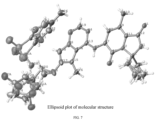
FIG. 7 shows an ellipsoid plot of a single crystal of the compound of formula (II). - The X-ray powder diffractometer (XRPD) method for the crystal form A of the present disclosure has test parameters shown in Table 3.
Table 3. XRPD test parameters for crystal form A XRPD test parameters Parameter Set value Model DX-2700BH X-ray Cu, k-α: 1.54184Å; X-ray light tube settings 40 kV, 30 mA Divergence slit 1 mm Primary scattering slit 28 mm Secondary slit 28 mm Detector slit 0.3 mm Anti-scatter slit 1 mm Scanning axis θs-θd Scanning range 2θ (°) 3~40 Scanning time (s) 0.5 Scanning step size 2θ (°) 0.02 - The differential scanning calorimeter (DSC) method for the crystal form A of the present disclosure has test parameters shown in Table 4.
Table 4. DSC test parameters for crystal form A DSC test parameters Model of instrument Mettler DSC1 Method Linear heating Crucible type High-pressure gold-plated crucible, closed Temperature range 40-350°C Scanning speed (°C/min) 10 Protective gas Nitrogen - The thermal gravimetric analyzer (TGA) method for the crystal form A of the present disclosure has test parameters shown in Table 5.
Table 5. TGA test parameters for crystal form A TGA test parameters Model of instrument TGA550 Method Linear heating Sample tray Aluminum tray, open Temperature range 40~500°C Scanning speed (°C/min) 10 Protective gas Nitrogen - The dynamic vapor sorption (DVS) method for the crystal form A of the present disclosure has test parameters shown in Table 6.
Table 6. DVS test parameters for crystal form A Manufacturer and model of instrument SMS/ DVS intrinsic Test condition Weighing about 10 mg of sample for testing Temperature 25°C Equilibration dm/dt: 0.01%/min Drying Drying at 25 °C and 0% RH for 2 h RH (%) test gradient 5% RH Range of RH (%) test gradient 0%~95%~0% RH - The evaluation categories of hygroscopicity are shown in Table 7 below:
Table 7. Evaluation category table of hygroscopicity Categories of hygroscopicity ΔW% Deliquescence Absorbing sufficient water to form a solution Very hygroscopic ΔW% ≥ 15 % Hygroscopic 15% > ΔW% ≥ 2% Slightly hygroscopic 2% > ΔW% ≥ 0.2% Non-hygroscopic or hardly hygroscopic ΔW% < 0.2% Note: ΔW% represents the hygroscopic weight gain of the test compound at 25±1 °C and 80±2% RH. - The X-ray powder diffractometer (XRPD) method for the crystal form B of the present disclosure has test parameters shown in Table 8.
Table 8. XRPD test parameters for crystal form B XRPD test parameters Parameter Set value Model X'Pert3 X-ray Cu, kα, Kα1 (Å): 1.54060; Kα2 (Å): 1.54443; X-ray light tube settings 45 kV, 40 mA Divergence slit Fixed 1/8° Anti-scatter slit P7.5 Scanning mode Continuous Scanning range 20 (°) 3~40 Scanning time of each step (s) 46.665 Scanning step size 20 (°) 0.0263 - The differential scanning calorimeter (DSC) method for the crystal form B of the present disclosure has test parameters shown in Table 9.
Table 9. DSC test parameters for crystal form B DSC test parameters Model of instrument TA Discovery DSC 2500 Method Linear heating Sample tray Aluminum tray, closed Temperature range 25-330°C Scanning speed (°C/min) 10 Protective gas Nitrogen -

- Compound 1a (100 g, 462 mmol) was dissolved in ethanol (500 mL), and concentrated sulfuric acid (49.94 g, 509 mmol, purity: 98%) was added dropwise at 0 °C. The reaction liquid was stirred at 95 °C for 16 h. After the reaction was completed, the reaction liquid was concentrated under reduced pressure to remove most of the ethanol. Water (300 mL) was added to the concentrate, and the mixed solution was extracted with ethyl acetate (250 mL × 3). The combined organic phase was washed with saturated sodium bicarbonate (300 mL), dried over anhydrous sodium sulfate, and filtered, and the filtrate was concentrated under reduced pressure to give compound 1b. 1H NMR (400MHz, CDCl3) δ 8.60 (s, 1H), 7.78 (s, 1H), 4.48-4.42 (m, 2H), 2.58 (s, 3H), 1.43 (t, J=7.2 Hz, 3H).
- Compound 1b (10.0 g, 41.0 mmol) was dissolved in dichloromethane (200 mL), and trifluoroacetic anhydride (17.2 g, 81.9 mmol) and urea hydrogen peroxide (8.09 g, 86.0 mmol) were added under stirring at 0 °C. The reaction liquid was warmed to 25 °C and stirred for 16 h. Water (200 mL) was added to the reaction liquid, and the mixed solution was extracted with dichloromethane (100 mL × 3). The organic phases were combined, washed successively with saturated sodium bicarbonate (200 mL × 2) and saturated brine (500 mL), dried over anhydrous sodium sulfate, filtered, and concentrated under reduced pressure to give compound 1c. 1H NMR (400MHz, CDCl3) δ 8.23 (s, 1H), 7.29 (s, 1H), 4.52-4.45 (m, 2H), 2.29 (s, 3H), 1.41 (t, J=7.2 Hz, 3H).
- Compound 1c (22.0 g, 84.6 mmol) was dissolved in N,N-dimethylformamide (130 mL), and trifluoroacetic anhydride (35.5 g, 169 mmol) was added under stirring at 0 °C. The reaction liquid was stirred at 50 °C for 1 h. Water (200 mL) was added to the reaction liquid, and the mixed solution was extracted with ethyl acetate (100 mL × 4). The organic phases were combined, washed successively with saturated sodium bicarbonate (200 mL × 3) and saturated brine (150 mL × 3), dried over anhydrous sodium sulfate, filtered, and concentrated under reduced pressure. The crude product was added to a mixed liquid of petroleum ether/ethyl acetate (8/1, 90 mL), and the mixture was stirred at room temperature for 2 h and then filtered to give compound 1d. 1H NMR (400MHz, CDCl3) δ 9.89 (br s, 1H), 7.75 (s, 1H), 4.46-4.41 (m, 2H), 2.44 (s, 3H), 1.43 (t, J=7.2 Hz, 3H).
- Compound 1d (2.00 g, 7.69 mmol) was dissolved in ethanol (20 mL), and aqueous ammonia (16.2 g, 115 mmol, purity: 25%) was added. The reaction liquid was stirred at 40 °C for 16 h. The reaction liquid was concentrated under reduced pressure, and the crude product was added to a mixed liquid of methanol/dichloromethane (1/5, 48 mL). The mixture was stirred overnight at room temperature, then filtered and washed with dichloromethane (5 mL × 2). The filter cake was concentrated under reduced pressure to give compound 1e. MS-ESI, [M+H]+, calculated: 231 and 233, found: 231 and 233.
- Compound 1e (500 mg, 1.97 mmol) and cyclopentanone (664 mg, 7.89 mmol) were dissolved in anhydrous dioxane (6 mL), and concentrated sulfuric acid (98.7 mg, 0.986 mmol, purity: 98%) was added dropwise to the reaction liquid. The reaction liquid was stirred at 95 °C for 3 h. The reaction liquid was concentrated under reduced pressure to remove a part of dioxane (about 3 mL), and then filtered. n-Hexane (10 mL) was added to the collected filter cake, and the mixture was stirred at room temperature for 2 h and filtered. The filter cake was dried in vacuum for 2 h to give compound 1f. MS-ESI, [M+H]+, calculated: 297 and 299, found: 297 and 299. 1H NMR (400 MHz, DMSO-d 6) δ 10.16 (s, 1H), 8.02 (s, 1H), 2.71-2.78 (m, 2H), 2.37 (s, 3H), 1.91-1.93 (m, 2H), 1.79-1.84 (m, 2H), 1.63-1.67 (m, 2H).
- Compound 1g (50 g, 0.442 mol), 1,8-diazabicyclo[5.4.0]undec-7-ene (67.3 g, 0.442 mol) were dissolved in tetrahydrofuran (500 mL). The reaction liquid was heated to 55 °C, and acetaldehyde (9.74 g, 0.221 mol) was added to the reaction liquid at this temperature. The reaction liquid was stirred at 55 °C for 18 h. Then the reaction liquid was cooled to 22 °C, and quenched with acetic acid (25 mL). The reaction liquid was concentrated under reduced pressure, and the residue was dissolved in ethyl acetate (1000 mL) and diluted hydrochloric acid (1000 mL, 1 M). The organic phase was retained after liquid separation, and the aqueous phase was extracted with ethyl acetate (300 mL × 3). The organic phases were combined, washed successively with saturated sodium bicarbonate solution (100 mL) and brine (200 mL), dried over anhydrous sodium sulfate, filtered, and concentrated, and the crude product was separated by column chromatography (4/1, petroleum ether/ethyl acetate, Rf = 0.56) to give compound 1h. MS-ESI, [M+H]+, calculated: 226, found: 226. 1H NMR (400 MHz, CDCl3) δ 9.29 (br s, 1H), 7.48 (d, J=3.2 Hz, 1H), 4.35 (q, J=7.2 Hz, 2H), 4.29 (q, J=7.2 Hz, 2H), 2.61 (s, 3H), 1.38 (t, J=7.2 Hz, 3H), 1.35 (m, J=7.2 Hz, 3H).
- Compound 1h (11.0 g, 48.8 mmol) was dissolved in N-methylpyrrolidone (60 mL), and potassium tert-butoxide (6.03 g, 53.7 mmol) was added to the reaction liquid. After the reaction liquid was stirred at 25 °C for 0.5 h, a solution of compound 1i (9.78 g, 53.7 mmol) in N-methylpyrrolidone (30 mL) was added. The reaction liquid was further stirred for 20 h. The reaction liquid was washed with water (200 mL) and extracted with ethyl acetate (200 mL × 3). The organic phases were combined, washed with saturated brine (20 mL × 3), dried over anhydrous sodium sulfate, filtered, and concentrated, and the crude product was separated by column chromatography (4/1, petroleum ether/ethyl acetate, Rf = 0.55) to give compound 1j. MS-ESI, [M+H]+, calculated: 241, found: 241. 1H NMR (400 MHz, CDCl3) δ 7.49 (s, 1H), 4.35 (q, J=7.2 Hz, 2H), 4.27 (q, J=7.2 Hz, 2H), 2.57 (s, 3H), 1.40 (t, J=7.2 Hz, 3H), 1.34 (t, J=7.2 Hz, 3H).
- Compound 1j (10.2 g, 42.5 mmol) was dissolved in formamide (120 mL), and phosphoric acid (832 mg, 8.49 mmol) was added to the reaction liquid. The reaction liquid was stirred at 125 °C for 16 h. Then the reaction liquid was cooled to 22 °C, and a large amount of white solid was precipitated out here. The mixture was filtered, and the collected filter cake was added to a mixed solution of petroleum ether/ethyl acetate (1/1, 100 mL). The resulting mixture was stirred at 30 °C for 0.5 h and then filtered to give compound 1k. MS-ESI, [M+H]+, calculated: 222, found: 222. 1H NMR (400 MHz, DMSO-d 6) δ 7.90 (s, 1H), 7.84 (s, 1H), 4.23 (q, J=7.2 Hz, 2H), 2.61 (s, 3H), 1.28 (t, J=7.2 Hz, 3H).
- Compound 1k (4.00 g, 18.0 mmol) was dissolved in anhydrous tetrahydrofuran (50 mL). Methylmagnesium bromide (30.1 mL, 90.3 mmol) was added dropwise to the reaction liquid at 25 °C. After the dropwise addition was completed, the reaction liquid was warmed to 25 °C and stirred for 15 h. The reaction liquid was quenched with saturated ammonium chloride solution (100 mL), and extracted with ethyl acetate (50 mL × 5). The organic phases were combined, washed with saturated brine (10 mL × 1), dried over anhydrous sodium sulfate, filtered, and concentrated under reduced pressure, and the crude product was separated by thin layer chromatography (2/1, petroleum ether/ethyl acetate, Rf = 0.39) to give compound 1l.
- MS-ESI, [M+H]+, calculated: 208, found: 208. 1H NMR (400 MHz, CDCl3) δ 7.30 (br s, 1H), 7.24 (br s, 1H), 2.59 (s, 3H), 1.54 (s, 6H).
- Compound 1l (1.00 g, 4.83 mmol) and hydrogen peroxide (4.64 mL, 48.26 mmol, content: 30%) were dissolved in anhydrous tetrahydrofuran (30 mL). A cold solution of methanesulfonic acid (3.44 mL, 48.26 mmol) in water (10 mL) was added dropwise to the reaction liquid at 0 °C. The reaction liquid was stirred at 0 °C for 1 h. The reaction liquid was quenched with 10% aqueous sodium sulfite solution (15 mL) until potassium iodide starch test paper showed negative. The solution was extracted with ethyl acetate (50 mL × 3). The organic phases were combined, washed with saturated brine (10 mL × 1), dried over anhydrous sodium sulfate, filtered, and concentrated under reduced pressure, and the crude product was separated by column chromatography (2/1, petroleum ether/ethyl acetate, Rf = 0.38) to give compound 1m. MS-ESI, [M+H]+, calculated: 166, found: 166.
- Compound 1m (400 mg, 2.42 mmol) was dissolved in anhydrous tetrahydrofuran (10 mL), and triethylamine (0.674 mL, 4.84 mmol) and pivaloyl chloride (350 mg, 4.84 mmol) were added to the reaction liquid. The reaction liquid was stirred at 0 °C for 1 h, washed with water (10 mL), and extracted with ethyl acetate (10 mL × 5). The organic phases were combined, washed with saturated brine (10 mL × 1), dried over anhydrous sodium sulfate, filtered, and concentrated under reduced pressure, and the crude product was separated by thin layer chromatography (2/1, petroleum ether/ethyl acetate, Rf = 0.63) to give compound 1n. MS-ESI, [M+H]+, calculated: 250, found: 250. 1H NMR (400 MHz, CD3OD) δ 7.61 (s, 1H), 7.47 (s, 1H), 2.34 (s, 3H), 1.38 (s, 9H).
- Compound 1n (450 mg, 1.81 mmol) was dissolved in phosphorus oxychloride (8.85 mL). The reaction liquid was stirred at 100 °C for 1 h. The reaction liquid was then cooled to room temperature and poured into saturated ammonium bicarbonate solution (300 mL). The mixture was extracted with dichloromethane (50 mL × 3), and the organic phases were combined, washed with saturated brine (20 mL × 1), dried over anhydrous sodium sulfate, filtered, and concentrated to give compound 1o. MS-ESI, [M+H]+, calculated: 268, found: 268.
- Compound 1o (2.00 g, 7.47 mmol), 2,4-dimethoxybenzylamine (1.87 g, 11.21 mmol) and triethylamine (2.27 g, 22.4 mmol) were dissolved in anhydrous tetrahydrofuran (30 mL). The reaction liquid was stirred at 70 °C for 1 h. The reaction liquid was then concentrated under reduced pressure to give crude compound 1p. MS-ESI, [M+H]+, calculated: 399, found: 399.
- Compound 1p (3.50 g, 8.78 mmol) was dissolved in methanol (3 mL) and tetrahydrofuran (20 mL), and a solution of sodium hydroxide (703 mg, 17.6 mmol) in water (20 mL) was added to the reaction liquid. The reaction liquid was stirred at 25 °C for 0.5 h. The reaction liquid was concentrated to remove the organic solvent, and the aqueous phase was adjusted to pH = 7 with diluted aqueous hydrochloric acid solution (1 M) and the mixture was extracted with dichloromethane (50 mL × 3). The organic phases were combined, washed with saturated brine (10 mL × 1), dried over anhydrous sodium sulfate, filtered, and concentrated under reduced pressure, and the crude product was separated by column chromatography (2/1, petroleum ether/ethyl acetate, Rf = 0.32) to give compound 1q. MS-ESI, [M+H]+, calculated: 315, found: 315. 1H NMR (400MHz, CD3OD) δ 7.67 (s, 1H), 7.21 (d, J=8.4 Hz, 1H), 7.07 (s, 1H), 6.56 (d, J=2.4 Hz, 1H), 6.47 (dd, J=2.4, 8.4 Hz, 1H), 4.66 (s, 2H), 3.90 (s, 3H), 3.79 (s, 3H), 2.36 (s, 3H).
- Compound 1t (250 mg, 795 µmol) was dissolved in N,N-dimethylformamide (4 mL), and then compound 1q (187 mg, 875 µmol) and sodium hydroxide (63.6 mg, 1.59 mmol) were added. The reaction liquid was stirred at 50 °C for 0.5 h. After the reaction was completed, water (50 mL) was added to the reaction liquid for dilution, and the mixed solution was extracted with ethyl acetate (30 mL × 3). The combined organic phase was dried over anhydrous sodium sulfate and filtered, and the filtrate was concentrated under reduced pressure. The residue was separated by column chromatography (1:1, petroleum ether/ethyl acetate, Rf = 0.1) to give compound 1r. MS-ESI, [M+H]+, calculated: 448, found: 448.
- Compound 1r (300 mg, 670 µmol) was dissolved in trifluoroacetic acid (3.0 mL), and the reaction liquid was stirred at 100 °C for 1 h. After the reaction was completed, the reaction liquid was concentrated, and the residue was purified by high performance liquid chromatography (hydrochloric acid system) to give the hydrochloride of compound 1s. MS-ESI, [M+H]+, calculated: 298, found: 298.
- The hydrochloride of compound 1s (90 mg) and compound 1f (72 mg, 241 µmol) were dissolved in anhydrous dioxane (2 mL), and then cesium carbonate (250 mg, 766 µmol) and methanesulfonate(2-dicyclohexylphosphino-3,6-dimethoxy-2,4,6-tri-isopropyl-1,1-biphenyl)(2-amino-1,1-biphenyl-2-yl)palladium(II) (20 mg, 21.9 µmol) were added. The reaction liquid was stirred at 105 °C for 12 h under nitrogen atmosphere. The reaction liquid was concentrated under reduced pressure, and the residue was separated and purified by column chromatography (10:1, dichloromethane/methanol, Rf = 0.3) to give a crude compound. A mixed solution of methanol and ethanol (4/1, 10 mL) was added to the crude product, and the mixture was stirred at 20 °C for 16 h and filtered. The filter cake was washed with methanol (2 mL × 2) and water (2 mL × 2) and then dried to give a compound of formula (I). MS-ESI, [M+H]+, calculated: 514, found: 514. 1H NMR (400MHz, DMSO-d 6) δ 10.00 (s, 1H), 8.84 (s, 1H), 8.64 (s, 1H), 8.08 (s, 1H), 7.70 (s, 1H), 4.08 (t, J=5.6 Hz, 2H), 3.00 (t, J=13.5 Hz, 2H), 2.91-2.78 (m, 6H), 2.47 (s, 3H), 2.46 (s, 3H), 2.31-2.18 (m, 2H), 2.04-1.92 (m, 2H), 1.91-1.78 (m, 2H), 1.76-1.62 (m, 2H).
-

- The compound of formula (I) (2 g, 3.89 µmol) and hexafluoroisopropanol (40 mL) were stirred and mixed well, and p-toluenesulfonic acid monohydrate (814.89 mg, 4.28 mmol) was added to the solution. The reaction liquid was stirred at 40 °C for 3 h and added dropwise to isopropanol (160 mL). The mixed solution was filtered, and the filter cake was dried in vacuum to give a compound of formula (II). 1H NMR (400 MHz, DMSO-d 6) δ 10.02 (s, 1H), 8.86 (br s, 1H), 8.64 (s, 1H), 8.11 (s, 1H), 7.78 (s, 1H), 7.48 (d, J= 8.0 Hz, 2H), 7.10 (d, J = 8.0 Hz, 2H), 4.31 (br d, J = 4.4 Hz, 2H), 4.08 - 3.62 (m, 6H), 2.89 - 2.78 (m, 2H), 2.72 - 2.57 (m, 2H), 2.51 (br s, 3H), 2.46 (s, 3H), 2.28 (s, 3H), 1.95-1.97 (m, 2H), 1.89 - 1.79 (m, 2H), 1.73 - 1.64 (m, 2H). MS-ESI, [M+H]+, calculated: 514, found: 514. An appropriate amount of the compound of formula (II) was dissolved in 1 mL of dichloromethane/methanol (1:1) at room temperature, and the sample solution was placed in a 4 mL semi-sealed sample bottle to allow the solvents to be slowly volatilized at room temperature. The next day, a colorless massive crystal was obtained and tested by single-crystal X-ray diffraction. The analysis results of the single crystal structure are shown in
FIG. 7 . - Acetonitrile (7.0 L), the compound of formula (I) (700.22 g), and p-toluenesulfonic acid monohydrate (272.25 g) were added successively to a reactor, with the internal temperature maintained at 20-30 °C. The internal temperature of the reactor was raised to 45-55 °C, and the reaction liquid was stirred for 4.5 h and filtered. The filter cake was rinsed with acetonitrile (0.7 L). The resulting filter cake was transferred into the reactor, acetonitrile (7.0 L) was added, and then the reaction liquid was stirred at 45-55 °C for 20 h and filtered. The filter cake was rinsed successively with acetonitrile (0.7 L) and tert-butyl methyl ether (1.4 L), and dried under vacuum and reduced pressure at a temperature not higher than 45 °C and a pressure ≤ -0.1 MPa for 17 h to give crystal form A of the compound of formula (II). The XRPD, DSC, and TGA detection results are shown in
FIG. 1, FIG. 2 , andFIG. 3 . - About 50 mg of the compound of formula (II) was weighed out separately and dissolved in different solvents, the mixtures were stirred at 50 °C for 3 h. The reaction liquids were cooled to room temperature, filtered for collection, and dried in vacuum, and the obtained solids were tested by XRPD. The test results are shown in Table 10 below:
Table 10. Stability test results of compound of formula (II) in different solvents No. Solvent Appearance Crystal form 1 Methanol Suspension Crystal form A 2 Acetonitrile Suspension Crystal form A 3 tert-Butyl methyl ether Suspension Crystal form A 4 Ethanol Suspension Crystal form B 5 n-Heptane Suspension Crystal form B - Conclusion: The compound of formula (II) forms crystal form A in methanol, acetonitrile, and tert-butyl methyl ether, and forms crystal form B in ethanol and n-heptane, wherein the XRPD and DSC detection results of the crystal form B are shown in
FIG. 4 andFIG. 5 in sequence. - SMS DVS intrinsic dynamic vapor sorption instrument
- The crystal form A of the compound of formula (II) (10-15 mg) was placed in a DVS sample tray for testing.
- The DVS profile of the crystal form A of the compound of formula (II) is shown in
FIG. 6 , ΔW = 1.179%. - The crystal form A of the compound of formula (II) had a hygroscopic weight gain of 1.179% at 25 °C and 80% RH, had relatively weak hygroscopicity, and was not changed before and after the hygroscopic test, so that the crystal form A is a stable crystal form.
- The crystal form A of the compound of the present disclosure was subjected to an accelerated lofting stability test and long-term lofting stability study concerning rules and requirements in "Guidelines for the Stability Test of APIs and Preparations" (General Principles 9001 of the Four Parts of the Chinese Pharmacopoeia, 2020 Edition), "Technical Guidelines for Stability Research of Chemical Drugs (APIs and Preparations) (Revised)" issued by the Center for Drug Evaluation of the National Medical Products Administration, and ICH Q1B.
- Each sample was separately put into a double-layer LDPE bag with each layer of LDPE bag sealed by a binding buckle. The bag was then put into an aluminum foil bag for heat sealing, and then put into a stability box under corresponding conditions for observation. The results of the solid stability test of the crystal form A of the compound are shown in Table 11.
Table 11. Results of solid stability test of crystal form A of compound of present disclosure Test conditions Time point Crystal form 25°C/60 %RH Day 0 Crystal form A 12 months Crystal form A 40°C/75 %RH Day 0 Crystal form A 6 months Crystal form A - Conclusion: the crystal form A of the compound of the present disclosure has good stability under the conditions of a long-term accelerated lofting stability test, and the crystal form A is a stable crystal form.
- Purpose of experiment: to test the inhibitory activity of the compound against MNK2 protein kinase Experimental materials: assay buffer: 8 mM 3-(N-morpholino)propanesulfonic acid, 0.2 mM disodium ethylenediaminetetraacetate, 0.01% polyoxyethylene lauryl ether, 5% glycerol, 0.1% β-mercaptoethanol and 1 mg of bovine serum albumin
- Experimental operation: Mnk2 protein kinase inhibitory activity assays were performed using the KinaseProfilerTM service from Eurofins Pharma Discovery Services UK Limited. Serially diluted DMSO solutions containing the compound to be tested (3-fold serial dilution, starting from 10 µM), MNK2 (h) protein kinase and 0.33 mg/mL myelin basic protein were added to a freshly prepared buffer (pH = 7.0), and then stirred homogeneously. The reaction was initiated by adding a mixture of 33P-ATP (intensity of radioactivity: 10µCi/µL) and 10 mM magnesium acetate. After the resulting mixture was reacted at room temperature for 40 min, the reaction was terminated by adding phosphoric acid to dilute to a concentration of 0.5%. 10 µL of the reaction liquid was filtered using a P30 filtermat, and then the filtermat was washed four times with 0.425% phosphoric acid for 4 min each, followed by washing once with methanol. After drying, the intensity of radioactivity was determined using the Filter-Binding method.
- The protein kinase inhibitory activity of the compound was expressed as a percentage of the residual protein kinase activity relative to the blank substrate (DMSO alone). The Prism4 software package (GraphPad) was used to calculate the IC50 value and curve. The specific information is shown in Table 12 below.
Table 12. Inhibitory activity (IC50) of compound of present disclosure against MNK2 protein kinase Compound No. IC50 (nM) against MNK2 Compound of formula (I) 17 - Experimental conclusion: the compound of formula (I) of the present disclosure shows excellent inhibitory activity against MNK2 protein kinase.
- Purpose of experiment: to test the inhibition (IC50) of the compound against eIF4E phosphorylation of HCT116 cell strain.
- Experimental materials: HCT116 cells (ATCC), RPMl1640 medium (Life technology), fetal bovine serum (Hyclone), double antibodies (penicillin, streptomycin) (Millipore), phosphate buffer (Corning), 384-well cell plate (PerkinElmer), and AlphaLISA® SureFire® Ultra™ p-eIF4E (Ser209) Assay Kit (PerkinElmer).
- Experimental operation: HCT116 cells were digested to make a cell suspension, which was then plated in a 96-well plate. The cell plate was then placed in an incubator for overnight incubation. The compound was diluted to a corresponding concentration and added to the cell plate, and the resulting mixture was incubated for 3 h. The cells were subsequently lysed with a lysis buffer, and the lysate was transferred to a 3 84-well plate. A mixed receptor was freshly prepared according to the kit instructions and added to the 384-well plate, and the mixture was incubated at room temperature for 1 h. Then a mixed donor was freshly prepared according to the kit instructions and added to the 384-well plate, and the resulting mixture was incubated at room temperature for 1 h. The signal was read on EnVision using the standard AlphaLISA program, a curve was fitted using Graphpad prism, and the IC50 value was calculated. The specific information is shown in Table 13 below.
Table 13. Inhibitory activity (IC50) of compound of present disclosure against eIF4E phosphorylation Compound No. IC50 (nM) against HCT116 cell strain p-eIF4E Compound of formula (I) 8.6 - Experimental conclusion: the compound of formula (I) of the present disclosure shows excellent inhibitory activity against eIF4E phosphorylation.
-
- Purpose of experiment: to determine in vivo efficacy of the compound for CT-26 mouse graft tumor
- Experimental materials: CT-26 cells, RMPI-1640 medium containing 10% fetal bovine serum, and mice (female, Shanghai Sippe-Bk Lab Animal Co., Ltd.)
- Experimental operation: CT-26 cells were cultured in RMPI-1640 medium containing 10% fetal bovine serum in an incubator at 37 °C/5% CO2. Tumor cells were subcultured, and after an appropriate concentration was reached and the tumor cells were in the logarithmic growth phase, the tumor cells were collected, counted and then resuspended in DPBS (phosphate buffer), and the concentration of the cell suspension was adjusted to 3×10⁶/mL for inoculation.
- Establishment of mouse colon cancer graft tumor: cells were collected and adjusted to a concentration of 3×10⁶ cells/mL (resuspended in DPBS to obtain cell suspension), and 0.1 mL of tumor cells was injected subcutaneously at the right dorsal side of the mice under sterile conditions, and 3×10⁵ cells were inoculated for each mouse. After the tumor grew to a certain size, the length (a) and the width (b) of the tumor were measured by using a digital vernier caliper, and the tumor volume (TV) was calculated, wherein the calculation formula is as follows: TV = a×b2/2.
- CT-26 tumor cell inoculation: on the day of inoculation, animals were grouped (8 animals for each) according to the body weight and subjected to drug administration separately, and the day of inoculation was considered as D0. When the tumor size reached about 60 mm3, the animals in the antibody groups were grouped according to the tumor size and the body weight. The body weight and tumor size of the animals were measured three times a week during the experiment, while clinical symptoms of the animals were observed and recorded daily, and for each administration, reference was made to the animal body weight measured most recently. The inhibitory effect of the compound on colon cancer graft tumor in mice was determined after 21-day administration at a dose of 30 mg/Kg QD (once daily), 90 mg/Kg QD (once daily) and 200 mg/Kg QD (once daily). The specific information is shown in Table 14 below.
- The evaluation index of the anti-tumor activity is relative tumor proliferation rate T/C (%); if T/C (%) > 40%, it suggests the drug is ineffective, and if T/C (%) ≤ 40% and P < 0.05 after statistical treatment, the drug is considered to be effective. The calculation formula of T/C (%) is as follows: T/C (%) = (TRTV/CRTV) × 100%. TRTV is the relative tumor volume of the treatment group, and CRTV is the relative tumor volume of the negative control group; TGI (%)a = (1 - average tumor volume at the end of administration of a treatment group/average tumor volume at the end of treatment of the solvent control group) × 100%.
Table 14. In vivo anti-tumor efficacy of compound of present disclosure in CT-26 graft tumor model Compound Administration dose TGI% T/C% Compound of formula (I) 30mg/Kg, QD 63.57 36.43 Compound of formula (I) 90mg/Kg, QD 68.89 31.11 Compound of formula (I) 200mg/Kg, QD 68.51 33.31 Experimental conclusion: the compound of formula (I) of the present disclosure has a significant effect in inhibiting colon cancer graft tumor in mice.
Claims (15)
- A compound of formula (II),

- Crystal form A of a compound of formula (II), wherein an X-ray powder diffraction pattern of the crystal form A comprises characteristic diffraction peaks at the following 20 angles: 7.78±0.20°, 11.38±0.20°, and 20.58±0.20°, when measured using a Cu Kα radiation;

- The crystal form A according to claim 2, wherein the X-ray powder diffraction pattern of the crystal form A comprises characteristic diffraction peaks at the following 20 angles: 7.78±0.20°, 9.44±0.20°, 11.38±0.20°, 19.84±0.20°, 20.58±0.20°, 21.56±0.20°, 22.86±0.20°, and 24.82±0.20°, when measured using a Cu Kα radiation; or the X-ray powder diffraction pattern of the crystal form A comprises characteristic diffraction peaks at the following 2θ angles: 6.58±0.20°, 7.78±0.20°, 9.44±0.20°, 11.38±0.20°, 14.38±0.20°, 18.66±0.20°, 19.84±0.20°, 20.58±0.20°, 21.56±0.20°, 22.86±0.20°, 23.54±0.20°, and 24.82±0.20°, when measured using a Cu Kα radiation; or the X-ray powder diffraction pattern of the crystal form A comprises characteristic diffraction peaks at the following 2θ angles: 4.78°, 6.58°, 7.78°, 9.44°, 11.38°, 13.48°, 14.38°, 14.80°, 16.42°, 17.00°, 17.32°, 18.34°, 18.66°, 19.08°, 19.60°, 19.84°, 20.28°, 20.58°, 21.56°, 21.84°, 22.52°, 22.86°, 23.26°, 23.54°, 24.46°, 24.82°, 25.50°, 26.04°, 26.58°, 27.42°, 27.82°, 28.07°, 28.42°, 29.08°, 29.66°, 30.08°, 31.20°, 31.42°, 38.22°, and 39.04°, when measured using a Cu Kα radiation;
or the XRPD pattern of the crystal form A is as shown in FIG. 1. - The crystal form A according to any one of claims 2 to 3, wherein a differential scanning calorimetry curve of the crystal form A has an endothermic peak at 287.17±3 °C, when measured using scanning speed of 10°C per minute.
- The crystal form A according to any one of claims 2-4, wherein a DSC profile of the crystal form A is shown in FIG. 2, when measured using scanning speed of 10°C per minute.
- The crystal form A according to any one of claims 2 to 5, wherein a thermogravimetric analysis curve of the crystal form A shows a weight loss of 0.075% at 200.0±3 °C, when measured using scanning speed of 10°C per minute.
- The crystal form A according to any one of claims 2-6, wherein a TGA profile of the crystal form A is shown in FIG. 3, when measured using scanning speed of 10°C per minute.
- A preparation method for crystal form A of the compound of formula (II) according to any one of claims 2-7, comprising the following steps:(a) adding the compound of formula (II) to a solvent to form a suspension;(b) stirring the suspension at 40-55 °C for 2-25 h; and(c) filtering the suspension and then drying the filter cake in vacuum at 30-45 °C for 10-24 h;wherein the solvent is selected from methanol, acetonitrile, and tert-butyl methyl ether.
- Crystal form B of a compound of formula (II), wherein an X-ray powder diffraction pattern of the crystal form B comprises characteristic diffraction peaks at the following 2θ angles: 7.55±0.20°, 15.13±0.20°, and 19.82±0.20°, when measured using a Cu Kα radiation;

- The crystal form B according to claim 9, wherein the X-ray powder diffraction pattern of the crystal form B comprises characteristic diffraction peaks at the following 20 angles: 6.89±0.20°, 7.55±0.20°, 9.50±0.20°, 11.35±0.20°, 12.72±0.20°, 15.13±0.20°, 19.82±0.20°, and 26.63±0.20°, when measured using a Cu Kα radiation; or the X-ray powder diffraction pattern of the crystal form B comprises characteristic diffraction peaks at the following 2θ angles: 6.89±0.20°, 7.55±0.20°, 9.50±0.20°, 11.35±0.20°, 12.24±0.20°, 12.72±0.20°, 15.13±0.20°, 18.94±0.20°, 19.82±0.20°, 23.25±0.20°, 26.63±0.20°, and 27.27±0.20°, when measured using a Cu Kα radiation; or the X-ray powder diffraction pattern of the crystal form B comprises characteristic diffraction peaks at the following 20 angles: 4.98°, 6.89°, 7.55°, 8.46°, 9.50°, 10.12°, 11.35°, 12.24°, 12.72°, 14.05°, 15.13°, 15.65°, 16.20°, 17.79°, 18.94°, 19.82°, 20.76°, 21.61°, 23.25°, 23.87°, 26.09°, 26.63°, 27.27°, 28.45°, 29.12°, 30.95°, 32.32°, 34.62°, and 38.41°, when measured using a Cu Kα radiation;
or the XRPD pattern of the crystal form B is as shown in FIG. 4. - The crystal form B according to any one of claims 9 -10, wherein a differential scanning calorimetry curve of the crystal form B has an endothermic peak at 300.0±3 °C, when measured using scanning speed of 10°C per minute.
- The crystal form B according to any one of claim 9-11, wherein a DSC profile of the crystal form B is shown in FIG. 5, when measured using scanning speed of 10°C per minute.
- The compound of formula (II) according to claim 1, the crystal form A according to any one of claims 2 to 7, or the crystal form B according to any one of claims 9 to 12 for use as a medicament.
- The compound of formula (II) according to claim 1, the crystal form A according to any one of claims 2 to 7, or the crystal form B according to any one of claims 9 to 12 for use as an MNK1/2 inhibitor medicament.
- The compound of formula (II) according to claim 1, the crystal form A according to any one of claims 2 to 7, or the crystal form B according to any one of claims 9 to 12 for use in treatment of colorectal cancer.
Applications Claiming Priority (2)
| Application Number | Priority Date | Filing Date | Title |
|---|---|---|---|
| CN202110501179 | 2021-05-08 | ||
| PCT/CN2022/091452 WO2022237682A1 (en) | 2021-05-08 | 2022-05-07 | Salt form of pyrrolotriazine compound, crystal form thereof, and preparation method therefor |
Publications (3)
| Publication Number | Publication Date |
|---|---|
| EP4335850A1 EP4335850A1 (en) | 2024-03-13 |
| EP4335850A4 EP4335850A4 (en) | 2024-09-25 |
| EP4335850B1 true EP4335850B1 (en) | 2025-07-09 |
Family
ID=84027979
Family Applications (1)
| Application Number | Title | Priority Date | Filing Date |
|---|---|---|---|
| EP22806648.6A Active EP4335850B1 (en) | 2021-05-08 | 2022-05-07 | Salt form of pyrrolotriazine compound, crystal form thereof, and preparation method therefor |
Country Status (9)
| Country | Link |
|---|---|
| US (1) | US20240254144A1 (en) |
| EP (1) | EP4335850B1 (en) |
| JP (1) | JP7638031B2 (en) |
| KR (1) | KR20240004828A (en) |
| CN (1) | CN117355528B (en) |
| AU (1) | AU2022271540B2 (en) |
| BR (1) | BR112023023189A2 (en) |
| WO (1) | WO2022237682A1 (en) |
| ZA (1) | ZA202310368B (en) |
Families Citing this family (1)
| Publication number | Priority date | Publication date | Assignee | Title |
|---|---|---|---|---|
| KR102792835B1 (en) * | 2019-11-18 | 2025-04-07 | 점보 드러그 뱅크 컴퍼니 리미티드 | Pyrrolotriazine compounds as MNK inhibitors |
Family Cites Families (13)
| Publication number | Priority date | Publication date | Assignee | Title |
|---|---|---|---|---|
| TWI713455B (en) * | 2014-06-25 | 2020-12-21 | 美商伊凡克特治療公司 | Mnk inhibitors and methods related thereto |
| KR20180004740A (en) * | 2015-04-20 | 2018-01-12 | 이펙터 테라퓨틱스, 인크. | Inhibitors of immune checkpoint modulators for use in the treatment of cancer and infections |
| WO2017075394A1 (en) | 2015-10-29 | 2017-05-04 | Effector Therapeutics, Inc. | Isoindoline, azaisoindoline, dihydroindenone and dihydroazaindenone inhibitors of mnk1 and mnk2 |
| CA3002558A1 (en) | 2015-10-29 | 2017-05-04 | Effector Therapeutics, Inc. | Pyrrolo-, pyrazolo-, imidazo-pyrimidine and pyridine compounds that inhibit mnk1 and mnk2 |
| WO2017087808A1 (en) | 2015-11-20 | 2017-05-26 | Effector Therapeutics, Inc. | Heterocyclic compounds that inhibit the kinase activity of mnk useful for treating various cancers |
| US20170191136A1 (en) * | 2015-12-31 | 2017-07-06 | Effector Therapeutics, Inc. | Mnk biomarkers and uses thereof |
| TW201831479A (en) * | 2017-01-20 | 2018-09-01 | 德商拜耳製藥公司 | Substituted dihydroimidazopyridinediones |
| WO2018134335A1 (en) * | 2017-01-20 | 2018-07-26 | Bayer Pharma Aktiengesellschaft | Substituted imidazopyridinpyrimidines |
| MX394700B (en) | 2017-02-14 | 2025-03-24 | Effector Therapeutics Inc | Piperidine-substituted MNK inhibitors and methods related thereto. |
| CA3064000A1 (en) | 2017-05-24 | 2018-11-29 | Effector Therapeutics, Inc. | Methods and compositions for cellular immunotherapy |
| MX391410B (en) * | 2018-09-30 | 2025-03-21 | Medshine Discovery Inc | QUINOLINE-PYRROLIDIN-2-ONE DERIVATIVES AS INHIBITORS OF THE MUTATE ATAXIA TELANGIECTASIA (ATM) GENE AND THEIR USE IN THE TREATMENT OF SOLID TUMORS. |
| WO2020238802A1 (en) * | 2019-05-24 | 2020-12-03 | 南京明德新药研发有限公司 | Crystal form of c-met/axl inhibitor |
| KR102792835B1 (en) * | 2019-11-18 | 2025-04-07 | 점보 드러그 뱅크 컴퍼니 리미티드 | Pyrrolotriazine compounds as MNK inhibitors |
-
2022
- 2022-05-07 AU AU2022271540A patent/AU2022271540B2/en active Active
- 2022-05-07 US US18/558,731 patent/US20240254144A1/en active Pending
- 2022-05-07 CN CN202280032805.7A patent/CN117355528B/en active Active
- 2022-05-07 BR BR112023023189A patent/BR112023023189A2/en unknown
- 2022-05-07 JP JP2023568714A patent/JP7638031B2/en active Active
- 2022-05-07 EP EP22806648.6A patent/EP4335850B1/en active Active
- 2022-05-07 KR KR1020237041463A patent/KR20240004828A/en not_active Ceased
- 2022-05-07 WO PCT/CN2022/091452 patent/WO2022237682A1/en not_active Ceased
-
2023
- 2023-11-07 ZA ZA2023/10368A patent/ZA202310368B/en unknown
Also Published As
| Publication number | Publication date |
|---|---|
| KR20240004828A (en) | 2024-01-11 |
| JP2024516885A (en) | 2024-04-17 |
| AU2022271540B2 (en) | 2025-02-27 |
| BR112023023189A2 (en) | 2024-01-30 |
| EP4335850A4 (en) | 2024-09-25 |
| EP4335850A1 (en) | 2024-03-13 |
| JP7638031B2 (en) | 2025-03-03 |
| CN117355528B (en) | 2024-06-21 |
| ZA202310368B (en) | 2024-05-30 |
| US20240254144A1 (en) | 2024-08-01 |
| WO2022237682A1 (en) | 2022-11-17 |
| CN117355528A (en) | 2024-01-05 |
| AU2022271540A1 (en) | 2023-11-16 |
Similar Documents
| Publication | Publication Date | Title |
|---|---|---|
| CA3147322C (en) | Crystalline form of atr inhibitor and use thereof | |
| US12291536B2 (en) | Crystal form of Wee1 inhibitor compound and use thereof | |
| AU2019260240B2 (en) | Crystal form of c-MET inhibitor and salt form thereof and preparation method therefor | |
| EP3912976A1 (en) | Salt of egfr inhibitor, crystal form, and preparation method therefor | |
| AU2021318572A1 (en) | Indolo heptamyl oxime analog crystal as PARP inhibitor and method for preparing same | |
| UA125130C2 (en) | Pyrimidine compound as jak kinase inhibitor | |
| AU2016320892C1 (en) | Salts of a Pim kinase inhibitor | |
| WO2025148979A1 (en) | Crystal form of pyridopyrimidine derivative, preparation method therefor and use thereof | |
| EP4335850A1 (en) | Salt form of pyrrolotriazine compound, crystal form thereof, and preparation method therefor | |
| CN113646312B (en) | Solid BRD4 inhibitor compound and preparation method and application thereof | |
| EA047813B1 (en) | SALT FORM OF PYRROLOTRIAZINE COMPOUND, ITS CRYSTALLINE FORM AND METHOD OF ITS PRODUCTION | |
| EP3967698A1 (en) | Salt and crystal form of mtorc1/2 dual kinase activity inhibitor and preparation method therefor | |
| HK40100343A (en) | Salt form of pyrrolotriazine compound, crystal form thereof, and preparation method therefor | |
| HK40100343B (en) | Salt form of pyrrolotriazine compound, crystal form thereof, and preparation method therefor | |
| KR102945065B1 (en) | Crystalline form of pyrrolopyrimidine compounds and method for preparing the same | |
| CA3134071C (en) | Brd4 inhibitor compound in solid form and preparation method therefor and use thereof | |
| EP4194455A1 (en) | Crystal forms of pyridopyrazole compounds and preparation method therefor | |
| HK40062043B (en) | Brd4 inhibitor compound in solid form and preparation method therefor and application thereof | |
| HK40062043A (en) | Brd4 inhibitor compound in solid form and preparation method therefor and application thereof | |
| BR122024012313A2 (en) | SOLID CRYSTALLINE FORMS OF A BET INHIBITOR, PHARMACEUTICAL COMPOSITION AND USES THEREOF |
Legal Events
| Date | Code | Title | Description |
|---|---|---|---|
| STAA | Information on the status of an ep patent application or granted ep patent |
Free format text: STATUS: THE INTERNATIONAL PUBLICATION HAS BEEN MADE |
|
| PUAI | Public reference made under article 153(3) epc to a published international application that has entered the european phase |
Free format text: ORIGINAL CODE: 0009012 |
|
| STAA | Information on the status of an ep patent application or granted ep patent |
Free format text: STATUS: REQUEST FOR EXAMINATION WAS MADE |
|
| 17P | Request for examination filed |
Effective date: 20231107 |
|
| AK | Designated contracting states |
Kind code of ref document: A1 Designated state(s): AL AT BE BG CH CY CZ DE DK EE ES FI FR GB GR HR HU IE IS IT LI LT LU LV MC MK MT NL NO PL PT RO RS SE SI SK SM TR |
|
| P01 | Opt-out of the competence of the unified patent court (upc) registered |
Free format text: CASE NUMBER: APP_35491/2024 Effective date: 20240613 |
|
| DAV | Request for validation of the european patent (deleted) | ||
| DAX | Request for extension of the european patent (deleted) | ||
| REG | Reference to a national code |
Ref country code: DE Free format text: PREVIOUS MAIN CLASS: C07D0487040000 Ref country code: DE Ref legal event code: R079 Ref document number: 602022017444 Country of ref document: DE Free format text: PREVIOUS MAIN CLASS: C07D0487040000 Ipc: C07D0519000000 |
|
| A4 | Supplementary search report drawn up and despatched |
Effective date: 20240826 |
|
| RIC1 | Information provided on ipc code assigned before grant |
Ipc: A61K 31/53 20060101ALI20240820BHEP Ipc: A61P 35/00 20060101ALI20240820BHEP Ipc: C07C 309/30 20060101ALI20240820BHEP Ipc: C07D 519/00 20060101AFI20240820BHEP |
|
| GRAP | Despatch of communication of intention to grant a patent |
Free format text: ORIGINAL CODE: EPIDOSNIGR1 |
|
| STAA | Information on the status of an ep patent application or granted ep patent |
Free format text: STATUS: GRANT OF PATENT IS INTENDED |
|
| INTG | Intention to grant announced |
Effective date: 20250417 |
|
| GRAS | Grant fee paid |
Free format text: ORIGINAL CODE: EPIDOSNIGR3 |
|
| GRAA | (expected) grant |
Free format text: ORIGINAL CODE: 0009210 |
|
| STAA | Information on the status of an ep patent application or granted ep patent |
Free format text: STATUS: THE PATENT HAS BEEN GRANTED |
|
| AK | Designated contracting states |
Kind code of ref document: B1 Designated state(s): AL AT BE BG CH CY CZ DE DK EE ES FI FR GB GR HR HU IE IS IT LI LT LU LV MC MK MT NL NO PL PT RO RS SE SI SK SM TR |
|
| REG | Reference to a national code |
Ref country code: GB Ref legal event code: FG4D |
|
| REG | Reference to a national code |
Ref country code: CH Ref legal event code: EP |
|
| REG | Reference to a national code |
Ref country code: IE Ref legal event code: FG4D |
|
| REG | Reference to a national code |
Ref country code: DE Ref legal event code: R096 Ref document number: 602022017444 Country of ref document: DE |
|
| REG | Reference to a national code |
Ref country code: NL Ref legal event code: MP Effective date: 20250709 |
|
| PG25 | Lapsed in a contracting state [announced via postgrant information from national office to epo] |
Ref country code: PT Free format text: LAPSE BECAUSE OF FAILURE TO SUBMIT A TRANSLATION OF THE DESCRIPTION OR TO PAY THE FEE WITHIN THE PRESCRIBED TIME-LIMIT Effective date: 20251110 |
|
| PG25 | Lapsed in a contracting state [announced via postgrant information from national office to epo] |
Ref country code: NL Free format text: LAPSE BECAUSE OF FAILURE TO SUBMIT A TRANSLATION OF THE DESCRIPTION OR TO PAY THE FEE WITHIN THE PRESCRIBED TIME-LIMIT Effective date: 20250709 |
|
| REG | Reference to a national code |
Ref country code: AT Ref legal event code: MK05 Ref document number: 1811764 Country of ref document: AT Kind code of ref document: T Effective date: 20250709 |
|
| PG25 | Lapsed in a contracting state [announced via postgrant information from national office to epo] |
Ref country code: IS Free format text: LAPSE BECAUSE OF FAILURE TO SUBMIT A TRANSLATION OF THE DESCRIPTION OR TO PAY THE FEE WITHIN THE PRESCRIBED TIME-LIMIT Effective date: 20251109 |
|
| PG25 | Lapsed in a contracting state [announced via postgrant information from national office to epo] |
Ref country code: NO Free format text: LAPSE BECAUSE OF FAILURE TO SUBMIT A TRANSLATION OF THE DESCRIPTION OR TO PAY THE FEE WITHIN THE PRESCRIBED TIME-LIMIT Effective date: 20251009 |
|
| REG | Reference to a national code |
Ref country code: LT Ref legal event code: MG9D |
|
| PG25 | Lapsed in a contracting state [announced via postgrant information from national office to epo] |
Ref country code: AT Free format text: LAPSE BECAUSE OF FAILURE TO SUBMIT A TRANSLATION OF THE DESCRIPTION OR TO PAY THE FEE WITHIN THE PRESCRIBED TIME-LIMIT Effective date: 20250709 |
|
| PG25 | Lapsed in a contracting state [announced via postgrant information from national office to epo] |
Ref country code: FI Free format text: LAPSE BECAUSE OF FAILURE TO SUBMIT A TRANSLATION OF THE DESCRIPTION OR TO PAY THE FEE WITHIN THE PRESCRIBED TIME-LIMIT Effective date: 20250709 |
|
| PG25 | Lapsed in a contracting state [announced via postgrant information from national office to epo] |
Ref country code: HR Free format text: LAPSE BECAUSE OF FAILURE TO SUBMIT A TRANSLATION OF THE DESCRIPTION OR TO PAY THE FEE WITHIN THE PRESCRIBED TIME-LIMIT Effective date: 20250709 |
|
| PG25 | Lapsed in a contracting state [announced via postgrant information from national office to epo] |
Ref country code: GR Free format text: LAPSE BECAUSE OF FAILURE TO SUBMIT A TRANSLATION OF THE DESCRIPTION OR TO PAY THE FEE WITHIN THE PRESCRIBED TIME-LIMIT Effective date: 20251010 |
|
| PG25 | Lapsed in a contracting state [announced via postgrant information from national office to epo] |
Ref country code: SE Free format text: LAPSE BECAUSE OF FAILURE TO SUBMIT A TRANSLATION OF THE DESCRIPTION OR TO PAY THE FEE WITHIN THE PRESCRIBED TIME-LIMIT Effective date: 20250709 |
|
| PG25 | Lapsed in a contracting state [announced via postgrant information from national office to epo] |
Ref country code: LV Free format text: LAPSE BECAUSE OF FAILURE TO SUBMIT A TRANSLATION OF THE DESCRIPTION OR TO PAY THE FEE WITHIN THE PRESCRIBED TIME-LIMIT Effective date: 20250709 |
|
| PG25 | Lapsed in a contracting state [announced via postgrant information from national office to epo] |
Ref country code: BG Free format text: LAPSE BECAUSE OF FAILURE TO SUBMIT A TRANSLATION OF THE DESCRIPTION OR TO PAY THE FEE WITHIN THE PRESCRIBED TIME-LIMIT Effective date: 20250709 Ref country code: PL Free format text: LAPSE BECAUSE OF FAILURE TO SUBMIT A TRANSLATION OF THE DESCRIPTION OR TO PAY THE FEE WITHIN THE PRESCRIBED TIME-LIMIT Effective date: 20250709 |
|
| PG25 | Lapsed in a contracting state [announced via postgrant information from national office to epo] |
Ref country code: RS Free format text: LAPSE BECAUSE OF FAILURE TO SUBMIT A TRANSLATION OF THE DESCRIPTION OR TO PAY THE FEE WITHIN THE PRESCRIBED TIME-LIMIT Effective date: 20251009 |
|
| PG25 | Lapsed in a contracting state [announced via postgrant information from national office to epo] |
Ref country code: ES Free format text: LAPSE BECAUSE OF FAILURE TO SUBMIT A TRANSLATION OF THE DESCRIPTION OR TO PAY THE FEE WITHIN THE PRESCRIBED TIME-LIMIT Effective date: 20250709 |
|
| PG25 | Lapsed in a contracting state [announced via postgrant information from national office to epo] |
Ref country code: SM Free format text: LAPSE BECAUSE OF FAILURE TO SUBMIT A TRANSLATION OF THE DESCRIPTION OR TO PAY THE FEE WITHIN THE PRESCRIBED TIME-LIMIT Effective date: 20250709 |
|
| PG25 | Lapsed in a contracting state [announced via postgrant information from national office to epo] |
Ref country code: DK Free format text: LAPSE BECAUSE OF FAILURE TO SUBMIT A TRANSLATION OF THE DESCRIPTION OR TO PAY THE FEE WITHIN THE PRESCRIBED TIME-LIMIT Effective date: 20250709 |
|
| PG25 | Lapsed in a contracting state [announced via postgrant information from national office to epo] |
Ref country code: IT Free format text: LAPSE BECAUSE OF FAILURE TO SUBMIT A TRANSLATION OF THE DESCRIPTION OR TO PAY THE FEE WITHIN THE PRESCRIBED TIME-LIMIT Effective date: 20250709 |
|
| PG25 | Lapsed in a contracting state [announced via postgrant information from national office to epo] |
Ref country code: CZ Free format text: LAPSE BECAUSE OF FAILURE TO SUBMIT A TRANSLATION OF THE DESCRIPTION OR TO PAY THE FEE WITHIN THE PRESCRIBED TIME-LIMIT Effective date: 20250709 |
|
| PG25 | Lapsed in a contracting state [announced via postgrant information from national office to epo] |
Ref country code: EE Free format text: LAPSE BECAUSE OF FAILURE TO SUBMIT A TRANSLATION OF THE DESCRIPTION OR TO PAY THE FEE WITHIN THE PRESCRIBED TIME-LIMIT Effective date: 20250709 Ref country code: SK Free format text: LAPSE BECAUSE OF FAILURE TO SUBMIT A TRANSLATION OF THE DESCRIPTION OR TO PAY THE FEE WITHIN THE PRESCRIBED TIME-LIMIT Effective date: 20250709 |
|
| PLBE | No opposition filed within time limit |
Free format text: ORIGINAL CODE: 0009261 |
|
| STAA | Information on the status of an ep patent application or granted ep patent |
Free format text: STATUS: NO OPPOSITION FILED WITHIN TIME LIMIT |