EP4317449A1 - Method for increasing productivity of 2'-fucosyllactose through enzyme treatment - Google Patents
Method for increasing productivity of 2'-fucosyllactose through enzyme treatment Download PDFInfo
- Publication number
- EP4317449A1 EP4317449A1 EP22898879.6A EP22898879A EP4317449A1 EP 4317449 A1 EP4317449 A1 EP 4317449A1 EP 22898879 A EP22898879 A EP 22898879A EP 4317449 A1 EP4317449 A1 EP 4317449A1
- Authority
- EP
- European Patent Office
- Prior art keywords
- fucosyllactose
- lactose
- transformed
- corynebacterium glutamicum
- medium
- Prior art date
- Legal status (The legal status is an assumption and is not a legal conclusion. Google has not performed a legal analysis and makes no representation as to the accuracy of the status listed.)
- Pending
Links
Images
Classifications
-
- C—CHEMISTRY; METALLURGY
- C12—BIOCHEMISTRY; BEER; SPIRITS; WINE; VINEGAR; MICROBIOLOGY; ENZYMOLOGY; MUTATION OR GENETIC ENGINEERING
- C12Y—ENZYMES
- C12Y302/00—Hydrolases acting on glycosyl compounds, i.e. glycosylases (3.2)
- C12Y302/01—Glycosidases, i.e. enzymes hydrolysing O- and S-glycosyl compounds (3.2.1)
- C12Y302/01023—Beta-galactosidase (3.2.1.23), i.e. exo-(1-->4)-beta-D-galactanase
-
- C—CHEMISTRY; METALLURGY
- C12—BIOCHEMISTRY; BEER; SPIRITS; WINE; VINEGAR; MICROBIOLOGY; ENZYMOLOGY; MUTATION OR GENETIC ENGINEERING
- C12P—FERMENTATION OR ENZYME-USING PROCESSES TO SYNTHESISE A DESIRED CHEMICAL COMPOUND OR COMPOSITION OR TO SEPARATE OPTICAL ISOMERS FROM A RACEMIC MIXTURE
- C12P19/00—Preparation of compounds containing saccharide radicals
-
- C—CHEMISTRY; METALLURGY
- C12—BIOCHEMISTRY; BEER; SPIRITS; WINE; VINEGAR; MICROBIOLOGY; ENZYMOLOGY; MUTATION OR GENETIC ENGINEERING
- C12N—MICROORGANISMS OR ENZYMES; COMPOSITIONS THEREOF; PROPAGATING, PRESERVING, OR MAINTAINING MICROORGANISMS; MUTATION OR GENETIC ENGINEERING; CULTURE MEDIA
- C12N15/00—Mutation or genetic engineering; DNA or RNA concerning genetic engineering, vectors, e.g. plasmids, or their isolation, preparation or purification; Use of hosts therefor
- C12N15/09—Recombinant DNA-technology
- C12N15/63—Introduction of foreign genetic material using vectors; Vectors; Use of hosts therefor; Regulation of expression
- C12N15/74—Vectors or expression systems specially adapted for prokaryotic hosts other than E. coli, e.g. Lactobacillus, Micromonospora
- C12N15/77—Vectors or expression systems specially adapted for prokaryotic hosts other than E. coli, e.g. Lactobacillus, Micromonospora for Corynebacterium; for Brevibacterium
-
- C—CHEMISTRY; METALLURGY
- C12—BIOCHEMISTRY; BEER; SPIRITS; WINE; VINEGAR; MICROBIOLOGY; ENZYMOLOGY; MUTATION OR GENETIC ENGINEERING
- C12N—MICROORGANISMS OR ENZYMES; COMPOSITIONS THEREOF; PROPAGATING, PRESERVING, OR MAINTAINING MICROORGANISMS; MUTATION OR GENETIC ENGINEERING; CULTURE MEDIA
- C12N9/00—Enzymes; Proenzymes; Compositions thereof; Processes for preparing, activating, inhibiting, separating or purifying enzymes
- C12N9/0004—Oxidoreductases (1.)
-
- C—CHEMISTRY; METALLURGY
- C12—BIOCHEMISTRY; BEER; SPIRITS; WINE; VINEGAR; MICROBIOLOGY; ENZYMOLOGY; MUTATION OR GENETIC ENGINEERING
- C12N—MICROORGANISMS OR ENZYMES; COMPOSITIONS THEREOF; PROPAGATING, PRESERVING, OR MAINTAINING MICROORGANISMS; MUTATION OR GENETIC ENGINEERING; CULTURE MEDIA
- C12N9/00—Enzymes; Proenzymes; Compositions thereof; Processes for preparing, activating, inhibiting, separating or purifying enzymes
- C12N9/10—Transferases (2.)
-
- C—CHEMISTRY; METALLURGY
- C12—BIOCHEMISTRY; BEER; SPIRITS; WINE; VINEGAR; MICROBIOLOGY; ENZYMOLOGY; MUTATION OR GENETIC ENGINEERING
- C12N—MICROORGANISMS OR ENZYMES; COMPOSITIONS THEREOF; PROPAGATING, PRESERVING, OR MAINTAINING MICROORGANISMS; MUTATION OR GENETIC ENGINEERING; CULTURE MEDIA
- C12N9/00—Enzymes; Proenzymes; Compositions thereof; Processes for preparing, activating, inhibiting, separating or purifying enzymes
- C12N9/10—Transferases (2.)
- C12N9/1048—Glycosyltransferases (2.4)
- C12N9/1051—Hexosyltransferases (2.4.1)
-
- C—CHEMISTRY; METALLURGY
- C12—BIOCHEMISTRY; BEER; SPIRITS; WINE; VINEGAR; MICROBIOLOGY; ENZYMOLOGY; MUTATION OR GENETIC ENGINEERING
- C12N—MICROORGANISMS OR ENZYMES; COMPOSITIONS THEREOF; PROPAGATING, PRESERVING, OR MAINTAINING MICROORGANISMS; MUTATION OR GENETIC ENGINEERING; CULTURE MEDIA
- C12N9/00—Enzymes; Proenzymes; Compositions thereof; Processes for preparing, activating, inhibiting, separating or purifying enzymes
- C12N9/10—Transferases (2.)
- C12N9/12—Transferases (2.) transferring phosphorus containing groups, e.g. kinases (2.7)
-
- C—CHEMISTRY; METALLURGY
- C12—BIOCHEMISTRY; BEER; SPIRITS; WINE; VINEGAR; MICROBIOLOGY; ENZYMOLOGY; MUTATION OR GENETIC ENGINEERING
- C12N—MICROORGANISMS OR ENZYMES; COMPOSITIONS THEREOF; PROPAGATING, PRESERVING, OR MAINTAINING MICROORGANISMS; MUTATION OR GENETIC ENGINEERING; CULTURE MEDIA
- C12N9/00—Enzymes; Proenzymes; Compositions thereof; Processes for preparing, activating, inhibiting, separating or purifying enzymes
- C12N9/10—Transferases (2.)
- C12N9/12—Transferases (2.) transferring phosphorus containing groups, e.g. kinases (2.7)
- C12N9/1241—Nucleotidyltransferases (2.7.7)
-
- C—CHEMISTRY; METALLURGY
- C12—BIOCHEMISTRY; BEER; SPIRITS; WINE; VINEGAR; MICROBIOLOGY; ENZYMOLOGY; MUTATION OR GENETIC ENGINEERING
- C12N—MICROORGANISMS OR ENZYMES; COMPOSITIONS THEREOF; PROPAGATING, PRESERVING, OR MAINTAINING MICROORGANISMS; MUTATION OR GENETIC ENGINEERING; CULTURE MEDIA
- C12N9/00—Enzymes; Proenzymes; Compositions thereof; Processes for preparing, activating, inhibiting, separating or purifying enzymes
- C12N9/14—Hydrolases (3)
- C12N9/24—Hydrolases (3) acting on glycosyl compounds (3.2)
-
- C—CHEMISTRY; METALLURGY
- C12—BIOCHEMISTRY; BEER; SPIRITS; WINE; VINEGAR; MICROBIOLOGY; ENZYMOLOGY; MUTATION OR GENETIC ENGINEERING
- C12N—MICROORGANISMS OR ENZYMES; COMPOSITIONS THEREOF; PROPAGATING, PRESERVING, OR MAINTAINING MICROORGANISMS; MUTATION OR GENETIC ENGINEERING; CULTURE MEDIA
- C12N9/00—Enzymes; Proenzymes; Compositions thereof; Processes for preparing, activating, inhibiting, separating or purifying enzymes
- C12N9/14—Hydrolases (3)
- C12N9/24—Hydrolases (3) acting on glycosyl compounds (3.2)
- C12N9/2402—Hydrolases (3) acting on glycosyl compounds (3.2) hydrolysing O- and S- glycosyl compounds (3.2.1)
-
- C—CHEMISTRY; METALLURGY
- C12—BIOCHEMISTRY; BEER; SPIRITS; WINE; VINEGAR; MICROBIOLOGY; ENZYMOLOGY; MUTATION OR GENETIC ENGINEERING
- C12N—MICROORGANISMS OR ENZYMES; COMPOSITIONS THEREOF; PROPAGATING, PRESERVING, OR MAINTAINING MICROORGANISMS; MUTATION OR GENETIC ENGINEERING; CULTURE MEDIA
- C12N9/00—Enzymes; Proenzymes; Compositions thereof; Processes for preparing, activating, inhibiting, separating or purifying enzymes
- C12N9/88—Lyases (4.)
-
- C—CHEMISTRY; METALLURGY
- C12—BIOCHEMISTRY; BEER; SPIRITS; WINE; VINEGAR; MICROBIOLOGY; ENZYMOLOGY; MUTATION OR GENETIC ENGINEERING
- C12N—MICROORGANISMS OR ENZYMES; COMPOSITIONS THEREOF; PROPAGATING, PRESERVING, OR MAINTAINING MICROORGANISMS; MUTATION OR GENETIC ENGINEERING; CULTURE MEDIA
- C12N9/00—Enzymes; Proenzymes; Compositions thereof; Processes for preparing, activating, inhibiting, separating or purifying enzymes
- C12N9/90—Isomerases (5.)
-
- C—CHEMISTRY; METALLURGY
- C12—BIOCHEMISTRY; BEER; SPIRITS; WINE; VINEGAR; MICROBIOLOGY; ENZYMOLOGY; MUTATION OR GENETIC ENGINEERING
- C12P—FERMENTATION OR ENZYME-USING PROCESSES TO SYNTHESISE A DESIRED CHEMICAL COMPOUND OR COMPOSITION OR TO SEPARATE OPTICAL ISOMERS FROM A RACEMIC MIXTURE
- C12P19/00—Preparation of compounds containing saccharide radicals
- C12P19/18—Preparation of compounds containing saccharide radicals produced by the action of a glycosyl transferase, e.g. alpha-, beta- or gamma-cyclodextrins
-
- C—CHEMISTRY; METALLURGY
- C12—BIOCHEMISTRY; BEER; SPIRITS; WINE; VINEGAR; MICROBIOLOGY; ENZYMOLOGY; MUTATION OR GENETIC ENGINEERING
- C12Y—ENZYMES
- C12Y204/00—Glycosyltransferases (2.4)
- C12Y204/01—Hexosyltransferases (2.4.1)
- C12Y204/01069—Galactoside 2-alpha-L-fucosyltransferase (2.4.1.69)
-
- C—CHEMISTRY; METALLURGY
- C12—BIOCHEMISTRY; BEER; SPIRITS; WINE; VINEGAR; MICROBIOLOGY; ENZYMOLOGY; MUTATION OR GENETIC ENGINEERING
- C12Y—ENZYMES
- C12Y207/00—Transferases transferring phosphorus-containing groups (2.7)
- C12Y207/07—Nucleotidyltransferases (2.7.7)
- C12Y207/07013—Mannose-1-phosphate guanylyltransferase (2.7.7.13)
-
- C—CHEMISTRY; METALLURGY
- C12—BIOCHEMISTRY; BEER; SPIRITS; WINE; VINEGAR; MICROBIOLOGY; ENZYMOLOGY; MUTATION OR GENETIC ENGINEERING
- C12Y—ENZYMES
- C12Y101/00—Oxidoreductases acting on the CH-OH group of donors (1.1)
- C12Y101/01—Oxidoreductases acting on the CH-OH group of donors (1.1) with NAD+ or NADP+ as acceptor (1.1.1)
- C12Y101/01271—GDP-L-fucose synthase (1.1.1.271)
-
- C—CHEMISTRY; METALLURGY
- C12—BIOCHEMISTRY; BEER; SPIRITS; WINE; VINEGAR; MICROBIOLOGY; ENZYMOLOGY; MUTATION OR GENETIC ENGINEERING
- C12Y—ENZYMES
- C12Y504/00—Intramolecular transferases (5.4)
- C12Y504/02—Phosphotransferases (phosphomutases) (5.4.2)
- C12Y504/02008—Phosphomannomutase (5.4.2.8)
Definitions
- the present invention relates to a method for improving the productivity of 2'-fucosyllactose (2'-FL) through enzymatic treatment, and more specifically, to a method for improving the productivity of 2'-fucosyllactose (2'-FL) through enzymatic treatment based on a lactose substrate, without using any additional medium.
- Human milk oligosaccharides are oligosaccharides contained in human milk, which are the third most abundant component after lactose and fat. There are about 200 types of a variety of human milk oligosaccharides. Human milk oligosaccharides have advantages of strengthening the immune function or having positive effects on the development and behaviors of children.
- 2'-fucosyllactose which is present in the largest amount in major HMOs, is involved in various biological activities.
- Methods for preparing 2'-fucosyllactose reported by previous research include direct extraction from breast milk and extraction based on chemical or enzymatic treatment.
- direct extraction from breast milk has problems in that it is unethical, breast milk supply is limited and productivity is low.
- the chemical synthesis method has problems such as expensive substrates, low isomer selectivity and yield, the necessity of use of toxic reagents and high purification costs and the enzymatic synthesis method has problems in that GDP-L-fucose used as a precursor is very expensive and the purification cost of the fucose transferase is high.
- 2'-fucosyllactose may be prepared using microorganisms.
- most conventional methods of preparing 2'-fucosyllactose have used recombinant E. coli.
- lactose killing in which E. coli cells may be killed under lactose-restricted culture by lactose permease ( Daniel Dykhuizen and Daniel Hartl, 1987, "Transport by the lactose permease of Escherichia coli as the basis of lactose killing", 10.1128/JB.135.3.876-882, 1978, Journal of Bacteriology ).
- lactose killing in which E. coli cells may be killed under lactose-restricted culture by lactose permease ( Daniel Dykhuizen and Daniel Hartl, 1987, "Transport by the lactose permease of Escherichia coli as the basis of lactose killing", 10.1128/JB.135.3.876-882, 1978, Journal of Bacteriology
- the above and other objects can be accomplished by the provision of a method for preparing 2'-fucosyllactose by culturing recombinant Corynebacterium glutamicum in a medium supplemented with lactose, wherein the recombinant Corynebacterium glutamicum is transformed to express ⁇ -1,2-fucosyltransferase, is transformed to express GDP-D-mannose-4,6-dehydratase, is transformed to express GDP-L-fucose synthase, and is transformed to express lactose permease, and the Corynebacterium glutamicum has phosphomannomutase and GTP-mannose-1-phosphate guanylyltransferase, wherein a lactase is fed to the medium in a stationary phase or death phase.
- the recombinant Corynebacterium glutamicum is transformed to overexpress phosphomannomutase, and is transformed to overexpress GTP-mannose-1-phosphate guanylyltransferase.
- the medium preferably contains glucose.
- the method is preferably performed by fed-batch culture of further feeding glucose or lactose during culture.
- the lactase is preferably fed to the medium at a time of transition from the stationary phase to the death phase.
- lactose used as a substrate in the stationary phase during culture is degraded by treatment with a small amount of enzyme, the resulting glucose is consumed to produce guanosine diphosphate-L-fucose as a precursor of 2'-fucosyllactose, and the use of lactose left after culture can be maximally utilized for the production of 2'-fucosyllactose.
- 2'-fucosyllactose which is a main ingredient of human milk oligosaccharides, has health functional advantages such as being involved in various biological activities, and various methods for producing the same have been developed.
- direct extraction from breast milk and chemical or enzymatic synthesis have problems such as low productivity, high costs, low production yield, and toxicity. Therefore, there is a need for alternatives thereto.
- the present inventors suggested a method of preparing 2'-FL using recombinant Corynebacterium glutamicum in previous Patent Nos. 10-1731263 (registration date: 2017.04.24 ) and 10-2014925 (registration date: 2019.08.21 ).
- the present inventors have made various experimental attempts to find a method for economically increasing the productivity of 2'-fucosyllactose without feeding an additional medium, and developed a method of improving the productivity of final 2'-fucosyllactose by treatment with a lactase in the stationary phase or in the death phase of culture (preferably transition from the stationary phase to the death phase).
- the present invention is directed to a method for preparing 2'-fucosyllactose by culturing recombinant Corynebacterium glutamicum in a medium supplemented with lactose, wherein the recombinant Corynebacterium glutamicum is transformed to express ⁇ -1,2-fucosyltransferase, is transformed to express GDP-D-mannose-4,6-dehydratase, is transformed to express GDP-L-fucose synthase, and is transformed to express lactose permease, and the Corynebacterium glutamicum has phosphomannomutase and GTP-mannose-1-phosphate guanylyltransferase, wherein a lactase is fed to the medium in a stationary phase or death phase.
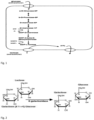
- the process for preparing 2'-fucosyllactose using the strain of the present invention is shown in FIG. 1 .
- the lactase is preferably beta-galactosidase. More preferably, the lactase is treated in an amount of 60 to 100 units per gram of lactose left in the culture medium. Lactose is degraded by lactase to produce galactose and glucose. GDP-L-fucose, which is the final substrate for the synthesis of 2'-fucosyllactose, is produced from the produced glucose, and then reacted with remaining undigested lactose to further produce 2'-fucosyllactose.
- the yield of 2'-fucosyllactose can be increased by making the most of lactose, which remains as a by-product in the late stage of fermentation.
- another effect of reducing the burden of separating lactose in the process of separating and purifying 2'-fucosyllactose is also obtained.
- the recombinant Corynebacterium glutamicum is preferably transformed to overexpress phosphomannomutase, and is transformed to overexpress GTP-mannose-1-phosphate guanylyltransferase. Since Corynebacterium glutamicum has its own genes encoding phosphomannomutase (ManB) and GTP-mannose-1-phosphate guanylyltransferase (ManC), and thus can express the same, it is not necessary to incorporate the genes encoding these enzymes, but it is necessary to overexpress the enzymes for mass production. Therefore, in the present invention, preferably, it is necessary to transform Corynebacterium glutamicum to overexpress the two enzymes.
- ManB phosphomannomutase
- ManC GTP-mannose-1-phosphate guanylyltransferase
- expression means incorporation and expression of external genes into strains in order to intentionally express enzymes that cannot be inherently expressed by the Corynebacterium glutamicum strain according to the present invention
- overexpression means overexpression that is induced by artificially increasing the amount of expressed enzyme in order to increase expression for mass-production, although the Corynebacterium glutamicum strain according to the present invention has genes encoding the corresponding enzyme and therefore can self-express the same.
- the medium preferably further includes glucose.
- glucose or lactose is continuously fed through fed-batch culture, the growth of the cells can be further increased, and 2'-fucosyllactose can be produced with high purity, high yield, and high productivity.
- the detailed technologies associated with fed-batch culture are well-known in the art and are not described herein.
- the lactase is preferably fed to the medium at the time of transition from the stationary phase to the death phase.
- 2'-fucosyllactose can be produced by producing guanosine diphosphate-L-fucose, which is the final substrate for the synthetic reaction of 2'-fucosyllactose, from glucose obtained by degradation of lactose and then reacting the guanosine diphosphate-L-fucose with undigested lactose, although guanosine diphosphate-L-fucose is not produced from glucose because no additional medium is fed.
- the 2'-fucosyllactose finally produced thereby is economically beneficial because it does not require additional glucose.
- the amount of lactose present as a by-product can be minimized while increasing the productivity of 2'-fucosyllactose using only the remaining lactose. As such, it is possible to provide a method for increasing the productivity of 2'-fucosyllactose in a safe and economically efficient manner.
- Escherichia coli K-12 MG1655 and Corynebacterium glutamicum ATCC 13032 were used in order to produce plasmids and 2'-fucosyllactose (2'-FL), respectively.
- gmd-wcaG gene clusters were amplified through PCR reaction using two DNA primers, namely GW-F and GW-R, from the genomic DNAs of K-12 MG1655, E. Coli, the promoters of the Sod gene were amplified through PCR reaction using two DNA primers, namely Sod-F and Sod-R from the genomic DNA of Corynebacterium glutamicum ATCC 13032, and then pSod-Gmd-WcaG DNA fragments were synthesized through an overlapping PCR reaction using two DNA primers, namely Sod-F and GW-R.
- the transcription termination sequence was amplified from the pXMJ19 plasmids through PCR reaction using two DNA primers, namely Ter-F and Ter-R, and a pSod-Gmd-WcaG-ter sequence was synthesized from the synthesized pSod-Gmd-WcaG and transcription termination sequence as templates through PCR reaction using DNA primers Sod-F and Ter-R, and was then inserted into the pCES208 plasmids sieved by the restriction enzyme, BamHI, to establish pGW plasmids.
- two DNA primers namely Ter-F and Ter-R
- a pSod-Gmd-WcaG-ter sequence was synthesized from the synthesized pSod-Gmd-WcaG and transcription termination sequence as templates through PCR reaction using DNA primers Sod-F and Ter-R, and was then inserted into the pCES208 plasmids sieved by the restriction enzyme, BamHI, to establish pGW plasm
- a Tuf gene promoter was amplified through PCR reaction using two DNA primers Tuf-F1 and Tuf-R1 from the genomic DNAs of Corynebacterium glutamicum ATCC 13032, and ⁇ -1,2-fucosyltransferase was amplified through PCR reaction using two DNA primers, FT(Ps)-F and FT(Ps)-R, from the synthesized ⁇ -1,2- fucosyltransferase derived from Pseudopedobacter saltans DSM 12145, and pTuf-FT (Ps) DNA fragments were synthesized through an overlapping PCR reaction using two primers Tuf-F and FT(Ps)-R.
- the pTuf-FT (Ps) DNA fragments were inserted into the established pGW plasmid by treating with restriction enzyme Notl to establish PFGW(Ps) plasmids.
- lacY genes were amplified through PCR reaction using two DNA primers, namely ilvC-lacY-F and lacY pX-R, from the genomic DNAs of K-12 MG1655, E.
- the promoters of the ilvC genes were amplified through PCR reaction using two DNA primers, namely pX-ilvC-F and ilvC-lacY-R, from the genomic DNA of Corynebacterium glutamicum ATCC 13032, pilvC-lacY DNA fragments were synthesized through an overlapping PCR reaction using two DNA primers, namely pX-ilvC-F and ilvC-lacY-R, and the pilvC-lacY fragments were inserted into the pX plasmid (pXMJ19) treated with restriction enzymes, Not I and EcoR I to establish pXIL plasmids.
- This example is directed to an experiment on a method for producing 2'-fucosyllactose without an additional medium by degrading lactose, which is a substrate, by treatment with beta-galactosidase as an enzyme.
- the feed of the additional medium was terminated and the amount of the remaining lactose was measured and treated with the enzyme beta-galactosidase in an amount of 80 units per gram of the lactose.
- beta-galactosidase glucose and galactose are produced.
- 30.1 g/L of 2'-fucosyllactose is produced before enzymatic treatment without feeding an additional medium and 38.1 g/L of 2'-fucosyllactose is finally produced through lactose decomposition by an enzyme, although guanosine diphosphate-L-fucose is not produced from glucose because no additional medium is fed. Since the finally produced 2'-fucosyllactose does not require additional glucose, it is economically beneficial and 126% of 2'-fucosyllactose can be obtained using only the remaining lactose.
Landscapes
- Chemical & Material Sciences (AREA)
- Life Sciences & Earth Sciences (AREA)
- Health & Medical Sciences (AREA)
- Organic Chemistry (AREA)
- Engineering & Computer Science (AREA)
- Zoology (AREA)
- Wood Science & Technology (AREA)
- Genetics & Genomics (AREA)
- Bioinformatics & Cheminformatics (AREA)
- General Engineering & Computer Science (AREA)
- General Health & Medical Sciences (AREA)
- Biochemistry (AREA)
- Biotechnology (AREA)
- Microbiology (AREA)
- Biomedical Technology (AREA)
- Molecular Biology (AREA)
- Medicinal Chemistry (AREA)
- Chemical Kinetics & Catalysis (AREA)
- General Chemical & Material Sciences (AREA)
- Physics & Mathematics (AREA)
- Biophysics (AREA)
- Plant Pathology (AREA)
- Preparation Of Compounds By Using Micro-Organisms (AREA)
- Micro-Organisms Or Cultivation Processes Thereof (AREA)
Abstract
Description
- The present invention relates to a method for improving the productivity of 2'-fucosyllactose (2'-FL) through enzymatic treatment, and more specifically, to a method for improving the productivity of 2'-fucosyllactose (2'-FL) through enzymatic treatment based on a lactose substrate, without using any additional medium.
- Human milk oligosaccharides (HMOs) are oligosaccharides contained in human milk, which are the third most abundant component after lactose and fat. There are about 200 types of a variety of human milk oligosaccharides. Human milk oligosaccharides have advantages of strengthening the immune function or having positive effects on the development and behaviors of children.
- 2'-fucosyllactose, which is present in the largest amount in major HMOs, is involved in various biological activities. Methods for preparing 2'-fucosyllactose reported by previous research include direct extraction from breast milk and extraction based on chemical or enzymatic treatment. However, direct extraction from breast milk has problems in that it is unethical, breast milk supply is limited and productivity is low. In addition, the chemical synthesis method has problems such as expensive substrates, low isomer selectivity and yield, the necessity of use of toxic reagents and high purification costs and the enzymatic synthesis method has problems in that GDP-L-fucose used as a precursor is very expensive and the purification cost of the fucose transferase is high.
- In an approach to these problems, 2'-fucosyllactose may be prepared using microorganisms. However, most conventional methods of preparing 2'-fucosyllactose have used recombinant E. coli. However, it is recognized as a harmful germ by consumers and E. coli cells are limitedly used due to a phenomenon called "lactose killing" in which E. coli cells may be killed under lactose-restricted culture by lactose permease (Daniel Dykhuizen and Daniel Hartl, 1987, "Transport by the lactose permease of Escherichia coli as the basis of lactose killing", 10.1128/JB.135.3.876-882, 1978, Journal of Bacteriology). Accordingly, there is a need for a novel method for preparing 2-fucosyllactose to improve the productivity in a safe and economically efficient manner, while overcoming the drawbacks of conventional methods.
- It is an object of the present invention to provide a method for improving the productivity of 2'-fucosyllactose (2'-FL) by degrading lactose as a substrate through enzymatic treatment in an economically efficient manner, without using any additional medium.
- In accordance with one aspect of the present invention, the above and other objects can be accomplished by the provision of a method for preparing 2'-fucosyllactose by culturing recombinant Corynebacterium glutamicum in a medium supplemented with lactose, wherein the recombinant Corynebacterium glutamicum is transformed to express α-1,2-fucosyltransferase, is transformed to express GDP-D-mannose-4,6-dehydratase, is transformed to express GDP-L-fucose synthase, and is transformed to express lactose permease, and the Corynebacterium glutamicum has phosphomannomutase and GTP-mannose-1-phosphate guanylyltransferase, wherein a lactase is fed to the medium in a stationary phase or death phase.
- Meanwhile, preferably, the recombinant Corynebacterium glutamicum is transformed to overexpress phosphomannomutase, and is transformed to overexpress GTP-mannose-1-phosphate guanylyltransferase.
- Meanwhile, the medium preferably contains glucose.
- Meanwhile, the method is preferably performed by fed-batch culture of further feeding glucose or lactose during culture.
- Meanwhile, the lactase is preferably fed to the medium at a time of transition from the stationary phase to the death phase.
- In the present invention, lactose used as a substrate in the stationary phase during culture is degraded by treatment with a small amount of enzyme, the resulting glucose is consumed to produce guanosine diphosphate-L-fucose as a precursor of 2'-fucosyllactose, and the use of lactose left after culture can be maximally utilized for the production of 2'-fucosyllactose. As a result, it is possible to increase the productivity of 2'-fucosyllactose in an economically efficient manner because additional glucose is not required while minimizing by-products.
- The above and other objects, features, and other advantages of the present invention will be more clearly understood from the following detailed description taken in conjunction with the accompanying drawings, in which:
-
FIG. 1 is a schematic diagram illustrating a process of preparing 2'-fucosyllactose using a recombinant Corynebacterium strain; -
FIG. 2 is a schematic diagram illustrating the degradation of lactose using beta-galactosidase; and -
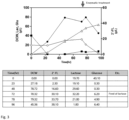
FIG. 3 is a graph showing the productivity of 2'-fucosyllactose through lactose degradation. - 2'-fucosyllactose, which is a main ingredient of human milk oligosaccharides, has health functional advantages such as being involved in various biological activities, and various methods for producing the same have been developed. However, direct extraction from breast milk and chemical or enzymatic synthesis have problems such as low productivity, high costs, low production yield, and toxicity. Therefore, there is a need for alternatives thereto.
- As an alternative, preparation of 2'-fucosyllactose using microorganisms has been suggested. However, most conventional methods of preparing 2'-fucosyllactose have used recombinant E. coli. However, E. coli cells are limitedly used due to a phenomenon called "lactose killing" in which E. coli cells may be killed under lactose-restricted culture by lactose permease.
- The present inventors suggested a method of preparing 2'-FL using recombinant Corynebacterium glutamicum in previous Patent Nos.
10-1731263 (registration date: 2017.04.24 10-2014925 (registration date: 2019.08.21 - However, the present inventors have made various experimental attempts to find a method for economically increasing the productivity of 2'-fucosyllactose without feeding an additional medium, and developed a method of improving the productivity of final 2'-fucosyllactose by treatment with a lactase in the stationary phase or in the death phase of culture (preferably transition from the stationary phase to the death phase).
- Therefore, in one aspect, the present invention is directed to a method for preparing 2'-fucosyllactose by culturing recombinant Corynebacterium glutamicum in a medium supplemented with lactose, wherein the recombinant Corynebacterium glutamicum is transformed to express α-1,2-fucosyltransferase, is transformed to express GDP-D-mannose-4,6-dehydratase, is transformed to express GDP-L-fucose synthase, and is transformed to express lactose permease, and the Corynebacterium glutamicum has phosphomannomutase and GTP-mannose-1-phosphate guanylyltransferase, wherein a lactase is fed to the medium in a stationary phase or death phase. The process for preparing 2'-fucosyllactose using the strain of the present invention is shown in
FIG. 1 . - Meanwhile, in the present invention, the lactase is preferably beta-galactosidase. More preferably, the lactase is treated in an amount of 60 to 100 units per gram of lactose left in the culture medium. Lactose is degraded by lactase to produce galactose and glucose. GDP-L-fucose, which is the final substrate for the synthesis of 2'-fucosyllactose, is produced from the produced glucose, and then reacted with remaining undigested lactose to further produce 2'-fucosyllactose. Through this process, the yield of 2'-fucosyllactose can be increased by making the most of lactose, which remains as a by-product in the late stage of fermentation. In addition, another effect of reducing the burden of separating lactose in the process of separating and purifying 2'-fucosyllactose is also obtained.
- Meanwhile, in the method of preparing 2'-fucosyllactose according to the present invention, the recombinant Corynebacterium glutamicum is preferably transformed to overexpress phosphomannomutase, and is transformed to overexpress GTP-mannose-1-phosphate guanylyltransferase. Since Corynebacterium glutamicum has its own genes encoding phosphomannomutase (ManB) and GTP-mannose-1-phosphate guanylyltransferase (ManC), and thus can express the same, it is not necessary to incorporate the genes encoding these enzymes, but it is necessary to overexpress the enzymes for mass production. Therefore, in the present invention, preferably, it is necessary to transform Corynebacterium glutamicum to overexpress the two enzymes.
- Meanwhile, the term "expression" as used herein means incorporation and expression of external genes into strains in order to intentionally express enzymes that cannot be inherently expressed by the Corynebacterium glutamicum strain according to the present invention, and the term "overexpression" as used herein means overexpression that is induced by artificially increasing the amount of expressed enzyme in order to increase expression for mass-production, although the Corynebacterium glutamicum strain according to the present invention has genes encoding the corresponding enzyme and therefore can self-express the same.
- Meanwhile, regarding the method for producing 2'-fucosyllactose according to the present invention, the medium preferably further includes glucose. By adding an additional ingredient to the medium, the growth of strains can be facilitated and 2'-fucosyllactose can thus be produced at higher productivity. In addition, for this purpose, when glucose or lactose is continuously fed through fed-batch culture, the growth of the cells can be further increased, and 2'-fucosyllactose can be produced with high purity, high yield, and high productivity. The detailed technologies associated with fed-batch culture are well-known in the art and are not described herein.
- Meanwhile, in the method of preparing 2'-fucosyllactose of the present invention, the lactase is preferably fed to the medium at the time of transition from the stationary phase to the death phase.
- Meanwhile, the following experiment showed that, according to the present invention, when treating with beta-galactosidase, which is a lactose-degrading enzyme, in the latter half of the culture stationary phase, the yield of 2'-fucosyllactose can be finally increased to 126% as compared to before enzymatic treatment. This is because 2'-fucosyllactose can be produced by producing guanosine diphosphate-L-fucose, which is the final substrate for the synthetic reaction of 2'-fucosyllactose, from glucose obtained by degradation of lactose and then reacting the guanosine diphosphate-L-fucose with undigested lactose, although guanosine diphosphate-L-fucose is not produced from glucose because no additional medium is fed. The 2'-fucosyllactose finally produced thereby is economically beneficial because it does not require additional glucose. The amount of lactose present as a by-product can be minimized while increasing the productivity of 2'-fucosyllactose using only the remaining lactose. As such, it is possible to provide a method for increasing the productivity of 2'-fucosyllactose in a safe and economically efficient manner.
- Hereinafter, the present invention will be described in more detail with reference to the following examples, but the scope of the present invention is not limited to the examples, and includes variations and technical concepts equivalent thereto.
- Escherichia coli K-12 MG1655 and Corynebacterium glutamicum ATCC 13032 were used in order to produce plasmids and 2'-fucosyllactose (2'-FL), respectively.
- In order to establish pFGW(Ps) plasmids, gmd-wcaG gene clusters were amplified through PCR reaction using two DNA primers, namely GW-F and GW-R, from the genomic DNAs of K-12 MG1655, E. Coli, the promoters of the Sod gene were amplified through PCR reaction using two DNA primers, namely Sod-F and Sod-R from the genomic DNA of Corynebacterium glutamicum ATCC 13032, and then pSod-Gmd-WcaG DNA fragments were synthesized through an overlapping PCR reaction using two DNA primers, namely Sod-F and GW-R.
- In addition, the transcription termination sequence was amplified from the pXMJ19 plasmids through PCR reaction using two DNA primers, namely Ter-F and Ter-R, and a pSod-Gmd-WcaG-ter sequence was synthesized from the synthesized pSod-Gmd-WcaG and transcription termination sequence as templates through PCR reaction using DNA primers Sod-F and Ter-R, and was then inserted into the pCES208 plasmids sieved by the restriction enzyme, BamHI, to establish pGW plasmids.
- In addition, a Tuf gene promoter was amplified through PCR reaction using two DNA primers Tuf-F1 and Tuf-R1 from the genomic DNAs of Corynebacterium glutamicum ATCC 13032, and α-1,2-fucosyltransferase was amplified through PCR reaction using two DNA primers, FT(Ps)-F and FT(Ps)-R, from the synthesized α-1,2-fucosyltransferase derived from Pseudopedobacter saltans DSM 12145, and pTuf-FT (Ps) DNA fragments were synthesized through an overlapping PCR reaction using two primers Tuf-F and FT(Ps)-R. The pTuf-FT (Ps) DNA fragments were inserted into the established pGW plasmid by treating with restriction enzyme Notl to establish PFGW(Ps) plasmids.
- Meanwhile, in order to establish pXIL plasmids, lacY genes were amplified through PCR reaction using two DNA primers, namely ilvC-lacY-F and lacY pX-R, from the genomic DNAs of K-12 MG1655, E. Coli, the promoters of the ilvC genes were amplified through PCR reaction using two DNA primers, namely pX-ilvC-F and ilvC-lacY-R, from the genomic DNA of Corynebacterium glutamicum ATCC 13032, pilvC-lacY DNA fragments were synthesized through an overlapping PCR reaction using two DNA primers, namely pX-ilvC-F and ilvC-lacY-R, and the pilvC-lacY fragments were inserted into the pX plasmid (pXMJ19) treated with restriction enzymes, Not I and EcoR I to establish pXIL plasmids.
- The strains, primers, plasmids, and nucleic acid and amino acid sequences used in this Preparation Example are shown in Tables 1 to 4 below.
[Table 1] Strains E. Coli K-12 MG1655 F-, lambda-, rph-1 C. glutamicum Wild-type strain, ATCC13032 [Table 2] Nucleic acid and amino acid sequences gmd Nucleic acid sequence SEQ ID NO: 1 wcaG Nucleic acid sequence SEQ ID NO: 2 lacY Nucleic acid sequence SEQ ID NO: 3 FT(Ps) Nucleic acid sequence SEQ ID NO: 4 FT(Ps) Amino acid sequence SEQ ID NO: 5 [Table 3] Primers Primers Sequence (5'→3') pX-ilvC-F GTCATATGATGGTCGCGGATCCGAATTCCCAGGCAAGCTCCGC ilvC-lacY-R GTTTTTTAAATAGTACATAATCTCGCCTTTCGTAAAAATTTTGGT ilvC-lacY-F 
lacY pX-R 
Tuf-F1 TG GAG CTCCACCG CGGTGG CTGG CCGTTACCCTG CGAA Tuf-R1 CAAATATCATTGTATGTCCTCCTGGACTTCG FT(ps)-F AGGACATACAATGATATTTGTAACCGGATATG FT(ps)-R CGCTTCACTAGTTCTAGAGCTTAAATAATGTGTCGAAACAGATTC Sod-F 
Sod-R 
GW-F ATGTCAAAAGTCGCTCTCATCACCGGTGTA GW-R CAAGCTGAATTCTTACCCCCGAAAGCGGTC ter-F GACCGCTTTCGGGGGTAAGAATTCAGCTTG ter-R 
[Table 4] Plasmids Plasmid Related features Ref. pCES208 KmR, C. glutamicum/E. coli shuttle vector J. Microbiol. Biotechnol. (2008), 18(4), 639647 pXMJ19 CmR, C. glutamicum/E. coli shuttle vector Biotechnology Techniques (1999), 13, 437441 pGW pCES208 + Sod-gmd-wcaG Patent No. 10-2014925 pFGW(Ps) pCES208 + Tuf-FT(Ps) + Sod-gmd-wcaG Patent No. 10-2014925 pXIL pXMJ19 + ilvC-lacY Patent No. 10-2014925 - This example is directed to an experiment on a method for producing 2'-fucosyllactose without an additional medium by degrading lactose, which is a substrate, by treatment with beta-galactosidase as an enzyme.
- Conditions for culture were as follows.
- Seed medium: 10 g/L yeast extract, 20 g/L casein peptone, 10 g/L sodium chloride, 5 g/L glucose
- Main medium: 30 g/L yeast extract, 5 g/L ammonium sulfate, 1 g/L potassium phosphate, 1 g/L potassium phosphate, 40 g/L glucose, 20 g/L lactose
- Additional medium: 15 g/L ammonium sulfate, 600 g/L glucose, 100 g/L Lactose
- Enzyme: beta-galactosidase
- Culture conditions: pH 7.0, 800 rpm, 25°C, Air 2VVM
- In the second half of the stationary phase, the feed of the additional medium was terminated and the amount of the remaining lactose was measured and treated with the enzyme beta-galactosidase in an amount of 80 units per gram of the lactose. As can be seen from
FIG. 2 , when lactose is degraded by the enzyme beta-galactosidase, glucose and galactose are produced. - As a result, as can be seen from
FIG. 3 , 30.1 g/L of 2'-fucosyllactose is produced before enzymatic treatment without feeding an additional medium and 38.1 g/L of 2'-fucosyllactose is finally produced through lactose decomposition by an enzyme, although guanosine diphosphate-L-fucose is not produced from glucose because no additional medium is fed. Since the finally produced 2'-fucosyllactose does not require additional glucose, it is economically beneficial and 126% of 2'-fucosyllactose can be obtained using only the remaining lactose. - This result shows that GDP-L-fucose, which is a final substrate for the synthesis of 2'-fucosyllactose, is produced from glucose obtained by lactose degradation, and then is reacted with undigested lactose to produce 2'-fucosyllactose. In addition, since 2'-fucosyllactose can be further produced by maximally utilizing lactose through treatment with lactase, the culture can be terminated while minimizing the amount of lactose present as a by-product.
Claims (5)
- A method for preparing 2'-fucosyllactose by culturing recombinant Corynebacterium glutamicum in a medium supplemented with lactose,wherein the recombinant Corynebacterium glutamicum is transformed to express α-1,2-fucosyltransferase, is transformed to express GDP-D-mannose-4,6-dehydratase, is transformed to express GDP-L-fucose synthase, and is transformed to express lactose permease, and the Corynebacterium glutamicum has phosphomannomutase and GTP-mannose-1-phosphate guanylyltransferase,wherein beta-galactosidase is fed into the medium in a stationary phase or death phase.
- The method according to claim 1, wherein the recombinant Corynebacterium glutamicum is transformed to overexpress phosphomannomutase, and is transformed to overexpress GTP-mannose-1-phosphate guanylyltransferase.
- The method according to claim 1, wherein the medium comprises glucose.
- The method according to claim 3, wherein the method is performed by fed-batch culture of further feeding glucose or lactose during culture.
- The method according to claim 1, wherein the beta-galactosidase is fed to the medium at a time of transition from the stationary phase to the death phase.
Applications Claiming Priority (2)
| Application Number | Priority Date | Filing Date | Title |
|---|---|---|---|
| KR1020210163686A KR102477273B1 (en) | 2021-11-24 | 2021-11-24 | Method for increasing productivity of 2'-fucosyllactose with enzymatic treatment |
| PCT/KR2022/016912 WO2023096197A1 (en) | 2021-11-24 | 2022-11-01 | Method for increasing productivity of 2'-fucosyllactose through enzyme treatment |
Publications (2)
| Publication Number | Publication Date |
|---|---|
| EP4317449A1 true EP4317449A1 (en) | 2024-02-07 |
| EP4317449A4 EP4317449A4 (en) | 2025-07-30 |
Family
ID=84535045
Family Applications (1)
| Application Number | Title | Priority Date | Filing Date |
|---|---|---|---|
| EP22898879.6A Pending EP4317449A4 (en) | 2021-11-24 | 2022-11-01 | Method for increasing the productivity of 2'-fucosylactose by enzyme treatment |
Country Status (6)
| Country | Link |
|---|---|
| US (1) | US11753665B2 (en) |
| EP (1) | EP4317449A4 (en) |
| JP (1) | JP7614394B2 (en) |
| KR (1) | KR102477273B1 (en) |
| CN (1) | CN117136239A (en) |
| WO (1) | WO2023096197A1 (en) |
Families Citing this family (1)
| Publication number | Priority date | Publication date | Assignee | Title |
|---|---|---|---|---|
| KR20240002283A (en) * | 2022-06-28 | 2024-01-05 | 주식회사 삼양사 | Method for preparing 2’- Fucosyllactose |
Family Cites Families (12)
| Publication number | Priority date | Publication date | Assignee | Title |
|---|---|---|---|---|
| JP2001546898A (en) * | 1999-12-21 | 2003-06-10 | Kyowa Hakko Kogyo Kk | MODIFIED alpha -1,2-FUCOSYLTRANSFERASE GENE AND PROCESS FOR PRODUCING alpha -1,2-FUCOSYLTRANSFERASE AND FUCOSE-CONTAINING SUGAR CHAIN |
| AU2012217650B9 (en) * | 2011-02-16 | 2017-09-14 | Glycosyn LLC | Biosynthesis of human milk oligosaccharides in engineered bacteria |
| AU2012351501B2 (en) * | 2011-12-16 | 2018-06-14 | Inbiose N.V. | Mutant microorganisms to synthesize colanic acid, mannosylated and/or fucosylated oligosaccharides |
| ES2715010T3 (en) * | 2014-03-31 | 2019-05-31 | Jennewein Biotechnologie Gmbh | Total oligosaccharide fermentation |
| BR112017006295B1 (en) * | 2014-11-14 | 2023-10-17 | Inbiose N.V | METHOD FOR PRODUCING MUTANT MICROORGANISMS RESISTANT TO DEATH BY LACTOSE, MICROORGANISM AND USES THEREOF |
| KR101544184B1 (en) * | 2014-12-19 | 2015-08-21 | 서울대학교산학협력단 | Variant Microorganism for Producing 2-Fucosyllactose and Method of Producing 2-Fucosyllactose by Using the Same |
| KR101648352B1 (en) * | 2015-11-09 | 2016-08-16 | 서울대학교산학협력단 | Recombinant E. coli for the production of fucosyllactose and method for the production of fucosyllactose therefrom |
| KR101731263B1 (en) * | 2016-04-25 | 2017-05-02 | 서울대학교 산학협력단 | Recombinant corynebacterium glutamicum for the production of fucosyllactose and method for the production of 2'-fucosyllactose therefrom |
| EP3315610B1 (en) * | 2016-10-29 | 2020-12-16 | Jennewein Biotechnologie GmbH | Process for the production of fucosylated oligosaccharides |
| WO2018194411A1 (en) * | 2017-04-21 | 2018-10-25 | 서울대학교산학협력단 | Method for producing 3'-fucosyllactose using corynebacterium glutamicum |
| EP3736336A4 (en) | 2018-04-04 | 2021-11-24 | Advanced Protein Technologies Corp. | METHOD FOR PRODUCING 2'-FUCOSYLLACTOSE BY USING FUCOSYL TRANSFERASE FROM PSEUDOPEDOBATER SALTANS |
| KR102268092B1 (en) * | 2019-09-02 | 2021-06-25 | 서울대학교산학협력단 | Enhanced production of 2'-fucosyllactose in Corynebacterium Glutamicum through introduction of fucosyllactose transporter and opimization of GDP-L-fucose biosynthetic pathway |
-
2021
- 2021-11-24 KR KR1020210163686A patent/KR102477273B1/en active Active
-
2022
- 2022-11-01 JP JP2023560396A patent/JP7614394B2/en active Active
- 2022-11-01 WO PCT/KR2022/016912 patent/WO2023096197A1/en not_active Ceased
- 2022-11-01 US US18/000,246 patent/US11753665B2/en active Active
- 2022-11-01 CN CN202280027904.6A patent/CN117136239A/en active Pending
- 2022-11-01 EP EP22898879.6A patent/EP4317449A4/en active Pending
Also Published As
| Publication number | Publication date |
|---|---|
| US20230193334A1 (en) | 2023-06-22 |
| JP2024513834A (en) | 2024-03-27 |
| CN117136239A (en) | 2023-11-28 |
| KR102477273B1 (en) | 2022-12-16 |
| WO2023096197A1 (en) | 2023-06-01 |
| EP4317449A4 (en) | 2025-07-30 |
| JP7614394B2 (en) | 2025-01-15 |
| US11753665B2 (en) | 2023-09-12 |
Similar Documents
| Publication | Publication Date | Title |
|---|---|---|
| EP2102337B1 (en) | A microorganism of corynebacterium genus having enhanced l-lysine productivity and a method of producing l-lysine using the same | |
| EP2115135B1 (en) | A microorganism of corynebacterium genus having enhanced l-lysine productivity and a method of producing l-lysine using the same | |
| JP2023093683A (en) | Improved method for the production of fucosylated oligosaccharides | |
| CN113322218A (en) | Recombinant corynebacterium glutamicum and method for producing L-threonine | |
| EP3219789A1 (en) | Microorganisms of corynebacterium with improved 5'-inosinic acid productivity, and method for producing nucleic acids using same | |
| EP2993233B1 (en) | Improved promoter, and a production method for l-lysine using the same | |
| CN107849577A (en) | Utilize the production method of the 2 ' fucosyllactoses of corynebacterium glutamicum | |
| EP1792976B1 (en) | Microorganism of corynebacterium genus having enhanced L-lysine production ability and method of producing L-lysine using the same | |
| US11214808B2 (en) | Method of producing 2′-fucosyllactose using fucosyltransferase derived from Pseudopedobacter saltans | |
| CN118165903A (en) | Genetically engineered bacteria producing L-threonine and its application | |
| JP2023550754A (en) | Microorganism expressing protein derived from Schwanella oneidensis and method for producing L-amino acids using the same | |
| EP1792975B1 (en) | Microorganism of the genus Corynebacterium having enhanced L-lysine productivity and method of producing L-lysine using said microorganism | |
| US11753665B2 (en) | Method for improving productivity of 2′-fucosyllactose through enzymatic treatment | |
| CN106029869A (en) | Recombinant microorganism of genus escherichia with l-threonine productivity, and method for producing l-threonine using same | |
| CN113046282A (en) | High-conversion-rate L-threonine production strain and construction method and application thereof | |
| KR20090095138A (en) | Corynebacterium ammoniagenes having enhanced 5'-inosinic acid productivity and method of producing 5'-inosinic acid using the same | |
| EP4342990A1 (en) | Microorganism producing purine nucleotide, and purine nucleotide production method using same | |
| US20240093254A1 (en) | Method for increasing productivity of 2'-fucosyllactose through changes in culture medium composition and culturing | |
| CN116769808B (en) | A strain specifically producing 2′-fucosyllactose and its application | |
| JP7447294B2 (en) | Microorganism expressing protein derived from Schwanella atlantica and L-amino acid production method using the same | |
| EP3992294A1 (en) | Escherichia coli-based recombinant strain and construction method therefor and application thereof | |
| KR102737740B1 (en) | Method for producing Lacto-N-fucopentaose using Corynebacterium glutamicum | |
| KR20240088585A (en) | Production method for fucosyllactose using recombinant Corynebacterium glutamicum transformed to express beta-galactosidase | |
| KR20240109187A (en) | Recombinant microorganisms with fucosyllactose production activity and method of fucosyllactose using the same | |
| CN121022954A (en) | A fucosyltransferase complex and its application in the synthesis of fucosyl lactose. |
Legal Events
| Date | Code | Title | Description |
|---|---|---|---|
| STAA | Information on the status of an ep patent application or granted ep patent |
Free format text: STATUS: THE INTERNATIONAL PUBLICATION HAS BEEN MADE |
|
| PUAI | Public reference made under article 153(3) epc to a published international application that has entered the european phase |
Free format text: ORIGINAL CODE: 0009012 |
|
| STAA | Information on the status of an ep patent application or granted ep patent |
Free format text: STATUS: REQUEST FOR EXAMINATION WAS MADE |
|
| 17P | Request for examination filed |
Effective date: 20231023 |
|
| AK | Designated contracting states |
Kind code of ref document: A1 Designated state(s): AL AT BE BG CH CY CZ DE DK EE ES FI FR GB GR HR HU IE IS IT LI LT LU LV MC ME MK MT NL NO PL PT RO RS SE SI SK SM TR |
|
| DAV | Request for validation of the european patent (deleted) | ||
| DAX | Request for extension of the european patent (deleted) | ||
| A4 | Supplementary search report drawn up and despatched |
Effective date: 20250630 |
|
| RIC1 | Information provided on ipc code assigned before grant |
Ipc: C12P 19/12 20060101AFI20250624BHEP Ipc: C12N 15/77 20060101ALI20250624BHEP Ipc: C12N 9/90 20060101ALI20250624BHEP Ipc: C12N 9/12 20060101ALI20250624BHEP Ipc: C12N 9/10 20060101ALI20250624BHEP Ipc: C12N 9/88 20060101ALI20250624BHEP Ipc: C12N 9/04 20060101ALI20250624BHEP Ipc: C12N 9/24 20060101ALI20250624BHEP Ipc: C12N 9/02 20060101ALI20250624BHEP Ipc: C12P 19/00 20060101ALI20250624BHEP Ipc: C12P 19/04 20060101ALI20250624BHEP Ipc: C12P 19/18 20060101ALI20250624BHEP Ipc: C12P 19/26 20060101ALI20250624BHEP |
|
| STAA | Information on the status of an ep patent application or granted ep patent |
Free format text: STATUS: THE APPLICATION IS DEEMED TO BE WITHDRAWN |