EP4316538A1 - Composite for controlling degradation of transient electronics - Google Patents
Composite for controlling degradation of transient electronics Download PDFInfo
- Publication number
- EP4316538A1 EP4316538A1 EP21933384.6A EP21933384A EP4316538A1 EP 4316538 A1 EP4316538 A1 EP 4316538A1 EP 21933384 A EP21933384 A EP 21933384A EP 4316538 A1 EP4316538 A1 EP 4316538A1
- Authority
- EP
- European Patent Office
- Prior art keywords
- composite
- degradation
- transient electronics
- polymer layer
- transient
- Prior art date
- Legal status (The legal status is an assumption and is not a legal conclusion. Google has not performed a legal analysis and makes no representation as to the accuracy of the status listed.)
- Granted
Links
Images



Classifications
-
- A—HUMAN NECESSITIES
- A61—MEDICAL OR VETERINARY SCIENCE; HYGIENE
- A61L—METHODS OR APPARATUS FOR STERILISING MATERIALS OR OBJECTS IN GENERAL; DISINFECTION, STERILISATION OR DEODORISATION OF AIR; CHEMICAL ASPECTS OF BANDAGES, DRESSINGS, ABSORBENT PADS OR SURGICAL ARTICLES; MATERIALS FOR BANDAGES, DRESSINGS, ABSORBENT PADS OR SURGICAL ARTICLES
- A61L27/00—Materials for grafts or prostheses or for coating grafts or prostheses
- A61L27/28—Materials for coating prostheses
-
- A—HUMAN NECESSITIES
- A61—MEDICAL OR VETERINARY SCIENCE; HYGIENE
- A61B—DIAGNOSIS; SURGERY; IDENTIFICATION
- A61B5/00—Measuring for diagnostic purposes; Identification of persons
- A61B5/48—Other medical applications
- A61B5/4851—Prosthesis assessment or monitoring
-
- A—HUMAN NECESSITIES
- A61—MEDICAL OR VETERINARY SCIENCE; HYGIENE
- A61B—DIAGNOSIS; SURGERY; IDENTIFICATION
- A61B5/00—Measuring for diagnostic purposes; Identification of persons
- A61B5/68—Arrangements of detecting, measuring or recording means, e.g. sensors, in relation to patient
- A61B5/6846—Arrangements of detecting, measuring or recording means, e.g. sensors, in relation to patient specially adapted to be brought in contact with an internal body part, i.e. invasive
-
- A—HUMAN NECESSITIES
- A61—MEDICAL OR VETERINARY SCIENCE; HYGIENE
- A61L—METHODS OR APPARATUS FOR STERILISING MATERIALS OR OBJECTS IN GENERAL; DISINFECTION, STERILISATION OR DEODORISATION OF AIR; CHEMICAL ASPECTS OF BANDAGES, DRESSINGS, ABSORBENT PADS OR SURGICAL ARTICLES; MATERIALS FOR BANDAGES, DRESSINGS, ABSORBENT PADS OR SURGICAL ARTICLES
- A61L27/00—Materials for grafts or prostheses or for coating grafts or prostheses
- A61L27/50—Materials characterised by their function or physical properties, e.g. injectable or lubricating compositions, shape-memory materials, surface modified materials
- A61L27/56—Porous materials, e.g. foams or sponges
-
- A—HUMAN NECESSITIES
- A61—MEDICAL OR VETERINARY SCIENCE; HYGIENE
- A61L—METHODS OR APPARATUS FOR STERILISING MATERIALS OR OBJECTS IN GENERAL; DISINFECTION, STERILISATION OR DEODORISATION OF AIR; CHEMICAL ASPECTS OF BANDAGES, DRESSINGS, ABSORBENT PADS OR SURGICAL ARTICLES; MATERIALS FOR BANDAGES, DRESSINGS, ABSORBENT PADS OR SURGICAL ARTICLES
- A61L27/00—Materials for grafts or prostheses or for coating grafts or prostheses
- A61L27/50—Materials characterised by their function or physical properties, e.g. injectable or lubricating compositions, shape-memory materials, surface modified materials
- A61L27/58—Materials at least partially resorbable by the body
-
- A—HUMAN NECESSITIES
- A61—MEDICAL OR VETERINARY SCIENCE; HYGIENE
- A61L—METHODS OR APPARATUS FOR STERILISING MATERIALS OR OBJECTS IN GENERAL; DISINFECTION, STERILISATION OR DEODORISATION OF AIR; CHEMICAL ASPECTS OF BANDAGES, DRESSINGS, ABSORBENT PADS OR SURGICAL ARTICLES; MATERIALS FOR BANDAGES, DRESSINGS, ABSORBENT PADS OR SURGICAL ARTICLES
- A61L31/00—Materials for other surgical articles, e.g. stents, stent-grafts, shunts, surgical drapes, guide wires, materials for adhesion prevention, occluding devices, surgical gloves, tissue fixation devices
- A61L31/14—Materials characterised by their function or physical properties, e.g. injectable or lubricating compositions, shape-memory materials, surface modified materials
- A61L31/146—Porous materials, e.g. foams or sponges
-
- A—HUMAN NECESSITIES
- A61—MEDICAL OR VETERINARY SCIENCE; HYGIENE
- A61L—METHODS OR APPARATUS FOR STERILISING MATERIALS OR OBJECTS IN GENERAL; DISINFECTION, STERILISATION OR DEODORISATION OF AIR; CHEMICAL ASPECTS OF BANDAGES, DRESSINGS, ABSORBENT PADS OR SURGICAL ARTICLES; MATERIALS FOR BANDAGES, DRESSINGS, ABSORBENT PADS OR SURGICAL ARTICLES
- A61L31/00—Materials for other surgical articles, e.g. stents, stent-grafts, shunts, surgical drapes, guide wires, materials for adhesion prevention, occluding devices, surgical gloves, tissue fixation devices
- A61L31/14—Materials characterised by their function or physical properties, e.g. injectable or lubricating compositions, shape-memory materials, surface modified materials
- A61L31/148—Materials at least partially resorbable by the body
-
- A—HUMAN NECESSITIES
- A61—MEDICAL OR VETERINARY SCIENCE; HYGIENE
- A61B—DIAGNOSIS; SURGERY; IDENTIFICATION
- A61B2562/00—Details of sensors; Constructional details of sensor housings or probes; Accessories for sensors
- A61B2562/02—Details of sensors specially adapted for in-vivo measurements
- A61B2562/0261—Strain gauges
-
- A—HUMAN NECESSITIES
- A61—MEDICAL OR VETERINARY SCIENCE; HYGIENE
- A61L—METHODS OR APPARATUS FOR STERILISING MATERIALS OR OBJECTS IN GENERAL; DISINFECTION, STERILISATION OR DEODORISATION OF AIR; CHEMICAL ASPECTS OF BANDAGES, DRESSINGS, ABSORBENT PADS OR SURGICAL ARTICLES; MATERIALS FOR BANDAGES, DRESSINGS, ABSORBENT PADS OR SURGICAL ARTICLES
- A61L2300/00—Biologically active materials used in bandages, wound dressings, absorbent pads or medical devices
- A61L2300/60—Biologically active materials used in bandages, wound dressings, absorbent pads or medical devices characterised by a special physical form
- A61L2300/602—Type of release, e.g. controlled, sustained, slow
- A61L2300/604—Biodegradation
-
- A—HUMAN NECESSITIES
- A61—MEDICAL OR VETERINARY SCIENCE; HYGIENE
- A61L—METHODS OR APPARATUS FOR STERILISING MATERIALS OR OBJECTS IN GENERAL; DISINFECTION, STERILISATION OR DEODORISATION OF AIR; CHEMICAL ASPECTS OF BANDAGES, DRESSINGS, ABSORBENT PADS OR SURGICAL ARTICLES; MATERIALS FOR BANDAGES, DRESSINGS, ABSORBENT PADS OR SURGICAL ARTICLES
- A61L2400/00—Materials characterised by their function or physical properties
- A61L2400/18—Modification of implant surfaces in order to improve biocompatibility, cell growth, fixation of biomolecules, e.g. plasma treatment
Definitions
- the present invention relates to a biodegradable composite for controlling the degradation of transient electronics.
- Biomedical transient electronics an emerging next-generation technology, is in the spotlight as it uses bio-insertable medical devices that are absorbed into the body through biodegradation to carry out a specific diagnostic test or treatment directly.
- the degradation time must be set differently according to the purpose for which the transient electronics are used.
- the degradation time cannot be controlled, particularly when they are absorbed in the body and are degraded either too quickly or too slowly.
- the time cycle of the drug release or when they are attached to a specific organ, there is not sufficient time to perform various diagnostic tests.
- the transient electronics must not remain as a foreign substance after biodegradation in vivo but have enough flexibility and adhesion to be compatible with the surrounding tissue.
- side effects including damage to organs from the transient electronics that remain in the body that are not completely compatible with uncontrolled flexibility and cell-adhesion.
- the transient electronics must not cause any immune response, side effect or cytotoxicity to surrounding cells once injected in vivo, but its sufficient immunological stability as biomedical device has not yet been reported.
- transient electronics that are capable of controlling the degradation time of transient electronics that are absorbed in vivo and degraded after a predetermined time elapses, thereby greatly improving the utility thereof, and at the same time, the transient electronics can be degraded in vivo through biodegradation and have excellent flexibility and biocompatibility such that they can sufficiently guarantee biological stability and biocompatibility.
- the present invention has been designed to overcome the aforementioned problems, and the first problem to be solved by the present invention is to control the degradation time of transient electronics that are absorbed in vivo and degraded after a predetermined time elapses, thereby greatly improving the utility thereof.
- the second problem to be solved by the present invention is to exhibit flexibility and adhesion to the extent that it does not damage organs and the like by acting as a foreign substance in vivo such that it is possible to guarantee sufficient stability and biocompatibility to the extent that it does not cause immune responses or side effects in surrounding tissues even after transplantation into the body.
- the present invention provides a composite for controlling the degradation of transient electronics, which is a composite for controlling the degradation for degrading transient electronics that are degraded by a biological fluid at a desired time point, including a support; transient electronics that are formed on the support; and a degradation control unit for controlling the degradation time point of the transient electronics by sealing the transient electronics from a biological fluid with a porous polymer layer in which biocompatible oil is supported in internal pores.
- the biocompatible oil which is supported on the porous polymer layer of the composite for controlling the degradation of transient electronics flows out toward the biological fluid, and as a result, the biological fluid flowing into empty pores of the porous polymer layer eventually comes into contact with the transient electronics to degrade the transient electronics.
- the support and the porous polymer layer may include at least one selected from the group consisting of polycaprolactone (PCL), polydioxanone (PDO), poly(L-lactide) (PLLA), poly(DL-lactide-co-glycolide) (PLGA), polyethylene oxide (PEO), polylactic acid (PLA) and polyvinyl alcohol (PVA), and the porous polymer layer may be formed of a polymer which is soluble in the biological fluid in order to control the degradation time point of the transient electronics together with the biocompatible oil.
- PCL polycaprolactone
- PDO polydioxanone
- PLLA poly(L-lactide)
- PLGA poly(DL-lactide-co-glycolide)
- PEO polyethylene oxide
- PLA polylactic acid
- PVA polyvinyl alcohol
- the transient electronics may have a thickness of 10 to 1,000 nm.
- the transient electronics may include at least one of a water-soluble conductive transient organic material or a water-soluble conductive transient inorganic material.
- the degradation control unit may have an elongation of 60% or more.
- porous polymer layer may include internal pores having varied sizes.
- the porosity of the porous polymer layer may be 10 to 90%.
- the porous polymer layer may be composed of a first part and a second part that face a first surface on the first surface which is in contact with transient electronics and have different pore structures in the direction of a second surface which is in contact with the biological fluid.
- At least one of the first part and the second part may have a fingerlike shape.
- the window diameter of a surface on the side of the first surface and the window diameter of a surface on the side of the second surface may be different from each other.
- biocompatible oil may be any one or more hydrophobic biocompatible oils selected from the group consisting of fluorine-based oil, silicone-based oil, mineral oil and vegetable oil.
- the present invention provides a medical device, including any one of the above-described composites for controlling the degradation of transient electronics.
- the utility thereof can be greatly improved.
- it since it has flexibility and adhesion enough not to damage organs by acting as a foreign substance in the body, it can guarantee sufficient stability and biocompatibility such that it does not cause immune responses or side effects in surrounding tissues even after transplantation into the body.
- the transient electronics that are degraded after a predetermined time elapses in vivo cannot control the degradation time, lack flexibility and adhesion, or cause side effects such as immune responses, and thus, there has been great difficulty in using the same appropriately for the intended purpose.
- the present invention has sought to solve the above-described problems by providing a composite for controlling the degradation of transient electronics, which is a composite for controlling the degradation for controlling the degradation time of transient electronics that are degraded by a biological fluid, including a support; transient electronics that are formed on the support; and a degradation control unit for controlling the degradation time of the transient electronics by sealing the transient electronics with a porous polymer layer in which biocompatible oil is supported in internal pores.
- transient electronics introduced into the living body, thereby greatly improving the utility thereof, and since they act as a foreign substance in vivo, they have flexibility, biocompatibility and adhesion to the extent that they do not damage the organs and the like or cause immune responses or side effects even after transplantation into the body, thereby greatly improving biostability.
- the present invention is a composite 100 for controlling the degradation for degrading transient electronics that are degraded by a biological fluid at a desired time point and includes a support 10.
- the support 10 serves to physically support the transient electronics 20.
- the support 10 can be decomposed so as not to ultimately remain in vivo, and it is possible to additionally control the degradation time of transient electronics by adjusting the decomposition rate of the support.
- the support 10 may include a biodegradable material that can be degraded in vivo without inducing an immune response in vivo as long as it meets the objects of the present invention.
- the biodegradable material may be a natural biodegradable polymer or a synthetic biodegradable polymer.
- the natural biodegradable polymer collagen, hyaluronic acid, chitosan, gelatin, alginic acid and the like may be used, and as the synthetic biodegradable polymer, it may include at least one selected from the group consisting of polycaprolactone (PCL), polydioxanone (PDO), poly(L-lactide) (PLLA), poly(DL-lactide-co-glycolide) (PLGA), polyethylene oxide (PEO), polylactic acid (PLA) and polyvinyl alcohol (PVA),
- PCL polycaprolactone
- PDO polydioxanone
- PLLA poly(L-lactide)
- PLGA poly(DL-lactide-co-glycolide)
- PEO polyethylene oxide
- PLA polylactic acid
- PVA polyvinyl alcohol
- the thickness of the support 10 is not particularly limited, but may have a thickness of 10 to 400 nm, for example.
- the support 10 may be implemented in a known conventional shape having flexibility and biocompatibility in vivo so as to be attached to an organ and the like, for example, in the form of a film as shown in FIG. 5 .
- the composite 100 for controlling the degradation according to the present invention includes transient electronics 20 that are formed on the support 10.
- the transient electronics 20 are injected into the living body to release a drug, or to be attached to a specific organ to perform various tests/diagnosis and the like to perform a function of diagnosis or treatment in vivo, and through the control of the degradation control unit 30, they can be biodegraded and absorbed into the body.
- the use of the transient electronics 20 is not limited to test/diagnosis or treatment, and it can be used for various functions and uses that can be degraded and absorbed in the living body after a predetermined time elapses.
- the transient electronics 20 when the transient electronics 20 are attached to a specific organ to perform various tests/diagnosis, the transient electronics 20 may be implemented by inorganic conductive transient electronics 20 or organic conductive transient electronics 20 that have conductivity, and particularly, since the transient electronics 20 must have flexibility enough not to damage organs and the like by acting as a foreign substance in vivo and must be sufficiently compatible with surrounding tissues even after transplantation in the body, they may be implemented as water-soluble organic conductive transient electronics 20 or water-soluble inorganic conductive transient electronics 20, and as long as they meet the objects of the present invention, they may be implemented by including a conventional biodegradable material.
- the thickness of the transient electronics 20 is not particularly limited, but according to a preferred exemplary embodiment of the present invention, when it is injected into the living body, it may have a thickness of 10 to 1,000 nm.
- the composite 100 for controlling the degradation according to the present invention includes a degradation control unit 30 which protects the transient electronics 20 from the outside until the transient electronics 20 are degraded and controls the degradation time point such that the transient electronics 20 are degraded after a certain time point.
- the degradation control unit 30 includes a porous polymer layer 37 and a biocompatible oil 35 which is supported in the internal pores 33 of the porous polymer layer 37 as illustrated in FIG. 1 , and after sealing the transient electronics 20, the biocompatible oil 35 which is supported in the internal pores 33 flows out to one surface which is in contact with the transient electronics 20 to cover the transient electronics 20, and through this, it is possible to protect the transient electronics 20 from an external environment including various biological fluids 40 such as blood, fluid, mucus and urine in the body.
- the degradation control unit 30 serves to control the degradation time of the transient electronics 20.
- the degradation time of the transient electronics must be set to suit the purpose for which the transient electronics are used.
- the degradation time of the transient electronics cannot be controlled, such as when the transient electronics introduced into the living body and degraded too quickly or too slowly.
- the transient electronics must be introduced into the living body to release a drug, but when the time and cycle of drug release cannot be controlled or when they are attached to a specific organ to perform various tests/diagnostics, there has been a problem in that the degradation time cannot be controlled to suit the purpose, such as not being able to guarantee a sufficient time.
- the biocompatible oil 35 which is supported in the internal pores 33 of the porous polymer layer 37 is discharged to the outside over time, and forms an empty space in the internal pores 33 of the porous polymer layer 37, and the biological fluid 40 penetrates into the empty space to control the degradation time of the transient electronics 20. That is, after the degradation control unit 30 according to the present invention seals the transient electronics 20 and performs a desired function through the transient electronics 20, the amount of biocompatible oil 35 which is supported in the internal pores 33 of the porous polymer layer 37 of the degradation control unit 30 meets the biological fluid 40 and is discharged to the outside over time to be reduced, and the biological fluid 40 penetrates into the transient electronics 20 through the pores 33 supported by the oil 35.
- the biocompatible oil 35 may be a hydrophobic biocompatible oil that is insoluble in the biological fluid 40, and as non-limiting examples thereof, it may be any one or more hydrophobic biocompatible oils selected from the group consisting of fluorine-based oil, silicone-based oil, mineral oil and vegetable oil.
- the transient electronics must not only decompose themselves and remain as a foreign substance after a certain period of time has elapsed, but also have flexibility and adhesion to the extent that they do not damage organs and the like by acting as a foreign substance in the living body.
- the flexibility and adhesion of the transient electronics cannot be controlled, and thus, they cannot be fully integrated in the living body, such as damage to organs and the like.
- the degradation control unit 30 is introduced into the body and is flexibly attached to the inside of the living body without damage to organs and the like, and thus, it has an elongation at a certain level or more such that it can perform a function for a predetermined time. Such elongation may be controlled and adjusted through the pores 33 and the biocompatible oil 35 of the porous polymer layer 37 constituting the degradation control unit 30.
- the elongation of the porous polymer layer 37 including the pores 33 according to the present invention has a value close to about 900% compared to the elongation of the polymer layer 37 that does not include the pores 33.
- the presence of pores may affect not only the elongation of the porous polymer layer 37, but also the elongation of the degradation control unit 30 including the porous polymer layer 37.
- the porous polymer layer 37 has a different elongation according to the type of the biocompatible oil which is supported in the internal pores 33.
- the degradation control unit 30 can control the elongation, and through this, the composite 100 for controlling the degradation of transient electronics is introduced into the body and is flexibly attached to the inside of the target body without damaging organs and the like such that it can perform the function for a predetermined period of time.
- the degradation control unit 30 may exhibit an elongation of 60% or more by adjusting the types of the pores 33 and the biocompatible oil 35 described above.
- the elongation of the degradation control unit 30 is less than 60%, it may be injected into the body to damage organs and the like, and there may be a problem in that the degradation time of the transient electronics 20 cannot be completely controlled due to deterioration in adhesion to the inside of the target living body.
- the degradation time point of the transient electronics 20 may be affected by the surface window size, pore structure, pore shape and porosity that are related to the porous structure of the porous polymer layer 37. In addition, it may be affected by the thickness, density, shape, material and dissolution rate of the porous polymer layer 37 in the biological fluid. In addition, it may be affected by the viscosity and material of the biocompatible oil 35, the support amount which is supported in the porous polymer layer 37 and the reactivity and solubility with biological fluids. Therefore, the above factors may be used as factors for controlling the decomposition time point of the transient electronics 20 for the biological fluid.
- the degradation time of the transient electronics 20 can be controlled by adjusting the porosity of the porous polymer layer 37. That is, as the number of internal pores 33 of the porous polymer layer 37 increases, a greater amount of the biocompatible oil 35 is discharged for a shorter period of time, and since the biological fluid 40 can be introduced into the pores 33 inside the porous polymer layer 37, it is possible to rapidly promote the degradation of the transient electronics 20. Conversely, as the number of the internal pores 33 of the porous polymer layer 37 is smaller, the biocompatible oil 35 which is introduced into the internal pores 33 is discharged more slowly, and since the biological fluid 40 is also introduced slowly, it is possible to slowly control the degradation of the transient electronics 20.
- the porous polymer layer 37 according to the present invention may have a porosity of 10 to 90%.
- the porosity of the porous polymer layer 37 is less than 10%, since the amount of the biological fluid 40 that can be introduced into the pores 33 of the porous polymer layer 37 is extremely small, there may be a problem in that the degradation of the transient electronics 20 cannot be controlled.
- the porosity of the porous polymer layer 37 is more than 90%, since the biocompatible oil 35 which is supported in the internal pores 33 of the porous polymer layer 37 is discharged too quickly, it may be difficult to control the degradation of the transient electronics 20.
- the present invention by adjusting the size of the window formed on a first surface which is connected to the internal pores 33 of the porous polymer layer 37 and in contact with the transient electronics 20 and a second surface which is opposite to the first surface in contact with the biological fluid, it is possible to control the degradation time of the transient electronics 20, or the degradation time of the transient electronics 20 can be controlled by adjusting the size of the pores 33 inside the porous polymer layer 37.
- the size of the internal pores 33 of the porous polymer layer 37 is large or the size of the second surface is large, a larger amount of the biocompatible oil 35 is discharged in a short period of time, and since the biological fluid 40 can be introduced into the internal pores 33 of the porous polymer layer 37, it is possible to rapidly promote the degradation of the transient electronics 20.
- the size of the internal pores 33 of the porous polymer layer 37 is small or the size of the first surface is small, the biocompatible oil 35 which is introduced into the internal pores 33 is discharged more slowly, and since the biological fluid 40 is also slowly introduced, it is possible to slowly control the degradation of the transient electronics.
- the size of the internal pores 33 of the porous polymer layer 37 according to the present invention may be 10 nm to 200 nm.
- the size of the internal pores 33 of the porous polymer layer 37 is less than 10 nm, since the amount of the biological fluid 40 that can be introduced into the internal pores 33 of the porous polymer layer 37 is very small, there may be a problem in that the degradation of the transient electronics 20 cannot be controlled.
- the size of the internal pores 33 of the porous polymer layer 37 is more than 200 nm, the biocompatible oil 35 which is supported in the internal pores 33 of the porous polymer layer 37 is discharged too quickly, and similarly, there may be a problem in that the degradation of the transient electronics cannot be controlled.
- the above-described degradation time may be controlled to be faster or slower or vice versa according to the density, porosity, shape and the like, as well as the size of the above-described first surface, second surface or internal pores 33.
- the porous polymer layer 37 includes at least two or more internal pores 33 having different sizes, and it is possible to control the degradation time of the transient electronics 20 by adjusting their sizes differently. That is, as illustrated in FIG. 3a , when the size of internal pores formed on a first part (a) which is close to the first surface in contact with the biological fluid is larger than the size of internal pores formed on a second part (b) which is close to the second surface which is continuous with the first part (a) and is in contact with the transient electronics 20, a large amount of the biological fluid 40 is introduced into the internal pores (a) of the first part (a) such that the biocompatible oil 35 can be discharged more quickly through the internal pores (b), and as a result, the biological fluid 40 can rapidly promote the degradation of the transient electronics 20.
- the flow path may be a passage through which the biological fluid 40 or the biocompatible oil 35 passes.
- the internal pores 33 of the porous polymer layer 37 may be composed of a first part and a second part having different structures in the thickness direction of the porous polymer layer 37. That is, referring to FIG. 4 , the internal pores 33 corresponding to the first part (A) may have an elliptical or circular shape with an aspect ratio close to 1.
- the internal pores 33 corresponding to the second part (B) may have a fingerlike shape with an aspect ratio of 5 or more, and through this, it may be more advantageous to achieve the objects of the present invention.
- the shape is not limited thereto, and it may be composed of internal pores 33 having the known conventional shape.
- the present invention by adjusting the amount of the biocompatible oil 33 which is supported in the internal pores 33 of the porous polymer layer 37, it is possible to control the degradation time of the transient electronics. That is, as the amount of the biocompatible oil 33 which is supported in the internal pores 33 of the porous polymer layer 37 is smaller, the biocompatible oil 35 is discharged in a short period of time, and since the biological fluid 40 can be introduced into the internal pores 33 of the porous polymer layer 37, it is possible to rapidly promote the degradation of the transient electronics.
- the present invention can control the degradation time of the transient electronics 20 that the related art could not solve by adjusting the size, shape, density and average porosity of the internal pores 33 of the porous polymer layer 37 or the amount of biocompatible oil 35, and thus, according to a preferred exemplary embodiment of the present invention, the present invention provides a bio-insertable medical device including the above-described composite for controlling the degradation of transient electronics, which is a high-tech bio-insertable medical device that implements a function of diagnosis or treatment inside the living body and is absorbed into the living body through biodegradation.
- porous PLA was fabricated by using PLA (Nature works, Mw ⁇ 150,000) and N-methyl-2-pyrrolidone (NMP, Samchun Chemical). Afterwards, PLA was completely dissolved in NMP at 20 wt.% in NMP at 120°C and stored in an oven at 70°C. Next, 4 mL of the PLA-dissolved solution was sprayed on a glass plate (30cm*30cm), and a thin liquid film was made with a uniform thickness (50 ⁇ m to 140 ⁇ m) by utilizing a doctor blade. Afterwards, the PLAliquid film and the glass plate on which the liquid film was placed were solidified by immersing in a solution containing distilled water as a non-solvent, and this was shown in FIG. 5a , and as shown in FIG. 5b , a porous polymer layer was prepared by vacuum drying the solidified porous PLA membrane in a desiccator at room temperature for 48 hours.
- the degradation control unit manufactured in (2) above was formed by E-beam deposition on a support (platinum) having a thickness of 200 nm, and platinum, which is a water-soluble inorganic conductive element, was interposed between the degradation control unit and the support as transient electronics to prepare a composite for controlling the degradation of transient electronics.
- Example 1 These were prepared in the same manner as in Example 1, except that (2) the biocompatible oil in Example 1 was changed as shown in Table 1 below.
- Example 1 Degradation Control Unit Transient Electronics Biodegradable polymer Oil Viscosity (cst) Type Presence of pores Type Example 1 ⁇ PLA Silicon oil 50 Pt Example 2 ⁇ PCL Silicon oil 50 Pt Example 3 ⁇ PLA Phosphate-buffered, Saline 50 Pt Example 4 ⁇ PLA KRYTOX 50 Pt Example 5 ⁇ PLA Canola oil 50 Pt Example 6 ⁇ PLA Silicon oil 350 Pt Example 7 ⁇ PLA Silicon oil 1000 Pt Example 8 ⁇ PLA Silicon oil 50 Mo Example 9 ⁇ PLA Silicon oil 350 Mo Example 10 ⁇ PLA Silicon oil 1000 Mo Comparative Example 1 x PLA No oil used 50 Pt Comparative Example 2 x PLA Silicon oil 50 Pt Comparative Example 3 ⁇ PLA No oil used 50 Pt Comparative Example 4 x PLA Silicon oil 50 Mo
- Example 1 and Comparative Example 2 were stored at 37°C for 9 days, tensile strength and elongation were measured by using Instron, and the results are shown in FIG. 2a .
- Example 1 including pores according to the present invention
- the elongation had a value close to about 900% compared to the elongation of Comparative Example 2 without pores.
- the composite for controlling the degradation of transient electronics according to the present invention is implemented in the form of a porous polymer layer, and thus, it has excellent elongation and exhibits flexibility enough not to damage organs and the like such that it has sufficient stability and biocompatibility.
- the elongation is different depending on the type of the biocompatible oil supported on the porous polymer layer.
- the composite for controlling the degradation of transient electronics according to the present invention can control the elongation by using a different oil to be suitable for a desired use (attachment site, etc .).
- Example 1 and Comparative Examples 1 to 3 were placed in a 24-well plate of IH3T3 (ACTC cell line, 5 passages) at 7,000 cells/well for each well, and these were placed in 700 ⁇ L of DMEM medium containing 10% FBS and cultured for 24 hours in a 5% CO2 incubator, 37%. Afterwards, 70 ⁇ L of cck-8 solution (Dojindo, Japan) was added to measure cytotoxicity three times, and the results are shown in FIG. 6 .
- IH3T3 ACTC cell line, 5 passages
- Examples 1, 6 to 10 and Comparative Examples 2 and 4 were immersed in an aqueous solution (0.1M, PBS) to measure the degradation time over time, and the results are shown in FIGS. 7 to 10 .
- FIG. 7 is a photograph showing the decomposition of Comparative Example 2 (platinum) over time. That is, in the case of Comparative Example 2, since it was not prepared with a porous polymer layer, it can be seen that the degradation time could not be controlled, and it gradually melted over time.
- FIG. 8 is a photograph showing the results of Examples 1, 6 and 7 according to the present invention. That is, when these were prepared with a porous polymer layer regardless of the viscosity of the oil used, these were not degraded even after 7 days, and through this, it can be seen that the degradation time can be controlled only when it is implemented with the porous polymer layer according to the present invention.
- FIG. 9 is a photograph showing the decomposition of Comparative Example 4 (molybdenum) over time. That is, in the case of Comparative Example 4, since it was not prepared with a porous polymer layer, it can be seen that the degradation time could not be controlled and gradually melted with time.
- FIG. 10 is a photograph showing the results of Examples 8 to 10 according to the present invention. That is, when these were prepared with a porous polymer layer regardless of the viscosity of the oil used, these were not degraded even after 7 days, and through this, it can be seen that the degradation time can be controlled only when it is implemented with the porous polymer layer according to the present invention.
Landscapes
- Health & Medical Sciences (AREA)
- Life Sciences & Earth Sciences (AREA)
- Animal Behavior & Ethology (AREA)
- General Health & Medical Sciences (AREA)
- Public Health (AREA)
- Veterinary Medicine (AREA)
- Chemical & Material Sciences (AREA)
- Epidemiology (AREA)
- Transplantation (AREA)
- Dermatology (AREA)
- Medicinal Chemistry (AREA)
- Oral & Maxillofacial Surgery (AREA)
- Heart & Thoracic Surgery (AREA)
- Surgery (AREA)
- Dispersion Chemistry (AREA)
- Vascular Medicine (AREA)
- Physics & Mathematics (AREA)
- Biophysics (AREA)
- Pathology (AREA)
- Engineering & Computer Science (AREA)
- Biomedical Technology (AREA)
- Medical Informatics (AREA)
- Molecular Biology (AREA)
- Materials For Medical Uses (AREA)
Abstract
Description
- The present invention relates to a biodegradable composite for controlling the degradation of transient electronics.
- With the advent of the era of the 4th Industrial Revolution and the development of the IoT technology, the demand for personalized medical technology in diagnosis and treatment through individualized health monitoring has been increasing, and the development of personalized high-tech medical devices is rapidly taking place. Biomedical transient electronics, an emerging next-generation technology, is in the spotlight as it uses bio-insertable medical devices that are absorbed into the body through biodegradation to carry out a specific diagnostic test or treatment directly.
- Despite the advantages, however, the practical use of transient electronics has been limited for the following reasons.
- First, since the transient electronics are degraded after a predetermined time elapses - from the time when they are injected into the living body till the specific function is carried out - the degradation time must be set differently according to the purpose for which the transient electronics are used. However, there is a problem in conventional technology when the degradation time cannot be controlled, particularly when they are absorbed in the body and are degraded either too quickly or too slowly. When introduced in the body to release a drug, there have been problems of not being able to control the time cycle of the drug release, or when they are attached to a specific organ, there is not sufficient time to perform various diagnostic tests.
- Second, the transient electronics must not remain as a foreign substance after biodegradation in vivo but have enough flexibility and adhesion to be compatible with the surrounding tissue. However, due to the inability to control the degradation time in conventional technology, there have been reports of side effects including damage to organs from the transient electronics that remain in the body that are not completely compatible with uncontrolled flexibility and cell-adhesion.
- Third, the transient electronics must not cause any immune response, side effect or cytotoxicity to surrounding cells once injected in vivo, but its sufficient immunological stability as biomedical device has not yet been reported.
- Accordingly, there is a need for research on transient electronics that are capable of controlling the degradation time of transient electronics that are absorbed in vivo and degraded after a predetermined time elapses, thereby greatly improving the utility thereof, and at the same time, the transient electronics can be degraded in vivo through biodegradation and have excellent flexibility and biocompatibility such that they can sufficiently guarantee biological stability and biocompatibility.
- The present invention has been designed to overcome the aforementioned problems, and the first problem to be solved by the present invention is to control the degradation time of transient electronics that are absorbed in vivo and degraded after a predetermined time elapses, thereby greatly improving the utility thereof.
- In addition, the second problem to be solved by the present invention is to exhibit flexibility and adhesion to the extent that it does not damage organs and the like by acting as a foreign substance in vivo such that it is possible to guarantee sufficient stability and biocompatibility to the extent that it does not cause immune responses or side effects in surrounding tissues even after transplantation into the body.
- In order to solve the aforementioned problems, the present invention provides a composite for controlling the degradation of transient electronics, which is a composite for controlling the degradation for degrading transient electronics that are degraded by a biological fluid at a desired time point, including a support; transient electronics that are formed on the support; and a degradation control unit for controlling the degradation time point of the transient electronics by sealing the transient electronics from a biological fluid with a porous polymer layer in which biocompatible oil is supported in internal pores.
- In addition, according to an exemplary embodiment of the present invention, as time elapses after being in contact with the biological fluid, the biocompatible oil which is supported on the porous polymer layer of the composite for controlling the degradation of transient electronics flows out toward the biological fluid, and as a result, the biological fluid flowing into empty pores of the porous polymer layer eventually comes into contact with the transient electronics to degrade the transient electronics.
- In addition, the support and the porous polymer layer may include at least one selected from the group consisting of polycaprolactone (PCL), polydioxanone (PDO), poly(L-lactide) (PLLA), poly(DL-lactide-co-glycolide) (PLGA), polyethylene oxide (PEO), polylactic acid (PLA) and polyvinyl alcohol (PVA), and the porous polymer layer may be formed of a polymer which is soluble in the biological fluid in order to control the degradation time point of the transient electronics together with the biocompatible oil.
- In addition, the transient electronics may have a thickness of 10 to 1,000 nm.
- In addition, the transient electronics may include at least one of a water-soluble conductive transient organic material or a water-soluble conductive transient inorganic material.
- In addition, the degradation control unit may have an elongation of 60% or more.
- In addition, the porous polymer layer may include internal pores having varied sizes.
- In addition, the porosity of the porous polymer layer may be 10 to 90%.
- In addition, the porous polymer layer may be composed of a first part and a second part that face a first surface on the first surface which is in contact with transient electronics and have different pore structures in the direction of a second surface which is in contact with the biological fluid.
- In addition, at least one of the first part and the second part may have a fingerlike shape.
- In addition, the window diameter of a surface on the side of the first surface and the window diameter of a surface on the side of the second surface may be different from each other.
- In addition, the biocompatible oil may be any one or more hydrophobic biocompatible oils selected from the group consisting of fluorine-based oil, silicone-based oil, mineral oil and vegetable oil.
- In addition, the present invention provides a medical device, including any one of the above-described composites for controlling the degradation of transient electronics.
- According to the present invention, since it is possible to control the degradation time of transient electronics that are absorbed in vivo and degraded after a predetermined time elapses, the utility thereof can be greatly improved. In addition, since it has flexibility and adhesion enough not to damage organs by acting as a foreign substance in the body, it can guarantee sufficient stability and biocompatibility such that it does not cause immune responses or side effects in surrounding tissues even after transplantation into the body.
-
-
FIG. 1 is a cross-sectional diagram of the composite for controlling the degradation of transient electronics according to an exemplary embodiment of the present invention. -
FIGS. 2a and 2b are graphs showing the tensile strength and elongation of the examples and comparative examples of the present invention. -
FIGS. 3a and 3b are cross-sectional diagrams of the composite for controlling the degradation of transient electronics according to an exemplary embodiment of the present invention. -
FIG. 4 is a cross-sectional diagram of the composite for controlling the degradation of transient electronics according to an exemplary embodiment of the present invention. -
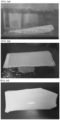
FIGS. 5a, 5b and 5c are photographs showing the composite for controlling the degradation of transient electronics according to an exemplary embodiment of the present invention. -
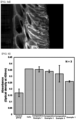
FIG. 5d is an SEM image of the composite for controlling the degradation of transient electronics according to an exemplary embodiment of the present invention. -
FIG. 6 is a graph showing the cytotoxicity experiment results of transient electronics according to the examples and comparative examples of the present invention. -
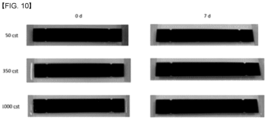
FIGS. 7 to 10 are photographs showing the degree of degradation according to the passage of time of the transient electronics according to the examples and comparative examples of the present invention. - Hereinafter, the exemplary embodiments of the present invention will be described in detail so that those of ordinary skill in the art to which the present invention pertains can easily practice the present invention. The present invention may be embodied in many different forms and is not limited to the exemplary embodiments described herein.
- As described above, the transient electronics that are degraded after a predetermined time elapses in vivo according to the related art cannot control the degradation time, lack flexibility and adhesion, or cause side effects such as immune responses, and thus, there has been great difficulty in using the same appropriately for the intended purpose.
- Accordingly, the present invention has sought to solve the above-described problems by providing a composite for controlling the degradation of transient electronics, which is a composite for controlling the degradation for controlling the degradation time of transient electronics that are degraded by a biological fluid, including a support; transient electronics that are formed on the support; and a degradation control unit for controlling the degradation time of the transient electronics by sealing the transient electronics with a porous polymer layer in which biocompatible oil is supported in internal pores.
- Through this, it is possible to control the degradation time of transient electronics introduced into the living body, thereby greatly improving the utility thereof, and since they act as a foreign substance in vivo, they have flexibility, biocompatibility and adhesion to the extent that they do not damage the organs and the like or cause immune responses or side effects even after transplantation into the body, thereby greatly improving biostability.
- Hereinafter, the present invention will be described in detail with reference to
FIGS. 1 to 10 . - The present invention is a
composite 100 for controlling the degradation for degrading transient electronics that are degraded by a biological fluid at a desired time point and includes asupport 10. - The
support 10 serves to physically support thetransient electronics 20. In addition, thesupport 10 can be decomposed so as not to ultimately remain in vivo, and it is possible to additionally control the degradation time of transient electronics by adjusting the decomposition rate of the support. - To this end, the
support 10 may include a biodegradable material that can be degraded in vivo without inducing an immune response in vivo as long as it meets the objects of the present invention. As non-limiting examples thereof, the biodegradable material may be a natural biodegradable polymer or a synthetic biodegradable polymer. As the natural biodegradable polymer, collagen, hyaluronic acid, chitosan, gelatin, alginic acid and the like may be used, and as the synthetic biodegradable polymer, it may include at least one selected from the group consisting of polycaprolactone (PCL), polydioxanone (PDO), poly(L-lactide) (PLLA), poly(DL-lactide-co-glycolide) (PLGA), polyethylene oxide (PEO), polylactic acid (PLA) and polyvinyl alcohol (PVA), - Meanwhile, since the
support 10 can be set to an appropriate thickness in consideration of the use for which thecomposite 100 for controlling the degradation of transient electronics according to the present invention is used, the need for additional control of the degradation time of transient electronics and the like, the thickness of thesupport 10 is not particularly limited, but may have a thickness of 10 to 400 nm, for example. - In addition, the
support 10 may be implemented in a known conventional shape having flexibility and biocompatibility in vivo so as to be attached to an organ and the like, for example, in the form of a film as shown inFIG. 5 . - Next, the
composite 100 for controlling the degradation according to the present invention includestransient electronics 20 that are formed on thesupport 10. - The
transient electronics 20 are injected into the living body to release a drug, or to be attached to a specific organ to perform various tests/diagnosis and the like to perform a function of diagnosis or treatment in vivo, and through the control of thedegradation control unit 30, they can be biodegraded and absorbed into the body. However, the use of thetransient electronics 20 is not limited to test/diagnosis or treatment, and it can be used for various functions and uses that can be degraded and absorbed in the living body after a predetermined time elapses. - In this case, according to a preferred exemplary embodiment of the present invention, when the
transient electronics 20 are attached to a specific organ to perform various tests/diagnosis, thetransient electronics 20 may be implemented by inorganic conductivetransient electronics 20 or organic conductivetransient electronics 20 that have conductivity, and particularly, since thetransient electronics 20 must have flexibility enough not to damage organs and the like by acting as a foreign substance in vivo and must be sufficiently compatible with surrounding tissues even after transplantation in the body, they may be implemented as water-soluble organic conductivetransient electronics 20 or water-soluble inorganic conductivetransient electronics 20, and as long as they meet the objects of the present invention, they may be implemented by including a conventional biodegradable material. - In this case, since an appropriate thickness can be set according to the purpose for which the composite 100 for controlling the degradation of transient electronics according to the present invention is used, the thickness of the
transient electronics 20 is not particularly limited, but according to a preferred exemplary embodiment of the present invention, when it is injected into the living body, it may have a thickness of 10 to 1,000 nm. - Next, the composite 100 for controlling the degradation according to the present invention includes a
degradation control unit 30 which protects thetransient electronics 20 from the outside until thetransient electronics 20 are degraded and controls the degradation time point such that thetransient electronics 20 are degraded after a certain time point. - The
degradation control unit 30 includes aporous polymer layer 37 and abiocompatible oil 35 which is supported in theinternal pores 33 of theporous polymer layer 37 as illustrated inFIG. 1 , and after sealing thetransient electronics 20, thebiocompatible oil 35 which is supported in theinternal pores 33 flows out to one surface which is in contact with thetransient electronics 20 to cover thetransient electronics 20, and through this, it is possible to protect thetransient electronics 20 from an external environment including variousbiological fluids 40 such as blood, fluid, mucus and urine in the body. - In addition, the
degradation control unit 30 serves to control the degradation time of thetransient electronics 20. - In general, since the transient electronics are introduced into the living body to perform a specific function and are degraded after a predetermined time has elapsed, the degradation time of the transient electronics must be set to suit the purpose for which the transient electronics are used. However, according to the related art, there is a problem in that the degradation time of the transient electronics cannot be controlled, such as when the transient electronics introduced into the living body and degraded too quickly or too slowly. Accordingly, the transient electronics must be introduced into the living body to release a drug, but when the time and cycle of drug release cannot be controlled or when they are attached to a specific organ to perform various tests/diagnostics, there has been a problem in that the degradation time cannot be controlled to suit the purpose, such as not being able to guarantee a sufficient time.
- Furthermore, there have been studies to control the degradation time of such transient electronics, but when a hydrophilic protective film layer is used, the transient electronics are degraded in response to a biological fluid within one day and cannot perform its intended function. Conversely, when a hydrophobic protective layer is utilized for the transient electronics, there has been a problem in that they have characteristics of both ends depending on the material of the transient electronics, such as a phenomenon that the transient electronics do not melt at all in the body.
- Accordingly, in the present invention, the
biocompatible oil 35 which is supported in theinternal pores 33 of theporous polymer layer 37 is discharged to the outside over time, and forms an empty space in theinternal pores 33 of theporous polymer layer 37, and thebiological fluid 40 penetrates into the empty space to control the degradation time of thetransient electronics 20. That is, after thedegradation control unit 30 according to the present invention seals thetransient electronics 20 and performs a desired function through thetransient electronics 20, the amount ofbiocompatible oil 35 which is supported in theinternal pores 33 of theporous polymer layer 37 of thedegradation control unit 30 meets thebiological fluid 40 and is discharged to the outside over time to be reduced, and thebiological fluid 40 penetrates into thetransient electronics 20 through thepores 33 supported by theoil 35. In this case, the permeated hydrophilicbiological fluid 40 degrades the water-solubletransient electronics 20 over time. Accordingly, thebiocompatible oil 35 may be a hydrophobic biocompatible oil that is insoluble in thebiological fluid 40, and as non-limiting examples thereof, it may be any one or more hydrophobic biocompatible oils selected from the group consisting of fluorine-based oil, silicone-based oil, mineral oil and vegetable oil. - Meanwhile, the transient electronics must not only decompose themselves and remain as a foreign substance after a certain period of time has elapsed, but also have flexibility and adhesion to the extent that they do not damage organs and the like by acting as a foreign substance in the living body. However, according to the related art, there is a problem in that the flexibility and adhesion of the transient electronics cannot be controlled, and thus, they cannot be fully integrated in the living body, such as damage to organs and the like.
- Accordingly, the
degradation control unit 30 according to the present invention is introduced into the body and is flexibly attached to the inside of the living body without damage to organs and the like, and thus, it has an elongation at a certain level or more such that it can perform a function for a predetermined time. Such elongation may be controlled and adjusted through thepores 33 and thebiocompatible oil 35 of theporous polymer layer 37 constituting thedegradation control unit 30. - More specifically, referring to
FIG. 2a , it can be seen that the elongation of theporous polymer layer 37 including thepores 33 according to the present invention has a value close to about 900% compared to the elongation of thepolymer layer 37 that does not include thepores 33. As such, the presence of pores may affect not only the elongation of theporous polymer layer 37, but also the elongation of thedegradation control unit 30 including theporous polymer layer 37. In addition, referring toFIG. 2b , it can be seen that theporous polymer layer 37 has a different elongation according to the type of the biocompatible oil which is supported in the internal pores 33. - That is, by adjusting the presence of absence of the
pores 33 of the above-describedporous polymer layer 37 and the type of the biocompatible oil which is supported therein to be suitable for the use of the composite 100 for controlling the degradation of transient electronics according to the present invention, thedegradation control unit 30 can control the elongation, and through this, the composite 100 for controlling the degradation of transient electronics is introduced into the body and is flexibly attached to the inside of the target body without damaging organs and the like such that it can perform the function for a predetermined period of time. - To this end, the
degradation control unit 30 according to the present invention may exhibit an elongation of 60% or more by adjusting the types of thepores 33 and thebiocompatible oil 35 described above. In this case, if the elongation of thedegradation control unit 30 is less than 60%, it may be injected into the body to damage organs and the like, and there may be a problem in that the degradation time of thetransient electronics 20 cannot be completely controlled due to deterioration in adhesion to the inside of the target living body. - Hereinafter, the method for controlling the degradation time of the
transient electronics 20 through thedegradation control unit 30 of the composite 100 for controlling the degradation according to the present invention will be described in detail. - The degradation time point of the
transient electronics 20 may be affected by the surface window size, pore structure, pore shape and porosity that are related to the porous structure of theporous polymer layer 37. In addition, it may be affected by the thickness, density, shape, material and dissolution rate of theporous polymer layer 37 in the biological fluid. In addition, it may be affected by the viscosity and material of thebiocompatible oil 35, the support amount which is supported in theporous polymer layer 37 and the reactivity and solubility with biological fluids. Therefore, the above factors may be used as factors for controlling the decomposition time point of thetransient electronics 20 for the biological fluid. - For example, in the present invention, the degradation time of the
transient electronics 20 can be controlled by adjusting the porosity of theporous polymer layer 37. That is, as the number ofinternal pores 33 of theporous polymer layer 37 increases, a greater amount of thebiocompatible oil 35 is discharged for a shorter period of time, and since thebiological fluid 40 can be introduced into thepores 33 inside theporous polymer layer 37, it is possible to rapidly promote the degradation of thetransient electronics 20. Conversely, as the number of theinternal pores 33 of theporous polymer layer 37 is smaller, thebiocompatible oil 35 which is introduced into theinternal pores 33 is discharged more slowly, and since thebiological fluid 40 is also introduced slowly, it is possible to slowly control the degradation of thetransient electronics 20. - To this end, the
porous polymer layer 37 according to the present invention may have a porosity of 10 to 90%. In this case, if the porosity of theporous polymer layer 37 is less than 10%, since the amount of thebiological fluid 40 that can be introduced into thepores 33 of theporous polymer layer 37 is extremely small, there may be a problem in that the degradation of thetransient electronics 20 cannot be controlled. In addition, if the porosity of theporous polymer layer 37 is more than 90%, since thebiocompatible oil 35 which is supported in theinternal pores 33 of theporous polymer layer 37 is discharged too quickly, it may be difficult to control the degradation of thetransient electronics 20. - Next, in the present invention, by adjusting the size of the window formed on a first surface which is connected to the
internal pores 33 of theporous polymer layer 37 and in contact with thetransient electronics 20 and a second surface which is opposite to the first surface in contact with the biological fluid, it is possible to control the degradation time of thetransient electronics 20, or the degradation time of thetransient electronics 20 can be controlled by adjusting the size of thepores 33 inside theporous polymer layer 37. That is, when the size of theinternal pores 33 of theporous polymer layer 37 is large or the size of the second surface is large, a larger amount of thebiocompatible oil 35 is discharged in a short period of time, and since thebiological fluid 40 can be introduced into theinternal pores 33 of theporous polymer layer 37, it is possible to rapidly promote the degradation of thetransient electronics 20. Conversely, when the size of theinternal pores 33 of theporous polymer layer 37 is small or the size of the first surface is small, thebiocompatible oil 35 which is introduced into theinternal pores 33 is discharged more slowly, and since thebiological fluid 40 is also slowly introduced, it is possible to slowly control the degradation of the transient electronics. - To this end, the size of the
internal pores 33 of theporous polymer layer 37 according to the present invention may be 10 nm to 200 nm. In this case, if the size of theinternal pores 33 of theporous polymer layer 37 is less than 10 nm, since the amount of thebiological fluid 40 that can be introduced into theinternal pores 33 of theporous polymer layer 37 is very small, there may be a problem in that the degradation of thetransient electronics 20 cannot be controlled. In addition, if the size of theinternal pores 33 of theporous polymer layer 37 is more than 200 nm, thebiocompatible oil 35 which is supported in theinternal pores 33 of theporous polymer layer 37 is discharged too quickly, and similarly, there may be a problem in that the degradation of the transient electronics cannot be controlled. However, this is only one example of the present invention, and the above-described degradation time may be controlled to be faster or slower or vice versa according to the density, porosity, shape and the like, as well as the size of the above-described first surface, second surface orinternal pores 33. - Next, in the present invention, the
porous polymer layer 37 includes at least two or moreinternal pores 33 having different sizes, and it is possible to control the degradation time of thetransient electronics 20 by adjusting their sizes differently. That is, as illustrated inFIG. 3a , when the size of internal pores formed on a first part (a) which is close to the first surface in contact with the biological fluid is larger than the size of internal pores formed on a second part (b) which is close to the second surface which is continuous with the first part (a) and is in contact with thetransient electronics 20, a large amount of thebiological fluid 40 is introduced into the internal pores (a) of the first part (a) such that thebiocompatible oil 35 can be discharged more quickly through the internal pores (b), and as a result, thebiological fluid 40 can rapidly promote the degradation of thetransient electronics 20. Conversely, as illustrated inFIG. 3b , when the size of the internal pores (a) on a part in which the biological fluid is introduced is smaller than the size of the internal pores (b) through which thebiocompatible oil 35 is discharged, that is, when the size of the second surface is smaller than the size of the first surface, a small amount of thebiological fluid 40 is introduced into the internal pores (a) to allow thebiocompatible oil 35 to be discharged more slowly through the internal pores (b), and as a result, the biological fluid can slowly control the degradation of thetransient electronics 20. - Meanwhile, it may further include a flow path (not illustrated) which is connected between the window and the internal pores of the first surface or the second surface. The flow path may be a passage through which the
biological fluid 40 or thebiocompatible oil 35 passes. - Next, in the present invention, by adjusting the shape of the
internal pores 33 of theporous polymer layer 37 differently, it is possible to control the degradation time of the transient electronics. According to an exemplary embodiment of the present invention, theinternal pores 33 of theporous polymer layer 37 may be composed of a first part and a second part having different structures in the thickness direction of theporous polymer layer 37. That is, referring toFIG. 4 , theinternal pores 33 corresponding to the first part (A) may have an elliptical or circular shape with an aspect ratio close to 1. Theinternal pores 33 corresponding to the second part (B) may have a fingerlike shape with an aspect ratio of 5 or more, and through this, it may be more advantageous to achieve the objects of the present invention. However, since this is a preferred example of the present invention, the shape is not limited thereto, and it may be composed ofinternal pores 33 having the known conventional shape. - Next, in the present invention, by adjusting the amount of the
biocompatible oil 33 which is supported in theinternal pores 33 of theporous polymer layer 37, it is possible to control the degradation time of the transient electronics. That is, as the amount of thebiocompatible oil 33 which is supported in theinternal pores 33 of theporous polymer layer 37 is smaller, thebiocompatible oil 35 is discharged in a short period of time, and since thebiological fluid 40 can be introduced into theinternal pores 33 of theporous polymer layer 37, it is possible to rapidly promote the degradation of the transient electronics. Conversely, as the amount of thebiocompatible oil 35 which is supported in theinternal pores 33 of theporous polymer layer 37 is large, the time for thebiocompatible oil 35 introduced into theinternal pores 33 to be discharged becomes longer, and since thebiological fluid 40 is also slowly introduced, it is possible to slowly control the degradation of thetransient electronics 20. - As such, the present invention can control the degradation time of the
transient electronics 20 that the related art could not solve by adjusting the size, shape, density and average porosity of theinternal pores 33 of theporous polymer layer 37 or the amount ofbiocompatible oil 35, and thus, according to a preferred exemplary embodiment of the present invention, the present invention provides a bio-insertable medical device including the above-described composite for controlling the degradation of transient electronics, which is a high-tech bio-insertable medical device that implements a function of diagnosis or treatment inside the living body and is absorbed into the living body through biodegradation. - Hereinafter, the present invention will be described in more detail through examples, but the following examples are not intended to limit the scope of the present invention, which should be construed to aid understanding of the present invention.
- Specifically, porous PLA was fabricated by using PLA (Nature works, Mw ~150,000) and N-methyl-2-pyrrolidone (NMP, Samchun Chemical). Afterwards, PLA was completely dissolved in NMP at 20 wt.% in NMP at 120°C and stored in an oven at 70°C. Next, 4 mL of the PLA-dissolved solution was sprayed on a glass plate (30cm*30cm), and a thin liquid film was made with a uniform thickness (50 µm to 140 µm) by utilizing a doctor blade. Afterwards, the PLAliquid film and the glass plate on which the liquid film was placed were solidified by immersing in a solution containing distilled water as a non-solvent, and this was shown in
FIG. 5a , and as shown inFIG. 5b , a porous polymer layer was prepared by vacuum drying the solidified porous PLA membrane in a desiccator at room temperature for 48 hours. - By utilizing a scanning electron microscope (SEM, jeol jsm 6610), the fabricated PLA and pores were confirmed (
FIG. 5d ). - By immersing the biodegradable polymer layer prepared in (1) above in silicone oil, which is a hydrophobic biocompatible oil, for 24 hours, the hydrophobic biocompatible oil was allowed to completely fill the internal pores of the biodegradable polymer layer as shown in
FIG. 5d . - The degradation control unit manufactured in (2) above was formed by E-beam deposition on a support (platinum) having a thickness of 200 nm, and platinum, which is a water-soluble inorganic conductive element, was interposed between the degradation control unit and the support as transient electronics to prepare a composite for controlling the degradation of transient electronics.
- It was prepared in the same manner as in Example 1, except that the material of (2) the biodegradable polymer layer in Example 1 above was prepared by using polycaprolactone (PCL).
- These were prepared in the same manner as in Example 1, except that (2) the biocompatible oil in Example 1 was changed as shown in Table 1 below.
- These were prepared in the same manner as in Example 1, except that the viscosity of (2) the biocompatible oil in Example 1 above was changed as shown in Table 1 below.
- It was prepared in the same manner as in Example 1, except that (3) the transient electronics in Example 1 above were prepared by using molybdenum instead of platinum.
- These were prepared in the same manner as in Example 1, except that the viscosity of (2) the biocompatible oil in Example 8 was changed as shown in Table 1 below.
- It was prepared in the same manner as in Example 1 above, except that the degradation control unit was manufactured by using (2) a polymer layer without pores.
- It was prepared in the same manner as in Example 1 above, except that the degradation control unit was manufactured by preparing (2) the porous polymer layer but not immersing in the biocompatible oil.
- It was prepared in the same manner as Example 1 above, except that the degradation control unit was manufactured by using a (2) polymer layer without pores and immersing in the biocompatible oil.
Table 1 Degradation Control Unit Transient Electronics Biodegradable polymer Oil Viscosity (cst) Type Presence of pores Type Example 1 ο PLA Silicon oil 50 Pt Example 2 ο PCL Silicon oil 50 Pt Example 3 ο PLA Phosphate-buffered, Saline 50 Pt Example 4 ο PLA KRYTOX 50 Pt Example 5 ο PLA Canola oil 50 Pt Example 6 ο PLA Silicon oil 350 Pt Example 7 ο PLA Silicon oil 1000 Pt Example 8 ο PLA Silicon oil 50 Mo Example 9 ο PLA Silicon oil 350 Mo Example 10 ο PLA Silicon oil 1000 Mo Comparative Example 1 x PLA No oil used 50 Pt Comparative Example 2 x PLA Silicon oil 50 Pt Comparative Example 3 ο PLA No oil used 50 Pt Comparative Example 4 x PLA Silicon oil 50 Mo - After Example 1 and Comparative Example 2 were stored at 37°C for 9 days, tensile strength and elongation were measured by using Instron, and the results are shown in
FIG. 2a . - Referring to
FIG. 2a , in the case of Example 1 including pores according to the present invention, it can be seen that the elongation had a value close to about 900% compared to the elongation of Comparative Example 2 without pores. Through this, it can be seen that the composite for controlling the degradation of transient electronics according to the present invention is implemented in the form of a porous polymer layer, and thus, it has excellent elongation and exhibits flexibility enough not to damage organs and the like such that it has sufficient stability and biocompatibility. - After Examples 1, 3 to 5 and Comparative Example 3 were stored at 37°C for 9 days, tensile strength and elongation were measured by using Instron, and the results are shown in
FIG. 2b . - Referring to
FIG. 2b , it can be seen that the elongation is different depending on the type of the biocompatible oil supported on the porous polymer layer. Through this, it can be seen that the composite for controlling the degradation of transient electronics according to the present invention can control the elongation by using a different oil to be suitable for a desired use (attachment site, etc.). - Example 1 and Comparative Examples 1 to 3 were placed in a 24-well plate of IH3T3 (ACTC cell line, 5 passages) at 7,000 cells/well for each well, and these were placed in 700 µL of DMEM medium containing 10% FBS and cultured for 24 hours in a 5% CO2 incubator, 37%. Afterwards, 70 µL of cck-8 solution (Dojindo, Japan) was added to measure cytotoxicity three times, and the results are shown in
FIG. 6 . - Examples 1, 6 to 10 and Comparative Examples 2 and 4 were immersed in an aqueous solution (0.1M, PBS) to measure the degradation time over time, and the results are shown in
FIGS. 7 to 10 . -
FIG. 7 is a photograph showing the decomposition of Comparative Example 2 (platinum) over time. That is, in the case of Comparative Example 2, since it was not prepared with a porous polymer layer, it can be seen that the degradation time could not be controlled, and it gradually melted over time. - In contrast,
FIG. 8 is a photograph showing the results of Examples 1, 6 and 7 according to the present invention. That is, when these were prepared with a porous polymer layer regardless of the viscosity of the oil used, these were not degraded even after 7 days, and through this, it can be seen that the degradation time can be controlled only when it is implemented with the porous polymer layer according to the present invention. -
FIG. 9 is a photograph showing the decomposition of Comparative Example 4 (molybdenum) over time. That is, in the case of Comparative Example 4, since it was not prepared with a porous polymer layer, it can be seen that the degradation time could not be controlled and gradually melted with time. - In contrast,
FIG. 10 is a photograph showing the results of Examples 8 to 10 according to the present invention. That is, when these were prepared with a porous polymer layer regardless of the viscosity of the oil used, these were not degraded even after 7 days, and through this, it can be seen that the degradation time can be controlled only when it is implemented with the porous polymer layer according to the present invention.
Claims (13)
- A composite for controlling the degradation of transient electronics, which is a composite for controlling the degradation for degrading transient electronics that are degraded by a biological fluid at a desired time point, the composite comprising:a support;transient electronics that are formed on the support; anda degradation control unit for controlling the degradation time point of the transient electronics by sealing the transient electronics from a biological fluid with a porous polymer layer in which biocompatible oil is supported in internal pores.
- The composite of claim 1, wherein as time elapses after being in contact with the biological fluid, the biocompatible oil which is supported on the porous polymer layer of the composite for controlling the degradation of transient electronics flows out toward the biological fluid, and as a result, the biological fluid flowing into empty pores of the porous polymer layer eventually comes into contact with the transient electronics to degrade the transient electronics.
- The composite of claim 1, wherein the support and the porous polymer layer comprise at least one selected from the group consisting of polycaprolactone (PCL), polydioxanone (PDO), poly(L-lactide) (PLLA), poly(DL-lactide-co-glycolide) (PLGA), polyethylene oxide (PEO), polylactic acid (PLA) and polyvinyl alcohol (PVA), and
wherein the porous polymer layer is formed of a polymer which is soluble in the biological fluid in order to control the degradation time point of the transient electronics together with the biocompatible oil. - The composite of claim 1, wherein the transient electronics have a thickness of 10 to 1,000 nm.
- The composite of claim 1, wherein the transient electronics comprise at least one of a water-soluble conductive transient organic material or a water-soluble conductive transient inorganic material.
- The composite of claim 1, wherein the degradation control unit has an elongation of 60% or more.
- The composite of claim 1, wherein the porous polymer layer comprises internal pores having different sizes.
- The composite of claim 1, wherein the porosity of the porous polymer layer is 10 to 90%.
- The composite of claim 1, wherein the porous polymer layer is composed of a first part and a second part that face a first surface on the first surface which is in contact with transient electronics and have different pore structures in the direction of a second surface which is in contact with the biological fluid.
- The composite of claim 9, wherein at least one of the first part and the second part has a fingerlike shape.
- The composite of claim 9, wherein the window diameter of a surface on the side of the first surface and the window diameter of a surface on the side of the second surface are different from each other.
- The composite of claim 1, wherein the biocompatible oil is any one or more hydrophobic biocompatible oils selected from the group consisting of fluorine-based oil, silicone-based oil, mineral oil and vegetable oil.
- A medical device, comprising the composite according to claim 1.
Applications Claiming Priority (2)
| Application Number | Priority Date | Filing Date | Title |
|---|---|---|---|
| KR1020210038000A KR20220132886A (en) | 2021-03-24 | 2021-03-24 | Structure For Controlling Decomposition Time Of Transient Electronics |
| PCT/KR2021/017493 WO2022203157A1 (en) | 2021-03-24 | 2021-11-25 | Composite for controlling degradation of transient electronics |
Publications (3)
| Publication Number | Publication Date |
|---|---|
| EP4316538A1 true EP4316538A1 (en) | 2024-02-07 |
| EP4316538A4 EP4316538A4 (en) | 2025-02-19 |
| EP4316538B1 EP4316538B1 (en) | 2025-12-24 |
Family
ID=83397525
Family Applications (1)
| Application Number | Title | Priority Date | Filing Date |
|---|---|---|---|
| EP21933384.6A Active EP4316538B1 (en) | 2021-03-24 | 2021-11-25 | Composite for controlling degradation of transient electronics |
Country Status (5)
| Country | Link |
|---|---|
| US (1) | US20240299623A1 (en) |
| EP (1) | EP4316538B1 (en) |
| KR (1) | KR20220132886A (en) |
| CN (1) | CN117377506A (en) |
| WO (1) | WO2022203157A1 (en) |
Family Cites Families (9)
| Publication number | Priority date | Publication date | Assignee | Title |
|---|---|---|---|---|
| KR100963435B1 (en) * | 2008-06-19 | 2010-06-17 | 한국과학기술연구원 | Method for preparing porous biodegradable polymer microspheres for sustained release drug delivery and tissue regeneration |
| CN101549176B (en) * | 2009-05-08 | 2013-04-24 | 武汉理工大学 | Release oxygen type porous inorganic/organic composite stent material |
| US8423243B2 (en) * | 2009-09-30 | 2013-04-16 | Toyota Jidosha Kabushiki Kaisha | Vibration-damping controlling apparatus |
| TWI380815B (en) * | 2009-12-02 | 2013-01-01 | Univ Nat Pingtung Sci & Tech | A time-released medication for applying to crustacean ovarian development |
| WO2011115643A1 (en) * | 2010-03-17 | 2011-09-22 | The Board Of Trustees Of The University Of Illinois | Implantable biomedical devices on bioresorbable substrates |
| JP6412507B2 (en) * | 2013-01-15 | 2018-10-24 | トランジェント エレクトロニクス, インコーポレイテッド | Implantable temporary neurostimulation device |
| KR101765557B1 (en) * | 2015-02-27 | 2017-08-23 | 서울대학교산학협력단 | Bioresorbable Electronic Stent |
| US10557042B2 (en) * | 2016-03-28 | 2020-02-11 | Wisconsin Alumni Research Foundation | Slippery liquid-infused porous surfaces that prevent microbial surface fouling |
| US11826495B2 (en) * | 2019-03-01 | 2023-11-28 | University Of Connecticut | Biodegradable piezoelectric ultrasonic transducer system |
-
2021
- 2021-03-24 KR KR1020210038000A patent/KR20220132886A/en not_active Ceased
- 2021-11-25 US US18/262,004 patent/US20240299623A1/en active Pending
- 2021-11-25 EP EP21933384.6A patent/EP4316538B1/en active Active
- 2021-11-25 CN CN202180093445.7A patent/CN117377506A/en active Pending
- 2021-11-25 WO PCT/KR2021/017493 patent/WO2022203157A1/en not_active Ceased
Also Published As
| Publication number | Publication date |
|---|---|
| EP4316538B1 (en) | 2025-12-24 |
| CN117377506A (en) | 2024-01-09 |
| US20240299623A1 (en) | 2024-09-12 |
| EP4316538A4 (en) | 2025-02-19 |
| WO2022203157A1 (en) | 2022-09-29 |
| KR20220132886A (en) | 2022-10-04 |
Similar Documents
| Publication | Publication Date | Title |
|---|---|---|
| Trinca et al. | Electrospun multilayer chitosan scaffolds as potential wound dressings for skin lesions | |
| Nakamatsu et al. | Processing and characterization of porous structures from chitosan and starch for tissue engineering scaffolds | |
| Son et al. | In vitro and in vivo evaluation of electrospun PCL/PMMA fibrous scaffolds for bone regeneration | |
| Xue et al. | Fabrication and evaluation of electrospun PCL–gelatin micro-/nanofiber membranes for anti-infective GTR implants | |
| ES2623475T3 (en) | Porogen compositions, methods for making them and uses | |
| Liu et al. | A safe, fibrosis‐mitigating, and scalable encapsulation device supports long‐term function of insulin‐producing cells | |
| Serrano‐Aroca et al. | Prosthetic meshes for hernia repair: State of art, classification, biomaterials, antimicrobial approaches, and fabrication methods | |
| Yang et al. | NIR-II light-responsive biodegradable shape memory composites based on cuprorivaite nanosheets for enhanced tissue reconstruction | |
| Masri et al. | Performance of hybrid gelatin-PVA bioinks integrated with genipin through extrusion-based 3D bioprinting: An in vitro evaluation using human dermal fibroblasts | |
| US8951598B2 (en) | Nanoscale collagen particles and membranes | |
| KR20140140212A (en) | Multilayered nanofibrous anti-adhesion membranes containing hydrophilic natural polymer and preparation method thereof | |
| CN109364294B (en) | Absorbable artificial dura mater and preparation method thereof | |
| Fenglan et al. | Preparation and in vivo investigation of artificial cornea made of nano-hydroxyapatite/poly (vinyl alcohol) hydrogel composite | |
| KR20150108956A (en) | Porous polymer sphere, method for preparing thereof, and biodegradable materials for tissue engineering using the same | |
| Zhang et al. | Multifunctional bone regeneration membrane with flexibility, electrical stimulation activity and osteoinductive activity | |
| WO2024025978A2 (en) | Novel electrospun synthetic membranes for soft tissue repair applications | |
| Zhang et al. | A novel nano-silver coated and hydrogel-impregnated polyurethane nanofibrous mesh for ventral hernia repair | |
| Fehér et al. | Early and late effects of absorbable poly (vinyl alcohol) hernia mesh to tissue reconstruction | |
| EP4316538B1 (en) | Composite for controlling degradation of transient electronics | |
| Hadi Salih et al. | Engineering an electrospun composite ureteral stent based on PLGA with antibacterial properties and tailored mechanical strength | |
| Eid et al. | Calcium phosphate scaffold loaded with platinum nanoparticles for bone allograft | |
| Ge et al. | Non-isocyanate polyurethane-co-polyglycolic acid electrospun nanofiber membrane wound dressing with high biocompatibility, hemostasis, and prevention of chronic wound formation | |
| Yang et al. | Characteristics and biocompatibility of a biodegradable genipin‐cross‐linked gelatin/β‐tricalcium phosphate reinforced nerve guide conduit | |
| Kehoe et al. | Characterization of PLGA based composite nerve guidance conduits: effect of F127 content on modulus over time in simulated physiological conditions | |
| Ring et al. | Analysis of neovascularization of PEGT/PBT-copolymer dermis substitutes in balb/c-mice |
Legal Events
| Date | Code | Title | Description |
|---|---|---|---|
| STAA | Information on the status of an ep patent application or granted ep patent |
Free format text: STATUS: THE INTERNATIONAL PUBLICATION HAS BEEN MADE |
|
| PUAI | Public reference made under article 153(3) epc to a published international application that has entered the european phase |
Free format text: ORIGINAL CODE: 0009012 |
|
| STAA | Information on the status of an ep patent application or granted ep patent |
Free format text: STATUS: REQUEST FOR EXAMINATION WAS MADE |
|
| 17P | Request for examination filed |
Effective date: 20230807 |
|
| AK | Designated contracting states |
Kind code of ref document: A1 Designated state(s): AL AT BE BG CH CY CZ DE DK EE ES FI FR GB GR HR HU IE IS IT LI LT LU LV MC MK MT NL NO PL PT RO RS SE SI SK SM TR |
|
| RAP3 | Party data changed (applicant data changed or rights of an application transferred) |
Owner name: ANPOLY |
|
| DAV | Request for validation of the european patent (deleted) | ||
| DAX | Request for extension of the european patent (deleted) | ||
| A4 | Supplementary search report drawn up and despatched |
Effective date: 20250122 |
|
| RIC1 | Information provided on ipc code assigned before grant |
Ipc: A61B 5/00 20060101ALI20250116BHEP Ipc: A61L 31/14 20060101ALI20250116BHEP Ipc: A61L 27/28 20060101ALI20250116BHEP Ipc: A61L 27/56 20060101ALI20250116BHEP Ipc: A61L 27/58 20060101AFI20250116BHEP |
|
| GRAP | Despatch of communication of intention to grant a patent |
Free format text: ORIGINAL CODE: EPIDOSNIGR1 |
|
| STAA | Information on the status of an ep patent application or granted ep patent |
Free format text: STATUS: GRANT OF PATENT IS INTENDED |
|
| INTG | Intention to grant announced |
Effective date: 20250723 |
|
| GRAS | Grant fee paid |
Free format text: ORIGINAL CODE: EPIDOSNIGR3 |
|
| GRAA | (expected) grant |
Free format text: ORIGINAL CODE: 0009210 |
|
| STAA | Information on the status of an ep patent application or granted ep patent |
Free format text: STATUS: THE PATENT HAS BEEN GRANTED |
|
| AK | Designated contracting states |
Kind code of ref document: B1 Designated state(s): AL AT BE BG CH CY CZ DE DK EE ES FI FR GB GR HR HU IE IS IT LI LT LU LV MC MK MT NL NO PL PT RO RS SE SI SK SM TR |
|
| REG | Reference to a national code |
Ref country code: CH Ref legal event code: F10 Free format text: ST27 STATUS EVENT CODE: U-0-0-F10-F00 (AS PROVIDED BY THE NATIONAL OFFICE) Effective date: 20251224 Ref country code: GB Ref legal event code: FG4D |
|
| REG | Reference to a national code |
Ref country code: DE Ref legal event code: R096 Ref document number: 602021045247 Country of ref document: DE |
|
| REG | Reference to a national code |
Ref country code: CH Ref legal event code: W10 Free format text: ST27 STATUS EVENT CODE: U-0-0-W10-W00 (AS PROVIDED BY THE NATIONAL OFFICE) Effective date: 20260211 |
|
| REG | Reference to a national code |
Ref country code: CH Ref legal event code: R17 Free format text: ST27 STATUS EVENT CODE: U-0-0-R10-R17 (AS PROVIDED BY THE NATIONAL OFFICE) Effective date: 20260305 |
|
| RAP4 | Party data changed (patent owner data changed or rights of a patent transferred) |
Owner name: ANPOLY |
|
| P01 | Opt-out of the competence of the unified patent court (upc) registered |
Free format text: CASE NUMBER: UPC_APP_0005013_4316538/2026 Effective date: 20260211 |
|
| REG | Reference to a national code |
Ref country code: LT Ref legal event code: MG9D |
|
| PG25 | Lapsed in a contracting state [announced via postgrant information from national office to epo] |
Ref country code: NO Free format text: LAPSE BECAUSE OF FAILURE TO SUBMIT A TRANSLATION OF THE DESCRIPTION OR TO PAY THE FEE WITHIN THE PRESCRIBED TIME-LIMIT Effective date: 20260324 |
|
| PG25 | Lapsed in a contracting state [announced via postgrant information from national office to epo] |
Ref country code: FI Free format text: LAPSE BECAUSE OF FAILURE TO SUBMIT A TRANSLATION OF THE DESCRIPTION OR TO PAY THE FEE WITHIN THE PRESCRIBED TIME-LIMIT Effective date: 20251224 Ref country code: HR Free format text: LAPSE BECAUSE OF FAILURE TO SUBMIT A TRANSLATION OF THE DESCRIPTION OR TO PAY THE FEE WITHIN THE PRESCRIBED TIME-LIMIT Effective date: 20251224 |
|
| PG25 | Lapsed in a contracting state [announced via postgrant information from national office to epo] |
Ref country code: RS Free format text: LAPSE BECAUSE OF FAILURE TO SUBMIT A TRANSLATION OF THE DESCRIPTION OR TO PAY THE FEE WITHIN THE PRESCRIBED TIME-LIMIT Effective date: 20260324 |
|
| PG25 | Lapsed in a contracting state [announced via postgrant information from national office to epo] |
Ref country code: LV Free format text: LAPSE BECAUSE OF FAILURE TO SUBMIT A TRANSLATION OF THE DESCRIPTION OR TO PAY THE FEE WITHIN THE PRESCRIBED TIME-LIMIT Effective date: 20251224 |