EP4311548A1 - Combination of a nkcc1 protein inhibitor and a microtubule inhibitor for use in the treatment of cancer - Google Patents
Combination of a nkcc1 protein inhibitor and a microtubule inhibitor for use in the treatment of cancer Download PDFInfo
- Publication number
- EP4311548A1 EP4311548A1 EP22306143.3A EP22306143A EP4311548A1 EP 4311548 A1 EP4311548 A1 EP 4311548A1 EP 22306143 A EP22306143 A EP 22306143A EP 4311548 A1 EP4311548 A1 EP 4311548A1
- Authority
- EP
- European Patent Office
- Prior art keywords
- cancer
- tumour
- inhibitor
- compounds
- nkcc1
- Prior art date
- Legal status (The legal status is an assumption and is not a legal conclusion. Google has not performed a legal analysis and makes no representation as to the accuracy of the status listed.)
- Withdrawn
Links
- 206010028980 Neoplasm Diseases 0.000 title claims abstract description 108
- 102000047724 Member 2 Solute Carrier Family 12 Human genes 0.000 title claims abstract description 71
- 108091006620 SLC12A2 Proteins 0.000 title claims abstract description 71
- 231100000782 microtubule inhibitor Toxicity 0.000 title claims abstract description 39
- 229940122255 Microtubule inhibitor Drugs 0.000 title claims abstract description 38
- 201000011510 cancer Diseases 0.000 title claims abstract description 37
- 238000011282 treatment Methods 0.000 title claims abstract description 30
- 239000012268 protein inhibitor Substances 0.000 title claims abstract description 18
- 229940121649 protein inhibitor Drugs 0.000 title claims abstract description 18
- 150000001875 compounds Chemical class 0.000 claims abstract description 42
- 238000002560 therapeutic procedure Methods 0.000 claims abstract description 18
- 238000001959 radiotherapy Methods 0.000 claims abstract description 7
- MAEIEVLCKWDQJH-UHFFFAOYSA-N bumetanide Chemical compound CCCCNC1=CC(C(O)=O)=CC(S(N)(=O)=O)=C1OC1=CC=CC=C1 MAEIEVLCKWDQJH-UHFFFAOYSA-N 0.000 claims description 70
- 229960004064 bumetanide Drugs 0.000 claims description 69
- 229960003439 mebendazole Drugs 0.000 claims description 61
- 239000003814 drug Substances 0.000 claims description 50
- 239000003112 inhibitor Substances 0.000 claims description 43
- 208000005017 glioblastoma Diseases 0.000 claims description 21
- 239000008194 pharmaceutical composition Substances 0.000 claims description 15
- 229960002669 albendazole Drugs 0.000 claims description 13
- HXHWSAZORRCQMX-UHFFFAOYSA-N albendazole Chemical compound CCCSC1=CC=C2NC(NC(=O)OC)=NC2=C1 HXHWSAZORRCQMX-UHFFFAOYSA-N 0.000 claims description 13
- 230000000507 anthelmentic effect Effects 0.000 claims description 13
- 210000001519 tissue Anatomy 0.000 claims description 13
- 208000014697 Acute lymphocytic leukaemia Diseases 0.000 claims description 12
- 206010009944 Colon cancer Diseases 0.000 claims description 12
- 206010033128 Ovarian cancer Diseases 0.000 claims description 12
- 208000003174 Brain Neoplasms Diseases 0.000 claims description 10
- 229940122803 Vinca alkaloid Drugs 0.000 claims description 8
- 229940124339 anthelmintic agent Drugs 0.000 claims description 8
- 239000000921 anthelmintic agent Substances 0.000 claims description 8
- 229930013356 epothilone Natural products 0.000 claims description 8
- HESCAJZNRMSMJG-KKQRBIROSA-N epothilone A Chemical class C/C([C@@H]1C[C@@H]2O[C@@H]2CCC[C@@H]([C@@H]([C@@H](C)C(=O)C(C)(C)[C@@H](O)CC(=O)O1)O)C)=C\C1=CSC(C)=N1 HESCAJZNRMSMJG-KKQRBIROSA-N 0.000 claims description 8
- 229940123237 Taxane Drugs 0.000 claims description 7
- 210000000481 breast Anatomy 0.000 claims description 7
- HYZJCKYKOHLVJF-UHFFFAOYSA-N 1H-benzimidazole Chemical compound C1=CC=C2NC=NC2=C1 HYZJCKYKOHLVJF-UHFFFAOYSA-N 0.000 claims description 6
- 208000024893 Acute lymphoblastic leukemia Diseases 0.000 claims description 6
- 208000031261 Acute myeloid leukaemia Diseases 0.000 claims description 6
- 206010003571 Astrocytoma Diseases 0.000 claims description 6
- 206010005949 Bone cancer Diseases 0.000 claims description 6
- 208000018084 Bone neoplasm Diseases 0.000 claims description 6
- 208000001333 Colorectal Neoplasms Diseases 0.000 claims description 6
- 208000002291 Histiocytic Sarcoma Diseases 0.000 claims description 6
- 208000008839 Kidney Neoplasms Diseases 0.000 claims description 6
- 206010023825 Laryngeal cancer Diseases 0.000 claims description 6
- 206010025323 Lymphomas Diseases 0.000 claims description 6
- 208000003445 Mouth Neoplasms Diseases 0.000 claims description 6
- 206010029260 Neuroblastoma Diseases 0.000 claims description 6
- 208000005890 Neuroma Diseases 0.000 claims description 6
- 206010031096 Oropharyngeal cancer Diseases 0.000 claims description 6
- 206010057444 Oropharyngeal neoplasm Diseases 0.000 claims description 6
- 206010061535 Ovarian neoplasm Diseases 0.000 claims description 6
- 206010061902 Pancreatic neoplasm Diseases 0.000 claims description 6
- 206010038389 Renal cancer Diseases 0.000 claims description 6
- 201000000582 Retinoblastoma Diseases 0.000 claims description 6
- 206010039491 Sarcoma Diseases 0.000 claims description 6
- 206010041067 Small cell lung cancer Diseases 0.000 claims description 6
- 208000019065 cervical carcinoma Diseases 0.000 claims description 6
- 201000010989 colorectal carcinoma Diseases 0.000 claims description 6
- 201000010536 head and neck cancer Diseases 0.000 claims description 6
- 208000014829 head and neck neoplasm Diseases 0.000 claims description 6
- 210000003630 histaminocyte Anatomy 0.000 claims description 6
- 201000010982 kidney cancer Diseases 0.000 claims description 6
- 206010023841 laryngeal neoplasm Diseases 0.000 claims description 6
- 208000032839 leukemia Diseases 0.000 claims description 6
- 208000012987 lip and oral cavity carcinoma Diseases 0.000 claims description 6
- 208000015486 malignant pancreatic neoplasm Diseases 0.000 claims description 6
- 201000006512 mast cell neoplasm Diseases 0.000 claims description 6
- 208000006971 mastocytoma Diseases 0.000 claims description 6
- 201000001441 melanoma Diseases 0.000 claims description 6
- 201000008026 nephroblastoma Diseases 0.000 claims description 6
- 208000002154 non-small cell lung carcinoma Diseases 0.000 claims description 6
- 201000006958 oropharynx cancer Diseases 0.000 claims description 6
- 201000008968 osteosarcoma Diseases 0.000 claims description 6
- 201000002528 pancreatic cancer Diseases 0.000 claims description 6
- 208000008443 pancreatic carcinoma Diseases 0.000 claims description 6
- 210000002307 prostate Anatomy 0.000 claims description 6
- 230000003307 reticuloendothelial effect Effects 0.000 claims description 6
- 208000000587 small cell lung carcinoma Diseases 0.000 claims description 6
- 208000029729 tumor suppressor gene on chromosome 11 Diseases 0.000 claims description 6
- 125000003785 benzimidazolyl group Chemical group N1=C(NC2=C1C=CC=C2)* 0.000 claims description 5
- 238000002360 preparation method Methods 0.000 claims description 5
- UJEWTUDSLQGTOA-UHFFFAOYSA-N Piretanide Chemical compound C=1C=CC=CC=1OC=1C(S(=O)(=O)N)=CC(C(O)=O)=CC=1N1CCCC1 UJEWTUDSLQGTOA-UHFFFAOYSA-N 0.000 claims description 4
- NGBFQHCMQULJNZ-UHFFFAOYSA-N Torsemide Chemical compound CC(C)NC(=O)NS(=O)(=O)C1=CN=CC=C1NC1=CC=CC(C)=C1 NGBFQHCMQULJNZ-UHFFFAOYSA-N 0.000 claims description 4
- IIOPLILENRZKRV-UHFFFAOYSA-N azosemide Chemical compound C=1C=CSC=1CNC=1C=C(Cl)C(S(=O)(=O)N)=CC=1C1=NN=N[N]1 IIOPLILENRZKRV-UHFFFAOYSA-N 0.000 claims description 4
- 229960004988 azosemide Drugs 0.000 claims description 4
- 239000003937 drug carrier Substances 0.000 claims description 4
- 229960003883 furosemide Drugs 0.000 claims description 4
- ZZUFCTLCJUWOSV-UHFFFAOYSA-N furosemide Chemical compound C1=C(Cl)C(S(=O)(=O)N)=CC(C(O)=O)=C1NCC1=CC=CO1 ZZUFCTLCJUWOSV-UHFFFAOYSA-N 0.000 claims description 4
- 239000000463 material Substances 0.000 claims description 4
- 239000000546 pharmaceutical excipient Substances 0.000 claims description 4
- 229960001085 piretanide Drugs 0.000 claims description 4
- 229940080263 sodium dichloroacetate Drugs 0.000 claims description 4
- LUPNKHXLFSSUGS-UHFFFAOYSA-M sodium;2,2-dichloroacetate Chemical group [Na+].[O-]C(=O)C(Cl)Cl LUPNKHXLFSSUGS-UHFFFAOYSA-M 0.000 claims description 4
- 229960005461 torasemide Drugs 0.000 claims description 4
- UHLOVGKIEARANS-QZHINBJYSA-N tripamide Chemical compound C1=C(Cl)C(S(=O)(=O)N)=CC(C(=O)NN2C[C@@H]3[C@H]4CC[C@H](C4)[C@@H]3C2)=C1 UHLOVGKIEARANS-QZHINBJYSA-N 0.000 claims description 4
- 229950004678 tripamide Drugs 0.000 claims description 4
- NQPDXQQQCQDHHW-UHFFFAOYSA-N 6-chloro-5-(2,3-dichlorophenoxy)-2-(methylthio)-1H-benzimidazole Chemical compound ClC=1C=C2NC(SC)=NC2=CC=1OC1=CC=CC(Cl)=C1Cl NQPDXQQQCQDHHW-UHFFFAOYSA-N 0.000 claims description 3
- YRWLZFXJFBZBEY-UHFFFAOYSA-N N-(6-butyl-1H-benzimidazol-2-yl)carbamic acid methyl ester Chemical compound CCCCC1=CC=C2N=C(NC(=O)OC)NC2=C1 YRWLZFXJFBZBEY-UHFFFAOYSA-N 0.000 claims description 3
- RAOCRURYZCVHMG-UHFFFAOYSA-N N-(6-propoxy-1H-benzimidazol-2-yl)carbamic acid methyl ester Chemical compound CCCOC1=CC=C2N=C(NC(=O)OC)NC2=C1 RAOCRURYZCVHMG-UHFFFAOYSA-N 0.000 claims description 3
- KYRVNWMVYQXFEU-UHFFFAOYSA-N Nocodazole Chemical compound C1=C2NC(NC(=O)OC)=NC2=CC=C1C(=O)C1=CC=CS1 KYRVNWMVYQXFEU-UHFFFAOYSA-N 0.000 claims description 3
- VXTGHWHFYNYFFV-UHFFFAOYSA-N albendazole S-oxide Chemical compound CCCS(=O)C1=CC=C2NC(NC(=O)OC)=NC2=C1 VXTGHWHFYNYFFV-UHFFFAOYSA-N 0.000 claims description 3
- 229960003475 cambendazole Drugs 0.000 claims description 3
- 229960005473 fenbendazole Drugs 0.000 claims description 3
- 229960004500 flubendazole Drugs 0.000 claims description 3
- CPEUVMUXAHMANV-UHFFFAOYSA-N flubendazole Chemical compound C1=C2NC(NC(=O)OC)=NC2=CC=C1C(=O)C1=CC=C(F)C=C1 CPEUVMUXAHMANV-UHFFFAOYSA-N 0.000 claims description 3
- 229950006344 nocodazole Drugs 0.000 claims description 3
- 229960004454 oxfendazole Drugs 0.000 claims description 3
- BEZZFPOZAYTVHN-UHFFFAOYSA-N oxfendazole Chemical compound C=1C=C2NC(NC(=O)OC)=NC2=CC=1S(=O)C1=CC=CC=C1 BEZZFPOZAYTVHN-UHFFFAOYSA-N 0.000 claims description 3
- 229960002762 oxibendazole Drugs 0.000 claims description 3
- 229950007337 parbendazole Drugs 0.000 claims description 3
- 230000002265 prevention Effects 0.000 claims description 3
- QZWHWHNCPFEXLL-UHFFFAOYSA-N propan-2-yl n-[2-(1,3-thiazol-4-yl)-3h-benzimidazol-5-yl]carbamate Chemical compound N1C2=CC(NC(=O)OC(C)C)=CC=C2N=C1C1=CSC=N1 QZWHWHNCPFEXLL-UHFFFAOYSA-N 0.000 claims description 3
- 229960004546 thiabendazole Drugs 0.000 claims description 3
- WJCNZQLZVWNLKY-UHFFFAOYSA-N thiabendazole Chemical compound S1C=NC(C=2NC3=CC=CC=C3N=2)=C1 WJCNZQLZVWNLKY-UHFFFAOYSA-N 0.000 claims description 3
- 239000004308 thiabendazole Substances 0.000 claims description 3
- 235000010296 thiabendazole Nutrition 0.000 claims description 3
- 229960000323 triclabendazole Drugs 0.000 claims description 3
- 239000002671 adjuvant Substances 0.000 claims description 2
- 238000002512 chemotherapy Methods 0.000 claims description 2
- 238000011127 radiochemotherapy Methods 0.000 claims description 2
- BAXLBXFAUKGCDY-UHFFFAOYSA-N mebendazole Chemical compound [CH]1C2=NC(NC(=O)OC)=NC2=CC=C1C(=O)C1=CC=CC=C1 BAXLBXFAUKGCDY-UHFFFAOYSA-N 0.000 claims 2
- IRHZVMHXVHSMKB-UHFFFAOYSA-N fenbendazole Chemical compound [CH]1C2=NC(NC(=O)OC)=NC2=CC=C1SC1=CC=CC=C1 IRHZVMHXVHSMKB-UHFFFAOYSA-N 0.000 claims 1
- 230000001225 therapeutic effect Effects 0.000 abstract description 17
- 239000002246 antineoplastic agent Substances 0.000 abstract description 3
- 229940127089 cytotoxic agent Drugs 0.000 abstract description 3
- OPXLLQIJSORQAM-UHFFFAOYSA-N mebendazole Chemical compound C=1C=C2NC(NC(=O)OC)=NC2=CC=1C(=O)C1=CC=CC=C1 OPXLLQIJSORQAM-UHFFFAOYSA-N 0.000 description 60
- 210000004027 cell Anatomy 0.000 description 50
- 230000000694 effects Effects 0.000 description 27
- 229940079593 drug Drugs 0.000 description 17
- 230000002195 synergetic effect Effects 0.000 description 15
- 229940124597 therapeutic agent Drugs 0.000 description 15
- VEXZGXHMUGYJMC-UHFFFAOYSA-M Chloride anion Chemical compound [Cl-] VEXZGXHMUGYJMC-UHFFFAOYSA-M 0.000 description 14
- 206010027476 Metastases Diseases 0.000 description 10
- 230000009471 action Effects 0.000 description 9
- 230000009401 metastasis Effects 0.000 description 9
- 239000000651 prodrug Substances 0.000 description 9
- 229940002612 prodrug Drugs 0.000 description 9
- 210000004556 brain Anatomy 0.000 description 8
- 230000007246 mechanism Effects 0.000 description 8
- 150000003839 salts Chemical class 0.000 description 8
- 229940126585 therapeutic drug Drugs 0.000 description 8
- DGAQECJNVWCQMB-PUAWFVPOSA-M Ilexoside XXIX Chemical compound C[C@@H]1CC[C@@]2(CC[C@@]3(C(=CC[C@H]4[C@]3(CC[C@@H]5[C@@]4(CC[C@@H](C5(C)C)OS(=O)(=O)[O-])C)C)[C@@H]2[C@]1(C)O)C)C(=O)O[C@H]6[C@@H]([C@H]([C@@H]([C@H](O6)CO)O)O)O.[Na+] DGAQECJNVWCQMB-PUAWFVPOSA-M 0.000 description 7
- 239000003795 chemical substances by application Substances 0.000 description 7
- 230000001472 cytotoxic effect Effects 0.000 description 7
- 239000011734 sodium Substances 0.000 description 7
- 229910052708 sodium Inorganic materials 0.000 description 7
- 238000012360 testing method Methods 0.000 description 7
- 102000029749 Microtubule Human genes 0.000 description 6
- 108091022875 Microtubule Proteins 0.000 description 6
- 231100000433 cytotoxic Toxicity 0.000 description 6
- 208000037265 diseases, disorders, signs and symptoms Diseases 0.000 description 6
- 238000000338 in vitro Methods 0.000 description 6
- 238000001727 in vivo Methods 0.000 description 6
- 238000000034 method Methods 0.000 description 6
- 210000004688 microtubule Anatomy 0.000 description 6
- 208000024891 symptom Diseases 0.000 description 6
- 210000004881 tumor cell Anatomy 0.000 description 6
- 101000640897 Squalus acanthias Solute carrier family 12 member 2 Proteins 0.000 description 5
- 230000006907 apoptotic process Effects 0.000 description 5
- 239000007943 implant Substances 0.000 description 5
- 230000002401 inhibitory effect Effects 0.000 description 5
- 230000005764 inhibitory process Effects 0.000 description 5
- 239000000203 mixture Substances 0.000 description 5
- 239000002105 nanoparticle Substances 0.000 description 5
- 230000003805 potassium influx Effects 0.000 description 5
- 230000009467 reduction Effects 0.000 description 5
- 102000056430 Member 1 Solute Carrier Family 12 Human genes 0.000 description 4
- 241001465754 Metazoa Species 0.000 description 4
- ZLMJMSJWJFRBEC-UHFFFAOYSA-N Potassium Chemical compound [K] ZLMJMSJWJFRBEC-UHFFFAOYSA-N 0.000 description 4
- 108091006621 SLC12A1 Proteins 0.000 description 4
- 230000001740 anti-invasion Effects 0.000 description 4
- 239000002585 base Substances 0.000 description 4
- 210000004292 cytoskeleton Anatomy 0.000 description 4
- 230000003247 decreasing effect Effects 0.000 description 4
- 230000009545 invasion Effects 0.000 description 4
- 238000011275 oncology therapy Methods 0.000 description 4
- 229910052700 potassium Inorganic materials 0.000 description 4
- 239000011591 potassium Substances 0.000 description 4
- XJMOSONTPMZWPB-UHFFFAOYSA-M propidium iodide Chemical compound [I-].[I-].C12=CC(N)=CC=C2C2=CC=C(N)C=C2[N+](CCC[N+](C)(CC)CC)=C1C1=CC=CC=C1 XJMOSONTPMZWPB-UHFFFAOYSA-M 0.000 description 4
- 239000003981 vehicle Substances 0.000 description 4
- 230000035899 viability Effects 0.000 description 4
- MQLACMBJVPINKE-UHFFFAOYSA-N 10-[(3-hydroxy-4-methoxyphenyl)methylidene]anthracen-9-one Chemical compound C1=C(O)C(OC)=CC=C1C=C1C2=CC=CC=C2C(=O)C2=CC=CC=C21 MQLACMBJVPINKE-UHFFFAOYSA-N 0.000 description 3
- FWBHETKCLVMNFS-UHFFFAOYSA-N 4',6-Diamino-2-phenylindol Chemical compound C1=CC(C(=N)N)=CC=C1C1=CC2=CC=C(C(N)=N)C=C2N1 FWBHETKCLVMNFS-UHFFFAOYSA-N 0.000 description 3
- 208000014644 Brain disease Diseases 0.000 description 3
- 102000034534 Cotransporters Human genes 0.000 description 3
- 108020003264 Cotransporters Proteins 0.000 description 3
- ZDZOTLJHXYCWBA-VCVYQWHSSA-N N-debenzoyl-N-(tert-butoxycarbonyl)-10-deacetyltaxol Chemical compound O([C@H]1[C@H]2[C@@](C([C@H](O)C3=C(C)[C@@H](OC(=O)[C@H](O)[C@@H](NC(=O)OC(C)(C)C)C=4C=CC=CC=4)C[C@]1(O)C3(C)C)=O)(C)[C@@H](O)C[C@H]1OC[C@]12OC(=O)C)C(=O)C1=CC=CC=C1 ZDZOTLJHXYCWBA-VCVYQWHSSA-N 0.000 description 3
- 102000003673 Symporters Human genes 0.000 description 3
- 108090000088 Symporters Proteins 0.000 description 3
- 238000013459 approach Methods 0.000 description 3
- 230000008901 benefit Effects 0.000 description 3
- 239000002775 capsule Substances 0.000 description 3
- 230000030833 cell death Effects 0.000 description 3
- 210000003169 central nervous system Anatomy 0.000 description 3
- 238000006243 chemical reaction Methods 0.000 description 3
- 239000012829 chemotherapy agent Substances 0.000 description 3
- 230000034994 death Effects 0.000 description 3
- 238000009792 diffusion process Methods 0.000 description 3
- 208000035475 disorder Diseases 0.000 description 3
- 230000006870 function Effects 0.000 description 3
- 229960003692 gamma aminobutyric acid Drugs 0.000 description 3
- BTCSSZJGUNDROE-UHFFFAOYSA-N gamma-aminobutyric acid Chemical compound NCCCC(O)=O BTCSSZJGUNDROE-UHFFFAOYSA-N 0.000 description 3
- -1 hydrochloric Chemical class 0.000 description 3
- 150000002500 ions Chemical class 0.000 description 3
- 210000003734 kidney Anatomy 0.000 description 3
- 239000002502 liposome Substances 0.000 description 3
- 238000002595 magnetic resonance imaging Methods 0.000 description 3
- 230000001404 mediated effect Effects 0.000 description 3
- 239000006187 pill Substances 0.000 description 3
- 239000000843 powder Substances 0.000 description 3
- 230000008569 process Effects 0.000 description 3
- 230000004083 survival effect Effects 0.000 description 3
- 239000003826 tablet Substances 0.000 description 3
- XLYOFNOQVPJJNP-UHFFFAOYSA-N water Substances O XLYOFNOQVPJJNP-UHFFFAOYSA-N 0.000 description 3
- 229910001868 water Inorganic materials 0.000 description 3
- NDMPLJNOPCLANR-UHFFFAOYSA-N 3,4-dihydroxy-15-(4-hydroxy-18-methoxycarbonyl-5,18-seco-ibogamin-18-yl)-16-methoxy-1-methyl-6,7-didehydro-aspidospermidine-3-carboxylic acid methyl ester Natural products C1C(CC)(O)CC(CC2(C(=O)OC)C=3C(=CC4=C(C56C(C(C(O)C7(CC)C=CCN(C67)CC5)(O)C(=O)OC)N4C)C=3)OC)CN1CCC1=C2NC2=CC=CC=C12 NDMPLJNOPCLANR-UHFFFAOYSA-N 0.000 description 2
- 102000007469 Actins Human genes 0.000 description 2
- 108010085238 Actins Proteins 0.000 description 2
- 201000004384 Alopecia Diseases 0.000 description 2
- 208000024827 Alzheimer disease Diseases 0.000 description 2
- 241001465677 Ancylostomatoidea Species 0.000 description 2
- 206010003805 Autism Diseases 0.000 description 2
- 208000020706 Autistic disease Diseases 0.000 description 2
- 206010048962 Brain oedema Diseases 0.000 description 2
- 206010007559 Cardiac failure congestive Diseases 0.000 description 2
- 206010019233 Headaches Diseases 0.000 description 2
- 206010019280 Heart failures Diseases 0.000 description 2
- 241000282412 Homo Species 0.000 description 2
- 241000244206 Nematoda Species 0.000 description 2
- 206010030113 Oedema Diseases 0.000 description 2
- 229930012538 Paclitaxel Natural products 0.000 description 2
- 208000002193 Pain Diseases 0.000 description 2
- 208000007542 Paresis Diseases 0.000 description 2
- 208000018737 Parkinson disease Diseases 0.000 description 2
- 206010037211 Psychomotor hyperactivity Diseases 0.000 description 2
- 108091006634 SLC12A5 Proteins 0.000 description 2
- 102100034250 Solute carrier family 12 member 5 Human genes 0.000 description 2
- 229940122530 Tubulin polymerization inhibitor Drugs 0.000 description 2
- JXLYSJRDGCGARV-WWYNWVTFSA-N Vinblastine Natural products O=C(O[C@H]1[C@](O)(C(=O)OC)[C@@H]2N(C)c3c(cc(c(OC)c3)[C@]3(C(=O)OC)c4[nH]c5c(c4CCN4C[C@](O)(CC)C[C@H](C3)C4)cccc5)[C@@]32[C@H]2[C@@]1(CC)C=CCN2CC3)C JXLYSJRDGCGARV-WWYNWVTFSA-N 0.000 description 2
- 239000002253 acid Substances 0.000 description 2
- 239000004480 active ingredient Substances 0.000 description 2
- 239000000443 aerosol Substances 0.000 description 2
- 230000004075 alteration Effects 0.000 description 2
- 230000003190 augmentative effect Effects 0.000 description 2
- 208000029560 autism spectrum disease Diseases 0.000 description 2
- 230000033228 biological regulation Effects 0.000 description 2
- 239000008280 blood Substances 0.000 description 2
- 210000004369 blood Anatomy 0.000 description 2
- 210000000133 brain stem Anatomy 0.000 description 2
- 229960001573 cabazitaxel Drugs 0.000 description 2
- BMQGVNUXMIRLCK-OAGWZNDDSA-N cabazitaxel Chemical compound O([C@H]1[C@@H]2[C@]3(OC(C)=O)CO[C@@H]3C[C@@H]([C@]2(C(=O)[C@H](OC)C2=C(C)[C@@H](OC(=O)[C@H](O)[C@@H](NC(=O)OC(C)(C)C)C=3C=CC=CC=3)C[C@]1(O)C2(C)C)C)OC)C(=O)C1=CC=CC=C1 BMQGVNUXMIRLCK-OAGWZNDDSA-N 0.000 description 2
- 230000004709 cell invasion Effects 0.000 description 2
- 230000001684 chronic effect Effects 0.000 description 2
- 230000000295 complement effect Effects 0.000 description 2
- 230000008602 contraction Effects 0.000 description 2
- 230000003436 cytoskeletal effect Effects 0.000 description 2
- 239000002934 diuretic Substances 0.000 description 2
- 229960003668 docetaxel Drugs 0.000 description 2
- 238000002474 experimental method Methods 0.000 description 2
- HDDSHPAODJUKPD-UHFFFAOYSA-N fenbendazole Chemical compound C1=C2NC(NC(=O)OC)=NC2=CC=C1SC1=CC=CC=C1 HDDSHPAODJUKPD-UHFFFAOYSA-N 0.000 description 2
- 230000004907 flux Effects 0.000 description 2
- 238000009472 formulation Methods 0.000 description 2
- 231100000869 headache Toxicity 0.000 description 2
- 206010019465 hemiparesis Diseases 0.000 description 2
- 238000003365 immunocytochemistry Methods 0.000 description 2
- 230000006872 improvement Effects 0.000 description 2
- 230000004941 influx Effects 0.000 description 2
- FABUFPQFXZVHFB-CFWQTKTJSA-N ixabepilone Chemical compound C/C([C@@H]1C[C@@H]2O[C@]2(C)CCC[C@@H]([C@@H]([C@H](C)C(=O)C(C)(C)[C@H](O)CC(=O)N1)O)C)=C\C1=CSC(C)=N1 FABUFPQFXZVHFB-CFWQTKTJSA-N 0.000 description 2
- 229960002014 ixabepilone Drugs 0.000 description 2
- 208000017169 kidney disease Diseases 0.000 description 2
- 208000019423 liver disease Diseases 0.000 description 2
- 230000033001 locomotion Effects 0.000 description 2
- 239000007937 lozenge Substances 0.000 description 2
- 238000004519 manufacturing process Methods 0.000 description 2
- 230000005012 migration Effects 0.000 description 2
- 238000013508 migration Methods 0.000 description 2
- 230000011278 mitosis Effects 0.000 description 2
- 230000004048 modification Effects 0.000 description 2
- 238000012986 modification Methods 0.000 description 2
- 239000006070 nanosuspension Substances 0.000 description 2
- 229960001592 paclitaxel Drugs 0.000 description 2
- 244000045947 parasite Species 0.000 description 2
- 239000008188 pellet Substances 0.000 description 2
- 230000002093 peripheral effect Effects 0.000 description 2
- 230000000069 prophylactic effect Effects 0.000 description 2
- 238000011160 research Methods 0.000 description 2
- 239000000243 solution Substances 0.000 description 2
- 239000007921 spray Substances 0.000 description 2
- 238000010186 staining Methods 0.000 description 2
- 239000000126 substance Substances 0.000 description 2
- 239000000829 suppository Substances 0.000 description 2
- 230000008961 swelling Effects 0.000 description 2
- RCINICONZNJXQF-MZXODVADSA-N taxol Chemical compound O([C@@H]1[C@@]2(C[C@@H](C(C)=C(C2(C)C)[C@H](C([C@]2(C)[C@@H](O)C[C@H]3OC[C@]3([C@H]21)OC(C)=O)=O)OC(=O)C)OC(=O)[C@H](O)[C@@H](NC(=O)C=1C=CC=CC=1)C=1C=CC=CC=1)O)C(=O)C1=CC=CC=C1 RCINICONZNJXQF-MZXODVADSA-N 0.000 description 2
- 230000032258 transport Effects 0.000 description 2
- 239000003744 tubulin modulator Substances 0.000 description 2
- 229960003048 vinblastine Drugs 0.000 description 2
- JXLYSJRDGCGARV-XQKSVPLYSA-N vincaleukoblastine Chemical compound C([C@@H](C[C@]1(C(=O)OC)C=2C(=CC3=C([C@]45[C@H]([C@@]([C@H](OC(C)=O)[C@]6(CC)C=CCN([C@H]56)CC4)(O)C(=O)OC)N3C)C=2)OC)C[C@@](C2)(O)CC)N2CCC2=C1NC1=CC=CC=C21 JXLYSJRDGCGARV-XQKSVPLYSA-N 0.000 description 2
- 229960004528 vincristine Drugs 0.000 description 2
- OGWKCGZFUXNPDA-XQKSVPLYSA-N vincristine Chemical compound C([N@]1C[C@@H](C[C@]2(C(=O)OC)C=3C(=CC4=C([C@]56[C@H]([C@@]([C@H](OC(C)=O)[C@]7(CC)C=CCN([C@H]67)CC5)(O)C(=O)OC)N4C=O)C=3)OC)C[C@@](C1)(O)CC)CC1=C2NC2=CC=CC=C12 OGWKCGZFUXNPDA-XQKSVPLYSA-N 0.000 description 2
- OGWKCGZFUXNPDA-UHFFFAOYSA-N vincristine Natural products C1C(CC)(O)CC(CC2(C(=O)OC)C=3C(=CC4=C(C56C(C(C(OC(C)=O)C7(CC)C=CCN(C67)CC5)(O)C(=O)OC)N4C=O)C=3)OC)CN1CCC1=C2NC2=CC=CC=C12 OGWKCGZFUXNPDA-UHFFFAOYSA-N 0.000 description 2
- 229960004355 vindesine Drugs 0.000 description 2
- UGGWPQSBPIFKDZ-KOTLKJBCSA-N vindesine Chemical compound C([C@@H](C[C@]1(C(=O)OC)C=2C(=CC3=C([C@]45[C@H]([C@@]([C@H](O)[C@]6(CC)C=CCN([C@H]56)CC4)(O)C(N)=O)N3C)C=2)OC)C[C@@](C2)(O)CC)N2CCC2=C1N=C1[C]2C=CC=C1 UGGWPQSBPIFKDZ-KOTLKJBCSA-N 0.000 description 2
- GBABOYUKABKIAF-GHYRFKGUSA-N vinorelbine Chemical compound C1N(CC=2C3=CC=CC=C3NC=22)CC(CC)=C[C@H]1C[C@]2(C(=O)OC)C1=CC([C@]23[C@H]([C@]([C@H](OC(C)=O)[C@]4(CC)C=CCN([C@H]34)CC2)(O)C(=O)OC)N2C)=C2C=C1OC GBABOYUKABKIAF-GHYRFKGUSA-N 0.000 description 2
- 229960002066 vinorelbine Drugs 0.000 description 2
- 235000001892 vitamin D2 Nutrition 0.000 description 2
- UPHOPMSGKZNELG-UHFFFAOYSA-N 2-hydroxynaphthalene-1-carboxylic acid Chemical class C1=CC=C2C(C(=O)O)=C(O)C=CC2=C1 UPHOPMSGKZNELG-UHFFFAOYSA-N 0.000 description 1
- KDNIOKSLVIGAAN-UHFFFAOYSA-N 2-sulfamoylbenzoic acid Chemical compound NS(=O)(=O)C1=CC=CC=C1C(O)=O KDNIOKSLVIGAAN-UHFFFAOYSA-N 0.000 description 1
- ZFQWZHGDRRHUBY-UHFFFAOYSA-N 3-amino-5-sulfamoylbenzoic acid Chemical class NC1=CC(C(O)=O)=CC(S(N)(=O)=O)=C1 ZFQWZHGDRRHUBY-UHFFFAOYSA-N 0.000 description 1
- LPMXVESGRSUGHW-UHFFFAOYSA-N Acolongiflorosid K Natural products OC1C(O)C(O)C(C)OC1OC1CC2(O)CCC3C4(O)CCC(C=5COC(=O)C=5)C4(C)CC(O)C3C2(CO)C(O)C1 LPMXVESGRSUGHW-UHFFFAOYSA-N 0.000 description 1
- COVZYZSDYWQREU-UHFFFAOYSA-N Busulfan Chemical compound CS(=O)(=O)OCCCCOS(C)(=O)=O COVZYZSDYWQREU-UHFFFAOYSA-N 0.000 description 1
- 241000244203 Caenorhabditis elegans Species 0.000 description 1
- OYPRJOBELJOOCE-UHFFFAOYSA-N Calcium Chemical compound [Ca] OYPRJOBELJOOCE-UHFFFAOYSA-N 0.000 description 1
- 108010078791 Carrier Proteins Proteins 0.000 description 1
- 208000000094 Chronic Pain Diseases 0.000 description 1
- 208000032065 Convulsion neonatal Diseases 0.000 description 1
- 201000010374 Down Syndrome Diseases 0.000 description 1
- 206010059866 Drug resistance Diseases 0.000 description 1
- 241000498255 Enterobius vermicularis Species 0.000 description 1
- LFQSCWFLJHTTHZ-UHFFFAOYSA-N Ethanol Chemical compound CCO LFQSCWFLJHTTHZ-UHFFFAOYSA-N 0.000 description 1
- 206010016654 Fibrosis Diseases 0.000 description 1
- 206010061201 Helminthic infection Diseases 0.000 description 1
- 206010062904 Hormone-refractory prostate cancer Diseases 0.000 description 1
- 206010020772 Hypertension Diseases 0.000 description 1
- FYYHWMGAXLPEAU-UHFFFAOYSA-N Magnesium Chemical compound [Mg] FYYHWMGAXLPEAU-UHFFFAOYSA-N 0.000 description 1
- 241000124008 Mammalia Species 0.000 description 1
- 206010059282 Metastases to central nervous system Diseases 0.000 description 1
- 206010029164 Nephrotic syndrome Diseases 0.000 description 1
- 206010060860 Neurological symptom Diseases 0.000 description 1
- 206010029350 Neurotoxicity Diseases 0.000 description 1
- 206010033109 Ototoxicity Diseases 0.000 description 1
- LPMXVESGRSUGHW-GHYGWZAOSA-N Ouabain Natural products O([C@@H]1[C@@H](O)[C@@H](O)[C@@H](O)[C@H](C)O1)[C@H]1C[C@@H](O)[C@@]2(CO)[C@@](O)(C1)CC[C@H]1[C@]3(O)[C@@](C)([C@H](C4=CC(=O)OC4)CC3)C[C@@H](O)[C@H]21 LPMXVESGRSUGHW-GHYGWZAOSA-N 0.000 description 1
- 241000242594 Platyhelminthes Species 0.000 description 1
- 244000166550 Strophanthus gratus Species 0.000 description 1
- BPEGJWRSRHCHSN-UHFFFAOYSA-N Temozolomide Chemical compound O=C1N(C)N=NC2=C(C(N)=O)N=CN21 BPEGJWRSRHCHSN-UHFFFAOYSA-N 0.000 description 1
- 206010044221 Toxic encephalopathy Diseases 0.000 description 1
- 208000030886 Traumatic Brain injury Diseases 0.000 description 1
- 241000869417 Trematodes Species 0.000 description 1
- 102000004243 Tubulin Human genes 0.000 description 1
- 108090000704 Tubulin Proteins 0.000 description 1
- 238000010521 absorption reaction Methods 0.000 description 1
- 230000035508 accumulation Effects 0.000 description 1
- 238000009825 accumulation Methods 0.000 description 1
- 150000007513 acids Chemical class 0.000 description 1
- 208000005298 acute pain Diseases 0.000 description 1
- 229910052783 alkali metal Inorganic materials 0.000 description 1
- 150000001340 alkali metals Chemical class 0.000 description 1
- 229910052784 alkaline earth metal Inorganic materials 0.000 description 1
- 150000001342 alkaline earth metals Chemical class 0.000 description 1
- 208000026935 allergic disease Diseases 0.000 description 1
- 231100000360 alopecia Toxicity 0.000 description 1
- 230000001668 ameliorated effect Effects 0.000 description 1
- 150000001408 amides Chemical class 0.000 description 1
- 150000001412 amines Chemical class 0.000 description 1
- 238000010171 animal model Methods 0.000 description 1
- 239000005557 antagonist Substances 0.000 description 1
- 230000001093 anti-cancer Effects 0.000 description 1
- 230000000259 anti-tumor effect Effects 0.000 description 1
- 230000001640 apoptogenic effect Effects 0.000 description 1
- 239000007864 aqueous solution Substances 0.000 description 1
- 230000001174 ascending effect Effects 0.000 description 1
- 230000002567 autonomic effect Effects 0.000 description 1
- 229940120638 avastin Drugs 0.000 description 1
- 230000006736 behavioral deficit Effects 0.000 description 1
- 230000009286 beneficial effect Effects 0.000 description 1
- 150000001556 benzimidazoles Chemical class 0.000 description 1
- WPYMKLBDIGXBTP-UHFFFAOYSA-N benzoic acid group Chemical group C(C1=CC=CC=C1)(=O)O WPYMKLBDIGXBTP-UHFFFAOYSA-N 0.000 description 1
- 230000005540 biological transmission Effects 0.000 description 1
- 230000015572 biosynthetic process Effects 0.000 description 1
- 230000000903 blocking effect Effects 0.000 description 1
- 230000008499 blood brain barrier function Effects 0.000 description 1
- 230000036765 blood level Effects 0.000 description 1
- 210000001218 blood-brain barrier Anatomy 0.000 description 1
- 208000006752 brain edema Diseases 0.000 description 1
- 229910052791 calcium Inorganic materials 0.000 description 1
- 239000011575 calcium Substances 0.000 description 1
- 239000007894 caplet Substances 0.000 description 1
- 108020003153 cation:chloride symporter Proteins 0.000 description 1
- 230000006369 cell cycle progression Effects 0.000 description 1
- 230000010261 cell growth Effects 0.000 description 1
- 230000001413 cellular effect Effects 0.000 description 1
- 230000007248 cellular mechanism Effects 0.000 description 1
- 230000007882 cirrhosis Effects 0.000 description 1
- 208000019425 cirrhosis of liver Diseases 0.000 description 1
- 239000012141 concentrate Substances 0.000 description 1
- WZHCOOQXZCIUNC-UHFFFAOYSA-N cyclandelate Chemical compound C1C(C)(C)CC(C)CC1OC(=O)C(O)C1=CC=CC=C1 WZHCOOQXZCIUNC-UHFFFAOYSA-N 0.000 description 1
- 230000003013 cytotoxicity Effects 0.000 description 1
- 231100000135 cytotoxicity Toxicity 0.000 description 1
- 230000007423 decrease Effects 0.000 description 1
- 230000001934 delay Effects 0.000 description 1
- 230000003111 delayed effect Effects 0.000 description 1
- 230000002999 depolarising effect Effects 0.000 description 1
- 238000013461 design Methods 0.000 description 1
- 238000011161 development Methods 0.000 description 1
- 230000008034 disappearance Effects 0.000 description 1
- 201000010099 disease Diseases 0.000 description 1
- 230000001882 diuretic effect Effects 0.000 description 1
- 229940030606 diuretics Drugs 0.000 description 1
- 239000002552 dosage form Substances 0.000 description 1
- 231100000673 dose–response relationship Toxicity 0.000 description 1
- 239000013583 drug formulation Substances 0.000 description 1
- 239000003596 drug target Substances 0.000 description 1
- 206010014881 enterobiasis Diseases 0.000 description 1
- 206010015037 epilepsy Diseases 0.000 description 1
- 150000002148 esters Chemical class 0.000 description 1
- 230000002964 excitative effect Effects 0.000 description 1
- 210000003722 extracellular fluid Anatomy 0.000 description 1
- 125000000524 functional group Chemical group 0.000 description 1
- 230000002496 gastric effect Effects 0.000 description 1
- 239000003168 generic drug Substances 0.000 description 1
- 230000012010 growth Effects 0.000 description 1
- 208000024963 hair loss Diseases 0.000 description 1
- 230000003676 hair loss Effects 0.000 description 1
- 244000000013 helminth Species 0.000 description 1
- 230000013632 homeostatic process Effects 0.000 description 1
- 210000005260 human cell Anatomy 0.000 description 1
- BHEPBYXIRTUNPN-UHFFFAOYSA-N hydridophosphorus(.) (triplet) Chemical compound [PH] BHEPBYXIRTUNPN-UHFFFAOYSA-N 0.000 description 1
- UWYVPFMHMJIBHE-OWOJBTEDSA-N hydroxymaleic acid group Chemical group O/C(/C(=O)O)=C/C(=O)O UWYVPFMHMJIBHE-OWOJBTEDSA-N 0.000 description 1
- 230000006951 hyperphosphorylation Effects 0.000 description 1
- 230000006698 induction Effects 0.000 description 1
- 208000015181 infectious disease Diseases 0.000 description 1
- 238000001802 infusion Methods 0.000 description 1
- 229940102223 injectable solution Drugs 0.000 description 1
- 238000002347 injection Methods 0.000 description 1
- 239000007924 injection Substances 0.000 description 1
- 150000007529 inorganic bases Chemical class 0.000 description 1
- 230000003993 interaction Effects 0.000 description 1
- 230000007154 intracellular accumulation Effects 0.000 description 1
- 238000011835 investigation Methods 0.000 description 1
- 230000037427 ion transport Effects 0.000 description 1
- 230000007794 irritation Effects 0.000 description 1
- 208000037906 ischaemic injury Diseases 0.000 description 1
- 230000000302 ischemic effect Effects 0.000 description 1
- 230000003902 lesion Effects 0.000 description 1
- 239000007788 liquid Substances 0.000 description 1
- 210000004185 liver Anatomy 0.000 description 1
- 239000002171 loop diuretic Substances 0.000 description 1
- 210000000210 loop of henle Anatomy 0.000 description 1
- 239000006210 lotion Substances 0.000 description 1
- 229910052749 magnesium Inorganic materials 0.000 description 1
- 239000011777 magnesium Substances 0.000 description 1
- 230000007257 malfunction Effects 0.000 description 1
- 230000001394 metastastic effect Effects 0.000 description 1
- 230000008880 microtubule cytoskeleton organization Effects 0.000 description 1
- 150000007522 mineralic acids Chemical class 0.000 description 1
- 230000000394 mitotic effect Effects 0.000 description 1
- 230000009456 molecular mechanism Effects 0.000 description 1
- 230000017074 necrotic cell death Effects 0.000 description 1
- 230000001537 neural effect Effects 0.000 description 1
- 210000002569 neuron Anatomy 0.000 description 1
- 230000008587 neuronal excitability Effects 0.000 description 1
- 230000008906 neuronal response Effects 0.000 description 1
- 231100000228 neurotoxicity Toxicity 0.000 description 1
- 230000007135 neurotoxicity Effects 0.000 description 1
- 230000003472 neutralizing effect Effects 0.000 description 1
- 150000007524 organic acids Chemical class 0.000 description 1
- 235000005985 organic acids Nutrition 0.000 description 1
- 150000007530 organic bases Chemical class 0.000 description 1
- 230000008520 organization Effects 0.000 description 1
- 230000010355 oscillation Effects 0.000 description 1
- 231100000262 ototoxicity Toxicity 0.000 description 1
- LPMXVESGRSUGHW-HBYQJFLCSA-N ouabain Chemical compound O[C@@H]1[C@H](O)[C@@H](O)[C@H](C)O[C@H]1O[C@@H]1C[C@@]2(O)CC[C@H]3[C@@]4(O)CC[C@H](C=5COC(=O)C=5)[C@@]4(C)C[C@@H](O)[C@@H]3[C@@]2(CO)[C@H](O)C1 LPMXVESGRSUGHW-HBYQJFLCSA-N 0.000 description 1
- 229960003343 ouabain Drugs 0.000 description 1
- 230000002688 persistence Effects 0.000 description 1
- 239000008177 pharmaceutical agent Substances 0.000 description 1
- 239000000825 pharmaceutical preparation Substances 0.000 description 1
- 230000004962 physiological condition Effects 0.000 description 1
- 238000006116 polymerization reaction Methods 0.000 description 1
- 230000003389 potentiating effect Effects 0.000 description 1
- 230000002062 proliferating effect Effects 0.000 description 1
- 102000004169 proteins and genes Human genes 0.000 description 1
- 108090000623 proteins and genes Proteins 0.000 description 1
- 230000009257 reactivity Effects 0.000 description 1
- 230000001105 regulatory effect Effects 0.000 description 1
- 230000004044 response Effects 0.000 description 1
- 238000011808 rodent model Methods 0.000 description 1
- 238000003797 solvolysis reaction Methods 0.000 description 1
- 210000000278 spinal cord Anatomy 0.000 description 1
- 239000000725 suspension Substances 0.000 description 1
- 238000003786 synthesis reaction Methods 0.000 description 1
- 230000009897 systematic effect Effects 0.000 description 1
- RCINICONZNJXQF-XAZOAEDWSA-N taxol® Chemical compound O([C@@H]1[C@@]2(CC(C(C)=C(C2(C)C)[C@H](C([C@]2(C)[C@@H](O)C[C@H]3OC[C@]3(C21)OC(C)=O)=O)OC(=O)C)OC(=O)[C@H](O)[C@@H](NC(=O)C=1C=CC=CC=1)C=1C=CC=CC=1)O)C(=O)C1=CC=CC=C1 RCINICONZNJXQF-XAZOAEDWSA-N 0.000 description 1
- 229940063683 taxotere Drugs 0.000 description 1
- 229960004964 temozolomide Drugs 0.000 description 1
- 238000011200 topical administration Methods 0.000 description 1
- 231100000701 toxic element Toxicity 0.000 description 1
- 230000001988 toxicity Effects 0.000 description 1
- 231100000419 toxicity Toxicity 0.000 description 1
- 230000009529 traumatic brain injury Effects 0.000 description 1
- 238000011269 treatment regimen Methods 0.000 description 1
- 230000002485 urinary effect Effects 0.000 description 1
- 210000002700 urine Anatomy 0.000 description 1
- 238000010200 validation analysis Methods 0.000 description 1
Images


Classifications
-
- A—HUMAN NECESSITIES
- A61—MEDICAL OR VETERINARY SCIENCE; HYGIENE
- A61K—PREPARATIONS FOR MEDICAL, DENTAL OR TOILETRY PURPOSES
- A61K31/00—Medicinal preparations containing organic active ingredients
- A61K31/185—Acids; Anhydrides, halides or salts thereof, e.g. sulfur acids, imidic, hydrazonic or hydroximic acids
- A61K31/19—Carboxylic acids, e.g. valproic acid
- A61K31/195—Carboxylic acids, e.g. valproic acid having an amino group
- A61K31/196—Carboxylic acids, e.g. valproic acid having an amino group the amino group being directly attached to a ring, e.g. anthranilic acid, mefenamic acid, diclofenac, chlorambucil
-
- A—HUMAN NECESSITIES
- A61—MEDICAL OR VETERINARY SCIENCE; HYGIENE
- A61K—PREPARATIONS FOR MEDICAL, DENTAL OR TOILETRY PURPOSES
- A61K31/00—Medicinal preparations containing organic active ingredients
- A61K31/33—Heterocyclic compounds
- A61K31/395—Heterocyclic compounds having nitrogen as a ring hetero atom, e.g. guanethidine or rifamycins
- A61K31/41—Heterocyclic compounds having nitrogen as a ring hetero atom, e.g. guanethidine or rifamycins having five-membered rings with two or more ring hetero atoms, at least one of which being nitrogen, e.g. tetrazole
- A61K31/4164—1,3-Diazoles
- A61K31/4184—1,3-Diazoles condensed with carbocyclic rings, e.g. benzimidazoles
-
- A—HUMAN NECESSITIES
- A61—MEDICAL OR VETERINARY SCIENCE; HYGIENE
- A61K—PREPARATIONS FOR MEDICAL, DENTAL OR TOILETRY PURPOSES
- A61K45/00—Medicinal preparations containing active ingredients not provided for in groups A61K31/00 - A61K41/00
- A61K45/06—Mixtures of active ingredients without chemical characterisation, e.g. antiphlogistics and cardiaca
-
- A—HUMAN NECESSITIES
- A61—MEDICAL OR VETERINARY SCIENCE; HYGIENE
- A61P—SPECIFIC THERAPEUTIC ACTIVITY OF CHEMICAL COMPOUNDS OR MEDICINAL PREPARATIONS
- A61P35/00—Antineoplastic agents
-
- A—HUMAN NECESSITIES
- A61—MEDICAL OR VETERINARY SCIENCE; HYGIENE
- A61P—SPECIFIC THERAPEUTIC ACTIVITY OF CHEMICAL COMPOUNDS OR MEDICINAL PREPARATIONS
- A61P35/00—Antineoplastic agents
- A61P35/04—Antineoplastic agents specific for metastasis
Definitions
- the present invention relates to a combination of compounds for a use in therapy and especially to a therapeutic combination useful for the treatment of cancer.
- the invention relates to a therapeutic combination that comprises a NKCC1 protein inhibitor and a compound able to destabilize the tubulin polymerization, optionally together with one or more additional chemotherapeutic agents or radiotherapy.
- the combined administration includes at least one NKCC1 protein inhibitor and at least one microtubule inhibitor.
- the present invention is based on the combination of compounds having different ways of action, for a synergistic effect in therapy and especially in cancer therapy.
- the targeted mechanisms are the NKCC1 protein inhibition and the tubulin polymerization inhibition in cells cytoskeleton.
- NKCC1 protein inhibitors are considered as attractive drug targets in central nervous system but they have also showed interesting effects in other therapies such as cancer therapy.
- bumetanide as the representative of the NKCC1 protein inhibitors, the drawbacks of its use as a drug are its poor brain bioavailability, its effects on kidneys, and its ototoxicity especially in paediatric populations. The chronic use of a NKCC1 inhibitor can be problematic.
- microtubule inhibitors are known as microtubule-targeting drugs and are already in clinical use for the treatment of cancers. They are able to disrupt the microtubules and inhibit mitosis; cancer cells replicate rapidly so they are constantly undergoing mitosis. Unfortunately their use has several drawbacks such as acquired resistance and severe side effects (gastrointestinal problems, hair loss, alopecia, neurotoxicity, autonomic system malfunction, etc.).
- the present invention is based on the above detailed targeted mechanisms of NKCC1 inhibition and microtubule inhibition at the same time for a use in therapy.
- the main objective is to reduce the doses of each compound because of a synergistic effect of said approach.
- Bumetanide is the best-known representative of the NKCC1 inhibitors.
- the molecular identification of NKCC1 and NKCC2 was made in 1994 (Delpire et al. 1994; Gamba et al., 1994 et Xu et al.) after the clinical approval of bumetanide as a drug in the treatment of hypertension and brain edema. In the 1960s, the exact target of bumetanide in the kidney was not known.
- Bumetanide was discovered as a result of systematic structure-activity studies of a large series of diuretically active 3-amino-5-sulfamoylbenzoic acid derivatives (Felt 1981) and was followed by several series of compounds related both in chemical structure and diuretic profile. In other words, the synthesis of sulfamoyl benzoic acid diuretics was done long before their cellular and molecular mechanisms of action were elucidated.
- Bumetanide has been marketed in more than fifty countries including Germany, Japan, Denmark, France, Sweden, the Netherlands, New Zealand, Belgium, Finland, Russia and the United States of America for the treatment of oedema associated with congestive heart failure, hepatic disease and renal disease.
- NKCC1 inhibition by the highly specific inhibitor bumetanide rescues GABA transmission and behavioural deficits in animal models and in patients.
- Compelling evidence including clinical trials have been made for Autism Spectrum Disorders (ASD) and Parkinson Disease (PD)( Savardi et al., Trends Pharmacol. Sci., 2021 ; Yehezkel Ben-Ari, Trends Neurosc., 2017 ; Hadjikhani et al., Autism Res., 2017 ; Damier et al., Clin. Neuropharmacol., 2016 ) or Down syndrome ( Deidda et al., Nat. Med., 2015 ).
- ASSD Autism Spectrum Disorders
- PD Parkinson Disease
- Bumetanide might also be efficient to treat Alzheimer Disease since use of Bumetanide in elderly (more than 65 years old) decreases the incidence of Alzheimer by 30% to 70% and Bumetanide is the best of 1300 widely used agents to attenuates Alzheimer signatures in vitro ( Taubes et al., Am. J. Clin. Nutr., 2021 ).
- the present invention is based on the use of specific inhibitors of NKCC1, a cation-chloride cotransporter (CCCs) in the treatment of tumours and cancer.
- CCCs are secondary active symporters that control the K + and/or Na + gradients to extrude or uptake Cl - in various cell types.
- NKCC1 is an intensively studied member of the CCC family and plays fundamental roles in regulating trans-epithelial ion movement, cell volume, chloride homeostasis and neuronal excitability.
- NKCC symporters are found with two subtypes, ubiquitous NKCC1 and kidney-specific NKCC2.
- the most potent inhibitor of NKCC1 and NKCC2 is Bumetanide, a loop diuretic. Bumetanide (known as Burinex ® ) is indicated for the treatment of oedema associated with congestive heart failure, cirrhosis of the liver and renal disease including the nephrotic syndrome.
- Bumetanide acts on the thick ascending limb of the loop of Henle, where it can block the luminal Na-K-2Cl (NKCC2) transporter, a protein that transports sodium, potassium, and chloride from pro-urine to interstitial fluid/blood, thereby increasing urinary loss of water, sodium, potassium, and chloride.
- NKCC1 chloride co-transporter regulates in virtually all cells the influx of ions notably chloride and when excessively operating leads to chloride intracellular accumulation.
- NKCC1 Alterations in the expression and function of NKCC1 have been implicated in several brain and peripheral disorders, including neonatal seizures, epilepsy, autism, cerebral oedema following ischemic and traumatic brain injury, chronic, spinal cord lesions, chronic pain, Alzheimer disease and acute pain but also various types of cancer and brain tumours (Yehezkel Ben-Ari 2017 ; Savardi et al. 2021). Excessive activity of NKCC1 in neurons leads to a shift of the polarity of GABA and a loss of the main inhibitory drive in the brain but also swelling consequently to a disturbance of sodium and chloride leading to water influx. This in turn impacts brain inhibitory networks & behaviourally relevant oscillations.
- NKCC1 Depolarizing /excitatory actions of GABA have been reported in these disorders often associated with a hyperphosphorylation of NKCC1 and a loss of activity of the main chloride exporter KCC2. Indeed, the latter is instrumental in removing chloride and highly vulnerable to insults that lead to its internalization.
- This universal reaction constitutes a final common neuronal response to many brain disorders in spite of their heterogeneity.
- NKCC1 cotransporter plays an important role in many brain disorders diseases and symptoms. These effects are mediated by an overactivity of NKCC1 leading to major ionic changes and alterations of neuronal volume associated with swelling that in turn impacts essential functions including migration, movement and apoptosis.
- Earlier studies conducted by several groups have shown that a similar situation occurs in glioblastoma with bumetanide attenuating metastases and migration from the tumours in vitro and in vivo (Luo et al., 2020; Xu et al., 2016; Hu et al., 2019).
- the compounds known to destabilize the tubulin polymerization we can cite the benzimidazole anthelmintics, the taxanes, the vinca alkaloids and the epothilones.
- Mebendazole methyl N-[6-(benzoyl)-1H- benzimidazol-2-yl] carbamate, is a drug developed for the treatment of human and veterinary helminthic infections. It has been approved by the US Food and Drug Administration (FDA) and is available as generic drug for treating roundworm, common hookworm, American hookworm, pinworm, and whipworm. The closely related albendazole has been approved for treating many parasites in the central nervous system (CNS).
- CNS central nervous system
- Bai et al. have shown that mebendazole (MBZ) and albendazole (ABZ) can attenuate glioblastoma in rodent models in vivo and in vitro.
- the study included testing the agents on in vitro human cell lines and tissue culture, measuring cell growth, but also animal experiments in vivo using cell lines transplanted intracerebrally. Mean survival was shifted from 20 to 49 and 36 days after treatments with MBZ or ABZ respectively. Both have been shown to have some efficacy in various experimental forms of cancers (Sandström et al. 1994; Sun et al. 2016; De Witt et al. 2017).
- the taxanes are known as chemotherapy agents and widely used. We can cite paclitaxel (Taxol ® ) and docetaxel (Taxotere ® ) but also cabazitaxel approved to treat hormone-refractory prostate cancer.
- the vinca alkaloids are also known as chemotherapy agents. To date the four major vinca alkaloids in clinical use for fighting cancer are vinblastine, vinorelbine, vincristine and vindesine.
- the epothilones are a new class of chemotherapy agents with regards to the taxanes and the vinca alkaloids.
- the compounds are names epothilones A to F and some analogs (such as ixabepilone) are approved for use in the treatment of cancer or undergoing the approbation process.
- NKCC1 protein inhibitors and microtubules inhibitors Despite the beneficial activities NKCC1 protein inhibitors and microtubules inhibitors, there is a continuing need for new compounds and therapies to treat the aforementioned diseases and conditions. Relying on the well demonstrated experimental data validating different effects and mechanisms of action of the two families of compounds, NKCC1 inhibitors acting on chloride and ion transport and tubulin polymerization inhibitors acting on cytoskeleton without interference with ions channels; we decided to test the possibility of combination of two compounds that might enhance their respective effects and/or show a synergistic effect.
- This approach has several advantages including reducing the minimal dosages required, decreasing the possible side effects and augmenting the efficacy of both compounds acting on two different mechanisms and possibly exerting a synergistic action on the various toxic elements of tumours and cancers, namely metastasis, diffusion and tumour enhancement, and augmenting at the same time apoptosis.
- the present invention describes the combined use of a NKCC1 inhibitor and a microtubule inhibitor for a use in therapy. It particularly describes a NKCC1 inhibitor and a tubulin polymerization inhibitor for use in treating a tumour and/or a cancer in a subject in need thereof, said use comprising administering to a subject at least one NKCC1 inhibitor and at least one tubulin polymerization inhibitor.
- the combined administration to a subject of a NKCC1 inhibitor and a microtubule inhibitor is used for the treatment of tumours and cancers and particularly to attenuate glioblastoma and related severe tumours.
- NKCC 1 inhibitor refers to compounds able to inhibit partially or totally the activity of the protein NKCC1.
- the proteins NKCC1 are cation-chloride cotransporters (CCCs) and secondary active symporters that control the K + and/or Na + gradients to extrude or uptake Cl - in various cell types.
- CCCs cation-chloride cotransporters
- Such NKCC inhibitors are selected from sodium dichloroacetate, bumetanide, furosemide, azosemide, piretanide, torasemide, tripamide and their derivatives such as salts and prodrugs.
- bumetanide is a well-known specific inhibitor of NKCC1 that has already been used in clinical studies (FDA and EP approved) so bumetanide is a preferred NKCC1 inhibitor according to the present invention.
- the NKCC1 inhibitor is selected from sodium dichloroacetate, bumetanide, furosemide, azosemide, piretanide, torasemide, tripamide and their derivatives such as salts and prodrugs.
- salt refers to a pharmaceutically acceptable salts that are salts with inorganic or organic acids, e.g. hydrochloric, hydrobromic, nitric, carbonic, formic, monohydrogencarbonic, phosphoric, monohydrogenphosphoric, dihydrogenphosphoric, perchloric, sulfuric, monohydrogensulfuric, hydroiodic, phosphorous, acetic, lactic, propionic, butyric, isobutyric, palmoic, maleic, glutamic, hydroxymaleic, malonic, benzoic, succinic, glycolic, suberic, fumaric, mandelic, phthalic, salicylic, benzenesulfonic, p-tolylsulfonic, citric, tartaric, methanesulfonic and hydroxynaphthoic acids.
- salt can also refer to salts with inorganic bases, e.g. alkali metal bases, especially sodium or potassium bases
- prodrug refers to a pharmaceutically acceptable prodrug of the NKCC1 inhibitors are derivatives which have chemically or metabolically cleavable groups and become, by solvolysis or under physiological conditions, the NKCC1 inhibitors which are pharmaceutically active in vivo.
- Prodrugs of the NKCC1 inhibitors may be formed in a conventional manner with a functional group.
- the prodrug derivative form often offers advantages of solubility, tissue compatibility or delayed release in a mammalian organism (see, Bundgaard, H., Design of Prodrugs, pp. 7-9, 21-24, Elsevier, Amsterdam 1985 ).
- Prodrugs include acid derivatives well known to the person skilled in the art, such as, for example, esters prepared by reaction of the parent acidic compound with a suitable alcohol, or amides prepared by reaction of the parent acid compound with a suitable amine.
- microtubules inhibitors or “tubulin polymerization inhibitors”, single or plural, are equivalent and refer to a family of compounds able to stabilize or destabilize microtubule, thereby suppressing microtubule dynamics required for proper mitotic functions, effectively blocking cell cycle progression and resulting in apoptosis.
- the microtubule inhibitor is selected from the anthelmintics benzimidazole group, the taxanes, the vinca alkaloids and the epothilones.
- the taxanes includes paclitaxel, docetaxel and cabazitaxel.
- the vinca alkaloids include vinblastine, vinorelbine, vincristine and vindesine.
- the epothilones include epothilones A to F and their analogs such as ixabepilone).
- the term "anthelmintic" drug or compound is the term used to describe a compound or drug used to treat infections of animals or humans with parasitic worms; said worms include both flat worms, i.e. trematodes and cestodes as well as round worms also called nematodes.
- antihelmintics benzimidazole or "anthelmintics benzimidazole group” or “benzimidazole compounds having an anthelmintics activity” refers to a group of compounds with a benzimidazole group and displaying anthelminthic activity including mebendazole, albendazole, flubendazole, parbendazole, oxibendazole, oxfendazole, ricobendazole, fenbendazole, triclabendazole, thiabendazole, cambendazole and nocodazole.
- the combined administration according to the invention is based on the fact that the two compounds can act on different sites: chloride and sodium regulation for the NKCC1 inhibitors and the cytoskeleton for the microtubule inhibitor.
- the combined administration has an effect on two processes that are essential for the metastatic activity observed in tumour development and cancer. Said processes are the cellular volume modification and the cytoskeleton contraction.
- the effect of the combined administration on tumours and/or cancer, and particularly on glioblastoma and related severe brain tumours, is higher than the efficacy of each compound alone; there is a synergistic effect of the combined administration according to the results obtained in vitro and in vivo.
- NKCC1 inhibitor and a microtubule inhibitor may be administered independently at the same time or separately within time intervals, especially where these time intervals allow that the combination partners show a cooperative, i.e. synergistic effect.
- combination partners or “combination compounds” or “combined therapeutic agents” are equivalent and refer to at least one NKCC1 inhibitor and at least one microtubule inhibitor.
- combined administration or the like as utilized herein are meant to encompass administration of the selected combination partner to a single subject in need thereof (i.e. a patient), and are intended to include treatment regimens in which the agents are not necessarily administered by the same route of administration or at the same time.
- fixed combination means that the active ingredients, i.e. a NKCC1 antagonist and a microtubule inhibitor, are both administered to a patient simultaneously in the form of a single entity or dosage.
- non-fixed combination or “kit of parts” mean that the active ingredients, i.e. a NKCC1 inhibitor and a microtubule inhibitor, are both administered to a patient as separate entities either simultaneously, concurrently or sequentially with no specific time limits, wherein such administration provides therapeutically effective levels of the two compounds in the body of the subject in need thereof.
- treatment includes prophylactic and therapeutic treatment (including but not limited to palliative, curing, symptom-alleviating, symptom-reducing) as well as the delay of progression of a cancer disease or disorder.
- prophylactic means the prevention of the onset or recurrence of a cancer.
- delay of progression means administration of the combination to patients being in a pre-stage or in an early phase of the cancer to be treated, a pre-form of the corresponding cancer is diagnosed and/or in a patient diagnosed with a condition under which it is likely that a corresponding cancer will develop.
- “Pharmaceutical preparation” or “pharmaceutical composition” refers to a mixture or solution containing at least one therapeutic agent to be administered to a patient, i.e., a human.
- “Pharmaceutically acceptable” refers to those compounds, materials, compositions and/or dosage forms, which are, within the scope of sound medical judgment, suitable for contact with the tissues of mammals, especially humans, without excessive toxicity, irritation, allergic response and other problem complications commensurate with a reasonable benefit/risk ratio.
- “Therapeutically effective” preferably relates to an amount of a therapeutic agent that is therapeutically or in a broader sense also prophylactically effective against the progression of a tumour and/or cancer.
- “medicament” or “drug” or “therapeutic agent” are considered and used herein as equivalents and refer to one of the combination partners alone or both combination partners.
- “Jointly therapeutically effective” means that the therapeutic agents may be given separately (in a chronologically staggered manner, especially a sequence-specific manner) in such time intervals that they prefer, in the warm-blooded animal, especially human, to be treated, still show a (preferably synergistic) interaction. Whether this is the case can, inter alia, be determined by following the blood levels, showing that both compounds are present in the blood of the human to be treated at least during certain time intervals.
- the combination partners further include at least one pharmaceutically acceptable carrier material.
- Said pharmaceutically acceptable carrier material refers to a single carrier or vehicle formulated to deliver effective amounts of both combination partners to a subject in need thereof.
- the single vehicle is designed to deliver an effective amount of each of the compounds, along with any pharmaceutically acceptable carriers or excipients.
- the vehicle is a tablet, capsule, pill, or a patch. In other embodiments, the vehicle is a solution or a suspension.
- patient refers to a human or other animal, preferably a human, in need of a treatment according to the invention.
- the present invention relates to a therapeutic combination useful in therapy and especially useful for the treatment of cancer.
- the invention relates to a therapeutic combination that comprises at least one NKCC1 protein inhibitor and at least one microtubule inhibitor, optionally together with one or more additional chemotherapeutic agents or radiotherapy.
- the present invention describes a NKCC1 protein inhibitor and a microtubule inhibitor for use in therapy. It especially describes a NKCC1 protein inhibitor and a microtubule inhibitor for use in treating a cancer in a subject in need thereof, comprising administering to the subject at least one NKCC1 inhibitor and at least one microtubule inhibitor as combination partners.
- the at least one NKCC1 inhibitor and at least one microtubule inhibitor are also referred to as combination partners or as compounds or drugs.
- the invention further describes the compounds for use as detailed above, for simultaneous, separate or sequential use of the combination partners so that they are jointly active.
- Said compounds for use are selected as follows:
- the NKCC1 protein inhibitor is bumetanide.
- the combination partners are selected from bumetanide as the first partner and mebendazole or albendazole as the second partner.
- the NKCC 1 inhibitor is bumetanide and the microtubule inhibitor is selected from mebendazole and albendazole.
- the combined administration of at least one NKCC1 inhibitor and at least one microtubule inhibitor for the treatment of a tumour and/or cancer is particularly useful for the treatment of a mastocytoma or a mast cell tumour, an ovarian cancer, a pancreatic cancer, a non-small cell lung cancer, a small cell lung cancer, hepatocarcinoma, a melanoma, a retinoblastoma, a breast tumour, a colorectal carcinoma, a leukaemia, a lymphoma, an acute lymphoblastic leukaemia or acute lymphoid leukaemia, an acute myeloid leukaemia, a histiocytic sarcoma, a brain tumour, an astrocytoma, a glioblastoma, a neuroma, a neuroblastoma, a colon carcinoma, a cervical carcinoma, a sarcoma, a prostate tumour, a bladder tumour, a tumour of the
- the combined administration of a NKCC1 inhibitor and a microtubule inhibitor further comprises any one of chemotherapy, radiotherapy or chemoradiotherapy.
- the combination partners are use in the preparation of a medicament for the prevention, delay or treatment of a tumour and/or cancer.
- Said medicament or drug is particularly useful for the treatment of a mastocytoma or a mast cell tumour, an ovarian cancer, a pancreatic cancer, a non-small cell lung cancer, a small cell lung cancer, hepatocarcinoma, a melanoma, a retinoblastoma, a breast tumour, a colorectal carcinoma, a leukaemia, a lymphoma, an acute lymphoblastic leukaemia or acute lymphoid leukaemia, an acute myeloid leukaemia, a histiocytic sarcoma, a brain tumour, an astrocytoma, a glioblastoma, a neuroma, a neuroblastoma, a colon carcinoma, a cervical carcinoma, a sarcoma, a prostate tumour, a bladder tumour,
- the therapeutic combination is formulated as separate compositions (one for each combination partner or therapeutic agent), or the two partners of the therapeutic combination are formulated into one composition or drug formulation (the two combination partners are formulated together).
- the combination partners i.e. the NKCC1 inhibitor and the microtubule inhibitor
- one or the two drugs of the therapeutic combination are formulated or manufactured as a parenteral formulation, an aqueous solution, a liposome, an injectable solution, a tablet, a pill, a lozenge, a capsule, a caplet, a patch, a spray, an inhalant, a powder, a freeze-dried powder, an inhalant, a patch, a gel, a geltab, a nanosuspension, a nanoparticle, a nanoliposome, a microgel, a pellet, a suppository or any combination thereof.
- the dosage of the NKCC1 inhibitor ranges from 1 to 5 mg a day for an adult patient.
- the dosage of the microtubule inhibitor ranges from 500 mg to 1500 mg a day for an adult patient.
- both compounds are packaged in dosages that match a chrono-dosing regimen to match an optimal dose for the time of day.
- Dose range refers to an upper and a lower limit of an acceptable variation of the amount of combination partner specified. Typically, a dose of the combination partners in any amount within the specified range can be administered to a subject undergoing treatment.
- the therapeutic combination of the invention is formulated for administration intravenously, topically, orally, by inhalation, by infusion, by injection, by inhalation, intraperitoneally, intramuscularly, subcutaneously, intra-aurally, for intra-articular administration, for intra-mammary administration, for topical administration or for absorption through epithelial or mucocutaneous linings.
- Such combination may be for simultaneous, separate or sequential use for the treatment of a tumour and/or a cancer.
- a device comprising a therapeutic combination of therapeutic agents or partners as provided herein.
- the invention provides a pharmaceutical composition comprising at least one NKCC1 inhibitor, at least one microtubule inhibitor and a pharmaceutically acceptable excipient or adjuvant, for use in therapy, and especially for use in treating a tumour and/or cancer in a subject in need thereof.
- the present invention provides a pharmaceutical composition comprising the therapeutic combination as provided herein, and optionally the pharmaceutical composition can further comprise a pharmaceutically acceptable excipient.
- the pharmaceutical composition is formulated or manufactured as a feed, a food, a food or feed concentrate, a pellet, a lozenge, a liquid, a lotion, an implant, a nanoparticle, an elixir, an aerosol, a spray, an aerosol, an inhalant, a powder, a tablet, a pill, a capsule, a gel, a geltab, a nanosuspension, a nanoparticle, a patch, a microgel or a suppository.
- provided are methods for treating, preventing or ameliorating a tumour and/or a cancer comprising: applying or administering to an individual in need thereof; or, applying or administering to an effected tissue: the therapeutic combinations as provided herein, or a pharmaceutical composition as provided herein, wherein optionally the therapeutic agents or drugs are administered separately or together, or at the same time, or in synchrony, or by chrono-dosing, or one of the therapeutic agents or drugs is administered before another of the therapeutic agents or drugs, and optionally the therapeutic agents or drugs are formulated for administration intravenously (IV), parenterally, nasally, topically or locally, orally, or by liposome, implant or vessel-targeted nanoparticle delivery.
- IV intravenously
- the cancer or tumour is: a mastocytoma or a mast cell tumour, an ovarian cancer, pancreatic cancer, a non-small cell lung cancer, small cell lung cancer, hepatocarcinoma, melanoma, retinoblastoma, breast tumour, colorectal carcinoma, leukaemia, lymphoma, acute lymphoblastic leukaemia or acute lymphoid leukaemia, acute myeloid leukaemia, a histiocytic sarcoma, a brain tumour, an astrocytoma, a glioblastoma, a neuroma, a neuroblastoma, a colon carcinoma, cervical carcinoma, sarcoma, prostate tumour, bladder tumour, tumour of the reticuloendothelial tissues, Wilm's tumour, ovarian carcinoma, a bone cancer, an osteosarcoma, a renal cancer, or head and neck cancer, oral cancer, a laryngeal cancer, or an
- the invention further provides methods for treating, preventing or ameliorating a tumour or a cancer, comprising: applying or administering to an individual in need thereof; or, applying or administering to an effected tissue: the therapeutic combinations as provided herein, or a pharmaceutical composition or formulation as provided herein, wherein optionally the therapeutic agents or drugs are administered separately or together, or at the same time, or in synchrony, or by chrono-dosing, or one of the therapeutic agents or drugs is administered before the other of the therapeutic agents or drugs, and optionally the therapeutic agents or drugs are formulated for administration intravenously, parenterally, nasally, topically or locally, orally, or by liposome, implant or vessel-targeted nanoparticle delivery.
- the methods further comprise an anticancer or anti-tumour radiotherapy or a proton beam therapy.
- a therapeutic combination as provided herein in the manufacture of a medicament in another embodiment, provided are uses of a therapeutic combination as provided herein in the manufacture of a medicament.
- said cancer or tumour is selected from a mastocytoma or a mast cell tumour, an ovarian cancer, pancreatic cancer, a non-small cell lung cancer, small cell lung cancer, hepatocarcinoma, melanoma, retinoblastoma, breast tumour, colorectal carcinoma, leukaemia, lymphoma, acute lymphoblastic leukaemia or acute lymphoid leukaemia, acute myeloid leukaemia, a Histiocytic sarcoma, a brain tumour, an astrocytoma, a glioblastoma, a neuroma, a neuroblastoma, a colon carcinoma, cervical carcinoma, sarcoma, prostate tumour, bladder tumour, tumour of the reticul
- the present invention describes a NKCC1 inhibitor and a microtubule inhibitor for a use in therapy, or their use in the preparation of a medicament or the pharmaceutical composition containing them as combination partners for their use in therapy.
- Said therapy is preferentially a tumour and/or cancer therapy.
- the invention describes a NKCC1 inhibitor and a microtubule inhibitor, or their use in the preparation of a medicament or the pharmaceutical composition containing them as combination partners for their use in tumour and/or cancer therapy
- the tumour and/or cancer is selected from a mastocytoma or a mast cell tumour, an ovarian cancer, a pancreatic cancer, a non-small cell lung cancer, a small cell lung cancer, hepatocarcinoma, a melanoma, a retinoblastoma, a breast tumour, a colorectal carcinoma, a leukaemia, a lymphoma, an acute lymphoblastic leukaemia or acute lymphoid leukaemia, an acute myeloid leukaemia, a histiocytic sarcoma, a brain tumour, an astrocytoma, a glioblastoma, a neuroma, a neuroblastoma, a colon carcinoma, a cervical carcinoma
- the HEK cell line is a specific immortalised cell line widely used in cell biology and biotechnology research and the U87 cell line is a human glioblastoma cell line that is commonly used in brain cancer research.
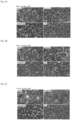
- the Fig. 2 shows the effect of control, bumetanide, mebendazole and bumetanide + mebendazole at 10 ⁇ m on the U87 cell lines at day 3 ( Fig. 2A ), day 5 ( Fig. 2B ) and day 8 ( Fig. 2C ).
- Fig. 3 The results are shown in Fig. 3 were the Fig. 3A shows the fluorescence at day 3, Fig. 3B shows the fluorescence at day 5 and Fig. 3C shows the fluorescence at day 8.
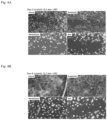
- Fig. 4A shows the tumour cells at day 5 at 0.1 ⁇ m and the Fig. 4B shows the tumour cells at day 8 at 0.1 ⁇ m.
- bumetanide reduced significantly invasion by 40 % at day 5 (p ⁇ 0,001; SD 1,3) when compared to controls who were not treated. Mebendazole failed to reduce significantly cell invasion (15%). In contrast, applications of bumetanide and mebendazole reduced invasion by 95% (p ⁇ 0,001; SD 0,8).
- Fig. 5A clearly confirms what was illustrated above using Dapi stain, showing that with low dosages of either bumetanide (B) or mebendazole (Bem) alone, cells are viable staining with both GFP (green) and propidium iodine (red). In contrast, with combined use of both agents, most cells are dead with a considerable reduction of cell density (control: 3%, B: 3,2 %, MEB: 50%, B+MEB: 90%) validating their synergistic actions on diffusion and metastasis. This is also shown in Fig. 5B with higher magnification to illustrate with more details the alive and dying cells.
- bumetanide and mebendazole clearly enhances the efficacy on both cell death and invasion/metastasis.
- MRI Magnetic Resonance Imaging
- NKCC1 protein inhibitor namely bumetanide
- a microtubule inhibitor namely mebendazole
Landscapes
- Health & Medical Sciences (AREA)
- Veterinary Medicine (AREA)
- Chemical & Material Sciences (AREA)
- Medicinal Chemistry (AREA)
- Pharmacology & Pharmacy (AREA)
- Life Sciences & Earth Sciences (AREA)
- Animal Behavior & Ethology (AREA)
- General Health & Medical Sciences (AREA)
- Public Health (AREA)
- Epidemiology (AREA)
- Chemical Kinetics & Catalysis (AREA)
- General Chemical & Material Sciences (AREA)
- Nuclear Medicine, Radiotherapy & Molecular Imaging (AREA)
- Organic Chemistry (AREA)
- Oncology (AREA)
- Pharmaceuticals Containing Other Organic And Inorganic Compounds (AREA)
Abstract
The present invention relates to a combination of compounds for a use in therapy and especially to a therapeutic combination for use int the treatment of tumours and/or cancer. In particular, the invention relates to a therapeutic combination that comprises a NKCC1 protein inhibitor and a microtubule inhibitor, optionally together with one or more additional chemotherapeutic agents or radiotherapy. The combined administration includes at least one NKCC1 protein inhibitor and at least one microtubule inhibitor.
Description
- The present invention relates to a combination of compounds for a use in therapy and especially to a therapeutic combination useful for the treatment of cancer. In particular, the invention relates to a therapeutic combination that comprises a NKCC1 protein inhibitor and a compound able to destabilize the tubulin polymerization, optionally together with one or more additional chemotherapeutic agents or radiotherapy. The combined administration includes at least one NKCC1 protein inhibitor and at least one microtubule inhibitor.
- The present invention is based on the combination of compounds having different ways of action, for a synergistic effect in therapy and especially in cancer therapy. The targeted mechanisms are the NKCC1 protein inhibition and the tubulin polymerization inhibition in cells cytoskeleton. NKCC1 protein inhibitors are considered as attractive drug targets in central nervous system but they have also showed interesting effects in other therapies such as cancer therapy. Considering bumetanide as the representative of the NKCC1 protein inhibitors, the drawbacks of its use as a drug are its poor brain bioavailability, its effects on kidneys, and its ototoxicity especially in paediatric populations. The chronic use of a NKCC1 inhibitor can be problematic. The microtubule inhibitors are known as microtubule-targeting drugs and are already in clinical use for the treatment of cancers. They are able to disrupt the microtubules and inhibit mitosis; cancer cells replicate rapidly so they are constantly undergoing mitosis. Unfortunately their use has several drawbacks such as acquired resistance and severe side effects (gastrointestinal problems, hair loss, alopecia, neurotoxicity, autonomic system malfunction, etc.).
- The present invention is based on the above detailed targeted mechanisms of NKCC1 inhibition and microtubule inhibition at the same time for a use in therapy. The main objective is to reduce the doses of each compound because of a synergistic effect of said approach. Bumetanide is the best-known representative of the NKCC1 inhibitors. The molecular identification of NKCC1 and NKCC2 was made in 1994 (Delpire et al. 1994; Gamba et al., 1994 et Xu et al.) after the clinical approval of bumetanide as a drug in the treatment of hypertension and brain edema. In the 1960s, the exact target of bumetanide in the kidney was not known. Bumetanide was discovered as a result of systematic structure-activity studies of a large series of diuretically active 3-amino-5-sulfamoylbenzoic acid derivatives (Felt 1981) and was followed by several series of compounds related both in chemical structure and diuretic profile. In other words, the synthesis of sulfamoyl benzoic acid diuretics was done long before their cellular and molecular mechanisms of action were elucidated.
- Bumetanide has been marketed in more than fifty countries including Germany, Japan, Denmark, France, Sweden, the Netherlands, New Zealand, Belgium, Finland, Russia and the United States of America for the treatment of oedema associated with congestive heart failure, hepatic disease and renal disease.
- It was shown that NKCC1 inhibition by the highly specific inhibitor bumetanide, rescues GABA transmission and behavioural deficits in animal models and in patients. Compelling evidence including clinical trials have been made for Autism Spectrum Disorders (ASD) and Parkinson Disease (PD)(Savardi et al., Trends Pharmacol. Sci., 2021; Yehezkel Ben-Ari, Trends Neurosc., 2017; Hadjikhani et al., Autism Res., 2017; Damier et al., Clin. Neuropharmacol., 2016) or Down syndrome (Deidda et al., Nat. Med., 2015). Another recent study raises the possibility that Bumetanide might also be efficient to treat Alzheimer Disease since use of Bumetanide in elderly (more than 65 years old) decreases the incidence of Alzheimer by 30% to 70% and Bumetanide is the best of 1300 widely used agents to attenuates Alzheimer signatures in vitro (Taubes et al., Am. J. Clin. Nutr., 2021).
- The present invention is based on the use of specific inhibitors of NKCC1, a cation-chloride cotransporter (CCCs) in the treatment of tumours and cancer. CCCs are secondary active symporters that control the K+ and/or Na+ gradients to extrude or uptake Cl- in various cell types. NKCC1 is an intensively studied member of the CCC family and plays fundamental roles in regulating trans-epithelial ion movement, cell volume, chloride homeostasis and neuronal excitability.
- NKCC symporters are found with two subtypes, ubiquitous NKCC1 and kidney-specific NKCC2. The most potent inhibitor of NKCC1 and NKCC2 is Bumetanide, a loop diuretic. Bumetanide (known as Burinex®) is indicated for the treatment of oedema associated with congestive heart failure, cirrhosis of the liver and renal disease including the nephrotic syndrome. Bumetanide acts on the thick ascending limb of the loop of Henle, where it can block the luminal Na-K-2Cl (NKCC2) transporter, a protein that transports sodium, potassium, and chloride from pro-urine to interstitial fluid/blood, thereby increasing urinary loss of water, sodium, potassium, and chloride. The NKCC1 chloride co-transporter regulates in virtually all cells the influx of ions notably chloride and when excessively operating leads to chloride intracellular accumulation.
- Alterations in the expression and function of NKCC1 have been implicated in several brain and peripheral disorders, including neonatal seizures, epilepsy, autism, cerebral oedema following ischemic and traumatic brain injury, chronic, spinal cord lesions, chronic pain, Alzheimer disease and acute pain but also various types of cancer and brain tumours (Yehezkel Ben-Ari 2017 ; Savardi et al. 2021). Excessive activity of NKCC1 in neurons leads to a shift of the polarity of GABA and a loss of the main inhibitory drive in the brain but also swelling consequently to a disturbance of sodium and chloride leading to water influx. This in turn impacts brain inhibitory networks & behaviourally relevant oscillations. Depolarizing /excitatory actions of GABA have been reported in these disorders often associated with a hyperphosphorylation of NKCC1 and a loss of activity of the main chloride exporter KCC2. Indeed, the latter is instrumental in removing chloride and highly vulnerable to insults that lead to its internalization. The combined overactivity of NKCC1 and reduced activity of KCC2 underlie the chloride accumulation and the loss of inhibitory drive (Yehezkel Ben-Ari 2015; Y. Ben-Ari et al. 2007; Yehezkel Ben-Ari 2017; Glykys et al. 2017; Dzhala et al. 2010). This universal reaction constitutes a final common neuronal response to many brain disorders in spite of their heterogeneity. Collectively, the data available suggests that a selective agent like Bumetanide might provide a treatment to many central and peripheral brain disorders.
- Extensive investigations suggest that the electroneutral NKCC1 cotransporter plays an important role in many brain disorders diseases and symptoms. These effects are mediated by an overactivity of NKCC1 leading to major ionic changes and alterations of neuronal volume associated with swelling that in turn impacts essential functions including migration, movement and apoptosis. Earlier studies conducted by several groups have shown that a similar situation occurs in glioblastoma with bumetanide attenuating metastases and migration from the tumours in vitro and in vivo (Luo et al., 2020; Xu et al., 2016; Hu et al., 2019). Among the compounds known to destabilize the tubulin polymerization, we can cite the benzimidazole anthelmintics, the taxanes, the vinca alkaloids and the epothilones.
- The best-known members of the benzimidazole anthelmintics are mebendazole (MBZ) and albendazole (ABZ). Mebendazole, methyl N-[6-(benzoyl)-1H- benzimidazol-2-yl] carbamate, is a drug developed for the treatment of human and veterinary helminthic infections. It has been approved by the US Food and Drug Administration (FDA) and is available as generic drug for treating roundworm, common hookworm, American hookworm, pinworm, and whipworm. The closely related albendazole has been approved for treating many parasites in the central nervous system (CNS). Both have been shown to cross the blood-brain barrier in sufficient amounts and to act by binding to tubulin subunits preventing its polymerization and thereby causing ultrastructural changes and preventing parasite growth (Bai et al. 2015; Bai et al. 2011; Aleyasin et al. 2015).
- Bai et al. have shown that mebendazole (MBZ) and albendazole (ABZ) can attenuate glioblastoma in rodent models in vivo and in vitro. The study included testing the agents on in vitro human cell lines and tissue culture, measuring cell growth, but also animal experiments in vivo using cell lines transplanted intracerebrally. Mean survival was shifted from 20 to 49 and 36 days after treatments with MBZ or ABZ respectively. Both have been shown to have some efficacy in various experimental forms of cancers (Sandström et al. 1994; Sun et al. 2016; De Witt et al. 2017).
- The taxanes are known as chemotherapy agents and widely used. We can cite paclitaxel (Taxol®) and docetaxel (Taxotere®) but also cabazitaxel approved to treat hormone-refractory prostate cancer. The vinca alkaloids are also known as chemotherapy agents. To date the four major vinca alkaloids in clinical use for fighting cancer are vinblastine, vinorelbine, vincristine and vindesine. The epothilones are a new class of chemotherapy agents with regards to the taxanes and the vinca alkaloids. The compounds are names epothilones A to F and some analogs (such as ixabepilone) are approved for use in the treatment of cancer or undergoing the approbation process.
- In the objective of treating glioblastoma the inventors decided to deal with several important issues in parallel. Survival time to glioblastoma after failure of the classical Avastin/Temodal and radiotherapy is limited to few months. Over 600 clinical trials using pharmaceutical agents have been made to attenuate glioblastoma and increase survival, unfortunately without success. The main reasons are that many of these trials rely on agents used to treat other types of cancer not considering the uniqueness of brain networks in terms of plasticity and volume organization. To propagate across the environment of the tumour, cells must strongly reduce their volume to adapt to the restricted space available. This is achieved by ionic changes - notably chloride, sodium and water and cytoskeletal contraction. Our suggestion is to combine both approaches to enhance efficacy by preventing these changes to take place, notably volume and cytoskeletal changes and at the same time facilitate apoptosis and hence reduction of the tumour.
- Despite the beneficial activities NKCC1 protein inhibitors and microtubules inhibitors, there is a continuing need for new compounds and therapies to treat the aforementioned diseases and conditions. Relying on the well demonstrated experimental data validating different effects and mechanisms of action of the two families of compounds, NKCC1 inhibitors acting on chloride and ion transport and tubulin polymerization inhibitors acting on cytoskeleton without interference with ions channels; we decided to test the possibility of combination of two compounds that might enhance their respective effects and/or show a synergistic effect. This approach has several advantages including reducing the minimal dosages required, decreasing the possible side effects and augmenting the efficacy of both compounds acting on two different mechanisms and possibly exerting a synergistic action on the various toxic elements of tumours and cancers, namely metastasis, diffusion and tumour enhancement, and augmenting at the same time apoptosis.
- The present invention describes the combined use of a NKCC1 inhibitor and a microtubule inhibitor for a use in therapy. It particularly describes a NKCC1 inhibitor and a tubulin polymerization inhibitor for use in treating a tumour and/or a cancer in a subject in need thereof, said use comprising administering to a subject at least one NKCC1 inhibitor and at least one tubulin polymerization inhibitor. The combined administration to a subject of a NKCC1 inhibitor and a microtubule inhibitor is used for the treatment of tumours and cancers and particularly to attenuate glioblastoma and related severe tumours.
- In the present invention the term "
NKCC 1 inhibitor", single or plural, refers to compounds able to inhibit partially or totally the activity of the protein NKCC1. The proteins NKCC1 are cation-chloride cotransporters (CCCs) and secondary active symporters that control the K+ and/or Na+ gradients to extrude or uptake Cl- in various cell types. Such NKCC inhibitors are selected from sodium dichloroacetate, bumetanide, furosemide, azosemide, piretanide, torasemide, tripamide and their derivatives such as salts and prodrugs. To date, bumetanide is a well-known specific inhibitor of NKCC1 that has already been used in clinical studies (FDA and EP approved) so bumetanide is a preferred NKCC1 inhibitor according to the present invention. According to the invention the NKCC1 inhibitor is selected from sodium dichloroacetate, bumetanide, furosemide, azosemide, piretanide, torasemide, tripamide and their derivatives such as salts and prodrugs. - The term "salt", singular or plural, refers to a pharmaceutically acceptable salts that are salts with inorganic or organic acids, e.g. hydrochloric, hydrobromic, nitric, carbonic, formic, monohydrogencarbonic, phosphoric, monohydrogenphosphoric, dihydrogenphosphoric, perchloric, sulfuric, monohydrogensulfuric, hydroiodic, phosphorous, acetic, lactic, propionic, butyric, isobutyric, palmoic, maleic, glutamic, hydroxymaleic, malonic, benzoic, succinic, glycolic, suberic, fumaric, mandelic, phthalic, salicylic, benzenesulfonic, p-tolylsulfonic, citric, tartaric, methanesulfonic and hydroxynaphthoic acids. The term "salt" can also refer to salts with inorganic bases, e.g. alkali metal bases, especially sodium or potassium bases or alkaline-earth metal bases, especially calcium or magnesium bases, or with pharmaceutically acceptable organic bases.
- The term "prodrug" refers to a pharmaceutically acceptable prodrug of the NKCC1 inhibitors are derivatives which have chemically or metabolically cleavable groups and become, by solvolysis or under physiological conditions, the NKCC1 inhibitors which are pharmaceutically active in vivo. Prodrugs of the NKCC1 inhibitors may be formed in a conventional manner with a functional group. The prodrug derivative form often offers advantages of solubility, tissue compatibility or delayed release in a mammalian organism (see, Bundgaard, H., Design of Prodrugs, pp. 7-9, 21-24, Elsevier, Amsterdam 1985). Prodrugs include acid derivatives well known to the person skilled in the art, such as, for example, esters prepared by reaction of the parent acidic compound with a suitable alcohol, or amides prepared by reaction of the parent acid compound with a suitable amine.
- According to the invention the terms "microtubules inhibitors" or "tubulin polymerization inhibitors", single or plural, are equivalent and refer to a family of compounds able to stabilize or destabilize microtubule, thereby suppressing microtubule dynamics required for proper mitotic functions, effectively blocking cell cycle progression and resulting in apoptosis. The microtubule inhibitor is selected from the anthelmintics benzimidazole group, the taxanes, the vinca alkaloids and the epothilones. The taxanes includes paclitaxel, docetaxel and cabazitaxel. The vinca alkaloids include vinblastine, vinorelbine, vincristine and vindesine. The epothilones include epothilones A to F and their analogs such as ixabepilone).
- In the present invention the term "anthelmintic" drug or compound is the term used to describe a compound or drug used to treat infections of animals or humans with parasitic worms; said worms include both flat worms, i.e. trematodes and cestodes as well as round worms also called nematodes. The term "anthelmintics benzimidazole" or "anthelmintics benzimidazole group" or "benzimidazole compounds having an anthelmintics activity" refers to a group of compounds with a benzimidazole group and displaying anthelminthic activity including mebendazole, albendazole, flubendazole, parbendazole, oxibendazole, oxfendazole, ricobendazole, fenbendazole, triclabendazole, thiabendazole, cambendazole and nocodazole. The combined administration according to the invention is based on the fact that the two compounds can act on different sites: chloride and sodium regulation for the NKCC1 inhibitors and the cytoskeleton for the microtubule inhibitor. The combined administration has an effect on two processes that are essential for the metastatic activity observed in tumour development and cancer. Said processes are the cellular volume modification and the cytoskeleton contraction. The effect of the combined administration on tumours and/or cancer, and particularly on glioblastoma and related severe brain tumours, is higher than the efficacy of each compound alone; there is a synergistic effect of the combined administration according to the results obtained in vitro and in vivo.
- Prior art experimental data suggests the use of bumetanide and to a much lesser extent mebendazole, can attenuate glioblastoma in vitro and in vivo, but the combined administration of bumetanide as a NKCC1 inhibitor and mebendazole as a microtubule inhibitor, has never been explored. The present invention provides preclinical evidences and a pilot clinical trial data validating a significative synergistic effect of the combined administration of a NKCC1 inhibitor and a microtubule inhibitor, in particular of bumetanide and mebendazole.
- The characteristics of the invention, as well as others, will more clearly appear on reading the following description of an example of realization, said description referring to the attached figures, among which:
-
Fig. 1 shows the mechanisms of action of mebendazole, an anthelmintic benzimidazole as a microtubule inhibitor and bumetanide as a NKCC1 inhibitor on HEK293 cells. TheFig. 1A shows the different mechanisms of action of each compound and theFig. 1B shows the efficacy of bumetanide in inhibiting the K+ influx instead of mebendazole. This illustrates the effect of each of the combination partners: the NKCC1 inhibitors acts on the chloride and sodium regulation and the microtubule inhibitor does not. -
Fig. 2 shows the effects of bumetanide and mebendazole, alone or in combination, in U87 cells at 10µm. The cells are GFP transfected and would appear in green on a coloured figure. Measured were made at day 3 (Fig. 2A ), day 5 (Fig. 2B ) and day 8 (Fig. 2C ) of culture. The dosage of 10µm is a high concentration of each compound and it appears that mebendazole alone exerts a very strong cytotoxic effect and bumetanide also. As observed in subjects having a tumour and/or cancer, after a period of response to treatment the cells show a resistance to chemical therapy, leading to death of the tissue and/or subject. This is illustrated here with each of the combination partners alone atday 8. But with the combined administration of bumetanide and mebendazole, it seems that the emergence of resisting cells is neutralized. -
Fig. 3 shows the effects of bumetanide and mebendazole, alone or in combination, in U87 cells at 0.1µm. This is a dosage that was poorly explored in the prior art for the combination partners alone. Measured were made at day 3 (Fig. 3A ), day 5 (Fig. 3B ) and day 8 (Fig. 3C ) of culture. The same results as with the higher dose detailed above are observed. It appears that mebendazole alone exerts a very strong cytotoxic effect at this low dosage. The combined administration according to the invention neutralizes the emergence of resisting cells atday 8. -
Fig. 4 shows a scratch test on U87 cells at day 5 (Fig. 4A ) and at day 8 (Fig. 4B ), at 0.1µm of bumetanide, mebendazole and the combination of bumetanide and mebendazole. The combined partners alone have no anti-invasive action atday 5 or atday 8. But the combined administration of the combination partners has a significative anti-invasive action illustrated by the trench on theFig. 4A and 4B ; moreover, a significantly higher number of dead cells with pycnotic and fragmented nuclei are observed. -
Fig. 5 shows the effects of bumetanide and mebendazole in an immunochemistry test on U87 cells, alone or in combination, at 1µm. The labels used are Dapi (blue) iodure propidium (red) and Actin immunocytochemistry with GFP (green) in order to visualize the viability and non-viability of cells. TheFig. 5A confirms that with low dosages of either bumetanide (B) or mebendazole (Bem) alone, cells are viable staining with both GFP (green) and propidium iodine (red). In contrast, with combined use of both agents, most cells are dead with a considerable reduction of cell density validating their synergistic actions on diffusion and metastasis. This is also shown inFig. 5B with higher magnification to illustrate with more details the alive and dying cells. -
Fig. 6 shows a MRI of a patient (compassionate use single case) with a glioblastoma and especially its brain stem after a combined administration of bumetanide and mebendazole for several months. - The term "combination" refers to either a fixed combination in one dosage unit form, or a non- fixed combination (or kit of parts) for the combined administration where a NKCC1 inhibitor and a microtubule inhibitor may be administered independently at the same time or separately within time intervals, especially where these time intervals allow that the combination partners show a cooperative, i.e. synergistic effect.
- As used herein the term "combination partners" or "combination compounds" or "combined therapeutic agents" are equivalent and refer to at least one NKCC1 inhibitor and at least one microtubule inhibitor.
- The term "combined administration" or the like as utilized herein are meant to encompass administration of the selected combination partner to a single subject in need thereof (i.e. a patient), and are intended to include treatment regimens in which the agents are not necessarily administered by the same route of administration or at the same time.
- The term "fixed combination" means that the active ingredients, i.e. a NKCC1 antagonist and a microtubule inhibitor, are both administered to a patient simultaneously in the form of a single entity or dosage. The terms "non-fixed combination" or "kit of parts" mean that the active ingredients, i.e. a NKCC1 inhibitor and a microtubule inhibitor, are both administered to a patient as separate entities either simultaneously, concurrently or sequentially with no specific time limits, wherein such administration provides therapeutically effective levels of the two compounds in the body of the subject in need thereof.
- The term "treatment" includes prophylactic and therapeutic treatment (including but not limited to palliative, curing, symptom-alleviating, symptom-reducing) as well as the delay of progression of a cancer disease or disorder. The term "prophylactic" means the prevention of the onset or recurrence of a cancer. The term "delay of progression" as used herein means administration of the combination to patients being in a pre-stage or in an early phase of the cancer to be treated, a pre-form of the corresponding cancer is diagnosed and/or in a patient diagnosed with a condition under which it is likely that a corresponding cancer will develop. "Pharmaceutical preparation" or "pharmaceutical composition" refers to a mixture or solution containing at least one therapeutic agent to be administered to a patient, i.e., a human. "Pharmaceutically acceptable" refers to those compounds, materials, compositions and/or dosage forms, which are, within the scope of sound medical judgment, suitable for contact with the tissues of mammals, especially humans, without excessive toxicity, irritation, allergic response and other problem complications commensurate with a reasonable benefit/risk ratio. "Therapeutically effective" preferably relates to an amount of a therapeutic agent that is therapeutically or in a broader sense also prophylactically effective against the progression of a tumour and/or cancer.
- The terms "medicament" or "drug" or "therapeutic agent" are considered and used herein as equivalents and refer to one of the combination partners alone or both combination partners. "Jointly therapeutically effective" means that the therapeutic agents may be given separately (in a chronologically staggered manner, especially a sequence-specific manner) in such time intervals that they prefer, in the warm-blooded animal, especially human, to be treated, still show a (preferably synergistic) interaction. Whether this is the case can, inter alia, be determined by following the blood levels, showing that both compounds are present in the blood of the human to be treated at least during certain time intervals.
- In one embodiment the combination partners further include at least one pharmaceutically acceptable carrier material. Said pharmaceutically acceptable carrier material refers to a single carrier or vehicle formulated to deliver effective amounts of both combination partners to a subject in need thereof. The single vehicle is designed to deliver an effective amount of each of the compounds, along with any pharmaceutically acceptable carriers or excipients. In some embodiments, the vehicle is a tablet, capsule, pill, or a patch. In other embodiments, the vehicle is a solution or a suspension.
- The term "patient" or "subject" refers to a human or other animal, preferably a human, in need of a treatment according to the invention.
- The present invention relates to a therapeutic combination useful in therapy and especially useful for the treatment of cancer. In particular, the invention relates to a therapeutic combination that comprises at least one NKCC1 protein inhibitor and at least one microtubule inhibitor, optionally together with one or more additional chemotherapeutic agents or radiotherapy.
- The present invention describes a NKCC1 protein inhibitor and a microtubule inhibitor for use in therapy. It especially describes a NKCC1 protein inhibitor and a microtubule inhibitor for use in treating a cancer in a subject in need thereof, comprising administering to the subject at least one NKCC1 inhibitor and at least one microtubule inhibitor as combination partners. The at least one NKCC1 inhibitor and at least one microtubule inhibitor are also referred to as combination partners or as compounds or drugs.
- The invention further describes the compounds for use as detailed above, for simultaneous, separate or sequential use of the combination partners so that they are jointly active. Said compounds for use are selected as follows:
- the microtubule inhibitor is selected from benzimidazole anthelmintics, taxanes, vinca alkaloids and epothilones; and the benzimidazole anthelmintic is selected from mebendazole, albendazole, flubendazole, parbendazole, oxibendazole, oxfendazole, ricobendazole, fenbendazole, triclabendazole, thiabendazole, cambendazole and nocodazole.
- the NKCC1 protein inhibitor is selected from sodium dichloroacetate, bumetanide, furosemide, azosemide, piretanide, torasemide, tripamide and their derivatives such as salts and prodrugs.
- In a preferred embodiment the NKCC1 protein inhibitor is bumetanide. In another preferred embodiment the combination partners are selected from bumetanide as the first partner and mebendazole or albendazole as the second partner. In another embodiment the
NKCC 1 inhibitor is bumetanide and the microtubule inhibitor is selected from mebendazole and albendazole. - The combined administration of at least one NKCC1 inhibitor and at least one microtubule inhibitor for the treatment of a tumour and/or cancer is particularly useful for the treatment of a mastocytoma or a mast cell tumour, an ovarian cancer, a pancreatic cancer, a non-small cell lung cancer, a small cell lung cancer, hepatocarcinoma, a melanoma, a retinoblastoma, a breast tumour, a colorectal carcinoma, a leukaemia, a lymphoma, an acute lymphoblastic leukaemia or acute lymphoid leukaemia, an acute myeloid leukaemia, a histiocytic sarcoma, a brain tumour, an astrocytoma, a glioblastoma, a neuroma, a neuroblastoma, a colon carcinoma, a cervical carcinoma, a sarcoma, a prostate tumour, a bladder tumour, a tumour of the reticuloendothelial tissues, a Wilm's tumour, an ovarian carcinoma, a bone cancer, an osteosarcoma, a renal cancer, or head and neck cancer, an oral cancer, a laryngeal cancer, or an oropharyngeal cancer. In a preferred embodiment the combined administration is useful for the treatment of glioblastoma and severe related tumours.
- In one embodiment the combined administration of a NKCC1 inhibitor and a microtubule inhibitor further comprises any one of chemotherapy, radiotherapy or chemoradiotherapy.
- In a further embodiment the combination partners are use in the preparation of a medicament for the prevention, delay or treatment of a tumour and/or cancer. Said medicament or drug is particularly useful for the treatment of a mastocytoma or a mast cell tumour, an ovarian cancer, a pancreatic cancer, a non-small cell lung cancer, a small cell lung cancer, hepatocarcinoma, a melanoma, a retinoblastoma, a breast tumour, a colorectal carcinoma, a leukaemia, a lymphoma, an acute lymphoblastic leukaemia or acute lymphoid leukaemia, an acute myeloid leukaemia, a histiocytic sarcoma, a brain tumour, an astrocytoma, a glioblastoma, a neuroma, a neuroblastoma, a colon carcinoma, a cervical carcinoma, a sarcoma, a prostate tumour, a bladder tumour, a tumour of the reticuloendothelial tissues, a Wilm's tumour, an ovarian carcinoma, a bone cancer, an osteosarcoma, a renal cancer, or head and neck cancer, an oral cancer, a laryngeal cancer, or an oropharyngeal cancer. In a preferred embodiment the medicament or drug is useful for the treatment of glioblastoma and severe related tumours.
- In one embodiment of the invention the therapeutic combination is formulated as separate compositions (one for each combination partner or therapeutic agent), or the two partners of the therapeutic combination are formulated into one composition or drug formulation (the two combination partners are formulated together).
- In another embodiment of the invention the combination partners, i.e. the NKCC1 inhibitor and the microtubule inhibitor, are packaged individually, or are packaged together, or packaged in any combination, in a single package, a plurality of packages or packettes, or a blister packet, lidded blister or blister card or packets, or a shrink wrap.
- In another embodiment one or the two drugs of the therapeutic combination are formulated or manufactured as a parenteral formulation, an aqueous solution, a liposome, an injectable solution, a tablet, a pill, a lozenge, a capsule, a caplet, a patch, a spray, an inhalant, a powder, a freeze-dried powder, an inhalant, a patch, a gel, a geltab, a nanosuspension, a nanoparticle, a nanoliposome, a microgel, a pellet, a suppository or any combination thereof.
- In a particular embodiment the dosage of the NKCC1 inhibitor ranges from 1 to 5 mg a day for an adult patient. The dosage of the microtubule inhibitor ranges from 500 mg to 1500 mg a day for an adult patient. In another embodiment both compounds are packaged in dosages that match a chrono-dosing regimen to match an optimal dose for the time of day. The term "Dose range" refers to an upper and a lower limit of an acceptable variation of the amount of combination partner specified. Typically, a dose of the combination partners in any amount within the specified range can be administered to a subject undergoing treatment.
- The therapeutic combination of the invention is formulated for administration intravenously, topically, orally, by inhalation, by infusion, by injection, by inhalation, intraperitoneally, intramuscularly, subcutaneously, intra-aurally, for intra-articular administration, for intra-mammary administration, for topical administration or for absorption through epithelial or mucocutaneous linings.
- Such combination may be for simultaneous, separate or sequential use for the treatment of a tumour and/or a cancer.
- In alternative embodiments, provided are a device, a medical device, an implant, a breast implant, a prosthesis, a stent, a catheter, comprising a therapeutic combination of therapeutic agents or partners as provided herein.
- In a further embodiment the invention provides a pharmaceutical composition comprising at least one NKCC1 inhibitor, at least one microtubule inhibitor and a pharmaceutically acceptable excipient or adjuvant, for use in therapy, and especially for use in treating a tumour and/or cancer in a subject in need thereof. The present invention provides a pharmaceutical composition comprising the therapeutic combination as provided herein, and optionally the pharmaceutical composition can further comprise a pharmaceutically acceptable excipient. In one embodiment, the pharmaceutical composition is formulated or manufactured as a feed, a food, a food or feed concentrate, a pellet, a lozenge, a liquid, a lotion, an implant, a nanoparticle, an elixir, an aerosol, a spray, an aerosol, an inhalant, a powder, a tablet, a pill, a capsule, a gel, a geltab, a nanosuspension, a nanoparticle, a patch, a microgel or a suppository.
- In alternative embodiments, provided are methods for treating, preventing or ameliorating a tumour and/or a cancer, comprising: applying or administering to an individual in need thereof; or, applying or administering to an effected tissue: the therapeutic combinations as provided herein, or a pharmaceutical composition as provided herein, wherein optionally the therapeutic agents or drugs are administered separately or together, or at the same time, or in synchrony, or by chrono-dosing, or one of the therapeutic agents or drugs is administered before another of the therapeutic agents or drugs, and optionally the therapeutic agents or drugs are formulated for administration intravenously (IV), parenterally, nasally, topically or locally, orally, or by liposome, implant or vessel-targeted nanoparticle delivery.
- According to the invention the cancer or tumour is: a mastocytoma or a mast cell tumour, an ovarian cancer, pancreatic cancer, a non-small cell lung cancer, small cell lung cancer, hepatocarcinoma, melanoma, retinoblastoma, breast tumour, colorectal carcinoma, leukaemia, lymphoma, acute lymphoblastic leukaemia or acute lymphoid leukaemia, acute myeloid leukaemia, a histiocytic sarcoma, a brain tumour, an astrocytoma, a glioblastoma, a neuroma, a neuroblastoma, a colon carcinoma, cervical carcinoma, sarcoma, prostate tumour, bladder tumour, tumour of the reticuloendothelial tissues, Wilm's tumour, ovarian carcinoma, a bone cancer, an osteosarcoma, a renal cancer, or head and neck cancer, oral cancer, a laryngeal cancer, or an oropharyngeal cancer.
- The invention further provides methods for treating, preventing or ameliorating a tumour or a cancer, comprising: applying or administering to an individual in need thereof; or, applying or administering to an effected tissue: the therapeutic combinations as provided herein, or a pharmaceutical composition or formulation as provided herein, wherein optionally the therapeutic agents or drugs are administered separately or together, or at the same time, or in synchrony, or by chrono-dosing, or one of the therapeutic agents or drugs is administered before the other of the therapeutic agents or drugs, and optionally the therapeutic agents or drugs are formulated for administration intravenously, parenterally, nasally, topically or locally, orally, or by liposome, implant or vessel-targeted nanoparticle delivery.
- In one embodiment the methods further comprise an anticancer or anti-tumour radiotherapy or a proton beam therapy.
- In another embodiment, provided are uses of a therapeutic combination as provided herein in the manufacture of a medicament. In a particular embodiment, provided are uses of the therapeutic combinations as provided herein, in the manufacture of a medicament for treating a cancer or a tumour; said cancer or tumour is selected from a mastocytoma or a mast cell tumour, an ovarian cancer, pancreatic cancer, a non-small cell lung cancer, small cell lung cancer, hepatocarcinoma, melanoma, retinoblastoma, breast tumour, colorectal carcinoma, leukaemia, lymphoma, acute lymphoblastic leukaemia or acute lymphoid leukaemia, acute myeloid leukaemia, a Histiocytic sarcoma, a brain tumour, an astrocytoma, a glioblastoma, a neuroma, a neuroblastoma, a colon carcinoma, cervical carcinoma, sarcoma, prostate tumour, bladder tumour, tumour of the reticuloendothelial tissues, Wilm's tumour, ovarian carcinoma, a bone cancer, an osteosarcoma, a renal cancer, or head and neck cancer, oral cancer, a laryngeal cancer, or an oropharyngeal cancer.
- The invention will now be described by reference to the following examples and figures, which are merely illustrative and are not to be construed as a limitation of the scope of the present invention.
- The present invention describes a NKCC1 inhibitor and a microtubule inhibitor for a use in therapy, or their use in the preparation of a medicament or the pharmaceutical composition containing them as combination partners for their use in therapy. Said therapy is preferentially a tumour and/or cancer therapy. In a preferred embodiment the invention describes a NKCC1 inhibitor and a microtubule inhibitor, or their use in the preparation of a medicament or the pharmaceutical composition containing them as combination partners for their use in tumour and/or cancer therapy wherein the tumour and/or cancer is selected from a mastocytoma or a mast cell tumour, an ovarian cancer, a pancreatic cancer, a non-small cell lung cancer, a small cell lung cancer, hepatocarcinoma, a melanoma, a retinoblastoma, a breast tumour, a colorectal carcinoma, a leukaemia, a lymphoma, an acute lymphoblastic leukaemia or acute lymphoid leukaemia, an acute myeloid leukaemia, a histiocytic sarcoma, a brain tumour, an astrocytoma, a glioblastoma, a neuroma, a neuroblastoma, a colon carcinoma, a cervical carcinoma, a sarcoma, a prostate tumour, a bladder tumour, a tumour of the reticuloendothelial tissues, a Wilm's tumour, an ovarian carcinoma, a bone cancer, an osteosarcoma, a renal cancer, or head and neck cancer, an oral cancer, a laryngeal cancer, or an oropharyngeal cancer. In another preferred embodiment the invention describes a
NKCC 1 inhibitor and a microtubule inhibitor, or their use in the preparation of a medicament or the pharmaceutical composition containing them as combination partners for their use in the treatment of glioblastoma and severe related tumours. - The following studies were made on mebendazole or albendazole as microtubules inhibitors and bumetanide as NKCC1 inhibitor.
- The HEK cell line is a specific immortalised cell line widely used in cell biology and biotechnology research and the U87 cell line is a human glioblastoma cell line that is commonly used in brain cancer research.
- 1) Validation of the mechanisms of action of mebendazole and bumetanide Using the human HEK293 cell line, we confirm that bumetanide but not mebendazole act on NKCC1 altering potassium transport. As shown in
Figure 1A , K+ influx in HEK293 cells is inhibited 44% by 100 uM ouabain, whereas the flux is inhibited 49% by bumetanide. Combined, the two drugs reduce K+ influx by 90%. The remaining 10% is of the flux is mediated by K+ channels. The Figure also shows that mebendazole is ineffective in inhibiting K+ influx.Figure 1B reports dose response curves for bumetanide and mebendazole on NKCC1-mediated K+ influx, showing efficacy of bumetanide (EC50 = 312 nM) and inefficacy of mebendazole. These data show that mebendazole does not affect the Na+/K+-pump, nor the Na-K-2Cl cotransporter. - 2) Effect of the combined use of bumetanide and mebendazole
- The effects of bumetanide alone or in combination with mebendazole were investigated in U87 cell lines at 0.1, 1, and 10µm. Each experiment was performed in triplicate (n=3). Cells were GFP transfected (green). Cytotoxicity is manifested by loss of GFP and presence of small round flat cells loosing GFP expression indicative of cell death (apoptosis).
- The
Fig. 2 shows the effect of control, bumetanide, mebendazole and bumetanide + mebendazole at 10 µm on the U87 cell lines at day 3 (Fig. 2A ), day 5 (Fig. 2B ) and day 8 (Fig. 2C ). - As shown in
Fig. 2 , at the high concentration of 10µm mebendazole (MEB or MEB) exerts a very strong cytotoxic effect (55 % reduction of cell number atday 1, 89% at day 5- p < 0,001, SD 3,1). Interestingly atday 8 the cytotoxic effect decreased to 64 % (p<0,05, SD 2) with the appearance of flat proliferating cell, demonstrating the occurrence of drug-resistance with, as observed in patients, the expression of cells that resist to chemical-therapy leading to death. Bumetanide induces a strong cytotoxic action at day 3 andday 5 but less so at day 8 (non-significant reduction of cell number (18 %)) also suggesting a resistance after long delays. The combination of both drugs neutralized the emergence of these resisting cells. These results suggest that the combined actions of bumetanide and mebendazole are complementary abolishing the resistance of tumor cells to the treatment. - To further explore the synergistic effect between bumetanide and mebendazole, we decreased the concentration from 10µm to 0.1µm which is a very low concentration poorly explored in the literature.
- The results are shown in
Fig. 3 were theFig. 3A shows the fluorescence at day 3,Fig. 3B shows the fluorescence atday 5 andFig. 3C shows the fluorescence atday 8. - At day 3, the number of cells was reduced significantly (43 % (p<0,001,
SD 1,8) by mebendazole but not by bumetanide. It seems that the combination of both drugs did not enhance the effects of mebendazole alone. - At
day 5, the number of cells was reduced by 90 % (p<0,001,SD 2,9) by mebendazole but not by bumetanide and there was no synergy when both drugs were combined. - In contrast, at
day 8, the effects of mebendazole alone were reduced (70 %) and the appearance of round flat cells indicated cell death. When both drugs are combined, the number of remaining cells was reduced by 90% (p<0;001,SD 1,5) indicating that the above detailed resistance was neutralized. - This validates the results obtained with higher dosage but also show a clear synergistic effect at a very low dosage.
- To further investigate invasion of tumour cells, we performed a scratch test. This test enables to visualize the propagation and metastasis of tumour cells determined by their capacity to cross the trench. Therefore, U87 cells are cultivated and a scratch is made with a blade in order to estimate the strength and rapidity of invasion.
-
Fig. 4A shows the tumour cells atday 5 at 0.1µm and theFig. 4B shows the tumour cells atday 8 at 0.1µm. - As shown in
Figure 4A , bumetanide reduced significantly invasion by 40 % at day 5 (p<0,001;SD 1,3) when compared to controls who were not treated. Mebendazole failed to reduce significantly cell invasion (15%). In contrast, applications of bumetanide and mebendazole reduced invasion by 95% (p<0,001;SD 0,8). - At day 8 (
Fig. 4B ), neither applications of mebendazole or bumetanide separately produced an anti-invasive action. However, atDay 8, associating bumetanide with mebendazole rescued this failure by 82% (p<0,001;SD 1,1) visualized by the persistence of a trench. Also, in contrast to separate applications of bumetanide or mebendazole, a significantly higher number of dead cells with pycnotic and fragmented nuclei was observed with a combined administration of mebendazole and bumetanide. - The conclusion of the scratch study is that combined administration of bumetanide and mebendazole at low doses that are inefficient separately, prevents the propagation and metastasis of tumour cells validating their synergistic action.
- To better illustrate the effects of bumetanide and mebendazole, we used Dapi (blue) iodure propidium (red) and Actin immunocytochemistry with GFP (green) in order to visualize the viability and non-viability of cells.
- The
Fig. 5A clearly confirms what was illustrated above using Dapi stain, showing that with low dosages of either bumetanide (B) or mebendazole (Bem) alone, cells are viable staining with both GFP (green) and propidium iodine (red). In contrast, with combined use of both agents, most cells are dead with a considerable reduction of cell density (control: 3%, B: 3,2 %, MEB: 50%, B+MEB: 90%) validating their synergistic actions on diffusion and metastasis. This is also shown inFig. 5B with higher magnification to illustrate with more details the alive and dying cells. - The combined use of bumetanide and mebendazole clearly enhances the efficacy on both cell death and invasion/metastasis.
- In the context of a pilot compassionate use one patient with multiples brain metastasis was treated by combined administration of bumetanide (1 mg/day) and mebendazole (Ig/day). Clinical symptoms of multiples brain metastasis were characterized for this patient by violent headaches and left hemiparesis. Magnetic Resonance Imaging (MRI) individualized several brain metastases notably the brain stem (
Fig. 6 ). - Under the combined administration of bumetanide and mebendazole, symptoms massively ameliorated with headaches disappearance and hemiparesis decreased. MRI at month 3 showed necrosis inside the main tumour with no size modification. A significant improvement was observed for 4 months. At
month 4 the mebendazole administration was stopped. Neurological symptoms recurred at 5 months with the death of the patient occurring at 8 months. - This compassionate use single case suggests that the combined use of a NKCC1 protein inhibitor, namely bumetanide, and a microtubule inhibitor, namely mebendazole, can produce a significant improvement in one patient with very aggressive brain metastasis.
- The above results show for the first time that the actions of mebendazole and bumetanide are complementary or synergistically acting on different mechanisms that converge in order to enhance the reactivity of the targeted tissue. The combined administration reduces efficiently the propagation of the tumour with low doses of each of the combination partners; said doses having little or no action separately on a glioblastoma cell line, do attenuate the symptoms when combined.
- The results were confirmed in tumoroids freshly dissected and placed in a chamber. The combination partners act accordingly, validating the synergistic effect of the combination.
- The above results demonstrate the synergistic impact of a combination of bumetanide and mebendazole in neutralizing cytotoxic resistance and increasing the anti-invasive effect with the induction of a strong cytotoxic/apoptotic effect. This significative effect is observed at very low doses of each of the combination partners, doses that will have very limited side effects in clinical conditions.
- This is a very promising treatment of tumours and/or cancer in subjects in need thereof.
Claims (15)
- A NKCC1 protein inhibitor and a microtubule inhibitor for use in therapy.
- A NKCC1 protein inhibitor and a microtubule inhibitor for use in treating a cancer in a subject in need thereof, comprising administering to the subject at least one NKCC1 inhibitor and at least one microtubule inhibitor as combination partners.
- The compounds for use according to claim 1 or 2, for simultaneous, separate or sequential use of the combination partners so that they are jointly active.
- The compounds for use according to any of claims 1 to 3, wherein the microtubule inhibitor is selected from benzimidazole anthelmintics, taxanes, vinca alkaloids and epothilones.
- The compounds for use according to any of claim 3, wherein the benzimidazole anthelmintic is selected from mebendazole, albendazole, flubendazole, parbendazole, oxibendazole, oxfendazole, ricobendazole, fenbendazole, triclabendazole, thiabendazole, cambendazole and nocodazole.
- The compounds for use according to any of claims 1 to 4, wherein the NKCC1 protein inhibitor is selected from sodium dichloroacetate, bumetanide, furosemide, azosemide, piretanide, torasemide, tripamide and their derivatives.
- The compounds for use according to any of claims 1 to 6, wherein the NKCC1 protein inhibitor is bumetanide.
- The compounds for use according to any one of claims 1 to 7 wherein the microtubule inhibitor is selected from mebendazole and albendazole.
- The compounds for use according to any of claims 1 to 8, further including at least one pharmaceutically acceptable carrier material.
- The compounds for use according to any of claims 1 or 9, wherein the use further comprises any one of chemotherapy, radiotherapy or chemoradiotherapy.
- The use of the compounds for use according to any one of claims 1 to 10 in the preparation of a medicament for prevention, delay or treatment of tumour and/or cancer.
- A pharmaceutical composition comprising at least one NKCC1 inhibitor, at least one microtubule inhibitor and a pharmaceutically acceptable excipient or adjuvant, for use in therapy.
- The pharmaceutical composition according to claim 12 for use in treating a tumour and/or cancer in a subject in need thereof.
- The compounds for use according to any of claims 1 to 10 or the use according to claim 11 or the pharmaceutical composition of claims 12 and 13 wherein the tumour and/or cancer is selected from a mastocytoma or a mast cell tumour, an ovarian cancer, a pancreatic cancer, a non-small cell lung cancer, a small cell lung cancer, hepatocarcinoma, a melanoma, a retinoblastoma, a breast tumour, a colorectal carcinoma, a leukaemia, a lymphoma, an acute lymphoblastic leukaemia or acute lymphoid leukaemia, an acute myeloid leukaemia, a histiocytic sarcoma, a brain tumour, an astrocytoma, a glioblastoma, a neuroma, a neuroblastoma, a colon carcinoma, a cervical carcinoma, a sarcoma, a prostate tumour, a bladder tumour, a tumour of the reticuloendothelial tissues, a Wilm's tumour, an ovarian carcinoma, a bone cancer, an osteosarcoma, a renal cancer, or head and neck cancer, an oral cancer, a laryngeal cancer, or an oropharyngeal cancer.
- The compounds for use according to any of claims 1 to 10 or the use according to claim 11 or the pharmaceutical composition of claims 12 and 13 wherein the tumour and/or cancer is glioblastoma and severe related tumours.
Priority Applications (4)
| Application Number | Priority Date | Filing Date | Title |
|---|---|---|---|
| EP22306143.3A EP4311548A1 (en) | 2022-07-29 | 2022-07-29 | Combination of a nkcc1 protein inhibitor and a microtubule inhibitor for use in the treatment of cancer |
| US18/361,284 US20240033238A1 (en) | 2022-07-29 | 2023-07-28 | Combination of compounds for use in therapy |
| EP23750978.1A EP4561554A1 (en) | 2022-07-29 | 2023-07-29 | Combination of bumetanide and a microtubule inhibitor for use in the treatment of cancer |
| PCT/EP2023/071102 WO2024023353A1 (en) | 2022-07-29 | 2023-07-29 | Combination of bumetanide and a microtubule inhibitor for use in the treatment of cancer |
Applications Claiming Priority (1)
| Application Number | Priority Date | Filing Date | Title |
|---|---|---|---|
| EP22306143.3A EP4311548A1 (en) | 2022-07-29 | 2022-07-29 | Combination of a nkcc1 protein inhibitor and a microtubule inhibitor for use in the treatment of cancer |
Publications (1)
| Publication Number | Publication Date |
|---|---|
| EP4311548A1 true EP4311548A1 (en) | 2024-01-31 |
Family
ID=83270827
Family Applications (2)
| Application Number | Title | Priority Date | Filing Date |
|---|---|---|---|
| EP22306143.3A Withdrawn EP4311548A1 (en) | 2022-07-29 | 2022-07-29 | Combination of a nkcc1 protein inhibitor and a microtubule inhibitor for use in the treatment of cancer |
| EP23750978.1A Pending EP4561554A1 (en) | 2022-07-29 | 2023-07-29 | Combination of bumetanide and a microtubule inhibitor for use in the treatment of cancer |
Family Applications After (1)
| Application Number | Title | Priority Date | Filing Date |
|---|---|---|---|
| EP23750978.1A Pending EP4561554A1 (en) | 2022-07-29 | 2023-07-29 | Combination of bumetanide and a microtubule inhibitor for use in the treatment of cancer |
Country Status (3)
| Country | Link |
|---|---|
| US (1) | US20240033238A1 (en) |
| EP (2) | EP4311548A1 (en) |
| WO (1) | WO2024023353A1 (en) |
Citations (3)
| Publication number | Priority date | Publication date | Assignee | Title |
|---|---|---|---|---|
| US20120064008A1 (en) * | 2009-05-20 | 2012-03-15 | Bruce Zetter | Compositions for the treatment of metastatic cancer and methods of use thereof |
| CN108078987A (en) * | 2018-01-29 | 2018-05-29 | 中国人民解放军第四军医大学 | Purposes of the albendazole in the drug for preparing treatment glioblastoma |
| EP3895702A1 (en) * | 2020-04-17 | 2021-10-20 | Lietuvos Sveikatos Mokslu Universitetas | Derivative of valproic acid and dichloroacetate used for the treatment of cancer |
-
2022
- 2022-07-29 EP EP22306143.3A patent/EP4311548A1/en not_active Withdrawn
-
2023
- 2023-07-28 US US18/361,284 patent/US20240033238A1/en active Pending
- 2023-07-29 WO PCT/EP2023/071102 patent/WO2024023353A1/en not_active Ceased
- 2023-07-29 EP EP23750978.1A patent/EP4561554A1/en active Pending
Patent Citations (3)
| Publication number | Priority date | Publication date | Assignee | Title |
|---|---|---|---|---|
| US20120064008A1 (en) * | 2009-05-20 | 2012-03-15 | Bruce Zetter | Compositions for the treatment of metastatic cancer and methods of use thereof |
| CN108078987A (en) * | 2018-01-29 | 2018-05-29 | 中国人民解放军第四军医大学 | Purposes of the albendazole in the drug for preparing treatment glioblastoma |
| EP3895702A1 (en) * | 2020-04-17 | 2021-10-20 | Lietuvos Sveikatos Mokslu Universitetas | Derivative of valproic acid and dichloroacetate used for the treatment of cancer |
Non-Patent Citations (12)
| Title |
|---|
| BUNDGAARD, H.: "Design of Prodrugs", 1985, ELSEVIER, pages: 7 - 9,21-24 |
| DAMIER ET AL., CLIN. NEUROPHARMACOL., 2016 |
| DEIDDA ET AL., NAT. MED., 2015 |
| HADJIKHANI ET AL., AUTISM RES., 2017 |
| MENA-HERNÁNDEZ JULIO ET AL: "Preparation and Evaluation of Mebendazole Microemulsion for Intranasal Delivery: an Alternative Approach for Glioblastoma Treatment", AAPS PHARMSCITECH, SPRINGER INTERNATIONAL PUBLISHING, CHAM, vol. 21, no. 7, 27 September 2020 (2020-09-27), XP037256056, DOI: 10.1208/S12249-020-01805-X * |
| SAVARDI ANNALISA ET AL: "Pharmacological tools to target NKCC1 in brain disorders", TRENDS IN PHARMACOLOGICAL SCIENCES, ELSEVIER, HAYWARTH, GB, vol. 42, no. 12, 4 October 2021 (2021-10-04), pages 1009 - 1034, XP086857254, ISSN: 0165-6147, [retrieved on 20211004], DOI: 10.1016/J.TIPS.2021.09.005 * |
| SAVARDI ET AL., TRENDS PHARMACOL. SCI., 2021 |
| SAWADA M ET AL: "Cisplatin, vinblastine, and bleomycin therapy of yolk sac (endodermal sinus) tumor of the ovary", GYNECOLOGIC ONCOLOGY, ACADEMIC PRESS, LONDON, GB, vol. 20, no. 2, 1 February 1985 (1985-02-01), pages 162 - 169, XP022989316, ISSN: 0090-8258, [retrieved on 19850201], DOI: 10.1016/0090-8258(85)90137-4 * |
| SON DEOK-SOO ET AL: "The Antitumor Potentials of Benzimidazole Anthelmintics as Repurposing Drugs", IMMUNE NETWORK, vol. 20, no. 4, 1 July 2020 (2020-07-01), KP, XP055956458, ISSN: 1598-2629, Retrieved from the Internet <URL:https://www.ncbi.nlm.nih.gov/pmc/articles/PMC7458798/pdf/in-20-e29.pdf> DOI: 10.4110/in.2020.20.e29 * |
| SUN HONG ET AL: "Suppression of pyruvate dehydrogenase kinase-2 re-sensitizes paclitaxel-resistant human lung cancer cells to paclitaxel", ONCOTARGET, vol. 8, no. 32, 8 August 2017 (2017-08-08), pages 52642 - 52650, XP093007862, DOI: 10.18632/oncotarget.16991 * |
| TAUBES ET AL., AM. J. CLIN. NUTR., 2021 |
| YEHEZKEL BEN-ARI, TRENDS NEUROSC., 2017 |
Also Published As
| Publication number | Publication date |
|---|---|
| US20240033238A1 (en) | 2024-02-01 |
| WO2024023353A1 (en) | 2024-02-01 |
| EP4561554A1 (en) | 2025-06-04 |
Similar Documents
| Publication | Publication Date | Title |
|---|---|---|
| US11446309B2 (en) | Combination therapy for cancer using bromodomain and extra-terminal (BET) protein inhibitors | |
| CN105338977A (en) | Use of eribulin and lenvatinib as combination therapy in the treatment of cancer | |
| EP3429614B1 (en) | Method of treating triple negative breast cancer | |
| AU2008333786A1 (en) | Treatment of cancer with combinations of topoisomerase inhibitors and PARP inhibitors | |
| RS58609B1 (en) | Combination therapy with a mitotic inhibitor | |
| JP5693970B2 (en) | Antitumor drugs having benzophenanthridine structure and preparations containing them | |
| US20120258181A1 (en) | Anticancer combination of artemisinin-based drugs and other chemotherapeutic agents | |
| JP7510411B2 (en) | Bifunctional compositions for cancer therapy - Patents.com | |
| JP2017516802A (en) | Use of eribulin in the treatment of cancer | |
| JP2019163314A (en) | Novel formulations | |
| RU2494736C2 (en) | Combination containing paclitaxel for treating ovarian cancer | |
| RU2592230C2 (en) | Cancer cell apoptosis | |
| US10080807B2 (en) | Combination chemotherapy comprising a liposomal prodrug of mitomycin C | |
| EP3429582B1 (en) | Combination therapy for proliferative diseases | |
| JP6464277B2 (en) | A composition for preventing or treating mucositis containing necrox as an active ingredient | |
| CN113271976A (en) | Anti-cancer compositions comprising immune checkpoint inhibitors | |
| US20240033238A1 (en) | Combination of compounds for use in therapy | |
| AU2007325797B2 (en) | Use of indolyl-3-glyoxylic acid derivatives including indibulin, alone or in combination with further agents for treating cancer | |
| TW201249435A (en) | Antitumoral combination comprising cabazitaxel and cisplatin | |
| TW202114682A (en) | Combination of a mcl-1 inhibitor and a standard of care treatment for breast cancer, uses and pharmaceutical compositions thereof | |
| WO2021114089A1 (en) | Methods of using crocetin in treating solid tumors | |
| CN1302777C (en) | Combined therapy against tumors comprising substituted acryloyl distamycin derivatives and radiotherapy | |
| JP6143169B2 (en) | Pancreatic cancer therapeutic agent | |
| CN104606189B (en) | A kind of application of compound in mTOR inhibitors are prepared | |
| US20240173323A1 (en) | Combination therapy for cancer treatment |
Legal Events
| Date | Code | Title | Description |
|---|---|---|---|
| PUAI | Public reference made under article 153(3) epc to a published international application that has entered the european phase |
Free format text: ORIGINAL CODE: 0009012 |
|
| STAA | Information on the status of an ep patent application or granted ep patent |
Free format text: STATUS: THE APPLICATION HAS BEEN PUBLISHED |
|
| AK | Designated contracting states |
Kind code of ref document: A1 Designated state(s): AL AT BE BG CH CY CZ DE DK EE ES FI FR GB GR HR HU IE IS IT LI LT LU LV MC MK MT NL NO PL PT RO RS SE SI SK SM TR |
|
| STAA | Information on the status of an ep patent application or granted ep patent |
Free format text: STATUS: THE APPLICATION IS DEEMED TO BE WITHDRAWN |
|
| 18D | Application deemed to be withdrawn |
Effective date: 20240801 |