EP4309783A1 - Modified uio-66-nh2 material, its preparation procedure and the use thereof - Google Patents
Modified uio-66-nh2 material, its preparation procedure and the use thereof Download PDFInfo
- Publication number
- EP4309783A1 EP4309783A1 EP22382704.9A EP22382704A EP4309783A1 EP 4309783 A1 EP4309783 A1 EP 4309783A1 EP 22382704 A EP22382704 A EP 22382704A EP 4309783 A1 EP4309783 A1 EP 4309783A1
- Authority
- EP
- European Patent Office
- Prior art keywords
- uio
- cycloalkyl
- procedure
- metal
- ace
- Prior art date
- Legal status (The legal status is an assumption and is not a legal conclusion. Google has not performed a legal analysis and makes no representation as to the accuracy of the status listed.)
- Pending
Links
- 238000000034 method Methods 0.000 title claims abstract description 31
- 239000000463 material Substances 0.000 title description 15
- 239000012621 metal-organic framework Substances 0.000 claims abstract description 52
- 239000011941 photocatalyst Substances 0.000 claims abstract description 20
- RZVAJINKPMORJF-UHFFFAOYSA-N Acetaminophen Chemical group CC(=O)NC1=CC=C(O)C=C1 RZVAJINKPMORJF-UHFFFAOYSA-N 0.000 claims description 104
- 229960005489 paracetamol Drugs 0.000 claims description 52
- 229910001868 water Inorganic materials 0.000 claims description 40
- XLYOFNOQVPJJNP-UHFFFAOYSA-N water Substances O XLYOFNOQVPJJNP-UHFFFAOYSA-N 0.000 claims description 32
- 230000015572 biosynthetic process Effects 0.000 claims description 25
- 238000006731 degradation reaction Methods 0.000 claims description 21
- ZMXDDKWLCZADIW-UHFFFAOYSA-N N,N-dimethylformamide Substances CN(C)C=O ZMXDDKWLCZADIW-UHFFFAOYSA-N 0.000 claims description 20
- 230000015556 catabolic process Effects 0.000 claims description 20
- 239000000203 mixture Substances 0.000 claims description 17
- 238000003786 synthesis reaction Methods 0.000 claims description 17
- QTBSBXVTEAMEQO-UHFFFAOYSA-N Acetic acid Chemical compound CC(O)=O QTBSBXVTEAMEQO-UHFFFAOYSA-N 0.000 claims description 12
- HEMHJVSKTPXQMS-UHFFFAOYSA-M Sodium hydroxide Chemical compound [OH-].[Na+] HEMHJVSKTPXQMS-UHFFFAOYSA-M 0.000 claims description 12
- 238000006243 chemical reaction Methods 0.000 claims description 10
- IJOOHPMOJXWVHK-UHFFFAOYSA-N chlorotrimethylsilane Chemical compound C[Si](C)(C)Cl IJOOHPMOJXWVHK-UHFFFAOYSA-N 0.000 claims description 10
- 239000002904 solvent Substances 0.000 claims description 10
- 239000000356 contaminant Substances 0.000 claims description 9
- 125000000113 cyclohexyl group Chemical group [H]C1([H])C([H])([H])C([H])([H])C([H])(*)C([H])([H])C1([H])[H] 0.000 claims description 7
- 125000001511 cyclopentyl group Chemical group [H]C1([H])C([H])([H])C([H])([H])C([H])(*)C1([H])[H] 0.000 claims description 7
- 239000012279 sodium borohydride Substances 0.000 claims description 7
- 229910000033 sodium borohydride Inorganic materials 0.000 claims description 7
- JHIVVAPYMSGYDF-UHFFFAOYSA-N cyclohexanone Chemical compound O=C1CCCCC1 JHIVVAPYMSGYDF-UHFFFAOYSA-N 0.000 claims description 6
- BGTOWKSIORTVQH-UHFFFAOYSA-N cyclopentanone Chemical compound O=C1CCCC1 BGTOWKSIORTVQH-UHFFFAOYSA-N 0.000 claims description 6
- 239000002244 precipitate Substances 0.000 claims description 6
- 150000003997 cyclic ketones Chemical class 0.000 claims description 5
- DSSKDXUDARIMTR-UHFFFAOYSA-N dimethyl 2-aminobenzene-1,4-dicarboxylate Chemical compound COC(=O)C1=CC=C(C(=O)OC)C(N)=C1 DSSKDXUDARIMTR-UHFFFAOYSA-N 0.000 claims description 5
- 229910006213 ZrOCl2 Inorganic materials 0.000 claims description 4
- 238000001914 filtration Methods 0.000 claims description 4
- IPCAPQRVQMIMAN-UHFFFAOYSA-L zirconyl chloride Chemical compound Cl[Zr](Cl)=O IPCAPQRVQMIMAN-UHFFFAOYSA-L 0.000 claims description 4
- 238000010792 warming Methods 0.000 claims description 2
- 230000001699 photocatalysis Effects 0.000 description 31
- 239000013207 UiO-66 Substances 0.000 description 19
- AZQWKYJCGOJGHM-UHFFFAOYSA-N 1,4-benzoquinone Chemical compound O=C1C=CC(=O)C=C1 AZQWKYJCGOJGHM-UHFFFAOYSA-N 0.000 description 10
- 230000003647 oxidation Effects 0.000 description 10
- 238000007254 oxidation reaction Methods 0.000 description 10
- 230000005855 radiation Effects 0.000 description 10
- OKTJSMMVPCPJKN-UHFFFAOYSA-N Carbon Chemical compound [C] OKTJSMMVPCPJKN-UHFFFAOYSA-N 0.000 description 9
- MUBZPKHOEPUJKR-UHFFFAOYSA-N Oxalic acid Chemical compound OC(=O)C(O)=O MUBZPKHOEPUJKR-UHFFFAOYSA-N 0.000 description 9
- 229910052799 carbon Inorganic materials 0.000 description 9
- 238000007306 functionalization reaction Methods 0.000 description 9
- 238000013033 photocatalytic degradation reaction Methods 0.000 description 9
- 238000001179 sorption measurement Methods 0.000 description 9
- 238000012360 testing method Methods 0.000 description 9
- GPNNOCMCNFXRAO-UHFFFAOYSA-N 2-aminoterephthalic acid Chemical compound NC1=CC(C(O)=O)=CC=C1C(O)=O GPNNOCMCNFXRAO-UHFFFAOYSA-N 0.000 description 8
- CURLTUGMZLYLDI-UHFFFAOYSA-N Carbon dioxide Chemical compound O=C=O CURLTUGMZLYLDI-UHFFFAOYSA-N 0.000 description 8
- WYURNTSHIVDZCO-UHFFFAOYSA-N Tetrahydrofuran Chemical compound C1CCOC1 WYURNTSHIVDZCO-UHFFFAOYSA-N 0.000 description 8
- 125000003277 amino group Chemical group 0.000 description 8
- 239000011148 porous material Substances 0.000 description 8
- 239000004065 semiconductor Substances 0.000 description 8
- 239000000243 solution Substances 0.000 description 8
- 238000002441 X-ray diffraction Methods 0.000 description 7
- 238000007146 photocatalysis Methods 0.000 description 7
- 239000000126 substance Substances 0.000 description 7
- WEVYAHXRMPXWCK-UHFFFAOYSA-N Acetonitrile Chemical compound CC#N WEVYAHXRMPXWCK-UHFFFAOYSA-N 0.000 description 6
- IJGRMHOSHXDMSA-UHFFFAOYSA-N Atomic nitrogen Chemical compound N#N IJGRMHOSHXDMSA-UHFFFAOYSA-N 0.000 description 6
- XEKOWRVHYACXOJ-UHFFFAOYSA-N Ethyl acetate Chemical compound CCOC(C)=O XEKOWRVHYACXOJ-UHFFFAOYSA-N 0.000 description 6
- 229910021607 Silver chloride Inorganic materials 0.000 description 6
- QCWXUUIWCKQGHC-UHFFFAOYSA-N Zirconium Chemical compound [Zr] QCWXUUIWCKQGHC-UHFFFAOYSA-N 0.000 description 6
- 230000000694 effects Effects 0.000 description 6
- 238000000157 electrochemical-induced impedance spectroscopy Methods 0.000 description 6
- 230000003287 optical effect Effects 0.000 description 6
- -1 pharmaceutical drugs Substances 0.000 description 6
- 230000008569 process Effects 0.000 description 6
- HKZLPVFGJNLROG-UHFFFAOYSA-M silver monochloride Chemical compound [Cl-].[Ag+] HKZLPVFGJNLROG-UHFFFAOYSA-M 0.000 description 6
- SQGYOTSLMSWVJD-UHFFFAOYSA-N silver(1+) nitrate Chemical compound [Ag+].[O-]N(=O)=O SQGYOTSLMSWVJD-UHFFFAOYSA-N 0.000 description 6
- 238000012546 transfer Methods 0.000 description 6
- 229910052726 zirconium Inorganic materials 0.000 description 6
- UDIODXADSSQKTM-GUHNCMMLSA-N (5ar,8ar,9r)-5-[[(2r,4ar,6r,7r,8r,8as)-7,8-dihydroxy-2-methyl-4,4a,6,7,8,8a-hexahydropyrano[3,2-d][1,3]dioxin-6-yl]oxy]-9-(4-hydroxy-3,5-dimethoxyphenyl)-5a,6,8a,9-tetrahydro-5h-[2]benzofuro[6,5-f][1,3]benzodioxol-8-one;(7s,9s)-7-[(2r,4s,5s,6s)-4-amino-5- Chemical compound ClCCN(CCCl)P1(=O)NCCCO1.O([C@H]1C[C@@](O)(CC=2C(O)=C3C(=O)C=4C=CC=C(C=4C(=O)C3=C(O)C=21)OC)C(=O)CO)[C@H]1C[C@H](N)[C@H](O)[C@H](C)O1.COC1=C(O)C(OC)=CC([C@@H]2C3=CC=4OCOC=4C=C3C(O[C@H]3[C@@H]([C@@H](O)[C@@H]4O[C@H](C)OC[C@H]4O3)O)[C@@H]3[C@@H]2C(OC3)=O)=C1 UDIODXADSSQKTM-GUHNCMMLSA-N 0.000 description 5
- 101000929923 Caenorhabditis elegans Acetylcholinesterase 1 Proteins 0.000 description 5
- OUUQCZGPVNCOIJ-UHFFFAOYSA-M Superoxide Chemical compound [O-][O] OUUQCZGPVNCOIJ-UHFFFAOYSA-M 0.000 description 5
- 229910002092 carbon dioxide Inorganic materials 0.000 description 5
- 230000008878 coupling Effects 0.000 description 5
- 238000010168 coupling process Methods 0.000 description 5
- 238000005859 coupling reaction Methods 0.000 description 5
- 239000000539 dimer Substances 0.000 description 5
- 229910052751 metal Inorganic materials 0.000 description 5
- 239000002184 metal Substances 0.000 description 5
- 238000001782 photodegradation Methods 0.000 description 5
- 239000002516 radical scavenger Substances 0.000 description 5
- 238000001228 spectrum Methods 0.000 description 5
- DLFVBJFMPXGRIB-UHFFFAOYSA-N Acetamide Chemical group CC(N)=O DLFVBJFMPXGRIB-UHFFFAOYSA-N 0.000 description 4
- UIIMBOGNXHQVGW-UHFFFAOYSA-M Sodium bicarbonate Chemical class [Na+].OC([O-])=O UIIMBOGNXHQVGW-UHFFFAOYSA-M 0.000 description 4
- KKEYFWRCBNTPAC-UHFFFAOYSA-N Terephthalic acid Chemical compound OC(=O)C1=CC=C(C(O)=O)C=C1 KKEYFWRCBNTPAC-UHFFFAOYSA-N 0.000 description 4
- GWEVSGVZZGPLCZ-UHFFFAOYSA-N Titan oxide Chemical compound O=[Ti]=O GWEVSGVZZGPLCZ-UHFFFAOYSA-N 0.000 description 4
- 238000010521 absorption reaction Methods 0.000 description 4
- 235000011054 acetic acid Nutrition 0.000 description 4
- 125000003118 aryl group Chemical group 0.000 description 4
- 238000012512 characterization method Methods 0.000 description 4
- 238000004128 high performance liquid chromatography Methods 0.000 description 4
- 239000002245 particle Substances 0.000 description 4
- 239000000047 product Substances 0.000 description 4
- 230000009467 reduction Effects 0.000 description 4
- YLQBMQCUIZJEEH-UHFFFAOYSA-N tetrahydrofuran Natural products C=1C=COC=1 YLQBMQCUIZJEEH-UHFFFAOYSA-N 0.000 description 4
- 239000013638 trimer Substances 0.000 description 4
- 238000004922 13C solid-state nuclear magnetic resonance spectroscopy Methods 0.000 description 3
- UFHFLCQGNIYNRP-UHFFFAOYSA-N Hydrogen Chemical compound [H][H] UFHFLCQGNIYNRP-UHFFFAOYSA-N 0.000 description 3
- KFZMGEQAYNKOFK-UHFFFAOYSA-N Isopropanol Chemical compound CC(C)O KFZMGEQAYNKOFK-UHFFFAOYSA-N 0.000 description 3
- 238000004458 analytical method Methods 0.000 description 3
- 239000007864 aqueous solution Substances 0.000 description 3
- 230000008901 benefit Effects 0.000 description 3
- 230000006652 catabolic pathway Effects 0.000 description 3
- 125000002091 cationic group Chemical group 0.000 description 3
- 238000004587 chromatography analysis Methods 0.000 description 3
- 125000000753 cycloalkyl group Chemical group 0.000 description 3
- 230000003247 decreasing effect Effects 0.000 description 3
- 239000003814 drug Substances 0.000 description 3
- 239000003792 electrolyte Substances 0.000 description 3
- 239000003344 environmental pollutant Substances 0.000 description 3
- 239000007789 gas Substances 0.000 description 3
- 239000001257 hydrogen Substances 0.000 description 3
- 229910052739 hydrogen Inorganic materials 0.000 description 3
- 125000002887 hydroxy group Chemical group [H]O* 0.000 description 3
- 230000007246 mechanism Effects 0.000 description 3
- 229910052757 nitrogen Inorganic materials 0.000 description 3
- 238000000696 nitrogen adsorption--desorption isotherm Methods 0.000 description 3
- 235000006408 oxalic acid Nutrition 0.000 description 3
- 231100000719 pollutant Toxicity 0.000 description 3
- 238000010791 quenching Methods 0.000 description 3
- 238000004626 scanning electron microscopy Methods 0.000 description 3
- 239000007787 solid Substances 0.000 description 3
- 241000894007 species Species 0.000 description 3
- 239000010936 titanium Substances 0.000 description 3
- 230000009466 transformation Effects 0.000 description 3
- 239000013096 zirconium-based metal-organic framework Substances 0.000 description 3
- 101100378101 Caenorhabditis briggsae ace-4 gene Proteins 0.000 description 2
- CSNNHWWHGAXBCP-UHFFFAOYSA-L Magnesium sulfate Chemical compound [Mg+2].[O-][S+2]([O-])([O-])[O-] CSNNHWWHGAXBCP-UHFFFAOYSA-L 0.000 description 2
- MWUXSHHQAYIFBG-UHFFFAOYSA-N Nitric oxide Chemical compound O=[N] MWUXSHHQAYIFBG-UHFFFAOYSA-N 0.000 description 2
- KAESVJOAVNADME-UHFFFAOYSA-N Pyrrole Chemical compound C=1C=CNC=1 KAESVJOAVNADME-UHFFFAOYSA-N 0.000 description 2
- CDBYLPFSWZWCQE-UHFFFAOYSA-L Sodium Carbonate Chemical compound [Na+].[Na+].[O-]C([O-])=O CDBYLPFSWZWCQE-UHFFFAOYSA-L 0.000 description 2
- QAOWNCQODCNURD-UHFFFAOYSA-N Sulfuric acid Chemical compound OS(O)(=O)=O QAOWNCQODCNURD-UHFFFAOYSA-N 0.000 description 2
- ISWQCIVKKSOKNN-UHFFFAOYSA-L Tiron Chemical compound [Na+].[Na+].OC1=CC(S([O-])(=O)=O)=CC(S([O-])(=O)=O)=C1O ISWQCIVKKSOKNN-UHFFFAOYSA-L 0.000 description 2
- RTAQQCXQSZGOHL-UHFFFAOYSA-N Titanium Chemical compound [Ti] RTAQQCXQSZGOHL-UHFFFAOYSA-N 0.000 description 2
- 238000005054 agglomeration Methods 0.000 description 2
- 230000002776 aggregation Effects 0.000 description 2
- 125000000129 anionic group Chemical group 0.000 description 2
- 230000033558 biomineral tissue development Effects 0.000 description 2
- 239000011469 building brick Substances 0.000 description 2
- 150000007942 carboxylates Chemical class 0.000 description 2
- 239000003054 catalyst Substances 0.000 description 2
- 238000006555 catalytic reaction Methods 0.000 description 2
- 238000005119 centrifugation Methods 0.000 description 2
- 238000002425 crystallisation Methods 0.000 description 2
- 230000008025 crystallization Effects 0.000 description 2
- 238000001514 detection method Methods 0.000 description 2
- 238000009826 distribution Methods 0.000 description 2
- 229940079593 drug Drugs 0.000 description 2
- 238000002330 electrospray ionisation mass spectrometry Methods 0.000 description 2
- 238000005516 engineering process Methods 0.000 description 2
- 239000013183 functionalized metal-organic framework Substances 0.000 description 2
- 238000003306 harvesting Methods 0.000 description 2
- 230000033444 hydroxylation Effects 0.000 description 2
- 238000005805 hydroxylation reaction Methods 0.000 description 2
- 230000001976 improved effect Effects 0.000 description 2
- 230000006872 improvement Effects 0.000 description 2
- 230000001965 increasing effect Effects 0.000 description 2
- 230000001939 inductive effect Effects 0.000 description 2
- 239000000543 intermediate Substances 0.000 description 2
- 239000013254 iso-reticular metal–organic framework Substances 0.000 description 2
- 238000002386 leaching Methods 0.000 description 2
- 238000004811 liquid chromatography Methods 0.000 description 2
- 238000007144 microwave assisted synthesis reaction Methods 0.000 description 2
- 230000004048 modification Effects 0.000 description 2
- 238000012986 modification Methods 0.000 description 2
- 239000012299 nitrogen atmosphere Substances 0.000 description 2
- 230000005693 optoelectronics Effects 0.000 description 2
- 239000007800 oxidant agent Substances 0.000 description 2
- 230000001590 oxidative effect Effects 0.000 description 2
- 239000000575 pesticide Substances 0.000 description 2
- 229920001343 polytetrafluoroethylene Polymers 0.000 description 2
- 239000004810 polytetrafluoroethylene Substances 0.000 description 2
- 238000000634 powder X-ray diffraction Methods 0.000 description 2
- 238000011002 quantification Methods 0.000 description 2
- 230000000171 quenching effect Effects 0.000 description 2
- 238000001055 reflectance spectroscopy Methods 0.000 description 2
- 238000011160 research Methods 0.000 description 2
- 238000000926 separation method Methods 0.000 description 2
- 238000002336 sorption--desorption measurement Methods 0.000 description 2
- 238000003756 stirring Methods 0.000 description 2
- 125000001424 substituent group Chemical group 0.000 description 2
- 230000009897 systematic effect Effects 0.000 description 2
- 229910052719 titanium Inorganic materials 0.000 description 2
- 238000000844 transformation Methods 0.000 description 2
- 230000007704 transition Effects 0.000 description 2
- 238000004438 BET method Methods 0.000 description 1
- 230000005526 G1 to G0 transition Effects 0.000 description 1
- 229920004459 Kel-F® PCTFE Polymers 0.000 description 1
- 239000013206 MIL-53 Substances 0.000 description 1
- 241001465754 Metazoa Species 0.000 description 1
- LSDPWZHWYPCBBB-UHFFFAOYSA-N Methanethiol Chemical group SC LSDPWZHWYPCBBB-UHFFFAOYSA-N 0.000 description 1
- VENYPRKAFCOCDN-UHFFFAOYSA-J NC1=C(C(=CC=C1)C(=O)[O-])C(=O)[O-].[Zr+4].NC1=C(C(=CC=C1)C(=O)[O-])C(=O)[O-] Chemical compound NC1=C(C(=CC=C1)C(=O)[O-])C(=O)[O-].[Zr+4].NC1=C(C(=CC=C1)C(=O)[O-])C(=O)[O-] VENYPRKAFCOCDN-UHFFFAOYSA-J 0.000 description 1
- 239000007832 Na2SO4 Substances 0.000 description 1
- 229910019065 NaOH 1 M Inorganic materials 0.000 description 1
- ABLZXFCXXLZCGV-UHFFFAOYSA-N Phosphorous acid Chemical class OP(O)=O ABLZXFCXXLZCGV-UHFFFAOYSA-N 0.000 description 1
- VYPSYNLAJGMNEJ-UHFFFAOYSA-N Silicium dioxide Chemical compound O=[Si]=O VYPSYNLAJGMNEJ-UHFFFAOYSA-N 0.000 description 1
- PMZURENOXWZQFD-UHFFFAOYSA-L Sodium Sulfate Chemical compound [Na+].[Na+].[O-]S([O-])(=O)=O PMZURENOXWZQFD-UHFFFAOYSA-L 0.000 description 1
- 239000004809 Teflon Substances 0.000 description 1
- 229920006362 Teflon® Polymers 0.000 description 1
- 241000341910 Vesta Species 0.000 description 1
- 229910007746 Zr—O Inorganic materials 0.000 description 1
- 238000000862 absorption spectrum Methods 0.000 description 1
- 230000001133 acceleration Effects 0.000 description 1
- 150000001243 acetic acids Chemical class 0.000 description 1
- 239000000654 additive Substances 0.000 description 1
- 239000003463 adsorbent Substances 0.000 description 1
- 125000000217 alkyl group Chemical group 0.000 description 1
- 230000004075 alteration Effects 0.000 description 1
- 125000004103 aminoalkyl group Chemical group 0.000 description 1
- 230000027455 binding Effects 0.000 description 1
- 238000009739 binding Methods 0.000 description 1
- 239000012267 brine Substances 0.000 description 1
- 239000000872 buffer Substances 0.000 description 1
- 239000006227 byproduct Substances 0.000 description 1
- 238000004364 calculation method Methods 0.000 description 1
- 125000004432 carbon atom Chemical group C* 0.000 description 1
- 239000001569 carbon dioxide Substances 0.000 description 1
- 125000002915 carbonyl group Chemical group [*:2]C([*:1])=O 0.000 description 1
- 150000001735 carboxylic acids Chemical class 0.000 description 1
- 230000008859 change Effects 0.000 description 1
- UUAGAQFQZIEFAH-UHFFFAOYSA-N chlorotrifluoroethylene Chemical compound FC(F)=C(F)Cl UUAGAQFQZIEFAH-UHFFFAOYSA-N 0.000 description 1
- 239000002131 composite material Substances 0.000 description 1
- 150000001875 compounds Chemical class 0.000 description 1
- 239000000498 cooling water Substances 0.000 description 1
- 239000013078 crystal Substances 0.000 description 1
- 239000002178 crystalline material Substances 0.000 description 1
- 238000011161 development Methods 0.000 description 1
- 230000018109 developmental process Effects 0.000 description 1
- IJKVHSBPTUYDLN-UHFFFAOYSA-N dihydroxy(oxo)silane Chemical compound O[Si](O)=O IJKVHSBPTUYDLN-UHFFFAOYSA-N 0.000 description 1
- 125000000118 dimethyl group Chemical group [H]C([H])([H])* 0.000 description 1
- 238000004090 dissolution Methods 0.000 description 1
- 238000012377 drug delivery Methods 0.000 description 1
- 239000003480 eluent Substances 0.000 description 1
- 238000004146 energy storage Methods 0.000 description 1
- 238000002474 experimental method Methods 0.000 description 1
- 239000003269 fluorescent indicator Substances 0.000 description 1
- 239000011888 foil Substances 0.000 description 1
- 235000019253 formic acid Nutrition 0.000 description 1
- 150000004674 formic acids Chemical class 0.000 description 1
- 125000002485 formyl group Chemical class [H]C(*)=O 0.000 description 1
- 239000011521 glass Substances 0.000 description 1
- 239000000383 hazardous chemical Substances 0.000 description 1
- 150000002391 heterocyclic compounds Chemical class 0.000 description 1
- 238000007210 heterogeneous catalysis Methods 0.000 description 1
- 238000000265 homogenisation Methods 0.000 description 1
- 238000006460 hydrolysis reaction Methods 0.000 description 1
- 238000002347 injection Methods 0.000 description 1
- 239000007924 injection Substances 0.000 description 1
- 229910001410 inorganic ion Inorganic materials 0.000 description 1
- 230000001788 irregular Effects 0.000 description 1
- 239000003446 ligand Substances 0.000 description 1
- 230000031700 light absorption Effects 0.000 description 1
- 239000007788 liquid Substances 0.000 description 1
- 229910052943 magnesium sulfate Inorganic materials 0.000 description 1
- 238000004519 manufacturing process Methods 0.000 description 1
- 238000005259 measurement Methods 0.000 description 1
- 238000002483 medication Methods 0.000 description 1
- OJURWUUOVGOHJZ-UHFFFAOYSA-N methyl 2-[(2-acetyloxyphenyl)methyl-[2-[(2-acetyloxyphenyl)methyl-(2-methoxy-2-oxoethyl)amino]ethyl]amino]acetate Chemical class C=1C=CC=C(OC(C)=O)C=1CN(CC(=O)OC)CCN(CC(=O)OC)CC1=CC=CC=C1OC(C)=O OJURWUUOVGOHJZ-UHFFFAOYSA-N 0.000 description 1
- 239000012229 microporous material Substances 0.000 description 1
- 230000005012 migration Effects 0.000 description 1
- 238000013508 migration Methods 0.000 description 1
- 238000012544 monitoring process Methods 0.000 description 1
- 239000002105 nanoparticle Substances 0.000 description 1
- 238000010606 normalization Methods 0.000 description 1
- 239000002417 nutraceutical Substances 0.000 description 1
- 235000021436 nutraceutical agent Nutrition 0.000 description 1
- 150000007524 organic acids Chemical class 0.000 description 1
- 235000005985 organic acids Nutrition 0.000 description 1
- 150000002894 organic compounds Chemical class 0.000 description 1
- 238000010979 pH adjustment Methods 0.000 description 1
- 230000037361 pathway Effects 0.000 description 1
- ISWSIDIOOBJBQZ-UHFFFAOYSA-M phenolate Chemical compound [O-]C1=CC=CC=C1 ISWSIDIOOBJBQZ-UHFFFAOYSA-M 0.000 description 1
- 238000006303 photolysis reaction Methods 0.000 description 1
- 230000015843 photosynthesis, light reaction Effects 0.000 description 1
- 238000006116 polymerization reaction Methods 0.000 description 1
- 125000002924 primary amino group Chemical group [H]N([H])* 0.000 description 1
- 238000000746 purification Methods 0.000 description 1
- 150000003254 radicals Chemical class 0.000 description 1
- 239000012429 reaction media Substances 0.000 description 1
- 230000006798 recombination Effects 0.000 description 1
- 238000005215 recombination Methods 0.000 description 1
- 238000004064 recycling Methods 0.000 description 1
- 238000005067 remediation Methods 0.000 description 1
- 230000027756 respiratory electron transport chain Effects 0.000 description 1
- 238000012552 review Methods 0.000 description 1
- 239000010865 sewage Substances 0.000 description 1
- 239000000741 silica gel Substances 0.000 description 1
- 229910002027 silica gel Inorganic materials 0.000 description 1
- 229910000030 sodium bicarbonate Inorganic materials 0.000 description 1
- 229910000029 sodium carbonate Inorganic materials 0.000 description 1
- 229910052938 sodium sulfate Inorganic materials 0.000 description 1
- HPALAKNZSZLMCH-UHFFFAOYSA-M sodium;chloride;hydrate Chemical compound O.[Na+].[Cl-] HPALAKNZSZLMCH-UHFFFAOYSA-M 0.000 description 1
- 239000012265 solid product Substances 0.000 description 1
- 238000000371 solid-state nuclear magnetic resonance spectroscopy Methods 0.000 description 1
- 238000004729 solvothermal method Methods 0.000 description 1
- 230000003595 spectral effect Effects 0.000 description 1
- 238000009987 spinning Methods 0.000 description 1
- 238000003860 storage Methods 0.000 description 1
- 238000006467 substitution reaction Methods 0.000 description 1
- 125000000542 sulfonic acid group Chemical group 0.000 description 1
- 150000003467 sulfuric acid derivatives Chemical class 0.000 description 1
- 239000003115 supporting electrolyte Substances 0.000 description 1
- 230000001629 suppression Effects 0.000 description 1
- 239000000725 suspension Substances 0.000 description 1
- 150000003573 thiols Chemical group 0.000 description 1
- ZSDSQXJSNMTJDA-UHFFFAOYSA-N trifluralin Chemical compound CCCN(CCC)C1=C([N+]([O-])=O)C=C(C(F)(F)F)C=C1[N+]([O-])=O ZSDSQXJSNMTJDA-UHFFFAOYSA-N 0.000 description 1
- 230000001960 triggered effect Effects 0.000 description 1
- 229910021642 ultra pure water Inorganic materials 0.000 description 1
- 239000012498 ultrapure water Substances 0.000 description 1
- 238000002371 ultraviolet--visible spectrum Methods 0.000 description 1
- 239000011800 void material Substances 0.000 description 1
- 239000013094 zinc-based metal-organic framework Substances 0.000 description 1
Images





Classifications
-
- B—PERFORMING OPERATIONS; TRANSPORTING
- B01—PHYSICAL OR CHEMICAL PROCESSES OR APPARATUS IN GENERAL
- B01J—CHEMICAL OR PHYSICAL PROCESSES, e.g. CATALYSIS OR COLLOID CHEMISTRY; THEIR RELEVANT APPARATUS
- B01J20/00—Solid sorbent compositions or filter aid compositions; Sorbents for chromatography; Processes for preparing, regenerating or reactivating thereof
- B01J20/22—Solid sorbent compositions or filter aid compositions; Sorbents for chromatography; Processes for preparing, regenerating or reactivating thereof comprising organic material
- B01J20/223—Solid sorbent compositions or filter aid compositions; Sorbents for chromatography; Processes for preparing, regenerating or reactivating thereof comprising organic material containing metals, e.g. organo-metallic compounds, coordination complexes
- B01J20/226—Coordination polymers, e.g. metal-organic frameworks [MOF], zeolitic imidazolate frameworks [ZIF]
-
- B—PERFORMING OPERATIONS; TRANSPORTING
- B01—PHYSICAL OR CHEMICAL PROCESSES OR APPARATUS IN GENERAL
- B01J—CHEMICAL OR PHYSICAL PROCESSES, e.g. CATALYSIS OR COLLOID CHEMISTRY; THEIR RELEVANT APPARATUS
- B01J20/00—Solid sorbent compositions or filter aid compositions; Sorbents for chromatography; Processes for preparing, regenerating or reactivating thereof
- B01J20/30—Processes for preparing, regenerating, or reactivating
- B01J20/3085—Chemical treatments not covered by groups B01J20/3007 - B01J20/3078
-
- B—PERFORMING OPERATIONS; TRANSPORTING
- B01—PHYSICAL OR CHEMICAL PROCESSES OR APPARATUS IN GENERAL
- B01J—CHEMICAL OR PHYSICAL PROCESSES, e.g. CATALYSIS OR COLLOID CHEMISTRY; THEIR RELEVANT APPARATUS
- B01J31/00—Catalysts comprising hydrides, coordination complexes or organic compounds
- B01J31/16—Catalysts comprising hydrides, coordination complexes or organic compounds containing coordination complexes
- B01J31/1691—Coordination polymers, e.g. metal-organic frameworks [MOF]
-
- B—PERFORMING OPERATIONS; TRANSPORTING
- B01—PHYSICAL OR CHEMICAL PROCESSES OR APPARATUS IN GENERAL
- B01J—CHEMICAL OR PHYSICAL PROCESSES, e.g. CATALYSIS OR COLLOID CHEMISTRY; THEIR RELEVANT APPARATUS
- B01J31/00—Catalysts comprising hydrides, coordination complexes or organic compounds
- B01J31/16—Catalysts comprising hydrides, coordination complexes or organic compounds containing coordination complexes
- B01J31/22—Organic complexes
- B01J31/2204—Organic complexes the ligands containing oxygen or sulfur as complexing atoms
- B01J31/2208—Oxygen, e.g. acetylacetonates
- B01J31/2226—Anionic ligands, i.e. the overall ligand carries at least one formal negative charge
- B01J31/223—At least two oxygen atoms present in one at least bidentate or bridging ligand
- B01J31/2239—Bridging ligands, e.g. OAc in Cr2(OAc)4, Pt4(OAc)8 or dicarboxylate ligands
-
- C—CHEMISTRY; METALLURGY
- C02—TREATMENT OF WATER, WASTE WATER, SEWAGE, OR SLUDGE
- C02F—TREATMENT OF WATER, WASTE WATER, SEWAGE, OR SLUDGE
- C02F1/00—Treatment of water, waste water, or sewage
- C02F1/30—Treatment of water, waste water, or sewage by irradiation
-
- C—CHEMISTRY; METALLURGY
- C02—TREATMENT OF WATER, WASTE WATER, SEWAGE, OR SLUDGE
- C02F—TREATMENT OF WATER, WASTE WATER, SEWAGE, OR SLUDGE
- C02F1/00—Treatment of water, waste water, or sewage
- C02F1/72—Treatment of water, waste water, or sewage by oxidation
- C02F1/725—Treatment of water, waste water, or sewage by oxidation by catalytic oxidation
-
- C—CHEMISTRY; METALLURGY
- C02—TREATMENT OF WATER, WASTE WATER, SEWAGE, OR SLUDGE
- C02F—TREATMENT OF WATER, WASTE WATER, SEWAGE, OR SLUDGE
- C02F2101/00—Nature of the contaminant
- C02F2101/30—Organic compounds
-
- C—CHEMISTRY; METALLURGY
- C02—TREATMENT OF WATER, WASTE WATER, SEWAGE, OR SLUDGE
- C02F—TREATMENT OF WATER, WASTE WATER, SEWAGE, OR SLUDGE
- C02F2305/00—Use of specific compounds during water treatment
- C02F2305/10—Photocatalysts
Definitions
- the invention relates to novel Metal Organic Frameworks (MOFs) comprising a modified UiO-66-NH 2 .
- said modified material refers to a N -cycloalkyl functionalized UiO-66-NH 2 .
- the invention also relates to the procedure to prepare them and the use thereof as photocatalysts.
- Metal Organic Frameworks represent a new generation of crystalline materials constructed by polymeric coordinated bindings between an inorganic secondary building unit, namely metal clusters, and organic molecules acting as linkers [ J. Gascon, A. Corma, F. Kapteijn, F.X. Llabrés I Xamena, Metal organic framework catalysis: quo vadis?, ACS Catal. 4 (2014) 361-378 ].
- Multiple organic molecules can serve as the linker, the most popular being carboxylates, phosphonates, sulfates, azole, and heterocyclic compounds.
- the modification of the linker enables the modulation of the structure, porosity and electronic properties of the MOF, enlarging their potential applications.
- photocatalysis is a potential application of MOFs since the early 2000's due to their semiconductor properties. Degradation of organic molecules, hydrogen production, CO 2 reduction and water oxidation are examples of photocatalytic processes. Essentially, photocatalysis is based on the conversion of light into chemical energy. It is considered an environmentally friendly technology because it only requires a light source and a solid semiconductor and can operate under mild ambient-like conditions. One of the most important driving forces that currently supports the use of photocatalysis is the possibility of using solar radiation as a light source.
- MOFs have gained attention in solar photocatalysis since MOFs activate by irradiation transferring electrons from the organic linker to the partially filled d-orbitals of the metal cluster by a mechanism known as ligand-to-metal charge transfer (LMCT).
- MOFs are Fe-based (as MIL-53, -88 and -101), Ti-(MIL-125), Zr- (UiO-66) and Zn-MOFs (ZIF-8), and all their derivatives to enhance the solar light harvesting and stability.
- the zirconium-based UiO-66 MOF [ J.H. Cavka, S. Jakobsen, U. Olsbye, N. Guillou, C. Lamberti, S. Bordiga, K.P. Lillerud, A new zirconium inorganic building brick forming metal organic frameworks with exceptional stability, J. Am. Chem. Soc. 130 (2008) 13850-13851 ] is the scaffolding resulted from the combination of the cubic framework of cationic Zr 6 O 4 (OH) 4 nodes and terephthalic acid molecules as linker, concretely, via 12-coordinated bonds [ J. Winarta, B. Shan, S.M. Mcintyre, L. Ye, C. Wang, J. Liu, B.
- the present invention proposes new zirconium-based UiO-66 MOFs, which are highly effective as photocatalysts, mainly in the degradation of contaminants in water using only solar radiation.
- N -cycloalkyl-amino functionalized UiO-66-NH 2 have been prepared.
- two N -cycloalkyl-amino modified linkers have been synthesized, ATA-cyclopentyl (ATA-C 5 ) and ATA-cyclohexyl (ATA-C 6 ) for preparing their Zr-MOFs versions, called UiO-66-NH-C 5 and UiO-66-NH-C 6 , respectively.
- the prepared materials have been fully characterized by diverse techniques, with special attention to the electrochemical and optical properties.
- the benefits of the N -cycloalkyl functionalization were proved for the photocatalytic degradation under simulated solar radiation of a contaminant of emerging concern in water, i.e. acetaminophen, which is frequently reported in sewage effluents.
- the study also analyses the photocatalytic performance of the novel N -cycloalkyl functionalized UiO-66-NH 2 , confirming its remarkable enhancement and stability.
- a first aspect of the present invention relates to a metal-organic framework (MOF) comprising or consisting of N -cycloalkyl functionalized UiO-66-NH 2 wherein the cycloalkyl substituent is selected from cyclopentyl and cyclohexyl.
- MOF metal-organic framework
- the material UiO-66-NH 2 is a known zirconium-based MOF that consists of the scaffolding resulting from the combination of the cubic framework of cationic Zr 6 O 4 (OH) 4 nodes and 2-aminoterephthalic acid molecules as linkers, concretely, via 12-coordinated bonds. It is commercially available ( CAS No. 1260119-00-3 ) and also is called zirconium aminobenzenedicarboxylate MOF. Its synthesis and different properties have been already reported in literature [ T. Musho, J. Li, N. Wu, Band gap modulation of functionalized metal-organic frameworks, Phys. Chem. Chem. Phys. 16 (2014) 23646-23653 ].
- N -cycloalkyl functionalized UiO-66-NH 2 is a modified UiO-66-NH 2 wherein the -NH 2 group has been functionalized by a cycloalkyl selected from cyclopentyl and cyclohexyl.
- said modified UiO-66-NH 2 comprises or consists of the scaffolding resulting from the combination of the cubic framework of cationic Zr 6 O 4 (OH) 4 nodes and N -cycloalkyl-2-aminoterephthalic acid molecules as linkers, concretely, via 12-coordinated bonds, wherein the cycloalkyl substituent is selected from cyclopentyl and cyclohexyl.
- the MOF comprises or consists of N -cyclopentyl functionalized UiO-66-NH 2 .
- the MOF of the present invention is a porous material having a BET surface area from 300 to 700 m 2 ⁇ g -1 .
- BET surface area is measured by the Brunauer-Emmett-Teller (BET) method, based on the nitrogen adsorption isotherm measurements at -196 oC using the data in the relative pressure range from 0.05 to 0.3. This method assumes multilayer adsorption of nitrogen on the adsorbent's surface.
- the MOF of the present invention comprises micropores with a micropore volume from 35 to 60 %, having a diameter within 1.0-1.5 nm, as measured by the t-plot method from the nitrogen adsorption-desorption isotherms.
- This methodology determines the micro- and/or mesoporous volumes of a sample from the nitrogen adsorption data by comparison with a reference adsorption isotherm of a nonporous material having the same surface chemistry.
- a second aspect of the invention refers to the procedure to prepare the metal-organic framework described in the first aspect of the invention.
- the procedure comprises the next steps:
- step a) is carried out under N 2 atmosphere.
- DMF is used as a solvent in step a) and/or in step b).
- the product obtained in step a) is extracted with ethyl acetate after quenching with a solution of saturated NaHCO 3 .
- step a for each mmol of 2-aminoterephthalate dimethyl ester used in step a), between 1 and 2mmol of cyclic ketone and/or between 2 and 3 mmol of trimethylsilyl chloride (TMSCI) and/or between 1 and 1.5 mmol of NaBH 4 are used.
- TMSCI trimethylsilyl chloride
- the step b) is carried out at 70 °C and/or for 8 h.
- THF is used as a solvent in step b).
- the molar proportion between NaOH and cycloalkyl-2-aminoterephthalate dimethyl ester in step b) is between 7 and 8
- the precipitate in step b) is isolated by filtration, washed with water, and dried.
- step c) is carried out at 140 oC and/or for 16 h.
- equimolar quantities of N -cycloalkyl-2-aminoterephthalic acids and ZrOCl 2 ⁇ 8 H 2 O are used in step c).
- DMF is used as a solvent in step c).
- the solid product obtained in step c) is recovered by centrifugation.
- the present invention also refers to the MOFs obtained by the method previously described.
- a last aspect of the invention refers to the use of the MOFs described in the first aspect of the invention as a photocatalyst.
- a preferred embodiment refers to the use of the MOF described in the first aspect of the invention as a photocatalyst in the degradation of organic contaminants in water.
- organic contaminants is intended to refer to all organic compounds which present environmental hazards when permitted to remain in the water.
- examples of “organic contaminants” in water are pharmaceuticals and pesticides.
- pharmaceutical is intended to include human and animal medications, pharmaceutical drugs, and nutraceuticals.
- this degradation is carried out in presence of solar light as an energy source, more preferably in presence of solar light as the only energy source.
- the organic contaminant is a pharmaceutical, more preferably, acetaminophen (ACE).
- ACE acetaminophen
- the organic contaminant is a pesticide.
- the MOFs of the present invention have photocatalytic applications for the removal of pollutants using solar radiation.
- the use of solar radiation as a renewable energy source is a great step forward in developing environmentally sustainable technologies. Its possible use in the treatment of polluted effluents is a great challenge, which requires the development of efficient and stable photocatalysts capable of inducing reactions for the oxidation of pollutants using only solar radiation.
- the stability and high activity of the photocatalysts of the present invention would even allow their application in continuous water treatment while maintaining the use of solar radiation, which would be of great interest for the use of water resources.
- the materials of the present invention achieve better use of solar radiation as well as high conversion values and excellent stability.
- N -cycloalkyl-2-aminoterephthalate dimethyl esters were synthesized following a previous work [ M.W. Logan, S. Ayad, J.D. Adamson, T. Dilbeck, K. Hanson, F.J. Uribe-Romo, Systematic variation of the optical bandgap in titanium based isoreticular metal-organic frameworks for photocatalytic reduction of CO2 under blue light, J. Mater. Chem. A. 5 (2017) 11854-11863 ], see steps in Figure 1 . Under N 2 atmosphere, 2-aminoterephthalate dimethyl ester was suspended in anhydrous N,N -dimethylformamide (DMF), and stirred until complete dissolution.
- DMF N,N -dimethylformamide
- TMSCI trimethylsilyl chloride
- cyclic ketone cyclopentanone and cyclohexanone
- NaBH 4 was incorporated slowly over 5 min.
- the resulting mixture was warmed up to room temperature until 2.5 h.
- the mixture was then quenched with a solution of saturated NaHCO 3 and the resulting product was extracted with ethyl acetate.
- the organic fractions were washed thereafter with brine and dried over MgSO 4 , filtered and the solvent was removed in a rotary evaporator.
- N -cycloalkylated dimethyl ester obtained was dissolved in tetrahydrofuran (THF), followed by the addition of NaOH 1 M.
- THF tetrahydrofuran
- the resultant solution was heated under stirring to 70 °C for 8 h.
- the mixture was concentrated in a rotary evaporator at 45 °C to remove the excess THF.
- the collected precipitate was isolated by filtration, washed with water, and dried.
- Two different N -cycloalkyl-2-aminoterephthalic acids were obtained i.e., the cyclopentyl (ATA-C 5 ) and the cyclohexyl (ATA-C 6 ) derivatives.
- the MOF UiO-66-NH 2 , the functionalized UiO-66-NH-C 5 , and UiO-66-NH-C 6 were prepared by solvothermal method following an adapted synthesis from the literature [ T.F. Chen, S.Y. Han, Z.P. Wang, H. Gao, L.Y. Wang, Y.H. Deng, C.Q. Wan, Y. Tian, Q. Wang, G. Wang, G.S. Li, Modified UiO-66 frameworks with methylthiol, thiol and sulfonic acid function groups: The structure and visible-light-driven photocatalytic property study, Appl. Catal. B Environ. 259 (2019) 118047 ].
- the powder X-ray diffraction (XRD) patterns were acquired on a Bruker D8 advance diffractometer equipped with a Cu K ⁇ 1 source and a Lynxeye XE-T detector, recording the 2 ⁇ range within 4-50o at the scan step of 1.8 min -1 .
- the software Match! ® was used to process the XRD diffractograms and the XRD pattern of the UiO-66-NH 2 standard (CCDC-1405751) was simulated with Vesta ® .
- 13 C solid-state NMR spectra were acquired on a Bruker AV-400-WB spectrometer (100.61 MHz) using Kel-F plugged ZrO rotors at room temperature.
- the optical properties were studied in a UV-visible diffuse reflectance spectroscopy (DRS) using a Shimadzu UV2600 spectrophotometer equipped with an integrating sphere.
- the bandgap of the resulting semiconductors was estimated by the Tauc plot method considering indirect transitions [ Y.L. Wang, S. Zhanb, Y.F. Zhab, J. Bedia, J.J. Rodriguez, C. Belver, UiO-66 based metal organic frameworks for the photodegradation of acetaminophen under simulated solar irradiation, J. Environ. Chem. Eng.
- Electrochemical impedance spectroscopy was registered by scanning the frequency range from 10 5 to 10 -1 Hz at a fixed potential of -1.2 V while the flat band potential (V fb ) was estimated by the Mott-Schottky plot applying a voltage within -1.5 and 0.4 V under a constant frequency of 100 Hz. This value was from the intersection of the tangent line with the abscissa axis (potential) in the representation of 1/C 2 (C, the capacitance of the semiconductor-electrolyte junction) vs applied potential (V) [ K. Gelderman, L. Lee, S.W. Donne, Flat-band potential of a semiconductor: using the mott-schottky equation, J.
- V fb NHE, pH
- V CB conduction band potential
- V CB V fb Ag / AgCl , pH + ⁇ V Ag / AgCl , NHE ⁇ 0.059 ⁇ 7 ⁇ pH
- V VB V CB + E g e
- the photocatalytic performance of the synthesized materials was evaluated in the abatement of acetaminophen (ACE) in water.
- ACE acetaminophen
- a solar simulator Suntest XLS+ ATLAS
- the photodegradation tests were preceded by an adsorption equilibrium step, carried out in darkness for 1 hour.
- the reactor was irradiated with the solar simulated radiation, and aqueous samples were extracted at regular periods.
- the photocatalyst was removed by filtration over PTFE syringeless filters (Whatman, 0.2 ⁇ m) for HPLC analysis and PTFE syringe filters (Whatman, 0.45 ⁇ m) for Total Organic Carbon (TOC) and Ionic Chromatography (IC) analysis.
- the ACE concentration was quantified by high-performance liquid chromatography in a Shimadzu Prominence-i LC-2030C HPLC, equipped with a diode array detector (SPD-M30A).
- the stationary phase was a C18 Eclipse Plus column (4.6 ⁇ 150 mm, 5 ⁇ m, Agilent) kept at 40 oC.
- a mixture of acetic acid solution (0.1% v/v)/acetonitrile was used as the mobile phase.
- a gradient 90/10-60/40% method (0.7 mL/min) was used for the quantification of ACE.
- the injection volume was 30 ⁇ L and the detection wavelength used was fixed to its maximum absorption at 246 nm.
- the lixiviation of the organic linkers in the reaction medium was determined by the same chromatographic method.
- ATA was quantified at 392 nm while the wavelength was set at 236 nm for ATA-C 5 and ATA-C 6 .
- the tests were carried out in triplicate and the average was represented with a relative standard deviation lower than 5%.
- the byproducts formed during ACE degradation were identified by liquid chromatography coupled to electrospray ionization-mass spectrometry (LC-ESI-MS) in a Bruker MaXis-II instrument under ESI working in positive ionization.
- the acquisition conditions were as follows: 3500 V capillary voltage, 8 mL ⁇ min -1 dry gas flow, dry heater at 300 °C, and 500 V endplate offset, m / z range from 50 to 3000.
- the short-chain carboxylic acids and inorganic ions were analyzed by ionic chromatography (IC) in a Metrohm 790 IC chromatograph, with a Metrosep A Supp column (4x250 mm), using Na 2 CO 3 /NaHCO 3 (3.2 mM/1.0 mM) solution as anionic eluent and 100 mM sulfuric acid as anionic suppressor at 0.7 mL ⁇ min -1 .
- the mineralization degree was measured by analyzing the total organic carbon (TOC) in a Shimazu TOC-L device.
- UiO-66-NH 2 and UiO-66-NH-C 5 display the characteristic peaks of the UiO-66-NH 2 pattern, highlighting the most intense peaks at ca. 7.3 and 8.4o that correspond to the Miller planes (111) and (200), which confirm the successful crystallization of the UiO-66-NH 2 framework.
- the high similarity of both diffractograms indicates the formation of isoreticular structures, as reported previously for the functionalization with the same linkers for MIL-125.
- the XRD pattern of the UiO-66-NH-C 6 differs from the UiO-66-NH 2 and only a much wider and less intense peak is observed in the 7-9o region.
- This result suggests that the use of N-cyclohexyl-2-amino terephthalic acid as a linker disfavors the crystallization and results in a structure with low crystallinity and poor definition.
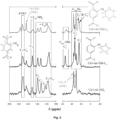
- FIG. 3 depicts the 13 C solid-state NMR spectra of the UiO-66-NH 2 and their N -cycloalkyl functionalized derivatives, in which two differenced regions can be observed.
- the peaks located at high chemical shifts, namely at c.a. 171, 151, 139, 132, and 117 ppm can be ascribed to aromatic carbon nuclei including the carbon nuclei within a carboxylic group or the carbon nuclei attached to the amino group, common to all synthesized materials.
- the signal at 171 ppm was characteristic of C atoms from the carboxylic groups (-COO-, the sum of C7 and C8).
- the C ar -NH 2 group (C1) appears at -151 ppm, while the signals at -139, -132, -123, and -117 ppm can be assigned to the C nuclei of the aromatic ring (C3, C5, C2 and the sum C4 and C6, respectively).
- a peak located at ca. 163.5 is observed in all the samples which can be explained by the presence of carbonyl groups such as in DMF (-N-CHO) occluded in the structure of the MOFs.
- the N -cycloalkyl functionalized samples displayed other new peaks associated with the carbon nuclei of the cycloalkyl rings.
- the signals at c.a. 54, 31, and 25 ppm (or 26+24 ppm) can be attributed to the carbon nuclei of the cycles linked to the amine group.
- UiO-66-NH 2 shows agglomeration of globular particles with a small size, an average of 30 nm.
- the morphology of UiO-66 is reported as well-defined octahedral nanoparticles of an average of 150-200 nm [ W. Zhao, T. Ding, Y. Wang, M. Wu, W. Jin, Y. Tian, X. Li, Decorating Ag/AgCl on UiO-66-NH2: Synergy between Ag plasmons and heterostructure for the realization of efficient visible light photocatalysis, Chinese J. Catal. 40 (2019) 1187-1197 ].
- UiO-66-NH 2 can show the octahedral structure of UiO-66 [ Y.L. Wang, S. Zhanb, Y.F. Zhab, J. Bedia, J.J. Rodriguez, C. Belver, UiO-66 based metal organic frameworks for the photodegradation of acetaminophen under simulated solar irradiation, J. Environ. Chem. Eng. 9 (2021) 106087 ; W. Zhao, T. Ding, Y. Wang, M. Wu, W. Jin, Y. Tian, X.
- Figure 5 represents the N 2 adsorption-desorption isotherms of the samples and Table 1 summarizes the characteristic parameters of the porous texture.
- the isotherms describe a Type II isotherm for UiO-66-NH 2 and UiO-66-NH-C 5
- UiO-66-NH-C 6 follows a Type I profile. All of them are characteristic of highly microporous materials.
- the hysteresis loop registered for UiO-66-NH 2 and UiO-66-NH-C 5 provides evidence of a certain contribution of mesoporosity.
- the specific BET surface areas (Table 1) decreased with increasing the volume of the N -cycloalkyl substitution, i.e.
- Figure 6A displays the UV-vis absorption profiles.
- UiO-66-NH 2 shows two characteristic absorption bands. The first one, whose maximum is located at 250 nm is attributed to the electronic transferences from O to Zr centers in the [Zr 6 O 4 (OH) 4 ] metal oxocluster. The second band, with the maximum placed at 385 nm, is a consequence of the ⁇ - ⁇ electron transitions from the NH 2 -based chromophores of the linker to the [Zr 6 O 4 (OH) 4 ] cluster [ J. Long, S. Wang, Z. Ding, S. Wang, Y. Zhou, L. Huang, X.
- N -cycloalkyl functionalized samples maintain similar absorption profiles to that of UiO-66-NH 2 in the UV region, with the same abovementioned bands although with lower intensities. Furthermore, the N -cycloalkyl-2-aminoterephtalate linkers generated red-shifted spectra, due to the presence of the alkyl donor group which is thought to destabilize the energy of the 2-aminoterephthalate.
- UiO-66-NH-C 5 displayed the best photo-activity results, but this is difficult to justify based on the crystal, textural and optical properties.
- electrochemical impedance spectroscopy EIS
- This technique analyzes the charge transfer resistance monitored on the surface of the MOF.
- Figure 8 depicts the Nyquist curves in which the radius of the described semicircles follows the order UiO-66-NH 2 ⁇ UiO-66-NH-C 6 ⁇ UiO-66-NH-C 5 .
- UiO-66-NH-C 5 was selected for a study of photocatalytic activity with sequential reusing cycles.
- Figure 10B shows the ACE conversion at 3 h of treatment during 5 consecutive cycles of reuse.
- UiO-66-NH-C 5 performs a very stable activity with a slight loss in the last run, less than 10% and attributable to the catalyst loss during recuperation between runs.
- the intermediates generated during the photocatalytic abatement of ACE were tentatively identified by liquid chromatography coupled to electrospray ionization-mass spectrometry, at an ACE initial concentration of 100 mg ⁇ L -1 using the most photoactive MOF sample, UiO-66-NH-C 5 .
- the suggested degradation pathway is depicted in Figure 11 .
- the direct oxidation of ACE by hydroxylation is usually expected if the HO • is the main oxidant species involved in the process leading to the oxidation either of the aromatic ring or the attack to the amino alkyl chain of ACE.
- ACE-1 Two dimer isomers from the coupling of ACE were detected, ACE-1, as previously reported in the photodegradation of this compound over TiO 2 or UiO-66-NH 2 .
- ACE-1 Two dimer isomers from the coupling of ACE were detected, ACE-1, as previously reported in the photodegradation of this compound over TiO 2 or UiO-66-NH 2 .
- the polymerization of ACE molecules is expected to take place, preferentially, over the ortho position respect to the hydroxyl group, and to a lesser extent, between the carbon ortho to the hydroxyl group and the amino group of another acetaminophen molecule.
- the ACE-1 underwent consequent transformations, triggering the formation of intermediates by two plausible routes.
- the identified transformation products were the results of a coupling route in which dimers and trimers of acetaminophen are formed to be further oxidized, as confirmed the formation of short chain organic acids (formic and acetic acids) and the evolution of the mineralization degree.
Landscapes
- Chemical & Material Sciences (AREA)
- Organic Chemistry (AREA)
- Chemical Kinetics & Catalysis (AREA)
- Engineering & Computer Science (AREA)
- Inorganic Chemistry (AREA)
- Hydrology & Water Resources (AREA)
- Life Sciences & Earth Sciences (AREA)
- Analytical Chemistry (AREA)
- Environmental & Geological Engineering (AREA)
- Water Supply & Treatment (AREA)
- Materials Engineering (AREA)
- Health & Medical Sciences (AREA)
- Toxicology (AREA)
- Catalysts (AREA)
Abstract
Description
- The invention relates to novel Metal Organic Frameworks (MOFs) comprising a modified UiO-66-NH2. Specifically, said modified material refers to a N-cycloalkyl functionalized UiO-66-NH2. The invention also relates to the procedure to prepare them and the use thereof as photocatalysts.
- Metal Organic Frameworks represent a new generation of crystalline materials constructed by polymeric coordinated bindings between an inorganic secondary building unit, namely metal clusters, and organic molecules acting as linkers [J. Gascon, A. Corma, F. Kapteijn, F.X. Llabrés I Xamena, Metal organic framework catalysis: quo vadis?, ACS Catal. 4 (2014) 361-378]. Multiple organic molecules can serve as the linker, the most popular being carboxylates, phosphonates, sulfates, azole, and heterocyclic compounds. The modification of the linker enables the modulation of the structure, porosity and electronic properties of the MOF, enlarging their potential applications. Among them, currently, it is under research their application in gas storage, such as hydrogen and carbon dioxide, gas separation, water remediation, catalysis in a wide range of reactions, energy storage, drug delivery or sensing. Within heterogeneous catalysis, photocatalysis is a potential application of MOFs since the early 2000's due to their semiconductor properties. Degradation of organic molecules, hydrogen production, CO2 reduction and water oxidation are examples of photocatalytic processes. Essentially, photocatalysis is based on the conversion of light into chemical energy. It is considered an environmentally friendly technology because it only requires a light source and a solid semiconductor and can operate under mild ambient-like conditions. One of the most important driving forces that currently supports the use of photocatalysis is the possibility of using solar radiation as a light source. Sunlight, like renewable energy, represents a cost-effective and green alternative with the highest feasible potential. Thus, MOFs have gained attention in solar photocatalysis since MOFs activate by irradiation transferring electrons from the organic linker to the partially filled d-orbitals of the metal cluster by a mechanism known as ligand-to-metal charge transfer (LMCT). Among the most used MOFs are Fe-based (as MIL-53, -88 and -101), Ti-(MIL-125), Zr- (UiO-66) and Zn-MOFs (ZIF-8), and all their derivatives to enhance the solar light harvesting and stability.
- The zirconium-based UiO-66 MOF [J.H. Cavka, S. Jakobsen, U. Olsbye, N. Guillou, C. Lamberti, S. Bordiga, K.P. Lillerud, A new zirconium inorganic building brick forming metal organic frameworks with exceptional stability, J. Am. Chem. Soc. 130 (2008) 13850-13851] is the scaffolding resulted from the combination of the cubic framework of cationic Zr6O4(OH)4 nodes and terephthalic acid molecules as linker, concretely, via 12-coordinated bonds [J. Winarta, B. Shan, S.M. Mcintyre, L. Ye, C. Wang, J. Liu, B. Mu, A Decade of UiO-66 Research: A Historic review of dynamic structure, synthesis mechanisms, and characterization techniques of an archetypal Metal-Organic Framework, Cryst. Growth Des. 20 (2020) 1347-1362]. This high coordination has been proved to make UiO-66 very stable under a wide range of thermal conditions and diverse types of solvents, water included. Zr-based MOFs have shown exceptional stability against water because of the strong Zr-O bond and a specific geometry that hinders the inclusion of water molecules to mitigate the hydrolysis reactions. Moreover, the Zr6-cluster can be reversibly rearranged upon removal or addition of hydroxyl groups, without any changes in the connecting carboxylates [J.H. Cavka, S. Jakobsen, U. Olsbye, N. Guillou, C. Lamberti, S. Bordiga, K.P. Lillerud, A new zirconium inorganic building brick forming metal organic frameworks with exceptional stability, J. Am. Chem. Soc. 130 (2008) 13850-13851]. Based on the exceptional stability of the UiO-66 structure, diverse modifications on the linker have extended the UiO-66 family.
- From the diverse attempts of functionalization the aromatic ring of the terephthalate linker tested to the date [ Y.L. Wang, S. Zhanb, Y.F. Zhab, J. Bedia, J.J. Rodriguez, C. Belver, UiO-66 based metal organic frameworks for the photodegradation of acetaminophen under simulated solar irradiation, J. Environ. Chem. Eng. 9 (2021) 106087], the 2-aminoterephthalic acid (ATA) has been used to enhance the light harvesting of the MOF [X. Chen, Y. Cai, R. Liang, Y. Tao, W. Wang, J. Zhao, X. Chen, H. Li, D. Zhang, NH2-UiO-66(Zr) with fast electron transfer routes for breaking down nitric oxide via photocatalysis, Appl. Catal. B Environ. 267 (2020) 118687]. The further functionalization of the amino group in ATA has recently been reported with very good results in MIL-125(Ti)-NH2 [M.W. Logan, S. Ayad, J.D. Adamson, T. Dilbeck, K. Hanson, F.J. Uribe-Romo, Systematic variation of the optical bandgap in titanium based isoreticular metal-organic frameworks for photocatalytic reduction of CO2 under blue light, J. Mater. Chem. A. 5 (2017) 11854-11863] as a photocatalyst.
- However, although the use of some zirconium-based UiO-66 MOF as a photocatalyst has been previously reported, it would be desirable to have new photocatalysts more effective and efficient than those known in the prior art. With this aim, the present invention proposes new zirconium-based UiO-66 MOFs, which are highly effective as photocatalysts, mainly in the degradation of contaminants in water using only solar radiation.
- In the present invention, several N-cycloalkyl-amino functionalized UiO-66-NH2 have been prepared. In particular, two N-cycloalkyl-amino modified linkers have been synthesized, ATA-cyclopentyl (ATA-C5) and ATA-cyclohexyl (ATA-C6) for preparing their Zr-MOFs versions, called UiO-66-NH-C5 and UiO-66-NH-C6, respectively.
- The prepared materials have been fully characterized by diverse techniques, with special attention to the electrochemical and optical properties. Next, the benefits of the N-cycloalkyl functionalization were proved for the photocatalytic degradation under simulated solar radiation of a contaminant of emerging concern in water, i.e. acetaminophen, which is frequently reported in sewage effluents. The study also analyses the photocatalytic performance of the novel N-cycloalkyl functionalized UiO-66-NH2, confirming its remarkable enhancement and stability.
- A first aspect of the present invention relates to a metal-organic framework (MOF) comprising or consisting of N-cycloalkyl functionalized UiO-66-NH2 wherein the cycloalkyl substituent is selected from cyclopentyl and cyclohexyl.
- The material UiO-66-NH2 is a known zirconium-based MOF that consists of the scaffolding resulting from the combination of the cubic framework of cationic Zr6O4(OH)4 nodes and 2-aminoterephthalic acid molecules as linkers, concretely, via 12-coordinated bonds. It is commercially available (CAS No. 1260119-00-3) and also is called zirconium aminobenzenedicarboxylate MOF. Its synthesis and different properties have been already reported in literature [T. Musho, J. Li, N. Wu, Band gap modulation of functionalized metal-organic frameworks, Phys. Chem. Chem. Phys. 16 (2014) 23646-23653].
- Herein, "N-cycloalkyl functionalized UiO-66-NH2" is a modified UiO-66-NH2 wherein the -NH2 group has been functionalized by a cycloalkyl selected from cyclopentyl and cyclohexyl. Then, said modified UiO-66-NH2 comprises or consists of the scaffolding resulting from the combination of the cubic framework of cationic Zr6O4(OH)4 nodes and N-cycloalkyl-2-aminoterephthalic acid molecules as linkers, concretely, via 12-coordinated bonds, wherein the cycloalkyl substituent is selected from cyclopentyl and cyclohexyl.
- In a preferred embodiment, the MOF comprises or consists of N-cyclopentyl functionalized UiO-66-NH2.
- In a preferred embodiment, the MOF of the present invention is a porous material having a BET surface area from 300 to 700 m2·g-1.
- BET surface area is measured by the Brunauer-Emmett-Teller (BET) method, based on the nitrogen adsorption isotherm measurements at -196 ºC using the data in the relative pressure range from 0.05 to 0.3. This method assumes multilayer adsorption of nitrogen on the adsorbent's surface.
- In a preferred embodiment, the MOF of the present invention comprises micropores with a micropore volume from 35 to 60 %, having a diameter within 1.0-1.5 nm, as measured by the t-plot method from the nitrogen adsorption-desorption isotherms. This methodology determines the micro- and/or mesoporous volumes of a sample from the nitrogen adsorption data by comparison with a reference adsorption isotherm of a nonporous material having the same surface chemistry.
- A second aspect of the invention refers to the procedure to prepare the metal-organic framework described in the first aspect of the invention. The procedure comprises the next steps:
- a) synthesis of N-cycloalkyl-2-aminoterephthalate dimethyl ester by contacting 2-aminoterephthalate dimethyl ester with the corresponding cyclic ketone (cyclopentanone or cyclohexanone) in presence of trimethylsilyl chloride (TMSCI), adding NaBH4 at 0 ºC to the mixture of reaction and, after 2 to 10 min (preferably 5 min) of the addition of NaBH4, warming up said mixture to room temperature (20-25 ºC) and mantaining the mixture at said temperature for 2 to 4 h, preferably 2.5 h.
- b) synthesis of N-cycloalkyl-2-aminoterephthalic acid by treating the N-cycloalkyl-2-aminoterephthalate dimethyl ester obtained in step a) with NaOH, preferably 1M, at a temperature between 60 and 80 ºC for 6-10 h. The mixture was concentrated to remove the solvent, and the resulting mixture is acidified and the precipitate formed, which contains the N-cycloalkyl-2-aminoterephthalic acid, is collected,
- c) synthesis of the N-cycloalkyl-amino functionalized UiO-66-NH2 (MOFs described in the first aspect of the invention) by contacting the N-cycloalkyl-2-aminoterephthalic acid obtained in step b) (the precipitate) with ZrOCl2·8 H2O in presence of acetic acid and HCI in a vessel hermetically closed and heated at a temperature between 130 and 150 ºC for 14-20 h.
- In a preferred embodiment, step a) is carried out under N2 atmosphere.
- In a preferred embodiment, DMF is used as a solvent in step a) and/or in step b).
- In a preferred embodiment, the product obtained in step a) is extracted with ethyl acetate after quenching with a solution of saturated NaHCO3.
- In a preferred embodiment, for each mmol of 2-aminoterephthalate dimethyl ester used in step a), between 1 and 2mmol of cyclic ketone and/or between 2 and 3 mmol of trimethylsilyl chloride (TMSCI) and/or between 1 and 1.5 mmol of NaBH4 are used.
- In a preferred embodiment, the step b) is carried out at 70 °C and/or for 8 h.
- In a preferred embodiment, THF is used as a solvent in step b).
- In a preferred embodiment, the molar proportion between NaOH and cycloalkyl-2-aminoterephthalate dimethyl ester in step b) is between 7 and 8
- In a preferred embodiment, in step b) the mixture is acidified until pH=3, preferably adding HCl.
- In a preferred embodiment, the precipitate in step b) is isolated by filtration, washed with water, and dried.
- In a preferred embodiment, step c) is carried out at 140 ºC and/or for 16 h.
- In a preferred embodiment, equimolar quantities of N-cycloalkyl-2-aminoterephthalic acids and ZrOCl2·8 H2O are used in step c).
- In a preferred embodiment, DMF is used as a solvent in step c).
- In a preferred embodiment, the solid product obtained in step c) is recovered by centrifugation.
- The present invention also refers to the MOFs obtained by the method previously described.
- A last aspect of the invention refers to the use of the MOFs described in the first aspect of the invention as a photocatalyst.
- A preferred embodiment refers to the use of the MOF described in the first aspect of the invention as a photocatalyst in the degradation of organic contaminants in water.
- As used herein, the term "organic contaminants" is intended to refer to all organic compounds which present environmental hazards when permitted to remain in the water. Examples of "organic contaminants" in water are pharmaceuticals and pesticides.
- The term "pharmaceutical" is intended to include human and animal medications, pharmaceutical drugs, and nutraceuticals.
- In a preferred embodiment, this degradation is carried out in presence of solar light as an energy source, more preferably in presence of solar light as the only energy source.
- In a preferred embodiment, the organic contaminant is a pharmaceutical, more preferably, acetaminophen (ACE).
- In another preferred embodiment, the organic contaminant is a pesticide.
- The MOFs of the present invention have photocatalytic applications for the removal of pollutants using solar radiation. The use of solar radiation as a renewable energy source is a great step forward in developing environmentally sustainable technologies. Its possible use in the treatment of polluted effluents is a great challenge, which requires the development of efficient and stable photocatalysts capable of inducing reactions for the oxidation of pollutants using only solar radiation. The stability and high activity of the photocatalysts of the present invention would even allow their application in continuous water treatment while maintaining the use of solar radiation, which would be of great interest for the use of water resources. Compared to other photocatalysts used for the degradation of emerging pollutants in water, the materials of the present invention achieve better use of solar radiation as well as high conversion values and excellent stability.
- Some of the technical advantages of the MOFs of the present over known products of the UiO-66 family are the following:
- i. Lower band gap value, the energy separation between the valence band and the conduction band of a semiconductor that allows absorbing light of different wavelengths.
- ii. Light absorption capability in the visible region of the solar spectrum, shifted to longer wavelengths compared to UiO-66-NH2.
- iii. Lower resistance to charge transfer when in contact with an electrolyte, favouring the mobility of charges within the electrolyte.
- iv. Higher photocatalytic activity in the degradation of pharmaceuticals in water, higher kinetic constant and conversion values.
- Unless otherwise defined, all technical and scientific terms herein used have the same meaning as commonly understood by one ordinary skilled in the art to which this invention belongs. Methods and materials similar or equivalent to those described herein can be used in the practice of the present invention. Throughout the description and claims, the word "comprise" and its variations are not intended to exclude other technical features, additives, components, or steps. Additional objects, advantages, and features of the invention will become apparent to those skilled in the art upon examination of the description or may be learned by practice of the invention. The following examples and drawings are provided by way of illustration and are not intended to be limited to the present invention.
-
-
Fig. 1 . Scheme of the synthesis of the N-cycloalkyl-2-aminoterephthalic acids and the amino-functionalized UiO-66-NH2. The substituent R represents cyclopentyl or cyclohexyl. The simplified final structure of the amino functionalized UiO-66-NH2 shows the organic linker joined to two Zn nodes. -
Fig. 2 . Graph showing powder X-Ray Diffraction (XRD) patterns of all samples. -
Fig. 3 . Graph of 13C solid-state NMR spectra of bare and N-cycloalkylfunctionalized UiO-66-NH2 samples. -
Fig. 4 . Scanning electron microscopy (SEM) pictures of UiO-66-NH2 (A), UiO-66-NH-C5 (B), and UiO-66-NH-C6. -
Fig. 5 . Graph showing N2 adsorption-desorption isotherms and pore size distribution (inlet). -
Fig. 6 . UV-visible diffuse reflectance spectroscopy (DRS) absorption spectra (A) and the corresponding Tauc plots for the calculation of their bandgap energy (B). -
Fig. 7 . Graph showing time-course evolution of the normalized concentration of ACE during the photocatalytic degradation (A) and their corresponding pseudo-first order rate constants (B). (V = 250 mL; CACE = 5 mg·L-1, CCAT = 250 mg·L-1; T = 25 ºC, pH0 = 4.2 ± 0.2). -
Fig. 8 . Electrochemical impedance spectroscopy (EIS) Nyquist plots. -
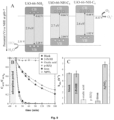
Fig. 9 . (A) Proposed bands alignment. (B) Scavengers influence on the time-course normalized concentration of ACE with UiO-66-NH-C5 and (C) their corresponding pseudo-first order rate constant (V= 250 mL; CACE = 5mg·L -1 , CCAT = 250 mg·L -1; T = 25 °C, pH0 = 4.0 ± 0.2). -
Fig. 10 . (A) Linker leaching of UiO-66-NH-C5 and UiO-66-NH-C6 (V= 250 mL; CACE = 5 mg·L-1, CCAT = 250 mg·L-1; T = 25 °C, pH0 = 4.0 ± 0.2). (B) ACE photocatalytic conversion with UiO-66-NH-C5 at 3 h during sequential recycling uses. -
Fig. 11 . Proposed photocatalytic degradation pathway of ACE with UiO-66-NH-C5 - All chemicals used were analytical grade at least, acquired from Merck® and used without further purification. Silica gel on TLC Al foils, type 60 with fluorescent indicator 254 nm, was purchased from Sigma-Aldrich. HPLC grade acetonitrile, solvents and
silica gel 60 were acquired from Scharlab. Aqueous solutions were prepared with ultrapure water with a resistivity of 18.2 MΩ·cm. - The synthesis of N-cycloalkyl-2-aminoterephthalate dimethyl esters was performed following a previous work [M.W. Logan, S. Ayad, J.D. Adamson, T. Dilbeck, K. Hanson, F.J. Uribe-Romo, Systematic variation of the optical bandgap in titanium based isoreticular metal-organic frameworks for photocatalytic reduction of CO2 under blue light, J. Mater. Chem. A. 5 (2017) 11854-11863], see steps in
Figure 1 . Under N2 atmosphere, 2-aminoterephthalate dimethyl ester was suspended in anhydrous N,N-dimethylformamide (DMF), and stirred until complete dissolution. After, trimethylsilyl chloride (TMSCI) and the corresponding cyclic ketone (cyclopentanone and cyclohexanone) were added to the above solution and the mixture cooled down to 0 ºC. Next, NaBH4 was incorporated slowly over 5 min. The resulting mixture was warmed up to room temperature until 2.5 h. The mixture was then quenched with a solution of saturated NaHCO3 and the resulting product was extracted with ethyl acetate. The organic fractions were washed thereafter with brine and dried over MgSO4, filtered and the solvent was removed in a rotary evaporator. - The N-cycloalkylated dimethyl ester obtained was dissolved in tetrahydrofuran (THF), followed by the addition of
NaOH 1 M. The resultant solution was heated under stirring to 70 °C for 8 h. The mixture was concentrated in a rotary evaporator at 45 °C to remove the excess THF. The concentrated was cooled down to room temperature and HCI 1 M was added until set pH=3. The collected precipitate was isolated by filtration, washed with water, and dried. Two different N-cycloalkyl-2-aminoterephthalic acids were obtained i.e., the cyclopentyl (ATA-C5) and the cyclohexyl (ATA-C6) derivatives. - The MOF UiO-66-NH2, the functionalized UiO-66-NH-C5, and UiO-66-NH-C6 were prepared by solvothermal method following an adapted synthesis from the literature [T.F. Chen, S.Y. Han, Z.P. Wang, H. Gao, L.Y. Wang, Y.H. Deng, C.Q. Wan, Y. Tian, Q. Wang, G. Wang, G.S. Li, Modified UiO-66 frameworks with methylthiol, thiol and sulfonic acid function groups: The structure and visible-light-driven photocatalytic property study, Appl. Catal. B Environ. 259 (2019) 118047]. Briefly, 1.5 mmol of the linker, i.e. ATA, ATA-C5, or ATA-C6, was dissolved in 43 mL of DMF and placed, under vigorous stirring, in a Teflon lined vessel of 75 mL. Then, 1.5 mmol of ZrOCl2·8 H2O was added to the above DMF solution. Next, 7 mL of acetic acid and 286 µL of HCI (37%) were added. After homogenization, the vessel was hermetically closed and heated at 140 ºC for 16 h. The crystallized yellowish solids were recovered by centrifugation (9000 rpm, 5 min) and washed twice with DMF and water. The resulting solids were dried under vacuum overnight (16 h, 80 ºC), collected, and ground.
- The powder X-ray diffraction (XRD) patterns were acquired on a Bruker D8 advance diffractometer equipped with a Cu Kα1 source and a Lynxeye XE-T detector, recording the 2θ range within 4-50º at the scan step of 1.8 min-1. The software Match! ® was used to process the XRD diffractograms and the XRD pattern of the UiO-66-NH2 standard (CCDC-1405751) was simulated with Vesta®. 13C solid-state NMR spectra were acquired on a Bruker AV-400-WB spectrometer (100.61 MHz) using Kel-F plugged ZrO rotors at room temperature. Recording conditions were set as 10 kHz spinning frequency, 35 kHz spectral width, 3 ms contact time and 4 s relaxation time. Scanning electron microscopy (SEM) was performed on a Quanta 3D FEG (de FEI™ Company) and Hitachi S-4800 devices. The textural properties were assessed by N2 adsorption-desorption at -196 ºC in a TriStar 123 apparatus (Micromeritics). The specific surface area was calculated by the BET method (SBET), the t-plot method was used to determine the surface area of micropore (SMP) and the volume of micropore (VMP). Total pore volume (VT) was calculated from the N2 uptake at P/P0=0.99. The optical properties were studied in a UV-visible diffuse reflectance spectroscopy (DRS) using a Shimadzu UV2600 spectrophotometer equipped with an integrating sphere. The bandgap of the resulting semiconductors was estimated by the Tauc plot method considering indirect transitions [Y.L. Wang, S. Zhanb, Y.F. Zhab, J. Bedia, J.J. Rodriguez, C. Belver, UiO-66 based metal organic frameworks for the photodegradation of acetaminophen under simulated solar irradiation, J. Environ. Chem. Eng. 9 (2021) 106087.], estimating the Kubelka-Munk function (F(R∞)) and depicting (F(R∞)·hv)1/2 vs the energy of the absorbed photons [ P. Makula, M. Pacia, W. Macyk, How to correctly determine the band gap energy of modified semiconductor photocatalysts based on UV-Vis Spectra, J. Phys. Chem. Lett. 9 (2018) 6814-6817; M. Zeama, M. Morsy, S. Abdel-Azeim, M. Abdelnaby, A. Alloush, Z. Yamani, Photophysical and photocatalytic properties of structurally modified UiO-66, Inorganica Chim. Acta. 501 (2020) 119287]. The electrochemical properties of the different materials were conducted in a Metrohm Autolab potentiostat (PGSTAT204) using three-electrode (DropSens ITO10) inside a Methrom Faraday cage. A suspension of each sample (1 mg·mL-1) was prepared in 0.5 M Na2SO4, as a supporting electrolyte (pH 6.90-7.2 at 25 ºC), and placed into the electrochemical cell. Electrochemical impedance spectroscopy (EIS) was registered by scanning the frequency range from 105 to 10-1 Hz at a fixed potential of -1.2 V while the flat band potential (Vfb) was estimated by the Mott-Schottky plot applying a voltage within -1.5 and 0.4 V under a constant frequency of 100 Hz. This value was from the intersection of the tangent line with the abscissa axis (potential) in the representation of 1/C2 (C, the capacitance of the semiconductor-electrolyte junction) vs applied potential (V) [ K. Gelderman, L. Lee, S.W. Donne, Flat-band potential of a semiconductor: using the mott-schottky equation, J. Chem. Educ. 84 (2007) 25]:


- The photocatalytic performance of the synthesized materials was evaluated in the abatement of acetaminophen (ACE) in water. For the degradation tests, a solar simulator Suntest XLS+ (ATLAS) equipped with a Xe lamp and emitting at 600 W·m-2 radiation over 320 nm (indoor ID65 filter) was used. A glass reactor, jacketed with cooling water at 25 °C, was placed inside the simulator, containing 250 mL of acetaminophen aqueous solution (5 mg·L-1, unless otherwise noted) with the required dose of the photocatalyst (250 mg·L-1). The photodegradation tests were preceded by an adsorption equilibrium step, carried out in darkness for 1 hour. Next, the reactor was irradiated with the solar simulated radiation, and aqueous samples were extracted at regular periods. The photocatalyst was removed by filtration over PTFE syringeless filters (Whatman, 0.2 µm) for HPLC analysis and PTFE syringe filters (Whatman, 0.45 µm) for Total Organic Carbon (TOC) and Ionic Chromatography (IC) analysis. The ACE concentration was quantified by high-performance liquid chromatography in a Shimadzu Prominence-i LC-2030C HPLC, equipped with a diode array detector (SPD-M30A). The stationary phase was a C18 Eclipse Plus column (4.6×150 mm, 5 µm, Agilent) kept at 40 ºC. A mixture of acetic acid solution (0.1% v/v)/acetonitrile was used as the mobile phase. A
gradient 90/10-60/40% method (0.7 mL/min) was used for the quantification of ACE. The injection volume was 30 µL and the detection wavelength used was fixed to its maximum absorption at 246 nm. The lixiviation of the organic linkers in the reaction medium was determined by the same chromatographic method. ATA was quantified at 392 nm while the wavelength was set at 236 nm for ATA-C5 and ATA-C6. The tests were carried out in triplicate and the average was represented with a relative standard deviation lower than 5%. Quenching experiments were carried out with 2-propanol (1 mM) as HO• quencher, oxalic acid (10 mM) to trap h+, p-benzoquinone (p-BQ) (0.02 mM), and tiron (1 mM) to quench O2 •-, and AgNO3 (1 mM) as e- quencher. They were conducted following the same procedure above described with the addition of the chemical quencher after the previous adsorption of the catalyst and pH adjustment with NaOH/HCI solution to the initial pH of the blank test. - The byproducts formed during ACE degradation were identified by liquid chromatography coupled to electrospray ionization-mass spectrometry (LC-ESI-MS) in a Bruker MaXis-II instrument under ESI working in positive ionization. The acquisition conditions were as follows: 3500 V capillary voltage, 8 mL·min-1 dry gas flow, dry heater at 300 °C, and 500 V endplate offset, m/z range from 50 to 3000. The short-chain carboxylic acids and inorganic ions were analyzed by ionic chromatography (IC) in a Metrohm 790 IC chromatograph, with a Metrosep A Supp column (4x250 mm), using Na2CO3/NaHCO3 (3.2 mM/1.0 mM) solution as anionic eluent and 100 mM sulfuric acid as anionic suppressor at 0.7 mL·min-1. The mineralization degree was measured by analyzing the total organic carbon (TOC) in a Shimazu TOC-L device.
- The structure of the newly N-cycloalkyl functionalized UiO-66-NH2 materials was identified and compared with that of the UiO-66-NH2 pattern by XRD. As shown in
Figure 2 , UiO-66-NH2 and UiO-66-NH-C5 display the characteristic peaks of the UiO-66-NH2 pattern, highlighting the most intense peaks at ca. 7.3 and 8.4º that correspond to the Miller planes (111) and (200), which confirm the successful crystallization of the UiO-66-NH2 framework. The high similarity of both diffractograms indicates the formation of isoreticular structures, as reported previously for the functionalization with the same linkers for MIL-125. On the contrary, the XRD pattern of the UiO-66-NH-C6 differs from the UiO-66-NH2 and only a much wider and less intense peak is observed in the 7-9º region. This result suggests that the use of N-cyclohexyl-2-amino terephthalic acid as a linker disfavors the crystallization and results in a structure with low crystallinity and poor definition. - Solid-state NMR has been demonstrated to be a useful tool to unveil the structure of MOFs due to the presence of organic molecules in their structures.
Figure 3 depicts the 13C solid-state NMR spectra of the UiO-66-NH2 and their N-cycloalkyl functionalized derivatives, in which two differenced regions can be observed. The peaks located at high chemical shifts, namely at c.a. 171, 151, 139, 132, and 117 ppm can be ascribed to aromatic carbon nuclei including the carbon nuclei within a carboxylic group or the carbon nuclei attached to the amino group, common to all synthesized materials. Concretely, the signal at 171 ppm was characteristic of C atoms from the carboxylic groups (-COO-, the sum of C7 and C8). The Car-NH2 group (C1) appears at -151 ppm, while the signals at -139, -132, -123, and -117 ppm can be assigned to the C nuclei of the aromatic ring (C3, C5, C2 and the sum C4 and C6, respectively). In this region of high chemical shifts, a peak located at ca. 163.5 is observed in all the samples which can be explained by the presence of carbonyl groups such as in DMF (-N-CHO) occluded in the structure of the MOFs. In the region of low chemical shifts, the N-cycloalkyl functionalized samples displayed other new peaks associated with the carbon nuclei of the cycloalkyl rings. Hence, the signals at c.a. 54, 31, and 25 ppm (or 26+24 ppm) can be attributed to the carbon nuclei of the cycles linked to the amine group. In this region two peaks associated with DMF were detected, i.e. those located at 31 and 36 ppm, due to the CH3-N= carbon nuclei of the solvent. - The SEM pictures displayed in
Figure 4 show different morphology and particle sizes for the different samples. UiO-66-NH2 shows agglomeration of globular particles with a small size, an average of 30 nm. The morphology of UiO-66 is reported as well-defined octahedral nanoparticles of an average of 150-200 nm [W. Zhao, T. Ding, Y. Wang, M. Wu, W. Jin, Y. Tian, X. Li, Decorating Ag/AgCl on UiO-66-NH2: Synergy between Ag plasmons and heterostructure for the realization of efficient visible light photocatalysis, Chinese J. Catal. 40 (2019) 1187-1197]. Although UiO-66-NH2 can show the octahedral structure of UiO-66 [ Y.L. Wang, S. Zhanb, Y.F. Zhab, J. Bedia, J.J. Rodriguez, C. Belver, UiO-66 based metal organic frameworks for the photodegradation of acetaminophen under simulated solar irradiation, J. Environ. Chem. Eng. 9 (2021) 106087; W. Zhao, T. Ding, Y. Wang, M. Wu, W. Jin, Y. Tian, X. Li, Decorating Ag/AgCl on UiO-66-NH2: Synergy between Ag plasmons and heterostructure for the realization of efficient visible light photocatalysis, Chinese J. Catal. 40 (2019) 1187-1197], it is also frequently observed with a certain deformation of the edges, displaying a morphology closer to a spherical geometry and lower particle size. The functionalization of the amino group with a cyclopentyl ring, i.e. UiO-66-NH-C5, led to a structure consisting of an agglomeration of well-defined cubic-shape particles of uneven sizes within 50-120 nm. In the case of the UiO-66-NH-C6, the morphology obtained was irregular, with no definition of particular geometry, and bigger size, i.e. over 1 µm. This lack of ordered morphology agrees well with the poor crystallinity of this sample observed in the XRD patterns (Figure 2 ). -
Figure 5 represents the N2 adsorption-desorption isotherms of the samples and Table 1 summarizes the characteristic parameters of the porous texture. According to IUPAC classification, the isotherms describe a Type II isotherm for UiO-66-NH2 and UiO-66-NH-C5, whereas UiO-66-NH-C6 follows a Type I profile. All of them are characteristic of highly microporous materials. The hysteresis loop registered for UiO-66-NH2 and UiO-66-NH-C5 provides evidence of a certain contribution of mesoporosity. The specific BET surface areas (Table 1) decreased with increasing the volume of the N-cycloalkyl substitution, i.e. the areas follow the order UiO-66-NH2>UiO-66-NH-C5>UiO-66-NH-C6. This behavior was also observed when analyzing the pore volumes. Based on the pore size distribution (Figure 5 inlet), most of the micropores of both N-cycloalkyl functionalized samples were located within 1.0-1.5 nm, with a maximum located at around 1.1 nm. However, UiO-66-NH2 displayed a great amount of micropores of lower size, i.e. 0.8 nm, with minor contributions of micropores with sizes between 1.1 and 1.5 nm. These results suggest that the addition of extra substituents, such as the N-cycloalkyl, diminishes the accessibility to the pores due to the clogging of the pore and their apertures, as also reported in the literature for MIL-125 after functionalization in the amino group. However, regarding the proportion of micropores (VMP/VT), the tuning with N-cycloalkyl increases the micropore ratio due to the mentioned clogging effect.Table 1. Characteristic parameters of the porous texture. Sample SBET (m2·g-1) SMP (m2·g-1) SEXT (m2·g-1) SMP/SBET (%) VT (cm3·g-1) VMP (cm3·g-1) VMP/VT (%) UiO-66-NH2 798 585 213 73.3 1.218 0.281 23.1 UiO-66-NH-C5 655 458 198 70.0 0.623 0.218 35.0 UiO-66-NH-C6 371 229 144 61.7 0.190 0.109 56.8 SBET: specific surface area; SMP, specific surface area of micropore; SEXT: specific external surface area; VT: total pore volume; VMP: volume of micropore. -
Figure 6A displays the UV-vis absorption profiles. UiO-66-NH2 shows two characteristic absorption bands. The first one, whose maximum is located at 250 nm is attributed to the electronic transferences from O to Zr centers in the [Zr6O4(OH)4] metal oxocluster. The second band, with the maximum placed at 385 nm, is a consequence of the π-π electron transitions from the NH2-based chromophores of the linker to the [Zr6O4(OH)4] cluster [ J. Long, S. Wang, Z. Ding, S. Wang, Y. Zhou, L. Huang, X. Wanga, Amine-functionalized zirconium metal-organic framework as efficient visible-light photocatalyst for aerobic organic transformations, Chem. Commun. 48 (2012) 11656-11658]. The N-cycloalkyl functionalized samples maintain similar absorption profiles to that of UiO-66-NH2 in the UV region, with the same abovementioned bands although with lower intensities. Furthermore, the N-cycloalkyl-2-aminoterephtalate linkers generated red-shifted spectra, due to the presence of the alkyl donor group which is thought to destabilize the energy of the 2-aminoterephthalate. This fact results in inductive electron effects from the N-cycloalkyl chain to the amino group, with strong σ-bonds in its proximity that reduce the bandgap energy. The Tauc plot (Figure 6B ) shows a decrease of the bandgap values (Table 2) by using N-cycloalkyl-2-aminoterephtalatic linkers, following the order: UiO-66-NH2 > UiO-66-NH-C5> UiO-66-NH-C6.Table 2. Optical and electronic properties. Sample Eg (eV) VFB (NHE, pH) (V) VCB (V) VVB (V) UiO-66-NH2 2.9 -0.80 -0.62 2.28 UiO-66-NH-C5 2.7 -0.80 -0.66 2.04 UiO-66-NH-C6 2.6 -0.80 -0.68 1.92 Eg: bandgap energy; VFB, flat band potential NHE corrected at pH=7; VCB: conduction band potential; VVB: valence band potential - The photocatalytic activity was tested in the degradation of ACE in water. Since MOFs are porous structures with a potential ability towards adsorption of organics in aqueous solution, a 1 h adsorption step was carried out prior to the photocatalytic step.
Figure 7A represents the time-course evolution of the normalized concentration of ACE during the photocatalytic degradation, whileFigure 7B depicts the corresponding pseudo-first order rate constants. ACE adsorption was almost negligible with the three samples. It is also remarkable the high stability of ACE under irradiation in the absence of photocatalysts (photolysis). In the presence of UiO-66-NH2 the ACE was completely degraded in 4 h with a pseudo-first order rate constant equal to 0.82 h-1. The functionalization of the amino group with cycloalkyl rings led to a considerably improvement of the kinetics of ACE degradation. As compared inFigure 7B , UiO-66-NH-C5 achieved a -5.5 times higher value of the kinetic constant than UiO-66-NH2, reaching ACE complete degradation after only 1 h of irradiation. The functionalization with the cyclohexane ring also improved the UiO-66-NH2 results, but in a lesser extent. - UiO-66-NH-C5 displayed the best photo-activity results, but this is difficult to justify based on the crystal, textural and optical properties. To further explore the photocatalytic activity of UiO-66-NH-C5 in the basis of charge mobility, electrochemical impedance spectroscopy (EIS) was applied. This technique analyzes the charge transfer resistance monitored on the surface of the MOF.
Figure 8 depicts the Nyquist curves in which the radius of the described semicircles follows the order UiO-66-NH2 < UiO-66-NH-C6 < UiO-66-NH-C5. Since the diameters of the semicircles are equal to the electrical resistance of a sample, the smaller arc radius reflects a lower resistance suggesting, therefore, a decrease in the solid-state interface layer resistance and the charge transfer resistance across the solid-liquid junction on the surface. The electrical transfer resistance follows the order UiO-66-NH2 < UiO-66-NH-C6 < UiO-66-NH-C5, in agreement with the inverse order of the photoactivity or degradation reaction rates. This suggest that the best results obtained with UiO-66-NH-C5 can be justified by the lower charge transfer resistance and thus, the better mobility of charges in this sample. - The scheme of the band energy alignments of bare and N-cycloalkyl functionalized photocatalysts is proposed in the
Figure 9A . The flat band potential of the samples UiO-66-NH2 was determined from the Mott-Schottky as -0.80 V after normalization to NHE scale at pH= 7. This value is very consistent with other reported in the literature for this MOF [ R.R. Solís, M. Peñas-Garzón, C. Belver, J.J. Rodriguez, J. Bedia, Highly stable UiO-66-NH2 by the microwave-assisted synthesis for solar photocatalytic water treatment, J. Environ. Chem. Eng. 10 (2022) 107122; M. Peñas-Garzón, M.J. Sampaio, Y.L. Wang, J. Bedia, J.J. Rodriguez, C. Belver, C.G. Silva, J.L. Faria, Solar photocatalytic degradation of parabens using UiO-66-NH2, Sep. Purif. Technol. 286 (2022) 120467]. The presence of N-cycloalkyl groups does not change the flat band value, and the redox potential of the conduction band was quite similar (see Table 2). The VCB value obtained in all synthesized samples are more negative than the redox potential of the pair O2/O2 •-, i.e. -0.33 V vs NHE at pH =7. Therefore, the formation of the superoxide is thermodynamically possible according to the proposed band alignment schemes. Nonetheless, the formation of hydroxyl radicals is not energetically plausible since the redox potential of the photogenerated holes are lower in all the cases than the required for the water molecule oxidation, i.e. H2O/HO•, +2.31 V vs NHE at pH =7. - Scavenger tests were carried out to tentatively elucidate the oxidant species involved in the photocatalytic degradation process of ACE with the UiO-66-NH-C5.
Figure 9B displays the scavengers influence evolution of ACE concentration during the photocatalytic degradation with UiO-66-NH-C5 andFigure 9C the corresponding pseudo-first order rate constants. 2-PrOH is used as a HO• scavenger, depicting no alteration on the kinetics of the ACE degradation, which pointed out the lack of influence of HO• in the process. This fact is in accordance with the band alignments proposed in which all the potentials of valence bands with lower values than the required for the oxidation of H2O molecules into HO•. The contribution of the holes was suppressed in the presence of oxalic acid (10 mM) which is oxidized by holes to produce CO2. The addition of oxalic acid slowed down the ACE abatement, reducing the pseudo-first order rate constant at the beginning of the process over 7 times, which evidences the importance of the h+ in the ACE degradation. For the suppression of the possible superoxide contribution, p-benzoquinone (p-BZQ) is frequently used although it also tends to directly trap electrons. The results obtained of ACE abatement in the presence of p-BZQ suggest a first step in which it may compete with the superoxide and photogenerated electrons involved in ACE degradation to latter trigger the ACE degradation after 1 h. In view of these inconclusive results, tiron was used as an alternative superoxide scavenger, leading. to almost 11 times decreased kobs for ACE degradation. This fact manifests that superoxide radical also contributes to the ACE degradation. Finally, Ag+ cation was used for testing the importance of photo-generated electrons. In the presence AgNO3, no negative effect was registered. A slight acceleration, 30% increased kobs, was appreciated. This partial enhancement on the kinetics has been also reported in previous works involving this scavenger and the explanation suggests an improvement due to the reduction of the electron-hole recombination rate. - One of most critical aspects of MOFs applications is their stability in water. Water molecules can induce the collapse of certain MOFs structures because of the adsorption-desorption of these H2O molecules can easily induce an elastic vibration of the ligands, leading them to break and eventually collapsing the whole structure. The stability of UiO-66 family has been assessed by the analysis of the possible leached metal or linker into water. For instance, the release of Zr4+ by UiO-66 in water has been reported undetectable, except under extreme concentrations of buffer in which the structure tends to collapse. Besides, UiO-66-NH2 displays a very high stability in water with almost negligible lixiviation of ATA in a wide range of pH range. On this basis, the stability of the N-cycloalkyl functionalized UiO-66-NH2 materials reported in this work was analyzed by the quantification of the linker lixiviation, i.e. ATA-C5 and ATA-C6, for 24 hours at natural pH. As shown in
Figure 10A , the lixiviation of ATA-C5 from UiO-66-NH-C5 and ATA-C6 from UiO-NH-C6 are minimal and in the range of µg·L-1. Considering the percentage of leached linker with respect to the linker constituting the MOF structure, only 0.44‰ of ATA-C5 and 0.13‰ of ATA-C6 is detected, values in accordance with the 0.20‰ already reported for UiO-66-NH2 [ R.R. Solís, M. Peñas-Garzón, C. Belver, J.J. Rodriguez, J. Bedia, Highly stable UiO-66-NH2 by the microwave-assisted synthesis for solar photocatalytic water treatment, J. Environ. Chem. Eng. 10 (2022) 107122]. - Based on the photocatalytic performance, UiO-66-NH-C5 was selected for a study of photocatalytic activity with sequential reusing cycles.
Figure 10B shows the ACE conversion at 3 h of treatment during 5 consecutive cycles of reuse. UiO-66-NH-C5 performs a very stable activity with a slight loss in the last run, less than 10% and attributable to the catalyst loss during recuperation between runs. - The intermediates generated during the photocatalytic abatement of ACE were tentatively identified by liquid chromatography coupled to electrospray ionization-mass spectrometry, at an ACE initial concentration of 100 mg·L-1 using the most photoactive MOF sample, UiO-66-NH-C5. The suggested degradation pathway is depicted in
Figure 11 . The direct oxidation of ACE by hydroxylation is usually expected if the HO• is the main oxidant species involved in the process leading to the oxidation either of the aromatic ring or the attack to the amino alkyl chain of ACE. In the oxidation of ACE over UiO-66-NH-C5, in which the oxidation of H2O to HO• has been discarded, this route was not observed. Instead, the photogenerated holes led to a coupling pathway of ACE molecules to produce dimer and trimer forms, as it has been reported in the literature. It is thought that a radical coupling of ACE phenoxyl radical with another ACE molecule, is induced by the h+ through one electron oxidation of ACE. As the importance of the photogenerated holes has been previously demonstrated, it is likely that the photocatalytic abatement of ACE involves the initial formation of dimers and trimer species. - Two dimer isomers from the coupling of ACE were detected, ACE-1, as previously reported in the photodegradation of this compound over TiO2 or UiO-66-NH2. Although two isomers can be proposed, the polymerization of ACE molecules is expected to take place, preferentially, over the ortho position respect to the hydroxyl group, and to a lesser extent, between the carbon ortho to the hydroxyl group and the amino group of another acetaminophen molecule. The ACE-1 underwent consequent transformations, triggering the formation of intermediates by two plausible routes.
- Firstly, the loss of one of the acetamide group of ACE-1 followed by hydroxylation, triggered the formation of ACE-2, which can also be oxidized in the N-amino methyl chain to launch the formation of the corresponding aldehyde, ACE-3. The second route of ACE-1 reaction was the further coupling of the dimer ACE-1 with other ACE molecule, leading to the trimer ACE-4, whose detection led to the monitoring of three plausible isomers. Also, the degradation of ACE-4 with an acetamide loss and an oxidation in other acetamide group, namely ACE-5, was observed.
- This work is an example of the versatility and huge opportunities than MOFs can supply, such as the possibility of modifying the linker structure before the MOF synthesis, improving, consequently, the optoelectronic properties of the material. In this case, UiO-66-NH2 was successfully prepared with a previously N-cycloalkyl functionalized terephthalic acid molecule for the first time. The functionalization of the linker led to a decreased of the bandgap energy and improved the migration of the photo-generated charges. Although the bandgap followed the order UiO-66-NH2>UiO-66-NH-C5>UiO-66-NH-C6, the sample UiO-66-NH-C5 displayed less electrical resistance, therefore, better mobility of charges. These optoelectronic differences explained the outstanding photocatalytic activity in the acetaminophen removal in water. The determination of the conduction band energy, and the proposal of bands alignment, discharged the plausible role paid by the hydroxyl radicals, confirmed by scavenger test. Instead, the main role of both photogenerated holes and superoxide radicals was confirmed. Both N-cycloalkyl functionalized MOFs were very stable in water with almost no detectable linker leaching, i.e. lower than 0.5‰, and the UiO-66-NH-C5 and maintaining a high photocatalytic activity during sequential reusing cycles. The identified transformation products were the results of a coupling route in which dimers and trimers of acetaminophen are formed to be further oxidized, as confirmed the formation of short chain organic acids (formic and acetic acids) and the evolution of the mineralization degree.
Claims (15)
- A metal-organic framework (MOF) comprising N-cycloalkyl functionalized UiO-66-NH2 wherein the cycloalkyl substituent is selected from cyclopentyl and cyclohexyl.
- A metal-organic framework, according to claim 1, comprising N-cyclopentyl functionalized UiO-66-NH2
- A metal-organic framework, according to claim 1 or 2, comprising a micropore volume from 35 to 60 % wherein the micropores have a diameter size between 1.0-1.5 nm.
- A metal-organic framework, according to any of claims 1 to 3, having a BET surface area from 300 to 700 m2·g-1.
- Procedure to prepare the metal-organic framework described in any of previous claims, that comprises the next steps:a) synthesis of N-cycloalkyl-2-aminoterephthalate dimethyl ester by contacting 2-aminoterephthalate dimethyl ester with the corresponding cyclic ketone: cyclopentanone or cyclohexanone, in presence of trimethylsilyl chloride (TMSCI), adding NaBH4 at 0 ºC to the mixture of reaction and , after 2 to 10 min of the addition of NaBH4, warming up said mixture to room temperature and maintaining the mixture at said temperature for 2 to 4 h,b) synthesis of N-cycloalkyl-2-aminoterephthalic acid by treating the N-cycloalkyl-2-aminoterephthalate dimethyl ester obtained in step a) with NaOH at a temperature between 60 and 80 ºC for 6-10 h; the mixture was concentrated to remove the solvent, the resulting mixture is acidified, and the precipitate formed, which contains the N-cycloalkyl-2-aminoterephthalic acid, is collected,c) synthesis of the N-cycloalkyl-amino functionalized UiO-66-NH2 by contacting the N-cycloalkyl-2-aminoterephthalic acid obtained in step b) with ZrOCl2·8 H2O in presence of acetic acid and HCI in a vessel hermetically closed and heated at a temperature between 130 and 150 ºC for 14-20 h.
- Procedure, according to claim 5, wherein, DMF is used as a solvent in step a) and/or in step b).
- Procedure, according to claim 5 or 6, wherein the step b) is carried out at 70 °C and/or for 8 h.
- Procedure, according to any of previous claims 5 to 7, wherein, in step b), the mixture is acidified until pH 3.
- Procedure, according to any of previous claims 5 to 8, wherein the precipitate in step b) is isolated by filtration, washed with water, and dried.
- Procedure according to any of previous claims 5 to 9, wherein step c) is carried out at 140 ºC and/or for 16 h.
- Procedure according to any of previous claims 5 to 10, wherein for each mmol of 2-aminoterephthalate dimethyl ester used in step a), between 1 and 2mmol of cyclic ketone and/or between 2 and 3 mmol of trimethylsilyl chloride (TMSCI) and/or between 1 and 1.5 mmol of NaBH4 are used.
- Use of the metal-organic framework described in any of claims 1 to 4, as a photocatalyst.
- Use according to claim 12 in the degradation of organic contaminants in water.
- Use according to claim 13 wherein the degradation is carried out in presence of solar light as an energy source.
- Use according to claim 13 or 14 wherein the organic contaminant is acetaminophen.
Priority Applications (1)
| Application Number | Priority Date | Filing Date | Title |
|---|---|---|---|
| EP22382704.9A EP4309783A1 (en) | 2022-07-22 | 2022-07-22 | Modified uio-66-nh2 material, its preparation procedure and the use thereof |
Applications Claiming Priority (1)
| Application Number | Priority Date | Filing Date | Title |
|---|---|---|---|
| EP22382704.9A EP4309783A1 (en) | 2022-07-22 | 2022-07-22 | Modified uio-66-nh2 material, its preparation procedure and the use thereof |
Publications (1)
| Publication Number | Publication Date |
|---|---|
| EP4309783A1 true EP4309783A1 (en) | 2024-01-24 |
Family
ID=82742681
Family Applications (1)
| Application Number | Title | Priority Date | Filing Date |
|---|---|---|---|
| EP22382704.9A Pending EP4309783A1 (en) | 2022-07-22 | 2022-07-22 | Modified uio-66-nh2 material, its preparation procedure and the use thereof |
Country Status (1)
| Country | Link |
|---|---|
| EP (1) | EP4309783A1 (en) |
Cited By (4)
| Publication number | Priority date | Publication date | Assignee | Title |
|---|---|---|---|---|
| CN118516691A (en) * | 2024-07-22 | 2024-08-20 | 浙江石油化工有限公司 | Device for producing hydrogen and degrading seawater pollutants by utilizing wave energy and light energy |
| CN118791747A (en) * | 2024-06-17 | 2024-10-18 | 西南交通大学 | Zirconium-based metal organic framework fluorescent sensing material, preparation method and application thereof |
| CN119162842A (en) * | 2024-11-20 | 2024-12-20 | 西北工业大学 | A lightweight ultra-thin PEO-based solid electrolyte with high ion transfer number and preparation method thereof |
| CN120571638A (en) * | 2025-04-07 | 2025-09-02 | 东北师范大学 | UiO-66/g-C3N4/SA photocatalyst for remediation of dimethyl phthalate-micropolluted wastewater |
-
2022
- 2022-07-22 EP EP22382704.9A patent/EP4309783A1/en active Pending
Non-Patent Citations (19)
| Title |
|---|
| FENG YI ET AL: "Defect-Tailoring and Titanium Substitution in Metal-Organic Framework UiO-66-NH 2 for the Photocatalytic Degradation of Cr(VI) to Cr(III)", ACS APPLIED NANO MATERIALS, vol. 2, no. 9, 22 August 2019 (2019-08-22), pages 5973 - 5980, XP093014594, ISSN: 2574-0970, DOI: 10.1021/acsanm.9b01403 * |
| GÓMEZ-AVILÉS A. ET AL: "Mixed Ti-Zr metal-organic-frameworks for the photodegradation of acetaminophen under solar irradiation", APPLIED CATALYSIS B. ENVIRONMENTAL, vol. 253, 1 September 2019 (2019-09-01), AMSTERDAM, NL, pages 253 - 262, XP093013561, ISSN: 0926-3373, DOI: 10.1016/j.apcatb.2019.04.040 * |
| J. GASCONA. CORMAF. KAPTEIJNF.X. LLABRESI XAMENA: "Metal organic framework catalysis: quo vadis?", ACS CATAL, vol. 4, 2014, pages 361 - 378 |
| J. LONGS. WANGZ. DINGS. WANGY. ZHOUL. HUANGX. WANGA: "Amine-functionalized zirconium metal-organic framework as efficient visible-light photocatalyst for aerobic organic transformations", CHEM., vol. 48, 2012, pages 11656 |
| J. WINARTAB. SHANS.M. MCINTYREL. YEC. WANGJ. LIUB. MU: "A Decade of UiO-66 Research: A Historic review of dynamic structure, synthesis mechanisms, and characterization techniques of an archetypal Metal-Organic Framework", CRYST. GROWTH DES., vol. 20, 2020, pages 1347 - 1362, XP055906319, DOI: 10.1021/acs.cgd.9b00955 |
| J.H. CAVKAS. JAKOBSENU. OLSBYEN. GUILLOUC. LAMBERTIS. BORDIGAK.P. LILLERUD: "A new zirconium inorganic building brick forming metal organic frameworks with exceptional stability", J. AM. CHEM. SOC., vol. 130, 2008, pages 13850 - 13851, XP002536712, DOI: 10.1021/JA8057953 |
| K. GELDERMANL. LEES.W. DONNE: "Flat-band potential of a semiconductor: using the mott-schottky equation", J. CHEM. EDUC., vol. 84, 2007, pages 25 |
| M. PENAS-GARZONM.J. SAMPAIOY.L. WANGJ. BEDIAJ.J. RODRIGUEZC. BELVERC.G. SILVAJ.L. FARIA: "Solar photocatalytic degradation of parabens using UiO-66-NH", SEP. PURIF. TECHNOL., vol. 286, 2022, pages 120467, XP086952574, DOI: 10.1016/j.seppur.2022.120467 |
| M. ZEAMAM. MORSYS. ABDEL-AZEIMM. ABDELNABYA. ALLOUSHZ. YAMANI: "Photophysical and photocatalytic properties of structurally modified UiO-66", INORGANICA CHIM. ACTA., vol. 501, 2020, pages 119287 |
| M.W. LOGANS. AYADJ.D. ADAMSONT. DILBECKK. HANSONF.J. URIBE-ROMO: "Systematic variation of the optical bandgap in titanium based isoreticular metal-organic frameworks for photocatalytic reduction of C0 under blue light", J. MATER. CHEM. A., vol. 5, 2017, pages 11854 - 11863, XP055544526, DOI: 10.1039/C7TA00437K |
| MATTHEW W. LOGAN ET AL: "Systematic variation of the optical bandgap in titanium based isoreticular metal?organic frameworks for photocatalytic reduction of CO 2 under blue light", JOURNAL OF MATERIALS CHEMISTRY A, vol. 5, no. 23, 1 January 2017 (2017-01-01), GB, pages 11854 - 11863, XP055544526, ISSN: 2050-7488, DOI: 10.1039/C7TA00437K * |
| P. MAKUTAM. PACIAW. MACYK: "How to correctly determine the band gap energy of modified semiconductor photocatalysts based on UV-Vis Spectra", J. PHYS. CHEM. LETT., vol. 9, 2018, pages 6814 - 6817 |
| R.R. SOLFSM. PENAS-GARZONC. BELVERJ.J. RODRIGUEZJ. BEDIA: "Highly stable UiO-66-NH by the microwave-assisted synthesis for solar photocatalytic water treatment", J. ENVIRON. CHEM. ENG., vol. 10, 2022, pages 107122 |
| T. GIANNAKOPOULOUI. PAPAILIASN. TODOROVAN. BOUKOSY. LIUJ. YUC. TRAPALIS: "Tailoring the energy band gap and edges' potentials of g-C N ATi0 composite photocatalysts for NO removal", CHEM. ENG. J., vol. 310, 2017, pages 571 - 580 |
| T. MUSHOJ. LIN. WU: "Band gap modulation of functionalized metal-organic frameworks", PHYS. CHEM. CHEM. PHYS., vol. 16, 2014, pages 23646 - 23653 |
| W. ZHAOT. DINGY. WANGM. WUW. JINY. TIANX. LI: "Decorating Ag/AgCI on UiO-66-NH : Synergy between Ag plasmons and heterostructure for the realization of efficient visible light photocatalysis", CHINESE J. CATAL., vol. 40, 2019, pages 1187 - 1197, XP085730300, DOI: 10.1016/S1872-2067(19)63377-2 |
| WANG Y.L. ET AL: "UiO-66-based metal organic frameworks for the photodegradation of acetaminophen under simulated solar irradiation", JOURNAL OF ENVIRONMENTAL CHEMICAL ENGINEERING, vol. 9, no. 5, 21 July 2021 (2021-07-21), NL, pages 106087, XP093013372, ISSN: 2213-3437, DOI: 10.1016/j.jece.2021.106087 * |
| X. CHENY. CAIR. LIANGY. TAOW. WANGJ. ZHAOX. CHENH. LID. ZHANG: "NH -UiO-66(Zr) with fast electron transfer routes for breaking down nitric oxide via photocatalysis", APPL. CATAL. B ENVIRON., vol. 267, 2020, pages 118687, XP086055128, DOI: 10.1016/j.apcatb.2020.118687 |
| Y.L. WANGS. ZHANBY.F. ZHABJ. BEDIAJ.J. RODRIGUEZC. BELVER: "UiO-66 based metal organic frameworks for the photodegradation of acetaminophen under simulated solar irradiation", J. ENVIRON. CHEM. ENG., vol. 9, 2021, pages 106087 |
Cited By (4)
| Publication number | Priority date | Publication date | Assignee | Title |
|---|---|---|---|---|
| CN118791747A (en) * | 2024-06-17 | 2024-10-18 | 西南交通大学 | Zirconium-based metal organic framework fluorescent sensing material, preparation method and application thereof |
| CN118516691A (en) * | 2024-07-22 | 2024-08-20 | 浙江石油化工有限公司 | Device for producing hydrogen and degrading seawater pollutants by utilizing wave energy and light energy |
| CN119162842A (en) * | 2024-11-20 | 2024-12-20 | 西北工业大学 | A lightweight ultra-thin PEO-based solid electrolyte with high ion transfer number and preparation method thereof |
| CN120571638A (en) * | 2025-04-07 | 2025-09-02 | 东北师范大学 | UiO-66/g-C3N4/SA photocatalyst for remediation of dimethyl phthalate-micropolluted wastewater |
Similar Documents
| Publication | Publication Date | Title |
|---|---|---|
| Gómez-Avilés et al. | Novel isoreticular UiO-66-NH2 frameworks by N-cycloalkyl functionalization of the 2-aminoterephtalate linker with enhanced solar photocatalytic degradation of acetaminophen | |
| Solís et al. | Highly stable UiO-66-NH2 by the microwave-assisted synthesis for solar photocatalytic water treatment | |
| Solís et al. | Microwave-assisted synthesis of NH2-MIL-125 (Ti) for the solar photocatalytic degradation of aqueous emerging pollutants in batch and continuous tests | |
| Wang et al. | UiO-66-based metal organic frameworks for the photodegradation of acetaminophen under simulated solar irradiation | |
| Muelas-Ramos et al. | Synthesis of noble metal-decorated NH2-MIL-125 titanium MOF for the photocatalytic degradation of acetaminophen under solar irradiation | |
| Shahzeydi et al. | Facile and green synthesis of copper nanoparticles loaded on the amorphous carbon nitride for the oxidation of cyclohexane | |
| Wang et al. | Accelerated Fenton-like kinetics by visible-light-driven catalysis over iron (iii) porphyrin functionalized zirconium MOF: effective promotion on the degradation of organic contaminants | |
| Shah et al. | IL-assisted synthesis of defect-rich polyaniline/NH2-MIL-125 nanohybrids with strengthened interfacial contact for ultra-fast photocatalytic degradation of acetaldehyde under high humidity | |
| Zhao et al. | NH2-MIL-125 (Ti)/TiO2 composites as superior visible-light photocatalysts for selective oxidation of cyclohexane | |
| Hu et al. | Deposition of CdS nanoparticles on MIL-53 (Fe) metal-organic framework with enhanced photocatalytic degradation of RhB under visible light irradiation | |
| Qi et al. | Synthesis of ionic-liquid-functionalized UiO-66 framework by post-synthetic ligand exchange for the ultra-deep desulfurization | |
| Feng et al. | In-situ ethylenediamine-assisted synthesis of a magnetic iron-based metal-organic framework MIL-53 (Fe) for visible light photocatalysis | |
| Zhao et al. | Bi2WO6 nanoflowers: an efficient visible light photocatalytic activity for ceftriaxone sodium degradation | |
| Yuan et al. | Improving photocatalytic hydrogen production of metal–organic framework UiO-66 octahedrons by dye-sensitization | |
| Estrellan et al. | Photocatalytic decomposition of perfluorooctanoic acid by iron and niobium co-doped titanium dioxide | |
| Li et al. | Nanosize and bimodal porous polyoxotungstate–anatase TiO2 composites: preparation and photocatalytic degradation of organophosphorus pesticide using visible-light excitation | |
| Li et al. | In2O3 nanoporous nanosphere: a highly efficient photocatalyst for decomposition of perfluorooctanoic acid | |
| Li et al. | Constructing highly catalytic oxidation over BiOBr-based hierarchical microspheres: importance of redox potential of doped cations | |
| Li et al. | Ionothermal synthesis of black Ti 3+-doped single-crystal TiO 2 as an active photocatalyst for pollutant degradation and H 2 generation | |
| Sun et al. | Photocatalytic degradation pathway for azo dye in TiO2/UV/O3 system: Hydroxyl radical versus hole | |
| Cheng et al. | Photocatalytic oxidation of glucose in water to value-added chemicals by zinc oxide-supported cobalt thioporphyrazine | |
| Li et al. | In-situ fabrication of ionic liquids/MIL-68 (In)–NH2 photocatalyst for improving visible-light photocatalytic degradation of doxycycline hydrochloride | |
| Wu et al. | Highly-efficient photocatalytic hydrogen peroxide production over polyoxometalates covalently immobilized onto titanium dioxide | |
| Yao et al. | Efficient visible photodegradation of 4-nitrophenol in the presence of H2O2 by using a new copper (II) porphyrin–TiO2 photocatalyst | |
| Tran et al. | Photocatalytic performance of crystalline titania polymorphs in the degradation of hazardous pharmaceuticals and dyes |
Legal Events
| Date | Code | Title | Description |
|---|---|---|---|
| PUAI | Public reference made under article 153(3) epc to a published international application that has entered the european phase |
Free format text: ORIGINAL CODE: 0009012 |
|
| STAA | Information on the status of an ep patent application or granted ep patent |
Free format text: STATUS: THE APPLICATION HAS BEEN PUBLISHED |
|
| AK | Designated contracting states |
Kind code of ref document: A1 Designated state(s): AL AT BE BG CH CY CZ DE DK EE ES FI FR GB GR HR HU IE IS IT LI LT LU LV MC MK MT NL NO PL PT RO RS SE SI SK SM TR |
|
| STAA | Information on the status of an ep patent application or granted ep patent |
Free format text: STATUS: REQUEST FOR EXAMINATION WAS MADE |
|
| 17P | Request for examination filed |
Effective date: 20240716 |
|
| RBV | Designated contracting states (corrected) |
Designated state(s): AL AT BE BG CH CY CZ DE DK EE ES FI FR GB GR HR HU IE IS IT LI LT LU LV MC MK MT NL NO PL PT RO RS SE SI SK SM TR |