EP4309528A1 - Atomizing control method and atomizing device - Google Patents
Atomizing control method and atomizing device Download PDFInfo
- Publication number
- EP4309528A1 EP4309528A1 EP23185166.8A EP23185166A EP4309528A1 EP 4309528 A1 EP4309528 A1 EP 4309528A1 EP 23185166 A EP23185166 A EP 23185166A EP 4309528 A1 EP4309528 A1 EP 4309528A1
- Authority
- EP
- European Patent Office
- Prior art keywords
- atomizing
- electrical conductor
- aerosol
- electrical parameter
- parameter value
- Prior art date
- Legal status (The legal status is an assumption and is not a legal conclusion. Google has not performed a legal analysis and makes no representation as to the accuracy of the status listed.)
- Pending
Links
Images




Classifications
-
- A—HUMAN NECESSITIES
- A24—TOBACCO; CIGARS; CIGARETTES; SIMULATED SMOKING DEVICES; SMOKERS' REQUISITES
- A24F—SMOKERS' REQUISITES; MATCH BOXES; SIMULATED SMOKING DEVICES
- A24F40/00—Electrically operated smoking devices; Component parts thereof; Manufacture thereof; Maintenance or testing thereof; Charging means specially adapted therefor
- A24F40/40—Constructional details, e.g. connection of cartridges and battery parts
- A24F40/46—Shape or structure of electric heating means
-
- A—HUMAN NECESSITIES
- A24—TOBACCO; CIGARS; CIGARETTES; SIMULATED SMOKING DEVICES; SMOKERS' REQUISITES
- A24F—SMOKERS' REQUISITES; MATCH BOXES; SIMULATED SMOKING DEVICES
- A24F40/00—Electrically operated smoking devices; Component parts thereof; Manufacture thereof; Maintenance or testing thereof; Charging means specially adapted therefor
- A24F40/50—Control or monitoring
- A24F40/53—Monitoring, e.g. fault detection
-
- A—HUMAN NECESSITIES
- A24—TOBACCO; CIGARS; CIGARETTES; SIMULATED SMOKING DEVICES; SMOKERS' REQUISITES
- A24F—SMOKERS' REQUISITES; MATCH BOXES; SIMULATED SMOKING DEVICES
- A24F40/00—Electrically operated smoking devices; Component parts thereof; Manufacture thereof; Maintenance or testing thereof; Charging means specially adapted therefor
- A24F40/20—Devices using solid inhalable precursors
-
- A—HUMAN NECESSITIES
- A24—TOBACCO; CIGARS; CIGARETTES; SIMULATED SMOKING DEVICES; SMOKERS' REQUISITES
- A24F—SMOKERS' REQUISITES; MATCH BOXES; SIMULATED SMOKING DEVICES
- A24F40/00—Electrically operated smoking devices; Component parts thereof; Manufacture thereof; Maintenance or testing thereof; Charging means specially adapted therefor
- A24F40/40—Constructional details, e.g. connection of cartridges and battery parts
-
- A—HUMAN NECESSITIES
- A24—TOBACCO; CIGARS; CIGARETTES; SIMULATED SMOKING DEVICES; SMOKERS' REQUISITES
- A24F—SMOKERS' REQUISITES; MATCH BOXES; SIMULATED SMOKING DEVICES
- A24F40/00—Electrically operated smoking devices; Component parts thereof; Manufacture thereof; Maintenance or testing thereof; Charging means specially adapted therefor
- A24F40/50—Control or monitoring
-
- A—HUMAN NECESSITIES
- A24—TOBACCO; CIGARS; CIGARETTES; SIMULATED SMOKING DEVICES; SMOKERS' REQUISITES
- A24F—SMOKERS' REQUISITES; MATCH BOXES; SIMULATED SMOKING DEVICES
- A24F40/00—Electrically operated smoking devices; Component parts thereof; Manufacture thereof; Maintenance or testing thereof; Charging means specially adapted therefor
- A24F40/50—Control or monitoring
- A24F40/51—Arrangement of sensors
-
- A—HUMAN NECESSITIES
- A24—TOBACCO; CIGARS; CIGARETTES; SIMULATED SMOKING DEVICES; SMOKERS' REQUISITES
- A24F—SMOKERS' REQUISITES; MATCH BOXES; SIMULATED SMOKING DEVICES
- A24F40/00—Electrically operated smoking devices; Component parts thereof; Manufacture thereof; Maintenance or testing thereof; Charging means specially adapted therefor
- A24F40/50—Control or monitoring
- A24F40/57—Temperature control
Definitions
- This application relates to the field of atomizing technologies, and in particular, to an atomizing control method and an atomizing device.
- Atomizing device is configured to heat and atomize an aerosol-forming article.
- a solid substrate of plant leaves with a specific aroma is baked in a heat-not-burning manner, so that the solid substrate of leaves is baked into an aerosol.
- the aerosol-forming article is preferably a solid substrate.
- the solid substrate includes one or more of powders, particles, fragments, strips, or sheets of one or more of herbal substrates.
- the solid substrate further includes additional volatile aroma compounds to be released when the substrate is heated.
- the existing atomizing device cannot identify whether an effective ingredient of the aerosol-forming article has been completely baked, and the user needs to determine whether to stop baking through the taste. If the aerosol-forming article is overbaked, the burnt smell or smoke is obviously reduced, and insufficient baking may lead to waste and poor user experience.
- An atomizing control method is applicable to an atomizing device.
- the atomizing device includes an atomizing cavity, a first electrical conductor, and a second electrical conductor.
- the atomizing control method includes:
- the electrical parameter of the atomizing device can be acquired through the first electrical conductor and the second electrical conductor, so as to acquire the status information of an aerosol-forming article, thereby identifying whether an effective ingredient of the aerosol-forming article is completely consumed, so as to prevent generation of a burnt taste or a significant reduction in smoke resulting from excessive baking, and prevent the waste from being generated due to insufficient baking, which is beneficial to ensure the baking effect and smoking taste of the aerosol-forming article and improve user experience.
- the status information about the aerosol-forming article includes an initial status and an atomizing status.
- the acquiring the electrical parameter of the atomizing cavity through the first electrical conductor and the second electrical conductor includes:
- the method further includes:
- the method further includes:
- the method further includes:
- the method further includes:
- the acquiring the detected electrical parameter value between the first electrical conductor and the second electrical conductor includes: acquiring the detected electrical parameter value between the first electrical conductor and the second electrical conductor once every time interval T.
- the electrical parameter is a capacitance value, a resistance value, or a resistivity.
- An atomizing device includes: an atomizing cavity; a first electrical conductor and a second electrical conductor mounted to the atomizing cavity; and a control unit configured to acquire an electrical parameter between the first electrical conductor and the second electrical conductor and acquire status information of an aerosol-forming article in the atomizing cavity according to the electrical parameter.
- the electrical parameter of the atomizing device can be acquired through the first electrical conductor and the second electrical conductor, so as to acquire the status information of the aerosol-forming article, thereby identifying whether an effective ingredient of the aerosol-forming article is completely consumed, so as to prevent generation of a burnt taste or a significant reduction in smoke resulting from excessive baking, and prevent the waste from being generated due to insufficient baking, which is beneficial to ensure the baking effect and smoking taste of the aerosol-forming article and improve user experience.
- orientation or position relationships indicated by the terms such as “center”, “longitudinal”, “transverse”, “length”, “width”, “thickness”, “on”, “below”, “front”, “back”, “left”, “right”, “vertical”, “horizontal”, “top”, “bottom”, “inside”, “outside”, “clockwise”, “anticlockwise”, “axial direction”, “radial direction”, and “circumferential direction” are based on orientation or position relationships shown in the accompanying drawings, and are used only for ease and brevity of description of this application, rather than indicating or implying that the mentioned apparatus or element needs to have a particular orientation or be constructed and operated in a particular orientation. Therefore, such terms should not be construed as a limitation on this application.
- first and second are merely for the purpose of description, and cannot be construed as indicating or implying relative importance or implicitly specifying the number of technical features indicated. Therefore, a feature restricted by “first” or “second” may explicitly indicate or implicitly include at least one of the features.
- “multiple” means at least two, such as two and three unless otherwise explicitly and specifically defined.
- connection may be a fixed connection, a detachable connection, or an integral connection; or the connection may be a mechanical connection or an electrical connection; or the connection may be a direct connection, an indirect connection through an intermediary, or internal communication between two elements, or interaction between two elements, unless otherwise explicitly defined.
- connection may be a fixed connection, a detachable connection, or an integral connection; or the connection may be a mechanical connection or an electrical connection; or the connection may be a direct connection, an indirect connection through an intermediary, or internal communication between two elements, or interaction between two elements, unless otherwise explicitly defined.
- the first feature being located “on” or “below” the second feature may be the first feature directly contacting the second feature, or the first feature indirectly contacting the second feature through an intermediary.
- the first feature being “above”, “over”, or “on” the second feature may indicate that the first feature is directly above or obliquely above the second feature, or may merely indicate that the first feature is at a higher horizontal position than the second feature.
- the first feature being “below”, “under”, and “beneath” the second feature may be that the first feature is directly below or obliquely below the second feature, or merely indicates that the first feature is at a lower horizontal position than the second feature.
- an atomizing device configured to heat and atomize an aerosol-forming article.
- a solid substrate of plant leaves with a specific aroma is baked in a heat-not-burning manner, so that the solid substrate of leaves is baked into an aerosol.
- the aerosol-forming article is preferably a solid substrate.
- the solid substrate includes one or more of powders, particles, fragments, strips, or sheets of one or more of herbal substrates.
- the solid substrate further includes additional volatile aroma compounds to be released when the substrate is heated.
- an atomizing control method is applicable to the aforementioned atomizing device.
- the atomizing device includes an atomizing cavity 21, a first electrical conductor 30, and a second electrical conductor 40.
- the atomizing control method includes the following steps.
- step S10 an electrical parameter of the atomizing cavity 21 is acquired through the first electrical conductor 30 and the second electrical conductor 40.
- step S20 status information of an aerosol-forming article in the atomizing cavity 21 is acquired according to the electrical parameter.
- the electrical parameter of the atomizing device can be acquired through the first electrical conductor 30 and the second electrical conductor 40, so as to acquire the status information of the aerosol-forming article, thereby identifying whether an effective ingredient of the aerosol-forming article is completely consumed, so as to prevent generation of a burnt taste or a significant reduction in smoke resulting from excessive baking, and prevent the waste from being generated due to insufficient baking, which is beneficial to ensure the baking effect and smoking taste of the aerosol-forming article and improve user experience.
- the first electrical conductor 30 and the second electrical conductor 40 have electrical conductivity.
- an electrical signal circuit is formed between the control unit and the first electrical conductor 30 and the second electrical conductor 40.
- the electrical parameter between the first electrical conductor 30 and the second electrical conductor 40 can be acquired through the control unit, and the status information of the aerosol-forming article in the atomizing cavity 21 is acquired according to the electrical parameter.
- the status information of the aerosol-forming article includes a presence/absence status, an initial status, and an atomizing status.
- the initial status includes the presence/absence, a packing density, or a water content of the aerosol-forming article.
- the atomizing status includes an atomizing amount of the aerosol-forming article.
- the packing density or water content of the aerosol-forming article is excessively large or excessively small, the baking effect and the baking time of the aerosol-forming article will be affected, and the baking taste of the aerosol-forming article cannot be effectively ensured.
- the initial status it can be identified in time whether the initial status of the aerosol-forming article meets the use requirement.
- the acquiring an electrical parameter of the atomizing cavity 21 through the first electrical conductor 30 and the second electrical conductor 40 includes the following steps.
- step S 110 an initial electrical parameter value between the first electrical conductor 30 and the second electrical conductor 40 is acquired.
- step S120 an initial status of the aerosol-forming article in the atomizing cavity 21 is acquired according to the initial electrical parameter value.
- the initial electrical parameter value is the initial electrical parameter value obtained when the first electrical conductor 30 and the second electrical conductor 40 are electrically turned on.
- the method further includes the following steps.
- step S 131 the aerosol-forming article is atomized in response to the initial electrical parameter value meeting a first preset threshold.
- step S 132 atomizing is stopped, or first feedback information is outputted in response to the initial electrical parameter value not meeting the first preset threshold.
- the control unit drives the heating component 2020 in the atomizing device to operate to heat the aerosol-forming article, thereby atomizing the aerosol-forming article.
- the first feedback information is an acousto-optic prompt or a vibration prompt.
- the user can be reminded in time to adjust the status of the aerosol-forming article in the atomizing cavity 21, so that the baking action can be performed only after the initial electrical parameter value meets preset requirements. For example, when the initial electrical parameter value is less than the first preset threshold, a yellow indication light may be emitted to alert the user. When the initial electrical parameter value is greater than the first preset threshold, a red indicator light may be on to remind the user.
- the method further includes the following steps.
- step S211 a detected electrical parameter value between the first electrical conductor 30 and the second electrical conductor 40 is acquired.
- step S212 an atomizing status of the aerosol-forming article in the atomizing cavity 21 is acquired according to the detected electrical parameter value.
- the method further includes the following steps.
- step S221 a detected electrical parameter value between the first electrical conductor 30 and the second electrical conductor 40 is acquired.
- step S222 a difference between the detected electrical parameter value and a second preset threshold is acquired.
- step S223 an atomizing status of the aerosol-forming article in the atomizing cavity 21 is acquired according to the difference.
- the atomizing status of the aerosol-forming article in the atomizing cavity 21 can be obtained through table lookup or calculation according to the detected electrical parameter value or the difference. In this way, the atomizing status of the aerosol-forming article can be quickly obtained.
- the method further includes the following steps.
- step S231 the aerosol-forming article is atomized in response to the detected electrical parameter value meeting a second preset threshold.
- step S232 atomizing is stopped or second feedback information is outputted in response to the detected electrical parameter value not meeting the second preset threshold.
- control unit drives the heating component 20 in the atomizing device to operate to heat the aerosol-forming article, thereby performing the baking action.
- the second feedback information is an acousto-optic prompt or a vibration prompt.
- the user can be reminded to stop the baking action in time.
- a green indicator light is emitted to remind the user.
- a red indicator light is emitted to remind the user.
- the detected electrical parameter value continues to increase.
- the detected electrical parameter value is less than the second preset threshold, it indicates that the aerosol-forming article has not been completely baked and needs to be baked continuously.
- the detected electrical parameter value is equal to or greater than the second preset threshold, a scorched flavor or a burnt smell may be generated during smoking if the baking is continued, which will affect the smoking taste of the user.
- the acquiring the detected electrical parameter value between the first electrical conductor 30 and the second electrical conductor 40 includes: acquiring the detected electrical parameter value between the first electrical conductor 30 and the second electrical conductor 40 once every time interval T.
- the time T may be several minutes or several hours, which can be set according to actual needs.
- Each detected electrical parameter value may be directly compared with the second preset threshold, or a plurality of detected electrical parameter values may be averaged and compared with the second preset threshold.
- the electrical parameter is a capacitance value, a resistance value, or a resistivity.
- the second preset threshold is in a range of 16 MS2 to 20 MS2.
- the baking action is performed.
- the baking action is stopped or the second feedback information is outputted.
- the atomizing device includes the atomizing cavity 21, the first electrical conductor 30, the second electrical conductor 40, and the control unit.
- the first electrical conductor 30 and the second electrical conductor 40 are mounted to the atomizing cavity 21.
- the control unit is configured to acquire the electrical parameter between the first electrical conductor 30 and the second electrical conductor 40, and acquire the status information of the aerosol-forming article in the atomizing cavity 21 according to the electrical parameter.
- the electrical parameter of the atomizing device can be acquired through the first electrical conductor 30 and the second electrical conductor 40, so as to acquire the status information of an aerosol-forming article, thereby identifying whether an effective ingredient of the aerosol-forming article is completely consumed, so as to prevent generation of a burnt taste or a significant reduction in smoke resulting from excessive baking, and prevent the waste from being generated due to insufficient baking, which is beneficial to ensure the baking effect and smoking taste of the aerosol-forming article and improve user experience.
- the first electrical conductor 30 and the second electrical conductor 40 may be arranged in the atomizing cavity 21 or outside the atomizing cavity 21.
- the first electrical conductor 30 and the second electrical conductor 40 have electrical conductivity, and when the first electrical conductor 30 and the second electrical conductor 40 are electrically conducted, an electrical signal circuit is formed between the control unit and the first electrical conductor 30 and the second electrical conductor 40.
- the atomizing device is a conductive heating-type atomizing pot.
- the atomizing device further includes a main body 10, a heating component 20, and a mouthpiece component 50.
- the control unit and the heating component 20 are arranged in the main body 10, and the mouthpiece component 50 is assembled to an end of the main body 10.
- the heating component 20 has the atomizing cavity 21 for baking the aerosol-forming article, and the mouthpiece component 50 has a suction channel 51 in communication with the atomizing cavity 21.
- the first electrical conductor 30 and the second electrical conductor 40 are arranged at opposite sides of the atomizing cavity 21, and the first electrical conductor 30 and the second electrical conductor 40 both have a mesh structure.
- the first electrical conductor 30 is arranged on a top side of the atomizing cavity 21, and the second electrical conductor 40 is arranged on a bottom side of the atomizing cavity 21.
- the first electrical conductor 30 and the second electrical conductor 40 are both provided with several grids to cause the airflow in the atomizing cavity 21 to circulate.
- the grids may be circular, rectangular, polygonal, or in other shapes, and the specific shapes of the grids are not limited herein.
- the first electrical conductor 30 may be arranged in the suction channel 51, and the second electrical conductor 40 may be arranged on a circumferential side wall of the atomizing cavity 21.
- the first electrical conductor 30 and the second electrical conductor 40 are arranged on the same side of the atomizing cavity 21.
- the atomizing device further includes a power supply component 60 and a circuit board (not shown) that are electrically connected.
- the power supply component 60 is electrically connected to the heating component 20 and configured to supply power to the heating component 20.
- the aerosol-forming article is removably arranged in the atomizing cavity 21.
- the heating component 20 heats the aerosol-forming article, so that the aerosol-forming article releases a plurality of volatile compounds.
- the power supply component 60 is configured to supply power
- the circuit board is configured to guide a current between the power supply component 60 and the heating component 20.
- the heating component 20 heats and atomizes the aerosol-forming article by using the electric energy provided by the power supply component 60, and generates aerosol for the user to inhale.
Landscapes
- Electrostatic Spraying Apparatus (AREA)
- Disinfection, Sterilisation Or Deodorisation Of Air (AREA)
Abstract
Description
- This application relates to the field of atomizing technologies, and in particular, to an atomizing control method and an atomizing device.
- Atomizing device is configured to heat and atomize an aerosol-forming article. For example, a solid substrate of plant leaves with a specific aroma is baked in a heat-not-burning manner, so that the solid substrate of leaves is baked into an aerosol. The aerosol-forming article is preferably a solid substrate. The solid substrate includes one or more of powders, particles, fragments, strips, or sheets of one or more of herbal substrates. Alternatively, the solid substrate further includes additional volatile aroma compounds to be released when the substrate is heated.
- The existing atomizing device cannot identify whether an effective ingredient of the aerosol-forming article has been completely baked, and the user needs to determine whether to stop baking through the taste. If the aerosol-forming article is overbaked, the burnt smell or smoke is obviously reduced, and insufficient baking may lead to waste and poor user experience.
- Based on this, it is necessary to provide an atomizing control method and an atomizing device to solve the problem that the existing atomizing device cannot identify the baking degree of an aerosol-forming article.
- An atomizing control method is applicable to an atomizing device. The atomizing device includes an atomizing cavity, a first electrical conductor, and a second electrical conductor. The atomizing control method includes:
- acquiring an electrical parameter of the atomizing cavity through the first electrical conductor and the second electrical conductor; and
- acquiring status information of an aerosol-forming article in the atomizing cavity according to the electrical parameter.
- According to the atomizing control method described above, the electrical parameter of the atomizing device can be acquired through the first electrical conductor and the second electrical conductor, so as to acquire the status information of an aerosol-forming article, thereby identifying whether an effective ingredient of the aerosol-forming article is completely consumed, so as to prevent generation of a burnt taste or a significant reduction in smoke resulting from excessive baking, and prevent the waste from being generated due to insufficient baking, which is beneficial to ensure the baking effect and smoking taste of the aerosol-forming article and improve user experience.
- In an embodiment, the status information about the aerosol-forming article includes an initial status and an atomizing status.
- In an embodiment, the acquiring the electrical parameter of the atomizing cavity through the first electrical conductor and the second electrical conductor includes:
- acquiring an initial electrical parameter value between the first electrical conductor and the second electrical conductor; and
- acquiring the initial status of the aerosol-forming article in the atomizing cavity according to the initial electrical parameter value.
- In an embodiment, after the acquiring the initial status of the aerosol-forming article in the atomizing cavity according to the initial electrical parameter value, the method further includes:
- atomizing the aerosol-forming article in response to the initial electrical parameter value meeting a first preset threshold; and
- stopping atomizing or outputting first feedback information in response to the initial electrical parameter value not meeting the first preset threshold.
- In an embodiment, after the acquiring the initial status of the aerosol-forming article in the atomizing cavity according to the initial electrical parameter value, the method further includes:
- acquiring a detected electrical parameter value between the first electrical conductor and the second electrical conductor; and
- acquiring the atomizing status of the aerosol-forming article in the atomizing cavity according to the detected electrical parameter value.
- In an embodiment, after the acquiring the initial status of the aerosol-forming article in the atomizing cavity according to the initial electrical parameter value, the method further includes:
- acquiring a detected electrical parameter value between the first electrical conductor and the second electrical conductor; and acquiring a difference between the detected electrical parameter value and a second preset threshold; and
- acquiring the atomizing status of the aerosol-forming article in the atomizing cavity according to the difference.
- In an embodiment, after the acquiring the atomizing status of the aerosol-forming article in the atomizing cavity according to the detected electrical parameter value, the method further includes:
- atomizing the aerosol-forming article in response to the detected electrical parameter value meeting the second preset threshold; and
- stopping atomizing or outputting second feedback information in response to the detected electrical parameter value not meeting the second preset threshold.
- In an embodiment, the acquiring the detected electrical parameter value between the first electrical conductor and the second electrical conductor includes:
acquiring the detected electrical parameter value between the first electrical conductor and the second electrical conductor once every time interval T. - In an embodiment, the electrical parameter is a capacitance value, a resistance value, or a resistivity.
- An atomizing device includes: an atomizing cavity; a first electrical conductor and a second electrical conductor mounted to the atomizing cavity; and a control unit configured to acquire an electrical parameter between the first electrical conductor and the second electrical conductor and acquire status information of an aerosol-forming article in the atomizing cavity according to the electrical parameter.
- According to the atomizing device described above, the electrical parameter of the atomizing device can be acquired through the first electrical conductor and the second electrical conductor, so as to acquire the status information of the aerosol-forming article, thereby identifying whether an effective ingredient of the aerosol-forming article is completely consumed, so as to prevent generation of a burnt taste or a significant reduction in smoke resulting from excessive baking, and prevent the waste from being generated due to insufficient baking, which is beneficial to ensure the baking effect and smoking taste of the aerosol-forming article and improve user experience.
-
-
FIG. 1 is a circuit connection diagram of a first electrical conductor and a second electrical conductor in an atomizing device according to an embodiment. -
FIG. 2 is a flow chat of an atomizing control method according to an embodiment. -
FIG. 3 is a flow chat of step S210 in the atomizing control method shown inFIG. 2 . -
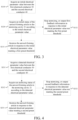
FIG. 4 is a flow chat of step S220 in the atomizing control method shown inFIG. 2 . -
FIG. 5 is a flow chat of step S230 in the atomizing control method shown inFIG. 2 . -
FIG. 6 is a perspective view of an atomizing device according to an embodiment. -
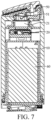
FIG. 7 is a cross-sectional view of the atomizing device shown inFIG. 6 . - 10. Body; 20. Heating component; 21. Atomizing cavity; 30. First electrical conductor; 40. Second electrical conductor; 50. Mouthpiece component; 51. Suction channel; 60. Power supply component.
- In order to make the foregoing objectives, features, and advantages of this application more apparent and comprehensible, specific implementations of this application are described in detail below with reference to the accompanying drawings. In the following description, many specific details are described for thorough understanding of this application. However, this application can be implemented in many other manners different from those described herein. A person skilled in the art may make similar improvements without departing from the connotation of this application. Therefore, this application is not limited to the specific embodiments disclosed below.
- In the description of this application, it should be understood that orientation or position relationships indicated by the terms such as "center", "longitudinal", "transverse", "length", "width", "thickness", "on", "below", "front", "back", "left", "right", "vertical", "horizontal", "top", "bottom", "inside", "outside", "clockwise", "anticlockwise", "axial direction", "radial direction", and "circumferential direction" are based on orientation or position relationships shown in the accompanying drawings, and are used only for ease and brevity of description of this application, rather than indicating or implying that the mentioned apparatus or element needs to have a particular orientation or be constructed and operated in a particular orientation. Therefore, such terms should not be construed as a limitation on this application.
- In addition, terms "first" and "second" are merely for the purpose of description, and cannot be construed as indicating or implying relative importance or implicitly specifying the number of technical features indicated. Therefore, a feature restricted by "first" or "second" may explicitly indicate or implicitly include at least one of the features. In description of this application, "multiple" means at least two, such as two and three unless otherwise explicitly and specifically defined.
- In this application, unless otherwise explicitly specified and defined, terms such as "initial", "connected", "connection", and "fixed" should be understood in a broad sense. For example, the connection may be a fixed connection, a detachable connection, or an integral connection; or the connection may be a mechanical connection or an electrical connection; or the connection may be a direct connection, an indirect connection through an intermediary, or internal communication between two elements, or interaction between two elements, unless otherwise explicitly defined. A person of ordinary skill in the art may understand the specific meanings of the foregoing terms in this application according to specific situations.
- In this application, unless otherwise explicitly specified or defined, the first feature being located "on" or "below" the second feature may be the first feature directly contacting the second feature, or the first feature indirectly contacting the second feature through an intermediary. In addition, the first feature being "above", "over", or "on" the second feature may indicate that the first feature is directly above or obliquely above the second feature, or may merely indicate that the first feature is at a higher horizontal position than the second feature. The first feature being "below", "under", and "beneath" the second feature may be that the first feature is directly below or obliquely below the second feature, or merely indicates that the first feature is at a lower horizontal position than the second feature.
- It should be noted that, when an element is referred to as "being fixed to" or "being arranged on" the other element, the element may be directly on the other element, or an intermediate element may exist. When an element is considered to be "connected" to the other element, the element may be directly connected to the other element or an intermediate element may exist. The terms "vertical", "horizontal", "upper", "lower", "left", "right", and similar expressions used in this specification are only for purposes of illustration but are not intended to indicate a unique implementation.
- Referring to
FIG. 1 , an atomizing device according to an embodiment of present application is configured to heat and atomize an aerosol-forming article. For example, a solid substrate of plant leaves with a specific aroma is baked in a heat-not-burning manner, so that the solid substrate of leaves is baked into an aerosol. The aerosol-forming article is preferably a solid substrate. The solid substrate includes one or more of powders, particles, fragments, strips, or sheets of one or more of herbal substrates. Alternatively, the solid substrate further includes additional volatile aroma compounds to be released when the substrate is heated. - Referring to
FIG. 1 andFIG. 2 , an atomizing control method according to an embodiment is applicable to the aforementioned atomizing device. The atomizing device includes anatomizing cavity 21, a firstelectrical conductor 30, and a secondelectrical conductor 40. The atomizing control method includes the following steps. - In step S10, an electrical parameter of the
atomizing cavity 21 is acquired through the firstelectrical conductor 30 and the secondelectrical conductor 40. - In step S20, status information of an aerosol-forming article in the
atomizing cavity 21 is acquired according to the electrical parameter. - According to the atomizing control method described above, the electrical parameter of the atomizing device can be acquired through the first
electrical conductor 30 and the secondelectrical conductor 40, so as to acquire the status information of the aerosol-forming article, thereby identifying whether an effective ingredient of the aerosol-forming article is completely consumed, so as to prevent generation of a burnt taste or a significant reduction in smoke resulting from excessive baking, and prevent the waste from being generated due to insufficient baking, which is beneficial to ensure the baking effect and smoking taste of the aerosol-forming article and improve user experience. - It should be noted that the first
electrical conductor 30 and the secondelectrical conductor 40 have electrical conductivity. When the firstelectrical conductor 30 and the secondelectrical conductor 40 are electrically conducted, an electrical signal circuit is formed between the control unit and the firstelectrical conductor 30 and the secondelectrical conductor 40. The electrical parameter between the firstelectrical conductor 30 and the secondelectrical conductor 40 can be acquired through the control unit, and the status information of the aerosol-forming article in theatomizing cavity 21 is acquired according to the electrical parameter. According to some embodiments of present application, the status information of the aerosol-forming article includes a presence/absence status, an initial status, and an atomizing status. - Specifically, the initial status includes the presence/absence, a packing density, or a water content of the aerosol-forming article. The atomizing status includes an atomizing amount of the aerosol-forming article.
- For example, when the packing density or water content of the aerosol-forming article is excessively large or excessively small, the baking effect and the baking time of the aerosol-forming article will be affected, and the baking taste of the aerosol-forming article cannot be effectively ensured. By acquiring the initial status, it can be identified in time whether the initial status of the aerosol-forming article meets the use requirement.
- According to some embodiments of present application, referring to
FIG. 1 andFIG. 3 , the acquiring an electrical parameter of theatomizing cavity 21 through the firstelectrical conductor 30 and the secondelectrical conductor 40 includes the following steps. - In step S 110, an initial electrical parameter value between the first
electrical conductor 30 and the secondelectrical conductor 40 is acquired. - In step S120, an initial status of the aerosol-forming article in the
atomizing cavity 21 is acquired according to the initial electrical parameter value. - Specifically, the initial electrical parameter value is the initial electrical parameter value obtained when the first
electrical conductor 30 and the secondelectrical conductor 40 are electrically turned on. - According to some embodiments of this application, referring to
FIG. 1 andFIG. 3 , after the acquiring the initial status of the aerosol-forming article in theatomizing cavity 21 according to the initial electrical parameter value, the method further includes the following steps. - In step S 131, the aerosol-forming article is atomized in response to the initial electrical parameter value meeting a first preset threshold.
- In step S 132, atomizing is stopped, or first feedback information is outputted in response to the initial electrical parameter value not meeting the first preset threshold.
- Through the above configuration, it is determined whether the initial status of the aerosol-forming article meets the use requirement according to the initial electrical parameter value, and the user is reminded to adjust the initial status of the aerosol-forming article in time, which is beneficial to ensure the subsequent baking effect of the aerosol-forming article.
- Specifically, referring to
FIG. 7 , when the initial electrical parameter value is equal to the first preset threshold, the control unit drives the heating component 2020 in the atomizing device to operate to heat the aerosol-forming article, thereby atomizing the aerosol-forming article. - Specifically, the first feedback information is an acousto-optic prompt or a vibration prompt. In this way, the user can be reminded in time to adjust the status of the aerosol-forming article in the
atomizing cavity 21, so that the baking action can be performed only after the initial electrical parameter value meets preset requirements. For example, when the initial electrical parameter value is less than the first preset threshold, a yellow indication light may be emitted to alert the user. When the initial electrical parameter value is greater than the first preset threshold, a red indicator light may be on to remind the user. - According to an embodiment of this application, referring to
FIG. 1 andFIG. 4 , after the acquiring the initial status of the aerosol-forming article in theatomizing cavity 21 according to the initial electrical parameter value, the method further includes the following steps. - In step S211, a detected electrical parameter value between the first
electrical conductor 30 and the secondelectrical conductor 40 is acquired. - In step S212, an atomizing status of the aerosol-forming article in the
atomizing cavity 21 is acquired according to the detected electrical parameter value. - According to another embodiment of present application, referring to
FIG. 1 andFIG. 5 , after the acquiring the initial status of the aerosol-forming article in theatomizing cavity 21 according to the initial electrical parameter value, the method further includes the following steps. - In step S221, a detected electrical parameter value between the first
electrical conductor 30 and the secondelectrical conductor 40 is acquired. - In step S222, a difference between the detected electrical parameter value and a second preset threshold is acquired.
- In step S223, an atomizing status of the aerosol-forming article in the
atomizing cavity 21 is acquired according to the difference. - Specifically, the atomizing status of the aerosol-forming article in the
atomizing cavity 21 can be obtained through table lookup or calculation according to the detected electrical parameter value or the difference. In this way, the atomizing status of the aerosol-forming article can be quickly obtained. - According to some embodiments of present application, referring to
FIG. 1 ,FIG. 4 , andFIG. 5 , after the acquiring the atomizing status of the aerosol-forming article in theatomizing cavity 21 according to the detected electrical parameter value, the method further includes the following steps. - In step S231, the aerosol-forming article is atomized in response to the detected electrical parameter value meeting a second preset threshold.
- In step S232, atomizing is stopped or second feedback information is outputted in response to the detected electrical parameter value not meeting the second preset threshold.
- Specifically, when the detected electrical parameter value is less than the second preset threshold, the control unit drives the
heating component 20 in the atomizing device to operate to heat the aerosol-forming article, thereby performing the baking action. - Specifically, the second feedback information is an acousto-optic prompt or a vibration prompt. In this way, the user can be reminded to stop the baking action in time. For example, when the detected electrical parameter value is equal to the second preset threshold, a green indicator light is emitted to remind the user. When the detected electrical parameter value is greater than the second preset threshold, a red indicator light is emitted to remind the user.
- It should be understood that during the baking of the aerosol-forming article, the detected electrical parameter value continues to increase. When the detected electrical parameter value is less than the second preset threshold, it indicates that the aerosol-forming article has not been completely baked and needs to be baked continuously. When the detected electrical parameter value is equal to or greater than the second preset threshold, a scorched flavor or a burnt smell may be generated during smoking if the baking is continued, which will affect the smoking taste of the user. Through the above steps, the aerosol-forming article is always in the optimal baking range, which is beneficial to ensure the baking effect and smoking taste of the aerosol-forming article.
- According to some embodiments of present application, the acquiring the detected electrical parameter value between the first
electrical conductor 30 and the secondelectrical conductor 40 includes: acquiring the detected electrical parameter value between the firstelectrical conductor 30 and the secondelectrical conductor 40 once every time interval T. - As used herein, the time T may be several minutes or several hours, which can be set according to actual needs. Each detected electrical parameter value may be directly compared with the second preset threshold, or a plurality of detected electrical parameter values may be averaged and compared with the second preset threshold. Through the above steps, the baking degree of the aerosol-forming article can be determined more accurately.
- According to some embodiments of present application, the electrical parameter is a capacitance value, a resistance value, or a resistivity.
- For example, when the electrical parameter is the resistance value, the second preset threshold is in a range of 16 MS2 to 20 MS2.
- When the detected electrical parameter value is less than the second preset threshold, the baking action is performed. When the detected electrical parameter value is equal to or greater than the second preset threshold, the baking action is stopped or the second feedback information is outputted.
- Referring to
FIG. 1 ,FIG. 6 , andFIG. 7 , the atomizing device according to an embodiment includes theatomizing cavity 21, the firstelectrical conductor 30, the secondelectrical conductor 40, and the control unit. The firstelectrical conductor 30 and the secondelectrical conductor 40 are mounted to theatomizing cavity 21. The control unit is configured to acquire the electrical parameter between the firstelectrical conductor 30 and the secondelectrical conductor 40, and acquire the status information of the aerosol-forming article in theatomizing cavity 21 according to the electrical parameter. - According to the atomizing device described above, the electrical parameter of the atomizing device can be acquired through the first
electrical conductor 30 and the secondelectrical conductor 40, so as to acquire the status information of an aerosol-forming article, thereby identifying whether an effective ingredient of the aerosol-forming article is completely consumed, so as to prevent generation of a burnt taste or a significant reduction in smoke resulting from excessive baking, and prevent the waste from being generated due to insufficient baking, which is beneficial to ensure the baking effect and smoking taste of the aerosol-forming article and improve user experience. - The first
electrical conductor 30 and the secondelectrical conductor 40 may be arranged in theatomizing cavity 21 or outside theatomizing cavity 21. The firstelectrical conductor 30 and the secondelectrical conductor 40 have electrical conductivity, and when the firstelectrical conductor 30 and the secondelectrical conductor 40 are electrically conducted, an electrical signal circuit is formed between the control unit and the firstelectrical conductor 30 and the secondelectrical conductor 40. - Specifically, the atomizing device is a conductive heating-type atomizing pot. Referring to
FIG. 6 andFIG. 7 , the atomizing device further includes amain body 10, aheating component 20, and amouthpiece component 50. The control unit and theheating component 20 are arranged in themain body 10, and themouthpiece component 50 is assembled to an end of themain body 10. Theheating component 20 has theatomizing cavity 21 for baking the aerosol-forming article, and themouthpiece component 50 has asuction channel 51 in communication with theatomizing cavity 21. - Referring
FIG. 1 , the firstelectrical conductor 30 and the secondelectrical conductor 40 are arranged at opposite sides of theatomizing cavity 21, and the firstelectrical conductor 30 and the secondelectrical conductor 40 both have a mesh structure. - In this embodiment, the first
electrical conductor 30 is arranged on a top side of theatomizing cavity 21, and the secondelectrical conductor 40 is arranged on a bottom side of theatomizing cavity 21. When the user inhales, airflow flows in the arrow direction shown inFIG. 3 . The firstelectrical conductor 30 and the secondelectrical conductor 40 are both provided with several grids to cause the airflow in theatomizing cavity 21 to circulate. The grids may be circular, rectangular, polygonal, or in other shapes, and the specific shapes of the grids are not limited herein. - In other embodiments, the first
electrical conductor 30 may be arranged in thesuction channel 51, and the secondelectrical conductor 40 may be arranged on a circumferential side wall of theatomizing cavity 21. Alternatively, the firstelectrical conductor 30 and the secondelectrical conductor 40 are arranged on the same side of theatomizing cavity 21. - More specifically, referring to
FIG. 7 , the atomizing device further includes apower supply component 60 and a circuit board (not shown) that are electrically connected. Thepower supply component 60 is electrically connected to theheating component 20 and configured to supply power to theheating component 20. - It should be noted that the aerosol-forming article is removably arranged in the
atomizing cavity 21. When the aerosol-forming article is in theatomizing cavity 21, theheating component 20 heats the aerosol-forming article, so that the aerosol-forming article releases a plurality of volatile compounds. Thepower supply component 60 is configured to supply power, and the circuit board is configured to guide a current between thepower supply component 60 and theheating component 20. Theheating component 20 heats and atomizes the aerosol-forming article by using the electric energy provided by thepower supply component 60, and generates aerosol for the user to inhale.
Claims (10)
- An atomizing control method, applicable to an atomizing device comprising an atomizing cavity (21), a first electrical conductor (30), and a second electrical conductor (40), the method comprising:acquiring an electrical parameter of the atomizing cavity (21) through the first electrical conductor (30) and the second electrical conductor (40); andacquiring status information of an aerosol-forming article in the atomizing cavity (21) according to the electrical parameter.
- The method of claim 1, wherein the status information of the aerosol-forming article comprises an initial status and an atomizing status.
- The method of claim 2, wherein the acquiring the electrical parameter of the atomizing cavity (21) through the first electrical conductor (30) and the second electrical conductor (40) comprises:acquiring an initial electrical parameter value between the first electrical conductor (30) and the second electrical conductor (40); andacquiring the initial status of the aerosol-forming article in the atomizing cavity (21) according to the initial electrical parameter value.
- The method of claim 3, wherein after the acquiring the initial status of the aerosol-forming article in the atomizing cavity (21) according to the initial electrical parameter value, the method further comprises:atomizing the aerosol-forming article in response to the initial electrical parameter value meeting a first preset threshold; andstopping atomizing or outputting first feedback information in response to the initial electrical parameter value not meeting the first preset threshold.
- The method of claim 3, wherein after the acquiring the initial status of the aerosol-forming article in the atomizing cavity (21) according to the initial electrical parameter value, the method further comprises:acquiring a detected electrical parameter value between the first electrical conductor (30) and the second electrical conductor (40); andacquiring the atomizing status of the aerosol-forming article in the atomizing cavity (21) according to the detected electrical parameter value.
- The method of claim 3, wherein after the acquiring the initial status of the aerosol-forming article in the atomizing cavity (21) according to the initial electrical parameter value, the method further comprises:acquiring a detected electrical parameter value between the first electrical conductor (30) and the second electrical conductor (40);acquiring a difference between the detected electrical parameter value and a second preset threshold; andacquiring the atomizing status of the aerosol-forming article in the atomizing cavity (21) according to the difference.
- The method of claim 5 or 6, wherein after the acquiring the atomizing status of the aerosol-forming article in the atomizing cavity (21) according to the detected electrical parameter value, the method further comprises:atomizing the aerosol-forming article in response to the detected electrical parameter value meeting the second preset threshold; andstopping atomizing or outputting second feedback information in response to the detected electrical parameter value not meeting the second preset threshold.
- The method of claim 5 or 6, wherein the acquiring the detected electrical parameter value between the first electrical conductor (30) and the second electrical conductor (40) comprises:
acquiring the detected electrical parameter value between the first electrical conductor (30) and the second electrical conductor (40) once every time interval T. - The method of any one of the preceding claims, wherein the electrical parameter is a capacitance value, a resistance value, or a resistivity.
- An atomizing device, comprising:an atomizing cavity (21);a first electrical conductor (30) and a second electrical conductor (40) mounted to the atomizing cavity (21); anda control unit configured to acquire an electrical parameter between the first electrical conductor (30) and the second electrical conductor (40) and acquire status information of an aerosol-forming article in the atomizing cavity (21) according to the electrical parameter.
Applications Claiming Priority (1)
| Application Number | Priority Date | Filing Date | Title |
|---|---|---|---|
| CN202210866631.6A CN117461900A (en) | 2022-07-22 | 2022-07-22 | Atomization control method and atomization device |
Publications (1)
| Publication Number | Publication Date |
|---|---|
| EP4309528A1 true EP4309528A1 (en) | 2024-01-24 |
Family
ID=87280385
Family Applications (1)
| Application Number | Title | Priority Date | Filing Date |
|---|---|---|---|
| EP23185166.8A Pending EP4309528A1 (en) | 2022-07-22 | 2023-07-13 | Atomizing control method and atomizing device |
Country Status (4)
| Country | Link |
|---|---|
| US (1) | US20240023629A1 (en) |
| EP (1) | EP4309528A1 (en) |
| CN (1) | CN117461900A (en) |
| CA (1) | CA3206034A1 (en) |
Citations (4)
| Publication number | Priority date | Publication date | Assignee | Title |
|---|---|---|---|---|
| WO2017045897A1 (en) * | 2015-09-16 | 2017-03-23 | Philip Morris Products S.A. | Cartridge with a capacity sensor |
| US10912338B2 (en) * | 2017-05-27 | 2021-02-09 | Shenzhen First Union Technology Co., Ltd. | Electronic cigarette and using method to accurately determine an amount of a tobacco liquid in a liuid storage chamber |
| US20220125110A1 (en) * | 2019-02-15 | 2022-04-28 | Philip Morris Products S.A. | Aerosol-generating device having capacitance based power control |
| CN114568763A (en) * | 2022-03-04 | 2022-06-03 | 深圳麦时科技有限公司 | Aerosol generating device and atomization control device thereof |
Family Cites Families (3)
| Publication number | Priority date | Publication date | Assignee | Title |
|---|---|---|---|---|
| WO2017051006A1 (en) * | 2015-09-24 | 2017-03-30 | Philip Morris Products S.A. | Aerosol-generating device with electrodes for measuring an electrical load |
| CN109691693A (en) * | 2018-12-13 | 2019-04-30 | 清华大学 | A kind of atomization method and atomizer |
| CN114259089B (en) * | 2021-12-28 | 2025-09-05 | 深圳麦克韦尔科技有限公司 | Electronic atomization device and heating method, liquid content detection method |
-
2022
- 2022-07-22 CN CN202210866631.6A patent/CN117461900A/en active Pending
-
2023
- 2023-07-10 US US18/349,896 patent/US20240023629A1/en active Pending
- 2023-07-10 CA CA3206034A patent/CA3206034A1/en active Pending
- 2023-07-13 EP EP23185166.8A patent/EP4309528A1/en active Pending
Patent Citations (4)
| Publication number | Priority date | Publication date | Assignee | Title |
|---|---|---|---|---|
| WO2017045897A1 (en) * | 2015-09-16 | 2017-03-23 | Philip Morris Products S.A. | Cartridge with a capacity sensor |
| US10912338B2 (en) * | 2017-05-27 | 2021-02-09 | Shenzhen First Union Technology Co., Ltd. | Electronic cigarette and using method to accurately determine an amount of a tobacco liquid in a liuid storage chamber |
| US20220125110A1 (en) * | 2019-02-15 | 2022-04-28 | Philip Morris Products S.A. | Aerosol-generating device having capacitance based power control |
| CN114568763A (en) * | 2022-03-04 | 2022-06-03 | 深圳麦时科技有限公司 | Aerosol generating device and atomization control device thereof |
Also Published As
| Publication number | Publication date |
|---|---|
| CA3206034A1 (en) | 2024-01-22 |
| US20240023629A1 (en) | 2024-01-25 |
| CN117461900A (en) | 2024-01-30 |
Similar Documents
| Publication | Publication Date | Title |
|---|---|---|
| CN107080292B (en) | Electronic smoking devices that assist smoking | |
| CN112839535B (en) | Aerosol generating device and heating chamber thereof | |
| CN112822951B (en) | Aerosol generating device and heating chamber thereof | |
| KR102884880B1 (en) | Aerosol generating device and heating chamber for aerosol generating device | |
| CN112822952B (en) | Aerosol generating device and heating cavity thereof | |
| CN110710723B (en) | Non-contact type electronic cigarette heater | |
| CN108991602B (en) | A kind of aerosol generating device and heating control method thereof | |
| JP2022078237A (en) | Electronic devices and methods and programs for operating electronic devices | |
| CA3130556A1 (en) | Temperature control circuitry for an aerosol delivery device | |
| KR20250162963A (en) | Aerosol generation device and heating chamber therefor | |
| EP3695736A1 (en) | Electronic cigarette, and control method thereof | |
| CN210747225U (en) | Electronic cigarette smoker and electronic cigarette | |
| EP4424184A2 (en) | Low-temperature vaporizer and low-temperature smoking set | |
| CN107080291A (en) | The control method and electronic cigarette of a kind of electronic cigarette | |
| CN108552603A (en) | A kind of multi-functional electrical heating smoking set and the cigarette comprising the smoking set | |
| CN109965351A (en) | Peripheral electric heating smoking device and heating control method | |
| JP2020534833A (en) | Aerosol generation system | |
| CN111743207A (en) | Electronic cigarette control method and electronic cigarette | |
| CN110101122A (en) | A kind of multistage temperature control method heating not combustion system | |
| CN203748670U (en) | Baking type atomizer and electronic cigarette | |
| JP7240033B2 (en) | Tobacco evaporator and heating control method | |
| CN114521676B (en) | Atomizing heating components, atomizers and electronic atomizing devices | |
| CA3206034A1 (en) | Atomizing control method and atomizing device | |
| CN209898297U (en) | Atomizers, cartridges and electronic cigarettes | |
| CN218921648U (en) | Atomizer and electronic atomization device |
Legal Events
| Date | Code | Title | Description |
|---|---|---|---|
| PUAI | Public reference made under article 153(3) epc to a published international application that has entered the european phase |
Free format text: ORIGINAL CODE: 0009012 |
|
| STAA | Information on the status of an ep patent application or granted ep patent |
Free format text: STATUS: THE APPLICATION HAS BEEN PUBLISHED |
|
| AK | Designated contracting states |
Kind code of ref document: A1 Designated state(s): AL AT BE BG CH CY CZ DE DK EE ES FI FR GB GR HR HU IE IS IT LI LT LU LV MC ME MK MT NL NO PL PT RO RS SE SI SK SM TR |
|
| STAA | Information on the status of an ep patent application or granted ep patent |
Free format text: STATUS: REQUEST FOR EXAMINATION WAS MADE |
|
| 17P | Request for examination filed |
Effective date: 20240315 |
|
| RBV | Designated contracting states (corrected) |
Designated state(s): AL AT BE BG CH CY CZ DE DK EE ES FI FR GB GR HR HU IE IS IT LI LT LU LV MC ME MK MT NL NO PL PT RO RS SE SI SK SM TR |
|
| RAP3 | Party data changed (applicant data changed or rights of an application transferred) |
Owner name: SHENZHEN SMOORE TECHNOLOGY LIMITED |
|
| RAP3 | Party data changed (applicant data changed or rights of an application transferred) |
Owner name: SHENZHEN SMOORE TECHNOLOGY LIMITED |
|
| STAA | Information on the status of an ep patent application or granted ep patent |
Free format text: STATUS: EXAMINATION IS IN PROGRESS |
|
| 17Q | First examination report despatched |
Effective date: 20260306 |