EP4308088B1 - Transdermal drug delivery system for delivering a drug to a patient - Google Patents
Transdermal drug delivery system for delivering a drug to a patient Download PDFInfo
- Publication number
- EP4308088B1 EP4308088B1 EP22890934.7A EP22890934A EP4308088B1 EP 4308088 B1 EP4308088 B1 EP 4308088B1 EP 22890934 A EP22890934 A EP 22890934A EP 4308088 B1 EP4308088 B1 EP 4308088B1
- Authority
- EP
- European Patent Office
- Prior art keywords
- topical
- drug
- patient
- spikes
- blunted
- Prior art date
- Legal status (The legal status is an assumption and is not a legal conclusion. Google has not performed a legal analysis and makes no representation as to the accuracy of the status listed.)
- Active
Links
Images





Classifications
-
- A—HUMAN NECESSITIES
- A61—MEDICAL OR VETERINARY SCIENCE; HYGIENE
- A61K—PREPARATIONS FOR MEDICAL, DENTAL OR TOILETRY PURPOSES
- A61K31/00—Medicinal preparations containing organic active ingredients
- A61K31/185—Acids; Anhydrides, halides or salts thereof, e.g. sulfur acids, imidic, hydrazonic or hydroximic acids
- A61K31/19—Carboxylic acids, e.g. valproic acid
- A61K31/192—Carboxylic acids, e.g. valproic acid having aromatic groups, e.g. sulindac, 2-aryl-propionic acids, ethacrynic acid
-
- A—HUMAN NECESSITIES
- A61—MEDICAL OR VETERINARY SCIENCE; HYGIENE
- A61F—FILTERS IMPLANTABLE INTO BLOOD VESSELS; PROSTHESES; DEVICES PROVIDING PATENCY TO, OR PREVENTING COLLAPSING OF, TUBULAR STRUCTURES OF THE BODY, e.g. STENTS; ORTHOPAEDIC, NURSING OR CONTRACEPTIVE DEVICES; FOMENTATION; TREATMENT OR PROTECTION OF EYES OR EARS; BANDAGES, DRESSINGS OR ABSORBENT PADS; FIRST-AID KITS
- A61F13/00—Bandages or dressings; Absorbent pads
- A61F13/00051—Accessories for dressings
- A61F13/00063—Accessories for dressings comprising medicaments or additives, e.g. odor control, PH control, debriding, antimicrobic
-
- A—HUMAN NECESSITIES
- A61—MEDICAL OR VETERINARY SCIENCE; HYGIENE
- A61F—FILTERS IMPLANTABLE INTO BLOOD VESSELS; PROSTHESES; DEVICES PROVIDING PATENCY TO, OR PREVENTING COLLAPSING OF, TUBULAR STRUCTURES OF THE BODY, e.g. STENTS; ORTHOPAEDIC, NURSING OR CONTRACEPTIVE DEVICES; FOMENTATION; TREATMENT OR PROTECTION OF EYES OR EARS; BANDAGES, DRESSINGS OR ABSORBENT PADS; FIRST-AID KITS
- A61F13/00—Bandages or dressings; Absorbent pads
- A61F13/02—Adhesive bandages or dressings
- A61F13/0246—Adhesive bandages or dressings characterised by the skin-adhering layer
-
- A—HUMAN NECESSITIES
- A61—MEDICAL OR VETERINARY SCIENCE; HYGIENE
- A61K—PREPARATIONS FOR MEDICAL, DENTAL OR TOILETRY PURPOSES
- A61K31/00—Medicinal preparations containing organic active ingredients
- A61K31/16—Amides, e.g. hydroxamic acids
- A61K31/165—Amides, e.g. hydroxamic acids having aromatic rings, e.g. colchicine, atenolol, progabide
- A61K31/167—Amides, e.g. hydroxamic acids having aromatic rings, e.g. colchicine, atenolol, progabide having the nitrogen of a carboxamide group directly attached to the aromatic ring, e.g. lidocaine, paracetamol
-
- A—HUMAN NECESSITIES
- A61—MEDICAL OR VETERINARY SCIENCE; HYGIENE
- A61K—PREPARATIONS FOR MEDICAL, DENTAL OR TOILETRY PURPOSES
- A61K31/00—Medicinal preparations containing organic active ingredients
- A61K31/185—Acids; Anhydrides, halides or salts thereof, e.g. sulfur acids, imidic, hydrazonic or hydroximic acids
- A61K31/19—Carboxylic acids, e.g. valproic acid
- A61K31/195—Carboxylic acids, e.g. valproic acid having an amino group
- A61K31/196—Carboxylic acids, e.g. valproic acid having an amino group the amino group being directly attached to a ring, e.g. anthranilic acid, mefenamic acid, diclofenac, chlorambucil
-
- A—HUMAN NECESSITIES
- A61—MEDICAL OR VETERINARY SCIENCE; HYGIENE
- A61K—PREPARATIONS FOR MEDICAL, DENTAL OR TOILETRY PURPOSES
- A61K9/00—Medicinal preparations characterised by special physical form
- A61K9/70—Web, sheet or filament bases ; Films; Fibres of the matrix type containing drug
- A61K9/7023—Transdermal patches and similar drug-containing composite devices, e.g. cataplasms
- A61K9/703—Transdermal patches and similar drug-containing composite devices, e.g. cataplasms characterised by shape or structure; Details concerning release liner or backing; Refillable patches; User-activated patches
-
- A—HUMAN NECESSITIES
- A61—MEDICAL OR VETERINARY SCIENCE; HYGIENE
- A61K—PREPARATIONS FOR MEDICAL, DENTAL OR TOILETRY PURPOSES
- A61K9/00—Medicinal preparations characterised by special physical form
- A61K9/70—Web, sheet or filament bases ; Films; Fibres of the matrix type containing drug
- A61K9/7023—Transdermal patches and similar drug-containing composite devices, e.g. cataplasms
- A61K9/703—Transdermal patches and similar drug-containing composite devices, e.g. cataplasms characterised by shape or structure; Details concerning release liner or backing; Refillable patches; User-activated patches
- A61K9/7084—Transdermal patches having a drug layer or reservoir, and one or more separate drug-free skin-adhesive layers, e.g. between drug reservoir and skin, or surrounding the drug reservoir; Liquid-filled reservoir patches
-
- A—HUMAN NECESSITIES
- A61—MEDICAL OR VETERINARY SCIENCE; HYGIENE
- A61M—DEVICES FOR INTRODUCING MEDIA INTO, OR ONTO, THE BODY; DEVICES FOR TRANSDUCING BODY MEDIA OR FOR TAKING MEDIA FROM THE BODY; DEVICES FOR PRODUCING OR ENDING SLEEP OR STUPOR
- A61M37/00—Other apparatus for introducing media into the body; Percutany, i.e. introducing medicines into the body by diffusion through the skin
-
- A—HUMAN NECESSITIES
- A61—MEDICAL OR VETERINARY SCIENCE; HYGIENE
- A61M—DEVICES FOR INTRODUCING MEDIA INTO, OR ONTO, THE BODY; DEVICES FOR TRANSDUCING BODY MEDIA OR FOR TAKING MEDIA FROM THE BODY; DEVICES FOR PRODUCING OR ENDING SLEEP OR STUPOR
- A61M37/00—Other apparatus for introducing media into the body; Percutany, i.e. introducing medicines into the body by diffusion through the skin
- A61M37/0015—Other apparatus for introducing media into the body; Percutany, i.e. introducing medicines into the body by diffusion through the skin by using microneedles
-
- A—HUMAN NECESSITIES
- A61—MEDICAL OR VETERINARY SCIENCE; HYGIENE
- A61F—FILTERS IMPLANTABLE INTO BLOOD VESSELS; PROSTHESES; DEVICES PROVIDING PATENCY TO, OR PREVENTING COLLAPSING OF, TUBULAR STRUCTURES OF THE BODY, e.g. STENTS; ORTHOPAEDIC, NURSING OR CONTRACEPTIVE DEVICES; FOMENTATION; TREATMENT OR PROTECTION OF EYES OR EARS; BANDAGES, DRESSINGS OR ABSORBENT PADS; FIRST-AID KITS
- A61F13/00—Bandages or dressings; Absorbent pads
- A61F2013/00361—Plasters
- A61F2013/00544—Plasters form or structure
- A61F2013/00646—Medication patches, e.g. transcutaneous
-
- A—HUMAN NECESSITIES
- A61—MEDICAL OR VETERINARY SCIENCE; HYGIENE
- A61F—FILTERS IMPLANTABLE INTO BLOOD VESSELS; PROSTHESES; DEVICES PROVIDING PATENCY TO, OR PREVENTING COLLAPSING OF, TUBULAR STRUCTURES OF THE BODY, e.g. STENTS; ORTHOPAEDIC, NURSING OR CONTRACEPTIVE DEVICES; FOMENTATION; TREATMENT OR PROTECTION OF EYES OR EARS; BANDAGES, DRESSINGS OR ABSORBENT PADS; FIRST-AID KITS
- A61F13/00—Bandages or dressings; Absorbent pads
- A61F2013/00361—Plasters
- A61F2013/00902—Plasters containing means
- A61F2013/00906—Plasters containing means for transcutaneous or transdermal drugs application
-
- A—HUMAN NECESSITIES
- A61—MEDICAL OR VETERINARY SCIENCE; HYGIENE
- A61M—DEVICES FOR INTRODUCING MEDIA INTO, OR ONTO, THE BODY; DEVICES FOR TRANSDUCING BODY MEDIA OR FOR TAKING MEDIA FROM THE BODY; DEVICES FOR PRODUCING OR ENDING SLEEP OR STUPOR
- A61M37/00—Other apparatus for introducing media into the body; Percutany, i.e. introducing medicines into the body by diffusion through the skin
- A61M2037/0007—Other apparatus for introducing media into the body; Percutany, i.e. introducing medicines into the body by diffusion through the skin having means for enhancing the permeation of substances through the epidermis, e.g. using suction or depression, electric or magnetic fields, sound waves or chemical agents
-
- A—HUMAN NECESSITIES
- A61—MEDICAL OR VETERINARY SCIENCE; HYGIENE
- A61M—DEVICES FOR INTRODUCING MEDIA INTO, OR ONTO, THE BODY; DEVICES FOR TRANSDUCING BODY MEDIA OR FOR TAKING MEDIA FROM THE BODY; DEVICES FOR PRODUCING OR ENDING SLEEP OR STUPOR
- A61M37/00—Other apparatus for introducing media into the body; Percutany, i.e. introducing medicines into the body by diffusion through the skin
- A61M37/0015—Other apparatus for introducing media into the body; Percutany, i.e. introducing medicines into the body by diffusion through the skin by using microneedles
- A61M2037/0023—Drug applicators using microneedles
Definitions
- the present invention relates generally to medical and laboratory equipment. More specifically, the present invention is methods, systems, apparatuses, and devices for facilitating transdermal delivery a drug to a patient.
- Transdermal (TD) drug delivery involves two major categories of products, namely TD patches and topical products.
- TD patches have a well-defined contact area with the skin that will allow more accurate administration of the drug from the drug-containing medium on the patch to the user through his/her skin.
- the drug delivery medium of the patch is protected when in use.
- Important products of TD patches include Duragesic ® (fentanyl), Lidoderm (lidocaine) and Burtrans ® (buprenorphine) for management of pain, Ortho Evra (Ethinyl estradiol and norelgestromin) as a contraceptive, Daytrana ® (methylphenidate) for ADHD, and Neupro ® (rotigotine) for Parkinson's.
- Topical products are applied to a certain area of the skin and most of them are intended to affect only the local area to which they are applied. Examples include a local anesthetic (lidocaine and prilocaine), Pennsaid (diclofenac) for pain caused by osteoarthritis, and Lotrisone (betamethasone and clotrimazole) for reducing itching, swelling, and redness of the skin.
- a local anesthetic lidocaine and prilocaine
- Pennsaid diclofenac
- Lotrisone betamethasone and clotrimazole
- An exception is Elestrin (estradiol), which is an example of transdermal drug delivery using a topical formulation for vasomotor symptoms (hot flash) due to menopause.
- topical products lack the mechanisms in controlling the rate of drug delivery through a fixed area of the user's skin.
- Nonsteroidal anti-inflammatory drugs are the most widely prescribed drugs in the world. There are over two dozen NSAIDs commercially available, most in various oral dosage forms, and some as topical formulations.
- Ibuprofen is an NSAID that is used widely for reducing fever in pediatric patients. It is estimated that 20% of the pediatric emergency visit is related to fever ( Alpern ER, Henretig FM. Fever. Fleisher GR, Ludwg S, Henretig FM, eds. Textbook of Pediatric Emergency Medicine. 5th ed. Philadelphia, PA: Lippincott Williams & Wilkins; 2006. 295-306 ).
- TD ibuprofen formulation that can accurately deliver the active ingredient through the skin, particularly targeted for infants and toddlers, can have significant health benefits.
- Diclofenac has been approved in the U.S. as an analgesic medical product for topical applications.
- topical NSAID products can be efficacious as a pain reliever and at the same time avoid the GI tract side effects.
- a 2015 Cochrane review of 61 clinical studies involving nearly 8,400 patients has shown that topical NSAID formulations containing diclofenac, ibuprofen, ketoprofen, piroxicam, and indomethacin can provide pain relief for patients with musculoskeletal injuries (acute conditions) such as sprains, strains, and overuse injuries ( Derry_S, Moore_RA, Gaskell_H, McIntyre_M, Wi_en_PJ. Cochrane Database of Systematic Reviews 2015, Issue 6. Art. No.: CD007402 ).
- TD patches on the market are limited by their ability to deliver the drugs at certain rates.
- the amounts of drug delivered in 24 hours for buprenorphine as an active ingredient, ritigotine as an active ingredient and rivastigmine as the active ingredient are delivered at rates of 0.12, 1, and 4.5 mg, respectively.
- the rate cannot easily increase because of the nature of the active ingredients and other factors.
- a single TD patch can only carry a limited amount of the drug delivery medium, as well as the drug.
- the drug-delivering media which usually consist of adhesive systems (for Matrix type).
- TD patch types For some TD patch types, an added barrier (e.g., a membrane for the Reservoir system) is needed, which further limits the rate of drug delivery. These characteristics imply that a patch is not a drug delivery system for a drug that requires a higher dose to reach an effective level in a human body (i.e., in the range of 10-100 mg/24 hours).
- the topical products have performed worse as transdermal drug delivery systems.
- 12 topical products, six of each containing diclofenac or ibuprofen were tested for in vitro permeation against human skin.
- the commercial formulations included emulsions, creams, and gels with either 1% diclofenac or 5-10% ibuprofen.
- Permeation enhancers are often adopted to facilitate drug delivery in these products; 3) solubility of the drug - the rate of drug penetration in TD drug delivery is positively correlated to the concentration of the active ingredient (dissolved) in a carrier of the topical formulation; 4) skin conditions of the patient - the SC layer of the skin provides the best protection to the human body when it is in the dry state. It is also the state that will prevent the drug from penetrating the skin.
- the application of a patch or a topical product will to a certain degree alter the skin condition to facilitate drug penetration through partial hydration of the skin's SC layer; 5) environment of drug application - TD patches create an occlusive environment when in use, which will cause the hydration of the SC layer.
- Some of the topical products, for example, ointments, can also create an occlusive environment to a lesser degree.
- TD patches are well accepted medical products and they serve important purposes in the health care community. But their commercial manufacturing requires sophisticated equipment and can be costly compared with topical products. Furthermore, the types of drugs and the amounts that can be delivered by TD patches are still very limited.
- transdermal drug delivery system for administration of drugs in combination with topical formulations, which is disclosed in US 2017/0224642 A1 ; transdermal pharmaceutical compositions comprising active agents, which is disclosed in US 2011/0098258 A1 ; and transdermal administration of nonsteroidal anti-inflammatory drugs using hydroxide-releasing agents as permeation enhancers, which is disclosed in US 2001/0038861 A1 .
- a first aspect of the invention is set out in independent claim 1, while optional features related to the first aspect are as disclosed in dependent claims 2 through 7.
- a second aspect of the invention is set out in independent claim 8, while optional features related to the second aspect are as disclosed in dependent claims 9 through 14.
- the present invention is a system for transdermally delivering a drug to a patient.
- the present invention can be used on a patient that has arthritis or is suffering from acute/chronical musculoskeletal pain.
- the present invention comprises a backing layer 101, an adhesive layer 102, a topical applicator 103, a suitable quantity of drug 108, a quantity of topical carrier 109.
- the backing layer 101 is used as a structural base to connect the other components of the present invention together.
- the backing layer 101 is preferably a piece of medical tape and is preferably impermeable in order to prevent any medicinal fluid from seeping through the backing layer 101.
- the adhesive layer 102 allows the topical applicator 103 to be adhered onto the backing layer 101.
- the topical applicator 103 is used to retain and dispense the suitable quantity of drug 108 with the quantity of topical carrier 109.
- the topical applicator 103 is preferably made of a polycarbonate material.
- the suitable quantity of drug 108 is any medication that can be topically applied through a patient's skin.
- the suitable quantity of drug 108 can be, but is not limited to, a non-steroidal anti-inflammatory drug (NSAID).
- NSAID non-steroidal anti-inflammatory drug
- the quantity of topical carrier 109 allows for easy topical application and retention of the suitable quantity of drug 108.
- the quantity of topical carrier 109 can be, but is not limited to, a gel, a cream, a foam, a lotion, or an ointment.
- the topical applicator 103 is also configured to assist in the easy topical application and retention of the suitable quantity of drug 108.
- the topical applicator 103 comprises a flat applicator body 104, a plurality of blunted spikes 105, and a containment rim 106.
- the flat applicator body 104 is used as a structural base to connect the other components of the topical applicator 103 together.
- the flat applicator body 104 may be sized and/or shaped to optimally deliver the suitable quantity of drug 108 through a patient's skin.
- a perimeter shape of the flat applicator body 104 can be, but is not limited to, a square shape, a rectangular shape, a circular shape, or an oblong shape.
- the containment rim 106 is used as a perimeter boundary for the suitable quantity of drug 108 and the quantity of topical carrier 109.
- a height of the containment rim 106 from the flat applicator body 104 is preferably between 600 micrometers ( ⁇ m) to 3500 ⁇ m.
- the plurality of blunted spikes 105 is used to increase the surface area of the topical applicator 103 that is available to retain the suitable quantity of drug 108 and the quantity of topical carrier 109.
- a total number of blunted spikes for the plurality of blunted spikes 105 may be configured to optimally deliver the suitable quantity of drug 108 through a patient's skin.
- the general configuration of the aforementioned components allows the present invention to effectively and efficiently delivery a drug to a patient through the patient's skin.
- the suitable quantity of drug 108 and the quantity of topical carrier 109 are homogenously mixed together as a topical medication 107 so that the quantity of topical carrier 109 is able to dilute, retain, and dispense the suitable quantity of drug 108.
- the adhesive layer 102 is positioned in between the backing layer 101 and the flat applicator body 104, and, thus, the adhesive layer 102 allows the flat applicator body 104 to connect across and against the backing layer 101.
- This arrangement between the backing layer 101, the adhesive layer 102, and the flat applicator body 104 provides the topical applicator 103 with the necessary structural support as the topical medication 107 is administered to the patient with the present invention.
- the containment rim 106 and the plurality of blunted spikes 105 are positioned adjacent to the flat applicator body 104, opposite to the backing layer 101, which allows the containment rim 106 and the plurality of blunted spikes 105 to securely retain and readily dispense the topical medication 107 proximal to the patient's skin.
- the plurality of blunted spikes 105 is connected onto the flat applicator body 104, is distributed across the flat applicator body 104, and is oriented away from the flat applicator body 104.
- This arrangement for the plurality of blunted spikes 105 allows the topical applicator 103 to uniformly increase its available surface area and consequently allows the topical applicator 103 to retain a larger quantity of the topical medication 107 amongst the plurality of blunted spikes 105.
- the containment rim 106 is peripherally connected to the flat applicator body 104 and is positioned around the plurality of blunted spikes 105. This arrangement for the containment rim 106 allows the topical applicator 103 to perimetrically confine the topical medication 107 amongst the plurality of blunted spikes 105 and consequently allows the topical applicator 103 to retain the topical medication 107 within the containment rim 106.
- the quantity of topical carrier 109 is preferably composed as a hydrogel-like carrier.
- the quantity of topical carrier 109 comprises at least one quantity of gelling agent 114, at least one quantity of skin-penetrating enhancer 110, at least one quantity of buffering agent 111, at least one quantity of stabilizer 112, and a quantity of water 113.
- the at least one quantity of gelling agent 114, the at least one quantity of skin-penetrating enhancer 110, the at least one quantity of buffering agent 111, the at least one quantity of stabilizer 112, and the quantity of water 113 are homogenously mixed together in order to compose the hydrogel-like carrier.
- a first embodiment of the topical medication 107 is a hydrogel-like carrier with ibuprofen, and, thus, the suitable quantity of drug 108 is a quantity of ibuprofen.
- the at least one gelling agent 114 includes a quantity of xanthan gum and a quantity of carbomer.
- the at least one quantity of skin-penetrating enhancer 110 includes a quantity of ethanol and a quantity of glycerin.
- the at least one quantity of buffer agent includes a quantity of sodium carbonate.
- the at least one quantity of stabilizer 112 is a quantity of polyethylene glycol.
- the compositional proportions of the first embodiment of the topical medication 107 are preferably the following.
- the quantity of ibuprofen is approximately 4.0 percentage by weight (wt.%) of the topical medication 107.
- the quantity of water 113 is approximately 41.0 wt.% of the topical medication 107.
- the quantity of xanthan gum is approximately 1.0 wt.% of the topical medication 107.
- the quantity of carbomer is approximately 0.2 wt.% of the topical medication 107.
- the quantity of ethanol is approximately 40.0 wt.% of the topical medication 107.
- the quantity of glycerin is approximately 10.5 wt.% of the topical medication 107.
- the quantity of sodium carbonate is approximately 0.35 wt.% of the topical medication 107.
- the quantity of polyethylene glycol is approximately 3 wt.% of the topical medication 107.
- the term "approximately” preferably means within an error range of up to ⁇ 0.005 wt.%.
- a second embodiment of the topical medication 107 is a hydrogel-like carrier with diclofenac, and, thus, the suitable quantity of drug 108 is a quantity of diclofenac.
- the at least one gelling agent 114 includes a quantity of xanthan gum and a quantity of carbomer.
- the at least one quantity of skin-penetrating enhancer 110 includes a quantity of ethanol and a quantity of glycerin.
- the at least one quantity of buffer agent includes a quantity of sodium carbonate.
- the compositional proportions of the second embodiment of the topical medication 107 are preferably the following.
- the quantity of diclofenac is approximately 1.0 wt.% of the topical medication 107.
- the quantity of water 113 is approximately 37.92 wt.% of the topical medication 107.
- the quantity of xanthan gum is approximately 0.80 wt.% of the topical medication 107.
- the quantity of carbomer is approximately 0.78 wt.% of the topical medication 107.
- the quantity of ethanol is approximately 38.8 wt.% of the topical medication 107.
- the quantity of glycerin is approximately 20.0 wt.% of the topical medication 107.
- the quantity of sodium carbonate is approximately 0.70 wt.% of the topical medication 107.
- the term "approximately" preferably means within an error range of up to ⁇ 0.005 wt.%.
- the present disclosure describes methods, systems, apparatuses, and devices for facilitating delivering a drug to a patient trans-dermally.
- the disclosed system may include an EthoGel-Applicator transdermal drug delivery system (EGATDDS) developed for delivery of nonsteroidal anti-inflammatory drugs (NSAIDs) and other drugs to patients.
- EthoGel-Applicator transdermal drug delivery system EthoGel-Applicator transdermal drug delivery system
- NSAIDs nonsteroidal anti-inflammatory drugs
- the NSAID-containing formulation may include a hydrogel-like carrier and is intended to be used as a pain reliever for arthritis patients and anti-fever medicine for pediatric patients, the former application prefers localized drug delivery whereas the latter requires the active ingredient to reach the systemic circulation.
- the EGATDDS may be associated with an EthoGel formulation comprising up to 50% (w/w) ethanol or a combined ethanol + glycerin content up to 70% (w/w) which are utilized as the main solvent/co-solvent in the carrier and also as the skin permeation enhancers.
- EthoGel formulation comprising up to 50% (w/w) ethanol or a combined ethanol + glycerin content up to 70% (w/w) which are utilized as the main solvent/co-solvent in the carrier and also as the skin permeation enhancers.
- the EthoGel formulation may be applied in combination with a disk-like applicator which is mounted on a backing layer of a medical tape via an adhesive layer, and which is applied over the skin of a patient to create an occlusive micro-environment for ensuring the desired rate of drug delivery while minimizing evaporation of the volatile component(s) in the EthoGel formulation.
- the disclosed transdermal drug delivery system may include the EthoGel formulation which is a topical formulation of a drug with a hydrogel-like carrier utilizing ethanol and glycerin as the main solvent/co-solvent, and an applicator that is mounted on a backing layer of a medical tape via an adhesive layer.
- the applicator may include a rim to define a sealed space, in which blunt spikes are present on the surface of the applicator, and wherein the EthoGel formulation is filled in the space on the applicator between the spikes and the rim.
- the disclosed method may include delivering a drug in the EthoGel formulation to a patient by applying the transdermal drug delivery system to the skin of the patient.
- EthoGel-Applicator transdermal drug delivery system may be designed to achieve improved and more controllable TD drug delivery compared with the TD patches and topical products.
- EthoGel Formulation may include ibuprofen or diclofenac as the active ingredient in a hydrogel-like carrier.
- the rate of permeation may be determined using the Attenuated Total Reflection Fourier Transform Infrared Spectroscopy (ATR-FTIR), and multivariate modeling.
- ATR-FTIR Attenuated Total Reflection Fourier Transform Infrared Spectroscopy
- the disclosed method allows the simultaneous quantitation not only for the active ingredients but also for the skin permeation enhancers.
- the EGATDDS may achieve a flux of 5-324 ⁇ g/cm2/H and 25-1337 ⁇ g/cm 2 /H for diclofenac and ibuprofen, respectively.
- the flux results may be obtained based on comprehensive in vitro permeation studies by using the pig abdominal skin samples, that may be normalized to reflect the equivalence of 0.10 cm skin thickness. For example, 36 different formulations have been tested for ibuprofen alone to optimize the formulation so that it is feasible to deliver a milligram scale of the active ingredient per hour trans-dermally when using an applicator with ⁇ 10 cm 2 in size.
- the EGATDDS Compared with the topical NSAID products currently on the market, the EGATDDS has its advantages. For instance, the EthoGel formulations (or formulations) contain a high concentration of multiple skin penetration enhancers, which speed up the TD drug delivery. Further, the formulations offer high solubility for the active ingredient. Further, the formulations may form a gel that is physically stable even in the presence of a very high concentration of organic solvents (i.e., ethanol and glycerin). Further, the EGATDDS offers an occlusive environment so that the skin's degree of hydration can be controlled to reduce the SC layer's barrier ability and therefore to facilitate faster drug penetration and permeation.
- organic solvents i.e., ethanol and glycerin
- the effectiveness of the EthoGel formulation to optimize transdermal delivery of the active ingredient from the dosage form suitable for the drug administration may be evaluated, before any pre-clinical or clinical study on patients or volunteers, by conducting in vitro skin permeation study, and the test may be used as a screening tool for formulation development.
- An ATR-FTIR-based setup which was described by Pellett et al. in 1997 and Russeau et al. in 2009, may be used instead of the traditional Franz cell for the skin permeation test.
- Significant improvements may be to the setup to create the unique occlusive environment of the drug delivery system.
- a proprietary chemometric modeling method may be used to perform quantitative analysis based on spectral data.
- the method may be used to determine the concentration of the active ingredient dissolved in the EthoGel formulation.
- the skin permeation study may be conducted using a Bruker ATR-FTIR instrument (Model Alpha; Bruker Optics Ltd., MA, USA) equipped with a 2 ⁇ 2mm diamond spectral window.
- Pig abdominal skin samples may be obtained from a local meat supplier.
- the skin samples may be treated by removing the fat and connecting tissues from the dermis side, followed by cutting them into 2 ⁇ 2cm-size pieces and keeping them at freezing temperature for later use. Further, skin thickness may be measured before the experiment by allowing the skin sample to warm to room temperature and by using a Material Thickness Meter (Model No. PCE-CT 26; PCE Americas Inc, Jupiter, FL, USA).
- the skin sample may be put on the spectral window of the spectrometer with the dermis side facing the window. Further, about 1 g of the EthoGel formulation may be applied on the stratum corneum side of the skin sample, which may be covered by an applicator with an area of 3.5cm 2 to minimize the loss of permeation enhancers (i.e., ethanol) through evaporation from the formulation.
- IR spectra may be taken at 15 - 60 min intervals and the experiment may be continued for up to 72 hours when needed.
- the spectra may be used for calculating w/w% of the active ingredient (ibuprofen or diclofenac), ethanol, and glycerin on the dermis side of the skin.
- Chemometric modeling may be conducted using the software Unscrambler (CAMO Software AS, Oslo, Norway).
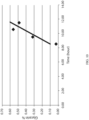
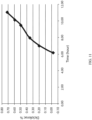
- the lag time may be obtained from the plots in FIGS. 8-11 , which may be obtained using the EthoGel formulation described in Example 1 (ibuprofen) and Example 2 (diclofenac).
- EthoGel formulation of ibuprofen may be associated with the following composition: Component w/w% weight (g) Ibuprofen 4.0 40.0 Ethanol 40.0 400.0 Glycerin 10.5 105.0 Polyethylene glycol 3.0 30.0 Xanthan gum 1.0 10.0 Carbomer 0.2 2.0 Sodium carbonate 0.35 3.5 Water 41.0 409.5
- EthoGel formulation of diclofenac may be associated with the following composition: Component w/w% weight (g) Diclofenac 1.0 10.0 Ethanol 38.8 388.0 Glycerin 20.0 200.0 Xanthan gum 0.80 8.0 Carbomer 0.78 7.8 Sodium Carbonate 0.70 7.0 Water 37.92 379.2
- FIG. 6 is a schematic of a transdermal drug delivery system showing the structure of an applicator, in accordance with some embodiments.
- the applicator 6 may include an oval-shaped disk applicator mounted on a backing layer of the medical tape 4 via an adhesive layer 5 in combination with a topical formulation.
- the applicator 6 and backing layer prevent the passage of drug and other components, particularly the volatile permeation enhancer(s) through the surface of the delivery system and provide support.
- the suitable materials for the backing layer include, for example, polyester, polyethylene terephthalate, some type of nylon, polypropylene, metalized polyester films, polyvinylidene chloride, and aluminum foil ( Hoeck et al., U.S. Pat. No.
- suitable materials for the adhesive layer 5 include, for example, acrylate polymer and polyisobutylene, in which zinc oxide and magnesium oxide, and the like are used as crosslinking agents for carboxylic acid groups ( Burton et al., U.S. Pat. No. 5,948,433 ).
- the applicator 6 may be made of plastic and/or metallic materials approved for pharmaceutical/medical device applications. Circling edge of the applicator is a rim 3, of which the height can be varied to optimize the effectiveness of the device in containing the topical formulation 7 and in drug delivery. On the surface of the applicator within the circling rim 3, there are blunt spikes 2 that can be in various numbers, sizes and shapes.
- the applicator 6 may be made of materials of polymers and metal foils with a suitable thickness that will maintain the desired shape while providing certain degree of flexibility. Suitable polymers may include, for example, polyesters, polycarbonates, polyethylene, polypropylene, polyvinyl chlorides, and polyethylene terephthalate.
- Suitable metal foils may include, for example, aluminum and stainless steel.
- the height of the rim 3 may be from about 600 to 3500 micrometers.
- the ratio between the height of the rim 3 and the height of the blunt spikes 2 are in the range of 0.5 to 1.5 and may be optimized based on the physical characteristics of the formulation and the site of application.
- the topical formulation 7 may fill the space on the applicator between the spikes and within the rim 3.
- FIG. 8 is a graphical representation illustrating in vitro skin permeation of ibuprofen using Example 1 of the EthoGel formulation and pig abdominal skin, in accordance with some embodiments.
- FIG. 10 is a graphical representation illustrating in vitro skin permeation of glycerin using Example 1 of EthoGel formulation and pig abdominal skin, in accordance with some embodiments.
- FIG. 11 is a graphical representation illustrating in vitro skin permeation of diclofenac using Example 2 of EthoGel formulation and pig abdominal skin, in accordance with some embodiments.
- a transdermal drug delivery system for delivering a drug may include an applicator 6 which is mounted on a backing layer of a medical tape 4 via an adhesive layer 5, and a topical formulation 7 comprising a suitable amount of a drug, wherein the suitable amount of drug penetrates the skin after applying the system to the skin of a patient.
- the topical formulation 7 is an EthoGel formulation comprising (1) a suitable concentration of an active ingredient in a hydrogel-like carrier for delivering a given dose of the drug trans-dermally, (2) two gelling agents that define the carrier's hydrogel-like physical properties in the presence of (3) two skin penetration enhancers which also act as solvent/co-solvent, (4) buffering agents to further increase the solubility of the active ingredient in the formulation, (5) other stabilizers, and (6) various components with an optimized ratio to maintain chemical and physical stability of the drug delivery medium.
- the applicator 6 may include a rim 3 to define a sealed space and blunt spikes 2 present on its surface and in the space of rim 3.
- the topical formulation 7 may be filled in the space of the applicator 6 between the spikes and the rim 3.
- the applicator 6 has different shapes and sizes, which can be optimized for delivering the suitable amount of the drug, and wherein the blunt spikes 2 serve the purpose of holding the topical formulation 7 and increasing the total surface area in contact with the skin when the system is applied to the patient.
- a method for transdermal delivery of a drug may include applying the transdermal drug delivery system to the skin of a patient.
- the transdermal drug delivery system may include the applicator 6 which is mounted on a backing layer of the medical tape 4 via adhesive layer 5, and the topical formulation 7 comprising a suitable amount of drug penetrates the skin after applying the system to the skin of the patient.
- the topical formulation 7 is an EthoGel formulation that comprises (1) a suitable concentration of the active ingredient in a hydrogel-like carrier for delivering a given dose of the drug trans-dermally, (2) two gelling agents that define the carrier's hydrogel-like physical properties, of which the chemical/physical property, as well as amount/ratio, are optimized to ensure that the carrier will withstand the presence of a high concentration of organic solvent/co-solvents while maintaining its hydrogel-like physical property, (3) two skin penetration enhancers which also act as solvent/co-solvent and which play a critical role in accelerating the transdermal drug delivery, (4) other stabilizing agents, (5) buffering agents to further increase the solubility of the active ingredient in the formulation by adjusting pH of the formulation, and (6) various components with an optimized ratio to maintain chemical and physical stability of the drug delivery medium.
- EthoGel formulation that comprises (1) a suitable concentration of the active ingredient in a hydrogel-like carrier for delivering a given dose of the drug trans-dermally, (2) two gelling
- the hydrogel-like carrier may include two gelling agents namely xanthan gum and Carbomer, and various components known in the art, for example, water as a solvent/co-solvent, a skin penetration enhancer, a second solvent/co-solvent, a preservative, a buffering agent, or a stabilizer, which are non-toxic and which do not interact with other components of the composition.
- two gelling agents namely xanthan gum and Carbomer
- various components known in the art for example, water as a solvent/co-solvent, a skin penetration enhancer, a second solvent/co-solvent, a preservative, a buffering agent, or a stabilizer, which are non-toxic and which do not interact with other components of the composition.
- the skin penetration enhancers may include ethanol and glycerin, of which the amount and ratio are adjusted to promote the local or systemic distribution of the active ingredient.
- the skin penetration enhancers may include other skin penetration enhancers known in the art including, for example, other alcohols, azone compounds, essential oils, sulfoxides, and fatty acid esters ( Hoeck et al., U.S. Pat. No. 6,335,030 ).
- the applicator 6 may include the rim 3 to define a sealed space and the blunt spikes 2 present on its surface and in the space of rim 3. Further, the topical formulation 7 is filled in the space of the applicator 6 between the blunt spikes 2 and the rim 3. Further, the applicator 6 has different shapes and sizes, which can be optimized for delivering the suitable amount of the drug, and wherein the blunt spikes 2 serve the purpose of holding the topical formulation 7 and increasing the total surface area in contact with the skin when the system is applied to the patient.
- the EthoGel-Applicator transdermal drug delivery system may be configured for delivering drugs at a much higher rate compared with the conventional TD patches and/or the conventional topical products for the following reasons: 1) carrier of the EthoGel formulation is an "OrganoGel" due to the presence of high concentration of ethanol and glycerin, which are effective skin penetration enhancers, whereas that of a conventional hydrogel utilizes water as the main solvent; 2) an optimized EthoGel formulation can reversibly alter physiological property of the skin's SC layer to allow fast drug penetration; 3) the applicator 6 creates an occlusive micro-environment which maintains the ethanol concentration in the carrier over time; 4) the applicator 6 can handle a much larger or adjustable quantity of the drug delivery system (i.e., the EthoGel formulation ); 5) the choice of the media is not limited to types of adhesive systems because they are no longer an integral part of the delivery system; 6)
- the EthoGel formulation 7 of ibuprofen or diclofenac is prepared in the form of a gel, wherein the former will be used to reduce fever in infants and toddlers and the latter to manage acute/chronic pain for arthritis patients.
- Other topical formulations of a different active ingredient can be prepared in the form of, for example, a cream, a foam, a lotion, an ointment which can be used by the patient with different ailment, e.g., with Alzheimer's disease.
- a topical formulation 7 comprises a stabilizer and a buffering agent, which means the topical formulation 7 can contain more than one stabilizer and more than one buffering agent.
- “About” is used herein to refer to in the range of 20% of the target point, for example, "from about 600 to about 3500 micrometers” means from the range of 480 to 720 micrometers to the range of 2800 to 4200 micrometers.
Landscapes
- Health & Medical Sciences (AREA)
- Engineering & Computer Science (AREA)
- Animal Behavior & Ethology (AREA)
- Veterinary Medicine (AREA)
- Public Health (AREA)
- General Health & Medical Sciences (AREA)
- Life Sciences & Earth Sciences (AREA)
- Dermatology (AREA)
- Bioinformatics & Cheminformatics (AREA)
- Medicinal Chemistry (AREA)
- Chemical & Material Sciences (AREA)
- Epidemiology (AREA)
- Pharmacology & Pharmacy (AREA)
- Biomedical Technology (AREA)
- Heart & Thoracic Surgery (AREA)
- Vascular Medicine (AREA)
- Medical Informatics (AREA)
- Anesthesiology (AREA)
- Hematology (AREA)
- Pain & Pain Management (AREA)
- Medicinal Preparation (AREA)
- Acyclic And Carbocyclic Compounds In Medicinal Compositions (AREA)
Description
- The current application claims a priority to the
U.S. provisional patent application serial number 63/277,098 filed on November 8, 2022 - The present invention relates generally to medical and laboratory equipment. More specifically, the present invention is methods, systems, apparatuses, and devices for facilitating transdermal delivery a drug to a patient.
- The field of medical and laboratory equipment is technologically important to several industries, business organizations, and/or individuals.
- Transdermal (TD) drug delivery involves two major categories of products, namely TD patches and topical products. TD patches have a well-defined contact area with the skin that will allow more accurate administration of the drug from the drug-containing medium on the patch to the user through his/her skin. In addition, the drug delivery medium of the patch is protected when in use. Important products of TD patches include Duragesic® (fentanyl), Lidoderm (lidocaine) and Burtrans® (buprenorphine) for management of pain, Ortho Evra (Ethinyl estradiol and norelgestromin) as a contraceptive, Daytrana® (methylphenidate) for ADHD, and Neupro® (rotigotine) for Parkinson's.
- Topical products are applied to a certain area of the skin and most of them are intended to affect only the local area to which they are applied. Examples include a local anesthetic (lidocaine and prilocaine), Pennsaid (diclofenac) for pain caused by osteoarthritis, and Lotrisone (betamethasone and clotrimazole) for reducing itching, swelling, and redness of the skin. An exception is Elestrin (estradiol), which is an example of transdermal drug delivery using a topical formulation for vasomotor symptoms (hot flash) due to menopause. But in general, topical products lack the mechanisms in controlling the rate of drug delivery through a fixed area of the user's skin.
- Further, Nonsteroidal anti-inflammatory drugs (NSAIDs) are the most widely prescribed drugs in the world. There are over two dozen NSAIDs commercially available, most in various oral dosage forms, and some as topical formulations. Ibuprofen is an NSAID that is used widely for reducing fever in pediatric patients. It is estimated that 20% of the pediatric emergency visit is related to fever (Alpern ER, Henretig FM. Fever. Fleisher GR, Ludwg S, Henretig FM, eds. Textbook of Pediatric Emergency Medicine. 5th ed. Philadelphia, PA: Lippincott Williams & Wilkins; 2006. 295-306). Therefore, a TD ibuprofen formulation that can accurately deliver the active ingredient through the skin, particularly targeted for infants and toddlers, can have significant health benefits. Diclofenac has been approved in the U.S. as an analgesic medical product for topical applications.
- Taking NSAIDs orally for long-term pain management has its risks. A 1998 report of oral NSAID-associated gastropathy documented that among 30 million Americans taking the drugs regularly every year, about 107,000 patients were hospitalized for NSAID-associated gastrointestinal (GI) complications (Singh G. Am J Med. 1998; 105 (1B):31S-8S). Of those, an estimated 16,500 died due to NSAID-related complications among the arthritis patients alone (Singh G, Rosen Ramey D. J Rheumatol Suppl 1998; 51:8-16).
- On the other hand, clinical results have demonstrated that topical NSAID products can be efficacious as a pain reliever and at the same time avoid the GI tract side effects. A 2015 Cochrane review of 61 clinical studies involving nearly 8,400 patients has shown that topical NSAID formulations containing diclofenac, ibuprofen, ketoprofen, piroxicam, and indomethacin can provide pain relief for patients with musculoskeletal injuries (acute conditions) such as sprains, strains, and overuse injuries (Derry_S, Moore_RA, Gaskell_H, McIntyre_M, Wi_en_PJ. Cochrane Database of Systematic Reviews 2015, ). No series of systemic adverse events were reported in those studies. Another Cochrane 2016 review of 39 clinical studies involving nearly 10,600 patients with chronic conditions have concluded that topical products containing diclofenac and ketoprofen "can provide good levels of pain relief beyond carrier in osteoarthritis for a minority of people, but there is no evidence for other chronic painful conditions". Data regarding serious GI-related adverse events were not available (Derry S, Conaghan P, Da Silva JAP, Wiffen PJ, Moore RA. Cochrane Database of Systematic Reviews 2016, .).
- The lack lust performance of the NSAID topical products in relieving pain for chronic patients is not surprising considering the fact that a certain amount of the active ingredients have to penetrate and permeate through the skin to reach the site of inflammation and pain in order for them to be effective.
- Current products of TD patches on the market are limited by their ability to deliver the drugs at certain rates. For example, the amounts of drug delivered in 24 hours for buprenorphine as an active ingredient, ritigotine as an active ingredient and rivastigmine as the active ingredient are delivered at rates of 0.12, 1, and 4.5 mg, respectively. The rate cannot easily increase because of the nature of the active ingredients and other factors. For example, first of all, a single TD patch can only carry a limited amount of the drug delivery medium, as well as the drug. Further, there are limited choices for the drug-delivering media, which usually consist of adhesive systems (for Matrix type). For some TD patch types, an added barrier (e.g., a membrane for the Reservoir system) is needed, which further limits the rate of drug delivery. These characteristics imply that a patch is not a drug delivery system for a drug that requires a higher dose to reach an effective level in a human body (i.e., in the range of 10-100 mg/24 hours). The topical products have performed worse as transdermal drug delivery systems. In a recent study, 12 topical products, six of each containing diclofenac or ibuprofen, were tested for in vitro permeation against human skin. The commercial formulations included emulsions, creams, and gels with either 1% diclofenac or 5-10% ibuprofen. Skin permeation varied widely among the formulations. The cumulative amount of drug that penetrated the skin over 24 hours ranged from 119 to 747 ng/cm2 for products containing 1% diclofenac, and from 5944 to 9293 ng/ cm2 for products containing 5% ibuprofen (Pradal J. Journal of Pain Research. 2020:13, 2805-2814). The results show that drug penetration is very limited for these products.
- There are various factors that control the rate of drug delivery for TD products which include 1) physical/chemical property of the active ingredient - TD drug delivery is a process of partitioning and diffusion of the drug molecules. The presence of the skin barrier, i.e., the stratum corneum (SC) layer, sets limits for the type of drugs that are suitable for TD delivery. For example, the molecular weight of the drug should be < 500 Dalton; 2) formulation - most topical products are semi-solids in forms of, for example, gels, creams, ointments, and emulsions, which show significant differences in their ability to deliver drug trans dermally. Permeation enhancers are often adopted to facilitate drug delivery in these products; 3) solubility of the drug - the rate of drug penetration in TD drug delivery is positively correlated to the concentration of the active ingredient (dissolved) in a carrier of the topical formulation; 4) skin conditions of the patient - the SC layer of the skin provides the best protection to the human body when it is in the dry state. It is also the state that will prevent the drug from penetrating the skin. The application of a patch or a topical product will to a certain degree alter the skin condition to facilitate drug penetration through partial hydration of the skin's SC layer; 5) environment of drug application - TD patches create an occlusive environment when in use, which will cause the hydration of the SC layer. Some of the topical products, for example, ointments, can also create an occlusive environment to a lesser degree.
- Further, various forms of TD patches are well accepted medical products and they serve important purposes in the health care community. But their commercial manufacturing requires sophisticated equipment and can be costly compared with topical products. Furthermore, the types of drugs and the amounts that can be delivered by TD patches are still very limited.
- Further, some relevant pieces of prior art to the aforementioned background includes: an applicator-based transdermal drug delivery system for administration of drugs in combination with topical formulations, which is disclosed in
US 2017/0224642 A1 ; transdermal pharmaceutical compositions comprising active agents, which is disclosed inUS 2011/0098258 A1 ; and transdermal administration of nonsteroidal anti-inflammatory drugs using hydroxide-releasing agents as permeation enhancers, which is disclosed inUS 2001/0038861 A1 . - Therefore, there is a need for improved methods and systems for facilitating delivering a drug to a patient that may overcome one or more of the above-mentioned problems and/or limitations.
- This summary is provided to introduce a selection of concepts in a simplified form, that are further described below in the Detailed Description. This summary is not intended to identify key features or essential features of the claimed subject matter. Nor is this summary intended to be used to limit the claimed subject matter's scope.
- A first aspect of the invention is set out in independent claim 1, while optional features related to the first aspect are as disclosed in
dependent claims 2 through 7. A second aspect of the invention is set out in independent claim 8, while optional features related to the second aspect are as disclosed in dependent claims 9 through 14. - Both the foregoing summary and the following detailed description provide examples and are explanatory only. Accordingly, the foregoing summary and the following detailed description should not be considered to be restrictive. Further, features or variations may be provided in addition to those set forth herein. For example, embodiments may be directed to various feature combinations and sub-combinations described in the detailed description.
- The accompanying drawings, which are incorporated in and constitute a part of this disclosure, illustrate various embodiments of the present disclosure. The drawings contain representations of various trademarks and copyrights owned by the Applicants. In addition, the drawings may contain other marks owned by third parties and are being used for illustrative purposes only. All rights to various trademarks and copyrights represented herein, except those belonging to their respective owners, are vested in and the property of the applicants. The applicants retain and reserve all rights in their trademarks and copyrights included herein, and grant permission to reproduce the material only in connection with reproduction of the granted patent and for no other purpose.
- Furthermore, the drawings may contain text or captions that may explain certain embodiments of the present disclosure. This text is included for illustrative, non-limiting, explanatory purposes of certain embodiments detailed in the present disclosure.
-
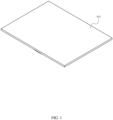
FIG. 1 is a top perspective view of the present invention. -
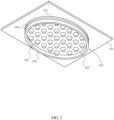
FIG. 2 is a bottom perspective view of the present invention. -
FIG. 3 is a side view of the present invention. -
FIG. 4 is a cross-sectional view of taken along line 4-4 inFIG. 3 . -
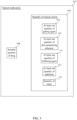
FIG. 5 is a block diagram illustrating composition of the topical medication for the present invention. -
FIG. 6 is a schematic of a transdermal drug delivery system showing the structure of an applicator, in accordance with some embodiments. -
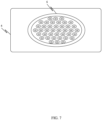
FIG. 7 is an enlarged view of a transdermal drug delivery system showing placement of the applicator on a piece of the medical tape, in accordance with some embodiments. -
FIG. 8 is a graphical representation illustrating in vitro skin permeation of ibuprofen using Example 1 of the EthoGel formulation and pig abdominal skin, in accordance with some embodiments. -
FIG. 9 is a graphical representation illustrating in vitro skin permeation of ethanol using Example 1 of EthoGel formulation and pig abdominal skin, in accordance with some embodiments. -
FIG. 10 is a graphical representation illustrating in vitro skin permeation of glycerin using Example 1 of EthoGel formulation and pig abdominal skin, in accordance with some embodiments. -
FIG. 11 is a graphical representation illustrating in vitro skin permeation of diclofenac using Example 2 of EthoGel formulation and pig abdominal skin, in accordance with some embodiments. - All illustrations of the drawings are for the purpose of describing selected versions of the present invention and are not intended to limit the scope of the present invention.
- The present invention is a system for transdermally delivering a drug to a patient. The present invention can be used on a patient that has arthritis or is suffering from acute/chronical musculoskeletal pain. As can be seen in
FIGS. 1 through 5 , the present invention comprises abacking layer 101, anadhesive layer 102, atopical applicator 103, a suitable quantity ofdrug 108, a quantity oftopical carrier 109. Thebacking layer 101 is used as a structural base to connect the other components of the present invention together. Thebacking layer 101 is preferably a piece of medical tape and is preferably impermeable in order to prevent any medicinal fluid from seeping through thebacking layer 101. Theadhesive layer 102 allows thetopical applicator 103 to be adhered onto thebacking layer 101. Thetopical applicator 103 is used to retain and dispense the suitable quantity ofdrug 108 with the quantity oftopical carrier 109. Thetopical applicator 103 is preferably made of a polycarbonate material. The suitable quantity ofdrug 108 is any medication that can be topically applied through a patient's skin. The suitable quantity ofdrug 108 can be, but is not limited to, a non-steroidal anti-inflammatory drug (NSAID). The quantity oftopical carrier 109 allows for easy topical application and retention of the suitable quantity ofdrug 108. The quantity oftopical carrier 109 can be, but is not limited to, a gel, a cream, a foam, a lotion, or an ointment. - The
topical applicator 103 is also configured to assist in the easy topical application and retention of the suitable quantity ofdrug 108. Thetopical applicator 103 comprises aflat applicator body 104, a plurality of bluntedspikes 105, and acontainment rim 106. Theflat applicator body 104 is used as a structural base to connect the other components of thetopical applicator 103 together. Theflat applicator body 104 may be sized and/or shaped to optimally deliver the suitable quantity ofdrug 108 through a patient's skin. For example, a perimeter shape of theflat applicator body 104 can be, but is not limited to, a square shape, a rectangular shape, a circular shape, or an oblong shape. Thecontainment rim 106 is used as a perimeter boundary for the suitable quantity ofdrug 108 and the quantity oftopical carrier 109. A height of thecontainment rim 106 from theflat applicator body 104 is preferably between 600 micrometers (µm) to 3500 µm. The plurality of bluntedspikes 105 is used to increase the surface area of thetopical applicator 103 that is available to retain the suitable quantity ofdrug 108 and the quantity oftopical carrier 109. A total number of blunted spikes for the plurality of bluntedspikes 105 may be configured to optimally deliver the suitable quantity ofdrug 108 through a patient's skin. - The general configuration of the aforementioned components allows the present invention to effectively and efficiently delivery a drug to a patient through the patient's skin. The suitable quantity of
drug 108 and the quantity oftopical carrier 109 are homogenously mixed together as atopical medication 107 so that the quantity oftopical carrier 109 is able to dilute, retain, and dispense the suitable quantity ofdrug 108. Theadhesive layer 102 is positioned in between thebacking layer 101 and theflat applicator body 104, and, thus, theadhesive layer 102 allows theflat applicator body 104 to connect across and against thebacking layer 101. This arrangement between thebacking layer 101, theadhesive layer 102, and theflat applicator body 104 provides thetopical applicator 103 with the necessary structural support as thetopical medication 107 is administered to the patient with the present invention. Thecontainment rim 106 and the plurality of bluntedspikes 105 are positioned adjacent to theflat applicator body 104, opposite to thebacking layer 101, which allows thecontainment rim 106 and the plurality of bluntedspikes 105 to securely retain and readily dispense thetopical medication 107 proximal to the patient's skin. The plurality of bluntedspikes 105 is connected onto theflat applicator body 104, is distributed across theflat applicator body 104, and is oriented away from theflat applicator body 104. This arrangement for the plurality of bluntedspikes 105 allows thetopical applicator 103 to uniformly increase its available surface area and consequently allows thetopical applicator 103 to retain a larger quantity of thetopical medication 107 amongst the plurality of blunted spikes 105. Thecontainment rim 106 is peripherally connected to theflat applicator body 104 and is positioned around the plurality of blunted spikes 105. This arrangement for thecontainment rim 106 allows thetopical applicator 103 to perimetrically confine thetopical medication 107 amongst the plurality of bluntedspikes 105 and consequently allows thetopical applicator 103 to retain thetopical medication 107 within thecontainment rim 106. - The quantity of
topical carrier 109 is preferably composed as a hydrogel-like carrier. Thus, the quantity oftopical carrier 109 comprises at least one quantity of gellingagent 114, at least one quantity of skin-penetratingenhancer 110, at least one quantity ofbuffering agent 111, at least one quantity ofstabilizer 112, and a quantity ofwater 113. Moreover, the at least one quantity of gellingagent 114, the at least one quantity of skin-penetratingenhancer 110, the at least one quantity ofbuffering agent 111, the at least one quantity ofstabilizer 112, and the quantity ofwater 113 are homogenously mixed together in order to compose the hydrogel-like carrier. - A first embodiment of the
topical medication 107 is a hydrogel-like carrier with ibuprofen, and, thus, the suitable quantity ofdrug 108 is a quantity of ibuprofen. The at least one gellingagent 114 includes a quantity of xanthan gum and a quantity of carbomer. The at least one quantity of skin-penetratingenhancer 110 includes a quantity of ethanol and a quantity of glycerin. The at least one quantity of buffer agent includes a quantity of sodium carbonate. The at least one quantity ofstabilizer 112 is a quantity of polyethylene glycol. Moreover, the compositional proportions of the first embodiment of thetopical medication 107 are preferably the following. The quantity of ibuprofen is approximately 4.0 percentage by weight (wt.%) of thetopical medication 107. The quantity ofwater 113 is approximately 41.0 wt.% of thetopical medication 107. The quantity of xanthan gum is approximately 1.0 wt.% of thetopical medication 107. The quantity of carbomer is approximately 0.2 wt.% of thetopical medication 107. The quantity of ethanol is approximately 40.0 wt.% of thetopical medication 107. The quantity of glycerin is approximately 10.5 wt.% of thetopical medication 107. The quantity of sodium carbonate is approximately 0.35 wt.% of thetopical medication 107. The quantity of polyethylene glycol is approximately 3 wt.% of thetopical medication 107. In reference to the aforementioned compositional proportions of the first embodiment of thetopical medication 107, the term "approximately" preferably means within an error range of up to ±0.005 wt.%. - A second embodiment of the
topical medication 107 is a hydrogel-like carrier with diclofenac, and, thus, the suitable quantity ofdrug 108 is a quantity of diclofenac. The at least one gellingagent 114 includes a quantity of xanthan gum and a quantity of carbomer. The at least one quantity of skin-penetratingenhancer 110 includes a quantity of ethanol and a quantity of glycerin. The at least one quantity of buffer agent includes a quantity of sodium carbonate. Moreover, the compositional proportions of the second embodiment of thetopical medication 107 are preferably the following. The quantity of diclofenac is approximately 1.0 wt.% of thetopical medication 107. The quantity ofwater 113 is approximately 37.92 wt.% of thetopical medication 107. The quantity of xanthan gum is approximately 0.80 wt.% of thetopical medication 107. The quantity of carbomer is approximately 0.78 wt.% of thetopical medication 107. The quantity of ethanol is approximately 38.8 wt.% of thetopical medication 107. The quantity of glycerin is approximately 20.0 wt.% of thetopical medication 107. The quantity of sodium carbonate is approximately 0.70 wt.% of thetopical medication 107. In reference to the aforementioned compositional proportions of the second embodiment of thetopical medication 107, the term "approximately" preferably means within an error range of up to ±0.005 wt.%. - The present disclosure describes methods, systems, apparatuses, and devices for facilitating delivering a drug to a patient trans-dermally. Further, the disclosed system may include an EthoGel-Applicator transdermal drug delivery system (EGATDDS) developed for delivery of nonsteroidal anti-inflammatory drugs (NSAIDs) and other drugs to patients. Further, the NSAID-containing formulation may include a hydrogel-like carrier and is intended to be used as a pain reliever for arthritis patients and anti-fever medicine for pediatric patients, the former application prefers localized drug delivery whereas the latter requires the active ingredient to reach the systemic circulation. The EGATDDS may be associated with an EthoGel formulation comprising up to 50% (w/w) ethanol or a combined ethanol + glycerin content up to 70% (w/w) which are utilized as the main solvent/co-solvent in the carrier and also as the skin permeation enhancers. By adjusting the total content and ratio of the two enhancers, it may be feasible either to make the skin a drug reservoir to retain the drug locally or to maximize the drug penetration across the skin to facilitate systemic drug delivery. To make the transdermal drug delivery system effective, the EthoGel formulation may be applied in combination with a disk-like applicator which is mounted on a backing layer of a medical tape via an adhesive layer, and which is applied over the skin of a patient to create an occlusive micro-environment for ensuring the desired rate of drug delivery while minimizing evaporation of the volatile component(s) in the EthoGel formulation.
- Further, the disclosed transdermal drug delivery system may include the EthoGel formulation which is a topical formulation of a drug with a hydrogel-like carrier utilizing ethanol and glycerin as the main solvent/co-solvent, and an applicator that is mounted on a backing layer of a medical tape via an adhesive layer. Further, the applicator may include a rim to define a sealed space, in which blunt spikes are present on the surface of the applicator, and wherein the EthoGel formulation is filled in the space on the applicator between the spikes and the rim.
- Further, the disclosed method may include delivering a drug in the EthoGel formulation to a patient by applying the transdermal drug delivery system to the skin of the patient.
- Further, the EthoGel-Applicator transdermal drug delivery system (EGATDDS) may be designed to achieve improved and more controllable TD drug delivery compared with the TD patches and topical products. In vitro permeation studies were conducted to demonstrate the system's ability to deliver ibuprofen and diclofenac across abdominal pigskin. Further, the EthoGel Formulation may include ibuprofen or diclofenac as the active ingredient in a hydrogel-like carrier. Further, the rate of permeation may be determined using the Attenuated Total Reflection Fourier Transform Infrared Spectroscopy (ATR-FTIR), and multivariate modeling. The disclosed method allows the simultaneous quantitation not only for the active ingredients but also for the skin permeation enhancers. Further, the EGATDDS may achieve a flux of 5-324 µg/cm2/H and 25-1337 µg/cm2/H for diclofenac and ibuprofen, respectively. The flux results may be obtained based on comprehensive in vitro permeation studies by using the pig abdominal skin samples, that may be normalized to reflect the equivalence of 0.10 cm skin thickness. For example, 36 different formulations have been tested for ibuprofen alone to optimize the formulation so that it is feasible to deliver a milligram scale of the active ingredient per hour trans-dermally when using an applicator with ≥ 10 cm2 in size.
- Compared with the topical NSAID products currently on the market, the EGATDDS has its advantages. For instance, the EthoGel formulations (or formulations) contain a high concentration of multiple skin penetration enhancers, which speed up the TD drug delivery. Further, the formulations offer high solubility for the active ingredient. Further, the formulations may form a gel that is physically stable even in the presence of a very high concentration of organic solvents (i.e., ethanol and glycerin). Further, the EGATDDS offers an occlusive environment so that the skin's degree of hydration can be controlled to reduce the SC layer's barrier ability and therefore to facilitate faster drug penetration and permeation.
- Further, the effectiveness of the EthoGel formulation to optimize transdermal delivery of the active ingredient from the dosage form suitable for the drug administration may be evaluated, before any pre-clinical or clinical study on patients or volunteers, by conducting in vitro skin permeation study, and the test may be used as a screening tool for formulation development. An ATR-FTIR-based setup, which was described by Pellett et al. in 1997 and Russeau et al. in 2009, may be used instead of the traditional Franz cell for the skin permeation test. Significant improvements may be to the setup to create the unique occlusive environment of the drug delivery system. A proprietary chemometric modeling method may be used to perform quantitative analysis based on spectral data. In addition, the method may be used to determine the concentration of the active ingredient dissolved in the EthoGel formulation.
- The skin permeation study may be conducted using a Bruker ATR-FTIR instrument (Model Alpha; Bruker Optics Ltd., MA, USA) equipped with a 2×2mm diamond spectral window. Pig abdominal skin samples may be obtained from a local meat supplier. The skin samples may be treated by removing the fat and connecting tissues from the dermis side, followed by cutting them into 2×2cm-size pieces and keeping them at freezing temperature for later use. Further, skin thickness may be measured before the experiment by allowing the skin sample to warm to room temperature and by using a Material Thickness Meter (Model No. PCE-CT 26; PCE Americas Inc, Jupiter, FL, USA).
- In a typical experiment, the skin sample may be put on the spectral window of the spectrometer with the dermis side facing the window. Further, about 1 g of the EthoGel formulation may be applied on the stratum corneum side of the skin sample, which may be covered by an applicator with an area of 3.5cm2 to minimize the loss of permeation enhancers (i.e., ethanol) through evaporation from the formulation. IR spectra may be taken at 15 - 60 min intervals and the experiment may be continued for up to 72 hours when needed. Further, the spectra may be used for calculating w/w% of the active ingredient (ibuprofen or diclofenac), ethanol, and glycerin on the dermis side of the skin. Chemometric modeling may be conducted using the software Unscrambler (CAMO Software AS, Oslo, Norway). The diffusion coefficients of the active ingredient, ethanol, and glycerin can be calculated using the following equation:

FIGS. 8-11 , which may be obtained using the EthoGel formulation described in Example 1 (ibuprofen) and Example 2 (diclofenac). - The flux J (µg/cm2/H) is calculated using the following equation:

- When preparing this EthoGel formulation of ibuprofen on a 1 kg scale, 400 g of ethanol, 105 g of glycerin, 200 g of water, and 30 g of polyethylene glycol may be mixed in a suitable container under stirring. Further, 3.5 g of sodium carbonate, 40.0 g of ibuprofen, 10.0 g of xanthan gum, and 2.0 g of Carbomer may be added to dissolve/disperse while the mixture is under stirring. Further, a homogenizer may be used to help disperse xanthan gum and/or Carbomer if needed. After completing the addition of all the solid ingredients, keep stirring for 30 min, followed by slowly adding the remaining amount of water (209.5 g) under slow stirring until the mixture becomes a homogeneous gel. An in vitro permeation study for this formulation using the pig abdominal skin (thickness=0.19cm) shows that ibuprofen has a flux of 283µg/cm2/H. Further, EthoGel formulation of ibuprofen may be associated with the following composition:
Component w/w% weight (g) Ibuprofen 4.0 40.0 Ethanol 40.0 400.0 Glycerin 10.5 105.0 Polyethylene glycol 3.0 30.0 Xanthan gum 1.0 10.0 Carbomer 0.2 2.0 Sodium carbonate 0.35 3.5 Water 41.0 409.5 - When preparing this EthoGel formulation of diclofenac on a 1 kg scale, 388 g of ethanol, 200 g of glycerin, and 300 g of water may be mixed in a suitable container under stirring. Further, 7.0 g of sodium carbonate, 10.0 g of diclofenac, 8.0 g of xanthan gum, and 7.8 g of Carbomer may be added to dissolve/disperse while the mixture is under stirring. Further, a homogenizer may be used to help disperse xanthan gum and/or Carbomer if needed. After completing the addition of all the solid ingredients, stirring may be performed for 30 min, followed by slowly adding the remaining amount of water (79.2 g) under slow stirring until the mixture becomes a homogeneous gel. An in vitro permeation study for this formulation using the pig abdominal skin (thickness=0.20cm) shows that diclofenac has a flux of 54µg/cm2/H. Further, EthoGel formulation of diclofenac may be associated with the following composition:
Component w/w% weight (g) Diclofenac 1.0 10.0 Ethanol 38.8 388.0 Glycerin 20.0 200.0 Xanthan gum 0.80 8.0 Carbomer 0.78 7.8 Sodium Carbonate 0.70 7.0 Water 37.92 379.2 - Now referring to figures,
FIG. 6 is a schematic of a transdermal drug delivery system showing the structure of an applicator, in accordance with some embodiments. Accordingly, theapplicator 6 may include an oval-shaped disk applicator mounted on a backing layer of themedical tape 4 via anadhesive layer 5 in combination with a topical formulation. Theapplicator 6 and backing layer prevent the passage of drug and other components, particularly the volatile permeation enhancer(s) through the surface of the delivery system and provide support. Further, the suitable materials for the backing layer include, for example, polyester, polyethylene terephthalate, some type of nylon, polypropylene, metalized polyester films, polyvinylidene chloride, and aluminum foil (Hoeck et al., U.S. Pat. No. 6,335,030 ). Further, suitable materials for theadhesive layer 5 include, for example, acrylate polymer and polyisobutylene, in which zinc oxide and magnesium oxide, and the like are used as crosslinking agents for carboxylic acid groups (Burton et al., U.S. Pat. No. 5,948,433 ). - Further, in some embodiments, the
applicator 6 may be made of plastic and/or metallic materials approved for pharmaceutical/medical device applications. Circling edge of the applicator is arim 3, of which the height can be varied to optimize the effectiveness of the device in containing thetopical formulation 7 and in drug delivery. On the surface of the applicator within the circlingrim 3, there areblunt spikes 2 that can be in various numbers, sizes and shapes. Theapplicator 6 may be made of materials of polymers and metal foils with a suitable thickness that will maintain the desired shape while providing certain degree of flexibility. Suitable polymers may include, for example, polyesters, polycarbonates, polyethylene, polypropylene, polyvinyl chlorides, and polyethylene terephthalate. Suitable metal foils may include, for example, aluminum and stainless steel. The height of therim 3 may be from about 600 to 3500 micrometers. The ratio between the height of therim 3 and the height of theblunt spikes 2 are in the range of 0.5 to 1.5 and may be optimized based on the physical characteristics of the formulation and the site of application. When applied, thetopical formulation 7 may fill the space on the applicator between the spikes and within therim 3. -
FIG. 7 is an enlarged view of a transdermal drug delivery system showing placement of the applicator on a piece of the medical tape, in accordance with some embodiments. Accordingly, a piece of themedical tape 4 may be used to affix theapplicator 6 on the skin of a user/patient. -
FIG. 8 is a graphical representation illustrating in vitro skin permeation of ibuprofen using Example 1 of the EthoGel formulation and pig abdominal skin, in accordance with some embodiments. -
FIG. 9 is a graphical representation illustrating in vitro skin permeation of ethanol using Example 1 of EthoGel formulation and pig abdominal skin, in accordance with some embodiments. -
FIG. 10 is a graphical representation illustrating in vitro skin permeation of glycerin using Example 1 of EthoGel formulation and pig abdominal skin, in accordance with some embodiments. -
FIG. 11 is a graphical representation illustrating in vitro skin permeation of diclofenac using Example 2 of EthoGel formulation and pig abdominal skin, in accordance with some embodiments. - In further embodiments, a transdermal drug delivery system for delivering a drug is disclosed. Further, the transdermal drug delivery system may include an
applicator 6 which is mounted on a backing layer of amedical tape 4 via anadhesive layer 5, and atopical formulation 7 comprising a suitable amount of a drug, wherein the suitable amount of drug penetrates the skin after applying the system to the skin of a patient. - Further, in some embodiments, the
topical formulation 7 is an EthoGel formulation comprising (1) a suitable concentration of an active ingredient in a hydrogel-like carrier for delivering a given dose of the drug trans-dermally, (2) two gelling agents that define the carrier's hydrogel-like physical properties in the presence of (3) two skin penetration enhancers which also act as solvent/co-solvent, (4) buffering agents to further increase the solubility of the active ingredient in the formulation, (5) other stabilizers, and (6) various components with an optimized ratio to maintain chemical and physical stability of the drug delivery medium. - Further, in some embodiments, the
applicator 6 may include arim 3 to define a sealed space andblunt spikes 2 present on its surface and in the space ofrim 3. Further, thetopical formulation 7 may be filled in the space of theapplicator 6 between the spikes and therim 3. Further, theapplicator 6 has different shapes and sizes, which can be optimized for delivering the suitable amount of the drug, and wherein theblunt spikes 2 serve the purpose of holding thetopical formulation 7 and increasing the total surface area in contact with the skin when the system is applied to the patient. - In further embodiments, a method for transdermal delivery of a drug is disclosed. Further, the method may include applying the transdermal drug delivery system to the skin of a patient. Further, the transdermal drug delivery system may include the
applicator 6 which is mounted on a backing layer of themedical tape 4 viaadhesive layer 5, and thetopical formulation 7 comprising a suitable amount of drug penetrates the skin after applying the system to the skin of the patient. - Further, in some embodiments, the
topical formulation 7 is an EthoGel formulation that comprises (1) a suitable concentration of the active ingredient in a hydrogel-like carrier for delivering a given dose of the drug trans-dermally, (2) two gelling agents that define the carrier's hydrogel-like physical properties, of which the chemical/physical property, as well as amount/ratio, are optimized to ensure that the carrier will withstand the presence of a high concentration of organic solvent/co-solvents while maintaining its hydrogel-like physical property, (3) two skin penetration enhancers which also act as solvent/co-solvent and which play a critical role in accelerating the transdermal drug delivery, (4) other stabilizing agents, (5) buffering agents to further increase the solubility of the active ingredient in the formulation by adjusting pH of the formulation, and (6) various components with an optimized ratio to maintain chemical and physical stability of the drug delivery medium. Further, the hydrogel-like carrier may include two gelling agents namely xanthan gum and Carbomer, and various components known in the art, for example, water as a solvent/co-solvent, a skin penetration enhancer, a second solvent/co-solvent, a preservative, a buffering agent, or a stabilizer, which are non-toxic and which do not interact with other components of the composition. - Further, the skin penetration enhancers may include ethanol and glycerin, of which the amount and ratio are adjusted to promote the local or systemic distribution of the active ingredient. Further, the skin penetration enhancers may include other skin penetration enhancers known in the art including, for example, other alcohols, azone compounds, essential oils, sulfoxides, and fatty acid esters (
Hoeck et al., U.S. Pat. No. 6,335,030 ). - Further, in some embodiments, the
applicator 6 may include therim 3 to define a sealed space and theblunt spikes 2 present on its surface and in the space ofrim 3. Further, thetopical formulation 7 is filled in the space of theapplicator 6 between theblunt spikes 2 and therim 3. Further, theapplicator 6 has different shapes and sizes, which can be optimized for delivering the suitable amount of the drug, and wherein theblunt spikes 2 serve the purpose of holding thetopical formulation 7 and increasing the total surface area in contact with the skin when the system is applied to the patient. - Further, the EthoGel-Applicator transdermal drug delivery system (EGATDDS) described herein may be configured for delivering drugs at a much higher rate compared with the conventional TD patches and/or the conventional topical products for the following reasons: 1) carrier of the EthoGel formulation is an "OrganoGel" due to the presence of high concentration of ethanol and glycerin, which are effective skin penetration enhancers, whereas that of a conventional hydrogel utilizes water as the main solvent; 2) an optimized EthoGel formulation can reversibly alter physiological property of the skin's SC layer to allow fast drug penetration; 3) the
applicator 6 creates an occlusive micro-environment which maintains the ethanol concentration in the carrier over time; 4) theapplicator 6 can handle a much larger or adjustable quantity of the drug delivery system (i.e., the EthoGel formulation ); 5) the choice of the media is not limited to types of adhesive systems because they are no longer an integral part of the delivery system; 6) the specially designedapplicator 6 provides additional opportunities in increasing the skin contacting area as well as reducing the penetration distance for the active ingredients. - Further, the
EthoGel formulation 7 of ibuprofen or diclofenac is prepared in the form of a gel, wherein the former will be used to reduce fever in infants and toddlers and the latter to manage acute/chronic pain for arthritis patients. Other topical formulations of a different active ingredient can be prepared in the form of, for example, a cream, a foam, a lotion, an ointment which can be used by the patient with different ailment, e.g., with Alzheimer's disease. - As used herein, "a" or "an" means one or more (or at least one). For example, a
topical formulation 7 comprises a stabilizer and a buffering agent, which means thetopical formulation 7 can contain more than one stabilizer and more than one buffering agent. "About" is used herein to refer to in the range of 20% of the target point, for example, "from about 600 to about 3500 micrometers" means from the range of 480 to 720 micrometers to the range of 2800 to 4200 micrometers. - While certain embodiments of the disclosure have been described, other embodiments may exist. Further, the disclosed methods' stages may be modified in any manner, including by reordering stages and/or inserting or deleting stages, without departing from the disclosure.
Claims (14)
- A transdermal drug delivery system for delivering a drug to a patient comprising:a backing layer (101);an adhesive layer (102);a topical applicator (103);a suitable quantity of drug (108);a quantity of topical carrier (109);a hydrogel homogenizer;the backing layer (101) being a piece of medical tape;the topical applicator comprising a flat applicator body (104), a plurality of blunted spikes (105), and a containment rim (106);the suitable quantity of drug (108) and the quantity of topical carrier (109) being homogenously mixed together as a topical medication (107);the adhesive layer (102) being positioned in between the backing layer (101) and the flat applicator body (104);the flat applicator body (104) being connected across and against the backing layer (101) by the adhesive layer (102);the containment rim (106) and the plurality of blunted spikes (105) being positioned adjacent to the flat applicator body (104), opposite to the backing layer (101);the plurality of blunted spikes (105) being connected onto the flat applicator body (104);the plurality of blunted spikes (105) being distributed across the flat applicator body (104);the plurality of blunted spikes (105) being oriented away from the flat applicator body (104);the containment rim (106) being peripherally connected to the flat applicator body (104);the containment rim (106) being positioned around the plurality of blunted spikes (105);the topical medication (107) being retained within the containment rim (106);the topical medication (107) being retained amongst the plurality of blunted spikes (105);the quantity of topical carrier (109) comprising at least one quantity of gelling agent (114), at least one quantity of skin-penetrating enhancer (110), at least one quantity of buffering agent (111), at least one quantity of stabilizer (112), and a quantity of water (113), wherein the quantity of water (113) is approximately 41.0 percentage by weight (wt.%) of the topical medication (107);the at least one quantity of gelling agent (114), the at least one quantity of skin-penetrating enhancer (110), the at least one quantity of buffering agent (111), the at least one quantity of stabilizer (112), and the quantity of water (113) being homogenously mixed together with the hydrogel homogenizer;the suitable quantity of drug (108) being a quantity of ibuprofen, wherein the quantity of ibuprofen is approximately 4.0 wt.% of the topical medication (107);the at least one gelling agent (114) being a quantity of xanthan gum and a quantity of carbomer, wherein the quantity of xanthan gum is approximately 1.0 wt.% of the topical medication (107), and wherein the quantity of carbomer is approximately 0.2 wt.% of the topical medication;the at least one quantity of skin-penetrating enhancer(110) being a quantity of ethanol and a quantity of glycerin, wherein the quantity of ethanol is approximately 40.0 wt.% of the topical medication (107), and wherein the quantity of glycerin is approximately 10.5 wt.% of the topical medication (107);the at least one quantity of buffering agent (111) being a quantity of sodium carbonate, wherein the quantity of sodium carbonate is approximately 0.35 wt.% of the topical medication (107); andthe at least one quantity of stabilizer (112) being a quantity of polyethylene glycol, wherein the quantity of polyethylene glycol is approximately 3 wt.% of the topical medication (107).
- The transdermal drug delivery system for delivering a drug to a patient as claimed in claim 1, wherein the backing layer (101) is made of an impermeable material.
- The transdermal drug delivery system for delivering a drug to a patient as claimed in claim 1, wherein the topical applicator (103) is made of a polycarbonate material.
- The transdermal drug delivery system for delivering a drug to a patient as claimed in claim 1, wherein the flat applicator body (104) is sized and/or shaped to optimally deliver the suitable quantity of drug (108) through a patient's skin.
- The transdermal drug delivery system for delivering a drug to a patient as claimed in claim 1, wherein a perimeter shape of the flat applicator body (104) is selected from a group consisting of: a square shape, a rectangular shape, a circular shape, and an oblong shape.
- The transdermal drug delivery system for delivering a drug to a patient as claimed in claim 1, wherein a height of the containment rim from the flat applicator body (104) is between 600 micrometers (µm) to 3500 µm.
- The transdermal drug delivery system for delivering a drug to a patient as claimed in claim 1, wherein a total number of blunted spikes (105) for the plurality of blunted spikes is configured to optimally deliver the suitable quantity of drug (108) through a patient's skin.
- A transdermal drug delivery system for delivering a drug to a patient comprising:A backing layer (101);an adhesive layer (102);a topical applicator (103);a suitable quantity of drug (108);a quantity of topical carrier (109);a hydrogel homogenizer;the backing layer being a piece of medical tape;the topical applicator comprising a flat applicator body (104), a plurality of blunted spikes (105), and a containment rim (106);the suitable quantity of drug (108) and the quantity of topical carrier (109) being homogenously mixed together as a topical medication (107);the adhesive layer (102) being positioned in between the backing layer (101) and the flat applicator body (104);the flat applicator body (104) being connected across and against the backing layer (101) by the adhesive layer (102);the containment rim (106) and the plurality of blunted spikes (105) being positioned adjacent to the flat applicator body (104), opposite to the backing layer (101);the plurality of blunted spikes (105) being connected onto the flat applicator body (104);the plurality of blunted spikes (105) being distributed across the flat applicator body (104);the plurality of blunted spikes (105) being oriented away from the flat applicator body (104);the containment rim (106) being peripherally connected to the flat applicator body (104);the containment rim (106) being positioned around the plurality of blunted spikes (105);the topical medication (107) being retained within the containment rim (106);the topical medication (107) being retained amongst the plurality of blunted spikes (105);the quantity of topical carrier (109) comprising at least one quantity of gelling agent (114), at least one quantity of skin-penetrating enhancer (110), at least one quantity of buffering agent (111), and a quantity of water (113), wherein the quantity of water (113) is approximately 37.92 percentage by weight (wt.%) of the topical medication;the at least one quantity of gelling agent (114), the at least one quantity of skin-penetrating enhancer (110), the at least one quantity of buffering agent (111), and the quantity of water (113) being homogenously mixed together with the hydrogel homogenizer;the suitable quantity of drug (108) being a quantity of diclofenac, wherein the quantity of diclofenac is approximately 1.0 wt.% of the topical medication (107);the at least one gelling agent (114) being a quantity of xanthan gum and a quantity of carbomer, wherein the quantity of xanthan gum is approximately 0.80 wt.% of the topical medication (107), and wherein the quantity of carbomer is approximately 0.78 wt.% of the topical medication (107);the at least one quantity of skin-penetrating enhancer (110) being a quantity of ethanol and a quantity of glycerin, wherein the quantity of ethanol is approximately 38.8 wt.% of the topical medication (107), and wherein the quantity of glycerin is approximately 20.0 wt.% of the topical medication (107); andthe at least one quantity of buffering agent (111) being a quantity of sodium carbonate, wherein the quantity of sodium carbonate is approximately 0.70 wt.% of the topical medication (107).
- The transdermal drug delivery system for delivering a drug to a patient as claimed in claim 8, wherein the backing layer (101) is made of an impermeable material.
- The transdermal drug delivery system for delivering a drug to a patient as claimed in claim 8, wherein the topical applicator (103) is made of a polycarbonate material.
- The transdermal drug delivery system for delivering a drug to a patient as claimed in claim 8, wherein the flat applicator body (104) is sized and/or shaped to optimally deliver the suitable quantity of drug (108) through a patient's skin.
- The transdermal drug delivery system for delivering a drug to a patient as claimed in claim 8, wherein a perimeter shape of the flat applicator body (104) is selected from a group consisting of: a square shape, a rectangular shape, a circular shape, and an oblong shape.
- The transdermal drug delivery system for delivering a drug to a patient as claimed in claim 8, wherein a height of the containment rim (106) from the flat applicator body (104) is between 600 micrometers (µm) to 3500 µm.
- The transdermal drug delivery system for delivering a drug to a patient as claimed in claim 8, wherein a total number of blunted spikes (105) for the plurality of blunted spikes (105) is configured to optimally deliver the suitable quantity of drug (108) through a patient's skin.
Applications Claiming Priority (2)
| Application Number | Priority Date | Filing Date | Title |
|---|---|---|---|
| US202163277098P | 2021-11-08 | 2021-11-08 | |
| PCT/US2022/049334 WO2023081539A1 (en) | 2021-11-08 | 2022-11-08 | Transdermal drug delivery system for delivering a drug to a patient |
Publications (4)
| Publication Number | Publication Date |
|---|---|
| EP4308088A1 EP4308088A1 (en) | 2024-01-24 |
| EP4308088A4 EP4308088A4 (en) | 2024-06-12 |
| EP4308088B1 true EP4308088B1 (en) | 2025-03-12 |
| EP4308088C0 EP4308088C0 (en) | 2025-03-12 |
Family
ID=86228579
Family Applications (1)
| Application Number | Title | Priority Date | Filing Date |
|---|---|---|---|
| EP22890934.7A Active EP4308088B1 (en) | 2021-11-08 | 2022-11-08 | Transdermal drug delivery system for delivering a drug to a patient |
Country Status (5)
| Country | Link |
|---|---|
| US (1) | US11844753B2 (en) |
| EP (1) | EP4308088B1 (en) |
| JP (1) | JP2024540701A (en) |
| CN (1) | CN117545474A (en) |
| WO (1) | WO2023081539A1 (en) |
Families Citing this family (2)
| Publication number | Priority date | Publication date | Assignee | Title |
|---|---|---|---|---|
| USD1072242S1 (en) * | 2022-10-14 | 2025-04-22 | Suzhou Singmed Medical Device Science And Technology Ltd. | Canister tube |
| CN120478822B (en) * | 2025-06-24 | 2025-10-28 | 西安市新希望医疗器械有限公司 | A directional transdermal Chinese medicine drug delivery device |
Family Cites Families (36)
| Publication number | Priority date | Publication date | Assignee | Title |
|---|---|---|---|---|
| US3964482A (en) | 1971-05-17 | 1976-06-22 | Alza Corporation | Drug delivery device |
| GB8401965D0 (en) | 1984-01-25 | 1984-02-29 | Beecham Group Plc | Composition |
| US4626539A (en) | 1984-08-10 | 1986-12-02 | E. I. Dupont De Nemours And Company | Trandermal delivery of opioids |
| US4764379A (en) | 1987-08-24 | 1988-08-16 | Alza Corporation | Transdermal drug delivery device with dual permeation enhancers |
| US4956171A (en) | 1989-07-21 | 1990-09-11 | Paco Pharmaceutical Services, Inc. | Transdermal drug delivery using a dual permeation enhancer and method of performing the same |
| US5093133A (en) | 1990-01-24 | 1992-03-03 | Mcneil-Ppc, Inc. | Method for percutaneous delivery of ibuprofen using hydroalcoholic gel |
| US5152997A (en) | 1990-12-11 | 1992-10-06 | Theratech, Inc. | Method and device for transdermally administering testosterone across nonscrotal skin at therapeutically effective levels |
| GB2290964A (en) | 1994-07-08 | 1996-01-17 | Arto Olavi Urtti | Transdermal drug delivery system |
| DE4429667C2 (en) | 1994-08-20 | 1996-07-11 | Lohmann Therapie Syst Lts | Estradiol TTS with water-binding additives and process for its preparation |
| US5866143A (en) | 1995-03-24 | 1999-02-02 | El Khoury And Stein, Ltd. | Topical application of opioid drugs such as morphine for relief of itching and skin disease |
| US5736154A (en) | 1996-03-11 | 1998-04-07 | Fuisz Technologies Ltd. | Transdermal delivery system |
| SE9601528D0 (en) | 1996-04-23 | 1996-04-23 | Pharmacia Ab | Transdermally administered dextromethorphan as an antitissue agent |
| IT1283102B1 (en) | 1996-06-06 | 1998-04-07 | Permatec Nv | THERAPEUTIC COMPOSITION FOR THE TRANSDERMAL ADMINISTRATION OF AN ESTROGENIC OR PROGESTINIC ACTIVE SUBSTANCE OR OF THEIR MIXTURES |
| US5948433A (en) | 1997-08-21 | 1999-09-07 | Bertek, Inc. | Transdermal patch |
| US6011022A (en) | 1998-03-03 | 2000-01-04 | El Khoury; George F. | Topical application of muscarinic analgesic drugs such as neostigmine |
| DE19923427A1 (en) | 1999-05-21 | 2000-11-23 | Lohmann Therapie Syst Lts | Device for improved delivery of active agents to skin, useful e.g. for administering opiates, contains agent that increases local skin temperature or blood flow |
| US6645520B2 (en) * | 1999-12-16 | 2003-11-11 | Dermatrends, Inc. | Transdermal administration of nonsteroidal anti-inflammatory drugs using hydroxide-releasing agents as permeation enhancers |
| US6723077B2 (en) | 2001-09-28 | 2004-04-20 | Hewlett-Packard Development Company, L.P. | Cutaneous administration system |
| US20050037983A1 (en) * | 2003-03-11 | 2005-02-17 | Timothy Dinan | Compositions and methods for the treatment of depression and other affective disorders |
| WO2006015299A2 (en) | 2004-07-30 | 2006-02-09 | Microchips, Inc. | Multi-reservoir device for transdermal drug delivery and sensing |
| MX2007004315A (en) | 2004-10-08 | 2008-03-11 | Noven Pharma | Transdermal drug delivery device including an occlusive backing. |
| WO2009066457A1 (en) | 2007-11-22 | 2009-05-28 | Medrx Co., Ltd. | External preparation composition comprising fatty acid-based ionic liquid as active ingredient |
| AU2009295338B2 (en) * | 2008-09-26 | 2013-08-22 | Suzana Hillhouse | Transdermal delivery device and method |
| RU2505291C2 (en) | 2009-06-24 | 2014-01-27 | СТРАТЕДЖИК САЙЕНС ЭНД ТЕКНОЛОДЖИЗ, ЭлЭлСи | Topical composition containing ibuprofen |
| US20110319742A1 (en) | 2009-09-08 | 2011-12-29 | SensiVida Medical Technologies, Inc. | Spatial imaging methods for biomedical monitoring and systems thereof |
| US10080760B2 (en) | 2009-10-27 | 2018-09-25 | Besins Healthcare Luxembourg Sarl | Transdermal pharmaceutical compositions comprising active agents |
| CA2784827C (en) | 2009-12-16 | 2018-10-23 | Shasun Pharmaceuticals Limited | Composition of dexibuprofen transdermal hydrogel |
| US9526882B2 (en) | 2010-05-01 | 2016-12-27 | Optnics Precision Co., Ltd. | Percutaneous administration device and method for producing the same |
| US20120238970A1 (en) * | 2011-01-03 | 2012-09-20 | Royds Robert B | Abuse resistant transdermal drug delivery patch including a release-enhanced antagonist |
| US8696637B2 (en) | 2011-02-28 | 2014-04-15 | Kimberly-Clark Worldwide | Transdermal patch containing microneedles |
| TWI458504B (en) * | 2011-05-02 | 2014-11-01 | Univ Nat Cheng Kung | Transdermal drug release patch and method for controlling drug release by using near-infrared light |
| JP5989095B2 (en) | 2011-05-03 | 2016-09-07 | アポニア ラボラトリーズ インコーポレイテッド | Transdermal composition of ibuprofen and method of use thereof |
| US9144671B2 (en) | 2011-12-21 | 2015-09-29 | 3M Innovative Properties Company | Transdermal adhesive patch assembly with removable microneedle array and method of using same |
| WO2015188031A2 (en) | 2014-06-05 | 2015-12-10 | Avery Dennison Corporation | Articles with active agent concentrated at the substrate contacting surface and related methods |
| US10493049B2 (en) * | 2016-02-10 | 2019-12-03 | Niracle LLC | Applicator-based transdermal drug delivery system for administration of drugs in combination with topical formulations |
| US20180064655A1 (en) | 2016-09-06 | 2018-03-08 | Steven Sounyoung Yu | Hydroxynorketamine Transdermal Patch |
-
2022
- 2022-11-08 JP JP2023568258A patent/JP2024540701A/en active Pending
- 2022-11-08 EP EP22890934.7A patent/EP4308088B1/en active Active
- 2022-11-08 CN CN202280028594.XA patent/CN117545474A/en active Pending
- 2022-11-08 US US17/983,392 patent/US11844753B2/en active Active
- 2022-11-08 WO PCT/US2022/049334 patent/WO2023081539A1/en not_active Ceased
Also Published As
| Publication number | Publication date |
|---|---|
| EP4308088A1 (en) | 2024-01-24 |
| US11844753B2 (en) | 2023-12-19 |
| EP4308088A4 (en) | 2024-06-12 |
| US20230147389A1 (en) | 2023-05-11 |
| CN117545474A (en) | 2024-02-09 |
| WO2023081539A1 (en) | 2023-05-11 |
| JP2024540701A (en) | 2024-11-01 |
| EP4308088C0 (en) | 2025-03-12 |
Similar Documents
| Publication | Publication Date | Title |
|---|---|---|
| Wermeling et al. | Microneedles permit transdermal delivery of a skin-impermeant medication to humans | |
| ES2388355T3 (en) | Transdemic delivery systems comprising bupivacaine | |
| US20150250738A1 (en) | Transdermal delivery systems | |
| JP6446035B2 (en) | Transdermal delivery system | |
| US11844753B2 (en) | Transdermal drug delivery system for delivering a drug to a patient | |
| AU2005244214A1 (en) | Topical methadone compositions and methods for using the same | |
| JP2003525641A (en) | Pressure sensitive adhesive matrix patch for the treatment of onychomycosis | |
| CN104363900A (en) | Adhesive formulation composition obtained by blending drug, organic solvent, lipophilic base and powder | |
| US8252320B2 (en) | Transdermal delivery system for sufentanil | |
| Ashfaq et al. | A comprehensive review on transdermal patches as an efficient approach for the delivery of drug | |
| US20150141515A1 (en) | Compositions and methods for delivery of nsaid and anesthetic | |
| JP3715361B2 (en) | Transdermal adhesive composition and process for producing the same | |
| Kumar et al. | A review on transdermal drug delivery patches | |
| Alwossabi et al. | Advancements in transdermal drug delivery systems: innovations, applications, and future directions | |
| Akinturk et al. | A clinical comparison of topical piroxicam and EMLA cream for pain relief and inflammation in laser hair removal | |
| US10493049B2 (en) | Applicator-based transdermal drug delivery system for administration of drugs in combination with topical formulations | |
| EP2408440B1 (en) | Transdermal pharmaceutical preparation and administration of tirofiban | |
| Nikitha et al. | Advancements in Transdermal Drug Delivery System | |
| JPH1129496A (en) | External agent composition containing new transcutaneous absorbefacient | |
| Warke | A REVIEW ON: TRANSDERMAL PATCHES | |
| Rathod et al. | TRANSDERMAL DRUG DELIVERY SYSTEM: AN INNOVATIVE APPROACH IN DRUG DELIVERY | |
| Tobin | Thermosensitive poloxamer 407 hydrogels to improve microneedle assisted transdermal delivery of naltrexone | |
| Vani et al. | Perspectives on Transdermal Drug Delivery System: A Review | |
| G'Iyosova | TRANSDERMAL PATCHES | |
| WO2023242322A1 (en) | Dialysis dressing |
Legal Events
| Date | Code | Title | Description |
|---|---|---|---|
| STAA | Information on the status of an ep patent application or granted ep patent |
Free format text: STATUS: THE INTERNATIONAL PUBLICATION HAS BEEN MADE |
|
| PUAI | Public reference made under article 153(3) epc to a published international application that has entered the european phase |
Free format text: ORIGINAL CODE: 0009012 |
|
| STAA | Information on the status of an ep patent application or granted ep patent |
Free format text: STATUS: REQUEST FOR EXAMINATION WAS MADE |
|
| 17P | Request for examination filed |
Effective date: 20231018 |
|
| AK | Designated contracting states |
Kind code of ref document: A1 Designated state(s): AL AT BE BG CH CY CZ DE DK EE ES FI FR GB GR HR HU IE IS IT LI LT LU LV MC ME MK MT NL NO PL PT RO RS SE SI SK SM TR |
|
| REG | Reference to a national code |
Ref country code: DE Ref legal event code: R079 Free format text: PREVIOUS MAIN CLASS: A61K0009700000 Ipc: A61F0013000000 Ref document number: 602022011817 Country of ref document: DE |
|
| STAA | Information on the status of an ep patent application or granted ep patent |
Free format text: STATUS: EXAMINATION IS IN PROGRESS |
|
| A4 | Supplementary search report drawn up and despatched |
Effective date: 20240510 |
|
| RIC1 | Information provided on ipc code assigned before grant |
Ipc: A61M 37/00 20060101ALN20240503BHEP Ipc: A61K 31/196 20060101ALI20240503BHEP Ipc: A61K 31/192 20060101ALI20240503BHEP Ipc: A61K 31/167 20060101ALI20240503BHEP Ipc: A61K 9/70 20060101ALI20240503BHEP Ipc: A61F 13/0246 20240101ALI20240503BHEP Ipc: A61F 13/00 20060101AFI20240503BHEP |
|
| 17Q | First examination report despatched |
Effective date: 20240523 |
|
| GRAP | Despatch of communication of intention to grant a patent |
Free format text: ORIGINAL CODE: EPIDOSNIGR1 |
|
| STAA | Information on the status of an ep patent application or granted ep patent |
Free format text: STATUS: GRANT OF PATENT IS INTENDED |
|
| RIC1 | Information provided on ipc code assigned before grant |
Ipc: A61M 37/00 20060101ALN20241009BHEP Ipc: A61K 31/196 20060101ALI20241009BHEP Ipc: A61K 31/192 20060101ALI20241009BHEP Ipc: A61K 31/167 20060101ALI20241009BHEP Ipc: A61K 9/70 20060101ALI20241009BHEP Ipc: A61F 13/0246 20240101ALI20241009BHEP Ipc: A61F 13/00 20240101AFI20241009BHEP |
|
| INTG | Intention to grant announced |
Effective date: 20241018 |
|
| DAV | Request for validation of the european patent (deleted) | ||
| DAX | Request for extension of the european patent (deleted) | ||
| GRAS | Grant fee paid |
Free format text: ORIGINAL CODE: EPIDOSNIGR3 |
|
| GRAA | (expected) grant |
Free format text: ORIGINAL CODE: 0009210 |
|
| STAA | Information on the status of an ep patent application or granted ep patent |
Free format text: STATUS: THE PATENT HAS BEEN GRANTED |
|
| AK | Designated contracting states |
Kind code of ref document: B1 Designated state(s): AL AT BE BG CH CY CZ DE DK EE ES FI FR GB GR HR HU IE IS IT LI LT LU LV MC ME MK MT NL NO PL PT RO RS SE SI SK SM TR |
|
| REG | Reference to a national code |
Ref country code: GB Ref legal event code: FG4D |
|
| REG | Reference to a national code |
Ref country code: CH Ref legal event code: EP |
|
| REG | Reference to a national code |
Ref country code: DE Ref legal event code: R096 Ref document number: 602022011817 Country of ref document: DE |
|
| REG | Reference to a national code |
Ref country code: IE Ref legal event code: FG4D |
|
| U01 | Request for unitary effect filed |
Effective date: 20250331 |
|
| U07 | Unitary effect registered |
Designated state(s): AT BE BG DE DK EE FI FR IT LT LU LV MT NL PT RO SE SI Effective date: 20250407 |
|
| PG25 | Lapsed in a contracting state [announced via postgrant information from national office to epo] |
Ref country code: RS Free format text: LAPSE BECAUSE OF FAILURE TO SUBMIT A TRANSLATION OF THE DESCRIPTION OR TO PAY THE FEE WITHIN THE PRESCRIBED TIME-LIMIT Effective date: 20250612 |
|
| PG25 | Lapsed in a contracting state [announced via postgrant information from national office to epo] |
Ref country code: ES Free format text: LAPSE BECAUSE OF FAILURE TO SUBMIT A TRANSLATION OF THE DESCRIPTION OR TO PAY THE FEE WITHIN THE PRESCRIBED TIME-LIMIT Effective date: 20250312 |
|
| PG25 | Lapsed in a contracting state [announced via postgrant information from national office to epo] |
Ref country code: NO Free format text: LAPSE BECAUSE OF FAILURE TO SUBMIT A TRANSLATION OF THE DESCRIPTION OR TO PAY THE FEE WITHIN THE PRESCRIBED TIME-LIMIT Effective date: 20250612 |
|
| PG25 | Lapsed in a contracting state [announced via postgrant information from national office to epo] |
Ref country code: HR Free format text: LAPSE BECAUSE OF FAILURE TO SUBMIT A TRANSLATION OF THE DESCRIPTION OR TO PAY THE FEE WITHIN THE PRESCRIBED TIME-LIMIT Effective date: 20250312 |
|
| PG25 | Lapsed in a contracting state [announced via postgrant information from national office to epo] |
Ref country code: GR Free format text: LAPSE BECAUSE OF FAILURE TO SUBMIT A TRANSLATION OF THE DESCRIPTION OR TO PAY THE FEE WITHIN THE PRESCRIBED TIME-LIMIT Effective date: 20250613 |
|
| PG25 | Lapsed in a contracting state [announced via postgrant information from national office to epo] |
Ref country code: SM Free format text: LAPSE BECAUSE OF FAILURE TO SUBMIT A TRANSLATION OF THE DESCRIPTION OR TO PAY THE FEE WITHIN THE PRESCRIBED TIME-LIMIT Effective date: 20250312 |
|
| PG25 | Lapsed in a contracting state [announced via postgrant information from national office to epo] |
Ref country code: PL Free format text: LAPSE BECAUSE OF FAILURE TO SUBMIT A TRANSLATION OF THE DESCRIPTION OR TO PAY THE FEE WITHIN THE PRESCRIBED TIME-LIMIT Effective date: 20250312 |
|
| PG25 | Lapsed in a contracting state [announced via postgrant information from national office to epo] |
Ref country code: CZ Free format text: LAPSE BECAUSE OF FAILURE TO SUBMIT A TRANSLATION OF THE DESCRIPTION OR TO PAY THE FEE WITHIN THE PRESCRIBED TIME-LIMIT Effective date: 20250312 |
|
| PG25 | Lapsed in a contracting state [announced via postgrant information from national office to epo] |
Ref country code: SK Free format text: LAPSE BECAUSE OF FAILURE TO SUBMIT A TRANSLATION OF THE DESCRIPTION OR TO PAY THE FEE WITHIN THE PRESCRIBED TIME-LIMIT Effective date: 20250312 |
|
| PG25 | Lapsed in a contracting state [announced via postgrant information from national office to epo] |
Ref country code: IS Free format text: LAPSE BECAUSE OF FAILURE TO SUBMIT A TRANSLATION OF THE DESCRIPTION OR TO PAY THE FEE WITHIN THE PRESCRIBED TIME-LIMIT Effective date: 20250712 |
|
| U20 | Renewal fee for the european patent with unitary effect paid |
Year of fee payment: 4 Effective date: 20251030 |
|
| PLBE | No opposition filed within time limit |
Free format text: ORIGINAL CODE: 0009261 |
|
| STAA | Information on the status of an ep patent application or granted ep patent |
Free format text: STATUS: NO OPPOSITION FILED WITHIN TIME LIMIT |
|
| REG | Reference to a national code |
Ref country code: CH Ref legal event code: L10 Free format text: ST27 STATUS EVENT CODE: U-0-0-L10-L00 (AS PROVIDED BY THE NATIONAL OFFICE) Effective date: 20260121 |
|
| 26N | No opposition filed |
Effective date: 20251215 |