EP4301836B1 - Functionalized macroparticles of mesoporous silica for protein stabilization and metal removal from a beverage - Google Patents
Functionalized macroparticles of mesoporous silica for protein stabilization and metal removal from a beverage Download PDFInfo
- Publication number
- EP4301836B1 EP4301836B1 EP22713730.4A EP22713730A EP4301836B1 EP 4301836 B1 EP4301836 B1 EP 4301836B1 EP 22713730 A EP22713730 A EP 22713730A EP 4301836 B1 EP4301836 B1 EP 4301836B1
- Authority
- EP
- European Patent Office
- Prior art keywords
- group
- beverage
- particles
- silica particles
- mesoporous silica
- Prior art date
- Legal status (The legal status is an assumption and is not a legal conclusion. Google has not performed a legal analysis and makes no representation as to the accuracy of the status listed.)
- Active
Links
Images

Classifications
-
- C—CHEMISTRY; METALLURGY
- C01—INORGANIC CHEMISTRY
- C01B—NON-METALLIC ELEMENTS; COMPOUNDS THEREOF; METALLOIDS OR COMPOUNDS THEREOF NOT COVERED BY SUBCLASS C01C
- C01B33/00—Silicon; Compounds thereof
- C01B33/113—Silicon oxides; Hydrates thereof
- C01B33/12—Silica; Hydrates thereof, e.g. lepidoic silicic acid
- C01B33/18—Preparation of finely divided silica neither in sol nor in gel form; After-treatment thereof
-
- B—PERFORMING OPERATIONS; TRANSPORTING
- B01—PHYSICAL OR CHEMICAL PROCESSES OR APPARATUS IN GENERAL
- B01J—CHEMICAL OR PHYSICAL PROCESSES, e.g. CATALYSIS OR COLLOID CHEMISTRY; THEIR RELEVANT APPARATUS
- B01J20/00—Solid sorbent compositions or filter aid compositions; Sorbents for chromatography; Processes for preparing, regenerating or reactivating thereof
- B01J20/02—Solid sorbent compositions or filter aid compositions; Sorbents for chromatography; Processes for preparing, regenerating or reactivating thereof comprising inorganic material
- B01J20/10—Solid sorbent compositions or filter aid compositions; Sorbents for chromatography; Processes for preparing, regenerating or reactivating thereof comprising inorganic material comprising silica or silicate
- B01J20/103—Solid sorbent compositions or filter aid compositions; Sorbents for chromatography; Processes for preparing, regenerating or reactivating thereof comprising inorganic material comprising silica or silicate comprising silica
-
- B—PERFORMING OPERATIONS; TRANSPORTING
- B01—PHYSICAL OR CHEMICAL PROCESSES OR APPARATUS IN GENERAL
- B01J—CHEMICAL OR PHYSICAL PROCESSES, e.g. CATALYSIS OR COLLOID CHEMISTRY; THEIR RELEVANT APPARATUS
- B01J20/00—Solid sorbent compositions or filter aid compositions; Sorbents for chromatography; Processes for preparing, regenerating or reactivating thereof
- B01J20/28—Solid sorbent compositions or filter aid compositions; Sorbents for chromatography; Processes for preparing, regenerating or reactivating thereof characterised by their form or physical properties
- B01J20/28002—Solid sorbent compositions or filter aid compositions; Sorbents for chromatography; Processes for preparing, regenerating or reactivating thereof characterised by their form or physical properties characterised by their physical properties
- B01J20/28004—Sorbent size or size distribution, e.g. particle size
-
- B—PERFORMING OPERATIONS; TRANSPORTING
- B01—PHYSICAL OR CHEMICAL PROCESSES OR APPARATUS IN GENERAL
- B01J—CHEMICAL OR PHYSICAL PROCESSES, e.g. CATALYSIS OR COLLOID CHEMISTRY; THEIR RELEVANT APPARATUS
- B01J20/00—Solid sorbent compositions or filter aid compositions; Sorbents for chromatography; Processes for preparing, regenerating or reactivating thereof
- B01J20/28—Solid sorbent compositions or filter aid compositions; Sorbents for chromatography; Processes for preparing, regenerating or reactivating thereof characterised by their form or physical properties
- B01J20/28014—Solid sorbent compositions or filter aid compositions; Sorbents for chromatography; Processes for preparing, regenerating or reactivating thereof characterised by their form or physical properties characterised by their form
- B01J20/28016—Particle form
-
- B—PERFORMING OPERATIONS; TRANSPORTING
- B01—PHYSICAL OR CHEMICAL PROCESSES OR APPARATUS IN GENERAL
- B01J—CHEMICAL OR PHYSICAL PROCESSES, e.g. CATALYSIS OR COLLOID CHEMISTRY; THEIR RELEVANT APPARATUS
- B01J20/00—Solid sorbent compositions or filter aid compositions; Sorbents for chromatography; Processes for preparing, regenerating or reactivating thereof
- B01J20/28—Solid sorbent compositions or filter aid compositions; Sorbents for chromatography; Processes for preparing, regenerating or reactivating thereof characterised by their form or physical properties
- B01J20/28054—Solid sorbent compositions or filter aid compositions; Sorbents for chromatography; Processes for preparing, regenerating or reactivating thereof characterised by their form or physical properties characterised by their surface properties or porosity
- B01J20/28057—Surface area, e.g. B.E.T specific surface area
- B01J20/28064—Surface area, e.g. B.E.T specific surface area being in the range 500-1000 m2/g
-
- B—PERFORMING OPERATIONS; TRANSPORTING
- B01—PHYSICAL OR CHEMICAL PROCESSES OR APPARATUS IN GENERAL
- B01J—CHEMICAL OR PHYSICAL PROCESSES, e.g. CATALYSIS OR COLLOID CHEMISTRY; THEIR RELEVANT APPARATUS
- B01J20/00—Solid sorbent compositions or filter aid compositions; Sorbents for chromatography; Processes for preparing, regenerating or reactivating thereof
- B01J20/28—Solid sorbent compositions or filter aid compositions; Sorbents for chromatography; Processes for preparing, regenerating or reactivating thereof characterised by their form or physical properties
- B01J20/28054—Solid sorbent compositions or filter aid compositions; Sorbents for chromatography; Processes for preparing, regenerating or reactivating thereof characterised by their form or physical properties characterised by their surface properties or porosity
- B01J20/28078—Pore diameter
-
- B—PERFORMING OPERATIONS; TRANSPORTING
- B01—PHYSICAL OR CHEMICAL PROCESSES OR APPARATUS IN GENERAL
- B01J—CHEMICAL OR PHYSICAL PROCESSES, e.g. CATALYSIS OR COLLOID CHEMISTRY; THEIR RELEVANT APPARATUS
- B01J20/00—Solid sorbent compositions or filter aid compositions; Sorbents for chromatography; Processes for preparing, regenerating or reactivating thereof
- B01J20/28—Solid sorbent compositions or filter aid compositions; Sorbents for chromatography; Processes for preparing, regenerating or reactivating thereof characterised by their form or physical properties
- B01J20/28054—Solid sorbent compositions or filter aid compositions; Sorbents for chromatography; Processes for preparing, regenerating or reactivating thereof characterised by their form or physical properties characterised by their surface properties or porosity
- B01J20/28078—Pore diameter
- B01J20/2808—Pore diameter being less than 2 nm, i.e. micropores or nanopores
-
- B—PERFORMING OPERATIONS; TRANSPORTING
- B01—PHYSICAL OR CHEMICAL PROCESSES OR APPARATUS IN GENERAL
- B01J—CHEMICAL OR PHYSICAL PROCESSES, e.g. CATALYSIS OR COLLOID CHEMISTRY; THEIR RELEVANT APPARATUS
- B01J20/00—Solid sorbent compositions or filter aid compositions; Sorbents for chromatography; Processes for preparing, regenerating or reactivating thereof
- B01J20/28—Solid sorbent compositions or filter aid compositions; Sorbents for chromatography; Processes for preparing, regenerating or reactivating thereof characterised by their form or physical properties
- B01J20/28054—Solid sorbent compositions or filter aid compositions; Sorbents for chromatography; Processes for preparing, regenerating or reactivating thereof characterised by their form or physical properties characterised by their surface properties or porosity
- B01J20/28078—Pore diameter
- B01J20/28083—Pore diameter being in the range 2-50 nm, i.e. mesopores
-
- B—PERFORMING OPERATIONS; TRANSPORTING
- B01—PHYSICAL OR CHEMICAL PROCESSES OR APPARATUS IN GENERAL
- B01J—CHEMICAL OR PHYSICAL PROCESSES, e.g. CATALYSIS OR COLLOID CHEMISTRY; THEIR RELEVANT APPARATUS
- B01J20/00—Solid sorbent compositions or filter aid compositions; Sorbents for chromatography; Processes for preparing, regenerating or reactivating thereof
- B01J20/28—Solid sorbent compositions or filter aid compositions; Sorbents for chromatography; Processes for preparing, regenerating or reactivating thereof characterised by their form or physical properties
- B01J20/28054—Solid sorbent compositions or filter aid compositions; Sorbents for chromatography; Processes for preparing, regenerating or reactivating thereof characterised by their form or physical properties characterised by their surface properties or porosity
- B01J20/28078—Pore diameter
- B01J20/28085—Pore diameter being more than 50 nm, i.e. macropores
-
- B—PERFORMING OPERATIONS; TRANSPORTING
- B01—PHYSICAL OR CHEMICAL PROCESSES OR APPARATUS IN GENERAL
- B01J—CHEMICAL OR PHYSICAL PROCESSES, e.g. CATALYSIS OR COLLOID CHEMISTRY; THEIR RELEVANT APPARATUS
- B01J20/00—Solid sorbent compositions or filter aid compositions; Sorbents for chromatography; Processes for preparing, regenerating or reactivating thereof
- B01J20/30—Processes for preparing, regenerating, or reactivating
- B01J20/32—Impregnating or coating ; Solid sorbent compositions obtained from processes involving impregnating or coating
- B01J20/3202—Impregnating or coating ; Solid sorbent compositions obtained from processes involving impregnating or coating characterised by the carrier, support or substrate used for impregnation or coating
- B01J20/3204—Inorganic carriers, supports or substrates
-
- B—PERFORMING OPERATIONS; TRANSPORTING
- B01—PHYSICAL OR CHEMICAL PROCESSES OR APPARATUS IN GENERAL
- B01J—CHEMICAL OR PHYSICAL PROCESSES, e.g. CATALYSIS OR COLLOID CHEMISTRY; THEIR RELEVANT APPARATUS
- B01J20/00—Solid sorbent compositions or filter aid compositions; Sorbents for chromatography; Processes for preparing, regenerating or reactivating thereof
- B01J20/30—Processes for preparing, regenerating, or reactivating
- B01J20/32—Impregnating or coating ; Solid sorbent compositions obtained from processes involving impregnating or coating
- B01J20/3231—Impregnating or coating ; Solid sorbent compositions obtained from processes involving impregnating or coating characterised by the coating or impregnating layer
- B01J20/3242—Layers with a functional group, e.g. an affinity material, a ligand, a reactant or a complexing group
- B01J20/3244—Non-macromolecular compounds
- B01J20/3246—Non-macromolecular compounds having a well defined chemical structure
- B01J20/3257—Non-macromolecular compounds having a well defined chemical structure the functional group or the linking, spacer or anchoring group as a whole comprising at least one of the heteroatoms nitrogen, oxygen or sulfur together with at least one silicon atom, these atoms not being part of the carrier as such
- B01J20/3259—Non-macromolecular compounds having a well defined chemical structure the functional group or the linking, spacer or anchoring group as a whole comprising at least one of the heteroatoms nitrogen, oxygen or sulfur together with at least one silicon atom, these atoms not being part of the carrier as such comprising at least two different types of heteroatoms selected from nitrogen, oxygen or sulfur with at least one silicon atom
-
- B—PERFORMING OPERATIONS; TRANSPORTING
- B01—PHYSICAL OR CHEMICAL PROCESSES OR APPARATUS IN GENERAL
- B01J—CHEMICAL OR PHYSICAL PROCESSES, e.g. CATALYSIS OR COLLOID CHEMISTRY; THEIR RELEVANT APPARATUS
- B01J20/00—Solid sorbent compositions or filter aid compositions; Sorbents for chromatography; Processes for preparing, regenerating or reactivating thereof
- B01J20/30—Processes for preparing, regenerating, or reactivating
- B01J20/32—Impregnating or coating ; Solid sorbent compositions obtained from processes involving impregnating or coating
- B01J20/3291—Characterised by the shape of the carrier, the coating or the obtained coated product
- B01J20/3293—Coatings on a core, the core being particle or fiber shaped, e.g. encapsulated particles, coated fibers
-
- C—CHEMISTRY; METALLURGY
- C01—INORGANIC CHEMISTRY
- C01B—NON-METALLIC ELEMENTS; COMPOUNDS THEREOF; METALLOIDS OR COMPOUNDS THEREOF NOT COVERED BY SUBCLASS C01C
- C01B33/00—Silicon; Compounds thereof
- C01B33/113—Silicon oxides; Hydrates thereof
- C01B33/12—Silica; Hydrates thereof, e.g. lepidoic silicic acid
- C01B33/18—Preparation of finely divided silica neither in sol nor in gel form; After-treatment thereof
- C01B33/187—Preparation of finely divided silica neither in sol nor in gel form; After-treatment thereof by acidic treatment of silicates
-
- C—CHEMISTRY; METALLURGY
- C01—INORGANIC CHEMISTRY
- C01B—NON-METALLIC ELEMENTS; COMPOUNDS THEREOF; METALLOIDS OR COMPOUNDS THEREOF NOT COVERED BY SUBCLASS C01C
- C01B37/00—Compounds having molecular sieve properties but not having base-exchange properties
- C01B37/02—Crystalline silica-polymorphs, e.g. silicalites dealuminated aluminosilicate zeolites
-
- C—CHEMISTRY; METALLURGY
- C12—BIOCHEMISTRY; BEER; SPIRITS; WINE; VINEGAR; MICROBIOLOGY; ENZYMOLOGY; MUTATION OR GENETIC ENGINEERING
- C12H—PASTEURISATION, STERILISATION, PRESERVATION, PURIFICATION, CLARIFICATION OR AGEING OF ALCOHOLIC BEVERAGES; METHODS FOR ALTERING THE ALCOHOL CONTENT OF FERMENTED SOLUTIONS OR ALCOHOLIC BEVERAGES
- C12H1/00—Pasteurisation, sterilisation, preservation, purification, clarification, or ageing of alcoholic beverages
- C12H1/02—Pasteurisation, sterilisation, preservation, purification, clarification, or ageing of alcoholic beverages combined with removal of precipitate or added materials, e.g. adsorption material
- C12H1/04—Pasteurisation, sterilisation, preservation, purification, clarification, or ageing of alcoholic beverages combined with removal of precipitate or added materials, e.g. adsorption material with the aid of ion-exchange material or inert clarification material, e.g. adsorption material
- C12H1/0408—Pasteurisation, sterilisation, preservation, purification, clarification, or ageing of alcoholic beverages combined with removal of precipitate or added materials, e.g. adsorption material with the aid of ion-exchange material or inert clarification material, e.g. adsorption material with the aid of inorganic added material
-
- C—CHEMISTRY; METALLURGY
- C12—BIOCHEMISTRY; BEER; SPIRITS; WINE; VINEGAR; MICROBIOLOGY; ENZYMOLOGY; MUTATION OR GENETIC ENGINEERING
- C12H—PASTEURISATION, STERILISATION, PRESERVATION, PURIFICATION, CLARIFICATION OR AGEING OF ALCOHOLIC BEVERAGES; METHODS FOR ALTERING THE ALCOHOL CONTENT OF FERMENTED SOLUTIONS OR ALCOHOLIC BEVERAGES
- C12H1/00—Pasteurisation, sterilisation, preservation, purification, clarification, or ageing of alcoholic beverages
- C12H1/02—Pasteurisation, sterilisation, preservation, purification, clarification, or ageing of alcoholic beverages combined with removal of precipitate or added materials, e.g. adsorption material
- C12H1/06—Precipitation by physical means, e.g. by irradiation, vibrations
- C12H1/063—Separation by filtration
-
- C—CHEMISTRY; METALLURGY
- C01—INORGANIC CHEMISTRY
- C01P—INDEXING SCHEME RELATING TO STRUCTURAL AND PHYSICAL ASPECTS OF SOLID INORGANIC COMPOUNDS
- C01P2004/00—Particle morphology
- C01P2004/01—Particle morphology depicted by an image
- C01P2004/03—Particle morphology depicted by an image obtained by SEM
-
- C—CHEMISTRY; METALLURGY
- C01—INORGANIC CHEMISTRY
- C01P—INDEXING SCHEME RELATING TO STRUCTURAL AND PHYSICAL ASPECTS OF SOLID INORGANIC COMPOUNDS
- C01P2004/00—Particle morphology
- C01P2004/01—Particle morphology depicted by an image
- C01P2004/04—Particle morphology depicted by an image obtained by TEM, STEM, STM or AFM
-
- C—CHEMISTRY; METALLURGY
- C01—INORGANIC CHEMISTRY
- C01P—INDEXING SCHEME RELATING TO STRUCTURAL AND PHYSICAL ASPECTS OF SOLID INORGANIC COMPOUNDS
- C01P2004/00—Particle morphology
- C01P2004/60—Particles characterised by their size
- C01P2004/61—Micrometer sized, i.e. from 1-100 micrometer
-
- C—CHEMISTRY; METALLURGY
- C01—INORGANIC CHEMISTRY
- C01P—INDEXING SCHEME RELATING TO STRUCTURAL AND PHYSICAL ASPECTS OF SOLID INORGANIC COMPOUNDS
- C01P2004/00—Particle morphology
- C01P2004/60—Particles characterised by their size
- C01P2004/62—Submicrometer sized, i.e. from 0.1-1 micrometer
-
- C—CHEMISTRY; METALLURGY
- C01—INORGANIC CHEMISTRY
- C01P—INDEXING SCHEME RELATING TO STRUCTURAL AND PHYSICAL ASPECTS OF SOLID INORGANIC COMPOUNDS
- C01P2006/00—Physical properties of inorganic compounds
- C01P2006/12—Surface area
-
- C—CHEMISTRY; METALLURGY
- C01—INORGANIC CHEMISTRY
- C01P—INDEXING SCHEME RELATING TO STRUCTURAL AND PHYSICAL ASPECTS OF SOLID INORGANIC COMPOUNDS
- C01P2006/00—Physical properties of inorganic compounds
- C01P2006/16—Pore diameter
-
- C—CHEMISTRY; METALLURGY
- C01—INORGANIC CHEMISTRY
- C01P—INDEXING SCHEME RELATING TO STRUCTURAL AND PHYSICAL ASPECTS OF SOLID INORGANIC COMPOUNDS
- C01P2006/00—Physical properties of inorganic compounds
- C01P2006/16—Pore diameter
- C01P2006/17—Pore diameter distribution
Definitions
- the present invention relates to macroparticles of functionalized mesoporous silica (FMS) and the use thereof both on their own and inside a cartridge or a filter device, for the stabilization of a beverage through the removal of proteins and/or metals.
- FMS functionalized mesoporous silica
- Protein casse is a phenomenon commonly observable in wines, in particular in the case of white and/or rosé wines and entails the precipitation of proteins contained therein in an uncontrolled and unpredictable manner over time.
- the main proteins responsible for this phenomenon belong to two families with very similar characteristics: the family of thaumatins and the family of chitinases. Both of these families of proteins possess a globular structure with a mass comprised between 20 and 30 kDalton, a size between 5 and 20 nm and an isoelectric point of 4.5 and 5, respectively (so that, for example, at the typical pH of wine - 2.8-3.5 - they are both positively charged).
- Such proteins are typically defined as unstable proteins, as they tend to become insoluble over time.
- This phenomenon is particularly undesirable, as it causes turbidity, flocculation and the possible formation of a solid deposit, even after the wine has been bottled, making the product no longer attractive from a commercial viewpoint, as it is perceived negatively by consumers.
- Such a phenomenon is also observed in other types of beverages, in particular alcoholic beverages such as, for example, beer.
- Protein casse can be prevented by means of pre-treatments that allow a so-called “stabilized” or “clarified” beverage to be obtained.
- bentonite indicates a vast number of clays of volcanic origin, mainly consisting of montorillonite, a clayey mineral belonging to the class of phyllosilicates. From a chemical point of view, these clays consist of aluminium silicates comprising iron oxides and other cations, such as Mg, Ca and Na, in variable amounts. Bentonite is moreover a highly porous material, negatively charged at the typical pH of wine (2.8-3.5), and possesses a high absorption capacity (bentonite has the capacity to absorb considerable amounts of water, thus increasing its volume).
- a further disadvantage tied to the use of bentonite is the fact that its use impacts the times of the stabilization process, as 3 to 6 days are required for the complete sedimentation and maximisation of its absorbent effect. Furthermore, 2-24 hours must be added, according to the characteristics of the starting bentonite, the time necessary for the pre-treatment of hydrating the material. This step proves to be decidedly laborious as well as causing a further lengthening of the process times, and is in fact disadvantageous on an industrial level from an economic viewpoint.
- a further disadvantage connected to the use of bentonite regards its poor selectivity, as a result of which, simultaneously with the removal of unstable proteins, aromas, colloids and other components that are valuable for the general quality of the beverage itself are also removed, causing a general impairment of the product.
- the present invention resolves the above-described problems of the prior art by providing mesoporous silica particles which, thanks to the specific functionalization of the silica, their porosity and their size (macroparticles), enable an effective stabilization of beverages, both in a flow process and through sedimentation, by removing the unstable proteins contained therein, while also assuring the simultaneous removal of metals.
- the functionalized mesoporous silica particles according to the present invention also show to be advantageous from a cost standpoint for the stabilization process, since they not only enable the overall times of the process to be reduced, but can also be recovered and regenerated for a certain number of cycles, thus proving to be a particularly advantageous material from both a cost and environmental standpoint.
- the present invention relates to mesoporous silica particles functionalized with at least one group having an acidic functionality and/or at least one group having a hydrophobic functionality anchored to silica by means of a silicon-oxygen bond.
- the acidic functionality is preferably an alkyl group bearing a group selected from -SO 3 H, -COOH and -PO(OH) 2 .
- the hydrophobic functionality is preferably a saturated, linear alkyl group.
- the invention also relates to the use of the mesoporous silica particles to remove proteins from a beverage having a pH lower than 4, preferably from wine, beer, cider, and a combination thereof.
- the invention relates to a filter cartridge comprising at least one porous medium at least partially coated, preferably totally coated, with the functionalized mesoporous silica particles according to the invention.
- the invention in a further aspect, relates to a filter device comprising a main body defining an inlet conduit for the beverage to be stabilized, an outlet conduit for the stabilized beverage and a plurality of channels extending between the inlet conduit and the outlet conduit, wherein each channel passes through at least one filter cartridge.
- macroparticles means particles having an average diameter, as measured with a scanning electron microscope (SEM), greater than 0.1 ⁇ m.
- protein compound(s) and “protein(s)” are used as perfectly interchangeable synonyms.
- the subject matter of the present invention relates to mesoporous silica particles functionalized on the surface with:
- A is a linear or branched, saturated or unsaturated C 2 -C 12 alkyl group, preferably C 2 -C 8 , more preferably C 3 -C 6 , optionally substituted with at least one group selected from: ether (-O-), thioether (-S-), amino (-NH-), cyano (-CN), carbonyl (-CO), epoxide, a halogen, preferably -Cl or -Br, aryl, optionally substituted, and a combination thereof.
- X is an acidic functionality selected in the group consisting of: -SO 3 H, - COOH, -PO(OH) 2 , and a combination thereof;
- B is a linear or branched, saturated or unsaturated C 2 -C 18 alkyl group, preferably C 4 -C 18 , more preferably C 6 -C 14 , even more preferably C 8 -C 12 , optionally substituted with at least one group selected from ether (-O-), thioether (-S-), amino (-NH-), cyano (-CN), carbonyl (-CO), epoxide, a halogen, preferably -Cl or -Br, aryl, optionally substituted, and a combination thereof.
- the particles preferably have a diameter comprised between 0.1 and 400 ⁇ m, more preferably between 0.1 and 200 ⁇ m and comprise pores having a diameter larger than 1 nm, with the component comprised between 5 and 50 nm greater than 50%, preferably greater than 60%.
- At least two R1s of the formula (I) represent a covalent silicon-oxygen bond, preferably the three R1s of the formula (I) represent a covalent silicon-oxygen bond.
- At least two R1s of the formula (II) represent a covalent silicon-oxygen bond, preferably the three R1s of the formula (II) represent a covalent silicon-oxygen bond.
- the formulas (I) and (II) both have at least two R1s corresponding to a covalent silicon-oxygen bond, preferably all the R1s of the formulas (I) and (II) correspond to a silicon-oxygen bond.
- A is a saturated linear C 2 -C 8 , preferably saturated linear C 3 -C 6 alkyl group; more preferably it is a saturated linear C 3 alkyl group.
- X is a -SO 3 H acidic functionality.
- B is a saturated linear C 6 -C 14 , preferably saturated linear C 8 -C 12 alkyl group; more preferably it is a saturated linear C 8 alkyl group.
- the formulas (I) and (II) both have at least two R1s corresponding to a covalent silicon-oxygen bond, preferably all the R1s of the formulas (I) and (II) correspond to a silicon-oxygen bond;
- A is a saturated linear C 2 -C 8 , preferably saturated linear C 3 -C 6 alkyl group, more preferably a saturated linear C 3 alkyl group;
- X is a - SO 3 H acidic functionality;
- B is a saturated linear C 6 -C 14 , preferably saturated linear C 8 -C 12 alkyl group; more preferably it is a saturated linear C 8 alkyl group.
- the at least one group (II) having hydrophobic functionality is obtained from a reaction of anchorage, to the surface of the silica, of at least one precursor of formula (Ila): wherein B is as described above and the R1 groups are independently selected from methyl, ethyl and propyl.
- the R1 groups are identical to one another and are selected from methyl, ethyl and propyl. More preferably, the 3 R1 groups are methyl or ethyl.
- the reaction of anchorage of the precursor of formula (IIa) to the surface of the silica takes place through the formation of at least one silicon-oxygen bond, preferably at least two silicon-oxygen bonds, more preferably at least three silicon-oxygen bonds.
- the at least one silicon-oxygen bond forms through the exit of at least one -OR1 group of the precursor (IIa) and the formation of the respective R1-OH alcohol (ethyl, methyl or propyl alcohol).
- the precursor of formula (IIa) is preferably selected from: (11-methoxymethoxyundecyl)trimethoxysilane ( CAS 944720-78-9 ), (3-methoxypropyl)trimethoxysilane ( CAS 33580-59-5 ), (3,3-dimethylbutyl)trimethoxysilane ( CAS 157223-36-4 ), (N,N-octyl-3-aminopropyl)trimethoxysilane ( CAS 89130-62-1 ), 11-cyanoundecyltrimethoxysilane ( CAS 253788-37-3 ), 11-chloroundecyltrimethoxysilane ( CAS 17948-05-9 ), 8-bromooctyltrimethoxysilane ( CAS 82985-34-0 ), 7-octenyltrimethoxysilane ( CAS 52217-57-9 ), 4-phenylbutyltrimeth
- the precursor of formula (IIa) is: wherein the R1 groups are selected independently from methyl, ethyl and propyl.
- the R1 groups are preferably identical to one another and are selected from methyl, ethyl and propyl. More preferably, the 3 R1 groups are methyl.
- the at least one group (I) having an acidic functionality is obtained from a reaction of anchorage, to surface of said silica, of a precursor of formula (Ia):
- the at least one precursor of acidic functionality has formula (la) wherein:
- A is a saturated linear C 3 -C 6 group, more preferably it is a saturated linear C 3 group and X is -SH.
- the functionalized particles are subjected to oxidation of the -SH group to a -SO 3 H group, preferably by treatment with H 2 O 2 .
- the at least one group having acidic functionality and the at least one group having hydrophobic functionality are anchored to the mesoporous surface of the silica, both on the outer surface of the particles and inside the pores.
- the particles as described above preferably have a diameter, as measured by a scanning electron microscope (SEM), comprised between 0.1 and 400 ⁇ m, more preferably between 0.1 and 200 ⁇ m.
- the functionalized mesoporous silica particles according to the present invention are characterised by having a non-homogeneous size distribution of said pores, wherein from 20 to 30% of the pores have an average diameter comprised between 1 and 5 nm, from 50 to 65 % of the pores have an average diameter comprised between 5 and 50 nm and from 6 to 8% of the pores have an average diameter comprised between 50 and 100 nm and from 3 to 5% of the pores have a diameter larger than 100 nm.
- the method used for the porosimetry analysis is the DFT (density functional theory) with nitrogen gas-volumetric adsorption at 77K by means of the Micromeritics ASAP2020.
- the functionalized mesoporous silica particles according to the present invention comprise from 86 to 92% by weight of silica and from 4 to 14% by weight of acidic functionality and of hydrophobic functionality as described above.
- the functionalized mesoporous silica particles according to the present invention preferably comprise from 86 to 92% by weight of silica, from 2 to 7%, preferably from 4 to 7% by weight of acidic functionality and from 2 to 7%, preferably from 4 to 7% by weight of hydrophobic functionality as described above.
- the functionalized mesoporous silica particles according to the present invention comprise 90% by weight of silica, 5% by weight of acidic functionalities and 5% by weight of hydrophobic functionalities.
- the functionalized mesoporous silica particles according to the present invention comprise 90% by weight of silica, 7.5% by weight of acid functionalities and 2.5% by weight of hydrophobic functionalities.
- such a ratio between the silica and the acidic and hydrophobic functionalities and, preferably, the specific ratio between the two functionalities proves to be optimal for the stabilization of beverages.
- the Applicant has found that increasing the component of acidic functionalities decreases the efficiency of the particles in removing the proteins whereas if the component of hydrophobic functionalities is increased, the dispersion of the particles within the beverage to be stabilized proves to be more difficult.
- the functionalized mesoporous silica particles according to the present invention are characterised by possessing a surface area larger than 500 m 2 /g, preferably comprised between 500 and 1000 m 2 /g, more preferably comprised between 700 and 1000 m 2 /g.
- the Applicant has found that the functionalization of the mesoporous silica according to the present invention with the specific combination of acidic and hydrophobic functionalities of the invention makes it possible to obtain mesoporous silica particles which possess a negative electrostatic charge and simultaneously a hydrophobic component.
- These characteristics are optimal for interaction with the proteins present within a beverage to be stabilized, preferably within a beverage having a pH lower than 4, more preferably within a wine.
- These proteins in fact have both a hydrophobic component and a component that is generally positively charged at the pH values of the beverages to be stabilized.
- the functionalized mesoporous silica particles thus enable these proteins to be attracted thanks to the electrostatic forces and trapped and maintained within their mesoporous structure thanks to the hydrophobic interactions.
- the characteristic mesoporosity and the specific pore size play an important role for the effectiveness of stabilization, as they enable a large surface area to be obtained in combination with pore sizes such as to be able to advantageously to accommodate the proteins to be removed (typically having a size > 5 nm) within them.
- the subject matter of the present invention further relates to a process for obtaining the functionalized mesoporous silica particles as previously described. Said process comprises the steps of:
- Said polymeric template used in step a) advantageously allows the desired morphology to be imparted to the particles according to the present invention.
- Said polymeric template is preferably selected in the group consisting of: a block copolymer, preferably selected from: a block copolymer containing polyethylene oxide and polypropylene oxide; a PEG-PPG-PEG triblock copolymer, a triblock copolymer, more preferably a triblock copolymer containing two blocks of polyethylene oxide and one block of polypropylene oxide or one block of polyethylene oxide and two blocks of polypropylene oxide.
- a block copolymer preferably selected from: a block copolymer containing polyethylene oxide and polypropylene oxide
- PEG-PPG-PEG triblock copolymer a triblock copolymer, more preferably a triblock copolymer containing two blocks of polyethylene oxide and one block of polypropylene oxide or one block of polyethylene oxide and two blocks of polypropylene oxide.
- said template is Pluronic ® , more preferably Pluronic ® P123.
- said at least one precursor of a group having an acidic functionality (i) and said at least one precursor of a group having a hydrophobic functionality (ii) are as previously described.
- step a) takes place in the presence of a fluoride, preferably ammonium fluoride.
- said fluoride preferably ammonium fluoride
- said template favours the formation of the desired morphology, in particular by favouring the formation of the characteristic mesoporosity both in terms of pore size and in terms of pore distribution.
- the Applicant has found that the role of fluoride, and particularly ammonium fluoride (NH 4 F), in the synthesis of the particles according to the present invention, though not indispensable for the formation of the particles themselves, nonetheless shows to have advantageous effects in that it enables a reduction in the reaction times compared to a process carried out in the absence of said fluoride; furthermore, it avoids further steps or subsequent post-treatments and enables the complete stabilization of a beverage to be obtained with a reduced quantity of particles (in other words, it enables particles to be obtained which are more effective in stabilizing beverages).
- fluoride and particularly ammonium fluoride (NH 4 F)
- step c) also comprises the addition of an oxidising agent, preferably H 2 O 2 .
- Step c) as described above is a step in which the anchorage reaction of the at least one precursor (la) and the at least one precursor (IIa) due to the exit of alkoxy groups with the formation of R1OH (with R1 as described above) takes place according to the following diagram 1, which shows the reaction mechanism by way of example solely for the precursor (la) and where n is a number that depends on the number of silicon-oxygen bonds that are formed between the precursor (la) and the silica:
- the process according to the present invention after step c) and before step d), comprises a step c') of allowing the pores of the silica particles formed in step b) to expand at a constant temperature greater than 70 °C.
- Said alcohol of step d) is preferably selected in the group consisting of: methanol, ethanol, propanol, isopropanol, butanol, and a combination thereof.
- the subject matter of the present invention also relates to the use of functionalized mesoporous silica particles for the removal of proteins from a beverage having a pH lower than 4, wherein said particles are functionalized with at least one group having an acidic functionality of formula (I) and/or at least one group having a hydrophobic functionality of formula (II), as previously described; the silica particles are preferably functionalized with both the acidic and hydrophobic functionalities.
- the functionalization of the particles is obtained from the reaction of anchorage, to the surface of said silica, of:
- the particles preferably have a diameter comprised between 0.1 and 400 ⁇ m, more preferably between 0.1 and 200 ⁇ m and comprise pores having a diameter larger than 1 nm, with the component comprised between 5 and 50 nm greater than 50%, preferably greater than 60%.
- the use of the aforesaid particles according to the present invention allows a simultaneous further partial removal of metals from said beverage, thus advantageously resulting in a superior performance of stabilization of the beverage, which will be devoid of unstable proteins and will contain a lower concentration of any metals that might catalyse undesirable redox reactions within it.
- said beverage has a pH lower than 4, preferably comprised between 3 and 4.
- said beverage is an alcoholic beverage, preferably comprising or consisting in: wine, beer, cider, and a combination thereof.
- said alcoholic beverage is wine, preferably white wine and/or rosé wine.
- said particles as described above can be used for the stabilization of a beverage without first being subjected to pre-treatments, for example hydration.
- the Applicant has found that the use of said particles according to the present invention for the stabilization of said beverages proves to be particularly advantageous, as it enables a stabilization by sedimentation (static stabilization) which is not only particularly effective, but also rapid, since said particles, as already noted, do not require hydration and furthermore the step of sedimentation of the particles according to the present invention proves to be very rapid with the formation of compact sediments.
- the subject matter of the present invention further relates to a filter cartridge that is suitable for the stabilization of a beverage having a pH lower than 4 through the removal of proteins and, preferably, of metals, comprising at least one porous medium and a plurality of functionalized mesoporous silica particles that at least partially coat said at least one porous medium, wherein said at least one porous medium is characterised by having an average pore size that is smaller than the average diameter of said particles, such as to prevent said particles from passing through said at least one porous medium.
- the functionalized mesoporous silica particles are particles functionalized with at least one group having an acidic functionality of formula (I) and/or at least one group having a hydrophobic functionality of formula (II), as previously described.
- the functionalization of the particles is obtained from the reaction of anchorage, to the surface of said silica, of:
- the particles preferably have a diameter comprised between 0.1 and 400 ⁇ m, more preferably between 0.1 and 200 ⁇ m and comprise pores having a diameter larger than 1 nm, with the component comprised between 5 and 50 nm greater than 50%, preferably greater than 60%.
- Said at least one porous medium is preferably an inert porous medium; it is preferably an inert porous septum.
- the present invention also relates to a filter device suitable for the stabilization of a beverage having a pH lower than 4 through the removal, by filtration, of proteins and, preferably, of metals, said device comprising a main body defining an inlet conduit for the beverage to be stabilized, an outlet conduit for the stabilized beverage and a plurality of channels that extend between said inlet conduit and said outlet conduit; each channel passes through at least one filter cartridge as previously described.
- the filter cartridge and the filter device according to the present invention prove to be particularly advantageous for the purposes of stabilizing a beverage having a pH lower than 4, since they enable the stabilization to be carried out in a continuous flow, thus further reducing the times of the stabilization process as it is not necessary to wait for the sedimentation of the particles.
- the present invention also relates to a method for stabilizing a beverage having a pH lower than 4 through the removal of proteins and, preferably, of metals, said method comprising the steps of:
- Said method preferably does not comprise further steps of pre-treating the particles (such as, for example, a step of hydrating the particles) or posttreatment steps for the treated beverage.
- said step of placing the functionalized mesoporous silica particles in contact with a volume of a beverage is a step a1) carried out continuously by passing a flow of a beverage to be stabilized through at least one filter cartridge comprising a plurality of said particles as previously described or through the filter device comprising at least one filter cartridge.
- the method preferably also comprising a step b1), after step b), of collecting the volume of said beverage thus stabilized.
- the method comprises a step c), after step b) and/or b1), of recovering and regenerating the particles, which can thus be used again in a new beverage stabilization cycle.
- Example 1 - synthesis of functionalized mesoporous silica particles according to the present invention.
- Macroparticles of mesoporous silica functionalized with acidic functionalities and hydrophobic functionalities were synthesised.
- the mixture was left under stirring at room temperature until obtaining the total dispersion of the P123 and the formation of micelles within the reaction mixture.
- reaction mixture was heated to a temperature of 40 °C and 26 ml of TEOS (tetraethyl orthosilicate) were added under vigorous stirring.
- TEOS tetraethyl orthosilicate
- the product obtained was heated to a temperature of 100 °C for 8 hours.
- the functionalized mesoporous silica was then washed under reflux with methanol for 24 hours until complete removal of the P123.
- the methanol was then separated by filtration from the FMS and the finished product was air dried at a temperature greater than 60 °C.
- Example 1 The functionalized mesoporous silica particles synthesised as described in Example 1 were characterised from a physicochemical standpoint.
- the silica particles obtained are porous particles.
- the method used for the porosimetry analysis is the DFT (density functional theory) with nitrogen gas-volumetric adsorption at 77K by means of a Micromeritics ASAP2020.
- the pore size distribution is the following: pores w/diameter 1-5 nm 26.6 % pores w/diameter 5-50 nm 62.5% pores 50-100 nm 6.7% pores > 100 nm 4.2%
- the total area is equal to 700 m 2 /g.
- the particles have a size between 0.5 and 86 ⁇ m.
- the tests conducted are based on the use of factors destabilizing the proteins present in the wine, such as heat and/or the addition of tannin, in order to verify the reactivity of the protein compounds present in the wine after the possible treatment.
- factors destabilizing the proteins present in the wine such as heat and/or the addition of tannin
- the protein compounds generically defined as unstable are considered to belong, from a chemical point of view, to the chitinase and thaumatin groups.
- these molecules tend to become insoluble over time, thus destabilizing the wine in which they are present.
- the stability tests were performed on samples treated by means of a static stabilization process which provides for the addition of the material (bentonite for the comparative tests or particles according to the present invention) to the mass of the beverage to be treated (different varieties of wine in this specific case), which is then left under stirring in order to distribute the material evenly and enable optimal interaction.
- the exhausted material is then allowed to sediment and the stabilized beverage is filtered.
- the treatment with PLC bentonite or with the particles of the present invention was carried out according to the process typically used for traditional bentonite, that is, by suspending the material (PLC bentonite or particles of the invention) in the wine and allowing it to sediment.
- Each sample was then filtered with a 0.45 ⁇ m membrane and the turbidity thereof was measured T1 (NTU 1).
- Each sample of wine was then kept in a water bath at a temperature of 80 °C for 30 minutes and allowed to cool. As soon as the sample reached room temperature, a second turbidity measurement T2 (NTU 2) was performed.
- Example 2.1 The same samples of wine as in Example 2.1 were also subjected to an instability test under heating and in the presence of tannin. In this case as well, each sample was filtered with a 0.45 ⁇ m membrane. A solution of gallic tannin with a concentration of 100 g/l was then added, in an amount of 2.5% v/v, to each previously filtered sample of wine. The turbidity T1 (NTU 1) was then measured. Each sample of wine was then kept in a water bath at a temperature of 80 °C for 30 minutes and allowed to cool. As soon as the sample reached room temperature, a second turbidity measurement T2 (NTU 2) was performed.
- Table 1 Wine sample Erbaluce 2018 Heat test.
- Example 2.1 ( ⁇ NTU) Heat test with tannin.
- Example 2.2 ( ⁇ NTU) Control 3.7 68.6 sample treated with 60 g/hL of PLC bentonite 1.5 10.5 sample treated with 60 g/hL of functionalized mesoporous silica particles according to the present invention -
- Example 1 0.4 1.4
- the functionalized mesoporous silica particles according to the present invention are considerably more efficient in stabilizing wine compared to the use of bentonite, the dose used being equal.
- Example 2 Wine samples Trebbiano 2018 Heat test.
- Example 2.3 ( ⁇ NTU) Control 2.4 sample treated with 60 g/hL of PLC bentonite 1.9 sample treated with 60 g/hL of functionalized mesoporous silica particles according to the present invention.
- Example 1 0.9
- Example 1 1.6 7.3 sample treated with 70 g/hL of mesoporous non-functionalized silica particles 7.2 136 sample treated with 60 g/hL of SBA 15 silica 7.3 148 sample treated with 600 g/hL of SBA 15 silica 7.2 144 sample treated with 60 g/hL of MCM 41 silica 7.9 154 sample treated with 600 g/hL of MCM 41 silica 7.5 151
- the results obtained show that the functionalization of silica according to the present invention is indispensable for obtaining the stabilization of the wine.
- the functionalized mesoporous silica particles according to the present invention in fact show to be effective in stabilizing wine, unlike the non-functionalized silicas taken into consideration.
- Example 2.5 heat test with tannin - comparison between mesoporous silicas functionalized differently
- Stabilization tests were conducted on wine treated with functionalized mesoporous silica particles with solely acidic functionalities (comprising the -SO 3 H group) in an amount equal to 10% by weight relative to the total weight of the particles and with functionalized mesoporous silica particles with both acidic functionalities (comprising the -SO 3 H group) in an amount equal to 5% by weight relative to the total weight of the particles and hydrophobic functionalities (in an amount equal to 5% by weight relative to the total weight of the particles), synthesised according to Example 1. Protein stability was evaluated by means of the heat test with tannin as previously described. The results obtained are shown in the graph in Figure 6 .
- the silica particles comprising the dual acidic and hydrophobic functionalization show to be more effective in the dosage interval comprised between 0.6 and 1.8 g/l compared to functionalized silica particles with acidic functionalities alone.
- the dose actually necessary for complete stabilization of the wine ( ⁇ NTU ⁇ 10) is about 0.8 g/l in the case of functionalized silica particles with both acidic and hydrophobic functionalities and about 1.2 g/l in the case of functionalized silica particles with acidic functionalities alone. This effect can be explained by the different affinity of the two materials for the two families of proteins present in the wine (thaumatins and chitinases).
- Example 1 The particles according to the present invention as synthesised in Example 1 were also tested in the case of the flow stabilization process.
- the particles according to the present invention can in fact also be used in continuous (i.e. flow) stabilization processes, unlike bentonite, which does not allow the formation of permeable filtration panels, making it impossible to carry out a continuous-flow filtration and stabilization process.
- the wine containing the unstable proteins passes through a filter cartridge as described in the present patent application, in this specific case comprising the functionalized mesoporous silica particles as per Example 1 deposited on an inert porous septum capable of retaining the aforesaid particles. As it passes through the filter panel the wine transfers the proteins to the particles according to the present invention.
- Table 4 The data shown in Table 4 indicate that the process of protein stabilization by filtration works well. The flow stabilization has slightly greater effectiveness than stabilization with the traditional technique (similar to the bentonite technique).
- Table 4 Sample Heat test ( ⁇ NTU) Heat test with tannin ( ⁇ NTU) Gewurztraminer wine control 2.4 217 Gewurztraminer in batch treatment with 60 g/hL of silica particles.
- Example 1 1.8 12 Gewurztraminer in continuous-flow treatment with 60 g/hL of silica particles.
- Example 1 The particles obtained as per Example 1 were tested to evaluate their ability to remove different types of metals present in a wine. Moreover, the results obtained were compared with the performances obtainable with a commercial bentonite.
- Tables 5 and 6 show the main cations that must be considered following a treatment of wine with bentonite. From a chemical point of view, in fact, bentonite is classified as an aluminium silicate rich calcium, sodium and magnesium ions and iron oxides.
- Table 5 Chardonnay wine 2019, treated with 25 g/hL of each type of material Metal ppm Chardo nnay wine as such (AS) Bento nite FMS particles
- Table 6 Pinot grigio wine 2019, treated with 150 g/hL of each type of material Metal ppm Pinot grigio wine as such (AS) Bento nite FMS particles
- wine treated with the functionalized mesoporous silica particles according to the present invention (as per Example 1) has a lower content of metals on average than wine treated with bentonite and, in the case of some cations, an even lower content than untreated wine.
- the particles obtained as per Example 1 were also tested to evaluate their sensory impact, which involved analysing the concentration of fermentative esters ( Figure 7 ) in different untreated wines and wines treated respectively with commercial bentonite or with the particles according to the present invention.
- Tb1 Three different samples of wine (Trebbiano 2018) were subjected to SDS-PAGE electrophoretic analysis: a control sample (Tb1), a sample treated with 60 g/hL of PLC bentonite (Tb2), and a sample treated with 60 g/hL of functionalized mesoporous silica particles according to the present invention obtained as per Example 1 (Tb3).
- Electrophoretic analysis consists in exposing proteins to an electric field and running the molecules over a polyacrylamide gel. By doing so it is possible to differentiate the various protein compounds into groups, based on their molecular mass. Since the two families of unstable proteins most commonly contained in wines (Chitinases and Thaumatins) normally have a molecular mass comprised between 20,000 and 30,000 Dalton, it is possible, following staining in that interval, to determine the presence or absence of such proteins.
- Particles were synthesised by repeating the steps of Example 1, but with a reaction mixture without ammonium fluoride.
- the product obtained was capable of completely stabilizing the wine, but with about double the amount compared to the product obtained using NH 4 F (1.6-1.7 g/l Vs 0.8 g/l).
Landscapes
- Chemical & Material Sciences (AREA)
- Organic Chemistry (AREA)
- Analytical Chemistry (AREA)
- Chemical Kinetics & Catalysis (AREA)
- Engineering & Computer Science (AREA)
- Inorganic Chemistry (AREA)
- Life Sciences & Earth Sciences (AREA)
- Health & Medical Sciences (AREA)
- Nanotechnology (AREA)
- Bioinformatics & Cheminformatics (AREA)
- Wood Science & Technology (AREA)
- Biochemistry (AREA)
- Zoology (AREA)
- General Engineering & Computer Science (AREA)
- General Health & Medical Sciences (AREA)
- Genetics & Genomics (AREA)
- Food Science & Technology (AREA)
- Toxicology (AREA)
- General Life Sciences & Earth Sciences (AREA)
- Geology (AREA)
- Solid-Sorbent Or Filter-Aiding Compositions (AREA)
- Distillation Of Fermentation Liquor, Processing Of Alcohols, Vinegar And Beer (AREA)
- Peptides Or Proteins (AREA)
- Silicon Compounds (AREA)
Description
- The present invention relates to macroparticles of functionalized mesoporous silica (FMS) and the use thereof both on their own and inside a cartridge or a filter device, for the stabilization of a beverage through the removal of proteins and/or metals.
- "Protein casse" is a phenomenon commonly observable in wines, in particular in the case of white and/or rosé wines and entails the precipitation of proteins contained therein in an uncontrolled and unpredictable manner over time. The main proteins responsible for this phenomenon belong to two families with very similar characteristics: the family of thaumatins and the family of chitinases. Both of these families of proteins possess a globular structure with a mass comprised between 20 and 30 kDalton, a size between 5 and 20 nm and an isoelectric point of 4.5 and 5, respectively (so that, for example, at the typical pH of wine - 2.8-3.5 - they are both positively charged). Such proteins are typically defined as unstable proteins, as they tend to become insoluble over time. This phenomenon is particularly undesirable, as it causes turbidity, flocculation and the possible formation of a solid deposit, even after the wine has been bottled, making the product no longer attractive from a commercial viewpoint, as it is perceived negatively by consumers. Such a phenomenon is also observed in other types of beverages, in particular alcoholic beverages such as, for example, beer.
- Protein casse can be prevented by means of pre-treatments that allow a so-called "stabilized" or "clarified" beverage to be obtained.
- At the present state of the art, one of the most widely used solutions for preventing the phenomenon of protein casse provides for the use of bentonite. The term "bentonite" indicates a vast number of clays of volcanic origin, mainly consisting of montorillonite, a clayey mineral belonging to the class of phyllosilicates. From a chemical point of view, these clays consist of aluminium silicates comprising iron oxides and other cations, such as Mg, Ca and Na, in variable amounts. Bentonite is moreover a highly porous material, negatively charged at the typical pH of wine (2.8-3.5), and possesses a high absorption capacity (bentonite has the capacity to absorb considerable amounts of water, thus increasing its volume).
- In order to be able to be used for the stabilization of beverages, wines in particular, commercial bentonite must be subjected to a step of hydration/swelling in water and only afterwards can it be dispersed in an appropriate volume of the beverage to be treated, where it will settle in a variable period of time.
- Although a stabilization treatment with bentonite proves to be effective for the purpose of protein removal, the use of said material entails numerous disadvantages and unwanted effects, first and foremost the loss of a large volume of the beverage which remains absorbed within the bentonite.
- At present it is estimated that, in the wine industry alone, about 600 tons/year of bentonite are used, in the form of natural sodium, calcium or activated bentonite. Though the cost of the material in itself is not excessively high, the total cost of the stabilization process is decidedly more substantial. This increase in costs is closely connected to the fact that bentonite, once dispersed in the volume of wine to be treated, forms a non-compact sediment that incorporates within it a certain amount of wine (3-6%) that is inevitably lost during removal of the sediment itself.
- A further disadvantage tied to the use of bentonite is the fact that its use impacts the times of the stabilization process, as 3 to 6 days are required for the complete sedimentation and maximisation of its absorbent effect. Furthermore, 2-24 hours must be added, according to the characteristics of the starting bentonite, the time necessary for the pre-treatment of hydrating the material. This step proves to be decidedly laborious as well as causing a further lengthening of the process times, and is in fact disadvantageous on an industrial level from an economic viewpoint.
- A further disadvantage connected to the use of bentonite regards its poor selectivity, as a result of which, simultaneously with the removal of unstable proteins, aromas, colloids and other components that are valuable for the general quality of the beverage itself are also removed, causing a general impairment of the product.
- Finally, another aspect that is drawing increasing attention from industry operators is the release of constituent cations of bentonite (in particular Na and Ca) and of other metals generally present therein as impurities (for example iron, aluminium, copper, zinc, manganese).
- The release of these cations into the beverage subjected to stabilization proves to be particularly disadvantageous, particularly in the case of wine, since these cations can act as catalysts for the redox reactions that take place in the wine in the presence of small amounts of dissolved oxygen. These reactions involve different substances, such as, for example, aromas, pigments and tannins, and can drastically modify the organoleptic qualities of the wine, often making a further treatment with specific materials (i.e. addition of tannins, addition of calcium phthalate, use of potassium ferrocyanide, use of citric acid) necessary in order to remove at least in part the metal cations present in the wine.
- Furthermore, it is important also to consider that the effectiveness in removing proteins and the entity and type of metals released are closely connected to the place of extraction and the type of bentonite used. This results in the need for the operator to constantly test the quality of every batch of bentonite in terms of deproteinising capacity, entity of the sediment and the release of metals.
- In recent years, numerous resources have been deployed with the aim of finding a valid alternative to the use of bentonite. For example, Marangon et. al., Australian Journal of Grape and Wine Research 17, 28-35, 2011, proposed the use of mesoporous zirconium dioxide pellets as an alternative material to bentonite. Although zirconium dioxide is capable of removing proteins and bringing the different wines considered into a condition of stability, the amount in grams of material per litre required to obtain this result is more than twenty times that of bentonite, essentially making this material uncompetitive in practical and economic terms.
- M. Sarmento et. al., Selection of low swelling materials for protein adsorption from white wines, International Journal of Food Science & Technology, 35, 41-47, 2000), instead tested various ion-exchange resins and other materials available on the market with a low swelling index. Among these commercial products, Macro-prep® 50S, an acrylic resin activated with sulphonic groups, Spherosil® LS, based on microporous silica functionalized with sulphonic groups, and StreamlineTM SP, based on agarose and likewise containing sulphonic groups, showed to be the most promising candidates to replace bentonite.
- Although these synthetic materials possess a good stability and good effectiveness in removing the wine proteins, their performance does not reach levels such as to be competitive with sodium bentonites.
- Bibent et al., EUROPEAN JOURNAL OF INORGANIC CHEMISTRY, vol. 2011, no. 21, 1 July 2011 (2011-07-01), pages 3214-3225, disclose the one-pot synthesis and characterization of the functionalized mesoporous SBA-15 silica containing different acid groups -COOH, -PO(OH)2 and SO3H.
- Cotea et al., ANALYTICA CHIMICA ACTA, vol. 732, 18 October 2011 (2011-10-18), pages 180-185, disclose mesoporous silica SBA-15 as new adsorbent for bioactive polyphenols from red wine.
- There thus remains a need in the sector to provide a material for the stabilization of beverages, preferably wines, that is capable of solving, with at least the same effectiveness if not a greater effectiveness, the problem of the protein stability of beverages, but which is also capable at the same time of overcoming or at least reducing the typical secondary effects deriving from the use of bentonite. In particular, there remains a need to provide a material that is "standard over time" (i.e. that is always the same structurally and chemically), ready to use (i.e. a material that can be directly used without a prior hydration/swelling step), which gives rise to a rapid, compact sedimentation, does not release metal cations (but even enables the simultaneous removal of some metals that are "dangerous" for the stability of the beverage, possibly already naturally present in the beverage itself) and enables selective protein removal without absorbing aromas and other substances, so as not to alter the organoleptic qualities of the beverage itself.
- The present invention resolves the above-described problems of the prior art by providing mesoporous silica particles which, thanks to the specific functionalization of the silica, their porosity and their size (macroparticles), enable an effective stabilization of beverages, both in a flow process and through sedimentation, by removing the unstable proteins contained therein, while also assuring the simultaneous removal of metals.
- The functionalized mesoporous silica particles according to the present invention also show to be advantageous from a cost standpoint for the stabilization process, since they not only enable the overall times of the process to be reduced, but can also be recovered and regenerated for a certain number of cycles, thus proving to be a particularly advantageous material from both a cost and environmental standpoint.
- The present invention relates to mesoporous silica particles functionalized with at least one group having an acidic functionality and/or at least one group having a hydrophobic functionality anchored to silica by means of a silicon-oxygen bond. The acidic functionality is preferably an alkyl group bearing a group selected from -SO3H, -COOH and -PO(OH)2.
- The hydrophobic functionality is preferably a saturated, linear alkyl group. The invention also relates to the use of the mesoporous silica particles to remove proteins from a beverage having a pH lower than 4, preferably from wine, beer, cider, and a combination thereof.
- In a further aspect, the invention relates to a filter cartridge comprising at least one porous medium at least partially coated, preferably totally coated, with the functionalized mesoporous silica particles according to the invention.
- In a further aspect, the invention relates to a filter device comprising a main body defining an inlet conduit for the beverage to be stabilized, an outlet conduit for the stabilized beverage and a plurality of channels extending between the inlet conduit and the outlet conduit, wherein each channel passes through at least one filter cartridge.
-
-
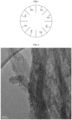
Figure 1 shows a diagram of the functionalization of the mesoporous silica with acidic and hydrophobic functionalities according to a preferred embodiment of the invention, as shown in Example 1 (silica-oxygen bonds not shown in the figure). -
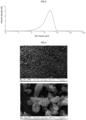
Figure 2 shows a micrograph of the synthesised particles as shown in Example 1, obtained with a transmission electron microscope (TEM) and in which one can appreciate the mesoporous structure of the FMS. -
Figure 3 shows the size distribution of the particles obtained by laser diffraction analysis as described in Example 1.2. -
Figure 4 shows two micrographs, at different magnifications, of the particles obtained with the scanning electron microscope (SEM) as described in Example 1.3. -
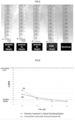
Figure 5 shows the entity of sediment produced by different commercial bentonites (Ph, Pn and Pc bentonite) compared with that produced by the particles obtained as per Example 1 (FMS) following a protein stabilization treatment with a static process on Chardonnay wine, as described in Example 2.1 (24 hour sedimentation). -
Figure 6 shows the variation in protein instability in a wine treated as described in the Example 2.5 with different concentrations of functionalized mesoporous silica particles with solely acidic functionalities (II) and of functionalized mesoporous silica particles both with acidic and hydrophobic functionalities (I), synthesised as per Example 1. -
Figure 7 shows a graph which, as described in Example 4, indicates the concentration of fermentative esters in various wines treated and not treated, respectively, with commercial bentonite and particles obtained as per Example 1. -
Figure 8 shows the SDS-PAGE electrophoretic analysis as described in Example 5 and carried out on untreated samples of Trebbiano wine (Tb1), samples treated with PLC bentonite (Tb2) and with particles according to the present invention obtained as described in Example 1 (Tb3). -
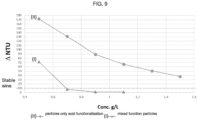
Figure 9 shows the variation of protein instability in a wine treated as described in Example 7 with mesoporous silica particles functionalized with only acid functionality (II) and mesoporous silica particles functionalized with both acid and hydrophobic functionality (I) according to the present invention. - For the purposes of the present invention, the term "macroparticles" means particles having an average diameter, as measured with a scanning electron microscope (SEM), greater than 0.1 µm.
- For the purposes of the present invention, "protein compound(s)" and "protein(s)" are used as perfectly interchangeable synonyms.
- The subject matter of the present invention relates to mesoporous silica particles functionalized on the surface with:
- (i) at least one group having acidic functionality, wherein said group has the general formula (I):

- (ii) at least one group having hydrophobic functionality, wherein said group has the general formula (II):

- A is a linear or branched, saturated or unsaturated C2-C12 alkyl group, preferably C2-C8, more preferably C3-C6, optionally substituted with at least one group selected from: ether (-O-), thioether (-S-), amino (-NH-), cyano (-CN), carbonyl (-CO), epoxide, a halogen, preferably -Cl or -Br, aryl, optionally substituted, and a combination thereof.
- X is an acidic functionality selected in the group consisting of: -SO3H, - COOH, -PO(OH)2, and a combination thereof;
B is a linear or branched, saturated or unsaturated C2-C18 alkyl group, preferably C4-C18, more preferably C6-C14, even more preferably C8-C12, optionally substituted with at least one group selected from ether (-O-), thioether (-S-), amino (-NH-), cyano (-CN), carbonyl (-CO), epoxide, a halogen, preferably -Cl or -Br, aryl, optionally substituted, and a combination thereof. - The particles preferably have a diameter comprised between 0.1 and 400 µm, more preferably between 0.1 and 200 µm and comprise pores having a diameter larger than 1 nm, with the component comprised between 5 and 50 nm greater than 50%, preferably greater than 60%.
- According to a particularly preferred embodiment of the present invention, at least two R1s of the formula (I) represent a covalent silicon-oxygen bond, preferably the three R1s of the formula (I) represent a covalent silicon-oxygen bond.
- According to a particularly preferred embodiment of the present invention, at least two R1s of the formula (II) represent a covalent silicon-oxygen bond, preferably the three R1s of the formula (II) represent a covalent silicon-oxygen bond.
- Preferably, the formulas (I) and (II) both have at least two R1s corresponding to a covalent silicon-oxygen bond, preferably all the R1s of the formulas (I) and (II) correspond to a silicon-oxygen bond.
- In a preferred embodiment, A is a saturated linear C2-C8, preferably saturated linear C3-C6 alkyl group; more preferably it is a saturated linear C3 alkyl group. Preferably, X is a -SO3H acidic functionality.
- Preferably, B is a saturated linear C6-C14, preferably saturated linear C8-C12 alkyl group; more preferably it is a saturated linear C8 alkyl group.
- In a preferred embodiment of the invention, the formulas (I) and (II) both have at least two R1s corresponding to a covalent silicon-oxygen bond, preferably all the R1s of the formulas (I) and (II) correspond to a silicon-oxygen bond; A is a saturated linear C2-C8, preferably saturated linear C3-C6 alkyl group, more preferably a saturated linear C3 alkyl group; X is a - SO3H acidic functionality; B is a saturated linear C6-C14, preferably saturated linear C8-C12 alkyl group; more preferably it is a saturated linear C8 alkyl group.
- The at least one group (II) having hydrophobic functionality is obtained from a reaction of anchorage, to the surface of the silica, of at least one precursor of formula (Ila):

- The reaction of anchorage of the precursor of formula (IIa) to the surface of the silica takes place through the formation of at least one silicon-oxygen bond, preferably at least two silicon-oxygen bonds, more preferably at least three silicon-oxygen bonds. The at least one silicon-oxygen bond forms through the exit of at least one -OR1 group of the precursor (IIa) and the formation of the respective R1-OH alcohol (ethyl, methyl or propyl alcohol).
- The precursor of formula (IIa) is preferably selected from: (11-methoxymethoxyundecyl)trimethoxysilane (CAS 944720-78-9), (3-methoxypropyl)trimethoxysilane (CAS 33580-59-5), (3,3-dimethylbutyl)trimethoxysilane (CAS 157223-36-4), (N,N-octyl-3-aminopropyl)trimethoxysilane (CAS 89130-62-1), 11-cyanoundecyltrimethoxysilane (CAS 253788-37-3), 11-chloroundecyltrimethoxysilane (CAS 17948-05-9), 8-bromooctyltrimethoxysilane (CAS 82985-34-0), 7-octenyltrimethoxysilane (CAS 52217-57-9), 4-phenylbutyltrimethoxysilane (CAS 152958-91-3), (11-diethylphosphonateundecyl)trimethoxysilane (CAS 944721-48-6), (3-glycidoxypropyl)trimethoxysilane (CAS 2530-83-8), 8-oxiran-2-yloctyltriethoxysilane (CAS 35567-31-8), S-(octanoyl)mercaptopropyltriethoxysilane (CAS 220727-26-4) or it is :

- Preferably, the precursor of formula (IIa) is:

- The at least one group (I) having an acidic functionality is obtained from a reaction of anchorage, to surface of said silica, of a precursor of formula (Ia):

- wherein A is as described above;
- X is selected from: -SH, -COOH, -PO(OH)2;
- the R1 groups are independently selected from methyl, ethyl and propyl. Preferably, the R1 groups are identical to one another and are selected from methyl, ethyl and propyl. More preferably, the 3 R1 groups are methyl or ethyl.
- Preferably, the at least one precursor of acidic functionality has formula (la) wherein:
- A is a saturated linear C2-C8 alkyl group, preferably a saturated linear C3-C6 alkyl group, more preferably it is a saturated linear C3 alkyl group;
- X is -SH.
- n a particularly preferred embodiment, in the precursor of formula (la), A is a saturated linear C3-C6 group, more preferably it is a saturated linear C3 group and X is -SH.
- In the case in which X is -SH in the precursor of formula (la), after the formation of the silicon-oxygen bond between the precursor and the silica of the particles, the functionalized particles are subjected to oxidation of the -SH group to a -SO3H group, preferably by treatment with H2O2.
- According to any one of the previously described embodiments, the at least one group having acidic functionality and the at least one group having hydrophobic functionality are anchored to the mesoporous surface of the silica, both on the outer surface of the particles and inside the pores. The particles as described above preferably have a diameter, as measured by a scanning electron microscope (SEM), comprised between 0.1 and 400 µm, more preferably between 0.1 and 200 µm.
- According to one embodiment, the functionalized mesoporous silica particles according to the present invention are characterised by having a non-homogeneous size distribution of said pores, wherein from 20 to 30% of the pores have an average diameter comprised between 1 and 5 nm, from 50 to 65 % of the pores have an average diameter comprised between 5 and 50 nm and from 6 to 8% of the pores have an average diameter comprised between 50 and 100 nm and from 3 to 5% of the pores have a diameter larger than 100 nm.
- The method used for the porosimetry analysis is the DFT (density functional theory) with nitrogen gas-volumetric adsorption at 77K by means of the Micromeritics ASAP2020.
- According to one embodiment, the functionalized mesoporous silica particles according to the present invention comprise from 86 to 92% by weight of silica and from 4 to 14% by weight of acidic functionality and of hydrophobic functionality as described above.
- The functionalized mesoporous silica particles according to the present invention preferably comprise from 86 to 92% by weight of silica, from 2 to 7%, preferably from 4 to 7% by weight of acidic functionality and from 2 to 7%, preferably from 4 to 7% by weight of hydrophobic functionality as described above.
- According to a particularly preferred embodiment of the invention, the functionalized mesoporous silica particles according to the present invention comprise 90% by weight of silica, 5% by weight of acidic functionalities and 5% by weight of hydrophobic functionalities.
- According to an even more preferred embodiment, the functionalized mesoporous silica particles according to the present invention comprise 90% by weight of silica, 7.5% by weight of acid functionalities and 2.5% by weight of hydrophobic functionalities.
- Advantageously, such a ratio between the silica and the acidic and hydrophobic functionalities and, preferably, the specific ratio between the two functionalities, proves to be optimal for the stabilization of beverages.
- Without wishing to be bound to a specific theory, the Applicant has found that increasing the component of acidic functionalities decreases the efficiency of the particles in removing the proteins whereas if the component of hydrophobic functionalities is increased, the dispersion of the particles within the beverage to be stabilized proves to be more difficult.
- According to one embodiment, the functionalized mesoporous silica particles according to the present invention are characterised by possessing a surface area larger than 500 m2/g, preferably comprised between 500 and 1000 m2/g, more preferably comprised between 700 and 1000 m2/g.
- Without wishing to be bound to a specific theory, the Applicant has found that the functionalization of the mesoporous silica according to the present invention with the specific combination of acidic and hydrophobic functionalities of the invention makes it possible to obtain mesoporous silica particles which possess a negative electrostatic charge and simultaneously a hydrophobic component. These characteristics are optimal for interaction with the proteins present within a beverage to be stabilized, preferably within a beverage having a pH lower than 4, more preferably within a wine. These proteins in fact have both a hydrophobic component and a component that is generally positively charged at the pH values of the beverages to be stabilized. The functionalized mesoporous silica particles thus enable these proteins to be attracted thanks to the electrostatic forces and trapped and maintained within their mesoporous structure thanks to the hydrophobic interactions. Moreover, without wishing to be bound to a specific theory, it is possible to affirm that, in addition to the aforesaid functionalization, the characteristic mesoporosity and the specific pore size play an important role for the effectiveness of stabilization, as they enable a large surface area to be obtained in combination with pore sizes such as to be able to advantageously to accommodate the proteins to be removed (typically having a size > 5 nm) within them.
- The subject matter of the present invention further relates to a process for obtaining the functionalized mesoporous silica particles as previously described. Said process comprises the steps of:
- a) preparing an acidic aqueous suspension of a polymeric template, wherein said acidic aqueous suspension optionally comprises a fluoride, preferably selected in the group consisting of: NH4F, NaF and KF, and mixing until the formation of micelle templates;
- b) adding a tetra-alkyl orthosilicate as a silica precursor, said tetra-alkyl orthosilicate being preferably selected in the group consisting of: tetraethyl orthosilicate (TEOS), tetramethyl orthosilicate and tetrapropyl orthosilicate, until the formation of silica particles;
- c) functionalizing the silica particles by adding:
- (i) at least one precursor of a group having an acidic functionality, wherein said precursor has the general formula (Ia) as described above;
and - (ii) at least one precursor of a group having a hydrophobic functionality, wherein said precursor has the general formula (IIa) as described above;
- (i) at least one precursor of a group having an acidic functionality, wherein said precursor has the general formula (Ia) as described above;
- d) removing the template, preferably by means of at least one wash with an alcohol.
- Said polymeric template used in step a) advantageously allows the desired morphology to be imparted to the particles according to the present invention.
- Said polymeric template is preferably selected in the group consisting of: a block copolymer, preferably selected from: a block copolymer containing polyethylene oxide and polypropylene oxide; a PEG-PPG-PEG triblock copolymer, a triblock copolymer, more preferably a triblock copolymer containing two blocks of polyethylene oxide and one block of polypropylene oxide or one block of polyethylene oxide and two blocks of polypropylene oxide.
- More preferably, said template is Pluronic®, more preferably Pluronic® P123.
- Preferably, said at least one precursor of a group having an acidic functionality (i) and said at least one precursor of a group having a hydrophobic functionality (ii) are as previously described.
- According to a particularly preferred embodiment of the invention, step a) takes place in the presence of a fluoride, preferably ammonium fluoride.
- The use of said fluoride, preferably ammonium fluoride, in combination with the use of said template, favours the formation of the desired morphology, in particular by favouring the formation of the characteristic mesoporosity both in terms of pore size and in terms of pore distribution.
- As also demonstrated in the examples section, the Applicant has found that the role of fluoride, and particularly ammonium fluoride (NH4F), in the synthesis of the particles according to the present invention, though not indispensable for the formation of the particles themselves, nonetheless shows to have advantageous effects in that it enables a reduction in the reaction times compared to a process carried out in the absence of said fluoride; furthermore, it avoids further steps or subsequent post-treatments and enables the complete stabilization of a beverage to be obtained with a reduced quantity of particles (in other words, it enables particles to be obtained which are more effective in stabilizing beverages).
- In the case in which the precursor of the group having acidic functionality has an X group which is -SH, step c) also comprises the addition of an oxidising agent, preferably H2O2.
- Step c) as described above is a step in which the anchorage reaction of the at least one precursor (la) and the at least one precursor (IIa) due to the exit of alkoxy groups with the formation of R1OH (with R1 as described above) takes place according to the following diagram 1, which shows the reaction mechanism by way of example solely for the precursor (la) and where n is a number that depends on the number of silicon-oxygen bonds that are formed between the precursor (la) and the silica:

- According to a preferred embodiment, the process according to the present invention, after step c) and before step d), comprises a step c') of allowing the pores of the silica particles formed in step b) to expand at a constant temperature greater than 70 °C.
- Said alcohol of step d) is preferably selected in the group consisting of: methanol, ethanol, propanol, isopropanol, butanol, and a combination thereof.
- The subject matter of the present invention also relates to the use of functionalized mesoporous silica particles for the removal of proteins from a beverage having a pH lower than 4, wherein said particles are functionalized with at least one group having an acidic functionality of formula (I) and/or at least one group having a hydrophobic functionality of formula (II), as previously described; the silica particles are preferably functionalized with both the acidic and hydrophobic functionalities.
- The functionalization of the particles is obtained from the reaction of anchorage, to the surface of said silica, of:
- (i) at least one precursor of a group having an acidic functionality of formula (la) as previously described and/or
- (ii) at least one precursor of a group having a hydrophobic functionality of formula (IIa) as previously described,
- The particles preferably have a diameter comprised between 0.1 and 400 µm, more preferably between 0.1 and 200 µm and comprise pores having a diameter larger than 1 nm, with the component comprised between 5 and 50 nm greater than 50%, preferably greater than 60%.
- According to a particularly preferred embodiment, the use of the aforesaid particles according to the present invention allows a simultaneous further partial removal of metals from said beverage, thus advantageously resulting in a superior performance of stabilization of the beverage, which will be devoid of unstable proteins and will contain a lower concentration of any metals that might catalyse undesirable redox reactions within it.
- According to one embodiment of the invention, said beverage has a pH lower than 4, preferably comprised between 3 and 4.
- According to a preferred embodiment of the invention, said beverage is an alcoholic beverage, preferably comprising or consisting in: wine, beer, cider, and a combination thereof.
- According to an even more preferred embodiment, said alcoholic beverage is wine, preferably white wine and/or rosé wine.
- According to a preferred embodiment of the invention, said particles as described above can be used for the stabilization of a beverage without first being subjected to pre-treatments, for example hydration.
- Without wishing to be bound to a specific theory, the Applicant has found that the use of said particles according to the present invention for the stabilization of said beverages proves to be particularly advantageous, as it enables a stabilization by sedimentation (static stabilization) which is not only particularly effective, but also rapid, since said particles, as already noted, do not require hydration and furthermore the step of sedimentation of the particles according to the present invention proves to be very rapid with the formation of compact sediments.
- The subject matter of the present invention further relates to a filter cartridge that is suitable for the stabilization of a beverage having a pH lower than 4 through the removal of proteins and, preferably, of metals, comprising at least one porous medium and a plurality of functionalized mesoporous silica particles that at least partially coat said at least one porous medium, wherein said at least one porous medium is characterised by having an average pore size that is smaller than the average diameter of said particles, such as to prevent said particles from passing through said at least one porous medium.
- The functionalized mesoporous silica particles are particles functionalized with at least one group having an acidic functionality of formula (I) and/or at least one group having a hydrophobic functionality of formula (II), as previously described.
- The functionalization of the particles is obtained from the reaction of anchorage, to the surface of said silica, of:
- (i) at least one precursor of a group having an acidic functionality of formula (la) as previously described and/or
- (ii) at least one precursor of a group having hydrophobic functionality of formula (IIa) as previously described,
- The particles preferably have a diameter comprised between 0.1 and 400 µm, more preferably between 0.1 and 200 µm and comprise pores having a diameter larger than 1 nm, with the component comprised between 5 and 50 nm greater than 50%, preferably greater than 60%.
- Said at least one porous medium is preferably an inert porous medium; it is preferably an inert porous septum.
- The present invention also relates to a filter device suitable for the stabilization of a beverage having a pH lower than 4 through the removal, by filtration, of proteins and, preferably, of metals, said device comprising a main body defining an inlet conduit for the beverage to be stabilized, an outlet conduit for the stabilized beverage and a plurality of channels that extend between said inlet conduit and said outlet conduit; each channel passes through at least one filter cartridge as previously described.
- Without wishing to be bound to a specific theory, the Applicant has found that the filter cartridge and the filter device according to the present invention prove to be particularly advantageous for the purposes of stabilizing a beverage having a pH lower than 4, since they enable the stabilization to be carried out in a continuous flow, thus further reducing the times of the stabilization process as it is not necessary to wait for the sedimentation of the particles.
- The present invention also relates to a method for stabilizing a beverage having a pH lower than 4 through the removal of proteins and, preferably, of metals, said method comprising the steps of:
- a) placing mesoporous silica particles in contact with a volume of a beverage, preferably adding said particles to said volume of beverage under stirring;
- b) allowing said particles to sediment and separating the beverage thus stabilized;
- Said method preferably does not comprise further steps of pre-treating the particles (such as, for example, a step of hydrating the particles) or posttreatment steps for the treated beverage.
- According to a particularly preferred embodiment of the method according to the present invention, said step of placing the functionalized mesoporous silica particles in contact with a volume of a beverage is a step a1) carried out continuously by passing a flow of a beverage to be stabilized through at least one filter cartridge comprising a plurality of said particles as previously described or through the filter device comprising at least one filter cartridge.
- The method preferably also comprising a step b1), after step b), of collecting the volume of said beverage thus stabilized.
- According to a preferred embodiment of the invention, the method comprises a step c), after step b) and/or b1), of recovering and regenerating the particles, which can thus be used again in a new beverage stabilization cycle.
- Macroparticles of mesoporous silica functionalized with acidic functionalities and hydrophobic functionalities were synthesised.
- 13 g of Pluronic P123 (PEG-PPG-PEG, Pluronic® P123) and 0.3 g of NH4F were initially dissolved in 400 mL of HCl 2M.
- The mixture was left under stirring at room temperature until obtaining the total dispersion of the P123 and the formation of micelles within the reaction mixture.
- The reaction mixture was heated to a temperature of 40 °C and 26 ml of TEOS (tetraethyl orthosilicate) were added under vigorous stirring.
- After the formation of the porous silica, 2 ml of triethoxy(octyl)silane, 1.2 ml of (3-mercaptopropyl) trimethoxysilane and 10 ml of 30% H2O2 were added in succession.
- The product obtained was heated to a temperature of 100 °C for 8 hours.
- The functionalized mesoporous silica was then washed under reflux with methanol for 24 hours until complete removal of the P123.
- The methanol was then separated by filtration from the FMS and the finished product was air dried at a temperature greater than 60 °C.
- The functionalized mesoporous silica particles synthesised as described in Example 1 were characterised from a physicochemical standpoint.
- As can be appreciated from the micrography shown in
Figure 2 , the silica particles obtained are porous particles. - The method used for the porosimetry analysis is the DFT (density functional theory) with nitrogen gas-volumetric adsorption at 77K by means of a Micromeritics ASAP2020.
- The pore size distribution is the following:
pores w/diameter 1-5 nm 26.6 % pores w/diameter 5-50 nm 62.5% pores 50-100 nm 6.7% pores > 100 nm 4.2% - With this method it was further possible to determine the total surface area of the functionalized mesoporous silica particles as obtained in Example 1.
- The total area is equal to 700 m2/g.
- Functionalised mesoporous silica particles synthesised according to the process of the present invention and functionalised with 2.5% of C8 and 7.5% of SO3H, were analysed by laser diffraction technique to characterise the size distribution of the particles.
Figure 3 shows the size distribution obtained. - The particles have a size between 0.5 and 86 µm.
- The functionalised mesoporous silica particles synthesised as described in Example 1 were also analysed by electron microscope (SEM) and the images obtained are shown in
Figure 4 . - Various analytic tests were conducted for the purpose of evaluating the protein stability of different samples of wine.
- The tests conducted are based on the use of factors destabilizing the proteins present in the wine, such as heat and/or the addition of tannin, in order to verify the reactivity of the protein compounds present in the wine after the possible treatment. As previously mentioned, for the purposes of the present invention the protein compounds generically defined as unstable are considered to belong, from a chemical point of view, to the chitinase and thaumatin groups. As a result of their charge and hydrophobicity characteristics, these molecules tend to become insoluble over time, thus destabilizing the wine in which they are present. By verifying the variation in turbidity under the specific test conditions described below it is possible to have an estimate of the protein instability present in the wines tested.
- The stability tests were performed on samples treated by means of a static stabilization process which provides for the addition of the material (bentonite for the comparative tests or particles according to the present invention) to the mass of the beverage to be treated (different varieties of wine in this specific case), which is then left under stirring in order to distribute the material evenly and enable optimal interaction. The exhausted material is then allowed to sediment and the stabilized beverage is filtered.
- As it is possible to observe from
Figure 5 , which shows the sediments obtained by treating Chardonnay wine with the particles obtained as per Example 1 and with different commercial bentonites, the amount of sediment that is obtained (after 24 hours) using the particles according to the present invention is considerably reduced. - Three different samples of wine (Erbaluce 2018) were subjected to an instability test under heating: a control sample, a sample treated with 60 g/hL of PLC bentonite, and a sample treated with 60 g/hL of functionalized mesoporous silica particles according to the present invention.
- In examples 2.1-2.5, the treatment with PLC bentonite or with the particles of the present invention was carried out according to the process typically used for traditional bentonite, that is, by suspending the material (PLC bentonite or particles of the invention) in the wine and allowing it to sediment.
- Each sample was then filtered with a 0.45 µm membrane and the turbidity thereof was measured T1 (NTU 1). Each sample of wine was then kept in a water bath at a temperature of 80 °C for 30 minutes and allowed to cool. As soon as the sample reached room temperature, a second turbidity measurement T2 (NTU 2) was performed.
- A sample of wine is considered stable if: ΔNTU = (T2-T1) < 2.
- The results obtained for the various samples are shown in Table 1.
- The same samples of wine as in Example 2.1 were also subjected to an instability test under heating and in the presence of tannin. In this case as well, each sample was filtered with a 0.45 µm membrane. A solution of gallic tannin with a concentration of 100 g/l was then added, in an amount of 2.5% v/v, to each previously filtered sample of wine. The turbidity T1 (NTU 1) was then measured. Each sample of wine was then kept in a water bath at a temperature of 80 °C for 30 minutes and allowed to cool. As soon as the sample reached room temperature, a second turbidity measurement T2 (NTU 2) was performed.
- A sample of wine is considered stable if: ΔNTU = (T2-T1) < 10.
- The results obtained for the various samples are shown in Table 1.
Table 1 Wine sample Erbaluce 2018 Heat test. Example 2.1 (ΔNTU) Heat test with tannin. Example 2.2 (ΔNTU) Control 3.7 68.6 sample treated with 60 g/hL of PLC bentonite 1.5 10.5 sample treated with 60 g/hL of functionalized mesoporous silica particles according to the present invention - Example 1 0.4 1.4 - Based on the results, it can be observed that the functionalized mesoporous silica particles according to the present invention are considerably more efficient in stabilizing wine compared to the use of bentonite, the dose used being equal.
- Similarly to what was done in Example 2.1, instability tests were performed under heating using, in the place of the Erbaluce 2018 variety, a different wine variety: Trebbiano 2018.
- The results obtained for the various samples are shown in Table 2.
Table 2 Wine samples Trebbiano 2018 Heat test. Example 2.3 (ΔNTU) Control 2.4 sample treated with 60 g/hL of PLC bentonite 1.9 sample treated with 60 g/hL of functionalized mesoporous silica particles according to the present invention. Example 1 0.9 - These results confirm the behaviour of the PLC bentonite and of the functionalized mesoporous silica particles according to the present invention and demonstrate that the performances obtained are independent of the variety of wine treated.
- Comparative tests were conducted with different samples of the wine variety Sauvignon blanc 2018, treated with the functionalized mesoporous silica particles according to the present invention, with mesoporous silica particles synthesised in a manner similar to the process according to the present invention but without a functionalization step and with porous commercial silicas, likewise not functionalized (SBA 15 and MCM 41 - ACS Material LLC).
- The tests were performed in a similar manner to what was described in the previous Examples 2.1-2.3.
- The results are shown in the table below.
Table 3 Wine sample Sauvignon blanc 2018 Heat test (ΔNTU) Heat test with tannin (ΔNTU) Control 8.4 168 sample treated with 70 g/hL of functionalized mesoporous silica particles according to the present invention. Example 1 1.6 7.3 sample treated with 70 g/hL of mesoporous non-functionalized silica particles 7.2 136 sample treated with 60 g/hL of SBA 15 silica 7.3 148 sample treated with 600 g/hL of SBA 15 silica 7.2 144 sample treated with 60 g/hL of MCM 41 silica 7.9 154 sample treated with 600 g/hL of MCM 41 silica 7.5 151 - The results obtained show that the functionalization of silica according to the present invention is indispensable for obtaining the stabilization of the wine. The functionalized mesoporous silica particles according to the present invention in fact show to be effective in stabilizing wine, unlike the non-functionalized silicas taken into consideration.
- Stabilization tests were conducted on wine treated with functionalized mesoporous silica particles with solely acidic functionalities (comprising the -SO3H group) in an amount equal to 10% by weight relative to the total weight of the particles and with functionalized mesoporous silica particles with both acidic functionalities (comprising the -SO3H group) in an amount equal to 5% by weight relative to the total weight of the particles and hydrophobic functionalities (in an amount equal to 5% by weight relative to the total weight of the particles), synthesised according to Example 1. Protein stability was evaluated by means of the heat test with tannin as previously described. The results obtained are shown in the graph in
Figure 6 . As it is possible to observe, the silica particles comprising the dual acidic and hydrophobic functionalization show to be more effective in the dosage interval comprised between 0.6 and 1.8 g/l compared to functionalized silica particles with acidic functionalities alone. The dose actually necessary for complete stabilization of the wine (ΔNTU ≤ 10) is about 0.8 g/l in the case of functionalized silica particles with both acidic and hydrophobic functionalities and about 1.2 g/l in the case of functionalized silica particles with acidic functionalities alone. This effect can be explained by the different affinity of the two materials for the two families of proteins present in the wine (thaumatins and chitinases). - This example highlights that on the one hand mixed functionalization with acidic and hydrophobic functionalities leads to a considerable improvement of the effectiveness in protein removal, while on the other hand it is in any case possible to stabilize wine using mesoporous silica particles having solely an acidic functionality. In the latter case, the silica particles must be used in larger doses.
- The particles according to the present invention as synthesised in Example 1 were also tested in the case of the flow stabilization process.
- The particles according to the present invention can in fact also be used in continuous (i.e. flow) stabilization processes, unlike bentonite, which does not allow the formation of permeable filtration panels, making it impossible to carry out a continuous-flow filtration and stabilization process.
- In flow stabilization, the wine containing the unstable proteins passes through a filter cartridge as described in the present patent application, in this specific case comprising the functionalized mesoporous silica particles as per Example 1 deposited on an inert porous septum capable of retaining the aforesaid particles. As it passes through the filter panel the wine transfers the proteins to the particles according to the present invention.
- The data shown in Table 4 indicate that the process of protein stabilization by filtration works well. The flow stabilization has slightly greater effectiveness than stabilization with the traditional technique (similar to the bentonite technique).
Table 4 Sample Heat test (ΔNTU) Heat test with tannin (ΔNTU) Gewurztraminer wine control 2.4 217 Gewurztraminer in batch treatment with 60 g/hL of silica particles. Example 1 1.8 12 Gewurztraminer in continuous-flow treatment with 60 g/hL of silica particles. Example 1 1.3 8.3 - The particles obtained as per Example 1 were tested to evaluate their ability to remove different types of metals present in a wine. Moreover, the results obtained were compared with the performances obtainable with a commercial bentonite.
- Tables 5 and 6 show the main cations that must be considered following a treatment of wine with bentonite. From a chemical point of view, in fact, bentonite is classified as an aluminium silicate rich calcium, sodium and magnesium ions and iron oxides.
Table 5: Chardonnay wine 2019, treated with 25 g/hL of each type of material Metal ppm Chardo nnay wine as such (AS) Bento nite FMS particles Example 1 % Bentonit e Vs AS % FMS Vs AS % FMS Vs Bentonit e Al 0.41 0.50 0.41 21.95 -1.22 -23.20 Fe 1.69 1.87 1.66 10.98 -1.48 -12.46 Na 14.0 19.6 12.2 40.0 -12.9 -52.9 Mg 125 126 124 0.8 -0.8 -1.60 Table 6: Pinot grigio wine 2019, treated with 150 g/hL of each type of material Metal ppm Pinot grigio wine as such (AS) Bento nite FMS particles Example 1 % Bentonit e Vs AS % FMS Vs AS % FMS Vs Bentonit e Al 0.23 0.48 0.20 15.85 -51.22 -67.07 Fe 0.38 1.00 0.38 166.67 1.33 -165.33 Na 12.0 28.0 11.0 133.33 -8.33 -141.67 Mg 116.00 116.70 114.00 0.60 -1.72 -2.33 - As may be seen from the results shown above, wine treated with the functionalized mesoporous silica particles according to the present invention (as per Example 1) has a lower content of metals on average than wine treated with bentonite and, in the case of some cations, an even lower content than untreated wine.
- The particles obtained as per Example 1 were also tested to evaluate their sensory impact, which involved analysing the concentration of fermentative esters (
Figure 7 ) in different untreated wines and wines treated respectively with commercial bentonite or with the particles according to the present invention. - As can be observed from the graph in
Figure 7 , a larger concentration of compounds present is indicative of an advantageous lower removal by the particles according to the present invention when used in the treatment of wines. - Three different samples of wine (Trebbiano 2018) were subjected to SDS-PAGE electrophoretic analysis: a control sample (Tb1), a sample treated with 60 g/hL of PLC bentonite (Tb2), and a sample treated with 60 g/hL of functionalized mesoporous silica particles according to the present invention obtained as per Example 1 (Tb3).
- This technique was used to confirm, in an unequivocal manner, whether or not unstable proteins were present in the wine. Electrophoretic analysis consists in exposing proteins to an electric field and running the molecules over a polyacrylamide gel. By doing so it is possible to differentiate the various protein compounds into groups, based on their molecular mass. Since the two families of unstable proteins most commonly contained in wines (Chitinases and Thaumatins) normally have a molecular mass comprised between 20,000 and 30,000 Dalton, it is possible, following staining in that interval, to determine the presence or absence of such proteins.
- The results obtained for each of the samples are shown in
Fig.8 , where one may clearly observe the stained band in the case of the control sample, whilst in the case of samples treated with bentonite and particles of the present invention, no band is observed, thus demonstrating the stabilizing effectiveness of the particles according to the present invention. - A comparative experiment was conducted to assess the role of NH4F in the synthesis described in Example 1 in order to verify its effect on the ability of the final product to stabilize wine.
- Particles were synthesised by repeating the steps of Example 1, but with a reaction mixture without ammonium fluoride.
- The product obtained was capable of completely stabilizing the wine, but with about double the amount compared to the product obtained using NH4F (1.6-1.7 g/l Vs 0.8 g/l).
- Stabilisation tests were carried out on wine treated with mesoporous silica particles functionalised only with acid functions (comprising the -SO3H group) in an amount equal to 10% by weight of the total weight of the particles and with mesoporous silica particles functionalised both with acid functionalities (comprising the -SO3H group) in an amount equal to 7,5 % by weight of the total weight of the particles and with hydrophobic functionalities (comprising the C8 group in an amount of 2,5 % by weight of the total weight of the particles), synthesized according to the process of the present invention. The wine used is a "Manzoni" wine of 2021 harvest with medium-high protein instability (Chitinase and Thaumatine proteins). From the graph shown in
Figure 9 , it is possible to clearly see how silica with mixed functionalization according to the present invention has a significantly higher efficiency in removing proteins than silica functionalized only with acid functions.
Claims (12)
- Mesoporous silica particles, wherein said silica is functionalized on the surface with:(i) at least one group having acidic functionality, wherein said group has the general formula (I):
 (ii) at least one group having hydrophobic functionality, wherein said group has the general formula (II):
 wherein at least one of the R1 groups of the formulas (I) and (II) represents a covalent bond between the oxygen of the respective formula (I) or (II) and the silicon of the silica (covalent silicon-oxygen bond), the other two R1 groups being independently H or a covalent silicon-oxygen bond;A is a linear or branched, saturated or unsaturated C2-C12 alkyl group, preferably C2-C8, more preferably C3-C6, optionally substituted with at least one group selected from: ether (-O-), thioether (-S-), amino (-NH-), cyano (-CN), carbonyl (-CO), epoxide, a halogen, preferably -Cl or -Br, aryl, optionally substituted, and a combination thereof;X is an acidic functionality selected in the group consisting of: -SO3H, - COOH, -PO(OH)2, and a combination thereof;B is a linear or branched, saturated or unsaturated C2-C18 alkyl group, preferably C4-C18, more preferably C6-C14, even more preferably C8-C12, optionally substituted with at least one group selected from ether (-O-), thioether (-S-), amino (-NH-), cyano (-CN), carbonyl (-CO), epoxide, a halogen, preferably -Cl or -Br, aryl, optionally substituted, and a combination thereof;wherein said particles have a diameter comprised between 0.1 and 400 µm, more preferably between 0.1 and 200 µm and comprise pores having a diameter larger than 1 nm, with the component comprised between 5 and 50 nm greater than 50%, preferably greater than 60%.
 - The mesoporous silica particles according to claim 1, characterized by having a non-homogeneous size distribution of said pores, wherein from 20 to 30% of the pores have an average diameter, comprised between 1 and 5 nm, from 50 to 65% of the pores have an average diameter comprised between 5 and 50 nm and from 6 to 8% of the pores have an average diameter comprised between 50 and 100 nm and from 3 to 5% of the pores have a diameter larger than 100 nm.
- The mesoporous silica particles according to claim 1 or 2, comprising from 86 to 92% by weight of silica, from 4 to 14% by weight of said at least one group having acidic functionality and said at least one group having hydrophobic functionality, preferably from 2 to 7% by weight of said at least one group having acidic functionality and from 2 to 7% by weight of said at least one group having hydrophobic functionality .
- The mesoporous silica particles according to any one of the preceding claims, characterised by a surface area larger than 500 m2/g, preferably comprised between 500 and 1000 m2/g.
- A process for preparing mesoporous silica particles according to any one of the preceding claims, comprising the steps of:a) preparing an acidic aqueous suspension of a polymeric template, wherein said acidic aqueous suspension optionally comprises a fluoride, and mixing until the formation of micelle templates;b) adding a tetra alkyl orthosilicate as a silica precursor, said tetra alkyl orthosilicate preferably being selected in the group consisting of: tetra ethyl orthosilicate (TEOS), tetra methyl orthosilicate and tetra propyl orthosilicate, until the formation of silica particles;c) functionalizing the silica particles by adding:(i) at least one precursor of group having an acidic functionality, wherein said precursor has the general formula (la):
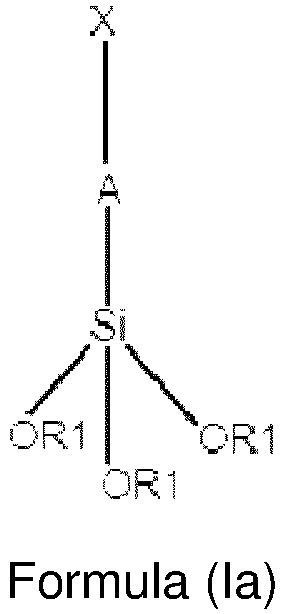 (ii) at least one precursor of a group having a hydrophobic functionality, wherein said precursor has the general formula (Ila):
 wherein A and B are as described in claim 1;X is selected from: -SH, -COOH, -PO(OH)2;the R1 groups are independently selected from methyl, ethyl and propyl; the R1 groups are preferably identical to one another and are selected from methyl, ethyl and propyl; more preferably the 3 R1 groups are methyl or ethyl.d) removing the template, preferably by means of at least one wash with an alcohol.
 - A use of mesoporous silica particles for the removal of proteins from a beverage having a pH lower than 4, wherein said silica is functionalized with:(i) at least one group having acidic functionality, wherein said group has the general formula (I):
 (ii) at least one group having hydrophobic functionality, wherein said group has the general formula (II):
 wherein at least one of the R1 groups of the formulas (I) and (II) represents a covalent bond between the oxygen of the respective formula (I) or (II) and the silicon of the silica (covalent silicon-oxygen bond), the other two R1 groups being independently H or a covalent silicon-oxygen bond;A is a linear or branched, saturated or unsaturated C2-C12 alkyl group, preferably C2-C8, more preferably C3-C6, optionally substituted with at least one group selected from: ether (-O-), thioether (-S-), amino (-NH-), cyano (-CN), carbonyl (-CO), epoxide, a halogen, preferably -Cl or -Br, aryl, optionally substituted, and a combination thereof;X is an acidic functionality selected in the group consisting of: -SO3H, - COOH, -PO(OH)2, and a combination thereof;B is a linear or branched, saturated or unsaturated C2-C18 alkyl group, preferably C4-C18, more preferably C6-C14, even more preferably C8-C12, optionally substituted with at least one group selected from ether (-O-), thioether (-S-), amino (-NH-), cyano (-CN), carbonyl (-CO), epoxide, a halogen, preferably -Cl or -Br, aryl, optionally substituted, and a combination thereof;wherein said particles have a diameter comprised between 0.1 and 400 µm and comprise pores having a diameter larger than 1 nm, with the component comprised between 5 and 50 nm greater than 50%, preferably greater than 60%.
 - The use according to claim 6 for the further simultaneous removal of metals from said beverage.
- The use according to claim 6 or 7, wherein said beverage comprises or consists of: wine, beer, cider, and a combination thereof.
- A filter cartridge suitable for the stabilization of a beverage having a pH lower than 4 through the removal of proteins and, preferably, of metals, comprising at least one porous medium and a plurality of mesoporous silica particles which at least partially coat said at least one porous medium, wherein said at least one porous medium is characterised by having an average pore size that is smaller than the average diameter of said particles, such as to prevent said particles from passing though said at least one porous medium; said mesoporous silica particles being as defined in any claims 1 to 4.
- A filter device suitable for the stabilization of a beverage having a pH lower than 4 through the removal, by filtration, of proteins and, preferably, of metals, said device comprising a main body defining an inlet conduit for the beverage to be stabilized, an outlet conduit for the stabilized beverage and a plurality of channels extending between said inlet conduit and said outlet conduit, each channel passing through at least one filter cartridge according to claim 9.
- A method for stabilizing a beverage having a pH lower than 4 through the removal of proteins and, preferably, of metals, said method comprising the steps of:a) placing mesoporous silica particles in contact with a volume of a beverage, preferably adding said particles to said volume of beverage under stirring;b) allowing said particles to sediment and separating the volume of said beverage thus stabilized;said mesoporous silica particles being as defined in claim 1.
- The method according to claim 11, wherein said step of placing the mesoporous silica particles in contact with a volume of a beverage is a step a1) performed continuously by passing a flow of a beverage to be stabilized through at least one filter cartridge according to claim 9 comprising a plurality of said particles or through the filter device according to claim 10 comprising at least one filter cartridge according to claim 9; said method comprising a step b1) of collecting the volume of said beverage thus stabilized.
Applications Claiming Priority (2)
| Application Number | Priority Date | Filing Date | Title |
|---|---|---|---|
| EP21160683.5A EP4053258A1 (en) | 2021-03-04 | 2021-03-04 | Functionalized microparticles of mesoporous silica for protein stabilization and metal removal from a beverage |
| PCT/IB2022/051891 WO2022185250A1 (en) | 2021-03-04 | 2022-03-03 | Functionalized macroparticles of mesoporous silica for protein stabilization and metal removal from a beverage |
Publications (2)
| Publication Number | Publication Date |
|---|---|
| EP4301836A1 EP4301836A1 (en) | 2024-01-10 |
| EP4301836B1 true EP4301836B1 (en) | 2025-02-12 |
Family
ID=75377615
Family Applications (2)
| Application Number | Title | Priority Date | Filing Date |
|---|---|---|---|
| EP21160683.5A Withdrawn EP4053258A1 (en) | 2021-03-04 | 2021-03-04 | Functionalized microparticles of mesoporous silica for protein stabilization and metal removal from a beverage |
| EP22713730.4A Active EP4301836B1 (en) | 2021-03-04 | 2022-03-03 | Functionalized macroparticles of mesoporous silica for protein stabilization and metal removal from a beverage |
Family Applications Before (1)
| Application Number | Title | Priority Date | Filing Date |
|---|---|---|---|
| EP21160683.5A Withdrawn EP4053258A1 (en) | 2021-03-04 | 2021-03-04 | Functionalized microparticles of mesoporous silica for protein stabilization and metal removal from a beverage |
Country Status (9)
| Country | Link |
|---|---|
| US (1) | US20240076591A1 (en) |
| EP (2) | EP4053258A1 (en) |
| CN (1) | CN117529542A (en) |
| AU (1) | AU2022230056A1 (en) |
| CL (1) | CL2023002623A1 (en) |
| ES (1) | ES3018864T3 (en) |
| PT (1) | PT4301836T (en) |
| WO (1) | WO2022185250A1 (en) |
| ZA (1) | ZA202308866B (en) |
Families Citing this family (1)
| Publication number | Priority date | Publication date | Assignee | Title |
|---|---|---|---|---|
| CN120860688B (en) * | 2025-09-24 | 2025-12-23 | 陕西燎原净化设备有限公司 | Static separation washing system and method for methylene dichloride of polycarbonate project prepared by phosgene method |
Citations (5)
| Publication number | Priority date | Publication date | Assignee | Title |
|---|---|---|---|---|
| EP0235352A2 (en) | 1986-03-05 | 1987-09-09 | Fuji-Davison Chemical Ltd. | Hydrated silica gel for stabilization treatment of beer |
| WO2003068806A1 (en) | 2002-02-14 | 2003-08-21 | Johnson Matthey Plc | Solid phase peptide synthesis on silica |
| JP2008024567A (en) | 2006-07-24 | 2008-02-07 | Toyota Central Res & Dev Lab Inc | Spherical silica-based mesoporous material, production method thereof, and basic dye adsorbent using the same |
| US20120322925A1 (en) | 2011-06-15 | 2012-12-20 | Lion Copolymer, Llc | Functionalized silica for silica wet masterbatches and styrene butadiene rubber compositions |
| EP3517500A1 (en) | 2018-01-24 | 2019-07-31 | Technische Universität Berlin | A method for obtaining mesoporous silica particles with surface functionalisation |
Family Cites Families (3)
| Publication number | Priority date | Publication date | Assignee | Title |
|---|---|---|---|---|
| DE1517900B2 (en) * | 1965-01-13 | 1973-01-25 | Deutsche Gold- und Silber-Scheideanstalt vormals.Roessler, 6000 Frankfurt | PROCESS FOR PROTEIN STABILIZATION OF BEER BY FINE DISTRIBUTED FELLED SILLICIIUM DIOXIDE |
| EP1737305A4 (en) * | 2004-04-23 | 2012-11-28 | Dow Corning | METHOD FOR PREVENTING OR REDUCING TURBIDITY IN BEVERAGES USING SILICONE TREATED SILICONE FILTER MEDIA |
| IT201600072535A1 (en) * | 2016-07-12 | 2018-01-12 | Univ Degli Studi Del Piemonte Orientale A Avogadro | USE OF SILICA MESOPOROSA |
-
2021
- 2021-03-04 EP EP21160683.5A patent/EP4053258A1/en not_active Withdrawn
-
2022
- 2022-03-03 PT PT227137304T patent/PT4301836T/en unknown
- 2022-03-03 CN CN202280019097.3A patent/CN117529542A/en active Pending
- 2022-03-03 EP EP22713730.4A patent/EP4301836B1/en active Active
- 2022-03-03 AU AU2022230056A patent/AU2022230056A1/en active Pending
- 2022-03-03 WO PCT/IB2022/051891 patent/WO2022185250A1/en not_active Ceased
- 2022-03-03 US US18/548,735 patent/US20240076591A1/en active Pending
- 2022-03-03 ES ES22713730T patent/ES3018864T3/en active Active
-
2023
- 2023-09-04 CL CL2023002623A patent/CL2023002623A1/en unknown
- 2023-09-19 ZA ZA2023/08866A patent/ZA202308866B/en unknown
Patent Citations (5)
| Publication number | Priority date | Publication date | Assignee | Title |
|---|---|---|---|---|
| EP0235352A2 (en) | 1986-03-05 | 1987-09-09 | Fuji-Davison Chemical Ltd. | Hydrated silica gel for stabilization treatment of beer |
| WO2003068806A1 (en) | 2002-02-14 | 2003-08-21 | Johnson Matthey Plc | Solid phase peptide synthesis on silica |
| JP2008024567A (en) | 2006-07-24 | 2008-02-07 | Toyota Central Res & Dev Lab Inc | Spherical silica-based mesoporous material, production method thereof, and basic dye adsorbent using the same |
| US20120322925A1 (en) | 2011-06-15 | 2012-12-20 | Lion Copolymer, Llc | Functionalized silica for silica wet masterbatches and styrene butadiene rubber compositions |
| EP3517500A1 (en) | 2018-01-24 | 2019-07-31 | Technische Universität Berlin | A method for obtaining mesoporous silica particles with surface functionalisation |
Non-Patent Citations (36)
| Title |
|---|
| BLANCO ROSA M ET AL: "Functionalization of mesoporous silica for lipase immobilization - Characterization of the support and the catalysts", JOURNAL OF MOLECULAR CATALYSIS B : ENZYMATIC, vol. 30, no. 2, 3 August 2004 (2004-08-03), pages 83 - 93, XP002342766, ISSN: 1381-1177, DOI: 10.1016/j.molcatb.2004.03.012 |
| CATTANEO ALICE SILVIA; FERRARA CHIARA; VILLA DAVIDE CARLO; ANGIONI SIMONE; MILANESE CHIARA; CAPSONI DORETTA; GRANDI STEFANIA; MUST: "SBA-15 mesoporous silica highly functionalized with propylsulfonic pendants: A thorough physico-chemical characterization", MICROPOROUS AND MESOPOROUS MATERIALS, ELSEVIER, AMSTERDAM ,NL, vol. 219, 1 January 2016 (2016-01-01), Amsterdam ,NL , pages 219 - 229, XP029291863, ISSN: 1387-1811, DOI: 10.1016/j.micromeso.2015.08.011 |
| CITAK ALIME; ERDEM BEYHAN; ERDEM SEZER; ÖKSÜZOGLU RAMIS MUSTAFA: "Synthesis, characterization and catalytic behavior of functionalized mesoporous SBA-15 with various organo-silanes", JOURNAL OF COLLOID AND INTERFACE SCIENCE, ACADEMIC PRESS,INC., US, vol. 369, no. 1, 1 March 2012 (2012-03-01), US , pages 160 - 163, XP028886754, ISSN: 0021-9797, DOI: 10.1016/j.jcis.2011.11.070 |
| COTEA V.V.; LUCHIAN C.E.; BILBA N.; NICULAUA M.: "Mesoporous silica SBA-15, a new adsorbent for bioactive polyphenols from red wine", ANALYTICA CHIMICA ACTA, ELSEVIER, AMSTERDAM, NL, vol. 732, 1 January 1900 (1900-01-01), AMSTERDAM, NL , pages 180 - 185, XP028927932, ISSN: 0003-2670, DOI: 10.1016/j.aca.2011.10.019 |
| D.MARGOLESE, J.A.MELERO, S.C.CHRISTIANSEN, B.F.CHMELKA, G.D.STUCKY: "Direct Syntheses of Ordered SBA-15 Mesoporous Silica Containing Sulfonic Acid Groups", CHEMISTRY OF MATERIALS, AMERICAN CHEMICAL SOCIETY, WASHINGTON, DC, US, vol. 12, no. 8, 1 January 2000 (2000-01-01), US , pages 2448 - 2459, XP009104105, ISSN: 1520-5002, DOI: 10.1021/cm0010304 |
| D13 - Investigation of the Interactions between Biomolecules and Mesoporous Inorganic Materials in Biomolecule Immobilization for Bioseparation and Biocatalysis |
| D1a - Contract between Enologica Vason, University of Sassari and University of Verona signed in 2014 for the project "Molecular Wine" |
| D1b - Communication sent on 26 June 2015 to University of Sassari and Verona for dismissing the contract of D1A |
| D1c - Email sent on 18 August 2015 concerning the "Molecular Wine" project final report |
| D1d - "Molecular Wine" project final report annexed in email in D1C |
| D1e - Email sent on 02 December 2015 concerning the opening of a new project "Joint Project" with University of Verona |
| D1f - Contract of "Joint Project" annexed in email in D1E |
| D1g - Annex A to the contract annexed in email in D1E |
| D1h - Annex B to the contract annexed in email in D1E |
| D1i - Email sent on 13 January 2016 concerning the confirmed project single code of "Joint Project" |
| D1j - Copy of the data of the webpage wherein the project was confirmed |
| D1k - Email sent on 19 July 2016 from Fabio Angiuli regarding the scale up of production of functionalised silica |
| D1l - Annex to the email of D1K |
| D1m - Email sent on 6 October 2016 from Fabio Angiuli regarding other material necessary for the project |
| D1n - Emails sent before and on 6 February 2017 for organization of meetings |
| D1o - Email sent on 16 February 2017 for organization of meeting |
| D1p - Email sent on 1 March 2017 from Fabio Angiuli regarding other material necessary for the project |
| D1q - Annex to email of D1P |
| D1r - Emails sent before and on 17 March 2017 for revision of the text for publicizing the project |
| DA SILVA F., COSTA M. J. DOS S., DA SILVA L. K. R., BATISTA A. M., DA LUZ G. E.: "Functionalization methods of SBA-15 mesoporous molecular sieve: a brief overview", SN APPLIED SCIENCES, SPRINGER NATURE SWITZERLAND AG, vol. 1, no. 6, 1 June 2019 (2019-06-01), pages 654 - 11, XP093337474, ISSN: 2523-3963, DOI: 10.1007/s42452-019-0677-z |
| DUMITRIU G. D., N. LóPEZ DE LERMA, V. V. COTEA, R. A. PEINADO: "Antioxidant activity, phenolic compounds and colour of red wines treated with new fining agents", VITIS., SIEBELDINGEN., DE, vol. 57, no. 2, 15 May 2018 (2018-05-15), DE , pages 61 - 68, XP093337454, ISSN: 0042-7500, DOI: 10.5073/vitis.2018.57.61-68 |
| JINESH C. MANAYIL; VANNIA C. DOS SANTOS; FRIEDERIKE C. JENTOFT; MARTA GRANOLLERSÂ MESA; ADAM F. LEE; KAREN WILSON: "Octyl Coâgrafted PrSO3H/SBAâ15: Tunable Hydrophobic Solid Acid Catalysts for Acetic Acid Esterification", CHEMCATCHEM, JOHN WILEY & SONS, INC., HOBOKEN, USA, vol. 9, no. 12, 15 February 2017 (2017-02-15), Hoboken, USA, pages 2231 - 2238, XP072434091, ISSN: 1867-3880, DOI: 10.1002/cctc.201601370 |
| JUNGSEUNG KIM; REBECCA J. DESCH; STEPHEN W. THIEL; VADIM V. GULIANTS; NEVILLE G. PINTO;: "Energetics of protein adsorption on amine-functionalized mesostructured cellular foam silica", JOURNAL OF CHROMATOGRAPHY A, ELSEVIER, AMSTERDAM, NL, vol. 1218, no. 43, 26 August 2011 (2011-08-26), AMSTERDAM, NL, pages 7796 - 7803, XP028307107, ISSN: 0021-9673, DOI: 10.1016/j.chroma.2011.08.083 |
| LEE, C.H. ; LIN, T.S. ; MOU, C.Y.: "Mesoporous materials for encapsulating enzymes", NANO TODAY, ELSEVIER, AMSTERDAM, NL, vol. 4, no. 2, 1 April 2009 (2009-04-01), NL , pages 165 - 179, XP026064459, ISSN: 1748-0132, DOI: 10.1016/j.nantod.2009.02.001 |
| NICOLAS BIBENT; AHMAD MEHDI; GILLES SILLY; FRANÇOIS HENN; SABINE DEVAUTOUR-VINOT: "Proton Conductivity versus Acidic Strength of One-Pot Synthesized Acid-Functionalized SBA-15 Mesoporous Silica", EUROPEAN JOURNAL OF INORGANIC CHEMISTRY, WILEY-VCH VERLAG , WENHEIM, DE, vol. 2011, no. 21, 15 June 2011 (2011-06-15), DE , pages 3214 - 3225, XP072128887, ISSN: 1434-1948, DOI: 10.1002/ejic.201100186 |
| NIKNAM KHODABAKHSH; HASHEMI HAJAR; KARIMZADEH MORTEZA; SABERI DARIUSH: "Recent advances in preparation and application of sulfonic acid derivatives bonded to inorganic supports", IRANIAN CHEMICAL SOCIETY. JOURNAL, IRANIAN CHEMICAL SOCIETY, IR, vol. 17, no. 12, 15 July 2020 (2020-07-15), IR , pages 3095 - 3178, XP037278894, ISSN: 1735-207X, DOI: 10.1007/s13738-020-01997-w |
| ROBERT J. P. CORRIU, AHMAD MEHDI, CATHERINE REYÉ, CHLOÉ; THIEULEUX: "Direct syntheses of functionalized mesostructured silica by using an inexpensive silica source", CHEMICAL COMMUNICATIONS, ROYAL SOCIETY OF CHEMISTRY, UK, no. 12, 1 January 2004 (2004-01-01), UK , pages 1440 - 1441, XP055479856, ISSN: 1359-7345, DOI: 10.1039/B314415A |
| RODRIGUEZ-BENCOMO JUAN JOSÉ, RIGOU PEGGY, MATTIVI FULVIO, LOPEZ FRANCISCO, MEHDI AHMAD: "Removal of biogenic amines from wines by chemisorption on functionalized silica and effects on other wine components", SCIENTIFIC REPORTS, NATURE PUBLISHING GROUP, US, vol. 10, no. 1, 14 October 2020 (2020-10-14), US , pages 17279 - 12, XP093337456, ISSN: 2045-2322, DOI: 10.1038/s41598-020-74287-3 |
| SINGH TREPTI, SHUKLA SHRUTI, KUMAR PRADEEP, WAHLA VERINDER, BAJPAI VIVEK K., RATHER IRFAN A.: "Application of Nanotechnology in Food Science: Perception and Overview", FRONTIERS IN MICROBIOLOGY, FRONTIERS MEDIA, LAUSANNE, vol. 8, 7 August 2017 (2017-08-07), Lausanne , pages 1501 - 7, XP093337449, ISSN: 1664-302X, DOI: 10.3389/fmicb.2017.01501 |
| VINU, AJAYAN; HOSSAIN, KAZI ZAKIR; ARIGA, KATSUHIKO: "Recent Advances in Functionalization of Mesoporous Silica", JOURNAL OF NANOSCIENCE AND NANOTECHNOLOGY, AMERICAN SCIENTIFIC PUBLISHERS, US, vol. 5, no. 3, 1 March 2005 (2005-03-01), US , pages 347 - 371, XP008175847, ISSN: 1533-4880, DOI: 10.1166/jnn.2005.089 |
| WIGHT A. P., DAVIS M. E.: "Design and Preparation of OrganicâInorganic Hybrid Catalysts", CHEMICAL REVIEWS, vol. 102, no. 10, 1 October 2002 (2002-10-01), pages 3589 - 3614, XP093337450, ISSN: 0009-2665, DOI: 10.1021/cr010334m |
Also Published As
| Publication number | Publication date |
|---|---|
| EP4301836A1 (en) | 2024-01-10 |
| CN117529542A (en) | 2024-02-06 |
| PT4301836T (en) | 2025-04-02 |
| WO2022185250A1 (en) | 2022-09-09 |
| EP4053258A1 (en) | 2022-09-07 |
| US20240076591A1 (en) | 2024-03-07 |
| ES3018864T3 (en) | 2025-05-19 |
| CL2023002623A1 (en) | 2024-06-28 |
| AU2022230056A1 (en) | 2023-09-21 |
| ZA202308866B (en) | 2025-04-30 |
Similar Documents
| Publication | Publication Date | Title |
|---|---|---|
| US8680344B2 (en) | Molecular sieve adsorbent blends and uses thereof | |
| AU721322B2 (en) | Beverage stabilization | |
| US8969633B2 (en) | Molecular sieve adsorbent blends and uses thereof | |
| US20110105301A1 (en) | Agglomerated zeolite adsorbents and process for producing the same | |
| Wang et al. | Innovative conditioning of algal-based sorbents: Macro-porous discs for palladium sorption | |
| JP4834143B2 (en) | Water treatment method | |
| Anirudhan et al. | Adsorption characteristics of humic acid-immobilized amine modified polyacrylamide/bentonite composite for cationic dyesin aqueous solutions | |
| EP4301836B1 (en) | Functionalized macroparticles of mesoporous silica for protein stabilization and metal removal from a beverage | |
| CN110201637B (en) | Preparation method of adsorbent for removing organic sulfide in natural gas | |
| EP3027049B1 (en) | Treatment of beverages to reduce the effects of noxious constituents | |
| JP2009531174A5 (en) | ||
| Ramakrishna et al. | Dye removal using peat | |
| CN106861614A (en) | 5A adsorbent of molecular sieve containing n-alkane distillate adsorbing separation and preparation method thereof | |
| EP3010638B1 (en) | Molecular sieve adsorbent blends and uses thereof | |
| Martel et al. | Sorption of aromatic compounds in water using polymer sorbents containing amino groups | |
| CN1486784A (en) | A kind of high silver-loaded zeolite deiodination adsorbent and preparation method thereof | |
| WO2008136741A1 (en) | Lowering of the content of certain substances in a beverage | |
| Chen et al. | Carboxymethylated PVA/PVDF ultrafiltration membrane for removing Cu (II) from water | |
| CN101747930B (en) | Method for preparing desulfurizer | |
| CN121155535A (en) | A core-shell MOF-based gas adsorbent, its preparation method and application | |
| WO2020081518A1 (en) | Methods for reducing purine levels in fluid mixtures | |
| CA2334505C (en) | Removing hydrogen sulfide from a gaseous mixture using iron hydroxide bonded to calcined diatomite | |
| Luchian et al. | Influence of nanoporous materials on the chemical composition of merlot and cabernet sauvignon wines | |
| CN119977751A (en) | A method for separating alkynes and alkenes with the same carbon number | |
| CN102134298A (en) | Preparation method and using method for special absorbent for purifying catechines |
Legal Events
| Date | Code | Title | Description |
|---|---|---|---|
| STAA | Information on the status of an ep patent application or granted ep patent |
Free format text: STATUS: UNKNOWN |
|
| STAA | Information on the status of an ep patent application or granted ep patent |
Free format text: STATUS: THE INTERNATIONAL PUBLICATION HAS BEEN MADE |
|
| PUAI | Public reference made under article 153(3) epc to a published international application that has entered the european phase |
Free format text: ORIGINAL CODE: 0009012 |
|
| STAA | Information on the status of an ep patent application or granted ep patent |
Free format text: STATUS: REQUEST FOR EXAMINATION WAS MADE |
|
| 17P | Request for examination filed |
Effective date: 20230927 |
|
| AK | Designated contracting states |
Kind code of ref document: A1 Designated state(s): AL AT BE BG CH CY CZ DE DK EE ES FI FR GB GR HR HU IE IS IT LI LT LU LV MC MK MT NL NO PL PT RO RS SE SI SK SM TR |
|
| DAV | Request for validation of the european patent (deleted) | ||
| DAX | Request for extension of the european patent (deleted) | ||
| GRAP | Despatch of communication of intention to grant a patent |
Free format text: ORIGINAL CODE: EPIDOSNIGR1 |
|
| STAA | Information on the status of an ep patent application or granted ep patent |
Free format text: STATUS: GRANT OF PATENT IS INTENDED |
|
| INTG | Intention to grant announced |
Effective date: 20240827 |
|
| GRAS | Grant fee paid |
Free format text: ORIGINAL CODE: EPIDOSNIGR3 |
|
| GRAA | (expected) grant |
Free format text: ORIGINAL CODE: 0009210 |
|
| STAA | Information on the status of an ep patent application or granted ep patent |
Free format text: STATUS: THE PATENT HAS BEEN GRANTED |
|
| AK | Designated contracting states |
Kind code of ref document: B1 Designated state(s): AL AT BE BG CH CY CZ DE DK EE ES FI FR GB GR HR HU IE IS IT LI LT LU LV MC MK MT NL NO PL PT RO RS SE SI SK SM TR |
|
| REG | Reference to a national code |
Ref country code: GB Ref legal event code: FG4D |
|
| REG | Reference to a national code |
Ref country code: CH Ref legal event code: EP |
|
| RAP2 | Party data changed (patent owner data changed or rights of a patent transferred) |
Owner name: ENARTIS S.R.L. |
|
| REG | Reference to a national code |
Ref country code: DE Ref legal event code: R096 Ref document number: 602022010514 Country of ref document: DE |
|
| REG | Reference to a national code |
Ref country code: IE Ref legal event code: FG4D |
|
| REG | Reference to a national code |
Ref country code: PT Ref legal event code: SC4A Ref document number: 4301836 Country of ref document: PT Date of ref document: 20250402 Kind code of ref document: T Free format text: AVAILABILITY OF NATIONAL TRANSLATION Effective date: 20250326 |
|
| PGFP | Annual fee paid to national office [announced via postgrant information from national office to epo] |
Ref country code: DE Payment date: 20250327 Year of fee payment: 4 |
|
| P01 | Opt-out of the competence of the unified patent court (upc) registered |
Free format text: CASE NUMBER: APP_12075/2025 Effective date: 20250312 |
|
| PGFP | Annual fee paid to national office [announced via postgrant information from national office to epo] |
Ref country code: AT Payment date: 20250417 Year of fee payment: 4 |
|
| PGFP | Annual fee paid to national office [announced via postgrant information from national office to epo] |
Ref country code: FR Payment date: 20250324 Year of fee payment: 4 |
|
| REG | Reference to a national code |
Ref country code: ES Ref legal event code: FG2A Ref document number: 3018864 Country of ref document: ES Kind code of ref document: T3 Effective date: 20250519 |
|
| REG | Reference to a national code |
Ref country code: NL Ref legal event code: MP Effective date: 20250212 |
|
| PG25 | Lapsed in a contracting state [announced via postgrant information from national office to epo] |
Ref country code: RS Free format text: LAPSE BECAUSE OF FAILURE TO SUBMIT A TRANSLATION OF THE DESCRIPTION OR TO PAY THE FEE WITHIN THE PRESCRIBED TIME-LIMIT Effective date: 20250512 |
|
| PG25 | Lapsed in a contracting state [announced via postgrant information from national office to epo] |
Ref country code: FI Free format text: LAPSE BECAUSE OF FAILURE TO SUBMIT A TRANSLATION OF THE DESCRIPTION OR TO PAY THE FEE WITHIN THE PRESCRIBED TIME-LIMIT Effective date: 20250212 |
|
| PG25 | Lapsed in a contracting state [announced via postgrant information from national office to epo] |
Ref country code: PL Free format text: LAPSE BECAUSE OF FAILURE TO SUBMIT A TRANSLATION OF THE DESCRIPTION OR TO PAY THE FEE WITHIN THE PRESCRIBED TIME-LIMIT Effective date: 20250212 |
|
| PGFP | Annual fee paid to national office [announced via postgrant information from national office to epo] |
Ref country code: ES Payment date: 20250417 Year of fee payment: 4 |
|
| REG | Reference to a national code |
Ref country code: LT Ref legal event code: MG9D |
|
| PG25 | Lapsed in a contracting state [announced via postgrant information from national office to epo] |
Ref country code: IS Free format text: LAPSE BECAUSE OF FAILURE TO SUBMIT A TRANSLATION OF THE DESCRIPTION OR TO PAY THE FEE WITHIN THE PRESCRIBED TIME-LIMIT Effective date: 20250612 Ref country code: NO Free format text: LAPSE BECAUSE OF FAILURE TO SUBMIT A TRANSLATION OF THE DESCRIPTION OR TO PAY THE FEE WITHIN THE PRESCRIBED TIME-LIMIT Effective date: 20250512 |
|
| PG25 | Lapsed in a contracting state [announced via postgrant information from national office to epo] |
Ref country code: NL Free format text: LAPSE BECAUSE OF FAILURE TO SUBMIT A TRANSLATION OF THE DESCRIPTION OR TO PAY THE FEE WITHIN THE PRESCRIBED TIME-LIMIT Effective date: 20250212 |
|
| PGFP | Annual fee paid to national office [announced via postgrant information from national office to epo] |
Ref country code: IT Payment date: 20250331 Year of fee payment: 4 |
|
| PG25 | Lapsed in a contracting state [announced via postgrant information from national office to epo] |
Ref country code: HR Free format text: LAPSE BECAUSE OF FAILURE TO SUBMIT A TRANSLATION OF THE DESCRIPTION OR TO PAY THE FEE WITHIN THE PRESCRIBED TIME-LIMIT Effective date: 20250212 |
|
| PG25 | Lapsed in a contracting state [announced via postgrant information from national office to epo] |
Ref country code: LV Free format text: LAPSE BECAUSE OF FAILURE TO SUBMIT A TRANSLATION OF THE DESCRIPTION OR TO PAY THE FEE WITHIN THE PRESCRIBED TIME-LIMIT Effective date: 20250212 |
|
| PGFP | Annual fee paid to national office [announced via postgrant information from national office to epo] |
Ref country code: PT Payment date: 20250506 Year of fee payment: 4 |
|
| PG25 | Lapsed in a contracting state [announced via postgrant information from national office to epo] |
Ref country code: BG Free format text: LAPSE BECAUSE OF FAILURE TO SUBMIT A TRANSLATION OF THE DESCRIPTION OR TO PAY THE FEE WITHIN THE PRESCRIBED TIME-LIMIT Effective date: 20250212 Ref country code: GR Free format text: LAPSE BECAUSE OF FAILURE TO SUBMIT A TRANSLATION OF THE DESCRIPTION OR TO PAY THE FEE WITHIN THE PRESCRIBED TIME-LIMIT Effective date: 20250513 |
|
| PG25 | Lapsed in a contracting state [announced via postgrant information from national office to epo] |
Ref country code: SE Free format text: LAPSE BECAUSE OF FAILURE TO SUBMIT A TRANSLATION OF THE DESCRIPTION OR TO PAY THE FEE WITHIN THE PRESCRIBED TIME-LIMIT Effective date: 20250212 |
|
| PG25 | Lapsed in a contracting state [announced via postgrant information from national office to epo] |
Ref country code: SM Free format text: LAPSE BECAUSE OF FAILURE TO SUBMIT A TRANSLATION OF THE DESCRIPTION OR TO PAY THE FEE WITHIN THE PRESCRIBED TIME-LIMIT Effective date: 20250212 |
|
| PG25 | Lapsed in a contracting state [announced via postgrant information from national office to epo] |
Ref country code: DK Free format text: LAPSE BECAUSE OF FAILURE TO SUBMIT A TRANSLATION OF THE DESCRIPTION OR TO PAY THE FEE WITHIN THE PRESCRIBED TIME-LIMIT Effective date: 20250212 |
|
| PG25 | Lapsed in a contracting state [announced via postgrant information from national office to epo] |
Ref country code: CZ Free format text: LAPSE BECAUSE OF FAILURE TO SUBMIT A TRANSLATION OF THE DESCRIPTION OR TO PAY THE FEE WITHIN THE PRESCRIBED TIME-LIMIT Effective date: 20250212 Ref country code: EE Free format text: LAPSE BECAUSE OF FAILURE TO SUBMIT A TRANSLATION OF THE DESCRIPTION OR TO PAY THE FEE WITHIN THE PRESCRIBED TIME-LIMIT Effective date: 20250212 |
|
| REG | Reference to a national code |
Ref country code: CH Ref legal event code: H13 Free format text: ST27 STATUS EVENT CODE: U-0-0-H10-H13 (AS PROVIDED BY THE NATIONAL OFFICE) Effective date: 20251023 |
|
| PG25 | Lapsed in a contracting state [announced via postgrant information from national office to epo] |
Ref country code: RO Free format text: LAPSE BECAUSE OF FAILURE TO SUBMIT A TRANSLATION OF THE DESCRIPTION OR TO PAY THE FEE WITHIN THE PRESCRIBED TIME-LIMIT Effective date: 20250212 |
|
| PG25 | Lapsed in a contracting state [announced via postgrant information from national office to epo] |
Ref country code: SK Free format text: LAPSE BECAUSE OF FAILURE TO SUBMIT A TRANSLATION OF THE DESCRIPTION OR TO PAY THE FEE WITHIN THE PRESCRIBED TIME-LIMIT Effective date: 20250212 |
|
| REG | Reference to a national code |
Ref country code: DE Ref legal event code: R026 Ref document number: 602022010514 Country of ref document: DE |
|
| PLBI | Opposition filed |
Free format text: ORIGINAL CODE: 0009260 |
|
| PG25 | Lapsed in a contracting state [announced via postgrant information from national office to epo] |
Ref country code: LU Free format text: LAPSE BECAUSE OF NON-PAYMENT OF DUE FEES Effective date: 20250303 |
|
| PLAB | Opposition data, opponent's data or that of the opponent's representative modified |
Free format text: ORIGINAL CODE: 0009299OPPO |
|
| REG | Reference to a national code |
Ref country code: BE Ref legal event code: MM Effective date: 20250331 |
|
| 26 | Opposition filed |
Opponent name: ENOLOGICA VASON S.P.A. Effective date: 20251112 |
|
| PG25 | Lapsed in a contracting state [announced via postgrant information from national office to epo] |
Ref country code: MC Free format text: LAPSE BECAUSE OF FAILURE TO SUBMIT A TRANSLATION OF THE DESCRIPTION OR TO PAY THE FEE WITHIN THE PRESCRIBED TIME-LIMIT Effective date: 20250212 |
|
| R26 | Opposition filed (corrected) |
Opponent name: ENOLOGICA VASON S.P.A. Effective date: 20251112 |