EP4299061A2 - Fasting mimicking diet (fmd) and glucose lowering drugs protect normal cells and generate cancer sensitizing conditions in response to standard and high glucose conditions induced by rapamycin and dexamethasone - Google Patents
Fasting mimicking diet (fmd) and glucose lowering drugs protect normal cells and generate cancer sensitizing conditions in response to standard and high glucose conditions induced by rapamycin and dexamethasone Download PDFInfo
- Publication number
- EP4299061A2 EP4299061A2 EP23209796.4A EP23209796A EP4299061A2 EP 4299061 A2 EP4299061 A2 EP 4299061A2 EP 23209796 A EP23209796 A EP 23209796A EP 4299061 A2 EP4299061 A2 EP 4299061A2
- Authority
- EP
- European Patent Office
- Prior art keywords
- diet
- subject
- hyperglycemia
- administered
- fmd
- Prior art date
- Legal status (The legal status is an assumption and is not a legal conclusion. Google has not performed a legal analysis and makes no representation as to the accuracy of the status listed.)
- Pending
Links
- 235000021439 fasting mimicking diet Nutrition 0.000 title claims abstract description 62
- WQZGKKKJIJFFOK-GASJEMHNSA-N Glucose Natural products OC[C@H]1OC(O)[C@H](O)[C@@H](O)[C@@H]1O WQZGKKKJIJFFOK-GASJEMHNSA-N 0.000 title claims description 32
- 239000008103 glucose Substances 0.000 title claims description 32
- 206010028980 Neoplasm Diseases 0.000 title claims description 25
- 201000011510 cancer Diseases 0.000 title claims description 24
- UREBDLICKHMUKA-CXSFZGCWSA-N dexamethasone Chemical compound C1CC2=CC(=O)C=C[C@]2(C)[C@]2(F)[C@@H]1[C@@H]1C[C@@H](C)[C@@](C(=O)CO)(O)[C@@]1(C)C[C@@H]2O UREBDLICKHMUKA-CXSFZGCWSA-N 0.000 title claims description 21
- 229960003957 dexamethasone Drugs 0.000 title claims description 21
- ZAHRKKWIAAJSAO-UHFFFAOYSA-N rapamycin Natural products COCC(O)C(=C/C(C)C(=O)CC(OC(=O)C1CCCCN1C(=O)C(=O)C2(O)OC(CC(OC)C(=CC=CC=CC(C)CC(C)C(=O)C)C)CCC2C)C(C)CC3CCC(O)C(C3)OC)C ZAHRKKWIAAJSAO-UHFFFAOYSA-N 0.000 title claims description 21
- QFJCIRLUMZQUOT-HPLJOQBZSA-N sirolimus Chemical compound C1C[C@@H](O)[C@H](OC)C[C@@H]1C[C@@H](C)[C@H]1OC(=O)[C@@H]2CCCCN2C(=O)C(=O)[C@](O)(O2)[C@H](C)CC[C@H]2C[C@H](OC)/C(C)=C/C=C/C=C/[C@@H](C)C[C@@H](C)C(=O)[C@H](OC)[C@H](O)/C(C)=C/[C@@H](C)C(=O)C1 QFJCIRLUMZQUOT-HPLJOQBZSA-N 0.000 title claims description 21
- 229960002930 sirolimus Drugs 0.000 title claims description 21
- 230000004044 response Effects 0.000 title description 10
- 230000001235 sensitizing effect Effects 0.000 title description 2
- 229940127208 glucose-lowering drug Drugs 0.000 title 1
- 238000000034 method Methods 0.000 claims abstract description 47
- XZWYZXLIPXDOLR-UHFFFAOYSA-N metformin Chemical compound CN(C)C(=N)NC(N)=N XZWYZXLIPXDOLR-UHFFFAOYSA-N 0.000 claims abstract description 29
- 229960003105 metformin Drugs 0.000 claims abstract description 28
- 235000005911 diet Nutrition 0.000 claims description 76
- 230000037213 diet Effects 0.000 claims description 73
- 238000002512 chemotherapy Methods 0.000 claims description 48
- 201000001421 hyperglycemia Diseases 0.000 claims description 32
- NOESYZHRGYRDHS-UHFFFAOYSA-N insulin Chemical compound N1C(=O)C(NC(=O)C(CCC(N)=O)NC(=O)C(CCC(O)=O)NC(=O)C(C(C)C)NC(=O)C(NC(=O)CN)C(C)CC)CSSCC(C(NC(CO)C(=O)NC(CC(C)C)C(=O)NC(CC=2C=CC(O)=CC=2)C(=O)NC(CCC(N)=O)C(=O)NC(CC(C)C)C(=O)NC(CCC(O)=O)C(=O)NC(CC(N)=O)C(=O)NC(CC=2C=CC(O)=CC=2)C(=O)NC(CSSCC(NC(=O)C(C(C)C)NC(=O)C(CC(C)C)NC(=O)C(CC=2C=CC(O)=CC=2)NC(=O)C(CC(C)C)NC(=O)C(C)NC(=O)C(CCC(O)=O)NC(=O)C(C(C)C)NC(=O)C(CC(C)C)NC(=O)C(CC=2NC=NC=2)NC(=O)C(CO)NC(=O)CNC2=O)C(=O)NCC(=O)NC(CCC(O)=O)C(=O)NC(CCCNC(N)=N)C(=O)NCC(=O)NC(CC=3C=CC=CC=3)C(=O)NC(CC=3C=CC=CC=3)C(=O)NC(CC=3C=CC(O)=CC=3)C(=O)NC(C(C)O)C(=O)N3C(CCC3)C(=O)NC(CCCCN)C(=O)NC(C)C(O)=O)C(=O)NC(CC(N)=O)C(O)=O)=O)NC(=O)C(C(C)CC)NC(=O)C(CO)NC(=O)C(C(C)O)NC(=O)C1CSSCC2NC(=O)C(CC(C)C)NC(=O)C(NC(=O)C(CCC(N)=O)NC(=O)C(CC(N)=O)NC(=O)C(NC(=O)C(N)CC=1C=CC=CC=1)C(C)C)CC1=CN=CN1 NOESYZHRGYRDHS-UHFFFAOYSA-N 0.000 claims description 26
- 238000011282 treatment Methods 0.000 claims description 23
- 229940079593 drug Drugs 0.000 claims description 17
- 239000003814 drug Substances 0.000 claims description 17
- 206010070834 Sensitisation Diseases 0.000 claims description 15
- 230000001939 inductive effect Effects 0.000 claims description 15
- 230000008313 sensitization Effects 0.000 claims description 15
- 239000003795 chemical substances by application Substances 0.000 claims description 14
- 235000021590 normal diet Nutrition 0.000 claims description 14
- 102000004877 Insulin Human genes 0.000 claims description 13
- 108090001061 Insulin Proteins 0.000 claims description 13
- 235000003642 hunger Nutrition 0.000 claims description 13
- 229940125396 insulin Drugs 0.000 claims description 13
- 230000037351 starvation Effects 0.000 claims description 12
- 238000011275 oncology therapy Methods 0.000 claims description 6
- 230000001965 increasing effect Effects 0.000 claims description 5
- 150000003431 steroids Chemical class 0.000 claims description 5
- 238000002483 medication Methods 0.000 claims description 4
- 230000003278 mimic effect Effects 0.000 claims description 2
- 210000004027 cell Anatomy 0.000 description 18
- AOJJSUZBOXZQNB-TZSSRYMLSA-N Doxorubicin Chemical compound O([C@H]1C[C@@](O)(CC=2C(O)=C3C(=O)C=4C=CC=C(C=4C(=O)C3=C(O)C=21)OC)C(=O)CO)[C@H]1C[C@H](N)[C@H](O)[C@H](C)O1 AOJJSUZBOXZQNB-TZSSRYMLSA-N 0.000 description 16
- 239000011785 micronutrient Substances 0.000 description 14
- 235000013369 micronutrients Nutrition 0.000 description 14
- 241001465754 Metazoa Species 0.000 description 13
- 230000000694 effects Effects 0.000 description 13
- PEDCQBHIVMGVHV-UHFFFAOYSA-N Glycerine Chemical compound OCC(O)CO PEDCQBHIVMGVHV-UHFFFAOYSA-N 0.000 description 12
- 235000018102 proteins Nutrition 0.000 description 12
- 102000004169 proteins and genes Human genes 0.000 description 12
- 108090000623 proteins and genes Proteins 0.000 description 12
- 230000035882 stress Effects 0.000 description 12
- 241000699670 Mus sp. Species 0.000 description 10
- 241000196324 Embryophyta Species 0.000 description 9
- 241000699666 Mus <mouse, genus> Species 0.000 description 9
- 235000013305 food Nutrition 0.000 description 9
- 229960004679 doxorubicin Drugs 0.000 description 8
- 230000037396 body weight Effects 0.000 description 7
- 230000002354 daily effect Effects 0.000 description 7
- 239000003925 fat Substances 0.000 description 7
- 235000019197 fats Nutrition 0.000 description 7
- 239000000203 mixture Substances 0.000 description 7
- 235000021084 monounsaturated fats Nutrition 0.000 description 7
- 235000021085 polyunsaturated fats Nutrition 0.000 description 7
- 235000000346 sugar Nutrition 0.000 description 7
- 102000014156 AMP-Activated Protein Kinases Human genes 0.000 description 6
- 108010011376 AMP-Activated Protein Kinases Proteins 0.000 description 6
- 235000019577 caloric intake Nutrition 0.000 description 6
- 235000021003 saturated fats Nutrition 0.000 description 6
- 241001506137 Rapa Species 0.000 description 5
- 150000001720 carbohydrates Chemical class 0.000 description 5
- 235000014633 carbohydrates Nutrition 0.000 description 5
- 238000002347 injection Methods 0.000 description 5
- 229940090044 injection Drugs 0.000 description 5
- 239000007924 injection Substances 0.000 description 5
- 235000014571 nuts Nutrition 0.000 description 5
- 230000009467 reduction Effects 0.000 description 5
- 230000004083 survival effect Effects 0.000 description 5
- CIWBSHSKHKDKBQ-JLAZNSOCSA-N Ascorbic acid Chemical compound OC[C@H](O)[C@H]1OC(=O)C(O)=C1O CIWBSHSKHKDKBQ-JLAZNSOCSA-N 0.000 description 4
- 235000012905 Brassica oleracea var viridis Nutrition 0.000 description 4
- 206010006187 Breast cancer Diseases 0.000 description 4
- 208000026310 Breast neoplasm Diseases 0.000 description 4
- VTYYLEPIZMXCLO-UHFFFAOYSA-L Calcium carbonate Chemical compound [Ca+2].[O-]C([O-])=O VTYYLEPIZMXCLO-UHFFFAOYSA-L 0.000 description 4
- 239000006144 Dulbecco’s modified Eagle's medium Substances 0.000 description 4
- AUNGANRZJHBGPY-SCRDCRAPSA-N Riboflavin Chemical compound OC[C@@H](O)[C@@H](O)[C@@H](O)CN1C=2C=C(C)C(C)=CC=2N=C2C1=NC(=O)NC2=O AUNGANRZJHBGPY-SCRDCRAPSA-N 0.000 description 4
- XLOMVQKBTHCTTD-UHFFFAOYSA-N Zinc monoxide Chemical compound [Zn]=O XLOMVQKBTHCTTD-UHFFFAOYSA-N 0.000 description 4
- RMRCNWBMXRMIRW-BYFNXCQMSA-M cyanocobalamin Chemical compound N#C[Co+]N([C@]1([H])[C@H](CC(N)=O)[C@]\2(CCC(=O)NC[C@H](C)OP(O)(=O)OC3[C@H]([C@H](O[C@@H]3CO)N3C4=CC(C)=C(C)C=C4N=C3)O)C)C/2=C(C)\C([C@H](C/2(C)C)CCC(N)=O)=N\C\2=C\C([C@H]([C@@]/2(CC(N)=O)C)CCC(N)=O)=N\C\2=C(C)/C2=N[C@]1(C)[C@@](C)(CC(N)=O)[C@@H]2CCC(N)=O RMRCNWBMXRMIRW-BYFNXCQMSA-M 0.000 description 4
- 235000004626 essential fatty acids Nutrition 0.000 description 4
- OVBPIULPVIDEAO-LBPRGKRZSA-N folic acid Chemical compound C=1N=C2NC(N)=NC(=O)C2=NC=1CNC1=CC=C(C(=O)N[C@@H](CCC(O)=O)C(O)=O)C=C1 OVBPIULPVIDEAO-LBPRGKRZSA-N 0.000 description 4
- 230000007967 glucose restriction Effects 0.000 description 4
- 239000000463 material Substances 0.000 description 4
- 201000001441 melanoma Diseases 0.000 description 4
- 235000016709 nutrition Nutrition 0.000 description 4
- NLKNQRATVPKPDG-UHFFFAOYSA-M potassium iodide Chemical compound [K+].[I-] NLKNQRATVPKPDG-UHFFFAOYSA-M 0.000 description 4
- 239000013589 supplement Substances 0.000 description 4
- 235000013311 vegetables Nutrition 0.000 description 4
- 240000007124 Brassica oleracea Species 0.000 description 3
- 235000003899 Brassica oleracea var acephala Nutrition 0.000 description 3
- OKTJSMMVPCPJKN-UHFFFAOYSA-N Carbon Chemical compound [C] OKTJSMMVPCPJKN-UHFFFAOYSA-N 0.000 description 3
- 206010008342 Cervix carcinoma Diseases 0.000 description 3
- 240000004244 Cucurbita moschata Species 0.000 description 3
- 235000009854 Cucurbita moschata Nutrition 0.000 description 3
- XEEYBQQBJWHFJM-UHFFFAOYSA-N Iron Chemical compound [Fe] XEEYBQQBJWHFJM-UHFFFAOYSA-N 0.000 description 3
- 235000007688 Lycopersicon esculentum Nutrition 0.000 description 3
- 206010029260 Neuroblastoma Diseases 0.000 description 3
- 206010060862 Prostate cancer Diseases 0.000 description 3
- 208000000236 Prostatic Neoplasms Diseases 0.000 description 3
- 240000003768 Solanum lycopersicum Species 0.000 description 3
- 208000006105 Uterine Cervical Neoplasms Diseases 0.000 description 3
- 229930003779 Vitamin B12 Natural products 0.000 description 3
- MBMBGCFOFBJSGT-KUBAVDMBSA-N all-cis-docosa-4,7,10,13,16,19-hexaenoic acid Chemical compound CC\C=C/C\C=C/C\C=C/C\C=C/C\C=C/C\C=C/CCC(O)=O MBMBGCFOFBJSGT-KUBAVDMBSA-N 0.000 description 3
- 239000008280 blood Substances 0.000 description 3
- 210000004369 blood Anatomy 0.000 description 3
- 235000010633 broth Nutrition 0.000 description 3
- 229910052799 carbon Inorganic materials 0.000 description 3
- 201000010881 cervical cancer Diseases 0.000 description 3
- KRKNYBCHXYNGOX-UHFFFAOYSA-N citric acid Chemical compound OC(=O)CC(O)(C(O)=O)CC(O)=O KRKNYBCHXYNGOX-UHFFFAOYSA-N 0.000 description 3
- 239000000470 constituent Substances 0.000 description 3
- 231100000433 cytotoxic Toxicity 0.000 description 3
- 230000001472 cytotoxic effect Effects 0.000 description 3
- 230000000378 dietary effect Effects 0.000 description 3
- 239000000284 extract Substances 0.000 description 3
- 238000007912 intraperitoneal administration Methods 0.000 description 3
- 230000035764 nutrition Effects 0.000 description 3
- 235000020660 omega-3 fatty acid Nutrition 0.000 description 3
- 239000011669 selenium Substances 0.000 description 3
- 230000011664 signaling Effects 0.000 description 3
- 235000002639 sodium chloride Nutrition 0.000 description 3
- 235000014214 soft drink Nutrition 0.000 description 3
- 235000014347 soups Nutrition 0.000 description 3
- 206010041823 squamous cell carcinoma Diseases 0.000 description 3
- 238000006467 substitution reaction Methods 0.000 description 3
- 150000008163 sugars Chemical class 0.000 description 3
- 208000024891 symptom Diseases 0.000 description 3
- 235000019163 vitamin B12 Nutrition 0.000 description 3
- 239000011715 vitamin B12 Substances 0.000 description 3
- YBJHBAHKTGYVGT-ZKWXMUAHSA-N (+)-Biotin Chemical compound N1C(=O)N[C@@H]2[C@H](CCCCC(=O)O)SC[C@@H]21 YBJHBAHKTGYVGT-ZKWXMUAHSA-N 0.000 description 2
- MJYQFWSXKFLTAY-OVEQLNGDSA-N (2r,3r)-2,3-bis[(4-hydroxy-3-methoxyphenyl)methyl]butane-1,4-diol;(2r,3r,4s,5s,6r)-6-(hydroxymethyl)oxane-2,3,4,5-tetrol Chemical compound OC[C@H]1O[C@@H](O)[C@H](O)[C@@H](O)[C@@H]1O.C1=C(O)C(OC)=CC(C[C@@H](CO)[C@H](CO)CC=2C=C(OC)C(O)=CC=2)=C1 MJYQFWSXKFLTAY-OVEQLNGDSA-N 0.000 description 2
- GVJHHUAWPYXKBD-UHFFFAOYSA-N (±)-α-Tocopherol Chemical compound OC1=C(C)C(C)=C2OC(CCCC(C)CCCC(C)CCCC(C)C)(C)CCC2=C1C GVJHHUAWPYXKBD-UHFFFAOYSA-N 0.000 description 2
- 241000251468 Actinopterygii Species 0.000 description 2
- 244000144725 Amygdalus communis Species 0.000 description 2
- 241000208223 Anacardiaceae Species 0.000 description 2
- 241000972773 Aulopiformes Species 0.000 description 2
- 235000016068 Berberis vulgaris Nutrition 0.000 description 2
- 241000335053 Beta vulgaris Species 0.000 description 2
- 241000283690 Bos taurus Species 0.000 description 2
- 244000064816 Brassica oleracea var. acephala Species 0.000 description 2
- 235000009025 Carya illinoensis Nutrition 0.000 description 2
- 244000068645 Carya illinoensis Species 0.000 description 2
- 206010009944 Colon cancer Diseases 0.000 description 2
- 208000001333 Colorectal Neoplasms Diseases 0.000 description 2
- AUNGANRZJHBGPY-UHFFFAOYSA-N D-Lyxoflavin Natural products OCC(O)C(O)C(O)CN1C=2C=C(C)C(C)=CC=2N=C2C1=NC(=O)NC2=O AUNGANRZJHBGPY-UHFFFAOYSA-N 0.000 description 2
- 108090000723 Insulin-Like Growth Factor I Proteins 0.000 description 2
- 102000004218 Insulin-Like Growth Factor I Human genes 0.000 description 2
- 206010061309 Neoplasm progression Diseases 0.000 description 2
- 206010033128 Ovarian cancer Diseases 0.000 description 2
- 206010061535 Ovarian neoplasm Diseases 0.000 description 2
- 108091000080 Phosphotransferase Proteins 0.000 description 2
- 241000288906 Primates Species 0.000 description 2
- 241000283984 Rodentia Species 0.000 description 2
- 241000269821 Scombridae Species 0.000 description 2
- 235000003434 Sesamum indicum Nutrition 0.000 description 2
- 244000040738 Sesamum orientale Species 0.000 description 2
- FAPWRFPIFSIZLT-UHFFFAOYSA-M Sodium chloride Chemical compound [Na+].[Cl-] FAPWRFPIFSIZLT-UHFFFAOYSA-M 0.000 description 2
- 235000009337 Spinacia oleracea Nutrition 0.000 description 2
- 244000300264 Spinacia oleracea Species 0.000 description 2
- 229930003451 Vitamin B1 Natural products 0.000 description 2
- 229930003471 Vitamin B2 Natural products 0.000 description 2
- 229930003537 Vitamin B3 Natural products 0.000 description 2
- 229930003571 Vitamin B5 Natural products 0.000 description 2
- LXNHXLLTXMVWPM-UHFFFAOYSA-N Vitamin B6 Natural products CC1=NC=C(CO)C(CO)=C1O LXNHXLLTXMVWPM-UHFFFAOYSA-N 0.000 description 2
- 229930003761 Vitamin B9 Natural products 0.000 description 2
- QYSXJUFSXHHAJI-XFEUOLMDSA-N Vitamin D3 Natural products C1(/[C@@H]2CC[C@@H]([C@]2(CCC1)C)[C@H](C)CCCC(C)C)=C/C=C1\C[C@@H](O)CCC1=C QYSXJUFSXHHAJI-XFEUOLMDSA-N 0.000 description 2
- 235000020224 almond Nutrition 0.000 description 2
- 239000011575 calcium Substances 0.000 description 2
- FAPWYRCQGJNNSJ-UBKPKTQASA-L calcium D-pantothenic acid Chemical compound [Ca+2].OCC(C)(C)[C@@H](O)C(=O)NCCC([O-])=O.OCC(C)(C)[C@@H](O)C(=O)NCCC([O-])=O FAPWYRCQGJNNSJ-UBKPKTQASA-L 0.000 description 2
- 229910000019 calcium carbonate Inorganic materials 0.000 description 2
- 229960002079 calcium pantothenate Drugs 0.000 description 2
- 235000020226 cashew nut Nutrition 0.000 description 2
- 229940044683 chemotherapy drug Drugs 0.000 description 2
- 239000011651 chromium Substances 0.000 description 2
- AGVAZMGAQJOSFJ-WZHZPDAFSA-M cobalt(2+);[(2r,3s,4r,5s)-5-(5,6-dimethylbenzimidazol-1-yl)-4-hydroxy-2-(hydroxymethyl)oxolan-3-yl] [(2r)-1-[3-[(1r,2r,3r,4z,7s,9z,12s,13s,14z,17s,18s,19r)-2,13,18-tris(2-amino-2-oxoethyl)-7,12,17-tris(3-amino-3-oxopropyl)-3,5,8,8,13,15,18,19-octamethyl-2 Chemical compound [Co+2].N#[C-].[N-]([C@@H]1[C@H](CC(N)=O)[C@@]2(C)CCC(=O)NC[C@@H](C)OP(O)(=O)O[C@H]3[C@H]([C@H](O[C@@H]3CO)N3C4=CC(C)=C(C)C=C4N=C3)O)\C2=C(C)/C([C@H](C\2(C)C)CCC(N)=O)=N/C/2=C\C([C@H]([C@@]/2(CC(N)=O)C)CCC(N)=O)=N\C\2=C(C)/C2=N[C@]1(C)[C@@](C)(CC(N)=O)[C@@H]2CCC(N)=O AGVAZMGAQJOSFJ-WZHZPDAFSA-M 0.000 description 2
- 239000010949 copper Substances 0.000 description 2
- ARUVKPQLZAKDPS-UHFFFAOYSA-L copper(II) sulfate Chemical compound [Cu+2].[O-][S+2]([O-])([O-])[O-] ARUVKPQLZAKDPS-UHFFFAOYSA-L 0.000 description 2
- 229910000366 copper(II) sulfate Inorganic materials 0.000 description 2
- 239000003246 corticosteroid Substances 0.000 description 2
- 235000000639 cyanocobalamin Nutrition 0.000 description 2
- 239000011666 cyanocobalamin Substances 0.000 description 2
- 229960002104 cyanocobalamin Drugs 0.000 description 2
- 238000011161 development Methods 0.000 description 2
- 235000013325 dietary fiber Nutrition 0.000 description 2
- 235000021196 dietary intervention Nutrition 0.000 description 2
- 230000009429 distress Effects 0.000 description 2
- 235000020669 docosahexaenoic acid Nutrition 0.000 description 2
- 230000002708 enhancing effect Effects 0.000 description 2
- 238000002474 experimental method Methods 0.000 description 2
- 235000019688 fish Nutrition 0.000 description 2
- 235000004426 flaxseed Nutrition 0.000 description 2
- 125000002791 glucosyl group Chemical group C1([C@H](O)[C@@H](O)[C@H](O)[C@H](O1)CO)* 0.000 description 2
- 238000000338 in vitro Methods 0.000 description 2
- 239000004615 ingredient Substances 0.000 description 2
- 239000003112 inhibitor Substances 0.000 description 2
- 229910052500 inorganic mineral Inorganic materials 0.000 description 2
- 229940043355 kinase inhibitor Drugs 0.000 description 2
- 235000020905 low-protein-diet Nutrition 0.000 description 2
- 235000020640 mackerel Nutrition 0.000 description 2
- 235000021073 macronutrients Nutrition 0.000 description 2
- 239000011777 magnesium Substances 0.000 description 2
- 239000000395 magnesium oxide Substances 0.000 description 2
- CPLXHLVBOLITMK-UHFFFAOYSA-N magnesium oxide Inorganic materials [Mg]=O CPLXHLVBOLITMK-UHFFFAOYSA-N 0.000 description 2
- 239000011572 manganese Substances 0.000 description 2
- SQQMAOCOWKFBNP-UHFFFAOYSA-L manganese(II) sulfate Chemical compound [Mn+2].[O-]S([O-])(=O)=O SQQMAOCOWKFBNP-UHFFFAOYSA-L 0.000 description 2
- 235000010755 mineral Nutrition 0.000 description 2
- 239000011707 mineral Substances 0.000 description 2
- DFPAKSUCGFBDDF-UHFFFAOYSA-N nicotinic acid amide Natural products NC(=O)C1=CC=CN=C1 DFPAKSUCGFBDDF-UHFFFAOYSA-N 0.000 description 2
- 239000003921 oil Substances 0.000 description 2
- 235000019198 oils Nutrition 0.000 description 2
- 235000008390 olive oil Nutrition 0.000 description 2
- 239000004006 olive oil Substances 0.000 description 2
- 102000020233 phosphotransferase Human genes 0.000 description 2
- 239000003757 phosphotransferase inhibitor Substances 0.000 description 2
- 230000003389 potentiating effect Effects 0.000 description 2
- 230000001737 promoting effect Effects 0.000 description 2
- ZUFQODAHGAHPFQ-UHFFFAOYSA-N pyridoxine hydrochloride Chemical compound Cl.CC1=NC=C(CO)C(CO)=C1O ZUFQODAHGAHPFQ-UHFFFAOYSA-N 0.000 description 2
- 238000001959 radiotherapy Methods 0.000 description 2
- 230000001105 regulatory effect Effects 0.000 description 2
- 238000011160 research Methods 0.000 description 2
- 235000019192 riboflavin Nutrition 0.000 description 2
- 229960002477 riboflavin Drugs 0.000 description 2
- 239000002151 riboflavin Substances 0.000 description 2
- 235000019515 salmon Nutrition 0.000 description 2
- 239000011780 sodium chloride Substances 0.000 description 2
- 239000011684 sodium molybdate Substances 0.000 description 2
- TVXXNOYZHKPKGW-UHFFFAOYSA-N sodium molybdate (anhydrous) Chemical compound [Na+].[Na+].[O-][Mo]([O-])(=O)=O TVXXNOYZHKPKGW-UHFFFAOYSA-N 0.000 description 2
- 239000000126 substance Substances 0.000 description 2
- 230000009469 supplementation Effects 0.000 description 2
- 210000001519 tissue Anatomy 0.000 description 2
- 230000005751 tumor progression Effects 0.000 description 2
- 235000010374 vitamin B1 Nutrition 0.000 description 2
- 239000011691 vitamin B1 Substances 0.000 description 2
- 235000019160 vitamin B3 Nutrition 0.000 description 2
- 239000011708 vitamin B3 Substances 0.000 description 2
- 235000009492 vitamin B5 Nutrition 0.000 description 2
- 239000011675 vitamin B5 Substances 0.000 description 2
- 235000019158 vitamin B6 Nutrition 0.000 description 2
- 239000011726 vitamin B6 Substances 0.000 description 2
- 235000019159 vitamin B9 Nutrition 0.000 description 2
- 239000011727 vitamin B9 Substances 0.000 description 2
- 235000019154 vitamin C Nutrition 0.000 description 2
- 239000011718 vitamin C Substances 0.000 description 2
- 235000005282 vitamin D3 Nutrition 0.000 description 2
- 239000011647 vitamin D3 Substances 0.000 description 2
- XLYOFNOQVPJJNP-UHFFFAOYSA-N water Substances O XLYOFNOQVPJJNP-UHFFFAOYSA-N 0.000 description 2
- 239000011787 zinc oxide Substances 0.000 description 2
- FPIPGXGPPPQFEQ-UHFFFAOYSA-N 13-cis retinol Natural products OCC=C(C)C=CC=C(C)C=CC1=C(C)CCCC1(C)C FPIPGXGPPPQFEQ-UHFFFAOYSA-N 0.000 description 1
- PMYDPQQPEAYXKD-UHFFFAOYSA-N 3-hydroxy-n-naphthalen-2-ylnaphthalene-2-carboxamide Chemical compound C1=CC=CC2=CC(NC(=O)C3=CC4=CC=CC=C4C=C3O)=CC=C21 PMYDPQQPEAYXKD-UHFFFAOYSA-N 0.000 description 1
- YBJHBAHKTGYVGT-UHFFFAOYSA-N 5-(2-oxo-1,3,3a,4,6,6a-hexahydrothieno[3,4-d]imidazol-4-yl)pentanoic acid Chemical compound N1C(=O)NC2C(CCCCC(=O)O)SCC21 YBJHBAHKTGYVGT-UHFFFAOYSA-N 0.000 description 1
- MPLLLQUZNJSVTK-UHFFFAOYSA-N 5-[3-[4-[2-(4-fluorophenyl)ethoxy]phenyl]propyl]furan-2-carboxylic acid Chemical compound O1C(C(=O)O)=CC=C1CCCC(C=C1)=CC=C1OCCC1=CC=C(F)C=C1 MPLLLQUZNJSVTK-UHFFFAOYSA-N 0.000 description 1
- 235000001674 Agaricus brunnescens Nutrition 0.000 description 1
- 240000007087 Apium graveolens Species 0.000 description 1
- 235000015849 Apium graveolens Dulce Group Nutrition 0.000 description 1
- 235000010591 Appio Nutrition 0.000 description 1
- 235000017060 Arachis glabrata Nutrition 0.000 description 1
- 244000105624 Arachis hypogaea Species 0.000 description 1
- 235000010777 Arachis hypogaea Nutrition 0.000 description 1
- 235000018262 Arachis monticola Nutrition 0.000 description 1
- 244000003416 Asparagus officinalis Species 0.000 description 1
- 235000005340 Asparagus officinalis Nutrition 0.000 description 1
- 235000000832 Ayote Nutrition 0.000 description 1
- 235000000318 Bindesalat Nutrition 0.000 description 1
- 244000106835 Bindesalat Species 0.000 description 1
- 235000014698 Brassica juncea var multisecta Nutrition 0.000 description 1
- 235000006008 Brassica napus var napus Nutrition 0.000 description 1
- 235000011299 Brassica oleracea var botrytis Nutrition 0.000 description 1
- 235000011301 Brassica oleracea var capitata Nutrition 0.000 description 1
- 235000001169 Brassica oleracea var oleracea Nutrition 0.000 description 1
- 240000003259 Brassica oleracea var. botrytis Species 0.000 description 1
- 235000010149 Brassica rapa subsp chinensis Nutrition 0.000 description 1
- 244000221633 Brassica rapa subsp chinensis Species 0.000 description 1
- 235000006618 Brassica rapa subsp oleifera Nutrition 0.000 description 1
- 241001301148 Brassica rapa subsp. oleifera Species 0.000 description 1
- 235000004977 Brassica sinapistrum Nutrition 0.000 description 1
- 238000011740 C57BL/6 mouse Methods 0.000 description 1
- OYPRJOBELJOOCE-UHFFFAOYSA-N Calcium Chemical compound [Ca] OYPRJOBELJOOCE-UHFFFAOYSA-N 0.000 description 1
- 241000283707 Capra Species 0.000 description 1
- 235000002566 Capsicum Nutrition 0.000 description 1
- 235000003255 Carthamus tinctorius Nutrition 0.000 description 1
- 244000020518 Carthamus tinctorius Species 0.000 description 1
- 241000700199 Cavia porcellus Species 0.000 description 1
- GHOKWGTUZJEAQD-UHFFFAOYSA-N Chick antidermatitis factor Natural products OCC(C)(C)C(O)C(=O)NCCC(O)=O GHOKWGTUZJEAQD-UHFFFAOYSA-N 0.000 description 1
- 235000013162 Cocos nucifera Nutrition 0.000 description 1
- 244000060011 Cocos nucifera Species 0.000 description 1
- RYGMFSIKBFXOCR-UHFFFAOYSA-N Copper Chemical compound [Cu] RYGMFSIKBFXOCR-UHFFFAOYSA-N 0.000 description 1
- 241000195493 Cryptophyta Species 0.000 description 1
- 235000009804 Cucurbita pepo subsp pepo Nutrition 0.000 description 1
- 235000007129 Cuminum cyminum Nutrition 0.000 description 1
- 244000304337 Cuminum cyminum Species 0.000 description 1
- 244000163122 Curcuma domestica Species 0.000 description 1
- 235000003392 Curcuma domestica Nutrition 0.000 description 1
- ZZZCUOFIHGPKAK-UHFFFAOYSA-N D-erythro-ascorbic acid Natural products OCC1OC(=O)C(O)=C1O ZZZCUOFIHGPKAK-UHFFFAOYSA-N 0.000 description 1
- 235000001809 DL-alpha-tocopherylacetate Nutrition 0.000 description 1
- 239000011626 DL-alpha-tocopherylacetate Substances 0.000 description 1
- ZAKOWWREFLAJOT-UHFFFAOYSA-N DL-alpha-tocopherylacetate Chemical compound CC(=O)OC1=C(C)C(C)=C2OC(CCCC(C)CCCC(C)CCCC(C)C)(C)CCC2=C1C ZAKOWWREFLAJOT-UHFFFAOYSA-N 0.000 description 1
- 235000002767 Daucus carota Nutrition 0.000 description 1
- 244000000626 Daucus carota Species 0.000 description 1
- 102100030011 Endoribonuclease Human genes 0.000 description 1
- 101710199605 Endoribonuclease Proteins 0.000 description 1
- 102000004190 Enzymes Human genes 0.000 description 1
- 108090000790 Enzymes Proteins 0.000 description 1
- 241000282326 Felis catus Species 0.000 description 1
- PMVSDNDAUGGCCE-TYYBGVCCSA-L Ferrous fumarate Chemical compound [Fe+2].[O-]C(=O)\C=C\C([O-])=O PMVSDNDAUGGCCE-TYYBGVCCSA-L 0.000 description 1
- 206010016807 Fluid retention Diseases 0.000 description 1
- 206010049238 Food aversion Diseases 0.000 description 1
- 208000032612 Glial tumor Diseases 0.000 description 1
- 206010018338 Glioma Diseases 0.000 description 1
- 235000010469 Glycine max Nutrition 0.000 description 1
- 244000068988 Glycine max Species 0.000 description 1
- 244000020551 Helianthus annuus Species 0.000 description 1
- 235000003222 Helianthus annuus Nutrition 0.000 description 1
- 241000282412 Homo Species 0.000 description 1
- 101001081567 Homo sapiens Insulin-like growth factor-binding protein 1 Proteins 0.000 description 1
- 102100027636 Insulin-like growth factor-binding protein 1 Human genes 0.000 description 1
- 241000758791 Juglandaceae Species 0.000 description 1
- 235000003228 Lactuca sativa Nutrition 0.000 description 1
- 240000008415 Lactuca sativa Species 0.000 description 1
- 240000005183 Lantana involucrata Species 0.000 description 1
- 235000013628 Lantana involucrata Nutrition 0.000 description 1
- 206010025323 Lymphomas Diseases 0.000 description 1
- 241000208467 Macadamia Species 0.000 description 1
- FYYHWMGAXLPEAU-UHFFFAOYSA-N Magnesium Chemical compound [Mg] FYYHWMGAXLPEAU-UHFFFAOYSA-N 0.000 description 1
- 241000124008 Mammalia Species 0.000 description 1
- PWHULOQIROXLJO-UHFFFAOYSA-N Manganese Chemical compound [Mn] PWHULOQIROXLJO-UHFFFAOYSA-N 0.000 description 1
- 240000004658 Medicago sativa Species 0.000 description 1
- 235000017587 Medicago sativa ssp. sativa Nutrition 0.000 description 1
- 235000006677 Monarda citriodora ssp. austromontana Nutrition 0.000 description 1
- 208000034578 Multiple myelomas Diseases 0.000 description 1
- 244000270834 Myristica fragrans Species 0.000 description 1
- 235000009421 Myristica fragrans Nutrition 0.000 description 1
- OVBPIULPVIDEAO-UHFFFAOYSA-N N-Pteroyl-L-glutaminsaeure Natural products C=1N=C2NC(N)=NC(=O)C2=NC=1CNC1=CC=C(C(=O)NC(CCC(O)=O)C(O)=O)C=C1 OVBPIULPVIDEAO-UHFFFAOYSA-N 0.000 description 1
- 229910004619 Na2MoO4 Inorganic materials 0.000 description 1
- PVNIIMVLHYAWGP-UHFFFAOYSA-N Niacin Chemical compound OC(=O)C1=CC=CN=C1 PVNIIMVLHYAWGP-UHFFFAOYSA-N 0.000 description 1
- 241000207836 Olea <angiosperm> Species 0.000 description 1
- 240000007817 Olea europaea Species 0.000 description 1
- 241000283973 Oryctolagus cuniculus Species 0.000 description 1
- 208000002193 Pain Diseases 0.000 description 1
- 241001494479 Pecora Species 0.000 description 1
- 239000006002 Pepper Substances 0.000 description 1
- 241000009328 Perro Species 0.000 description 1
- 244000025272 Persea americana Species 0.000 description 1
- 235000008673 Persea americana Nutrition 0.000 description 1
- 235000016761 Piper aduncum Nutrition 0.000 description 1
- 235000017804 Piper guineense Nutrition 0.000 description 1
- 240000003889 Piper guineense Species 0.000 description 1
- 235000008184 Piper nigrum Nutrition 0.000 description 1
- 240000006711 Pistacia vera Species 0.000 description 1
- 235000010582 Pisum sativum Nutrition 0.000 description 1
- 240000004713 Pisum sativum Species 0.000 description 1
- 206010035226 Plasma cell myeloma Diseases 0.000 description 1
- 241001274189 Pomatomus saltatrix Species 0.000 description 1
- 240000004808 Saccharomyces cerevisiae Species 0.000 description 1
- 235000014680 Saccharomyces cerevisiae Nutrition 0.000 description 1
- BUGBHKTXTAQXES-UHFFFAOYSA-N Selenium Chemical compound [Se] BUGBHKTXTAQXES-UHFFFAOYSA-N 0.000 description 1
- 101710113029 Serine/threonine-protein kinase Proteins 0.000 description 1
- 208000013738 Sleep Initiation and Maintenance disease Diseases 0.000 description 1
- 241000282898 Sus scrofa Species 0.000 description 1
- 235000016639 Syzygium aromaticum Nutrition 0.000 description 1
- 244000223014 Syzygium aromaticum Species 0.000 description 1
- 235000007303 Thymus vulgaris Nutrition 0.000 description 1
- 240000002657 Thymus vulgaris Species 0.000 description 1
- 102000001742 Tumor Suppressor Proteins Human genes 0.000 description 1
- 108010040002 Tumor Suppressor Proteins Proteins 0.000 description 1
- 235000009108 Urtica dioica Nutrition 0.000 description 1
- 244000274883 Urtica dioica Species 0.000 description 1
- FPIPGXGPPPQFEQ-BOOMUCAASA-N Vitamin A Natural products OC/C=C(/C)\C=C\C=C(\C)/C=C/C1=C(C)CCCC1(C)C FPIPGXGPPPQFEQ-BOOMUCAASA-N 0.000 description 1
- 229930003756 Vitamin B7 Natural products 0.000 description 1
- 229930003268 Vitamin C Natural products 0.000 description 1
- 229930003316 Vitamin D Natural products 0.000 description 1
- 229930003427 Vitamin E Natural products 0.000 description 1
- 229930003448 Vitamin K Natural products 0.000 description 1
- 208000021017 Weight Gain Diseases 0.000 description 1
- 241000269959 Xiphias gladius Species 0.000 description 1
- 240000008042 Zea mays Species 0.000 description 1
- 235000005824 Zea mays ssp. parviglumis Nutrition 0.000 description 1
- 235000002017 Zea mays subsp mays Nutrition 0.000 description 1
- 230000002159 abnormal effect Effects 0.000 description 1
- 229940124533 adjunct drug Drugs 0.000 description 1
- FPIPGXGPPPQFEQ-OVSJKPMPSA-N all-trans-retinol Chemical compound OC\C=C(/C)\C=C\C=C(/C)\C=C\C1=C(C)CCCC1(C)C FPIPGXGPPPQFEQ-OVSJKPMPSA-N 0.000 description 1
- 235000010323 ascorbic acid Nutrition 0.000 description 1
- 229960005070 ascorbic acid Drugs 0.000 description 1
- 239000011668 ascorbic acid Substances 0.000 description 1
- 235000015191 beet juice Nutrition 0.000 description 1
- 230000008901 benefit Effects 0.000 description 1
- WQZGKKKJIJFFOK-VFUOTHLCSA-N beta-D-glucose Chemical compound OC[C@H]1O[C@@H](O)[C@H](O)[C@@H](O)[C@@H]1O WQZGKKKJIJFFOK-VFUOTHLCSA-N 0.000 description 1
- 229960002685 biotin Drugs 0.000 description 1
- 235000020958 biotin Nutrition 0.000 description 1
- 239000011616 biotin Substances 0.000 description 1
- 229910052791 calcium Inorganic materials 0.000 description 1
- 235000021236 calorie-restricted diet Nutrition 0.000 description 1
- 230000005907 cancer growth Effects 0.000 description 1
- 230000020411 cell activation Effects 0.000 description 1
- 230000001413 cellular effect Effects 0.000 description 1
- 238000006243 chemical reaction Methods 0.000 description 1
- 229940046374 chromium picolinate Drugs 0.000 description 1
- GJYSUGXFENSLOO-UHFFFAOYSA-N chromium;pyridine-2-carboxylic acid Chemical compound [Cr].OC(=O)C1=CC=CC=N1.OC(=O)C1=CC=CC=N1.OC(=O)C1=CC=CC=N1 GJYSUGXFENSLOO-UHFFFAOYSA-N 0.000 description 1
- 235000015165 citric acid Nutrition 0.000 description 1
- 235000019864 coconut oil Nutrition 0.000 description 1
- 239000003240 coconut oil Substances 0.000 description 1
- 230000000295 complement effect Effects 0.000 description 1
- 229910052802 copper Inorganic materials 0.000 description 1
- 235000005822 corn Nutrition 0.000 description 1
- 235000003373 curcuma longa Nutrition 0.000 description 1
- 229940117373 dl-alpha tocopheryl acetate Drugs 0.000 description 1
- 229940090949 docosahexaenoic acid Drugs 0.000 description 1
- 231100000673 dose–response relationship Toxicity 0.000 description 1
- 229940035756 doxorubicin injection Drugs 0.000 description 1
- 201000006549 dyspepsia Diseases 0.000 description 1
- 230000019439 energy homeostasis Effects 0.000 description 1
- 230000003203 everyday effect Effects 0.000 description 1
- 230000000763 evoking effect Effects 0.000 description 1
- 239000011773 ferrous fumarate Substances 0.000 description 1
- 235000002332 ferrous fumarate Nutrition 0.000 description 1
- 229960000225 ferrous fumarate Drugs 0.000 description 1
- 235000019152 folic acid Nutrition 0.000 description 1
- 239000011724 folic acid Substances 0.000 description 1
- 229960000304 folic acid Drugs 0.000 description 1
- 235000011389 fruit/vegetable juice Nutrition 0.000 description 1
- WIGCFUFOHFEKBI-UHFFFAOYSA-N gamma-tocopherol Natural products CC(C)CCCC(C)CCCC(C)CCCC1CCC2C(C)C(O)C(C)C(C)C2O1 WIGCFUFOHFEKBI-UHFFFAOYSA-N 0.000 description 1
- 230000036541 health Effects 0.000 description 1
- 208000024798 heartburn Diseases 0.000 description 1
- 231100000171 higher toxicity Toxicity 0.000 description 1
- 230000003345 hyperglycaemic effect Effects 0.000 description 1
- 230000001976 improved effect Effects 0.000 description 1
- 238000001727 in vivo Methods 0.000 description 1
- 206010022437 insomnia Diseases 0.000 description 1
- 230000003993 interaction Effects 0.000 description 1
- 238000010253 intravenous injection Methods 0.000 description 1
- 229910052742 iron Inorganic materials 0.000 description 1
- 150000002576 ketones Chemical class 0.000 description 1
- 208000032839 leukemia Diseases 0.000 description 1
- 210000004185 liver Anatomy 0.000 description 1
- 235000021097 low calorie intake Nutrition 0.000 description 1
- 229910052749 magnesium Inorganic materials 0.000 description 1
- AXZKOIWUVFPNLO-UHFFFAOYSA-N magnesium;oxygen(2-) Chemical compound [O-2].[Mg+2] AXZKOIWUVFPNLO-UHFFFAOYSA-N 0.000 description 1
- 229910052748 manganese Inorganic materials 0.000 description 1
- 229940099596 manganese sulfate Drugs 0.000 description 1
- 239000011702 manganese sulphate Substances 0.000 description 1
- 235000007079 manganese sulphate Nutrition 0.000 description 1
- 229910000357 manganese(II) sulfate Inorganic materials 0.000 description 1
- 238000005259 measurement Methods 0.000 description 1
- 230000002503 metabolic effect Effects 0.000 description 1
- 230000004060 metabolic process Effects 0.000 description 1
- 238000010172 mouse model Methods 0.000 description 1
- 229960003966 nicotinamide Drugs 0.000 description 1
- 235000005152 nicotinamide Nutrition 0.000 description 1
- 239000011570 nicotinamide Substances 0.000 description 1
- 229960003512 nicotinic acid Drugs 0.000 description 1
- 239000001702 nutmeg Substances 0.000 description 1
- 235000015097 nutrients Nutrition 0.000 description 1
- 238000001543 one-way ANOVA Methods 0.000 description 1
- 235000015205 orange juice Nutrition 0.000 description 1
- 235000020232 peanut Nutrition 0.000 description 1
- 235000021400 peanut butter Nutrition 0.000 description 1
- SHUZOJHMOBOZST-UHFFFAOYSA-N phylloquinone Natural products CC(C)CCCCC(C)CCC(C)CCCC(=CCC1=C(C)C(=O)c2ccccc2C1=O)C SHUZOJHMOBOZST-UHFFFAOYSA-N 0.000 description 1
- MBWXNTAXLNYFJB-NKFFZRIASA-N phylloquinone Chemical compound C1=CC=C2C(=O)C(C/C=C(C)/CCC[C@H](C)CCC[C@H](C)CCCC(C)C)=C(C)C(=O)C2=C1 MBWXNTAXLNYFJB-NKFFZRIASA-N 0.000 description 1
- 235000019175 phylloquinone Nutrition 0.000 description 1
- 239000011772 phylloquinone Substances 0.000 description 1
- 229960001898 phytomenadione Drugs 0.000 description 1
- 235000020233 pistachio Nutrition 0.000 description 1
- 230000002265 prevention Effects 0.000 description 1
- 235000015136 pumpkin Nutrition 0.000 description 1
- RADKZDMFGJYCBB-UHFFFAOYSA-N pyridoxal hydrochloride Natural products CC1=NC=C(CO)C(C=O)=C1O RADKZDMFGJYCBB-UHFFFAOYSA-N 0.000 description 1
- 235000019171 pyridoxine hydrochloride Nutrition 0.000 description 1
- 239000011764 pyridoxine hydrochloride Substances 0.000 description 1
- 229960004172 pyridoxine hydrochloride Drugs 0.000 description 1
- 231100000279 safety data Toxicity 0.000 description 1
- 150000003839 salts Chemical class 0.000 description 1
- 208000011571 secondary malignant neoplasm Diseases 0.000 description 1
- 229910052711 selenium Inorganic materials 0.000 description 1
- 229940091258 selenium supplement Drugs 0.000 description 1
- 230000035945 sensitivity Effects 0.000 description 1
- 230000019491 signal transduction Effects 0.000 description 1
- 239000011734 sodium Substances 0.000 description 1
- 235000015393 sodium molybdate Nutrition 0.000 description 1
- 239000011655 sodium selenate Substances 0.000 description 1
- 235000018716 sodium selenate Nutrition 0.000 description 1
- 229960001881 sodium selenate Drugs 0.000 description 1
- 210000000130 stem cell Anatomy 0.000 description 1
- 235000021335 sword fish Nutrition 0.000 description 1
- 238000012360 testing method Methods 0.000 description 1
- 238000002560 therapeutic procedure Methods 0.000 description 1
- 229960003495 thiamine Drugs 0.000 description 1
- DPJRMOMPQZCRJU-UHFFFAOYSA-M thiamine hydrochloride Chemical compound Cl.[Cl-].CC1=C(CCO)SC=[N+]1CC1=CN=C(C)N=C1N DPJRMOMPQZCRJU-UHFFFAOYSA-M 0.000 description 1
- 235000019191 thiamine mononitrate Nutrition 0.000 description 1
- 239000011748 thiamine mononitrate Substances 0.000 description 1
- 229960004860 thiamine mononitrate Drugs 0.000 description 1
- UIERGBJEBXXIGO-UHFFFAOYSA-N thiamine mononitrate Chemical compound [O-][N+]([O-])=O.CC1=C(CCO)SC=[N+]1CC1=CN=C(C)N=C1N UIERGBJEBXXIGO-UHFFFAOYSA-N 0.000 description 1
- 239000001585 thymus vulgaris Substances 0.000 description 1
- 235000015193 tomato juice Nutrition 0.000 description 1
- 231100000331 toxic Toxicity 0.000 description 1
- 230000002588 toxic effect Effects 0.000 description 1
- 231100000419 toxicity Toxicity 0.000 description 1
- 230000001988 toxicity Effects 0.000 description 1
- 231100000155 toxicity by organ Toxicity 0.000 description 1
- 230000007675 toxicity by organ Effects 0.000 description 1
- 235000013976 turmeric Nutrition 0.000 description 1
- 235000021081 unsaturated fats Nutrition 0.000 description 1
- 229940088594 vitamin Drugs 0.000 description 1
- 229930003231 vitamin Natural products 0.000 description 1
- 235000013343 vitamin Nutrition 0.000 description 1
- 239000011782 vitamin Substances 0.000 description 1
- 235000019155 vitamin A Nutrition 0.000 description 1
- 239000011719 vitamin A Substances 0.000 description 1
- 235000019164 vitamin B2 Nutrition 0.000 description 1
- 239000011716 vitamin B2 Substances 0.000 description 1
- 235000011912 vitamin B7 Nutrition 0.000 description 1
- 239000011735 vitamin B7 Substances 0.000 description 1
- 235000019166 vitamin D Nutrition 0.000 description 1
- 239000011710 vitamin D Substances 0.000 description 1
- 150000003710 vitamin D derivatives Chemical class 0.000 description 1
- QYSXJUFSXHHAJI-YRZJJWOYSA-N vitamin D3 Chemical compound C1(/[C@@H]2CC[C@@H]([C@]2(CCC1)C)[C@H](C)CCCC(C)C)=C\C=C1\C[C@@H](O)CCC1=C QYSXJUFSXHHAJI-YRZJJWOYSA-N 0.000 description 1
- 235000019165 vitamin E Nutrition 0.000 description 1
- 239000011709 vitamin E Substances 0.000 description 1
- 229940046009 vitamin E Drugs 0.000 description 1
- 235000019168 vitamin K Nutrition 0.000 description 1
- 239000011712 vitamin K Substances 0.000 description 1
- 150000003721 vitamin K derivatives Chemical class 0.000 description 1
- 229940045997 vitamin a Drugs 0.000 description 1
- 229940011671 vitamin b6 Drugs 0.000 description 1
- 229940046008 vitamin d Drugs 0.000 description 1
- 229940021056 vitamin d3 Drugs 0.000 description 1
- 229940046010 vitamin k Drugs 0.000 description 1
- 235000020234 walnut Nutrition 0.000 description 1
- 230000004584 weight gain Effects 0.000 description 1
- 235000019786 weight gain Nutrition 0.000 description 1
- 239000011701 zinc Substances 0.000 description 1
Images

Classifications
-
- A—HUMAN NECESSITIES
- A61—MEDICAL OR VETERINARY SCIENCE; HYGIENE
- A61K—PREPARATIONS FOR MEDICAL, DENTAL OR TOILETRY PURPOSES
- A61K31/00—Medicinal preparations containing organic active ingredients
- A61K31/13—Amines
- A61K31/155—Amidines (), e.g. guanidine (H2N—C(=NH)—NH2), isourea (N=C(OH)—NH2), isothiourea (—N=C(SH)—NH2)
-
- A—HUMAN NECESSITIES
- A61—MEDICAL OR VETERINARY SCIENCE; HYGIENE
- A61K—PREPARATIONS FOR MEDICAL, DENTAL OR TOILETRY PURPOSES
- A61K31/00—Medicinal preparations containing organic active ingredients
- A61K31/33—Heterocyclic compounds
- A61K31/395—Heterocyclic compounds having nitrogen as a ring hetero atom, e.g. guanethidine or rifamycins
- A61K31/435—Heterocyclic compounds having nitrogen as a ring hetero atom, e.g. guanethidine or rifamycins having six-membered rings with one nitrogen as the only ring hetero atom
- A61K31/4353—Heterocyclic compounds having nitrogen as a ring hetero atom, e.g. guanethidine or rifamycins having six-membered rings with one nitrogen as the only ring hetero atom ortho- or peri-condensed with heterocyclic ring systems
- A61K31/436—Heterocyclic compounds having nitrogen as a ring hetero atom, e.g. guanethidine or rifamycins having six-membered rings with one nitrogen as the only ring hetero atom ortho- or peri-condensed with heterocyclic ring systems the heterocyclic ring system containing a six-membered ring having oxygen as a ring hetero atom, e.g. rapamycin
-
- A—HUMAN NECESSITIES
- A61—MEDICAL OR VETERINARY SCIENCE; HYGIENE
- A61K—PREPARATIONS FOR MEDICAL, DENTAL OR TOILETRY PURPOSES
- A61K31/00—Medicinal preparations containing organic active ingredients
- A61K31/56—Compounds containing cyclopenta[a]hydrophenanthrene ring systems; Derivatives thereof, e.g. steroids
- A61K31/57—Compounds containing cyclopenta[a]hydrophenanthrene ring systems; Derivatives thereof, e.g. steroids substituted in position 17 beta by a chain of two carbon atoms, e.g. pregnane or progesterone
- A61K31/573—Compounds containing cyclopenta[a]hydrophenanthrene ring systems; Derivatives thereof, e.g. steroids substituted in position 17 beta by a chain of two carbon atoms, e.g. pregnane or progesterone substituted in position 21, e.g. cortisone, dexamethasone, prednisone or aldosterone
-
- A—HUMAN NECESSITIES
- A61—MEDICAL OR VETERINARY SCIENCE; HYGIENE
- A61K—PREPARATIONS FOR MEDICAL, DENTAL OR TOILETRY PURPOSES
- A61K38/00—Medicinal preparations containing peptides
- A61K38/16—Peptides having more than 20 amino acids; Gastrins; Somatostatins; Melanotropins; Derivatives thereof
- A61K38/17—Peptides having more than 20 amino acids; Gastrins; Somatostatins; Melanotropins; Derivatives thereof from animals; from humans
- A61K38/22—Hormones
- A61K38/28—Insulins
-
- A—HUMAN NECESSITIES
- A61—MEDICAL OR VETERINARY SCIENCE; HYGIENE
- A61P—SPECIFIC THERAPEUTIC ACTIVITY OF CHEMICAL COMPOUNDS OR MEDICINAL PREPARATIONS
- A61P3/00—Drugs for disorders of the metabolism
- A61P3/08—Drugs for disorders of the metabolism for glucose homeostasis
- A61P3/10—Drugs for disorders of the metabolism for glucose homeostasis for hyperglycaemia, e.g. antidiabetics
-
- A—HUMAN NECESSITIES
- A61—MEDICAL OR VETERINARY SCIENCE; HYGIENE
- A61P—SPECIFIC THERAPEUTIC ACTIVITY OF CHEMICAL COMPOUNDS OR MEDICINAL PREPARATIONS
- A61P35/00—Antineoplastic agents
-
- A—HUMAN NECESSITIES
- A61—MEDICAL OR VETERINARY SCIENCE; HYGIENE
- A61P—SPECIFIC THERAPEUTIC ACTIVITY OF CHEMICAL COMPOUNDS OR MEDICINAL PREPARATIONS
- A61P43/00—Drugs for specific purposes, not provided for in groups A61P1/00-A61P41/00
Definitions
- the present invention relates to methods to protect normal tissues from increased toxicity/sensitization to chemotherapy drugs induced by the raised circulating glucose levels upon administration of rapamycin and the palliative drug dexamethasone.
- Dexamethasone commonly combined with chemotherapy, is often used as a palliative drug that has also been shown to be effective in treating multiple myeloma, leukemia, and lymphoma.
- Treatment with Dexa can be causative of a number of side effects including, fluid retention, weight gain, heartburn, insomnia and elevated levels of blood glucose.
- STS Short-Term Starvation
- DSS Differential Stress Sensitization
- AMP-activated protein kinase is an enzyme up-regulated during STS/FMD regimen and which plays a role in cellular energy homeostasis and has been associated with lifespan extension.
- AMPK is also considered a metabolic tumor suppressor ( Luo et.al. Future Oncol. 2010; PMID: 20222801 ).
- Metformin is an AMPK activator that leads to the reduction of circulating glucose ( Figure 1E ) and has potential for the treatment/prevention of cancer.
- the central players that regulate metabolism in all living cells do so by modulating normal-cell growth in part by regulating serine/threonine protein kinases, which has led to the modified standard of care that included administration of kinases inhibitors such as rapamycin (Rapa) in combination with chemotherapy.
- kinases inhibitors such as rapamycin (Rapa) in combination with chemotherapy.
- Kinases and other signal transduction inhibitors can delay cancer growth and are widely used but, like dexamethasone, can also cause major side effects to normal cells.
- the present invention solves one or more problems of the prior art by providing, in at least one embodiment, a method for treating hyperglycemia or reducing glycemia in a subject undergoing chemotherapy or other cancer therapy.
- the method includes a step of identifying a subject undergoing chemotherapy and being administered a hyperglycemia-inducing agent. Short-term starvation, a fasting mimicking diet, or insulin are administered for a first time period to the subject to prevent or reverse hyperglycemia and sensitization to chemotherapy associated with increased glucose levels.
- rapamycin and the steroid medication dexamethasone alleviate or treat symptoms of chemotherapy which can be worsened by the complementary administration of rapamycin and the steroid medication dexamethasone.
- Figure 1B-C the administration of dexamethasone and rapamycin ( Figure 1B , D ) for the treatment of chemotherapy-associated side can cause sensitization of animals to chemotherapy.
- Figure 1B-D the administration of insulin to reduce circulating glucose levels in control mice, as well as in animals undergoing Rapa and Dexa treatment, can reverse the toxicity of doxorubicin and of other chemotherapy drugs. Because of the wide use of rapamycin and dexamethasone for the treatment of certain tumors in humans, these results have important implications for the safety of patients and efficacy of those therapies.
- Metformin Because of its effects in reducing circulating glucose levels ( Figure 1E ) and up-regulating AMPK, which we have shown to inactivate PKA signaling, Metformin has the potential to be used as a STS-mimicking drug to (i) reverse the hyperglycemia-associated cytotoxic effects of chemotherapy and, when administered during the re-feeding period by both acting on glucose levels and PKA, to (ii) potentiate/prolong the effect of STS in reducing the tumor-progression, again by acting on both glucose and AMPK-PKA signaling.
- metformin can promote both differential stress resistance and differential stress sensitization by both reducing glucose levels and acting on PKA signaling as described in Raffaghello et.al., PNAS. 2008; PMID: 18378900 and Lee et.al. Sci Transl Med. 2012; PMID: 22323820 .
- a method of replacing or enhancing effects of a fasting mimicking diet (FMD) on cancer cell sensitization includes a step of identifying a subject receiving chemotherapy or another cancer therapy. Metformin is then administered to the subject by administering to the subject.
- FMD fasting mimicking diet
- a method of promoting differential stress includes a step of identifying a subject with one or more of breast cancer, ovarian cancer, colorectal cancer, melanoma, prostate cancer, cervical cancer, epidermoid carcinoma, neuroblastoma, or any additional cancer type. Metformin is administered to the subject to reduce glucose levels and promote differential stress sensitization to specifically kill cancer but not normal cells.
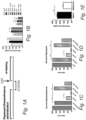
- FIGURE 1A, 1B, 1C, 1D and 1E Increase in circulating glucose levels mediates the sensitization of the host to chemotherapy.
- Administration of rapamycin (Rapa) or dexamathasone (Dexa) ( A ) caused an increase in glucose levels that was significantly reduced by insulin and, even more, by STS ( B ).
- Asterisks in B indicate the significance of each group compared to the ad lib (AL) group.
- the significance of each group compared to its internal control is indicated with daggers (i.e. the daggers on Rapa + ins and Dexa + ins indicate the significance compared to AL + ins).
- daggers i.e. the daggers on Rapa + ins and Dexa + ins indicate the significance compared to AL + ins.
- Rapamycin and Dexamethasone where administrated ip for 14 days prior DXR injection (day 0). Following the administration of 24 mg/kg of DXR, the animals where monitored for signs of distress and the survival was recorded ( C and D ). STS, ad lib, and ad lib + ins groups reported in C and D were shared groups and have the same values in both graphs.
- E Blood glucose levels in mice injected ip with metformin- 50 mg/kg (saline for control mice). One-way ANOVA test was performed and differences with p-value ⁇ 0.05 were considered significant (p-value ⁇ 0.05, 0.01 and 0.001 are indicated as *, *, and ***, respectively).
- FIGURE 2 Effect of glucose restriction on DXR sensitivity of 9 different mouse and human cancer cell lines. Control groups were cultured in DMEM supplemented with 2.0 g/L glucose, while the glucose restriction groups were cultured in DMEM supplemented with 0.5 g/L glucose. Survival was determined by MTT reduction.
- the cancer cell line tested were: 4T1 (mouse breast cancer), B16 (mouse melanoma), GL26 (mouse glioma), C42B (human prostate cancer), MCF-7 (human breast cancer), HeLa (human cervical cancer), A431 (human epidermoid carcinoma), ACN (human neuroblastoma), and MZ2-MEL (human melanoma).
- percent, "parts of,” and ratio values are by weight; the description of a group or class of materials as suitable or preferred for a given purpose in connection with the invention implies that mixtures of any two or more of the members of the group or class are equally suitable or preferred; description of constituents in chemical terms refers to the constituents at the time of addition to any combination specified in the description and does not necessarily preclude chemical interactions among the constituents of a mixture once mixed; the first definition of an acronym or other abbreviation applies to all subsequent uses herein of the same abbreviation and applies mutatis mutandis to normal grammatical variations of the initially defined abbreviation; and, unless expressly stated to the contrary, measurement of a property is determined by the same technique as previously or later referenced for the same property.
- kcal kcal
- Calorie kilocalorie
- calorie refers to the so-called small calorie.
- subject refers to a human or animal, including all mammals such as primates (particularly higher primates), sheep, dog, rodents (e.g., mouse or rat), guinea pig, goat, pig, cat, rabbit, and cow.
- mammals such as primates (particularly higher primates), sheep, dog, rodents (e.g., mouse or rat), guinea pig, goat, pig, cat, rabbit, and cow.
- fasting mimicking diet means a diet that provides the subject with a calorie restricted diets formulated in a way to generate changes in glucose, ketone bodies, IGF-1 and IGFBP1 similar to those caused by fasting but able to provide high nourishment and minimize hunger.
- methods for treating hyperglycemia in a subject undergoing chemotherapy include a step of identifying a subject undergoing chemotherapy and being administered a hyperglycemia-inducing agent.
- Short-term starvation, a fasting mimicking diet (FMD) or insulin are administered for a first time period to the subject to prevent or reverse hyperglycemia and sensitization to chemotherapy associated with increased glucose levels.
- FMD fasting mimicking diet
- preventing hyperglycemia or sensitization means reducing the probability that these side effect will occur.
- the FMD diet provides less than about 1000 kilocalories per day, while STS provides no calories when administered.
- the hyperglycemia-inducing agent is a kinase inhibitor or a corticosteroid.
- hyperglycemia-inducing agent include, rapamycin, steroid medications including dexamethasone, and the like, and combinations thereof.
- short-term starvation or a fasting mimicking diet is repeated a plurality of times at predetermined intervals. For example, short-term starvation or a fasting mimicking diet can be repeated at intervals from two weeks to 2 months. Typically, he subject is administered a normal diet i.e., re-feeding period) in between these repetitions.
- a normal diet is a diet of sufficient caloric intake to maintain the patient weight.
- the normal caloric intake provides the subject with 1500 to 2500 kcal or 1800 to 2300 kcal, or 1800 to 2000 kcal.
- the STS diet provides a hypo-caloric or calorie free diet.
- the diet contains dietary materials capable of providing nutrition to a human subject while providing no more than 813-957 kcal (e.g., no more than 700, 500, 300, or 100 kcal, or 0 kcal) total energy, and no more than 30-36 g (e.g., no more than 20, 10, or 5 g, or 0 g) protein. If carbohydrates are present in the dietary materials, no more than half of the energy is in the carbohydrates.
- the STS/FMD diet may be administered to the subject for 3-10 consecutive days prior to when the subject is exposed to chemotherapy.
- the diet may also be administered to the subject for 24 hours following the exposure.
- the diet may be administered to the subject for both 3-10 consecutive days prior to when the subject is exposed to chemotherapy and 24 hours following the exposure.
- the STS diet provides nutrition while providing no more than 11 kcal (e.g., no more than 8, 5, or 2 kcal, or 0 kcal) energy per kg body weight of the subject per day and no more than 0.4 g (e.g., 0.3, 0.2, or 0.1 g or 0 g) protein per kg body weight of the animal or human per day. If carbohydrates are present in the diet, no more than half of the energy is in the carbohydrates. In some embodiments, the diet is capable of providing no more than 700 kcal (e.g., 600, 400, or 200 kcal or 0 kcal) total energy per day. When the subject is exposed to chemotherapy, normal cells, but not abnormal cells such as cancer cells, in the animal or human are protected.
- 11 kcal e.g., no more than 8, 5, or 2 kcal, or 0 kcal
- 0.4 g e.g., 0.3, 0.2, or 0.1 g or 0 g
- the diet is capable of providing no more than
- the diet may be administered to the animal or human for 3-10 consecutive days prior to the subject's exposure to chemotherapy.
- the diet may also be administered to the subject for 24 hours following the exposure.
- the diet may be administered to the subject for both 3-10 consecutive days prior to the subject's exposure to chemotherapy and 24 hours following the exposure.
- the STS/FMD protocol involves fasting mimicking diets.
- the subject suffering from cancer may be fasted for 48-140 hours prior to one round of chemotherapy or 4-56 hours following the chemotherapy.
- the subject suffering from cancer is given a FMD for 48-140 hours prior to one round of chemotherapy and 4-56 hours following the chemotherapy.
- FMD diets are found in U.S. Pat. Appl. Nos. 14060494 and 14178953 and WIPO Pub. No. WO2011/050302 and WIPO Pub. No. WO2011/050302 ; the entire disclosures of which are hereby incorporated by reference.
- a subject's diet is substituted for a predetermined number of days (i.e., 5 days). During this period, subjects consume plenty of water.
- the diet is consumed once a month (5 days on the diet and 25-26 days on their normal diet) for the first 3 months and every 3 months thereafter (5 days every 3 months).
- the weight of the subject is measured and the subject must regain at least 95% of the weight lost during the diet before the next cycle is begun.
- Subjects with BMI of less than 18.5 should not undertake the FMD unless recommended and supervised by a physician.
- the FMD set forth in U.S. Pat. Appl. Nos. 12/430,058 is used in the methods set forth above.
- This diet includes nutrition facts relative to calories, macronutrients and micronutrients. Calories are consumed according to the user's body weight. Total calorie consumption is 4.5-7 calorie per pound (or 10-16 calorie per kilogram) for day 1 and 3-5 calorie per pound (or 7-11 calorie per kilogram) for day 2 to 5. Figures 12-14 provides listings of the nutrients for day one through day five.
- the diet should contain less than 30 g of sugar on day 1 and less than 20 g of sugar on days 2-5.
- the diet should contain less than 28 g of proteins on day 1 and less than 18 g of proteins on days 2-5.
- the diet should contain between 20 and 30 grams of monounsaturated fats on day 1 and 10-15 grams of monounsaturated fats on days 2-5.
- the diet should contain between 6 and 10 grams of polyunsaturated fats on day 1 and 3-5 grams of polyunsaturated fats on days 2-5.
- the diet should contain less than 12 g of saturated fats on day 1 and less than 6 grams of saturated fats on days 2-5.
- the fats on all days are derived from a combination of the following: Almonds, Macadamia Nuts, Pecans, Coconut, Coconut oil, Olive Oil and Flaxseed.
- the FMD diet includes over 50% of the recommended daily value of dietary fiber on all days.
- the amount of dietary fiber is greater than 15 grams per day on all five days.
- the diet should contain 12-25 grams of glycerol per day on days 2-5.
- glycerol is provided at 0.1 grams per pound body weight/day.
- the FMD includes the following micronutrients (at least 95% non-animal based): over 5,000 IU of vitamin A per day (days 1-5); 60-240 mg of vitamin C per day (days 1-5); 400-800 mg of Calcium per day (days 1-5); 7.2-14.4 mg of Iron per day (days 1-5); 200-400 mg of Magnesium per day (days 1-5); 1-2 mg of copper per day (days 1-5); 1-2 mg of Manganese per day (days 1-5); 3.5-7 mcg of Selenium per day (days 1-5); 2-4 mg of Vitamin B1 per day (days 1-5); 2-4 mg of Vitamin B2 per day (days 1-5); 20-30 mg of Vitamin B3 per day (days 1-5); 1-1.5 mg of Vitamin B5 per day (days 1-5); 2-4 mg of Vitamin B6 per day (days 1-5); 240-480 mcg of Vitamin B9 per day (days 1-5); 600-1000 IU of Vitamin D per
- the FMD diet provides high micronutrient content mostly (i.e., greater than 50 percent by weight) from natural sources including: Kale, Cashews, Yellow Bell Pepper, Onion, Lemon Juice, Yeast, Turmeric. Mushroom, Carrot, Olive Oil, Beet Juice, Spinach, Tomato, Collard, Nettle, Thyme, Salt, Pepper, Vitamin B12 (Cyanocobalamin), Beets, Butternut Squash, Collard, Tomato, Oregano, Tomato Juice, Orange Juice, Celery, Romaine Lettuce, Spinach, Cumin, Orange Rind, Citric Acid, Nutmeg, Cloves, and combinations thereof.
- natural sources including: Kale, Cashews, Yellow Bell Pepper, Onion, Lemon Juice, Yeast, Turmeric. Mushroom, Carrot, Olive Oil, Beet Juice, Spinach, Tomato, Collard, Nettle, Thyme, Salt, Pepper, Vitamin B12 (Cyanocobalamin), Beets,
- Table 1 provides an example of additional micronutrient supplementation that can be provided in the FMD diet: Table 1.
- a diet package for implemented the method forth above.
- the diet package includes a first set of rations for a first diet to be administered for a first time period to a subject, the first diet providing from 4.5 to 7 kilocalories per pound of subject for a first day and 3 to 5 kilocalories per pound of subject per day for a second to fifth day of the first diet.
- the diet package includes rations that provide less than 30 g of sugar on the first day; less than 20 g of sugar on the second to fifth days; less than 28 g of proteins on the first day; less than 18 g of proteins on days the second to fifth days; 20 to 30 grams of monounsaturated fats on the first day; 10 to 15 grams of monounsaturated fats on the second to fifth days; between 6 and 10 grams of polyunsaturated fats on the first day; 3 to 5 grams of polyunsaturated fats on the second to fifth days; less than 12 g of saturated fats on the first day; less than 6 grams of saturated fats on the second to fifth days; and 12 to 25 grams of glycerol per day on the second to fifth days.
- the diet package further includes sufficient rations to provide the micronutrients set forth above.
- the diet package provides instructions providing details of the methods set forth above.
- a 5-day supply of diet includes: soups/broths, soft drinks, nut bars and supplements.
- the diet is administered as follows: 1) on the first day a 1000-1200 kcal diet with high micronutrient nourishment as set forth above is provided; 2) for the next 4 days a daily diet of 650- 800 kcal plus a drink containing a glucose substitution carbon source providing between 60-120 kcal are provided.
- a 6-day low-protein diet protocol includes: soups/broths, soft drinks, nut bars, and supplements.
- the diet is administered as follows: 1) on the first day a 1000-1200 kcal diet plus with high micronutrient nourishment is provided; 2) for the next 3 days a daily diet of less than 200 kcal plus a drink containing a glucose substitution carbon source providing between 60 and 120 kcal.
- This substitution carbon source does not interfere with the effect of fasting on stem cell activation; 3) on the 5th day the subject consumes a normal diet; and 4) on day 6 an additional replenishment foods consisting of a high fat source of 300 kcal and a micronutrient nourishment mix on day 6 replenishment foods consisting of a high fat source of 300 kcal and a micronutrient nourishment mix are provided in addition to normal diet.
- a diet protocol includes: 6-day supply of low-protein diet includes: soups/broths, soft drinks, nut bars, and supplements. 1) on the first day a 1000-1200 kcal diet with high micronutrient nourishment is provided; 2) for the next 3 days a daily diet of 600 to 800 kcal which contains less than 10 grams of protein and less than 200 kcal from sugars; 3) on the 5th day the subject receives a normal diet; and 4 ) on day 6 an additional replenishment foods consisting of a high fat source of 300 kcal and a micronutrient nourishment mix on day 6 replenishment foods consisting of a high fat source of 300 kcal and a micronutrient nourishment mix are provided in addition to normal diet.
- the FMD diet encompasses virtually any source of fat, sources high in unsaturated fat, including monounsaturated and polyunsaturated fat sources, are particularly useful (e.g., omega-3/6 essential fatty acids).
- monounsaturated food sources include, but are not limited to, peanut butter, olives, nuts (e.g., almonds, pecans, pistachios, cashews), avocado, seeds (e.g., sesame), oils (e.g., olive, sesame, peanut, canola), etc.
- Suitable examples of polyunsaturated food sources include, but are not limited to, walnuts, seeds (e.g., pumpkin, sunflower), flaxseed, fish (e.g., salmon, tuna, mackerel), oils (e.g., safflower, soybean, corn).
- the first diet also includes a component selected from the group consisting of vegetable extracts, minerals, omega-3/6 essential fatty acids, and combinations thereof.
- a vegetable extract provides the equivalent of 5 recommended daily servings of vegetables.
- Suitable sources for the vegetable extract include, but are not limited to, bokchoy, kale, lettuce, asparagus, carrot, butternut squash, alfalfa, green peas, tomato, cabbage, cauliflower, beets.
- Suitable sources for the omega-3/6 essential fatty acids include fish such as salmon, tuna, mackerel, bluefish, swordfish, and the like.
- a method based on the administration of Metformin to mimic the effects of fasting to reverse the hyperglycemia-associated cytotoxic effects of chemotherapy and/or to potentiate/prolong the effect of STS in reducing the tumor-progression when administered during the re-feeding period.
- the method includes a step of identifying a subject undergoing chemotherapy and having hyperglycemia and/or being administered a hyperglycemia-inducing agent as set forth above.
- Metformin is administered to the subject to reverse the cytotoxic effects.
- Metformin is administered in a dosage range from 1 to 2.5 mg/day depending on the response of the patient to the drug.
- the Metformin can be administered for 1 day, 1 to 5 days, 1 to 10 days, or 1 to 14 days or more depending on the subject's response.
- a method for treating hyperglycemia or the negative effects of normo-glycemia in a subject undergoing chemotherapy or another cancer therapy includes a step of identifying a subject undergoing chemotherapy and being administered a hyperglycemia-inducing agent.
- Short-term starvation or a fasting mimicking diet, or insulin is administered for a first time period to the subject to prevent or reduce glucose levels and sensitize cancer cells to chemotherapy or other cancer therapy.
- the details of this variation regarding the administration of short-term starvation or a fasting mimicking diet are the same as those set forth above.
- a normal diet is administered to the subject in between administration of the short-term starvation or a fasting mimicking diet also as set forth above.
- Metformin is administered to the subject during this re-feeding period.
- Metformin is administered in a dosage range from 1 to 2.5 mg/day depending on the response of the patient to the drug.
- the Metformin can be administered for 1 day, 1 to 5 days, 1 to 10 days, or 1 to 14 days or more depending on the subject's response.
- the steps of administration of short-term starvation or a fasting mimicking diet and administering the re-feeding period with Metformin administration is repeated is repeated a plurality of times at predetermined intervals. As set forth above, in a refinement, these steps are repeated at intervals from two weeks to 2 months.
- a method of replacing or enhancing the effect of the FMD on cancer cell sensitization includes a step of identifying a subject receiving chemotherapy or another cancer therapy. Metformin is then administered to the subject by administering to the subject. In a refinement, Metformin is administered in a dosage range from 1 to 2.5 mg/day depending on the response of the patient to the drug. The Metformin can be administered for 1 day, 1 to 5 days, 1 to 10 days, 1 to 14 days or 1 to 60 days or more depending on the subject's response.
- a method of promoting differential stress includes a step of identifying a subject with one or more of breast cancer, ovarian cancer, colorectal cancer, melanoma, prostate cancer, cervical cancer, epidermoid carcinoma, neuroblastoma, or any additional cancer type.
- Metformin is administered to the subject to reduce glucose levels and promote differential stress sensitization to specifically kill cancer but not normal cells.
- Metformin is administered in a dosage range from 1 to 2.5 mg/day depending on the response of the patient to the drug.
- the Metformin can be administered for 1 day, 1 to 5 days, 1 to 10 days, 1 to 14 days, or 1 to 60 days or more depending on the subject's response.
- the present invention has been tested in in vitro and in vivo murine models.
- STS and FMD have also been tested in different clinical trials which have shown the safety and feasibility of the two dietary interventions.
- FMD diet has shown to be as effective as STS in evoking DSR.
- Rapamycin or Dexamethasone were daily administrated intraperitoneally (ip) for a period of 14 days prior the beginning of Short term starvation (STS) or fasting mimicking diet (FMD).
- STS Short term starvation
- FMD fasting mimicking diet
- mice in the insulin (ins) groups also received insulin injection every 12h for the 48h preceding doxorubicin administration.
- the animals were then being observed for sign of pain or distress for the following days and the survival was recorded ( Figure 1A , C, and D).
- Metformin 50 mg/kg was diluted in saline and administrated by intraperitoneal (i.p.) injection. Circulating glucose levels were monitored following metformin administration ( Figure 1E ).
- mice were maintained on irradiated TD.7912 rodent chow (Harlan Teklad). ln brief, this diet contains 3.T5kcal/g of digestible energy with calories supplied by protein, carbohydrate and fat in a percent ratio of25: 58: 17. Food was provided ad lib. On average, mice in the control group consumed 14.9 kcal/day (or 3.9 g/day), Our experimental FMD diet is based on a nutritional screen that identified ingredients allowing high nourishment during periods of low calorie consumption (Brandhorst, Wei et al., 2013). Prior to supplying the FMD diet, animals were transferred into fresh cages to avoid feeding on residual chow and coprophagy.
- the FMD diet consists of two different components designated as day 1 diet and day 2-4 diet that were fed in this order, respectively.
- the day 1 diet contains 1.88 kcal/g and was designed to adapt the mouse to a period of low caloric intake during the subsequent feeding days.
- the day 2-4 diet is identical on all feeding days and contains 0.36 kcal/g.
- the day 1 and days 2-4 diets were fed as the average intake ( ⁇ 4 g) of the ad lib fed control group every two weeks. Due to the different caloric densities of the supplied FMD diet, mice in this cohort had a ⁇ 50% reduction in consumed calories on day 1 and consumed 9.7% of the control cohort on days 2 to 4. Mice consumed all the supplied food on each day of the FMD regimen and showed no signs of food aversion. After the end of the day 2-4 diet, we supplied TD.7912 chow ad lib for 10 days before starting another FMD cycle.
- the FMD will substitute the normal diet of a cancer patient for a period of 5 to 21 days with a 17 day maximum for most patients (see below) with frequency to be determined based on the frequency and efficacy of other treatments, with more frequent use needed when other treatments are not effective in cancer treatment.
- the ability of the patient to regain weight before the next cycle is initiated must also be considered, with patients with more severe symptoms able to regain weight receiving the diet as frequently as the other treatments are given and patients who are not regaining weight or are unable to undergo the full dietary period being placed on the FMD only after they return to the normal weight (weight before treatment is initiated but also BMI above 18).
- the FMD consists of ingredients which are Generally Regarded As Safe (RGAS).
- Calories are consumed according to the subject's body weight. For day 1, total calorie consumption is 4.5-7 calorie per pound (or 10-16 calorie per kilogram). The diet should be at least 90% plant based. The day 1 diet should contain less than 30 g of sugars, less than 28 g of plant based proteins, 20-30 grams of plant based monounsaturated fats, 6-10 g of plant based polyunsaturated fats and 2-12 g of plant based saturated fats. For days 2-21, total calorie consumption is 3-5 calorie per pound (or 7-11 calorie per kilogram).
- the days 2-21 diet should contain less than 20 g of sugars, less than 18 g of plant based proteins, 10-15 g of plant based monounsaturated fats, 3-5 g of plant based polyunsaturated fats and 1-6 grams of plant based saturated fats, 10-30 grams of glycerol diluted in 1 liter of water/day, based on body weight (10 grams for a 100 pound person, 20 grams for a 200 pound person and 30 grams for a 300 pound person). Diet should also be high nourishment containing approximately 50% of the RDA (daily) for vitamins, minerals + essential fatty acids. The minimum length will be 5 or 6 days and the maximum length 2l days (based on safety data and standard of care practice at fasting clinics).
- dexamethasone was performed for a period of 14 days at the end of which a high dose of doxorubicin was administrated iv (24 mg/kg/mouse).
- the animals belonging to the STS + DXR groups were fed a very low calorie and no protein FMD for 48h prior the injection of doxorubicin.
- Following doxorubicin injection the animals were monitored every day and the survival was recorded ( Figure 1A , B, and C).
- Mice in the insulin (ins) groups also received insulin injection every 12h for the 48h preceding doxorubicin administration.
Landscapes
- Health & Medical Sciences (AREA)
- Life Sciences & Earth Sciences (AREA)
- Pharmacology & Pharmacy (AREA)
- Veterinary Medicine (AREA)
- Public Health (AREA)
- General Health & Medical Sciences (AREA)
- Chemical & Material Sciences (AREA)
- Animal Behavior & Ethology (AREA)
- Medicinal Chemistry (AREA)
- Diabetes (AREA)
- Epidemiology (AREA)
- Engineering & Computer Science (AREA)
- Bioinformatics & Cheminformatics (AREA)
- Endocrinology (AREA)
- Chemical Kinetics & Catalysis (AREA)
- Organic Chemistry (AREA)
- Nuclear Medicine, Radiotherapy & Molecular Imaging (AREA)
- General Chemical & Material Sciences (AREA)
- Zoology (AREA)
- Proteomics, Peptides & Aminoacids (AREA)
- Gastroenterology & Hepatology (AREA)
- Immunology (AREA)
- Emergency Medicine (AREA)
- Hematology (AREA)
- Obesity (AREA)
- Pharmaceuticals Containing Other Organic And Inorganic Compounds (AREA)
- Acyclic And Carbocyclic Compounds In Medicinal Compositions (AREA)
- Medicines That Contain Protein Lipid Enzymes And Other Medicines (AREA)
- Coloring Foods And Improving Nutritive Qualities (AREA)
Abstract
Description
- This application claims the benefit of
U.S. provisional application Serial No. 62/148,451 filed April 16, 2015 - The invention was made with Government support under Contract No. 1PO1AG034906 awarded by the National Institutes of Health. The Government has certain rights to the invention.
- In at least one aspect, the present invention relates to methods to protect normal tissues from increased toxicity/sensitization to chemotherapy drugs induced by the raised circulating glucose levels upon administration of rapamycin and the palliative drug dexamethasone.
- Cancer management and treatment has significantly improved over the past century. However, the standard of care is still predominantly uses chemotherapy, radiotherapy or their combination. Both modes of treatment are associated with a multitude of side effects ranging from discomfort to development of secondary cancers and organ toxicity especially heart and liver. To increase efficacy of cancer treatment and to help with management of symptoms, other drugs such as dexamethasone are often used in combination with chemo- and radio- therapy. Dexamethasone (Dexa), commonly combined with chemotherapy, is often used as a palliative drug that has also been shown to be effective in treating multiple myeloma, leukemia, and lymphoma. However, treatment with Dexa can be causative of a number of side effects including, fluid retention, weight gain, heartburn, insomnia and elevated levels of blood glucose.
- It has previously been shown that Short-Term Starvation (STS) is an effective practice to ease the discomfort associated with cancer treatment while increasing the efficacy of such treatments. Moreover, it has been demonstrated that STS regimens are an effective method in protecting normal cells and tissues during chemotherapy (Differential Stress Resistance or DSR) (Raffaghello et.al., PNAS. 2008; PMID: 18378900, and Lee et.al. Cancer Research. 2010; PMID: 20145127).
- It has been previously shown that fasting can sensitize cancer cells but not normal cells to chemotherapy, a phenomena referred to as Differential Stress Sensitization (DSS), which efficacy has been attributed to the reduction in circulating glucose and IGF-1 levels (
Figure 2 ) (Lee et.al. Sci Transl Med. 2012; PMID: 22323820). However, a 10- to 14-day re-feeding period between fasting cycles is needed to recover the body weight loss. - 5' AMP-activated protein kinase (AMPK) is an enzyme up-regulated during STS/FMD regimen and which plays a role in cellular energy homeostasis and has been associated with lifespan extension. AMPK is also considered a metabolic tumor suppressor (Luo et.al. Future Oncol. 2010; PMID: 20222801). Metformin, is an AMPK activator that leads to the reduction of circulating glucose (
Figure 1E ) and has potential for the treatment/prevention of cancer. - The central players that regulate metabolism in all living cells do so by modulating normal-cell growth in part by regulating serine/threonine protein kinases, which has led to the modified standard of care that included administration of kinases inhibitors such as rapamycin (Rapa) in combination with chemotherapy. Kinases and other signal transduction inhibitors can delay cancer growth and are widely used but, like dexamethasone, can also cause major side effects to normal cells.
- Accordingly, there is a need for treatment protocols that (i) mitigate the side effects associated with the adjunct drugs used in chemotherapy, and (ii) can maintain reduced glucose levels during the "re-feeding" period between STS cycles or to substitute STS/FMD and sensitize cancer cells.
- The present invention solves one or more problems of the prior art by providing, in at least one embodiment, a method for treating hyperglycemia or reducing glycemia in a subject undergoing chemotherapy or other cancer therapy. The method includes a step of identifying a subject undergoing chemotherapy and being administered a hyperglycemia-inducing agent. Short-term starvation, a fasting mimicking diet, or insulin are administered for a first time period to the subject to prevent or reverse hyperglycemia and sensitization to chemotherapy associated with increased glucose levels.
- Various embodiments of the invention, alleviate or treat symptoms of chemotherapy which can be worsened by the complementary administration of rapamycin and the steroid medication dexamethasone. It is shown below (
Figure 1B-C ) that the administration of dexamethasone and rapamycin (Figure 1B, D ) for the treatment of chemotherapy-associated side can cause sensitization of animals to chemotherapy. As shown below (Figure 1B-D ), the administration of insulin to reduce circulating glucose levels in control mice, as well as in animals undergoing Rapa and Dexa treatment, can reverse the toxicity of doxorubicin and of other chemotherapy drugs. Because of the wide use of rapamycin and dexamethasone for the treatment of certain tumors in humans, these results have important implications for the safety of patients and efficacy of those therapies. - Because of its effects in reducing circulating glucose levels (
Figure 1E ) and up-regulating AMPK, which we have shown to inactivate PKA signaling, Metformin has the potential to be used as a STS-mimicking drug to (i) reverse the hyperglycemia-associated cytotoxic effects of chemotherapy and, when administered during the re-feeding period by both acting on glucose levels and PKA, to (ii) potentiate/prolong the effect of STS in reducing the tumor-progression, again by acting on both glucose and AMPK-PKA signaling. Thus, metformin can promote both differential stress resistance and differential stress sensitization by both reducing glucose levels and acting on PKA signaling as described in Raffaghello et.al., PNAS. 2008; PMID: 18378900 and Lee et.al. Sci Transl Med. 2012; PMID: 22323820. - In another embodiment, a method of replacing or enhancing effects of a fasting mimicking diet (FMD) on cancer cell sensitization is provided. The method includes a step of identifying a subject receiving chemotherapy or another cancer therapy. Metformin is then administered to the subject by administering to the subject.
- In another embodiment, a method of promoting differential stress is provided. The method includes a step of identifying a subject with one or more of breast cancer, ovarian cancer, colorectal cancer, melanoma, prostate cancer, cervical cancer, epidermoid carcinoma, neuroblastoma, or any additional cancer type. Metformin is administered to the subject to reduce glucose levels and promote differential stress sensitization to specifically kill cancer but not normal cells.
-
FIGURE 1A, 1B, 1C, 1D and 1E . Increase in circulating glucose levels mediates the sensitization of the host to chemotherapy. Administration of rapamycin (Rapa) or dexamathasone (Dexa) (A) caused an increase in glucose levels that was significantly reduced by insulin and, even more, by STS (B). Asterisks in B indicate the significance of each group compared to the ad lib (AL) group. The significance of each group compared to its internal control is indicated with daggers (i.e. the daggers on Rapa + ins and Dexa + ins indicate the significance compared to AL + ins). For the stress resistance experiment shown in C and D we followed the schedule shown in A. Rapamycin and Dexamethasone where administrated ip for 14 days prior DXR injection (day 0). Following the administration of 24 mg/kg of DXR, the animals where monitored for signs of distress and the survival was recorded (C and D). STS, ad lib, and ad lib + ins groups reported in C and D were shared groups and have the same values in both graphs. (E) Blood glucose levels in mice injected ip with metformin- 50 mg/kg (saline for control mice). One-way ANOVA test was performed and differences with p-value<0.05 were considered significant (p-value<0.05, 0.01 and 0.001 are indicated as *, *, and ***, respectively). -
FIGURE 2 . Effect of glucose restriction on DXR sensitivity of 9 different mouse and human cancer cell lines. Control groups were cultured in DMEM supplemented with 2.0 g/L glucose, while the glucose restriction groups were cultured in DMEM supplemented with 0.5 g/L glucose. Survival was determined by MTT reduction. The cancer cell line tested were: 4T1 (mouse breast cancer), B16 (mouse melanoma), GL26 (mouse glioma), C42B (human prostate cancer), MCF-7 (human breast cancer), HeLa (human cervical cancer), A431 (human epidermoid carcinoma), ACN (human neuroblastoma), and MZ2-MEL (human melanoma). - TABLE 1. Micronutrient content provided by the Fasting Mimicking Diet (FMD)
- Reference will now be made in detail to presently preferred compositions, embodiments and methods of the present invention which constitute the best modes of practicing the invention presently known to the inventors. The Figures are not necessarily to scale. However, it is to be understood that the disclosed embodiments are merely exemplary of the invention that may be embodied in various and alternative forms. Therefore, specific details disclosed herein are not to be interpreted as limiting, but merely as a representative basis for any aspect of the invention and/or as a representative basis for teaching one skilled in the art to variously employ the present invention.
- Except in the examples, or where otherwise expressly indicated, all numerical quantities in this description indicating amounts of material or conditions of reaction and/or use are to be understood as modified by the word "about" in describing the broadest scope of the invention. Practice within the numerical limits stated is generally preferred. Also, unless expressly stated to the contrary: percent, "parts of," and ratio values are by weight; the description of a group or class of materials as suitable or preferred for a given purpose in connection with the invention implies that mixtures of any two or more of the members of the group or class are equally suitable or preferred; description of constituents in chemical terms refers to the constituents at the time of addition to any combination specified in the description and does not necessarily preclude chemical interactions among the constituents of a mixture once mixed; the first definition of an acronym or other abbreviation applies to all subsequent uses herein of the same abbreviation and applies mutatis mutandis to normal grammatical variations of the initially defined abbreviation; and, unless expressly stated to the contrary, measurement of a property is determined by the same technique as previously or later referenced for the same property.
- It is also to be understood that this invention is not limited to the specific embodiments and methods described below, as specific components and/or conditions may, of course, vary. Furthermore, the terminology used herein is used only for the purpose of describing particular embodiments of the present invention and is not intended to be limiting in any way.
- It must also be noted that, as used in the specification and the appended claims, the singular form "a," "an," and "the" comprise plural referents unless the context clearly indicates otherwise. For example, reference to a component in the singular is intended to comprise a plurality of components.
- Throughout this application, where publications are referenced, the disclosures of these publications in their entireties are hereby incorporated by reference into this application to more fully describe the state of the art to which this invention pertains.
- Abbreviations:
- "AL" mean ad lib.
- "FMD" means fasting mimicking diet.
- "STS" means short-term starvation.
- "DSR" means differential stress resistance.
- "DSS" means differential stress Sensitization.
- "DXR" means doxorubicin.
- "Rapa" means rapamycin.
- "Dexa" means dexamethasone.
- "ins" means insulin.
- "AMPK" means 5' AMP-activated protein kinase.
- "ip" means intraperitoneal.
- The terms "kilocalorie" (kcal) and "Calorie" refer to the food calorie.
- The term "calorie" refers to the so-called small calorie.
- The term "subject" refers to a human or animal, including all mammals such as primates (particularly higher primates), sheep, dog, rodents (e.g., mouse or rat), guinea pig, goat, pig, cat, rabbit, and cow.
- The term "fasting mimicking diet" means a diet that provides the subject with a calorie restricted diets formulated in a way to generate changes in glucose, ketone bodies, IGF-1 and IGFBP1 similar to those caused by fasting but able to provide high nourishment and minimize hunger.
- In an embodiment, methods for treating hyperglycemia in a subject undergoing chemotherapy are provided. The method includes a step of identifying a subject undergoing chemotherapy and being administered a hyperglycemia-inducing agent. Short-term starvation, a fasting mimicking diet (FMD) or insulin are administered for a first time period to the subject to prevent or reverse hyperglycemia and sensitization to chemotherapy associated with increased glucose levels. In the context of the present embodiment, preventing hyperglycemia or sensitization means reducing the probability that these side effect will occur. In general, the FMD diet provides less than about 1000 kilocalories per day, while STS provides no calories when administered. In a refinement, the hyperglycemia-inducing agent is a kinase inhibitor or a corticosteroid. Specific examples of hyperglycemia-inducing agent include, rapamycin, steroid medications including dexamethasone, and the like, and combinations thereof. In a refinement, short-term starvation or a fasting mimicking diet is repeated a plurality of times at predetermined intervals. For example, short-term starvation or a fasting mimicking diet can be repeated at intervals from two weeks to 2 months. Typically, he subject is administered a normal diet i.e., re-feeding period) in between these repetitions. In this context, a normal diet is a diet of sufficient caloric intake to maintain the patient weight. In a refinement, the normal caloric intake provides the subject with 1500 to 2500 kcal or 1800 to 2300 kcal, or 1800 to 2000 kcal.
- Examples of STS protocols are found in
U.S. Pat. Appl. Nos. 12/430,058 and13/488,590 - In another variation, the STS diet provides nutrition while providing no more than 11 kcal (e.g., no more than 8, 5, or 2 kcal, or 0 kcal) energy per kg body weight of the subject per day and no more than 0.4 g (e.g., 0.3, 0.2, or 0.1 g or 0 g) protein per kg body weight of the animal or human per day. If carbohydrates are present in the diet, no more than half of the energy is in the carbohydrates. In some embodiments, the diet is capable of providing no more than 700 kcal (e.g., 600, 400, or 200 kcal or 0 kcal) total energy per day. When the subject is exposed to chemotherapy, normal cells, but not abnormal cells such as cancer cells, in the animal or human are protected. For example, the diet may be administered to the animal or human for 3-10 consecutive days prior to the subject's exposure to chemotherapy. The diet may also be administered to the subject for 24 hours following the exposure. Preferably, the diet may be administered to the subject for both 3-10 consecutive days prior to the subject's exposure to chemotherapy and 24 hours following the exposure.
- In another variation, the STS/FMD protocol involves fasting mimicking diets. For example, the subject suffering from cancer may be fasted for 48-140 hours prior to one round of chemotherapy or 4-56 hours following the chemotherapy. Preferably, the subject suffering from cancer is given a FMD for 48-140 hours prior to one round of chemotherapy and 4-56 hours following the chemotherapy. Examples of FMD diets are found in
U.S. Pat. Appl. Nos. 14060494 14178953 WO2011/050302 and WIPO Pub. No.WO2011/050302 ; the entire disclosures of which are hereby incorporated by reference. Typically, in the FMD protocol a subject's diet is substituted for a predetermined number of days (i.e., 5 days). During this period, subjects consume plenty of water. For healthy subjects of normal weight (Body Mass Index or BMI between 18.5-25), the diet is consumed once a month (5 days on the diet and 25-26 days on their normal diet) for the first 3 months and every 3 months thereafter (5 days every 3 months). The weight of the subject is measured and the subject must regain at least 95% of the weight lost during the diet before the next cycle is begun. Subjects with BMI of less than 18.5 should not undertake the FMD unless recommended and supervised by a physician. The same regimen (once every month for 3 months followed by once every 3 months thereafter) can be adopted for the treatment, or in support of the treatment, of all of the conditions presented in the patent applications.U.S. Pat. Appl. No. 14178953 - In one variation, the FMD set forth in
U.S. Pat. Appl. Nos. 12/430,058 is used in the methods set forth above. This diet includes nutrition facts relative to calories, macronutrients and micronutrients. Calories are consumed according to the user's body weight. Total calorie consumption is 4.5-7 calorie per pound (or 10-16 calorie per kilogram) for day 1 and 3-5 calorie per pound (or 7-11 calorie per kilogram) for day 2 to 5. Figures 12-14 provides listings of the nutrients for day one through day five. In addition to the macronutrients, the diet should contain less than 30 g of sugar on day 1 and less than 20 g of sugar on days 2-5. The diet should contain less than 28 g of proteins on day 1 and less than 18 g of proteins on days 2-5. The diet should contain between 20 and 30 grams of monounsaturated fats on day 1 and 10-15 grams of monounsaturated fats on days 2-5. The diet should contain between 6 and 10 grams of polyunsaturated fats on day 1 and 3-5 grams of polyunsaturated fats on days 2-5. The diet should contain less than 12 g of saturated fats on day 1 and less than 6 grams of saturated fats on days 2-5. Typically, the fats on all days are derived from a combination of the following: Almonds, Macadamia Nuts, Pecans, Coconut, Coconut oil, Olive Oil and Flaxseed. In a refinement, the FMD diet includes over 50% of the recommended daily value of dietary fiber on all days. In the further refinement, the amount of dietary fiber is greater than 15 grams per day on all five days. The diet should contain 12-25 grams of glycerol per day on days 2-5. In a refinement, glycerol is provided at 0.1 grams per pound body weight/day. - In a refinement, the FMD includes the following micronutrients (at least 95% non-animal based): over 5,000 IU of vitamin A per day (days 1-5); 60-240 mg of vitamin C per day (days 1-5); 400-800 mg of Calcium per day (days 1-5); 7.2-14.4 mg of Iron per day (days 1-5); 200-400 mg of Magnesium per day (days 1-5); 1-2 mg of copper per day (days 1-5); 1-2 mg of Manganese per day (days 1-5); 3.5-7 mcg of Selenium per day (days 1-5); 2-4 mg of Vitamin B1 per day (days 1-5); 2-4 mg of Vitamin B2 per day (days 1-5); 20-30 mg of Vitamin B3 per day (days 1-5); 1-1.5 mg of Vitamin B5 per day (days 1-5); 2-4 mg of Vitamin B6 per day (days 1-5); 240-480 mcg of Vitamin B9 per day (days 1-5); 600-1000 IU of Vitamin D per day (days 1-5); 14-30 mg of Vitamin E per day (days 1-5); over 80 mcg of Vitamin K per day (days 1-5); 16-25 mcg Vitamin B12 are provided during the entire 5-day period; 600 mg of Docosahexaenoic acid (DHA, algae-derived) are provided during the entire 5-day period. The FMD diet provides high micronutrient content mostly (i.e., greater than 50 percent by weight) from natural sources including: Kale, Cashews, Yellow Bell Pepper, Onion, Lemon Juice, Yeast, Turmeric. Mushroom, Carrot, Olive Oil, Beet Juice, Spinach, Tomato, Collard, Nettle, Thyme, Salt, Pepper, Vitamin B12 (Cyanocobalamin), Beets, Butternut Squash, Collard, Tomato, Oregano, Tomato Juice, Orange Juice, Celery, Romaine Lettuce, Spinach, Cumin, Orange Rind, Citric Acid, Nutmeg, Cloves, and combinations thereof. Table 1 provides an example of additional micronutrient supplementation that can be provided in the FMD diet:
Table 1. Micronutrient Supplementation Supplement Formula Amount Amount Range Unit Vit A 1250 IU 900-1600 IU Vit C Ascorbic Acid C6H8O6 15.0000 10-20 mg Ca Calcium Carbonate CaCO3 80.0000 60-100 mg Fe Ferrous Fumarate C4H2FeO4 4.5000 3-6 mg Vit D3 Cholecalciferol C27H44O 0.0025 0.001-0.005 mg VitE dl-Alpha Tocopheryl Acetate C29H50O2 5.0000 3-7 mg Vit K Phytonadione 0.0200 0.1-0.04 mg Vit B1 Thiamine Mononitrate C12H17N5O4S 0.3750 0.15-0.5 mg Vit B2 Riboflavin E101 C17H20N4O6 0.4250 0.2-0.6 mg Vit B3 Niacinamide C6H6N2O 5.0000 3-7 mg Vit B5 Calcium Pantothenate C18H32CaN2O10 2.5000 1.5-4.0 mg Vit B6 Pyridoxine Hydrochloride C8H11NO3 · HCl 0.5000 0.3-0.7 mg Vit B7 Biotin C10H16N2O3S 0.0150 0.01-0.02 mg Vit B9 Folic Acid C19H19N7O6 0.1000 0.07-0.14 mg Vit B12 Cyanocobalamin C63H88CoN14O14P 0.0015 0.001-0.002 mg Cr Chromium Picolinate Cr(C6H4NO2)3 0.0174 0.014-0.022 mg Cu Cupric Sulfate CuSO4 0.2500 0.18-0.32 mg I Potassium Iodide KI 0.0375 0.03-0.045 mg Mg Magnesium Oxide MgO 26.0000 20-32 mg Mn Manganese Sulfate MnSO4 0.5000 0.3-0.7 mg Mo Sodium Molybdate Na2MoO4 0.0188 0.014-0.023 mg Se Sodium Selenate Na2O4Se 0.0175 0.014-0.023 mg Zn Zinc Oxide ZnO 3.7500 3-5 mg - In another embodiment, a diet package for implemented the method forth above is provided. The diet package includes a first set of rations for a first diet to be administered for a first time period to a subject, the first diet providing from 4.5 to 7 kilocalories per pound of subject for a first day and 3 to 5 kilocalories per pound of subject per day for a second to fifth day of the first diet. The diet package includes rations that provide less than 30 g of sugar on the first day; less than 20 g of sugar on the second to fifth days; less than 28 g of proteins on the first day; less than 18 g of proteins on days the second to fifth days; 20 to 30 grams of monounsaturated fats on the first day; 10 to 15 grams of monounsaturated fats on the second to fifth days; between 6 and 10 grams of polyunsaturated fats on the first day; 3 to 5 grams of polyunsaturated fats on the second to fifth days; less than 12 g of saturated fats on the first day; less than 6 grams of saturated fats on the second to fifth days; and 12 to 25 grams of glycerol per day on the second to fifth days. In a refinement, the diet package further includes sufficient rations to provide the micronutrients set forth above. In a further refinement, the diet package provides instructions providing details of the methods set forth above.
- In refinement of the embodiments set forth above, a 5-day supply of diet includes: soups/broths, soft drinks, nut bars and supplements. The diet is administered as follows: 1) on the first day a 1000-1200 kcal diet with high micronutrient nourishment as set forth above is provided; 2) for the next 4 days a daily diet of 650- 800 kcal plus a drink containing a glucose substitution carbon source providing between 60-120 kcal are provided.
- In another refinement of the embodiments set forth above, a 6-day low-protein diet protocol includes: soups/broths, soft drinks, nut bars, and supplements. The diet is administered as follows: 1) on the first day a 1000-1200 kcal diet plus with high micronutrient nourishment is provided; 2) for the next 3 days a daily diet of less than 200 kcal plus a drink containing a glucose substitution carbon source providing between 60 and 120 kcal. This substitution carbon source does not interfere with the effect of fasting on stem cell activation; 3) on the 5th day the subject consumes a normal diet; and 4) on day 6 an additional replenishment foods consisting of a high fat source of 300 kcal and a micronutrient nourishment mix on day 6 replenishment foods consisting of a high fat source of 300 kcal and a micronutrient nourishment mix are provided in addition to normal diet.
- In still another refinement, a diet protocol includes: 6-day supply of low-protein diet includes: soups/broths, soft drinks, nut bars, and supplements. 1) on the first day a 1000-1200 kcal diet with high micronutrient nourishment is provided; 2) for the next 3 days a daily diet of 600 to 800 kcal which contains less than 10 grams of protein and less than 200 kcal from sugars; 3) on the 5th day the subject receives a normal diet; and 4 ) on day 6 an additional replenishment foods consisting of a high fat source of 300 kcal and a micronutrient nourishment mix on day 6 replenishment foods consisting of a high fat source of 300 kcal and a micronutrient nourishment mix are provided in addition to normal diet.
- Although the FMD diet encompasses virtually any source of fat, sources high in unsaturated fat, including monounsaturated and polyunsaturated fat sources, are particularly useful (e.g., omega-3/6 essential fatty acids). Suitable examples of monounsaturated food sources include, but are not limited to, peanut butter, olives, nuts (e.g., almonds, pecans, pistachios, cashews), avocado, seeds (e.g., sesame), oils (e.g., olive, sesame, peanut, canola), etc. Suitable examples of polyunsaturated food sources include, but are not limited to, walnuts, seeds (e.g., pumpkin, sunflower), flaxseed, fish (e.g., salmon, tuna, mackerel), oils (e.g., safflower, soybean, corn). The first diet also includes a component selected from the group consisting of vegetable extracts, minerals, omega-3/6 essential fatty acids, and combinations thereof. In one refinement, such a vegetable extract provides the equivalent of 5 recommended daily servings of vegetables. Suitable sources for the vegetable extract include, but are not limited to, bokchoy, kale, lettuce, asparagus, carrot, butternut squash, alfalfa, green peas, tomato, cabbage, cauliflower, beets. Suitable sources for the omega-3/6 essential fatty acids include fish such as salmon, tuna, mackerel, bluefish, swordfish, and the like.
- In another variation, a method based on the administration of Metformin (N,N-Dimethylimidodicarbonimidic diamide) to mimic the effects of fasting to reverse the hyperglycemia-associated cytotoxic effects of chemotherapy and/or to potentiate/prolong the effect of STS in reducing the tumor-progression when administered during the re-feeding period is provided. The method includes a step of identifying a subject undergoing chemotherapy and having hyperglycemia and/or being administered a hyperglycemia-inducing agent as set forth above. Metformin is administered to the subject to reverse the cytotoxic effects. Metformin is administered in a dosage range from 1 to 2.5 mg/day depending on the response of the patient to the drug. The Metformin can be administered for 1 day, 1 to 5 days, 1 to 10 days, or 1 to 14 days or more depending on the subject's response. The In another variation, a method for treating hyperglycemia or the negative effects of normo-glycemia in a subject undergoing chemotherapy or another cancer therapy is provided. The method includes a step of identifying a subject undergoing chemotherapy and being administered a hyperglycemia-inducing agent. Short-term starvation or a fasting mimicking diet, or insulin is administered for a first time period to the subject to prevent or reduce glucose levels and sensitize cancer cells to chemotherapy or other cancer therapy. The details of this variation regarding the administration of short-term starvation or a fasting mimicking diet are the same as those set forth above. During a re-feeding period, a normal diet is administered to the subject in between administration of the short-term starvation or a fasting mimicking diet also as set forth above. Metformin is administered to the subject during this re-feeding period. Metformin is administered in a dosage range from 1 to 2.5 mg/day depending on the response of the patient to the drug. The Metformin can be administered for 1 day, 1 to 5 days, 1 to 10 days, or 1 to 14 days or more depending on the subject's response. The steps of administration of short-term starvation or a fasting mimicking diet and administering the re-feeding period with Metformin administration is repeated is repeated a plurality of times at predetermined intervals. As set forth above, in a refinement, these steps are repeated at intervals from two weeks to 2 months.
- In another embodiment, a method of replacing or enhancing the effect of the FMD on cancer cell sensitization is provided. The method includes a step of identifying a subject receiving chemotherapy or another cancer therapy. Metformin is then administered to the subject by administering to the subject. In a refinement, Metformin is administered in a dosage range from 1 to 2.5 mg/day depending on the response of the patient to the drug. The Metformin can be administered for 1 day, 1 to 5 days, 1 to 10 days, 1 to 14 days or 1 to 60 days or more depending on the subject's response.
- In another embodiment, a method of promoting differential stress is provided. The method includes a step of identifying a subject with one or more of breast cancer, ovarian cancer, colorectal cancer, melanoma, prostate cancer, cervical cancer, epidermoid carcinoma, neuroblastoma, or any additional cancer type. Metformin is administered to the subject to reduce glucose levels and promote differential stress sensitization to specifically kill cancer but not normal cells. Metformin is administered in a dosage range from 1 to 2.5 mg/day depending on the response of the patient to the drug. The Metformin can be administered for 1 day, 1 to 5 days, 1 to 10 days, 1 to 14 days, or 1 to 60 days or more depending on the subject's response.
- The following examples are intended to illustrate, but not to limit, the scope of the invention. While such examples are typical of those that might be used, other procedures known to those skilled in the art may alternatively be utilized. Indeed, those of ordinary skill in the art can readily envision and produce further embodiments, based on the teachings herein, without undue experimentation.
- The present invention has been tested in in vitro and in vivo murine models. STS and FMD have also been tested in different clinical trials which have shown the safety and feasibility of the two dietary interventions. FMD diet has shown to be as effective as STS in evoking DSR.
- Methods: Rapamycin or Dexamethasone were daily administrated intraperitoneally (ip) for a period of 14 days prior the beginning of Short term starvation (STS) or fasting mimicking diet (FMD). The end of the dietary intervention coincided with the administration of doxorubicin by intravenous injection. Mice in the insulin (ins) groups also received insulin injection every 12h for the 48h preceding doxorubicin administration. The animals were then being observed for sign of pain or distress for the following days and the survival was recorded (
Figure 1A , C, and D). - Metformin (50 mg/kg) was diluted in saline and administrated by intraperitoneal (i.p.) injection. Circulating glucose levels were monitored following metformin administration (
Figure 1E ). - Diet (mouse): Mice were maintained on irradiated TD.7912 rodent chow (Harlan Teklad). ln brief, this diet contains 3.T5kcal/g of digestible energy with calories supplied by protein, carbohydrate and fat in a percent ratio of25: 58: 17. Food was provided ad lib. On average, mice in the control group consumed 14.9 kcal/day (or 3.9 g/day), Our experimental FMD diet is based on a nutritional screen that identified ingredients allowing high nourishment during periods of low calorie consumption (Brandhorst, Wei et al., 2013). Prior to supplying the FMD diet, animals were transferred into fresh cages to avoid feeding on residual chow and coprophagy. The FMD diet consists of two different components designated as day 1 diet and day 2-4 diet that were fed in this order, respectively. The day 1 diet contains 1.88 kcal/g and was designed to adapt the mouse to a period of low caloric intake during the subsequent feeding days. The day 2-4 diet is identical on all feeding days and contains 0.36 kcal/g. The day 1 and days 2-4 diets were fed as the average intake (~4 g) of the ad lib fed control group every two weeks. Due to the different caloric densities of the supplied FMD diet, mice in this cohort had a ~50% reduction in consumed calories on day 1 and consumed 9.7% of the control cohort on days 2 to 4. Mice consumed all the supplied food on each day of the FMD regimen and showed no signs of food aversion. After the end of the day 2-4 diet, we supplied TD.7912 chow ad lib for 10 days before starting another FMD cycle.
- Diet (Human): The FMD will substitute the normal diet of a cancer patient for a period of 5 to 21 days with a 17 day maximum for most patients (see below) with frequency to be determined based on the frequency and efficacy of other treatments, with more frequent use needed when other treatments are not effective in cancer treatment. The ability of the patient to regain weight before the next cycle is initiated must also be considered, with patients with more severe symptoms able to regain weight receiving the diet as frequently as the other treatments are given and patients who are not regaining weight or are unable to undergo the full dietary period being placed on the FMD only after they return to the normal weight (weight before treatment is initiated but also BMI above 18). The FMD consists of ingredients which are Generally Regarded As Safe (RGAS). Calories are consumed according to the subject's body weight. For day 1, total calorie consumption is 4.5-7 calorie per pound (or 10-16 calorie per kilogram). The diet should be at least 90% plant based. The day 1 diet should contain less than 30 g of sugars, less than 28 g of plant based proteins, 20-30 grams of plant based monounsaturated fats, 6-10 g of plant based polyunsaturated fats and 2-12 g of plant based saturated fats. For days 2-21, total calorie consumption is 3-5 calorie per pound (or 7-11 calorie per kilogram). The days 2-21 diet should contain less than 20 g of sugars, less than 18 g of plant based proteins, 10-15 g of plant based monounsaturated fats, 3-5 g of plant based polyunsaturated fats and 1-6 grams of plant based saturated fats, 10-30 grams of glycerol diluted in 1 liter of water/day, based on body weight (10 grams for a 100 pound person, 20 grams for a 200 pound person and 30 grams for a 300 pound person). Diet should also be high nourishment containing approximately 50% of the RDA (daily) for vitamins, minerals + essential fatty acids. The minimum length will be 5 or 6 days and the maximum length 2l days (based on safety data and standard of care practice at fasting clinics).
- In vitro dose response of cancer cell lines to DXR: glucose restriction was applied to cells 24 hours before and 24 hours during DXR treatment. Control groups were cultured in DMEM supplemented with 2.0 g/L glucose while the glucose restriction groups were cultured in DMEM supplemented with 0.5 g/L glucose. Survival was determined by MTT reduction.
- Stress resistance - 12 weeks old female C57BL/6 mice were divided in the following experimental groups; ad lib (ad libitum feeding), STS/FMD, DXR, STS/FMD + DXR. In order to observe the response to every treatment in presence or not of rapamycin and dexamethasone, each group was present as triplicate where one of the sets underwent rapamycin treatment and one underwent dexamethasone treatment. The administration of rapamycin was performed for a period of 14 days at the end of which a high dose of doxorubicin was administrated iv (24 mg/kg/mouse). The administration of dexamethasone was performed for a period of 14 days at the end of which a high dose of doxorubicin was administrated iv (24 mg/kg/mouse). The animals belonging to the STS + DXR groups were fed a very low calorie and no protein FMD for 48h prior the injection of doxorubicin. Following doxorubicin injection the animals were monitored every day and the survival was recorded (
Figure 1A , B, and C). Mice in the insulin (ins) groups also received insulin injection every 12h for the 48h preceding doxorubicin administration. - It is observed that the administration of the kinase inhibitor rapamycin, corticosteroid drugs such as dexamethasone and of other hyperglycemia-inducing drugs during chemotherapy sensitizes mice to the drug leading to an increased mortality (
Figure 1C and 1D ). In addition, the sensitization of the animals is positively associated with an increase of circulating blood glucose (Figure 1B ). However, when the glucose levels are reduced by either STS, FMD, or the administration of insulin, this sensitizing effect is completely or partially reversed, respectively (Figure 1B-D ). The experiments show that administration of insulin, STS, or FMD in combination with rapamycin and dexamethasone: a) offer a powerful tool to reduce the hyperglycemic state induced by rapamycin and dexamethasone (Figure 1B ) and b) to reverse the toxic effects associated with the hyperglycemia induced by the two drugs (Figure 1C and 1D ). - While exemplary embodiments are described above, it is not intended that these embodiments describe all possible forms of the invention. Rather, the words used in the specification are words of description rather than limitation, and it is understood that various changes may be made without departing from the spirit and scope of the invention. Additionally, the features of various implementing embodiments may be combined to form further embodiments of the invention.
Claims (18)
- A method for treating a hyperglycemia or normo-glycemia in a subject undergoing chemotherapy, the method comprising:a) identifying a subject undergoing chemotherapy and being administered a hyperglycemia-inducing agent; andb) administering a fasting mimicking diet FMD to the subject for a first time period to reduce glucose levels and to sensitize cancer cells to chemotherapy; andc) administering a normal diet to the subject during a re-feeding period; andd) administering metformin to the subject during the re-feeding period.
- The method of claim 1 wherein the hyperglycemia-inducing agent is selected from the group consisting of rapamycin, steroid medications including dexamethasone, and combinations thereof.
- The method of claim 1 wherein the FMD is administered for 48-140 hours prior to a round of chemotherapy and/or 4-56 hours following a round of chemotherapy.
- The method of claim 1 wherein fasting mimicking diet FMD is administered repeatedly a plurality of times at predetermined intervals.
- The method of claim 4 wherein fasting mimicking diet FMD is administered repeatedly at intervals from two weeks to 2 months.
- The method of claim 5 wherein the subject is administered a normal diet in between repetition of the FMD.
- The method of claim 1 wherein the first time period is from 3 to 10 days.
- The method of claim 1 wherein the hyperglycemia-inducing agent is rapamycin.
- A method for treating a hyperglycemia in a subject undergoing chemotherapy, the method comprising:a) identifying a subject undergoing chemotherapy and having hyperglycemia and/or being administered a hyperglycemia-inducing agent; andb) administering metformin to subject to mimic effects of fasting.
- The method of claim 9 wherein the hyperglycemia-inducing agent is selected form the group consisting of rapamycin, steroid medications including dexamethasone, and combinations thereof.
- The method of claim 9 wherein the metformin is administered at a dose of 1 to 2.5 mg/day.
- A method for treating a hyperglycemia in a subject undergoing chemotherapy or other cancer therapy, the method comprising:a) identifying a subject undergoing chemotherapy and having hyperglycemia and/or being administered a hyperglycemia-inducing agent;b) administering short-term starvation STS, a fasting mimicking diet FMD; or insulin to the subject for a first time period to prevent or reverse hyperglycemia and sensitization to chemotherapy associated with increased glucose levels; andc) administering a normal diet to the subject after step b);d) administering metformin to the subject during the normal diet.
- The method of claim 12 wherein the hyperglycemia-inducing agent is selected form the group consisting of rapamycin, steroid medications including dexamethasone, and combinations thereof.
- The method of claim 12 wherein steps b) and c) are repeated a plurality of times at predetermined intervals.
- The method of claim 14 wherein steps b) and c) are repeated at intervals from two weeks to 2 months.
- The method of claim 12 wherein the first time period is from 3 to 10 days.
- The method of claim 12 wherein the metformin is administered at a dose of 1 to 2.5 mg/day.
- A diet package for its use in the treatment of hyperglycemia or normo-glycemia in a subject undergoing chemotherapy,wherein said diet package comprises a fasting mimicking diet FMD to be administered to the subject for a first period when the subject is undergoing chemotherapy and being administered a hyperglycemia-inducing agent, to reduce glucose levels and to sensitize cancer cells to chemotherapy; andwherein said diet package comprising metformin administered during a re-feeding period with a normal diet.
Applications Claiming Priority (3)
| Application Number | Priority Date | Filing Date | Title |
|---|---|---|---|
| US201562148451P | 2015-04-16 | 2015-04-16 | |
| PCT/US2016/028055 WO2016168802A2 (en) | 2015-04-16 | 2016-04-18 | Fasting mimicking diet (fmd) and glucose lowering drugs protect normal cells and generate cancer sensitizing conditions in response to standard and high glucose conditions induced by rapamycin and dexamethasone |
| EP16780985.4A EP3283073A4 (en) | 2015-04-16 | 2016-04-18 | FITTING DIET AND GLYCEMIA-REDUCING MEDICINES PROTECT NORMAL CELLS AND GENERATE CANCER SENSITIZATION CONDITIONS IN RESPONSE TO STANDARD AND HIGH GLYCEMIA CONDITIONS INDUCED BY RAPAMYCIN AND DEXAMETHASONE |
Related Parent Applications (1)
| Application Number | Title | Priority Date | Filing Date |
|---|---|---|---|
| EP16780985.4A Division EP3283073A4 (en) | 2015-04-16 | 2016-04-18 | FITTING DIET AND GLYCEMIA-REDUCING MEDICINES PROTECT NORMAL CELLS AND GENERATE CANCER SENSITIZATION CONDITIONS IN RESPONSE TO STANDARD AND HIGH GLYCEMIA CONDITIONS INDUCED BY RAPAMYCIN AND DEXAMETHASONE |
Publications (2)
| Publication Number | Publication Date |
|---|---|
| EP4299061A2 true EP4299061A2 (en) | 2024-01-03 |
| EP4299061A3 EP4299061A3 (en) | 2024-02-28 |
Family
ID=57126369
Family Applications (2)
| Application Number | Title | Priority Date | Filing Date |
|---|---|---|---|
| EP16780985.4A Ceased EP3283073A4 (en) | 2015-04-16 | 2016-04-18 | FITTING DIET AND GLYCEMIA-REDUCING MEDICINES PROTECT NORMAL CELLS AND GENERATE CANCER SENSITIZATION CONDITIONS IN RESPONSE TO STANDARD AND HIGH GLYCEMIA CONDITIONS INDUCED BY RAPAMYCIN AND DEXAMETHASONE |
| EP23209796.4A Pending EP4299061A3 (en) | 2015-04-16 | 2016-04-18 | Fasting mimicking diet (fmd) and glucose lowering drugs protect normal cells and generate cancer sensitizing conditions in response to standard and high glucose conditions induced by rapamycin and dexamethasone |
Family Applications Before (1)
| Application Number | Title | Priority Date | Filing Date |
|---|---|---|---|
| EP16780985.4A Ceased EP3283073A4 (en) | 2015-04-16 | 2016-04-18 | FITTING DIET AND GLYCEMIA-REDUCING MEDICINES PROTECT NORMAL CELLS AND GENERATE CANCER SENSITIZATION CONDITIONS IN RESPONSE TO STANDARD AND HIGH GLYCEMIA CONDITIONS INDUCED BY RAPAMYCIN AND DEXAMETHASONE |
Country Status (14)
| Country | Link |
|---|---|
| US (2) | US20160303056A1 (en) |
| EP (2) | EP3283073A4 (en) |
| JP (2) | JP2018511625A (en) |
| KR (1) | KR20180002677A (en) |
| CN (1) | CN107613979A (en) |
| AU (1) | AU2016248443B2 (en) |
| BR (1) | BR112017022244A2 (en) |
| CA (2) | CA3108664A1 (en) |
| HK (1) | HK1249858A1 (en) |
| IL (1) | IL255026A0 (en) |
| MX (1) | MX2017013133A (en) |
| RU (1) | RU2734774C2 (en) |
| WO (1) | WO2016168802A2 (en) |
| ZA (1) | ZA201707710B (en) |
Families Citing this family (12)
| Publication number | Priority date | Publication date | Assignee | Title |
|---|---|---|---|---|
| BR112017023748A2 (en) | 2015-05-06 | 2018-07-31 | University Of Southern California | methods for treating hypertension; reduce high cholesterol levels and / or high ldl levels; reduce elevated triglyceride levels and / or elevated crp levels; treat an individual with high insulin or glucose levels; treat abdominal obesity; treat an individual with high igf-1 levels; treat or prevent inflammation; increase regeneration; and reduce fatty liver |
| RU2018131403A (en) | 2016-02-15 | 2020-03-17 | Юниверсити Оф Саутерн Калифорния | Combinations of drugs and methods for stimulating embryo-like regeneration for the treatment of diabetes mellitus and other diseases |
| AU2017261723B2 (en) | 2016-05-11 | 2023-02-09 | University Of Southern California | Fasting mimicking diet (FMD) as an immunoregulatory treatment for gastrointestinal autoimmune/inflammatory diseases. |
| WO2018102393A1 (en) * | 2016-11-30 | 2018-06-07 | Cure Cancer Worldwide Llc | System for chemotherapy delivery and method of the same |
| US11284640B2 (en) | 2017-02-14 | 2022-03-29 | University Of Southern California | Fasting mimicking diet |
| AU2019236242A1 (en) | 2018-03-15 | 2020-10-01 | University Of Southern California | Fasting-mimicking diet (FMD) but not water-only fasting promotes reversal of inflammation and IBD pathology |
| CN113194752A (en) | 2018-06-01 | 2021-07-30 | 康奈尔大学 | Combination therapy for PI3K related diseases or disorders |
| WO2020191356A1 (en) * | 2019-03-21 | 2020-09-24 | Goncalves Marcus | Anti-fructose therapy for colorectal and small intestine cancers |
| JP2022530671A (en) | 2019-04-30 | 2022-06-30 | ユニバーシティ オブ サザン カリフォルニア | Fasting-mimicking diet (FMD) for intervention in Alzheimer's disease (AD) |
| IT201900009954A1 (en) * | 2019-06-24 | 2020-12-24 | Fondazione Irccs Istituto Naz Dei Tumori | Low-calorie food preparation for feeding patients with cancer |
| EP4164407A4 (en) * | 2020-06-14 | 2024-08-28 | L-Nutra Inc. | INTERMITTENT FASTING BAR/DRINK WITH MAINTENANCE AND EXTENSION OF THE FASTING STATE |
| EP4180047A4 (en) * | 2020-07-10 | 2024-03-13 | Martynova, Elena Anatol'evna | METHOD FOR PERFORMING A FASTING PROCESS FOR SERIOUSLY ILL PATIENTS |
Citations (1)
| Publication number | Priority date | Publication date | Assignee | Title |
|---|---|---|---|---|
| WO2011050302A2 (en) | 2009-10-22 | 2011-04-28 | University Of Southern California | Methods and nutritional formulations to increase the efficacy and reduce the side effects of cancer treatment |
Family Cites Families (4)
| Publication number | Priority date | Publication date | Assignee | Title |
|---|---|---|---|---|
| CA2820384A1 (en) * | 2010-12-06 | 2012-06-14 | Cure Cancer Worldwide Corporation | Methods of metabolic targeting cancer cells using chemo- and immunotherapy for treating cancer |
| US9237761B2 (en) * | 2013-02-12 | 2016-01-19 | University Of Southern California | Methods and diets for lowering glucose and/or IGF-1 levels |
| AU2014284399B2 (en) * | 2013-07-01 | 2017-10-26 | University Of Southern California | Fasting condition as dietary treatment of diabetes |
| WO2015134837A2 (en) * | 2014-03-06 | 2015-09-11 | University Of Southern California | Use of short term starvation regimen in combination with kinase inhibitors to enhance traditional chemo-drug efficacy and feasibility and reverse side effects of kinases in normal cells and tissues |
-
2016
- 2016-04-18 CA CA3108664A patent/CA3108664A1/en not_active Abandoned
- 2016-04-18 RU RU2017136423A patent/RU2734774C2/en active
- 2016-04-18 WO PCT/US2016/028055 patent/WO2016168802A2/en not_active Ceased
- 2016-04-18 JP JP2017553410A patent/JP2018511625A/en active Pending
- 2016-04-18 HK HK18109338.2A patent/HK1249858A1/en unknown
- 2016-04-18 KR KR1020177032463A patent/KR20180002677A/en not_active Ceased
- 2016-04-18 BR BR112017022244A patent/BR112017022244A2/en not_active IP Right Cessation
- 2016-04-18 CN CN201680022154.8A patent/CN107613979A/en active Pending
- 2016-04-18 MX MX2017013133A patent/MX2017013133A/en unknown
- 2016-04-18 EP EP16780985.4A patent/EP3283073A4/en not_active Ceased
- 2016-04-18 US US15/131,586 patent/US20160303056A1/en not_active Abandoned
- 2016-04-18 CA CA2982875A patent/CA2982875C/en active Active
- 2016-04-18 EP EP23209796.4A patent/EP4299061A3/en active Pending
- 2016-04-18 AU AU2016248443A patent/AU2016248443B2/en active Active
-
2017
- 2017-10-15 IL IL255026A patent/IL255026A0/en unknown
- 2017-11-14 ZA ZA2017/07710A patent/ZA201707710B/en unknown
-
2020
- 2020-10-02 JP JP2020168000A patent/JP2021008491A/en active Pending
-
2021
- 2021-01-12 US US17/147,280 patent/US20210137856A1/en not_active Abandoned
Patent Citations (1)
| Publication number | Priority date | Publication date | Assignee | Title |
|---|---|---|---|---|
| WO2011050302A2 (en) | 2009-10-22 | 2011-04-28 | University Of Southern California | Methods and nutritional formulations to increase the efficacy and reduce the side effects of cancer treatment |
Non-Patent Citations (5)
| Title |
|---|
| LEE, CANCER RESEARCH., 2010 |
| LEE, SCI TRANSL MED., 2012 |
| LEE, SCI TRANSLMED., 2012 |
| LUO, FUTURE 15 ONCOL., 2010 |
| RAFFAGHELLO, PNAS., 2008 |
Also Published As
| Publication number | Publication date |
|---|---|
| EP3283073A2 (en) | 2018-02-21 |
| RU2017136423A3 (en) | 2019-09-04 |
| CN107613979A (en) | 2018-01-19 |
| ZA201707710B (en) | 2019-04-24 |
| HK1249858A1 (en) | 2018-11-16 |
| CA3108664A1 (en) | 2016-10-20 |
| RU2017136423A (en) | 2019-05-16 |
| US20210137856A1 (en) | 2021-05-13 |
| AU2016248443A1 (en) | 2017-11-02 |
| RU2734774C2 (en) | 2020-10-23 |
| KR20180002677A (en) | 2018-01-08 |
| AU2016248443B2 (en) | 2021-03-18 |
| US20160303056A1 (en) | 2016-10-20 |
| CA2982875C (en) | 2021-10-19 |
| BR112017022244A2 (en) | 2018-07-10 |
| IL255026A0 (en) | 2017-12-31 |
| EP3283073A4 (en) | 2019-02-13 |
| MX2017013133A (en) | 2018-09-07 |
| EP4299061A3 (en) | 2024-02-28 |
| WO2016168802A2 (en) | 2016-10-20 |
| JP2018511625A (en) | 2018-04-26 |
| JP2021008491A (en) | 2021-01-28 |
| CA2982875A1 (en) | 2016-10-20 |
Similar Documents
| Publication | Publication Date | Title |
|---|---|---|
| US20210137856A1 (en) | Fasting mimicking diet (fmd) and glucose lowering drugs protect normal cells and generate cancer sensitizing conditions in response to standard and high glucose conditions induced by rapamycin and dexamethasone | |
| AU2020200297B2 (en) | Methods and diets to protect against chemotoxicity and age related illnesses | |
| US20210161191A1 (en) | Fasting mimicking and enhancing diet for treating hypertension and lipid disorders | |
| JP2021183622A (en) | Use of long-term fasting mimicking as dietary treatment for multiple myeloma and other cancers | |
| HK40100962A (en) | Fasting mimicking diet (fmd) and glucose lowering drugs protect normal cells and generate cancer sensitizing conditions in response to standard and high glucose conditions induced by rapamycin and dexamethasone |
Legal Events
| Date | Code | Title | Description |
|---|---|---|---|
| PUAI | Public reference made under article 153(3) epc to a published international application that has entered the european phase |
Free format text: ORIGINAL CODE: 0009012 |
|
| STAA | Information on the status of an ep patent application or granted ep patent |
Free format text: STATUS: THE APPLICATION HAS BEEN PUBLISHED |
|
| AC | Divisional application: reference to earlier application |
Ref document number: 3283073 Country of ref document: EP Kind code of ref document: P |
|
| AK | Designated contracting states |
Kind code of ref document: A2 Designated state(s): AL AT BE BG CH CY CZ DE DK EE ES FI FR GB GR HR HU IE IS IT LI LT LU LV MC MK MT NL NO PL PT RO RS SE SI SK SM TR |
|
| PUAL | Search report despatched |
Free format text: ORIGINAL CODE: 0009013 |
|
| AK | Designated contracting states |
Kind code of ref document: A3 Designated state(s): AL AT BE BG CH CY CZ DE DK EE ES FI FR GB GR HR HU IE IS IT LI LT LU LV MC MK MT NL NO PL PT RO RS SE SI SK SM TR |
|
| RIC1 | Information provided on ipc code assigned before grant |
Ipc: A61P 43/00 20060101ALI20240119BHEP Ipc: A61P 3/10 20060101ALI20240119BHEP Ipc: A61K 38/28 20060101ALI20240119BHEP Ipc: A61P 35/00 20060101ALI20240119BHEP Ipc: A61K 31/573 20060101ALI20240119BHEP Ipc: A61K 31/436 20060101ALI20240119BHEP Ipc: A61K 31/155 20060101AFI20240119BHEP |
|
| REG | Reference to a national code |
Ref country code: HK Ref legal event code: DE Ref document number: 40100962 Country of ref document: HK |
|
| STAA | Information on the status of an ep patent application or granted ep patent |
Free format text: STATUS: REQUEST FOR EXAMINATION WAS MADE |
|
| 17P | Request for examination filed |
Effective date: 20240814 |
|
| RBV | Designated contracting states (corrected) |
Designated state(s): AL AT BE BG CH CY CZ DE DK EE ES FI FR GB GR HR HU IE IS IT LI LT LU LV MC MK MT NL NO PL PT RO RS SE SI SK SM TR |
|
| P01 | Opt-out of the competence of the unified patent court (upc) registered |
Free format text: CASE NUMBER: APP_47426/2024 Effective date: 20240816 |
|
| STAA | Information on the status of an ep patent application or granted ep patent |
Free format text: STATUS: EXAMINATION IS IN PROGRESS |
|
| 17Q | First examination report despatched |
Effective date: 20250220 |