EP4292592A1 - Compositon for controlling sugar, containing atypical pkc activator - Google Patents
Compositon for controlling sugar, containing atypical pkc activator Download PDFInfo
- Publication number
- EP4292592A1 EP4292592A1 EP22753001.1A EP22753001A EP4292592A1 EP 4292592 A1 EP4292592 A1 EP 4292592A1 EP 22753001 A EP22753001 A EP 22753001A EP 4292592 A1 EP4292592 A1 EP 4292592A1
- Authority
- EP
- European Patent Office
- Prior art keywords
- diabetic
- pkc
- glucose
- prostratin
- ingenol
- Prior art date
- Legal status (The legal status is an assumption and is not a legal conclusion. Google has not performed a legal analysis and makes no representation as to the accuracy of the status listed.)
- Pending
Links
Images




Classifications
-
- A—HUMAN NECESSITIES
- A61—MEDICAL OR VETERINARY SCIENCE; HYGIENE
- A61K—PREPARATIONS FOR MEDICAL, DENTAL OR TOILETRY PURPOSES
- A61K31/00—Medicinal preparations containing organic active ingredients
- A61K31/21—Esters, e.g. nitroglycerine, selenocyanates
- A61K31/215—Esters, e.g. nitroglycerine, selenocyanates of carboxylic acids
-
- A—HUMAN NECESSITIES
- A23—FOODS OR FOODSTUFFS; TREATMENT THEREOF, NOT COVERED BY OTHER CLASSES
- A23L—FOODS, FOODSTUFFS OR NON-ALCOHOLIC BEVERAGES, NOT OTHERWISE PROVIDED FOR; PREPARATION OR TREATMENT THEREOF
- A23L33/00—Modifying nutritive qualities of foods; Dietetic products; Preparation or treatment thereof
- A23L33/10—Modifying nutritive qualities of foods; Dietetic products; Preparation or treatment thereof using additives
-
- A—HUMAN NECESSITIES
- A61—MEDICAL OR VETERINARY SCIENCE; HYGIENE
- A61K—PREPARATIONS FOR MEDICAL, DENTAL OR TOILETRY PURPOSES
- A61K31/00—Medicinal preparations containing organic active ingredients
- A61K31/21—Esters, e.g. nitroglycerine, selenocyanates
- A61K31/215—Esters, e.g. nitroglycerine, selenocyanates of carboxylic acids
- A61K31/22—Esters, e.g. nitroglycerine, selenocyanates of carboxylic acids of acyclic acids, e.g. pravastatin
-
- A—HUMAN NECESSITIES
- A61—MEDICAL OR VETERINARY SCIENCE; HYGIENE
- A61P—SPECIFIC THERAPEUTIC ACTIVITY OF CHEMICAL COMPOUNDS OR MEDICINAL PREPARATIONS
- A61P1/00—Drugs for disorders of the alimentary tract or the digestive system
- A61P1/16—Drugs for disorders of the alimentary tract or the digestive system for liver or gallbladder disorders, e.g. hepatoprotective agents, cholagogues, litholytics
-
- A—HUMAN NECESSITIES
- A61—MEDICAL OR VETERINARY SCIENCE; HYGIENE
- A61P—SPECIFIC THERAPEUTIC ACTIVITY OF CHEMICAL COMPOUNDS OR MEDICINAL PREPARATIONS
- A61P3/00—Drugs for disorders of the metabolism
-
- A—HUMAN NECESSITIES
- A61—MEDICAL OR VETERINARY SCIENCE; HYGIENE
- A61P—SPECIFIC THERAPEUTIC ACTIVITY OF CHEMICAL COMPOUNDS OR MEDICINAL PREPARATIONS
- A61P3/00—Drugs for disorders of the metabolism
- A61P3/08—Drugs for disorders of the metabolism for glucose homeostasis
-
- A—HUMAN NECESSITIES
- A61—MEDICAL OR VETERINARY SCIENCE; HYGIENE
- A61P—SPECIFIC THERAPEUTIC ACTIVITY OF CHEMICAL COMPOUNDS OR MEDICINAL PREPARATIONS
- A61P3/00—Drugs for disorders of the metabolism
- A61P3/08—Drugs for disorders of the metabolism for glucose homeostasis
- A61P3/10—Drugs for disorders of the metabolism for glucose homeostasis for hyperglycaemia, e.g. antidiabetics
-
- A—HUMAN NECESSITIES
- A61—MEDICAL OR VETERINARY SCIENCE; HYGIENE
- A61P—SPECIFIC THERAPEUTIC ACTIVITY OF CHEMICAL COMPOUNDS OR MEDICINAL PREPARATIONS
- A61P9/00—Drugs for disorders of the cardiovascular system
- A61P9/10—Drugs for disorders of the cardiovascular system for treating ischaemic or atherosclerotic diseases, e.g. antianginal drugs, coronary vasodilators, drugs for myocardial infarction, retinopathy, cerebrovascula insufficiency, renal arteriosclerosis
-
- A—HUMAN NECESSITIES
- A23—FOODS OR FOODSTUFFS; TREATMENT THEREOF, NOT COVERED BY OTHER CLASSES
- A23V—INDEXING SCHEME RELATING TO FOODS, FOODSTUFFS OR NON-ALCOHOLIC BEVERAGES AND LACTIC OR PROPIONIC ACID BACTERIA USED IN FOODSTUFFS OR FOOD PREPARATION
- A23V2002/00—Food compositions, function of food ingredients or processes for food or foodstuffs
-
- A—HUMAN NECESSITIES
- A23—FOODS OR FOODSTUFFS; TREATMENT THEREOF, NOT COVERED BY OTHER CLASSES
- A23V—INDEXING SCHEME RELATING TO FOODS, FOODSTUFFS OR NON-ALCOHOLIC BEVERAGES AND LACTIC OR PROPIONIC ACID BACTERIA USED IN FOODSTUFFS OR FOOD PREPARATION
- A23V2200/00—Function of food ingredients
- A23V2200/30—Foods, ingredients or supplements having a functional effect on health
- A23V2200/326—Foods, ingredients or supplements having a functional effect on health having effect on cardiovascular health
-
- A—HUMAN NECESSITIES
- A23—FOODS OR FOODSTUFFS; TREATMENT THEREOF, NOT COVERED BY OTHER CLASSES
- A23V—INDEXING SCHEME RELATING TO FOODS, FOODSTUFFS OR NON-ALCOHOLIC BEVERAGES AND LACTIC OR PROPIONIC ACID BACTERIA USED IN FOODSTUFFS OR FOOD PREPARATION
- A23V2200/00—Function of food ingredients
- A23V2200/30—Foods, ingredients or supplements having a functional effect on health
- A23V2200/3262—Foods, ingredients or supplements having a functional effect on health having an effect on blood cholesterol
-
- A—HUMAN NECESSITIES
- A23—FOODS OR FOODSTUFFS; TREATMENT THEREOF, NOT COVERED BY OTHER CLASSES
- A23V—INDEXING SCHEME RELATING TO FOODS, FOODSTUFFS OR NON-ALCOHOLIC BEVERAGES AND LACTIC OR PROPIONIC ACID BACTERIA USED IN FOODSTUFFS OR FOOD PREPARATION
- A23V2200/00—Function of food ingredients
- A23V2200/30—Foods, ingredients or supplements having a functional effect on health
- A23V2200/328—Foods, ingredients or supplements having a functional effect on health having effect on glycaemic control and diabetes
-
- A—HUMAN NECESSITIES
- A23—FOODS OR FOODSTUFFS; TREATMENT THEREOF, NOT COVERED BY OTHER CLASSES
- A23V—INDEXING SCHEME RELATING TO FOODS, FOODSTUFFS OR NON-ALCOHOLIC BEVERAGES AND LACTIC OR PROPIONIC ACID BACTERIA USED IN FOODSTUFFS OR FOOD PREPARATION
- A23V2200/00—Function of food ingredients
- A23V2200/30—Foods, ingredients or supplements having a functional effect on health
- A23V2200/332—Promoters of weight control and weight loss
Definitions
- the present invention relates to a composition for regulating glucose that regulates the amount of glucose metabolized in the small intestine, and more particularly, to a composition for regulating glucose containing an atypical PKC activator as an active ingredient, and a pharmaceutical composition for preventing or treating metabolic disease containing an atypical PKC activator as an active ingredient.
- Diabetes mellitus is a chronic metabolic disease resulting from various inducing factors and characterized by long-lasting high blood glucose levels (hyperglycemia).
- Cells require insulin to use blood glucose, and insulin is secreted from the islets of Langerhans in the pancreas and has the effect of lowering blood glucose levels after meals.
- Insulin is a hormone that is secreted from beta cells of the pancreas and regulates carbohydrate and fat metabolism. Insulin also stimulates target cells (liver, muscle, and fat cells, etc.) to absorb and store glucose from the bloodstream. In normal people, insulin acts to convert blood glucose in the body into energy and lowers blood glucose levels.
- diabetes In contrast, in diabetic patients, insulin secretion does not occur normally, or even if insulin is secreted normally, problems with the insulin receptor may cause insulin to lose its ability to control blood glucose, resulting in high blood glucose levels. Diabetes can be broadly classified into two types. In type 1 diabetes or insulin-dependent diabetes mellitus (IDDM), patients produce little or no insulin, a hormone that regulates glucose utilization. Pancreatic beta cells are destroyed by an autoimmune mechanism, resulting in insulin deficiency. Therefore, glucose in the blood is not absorbed into the cells, leading to diabetes. In contrast, in type 2 diabetes or non-insulin-dependent diabetes mellitus (NIDDM), insulin is still produced in the body. This is acquired diabetes, accounting for more than 80% of all diabetes.
- IDDM insulin-dependent diabetes mellitus
- pancreatic beta cells Even though a sufficient amount of insulin is secreted from pancreatic beta cells, it is not absorbed into cells, resulting in a hyperglycemic state.
- Patients with type 2 diabetes are resistant to the effects of insulin, which stimulates glucose and lipid metabolism in the major insulin-sensitive tissues, which are muscle, liver and adipose tissues. This lack of responsiveness to insulin results in insufficient insulin-mediated activation of glucose uptake, oxidation and storage in muscle and inadequate insulin-mediated inhibition of lipolysis in adipose tissue and glucose production and secretion in the liver.
- Korean Patent No. 10-1983982 discloses technology for treating diabetes using desPro36exendin-4(1-39)-Lys6-NH2 and glitazone, and Korean Patent Application Publication No.
- 10-2006-0020548 discloses technology for treating diabetes using a crude polysaccharide extract of Tremella fuciformis.
- these related technologies are only intended to move a high concentration of glucose present in the blood to other parts in the body, and have a problem in that they cannot release glucose out of the body.
- the present inventors have made extensive efforts to screen a drug that induces increased glucose absorption in the small intestine, and as a result, have screened prostratin and ingenol-3-angelate, which are PKC activators, as compounds having glucose regulation ability, and have found that glucose absorption in the small intestine of diabetic model mice to which the prostratin was administered increases and glucose excretion through the feces increases, thereby completing the present invention.
- An object of the present invention is to provide a composition for regulating glucose that induces increased glucose absorption in the small intestine.
- Another object of the present invention is to provide a composition for preventing or treating metabolic disease containing a glucose-regulating compound as an active ingredient.
- Still another object of the present invention is to provide a functional food composition for preventing or alleviating metabolic disease containing a glucose-regulating compound as an active ingredient.
- the present invention provides a composition for regulating glucose containing an atypical PKC activator as an active ingredient.
- the present invention also provides a composition for preventing or treating metabolic disease containing an atypical PKC activator as an active ingredient.
- the present invention also provides a method for preventing or treating metabolic disease comprising a step of administering an atypical PKC activator.
- the present invention also provides the use of an atypical PKC activator for preventing or treating metabolic disease.
- the present invention also provides the use of an atypical PKC activator in the manufacture of a medicament for preventing or treating metabolic disease.
- the present invention also provides a functional food composition for preventing or alleviating metabolic disease containing an atypical PKC activator as an active ingredient.
- AI-based drug screening was conducted to select drugs that exhibit similar or superior effects to Hb-EGF, an EGFR ligand that induces increased glucose absorption in the small intestine, and as a result, selected prostratin and ingenol-3-angelate (hereinafter referred to as "ingenol”) as candidate drugs. Both prostratin and ingenol-3-angelate act as activators of protein kinase C (PKC).
- PKC protein kinase C
- intestinal epithelial cell lines IEC-6 and IEC-18 treated with prostratin and ingenol, the expression of p-GLUT1 and GLUT1, proteins involved in glucose uptake in the cell membrane, increased and the uptake of 2-DG, a glucose analogue, also increased.
- the present invention is directed to a composition for regulating glucose containing an atypical PKC activator as an active ingredient.
- the atypical PKC may be PKC zeta (PKC ⁇ ) or PKC iota (PKC ).
- the PKC family is classified into three subfamilies: conventional or classic (PKC ⁇ , PKC ⁇ , and PKC ⁇ ), novel (PKC ⁇ , PKC ⁇ , PKC ⁇ , and PKC ⁇ ), and atypical (PKC ⁇ and PKC ⁇ / ) isoforms.
- the ligands that activate each isoform PKC are different depending on the subfamily.
- the classic isoform is activated by Ca2+, DAG, and PIP2
- the novel isoform is activated by DAG and lipid.
- the atypical PKCs have no C2 and C1 domains, and thus have the characteristic of not being activated by Ca2+ and DAG.
- the atypical PKCs interact with proteins such as polarity regulator (PAR6) because they contain a Phox and Bern 1 (PB1) domain ( FIG. 1 ).
- the IEC-6 cell line was transfected with siRNA for each of conventional PKC (PKC ⁇ ), novel PKC (PKC ⁇ ) and atypical PKCs (PKC ⁇ and PKC ), and after 48 hours, treated with prostratin (1 ⁇ M), and total protein was extracted and subjected to Western blotting.
- PKC ⁇ conventional PKC
- PKC ⁇ novel PKC
- PKC ⁇ and PKC atypical PKCs
- regulating glucose may comprise regulating glucose absorption in the small intestine or glucose excretion.
- the atypical PKC activator may be selected from the group consisting of prostratin or a salt thereof, a prostratin derivative or a salt thereof, ingenol-3-angelate or a salt thereof, and an ingenol-3-angelate derivative or a salt thereof.
- the "prostratin” is a compound having a structure of the following Formula 1, which is a modulator of protein kinase C, and is known to exhibit promising therapeutic potential for cancer and other diseases such as Alzheimer's disease, and it was reported that orally administered prostratin inhibited human pancreatic tumors ( Wang, Man-Tzu et al., Cell. 16: 1237, 2015 ).
- the "ingenol-3-angelate” that is used in the present invention has a structure of the following Formula 2, is also known as “ingenol mebutate", and is commercially available under the brand name "Picato”. This is a substance found in the sap of the Euphorbia peplus plant and is known to induce cell death.
- a gel formulation of the drug has been approved by the US Food and Drug Administration (FDA) and the European Medicines Agency (EMA) for the topical treatment of actinic keratosis.
- the composition for regulating glucose is capable of inducing blood glucose uptake into cells in the small intestine, preferably the duodenum, jejunum, and ileum of the small intestine, and blood glucose excretion through feces.
- the "ileum” is the distal part of the small intestine and is located between the jejunum and the large intestine.
- the small intestine is a digestive organ located between the stomach and the large intestine and is anatomically composed of three parts: the duodenum, the jejunum, and the ileum.
- the small intestine of a human over the age of 5 is about 7 m long, which is 4 to 5 times longer than the large intestine, but the thickness thereof is 2.5 to 3 cm, which is much thinner than that of the large intestine (about 7.6 cm).
- the duodenum is about 25 to 30 cm long, and the jejunum which is the middle part of the small intestine is about 2.5 m long.
- the ileum is about 3.6 m long and is connected to the colon at the ileocecal valve.
- the ileocecal valve passes digested material into the large intestine and prevents reflux into the small intestine.
- nutrients are diffused and delivered into the blood through the villi in the small intestine.
- the mucous membrane in the small intestine has numerous wrinkles, and there are villi on the surface thereof.
- most of the chyme from the stomach is digested and absorbed in the duodenum and jejunum, which correspond to the beginning and middle of the small intestine.
- digestion and absorption in the ileum are relatively low ( Diabetes Management Interactive Case Study, 2016 ).
- the composition of the present invention has an effect of increasing glucose absorption in the duodenum, jejunum and ileum.
- composition for regulating glucose according to the present invention has the effect of not only promoting blood glucose excretion through feces but also improving glucose metabolism, and thus may be used to effectively prevent, alleviate, or treat metabolic disease.
- the present invention is directed to a composition for preventing or treating metabolic disease containing an atypical PKC activator as an active ingredient.
- the atypical PKC may be PKC zeta (PKC ⁇ ) or PKC iota (PKC ).
- regulating glucose may comprise regulating glucose absorption in the small intestine and glucose excretion.
- the atypical PKC activator may be selected from the group consisting of prostratin or a salt thereof, a prostratin derivative or a salt thereof, ingenol-3-angelate or a salt thereof, and an ingenol-3-angelate derivative or a salt thereof.
- the "metabolic disease” refers to a disease caused by excessive synthesis or accumulation of fat due to abnormal energy metabolism in the body resulting from various causes such as excessive energy intake or hormonal imbalance.
- the metabolic disease may be obesity, diabetic disease, hypertension, hyperlipidemia, hypertriglyceridemia, hypercholesterolemia, fatty liver, or arteriosclerosis.
- examples of the "diabetic disease” include, but are not limited to, diabetes, and complications caused by acute hyperglycemia, such as diabetic ketoacidosis, diabetic acidosis, diabetic xanthoma, diabetic amyotrophy, diabetic ketosis, diabetic coma, diabetic gastric disorder, diabetic gangrene, diabetic ulcer, diabetic complications, diabetic diarrhea, diabetic microangiopathy, diabetic uterine body sclerosis, diabetic cardiomyopathy, diabetic neuropathy, diabetic nephropathy, bullosis diabeticorum, diabetic cataract, diabetic dermopathy, diabetic scleredema, diabetic retinopathy, necrobiosis lipoidica diabeticorum, or diabetic blood circulation disorder.
- diabetes and complications caused by acute hyperglycemia, such as diabetic ketoacidosis, diabetic acidosis, diabetic xanthoma, diabetic amyotrophy, diabetic ketosis, diabetic coma, diabetic gas
- diabetes is a disease caused by an increase in the concentration of glucose in the blood, and an increase in the duration of diabetes leads to a rapid increase in the risk of blindness due to chronic complications, end-stage renal failure, neurological diseases, lower extremity amputations, infectious diseases, and the like.
- cerebrovascular disease and cardiovascular disease account for the largest share. It has been reported that about 3/4 of deaths from diabetes are due to diabetic complications, and the risk of death from cardiovascular complications also increases by 24% for every 10 years of diabetes duration. It has been reported that diabetic patients have a twice as high prevalence of coronary artery disease and an about three-fold higher prevalence of peripheral vascular disease compared to normal people.
- diabetes Various causes of atherosclerosis in diabetes are known, including hyperglycemia, abnormal lipid metabolism, hyperinsulinemia, hypertension, and changes in blood coagulation mechanisms. It is known that the pathogenesis of type 2 (non-insulin dependent) diabetes, which accounts for more than 95% of diabetes, is due to two causes, namely a complex disorder of insulin secretion disorder and insulin resistance. In other words, diabetes is a disease that shows chronic hyperglycemia symptoms due to this complex disorder.
- the "diabetic ketoacidosis” is the most important acute metabolic complication that occurs in diabetic patients, and is a disease caused by loss of water and sugar and the excessive accumulation of acid metabolites in the bloodstream, which is caused by using fat rather than sugar for energy needed by the body.
- Diabetic ketoacidosis is caused by insulin resistance or insulin deficiency. When there is not enough insulin, glucose cannot enter the cells and accumulates in the blood. As a result, the cells do not receive glucose and thus use fat as an energy source. Fat metabolism produces fatty acids and glycerol, in which glycerol provides some energy to cells, but fatty acids are metabolized to ketones, resulting in acidosis. Acidosis increases the movement of potassium from the cells into the blood vessels, resulting in hyperkaluria due to diuretic action, which results in systemic potassium depletion.
- “obesity” may mean a condition or disease with excessive body fat caused by energy imbalance, and refers to a disease in which excessive fat is synthesized or accumulated due to poor energy metabolism in the body for various reasons.
- the present invention is directed to a method for preventing or treating metabolic disease comprising a step of administering an atypical PKC activator.
- the present invention is directed to the use of an atypical PKC activator for preventing or treating metabolic disease.
- the present invention is directed to the use of an atypical PKC activator in the manufacture of a medicament for preventing or treating metabolic disease.
- the present invention is directed to a functional food composition for preventing or alleviating metabolic disease containing an atypical PKC activator as an active ingredient.
- the atypical PKC may be PKC zeta (PKC ⁇ ) or PKC iota (PKC ).
- regulating glucose may comprise regulating glucose absorption in the small intestine and glucose excretion.
- the atypical PKC activator may be selected from the group consisting of prostratin or a salt thereof, a prostratin derivative or a salt thereof, ingenol-3-angelate or a salt thereof, and an ingenol-3-angelate derivative or a salt thereof.
- prevention may include, without limitation, any action capable of blocking, suppressing or delaying symptoms caused by metabolic disease by using the composition of the present invention.
- "alleviation” may include, without limitation, any action capable of alleviating or beneficially changing symptoms caused by metabolic diseases by using the composition of the present invention.
- treatment refers to a series of actions performed to relieve and/or alleviate a target disease.
- treatment includes actions that improve glucose metabolism by significantly increasing the amount of glucose absorbed in the intestine.
- pharmaceutical composition refers to a composition that is administered for a specific purpose.
- the pharmaceutical composition of the present invention serves to prevent or treat diabetes or diabetic complications, and may contain a compound involved therein and a pharmaceutically acceptable carrier, excipient or diluent.
- the pharmaceutical composition according to the present invention contains the active ingredient of the present invention in an amount of 0.1 to 50 wt% based on the total weight of the composition.
- carriers, excipients and diluents that may be contained in the composition of the present invention include, but are not limited to, lactose, dextrose, sucrose, sorbitol, mannitol, xylitol, erythritol, maltitol, starch, acacia gum, alginate, gelatin, calcium phosphate, calcium silicate, cellulose, methyl cellulose, microcrystalline cellulose, polyvinyl pyrrolidone, water, methyl hydroxybenzoate, propyl hydroxybenzoate, talc, magnesium stearate, and mineral oil.
- administration means introducing the composition of the present invention to a patient by any suitable method, and the composition of the present invention may be administered via any general route as long as it can reach the target tissue.
- the composition may be administered orally, intraperitoneally, intravenously, intramuscularly, subcutaneously, intradermally, intranasally, intrapulmonarily, enterically, intracavitarily, intraperitoneally, or intrathecally, without being limited thereto.
- the effective amount may be determined depending on various factors, including the type of disease, the severity of the disease, the types and contents of the active ingredient and other ingredients contained in the composition, the type of formulation, the patient's age, body weight, general health condition, sex and diet, administration time, the route of administration, the secretion rate of the composition, the treatment period, and concurrently used drugs.
- the pharmaceutical composition of the present invention may be administered alone or together with other therapies known in the art, such as chemotherapy and surgery, for the treatment of a target metabolic disease.
- the pharmaceutical composition of the present invention may be administered in combination with other treatments designed to promote blood glucose lowering, for example, those well known in the art.
- Other standard delivery methods may also be used, such as biolistic delivery or ex vivo treatment.
- the "food composition” is variously used for the prevention or alleviation of a target metabolic disease in the present invention.
- the food composition comprising the composition of the present invention as an active ingredient may be prepared in the form of various foods, such as beverages, gum, tea, vitamin complexes, powders, granules, tablets, capsules, confectionery, rice cakes, bread, etc.
- the food composition of the present invention may be safely used even when taken for a long period of time for preventive purposes because it is an improved food composed of existing food components with little toxicity and side effects.
- the composition of the present invention When the composition of the present invention is contained in a food composition, it may be added in an amount of 0.1 to 100 wt% based on the total weight.
- the food composition when the food composition is prepared in the form of a beverage, there is no particular limitation except that the food composition is contained at the indicated ratio.
- the food composition may contain various flavoring agents or natural carbohydrates as additional ingredients as in conventional beverages.
- the natural carbohydrates include conventional sugars, such as monosaccharides (e.g., glucose, etc.), disaccharides (e.g., sucrose, etc.), polysaccharides (e.g., dextrin, cyclodextrin, etc.), and sugar alcohols such as xylitol, sorbitol, erythritol or the like.
- the flavoring agents include natural flavoring agents (thaumatin, stevia extract (e.g., rebaudioside A, glycyrrhizin, etc.) and synthetic flavoring agents (saccharin, aspartame
- the food of the present invention may contain various nutrients, vitamins, minerals (electrolytes), flavoring agents such as synthetic flavoring agents and natural flavoring agents, colorants, extenders, pectic acid and salts thereof, alginic acid and salts thereof, organic acids, protective colloidal thickeners, pH adjusting agents, stabilizers, preservatives, glycerin, alcohol, carbonizing agents that are used in carbonated beverages, etc.
- These components may be used independently or in combination.
- the proportion of these additives is generally selected from the range of 0.1 to 100 parts by weight based on 100 parts by weight of the composition of the present invention, without being limited thereto.
- Example 1 Screening of drugs that increase glucose absorption in the ileum of the small intestine
- Candidate compounds similar to Hb-EGF were screened using the REMEDY platform developed by Arontier Co., Ltd. ( Lamb et al., Science, 313:1929-1935, 2006 ; Subramanian et al., Cell, 171:1437-1452, 2017 ).
- Example 2 Evaluation of expression levels of GLUT transporters in small intestine cell lines after treatment with each of prostratin and ingenol-3-angelate
- IEC-6 cells ATCC CRL-1592
- IEC-18 cells ATCC CRL-1589
- DMEM Dulbecco's modified Eagle medium
- FBS fetal bovine serum
- penicillin-streptomycin penicillin-streptomycin at 37°C in a humidified atmosphere containing 10% CO 2 and 90% air
- IEC-6 cells and IEC-18 cells were seeded in 6-well dishes, respectively, at a density of 2 ⁇ 10 5 cells/dish. When the cell density reached 1.5 ⁇ 10 5 cells/cm 2 after 6 days, the cultures were collected and used.
- Prostratin was purchased from Sigma-Aldrich (Cat. No. P0077) and used.
- Ingenol was purchased from Sigma-Aldrich (Cat. No. SML1318) and used.
- IEC-6 cells and IEC-18 cells were treated with each of prostratin and ingenol at 30 nM, 100 nM, and 300 nM for 30 minutes, cell lysates were collected, and protein expression levels thereof were analyzed by Western blotting.
- Total cell protein lysates were prepared and subjected to Western blot analysis according to standard procedures. Briefly, cells were chilled on ice, washed twice with ice-cold phosphate-buffered saline, and lysed in buffer containing 1 mM phenylmethylsulfonyl fluoride and 1x protease inhibitor (Sigma-Aldrich). Protein concentration was measured with a Bradford assay kit (Bio-Rad, Hercules, CA, USA).
- Equal amounts of protein from the cell lysates were resolved by sodium dodecyl sulfate polyacrylamide gel electrophoresis and transferred to membranes which were then incubated with anti-PKC ⁇ (Cell Signaling Technology, USA), anti-PKC ⁇ (Cell Signaling Technology, USA), anti-PKC ⁇ (Cell Signaling Technology, USA), anti-p-GLUT1 (Abcam, GB), anti-GLUT1 (Abcam, GB) and anti-GLUT2 (Novus Biological, USA) as primary antibodies overnight at 4°C.
- anti-PKC ⁇ Cell Signaling Technology, USA
- anti-PKC ⁇ Cell Signaling Technology, USA
- anti-PKC ⁇ Cell Signaling Technology, USA
- anti-PKC ⁇ Cell Signaling Technology, USA
- anti-p-GLUT1 Abcam, GB
- Anti-GLUT1 Abcam, GB
- anti-GLUT2 Novus Biological, USA
- the blots were washed 3 times with TBST (Tris-buffered saline containing 0.05% Tween 20) and then incubated with horseradish peroxidase (HRP)-conjugated secondary antibodies for 1 hour at 25°C.
- HRP horseradish peroxidase
- As the secondary antibodies donkey anti-rabbit IgG-HRP antibody (1:5000, Santa Cruz) and donkey anti-mouse IgG-HRP antibody (1:5000, Santa Cruz) were used. Immunoreactivity was detected with SuperSignal West Pico Chemiluminescent Substrate (Thermo Fisher Scientific, MA, USA).
- Example 3 Evaluation of intracellular glucose uptake in small intestine cell lines after treatment with each of prostratin and ingenol-3-angelate
- IEC-6 cells and IEC-18 cells were treated with each of prostratin and ingenol (100 nM) for 10 minutes, and then uptake of 2-deoxy-D-glucose (2-DG) in the collected cell lysates was analyzed.
- the amount of glucose was measured after treatment with each of prostratin and ingenol in a low-concentration glucose medium and serum-free DMEM for 24 hours.
- Glucose levels in the IEC-6 and IEC-18 cells were detected using a Glucose Assay Kit (Cayman Chemical) according to the manufacturer's instructions. Absorbance signals were measured with a Gen5 spectrophotometer (BioTek, Winooski, VT, USA).
- Example 4 Confirmation of activation of PKC and GLUT1 in small intestine cell line by each of prostratin and ingenol-3-angelate
- Transfected cell lines were generated by transfection such that PKC zeta was transiently overexpressed in IEC-6 cells, IEC-18 cells, and HEK293 (ATCC CRL-1573) cells.
- rat PKC zeta-expressing plasmid (Korea Gene Bank) was subcloned into pCDNA3.1 (Addgene, USA). IEC-6 cells and IEC-18 cells were seeded in 6-well dishes, respectively, at a density of 0.5 ⁇ 10 6 per dish one day before transfection. Cells were transfected with the expression plasmid using Polyjet transfection reagent (SignaGen) according to the manufacturer's instructions. Transfected cells were cultured for 48 hours at 37°C before lysis and treated with ingenol (0.1 ⁇ M).
- Cell lysates were collected for the empty vector-infected cell group as a control group, the PKC zeta-transfected cell group, the wild-type cell group treated with ingenol, and the transfected cell group treated with ingenol, and subjected to Western blotting.
- EC-6 cells and IEC-18 cells in which atypical PKC was activated by treatment with each of prostratin (100 nM) and ingenol (100 nM) were treated with 1 ⁇ M of ZIP (pseudosubstrate-derived PKC ⁇ -inhibitory peptide, R&D system, USA) that specifically inhibits PKC zeta, and then glucose uptake therein was measured.
- ZIP pseudosubstrate-derived PKC ⁇ -inhibitory peptide
- Example 7 Identification of the role of atypical PKC (zeta +iota) in prostratin-mediated GLUT1 activation
- the IEC-6 cell line was transfected with 50 nM of siRNA for each of conventional PKC (PKC ⁇ ), novel PKC (PKC ⁇ ), and atypical PKCs (PKC ⁇ and PKC ) using RNAiMax (Invitrogen). After 48 hours, the cells were treated with prostratin (1 ⁇ M), and total protein was extracted and subjected to Western blotting.
- PKC ⁇ conventional PKC
- PKC ⁇ novel PKC
- PKC ⁇ and PKC atypical PKCs
- siRNA sequences used are as follows.
- Example 8 Identification of the role of atypical PKC (zeta + iota) in the increase in glucose uptake by each of prostratin and ingenol
- the IEC-6 cell line was transfected with siRNA for each of conventional PKC (PKC ⁇ ), novel PKC (PKC ⁇ ), and atypical PKCs (PKC ⁇ and PKC ) as described in Example 7. After 48 hours, the cells were treated with prostratin (1 ⁇ M) or ingenol (100 nM), and 2DG uptake therein was analyzed.
- PKC ⁇ conventional PKC
- PKC ⁇ novel PKC
- PKC ⁇ and PKC atypical PKCs
- Prostratin was administered to C57BL6 mice at concentrations of 0 mg/kg, 0.5 mg/kg, and 1 mg/kg for 2 weeks using an osmotic pump, followed by fasting for 12 hours. Then, 2 g of glucose per kg of mouse (2 g/kg glucose) was diluted in physiological saline and intraperitoneally administered to each mouse. Thereafter, an IP glucose tolerance test was performed at 15 minutes, 30 minutes, 60 minutes, 90 minutes, and 120 minutes.
- FIG. 10 shows the results of performing 2 g/kg IPGTT 15 minutes after injection of each of prostratin and ingenol after fasting for 12 hours before IPGTT.
- the glucose improvement effect appeared at 240 minutes after glucose administration. It was confirmed that, in the group to which prostratin (0.5 mg/kg) was administered, glucose improvement was superior to that in the control group (vehicle group) over the entire period of 30 to 240 minutes.
- the intestines of db/db mice (Jackson Laboratory) to which 0.5 mg/kg of prostratin had been administered for 1 month were harvested and radiographed for 18FDG (fluorodeoxyglucose, DuChemBio).
- 18FDG fluorodeoxyglucose, DuChemBio
- 18FDG was purchased from DuChemBio and 200 ⁇ Ci was injected into each mouse via the tail vein.
- 18FDG in a fecal sample obtained by washing the harvested small intestine with 5 mL of PBS was measured, and 18FDG uptake of the duodenum, jejunum, and ileum of the small intestine was measured with a gamma counter.
- Example 13 Electron microscopic observation of the lumen of the jejunum of prostratin-administered diabetic model mice
- the present invention it is possible to improve glucose metabolism in the small intestine and to promote blood glucose excretion into feces, thus lowering blood glucose concentration, thereby preventing, alleviating or treating metabolic disease.
Landscapes
- Health & Medical Sciences (AREA)
- Life Sciences & Earth Sciences (AREA)
- Chemical & Material Sciences (AREA)
- Engineering & Computer Science (AREA)
- Animal Behavior & Ethology (AREA)
- Veterinary Medicine (AREA)
- Public Health (AREA)
- General Health & Medical Sciences (AREA)
- Pharmacology & Pharmacy (AREA)
- Medicinal Chemistry (AREA)
- Diabetes (AREA)
- Bioinformatics & Cheminformatics (AREA)
- Nuclear Medicine, Radiotherapy & Molecular Imaging (AREA)
- Organic Chemistry (AREA)
- General Chemical & Material Sciences (AREA)
- Chemical Kinetics & Catalysis (AREA)
- Emergency Medicine (AREA)
- Obesity (AREA)
- Hematology (AREA)
- Epidemiology (AREA)
- Endocrinology (AREA)
- Polymers & Plastics (AREA)
- Food Science & Technology (AREA)
- Nutrition Science (AREA)
- Mycology (AREA)
- Gastroenterology & Hepatology (AREA)
- Urology & Nephrology (AREA)
- Vascular Medicine (AREA)
- Cardiology (AREA)
- Heart & Thoracic Surgery (AREA)
- Pharmaceuticals Containing Other Organic And Inorganic Compounds (AREA)
- Coloring Foods And Improving Nutritive Qualities (AREA)
- Medicines That Contain Protein Lipid Enzymes And Other Medicines (AREA)
- Acyclic And Carbocyclic Compounds In Medicinal Compositions (AREA)
Abstract
Description
- The present invention relates to a composition for regulating glucose that regulates the amount of glucose metabolized in the small intestine, and more particularly, to a composition for regulating glucose containing an atypical PKC activator as an active ingredient, and a pharmaceutical composition for preventing or treating metabolic disease containing an atypical PKC activator as an active ingredient.
- Diabetes mellitus is a chronic metabolic disease resulting from various inducing factors and characterized by long-lasting high blood glucose levels (hyperglycemia). Cells require insulin to use blood glucose, and insulin is secreted from the islets of Langerhans in the pancreas and has the effect of lowering blood glucose levels after meals. Insulin is a hormone that is secreted from beta cells of the pancreas and regulates carbohydrate and fat metabolism. Insulin also stimulates target cells (liver, muscle, and fat cells, etc.) to absorb and store glucose from the bloodstream. In normal people, insulin acts to convert blood glucose in the body into energy and lowers blood glucose levels. In contrast, in diabetic patients, insulin secretion does not occur normally, or even if insulin is secreted normally, problems with the insulin receptor may cause insulin to lose its ability to control blood glucose, resulting in high blood glucose levels. Diabetes can be broadly classified into two types. In
type 1 diabetes or insulin-dependent diabetes mellitus (IDDM), patients produce little or no insulin, a hormone that regulates glucose utilization. Pancreatic beta cells are destroyed by an autoimmune mechanism, resulting in insulin deficiency. Therefore, glucose in the blood is not absorbed into the cells, leading to diabetes. In contrast, in type 2 diabetes or non-insulin-dependent diabetes mellitus (NIDDM), insulin is still produced in the body. This is acquired diabetes, accounting for more than 80% of all diabetes. Even though a sufficient amount of insulin is secreted from pancreatic beta cells, it is not absorbed into cells, resulting in a hyperglycemic state. Patients with type 2 diabetes are resistant to the effects of insulin, which stimulates glucose and lipid metabolism in the major insulin-sensitive tissues, which are muscle, liver and adipose tissues. This lack of responsiveness to insulin results in insufficient insulin-mediated activation of glucose uptake, oxidation and storage in muscle and inadequate insulin-mediated inhibition of lipolysis in adipose tissue and glucose production and secretion in the liver. - Diabetes affects more than 150 million people worldwide, and the number of diabetic patients has recently increased rapidly. According to data provided by the WHO, it is expected that more than 360 million diabetic patients will occur by 2030. In addition, even in Korea, as lifestyle changes and meat-oriented eating habits and lack of exercise increase, the incidence of diabetes patients is rapidly increasing, and the age of onset of diabetes is also decreasing. After being diagnosed with diabetes, diet is restricted to control blood glucose levels, quality of life is lowered, and the risk of various complications is caused. Therefore, the development of technology to control blood glucose levels within a normal range has continued. For example,
Korean Patent No. 10-1983982 Korean Patent Application Publication No. 10-2006-0020548 - Accordingly, the present inventors have made extensive efforts to screen a drug that induces increased glucose absorption in the small intestine, and as a result, have screened prostratin and ingenol-3-angelate, which are PKC activators, as compounds having glucose regulation ability, and have found that glucose absorption in the small intestine of diabetic model mice to which the prostratin was administered increases and glucose excretion through the feces increases, thereby completing the present invention.
- An object of the present invention is to provide a composition for regulating glucose that induces increased glucose absorption in the small intestine.
- Another object of the present invention is to provide a composition for preventing or treating metabolic disease containing a glucose-regulating compound as an active ingredient.
- Still another object of the present invention is to provide a functional food composition for preventing or alleviating metabolic disease containing a glucose-regulating compound as an active ingredient.
- However, objects to be achieved by the present invention are not limited to the above-mentioned objects, and objects not mentioned herein will be clearly understood by those skilled in the art from the following description.
- In order to achieve the above object, the present invention provides a composition for regulating glucose containing an atypical PKC activator as an active ingredient.
- The present invention also provides a composition for preventing or treating metabolic disease containing an atypical PKC activator as an active ingredient.
- The present invention also provides a method for preventing or treating metabolic disease comprising a step of administering an atypical PKC activator.
- The present invention also provides the use of an atypical PKC activator for preventing or treating metabolic disease.
- The present invention also provides the use of an atypical PKC activator in the manufacture of a medicament for preventing or treating metabolic disease.
- The present invention also provides a functional food composition for preventing or alleviating metabolic disease containing an atypical PKC activator as an active ingredient.
-
-
FIG. 1 shows classification of PKC isoforms. PKCs are broadly classified into conventional or classical, novel, and atypical subfamilies, andFIG. 1 shows the gene names, protein names, domains, and ligands of each subfamily. -
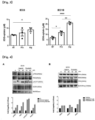
FIG. 2 shows the results of analyzing protein changes in cell lysates by Western blotting after treatment of IEC-6 and IEC-18 cells with each of prostratin and ingenol-3-angelate. -
FIG. 3 shows the results of examining 2-DG uptake after treating IEC-6 and IEC-18 cells with each of prostratin and ingenol-3-angelate. -
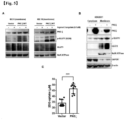
FIG. 4 shows the results of confirming the increase in activities of PKC zeta and GLUT1 after treating IEC-18 cells with each of prostratin and ingenol-3-angelate. -
FIG. 5A shows the results of analyzing the expression of PKC zeta, p-GLUT1 and GLUT1 in PKC zeta-transfected IEC-6 cells and IEC-18 cells,FIG. 5B shows the result of analyzing the expression of PKC zeta, p-GLUT1 and GLUT1 in PKC zeta-transfected HEK293 cells, andFIG. 5C shows the result of analyzing 2-DG uptake in PKC zeta-transfected IEC-18 cells. -
FIG. 6 shows the results of measuring glucose uptake after treating prostratin- or ingenol-treated EC-6 cells and IEC-18 cells with PKC zeta inhibitor (ZIP). -
FIG. 7 shows the results of analyzing changes in the expression of p-GLUT1 and GLUT1 by Western blotting after transfecting the IEC-6 cell line with siRNA for each of PKCα, PKCδ, PKCζ and PKC, and then treating each cell line with prostratin.
-
FIG. 8 shows the results of examining changes in 2-DG uptake after transfecting the IEC-6 cell line with siRNA for each of PKCα, PKCδ, PKCζ, and PKC, and then treating each cell line with each of prostratin and ingenol. -
FIG. 9A shows the results of performing an IP glucose tolerance test after single subcutaneous injection of ingenol or prostratin into C57BL6 mice and intraperitoneal administration of 2 g/kg of glucose to the mice, andFIG. 9B shows the results of performing an IP glucose tolerance test after administering prostratin to C57BL6 mice for 2 weeks and intraperitoneally administering 2 g/kg of glucose to the mice. -
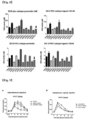
FIG. 10 shows the results of performing body weight measurement (left) and an intraperitoneal glucose tolerance test (right) after intraperitoneally injecting each of prostratin (0.5 mg/kg) and ingenol (1µg/kg) into diabetic model mice daily for 40 days. -
FIG. 11A shows the results of radiography for 18FDG in the intestines harvested from diabetic model mice to which prostratin was administered for 1 month,FIG. 11B shows the result of measuring the amount of 18FDG in the fecal sample of the harvested intestine, andFIG. 11C shows the result of measuring the amounts of 18FDG absorption in the duodenum, jejunum, and ileum of the small intestine by a gamma counter. -
FIG. 12 shows the results of immunohistochemically staining the duodenum, jejunum, and ileum with an antibody against PKC zeta after harvesting the small intestine from diabetic model mice to which prostratin was administered for 1 month. The left side shows the results of imaging with an optical microscope at 100x magnification, and the right side shows the results of imaging at 400x magnification. -
FIG. 13 shows electron microscope images of the apical membrane portion of the lumen in the jejunum of the small intestine harvested from diabetic model mice to which prostratin was administered for 1 month. - Unless otherwise defined, all technical and scientific terms used in the present specification have the same meanings as commonly understood by those skilled in the art to which the present disclosure pertains. In general, the nomenclature used in the present specification is well known and commonly used in the art.
- In the present invention, AI-based drug screening was conducted to select drugs that exhibit similar or superior effects to Hb-EGF, an EGFR ligand that induces increased glucose absorption in the small intestine, and as a result, selected prostratin and ingenol-3-angelate (hereinafter referred to as "ingenol") as candidate drugs. Both prostratin and ingenol-3-angelate act as activators of protein kinase C (PKC).
- In one embodiment of the present invention, it was confirmed that, in intestinal epithelial cell lines (IEC-6 and IEC-18) treated with prostratin and ingenol, the expression of p-GLUT1 and GLUT1, proteins involved in glucose uptake in the cell membrane, increased and the uptake of 2-DG, a glucose analogue, also increased.
- In another embodiment of the present invention, it was confirmed that, when prostratin was administered to diabetic model mice (db/db mice), intraperitoneal glucose tolerance increased, leading to improvement in glucose metabolism, and the body weight of the prostratin-administered mouse group decreased significantly.
- Therefore, in one aspect, the present invention is directed to a composition for regulating glucose containing an atypical PKC activator as an active ingredient.
- In the present invention, the atypical PKC may be PKC zeta (PKC ζ) or PKC iota (PKC).
- The PKC family is classified into three subfamilies: conventional or classic (PKCα, PKCβ, and PKCγ), novel (PKCδ, PKCε, PKCη, and PKCθ), and atypical (PKCζ and PKCλ/) isoforms. The ligands that activate each isoform PKC are different depending on the subfamily. The classic isoform is activated by Ca2+, DAG, and PIP2, and the novel isoform is activated by DAG and lipid. The atypical PKCs have no C2 and C1 domains, and thus have the characteristic of not being activated by Ca2+ and DAG. In addition, it is known that the atypical PKCs interact with proteins such as polarity regulator (PAR6) because they contain a Phox and Bern 1 (PB1) domain (
FIG. 1 ). - In one embodiment of the present invention, the IEC-6 cell line was transfected with siRNA for each of conventional PKC (PKCα), novel PKC (PKCδ) and atypical PKCs (PKCζ and PKC), and after 48 hours, treated with prostratin (1 µM), and total protein was extracted and subjected to Western blotting. As a result, it was confirmed that the expression of GLUT1 (p-GLUT1), which was increased by prostratin in the negative control group (siNeg), did not increase in the cell group treated with siRNA for each of PKCζ and PKC, which are atypical PKCs, even when the cell group was treated with prostratin (
FIG. 7 ). Therefore, it was confirmed that PKCζ and PKCwould play important roles in the mechanism of increasing the activity of GLUT1 (p-GLUT1) by prostratin. - In the present invention, regulating glucose may comprise regulating glucose absorption in the small intestine or glucose excretion.
- In one embodiment of the present invention, from the results of radiography of the intestines harvested from diabetic model mice (db/db mice) to which prostratin (0.5 mg/kg) was administered for 1 month, it was confirmed that glucose absorption in the small intestine from the db/db mice treated with prostratin was significantly higher than that in the vehicle group. In addition, it was confirmed that glucose excretion was higher in the fecal sample from the mice to which prostratin was administered (
FIG. 11 ). - In the present invention, the atypical PKC activator may be selected from the group consisting of prostratin or a salt thereof, a prostratin derivative or a salt thereof, ingenol-3-angelate or a salt thereof, and an ingenol-3-angelate derivative or a salt thereof.
- The "prostratin" is a compound having a structure of the following
Formula 1, which is a modulator of protein kinase C, and is known to exhibit promising therapeutic potential for cancer and other diseases such as Alzheimer's disease, and it was reported that orally administered prostratin inhibited human pancreatic tumors (Wang, Man-Tzu et al., Cell. 16: 1237, 2015). -

- The "ingenol-3-angelate" that is used in the present invention has a structure of the following Formula 2, is also known as "ingenol mebutate", and is commercially available under the brand name "Picato". This is a substance found in the sap of the Euphorbia peplus plant and is known to induce cell death. A gel formulation of the drug has been approved by the US Food and Drug Administration (FDA) and the European Medicines Agency (EMA) for the topical treatment of actinic keratosis.
-

- In the present invention, the composition for regulating glucose is capable of inducing blood glucose uptake into cells in the small intestine, preferably the duodenum, jejunum, and ileum of the small intestine, and blood glucose excretion through feces.
- In the present invention, the "ileum" is the distal part of the small intestine and is located between the jejunum and the large intestine. The small intestine is a digestive organ located between the stomach and the large intestine and is anatomically composed of three parts: the duodenum, the jejunum, and the ileum. Normally, the small intestine of a human over the age of 5 is about 7 m long, which is 4 to 5 times longer than the large intestine, but the thickness thereof is 2.5 to 3 cm, which is much thinner than that of the large intestine (about 7.6 cm). The duodenum is about 25 to 30 cm long, and the jejunum which is the middle part of the small intestine is about 2.5 m long. The ileum is about 3.6 m long and is connected to the colon at the ileocecal valve. The ileocecal valve passes digested material into the large intestine and prevents reflux into the small intestine. As a result of digestion, nutrients are diffused and delivered into the blood through the villi in the small intestine. The mucous membrane in the small intestine has numerous wrinkles, and there are villi on the surface thereof. Usually, most of the chyme from the stomach is digested and absorbed in the duodenum and jejunum, which correspond to the beginning and middle of the small intestine. In contrast, it is known that digestion and absorption in the ileum are relatively low (Diabetes Management Interactive Case Study, 2016). The composition of the present invention has an effect of increasing glucose absorption in the duodenum, jejunum and ileum.
- In addition, the composition for regulating glucose according to the present invention has the effect of not only promoting blood glucose excretion through feces but also improving glucose metabolism, and thus may be used to effectively prevent, alleviate, or treat metabolic disease.
- Therefore, in another aspect, the present invention is directed to a composition for preventing or treating metabolic disease containing an atypical PKC activator as an active ingredient.
- In the present invention, the atypical PKC may be PKC zeta (PKC ζ) or PKC iota (PKC).
- In the present invention, regulating glucose may comprise regulating glucose absorption in the small intestine and glucose excretion.
- In the present invention, the atypical PKC activator may be selected from the group consisting of prostratin or a salt thereof, a prostratin derivative or a salt thereof, ingenol-3-angelate or a salt thereof, and an ingenol-3-angelate derivative or a salt thereof.
- In the present invention, the "metabolic disease" refers to a disease caused by excessive synthesis or accumulation of fat due to abnormal energy metabolism in the body resulting from various causes such as excessive energy intake or hormonal imbalance. Specifically, the metabolic disease may be obesity, diabetic disease, hypertension, hyperlipidemia, hypertriglyceridemia, hypercholesterolemia, fatty liver, or arteriosclerosis.
- In the present invention, examples of the "diabetic disease" include, but are not limited to, diabetes, and complications caused by acute hyperglycemia, such as diabetic ketoacidosis, diabetic acidosis, diabetic xanthoma, diabetic amyotrophy, diabetic ketosis, diabetic coma, diabetic gastric disorder, diabetic gangrene, diabetic ulcer, diabetic complications, diabetic diarrhea, diabetic microangiopathy, diabetic uterine body sclerosis, diabetic cardiomyopathy, diabetic neuropathy, diabetic nephropathy, bullosis diabeticorum, diabetic cataract, diabetic dermopathy, diabetic scleredema, diabetic retinopathy, necrobiosis lipoidica diabeticorum, or diabetic blood circulation disorder.
- In the present invention, "diabetes" is a disease caused by an increase in the concentration of glucose in the blood, and an increase in the duration of diabetes leads to a rapid increase in the risk of blindness due to chronic complications, end-stage renal failure, neurological diseases, lower extremity amputations, infectious diseases, and the like. In particular, as complications of diabetes, cerebrovascular disease and cardiovascular disease account for the largest share. It has been reported that about 3/4 of deaths from diabetes are due to diabetic complications, and the risk of death from cardiovascular complications also increases by 24% for every 10 years of diabetes duration. It has been reported that diabetic patients have a twice as high prevalence of coronary artery disease and an about three-fold higher prevalence of peripheral vascular disease compared to normal people. Various causes of atherosclerosis in diabetes are known, including hyperglycemia, abnormal lipid metabolism, hyperinsulinemia, hypertension, and changes in blood coagulation mechanisms. It is known that the pathogenesis of type 2 (non-insulin dependent) diabetes, which accounts for more than 95% of diabetes, is due to two causes, namely a complex disorder of insulin secretion disorder and insulin resistance. In other words, diabetes is a disease that shows chronic hyperglycemia symptoms due to this complex disorder.
- In the present invention, the "diabetic ketoacidosis" is the most important acute metabolic complication that occurs in diabetic patients, and is a disease caused by loss of water and sugar and the excessive accumulation of acid metabolites in the bloodstream, which is caused by using fat rather than sugar for energy needed by the body. Diabetic ketoacidosis is caused by insulin resistance or insulin deficiency. When there is not enough insulin, glucose cannot enter the cells and accumulates in the blood. As a result, the cells do not receive glucose and thus use fat as an energy source. Fat metabolism produces fatty acids and glycerol, in which glycerol provides some energy to cells, but fatty acids are metabolized to ketones, resulting in acidosis. Acidosis increases the movement of potassium from the cells into the blood vessels, resulting in hyperkaluria due to diuretic action, which results in systemic potassium depletion.
- In the present invention, "obesity" may mean a condition or disease with excessive body fat caused by energy imbalance, and refers to a disease in which excessive fat is synthesized or accumulated due to poor energy metabolism in the body for various reasons.
- In still another aspect, the present invention is directed to a method for preventing or treating metabolic disease comprising a step of administering an atypical PKC activator.
- In yet another aspect, the present invention is directed to the use of an atypical PKC activator for preventing or treating metabolic disease.
- In still yet another aspect, the present invention is directed to the use of an atypical PKC activator in the manufacture of a medicament for preventing or treating metabolic disease.
- In a further aspect, the present invention is directed to a functional food composition for preventing or alleviating metabolic disease containing an atypical PKC activator as an active ingredient.
- In the present invention, the atypical PKC may be PKC zeta (PKC ζ) or PKC iota (PKC).
- In the present invention, regulating glucose may comprise regulating glucose absorption in the small intestine and glucose excretion.
- In the present invention, the atypical PKC activator may be selected from the group consisting of prostratin or a salt thereof, a prostratin derivative or a salt thereof, ingenol-3-angelate or a salt thereof, and an ingenol-3-angelate derivative or a salt thereof.
- In one embodiment of the present invention, "prevention" may include, without limitation, any action capable of blocking, suppressing or delaying symptoms caused by metabolic disease by using the composition of the present invention.
- In one embodiment of the present invention, "alleviation" may include, without limitation, any action capable of alleviating or beneficially changing symptoms caused by metabolic diseases by using the composition of the present invention.
- In one embodiment of the present invention, "treatment" refers to a series of actions performed to relieve and/or alleviate a target disease. With regard to the purposes of the present invention, treatment includes actions that improve glucose metabolism by significantly increasing the amount of glucose absorbed in the intestine.
- In one embodiment of the present invention, "pharmaceutical composition" refers to a composition that is administered for a specific purpose. For the purposes of the present invention, the pharmaceutical composition of the present invention serves to prevent or treat diabetes or diabetic complications, and may contain a compound involved therein and a pharmaceutically acceptable carrier, excipient or diluent.
- In addition, the pharmaceutical composition according to the present invention contains the active ingredient of the present invention in an amount of 0.1 to 50 wt% based on the total weight of the composition. Examples of carriers, excipients and diluents that may be contained in the composition of the present invention include, but are not limited to, lactose, dextrose, sucrose, sorbitol, mannitol, xylitol, erythritol, maltitol, starch, acacia gum, alginate, gelatin, calcium phosphate, calcium silicate, cellulose, methyl cellulose, microcrystalline cellulose, polyvinyl pyrrolidone, water, methyl hydroxybenzoate, propyl hydroxybenzoate, talc, magnesium stearate, and mineral oil.
- In one embodiment of the present invention, "administration" means introducing the composition of the present invention to a patient by any suitable method, and the composition of the present invention may be administered via any general route as long as it can reach the target tissue.
- The composition may be administered orally, intraperitoneally, intravenously, intramuscularly, subcutaneously, intradermally, intranasally, intrapulmonarily, enterically, intracavitarily, intraperitoneally, or intrathecally, without being limited thereto. In the present invention, the effective amount may be determined depending on various factors, including the type of disease, the severity of the disease, the types and contents of the active ingredient and other ingredients contained in the composition, the type of formulation, the patient's age, body weight, general health condition, sex and diet, administration time, the route of administration, the secretion rate of the composition, the treatment period, and concurrently used drugs. In addition, the pharmaceutical composition of the present invention may be administered alone or together with other therapies known in the art, such as chemotherapy and surgery, for the treatment of a target metabolic disease. In addition, the pharmaceutical composition of the present invention may be administered in combination with other treatments designed to promote blood glucose lowering, for example, those well known in the art. Other standard delivery methods may also be used, such as biolistic delivery or ex vivo treatment.
- In one embodiment of the present invention, the "food composition" is variously used for the prevention or alleviation of a target metabolic disease in the present invention. The food composition comprising the composition of the present invention as an active ingredient may be prepared in the form of various foods, such as beverages, gum, tea, vitamin complexes, powders, granules, tablets, capsules, confectionery, rice cakes, bread, etc. The food composition of the present invention may be safely used even when taken for a long period of time for preventive purposes because it is an improved food composed of existing food components with little toxicity and side effects. When the composition of the present invention is contained in a food composition, it may be added in an amount of 0.1 to 100 wt% based on the total weight. Here, when the food composition is prepared in the form of a beverage, there is no particular limitation except that the food composition is contained at the indicated ratio. In this case, the food composition may contain various flavoring agents or natural carbohydrates as additional ingredients as in conventional beverages. Examples of the natural carbohydrates include conventional sugars, such as monosaccharides (e.g., glucose, etc.), disaccharides (e.g., sucrose, etc.), polysaccharides (e.g., dextrin, cyclodextrin, etc.), and sugar alcohols such as xylitol, sorbitol, erythritol or the like. Examples of the flavoring agents include natural flavoring agents (thaumatin, stevia extract (e.g., rebaudioside A, glycyrrhizin, etc.) and synthetic flavoring agents (saccharin, aspartame In addition, the food of the present invention may contain various nutrients, vitamins, minerals (electrolytes), flavoring agents such as synthetic flavoring agents and natural flavoring agents, colorants, extenders, pectic acid and salts thereof, alginic acid and salts thereof, organic acids, protective colloidal thickeners, pH adjusting agents, stabilizers, preservatives, glycerin, alcohol, carbonizing agents that are used in carbonated beverages, etc. These components may be used independently or in combination. The proportion of these additives is generally selected from the range of 0.1 to 100 parts by weight based on 100 parts by weight of the composition of the present invention, without being limited thereto.
- Hereinafter, the present invention will be described in more detail with reference to examples. These examples are only for illustrating the present invention, and it will be apparent to those skilled in the art that the scope of the present invention is not to be construed as being limited by these examples.
- In order to screen for drugs that have similar or superior effects to Hb-EGF, an EGFR ligand that induces increased glucose absorption in the ileum, Arontier's AI-based drug screening (Arontier, Korea) was performed.
- Candidate compounds similar to Hb-EGF were screened using the REMEDY platform developed by Arontier Co., Ltd. (Lamb et al., Science, 313:1929-1935, 2006; Subramanian et al., Cell, 171:1437-1452, 2017).
- As a result, prostratin and ingenol-3-angelate, which act as atypical PKC activators, were screened.
- For culture of IEC-6 cells (ATCC CRL-1592) and IEC-18 cells (ATCC CRL-1589), which are intestinal epithelial cells, the cells were cultured using Dulbecco's modified Eagle medium (DMEM) supplemented with 10% fetal bovine serum (FBS) and penicillin-streptomycin at 37°C in a humidified atmosphere containing 10% CO2 and 90% air, and were subcultured every 3 to 4 days. For the experiment, IEC-6 cells and IEC-18 cells were seeded in 6-well dishes, respectively, at a density of 2 × 10⁵ cells/dish. When the cell density reached 1.5 × 10⁵ cells/cm2 after 6 days, the cultures were collected and used. Prostratin was purchased from Sigma-Aldrich (Cat. No. P0077) and used. Ingenol was purchased from Sigma-Aldrich (Cat. No. SML1318) and used.
- IEC-6 cells and IEC-18 cells were treated with each of prostratin and ingenol at 30 nM, 100 nM, and 300 nM for 30 minutes, cell lysates were collected, and protein expression levels thereof were analyzed by Western blotting.
- Western blot analysis was performed as follows.
- Total cell protein lysates were prepared and subjected to Western blot analysis according to standard procedures. Briefly, cells were chilled on ice, washed twice with ice-cold phosphate-buffered saline, and lysed in buffer containing 1 mM phenylmethylsulfonyl fluoride and 1x protease inhibitor (Sigma-Aldrich). Protein concentration was measured with a Bradford assay kit (Bio-Rad, Hercules, CA, USA). Equal amounts of protein from the cell lysates were resolved by sodium dodecyl sulfate polyacrylamide gel electrophoresis and transferred to membranes which were then incubated with anti-PKCα (Cell Signaling Technology, USA), anti-PKCδ (Cell Signaling Technology, USA), anti-PKCζ (Cell Signaling Technology, USA), anti-p-GLUT1 (Abcam, GB), anti-GLUT1 (Abcam, GB) and anti-GLUT2 (Novus Biological, USA) as primary antibodies overnight at 4°C.
- The blots were washed 3 times with TBST (Tris-buffered saline containing 0.05% Tween 20) and then incubated with horseradish peroxidase (HRP)-conjugated secondary antibodies for 1 hour at 25°C. As the secondary antibodies, donkey anti-rabbit IgG-HRP antibody (1:5000, Santa Cruz) and donkey anti-mouse IgG-HRP antibody (1:5000, Santa Cruz) were used. Immunoreactivity was detected with SuperSignal West Pico Chemiluminescent Substrate (Thermo Fisher Scientific, MA, USA).
- As a result, as shown in
FIG. 2 , it was confirmed that GLUT1 phosphorylation in the IEC-6 and IEC-18 cells was promoted by each of ingenol-3-angelate and prostratin at all concentrations (30, 100, and 300 nM). It was confirmed that the expression of p-GLUT1 and GLUT1, which are glucose transporters, was increased by each of prostratin and ingenol-3-angelate when compared to Na/K ATPase, a protein quantitative marker. - IEC-6 cells and IEC-18 cells were treated with each of prostratin and ingenol (100 nM) for 10 minutes, and then uptake of 2-deoxy-D-glucose (2-DG) in the collected cell lysates was analyzed.
- By measuring the glucose concentration, changes in glucose uptake (2-DG uptake) by treatment with each of prostratin and ingenol were determined.
- The amount of glucose was measured after treatment with each of prostratin and ingenol in a low-concentration glucose medium and serum-free DMEM for 24 hours. Glucose levels in the IEC-6 and IEC-18 cells were detected using a Glucose Assay Kit (Cayman Chemical) according to the manufacturer's instructions. Absorbance signals were measured with a Gen5 spectrophotometer (BioTek, Winooski, VT, USA).
- As a result, as shown in
FIG. 3 , it was confirmed that intracellular glucose (2-DG) uptake was increased by treatment with each of prostratin and ingenol. - After treatment of IEC-18 cells with each of prostratin (2 µM) and ingenol (0.1 µM) for 0, 15, and 60 minutes, the expression of PKC and GLUT1 proteins was analyzed by Western blotting.
- As a result, as shown in
FIG. 4 , it was confirmed that each of prostratin and ingenol increased the activities of PKC zeta and GLUT1. In addition, it was confirmed that prostratin more rapidly translocated PKC and GLUT1 to the cell membrane than ingenol. - Transfected cell lines were generated by transfection such that PKC zeta was transiently overexpressed in IEC-6 cells, IEC-18 cells, and HEK293 (ATCC CRL-1573) cells.
- A rat PKC zeta-expressing plasmid (Korea Gene Bank) was subcloned into pCDNA3.1 (Addgene, USA). IEC-6 cells and IEC-18 cells were seeded in 6-well dishes, respectively, at a density of 0.5 × 10⁶ per dish one day before transfection. Cells were transfected with the expression plasmid using Polyjet transfection reagent (SignaGen) according to the manufacturer's instructions. Transfected cells were cultured for 48 hours at 37°C before lysis and treated with ingenol (0.1 µM). Cell lysates were collected for the empty vector-infected cell group as a control group, the PKC zeta-transfected cell group, the wild-type cell group treated with ingenol, and the transfected cell group treated with ingenol, and subjected to Western blotting.
- In Western blotting, Na/K ATPase was used as a membrane loading control.
- As a result, as shown in
FIGS. 5A and 5B , it could be confirmed that PKC zeta was activated and translocated to the cell membrane and GLUT1 was translocated, in the ingenol-treated group compared to the empty vector-treated negative control group. In the PKC zeta-overexpressing cell line, p-GLUT1 and GLUT1 were more expressed even in the group not treated with ingenol than in the negative control group. - In addition, 2-DG uptake was measured in the transfected IEC-18 cell line overexpressing PKC zeta. As a result, as shown in
FIG. 5C , it was confirmed that 2-DG uptake significantly increased in the PKC zeta-overexpressing IEC-18 cell line compared to the control group. - Therefore, it was confirmed that 2-DG uptake significantly increased in the cell line with high expression of atypical PKC.
- EC-6 cells and IEC-18 cells, in which atypical PKC was activated by treatment with each of prostratin (100 nM) and ingenol (100 nM) were treated with 1 µM of ZIP (pseudosubstrate-derived PKCζ-inhibitory peptide, R&D system, USA) that specifically inhibits PKC zeta, and then glucose uptake therein was measured.
- As a result, as shown in
FIG. 6 , it was confirmed that, when IEC-6 or IEC-18 cells were treated with each of prostratin (100 nM) and ingenol (100 nM), 6-phosphate glucose in the cells increased, but when the cells were treated with a combination of prostratin or ingenol and the PKC zeta inhibitor ZIP, the uptake of 6-phosphate glucose in the cells decreased to that in the negative control group (NT). - To identify which PKC subtypes induce GLUT1 activation by each of prostratin and ingenol, the IEC-6 cell line was transfected with 50 nM of siRNA for each of conventional PKC (PKCα), novel PKC (PKCδ), and atypical PKCs (PKCζ and PKC) using RNAiMax (Invitrogen). After 48 hours, the cells were treated with prostratin (1 µM), and total protein was extracted and subjected to Western blotting.
- The siRNA sequences used are as follows.
- PKCα siRNA: GGGAUGUCAGAGAGCAUGCCUUCUU (SEQ ID NO: 1)
- PKCδ siRNA: CUCACAGUACUUCCUCUGU (SEQ ID NO: 2)
- PKCζ siRNA: GCUGAGAUCUGUAUCGCUCUCAACU (SEQ ID NO: 3)
- PKCsiRNA: GGACAAUGUACUGCUAGACUCUGAA (SEQ ID NO: 4)
- As a result, as shown in
FIG. 7 , it was confirmed that the expression of GLUT1 (p-GLUT1), which was increased in the negative control group (siNeg) by prostratin, was increased in the cell groups treated with siRNAs for atypical PKCs (PKCζ and PKC) even when the cell groups were treated with prostratin. - Therefore, it was confirmed that PKCζ and PKCplay important roles in the mechanism of increasing the activity of GLUT1 (p-GLUT1) by prostratin.
- In order to identify which PKC subtypes induce increased glucose uptake (2DG uptake) in IEC cells by treatment with each of prostratin and ingenol, the IEC-6 cell line was transfected with siRNA for each of conventional PKC (PKCα), novel PKC (PKCδ), and atypical PKCs (PKCζ and PKC) as described in Example 7. After 48 hours, the cells were treated with prostratin (1 µM) or ingenol (100 nM), and 2DG uptake therein was analyzed.
- As a result, as shown in
FIG. 8 , it was confirmed that 2DG uptake in the negative control group (siNeg) was increased by treatment with each of prostratin and ingenol, but 2DG uptake in the atypical PKC (PKCζ and PKC)-knockdown group was not increased even by treatment with each of prostratin and ingenol. - Therefore, it was confirmed that both PKCζ and PKCplay an important role in glucose uptake induced by treatment with each of prostratin and ingenol.
- After 12 C57BL6 mice were fasted for 12 hours, fasting blood glucose was measured by performing an intraperitoneal glucose test. Thereafter, ingenol (4 ug/kg) and prostratin (1 mg/kg) was injected subcutaneously once into the ingenol-administered group (4 mice) and the prostratin-administered group, respectively, and 2 g of glucose per kg of mouse (2 g/kg glucose) was diluted in physiological saline and intraperitoneally administered to each mouse. Thereafter, an IP glucose tolerance test was performed at 15 minutes, 30 minutes, 60 minutes, 90 minutes, and 120 minutes.
- As a result, as shown in
FIG. 9A , it was confirmed that glucose metabolism was significantly improved in the prostratin-administered group compared to the negative control group (Vehicle) at 30 and 60 minutes, and glucose metabolism was also improved in the ingenol-administered group compared to the negative control group. - Prostratin was administered to C57BL6 mice at concentrations of 0 mg/kg, 0.5 mg/kg, and 1 mg/kg for 2 weeks using an osmotic pump, followed by fasting for 12 hours. Then, 2 g of glucose per kg of mouse (2 g/kg glucose) was diluted in physiological saline and intraperitoneally administered to each mouse. Thereafter, an IP glucose tolerance test was performed at 15 minutes, 30 minutes, 60 minutes, 90 minutes, and 120 minutes.
- As a result, as shown in
FIG. 9B , it was confirmed that all of the area values under the glucose change curve for 2 hours were improved. - Each of prostratin (0.5 mg/kg) and ingenol (1 ug/kg) was intraperitoneally injected daily for 40 days into db/db mice (Jackson Laboratory), known as a representative diabetes model due to deficiency of the leptin receptor, and then the body weight of each mouse was measured.
- As a result, as shown in
FIG. 10 , it was confirmed that, after the concentration of ingenol was increased to 2 µg/kg on day 28 of administration, weight loss onday 30 showed statistical significance. In the group to which 0.5 mg/kg of prostratin was administered, weight loss on and after day 11 of administration showed statistical significance compared to that in the control group (vehicle group). - On day 17 after drug administration, an intraperitoneal glucose tolerance test (IPGTT) was performed.
FIG. 10 shows the results of performing 2 g/kg IPGTT 15 minutes after injection of each of prostratin and ingenol after fasting for 12 hours before IPGTT. In the group to which 1 ug/kg of ingenol was administered, the glucose improvement effect appeared at 240 minutes after glucose administration. It was confirmed that, in the group to which prostratin (0.5 mg/kg) was administered, glucose improvement was superior to that in the control group (vehicle group) over the entire period of 30 to 240 minutes. - The intestines of db/db mice (Jackson Laboratory) to which 0.5 mg/kg of prostratin had been administered for 1 month were harvested and radiographed for 18FDG (fluorodeoxyglucose, DuChemBio). 18FDG was purchased from DuChemBio and 200 µCi was injected into each mouse via the tail vein.
- In addition, 18FDG in a fecal sample obtained by washing the harvested small intestine with 5 mL of PBS was measured, and 18FDG uptake of the duodenum, jejunum, and ileum of the small intestine was measured with a gamma counter.
- As a result, as shown in
FIG. 11A , it was confirmed from the radiographs that glucose absorption in the small intestine of the db/db mouse treated with prostratin was significantly higher than that in the control group (vehicle group). - In addition, as shown in
FIG. 11B , as a result of examining glucose excretion in the fecal samples, it was confirmed that glucose excretion was higher in the fecal fluid from the mouse to which prostratin was administered. In addition, as shown inFIG. 11C , glucose absorption in all of the duodenum, jejunum, and ileum of the small intestine was more than doubled. - After administration of prostratin (0.5 mg/kg) or vehicle to db/db mice for 1 month, the small intestine was harvested, and the duodenum, jejunum, and ileum were fixed with formalin, subjected to immunohistochemical staining with anti-PKC zeta antibody (Abcam, USA), and imaged with an optical microscope at 100x and 400x magnifications.
- As a result, as shown in
FIG. 12 , it could be confirmed that, in the duodenum, there was no significant difference between the prostratin-administered group and the control group (vehicle), and in the jejunum and ileum, the location of PKC zeta in the prostratin-administered group tended to be concentrated in the apical membrane of the lumen from the cytoplasm. - After administration of prostratin (0.5 mg/kg) or vehicle to db/db mice for 1 month, the small intestine was harvested, and the apical membrane portion of the lumen in the jejunum was observed with an electron microscope.
- As a result, as shown in
FIG. 13 , it was confirmed that the glycocalyx near the microvilli of the jejunum of the prostratin-administered group was secreted more than that in the control group (vehicle), and the number of mitochondria in the small intestine cells of the prostratin-administered group was increased, indicating that intracellular metabolism actively occurred. - According to the present invention, it is possible to improve glucose metabolism in the small intestine and to promote blood glucose excretion into feces, thus lowering blood glucose concentration, thereby preventing, alleviating or treating metabolic disease.
- Although the present invention has been described in detail with reference to specific features, it will be apparent to those skilled in the art that this description is only of a preferred embodiment thereof, and does not limit the scope of the present invention. Thus, the substantial scope of the present invention will be defined by the appended claims and equivalents thereto.
- Electronic file attached
Claims (14)
- A composition for regulating glucose comprising an atypical PKC activator as an active ingredient.
- The composition according to claim 1, wherein the PKC is PKC zeta (PKC ζ) or PKC iota (PKC).

- The composition according to claim 1, wherein the regulating the glucose comprises regulating glucose absorption in the small intestine or glucose excretion.
- The composition according to claim 1, wherein the atypical PKC activator is selected from the group consisting of prostratin or a salt thereof, a prostratin derivative or a salt thereof, ingenol-3-angelate or a salt thereof, and an ingenol-3-angelate derivative or a salt thereof.
- A composition for preventing or treating metabolic diseases comprising an atypical PKC activator as an active ingredient.
- The composition according to claim 5, wherein the PKC is PKC zeta (PKC ζ) or PKC iota (PKC).
- The composition according to claim 5, which regulates glucose absorption in the small intestine.
- The composition according to claim 5, wherein the atypical PKC activator is selected from the group consisting of prostratin or a salt thereof, a prostratin derivative or a salt thereof, ingenol-3-angelate or a salt thereof, and an ingenol-3-angelate derivative or a salt thereof.
- The composition according to claim 5, which regulates glucose absorption in the small intestine or glucose excretion.
- The composition according to claim 5, wherein the metabolic disease is diabetic disease, obesity, hypertension, hyperlipidemia, hypertriglyceridemia, hypercholesterolemia, arteriosclerosis, or fatty liver disease.
- The composition according to claim 10, wherein the diabetic disease is selected from the group consisting of diabetes, diabetic ketoacidosis, diabetic acidosis, diabetic xanthoma, diabetic amyotrophy, diabetic ketosis, diabetic coma, diabetic gastric disorder, diabetic gangrene, diabetic ulcer, diabetic complications, diabetic diarrhea, diabetic microangiopathy, diabetic uterine body sclerosis, diabetic cardiomyopathy, diabetic neuropathy, diabetic nephropathy, bullosis diabeticorum, diabetic cataract, diabetic dermopathy, diabetic scleredema, diabetic retinopathy, necrobiosis lipoidica diabeticorum, and diabetic blood circulation disorder.
- A functional food composition for preventing or alleviating metabolic disease comprising an atypical PKC activator as an active ingredient.
- The functional food composition according to claim 12, which regulates sugar absorption in the small intestine or glucose excretion.
- The functional food composition according to claim 13, wherein the atypical PKC activator is selected from the group consisting of prostratin or a salt thereof, a prostratin derivative or a salt thereof, ingenol-3-angelate or a salt thereof, and an ingenol-3-angelate derivative or a salt thereof.
Applications Claiming Priority (2)
| Application Number | Priority Date | Filing Date | Title |
|---|---|---|---|
| KR1020210019832A KR102508255B1 (en) | 2021-02-15 | 2021-02-15 | Compositon for Controlling Sugar Containing Atypical PKC Activator |
| PCT/KR2022/002035 WO2022173241A1 (en) | 2021-02-15 | 2022-02-10 | Compositon for controlling sugar, containing atypical pkc activator |
Publications (2)
| Publication Number | Publication Date |
|---|---|
| EP4292592A1 true EP4292592A1 (en) | 2023-12-20 |
| EP4292592A4 EP4292592A4 (en) | 2024-11-27 |
Family
ID=82838461
Family Applications (1)
| Application Number | Title | Priority Date | Filing Date |
|---|---|---|---|
| EP22753001.1A Pending EP4292592A4 (en) | 2021-02-15 | 2022-02-10 | COMPOSITION FOR REGULATING SUGAR, CONTAINING AN ATYPICAL PKC ACTIVATOR |
Country Status (6)
| Country | Link |
|---|---|
| US (1) | US20240058291A1 (en) |
| EP (1) | EP4292592A4 (en) |
| JP (1) | JP7652915B2 (en) |
| KR (1) | KR102508255B1 (en) |
| CN (1) | CN116997336A (en) |
| WO (1) | WO2022173241A1 (en) |
Families Citing this family (1)
| Publication number | Priority date | Publication date | Assignee | Title |
|---|---|---|---|---|
| CN116966181B (en) * | 2023-08-16 | 2026-02-06 | 南通大学 | Application of glucose transporter 1 inhibitor in preparation of medicine for treating diabetic neuropathy |
Family Cites Families (12)
| Publication number | Priority date | Publication date | Assignee | Title |
|---|---|---|---|---|
| AUPQ801700A0 (en) * | 2000-06-07 | 2000-06-29 | Peplin Research Pty Ltd | Enzyme and viral activation |
| US20090030055A1 (en) * | 2002-07-02 | 2009-01-29 | Thomas Nelson | PKC activation as a means for enhancing sAPPALPHA secretion and improving cognition using bryostatin type compounds |
| KR20060020548A (en) | 2004-08-31 | 2006-03-06 | 주식회사풀무원 | Crude Mushroom (Tremellafuciformis) copolysaccharide extract showing hypoglycemic effect and composition for preventing and treating diabetes comprising the same |
| US8293726B2 (en) * | 2005-12-02 | 2012-10-23 | Vianova Labs, Inc. | Treatment of cancer and other diseases |
| US8067632B2 (en) * | 2007-07-26 | 2011-11-29 | The Board Of Trustees Of The Leland Stanford Junior University | Process to produce prostratin and structural or functional analogs thereof |
| US8816122B2 (en) * | 2009-07-20 | 2014-08-26 | The Board Of Trustees Of The Leland Stanford Junior University | Prostratin analogs, bryostatin analogs, prodrugs, synthetic methods, and methods of use |
| PL2750699T3 (en) | 2011-08-29 | 2015-12-31 | Sanofi Aventis Deutschland | Pharmaceutical combination for use in glycemic control in diabetes type 2 patients |
| WO2014126191A1 (en) * | 2013-02-15 | 2014-08-21 | 株式会社西崎創薬研究所 | Phospholipid compound containing unsaturated fatty acid derivative having cyclopropane ring |
| WO2017083783A2 (en) * | 2015-11-11 | 2017-05-18 | K-Gen, Inc. | Methods of cancer treatment |
| WO2017099591A1 (en) * | 2015-12-07 | 2017-06-15 | Stichting Het Nederlands Kanker Instituut-Antoni van Leeuwenhoek Ziekenhuis | Treatment of inhibitor resistant braf-mutant cancers |
| US20190054070A1 (en) * | 2017-03-17 | 2019-02-21 | Daniel L. Alkon | Methods and Compositions for Regenerative Synaptogenesis |
| CN110339363A (en) * | 2019-08-28 | 2019-10-18 | 南方医科大学 | Application of PKC enzyme inhibitor in preparation of medicine for improving and protecting islet beta cell function |
-
2021
- 2021-02-15 KR KR1020210019832A patent/KR102508255B1/en active Active
-
2022
- 2022-02-10 CN CN202280017050.3A patent/CN116997336A/en active Pending
- 2022-02-10 WO PCT/KR2022/002035 patent/WO2022173241A1/en not_active Ceased
- 2022-02-10 JP JP2023549627A patent/JP7652915B2/en active Active
- 2022-02-10 EP EP22753001.1A patent/EP4292592A4/en active Pending
- 2022-02-10 US US18/260,824 patent/US20240058291A1/en active Pending
Also Published As
| Publication number | Publication date |
|---|---|
| WO2022173241A1 (en) | 2022-08-18 |
| EP4292592A4 (en) | 2024-11-27 |
| CN116997336A (en) | 2023-11-03 |
| KR102508255B1 (en) | 2023-03-09 |
| US20240058291A1 (en) | 2024-02-22 |
| KR20220116680A (en) | 2022-08-23 |
| JP2024508416A (en) | 2024-02-27 |
| JP7652915B2 (en) | 2025-03-27 |
Similar Documents
| Publication | Publication Date | Title |
|---|---|---|
| Sun et al. | Antidiabetic effects of pterostilbene through PI3K/Akt signal pathway in high fat diet and STZ-induced diabetic rats | |
| US20240301022A1 (en) | Glycoproteins having lipid mobilizing properties and therapeutic uses thereof | |
| J Meneses et al. | Antidiabetic drugs: mechanisms of action and potential outcomes on cellular metabolism | |
| Boden et al. | Free fatty acids in obesity and type 2 diabetes: defining their role in the development of insulin resistance and β‐cell dysfunction | |
| US10792280B2 (en) | Pharmaceutical composition comprising amodiaquine and anti-diabetes drug as effective ingredient for prevention or treatment of diabetes | |
| EA036757B1 (en) | Pharmaceutical compositions for combination therapy | |
| TWI864611B (en) | Peptide complex having anti-diabetic activity, pharmaceutical composition comprising the same and functional food composition comprising the same | |
| US20240058291A1 (en) | Composition for controlling sugar, containing atypical pkc activator | |
| EP3119414B1 (en) | Ostreolysin for use in the treatment of overweight and obesity | |
| US10004727B2 (en) | Composition for preventing, alleviating or treating metabolic diseases, containing amodiaquine as active ingredient | |
| KR102109385B1 (en) | Composition for emitting glucose | |
| KR102013574B1 (en) | Pharmaceutical compositions comprising hydroquinone derivatives for preventing or treating obesity, or nonalcholic steatohepatitis | |
| KR102508141B1 (en) | A composition for emitting glucose comprising hydrogel and epidermal growth factor receptor ligand as an active ingredient | |
| CN110693873B (en) | Preparation and application of rabdosia rubescens active ingredient composition | |
| US12370152B2 (en) | Pharmaceutical composition for preventing or treating metabolic diseases | |
| Ishikawa et al. | Oleuropein, olive, and insulin resistance | |
| KR20190135378A (en) | Composition for preventing, treating, or improving obesity comprising the peptides derived from LGI3 as an active ingredients | |
| Zhang et al. | Ramulus Mori (Sangzhi) Alkaloids Attenuate Diet-Induced Obesity by Promoting White Adipose Browning and Enhancing Brown Fat Thermogenesis | |
| US20220257708A1 (en) | Composition for preventing, treating or alleviating diabetes, comprising lgi3-derived peptide as an active ingredient | |
| HK40055053A (en) | Pharmaceutical composition comprising hydroquinone derivative for preventing or treating obesity or non-alcoholic steatohepatitis | |
| CN115919820A (en) | Application of isoliquiritigenin in preparing medicine for treating metabolic disorder | |
| HK40112687A (en) | Peptide having antidiabetic activity, peptide complex, and use thereof | |
| Phillips | Opposing glucose set points hypothesis of essential hypertension | |
| Poulsen et al. | Third Meeting of the Scandinavian Society for the Study of Diabetes Oslo, February 2–4, 1967 Abstracts | |
| Andren | AMERICAN PANCREATIC ASSOCIATION 1997 MEETING 425 |
Legal Events
| Date | Code | Title | Description |
|---|---|---|---|
| STAA | Information on the status of an ep patent application or granted ep patent |
Free format text: STATUS: THE INTERNATIONAL PUBLICATION HAS BEEN MADE |
|
| PUAI | Public reference made under article 153(3) epc to a published international application that has entered the european phase |
Free format text: ORIGINAL CODE: 0009012 |
|
| STAA | Information on the status of an ep patent application or granted ep patent |
Free format text: STATUS: REQUEST FOR EXAMINATION WAS MADE |
|
| 17P | Request for examination filed |
Effective date: 20230803 |
|
| AK | Designated contracting states |
Kind code of ref document: A1 Designated state(s): AL AT BE BG CH CY CZ DE DK EE ES FI FR GB GR HR HU IE IS IT LI LT LU LV MC MK MT NL NO PL PT RO RS SE SI SK SM TR |
|
| DAV | Request for validation of the european patent (deleted) | ||
| DAX | Request for extension of the european patent (deleted) | ||
| REG | Reference to a national code |
Ref country code: DE Ref legal event code: R079 Free format text: PREVIOUS MAIN CLASS: A61K0031215000 Ipc: A61K0031220000 |
|
| A4 | Supplementary search report drawn up and despatched |
Effective date: 20241030 |
|
| RIC1 | Information provided on ipc code assigned before grant |
Ipc: A61P 3/10 20060101ALI20241024BHEP Ipc: A61P 3/08 20060101ALI20241024BHEP Ipc: A23L 33/10 20160101ALI20241024BHEP Ipc: A61P 1/16 20060101ALI20241024BHEP Ipc: A61P 9/10 20060101ALI20241024BHEP Ipc: A61P 3/00 20060101ALI20241024BHEP Ipc: A61K 31/215 20060101ALI20241024BHEP Ipc: A61K 31/22 20060101AFI20241024BHEP |
|
| STAA | Information on the status of an ep patent application or granted ep patent |
Free format text: STATUS: EXAMINATION IS IN PROGRESS |