EP4291426B1 - Liftgate reinforcement mechanical attachment arrangement - Google Patents
Liftgate reinforcement mechanical attachment arrangement Download PDFInfo
- Publication number
- EP4291426B1 EP4291426B1 EP22714724.6A EP22714724A EP4291426B1 EP 4291426 B1 EP4291426 B1 EP 4291426B1 EP 22714724 A EP22714724 A EP 22714724A EP 4291426 B1 EP4291426 B1 EP 4291426B1
- Authority
- EP
- European Patent Office
- Prior art keywords
- reinforcement
- inner panel
- liftgate
- tab
- aperture
- Prior art date
- Legal status (The legal status is an assumption and is not a legal conclusion. Google has not performed a legal analysis and makes no representation as to the accuracy of the status listed.)
- Active
Links
Images






Classifications
-
- B—PERFORMING OPERATIONS; TRANSPORTING
- B60—VEHICLES IN GENERAL
- B60J—WINDOWS, WINDSCREENS, NON-FIXED ROOFS, DOORS, OR SIMILAR DEVICES FOR VEHICLES; REMOVABLE EXTERNAL PROTECTIVE COVERINGS SPECIALLY ADAPTED FOR VEHICLES
- B60J5/00—Doors
- B60J5/10—Doors arranged at the vehicle rear
- B60J5/101—Doors arranged at the vehicle rear for non-load transporting vehicles, i.e. family cars including vans
- B60J5/107—Doors arranged at the vehicle rear for non-load transporting vehicles, i.e. family cars including vans constructional details, e.g. about door frame, panels, materials used, reinforcements
-
- B—PERFORMING OPERATIONS; TRANSPORTING
- B62—LAND VEHICLES FOR TRAVELLING OTHERWISE THAN ON RAILS
- B62D—MOTOR VEHICLES; TRAILERS
- B62D25/00—Superstructure or monocoque structure sub-units; Parts or details thereof not otherwise provided for
- B62D25/08—Front or rear portions
- B62D25/10—Bonnets or lids, e.g. for trucks, tractors, busses, work vehicles
- B62D25/12—Parts or details thereof
Definitions
- the present invention relates to a reinforcement attachment arrangement for a thermoplastic liftgate.
- thermoplastic materials typically, this involves producing an inner panel made of thermoplastic, attaching several reinforcement pieces at strategic locations on the inner panel, and then attaching an exterior panel or panels, which form the outside surface of the liftgate panel and vehicle.
- connection of the reinforcement panels to the inner panel during assembly has traditionally been done using several fasteners.
- the process involves straight loading the reinforcement and holding it with multiple fasteners, which increases production cost and production time. It is desirable to reduce the number of fasteners required for connecting a reinforcement to the inner panel, which will save production time as well as costs.
- Attempts to eliminate the fasteners have been made, which include overmolding the reinforcement to the liftgate inner panel or using adhesives or welding to connect the reinforcement panel to the liftgate inner panel. These approaches increase the production time and also require additional equipment, thereby increasing manufacturing costs in the short term. It is therefore desirable to develop methods that will reduce production time, while also keeping costs in control. It is also an object of the present invention to develop an assembly arrangement that will reduce the number of fasteners.
- US 2020/0164929 A1 discloses a liftgate arrangement including a thermoplastic inner panel with an outer surface and an inner surface.
- the liftgate arrangement further includes one or more carbon fiber sheet mold compound reinforcements connected to and extending across a portion of the outer surface of the inner panel.
- the one or more carbon fiber sheet mold compound reinforcements also includes a channel extending between two openings on the one or more carbon fiber sheet mold compound reinforcements.
- the one or more carbon fiber sheet mold compound reinforcements are used to strengthen the inner panel at desired locations.
- US 10, 899,202 B2 discloses a composite liftgate including an inner panel construction having strengthening channel structure in combination with a ribbing. Structural steel reinforcements are bonded to the inner panel where additional strength is needed. Where the extra structure is needed, a minimum amount of steel is used and the structural reinforcement is bonded in place using adhesive.
- US 10,384,520 B2 discloses a composite liftgate system with an inner panel construction having a strengthening channel structure. Structural composite reinforcements are bonded to the inner panel where additional strength is needed to meet predetermined performance requirements. Where the extra structure is needed, no steel or a minimum amounts of steel is used and the structural reinforcements are bonded in place using adhesive prior to application of additional fasteners.
- a reinforcement attachment arrangement for a thermoplastic liftgate comprising the features of claims 1 and 15, respectively, is provided according to the invention.
- thermoplastic liftgate 12 includes a liftgate inner panel 14 having an outer surface area 16.
- Fig. 1A shows a thermoplastic liftgate 12 having an outer panel 11 connected to and covering the inner panel 14 shown in Fig. 1A .
- the thermoplastic liftgate 12 has several components attached, including hinges and actuators with ball stud attachments that connect the thermoplastic liftgate 12 to the vehicle, as well as latch and accessory reinforcements. In the present embodiment of the invention, many of these components are attached at a location where a reinforcement 18a, 18b, 20a, 20b, 22 has been connected to the liftgate inner panel 14.
- Each reinforcement 18a, 18b, 20a, 20b, 22 is connected to a reinforcement area 24a, 24b, 24c, 24d, 24e formed on the outer surface of the liftgate inner panel 14.
- reinforcement area 24a is a left side hinge reinforcement area
- reinforcement area 24b is a right side hinge reinforcement area. While two reinforcement areas for hinges are shown it is within the scope of this invention for there to be more than two or just a single hinge reinforcement area.
- Fig. 1A also shows reinforcement area 24d which is a left side ball stud reinforcement area and reinforcement area 24c which is a right side ball stud reinforcement area.
- the ball stud reinforcement area is where one end of a pneumatic shock or other devices, such as an actuator, is attached to a ball stud for assisting in the opening and closing of the lift gate when attached to the vehicle. While two ball stud reinforcement areas are shown it is within the scope of this invention for there to just be a single ball stud reinforcement area, or for there to be more than two balls that reinforcement areas formed on the outer surface of the liftgate inner panel 14.
- reinforcement area 24e is a latch reinforcement area located in the vicinity of the liftgate inner panel 14. While two latch reinforced areas are shown, it is within the scope of this invention for there to be a greater or lesser number of latch reinforcement areas, depending upon the needs of a particular application.
- Each reinforcement area 24a, 24b, 24c, 24d, 24e has a respective reinforcement 18a, 18b, 20a, 20b, 22 connected.
- the reinforcement 18a, 18b, 20a, 20b, 22 can be a piece of metal, or stiff polymer that is connected to the liftgate inner panel 14 and will provide additional rigidity in support for connecting the other structures mentioned above.
- the connection between each reinforcement 18a, 18b, 20a, 20b, 22 and its respective reinforcement area 24a, 24b, 24c, 24d, 24e is provided by features located on both the reinforcement area 24a, 24b, 24c, 24d, 24e and the reinforcement 18a, 18b, 20a, 20b, 22.
- each reinforcement 18a, 18b, 20a, 20b, 22 has an engagement tab 26a, 26b, 26c, 26d, 26e that slides or pivots beneath a receiving portion 28a, 28b, 28c, 28d, 28e formed in the reinforcement area 24a, 24b, 24c, 24d, 24e.
- the receiving portion 28a, 28b, 28c, 28d, 28e can take several forms and can be a bridge in the liftgate inner panel 14 formed between two surfaces, a flange or undercut formed on the surface of the liftgate inner panel 14 or an aperture formed in the liftgate inner panel 14. While five receiving portions 28a, 28b, 28c, 28d, 28e are depicted, it is within the scope of this invention for the respective reinforcement to have multiple engagement tabs that engage a respective receiving portion. Depending on the size of the reinforcement, it is within the scope of this invention for there to be multiple receiving portions on a single reinforcement, each configured to connect to one of multiple receiving portions on the liftgate inner panel.
- connection member is a fastener boss that is configured to threadably receive a fastener 34a, 34d, 34e that is positioned through the aperture of the reinforcement member, thereby holding the reinforcement member against the fastener boss to lock the reinforcement into place at the reinforcement area.
- a given for there to be multiple apertures that allow for connection of the reinforcement to one of multiple connection members on the liftgate inner panel.
- the present embodiment of the invention reduces the number of fasteners needed for connecting the reinforcement since the use of the engagement tab 26a, 26b, 26c, 26d, 26e sliding into contact with the respective receiving portion 28a, 28b, 28c, 28d, 28e eliminates several fasteners that would normally be used to secure the reinforcement in the area of the receiving portion 28a, 28b, 28c, 28d, 28e.
- thermoplastic liftgate further includes attaching a liftgate exterior panel that covers the liftgate inner panel 14 and reinforcements.
- the liftgate exterior panel 11 is attached and becomes a portion of the exterior surface of the vehicle.
- Figs. 7-9 depict alternate embodiments of the invention which eliminate the use of fasteners altogether.
- Figs. 7 , 8A, 8B there is shown a reinforcement member 118 and liftgate inner panel 114 that could be used in place of the liftgate inner panel 14 and reinforcement 18a, 18b, 20a, 20b, 22 shown in Figs. 1-6 .
- the liftgate inner panel 114 has connection member that is a key post 132 with a round head 133 and stem 135 that aligns with a keyhole 137 on the reinforcement 118 so that when an engagement tab 126 of the reinforcement 118 slides under a receiving portion 128 of a reinforcement area 124, the key post 132 extends through a wider portion of the keyhole 137 and then slides to a narrow portion 139, thereby locking the reinforcement 118 in place against the lift gate inner panel 114.
- connection member is several push posts 232a, 232b, 232c, 232d that are configured to align with and pass through several apertures 230a, 230b, 230c, 230d formed on a reinforcement 218 once an engagement tab 226 has been slid under a receiving portion 228 of a reinforcement area 224.
- connection member is several push posts 232a, 232b, 232c, 232d that are configured to align with and pass through several apertures 230a, 230b, 230c, 230d formed on a reinforcement 218 once an engagement tab 226 has been slid under a receiving portion 228 of a reinforcement area 224.
- Figs. 10A and 10B show a reinforcement arrangement 300 according to an alternate embodiment of the invention.
- the reinforcement arrangement 300 includes a liftgate inner panel 302 having an outer surface 304. Formed on the outer surface 304 is a receiving portion 306 to which an engaging tab 308 of a reinforcement 310 engages.
- the reinforcement 310 is connected to the liftgate inner panel 302 using a fastener 312 connected to a boss 314 formed on the liftgate inner panel 302. While a fastener 312 is used it is within the scope of this invention for a different type of connection to be used, such as adhesives, welds and mechanical push connections.
- the reinforcement 310 has an engagement tab 308 of the reinforcement 310 has a neck 316 that forms a bend in the reinforcement 310 that terminates at an engagement end 318 that bends generally perpendicular to the surface of the neck 316.
- the neck 316 bends in a manner that creates a space between the neck 316 and an aperture wall 317 of the liftgate inner panel 302.
- the receiving portion 306 of the liftgate inner panel 302 has an aperture 320 that the engagement end 318 slides into to connect the reinforcement 310 to the liftgate inner panel 302. This arrangement prevents the reinforcement 310 from pulling out of the aperture 320 along arrow A and prevents up and down movement along arrow B.
- the reinforcement arrangement 300 shown in Figs. 10A and 10B can be used in place or in combination with any reinforcement area 24a-e and inner panel 14 shown in the earlier figures.
- Figs. 11A and 11B show a reinforcement arrangement 400 according to an alternate embodiment of the invention.
- the reinforcement arrangement 400 includes a liftgate inner panel 402 having an outer surface 404. Formed on the outer surface 404 is a receiving portion 406 to which an engaging tab 408 of a reinforcement 410 engages.
- the reinforcement 410 is connected to the liftgate inner panel 402 using a fastener 412 connected to a boss 414 formed on the liftgate inner panel 402. While a fastener 412 is used it is within the scope of this invention for a different type of connection to be used, such as adhesives, welds and mechanical push connections.
- the reinforcement 410 has an engagement tab 408 of the reinforcement 410 has a neck 416 that forms a bend in the reinforcement 410 that terminates at an engagement end 418 that bends generally perpendicular to the surface of the neck 416.
- the receiving portion 406 of the liftgate inner panel 402 has an aperture 420 that the engagement end 418 slides into to connect the reinforcement 410 to the liftgate inner panel 402.
- the neck 416 in this embodiment has bends to rest against an aperture wall 417 when the engagement end 418 is positioned in the aperture 420. This prevents the reinforcement 410 from pulling out of the aperture 420 but prevents the reinforcement 410 from being further pushed into the aperture 420 along arrow C. Additionally, this arrangement prevents movement along arrow B'.
- the reinforcement arrangement 400 shown in Figs. 10A and 10B can be used in place or in combination with any reinforcement area 24a-e and inner panel 14 shown in the earlier figures.
- Figs. 12A and 12B show a reinforcement arrangement 500 according to an alternate embodiment of the invention.
- the reinforcement arrangement 500 includes a liftgate inner panel 502 having an outer surface 504. Formed on the outer surface 504 is a receiving portion 506 to which an engaging tab 508 of a reinforcement 510 engages.
- the reinforcement 510 is connected to the liftgate inner panel 502 using a fastener 512 connected to a boss 514 formed on the liftgate inner panel 502. While a fastener 512 is used it is within the scope of this invention for a different type of connection to be used, such as adhesives, welds and mechanical push connections.
- the reinforcement 510 has an engagement tab 508 of the reinforcement 510 has a neck 516 that forms a bend in the reinforcement 510 away from a main surface 511 of the reinforcement 510 that terminates at an engagement end 518.
- the receiving portion 506 of the liftgate inner panel 502 has an aperture 520 that forms an opening or entrance to a blind hole 519 with a flexible tab 521. A portion of the main surface 511, neck 516 and engagement end 518 slide through the aperture 520 into the blind hole 519 and frictionally engages the flexible tab 512 that holds the reinforcement 510 in place on the liftgate inner panel 502.
- the neck 516 has a bend that provides some flexibility to the engagement tab 508, which helps to facilitate the frictional engagement of the engagement tab 508 with the flexible tab 521 when the engagement tab 508 is inserted into the blind hole 519.
- the reinforcement arrangement 500 shown in can be used in place or in combination with any reinforcement area 24a-e and inner panel 14 shown in the earlier figures.
- Figs. 13A and 13B show a reinforcement arrangement 600 according to an alternate embodiment of the invention.
- the reinforcement arrangement 600 includes a liftgate inner panel 602 having an outer surface 604. Formed on the outer surface 604 is a receiving portion 606 to which an engaging tab 608 of a reinforcement 610 engages.
- the reinforcement 610 is connected to the liftgate inner panel 602 using a fastener 612 connected to a boss 614 formed on the liftgate inner panel 602. While a fastener 612 is used it is within the scope of this invention for a different type of connection to be used, such as adhesives, welds and mechanical push connections.
- the reinforcement 610 has an engagement tab 608 of the reinforcement 610 has a neck 616 that forms a bend in the reinforcement 610 away from a main surface 611 of the reinforcement 610 that terminates at an end 618.
- the receiving portion 606 of the liftgate inner panel 602 has an aperture 620 formed in the liftgate inner panel 602 that includes a tab 621. A portion of the main surface 611, neck 616 and end 618 slide through the aperture 610 and frictionally engage the tab 621 that holds the reinforcement 610 in place.
- the neck 616 has a bend that provides some flexibility to the engagement tab 608, which helps to facilitate the frictional engagement of the engagement tab 608 with the tab 621 when the engagement tab 608 is inserted into the aperture 620.
- the reinforcement arrangement 600 can be used in place or in combination with any reinforcement area 24a-e and inner panel 14 shown in the earlier figures.
- Fig. 14 is another embodiment of the invention that provides an alternate fixing proposal for a reinforcement arrangement 700 that can be used in place or in combination with any reinforcement area and inner panels shown in the earlier figures.
- the liftgate inner panel 702a, 702b has an aperture 704 formed therein that has slanted edges 706, 708.
- a reinforcement 710 has a tab 712 formed as part of an engagement tab that frictionally fits into the aperture 704 against the slanted edges 706, 708.
- the tab 712 has slanted edges 714, 716 that together with the slanted edges 706, 708 facilitate alignment of the tab 712 into the aperture 704.
- Figs. 15a and 15b depict another embodiment of the invention that provides an alternate fixing proposal for a reinforcement arrangement 800 that can be used in place or in combination with any reinforcement area and inner panels shown in the earlier figures.
- a reinforcement 802 has an engagement tab formed thereon that has a pair of opposing tabs 806a, 806b that slide into engagement with a flange 808 formed on a liftgate inner panel 810. These opposing tabs 806a, 806b lock the reinforcement 802 in place against the liftgate inner panel 810 by positioning the tabs 806a, 806b between the flange, which prevents the reinforcement 802 from sliding past the flange 808.
Landscapes
- Engineering & Computer Science (AREA)
- Mechanical Engineering (AREA)
- Chemical & Material Sciences (AREA)
- Combustion & Propulsion (AREA)
- Transportation (AREA)
- Connection Of Plates (AREA)
- Body Structure For Vehicles (AREA)
Description
- The present invention relates to a reinforcement attachment arrangement for a thermoplastic liftgate.
- Many vehicles, in particular SUV's have what is commonly referred to as a rear liftgate, which is essentially a door that seals the back or rear portion of the vehicle passenger compartment. Production of these liftgates can be expensive and time consuming because there are many components that need to be assembled together.
- Recently the automotive field has migrated toward producing the rear liftgate from thermoplastic materials. Typically, this involves producing an inner panel made of thermoplastic, attaching several reinforcement pieces at strategic locations on the inner panel, and then attaching an exterior panel or panels, which form the outside surface of the liftgate panel and vehicle.
- Connection of the reinforcement panels to the inner panel during assembly has traditionally been done using several fasteners. The process involves straight loading the reinforcement and holding it with multiple fasteners, which increases production cost and production time. It is desirable to reduce the number of fasteners required for connecting a reinforcement to the inner panel, which will save production time as well as costs. Attempts to eliminate the fasteners have been made, which include overmolding the reinforcement to the liftgate inner panel or using adhesives or welding to connect the reinforcement panel to the liftgate inner panel. These approaches increase the production time and also require additional equipment, thereby increasing manufacturing costs in the short term. It is therefore desirable to develop methods that will reduce production time, while also keeping costs in control. It is also an object of the present invention to develop an assembly arrangement that will reduce the number of fasteners.
-
US 2020/0164929 A1 discloses a liftgate arrangement including a thermoplastic inner panel with an outer surface and an inner surface. The liftgate arrangement further includes one or more carbon fiber sheet mold compound reinforcements connected to and extending across a portion of the outer surface of the inner panel. The one or more carbon fiber sheet mold compound reinforcements also includes a channel extending between two openings on the one or more carbon fiber sheet mold compound reinforcements. The one or more carbon fiber sheet mold compound reinforcements are used to strengthen the inner panel at desired locations. -
US 10, 899,202 B2 -
US 10,384,520 B2 - A reinforcement attachment arrangement for a thermoplastic liftgate comprising the features of
claims 1 and 15, respectively, is provided according to the invention. - Further areas of applicability of the present invention will become apparent from the detailed description provided hereinafter. It should be understood that the detailed description and specific examples, while indicating the preferred embodiment of the invention, are intended for purposes of illustration only and are not intended to limit the scope of the invention.
- The present invention will become more fully understood from the detailed description and the accompanying drawings, wherein:
-
Fig. 1A is a rear perspective view of a thermoplastic liftgate. -
Fig. 1B is a rear perspective view of a liftgate inner panel with the reinforcements attached. -
Fig. 2 is a side cross-sectional elevational view of a portion of a thermoplastic liftgate. -
Fig. 3 is a side cross-sectional elevational view of a portion of the thermoplastic liftgate. -
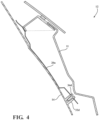
Fig. 4 is a side cross-sectional elevational view of a portion of the thermoplastic liftgate. -
Fig. 5 is a side cross-sectional elevational view of a portion of the thermoplastic liftgate. -
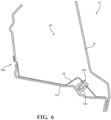
Fig. 6 is a side cross-sectional elevational view of a portion of the thermoplastic liftgate. -
Fig. 7 is a side cross-sectional elevational view of an alternate reinforcement arrangement of the thermoplastic liftgate. -
Fig. 8A is an enlarged top perspective view of a connection member in a first position. -
Fig. 8B is an enlarged top perspective view of the connection member ofFig. 8A in a second position. -
Fig. 9 is a side cross-sectional plan view of a second alternate connection member of the thermoplastic liftgate. -
Fig. 10A is a side cross-sectional elevational view of an alternate reinforcement arrangement. -
Fig. 10B is an enlarged cross-sectional elevational view of the reinforcement arrangement ofFig. 10A . -
Fig. 11A is a side cross-sectional elevational view of an alternate reinforcement arrangement. -
Fig. 11B is an enlarged cross-sectional elevational view of the reinforcement arrangement ofFig. 11A . -
Fig. 12A is a side cross-sectional elevational view of an alternate reinforcement arrangement. -
Fig. 12B is an enlarged cross-sectional elevational view of the reinforcement arrangement ofFig. 12A . -
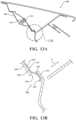
Fig. 13A is a side cross-sectional elevational view of an alternate reinforcement arrangement. -
Fig. 13B is an enlarged cross-sectional elevational view of the reinforcement arrangement ofFig. 13A . -
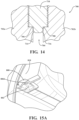
Fig. 14 is an enlarged cross-sectional top view of an alternate fixing proposal for a reinforcement arrangement. -
Fig. 15A is a side cross-sectional elevational view of an alternate reinforcement arrangement. -
Fig. 15B is an enlarged cross-sectional elevational view of the reinforcement arrangement ofFig. 15A . - The following description of the preferred embodiment(s) is merely exemplary in nature and is in no way intended to limit the invention, its application, or uses.
- Referring now to
Figs. 1A ,1B to 6 areinforcement attachment arrangement 10 for athermoplastic lift gate 12 for connection to a vehicle is shown. Thethermoplastic liftgate 12 includes a liftgateinner panel 14 having anouter surface area 16.Fig. 1A shows athermoplastic liftgate 12 having anouter panel 11 connected to and covering theinner panel 14 shown inFig. 1A . Thethermoplastic liftgate 12 has several components attached, including hinges and actuators with ball stud attachments that connect thethermoplastic liftgate 12 to the vehicle, as well as latch and accessory reinforcements. In the present embodiment of the invention, many of these components are attached at a location where areinforcement inner panel 14. Eachreinforcement reinforcement area inner panel 14. As shown inFig. 1B reinforcement area 24a is a left side hinge reinforcement area andreinforcement area 24b is a right side hinge reinforcement area. While two reinforcement areas for hinges are shown it is within the scope of this invention for there to be more than two or just a single hinge reinforcement area. -
Fig. 1A also showsreinforcement area 24d which is a left side ball stud reinforcement area andreinforcement area 24c which is a right side ball stud reinforcement area. The ball stud reinforcement area is where one end of a pneumatic shock or other devices, such as an actuator, is attached to a ball stud for assisting in the opening and closing of the lift gate when attached to the vehicle. While two ball stud reinforcement areas are shown it is within the scope of this invention for there to just be a single ball stud reinforcement area, or for there to be more than two balls that reinforcement areas formed on the outer surface of the liftgateinner panel 14. - In
Fig. 1A reinforcement area 24e is a latch reinforcement area located in the vicinity of the liftgateinner panel 14. While two latch reinforced areas are shown, it is within the scope of this invention for there to be a greater or lesser number of latch reinforcement areas, depending upon the needs of a particular application. - Each
reinforcement area respective reinforcement reinforcement inner panel 14 and will provide additional rigidity in support for connecting the other structures mentioned above. The connection between eachreinforcement respective reinforcement area reinforcement area reinforcement reinforcement engagement tab portion reinforcement area - The receiving
portion inner panel 14 formed between two surfaces, a flange or undercut formed on the surface of the liftgateinner panel 14 or an aperture formed in the liftgateinner panel 14. While five receivingportions - When the
reinforcement more apertures reinforcement connection member inner panel 14 in the region of thereinforcement area fastener - The present embodiment of the invention reduces the number of fasteners needed for connecting the reinforcement since the use of the
engagement tab portion portion - Once all of the reinforcements have been connected to the liftgate
inner panel 14, the thermoplastic liftgate further includes attaching a liftgate exterior panel that covers the liftgateinner panel 14 and reinforcements. Theliftgate exterior panel 11 is attached and becomes a portion of the exterior surface of the vehicle. -
Figs. 7-9 depict alternate embodiments of the invention which eliminate the use of fasteners altogether. InFigs. 7 ,8A, 8B there is shown areinforcement member 118 and liftgateinner panel 114 that could be used in place of the liftgateinner panel 14 andreinforcement Figs. 1-6 . The liftgateinner panel 114 has connection member that is akey post 132 with around head 133 and stem 135 that aligns with akeyhole 137 on thereinforcement 118 so that when anengagement tab 126 of thereinforcement 118 slides under a receivingportion 128 of areinforcement area 124, thekey post 132 extends through a wider portion of thekeyhole 137 and then slides to anarrow portion 139, thereby locking thereinforcement 118 in place against the lift gateinner panel 114. -
Fig. 9 depicts another alternate embodiment where the connection member isseveral push posts several apertures reinforcement 218 once anengagement tab 226 has been slid under a receivingportion 228 of areinforcement area 224. In both alternate embodiments of the invention, it is within the scope of the invention to use a greater or lesser number of connection members depending on the needs of a particular application. -
Figs. 10A and 10B show areinforcement arrangement 300 according to an alternate embodiment of the invention. Thereinforcement arrangement 300 includes a liftgateinner panel 302 having anouter surface 304. Formed on theouter surface 304 is a receivingportion 306 to which an engagingtab 308 of areinforcement 310 engages. Thereinforcement 310 is connected to the liftgateinner panel 302 using afastener 312 connected to aboss 314 formed on the liftgateinner panel 302. While afastener 312 is used it is within the scope of this invention for a different type of connection to be used, such as adhesives, welds and mechanical push connections. Thereinforcement 310 has anengagement tab 308 of thereinforcement 310 has aneck 316 that forms a bend in thereinforcement 310 that terminates at anengagement end 318 that bends generally perpendicular to the surface of theneck 316. Theneck 316 bends in a manner that creates a space between theneck 316 and anaperture wall 317 of the liftgateinner panel 302. The receivingportion 306 of the liftgateinner panel 302 has anaperture 320 that theengagement end 318 slides into to connect thereinforcement 310 to the liftgateinner panel 302. This arrangement prevents thereinforcement 310 from pulling out of theaperture 320 along arrow A and prevents up and down movement along arrow B. Thereinforcement arrangement 300 shown inFigs. 10A and 10B can be used in place or in combination with anyreinforcement area 24a-e andinner panel 14 shown in the earlier figures. -
Figs. 11A and 11B show areinforcement arrangement 400 according to an alternate embodiment of the invention. Thereinforcement arrangement 400 includes a liftgateinner panel 402 having an outer surface 404. Formed on the outer surface 404 is a receivingportion 406 to which an engagingtab 408 of areinforcement 410 engages. Thereinforcement 410 is connected to the liftgateinner panel 402 using afastener 412 connected to aboss 414 formed on the liftgateinner panel 402. While afastener 412 is used it is within the scope of this invention for a different type of connection to be used, such as adhesives, welds and mechanical push connections. Thereinforcement 410 has anengagement tab 408 of thereinforcement 410 has aneck 416 that forms a bend in thereinforcement 410 that terminates at anengagement end 418 that bends generally perpendicular to the surface of theneck 416. The receivingportion 406 of the liftgateinner panel 402 has anaperture 420 that theengagement end 418 slides into to connect thereinforcement 410 to the liftgateinner panel 402. Theneck 416 in this embodiment has bends to rest against anaperture wall 417 when theengagement end 418 is positioned in theaperture 420. This prevents thereinforcement 410 from pulling out of theaperture 420 but prevents thereinforcement 410 from being further pushed into theaperture 420 along arrow C. Additionally, this arrangement prevents movement along arrow B'. Thereinforcement arrangement 400 shown inFigs. 10A and 10B can be used in place or in combination with anyreinforcement area 24a-e andinner panel 14 shown in the earlier figures. -
Figs. 12A and 12B show areinforcement arrangement 500 according to an alternate embodiment of the invention. Thereinforcement arrangement 500 includes a liftgateinner panel 502 having anouter surface 504. Formed on theouter surface 504 is a receivingportion 506 to which an engagingtab 508 of areinforcement 510 engages. Thereinforcement 510 is connected to the liftgateinner panel 502 using afastener 512 connected to aboss 514 formed on the liftgateinner panel 502. While afastener 512 is used it is within the scope of this invention for a different type of connection to be used, such as adhesives, welds and mechanical push connections. Thereinforcement 510 has anengagement tab 508 of thereinforcement 510 has aneck 516 that forms a bend in thereinforcement 510 away from amain surface 511 of thereinforcement 510 that terminates at anengagement end 518. The receivingportion 506 of the liftgateinner panel 502 has anaperture 520 that forms an opening or entrance to ablind hole 519 with aflexible tab 521. A portion of themain surface 511,neck 516 andengagement end 518 slide through theaperture 520 into theblind hole 519 and frictionally engages theflexible tab 512 that holds thereinforcement 510 in place on the liftgateinner panel 502. In this embodiment theneck 516 has a bend that provides some flexibility to theengagement tab 508, which helps to facilitate the frictional engagement of theengagement tab 508 with theflexible tab 521 when theengagement tab 508 is inserted into theblind hole 519. This prevents thereinforcement 510 from pulling out of theaperture 520 but prevents thereinforcement 510 from being pulled out of theaperture 520 along arrow D, while theblind hold 519 prevents thereinforcement 510 from being pushed into theaperture 520 along arrow E. Thereinforcement arrangement 500 shown in can be used in place or in combination with anyreinforcement area 24a-e andinner panel 14 shown in the earlier figures. -
Figs. 13A and 13B show areinforcement arrangement 600 according to an alternate embodiment of the invention. Thereinforcement arrangement 600 includes a liftgateinner panel 602 having anouter surface 604. Formed on theouter surface 604 is a receiving portion 606 to which an engagingtab 608 of areinforcement 610 engages. Thereinforcement 610 is connected to the liftgateinner panel 602 using afastener 612 connected to aboss 614 formed on the liftgateinner panel 602. While afastener 612 is used it is within the scope of this invention for a different type of connection to be used, such as adhesives, welds and mechanical push connections. Thereinforcement 610 has anengagement tab 608 of thereinforcement 610 has aneck 616 that forms a bend in thereinforcement 610 away from amain surface 611 of thereinforcement 610 that terminates at anend 618. The receiving portion 606 of the liftgateinner panel 602 has anaperture 620 formed in the liftgateinner panel 602 that includes atab 621. A portion of themain surface 611,neck 616 and end 618 slide through theaperture 610 and frictionally engage thetab 621 that holds thereinforcement 610 in place. In this embodiment theneck 616 has a bend that provides some flexibility to theengagement tab 608, which helps to facilitate the frictional engagement of theengagement tab 608 with thetab 621 when theengagement tab 608 is inserted into theaperture 620. This prevents thereinforcement 510 from pulling out of theaperture 620 and prevents the reinforcement from moving away from the liftgateinner panel 602 along arrow F. Thereinforcement arrangement 600 can be used in place or in combination with anyreinforcement area 24a-e andinner panel 14 shown in the earlier figures. -
Fig. 14 is another embodiment of the invention that provides an alternate fixing proposal for areinforcement arrangement 700 that can be used in place or in combination with any reinforcement area and inner panels shown in the earlier figures. In this embodiment of the invention the liftgateinner panel aperture 704 formed therein that has slantededges reinforcement 710 has a tab 712 formed as part of an engagement tab that frictionally fits into theaperture 704 against the slantededges edges edges aperture 704. -
Figs. 15a and15b depict another embodiment of the invention that provides an alternate fixing proposal for a reinforcement arrangement 800 that can be used in place or in combination with any reinforcement area and inner panels shown in the earlier figures. In this embodiment of the invention areinforcement 802 has an engagement tab formed thereon that has a pair of opposingtabs flange 808 formed on a liftgateinner panel 810. These opposingtabs reinforcement 802 in place against the liftgateinner panel 810 by positioning thetabs reinforcement 802 from sliding past theflange 808. - The description of the invention is merely exemplary in nature and, thus, variations that do not depart from the gist of the invention are intended to be within the scope of the invention. Such variations are not to be regarded as a departure from the scope of the invention as defined by the claims.
Claims (15)
- A reinforcement attachment arrangement (10; 300; 400; 500; 600, 800) for a thermoplastic liftgate (12) comprising:a liftgate inner panel (14; 114; 302; 402; 502; 602; 702; 810) having an outer surface area (16; 304; 404; 504; 604) with a plurality of reinforcement areas (24a, 24b, 24c, 24d, 24e) each having at least one receiving portion (28a, 28b, 28c, 28d, 28e; 128; 228; 306; 406; 506; 606) on the outer surface area (16; 304; 404; 504; 604) of the liftgate inner panel (14; 114; 302; 402; 502; 602; 702; 810);a reinforcement (18a, 18b, 20a, 20b, 22; 118; 218; 310; 410; 510; 610; 710; 802) connected to each respective one of the plurality of reinforcement areas (24a, 24b, 24c, 24d, 24e) of the inner panel (14; 114; 302; 402; 502; 602; 702; 810), wherein each reinforcement (18a, 18b, 20a, 20b, 22; 118; 218; 310; 410; 510; 610; 710; 802) includes at least one engagement tab (26a, 26b, 26c, 26d, 26e; 126; 226; 308; 408; 508; 608) for engaging the at least one receiving portion (28a, 28b, 28c, 28d, 28e; 128; 228; 306; 406; 506; 606) of the respective one of the plurality of reinforcement areas (24a, 24b, 24c, 24d, 24e) to hold the reinforcement (18a, 18b, 20a, 20b, 22; 118; 218; 310; 410; 510; 610; 710; 802) onto the outer surface (16; 304; 404; 504; 604) of the liftgate inner panel (14; 114; 302; 402; 502; 602; 702; 810) when the at least one engagement tab (26a, 26b, 26c, 26d, 26e; 126; 226; 308; 408; 508; 608) is positioned in engagement with the at least one receiving portion (28a, 28b, 28c, 28d, 28e; 128; 228; 306; 406; 506; 606),characterised in that the engagement tab (26a, 26b, 26c, 26d, 26e; 126; 226; 308; 408; 508; 608) of the reinforcement (18a, 18b, 20a, 20b, 22; 118; 218; 310; 410; 510; 610; 710; 802) has a neck (316; 416; 516; 616) that terminates at an engagement end (318; 418; 518; 618) and the at least one receiving portion (28a, 28b, 28c, 28d, 28e; 128; 228; 306; 406; 506; 606) is an aperture (320; 420; 520; 620; 704) formed in the liftgate inner panel (14; 114; 302; 402; 502; 602; 702; 810), wherein the engagement end (318; 418; 518; 618) slides into the aperture (320; 420; 520; 620; 704) to connect the reinforcement (18a, 18b, 20a, 20b, 22; 118; 218; 310; 410; 510; 610; 710; 802) to the liftgate inner panel (14; 114; 302; 402; 502; 602; 702; 810).
- The reinforcement attachment arrangement (10; 300; 400; 500; 600, 800) of claim 1,wherein the plurality of reinforcement areas (24a, 24b, 24c, 24d, 24e) further each having at least one connection member (32a, 32d, 32e; 132; 232a-232d) extending from the outer surface area (16; 304; 404; 504; 604) of the liftgate inner panel (14; 114; 302; 402; 502; 602; 702; 810);and each reinforcement (18a, 18b, 20a, 20b, 22; 118; 218; 310; 410; 510; 610; 710; 802) further including at least one aperture (30a, 30b, 30c, 30d, 30e, 30f; 230a-230d) that aligns with at least one connection member (32a, 32d, 32e; 132; 232a-232d) formed on the outside surface of the liftgate inner panel (14; 114; 302; 402; 502; 602; 702; 810) to hold the reinforcement (18a, 18b, 20a, 20b, 22; 118; 218; 310; 410; 510; 610; 710; 802) onto the outer surface (16; 304; 404; 504; 604) of the liftgate inner panel (14; 114; 302; 402; 502; 602; 702; 810) when the at least one engagement tab (26a, 26b, 26c, 26d, 26e; 126; 226; 308; 408; 508; 608) is positioned in engagement with the at least one receiving portion (28a, 28b, 28c, 28d, 28e; 128; 228; 306; 406; 506; 606), and further comprisinga liftgate exterior panel (11) connected to the liftgate inner panel (14; 114; 302; 402; 502; 602; 702; 810) and covering the reinforcement areas (24a, 24b, 24c, 24d, 24e) and each reinforcement (18a, 18b, 20a, 20b, 22; 118; 218; 310; 410; 510; 610; 710; 802).
- The reinforcement attachment arrangement (10; 300; 400; 500; 600, 800) of claim 2, further comprising:wherein the at least one connection member (32a, 32d, 32e; 132; 232a-232d) is at least one fastener boss formed on the outer surface (16; 304; 404; 504; 604);a fastener extending through the at least one aperture (30a, 30b, 30c, 30d, 30e, 30f; 230a-230d) of the reinforcement (18a, 18b, 20a, 20b, 22; 118; 218; 310; 410; 510; 610; 710; 802) and connecting to the at least one fastener boss.
- The reinforcement attachment arrangement (10; 300; 400; 500; 600, 800) of claim 1 or 2, wherein the plurality of reinforcement areas (24a, 24b, 24c, 24d, 24e) include at least one hinge reinforcement area (24a, 24b).
- The reinforcement attachment arrangement (10; 300; 400; 500; 600, 800) of claim 1 or 2, wherein the plurality of reinforcement areas (24a, 24b, 24c, 24d, 24e) include at least one ball stud reinforcement area (24c, 24d).
- The reinforcement attachment arrangement (10; 300; 400; 500; 600, 800) of claim 1 or 2, wherein the plurality of reinforcement areas (24a, 24b, 24c, 24d, 24e) include at least one latch reinforcement area (24e).
- The reinforcement attachment arrangement (10; 300; 400; 500; 600, 800) of claim 2, wherein the at least one connection member (32a, 32d, 32e; 132; 232a-232d) is a snap tab configured to slide through the at least one aperture (320; 420; 520; 620; 704) of the reinforcement (18a, 18b, 20a, 20b, 22; 118; 218; 310; 410; 510; 610; 710; 802) and hold the reinforcement (18a, 18b, 20a, 20b, 22; 118; 218; 310; 410; 510; 610; 710; 802) onto the surface of the liftgate inner panel (14; 114; 302; 402; 502; 602; 702; 810).
- The reinforcement attachment arrangement (10; 300; 400; 500; 600, 800) of claim 1 or 2, wherein the at least one receiving portion (128) has a key post (132) with a round head (133) and stem (135), the at least one engagement tab (126) has a key hole (137) wherein the round head (133) and stem (135) align with and slide into the key hold (137) to connect the reinforcement (118) to the liftgate inner panel (14; 114; 302; 402; 502; 602; 702; 810), or
wherein the engagement end (318; 418; 518; 618) extends perpendicular to the neck (316; 416; 516; 616). - The reinforcement attachment arrangement (10; 300; 400; 500; 600, 800) of claim 1 or 2, further comprising:wherein the at least one receiving portion (28a, 28b, 28c, 28d, 28e; 128; 228; 306; 406; 506; 606) has an aperture (520) with a flexible tab (521), andwherein the engagement tab (26a, 26b, 26c, 26d, 26e; 126; 226; 308; 408; 508; 608) has a neck (516) that forms a bend in the reinforcement (18a, 18b, 20a, 20b, 22; 118; 218; 310; 410; 510; 610; 710; 802) that bends away from a main surface (511) of the reinforcement (18a, 18b, 20a, 20b, 22; 118; 218; 310; 410; 510; 610; 710; 802), the neck (516) terminates at an engagement end (318; 418; 518; 618), wherein the neck (516) and the engagement end (318; 418; 518; 618) slide through the aperture (520) and frictionally engage the flexible tab (521) to hold the reinforcement (18a, 18b, 20a, 20b, 22; 118; 218; 310; 410; 510; 610; 710; 802) onto the liftgate inner panel (14; 114; 302; 402; 502; 602; 702; 810).
- The reinforcement attachment arrangement (10; 300; 400; 500; 600, 800) of claim 9, wherein the aperture (520) leads to a blind hole (519).
- The reinforcement attachment arrangement (10; 300; 400; 500; 600, 800) of claim 1 or 2, further comprising:wherein the at least one receiving portion (28a, 28b, 28c, 28d, 28e; 128; 228; 306; 406; 506; 606) includes an aperture (320; 420; 520; 620; 704) formed in the liftgate inner panel (14; 114; 302; 402; 502; 602; 702; 810),wherein the at least one engagement tab (26a, 26b, 26c, 26d, 26e; 126; 226; 308; 408; 508; 608) has a tab that frictionally slides into the aperture (320; 420; 520; 620; 704).
- The reinforcement attachment arrangement (10; 300; 400; 500; 600, 800) of claim 11, wherein the aperture (704) has slanted edges (706, 708) and the tab (712) has slanted edges (714, 716), where the slanted edges (706, 708) of the aperture (704) and the slanted edges (714, 716) of the tab (712) facilitate the alignment of the tab (712) into the aperture (704).
- The reinforcement attachment arrangement (10; 300; 400; 500; 600, 800) of claim 1, further comprising a liftgate exterior panel (11) connected to the liftgate inner panel (14; 114; 302; 402; 502; 602; 702; 810) and covering the reinforcement areas (24a, 24b, 24c, 24d, 24e) and each reinforcement (18a, 18b, 20a, 20b, 22; 118; 218; 310; 410; 510; 610; 710; 802)
- The reinforcement attachment arrangement (800) of claim 1 further comprising:
wherein the at least one engagement tab (26a, 26b, 26c, 26d, 26e; 126; 226; 308; 408; 508; 608) includes a pair of opposing tabs (806a, 806b) and the at least one receiving portion (28a, 28b, 28c, 28d, 28e; 128; 228; 306; 406; 506; 606) includes a flange (808) formed on the liftgate inner panel (810), wherein the opposing tabs (806a, 806b) lock the reinforcement (802) in place against the liftgate inner panel (810) by positioning the tabs (806a, 806b) between the flange (808), which prevents the reinforcement (802) from sliding past the flange (808). - A reinforcement attachment arrangement (10; 300; 400; 500; 600, 800) for a thermoplastic liftgate (12) comprising:a liftgate inner panel (14; 114; 302; 402; 502; 602; 702; 810) having an outer surface area (16; 304; 404; 504; 604) with a plurality of reinforcement areas (24a, 24b, 24c, 24d, 24e) each having at least one receiving portion (28a, 28b, 28c, 28d, 28e; 128; 228; 306; 406; 506; 606) on the outer surface area (16; 304; 404; 504; 604) of the liftgate inner panel (14; 114; 302; 402; 502; 602; 702; 810);a reinforcement (18a, 18b, 20a, 20b, 22; 118; 218; 310; 410; 510; 610; 710; 802) connected to each respective one of the plurality of reinforcement areas (24a, 24b, 24c, 24d, 24e) of the inner panel (14; 114; 302; 402; 502; 602; 702; 810), wherein each reinforcement (18a, 18b, 20a, 20b, 22; 118; 218; 310; 410; 510; 610; 710; 802) includes at least one engagement tab (26a, 26b, 26c, 26d, 26e; 126; 226; 308; 408; 508; 608) for engaging the at least one receiving portion (28a, 28b, 28c, 28d, 28e; 128; 228; 306; 406; 506; 606) of the respective one of the plurality of reinforcement areas (24a, 24b, 24c, 24d, 24e) to hold the reinforcement (18a, 18b, 20a, 20b, 22; 118; 218; 310; 410; 510; 610; 710; 802) onto the outer surface (16; 304; 404; 504; 604) of the liftgate inner panel (14; 114; 302; 402; 502; 602; 702; 810) when the at least one engagement tab (26a, 26b, 26c, 26d, 26e; 126; 226; 308; 408; 508; 608) is positioned in engagement with the at least one receiving portion (28a, 28b, 28c, 28d, 28e; 128; 228; 306; 406; 506; 606),characterised in that the at least one engagement tab (26a, 26b, 26c, 26d, 26e; 126; 226; 308; 408; 508; 608) includes a pair of opposing tabs (806a, 806b) and the at least one receiving portion (28a, 28b, 28c, 28d, 28e; 128; 228; 306; 406; 506; 606) includes a flange (808) formed on the liftgate inner panel (810), wherein the opposing tabs (806a, 806b) lock the reinforcement (802) in place against the liftgate inner panel (810) by positioning the tabs (806a, 806b) between the flange (808), which prevents the reinforcement (802) from sliding past the flange (808).
Applications Claiming Priority (2)
| Application Number | Priority Date | Filing Date | Title |
|---|---|---|---|
| US202163162370P | 2021-03-17 | 2021-03-17 | |
| PCT/US2022/020692 WO2022197888A1 (en) | 2021-03-17 | 2022-03-17 | Liftgate reinforcement mechanical attachment arrangement |
Publications (2)
| Publication Number | Publication Date |
|---|---|
| EP4291426A1 EP4291426A1 (en) | 2023-12-20 |
| EP4291426B1 true EP4291426B1 (en) | 2025-03-19 |
Family
ID=81326388
Family Applications (1)
| Application Number | Title | Priority Date | Filing Date |
|---|---|---|---|
| EP22714724.6A Active EP4291426B1 (en) | 2021-03-17 | 2022-03-17 | Liftgate reinforcement mechanical attachment arrangement |
Country Status (6)
| Country | Link |
|---|---|
| US (1) | US20240157772A1 (en) |
| EP (1) | EP4291426B1 (en) |
| KR (1) | KR20230157421A (en) |
| CN (1) | CN117203073A (en) |
| CA (1) | CA3212442A1 (en) |
| WO (1) | WO2022197888A1 (en) |
Families Citing this family (2)
| Publication number | Priority date | Publication date | Assignee | Title |
|---|---|---|---|---|
| CN114872526B (en) * | 2021-02-05 | 2025-09-23 | 本田技研工业株式会社 | Opening and closing parts |
| JP2025038599A (en) * | 2023-09-07 | 2025-03-19 | 株式会社Subaru | Vehicle rear gate structure |
Family Cites Families (16)
| Publication number | Priority date | Publication date | Assignee | Title |
|---|---|---|---|---|
| US4811519A (en) * | 1988-07-05 | 1989-03-14 | Gold Peter N | Automotive window mounting assembly |
| FR2953770B1 (en) * | 2009-12-16 | 2011-11-25 | Renault Sas | TRUNK DOOR FOR MOTOR VEHICLE |
| WO2011135798A1 (en) * | 2010-04-26 | 2011-11-03 | 本田技研工業株式会社 | Attachment structure for vehicular exterior member |
| US8899658B1 (en) * | 2013-11-21 | 2014-12-02 | Ford Global Technologies, Llc | Liftgate hinge reinforcement |
| US8985675B1 (en) * | 2013-12-19 | 2015-03-24 | Ford Global Technologies, Llc | Vehicle liftgate reinforcement |
| WO2015123312A1 (en) * | 2014-02-11 | 2015-08-20 | Magna International Inc. | Composite liftgate |
| CA2937373C (en) * | 2014-02-11 | 2020-03-10 | Magna International Inc. | Composite liftgate |
| US9205728B1 (en) * | 2014-07-15 | 2015-12-08 | Ford Global Technologies, Llc | Reinforced liftgate for a vehicle |
| WO2017130064A1 (en) * | 2016-01-29 | 2017-08-03 | Magna Exteriors Inc. | Infrared welded exterior panel assembly and process of making same |
| CN106218370A (en) * | 2016-07-29 | 2016-12-14 | 奇瑞新能源汽车技术有限公司 | A kind of automotive back door assembly |
| US11135906B2 (en) * | 2017-03-08 | 2021-10-05 | Bestop, Inc. | Modular half door |
| US11305822B2 (en) * | 2018-11-27 | 2022-04-19 | Magna Exteriors, Inc. | Liftgate arrangement having a carbon fiber reinforced sheet molding compound reinforcement |
| US11186147B2 (en) * | 2019-06-10 | 2021-11-30 | Nissan North America, Inc. | Vehicle door assembly |
| US12522058B2 (en) * | 2020-04-17 | 2026-01-13 | Magna Exteriors Inc. | Overmold bracket with open mounting surface on bracket |
| WO2023034634A1 (en) * | 2021-09-03 | 2023-03-09 | Magna Exteriors Inc. | Bonding structure efficiently |
| JPWO2024004800A1 (en) * | 2022-06-28 | 2024-01-04 |
-
2022
- 2022-03-17 EP EP22714724.6A patent/EP4291426B1/en active Active
- 2022-03-17 CN CN202280028493.2A patent/CN117203073A/en active Pending
- 2022-03-17 CA CA3212442A patent/CA3212442A1/en active Pending
- 2022-03-17 WO PCT/US2022/020692 patent/WO2022197888A1/en not_active Ceased
- 2022-03-17 US US18/550,330 patent/US20240157772A1/en active Pending
- 2022-03-17 KR KR1020237034874A patent/KR20230157421A/en active Pending
Also Published As
| Publication number | Publication date |
|---|---|
| WO2022197888A1 (en) | 2022-09-22 |
| US20240157772A1 (en) | 2024-05-16 |
| EP4291426A1 (en) | 2023-12-20 |
| KR20230157421A (en) | 2023-11-16 |
| CA3212442A1 (en) | 2022-09-22 |
| CN117203073A (en) | 2023-12-08 |
Similar Documents
| Publication | Publication Date | Title |
|---|---|---|
| EP4291426B1 (en) | Liftgate reinforcement mechanical attachment arrangement | |
| US10286762B2 (en) | Vehicle door structure | |
| EP3981624B1 (en) | Liftgate reinforcement arrangements | |
| EP3088751A1 (en) | Bonded structure of dissimilar materials | |
| EP3357798B1 (en) | Motor vehicle hybrid shelf assembly | |
| US8727422B2 (en) | Back door for automobile | |
| CN108909415B (en) | Door assembly with carrier and intrusion prevention member | |
| US10589605B2 (en) | Opening part of a motor vehicle | |
| CN102470734A (en) | Reinforced door frame construction for vehicle | |
| CN114599536B (en) | Metal rib overmolded joints | |
| US8826510B1 (en) | Method of making assemblies including reinforced composite parts with pre-formed rivet receiving buttons and articles made by the method | |
| US8172305B2 (en) | Automotive vehicle door | |
| CN212828696U (en) | Hinge reinforcing plate of trunk lid | |
| CN108608839B (en) | Door structure for vehicle | |
| KR20240122600A (en) | Vehicle component comprising metal insert and strut component | |
| EP1456077B1 (en) | Elements for fixing components such as to be able to slide | |
| US11680594B2 (en) | Hollow chamber blocking tool | |
| KR100432021B1 (en) | tail gate structure of vehicle | |
| CN220374254U (en) | Skylight reinforcing frame and vehicle | |
| JP7634427B2 (en) | Vehicle sliding door | |
| JP2012101763A (en) | Door structure for vehicle | |
| JP3812333B2 (en) | Car body structural members | |
| JP2023054966A (en) | Reinforcement structure, combination of reinforcement members, and back door |
Legal Events
| Date | Code | Title | Description |
|---|---|---|---|
| STAA | Information on the status of an ep patent application or granted ep patent |
Free format text: STATUS: UNKNOWN |
|
| STAA | Information on the status of an ep patent application or granted ep patent |
Free format text: STATUS: THE INTERNATIONAL PUBLICATION HAS BEEN MADE |
|
| PUAI | Public reference made under article 153(3) epc to a published international application that has entered the european phase |
Free format text: ORIGINAL CODE: 0009012 |
|
| STAA | Information on the status of an ep patent application or granted ep patent |
Free format text: STATUS: REQUEST FOR EXAMINATION WAS MADE |
|
| 17P | Request for examination filed |
Effective date: 20230914 |
|
| AK | Designated contracting states |
Kind code of ref document: A1 Designated state(s): AL AT BE BG CH CY CZ DE DK EE ES FI FR GB GR HR HU IE IS IT LI LT LU LV MC MK MT NL NO PL PT RO RS SE SI SK SM TR |
|
| DAV | Request for validation of the european patent (deleted) | ||
| DAX | Request for extension of the european patent (deleted) | ||
| GRAP | Despatch of communication of intention to grant a patent |
Free format text: ORIGINAL CODE: EPIDOSNIGR1 |
|
| STAA | Information on the status of an ep patent application or granted ep patent |
Free format text: STATUS: GRANT OF PATENT IS INTENDED |
|
| INTG | Intention to grant announced |
Effective date: 20241010 |
|
| P01 | Opt-out of the competence of the unified patent court (upc) registered |
Free format text: CASE NUMBER: APP_58139/2024 Effective date: 20241024 |
|
| GRAS | Grant fee paid |
Free format text: ORIGINAL CODE: EPIDOSNIGR3 |
|
| GRAA | (expected) grant |
Free format text: ORIGINAL CODE: 0009210 |
|
| STAA | Information on the status of an ep patent application or granted ep patent |
Free format text: STATUS: THE PATENT HAS BEEN GRANTED |
|
| AK | Designated contracting states |
Kind code of ref document: B1 Designated state(s): AL AT BE BG CH CY CZ DE DK EE ES FI FR GB GR HR HU IE IS IT LI LT LU LV MC MK MT NL NO PL PT RO RS SE SI SK SM TR |
|
| REG | Reference to a national code |
Ref country code: GB Ref legal event code: FG4D |
|
| REG | Reference to a national code |
Ref country code: CH Ref legal event code: EP |
|
| REG | Reference to a national code |
Ref country code: IE Ref legal event code: FG4D |
|
| REG | Reference to a national code |
Ref country code: DE Ref legal event code: R096 Ref document number: 602022011984 Country of ref document: DE |
|
| PG25 | Lapsed in a contracting state [announced via postgrant information from national office to epo] |
Ref country code: RS Free format text: LAPSE BECAUSE OF FAILURE TO SUBMIT A TRANSLATION OF THE DESCRIPTION OR TO PAY THE FEE WITHIN THE PRESCRIBED TIME-LIMIT Effective date: 20250619 |
|
| PG25 | Lapsed in a contracting state [announced via postgrant information from national office to epo] |
Ref country code: FI Free format text: LAPSE BECAUSE OF FAILURE TO SUBMIT A TRANSLATION OF THE DESCRIPTION OR TO PAY THE FEE WITHIN THE PRESCRIBED TIME-LIMIT Effective date: 20250319 |
|
| REG | Reference to a national code |
Ref country code: LT Ref legal event code: MG9D |
|
| PG25 | Lapsed in a contracting state [announced via postgrant information from national office to epo] |
Ref country code: NO Free format text: LAPSE BECAUSE OF FAILURE TO SUBMIT A TRANSLATION OF THE DESCRIPTION OR TO PAY THE FEE WITHIN THE PRESCRIBED TIME-LIMIT Effective date: 20250619 |
|
| PG25 | Lapsed in a contracting state [announced via postgrant information from national office to epo] |
Ref country code: HR Free format text: LAPSE BECAUSE OF FAILURE TO SUBMIT A TRANSLATION OF THE DESCRIPTION OR TO PAY THE FEE WITHIN THE PRESCRIBED TIME-LIMIT Effective date: 20250319 |
|
| PG25 | Lapsed in a contracting state [announced via postgrant information from national office to epo] |
Ref country code: LV Free format text: LAPSE BECAUSE OF FAILURE TO SUBMIT A TRANSLATION OF THE DESCRIPTION OR TO PAY THE FEE WITHIN THE PRESCRIBED TIME-LIMIT Effective date: 20250319 |
|
| PG25 | Lapsed in a contracting state [announced via postgrant information from national office to epo] |
Ref country code: BG Free format text: LAPSE BECAUSE OF FAILURE TO SUBMIT A TRANSLATION OF THE DESCRIPTION OR TO PAY THE FEE WITHIN THE PRESCRIBED TIME-LIMIT Effective date: 20250319 Ref country code: GR Free format text: LAPSE BECAUSE OF FAILURE TO SUBMIT A TRANSLATION OF THE DESCRIPTION OR TO PAY THE FEE WITHIN THE PRESCRIBED TIME-LIMIT Effective date: 20250620 |
|
| REG | Reference to a national code |
Ref country code: NL Ref legal event code: MP Effective date: 20250319 |
|
| REG | Reference to a national code |
Ref country code: AT Ref legal event code: MK05 Ref document number: 1776698 Country of ref document: AT Kind code of ref document: T Effective date: 20250319 |
|
| PG25 | Lapsed in a contracting state [announced via postgrant information from national office to epo] |
Ref country code: NL Free format text: LAPSE BECAUSE OF FAILURE TO SUBMIT A TRANSLATION OF THE DESCRIPTION OR TO PAY THE FEE WITHIN THE PRESCRIBED TIME-LIMIT Effective date: 20250319 |
|
| PG25 | Lapsed in a contracting state [announced via postgrant information from national office to epo] |
Ref country code: SE Free format text: LAPSE BECAUSE OF FAILURE TO SUBMIT A TRANSLATION OF THE DESCRIPTION OR TO PAY THE FEE WITHIN THE PRESCRIBED TIME-LIMIT Effective date: 20250319 |
|
| PG25 | Lapsed in a contracting state [announced via postgrant information from national office to epo] |
Ref country code: SM Free format text: LAPSE BECAUSE OF FAILURE TO SUBMIT A TRANSLATION OF THE DESCRIPTION OR TO PAY THE FEE WITHIN THE PRESCRIBED TIME-LIMIT Effective date: 20250319 |
|
| PG25 | Lapsed in a contracting state [announced via postgrant information from national office to epo] |
Ref country code: ES Free format text: LAPSE BECAUSE OF FAILURE TO SUBMIT A TRANSLATION OF THE DESCRIPTION OR TO PAY THE FEE WITHIN THE PRESCRIBED TIME-LIMIT Effective date: 20250319 Ref country code: PT Free format text: LAPSE BECAUSE OF FAILURE TO SUBMIT A TRANSLATION OF THE DESCRIPTION OR TO PAY THE FEE WITHIN THE PRESCRIBED TIME-LIMIT Effective date: 20250721 |
|
| PG25 | Lapsed in a contracting state [announced via postgrant information from national office to epo] |
Ref country code: PL Free format text: LAPSE BECAUSE OF FAILURE TO SUBMIT A TRANSLATION OF THE DESCRIPTION OR TO PAY THE FEE WITHIN THE PRESCRIBED TIME-LIMIT Effective date: 20250319 Ref country code: IT Free format text: LAPSE BECAUSE OF FAILURE TO SUBMIT A TRANSLATION OF THE DESCRIPTION OR TO PAY THE FEE WITHIN THE PRESCRIBED TIME-LIMIT Effective date: 20250319 |
|
| PG25 | Lapsed in a contracting state [announced via postgrant information from national office to epo] |
Ref country code: AT Free format text: LAPSE BECAUSE OF FAILURE TO SUBMIT A TRANSLATION OF THE DESCRIPTION OR TO PAY THE FEE WITHIN THE PRESCRIBED TIME-LIMIT Effective date: 20250319 |
|
| PG25 | Lapsed in a contracting state [announced via postgrant information from national office to epo] |
Ref country code: CZ Free format text: LAPSE BECAUSE OF FAILURE TO SUBMIT A TRANSLATION OF THE DESCRIPTION OR TO PAY THE FEE WITHIN THE PRESCRIBED TIME-LIMIT Effective date: 20250319 Ref country code: EE Free format text: LAPSE BECAUSE OF FAILURE TO SUBMIT A TRANSLATION OF THE DESCRIPTION OR TO PAY THE FEE WITHIN THE PRESCRIBED TIME-LIMIT Effective date: 20250319 |
|
| PG25 | Lapsed in a contracting state [announced via postgrant information from national office to epo] |
Ref country code: RO Free format text: LAPSE BECAUSE OF FAILURE TO SUBMIT A TRANSLATION OF THE DESCRIPTION OR TO PAY THE FEE WITHIN THE PRESCRIBED TIME-LIMIT Effective date: 20250319 |
|
| PG25 | Lapsed in a contracting state [announced via postgrant information from national office to epo] |
Ref country code: SK Free format text: LAPSE BECAUSE OF FAILURE TO SUBMIT A TRANSLATION OF THE DESCRIPTION OR TO PAY THE FEE WITHIN THE PRESCRIBED TIME-LIMIT Effective date: 20250319 |
|
| PG25 | Lapsed in a contracting state [announced via postgrant information from national office to epo] |
Ref country code: IS Free format text: LAPSE BECAUSE OF FAILURE TO SUBMIT A TRANSLATION OF THE DESCRIPTION OR TO PAY THE FEE WITHIN THE PRESCRIBED TIME-LIMIT Effective date: 20250719 |
|
| REG | Reference to a national code |
Ref country code: DE Ref legal event code: R097 Ref document number: 602022011984 Country of ref document: DE |
|
| PG25 | Lapsed in a contracting state [announced via postgrant information from national office to epo] |
Ref country code: DK Free format text: LAPSE BECAUSE OF FAILURE TO SUBMIT A TRANSLATION OF THE DESCRIPTION OR TO PAY THE FEE WITHIN THE PRESCRIBED TIME-LIMIT Effective date: 20250319 |
|
| PGFP | Annual fee paid to national office [announced via postgrant information from national office to epo] |
Ref country code: FR Payment date: 20251231 Year of fee payment: 5 |
|
| PLBE | No opposition filed within time limit |
Free format text: ORIGINAL CODE: 0009261 |
|
| STAA | Information on the status of an ep patent application or granted ep patent |
Free format text: STATUS: NO OPPOSITION FILED WITHIN TIME LIMIT |
|
| REG | Reference to a national code |
Ref country code: CH Ref legal event code: L10 Free format text: ST27 STATUS EVENT CODE: U-0-0-L10-L00 (AS PROVIDED BY THE NATIONAL OFFICE) Effective date: 20260128 |
|
| 26N | No opposition filed |
Effective date: 20251222 |
|
| PGFP | Annual fee paid to national office [announced via postgrant information from national office to epo] |
Ref country code: GB Payment date: 20260106 Year of fee payment: 5 |
|
| PGFP | Annual fee paid to national office [announced via postgrant information from national office to epo] |
Ref country code: DE Payment date: 20260102 Year of fee payment: 5 |