EP4289414A1 - Tissue protective hydrogel - Google Patents
Tissue protective hydrogel Download PDFInfo
- Publication number
- EP4289414A1 EP4289414A1 EP22177956.4A EP22177956A EP4289414A1 EP 4289414 A1 EP4289414 A1 EP 4289414A1 EP 22177956 A EP22177956 A EP 22177956A EP 4289414 A1 EP4289414 A1 EP 4289414A1
- Authority
- EP
- European Patent Office
- Prior art keywords
- pharmaceutical composition
- monomer
- tissue
- use according
- moiety
- Prior art date
- Legal status (The legal status is an assumption and is not a legal conclusion. Google has not performed a legal analysis and makes no representation as to the accuracy of the status listed.)
- Ceased
Links
Images


Classifications
-
- A—HUMAN NECESSITIES
- A61—MEDICAL OR VETERINARY SCIENCE; HYGIENE
- A61L—METHODS OR APPARATUS FOR STERILISING MATERIALS OR OBJECTS IN GENERAL; DISINFECTION, STERILISATION OR DEODORISATION OF AIR; CHEMICAL ASPECTS OF BANDAGES, DRESSINGS, ABSORBENT PADS OR SURGICAL ARTICLES; MATERIALS FOR BANDAGES, DRESSINGS, ABSORBENT PADS OR SURGICAL ARTICLES
- A61L27/00—Materials for grafts or prostheses or for coating grafts or prostheses
- A61L27/50—Materials characterised by their function or physical properties, e.g. injectable or lubricating compositions, shape-memory materials, surface modified materials
- A61L27/52—Hydrogels or hydrocolloids
-
- C—CHEMISTRY; METALLURGY
- C08—ORGANIC MACROMOLECULAR COMPOUNDS; THEIR PREPARATION OR CHEMICAL WORKING-UP; COMPOSITIONS BASED THEREON
- C08L—COMPOSITIONS OF MACROMOLECULAR COMPOUNDS
- C08L33/00—Compositions of homopolymers or copolymers of compounds having one or more unsaturated aliphatic radicals, each having only one carbon-to-carbon double bond, and only one being terminated by only one carboxyl radical, or of salts, anhydrides, esters, amides, imides or nitriles thereof; Compositions of derivatives of such polymers
- C08L33/24—Homopolymers or copolymers of amides or imides
- C08L33/26—Homopolymers or copolymers of acrylamide or methacrylamide
-
- A—HUMAN NECESSITIES
- A61—MEDICAL OR VETERINARY SCIENCE; HYGIENE
- A61K—PREPARATIONS FOR MEDICAL, DENTAL OR TOILETRY PURPOSES
- A61K47/00—Medicinal preparations characterised by the non-active ingredients used, e.g. carriers or inert additives; Targeting or modifying agents chemically bound to the active ingredient
- A61K47/30—Macromolecular organic or inorganic compounds, e.g. inorganic polyphosphates
- A61K47/32—Macromolecular compounds obtained by reactions only involving carbon-to-carbon unsaturated bonds, e.g. carbomers, poly(meth)acrylates, or polyvinyl pyrrolidone
-
- A—HUMAN NECESSITIES
- A61—MEDICAL OR VETERINARY SCIENCE; HYGIENE
- A61K—PREPARATIONS FOR MEDICAL, DENTAL OR TOILETRY PURPOSES
- A61K9/00—Medicinal preparations characterised by special physical form
- A61K9/0012—Galenical forms characterised by the site of application
- A61K9/0019—Injectable compositions; Intramuscular, intravenous, arterial, subcutaneous administration; Compositions to be administered through the skin in an invasive manner
- A61K9/0024—Solid, semi-solid or solidifying implants, which are implanted or injected in body tissue
-
- A—HUMAN NECESSITIES
- A61—MEDICAL OR VETERINARY SCIENCE; HYGIENE
- A61L—METHODS OR APPARATUS FOR STERILISING MATERIALS OR OBJECTS IN GENERAL; DISINFECTION, STERILISATION OR DEODORISATION OF AIR; CHEMICAL ASPECTS OF BANDAGES, DRESSINGS, ABSORBENT PADS OR SURGICAL ARTICLES; MATERIALS FOR BANDAGES, DRESSINGS, ABSORBENT PADS OR SURGICAL ARTICLES
- A61L27/00—Materials for grafts or prostheses or for coating grafts or prostheses
- A61L27/14—Macromolecular materials
- A61L27/16—Macromolecular materials obtained by reactions only involving carbon-to-carbon unsaturated bonds
-
- A—HUMAN NECESSITIES
- A61—MEDICAL OR VETERINARY SCIENCE; HYGIENE
- A61L—METHODS OR APPARATUS FOR STERILISING MATERIALS OR OBJECTS IN GENERAL; DISINFECTION, STERILISATION OR DEODORISATION OF AIR; CHEMICAL ASPECTS OF BANDAGES, DRESSINGS, ABSORBENT PADS OR SURGICAL ARTICLES; MATERIALS FOR BANDAGES, DRESSINGS, ABSORBENT PADS OR SURGICAL ARTICLES
- A61L27/00—Materials for grafts or prostheses or for coating grafts or prostheses
- A61L27/28—Materials for coating prostheses
- A61L27/34—Macromolecular materials
-
- A—HUMAN NECESSITIES
- A61—MEDICAL OR VETERINARY SCIENCE; HYGIENE
- A61L—METHODS OR APPARATUS FOR STERILISING MATERIALS OR OBJECTS IN GENERAL; DISINFECTION, STERILISATION OR DEODORISATION OF AIR; CHEMICAL ASPECTS OF BANDAGES, DRESSINGS, ABSORBENT PADS OR SURGICAL ARTICLES; MATERIALS FOR BANDAGES, DRESSINGS, ABSORBENT PADS OR SURGICAL ARTICLES
- A61L27/00—Materials for grafts or prostheses or for coating grafts or prostheses
- A61L27/50—Materials characterised by their function or physical properties, e.g. injectable or lubricating compositions, shape-memory materials, surface modified materials
- A61L27/54—Biologically active materials, e.g. therapeutic substances
-
- C—CHEMISTRY; METALLURGY
- C08—ORGANIC MACROMOLECULAR COMPOUNDS; THEIR PREPARATION OR CHEMICAL WORKING-UP; COMPOSITIONS BASED THEREON
- C08F—MACROMOLECULAR COMPOUNDS OBTAINED BY REACTIONS ONLY INVOLVING CARBON-TO-CARBON UNSATURATED BONDS
- C08F220/00—Copolymers of compounds having one or more unsaturated aliphatic radicals, each having only one carbon-to-carbon double bond, and only one being terminated by only one carboxyl radical or a salt, anhydride ester, amide, imide or nitrile thereof
- C08F220/02—Monocarboxylic acids having less than ten carbon atoms; Derivatives thereof
- C08F220/52—Amides or imides
- C08F220/54—Amides, e.g. N,N-dimethylacrylamide or N-isopropylacrylamide
- C08F220/60—Amides, e.g. N,N-dimethylacrylamide or N-isopropylacrylamide containing nitrogen in addition to the carbonamido nitrogen
-
- A—HUMAN NECESSITIES
- A61—MEDICAL OR VETERINARY SCIENCE; HYGIENE
- A61L—METHODS OR APPARATUS FOR STERILISING MATERIALS OR OBJECTS IN GENERAL; DISINFECTION, STERILISATION OR DEODORISATION OF AIR; CHEMICAL ASPECTS OF BANDAGES, DRESSINGS, ABSORBENT PADS OR SURGICAL ARTICLES; MATERIALS FOR BANDAGES, DRESSINGS, ABSORBENT PADS OR SURGICAL ARTICLES
- A61L2300/00—Biologically active materials used in bandages, wound dressings, absorbent pads or medical devices
- A61L2300/40—Biologically active materials used in bandages, wound dressings, absorbent pads or medical devices characterised by a specific therapeutic activity or mode of action
- A61L2300/41—Anti-inflammatory agents, e.g. NSAIDs
-
- A—HUMAN NECESSITIES
- A61—MEDICAL OR VETERINARY SCIENCE; HYGIENE
- A61L—METHODS OR APPARATUS FOR STERILISING MATERIALS OR OBJECTS IN GENERAL; DISINFECTION, STERILISATION OR DEODORISATION OF AIR; CHEMICAL ASPECTS OF BANDAGES, DRESSINGS, ABSORBENT PADS OR SURGICAL ARTICLES; MATERIALS FOR BANDAGES, DRESSINGS, ABSORBENT PADS OR SURGICAL ARTICLES
- A61L2400/00—Materials characterised by their function or physical properties
- A61L2400/06—Flowable or injectable implant compositions
-
- A—HUMAN NECESSITIES
- A61—MEDICAL OR VETERINARY SCIENCE; HYGIENE
- A61L—METHODS OR APPARATUS FOR STERILISING MATERIALS OR OBJECTS IN GENERAL; DISINFECTION, STERILISATION OR DEODORISATION OF AIR; CHEMICAL ASPECTS OF BANDAGES, DRESSINGS, ABSORBENT PADS OR SURGICAL ARTICLES; MATERIALS FOR BANDAGES, DRESSINGS, ABSORBENT PADS OR SURGICAL ARTICLES
- A61L2430/00—Materials or treatment for tissue regeneration
- A61L2430/06—Materials or treatment for tissue regeneration for cartilage reconstruction, e.g. meniscus
Definitions
- the present invention relates to the medical use of a zwitterionic antifouling hydrogel.
- the hydrogel may be used in prevention of and protection against inflammation of tissue or in stabilization of a tissue implant.
- Inflammation for example, in chronic diseases such as osteoarthritis or resulting from the body's immune response to implanted soft tissues, is a main cause of tissue degradation and implant failure. Due to the complex and multi-factorial nature of the inflammation, chemical inhibitors and mediators of inflammation are not very effective in controlling its detrimental effects on tissue loss.
- This phenomenon is of great importance in diseases such as osteoarthritis, where there is no disease modifying drug, and the persistent inflammation continuously causes more tissue degradation.
- This inflammation comprises acute inflammation, chronic inflammation and foreign body reaction with multiple immune cells and cytokines involved. Through a complicated cascade of events, this inflammatory response may result in implant isolation, and in case of soft tissue implants, its degradation.
- the objective of the present invention is to provide means and methods to provide a tissue-protecting texture preventing inflammation and tissue loss of native and implanted tissue.
- a first aspect of the invention relates to a pharmaceutical composition
- a pharmaceutical composition comprising:
- a particular aspect of the invention relates to the use of the pharmaceutical composition in medicine.
- a second aspect of the invention relates to a pharmaceutical composition as described in the first aspect for use in prevention of and protection against inflammation of tissue.
- a third aspect of the invention relates to a pharmaceutical composition as described in the first aspect for use in stabilization of a tissue implant.
- the present invention relates a pharmaceutical composition
- a pharmaceutical composition comprising at least one of the compounds of the present invention or a pharmaceutically acceptable salt thereof and at least one pharmaceutically acceptable carrier, diluent or excipient.
- references to "about” a value or parameter herein includes (and describes) variations that are directed to that value or parameter per se. For example, description referring to "about X” includes description of "X.”
- zwitterionic in the context of the present specification relates to a moiety comprising, under physiological conditions, a positively charged moiety and a negatively charged moiety.
- backbone moiety derived from a polymerizable moiety in the context of the present specification relates to a moiety which in monomeric form has a reactive chemical entity being used for polymerization.
- the backbone moiety designates the previously reactive chemical entity after the polymerization step.
- polymerized form of in the context of the present specification also relates to the previously reactive chemical entity after the polymerization step.
- acrylate in its polymerized form is polyacrylate.
- quaternary ammonium in the context of the present specification relates to a positively charged nitrogen with four valences. Depending on the position within the whole molecule, a quaternary ammonium may be, for example, -N(CH 3 ) 3 + , -N(CH 3 ) 2 + -, -NR 3 + , or -NR 2 + - with R being C 1 -C 4 alkyl.
- tertiary ammonium in the context of the present specification relates to a positively charged nitrogen with one hydrogen, for example, -NH(CH 3 ) 2 + ,-NHR + -, -NHR 2 + , or -NH(CH 3 ) + - with R being C 1 -C 4 alkyl.
- secondary ammonium in the context of the present specification relates to a positively charged nitrogen with two hydrogens, for example, -NH 2 (CH 3 ) + , -NH 2 R + , or -NH 2 + -with R being C 1 -C 4 alkyl.
- primary ammonium in the context of the present specification relates to a positively charged nitrogen with three hydrogens, which is -NH 3 + .
- ECM in the context of the present specification relates to extracellular matrix.
- composition refers to a compound of the invention, or a pharmaceutically acceptable salt thereof, together with at least one pharmaceutically acceptable carrier.
- the term pharmaceutically acceptable carrier includes any solvents, dispersion media, coatings, surfactants, antioxidants, preservatives (for example, antibacterial agents, antifungal agents), isotonic agents, absorption delaying agents, salts, preservatives, drugs, drug stabilizers, binders, excipients, disintegration agents, lubricants, sweetening agents, flavoring agents, dyes, and the like and combinations thereof, as would be known to those skilled in the art (see, for example, Remington: the Science and Practice of Pharmacy, ISBN 0857110624).
- treating or treatment of any disease or disorder refers in one embodiment, to ameliorating the disease or disorder (e.g. slowing or arresting or reducing the development of the disease or at least one of the clinical symptoms thereof).
- treating or treatment refers to alleviating or ameliorating at least one physical parameter including those which may not be discernible by the patient.
- treating or treatment refers to modulating the disease or disorder, either physically, (e.g., stabilization of a discernible symptom), physiologically, (e.g., stabilization of a physical parameter), or both.
- a first aspect of the invention relates to a pharmaceutical composition
- a pharmaceutical composition comprising:
- An alternative of the first aspect of the invention relates to a pharmaceutical composition
- a pharmaceutical composition comprising:
- the first and second repeating unit will be described as first monomer and second monomer, respectively, hereafter.
- the first monomer comprises
- the polymerizable moiety is selected from the group comprising acryl, methacryl, vinyl.
- the first monomer is described by a general formula (I) or (II): wherein
- Positively and negatively charged moieties are selected from the following table: Moiety X R positively charged quaternary ammonium tertiary ammonium secondary ammonium guanidine quaternary ammonium tertiary ammonium secondary ammonium primary ammonium negatively charged phosphate thiophosphate carboxyl sulfate
- the first monomer (I) is a derivative of acrylic acid or methacrylic acid, or the first monomer (II) is a derivative of polyvinyl alcohol or a higher alkyl homologue.
- Formula (I) may also be described as:
- the positively charged X is a quaternary ammonium.
- the positively charged R is selected from guanidine, a quaternary ammonium, a primary ammonium.
- the first monomer is described by a general formula (I).
- T is selected from O, N, NH. In certain embodiments, T is NH.
- V is -CH 2 -.
- n is selected from 1, 2, 3.
- m is selected from 0, 1, 2.
- the first monomer comprises a carboxybetaine moiety, a sulfobetaine moiety, a sulfabetaine moiety or a phosphorylcholine moiety.
- the first monomer is selected from a polymerized form of CBAA (carboxybetaine acrylamide), CBMA (carboxybetaine methacrylate), SBMA (sulfobetaine methacrylate), MPC (2-methacryloyloxyethyl phosphorylcholine).
- the first monomer is a polymerized form of CBAA.
- the pharmaceutical composition additionally comprises a first crosslinking agent capable of crosslinking said second monomer.
- the first crosslinking agent is an enzyme
- the composition additionally comprises a substrate for said crosslinking agent.
- the enzyme is horse-radish peroxidase
- the substrate is H 2 O 2 .
- the enzyme is Factor XIII.
- the polymer comprises a crosslinkable moiety, wherein crosslinking of the crosslinkable moiety is induced by heat or by light.
- Crosslinking via light or heat can be performed using light- or heat-sensitive initiators and a radical donor comonomer.
- the second monomer is described by a general formula (IV): wherein
- p is selected from 1, 2, 3.
- s is 1.
- W is -CH 2 -.
- D is selected from O, NH.
- the second monomer comprises a crosslinkable moiety selected from tyramine, phenol, catechol, resorcinol.
- the second monomer is selected from a polymerized form of tyramine acrylamide, phenol acrylamide, catechol acrylamide, resorcinol acrylamide. In certain embodiments, the second monomer is a polymerized form of tyramine acrylamide.
- the OH group at the aromatic ring will radicalize upon exposure to crosslinkers and form a covalent crosslinking bond between polymer chains.
- a ratio of the first monomer to the second monomer is 20:1 to 5:1. In certain embodiments, a ratio of the first monomer to the second monomer is ⁇ 10:1. The ratio affects the degree of crosslinking of the hydrogel.
- the polymer has a molecular mass of 50 kDa to 1000 kDa. In certain embodiments, the polymer has a molecular mass of 100 kDa to 500 kDa. In certain embodiments, the polymer has a molecular mass of -200 kDa.
- a second aspect of the invention relates to a pharmaceutical composition as described herein for use in prevention of and protection against inflammation of tissue.
- other types of arthritis could benefit i.e., rheumatoid arthritis (RA), inflammatory arthritis, and ankylosing spondylitis.
- RA rheumatoid arthritis
- MSK musculoskeletal
- tendinopathy tendinopathy
- degenerative disc disease and bursitis
- bursitis are other examples which could benefit from this formulation.
- dry eye disease, endometriosis, periodontitis, leaky gut syndrome and in general any condition in which there is inflammatory component are a potential target.
- the pharmaceutical composition is formulated for in-situ administration.
- the formulation can be injected with a double syringe keeping two crosslinkers separately until injection in situ, or via two successive injections wherein the first injection includes the polymer plus the crosslinking agent and the second injection provides the substrate.
- the latter method also provides time for penetration of polymer chains into the tissue.
- the pharmaceutical composition is an injectable formulation that will be injected locally to the location of interest, such as the joint.
- the composition is administered into an inflamed tissue, or the pharmaceutical composition is administered in order to protect the tissue from inflammation.
- the inflammation of tissue results from an inflammatory disease. In certain embodiments, the inflammation of tissue results from osteoarthritis, or rheumatoid arthritis.
- the tissue is cartilage tissue.
- a third aspect of the invention relates to a pharmaceutical composition as described herein for use in stabilization of a tissue implant.
- the coating is supposed to be applied on the implant before implantation and before the implant is going to be in contact with the host tissue.
- An alternative of the third aspect of the invention relates to a pharmaceutical composition as described herein for use in medicine by administration as a coating to a tissue implant.
- One main target of this coating is any implant made of ECM-like tissue which is produced in vitro. This means that there has been a starting scaffold encapsulating the cells and the cells have produced their own ECM over time resulting in matured tissue.
- the starting scaffold to produce the tissue is selected from the group comprising hydrogel, lyophilized scaffold, electrospun scaffold. Hydrogels are the most widely used scaffolds in tissue engineering.
- the implant is made of decellularized allografts or xenografts which suffer from immune rejection in vivo.
- the coating can be applied to acellular scaffolds if the chemistry of the polymer used for scaffold fabrication is compatible with the chemistry used for the crosslinking of the coating. This conditioning is because in case of ECM-based implants, either in vitro cultured or decellularized, the coating is crosslinked to the native tissue, but if there is no ECM, the coating should be crosslinked to the acellular scaffold itself.
- the pharmaceutical composition is administered as a crosslinkable protective penetrant for engineered tissues before implantation.
- the engineered tissue is a soft tissue.
- the tissue implant is a hydrogel, a cell-based scaffold or an ECM-like scaffold.
- the tissue implant is a cartilage (articular or auricular) implant.
- the tissue implant is a heart valve prosthesis.
- the tissue implant is a vasculature graft.
- the coating of the invention can be useful to prevent the immune rejection and help in implant survival in the initial phases of acute inflammatory response.
- the pharmaceutical composition is capable of penetrating into tissue, and the pharmaceutical composition is crosslinkable to extra-cellular matrix of cells.
- the pharmaceutical composition is tissue-adhesive. Polymer chains are crosslinked within the tissue and also, they are crosslinked to the ECM.
- Penetration of the polymer into the tissue is based on diffusion of polymer chains into cartilage ECM.
- Polymer length as well as polymer affinity to cartilage ECM influence the degree of penetration.
- the polymer will effectively inhibit infiltration of inflammatory cytokines and cells that will initiate tissue degradation.
- the coating will inhibit protein accumulation around implant which is the first step of foreign body reaction, and thus will inhibit collagen capsule formation and implant isolation. Also, the coating will inhibit infiltration of immune cells, specifically macrophages to the implant which will otherwise induce tissue degradation.
- a method of preventing or treating inflammation in a patient in need thereof comprising administering to the patient a zwitterionic polymer according to the above description.
- the zwitterionic polymer according to the invention is provided as a pharmaceutical composition, pharmaceutical administration form, or pharmaceutical dosage form.
- any specifically mentioned zwitterionic polymer mentioned herein may be present as a pharmaceutically acceptable salt of said polymer.
- Pharmaceutically acceptable salts comprise the zwitterionic polymer and an oppositely charged counterion. Purely zwitterionic polymers are neutral and not present in form of a salt, as opposed to other charged polymers, but if there is a zwitterionic "copolymer" comprising a charged comonomer, a counterion is present.
- Non-limiting examples of pharmaceutically acceptable anionic salt forms include acetate, benzoate, besylate, bitatrate, bromide, carbonate, chloride, citrate, edetate, edisylate, embonate, estolate, fumarate, gluceptate, gluconate, hydrobromide, hydrochloride, iodide, lactate, lactobionate, malate, maleate, mandelate, mesylate, methyl bromide, methyl sulfate, mucate, napsylate, nitrate, pamoate, phosphate, diphosphate, salicylate, disalicylate, stearate, succinate, sulfate, tartrate, tosylate, triethiodide and valerate.
- Non-limiting examples of pharmaceutically acceptable cationic salt forms include aluminium, benzathine, calcium, ethylene diamine, lysine, magnesium, meglumine, potassium, procaine, sodium, trometh
- the zwitterionic polymer of the present invention is typically formulated into pharmaceutical dosage forms to provide an easily controllable dosage of the polymer and to give the patient an elegant and easily handleable product.
- a dosage form for the prevention or treatment of inflammation comprising a polymer according to any of the above aspects or embodiments of the invention.
- the invention further encompasses a pharmaceutical composition
- a pharmaceutical composition comprising a polymer of the present invention, or a pharmaceutically acceptable salt thereof, and a pharmaceutically acceptable carrier.
- the composition comprises at least two pharmaceutically acceptable carriers, such as those described herein.
- compositions of the present invention can be subjected to conventional pharmaceutical operations such as sterilization and/or can contain conventional inert diluents, lubricating agents, or buffering agents, as well as adjuvants, such as preservatives, stabilizers, wetting agents, emulsifiers and buffers, etc. They may be produced by standard processes, for instance by conventional mixing, granulating, dissolving or lyophilizing processes. Many such procedures and methods for preparing pharmaceutical compositions are known in the art, see for example L. Lachman et al. The Theory and Practice of Industrial Pharmacy, 4th Ed, 2013 (ISBN 8123922892 ).
- the invention further encompasses, as an additional aspect, the use of a zwitterionic polymer as identified herein, or its pharmaceutically acceptable salt, as specified in detail above, for use in a method of manufacture of a medicament for the treatment or prevention of inflammation.
- the invention encompasses methods of treatment of a patient having been diagnosed with a disease associated with inflammation.
- This method entails administering to the patient an effective amount of the zwitterionic polymer as identified herein, or its pharmaceutically acceptable salt, as specified in detail herein.
- a pharmaceutical composition comprising:
- the inventors have developed a protective hydrogel layer that can be easily applied to native or engineered tissues and protect them from inflammation-induced degradation.
- the hydrogel layer has tissue penetrative and tissue adhesive properties, increasing its efficiency and performance.
- the hydrogel is composed of highly antifouling and biocompatible zwitterionic polymers, that provide both tissue penetration as well as an efficient barrier inhibiting and repelling inflammatory cells and cytokines from attacking the tissue.
- the zwitterionic polymers are crosslinked with a tissue-adhesive crosslinking method that is highly biocompatible and has tissue adhesiveness as well as in vivo stability.
- the protective hydrogel can be applied either in situ as injectable formulation, or in vitro as a protective coating for engineered soft tissues before implantation.
- the inventors have synthesized zwitterionic copolymers via RAFT and FRP polymerization, composed of carboxybetaine acrylamide (CBAA) as the zwitterionic monomer and a novel tyramine acrylamide (TyrAA) comonomer as a functional group to provide enzymatic crosslinking of polymer chains in presence of horseradish peroxide (HRP) enzyme and hydrogen peroxide.
- CBAA carboxybetaine acrylamide
- TyrAA novel tyramine acrylamide
- the inventors have optimized polymerization as well as crosslinking protocols and have shown effective hydrogel crosslinking ( Figure 1 and 6 ).
- the inventors have shown effective polymer penetration and in situ gelation of the hydrogel into bovine cartilage explants as a model tissue, as well as its long-term retention into the tissue ( Figure 2 )
- the inventors have shown protective effect of the hydrogel on both native tissue explants ( Figure 3 ) and in vitro engineered tissues ( Figure 4 ) cultured in inflammatory media containing 10 ng/ml IL1B, as the most effective inflammatory cytokine inducing tissue degradation.
- the inventors have used bovine articular cartilage explants, and cultured them in the aforementioned inflammatory media.
- the inventors have seen a striking difference between samples that are protected via the protective hydrogel layer and the ones that are not protected, in terms of lost tissue integrity and content visualized by histological images.
- the inventors have analyzed the supernatant culture media for the amount of released extracellular matrix content, which is mainly glycosaminoglycans (GAG) in terms of cartilage tissue, and have observed that the amount of released tissue to media is significantly lower in case of protected tissue ( Figure 3 ).
- GAG glycosaminoglycans
- the inventors used in vitro produced auricular tissue as a model tissue and cultured them in the inflammatory media with and without our protective hydrogel layer.
- the inventors could again see the effect of protective layer both in tissue integrity visualized via histology and in amount of released tissue to the media ( Figure 4 ).
Landscapes
- Health & Medical Sciences (AREA)
- Chemical & Material Sciences (AREA)
- Medicinal Chemistry (AREA)
- Life Sciences & Earth Sciences (AREA)
- Epidemiology (AREA)
- Veterinary Medicine (AREA)
- Public Health (AREA)
- General Health & Medical Sciences (AREA)
- Animal Behavior & Ethology (AREA)
- Dermatology (AREA)
- Oral & Maxillofacial Surgery (AREA)
- Transplantation (AREA)
- Chemical Kinetics & Catalysis (AREA)
- Biomedical Technology (AREA)
- Engineering & Computer Science (AREA)
- Organic Chemistry (AREA)
- Polymers & Plastics (AREA)
- Pharmacology & Pharmacy (AREA)
- Dispersion Chemistry (AREA)
- Inorganic Chemistry (AREA)
- Molecular Biology (AREA)
- Neurosurgery (AREA)
- Medicines That Contain Protein Lipid Enzymes And Other Medicines (AREA)
- Pharmaceuticals Containing Other Organic And Inorganic Compounds (AREA)
Abstract
The present invention relates to the medical use of a zwitterionic antifouling hydrogel. The hydrogel may be used in prevention of and protection against inflammation of tissue or in stabilization of a tissue implant.
Description
- The present invention relates to the medical use of a zwitterionic antifouling hydrogel. The hydrogel may be used in prevention of and protection against inflammation of tissue or in stabilization of a tissue implant.
- Inflammation, for example, in chronic diseases such as osteoarthritis or resulting from the body's immune response to implanted soft tissues, is a main cause of tissue degradation and implant failure. Due to the complex and multi-factorial nature of the inflammation, chemical inhibitors and mediators of inflammation are not very effective in controlling its detrimental effects on tissue loss.
- This phenomenon is of great importance in diseases such as osteoarthritis, where there is no disease modifying drug, and the persistent inflammation continuously causes more tissue degradation.
- Moreover, implantation of artificial organs or biomaterials can result in initiation of an inflammatory response. This inflammation comprises acute inflammation, chronic inflammation and foreign body reaction with multiple immune cells and cytokines involved. Through a complicated cascade of events, this inflammatory response may result in implant isolation, and in case of soft tissue implants, its degradation.
- Better solutions for controlling inflammation and protecting healthy native tissues or engineered soft tissues in inflammatory environments are desirable. Thus, an effective method that can protect tissues in inflammatory environment and inhibit progressive tissue loss is of great importance and can significantly improve patient wellbeing in chronic inflammatory diseases as well as enhance performance of implant soft tissues.
- Based on the above-mentioned state of the art, the objective of the present invention is to provide means and methods to provide a tissue-protecting texture preventing inflammation and tissue loss of native and implanted tissue. This objective is attained by the subject-matter of the independent claims of the present specification, with further advantageous embodiments described in the dependent claims, examples, figures and general description of this specification.
- A first aspect of the invention relates to a pharmaceutical composition comprising:
- a linear polymer comprising, or essentially consisting of:
- i. a biocompatible zwitterionic first monomer; and
- ii. a biocompatible crosslinkable second monomer.
- A particular aspect of the invention relates to the use of the pharmaceutical composition in medicine.
- A second aspect of the invention relates to a pharmaceutical composition as described in the first aspect for use in prevention of and protection against inflammation of tissue.
- A third aspect of the invention relates to a pharmaceutical composition as described in the first aspect for use in stabilization of a tissue implant.
- In another embodiment, the present invention relates a pharmaceutical composition comprising at least one of the compounds of the present invention or a pharmaceutically acceptable salt thereof and at least one pharmaceutically acceptable carrier, diluent or excipient.
- For purposes of interpreting this specification, the following definitions will apply and whenever appropriate, terms used in the singular will also include the plural and vice versa. In the event that any definition set forth below conflicts with any document incorporated herein by reference, the definition set forth shall control.
- The terms "comprising," "having," "containing," and "including," and other similar forms, and grammatical equivalents thereof, as used herein, are intended to be equivalent in meaning and to be open-ended in that an item or items following any one of these words is not meant to be an exhaustive listing of such item or items or meant to be limited to only the listed item or items. For example, an article "comprising" components A, B, and C can consist of (i.e., contain only) components A, B, and C, or can contain not only components A, B, and C but also one or more other components. As such, it is intended and understood that "comprises" and similar forms thereof, and grammatical equivalents thereof, include disclosure of embodiments of "consisting essentially of" or "consisting of."
- Where a range of values is provided, it is understood that each intervening value, to the tenth of the unit of the lower limit, unless the context clearly dictates otherwise, between the upper and lower limit of that range and any other stated or intervening value in that stated range, is encompassed within the disclosure, subject to any specifically excluded limit in the stated range. Where the stated range includes one or both of the limits, ranges excluding either or both of those included limits are also included in the disclosure.
- Reference to "about" a value or parameter herein includes (and describes) variations that are directed to that value or parameter per se. For example, description referring to "about X" includes description of "X."
- As used herein, including in the appended claims, the singular forms "a," "or," and "the" include plural referents unless the context clearly dictates otherwise.
- Unless defined otherwise, all technical and scientific terms used herein have the same meaning as commonly understood by one of ordinary skill in the art (e.g., in cell culture, molecular genetics, nucleic acid chemistry, hybridization techniques and biochemistry). Standard techniques are used for molecular, genetic, and biochemical methods (see generally, Sambrook et al., Molecular Cloning: A Laboratory Manual, 4th ed. (2012) Cold Spring Harbor Laboratory Press, Cold Spring Harbor, N.Y. and Ausubel et al., Short Protocols in Molecular Biology (2002) 5th Ed, John Wiley & Sons, Inc.) and chemical methods.
- The term zwitterionic in the context of the present specification relates to a moiety comprising, under physiological conditions, a positively charged moiety and a negatively charged moiety.
- The term backbone moiety derived from a polymerizable moiety in the context of the present specification relates to a moiety which in monomeric form has a reactive chemical entity being used for polymerization. The backbone moiety designates the previously reactive chemical entity after the polymerization step.
- The term polymerized form of in the context of the present specification also relates to the previously reactive chemical entity after the polymerization step. For example, acrylate in its polymerized form is polyacrylate.
- The term quaternary ammonium in the context of the present specification relates to a positively charged nitrogen with four valences. Depending on the position within the whole molecule, a quaternary ammonium may be, for example, -N(CH3)3 +, -N(CH3)2 +-, -NR3 +, or -NR2 +- with R being C1-C4 alkyl.
- The term tertiary ammonium in the context of the present specification relates to a positively charged nitrogen with one hydrogen, for example, -NH(CH3)2 +,-NHR+-, -NHR2 +, or -NH(CH3)+- with R being C1-C4 alkyl.
- The term secondary ammonium in the context of the present specification relates to a positively charged nitrogen with two hydrogens, for example, -NH2(CH3)+, -NH2R+, or -NH2 +-with R being C1-C4 alkyl.
- The term primary ammonium in the context of the present specification relates to a positively charged nitrogen with three hydrogens, which is -NH3 +.
- The term ECM in the context of the present specification relates to extracellular matrix.
- As used herein, the term pharmaceutical composition refers to a compound of the invention, or a pharmaceutically acceptable salt thereof, together with at least one pharmaceutically acceptable carrier.
- As used herein, the term pharmaceutically acceptable carrier includes any solvents, dispersion media, coatings, surfactants, antioxidants, preservatives (for example, antibacterial agents, antifungal agents), isotonic agents, absorption delaying agents, salts, preservatives, drugs, drug stabilizers, binders, excipients, disintegration agents, lubricants, sweetening agents, flavoring agents, dyes, and the like and combinations thereof, as would be known to those skilled in the art (see, for example, Remington: the Science and Practice of Pharmacy, ISBN 0857110624).
- As used herein, the term treating or treatment of any disease or disorder (e.g. inflammation) refers in one embodiment, to ameliorating the disease or disorder (e.g. slowing or arresting or reducing the development of the disease or at least one of the clinical symptoms thereof). In another embodiment "treating" or "treatment" refers to alleviating or ameliorating at least one physical parameter including those which may not be discernible by the patient. In yet another embodiment, "treating" or "treatment" refers to modulating the disease or disorder, either physically, (e.g., stabilization of a discernible symptom), physiologically, (e.g., stabilization of a physical parameter), or both. Methods for assessing treatment and/or prevention of disease are generally known in the art, unless specifically described hereinbelow.
- A first aspect of the invention relates to a pharmaceutical composition comprising:
- a linear polymer comprising, or essentially consisting of, monomeric units selected from:
- i. a biocompatible zwitterionic first monomer; and
- ii. a biocompatible crosslinkable second monomer;
- An alternative of the first aspect of the invention relates to a pharmaceutical composition comprising:
- a linear polymer comprising, or essentially consisting of, monomeric units selected from:
- i. a biocompatible zwitterionic first repeating unit; and
- ii. a biocompatible crosslinkable second repeating unit;
- The first and second repeating unit will be described as first monomer and second monomer, respectively, hereafter.
- In certain embodiments, the first monomer comprises
- a. a positively charged moiety;
- b. a negatively charged moiety; and
- c. a backbone moiety derived from a polymerizable moiety.
- In certain embodiments, the polymerizable moiety is selected from the group comprising acryl, methacryl, vinyl.
- In certain embodiments, the first monomer is described by a general formula (I) or (II):

- T is a heteroatom moiety comprising nitrogen or oxygen;
- r is 1 if T is NH or O, and r is 2 if T is N;
- RT is

- one of X and R is a positively charged moiety, and the other one is a negatively charged moiety;
- V is selected from the group of -CH2-, -OCH2CH2-, or -CH2CH2O-;
- n is selected from 0, 1, 2, 3, 4, 5, 6, 7, 8, 9, 10;
- m is selected from 0, 1, 2, 3, 4;
- o is selected from 0 and 1.
- Positively and negatively charged moieties are selected from the following table:
Moiety X R positively charged quaternary ammonium tertiary ammonium secondary ammonium guanidine quaternary ammonium tertiary ammonium secondary ammonium primary ammonium negatively charged phosphate thiophosphate carboxyl sulfate - In other words, the first monomer (I) is a derivative of acrylic acid or methacrylic acid, or the first monomer (II) is a derivative of polyvinyl alcohol or a higher alkyl homologue.
- Formula (I) may also be described as:

- In certain embodiments, the positively charged X is a quaternary ammonium. In certain embodiments, the positively charged R is selected from guanidine, a quaternary ammonium, a primary ammonium.
- In certain embodiments, the first monomer is described by a general formula (I).
- In certain embodiments, T is selected from O, N, NH. In certain embodiments, T is NH.
- In certain embodiments, V is -CH2-.
- In certain embodiments, n is selected from 1, 2, 3.
- In certain embodiments, m is selected from 0, 1, 2.
- In certain embodiments, the first monomer comprises a carboxybetaine moiety, a sulfobetaine moiety, a sulfabetaine moiety or a phosphorylcholine moiety. In certain embodiments, the first monomer is selected from a polymerized form of CBAA (carboxybetaine acrylamide), CBMA (carboxybetaine methacrylate), SBMA (sulfobetaine methacrylate), MPC (2-methacryloyloxyethyl phosphorylcholine). In certain embodiments, the first monomer is a polymerized form of CBAA.
- In certain embodiments, the pharmaceutical composition additionally comprises a first crosslinking agent capable of crosslinking said second monomer.
- In certain embodiments, the first crosslinking agent is an enzyme.
- In certain embodiments, the composition additionally comprises a substrate for said crosslinking agent.
- In certain embodiments, the enzyme is horse-radish peroxidase, and the substrate is H2O2.
- In certain embodiments, the enzyme is Factor XIII.
- In certain embodiments, the polymer comprises a crosslinkable moiety, wherein crosslinking of the crosslinkable moiety is induced by heat or by light.
- Crosslinking via light or heat can be performed using light- or heat- sensitive initiators and a radical donor comonomer.
- In certain embodiments, the second monomer is described by a general formula (IV):

- p is selected from 0, 1, 2, 3, 4, 5, 6, 7, 8, 9, 10;
- q is selected from 0 and 1;
- D is a heteroatom moiety;
- W is selected from the group of -CH2-, -OCH2CH2-, or -CH2CH2O-;
- RO is OH;
- s is selected from 1, 2.
- In certain embodiments, p is selected from 1, 2, 3.
- In certain embodiments, s is 1.
- In certain embodiments, W is -CH2-.
- In certain embodiments, D is selected from O, NH.
- In certain embodiments, the second monomer comprises a crosslinkable moiety selected from tyramine, phenol, catechol, resorcinol.
- In certain embodiments, the second monomer is selected from a polymerized form of tyramine acrylamide, phenol acrylamide, catechol acrylamide, resorcinol acrylamide. In certain embodiments, the second monomer is a polymerized form of tyramine acrylamide. The OH group at the aromatic ring will radicalize upon exposure to crosslinkers and form a covalent crosslinking bond between polymer chains.
- In certain embodiments, a ratio of the first monomer to the second monomer is 20:1 to 5:1. In certain embodiments, a ratio of the first monomer to the second monomer is ∼10:1. The ratio affects the degree of crosslinking of the hydrogel.
- In certain embodiments, the polymer has a molecular mass of 50 kDa to 1000 kDa. In certain embodiments, the polymer has a molecular mass of 100 kDa to 500 kDa. In certain embodiments, the polymer has a molecular mass of -200 kDa.
- A second aspect of the invention relates to a pharmaceutical composition as described herein for use in prevention of and protection against inflammation of tissue.
- Cartilage tissue affected with osteoarthritis (OA) in different joints: knee, hip, hand, spine, etc., is one important target. Also, other types of arthritis could benefit i.e., rheumatoid arthritis (RA), inflammatory arthritis, and ankylosing spondylitis. Moreover, other musculoskeletal (MSK) conditions including tendinopathy, degenerative disc disease and bursitis are other examples which could benefit from this formulation. Outside of the MSK, dry eye disease, endometriosis, periodontitis, leaky gut syndrome and in general any condition in which there is inflammatory component are a potential target.
- In certain embodiments, the pharmaceutical composition is formulated for in-situ administration. The formulation can be injected with a double syringe keeping two crosslinkers separately until injection in situ, or via two successive injections wherein the first injection includes the polymer plus the crosslinking agent and the second injection provides the substrate. The latter method also provides time for penetration of polymer chains into the tissue. The pharmaceutical composition is an injectable formulation that will be injected locally to the location of interest, such as the joint.
- In certain embodiments, the composition is administered into an inflamed tissue, or the pharmaceutical composition is administered in order to protect the tissue from inflammation.
- In certain embodiments, the inflammation of tissue results from an inflammatory disease. In certain embodiments, the inflammation of tissue results from osteoarthritis, or rheumatoid arthritis.
- In certain embodiments, the tissue is cartilage tissue.
- A third aspect of the invention relates to a pharmaceutical composition as described herein for use in stabilization of a tissue implant. The coating is supposed to be applied on the implant before implantation and before the implant is going to be in contact with the host tissue.
- An alternative of the third aspect of the invention relates to a pharmaceutical composition as described herein for use in medicine by administration as a coating to a tissue implant.
- One main target of this coating is any implant made of ECM-like tissue which is produced in vitro. This means that there has been a starting scaffold encapsulating the cells and the cells have produced their own ECM over time resulting in matured tissue. In certain embodiments, the starting scaffold to produce the tissue is selected from the group comprising hydrogel, lyophilized scaffold, electrospun scaffold. Hydrogels are the most widely used scaffolds in tissue engineering.
- In certain embodiments, the implant is made of decellularized allografts or xenografts which suffer from immune rejection in vivo.
- The coating can be applied to acellular scaffolds if the chemistry of the polymer used for scaffold fabrication is compatible with the chemistry used for the crosslinking of the coating. This conditioning is because in case of ECM-based implants, either in vitro cultured or decellularized, the coating is crosslinked to the native tissue, but if there is no ECM, the coating should be crosslinked to the acellular scaffold itself.
- In certain embodiments, the pharmaceutical composition is administered as a crosslinkable protective penetrant for engineered tissues before implantation. In certain embodiments, the engineered tissue is a soft tissue.
- In certain embodiments, the tissue implant is a hydrogel, a cell-based scaffold or an ECM-like scaffold.
- In certain embodiments, the tissue implant is a cartilage (articular or auricular) implant. In certain embodiments, the tissue implant is a heart valve prosthesis. In certain embodiments, the tissue implant is a vasculature graft. In general, whenever a tissue implant will be in contact with host tissue, it is prone to immune rejection and degradation, and here the coating of the invention can be useful to prevent the immune rejection and help in implant survival in the initial phases of acute inflammatory response.
- In certain embodiments, the pharmaceutical composition is capable of penetrating into tissue, and the pharmaceutical composition is crosslinkable to extra-cellular matrix of cells. In certain embodiments, the pharmaceutical composition is tissue-adhesive. Polymer chains are crosslinked within the tissue and also, they are crosslinked to the ECM.
- Penetration of the polymer into the tissue is based on diffusion of polymer chains into cartilage ECM. Polymer length as well as polymer affinity to cartilage ECM influence the degree of penetration. As the polymers of the invention are charged and antifouling, they can penetrate well into cartilage. The polymer will effectively inhibit infiltration of inflammatory cytokines and cells that will initiate tissue degradation.
- In case of implants, the coating will inhibit protein accumulation around implant which is the first step of foreign body reaction, and thus will inhibit collagen capsule formation and implant isolation. Also, the coating will inhibit infiltration of immune cells, specifically macrophages to the implant which will otherwise induce tissue degradation.
- Similarly, within the scope of the present invention is a method of preventing or treating inflammation in a patient in need thereof, comprising administering to the patient a zwitterionic polymer according to the above description.
- According to one aspect of the zwitterionic polymer according to the invention, the zwitterionic polymer according to the invention is provided as a pharmaceutical composition, pharmaceutical administration form, or pharmaceutical dosage form.
- The skilled person is aware that any specifically mentioned zwitterionic polymer mentioned herein may be present as a pharmaceutically acceptable salt of said polymer. Pharmaceutically acceptable salts comprise the zwitterionic polymer and an oppositely charged counterion. Purely zwitterionic polymers are neutral and not present in form of a salt, as opposed to other charged polymers, but if there is a zwitterionic "copolymer" comprising a charged comonomer, a counterion is present. Non-limiting examples of pharmaceutically acceptable anionic salt forms include acetate, benzoate, besylate, bitatrate, bromide, carbonate, chloride, citrate, edetate, edisylate, embonate, estolate, fumarate, gluceptate, gluconate, hydrobromide, hydrochloride, iodide, lactate, lactobionate, malate, maleate, mandelate, mesylate, methyl bromide, methyl sulfate, mucate, napsylate, nitrate, pamoate, phosphate, diphosphate, salicylate, disalicylate, stearate, succinate, sulfate, tartrate, tosylate, triethiodide and valerate. Non-limiting examples of pharmaceutically acceptable cationic salt forms include aluminium, benzathine, calcium, ethylene diamine, lysine, magnesium, meglumine, potassium, procaine, sodium, tromethamine and zinc.
- In certain embodiments of the invention, the zwitterionic polymer of the present invention is typically formulated into pharmaceutical dosage forms to provide an easily controllable dosage of the polymer and to give the patient an elegant and easily handleable product.
- Similarly, a dosage form for the prevention or treatment of inflammation is provided, comprising a polymer according to any of the above aspects or embodiments of the invention.
- The invention further encompasses a pharmaceutical composition comprising a polymer of the present invention, or a pharmaceutically acceptable salt thereof, and a pharmaceutically acceptable carrier. In further embodiments, the composition comprises at least two pharmaceutically acceptable carriers, such as those described herein.
- The pharmaceutical compositions of the present invention can be subjected to conventional pharmaceutical operations such as sterilization and/or can contain conventional inert diluents, lubricating agents, or buffering agents, as well as adjuvants, such as preservatives, stabilizers, wetting agents, emulsifiers and buffers, etc. They may be produced by standard processes, for instance by conventional mixing, granulating, dissolving or lyophilizing processes. Many such procedures and methods for preparing pharmaceutical compositions are known in the art, see for example L. Lachman et al. The Theory and Practice of Industrial Pharmacy, 4th Ed, 2013 (ISBN 8123922892).
- The invention further encompasses, as an additional aspect, the use of a zwitterionic polymer as identified herein, or its pharmaceutically acceptable salt, as specified in detail above, for use in a method of manufacture of a medicament for the treatment or prevention of inflammation.
- Similarly, the invention encompasses methods of treatment of a patient having been diagnosed with a disease associated with inflammation. This method entails administering to the patient an effective amount of the zwitterionic polymer as identified herein, or its pharmaceutically acceptable salt, as specified in detail herein.
- The invention further encompasses the following items:
1. A pharmaceutical composition comprising: - a polymer comprising, or essentially consisting of:
- i. a biocompatible zwitterionic first monomer; and
- ii. a biocompatible crosslinkable second monomer;
- a. a positively charged moiety;
- b. a negatively charged moiety; and
- c. a backbone moiety derived from a polymerizable moiety.
- T is a heteroatom moiety, particularly T is selected from O, N, NH, more particularly T is NH;
- r is 1 if T is NH or O, and r is 2 if T is N;
- RT is

- one of X and R is a positively charged moiety, and the other one is a negatively charged moiety;
- V is selected from the group of -CH2-, -OCH2CH2-, or -CH2CH2O-, particularly V is -CH2-;
- n is selected from 0, 1, 2, 3, 4, 5, 6, 7, 8, 9, 10, particularly n is selected from 1, 2, 3;
- m is selected from 0, 1, 2, 3, 4, particularly m is selected from 0, 1, 2;
- o is selected from 0, 1.
- p is selected from 0, 1, 2, 3, 4, 5, 6, 7, 8, 9, 10, particularly p is selected from 1, 2, 3;
- q is selected from 0, 1;
- D is a heteroatom moiety, particularly D is selected from O, NH;
- W is selected from the group of -CH2-, -OCH2CH2-, or -CH2CH2O-, particularly W is -CH2-;
- RO is OH;
- s is selected from 1, 2, particularly s is 1.
- Wherever alternatives for single separable features such as, for example, a first monomer or a second monomer or a medical indication are laid out herein as "embodiments", it is to be understood that such alternatives may be combined freely to form discrete embodiments of the invention disclosed herein. Thus, any of the alternative embodiments for a first monomer may be combined with any of the alternative embodiments of a second monomer and these combinations may be combined with any medical indication mentioned herein.
- The invention is further illustrated by the following examples and figures, from which further embodiments and advantages can be drawn. These examples are meant to illustrate the invention but not to limit its scope.
-
- Fig. 1
- Storage modulus of RAFT and FRP.
- Fig. 2
- Tissue penetration and in situ gelation. A) Schematic figure of polymer penetration and in situ gelation to tissue explant. B) Fluroscein images of cartilage tissue explant after penetration of fluroscein copolymer and in situ gelation, as well as after 14 days of incubation for both healthy and digested tissue.
- Fig. 3
- Native tissue protection. Top) Histological images of bovine articular cartilage explants cultured in healthy (-IL1B) or inflammatory (+IL1B), without and with the protection for 1 week. Bottom) Amount of GAG released to media for each condition as well as conditions with additional Trypsin digestion step to simulate diseased tissue.
- Fig. 4
- In vitro engineered tissue protection. Top) Histological images of in vitro produced auricular cartilage discs cultured in healthy (-IL1B) or inflammatory (+IL1B), without and with the protection for 1 week. Bottom) Amount of GAG released to media for each condition.
- Fig. 5
- In vivo implantation of ZI-coated and non-coated cartilage implants. A) schematic representation of the study. B) Safranin O staining of both In vitro and in vivo samples, as well as quantification of staining intensity, showing preserved GAG content in ZI-coated samples in the in vivo experiment. C) immune cell staining of in vivo samples (CD68: M0 macrophages, CD80: M1 macrophages) showing significantly less macrophage infiltration into ZI-coated samples.
- Fig. 6
- Synthesis of polymers and formation of the hydrogel.
- Fig. 7
- In situ forming injectable hydrogel shown for knee joint.
- Fig. 8
- Implant coating.
- The inventors have developed a protective hydrogel layer that can be easily applied to native or engineered tissues and protect them from inflammation-induced degradation.
- The hydrogel layer has tissue penetrative and tissue adhesive properties, increasing its efficiency and performance.
- The hydrogel is composed of highly antifouling and biocompatible zwitterionic polymers, that provide both tissue penetration as well as an efficient barrier inhibiting and repelling inflammatory cells and cytokines from attacking the tissue.
- The zwitterionic polymers are crosslinked with a tissue-adhesive crosslinking method that is highly biocompatible and has tissue adhesiveness as well as in vivo stability.
- The protective hydrogel can be applied either in situ as injectable formulation, or in vitro as a protective coating for engineered soft tissues before implantation.
- As an example, the inventors have synthesized zwitterionic copolymers via RAFT and FRP polymerization, composed of carboxybetaine acrylamide (CBAA) as the zwitterionic monomer and a novel tyramine acrylamide (TyrAA) comonomer as a functional group to provide enzymatic crosslinking of polymer chains in presence of horseradish peroxide (HRP) enzyme and hydrogen peroxide. The inventors have optimized polymerization as well as crosslinking protocols and have shown effective hydrogel crosslinking (
Figure 1 and6 ). - The inventors have shown effective polymer penetration and in situ gelation of the hydrogel into bovine cartilage explants as a model tissue, as well as its long-term retention into the tissue (
Figure 2 ) - Also, the inventors have shown protective effect of the hydrogel on both native tissue explants (
Figure 3 ) and in vitro engineered tissues (Figure 4 ) cultured in inflammatory media containing 10 ng/ml IL1B, as the most effective inflammatory cytokine inducing tissue degradation. - As the native tissue model, the inventors have used bovine articular cartilage explants, and cultured them in the aforementioned inflammatory media. The inventors have seen a striking difference between samples that are protected via the protective hydrogel layer and the ones that are not protected, in terms of lost tissue integrity and content visualized by histological images. Moreover, the inventors have analyzed the supernatant culture media for the amount of released extracellular matrix content, which is mainly glycosaminoglycans (GAG) in terms of cartilage tissue, and have observed that the amount of released tissue to media is significantly lower in case of protected tissue (
Figure 3 ). - As the implant tissue model, the inventors used in vitro produced auricular tissue as a model tissue and cultured them in the inflammatory media with and without our protective hydrogel layer. The inventors could again see the effect of protective layer both in tissue integrity visualized via histology and in amount of released tissue to the media (
Figure 4 ). - 1 H NMR (300 MHz, ) δ 6.25 - 6.06 (m), 5.69 (ddd, J = 7.2, 1.5, 0.6 Hz), 4.70, 3.51 - 3.44 (m), 3.32 - 3.21 (m), 3.14 - 2.99 (m), 2.99, 2.56 (ddt, J = 6.7, 5.8, 1.0 Hz), 2.02 - 1.85 (m).
- 1 H NMR (300 MHz, ) δ 7.06 - 7.01 (m), 6.75 - 6.70 (m), 6.05 (d, J = 0.4 Hz), 6.03, 6.01 (dd, J = 1.4, 0.4 Hz), 5.60 (dd, J = 1.5, 0.4 Hz), 5.57 (dd, J = 1.4, 0.4 Hz), 4.70, 3.38, 3.36, 3.34, 2.67, 2.65, 2.64.
- 1 H NMR (300 MHz, ) δ 7.81, 4.70 (d, J = 0.3 Hz), 3.87 (qd, J = 6.9, 0.4 Hz), 3.46, 3.33 - 2.84 (m), 2.76, 2.74 (t, J = 0.5 Hz), 2.55 (d, J = 6.5 Hz), 1.88.
- 1 H NMR (300 MHz, ) δ 7.81, 4.82 - 4.59 (m), 4.20 - 3.72 (m), 3.12, 3.58 - 2.39 (m), 2.22 - 1.71 (m), 1.44.
4. The pharmaceutical composition for use according to any one of the preceding items, wherein the first monomer is described by a general formula (I) or (II), particularly the first monomer is described by a general formula (I):

| Moiety | X | R | |
| positively charged | quaternary ammonium tertiary ammonium secondary ammonium | guanidine quaternary ammonium tertiary ammonium secondary ammonium primary ammonium | |
| negatively charged | phosphate | carboxyl sulfate |
6. The pharmaceutical composition for use according to any one of the preceding items, wherein the pharmaceutical composition additionally comprises a first crosslinking agent capable of crosslinking said second monomer.
7. The pharmaceutical composition for use according to
8. The pharmaceutical composition for use according to item 7, wherein the composition additionally comprises a substrate for said first crosslinking agent.
9. The pharmaceutical composition for use according to item 8, wherein the enzyme is horse-radish peroxidase, and the substrate is H2O2.
10. The pharmaceutical composition for use according to item 7, wherein the enzyme is Factor XIII.
11. The pharmaceutical composition for use according to any one of the preceding
12. The pharmaceutical composition for use according to any one of the preceding items, wherein the second monomer is described by a general formula (IV):

14. The pharmaceutical composition for use according to any one of the preceding items, wherein the second monomer is selected from a polymerized form of tyramine acrylamide, phenol acrylamide, catechol acrylamide, resorcinol acrylamide, particularly the second monomer is a polymerized form of tyramine acrylamide.
15. The pharmaceutical composition for use according to any one of the preceding items, wherein a ratio of the first monomer to the second monomer is 20:1 to 5:1, particularly the ratio is -10:1.
16. The pharmaceutical composition for use according to any one of the preceding items, wherein the polymer has a molecular mass of 50 kDa to 1000 kDa, particularly of 100 kDa to 500 kDa, more particularly of -200 kDa.
17. A pharmaceutical composition as described in any one of the preceding
18. The pharmaceutical composition for use according to item 17, wherein the pharmaceutical composition is formulated for in-situ administration.
19. The pharmaceutical composition for use according to any one of the preceding items 17 to 18, wherein the tissue is an inflamed tissue, or wherein the pharmaceutical composition is for protection of the tissue from inflammation.
20. The pharmaceutical composition for use according to any one of the preceding items 17 to 19, wherein the inflammation of tissue results from an inflammatory disease, particularly from osteoarthritis, or rheumatoid arthritis.
21. The pharmaceutical composition for use according to any one of the preceding items 17 to 20, wherein the tissue is cartilage tissue.
22. A pharmaceutical composition as described in any one of the preceding
23. The pharmaceutical composition for use according to item 22, wherein the pharmaceutical composition is administered as a crosslinkable protective penetrant for engineered soft tissues before implantation.
24. The pharmaceutical composition for use according to item 22 or 23, wherein the tissue implant is a hydrogel, a cell-based scaffold or an ECM-like scaffold.
25. The pharmaceutical composition for use according to any one of the preceding items 17 to 24, wherein the pharmaceutical composition is capable of penetrating into tissue, and the pharmaceutical composition is crosslinkable to extra-cellular matrix of cells.
Claims (15)
- A pharmaceutical composition for use in medicine, said composition comprising:- a polymer comprising, or essentially consisting of:wherein the first monomer comprisesi. a biocompatible zwitterionic first monomer; andii. a biocompatible crosslinkable second monomer;a. a positively charged moiety;b. a negatively charged moiety; andc. a backbone moiety derived from a polymerizable moiety.
- The pharmaceutical composition for use according to claim 1, wherein the first monomer is described by a general formula (I) or (II):
 - T is selected from the group comprising O, N, NH;- RT is
 - r is 1 if T is NH or O, and r is 2 if T is N;- one of X and R is a positively charged moiety, and the other one is a negatively charged moiety, X and R being selected from the following table:
Moiety X R positively charged quaternary ammonium tertiary ammonium secondary ammonium guanidine quaternary ammonium tertiary ammonium secondary ammonium primary ammonium negatively charged phosphate thiophosphate carboxyl sulfate - V is selected from the group comprising -CH2-, -OCH2CH2-, or -CH2CH2O-;- n is selected from the group comprising 0, 1, 2, 3, 4, 5, 6, 7, 8, 9, 10;- m is selected from the group comprising 0, 1, 2, 3, 4;- o is selected from 0 and 1. - The pharmaceutical composition for use according to any one of the preceding claims, wherein the first monomer is selected from the group comprising a polymerized form of CBAA (carboxybetaine acrylamide), a polymerized form of CBMA (carboxybetaine methacrylate), a polymerized form of SBMA (sulfobetaine methacrylate), a polymerized form of MPC (2-methacryloyloxyethyl phosphorylcholine).
- The pharmaceutical composition for use according to any one of the preceding claims, wherein the pharmaceutical compositioni. comprises an enzyme capable of crosslinking said second monomer, orii. crosslinking of the crosslinkable moiety can be induced by heat or induced by light.
- The pharmaceutical composition for use according to claim 4, whereina. the enzyme is horse-radish peroxidase, and the composition additionally comprises is H2O2, as a substrate orb. the enzyme is Factor XIII.
- The pharmaceutical composition for use according to any one of the preceding claims, wherein the second monomer is described by a general formula (IV):
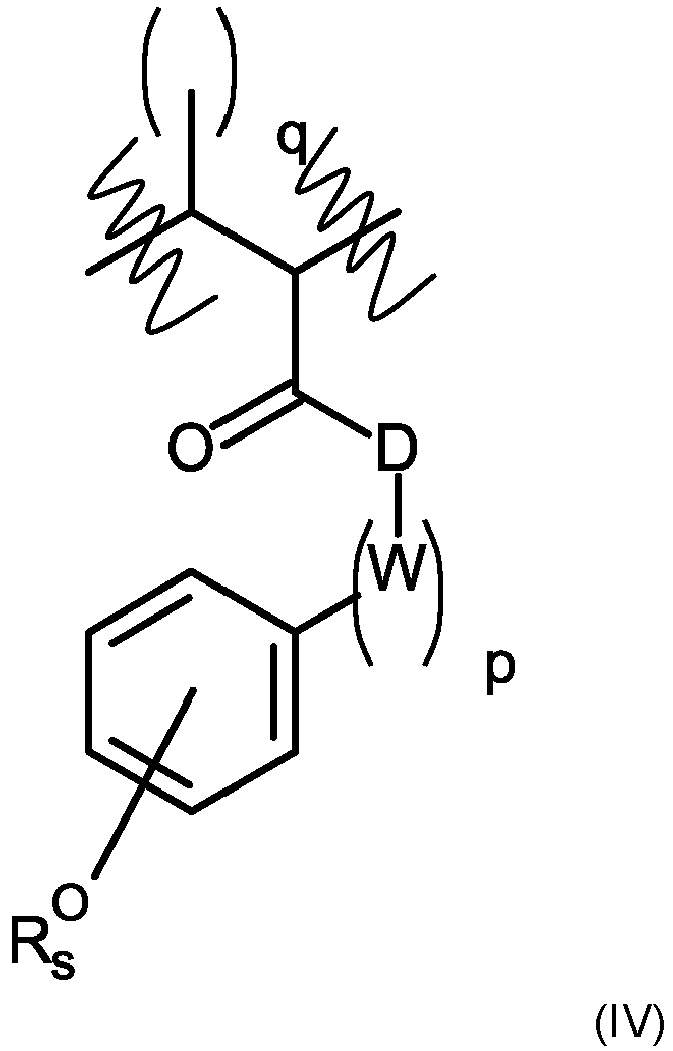 - p is selected from the group comprising 0, 1, 2, 3, 4, 5, 6, 7, 8, 9, 10;- q is selected from 0, 1;- D is selected from O, NH;- W is selected from the group comprising -CH2-, -OCH2CH2-, or -CH2CH2O-;- RO is OH;- s is selected from 1, 2.
 - The pharmaceutical composition for use according to any one of the preceding claims, wherein the second monomer comprises a crosslinkable moiety selected from the group comprising tyramine, phenol, catechol, resorcinol.
- The pharmaceutical composition for use according to claim 7, wherein the second monomer is selected from the group comprising a polymerized form of tyramine acrylamide, a polymerized form of phenol acrylamide, a polymerized form of catechol acrylamide, a polymerized form of resorcinol acrylamide.
- The pharmaceutical composition for use according to any one of the preceding claims, wherein
a ratio of the first monomer to the second monomer is 20:1 to 5:1, and/or- the polymer has a molecular mass of 50 kDa to 1000 kDa. - A pharmaceutical composition as described in any one of the preceding claims 1 to 9 for use in prevention or treatment of tissue inflammation.
- The pharmaceutical composition for use according to claim 10, wherein the pharmaceutical composition is formulated for in-situ administration.
- The pharmaceutical composition for use according to any one of the preceding claims 10 to 11, wherein the tissue inflammation results from, or occurs in association with, osteoarthritis, or rheumatoid arthritis.
- The pharmaceutical composition for use according to any one of the preceding claims 10 to 12, wherein the tissue is cartilage tissue.
- A pharmaceutical composition as described in any one of the preceding claims 1 to 9 for use in medicine by administration as a coating to a tissue implant.
- The pharmaceutical composition for use according to claim 14, wherein the tissue implant is a hydrogel, a cell-based scaffold or an ECM-like scaffold.
Priority Applications (2)
| Application Number | Priority Date | Filing Date | Title |
|---|---|---|---|
| EP22177956.4A EP4289414A1 (en) | 2022-06-08 | 2022-06-08 | Tissue protective hydrogel |
| US18/331,507 US20230398262A1 (en) | 2022-06-08 | 2023-06-08 | Tissue Protective Hydrogel |
Applications Claiming Priority (1)
| Application Number | Priority Date | Filing Date | Title |
|---|---|---|---|
| EP22177956.4A EP4289414A1 (en) | 2022-06-08 | 2022-06-08 | Tissue protective hydrogel |
Publications (1)
| Publication Number | Publication Date |
|---|---|
| EP4289414A1 true EP4289414A1 (en) | 2023-12-13 |
Family
ID=81984741
Family Applications (1)
| Application Number | Title | Priority Date | Filing Date |
|---|---|---|---|
| EP22177956.4A Ceased EP4289414A1 (en) | 2022-06-08 | 2022-06-08 | Tissue protective hydrogel |
Country Status (2)
| Country | Link |
|---|---|
| US (1) | US20230398262A1 (en) |
| EP (1) | EP4289414A1 (en) |
Families Citing this family (1)
| Publication number | Priority date | Publication date | Assignee | Title |
|---|---|---|---|---|
| CN118845613A (en) * | 2024-06-21 | 2024-10-29 | 浙江大学 | An injectable biomimetic lubricating zwitterion hydrogel joint injection solution and its preparation method and application |
Citations (5)
| Publication number | Priority date | Publication date | Assignee | Title |
|---|---|---|---|---|
| JPH10306159A (en) * | 1997-05-07 | 1998-11-17 | Agency Of Ind Science & Technol | Reactive polyphenol |
| WO2015077439A1 (en) * | 2013-11-20 | 2015-05-28 | Trustees Of Boston University | Injectable tissue supplement |
| US20180236135A1 (en) * | 2015-02-27 | 2018-08-23 | Wayne State University | Methods and compositions relating to biocompatible implants |
| US20200253192A1 (en) * | 2016-07-22 | 2020-08-13 | University Of Washington | Zwitterionic microgels, their assemblies and related formulations, and methods for their use |
| KR20220059217A (en) * | 2020-11-02 | 2022-05-10 | 아주대학교산학협력단 | Hybrid hydrogel and biomedical applications thereof |
-
2022
- 2022-06-08 EP EP22177956.4A patent/EP4289414A1/en not_active Ceased
-
2023
- 2023-06-08 US US18/331,507 patent/US20230398262A1/en active Pending
Patent Citations (5)
| Publication number | Priority date | Publication date | Assignee | Title |
|---|---|---|---|---|
| JPH10306159A (en) * | 1997-05-07 | 1998-11-17 | Agency Of Ind Science & Technol | Reactive polyphenol |
| WO2015077439A1 (en) * | 2013-11-20 | 2015-05-28 | Trustees Of Boston University | Injectable tissue supplement |
| US20180236135A1 (en) * | 2015-02-27 | 2018-08-23 | Wayne State University | Methods and compositions relating to biocompatible implants |
| US20200253192A1 (en) * | 2016-07-22 | 2020-08-13 | University Of Washington | Zwitterionic microgels, their assemblies and related formulations, and methods for their use |
| KR20220059217A (en) * | 2020-11-02 | 2022-05-10 | 아주대학교산학협력단 | Hybrid hydrogel and biomedical applications thereof |
Non-Patent Citations (4)
| Title |
|---|
| AUSUBEL ET AL.: "Short Protocols in Molecular Biology", 2002, JOHN WILEY & SONS, INC. |
| L. LACHMAN ET AL.: "Remington: the Science and Practice of Pharmacy", 2013 |
| SAMBROOK ET AL.: "Molecular Cloning: A Laboratory Manual", 2012, COLD SPRING HARBOR LABORATORY PRESS |
| ZHAO NUOYA ET AL: "Highly adhesive and dual-crosslinking hydrogel via one-pot self-initiated polymerization for efficient antibacterial, antifouling and full-thickness wound healing", COMPOSITES PART B, vol. 230, 1 February 2022 (2022-02-01), AMSTERDAM, NL, pages 109525, XP055976486, ISSN: 1359-8368, DOI: 10.1016/j.compositesb.2021.109525 * |
Also Published As
| Publication number | Publication date |
|---|---|
| US20230398262A1 (en) | 2023-12-14 |
Similar Documents
| Publication | Publication Date | Title |
|---|---|---|
| US9839719B2 (en) | Biocompatible polymers and co-polymers, and uses thereof | |
| US11135167B2 (en) | Polymer particles | |
| Yue et al. | 3D‐printable antimicrobial composite resins | |
| US10596300B2 (en) | Methods and compositions relating to biocompatible implants | |
| US8455494B2 (en) | Preparations and methods for ameliorating or reducing presbyopia | |
| US10709791B2 (en) | Stabilized polymeric carriers for therapeutic agent delivery | |
| US7157538B2 (en) | Covalently-bound, hydrophilic coating compositions for surgical implants | |
| US20240374794A1 (en) | Coating compositions, polymeric coatings, and methods | |
| JPH029822A (en) | Preparation of ta-cell and t-cell membrane for use in prevention and treatment of autoimmune disease | |
| WO2010135731A1 (en) | Preparations and methods for ameliorating or reducing presbyopia | |
| CA2951356C (en) | Mill blanks based on a polymerized, fracture-tough prosthetic material | |
| US20230398262A1 (en) | Tissue Protective Hydrogel | |
| US10780145B2 (en) | In situ forming hydrogel and method using same | |
| CA2312087C (en) | Preparation comprising sterically hindered amines for the prevention and treatment of inflammation | |
| US20170354756A1 (en) | Polyphosphate hydrogels and methods of making and using thereof | |
| Green | Mussel adhesive protein | |
| US20230338280A1 (en) | Methods for improving vision | |
| US20170340773A9 (en) | Auto-polymerizable prosthetic material and polymerized, fracture-tough prosthetic material with increased colour stability | |
| Ueda et al. | Injectable, in situ forming poly (propylene fumarate)‐based ocular drug delivery systems | |
| WO1999026637A1 (en) | Ophthalmic preparation and ophthalmic composition | |
| Wiesner et al. | Antiadhesive and Antibacterial Coatings for Short‐Term Titanium Implants | |
| JPH11147918A (en) | Water-soluble antibacterial polymer and liquid formulation for contact lens comprising the same | |
| Khor | Development of a Novel Biodegradable Drug Polymer for the Modification of Inflammatory Response | |
| JP6977550B2 (en) | Microbial adhesion inhibitor | |
| JPH11246416A (en) | Nasal drop additive and nasal drop |
Legal Events
| Date | Code | Title | Description |
|---|---|---|---|
| PUAI | Public reference made under article 153(3) epc to a published international application that has entered the european phase |
Free format text: ORIGINAL CODE: 0009012 |
|
| STAA | Information on the status of an ep patent application or granted ep patent |
Free format text: STATUS: THE APPLICATION HAS BEEN PUBLISHED |
|
| AK | Designated contracting states |
Kind code of ref document: A1 Designated state(s): AL AT BE BG CH CY CZ DE DK EE ES FI FR GB GR HR HU IE IS IT LI LT LU LV MC MK MT NL NO PL PT RO RS SE SI SK SM TR |
|
| STAA | Information on the status of an ep patent application or granted ep patent |
Free format text: STATUS: THE APPLICATION HAS BEEN REFUSED |
|
| 18R | Application refused |
Effective date: 20231220 |