EP4289358A1 - Estimating blood pressure of a subject using an ecg driven cardiovascular model - Google Patents
Estimating blood pressure of a subject using an ecg driven cardiovascular model Download PDFInfo
- Publication number
- EP4289358A1 EP4289358A1 EP23178202.0A EP23178202A EP4289358A1 EP 4289358 A1 EP4289358 A1 EP 4289358A1 EP 23178202 A EP23178202 A EP 23178202A EP 4289358 A1 EP4289358 A1 EP 4289358A1
- Authority
- EP
- European Patent Office
- Prior art keywords
- cardiac
- ecg signal
- compliance
- parameters
- silico
- Prior art date
- Legal status (The legal status is an assumption and is not a legal conclusion. Google has not performed a legal analysis and makes no representation as to the accuracy of the status listed.)
- Granted
Links
Images



Classifications
-
- A—HUMAN NECESSITIES
- A61—MEDICAL OR VETERINARY SCIENCE; HYGIENE
- A61B—DIAGNOSIS; SURGERY; IDENTIFICATION
- A61B5/00—Measuring for diagnostic purposes; Identification of persons
- A61B5/02—Detecting, measuring or recording for evaluating the cardiovascular system, e.g. pulse, heart rate, blood pressure or blood flow
- A61B5/02028—Determining haemodynamic parameters not otherwise provided for, e.g. cardiac contractility or left ventricular ejection fraction
-
- A—HUMAN NECESSITIES
- A61—MEDICAL OR VETERINARY SCIENCE; HYGIENE
- A61B—DIAGNOSIS; SURGERY; IDENTIFICATION
- A61B5/00—Measuring for diagnostic purposes; Identification of persons
- A61B5/72—Signal processing specially adapted for physiological signals or for diagnostic purposes
- A61B5/7271—Specific aspects of physiological measurement analysis
- A61B5/7278—Artificial waveform generation or derivation, e.g. synthesizing signals from measured signals
-
- A—HUMAN NECESSITIES
- A61—MEDICAL OR VETERINARY SCIENCE; HYGIENE
- A61B—DIAGNOSIS; SURGERY; IDENTIFICATION
- A61B5/00—Measuring for diagnostic purposes; Identification of persons
- A61B5/02—Detecting, measuring or recording for evaluating the cardiovascular system, e.g. pulse, heart rate, blood pressure or blood flow
- A61B5/021—Measuring pressure in heart or blood vessels
-
- A—HUMAN NECESSITIES
- A61—MEDICAL OR VETERINARY SCIENCE; HYGIENE
- A61B—DIAGNOSIS; SURGERY; IDENTIFICATION
- A61B5/00—Measuring for diagnostic purposes; Identification of persons
- A61B5/02—Detecting, measuring or recording for evaluating the cardiovascular system, e.g. pulse, heart rate, blood pressure or blood flow
- A61B5/021—Measuring pressure in heart or blood vessels
- A61B5/02108—Measuring pressure in heart or blood vessels from analysis of pulse wave characteristics
-
- A—HUMAN NECESSITIES
- A61—MEDICAL OR VETERINARY SCIENCE; HYGIENE
- A61B—DIAGNOSIS; SURGERY; IDENTIFICATION
- A61B5/00—Measuring for diagnostic purposes; Identification of persons
- A61B5/02—Detecting, measuring or recording for evaluating the cardiovascular system, e.g. pulse, heart rate, blood pressure or blood flow
- A61B5/024—Measuring pulse rate or heart rate
- A61B5/02405—Determining heart rate variability
-
- A—HUMAN NECESSITIES
- A61—MEDICAL OR VETERINARY SCIENCE; HYGIENE
- A61B—DIAGNOSIS; SURGERY; IDENTIFICATION
- A61B5/00—Measuring for diagnostic purposes; Identification of persons
- A61B5/24—Detecting, measuring or recording bioelectric or biomagnetic signals of the body or parts thereof
- A61B5/316—Modalities, i.e. specific diagnostic methods
- A61B5/318—Heart-related electrical modalities, e.g. electrocardiography [ECG]
- A61B5/346—Analysis of electrocardiograms
-
- A—HUMAN NECESSITIES
- A61—MEDICAL OR VETERINARY SCIENCE; HYGIENE
- A61B—DIAGNOSIS; SURGERY; IDENTIFICATION
- A61B5/00—Measuring for diagnostic purposes; Identification of persons
- A61B5/24—Detecting, measuring or recording bioelectric or biomagnetic signals of the body or parts thereof
- A61B5/316—Modalities, i.e. specific diagnostic methods
- A61B5/318—Heart-related electrical modalities, e.g. electrocardiography [ECG]
- A61B5/346—Analysis of electrocardiograms
- A61B5/349—Detecting specific parameters of the electrocardiograph cycle
- A61B5/366—Detecting abnormal QRS complex, e.g. widening
Definitions
- the disclosure herein generally relates to the field of in-silico modeling of hemodynamic patterns of physiologic blood flow, and, more particularly, to systems and methods for estimating blood pressure of a subject using an electrocardiogram (ECG) driven cardiovascular model.
- ECG electrocardiogram
- Embodiments of the present disclosure present technological improvements as solutions to one or more of the above-mentioned technical problems recognized by the inventors in conventional systems.
- a processor implemented method comprising estimating, by an in-silico cardiovascular hemodynamic model via one or more hardware processors, in each cardiac cycle of an electrocardiogram (ECG) signal, cardiac parameters based on morphology of the ECG signal associated with a subject, wherein the cardiac parameters include a continuous heart rate (HR) and a set of compliance parameters, and wherein estimating the set of compliance parameters is based on: (i) a set of PQRST amplitudes; and (ii) time-instances, ( a p j t p j a q j t q j a r j t r j a s j t s j a t j t j ; j ⁇ m ) for a j th cardiac cycle ( ⁇ j ⁇ m ) of the ECG signal; generating, by the in-silico cardiovascular hemodynamic model via the one or more hardware processors, a set of
- a system comprising a memory storing instructions in an in-silico cardiovascular hemodynamic model; one or more communication interfaces; and one or more hardware processors coupled to the memory via the one or more communication interfaces, wherein the one or more hardware processors are configured by the instructions to: estimate, in each cardiac cycle of an electrocardiogram (ECG) signal, cardiac parameters based on morphology of the ECG signal associated with a subject, wherein the cardiac parameters include a continuous heart rate (HR) and a set of compliance parameters, and wherein estimating the set of compliance parameters is based on: (i) a set of PQRST amplitudes; and (ii) time-instances, ( a p j t p j a q j t q j a r j t r j a s j t s j a t j t j ; j ⁇ m ) for a j th cardiac cycle ( ⁇
- one or more non-transitory machine-readable information storage mediums comprising one or more instructions which when executed by one or more hardware processors cause estimating, by an in-silico cardiovascular hemodynamic model via one or more hardware processors, in each cardiac cycle of an electrocardiogram (ECG) signal, cardiac parameters based on morphology of the ECG signal associated with a subject, wherein the cardiac parameters include a continuous heart rate (HR) and a set of compliance parameters, and wherein estimating the set of compliance parameters is based on: (i) a set of PQRST amplitudes; and (ii) time-instances, ( a p j t p j a q j t q j a r j t r j a s j t s j a t j t j ; j ⁇ m ) for a j th cardiac cycle ( ⁇ j ⁇ m ) of the ECG signal
- Cardiovascular diseases are a main cause of death worldwide; with coronary heart disease (CHD) accounting for a majority of CVD mortality.
- CHD cardiovascular disease
- CHD cardiovascular disease
- Exercise-based cardiac rehabilitation is often prescribed as a prevention scheme to reduce the impact of CHD.
- Cardiac rehabilitation is a complex secondary preventive intervention that aims to optimize cardiovascular disease risk reduction, promoting adoption and adherence of healthy habits, and reducing disability among those with established CHD.
- CR is prescribed to patients suffering from cardiac diseases like valvular heart disease, heart transplantation, heart failure with reduced ejection fraction (EF), post-coronary artery bypass grafting (CABG), etc. with the goal of improving quality of life and reducing re-hospitalization.
- CR is a multi-component risk management process
- exercise is considered as an integral component.
- Exercise has been shown to regulate several established CHD risk factors like blood pressure, blood lipid profile, glucose metabolism, weight status and body composition through cardiovascular and metabolic adaptation.
- In-silico models serve as virtual test beds to verify consequences on different levels of exercise for pathological conditions of varying severity.
- Machine learning based conventional cardiovascular hemodynamic models are dependent on prior knowledge of threshold parameters of neuromodulation schemes, thereby limiting their application in establishing a cardiac care continuum for cardiac rehabilitation.
- Applicants' previous patent application No. 202121010972 provided compliance functions for activating cardiac chambers of cardiovascular hemodynamic models, however, the parameters used were constants.
- the present disclosure enables estimating cardiac parameters from an electrocardiogram (ECG) signal associated with a subject using the morphology of the ECG signal, thereby reproducing activation delays in the cardiac chambers purposefully.
- ECG electrocardiogram
- the blood pressure of the subject is also estimated using the ECG signal even if the signal is missed for some time instance(s) or is noisy.
- FIG. 1 through FIG.7 where similar reference characters denote corresponding features consistently throughout the figures, there are shown preferred embodiments and these embodiments are described in the context of the following exemplary system and/or method.
- the present disclosure provides cardiovascular digital-twin simulation system as shown in FIG. 1 that illustrates an exemplary block diagram of a system 100 for estimating cardiac parameters when performing an activity using a personalized cardiovascular hemodynamic model, in accordance with some embodiments of the present disclosure.
- the system 100 includes one or more hardware processors 104, communication interface device(s) or input/output (I/O) interface(s) 106, and one or more data storage devices or memory 102 operatively coupled to the one or more hardware processors 104.
- the one or more hardware processors 104 can be implemented as one or more microprocessors, microcomputers, microcontrollers, digital signal processors, central processing units, state machines, graphics controllers, logic circuitries, and/or any devices that manipulate signals based on operational instructions.
- the processor(s) are configured to fetch and execute computer-readable instructions stored in the memory.
- the expressions 'processors' and 'hardware processors' may be used interchangeably.
- the system 100 can be implemented in a variety of computing systems, such as laptop computers, notebooks, hand-held devices, workstations, mainframe computers, servers, a network cloud and the like.
- I/O interface(s) 106 can include a variety of software and hardware interfaces, for example, a web interface, a graphical user interface, and the like and can facilitate multiple communications within a wide variety of networks N/W and protocol types, including wired networks, for example, LAN, cable, etc., and wireless networks, such as WLAN, cellular, or satellite.
- the I/O interface(s) can include one or more ports for connecting a number of devices to one another or to another server.
- the memory 102 may include any computer-readable medium known in the art including, for example, volatile memory, such as static random-access memory (SRAM) and dynamic random-access memory (DRAM), and/or non-volatile memory, such as read only memory (ROM), erasable programmable ROM, flash memories, hard disks, optical disks, and magnetic tapes.
- volatile memory such as static random-access memory (SRAM) and dynamic random-access memory (DRAM)
- non-volatile memory such as read only memory (ROM), erasable programmable ROM, flash memories, hard disks, optical disks, and magnetic tapes.
- ROM read only memory
- erasable programmable ROM erasable programmable ROM
- flash memories such as hard disks, optical disks, and magnetic tapes.
- hard disks such as hard disks, optical disks, and magnetic tapes.
- magnetic tapes such as magnetic tapes.
- modules e.g. the in-silico cardiovascular hemodynamic model
- FIG.2 illustrates an exemplary block diagram of a cardiovascular hemodynamic model, in accordance with some embodiments of the present disclosure
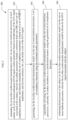
- FIG.3 illustrates an exemplary flow diagram of a computer implemented method 300 for estimating blood pressure of a subject using an electrocardiogram (ECG) driven cardiovascular model, in accordance with some embodiments of the present disclosure
- the system 100 includes one or more data storage devices or memory 102 operatively coupled to the one or more hardware processors 104 and is configured to store instructions configured for execution of steps of the method 200 by the one or more hardware processors 104.
- the memory 102 further comprises (or may further comprise) information pertaining to input(s)/output(s) of each step performed by the system and method of the present disclosure.
- input(s) fed at each step and output(s) generated at each step are comprised in the memory 102 and can be utilized in further processing and analysis, particularly functionalities represented by modules (the in-silico cardiovascular hemodynamic model) illustrated in FIG. 1 and FIG.2 .
- the modules are implemented as at least one of a logically self-contained part of a software program, a self-contained hardware component, and/or, a self-contained hardware component with a logically self-contained part of a software program embedded into each of the hardware component that when executed perform the method 300 described hereinafter. Accordingly, the modules are invoked by the one or more hardware processors 104 to perform the method 300 of the present disclosure.
- the human cardiovascular system contains a couple of atrium and ventricles acting like a pulsatile pump.
- the systemic circulation is produced by the leftventricle ( lv ) and left-atrium ( lv ) pumping oxygenated blood to all body tissues via aorta.
- the right-ventricle ( rv ) and right-atrium ( ra ) drive deoxygenated blood to the lungs forming the pulmonic circulation.
- the rhythmic unidirectional blood flow across the cardiac chambers is controlled by four heart valves, namely, mitral ( mi ) and aortic ( ao ) valves in the left heart and tricuspid ( tr ) and pulmonic ( pu ) valves in the right heart respectively which are synchronously opened and closed based on the pressure difference across the chambers.
- mitral ( mi ) and aortic ( ao ) valves in the left heart and tricuspid ( tr ) and pulmonic ( pu ) valves in the right heart respectively which are synchronously opened and closed based on the pressure difference across the chambers.
- the hemodynamics of the human circulatory system outlines the dynamics of blood flow as a function of pressure-volume fluctuations across cardiac chambers.
- the homeostatic process of autoregulation continuously monitors and regulates blood flow throughout the body. So, to get the quantitative overview of a cardiac system, it is necessary to monitor the hemodynamics of the cardiac chambers such as pressures, volumes, blood
- each of the heart chambers is simultaneously actuated by an autonomous compliance function.
- the activation begins in the sinoatrial node located inside the right atrium ( ra ), then spreads throughout the atrium (depolarization of atria). It then propagates to the ventricles after passing through the atrioventricular node, bundle of His and the Purkinje fibers (depolarization and repolarization of ventricles).
- the ventricles fill with incoming blood from atrium, and in the depolarization state, blood ejects from ventricles.
- the autonomous activation functions across the cardiac chambers can analytically be defined as compliance functions given below.
- C ra t C ra min + 0.5 ⁇ C ra max ⁇ C ra min u ra t
- C la t C la min + 0.5 ⁇ C la max ⁇ C la min u la t
- C i t C i ⁇ u i t , i ⁇ lv , rv
- C ra min , C la min are the minimum values
- C ra max , C la max are the maximum values of the ( ra ) and ( la ) compliance functions respectively
- C i ; ⁇ i ⁇ ⁇ lv, rv ⁇ is the systolic compliance across ( lv ) and (rv).
- an in-silico cardiovascular hemodynamic model via the one or more hardware processors 104 is configured to estimate, at step 302, cardiac parameters based on morphology of an electrocardiogram (ECG) signal associated with a subject in each cardiac cycle of the ECG signal.
- ECG electrocardiogram
- the ECG signal may be captured using sensors in say a wearable device, such as a digital watch.
- the cardiac parameters include a continuous heart rate (HR) and a set of compliance parameters for each cardiac cycle.
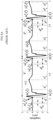
- FIG.4A illustrates an ECG signal with PQRST amplitudes and time steps, as known in the art.
- the R-to-R interval of each cardiac cycle is identified as shown in FIG. 4A .
- D [ t 1 , t 2 , ... , t m ]; m ⁇ R + defines the set containing the durations of the cardiac cycles of the entire ECG signal.
- HR 60/ D.
- the compliance parameters are estimated based on:
- the ECG signal during physical activities is very noisy.
- the ECG signal may be missing in scenarios where the sensor may be disconnected at least momentarily.
- the present disclosure enables estimating an approximate HR based on the HR information as measured through noise-less ECG signal.
- HR t ⁇ h ae end + w t during resting state 1 ⁇ t + 1 e ⁇ t ⁇ k h ae 0 + w t during exercising state
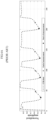
- FIG.5 illustrates an estimated heart-rate of a subject 1 of Kaggle dataset (explained later in the description), in accordance with some embodiments of the present disclosure, wherein solid line represents an estimated HR in a missing window (ECG signal is missing) and dotted line represents an estimated HR from the ECG signal. From FIG.5 , it is perceived that the HR is within a normal HR range (90-100 bpm) in a resting state and it starts increasing during an exercising state. Once, the physical activities are completed, it again starts decreasing and approaching towards the normal HR range.
- a normal HR range 90-100 bpm
- the in-silico cardiovascular hemodynamic model via the one or more hardware processors 104 is configured to generate, at step 304, a set of compliance functions using the estimated cardiac parameters as represented by equations (4-6) above.
- the cardiac chambers are activated sequentially, in a synchronized manner, by the time-varying compliance functions explained above.
- this activation starts from the sinoatrial node, which is located inside ra, then, it traverses to the la with a time delay of d la , causing them to contract for pumping the blood into the ventricles. After that, the activation traverses from the atrium to the ventricles via an atrioventricular node with a time delay of d, allowing the ventricles to fill with blood.
- the in-silico cardiovascular hemodynamic model via the one or more hardware processors 104 is configured to sequentially activate, at step 306, the cardiac chambers of the in-silico ECG driven cardiovascular hemodynamic model, in a synchronized manner, using the generated set of compliance functions.
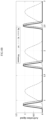
- FIG. 4B illustrates synchronous activation signals to trigger cardiac chambers of an in-silico ECG driven cardiovascular hemodynamic model, in accordance with some embodiments of the present disclosure.
- the in-silico cardiovascular hemodynamic model via the one or more hardware processors is configured to estimate blood pressure of the subject, at step 308, wherein the in-silico cardiovascular hemodynamic model is driven by the ECG signal associated with the subject.
- FIG. 6A illustrates a force-sensing-resistor (FSR) signal, as known in the art while FIG. 6B illustrates a simulated blood pressure of the subject 1 with respect to the FSR signal of FIG.6A , in accordance with some embodiments of the present disclosure.
- Table 1A and Table 1B below shows a comparative study between the ground truth BP versus simulated BP of various subjects of the Kaggle dataset.
- Table 1A SBP (mmHg) Subject ID Age BMI (kg/m2) 1 st window 2 nd window 3 rd window 4 th window 1 25 21.22 Ground Truth 137 134 125 122 Simulated 136.95 133.9 125.41 121.88 6 50 32.87 Ground Truth 165 161 143 134 Simulated 165.5 160.9 143.7 132.9 19 27 29.4 Ground Truth 151 148 143 135 Simulated 150.95 147.9 142.97 135.26
- Table 1B DBP (mmHg) Subject ID Age BMI (kg/m2) 1 st window 2 nd window 3 rd window 4 th window 1 25 21.22 Ground Truth 78 75 71 67 Simulated 78.07 74.21 71.17 65.6 6 50 32.87 Ground Truth 89 83 82 81 Simulated 89.6 84.2 82.2 82 19 27 29.4 Ground Truth 80 81 77 79 Simulated 80.3 81.26 76.8
- CHD coronary heart disease
- Lifestyle disorders are one of the precursors of CHD.
- Exercise-based cardiac health rehabilitation is often prescribed as a secondary prevention strategy to reduce the impact of CHD.
- the present disclosure proves an in-silico cardiac platform to simulate the exercise effect on cardiac parameters relevant for cardiac rehabilitation.
- the method and system of the present disclosure enable simulating an individual's (subject) exercise condition using the ECG signal approximated from say a wearable device.
- Neuromodulation parameters are estimated from the morphology of the ECG signal. Effect of exercise on cardiac parameters are simulated on open-source Kaggle dataset for healthy subjects, and hemodynamic parameters are evaluated.
- the cardiac parameters estimated from the ECG signal associated with a subject are integrated into the practical application of estimating blood pressure of the subject using the in-silico ECG driven cardiovascular model and with a meaningful combination of additional elements of generating the set of compliance functions and using the estimated parameters to sequentially activate the cardiac chambers of the in-silico ECG driven cardiovascular hemodynamic model.
- the model simulated BP shows a correlation coefficient of 0.99 (for systolic BP), and 0.95 (for diastolic BP) with Kaggle data BP.
- the method and system of the present disclosure find application as a cardiac rehabilitation monitoring aid for both healthy and patients suffering from heart diseases, thereby providing cardiac care continuum.
- Such computer-readable storage means contain program-code means for implementation of one or more steps of the method, when the program runs on a server or mobile device or any suitable programmable device.
- the hardware device can be any kind of device which can be programmed including e.g., any kind of computer like a server or a personal computer, or the like, or any combination thereof.
- the device may also include means which could be e.g., hardware means like e.g., an applicationspecific integrated circuit (ASIC), a field-programmable gate array (FPGA), or a combination of hardware and software means, e.g., an ASIC and an FPGA, or at least one microprocessor and at least one memory with software processing components located therein.
- the means can include both hardware means and software means.
- the method embodiments described herein could be implemented in hardware and software.
- the device may also include software means. Alternatively, the embodiments may be implemented on different hardware devices, e.g., using a plurality of CPUs.
- the embodiments herein can comprise hardware and software elements.
- the embodiments that are implemented in software include but are not limited to, firmware, resident software, microcode, etc.
- the functions performed by various components described herein may be implemented in other components or combinations of other components.
- a computerusable or computer readable medium can be any apparatus that can comprise, store, communicate, propagate, or transport the program for use by or in connection with the instruction execution system, apparatus, or device.
- a computer-readable storage medium refers to any type of physical memory on which information or data readable by a processor may be stored.
- a computer-readable storage medium may store instructions for execution by one or more processors, including instructions for causing the processor(s) to perform steps or stages consistent with the embodiments described herein.
- the term "computer-readable medium” shou ld be understood to include tangible items and exclude carrier waves and transient signals, i.e., be non-transitory. Examples include random access memory (RAM), read-only memory (ROM), volatile memory, nonvolatile memory, hard drives, CD ROMs, DVDs, flash drives, disks, and any other known physical storage media.
Landscapes
- Health & Medical Sciences (AREA)
- Life Sciences & Earth Sciences (AREA)
- Cardiology (AREA)
- Engineering & Computer Science (AREA)
- Medical Informatics (AREA)
- Animal Behavior & Ethology (AREA)
- Pathology (AREA)
- Physics & Mathematics (AREA)
- Biomedical Technology (AREA)
- Heart & Thoracic Surgery (AREA)
- Veterinary Medicine (AREA)
- Molecular Biology (AREA)
- Surgery (AREA)
- Biophysics (AREA)
- General Health & Medical Sciences (AREA)
- Public Health (AREA)
- Physiology (AREA)
- Vascular Medicine (AREA)
- Artificial Intelligence (AREA)
- Computer Vision & Pattern Recognition (AREA)
- Psychiatry (AREA)
- Signal Processing (AREA)
- Measurement And Recording Of Electrical Phenomena And Electrical Characteristics Of The Living Body (AREA)
Abstract
Description
- The present application claims priority to
Indian application, Application No. 202221033450, filed in India on 10th June 2022 - The disclosure herein generally relates to the field of in-silico modeling of hemodynamic patterns of physiologic blood flow, and, more particularly, to systems and methods for estimating blood pressure of a subject using an electrocardiogram (ECG) driven cardiovascular model.
- Computer simulation-based cardiovascular modeling in healthcare is an attractive proposition since analytical models aid in improving understanding of cardiac physiology which in turn is useful for predicting adverse accidents like sudden cardiac death. Clinicians find predictive models useful to stratify likelihood or severity of exercise intolerance in patients. In-silico model platforms also serve as virtual testbeds to verify consequences on different levels of exercise for pathological conditions of varying severity.
- Various literatures define cardiac parameter variations based on lumped order models. Conventional cardiovascular hemodynamic models depend on neuromodulation schemes (baroreflex autoregulation) and threshold parameters of neuromodulation correlate with physical activities. Thus these models may not work practically for a large set of people due to dependency on prior knowledge of these parameters. Establishing a cardiac care continuum for cardiac rehabilitation may not be as effective as desired.
- Embodiments of the present disclosure present technological improvements as solutions to one or more of the above-mentioned technical problems recognized by the inventors in conventional systems.
- In an aspect, there is provided a processor implemented method comprising estimating, by an in-silico cardiovascular hemodynamic model via one or more hardware processors, in each cardiac cycle of an electrocardiogram (ECG) signal, cardiac parameters based on morphology of the ECG signal associated with a subject, wherein the cardiac parameters include a continuous heart rate (HR) and a set of compliance parameters, and wherein estimating the set of compliance parameters is based on: (i) a set of PQRST amplitudes; and (ii) time-instances, (

- In another aspect, there is provided a system comprising a memory storing instructions in an in-silico cardiovascular hemodynamic model; one or more communication interfaces; and one or more hardware processors coupled to the memory via the one or more communication interfaces, wherein the one or more hardware processors are configured by the instructions to: estimate, in each cardiac cycle of an electrocardiogram (ECG) signal, cardiac parameters based on morphology of the ECG signal associated with a subject, wherein the cardiac parameters include a continuous heart rate (HR) and a set of compliance parameters, and wherein estimating the set of compliance parameters is based on: (i) a set of PQRST amplitudes; and (ii) time-instances, (

- In yet another aspect, there are provided one or more non-transitory machine-readable information storage mediums comprising one or more instructions which when executed by one or more hardware processors cause estimating, by an in-silico cardiovascular hemodynamic model via one or more hardware processors, in each cardiac cycle of an electrocardiogram (ECG) signal, cardiac parameters based on morphology of the ECG signal associated with a subject, wherein the cardiac parameters include a continuous heart rate (HR) and a set of compliance parameters, and wherein estimating the set of compliance parameters is based on: (i) a set of PQRST amplitudes; and (ii) time-instances, (

- In accordance with an embodiment of the present disclosure, the one or more hardware processors are configured to estimate HR based on the HR associated with a noise-less ECG signal, when the ECG signal is missing or is noisy, and is represented as:


- In accordance with an embodiment of the present disclosure, the one or more hardware processors are configured to estimate HR based on the HR associated with a noise-less ECG signal, when the ECG signal is missing or is noisy, and is represented as:


- It is to be understood that both the foregoing general description and the following detailed description are exemplary and explanatory only and are not restrictive of the invention, as claimed.
- The accompanying drawings, which are incorporated in and constitute a part of this disclosure, illustrate exemplary embodiments and, together with the description, serve to explain the disclosed principles:
-
FIG. 1 illustrates an exemplary block diagram of a system for estimating blood pressure of a subject using an electrocardiogram (ECG) driven cardiovascular hemodynamic model, in accordance with some embodiments of the present disclosure. -
FIG.2 illustrates an exemplary block diagram of the cardiovascular hemodynamic model, in accordance with some embodiments of the present disclosure. -
FIG.3 illustrates an exemplary flow diagram of a computer implemented method for estimating blood pressure of a subject using an electrocardiogram (ECG) driven cardiovascular model, in accordance with some embodiments of the present disclosure. -
FIG. 4A illustrates an ECG signal with PQRST amplitudes and time steps, in accordance with some embodiments of the present disclosure. -
FIG. 4B illustrates synchronous activation signals to trigger cardiac chambers of an in-silico ECG driven cardiovascular hemodynamic model, in accordance with some embodiments of the present disclosure. -
FIG.5 illustrates an estimated heart-rate of asubject 1 of the Kaggle dataset, in accordance with some embodiments of the present disclosure. -
FIG. 6A illustrates a force-sensing-resistor (FSR) signal, as known in the art. -
FIG. 6B illustrates a simulated blood pressure of thesubject 1 with respect to the FSR signal ofFIG.6A , in accordance with some embodiments of the present disclosure. -
FIG.7 illustrates a correlation between ground-truth blood pressure and measured blood pressure of all the subjects of Kaggle dataset in accordance with some embodiments of the present disclosure. - Exemplary embodiments are described with reference to the accompanying drawings. In the figures, the left-most digit(s) of a reference number identifies the figure in which the reference number first appears. Wherever convenient, the same reference numbers are used throughout the drawings to refer to the same or like parts. While examples and features of disclosed principles are described herein, modifications, adaptations, and other implementations are possible without departing from the scope of the disclosed embodiments.
- Cardiovascular diseases (CVD) are a main cause of death worldwide; with coronary heart disease (CHD) accounting for a majority of CVD mortality. CHD has a high prevalence and is aggravated by lifestyle disorders. Exercise-based cardiac rehabilitation is often prescribed as a prevention scheme to reduce the impact of CHD. Cardiac rehabilitation (CR) is a complex secondary preventive intervention that aims to optimize cardiovascular disease risk reduction, promoting adoption and adherence of healthy habits, and reducing disability among those with established CHD. CR is prescribed to patients suffering from cardiac diseases like valvular heart disease, heart transplantation, heart failure with reduced ejection fraction (EF), post-coronary artery bypass grafting (CABG), etc. with the goal of improving quality of life and reducing re-hospitalization. Although CR is a multi-component risk management process, exercise is considered as an integral component. Exercise has been shown to regulate several established CHD risk factors like blood pressure, blood lipid profile, glucose metabolism, weight status and body composition through cardiovascular and metabolic adaptation. In-silico models serve as virtual test beds to verify consequences on different levels of exercise for pathological conditions of varying severity.
- Machine learning based conventional cardiovascular hemodynamic models are dependent on prior knowledge of threshold parameters of neuromodulation schemes, thereby limiting their application in establishing a cardiac care continuum for cardiac rehabilitation. Applicants' previous patent application No. 202121010972 provided compliance functions for activating cardiac chambers of cardiovascular hemodynamic models, however, the parameters used were constants. The present disclosure enables estimating cardiac parameters from an electrocardiogram (ECG) signal associated with a subject using the morphology of the ECG signal, thereby reproducing activation delays in the cardiac chambers purposefully. In accordance with the present disclosure, the blood pressure of the subject is also estimated using the ECG signal even if the signal is missed for some time instance(s) or is noisy.
- Referring now to the drawings, and more particularly to
FIG. 1 through FIG.7 , where similar reference characters denote corresponding features consistently throughout the figures, there are shown preferred embodiments and these embodiments are described in the context of the following exemplary system and/or method. - Based on the requirement of both exercise monitoring and in-silico modeling for establishing a cardiac care continuum for cardiac rehabilitation, the present disclosure provides cardiovascular digital-twin simulation system as shown in
FIG. 1 that illustrates an exemplary block diagram of asystem 100 for estimating cardiac parameters when performing an activity using a personalized cardiovascular hemodynamic model, in accordance with some embodiments of the present disclosure. In an embodiment, thesystem 100 includes one ormore hardware processors 104, communication interface device(s) or input/output (I/O) interface(s) 106, and one or more data storage devices ormemory 102 operatively coupled to the one ormore hardware processors 104. The one ormore hardware processors 104 can be implemented as one or more microprocessors, microcomputers, microcontrollers, digital signal processors, central processing units, state machines, graphics controllers, logic circuitries, and/or any devices that manipulate signals based on operational instructions. Among other capabilities, the processor(s) are configured to fetch and execute computer-readable instructions stored in the memory. In the context of the present disclosure, the expressions 'processors' and 'hardware processors' may be used interchangeably. In an embodiment, thesystem 100 can be implemented in a variety of computing systems, such as laptop computers, notebooks, hand-held devices, workstations, mainframe computers, servers, a network cloud and the like. - I/O interface(s) 106 can include a variety of software and hardware interfaces, for example, a web interface, a graphical user interface, and the like and can facilitate multiple communications within a wide variety of networks N/W and protocol types, including wired networks, for example, LAN, cable, etc., and wireless networks, such as WLAN, cellular, or satellite. In an embodiment, the I/O interface(s) can include one or more ports for connecting a number of devices to one another or to another server.
- The
memory 102 may include any computer-readable medium known in the art including, for example, volatile memory, such as static random-access memory (SRAM) and dynamic random-access memory (DRAM), and/or non-volatile memory, such as read only memory (ROM), erasable programmable ROM, flash memories, hard disks, optical disks, and magnetic tapes. In an embodiment, one or more modules (e.g. the in-silico cardiovascular hemodynamic model) of thesystem 100 can be stored in thememory 102.FIG.2 illustrates an exemplary block diagram of a cardiovascular hemodynamic model, in accordance with some embodiments of the present disclosure whileFIG.3 illustrates an exemplary flow diagram of a computer implementedmethod 300 for estimating blood pressure of a subject using an electrocardiogram (ECG) driven cardiovascular model, in accordance with some embodiments of the present disclosure. In an embodiment, thesystem 100 includes one or more data storage devices ormemory 102 operatively coupled to the one ormore hardware processors 104 and is configured to store instructions configured for execution of steps of themethod 200 by the one ormore hardware processors 104. Thememory 102 further comprises (or may further comprise) information pertaining to input(s)/output(s) of each step performed by the system and method of the present disclosure. In other words, input(s) fed at each step and output(s) generated at each step are comprised in thememory 102 and can be utilized in further processing and analysis, particularly functionalities represented by modules (the in-silico cardiovascular hemodynamic model) illustrated inFIG. 1 and FIG.2 . The modules are implemented as at least one of a logically self-contained part of a software program, a self-contained hardware component, and/or, a self-contained hardware component with a logically self-contained part of a software program embedded into each of the hardware component that when executed perform themethod 300 described hereinafter. Accordingly, the modules are invoked by the one ormore hardware processors 104 to perform themethod 300 of the present disclosure. - The steps of the
method 300 will now be explained in detail with reference to the components of thesystem 100 ofFIG. 1 and the block diagram ofFIG.2 . Although process steps, method steps, techniques or the like may be described in a sequential order, such processes, methods and techniques may be configured to work in alternate orders. In other words, any sequence or order of steps that may be described does not necessarily indicate a requirement that the steps be performed in that order. The steps of processes described herein may be performed in any order practical. Further, some steps may be performed simultaneously. - The human cardiovascular system contains a couple of atrium and ventricles acting like a pulsatile pump. The systemic circulation is produced by the leftventricle ( lv ) and left-atrium ( lv ) pumping oxygenated blood to all body tissues via aorta. On the other side, the right-ventricle ( rv ) and right-atrium ( ra ) drive deoxygenated blood to the lungs forming the pulmonic circulation. The rhythmic unidirectional blood flow across the cardiac chambers is controlled by four heart valves, namely, mitral ( mi ) and aortic ( ao ) valves in the left heart and tricuspid ( tr ) and pulmonic ( pu ) valves in the right heart respectively which are synchronously opened and closed based on the pressure difference across the chambers. Hence, the hemodynamics of the human circulatory system outlines the dynamics of blood flow as a function of pressure-volume fluctuations across cardiac chambers. Additionally, the homeostatic process of autoregulation continuously monitors and regulates blood flow throughout the body. So, to get the quantitative overview of a cardiac system, it is necessary to monitor the hemodynamics of the cardiac chambers such as pressures, volumes, blood-flows, etc.
- According to the electrophysiology principle, each of the heart chambers is simultaneously actuated by an autonomous compliance function. During each cardiac cycle, the activation begins in the sinoatrial node located inside the right atrium ( ra ), then spreads throughout the atrium (depolarization of atria). It then propagates to the ventricles after passing through the atrioventricular node, bundle of His and the Purkinje fibers (depolarization and repolarization of ventricles). As a consequence, during the repolarization state, the ventricles fill with incoming blood from atrium, and in the depolarization state, blood ejects from ventricles. The autonomous activation functions across the cardiac chambers can analytically be defined as compliance functions given below.


- Thus, the compliance action of the cardiac chambers is represented as:


Ci ; ∀i ∈ {lv, rv} is the systolic compliance across ( lv ) and (rv). - Now, considering equations (1) - (3), it is observed that there are several dynamic parameters (such as heart-rate ( T ), ( ra ) activation time ( Ta ), ( la ) activation time ( Ta + dla ), ventricular systolic ( T 1 + d ), and diastolic ( T 2 + d ) times. As mentioned above, in Applicants previous patent application No.
202121010972 - Accordingly, in an embodiment of the present disclosure, an in-silico cardiovascular hemodynamic model via the one or
more hardware processors 104, is configured to estimate, atstep 302, cardiac parameters based on morphology of an electrocardiogram (ECG) signal associated with a subject in each cardiac cycle of the ECG signal. The ECG signal may be captured using sensors in say a wearable device, such as a digital watch. The cardiac parameters include a continuous heart rate (HR) and a set of compliance parameters for each cardiac cycle.FIG.4A illustrates an ECG signal with PQRST amplitudes and time steps, as known in the art. - In accordance with the present disclosure, to estimate the continuous HR of the ECG signal, the R-to-R interval of each cardiac cycle is identified as shown in
FIG. 4A . Let us assume that D = [t 1, t 2,..., tm ];
- In accordance with the present disclosure, the compliance parameters are estimated based on:
- (i) a set of PQRST amplitudes; and
- (ii) time-instances, (

FIG. 4A ). - It is often observed that the ECG signal during physical activities (such as exercise) is very noisy. Furthermore, in some window, the ECG signal may be missing in scenarios where the sensor may be disconnected at least momentarily. In such scenarios, the present disclosure enables estimating an approximate HR based on the HR information as measured through noise-less ECG signal. In accordance with an embodiment of the present disclosure, the continuous HR estimation is represented as:


FIG.5 illustrates an estimated heart-rate of asubject 1 of Kaggle dataset (explained later in the description), in accordance with some embodiments of the present disclosure, wherein solid line represents an estimated HR in a missing window (ECG signal is missing) and dotted line represents an estimated HR from the ECG signal. FromFIG.5 , it is perceived that the HR is within a normal HR range (90-100 bpm) in a resting state and it starts increasing during an exercising state. Once, the physical activities are completed, it again starts decreasing and approaching towards the normal HR range. - In an embodiment, the set of compliance parameters of the jth cardiac cycle is estimated as:

-

- time t is considered over a complete cardiac cycle,
- dla is a time delay between activation of the ra and a left atrium la,
- d is a time delay when activation of a plurality of cardiac chambers traverses from an atrium to ventricles therein,
-


- Ci represents compliance functions to actuate a right ventricle rv and a left ventricle lv, and
- g 1 = 5, g 2 = g 3 = 2, and g 4 = 1 are set empirically.
- Accordingly, in accordance with the present disclosure, the in-silico cardiovascular hemodynamic model via the one or
more hardware processors 104, is configured to generate, atstep 304, a set of compliance functions using the estimated cardiac parameters as represented by equations (4-6) above. - The cardiac chambers are activated sequentially, in a synchronized manner, by the time-varying compliance functions explained above. Typically, this activation starts from the sinoatrial node, which is located inside ra, then, it traverses to the la with a time delay of d la , causing them to contract for pumping the blood into the ventricles. After that, the activation traverses from the atrium to the ventricles via an atrioventricular node with a time delay of d, allowing the ventricles to fill with blood. In accordance with the present disclosure, the in-silico cardiovascular hemodynamic model via the one or
more hardware processors 104, is configured to sequentially activate, atstep 306, the cardiac chambers of the in-silico ECG driven cardiovascular hemodynamic model, in a synchronized manner, using the generated set of compliance functions.FIG. 4B illustrates synchronous activation signals to trigger cardiac chambers of an in-silico ECG driven cardiovascular hemodynamic model, in accordance with some embodiments of the present disclosure. - In accordance with the present disclosure, the in-silico cardiovascular hemodynamic model via the one or more hardware processors is configured to estimate blood pressure of the subject, at
step 308, wherein the in-silico cardiovascular hemodynamic model is driven by the ECG signal associated with the subject. - A study was performed using Kaggle dataset (provided in "Nonlinear cuffless blood pressure estimation of healthy subjects using pulse transit time and arrival time", - IEEE Transactions on Instrumentation and Measurement by A.Esmaili et al.) containing ECG data (signal) for 32 subjects (age range of 21-50 years) while exercising on a treadmill. The meta-data information (such as age, height, and weight) is also provided. In this experiment, all subjects were requested to run on a treadmill for 3 min at 8km/hr speed. After completing the exercise, the data collection started immediately. The whole data collection process consumed around 4-5 min per subject. Additionally, during data-collection, several reference Blood Pressure (BP) are measured by a traditional BP measurement technique.
- As the data-collection step begins immediately after the exercise is over, so, the ECG data during the exercise is missing. To overcome this problem, it was assumed that each subject was initially in a resting state for 25 sec, then, performs the treadmill work out for 3 min. Hence, for this specific time-frame, the heart-rate (HR) needs to be estimated to simulate the cardiovascular hemodynamic model based on equation (7) above.
- For validating responses of the in-silico ECG driven cardiovascular hemodynamic model of the present disclosure, ground truth BP of the Kaggle dataset was utilized. This data contains force-sensing-resistor (FSR) signal for determining the BP estimation time-instances.
FIG. 6A illustrates a force-sensing-resistor (FSR) signal, as known in the art whileFIG. 6B illustrates a simulated blood pressure of the subject 1 with respect to the FSR signal ofFIG.6A , in accordance with some embodiments of the present disclosure. Table 1A and Table 1B below shows a comparative study between the ground truth BP versus simulated BP of various subjects of the Kaggle dataset.Table 1A: SBP (mmHg) Subject ID Age BMI (kg/m2) 1st window 2nd window 3rd window 4th window 1 25 21.22 Ground Truth 137 134 125 122 Simulated 136.95 133.9 125.41 121.88 6 50 32.87 Ground Truth 165 161 143 134 Simulated 165.5 160.9 143.7 132.9 19 27 29.4 Ground Truth 151 148 143 135 Simulated 150.95 147.9 142.97 135.26 Table 1B: DBP (mmHg) Subject ID Age BMI (kg/m2) 1st window 2nd window 3rd window 4th window 1 25 21.22 Ground Truth 78 75 71 67 Simulated 78.07 74.21 71.17 65.6 6 50 32.87 Ground Truth 89 83 82 81 Simulated 89.6 84.2 82.2 82 19 27 29.4 Ground Truth 80 81 77 79 Simulated 80.3 81.26 76.8 79.4 - On comparing the ground-truth and simulated BPs (Table 1A and 1B) of different subjects (of varying age and BMI), it is seen that the simulated systolic BP (SPB) and diastolic BP (DBP) are close to the ground truth BP. Additionally, the correlation between the ground-truth BP [systolic (SBP) and diastolic (DBP)] and the measured BP of all the subjects is shown in
FIG.7 . - In developing countries, coronary heart disease (CHD) is a leading cause of death. Lifestyle disorders are one of the precursors of CHD. Exercise-based cardiac health rehabilitation is often prescribed as a secondary prevention strategy to reduce the impact of CHD. The present disclosure proves an in-silico cardiac platform to simulate the exercise effect on cardiac parameters relevant for cardiac rehabilitation. The method and system of the present disclosure enable simulating an individual's (subject) exercise condition using the ECG signal approximated from say a wearable device. Neuromodulation parameters are estimated from the morphology of the ECG signal. Effect of exercise on cardiac parameters are simulated on open-source Kaggle dataset for healthy subjects, and hemodynamic parameters are evaluated.
- The cardiac parameters estimated from the ECG signal associated with a subject, are integrated into the practical application of estimating blood pressure of the subject using the in-silico ECG driven cardiovascular model and with a meaningful combination of additional elements of generating the set of compliance functions and using the estimated parameters to sequentially activate the cardiac chambers of the in-silico ECG driven cardiovascular hemodynamic model.
- As illustrated in
FIG.7 , the model simulated BP shows a correlation coefficient of 0.99 (for systolic BP), and 0.95 (for diastolic BP) with Kaggle data BP. The method and system of the present disclosure find application as a cardiac rehabilitation monitoring aid for both healthy and patients suffering from heart diseases, thereby providing cardiac care continuum. - The written description describes the subject matter herein to enable any person skilled in the art to make and use the embodiments. The scope of the subject matter embodiments is defined by the claims and may include other modifications that occur to those skilled in the art. Such other modifications are intended to be within the scope of the claims if they have similar elements that do not differ from the literal language of the claims or if they include equivalent elements with insubstantial differences from the literal language of the claims.
- It is to be understood that the scope of the protection is extended to such a program and in addition to a computer-readable means having a message therein; such computer-readable storage means contain program-code means for implementation of one or more steps of the method, when the program runs on a server or mobile device or any suitable programmable device. The hardware device can be any kind of device which can be programmed including e.g., any kind of computer like a server or a personal computer, or the like, or any combination thereof. The device may also include means which could be e.g., hardware means like e.g., an applicationspecific integrated circuit (ASIC), a field-programmable gate array (FPGA), or a combination of hardware and software means, e.g., an ASIC and an FPGA, or at least one microprocessor and at least one memory with software processing components located therein. Thus, the means can include both hardware means and software means. The method embodiments described herein could be implemented in hardware and software. The device may also include software means. Alternatively, the embodiments may be implemented on different hardware devices, e.g., using a plurality of CPUs.
- The embodiments herein can comprise hardware and software elements. The embodiments that are implemented in software include but are not limited to, firmware, resident software, microcode, etc. The functions performed by various components described herein may be implemented in other components or combinations of other components. For the purposes of this description, a computerusable or computer readable medium can be any apparatus that can comprise, store, communicate, propagate, or transport the program for use by or in connection with the instruction execution system, apparatus, or device.
- The illustrated steps are set out to explain the exemplary embodiments shown, and it should be anticipated that ongoing technological development will change the manner in which particular functions are performed. These examples are presented herein for purposes of illustration, and not limitation. Further, the boundaries of the functional building blocks have been arbitrarily defined herein for the convenience of the description. Alternative boundaries can be defined so long as the specified functions and relationships thereof are appropriately performed. Alternatives (including equivalents, extensions, variations, deviations, etc., of those described herein) will be apparent to persons skilled in the relevant art(s) based on the teachings contained herein. Such alternatives fall within the scope of the disclosed embodiments. Also, the words "comprising," "having," "containing," and "including," and other similar forms are intended to be equivalent in meaning and be open ended in that an item or items following any one of these words is not meant to be an exhaustive listing of such item or items, or meant to be limited to only the listed item or items. It must also be noted that as used herein and in the appended claims, the singular forms "a," "an," and "the" include plural references unless the context clearly dictates otherwise.
- Furthermore, one or more computer-readable storage media may be utilized in implementing embodiments consistent with the present disclosure. A computer-readable storage medium refers to any type of physical memory on which information or data readable by a processor may be stored. Thus, a computer-readable storage medium may store instructions for execution by one or more processors, including instructions for causing the processor(s) to perform steps or stages consistent with the embodiments described herein. The term "computer-readable medium" should be understood to include tangible items and exclude carrier waves and transient signals, i.e., be non-transitory. Examples include random access memory (RAM), read-only memory (ROM), volatile memory, nonvolatile memory, hard drives, CD ROMs, DVDs, flash drives, disks, and any other known physical storage media.
- It is intended that the disclosure and examples be considered as exemplary only, with a true scope of disclosed embodiments being indicated by the following claims.
Claims (9)
- A processor implemented method (300) comprising:estimating, by an in-silico cardiovascular hemodynamic model via one or more hardware processors, in each cardiac cycle of an electrocardiogram (ECG) signal, cardiac parameters based on morphology of the ECG signal associated with a subject, wherein the cardiac parameters include a continuous heart rate (HR) and a set of compliance parameters, and wherein estimating the set of compliance parameters is based on:(i) a set of PQRST amplitudes; and(ii) time-instances, (
 for a jth cardiac cycle (∀j ∈ m ) of the ECG signal (302);generating, by the in-silico cardiovascular hemodynamic model via the one or more hardware processors, a set of compliance functions using the estimated cardiac parameters (304);sequentially activating, by the in-silico cardiovascular hemodynamic model via the one or more hardware processors, a plurality of cardiac chambers, in a synchronized manner, using the generated set of compliance functions (306); andestimating blood pressure of the subject, by the in-silico cardiovascular hemodynamic model via the one or more hardware processors, wherein the in-silico cardiovascular hemodynamic model is driven by the ECG signal associated with the subject (308).
 - The processor implemented method as claimed in claim 1, wherein the continuous HR is estimated based on the HR associated with a noise-less ECG signal, when the ECG signal is missing or is noisy, and is represented as:


- The processor implemented method as claimed in claim 1, wherein the set of compliance parameters of the jth cardiac cycle is estimated as


 is the activation time across a right atrium ( ra ),time t is considered over a complete cardiac cycle,d la is a time delay between activation of the ra and a left atrium la,d is a time delay when activation of the plurality of cardiac chambers traverses from an atrium to ventricles therein,
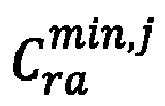 Ci represents compliance functions to actuate a right ventricle rv and a left ventricle lv, andg 1 = 5, g 2 = g 3 = 2, and g 4 = 1 are set empirically.
 - A system (100) comprising:a memory (102) storing instructions in an in-silico cardiovascular hemodynamic model;one or more communication interfaces (106); andone or more hardware processors (104) coupled to the memory (102) via the one or more communication interfaces (106), wherein the one or more hardware processors (104) are configured by the instructions to:estimate, in each cardiac cycle of an electrocardiogram (ECG) signal, cardiac parameters based on morphology of the ECG signal associated with a subject, wherein the cardiac parameters include a continuous heart rate (HR) and a set of compliance parameters, and wherein estimating the set of compliance parameters is based on:(i) a set of PQRST amplitudes; and(ii) time-instances, (
 for a jth cardiac cycle (∀j ∈ m ) of the ECG signal;generate, a set of compliance functions using the estimated cardiac parameters;sequentially activate, a plurality of cardiac chambers, in a synchronized manner, using the generated set of compliance functions; andestimate blood pressure of the subject, by the in-silico cardiovascular hemodynamic model via the one or more hardware processors, wherein the in-silico cardiovascular hemodynamic model is driven by the ECG signal associated with the subject.
 - The system as claimed in claim 4, wherein the one or more processors are configured to estimate HR based on the HR associated with a noise-less ECG signal, when the ECG signal is missing or is noisy, and is represented as:


- The system as claimed in claim 4, wherein the one or more processors are configured to estimate the set of compliance parameters of the jth cardiac cycle as:


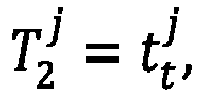


 time t is considered over a complete cardiac cycle,dla is a time delay between activation of the ra and a left atrium la,d is a time delay when activation of the plurality of cardiac chambers traverses from an atrium to ventricles therein,
 Ci represents compliance functions to actuate a right ventricle rv and a left ventricle lv , andg 1 = 5, g 2 = g 3 = 2, and g 4 = 1 are set empirically.
 - One or more non-transitory machine-readable information storage mediums comprising one or more instructions which when executed by one or more hardware processors cause:estimating, by an in-silico cardiovascular hemodynamic model via one or more hardware processors, in each cardiac cycle of an electrocardiogram (ECG) signal, cardiac parameters based on morphology of the ECG signal associated with a subject, wherein the cardiac parameters include a continuous heart rate (HR) and a set of compliance parameters, and wherein estimating the set of compliance parameters is based on:(i) a set of PQRST amplitudes; and(ii) time-instances, (
 for a jth cardiac cycle (∀j ∈ m ) of the ECG signal;generating, by the in-silico cardiovascular hemodynamic model via the one or more hardware processors, a set of compliance functions using the estimated cardiac parameters;sequentially activating, by the in-silico cardiovascular hemodynamic model via the one or more hardware processors, a plurality of cardiac chambers, in a synchronized manner, using the generated set of compliance functions; andestimating blood pressure of the subject, by the in-silico cardiovascular hemodynamic model via the one or more hardware processors, wherein the in-silico cardiovascular hemodynamic model is driven by the ECG signal associated with the subject.
 - The one or more non-transitory machine-readable information storage mediums as claimed in claim 7, wherein the one or more instructions which when executed by the one or more hardware processors further cause estimation of the continuous HR based on the HR associated with a noise-less ECG signal, when the ECG signal is missing or is noisy, and is represented as:


- The one or more non-transitory machine-readable information storage mediums as claimed in claim 7, wherein the set of compliance parameters of the jth cardiac cycle is estimated as
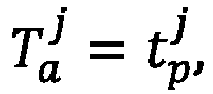


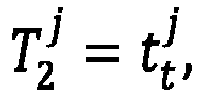


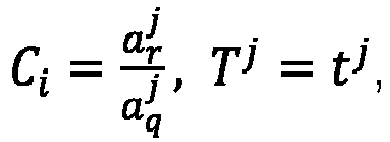
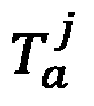 time t is considered over a complete cardiac cycle,dla is a time delay between activation of the ra and a left atrium la,d is a time delay when activation of the plurality of cardiac chambers traverses from an atrium to ventricles therein,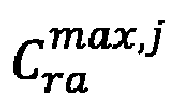
 Ci represents compliance functions to actuate a right ventricle rv and a left ventricle lv, andg 1 = 5, g 2 = g 3 = 2, and g 4 = 1 are set empirically.
Applications Claiming Priority (1)
| Application Number | Priority Date | Filing Date | Title |
|---|---|---|---|
| IN202221033450 | 2022-06-10 |
Publications (3)
| Publication Number | Publication Date |
|---|---|
| EP4289358A1 true EP4289358A1 (en) | 2023-12-13 |
| EP4289358B1 EP4289358B1 (en) | 2024-12-11 |
| EP4289358C0 EP4289358C0 (en) | 2024-12-11 |
Family
ID=86732359
Family Applications (1)
| Application Number | Title | Priority Date | Filing Date |
|---|---|---|---|
| EP23178202.0A Active EP4289358B1 (en) | 2022-06-10 | 2023-06-08 | Estimating blood pressure of a subject using an ecg driven cardiovascular model |
Country Status (2)
| Country | Link |
|---|---|
| US (1) | US20230397822A1 (en) |
| EP (1) | EP4289358B1 (en) |
Family Cites Families (1)
| Publication number | Priority date | Publication date | Assignee | Title |
|---|---|---|---|---|
| JP7666248B2 (en) * | 2021-09-01 | 2025-04-22 | オムロンヘルスケア株式会社 | Biological condition estimation device |
-
2023
- 2023-06-08 EP EP23178202.0A patent/EP4289358B1/en active Active
- 2023-06-09 US US18/332,552 patent/US20230397822A1/en active Pending
Non-Patent Citations (3)
| Title |
|---|
| A.ESMAILI ET AL.: "Nonlinear cuffless blood pressure estimation of healthy subjects using pulse transit time and arrival time", IEEE TRANSACTIONS ON INSTRUMENTATION AND MEASUREMENT |
| ROY DIBYENDU ROY DIBYENDU@TCS COM ET AL: "Wearable sensor driven Cardiac model to derive hemodynamic insights during exercise", PROCEEDINGS OF THE 1ST WORKSHOP ON SECURITY AND PRIVACY FOR MOBILE AI, ACMPUB27, NEW YORK, NY, USA, 24 June 2021 (2021-06-24), pages 30 - 35, XP058566843, ISBN: 978-1-4503-7357-9, DOI: 10.1145/3469260.3469670 * |
| SILVA LUCAS RAPHAEL BENTO ET AL: "Exponential model for analysis of heart rate responses and autonomic cardiac modulation during different intensities of physical exercise", ROYAL SOCIETY OPEN SCIENCE, vol. 6, no. 10, 16 October 2019 (2019-10-16), pages 190639, XP093079233, DOI: 10.1098/rsos.190639 * |
Also Published As
| Publication number | Publication date |
|---|---|
| US20230397822A1 (en) | 2023-12-14 |
| EP4289358B1 (en) | 2024-12-11 |
| EP4289358C0 (en) | 2024-12-11 |
Similar Documents
| Publication | Publication Date | Title |
|---|---|---|
| EP3608918B1 (en) | Parallel implementation of deep neural networks for classifying heart sound signals | |
| Tschannen et al. | Heart sound classification using deep structured features | |
| JP2022550705A5 (en) | ||
| Comunale et al. | Understanding and recognition of the right ventricular function and dysfunction via a numerical study | |
| CN109497991A (en) | Heart failure detection device based on machine learning | |
| CN118785846A (en) | Assessment of hemodynamic parameters | |
| US20150289769A1 (en) | Method and System for Determining Strain Relaxation of Left Ventricular Diastolic Function | |
| EP3770921A1 (en) | Method and system for pressure autoregulation based synthesizing of photoplethysmogram signal | |
| US20230397822A1 (en) | Estimating blood pressure of a subject using an ecg driven cardiovascular model | |
| US20240366150A1 (en) | Method and system for determining post-exercise recovery score using personalized cardiac model | |
| EP4600968A1 (en) | System and method for personalization of cardiac hemodynamic digital twin using echocardiogram-based approach | |
| US12285266B2 (en) | Method and system for determining myocardial ischemia severity based on hemodynamic parameters estimation | |
| EP4548844A1 (en) | Method for measuring real-time values and management of blood sugar on basis of electrocardiogram, and computer program recorded on recording medium in order to execute same | |
| Miao et al. | Noninvasive Left Ventricular Pressure‐Strain Loop for Assessment of Myocardial Work in Hemodialysis in Patients With Chronic Kidney Disease | |
| Roy et al. | In-silico cardiovascular hemodynamic model to simulate the effect of physical exercise | |
| KR102794462B1 (en) | Method for segmentaion of heart signals and device for segmentaion of cardiac signals using the same | |
| EP4060675B1 (en) | Estimating cardiac parameters when performing an activity using a personalized cardiovascular hemodynamic model | |
| CN109620179A (en) | It is a kind of to breathe the quantitative analysis method modulated to heart rate and related system | |
| EP4408262B1 (en) | Lap signal processing to automatically calculate a/v ratio | |
| EP3858247B1 (en) | Neuromodulation based adaptive controller for mitral stenosis | |
| Rösner et al. | Association of Global Longitudinal Strain and Long‐Term Transplant‐Free Survival in Fontan Patients | |
| Katsikeris et al. | Personalizing care in cardiogenic shock: Searching for a common hemodynamic language | |
| KR102816559B1 (en) | Method for providing information of heart disease and device for providing information of heart disease using the same | |
| US20260087846A1 (en) | Camera-based vital feature estimation | |
| US20240342487A1 (en) | Systems and methods for cardiac pacing using beta blockers |
Legal Events
| Date | Code | Title | Description |
|---|---|---|---|
| PUAI | Public reference made under article 153(3) epc to a published international application that has entered the european phase |
Free format text: ORIGINAL CODE: 0009012 |
|
| STAA | Information on the status of an ep patent application or granted ep patent |
Free format text: STATUS: THE APPLICATION HAS BEEN PUBLISHED |
|
| AK | Designated contracting states |
Kind code of ref document: A1 Designated state(s): AL AT BE BG CH CY CZ DE DK EE ES FI FR GB GR HR HU IE IS IT LI LT LU LV MC ME MK MT NL NO PL PT RO RS SE SI SK SM TR |
|
| STAA | Information on the status of an ep patent application or granted ep patent |
Free format text: STATUS: REQUEST FOR EXAMINATION WAS MADE |
|
| 17P | Request for examination filed |
Effective date: 20240429 |
|
| RBV | Designated contracting states (corrected) |
Designated state(s): AL AT BE BG CH CY CZ DE DK EE ES FI FR GB GR HR HU IE IS IT LI LT LU LV MC ME MK MT NL NO PL PT RO RS SE SI SK SM TR |
|
| REG | Reference to a national code |
Ref country code: DE Ref legal event code: R079 Free format text: PREVIOUS MAIN CLASS: A61B0005349000 Ipc: A61B0005346000 Ref country code: DE Ref legal event code: R079 Ref document number: 602023001317 Country of ref document: DE Free format text: PREVIOUS MAIN CLASS: A61B0005349000 Ipc: A61B0005346000 |
|
| GRAP | Despatch of communication of intention to grant a patent |
Free format text: ORIGINAL CODE: EPIDOSNIGR1 |
|
| STAA | Information on the status of an ep patent application or granted ep patent |
Free format text: STATUS: GRANT OF PATENT IS INTENDED |
|
| RIC1 | Information provided on ipc code assigned before grant |
Ipc: A61B 5/352 20210101ALI20240708BHEP Ipc: A61B 5/353 20210101ALI20240708BHEP Ipc: A61B 5/355 20210101ALI20240708BHEP Ipc: A61B 5/357 20210101ALI20240708BHEP Ipc: A61B 5/358 20210101ALI20240708BHEP Ipc: A61B 5/36 20210101ALI20240708BHEP Ipc: A61B 5/02 20060101ALI20240708BHEP Ipc: A61B 5/021 20060101ALI20240708BHEP Ipc: A61B 5/00 20060101ALI20240708BHEP Ipc: A61B 5/349 20210101ALI20240708BHEP Ipc: A61B 5/346 20210101AFI20240708BHEP |
|
| INTG | Intention to grant announced |
Effective date: 20240805 |
|
| GRAS | Grant fee paid |
Free format text: ORIGINAL CODE: EPIDOSNIGR3 |
|
| GRAA | (expected) grant |
Free format text: ORIGINAL CODE: 0009210 |
|
| STAA | Information on the status of an ep patent application or granted ep patent |
Free format text: STATUS: THE PATENT HAS BEEN GRANTED |
|
| AK | Designated contracting states |
Kind code of ref document: B1 Designated state(s): AL AT BE BG CH CY CZ DE DK EE ES FI FR GB GR HR HU IE IS IT LI LT LU LV MC ME MK MT NL NO PL PT RO RS SE SI SK SM TR |
|
| REG | Reference to a national code |
Ref country code: GB Ref legal event code: FG4D |
|
| REG | Reference to a national code |
Ref country code: CH Ref legal event code: EP |
|
| REG | Reference to a national code |
Ref country code: DE Ref legal event code: R096 Ref document number: 602023001317 Country of ref document: DE |
|
| REG | Reference to a national code |
Ref country code: IE Ref legal event code: FG4D |
|
| U01 | Request for unitary effect filed |
Effective date: 20241211 |
|
| U07 | Unitary effect registered |
Designated state(s): AT BE BG DE DK EE FI FR IT LT LU LV MT NL PT RO SE SI Effective date: 20241217 |
|
| PG25 | Lapsed in a contracting state [announced via postgrant information from national office to epo] |
Ref country code: HR Free format text: LAPSE BECAUSE OF FAILURE TO SUBMIT A TRANSLATION OF THE DESCRIPTION OR TO PAY THE FEE WITHIN THE PRESCRIBED TIME-LIMIT Effective date: 20241211 |
|
| PG25 | Lapsed in a contracting state [announced via postgrant information from national office to epo] |
Ref country code: ES Free format text: LAPSE BECAUSE OF FAILURE TO SUBMIT A TRANSLATION OF THE DESCRIPTION OR TO PAY THE FEE WITHIN THE PRESCRIBED TIME-LIMIT Effective date: 20241211 |
|
| PG25 | Lapsed in a contracting state [announced via postgrant information from national office to epo] |
Ref country code: NO Free format text: LAPSE BECAUSE OF FAILURE TO SUBMIT A TRANSLATION OF THE DESCRIPTION OR TO PAY THE FEE WITHIN THE PRESCRIBED TIME-LIMIT Effective date: 20250311 |
|
| PG25 | Lapsed in a contracting state [announced via postgrant information from national office to epo] |
Ref country code: GR Free format text: LAPSE BECAUSE OF FAILURE TO SUBMIT A TRANSLATION OF THE DESCRIPTION OR TO PAY THE FEE WITHIN THE PRESCRIBED TIME-LIMIT Effective date: 20250312 |
|
| PG25 | Lapsed in a contracting state [announced via postgrant information from national office to epo] |
Ref country code: RS Free format text: LAPSE BECAUSE OF FAILURE TO SUBMIT A TRANSLATION OF THE DESCRIPTION OR TO PAY THE FEE WITHIN THE PRESCRIBED TIME-LIMIT Effective date: 20250311 |
|
| PG25 | Lapsed in a contracting state [announced via postgrant information from national office to epo] |
Ref country code: SM Free format text: LAPSE BECAUSE OF FAILURE TO SUBMIT A TRANSLATION OF THE DESCRIPTION OR TO PAY THE FEE WITHIN THE PRESCRIBED TIME-LIMIT Effective date: 20241211 |
|
| PG25 | Lapsed in a contracting state [announced via postgrant information from national office to epo] |
Ref country code: PL Free format text: LAPSE BECAUSE OF FAILURE TO SUBMIT A TRANSLATION OF THE DESCRIPTION OR TO PAY THE FEE WITHIN THE PRESCRIBED TIME-LIMIT Effective date: 20241211 |
|
| PG25 | Lapsed in a contracting state [announced via postgrant information from national office to epo] |
Ref country code: IS Free format text: LAPSE BECAUSE OF FAILURE TO SUBMIT A TRANSLATION OF THE DESCRIPTION OR TO PAY THE FEE WITHIN THE PRESCRIBED TIME-LIMIT Effective date: 20250411 |
|
| PG25 | Lapsed in a contracting state [announced via postgrant information from national office to epo] |
Ref country code: SK Free format text: LAPSE BECAUSE OF FAILURE TO SUBMIT A TRANSLATION OF THE DESCRIPTION OR TO PAY THE FEE WITHIN THE PRESCRIBED TIME-LIMIT Effective date: 20241211 |
|
| PG25 | Lapsed in a contracting state [announced via postgrant information from national office to epo] |
Ref country code: CZ Free format text: LAPSE BECAUSE OF FAILURE TO SUBMIT A TRANSLATION OF THE DESCRIPTION OR TO PAY THE FEE WITHIN THE PRESCRIBED TIME-LIMIT Effective date: 20241211 |
|
| U20 | Renewal fee for the european patent with unitary effect paid |
Year of fee payment: 3 Effective date: 20250624 |
|
| PLBE | No opposition filed within time limit |
Free format text: ORIGINAL CODE: 0009261 |
|
| STAA | Information on the status of an ep patent application or granted ep patent |
Free format text: STATUS: NO OPPOSITION FILED WITHIN TIME LIMIT |
|
| 26N | No opposition filed |
Effective date: 20250912 |
|
| PG25 | Lapsed in a contracting state [announced via postgrant information from national office to epo] |
Ref country code: MC Free format text: LAPSE BECAUSE OF FAILURE TO SUBMIT A TRANSLATION OF THE DESCRIPTION OR TO PAY THE FEE WITHIN THE PRESCRIBED TIME-LIMIT Effective date: 20241211 |
|
| PG25 | Lapsed in a contracting state [announced via postgrant information from national office to epo] |
Ref country code: IE Free format text: LAPSE BECAUSE OF NON-PAYMENT OF DUE FEES Effective date: 20250608 |