EP4286549A1 - Mechanochemically induced universal method for recycling lithium from li-ion batteries - Google Patents
Mechanochemically induced universal method for recycling lithium from li-ion batteries Download PDFInfo
- Publication number
- EP4286549A1 EP4286549A1 EP22177186.8A EP22177186A EP4286549A1 EP 4286549 A1 EP4286549 A1 EP 4286549A1 EP 22177186 A EP22177186 A EP 22177186A EP 4286549 A1 EP4286549 A1 EP 4286549A1
- Authority
- EP
- European Patent Office
- Prior art keywords
- lithium
- ion battery
- mixture
- recycling
- cathode material
- Prior art date
- Legal status (The legal status is an assumption and is not a legal conclusion. Google has not performed a legal analysis and makes no representation as to the accuracy of the status listed.)
- Pending
Links
- 238000000034 method Methods 0.000 title claims abstract description 117
- 229910052744 lithium Inorganic materials 0.000 title claims abstract description 83
- WHXSMMKQMYFTQS-UHFFFAOYSA-N Lithium Chemical compound [Li] WHXSMMKQMYFTQS-UHFFFAOYSA-N 0.000 title claims abstract description 72
- 238000004064 recycling Methods 0.000 title claims abstract description 56
- 229910001416 lithium ion Inorganic materials 0.000 title claims abstract description 42
- 238000010438 heat treatment Methods 0.000 claims abstract description 31
- XGZVUEUWXADBQD-UHFFFAOYSA-L lithium carbonate Chemical compound [Li+].[Li+].[O-]C([O-])=O XGZVUEUWXADBQD-UHFFFAOYSA-L 0.000 claims description 70
- 239000000203 mixture Substances 0.000 claims description 69
- XLYOFNOQVPJJNP-UHFFFAOYSA-N water Substances O XLYOFNOQVPJJNP-UHFFFAOYSA-N 0.000 claims description 58
- 229910001868 water Inorganic materials 0.000 claims description 55
- 229910052808 lithium carbonate Inorganic materials 0.000 claims description 53
- HBBGRARXTFLTSG-UHFFFAOYSA-N Lithium ion Chemical compound [Li+] HBBGRARXTFLTSG-UHFFFAOYSA-N 0.000 claims description 37
- 239000000463 material Substances 0.000 claims description 34
- 239000010406 cathode material Substances 0.000 claims description 31
- 229910032387 LiCoO2 Inorganic materials 0.000 claims description 30
- 238000000498 ball milling Methods 0.000 claims description 23
- 238000012545 processing Methods 0.000 claims description 22
- 239000000706 filtrate Substances 0.000 claims description 21
- 239000012535 impurity Substances 0.000 claims description 21
- 229910002097 Lithium manganese(III,IV) oxide Inorganic materials 0.000 claims description 19
- 229910052782 aluminium Inorganic materials 0.000 claims description 19
- 238000002386 leaching Methods 0.000 claims description 19
- 239000006182 cathode active material Substances 0.000 claims description 15
- XAGFODPZIPBFFR-UHFFFAOYSA-N aluminium Chemical compound [Al] XAGFODPZIPBFFR-UHFFFAOYSA-N 0.000 claims description 14
- 239000012298 atmosphere Substances 0.000 claims description 11
- 239000000843 powder Substances 0.000 claims description 11
- 238000001704 evaporation Methods 0.000 claims description 10
- 238000001914 filtration Methods 0.000 claims description 9
- 150000002642 lithium compounds Chemical class 0.000 claims description 8
- 229910052493 LiFePO4 Inorganic materials 0.000 claims description 7
- 239000002905 metal composite material Substances 0.000 claims description 6
- 229910052723 transition metal Inorganic materials 0.000 claims description 6
- 150000003624 transition metals Chemical class 0.000 claims description 6
- 229910003545 Li(Ni0.33Mn0.33Co0.33)O2 Inorganic materials 0.000 claims description 4
- 239000002253 acid Substances 0.000 claims description 4
- 238000003756 stirring Methods 0.000 claims description 4
- 239000000654 additive Substances 0.000 claims description 3
- 150000005323 carbonate salts Chemical class 0.000 claims description 3
- 239000003153 chemical reaction reagent Substances 0.000 claims description 3
- 230000000996 additive effect Effects 0.000 claims description 2
- 230000032683 aging Effects 0.000 claims description 2
- 239000011874 heated mixture Substances 0.000 claims description 2
- 239000002904 solvent Substances 0.000 claims description 2
- 230000008569 process Effects 0.000 description 36
- 238000006243 chemical reaction Methods 0.000 description 35
- 238000002441 X-ray diffraction Methods 0.000 description 25
- 239000000047 product Substances 0.000 description 25
- 238000003801 milling Methods 0.000 description 23
- 238000006722 reduction reaction Methods 0.000 description 23
- PNEYBMLMFCGWSK-UHFFFAOYSA-N aluminium oxide Inorganic materials [O-2].[O-2].[O-2].[Al+3].[Al+3] PNEYBMLMFCGWSK-UHFFFAOYSA-N 0.000 description 22
- 229910052593 corundum Inorganic materials 0.000 description 21
- 229910001845 yogo sapphire Inorganic materials 0.000 description 21
- 230000015572 biosynthetic process Effects 0.000 description 18
- 238000000605 extraction Methods 0.000 description 16
- 239000007858 starting material Substances 0.000 description 16
- 239000000543 intermediate Substances 0.000 description 15
- 239000002131 composite material Substances 0.000 description 14
- 150000001875 compounds Chemical class 0.000 description 14
- 239000011572 manganese Substances 0.000 description 14
- 238000004458 analytical method Methods 0.000 description 13
- 238000000634 powder X-ray diffraction Methods 0.000 description 13
- FUJCRWPEOMXPAD-UHFFFAOYSA-N Li2O Inorganic materials [Li+].[Li+].[O-2] FUJCRWPEOMXPAD-UHFFFAOYSA-N 0.000 description 12
- CDBYLPFSWZWCQE-UHFFFAOYSA-L Sodium Carbonate Chemical compound [Na+].[Na+].[O-]C([O-])=O CDBYLPFSWZWCQE-UHFFFAOYSA-L 0.000 description 12
- XUCJHNOBJLKZNU-UHFFFAOYSA-M dilithium;hydroxide Chemical compound [Li+].[Li+].[OH-] XUCJHNOBJLKZNU-UHFFFAOYSA-M 0.000 description 12
- PXHVJJICTQNCMI-UHFFFAOYSA-N nickel Substances [Ni] PXHVJJICTQNCMI-UHFFFAOYSA-N 0.000 description 11
- 239000002699 waste material Substances 0.000 description 11
- CURLTUGMZLYLDI-UHFFFAOYSA-N Carbon dioxide Chemical compound O=C=O CURLTUGMZLYLDI-UHFFFAOYSA-N 0.000 description 9
- WMFOQBRAJBCJND-UHFFFAOYSA-M Lithium hydroxide Chemical compound [Li+].[OH-] WMFOQBRAJBCJND-UHFFFAOYSA-M 0.000 description 9
- 238000005516 engineering process Methods 0.000 description 9
- 238000000746 purification Methods 0.000 description 9
- 229910010092 LiAlO2 Inorganic materials 0.000 description 8
- 239000011888 foil Substances 0.000 description 8
- XEEYBQQBJWHFJM-UHFFFAOYSA-N iron Substances [Fe] XEEYBQQBJWHFJM-UHFFFAOYSA-N 0.000 description 8
- 230000005291 magnetic effect Effects 0.000 description 8
- 229910052748 manganese Inorganic materials 0.000 description 8
- 238000013459 approach Methods 0.000 description 7
- 239000001569 carbon dioxide Substances 0.000 description 7
- 229910002092 carbon dioxide Inorganic materials 0.000 description 7
- 239000003638 chemical reducing agent Substances 0.000 description 7
- 229910052751 metal Inorganic materials 0.000 description 7
- 239000002184 metal Substances 0.000 description 7
- 230000009467 reduction Effects 0.000 description 7
- 238000001556 precipitation Methods 0.000 description 6
- 238000001878 scanning electron micrograph Methods 0.000 description 6
- 229910000029 sodium carbonate Inorganic materials 0.000 description 6
- 230000001131 transforming effect Effects 0.000 description 6
- 239000000470 constituent Substances 0.000 description 5
- 238000004090 dissolution Methods 0.000 description 5
- 239000012467 final product Substances 0.000 description 5
- VGYDTVNNDKLMHX-UHFFFAOYSA-N lithium;manganese;nickel;oxocobalt Chemical class [Li].[Mn].[Ni].[Co]=O VGYDTVNNDKLMHX-UHFFFAOYSA-N 0.000 description 5
- 229910052759 nickel Inorganic materials 0.000 description 5
- 239000002245 particle Substances 0.000 description 5
- 238000011084 recovery Methods 0.000 description 5
- 238000004626 scanning electron microscopy Methods 0.000 description 5
- OKTJSMMVPCPJKN-UHFFFAOYSA-N Carbon Chemical compound [C] OKTJSMMVPCPJKN-UHFFFAOYSA-N 0.000 description 4
- PWHULOQIROXLJO-UHFFFAOYSA-N Manganese Chemical compound [Mn] PWHULOQIROXLJO-UHFFFAOYSA-N 0.000 description 4
- 239000006227 byproduct Substances 0.000 description 4
- 229910017052 cobalt Inorganic materials 0.000 description 4
- 239000010941 cobalt Substances 0.000 description 4
- GUTLYIVDDKVIGB-UHFFFAOYSA-N cobalt atom Chemical compound [Co] GUTLYIVDDKVIGB-UHFFFAOYSA-N 0.000 description 4
- 230000003247 decreasing effect Effects 0.000 description 4
- 150000002739 metals Chemical class 0.000 description 4
- 238000001953 recrystallisation Methods 0.000 description 4
- BVKZGUZCCUSVTD-UHFFFAOYSA-L Carbonate Chemical compound [O-]C([O-])=O BVKZGUZCCUSVTD-UHFFFAOYSA-L 0.000 description 3
- 229910000760 Hardened steel Inorganic materials 0.000 description 3
- 229910000831 Steel Inorganic materials 0.000 description 3
- WNROFYMDJYEPJX-UHFFFAOYSA-K aluminium hydroxide Chemical compound [OH-].[OH-].[OH-].[Al+3] WNROFYMDJYEPJX-UHFFFAOYSA-K 0.000 description 3
- 229910021502 aluminium hydroxide Inorganic materials 0.000 description 3
- 238000012512 characterization method Methods 0.000 description 3
- 238000001035 drying Methods 0.000 description 3
- 230000007613 environmental effect Effects 0.000 description 3
- 230000008020 evaporation Effects 0.000 description 3
- 238000002474 experimental method Methods 0.000 description 3
- 229910001679 gibbsite Inorganic materials 0.000 description 3
- 238000000227 grinding Methods 0.000 description 3
- 231100001261 hazardous Toxicity 0.000 description 3
- 229910052742 iron Inorganic materials 0.000 description 3
- 230000007246 mechanism Effects 0.000 description 3
- 239000007774 positive electrode material Substances 0.000 description 3
- 239000002244 precipitate Substances 0.000 description 3
- 238000002203 pretreatment Methods 0.000 description 3
- 230000002035 prolonged effect Effects 0.000 description 3
- 238000000926 separation method Methods 0.000 description 3
- 239000007787 solid Substances 0.000 description 3
- 239000010959 steel Substances 0.000 description 3
- 239000000126 substance Substances 0.000 description 3
- 229910017107 AlOx Inorganic materials 0.000 description 2
- 238000003723 Smelting Methods 0.000 description 2
- FAPWRFPIFSIZLT-UHFFFAOYSA-M Sodium chloride Chemical compound [Na+].[Cl-] FAPWRFPIFSIZLT-UHFFFAOYSA-M 0.000 description 2
- 150000007513 acids Chemical class 0.000 description 2
- UHLGKRPBIONHGN-UHFFFAOYSA-K aluminum;lithium;carbonate;hydroxide;hydrate Chemical compound [Li+].O.[OH-].[Al+3].[O-]C([O-])=O UHLGKRPBIONHGN-UHFFFAOYSA-K 0.000 description 2
- FFBHFFJDDLITSX-UHFFFAOYSA-N benzyl N-[2-hydroxy-4-(3-oxomorpholin-4-yl)phenyl]carbamate Chemical compound OC1=C(NC(=O)OCC2=CC=CC=C2)C=CC(=C1)N1CCOCC1=O FFBHFFJDDLITSX-UHFFFAOYSA-N 0.000 description 2
- 229910052799 carbon Inorganic materials 0.000 description 2
- 230000008859 change Effects 0.000 description 2
- 239000007806 chemical reaction intermediate Substances 0.000 description 2
- 239000007795 chemical reaction product Substances 0.000 description 2
- 238000011161 development Methods 0.000 description 2
- 230000018109 developmental process Effects 0.000 description 2
- 239000007772 electrode material Substances 0.000 description 2
- 238000005265 energy consumption Methods 0.000 description 2
- 239000007789 gas Substances 0.000 description 2
- 239000010439 graphite Substances 0.000 description 2
- 229910002804 graphite Inorganic materials 0.000 description 2
- 239000000383 hazardous chemical Substances 0.000 description 2
- 238000009854 hydrometallurgy Methods 0.000 description 2
- 238000007885 magnetic separation Methods 0.000 description 2
- 238000010303 mechanochemical reaction Methods 0.000 description 2
- 229910001317 nickel manganese cobalt oxide (NMC) Inorganic materials 0.000 description 2
- 239000006069 physical mixture Substances 0.000 description 2
- 238000011946 reduction process Methods 0.000 description 2
- 230000000007 visual effect Effects 0.000 description 2
- 241000272186 Falco columbarius Species 0.000 description 1
- 229910010077 Li2MnO2 Inorganic materials 0.000 description 1
- 229910002983 Li2MnO3 Inorganic materials 0.000 description 1
- 229910002993 LiMnO2 Inorganic materials 0.000 description 1
- 229910013410 LiNixCoyAlzO2 Inorganic materials 0.000 description 1
- 229910013710 LiNixMnyCozO2 Inorganic materials 0.000 description 1
- HFCVPDYCRZVZDF-UHFFFAOYSA-N [Li+].[Co+2].[Ni+2].[O-][Mn]([O-])(=O)=O Chemical compound [Li+].[Co+2].[Ni+2].[O-][Mn]([O-])(=O)=O HFCVPDYCRZVZDF-UHFFFAOYSA-N 0.000 description 1
- 239000012190 activator Substances 0.000 description 1
- NDPGDHBNXZOBJS-UHFFFAOYSA-N aluminum lithium cobalt(2+) nickel(2+) oxygen(2-) Chemical class [Li+].[O--].[O--].[O--].[O--].[Al+3].[Co++].[Ni++] NDPGDHBNXZOBJS-UHFFFAOYSA-N 0.000 description 1
- 230000001580 bacterial effect Effects 0.000 description 1
- 230000005540 biological transmission Effects 0.000 description 1
- 229910052791 calcium Inorganic materials 0.000 description 1
- 235000011089 carbon dioxide Nutrition 0.000 description 1
- 150000004649 carbonic acid derivatives Chemical class 0.000 description 1
- 230000015556 catabolic process Effects 0.000 description 1
- 238000001311 chemical methods and process Methods 0.000 description 1
- 238000001816 cooling Methods 0.000 description 1
- RKTYLMNFRDHKIL-UHFFFAOYSA-N copper;5,10,15,20-tetraphenylporphyrin-22,24-diide Chemical group [Cu+2].C1=CC(C(=C2C=CC([N-]2)=C(C=2C=CC=CC=2)C=2C=CC(N=2)=C(C=2C=CC=CC=2)C2=CC=C3[N-]2)C=2C=CC=CC=2)=NC1=C3C1=CC=CC=C1 RKTYLMNFRDHKIL-UHFFFAOYSA-N 0.000 description 1
- 239000002178 crystalline material Substances 0.000 description 1
- 238000006731 degradation reaction Methods 0.000 description 1
- 239000008367 deionised water Substances 0.000 description 1
- 229910021641 deionized water Inorganic materials 0.000 description 1
- 230000008034 disappearance Effects 0.000 description 1
- 230000000694 effects Effects 0.000 description 1
- 238000005868 electrolysis reaction Methods 0.000 description 1
- 239000003792 electrolyte Substances 0.000 description 1
- 239000010793 electronic waste Substances 0.000 description 1
- 238000004146 energy storage Methods 0.000 description 1
- 238000001125 extrusion Methods 0.000 description 1
- 230000005294 ferromagnetic effect Effects 0.000 description 1
- 239000013056 hazardous product Substances 0.000 description 1
- 231100000206 health hazard Toxicity 0.000 description 1
- 238000001027 hydrothermal synthesis Methods 0.000 description 1
- XLYOFNOQVPJJNP-UHFFFAOYSA-M hydroxide Chemical compound [OH-] XLYOFNOQVPJJNP-UHFFFAOYSA-M 0.000 description 1
- 238000011534 incubation Methods 0.000 description 1
- 230000003993 interaction Effects 0.000 description 1
- 238000011835 investigation Methods 0.000 description 1
- 150000002500 ions Chemical class 0.000 description 1
- 230000002427 irreversible effect Effects 0.000 description 1
- GELKBWJHTRAYNV-UHFFFAOYSA-K lithium iron phosphate Chemical compound [Li+].[Fe+2].[O-]P([O-])([O-])=O GELKBWJHTRAYNV-UHFFFAOYSA-K 0.000 description 1
- 229910002102 lithium manganese oxide Inorganic materials 0.000 description 1
- VLXXBCXTUVRROQ-UHFFFAOYSA-N lithium;oxido-oxo-(oxomanganiooxy)manganese Chemical compound [Li+].[O-][Mn](=O)O[Mn]=O VLXXBCXTUVRROQ-UHFFFAOYSA-N 0.000 description 1
- AMWRITDGCCNYAT-UHFFFAOYSA-L manganese oxide Inorganic materials [Mn].O[Mn]=O.O[Mn]=O AMWRITDGCCNYAT-UHFFFAOYSA-L 0.000 description 1
- PPNAOCWZXJOHFK-UHFFFAOYSA-N manganese(2+);oxygen(2-) Chemical class [O-2].[Mn+2] PPNAOCWZXJOHFK-UHFFFAOYSA-N 0.000 description 1
- 238000004519 manufacturing process Methods 0.000 description 1
- 238000005259 measurement Methods 0.000 description 1
- 229910001092 metal group alloy Inorganic materials 0.000 description 1
- 238000001000 micrograph Methods 0.000 description 1
- TWNQGVIAIRXVLR-UHFFFAOYSA-N oxo(oxoalumanyloxy)alumane Chemical compound O=[Al]O[Al]=O TWNQGVIAIRXVLR-UHFFFAOYSA-N 0.000 description 1
- 229920003223 poly(pyromellitimide-1,4-diphenyl ether) Polymers 0.000 description 1
- 238000009853 pyrometallurgy Methods 0.000 description 1
- 230000005855 radiation Effects 0.000 description 1
- 239000011541 reaction mixture Substances 0.000 description 1
- 238000011160 research Methods 0.000 description 1
- 230000004044 response Effects 0.000 description 1
- 238000010008 shearing Methods 0.000 description 1
- 238000007873 sieving Methods 0.000 description 1
- 239000002893 slag Substances 0.000 description 1
- 239000011780 sodium chloride Substances 0.000 description 1
- 239000011343 solid material Substances 0.000 description 1
- 230000002269 spontaneous effect Effects 0.000 description 1
- -1 such as Co Substances 0.000 description 1
- 230000009466 transformation Effects 0.000 description 1
- 229910000314 transition metal oxide Inorganic materials 0.000 description 1
Images





Classifications
-
- C—CHEMISTRY; METALLURGY
- C22—METALLURGY; FERROUS OR NON-FERROUS ALLOYS; TREATMENT OF ALLOYS OR NON-FERROUS METALS
- C22B—PRODUCTION AND REFINING OF METALS; PRETREATMENT OF RAW MATERIALS
- C22B7/00—Working up raw materials other than ores, e.g. scrap, to produce non-ferrous metals and compounds thereof; Methods of a general interest or applied to the winning of more than two metals
- C22B7/005—Separation by a physical processing technique only, e.g. by mechanical breaking
-
- C—CHEMISTRY; METALLURGY
- C01—INORGANIC CHEMISTRY
- C01D—COMPOUNDS OF ALKALI METALS, i.e. LITHIUM, SODIUM, POTASSIUM, RUBIDIUM, CAESIUM, OR FRANCIUM
- C01D15/00—Lithium compounds
- C01D15/08—Carbonates; Bicarbonates
-
- C—CHEMISTRY; METALLURGY
- C22—METALLURGY; FERROUS OR NON-FERROUS ALLOYS; TREATMENT OF ALLOYS OR NON-FERROUS METALS
- C22B—PRODUCTION AND REFINING OF METALS; PRETREATMENT OF RAW MATERIALS
- C22B26/00—Obtaining alkali, alkaline earth metals or magnesium
- C22B26/10—Obtaining alkali metals
- C22B26/12—Obtaining lithium
-
- C—CHEMISTRY; METALLURGY
- C22—METALLURGY; FERROUS OR NON-FERROUS ALLOYS; TREATMENT OF ALLOYS OR NON-FERROUS METALS
- C22B—PRODUCTION AND REFINING OF METALS; PRETREATMENT OF RAW MATERIALS
- C22B7/00—Working up raw materials other than ores, e.g. scrap, to produce non-ferrous metals and compounds thereof; Methods of a general interest or applied to the winning of more than two metals
- C22B7/006—Wet processes
-
- H—ELECTRICITY
- H01—ELECTRIC ELEMENTS
- H01M—PROCESSES OR MEANS, e.g. BATTERIES, FOR THE DIRECT CONVERSION OF CHEMICAL ENERGY INTO ELECTRICAL ENERGY
- H01M10/00—Secondary cells; Manufacture thereof
- H01M10/54—Reclaiming serviceable parts of waste accumulators
-
- H—ELECTRICITY
- H01—ELECTRIC ELEMENTS
- H01M—PROCESSES OR MEANS, e.g. BATTERIES, FOR THE DIRECT CONVERSION OF CHEMICAL ENERGY INTO ELECTRICAL ENERGY
- H01M4/00—Electrodes
- H01M4/02—Electrodes composed of, or comprising, active material
- H01M4/36—Selection of substances as active materials, active masses, active liquids
- H01M4/48—Selection of substances as active materials, active masses, active liquids of inorganic oxides or hydroxides
- H01M4/52—Selection of substances as active materials, active masses, active liquids of inorganic oxides or hydroxides of nickel, cobalt or iron
- H01M4/525—Selection of substances as active materials, active masses, active liquids of inorganic oxides or hydroxides of nickel, cobalt or iron of mixed oxides or hydroxides containing iron, cobalt or nickel for inserting or intercalating light metals, e.g. LiNiO2, LiCoO2 or LiCoOxFy
-
- Y—GENERAL TAGGING OF NEW TECHNOLOGICAL DEVELOPMENTS; GENERAL TAGGING OF CROSS-SECTIONAL TECHNOLOGIES SPANNING OVER SEVERAL SECTIONS OF THE IPC; TECHNICAL SUBJECTS COVERED BY FORMER USPC CROSS-REFERENCE ART COLLECTIONS [XRACs] AND DIGESTS
- Y02—TECHNOLOGIES OR APPLICATIONS FOR MITIGATION OR ADAPTATION AGAINST CLIMATE CHANGE
- Y02P—CLIMATE CHANGE MITIGATION TECHNOLOGIES IN THE PRODUCTION OR PROCESSING OF GOODS
- Y02P10/00—Technologies related to metal processing
- Y02P10/20—Recycling
-
- Y—GENERAL TAGGING OF NEW TECHNOLOGICAL DEVELOPMENTS; GENERAL TAGGING OF CROSS-SECTIONAL TECHNOLOGIES SPANNING OVER SEVERAL SECTIONS OF THE IPC; TECHNICAL SUBJECTS COVERED BY FORMER USPC CROSS-REFERENCE ART COLLECTIONS [XRACs] AND DIGESTS
- Y02—TECHNOLOGIES OR APPLICATIONS FOR MITIGATION OR ADAPTATION AGAINST CLIMATE CHANGE
- Y02W—CLIMATE CHANGE MITIGATION TECHNOLOGIES RELATED TO WASTEWATER TREATMENT OR WASTE MANAGEMENT
- Y02W30/00—Technologies for solid waste management
- Y02W30/50—Reuse, recycling or recovery technologies
- Y02W30/84—Recycling of batteries or fuel cells
Definitions
- the present invention relates to a method for recycling lithium from Li-ion (lithium-ion) batteries. Specifically, the present invention relates to a mechanochemically induced method for recycling lithium from Li-ion batteries that can be universally applied and which is highly efficient.
- LIBs Lithium-ion batteries
- the growth of the use and production imposes the need for infrastructure and strategies to handle LIB waste and potentially recover precious components of batteries without irreversible pollution and damage to the environment.
- the exponentially growing use of LIBs has substantially increased the demand for the constituent elements, namely Li (lithium), Co (cobalt), Ni (nickel), and Mn (manganese).
- Li (lithium), Co (cobalt), Ni (nickel), and Mn (manganese) As a result, this has elevated them to "critical elements" status.
- spontaneous environmental degradation and leaching of Co from spent LIBs that end up in landfills or are improperly stored poses significant environmental and health hazards.
- safe and economical recycling of used LIBs to recover Co, Li, Mn, or Ni represents a considerable technological challenge.
- Pyrometallurgical methods which are most commonly used in the recycling industry, use high-temperature smelting to prepare multi-metal alloys, comprising Co, Mn, Ni, Fe, Al-containing slags.
- the inadvertent loss of valuable components such as lithium and carbon/graphite, which are emitted as hazardous gases, and high energy consumption are among the main disadvantages of pyrometallurgical methods.
- biohydrometallurgical approach suffers from a very long processing time, often extending more than 5 to 10 days for complete extraction, and also presents challenges associated with bacterial incubation (acidity and temperature control required).
- Hydrometallurgical processes involving the chemical dissolution of spent LIB electrodes by strong acids or bases are energy efficient and usually generate limited amounts of hazardous gases. They offer high metal recovery rates and good purity of recovered materials. However, they utilize highly corrosive leachates. Coupled with the high cost of battery disassembly and separation of electrode materials, industrial utilization of hydrometallurgical processes is limited.
- the common steps for a majority of these recycling processes include: (i) a step of materials (batteries) pre-treatment (sorting, discharge, disassembly, shredding, crushing, grinding, and sieving); (ii) a step of chemical conversion, by smelting, leaching or dissolution, and (iii) a step of separation and purification by precipitation, recrystallization, electrolysis, and other appropriate chemical techniques.
- CN 110791652 A discloses a method for recovering valuable metals in the positive electrode material of waste LIBs based on a mechanochemical method, which is characterized in that an activator and an organic reducing agent are mixed to the positive electrode material of waste LIBs to obtain a mixture, and in that the obtained ball-milled product is added to deionized water having the pH adjusted to 1 to 5.
- CN 106785167A also discloses a method for recovering lithium in the positive electrode material of waste LIBs, which is characterized in that the cathode material of waste LIBs is calcined at 450 to 550°C for 3 to 7min, to obtain nickel-cobalt-lithium-manganate ternary material, followed by ball-milling and aqueous leaching.
- CN 105304971 A discloses a method of treating a waste lithium battery by adopting a mechanochemistry method, selectively recycling metal lithium and meanwhile directionally preparing a cobalt-based magnetic functional material, which is characterized in that iron powder and sodium chloride are used as additives to treat waste lithium batteries by ball milling.
- CN 109437253 A discloses a method of treating a waste lithium battery by adopting a mechanochemistry method, wherein solid dry ice is added to treat waste lithium batteries by ball milling.
- US 2020/318219 A1 describes that solvent-free processing can mechanochemically convert lithium cobaltate (LiCoO 2 ) into metallic Co and Li-derivatives via reduction reactions.
- US 2020/318219 A1 describes the mechanochemical treatment of battery constituents in the presence of reducing metals (e.g., Li, Ca, Al, etc.), which leads to the reduction of transition metal components of LIB cathodes into ferromagnetic products (Co, Ni, etc.) which can be effectively separated from other nonmagnetic and/or water-soluble by-products by magnetic separation techniques.
- the general reaction of this process for LiCoO 2 cathode and aluminum (Al) as reducing agent can be described by the following reaction (I): 2LiCoO 2 + 2AI ⁇ Li 2 O + 2Co + Al 2 O 3 (I)
- Fig. 1 A flowsheet summarizing the processes disclosed in US 2020/318219 A1 is shown in Fig. 1 .
- the lithium extraction process in this method can proceed in two routes.
- pure lithium carbonate can be obtained by precipitation reaction with Na 2 CO 3 , which requires careful and precise control of component concentrations and temperatures. Therefore, an additional step of solution, precipitation, filtration, and recrystallization is needed.
- the Li-rich filtrate can also be heated to evaporate water in the second route ( Fig. 1 , lower part left).
- Fig. 1 lower part left
- Li 2 CO 3 is formed.
- the present inventors have found that the obtained product always contains impurities in significant amounts. Therefore, the presence of impurities does not allow to utilize the recycling process as shown in Fig. 1 , lower part left, without route 1 ( Fig. 1 , lower part right) where Na 2 CO 3 is used as a reagent for Li 2 CO 3 precipitation.
- the technical problem underlying the present invention is to provide a simple and environmentally friendly method for recycling lithium from LIBs by which lithium can be recycled with high efficiency and low costs (improved recycling proficiency) at high purity, and which should be applicable for different LIB chemistries.
- the present invention provides a method for recycling lithium from a lithium-ion battery, comprising the following steps:
- the present invention utilizes mechanochemical processing of the battery wastes at the pre-treatment step of the recycling, typical for all recycling technologies mentioned above.
- the method of the present invention includes the chemical interaction of the active cathode material with Al as a reducing agent in step (i) mentioned above.
- lithium can be extracted and recycled without applying any corrosive leachates (as only water is used), high temperatures, or high energy consumption, because of fast kinetics of the process.
- the method of the present invention is capable to increase efficiency at a large scale, foster environmental sustainability, and reduce the overall cost of the LIB recycling process.
- the method of the present invention enhances the efficiency of lithium recycling from spent LIBs using a mechanochemical approach. Moreover, the method of the present invention can be regarded as "universal" as it can be applied for most electrode technologies used for LIBs.
- a LIB is a type of rechargeable battery composed of cells in which lithium ions move from the negative electrode (anode) through an electrolyte to the positive electrode (cathode) during discharge and back when charging.
- Li-ion cells use an intercalated lithium compound as the material at the cathode and typically graphite at the anode.
- cathode materials used for LIBs are constructed from cobalt-based materials, such as LiCoO 2 (LCO) or manganese-based materials, such as LiMn 2 O 4 (LMO).
- LCO LiCoO 2
- LMO LiMn 2 O 4
- other manganese-based materials are known as cathodes for LIBs.
- the layered manganese oxides Li 2 MnO 3 , LiMnO 2 , Li 2 MnO 2 , and combinations in terms of composites of the foregoing oxides are known in the art, which are also encompassed within the present invention.
- cathode materials based on lithium-nickel-manganese-cobalt oxides having the general formula LiNi x Mn y Co z O 2 , wherein the sum of x+y+z is 1, such as Li(Ni 0.33 Mn 0.33 Co 0.33 )O 2
- cathode materials based on lithium-nickel-cobalt-aluminum oxides NCA having the general formula LiNi x Co y Al z O 2 , wherein the sum of x+y+z is 1, such as LiNi 0.84 Co 0.12 Al 0.04 O 2 are known, which are also encompassed within the present invention.
- Another LIB technology uses lithium iron phosphate (LiFePO 4 , LFP) as the cathode material, which is also encompassed within the present invention.
- the method according to the present invention is advantageously applicable to all of said technologies without being limited to the specific materials mentioned above.
- the cathode material used in the method of the present invention includes at least one material selected from the group consisting of LiCoO 2 , Li(Ni 0.33 Mn 0.33 Co 0.33 )O 2 , LiMn 2 O 4 , and LiFePO 4 . This means that also mixtures of said cathode materials can be used.
- the cathode material of the LIB is subjected to a mechanical processing in air in the presence of aluminum, thereby mechanochemically reducing the active cathode material, i.e., the transition metal oxide of LCO, LMO, NMC, NCA, and LFP, for instance.
- This step can be carried out similarly to the process described in US 2020/318219 A1 , provided that Al is used as a reducing agent, allowing this step to be carried out under air. That is, no inert atmosphere is required.
- Metallic Co formed in said reaction (I) can be easily separated from the non-magnetic by-products via a magnetic separation process and used as is or further purified if appropriate and required.
- As another reaction product Li 2 O is mentioned, which is soluble in water.
- reaction (I) the mechanochemical reduction reaction of LiCoO 2 with Al as a reducing agent can be described more appropriately by the following reaction equation (1), where feasible reaction intermediates are given in parentheses: 2LiCoO 2 + 2AI ⁇ 2Co + ⁇ Li 2 O + Al 2 O 3 ⁇ (1)
- reaction can be formulated by the following reaction equation (7): 2LiMO 2 + 2AI ⁇ 2M + ⁇ Li 2 O + Al 2 O 3 ⁇ (7)
- M represents a transition metal or a composite thereof used in LIBs as cathode, such as Co, Mn, Ni, Fe, and composites thereof.
- the molar ratio of the cathode material (such as LCO) in terms of M equivalents and Al in the mechanochemical processing step (i) is not limited, according to a preferred embodiment of the present invention, said constituents are used in a molar ratio in terms of M equivalents and Al of 1:3 to 2:1 depending on the transition metal or metal composite present in the starting cathode material. More preferably, said constituents are used in about an equimolar ratio, and most preferably in a molar ratio of 1:1 for LCO-AI, NMC-AI, and NCA-AI systems.
- M equivalents refers to the transition metal or metal composite present in the starting cathode material, such as Co, Mn, Ni, Fe, and composites thereof.
- Al is used as the reducing agent in the mechanochemical reduction reaction of step (i).
- Al may be added to the cathode material of the LIB so as to adjust the molar ratio of the components.
- Al can be added to the reaction mixture in excess. Since an Al foil is commonly present as a current collector in LIB cathodes, it is also possible that no additional Al or at least a reduced amount of Al is required for the reduction.
- Al can be used in step (i) of the method of the present invention in the form of powder and/or as shredded Al scrap without being limited thereto.
- lithium can be extracted and recycled without applying any corrosive leachates since only water is used.
- the water is not particularly limited, and any technical grade of pure water can be used.
- DI deionized
- no acid and/or no carbonate salt is used in all of the process steps (i) to (iv).
- lithium can be recycled without applying any corrosive or hazardous material.
- an extra ion (Na + ) has to be introduced at the precipitation stage, which can be avoided by the method of the present invention.
- the mechanical processing in the mechanochemical reduction reaction of step (i) can include, but is not limited to, ball milling, shredding, grinding, and/or extruding and combinations thereof, which can be generally used for processing LIB electrode materials.
- the mechanochemical processing step (i) includes ball milling.
- the ball milling as well as other mechanical processing techniques may be carried out until the reduction reaction has been completed, which may or may not be followed by analysis. For instance, due to its magnetic nature, metallic Co and its composites are easily attracted by a permanent magnet. Therefore, one of the visual signs of the reduction process of LiCoO 2 (which is nonmagnetic) is the formation of the magnetic phase.
- the ball milling may be carried out for about 0.5 to 3 hours, depending on the milling conditions (balls to sample ratio, milling vial material, rotation speed in planetary mills, etc.).
- the starting materials (cathode material of the LIB and AI) can be combined in an appropriate molar ratio and ball-milled for 0.5 to 3 hours in a hardened-steel vial of appropriate size with steel balls using a shaker mill.
- the mechanochemical processing step (i) of the present invention is preferably conducted in the absence of any additive and solvent. That is, in the mechanochemical processing step (i), only the cathode material of the LIB and Al are processed under air atmosphere, resulting in the reduction of the active cathode material (LCO, LMO, NMC, NCA, LFP etc.).
- the impurity contained in the product obtained by the process shown in Fig. 1 is Li 2 Al 4 (CO 3 )(OH) 12 ⁇ 3H 2 O (LACHH). Based thereon, the above-mentioned reaction (I) has been reconsidered.
- reaction equation (1) the mechanochemical reduction reaction of LiCoO 2 with Al as a reducing agent can be described by reaction equation (1), where feasible reaction intermediates are given in parentheses: 2LiCoO 2 + 2AI ⁇ 2Co + ⁇ Li 2 O + Al 2 O 3 ⁇ (1)
- the method of the present invention incorporates a heating step (iii) in which the aqueous mixture is heated to a temperature of 300°C or higher, thereby transforming LACHH into Li 2 CO 3 and providing a mixture of dissolved Li 2 CO 3 . That is, the lithium compound present in the aqueous mixture is transformed into Li 2 CO 3 by heating the sample to a temperature of 300°C or higher, preferably of 330°C to 370°C, and most preferably to 350°C in the air atmosphere.
- the duration of this heating step is not particularly limited and may be 1 to 5 hours, such as about 3 hours.
- LACHH mixed carbonate decomposes with the formation of Li 2 CO 3 and Al 2 O 3 as shown by the following reaction equation (6): Li 2 Al 4 (CO 3 )(OH) 12 ⁇ 3H 2 O ⁇ Li 2 CO 3 + 2Al 2 O 3 + 9H 2 O ⁇ (6)
- this step of transforming LACHH as an impurity into Li 2 CO 3 can be adopted in two ways.
- this step of transforming LACHH is carried out in terms of a carbonatization step after the mechanochemical reduction reaction of step (i) as shown in Fig. 2 .
- this step of transforming LACHH is carried out in terms of a purification step after an aqueous leaching step as shown in Fig. 3 .
- the present invention encompasses in a first aspect a method for recycling lithium from a lithium-ion battery, which comprises the following steps:
- the present invention provides a method for recycling lithium from a lithium-ion battery, which comprises the following steps:
- steps (a2) to (a4) and (b2) to (b4) of the methods according to the present invention are described in detail by reference to the Figures, particularly Figures 2 and 3 which show these steps in a schematic manner.
- steps (a1) and (b1) correspond to the mechanochemical reduction reaction of step (i) described above, and thus needs not to be described again.
- the step of transforming LACHH is carried out in terms of a carbonatization step after the mechanochemical reduction reaction of step (i) (also referred to as "reactive milling") as shown in Fig. 2 .
- the mechanochemically processed material is mixed with water and heated to a temperature of 300°C or higher, preferably of 330°C to 370°C, and most preferably to 350°C.
- this heating step is preferably carried out in the air atmosphere.
- the duration of this heating step is not particularly limited and may be 1 to 5 hours, such as about 3 hours at a temperature of 300°C or above.
- This heating step is preferably carried out in a stepwise manner by heating the mixture to a temperature of 80°C to 100°C for 0.5 to 3 hours upon stirring, a step of aging the mixture by holding the mixture at a temperature of at least 60°C for at least 2 hours, and thereafter increasing the temperature to at least 300°C.
- all lithium in the mixture transforms into Li 2 CO 3 and LACHH compounds via the reactions of equations (4) and (5).
- the LACHH compound decomposes to Li 2 CO 3 and Al 2 O 3 (equation 6).
- the heated sample is leached with water after cooling, leading to the dissolution of the Li 2 CO 3 and filtration of the insoluble part (mixture of Al 2 O 3 and residual metal composites (by-products)).
- the high solubility rate of Li 2 CO 3 at room temperature (which refers in the present invention to a temperature of 20°C to 25°C) allows performing this step at ambient conditions.
- water is evaporated to obtain Li 2 CO 3 in a highly pure form.
- the processed material is subjected to an aqueous leaching at room temperature by adding water to the mechanochemically processed material. Thereafter, the insoluble fraction of the obtained mixture, which mainly consists of precipitated transition metals (d-block elements) or composites thereof, is separated from the filtrate.
- the filtrate contains a water-soluble lithium compound (cf. also reaction equations (1) to (5) above).
- this filtrate is heated to a temperature of 300°C or higher, thereby transforming LACHH into Li 2 CO 3 .
- this heating step is preferably carried out in air.
- water of the aforementioned filtrate may be evaporated so as to obtain a powder mixture.
- this powder mixture can be dissolved again which is then subjected to the heating step (b3) as it is also shown in Fig. 3 .
- this additional step is optional.
- the aqueous mixture is heated in this heating step to a temperature of 300°C or higher, preferably of 330°C to 370°C, and most preferably to 350°C in the air atmosphere.
- the duration of this heating step is not particularly limited and may be 1 to 5 hours, such as about 3 hours.
- dissolved Li 2 CO 3 and insoluble impurities (mainly Al 2 O 3 ) are obtained.
- the insoluble impurities can be separated from Li 2 CO 3 by filtration.
- the first aspect of the present invention i.e., the introduction of the carbonatization step
- the number of required process steps can be reduced, thereby simplifying the entire recycling process.
- the total cost of the method according to the first aspect can be further decreased.
- step (i) reactive milling
- step (i) mechanochemical reduction reaction of step (i) (reactive milling)
- a reason for that might be the formation of an intermediate compound, LiAlO 2 , formed after 30 minutes of milling, that might be amorphous and, therefore, not detectable with XRD.
- This compound might only be partially soluble in water at room temperature, thus remains in the precipitate after water leaching.
- reaction equation (10) 4LiAlO 2 + 9H 2 O + 2CO 2 ⁇ Li 2 Al 4 (CO 3 )(OH) 12 ⁇ 3H 2 O + Li 2 CO 3 (10)
- the method according to the present invention provides a universal approach for recycling lithium from LIBs.
- the present invention allows the reduction of the total cost of the process and significantly increases the recycling proficiency.
- any additional components such as acids, other corrosive leachates, carbonates etc.
- the method of the present invention works even with mixtures of electrodes, which is convenient for industry, when sorting of batteries is rather impossible as different manufacturers are using their own technologies and chemistries for electrodes.
- LiCoO 2 (97 wt. %) was purchased from Alfa Aesar; LiMn 2 O 4 (> 99%) was purchased from Sigma-Aldrich; LiFePO 4 ( ⁇ 98.5%, coated by carbon) was purchased from MTI Corporation; and Li(Ni 0.33 Mn 0.33 Co 0.33 )O 2 was purchased from BASF, Germany.
- Aluminum foil (from Novelis) served as a source of Al in selected experiments. All materials were used as received.
- the XRD measurements were performed at room temperature with a 0.015° 2 ⁇ step between 10 and 70 degrees of 2 ⁇ .
- the Kapton film's presence visibly adds amorphous-like background in the XRD patterns at 10° ⁇ 2 ⁇ ⁇ 17°.
- the microstructural properties of the materials were studied by using scanning electron microscopy (SEM). Images of the starting materials and products of the milling were collected using the MERLIN Scanning Electron Microscope from Carl Zeiss.
- the lithium extraction processes started with the reactive milling step.
- the reactive milling step was followed by aqueous leaching at room temperature and purification of the final product (also referred to as "process 1").
- the reactive milling step was followed by a carbonatization and heating procedure (also referred to as "process 2"). Thereafter, this process was finished by aqueous leaching and obtaining pure Li 2 CO 3 .
- the milled or carbonized samples are combined with deionized (DI) water and stirred for a few minutes in the air. Then, the insoluble fraction of the obtained mixture was filtered through a paper filter using a vacuum pump. The filtrate was further heated on the heating plate to evaporate the main part of the water and dried entirely at 70°C overnight.
- DI deionized
- the obtained product was heated in the muffle furnace to 350°C for 3 hours in the air.
- the heated sample was mixed with DI water and filtrated.
- the water-soluble part contains pure Li 2 CO 3 , which was further recrystallized by water evaporation.
- the ball-milled samples (about 1g) were mixed with DI water (-50 ml) in a 200 ml beaker and heated to 90°C for 1 hour upon stirring. After that, the sample in the beaker was left at 70°C overnight. Next, the beaker with the sample was transferred to an oven and heated to 350°C for 3 hours.
- Example 1 Lithium extraction procedure according to the second aspect of the present invention from LCO cathode
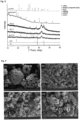
- XRD patterns in Fig. 4 show that ball milling for 3 hours produces poorly crystalline material, in which metallic Co-based composite (marked as metallic composite) with a cubic (fcc) structure can be vaguely distinguished by the presence of broad reflection at ⁇ 45° of 2 ⁇ . Due to its magnetic nature, metallic Co and its composites are easily attracted by a permanent magnet. Therefore, one of the visual signs of the reduction process of LiCoO 2 (which is nonmagnetic) is the formation of the magnetic phase. Reduction of Co in the LiCoO 2 by Al is started already after 30 minutes of milling, which is distinguishable by the appearance of the broad Bragg reflection at ⁇ 45° of 2 ⁇ and formation of the magnetic phase.
- the morphology change of the sample upon milling was investigated using the SEM method.
- the microscopy images indicate destroying the starting material microstructure and decreasing particle sizes during the mechanochemical reaction as shown in Figs. 5(a)-(d) .
- the recrystallized product contains lithium carbonate (Li 2 CO 3 ) and lithium aluminum carbonate hydroxide hydrate, Li 2 Al 4 (CO 3 )(OH) 12 ⁇ 3H 2 O (LACHH).
- Li 2 Al 4 (CO 3 )(OH) 12 ⁇ 3H 2 O Li 2 Al 4 (CO 3 )(OH) 12 ⁇ 3H 2 O (LACHH).
- the lithium present in the recrystallized soluble part was transformed into lithium carbonate in the purification step by heating the sample after aqueous leaching to 350°C for 3 hours in the air atmosphere. During said heating step, the LACHH mixed carbonate decomposes starting at 250-290°C with the formation of Li 2 CO 3 and Al 2 O 3 .
- the heat-treated sample was mixed with water and filtrated, thereby removing the insoluble Al 2 O 3 precipitate, and obtaining Li 2 CO 3 in pure form after the drying process ( Fig. 4 , purified).
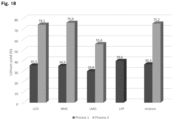
- the yield of the recycled lithium was 35.3% of its theoretical value.
- Example 2 Lithium extraction procedure according to the second aspect of the present invention from NMC cathode
- the soluble part of the water leached at room temperature contains Li 2 CO 3 and LACHH phases after its recrystallization at 70°C.
- the single-phase Li 2 CO 3 was obtained after the purification process described above for Example 1 ( Fig. 6 , purified).
- the yield of the recycled lithium was 34.9% of its theoretical value.
- Example 3 Lithium extraction procedure according to the second aspect of the present invention from LMO cathode
- lithium was also extracted from the commercial LiMn 2 O 4 material.
- the ratio of the components LiMn 2 O 4 to Al was selected as 1 : 2.33 as shown by the following equation (8): 2LiMn 2 O 4 + 4.66Al ⁇ 4Mn + ⁇ Li 2 O + 2.33Al 2 O 3 ⁇ (8)
- the ball milling of the starting materials for 30 minutes leads to the formation of the LiAlPO 2 compound.
- the intensity of the LiAlPO 2 phase is much lower but still distinguishable.
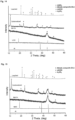
- the higher amount of aluminum in the mixture leads to increased intensities of Al 2 O 3 (space group Fd-3m) product after 1 and 3 hours of milling as shown in Fig. 8 .
- the XRD pattern of the final product of reaction also contains broad Bragg reflections, which correspond to the cubic ccp structure, in which Mn 0 usually is crystallized.
- Mn 0 usually is crystallized.
- this phase is called a metals composite.
- the SEM characterization of the mixture, milled for different times shows particles size decrease already after 30 minutes. Further milling does not show a significant change in the sample microstructure ( Fig. 9 ).
- Example 4 Lithium extraction procedure according to the second aspect of the present invention from LFP cathode
- Example 2 A similar process as in Example 1 was applied to recycle the lithium from an LFP cathode material.
- the molar ratio of starting materials LiFePO 4 and Al was selected as 1:3. Based on the XRD phase analysis, it is found that reduction reaction starts already after 30 minutes of the ball milling. The formation of the LiAlO 2 , Al 2 O 3 , and Fe 2 P (space group P-62m) compounds was identified. Further mechanochemical treatment increases the amount of the final products Al 2 O 3 and Fe 2 P, while the phase LiAlO 2 becomes undetectable after 3 hours of reaction.
- the soluble part of the water leached at room temperature contains Li 2 CO 3 , Al(OH) 3 , and LACHH phases after its recrystallization at 70°C.
- the single-phase Li 2 CO 3 was obtained after the purification process described above for Example 1 ( Fig. 10 , purified).
- the yield of the recycled lithium was 39.6% of its theoretical value.
- Example 5 Lithium extraction procedure according to the second aspect of the present invention from a mixture of cathode materials
- the process of leaching which was similar to that described in Example 1, leads to the formation of a mixture of Al(OH) 3 and Li 2 CO 3 in the recrystallized water-soluble fraction.
- the product of the purification process, as described in Example 1, contains pure lithium carbonate ( Fig. 12 , purified).
- the calculated yield of the lithium recycling from the mixture of electrodes was 36.4% of its theoretical value.
- Example 6 Lithium extraction procedure according to the first aspect of the present invention from LCO cathode
- the LACHH compound decomposes to Li 2 CO 3 and Al 2 O 3 .
- the heated sample is leached with water (500 ml), leading to the dissolution of the Li 2 CO 3 and filtration of the insoluble part (mixture of Al 2 O 3 and residual metal composites).
- the XRD of the obtained Li 2 CO 3 shows no other impurities in the final product as shown in Fig. 14 , leached.
- the yield of the recycled lithium was 74.1%.
- Example 7 Lithium extraction procedure according to the first aspect of the present invention from NMC cathode
- Example 6 was repeated except that NMC material of Example 2 was used.
- the XRD of the obtained Li 2 CO 3 is shown in Fig. 15 , leached, verifying that Li 2 CO 3 is obtained in pure form.
- the yield of the recycled lithium was 75.9%.
- Example 8 Lithium extraction procedure according to the first aspect of the present invention from LMO cathode
- Example 6 was repeated except that LMO material of Example 3 was used.
- the XRD of the obtained Li 2 CO 3 is shown in Fig. 16 , leached, verifying that Li 2 CO 3 is obtained in pure form.
- the yield of the recycled lithium was 55.6%.
- Example 9 Lithium extraction procedure according to the first aspect of the present invention from a mixture of cathode materials
- the yield of the lithium recovery is significantly higher in the process according to the first aspect of the present invention, as shown in Fig. 18 (denoted as process 2).
- This can be related to the fact that not all lithium is transformed into water-soluble compounds after the ball milling.
- the reason for that might be the formation of an intermediate compound, LiAlO 2 , formed after 30 minutes of milling, that might be amorphous and, therefore, not detectable with XRD.
- This compound might only be partially soluble in water at room temperature, thus remains in the precipitate after water leaching.
Landscapes
- Chemical & Material Sciences (AREA)
- Engineering & Computer Science (AREA)
- Materials Engineering (AREA)
- Organic Chemistry (AREA)
- Manufacturing & Machinery (AREA)
- Mechanical Engineering (AREA)
- Geology (AREA)
- General Life Sciences & Earth Sciences (AREA)
- Life Sciences & Earth Sciences (AREA)
- Metallurgy (AREA)
- Environmental & Geological Engineering (AREA)
- Chemical Kinetics & Catalysis (AREA)
- Electrochemistry (AREA)
- General Chemical & Material Sciences (AREA)
- Inorganic Chemistry (AREA)
- Manufacture And Refinement Of Metals (AREA)
Abstract
Description
- The present invention relates to a method for recycling lithium from Li-ion (lithium-ion) batteries. Specifically, the present invention relates to a mechanochemically induced method for recycling lithium from Li-ion batteries that can be universally applied and which is highly efficient.
- Lithium-ion batteries (LIBs) have experienced a leap in their development, especially with shifting their demand from small consumer electronics to the market of electric vehicles and energy storage power batteries. The growth of the use and production imposes the need for infrastructure and strategies to handle LIB waste and potentially recover precious components of batteries without irreversible pollution and damage to the environment. Specifically, the exponentially growing use of LIBs has substantially increased the demand for the constituent elements, namely Li (lithium), Co (cobalt), Ni (nickel), and Mn (manganese). As a result, this has elevated them to "critical elements" status. In addition, spontaneous environmental degradation and leaching of Co from spent LIBs that end up in landfills or are improperly stored, poses significant environmental and health hazards. At present, safe and economical recycling of used LIBs to recover Co, Li, Mn, or Ni represents a considerable technological challenge.
- In particular, despite the intensive research activity and progress in the industrial sector, the recycling of lithium currently remains expensive and, in many cases, not profitable. Currently, most recycling technologies are based on hydrometallurgical, biohydrometallurgical, and pyrometallurgical methods.
- Pyrometallurgical methods, which are most commonly used in the recycling industry, use high-temperature smelting to prepare multi-metal alloys, comprising Co, Mn, Ni, Fe, Al-containing slags. The inadvertent loss of valuable components such as lithium and carbon/graphite, which are emitted as hazardous gases, and high energy consumption are among the main disadvantages of pyrometallurgical methods.
- While more efficient and less hazardous than pyrometallurgy, the biohydrometallurgical approach suffers from a very long processing time, often extending more than 5 to 10 days for complete extraction, and also presents challenges associated with bacterial incubation (acidity and temperature control required).
- Hydrometallurgical processes involving the chemical dissolution of spent LIB electrodes by strong acids or bases are energy efficient and usually generate limited amounts of hazardous gases. They offer high metal recovery rates and good purity of recovered materials. However, they utilize highly corrosive leachates. Coupled with the high cost of battery disassembly and separation of electrode materials, industrial utilization of hydrometallurgical processes is limited.
- The common steps for a majority of these recycling processes include: (i) a step of materials (batteries) pre-treatment (sorting, discharge, disassembly, shredding, crushing, grinding, and sieving); (ii) a step of chemical conversion, by smelting, leaching or dissolution, and (iii) a step of separation and purification by precipitation, recrystallization, electrolysis, and other appropriate chemical techniques.
- All present shortcomings of existing technologies are forcing the scientific community to find alternative methods for LIBs recycling. As a response to all challenges, the mechanochemical approach in recycling processes receives more and more attention. The emerging mechanochemical technology induces chemical reactions between solid materials using mechanical forces such as grinding, extrusion, shearing, and friction as described by L. Takacs, "The historical development of mechanochemistry", Chem. Soc. Rev., 2013, 42, 7649-7659. As described e.g., by Q. Tan et al., "Recycling metals from wastes: a novel application of mechanochemistry", Environ. Sci. Technol. 2015, 49, 5849-5861, this approach is successfully applied in recycling valuable materials from various electronic wastes due to its low cost, scalability and unique reaction mechanism, thermodynamics, and kinetic properties. The mechanochemical approach has also been applied in LIBs recycling. In most cases, the mechanochemical step is utilized in the pre-treatment of the battery materials, thus significantly improving the valuable component recovery via the following hydrothermal process (cf. for instance, J. Guan et al., "Mechanochemical process enhanced Cobalt and Lithium recycling from wasted Lithium-ion batteries", ACS Sustainable Chem. Eng. 2017, 5, 1026-1032).
- Further,
CN 110791652 A discloses a method for recovering valuable metals in the positive electrode material of waste LIBs based on a mechanochemical method, which is characterized in that an activator and an organic reducing agent are mixed to the positive electrode material of waste LIBs to obtain a mixture, and in that the obtained ball-milled product is added to deionized water having the pH adjusted to 1 to 5.CN 106785167A also discloses a method for recovering lithium in the positive electrode material of waste LIBs, which is characterized in that the cathode material of waste LIBs is calcined at 450 to 550°C for 3 to 7min, to obtain nickel-cobalt-lithium-manganate ternary material, followed by ball-milling and aqueous leaching.CN 105304971 A discloses a method of treating a waste lithium battery by adopting a mechanochemistry method, selectively recycling metal lithium and meanwhile directionally preparing a cobalt-based magnetic functional material, which is characterized in that iron powder and sodium chloride are used as additives to treat waste lithium batteries by ball milling.CN 109437253 A discloses a method of treating a waste lithium battery by adopting a mechanochemistry method, wherein solid dry ice is added to treat waste lithium batteries by ball milling. - Besides,
US 2020/318219 A1 describes that solvent-free processing can mechanochemically convert lithium cobaltate (LiCoO2) into metallic Co and Li-derivatives via reduction reactions. Specifically,US 2020/318219 A1 describes the mechanochemical treatment of battery constituents in the presence of reducing metals (e.g., Li, Ca, Al, etc.), which leads to the reduction of transition metal components of LIB cathodes into ferromagnetic products (Co, Ni, etc.) which can be effectively separated from other nonmagnetic and/or water-soluble by-products by magnetic separation techniques. The general reaction of this process for LiCoO2 cathode and aluminum (Al) as reducing agent can be described by the following reaction (I):
2LiCoO2 + 2AI → Li2O + 2Co + Al2O3 (I)
- Further processes for lithium recovery are described by the following reactions (II) and (III):
Li2O + H2O → 2LiOH (II)
2LiOH + Na2CO3 → Li2CO3↓ + 2NaOH (III)
- The transformation of lithium hydroxide (LiOH) into lithium carbonate (Li2CO3) can be performed without adding the sodium carbonate (Na2CO3) by using carbon dioxide (CO2) as shown by the following reaction (IV):
2LiOH + CO2 → Li2CO3↓ + H2O (IV)
- A flowsheet summarizing the processes disclosed in
US 2020/318219 A1 is shown inFig. 1 . The lithium extraction process in this method can proceed in two routes. In the first route, pure lithium carbonate can be obtained by precipitation reaction with Na2CO3, which requires careful and precise control of component concentrations and temperatures. Therefore, an additional step of solution, precipitation, filtration, and recrystallization is needed. The Li-rich filtrate can also be heated to evaporate water in the second route (Fig. 1 , lower part left). As a result, Li2CO3 is formed. However, the present inventors have found that the obtained product always contains impurities in significant amounts. Therefore, the presence of impurities does not allow to utilize the recycling process as shown inFig. 1 , lower part left, without route 1 (Fig. 1 , lower part right) where Na2CO3 is used as a reagent for Li2CO3 precipitation. - In view of the above, it is an object of the present invention to overcome the above drawbacks associated with the recycling of lithium from LIBs known in the art. In particular, the technical problem underlying the present invention is to provide a simple and environmentally friendly method for recycling lithium from LIBs by which lithium can be recycled with high efficiency and low costs (improved recycling proficiency) at high purity, and which should be applicable for different LIB chemistries.
- The above technical problem underlying the present invention has been solved by providing the embodiments characterized in the claims.
- In particular, the present invention provides a method for recycling lithium from a lithium-ion battery, comprising the following steps:
- (i) subjecting a cathode material of the lithium-ion battery containing lithium ions in an active cathode material to a mechanical processing in air in the presence of aluminum, thereby mechanochemically reducing the active cathode material;
- (ii) adding water to the mechanochemically processed material of step (i), thereby providing an aqueous mixture;
- (iii) heating the aqueous mixture to a temperature of 300°C or higher, thereby providing a mixture of dissolved lithium carbonate (Li2CO3) and insoluble impurities; and
- (iv) separating the insoluble impurities from the mixture, and evaporating water to obtain lithium carbonate (Li2CO3),
- Accordingly, the present invention utilizes mechanochemical processing of the battery wastes at the pre-treatment step of the recycling, typical for all recycling technologies mentioned above. The method of the present invention includes the chemical interaction of the active cathode material with Al as a reducing agent in step (i) mentioned above. In the method of the present invention, lithium can be extracted and recycled without applying any corrosive leachates (as only water is used), high temperatures, or high energy consumption, because of fast kinetics of the process. Advantageously, the method of the present invention is capable to increase efficiency at a large scale, foster environmental sustainability, and reduce the overall cost of the LIB recycling process. As will be described in more detail herein-below, the method of the present invention enhances the efficiency of lithium recycling from spent LIBs using a mechanochemical approach. Moreover, the method of the present invention can be regarded as "universal" as it can be applied for most electrode technologies used for LIBs.
- A LIB is a type of rechargeable battery composed of cells in which lithium ions move from the negative electrode (anode) through an electrolyte to the positive electrode (cathode) during discharge and back when charging. Li-ion cells use an intercalated lithium compound as the material at the cathode and typically graphite at the anode.
- Many cathode materials used for LIBs are constructed from cobalt-based materials, such as LiCoO2 (LCO) or manganese-based materials, such as LiMn2O4 (LMO). However, also other manganese-based materials are known as cathodes for LIBs. For instance, the layered manganese oxides Li2MnO3, LiMnO2, Li2MnO2, and combinations in terms of composites of the foregoing oxides are known in the art, which are also encompassed within the present invention. Besides, cathode materials based on lithium-nickel-manganese-cobalt oxides (NMC) having the general formula LiNixMnyCozO2, wherein the sum of x+y+z is 1, such as Li(Ni0.33Mn0.33Co0.33)O2, as well as cathode materials based on lithium-nickel-cobalt-aluminum oxides (NCA) having the general formula LiNixCoyAlzO2, wherein the sum of x+y+z is 1, such as LiNi0.84Co0.12Al0.04O2 are known, which are also encompassed within the present invention. Another LIB technology uses lithium iron phosphate (LiFePO4, LFP) as the cathode material, which is also encompassed within the present invention.
- As will be demonstrated by the experimental section below, due to a similar mechanism, the method according to the present invention is advantageously applicable to all of said technologies without being limited to the specific materials mentioned above. Preferably, the cathode material used in the method of the present invention includes at least one material selected from the group consisting of LiCoO2, Li(Ni0.33Mn0.33Co0.33)O2, LiMn2O4, and LiFePO4. This means that also mixtures of said cathode materials can be used.
- As mentioned above, in the first step (i) of the method of the present invention, the cathode material of the LIB is subjected to a mechanical processing in air in the presence of aluminum, thereby mechanochemically reducing the active cathode material, i.e., the transition metal oxide of LCO, LMO, NMC, NCA, and LFP, for instance. This step can be carried out similarly to the process described in
US 2020/318219 A1 , provided that Al is used as a reducing agent, allowing this step to be carried out under air. That is, no inert atmosphere is required. - The general reaction of this process step for LiCoO2 cathodes is described in
US 2020/318219 A1 by the reaction (I):
2LiCoO2 + 2AI → Li2O + 2Co + Al2O3 (I)
- Metallic Co formed in said reaction (I) can be easily separated from the non-magnetic by-products via a magnetic separation process and used as is or further purified if appropriate and required. As another reaction product, Li2O is mentioned, which is soluble in water.
- However, the inventors of the present invention have reconsidered the above reaction (I) and have found that the mechanochemical reduction reaction of LiCoO2 with Al as a reducing agent can be described more appropriately by the following reaction equation (1), where feasible reaction intermediates are given in parentheses:
2LiCoO2 + 2AI → 2Co + {Li2O + Al2O3} (1)
- In general terms, said reaction can be formulated by the following reaction equation (7):
2LiMO2 + 2AI → 2M + {Li2O + Al2O3} (7)
where M represents a transition metal or a composite thereof used in LIBs as cathode, such as Co, Mn, Ni, Fe, and composites thereof. - Accordingly, as can be taken from reaction equation (1) or (7), even though the molar ratio of the cathode material (such as LCO) in terms of M equivalents and Al in the mechanochemical processing step (i) is not limited, according to a preferred embodiment of the present invention, said constituents are used in a molar ratio in terms of M equivalents and Al of 1:3 to 2:1 depending on the transition metal or metal composite present in the starting cathode material. More preferably, said constituents are used in about an equimolar ratio, and most preferably in a molar ratio of 1:1 for LCO-AI, NMC-AI, and NCA-AI systems. For LMO-AI systems, it is preferred to use the constituents in a molar ratio of 1:2 to 1:3 and for LFP-AI systems, a molar ratio of 1:3 is preferred. Here, the expression "M equivalents" refers to the transition metal or metal composite present in the starting cathode material, such as Co, Mn, Ni, Fe, and composites thereof.
- According to the present invention, Al is used as the reducing agent in the mechanochemical reduction reaction of step (i). Al may be added to the cathode material of the LIB so as to adjust the molar ratio of the components. To assure the complete lithium recycling, Al can be added to the reaction mixture in excess. Since an Al foil is commonly present as a current collector in LIB cathodes, it is also possible that no additional Al or at least a reduced amount of Al is required for the reduction. Generally, Al can be used in step (i) of the method of the present invention in the form of powder and/or as shredded Al scrap without being limited thereto.
- As mentioned above, in the method of the present invention, unlike recycling processes known in the art, lithium can be extracted and recycled without applying any corrosive leachates since only water is used. Here, it should be note that the water is not particularly limited, and any technical grade of pure water can be used. Preferably, in order to minimize any by-products, in the method of the present invention, deionized (DI) water is used throughout all process steps.
- According to a preferred embodiment, no acid and/or no carbonate salt is used in all of the process steps (i) to (iv). This means that in the method of the present invention, lithium can be recycled without applying any corrosive or hazardous material. Also, contrary to the process described in
US 2020/318219 A1 , it is not necessary to add any carbonate salt in order to purify the desired lithium carbonate (Li2CO3). In said process, an extra ion (Na+) has to be introduced at the precipitation stage, which can be avoided by the method of the present invention. - Furthermore, the mechanical processing in the mechanochemical reduction reaction of step (i) can include, but is not limited to, ball milling, shredding, grinding, and/or extruding and combinations thereof, which can be generally used for processing LIB electrode materials. In a preferred embodiment, the mechanochemical processing step (i) includes ball milling. The ball milling as well as other mechanical processing techniques may be carried out until the reduction reaction has been completed, which may or may not be followed by analysis. For instance, due to its magnetic nature, metallic Co and its composites are easily attracted by a permanent magnet. Therefore, one of the visual signs of the reduction process of LiCoO2 (which is nonmagnetic) is the formation of the magnetic phase. Reduction of Co in the LiCoO2 by Al is started already after 30 minutes of milling, which is distinguishable by the appearance of the broad Bragg reflection at ~45° of 2θ and formation of the magnetic phase. Thus, the ball milling may be carried out for about 0.5 to 3 hours, depending on the milling conditions (balls to sample ratio, milling vial material, rotation speed in planetary mills, etc.).
- The conditions may be those commonly applied. For instance, the starting materials (cathode material of the LIB and AI) can be combined in an appropriate molar ratio and ball-milled for 0.5 to 3 hours in a hardened-steel vial of appropriate size with steel balls using a shaker mill.
- Even though not excluded, the mechanochemical processing step (i) of the present invention is preferably conducted in the absence of any additive and solvent. That is, in the mechanochemical processing step (i), only the cathode material of the LIB and Al are processed under air atmosphere, resulting in the reduction of the active cathode material (LCO, LMO, NMC, NCA, LFP etc.).
- As mentioned above,
US 2020/318219 A1 describes a mechanochemical processing step similar to step (i) of the method of the present invention. Specifically, as shown inFig. 1 , lower part left, after dissolution in water (H2O) and filtration, in the Li-rich filtrate Li2CO3 is formed after water evaporation. However, the present inventors have found that the obtained product always contains impurities in significant amounts. Therefore, the presence of impurities does not allow to utilize the recycling process as shown inFig. 1 , lower part left, without the addition of Na2CO3 as a reagent for Li2CO3 precipitation (Fig. 1 , lower part right). - According to the present invention, it has been found that the impurity contained in the product obtained by the process shown in
Fig. 1 , lower part left, is Li2Al4(CO3)(OH)12·3H2O (LACHH). Based thereon, the above-mentioned reaction (I) has been reconsidered. - Specifically, according to the present invention, the mechanochemical reduction reaction of LiCoO2 with Al as a reducing agent can be described by reaction equation (1), where feasible reaction intermediates are given in parentheses:
2LiCoO2 + 2AI → 2Co + {Li2O + Al2O3} (1)
- According to the XRD data, which will be described below in the experimental section, the newly formed oxides of lithium and aluminum oxides further interact with the formation of γ-LiAlO2 as shown by reaction equation (2):
Li2O + Al2O3 → 2LiAlO2 (2)
- Even though it remains unclear what happens to γ-LiAlO2 upon prolonged milling, as all phases, except metallic composite, become XRD amorphous, it has been demonstrated that the aqueous leaching process, followed by filtration of the solid residue, results in Li2CO3 and lithium aluminum carbonate hydroxide hydrate, Li2Al4(CO3)(OH)12·3H2O (LACHH). The formation of these products can be explained by the presence of the reactions of equations (3) to (5), which may take place simultaneously during aqueous leaching and drying processes performed in the air atmosphere.
{Li2O + Al2O3} + H2O → {LiOH + LixAlOx(OH)z + Al2O3} (3)
2LiOH + CO2 → Li2CO3 + H2O (4)
{LixAlOx(OH)z} + H2O + CO2 → Li2Al4(CO3)(OH)12·3H2O (5)
- Based on this finding, the method of the present invention incorporates a heating step (iii) in which the aqueous mixture is heated to a temperature of 300°C or higher, thereby transforming LACHH into Li2CO3 and providing a mixture of dissolved Li2CO3. That is, the lithium compound present in the aqueous mixture is transformed into Li2CO3 by heating the sample to a temperature of 300°C or higher, preferably of 330°C to 370°C, and most preferably to 350°C in the air atmosphere. The duration of this heating step is not particularly limited and may be 1 to 5 hours, such as about 3 hours. Under these conditions, LACHH mixed carbonate decomposes with the formation of Li2CO3 and Al2O3 as shown by the following reaction equation (6):
Li2Al4(CO3)(OH)12·3H2O → Li2CO3 + 2Al2O3 + 9H2O↑ (6)
- According to the present invention, this step of transforming LACHH as an impurity into Li2CO3 can be adopted in two ways.
- In a first aspect of the present invention, this step of transforming LACHH is carried out in terms of a carbonatization step after the mechanochemical reduction reaction of step (i) as shown in
Fig. 2 . According to a second aspect of the present invention, this step of transforming LACHH is carried out in terms of a purification step after an aqueous leaching step as shown inFig. 3 . - Thus, the present invention encompasses in a first aspect a method for recycling lithium from a lithium-ion battery, which comprises the following steps:
- (a 1) subjecting the cathode material of the lithium-ion battery containing lithium ions in the active cathode material to a mechanical processing in air in the presence of aluminum, thereby mechanochemically reducing the active cathode material (corresponding to the mechanochemical reduction reaction of step (i));
- (a2) adding water to the mechanochemically processed material of step (a1) and heating the mixture to a temperature of 300°C or higher;
- (a3) adding water to the heated mixture obtained in step (a2), thereby providing a mixture of dissolved lithium carbonate (Li2CO3) and insoluble impurities; and
- (a4) separating the insoluble impurities from the dissolved lithium carbonate, and evaporating water to obtain lithium carbonate (Li2CO3).
- In a second aspect, the present invention provides a method for recycling lithium from a lithium-ion battery, which comprises the following steps:
- (b 1) subjecting the cathode material of the lithium-ion battery containing lithium ions in the active cathode material to a mechanical processing in air in the presence of aluminum, thereby mechanochemically reducing the active cathode material (corresponding to the mechanochemical reduction reaction of step (i));
- (b2) subjecting the mechanochemically processed material of step (b1) to an aqueous leaching at room temperature by adding water to the mechanochemically processed material, and separating the insoluble fraction of the obtained mixture from the filtrate, wherein the filtrate contains a water-soluble lithium compound;
- (b3) heating the filtrate obtained in step (b2) to a temperature of 300°C or higher, thereby providing a mixture of dissolved lithium carbonate (Li2CO3) and insoluble impurities; and
- (b4) separating the insoluble impurities from the mixture obtained in step (b3), and evaporating water to obtain lithium carbonate (Li2CO3).
- In the following, steps (a2) to (a4) and (b2) to (b4) of the methods according to the present invention are described in detail by reference to the Figures, particularly
Figures 2 and 3 which show these steps in a schematic manner. Notably, steps (a1) and (b1) correspond to the mechanochemical reduction reaction of step (i) described above, and thus needs not to be described again. -
-
Figure 1 shows a flowsheet of the recycling process for lithium extraction disclosed inUS 2020/318219 A1 . -
Figure 2 shows a flowsheet of the recycling process for lithium extraction according to the first aspect of the present invention. -
Figure 3 shows a flowsheet of the recycling process for lithium extraction according to the second aspect of the present invention. -
Figure 4 shows XRD patterns of the 1:1 molar mixture of LiCoO2 and Al of Example 1, measured after different ball milling times (BM) in a SPEX mill. XRD patterns of starting materials LCO and Al are presented for comparison. The most intensive Bragg reflections of intermediate and final products are marked for analysis. -
Figure 5 (a) shows a SEM image of the LCO powder of Example 1, (b) ball milled with Al foil for 0.5 hours, (c) for 1 hour, (d) for 3 hours. -
Figure 6 shows XRD patterns of the 1:1 molar mixture of Li(Ni0,33Mn0,33Co0,33)O2 and Al of Example 2 measured after different ball milling times (BM) in a SPEX mill. XRD patterns of starting materials NMC and Al are presented for comparison. The most intensive Bragg reflections of intermediate and final products are marked for analysis. -
Figure 7 (a) shows a SEM image of the NMC powder of Example 2, (b) ball milled with Al foil for 0.5 hours, (c) for 1 hour, (d) for 3 hours. -
Figure 8 shows XRD patterns of the 1:2.33 molar mixture of LiMn2O4 and Al of Example 3 measured after different ball milling times (BM) in a SPEX mill. XRD patterns of starting materials LMO and Al are presented for comparison. The most intensive Bragg reflections of intermediate and final products are marked for analysis. - Figure 9 (a) shows a SEM image of the LMO powder of Example 3, (b) ball milled with Al foil for 0.5 hours, (c) for 1 hour, (d) for 3 hours.
-
Figure 10 shows XRD patterns of the 1:3 molar mixture of LiFePO4 and Al of Example 4 measured after different ball milling times (BM) in a SPEX mill. XRD patterns of starting materials LFP and Al are presented for comparison. The most intensive Bragg reflections of intermediate and final products are marked for analysis. -
Figure 11 (a) shows a SEM image of the LFP powder of Example 4, (b) ball milled with Al foil for 0.5 hours, (c) for 1 hour, (d) for 3 hours. -
Figure 12 shows XRD patterns of the mixture of cathodes with Al of Example 5 measured after different ball milling times (BM) in a SPEX mill. XRD patterns of starting materials (cathode physical mixture and Al) are presented for comparison. The most intensive Bragg reflections of intermediate and final products are marked for analysis. -
Figure 13 (a) shows a SEM image of the mixture of cathodes of Example 5, (b) ball milled with Al foil for 0.5 hours, (c) for 1 hour, (d) for 3 hours. -
Figure 14 shows XRD patterns of the 1:1 molar mixture of LiCoO2 and Al of Example 6, measured after 3 hours ball milling time (BM) in a SPEX mill. XRD patterns of starting materials LCO and Al are presented for comparison. The most intensive Bragg reflections of intermediate and final products are marked for analysis. -
Figure 15 shows XRD patterns of the 1:1 molar mixture of Li(Ni0,33Mn0,33Co0,33)O2 and Al of Example 7 measured after 3 hours ball milling time (BM) in a SPEX mill. XRD patterns of starting materials NMC and Al are presented for comparison. The most intensive Bragg reflections of intermediate and final products are marked for analysis. -
Figure 16 shows XRD patterns of the 1:2.33 molar mixture of LiMn2O4 and Al of Example 8 measured after 3 hours ball milling time (BM) in a SPEX mill. XRD patterns of starting materials LMO and Al are presented for comparison. The most intensive Bragg reflections of intermediate and final products are marked for analysis. -
Figure 17 shows XRD patterns of the mixture of cathodes with Al of Example 9 measured after 3 hours ball milling time (BM) in a SPEX mill. XRD patterns of starting materials (cathode physical mixture and Al) are presented for comparison. The most intensive Bragg reflections of intermediate and final products are marked for analysis. -
Figure 18 shows a comparison of the lithium recycling proficiency for different cathode materials and different processes of Examples 1 to 9. - According to the first aspect of the present invention, a specific embodiment of which is shown in
Fig. 2 , the step of transforming LACHH is carried out in terms of a carbonatization step after the mechanochemical reduction reaction of step (i) (also referred to as "reactive milling") as shown inFig. 2 . During this carbonatization step, the mechanochemically processed material is mixed with water and heated to a temperature of 300°C or higher, preferably of 330°C to 370°C, and most preferably to 350°C. In this regard, it should be noted that this heating step is preferably carried out in the air atmosphere. The duration of this heating step is not particularly limited and may be 1 to 5 hours, such as about 3 hours at a temperature of 300°C or above. - This heating step (carbonatization) is preferably carried out in a stepwise manner by heating the mixture to a temperature of 80°C to 100°C for 0.5 to 3 hours upon stirring, a step of aging the mixture by holding the mixture at a temperature of at least 60°C for at least 2 hours, and thereafter increasing the temperature to at least 300°C. In the presence of CO2 from the air and added H2O, all lithium in the mixture transforms into Li2CO3 and LACHH compounds via the reactions of equations (4) and (5). Next, at a temperature of at least 300°C, the LACHH compound decomposes to Li2CO3 and Al2O3 (equation 6).
- Thereafter, the heated sample is leached with water after cooling, leading to the dissolution of the Li2CO3 and filtration of the insoluble part (mixture of Al2O3 and residual metal composites (by-products)). The high solubility rate of Li2CO3 at room temperature (which refers in the present invention to a temperature of 20°C to 25°C) allows performing this step at ambient conditions. In the final step of the method of the present invention, water is evaporated to obtain Li2CO3 in a highly pure form.
- In addition to the carbonatization step described above, in a second aspect of the present invention, after the mechanochemical reduction reaction of step (i) ("reactive milling"), the processed material is subjected to an aqueous leaching at room temperature by adding water to the mechanochemically processed material. Thereafter, the insoluble fraction of the obtained mixture, which mainly consists of precipitated transition metals (d-block elements) or composites thereof, is separated from the filtrate. The filtrate contains a water-soluble lithium compound (cf. also reaction equations (1) to (5) above).
- According to the present invention, this filtrate is heated to a temperature of 300°C or higher, thereby transforming LACHH into Li2CO3. In this regard, it should be noted that this heating step is preferably carried out in air.
- Also, according to a preferred embodiment of the present invention, before heating, water of the aforementioned filtrate may be evaporated so as to obtain a powder mixture. In a subsequent step, this powder mixture can be dissolved again which is then subjected to the heating step (b3) as it is also shown in
Fig. 3 . However, this additional step is optional. As mentioned above, the aqueous mixture is heated in this heating step to a temperature of 300°C or higher, preferably of 330°C to 370°C, and most preferably to 350°C in the air atmosphere. The duration of this heating step is not particularly limited and may be 1 to 5 hours, such as about 3 hours. After said heating, dissolved Li2CO3 and insoluble impurities (mainly Al2O3) are obtained. The insoluble impurities can be separated from Li2CO3 by filtration. - In the final step of the method of the present invention, water is evaporated to obtain Li2CO3 in a highly pure form.
- As shown by the experimental data below, the first aspect of the present invention, i.e., the introduction of the carbonatization step, significantly increases the yield of the method according to the second aspect. In addition, the number of required process steps can be reduced, thereby simplifying the entire recycling process. As a result, the total cost of the method according to the first aspect can be further decreased.
- It is assumed that by the mechanochemical reduction reaction of step (i) (reactive milling), not all lithium is transformed into water-soluble compounds. A reason for that might be the formation of an intermediate compound, LiAlO2, formed after 30 minutes of milling, that might be amorphous and, therefore, not detectable with XRD. This compound might only be partially soluble in water at room temperature, thus remains in the precipitate after water leaching. However, in the carbonatization step it transforms to LACHH compound via reaction equation (10):
4LiAlO2 + 9H2O + 2CO2 → Li2Al4(CO3)(OH)12·3H2O + Li2CO3 (10)
- Therefore, it is considered that introducing the carbonatization step not only reduces the number of required steps, but also increases the lithium yield and therefore, significantly reduces the total cost of the process. Advantageously, this approach is applicable to all electrode technologies used for LIBs.
- Therefore, the method according to the present invention provides a universal approach for recycling lithium from LIBs. Compared to the state of the art, the present invention allows the reduction of the total cost of the process and significantly increases the recycling proficiency. Notably, even though only water is used in the recycling process, thereby avoiding any additional components, such as acids, other corrosive leachates, carbonates etc., it is possible to obtain Li2CO3 in high purity, which represents an enormous simplification of the lithium recovery from LIBs yet being environmentally friendly. The method of the present invention works even with mixtures of electrodes, which is convenient for industry, when sorting of batteries is rather impossible as different manufacturers are using their own technologies and chemistries for electrodes.
- The present invention is further illustrated by the following Examples without, however, being limited thereto.
- The following materials were used in Examples 1 to 9:
LiCoO2 (97 wt. %) was purchased from Alfa Aesar; LiMn2O4 (> 99%) was purchased from Sigma-Aldrich; LiFePO4 (~98.5%, coated by carbon) was purchased from MTI Corporation; and Li(Ni0.33Mn0.33Co0.33)O2 was purchased from BASF, Germany. Aluminum foil (from Novelis) served as a source of Al in selected experiments. All materials were used as received. - Phase analysis of the reaction products was carried out using the X-ray powder diffraction (XRD) on a STOE Stadi P powder diffractometer with monochromatic Cu-Kα1 radiation (λ = 1.54056 Å) in transmission geometry. The XRD measurements were performed at room temperature with a 0.015° 2θ step between 10 and 70 degrees of 2θ. The Kapton film's presence visibly adds amorphous-like background in the XRD patterns at 10° < 2θ < 17°. The microstructural properties of the materials were studied by using scanning electron microscopy (SEM). Images of the starting materials and products of the milling were collected using the MERLIN Scanning Electron Microscope from Carl Zeiss.
- In Examples 1 to 9, the lithium extraction processes started with the reactive milling step. In Examples 1 to 5, employing the process steps according to the second aspect of the present invention, the reactive milling step was followed by aqueous leaching at room temperature and purification of the final product (also referred to as "
process 1"). In Examples 6 to 9, employing the process steps according to the first aspect of the present invention, the reactive milling step was followed by a carbonatization and heating procedure (also referred to as "process 2"). Thereafter, this process was finished by aqueous leaching and obtaining pure Li2CO3. - About 2g of a mixture of starting materials are combined in an appropriate molar ratio and ball-milled for 0.5-3 hours in a 65 ml hardened-steel vial with 20g of steel balls using a SPEX 8000 shaker mill. Al foil was cut into pieces of 1-2 cm sizes before the milling. All experiments were performed in the air atmosphere.
- The milled or carbonized samples are combined with deionized (DI) water and stirred for a few minutes in the air. Then, the insoluble fraction of the obtained mixture was filtered through a paper filter using a vacuum pump. The filtrate was further heated on the heating plate to evaporate the main part of the water and dried entirely at 70°C overnight.
- To purify the Li2CO3 after aqueous leaching in Examples 1 to 5, the obtained product was heated in the muffle furnace to 350°C for 3 hours in the air. The heated sample was mixed with DI water and filtrated. The water-soluble part contains pure Li2CO3, which was further recrystallized by water evaporation.
- To transform the lithium compounds into carbonate in Examples 6 to 9, the ball-milled samples (about 1g) were mixed with DI water (-50 ml) in a 200 ml beaker and heated to 90°C for 1 hour upon stirring. After that, the sample in the beaker was left at 70°C overnight. Next, the beaker with the sample was transferred to an oven and heated to 350°C for 3 hours.
- About 2g of an equimolar mixture of LiCoO2 and Al (1:1) were ball-milled for 0.5-3 hours in a 65 ml hardened-steel vial with 20g of steel balls using a SPEX 8000 shaker mill.
- XRD patterns in
Fig. 4 show that ball milling for 3 hours produces poorly crystalline material, in which metallic Co-based composite (marked as metallic composite) with a cubic (fcc) structure can be vaguely distinguished by the presence of broad reflection at ~45° of 2θ. Due to its magnetic nature, metallic Co and its composites are easily attracted by a permanent magnet. Therefore, one of the visual signs of the reduction process of LiCoO2 (which is nonmagnetic) is the formation of the magnetic phase. Reduction of Co in the LiCoO2 by Al is started already after 30 minutes of milling, which is distinguishable by the appearance of the broad Bragg reflection at ~45° of 2θ and formation of the magnetic phase. Before the complete reduction, the formation of the intermediate phase γ-LiAlO2(tetragonal structure,space group P4 1212) was observed after 30 minutes of mechanochemical treatment (Fig. 4 ). Continuation of the milling for 1 hour leads to the disappearance of the Bragg reflections of the γ -LiAlO2 phase, while only a broad peak of the metallic composite remains visible. - The morphology change of the sample upon milling was investigated using the SEM method. The microscopy images indicate destroying the starting material microstructure and decreasing particle sizes during the mechanochemical reaction as shown in
Figs. 5(a)-(d) . - The aqueous leaching process, followed by filtration of the solid residue, produces the soluble filtrate, which was recrystallized by water evaporation. According to the XRD analysis (
Fig. 4 , soluble part), the recrystallized product contains lithium carbonate (Li2CO3) and lithium aluminum carbonate hydroxide hydrate, Li2Al4(CO3)(OH)12·3H2O (LACHH). The formation of these products can be explained by the presence of reactions (Eq. (3)-(5) mentioned above), which may take place simultaneously during aqueous leaching and drying processes performed in the air atmosphere. - The lithium present in the recrystallized soluble part was transformed into lithium carbonate in the purification step by heating the sample after aqueous leaching to 350°C for 3 hours in the air atmosphere. During said heating step, the LACHH mixed carbonate decomposes starting at 250-290°C with the formation of Li2CO3 and Al2O3.
- Subsequently, the heat-treated sample was mixed with water and filtrated, thereby removing the insoluble Al2O3 precipitate, and obtaining Li2CO3 in pure form after the drying process (
Fig. 4 , purified). The yield of the recycled lithium was 35.3% of its theoretical value. - A similar process as in Example 1 was applied to recycle the lithium from an NMC cathode material. The mechanism of reduction reaction of the Li(Ni0,33Mn0,33Co0,33)O2 by Al is the same as in the case of LiCoO2. In general, it can be expressed by reaction equation (7), where M corresponds to the metallic composite, which contains all d-metals, which were present in the starting cathode material:
2LiMO2 + 2AI → 2M + {Li2O + Al2O3} (7)
- Formation of the intermediate phase LiAlPO2 was observed in this system after 30 minutes of reaction, which is still present after 1 hour of milling. At the same time, starting materials NMC and Al are still coexisting with intermediate and final products. After the prolonged mechanochemical treatment, they become not detectable by XRD. After 3 hours of milling, only broad Bragg reflections of metallic composite with a cubic (fcc) structure are distinguishable on the XRD pattern (
Fig. 6 ). The SEM investigation showed decreased sizes and destroyed the particles' uniformity upon continuous milling (Fig. 7 ), leading to broadening reflections on the powder diffraction pattern. - The soluble part of the water leached at room temperature contains Li2CO3 and LACHH phases after its recrystallization at 70°C. The single-phase Li2CO3 was obtained after the purification process described above for Example 1 (
Fig. 6 , purified). The yield of the recycled lithium was 34.9% of its theoretical value. - Following the recycling process of Example 1, lithium was also extracted from the commercial LiMn2O4 material. In order to reduce all manganese (Mn+3 and Mn+4) present in the lithium manganese oxide to the metallic Mn0, the ratio of the components LiMn2O4 to Al was selected as 1 : 2.33 as shown by the following equation (8):
2LiMn2O4 + 4.66Al → 4Mn + {Li2O + 2.33Al2O3} (8)
- The ball milling of the starting materials for 30 minutes leads to the formation of the LiAlPO2 compound. As the general amount of lithium in this system is lower, compared to the NMC and LCO containing mixtures, the intensity of the LiAlPO2 phase is much lower but still distinguishable. The higher amount of aluminum in the mixture leads to increased intensities of Al2O3 (space group Fd-3m) product after 1 and 3 hours of milling as shown in
Fig. 8 . The XRD pattern of the final product of reaction also contains broad Bragg reflections, which correspond to the cubic ccp structure, in which Mn0 usually is crystallized. There is a possibility that some Al atoms can be introduced into the structure or cold-welded. Therefore inFig. 8 , this phase is called a metals composite. The SEM characterization of the mixture, milled for different times, shows particles size decrease already after 30 minutes. Further milling does not show a significant change in the sample microstructure (Fig. 9 ). - The difference compared to the other two systems described before was observed in the composition of the soluble part (
Fig 8 ). The presence of Al(OH)3 phase (monoclinic structure, space group P21/c) was detected by XRD. This phase coexists with minor amounts of Li2CO3 and LACHH. The formation of the Al hydroxide can be explained by the coexistence of the strong base (LiOH) and aluminum or aluminum oxide, which may lead to their reaction. However, the purification step leads to the separation of all components from Li2CO3. As a result, pure lithium carbonate remains at the end of thisprocess 1 as shown inFig. 8 , purified. The yield of the recycled lithium was 29.8% of its theoretical value. - A similar process as in Example 1 was applied to recycle the lithium from an LFP cathode material. The molar ratio of starting materials LiFePO4 and Al was selected as 1:3. Based on the XRD phase analysis, it is found that reduction reaction starts already after 30 minutes of the ball milling. The formation of the LiAlO2, Al2O3, and Fe2P (space group P-62m) compounds was identified. Further mechanochemical treatment increases the amount of the final products Al2O3 and Fe2P, while the phase LiAlO2 becomes undetectable after 3 hours of reaction. Based on the phase composition of the final product, the mechanochemical reduction reaction of LiFePO4 performed on the air atmosphere can be presented as:
2LiFePO4 + 6Al + 0.25O2 → Li2O + Fe2P + AIP + 2.5Al2O3 (9)
- One of the possible products of this reaction, AlP, is not detectable by XRD analysis, which might be explained by the poor crystallinity of the ball-milled materials. The SEM characterization of the milled products of the LiFePO4-3Al system confirms this idea, showing significant microstructure changes and decreased particle size during the prolonged reaction (
Fig. 11 ). - The soluble part of the water leached at room temperature contains Li2CO3, Al(OH)3, and LACHH phases after its recrystallization at 70°C. The single-phase Li2CO3 was obtained after the purification process described above for Example 1 (
Fig. 10 , purified). The yield of the recycled lithium was 39.6% of its theoretical value. - About 2g of the mixture of cathodes and aluminum in a molar ratio of LCO:LMO:NMC:LFP: Al, as 1:1:1:1:7.5, were loaded in the vial and ball milled for 3 hours, similarly to the Example 1. Formation of the intermediate phase LiAlPO2 was obtained after 30 minutes of treatment (
Fig. 12 ). According to the powder XRD analysis, the final product of the mechanochemical reaction contains a mixture of Al2O3, Fe2P, and poorly crystalline metal composite phase. Therefore, it can be concluded that ball milling leads to parallel reactions (1), (7), (8), and (9) described above. In addition, the ball milling also leads to a particle size decrease, visible in the SEM images presented inFig. 13 . - The process of leaching, which was similar to that described in Example 1, leads to the formation of a mixture of Al(OH)3 and Li2CO3 in the recrystallized water-soluble fraction. The product of the purification process, as described in Example 1, contains pure lithium carbonate (
Fig. 12 , purified). The calculated yield of the lithium recycling from the mixture of electrodes was 36.4% of its theoretical value. - About 1g of an equimolar mixture of LiCoO2 and Al (1:1) was ball-milled for 3 hours, similar to Example 1 and subjected to the carbonatization procedure. Specifically, the ball-milled material was mixed with water (-50 ml) in a 200 ml beaker and heated to 90°C for 1 hour upon stirring. After that, the sample in the beaker was left at 70°C overnight. In the presence of CO2 from the air and added H2O, all lithium in the mixture transforms into Li2CO3 and LACHH compounds via reactions (4) and (5) as shown in
Fig. 14 , carbonatized. Next, the beaker with the sample is transferred to an oven and heated to 350°C for 3 hours. As a result, the LACHH compound decomposes to Li2CO3 and Al2O3. Finally, the heated sample is leached with water (500 ml), leading to the dissolution of the Li2CO3 and filtration of the insoluble part (mixture of Al2O3 and residual metal composites). The XRD of the obtained Li2CO3 shows no other impurities in the final product as shown inFig. 14 , leached. The yield of the recycled lithium was 74.1%. - Example 6 was repeated except that NMC material of Example 2 was used. The XRD of the obtained Li2CO3 is shown in
Fig. 15 , leached, verifying that Li2CO3 is obtained in pure form. The yield of the recycled lithium was 75.9%. - Example 6 was repeated except that LMO material of Example 3 was used. The XRD of the obtained Li2CO3 is shown in
Fig. 16 , leached, verifying that Li2CO3 is obtained in pure form. The yield of the recycled lithium was 55.6%. - A similar experiment to the Example 6 was performed with the mixture of electrodes, taken in a molar ratio of LCO:LMO:NMC:LFP: Al, as 1:1:1:1:7.5. As shown in
Fig. 17 , the final Li2CO3 recycled from the mixture of cathodes was in a pure form. The yield of the Li recycling in this process was calculated to be 75.2% of its theoretical value. - It is observed that the yield of the lithium recovery is significantly higher in the process according to the first aspect of the present invention, as shown in
Fig. 18 (denoted as process 2). This can be related to the fact that not all lithium is transformed into water-soluble compounds after the ball milling. The reason for that might be the formation of an intermediate compound, LiAlO2, formed after 30 minutes of milling, that might be amorphous and, therefore, not detectable with XRD. This compound might only be partially soluble in water at room temperature, thus remains in the precipitate after water leaching. However, in the carbonatization step, it transforms into a LACHH compound via reaction equation (10):
4LiAlO2 + 9H2O + 2CO2 → Li2Al4(CO3)(OH)12·3H2O + Li2CO3 (10)
- Therefore, it is considered that introducing the carbonatization step not only reduces the number of required steps, but also increases the lithium yield and therefore, significantly reduces the total cost of the process.
Claims (15)
- A method for recycling lithium from a lithium-ion battery, comprising the following steps:(i) subjecting a cathode material of the lithium-ion battery containing lithium ions in an active cathode material to a mechanical processing in air in the presence of aluminum, thereby mechanochemically reducing the active cathode material;(ii) adding water to the mechanochemically processed material of step (i), thereby providing an aqueous mixture;(iii) heating the aqueous mixture to a temperature of 300°C or higher, thereby providing a mixture of dissolved lithium carbonate (Li2CO3) and insoluble impurities; and(iv) separating the insoluble impurities from the mixture, and evaporating water to obtain lithium carbonate (Li2CO3),wherein the method optionally further comprises an additional filtration step between steps (ii) and (iii) of separating an insoluble fraction of the obtained aqueous mixture from the filtrate, wherein the filtrate contains a water-soluble lithium compound, and subjecting said filtrate to the heating step (iii).
- The method for recycling lithium from a lithium-ion battery according to claim 1, comprising the following steps:(a1) subjecting the cathode material of the lithium-ion battery containing lithium ions in the active cathode material to a mechanical processing in air in the presence of aluminum, thereby mechanochemically reducing the active cathode material;(a2) adding water to the mechanochemically processed material of step (a1) and heating the mixture to a temperature of 300°C or higher;(a3) adding water to the heated mixture obtained in step (a2), thereby providing a mixture of dissolved lithium carbonate (Li2CO3) and insoluble impurities; and(a4) separating the insoluble impurities from the dissolved lithium carbonate, and evaporating water to obtain lithium carbonate (Li2CO3).
- The method for recycling lithium from a lithium-ion battery according to claim 1, comprising the following steps:(b1) subjecting the cathode material of the lithium-ion battery containing lithium ions in the active cathode material to a mechanical processing in air in the presence of aluminum, thereby mechanochemically reducing the active cathode material;(b2) subjecting the mechanochemically processed material of step (b1) to an aqueous leaching at room temperature by adding water to the mechanochemically processed material, and separating the insoluble fraction of the obtained mixture from the filtrate, wherein the filtrate contains a water-soluble lithium compound;(b3) heating the filtrate obtained in step (b2) to a temperature of 300°C or higher, thereby providing a mixture of dissolved lithium carbonate (Li2CO3) and insoluble impurities; and(b4) separating the insoluble impurities from the mixture obtained in step (b3), and evaporating water to obtain lithium carbonate (Li2CO3).
- The method for recycling lithium from a lithium-ion battery according to any one of claims 1 to 3, wherein the cathode material includes at least one material selected from the group consisting of LiCoO2, Li(Ni0.33Mn0.33Co0.33)O2, LiMn2O4, and LiFePO4.
- The method for recycling lithium from a lithium-ion battery according to any one of claims 1 to 4, wherein the molar ratio of the cathode material in terms of M equivalents and aluminum in the mechanochemical processing step (i) is from 1:3 to 2:1, wherein M equivalents refers to the transition metal or metal composite present in the cathode material.
- The method for recycling lithium from a lithium-ion battery according to any one of claims 1 to 5, wherein the aluminum used in the mechanochemical processing step (i) is added to the cathode material of the lithium-ion battery and/or stems at least partially from the current collector of the lithium-ion battery.
- The method for recycling lithium from a lithium-ion battery according to any one of claims 1 to 6, wherein no acid and/or no carbonate salt is used in all of the process steps (i) to (iv).
- The method for recycling lithium from a lithium-ion battery according to any one of claims 1 to 7, wherein the mechanochemical processing step (i) includes ball milling.
- The method for recycling lithium from a lithium-ion battery according to any one of claims 1 to 8, wherein the mechanochemical processing step (i) is conducted in the absence of any additive and solvent.
- The method for recycling lithium from a lithium-ion battery according to any one of claims 1 to 9, wherein the heating step (iii) is conducted in an air atmosphere.
- The method for recycling lithium from a lithium-ion battery according to any one of claims 1 to 10, wherein the heating step (iii) is conducted at a temperature of 330°C to 370°C.
- The method for recycling lithium from a lithium-ion battery according to any one of claims 3 to 11, further comprising after step (b2), a step of evaporating water from the filtrate obtained in step (b2) so as to obtain a powder mixture, and a step of adding water to the obtained powder mixture which is then subjected to the heating step (b3).
- The method for recycling lithium from a lithium-ion battery according to any one of claims 1, 2 and 4 to 11, wherein the heating step (iii, a2) includes a step of heating the mixture to a temperature of 80°C to 100°C for 0.5 to 3 hours upon stirring, a step of aging the mixture by holding the mixture at a temperature of at least 60°C for at least 2 hours, and thereafter increasing the temperature to at least 300°C.
- The method for recycling lithium from a lithium-ion battery according to any one of claims 1 to 13, wherein water is the only reagent added to the cathode material of the lithium-ion battery.
- The method for recycling lithium from a lithium-ion battery according to any one of claims 1 to 14, wherein the water is recirculated.
Priority Applications (1)
| Application Number | Priority Date | Filing Date | Title |
|---|---|---|---|
| EP22177186.8A EP4286549A1 (en) | 2022-06-03 | 2022-06-03 | Mechanochemically induced universal method for recycling lithium from li-ion batteries |
Applications Claiming Priority (1)
| Application Number | Priority Date | Filing Date | Title |
|---|---|---|---|
| EP22177186.8A EP4286549A1 (en) | 2022-06-03 | 2022-06-03 | Mechanochemically induced universal method for recycling lithium from li-ion batteries |
Publications (1)
| Publication Number | Publication Date |
|---|---|
| EP4286549A1 true EP4286549A1 (en) | 2023-12-06 |
Family
ID=81940463
Family Applications (1)
| Application Number | Title | Priority Date | Filing Date |
|---|---|---|---|
| EP22177186.8A Pending EP4286549A1 (en) | 2022-06-03 | 2022-06-03 | Mechanochemically induced universal method for recycling lithium from li-ion batteries |
Country Status (1)
| Country | Link |
|---|---|
| EP (1) | EP4286549A1 (en) |
Cited By (1)
| Publication number | Priority date | Publication date | Assignee | Title |
|---|---|---|---|---|
| CN120841468A (en) * | 2025-08-06 | 2025-10-28 | 四川锦恒丰菱新材料科技有限责任公司 | Method for preparing battery-grade iron phosphate using lithium extraction slag and battery-grade iron phosphate |
Citations (5)
| Publication number | Priority date | Publication date | Assignee | Title |
|---|---|---|---|---|
| CN105304971A (en) | 2015-11-30 | 2016-02-03 | 中国科学院生态环境研究中心 | Mechanochemistry recycling method of waste lithium battery cathode material |
| CN106785167A (en) | 2016-12-20 | 2017-05-31 | 天齐锂业股份有限公司 | The recovery method of lithium in waste lithium cell positive electrode |
| CN109437253A (en) | 2018-11-12 | 2019-03-08 | 清华大学 | A method of the Direct Regeneration high-purity lithium carbonate from waste lithium ion |
| CN110791652A (en) | 2019-10-31 | 2020-02-14 | 华中科技大学 | Recycling method of cathode material of waste lithium-ion battery based on mechanochemical method |
| US20200318219A1 (en) | 2019-04-04 | 2020-10-08 | Iowa State University Research Foundation, Inc. | Mechanochemical recovery of Co, Li and other constituents from spent lithium-ion batteries |
-
2022
- 2022-06-03 EP EP22177186.8A patent/EP4286549A1/en active Pending
Patent Citations (5)
| Publication number | Priority date | Publication date | Assignee | Title |
|---|---|---|---|---|
| CN105304971A (en) | 2015-11-30 | 2016-02-03 | 中国科学院生态环境研究中心 | Mechanochemistry recycling method of waste lithium battery cathode material |
| CN106785167A (en) | 2016-12-20 | 2017-05-31 | 天齐锂业股份有限公司 | The recovery method of lithium in waste lithium cell positive electrode |
| CN109437253A (en) | 2018-11-12 | 2019-03-08 | 清华大学 | A method of the Direct Regeneration high-purity lithium carbonate from waste lithium ion |
| US20200318219A1 (en) | 2019-04-04 | 2020-10-08 | Iowa State University Research Foundation, Inc. | Mechanochemical recovery of Co, Li and other constituents from spent lithium-ion batteries |
| CN110791652A (en) | 2019-10-31 | 2020-02-14 | 华中科技大学 | Recycling method of cathode material of waste lithium-ion battery based on mechanochemical method |
Non-Patent Citations (5)
| Title |
|---|
| DOLOTKO OLEKSANDR ET AL: "Mechanochemical recovery of Co and Li from LCO cathode of lithium-ion battery", JOURNAL OF ALLOYS AND COMPOUNDS, ELSEVIER SEQUOIA, LAUSANNE, CH, vol. 824, 16 January 2020 (2020-01-16), XP086053678, ISSN: 0925-8388, [retrieved on 20200116], DOI: 10.1016/J.JALLCOM.2020.153876 * |
| J. GUAN ET AL.: "Mechanochemical process enhanced Cobalt and Lithium recycling from wasted Lithium-ion batteries", ACS SUSTAINABLE CHEM. ENG., vol. 5, 2017, pages 1026 - 1032 |
| KROPACHEV ANDREY ET AL: "Hydrometallurgical preparation of lithium aluminum carbonate hydroxide hydrate, Li2Al4(CO3)(OH)12.3H2O from aluminate solution", MINERALS ENGINEERING, ELSEVIER, AMSTERDAM, NL, vol. 155, 23 May 2020 (2020-05-23), XP086186105, ISSN: 0892-6875, [retrieved on 20200523], DOI: 10.1016/J.MINENG.2020.106470 * |
| L. TAKACS: "The historical development of mechanochemistry", CHEM. SOC. REV., vol. 42, 2013, pages 7649 - 7659 |
| Q. TAN ET AL.: "Recycling metals from wastes: a novel application of mechanochemistry", ENVIRON. SCI. TECHNOL., vol. 49, 2015, pages 5849 - 5861 |
Cited By (1)
| Publication number | Priority date | Publication date | Assignee | Title |
|---|---|---|---|---|
| CN120841468A (en) * | 2025-08-06 | 2025-10-28 | 四川锦恒丰菱新材料科技有限责任公司 | Method for preparing battery-grade iron phosphate using lithium extraction slag and battery-grade iron phosphate |
Similar Documents
| Publication | Publication Date | Title |
|---|---|---|
| Atia et al. | Closed-loop hydrometallurgical treatment of end-of-life lithium ion batteries: Towards zero-waste process and metal recycling in advanced batteries | |
| TWI877188B (en) | Process for the recovery of lithium from waste lithium ion batteries | |
| Zhang et al. | Recycling and upcycling spent LIB cathodes: a comprehensive review | |
| Dolotko et al. | Mechanochemical recovery of Co and Li from LCO cathode of lithium-ion battery | |
| Li et al. | A facile recovery process for cathodes from spent lithium iron phosphate batteries by using oxalic acid | |
| Wu et al. | An environmentally friendly process for selective recovery of lithium and simultaneous synthesis of LiFe5O8 from spent LiFePO4 battery by mechanochemical | |
| Chen et al. | Selective leaching of Li from spent LiNi0. 8Co0. 1Mn0. 1O2 cathode material by sulfation roast with NaHSO4‧ H2O and water leach | |
| Xu et al. | A review of processes and technologies for the recycling of lithium-ion secondary batteries | |
| Zhang et al. | Novel efficient regeneration of high-performance Li1. 2 [Mn0. 56Ni0. 16Co0. 08] O2 cathode materials from spent LiMn2O4 batteries | |
| US20200318219A1 (en) | Mechanochemical recovery of Co, Li and other constituents from spent lithium-ion batteries | |
| Zhang et al. | Chemistry evolution of LiNi1/3Co1/3Mn1/3O2-NaHSO4· H2O system during roasting | |
| JP2023547876A (en) | battery recycling | |
| US20240283045A1 (en) | Process for Recycling Battery Materials By Way of Reductive, Pyrometallurgical Treatment | |
| Duan et al. | Recycling and direct-regeneration of cathode materials from spent ternary lithium-ion batteries by hydrometallurgy: Status quo and recent developments: Economic recovery methods for lithium nickel cobalt manganese oxide cathode materials | |
| Sharifidarabad et al. | Preparation of spinel LiMn2O4 cathode material from used zinc-carbon and lithium-ion batteries | |
| Dolotko et al. | Mechanochemically induced hydrometallurgical method for recycling d-elements from Li-ion battery cathodes | |
| Hu et al. | Selective lithium recovery and regeneration of LiFePO4 from spent lithium-ion batteries: An efficient and green process | |
| Zhao et al. | Regeneration of high-capacity Ni-rich layered cathode material from spent lithium-ion batteries | |
| EP4286549A1 (en) | Mechanochemically induced universal method for recycling lithium from li-ion batteries | |
| Li et al. | Recycling and regeneration of failed layered oxide cathode materials for lithium-ion batteries | |
| Bai et al. | Precise regulation of layered-to-rock structure of spent Li-ion cathodes achieving ultrahigh lithium recovery rate | |
| Soleimani et al. | A comprehensive study on reutilizing recovered Li2CO3 in the direct recycling of lithium-ion batteries | |
| Schiavi et al. | Resynthesis of NMC111 cathodic material from real waste lithium ion batteries | |
| JP7834666B2 (en) | Method for separating a mixture of two or more oxalates of NI, CO, and MN. | |
| Lu et al. | Recovering spent Li-ion batteries as Li2CO3 and NCM (nickel cobalt manganese) carbonate precursor by thermal reduction and co-precipitation combined process |
Legal Events
| Date | Code | Title | Description |
|---|---|---|---|
| PUAI | Public reference made under article 153(3) epc to a published international application that has entered the european phase |
Free format text: ORIGINAL CODE: 0009012 |
|
| STAA | Information on the status of an ep patent application or granted ep patent |
Free format text: STATUS: THE APPLICATION HAS BEEN PUBLISHED |
|
| AK | Designated contracting states |
Kind code of ref document: A1 Designated state(s): AL AT BE BG CH CY CZ DE DK EE ES FI FR GB GR HR HU IE IS IT LI LT LU LV MC MK MT NL NO PL PT RO RS SE SI SK SM TR |
|
| STAA | Information on the status of an ep patent application or granted ep patent |
Free format text: STATUS: REQUEST FOR EXAMINATION WAS MADE |
|
| 17P | Request for examination filed |
Effective date: 20240523 |
|
| RBV | Designated contracting states (corrected) |
Designated state(s): AL AT BE BG CH CY CZ DE DK EE ES FI FR GB GR HR HU IE IS IT LI LT LU LV MC MK MT NL NO PL PT RO RS SE SI SK SM TR |