EP4284193B1 - Mixture of hmos and bifidobacteria - Google Patents
Mixture of hmos and bifidobacteria Download PDFInfo
- Publication number
- EP4284193B1 EP4284193B1 EP22702425.4A EP22702425A EP4284193B1 EP 4284193 B1 EP4284193 B1 EP 4284193B1 EP 22702425 A EP22702425 A EP 22702425A EP 4284193 B1 EP4284193 B1 EP 4284193B1
- Authority
- EP
- European Patent Office
- Prior art keywords
- infantis
- composition
- infant
- longum subsp
- mixture
- Prior art date
- Legal status (The legal status is an assumption and is not a legal conclusion. Google has not performed a legal analysis and makes no representation as to the accuracy of the status listed.)
- Active
Links
Images




Classifications
-
- A—HUMAN NECESSITIES
- A23—FOODS OR FOODSTUFFS; TREATMENT THEREOF, NOT COVERED BY OTHER CLASSES
- A23L—FOODS, FOODSTUFFS OR NON-ALCOHOLIC BEVERAGES, NOT OTHERWISE PROVIDED FOR; PREPARATION OR TREATMENT THEREOF
- A23L33/00—Modifying nutritive qualities of foods; Dietetic products; Preparation or treatment thereof
- A23L33/10—Modifying nutritive qualities of foods; Dietetic products; Preparation or treatment thereof using additives
- A23L33/135—Bacteria or derivatives thereof, e.g. probiotics
-
- A—HUMAN NECESSITIES
- A23—FOODS OR FOODSTUFFS; TREATMENT THEREOF, NOT COVERED BY OTHER CLASSES
- A23C—DAIRY PRODUCTS, e.g. MILK, BUTTER OR CHEESE; MILK OR CHEESE SUBSTITUTES; PREPARATION THEREOF
- A23C9/00—Milk preparations; Milk powder or milk powder preparations
- A23C9/20—Dietetic milk products not covered by groups A23C9/12 - A23C9/18
-
- A—HUMAN NECESSITIES
- A23—FOODS OR FOODSTUFFS; TREATMENT THEREOF, NOT COVERED BY OTHER CLASSES
- A23C—DAIRY PRODUCTS, e.g. MILK, BUTTER OR CHEESE; MILK OR CHEESE SUBSTITUTES; PREPARATION THEREOF
- A23C9/00—Milk preparations; Milk powder or milk powder preparations
- A23C9/20—Dietetic milk products not covered by groups A23C9/12 - A23C9/18
- A23C9/203—Dietetic milk products not covered by groups A23C9/12 - A23C9/18 containing bifidus-active substances, e.g. lactulose; containing oligosaccharides
-
- A—HUMAN NECESSITIES
- A23—FOODS OR FOODSTUFFS; TREATMENT THEREOF, NOT COVERED BY OTHER CLASSES
- A23L—FOODS, FOODSTUFFS OR NON-ALCOHOLIC BEVERAGES, NOT OTHERWISE PROVIDED FOR; PREPARATION OR TREATMENT THEREOF
- A23L33/00—Modifying nutritive qualities of foods; Dietetic products; Preparation or treatment thereof
- A23L33/10—Modifying nutritive qualities of foods; Dietetic products; Preparation or treatment thereof using additives
- A23L33/125—Modifying nutritive qualities of foods; Dietetic products; Preparation or treatment thereof using additives containing carbohydrate syrups; containing sugars; containing sugar alcohols; containing starch hydrolysates
-
- A—HUMAN NECESSITIES
- A23—FOODS OR FOODSTUFFS; TREATMENT THEREOF, NOT COVERED BY OTHER CLASSES
- A23L—FOODS, FOODSTUFFS OR NON-ALCOHOLIC BEVERAGES, NOT OTHERWISE PROVIDED FOR; PREPARATION OR TREATMENT THEREOF
- A23L33/00—Modifying nutritive qualities of foods; Dietetic products; Preparation or treatment thereof
- A23L33/20—Reducing nutritive value; Dietetic products with reduced nutritive value
- A23L33/21—Addition of substantially indigestible substances, e.g. dietary fibres
-
- A—HUMAN NECESSITIES
- A23—FOODS OR FOODSTUFFS; TREATMENT THEREOF, NOT COVERED BY OTHER CLASSES
- A23L—FOODS, FOODSTUFFS OR NON-ALCOHOLIC BEVERAGES, NOT OTHERWISE PROVIDED FOR; PREPARATION OR TREATMENT THEREOF
- A23L33/00—Modifying nutritive qualities of foods; Dietetic products; Preparation or treatment thereof
- A23L33/40—Complete food formulations for specific consumer groups or specific purposes, e.g. infant formula
-
- A—HUMAN NECESSITIES
- A61—MEDICAL OR VETERINARY SCIENCE; HYGIENE
- A61K—PREPARATIONS FOR MEDICAL, DENTAL OR TOILETRY PURPOSES
- A61K31/00—Medicinal preparations containing organic active ingredients
- A61K31/70—Carbohydrates; Sugars; Derivatives thereof
- A61K31/702—Oligosaccharides, i.e. having three to five saccharide radicals attached to each other by glycosidic linkages
-
- A—HUMAN NECESSITIES
- A61—MEDICAL OR VETERINARY SCIENCE; HYGIENE
- A61K—PREPARATIONS FOR MEDICAL, DENTAL OR TOILETRY PURPOSES
- A61K35/00—Medicinal preparations containing materials or reaction products thereof with undetermined constitution
- A61K35/66—Microorganisms or materials therefrom
- A61K35/74—Bacteria
- A61K35/741—Probiotics
- A61K35/744—Lactic acid bacteria, e.g. enterococci, pediococci, lactococci, streptococci or leuconostocs
- A61K35/745—Bifidobacteria
-
- A—HUMAN NECESSITIES
- A61—MEDICAL OR VETERINARY SCIENCE; HYGIENE
- A61K—PREPARATIONS FOR MEDICAL, DENTAL OR TOILETRY PURPOSES
- A61K45/00—Medicinal preparations containing active ingredients not provided for in groups A61K31/00 - A61K41/00
- A61K45/06—Mixtures of active ingredients without chemical characterisation, e.g. antiphlogistics and cardiaca
-
- A—HUMAN NECESSITIES
- A61—MEDICAL OR VETERINARY SCIENCE; HYGIENE
- A61P—SPECIFIC THERAPEUTIC ACTIVITY OF CHEMICAL COMPOUNDS OR MEDICINAL PREPARATIONS
- A61P1/00—Drugs for disorders of the alimentary tract or the digestive system
-
- A—HUMAN NECESSITIES
- A23—FOODS OR FOODSTUFFS; TREATMENT THEREOF, NOT COVERED BY OTHER CLASSES
- A23V—INDEXING SCHEME RELATING TO FOODS, FOODSTUFFS OR NON-ALCOHOLIC BEVERAGES AND LACTIC OR PROPIONIC ACID BACTERIA USED IN FOODSTUFFS OR FOOD PREPARATION
- A23V2002/00—Food compositions, function of food ingredients or processes for food or foodstuffs
-
- A—HUMAN NECESSITIES
- A23—FOODS OR FOODSTUFFS; TREATMENT THEREOF, NOT COVERED BY OTHER CLASSES
- A23V—INDEXING SCHEME RELATING TO FOODS, FOODSTUFFS OR NON-ALCOHOLIC BEVERAGES AND LACTIC OR PROPIONIC ACID BACTERIA USED IN FOODSTUFFS OR FOOD PREPARATION
- A23V2400/00—Lactic or propionic acid bacteria
- A23V2400/51—Bifidobacterium
- A23V2400/529—Infantis
Definitions
- the present invention relates to a composition for infants or young children comprising at least one probiotic bacterial strain, said probiotic bacterial strain belonging to bifidobacteria, and a prebiotic mixture of human milk oligosaccharides (HMO) consisting of 2'-fucosyllactose (2FL), difucosyllactose (DFL), 3'-sialyllactose (3SL), 6'-sialyllactose (6SL) and lacto-N-tetraose (LNT), and optionally 3-fucosyllactose (3FL) and applications of the mixtures in human health.
- HMO human milk oligosaccharides
- the bifidobacteria comprises Bifidobacterium longum subsp.
- ANI Average Nucleotide Identity
- HMOs human milk oligosaccharides
- Mammalian milk contains at least 130 of these complex oligosaccharides ( Urashima et al, Milk Oligosaccharides, Nova Biomedical Books, New York, 2011, ISBN: 978-1-61122-831-1 ).
- microbiota the resident community of microbes
- the human digestive tract plays a major role in health and disease.
- the composition of the intestinal microbiota is thrown off balance, the human host can suffer consequences.
- Recent research has implicated intestinal microbiota imbalances in individual disorders as diverse as cancer, obesity, inflammatory bowel disease, psoriasis, asthma, and possibly even autism.
- Individual non-digestible fibres, including HMOs, are believed to positively modulate the microbiota, and they are of increasing interest for treating one or more of such disorders.
- the modulation of the gut microbiota during infancy can prospectively have a significant influence in the future health status of the body.
- the gut microbiome can have an influence on the development of a strong immune system later in life, as well as normal growth, and even on the development of obesity later in life.
- the gut microbiome and its evolution during the development of the infant is, however, a fine balance between the presence and prevalence (amount) of many populations of gut bacteria.
- Some gut bacteria are classified as “generally positive” while others are “generally negative” (or pathogenic) regarding their effect on the overall health of the infant.
- Certain species of "generally positive” bacteria, such as bifidobacteria may be under-represented in infants fed conventional infant formula in comparison to breastfed infants. Similarly, some bacterial populations are considered pathogenic and should remain at a low prevalence in the gut microbiota.
- Bifidobacterium longum subsp. infantis has been demonstrated to predominate in the gut microbiota of breastfed infants and to benefit the host by accelerating maturation of the immune response, balancing the immune system to suppress inflammation, improving intestinal barrier function, and increasing short-chain fatty acid production.
- Reduced abundance of Bifidobacterium species in infants has been correlated to chronic diseases, including asthma and obesity, as well as to lower vaccine response.
- researchers have postulated that loss of Bifidobacterium species in the infant gut in populations of developed countries is linked to increased incidence of allergic and autoimmune diseases.
- Lactic and acetic acid contribute to decreasing stool pH and providing colonization resistance against pathogens in infants ( Duar RM, Kyle D and Casaburi G, Colonization Resistance in the Infant Gut: The Role of B. infantis in Reducing pH and Preventing Pathogen Growth; High-Throughput, 2020 ). Both acids can serve as substrates for other members of the microbiota that produce other short-chain fatty acids (SCFA). SCFA are especially produced by microbial fermentation of dietary fibers in the colon.
- CN 112075637 A relates to the use of a nutritional composition for: (a) reducing production of intestinal gas in infants; and/or (b) inhibiting excessive growth of Clostridium aerogenes in intestinal tracts of infants, wherein the nutritional composition comprises: (i) a breast milk oligosaccharide (HMO); and (ii) a probiotic microorganism, wherein the probiotic microorganism comprises bifidobacteria.
- HMO breast milk oligosaccharide
- probiotic microorganism comprises bifidobacteria.
- US 2017/295838 A1 relates to an age-tailored nutritional composition system comprising at least two nutritional compositions for infants of a certain age, which differ from each other in the amount of HMOs present therein, and a method for preparing said system.
- WO 2020/126587 A1 relates to nutritional compositions comprising metabolites of HMOs to improve the gastrointestinal barrier.
- WO 2017/103019 A1 relates to a mixture of human milk oligosaccharides and composition comprising thereof, that consists essentially of: LNnT, LNT, 2'-FL, 3'-SL, 6'-SL and either DFL or 3-FL, preferably DFL, that can be useful for preventing and/or treating viral and/or bacterial infections in a human. Due to the loss of Bifidobacterium species in the infant gut and low breast-feeding rates, there is a need to provide infants with both, HMOs and HMO-utilizing bacteria such as B. longum subsp. infantis to support a healthy microbiome for long-term health.
- a first aspect of this invention relates to a composition for infants or young children comprising at least one probiotic bacterial strain, said probiotic bacterial strain being bifidobacteria, and a prebiotic oligosaccharides mixture consisting of 2'-fucosyllactose (2FL), lactodifucotetraose/difucosyllactose (DFL), lacto-N-tetraose (LNT), 6'-sialyllactose (6SL), and 3'-sialyllactose (3SL) and optionally 3-fucosyllactose (3FL); wherein the bifidobacteria comprises Bifidobacterium longum subsp.
- the present inventors have surprisingly found that a synergistic effect is obtained when this HMO mix is used in combination with Bifidobacterium, in particular the combination of the probiotic, for instance B. longum subsp. infantis, with the HMO mix synergistically promotes a healthier gut environment due to the enhancement of beneficial fermentative metabolites such as short chain fatty acids and the growth stimulation of healthy commensal gut bacteria such as bifidobacteria.
- the present invention relates to a composition wherein the bifodobacteria is Bifidobacterium longum subsp. infantis and the prebiotic oligosaccharides mixture consists of 2'-fucosyllactose (2FL), lactodifucotetraose/difucosyllactose (DFL), lacto-N-tetraose (LNT), 6'-sialyllactose (6SL), and 3'-sialyllactose (3SL).
- 2FL 2'-fucosyllactose
- DFL lactodifucotetraose/difucosyllactose
- LNT lacto-N-tetraose
- 6SL 6'-sialyllactose
- 3SL 3'-sialyllactose
- the present invention relates to a composition wherein the bifodobacteria is a combination of Bifidobacterium animalis subsp. lactis and Bifidobacterium longum subsp. infantis and the prebiotic oligosaccharides mixture consists of 2'-fucosyllactose (2FL), lactodifucotetraose/difucosyllactose (DFL), lacto-N-tetraose (LNT), 6'-sialyllactose (6SL), and 3'-sialyllactose (3SL).
- 2FL 2'-fucosyllactose
- DFL lactodifucotetraose/difucosyllactose
- LNT lacto-N-tetraose
- 6SL 6'-sialyllactose
- 3SL 3'-sialyllactose
- the present invention relates to a nutritional composition selected from the list consisting of an infant formula, a starter infant formula, a follow-on or follow-up formula, a baby food, an infant cereal composition, growing-up-milk, a fortifier such as a human milk fortifier, or a supplement.
- the present invention relates to a nutrional composition as defined above for use in: i) preventing and/or treating bacterial infections in an infant or a young child; ii) modulating the microbiota of an infant or a young child; and/or iii) preventing and/or treating allergy of an infant or a young child.
- the present invention relates to a composition as defined above for use for modulating the microbiota of an infant or a young child and administration of said composition results in abundance of Bifidobacteriaceae and/or Bifidobacterium longum subsp. infantis being increased.
- the present invention relates to a composition as defined above for modulating the microbiota of an infant or a young child; and/or preventing and/or treating allergy of an infant or a young child by increasing intestinal short-chain fatty acids (SCFA) production in such infant or young child.
- SCFA intestinal short-chain fatty acids
- Described herein is a method of modulating the microbiota of an infant or a young child to increase the abundance of Bifidobacteriacea and/or Bifidobacterium longum subsp. infantis, the method comprising:
- infant means a child under the age of 12 months.
- young child means a child aged between one and three years, also called toddler.
- compositions for infants or young children and "a composition to be administered to infants or young children” can be used interchangeably.
- the composition comprising the HMOs mixture according to the invention is a nutritional composition.
- the expression "nutritional composition” means a composition which nourishes a subject. This nutritional composition is usually to be taken orally or intravenously, and it usually includes a lipid or fat source and a protein source. In a particular embodiment, the nutritional composition is a synthetic nutritional composition.
- infant formula refers to a foodstuff intended for particular nutritional use by infants during the first months of life and satisfying by itself the nutritional requirements of this category of person (Article 2(c) of the European Commission Directive 91/321/EEC 2006/141/EC of 22 December 2006 on infant formulae and follow-on formulae). It also refers to a nutritional composition intended for infants and as defined in Codex Alimentarius (Codex STAN 72-1981) and Infant Specialities (incl. Food for Special Medical Purpose).
- infant formula encompasses both "starter infant formula” and “follow-up formula” or “follow-on formula”.
- a “follow-up formula” or “follow-on formula” is given from the 6th month onwards. It constitutes the principal liquid element in the progressively diversified diet of this category of person.
- baby food means a foodstuff intended for particular nutritional use by infants or young children during the first years of life.
- infant cereal composition means a foodstuff intended for particular nutritional use by infants or young children during the first years of life.
- the present invention is a supplement in form of powder or an oil.
- the composition of the invention is administered as a standalone composition, or combined with other ingredients such as maltodextrin.
- growing-up milk refers to a milk-based drink generally with added vitamins and minerals, that is intended for young children or children.
- HMO Human Milk Oligosaccharides
- the HMOs that are added to foodstuffs are typically obtained from cow milk, by chemical synthesis or by a biotechnological production process.
- SCFA short chain fatty acid(s).
- increasing SCFA production means that the amount of systemic and/or colonic SCFA, is higher in an individual fed with the nutritional composition according to the present invention in comparison with a standard.
- the SCFA production may be measured by techniques known by the skilled person such as by Gas-Liquid Chromatography.
- the "Average Nucleotide Identity (ANI)" is a measure of nucleotide-level genomic similarity between the coding regions of two genomes. Average Nucleotide Identity can be assessed as describe here: Yoon SH, Ha SM, Lim J, Kwon S, Chun J. A large-scale evaluation of algorithms to calculate average nucleotide identity. Antonie Van Leeuwenhoek. 2017 Oct;110(10):1281-1286 .
- the strain Bifidobacterium longum subsp. infantis LMG 11588 also known as ATCC 17930
- longum subsp. infantis LMG 11588 can be found in PATRIC (https://www.patricbrc.org), genome ID 1678.111 (strain C).
- the Bifidobacterium longum subsp. infantis strain does not harbour potentially transferable antibiotic resistances.
- the HMO and bifidobacteria mixture of this invention can:
- the effect on bifidobacteria and SCFA of the HMO and bifidobacteria mixture is greater than expected from the effects of bifidobacteria or HMO mix alone.
- the HMO and bifidobacteria mixture of this invention has thus a surprising synergistic effect.
- HMO and bifidobacteria mixture may prevent and/or treat conditions such as allergies, bacterial infections, inflammatory bowel disease, irritable bowel syndrome, obesity and other conditions associated with inflammation and impaired barrier function.
- the bifidobacteria further comprises Bifidobacterium animalis subsp. lactis CNCM 1-3446.
- the HMO mixture of this invention consists essentially of:
- the HMO mixture of this invention consists essentially of:
- the HMO mixture of this invention consists essentially of:
- the HMO mixture of this invention consists essentially of:
- the HMO and bifidobacteria mixture can be administered to a human in any suitable form such as, for example, a nutritional composition in a unit dosage form (for example, a tablet, a capsule, a sachet of powder, etc.).
- a nutritional composition in a unit dosage form (for example, a tablet, a capsule, a sachet of powder, etc.).
- Edible fats include, for example, coconut oil, soy oil and monoglycerides and diglycerides.
- Carbohydrates include, for example, glucose, edible lactose and hydrolysed corn starch.
- Proteins include, for example, soy protein, whey, and skim milk.
- Vitamins and minerals e. g. calcium, phosphorus, potassium, sodium, chloride, magnesium, manganese, iron, copper, zinc, selenium, iodine, and Vitamins A, E, D, C, and B complex
- Vitamins A, E, D, C, and B complex can also be included in such a nutritional composition.
- the nutritional composition may be prepared in any suitable manner.
- a composition will now be described by way of example.
- a formula such as an infant formula may be prepared by blending together the protein source, the carbohydrate source and the fat source in appropriate proportions. If used, the emulsifiers may be included at this point. The vitamins and minerals may be added at this point but they are usually added later to avoid thermal degradation. Any lipophilic vitamins, emulsifiers and the like may be dissolved into the fat source prior to blending. Water, preferably water which has been subjected to reverse osmosis, may then be mixed in to form a liquid mixture. The temperature of the water is conveniently in the range between about 50°C and about 80°C to aid dispersal of the ingredients. Commercially available liquefiers may be used to form the liquid mixture.
- the HMO mixture of the present invention may be added at this stage, especially if the final product is to have a liquid form. If the final product is to be a powder, they may likewise be added at this stage if desired.
- the liquid mixture is then homogenised, for example in two stages.
- the liquid mixture may then be thermally treated to reduce bacterial loads, by rapidly heating the liquid mixture to a temperature in the range between about 80°C and about 150°C for a duration between about 5 seconds and about 5 minutes, for example.
- This may be carried out by means of steam injection, an autoclave or a heat exchanger, for example a plate heat exchanger.
- the liquid mixture may be cooled to between about 60°C and about 85°C for example by flash cooling.
- the liquid mixture may then be again homogenised, for example in two stages between about 10 MPa and about 30 MPa in the first stage and between about 2 MPa and about 10 MPa in the second stage.
- the homogenised mixture may then be further cooled to add any heat sensitive components, such as vitamins and minerals.
- the pH and solids content of the homogenised mixture are conveniently adjusted at this point.
- the homogenised mixture is transferred to a suitable drying apparatus such as a spray dryer or freeze dryer and converted to powder.
- the powder should have a moisture content of less than about 5% by weight.
- the HMO mixture of the present invention may also or alternatively be added at this stage by dry-mixing along with the probiotic strain(s) in powder.
- Fecal material was collected from 10 approximately 3-month-old donors in Belgium. 4 donors were born by C-section and 6 were vaginally born. One donor was breast-fed, the other 9 donors were infant formula fed in the week before sampling. Fecal suspensions were prepared, mixed with cryoprotectant, aliquoted, flash frozen and then preserved at -80°C. Just before the experiment, fecal samples were defrosted and immediately used in the experiments.
- the fecal material was used to perform short-term batch fermentation experiments that mimic the infant colon. These experiments represent a simplified simulation of the continuous Simulator of the Human Microbial Ecosystem (SHIME ® ).
- SHIME ® Human Microbial Ecosystem
- test ingredients were added to a sugar-depleted nutritional medium containing basal nutrients of the colon. Because nutrients of this sugar-depleted nutritional medium will also be fermented by the colonic microbiota, a blank containing only the sugar-depleted nutritional medium (without product) was included for each donor.
- fecal inocula of the infant donors were added. Five treatments and one blank were tested per donor, resulting in 60 independent experiments. Treatments were as follows:
- the single HMO was 2'-fucosyllactose (2FL).
- the HMO mix consisted of 5 HMOs in the following ratio in the dry mix: 23% LNT, 9% 6SL, 2% 3SL, 52% 2FL & 14% DFL. Therefore the addition rate of 2FL was the same in the single HMO and HMO mix treatment.
- Reactors were incubated for 48h at 37°C, under shaking and anaerobic conditions. The incubations were performed in fully independent reactors with sufficiently high volume to not only ensure robust microbial fermentation, but also to allow the collection of multiple samples over time. Sample collection enables assessment of metabolite production and thus to understand the complex microbial interactions that are taking place.
- Figure 1 shows the short chain fatty acid (SCFA) concentration obtained in the colonic fermentations averaged over 8 faecal donors.
- SCFA short chain fatty acid
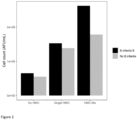
- Figure 2 shows the cell count of the Bifidobacteriaceae family obtained in the colonic fermentations averaged over 8 faecal donors.
- Bifidobacterium longum subsp. infantis LMG 11588 was added at a level of 1 ⁇ 10 7 CFU/ml in the variants where it was added.
- a small increase in Bifidobacteriaceae compared to the control no HMO, no B . infantis
- With the single HMO 2FL an increase in Bifidobacteriaceae versus the control could be seen; this increase was even greater with the HMO mix.
- Fecal material was collected from a 3-month-old baby donor in Belgium. The donor was different from the 10 donors in Example 1. The experiment was similar to Example 1, but all colonic fermentations were carried out in triplicate and the test ingredients differed. Five treatments and one blank were tested, resulting in 18 experiments in total. Treatments were as follows:
- B. longum subsp. infantis A is the strain ATCC 15697, which is the type strain of the subspecies and shares less than 99.9% ANI (98.2%) with B . longum subsp. infantis LMG 11588.
- the strain B. longum subsp. infantis C has more than 99.9% ANI with B. longum subsp. infantis LMG 11588 and is thus closely related with the LMG 11588 strain.
- the HMO mix consisted of 5 HMOs in the following ratio in the dry mix: 23% LNT, 9% 6SL, 2% 3SL, 52% 2FL & 14% DFL.
- FIGS 3 and 4 show that the addition of either B. longum subsp. infantis strain alone did not have an impact on acidification or SCFA production in this donor.
- the addition of the HMO mix alone resulted in a marked increase in SCFAs. Production of SCFAs could be further increased with the combination of the HMO mix with either B . longum subsp. infantis strain.
- the best effect was achieved with the combination of the HMO mix with B. longum subsp. infantis C - the strain that has more than 99.9% ANI with B. longum subsp. infantis LMG 11588.
- the effects of the HMO mix and B . longum subsp. infantis combinations versus the control was greater than the sum of the effects of single ingredients versus the control, thus showing a clear synbiotic effect. This synbiotic effect was more pronounced with B. longum subsp. infantis C than with B. longum subsp. infantis A.
- Fecal material was collected from 6 donors in Belgium at about 3 months of age (infants) and from same donors at about 12 months of age (toddlers). 3 donors were born by C-section and 3 were vaginally born. One donor was breast-fed, the other 5 donors were infant formula fed in the week before the first sampling. The experiment was similar to Example 1. Five treatments and one blank were tested per donor at two ages, resulting in 72 independent experiments. Treatments were as follows:
- the HMO mix consisted of 6 HMOs in the following ratio in the dry mix: for the infant study 16% LNT, 8% 6SL, 6% 3SL, 49% 2FL, 7% DFL & 14% 3FL; for the toddler study 10% LNT, 5% 6SL, 14% 3SL, 29% 2FL, 4% DFL & 37% 3FL.
- SCFA short chain fatty acids
- Figure 6 shows the short chain fatty acid (SCFA) concentration obtained in the colonic fermentations at 24h averaged over 6 faecal donors at the two different ages.
- SCFA short chain fatty acid
- the additional effect of B. longum subsp. infantis addition was stronger in the infant model than in the toddler model.
- the effect of the combination of the HMO mix with B. longum subsp. infantis versus the control was greater than adding up the effects of the individual ingredients versus the blank control in both models, thus showing a clear synergistic (synbiotic) effect.
- the synbiotic effect of the HMO mix with B. longum subsp. infantis was maintained when additionally B. animalis subsp. lactis was added; addition of B. animalis subsp. lactis led to a slight further increase in SCFA concentration.
- the greatest increase in SCFA can be obtained with the combination of the 6 HMO mix with B. longum subsp. infantis and with B. animalis subsp. lactis in both, infant and toddler model.
Landscapes
- Health & Medical Sciences (AREA)
- Life Sciences & Earth Sciences (AREA)
- Chemical & Material Sciences (AREA)
- Mycology (AREA)
- Engineering & Computer Science (AREA)
- Polymers & Plastics (AREA)
- Food Science & Technology (AREA)
- Nutrition Science (AREA)
- Medicinal Chemistry (AREA)
- Pharmacology & Pharmacy (AREA)
- Animal Behavior & Ethology (AREA)
- General Health & Medical Sciences (AREA)
- Public Health (AREA)
- Veterinary Medicine (AREA)
- Epidemiology (AREA)
- Molecular Biology (AREA)
- Microbiology (AREA)
- Pediatric Medicine (AREA)
- Organic Chemistry (AREA)
- Nuclear Medicine, Radiotherapy & Molecular Imaging (AREA)
- General Chemical & Material Sciences (AREA)
- Chemical Kinetics & Catalysis (AREA)
- Bioinformatics & Cheminformatics (AREA)
- Pharmaceuticals Containing Other Organic And Inorganic Compounds (AREA)
- Medicines Containing Material From Animals Or Micro-Organisms (AREA)
- Coloring Foods And Improving Nutritive Qualities (AREA)
- Micro-Organisms Or Cultivation Processes Thereof (AREA)
Description
- The present invention relates to a composition for infants or young children comprising at least one probiotic bacterial strain, said probiotic bacterial strain belonging to bifidobacteria, and a prebiotic mixture of human milk oligosaccharides (HMO) consisting of 2'-fucosyllactose (2FL), difucosyllactose (DFL), 3'-sialyllactose (3SL), 6'-sialyllactose (6SL) and lacto-N-tetraose (LNT), and optionally 3-fucosyllactose (3FL) and applications of the mixtures in human health. The bifidobacteria comprises Bifidobacterium longum subsp. infantis or combination of Bifidobacterium animalis subsp. lactis and Bifidobacterium longum subsp. infantis thereof and at least one of the bifidobacteria is Bifidobacterium longum subsp. infantis LMG 11588 or a strain having an Average Nucleotide Identity (ANI) of at least 99.9% with this strain.
- HMOs (human milk oligosaccharides) have become the subject of much interest in recent years due to their roles in numerous biological processes occurring in the human organism. Mammalian milk contains at least 130 of these complex oligosaccharides (Urashima et al, Milk Oligosaccharides, Nova Biomedical Books, New York, 2011, ISBN: 978-1-61122-831-1).
- Evidence is accumulating that the resident community of microbes, called the microbiota, in the human digestive tract plays a major role in health and disease. When the composition of the intestinal microbiota is thrown off balance, the human host can suffer consequences. Recent research has implicated intestinal microbiota imbalances in individual disorders as diverse as cancer, obesity, inflammatory bowel disease, psoriasis, asthma, and possibly even autism. Individual non-digestible fibres, including HMOs, are believed to positively modulate the microbiota, and they are of increasing interest for treating one or more of such disorders.
- Infancy, especially the first weeks, 3 months, 6 months or 12 months of life is a critical period for the establishment of a balanced gut microbiota.
- It is known that the modulation of the gut microbiota during infancy can prospectively have a significant influence in the future health status of the body. For example, the gut microbiome can have an influence on the development of a strong immune system later in life, as well as normal growth, and even on the development of obesity later in life.
- The gut microbiome and its evolution during the development of the infant is, however, a fine balance between the presence and prevalence (amount) of many populations of gut bacteria. Some gut bacteria are classified as "generally positive" while others are "generally negative" (or pathogenic) regarding their effect on the overall health of the infant. Certain species of "generally positive" bacteria, such as bifidobacteria, may be under-represented in infants fed conventional infant formula in comparison to breastfed infants. Similarly, some bacterial populations are considered pathogenic and should remain at a low prevalence in the gut microbiota.
- Bifidobacterium longum subsp. infantis has been demonstrated to predominate in the gut microbiota of breastfed infants and to benefit the host by accelerating maturation of the immune response, balancing the immune system to suppress inflammation, improving intestinal barrier function, and increasing short-chain fatty acid production. Reduced abundance of Bifidobacterium species in infants has been correlated to chronic diseases, including asthma and obesity, as well as to lower vaccine response. Researchers have postulated that loss of Bifidobacterium species in the infant gut in populations of developed countries is linked to increased incidence of allergic and autoimmune diseases.
- Increasing the abundance of Bifidobacterium species or specifically Bifidobacterium longum subsp. infantis in the gut microbial ecosystem through exogenous administration may be difficult to achieve, especially in formula-fed infants.
- Key metabolites produced by Bifidobacterium longum subsp. infantis are lactic acid and acetic acid. Lactic and acetic acid contribute to decreasing stool pH and providing colonization resistance against pathogens in infants (Duar RM, Kyle D and Casaburi G, Colonization Resistance in the Infant Gut: The Role of B. infantis in Reducing pH and Preventing Pathogen Growth; High-Throughput, 2020). Both acids can serve as substrates for other members of the microbiota that produce other short-chain fatty acids (SCFA). SCFA are especially produced by microbial fermentation of dietary fibers in the colon. These colonic fermentations have been known to play a role in energy supply, as trophic factors, and in immune regulation and growing evidence suggests that SCFAs also exert important physiological effects on several organs, including the brain. High abundance of bacteria producing SCFA, particularly butyrate, has been shown to be linked to milder atopic eczema in infants (Nylund L et al., Severity of Atopic disease inversely correlates with intestinal microbiota diversity and butyrate-producing bacteria, Allergy, 2015).
-
CN 112075637 A relates to the use of a nutritional composition for: (a) reducing production of intestinal gas in infants; and/or (b) inhibiting excessive growth of Clostridium aerogenes in intestinal tracts of infants, wherein the nutritional composition comprises: (i) a breast milk oligosaccharide (HMO); and (ii) a probiotic microorganism, wherein the probiotic microorganism comprises bifidobacteria. -
US 2017/295838 A1 relates to an age-tailored nutritional composition system comprising at least two nutritional compositions for infants of a certain age, which differ from each other in the amount of HMOs present therein, and a method for preparing said system. -
WO 2020/126587 A1 relates to nutritional compositions comprising metabolites of HMOs to improve the gastrointestinal barrier. -
WO 2017/103019 A1 relates to a mixture of human milk oligosaccharides and composition comprising thereof, that consists essentially of: LNnT, LNT, 2'-FL, 3'-SL, 6'-SL and either DFL or 3-FL, preferably DFL, that can be useful for preventing and/or treating viral and/or bacterial infections in a human.
Due to the loss of Bifidobacterium species in the infant gut and low breast-feeding rates, there is a need to provide infants with both, HMOs and HMO-utilizing bacteria such as B. longum subsp. infantis to support a healthy microbiome for long-term health. - A first aspect of this invention relates to a composition for infants or young children comprising at least one probiotic bacterial strain, said probiotic bacterial strain being bifidobacteria, and a prebiotic oligosaccharides mixture consisting of 2'-fucosyllactose (2FL), lactodifucotetraose/difucosyllactose (DFL), lacto-N-tetraose (LNT), 6'-sialyllactose (6SL), and 3'-sialyllactose (3SL) and optionally 3-fucosyllactose (3FL);
wherein the bifidobacteria comprises Bifidobacterium longum subsp. infantis or combination of Bifidobacterium animalis subsp. lactis and Bifidobacterium longum subsp. infantis thereof;
wherein at least one of the bifidobacteria is Bifidobacterium longum subsp. infantis LMG 11588 or a strain having an Average Nucleotide Identity (ANI) of at least 99.9% with this strain - The present inventors have surprisingly found that a synergistic effect is obtained when this HMO mix is used in combination with Bifidobacterium, in particular the combination of the probiotic, for instance B. longum subsp. infantis, with the HMO mix synergistically promotes a healthier gut environment due to the enhancement of beneficial fermentative metabolites such as short chain fatty acids and the growth stimulation of healthy commensal gut bacteria such as bifidobacteria.
- In one aspect the present invention relates to a composition wherein the bifodobacteria is Bifidobacterium longum subsp. infantis and the prebiotic oligosaccharides mixture consists of 2'-fucosyllactose (2FL), lactodifucotetraose/difucosyllactose (DFL), lacto-N-tetraose (LNT), 6'-sialyllactose (6SL), and 3'-sialyllactose (3SL).
- In another aspect the present invention relates to a composition wherein the bifodobacteria is a combination of Bifidobacterium animalis subsp. lactis and Bifidobacterium longum subsp. infantis and the prebiotic oligosaccharides mixture consists of 2'-fucosyllactose (2FL), lactodifucotetraose/difucosyllactose (DFL), lacto-N-tetraose (LNT), 6'-sialyllactose (6SL), and 3'-sialyllactose (3SL).
- In one aspect the present invention relates to a nutritional composition selected from the list consisting of an infant formula, a starter infant formula, a follow-on or follow-up formula, a baby food, an infant cereal composition, growing-up-milk, a fortifier such as a human milk fortifier, or a supplement.
- In one aspect the present invention relates to a nutrional composition as defined above for use in: i) preventing and/or treating bacterial infections in an infant or a young child; ii) modulating the microbiota of an infant or a young child; and/or iii) preventing and/or treating allergy of an infant or a young child.
- In one aspect the present invention relates to a composition as defined above for use for modulating the microbiota of an infant or a young child and administration of said composition results in abundance of Bifidobacteriaceae and/or Bifidobacterium longum subsp. infantis being increased.
- In one aspect the present invention relates to a composition as defined above for modulating the microbiota of an infant or a young child; and/or preventing and/or treating allergy of an infant or a young child by increasing intestinal short-chain fatty acids (SCFA) production in such infant or young child.
- Described herein is a method of modulating the microbiota of an infant or a young child to increase the abundance of Bifidobacteriacea and/or Bifidobacterium longum subsp. infantis, the method comprising:
- administering, to the infant or young child, a composition as defined herein.
-
-
Figure 1 : Total short chain fatty acid concentration after 24 h averaged over 8 faecal donors. Average concentrations increase upon supplementation of a single HMO (2FL). A larger increase occurs when supplementing an HMO mix instead of a single HMO. Further incremental increases are obtained when supplementing Bifidobacterium infantis B. Bifidobacterium infantis B is B. longum subsp. infantis LMG 11588. -
Figure 2 : Prevalence of the Bifidobacteriaceae operational taxonomic unit after 24 h averaged over 8 faecal donors. Average prevalence increases upon supplementation of a single HMO (2FL). A larger increase occurs when supplementing an HMO mix instead of a single HMO. Further incremental increases are obtained when supplementing Bifidobacterium infantis B. Bifidobacterium infantis B is B. longum subsp. infantis LMG 11588. -
Figure 3 : Total acidification after 48h (average of triplicates). Average concentrations increase upon supplementation of an HMO mix. Sequential increases are obtained when supplementing respectively Bifidobacterium infantis A and Bifidobacterium infantis C in the presence of an HMO mix. Bifidobacterium infantis A is B. longum subsp. infantis ATCC 15697. Bifidobacterium infantis C is a strain with more than 99.9% ANI with B. longum subsp. infantis LMG 11588. -
Figure 4 : Total short chain fatty acid concentration after 48h (average of triplicates). Average concentrations increase upon supplementation of an HMO mix. Sequential increases are obtained when supplementing respectively Bifidobacterium infantis A and Bifidobacterium infantis C in the presence of an HMO mix. Bifidobacterium infantis A is B. longum subsp. infantis ATCC 15697. Bifidobacterium infantis C is a strain with more than 99.9% ANI with B. longum subsp. infantis LMG 11588. -
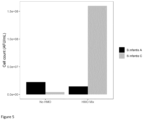
Figure 5 : Prevalence of the Bifidobacterium infantis-related operational taxonomic unit after 48h (average of triplicates). Largest increase is obtained when supplementing Bifidobacterium infantis C in the presence of an HMO mix. Bifidobacterium infantis A is B. longum subsp. infantis ATCC 15697. Bifidobacterium infantis C is a strain with more than 99.9% ANI with B. longum subsp. infantis LMG 11588. -
Figure 6 : Total short chain fatty acid concentration after 24 h averaged over 6 faecal donors at infant age (3 months old) and toddler age (12 months old). There is no notable increase in average total short chain fatty acid concentrations compared to the blank when supplementing Bifidobacterium infantis B without HMOs or Bifidobacterium lactis without HMOs. Average concentrations increase upon supplementation of an HMO mix alone. Further increases are obtained when supplementing B. infantis B with an HMO mix and with the combination of B. infantis B and B. lactis with an HMO mix. A horizontal dashed line is added to denote the blank level of total short chain fatty acid concentration for infants and toddlers. Bifidobacterium infantis B is Bifidobacterium longum subsp. infantis LMG 11588. Bifidobacterium lactis is Bificobacterium animalis subsp. lactis CNCM I-3446. - As used herein, the following terms have the following meanings.
- The term "infant" means a child under the age of 12 months.
- The expression "young child" means a child aged between one and three years, also called toddler.
- The expressions "a composition for infants or young children" and "a composition to be administered to infants or young children" can be used interchangeably.
- In some embodiments, the composition comprising the HMOs mixture according to the invention is a nutritional composition. The expression "nutritional composition" means a composition which nourishes a subject. This nutritional composition is usually to be taken orally or intravenously, and it usually includes a lipid or fat source and a protein source. In a particular embodiment, the nutritional composition is a synthetic nutritional composition.
- The expression "infant formula" as used herein refers to a foodstuff intended for particular nutritional use by infants during the first months of life and satisfying by itself the nutritional requirements of this category of person (Article 2(c) of the European Commission Directive 91/321/EEC 2006/141/EC of 22 December 2006 on infant formulae and follow-on formulae). It also refers to a nutritional composition intended for infants and as defined in Codex Alimentarius (Codex STAN 72-1981) and Infant Specialities (incl. Food for Special Medical Purpose). The expression "infant formula" encompasses both "starter infant formula" and "follow-up formula" or "follow-on formula".
- A "follow-up formula" or "follow-on formula" is given from the 6th month onwards. It constitutes the principal liquid element in the progressively diversified diet of this category of person.
- The expression "baby food" means a foodstuff intended for particular nutritional use by infants or young children during the first years of life.
- The expression "infant cereal composition" means a foodstuff intended for particular nutritional use by infants or young children during the first years of life.
- The term "fortifier" refers to liquid or solid nutritional compositions suitable for mixing with breast milk or infant formula. In one embodiment, the aqueous composition according to the present invention is a milk fortifier. In such embodiment, the aqueous composition of the invention may be packed in single doses.
- The term "supplement" means a foodstuff containing specific nutrients and/or probiotics intended to supplement a diet.
- In one embodiment, the present invention is a supplement in form of powder or an oil. In such embodiment, the composition of the invention is administered as a standalone composition, or combined with other ingredients such as maltodextrin.
- The term "growing-up milk" (or GUM) refers to a milk-based drink generally with added vitamins and minerals, that is intended for young children or children.
- HMO (Human Milk Oligosaccharides) are Oligosaccharide structures that naturally occur in human milk. The HMOs that are added to foodstuffs are typically obtained from cow milk, by chemical synthesis or by a biotechnological production process.
- The term "SCFA" means short chain fatty acid(s).
- The expression "increasing SCFA production" means that the amount of systemic and/or colonic SCFA, is higher in an individual fed with the nutritional composition according to the present invention in comparison with a standard. The SCFA production may be measured by techniques known by the skilled person such as by Gas-Liquid Chromatography.
- The "Average Nucleotide Identity (ANI)" is a measure of nucleotide-level genomic similarity between the coding regions of two genomes. Average Nucleotide Identity can be assessed as describe here: Yoon SH, Ha SM, Lim J, Kwon S, Chun J. A large-scale evaluation of algorithms to calculate average nucleotide identity. Antonie Van Leeuwenhoek. 2017 Oct;110(10):1281-1286. In the present embodiment the strain Bifidobacterium longum subsp. infantis LMG 11588 (also known as ATCC 17930) represents the reference genome to which a microbial genome is compared. An example of a microorganism genome that has at least 99.9% ANI with B. longum subsp. infantis LMG 11588 can be found in PATRIC (https://www.patricbrc.org), genome ID 1678.111 (strain C). In one embodiment of the present invention, the Bifidobacterium longum subsp. infantis strain does not harbour potentially transferable antibiotic resistances.
- The HMO and bifidobacteria mixture of this invention can:
- i) Increase the indigenous intestinal abundance of Bifidobacteriacea and
- ii) Increase intestinal SCFA production and prolong faecal pH decrease and
- iii) Support growth of B. longum subsp. infantis
- The effect on bifidobacteria and SCFA of the HMO and bifidobacteria mixture is greater than expected from the effects of bifidobacteria or HMO mix alone. The HMO and bifidobacteria mixture of this invention has thus a surprising synergistic effect.
- These effects can render an intestinal milieu less prone to invasion and overgrowth of harmful bacteria in the infant gut. These effects of the HMO and bifidobacteria mixture may prevent and/or treat conditions such as allergies, bacterial infections, inflammatory bowel disease, irritable bowel syndrome, obesity and other conditions associated with inflammation and impaired barrier function.
- In one embodiment, the bifidobacteria further comprises Bifidobacterium animalis subsp. lactis CNCM 1-3446.
- In one embodiment, the HMO mixture of this invention consists essentially of:
- i. 34 wt% to 85 wt% of 2FL, preferably 42wt% to 71 wt%;
- ii. 10 wt% to 40 wt% of LNT, preferably 14 wt% to 26 wt%;
- iii. 4 wt% to 14 wt% of DFL, preferably 5 wt% to 10 wt%; and
- iv. 9 wt% to 31 wt% of 6SL and 3SL combined, preferably 10 wt% to 28 wt%.
- In another embodiment, the HMO mixture of this invention consists essentially of:
- i. 26 wt% to 65 wt% of 2FL, preferably 32 wt% to 54 wt%;
- ii. 8 wt% to 30 wt% of LNT, preferably 11 wt% to 20 wt%;
- iii. 3 wt% to 11 wt % of DFL, preferably 4 wt% to 8 wt%;
- iv. 7wt% to 23wt % of 6SL and 3SL combined, preferably 8wt % to 22wt %; and
- v. 12wt% to 38wt% of 3FL, preferably 17wt% to 31wt%.
- In one embodiment, the HMO mixture of this invention consists essentially of:
- i. 40 wt% to 80 wt% of 2FL, preferably 50wt% to 70 wt%;
- ii. 10 wt% to 40 wt% of LNT, preferably 14 wt% to 26 wt%;
- iii. 4 wt% to 14 wt% of DFL, preferably 5 wt% to 10 wt%; and
- iv. 9 wt% to 31 wt% of 6SL and 3SL combined, preferably 10 wt% to 28 wt%.
- In another embodiment, the HMO mixture of this invention consists essentially of:
- i. 20 wt% to 60 wt% of 2FL, preferably 25 wt% to 55 wt%;
- ii. 8 wt% to 30 wt% of LNT, preferably 11 wt% to 20 wt%;
- iii. 2 wt% to 12 wt % of DFL, preferably 4 wt% to 8 wt%;
- iv. 7wt% to 23wt % of 6SL and 3SL combined, preferably 8wt % to 22wt %; and
- v. 10wt% to 40wt% of 3FL, preferably 11wt% to 37wt%.
- The HMO and bifidobacteria mixture can be administered to a human in any suitable form such as, for example, a nutritional composition in a unit dosage form (for example, a tablet, a capsule, a sachet of powder, etc.).
- The HMO and bifidobacteria mixture of this invention can also be added to a nutritional composition. For example, it can be added to an infant formula, a food composition, a rehydration solution, or a dietary maintenance or supplement for infants or young children. The nutritional composition can be for example an infant formula, a starter infant formula, a follow-on or follow-up formula, a baby food, an infant cereal composition, a fortifier such as a human milk fortifier, or a supplement. In some particular embodiments, the composition of the invention is an infant formula, a fortifier or a supplement that may be intended for the first 4 or 6 months of age. In a preferred embodiment the nutritional composition of the invention is an infant formula. In some other embodiments the nutritional composition of the present invention is a fortifier. The fortifier can be a breast milk fortifier (e.g. a human milk fortifier) or a formula fortifier such as an infant formula fortifier or a follow-on/follow-up formula fortifier.
- Macronutrients such as edible fats, carbohydrates and proteins can also be included to such a nutritional composition. Edible fats include, for example, coconut oil, soy oil and monoglycerides and diglycerides. Carbohydrates include, for example, glucose, edible lactose and hydrolysed corn starch. Proteins include, for example, soy protein, whey, and skim milk. Vitamins and minerals (e. g. calcium, phosphorus, potassium, sodium, chloride, magnesium, manganese, iron, copper, zinc, selenium, iodine, and Vitamins A, E, D, C, and B complex) can also be included in such a nutritional composition.
- The nutritional composition may be prepared in any suitable manner. A composition will now be described by way of example.
- For example, a formula such as an infant formula may be prepared by blending together the protein source, the carbohydrate source and the fat source in appropriate proportions. If used, the emulsifiers may be included at this point. The vitamins and minerals may be added at this point but they are usually added later to avoid thermal degradation. Any lipophilic vitamins, emulsifiers and the like may be dissolved into the fat source prior to blending. Water, preferably water which has been subjected to reverse osmosis, may then be mixed in to form a liquid mixture. The temperature of the water is conveniently in the range between about 50°C and about 80°C to aid dispersal of the ingredients. Commercially available liquefiers may be used to form the liquid mixture.
- The HMO mixture of the present invention may be added at this stage, especially if the final product is to have a liquid form. If the final product is to be a powder, they may likewise be added at this stage if desired.
- The liquid mixture is then homogenised, for example in two stages.
- The liquid mixture may then be thermally treated to reduce bacterial loads, by rapidly heating the liquid mixture to a temperature in the range between about 80°C and about 150°C for a duration between about 5 seconds and about 5 minutes, for example. This may be carried out by means of steam injection, an autoclave or a heat exchanger, for example a plate heat exchanger.
- Then, the liquid mixture may be cooled to between about 60°C and about 85°C for example by flash cooling. The liquid mixture may then be again homogenised, for example in two stages between about 10 MPa and about 30 MPa in the first stage and between about 2 MPa and about 10 MPa in the second stage. The homogenised mixture may then be further cooled to add any heat sensitive components, such as vitamins and minerals. The pH and solids content of the homogenised mixture are conveniently adjusted at this point.
- If the final product is to be a powder, the homogenised mixture is transferred to a suitable drying apparatus such as a spray dryer or freeze dryer and converted to powder. The powder should have a moisture content of less than about 5% by weight. The HMO mixture of the present invention may also or alternatively be added at this stage by dry-mixing along with the probiotic strain(s) in powder.
- Preferred features and embodiments of the invention will now be described by way of nonlimiting examples.
- The practice of the present invention will employ, unless otherwise indicated, conventional techniques of chemistry, biochemistry, molecular biology, microbiology and immunology, which are within the capabilities of a person of ordinary skill in the art. Such techniques are explained in the literature. See, for example, Sambrook, J., Fritsch, E.F. and Maniatis, T. (1989) Molecular Cloning: A Laboratory Manual, 2nd Edition, Cold Spring Harbor Laboratory Press; Ausubel, F.M. et al. (1995 and periodic supplements) Current Protocols in Molecular Biology, Ch. 9, 13 and 16, John Wiley & Sons; Roe, B., Crabtree, J. and Kahn, A. (1996) DNA Isolation and Sequencing: Essential Techniques, John Wiley & Sons; Polak, J.M. and McGee, J.O'D. (1990) In Situ Hybridization: Principles and Practice, Oxford University Press; Gait, M.J. (1984) Oligonucleotide Synthesis: A Practical Approach, IRL Press; and Lilley, D.M. and Dahlberg, J.E. (1992) Methods in Enzymology: DNA Structures Part A: Synthesis and Physical Analysis of DNA, Academic Press.
- Fecal material was collected from 10 approximately 3-month-old donors in Belgium. 4 donors were born by C-section and 6 were vaginally born. One donor was breast-fed, the other 9 donors were infant formula fed in the week before sampling. Fecal suspensions were prepared, mixed with cryoprotectant, aliquoted, flash frozen and then preserved at -80°C. Just before the experiment, fecal samples were defrosted and immediately used in the experiments.
- The fecal material was used to perform short-term batch fermentation experiments that mimic the infant colon. These experiments represent a simplified simulation of the continuous Simulator of the Human Microbial Ecosystem (SHIME®). At the start of the short-term colonic incubations, test ingredients were added to a sugar-depleted nutritional medium containing basal nutrients of the colon. Because nutrients of this sugar-depleted nutritional medium will also be fermented by the colonic microbiota, a blank containing only the sugar-depleted nutritional medium (without product) was included for each donor. Finally, fecal inocula of the infant donors were added. Five treatments and one blank were tested per donor, resulting in 60 independent experiments. Treatments were as follows:
- 1. Blank (control)
- 2. Single HMO (1.3 g/L)
- 3. 5 HMO mix (2.5 g/L)
- 4. B. longum subsp. infantis LMG 11588 (1×10⁷ CFU/ml)
- 5. Single HMO (1.3 g/L) + B. longum subsp. infantis LMG 11588 (1×10⁷ CFU/ml)
- 6. 5 HMO mix (2.5 g/L) + B. longum subsp. infantis LMG 11588 (1×10⁷ CFU/ml)
- The single HMO was 2'-fucosyllactose (2FL). The HMO mix consisted of 5 HMOs in the following ratio in the dry mix: 23% LNT, 9% 6SL, 2% 3SL, 52% 2FL & 14% DFL. Therefore the addition rate of 2FL was the same in the single HMO and HMO mix treatment.
- Reactors were incubated for 48h at 37°C, under shaking and anaerobic conditions. The incubations were performed in fully independent reactors with sufficiently high volume to not only ensure robust microbial fermentation, but also to allow the collection of multiple samples over time. Sample collection enables assessment of metabolite production and thus to understand the complex microbial interactions that are taking place.
- An assessment was made amongst others on short chain fatty acids (SCFA) production at the start of the incubation and after 6h, 24h and 48h. The pattern of SCFA production is an assessment of the microbial carbohydrate metabolism.
- Changes in microbial composition were analysed at the start and after 24h and 48h of incubation. Samples were analyzed with a combination of 16S-targeted Illumina sequencing and flow cytometry to determine the number of bacterial cells of each bacterial community present, thus allowing to convert the proportional values obtained with Illumina into absolute cell counts.
- Two donors (both vaginally born and infant formula fed) were excluded from the result evaluation as the sequencing results indicated technical or analytical problems.
-
Figure 1 shows the short chain fatty acid (SCFA) concentration obtained in the colonic fermentations averaged over 8 faecal donors. When only B. longum subsp. infantis LMG 11588 was added, no increase in SCFA occurred compared to the control (no HMO, no B. infantis). With the single HMO 2FL, an increase versus the control could be observed; this increase was even greater with the HMO mix. However, when B. longum subsp. infantis was added on top of the single HMO or HMO mix, an additional increase in SCFA concentration was achieved compared to not adding B. longum subsp. infantis. The effect of the combinations of the single HMO or HMO mix with B. longum subsp. infantis versus the control was greater than adding up the effects of the individual ingredients versus the control, thus showing a clear synergistic (synbiotic) effect. The greatest increase in SCFA can be obtained with the combination of the HMO mix and B. longum subsp. infantis. -
Figure 2 shows the cell count of the Bifidobacteriaceae family obtained in the colonic fermentations averaged over 8 faecal donors. Bifidobacterium longum subsp. infantis LMG 11588 was added at a level of 1×10⁷ CFU/ml in the variants where it was added. When only B. longum subsp. infantis was added, a small increase in Bifidobacteriaceae compared to the control (no HMO, no B. infantis) was observed. With the single HMO 2FL, an increase in Bifidobacteriaceae versus the control could be seen; this increase was even greater with the HMO mix. However, when B. longum subsp. infantis was added on top of the the single HMO or HMO mix, an additional increase in Bifidobacteriaceae was achieved compared to not adding B. longum subsp. infantis. For the combination of the HMO mix and B. longum subsp. infantis, the increase in Bifidobacteriaceae versus the control was greater than the individual effects of either ingredient versus the control, thus showing a clear synergistic (synbiotic) effect. Thus either B. longum subsp. infantis LMG 11588 has grown and/or its addition has stimulated growth of other members of the Bifidobacteriaceae family. The combination of the HMO mix and B. longum subsp. infantis was thus most effective in increasing the number of Bifidobacteriaceae. The overall results correlate with the SCFA data shown above. - Fecal material was collected from a 3-month-old baby donor in Belgium. The donor was different from the 10 donors in Example 1. The experiment was similar to Example 1, but all colonic fermentations were carried out in triplicate and the test ingredients differed. Five treatments and one blank were tested, resulting in 18 experiments in total. Treatments were as follows:
- 1. Blank (Control)
- 2. 5 HMO mix (2.5g/L)
- 3. B. longum subsp. infantis A (1E+07 cfu/ml)
- 4. B. longum subsp. infantis C (1E+07 cfu/ml)
- 5. B. longum subsp. infantis A (1E+07 cfu/ml) + 5 HMO mix (2.5g/L)
- 6. B. longum subsp. infantis C (1E+07 cfu/ml) + 5 HMO mix (2.5g/L)
- B. longum subsp. infantis A is the strain ATCC 15697, which is the type strain of the subspecies and shares less than 99.9% ANI (98.2%) with B. longum subsp. infantis LMG 11588. The strain B. longum subsp. infantis C has more than 99.9% ANI with B. longum subsp. infantis LMG 11588 and is thus closely related with the LMG 11588 strain.
- The HMO mix consisted of 5 HMOs in the following ratio in the dry mix: 23% LNT, 9% 6SL, 2% 3SL, 52% 2FL & 14% DFL.
- An assessment was made amongst others on pH and short chain fatty acids (SCFA) production at the start of the incubation and after 6h, 24h and 48h.
- Changes in microbial composition were analysed at the start and after 24h and 48h of incubation. Samples were analyzed with a combination of 16S-targeted Illumina sequencing and flow cytometry to determine the number of bacterial cells of each bacterial community present, thus allowing to convert the proportional values obtained with Illumina into absolute cell counts.
-
Figures 3 and4 show that the addition of either B. longum subsp. infantis strain alone did not have an impact on acidification or SCFA production in this donor. The addition of the HMO mix alone resulted in a marked increase in SCFAs. Production of SCFAs could be further increased with the combination of the HMO mix with either B. longum subsp. infantis strain. The best effect was achieved with the combination of the HMO mix with B. longum subsp. infantis C - the strain that has more than 99.9% ANI with B. longum subsp. infantis LMG 11588. The effects of the HMO mix and B. longum subsp. infantis combinations versus the control (no HMO, no B. infantis) was greater than the sum of the effects of single ingredients versus the control, thus showing a clear synbiotic effect. This synbiotic effect was more pronounced with B. longum subsp. infantis C than with B. longum subsp. infantis A. - The sequencing data revealed that the infant donor had no detectable B. longum subsp. infantis-related operational taxonomic unit present in the inoculum, but it could be detected after addition of the two strains. After 48h colonic simulation (
Figure 5 ) levels of B. longum subsp. infantis remained low for both strains when no HMO were added. However, for B. longum subsp. infantis C in combination with the HMO mix a large increase in B. longum subsp. infantis-related operational taxonomic was detected, indicating a strong growth stimulation of the species. This shows again the synergistic effect that can be obtained with the combination of the HMO mix with B. longum subsp. infantis. - Fecal material was collected from 6 donors in Belgium at about 3 months of age (infants) and from same donors at about 12 months of age (toddlers). 3 donors were born by C-section and 3 were vaginally born. One donor was breast-fed, the other 5 donors were infant formula fed in the week before the first sampling. The experiment was similar to Example 1. Five treatments and one blank were tested per donor at two ages, resulting in 72 independent experiments. Treatments were as follows:
- 1. Blank (control)
- 2. B. longum subsp. infantis LMG 11588 (1×10⁸ CFU/ml)
- 3. B. animalis subsp. lactis CNCM I-3446 (1×10⁸ CFU/ml)
- 4.6 HMO mix (2.5 g/L)
- 5.6 HMO mix (2.5 g/L) + B. longum subsp. infantis LMG 11588 (1×10⁸ CFU/ml)
- 6. 6 HMO mix (2.5 g/L) + B. longum subsp. infantis LMG 11588 (1×10⁸ CFU/ml) + B. animalis subsp. lactis CNCM I-3446 (1×10⁸ CFU/ml)
- The HMO mix consisted of 6 HMOs in the following ratio in the dry mix: for the infant study 16% LNT, 8% 6SL, 6% 3SL, 49% 2FL, 7% DFL & 14% 3FL; for the
toddler study 10% LNT, 5% 6SL, 14% 3SL, 29% 2FL, 4% DFL & 37% 3FL. - An assessment was made amongst others on short chain fatty acids (SCFA) production at the start of the incubation and after 6h, 24h and 48h.
-
Figure 6 shows the short chain fatty acid (SCFA) concentration obtained in the colonic fermentations at 24h averaged over 6 faecal donors at the two different ages. When only B. longum subsp. infantis LMG 11588 or B. animalis subsp. lactis CNCM I-3446 were added, no meaningful increase in SCFA occurred compared to the blank control for both models, infants and toddlers. With the 6 HMO mix, an increase in SCFA concentration versus the blank control could be observed; the effect was stronger in the the toddler model than in the infant model. However, when B. longum subsp. infantis was added additionally to the 6 HMO mix, an additional increase in SCFA concentration was achieved compared to not adding B. longum subsp. infantis. The additional effect of B. longum subsp. infantis addition was stronger in the infant model than in the toddler model. The effect of the combination of the HMO mix with B. longum subsp. infantis versus the control was greater than adding up the effects of the individual ingredients versus the blank control in both models, thus showing a clear synergistic (synbiotic) effect. The synbiotic effect of the HMO mix with B. longum subsp. infantis was maintained when additionally B. animalis subsp. lactis was added; addition of B. animalis subsp. lactis led to a slight further increase in SCFA concentration. The greatest increase in SCFA can be obtained with the combination of the 6 HMO mix with B. longum subsp. infantis and with B. animalis subsp. lactis in both, infant and toddler model.
Claims (12)
- A composition for infants or young children comprising at least one probiotic bacterial strain, said probiotic bacterial strain being bifidobacteria, and a prebiotic oligosaccharides mixture consisting of 2'-fucosyllactose (2FL), lactodifucotetraose/difucosyllactose (DFL), lacto-N-tetraose (LNT), 6'-sialyllactose (6SL), and 3'-sialyllactose (3SL) and optionally 3-fucosyllactose (3FL);wherein the bifidobacteria comprises Bifidobacterium longum subsp. infantis or combination of Bifidobacterium animalis subsp. lactis and Bifidobacterium longum subsp. infantis;wherein at least one of the bifidobacteria is Bifidobacterium longum subsp. infantis LMG 11588 or a strain having an Average Nucleotide Identity (ANI) of at least 99.9% with this strain.
- The composition of claim 1, wherein the bifidobacteria comprises Bifidobacterium longum subsp. infantis and the prebiotic oligosaccharides mixture consists of 2'-fucosyllactose (2FL), lactodifucotetraose/difucosyllactose (DFL), lacto-N-tetraose (LNT), 6'-sialyllactose (6SL), and 3'-sialyllactose (3SL).
- The composition of claim 1, wherein the bifidobacteria is a combination of Bifidobacterium animalis subsp. lactis and Bifidobacterium longum subsp. infantis and the prebiotic oligosaccharides mixture consists of 2'-fucosyllactose (2FL), lactodifucotetraose/difucosyllactose (DFL), lacto-N-tetraose (LNT), 6'-sialyllactose (6SL), and 3'-sialyllactose (3SL).
- The composition of any one of the claims 1 to 3, wherein at least one of the bifidobacteria is Bifidobacterium animalis subsp. lactis CNCM I-3446.
- The composition according to any one of the preceding claims, wherein the mixture of HMOs consists essentially of:i. 34 wt% to 85 wt% of 2FL, preferably 42wt% to 71 wt%;ii. 10 wt% to 40 wt% of LNT, preferably 14 wt% to 26 wt%;iii. 4 wt% to 14 wt% of DFL, preferably 5 wt% to 10 wt%; andiv. 9 wt% to 31 wt% of 6SL and 3SL combined, preferably 10 wt% to 28 wt%.
- The composition according to any one of the claims 1 to 4 wherein the mixture of HMOs consists essentially of:i. 26 wt% to 65 wt% of 2FL, preferably 32 wt% to 54 wt%;ii. 8 wt% to 30 wt% of LNT, preferably 11 wt% to 20 wt%;iii. 3 wt% to 11 wt % of DFL, preferably 4 wt% to 8 wt%;iv. 7wt% to 23wt % of 6SL and 3SL combined, preferably 8wt % to 22wt %; andv. 12wt% to 38wt% of 3FL, preferably 17wt% to 31wt%
- The composition according to any one of the claims 1 to 4, wherein the mixture of HMOs consists essentially of:i. 40 wt% to 80 wt% of 2FL, preferably 50wt% to 70 wt%;ii. 10 wt% to 40 wt% of LNT, preferably 14 wt% to 26 wt%;iii. 4 wt% to 14 wt% of DFL, preferably 5 wt% to 10 wt%; andiv. 9 wt% to 31 wt% of 6SL and 3SL combined, preferably 10 wt% to 28 wt%.
- The composition according to any one of the claims 1 to 4, wherein the mixture of HMOs consists essentially of:i. 20 wt% to 60 wt% of 2FL, preferably 25 wt% to 55 wt%;ii. 8 wt% to 30 wt% of LNT, preferably 11 wt% to 20 wt%;iii. 2 wt% to 12 wt % of DFL, preferably 4 wt% to 8 wt%;iv. 7wt% to 23wt % of 6SL and 3SL combined, preferably 8wt % to 22wt %; andv. 10wt% to 40wt% of 3FL, preferably 11wt% to 37wt%
- The composition according to any one of the preceding claims which is a nutritional composition selected from the list consisting of an infant formula, a starter infant formula, a follow-on or follow-up formula, a baby food, an infant cereal composition, growing-up-milk, a fortifier such as a human milk fortifier, or a supplement.
- A composition as defined in any one of the preceding claims for use in: i) preventing and/or treating bacterial infections in an infant or a young child; ii) modulating the microbiota of an infant or a young child in need thereof; and/or iii) preventing and/or treating allergy of an infant or a young child.
- A composition for use according to claim 10, wherein the use is for modulating the microbiota of an infant or a young child in need thereof and administration of said composition results in abundance of Bifidobacteriaceae and/or Bifidobacterium longum subsp. infantis being increased.
- The composition for use according to claim 10, wherein the use is for modulating the microbiota of an infant or a young child in need thereof; and/or preventing and/or treating allergy of an infant or a young child by increasing intestinal short-chain fatty acids (SCFA) production in such infant or young child.
Priority Applications (3)
| Application Number | Priority Date | Filing Date | Title |
|---|---|---|---|
| EP25167156.6A EP4574158A3 (en) | 2021-01-29 | 2022-01-21 | Mixture of hmos and bifidobacteria |
| HRP20251128TT HRP20251128T1 (en) | 2021-01-29 | 2022-01-21 | MIXTURE OF HMO AND BIFIDOBACTERIA |
| EP25167155.8A EP4574157A3 (en) | 2021-01-29 | 2022-01-21 | Mixture of hmos and bifidobacteria |
Applications Claiming Priority (2)
| Application Number | Priority Date | Filing Date | Title |
|---|---|---|---|
| EP21154300 | 2021-01-29 | ||
| PCT/EP2022/051336 WO2022161865A1 (en) | 2021-01-29 | 2022-01-21 | Mixture of hmos and bifidobacteria |
Related Child Applications (4)
| Application Number | Title | Priority Date | Filing Date |
|---|---|---|---|
| EP25167156.6A Division EP4574158A3 (en) | 2021-01-29 | 2022-01-21 | Mixture of hmos and bifidobacteria |
| EP25167156.6A Division-Into EP4574158A3 (en) | 2021-01-29 | 2022-01-21 | Mixture of hmos and bifidobacteria |
| EP25167155.8A Division EP4574157A3 (en) | 2021-01-29 | 2022-01-21 | Mixture of hmos and bifidobacteria |
| EP25167155.8A Division-Into EP4574157A3 (en) | 2021-01-29 | 2022-01-21 | Mixture of hmos and bifidobacteria |
Publications (2)
| Publication Number | Publication Date |
|---|---|
| EP4284193A1 EP4284193A1 (en) | 2023-12-06 |
| EP4284193B1 true EP4284193B1 (en) | 2025-05-07 |
Family
ID=74561693
Family Applications (3)
| Application Number | Title | Priority Date | Filing Date |
|---|---|---|---|
| EP22702425.4A Active EP4284193B1 (en) | 2021-01-29 | 2022-01-21 | Mixture of hmos and bifidobacteria |
| EP25167156.6A Pending EP4574158A3 (en) | 2021-01-29 | 2022-01-21 | Mixture of hmos and bifidobacteria |
| EP25167155.8A Pending EP4574157A3 (en) | 2021-01-29 | 2022-01-21 | Mixture of hmos and bifidobacteria |
Family Applications After (2)
| Application Number | Title | Priority Date | Filing Date |
|---|---|---|---|
| EP25167156.6A Pending EP4574158A3 (en) | 2021-01-29 | 2022-01-21 | Mixture of hmos and bifidobacteria |
| EP25167155.8A Pending EP4574157A3 (en) | 2021-01-29 | 2022-01-21 | Mixture of hmos and bifidobacteria |
Country Status (12)
| Country | Link |
|---|---|
| US (1) | US20240306690A1 (en) |
| EP (3) | EP4284193B1 (en) |
| CN (2) | CN120660883A (en) |
| AU (2) | AU2022214135B2 (en) |
| CL (1) | CL2023002125A1 (en) |
| ES (1) | ES3031278T3 (en) |
| FI (1) | FI4284193T3 (en) |
| HR (1) | HRP20251128T1 (en) |
| HU (1) | HUE072963T2 (en) |
| MX (1) | MX2023008202A (en) |
| PT (1) | PT4284193T (en) |
| WO (1) | WO2022161865A1 (en) |
Families Citing this family (19)
| Publication number | Priority date | Publication date | Assignee | Title |
|---|---|---|---|---|
| CN115011532B (en) * | 2022-08-08 | 2022-11-15 | 东北农业大学 | A preparation of Lactobacillus paracasei JY062 and its preparation method and application |
| CN119947737A (en) * | 2022-09-27 | 2025-05-06 | 雀巢产品有限公司 | Uses of Bifidobacterium longum transitional microorganisms |
| WO2024184259A1 (en) * | 2023-03-03 | 2024-09-12 | Chr. Hansen A/S | Composition comprising bifidobacterium animalis subsp. lactis strain and 2'-fucosyllactose |
| CN121263195A (en) * | 2023-03-03 | 2026-01-02 | 科·汉森有限公司 | Composition comprising bifidobacterium longum subspecies infantis, bifidobacterium breve and 2' -fucosyllactose |
| EP4689150A2 (en) * | 2023-03-30 | 2026-02-11 | Société des Produits Nestlé S.A. | Composition for use |
| CN116439377A (en) * | 2023-04-21 | 2023-07-18 | 合生元(广州)健康产品有限公司 | Nutritional composition for relieving dysbacteriosis of infants and application thereof |
| AU2024266362A1 (en) * | 2023-04-28 | 2025-10-16 | Société des Produits Nestlé S.A. | Nutritional composition |
| EP4719433A1 (en) * | 2023-05-25 | 2026-04-08 | Société des Produits Nestlé S.A. | Combination of vitamins, 2'-fucosyllactose and a probiotic for enhancing bone growth and/or bone strength |
| WO2025068416A1 (en) | 2023-09-26 | 2025-04-03 | N.V. Nutricia | 3-fucosyllactose and butyrate for food allergy |
| CN117814491A (en) * | 2023-11-23 | 2024-04-05 | 武汉泰澳生物技术有限公司 | Composition for promoting microbial metabolic function |
| WO2025149453A1 (en) * | 2024-01-10 | 2025-07-17 | Société des Produits Nestlé S.A. | Uses of bifidobacterium longum transitional microorganism |
| DK202430092A1 (en) * | 2024-02-23 | 2025-08-29 | Dsm Ip Assets Bv | Hmo mixture and its use in reducing c. difficile toxins |
| WO2025190541A1 (en) * | 2024-03-13 | 2025-09-18 | Société des Produits Nestlé S.A. | Promoting butyrate-producing bacteria in the gut microbiome |
| WO2025190540A1 (en) * | 2024-03-13 | 2025-09-18 | Société des Produits Nestlé S.A. | Promoting butyrate-producing bacteria in the gut microbiome |
| WO2025219496A1 (en) * | 2024-04-19 | 2025-10-23 | Dsm Ip Assets B.V. | Nutritional composition comprising bifidobacterium longum ssp. infantis r0033 and human milk oligosaccharides |
| DK202430231A1 (en) * | 2024-04-19 | 2025-10-29 | Danstar Ferment Ag | Nutritional composition comprising bifidobacterium longum ssp. infantis r0033 and human milk oligosaccharides |
| DK202430232A1 (en) * | 2024-04-19 | 2025-11-04 | Danstar Ferment Ag | Nutritional composition comprising bifidobacterium bifidum r0071 and human milk oligosaccharides |
| CN120000695B (en) * | 2025-02-24 | 2025-11-04 | 合生元(广州)健康产品有限公司 | Composition of 2' -fucosyllactose and probiotics, application and product thereof |
| CN121160580A (en) * | 2025-11-20 | 2025-12-19 | 合生元(广州)健康产品有限公司 | Bifidobacterium longum subspecies infantis, application and products |
Citations (10)
| Publication number | Priority date | Publication date | Assignee | Title |
|---|---|---|---|---|
| EP2072052A1 (en) | 2007-12-17 | 2009-06-24 | Nestec S.A. | Prevention of opportunistic infections in immune-compromised subjects |
| WO2015071403A1 (en) | 2013-11-15 | 2015-05-21 | Nestec S.A. | Compositions for use in the prevention or treatment of necrotizing enterocolitis in infants and young children |
| WO2015071131A1 (en) | 2013-11-15 | 2015-05-21 | Nestec S.A. | Compositions for preventing or treating allergies in infants from or fed by non secretor mothers by providing fucosylated-oligosaccharides in particular among infants at risk or born by c-section |
| US20150265661A1 (en) | 2012-04-13 | 2015-09-24 | Trustees Of Boston College | Prebiotic effect of sialyllactose |
| WO2017103019A1 (en) | 2015-12-15 | 2017-06-22 | Nestec S.A. | Mixture of hmos |
| US20170295838A1 (en) | 2014-09-25 | 2017-10-19 | Nestec S.A. | INFANT FORMULA SYSTEM WITH ADAPTIVE LEVELS OF HUMAN MILK OLIGOSACCHARIDES (HMOs) |
| WO2019110800A1 (en) | 2017-12-08 | 2019-06-13 | Jennewein Biotechnologie Gmbh | Spray-dried mixture of human milk oligosacchrides |
| WO2020089463A1 (en) | 2018-11-01 | 2020-05-07 | N.V. Nutricia | Nutritional composition comprising urea and non-digestible oligosaccharides |
| US20200163981A1 (en) | 2017-05-09 | 2020-05-28 | Societe Des Produits Nestle S.A. | Synergistic production of butyrate associated with the complexity of hmos blend for use in infants or young children for health purposes |
| CN112075637A (en) | 2020-04-27 | 2020-12-15 | 合生元(广州)健康产品有限公司 | Composition for reducing intestinal gas generation |
Family Cites Families (5)
| Publication number | Priority date | Publication date | Assignee | Title |
|---|---|---|---|---|
| CN101193559A (en) * | 2005-04-13 | 2008-06-04 | 雀巢技术公司 | Infant formula with probiotics |
| CN106923345B (en) * | 2017-03-19 | 2021-02-26 | 北京罗诺强施医药技术研发中心有限公司 | Stabilized probiotic compositions |
| PH12019550208B1 (en) * | 2017-05-24 | 2024-05-24 | SociaTa Des Produits Nestla S A | Hmos blends for use in infants or young children for health purposes |
| AU2019243093B2 (en) * | 2018-03-29 | 2022-10-06 | Morinaga Milk Industry Co., Ltd. | Nutritional composition, food/drink composition using nutritional composition, and modified milk powder using nutritional composition |
| AU2019407214B2 (en) * | 2018-12-21 | 2025-04-24 | Societe Des Produits Nestle S.A. | A nutritional composition comprising metabolites of HMOs to improve the gastrointestinal barrier |
-
2022
- 2022-01-21 CN CN202510825640.4A patent/CN120660883A/en active Pending
- 2022-01-21 EP EP22702425.4A patent/EP4284193B1/en active Active
- 2022-01-21 WO PCT/EP2022/051336 patent/WO2022161865A1/en not_active Ceased
- 2022-01-21 MX MX2023008202A patent/MX2023008202A/en unknown
- 2022-01-21 EP EP25167156.6A patent/EP4574158A3/en active Pending
- 2022-01-21 EP EP25167155.8A patent/EP4574157A3/en active Pending
- 2022-01-21 HU HUE22702425A patent/HUE072963T2/en unknown
- 2022-01-21 HR HRP20251128TT patent/HRP20251128T1/en unknown
- 2022-01-21 ES ES22702425T patent/ES3031278T3/en active Active
- 2022-01-21 PT PT227024254T patent/PT4284193T/en unknown
- 2022-01-21 FI FIEP22702425.4T patent/FI4284193T3/en active
- 2022-01-21 US US18/263,174 patent/US20240306690A1/en active Pending
- 2022-01-21 AU AU2022214135A patent/AU2022214135B2/en active Active
- 2022-01-21 CN CN202280010715.8A patent/CN116847741B/en active Active
-
2023
- 2023-07-21 CL CL2023002125A patent/CL2023002125A1/en unknown
-
2025
- 2025-07-31 AU AU2025210837A patent/AU2025210837A1/en active Pending
Patent Citations (11)
| Publication number | Priority date | Publication date | Assignee | Title |
|---|---|---|---|---|
| EP2072052A1 (en) | 2007-12-17 | 2009-06-24 | Nestec S.A. | Prevention of opportunistic infections in immune-compromised subjects |
| US20150265661A1 (en) | 2012-04-13 | 2015-09-24 | Trustees Of Boston College | Prebiotic effect of sialyllactose |
| WO2015071403A1 (en) | 2013-11-15 | 2015-05-21 | Nestec S.A. | Compositions for use in the prevention or treatment of necrotizing enterocolitis in infants and young children |
| WO2015071131A1 (en) | 2013-11-15 | 2015-05-21 | Nestec S.A. | Compositions for preventing or treating allergies in infants from or fed by non secretor mothers by providing fucosylated-oligosaccharides in particular among infants at risk or born by c-section |
| US20170295838A1 (en) | 2014-09-25 | 2017-10-19 | Nestec S.A. | INFANT FORMULA SYSTEM WITH ADAPTIVE LEVELS OF HUMAN MILK OLIGOSACCHARIDES (HMOs) |
| WO2017103019A1 (en) | 2015-12-15 | 2017-06-22 | Nestec S.A. | Mixture of hmos |
| WO2017103850A1 (en) | 2015-12-15 | 2017-06-22 | Glycom A/S | Mixture of hmos |
| US20200163981A1 (en) | 2017-05-09 | 2020-05-28 | Societe Des Produits Nestle S.A. | Synergistic production of butyrate associated with the complexity of hmos blend for use in infants or young children for health purposes |
| WO2019110800A1 (en) | 2017-12-08 | 2019-06-13 | Jennewein Biotechnologie Gmbh | Spray-dried mixture of human milk oligosacchrides |
| WO2020089463A1 (en) | 2018-11-01 | 2020-05-07 | N.V. Nutricia | Nutritional composition comprising urea and non-digestible oligosaccharides |
| CN112075637A (en) | 2020-04-27 | 2020-12-15 | 合生元(广州)健康产品有限公司 | Composition for reducing intestinal gas generation |
Non-Patent Citations (28)
| Title |
|---|
| ANONYMOUS: "Ferments lactiques HMO1 Chez l’enfant de 12 mois et", BIOSTIME, 1 February 2020 (2020-02-01), XP093368998, Retrieved from the Internet <URL:https://www.lemoniteurdespharmacies.fr/img/landing-page/biostime/fiches/fiche_ferment_lactique_hmo.pdf> |
| CHEVALIER P., ROY D., WARD P.: "Detection of Bifidobacterium species by enzymatic methods*", JOURNAL OF APPLIED MICROBIOLOGY, BLACKWELL PUBLISHING LTD , OXFORD, GB, vol. 68, no. 6, 1 June 1990 (1990-06-01), GB , pages 619 - 624, XP093368885, ISSN: 0021-8847, DOI: 10.1111/j.1365-2672.1990.tb05227.x |
| CHICHLOWSKI MACIEJ, SHAH NEIL, WAMPLER JENNIFER L., WU STEVEN S., VANDERHOOF JON A.: "Bifidobacterium longum Subspecies infantis (B. infantis) in Pediatric Nutrition: Current State of Knowledge", NUTRIENTS, M D P I AG, CH, vol. 12, no. 6, CH , pages 1581, XP093265802, ISSN: 2072-6643, DOI: 10.3390/nu12061581 |
| D15 - AGENCY RESPONSE LETTER GRAS NOTICE NO. GRN 000547; PUBLISHED ONLINE 2 OCTOBER 2015 |
| D16 - AGENCY RESPONSE LETTER GRAS NOTICE NO. GRN 000546; PUBLISHED ONLINE 16 SE12TEMBER 2015 |
| D17 - AGENCY RESPONSE LETTER GRAS NOTICE NO. GRN 000571; PUBLISHED ONLINE 6 NOVEMBER 2015 |
| D18 - AGENCY RESPONSE LETTER GRAS NOTICE NO. GRN 000766; PUBLISHED ONLINE 26 SE12TEMBER 2018 |
| D19 - AGENCY RESPONSE LETTER GRAS NOTICE NO. GRN 000833; PUBLISHED ONLINE 7 OCTOBER 2019 |
| D20 - AGENCY RESPONSE LETTER GRAS NOTICE NO. GRN 000815; PUBLISHED ONLINE 7 MAY 2020 |
| D28 - OPPONENT'S EXPERIMENTAL PROTOCOL AND RESULTS REPRODUCING EXAMPLES OF 81 |
| D31 - Supplementary for Natividad et.al., Nutrients (2022), 14(12):2546. doi: 10.3390/nu14122546; published online: 19 June 2022 |
| D6 - EXHIBIT 1 - EXTRACT OF BCC WEBSITE- LMG 11588, SUBMITTED BY PATENT PROPRIETOR DURING PROSECUTION ON 25 NOVEMBER 2024 |
| D7 - EXHIBIT 2 - EXTRACT OF DSM Z WEBSITE - DSM 20218, SUBMITTED BY PATENT PROPRIETOR DURING PROSECUTION ON 25 NOVEMBER 2024 |
| D8 - EXTRACT FROM BACDIVE DATABASE - BIFIDOBACTERIUM /ONGUM SUBSP. INFANTIS, ACCESSED ON 8 JANUARY 2026 |
| D9 - EXTRACT FROM JCM CATALOGUE - JCM 1260, ACCESSED ON 8 JANUARY 2026 |
| DUAR REBBECA M., CASABURI GIORGIO, MITCHELL RYAN D., SCOFIELD LINDSEY N.C., ORTEGA RAMIREZ CAMILA A., BARILE DANIELA, HENRICK BETH: "Comparative Genome Analysis of Bifidobacterium longum subsp. infantis Strains Reveals Variation in Human Milk Oligosaccharide Utilization Genes among Commercial Probiotics", NUTRIENTS, M D P I AG, CH, vol. 12, no. 11, CH , pages 3247, XP093368889, ISSN: 2072-6643, DOI: 10.3390/nu12113247 |
| DUBOUX STÉPHANE, NGOM-BRU CATHERINE, DE BRUYN FLORAC, BOGICEVIC BILJANA: "Phylogenetic, Functional and Safety Features of 1950s B. infantis Strains", MICROORGANISMS, MDPI AG, SWITZERLAND, vol. 10, no. 2, Switzerland, pages 203, XP093368876, ISSN: 2076-2607, DOI: 10.3390/microorganisms10020203 |
| DUNLEAVY KATIE A., RAFFALS LAURA E., CAMILLERI MICHAEL: "Intestinal Barrier Dysfunction in Inflammatory Bowel Disease: Underpinning Pathogenesis and Therapeutics", DIGESTIVE DISEASES AND SCIENCES., SPRINGER NEW YORK LLC, US, vol. 68, no. 12, 1 December 2023 (2023-12-01), US , pages 4306 - 4320, XP093368887, ISSN: 0163-2116, DOI: 10.1007/s10620-023-08122-w |
| HUNDSHAMMER CHRISTIAN, MINGE OLIVER: "In Love with Shaping You—Influential Factors on the Breast Milk Content of Human Milk Oligosaccharides and Their Decisive Roles for Neonatal Development", NUTRIENTS, M D P I AG, CH, vol. 12, no. 11, CH , pages 3568, XP093368872, ISSN: 2072-6643, DOI: 10.3390/nu12113568 |
| LAMOUREUX L, ROY D, GAUTHIER S F: "Production of oligosaccharides in yogurt containing bifidobacteria and yogurt cultures.", JOURNAL OF DAIRY SCIENCE, ELSEVIER, AMSTERDAM, NL, vol. 85, no. 5, 1 January 2002 (2002-01-01), AMSTERDAM, NL, pages 1058 - 1069, XP002271378, ISSN: 0022-0302, DOI: 10.3168/jds.S0022-0302(02)74166-0 |
| MARK A. UNDERWOOD, J. BRUCE GERMAN, CARLITO B. LEBRILLA, DAVID A. MILLS: "Bifidobacterium longum subspecies infantis: champion colonizer of the infant gut", PEDIATRIC RESEARCH, LIPPINCOTT WILLIAMS & WILKINS, NEW YORK, US, US , XP055311157, ISSN: 0031-3998, DOI: 10.1038/pr.2014.156 |
| NATIVIDAD JANE M., RYTZ ANDREAS, KEDDANI SONIA, BERGONZELLI GABRIELA, GARCIA-RODENAS CLARA L.: "Blends of Human Milk Oligosaccharides Confer Intestinal Epithelial Barrier Protection In Vitro", NUTRIENTS, M D P I AG, CH, vol. 12, no. 10, CH , pages 3047, XP093315830, ISSN: 2072-6643, DOI: 10.3390/nu12103047 |
| NATIVIDAD JANE MEA, MARSAUX BENOÎT, RODENAS CLARA LUCIA GARCIA, RYTZ ANDREAS, VANDEVIJVER GIES, MARZORATI MASSIMO, VAN DEN ABBEELE: "Human Milk Oligosaccharides and Lactose Differentially Affect Infant Gut Microbiota and Intestinal Barrier In Vitro", NUTRIENTS, M D P I AG, CH, vol. 14, no. 12, CH , pages 2546, XP093368881, ISSN: 2072-6643, DOI: 10.3390/nu14122546 |
| NOGACKA ALICJA M., ARBOLEYA SILVIA, NIKPOOR NAGHMEH, AUGER JEREMIE, SALAZAR NURIA, CUESTA ISABEL, ALVAREZ-BUYLLA JORGE R., MANTECÓ: "In Vitro Probiotic Modulation of the Intestinal Microbiota and 2′Fucosyllactose Consumption in Fecal Cultures from Infants at Two Months of Age", MICROORGANISMS, MDPI AG, SWITZERLAND, vol. 10, no. 2, Switzerland, pages 318, XP093368880, ISSN: 2076-2607, DOI: 10.3390/microorganisms10020318 |
| SELA, D.A. ; MILLS, D.A.: "Nursing our microbiota: molecular linkages between bifidobacteria and milk oligosaccharides", TRENDS IN MICROBIOLOGY, ELSEVIER SCIENCE LTD., KIDLINGTON., GB, vol. 18, no. 7, 1 July 2010 (2010-07-01), GB , pages 298 - 307, XP027113560, ISSN: 0966-842X |
| SZAJWESKA HANIA: "Gut Microbiota and Probiotics, Prebiotics, and Synbiotics", NESTLE SCIENTIFIC NEWSLETTER, THE NEST, vol. 44, 1 February 2019 (2019-02-01), XP093368877 |
| YVAN VANDENPLAS, BERNARD BERGER, VIRGILIO CARNIELLI, JANUSZ KSIAZYK, HANNA LAGSTRöM, MANUEL SANCHEZ LUNA, NATHALIA MIGACHEVA,: "Human Milk Oligosaccharides: 2′-Fucosyllactose (2′-FL) and Lacto-N-Neotetraose (LNnT) in Infant Formula", NUTRIENTS, vol. 10, no. 9, pages 1161, XP055681640, DOI: 10.3390/nu10091161 |
| ZABEL BRYAN E., GERDES SVETLANA, EVANS KARA C., NEDVECK DEREK, SINGLES SUZANNE KOCH, VOLK BARBARA, BUDINOFF CHARLES: "Strain-specific strategies of 2′-fucosyllactose, 3-fucosyllactose, and difucosyllactose assimilation by Bifidobacterium longum subsp. infantis Bi-26 and ATCC 15697", SCIENTIFIC REPORTS, NATURE PUBLISHING GROUP, US, vol. 10, no. 1, US , XP093368875, ISSN: 2045-2322, DOI: 10.1038/s41598-020-72792-z |
Also Published As
| Publication number | Publication date |
|---|---|
| WO2022161865A1 (en) | 2022-08-04 |
| EP4574158A3 (en) | 2025-07-02 |
| EP4574157A2 (en) | 2025-06-25 |
| CN120660883A (en) | 2025-09-19 |
| AU2025210837A1 (en) | 2025-08-21 |
| FI4284193T3 (en) | 2025-07-10 |
| AU2022214135A9 (en) | 2024-08-01 |
| EP4284193A1 (en) | 2023-12-06 |
| CN116847741B (en) | 2025-06-17 |
| PT4284193T (en) | 2025-06-20 |
| US20240306690A1 (en) | 2024-09-19 |
| CN116847741A (en) | 2023-10-03 |
| HUE072963T2 (en) | 2025-12-28 |
| CL2023002125A1 (en) | 2024-02-23 |
| AU2022214135B2 (en) | 2025-05-15 |
| MX2023008202A (en) | 2023-07-18 |
| EP4574157A3 (en) | 2025-07-02 |
| EP4574158A2 (en) | 2025-06-25 |
| AU2022214135A1 (en) | 2023-07-06 |
| HRP20251128T1 (en) | 2025-11-21 |
| ES3031278T3 (en) | 2025-07-07 |
Similar Documents
| Publication | Publication Date | Title |
|---|---|---|
| EP4574158A2 (en) | Mixture of hmos and bifidobacteria | |
| US20220354876A1 (en) | Human milk oligosaccharides to promote growth of beneficial bacteria | |
| Whisner et al. | Prebiotics, bone and mineral metabolism | |
| US11998577B2 (en) | Methods for increasing growth of beneficial bacteria in the gastrointestinal tract | |
| TW201242518A (en) | Oligosaccharide mixture and food product comprising this mixture, especially infant formula | |
| BRPI0707620A2 (en) | oligosaccharide mixture | |
| CN103763940A (en) | A synbiotic combination of probiotics and human milk oligosaccharides to promote growth of beneficial microbiota | |
| JP2007507214A (en) | Analysis of prebiotic effects | |
| HK40127991A (en) | Mixture of hmos and bifidobacteria | |
| RU2858987C2 (en) | Mixture of hmos and bifidobacteria | |
| HK40107644A (en) | Mixture of hmos and bifidobacteria | |
| HK40107644B (en) | Mixture of hmos and bifidobacteria | |
| US20140335073A1 (en) | Nutrition for prevention of infections | |
| CN109475165A (en) | Fermented infant formula | |
| HK40127993A (en) | Mixture of hmos and bifidobacteria | |
| Mera et al. | Biotechnological innovations in pro-, pre-, and synbiotics | |
| Crittenden et al. | Modifying the human intestinal microbiota with prebiotics | |
| WO2024024906A1 (en) | Composition for promoting utilization of oligosaccharide in bifidobacterium breve | |
| TW201244721A (en) | Methods for decreasing the incidence of necrotizing enterocolitis in infants, toddlers, or children using human milk oligosaccharides | |
| MX2008010261A (en) | Oligosaccharide mixture |
Legal Events
| Date | Code | Title | Description |
|---|---|---|---|
| REG | Reference to a national code |
Ref country code: HR Ref legal event code: TUEP Ref document number: P20251128T Country of ref document: HR |
|
| STAA | Information on the status of an ep patent application or granted ep patent |
Free format text: STATUS: UNKNOWN |
|
| STAA | Information on the status of an ep patent application or granted ep patent |
Free format text: STATUS: THE INTERNATIONAL PUBLICATION HAS BEEN MADE |
|
| PUAI | Public reference made under article 153(3) epc to a published international application that has entered the european phase |
Free format text: ORIGINAL CODE: 0009012 |
|
| STAA | Information on the status of an ep patent application or granted ep patent |
Free format text: STATUS: REQUEST FOR EXAMINATION WAS MADE |
|
| 17P | Request for examination filed |
Effective date: 20230829 |
|
| AK | Designated contracting states |
Kind code of ref document: A1 Designated state(s): AL AT BE BG CH CY CZ DE DK EE ES FI FR GB GR HR HU IE IS IT LI LT LU LV MC MK MT NL NO PL PT RO RS SE SI SK SM TR |
|
| DAV | Request for validation of the european patent (deleted) | ||
| DAX | Request for extension of the european patent (deleted) | ||
| STAA | Information on the status of an ep patent application or granted ep patent |
Free format text: STATUS: EXAMINATION IS IN PROGRESS |
|
| 17Q | First examination report despatched |
Effective date: 20240508 |
|
| P01 | Opt-out of the competence of the unified patent court (upc) registered |
Free format text: CASE NUMBER: APP_34880/2024 Effective date: 20240611 |
|
| REG | Reference to a national code |
Ref country code: HK Ref legal event code: DE Ref document number: 40107644 Country of ref document: HK |
|
| GRAP | Despatch of communication of intention to grant a patent |
Free format text: ORIGINAL CODE: EPIDOSNIGR1 |
|
| STAA | Information on the status of an ep patent application or granted ep patent |
Free format text: STATUS: GRANT OF PATENT IS INTENDED |
|
| GRAS | Grant fee paid |
Free format text: ORIGINAL CODE: EPIDOSNIGR3 |
|
| GRAA | (expected) grant |
Free format text: ORIGINAL CODE: 0009210 |
|
| STAA | Information on the status of an ep patent application or granted ep patent |
Free format text: STATUS: THE PATENT HAS BEEN GRANTED |
|
| INTG | Intention to grant announced |
Effective date: 20250310 |
|
| AK | Designated contracting states |
Kind code of ref document: B1 Designated state(s): AL AT BE BG CH CY CZ DE DK EE ES FI FR GB GR HR HU IE IS IT LI LT LU LV MC MK MT NL NO PL PT RO RS SE SI SK SM TR |
|
| REG | Reference to a national code |
Ref country code: GB Ref legal event code: FG4D |
|
| REG | Reference to a national code |
Ref country code: CH Ref legal event code: EP |
|
| REG | Reference to a national code |
Ref country code: DE Ref legal event code: R096 Ref document number: 602022014228 Country of ref document: DE |
|
| REG | Reference to a national code |
Ref country code: IE Ref legal event code: FG4D |
|
| REG | Reference to a national code |
Ref country code: PT Ref legal event code: SC4A Ref document number: 4284193 Country of ref document: PT Date of ref document: 20250620 Kind code of ref document: T Free format text: AVAILABILITY OF NATIONAL TRANSLATION Effective date: 20250612 |
|
| REG | Reference to a national code |
Ref country code: SE Ref legal event code: TRGR |
|
| REG | Reference to a national code |
Ref country code: ES Ref legal event code: FG2A Ref document number: 3031278 Country of ref document: ES Kind code of ref document: T3 Effective date: 20250707 |
|
| REG | Reference to a national code |
Ref country code: NL Ref legal event code: FP |
|
| REG | Reference to a national code |
Ref country code: FI Ref legal event code: FGE |
|
| REG | Reference to a national code |
Ref country code: GR Ref legal event code: EP Ref document number: 20250401246 Country of ref document: GR Effective date: 20250707 |
|
| REG | Reference to a national code |
Ref country code: HR Ref legal event code: NPPZ Ref document number: P20251128T Country of ref document: HR |
|
| REG | Reference to a national code |
Ref country code: LT Ref legal event code: MG9D |
|
| PG25 | Lapsed in a contracting state [announced via postgrant information from national office to epo] |
Ref country code: NO Free format text: LAPSE BECAUSE OF FAILURE TO SUBMIT A TRANSLATION OF THE DESCRIPTION OR TO PAY THE FEE WITHIN THE PRESCRIBED TIME-LIMIT Effective date: 20250807 |
|
| PG25 | Lapsed in a contracting state [announced via postgrant information from national office to epo] |
Ref country code: PL Free format text: LAPSE BECAUSE OF FAILURE TO SUBMIT A TRANSLATION OF THE DESCRIPTION OR TO PAY THE FEE WITHIN THE PRESCRIBED TIME-LIMIT Effective date: 20250507 |
|
| PG25 | Lapsed in a contracting state [announced via postgrant information from national office to epo] |
Ref country code: BG Free format text: LAPSE BECAUSE OF FAILURE TO SUBMIT A TRANSLATION OF THE DESCRIPTION OR TO PAY THE FEE WITHIN THE PRESCRIBED TIME-LIMIT Effective date: 20250507 |
|
| PG25 | Lapsed in a contracting state [announced via postgrant information from national office to epo] |
Ref country code: RS Free format text: LAPSE BECAUSE OF FAILURE TO SUBMIT A TRANSLATION OF THE DESCRIPTION OR TO PAY THE FEE WITHIN THE PRESCRIBED TIME-LIMIT Effective date: 20250807 |
|
| PG25 | Lapsed in a contracting state [announced via postgrant information from national office to epo] |
Ref country code: IS Free format text: LAPSE BECAUSE OF FAILURE TO SUBMIT A TRANSLATION OF THE DESCRIPTION OR TO PAY THE FEE WITHIN THE PRESCRIBED TIME-LIMIT Effective date: 20250907 |
|
| REG | Reference to a national code |
Ref country code: HR Ref legal event code: NPPU Ref document number: P20251128T Country of ref document: HR |
|
| PG25 | Lapsed in a contracting state [announced via postgrant information from national office to epo] |
Ref country code: LV Free format text: LAPSE BECAUSE OF FAILURE TO SUBMIT A TRANSLATION OF THE DESCRIPTION OR TO PAY THE FEE WITHIN THE PRESCRIBED TIME-LIMIT Effective date: 20250507 |
|
| REG | Reference to a national code |
Ref country code: SK Ref legal event code: T3 Ref document number: E 47117 Country of ref document: SK |
|
| REG | Reference to a national code |
Ref country code: HR Ref legal event code: T1PR Ref document number: P20251128 Country of ref document: HR |
|
| REG | Reference to a national code |
Ref country code: HU Ref legal event code: AG4A Ref document number: E072963 Country of ref document: HU |
|
| PGFP | Annual fee paid to national office [announced via postgrant information from national office to epo] |
Ref country code: GB Payment date: 20251204 Year of fee payment: 5 |
|
| PG25 | Lapsed in a contracting state [announced via postgrant information from national office to epo] |
Ref country code: DK Free format text: LAPSE BECAUSE OF FAILURE TO SUBMIT A TRANSLATION OF THE DESCRIPTION OR TO PAY THE FEE WITHIN THE PRESCRIBED TIME-LIMIT Effective date: 20250507 Ref country code: SM Free format text: LAPSE BECAUSE OF FAILURE TO SUBMIT A TRANSLATION OF THE DESCRIPTION OR TO PAY THE FEE WITHIN THE PRESCRIBED TIME-LIMIT Effective date: 20250507 |
|
| PGFP | Annual fee paid to national office [announced via postgrant information from national office to epo] |
Ref country code: FI Payment date: 20251230 Year of fee payment: 5 |
|
| PGFP | Annual fee paid to national office [announced via postgrant information from national office to epo] |
Ref country code: HR Payment date: 20251208 Year of fee payment: 5 Ref country code: NL Payment date: 20251215 Year of fee payment: 5 Ref country code: FR Payment date: 20251208 Year of fee payment: 5 |
|
| PGFP | Annual fee paid to national office [announced via postgrant information from national office to epo] |
Ref country code: GR Payment date: 20251210 Year of fee payment: 5 |
|
| PGFP | Annual fee paid to national office [announced via postgrant information from national office to epo] |
Ref country code: SE Payment date: 20251210 Year of fee payment: 5 |
|
| PG25 | Lapsed in a contracting state [announced via postgrant information from national office to epo] |
Ref country code: EE Free format text: LAPSE BECAUSE OF FAILURE TO SUBMIT A TRANSLATION OF THE DESCRIPTION OR TO PAY THE FEE WITHIN THE PRESCRIBED TIME-LIMIT Effective date: 20250507 |
|
| PGFP | Annual fee paid to national office [announced via postgrant information from national office to epo] |
Ref country code: SK Payment date: 20251212 Year of fee payment: 5 Ref country code: RO Payment date: 20251224 Year of fee payment: 5 |
|
| REG | Reference to a national code |
Ref country code: HR Ref legal event code: ODRP Ref document number: P20251128 Country of ref document: HR Payment date: 20251208 Year of fee payment: 5 |
|
| REG | Reference to a national code |
Ref country code: CH Ref legal event code: U11 Free format text: ST27 STATUS EVENT CODE: U-0-0-U10-U11 (AS PROVIDED BY THE NATIONAL OFFICE) Effective date: 20260201 |
|
| REG | Reference to a national code |
Ref country code: DE Ref legal event code: R026 Ref document number: 602022014228 Country of ref document: DE |
|
| PLBI | Opposition filed |
Free format text: ORIGINAL CODE: 0009260 |
|
| PGFP | Annual fee paid to national office [announced via postgrant information from national office to epo] |
Ref country code: LU Payment date: 20260116 Year of fee payment: 5 |
|
| REG | Reference to a national code |
Ref country code: CH Ref legal event code: L10 Free format text: ST27 STATUS EVENT CODE: U-0-0-L10-L00 (AS PROVIDED BY THE NATIONAL OFFICE) Effective date: 20260218 |
|
| PGFP | Annual fee paid to national office [announced via postgrant information from national office to epo] |
Ref country code: HU Payment date: 20260112 Year of fee payment: 5 |
|
| PLAX | Notice of opposition and request to file observation + time limit sent |
Free format text: ORIGINAL CODE: EPIDOSNOBS2 |
|
| 26 | Opposition filed |
Opponent name: EISENFUEHR SPEISER Effective date: 20260206 |
|
| PGFP | Annual fee paid to national office [announced via postgrant information from national office to epo] |
Ref country code: ES Payment date: 20260212 Year of fee payment: 5 |
|
| PGFP | Annual fee paid to national office [announced via postgrant information from national office to epo] |
Ref country code: DE Payment date: 20251203 Year of fee payment: 5 |
|
| PGFP | Annual fee paid to national office [announced via postgrant information from national office to epo] |
Ref country code: AT Payment date: 20260301 Year of fee payment: 5 |
|
| PGFP | Annual fee paid to national office [announced via postgrant information from national office to epo] |
Ref country code: BE Payment date: 20260106 Year of fee payment: 5 Ref country code: IT Payment date: 20251219 Year of fee payment: 5 |
|
| PGFP | Annual fee paid to national office [announced via postgrant information from national office to epo] |
Ref country code: TR Payment date: 20260120 Year of fee payment: 5 |
|
| PGFP | Annual fee paid to national office [announced via postgrant information from national office to epo] |
Ref country code: PT Payment date: 20260121 Year of fee payment: 5 Ref country code: CZ Payment date: 20260109 Year of fee payment: 5 Ref country code: CH Payment date: 20260201 Year of fee payment: 5 |
|
| PGFP | Annual fee paid to national office [announced via postgrant information from national office to epo] |
Ref country code: BG Payment date: 20260116 Year of fee payment: 5 |