EP4283956A1 - System, method, and program for analyzing vehicle system logs - Google Patents
System, method, and program for analyzing vehicle system logs Download PDFInfo
- Publication number
- EP4283956A1 EP4283956A1 EP23161771.3A EP23161771A EP4283956A1 EP 4283956 A1 EP4283956 A1 EP 4283956A1 EP 23161771 A EP23161771 A EP 23161771A EP 4283956 A1 EP4283956 A1 EP 4283956A1
- Authority
- EP
- European Patent Office
- Prior art keywords
- episode
- activity
- features
- log
- onboard
- Prior art date
- Legal status (The legal status is an assumption and is not a legal conclusion. Google has not performed a legal analysis and makes no representation as to the accuracy of the status listed.)
- Granted
Links
Images






Classifications
-
- G—PHYSICS
- G06—COMPUTING OR CALCULATING; COUNTING
- G06F—ELECTRIC DIGITAL DATA PROCESSING
- G06F21/00—Security arrangements for protecting computers, components thereof, programs or data against unauthorised activity
- G06F21/50—Monitoring users, programs or devices to maintain the integrity of platforms, e.g. of processors, firmware or operating systems
- G06F21/57—Certifying or maintaining trusted computer platforms, e.g. secure boots or power-downs, version controls, system software checks, secure updates or assessing vulnerabilities
-
- H—ELECTRICITY
- H04—ELECTRIC COMMUNICATION TECHNIQUE
- H04L—TRANSMISSION OF DIGITAL INFORMATION, e.g. TELEGRAPHIC COMMUNICATION
- H04L63/00—Network architectures or network communication protocols for network security
- H04L63/14—Network architectures or network communication protocols for network security for detecting or protecting against malicious traffic
- H04L63/1408—Network architectures or network communication protocols for network security for detecting or protecting against malicious traffic by monitoring network traffic
- H04L63/1425—Traffic logging, e.g. anomaly detection
-
- G—PHYSICS
- G06—COMPUTING OR CALCULATING; COUNTING
- G06F—ELECTRIC DIGITAL DATA PROCESSING
- G06F16/00—Information retrieval; Database structures therefor; File system structures therefor
- G06F16/20—Information retrieval; Database structures therefor; File system structures therefor of structured data, e.g. relational data
- G06F16/28—Databases characterised by their database models, e.g. relational or object models
- G06F16/284—Relational databases
- G06F16/285—Clustering or classification
-
- G—PHYSICS
- G06—COMPUTING OR CALCULATING; COUNTING
- G06F—ELECTRIC DIGITAL DATA PROCESSING
- G06F18/00—Pattern recognition
- G06F18/20—Analysing
- G06F18/24—Classification techniques
- G06F18/241—Classification techniques relating to the classification model, e.g. parametric or non-parametric approaches
-
- G—PHYSICS
- G06—COMPUTING OR CALCULATING; COUNTING
- G06F—ELECTRIC DIGITAL DATA PROCESSING
- G06F21/00—Security arrangements for protecting computers, components thereof, programs or data against unauthorised activity
- G06F21/50—Monitoring users, programs or devices to maintain the integrity of platforms, e.g. of processors, firmware or operating systems
- G06F21/55—Detecting local intrusion or implementing counter-measures
- G06F21/552—Detecting local intrusion or implementing counter-measures involving long-term monitoring or reporting
-
- H—ELECTRICITY
- H04—ELECTRIC COMMUNICATION TECHNIQUE
- H04L—TRANSMISSION OF DIGITAL INFORMATION, e.g. TELEGRAPHIC COMMUNICATION
- H04L67/00—Network arrangements or protocols for supporting network services or applications
- H04L67/01—Protocols
- H04L67/12—Protocols specially adapted for proprietary or special-purpose networking environments, e.g. medical networks, sensor networks, networks in vehicles or remote metering networks
-
- H—ELECTRICITY
- H04—ELECTRIC COMMUNICATION TECHNIQUE
- H04W—WIRELESS COMMUNICATION NETWORKS
- H04W12/00—Security arrangements; Authentication; Protecting privacy or anonymity
- H04W12/12—Detection or prevention of fraud
-
- G—PHYSICS
- G06—COMPUTING OR CALCULATING; COUNTING
- G06F—ELECTRIC DIGITAL DATA PROCESSING
- G06F2221/00—Indexing scheme relating to security arrangements for protecting computers, components thereof, programs or data against unauthorised activity
- G06F2221/03—Indexing scheme relating to G06F21/50, monitoring users, programs or devices to maintain the integrity of platforms
- G06F2221/034—Test or assess a computer or a system
Definitions
- the present disclosure relates generally to cybersecurity log analysis and, more particularly, to a system, method, and program employing analytical techniques for vehicle system log analysis and profiling.
- e-Enabled vehicles utilize a suitable communication protocol to interconnect one or more systems.
- Such systems may generate an extremely large amount of log data, which contain critical security and health information related to the vehicle systems. Proper understanding and usage of this information leads to effective situational awareness. Failure to understand this information may result in cybersecurity compromises.
- new types, formats, and content are constantly being introduced into security logs. As such, the ability to quickly and accurately profile and analyze rapidly evolving log data to detect anomalies and cybersecurity threats is becoming increasing difficult. Accordingly, those skilled in the art continue with research and development efforts in the field of system log management and analysis.
- the following is a non-exhaustive list of examples, which may or may not be claimed, of the subject matter according to the present disclosure.
- the disclosed system includes a processor and a storage device containing instructions. Execution of the instructions causes the processor to: (1) connect with an onboard system of a vehicle, wherein the onboard system is connectable to a network; (2) collect an activity log generated by the onboard system, wherein the activity log includes log messages indicative of an activity of the onboard system; (3) extract a feature list from the activity log, wherein the feature list includes features and each one of the features includes select information from a corresponding one of the log messages; (4) extract an episode from the feature list, wherein the episode is indicative of the activity of the onboard system; and (5) classify the episode with an episode classification, wherein the episode classification is indicative of an event that occurred during the activity.
- the disclosed method includes steps of: (1) connecting to an onboard system of a vehicle, wherein the onboard system is connectable to a network; (2) collecting an activity log from the onboard system, wherein the activity log includes log messages indicative of an activity of the onboard system; (3) extracting a feature list from the activity log, wherein the feature list includes features and each one of the features includes select information from a corresponding one of the log messages; (4) extracting an episode from the feature list, wherein the episode is indicative of the activity of the onboard system; and (5) classifying the episode with an episode classification, wherein the episode classification is indicative of an event that occurred during the activity.
- the disclosed program includes a, optionally non-transitory, computer readable medium, containing instructions that cause a processor to execute a process including: (1) collecting an activity log from an onboard system of a vehicle, wherein the activity log includes log messages indicative of an activity of the onboard system; (2) extracting a feature list from the activity log, wherein the feature list includes features and each one of the features includes select information from a corresponding one of the log messages; (3) extracting an episode from the feature list, wherein the episode is indicative of the activity of the onboard system; and (4) classifying the episode with an episode classification, wherein the episode classification is indicative of an event that occurred during the activity.
- the present disclosure is directed to examples of a method 1000 for analyzing vehicle system logs (e.g., a log analysis method), a system 100 for analyzing vehicle system logs (e.g., a log analysis system), and a computer program 188 (e.g., a computer implemented program product) for analyzing vehicle system logs (e.g., a log analysis program).
- a method 1000 for analyzing vehicle system logs e.g., a log analysis method
- a system 100 for analyzing vehicle system logs e.g., a log analysis system
- a computer program 188 e.g., a computer implemented program product
- Examples of the system 100 and/or the program 188 enable implementation of the method 1000 within a computing environment.
- Examples of the method 1000 e.g., shown in Fig. 1
- the system 100 e.g., shown in Fig. 11
- the program 188 e.g., shown in Fig. 12
- a vehicle 108 e.g., as shown in Figs. 11
- an aircraft 1200 e.g., as shown in Fig. 14
- any suitable vehicle 108 that includes one or more network connectable vehicle systems that produce activity logs, such as, but not limited to, aerospace vehicles, rotary wing aircraft, unmanned aerial vehicles (UAVs), fixed wing aircraft, lighter than air vehicles, maritime vehicles, and automotive vehicles.
- network connectable vehicle systems that produce activity logs, such as, but not limited to, aerospace vehicles, rotary wing aircraft, unmanned aerial vehicles (UAVs), fixed wing aircraft, lighter than air vehicles, maritime vehicles, and automotive vehicles.
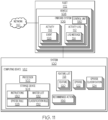
- Fig. 11 which illustrates an example of the vehicle 108, including at least one onboard system 106, and the system 100 for managing at least one activity log 112 produced by at least the one onboard system 106.
- the vehicle 108 includes a plurality of the onboard systems 106.
- Each one of the onboard systems 106 includes one or more respective components, such as control components and operating components.
- one or more of the onboard systems 106 includes a control unit 190 that utilizes a computer-implemented or computer-controlled operating system.
- One or more of the onboard systems 106 is configured to be connected to and to communicate with a network 110. Additionally, one or more of the onboard systems 106 is also configured to be connected to and to communicate with another one or more of the onboard systems 106. Connection of any one of the onboard systems 106 with the network 110 or another one of the onboard systems 106 is continuous or intermittent (e.g., at predetermined times or during specific activities). In some examples, connectability of the onboard systems 106 can leave the onboard systems 106 vulnerable to a cybersecurity threat.
- the onboard systems 106 of the aircraft 1200 include avionics systems 1206, propulsion systems 1208, hydraulic systems 1210, electrical systems 1212, main landing gear systems 1214, nose landing gear systems 1216, environmental systems 1218, and communications systems 1220.
- the aircraft 1200 also includes an airframe 1202 having an interior 1204.
- the onboard systems 106 also includes one or more control systems 1222 coupled to an airframe 1202 of the aircraft 1200, such as for example, flaps, spoilers, ailerons, slats, rudders, elevators, and trim tabs.
- the onboard systems 106 also includes one or more other systems, such as, but not limited to, software distribution systems, network communications systems, passenger information/entertainment systems, guidance systems, radar systems, weapons systems, and the like.
- One or more of the onboard systems 106 includes at least one associated system control unit 190 (e.g., as shown in Fig. 11 ).
- the system control unit 190 can be susceptible to a cyber-attack.
- collective reference to the onboard systems 106 and individual reference to an onboard system 106 herein are intended to be inclusive of any of the system control unit(s) 190 associated with one or more of the respective onboard systems 106.
- the present disclosure recognizes that an increasing number of the onboard systems 106 of vehicles 108, such as the aircraft 1200, is continually or intermittently connected to the communication network 110 (e.g., an Internet/cloud-based communication network).
- the communication network 110 e.g., an Internet/cloud-based communication network.
- e-Enabled aircraft include highly integrated interconnected software and firmware driven computer systems with specific real-time computing and control tasks. Data links in-flight and on-ground transfer and receive critical control, navigation, operations, and maintenance information.
- an e-Enabled vehicle can use Transmission Control Protocols (TCP) and/or Internet Protocols (IP), or any other suitable communication protocol, to interconnect one or more of the onboard systems 106 in a manner that virtually makes the vehicle 108 an interconnected network domain server.
- TCP Transmission Control Protocol
- IP Internet Protocols
- the vehicle 108 can face potential cyber-attacks including, for example, but not limited to zero-day attacks, denial of service, sophisticated/advanced persistent malware, structured query language (SQL) injection attacks, session hijacking and man-in-the-middle attacks, network probing, brute-force cracking, ransomware, and insider threats.
- potential cyber-attacks including, for example, but not limited to zero-day attacks, denial of service, sophisticated/advanced persistent malware, structured query language (SQL) injection attacks, session hijacking and man-in-the-middle attacks, network probing, brute-force cracking, ransomware, and insider threats.
- SQL structured query language
- the onboard systems 106 of the vehicle 108 produce activity logs 112 (e.g., system log data) that capture a variety of information, such as, but not limited to, system health, data load, file service, network messages, network performance, communication status, security events, and the like.
- the activity logs 112 e.g., audit trail records, event logs, transaction logs, message logs, server logs, security logs, etc.
- onboard systems 106 document activities 116 of the onboard systems 106 and include a collection of security related messages that provide an opportunity to identify security risks of the vehicle 108.
- Log analysis is the evaluation of the activity logs 112 and is used to mitigate a variety of risks, to understand and respond to cybersecurity incidents, to conduct root cause investigations in response to an incident, and/or to comply with regulations or security policies.
- the activity logs 112 include a plurality of log messages 114 that are chronologically arranged and stored, for example, on a disk, in files, or in an application like a log collector. Each one of the log messages 114 contains information related to a specific activity 116 within the onboard system 106. Many of the log messages 114 contain information related to security.
- the activity logs 112 e.g., security logs
- the activity logs 112 are generated by security software, operating systems, and applications of the onboard systems 106.
- each aircraft 1200 in a fleet 172 generates anywhere from 1 gigabyte (GB) to 8 gigabytes of log data over the course of a year of service.
- the log messages 114 of the activity logs 112 are generally recorded in text log message format that provides a description of relevant activities 116 and events 126, rather than network traffic data.
- network traffic data is used by conventional cyber-attack infrastructure defenses and conventional cyber-attack infrastructure defenses generally are not capable of analyzing the text of the log messages 114.
- Examples of the method 1000, the system 100, and the program 188 facilitate efficient profiling and analyzing of the activity logs 112. More particularly, examples of the method 1000, the system 100, and the program 188 enable raw data (e.g., text) contained in the log messages 114 of the activity logs 112 to be parsed and formatted to extract select data related to or relevant to the activity 116 of the onboard system 106 of the vehicle 108.
- raw data e.g., text
- Examples of the method 1000, the system 100, and the program 188 further enable sets or groups of the selected data to be classified, which indicate an event 126 associated with the activity 116. Accordingly, examples of the method 1000, the system 100, and the program 188 enable detection and identification of the onboard system 106 that is vulnerable to or that is a target of a cybersecurity threat or attack from among a plurality of onboard systems 106 and/or from among a plurality of vehicles 108.
- the term “activity” refers to and includes an action and/or function associated with (e.g., performed by, with, or on) the onboard system 106.
- the onboard system 106 is configured to perform any one of various types of computer-implemented activities, such as data load activities, network communication activities, software staging activities, network and system startup activities, identity confirmation activities, software installation or deletion activities, certificate validation activities, file request operations, and the like.
- the term “event” (e.g., event 126) refers to a particular type or task of the activity 116, such as a particular operation, process, communication, and/or response occurring during performance of the activity 116.
- the activity 116 includes one or more events 126, such as initiation of an operation (e.g., loading, staging, installing, deleting, communicating, validating, etc.), a successful operation, a failed operation, a timed out operation, an error in performing the operation, termination of an operation, and the like.
- the event 126 is what happens during performance of an activity 116.
- the log messages 114 of the activity log 112 provide a record of the activities 116 and the events 126 that occur in the operating system of the onboard system 106.
- the term "episode” e.g., episode 122 refers to a description or characterization of an instance of the activity 116 as indicated by analysis of a number of log messages 114 in the activity log 112.
- the episode 122 is a filtered segment of the activity log 112 that represents a specific function of the onboard system 106 of the vehicle 108. Further, the episode 122 is a subset of multiple log messages 114 selected from the activity log 112.
- the episode 122 that characterizes of described a data load activity will only contain log messages 114 that are related to data load and will filter out other log messages 114 that are generated throughout the duration of the data load activity and that are not related to the data load activity itself.
- the activity 116 can be characterized by any number of episodes 122 depending, for example, on a level of specificity to which the episode 122 characterizes the activity 116.
- the term "episode classification" (e.g., episode classification 124) refers to a description or characterization of an instance of the event 126 occurring during the activity 116 as indicated by analysis of the number of log messages 114.
- the disclosed method 1000, system 100, and program 188 enable converting and mapping the log messages 114 into log features, referred to herein as features 120, a combination of which characterize a particular type of activity 116 performed by the onboard system 106.
- the log features consist of an extraction of key terms (e.g., words) and/or values that represent semantic content embedded within the log messages 114.
- the frequency, rate, and/or patterns of the log features provide cues related to behavior of the onboard systems 106 and, as such, serve as the basis for profiling and analyzing the log messages 114 to detect anomalies and cybersecurity incidents.
- the disclosed method 1000, system 100, and program 188 enable automation to at least portions of the profiling and analyzing process.
- the disclosed method 1000, system 100, and program 188 enable automatic profiling and categorizing the log messages 114 as various types of episodes 122.
- the disclosed method 1000, system 100, and program 188 enable creation of new types of episodes 122 and episode classifications 124 when new types and/or formats of data in the log messages 114 are introduced.
- examples of the method 1000, the system 100, and the program 188 apply analytical techniques to identify the events 126 that are frequently occurring and/or the events 126 that are rarely occurring (e.g., outlying events) from the textual log data of the log messages 114. Identification of an occurrence (or rate of occurrence) of any one of the events 126 provides an indication that a mitigation act or remediation act may be needed in response to the event 126.
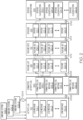
- FIGs. 1 and 2 illustrate examples of a process for managing (e.g., profiling and classifying) the activity log 112 for analysis.
- This process provides context to the activity 116 performed by the onboard system 106 of the vehicle 108 and enables analysis of the activity log 112.
- the method 1000 includes a step of (block 1002) connecting to the onboard system 106 of the vehicle 108.
- the onboard system 106 is connectable (e.g., is connected or is configured to be connected) to the network 110 (e.g., as shown in Fig. 13 ).
- the onboard system 106 is also connectable (e.g., is connected to or is configured to be connected to) the system 100 (e.g., as shown in Fig. 2 ), for example, directly or via the network 110.
- the method 1000 includes a step of (block 1004) collecting the activity log 112 (e.g., at least one of the activity logs 112) from the onboard system 106.
- the activity log 112 includes the log messages 114 that are indicative of the activity 116 of the onboard system 106.
- the activity log 112 e.g., one or more of the activity logs 112 is collected from the onboard system 106 (e.g., one or more of the onboard systems 106).
- the system 100 e.g., as shown in Fig. 13
- the system 100 collects the activity log 112 from a stored location or another application (e.g., a log collector).
- the activity log 112 includes the log messages 114 generated by one of the onboard systems 106 over a certain period of time (e.g., one day, one month, one year, etc.), which may also be referred to as a system log history.
- the activity log 112 includes the log messages 114 generated by more than one of the onboard systems 106 (e.g., onboard system 106-1, onboard system 106-2, onboard system 106-N shown in Fig. 2 ) over a certain period of time, which may also be referred to as a vehicle systems log history.
- the activity log 112 includes the log messages 114 generated by more than one of the onboard systems 106 of more than one vehicle 108 (e.g., from the fleet 172 of vehicles 108) over a certain period of time, which may also be referred to as a fleet systems log history.
- Examples of the activity logs 112 include, but are not limited to, center for internet security (CIS) logs, copy services manager (CSM) logs, network interface module (NIM) logs, and any other system logs.
- the activity log 112 includes any number of the log messages 114 (e.g., log message 114-1, log message 114-2, log message 114-3, log message 114-N shown in Fig. 2 ).
- each log message 114 contains textual log data (e.g., text).
- the textual log data of the log message 114 is without a well-defined structure.
- the activity log 112 includes an extremely large amount of textual log data (e.g., multiple gigabytes of text), for example, log messages 114 from many onboard systems 106 of many vehicles 108.
- the activity log 112 refers to a raw log in which the textual log data of the log messages 114 is unmodified before extraction of the feature list 118 from the activity log 112. However, in other examples (e.g., as shown in Fig. 2 ), the activity log 112 is pre-processed to provide a formatted activity log 184 before extraction of the feature list 118.
- the method 1000 includes a step of (block 1006) formatting or otherwise pre-processing the activity log 112.
- the feature list 118 is extracted from formatted log messages 186 of the formatted activity log 184.
- the log messages 114 are formatted or otherwise processed to provide the formatted log messages 186 (e.g., formatted log massage 186-1, formatted log massage 186-2, formatted log massage 186-3, formatted log massage 186-N shown in Fig. 2 ).
- Formatting or processing of the log messages 114 to the formatted log message 186 prepares the textual log data for analysis, such as by removing fields of text that are not needed, not utilized, or not associated with the activity 116, standardizing the date and time of the log message 114, labelling the log message 114 with the source of the log message 114 (e.g., the corresponding onboard system 106), filtering the contents of the textual log data (e.g., removing spaces, punctuation, non-standard or free-form text, etc.), and the like.
- the source of the log message 114 e.g., the corresponding onboard system 106
- filtering the contents of the textual log data e.g., removing spaces, punctuation, non-standard or free-form text, etc.
- pre-processing the log messages 114 includes filtering out arbitrary values and/or parameters contained in the text of the log message 114 for the purpose of obtaining the core and invariant content of the log message 114.
- pre-processing of the log messages 114 utilizes domain knowledge (e.g., of the vehicle 108 and the onboard system 106) and/or subject matter experts to remove only context-irrelevant information and leave pertinent information, such as IP addresses, ports, web service status codes, and vehicle services names, which consist of a mixture of text (e.g., letters and digits).
- prior domain knowledge is used to identify a set of digits, letters, and/or patterns that are particular to a specific vehicle 108 and/or onboard system 106.
- system log messages are pre-processed differently from a generic filtering operation.
- IP addresses are converted to text, such as names of different onboard systems 106 or non-vehicle addresses, according to a knowledge-based mapping list.
- the method 1000 includes a step of (block 1008) extracting a feature list 118 from the activity log 112.
- the feature list 118 is extracted or otherwise generated from the log messages 114 of the activity log 112 or, alternatively, the formatted log messages 186 of the formatted activity log 184.
- the feature list 118 includes a number of the features 120 (e.g., feature 120-1, feature 120-2, feature 120-3, feature 120-N as shown in Fig. 2 ).
- the feature list 118 includes a chronological list of the features 120 that have been extracted, generated, or defined from the log messages 114 of the activity log 112 over a predetermined period of time (e.g., the log history).
- each one of the features 120 includes a timestamp, a numerical feature identification (e.g., F1, F2, F3, FN) and at least one field of text, referred to herein as a field 134, from one of the log messages 114.
- a numerical feature identification e.g., F1, F2, F3, FN
- the method 1000 includes a step of (block 1010) generating (e.g., defining or designating) the features 120.
- the features 120 are defined prior commencement of the log analysis process of the activity log 112.
- the features 120 are designated or otherwise selected from any suitable source, such as current log messages or historical log messages.
- the features 120 are generated (e.g., defined or designated) based on pre-existing log messages of historical activity logs related to known activities and events of the onboard system 106 (e.g., features 120 are pre-defined).
- the features 120 are generated from the log messages 114 of the activity log 112 collected from the onboard system 106 (e.g., features 120 are defined in real-time).
- Selection or designation of the features 120 are performed by any suitable technique. As an example, selection of particular fields 134 and designation of the features 120 from those fields 134 are performed manually by a subject matter expert using vehicle and/or system domain knowledge.
- each one of the features 120 includes select information (e.g., a selection of textual data) from a log message generated by the onboard system 106.
- select information e.g., a selection of textual data
- the features 120 are identified within the log messages 114 of the activity log 112 being analyzed to create the feature list 118 and to provide a technique for parsing the log messages 114 into manageable, unique segments of information, which are then used to identify the episode 122 (e.g., a particular activity 116) and to classify the episode 122 (e.g., a particular event 126) from the feature list 118 (e.g., based on the log messages 114 of the activity log 112).
- At least one of the features 120 is associated with (e.g., generated from or identified within) one of the log messages 114.
- a first feature 120-1 consists of relevant information from a first log massage 114-1.
- the first feature 120-1 is associated with or can be used to describe the activity 116 performed by the onboard system 106.
- more than one of the features 120 is associated with (e.g., generated from or identified within) one of the log messages 114.
- the first feature 120-1 consists of a first sub-set of relevant information (e.g., a first sub-string of text) from the first log massage 114-1
- a second feature 120-2 consists of a second sub-set of relevant information (e.g., a second sub-string of text) from the first log massage 114-1
- a third feature 120-3 consists of a third sub-set of relevant information (e.g., a third sub-string of text) from the first log massage 114-1.
- the first feature 120-1 is associated with or is used to describe the activity 116 performed by the onboard system 106 in a first manner or at a first (e.g., general or broad) level of specificity.
- the combination of the first feature 120-1 and the second feature 120-2 is associated with or is used to describe the activity 116 performed by the onboard system 106 in a second (e.g., different) manner or at a second (e.g., more detailed) level of specificity.
- the combination of the first feature 120-1, the second feature 120-2, and the third feature 120-3 is associated with or is used to describe the activity 116 performed by the onboard system 106 in a third (e.g., different) manner or at a third (e.g., even more detailed) level of specificity.
- the selection or designation of one or more of the features 120 used to characterize the activity 116 is referred to herein as a feature set 130.
- the feature set 130 is used to define the episode 122.
- the feature set 130 is found in a single log message 114.
- the feature set 130 is found in a plurality of the log messages 114.
- the method 1000 includes a step of (block 1012) defining the episode 122 as the feature set 130 (e.g., a predetermined set of a number of the features 120).
- the feature set 130 is created based on the predetermined or predefined selection of one or more of the features 120 that, individually or in combination, describe one of the activities 116 performed by one of the onboard systems 106.
- a first feature set 130-1 includes the first feature 120-1, the second feature 120-2, and the third feature 120-3 (e.g., as shown in Fig. 2 ).
- the specific selection and combination of feature 120-1, feature 120-2, and feature 120-3 is indicative of or describes the activity 116 of the onboard system 106.
- the feature set 130 includes any combination of and/or any number of the features 120.
- the feature set 130 is generated and the episode 122 is defined based on pre-existing log messages of historical activity logs related to known activities and events of the onboard system 106 (e.g., feature set 130 is pre-defined). In one or more examples, the feature set 130 is generated and the episode 122 is defined from the log messages 114 of the activity log 112 collected from the onboard system 106 (e.g., feature set 130 is defined in real-time).
- Selection or designation of the features 120 that define the feature set 130 is performed by any suitable technique. As an example, selection of particular features 120 and inclusion of those features 120 to define the feature set 130 representing the episode 122 is performed manually by a subject matter expert using vehicle and/or system domain knowledge.
- the log message 114 shown in Fig. 3 is an example of a log message from which the features 120 are originally defined. In one or more examples, the log message 114 shown in Fig. 3 is an example of a log message from which the feature list 118 is created.
- each one of the log messages 114 of the activity log 112 includes a string of text (e.g., textual log data).
- the log message 114 includes a plurality of fields 134 (e.g., a text field).
- Each field 134 consists of a sub-string of the text related to a piece of contextual information.
- the field 134 includes a designation of the date and time that the log message 114 was created (e.g., a timestamp), a designation of the onboard system 106 or component thereof that generated the log message 114, a designation of the process (e.g., file path or filename) executed by the onboard system 106, designations for the communications gateway (e.g., source internet protocol (IP) address, destination IP address, media access control (MAC) address, communications port, communications protocol, etc.) and the like.
- IP internet protocol
- MAC media access control
- one or more of the fields 134 includes a parameter (e.g., system identification, source IP address, destination port, etc.) and a numerical value or textual descriptor that is associated with the parameter (e.g., the system name, the IP address number, the destination port number, etc.). Additionally, in one or more examples, one or more of the fields 134 includes freeform text, additional informational messages, and the like (e.g., vehicle identification number, software part number, etc.) that is associated with the activity 116, the onboard system 106, and/or the vehicle 108).
- a parameter e.g., system identification, source IP address, destination port, etc.
- a numerical value or textual descriptor that is associated with the parameter (e.g., the system name, the IP address number, the destination port number, etc.).
- freeform text, additional informational messages, and the like e.g., vehicle identification number, software part number, etc.
- the fields 134 of the log messages 114 are not standardized and there can be wide variations in the format and content of the log messages 114 in the activity log 112.
- the fields 134 may or may not be separated by spaces
- the parameter may or may not be separated from the associated value or descriptor by punctuation (e.g., colon)
- the terminology e.g., text
- Fig. 4 illustrates an example of features 120 designated from the log message 114 shown in Fig. 3 and examples of a plurality of episodes 122 defined by a selected set of one or more of the features 120.
- the log message 114 shown in Fig. 4 is an example of a log message from which the features 120 are originally defined.
- the log message 114 shown in Fig. 4 is an example of a log message from which the feature list 118 is created.
- one or more of the fields 134 of the log message 114 are designated as features 120, which are used to define the episode 122 and classify the episode 122. Additionally, in one or more examples, one or more of the fields 134 are designated as metadata 194, which are not used to define or classify the episode 122 but which are included in the episode definition to supply additional contextual information, for example, which are used during a follow-on investigation of a cybersecurity threat or attack.
- each one of field 134-3, field 134-4, field 134-5, field 134-6, field 134-8, and field 134-10 is selected and designated as one of the features 120.
- Each one of field 134-1 and field 134-12 is selected and designated metadata 194.
- first episode 122-1 is defined by first feature set 130-1, consisting of first feature 120-1 and first metadata 194-1.
- first feature 120-1 includes feature identification F1 and field 134-3 (e.g., a system identification that identifies the onboard system 106 that generated the log message 114).
- First metadata 194-1 includes first metadata identification Gl and field 134-1 (e.g., a timestamp associated with the log message 114).
- first episode 122-1 is very broad and characterizes any instance of the activity 116 performed by the onboard system 106.
- second episode 122-2 is defined by second feature set 130-2, consisting of first feature 120-1, second feature 120-2, and first metadata 194-1.
- first feature 120-1 includes feature identification F1 and field 134-3 (e.g., a system identification that identifies the onboard system 106 that generated the log message 114).
- Second feature 120-2 includes feature identification F2 and field 134-5 (e.g., destination IP address).
- First metadata 194-1 includes metadata identification G1 and field 134-1 (e.g., a timestamp associated with the log message 114).
- second episode 122-2 increases the specificity of the activity 116 performed and, for example, characterizes any instance of the activity 116 performed by the onboard system 106 in communication with a particular IP address.
- designating additional and/or different fields 134 as features 120 and including those additional and/or different features 120 in the feature set 130 enables different episodes 122 to be defined, which characterize the same activity 116 at different levels of specificity or which characterize different activities 116.
- third episode 122-3 is defined by third feature set 130-3, which further increases the specificity of the activity 116 performed.
- fourth episode 122-4 is defined by fourth feature set 130-4, which even further increases the specificity of the activity 116 performed.
- the feature set 130 that defines the episode 122 which characterizes the activity 116, includes features 120 designated from more than one type of log message 114 (e.g., log message 114-1 and log message 114-2).
- the activity 116 is characterized by information contained in a plurality of log messages 114.
- one of more of the features 120 includes more than one field 134.
- first feature 120-1 includes field 134-2 and field 134-3 or another combination of two or more fields 134.
- the step of (block 1010) generating the features 120 includes a step of generating a master list 192 of the features 120 (e.g., as shown in Fig. 11 ).
- the master list 192 includes all of the features 120 defined or designated from log messages.
- the master list 192 is created by clustering the features 120, for example, using a text clustering algorithm.
- features 120 that include contextually related fields 134 are grouped together before extraction of the episode 122 from the feature list 118.
- the master list 192 is created by aggregating the features 120, for example, following the clustering operation.
- different text can be used in the log messages 114 for the same general contextually related field 134.
- the different text of the fields 134 represented by different features 120 can be substituted with the same text (e.g., a keyword).
- the master list 192 of the features 120 is updated, for example, during profiling and analysis of the log messages 114 of the activity log 112.
- the content (e.g., fields 134) of the log message 114 of the activity log 112 being analyzed is compared to the features 120 of the master list 192 in order to map the fields 134 of the log message 114 to corresponding ones of the features 120 and to further analyze the log message 114 based on the log profile (e.g., feature set 130 representing the episode 122) established from historical data.
- Any log data (e.g., field 134) that cannot be mapped to the features 120 of the master list 192 is processed and used to define a new feature 120 (e.g., as described above with respect to feature generation).
- the features 120 are extracted (e.g., identified and pulled out) from each log message 114 of the activity log 112 to form the feature list 118.
- the step of (block 1010) generating the features 120 from the log messages 114 of the activity log 112 and the step of (block 1008) extracting the feature list 118 from the activity log 112 are integrated into a unitary processing operation in which the feature list 118 is created as the features 120 are pulled from the log messages 114.
- the step of (block 1010) generating the features 120 from the log messages 114 of the activity log 112 and the step of (block 1008) extracting the feature list 118 from the activity log 112 are discrete processing operations in which the features 120 are defined or created from the log massages 114 and the feature list 118 is then generated from the list of created features 120.
- the method 1000 includes a step of (block 1014) extracting an episode 122 from the feature list 118.
- a number of feature sets 130 e.g., feature set 130-1, feature set 130-2, feature set 130-3, feature set 130-N shown in Fig. 2
- the episode 122 is defined based on the feature set 130 (e.g., a select combination of the features 120).
- the episode 122 is indicative or is representative of the activity 116 of the onboard system 106 as defined by the feature set 130.
- the step of (block 1014) extracting the episode 122 from the feature list 118 includes a step of searching for the feature set 130 (i.e., the episode 122) from within the feature list 118.
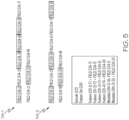
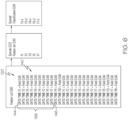
- the step of (block 1014) extracting the episode 122 from the feature list 118 includes a step of generating a window 138 within the feature list 118 that includes a batch 140 of the features 120.
- the step of (block 1014) extracting the episode 122 from the feature list 118 also includes a step of searching for the feature set 130 from the batch 140 of the features 120 in the window 138.
- the window 138 includes a beginning 144 and an end 146 and can have any suitable size defined between the beginning 144 and the end 146.
- the window 138 is time-based.
- the window 138 is defined by a predetermined time duration (e.g., ten minutes) in which the beginning 144 is a start time and the end 146 is an end time.
- the window 138 is feature-based.
- the window 138 is defined by a predetermined number of features 120 in which the beginning 144 is one of the features 120 (e.g., feature F1 shown in Fig.
- the window 138 is a combination of time-based and feature-based.
- the window 138 is defined by a predetermined time duration in which the beginning 144 is one of the features 120 (e.g., feature F1) known to be contained in a log message 114 generated at a start of the activity 116 and the end 146 is a predetermined time duration (e.g., ten minutes) after the occurrence of the feature 120.
- the step of searching for the episode 122 is performed incrementally through the feature list 118.
- the features 120 defining the feature set 130 is searched within the window 138. If the feature set 130 and, thus, the episode 122 is not found within the window 138, the window 138 is shifted to include a new batch of features 120 and the feature set 130 is searched within the newly defined window 138. If the feature set 130 and, thus, the episode 122 is found within the window 138, the window 138 is shifted to include a new batch of features 120 and another feature set 130 (e.g., defining another instance of the same episode 122 or a different episode 122) is searched within the newly defined window 138.
- another feature set 130 e.g., defining another instance of the same episode 122 or a different episode 122
- the method 1000 also includes a step of (block 1016) classifying the episode 122 with the episode classification 124.
- the episode classification 124 is indicative of the event 126 (e.g., one of the events 126) that occurred during the activity 116.
- the episode 122 is classified as any one of a plurality of episode classifications 124 (e.g., episode classification 124-1, episode classification 124-2, episode classification 124-3, episode classification 124-N as shown in Fig. 2 ) based on a tally or count of the number of times each feature 120 of the feature set 130 occurs within the feature list 118 when the feature set 130 is searched and the episode 122 is extracted from the feature list 118.
- the episode 122 defined by the feature set 130, is identified and found within the search window 138.
- the episode 122 is defined by (e.g., the feature set 130 includes) features F1, F2, F4, F5, and F7.
- the episode 122 is classified by a tally or count of the number of times each one of the features 120 occurs.
- This combination of designated ones of the features 120, each occurring a predetermined number of times is indicative of a first event 126 of the activity 116 and, thus, the episode 122 is classified as a first episode classification 124.
- another instance of the episode 122 is identified and found within the search window 138, as the window 138 progresses through the feature list 118.
- the episode 122 is defined by (e.g., the feature set 130 includes) features F1, F2, F4, F5, and F7.
- the episode 122 is classified by the tally or count of the number of times each one of the features 120 occurs.
- This combination of designated ones of the features 120, each occurring a predetermined number of times is indicative of a second event 126 of the activity 116, which is different than the first event 126 and, thus the episode 122 is classified as a second episode classification 124.
- the method 1000 includes a step of (block 1018) generating a hierarchical tree 136 (e.g., as shown in Fig. 8 ) of the features 120 associated with and defining a particular activity 116 at different levels of specificity.
- the activity 116 is characterized by any number of episodes 122, defined by a particular feature set 130.
- the hierarchical tree 136 includes a plurality of leaf nodes, in which each leaf node represents a particular episode 122 characterizing the activity 116. Defining the activity 116 in the layered structure of the hierarchical tree 136 advantageously facilitates aggregated activity type construction and provides higher flexibility in constructing aggregated activity types.
- the hierarchical tree 136 is utilized to search for, profile, and analyze a particular activity 116 at different levels of specific operations of the onboard system 106.
- a log profile can be built based upon a particular leaf node activity type, associated with a particular episode122 (e.g., episode E5).
- a log profile can be built based on an aggregate of multiple layers of activity types, associated with more than one episode 122 (e.g., episode E1, episode E2, and episode E5).
- analysis of the activity log 112 can be performed at higher levels, which reduces computational requirements.
- the activity log 112 is analyzed based on the second tier of the hierarchical tree 136 (e.g., leaf node representing episode E2), which requires a lesser number of comparisons to be conducted and improves analysis performance. If, for example, a problem is identified at the leaf node (e.g., episode E2), the activity log 112 is analyzed based on the third tier of the hierarchical tree 136 (e.g., leaf node representing episode E5).
- the hierarchical tree 136 is generated from the master list 192 of the features 120 (e.g., as shown in Fig. 11 ). As such, the tree hierarchy of the features 120 is arranged based on the key concepts/key words relevant to the activity 116 of the onboard system 106.
- the method 1000 includes a step of (block 1020) graphically representing an occurrence of the episode classification 124 over a predetermined time period.
- a graphical display 152 e.g., as shown in Fig. 9 ) that is representative of an occurrence of each one of the episode classifications 124 over a predetermined time period is generated.
- the graphical display 152 facilitates identification of one or more of the episode classifications 124 that are indicative of an outlying event.
- Graphically representing occurrences of the episode classifications 124 over a predetermined time period provides a simple visualization that facilitates context to specific activities 116 of the onboard system 106.
- the graphical display 152 visually identifies which of the episode classifications 124 (e.g., certain events 126 of a given activity 116) have a high occurrence frequency or rate and which of the episode classifications 124 have a low occurrence frequency or rate.
- Some episode classifications 124 occur very rarely.
- Episode classifications 124 having a rare occurrence rate can be automatically identified and can indicate an abnormal activity 116 or event 126 associated with a cybersecurity threat or vulnerability.
- rare activities are of primary interest because the assumption is that high occurrence or common activities are normal and rare occurrences can be abnormal.
- the event 126 can also be linked to time of occurrence (e.g., 3:00 AM when the vehicle 108 is not in service or when no activity should be occurring).
- time of occurrence e.g. 3:00 AM when the vehicle 108 is not in service or when no activity should be occurring.
- this visualization and analysis can be scaled and performed for each one of a plurality of vehicles 108.
- the method 1000 includes a step of (block 1022) comparing the occurrence of the episode classification 124 to a predetermined occurrence threshold 154.
- the occurrence threshold 154 is representative of a normal or expected number of occurrences of the event 126 characterized by the episode classification 124.
- the method 1000 includes a step of identifying that the occurrence of the episode classification 124 is less than the predetermined occurrence threshold 154 over a predetermined time period. For example, during analysis of the activity log 112, if an episode classification 124 and, thus, an associated event 126 occurs frequently (e.g., over the occurrence threshold 154), it can be assumed that the event 126 is normal and expected. Alternatively, during analysis of the activity log 112, if an episode classification 124 and, thus, an associated event 126 occurs rarely (e.g., under the occurrence threshold 154), it can be assumed that the event 126 is abnormal and can be indicative of a cybersecurity incident that required a follow-on action.
- the method 1000 includes a step of identifying that the occurrence of the episode classification 124 is greater than the predetermined occurrence threshold 154 over a predetermined time period. For example, during analysis of the activity log 112, if an episode classification 124 and, thus, an associated event 126 occurs infrequently (e.g., under the occurrence threshold 154), it can be assumed that the event 126 is rare. Alternatively, during analysis of the activity log 112, if an episode classification 124 and, thus, an associated event 126 occurs frequently (e.g., over the occurrence threshold 154), it can be assumed that the event 126 is abnormal and can be indicative of a cybersecurity incident that required a follow-on action.
- the method 1000 includes a step of (block 1024) generating a recommended action 156 (e.g., as shown in Fig. 11 ) based on the comparison of the occurrence of the episode classification 124 to the predetermined occurrence threshold 154.
- the method 1000 includes a step of generating at least one recommended action 156 when the occurrence of the episode classification 124 is less than the predetermined occurrence threshold 154 over the predetermined time period.
- the method 1000 includes a step of generating at least one recommended action 156 when the occurrence of the episode classification 124 is greater than the predetermined occurrence threshold 154 over the predetermined time period.
- Examples of the recommended action 156 include a root cause investigation, a lower-level leaf node analysis (e.g., based on the hierarchical tree 136 shown in Fig. 8 ), and any other suitable guidance to mitigate a potential cybersecurity threat.
- the method 1000 provides a normal profile of the activity 116 and the event 126 associated with the onboard system 106 and/or the vehicle 108, which can be based on the hierarchical event types, to be built based on historical operation data (e.g., using machine learning and/or statistical analysis). Detection of a cybersecurity incident or other anomaly is based on an event frequency-based threshold per flight. Additional, rule-based detection can further incorporate additional contextual information from any of the log messages 114. Additionally, log event types (e.g., episode classifications 124) can be assigned a numeric severity level to indicate priority for the purpose of further analysis.
- log event types e.g., episode classifications 124
- log event types can be assigned a numeric severity level to indicate priority for the purpose of further analysis.
- implementation of the method 1000 is scaled and applied to any number of onboard systems 106 of the vehicle 108.
- the method 1000 includes the step of (block 1002) connecting with a number of the onboard systems 106 of the vehicle 108. Each one of the onboard systems 106 is connectable (e.g., is connected or has been connected) to the network 110.
- the method 1000 also includes the step of (block 1004) collecting a number of activity logs 112 generated by the onboard systems 106.
- the activity logs 112 include the log messages 114 that are indicative of a number of activities 116 of the onboard systems 106.
- each one of the activity logs 112 includes a number of log messages 114.
- Each one of the log messages 114 is indicative of one of the activities 116 of one of the onboard systems 106.
- the method 1000 further includes a step of (block 1008) extracting the feature list 118 from the activity logs 112.
- the method 1000 additionally includes a step of (block 1014) extracting a number of episodes 122 from the feature list 118.
- the episodes 122 are indicative of the activities 116 of the onboard systems 106.
- each one of the episodes 122 is indicative of one of the activities 116 of one of the onboard systems 106.
- the method 1000 also includes a step of (block 1016) classifying the episodes 122 with episode classifications 124.
- the episode classifications 124 are indicative of events 126 that occurred during the activities 116.
- each one of the episode classifications 124 is indicative of one of the events 126 of a corresponding one of the activities 116 of one of the onboard systems 106.
- the method 1000 includes the step of (block 1020) the graphically representing an occurrence of each one of the episode classifications 124 associated with one of the episodes 122 for each one of the onboard systems 106 over a predetermined time period.
- the graphical display 152 e.g., as shown in Fig. 9
- the graphical display 152 is generated for each one of the episodes 122 for each one of the onboard systems 106 of the vehicle 108.
- the method 1000 includes the step of (block 1022) comparing an occurrence of any one of the episode classifications 124 associated with one of the episodes 122 for any one of the onboard systems 106 with the predetermined occurrence threshold 154 over a predetermined time period.
- implementation of the method 1000 is scaled and applied to any number of onboard systems 106 of any number of vehicles 108 (e.g., forming a fleet 172 as shown in Fig. 11 ).
- the method 1000 includes the step of (block 1002) connecting with a number of the onboard systems 106 of a number of the vehicles 108.
- Each one of the onboard systems 106 of each one of the vehicles 108 is connectable (e.g., is connected or has been connected) to the network 110.
- the method 1000 also includes a step of (block 1004) collecting a number of activity logs 112 generated by the onboard systems 106.
- the activity logs 112 includes the log messages 114 that are indicative of a number of activities 116 of the onboard systems 106.
- each one of the activity logs 112 includes a number of the log messages 114. Each one of the log messages 114 is indicative of one of the activities 116 of one of the onboard systems 106 of one of the vehicles 108.
- the method 1000 further includes the step of (block 1008) extracting the feature list 118 from the activity logs 112.
- the method 1000 additionally includes the step of (block 1014) extracting a number of episodes 122 from the feature list 118.
- the episodes 122 are indicative of the activities 116 of the onboard systems 106.
- each one of the episodes 122 is indicative of one of the activities1 16 of one of the onboard systems 106 of one of the vehicles 108.
- the method 1000 also includes the step of (block 1016) classifying the episodes 122 with the episode classifications 124.
- the episode classifications 124 are indicative of events 126 that occurred during the activities 116.
- each one of the episode classifications 124 is indicative of one of the events 126 of a corresponding one of the activities 116 of one of the onboard systems 106 of one of the vehicles 108.
- the method 1000 includes the step of (block 1020) graphically representing an occurrence of each one of the episode classifications 124 associated with one of the episodes 122 for each one of the vehicles 108 over a predetermined time period.
- the graphical display 152 (e.g., as shown in Fig. 10 ) is generated for each one of the episodes 122 of each one of the vehicles 108.
- the graphical display 152 facilitates identification of one or more of the episode classifications 124 that are indicative of an outlying event based on or compared to other vehicles 108.
- all the vehicles 108 of the fleet 172 can perform a certain task (e.g., event 126) of the activity 116 very frequently or very infrequently.
- event classifications 124 that occur at substantially the same frequency among the vehicles 108 can be assumed to be normal.
- a certain event 126 e.g., episode classification 124
- Such outlying events 126 can be unusual and require further investigation.
- the method 1000 includes the step of (block 1022) comparing the occurrence of the episode classification 124 to the predetermined occurrence threshold 154.
- the occurrence threshold 154 is representative of a normal or expected number of occurrences of the event 126 characterized by the episode classification 124.
- the method 1000 includes a step of identifying that the occurrence of the episode classification 124 associated with a particular vehicle 108 is greater than the predetermined occurrence threshold 154 over a predetermined time period. For example, during analysis of the activity log 112, if an episode classification 124 and, thus, an associated event 126 occurs at approximately the same frequency or rate relative to other vehicles 108 (e.g., under the occurrence threshold 154), it can be assumed that the event 126 is normal and expected.
- an episode classification 124 and, thus, an associated event 126 occurs at a higher frequency or rate relative to other vehicles 108 (e.g., over the occurrence threshold 154), it can be assumed that the event 126 is abnormal and can be indicative of a cybersecurity incident that required a follow-on action.
- the method 1000 includes a step of identifying that the occurrence of the episode classification 124 is less than the predetermined occurrence threshold 154 over a predetermined time period. For example, during analysis of the activity log 112, if an episode classification 124 and, thus, an associated event 126 occurs at approximately the same frequency or rate relative to other vehicles 108 (e.g., under the occurrence threshold 154), it can be assumed that the event 126 is normal and expected.
- an episode classification 124 and, thus, an associated event 126 occurs a lower frequency or rate relative to other vehicles 108 (e.g., under the occurrence threshold 154), it can be assumed that the event 126 is abnormal and can be indicative of a cybersecurity incident that required a follow-on action.
- the system 100 is an example of implementation of the method 1000 (e.g., shown in Fig. 1 ) within a computer system.
- the system 100 includes a processor 102 and a storage device 104.
- the storage device 104 contains instructions 180. Execution of the instructions causes the processor 102 to connect with the onboard system 106 of the vehicle 108.
- the onboard system 106 is connectable (e.g., is connected or has been connected) to the network 110.
- Execution of the instructions also causes the processor 102 to collect the activity log 112 generated by the onboard system 106.
- the activity log 112 includes the log messages 114 that are indicative of the activity 116 of the onboard system 106.
- Execution of the instructions further causes the processor 102 to extract the feature list 118 from the activity log 112.
- the feature list 118 includes the features 120 and each one of the features 120 includes select information from a corresponding one of the log messages 114.
- Execution of the instructions additionally causes the processor 102 to extract the episode 122 from the feature list 118.
- the episode 122 is indicative of the activity 116 of the onboard system 106.
- Execution of the instructions also causes the processor 102 to classify the episode 122 with the episode classification 124.
- the episode classification 124 is indicative of the event 126 that occurred during the activity 116.
- the episode 122 is extracted from the feature list 118 according to a predetermined episode rule 128 that defines the episode 122 as the feature set 130 of the features 120 from the feature list 118.
- the episode 122 is classified according to a predetermined classification rule 132 that defines the episode classification 124 as a number of times each one of the features 120 has occurred in the feature set 130.
- execution of the instructions 180 causes the processor 102 to generate the features 120 from the log messages 114.
- Each one of the features 120 includes at least one field 134 expressed in the corresponding one of the log messages 114.
- execution of the instructions 180 causes the processor 102 to generate the hierarchical tree 136 (e.g., as shown in Fig. 8 ) of the features 120 associated with the activity 116.
- execution of the instructions 180 causes the processor 102 to generate the window 138 (e.g., as shown in Fig. 6 ) within the feature list 118 that includes the batch 140 of the features 120 and to search for the feature set 130 from the batch 140 of the features 120 in the window 138.
- the window 138 is a time duration and is bound by the beginning 144 (e.g., start time) and the end 146 (e.g., end time).
- execution of the instructions 180 causes the processor 102 to shift the window 138 within the feature list 118 by a time interval such that the window 138 include a second batch 150 (e.g., as shown in Fig. 7 ) of the features 120 and to search for the feature set 130 from the second batch 150 of the features 120 in the window 138.
- a second batch 150 e.g., as shown in Fig. 7
- the window 138 is bound by a first one of the features 120 of the feature set 130 and a second one of the features 120 of the feature set 130.
- the first one of the features 120 is indicative of a start of the activity 116 (e.g., beginning 144).
- the second one of the features 120 is indicative of an end of the activity 116 (e.g., end 146).
- execution of the instructions 180 causes the processor 102 to format the activity log 112 for extraction of the feature list 118.
- execution of the instructions 180 causes the processor 102 to generate the graphical display 152 (e.g., as shown in Fig. 9 ) that is representative of an occurrence of the episode classification 124 over a predetermined time period.
- execution of the instructions 180 causes the processor 102 to compare an occurrence of the episode classification 124 to the predetermined occurrence threshold 154 over a predetermined time period and to identify that (or when) an occurrence of the episode classification 124 is less than (or greater than) the predetermined occurrence threshold 154 over the predetermined time period.
- execution of the instructions 180 causes the processor 102 to generate the recommended action 156 based on the comparison of the occurrence of the episode classification 124 to the predetermined occurrence threshold 154, for example, when the occurrence of the episode classification 124 is less than the predetermined occurrence threshold 154 over the predetermined time period.
- the system 100 is scalable and is applied to any number of the onboard systems 106 of the vehicle 108.
- execution of the instructions 180 causes the processor 102 to connect with a number of the onboard systems 106 of the vehicle 108. Each one of the onboard systems 106 is connectable (e.g., is connected or has been connected) to the network 110.
- Execution of the instructions 180 also causes the processor 102 to collect a number of the activity logs 112 generated by the onboard systems 106.
- the activity logs 112 include the log messages 114 that are indicative of a number of the activities 116 of the onboard systems 106.
- Execution of the instructions 180 further causes the processor 102 to extract the feature list 118 from the activity logs 112.
- Execution of the instructions 180 additionally causes the processor 102 to extract a number of the episodes 122 from the feature list 118.
- the episodes 122 are indicative of the activities 116 of the onboard systems 106.
- Execution of the instructions 180 also causes the processor 102 to classify the episodes 122 with the episode classifications 124.
- the episode classifications 124 are indicative of events 126 that occurred during the activities 116.
- execution of the instructions 180 causes the processor 102 to generate the graphical display 152 (e.g., as shown in Fig. 9 ) that is representative of an occurrence of each one of the episode classifications 124 over a predetermined time period.
- execution of the instructions 180 causes the processor 102 to compare an occurrence of any one of the episode classifications 124 to the predetermined occurrence threshold 154 and to identify that (e.g., when) an occurrence of any one of the episode classifications 124 is less than or greater than a predetermined occurrence threshold 154 over a predetermined time period.
- the system 100 is scalable and is configured to be applied to any number of the onboard systems 106 of any number of the vehicles 108 (e.g., forming the fleet 172).
- execution of the instructions 180 causes the processor 102 to connect with a number of onboard systems 106 of a number of vehicles 108.
- Each one of the onboard systems 106 is connectable (e.g., is connected or has been connected) to the network 110.
- Execution of the instructions 180 also causes the processor 102 to collect a number of the activity logs 112 generated by the onboard systems 106.
- the activity logs 112 include the log messages 114 that are indicative of a number of the activities 116 of the onboard systems 106.
- Execution of the instructions 180 further causes the processor 102 to extract the feature list 118 from the activity logs 112. Execution of the instructions 180 additionally causes the processor 102 to extract a number of the episodes 122 from the feature list 118. The episodes 122 are indicative of the activities 116 of the onboard systems 106. Execution of the instructions 180 also causes the processor 102 to classify the episodes 122 with the episode classifications 124. The episode classifications 124 are indicative of the events 126 that occurred during the activities 116.
- execution of the instructions 180 causes the processor 102 to generate the graphical display 152 (e.g., as shown in Fig., 10 ) that is representative of an occurrence of each one of the episode classifications 124 associated with one of the episodes 122 for each one of the vehicles 108 over a predetermined time period.
- execution of the instructions 180 causes the processor 102 to compare an occurrence of any one of the episode classifications 124 associated with one of the episodes 122 for any one of the vehicles 108 to the predetermined occurrence threshold 154 and/or relative to the other vehicles 108 and to identify that (e.g., when) an occurrence of any one of the episode classifications 124 associated with one of the episodes 122 for any one of the vehicles 108 is greater than or less than the predetermined occurrence threshold 154 over a predetermined time period.
- the program 188 takes the form of a computer program product.
- the program 188 includes a, optionally non-transitory, computer readable medium 920 containing the instructions 180 that causes the processor 102 to execute a process.
- the process is a computer implementation of the method 1000 (e.g., shown in Fig. 1 ).
- execution of the instructions 180 causes the processor 102 to execute the process, which includes a step of connecting to the onboard system 106 of a vehicle 108.
- the onboard system 106 is connectable (e.g., is connected or has been connected) to the network 110.
- the process also includes a step of collecting the activity log 112 from the onboard system 106.
- the activity log 112 includes log messages 114 indicative of the activity 116 of the onboard system 106.
- the process also includes a step of extracting the feature list 118 from the activity log 112.
- the feature list 118 includes features 120 and each one of the features 120 includes select information from a corresponding one of the log messages 114.
- the process further includes a step of extracting the episode 122 from the feature list 118.
- the episode 122 is indicative of the activity 116 of the onboard system 106.
- the process additionally includes a step of classifying the episode 122 with the episode classification 124.
- the episode classification 124 is indicative of the event 126 that occurred
- execution of the instructions 180 causes the processor 102 to execute the process, which includes a step of extracting the episode 122 from the feature list 118 according to the predetermined episode rule 128 (e.g., shown in Fig. 11 ).
- the episode rule 128 defines the episode 122 as the feature set 130 of the features 120.
- Execution of the instructions 180 causes the processor 102 to execute the process, which includes a step of classifying the episode 122 according to the predetermined classification rule 132.
- the classification rule 132 defines the episode classification 124 as a number of times each one of the features 120 has occurred in the feature set 130.
- execution of the instructions 180 causes the processor 102 to execute the process, which includes a step of generating the features 120 from the log messages 114.
- Each one of the features 120 includes at least one field 134 expressed or contained in a corresponding one of the log messages 114.
- execution of the instructions 180 causes the processor 102 to execute the process, which includes a step of generating the hierarchical tree 136 (e.g., as shown in Fig. 8 ) of the features 120 associated with the activity 116.
- execution of the instructions 180 causes the processor 102 to execute the process, which includes a step of graphically representing an occurrence of the episode classification 124 over a predetermined time period (e.g., as shown in Figs. 9 and 10 ).
- execution of the instructions 180 causes the processor 102 to execute the process, which includes a step of comparing an occurrence of the episode classification 124 to the predetermined occurrence threshold 154 and a step of identifying that an occurrence of the episode classification 124 is less than or greater than the predetermined occurrence threshold 154.
- execution of the instructions 180 causes the processor 102 to execute the process, which includes a step of generating the recommended action 156 when the occurrence of the episode classification 124 is less than or greater than the predetermined occurrence threshold 154 over the predetermined time period.
- execution of the instructions 180 can be scaled and applied to any number of the onboard systems 106 of any number of the vehicles 108, as described above with respect to the method 1000 and the system 100.
- the program 188 includes multiple modules or agents used to profile and classify the activities 116 and events 126 of the onboard systems 106.
- the modules of the program 188 generally perform different functions, such as, identifying specific log messages 114 related to specific activities 116, determining the start and end of the activity 116, designation of the features 120 from the log messages 114, designation of the episodes 122 from as the feature set 130 from the feature list 118, and classification of each episode 122.
- the computing device 182 includes a data processing system 900.
- the data processing system 900 includes a communications framework 902, which provides communications between at least one processor unit 904, one or more storage devices 916, such as memory 906 and/or persistent storage 908, a communications unit 910, an input/output (I/O) unit 912, and a display 914.
- the communications framework 902 takes the form of a bus system.
- the at least one processor unit 904 is an example of the processor 102 of the computing device 182 (e.g., as shown in Fig. 1 ).
- the storage devices 916 are examples of the storage device 104 (e.g., memory) of the computing device 182 (e.g., as shown in Fig. 1 ).
- the processor unit 904 serves to execute instructions for software that can be loaded into the memory 906.
- the processor unit 904 is a number of processors, a multi-processor core, or some other type of processor, depending on the particular implementation.
- the memory 906 and the persistent storage 908 are examples of the storage devices 916.
- a storage device is any piece of hardware that is capable of storing information, such as, for example, without limitation, at least one of data, program code in functional form, or other suitable information either on a temporary basis, a permanent basis, or both on a temporary basis and a permanent basis.
- the storage devices 916 may also be referred to as computer readable storage devices in one or more examples.
- the memory 906 is, for example, a random-access memory or any other suitable volatile or non-volatile storage device.
- the persistent storage 908 can take various forms, depending on the particular implementation.
- the persistent storage 908 contains one or more components or devices.
- the persistent storage 908 is a hard drive, a solid state hard drive, a flash memory, a rewritable optical disk, a rewritable magnetic tape, or some combination of the above.
- the media used by the persistent storage 908 also can be removable.
- a removable hard drive can be used for the persistent storage 908.
- the communications unit 910 provides for communications with other data processing systems or devices.
- the communications unit 910 is a network interface card.
- Input/output unit 912 allows for input and output of data with other devices that can be connected to the data processing system 900.
- the input/output unit 912 provides a connection for user input through at least one of a keyboard, a mouse, or some other suitable input device. Further, the input/output unit 912 can send output to a printer.
- the display 914 provides a mechanism to display information to a user.
- Instructions for at least one of the operating system, applications, or programs can be located in the storage devices 916, which are in communication with the processor unit 904 through the communications framework 902.
- the processes of the various examples and operations described herein can be performed by the processor unit 904 using computer-implemented instructions, which can be located in a memory, such as the memory 906.
- the instructions are referred to as program code, computer usable program code, or computer readable program code (e.g., the instructions 180 shown in Fig. 1 ) that can be read and executed by a processor in processor unit 904 (e.g., the processor 102 shown in Fig. 1 ).
- the program code in the different examples can be embodied on different physical or computer readable storage media, such as the memory 906 or the persistent storage 908.
- application program code 918 is located in a functional form on computer readable media 920 that is selectively removable and can be loaded onto or transferred to the data processing system 900 for execution by the processor unit 904.
- the application program code 918 is an example of the instructions 180 (e.g., shown in Fig. 1 ).
- the application program code 918 and computer readable media 920 form the computer program product 188.
- the computer readable media 920 is computer readable storage media 924.
- the computer readable storage media 924 is a physical or tangible storage device used to store the application program code 918 rather than a medium that propagates or transmits the application program code 918.
- the application program code 918 can be transferred to the data processing system 900 using a computer readable signal media.
- the computer readable signal media can be, for example, a propagated data signal containing the application program code 918.
- the computer readable signal media can be at least one of an electromagnetic signal, an optical signal, or any other suitable type of signal. These signals can be transmitted over at least one of communications links, such as wireless communications links, optical fiber cable, coaxial cable, a wire, or any other suitable type of communications link.
- the different components illustrated for data processing system 900 are not meant to provide architectural limitations to the manner in which different examples can be implemented.
- the different examples can be implemented in a data processing system including components in addition to or in place of those illustrated for the data processing system 900.
- Other components shown in Fig. 12 can be varied from the examples shown.
- the different examples can be implemented using any hardware device or system capable of running the application program code 918.
- modules include hardware, software or a combination of hardware and software.
- a module can include one or more circuits configured to perform or execute the described functions or operations of the executed processes described herein (e.g., the method 1000).
- a module includes a processor, a storage device (e.g., a memory), and computer-readable storage medium having instructions that, when executed by the processor causes the processor to perform or execute the described functions and operations.
- a module takes the form of the program code 918 and the computer-readable media 920 together forming the computer program product 188.
- examples of the disclosed method 1000, system 100, and program 188 provide various means for automated or semi-automated security log management and analysis, which further enable a system administrator to provide guidance related to proper defense against cybersecurity threats, attacks, and compromises.
- a supplier of the vehicle 108 e.g., an aircraft manufacturer and/or supplier
- examples of the method 1000, system 100, and program 188 can utilize examples of the method 1000, system 100, and program 188 to perform root cause analysis and provide follow-on guidance to vehicle operators (e.g., airlines).
- vehicle operators e.g., airlines
- an operator of the vehicle 108 e.g., an airline
- examples of the disclosed method 1000, system 100, and program 188 provide a unique "flight-based" signature analytical technique for cybersecurity attach and anomaly detection using the aircraft system log data.
- flight-based technique log behaviors are characterized and quantified on a per flight basis.
- log event types e.g., episodes 122 and episode classifications 12
- multiple flight-related factors such as flight phases, airline, aircraft/fleet model, airport (e.g., departure and destination), region, communications method used, a number of devices connected to the onboard system 106, and the like can be integrated into the feature set 130 (e.g., select features 120 and metadata 194) to construct normal aircraft log profiles that are closely relevant to an aviation operation context.
- examples of the method 1000, system 100, and program 188 may be related to, or used in the context of, an aircraft manufacturing and service method 1100, as shown in the flow diagram of Fig. 13 and the aircraft 1200, as schematically illustrated in Fig. 14 .
- the aircraft 1200 and/or the aircraft production and service method 1100 may utilize implementations of the method 1000, the system 100, and the program 188 to profile and analyze aircraft activity logs for detection and cybersecurity threats and vulnerabilities.
- the method 1100 includes specification and design of the aircraft 1200 (block 1102) and material procurement (block 1104).
- component and subassembly manufacturing (block 1106) and system integration (block 1108) of the aircraft 1200 take place. Thereafter, the aircraft 1200 goes through certification and delivery (block 1110) to be placed in service (block 1112).
- Routine maintenance and service (block 1114) includes modification, reconfiguration, refurbishment, etc. of one or more systems of the aircraft 1200.
- a system integrator may include, without limitation, any number of spacecraft manufacturers and major-system subcontractors; a third party may include, without limitation, any number of vendors, subcontractors, and suppliers; and an operator may be an airline, leasing company, military entity, service organization, and so on.
- Examples of the method 1000, the system 100, and the program 188 shown and described herein, may be employed during any one or more of the stages of the manufacturing and service method 1100 shown in the flow diagram illustrated by Fig. 13 .
- implementations of the method 1000, the system 100, and the program 188 may form a portion of component and subassembly manufacturing (block 1106) and/or system integration (block 1108).
- the method 1000, the system 100, and the program 188 may be implemented in a manner similar to components or subassemblies prepared while the aircraft 1200 is in service (block 1112).
- implementations of the method 1000, the system 100, and the program 188 may be utilized during system integration (block 1108) and certification and delivery (block 1110).
- implementations of the method 1000, the system 100, and the program 188 may be utilized, for example and without limitation, while the aircraft 1200 is in service (block 1112) and during maintenance and service (block 1114).
- a system, apparatus, device, structure, article, element, component, or hardware "configured to” perform a specified function is indeed capable of performing the specified function without any alteration, rather than merely having potential to perform the specified function after further modification.
- the system, apparatus, device, structure, article, element, component, or hardware "configured to” perform a specified function is specifically selected, created, implemented, utilized, programmed, and/or designed for the purpose of performing the specified function.
- "configured to” denotes existing characteristics of a system, apparatus, structure, article, element, component, or hardware that enable the system, apparatus, structure, article, element, component, or hardware to perform the specified function without further modification.
- a system, apparatus, device, structure, article, element, component, or hardware described as being “configured to” perform a particular function may additionally or alternatively be described as being “adapted to” and/or as being “operative to” perform that function.
- N refers to any natural number and, more specifically, to any positive integer.
- first,” “second,” “third,” etc. are used herein merely as labels, and are not intended to impose ordinal, positional, or hierarchical requirements on the items to which these terms refer. Moreover, reference to, e.g., a “second” item does not require or preclude the existence of, e.g., a "first” or lower-numbered item, and/or, e.g., a "third” or higher-numbered item.
- the phrase "at least one of”, when used with a list of items, means different combinations of one or more of the listed items may be used and only one of each item in the list may be needed.
- “at least one of item A, item B, and item C” may include, without limitation, item A or item A and item B. This example also may include item A, item B, and item C, or item B and item C.
- "at least one of” may be, for example, without limitation, two of item A, one of item B, and ten of item C; four of item B and seven of item C; and other suitable combinations.
- the term “and/or” and the "j" symbol includes any and all combinations of one or more of the associated listed items.
- Coupled refers to two or more elements that are joined, linked, fastened, attached, connected, put in communication, or otherwise associated (e.g., mechanically, electrically, fluidly, optically, electromagnetically) with one another.
- the elements may be associated directly or indirectly.
- element A may be directly associated with element B.
- element A may be indirectly associated with element B, for example, via another element C. It will be understood that not all associations among the various disclosed elements are necessarily represented. Accordingly, couplings other than those depicted in the figures may also exist.
- the term “approximately” refers to or represent a condition that is close to, but not exactly, the stated condition that still performs the desired function or achieves the desired result.
- the term “approximately” refers to a condition that is within an acceptable predetermined tolerance or accuracy, such as to a condition that is within 10% of the stated condition.
- the term “approximately” does not exclude a condition that is exactly the stated condition.
- the term “substantially” refers to a condition that is essentially the stated condition that performs the desired function or achieves the desired result.
- Figs. 2-12 and 14 may represent functional elements, features, or components thereof and do not necessarily imply any particular structure. Accordingly, modifications, additions and/or omissions may be made to the illustrated structure. Additionally, those skilled in the art will appreciate that not all elements, features, and/or components described and illustrated in Figs. 2-12 and 14 , referred to above, need be included in every example and not all elements, features, and/or components described herein are necessarily depicted in each illustrative example. Accordingly, some of the elements, features, and/or components described and illustrated in Figs. 2-12 and 14 may be combined in various ways without the need to include other features described and illustrated in Figs.
- elements, features, and/or components that serve a similar, or at least substantially similar, purpose are labeled with like numbers in each of Figs. 2-12 and 14 , and such elements, features, and/or components may not be discussed in detail herein with reference to each of Figs. 2-12 and 14 .
- all elements, features, and/or components may not be labeled in each of Figs. 2-12 and 14 , but reference numerals associated therewith may be utilized herein for consistency.
- Figs. 1 and 13 referred to above, the blocks may represent operations, steps, and/or portions thereof and lines connecting the various blocks do not imply any particular order or dependency of the operations or portions thereof. It will be understood that not all dependencies among the various disclosed operations are necessarily represented. Figs. 1 and 13 and the accompanying disclosure describing the operations of the disclosed methods set forth herein should not be interpreted as necessarily determining a sequence in which the operations are to be performed. Rather, although one illustrative order is indicated, it is to be understood that the sequence of the operations may be modified when appropriate. Accordingly, modifications, additions and/or omissions may be made to the operations illustrated and certain operations may be performed in a different order or simultaneously. Additionally, those skilled in the art will appreciate that not all operations described need be performed.
- references throughout the present specification to features, advantages, or similar language used herein do not imply that all of the features and advantages that may be realized with the examples disclosed herein should be, or are in, any single example. Rather, language referring to the features and advantages is understood to mean that a specific feature, advantage, or characteristic described in connection with an example is included in at least one example. Thus, discussion of features, advantages, and similar language used throughout the present disclosure may, but do not necessarily, refer to the same example.
Landscapes
- Engineering & Computer Science (AREA)
- Theoretical Computer Science (AREA)
- Computer Security & Cryptography (AREA)
- Software Systems (AREA)
- General Engineering & Computer Science (AREA)
- Physics & Mathematics (AREA)
- General Physics & Mathematics (AREA)
- Computer Hardware Design (AREA)
- Databases & Information Systems (AREA)
- Data Mining & Analysis (AREA)
- Signal Processing (AREA)
- Computer Networks & Wireless Communication (AREA)
- Computing Systems (AREA)
- Artificial Intelligence (AREA)
- General Health & Medical Sciences (AREA)
- Medical Informatics (AREA)
- Life Sciences & Earth Sciences (AREA)
- Health & Medical Sciences (AREA)
- Bioinformatics & Cheminformatics (AREA)
- Bioinformatics & Computational Biology (AREA)
- Computer Vision & Pattern Recognition (AREA)
- Evolutionary Biology (AREA)
- Evolutionary Computation (AREA)
- Debugging And Monitoring (AREA)
Abstract
Description
- The present disclosure relates generally to cybersecurity log analysis and, more particularly, to a system, method, and program employing analytical techniques for vehicle system log analysis and profiling.
- Many modern vehicles, such as aircraft, are heavily "e-Enabled." Generally, e-enabled vehicles utilize a suitable communication protocol to interconnect one or more systems. Such systems may generate an extremely large amount of log data, which contain critical security and health information related to the vehicle systems. Proper understanding and usage of this information leads to effective situational awareness. Failure to understand this information may result in cybersecurity compromises. However, new types, formats, and content are constantly being introduced into security logs. As such, the ability to quickly and accurately profile and analyze rapidly evolving log data to detect anomalies and cybersecurity threats is becoming increasing difficult. Accordingly, those skilled in the art continue with research and development efforts in the field of system log management and analysis.
- Disclosed are examples of a system for analyzing vehicle system logs, a method for analyzing vehicle system logs, a program for analyzing vehicle system logs. The following is a non-exhaustive list of examples, which may or may not be claimed, of the subject matter according to the present disclosure.
- In an example, the disclosed system includes a processor and a storage device containing instructions. Execution of the instructions causes the processor to: (1) connect with an onboard system of a vehicle, wherein the onboard system is connectable to a network; (2) collect an activity log generated by the onboard system, wherein the activity log includes log messages indicative of an activity of the onboard system; (3) extract a feature list from the activity log, wherein the feature list includes features and each one of the features includes select information from a corresponding one of the log messages; (4) extract an episode from the feature list, wherein the episode is indicative of the activity of the onboard system; and (5) classify the episode with an episode classification, wherein the episode classification is indicative of an event that occurred during the activity.
- In an example, the disclosed method includes steps of: (1) connecting to an onboard system of a vehicle, wherein the onboard system is connectable to a network; (2) collecting an activity log from the onboard system, wherein the activity log includes log messages indicative of an activity of the onboard system; (3) extracting a feature list from the activity log, wherein the feature list includes features and each one of the features includes select information from a corresponding one of the log messages; (4) extracting an episode from the feature list, wherein the episode is indicative of the activity of the onboard system; and (5) classifying the episode with an episode classification, wherein the episode classification is indicative of an event that occurred during the activity.
- In an example, the disclosed program includes a, optionally non-transitory, computer readable medium, containing instructions that cause a processor to execute a process including: (1) collecting an activity log from an onboard system of a vehicle, wherein the activity log includes log messages indicative of an activity of the onboard system; (2) extracting a feature list from the activity log, wherein the feature list includes features and each one of the features includes select information from a corresponding one of the log messages; (3) extracting an episode from the feature list, wherein the episode is indicative of the activity of the onboard system; and (4) classifying the episode with an episode classification, wherein the episode classification is indicative of an event that occurred during the activity.
- Other examples of the disclosed system, method, and program will become apparent from the following detailed description, the accompanying drawings, and the appended claims.
-
-
Fig. 1 is a flow diagram of an example of a method for analyzing vehicle system logs; -
Fig. 2 is a block diagram of an example of a process for generating episode classifications from an activity log; -
Fig. 3 illustrates an example of a log message of the activity log; -
Fig. 4 illustrates an example of features designated from the log message shown inFig. 3 ; -
Fig. 5 illustrates an example of features designated from a plurality of log messages; -
Fig. 6 illustrates an example of extraction of an episode from a feature list; -
Fig. 7 illustrates another example of extraction of an episode from the feature list; -
Fig. 8 illustrates an example of a hierarchical tree of features; -
Fig. 9 illustrates an example of a graphical representation of occurrences of a plurality of episode classifications; -
Fig. 10 illustrates an example of the graphical representation of occurrences of a plurality of episode classifications for a plurality of vehicles; -
Fig. 11 is a schematic block diagram of an example of a system for analyzing vehicle system logs; -
Fig. 12 is a schematic block diagram of a computing device shown inFig. 11 ; -
Fig. 13 is a flow diagram of an example aircraft service method; and -
Fig. 14 is a schematic illustration of an example of an aircraft. - Referring generally to
Figs. 1-12 , the present disclosure is directed to examples of amethod 1000 for analyzing vehicle system logs (e.g., a log analysis method), asystem 100 for analyzing vehicle system logs (e.g., a log analysis system), and a computer program 188 (e.g., a computer implemented program product) for analyzing vehicle system logs (e.g., a log analysis program). Examples of thesystem 100 and/or theprogram 188 enable implementation of themethod 1000 within a computing environment. - Examples of the method 1000 (e.g., shown in
Fig. 1 ), the system 100 (e.g., shown inFig. 11 ), and the program 188 (e.g., shown inFig. 12 ) are described herein with respect to a vehicle 108 (e.g., as shown inFigs. 11 ), such as an aircraft 1200 (e.g., as shown inFig. 14 ). However, it should be understood that the examples ofmethod 1000,system 100, andprogram 188 can be implemented or deployed with anysuitable vehicle 108 that includes one or more network connectable vehicle systems that produce activity logs, such as, but not limited to, aerospace vehicles, rotary wing aircraft, unmanned aerial vehicles (UAVs), fixed wing aircraft, lighter than air vehicles, maritime vehicles, and automotive vehicles. - Referring initially to
Fig. 11 , which illustrates an example of thevehicle 108, including at least oneonboard system 106, and thesystem 100 for managing at least oneactivity log 112 produced by at least the oneonboard system 106. In one or more examples, thevehicle 108 includes a plurality of theonboard systems 106. Each one of theonboard systems 106 includes one or more respective components, such as control components and operating components. - In one or more examples, one or more of the
onboard systems 106 includes acontrol unit 190 that utilizes a computer-implemented or computer-controlled operating system. One or more of theonboard systems 106 is configured to be connected to and to communicate with anetwork 110. Additionally, one or more of theonboard systems 106 is also configured to be connected to and to communicate with another one or more of theonboard systems 106. Connection of any one of theonboard systems 106 with thenetwork 110 or another one of theonboard systems 106 is continuous or intermittent (e.g., at predetermined times or during specific activities). In some examples, connectability of theonboard systems 106 can leave theonboard systems 106 vulnerable to a cybersecurity threat. - Referring briefly to
Fig. 14 , which illustrates an example of theaircraft 1200. In one or more aerospace examples, theonboard systems 106 of theaircraft 1200 includeavionics systems 1206,propulsion systems 1208,hydraulic systems 1210,electrical systems 1212, mainlanding gear systems 1214, noselanding gear systems 1216,environmental systems 1218, andcommunications systems 1220. Theaircraft 1200 also includes anairframe 1202 having an interior 1204. In other examples, theonboard systems 106 also includes one ormore control systems 1222 coupled to anairframe 1202 of theaircraft 1200, such as for example, flaps, spoilers, ailerons, slats, rudders, elevators, and trim tabs. In yet other examples, theonboard systems 106 also includes one or more other systems, such as, but not limited to, software distribution systems, network communications systems, passenger information/entertainment systems, guidance systems, radar systems, weapons systems, and the like. One or more of theonboard systems 106 includes at least one associated system control unit 190 (e.g., as shown inFig. 11 ). In some examples, thesystem control unit 190 can be susceptible to a cyber-attack. As such, collective reference to theonboard systems 106 and individual reference to anonboard system 106 herein are intended to be inclusive of any of the system control unit(s) 190 associated with one or more of the respectiveonboard systems 106. - The present disclosure recognizes that an increasing number of the
onboard systems 106 ofvehicles 108, such as theaircraft 1200, is continually or intermittently connected to the communication network 110 (e.g., an Internet/cloud-based communication network). For example, "e-Enabled" aircraft include highly integrated interconnected software and firmware driven computer systems with specific real-time computing and control tasks. Data links in-flight and on-ground transfer and receive critical control, navigation, operations, and maintenance information. Generally, an e-Enabled vehicle can use Transmission Control Protocols (TCP) and/or Internet Protocols (IP), or any other suitable communication protocol, to interconnect one or more of theonboard systems 106 in a manner that virtually makes thevehicle 108 an interconnected network domain server. Due to, for example, the increased reliance on theonboard systems 106 being connected to thenetwork 110, thevehicle 108 can face potential cyber-attacks including, for example, but not limited to zero-day attacks, denial of service, sophisticated/advanced persistent malware, structured query language (SQL) injection attacks, session hijacking and man-in-the-middle attacks, network probing, brute-force cracking, ransomware, and insider threats. - The
onboard systems 106 of thevehicle 108 produce activity logs 112 (e.g., system log data) that capture a variety of information, such as, but not limited to, system health, data load, file service, network messages, network performance, communication status, security events, and the like. In one or more examples, the activity logs 112 (e.g., audit trail records, event logs, transaction logs, message logs, server logs, security logs, etc.) generated byonboard systems 106document activities 116 of theonboard systems 106 and include a collection of security related messages that provide an opportunity to identify security risks of thevehicle 108. - Log analysis is the evaluation of the
activity logs 112 and is used to mitigate a variety of risks, to understand and respond to cybersecurity incidents, to conduct root cause investigations in response to an incident, and/or to comply with regulations or security policies. Generally, theactivity logs 112 include a plurality oflog messages 114 that are chronologically arranged and stored, for example, on a disk, in files, or in an application like a log collector. Each one of thelog messages 114 contains information related to aspecific activity 116 within theonboard system 106. Many of thelog messages 114 contain information related to security. As examples, the activity logs 112 (e.g., security logs) are generated by security software, operating systems, and applications of theonboard systems 106. - The present disclosure also recognizes that the number, volume, and variety of activity logs 112 have greatly increased, which has created the need for improvements in log management and analysis. For example, each
aircraft 1200 in a fleet 172 generates anywhere from 1 gigabyte (GB) to 8 gigabytes of log data over the course of a year of service. Additionally, thelog messages 114 of the activity logs 112 are generally recorded in text log message format that provides a description ofrelevant activities 116 andevents 126, rather than network traffic data. Typically, network traffic data is used by conventional cyber-attack infrastructure defenses and conventional cyber-attack infrastructure defenses generally are not capable of analyzing the text of thelog messages 114. - Examples of the
method 1000, thesystem 100, and theprogram 188 facilitate efficient profiling and analyzing of the activity logs 112. More particularly, examples of themethod 1000, thesystem 100, and theprogram 188 enable raw data (e.g., text) contained in thelog messages 114 of the activity logs 112 to be parsed and formatted to extract select data related to or relevant to theactivity 116 of theonboard system 106 of thevehicle 108. - Examples of the
method 1000, thesystem 100, and theprogram 188 further enable sets or groups of the selected data to be classified, which indicate anevent 126 associated with theactivity 116. Accordingly, examples of themethod 1000, thesystem 100, and theprogram 188 enable detection and identification of theonboard system 106 that is vulnerable to or that is a target of a cybersecurity threat or attack from among a plurality ofonboard systems 106 and/or from among a plurality ofvehicles 108. - For the purpose of the present disclosure, the term "activity" (e.g., activity 116) refers to and includes an action and/or function associated with (e.g., performed by, with, or on) the
onboard system 106. As examples, theonboard system 106 is configured to perform any one of various types of computer-implemented activities, such as data load activities, network communication activities, software staging activities, network and system startup activities, identity confirmation activities, software installation or deletion activities, certificate validation activities, file request operations, and the like. The term "event" (e.g., event 126) refers to a particular type or task of theactivity 116, such as a particular operation, process, communication, and/or response occurring during performance of theactivity 116. As an example, theactivity 116 includes one ormore events 126, such as initiation of an operation (e.g., loading, staging, installing, deleting, communicating, validating, etc.), a successful operation, a failed operation, a timed out operation, an error in performing the operation, termination of an operation, and the like. In other words, theevent 126 is what happens during performance of anactivity 116. - The
log messages 114 of theactivity log 112 provide a record of theactivities 116 and theevents 126 that occur in the operating system of theonboard system 106. For the purpose of the present disclosure, the term "episode" (e.g., episode 122) refers to a description or characterization of an instance of theactivity 116 as indicated by analysis of a number oflog messages 114 in theactivity log 112. For example, theepisode 122 is a filtered segment of the activity log 112 that represents a specific function of theonboard system 106 of thevehicle 108. Further, theepisode 122 is a subset ofmultiple log messages 114 selected from theactivity log 112. For example, theepisode 122 that characterizes of described a data load activity will only containlog messages 114 that are related to data load and will filter outother log messages 114 that are generated throughout the duration of the data load activity and that are not related to the data load activity itself. Theactivity 116 can be characterized by any number ofepisodes 122 depending, for example, on a level of specificity to which theepisode 122 characterizes theactivity 116. The term "episode classification" (e.g., episode classification 124) refers to a description or characterization of an instance of theevent 126 occurring during theactivity 116 as indicated by analysis of the number oflog messages 114. - The disclosed
method 1000,system 100, andprogram 188 enable converting and mapping thelog messages 114 into log features, referred to herein asfeatures 120, a combination of which characterize a particular type ofactivity 116 performed by theonboard system 106. As will be described in more detail herein, the log features consist of an extraction of key terms (e.g., words) and/or values that represent semantic content embedded within thelog messages 114. The frequency, rate, and/or patterns of the log features provide cues related to behavior of theonboard systems 106 and, as such, serve as the basis for profiling and analyzing thelog messages 114 to detect anomalies and cybersecurity incidents. The disclosedmethod 1000,system 100, andprogram 188 enable automation to at least portions of the profiling and analyzing process. As an example, the disclosedmethod 1000,system 100, andprogram 188 enable automatic profiling and categorizing thelog messages 114 as various types ofepisodes 122. As another example, the disclosedmethod 1000,system 100, andprogram 188 enable creation of new types ofepisodes 122 andepisode classifications 124 when new types and/or formats of data in thelog messages 114 are introduced. - Accordingly, examples of the
method 1000, thesystem 100, and theprogram 188 apply analytical techniques to identify theevents 126 that are frequently occurring and/or theevents 126 that are rarely occurring (e.g., outlying events) from the textual log data of thelog messages 114. Identification of an occurrence (or rate of occurrence) of any one of theevents 126 provides an indication that a mitigation act or remediation act may be needed in response to theevent 126. - Referring now to
Figs. 1 and2 , which illustrate examples of a process for managing (e.g., profiling and classifying) theactivity log 112 for analysis. This process provides context to theactivity 116 performed by theonboard system 106 of thevehicle 108 and enables analysis of theactivity log 112. - In one or more examples, the
method 1000 includes a step of (block 1002) connecting to theonboard system 106 of thevehicle 108. Theonboard system 106 is connectable (e.g., is connected or is configured to be connected) to the network 110 (e.g., as shown inFig. 13 ). Theonboard system 106 is also connectable (e.g., is connected to or is configured to be connected to) the system 100 (e.g., as shown inFig. 2 ), for example, directly or via thenetwork 110. - In one or more examples, the
method 1000 includes a step of (block 1004) collecting the activity log 112 (e.g., at least one of the activity logs 112) from theonboard system 106. Theactivity log 112 includes thelog messages 114 that are indicative of theactivity 116 of theonboard system 106. Generally, the activity log 112 (e.g., one or more of the activity logs 112) is collected from the onboard system 106 (e.g., one or more of the onboard systems 106). As an example, the system 100 (e.g., as shown inFig. 13 ) collects thelog messages 114 of the activity log 112 directly from the onboard system 106 (e.g., from the control unit 190). As another example, thesystem 100 collects the activity log 112 from a stored location or another application (e.g., a log collector). - In one or more examples, the
activity log 112 includes thelog messages 114 generated by one of theonboard systems 106 over a certain period of time (e.g., one day, one month, one year, etc.), which may also be referred to as a system log history. In other examples, theactivity log 112 includes thelog messages 114 generated by more than one of the onboard systems 106 (e.g., onboard system 106-1, onboard system 106-2, onboard system 106-N shown inFig. 2 ) over a certain period of time, which may also be referred to as a vehicle systems log history. In other examples, theactivity log 112 includes thelog messages 114 generated by more than one of theonboard systems 106 of more than one vehicle 108 (e.g., from the fleet 172 of vehicles 108) over a certain period of time, which may also be referred to as a fleet systems log history. Examples of the activity logs 112 include, but are not limited to, center for internet security (CIS) logs, copy services manager (CSM) logs, network interface module (NIM) logs, and any other system logs. - The
activity log 112 includes any number of the log messages 114 (e.g., log message 114-1, log message 114-2, log message 114-3, log message 114-N shown inFig. 2 ). Generally, eachlog message 114 contains textual log data (e.g., text). In some examples, the textual log data of thelog message 114 is without a well-defined structure. In some examples, theactivity log 112 includes an extremely large amount of textual log data (e.g., multiple gigabytes of text), for example, logmessages 114 from manyonboard systems 106 ofmany vehicles 108. In one or more examples, theactivity log 112 refers to a raw log in which the textual log data of thelog messages 114 is unmodified before extraction of thefeature list 118 from theactivity log 112. However, in other examples (e.g., as shown inFig. 2 ), theactivity log 112 is pre-processed to provide a formattedactivity log 184 before extraction of thefeature list 118. - In one or more examples, the
method 1000 includes a step of (block 1006) formatting or otherwise pre-processing theactivity log 112. In these examples, thefeature list 118 is extracted from formattedlog messages 186 of the formattedactivity log 184. As an example, thelog messages 114 are formatted or otherwise processed to provide the formatted log messages 186 (e.g., formatted log massage 186-1, formatted log massage 186-2, formatted log massage 186-3, formatted log massage 186-N shown inFig. 2 ). Formatting or processing of the log messages 114 (e.g., raw log massages) to the formattedlog message 186 prepares the textual log data for analysis, such as by removing fields of text that are not needed, not utilized, or not associated with theactivity 116, standardizing the date and time of thelog message 114, labelling thelog message 114 with the source of the log message 114 (e.g., the corresponding onboard system 106), filtering the contents of the textual log data (e.g., removing spaces, punctuation, non-standard or free-form text, etc.), and the like. - As examples, pre-processing the
log messages 114 includes filtering out arbitrary values and/or parameters contained in the text of thelog message 114 for the purpose of obtaining the core and invariant content of thelog message 114. As examples, various analysis context-irrelevant information, such as timestamps, punctuation, and parameters (e.g., text behind an "=" or ":") are removed. In one or more examples, pre-processing of thelog messages 114 utilizes domain knowledge (e.g., of thevehicle 108 and the onboard system 106) and/or subject matter experts to remove only context-irrelevant information and leave pertinent information, such as IP addresses, ports, web service status codes, and vehicle services names, which consist of a mixture of text (e.g., letters and digits). - As an example, prior domain knowledge is used to identify a set of digits, letters, and/or patterns that are particular to a
specific vehicle 108 and/oronboard system 106. As such, these system log messages are pre-processed differently from a generic filtering operation. For example, some IP addresses are converted to text, such as names of differentonboard systems 106 or non-vehicle addresses, according to a knowledge-based mapping list. - In one or more examples, the
method 1000 includes a step of (block 1008) extracting afeature list 118 from theactivity log 112. Thefeature list 118 is extracted or otherwise generated from thelog messages 114 of the activity log 112 or, alternatively, the formattedlog messages 186 of the formattedactivity log 184. Thefeature list 118 includes a number of the features 120 (e.g., feature 120-1, feature 120-2, feature 120-3, feature 120-N as shown inFig. 2 ). In one or more examples, thefeature list 118 includes a chronological list of thefeatures 120 that have been extracted, generated, or defined from thelog messages 114 of the activity log 112 over a predetermined period of time (e.g., the log history). In one or more examples, each one of thefeatures 120 includes a timestamp, a numerical feature identification (e.g., F1, F2, F3, FN) and at least one field of text, referred to herein as afield 134, from one of thelog messages 114. - In one or more examples, the
method 1000 includes a step of (block 1010) generating (e.g., defining or designating) thefeatures 120. In one or more examples, thefeatures 120 are defined prior commencement of the log analysis process of theactivity log 112. In one or more examples, thefeatures 120 are designated or otherwise selected from any suitable source, such as current log messages or historical log messages. In one or more examples, thefeatures 120 are generated (e.g., defined or designated) based on pre-existing log messages of historical activity logs related to known activities and events of the onboard system 106 (e.g., features 120 are pre-defined). In one or more examples, thefeatures 120 are generated from thelog messages 114 of the activity log 112 collected from the onboard system 106 (e.g., features 120 are defined in real-time). - Selection or designation of the
features 120 are performed by any suitable technique. As an example, selection ofparticular fields 134 and designation of thefeatures 120 from thosefields 134 are performed manually by a subject matter expert using vehicle and/or system domain knowledge. - In one or more examples, each one of the
features 120 includes select information (e.g., a selection of textual data) from a log message generated by theonboard system 106. Once thefeatures 120 are designated, thefeatures 120 are identified within thelog messages 114 of the activity log 112 being analyzed to create thefeature list 118 and to provide a technique for parsing thelog messages 114 into manageable, unique segments of information, which are then used to identify the episode 122 (e.g., a particular activity 116) and to classify the episode 122 (e.g., a particular event 126) from the feature list 118 (e.g., based on thelog messages 114 of the activity log 112). - In one or more examples, at least one of the
features 120 is associated with (e.g., generated from or identified within) one of thelog messages 114. As an example, a first feature 120-1 consists of relevant information from a first log massage 114-1. As such, the first feature 120-1 is associated with or can be used to describe theactivity 116 performed by theonboard system 106. - In one or more examples, more than one of the
features 120 is associated with (e.g., generated from or identified within) one of thelog messages 114. As an example, the first feature 120-1 consists of a first sub-set of relevant information (e.g., a first sub-string of text) from the first log massage 114-1, a second feature 120-2 consists of a second sub-set of relevant information (e.g., a second sub-string of text) from the first log massage 114-1, and a third feature 120-3 consists of a third sub-set of relevant information (e.g., a third sub-string of text) from the first log massage 114-1. As such, the first feature 120-1 is associated with or is used to describe theactivity 116 performed by theonboard system 106 in a first manner or at a first (e.g., general or broad) level of specificity. The combination of the first feature 120-1 and the second feature 120-2 is associated with or is used to describe theactivity 116 performed by theonboard system 106 in a second (e.g., different) manner or at a second (e.g., more detailed) level of specificity. The combination of the first feature 120-1, the second feature 120-2, and the third feature 120-3 is associated with or is used to describe theactivity 116 performed by theonboard system 106 in a third (e.g., different) manner or at a third (e.g., even more detailed) level of specificity. - The selection or designation of one or more of the
features 120 used to characterize theactivity 116 is referred to herein as afeature set 130. The feature set 130 is used to define theepisode 122. In one or more examples, the feature set 130 is found in asingle log message 114. In one or more examples, the feature set 130 is found in a plurality of thelog messages 114. - In one or more examples, the
method 1000 includes a step of (block 1012) defining theepisode 122 as the feature set 130 (e.g., a predetermined set of a number of the features 120). The feature set 130 is created based on the predetermined or predefined selection of one or more of thefeatures 120 that, individually or in combination, describe one of theactivities 116 performed by one of theonboard systems 106. - As an example, a first feature set 130-1 includes the first feature 120-1, the second feature 120-2, and the third feature 120-3 (e.g., as shown in
Fig. 2 ). As such, the specific selection and combination of feature 120-1, feature 120-2, and feature 120-3 (e.g., feature set 130-1) is indicative of or describes theactivity 116 of theonboard system 106. In one or more examples, the feature set 130 includes any combination of and/or any number of thefeatures 120. - In one or more examples, the feature set 130 is generated and the
episode 122 is defined based on pre-existing log messages of historical activity logs related to known activities and events of the onboard system 106 (e.g., feature set 130 is pre-defined). In one or more examples, the feature set 130 is generated and theepisode 122 is defined from thelog messages 114 of the activity log 112 collected from the onboard system 106 (e.g., feature set 130 is defined in real-time). - Selection or designation of the
features 120 that define the feature set 130 is performed by any suitable technique. As an example, selection ofparticular features 120 and inclusion of thosefeatures 120 to define the feature set 130 representing theepisode 122 is performed manually by a subject matter expert using vehicle and/or system domain knowledge. - Referring now to
Fig. 3 , which illustrates an example of thelog message 114. In one or more examples, thelog message 114 shown inFig. 3 is an example of a log message from which thefeatures 120 are originally defined. In one or more examples, thelog message 114 shown inFig. 3 is an example of a log message from which thefeature list 118 is created. - Generally, each one of the
log messages 114 of theactivity log 112 includes a string of text (e.g., textual log data). Thelog message 114 includes a plurality of fields 134 (e.g., a text field). Eachfield 134 consists of a sub-string of the text related to a piece of contextual information. - As examples, the
field 134 includes a designation of the date and time that thelog message 114 was created (e.g., a timestamp), a designation of theonboard system 106 or component thereof that generated thelog message 114, a designation of the process (e.g., file path or filename) executed by theonboard system 106, designations for the communications gateway (e.g., source internet protocol (IP) address, destination IP address, media access control (MAC) address, communications port, communications protocol, etc.) and the like. In one or more examples, one or more of thefields 134 includes a parameter (e.g., system identification, source IP address, destination port, etc.) and a numerical value or textual descriptor that is associated with the parameter (e.g., the system name, the IP address number, the destination port number, etc.). Additionally, in one or more examples, one or more of thefields 134 includes freeform text, additional informational messages, and the like (e.g., vehicle identification number, software part number, etc.) that is associated with theactivity 116, theonboard system 106, and/or the vehicle 108). - It should be understood that, in most cases, the
fields 134 of thelog messages 114 are not standardized and there can be wide variations in the format and content of thelog messages 114 in theactivity log 112. For example, thefields 134 may or may not be separated by spaces, the parameter may or may not be separated from the associated value or descriptor by punctuation (e.g., colon), the terminology (e.g., text) used to describe the parameter in one log message may or may not be different from that of a different log message, and the like. - Referring now to
Fig. 4 , which illustrates an example offeatures 120 designated from thelog message 114 shown inFig. 3 and examples of a plurality ofepisodes 122 defined by a selected set of one or more of thefeatures 120. In one or more examples, thelog message 114 shown inFig. 4 is an example of a log message from which thefeatures 120 are originally defined. In one or more examples, thelog message 114 shown inFig. 4 is an example of a log message from which thefeature list 118 is created. - Generally, one or more of the
fields 134 of thelog message 114 are designated asfeatures 120, which are used to define theepisode 122 and classify theepisode 122. Additionally, in one or more examples, one or more of thefields 134 are designated as metadata 194, which are not used to define or classify theepisode 122 but which are included in the episode definition to supply additional contextual information, for example, which are used during a follow-on investigation of a cybersecurity threat or attack. - In the illustrative example, each one of field 134-3, field 134-4, field 134-5, field 134-6, field 134-8, and field 134-10 is selected and designated as one of the
features 120. Each one of field 134-1 and field 134-12 is selected and designated metadata 194. - In a first example, first episode 122-1 is defined by first feature set 130-1, consisting of first feature 120-1 and first metadata 194-1. In this example, first feature 120-1 includes feature identification F1 and field 134-3 (e.g., a system identification that identifies the
onboard system 106 that generated the log message 114). First metadata 194-1 includes first metadata identification Gl and field 134-1 (e.g., a timestamp associated with the log message 114). As such, as an example, first episode 122-1 is very broad and characterizes any instance of theactivity 116 performed by theonboard system 106. - In a second example, second episode 122-2 is defined by second feature set 130-2, consisting of first feature 120-1, second feature 120-2, and first metadata 194-1. In this example, first feature 120-1 includes feature identification F1 and field 134-3 (e.g., a system identification that identifies the
onboard system 106 that generated the log message 114). Second feature 120-2 includes feature identification F2 and field 134-5 (e.g., destination IP address). First metadata 194-1 includes metadata identification G1 and field 134-1 (e.g., a timestamp associated with the log message 114). As such, as an example, second episode 122-2 increases the specificity of theactivity 116 performed and, for example, characterizes any instance of theactivity 116 performed by theonboard system 106 in communication with a particular IP address. - In other examples, designating additional and/or
different fields 134 asfeatures 120 and including those additional and/ordifferent features 120 in the feature set 130 enablesdifferent episodes 122 to be defined, which characterize thesame activity 116 at different levels of specificity or which characterizedifferent activities 116. As an example, third episode 122-3 is defined by third feature set 130-3, which further increases the specificity of theactivity 116 performed. As another example, fourth episode 122-4 is defined by fourth feature set 130-4, which even further increases the specificity of theactivity 116 performed. - Referring now to
Fig. 5 , which illustrates an example offeatures 120 designated from more than onelog message 114 to create thefeature set 130. In one or more examples, the feature set 130 that defines theepisode 122, which characterizes theactivity 116, includesfeatures 120 designated from more than one type of log message 114 (e.g., log message 114-1 and log message 114-2). In these examples, theactivity 116 is characterized by information contained in a plurality oflog messages 114. - Additionally, in one or more examples, one of more of the
features 120 includes more than onefield 134. As an example, rather than first feature 120-1 including field 134-3, first feature 120-1 includes field 134-2 and field 134-3 or another combination of two ormore fields 134. - In one or more examples, the step of (block 1010) generating the
features 120 includes a step of generating amaster list 192 of the features 120 (e.g., as shown inFig. 11 ). Themaster list 192 includes all of thefeatures 120 defined or designated from log messages. - In one or more examples, the
master list 192 is created by clustering thefeatures 120, for example, using a text clustering algorithm. As an example, features 120 that include contextuallyrelated fields 134 are grouped together before extraction of theepisode 122 from thefeature list 118. - In one or more examples, the
master list 192 is created by aggregating thefeatures 120, for example, following the clustering operation. As an example, different text can be used in thelog messages 114 for the same general contextuallyrelated field 134. As such, the different text of thefields 134 represented bydifferent features 120 can be substituted with the same text (e.g., a keyword). - In one or more examples, the
master list 192 of thefeatures 120 is updated, for example, during profiling and analysis of thelog messages 114 of theactivity log 112. As an example, the content (e.g., fields 134) of thelog message 114 of the activity log 112 being analyzed is compared to thefeatures 120 of themaster list 192 in order to map thefields 134 of thelog message 114 to corresponding ones of thefeatures 120 and to further analyze thelog message 114 based on the log profile (e.g., feature set 130 representing the episode 122) established from historical data. Any log data (e.g., field 134) that cannot be mapped to thefeatures 120 of themaster list 192 is processed and used to define a new feature 120 (e.g., as described above with respect to feature generation). - Referring again to
Figs. 1 and2 , as such, thefeatures 120 are extracted (e.g., identified and pulled out) from eachlog message 114 of theactivity log 112 to form thefeature list 118. - In one or more examples, the step of (block 1010) generating the
features 120 from thelog messages 114 of theactivity log 112 and the step of (block 1008) extracting thefeature list 118 from theactivity log 112 are integrated into a unitary processing operation in which thefeature list 118 is created as thefeatures 120 are pulled from thelog messages 114. In other examples, the step of (block 1010) generating thefeatures 120 from thelog messages 114 of theactivity log 112 and the step of (block 1008) extracting thefeature list 118 from theactivity log 112 are discrete processing operations in which thefeatures 120 are defined or created from thelog massages 114 and thefeature list 118 is then generated from the list of created features 120. - In one or more examples, the
method 1000 includes a step of (block 1014) extracting anepisode 122 from thefeature list 118. As described above, a number of feature sets 130 (e.g., feature set 130-1, feature set 130-2, feature set 130-3, feature set 130-N shown inFig. 2 ) are extracted from thefeature list 118 and theepisode 122 is defined based on the feature set 130 (e.g., a select combination of the features 120). Accordingly, theepisode 122 is indicative or is representative of theactivity 116 of theonboard system 106 as defined by thefeature set 130. In one or more examples, the step of (block 1014) extracting theepisode 122 from thefeature list 118 includes a step of searching for the feature set 130 (i.e., the episode 122) from within thefeature list 118. - Referring now to
Fig. 6 , which illustrates an example of an episode extraction operation (e.g., block 1014). In one or more examples, according to the method 1000 (e.g., shown inFig. 1 ), the step of (block 1014) extracting theepisode 122 from thefeature list 118 includes a step of generating awindow 138 within thefeature list 118 that includes abatch 140 of thefeatures 120. The step of (block 1014) extracting theepisode 122 from thefeature list 118 also includes a step of searching for the feature set 130 from thebatch 140 of thefeatures 120 in thewindow 138. - Generally, the
window 138 includes a beginning 144 and anend 146 and can have any suitable size defined between the beginning 144 and theend 146. In one or more examples, thewindow 138 is time-based. As an example, thewindow 138 is defined by a predetermined time duration (e.g., ten minutes) in which the beginning 144 is a start time and theend 146 is an end time. In one or more examples, thewindow 138 is feature-based. As an example, thewindow 138 is defined by a predetermined number offeatures 120 in which the beginning 144 is one of the features 120 (e.g., feature F1 shown inFig. 6 ) known to be contained in thelog message 114 generated at a start of theactivity 116 and theend 146 is another one of the features 120 (e.g., feature F7 shown inFig. 6 ) known to be contained in alog message 114 generated at an end of theactivity 116. In one or more examples, thewindow 138 is a combination of time-based and feature-based. As an example, thewindow 138 is defined by a predetermined time duration in which the beginning 144 is one of the features 120 (e.g., feature F1) known to be contained in alog message 114 generated at a start of theactivity 116 and theend 146 is a predetermined time duration (e.g., ten minutes) after the occurrence of thefeature 120. - Referring now to
Fig. 7 , in one or more examples, the step of searching for theepisode 122 is performed incrementally through thefeature list 118. As an example, thefeatures 120 defining the feature set 130 is searched within thewindow 138. If the feature set 130 and, thus, theepisode 122 is not found within thewindow 138, thewindow 138 is shifted to include a new batch offeatures 120 and the feature set 130 is searched within the newly definedwindow 138. If the feature set 130 and, thus, theepisode 122 is found within thewindow 138, thewindow 138 is shifted to include a new batch offeatures 120 and another feature set 130 (e.g., defining another instance of thesame episode 122 or a different episode 122) is searched within the newly definedwindow 138. - Referring again to
Figs. 1 and2 , themethod 1000 also includes a step of (block 1016) classifying theepisode 122 with theepisode classification 124. Theepisode classification 124 is indicative of the event 126 (e.g., one of the events 126) that occurred during theactivity 116. In one or more examples, theepisode 122 is classified as any one of a plurality of episode classifications 124 (e.g., episode classification 124-1, episode classification 124-2, episode classification 124-3, episode classification 124-N as shown inFig. 2 ) based on a tally or count of the number of times eachfeature 120 of the feature set 130 occurs within thefeature list 118 when the feature set 130 is searched and theepisode 122 is extracted from thefeature list 118. - As illustrated in
Fig. 6 , in one or more examples, theepisode 122, defined by the feature set 130, is identified and found within thesearch window 138. In the illustrative example, theepisode 122 is defined by (e.g., the feature set 130 includes) features F1, F2, F4, F5, and F7. Theepisode 122 is classified by a tally or count of the number of times each one of thefeatures 120 occurs. In the illustrative example, feature F1 occurs in the features set 130 one time (F1=1), feature F2 occurs in the feature set 130 two times (F2=2), feature F4 occurs in the feature set 130 one time (F4=1), feature F5 occurs in the feature set 130 two times (F5=2), and feature F7 occurs in the feature set 130 one time (F7=1). This combination of designated ones of thefeatures 120, each occurring a predetermined number of times is indicative of afirst event 126 of theactivity 116 and, thus, theepisode 122 is classified as afirst episode classification 124. - As illustrated in
Fig. 7 , in one or more examples, another instance of theepisode 122, defined by the feature set 130, is identified and found within thesearch window 138, as thewindow 138 progresses through thefeature list 118. As described above, in the illustrative example, theepisode 122 is defined by (e.g., the feature set 130 includes) features F1, F2, F4, F5, and F7. Theepisode 122 is classified by the tally or count of the number of times each one of thefeatures 120 occurs. In the illustrative example, feature F1 occurs in the features set 130 one time (F1=1), feature F2 occurs in the feature set 130 two times (F2=2), feature F4 occurs in the feature set 130 two times (F4=2), feature F5 occurs in the feature set 130 one time (F5=1), and feature F7 occurs in the feature set 130 one time (F7=1). This combination of designated ones of thefeatures 120, each occurring a predetermined number of times is indicative of asecond event 126 of theactivity 116, which is different than thefirst event 126 and, thus theepisode 122 is classified as asecond episode classification 124. - Referring again to
Fig. 1 , in one or more example, themethod 1000 includes a step of (block 1018) generating a hierarchical tree 136 (e.g., as shown inFig. 8 ) of thefeatures 120 associated with and defining aparticular activity 116 at different levels of specificity. As described above, theactivity 116 is characterized by any number ofepisodes 122, defined by a particular feature set 130. Thehierarchical tree 136 includes a plurality of leaf nodes, in which each leaf node represents aparticular episode 122 characterizing theactivity 116. Defining theactivity 116 in the layered structure of thehierarchical tree 136 advantageously facilitates aggregated activity type construction and provides higher flexibility in constructing aggregated activity types. As an example, thehierarchical tree 136 is utilized to search for, profile, and analyze aparticular activity 116 at different levels of specific operations of theonboard system 106. - As illustrated in
Fig. 8 , in one or more examples, a log profile can be built based upon a particular leaf node activity type, associated with a particular episode122 (e.g., episode E5). Alternatively, in one or more examples, a log profile can be built based on an aggregate of multiple layers of activity types, associated with more than one episode 122 (e.g., episode E1, episode E2, and episode E5). Accordingly, analysis of theactivity log 112 can be performed at higher levels, which reduces computational requirements. For example, theactivity log 112 is analyzed based on the second tier of the hierarchical tree 136 (e.g., leaf node representing episode E2), which requires a lesser number of comparisons to be conducted and improves analysis performance. If, for example, a problem is identified at the leaf node (e.g., episode E2), theactivity log 112 is analyzed based on the third tier of the hierarchical tree 136 (e.g., leaf node representing episode E5). - In one or more examples, the
hierarchical tree 136 is generated from themaster list 192 of the features 120 (e.g., as shown inFig. 11 ). As such, the tree hierarchy of thefeatures 120 is arranged based on the key concepts/key words relevant to theactivity 116 of theonboard system 106. - Referring now to
Figs. 1 and9 , in one or more examples, the method 1000 (e.g., as shown inFig. 1 ) includes a step of (block 1020) graphically representing an occurrence of theepisode classification 124 over a predetermined time period. As an example, a graphical display 152 (e.g., as shown inFig. 9 ) that is representative of an occurrence of each one of theepisode classifications 124 over a predetermined time period is generated. Thegraphical display 152 facilitates identification of one or more of theepisode classifications 124 that are indicative of an outlying event. - Graphically representing occurrences of the
episode classifications 124 over a predetermined time period provides a simple visualization that facilitates context tospecific activities 116 of theonboard system 106. As illustrated inFig. 9 , thegraphical display 152 visually identifies which of the episode classifications 124 (e.g.,certain events 126 of a given activity 116) have a high occurrence frequency or rate and which of theepisode classifications 124 have a low occurrence frequency or rate. Someepisode classifications 124 occur very rarely.Episode classifications 124 having a rare occurrence rate can be automatically identified and can indicate anabnormal activity 116 orevent 126 associated with a cybersecurity threat or vulnerability. For example, from a cybersecurity perspective, rare activities are of primary interest because the assumption is that high occurrence or common activities are normal and rare occurrences can be abnormal. Additionally, theevent 126 can also be linked to time of occurrence (e.g., 3:00 AM when thevehicle 108 is not in service or when no activity should be occurring). As described in more detail below and illustrated inFig. 10 , this visualization and analysis can be scaled and performed for each one of a plurality ofvehicles 108. - In one or more examples, the
method 1000 includes a step of (block 1022) comparing the occurrence of theepisode classification 124 to apredetermined occurrence threshold 154. In one or more examples, theoccurrence threshold 154 is representative of a normal or expected number of occurrences of theevent 126 characterized by theepisode classification 124. - As an example, the
method 1000 includes a step of identifying that the occurrence of theepisode classification 124 is less than thepredetermined occurrence threshold 154 over a predetermined time period. For example, during analysis of theactivity log 112, if anepisode classification 124 and, thus, an associatedevent 126 occurs frequently (e.g., over the occurrence threshold 154), it can be assumed that theevent 126 is normal and expected. Alternatively, during analysis of theactivity log 112, if anepisode classification 124 and, thus, an associatedevent 126 occurs rarely (e.g., under the occurrence threshold 154), it can be assumed that theevent 126 is abnormal and can be indicative of a cybersecurity incident that required a follow-on action. - As another example, the
method 1000 includes a step of identifying that the occurrence of theepisode classification 124 is greater than thepredetermined occurrence threshold 154 over a predetermined time period. For example, during analysis of theactivity log 112, if anepisode classification 124 and, thus, an associatedevent 126 occurs infrequently (e.g., under the occurrence threshold 154), it can be assumed that theevent 126 is rare. Alternatively, during analysis of theactivity log 112, if anepisode classification 124 and, thus, an associatedevent 126 occurs frequently (e.g., over the occurrence threshold 154), it can be assumed that theevent 126 is abnormal and can be indicative of a cybersecurity incident that required a follow-on action. - In one or more examples, the
method 1000 includes a step of (block 1024) generating a recommended action 156 (e.g., as shown inFig. 11 ) based on the comparison of the occurrence of theepisode classification 124 to thepredetermined occurrence threshold 154. As an example, themethod 1000 includes a step of generating at least one recommendedaction 156 when the occurrence of theepisode classification 124 is less than thepredetermined occurrence threshold 154 over the predetermined time period. As another example, themethod 1000 includes a step of generating at least one recommendedaction 156 when the occurrence of theepisode classification 124 is greater than thepredetermined occurrence threshold 154 over the predetermined time period. Examples of the recommendedaction 156 include a root cause investigation, a lower-level leaf node analysis (e.g., based on thehierarchical tree 136 shown inFig. 8 ), and any other suitable guidance to mitigate a potential cybersecurity threat. - Accordingly, the
method 1000 provides a normal profile of theactivity 116 and theevent 126 associated with theonboard system 106 and/or thevehicle 108, which can be based on the hierarchical event types, to be built based on historical operation data (e.g., using machine learning and/or statistical analysis). Detection of a cybersecurity incident or other anomaly is based on an event frequency-based threshold per flight. Additional, rule-based detection can further incorporate additional contextual information from any of thelog messages 114. Additionally, log event types (e.g., episode classifications 124) can be assigned a numeric severity level to indicate priority for the purpose of further analysis. - In one or more examples, implementation of the
method 1000 is scaled and applied to any number ofonboard systems 106 of thevehicle 108. In these examples, themethod 1000 includes the step of (block 1002) connecting with a number of theonboard systems 106 of thevehicle 108. Each one of theonboard systems 106 is connectable (e.g., is connected or has been connected) to thenetwork 110. Themethod 1000 also includes the step of (block 1004) collecting a number of activity logs 112 generated by theonboard systems 106. The activity logs 112 include thelog messages 114 that are indicative of a number ofactivities 116 of theonboard systems 106. As an example, each one of the activity logs 112 includes a number oflog messages 114. Each one of thelog messages 114 is indicative of one of theactivities 116 of one of theonboard systems 106. Themethod 1000 further includes a step of (block 1008) extracting thefeature list 118 from the activity logs 112. Themethod 1000 additionally includes a step of (block 1014) extracting a number ofepisodes 122 from thefeature list 118. Theepisodes 122 are indicative of theactivities 116 of theonboard systems 106. As an example, each one of theepisodes 122 is indicative of one of theactivities 116 of one of theonboard systems 106. Themethod 1000 also includes a step of (block 1016) classifying theepisodes 122 withepisode classifications 124. Theepisode classifications 124 are indicative ofevents 126 that occurred during theactivities 116. As an example, each one of theepisode classifications 124 is indicative of one of theevents 126 of a corresponding one of theactivities 116 of one of theonboard systems 106. - In one or more examples, the
method 1000 includes the step of (block 1020) the graphically representing an occurrence of each one of theepisode classifications 124 associated with one of theepisodes 122 for each one of theonboard systems 106 over a predetermined time period. As an example, the graphical display 152 (e.g., as shown inFig. 9 ) is generated for each one of theepisodes 122 for each one of theonboard systems 106 of thevehicle 108. - In one or more examples, the
method 1000 includes the step of (block 1022) comparing an occurrence of any one of theepisode classifications 124 associated with one of theepisodes 122 for any one of theonboard systems 106 with thepredetermined occurrence threshold 154 over a predetermined time period. - In one or more examples, implementation of the
method 1000 is scaled and applied to any number ofonboard systems 106 of any number of vehicles 108 (e.g., forming a fleet 172 as shown inFig. 11 ). In these examples, themethod 1000 includes the step of (block 1002) connecting with a number of theonboard systems 106 of a number of thevehicles 108. Each one of theonboard systems 106 of each one of thevehicles 108 is connectable (e.g., is connected or has been connected) to thenetwork 110. Themethod 1000 also includes a step of (block 1004) collecting a number of activity logs 112 generated by theonboard systems 106. The activity logs 112 includes thelog messages 114 that are indicative of a number ofactivities 116 of theonboard systems 106. As an example, each one of the activity logs 112 includes a number of thelog messages 114. Each one of thelog messages 114 is indicative of one of theactivities 116 of one of theonboard systems 106 of one of thevehicles 108. Themethod 1000 further includes the step of (block 1008) extracting thefeature list 118 from the activity logs 112. Themethod 1000 additionally includes the step of (block 1014) extracting a number ofepisodes 122 from thefeature list 118. Theepisodes 122 are indicative of theactivities 116 of theonboard systems 106. As an example, each one of theepisodes 122 is indicative of one of the activities1 16 of one of theonboard systems 106 of one of thevehicles 108. Themethod 1000 also includes the step of (block 1016) classifying theepisodes 122 with theepisode classifications 124. Theepisode classifications 124 are indicative ofevents 126 that occurred during theactivities 116. As an example, each one of theepisode classifications 124 is indicative of one of theevents 126 of a corresponding one of theactivities 116 of one of theonboard systems 106 of one of thevehicles 108. - In one or more examples, the
method 1000 includes the step of (block 1020) graphically representing an occurrence of each one of theepisode classifications 124 associated with one of theepisodes 122 for each one of thevehicles 108 over a predetermined time period. - As an example, the graphical display 152 (e.g., as shown in
Fig. 10 ) is generated for each one of theepisodes 122 of each one of thevehicles 108. Thegraphical display 152 facilitates identification of one or more of theepisode classifications 124 that are indicative of an outlying event based on or compared toother vehicles 108. - As an example, all the
vehicles 108 of the fleet 172 can perform a certain task (e.g., event 126) of theactivity 116 very frequently or very infrequently. As such,event classifications 124 that occur at substantially the same frequency among thevehicles 108 can be assumed to be normal. However, a certain event 126 (e.g., episode classification 124) can have a substantially higher or lower rate of occurrence in onevehicle 108 as compared to theother vehicles 108. Suchoutlying events 126 can be unusual and require further investigation. - In one or more examples, the
method 1000 includes the step of (block 1022) comparing the occurrence of theepisode classification 124 to thepredetermined occurrence threshold 154. In one or more examples, theoccurrence threshold 154 is representative of a normal or expected number of occurrences of theevent 126 characterized by theepisode classification 124. - As an example, the
method 1000 includes a step of identifying that the occurrence of theepisode classification 124 associated with aparticular vehicle 108 is greater than thepredetermined occurrence threshold 154 over a predetermined time period. For example, during analysis of theactivity log 112, if anepisode classification 124 and, thus, an associatedevent 126 occurs at approximately the same frequency or rate relative to other vehicles 108 (e.g., under the occurrence threshold 154), it can be assumed that theevent 126 is normal and expected. Alternatively, during analysis of theactivity log 112, if anepisode classification 124 and, thus, an associatedevent 126 occurs at a higher frequency or rate relative to other vehicles 108 (e.g., over the occurrence threshold 154), it can be assumed that theevent 126 is abnormal and can be indicative of a cybersecurity incident that required a follow-on action. - As another example, the
method 1000 includes a step of identifying that the occurrence of theepisode classification 124 is less than thepredetermined occurrence threshold 154 over a predetermined time period. For example, during analysis of theactivity log 112, if anepisode classification 124 and, thus, an associatedevent 126 occurs at approximately the same frequency or rate relative to other vehicles 108 (e.g., under the occurrence threshold 154), it can be assumed that theevent 126 is normal and expected. Alternatively, during analysis of theactivity log 112, if anepisode classification 124 and, thus, an associatedevent 126 occurs a lower frequency or rate relative to other vehicles 108 (e.g., under the occurrence threshold 154), it can be assumed that theevent 126 is abnormal and can be indicative of a cybersecurity incident that required a follow-on action. - Referring now to
Fig. 11 , thesystem 100 is an example of implementation of the method 1000 (e.g., shown inFig. 1 ) within a computer system. In one or more examples, thesystem 100 includes aprocessor 102 and astorage device 104. Thestorage device 104 containsinstructions 180. Execution of the instructions causes theprocessor 102 to connect with theonboard system 106 of thevehicle 108. Theonboard system 106 is connectable (e.g., is connected or has been connected) to thenetwork 110. Execution of the instructions also causes theprocessor 102 to collect theactivity log 112 generated by theonboard system 106. Theactivity log 112 includes thelog messages 114 that are indicative of theactivity 116 of theonboard system 106. Execution of the instructions further causes theprocessor 102 to extract thefeature list 118 from theactivity log 112. Thefeature list 118 includes thefeatures 120 and each one of thefeatures 120 includes select information from a corresponding one of thelog messages 114. Execution of the instructions additionally causes theprocessor 102 to extract theepisode 122 from thefeature list 118. Theepisode 122 is indicative of theactivity 116 of theonboard system 106. Execution of the instructions also causes theprocessor 102 to classify theepisode 122 with theepisode classification 124. Theepisode classification 124 is indicative of theevent 126 that occurred during theactivity 116. - In one or more examples, the
episode 122 is extracted from thefeature list 118 according to apredetermined episode rule 128 that defines theepisode 122 as the feature set 130 of thefeatures 120 from thefeature list 118. Theepisode 122 is classified according to apredetermined classification rule 132 that defines theepisode classification 124 as a number of times each one of thefeatures 120 has occurred in thefeature set 130. - In one or more examples, execution of the
instructions 180 causes theprocessor 102 to generate thefeatures 120 from thelog messages 114. Each one of thefeatures 120 includes at least onefield 134 expressed in the corresponding one of thelog messages 114. - In one or more examples, execution of the
instructions 180 causes theprocessor 102 to generate the hierarchical tree 136 (e.g., as shown inFig. 8 ) of thefeatures 120 associated with theactivity 116. - In one or more examples, execution of the
instructions 180 causes theprocessor 102 to generate the window 138 (e.g., as shown inFig. 6 ) within thefeature list 118 that includes thebatch 140 of thefeatures 120 and to search for the feature set 130 from thebatch 140 of thefeatures 120 in thewindow 138. - In one or more examples, the
window 138 is a time duration and is bound by the beginning 144 (e.g., start time) and the end 146 (e.g., end time). - In one or more examples, execution of the
instructions 180 causes theprocessor 102 to shift thewindow 138 within thefeature list 118 by a time interval such that thewindow 138 include a second batch 150 (e.g., as shown inFig. 7 ) of thefeatures 120 and to search for the feature set 130 from thesecond batch 150 of thefeatures 120 in thewindow 138. - In one or more examples, the
window 138 is bound by a first one of thefeatures 120 of the feature set 130 and a second one of thefeatures 120 of thefeature set 130. The first one of thefeatures 120 is indicative of a start of the activity 116 (e.g., beginning 144). The second one of thefeatures 120 is indicative of an end of the activity 116 (e.g., end 146). - In one or more examples, execution of the
instructions 180 causes theprocessor 102 to format theactivity log 112 for extraction of thefeature list 118. - In one or more examples, execution of the
instructions 180 causes theprocessor 102 to generate the graphical display 152 (e.g., as shown inFig. 9 ) that is representative of an occurrence of theepisode classification 124 over a predetermined time period. - In one or more examples, execution of the
instructions 180 causes theprocessor 102 to compare an occurrence of theepisode classification 124 to thepredetermined occurrence threshold 154 over a predetermined time period and to identify that (or when) an occurrence of theepisode classification 124 is less than (or greater than) thepredetermined occurrence threshold 154 over the predetermined time period. - In one or more examples, execution of the
instructions 180 causes theprocessor 102 to generate the recommendedaction 156 based on the comparison of the occurrence of theepisode classification 124 to thepredetermined occurrence threshold 154, for example, when the occurrence of theepisode classification 124 is less than thepredetermined occurrence threshold 154 over the predetermined time period. - In one or more examples, the
system 100 is scalable and is applied to any number of theonboard systems 106 of thevehicle 108. In such examples of thesystem 100, execution of theinstructions 180 causes theprocessor 102 to connect with a number of theonboard systems 106 of thevehicle 108. Each one of theonboard systems 106 is connectable (e.g., is connected or has been connected) to thenetwork 110. Execution of theinstructions 180 also causes theprocessor 102 to collect a number of the activity logs 112 generated by theonboard systems 106. The activity logs 112 include thelog messages 114 that are indicative of a number of theactivities 116 of theonboard systems 106. Execution of theinstructions 180 further causes theprocessor 102 to extract thefeature list 118 from the activity logs 112. Execution of theinstructions 180 additionally causes theprocessor 102 to extract a number of theepisodes 122 from thefeature list 118. Theepisodes 122 are indicative of theactivities 116 of theonboard systems 106. Execution of theinstructions 180 also causes theprocessor 102 to classify theepisodes 122 with theepisode classifications 124. Theepisode classifications 124 are indicative ofevents 126 that occurred during theactivities 116. - In one or more examples of the
system 100, execution of theinstructions 180 causes theprocessor 102 to generate the graphical display 152 (e.g., as shown inFig. 9 ) that is representative of an occurrence of each one of theepisode classifications 124 over a predetermined time period. - In one or more examples of the
system 100, execution of theinstructions 180 causes theprocessor 102 to compare an occurrence of any one of theepisode classifications 124 to thepredetermined occurrence threshold 154 and to identify that (e.g., when) an occurrence of any one of theepisode classifications 124 is less than or greater than apredetermined occurrence threshold 154 over a predetermined time period. - In one or more examples, the
system 100 is scalable and is configured to be applied to any number of theonboard systems 106 of any number of the vehicles 108 (e.g., forming the fleet 172). In such examples of thesystem 100, execution of theinstructions 180 causes theprocessor 102 to connect with a number ofonboard systems 106 of a number ofvehicles 108. Each one of theonboard systems 106 is connectable (e.g., is connected or has been connected) to thenetwork 110. Execution of theinstructions 180 also causes theprocessor 102 to collect a number of the activity logs 112 generated by theonboard systems 106. The activity logs 112 include thelog messages 114 that are indicative of a number of theactivities 116 of theonboard systems 106. Execution of theinstructions 180 further causes theprocessor 102 to extract thefeature list 118 from the activity logs 112. Execution of theinstructions 180 additionally causes theprocessor 102 to extract a number of theepisodes 122 from thefeature list 118. Theepisodes 122 are indicative of theactivities 116 of theonboard systems 106. Execution of theinstructions 180 also causes theprocessor 102 to classify theepisodes 122 with theepisode classifications 124. Theepisode classifications 124 are indicative of theevents 126 that occurred during theactivities 116. - In one or more examples of the
system 100, execution of theinstructions 180 causes theprocessor 102 to generate the graphical display 152 (e.g., as shown inFig., 10 ) that is representative of an occurrence of each one of theepisode classifications 124 associated with one of theepisodes 122 for each one of thevehicles 108 over a predetermined time period. - In one or more examples of the
system 100, execution of theinstructions 180 causes theprocessor 102 to compare an occurrence of any one of theepisode classifications 124 associated with one of theepisodes 122 for any one of thevehicles 108 to thepredetermined occurrence threshold 154 and/or relative to theother vehicles 108 and to identify that (e.g., when) an occurrence of any one of theepisode classifications 124 associated with one of theepisodes 122 for any one of thevehicles 108 is greater than or less than thepredetermined occurrence threshold 154 over a predetermined time period. - Referring generally to
Figs. 1 and2 and particularly toFig. 12 , in one of more examples, theprogram 188 takes the form of a computer program product. Theprogram 188 includes a, optionally non-transitory, computerreadable medium 920 containing theinstructions 180 that causes theprocessor 102 to execute a process. In one or more examples, the process is a computer implementation of the method 1000 (e.g., shown inFig. 1 ). - In one or more examples, execution of the
instructions 180 causes theprocessor 102 to execute the process, which includes a step of connecting to theonboard system 106 of avehicle 108. Theonboard system 106 is connectable (e.g., is connected or has been connected) to thenetwork 110. The process also includes a step of collecting the activity log 112 from theonboard system 106. Theactivity log 112 includeslog messages 114 indicative of theactivity 116 of theonboard system 106. The process also includes a step of extracting thefeature list 118 from theactivity log 112. Thefeature list 118 includesfeatures 120 and each one of thefeatures 120 includes select information from a corresponding one of thelog messages 114. The process further includes a step of extracting theepisode 122 from thefeature list 118. Theepisode 122 is indicative of theactivity 116 of theonboard system 106. The process additionally includes a step of classifying theepisode 122 with theepisode classification 124. Theepisode classification 124 is indicative of theevent 126 that occurred during theactivity 116. - In one or more examples, execution of the
instructions 180 causes theprocessor 102 to execute the process, which includes a step of extracting theepisode 122 from thefeature list 118 according to the predetermined episode rule 128 (e.g., shown inFig. 11 ). Theepisode rule 128 defines theepisode 122 as the feature set 130 of thefeatures 120. Execution of theinstructions 180 causes theprocessor 102 to execute the process, which includes a step of classifying theepisode 122 according to thepredetermined classification rule 132. Theclassification rule 132 defines theepisode classification 124 as a number of times each one of thefeatures 120 has occurred in thefeature set 130. - In one or more examples, execution of the
instructions 180 causes theprocessor 102 to execute the process, which includes a step of generating thefeatures 120 from thelog messages 114. Each one of thefeatures 120 includes at least onefield 134 expressed or contained in a corresponding one of thelog messages 114. - In one or more examples, execution of the
instructions 180 causes theprocessor 102 to execute the process, which includes a step of generating the hierarchical tree 136 (e.g., as shown inFig. 8 ) of thefeatures 120 associated with theactivity 116. - In one or more examples, execution of the
instructions 180 causes theprocessor 102 to execute the process, which includes a step of graphically representing an occurrence of theepisode classification 124 over a predetermined time period (e.g., as shown inFigs. 9 and10 ). - In one or more examples, execution of the
instructions 180 causes theprocessor 102 to execute the process, which includes a step of comparing an occurrence of theepisode classification 124 to thepredetermined occurrence threshold 154 and a step of identifying that an occurrence of theepisode classification 124 is less than or greater than thepredetermined occurrence threshold 154. - In one or more examples, execution of the
instructions 180 causes theprocessor 102 to execute the process, which includes a step of generating the recommendedaction 156 when the occurrence of theepisode classification 124 is less than or greater than thepredetermined occurrence threshold 154 over the predetermined time period. - Furthermore, in one or more examples, execution of the
instructions 180 can be scaled and applied to any number of theonboard systems 106 of any number of thevehicles 108, as described above with respect to themethod 1000 and thesystem 100. - In one or more examples, the
program 188 includes multiple modules or agents used to profile and classify theactivities 116 andevents 126 of theonboard systems 106. The modules of theprogram 188 generally perform different functions, such as, identifyingspecific log messages 114 related tospecific activities 116, determining the start and end of theactivity 116, designation of thefeatures 120 from thelog messages 114, designation of theepisodes 122 from as the feature set 130 from thefeature list 118, and classification of eachepisode 122. - Referring to
Fig. 12 , in one or more examples, the computing device 182 (e.g., shown inFig. 1 ) includes adata processing system 900. In one or more examples, thedata processing system 900 includes acommunications framework 902, which provides communications between at least oneprocessor unit 904, one ormore storage devices 916, such asmemory 906 and/orpersistent storage 908, acommunications unit 910, an input/output (I/O)unit 912, and adisplay 914. In this example, thecommunications framework 902 takes the form of a bus system. - In one or more examples, the at least one
processor unit 904 is an example of theprocessor 102 of the computing device 182 (e.g., as shown inFig. 1 ). In one or more examples, thestorage devices 916 are examples of the storage device 104 (e.g., memory) of the computing device 182 (e.g., as shown inFig. 1 ). - The
processor unit 904 serves to execute instructions for software that can be loaded into thememory 906. In one or more examples, theprocessor unit 904 is a number of processors, a multi-processor core, or some other type of processor, depending on the particular implementation. - The
memory 906 and thepersistent storage 908 are examples of thestorage devices 916. A storage device is any piece of hardware that is capable of storing information, such as, for example, without limitation, at least one of data, program code in functional form, or other suitable information either on a temporary basis, a permanent basis, or both on a temporary basis and a permanent basis. Thestorage devices 916 may also be referred to as computer readable storage devices in one or more examples. Thememory 906 is, for example, a random-access memory or any other suitable volatile or non-volatile storage device. Thepersistent storage 908 can take various forms, depending on the particular implementation. - For example, the
persistent storage 908 contains one or more components or devices. For example, thepersistent storage 908 is a hard drive, a solid state hard drive, a flash memory, a rewritable optical disk, a rewritable magnetic tape, or some combination of the above. The media used by thepersistent storage 908 also can be removable. For example, a removable hard drive can be used for thepersistent storage 908. - The
communications unit 910 provides for communications with other data processing systems or devices. In one or more examples, thecommunications unit 910 is a network interface card. - Input/
output unit 912 allows for input and output of data with other devices that can be connected to thedata processing system 900. For example, the input/output unit 912 provides a connection for user input through at least one of a keyboard, a mouse, or some other suitable input device. Further, the input/output unit 912 can send output to a printer. Thedisplay 914 provides a mechanism to display information to a user. - Instructions for at least one of the operating system, applications, or programs can be located in the
storage devices 916, which are in communication with theprocessor unit 904 through thecommunications framework 902. The processes of the various examples and operations described herein can be performed by theprocessor unit 904 using computer-implemented instructions, which can be located in a memory, such as thememory 906. - The instructions are referred to as program code, computer usable program code, or computer readable program code (e.g., the
instructions 180 shown inFig. 1 ) that can be read and executed by a processor in processor unit 904 (e.g., theprocessor 102 shown inFig. 1 ). The program code in the different examples can be embodied on different physical or computer readable storage media, such as thememory 906 or thepersistent storage 908. - In one or more examples,
application program code 918 is located in a functional form on computerreadable media 920 that is selectively removable and can be loaded onto or transferred to thedata processing system 900 for execution by theprocessor unit 904. Theapplication program code 918 is an example of the instructions 180 (e.g., shown inFig. 1 ). In one or more examples, theapplication program code 918 and computerreadable media 920 form thecomputer program product 188. In one or more examples, the computerreadable media 920 is computerreadable storage media 924. - In one or more examples, the computer
readable storage media 924 is a physical or tangible storage device used to store theapplication program code 918 rather than a medium that propagates or transmits theapplication program code 918. - Alternatively, the
application program code 918 can be transferred to thedata processing system 900 using a computer readable signal media. The computer readable signal media can be, for example, a propagated data signal containing theapplication program code 918. For example, the computer readable signal media can be at least one of an electromagnetic signal, an optical signal, or any other suitable type of signal. These signals can be transmitted over at least one of communications links, such as wireless communications links, optical fiber cable, coaxial cable, a wire, or any other suitable type of communications link. - The different components illustrated for
data processing system 900 are not meant to provide architectural limitations to the manner in which different examples can be implemented. The different examples can be implemented in a data processing system including components in addition to or in place of those illustrated for thedata processing system 900. Other components shown inFig. 12 can be varied from the examples shown. The different examples can be implemented using any hardware device or system capable of running theapplication program code 918. - Additionally, various components of the
system 100 and/or thedata processing system 900 of thecomputing device 182 may be described as modules. For the purpose of the present disclosure, the term "module" includes hardware, software or a combination of hardware and software. As an example, a module can include one or more circuits configured to perform or execute the described functions or operations of the executed processes described herein (e.g., the method 1000). As another example, a module includes a processor, a storage device (e.g., a memory), and computer-readable storage medium having instructions that, when executed by the processor causes the processor to perform or execute the described functions and operations. In one or more examples, a module takes the form of theprogram code 918 and the computer-readable media 920 together forming thecomputer program product 188. - Accordingly, examples of the disclosed
method 1000,system 100, andprogram 188 provide various means for automated or semi-automated security log management and analysis, which further enable a system administrator to provide guidance related to proper defense against cybersecurity threats, attacks, and compromises. As an example, a supplier of the vehicle 108 (e.g., an aircraft manufacturer and/or supplier) can utilize examples of themethod 1000,system 100, andprogram 188 to perform root cause analysis and provide follow-on guidance to vehicle operators (e.g., airlines). As another example, an operator of the vehicle 108 (e.g., an airline) can utilize the examples of themethod 1000,system 100, andprogram 188 to perform root cause analysis and determine follow-on actions. - In an aerospace example, such as related to an e-Enabled aircraft, examples of the disclosed
method 1000,system 100, andprogram 188 provide a unique "flight-based" signature analytical technique for cybersecurity attach and anomaly detection using the aircraft system log data. In such as flight-based technique, log behaviors are characterized and quantified on a per flight basis. In addition to log event types (e.g.,episodes 122 and episode classifications 124) being defined, multiple flight-related factors, such as flight phases, airline, aircraft/fleet model, airport (e.g., departure and destination), region, communications method used, a number of devices connected to theonboard system 106, and the like can be integrated into the feature set 130 (e.g.,select features 120 and metadata 194) to construct normal aircraft log profiles that are closely relevant to an aviation operation context. - Referring now to
Figs. 13 and14 , examples of themethod 1000,system 100, andprogram 188 may be related to, or used in the context of, an aircraft manufacturing andservice method 1100, as shown in the flow diagram ofFig. 13 and theaircraft 1200, as schematically illustrated inFig. 14 . For example, theaircraft 1200 and/or the aircraft production andservice method 1100 may utilize implementations of themethod 1000, thesystem 100, and theprogram 188 to profile and analyze aircraft activity logs for detection and cybersecurity threats and vulnerabilities. - Referring to
Fig. 13 , during pre-production, themethod 1100 includes specification and design of the aircraft 1200 (block 1102) and material procurement (block 1104). During production of theaircraft 1200, component and subassembly manufacturing (block 1106) and system integration (block 1108) of theaircraft 1200 take place. Thereafter, theaircraft 1200 goes through certification and delivery (block 1110) to be placed in service (block 1112). Routine maintenance and service (block 1114) includes modification, reconfiguration, refurbishment, etc. of one or more systems of theaircraft 1200. - Each of the processes of the
method 1100 illustrated inFig. 13 may be performed or carried out by a system integrator, a third party, and/or an operator (e.g., a customer). For the purposes of this description, a system integrator may include, without limitation, any number of spacecraft manufacturers and major-system subcontractors; a third party may include, without limitation, any number of vendors, subcontractors, and suppliers; and an operator may be an airline, leasing company, military entity, service organization, and so on. - Examples of the
method 1000, thesystem 100, and theprogram 188 shown and described herein, may be employed during any one or more of the stages of the manufacturing andservice method 1100 shown in the flow diagram illustrated byFig. 13 . In an example, implementations of themethod 1000, thesystem 100, and theprogram 188 may form a portion of component and subassembly manufacturing (block 1106) and/or system integration (block 1108). Further, themethod 1000, thesystem 100, and theprogram 188 may be implemented in a manner similar to components or subassemblies prepared while theaircraft 1200 is in service (block 1112). Also, implementations of themethod 1000, thesystem 100, and theprogram 188 may be utilized during system integration (block 1108) and certification and delivery (block 1110). Similarly, implementations of themethod 1000, thesystem 100, and theprogram 188 may be utilized, for example and without limitation, while theaircraft 1200 is in service (block 1112) and during maintenance and service (block 1114). - Further, the disclosure comprises the following clauses:
-
Clause 1. A system for analyzing vehicle system logs, the system comprising:- a processor; and
- a storage device comprising instructions, execution of which causes the processor to:
- connect with an onboard system of a vehicle, wherein the onboard system is connectable to a network;
- collect an activity log generated by the onboard system, wherein the activity log comprises log messages indicative of an activity of the onboard system;
- extract a feature list from the activity log, wherein the feature list comprises features and each one of the features comprises select information from a corresponding one of the log messages;
- extract an episode from the feature list, wherein the episode is indicative of the activity of the onboard system; and
- classify the episode with an episode classification, wherein the episode classification is indicative of an event that occurred during the activity.
-
Clause 2. The system according toClause 1, wherein:- the episode is extracted from the feature list according to a predetermined episode rule that defines the episode as a feature set of the features from the feature list; and
- the episode is classified according to a predetermined classification rule that defines the episode classification as a number of times each one of the features has occurred in the feature set.
-
Clause 3. The system according to either ofClauses - execution of the instructions causes the processor to generate the features from the log messages; and
- each one of the features comprises at least one field expressed in the corresponding one of the log messages.
- Clause 4. The system according to
Clause 3, wherein execution of the instructions causes the processor to generate a hierarchical tree of the features associated with the activity. -
Clause 5. The system according to either ofClauses - generate a window within the feature list that includes a batch of the features; and
- search for the feature set from the batch of the features in the window.
-
Clause 6. The system according toClause 5, wherein the window is a time duration and is bound by a beginning and an end. - Clause 7. The system according to
Clause 6, wherein execution of the instructions) causes the processor to:- shift the window within the feature list by a time interval such that the window includes a second batch of the features; and
- search for the feature set from the second batch of the features in the window.
- Clause 8. The system according to any of
Clauses 5 to 7, wherein:- the window is bound by a first one of the features of the feature set and a second one of the features of the feature set;
- the first one of the features is indicative of a beginning of the activity; and
- the second one of the features is indicative of an end of the activity.
-
Clause 9. The system according to any ofClauses 1 to 8, wherein execution of the instructions causes the processor to generate a graphical display representative of an occurrence of the episode classification over a predetermined time period. - Clause 10. The system according to any of
Clauses 1 to 9, wherein execution of the instructions causes the processor to compare an occurrence of the episode classification to a predetermined occurrence threshold over a predetermined time period. - Clause 11. The system according to Clause 10, wherein execution of the instructions causes the processor to generate a recommended action when the occurrence of the episode classification is less than or greater than the predetermined occurrence threshold over the predetermined time period.
- Clause 12. The system according to any of
Clauses 1 to 11, wherein execution of the instructions causes the processor to:- connect with a number of onboard systems of the vehicle, wherein each one of the onboard systems is connected to the network;
- collect a number of activity logs generated by the onboard systems, wherein the activity logs comprise log messages indicative of a number of activities of the onboard systems;
- extract the feature list from the activity logs;
- extract a number of episodes from the feature list, wherein the episodes are indicative of the activities of the onboard systems; and
- classify the episodes with episode classifications, wherein the episode classifications are indicative of events that occurred during the activities.
- Clause 13. The system according to Clause 12, wherein execution of the instructions causes the processor to:
- generate a graphical display representative of an occurrence of each one of the episode classifications over a predetermined time period; and
- identify when an occurrence of any one of the episode classifications is less than or greater than a predetermined occurrence threshold over a predetermined time period.
- Clause 14. The system according to any of
Clauses 1 to 11, wherein execution of the instructions causes the processor to:- connect with a number of onboard systems of a number of vehicles, wherein each one of the onboard systems is connected to the network;
- collect a number of activity logs generated by the onboard systems, wherein the activity logs comprise log messages indicative of a number of activities of the onboard systems;
- extract the feature list from the activity logs;
- extract a number of episodes from the feature list, wherein the episodes are indicative of the activities of the onboard systems; and
- classify the episodes with episode classifications, wherein the episode classifications are indicative of events that occurred during the activities.
- Clause 15. The system according to Clause 14, wherein execution of the instructions causes the processor to:
- generate a graphical display representative of an occurrence of each one of the episode classifications associated with one of the episodes for each one of the vehicles over a predetermined time period; and
- identify when the occurrence of any one of the episode classifications associated with one of the episodes for any one of the vehicles is greater than or less than a predetermined occurrence threshold over a predetermined time period.
- Clause 16. A method for analyzing vehicle system logs, the method comprising steps of:
- connecting to an onboard system of a vehicle, wherein the onboard system is connectable to a network;
- collecting an activity log from the onboard system, wherein the activity log comprises log messages indicative of an activity of the onboard system;
- extracting a feature list from the activity log, wherein the feature list comprises features and each one of the features comprises select information from a corresponding one of the log messages;
- extracting an episode from the feature list, wherein the episode is indicative of the activity of the onboard system; and
- classifying the episode with an episode classification, wherein the episode classification is indicative of an event that occurred during the activity.
- Clause 17. The method according to Clause 16, further comprising graphically representing an occurrence of the episode classification over a predetermined time period.
- Clause 18. The method according to either of Clauses 16 or 17, further comprising:
- comparing an occurrence of the episode classification to a predetermined occurrence threshold; and
- generating a recommended action based on a comparison of the occurrence of the episode classification to the predetermined occurrence threshold.
- Clause 19. A, optionally non-transitory, computer readable medium, comprising instructions that cause a processor to execute a process comprising:
- receiving an activity log from an onboard system of a vehicle, wherein the activity log comprises log messages indicative of an activity of the onboard system;
- extracting a feature list from the activity log, wherein the feature list comprises features and each one of the features comprises select information from a corresponding one of the log messages;
- extracting an episode from the feature list, wherein the episode is indicative of the activity of the onboard system; and
- classifying the episode with an episode classification, wherein the episode classification is indicative of an event that occurred during the activity.
- Clause 20. The, optionally non-transitory, computer readable medium according to Clause 19, wherein:
- the onboard system is connectable to a network; and
- the process further comprises:
- connecting to the onboard system of the vehicle;
- comparing an occurrence of the episode classification to a predetermined occurrence threshold; and
- generating a recommended action based on a comparison of the occurrence of the episode classification to the predetermined occurrence threshold.
- Clause 21. A computer program comprising computer program instructions that, when executed by a computer processor, cause the computer processor to perform the method of any of Clauses 16-18.
- The preceding detailed description refers to the accompanying drawings, which illustrate specific examples described by the present disclosure. Other examples having different structures and operations do not depart from the scope of the present disclosure. Like reference numerals may refer to the same feature, element, or component in the different drawings. Throughout the present disclosure, any one of a plurality of items may be referred to individually as the item and a plurality of items may be referred to collectively as the items and may be referred to with like reference numerals. Moreover, as used herein, a feature, element, component, or step preceded with the word "a" or "an" should be understood as not excluding a plurality of features, elements, components or steps, unless such exclusion is explicitly recited.
- Illustrative, non-exhaustive examples, which may be, but are not necessarily, claimed, of the subject matter according to the present disclosure are provided above. Reference herein to "example" means that one or more feature, structure, element, component, characteristic, and/or operational step described in connection with the example is included in at least one aspect, embodiment, and/or implementation of the subject matter according to the present disclosure. Thus, the phrases "an example," "another example," "one or more examples," and similar language throughout the present disclosure may, but do not necessarily, refer to the same example. Further, the subject matter characterizing any one example may, but does not necessarily, include the subject matter characterizing any other example.
- Moreover, the subject matter characterizing any one example may be, but is not necessarily, combined with the subject matter characterizing any other example.
- As used herein, a system, apparatus, device, structure, article, element, component, or hardware "configured to" perform a specified function is indeed capable of performing the specified function without any alteration, rather than merely having potential to perform the specified function after further modification. In other words, the system, apparatus, device, structure, article, element, component, or hardware "configured to" perform a specified function is specifically selected, created, implemented, utilized, programmed, and/or designed for the purpose of performing the specified function. As used herein, "configured to" denotes existing characteristics of a system, apparatus, structure, article, element, component, or hardware that enable the system, apparatus, structure, article, element, component, or hardware to perform the specified function without further modification. For purposes of this disclosure, a system, apparatus, device, structure, article, element, component, or hardware described as being "configured to" perform a particular function may additionally or alternatively be described as being "adapted to" and/or as being "operative to" perform that function.
- As used here, the symbol "N" refers to any natural number and, more specifically, to any positive integer.
- Unless otherwise indicated, the terms "first," "second," "third," etc. are used herein merely as labels, and are not intended to impose ordinal, positional, or hierarchical requirements on the items to which these terms refer. Moreover, reference to, e.g., a "second" item does not require or preclude the existence of, e.g., a "first" or lower-numbered item, and/or, e.g., a "third" or higher-numbered item.
- As used herein, the phrase "at least one of", when used with a list of items, means different combinations of one or more of the listed items may be used and only one of each item in the list may be needed. For example, "at least one of item A, item B, and item C" may include, without limitation, item A or item A and item B. This example also may include item A, item B, and item C, or item B and item C. In other examples, "at least one of" may be, for example, without limitation, two of item A, one of item B, and ten of item C; four of item B and seven of item C; and other suitable combinations. As used herein, the term "and/or" and the "j" symbol includes any and all combinations of one or more of the associated listed items.
- For the purpose of this disclosure, the terms "coupled," "coupling," and similar terms refer to two or more elements that are joined, linked, fastened, attached, connected, put in communication, or otherwise associated (e.g., mechanically, electrically, fluidly, optically, electromagnetically) with one another. In various examples, the elements may be associated directly or indirectly. As an example, element A may be directly associated with element B. As another example, element A may be indirectly associated with element B, for example, via another element C. It will be understood that not all associations among the various disclosed elements are necessarily represented. Accordingly, couplings other than those depicted in the figures may also exist.
- As used herein, the term "approximately" refers to or represent a condition that is close to, but not exactly, the stated condition that still performs the desired function or achieves the desired result. As an example, the term "approximately" refers to a condition that is within an acceptable predetermined tolerance or accuracy, such as to a condition that is within 10% of the stated condition. However, the term "approximately" does not exclude a condition that is exactly the stated condition. As used herein, the term "substantially" refers to a condition that is essentially the stated condition that performs the desired function or achieves the desired result.
- To the extent that terms "includes," "including," "has," "contains," "containing," and variants thereof are used herein, such terms are intended to be inclusive in a manner similar to the term "comprises" as an open transition word without precluding any additional or other elements.
-
Figs. 2-12 and14 , referred to above, may represent functional elements, features, or components thereof and do not necessarily imply any particular structure. Accordingly, modifications, additions and/or omissions may be made to the illustrated structure. Additionally, those skilled in the art will appreciate that not all elements, features, and/or components described and illustrated inFigs. 2-12 and14 , referred to above, need be included in every example and not all elements, features, and/or components described herein are necessarily depicted in each illustrative example. Accordingly, some of the elements, features, and/or components described and illustrated inFigs. 2-12 and14 may be combined in various ways without the need to include other features described and illustrated inFigs. 2-12 and14 , other drawing figures, and/or the accompanying disclosure, even though such combination or combinations are not explicitly illustrated herein. Similarly, additional features not limited to the examples presented, may be combined with some or all of the features shown and described herein. Unless otherwise explicitly stated, the schematic illustrations of the examples depicted inFigs. 2-12 and14 , referred to above, are not meant to imply structural limitations with respect to the illustrative example. Rather, although one illustrative structure is indicated, it is to be understood that the structure may be modified when appropriate. Accordingly, modifications, additions and/or omissions may be made to the illustrated structure. Furthermore, elements, features, and/or components that serve a similar, or at least substantially similar, purpose are labeled with like numbers in each ofFigs. 2-12 and14 , and such elements, features, and/or components may not be discussed in detail herein with reference to each ofFigs. 2-12 and14 . Similarly, all elements, features, and/or components may not be labeled in each ofFigs. 2-12 and14 , but reference numerals associated therewith may be utilized herein for consistency. - In
Figs. 1 and13 , referred to above, the blocks may represent operations, steps, and/or portions thereof and lines connecting the various blocks do not imply any particular order or dependency of the operations or portions thereof. It will be understood that not all dependencies among the various disclosed operations are necessarily represented.Figs. 1 and13 and the accompanying disclosure describing the operations of the disclosed methods set forth herein should not be interpreted as necessarily determining a sequence in which the operations are to be performed. Rather, although one illustrative order is indicated, it is to be understood that the sequence of the operations may be modified when appropriate. Accordingly, modifications, additions and/or omissions may be made to the operations illustrated and certain operations may be performed in a different order or simultaneously. Additionally, those skilled in the art will appreciate that not all operations described need be performed. - Further, references throughout the present specification to features, advantages, or similar language used herein do not imply that all of the features and advantages that may be realized with the examples disclosed herein should be, or are in, any single example. Rather, language referring to the features and advantages is understood to mean that a specific feature, advantage, or characteristic described in connection with an example is included in at least one example. Thus, discussion of features, advantages, and similar language used throughout the present disclosure may, but do not necessarily, refer to the same example.
- The described features, advantages, and characteristics of one example may be combined in any suitable manner in one or more other examples. One skilled in the relevant art will recognize that the examples described herein may be practiced without one or more of the specific features or advantages of a particular example. In other instances, additional features and advantages may be recognized in certain examples that may not be present in all examples. Furthermore, although various examples of the
method 1000, thesystem 100, and theprogram 188 have been shown and described, modifications may occur to those skilled in the art upon reading the specification. The present application includes such modifications and is limited only by the scope of the claims.
Claims (15)
- A system (100) for analyzing vehicle system logs, the system (100) comprising:a processor (102); anda storage device (104) comprising instructions (180), execution of which causes the processor (102) to:connect with an onboard system (106) of a vehicle (108), wherein the onboard system (106) is connectable to a network (110);collect an activity log (112) generated by the onboard system (106), wherein the activity log (112) comprises log messages (114) indicative of an activity (116) of the onboard system (106);extract a feature list (118) from the activity log (112), wherein the feature list (118) comprises features (120) and each one of the features (120) comprises select information from a corresponding one of the log messages (114);extract an episode (122) from the feature list (118), wherein the episode (122) is indicative of the activity (116) of the onboard system (106); andclassify the episode (122) with an episode classification (124), wherein the episode classification (124) is indicative of an event (126) that occurred during the activity (116).
- The system (100) of Claim 1, wherein:the episode (122) is extracted from the feature list (118) according to a predetermined episode rule (128) that defines the episode (122) as a feature set (130) of the features (120) from the feature list (118); andthe episode (122) is classified according to a predetermined classification rule (132) that defines the episode classification (124) as a number of times each one of the features (120) has occurred in the feature set (130).
- The system (100) of either of Claims 1 or 2, wherein the execution of the instructions (180) causes the processor (102) to generate at least one of:the features (120) from the log messages (114), wherein each one of the features (120) comprises at least one field (134) expressed in the corresponding one of the log messages (114);a hierarchical tree (136) of the features (120) associated with the activity (116); ora window (138) within the feature list (118) that includes a batch (140) of the features (120) and search for the feature set (130) from the batch (140) of the features (120) in the window (138).
- The system (100) of Claim 3, wherein the window (138) is a time duration and is bound by a beginning (144) and an end (146).
- The system (100) of Claim 4, wherein execution of the instructions (180) causes the processor (102) to:shift the window (138) within the feature list (118) by a time interval such that the window (138) includes a second batch (150) of the features (120); andsearch for the feature set (130) from the second batch (150) of the features (120) in the window (138).
- The system (100) of any of Claims 3-5, wherein:the window (138) is bound by a first one of the features (120) of the feature set (130) and a second one of the features (120) of the feature set (130);the first one of the features (120) is indicative of a beginning (144) of the activity (116); andthe second one of the features (120) is indicative of an end (146) of the activity (116).
- The system (100) of any of claims 1-6, wherein execution of the instructions (180) causes the processor (102) to generate a graphical display (152) representative of an occurrence of the episode classification (124) over a predetermined time period.
- The system (100) any of claims 1-7, wherein execution of the instructions (180) causes the processor (102) to compare an occurrence of the episode classification (124) to a predetermined occurrence threshold (154) over a predetermined time period and, optionally wherein execution of the instructions (180) causes the processor (102) to generate a recommended action (156) when the occurrence of the episode classification (124) is less than or greater than the predetermined occurrence threshold (154) over the predetermined time period.
- The system (100) any of claims 1-8, wherein execution of the instructions (180) causes the processor (102) to:connect with a number of onboard systems (106) of the vehicle (108), wherein each one of the onboard systems (106) is connected to the network (110);collect a number of activity logs (112) generated by the onboard systems (106), wherein the activity logs (112) comprise log messages (114) indicative of a number of activities (116) of the onboard systems (106);extract the feature list (118) from the activity logs (112);extract a number of episodes (122) from the feature list (118), wherein the episodes (122) are indicative of the activities (116) of the onboard systems (106); andclassify the episodes (122) with episode classifications (124), wherein the episode classifications (124) are indicative of events (126) that occurred during the activities (116).
- The system (100) of Claim 9, wherein execution of the instructions (180) causes the processor (102) to:generate a graphical display (152) representative of an occurrence of each one of the episode classifications (124) over a predetermined time period; andidentify when an occurrence of any one of the episode classifications (124) is less than or greater than a predetermined occurrence threshold (154) over a predetermined time period.
- The system (100) of any of claims 1-10, wherein execution of the instructions (180) causes the processor (102) to:connect with a number of onboard systems (106) of a number of vehicles (108), wherein each one of the onboard systems (106) is connected to the network (110);collect a number of activity logs (112) generated by the onboard systems (106), wherein the activity logs (112) comprise log messages (114) indicative of a number of activities (116) of the onboard systems (106);extract the feature list (118) from the activity logs (112);extract a number of episodes (122) from the feature list (118), wherein the episodes (122) are indicative of the activities (116) of the onboard systems (106); andclassify the episodes (122) with episode classifications (124), wherein the episode classifications (124) are indicative of events (126) that occurred during the activities (116), and, optionally wherein execution of the instructions (180) causes the processor (102) to:generate a graphical display (152) representative of an occurrence of each one of the episode classifications (124) associated with one of the episodes (122) for each one of the vehicles (108) over a predetermined time period; andidentify when the occurrence of any one of the episode classifications (124) associated with one of the episodes (122) for any one of the vehicles (108) is greater than or less than a predetermined occurrence threshold (154) over a predetermined time period.
- A method (1000) for analyzing vehicle system logs, the method (1000) comprising steps of:connecting to an onboard system (106) of a vehicle (108), wherein the onboard system (106) is connectable to a network (110);collecting an activity log (112) from the onboard system (106), wherein the activity log (112) comprises log messages (114) indicative of an activity (116) of the onboard system (106);extracting a feature list (118) from the activity log (112), wherein the feature list (118) comprises features (120) and each one of the features (120) comprises select information from a corresponding one of the log messages (114);extracting an episode (122) from the feature list (118), wherein the episode (122) is indicative of the activity (116) of the onboard system (106); andclassifying the episode (122) with an episode classification (124), wherein the episode classification (124) is indicative of an event (126) that occurred during the activity (116).
- The method (1000) of Claim 12, further comprising graphically representing an occurrence of the episode classification (124) over a predetermined time period.
- The method (1000) of Claim 13, further comprising:comparing an occurrence of the episode classification (124) to a predetermined occurrence threshold (154); andgenerating a recommended action (156) based on a comparison of the occurrence of the episode classification (124) to the predetermined occurrence threshold (156).
- A computer program or a computer readable medium comprising instructions that, when executed by a processor, cause the processor to perform the method of any of claims 12-14.
Applications Claiming Priority (1)
| Application Number | Priority Date | Filing Date | Title |
|---|---|---|---|
| US17/826,285 US12135782B2 (en) | 2022-05-27 | 2022-05-27 | System, method, and program for analyzing vehicle system logs |
Publications (2)
| Publication Number | Publication Date |
|---|---|
| EP4283956A1 true EP4283956A1 (en) | 2023-11-29 |
| EP4283956B1 EP4283956B1 (en) | 2025-05-07 |
Family
ID=85640923
Family Applications (1)
| Application Number | Title | Priority Date | Filing Date |
|---|---|---|---|
| EP23161771.3A Active EP4283956B1 (en) | 2022-05-27 | 2023-03-14 | System, method, and program for analyzing vehicle system logs |
Country Status (3)
| Country | Link |
|---|---|
| US (1) | US12135782B2 (en) |
| EP (1) | EP4283956B1 (en) |
| CN (1) | CN117131505A (en) |
Citations (3)
| Publication number | Priority date | Publication date | Assignee | Title |
|---|---|---|---|---|
| US20170369190A1 (en) * | 2016-06-24 | 2017-12-28 | The Boeing Company | Performance prediction methods and systems for maintenance of aircraft flight control surface components |
| EP3503498A1 (en) * | 2017-12-19 | 2019-06-26 | The Boeing Company | Method and system for vehicle cyber-attack event detection |
| US10820196B2 (en) * | 2018-11-30 | 2020-10-27 | The Boeing Company | Onboard network systems for passenger aircraft and methods of operating thereof |
Family Cites Families (14)
| Publication number | Priority date | Publication date | Assignee | Title |
|---|---|---|---|---|
| US9860278B2 (en) * | 2013-01-30 | 2018-01-02 | Nippon Telegraph And Telephone Corporation | Log analyzing device, information processing method, and program |
| JP6201614B2 (en) | 2013-10-11 | 2017-09-27 | 富士通株式会社 | Log analysis apparatus, method and program |
| US9602529B2 (en) | 2014-04-02 | 2017-03-21 | The Boeing Company | Threat modeling and analysis |
| US10673880B1 (en) * | 2016-09-26 | 2020-06-02 | Splunk Inc. | Anomaly detection to identify security threats |
| US11146578B2 (en) | 2016-12-16 | 2021-10-12 | Patternex, Inc. | Method and system for employing graph analysis for detecting malicious activity in time evolving networks |
| US10824647B2 (en) * | 2017-11-17 | 2020-11-03 | Accenture Global Solutions Limited | Real-time prediction and explanation of sequences of abnormal events |
| US11243959B1 (en) * | 2018-01-04 | 2022-02-08 | Amazon Technologies, Inc. | Generating statistics using electronic device data |
| US11055319B2 (en) * | 2018-03-29 | 2021-07-06 | Hamilton Sundstrand Corporation | Data-driven features via signal clustering |
| JP7269955B2 (en) * | 2018-11-30 | 2023-05-09 | パナソニック インテレクチュアル プロパティ コーポレーション オブ アメリカ | Vehicle log transmitter, vehicle log analysis server and vehicle log analysis system |
| FR3094506B1 (en) * | 2019-03-29 | 2021-04-16 | Thales Sa | SYSTEM ON BOARD AN INCIDENT DETECTION AND RESPONSE AIRCRAFT WITH LOGS RECORDING |
| US11603110B2 (en) * | 2019-04-18 | 2023-03-14 | Kyndryl, Inc. | Addressing vehicle sensor abnormalities |
| JP7241281B2 (en) * | 2019-12-05 | 2023-03-17 | パナソニックIpマネジメント株式会社 | Information processing device, control method and program |
| US11914622B2 (en) * | 2020-04-09 | 2024-02-27 | Sap Se | Efficient factor analysis on large datasets using categorical variables |
| US20230259632A1 (en) * | 2022-02-13 | 2023-08-17 | Microsoft Technology Licensing, Llc | Response activity-based security coverage management |
-
2022
- 2022-05-27 US US17/826,285 patent/US12135782B2/en active Active
-
2023
- 2023-03-14 EP EP23161771.3A patent/EP4283956B1/en active Active
- 2023-04-27 CN CN202310473296.8A patent/CN117131505A/en active Pending
Patent Citations (3)
| Publication number | Priority date | Publication date | Assignee | Title |
|---|---|---|---|---|
| US20170369190A1 (en) * | 2016-06-24 | 2017-12-28 | The Boeing Company | Performance prediction methods and systems for maintenance of aircraft flight control surface components |
| EP3503498A1 (en) * | 2017-12-19 | 2019-06-26 | The Boeing Company | Method and system for vehicle cyber-attack event detection |
| US10820196B2 (en) * | 2018-11-30 | 2020-10-27 | The Boeing Company | Onboard network systems for passenger aircraft and methods of operating thereof |
Also Published As
| Publication number | Publication date |
|---|---|
| CN117131505A (en) | 2023-11-28 |
| US20230385405A1 (en) | 2023-11-30 |
| US12135782B2 (en) | 2024-11-05 |
| EP4283956B1 (en) | 2025-05-07 |
Similar Documents
| Publication | Publication Date | Title |
|---|---|---|
| US11283819B2 (en) | Method and system for vehicle cyber-attack event detection | |
| Dong et al. | Identifying incident causal factors to improve aviation transportation safety: Proposing a deep learning approach | |
| US11132248B2 (en) | Automated information technology system failure recommendation and mitigation | |
| US10672204B2 (en) | Real time streaming analytics for flight data processing | |
| US10514974B2 (en) | Log analysis system, log analysis method and program recording medium | |
| US12545429B2 (en) | Systems and methods for aircraft management | |
| US20180357214A1 (en) | Log analysis system, log analysis method, and storage medium | |
| US11120051B2 (en) | Dimension optimization in singular value decomposition-based topic models | |
| CN103080954A (en) | Method and system for analyzing flight data recorded during flight of an aircraft | |
| US11299288B2 (en) | Method of presenting flight data of an aircraft and a graphical user interface for use with the same | |
| Meseroll et al. | Data mining navy flight and maintenance data to affect repair | |
| EP4283956B1 (en) | System, method, and program for analyzing vehicle system logs | |
| CN120994498A (en) | Intelligent prediction methods and systems applied to system log security auditing | |
| CN118133207B (en) | Cross-domain log anomaly detection model construction method, device, equipment and medium | |
| US20240119090A1 (en) | Methods and systems for automated template mining for observability | |
| Sutherland et al. | Understanding the Incidents on Legacy Airlines with Explainable Artificial Intelligence and Text Mining: Case Study Top 5 US Airlines | |
| Liu et al. | The runtime system problem identification method based on log analysis | |
| Cinque et al. | An unsupervised approach to discover filtering rules from diagnostic logs | |
| Guler | Decentralized Data Acquisition Pipeline with Machine Learning For Side-Channel Information | |
| CN119903097A (en) | Data relationship analysis method, device, equipment, medium and program | |
| CN121639170A (en) | Method and device for assisting maintenance decisions on equipment such as aircraft, and corresponding method and maintenance method for building a model | |
| CN121979932A (en) | Aviation safety knowledge mixed retrieval system based on information creation distributed database | |
| CN121940228A (en) | Integrated System and Method for Information Security Risk Assessment and Detection | |
| CN121880424A (en) | Intelligent analysis and fault positioning system based on aircraft flight data | |
| JP2016045936A (en) | Apparatus, system, and method for evaluating effects of postponement of aircraft maintenance |
Legal Events
| Date | Code | Title | Description |
|---|---|---|---|
| PUAI | Public reference made under article 153(3) epc to a published international application that has entered the european phase |
Free format text: ORIGINAL CODE: 0009012 |
|
| STAA | Information on the status of an ep patent application or granted ep patent |
Free format text: STATUS: THE APPLICATION HAS BEEN PUBLISHED |
|
| AK | Designated contracting states |
Kind code of ref document: A1 Designated state(s): AL AT BE BG CH CY CZ DE DK EE ES FI FR GB GR HR HU IE IS IT LI LT LU LV MC ME MK MT NL NO PL PT RO RS SE SI SK SM TR |
|
| STAA | Information on the status of an ep patent application or granted ep patent |
Free format text: STATUS: REQUEST FOR EXAMINATION WAS MADE |
|
| 17P | Request for examination filed |
Effective date: 20240529 |
|
| RBV | Designated contracting states (corrected) |
Designated state(s): AL AT BE BG CH CY CZ DE DK EE ES FI FR GB GR HR HU IE IS IT LI LT LU LV MC ME MK MT NL NO PL PT RO RS SE SI SK SM TR |
|
| REG | Reference to a national code |
Ref country code: DE Free format text: PREVIOUS MAIN CLASS: H04L0067120000 Ipc: H04L0009400000 Ref country code: DE Ref legal event code: R079 Ref document number: 602023003269 Country of ref document: DE Free format text: PREVIOUS MAIN CLASS: H04L0067120000 Ipc: H04L0009400000 |
|
| GRAP | Despatch of communication of intention to grant a patent |
Free format text: ORIGINAL CODE: EPIDOSNIGR1 |
|
| STAA | Information on the status of an ep patent application or granted ep patent |
Free format text: STATUS: GRANT OF PATENT IS INTENDED |
|
| RIC1 | Information provided on ipc code assigned before grant |
Ipc: G06F 21/55 20130101ALI20241204BHEP Ipc: G07C 5/08 20060101ALI20241204BHEP Ipc: G06F 21/57 20130101ALI20241204BHEP Ipc: H04W 12/12 20210101ALI20241204BHEP Ipc: H04W 4/48 20180101ALI20241204BHEP Ipc: H04L 67/12 20220101ALI20241204BHEP Ipc: H04L 9/40 20220101AFI20241204BHEP |
|
| INTG | Intention to grant announced |
Effective date: 20241220 |
|
| GRAS | Grant fee paid |
Free format text: ORIGINAL CODE: EPIDOSNIGR3 |
|
| GRAA | (expected) grant |
Free format text: ORIGINAL CODE: 0009210 |
|
| STAA | Information on the status of an ep patent application or granted ep patent |
Free format text: STATUS: THE PATENT HAS BEEN GRANTED |
|
| AK | Designated contracting states |
Kind code of ref document: B1 Designated state(s): AL AT BE BG CH CY CZ DE DK EE ES FI FR GB GR HR HU IE IS IT LI LT LU LV MC ME MK MT NL NO PL PT RO RS SE SI SK SM TR |
|
| REG | Reference to a national code |
Ref country code: GB Ref legal event code: FG4D |
|
| REG | Reference to a national code |
Ref country code: CH Ref legal event code: EP |
|
| P01 | Opt-out of the competence of the unified patent court (upc) registered |
Free format text: CASE NUMBER: APP_18620/2025 Effective date: 20250416 |
|
| REG | Reference to a national code |
Ref country code: DE Ref legal event code: R096 Ref document number: 602023003269 Country of ref document: DE |
|
| REG | Reference to a national code |
Ref country code: IE Ref legal event code: FG4D |
|
| REG | Reference to a national code |
Ref country code: NL Ref legal event code: MP Effective date: 20250507 |
|
| PG25 | Lapsed in a contracting state [announced via postgrant information from national office to epo] |
Ref country code: PT Free format text: LAPSE BECAUSE OF FAILURE TO SUBMIT A TRANSLATION OF THE DESCRIPTION OR TO PAY THE FEE WITHIN THE PRESCRIBED TIME-LIMIT Effective date: 20250908 Ref country code: ES Free format text: LAPSE BECAUSE OF FAILURE TO SUBMIT A TRANSLATION OF THE DESCRIPTION OR TO PAY THE FEE WITHIN THE PRESCRIBED TIME-LIMIT Effective date: 20250507 Ref country code: FI Free format text: LAPSE BECAUSE OF FAILURE TO SUBMIT A TRANSLATION OF THE DESCRIPTION OR TO PAY THE FEE WITHIN THE PRESCRIBED TIME-LIMIT Effective date: 20250507 |
|
| REG | Reference to a national code |
Ref country code: LT Ref legal event code: MG9D |
|
| PG25 | Lapsed in a contracting state [announced via postgrant information from national office to epo] |
Ref country code: NO Free format text: LAPSE BECAUSE OF FAILURE TO SUBMIT A TRANSLATION OF THE DESCRIPTION OR TO PAY THE FEE WITHIN THE PRESCRIBED TIME-LIMIT Effective date: 20250807 Ref country code: GR Free format text: LAPSE BECAUSE OF FAILURE TO SUBMIT A TRANSLATION OF THE DESCRIPTION OR TO PAY THE FEE WITHIN THE PRESCRIBED TIME-LIMIT Effective date: 20250808 |
|
| PG25 | Lapsed in a contracting state [announced via postgrant information from national office to epo] |
Ref country code: NL Free format text: LAPSE BECAUSE OF FAILURE TO SUBMIT A TRANSLATION OF THE DESCRIPTION OR TO PAY THE FEE WITHIN THE PRESCRIBED TIME-LIMIT Effective date: 20250507 Ref country code: PL Free format text: LAPSE BECAUSE OF FAILURE TO SUBMIT A TRANSLATION OF THE DESCRIPTION OR TO PAY THE FEE WITHIN THE PRESCRIBED TIME-LIMIT Effective date: 20250507 |
|
| REG | Reference to a national code |
Ref country code: AT Ref legal event code: MK05 Ref document number: 1793708 Country of ref document: AT Kind code of ref document: T Effective date: 20250507 |
|
| PG25 | Lapsed in a contracting state [announced via postgrant information from national office to epo] |
Ref country code: BG Free format text: LAPSE BECAUSE OF FAILURE TO SUBMIT A TRANSLATION OF THE DESCRIPTION OR TO PAY THE FEE WITHIN THE PRESCRIBED TIME-LIMIT Effective date: 20250507 |
|
| PG25 | Lapsed in a contracting state [announced via postgrant information from national office to epo] |
Ref country code: HR Free format text: LAPSE BECAUSE OF FAILURE TO SUBMIT A TRANSLATION OF THE DESCRIPTION OR TO PAY THE FEE WITHIN THE PRESCRIBED TIME-LIMIT Effective date: 20250507 |
|
| PG25 | Lapsed in a contracting state [announced via postgrant information from national office to epo] |
Ref country code: AT Free format text: LAPSE BECAUSE OF FAILURE TO SUBMIT A TRANSLATION OF THE DESCRIPTION OR TO PAY THE FEE WITHIN THE PRESCRIBED TIME-LIMIT Effective date: 20250507 |
|
| PG25 | Lapsed in a contracting state [announced via postgrant information from national office to epo] |
Ref country code: RS Free format text: LAPSE BECAUSE OF FAILURE TO SUBMIT A TRANSLATION OF THE DESCRIPTION OR TO PAY THE FEE WITHIN THE PRESCRIBED TIME-LIMIT Effective date: 20250807 |
|
| PG25 | Lapsed in a contracting state [announced via postgrant information from national office to epo] |
Ref country code: IS Free format text: LAPSE BECAUSE OF FAILURE TO SUBMIT A TRANSLATION OF THE DESCRIPTION OR TO PAY THE FEE WITHIN THE PRESCRIBED TIME-LIMIT Effective date: 20250907 |
|
| PG25 | Lapsed in a contracting state [announced via postgrant information from national office to epo] |
Ref country code: LV Free format text: LAPSE BECAUSE OF FAILURE TO SUBMIT A TRANSLATION OF THE DESCRIPTION OR TO PAY THE FEE WITHIN THE PRESCRIBED TIME-LIMIT Effective date: 20250507 |
|
| PG25 | Lapsed in a contracting state [announced via postgrant information from national office to epo] |
Ref country code: DK Free format text: LAPSE BECAUSE OF FAILURE TO SUBMIT A TRANSLATION OF THE DESCRIPTION OR TO PAY THE FEE WITHIN THE PRESCRIBED TIME-LIMIT Effective date: 20250507 Ref country code: SM Free format text: LAPSE BECAUSE OF FAILURE TO SUBMIT A TRANSLATION OF THE DESCRIPTION OR TO PAY THE FEE WITHIN THE PRESCRIBED TIME-LIMIT Effective date: 20250507 |
|
| PG25 | Lapsed in a contracting state [announced via postgrant information from national office to epo] |
Ref country code: CZ Free format text: LAPSE BECAUSE OF FAILURE TO SUBMIT A TRANSLATION OF THE DESCRIPTION OR TO PAY THE FEE WITHIN THE PRESCRIBED TIME-LIMIT Effective date: 20250507 |
|
| PG25 | Lapsed in a contracting state [announced via postgrant information from national office to epo] |
Ref country code: EE Free format text: LAPSE BECAUSE OF FAILURE TO SUBMIT A TRANSLATION OF THE DESCRIPTION OR TO PAY THE FEE WITHIN THE PRESCRIBED TIME-LIMIT Effective date: 20250507 |
|
| PG25 | Lapsed in a contracting state [announced via postgrant information from national office to epo] |
Ref country code: SK Free format text: LAPSE BECAUSE OF FAILURE TO SUBMIT A TRANSLATION OF THE DESCRIPTION OR TO PAY THE FEE WITHIN THE PRESCRIBED TIME-LIMIT Effective date: 20250507 |
|
| PG25 | Lapsed in a contracting state [announced via postgrant information from national office to epo] |
Ref country code: IT Free format text: LAPSE BECAUSE OF FAILURE TO SUBMIT A TRANSLATION OF THE DESCRIPTION OR TO PAY THE FEE WITHIN THE PRESCRIBED TIME-LIMIT Effective date: 20250507 |
|
| REG | Reference to a national code |
Ref country code: DE Ref legal event code: R097 Ref document number: 602023003269 Country of ref document: DE |
|
| PLBE | No opposition filed within time limit |
Free format text: ORIGINAL CODE: 0009261 |
|
| STAA | Information on the status of an ep patent application or granted ep patent |
Free format text: STATUS: NO OPPOSITION FILED WITHIN TIME LIMIT |
|
| REG | Reference to a national code |
Ref country code: CH Ref legal event code: L10 Free format text: ST27 STATUS EVENT CODE: U-0-0-L10-L00 (AS PROVIDED BY THE NATIONAL OFFICE) Effective date: 20260318 |
|
| PGFP | Annual fee paid to national office [announced via postgrant information from national office to epo] |
Ref country code: DE Payment date: 20260327 Year of fee payment: 4 |
|
| 26N | No opposition filed |
Effective date: 20260210 |
|
| PGFP | Annual fee paid to national office [announced via postgrant information from national office to epo] |
Ref country code: FR Payment date: 20260325 Year of fee payment: 4 |