EP4283953A1 - Information transmission method and apparatus, and device and storage medium - Google Patents
Information transmission method and apparatus, and device and storage medium Download PDFInfo
- Publication number
- EP4283953A1 EP4283953A1 EP21920318.9A EP21920318A EP4283953A1 EP 4283953 A1 EP4283953 A1 EP 4283953A1 EP 21920318 A EP21920318 A EP 21920318A EP 4283953 A1 EP4283953 A1 EP 4283953A1
- Authority
- EP
- European Patent Office
- Prior art keywords
- data analysis
- distributed data
- identifier
- communication connection
- indicate
- Prior art date
- Legal status (The legal status is an assumption and is not a legal conclusion. Google has not performed a legal analysis and makes no representation as to the accuracy of the status listed.)
- Granted
Links
Images


Classifications
-
- H—ELECTRICITY
- H04—ELECTRIC COMMUNICATION TECHNIQUE
- H04W—WIRELESS COMMUNICATION NETWORKS
- H04W76/00—Connection management
- H04W76/40—Connection management for selective distribution or broadcast
-
- H—ELECTRICITY
- H04—ELECTRIC COMMUNICATION TECHNIQUE
- H04L—TRANSMISSION OF DIGITAL INFORMATION, e.g. TELEGRAPHIC COMMUNICATION
- H04L67/00—Network arrangements or protocols for supporting network services or applications
- H04L67/34—Network arrangements or protocols for supporting network services or applications involving the movement of software or configuration parameters
-
- H—ELECTRICITY
- H04—ELECTRIC COMMUNICATION TECHNIQUE
- H04W—WIRELESS COMMUNICATION NETWORKS
- H04W48/00—Access restriction; Network selection; Access point selection
- H04W48/16—Discovering, processing access restriction or access information
-
- H—ELECTRICITY
- H04—ELECTRIC COMMUNICATION TECHNIQUE
- H04W—WIRELESS COMMUNICATION NETWORKS
- H04W76/00—Connection management
- H04W76/10—Connection setup
Definitions
- the present disclosure relates to the field of communication technologies, and in particular to a message transmission method, an apparatus, a device and a storage medium.
- AI Artificial Intelligence
- ML Machine Learning
- terminal devices In the field of mobile communication, terminal devices would also increasingly adopt AI/ML models for intelligent operation, such as automatic speech recognition, image processing, user behavior prediction, and service experience analysis, thereby enabling terminal devices to serve more intelligent business scenarios.
- AI/ML models for intelligent operation, such as automatic speech recognition, image processing, user behavior prediction, and service experience analysis, thereby enabling terminal devices to serve more intelligent business scenarios.
- a plurality of terminal devices may separately use local data for the same type of data analysis and interact with each other for analysis results etc.
- a plurality of terminal devices cooperate with each other for distributed data analysis.
- the distributed data analysis performed by a plurality of terminal devices can produce a much greater extension of data analysis results than that can be produced by a single terminal device.
- the present disclosure provides a message transmission method, an apparatus, a device and a storage medium.
- the technical solutions are described as follows.
- a message transmission method performed by a first device includes: broadcasting a first identification message to at least one device, wherein the first identification message is configured to indicate a first distributed data analysis, and the first identification message includes a first data analytic identifier and/or a first model identifier.
- the first data analytic identifier is configured to indicate a type of the first distributed data analysis
- the first model identifier is configured to indicate a model used by the first distributed data analysis.
- a message transmission method performed by a second device includes: listening for a first identification message broadcast by at least one device.
- the first identification message is configured to indicate a first distributed data analysis, and the first identification message includes a first data analytic identifier and/or a first model identifier.
- the first data analytic identifier is configured to indicate a type of the first distributed data analysis, and the first model identifier is configured to indicate a model used by the first distributed data analysis.
- a message transmission apparatus arranged in a first device.
- the apparatus includes an identification message broadcasting module, which is configured for broadcasting a first identification message to at least one device.
- the first identification message is configured to indicate a first distributed data analysis, and the first identification message includes a first data analytic identifier and/or a first model identifier.
- the first data analytic identifier is configured to indicate a type of the first distributed data analysis, and the first model identifier is configured to indicate a model used by the first distributed data analysis.
- a message transmission apparatus arranged in a second device.
- the apparatus includes an identification message listening module, which is configured for listening for a first identification message broadcast by at least one device.
- the first identification message is configured to indicate a first distributed data analysis, and the first identification message includes a first data analytic identifier and/or a first model identifier.
- the first data analytic identifier is configured to indicate a type of the first distributed data analysis, and the first model identifier is configured to indicate a model used by the first distributed data analysis.
- a first device includes a processor and a transceiver coupled with the processor.
- the transceiver is configured for broadcasting a first identification message to at least one device.
- the first identification message is configured to indicate a first distributed data analysis, and the first identification message includes a first data analytic identifier and/or a first model identifier.
- the first data analytic identifier is configured to indicate a type of the first distributed data analysis, and the first model identifier is configured to indicate a model used by the first distributed data analysis.
- a second device includes a processor and a transceiver coupled with the processor.
- the transceiver is configured for listening for a first identification message broadcast by at least one device.
- the first identification message is configured to indicate a first distributed data analysis, and the first identification message includes a first data analytic identifier and/or a first model identifier.
- the first data analytic identifier is configured to indicate a type of the first distributed data analysis, and the first model identifier is configured to indicate a model used by the first distributed data analysis.
- a computer-readable storage medium stores a computer program.
- the computer program When being executed by a processor of the first device, the computer program is configured to implement the message transmission method at the above-mentioned first device side.
- a computer-readable storage medium stores a computer program.
- the computer program When being executed by a processor of the second device, the computer program is configured to implement the message transmission method at the above-mentioned second device.
- a chip includes programmable logic circuitries and/or program instructions.
- the programmable logic circuitries and/or the program instructions are configured for implementing the above-mentioned message transmission method at the first device side.
- a chip includes programmable logic circuitries and/or program instructions.
- the programmable logic circuitries and/or the program instructions are configured for implementing the above-mentioned message transmission method at the second device side.
- a computer program product When running on the first device, the computer program product is configured for implementing the above-mentioned message transmission method at the first device side.
- a computer program product When running on the second device, the computer program product is configured for implementing the above-mentioned message transmission method at the second device side.
- the identification message indicating the distributed data analysis is broadcast by the terminal device, to indicate to another terminal device that it requires or supports to perform the distributed data analysis, to ensure that the another terminal device that also requires to or supports to perform the distributed data analysis is capable of discovering the terminal device, thereby facilitating the subsequent establishment of the communication connection between these terminal devices that supports the distributed data analysis.
- a distributed data analysis is implemented by using Proximity-based or Near-Field communication technology. The high latency requirements of some distributed data analyses are better satisfied, and more kinds of distributed data analyses are thus supported.
- Network architectures and business scenarios described in the embodiments of the present disclosure are merely for clarified illustration of the technical solutions in the embodiments of the present disclosure, and do not impose any limitation on the technical solutions provided in the embodiments of the present disclosure.
- Those of ordinary skills in the art will appreciate that, with the evolution of network architectures and the emergence of new business scenarios, the technical solutions provided in the embodiments of the present disclosure may be likely applicable to similar technical problems.
- AI/ML become to be widely used in intelligent data analysis such as statistical analysis of data, predictive analysis of data or etc.
- terminal devices In the field of mobile communication, terminal devices would also increasingly adopt AI/ML models for intelligent operations such as automatic speech recognition, image processing, user behavior prediction and service experience analysis, thereby enabling the terminal devices to serve more intelligent business scenarios. Due to the relatively limited capabilities of terminal devices, for example, certain limitations of computation capacity, storage capacity and battery capacity etc., or, due to the different distribution areas of terminal devices, multiple terminal devices can separately use local data for the same type of data analysis and interact with each other for analysis results etc. In other words, multiple terminal devices cooperate with each other for distributed data analysis. Obviously, distributed data analysis performed by a plurality of terminal devices can produce a much greater range of data analysis results than that can be produced by a single terminal device.
- a direct communication between two terminal devices with ProSe (Proximity-based Services) capability can be performed via a PC5 unicast link.
- ProSe Proximity-based Services
- the ProSe is a scheme configured to support communication between devices that are located physically proximal to each other. Specifically, the purpose of ProSe is to discover nearby application-operated devices, and to ultimately support application-related data exchange. For example, one may consider that ProSe is applied to applications such as Social Networking Services (SNS), business applications and games.
- SNS Social Networking Services
- ProSe may also be referred to as device-to-device (D2D) communication.
- D2D device-to-device
- ProSe refers to a communication scheme for establishing a direct link between a plurality of terminal devices, so that user data (e.g., audio data, multi-media data, etc.) can be directly exchanged between the terminal apparatuses without routing through a network.
- ProSe communication may include UE to UE communication, Peer-to-Peer (P2P) communication, etc.
- P2P Peer-to-Peer
- ProSe communication may be applied to machine-to-machine (M2M) communication, machine-type communication (MTC), etc. Therefore, ProSe is regarded as a solution to reduce the workload of base stations due to rapid growth of digital traffic.
- M2M machine-to-machine
- MTC machine-type communication
- a terminal device with ProSe capability may directly communicate with another terminal device with ProSe capability via a PC5 unicast link (i.e., PC5 interface).
- PC5 unicast link i.e., PC5 interface
- each terminal device established a connection with a cloud server separately, and the cloud server then comprehensively analyzes the information provided by each terminal device, and performs a data analysis of a greater scale.
- the data analysis requiring relatively high time limitation cannot be satisfied.
- the present disclosure provides a message transmission method, which may be configured for terminal devices requiring distributed data analysis to discover each other. This facilitates further establishment of direct-connection communication supporting distributed data analysis, and a distributed data analysis with high latency requirements can be better satisfied.
- the technical solution of the present disclosure will be described and illustrated below with reference to several embodiments.
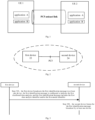
- the communication system includes a first device 22 and a second device 24.
- each of the first device 22 and the second device 24 is a terminal device with ProSe capability.
- a direct communication between the first device 22 and the second device 24 is implemented through the PC5 interfaces.
- the first device 22 and the second device 24 may include various hand-held devices with wireless communication capabilities, in-vehicle devices, wearable devices, computation devices or other processing devices connected to a wireless modem, and various forms of user equipments, mobile stations (MS), terminal devices etc.
- the first device 22 and the second device 24 may be the same type of terminal device, such as an in-vehicle device for both.
- the first device 22 and the second device 24 may alternatively be different types of terminal device, such as an in-vehicle device for the first device 22 and a wearable device for the second device 24.
- NR New Radio
- evolution systems based on NR systems New Generation Communication Systems
- device-to-device communication systems machine-to-machine communication systems
- machine-type communication systems machine-type communication systems
- V2V (Vehicle to Vehicle) communication systems V2X (Vehicle to Everything) systems or etc.
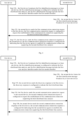
- a flowchart of a message transmission method is illustrated.
- the method may be performed by the communication system of Fig. 1 .
- the method includes at least part of the operations at blocks illustrated in Fig. 3 .
- the first identification message is configured to indicate a first distributed data analysis, and the first identification message includes a first data analytic identifier and/or a first model identifier.
- the terminal device may broadcast an identification message, to indicate the distributed data analysis required to be performed, to another terminal device.
- the terminal device may broadcast the identification message, to indicate the distributed data analysis supported to perform, to the another terminal device.
- the types of the distributed data analyses are not limited in embodiments of the present disclosure.
- the distributed data analysis includes: a statistical analysis of specific data, a predictive analysis of specific data.
- the distributed data analysis may be indicated by the identification message.
- the identification message includes a data analytic identifier (Analytic Id) and/or a model identifier (model id).
- the data analytic identifier is configured for indicating the type of the distributed data analysis.
- the type of the distributed data analysis includes at least one of : a terminal device mobility analysis (e.g. statistics or predictions about the location and path of the terminal device); a terminal device communication characteristics analysis (e.g. statistics or predictions about the communication period, the communication time, the domain name, the slice, the port number and the data volume used for the communication); a terminal device performance analysis; a service experience analysis for specific applications and specific slices; and a wireless signal quality analysis.
- the model identifier is configured for indicating the model used for the distributed data analysis, such as the AL/ML model.
- the first device when requiring to perform the first distributed data analysis, or supporting the first distributed data analysis, may broadcast the first identification message to at least one device.
- the first identification message is configured for indicating the first distributed data analysis.
- the first distributed data analysis includes one type of or a plurality of types of the above-mentioned types of distributed data analyses.
- the first identification message includes the first data analytic identifier and/or the first model identifier.
- the first identification message includes the first data analytic identifier.
- the first identification message includes the first data analytic identifier and the first model identifier.
- the first data analytic identifier is configured to indicate the type of the first distributed data analysis
- the first model identifier is configured to indicate the model used by the first distributed data analysis.
- the first distributed data analysis includes a plurality of distributed data analyses.
- the first identification message also includes a plurality of identification messages, and one of the first identification messages is configured to indicate one of the first distributed data analyses.
- the first identification message in response to the first identification message including the first data analytic identifier and the first model identifier, is further configured to determine an association relationship between the first data analytic identifier and the first model identifier.
- the first identification message explicitly indicates the association relationship between the first data analytic identifier and the first model identifier.
- the first identification message includes the association relationship between the first data analytic identifier and the first model identifier.
- the first identification message implicitly indicates the association relationship between the first data analytic identifier and the first model identifier.
- a data structure of the first identification message is configured to indicate the association relationship between the first data analytic identifier and the first model identifier.
- the second device may listen for the identification message broadcast by at least one device, to specify the distributed data analysis that each device requires or supports to perform.
- the at least one device in the above-mentioned step 310 includes the second device
- the at least one device in the above-mentioned step 320 includes the first device. Accordingly, the second device may listen to the first identification message broadcast by the first device, to specify that the first device requires or supports to perform the first distributed data analysis, and thus chooses to establish the communication connection with the first device.
- each of the second device and the first device may use the established communication connection to perform the data interaction associated with the distributed data analysis, such as, an interaction of analytic parameters used for the distributed data analysis, an interaction of analysis results of the distributed data analysis, etc.
- the identification message indicating the distributed data analysis is broadcast by the terminal device, to indicate to another terminal device that it requires or supports to perform the distributed data analysis, to ensure that the another terminal device that also requires to or supports to perform the distributed data analysis is capable of discovering the terminal device, thereby facilitating the subsequent establishment of the communication connection between these terminal devices that supports the distributed data analysis.
- the distributed data analysis is implemented by using Proximity-based communication technology or near-field communication technology. The high latency requirements of some distributed data analyses are better satisfied, and more kinds of distributed data analyses are thus supported.
- a step 331 is further included, in which the second device sends a first communication connection request to the first device.
- the first communication connection request is configured to request an establishment of a communication connection supporting a second distributed data analysis.
- the second device after listening to the first identification message broadcast by the first device, while requiring or supporting to perform a distributed data analysis as well, may send the first communication connection request to the first device, to request to establish the communication connection supporting the second distributed data analysis.
- the second distributed data analysis is identical to the first distributed data analysis.
- the distributed data analysis that the second device is required or supports to perform is the same as the first device.
- the second distributed data analysis belongs to the first distributed data analysis.
- the distributed data analysis required or supported to be performed by the second device is a part of the distributed data analysis required or supported to be performed by the first device.
- the first communication connection request includes a second data analytic identifier and/or a second model identifier.
- the second data analytic identifier is configured to indicate a type of the second distributed data analysis
- the second model identifier is configured to indicate a model used by the second distributed data analysis.
- the second data analytic identifier is identical to the first data analytic identifier
- the second model identifier is identical to the first model identifier.
- the second data analytic identifier belongs to the first data analytic identifier
- the second model identifier belongs to the first model identifier.
- the first communication connection request includes the analytic parameters used for the second distributed data analysis, such that the first device may directly use the analytic parameters for the second distributed data analysis after the communication connection is established.
- the analytic parameters used by the second distributed data analysis include at least one of: area information of the second device (e.g., geographic location information of the second device, location information of the network in which the second device is located, cell information of the cell in which the second device is located), slice information of the network in which the second device is located, network identifier of the network in which the second device is located (e.g., Public Land Mobile Network (PLMN) id), and an application identifier of the application used by the second device.
- area information of the second device e.g., geographic location information of the second device, location information of the network in which the second device is located, cell information of the cell in which the second device is located
- slice information of the network in which the second device is located e.g., Public Land Mobile Network (PLMN) id
- a step 333 is further included, in which the first device sends a first communication connection response to the second device.
- the first communication connection response is configured for indicating that the first device agrees to establish the communication connection supporting the second distributed data analysis.
- the first device Upon receiving the first communication connection request from the second device, the first device is ready to establish the communication connection with the second device that supports the second distributed data analysis.
- the first device may send the first communication connection response to the second device, to indicate to the second device that, the establishment of the communication connection that supports the second distributed data analysis is accepted or agreed.
- the first communication connection response includes the second data analytic identifier and/or the second model identifier.
- the second data analytic identifier is configured to indicate the type of the second distributed data analysis
- the second model identifier is configured to indicate the model used by the second distributed data analysis.
- the second device and the first device may perform the second distributed data analysis based on this communication connection.
- the terminal device after listening, by the terminal device, to the identification message indicating the distributed data analysis and broadcast by another terminal device, if the terminal device also requires or supports to perform the distributed data analysis, then the terminal device sends the communication connection request to the another terminal device, so as to establish the communication connection supporting the distributed data analysis between the terminal device and the another terminal device, and thus the distributed data analysis is realized through Proximity-based communication technology.
- the first identification message is carried in a discovery solicitation.
- a step 332 is further included, in which the second device sends a discovery response to the first device.
- the discovery response is configured to indicate a third distributed data analysis.
- the terminal device may broadcast the discovery solicitation, thereby allowing another terminal device to discover the terminal device.
- the first identification message broadcast by the first device may be carried in the discovery solicitation broadcast by the first device.
- the second device may send the discovery response to the first device.
- the discovery response sent by the second device is configured to indicate to the first device the third distributed data analysis.
- the third distributed data analysis is identical to the first distributed data analysis.
- the distributed data analysis that the second device is required or supported to perform is the same as that is required or supported to perform by the first device.
- the third distributed data analysis belongs to the first distributed data analysis.
- the distributed data analysis required or supported to be performed by the second device is a part of the distributed data analysis required or supported to be performed by the first device.
- the discovery response sent by the second device includes a third data analytic identifier and/or a third model identifier.
- the third data analytic identifier is configured to indicate a type of the third distributed data analysis
- the third model identifier is configured to indicate a model used by the third distributed data analysis.
- the third data analytic identifier is identical to the first data analytic identifier
- the third model identifier is identical to the first model identifier.
- the third data analytic identifier belongs to the first data analytic identifier
- the third model identifier belongs to the first model identifier.
- a step 334 is further included, in which the first device sends a second communication connection request to the second device.
- the second communication connection request is configured to request an establishment of a communication connection supporting the third distributed data analysis.
- the first device upon receiving the discovery response sent by the second device, may then clarify that the second device likewise requires or supports to perform the distributed data analysis.
- the communication connection between the first device and the second device may be established to support the distributed data analysis.
- the first device may send the second communication connection request to the second device, to request the establishment of the communication connection that supports the third distributed data analysis.
- the second communication connection request includes the third data analytic identifier and/or the third model identifier.
- the third data analytic identifier is configured to indicate the type of the third distributed data analysis
- the third model identifier is configured to indicate the model used by the third distributed data analysis.
- the second communication connection request includes the analytic parameters used for the third distributed data analysis, such that the second device may directly use the analytic parameters for the third distributed data analysis after the communication connection is established.
- the analytic parameters used by the third distributed data analysis include at least one of: area information of the first device (e.g., geographic location information of the first device, location information of a network in which the first device is located, cell information of the cell in which the first device is located), slice information of the network in which the first device is located, a network identifier of the network in which the first device is located (e.g., PLMN id), and an application identifier of the application used by the first device.
- a step 336 is further included, in which the second device sends a second communication connection response to the first device.
- the second communication connection response is configured for indicating that the second device agrees to establish communication connection supporting the third distributed data analysis.
- the second device Upon receiving the second communication connection request from the first device, the second device is ready to establish the communication connection with the first device that supports the third distributed data analysis.
- the second device may send the second communication connection response to the first device, to indicate to the first device that the establishment of the communication connection that supports the third distributed data analysis is accepted or agreed.
- the second communication connection response includes the third data analytic identifier and/or the third model identifier.
- the third data analytic identifier is configured to indicate the type of the third distributed data analysis
- the third model identifier is configured to indicate the model used by the third distributed data analysis.
- the first device and the second device may perform the third distributed data analysis based on this communication connection.
- the terminal device after listening, by the terminal device, to the identification message indicating the distributed data analysis and broadcast by another terminal device, the terminal device first indicates to the another terminal device the distributed data analysis that the terminal device requires or supports to be performed in these distributed data analyses, and then the another terminal device sends a communication connection request to the terminal device, so as to establish the communication connection supporting the distributed data analysis between the terminal device and the another terminal device, and thus the distributed data analysis is realized through Proximity-based communication technology.
- the first identification message is carried in a third communication connection request.
- the third communication connection request is configured to request the establishment of the communication connection supporting the first distributed data analysis.
- a step 33A is further included, in which the second device sends the third communication connection response to the first device.
- the third communication connection response is configured for indicating that, the second device agrees to establish the communication connection supporting a fourth distributed data analysis.
- the terminal device may also broadcast direct communication request or directly broadcast the communication connection request, thereby allowing another terminal device to discover the terminal device, and to establish the communication connection with the terminal device.
- the first identification message broadcast by the first device may be carried in the third communication connection request broadcast by the first device.
- the third communication connection request is configured to request the establishment of the communication connection supporting the first distributed data analysis.
- the second device may send the third communication connection response or the third Direct Communication Accept to the first device.
- the third communication connection response sent by the second device is configured to indicate to the first device the fourth distributed data analysis.
- the fourth distributed data analysis is identical to the first distributed data analysis.
- the distributed data analysis that the second device is required or supports to perform is the same as that is required or supported to perform by the first device.
- the fourth distributed data analysis belongs to the first distributed data analysis. In other words, the distributed data analysis required or supported to be performed by the second device is a part of the distributed data analysis required or supported to be performed by the first device.
- the third communication connection request includes the analytic parameters used for the fourth distributed data analysis, such that the second device may directly use the analytic parameters for the fourth distributed data analysis after the communication connection is established.
- the analytic parameters used by the fourth distributed data analysis include at least one of: area information of the first device (e.g., geographic location information of the first device, location information of the network in which the first device is located, cell information of the cell in which the first device is located), slice information of the network in which the first device is located, the network identifier of the network in which the first device is located (e.g., PLMN id), and the application identifier of the application used by the first device.
- the third communication connection response includes a fourth data analytic identifier and/or a fourth model identifier.
- the fourth data analytic identifier is configured to indicate a type of the fourth distributed data analysis
- the fourth model identifier is configured to indicate a model used by the fourth distributed data analysis.
- the fourth data analytic identifier is identical to the first data analytic identifier
- the fourth model identifier is identical to the first model identifier.
- the fourth distributed data analysis belongs to the first distributed data analysis
- the fourth data analytic identifier belongs to the first data analytic identifier
- the fourth model identifier belongs to the first model identifier.
- the first device and the second device may perform the fourth distributed data analysis based on this communication connection.
- the terminal device after listening, by the terminal device, to the identification message indicating the distributed data analysis and broadcast by another terminal device, if the terminal device also requires or supports to perform the distributed data analysis, the terminal device directly establish the communication connection with the another terminal device, and feeds the communication connection response back to the another terminal device, thus the distributed data analysis is realized through the Proximity-based communication technology.
- the message transmission method provided by the present disclosure is described and illustrated from the perspective of the interaction between the first device and the first device. It should be understood that, the individual steps performed by the first device concerned may be separately implemented as a message transmission method at the first device side, and the individual steps performed by the second device concerned may be separately implemented as a message transmission method at the second device side.
- a block diagram of a message transmission apparatus according to an embodiment of the present disclosure is illustrated.
- the apparatus has the function to implement the example method on the first device side described above.
- the function may be implemented by hardware or by corresponding software executed by hardware.
- the apparatus may be the first device 22 described above, or may be provided in the first device 22.
- the apparatus 700 may include an identification message broadcasting module 710.
- the identification message broadcasting module 710 is configured for broadcasting the first identification message to at least one device.
- the first identification message is configured to indicate the first distributed data analysis, and the first identification message includes the first data analytic identifier and/or the first model identifier.
- the first data analytic identifier is configured to indicate the type of the first distributed data analysis, the first model identifier is configured to indicate the model used by the first distributed data analysis.
- the first identification message in response to the first identification message including the first data analytic identifier and the first model identifier, is further configured to determine the association relationship between the first data analytic identifier and the first model identifier.
- the first identification message includes the association relationship between the first data analytic identifier and the first model identifier.
- the data structure of the first identification message is configured to indicate the association relationship between the first data analytic identifier and the first model identifier.
- the apparatus 700 further includes: a first request receiving module 720, configured for receiving the first communication connection request from the second device.
- the first communication connection request is configured to request the establishment of the communication connection supporting the second distributed data analysis.
- the second distributed data analysis is identical to the first distributed data analysis. In some embodiments, the second distributed data analysis belongs to the first distributed data analysis.
- the first communication connection request includes the second identification message.
- the second identification message includes the second data analytic identifier and/or the second model identifier.
- the second data analytic identifier is configured to indicate the type of the second distributed data analysis
- the second model identifier is configured to indicate the model used by the second distributed data analysis.
- the first communication connection request includes the analytic parameters used by the second distributed data analysis.
- the analytic parameters used by the second distributed data analysis include at least one of: area information of the second device, slice information of a network in which the second device is located, the network identifier of a network in which the second device is located and the application identifier of an application which the second device uses.
- the apparatus 700 further includes: a first response sending module 730, configured for sending the first communication connection response to the second device.
- the first communication connection response is configured to indicate that the first device agrees to establish the communication connection supporting the second distributed data analysis.
- the first communication connection response includes the second data analytic identifier and/or the second model identifier.
- the second data analytic identifier is configured to indicate the type of the second distributed data analysis
- the second model identifier is configured to indicate the model used by the second distributed data analysis.
- the first identification message is carried in the discovery solicitation, the at least one device includes the second device.
- the apparatus 700 further includes: a discovery response receiving module 740, configured for receiving the discovery response from the second device.
- the discovery response is configured to indicate the third distributed data analysis.
- the third distributed data analysis is identical to the first distributed data analysis. In some embodiments, the third distributed data analysis belongs to the first distributed data analysis.
- the discovery response includes the third identification message.
- the third identification message includes the third data analytic identifier and/or the third model identifier.
- the third data analytic identifier is configured to indicate the type of the third distributed data analysis
- the third model identifier is configured to indicate the model used by the third distributed data analysis.
- the apparatus 700 further includes: a second request sending module 750, configured for sending the second communication connection request to the second device.
- the second communication connection request is configured to request the establishment of the communication connection supporting the third distributed data analysis.
- the second communication connection request includes the third data analytic identifier and/or the third model identifier.
- the third data analytic identifier is configured to indicate the type of the third distributed data analysis
- the third model identifier is configured to indicate the model used by the third distributed data analysis.
- the second communication connection request includes the analytic parameters used by the third distributed data analysis.
- the analytic parameters used by the third distributed data analysis include at least one of: area information of the first device, slice information of the network in which the first device is located, the network identifier of the network in which the first device is located and an application identifier of an application which the first device uses.
- the apparatus 700 further includes: a second response receiving module 760, configured for receiving the second communication connection response from the second device.
- the second communication connection response is configured to indicate that the second device agrees to establish the communication connection supporting the third distributed data analysis.
- the second communication connection response includes the third data analytic identifier and/or the third model identifier.
- the third data analytic identifier is configured to indicate the type of the third distributed data analysis
- the third model identifier is configured to indicate the model used by the third distributed data analysis.
- the first identification message is carried in the third communication connection request.
- the third communication connection request is configured to request the establishment of the communication connection supporting the first distributed data analysis.
- the at least one device includes the second device.
- the apparatus 700 further includes: a third response receiving module 770, configured for receiving the third communication connection response from the second device.
- the third communication connection response is configured to indicate that, the second device agrees to establish the communication connection supporting the fourth distributed data analysis.
- the fourth distributed data analysis is identical to the first distributed data analysis. In some embodiments, the fourth distributed data analysis belongs to the first distributed data analysis.
- the third communication connection request further includes the analytic parameters used by the first distributed data analysis.
- the analytic parameters used by the first distributed data analysis include at least one of: area information of the first device, slice information of the network in which the first device is located, the network identifier of the network in which the first device is located and the application identifier of the application which the first device uses.
- the identification message indicating the distributed data analysis is broadcast by the terminal device, to indicate to the another terminal device that it requires or supports to perform the distributed data analysis, to ensure that the another terminal device that also requires to or supports to perform the distributed data analysis is capable of discovering the terminal device, thereby facilitating the subsequent establishment of the communication connection between these terminal devices that supports the distributed data analysis.
- the distributed data analysis is implemented by using the Proximity-based communication technology. The high latency requirements of some distributed data analyses are better satisfied, and more kinds of distributed data analyses are thus supported.
- a block diagram of a message transmission apparatus according to an embodiment of the present disclosure is illustrated.
- the apparatus has the function to implement the example method on the second device side described above.
- the function may be implemented by hardware or by corresponding software executed by hardware.
- the apparatus may be the second device 24 described above, or may be provided in the second device 24.
- the apparatus 900 may include: an identification message listening module 910.
- the identification message listening module 910 is configured for listening for the first identification message broadcast by at least one device.
- the first identification message is configured to indicate the first distributed data analysis, and the first identification message includes the first data analytic identifier and/or the first model identifier.
- the first data analytic identifier is configured to indicate the type of the first distributed data analysis, the first model identifier is configured to indicate the model used by the first distributed data analysis.
- the first identification message in response to the first identification message including the first data analytic identifier and the first model identifier, is further configured to determine the association relationship between the first data analytic identifier and the first model identifier.
- the first identification message includes the association relationship between the first data analytic identifier and the first model identifier.
- the data structure of the first identification message is configured to indicate the association relationship between the first data analytic identifier and the first model identifier.
- the apparatus 900 further includes: a first request sending module 920, configured for sending the first communication connection request to the first device.
- the first communication connection request is configured to request the establishment of the communication connection supporting the second distributed data analysis.
- the second distributed data analysis is identical to the first distributed data analysis. In some embodiments, the second distributed data analysis belongs to the first distributed data analysis.
- the first communication connection request includes the second data analytic identifier and/or the second model identifier.
- the second data analytic identifier is configured to indicate the type of the second distributed data analysis
- the second model identifier is configured to indicate the model used by the second distributed data analysis.
- the first communication connection request includes the analytic parameters used by the second distributed data analysis.
- the analytic parameters used by the second distributed data analysis include at least one of: area information of the second device, slice information of a network in which the second device is located, the network identifier of the network in which the second device is located and the application identifier of the application which the second device uses.
- the apparatus 900 further includes: a first response receiving module 930, configured for receiving the first communication connection response from the first device.
- the first communication connection response is configured to indicate that the first device agrees to establish the communication connection supporting the second distributed data analysis.
- the first communication connection response includes the second data analytic identifier and/or the second model identifier.
- the second data analytic identifier is configured to indicate the type of the second distributed data analysis
- the second model identifier is configured to indicate the model used by the second distributed data analysis.
- the first identification message is carried in the discovery solicitation, the at least one device includes the first device.
- the apparatus 900 further includes: a discovery response sending module 940, configured for sending the discovery response to the first device.
- the discovery response is configured to indicate the third distributed data analysis.
- the third distributed data analysis is identical to the first distributed data analysis. In some embodiments, the third distributed data analysis belongs to the first distributed data analysis.
- the discovery response includes the third data analytic identifier and/or the third model identifier.
- the third data analytic identifier is configured to indicate the type of the third distributed data analysis
- the third model identifier is configured to indicate the model used by the third distributed data analysis.
- the apparatus 900 further includes: a second request receiving module 950, configured for receiving the second communication connection request from the first device.
- the second communication connection request is configured to request the establishment of the communication connection supporting the third distributed data analysis.
- the second communication connection request includes the third data analytic identifier and/or the third model identifier.
- the third data analytic identifier is configured to indicate the type of the third distributed data analysis
- the third model identifier is configured to indicate the model used by the third distributed data analysis.
- the second communication connection request includes the analytic parameters used by the third distributed data analysis.
- the analytic parameters used by the third distributed data analysis include at least one of: the area information of the first device, the slice information of the network in which the first device is located, the network identifier of the network in which the first device is located and the application identifier of the application which the first device uses.
- the apparatus 900 further includes: a second response sending module 960, configured for sending the second communication connection response to the first device.
- the second communication connection response is configured to indicate that the second device agrees to establish the communication connection supporting the third distributed data analysis.
- the second communication connection response includes the third data analytic identifier and/or the third model identifier.
- the third data analytic identifier is configured to indicate the type of the third distributed data analysis
- the third model identifier is configured to indicate the model used by the third distributed data analysis.
- the first identification message is carried in the third communication connection request.
- the third communication connection request is configured to request the establishment of the communication connection supporting the first distributed data analysis.
- the at least one device includes the first device.
- the apparatus 900 further includes: a third response sending module 970, configured for sending the third communication connection response to the first device.
- the third communication connection response is configured to indicate that the second device agrees to establish the communication connection supporting the fourth distributed data analysis.
- the fourth distributed data analysis is identical to the first distributed data analysis. In some embodiments, the fourth distributed data analysis belongs to the first distributed data analysis.
- the third communication connection request further includes the analytic parameters used by the first distributed data analysis.
- the analytic parameters used by the first distributed data analysis include at least one of: the area information of the first device, the slice information of the network in which the first device is located, the network identifier of the network in which the first device is located and an application identifier of the application which the first device uses.
- the third communication connection response includes the fourth data analytic identifier and/or the fourth model identifier.
- the fourth data analytic identifier is configured to indicate the type of the fourth distributed data analysis
- the fourth model identifier is configured to indicate the model used by the fourth distributed data analysis.
- the identification message indicating the distributed data analysis is broadcast by the terminal device, to indicate to the another terminal device that it requires or supports to perform the distributed data analysis, to ensure that the another terminal device that also requires to or supports to perform the distributed data analysis is capable of discovering the terminal device, thereby facilitating the subsequent establishment of the communication connection between these terminal devices that supports the distributed data analysis.
- the distributed data analysis is implemented by using the proximity-based communication technology. The high latency requirements of some distributed data analyses are better satisfied, and more kinds of distributed data analyses are thus supported.
- the first device 110 may be configured for performing the message transmission method at the first device side.
- the first device 110 may include: a processor 111, and a transceiver 112 coupled to the processor 111.
- the processor 111 includes one or more processing cores.
- the processor 111 performs various functional applications and information processing by running software programs as well as modules.
- the transceiver 112 includes a receiver and a transmitter. In some embodiments, the transceiver 112 is a communication chip.
- the first device 110 further includes a memory and a bus.
- the memory is connected to the processor via the bus.
- the memory may be configured to store a computer program, and the processor is configured to execute the computer program to implement the various steps performed by the first device in the method embodiments described above.
- the memory may be implemented by any type of volatile or non-volatile storage devices or a combination thereof, including but not limited to: an RAM (Random-Access Memory) and an ROM (Read-Only Memory), an EPROM (Erasable Programmable Read-Only Memory), an EEPROM (Electrically Erasable Programmable Read-Only Memory), a flash memory or other solid-state storage technologies, a CD-ROM (Compact Disc Read-Only Memory), a DVD (Digital Video Disc) or other optical storages, cartridges, tapes, disk storages or other magnetic storage devices.
- RAM Random-Access Memory
- ROM Read-Only Memory
- EPROM Erasable Programmable Read-Only Memory
- EEPROM Electrically Erasable Programmable Read-Only Memory
- flash memory or other solid-state storage technologies
- CD-ROM Compact Disc Read-Only Memory
- DVD Digital Video Disc
- the transceiver 112 is configured for broadcasting the first identification message to at least one device.
- the first identification message is configured to indicate the first distributed data analysis, and the first identification message includes the first data analytic identifier and/or the first model identifier.
- the first data analytic identifier is configured to indicate the type of the first distributed data analysis, the first model identifier is configured to indicate the model used by the first distributed data analysis.
- the first identification message in response to the first identification message including the first data analytic identifier and the first model identifier, is further configured to determine the association relationship between the first data analytic identifier and the first model identifier.
- the first identification message includes the association relationship between the first data analytic identifier and the first model identifier.
- the data structure of the first identification message is configured to indicate the association relationship between the first data analytic identifier and the first model identifier.
- the at least one device includes the second device.
- the transceiver 112 is further configured for: receiving the first communication connection request from the second device.
- the first communication connection request is configured to request the establishment of the communication connection supporting the second distributed data analysis.
- the second distributed data analysis is identical to the first distributed data analysis. In some embodiments, the second distributed data analysis belongs to the first distributed data analysis.
- the first communication connection request includes the second identification message.
- the second identification message includes the second data analytic identifier and/or the second model identifier.
- the second data analytic identifier is configured to indicate the type of the second distributed data analysis
- the second model identifier is configured to indicate the model used by the second distributed data analysis.
- the first communication connection request includes the analytic parameters used by the second distributed data analysis.
- the analytic parameters used by the second distributed data analysis include at least one of: the area information of the second device, the slice information of the network in which the second device is located, the network identifier of the network in which the second device is located and the application identifier of the application which the second device uses.
- the transceiver 112 is further configured for: sending the first communication connection response to the second device.
- the first communication connection response is configured to indicate that the first device agrees to establish the communication connection supporting the second distributed data analysis.
- the first communication connection response includes the second data analytic identifier and/or the second model identifier.
- the second data analytic identifier is configured to indicate the type of the second distributed data analysis
- the second model identifier is configured to indicate the model used by the second distributed data analysis.
- the first identification message is carried in the discovery solicitation, the at least one device includes the second device.
- the transceiver 112 is further configured for: receiving the discovery response from the second device.
- the discovery response is configured to indicate the third distributed data analysis.
- the third distributed data analysis is identical to the first distributed data analysis. In some embodiments, the third distributed data analysis belongs to the first distributed data analysis.
- the discovery response includes the third identification message.
- the third identification message includes the third data analytic identifier and/or the third model identifier.
- the third data analytic identifier is configured to indicate the type of the third distributed data analysis
- the third model identifier is configured to indicate the model used by the third distributed data analysis.
- the transceiver 112 is further configured for sending the second communication connection request to the second device.
- the second communication connection request is configured to request the establishment of the communication connection supporting the third distributed data analysis.
- the second communication connection request includes the third data analytic identifier and/or the third model identifier.
- the third data analytic identifier is configured to indicate the type of the third distributed data analysis
- the third model identifier is configured to indicate the model used by the third distributed data analysis.
- the second communication connection request includes the analytic parameters used by the third distributed data analysis.
- the analytic parameters used by the third distributed data analysis include at least one of: the area information of the first device, the slice information of the network in which the first device is located, the network identifier of the network in which the first device is located and the application identifier of the application which the first device uses.
- the transceiver 112 is further configured for receiving the second communication connection response from the second device.
- the second communication connection response is configured to indicate that the second device agrees to establish the communication connection supporting the third distributed data analysis.
- the second communication connection response includes the third data analytic identifier and/or the third model identifier.
- the third data analytic identifier is configured to indicate the type of the third distributed data analysis
- the third model identifier is configured to indicate the model used by the third distributed data analysis.
- the first identification message is carried in the third communication connection request
- the third communication connection request is configured to request the establishment of the communication connection supporting the first distributed data analysis.
- the at least one device includes the second device.
- the transceiver 112 is further configured for receiving the third communication connection response from the second device.
- the third communication connection response is configured to indicate that the second device agrees to establish the communication connection supporting the fourth distributed data analysis.
- the fourth distributed data analysis is identical to the first distributed data analysis. In some embodiments, the fourth distributed data analysis belongs to the first distributed data analysis.
- the third communication connection request further includes the analytic parameters used by the first distributed data analysis.
- the analytic parameters used by the first distributed data analysis include at least one of: the area information of the first device, the slice information of the network in which the first device is located, the network identifier of the network in which the first device is located and the application identifier of the application which the first device uses.
- the third communication connection response includes the fourth identification message.
- the fourth identification message includes the fourth data analytic identifier and/or the fourth model identifier.
- the fourth data analytic identifier is configured to indicate the type of the fourth distributed data analysis
- the fourth model identifier is configured to indicate the model used by the fourth distributed data analysis.
- the second device 120 may be configured for performing the message transmission method at the second device side.
- the second device 120 may include: a processor 121, and a transceiver 122 coupled to the processor 121.
- the processor 121 includes one or more processing cores.
- the processor 121 performs various functional applications and information processing by running software programs as well as modules.
- the transceiver 122 includes a receiver and a transmitter. In some embodiments, the transceiver 122 is a communication chip.
- the second device 120 further includes a memory and a bus.
- the memory is connected to the processor via the bus.
- the memory may be configured to store a computer program, and the processor is configured to execute the computer program to implement the various steps performed by the second device in the method embodiment described above.
- the memory may be implemented by any type of volatile or non-volatile storage devices or a combination thereof, including but not limited to: an RAM (Random-Access Memory) and an ROM (Read-Only Memory), an EPROM (Erasable Programmable Read-Only Memory), an EEPROM (Electrically Erasable Programmable Read-Only Memory), a flash memory or other solid-state storage technologies, a CD-ROM (Compact Disc Read-Only Memory), a DVD (Digital Video Disc) or other optical storages, cartridges, tapes, disk storages or other magnetic storage devices.
- RAM Random-Access Memory
- ROM Read-Only Memory
- EPROM Erasable Programmable Read-Only Memory
- EEPROM Electrically Erasable Programmable Read-Only Memory
- flash memory or other solid-state storage technologies
- CD-ROM Compact Disc Read-Only Memory
- DVD Digital Video Disc
- the transceiver 122 is configured for listening for the first identification message broadcast by at least one device.
- the first identification message is configured to indicate the first distributed data analysis, and the first identification message includes the first data analytic identifier and/or the first model identifier.
- the first data analytic identifier is configured to indicate the type of the first distributed data analysis, the first model identifier is configured to indicate the model used by the first distributed data analysis.
- the first identification message in response to the first identification message including the first data analytic identifier and the first model identifier, is further configured to determine the association relationship between the first data analytic identifier and the first model identifier.
- the first identification message includes the association relationship between the first data analytic identifier and the first model identifier.
- the data structure of the first identification message is configured to indicate the association relationship between the first data analytic identifier and the first model identifier.
- the at least one device includes the first device.
- the transceiver 122 is further configured for sending the first communication connection request to the first device.
- the first communication connection request is configured to request the establishment of the communication connection supporting the second distributed data analysis.
- the second distributed data analysis is identical to the first distributed data analysis. In some embodiments, the second distributed data analysis belongs to the first distributed data analysis.
- the first communication connection request includes the second data analytic identifier and/or the second model identifier.
- the second data analytic identifier is configured to indicate the type of the second distributed data analysis
- the second model identifier is configured to indicate the model used by the second distributed data analysis.
- the first communication connection request includes the analytic parameters used by the second distributed data analysis.
- the analytic parameters used by the second distributed data analysis include at least one of: the area information of the second device, the slice information of the network in which the second device is located, the network identifier of the network in which the second device is located and the application identifier of the application which the second device uses.
- the transceiver 122 is further configured for receiving the first communication connection response from the first device.
- the first communication connection response is configured to indicate that, the first device agrees to establish the communication connection supporting the second distributed data analysis.
- the first communication connection response includes the second data analytic identifier and/or the second model identifier.
- the second data analytic identifier is configured to indicate the type of the second distributed data analysis
- the second model identifier is configured to indicate the model used by the second distributed data analysis.
- the first identification message is carried in the discovery solicitation, the at least one device includes the first device.
- the transceiver 122 is further configured for sending the discovery response to the first device.
- the discovery response is configured to indicate the third distributed data analysis.
- the third distributed data analysis is identical to the first distributed data analysis. In some embodiments, the third distributed data analysis belongs to the first distributed data analysis.
- the discovery response includes the third data analytic identifier and/or the third model identifier.
- the third data analytic identifier is configured to indicate the type of the third distributed data analysis
- the third model identifier is configured to indicate the model used by the third distributed data analysis.
- the transceiver 122 is further configured for receiving the second communication connection request from the first device.
- the second communication connection request is configured to request the establishment of the communication connection supporting the third distributed data analysis.
- the second communication connection request includes the third data analytic identifier and/or the third model identifier.
- the third data analytic identifier is configured to indicate the type of the third distributed data analysis
- the third model identifier is configured to indicate the model used by the third distributed data analysis.
- the second communication connection request includes the analytic parameters used by the third distributed data analysis.
- the analytic parameters used by the third distributed data analysis include at least one of: the area information of the first device, the slice information of the network in which the first device is located, the network identifier of the network in which the first device is located and the application identifier of the application which the first device uses.
- the transceiver 122 is further configured for sending the second communication connection response to the first device.
- the second communication connection response is configured to indicate that the second device agrees to establish the communication connection supporting the third distributed data analysis.
- the second communication connection response includes the third data analytic identifier and/or the third model identifier.
- the third data analytic identifier is configured to indicate the type of the third distributed data analysis
- the third model identifier is configured to indicate the model used by the third distributed data analysis.
- the first identification message is carried in the third communication connection request
- the third communication connection request is configured to request the establishment of the communication connection supporting the first distributed data analysis.
- the at least one device includes the first device.
- the transceiver 122 is further configured for sending the third communication connection response to the first device.
- the third communication connection response is configured to indicate that the second device agrees to establish the communication connection supporting the fourth distributed data analysis.
- the fourth distributed data analysis is identical to the first distributed data analysis. In some embodiments, the fourth distributed data analysis belongs to the first distributed data analysis.
- the third communication connection request further includes the analytic parameters used by the first distributed data analysis.
- the analytic parameters used by the first distributed data analysis include at least one of: the area information of the first device, the slice information of the network in which the first device is located, the network identifier of the network in which the first device is located and the application identifier of the application which the first device uses.
- the third communication connection response includes the fourth data analytic identifier and/or the fourth model identifier.
- the fourth data analytic identifier is configured to indicate the type of the fourth distributed data analysis
- the fourth model identifier is configured to indicate the model used by the fourth distributed data analysis.
- a computer-readable storage medium is further provided in some embodiments of the present disclosure.
- the storage medium stores a computer program.
- the computer program is configured to implement the message transmission method at the first device side as mentioned above when being executed by the processor of the first device.
- a computer-readable storage medium is further provided in some embodiments of the present disclosure.
- the storage medium stores a computer program.
- the computer program is configured to implement the message transmission method at the second device side as mentioned above when being executed by the processor of the second device.
- a chip is further provided in some embodiments of the present disclosure.
- the chip includes a programmable logic circuitry and/or program instructions.
- the programmable logic circuitry and/or the program instructions are configured for implementing the above-mentioned message transmission method at the first device side.
- a chip is further provided in some embodiments of the present disclosure.
- the chip includes a programmable logic circuitry and/or program instructions.
- the programmable logic circuitry and/or the program instructions are configured for implementing the above-mentioned message transmission method at the second device side.
- a computer program product may be further provided in some embodiments of the present disclosure.
- the computer program product When running on the first device, the computer program product enables the computer to perform the message transmission method at the first device side as described above.
- a computer program product may be further provided in some embodiments of the present disclosure.
- the computer program product When running on the second device, the computer program product enables the computer to perform the message transmission method at the second device side as described above.
- the functions described in the present disclosure may be implemented by hardware, software, firmware, or any combination thereof. When implemented by software, these functions may be stored in a computer-readable medium, or transmitted as one or more instructions or codes in a computer-readable medium.
- the computer-readable media includes a computer storage medium and a communication media.
- the communication media includes any media that facilitates the transmission of computer programs from one location to another.
- the storage medium may be any available medium that is accessible to a general-purpose computer or a dedicated computer.
Landscapes
- Engineering & Computer Science (AREA)
- Computer Networks & Wireless Communication (AREA)
- Signal Processing (AREA)
- Computer Security & Cryptography (AREA)
- Mobile Radio Communication Systems (AREA)
- Data Exchanges In Wide-Area Networks (AREA)
Abstract
Description
- The present disclosure relates to the field of communication technologies, and in particular to a message transmission method, an apparatus, a device and a storage medium.
- With the development of technologies such as Artificial Intelligence, big data analysis or the like, AI (Artificial Intelligence)/ML (Machine Learning) becomes to be widely used in intelligent data analyses such as statistical analysis of data, predictive analysis of data, etc.
- In the field of mobile communication, terminal devices would also increasingly adopt AI/ML models for intelligent operation, such as automatic speech recognition, image processing, user behavior prediction, and service experience analysis, thereby enabling terminal devices to serve more intelligent business scenarios. Due to the relatively limited capabilities of terminal devices, for example, certain limitations of computation capacity, storage capacity, and battery capacity etc., or due to the different distribution areas of terminal devices, a plurality of terminal devices may separately use local data for the same type of data analysis and interact with each other for analysis results etc. In other words, a plurality of terminal devices cooperate with each other for distributed data analysis. Obviously, the distributed data analysis performed by a plurality of terminal devices can produce a much greater extension of data analysis results than that can be produced by a single terminal device.
- However, for a terminal device requiring to perform the distributed data analysis, it is necessary to further discuss and study on how to discover another terminal devices that also require to perform the distributed data analysis, such that the terminal device is enabled to perform distributed data analysis in conjunction with the another terminal devices.
- The present disclosure provides a message transmission method, an apparatus, a device and a storage medium. The technical solutions are described as follows.
- According to a first aspect of the present disclosure, a message transmission method performed by a first device is provided. The method includes: broadcasting a first identification message to at least one device, wherein the first identification message is configured to indicate a first distributed data analysis, and the first identification message includes a first data analytic identifier and/or a first model identifier. The first data analytic identifier is configured to indicate a type of the first distributed data analysis, and the first model identifier is configured to indicate a model used by the first distributed data analysis.
- According to another aspect of the present disclosure, a message transmission method performed by a second device is provided. The method includes: listening for a first identification message broadcast by at least one device. The first identification message is configured to indicate a first distributed data analysis, and the first identification message includes a first data analytic identifier and/or a first model identifier. The first data analytic identifier is configured to indicate a type of the first distributed data analysis, and the first model identifier is configured to indicate a model used by the first distributed data analysis.
- According to a further aspect of the present disclosure, a message transmission apparatus arranged in a first device is provided. The apparatus includes an identification message broadcasting module, which is configured for broadcasting a first identification message to at least one device. The first identification message is configured to indicate a first distributed data analysis, and the first identification message includes a first data analytic identifier and/or a first model identifier. The first data analytic identifier is configured to indicate a type of the first distributed data analysis, and the first model identifier is configured to indicate a model used by the first distributed data analysis.
- According to yet another aspect of the present disclosure, a message transmission apparatus arranged in a second device is provided. The apparatus includes an identification message listening module, which is configured for listening for a first identification message broadcast by at least one device. The first identification message is configured to indicate a first distributed data analysis, and the first identification message includes a first data analytic identifier and/or a first model identifier. The first data analytic identifier is configured to indicate a type of the first distributed data analysis, and the first model identifier is configured to indicate a model used by the first distributed data analysis.
- According to yet another aspect of the present disclosure, a first device is provided. The first device includes a processor and a transceiver coupled with the processor. The transceiver is configured for broadcasting a first identification message to at least one device. The first identification message is configured to indicate a first distributed data analysis, and the first identification message includes a first data analytic identifier and/or a first model identifier. The first data analytic identifier is configured to indicate a type of the first distributed data analysis, and the first model identifier is configured to indicate a model used by the first distributed data analysis.
- According to yet another aspect of the present disclosure, a second device is provided. The second device includes a processor and a transceiver coupled with the processor. The transceiver is configured for listening for a first identification message broadcast by at least one device. The first identification message is configured to indicate a first distributed data analysis, and the first identification message includes a first data analytic identifier and/or a first model identifier. The first data analytic identifier is configured to indicate a type of the first distributed data analysis, and the first model identifier is configured to indicate a model used by the first distributed data analysis.
- According to yet another aspect of the present disclosure, a computer-readable storage medium is provided in embodiments of the present disclosure. The storage medium stores a computer program. When being executed by a processor of the first device, the computer program is configured to implement the message transmission method at the above-mentioned first device side.
- According to yet another aspect of the present disclosure, a computer-readable storage medium is provided in embodiments of the present disclosure. The storage medium stores a computer program. When being executed by a processor of the second device, the computer program is configured to implement the message transmission method at the above-mentioned second device.
- According to yet another aspect of the present disclosure, a chip is provided. The chip includes programmable logic circuitries and/or program instructions. When the chip is running on the first device, the programmable logic circuitries and/or the program instructions are configured for implementing the above-mentioned message transmission method at the first device side.
- According to yet another aspect of the present disclosure, a chip is provided. The chip includes programmable logic circuitries and/or program instructions. When the chip is running on the second device, the programmable logic circuitries and/or the program instructions are configured for implementing the above-mentioned message transmission method at the second device side.
- According to yet another aspect of the present disclosure, a computer program product is provided. When running on the first device, the computer program product is configured for implementing the above-mentioned message transmission method at the first device side.
- According to yet another aspect of the present disclosure, a computer program product is provided. When running on the second device, the computer program product is configured for implementing the above-mentioned message transmission method at the second device side.
- The technical solutions provided by embodiments of the present disclosure may include the following beneficial effects: the identification message indicating the distributed data analysis is broadcast by the terminal device, to indicate to another terminal device that it requires or supports to perform the distributed data analysis, to ensure that the another terminal device that also requires to or supports to perform the distributed data analysis is capable of discovering the terminal device, thereby facilitating the subsequent establishment of the communication connection between these terminal devices that supports the distributed data analysis. In the present application, a distributed data analysis is implemented by using Proximity-based or Near-Field communication technology. The high latency requirements of some distributed data analyses are better satisfied, and more kinds of distributed data analyses are thus supported.
- In order to more clearly illustrate technical solutions in the present disclosure, the drawings required in the description of the embodiments will be briefly introduced below. Obviously, the drawings in the following description are only some embodiments of the present disclosure. For those of ordinary skills in the art, other drawings could be obtained based on these drawings without creative efforts.
-
Fig. 1 is a schematic diagram of a PC5 unicast link according to an embodiment of the present disclosure. -
Fig. 2 is a schematic diagram of a communication system according to an embodiment of the present disclosure. -
Fig. 3 is a flowchart of a message transmission method according to an embodiment of the present disclosure. -
Fig. 4 is a flowchart of a message transmission method according to another embodiment of the present disclosure. -
Fig. 5 is a flowchart of a message transmission method according to a further embodiment of the present disclosure. -
Fig. 6 is a flowchart of a message transmission method according to yet another embodiment of the present disclosure. -
Fig. 7 is a block diagram of a message transmission apparatus according to an embodiment of the present disclosure. -
Fig. 8 is a block diagram of a message transmission apparatus according to another embodiment of the present disclosure. -
Fig. 9 is a block diagram of a message transmission apparatus according to yet another embodiment of the present disclosure. -
Fig. 10 is a block diagram of a message transmission apparatus according to yet another embodiment of the present disclosure. -
Fig. 11 is a block diagram of a first device according to an embodiment of the present disclosure. -
Fig. 12 is a block diagram of a second device according to an embodiment of the present disclosure. - In order to clarify the purposes, technical solutions and technical advantages of the present disclosure, embodiments of the present disclosure will be described in further detail below with reference to the accompanying drawings.
- Network architectures and business scenarios described in the embodiments of the present disclosure are merely for clarified illustration of the technical solutions in the embodiments of the present disclosure, and do not impose any limitation on the technical solutions provided in the embodiments of the present disclosure. Those of ordinary skills in the art will appreciate that, with the evolution of network architectures and the emergence of new business scenarios, the technical solutions provided in the embodiments of the present disclosure may be likely applicable to similar technical problems.
- With the development of technologies such as Artificial Intelligence, big data analysis or the like, AI/ML become to be widely used in intelligent data analysis such as statistical analysis of data, predictive analysis of data or etc.
- In the field of mobile communication, terminal devices would also increasingly adopt AI/ML models for intelligent operations such as automatic speech recognition, image processing, user behavior prediction and service experience analysis, thereby enabling the terminal devices to serve more intelligent business scenarios. Due to the relatively limited capabilities of terminal devices, for example, certain limitations of computation capacity, storage capacity and battery capacity etc., or, due to the different distribution areas of terminal devices, multiple terminal devices can separately use local data for the same type of data analysis and interact with each other for analysis results etc. In other words, multiple terminal devices cooperate with each other for distributed data analysis. Obviously, distributed data analysis performed by a plurality of terminal devices can produce a much greater range of data analysis results than that can be produced by a single terminal device.
- If a plurality of terminal devices are to cooperate with each other for distributed data analysis, then direct communication capability between the plurality of terminal devices is required for considerations such as data interaction latency and efficiency. In related technologies, a direct communication between two terminal devices with ProSe (Proximity-based Services) capability can be performed via a PC5 unicast link. The following is a brief illustration of the PC5 unicast link and ProSe.
- The ProSe is a scheme configured to support communication between devices that are located physically proximal to each other. Specifically, the purpose of ProSe is to discover nearby application-operated devices, and to ultimately support application-related data exchange. For example, one may consider that ProSe is applied to applications such as Social Networking Services (SNS), business applications and games.
- ProSe may also be referred to as device-to-device (D2D) communication. In other words, ProSe refers to a communication scheme for establishing a direct link between a plurality of terminal devices, so that user data (e.g., audio data, multi-media data, etc.) can be directly exchanged between the terminal apparatuses without routing through a network. ProSe communication may include UE to UE communication, Peer-to-Peer (P2P) communication, etc. In addition, ProSe communication may be applied to machine-to-machine (M2M) communication, machine-type communication (MTC), etc. Therefore, ProSe is regarded as a solution to reduce the workload of base stations due to rapid growth of digital traffic. In addition, by adopting ProSe, technical effects such as a reduction in the procedures of the base stations, a reduction in the power consumption of the devices involved in ProSe, an increase in the data transmission rate, an increase in the network capacity and an expansion of the load distribution and cell coverage may be expected.
- As shown in
Fig. 1 , a terminal device with ProSe capability may directly communicate with another terminal device with ProSe capability via a PC5 unicast link (i.e., PC5 interface). - However, although a plurality of terminal devices are capable of communicating with each other directly via the PC5 unicast link, the AI/ML model negotiation and distributed data analysis among a plurality of terminal devices via the PC5 unicast link are currently not supported. In related technologies, the distributed data analysis is generally relied on that: each terminal device established a connection with a cloud server separately, and the cloud server then comprehensively analyzes the information provided by each terminal device, and performs a data analysis of a greater scale. However, due to the long-time latency of the interaction between the terminal device and the cloud server, the data analysis requiring relatively high time limitation cannot be satisfied.
- For this reason, the present disclosure provides a message transmission method, which may be configured for terminal devices requiring distributed data analysis to discover each other. This facilitates further establishment of direct-connection communication supporting distributed data analysis, and a distributed data analysis with high latency requirements can be better satisfied. The technical solution of the present disclosure will be described and illustrated below with reference to several embodiments.
- As shown in
Fig. 2 , a schematic diagram of a communication system according to an embodiment of the present disclosure is illustrated. The communication system includes afirst device 22 and asecond device 24. - In the embodiment of the present disclosure, each of the
first device 22 and thesecond device 24 is a terminal device with ProSe capability. A direct communication between thefirst device 22 and thesecond device 24 is implemented through the PC5 interfaces. - In some embodiments, the
first device 22 and thesecond device 24 may include various hand-held devices with wireless communication capabilities, in-vehicle devices, wearable devices, computation devices or other processing devices connected to a wireless modem, and various forms of user equipments, mobile stations (MS), terminal devices etc. Thefirst device 22 and thesecond device 24 may be the same type of terminal device, such as an in-vehicle device for both. Thefirst device 22 and thesecond device 24 may alternatively be different types of terminal device, such as an in-vehicle device for thefirst device 22 and a wearable device for thesecond device 24. The technical solutions provided in the present disclosure may be applied to various communication systems, such as: New Radio (NR) systems, evolution systems based on NR systems, New Generation Communication Systems, device-to-device communication systems, machine-to-machine communication systems, machine-type communication systems, V2V (Vehicle to Vehicle) communication systems, V2X (Vehicle to Everything) systems or etc. - As shown in
Fig. 3 , a flowchart of a message transmission method according to an embodiment of the present disclosure is illustrated. The method may be performed by the communication system ofFig. 1 . The method includes at least part of the operations at blocks illustrated inFig. 3 . - At block 310, broadcasting, by the first device, a first identification message to at least one device. The first identification message is configured to indicate a first distributed data analysis, and the first identification message includes a first data analytic identifier and/or a first model identifier.
- When a terminal device requires to perform a distributed data analysis, the terminal device may broadcast an identification message, to indicate the distributed data analysis required to be performed, to another terminal device. Alternatively, when a terminal device supports to perform the distributed data analysis, the terminal device may broadcast the identification message, to indicate the distributed data analysis supported to perform, to the another terminal device. The types of the distributed data analyses are not limited in embodiments of the present disclosure. In some embodiments, the distributed data analysis includes: a statistical analysis of specific data, a predictive analysis of specific data.
- In some embodiments, the distributed data analysis may be indicated by the identification message. The identification message includes a data analytic identifier (Analytic Id) and/or a model identifier (model id). The data analytic identifier is configured for indicating the type of the distributed data analysis. In some embodiments, the type of the distributed data analysis includes at least one of : a terminal device mobility analysis (e.g. statistics or predictions about the location and path of the terminal device); a terminal device communication characteristics analysis (e.g. statistics or predictions about the communication period, the communication time, the domain name, the slice, the port number and the data volume used for the communication); a terminal device performance analysis; a service experience analysis for specific applications and specific slices; and a wireless signal quality analysis. The model identifier is configured for indicating the model used for the distributed data analysis, such as the AL/ML model.
- In some embodiments of the present disclosure, the first device, when requiring to perform the first distributed data analysis, or supporting the first distributed data analysis, may broadcast the first identification message to at least one device. The first identification message is configured for indicating the first distributed data analysis. In some embodiments, the first distributed data analysis includes one type of or a plurality of types of the above-mentioned types of distributed data analyses.
- The first identification message includes the first data analytic identifier and/or the first model identifier. For example, the first identification message includes the first data analytic identifier. In some embodiments, the first identification message includes the first data analytic identifier and the first model identifier. The first data analytic identifier is configured to indicate the type of the first distributed data analysis, the first model identifier is configured to indicate the model used by the first distributed data analysis. In some embodiments, the first distributed data analysis includes a plurality of distributed data analyses. At this point, the first identification message also includes a plurality of identification messages, and one of the first identification messages is configured to indicate one of the first distributed data analyses.
- In some embodiments, in response to the first identification message including the first data analytic identifier and the first model identifier, the first identification message is further configured to determine an association relationship between the first data analytic identifier and the first model identifier. In some embodiments, the first identification message explicitly indicates the association relationship between the first data analytic identifier and the first model identifier. For example, the first identification message includes the association relationship between the first data analytic identifier and the first model identifier. Alternatively, the first identification message implicitly indicates the association relationship between the first data analytic identifier and the first model identifier. For example, a data structure of the first identification message is configured to indicate the association relationship between the first data analytic identifier and the first model identifier.
- At
block 320, listening, by the second device, for the first identification message broadcast by at least one device. - The second device may listen for the identification message broadcast by at least one device, to specify the distributed data analysis that each device requires or supports to perform. In some embodiments of the present disclosure, the at least one device in the above-mentioned step 310 includes the second device, and the at least one device in the above-mentioned
step 320 includes the first device. Accordingly, the second device may listen to the first identification message broadcast by the first device, to specify that the first device requires or supports to perform the first distributed data analysis, and thus chooses to establish the communication connection with the first device. After the communication connection is successfully established between the second device and the first device, each of the second device and the first device may use the established communication connection to perform the data interaction associated with the distributed data analysis, such as, an interaction of analytic parameters used for the distributed data analysis, an interaction of analysis results of the distributed data analysis, etc. - In summary, in the technical solution provided by the present disclosure, the identification message indicating the distributed data analysis is broadcast by the terminal device, to indicate to another terminal device that it requires or supports to perform the distributed data analysis, to ensure that the another terminal device that also requires to or supports to perform the distributed data analysis is capable of discovering the terminal device, thereby facilitating the subsequent establishment of the communication connection between these terminal devices that supports the distributed data analysis. In the present application, the distributed data analysis is implemented by using Proximity-based communication technology or near-field communication technology. The high latency requirements of some distributed data analyses are better satisfied, and more kinds of distributed data analyses are thus supported.
- In some embodiments, as shown in
Fig. 4 , after the above-mentionedstep 320, a step 331 is further included, in which the second device sends a first communication connection request to the first device. The first communication connection request is configured to request an establishment of a communication connection supporting a second distributed data analysis. - The second device, after listening to the first identification message broadcast by the first device, while requiring or supporting to perform a distributed data analysis as well, may send the first communication connection request to the first device, to request to establish the communication connection supporting the second distributed data analysis. In some embodiments, the second distributed data analysis is identical to the first distributed data analysis. In other words, the distributed data analysis that the second device is required or supports to perform is the same as the first device. Alternatively, the second distributed data analysis belongs to the first distributed data analysis. In other words, the distributed data analysis required or supported to be performed by the second device is a part of the distributed data analysis required or supported to be performed by the first device.
- To enable the first device to specify the distributed data analysis that is required or supported to be performed by the second device, alternatively, the first communication connection request includes a second data analytic identifier and/or a second model identifier. The second data analytic identifier is configured to indicate a type of the second distributed data analysis, the second model identifier is configured to indicate a model used by the second distributed data analysis. In a case where the second distributed data analysis is identical to the first distributed data analysis, the second data analytic identifier is identical to the first data analytic identifier, and the second model identifier is identical to the first model identifier. In a case where the second distributed data analysis belongs to the first distributed data analysis, the second data analytic identifier belongs to the first data analytic identifier, and the second model identifier belongs to the first model identifier.
- To reduce the message transmission overhead between the first device and the second device, alternatively, the first communication connection request includes the analytic parameters used for the second distributed data analysis, such that the first device may directly use the analytic parameters for the second distributed data analysis after the communication connection is established. In some embodiments, the analytic parameters used by the second distributed data analysis include at least one of: area information of the second device (e.g., geographic location information of the second device, location information of the network in which the second device is located, cell information of the cell in which the second device is located), slice information of the network in which the second device is located, network identifier of the network in which the second device is located (e.g., Public Land Mobile Network (PLMN) id), and an application identifier of the application used by the second device.
- In some embodiments, as shown in
Fig. 4 , after the above-mentioned step 331, a step 333 is further included, in which the first device sends a first communication connection response to the second device. The first communication connection response is configured for indicating that the first device agrees to establish the communication connection supporting the second distributed data analysis. - Upon receiving the first communication connection request from the second device, the first device is ready to establish the communication connection with the second device that supports the second distributed data analysis. In some embodiments of the present disclosure, to make it clear to the second device that the communication connection has been established, the first device may send the first communication connection response to the second device, to indicate to the second device that, the establishment of the communication connection that supports the second distributed data analysis is accepted or agreed. In some embodiments, the first communication connection response includes the second data analytic identifier and/or the second model identifier. The second data analytic identifier is configured to indicate the type of the second distributed data analysis, the second model identifier is configured to indicate the model used by the second distributed data analysis. Afterwards, the second device and the first device may perform the second distributed data analysis based on this communication connection.
- In summary, in the technical solution provided by the present disclosure, after listening, by the terminal device, to the identification message indicating the distributed data analysis and broadcast by another terminal device, if the terminal device also requires or supports to perform the distributed data analysis, then the terminal device sends the communication connection request to the another terminal device, so as to establish the communication connection supporting the distributed data analysis between the terminal device and the another terminal device, and thus the distributed data analysis is realized through Proximity-based communication technology.
- In some embodiments, the first identification message is carried in a discovery solicitation. As shown in
Fig. 5 , after the above-mentionedstep 320, a step 332 is further included, in which the second device sends a discovery response to the first device. The discovery response is configured to indicate a third distributed data analysis. - In Proximity-based communication technology, the terminal device may broadcast the discovery solicitation, thereby allowing another terminal device to discover the terminal device. In the present disclosure, the first identification message broadcast by the first device may be carried in the discovery solicitation broadcast by the first device. After listening to the discovery solicitation broadcast by the first device, the second device may send the discovery response to the first device. In embodiments of the present disclosure, if the second device also requires or supports to perform the distributed data analysis, the discovery response sent by the second device is configured to indicate to the first device the third distributed data analysis.
- In some embodiments, the third distributed data analysis is identical to the first distributed data analysis. In other words, the distributed data analysis that the second device is required or supported to perform is the same as that is required or supported to perform by the first device. Alternatively, the third distributed data analysis belongs to the first distributed data analysis. In other words, the distributed data analysis required or supported to be performed by the second device is a part of the distributed data analysis required or supported to be performed by the first device.
- To enable the first device to specify the distributed data analysis that is required or supported to be performed by the second device, alternatively, the discovery response sent by the second device includes a third data analytic identifier and/or a third model identifier. The third data analytic identifier is configured to indicate a type of the third distributed data analysis, the third model identifier is configured to indicate a model used by the third distributed data analysis. In a case where the third distributed data analysis is identical to the first distributed data analysis, the third data analytic identifier is identical to the first data analytic identifier, and the third model identifier is identical to the first model identifier. In a case where the third distributed data analysis belongs to the first distributed data analysis, the third data analytic identifier belongs to the first data analytic identifier, and the third model identifier belongs to the first model identifier.
- In some embodiments, as shown in
Fig. 5 , after the above-mentioned step 332, a step 334 is further included, in which the first device sends a second communication connection request to the second device. The second communication connection request is configured to request an establishment of a communication connection supporting the third distributed data analysis. - The first device, upon receiving the discovery response sent by the second device, may then clarify that the second device likewise requires or supports to perform the distributed data analysis. Thus, the communication connection between the first device and the second device may be established to support the distributed data analysis. In light of this, the first device may send the second communication connection request to the second device, to request the establishment of the communication connection that supports the third distributed data analysis.
- In order to enable the second device to explicitly request the distributed data analysis supported by the communication connection to be established, alternatively, the second communication connection request includes the third data analytic identifier and/or the third model identifier. The third data analytic identifier is configured to indicate the type of the third distributed data analysis, the third model identifier is configured to indicate the model used by the third distributed data analysis.
- To reduce the message transmission overhead between the first device and the second device, alternatively, the second communication connection request includes the analytic parameters used for the third distributed data analysis, such that the second device may directly use the analytic parameters for the third distributed data analysis after the communication connection is established. In some embodiments, the analytic parameters used by the third distributed data analysis include at least one of: area information of the first device (e.g., geographic location information of the first device, location information of a network in which the first device is located, cell information of the cell in which the first device is located), slice information of the network in which the first device is located, a network identifier of the network in which the first device is located (e.g., PLMN id), and an application identifier of the application used by the first device.
- In some embodiments, as shown in
Fig. 5 , after the above-mentioned step 334, a step 336 is further included, in which the second device sends a second communication connection response to the first device. The second communication connection response is configured for indicating that the second device agrees to establish communication connection supporting the third distributed data analysis. - Upon receiving the second communication connection request from the first device, the second device is ready to establish the communication connection with the first device that supports the third distributed data analysis. In some embodiments of the present disclosure, to make it clear to the first device that the communication connection has been established, the second device may send the second communication connection response to the first device, to indicate to the first device that the establishment of the communication connection that supports the third distributed data analysis is accepted or agreed. In some embodiments, the second communication connection response includes the third data analytic identifier and/or the third model identifier. The third data analytic identifier is configured to indicate the type of the third distributed data analysis, the third model identifier is configured to indicate the model used by the third distributed data analysis. Afterwards, the first device and the second device may perform the third distributed data analysis based on this communication connection.
- In summary, in the technical solution provided by the present disclosure, after listening, by the terminal device, to the identification message indicating the distributed data analysis and broadcast by another terminal device, the terminal device first indicates to the another terminal device the distributed data analysis that the terminal device requires or supports to be performed in these distributed data analyses, and then the another terminal device sends a communication connection request to the terminal device, so as to establish the communication connection supporting the distributed data analysis between the terminal device and the another terminal device, and thus the distributed data analysis is realized through Proximity-based communication technology.
- In some embodiments, the first identification message is carried in a third communication connection request. The third communication connection request is configured to request the establishment of the communication connection supporting the first distributed data analysis. As shown in
Fig. 6 , after the above-mentionedstep 320, a step 33A is further included, in which the second device sends the third communication connection response to the first device. The third communication connection response is configured for indicating that, the second device agrees to establish the communication connection supporting a fourth distributed data analysis. - In Proximity-based communication technology, the terminal device may also broadcast direct communication request or directly broadcast the communication connection request, thereby allowing another terminal device to discover the terminal device, and to establish the communication connection with the terminal device. In the present disclosure, the first identification message broadcast by the first device may be carried in the third communication connection request broadcast by the first device. The third communication connection request is configured to request the establishment of the communication connection supporting the first distributed data analysis. After listening to the third communication connection request broadcast by the first device, the second device may send the third communication connection response or the third Direct Communication Accept to the first device. In embodiments of the present disclosure, if the second device also requires or supports to perform the distributed data analysis, then the third communication connection response sent by the second device is configured to indicate to the first device the fourth distributed data analysis.
- In some embodiments, the fourth distributed data analysis is identical to the first distributed data analysis. In other words, the distributed data analysis that the second device is required or supports to perform is the same as that is required or supported to perform by the first device. In some embodiments, the fourth distributed data analysis belongs to the first distributed data analysis. In other words, the distributed data analysis required or supported to be performed by the second device is a part of the distributed data analysis required or supported to be performed by the first device.
- To reduce the message transmission overhead between the first device and the second device, alternatively, the third communication connection request includes the analytic parameters used for the fourth distributed data analysis, such that the second device may directly use the analytic parameters for the fourth distributed data analysis after the communication connection is established. In some embodiments, the analytic parameters used by the fourth distributed data analysis include at least one of: area information of the first device (e.g., geographic location information of the first device, location information of the network in which the first device is located, cell information of the cell in which the first device is located), slice information of the network in which the first device is located, the network identifier of the network in which the first device is located (e.g., PLMN id), and the application identifier of the application used by the first device.
- In order to enable the first device to explicitly clarify the distributed data analysis supported by the communication connection that the second device agrees to establish, alternatively, the third communication connection response includes a fourth data analytic identifier and/or a fourth model identifier. The fourth data analytic identifier is configured to indicate a type of the fourth distributed data analysis, the fourth model identifier is configured to indicate a model used by the fourth distributed data analysis. In a case where the fourth distributed data analysis is identical to the first distributed data analysis, the fourth data analytic identifier is identical to the first data analytic identifier, and the fourth model identifier is identical to the first model identifier. In a case where the fourth distributed data analysis belongs to the first distributed data analysis, the fourth data analytic identifier belongs to the first data analytic identifier, and the fourth model identifier belongs to the first model identifier. Afterwards, the first device and the second device may perform the fourth distributed data analysis based on this communication connection.
- In summary, in the technical solution provided by the present disclosure, after listening, by the terminal device, to the identification message indicating the distributed data analysis and broadcast by another terminal device, if the terminal device also requires or supports to perform the distributed data analysis, the terminal device directly establish the communication connection with the another terminal device, and feeds the communication connection response back to the another terminal device, thus the distributed data analysis is realized through the Proximity-based communication technology.
- It should be noted that, in the above-mentioned embodiments, the message transmission method provided by the present disclosure is described and illustrated from the perspective of the interaction between the first device and the first device. It should be understood that, the individual steps performed by the first device concerned may be separately implemented as a message transmission method at the first device side, and the individual steps performed by the second device concerned may be separately implemented as a message transmission method at the second device side.
- As shown in
Fig. 7 , a block diagram of a message transmission apparatus according to an embodiment of the present disclosure is illustrated. The apparatus has the function to implement the example method on the first device side described above. The function may be implemented by hardware or by corresponding software executed by hardware. The apparatus may be thefirst device 22 described above, or may be provided in thefirst device 22. As shown inFig. 7 , theapparatus 700 may include an identificationmessage broadcasting module 710. - The identification
message broadcasting module 710 is configured for broadcasting the first identification message to at least one device. The first identification message is configured to indicate the first distributed data analysis, and the first identification message includes the first data analytic identifier and/or the first model identifier. The first data analytic identifier is configured to indicate the type of the first distributed data analysis, the first model identifier is configured to indicate the model used by the first distributed data analysis. - In some embodiments, in response to the first identification message including the first data analytic identifier and the first model identifier, the first identification message is further configured to determine the association relationship between the first data analytic identifier and the first model identifier.
- In some embodiments, the first identification message includes the association relationship between the first data analytic identifier and the first model identifier.
- In some embodiments, the data structure of the first identification message is configured to indicate the association relationship between the first data analytic identifier and the first model identifier.
- In some embodiments, as shown in
Fig. 8 , theapparatus 700 further includes: a firstrequest receiving module 720, configured for receiving the first communication connection request from the second device. The first communication connection request is configured to request the establishment of the communication connection supporting the second distributed data analysis. The second distributed data analysis is identical to the first distributed data analysis. In some embodiments, the second distributed data analysis belongs to the first distributed data analysis. - In some embodiments, the first communication connection request includes the second identification message. The second identification message includes the second data analytic identifier and/or the second model identifier. The second data analytic identifier is configured to indicate the type of the second distributed data analysis, the second model identifier is configured to indicate the model used by the second distributed data analysis.
- In some embodiments, the first communication connection request includes the analytic parameters used by the second distributed data analysis.
- In some embodiments, the analytic parameters used by the second distributed data analysis include at least one of: area information of the second device, slice information of a network in which the second device is located, the network identifier of a network in which the second device is located and the application identifier of an application which the second device uses.
- In some embodiments, as shown in
Fig. 8 , theapparatus 700 further includes: a firstresponse sending module 730, configured for sending the first communication connection response to the second device. The first communication connection response is configured to indicate that the first device agrees to establish the communication connection supporting the second distributed data analysis. - In some embodiments, the first communication connection response includes the second data analytic identifier and/or the second model identifier. The second data analytic identifier is configured to indicate the type of the second distributed data analysis, the second model identifier is configured to indicate the model used by the second distributed data analysis.
- In some embodiments, the first identification message is carried in the discovery solicitation, the at least one device includes the second device. As shown in
Fig. 8 , theapparatus 700 further includes: a discoveryresponse receiving module 740, configured for receiving the discovery response from the second device. The discovery response is configured to indicate the third distributed data analysis. The third distributed data analysis is identical to the first distributed data analysis. In some embodiments, the third distributed data analysis belongs to the first distributed data analysis. - In some embodiments, the discovery response includes the third identification message. The third identification message includes the third data analytic identifier and/or the third model identifier. The third data analytic identifier is configured to indicate the type of the third distributed data analysis, the third model identifier is configured to indicate the model used by the third distributed data analysis.
- In some embodiments, as shown in
Fig. 8 , theapparatus 700 further includes: a secondrequest sending module 750, configured for sending the second communication connection request to the second device. The second communication connection request is configured to request the establishment of the communication connection supporting the third distributed data analysis. - In some embodiments, the second communication connection request includes the third data analytic identifier and/or the third model identifier. The third data analytic identifier is configured to indicate the type of the third distributed data analysis, the third model identifier is configured to indicate the model used by the third distributed data analysis.
- In some embodiments, the second communication connection request includes the analytic parameters used by the third distributed data analysis.
- In some embodiments, the analytic parameters used by the third distributed data analysis include at least one of: area information of the first device, slice information of the network in which the first device is located, the network identifier of the network in which the first device is located and an application identifier of an application which the first device uses.
- In some embodiments, as shown in
Fig. 8 , theapparatus 700 further includes: a secondresponse receiving module 760, configured for receiving the second communication connection response from the second device. The second communication connection response is configured to indicate that the second device agrees to establish the communication connection supporting the third distributed data analysis. - In some embodiments, the second communication connection response includes the third data analytic identifier and/or the third model identifier. The third data analytic identifier is configured to indicate the type of the third distributed data analysis, the third model identifier is configured to indicate the model used by the third distributed data analysis.
- In some embodiments, the first identification message is carried in the third communication connection request. The third communication connection request is configured to request the establishment of the communication connection supporting the first distributed data analysis. The at least one device includes the second device. As shown in
Fig. 8 , theapparatus 700 further includes: a thirdresponse receiving module 770, configured for receiving the third communication connection response from the second device. The third communication connection response is configured to indicate that, the second device agrees to establish the communication connection supporting the fourth distributed data analysis. The fourth distributed data analysis is identical to the first distributed data analysis. In some embodiments, the fourth distributed data analysis belongs to the first distributed data analysis. - In some embodiments, the third communication connection request further includes the analytic parameters used by the first distributed data analysis.
- In some embodiments, the analytic parameters used by the first distributed data analysis include at least one of: area information of the first device, slice information of the network in which the first device is located, the network identifier of the network in which the first device is located and the application identifier of the application which the first device uses.
- In summary, in the technical solution provided by the present disclosure, the identification message indicating the distributed data analysis is broadcast by the terminal device, to indicate to the another terminal device that it requires or supports to perform the distributed data analysis, to ensure that the another terminal device that also requires to or supports to perform the distributed data analysis is capable of discovering the terminal device, thereby facilitating the subsequent establishment of the communication connection between these terminal devices that supports the distributed data analysis. In the present application, the distributed data analysis is implemented by using the Proximity-based communication technology. The high latency requirements of some distributed data analyses are better satisfied, and more kinds of distributed data analyses are thus supported.
- As shown in
Fig. 9 , a block diagram of a message transmission apparatus according to an embodiment of the present disclosure is illustrated. The apparatus has the function to implement the example method on the second device side described above. The function may be implemented by hardware or by corresponding software executed by hardware. The apparatus may be thesecond device 24 described above, or may be provided in thesecond device 24. As shown inFig. 9 , theapparatus 900 may include: an identificationmessage listening module 910. - The identification
message listening module 910 is configured for listening for the first identification message broadcast by at least one device. The first identification message is configured to indicate the first distributed data analysis, and the first identification message includes the first data analytic identifier and/or the first model identifier. The first data analytic identifier is configured to indicate the type of the first distributed data analysis, the first model identifier is configured to indicate the model used by the first distributed data analysis. - In some embodiments, in response to the first identification message including the first data analytic identifier and the first model identifier, the first identification message is further configured to determine the association relationship between the first data analytic identifier and the first model identifier.
- In some embodiments, the first identification message includes the association relationship between the first data analytic identifier and the first model identifier.
- In some embodiments, the data structure of the first identification message is configured to indicate the association relationship between the first data analytic identifier and the first model identifier.
- In some embodiments, as shown in
Fig. 10 , theapparatus 900 further includes: a firstrequest sending module 920, configured for sending the first communication connection request to the first device. The first communication connection request is configured to request the establishment of the communication connection supporting the second distributed data analysis. The second distributed data analysis is identical to the first distributed data analysis. In some embodiments, the second distributed data analysis belongs to the first distributed data analysis. - In some embodiments, the first communication connection request includes the second data analytic identifier and/or the second model identifier. The second data analytic identifier is configured to indicate the type of the second distributed data analysis, the second model identifier is configured to indicate the model used by the second distributed data analysis.
- In some embodiments, the first communication connection request includes the analytic parameters used by the second distributed data analysis.
- In some embodiments, the analytic parameters used by the second distributed data analysis include at least one of: area information of the second device, slice information of a network in which the second device is located, the network identifier of the network in which the second device is located and the application identifier of the application which the second device uses.
- In some embodiments, as shown in
Fig. 10 , theapparatus 900 further includes: a firstresponse receiving module 930, configured for receiving the first communication connection response from the first device. The first communication connection response is configured to indicate that the first device agrees to establish the communication connection supporting the second distributed data analysis. - In some embodiments, the first communication connection response includes the second data analytic identifier and/or the second model identifier. The second data analytic identifier is configured to indicate the type of the second distributed data analysis, the second model identifier is configured to indicate the model used by the second distributed data analysis.
- In some embodiments, the first identification message is carried in the discovery solicitation, the at least one device includes the first device. As shown in
Fig. 10 , theapparatus 900 further includes: a discoveryresponse sending module 940, configured for sending the discovery response to the first device. The discovery response is configured to indicate the third distributed data analysis. The third distributed data analysis is identical to the first distributed data analysis. In some embodiments, the third distributed data analysis belongs to the first distributed data analysis. - In some embodiments, the discovery response includes the third data analytic identifier and/or the third model identifier. The third data analytic identifier is configured to indicate the type of the third distributed data analysis, the third model identifier is configured to indicate the model used by the third distributed data analysis.
- In some embodiments, as shown in
Fig. 10 , theapparatus 900 further includes: a secondrequest receiving module 950, configured for receiving the second communication connection request from the first device. The second communication connection request is configured to request the establishment of the communication connection supporting the third distributed data analysis. - In some embodiments, the second communication connection request includes the third data analytic identifier and/or the third model identifier. The third data analytic identifier is configured to indicate the type of the third distributed data analysis, the third model identifier is configured to indicate the model used by the third distributed data analysis.
- In some embodiments, the second communication connection request includes the analytic parameters used by the third distributed data analysis.
- In some embodiments, the analytic parameters used by the third distributed data analysis include at least one of: the area information of the first device, the slice information of the network in which the first device is located, the network identifier of the network in which the first device is located and the application identifier of the application which the first device uses.
- In some embodiments, as shown in
Fig. 10 , theapparatus 900 further includes: a secondresponse sending module 960, configured for sending the second communication connection response to the first device. The second communication connection response is configured to indicate that the second device agrees to establish the communication connection supporting the third distributed data analysis. - In some embodiments, the second communication connection response includes the third data analytic identifier and/or the third model identifier. The third data analytic identifier is configured to indicate the type of the third distributed data analysis, the third model identifier is configured to indicate the model used by the third distributed data analysis.
- In some embodiments, the first identification message is carried in the third communication connection request. The third communication connection request is configured to request the establishment of the communication connection supporting the first distributed data analysis. The at least one device includes the first device. As shown in
Fig. 10 , theapparatus 900 further includes: a thirdresponse sending module 970, configured for sending the third communication connection response to the first device. The third communication connection response is configured to indicate that the second device agrees to establish the communication connection supporting the fourth distributed data analysis. The fourth distributed data analysis is identical to the first distributed data analysis. In some embodiments, the fourth distributed data analysis belongs to the first distributed data analysis. - In some embodiments, the third communication connection request further includes the analytic parameters used by the first distributed data analysis.
- In some embodiments, the analytic parameters used by the first distributed data analysis include at least one of: the area information of the first device, the slice information of the network in which the first device is located, the network identifier of the network in which the first device is located and an application identifier of the application which the first device uses.
- In some embodiments, the third communication connection response includes the fourth data analytic identifier and/or the fourth model identifier. The fourth data analytic identifier is configured to indicate the type of the fourth distributed data analysis, the fourth model identifier is configured to indicate the model used by the fourth distributed data analysis.
- In summary, in the technical solution provided by the present disclosure, the identification message indicating the distributed data analysis is broadcast by the terminal device, to indicate to the another terminal device that it requires or supports to perform the distributed data analysis, to ensure that the another terminal device that also requires to or supports to perform the distributed data analysis is capable of discovering the terminal device, thereby facilitating the subsequent establishment of the communication connection between these terminal devices that supports the distributed data analysis. In the present disclosure, the distributed data analysis is implemented by using the proximity-based communication technology. The high latency requirements of some distributed data analyses are better satisfied, and more kinds of distributed data analyses are thus supported.
- It should be noted that, when the apparatus provided by the above-mentioned embodiments implements its functions, only the above-mentioned division of each functional module is illustrated. In actual implementation, the above-mentioned functions may be assigned to different functional modules according to practical needs, i.e., the content structure of the apparatus is divided into different functional modules, to accomplish all or part of the above-mentioned functions.
- Regarding the apparatus in the above-mentioned embodiments, the specific way in which each module implements the operation has been described in detail in the embodiments concerning the method, and will not be elaborated here.
- As shown in
Fig. 11 , a schematic structural diagram of thefirst device 110 according to an embodiment of the present disclosure is illustrated. For example, the first device may be configured for performing the message transmission method at the first device side. Specifically, thefirst device 110 may include: aprocessor 111, and atransceiver 112 coupled to theprocessor 111. - The
processor 111 includes one or more processing cores. Theprocessor 111 performs various functional applications and information processing by running software programs as well as modules. - The
transceiver 112 includes a receiver and a transmitter. In some embodiments, thetransceiver 112 is a communication chip. - In some embodiments, the
first device 110 further includes a memory and a bus. The memory is connected to the processor via the bus. The memory may be configured to store a computer program, and the processor is configured to execute the computer program to implement the various steps performed by the first device in the method embodiments described above. - In addition, the memory may be implemented by any type of volatile or non-volatile storage devices or a combination thereof, including but not limited to: an RAM (Random-Access Memory) and an ROM (Read-Only Memory), an EPROM (Erasable Programmable Read-Only Memory), an EEPROM (Electrically Erasable Programmable Read-Only Memory), a flash memory or other solid-state storage technologies, a CD-ROM (Compact Disc Read-Only Memory), a DVD (Digital Video Disc) or other optical storages, cartridges, tapes, disk storages or other magnetic storage devices.
- The
transceiver 112 is configured for broadcasting the first identification message to at least one device. The first identification message is configured to indicate the first distributed data analysis, and the first identification message includes the first data analytic identifier and/or the first model identifier. The first data analytic identifier is configured to indicate the type of the first distributed data analysis, the first model identifier is configured to indicate the model used by the first distributed data analysis. - In some embodiments, in response to the first identification message including the first data analytic identifier and the first model identifier, the first identification message is further configured to determine the association relationship between the first data analytic identifier and the first model identifier.
- In some embodiments, the first identification message includes the association relationship between the first data analytic identifier and the first model identifier.
- In some embodiments, the data structure of the first identification message is configured to indicate the association relationship between the first data analytic identifier and the first model identifier.
- In some embodiments, the at least one device includes the second device. The
transceiver 112 is further configured for: receiving the first communication connection request from the second device. The first communication connection request is configured to request the establishment of the communication connection supporting the second distributed data analysis. The second distributed data analysis is identical to the first distributed data analysis. In some embodiments, the second distributed data analysis belongs to the first distributed data analysis. - In some embodiments, the first communication connection request includes the second identification message. The second identification message includes the second data analytic identifier and/or the second model identifier. The second data analytic identifier is configured to indicate the type of the second distributed data analysis, the second model identifier is configured to indicate the model used by the second distributed data analysis.
- In some embodiments, the first communication connection request includes the analytic parameters used by the second distributed data analysis.
- In some embodiments, the analytic parameters used by the second distributed data analysis include at least one of: the area information of the second device, the slice information of the network in which the second device is located, the network identifier of the network in which the second device is located and the application identifier of the application which the second device uses.
- In some embodiments, the
transceiver 112 is further configured for: sending the first communication connection response to the second device. The first communication connection response is configured to indicate that the first device agrees to establish the communication connection supporting the second distributed data analysis. - In some embodiments, the first communication connection response includes the second data analytic identifier and/or the second model identifier. The second data analytic identifier is configured to indicate the type of the second distributed data analysis, the second model identifier is configured to indicate the model used by the second distributed data analysis.
- In some embodiments, the first identification message is carried in the discovery solicitation, the at least one device includes the second device. The
transceiver 112 is further configured for: receiving the discovery response from the second device. The discovery response is configured to indicate the third distributed data analysis. The third distributed data analysis is identical to the first distributed data analysis. In some embodiments, the third distributed data analysis belongs to the first distributed data analysis. - In some embodiments, the discovery response includes the third identification message. The third identification message includes the third data analytic identifier and/or the third model identifier. The third data analytic identifier is configured to indicate the type of the third distributed data analysis, the third model identifier is configured to indicate the model used by the third distributed data analysis.
- In some embodiments, the
transceiver 112 is further configured for sending the second communication connection request to the second device. The second communication connection request is configured to request the establishment of the communication connection supporting the third distributed data analysis. - In some embodiments, the second communication connection request includes the third data analytic identifier and/or the third model identifier. The third data analytic identifier is configured to indicate the type of the third distributed data analysis, the third model identifier is configured to indicate the model used by the third distributed data analysis.
- In some embodiments, the second communication connection request includes the analytic parameters used by the third distributed data analysis.
- In some embodiments, the analytic parameters used by the third distributed data analysis include at least one of: the area information of the first device, the slice information of the network in which the first device is located, the network identifier of the network in which the first device is located and the application identifier of the application which the first device uses.
- In some embodiments, the
transceiver 112 is further configured for receiving the second communication connection response from the second device. The second communication connection response is configured to indicate that the second device agrees to establish the communication connection supporting the third distributed data analysis. - In some embodiments, the second communication connection response includes the third data analytic identifier and/or the third model identifier. The third data analytic identifier is configured to indicate the type of the third distributed data analysis, the third model identifier is configured to indicate the model used by the third distributed data analysis.
- In some embodiments, the first identification message is carried in the third communication connection request, the third communication connection request is configured to request the establishment of the communication connection supporting the first distributed data analysis. The at least one device includes the second device. The
transceiver 112 is further configured for receiving the third communication connection response from the second device. The third communication connection response is configured to indicate that the second device agrees to establish the communication connection supporting the fourth distributed data analysis. The fourth distributed data analysis is identical to the first distributed data analysis. In some embodiments, the fourth distributed data analysis belongs to the first distributed data analysis. - In some embodiments, the third communication connection request further includes the analytic parameters used by the first distributed data analysis.
- In some embodiments, the analytic parameters used by the first distributed data analysis include at least one of: the area information of the first device, the slice information of the network in which the first device is located, the network identifier of the network in which the first device is located and the application identifier of the application which the first device uses.
- In some embodiments, the third communication connection response includes the fourth identification message. The fourth identification message includes the fourth data analytic identifier and/or the fourth model identifier. The fourth data analytic identifier is configured to indicate the type of the fourth distributed data analysis, the fourth model identifier is configured to indicate the model used by the fourth distributed data analysis.
- As shown in
Fig. 12 , a schematic structural diagram of thesecond device 120 according to an embodiment of the present disclosure is illustrated. For example, the second device may be configured for performing the message transmission method at the second device side. Specifically, thesecond device 120 may include: aprocessor 121, and atransceiver 122 coupled to theprocessor 121. - The
processor 121 includes one or more processing cores. Theprocessor 121 performs various functional applications and information processing by running software programs as well as modules. - The
transceiver 122 includes a receiver and a transmitter. In some embodiments, thetransceiver 122 is a communication chip. - In some embodiments, the
second device 120 further includes a memory and a bus. The memory is connected to the processor via the bus. The memory may be configured to store a computer program, and the processor is configured to execute the computer program to implement the various steps performed by the second device in the method embodiment described above. - In addition, the memory may be implemented by any type of volatile or non-volatile storage devices or a combination thereof, including but not limited to: an RAM (Random-Access Memory) and an ROM (Read-Only Memory), an EPROM (Erasable Programmable Read-Only Memory), an EEPROM (Electrically Erasable Programmable Read-Only Memory), a flash memory or other solid-state storage technologies, a CD-ROM (Compact Disc Read-Only Memory), a DVD (Digital Video Disc) or other optical storages, cartridges, tapes, disk storages or other magnetic storage devices.
- The
transceiver 122 is configured for listening for the first identification message broadcast by at least one device. The first identification message is configured to indicate the first distributed data analysis, and the first identification message includes the first data analytic identifier and/or the first model identifier. The first data analytic identifier is configured to indicate the type of the first distributed data analysis, the first model identifier is configured to indicate the model used by the first distributed data analysis. - In some embodiments, in response to the first identification message including the first data analytic identifier and the first model identifier, the first identification message is further configured to determine the association relationship between the first data analytic identifier and the first model identifier.
- In some embodiments, the first identification message includes the association relationship between the first data analytic identifier and the first model identifier.
- In some embodiments, the data structure of the first identification message is configured to indicate the association relationship between the first data analytic identifier and the first model identifier.
- In some embodiments, the at least one device includes the first device. The
transceiver 122 is further configured for sending the first communication connection request to the first device. The first communication connection request is configured to request the establishment of the communication connection supporting the second distributed data analysis. The second distributed data analysis is identical to the first distributed data analysis. In some embodiments, the second distributed data analysis belongs to the first distributed data analysis. - In some embodiments, the first communication connection request includes the second data analytic identifier and/or the second model identifier. The second data analytic identifier is configured to indicate the type of the second distributed data analysis, the second model identifier is configured to indicate the model used by the second distributed data analysis.
- In some embodiments, the first communication connection request includes the analytic parameters used by the second distributed data analysis.
- In some embodiments, the analytic parameters used by the second distributed data analysis include at least one of: the area information of the second device, the slice information of the network in which the second device is located, the network identifier of the network in which the second device is located and the application identifier of the application which the second device uses.
- In some embodiments, the
transceiver 122 is further configured for receiving the first communication connection response from the first device. The first communication connection response is configured to indicate that, the first device agrees to establish the communication connection supporting the second distributed data analysis. - In some embodiments, the first communication connection response includes the second data analytic identifier and/or the second model identifier. The second data analytic identifier is configured to indicate the type of the second distributed data analysis, the second model identifier is configured to indicate the model used by the second distributed data analysis.
- In some embodiments, the first identification message is carried in the discovery solicitation, the at least one device includes the first device. The
transceiver 122 is further configured for sending the discovery response to the first device. The discovery response is configured to indicate the third distributed data analysis. The third distributed data analysis is identical to the first distributed data analysis. In some embodiments, the third distributed data analysis belongs to the first distributed data analysis. - In some embodiments, the discovery response includes the third data analytic identifier and/or the third model identifier. The third data analytic identifier is configured to indicate the type of the third distributed data analysis, the third model identifier is configured to indicate the model used by the third distributed data analysis.
- In some embodiments, the
transceiver 122 is further configured for receiving the second communication connection request from the first device. The second communication connection request is configured to request the establishment of the communication connection supporting the third distributed data analysis. - In some embodiments, the second communication connection request includes the third data analytic identifier and/or the third model identifier. The third data analytic identifier is configured to indicate the type of the third distributed data analysis, the third model identifier is configured to indicate the model used by the third distributed data analysis.
- In some embodiments, the second communication connection request includes the analytic parameters used by the third distributed data analysis.
- In some embodiments, the analytic parameters used by the third distributed data analysis include at least one of: the area information of the first device, the slice information of the network in which the first device is located, the network identifier of the network in which the first device is located and the application identifier of the application which the first device uses.
- In some embodiments, the
transceiver 122 is further configured for sending the second communication connection response to the first device. The second communication connection response is configured to indicate that the second device agrees to establish the communication connection supporting the third distributed data analysis. - In some embodiments, the second communication connection response includes the third data analytic identifier and/or the third model identifier. The third data analytic identifier is configured to indicate the type of the third distributed data analysis, the third model identifier is configured to indicate the model used by the third distributed data analysis.
- In some embodiments, the first identification message is carried in the third communication connection request, the third communication connection request is configured to request the establishment of the communication connection supporting the first distributed data analysis. The at least one device includes the first device. The
transceiver 122 is further configured for sending the third communication connection response to the first device. The third communication connection response is configured to indicate that the second device agrees to establish the communication connection supporting the fourth distributed data analysis. The fourth distributed data analysis is identical to the first distributed data analysis. In some embodiments, the fourth distributed data analysis belongs to the first distributed data analysis. - In some embodiments, the third communication connection request further includes the analytic parameters used by the first distributed data analysis.
- In some embodiments, the analytic parameters used by the first distributed data analysis include at least one of: the area information of the first device, the slice information of the network in which the first device is located, the network identifier of the network in which the first device is located and the application identifier of the application which the first device uses.
- In some embodiments, the third communication connection response includes the fourth data analytic identifier and/or the fourth model identifier. The fourth data analytic identifier is configured to indicate the type of the fourth distributed data analysis, the fourth model identifier is configured to indicate the model used by the fourth distributed data analysis.
- A computer-readable storage medium is further provided in some embodiments of the present disclosure. The storage medium stores a computer program. The computer program is configured to implement the message transmission method at the first device side as mentioned above when being executed by the processor of the first device.
- A computer-readable storage medium is further provided in some embodiments of the present disclosure. The storage medium stores a computer program. The computer program is configured to implement the message transmission method at the second device side as mentioned above when being executed by the processor of the second device.
- A chip is further provided in some embodiments of the present disclosure. The chip includes a programmable logic circuitry and/or program instructions. When the chip is operating on the first device, the programmable logic circuitry and/or the program instructions are configured for implementing the above-mentioned message transmission method at the first device side.
- A chip is further provided in some embodiments of the present disclosure. The chip includes a programmable logic circuitry and/or program instructions. When the chip is operating on the second device, the programmable logic circuitry and/or the program instructions are configured for implementing the above-mentioned message transmission method at the second device side.
- A computer program product may be further provided in some embodiments of the present disclosure. When running on the first device, the computer program product enables the computer to perform the message transmission method at the first device side as described above.
- A computer program product may be further provided in some embodiments of the present disclosure. When running on the second device, the computer program product enables the computer to perform the message transmission method at the second device side as described above.
- One of those skilled in the art should be aware that, in one or more of the above embodiments, the functions described in the present disclosure may be implemented by hardware, software, firmware, or any combination thereof. When implemented by software, these functions may be stored in a computer-readable medium, or transmitted as one or more instructions or codes in a computer-readable medium. The computer-readable media includes a computer storage medium and a communication media. The communication media includes any media that facilitates the transmission of computer programs from one location to another. The storage medium may be any available medium that is accessible to a general-purpose computer or a dedicated computer.
- The above mentioned are only exemplary embodiments of the present disclosure and are not intended to limit the present disclosure. Any modifications, equivalent substitutions, improvements, etc. made within the spirit and principles of the present disclosure shall be included in the protection scope of the present disclosure.
Claims (92)
- A message transmission method performed by a first device, comprising:broadcasting a first identification message to at least one device, wherein the first identification message is configured to indicate a first distributed data analysis, and the first identification message comprises a first data analytic identifier and/or a first model identifier;wherein the first data analytic identifier is configured to indicate a type of the first distributed data analysis, the first model identifier is configured to indicate a model used in the first distributed data analysis.
- The method as claimed in claim 1, wherein
in response to the first identification message comprising the first data analytic identifier and the first model identifier, the first identification message is further configured to determine an association relationship between the first data analytic identifier and the first model identifier. - The method as claimed in claim 2, wherein
the first identification message comprises the association relationship between the first data analytic identifier and the first model identifier. - The method as claimed in claim 2 or claim 3, wherein a data structure of the first identification message is configured to indicate the association relationship between the first data analytic identifier and the first model identifier.
- The method as claimed in any of claims 1-4, whereinthe at least one device comprises a second device;after the operation of broadcasting the first identification message to the at least one device, the method further comprises:receiving a first communication connection request from the second device, wherein the first communication connection request is configured to request an establishment of a communication connection supporting a second distributed data analysis;wherein the second distributed data analysis is identical to the first distributed data analysis; or the second distributed data analysis belongs to the first distributed data analysis.
- The method as claimed in claim 5, wherein the first communication connection request comprises a second identification message, the second identification message comprises a second data analytic identifier and/or a second model identifier;
wherein the second data analytic identifier is configured to indicate a type of the second distributed data analysis, and the second model identifier is configured to indicate a model used in the second distributed data analysis. - The method as claimed in claim 5 or claim 6, wherein the first communication connection request comprises analytic parameters used by the second distributed data analysis.
- The method as claimed in claim 7, wherein the analytic parameters used by the second distributed data analysis comprises at least one of: area information of the second device, slice information of a network in which the second device is located, a network identifier of the network in which the second device is located and an application identifier of an application which the second device uses.
- The method as claimed in any of claims 5-8, wherein
after the operation of receiving the first communication connection request from the second device, the method further comprises:
sending the first communication connection response to the second device, the first communication connection response is configured to indicate that the first device agrees to establish the communication connection supporting the second distributed data analysis. - The method as claimed in claim 9, whereinthe first communication connection response comprises a second data analytic identifier and/or a second model identifier;wherein the second data analytic identifier is configured to indicate a type of the second distributed data analysis, the second model identifier is configured to indicate a model used by the second distributed data analysis.
- The method as claimed in any of claims 1-4, whereinthe first identification message is carried in a discovery solicitation, the at least one device comprises a second device;after the operation of broadcasting the first identification message to the at least one device, the method further comprises:receiving a discovery response from the second device, the discovery response is configured to indicate a third distributed data analysis;wherein the third distributed data analysis is identical to the first distributed data analysis; or the third distributed data analysis belongs to the first distributed data analysis.
- The method as claimed in claim 11, whereinthe discovery response comprises a third identification message, the third identification message comprises a third data analytic identifier and/or a third model identifier;wherein the third data analytic identifier is configured to indicate a type of the third distributed data analysis, and the third model identifier is configured to indicate a model used by the third distributed data analysis.
- The method as claimed in claim 11 or claim 12, wherein
after the operation of receiving the discovery response from the second device, the method further comprises:
sending a second communication connection request to the second device, wherein the second communication connection request is configured to request an establishment of a communication connection supporting the third distributed data analysis. - The method as claimed in claim 13, wherein the second communication connection request comprises a third data analytic identifier and/or a third model identifier;
wherein the third data analytic identifier is configured to indicate a type of the third distributed data analysis, the third model identifier is configured to indicate a model used by the third distributed data analysis. - The method as claimed in claim 13 or claim 14, wherein
the second communication connection request comprises analytic parameters used by the third distributed data analysis. - The method as claimed in claim 15, wherein
the analytic parameters used by the third distributed data analysis comprises at least one of: area information of the first device, slice information of a network in which the first device is located, a network identifier of the network in which the first device is located and an application identifier of an application which the first device uses. - The method as claimed in any of claims 13-16, wherein
after the operation of sending the second communication connection request to the second device, the method further comprises:
receiving the second communication connection response from the second device, the second communication connection response is configured to indicate that the second device agrees to establish the communication connection supporting the third distributed data analysis. - The method as claimed in claim 17, whereinthe second communication connection response comprises a third data analytic identifier and/or a third model identifier;wherein the third data analytic identifier is configured to indicate a type of the third distributed data analysis, and the third model identifier is configured to indicate a model used by the third distributed data analysis.
- The method as claimed in any of claims 1-4, whereinthe first identification message is carried in a third communication connection request, the third communication connection request is configured to request an establishment of a communication connection supporting the first distributed data analysis, the at least one device comprises a second device;after the operation of broadcasting the first identification message to the at least one device, the method further comprises:receiving a third communication connection response from the second device, the third communication connection response is configured to indicate that the second device agrees to establish a communication connection supporting a fourth distributed data analysis;wherein the fourth distributed data analysis is identical to the first distributed data analysis; or the fourth distributed data analysis belongs to the first distributed data analysis.
- The method as claimed in claim 19, wherein
the third communication connection request further comprises analytic parameters used by the first distributed data analysis. - The method as claimed in claim 20, wherein
the analytic parameters used by the first distributed data analysis comprises at least one of: area information of the first device, slice information of a network in which the first device is located, a network identifier of the network in which the first device is located and an application identifier of an application which the first device uses. - The method as claimed in any of claims 19-21, whereinthe third communication connection response comprises a fourth identification message, the fourth identification message comprises a fourth data analytic identifier and/or a fourth model identifier;wherein the fourth data analytic identifier is configured to indicate a type of the fourth distributed data analysis, and the fourth model identifier is configured to indicate a model used in the fourth distributed data analysis.
- A message transmission method performed by a second device, comprising:listening for a first identification message broadcast by at least one device, wherein the first identification message is configured to indicate a first distributed data analysis, and the first identification message comprises a first data analytic identifier and/or a first model identifier;wherein the first data analytic identifier is configured to indicate a type of the first distributed data analysis, and the first model identifier is configured to indicate a model used by the first distributed data analysis.
- The method as claimed in claim 23, wherein
in response to the first identification message comprising the first data analytic identifier and the first model identifier, the first identification message is further configured to determine an association relationship between the first data analytic identifier and the first model identifier. - The method as claimed in claim 24, wherein
the first identification message comprises the association relationship between the first data analytic identifier and the first model identifier. - The method as claimed in claim 24 or claim 25, wherein
a data structure of the first identification message is configured to indicate the association relationship between the first data analytic identifier and the first model identifier. - The method as claimed in any of claims 23-26, whereinthe at least one device comprises a first device;after the operation of listening for the first identification message broadcast by the at least one device, the method further comprises:sending a first communication connection request to the first device, wherein the first communication connection request is configured to request an establishment of a communication connection supporting a second distributed data analysis;wherein the second distributed data analysis is identical to the first distributed data analysis; or the second distributed data analysis belongs to the first distributed data analysis.
- The method as claimed in claim 27, whereinthe first communication connection request comprises a second data analytic identifier and/or a second model identifier;wherein the second data analytic identifier is configured to indicate a type of the second distributed data analysis, and the second model identifier is configured to indicate a model used by the second distributed data analysis.
- The method as claimed in claims 27 or 28, wherein the first communication connection request comprises analytic parameters used by the second distributed data analysis.
- The method as claimed in claim 29, wherein the analytic parameters used by the second distributed data analysis comprises at least one of: area information of the second device, slice information of a network in which the second device is located, a network identifier of the network in which the second device is located and an application identifier of an application which the second device uses.
- The method as claimed in any of claims 27-30, wherein
after the operation of sending the first communication connection request to the first device, the method further comprises:
receiving a first communication connection response from the first device, wherein the first communication connection response is configured to indicate that the first device agrees to establish the communication connection supporting the second distributed data analysis. - The method as claimed in claim 31, wherein the first communication connection response comprises a second data analytic identifier and/or a second model identifier;
wherein the second data analytic identifier is configured to indicate a type of the second distributed data analysis, and the second model identifier is configured to indicate a model used by the second distributed data analysis. - The method as claimed in any of claims 23-26, whereinthe first identification message is carried in a discovery solicitation, the at least one device comprises a first device;after the operation of listening for the first identification message broadcast by the at least one device, the method further comprises:sending a discovery response to the first device, wherein the discovery response is configured to indicate a third distributed data analysis;wherein the third distributed data analysis is identical to the first distributed data analysis; or the third distributed data analysis belongs to the first distributed data analysis.
- The method as claimed in claim 33, whereinthe discovery response comprises a third data analytic identifier and/or a third model identifier;wherein the third data analytic identifier is configured to indicate a type of the third distributed data analysis, the third model identifier is configured to indicate a model used by the third distributed data analysis.
- The method as claimed in claim 33 or claim 34, wherein
after the operation of sending the first discovery response to the first device, the method further comprises:
receiving a second communication connection request from the first device, the second communication connection request is configured to request an establishment of a communication connection supporting the third distributed data analysis. - The method as claimed in claim 35, whereinthe second communication connection request comprises a third data analytic identifier and/or a third model identifier;wherein the third data analytic identifier is configured to indicate a type of the third distributed data analysis, and the third model identifier is configured to indicate a model used by the third distributed data analysis.
- The method as claimed in claim 35 or claim 36, wherein
the second communication connection request comprises analytic parameters used by the third distributed data analysis. - The method as claimed in claim 37, wherein
the analytic parameters used by the third distributed data analysis comprises at least one of: area information of the first device, slice information of a network in which the first device is located, a network identifier of the network in which the first device is located and an application identifier of an application which the first device uses. - The method as claimed in any of claims 35-38, wherein
after the operation of receiving the second communication connection request from the first device, the method further comprises:
sending a second communication connection response to the first device, wherein the second communication connection response is configured to indicate that the second device agrees to establish the communication connection supporting the third distributed data analysis. - The method as claimed in claim 39, whereinthe second communication connection response comprises a third data analytic identifier and/or a third model identifier;wherein the third data analytic identifier is configured to indicate a type of the third distributed data analysis, and the third model identifier is configured to indicate a model used by the third distributed data analysis.
- The method as claimed in any of claims 23-26, whereinthe first identification message is carried in a third communication connection request, the third communication connection request is configured to request an establishment of a communication connection supporting the first distributed data analysis, the at least one device comprises a first device;after the operation of listening for the first identification message broadcast by the at least one device, the method further comprises:sending a third communication connection response to the first device, wherein the third communication connection response is configured to indicate that the second device agrees to establish a communication connection supporting a fourth distributed data analysis;wherein the fourth distributed data analysis is identical to the first distributed data analysis; or the fourth distributed data analysis belongs to the first distributed data analysis.
- The method as claimed in claim 41, wherein
the third communication connection request further comprises analytic parameters used by the first distributed data analysis. - The method as claimed in claim 42, wherein
the analytic parameters used by the first distributed data analysis comprises at least one of: area information of the first device, slice information of a network in which the first device is located, a network identifier of the network in which the first device is located and an application identifier of an application which the first device uses. - The method as claimed in any of claims 41-43, whereinthe third communication connection response comprises a fourth data analytic identifier and/or a fourth model identifier;wherein the fourth data analytic identifier is configured to indicate a type of the fourth distributed data analysis, and the fourth model identifier is configured to indicate a model used by the fourth distributed data analysis.
- A message transmission apparatus arranged in a first device, comprising:an identification message broadcasting module, configured for broadcasting a first identification message to at least one device, wherein the first identification message is configured to indicate a first distributed data analysis, and the first identification message comprises a first data analytic identifier and/or a first model identifier;wherein the first data analytic identifier is configured to indicate a type of the first distributed data analysis, and the first model identifier is configured to indicate a model used by the first distributed data analysis.
- The apparatus as claimed in claim 45, wherein
in response to the first identification message comprising the first data analytic identifier and the first model identifier, the first identification message is further configured to determine an association relationship between the first data analytic identifier and the first model identifier. - The apparatus as claimed in claim 46, wherein
the first identification message comprises the association relationship between the first data analytic identifier and the first model identifier. - The apparatus as claimed in claim 46 or claim 47, wherein
a data structure of the first identification message is configured to indicate the association relationship between the first data analytic identifier and the first model identifier. - The apparatus as claimed in any of claims 45-48, wherein
the apparatus further comprises:a first request receiving module, configured for receiving a first communication connection request from a second device, wherein the first communication connection request is configured to request an establishment of a communication connection supporting a second distributed data analysis;wherein the second distributed data analysis is identical to the first distributed data analysis; or the second distributed data analysis belongs to the first distributed data analysis. - The apparatus as claimed in claim 49, whereinthe first communication connection request comprises a second identification message, the second identification message comprises a second data analytic identifier and/or a second model identifier;wherein the second data analytic identifier is configured to indicate a type of the second distributed data analysis, and the second model identifier is configured to indicate a model used by the second distributed data analysis.
- The apparatus as claimed in claim 49 or claim 50, wherein
the first communication connection request comprises analytic parameters used by the second distributed data analysis. - The apparatus as claimed in claim 51, wherein
the analytic parameters used by the second distributed data analysis comprises at least one of: area information of the second device, slice information of a network in which the second device is located, a network identifier of the network in which the second device is located and an application identifier of an application which the second device uses. - The apparatus as claimed in any of claims 49-52, further comprising:
a first response sending module, configured for sending a first communication connection response to the second device, wherein the first communication connection response is configured to indicate that the first device agrees to establish the communication connection supporting the second distributed data analysis. - The apparatus as claimed in claim 53, whereinthe first communication connection response comprises a second data analytic identifier and/or a second model identifier;wherein the second data analytic identifier is configured to indicate a type of the second distributed data analysis, and the second model identifier is configured to indicate a model used by the second distributed data analysis.
- The apparatus as claimed in any of claims 45-48, wherein
the first identification message is carried in a discovery solicitation, the at least one device comprises a second device; the apparatus further comprises:a discovery response receiving module, configured for receiving a discovery response from the second device, the discovery response is configured to indicate a third distributed data analysis;wherein the third distributed data analysis is identical to the first distributed data analysis; or the third distributed data analysis belongs to the first distributed data analysis. - The apparatus as claimed in claim 55, whereinthe discovery response comprises a third identification message, the third identification message comprises a third data analytic identifier and/or a third model identifier;wherein the third data analytic identifier is configured to indicate a type of the third distributed data analysis, and the third model identifier is configured to indicate a model used by the third distributed data analysis.
- The apparatus as claimed in claim 55 or 56, further comprising:
a second request sending module, configured for sending a second communication connection request to the second device, the second communication connection request is configured to request an establishment of a communication connection supporting the third distributed data analysis. - The apparatus as claimed in claim 57, whereinthe second communication connection request comprises a third data analytic identifier and/or a third model identifier;wherein the third data analytic identifier is configured to indicate a type of the third distributed data analysis, and the third model identifier is configured to indicate a model used by the third distributed data analysis.
- The apparatus as claimed in claim 57 or claim 58, wherein
the second communication connection request comprises analytic parameters used by the third distributed data analysis. - The apparatus as claimed in claim 59, wherein
the analytic parameters used by the third distributed data analysis comprises at least one of: area information of the first device, slice information of a network in which the first device is located, a network identifier of the network in which the first device is located and an application identifier of an application which the first device uses. - The apparatus as claimed in any of claims 57-60, further comprising:
a second response receiving module, configured for receiving a second communication connection response from the second device, the second communication connection response is configured to indicate that the second device agrees to establish the communication connection supporting the third distributed data analysis. - The apparatus as claimed in claim 61, whereinthe second communication connection response comprises a third data analytic identifier and/or a third model identifier;wherein the third data analytic identifier is configured to indicate a type of the third distributed data analysis, and the third model identifier is configured to indicate a model used by the third distributed data analysis.
- The apparatus as claimed in any of claims 45-48, wherein
the first identification message is carried in a third communication connection request, the third communication connection request is configured to request an establishment of a communication connection supporting the first distributed data analysis, the at least one device comprises a second device; the apparatus further comprises:a third response receiving module, configured for receiving a third communication connection response from the second device, wherein the third communication connection response is configured to indicate that the second device agrees to establish a communication connection supporting a fourth distributed data analysis;wherein the fourth distributed data analysis is identical to the first distributed data analysis; or the fourth distributed data analysis belongs to the first distributed data analysis. - The apparatus as claimed in claim 63, wherein
the third communication connection request further comprises analytic parameters used by the first distributed data analysis. - The apparatus as claimed in claim 64, wherein
the analytic parameters used by the first distributed data analysis comprises at least one of: area information of the first device, slice information of a network in which the first device is located, a network identifier of the network in which the first device is located and an application identifier of an application which the first device uses. - The apparatus as claimed in any of claims 63-65, whereinthe third communication connection response comprises a fourth identification message, the fourth identification message comprises a fourth data analytic identifier and/or a fourth model identifier;wherein the fourth data analytic identifier is configured to indicate a type of the fourth distributed data analysis, and the fourth model identifier is configured to indicate a model used by the fourth distributed data analysis.
- A message transmission apparatus arranged in a second device, comprising:an identification message listening module, configured for listening for a first identification message broadcast by at least one device, the first identification message is configured to indicate a first distributed data analysis, and the first identification message comprises a first data analytic identifier and/or a first model identifier;wherein the first data analytic identifier is configured to indicate a type of the first distributed data analysis, and the first model identifier is configured to indicate a model used by the first distributed data analysis.
- The apparatus as claimed in claim 67, wherein
in response to the first identification message comprising the first data analytic identifier and the first model identifier, the first identification message is further configured to determine an association relationship between the first data analytic identifier and the first model identifier. - The apparatus as claimed in claim 68, wherein
the first identification message comprises the association relationship between the first data analytic identifier and the first model identifier. - The apparatus as claimed in claim 68 or claim 69, wherein
a data structure of the first identification message is configured to indicate the association relationship between the first data analytic identifier and the first model identifier. - The apparatus as claimed in any of claims 67-70, wherein
the apparatus further comprises:a first request sending module, configured for sending a first communication connection request to the first device, the first communication connection request is configured to request an establishment of a communication connection supporting a second distributed data analysis;wherein the second distributed data analysis is identical to the first distributed data analysis; or the second distributed data analysis belongs to the first distributed data analysis. - The apparatus as claimed in claim 71, wherein,the first communication connection request comprises a second data analytic identifier and/or a second model identifier;wherein the second data analytic identifier is configured to indicate a type of the second distributed data analysis, and the second model identifier is configured to indicate a model used by the second distributed data analysis.
- The apparatus as claimed in claim 71 or claim 72, wherein
the first communication connection request comprises analytic parameters used by the second distributed data analysis. - The apparatus as claimed in claim 73, wherein
the analytic parameters used by the second distributed data analysis comprises at least one of: area information of the second device, slice information of a network in which the second device is located, a network identifier of the network in which the second device is located and an application identifier of an application which the second device uses. - The apparatus as claimed in any of claims 71-74, wherein
the apparatus further comprises:
a first response receiving module, configured for receiving a first communication connection response from the first device, the first communication connection response is configured to indicate that the first device agrees to establish the communication connection supporting the second distributed data analysis. - The apparatus as claimed in claim 75, whereinthe first communication connection response comprises a second data analytic identifier and/or a second model identifier;wherein the second data analytic identifier is configured to indicate a type of the second distributed data analysis, and the second model identifier is configured to indicate a model used by the second distributed data analysis.
- The apparatus as claimed in any of claims 67-70, wherein
the first identification message is carried in a discovery solicitation, the at least one device comprises a first device; the apparatus further comprises:a discovery response sending module, configured for sending a discovery response to the first device, the discovery response is configured to indicate a third distributed data analysis;wherein the third distributed data analysis is identical to the first distributed data analysis; or the third distributed data analysis belongs to the first distributed data analysis. - The apparatus as claimed in claim 77, whereinthe discovery response comprises a third data analytic identifier and/or a third model identifier;wherein the third data analytic identifier is configured to indicate a type of the third distributed data analysis, and the third model identifier is configured to indicate a model used by the third distributed data analysis.
- The apparatus as claimed in claim 77 or claim 78, wherein
the apparatus further comprises:
a second request receiving module, configured for receiving a second communication connection request from the first device, the second communication connection request is configured to request the establishment of the communication connection supporting the third distributed data analysis. - The apparatus as claimed in claim 79, whereinthe second communication connection request comprises a third data analytic identifier and/or a third model identifier;wherein the third data analytic identifier is configured to indicate a type of the third distributed data analysis, and the third model identifier is configured to indicate a model used by the third distributed data analysis.
- The apparatus as claimed in claim 79 or claim 80, wherein
the second communication connection request comprises analytic parameters used by the third distributed data analysis. - The apparatus as claimed in claim 81, wherein
the analytic parameters used by the third distributed data analysis comprises at least one of: area information of the first device, slice information of a network in which the first device is located, a network identifier of the network in which the first device is located and an application identifier of an application which the first device uses. - The apparatus as claimed in any of claims 79-82, wherein
the apparatus further comprises:
a second response sending module, configured for sending a second communication connection response to the first device, the second communication connection response is configured to indicate that the second device agrees to establish the communication connection supporting the third distributed data analysis. - The apparatus as claimed in claim 83, whereinthe second communication connection response comprises a third data analytic identifier and/or a third model identifier;wherein the third data analytic identifier is configured to indicate a type of the third distributed data analysis, and the third model identifier is configured to indicate a model used by the third distributed data analysis.
- The apparatus as claimed in any of claims 67-70, wherein
the first identification message is carried in a third communication connection request, the third communication connection request is configured to request an establishment of a communication connection supporting the first distributed data analysis, the at least one device comprises a first device; the apparatus further comprises:a third response sending module, configured for sending a third communication connection response to the first device, the third communication connection response is configured to indicate that the second device agrees to establish a communication connection supporting a fourth distributed data analysis;wherein the fourth distributed data analysis is identical to the first distributed data analysis; or the fourth distributed data analysis belongs to the first distributed data analysis. - The apparatus as claimed in claim 85, wherein
the third communication connection request further comprises analytic parameters used by the first distributed data analysis. - The apparatus as claimed in claim 86, wherein
the analytic parameters used by the first distributed data analysis comprises at least one of: area information of the first device, slice information of a network in which the first device is located, a network identifier of the network in which the first device is located and an application identifier of an application which the first device uses. - The apparatus as claimed in any one of claims 85- 87, whereinthe third communication connection response comprises a fourth data analytic identifier and/or a fourth model identifier;wherein the fourth data analytic identifier is configured to indicate a type of the fourth distributed data analysis, and the fourth model identifier is configured to indicate a model used by the fourth distributed data analysis.
- A first device comprising a processor and a transceiver coupled with the processor, whereinthe transceiver is configured for broadcasting a first identification message to at least one device, the first identification message is configured to indicate a first distributed data analysis, and the first identification message comprises a first data analytic identifier and/or a first model identifier;wherein the first data analytic identifier is configured to indicate a type of the first distributed data analysis, and the first model identifier is configured to indicate a model used by the first distributed data analysis.
- A second device, comprising a processor and a transceiver coupled with the processor, whereinthe transceiver is configured for listening for a first identification message broadcast by at least one device, the first identification message is configured to indicate a first distributed data analysis, and the first identification message comprises a first data analytic identifier and/or a first model identifier;wherein the first data analytic identifier is configured to indicate a type of the first distributed data analysis, and the first model identifier is configured to indicate a model used by the first distributed data analysis.
- A computer-readable storage medium, wherein
the storage medium stores a computer program, the computer program is configured to implement the message transmission method as claimed in any of claims 1 to 22 when performed by a processor of a first device. - A computer-readable storage medium, wherein
the storage medium stores a computer program, the computer program is configured to implement the message transmission method as claimed in any of claims 23 to 44 when performed by a processor of a second device.
Applications Claiming Priority (1)
| Application Number | Priority Date | Filing Date | Title |
|---|---|---|---|
| PCT/CN2021/073399 WO2022155920A1 (en) | 2021-01-22 | 2021-01-22 | Information transmission method and apparatus, and device and storage medium |
Publications (3)
| Publication Number | Publication Date |
|---|---|
| EP4283953A1 true EP4283953A1 (en) | 2023-11-29 |
| EP4283953A4 EP4283953A4 (en) | 2024-01-24 |
| EP4283953B1 EP4283953B1 (en) | 2025-10-29 |
Family
ID=82548399
Family Applications (1)
| Application Number | Title | Priority Date | Filing Date |
|---|---|---|---|
| EP21920318.9A Active EP4283953B1 (en) | 2021-01-22 | 2021-01-22 | Information transmission method and apparatus, and device and storage medium |
Country Status (4)
| Country | Link |
|---|---|
| US (1) | US20240023199A1 (en) |
| EP (1) | EP4283953B1 (en) |
| CN (1) | CN116368790A (en) |
| WO (1) | WO2022155920A1 (en) |
Family Cites Families (6)
| Publication number | Priority date | Publication date | Assignee | Title |
|---|---|---|---|---|
| US20130024900A1 (en) * | 2010-04-04 | 2013-01-24 | Jong Yeul Suh | Method and apparatus for processing non-real-time broadcast service and content transmitted by broadcast signal |
| CN103560943B (en) * | 2013-10-31 | 2017-01-11 | 北京邮电大学 | Network analytic system and method supporting real-time mass data processing |
| CN109408711B (en) * | 2018-09-29 | 2019-12-06 | 北京三快在线科技有限公司 | Data filtering method and device, electronic equipment and storage medium |
| CN111625218B (en) * | 2020-05-14 | 2024-01-09 | 中电工业互联网有限公司 | Big data processing method and system for custom library development |
| CN111597055B (en) * | 2020-07-24 | 2021-06-11 | 北京一流科技有限公司 | Distributed data processing system, distributed computing task deployment system and method |
| CN111835873B (en) * | 2020-09-17 | 2021-01-01 | 杭州博采网络科技股份有限公司 | Smart city big data analysis and monitoring system |
-
2021
- 2021-01-22 CN CN202180071998.2A patent/CN116368790A/en active Pending
- 2021-01-22 EP EP21920318.9A patent/EP4283953B1/en active Active
- 2021-01-22 WO PCT/CN2021/073399 patent/WO2022155920A1/en not_active Ceased
-
2023
- 2023-07-21 US US18/357,068 patent/US20240023199A1/en active Pending
Also Published As
| Publication number | Publication date |
|---|---|
| EP4283953A4 (en) | 2024-01-24 |
| CN116368790A (en) | 2023-06-30 |
| WO2022155920A1 (en) | 2022-07-28 |
| US20240023199A1 (en) | 2024-01-18 |
| EP4283953B1 (en) | 2025-10-29 |
Similar Documents
| Publication | Publication Date | Title |
|---|---|---|
| US11558720B2 (en) | Group multicast method, group creation method, and mobile network platform | |
| BR122017002443B1 (en) | METHOD AND SYSTEM FOR INITIALIZING A MULTICAST SERVICE IN A COMMUNICATION SYSTEM | |
| US11903076B2 (en) | Method and apparatus for setting timer value in network | |
| US20220369092A1 (en) | Method and device for providing direct communication in wireless communication system | |
| US12284697B2 (en) | Direct communication session management method and apparatus in wireless communication system | |
| EP4057730B1 (en) | Data processing system, methods and readable storage medium | |
| EP3337256B1 (en) | Method and device for processing proximity services in multiple carriers | |
| CN114731735B (en) | Method and apparatus for providing services in a wireless communication system | |
| JP7720328B2 (en) | Method and apparatus for discovering and selecting a network that provides connectivity for provisioning user subscription data | |
| WO2021103026A1 (en) | Method for performing communication on bandwidth part | |
| WO2022257733A1 (en) | Communication processing method and apparatus in network sharing scenario | |
| US20240015044A1 (en) | Separate session start request indication | |
| CN107566099A (en) | The determination of bearing call message carrier wave, the sending method of beep-page message and device | |
| CN115699822B (en) | Method and apparatus for supporting inter-system mobility in wireless communication system | |
| US20240023199A1 (en) | Message transmission method and device | |
| US12369070B2 (en) | Selection of shared central unit user plane by central unit control plane | |
| US20240040547A1 (en) | Method and apparatus of transmitting discovery message, device, and storage medium | |
| US20250184402A1 (en) | Service request handling | |
| EP4066518B1 (en) | Method and apparatus for group management for group event monitoring | |
| WO2023138308A1 (en) | Communication method and apparatus | |
| CN116938304B (en) | Relay communication method and device | |
| US11991045B1 (en) | Managing network configurations | |
| EP4597984A1 (en) | User plane path configuration and information provision method for supporting terminal mobility | |
| EP4664946A1 (en) | Wireless communication methods and apparatuses, device, and storage medium | |
| CN111836205B (en) | Multicast service implementation method based on cluster communication and related equipment |
Legal Events
| Date | Code | Title | Description |
|---|---|---|---|
| STAA | Information on the status of an ep patent application or granted ep patent |
Free format text: STATUS: THE INTERNATIONAL PUBLICATION HAS BEEN MADE |
|
| PUAI | Public reference made under article 153(3) epc to a published international application that has entered the european phase |
Free format text: ORIGINAL CODE: 0009012 |
|
| STAA | Information on the status of an ep patent application or granted ep patent |
Free format text: STATUS: REQUEST FOR EXAMINATION WAS MADE |
|
| 17P | Request for examination filed |
Effective date: 20230822 |
|
| AK | Designated contracting states |
Kind code of ref document: A1 Designated state(s): AL AT BE BG CH CY CZ DE DK EE ES FI FR GB GR HR HU IE IS IT LI LT LU LV MC MK MT NL NO PL PT RO RS SE SI SK SM TR |
|
| A4 | Supplementary search report drawn up and despatched |
Effective date: 20231221 |
|
| RIC1 | Information provided on ipc code assigned before grant |
Ipc: H04W 4/06 20090101ALI20231215BHEP Ipc: H04L 67/00 20220101ALI20231215BHEP Ipc: H04L 67/10 20220101ALI20231215BHEP Ipc: H04L 65/40 20220101AFI20231215BHEP |
|
| DAV | Request for validation of the european patent (deleted) | ||
| DAX | Request for extension of the european patent (deleted) | ||
| GRAP | Despatch of communication of intention to grant a patent |
Free format text: ORIGINAL CODE: EPIDOSNIGR1 |
|
| STAA | Information on the status of an ep patent application or granted ep patent |
Free format text: STATUS: GRANT OF PATENT IS INTENDED |
|
| INTG | Intention to grant announced |
Effective date: 20250725 |
|
| GRAS | Grant fee paid |
Free format text: ORIGINAL CODE: EPIDOSNIGR3 |
|
| GRAA | (expected) grant |
Free format text: ORIGINAL CODE: 0009210 |
|
| STAA | Information on the status of an ep patent application or granted ep patent |
Free format text: STATUS: THE PATENT HAS BEEN GRANTED |
|
| AK | Designated contracting states |
Kind code of ref document: B1 Designated state(s): AL AT BE BG CH CY CZ DE DK EE ES FI FR GB GR HR HU IE IS IT LI LT LU LV MC MK MT NL NO PL PT RO RS SE SI SK SM TR |
|
| REG | Reference to a national code |
Ref country code: CH Ref legal event code: F10 Free format text: ST27 STATUS EVENT CODE: U-0-0-F10-F00 (AS PROVIDED BY THE NATIONAL OFFICE) Effective date: 20251029 Ref country code: GB Ref legal event code: FG4D |
|
| REG | Reference to a national code |
Ref country code: IE Ref legal event code: FG4D |
|
| REG | Reference to a national code |
Ref country code: DE Ref legal event code: R096 Ref document number: 602021041574 Country of ref document: DE |
|
| P01 | Opt-out of the competence of the unified patent court (upc) registered |
Free format text: CASE NUMBER: UPC_APP_0001882_4283953/2026 Effective date: 20260120 |
|
| REG | Reference to a national code |
Ref country code: NL Ref legal event code: MP Effective date: 20251029 |
|
| PGFP | Annual fee paid to national office [announced via postgrant information from national office to epo] |
Ref country code: GB Payment date: 20260123 Year of fee payment: 6 |
|
| PG25 | Lapsed in a contracting state [announced via postgrant information from national office to epo] |
Ref country code: ES Free format text: LAPSE BECAUSE OF FAILURE TO SUBMIT A TRANSLATION OF THE DESCRIPTION OR TO PAY THE FEE WITHIN THE PRESCRIBED TIME-LIMIT Effective date: 20251029 |
|
| REG | Reference to a national code |
Ref country code: LT Ref legal event code: MG9D |
|
| PG25 | Lapsed in a contracting state [announced via postgrant information from national office to epo] |
Ref country code: NO Free format text: LAPSE BECAUSE OF FAILURE TO SUBMIT A TRANSLATION OF THE DESCRIPTION OR TO PAY THE FEE WITHIN THE PRESCRIBED TIME-LIMIT Effective date: 20260129 |
|
| PG25 | Lapsed in a contracting state [announced via postgrant information from national office to epo] |
Ref country code: FI Free format text: LAPSE BECAUSE OF FAILURE TO SUBMIT A TRANSLATION OF THE DESCRIPTION OR TO PAY THE FEE WITHIN THE PRESCRIBED TIME-LIMIT Effective date: 20251029 Ref country code: HR Free format text: LAPSE BECAUSE OF FAILURE TO SUBMIT A TRANSLATION OF THE DESCRIPTION OR TO PAY THE FEE WITHIN THE PRESCRIBED TIME-LIMIT Effective date: 20251029 Ref country code: AT Free format text: LAPSE BECAUSE OF FAILURE TO SUBMIT A TRANSLATION OF THE DESCRIPTION OR TO PAY THE FEE WITHIN THE PRESCRIBED TIME-LIMIT Effective date: 20251029 |
|
| REG | Reference to a national code |
Ref country code: AT Ref legal event code: MK05 Ref document number: 1852963 Country of ref document: AT Kind code of ref document: T Effective date: 20251029 |
|
| PG25 | Lapsed in a contracting state [announced via postgrant information from national office to epo] |
Ref country code: NL Free format text: LAPSE BECAUSE OF FAILURE TO SUBMIT A TRANSLATION OF THE DESCRIPTION OR TO PAY THE FEE WITHIN THE PRESCRIBED TIME-LIMIT Effective date: 20251029 |
|
| PG25 | Lapsed in a contracting state [announced via postgrant information from national office to epo] |
Ref country code: RS Free format text: LAPSE BECAUSE OF FAILURE TO SUBMIT A TRANSLATION OF THE DESCRIPTION OR TO PAY THE FEE WITHIN THE PRESCRIBED TIME-LIMIT Effective date: 20260129 |
|
| PG25 | Lapsed in a contracting state [announced via postgrant information from national office to epo] |
Ref country code: IS Free format text: LAPSE BECAUSE OF FAILURE TO SUBMIT A TRANSLATION OF THE DESCRIPTION OR TO PAY THE FEE WITHIN THE PRESCRIBED TIME-LIMIT Effective date: 20260228 |
|
| PG25 | Lapsed in a contracting state [announced via postgrant information from national office to epo] |
Ref country code: PT Free format text: LAPSE BECAUSE OF FAILURE TO SUBMIT A TRANSLATION OF THE DESCRIPTION OR TO PAY THE FEE WITHIN THE PRESCRIBED TIME-LIMIT Effective date: 20260302 |
|
| PG25 | Lapsed in a contracting state [announced via postgrant information from national office to epo] |
Ref country code: PL Free format text: LAPSE BECAUSE OF FAILURE TO SUBMIT A TRANSLATION OF THE DESCRIPTION OR TO PAY THE FEE WITHIN THE PRESCRIBED TIME-LIMIT Effective date: 20251029 |
|
| PG25 | Lapsed in a contracting state [announced via postgrant information from national office to epo] |
Ref country code: LV Free format text: LAPSE BECAUSE OF FAILURE TO SUBMIT A TRANSLATION OF THE DESCRIPTION OR TO PAY THE FEE WITHIN THE PRESCRIBED TIME-LIMIT Effective date: 20251029 |