EP4283923A1 - Industrial field device monitoring system - Google Patents
Industrial field device monitoring system Download PDFInfo
- Publication number
- EP4283923A1 EP4283923A1 EP22174938.5A EP22174938A EP4283923A1 EP 4283923 A1 EP4283923 A1 EP 4283923A1 EP 22174938 A EP22174938 A EP 22174938A EP 4283923 A1 EP4283923 A1 EP 4283923A1
- Authority
- EP
- European Patent Office
- Prior art keywords
- asset
- field device
- submodel
- asset monitoring
- monitoring
- Prior art date
- Legal status (The legal status is an assumption and is not a legal conclusion. Google has not performed a legal analysis and makes no representation as to the accuracy of the status listed.)
- Granted
Links
Images


Classifications
-
- H—ELECTRICITY
- H04—ELECTRIC COMMUNICATION TECHNIQUE
- H04L—TRANSMISSION OF DIGITAL INFORMATION, e.g. TELEGRAPHIC COMMUNICATION
- H04L67/00—Network arrangements or protocols for supporting network services or applications
- H04L67/01—Protocols
- H04L67/10—Protocols in which an application is distributed across nodes in the network
-
- G—PHYSICS
- G05—CONTROLLING; REGULATING
- G05B—CONTROL OR REGULATING SYSTEMS IN GENERAL; FUNCTIONAL ELEMENTS OF SUCH SYSTEMS; MONITORING OR TESTING ARRANGEMENTS FOR SUCH SYSTEMS OR ELEMENTS
- G05B19/00—Program-control systems
- G05B19/02—Program-control systems electric
- G05B19/418—Total factory control, i.e. centrally controlling a plurality of machines, e.g. direct or distributed numerical control [DNC], flexible manufacturing systems [FMS], integrated manufacturing systems [IMS] or computer integrated manufacturing [CIM]
- G05B19/41835—Total factory control, i.e. centrally controlling a plurality of machines, e.g. direct or distributed numerical control [DNC], flexible manufacturing systems [FMS], integrated manufacturing systems [IMS] or computer integrated manufacturing [CIM] characterised by program execution
-
- H—ELECTRICITY
- H04—ELECTRIC COMMUNICATION TECHNIQUE
- H04L—TRANSMISSION OF DIGITAL INFORMATION, e.g. TELEGRAPHIC COMMUNICATION
- H04L67/00—Network arrangements or protocols for supporting network services or applications
- H04L67/34—Network arrangements or protocols for supporting network services or applications involving the movement of software or configuration parameters
-
- G—PHYSICS
- G06—COMPUTING OR CALCULATING; COUNTING
- G06F—ELECTRIC DIGITAL DATA PROCESSING
- G06F8/00—Arrangements for software engineering
- G06F8/60—Software deployment
-
- G—PHYSICS
- G06—COMPUTING OR CALCULATING; COUNTING
- G06F—ELECTRIC DIGITAL DATA PROCESSING
- G06F9/00—Arrangements for program control, e.g. control units
- G06F9/06—Arrangements for program control, e.g. control units using stored programs, i.e. using an internal store of processing equipment to receive or retain programs
- G06F9/44—Arrangements for executing specific programs
- G06F9/448—Execution paradigms, e.g. implementations of programming paradigms
- G06F9/4482—Procedural
-
- G—PHYSICS
- G06—COMPUTING OR CALCULATING; COUNTING
- G06Q—INFORMATION AND COMMUNICATION TECHNOLOGY [ICT] SPECIALLY ADAPTED FOR ADMINISTRATIVE, COMMERCIAL, FINANCIAL, MANAGERIAL OR SUPERVISORY PURPOSES; SYSTEMS OR METHODS SPECIALLY ADAPTED FOR ADMINISTRATIVE, COMMERCIAL, FINANCIAL, MANAGERIAL OR SUPERVISORY PURPOSES, NOT OTHERWISE PROVIDED FOR
- G06Q10/00—Administration; Management
- G06Q10/06—Resources, workflows, human or project management; Enterprise or organisation planning; Enterprise or organisation modelling
- G06Q10/063—Operations research, analysis or management
- G06Q10/0631—Resource planning, allocation, distributing or scheduling for enterprises or organisations
-
- H—ELECTRICITY
- H04—ELECTRIC COMMUNICATION TECHNIQUE
- H04L—TRANSMISSION OF DIGITAL INFORMATION, e.g. TELEGRAPHIC COMMUNICATION
- H04L67/00—Network arrangements or protocols for supporting network services or applications
- H04L67/01—Protocols
- H04L67/06—Protocols specially adapted for file transfer, e.g. file transfer protocol [FTP]
-
- H—ELECTRICITY
- H04—ELECTRIC COMMUNICATION TECHNIQUE
- H04L—TRANSMISSION OF DIGITAL INFORMATION, e.g. TELEGRAPHIC COMMUNICATION
- H04L67/00—Network arrangements or protocols for supporting network services or applications
- H04L67/2866—Architectures; Arrangements
- H04L67/30—Profiles
-
- G—PHYSICS
- G05—CONTROLLING; REGULATING
- G05B—CONTROL OR REGULATING SYSTEMS IN GENERAL; FUNCTIONAL ELEMENTS OF SUCH SYSTEMS; MONITORING OR TESTING ARRANGEMENTS FOR SUCH SYSTEMS OR ELEMENTS
- G05B2219/00—Program-control systems
- G05B2219/30—Nc systems
- G05B2219/31—From computer integrated manufacturing till monitoring
- G05B2219/31449—Monitor workflow, to optimize business, industrial processes
-
- G—PHYSICS
- G06—COMPUTING OR CALCULATING; COUNTING
- G06Q—INFORMATION AND COMMUNICATION TECHNOLOGY [ICT] SPECIALLY ADAPTED FOR ADMINISTRATIVE, COMMERCIAL, FINANCIAL, MANAGERIAL OR SUPERVISORY PURPOSES; SYSTEMS OR METHODS SPECIALLY ADAPTED FOR ADMINISTRATIVE, COMMERCIAL, FINANCIAL, MANAGERIAL OR SUPERVISORY PURPOSES, NOT OTHERWISE PROVIDED FOR
- G06Q10/00—Administration; Management
- G06Q10/20—Administration of product repair or maintenance
-
- H—ELECTRICITY
- H04—ELECTRIC COMMUNICATION TECHNIQUE
- H04L—TRANSMISSION OF DIGITAL INFORMATION, e.g. TELEGRAPHIC COMMUNICATION
- H04L67/00—Network arrangements or protocols for supporting network services or applications
- H04L67/01—Protocols
- H04L67/12—Protocols specially adapted for proprietary or special-purpose networking environments, e.g. medical networks, sensor networks, networks in vehicles or remote metering networks
Definitions
- the present invention relates to industrial field device monitoring systems and methods.
- a mid-sized industrial plant needs to manage thousands of devices (field devices) producing lots of data. As some of this data needs to be processed fast, latency becomes a challenge. Thus, data processing is moved to computing nodes, so-called edge devices, that are placed on-premise, close to the devices generating the data. Edge device can range from for example an embedded PC to a datacentre that is operated on the premises. Advantages of edge computing in addition to low latency and high bandwidth are, amongst others, improved availability and ease of managing privacy and security as confidential data can be kept on the plant. This opens the door for the deployment of device/asset monitoring applications, e.g., for predictive maintenance, on edge devices. Such applications may follow simple rule-based approaches but can also be more advanced and involve complex models, e.g., pre-trained machine-learning and AI models.
- asset monitoring scenarios there are usually multiple parties involved: different device providers, the automation system provider, and the plant owners/operators.
- the device providers know best how to monitor the provided devices, but the monitoring itself is done on the plant (industrial environment) where the device instance operates as part of a specific process.
- a third-party asset monitoring algorithm to the edge device and use it as part of a configurable asset monitoring workflow.
- Such an asset monitoring workflow across company borders is, on one hand, complicated by different parties using different formats for specifying the involved assets, input data, and the computed monitoring results.
- the exchanged monitoring algorithm and its interfaces are not necessarily easy to integrate by different parties.
- asset monitoring algorithms can be those developed by users or operators themselves, or algorithms provided by third parties.
- an industrial field device monitoring system wherein the system is configured to:
- the system is operating in a cloud computing environment.
- the system is operating on one or more on-premise servers.
- the system is operating on one or more off-premise servers.
- the system can be on-premise or off-premise or "in the cloud”.
- system is configured to provide the asset monitoring submodel to a generator to generate a configuration file to register the asset monitoring application at the edge device.
- system is configured to generate endpoints to access contents of the asset monitoring submodel, and wherein the endpoints comprise endpoints from the deployed asset monitoring application.
- the generation of the workflow function comprises utilization of the endpoints from the deployed asset monitoring application.
- system is configured to register the asset monitoring submodel at the edge device.
- the asset specification of the field device comprises device individual information for the field device.
- the generation of the workflow function can then comprise utilization of the device individual information for the field device.
- system is configured to register the asset specification of the field device at the edge device.
- an industrial field device monitoring system wherein the system comprises an edge device, and wherein the system is configured to:
- parts of the system other than the edge device can be operating in a cloud computing environment.
- parts of the system other than the edge device can be operating on one or more on-premise servers.
- parts of the system other than the edge device can be operating on one or more off-premise servers.
- the edge device can continuously invoke the workflow function exposed by the asset monitoring application with the data received from the field device
- system is configured to register the asset monitoring submodel at the edge device.
- system is configured to register the asset specification of the field device at the edge device.
- the asset specification of the field device comprises one or more asset specification submodels.
- the system is configured to generate a new asset specification submodel based on the information downloaded, deployed and/or registered to the edge device.
- an industrial field device monitoring method comprising:
- an industrial field device monitoring method comprising:
- a computer program element controlling one or more of the systems as previously described which, if the computer program element is executed by a processor, is adapted to perform the methods as previously described.
- a computer readable medium having stored a computer element as previously described.
- the computer program element can for example be a software program but can also be a FPGA, a PLC or any other appropriate digital means.
- Figs. 1-3 relate to industrial field device monitoring systems and methods.
- the system is operating in a cloud computing environment.
- the system is operating on one or more on-premise servers.
- the system is operating on one or more off-premise servers.
- the system is configured to provide the asset monitoring submodel to a generator to generate a configuration file to register the asset monitoring application at the edge device.
- the system is configured to generate endpoints to access contents of the asset monitoring submodel.
- the endpoints comprise endpoints from the deployed asset monitoring application.
- the generation of the workflow function comprises utilization of the endpoints from the deployed asset monitoring application.
- the system is configured to register the asset monitoring submodel at the edge device.
- the asset specification of the field device comprises device individual information for the field device.
- the generation of the workflow function can then comprise utilization of the device individual information for the field device.
- the system is configured to register the asset specification of the field device at the edge device.
- the workflow function maps field device signals of the data generated by the field device to a function signature.
- An exemplar industrial field device monitoring system comprises an edge device, and the system is configured to:
- parts of the system other than the edge device can be operating in a cloud computing environment.
- parts of the system other than the edge device can be operating on one or more on-premise servers.
- parts of the system other than the edge device can be operating on one or more off-premise servers.
- the edge device can continuously invoke the workflow function exposed by the asset monitoring application with the data received from the field device
- system is configured to provide the asset monitoring submodel to a generator to generate a configuration file to register the asset monitoring application at the edge device.
- the system is configured to generate endpoints to access contents of the asset monitoring submodel.
- the endpoints comprise endpoints from the deployed asset monitoring application.
- the generation of the workflow function comprises utilization of the endpoints from the deployed asset monitoring application.
- the system is configured to register the asset monitoring submodel at the edge device.
- the asset specification of the field device comprises device individual information for the field device.
- the generation of the workflow function can then comprise utilization of the device individual information for the field device.
- the system is configured to register the asset specification of the field device at the edge device.
- the workflow function maps field device signals of the data generated by the field device to a function signature.
- the asset specification of the field device comprises one or more asset specification submodels.
- the system is configured to generate a new asset specification submodel based on the information downloaded, deployed and/or registered to the edge device.
- the downloading the asset specification of a field device to an edge device and receiving the asset monitoring submodel can occur in two steps or can occur in one step.
- a monitoring submodel can be embedded into the download of the asset specification/field device specification.
- the method comprises providing the asset monitoring submodel to a generator to generate a configuration file to register the asset monitoring application at the edge device.
- the method comprises generating endpoints to access contents of the asset monitoring submodel, and the endpoints comprise endpoints from the deployed asset monitoring application.
- the generating the workflow function comprises utilizing the endpoints from the deployed asset monitoring application.
- the method comprises registering the asset monitoring submodel at the edge device.
- the asset specification of the field device comprises device individual information for the field device.
- the generating the workflow function can then comprise utilizing the device individual information for the field device.
- the method comprises registering the asset specification of the field device at the edge device.
- the workflow function maps field device signals of the data generated by the field device to a function signature.
- the downloading the asset specification of a field device to an edge device and receiving the asset monitoring submodel can occur in two steps or can occur in one step.
- a monitoring submodel can be embedded into the download of the asset specification/field device specification.
- the method comprises continuously invoking by the edge device the workflow function exposed by the asset monitoring application with the data received from the field device.
- the method comprises providing the asset monitoring submodel to a generator to generate a configuration file to register the asset monitoring application at the edge device.
- the method comprises generating endpoints to access contents of the asset monitoring submodel, and the endpoints comprise endpoints from the deployed asset monitoring application.
- the generating the workflow function comprises utilizing the endpoints from the deployed asset monitoring application.
- the method comprises registering the asset monitoring submodel at the edge device.
- the asset specification of the field device comprises device individual information for the field device.
- the generating the workflow function can then comprise utilizing the device individual information for the field device.
- the method comprises registering the asset specification of the field device at the edge device.
- the workflow function maps field device signals of the data generated by the field device to a function signature.
- the asset specification of the field device comprises one or more asset specification submodels.
- the method can then comprise generating a new asset specification submodel based on the information downloaded, deployed and/or registered to the edge device.
- the ability to deploy asset monitoring algorithms to an industrial plant in the new manner provides improved quality in predicting device health.
- An asset monitoring workflow across company borders is complicated due to different parties using different formats for specifying the involved assets, input data, and monitoring results.
- the exchanged monitoring algorithm and its interfaces are not easy to integrate by different parties. This leads to expensive, time-taking, and error-prone manual work.
- the systems and methods combine standardized asset specifications, an edge ecosystem with applications running on edge devices, functions and container orchestration systems. Thereby, this approach implements a collaborative asset monitoring scenario with information exchange across company borders.
- the major benefits are minimized time, effort, and skills needed for deployment of third-party asset monitoring applications on an industrial plant.
- the system (see Fig. 1 that shows a system architecture) contains an Edge device, and additional services deployed in the cloud: An Edge Management Portal to manage edge devices and their applications, a Container Orchestration System to manage the containers running the implementations of the edge applications, and an Edge Function Workflow Manager to specify workflows composed from runnable functions invoked from the applications.
- the edge device is connected to the devices to be monitored.
- the devices to be monitored can also be termed field devices.
- the edge device contains an Asset Specification Server to provide access to the contents of asset specifications on the edge, an Asset Specification Registry to locate the asset specifications, and a Computation Engine to schedule the actual functions running on the edge and accessing the asset specifications.
- An example of the system does not need to include the edge device.
- the method for deploying and integration asset monitoring applications consists of four main phases (see Fig.2 that shows steps of the method for deploying and integration third-party asset monitoring applications). It is executed as follows:
- the device provider provides the asset specification of the device to the plant operator.
- An asset specification provides information on an asset and operations to interact with it in a standardized way.
- the asset specification is structured by aspects (e.g., lifecycle phases) in various submodels.
- the device provider provides an asset monitoring algorithm tailored to the provided device or its type in the form of a software container. The interface and metadata of that algorithm is specified in an asset monitoring submodel that the device provider provides to be added to the standardized asset specification.
- the plant operator has the device to be monitored connected to an edge device to collect the data and to serve as a platform to deploy software components accessing this data.
- This data can contain device parameters or its operational values.
- the plant operator uses the Edge Management Portal and the Asset Specification Server to download the asset specification of the device received from the device provider to the edge device.
- the Asset Specification Server takes care of providing endpoints to access the contents of the asset specification submodels and registers them at the Asset Specification Registry.
- the plant operator feeds the asset monitoring submodel received from the device provider to the Edge Management Portal, which uses a generator to generate configuration files to register the asset monitoring application in the portal and to deploy it via the Container Orchestration System to the edge device (since the monitoring application is packaged as a software container). There, it will provide endpoints to access the contents of the asset monitoring submodel and register it at the Asset Specification Registry.
- the asset monitoring application is specific to the device type. Its functions can be invoked for multiple device instances (see deployment of monitoring function).
- the edge's Computation Engine is required to be able to invoke the function exposed by the asset monitoring application with the data streamed in from device instances (the device instance to be monitored or also further devices delivering relevant data to assess the condition of the device to be monitored) as input parameters.
- the plant operator provides the system with the relevant device instance IDs.
- the system takes the function's interface specification from the asset monitoring submodel as well as the endpoints from the deployed asset monitoring application, to generate a function workflow.
- the device signals are mapped to the asset monitoring function signature.
- the system can recommend such a mapping based on data types and semantic IDs, but it may be corrected or completed or refined by the process engineer in the next step. Afterwards, the function workflow can be started.
- asset monitoring algorithm/function may access the asset specification (which may partially reference parts deployed on different systems and organizations), it has access to device data usually not being available on the edge, e.g., specific monitoring parameters, knowledge from other lifecycle phases stemming from other parties, like maintenance staff, or other kinds of context information.
- the monitoring results calculated by the asset monitoring function can be provided to a third party (e.g., back to the device provider).
- the asset specification server can be used to transform the internal representation of the information on the edge into a submodel the standardized asset specification (see Fig. 3 ).
- the asset specifications' modularity enables the operator to select only specific submodels to be created, i.e., he can control which data will become part of the standardized asset specification to leave the plant and which not.
- the exchange of the asset submodels with another party can be managed either by file transfer or by allowing secured and party-specific live access to the asset specification server on the edge device (e.g., using role-based access control).
- the new industrial field device monitoring systems and methods provide a method and system to support the process engineer in integrating and deploying monitoring algorithms on the edge devices installed on the plant.
- the system expects the properties of the monitored asset to be specified in an interoperable format and the monitoring algorithm to be available as a software-container with an invokable interface that is specified as part of the asset specification.
- the system integrates standardized asset specification infrastructure into an edge ecosystem to deploy and run applications and functions on edge devices. It combines standardized asset specifications with edge applications, functions and software container orchestration systems for the purpose of integrating third-party and other monitoring applications. Thereby, it implements a collaborative asset monitoring scenario with information exchange across company borders. In addition, it provides a platform for asset monitoring applications incorporating information from multiple lifecycle phases and additional context information.
- the method uses the system to turn a standardized asset specification and the monitoring algorithm provided by a third party into a runnable function and to deploy and run it on an edge device, accessing information from the asset specification and returning the results in an interoperable format.
- asset monitoring applications are enabled to make use of additional asset information, which increases the prediction quality and thereby the reliable operation of the devices and, hence, the plant.
- the new technology provides for:
- a computer program or computer program element is provided that is characterized by being configured to execute the method steps of the method according to one of the preceding embodiments, on an appropriate processor or system.
- the computer program element might therefore be stored on a computer unit, which might also be part of an embodiment.
- This computing unit may be configured to perform or induce performing of the steps of the method described above. Moreover, it may be configured to operate the components of the above described system.
- the computing unit can be configured to operate automatically and/or to execute the orders of a user.
- a computer program may be loaded into a working memory of a data processor.
- the data processor may thus be equipped to carry out the method according to one of the preceding embodiments.
- This exemplary embodiment of the invention covers both, a computer program that right from the beginning uses the invention and computer program that by means of an update turns an existing program into a program that uses the invention.
- the computer program element might be able to provide all necessary steps to fulfill the procedure of an exemplary embodiment of the method as described above.
- a computer readable medium such as a CD-ROM, USB stick or the like
- the computer readable medium has a computer program element stored on it which computer program element is described by the preceding section.
- a computer program may be stored and/or distributed on a suitable medium, such as an optical storage medium or a solid state medium supplied together with or as part of other hardware, but may also be distributed in other forms, such as via the internet or other wired or wireless telecommunication systems.
- a suitable medium such as an optical storage medium or a solid state medium supplied together with or as part of other hardware, but may also be distributed in other forms, such as via the internet or other wired or wireless telecommunication systems.
- the computer program may also be presented over a network like the World Wide Web and can be downloaded into the working memory of a data processor from such a network.
- a medium for making a computer program element available for downloading is provided, which computer program element is arranged to perform a method according to one of the previously described embodiments of the invention.
Landscapes
- Engineering & Computer Science (AREA)
- Business, Economics & Management (AREA)
- Software Systems (AREA)
- Theoretical Computer Science (AREA)
- General Engineering & Computer Science (AREA)
- General Physics & Mathematics (AREA)
- Physics & Mathematics (AREA)
- Computer Networks & Wireless Communication (AREA)
- Signal Processing (AREA)
- Human Resources & Organizations (AREA)
- Quality & Reliability (AREA)
- Economics (AREA)
- Entrepreneurship & Innovation (AREA)
- Strategic Management (AREA)
- Manufacturing & Machinery (AREA)
- Automation & Control Theory (AREA)
- Tourism & Hospitality (AREA)
- Marketing (AREA)
- General Business, Economics & Management (AREA)
- Game Theory and Decision Science (AREA)
- Operations Research (AREA)
- Educational Administration (AREA)
- Development Economics (AREA)
- Management, Administration, Business Operations System, And Electronic Commerce (AREA)
- Stored Programmes (AREA)
Abstract
download an asset specification of a field device to an edge device, wherein the field device is located in an industrial environment, wherein the field device is configured to generate data relating to an asset of the industrial environment, wherein the edge device is located in the industrial environment, and wherein the edge device is configured to receive the data generated by the field device;
receive an asset monitoring submodel for the field device, wherein the asset monitoring submodel specifies an interface specification and algorithm of an asset monitoring application for the field device;
deploy the asset monitoring application for the field device to the edge device, wherein the deployment comprises utilization of the asset monitoring submodel; and
generate a workflow function exposed by the asset monitoring application, wherein the generation of the workflow function comprises utilization of the asset specification of the field device and the interface specification of the asset monitoring submodel.
Description
- The present invention relates to industrial field device monitoring systems and methods.
- A mid-sized industrial plant needs to manage thousands of devices (field devices) producing lots of data. As some of this data needs to be processed fast, latency becomes a challenge. Thus, data processing is moved to computing nodes, so-called edge devices, that are placed on-premise, close to the devices generating the data. Edge device can range from for example an embedded PC to a datacentre that is operated on the premises. Advantages of edge computing in addition to low latency and high bandwidth are, amongst others, improved availability and ease of managing privacy and security as confidential data can be kept on the plant. This opens the door for the deployment of device/asset monitoring applications, e.g., for predictive maintenance, on edge devices. Such applications may follow simple rule-based approaches but can also be more advanced and involve complex models, e.g., pre-trained machine-learning and AI models.
- In asset monitoring scenarios, there are usually multiple parties involved: different device providers, the automation system provider, and the plant owners/operators. The device providers know best how to monitor the provided devices, but the monitoring itself is done on the plant (industrial environment) where the device instance operates as part of a specific process. Thus, there needs to be a possibility to deploy a third-party asset monitoring algorithm to the edge device and use it as part of a configurable asset monitoring workflow. Such an asset monitoring workflow across company borders is, on one hand, complicated by different parties using different formats for specifying the involved assets, input data, and the computed monitoring results. On the other hand, the exchanged monitoring algorithm and its interfaces are not necessarily easy to integrate by different parties. This even holds if the monitoring algorithm is provided in-house as interfaces can be increasingly complex when dealing with different kinds of devices to be monitored. All this leads to expensive manual work that takes multiple days and results in an inflexible, error-prone integration that is difficult to be adapted and to be reused. Moreover, these tasks need to involve expert knowledge in software integration that the usual process engineers on a plant do not have.
- There is a need to address these issues.
- Therefore, it would be advantageous to have an improved technique for the deployment of asset monitoring algorithms in edge computing environments. Such asset monitoring algorithms can be those developed by users or operators themselves, or algorithms provided by third parties.
- The object of the present invention is solved with the subject matter of the independent claims, wherein further embodiments are incorporated in the dependent claims.
- Regarding the solution, there are specifications providing a structured asset specification for any physical or virtual asset, which consist of so-called submodels covering different aspects of the asset's lifecycle, like technical information, documentation or nameplate information.
- In an aspect, there is provided an industrial field device monitoring system, wherein the system is configured to:
- download an asset specification of a field device to an edge device, wherein the field device is located in an industrial environment, wherein the field device is configured to generate data relating to an asset of the industrial environment, wherein the edge device is located in the industrial environment, and wherein the edge device is configured to receive the data generated by the field device;
- receive an asset monitoring submodel for the field device, wherein the asset monitoring submodel specifies an interface specification and algorithm of an asset monitoring application for the field device;
- deploy the asset monitoring application for the field device to the edge device, wherein the deployment comprises utilization of the asset monitoring submodel; and
- generate a workflow function exposed by the asset monitoring application, wherein the generation of the workflow function comprises utilization of the asset specification of the field device and the interface specification of the asset monitoring submodel.
- In an example, the system is operating in a cloud computing environment.
- In an example, the system is operating on one or more on-premise servers.
- In an example, the system is operating on one or more off-premise servers.
- Thus, the system can be on-premise or off-premise or "in the cloud".
- In an example, the system is configured to provide the asset monitoring submodel to a generator to generate a configuration file to register the asset monitoring application at the edge device.
- In an example, the system is configured to generate endpoints to access contents of the asset monitoring submodel, and wherein the endpoints comprise endpoints from the deployed asset monitoring application.
- In an example, the generation of the workflow function comprises utilization of the endpoints from the deployed asset monitoring application.
- In an example, the system is configured to register the asset monitoring submodel at the edge device.
- In an example, the asset specification of the field device comprises device individual information for the field device. The generation of the workflow function can then comprise utilization of the device individual information for the field device.
- In an example, the system is configured to register the asset specification of the field device at the edge device.
- In a second aspect, there is provided an industrial field device monitoring system, wherein the system comprises an edge device, and wherein the system is configured to:
- download an asset specification of a field device to the edge device, wherein the field device is located in an industrial environment, wherein the field device is configured to generate data relating to an asset of the industrial environment, wherein the edge device is located in the industrial environment, and wherein the edge device is configured to receive the data generated by the field device;
- receive an asset monitoring submodel for the field device, wherein the asset monitoring submodel specifies an interface specification and algorithm of an asset monitoring application for the field device;
- deploy the asset monitoring application for the field device to the edge device, wherein the deployment comprises utilization of the asset monitoring submodel;
- generate a workflow function exposed by the asset monitoring application, wherein the generation of the workflow function comprises utilization of the asset specification of the field device and the interface specification of the asset monitoring submodel; and
- invoke by the edge device the workflow function exposed by the asset monitoring application with the data received from the field device.
- In an example, parts of the system other than the edge device can be operating in a cloud computing environment.
- In an example, parts of the system other than the edge device can be operating on one or more on-premise servers.
- In an example, parts of the system other than the edge device can be operating on one or more off-premise servers.
- In an example, the edge device can continuously invoke the workflow function exposed by the asset monitoring application with the data received from the field device
- In an example, the system is configured to register the asset monitoring submodel at the edge device.
- In an example, the system is configured to register the asset specification of the field device at the edge device.
- In an example, the asset specification of the field device comprises one or more asset specification submodels. The system is configured to generate a new asset specification submodel based on the information downloaded, deployed and/or registered to the edge device.
- In a third aspect, there is provided an industrial field device monitoring method, comprising:
- downloading an asset specification of a field device to an edge device, wherein the field device is located in an industrial environment, wherein the field device is configured to generate data relating to an asset of the industrial environment, wherein the edge device is located in the industrial environment, and wherein the edge device is configured to receive the data generated by the field device;
- receiving an asset monitoring submodel for the field device, wherein the asset monitoring submodel specifies an interface specification and algorithm of an asset monitoring application for the field device;
- deploying the asset monitoring application for the field device to the edge device, wherein the deployment comprises utilizing the asset monitoring submodel; and
- generating a workflow function exposed by the asset monitoring application, wherein the generating the workflow function comprises utilizing the asset specification of the field device and the interface specification of the asset monitoring submodel.
- In a fourth aspect, there is provided an industrial field device monitoring method, comprising:
- downloading an asset specification of a field device to an edge device, wherein the field device is located in an industrial environment, wherein the field device generates data relating to an asset of the industrial environment, wherein the edge device is located in the industrial environment, and wherein the edge device receives the data generated by the field device;
- receiving an asset monitoring submodel for the field device, wherein the asset monitoring submodel specifies an interface specification and algorithm of an asset monitoring application for the field device;
- deploying the asset monitoring application for the field device to the edge device, wherein the deployment comprises utilizing the asset monitoring submodel;
- generating a workflow function exposed by the asset monitoring application, wherein the generating the workflow function comprises utilizing the asset specification of the field device and the interface specification of the asset monitoring submodel; and
- invoking by the edge device the workflow function exposed by the asset monitoring application with the data received from the field device.
- According to another aspect, there is provided a computer program element controlling one or more of the systems as previously described which, if the computer program element is executed by a processor, is adapted to perform the methods as previously described.
- According to another aspect, there is provided a computer readable medium having stored a computer element as previously described.
- The computer program element can for example be a software program but can also be a FPGA, a PLC or any other appropriate digital means.
- The above aspects and examples will become apparent from and be elucidated with reference to the embodiments described hereinafter.
- Exemplary embodiments will be described in the following with reference to the following drawings:
-
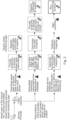
Fig. 1 shows a detailed architecture of an exemplar industrial field device monitoring system; -
Fig. 2 shows steps of a detailed example of an industrial field device monitoring system; and -
Fig. 3 shows an example of result transfer. -
Figs. 1-3 relate to industrial field device monitoring systems and methods. - An exemplar industrial field device monitoring system is configured to:
- download an asset specification of a field device to an edge device, wherein the field device is located in an industrial environment, wherein the field device is configured to generate data relating to an asset of the industrial environment, wherein the edge device is located in the industrial environment, and wherein the edge device is configured to receive the data generated by the field device;
- receive an asset monitoring submodel for the field device, wherein the asset monitoring submodel specifies an interface specification and algorithm of an asset monitoring application for the field device;
- deploy the asset monitoring application for the field device to the edge device, wherein the deployment comprises utilization of the asset monitoring submodel; and
- generate a workflow function exposed by the asset monitoring application, wherein the generation of the workflow function comprises utilization of the asset specification of the field device and the interface specification of the asset monitoring submodel.
- In an example, the system is operating in a cloud computing environment.
- In an example, the system is operating on one or more on-premise servers.
- In an example, the system is operating on one or more off-premise servers.
- According to an example, the system is configured to provide the asset monitoring submodel to a generator to generate a configuration file to register the asset monitoring application at the edge device.
- According to an example, the system is configured to generate endpoints to access contents of the asset monitoring submodel. The endpoints comprise endpoints from the deployed asset monitoring application.
- According to an example, the generation of the workflow function comprises utilization of the endpoints from the deployed asset monitoring application.
- According to an example, the system is configured to register the asset monitoring submodel at the edge device.
- According to an example, the asset specification of the field device comprises device individual information for the field device. The generation of the workflow function can then comprise utilization of the device individual information for the field device. According to an example, the system is configured to register the asset specification of the field device at the edge device.
- In an example, the workflow function maps field device signals of the data generated by the field device to a function signature.
- An exemplar industrial field device monitoring system comprises an edge device, and the system is configured to:
- download an asset specification of a field device to the edge device, wherein the field device is located in an industrial environment, wherein the field device is configured to generate data relating to an asset of the industrial environment, wherein the edge device is located in the industrial environment, and wherein the edge device is configured to receive the data generated by the field device;
- receive an asset monitoring submodel for the field device, wherein the asset monitoring submodel specifies an interface specification and algorithm of an asset monitoring application for the field device;
- deploy the asset monitoring application for the field device to the edge device, wherein the deployment comprises utilization of the asset monitoring submodel;
- generate a workflow function exposed by the asset monitoring application, wherein the generation of the workflow function comprises utilization of the asset specification of the field device and the interface specification of the asset monitoring submodel; and
- invoke by the edge device the workflow function exposed by the asset monitoring application with the data received from the field device.
- In an example, parts of the system other than the edge device can be operating in a cloud computing environment.
- In an example, parts of the system other than the edge device can be operating on one or more on-premise servers.
- In an example, parts of the system other than the edge device can be operating on one or more off-premise servers.
- In an example, the edge device can continuously invoke the workflow function exposed by the asset monitoring application with the data received from the field device
- In an example, the system is configured to provide the asset monitoring submodel to a generator to generate a configuration file to register the asset monitoring application at the edge device.
- In an example, the system is configured to generate endpoints to access contents of the asset monitoring submodel. The endpoints comprise endpoints from the deployed asset monitoring application.
- In an example, the generation of the workflow function comprises utilization of the endpoints from the deployed asset monitoring application.
- According to an example, the system is configured to register the asset monitoring submodel at the edge device.
- In an example, the asset specification of the field device comprises device individual information for the field device. The generation of the workflow function can then comprise utilization of the device individual information for the field device.
- According to an example, the system is configured to register the asset specification of the field device at the edge device.
- In an example, the workflow function maps field device signals of the data generated by the field device to a function signature.
- According to an example, the asset specification of the field device comprises one or more asset specification submodels. The system is configured to generate a new asset specification submodel based on the information downloaded, deployed and/or registered to the edge device.
- An exemplar industrial field device monitoring method comprises:
- downloading an asset specification of a field device to an edge device, wherein the field device is located in an industrial environment, wherein the field device is configured to generate data relating to an asset of the industrial environment, wherein the edge device is located in the industrial environment, and wherein the edge device is configured to receive the data generated by the field device;
- receiving an asset monitoring submodel for the field device, wherein the asset monitoring submodel specifies an interface specification and algorithm of an asset monitoring application for the field device;
- deploying the asset monitoring application for the field device to the edge device, wherein the deployment comprises utilizing the asset monitoring submodel; and
- generating a workflow function exposed by the asset monitoring application, wherein the generating the workflow function comprises utilizing the asset specification of the field device and the interface specification of the asset monitoring submodel.
- It is to be noted that the downloading the asset specification of a field device to an edge device and receiving the asset monitoring submodel can occur in two steps or can occur in one step. For example, a monitoring submodel can be embedded into the download of the asset specification/field device specification.
- In an example, the method comprises providing the asset monitoring submodel to a generator to generate a configuration file to register the asset monitoring application at the edge device.
- In an example, the method comprises generating endpoints to access contents of the asset monitoring submodel, and the endpoints comprise endpoints from the deployed asset monitoring application.
- In an example, the generating the workflow function comprises utilizing the endpoints from the deployed asset monitoring application.
- In an example, the method comprises registering the asset monitoring submodel at the edge device.
- In an example, the asset specification of the field device comprises device individual information for the field device. The generating the workflow function can then comprise utilizing the device individual information for the field device.
- In an example, the method comprises registering the asset specification of the field device at the edge device.
- In an example, the workflow function maps field device signals of the data generated by the field device to a function signature.
- An exemplar industrial field device monitoring method comprises:
- downloading an asset specification of a field device to an edge device, wherein the field device is located in an industrial environment, wherein the field device generates data relating to an asset of the industrial environment, wherein the edge device is located in the industrial environment, and wherein the edge device receives the data generated by the field device;
- receiving an asset monitoring submodel for the field device, wherein the asset monitoring submodel specifies an interface specification and algorithm of an asset monitoring application for the field device;
- deploying the asset monitoring application for the field device to the edge device, wherein the deployment comprises utilizing the asset monitoring submodel;
- generating a workflow function exposed by the asset monitoring application, wherein the generating the workflow function comprises utilizing the asset specification of the field device and the interface specification of the asset monitoring submodel; and
- invoking by the edge device the workflow function exposed by the asset monitoring application with the data received from the field device.
- It is to be noted that the downloading the asset specification of a field device to an edge device and receiving the asset monitoring submodel can occur in two steps or can occur in one step. For example, a monitoring submodel can be embedded into the download of the asset specification/field device specification.
- In an example, the method comprises continuously invoking by the edge device the workflow function exposed by the asset monitoring application with the data received from the field device.
- In an example, the method comprises providing the asset monitoring submodel to a generator to generate a configuration file to register the asset monitoring application at the edge device.
- In an example, the method comprises generating endpoints to access contents of the asset monitoring submodel, and the endpoints comprise endpoints from the deployed asset monitoring application.
- In an example, the generating the workflow function comprises utilizing the endpoints from the deployed asset monitoring application.
- In an example, the method comprises registering the asset monitoring submodel at the edge device.
- In an example, the asset specification of the field device comprises device individual information for the field device. The generating the workflow function can then comprise utilizing the device individual information for the field device.
- In an example, the method comprises registering the asset specification of the field device at the edge device.
- In an example, the workflow function maps field device signals of the data generated by the field device to a function signature.
- In an example, the asset specification of the field device comprises one or more asset specification submodels. The method can then comprise generating a new asset specification submodel based on the information downloaded, deployed and/or registered to the edge device.
- Thus, systems and methods for deployment and integration of asset monitoring applications based on standardized asset specifications have been developed.
- The ability to deploy asset monitoring algorithms to an industrial plant in the new manner provides improved quality in predicting device health. An asset monitoring workflow across company borders is complicated due to different parties using different formats for specifying the involved assets, input data, and monitoring results. Also, the exchanged monitoring algorithm and its interfaces are not easy to integrate by different parties. This leads to expensive, time-taking, and error-prone manual work. This has been addressed in the new systems and methods described here, that provide methods and systems to support integrating and deploying third-party monitoring algorithms on the plant. The systems and methods combine standardized asset specifications, an edge ecosystem with applications running on edge devices, functions and container orchestration systems. Thereby, this approach implements a collaborative asset monitoring scenario with information exchange across company borders. The major benefits are minimized time, effort, and skills needed for deployment of third-party asset monitoring applications on an industrial plant.
- Continuing with the figures, the industrial field device monitoring systems and methods are described in further detail, with respect to specific embodiments.
- The system (see
Fig. 1 that shows a system architecture) contains an Edge device, and additional services deployed in the cloud: An Edge Management Portal to manage edge devices and their applications, a Container Orchestration System to manage the containers running the implementations of the edge applications, and an Edge Function Workflow Manager to specify workflows composed from runnable functions invoked from the applications. - The edge device is connected to the devices to be monitored. The devices to be monitored can also be termed field devices. The edge device contains an Asset Specification Server to provide access to the contents of asset specifications on the edge, an Asset Specification Registry to locate the asset specifications, and a Computation Engine to schedule the actual functions running on the edge and accessing the asset specifications.
- An example of the system does not need to include the edge device.
- The method for deploying and integration asset monitoring applications consists of four main phases (see
Fig.2 that shows steps of the method for deploying and integration third-party asset monitoring applications). It is executed as follows: - Following Industry 4.0 principles, along with the device, the device provider provides the asset specification of the device to the plant operator. An asset specification provides information on an asset and operations to interact with it in a standardized way. The asset specification is structured by aspects (e.g., lifecycle phases) in various submodels. In addition, the device provider provides an asset monitoring algorithm tailored to the provided device or its type in the form of a software container. The interface and metadata of that algorithm is specified in an asset monitoring submodel that the device provider provides to be added to the standardized asset specification.
- Furthermore, the plant operator has the device to be monitored connected to an edge device to collect the data and to serve as a platform to deploy software components accessing this data. This data can contain device parameters or its operational values.
- The plant operator uses the Edge Management Portal and the Asset Specification Server to download the asset specification of the device received from the device provider to the edge device. The Asset Specification Server takes care of providing endpoints to access the contents of the asset specification submodels and registers them at the Asset Specification Registry.
- The plant operator feeds the asset monitoring submodel received from the device provider to the Edge Management Portal, which uses a generator to generate configuration files to register the asset monitoring application in the portal and to deploy it via the Container Orchestration System to the edge device (since the monitoring application is packaged as a software container). There, it will provide endpoints to access the contents of the asset monitoring submodel and register it at the Asset Specification Registry. The asset monitoring application is specific to the device type. Its functions can be invoked for multiple device instances (see deployment of monitoring function).
- The edge's Computation Engine is required to be able to invoke the function exposed by the asset monitoring application with the data streamed in from device instances (the device instance to be monitored or also further devices delivering relevant data to assess the condition of the device to be monitored) as input parameters. Thus, the plant operator provides the system with the relevant device instance IDs. In addition to these IDs, the system takes the function's interface specification from the asset monitoring submodel as well as the endpoints from the deployed asset monitoring application, to generate a function workflow. As part of this workflow, the device signals are mapped to the asset monitoring function signature. The system can recommend such a mapping based on data types and semantic IDs, but it may be corrected or completed or refined by the process engineer in the next step. Afterwards, the function workflow can be started.
- As the asset monitoring algorithm/function may access the asset specification (which may partially reference parts deployed on different systems and organizations), it has access to device data usually not being available on the edge, e.g., specific monitoring parameters, knowledge from other lifecycle phases stemming from other parties, like maintenance staff, or other kinds of context information.
- The monitoring results calculated by the asset monitoring function can be provided to a third party (e.g., back to the device provider). For this purpose, the asset specification server can be used to transform the internal representation of the information on the edge into a submodel the standardized asset specification (see
Fig. 3 ). - The asset specifications' modularity enables the operator to select only specific submodels to be created, i.e., he can control which data will become part of the standardized asset specification to leave the plant and which not. The exchange of the asset submodels with another party can be managed either by file transfer or by allowing secured and party-specific live access to the asset specification server on the edge device (e.g., using role-based access control).
- Thus, the new industrial field device monitoring systems and methods provide a method and system to support the process engineer in integrating and deploying monitoring algorithms on the edge devices installed on the plant. The system expects the properties of the monitored asset to be specified in an interoperable format and the monitoring algorithm to be available as a software-container with an invokable interface that is specified as part of the asset specification.
- The system integrates standardized asset specification infrastructure into an edge ecosystem to deploy and run applications and functions on edge devices. It combines standardized asset specifications with edge applications, functions and software container orchestration systems for the purpose of integrating third-party and other monitoring applications. Thereby, it implements a collaborative asset monitoring scenario with information exchange across company borders. In addition, it provides a platform for asset monitoring applications incorporating information from multiple lifecycle phases and additional context information.
- The method uses the system to turn a standardized asset specification and the monitoring algorithm provided by a third party into a runnable function and to deploy and run it on an edge device, accessing information from the asset specification and returning the results in an interoperable format.
- The major benefits are minimized time, effort, and skills needed for deployment of asset monitoring applications on the edge device. At the same time, asset monitoring applications are enabled to make use of additional asset information, which increases the prediction quality and thereby the reliable operation of the devices and, hence, the plant.
- Thus, in summary the new technology relates to:
- Combination of standardized asset specifications with edge device applications, functions and software container orchestration systems for the purpose of integrating third-party monitoring applications
- Integration of asset specification infrastructure into an edge ecosystem
- Implementation of a collaborative asset monitoring scenario with information exchange across company borders
- Platform for asset monitoring applications incorporating information from multiple lifecycle phases and additional context information
- The new technology provides for:
- Less time, effort, and skills needed for deployment of third-party asset monitoring applications on the edge device
- Less manual error-prone work due to semi-automated integration
- Enabled access for asset monitoring applications to additional asset information, thereby increased prediction quality and improved device health
- In another exemplary embodiment, a computer program or computer program element is provided that is characterized by being configured to execute the method steps of the method according to one of the preceding embodiments, on an appropriate processor or system.
- The computer program element might therefore be stored on a computer unit, which might also be part of an embodiment. This computing unit may be configured to perform or induce performing of the steps of the method described above. Moreover, it may be configured to operate the components of the above described system. The computing unit can be configured to operate automatically and/or to execute the orders of a user. A computer program may be loaded into a working memory of a data processor. The data processor may thus be equipped to carry out the method according to one of the preceding embodiments.
- This exemplary embodiment of the invention covers both, a computer program that right from the beginning uses the invention and computer program that by means of an update turns an existing program into a program that uses the invention.
- Further on, the computer program element might be able to provide all necessary steps to fulfill the procedure of an exemplary embodiment of the method as described above.
- According to a further exemplary embodiment of the present invention, a computer readable medium, such as a CD-ROM, USB stick or the like, is presented wherein the computer readable medium has a computer program element stored on it which computer program element is described by the preceding section.
- A computer program may be stored and/or distributed on a suitable medium, such as an optical storage medium or a solid state medium supplied together with or as part of other hardware, but may also be distributed in other forms, such as via the internet or other wired or wireless telecommunication systems.
- However, the computer program may also be presented over a network like the World Wide Web and can be downloaded into the working memory of a data processor from such a network. According to a further exemplary embodiment of the present invention, a medium for making a computer program element available for downloading is provided, which computer program element is arranged to perform a method according to one of the previously described embodiments of the invention.
Claims (15)
- An industrial field device monitoring system, wherein the system is configured to:download an asset specification of a field device to an edge device, wherein the field device is located in an industrial environment, wherein the field device is configured to generate data relating to an asset of the industrial environment, wherein the edge device is located in the industrial environment, and wherein the edge device is configured to receive the data generated by the field device;receive an asset monitoring submodel for the field device, wherein the asset monitoring submodel specifies an interface specification and algorithm of an asset monitoring application for the field device;deploy the asset monitoring application for the field device to the edge device, wherein the deployment comprises utilization of the asset monitoring submodel; andgenerate a workflow function exposed by the asset monitoring application, wherein the generation of the workflow function comprises utilization of the asset specification of the field device and the interface specification of the asset monitoring submodel.
- System according to claim 1, wherein the system is configured to provide the asset monitoring submodel to a generator to generate a configuration file to register the asset monitoring application at the edge device.
- System according to any of claims 1-2, wherein the system is configured to generate endpoints to access contents of the asset monitoring submodel, and wherein the endpoints comprise endpoints from the deployed asset monitoring application.
- System according to claim 3, wherein the generation of the workflow function comprises utilization of the endpoints from the deployed asset monitoring application.
- System according to any of claims 1-4, wherein the system is configured to register the asset monitoring submodel at the edge device.
- System according to any of claims 1-5, wherein the asset specification of the field device comprises device individual information for the field device, and wherein the generation of the workflow function comprises utilization of the device individual information for the field device.
- System according to any of claims 1-6, wherein the system is configured to register the asset specification of the field device at the edge device.
- An industrial field device monitoring system, wherein the system comprises an edge device, and wherein the system is configured to:download an asset specification of a field device to the edge device, wherein the field device is located in an industrial environment, wherein the field device is configured to generate data relating to an asset of the industrial environment, wherein the edge device is located in the industrial environment, and wherein the edge device is configured to receive the data generated by the field device;receive an asset monitoring submodel for the field device, wherein the asset monitoring submodel specifies an interface specification and algorithm of an asset monitoring application for the field device;deploy the asset monitoring application for the field device to the edge device, wherein the deployment comprises utilization of the asset monitoring submodel;generate a workflow function exposed by the asset monitoring application, wherein the generation of the workflow function comprises utilization of the asset specification of the field device and the interface specification of the asset monitoring submodel; andinvoke by the edge device the workflow function exposed by the asset monitoring application with the data received from the field device.
- System according to claim 8, wherein the system is configured to register the asset monitoring submodel at the edge device.
- System according to any of claims 8-9, wherein the system is configured to register the asset specification of the field device at the edge device.
- System according to any of claims 8-10, wherein the asset specification of the field device comprises one or more asset specification submodels, and wherein the system is configured to generate a new asset specification submodel based on the information downloaded, deployed and/or registered to the edge device.
- An industrial field device monitoring method, comprising:downloading an asset specification of a field device to an edge device, wherein the field device is located in an industrial environment, wherein the field device is configured to generate data relating to an asset of the industrial environment, wherein the edge device is located in the industrial environment, and wherein the edge device is configured to receive the data generated by the field device;receiving an asset monitoring submodel for the field device, wherein the asset monitoring submodel specifies an interface specification and algorithm of an asset monitoring application for the field device;deploying the asset monitoring application for the field device to the edge device, wherein the deployment comprises utilizing the asset monitoring submodel; andgenerating a workflow function exposed by the asset monitoring application, wherein the generating the workflow function comprises utilizing the asset specification of the field device and the interface specification of the asset monitoring submodel.
- An industrial field device monitoring method, comprising:downloading an asset specification of a field device to an edge device, wherein the field device is located in an industrial environment, wherein the field device generates data relating to an asset of the industrial environment, wherein the edge device is located in the industrial environment, and wherein the edge device receives the data generated by the field device;receiving an asset monitoring submodel for the field device, wherein the asset monitoring submodel specifies an interface specification and algorithm of an asset monitoring application for the field device;deploying the asset monitoring application for the field device to the edge device, wherein the deployment comprises utilizing the asset monitoring submodel;generating a workflow function exposed by the asset monitoring application, wherein the generating the workflow function comprises utilizing the asset specification of the field device and the interface specification of the asset monitoring submodel; andinvoking by the edge device the workflow function exposed by the asset monitoring application with the data received from the field device.
- A computer program element for controlling a system according to one of claims 1 to 7, which when executed by a processor is configured to carry out the method of claim 12.
- A computer program element for controlling a system according to one of claims 8 to 11, which when executed by a processor is configured to carry out the method of claim 13.
Priority Applications (3)
| Application Number | Priority Date | Filing Date | Title |
|---|---|---|---|
| EP22174938.5A EP4283923B1 (en) | 2022-05-23 | 2022-05-23 | Industrial field device monitoring system |
| CN202310547948.8A CN117111960A (en) | 2022-05-23 | 2023-05-16 | Industrial field equipment monitoring system |
| US18/322,026 US12596353B2 (en) | 2022-05-23 | 2023-05-23 | Industrial field device monitoring system |
Applications Claiming Priority (1)
| Application Number | Priority Date | Filing Date | Title |
|---|---|---|---|
| EP22174938.5A EP4283923B1 (en) | 2022-05-23 | 2022-05-23 | Industrial field device monitoring system |
Publications (2)
| Publication Number | Publication Date |
|---|---|
| EP4283923A1 true EP4283923A1 (en) | 2023-11-29 |
| EP4283923B1 EP4283923B1 (en) | 2024-11-20 |
Family
ID=82156485
Family Applications (1)
| Application Number | Title | Priority Date | Filing Date |
|---|---|---|---|
| EP22174938.5A Active EP4283923B1 (en) | 2022-05-23 | 2022-05-23 | Industrial field device monitoring system |
Country Status (3)
| Country | Link |
|---|---|
| US (1) | US12596353B2 (en) |
| EP (1) | EP4283923B1 (en) |
| CN (1) | CN117111960A (en) |
Families Citing this family (4)
| Publication number | Priority date | Publication date | Assignee | Title |
|---|---|---|---|---|
| US20240095687A1 (en) * | 2022-09-16 | 2024-03-21 | Dell Products L.P. | Information Technology Ecosystem Environment for Performing a Sustainability Operation |
| US20240095684A1 (en) * | 2022-09-16 | 2024-03-21 | Dell Products L.P. | Information Technology Ecosystem Environment for Performing an IT Component Sustainability Servicing Operation |
| US12567029B2 (en) | 2022-09-16 | 2026-03-03 | Dell Products L.P. | Information technology ecosystem environment for generating sustainability information for use when integrating sustainability and information technology planning |
| CN117591883B (en) * | 2023-11-29 | 2024-09-06 | 北京机械工业自动化研究所有限公司 | Industrial distributed edge intelligent model execution method and system |
Citations (2)
| Publication number | Priority date | Publication date | Assignee | Title |
|---|---|---|---|---|
| EP3246779A1 (en) * | 2016-05-17 | 2017-11-22 | General Electric Company | Systems and methods for prioritizing and monitoring device status in a condition monitoring software application |
| US20190098035A1 (en) * | 2017-09-28 | 2019-03-28 | Yokogawa Electric Corporation | Systems, methods and computer program products for anomaly detection |
Family Cites Families (14)
| Publication number | Priority date | Publication date | Assignee | Title |
|---|---|---|---|---|
| US9565275B2 (en) * | 2012-02-09 | 2017-02-07 | Rockwell Automation Technologies, Inc. | Transformation of industrial data into useful cloud information |
| US20110238980A1 (en) | 2010-03-23 | 2011-09-29 | Fujitsu Limited | System and methods for remote maintenance in an electronic network with multiple clients |
| US8988998B2 (en) * | 2011-02-25 | 2015-03-24 | International Business Machines Corporation | Data processing environment integration control |
| CN105099739B (en) | 2014-05-15 | 2018-08-17 | 中国移动通信集团公司 | One kind being based on plug-in type software deployment method, apparatus and application server |
| US10338904B2 (en) | 2014-08-25 | 2019-07-02 | Schneider Electric Buildings, Llc | Specialized app development and deployment system and method |
| WO2017176431A1 (en) * | 2016-04-05 | 2017-10-12 | Wellaware Holdings, Inc. | A device for monitoring and controlling industrial equipment |
| US10409786B2 (en) | 2016-09-19 | 2019-09-10 | Microsoft Technology Licensing, Llc | Deployment of applications confirming to application data sharing and decision service platform schema |
| WO2020109987A1 (en) | 2018-11-26 | 2020-06-04 | Abb Schweiz Ag | System and a method for asset monitoring in an industrial plant |
| EP3726810B1 (en) | 2019-04-16 | 2023-12-06 | ABB Schweiz AG | System and method for interoperable communication of automation system components |
| CN110489132B (en) | 2019-08-08 | 2023-04-28 | 西藏宁算科技集团有限公司 | Distributed software deployment method and system in cloud computing environment |
| US11132226B2 (en) * | 2020-01-03 | 2021-09-28 | International Business Machines Corporation | Parallel resource provisioning |
| US11561535B2 (en) * | 2020-09-30 | 2023-01-24 | Rockwell Automation Technologies, Inc. | Systems and methods for data lifecycle management with code content optimization and servicing |
| US11886576B2 (en) * | 2020-09-30 | 2024-01-30 | Rockwell Automation Technologies, Inc. | Systems and methods for industrial information solutions and connected microservices |
| US12033006B1 (en) * | 2023-09-05 | 2024-07-09 | Armada Systems Inc. | Edge deployment of cloud-originated machine learning and artificial intelligence workloads |
-
2022
- 2022-05-23 EP EP22174938.5A patent/EP4283923B1/en active Active
-
2023
- 2023-05-16 CN CN202310547948.8A patent/CN117111960A/en active Pending
- 2023-05-23 US US18/322,026 patent/US12596353B2/en active Active
Patent Citations (2)
| Publication number | Priority date | Publication date | Assignee | Title |
|---|---|---|---|---|
| EP3246779A1 (en) * | 2016-05-17 | 2017-11-22 | General Electric Company | Systems and methods for prioritizing and monitoring device status in a condition monitoring software application |
| US20190098035A1 (en) * | 2017-09-28 | 2019-03-28 | Yokogawa Electric Corporation | Systems, methods and computer program products for anomaly detection |
Also Published As
| Publication number | Publication date |
|---|---|
| CN117111960A (en) | 2023-11-24 |
| US12596353B2 (en) | 2026-04-07 |
| US20230376011A1 (en) | 2023-11-23 |
| EP4283923B1 (en) | 2024-11-20 |
Similar Documents
| Publication | Publication Date | Title |
|---|---|---|
| EP4283923A1 (en) | Industrial field device monitoring system | |
| US11301287B2 (en) | Pattern-based orchestration of cloud provisioning tasks at runtime | |
| US11188210B2 (en) | Unified real time rule analytics using common programming model on both edge and cloud | |
| Edmonds et al. | Toward an open cloud standard | |
| US10977167B2 (en) | Application monitoring with a decoupled monitoring tool | |
| CN103516781A (en) | Method and system for instantiating resources of IT-service | |
| Syed et al. | A reference architecture for the container ecosystem | |
| US20190058640A1 (en) | Automatically orchestrating the compliance of cloud services to selected standards and policies | |
| Brogi et al. | A Petri net-based approach to model and analyze the management of cloud applications | |
| US11954474B2 (en) | Generating compliant container images via embeddings | |
| Zhou et al. | Cloudsstorm: An application-driven framework to enhance the programmability and controllability of cloud virtual infrastructures | |
| CN114489954A (en) | Tenant creation method based on virtualization platform, tenant access method and equipment | |
| US20240320545A1 (en) | Deploying artificial intelligence (ai) models at local sites | |
| Platenius-Mohr et al. | Integrating third-party asset monitoring applications in an edge architecture using the asset administration shell | |
| US12223084B1 (en) | Data center monitoring and management operation including a protected data tag operation | |
| US12455864B2 (en) | Data center monitoring and management operation including a data tag management operation | |
| US10680895B1 (en) | Method and system for automatic patterns generation and testing | |
| US20240249219A1 (en) | Data Center Environment Architecture Including Test Case Scoring For Use When Performing Test Automation Orchestration | |
| Makris et al. | SERENA: Versatile Plug-and-Play Platform Enabling Remote Predictive Maintenance | |
| Fornes-Leal et al. | Tactile IoT Architecture for the IoT—Edge—Cloud Continuum: The ASSIST-IoT Approach | |
| US12321480B2 (en) | System and methods for dynamic tags | |
| US12423279B2 (en) | User-configurable autotagging policies | |
| US12381797B2 (en) | Data center monitoring and management operation including data center asset telemetry interpolation operation | |
| US12379866B2 (en) | Data center monitoring and management operation including a data tag association tracking operation | |
| CN117539605B (en) | Data processing program assembling method, device, equipment and storage medium |
Legal Events
| Date | Code | Title | Description |
|---|---|---|---|
| PUAI | Public reference made under article 153(3) epc to a published international application that has entered the european phase |
Free format text: ORIGINAL CODE: 0009012 |
|
| STAA | Information on the status of an ep patent application or granted ep patent |
Free format text: STATUS: THE APPLICATION HAS BEEN PUBLISHED |
|
| AK | Designated contracting states |
Kind code of ref document: A1 Designated state(s): AL AT BE BG CH CY CZ DE DK EE ES FI FR GB GR HR HU IE IS IT LI LT LU LV MC MK MT NL NO PL PT RO RS SE SI SK SM TR |
|
| STAA | Information on the status of an ep patent application or granted ep patent |
Free format text: STATUS: REQUEST FOR EXAMINATION WAS MADE |
|
| 17P | Request for examination filed |
Effective date: 20240419 |
|
| RBV | Designated contracting states (corrected) |
Designated state(s): AL AT BE BG CH CY CZ DE DK EE ES FI FR GB GR HR HU IE IS IT LI LT LU LV MC MK MT NL NO PL PT RO RS SE SI SK SM TR |
|
| REG | Reference to a national code |
Ref country code: DE Ref legal event code: R079 Free format text: PREVIOUS MAIN CLASS: H04L0009400000 Ipc: G06Q0010063100 Ref document number: 602022007817 Country of ref document: DE |
|
| RIC1 | Information provided on ipc code assigned before grant |
Ipc: H04L 9/40 20220101ALI20240626BHEP Ipc: H04L 67/00 20220101ALI20240626BHEP Ipc: G06Q 10/20 20230101ALI20240626BHEP Ipc: G06Q 10/0631 20230101AFI20240626BHEP |
|
| GRAP | Despatch of communication of intention to grant a patent |
Free format text: ORIGINAL CODE: EPIDOSNIGR1 |
|
| STAA | Information on the status of an ep patent application or granted ep patent |
Free format text: STATUS: GRANT OF PATENT IS INTENDED |
|
| INTG | Intention to grant announced |
Effective date: 20240827 |
|
| GRAS | Grant fee paid |
Free format text: ORIGINAL CODE: EPIDOSNIGR3 |
|
| GRAA | (expected) grant |
Free format text: ORIGINAL CODE: 0009210 |
|
| STAA | Information on the status of an ep patent application or granted ep patent |
Free format text: STATUS: THE PATENT HAS BEEN GRANTED |
|
| AK | Designated contracting states |
Kind code of ref document: B1 Designated state(s): AL AT BE BG CH CY CZ DE DK EE ES FI FR GB GR HR HU IE IS IT LI LT LU LV MC MK MT NL NO PL PT RO RS SE SI SK SM TR |
|
| REG | Reference to a national code |
Ref country code: GB Ref legal event code: FG4D |
|
| REG | Reference to a national code |
Ref country code: CH Ref legal event code: EP |
|
| REG | Reference to a national code |
Ref country code: DE Ref legal event code: R096 Ref document number: 602022007817 Country of ref document: DE |
|
| REG | Reference to a national code |
Ref country code: IE Ref legal event code: FG4D |
|
| REG | Reference to a national code |
Ref country code: LT Ref legal event code: MG9D |
|
| REG | Reference to a national code |
Ref country code: NL Ref legal event code: MP Effective date: 20241120 |
|
| PG25 | Lapsed in a contracting state [announced via postgrant information from national office to epo] |
Ref country code: HR Free format text: LAPSE BECAUSE OF FAILURE TO SUBMIT A TRANSLATION OF THE DESCRIPTION OR TO PAY THE FEE WITHIN THE PRESCRIBED TIME-LIMIT Effective date: 20241120 Ref country code: IS Free format text: LAPSE BECAUSE OF FAILURE TO SUBMIT A TRANSLATION OF THE DESCRIPTION OR TO PAY THE FEE WITHIN THE PRESCRIBED TIME-LIMIT Effective date: 20250320 Ref country code: PT Free format text: LAPSE BECAUSE OF FAILURE TO SUBMIT A TRANSLATION OF THE DESCRIPTION OR TO PAY THE FEE WITHIN THE PRESCRIBED TIME-LIMIT Effective date: 20250320 |
|
| PG25 | Lapsed in a contracting state [announced via postgrant information from national office to epo] |
Ref country code: FI Free format text: LAPSE BECAUSE OF FAILURE TO SUBMIT A TRANSLATION OF THE DESCRIPTION OR TO PAY THE FEE WITHIN THE PRESCRIBED TIME-LIMIT Effective date: 20241120 Ref country code: NL Free format text: LAPSE BECAUSE OF FAILURE TO SUBMIT A TRANSLATION OF THE DESCRIPTION OR TO PAY THE FEE WITHIN THE PRESCRIBED TIME-LIMIT Effective date: 20241120 |
|
| REG | Reference to a national code |
Ref country code: AT Ref legal event code: MK05 Ref document number: 1744258 Country of ref document: AT Kind code of ref document: T Effective date: 20241120 |
|
| PG25 | Lapsed in a contracting state [announced via postgrant information from national office to epo] |
Ref country code: BG Free format text: LAPSE BECAUSE OF FAILURE TO SUBMIT A TRANSLATION OF THE DESCRIPTION OR TO PAY THE FEE WITHIN THE PRESCRIBED TIME-LIMIT Effective date: 20241120 |
|
| PG25 | Lapsed in a contracting state [announced via postgrant information from national office to epo] |
Ref country code: ES Free format text: LAPSE BECAUSE OF FAILURE TO SUBMIT A TRANSLATION OF THE DESCRIPTION OR TO PAY THE FEE WITHIN THE PRESCRIBED TIME-LIMIT Effective date: 20241120 |
|
| PG25 | Lapsed in a contracting state [announced via postgrant information from national office to epo] |
Ref country code: NO Free format text: LAPSE BECAUSE OF FAILURE TO SUBMIT A TRANSLATION OF THE DESCRIPTION OR TO PAY THE FEE WITHIN THE PRESCRIBED TIME-LIMIT Effective date: 20250220 |
|
| PG25 | Lapsed in a contracting state [announced via postgrant information from national office to epo] |
Ref country code: GR Free format text: LAPSE BECAUSE OF FAILURE TO SUBMIT A TRANSLATION OF THE DESCRIPTION OR TO PAY THE FEE WITHIN THE PRESCRIBED TIME-LIMIT Effective date: 20250221 Ref country code: AT Free format text: LAPSE BECAUSE OF FAILURE TO SUBMIT A TRANSLATION OF THE DESCRIPTION OR TO PAY THE FEE WITHIN THE PRESCRIBED TIME-LIMIT Effective date: 20241120 Ref country code: LV Free format text: LAPSE BECAUSE OF FAILURE TO SUBMIT A TRANSLATION OF THE DESCRIPTION OR TO PAY THE FEE WITHIN THE PRESCRIBED TIME-LIMIT Effective date: 20241120 |
|
| PG25 | Lapsed in a contracting state [announced via postgrant information from national office to epo] |
Ref country code: PL Free format text: LAPSE BECAUSE OF FAILURE TO SUBMIT A TRANSLATION OF THE DESCRIPTION OR TO PAY THE FEE WITHIN THE PRESCRIBED TIME-LIMIT Effective date: 20241120 |
|
| PG25 | Lapsed in a contracting state [announced via postgrant information from national office to epo] |
Ref country code: RS Free format text: LAPSE BECAUSE OF FAILURE TO SUBMIT A TRANSLATION OF THE DESCRIPTION OR TO PAY THE FEE WITHIN THE PRESCRIBED TIME-LIMIT Effective date: 20250220 |
|
| PG25 | Lapsed in a contracting state [announced via postgrant information from national office to epo] |
Ref country code: SM Free format text: LAPSE BECAUSE OF FAILURE TO SUBMIT A TRANSLATION OF THE DESCRIPTION OR TO PAY THE FEE WITHIN THE PRESCRIBED TIME-LIMIT Effective date: 20241120 |
|
| PGFP | Annual fee paid to national office [announced via postgrant information from national office to epo] |
Ref country code: DE Payment date: 20250521 Year of fee payment: 4 |
|
| PG25 | Lapsed in a contracting state [announced via postgrant information from national office to epo] |
Ref country code: DK Free format text: LAPSE BECAUSE OF FAILURE TO SUBMIT A TRANSLATION OF THE DESCRIPTION OR TO PAY THE FEE WITHIN THE PRESCRIBED TIME-LIMIT Effective date: 20241120 |
|
| PG25 | Lapsed in a contracting state [announced via postgrant information from national office to epo] |
Ref country code: EE Free format text: LAPSE BECAUSE OF FAILURE TO SUBMIT A TRANSLATION OF THE DESCRIPTION OR TO PAY THE FEE WITHIN THE PRESCRIBED TIME-LIMIT Effective date: 20241120 |
|
| PG25 | Lapsed in a contracting state [announced via postgrant information from national office to epo] |
Ref country code: RO Free format text: LAPSE BECAUSE OF FAILURE TO SUBMIT A TRANSLATION OF THE DESCRIPTION OR TO PAY THE FEE WITHIN THE PRESCRIBED TIME-LIMIT Effective date: 20241120 |
|
| PG25 | Lapsed in a contracting state [announced via postgrant information from national office to epo] |
Ref country code: SK Free format text: LAPSE BECAUSE OF FAILURE TO SUBMIT A TRANSLATION OF THE DESCRIPTION OR TO PAY THE FEE WITHIN THE PRESCRIBED TIME-LIMIT Effective date: 20241120 |
|
| PG25 | Lapsed in a contracting state [announced via postgrant information from national office to epo] |
Ref country code: CZ Free format text: LAPSE BECAUSE OF FAILURE TO SUBMIT A TRANSLATION OF THE DESCRIPTION OR TO PAY THE FEE WITHIN THE PRESCRIBED TIME-LIMIT Effective date: 20241120 |
|
| PG25 | Lapsed in a contracting state [announced via postgrant information from national office to epo] |
Ref country code: IT Free format text: LAPSE BECAUSE OF FAILURE TO SUBMIT A TRANSLATION OF THE DESCRIPTION OR TO PAY THE FEE WITHIN THE PRESCRIBED TIME-LIMIT Effective date: 20241120 |
|
| REG | Reference to a national code |
Ref country code: DE Ref legal event code: R097 Ref document number: 602022007817 Country of ref document: DE |
|
| PG25 | Lapsed in a contracting state [announced via postgrant information from national office to epo] |
Ref country code: SE Free format text: LAPSE BECAUSE OF FAILURE TO SUBMIT A TRANSLATION OF THE DESCRIPTION OR TO PAY THE FEE WITHIN THE PRESCRIBED TIME-LIMIT Effective date: 20241120 |
|
| PLBE | No opposition filed within time limit |
Free format text: ORIGINAL CODE: 0009261 |
|
| STAA | Information on the status of an ep patent application or granted ep patent |
Free format text: STATUS: NO OPPOSITION FILED WITHIN TIME LIMIT |
|
| 26N | No opposition filed |
Effective date: 20250821 |
|
| REG | Reference to a national code |
Ref country code: CH Ref legal event code: H13 Free format text: ST27 STATUS EVENT CODE: U-0-0-H10-H13 (AS PROVIDED BY THE NATIONAL OFFICE) Effective date: 20251223 |
|
| PG25 | Lapsed in a contracting state [announced via postgrant information from national office to epo] |
Ref country code: LU Free format text: LAPSE BECAUSE OF NON-PAYMENT OF DUE FEES Effective date: 20250523 |
|
| PG25 | Lapsed in a contracting state [announced via postgrant information from national office to epo] |
Ref country code: CH Free format text: LAPSE BECAUSE OF NON-PAYMENT OF DUE FEES Effective date: 20250531 |
|
| REG | Reference to a national code |
Ref country code: BE Ref legal event code: MM Effective date: 20250531 |
|
| PG25 | Lapsed in a contracting state [announced via postgrant information from national office to epo] |
Ref country code: MC Free format text: LAPSE BECAUSE OF FAILURE TO SUBMIT A TRANSLATION OF THE DESCRIPTION OR TO PAY THE FEE WITHIN THE PRESCRIBED TIME-LIMIT Effective date: 20241120 |
|
| PG25 | Lapsed in a contracting state [announced via postgrant information from national office to epo] |
Ref country code: IE Free format text: LAPSE BECAUSE OF NON-PAYMENT OF DUE FEES Effective date: 20250523 |
|
| PG25 | Lapsed in a contracting state [announced via postgrant information from national office to epo] |
Ref country code: BE Free format text: LAPSE BECAUSE OF NON-PAYMENT OF DUE FEES Effective date: 20250531 |
|
| PG25 | Lapsed in a contracting state [announced via postgrant information from national office to epo] |
Ref country code: FR Free format text: LAPSE BECAUSE OF NON-PAYMENT OF DUE FEES Effective date: 20250531 |