EP4283198A1 - Cooking oven - Google Patents
Cooking oven Download PDFInfo
- Publication number
- EP4283198A1 EP4283198A1 EP23170268.9A EP23170268A EP4283198A1 EP 4283198 A1 EP4283198 A1 EP 4283198A1 EP 23170268 A EP23170268 A EP 23170268A EP 4283198 A1 EP4283198 A1 EP 4283198A1
- Authority
- EP
- European Patent Office
- Prior art keywords
- cooking
- dish
- door
- oven
- cooking cavity
- Prior art date
- Legal status (The legal status is an assumption and is not a legal conclusion. Google has not performed a legal analysis and makes no representation as to the accuracy of the status listed.)
- Granted
Links
Images


Classifications
-
- F—MECHANICAL ENGINEERING; LIGHTING; HEATING; WEAPONS; BLASTING
- F24—HEATING; RANGES; VENTILATING
- F24C—DOMESTIC STOVES OR RANGES ; DETAILS OF DOMESTIC STOVES OR RANGES, OF GENERAL APPLICATION
- F24C15/00—Details
- F24C15/02—Doors specially adapted for stoves or ranges
-
- F—MECHANICAL ENGINEERING; LIGHTING; HEATING; WEAPONS; BLASTING
- F24—HEATING; RANGES; VENTILATING
- F24C—DOMESTIC STOVES OR RANGES ; DETAILS OF DOMESTIC STOVES OR RANGES, OF GENERAL APPLICATION
- F24C7/00—Stoves or ranges heated by electric energy
- F24C7/08—Arrangement or mounting of control or safety devices
- F24C7/082—Arrangement or mounting of control or safety devices on ranges, e.g. control panels, illumination
- F24C7/085—Arrangement or mounting of control or safety devices on ranges, e.g. control panels, illumination on baking ovens
Definitions
- the present invention relates to a cooking oven, in particular a household electric oven with a system for determining the mass and/or size of a dish.
- Household cooking ovens usually comprise a housing with a cooking cavity, delimiting a cooking space therein for accommodating the dishes to be cooked.
- the cooking cavity has an access opening being closable by means of a door hinged to the housing.
- the door In order to allow the cooking cavity to be seen from outside the oven, the door usually has a see-through display area or an area consisting of an electronic display connected with a video camera mounted to the door itself and directed towards the inside of the cooking cavity.
- a video camera placed, for example, inside the cooking cavity or outside the cooking cavity to generate digital images of the dish in the cooking cavity, and analyze the generated digital images to identify the type of dish and detect a cooking progress state.
- a cooking oven in particular a household electric oven, comprises:
- the three-dimensional shape of the dish By taking advantage of the change in position of the door with respect to the cooking cavity during the closing movement of the door, it is possible and easy to obtain a sequence of digital images of the dish from different perspectives, allowing a reconstruction of the three-dimensional shape of the dish. Besides identifying the type (material) of the dish, the three-dimensional shape of the dish, in turn, allows determining or estimating the mass of the dish, the water content and the thickness thereof, based on which it is possible to identify/select/suggest/automate one or more cooking programs in a more targeted manner as compared to the prior art.
- a cooking oven 1 comprises a housing 2, in which a cooking cavity 3 is formed, intended to accommodate the dishes to be cooked.
- the cooking cavity 3 has an access opening 4 closable by a door 5 connected to the housing 2 and movable with respect to the access opening 4 between an open position, in which it frees the access opening 4, and a closed position in which it covers the access opening 4.
- the oven 1 further comprises a digital camera 6 mounted to the door 5 with such an orientation that, along at least one stretch of movement of the door 5 from the open position to the closed position, the digital camera 6 also faces at least the cooking cavity 3, and the orientation of an optical axis 7 of the digital camera 6 and/or the position of the digital camera 6 with respect to the cooking cavity 3 vary along said stretch of movement.
- the oven 1 further comprises a control system 8 in signal connection with the digital camera 6 and configured to:
- the three-dimensional shape of the dish By taking advantage of the change in position of the door 5 with respect to the cooking cavity 3 during the closing movement of the door 5, it is possible and easy to obtain a sequence of digital images of the dish from different perspectives, allowing a reconstruction of the three-dimensional shape of the dish. Besides identifying the type (material) of the dish, the three-dimensional shape of the dish, in turn, allows determining or estimating the mass of the dish, the water content and the thickness thereof, based on which it is possible to identify/select/suggest/automate one or more cooking programs in a more targeted manner as compared to the prior art.
- the two or more dishes can be simultaneously present in the cooking cavity of the oven and/or can be mutually similar or dissimilar, e.g., a slice of salmon or three slices of salmon or two slices of salmon with potatoes.
- the term "dish” defines a food product (with or without wrapping or container) subjected to cooking or heating.
- the oven 1 further comprises a heating system 11, e.g., one or more electric resistors arranged outside and/or inside the cooking cavity 3 and/or a microwave generator.
- a heating system 11 e.g., one or more electric resistors arranged outside and/or inside the cooking cavity 3 and/or a microwave generator.
- the control system 8 is connected and configured to command the heating system 11 and the ventilation system 12 and comprises a user interface 13, e.g., with an electronic display, for the selection of operating parameters by the user and for signaling the operating conditions of oven 1.
- the door 5 can comprise an inner panel 14 which, with the door 5 closed, delimits the cooking cavity 3 at the access opening 4, and an outer panel 15, e.g., made of glass, superimposed on and spaced apart from the inner panel 14, and optionally one or more intermediate panels 16 arranged between the inner panel 14 and the outer panel 15 and defining together ventilation channels of the door 5
- the digital camera 6 is positioned in a (preferably ventilated) gap 17 between the inner panel 14 and the outer panel 15, so as to be protected from heat and splashes and deposits of cooking substances from the cooking cavity 3.
- the oven 1 can comprise one or more light sources 15, e.g., strips or lighting units, such as LEDs, which light up the inside of the cooking cavity when the door 5 moves along the stretch of movement.
- light sources 15 e.g., strips or lighting units, such as LEDs, which light up the inside of the cooking cavity when the door 5 moves along the stretch of movement.
- the light source(s) 18 is/are positioned in a gap 17 between the inner panel 14 and the outer panel 15, so as to be protected from heat and splashes and deposits of cooking substances from the cooking cavity 3.
- the digital camera 6 is positioned on a free side 19 or in a free end portion 20 (for example, in the half or third) of the door 5 opposite to a hinge side 21 of the door 5 defined by a rotation axis of the door 5 with respect to the housing 2 in the stretch of movement from the open position to the closed position.
- the position of the digital camera 6 moves from one side of the cooking cavity 3 to an opposite side thereof, for example:
- control system 8 controls the digital camera 6 so that, with every movement of the door along the stretch of movement from the open position to the closed position, the digital camera 6 acquires a series or sequence of said digital images and the control system saves the acquired images in the memory 9.
- the oven 1 can comprise a switch or electric switch 21 which determines an electrical operation signal for operating the digital camera 6, when the door moves along the stretch of movement from the open position to the closed position.
- the cooking oven 1 can comprise a brake device for slowing down the closing of the door 5 below a limit closing speed, for allowing the acquisition of the number of necessary photograms.
- control system 8 is configured to store, in the memory 9, a predetermined amount of digital images referring only to the last closing movement of the door 5.
- the digital images stored on the occasion of a previous closing movement of the door 5 are cancelled and overwritten by the digital images acquired during the most recent closing movement.
- the number of digital images acquired from time to time and stored is in the range from 2 to 20, preferably from 2 to 10, e.g., from 2 to 5.
- the position of the digital camera 6 and the orientation of the optical axis with respect to the cooking cavity 3 are determined by the rotation, translation or roto-translation position of the door 5 with respect to the housing 2.
- the position of the digital camera 6 and the orientation of the optical axis with respect to the cooking cavity 3, i.e., the individual perspective of each acquired image, can be determined, for example, by the processing module 10 or the control system 8:
- the absolute size of the reconstructed three-dimensional shape of the dish can be determined, for example, by the processing module 10 or the control system 8, depending on the known contour feature size of the oven 1 contained in the digital image, e.g., a contour edge of cooking cavity 3 or access opening 4.
- the processing module 10 is configured to calculate a three-dimensional contour model of an object (dish) positioned inside the cooking cavity 3, based on the digital images, by means of photogrammetric reconstruction.
- the processing module 10 can be configured to extrapolate the rear shape (on the side facing away from the access opening 4) of the object (dish) positioned in the cooking cavity 3 by means of symmetrical shape completion based on the front object shape (on the side facing the access opening 4) reconstructed based on the acquired digital images.
- the processing module 10 can be configured to extrapolate the complete shape of the object (dish) positioned in the cooking cavity 3 by:
- the dish-primitive could be only one in number or selectable from a database of a plurality of dish-primitives depending on a food classification based on the acquired digital images.
- the 3D photogrammetric reconstruction allows a more accurate classification of the food, e.g., Pizza vs Lasagna, where both food loads can resemble each other in terms of toppings, but the thickness of a Lasagna is surely greater than that of a Pizza.
- the classification of the food allows a more targeted three-dimensional reconstruction of the dish and successive determination of the mass and water content, etc., for example chicken breast vs brioches.
- the processing module 10 carries out the food classification not only to improve the three-dimensional reconstruction of the shape and size of the dish, but also and above all to determine the volume, mass, humidity content, and thermal mass of the dish.
- the thermal mass is the capacity of a material to vary the temperature thereof more or less slowly in response to changes in the external temperature. It can be expressed in terms of temperature/time*temperature difference (s-1) or more commonly power/time*temperature difference (W/s * K).
- the heat capacity is the ratio of the heat exchanged between the body and the environment to the resulting change in temperature. Thus, it indicates the amount of heat to be provided to a substance to raise the temperature thereof by one Kelvin, expressible in terms of Joule/Kelvin.
- C Q ⁇ T
- the processing module 10 is configured to determine (classify) the type of food by means of food classification software or database depending on the acquired digital images.
- the processing module 10 is configured to determine the density of the food by means of a density database (look up table) which associates classes/types of food with corresponding density values.
- a density database look up table
- the processing module 10 is configured to calculate the volume of the dish depending on the reconstructed three-dimensional shape of the dish, and calculate the mass of the dish depending on the volume of the dish and the density of the food.
- the processing module 10 is configured to determine the heat capacity of the food by means of a heat capacity database (look up table) which associates classes/types of food with corresponding heat capacity values.
- a heat capacity database look up table
- the processing module 10 is configured to calculate the thermal mass or thermal inertia of the dish based on the mass of the dish and the heat capacity of the food, e.g., by multiplying the two values.
- the control system 8 is configured to determine and/or select and/or suggest to the user (by means of the user interface 13) and/or carry out a cooking program, or more generally, control the oven 1, depending on the reconstructed three-dimensional shape of the dish positioned in the cooking cavity 3.
- the control system 8 is configured to determine and/or select and/or suggest to the user (by means of the user interface 13) and/or carry out a cooking program, or more generally, control the oven 1, depending on the calculated mass of the dish positioned in the cooking cavity 3.
- the control system 8 is configured to determine and/or select and/or suggest to the user (by means of the user interface 13) and/or carry out a cooking program, or more generally, control the oven 1, depending on the calculated thermal inertia of the dish positioned in the cooking cavity 3.
- the oven 1 comprises two or more of said digital cameras 6 positioned at a mutual distance, e.g., at least at a binocular distance, and directed on the same field of vision.
- the processing module 10 can be in wireless or wired signal connection with the control system 8, the processing module 10 can be part of the control system 8 of the oven 1 or an external processing module residing, for example, on a remote server (cloud) or on an electronic device outside the oven, e.g., a computer tablet or a smart phone configured for a direct or indirect signal connection (e.g., by means of a local Wi-Fi network) with the control system 8 of the oven 1.
- a remote server cloud
- an electronic device outside the oven e.g., a computer tablet or a smart phone configured for a direct or indirect signal connection (e.g., by means of a local Wi-Fi network) with the control system 8 of the oven 1.
- the processing module (10) can be further configured to determine the size of one or more cooking containers (containers in which the one or more dishes can be arranged, for example) arranged in the cooking cavity 3, by means of photogrammetric reconstruction based on the digital images.
- control system (8) also controls the oven (1) depending on the size of the one or more cooking containers, determined by the processing module (10).
- the type and size of the cooking containers e.g., in the case of a lasagna in a ceramic oven pan or in an aluminum foil container, six muffins, each in a small aluminum oven pan or in silicon containers, a chicken with peppers in a Pyrex oven pan or in a sheet metal container or in an aluminum foil container
- the thermal features of the cooking process e.g., in the case of a lasagna in a ceramic oven pan or in an aluminum foil container, six muffins, each in a small aluminum oven pan or in silicon containers, a chicken with peppers in a Pyrex oven pan or in a sheet metal container or in an aluminum foil container
- the processing module (10) can be configured to calculate a three-dimensional contour model, i.e., a three-dimensional shape, of the one or more cooking containers inside the cooking cavity (3), based on the digital images, by means of photogrammetric reconstruction.
- the processing module (10) can be configured to determine the absolute size of the reconstructed three-dimensional shape of the one or more cooking containers depending on the known contour feature size of the oven (1) contained in the digital image.
- the processing module (10) can be configured to extrapolate a rear shape, on the side facing away from the access opening (4), of the one or more cooking containers in the cooking cavity (3) by means of symmetrical shape completion based on the front shape, on the side facing the access opening (4), of the cooking container reconstructed based on the acquired digital images.
- the processing module (10) can be configured to extrapolate the complete shape of the one or more cooking containers positioned in the cooking cavity (3) by:
- the processing module (10) can be configured to select the container-primitive from a database having a plurality of different container-primitives, depending on a determination of the type of container based on the acquired digital images.
- the processing module (10) can be configured to:
- the invention also relates to a method for controlling a cooking oven 1 having a housing 2 with a cooking cavity 3 for accommodating the dishes to be cooked, an access opening 4 closable by a door 5 movably connected to the housing 2 with respect to the access opening 4 between an open position, in which it frees the access opening 4, and a closed position in which it covers the access opening 4, a digital camera 6 mounted to the door 5 with such an orientation that, along at least one stretch of movement of the door 5, from the open position to the closed position, the digital camera 6 also faces at least in the cooking cavity 3 and the orientation of an optical axis 7 of the digital camera 6 and/or the position of the digital camera 6 with respect to the cooking cavity 3 vary along said stretch of movement, where the method comprises:
- the method can comprise (STEP C1) calculating a three-dimensional contour model of the dish positioned inside the cooking cavity 3, based on the digital images, by means of photogrammetric reconstruction.
- the method can comprise (STEP C2) extrapolating the rear shape (on the side facing away from the access opening 4), of the dish positioned in the cooking cavity 3 by means of symmetrical shape completion based on the front dish shape (on the side facing the access opening 4) reconstructed based on the acquired digital images.
- the method can comprise (STEP C3) extrapolating the complete shape of the object (dish) positioned in the cooking cavity 3 by:
- the method can comprise (STEP C4) determining (classifying) the type of food by means of food classification software or database depending on the acquired digital images.
- the method can comprise (STEP C5) determining the density of the food by means of a density database (look up table) which associates classes/types of food with corresponding density values.
- the method can comprise (STEP C6) calculating the volume of the dish depending on the reconstructed three-dimensional shape of the dish, and calculating the mass of the dish depending on the volume of the dish and the density of the food.
- the method can comprise (STEP C7) determining the heat capacity of the food by means of a heat capacity database (look up table) which associates classes/types of food with corresponding heat capacity values.
- a heat capacity database look up table
- the method can comprise (STEP C8) calculating the thermal mass or thermal inertia of the dish based on the mass of the dish and the heat capacity of the food, e.g., by multiplying the two values.
- the method can comprise (STEP D1) determining and/or selecting and/or suggesting to the user (by means of the user interface 13) and/or performing a cooking program, or more generally controlling the oven 1, depending on one or more from: the reconstructed three-dimensional shape of the dish positioned in the cooking cavity 3,
- the method for controlling the cooking oven (1) can further comprise:
- the type and size of the cooking containers e.g., in the case of a lasagna in a ceramic oven pan or in an aluminum foil container, six muffins, each in a small aluminum oven pan or in silicon containers, a chicken with peppers in a Pyrex oven pan or in a sheet metal container or in an aluminum foil container
- the thermal features of the cooking process e.g., in the case of a lasagna in a ceramic oven pan or in an aluminum foil container, six muffins, each in a small aluminum oven pan or in silicon containers, a chicken with peppers in a Pyrex oven pan or in a sheet metal container or in an aluminum foil container
- control method can comprise:
- the terms “dish” and “food” can be considered as synonyms.
- the term “dish” was used for the object per se (e.g., bread) and the term “food” was used for the material of which the object is made (e.g., bread dough).
- control system 8, the memory 9 and the processing module 10 can be on board the cooking oven 1 and distributed, e.g., partially in cloud, and in wireless and/or wired signal communication with one another, e.g., by means of Internet network and Wi-Fi.
- the processing module 10 itself can comprise sub-modules intended for different or partial processing functions.
- the processing module 10 can be configured to, or the control method of the oven 1 can comprise the steps of, determining, depending on the digital images and/or the determined material of the dish and/or the container, by means of one or more digital databases ("look up tables") stored on board the oven 1 or in a memory outside the oven 1, e.g., on cloud, at least one or more auxiliary quantities, selected from the group consisting of:
- the processing module 10 can be configured to determine a plurality of distinct regions with the presence of dishes inside the cooking cavity 3, by means of photogrammetric reconstruction based on the digital images, and the control system 8 can be configured to control the heating system 11 and/or the ventilation system 12 so as to selectively and differently heat and/or ventilate said distinct regions, depending on the size of the dishes determined by the processing module (10) and/or depending on the calculated thermal inertia values of the dishes positioned in the cooking cavity (3), and/or depending on one or more or all of the aforesaid auxiliary quantities.
Landscapes
- Engineering & Computer Science (AREA)
- Chemical & Material Sciences (AREA)
- Combustion & Propulsion (AREA)
- Mechanical Engineering (AREA)
- General Engineering & Computer Science (AREA)
- Electric Ovens (AREA)
Abstract
Description
- The present invention relates to a cooking oven, in particular a household electric oven with a system for determining the mass and/or size of a dish.
- Household cooking ovens usually comprise a housing with a cooking cavity, delimiting a cooking space therein for accommodating the dishes to be cooked. The cooking cavity has an access opening being closable by means of a door hinged to the housing. In order to allow the cooking cavity to be seen from outside the oven, the door usually has a see-through display area or an area consisting of an electronic display connected with a video camera mounted to the door itself and directed towards the inside of the cooking cavity.
- The use of a video camera is known (placed, for example, inside the cooking cavity or outside the cooking cavity) to generate digital images of the dish in the cooking cavity, and analyze the generated digital images to identify the type of dish and detect a cooking progress state.
- It is the object of the present invention to improve cooking ovens with a digital camera so as to determine, in addition and in a better way, the geometric features (size) and mass and/or water content, i.e., the thermal inertia of the dish to be cooked, in order to identify/select/suggest/automate one or more cooking programs adapted not only for the type of dish, but also for the size, weight, and thus water content and thermal inertia thereof.
- The object is achieved by a cooking oven according to
claim 1 and a cooking method using a cooking oven according toclaim 15. The dependent claims relate to preferred and advantageous embodiments. - According to an aspect of the invention, a cooking oven, in particular a household electric oven, comprises:
- a housing forming a cooking cavity with an access opening closable by a door connected to the housing and movable with respect to the access opening between an open position, in which it frees the access opening, and a closed position in which it covers the access opening,
- a digital camera mounted to the door with such an orientation that, along at least one stretch of movement of the door from the open position to the closed position, the digital camera also faces at least the cooking cavity, and the orientation of an optical axis of the digital camera and/or the position of the digital camera with respect to the cooking cavity vary along said stretch of movement,
- a control system in signal connection with the digital camera and configured to:
- operate the digital camera to acquire a plurality of digital images of the inside of the cooking cavity during the movement of the door along the stretch of movement, with different orientations of the optical axis and/or with different positions of the digital camera, and
- store the plurality of digital images in a memory,
- transmit the stored digital images to a processing module for determining the size of one or more dishes arranged in the cooking cavity, by means of photogrammetric reconstruction.
- By taking advantage of the change in position of the door with respect to the cooking cavity during the closing movement of the door, it is possible and easy to obtain a sequence of digital images of the dish from different perspectives, allowing a reconstruction of the three-dimensional shape of the dish. Besides identifying the type (material) of the dish, the three-dimensional shape of the dish, in turn, allows determining or estimating the mass of the dish, the water content and the thickness thereof, based on which it is possible to identify/select/suggest/automate one or more cooking programs in a more targeted manner as compared to the prior art.
- In order to better understand the invention and appreciate the advantages thereof, some non-limiting exemplary embodiments will be described below with reference to the drawings, in which:
-
figure 1.1 is a perspective view of a cooking oven according to an embodiment,-
figure 1 .2 is a diagrammatic side section view of a cooking oven according to an embodiment,
-
-
figures 2 .1 ,2.2, 2 .3 ,2 .4 ,2.5, 2.6 show opening and closing movements of the door of the oven according to embodiments, -
figure 3.1 shows a block diagram of a control method of a cooking oven according to an embodiment, -
figure 3.2 shows a block diagram of a control method of a cooking oven according to a further embodiment, -
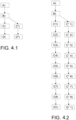
figure 4.1 shows a block diagram of a control method of a cooking oven according to a third embodiment, -
figure 4.2 shows a block diagram of a control method of a cooking oven according to a fourth embodiment. - With reference to the figures, a
cooking oven 1 comprises ahousing 2, in which acooking cavity 3 is formed, intended to accommodate the dishes to be cooked. Thecooking cavity 3 has an access opening 4 closable by adoor 5 connected to thehousing 2 and movable with respect to the access opening 4 between an open position, in which it frees the access opening 4, and a closed position in which it covers the access opening 4. - The
oven 1 further comprises adigital camera 6 mounted to thedoor 5 with such an orientation that, along at least one stretch of movement of thedoor 5 from the open position to the closed position, thedigital camera 6 also faces at least thecooking cavity 3, and the orientation of anoptical axis 7 of thedigital camera 6 and/or the position of thedigital camera 6 with respect to thecooking cavity 3 vary along said stretch of movement. - The
oven 1 further comprises acontrol system 8 in signal connection with thedigital camera 6 and configured to: - operate the
digital camera 6 to acquire a plurality of digital images of the inside of thecooking cavity 3 during the movement of thedoor 5 along the stretch of movement, with different orientations of theoptical axis 7 and/or with different positions of thedigital camera 6, and - store the plurality of digital images in a
memory 9, - transmit the stored digital images to a processing module 10 (inside or outside the housing 2) for determining the size of one or more dishes arranged in the cooking cavity, by means of photogrammetric reconstruction based on the digital images.
- By taking advantage of the change in position of the
door 5 with respect to thecooking cavity 3 during the closing movement of thedoor 5, it is possible and easy to obtain a sequence of digital images of the dish from different perspectives, allowing a reconstruction of the three-dimensional shape of the dish. Besides identifying the type (material) of the dish, the three-dimensional shape of the dish, in turn, allows determining or estimating the mass of the dish, the water content and the thickness thereof, based on which it is possible to identify/select/suggest/automate one or more cooking programs in a more targeted manner as compared to the prior art. - In the case of several dishes, the two or more dishes can be simultaneously present in the cooking cavity of the oven and/or can be mutually similar or dissimilar, e.g., a slice of salmon or three slices of salmon or two slices of salmon with potatoes. In the present description, for the purposes of definition of the invention, the term "dish" defines a food product (with or without wrapping or container) subjected to cooking or heating.
- The
oven 1 further comprises aheating system 11, e.g., one or more electric resistors arranged outside and/or inside thecooking cavity 3 and/or a microwave generator. - A
ventilation system 7 with one or more recirculation and/or suction and/or cooling impellers, operable by electric motors, remixes the air inside thecooking cavity 3, aspirates and discharges cooking fumes, and/or cools oven components, such as thedoor 5, for example. - The
control system 8 is connected and configured to command theheating system 11 and theventilation system 12 and comprises auser interface 13, e.g., with an electronic display, for the selection of operating parameters by the user and for signaling the operating conditions ofoven 1. - The
door 5 can comprise aninner panel 14 which, with thedoor 5 closed, delimits thecooking cavity 3 at theaccess opening 4, and anouter panel 15, e.g., made of glass, superimposed on and spaced apart from theinner panel 14, and optionally one or moreintermediate panels 16 arranged between theinner panel 14 and theouter panel 15 and defining together ventilation channels of thedoor 5 - Advantageously, the
digital camera 6 is positioned in a (preferably ventilated)gap 17 between theinner panel 14 and theouter panel 15, so as to be protected from heat and splashes and deposits of cooking substances from thecooking cavity 3. - In order to ensure adequate lighting for acquiring the digital images, the
oven 1 can comprise one or morelight sources 15, e.g., strips or lighting units, such as LEDs, which light up the inside of the cooking cavity when thedoor 5 moves along the stretch of movement. - Advantageously, the light source(s) 18 is/are positioned in a
gap 17 between theinner panel 14 and theouter panel 15, so as to be protected from heat and splashes and deposits of cooking substances from thecooking cavity 3. - According to an embodiment, the
digital camera 6 is positioned on a free side 19 or in a free end portion 20 (for example, in the half or third) of thedoor 5 opposite to ahinge side 21 of thedoor 5 defined by a rotation axis of thedoor 5 with respect to thehousing 2 in the stretch of movement from the open position to the closed position. Thereby, during the stretch of movement from the open position to the closed position, the position of thedigital camera 6 moves from one side of thecooking cavity 3 to an opposite side thereof, for example: - from a lower side to an upper side in the case of a
door 5 with a lower horizontal hinge, or - from a left (right) side to a right (left) side in the case of a
door 5 with a vertical lateral hinge on the left (right). - This is particularly advantageous for acquiring digital images from different perspectives, opposite to one another.
- According to an embodiment, the
control system 8 controls thedigital camera 6 so that, with every movement of the door along the stretch of movement from the open position to the closed position, thedigital camera 6 acquires a series or sequence of said digital images and the control system saves the acquired images in thememory 9. - In order to initiate the acquisition of the digital images, the
oven 1 can comprise a switch orelectric switch 21 which determines an electrical operation signal for operating thedigital camera 6, when the door moves along the stretch of movement from the open position to the closed position. - According to an embodiment, the
cooking oven 1 can comprise a brake device for slowing down the closing of thedoor 5 below a limit closing speed, for allowing the acquisition of the number of necessary photograms. - According to an embodiment, the
control system 8 is configured to store, in thememory 9, a predetermined amount of digital images referring only to the last closing movement of thedoor 5. - Advantageously, with each closing movement of the
door 5 along the stretch of movement from the open position to the closed position, the digital images stored on the occasion of a previous closing movement of thedoor 5 are cancelled and overwritten by the digital images acquired during the most recent closing movement. The number of digital images acquired from time to time and stored is in the range from 2 to 20, preferably from 2 to 10, e.g., from 2 to 5. - The position of the
digital camera 6 and the orientation of the optical axis with respect to thecooking cavity 3 are determined by the rotation, translation or roto-translation position of thedoor 5 with respect to thehousing 2. - The position of the
digital camera 6 and the orientation of the optical axis with respect to thecooking cavity 3, i.e., the individual perspective of each acquired image, can be determined, for example, by theprocessing module 10 or the control system 8: - depending on the shape and known contour feature size of the
oven 1 contained in the digital image itself, e.g., a contour edge ofcooking cavity 3 oraccess opening 4, and/or - depending on a position signal of the
door 5 at the time of acquiring the digital image, generated by aposition sensor 22, e.g., an encoder associated with thedoor 5. - The absolute size of the reconstructed three-dimensional shape of the dish can be determined, for example, by the
processing module 10 or thecontrol system 8, depending on the known contour feature size of theoven 1 contained in the digital image, e.g., a contour edge ofcooking cavity 3 oraccess opening 4. - The
processing module 10 is configured to calculate a three-dimensional contour model of an object (dish) positioned inside thecooking cavity 3, based on the digital images, by means of photogrammetric reconstruction. - The
processing module 10 can be configured to extrapolate the rear shape (on the side facing away from the access opening 4) of the object (dish) positioned in thecooking cavity 3 by means of symmetrical shape completion based on the front object shape (on the side facing the access opening 4) reconstructed based on the acquired digital images. - Alternatively or additionally, the
processing module 10 can be configured to extrapolate the complete shape of the object (dish) positioned in thecooking cavity 3 by: - selecting a so-called "dish-primitive", i.e., a basic three-dimensional geometric shape, such as a parallelepiped, a cylinder, a torus, or a more complex dish-primitive, e.g., "poultry",
- "morphing", meaning orientation and size adaptation of, the dish-primitive to the three-dimensional front contour portion of the object (dish) in the
cooking cavity 3, reconstructed based on the digital images, - According to an embodiment, the dish-primitive could be only one in number or selectable from a database of a plurality of dish-primitives depending on a food classification based on the acquired digital images.
- The 3D photogrammetric reconstruction allows a more accurate classification of the food, e.g., Pizza vs Lasagna, where both food loads can resemble each other in terms of toppings, but the thickness of a Lasagna is surely greater than that of a Pizza. The classification of the food, in turn, allows a more targeted three-dimensional reconstruction of the dish and successive determination of the mass and water content, etc., for example chicken breast vs brioches.
- The
processing module 10 carries out the food classification not only to improve the three-dimensional reconstruction of the shape and size of the dish, but also and above all to determine the volume, mass, humidity content, and thermal mass of the dish. - The thermal mass (or thermal inertia) is the capacity of a material to vary the temperature thereof more or less slowly in response to changes in the external temperature. It can be expressed in terms of temperature/time*temperature difference (s-1) or more commonly power/time*temperature difference (W/s * K).
- The heat capacity is the ratio of the heat exchanged between the body and the environment to the resulting change in temperature. Thus, it indicates the amount of heat to be provided to a substance to raise the temperature thereof by one Kelvin, expressible in terms of Joule/Kelvin.

- The
processing module 10 is configured to determine (classify) the type of food by means of food classification software or database depending on the acquired digital images. - The
processing module 10 is configured to determine the density of the food by means of a density database (look up table) which associates classes/types of food with corresponding density values. - The
processing module 10 is configured to calculate the volume of the dish depending on the reconstructed three-dimensional shape of the dish, and calculate the mass of the dish depending on the volume of the dish and the density of the food. - The
processing module 10 is configured to determine the heat capacity of the food by means of a heat capacity database (look up table) which associates classes/types of food with corresponding heat capacity values. - Finally, the
processing module 10 is configured to calculate the thermal mass or thermal inertia of the dish based on the mass of the dish and the heat capacity of the food, e.g., by multiplying the two values. - The
control system 8 is configured to determine and/or select and/or suggest to the user (by means of the user interface 13) and/or carry out a cooking program, or more generally, control theoven 1, depending on the reconstructed three-dimensional shape of the dish positioned in thecooking cavity 3. - The
control system 8 is configured to determine and/or select and/or suggest to the user (by means of the user interface 13) and/or carry out a cooking program, or more generally, control theoven 1, depending on the calculated mass of the dish positioned in thecooking cavity 3. - The
control system 8 is configured to determine and/or select and/or suggest to the user (by means of the user interface 13) and/or carry out a cooking program, or more generally, control theoven 1, depending on the calculated thermal inertia of the dish positioned in thecooking cavity 3. - According to embodiments:
- the
door 5 can be connected to thehousing 2 rotatably with respect to thehousing 2 about a vertical rotation axis at a vertical side edge of thedoor 5, or - the
door 5 can be connected to thehousing 2 rotatably/tiltably with respect to thehousing 2 about a horizontal rotation axis at a lower horizontal edge of thedoor 5, or - the
door 5 can be connected to thehousing 2 rotatably/liftably with respect to thehousing 2 about a horizontal rotation axis at an upper horizontal edge of thedoor 5, or - the
door 5 can be connected to thehousing 2 slidingly or translationally with respect to thehousing 2, for example with:- a first stretch of detachment movement of the
door 5 from theaccess opening 4 and a second stretch of translation movement of thedoor 5 parallel to and away from the access opening 4 (opening), as well as - a third stretch of translation movement of the
door 5 parallel and towards theaccess opening 4 and a fourth stretch of contact engagement movement of thedoor 5 to the access opening 4 (closing).
- a first stretch of detachment movement of the
- According to an embodiment, the
oven 1 comprises two or more of saiddigital cameras 6 positioned at a mutual distance, e.g., at least at a binocular distance, and directed on the same field of vision. - According to embodiments, the
processing module 10 can be in wireless or wired signal connection with thecontrol system 8, theprocessing module 10 can be part of thecontrol system 8 of theoven 1 or an external processing module residing, for example, on a remote server (cloud) or on an electronic device outside the oven, e.g., a computer tablet or a smart phone configured for a direct or indirect signal connection (e.g., by means of a local Wi-Fi network) with thecontrol system 8 of theoven 1. - According to an embodiment, the processing module (10) can be further configured to determine the size of one or more cooking containers (containers in which the one or more dishes can be arranged, for example) arranged in the
cooking cavity 3, by means of photogrammetric reconstruction based on the digital images. - Advantageously, the control system (8) also controls the oven (1) depending on the size of the one or more cooking containers, determined by the processing module (10).
- Since the type and size of the cooking containers (e.g., in the case of a lasagna in a ceramic oven pan or in an aluminum foil container, six muffins, each in a small aluminum oven pan or in silicon containers, a chicken with peppers in a Pyrex oven pan or in a sheet metal container or in an aluminum foil container) influence the thermal features of the cooking process, taking into account the influence of the cooking containers allows further improving the cooking process of the dishes.
- Similarly to what has been described for the dishes, the processing module (10) can be configured to calculate a three-dimensional contour model, i.e., a three-dimensional shape, of the one or more cooking containers inside the cooking cavity (3), based on the digital images, by means of photogrammetric reconstruction.
- Similarly to what has been described for the dishes, the processing module (10) can be configured to determine the absolute size of the reconstructed three-dimensional shape of the one or more cooking containers depending on the known contour feature size of the oven (1) contained in the digital image.
- Similarly to what has been described for the dishes, the processing module (10) can be configured to extrapolate a rear shape, on the side facing away from the access opening (4), of the one or more cooking containers in the cooking cavity (3) by means of symmetrical shape completion based on the front shape, on the side facing the access opening (4), of the cooking container reconstructed based on the acquired digital images.
- Similarly to what has been described for the dishes, the processing module (10) can be configured to extrapolate the complete shape of the one or more cooking containers positioned in the cooking cavity (3) by:
- selecting a so-called "container-primitive", (i.e., a standard shape model), being a basic three-dimensional geometric shape,
- adapting the orientation and size of the container-primitive to the three-dimensional front contour portion of the cooking container in the cooking cavity (3) reconstructed based on the digital images.
- Similarly to what has been described for the dishes, the processing module (10) can be configured to select the container-primitive from a database having a plurality of different container-primitives, depending on a determination of the type of container based on the acquired digital images.
- Similarly to what has been described for the dishes, the processing module (10) can be configured to:
- determine the type of material of the cooking container by means of container material classification software or database depending on the acquired digital images,
- determine the density of the material by means of a density database which associates types of material with corresponding density values,
- calculate the volume of the cooking container depending on the reconstructed three-dimensional shape of the cooking container,
- calculate the mass of the cooking container depending on the volume of the cooking container and the density of the material of the cooking container,
- determine the heat capacity of the cooking container by means of a heat capacity database which associates types of materials with corresponding heat capacity values,
- calculate the thermal inertia of the cooking container based on the mass of the cooking container and the heat capacity of the determined material,
- The invention also relates to a method for controlling a
cooking oven 1 having ahousing 2 with acooking cavity 3 for accommodating the dishes to be cooked, anaccess opening 4 closable by adoor 5 movably connected to thehousing 2 with respect to the access opening 4 between an open position, in which it frees theaccess opening 4, and a closed position in which it covers theaccess opening 4, adigital camera 6 mounted to thedoor 5 with such an orientation that, along at least one stretch of movement of thedoor 5, from the open position to the closed position, thedigital camera 6 also faces at least in thecooking cavity 3 and the orientation of anoptical axis 7 of thedigital camera 6 and/or the position of thedigital camera 6 with respect to thecooking cavity 3 vary along said stretch of movement, where the method comprises: - STEP A) operating the
digital camera 6 to acquire a plurality of digital images of the inside of thecooking cavity 3 during the movement of thedoor 5 along the stretch of movement, with different orientations of theoptical axis 7 and/or with different positions of thedigital camera 6, and - STEP B) storing the plurality of digital images in a
memory 9, - STEP C) determining the size of one or more dishes arranged in the cooking cavity by means of photogrammetric reconstruction based on the digital images.
- STEP D) controlling the
oven 1 depending on the determined size of the one or more dishes. - The method can comprise (STEP C1) calculating a three-dimensional contour model of the dish positioned inside the
cooking cavity 3, based on the digital images, by means of photogrammetric reconstruction. - The method can comprise (STEP C2) extrapolating the rear shape (on the side facing away from the access opening 4), of the dish positioned in the
cooking cavity 3 by means of symmetrical shape completion based on the front dish shape (on the side facing the access opening 4) reconstructed based on the acquired digital images. - The method can comprise (STEP C3) extrapolating the complete shape of the object (dish) positioned in the
cooking cavity 3 by: - selecting a so-called "dish-primitive",
- "morphing" the dish-primitive to the three-dimensional front contour portion of the reconstructed dish.
- The method can comprise (STEP C4) determining (classifying) the type of food by means of food classification software or database depending on the acquired digital images.
- The method can comprise (STEP C5) determining the density of the food by means of a density database (look up table) which associates classes/types of food with corresponding density values.
- The method can comprise (STEP C6) calculating the volume of the dish depending on the reconstructed three-dimensional shape of the dish, and calculating the mass of the dish depending on the volume of the dish and the density of the food.
- The method can comprise (STEP C7) determining the heat capacity of the food by means of a heat capacity database (look up table) which associates classes/types of food with corresponding heat capacity values.
- The method can comprise (STEP C8) calculating the thermal mass or thermal inertia of the dish based on the mass of the dish and the heat capacity of the food, e.g., by multiplying the two values.
- The method can comprise (STEP D1) determining and/or selecting and/or suggesting to the user (by means of the user interface 13) and/or performing a cooking program, or more generally controlling the
oven 1, depending on one or more from:
the reconstructed three-dimensional shape of the dish positioned in thecooking cavity 3, - the calculated mass of the dish positioned in the
cooking cavity 3. - According to an embodiment, the method for controlling the cooking oven (1) can further comprise:
- C1) determining the size of one or more cooking containers arranged in the cooking cavity (3), by means of photogrammetric reconstruction based on the digital images.
- D1) controlling the oven (1) also depending on the determined size of the one or more cooking containers.
- Since the type and size of the cooking containers (e.g., in the case of a lasagna in a ceramic oven pan or in an aluminum foil container, six muffins, each in a small aluminum oven pan or in silicon containers, a chicken with peppers in a Pyrex oven pan or in a sheet metal container or in an aluminum foil container) influence the thermal features of the cooking process, taking into account the influence of the cooking containers allows further improving the cooking process of the dishes.
- Similarly to what has been described for the dishes, the control method can comprise:
- C1 1) calculating a three-dimensional contour model of the cooking container positioned inside the cooking cavity (3), based on the digital images, by means of photogrammetric reconstruction,
- C1 2) extrapolating the rear shape of the cooking container positioned in the cooking cavity (3),
- C1 3) extrapolating the complete shape of the object (cooking container) positioned in the
cooking cavity 3 by:- selecting a so-called "container-primitive",
- "morphing" the container-primitive to the reconstructed three-dimensional front contour portion of the cooking container,
- C1 4) determining the type of material of the cooking container by means of material classification software or database depending on the acquired digital images,
- C1 5) determining the density of the material of the cooking container by means of a density database which associates types of material with corresponding density values,
- C1 6) calculating the volume of the cooking container depending on the reconstructed three-dimensional contour model, and calculating the mass of the cooking container depending on the volume of the cooking container and the density of the material of the determined cooking container,
- C1 7) determining the heat capacity of the cooking container by means of a heat capacity database which associates types of material with corresponding heat capacity values,
- C1 8) calculating the thermal inertia of the cooking container based on the mass of the cooking container and the heat capacity of the material of the determined cooking container,
- D1 1) controlling the oven (1) also depending on the calculated thermal inertia of the one or more cooking containers positioned in the cooking cavity (3).
- For the purposes of the present description, the terms "dish" and "food" can be considered as synonyms. In general, in order to distinguish between the object placed in the cooking cavity or the three-dimensional reconstruction thereof and the properties of the material of which such an object is made, the term "dish" was used for the object per se (e.g., bread) and the term "food" was used for the material of which the object is made (e.g., bread dough).
- According to embodiments, the
control system 8, thememory 9 and theprocessing module 10 can be on board thecooking oven 1 and distributed, e.g., partially in cloud, and in wireless and/or wired signal communication with one another, e.g., by means of Internet network and Wi-Fi. Theprocessing module 10 itself can comprise sub-modules intended for different or partial processing functions. - According to further embodiments, the
processing module 10 can be configured to, or the control method of theoven 1 can comprise the steps of, determining, depending on the digital images and/or the determined material of the dish and/or the container, by means of one or more digital databases ("look up tables") stored on board theoven 1 or in a memory outside theoven 1, e.g., on cloud, at least one or more auxiliary quantities, selected from the group consisting of: - thermal conductivity, and thus thermal diffusivity,
- content of bonded water,
- content of free water,
- alveolation coefficient,
- exchange coefficient for heat convection (as a function of the standard speed of the air under forced circulation in the cooking cavity 3),
- electrical conductivity (useful for applications in microwave ovens or however using electromagnetic radiation placed in the spectrum of radiofrequencies),
- electrical permeability (useful for applications in microwave ovens or however using electromagnetic radiation placed in the spectrum of radiofrequencies),
- magnetic permittivity (useful for applications in microwave ovens or however using electromagnetic radiation placed in the spectrum of radiofrequencies),
- radiant emissivity (in the spectrum of infrared), used to estimate the radiant exchange with the walls of the
cooking cavity 3 and the radiant sources present therein, - According to further embodiments, the
processing module 10 can be configured to determine a plurality of distinct regions with the presence of dishes inside thecooking cavity 3, by means of photogrammetric reconstruction based on the digital images, and thecontrol system 8 can be configured to control theheating system 11 and/or theventilation system 12 so as to selectively and differently heat and/or ventilate said distinct regions, depending on the size of the dishes determined by the processing module (10) and/or depending on the calculated thermal inertia values of the dishes positioned in the cooking cavity (3), and/or depending on one or more or all of the aforesaid auxiliary quantities. - Knowledge of the geometric distribution (geo-referencing) of the loads (e.g., a lasagna placed on the right side on the 3rd level in height, three hamburgers placed on the left side beneath the grill on the 6th level in height, and a tray of fries placed on the right on an oven pan resting on the dripping pan placed on the 4th level in height) allows targeted heating and ventilation for zones inside the
cooking cavity 3. - Obviously, in order to meet specific, contingent needs, those skilled in the art may make further changes and variations to the
oven 1 and method according to the present invention, all falling within the scope of protection of the invention, as defined by the following claims. -
- 1 cooking oven
- 2 housing
- 3 cooking cavity
- 4 access opening
- 5 door
- 6 digital camera
- 7 optical axis
- 8 control system
- 9 memory
- 10 processing module
- 11 heating system
- 12 ventilation system
- 13 user interface
- 14 inner panel
- 15 outer panel
- 16 intermediate panels
- 17 gap
- 18 light sources
- 19 free side of the door
- 20 free end portion of the door
- 21 electric switch
- 22 position sensor
Claims (18)
- A cooking oven (1), in particular a domestic electric oven, comprising:- a housing (2) forming a cooking cavity (3) with an access opening (4) which is closable by means of a door (5) connected to the housing (2) and movable with respect to the access opening (4) between an open position, in which it frees the access opening (4) and a closed position, in which it covers the access opening (4),- a digital camera (6) mounted to the door (5) with such an orientation that, along at least one stretch of movement of the door (5) from the open position to the closed position, the digital camera (6) also faces at least the cooking cavity (3), and the orientation of an optical axis (7) of the digital camera (6) and/or the position of the digital camera (6) with respect to the cooking cavity (3) vary along said stretch of movement,- a control system (8) in signal connection with the digital camera (6) and configured to:- operate the digital camera (6) to acquire a plurality of digital images of the inside of the cooking cavity (3) during the movement of the door (5) along the stretch of movement, with different orientations of the optical axis (7) and/or with different positions of the digital camera (6), and- store the plurality of digital images in a memory (9),- transmit the stored digital images to a processing module (10) for determining the size of one or more dishes arranged in the cooking cavity, by means of photogrammetric reconstruction based on the digital images.
- A cooking oven (1) according to claim 1, wherein the digital camera (6) is arranged on a free side (19) of the door (5) opposite to a hinge side (21) of the door (5) defined by a rotation axis of the door (5) with respect to the housing (2), so that, during the stretch of movement from the open position to the closed position, the position of the digital camera (6) moves from one side of the cooking cavity (3) to an opposite side thereof.
- A cooking oven (1) according to claim 1 or 2, wherein, in order to initiate the acquisition of the digital images, the oven (1) comprises an electric switch (21) that determines an electrical operation signal, when the door moves along the stretch of movement from the open position to the closed position.
- A cooking oven (1) according to any one of the preceding claims, wherein the control system (8) is configured to store a predetermined amount of digital images in the memory (9), referring only to the most recent closing movement of the door (5),
wherein, with each closing movement of the door (5) along the stretch of movement from the open position to the closed position, the digital images stored on the occasion of a previous closing movement of the door (5) are cancelled and overwritten by the digital images acquired during the most recent closing movement, wherein the respective number of digital images acquired and stored is equal to, or greater than 1 or in the range from 2 to 20 or in the range from 2 to 10. - A cooking oven (1) according to any one of the preceding claims, wherein the position of the digital camera (6) and the orientation of the optical axis with respect to the door (5) are stationary, and the position of the digital camera (6) and the orientation of the optical axis with respect to the cooking cavity (3) are exclusively determined by the position of the door (5) with respect to the housing (2).
- A cooking oven (1) according to any one of the preceding claims, comprising two of said digital cameras (6) positioned at a distance from each other and directed on one same field of vision.
- A cooking system comprising the cooking oven (1) according to any one of the preceding claims and the processing module (10), wherein the control system (8) controls the oven (1) depending on the size of the one or more dishes determined by the processing module (10).
- A cooking system according to claim 7, wherein the processing module (10) determines the position of the digital camera (6) and the orientation of the optical axis with respect to the cooking cavity (3) of the digital image depending on known contour features of the oven (1) contained in the digital image.
- A cooking system according to one of claims 7 to 8, wherein the processing module (10) is configured to calculate a three-dimensional contour model, i.e. a three-dimensional shape of the one or more dishes arranged inside the cooking cavity (3), based on the digital images, by means of photogrammetric reconstruction.
- A cooking system according to claim 7, wherein the processing module (10) determines the absolute size/s of the reconstructed three-dimensional shape/s of the one or more dishes depending on the known contour feature sizes of the oven (1) contained in the digital image.
- A cooking system according to one of claims 9 to 10, wherein the processing module (10) is configured to extrapolate a rear shape, on the side facing away from the access opening (4), of the one or more dishes arranged in the cooking cavity (3) by means of symmetrical shape completion based on the front shape, on the side facing towards the access opening (4), of the dish reconstructed based on the acquired digital images.
- A cooking system according to one of claims 9 to 10, wherein the processing module (10) is configured to extrapolate the complete shape of the one or more dishes arranged in the cooking cavity (3) by means of:- selecting a so-called "dish-primitive", being a basic three-dimensional geometric shape,- adaptation of orientation and size of the dish-primitive to the front three-dimensional contour portion of the dish in the cooking cavity (3) reconstructed based on the digital images.
- A cooking system according to claim 12, wherein the processing module (10) is configured to select the dish-primitive from a database having a plurality of different dish-primitives, depending on a determination of the dish type based on the acquired digital images.
- A cooking system according to any one of claims 9 to 19, wherein the processing module (10) is configured to:- determine the type of food or material of the dish by means of a food classification software or database depending on the acquired digital images,- determine the density of the food by means of a density database, which associates types of food with corresponding density values,- calculate the volume of the dish depending on the reconstructed three-dimensional shape of the dish,- calculate the mass of the dish depending on the volume of the dish and the density of the food,- determine the heat capacity of the food by means of a heat capacity database, which associates types of food with corresponding heat capacity values,- calculate the thermal inertia of the dish based on the mass of the dish and the heat capacity of the food,wherein the control system (8) controls the oven (1) depending on the calculated thermal inertia of the dish arranged in the cooking cavity (3).
- A cooking system according to any one of claims 7 to 14, wherein the processing module (10) is configured to determine the size of one or more cooking containers arranged in the cooking cavity (3), by means of photogrammetric reconstruction based on the digital images, and
the control system (8) controls the oven (1) also depending on the size of the one or more cooking containers, determined by the processing module (10). - A control method for controlling a cooking oven (1) having a housing (2) with a cooking cavity (3) accessible through an access opening (4) closable by means of a door (5) movable with respect to the access opening (4) between an open position, in which it frees the access opening (4) and a closed position, in which it covers the access opening (4), a digital camera (6) mounted to the door (5) with such an orientation that, along at least one stretch of movement of the door (5), from the open position to the closed position, the digital camera (6) also faces at least in the cooking cavity (3) and the position of the digital camera (6) with respect to the cooking cavity (3) varies along said stretch of movement, wherein the method comprises:A) operating the digital camera (6) to acquire a plurality of digital images of the inside of the cooking cavity (3) during the movement of the door (5) along the stretch of movement, from different positions of the digital camera (6), andB) storing the plurality of digital images in a memory (9),C) determining the size of one or more dishes arranged in the cooking cavity (3), by means of photogrammetric reconstruction based on the digital images.D) controlling the oven (1) depending on the determined size of the one or more dishes.
- A control method according to claim 16, comprising:C1) calculating a three-dimensional contour model of the dish arranged inside the cooking cavity (3), based on the digital images, by means of photogrammetric reconstruction,C2) extrapolating the rear shape of the dish arranged in the cooking cavity (3),C4) determining the type of food of the dish by means of a food classification software or database depending on the acquired digital images,C5) determining the density of the food by means of a density database, which associates types of food with corresponding density values,C6) calculating the volume of the dish depending on the reconstructed three-dimensional contour model, and calculating the mass of the dish depending on the volume of the dish and the density of the food,C7) determining the heat capacity of the food by means of a heat capacity database, which associates types of food with corresponding heat capacity values,C8) calculating the thermal inertia of the dish based on the mass of the dish and the heat capacity of the food,D1) controlling the oven (1) depending on the calculated thermal inertia of the dish arranged in the cooking cavity (3).
- A control method according to claim 16 or 17, comprising:C1) determining the size of one or more cooking containers arranged in the cooking cavity (3), by means of photogrammetric reconstruction based on the digital images.D1) controlling the oven (1) also depending on the determined size of the one or more cooking containers.
Applications Claiming Priority (1)
| Application Number | Priority Date | Filing Date | Title |
|---|---|---|---|
| IT102022000010652A IT202200010652A1 (en) | 2022-05-23 | 2022-05-23 | Baking oven |
Publications (3)
| Publication Number | Publication Date |
|---|---|
| EP4283198A1 true EP4283198A1 (en) | 2023-11-29 |
| EP4283198C0 EP4283198C0 (en) | 2025-09-24 |
| EP4283198B1 EP4283198B1 (en) | 2025-09-24 |
Family
ID=82942882
Family Applications (1)
| Application Number | Title | Priority Date | Filing Date |
|---|---|---|---|
| EP23170268.9A Active EP4283198B1 (en) | 2022-05-23 | 2023-04-27 | Cooking system and control method for controlling a cooking system |
Country Status (2)
| Country | Link |
|---|---|
| EP (1) | EP4283198B1 (en) |
| IT (1) | IT202200010652A1 (en) |
Citations (6)
| Publication number | Priority date | Publication date | Assignee | Title |
|---|---|---|---|---|
| US20140041530A1 (en) * | 2008-07-30 | 2014-02-13 | Electrolux Home Products Corporation N.V. | Oven and method of operating the same |
| US20190053332A1 (en) * | 2017-08-11 | 2019-02-14 | Brava Home, Inc. | Configurable cooking systems and methods |
| US10674569B2 (en) * | 2014-09-03 | 2020-06-02 | Electrolux Appliances Aktiebolag | Domestic appliance, in particular cooking oven, with a camera |
| WO2021008825A1 (en) * | 2019-07-15 | 2021-01-21 | Miele & Cie. Kg | Method for operating a cooking appliance, and cooking appliance |
| US20210231312A1 (en) * | 2017-01-10 | 2021-07-29 | Electrolux Appliances Aktiebolag | Food preparation entity |
| US20220015572A1 (en) * | 2020-07-15 | 2022-01-20 | June Life, Inc. | Method and system for foodstuff identification |
-
2022
- 2022-05-23 IT IT102022000010652A patent/IT202200010652A1/en unknown
-
2023
- 2023-04-27 EP EP23170268.9A patent/EP4283198B1/en active Active
Patent Citations (6)
| Publication number | Priority date | Publication date | Assignee | Title |
|---|---|---|---|---|
| US20140041530A1 (en) * | 2008-07-30 | 2014-02-13 | Electrolux Home Products Corporation N.V. | Oven and method of operating the same |
| US10674569B2 (en) * | 2014-09-03 | 2020-06-02 | Electrolux Appliances Aktiebolag | Domestic appliance, in particular cooking oven, with a camera |
| US20210231312A1 (en) * | 2017-01-10 | 2021-07-29 | Electrolux Appliances Aktiebolag | Food preparation entity |
| US20190053332A1 (en) * | 2017-08-11 | 2019-02-14 | Brava Home, Inc. | Configurable cooking systems and methods |
| WO2021008825A1 (en) * | 2019-07-15 | 2021-01-21 | Miele & Cie. Kg | Method for operating a cooking appliance, and cooking appliance |
| US20220015572A1 (en) * | 2020-07-15 | 2022-01-20 | June Life, Inc. | Method and system for foodstuff identification |
Also Published As
| Publication number | Publication date |
|---|---|
| IT202200010652A1 (en) | 2023-11-23 |
| EP4283198C0 (en) | 2025-09-24 |
| EP4283198B1 (en) | 2025-09-24 |
Similar Documents
| Publication | Publication Date | Title |
|---|---|---|
| AU2018333417B2 (en) | Monitoring system and food preparation system | |
| US11618155B2 (en) | Multi-sensor array including an IR camera as part of an automated kitchen assistant system for recognizing and preparing food and related methods | |
| EP2930433B1 (en) | Oven comprising a scanning system | |
| US10819905B1 (en) | System and method for temperature sensing in cooking appliance with data fusion | |
| CN209153277U (en) | A kind of oven and a kind of Intelligent oven | |
| JP7077506B2 (en) | Food cooking methods and systems based on food identification | |
| EP2930432B1 (en) | Oven comprising weight sensors | |
| US20170332841A1 (en) | Thermal Imaging Cooking System | |
| US20210080114A1 (en) | Oven with automatic control of pan elevation | |
| CA2731470A1 (en) | Oven and method of operating the same | |
| CN112426060A (en) | Control method, cooking appliance, server and readable storage medium | |
| US12185862B2 (en) | System and method for targeted heating element control | |
| JP2021063608A (en) | Heat cooking system | |
| US20240093872A1 (en) | Cooking device and control method thereof | |
| EP4283198B1 (en) | Cooking system and control method for controlling a cooking system | |
| US11460192B2 (en) | System for the preparation of at least one food product and method for operating the relevant system | |
| JP2025506547A (en) | Analysis, modeling, and monitoring of meat and food temperature and heat flow during cooking | |
| JP2021103038A (en) | Cooking appliance | |
| EP3529536B1 (en) | System and method for food preparation utilizing a multi-layer model | |
| CN116058668A (en) | Oven heating device control method and oven | |
| WO2019153711A1 (en) | Oven, intelligent oven, and intelligent device with food identification function | |
| EP4467921A1 (en) | Food preparation apparatus with food thickness determination | |
| WO2023218451A1 (en) | Thermodynamics of frying food items in oil and optimizing same | |
| WO2023057658A2 (en) | Cooking device with a camera | |
| KR20250037837A (en) | Cooking appliance and method for controlling cooking thereof |
Legal Events
| Date | Code | Title | Description |
|---|---|---|---|
| PUAI | Public reference made under article 153(3) epc to a published international application that has entered the european phase |
Free format text: ORIGINAL CODE: 0009012 |
|
| STAA | Information on the status of an ep patent application or granted ep patent |
Free format text: STATUS: THE APPLICATION HAS BEEN PUBLISHED |
|
| AK | Designated contracting states |
Kind code of ref document: A1 Designated state(s): AL AT BE BG CH CY CZ DE DK EE ES FI FR GB GR HR HU IE IS IT LI LT LU LV MC ME MK MT NL NO PL PT RO RS SE SI SK SM TR |
|
| STAA | Information on the status of an ep patent application or granted ep patent |
Free format text: STATUS: REQUEST FOR EXAMINATION WAS MADE |
|
| 17P | Request for examination filed |
Effective date: 20240411 |
|
| RBV | Designated contracting states (corrected) |
Designated state(s): AL AT BE BG CH CY CZ DE DK EE ES FI FR GB GR HR HU IE IS IT LI LT LU LV MC ME MK MT NL NO PL PT RO RS SE SI SK SM TR |
|
| RAP3 | Party data changed (applicant data changed or rights of an application transferred) |
Owner name: CANDY S.P.A. |
|
| RIN1 | Information on inventor provided before grant (corrected) |
Inventor name: SCHREIBER, DANIEL BRUNO JOSEF Inventor name: STRINATI, ALBERTO Inventor name: DOYLE, JOHN PIERO |
|
| GRAP | Despatch of communication of intention to grant a patent |
Free format text: ORIGINAL CODE: EPIDOSNIGR1 |
|
| STAA | Information on the status of an ep patent application or granted ep patent |
Free format text: STATUS: GRANT OF PATENT IS INTENDED |
|
| INTG | Intention to grant announced |
Effective date: 20250108 |
|
| GRAJ | Information related to disapproval of communication of intention to grant by the applicant or resumption of examination proceedings by the epo deleted |
Free format text: ORIGINAL CODE: EPIDOSDIGR1 |
|
| STAA | Information on the status of an ep patent application or granted ep patent |
Free format text: STATUS: REQUEST FOR EXAMINATION WAS MADE |
|
| INTC | Intention to grant announced (deleted) | ||
| GRAP | Despatch of communication of intention to grant a patent |
Free format text: ORIGINAL CODE: EPIDOSNIGR1 |
|
| STAA | Information on the status of an ep patent application or granted ep patent |
Free format text: STATUS: GRANT OF PATENT IS INTENDED |
|
| INTG | Intention to grant announced |
Effective date: 20250425 |
|
| GRAS | Grant fee paid |
Free format text: ORIGINAL CODE: EPIDOSNIGR3 |
|
| GRAA | (expected) grant |
Free format text: ORIGINAL CODE: 0009210 |
|
| STAA | Information on the status of an ep patent application or granted ep patent |
Free format text: STATUS: THE PATENT HAS BEEN GRANTED |
|
| AK | Designated contracting states |
Kind code of ref document: B1 Designated state(s): AL AT BE BG CH CY CZ DE DK EE ES FI FR GB GR HR HU IE IS IT LI LT LU LV MC ME MK MT NL NO PL PT RO RS SE SI SK SM TR |
|
| REG | Reference to a national code |
Ref country code: GB Ref legal event code: FG4D |
|
| REG | Reference to a national code |
Ref country code: CH Ref legal event code: EP |
|
| REG | Reference to a national code |
Ref country code: DE Ref legal event code: R096 Ref document number: 602023006872 Country of ref document: DE |
|
| REG | Reference to a national code |
Ref country code: IE Ref legal event code: FG4D |
|
| U01 | Request for unitary effect filed |
Effective date: 20250924 |
|
| U07 | Unitary effect registered |
Designated state(s): AT BE BG DE DK EE FI FR IT LT LU LV MT NL PT RO SE SI Effective date: 20251002 |
|
| PG25 | Lapsed in a contracting state [announced via postgrant information from national office to epo] |
Ref country code: NO Free format text: LAPSE BECAUSE OF FAILURE TO SUBMIT A TRANSLATION OF THE DESCRIPTION OR TO PAY THE FEE WITHIN THE PRESCRIBED TIME-LIMIT Effective date: 20251224 |
|
| PG25 | Lapsed in a contracting state [announced via postgrant information from national office to epo] |
Ref country code: HR Free format text: LAPSE BECAUSE OF FAILURE TO SUBMIT A TRANSLATION OF THE DESCRIPTION OR TO PAY THE FEE WITHIN THE PRESCRIBED TIME-LIMIT Effective date: 20250924 |
|
| PG25 | Lapsed in a contracting state [announced via postgrant information from national office to epo] |
Ref country code: GR Free format text: LAPSE BECAUSE OF FAILURE TO SUBMIT A TRANSLATION OF THE DESCRIPTION OR TO PAY THE FEE WITHIN THE PRESCRIBED TIME-LIMIT Effective date: 20251225 |
|
| PG25 | Lapsed in a contracting state [announced via postgrant information from national office to epo] |
Ref country code: RS Free format text: LAPSE BECAUSE OF FAILURE TO SUBMIT A TRANSLATION OF THE DESCRIPTION OR TO PAY THE FEE WITHIN THE PRESCRIBED TIME-LIMIT Effective date: 20251224 |
|
| U20 | Renewal fee for the european patent with unitary effect paid |
Year of fee payment: 4 Effective date: 20260225 |
|
| PG25 | Lapsed in a contracting state [announced via postgrant information from national office to epo] |
Ref country code: SM Free format text: LAPSE BECAUSE OF FAILURE TO SUBMIT A TRANSLATION OF THE DESCRIPTION OR TO PAY THE FEE WITHIN THE PRESCRIBED TIME-LIMIT Effective date: 20250924 |
|
| PG25 | Lapsed in a contracting state [announced via postgrant information from national office to epo] |
Ref country code: ES Free format text: LAPSE BECAUSE OF FAILURE TO SUBMIT A TRANSLATION OF THE DESCRIPTION OR TO PAY THE FEE WITHIN THE PRESCRIBED TIME-LIMIT Effective date: 20250924 |
|
| PG25 | Lapsed in a contracting state [announced via postgrant information from national office to epo] |
Ref country code: IS Free format text: LAPSE BECAUSE OF FAILURE TO SUBMIT A TRANSLATION OF THE DESCRIPTION OR TO PAY THE FEE WITHIN THE PRESCRIBED TIME-LIMIT Effective date: 20260124 |
|
| PG25 | Lapsed in a contracting state [announced via postgrant information from national office to epo] |
Ref country code: CZ Free format text: LAPSE BECAUSE OF FAILURE TO SUBMIT A TRANSLATION OF THE DESCRIPTION OR TO PAY THE FEE WITHIN THE PRESCRIBED TIME-LIMIT Effective date: 20250924 |
|
| PG25 | Lapsed in a contracting state [announced via postgrant information from national office to epo] |
Ref country code: PL Free format text: LAPSE BECAUSE OF FAILURE TO SUBMIT A TRANSLATION OF THE DESCRIPTION OR TO PAY THE FEE WITHIN THE PRESCRIBED TIME-LIMIT Effective date: 20250924 |
|
| PG25 | Lapsed in a contracting state [announced via postgrant information from national office to epo] |
Ref country code: SK Free format text: LAPSE BECAUSE OF FAILURE TO SUBMIT A TRANSLATION OF THE DESCRIPTION OR TO PAY THE FEE WITHIN THE PRESCRIBED TIME-LIMIT Effective date: 20250924 |