EP4282444A1 - Facile fabrication of a 3d-printable (bio)material, use and method of making the same - Google Patents
Facile fabrication of a 3d-printable (bio)material, use and method of making the same Download PDFInfo
- Publication number
- EP4282444A1 EP4282444A1 EP23175577.8A EP23175577A EP4282444A1 EP 4282444 A1 EP4282444 A1 EP 4282444A1 EP 23175577 A EP23175577 A EP 23175577A EP 4282444 A1 EP4282444 A1 EP 4282444A1
- Authority
- EP
- European Patent Office
- Prior art keywords
- biomaterial
- acrylate
- meth
- resin
- network
- Prior art date
- Legal status (The legal status is an assumption and is not a legal conclusion. Google has not performed a legal analysis and makes no representation as to the accuracy of the status listed.)
- Granted
Links
Images






Classifications
-
- A—HUMAN NECESSITIES
- A61—MEDICAL OR VETERINARY SCIENCE; HYGIENE
- A61L—METHODS OR APPARATUS FOR STERILISING MATERIALS OR OBJECTS IN GENERAL; DISINFECTION, STERILISATION OR DEODORISATION OF AIR; CHEMICAL ASPECTS OF BANDAGES, DRESSINGS, ABSORBENT PADS OR SURGICAL ARTICLES; MATERIALS FOR BANDAGES, DRESSINGS, ABSORBENT PADS OR SURGICAL ARTICLES
- A61L27/00—Materials for grafts or prostheses or for coating grafts or prostheses
- A61L27/14—Macromolecular materials
- A61L27/16—Macromolecular materials obtained by reactions only involving carbon-to-carbon unsaturated bonds
-
- C—CHEMISTRY; METALLURGY
- C08—ORGANIC MACROMOLECULAR COMPOUNDS; THEIR PREPARATION OR CHEMICAL WORKING-UP; COMPOSITIONS BASED THEREON
- C08F—MACROMOLECULAR COMPOUNDS OBTAINED BY REACTIONS ONLY INVOLVING CARBON-TO-CARBON UNSATURATED BONDS
- C08F283/00—Macromolecular compounds obtained by polymerising monomers on to polymers provided for in subclass C08G
- C08F283/006—Macromolecular compounds obtained by polymerising monomers on to polymers provided for in subclass C08G on to polymers provided for in C08G18/00
-
- A—HUMAN NECESSITIES
- A61—MEDICAL OR VETERINARY SCIENCE; HYGIENE
- A61L—METHODS OR APPARATUS FOR STERILISING MATERIALS OR OBJECTS IN GENERAL; DISINFECTION, STERILISATION OR DEODORISATION OF AIR; CHEMICAL ASPECTS OF BANDAGES, DRESSINGS, ABSORBENT PADS OR SURGICAL ARTICLES; MATERIALS FOR BANDAGES, DRESSINGS, ABSORBENT PADS OR SURGICAL ARTICLES
- A61L27/00—Materials for grafts or prostheses or for coating grafts or prostheses
- A61L27/14—Macromolecular materials
- A61L27/18—Macromolecular materials obtained otherwise than by reactions only involving carbon-to-carbon unsaturated bonds
-
- A—HUMAN NECESSITIES
- A61—MEDICAL OR VETERINARY SCIENCE; HYGIENE
- A61L—METHODS OR APPARATUS FOR STERILISING MATERIALS OR OBJECTS IN GENERAL; DISINFECTION, STERILISATION OR DEODORISATION OF AIR; CHEMICAL ASPECTS OF BANDAGES, DRESSINGS, ABSORBENT PADS OR SURGICAL ARTICLES; MATERIALS FOR BANDAGES, DRESSINGS, ABSORBENT PADS OR SURGICAL ARTICLES
- A61L27/00—Materials for grafts or prostheses or for coating grafts or prostheses
- A61L27/50—Materials characterised by their function or physical properties, e.g. injectable or lubricating compositions, shape-memory materials, surface modified materials
-
- B—PERFORMING OPERATIONS; TRANSPORTING
- B33—ADDITIVE MANUFACTURING TECHNOLOGY
- B33Y—ADDITIVE MANUFACTURING, i.e. MANUFACTURING OF THREE-DIMENSIONAL [3D] OBJECTS BY ADDITIVE DEPOSITION, ADDITIVE AGGLOMERATION OR ADDITIVE LAYERING, e.g. BY 3D PRINTING, STEREOLITHOGRAPHY OR SELECTIVE LASER SINTERING
- B33Y70/00—Materials specially adapted for additive manufacturing
-
- C—CHEMISTRY; METALLURGY
- C08—ORGANIC MACROMOLECULAR COMPOUNDS; THEIR PREPARATION OR CHEMICAL WORKING-UP; COMPOSITIONS BASED THEREON
- C08F—MACROMOLECULAR COMPOUNDS OBTAINED BY REACTIONS ONLY INVOLVING CARBON-TO-CARBON UNSATURATED BONDS
- C08F2/00—Processes of polymerisation
- C08F2/46—Polymerisation initiated by wave energy or particle radiation
- C08F2/48—Polymerisation initiated by wave energy or particle radiation by ultraviolet or visible light
-
- C—CHEMISTRY; METALLURGY
- C08—ORGANIC MACROMOLECULAR COMPOUNDS; THEIR PREPARATION OR CHEMICAL WORKING-UP; COMPOSITIONS BASED THEREON
- C08G—MACROMOLECULAR COMPOUNDS OBTAINED OTHERWISE THAN BY REACTIONS ONLY INVOLVING UNSATURATED CARBON-TO-CARBON BONDS
- C08G18/00—Polymeric products of isocyanates or isothiocyanates
- C08G18/06—Polymeric products of isocyanates or isothiocyanates with compounds having active hydrogen
- C08G18/28—Polymeric products of isocyanates or isothiocyanates with compounds having active hydrogen characterised by the compounds used containing active hydrogen
- C08G18/30—Low-molecular-weight compounds
- C08G18/38—Low-molecular-weight compounds having heteroatoms other than oxygen
- C08G18/3855—Low-molecular-weight compounds having heteroatoms other than oxygen having sulfur
- C08G18/3876—Low-molecular-weight compounds having heteroatoms other than oxygen having sulfur containing mercapto groups
-
- C—CHEMISTRY; METALLURGY
- C08—ORGANIC MACROMOLECULAR COMPOUNDS; THEIR PREPARATION OR CHEMICAL WORKING-UP; COMPOSITIONS BASED THEREON
- C08G—MACROMOLECULAR COMPOUNDS OBTAINED OTHERWISE THAN BY REACTIONS ONLY INVOLVING UNSATURATED CARBON-TO-CARBON BONDS
- C08G18/00—Polymeric products of isocyanates or isothiocyanates
- C08G18/06—Polymeric products of isocyanates or isothiocyanates with compounds having active hydrogen
- C08G18/70—Polymeric products of isocyanates or isothiocyanates with compounds having active hydrogen characterised by the isocyanates or isothiocyanates used
- C08G18/72—Polyisocyanates or polyisothiocyanates
- C08G18/73—Polyisocyanates or polyisothiocyanates acyclic
-
- A—HUMAN NECESSITIES
- A61—MEDICAL OR VETERINARY SCIENCE; HYGIENE
- A61L—METHODS OR APPARATUS FOR STERILISING MATERIALS OR OBJECTS IN GENERAL; DISINFECTION, STERILISATION OR DEODORISATION OF AIR; CHEMICAL ASPECTS OF BANDAGES, DRESSINGS, ABSORBENT PADS OR SURGICAL ARTICLES; MATERIALS FOR BANDAGES, DRESSINGS, ABSORBENT PADS OR SURGICAL ARTICLES
- A61L2430/00—Materials or treatment for tissue regeneration
- A61L2430/02—Materials or treatment for tissue regeneration for reconstruction of bones; weight-bearing implants
-
- A—HUMAN NECESSITIES
- A61—MEDICAL OR VETERINARY SCIENCE; HYGIENE
- A61L—METHODS OR APPARATUS FOR STERILISING MATERIALS OR OBJECTS IN GENERAL; DISINFECTION, STERILISATION OR DEODORISATION OF AIR; CHEMICAL ASPECTS OF BANDAGES, DRESSINGS, ABSORBENT PADS OR SURGICAL ARTICLES; MATERIALS FOR BANDAGES, DRESSINGS, ABSORBENT PADS OR SURGICAL ARTICLES
- A61L2430/00—Materials or treatment for tissue regeneration
- A61L2430/10—Materials or treatment for tissue regeneration for reconstruction of tendons or ligaments
-
- A—HUMAN NECESSITIES
- A61—MEDICAL OR VETERINARY SCIENCE; HYGIENE
- A61L—METHODS OR APPARATUS FOR STERILISING MATERIALS OR OBJECTS IN GENERAL; DISINFECTION, STERILISATION OR DEODORISATION OF AIR; CHEMICAL ASPECTS OF BANDAGES, DRESSINGS, ABSORBENT PADS OR SURGICAL ARTICLES; MATERIALS FOR BANDAGES, DRESSINGS, ABSORBENT PADS OR SURGICAL ARTICLES
- A61L2430/00—Materials or treatment for tissue regeneration
- A61L2430/12—Materials or treatment for tissue regeneration for dental implants or prostheses
Definitions
- the thiol monomer can be, but is not limited to: 2,5-dimercaptomethyl-1,4-dithiane, 2,3-dimercapto-1-propanol, 2-mercapto-ethylsulfide, 2,3-(dimercaptoethylthio)-1-mercaptopropane, 1,2,3-trimercaptopropane, ethylene glycol bis(thioglycolate), ethylene glycol bis (3-mercaptopropionate), pentaerythritol tetra(3-mercaptopropionate), trimethylolpropane tris (3-mercaptopropionate), pentaerythritol tetra(2-mercaptoacetate), trimethylolpropane tris(2- mercaptoacetate), 1,6-hexanedithiol, 1,2-benzenedithiol, 1,3-benzenedithiol, isophorone diurethane thiol, or any combinations
- the thiol monomer is pentaerythritol tetra(3-mercaptopropionate), the isocyanate monomer is hexamethylene diisocyanate, and the (meth)acrylate monomer is trimethylolpropane triacrylate.
- the thiol monomer and isocyanate monomer are combined in ratio of thiol to isocyanate functionality being equal to or greater than three to form a prepolymer solution.
- the thiourethane oligomer can include a catalyst, such as dibutyl tin laurate, triethanol amine, N,N,N',N'-tetrakis (2-hydroxypropyl)ethylenediamine, 1 -[ N,N-bis (2-hydroxyethyl)amino]-2-propanol, 4-[N,N-bis(2- hydroxyethyl)amino]benzaldehyde, and/or tri-isopropanolamine.
- the biomaterial resin includes a photocatalyst, such as, but not limited to WPBG300 or benzophenone.
- the photocatalyst can be used with a photosensitizer, such as, but not limited to, IPTX.
- a solvent such as acetone and/or dimethylsulfoxide can be used.
- the biomaterial network formed by the method above is useful as a biomaterial device for repair or replacement of tendons, ligaments, bone, or teeth.
- the tendon substitute can have a tensile strength of about 3 MPa to about 28 MPa and a tensile modulus of about 21 MPa to about 844 MPa.
- mixing can occur in the presence of a solvent, such as, but not limited to, acetone and/or dimethylsulfoxide (DMSO).
- a solvent such as, but not limited to, acetone and/or dimethylsulfoxide (DMSO).
- the solvent can be included in the biomaterial resin or may be removed to yield the biomaterial resin in the form desired for subsequent processing into the biomaterial network.
- a pigment or dye can be included.
- a filler can be combined with the biomaterial resin in a wide range of filler loadings.
- the filler can be, but is not necessarily, transparent to UV or visible light.
- the filler can be of any reasonable dimensions from nanometer to greater than micrometer dimensions.
- Fillers can include, but are not limited to, silica, glass, mineral, polymeric particles or fibers, graphite fibers, carbon nanotubes.
- a biomaterial resin was prepared from a thiourethane oligomer from pentaerythritol tetra(3-mercaptopropionate) and hexamethylene diisocyanate in a 1.5 to 1 molar ratio (3 -SH / -NCO) to form approximately a pentameric thiourethane oligomer.
- This thiourethane oligomer can be combined with the trimethylolpropane triacrylate and catalyst to form a biomaterial network upon irradiating in a 3D-printer.
- PHT resin was added 500 ⁇ L 1,2-dicyclohexyl-4,4,5,5-tetramethylbiguanidium n-butyltriphenylborate (WPBG-300) solution (10% w/v, in acetone) and 100 ⁇ L 2 - isopropylthioxanthone (IPTX) solution (10% w/v, in acetone) as photo initiator and sensitizer.
- WPBG-300 1,2-dicyclohexyl-4,4,5,5-tetramethylbiguanidium n-butyltriphenylborate
- IPTX isopropylthioxanthone
- Embodiment 4 The biomaterial resin according to embodiment 1, wherein the at least one (meth)acrylate monomer comprises methyl acrylate; ethyl acrylate; methyl methacrylate; acrylic anhydride; acrylamide; methacrylamide; acrylic acid; methacrylic acid; methacrylic anhydride; ethylene glycoldi(meth)acrylate; tetraethyleneglycol-di(meth)acrylate; poly(ethylene glycol)dimethacrylate; a condensation product of bisphenol A and glycidyl methacrylate; 2,2'-bis[4-(3-methacryloxy-2-hydroxypropoxy)-phenyl]propane; hexanediol di(meth)acrylate; tripropylene glycol di(meth)acrylate; butanediol di(meth)acrylate; neopentyl glycol di(meth)acrylate; diethylene glycol di(meth)acrylate; triethylene glycol di
- Embodiment 7 The biomaterial resin according to embodiment 1, wherein the thiourethane oligomer further comprises a catalyst.
- Embodiment 8 The biomaterial resin according to embodiment 7, wherein the catalyst comprises dibutyl tin laurate; N,N,N ', N '- tetrakis (2-hydroxypropyl)ethylenediamine; 1 - [ N,N-bis (2-hydroxyethyl)amino]-2-propanol; 4-[ N , N - bis (2-hydroxyethyl)amino]benzaldehyde; triethanol amine; or tri-isopropanolamine.
- the catalyst comprises dibutyl tin laurate; N,N,N ', N '- tetrakis (2-hydroxypropyl)ethylenediamine; 1 - [ N,N-bis (2-hydroxyethyl)amino]-2-propanol; 4-[ N , N - bis (2-hydroxyethyl)amino]benzaldehyde; triethanol amine; or tri-isopropanolamine.
- Embodiment 17 A method of forming a biomaterial network, comprising:
- Embodiment 18 The method according to embodiment 17, further comprising irradiating the biomaterial resin or the biomaterial network thorough a mask.
- Embodiment 21 The biomaterial device according to embodiment 20, wherein the biomaterial device is a tendon substitute.
Landscapes
- Chemical & Material Sciences (AREA)
- Health & Medical Sciences (AREA)
- Medicinal Chemistry (AREA)
- Chemical Kinetics & Catalysis (AREA)
- Organic Chemistry (AREA)
- Polymers & Plastics (AREA)
- Animal Behavior & Ethology (AREA)
- Dermatology (AREA)
- Oral & Maxillofacial Surgery (AREA)
- Transplantation (AREA)
- Epidemiology (AREA)
- Life Sciences & Earth Sciences (AREA)
- General Health & Medical Sciences (AREA)
- Public Health (AREA)
- Veterinary Medicine (AREA)
- Manufacturing & Machinery (AREA)
- Engineering & Computer Science (AREA)
- Materials Engineering (AREA)
- Materials For Medical Uses (AREA)
Abstract
Description
- This application claims the benefit of
U.S. Provisional Patent Application Serial No. 63/365,372, filed May 26, 2022 - Injuries resulting in bone-tendon/bone-ligament or tendon/ligament ruptures are common during sports or other activities, and technical advancement is needed to improve repair results. For example, rotator cuff injuries are typically repaired by affixing suture anchors to humeral bone followed by suture-mediated repair in an effort to restore the contiguity of the bone-tendon unit. Unfortunately, repaired rotator cuff tissues experience retear rates ranging from 22% to 91%, and massive tears may be challenging to repair. Available natural and synthetic grafts exist but long-term clinical outcomes have produced mixed results. Repair and replacement materials that better mimic native tendon biomechanical properties, possess attributes that enhance surgical repair stability, and possess the capability to deliver pro-regenerative cues should improve outcomes.
- In order to restore viable biomechanical function to injured rotator cuff tissues, grafts must, in addition to being biocompatible, also exhibit the following qualities: (i) approximate the mechanical properties of bone-tendon or tendon tissues over long durations to withstand physiological loads, (ii) exhibit high suture retention strength to support surgical repair, and (iii) possess the capability to deliver pro-regenerative cues to enhance tissue healing. Available grafts that are marketed as tendon substitutes include: anisotropically aligned collagen biotextiles; layered poly(L-lactic acid) scaffolds; electrospun nanofibers with crimped morphology; collagen scaffolds crosslinked via hypoxia and lysyl oxidase; decellularized tissue obtained from human or animal cadaveric sources and subjected to chemical crosslinking, porous polyurethane urea, woven poly(L-lactic acid) scaffolds; and tyramine substituted-hyaluronan enriched fascia extracellular matrix.. Available grafts possess tensile strengths (11.9-32.7 MPa) that span or exceed that of human tendon tissue, however, the tensile moduli (14 - 71 MPa) are typically 3 to 40 times lower than native supraspinatus tendon (200 - 600 MPa), which is the most frequently injured tendon in rotator cuff injuries and may affect efficiency of joint movement. It is vital to note that biomaterials may lose their mechanical properties as they degrade so biomaterials that do exhibit slow or no degradation are required to sustain mechanical attributes long-term. Also, few clinical grafts possess high suture retention, which is vital for ensuring surgical repair integrity. This is important as surgical sutures frequently tear through remaining tendon tissue and grafts may be used to physically reinforce the tendon. In addition, few grafts possess the capability to deliver pro-regenerative cues in terms of topography and growth factors. The former is vital for controlling cell alignment and ECM production, which in turn, affects tissue strength, while the latter is crucial for enhancing tissue regeneration. Furthermore, clinically available grafts are not mechanically tunable (to a particular tendon), are not produced on-site (at the hospital), and are not formed to the specific geometries of a patient's anatomy. Thus, tendon substitutes must possess necessary characteristics including biocompatibility, tendon-like mechanical properties, good suture-retention, and capability to deliver pro-regenerative cues that restore joint function and promote tissue healing, allowing a patient to resume daily activities.
- To address this, a slow-degrading, photo-tunable polymer with robust tendon-like mechanical properties, high suture retention, and capability to deliver pro-regenerative cues was prepared by chemical-crosslinking, photo-crosslinking, and heat-curing. This was observed for a highly crosslinked, photo-tunable polythiourethane networks (PHT polymers) prepared from pentaerythritol tetra(3-mercaptopropionate) (P), hexamethylene diisocyanate (H) and trimethylolpropane triacrylate (T). PHT polymer is biocompatible and showed minimal cytotoxicity in vitro and no overt inflammatory response after implantation in mice for 3 weeks and in rabbits for 8 weeks. This polymer exhibits tendon-like strength and tensile modulus, the ability to sustain more than 10,000 cycles of physiologic loading without failure, and little-to-no degradation at 8 weeks post-implantation to retain mechanical strength. Also, PHT polymer exhibits exceptional suture retention properties, and showed reduced suture migration relative to Graftjacket™, a commercially available acellular dermal matrix. In addition, PHT polymer is 3D-printable and can deliver pro-regenerative cues via topographic surface patterning and via combination with growth factors such as tenogenic fibroblastic growth factor-2 (FGF-2), transforming growth factor-β3, and insulin-like growth factor-1 (IGF-1).
- 3D-printing holds great potential for alleviating healthcare burdens through point-of-care manufacturing of personalized implants, therefore, a mechanically robust and biocompatible resins that can be easily manufactured at hospital locations without specialized apparatus is desirable.
- An embodiment is directed to a biomaterial resin that is a composition of a thiourethane oligomer and at least one (meth)acrylate monomer with a photoinitiator, wherein the thiourethane oligomer is the addition product of at least one thiol monomer and at least one isocyanate monomer. The thiol monomer can be, but is not limited to: 2,5-dimercaptomethyl-1,4-dithiane, 2,3-dimercapto-1-propanol, 2-mercapto-ethylsulfide, 2,3-(dimercaptoethylthio)-1-mercaptopropane, 1,2,3-trimercaptopropane, ethylene glycol bis(thioglycolate), ethylene glycol bis(3-mercaptopropionate), pentaerythritol tetra(3-mercaptopropionate), trimethylolpropane tris(3-mercaptopropionate), pentaerythritol tetra(2-mercaptoacetate), trimethylolpropane tris(2-mercaptoacetate), 1,6-hexanedithiol, 1,2-benzenedithiol, 1,3-benzenedithiol, isophorone diurethane thiol, or any combinations thereof. The isocyanate monomer can be, but is not limited to: isophorone diisocyanate, methylene dicyclohexyl diisocyanate, 2,4-diisocyanatotoluene, 4,4'-methylene bis-(cyclohexylisocyanate), hexamethylene diisocyanate, biuret of hexamethylene diisocyanate, hexamethylene diisocyanate isocyanurate trimer, hexamethylene diisocyanate uretdione, poly(hexamethylene diisocyanate), isophorone diisocyanate trimer, 1,3cyclohexane bis(methylisocyanate), and 2,2,4,-trimethyl hexamethylene diisocyanate, or any combination thereof. The at least one (meth)acrylate monomer can be, but is not limited to: methyl acrylate, ethyl acrylate, methyl methacrylate, acrylic anhydride, acrylamide, methacrylamide, acrylic acid, and methacrylic acid, methacrylic anhydride, ethylene glycoldi(meth)acrylate, tetraethyleneglycol-di(meth)acrylate, poly(ethylene glycol)dimethacrylates, the condensation product of bisphenol A and glycidyl methacrylate, 2,2'-bis[4-(3-methacryloxy-2-hydroxypropoxy)-phenyl]propane, hexanediol di(meth)acrylate, tripropylene glycol di(meth)acrylate, butanediol di(meth)acrylate, neopentyl glycol di(meth)acrylate, diethylene glycol di(meth)acrylate, triethylene glycol di(meth)acrylate, dipropylene glycol di(meth)acrylate, allyl(meth)acrylate trimethylolpropane triacrylate, tricyclodecane dimethanol diacrylate, or any combinations thereof. In an exemplary embodiment of the biomaterial resin, the thiol monomer is pentaerythritol tetra(3-mercaptopropionate), the isocyanate monomer is hexamethylene diisocyanate, and the (meth)acrylate monomer is trimethylolpropane triacrylate. The thiol monomer and isocyanate monomer are combined in ratio of thiol to isocyanate functionality being equal to or greater than three to form a prepolymer solution. The thiourethane oligomer can include a catalyst, such as dibutyl tin laurate, triethanol amine, N,N,N',N'-tetrakis(2-hydroxypropyl)ethylenediamine, 1 -[N,N-bis(2-hydroxyethyl)amino]-2-propanol, 4-[N,N-bis(2-hydroxyethyl)amino]benzaldehyde, and/or tri-isopropanolamine. The biomaterial resin includes a photocatalyst, such as, but not limited to WPBG300 or benzophenone. The photocatalyst can be used with a photosensitizer, such as, but not limited to, IPTX. A solvent, such as acetone and/or dimethylsulfoxide can be used.
- Another embodiment is directed to a method of making the biomaterial resin, above. The thiourethane oligomer is formed by the addition reaction within a mixture of the at least one thiol monomer and at least one isocyanate monomer and the thiourethane oligomer is combined with at least one (meth)acrylate monomer and at least one photoinitiator, and optionally at least one photosensitizer to form the biomaterial resin. The thiourethane oligomer is formed with a ratio of thiol units to isocyanate units of three or more. And oligomerizing can be carried in the presence of a catalyst.
- Subsequently, according to an embodiment, a biomaterial network is formed from the biomaterial resin above. The biomaterial network is generated by placing the biomaterial resin in a receiving stage or within a delivering portion of a 3D-printer where the biomaterial resin is irradiated with UV or visible radiation to generate a polymerized portion and an unpolymerized portion. The unpolymerized portion can be separated from the polymerized portion to isolate the biomaterial network. The biomaterial network can be heated to increase the crosslinking density. An irradiating of the biomaterial resin or biomaterial network can be performed through a mask to form a gradient of crosslinking in the biomaterial network.
- In another embodiment the biomaterial network formed by the method above is useful as a biomaterial device for repair or replacement of tendons, ligaments, bone, or teeth. The tendon substitute can have a tensile strength of about 3 MPa to about 28 MPa and a tensile modulus of about 21 MPa to about 844 MPa.
-
-
Fig. 1A shows a chart of tensile strength for PHT networks with thermal treatment for 2, 4, and 8 hours in comparison to the range displayed by a supraspinatus tendon (SST), according to embodiments. -
Fig. 1B shows a chart of tensile modulus for PHT networks with thermal treatment for 2, 4, and 8 hours in comparison to the range displayed by a supraspinatus tendon (SST), according to embodiments. -
Fig. 1C shows a chart of percentage of strain at failure for PHT networks with thermal treatment for 2, 4, and 8 hours, according to embodiments. -
Fig. 2A shows a plot of strain vs cycling for PHT networks with thermal treatment for 2, 4, and 8 hours, according to embodiments. -
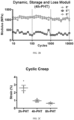
Fig. 2B shows plots of dynamic, storage, and loss moduli vs cycling for PHT networks with thermal treatment 4 hours, according to an embodiment. -
Fig. 2C shows a chart of cyclic creep for PHT networks with thermal treatment for 2, 4, and 8 hours, according to embodiments. -
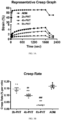
Fig. 3A shows a plot of the static creep for PHT networks with thermal treatment for 2, 4, and 8 hours relative to that of a clinically available tendon replacement (ADM), according to embodiments. -
Fig. 3B shows a chart of the creep rate for PHT networks with thermal treatment for 2, 4, and 8 hours relative to that of a clinically available tendon replacement (ADM), according to embodiments. -
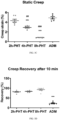
Fig. 3C shows a chart of the maximum strain change (%) in static creep for PHT networks with thermal treatment for 2, 4, and 8 hours relative to that of a clinically available tendon replacement (ADM), according to embodiments. -
Fig. 3D shows a chart of the creep recovery (%) for PHT networks with thermal treatment for 2, 4, and 8 hours relative to that of a clinically available tendon replacement (ADM), according to embodiments. -
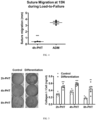
Fig. 4 shows a chart of suture retention for a 4h-PHT network relative to that of a clinically available tendon replacement (ADM), according to an embodiment. -
Fig. 5 shows picrosirius red staining and quantification of collagen expression of differentiated and control human mesenchymal stem cells cultured on the surface of the PHT networks with thermal treatment for 2, 4, and 8 hours, according to embodiments. -
Fig. 6 shows immunofluorescence staining of tendon-specific markers Scleraxis (Scx), Collagen Type I (Col I), Tenascin C (Tnc) and Tenomodulin (Tnmd) on differentiated and control human mesenchymal stem cells cultured on the surface of the PHT networks with thermal treatment for 4 hours, according to an embodiment. -
Fig. 7 shows the 3D-printed tunnel-shaped PHT network with an anisotropic topographical pattern inside. -
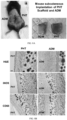
Fig. 8A shows mouse subcutaneous implantation of PHT network and a clinically available tendon replacement (ADM), according to embodiments. -
Fig. 8B shows the hematoxylin and eosin (H&E) staining and immunohistochemistry of iNOS and CD68 on the skin sections with implanted PHT network and a clinically available tendon replacement (ADM). -
Fig. 9A shows gross tissue morphology of rabbit supraspinatus tendon implanted with PHT scaffold with thermal treatment for 4 hours, with or without low dosage of growth factors (GFs-Low) collected 8 weeks after surgery, according to an embodiment. -
Fig. 9B shows images of hematoxylin and eosin staining of longitudinal sections of rabbit supraspinatus tendon with PHT only (with thermal treatment for 4 hours,) or PHT-GFs-Low (with thermal treatment for 4 hours), according to an embodiment, and the Histological score calculated according to defined criteria in the region of interest (ROI). -
Fig. 9C shows images of picrosirius red staining of longitudinal sections of rabbit supraspinatus tendon with PHT only (with thermal treatment for 4 hours) or PHT-GFs-Low (with thermal treatment for 4 hours), according to an embodiment, and a chart of the Collagen expression in the ROI calculated as the average intensity of the red color of the fibers around the PHT scaffold. -
Fig. 9D shows images of picrosirius red staining of longitudinal sections of rabbit supraspinatus tendon with PHT only (with thermal treatment for 4 hours) or PHT-GFs-Low (with thermal treatment for 4 hours), according to an embodiment, under polarized light and a chart of Collagen alignment calculated with anisotropy of the fibers around the PHT scaffold. -
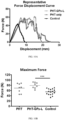
Fig. 10A shows representative force displacement profile of rabbit supraspinatus tendon with PHT only (with thermal treatment for 4 hours), PHT-GFs-Low (with thermal treatment for 4 hours), according to an embodiment, and contralateral control during mechanical tensile test. -
Fig. 10B shows maximum force of rabbit supraspinatus tendon with PHT only (with thermal treatment for 4 hours), PHT-GFs-Low (with thermal treatment for 4 hours), according to an embodiment, and contralateral control in mechanical tensile test (load to failure). -
Fig. 10C shows stiffness of rabbit supraspinatus tendon with PHT only (with thermal treatment for 4 hours), PHT-GFs-Low (with thermal treatment for 4 hours), according to an embodiment, and contralateral control in mechanical tensile test (load to failure). -
Fig. 10D shows ultimate displacement of rabbit supraspinatus tendon with PHT only (with thermal treatment for 4 hours), PHT-GFs-Low (with thermal treatment for 4 hours), according to an embodiment, and contralateral control in mechanical tensile test (load to failure). - In embodiments, a 3D-printable biomaterial resin for a mechanically robust tendon repair. This 3D-printed biomaterial allows point-of-care manufacturing of a biomaterial network for personalized tendon implants. The biomaterial resin has a formulation that is easily 3D-printed by a medical technician and yields a durable repair of musculoskeletal injuries, such as, but not limited to, rotator cuff tears, yet is applicable to other biomedical and non-biomedical devices. In embodiments of the invention the biomaterial resin is readily formulated with no specialized equipment or conditions. In embodiments, the biomaterial resin forms biomaterial network that exhibits mechanical properties similar to native tendons and ligaments that are highly biocompatible and can be 3D-printed to specific geometries that match specific patient anatomy. The biomaterial networks can possess stress reducing features via modulation of stiffness gradients or 3D-printed lattice structure.
- The biomaterial resin has a composition that is ultimately formed from at least one multifunctional thiol monomer, at least one multifunctional isocyanate, and at least one (meth)acrylate monomer. The formulation is not typical of traditional polyurethanes where the formulation diminishes any risks of isocyanate-related toxicity to those formulating, transforming, or receiving a biomedical device from the biomaterial resin.
- The biomaterial resin includes isocyanate monomers that contain at least two isocyanate functionalities. The isocyanate monomers can be, but is not limited to one or more of: isophorone diisocyanate; methylene dicyclohexyl diisocyanate; 2,4-diisocyanatotoluene; 4,4'-methylene-bis-(cyclohexylisocyanate); hexamethylene diisocyanate; biuret of hexamethylene diisocyanate; hexamethylene diisocyanate isocyanurate trimer; hexamethylene diisocyanate uretdione; poly(hexamethylene diisocyanate); isophorone diisocyanate trimer; 1,3-cyclohexane-bis-(methylisocyanate); and 2,2,4,-trimethylhexamethylene diisocyanate.
- The biomaterial resin includes thiol monomers that contain at least two thiol functionalities. These thiol monomers can be, but are not limited to, one or more of: 2,5-dimercaptomethyl-1,4-dithiane; 2,3-dimercapto-1-propanol; 2-mercapto-ethylsulfide; 2,3-(dimercaptoethylthio)-1-mercaptopropane; 1,2,3-trimercaptopropane; ethylene glycol bis(thioglycolate); ethylene glycol bis(3-mercaptopropionate); pentaerythritol tetra(3-mercaptopropionate); trimethylolpropane tris-3-mercaptopropionate); pentaerythritol tetra(2-mercaptoacetate); trimethylolpropane tris(2-mercaptoacetate); 1,6-hexanedithiol; 1,2-benzenedithiol; 1,3-benzenedithiol; and isophorone diurethane thiol.
- The biomaterial resin includes (meth)acrylate monomers including one or more of: methyl acrylate; ethyl acrylate; methyl methacrylate; acrylic anhydride; acrylamide; methacrylamide; acrylic acid; and methacrylic acid; methacrylic anhydride; ethylene glycoldi(meth)acrylate; tetraethyleneglycol-di(meth)acrylate; poly(ethylene glycol)dimethacrylates; the condensation product of bisphenol A and glycidyl methacrylate; 2,2'-bis[4-(3-methacryloxy-2-hydroxypropoxy)-phenyl]propane; hexanediol di(meth)acrylate; tripropylene glycol di(meth)acrylate; butanediol di(meth)acrylate; neopentyl glycol di(meth)acrylate; diethylene glycol di(meth)acrylate; triethylene glycol di(meth)acrylate; dipropylene glycol di(meth)acrylate; allyl(meth)acrylate trimethylolpropane triacrylate; and tricyclodecane dimethanol diacrylate.
- In embodiments, the isocyanate monomers and thiol monomers are combined such that the ratio of -SH to -NCO functionality is at least three. This results in a thiourethane oligomer that is effectively free of isocyanate units and containing at least two thiol units on each homologue of the oligomer. The oligomerization can include a catalyst, such as, but not limited to, butyl tin laurate, or a tertiary amine, such as, but not limited to: N,N,N',N'-tetrakis(2-hydroxypropyl)ethylenediamine; triethanol amine; triisopropanolamine; 1-[N,N-bis(2-hydroxyethyl)amino]-2-propanol; and 4-[N,N-bis(2-hydroxyethyl)amino]benzaldehyde. The oligomerization can be performed at ambient temperature and pressures, although heating can be performed as desired. The final thiourethane oligomer is retained at room temperature until subsequent inclusion into the biomaterial resin.
- This thiourethane oligomer is combined with the (meth)acrylate monomers to form the biomaterial resin. The biomaterial resin can be combined at ambient temperature and pressure, although heating can be performed as desired. The mixture can but does not require a solvent. The mixture can include, during a single mixing or in a subsequent mixing to the oligomer-(meth)acrylate mixing, a photoinitiation component that includes a photoinitiator and, optionally, a photosensitizer, such a wide range of electromagnetic wavelengths can be used with the biomaterial resin during 3D printing and subsequent photolytic processes. The photoinitiator can be, but is not limited to, WPBG300, benzophenone, and an optional photosensitizer can be, but is not limited to IPTX. As desired or required, mixing can occur in the presence of a solvent, such as, but not limited to, acetone and/or dimethylsulfoxide (DMSO). The solvent can be included in the biomaterial resin or may be removed to yield the biomaterial resin in the form desired for subsequent processing into the biomaterial network. Additionally, if desired for a particular application, a pigment or dye can be included. As desired a filler can be combined with the biomaterial resin in a wide range of filler loadings. The filler can be, but is not necessarily, transparent to UV or visible light. The filler can be of any reasonable dimensions from nanometer to greater than micrometer dimensions. Fillers can include, but are not limited to, silica, glass, mineral, polymeric particles or fibers, graphite fibers, carbon nanotubes.
- The biomaterial resin forms a biomaterial network when placed in a 3D printer. The biomaterial resin is then patterned by photolysis using the printer's lasers. The printed biomaterial resin can be subsequently heated as desired. The resulting poly((meth)acrylate thiourethane) forms the biomaterial network. The (meth)acrylate polymerizes with the thiourethane oligomer acting as a chain transfer reagent to connect (meth)acrylate and thiol chains within the network. This biomaterial network can be used as achieved after removal of non-polymerized resin, or the isolated biomaterial network can be additionally processed to form a biomaterial network that has a higher crosslinking density and can have a gradient of crosslinking densities to yield a biomaterial device with a gradient of mechanical properties along at least one dimension of the biomaterial device. The biomaterial device can be heated to increase the physical crosslinking density of the biomaterial. Heating can be performed in an oven or on a plate such that heat is maintained for a desired length of time to achieve desired tensile strengths and tensile moduli for a desired use of the device.
- The gradient biomaterial device can be generated using a UV or visible light source in conjunction with a mask. The mask can be included in the 3D-printing process or subsequently with the biomaterial device. The mask can be used in a stationary or moving manner, such that the desired gradient can be achieved. The mask can be continuously transmissive, or maybe formed to have a desired gradient of transmissivity.
- In an exemplary embodiment, a biomaterial resin was prepared from a thiourethane oligomer from pentaerythritol tetra(3-mercaptopropionate) and hexamethylene diisocyanate in a 1.5 to 1 molar ratio (3 -SH / -NCO) to form approximately a pentameric thiourethane oligomer. This thiourethane oligomer can be combined with the trimethylolpropane triacrylate and catalyst to form a biomaterial network upon irradiating in a 3D-printer. The triacrylate forms a network that includes the pentameric thiourethane oligomer by chain transfer during the radical chain-growth polymerization of the acrylate units. Polymerization proceeds until the network forms with little diffusion within the network. Heating of this biomaterial network increase diffusion and the crosslinking density of the network. This network can be fabricated as a biomaterial device that displays a broad range of tensile strengths of about 3 to 28 MPa, for example, 3.06 MPa when no heating is employed to about 27.53 MPa when the equivalent biomaterial network is heated for eight hours, and a broad range of tensile modulus of about 20 to about 844 MPa, for example, 20.54 MPa for the non-heated biomaterial network and 843.7 MPa for the equivalent biomaterial network is heated for eight hours.
- The biomaterial device or gradient biomaterial is useful as a tendon substitute or other biomaterials for repair or replacement of tendons, ligaments, bone, or teeth as formulated by the photolytic or combined photolytic and thermal processes.
- Pentaerythritol tetra(3-mercaptopropionate) (Sigma Aldrich), hexamethylene diisocyanate (1,6-diisocyanatohexane) ( TCI (Shanghai) Development Co., Ltd), trimethylolpropane triacrylate (stabilized with MEHQ) (Sigma), N,N,N',N'-tetrakis(2-hydroxy-propyl) ethylenediamine (quadrol or Q; Sigma Aldrich), 1,2-dicyclohexyl-4,4,5,5-tetramethylbiguanidium n-butyltriphenylborate (WPBG-300; FUTIFILM Wako Pure Chemical Co.), 2-isopropylthioxanthone (FUJIFILM Wako Pure Chemical Co.), and acetone (Honeywell International Inc) were used as received. A
Kudo3D Titan 2HR 3D printer or a 365 nm UV light source (365 nm UV LED lamp; 6000-8000MW/cm2; ShenZhen HowSuper Technology Co. Ltd) were employed. - A biomaterial resin (PHT) was prepared by combining the thiol and isocyanate to produce PH oligomer solution with excess thiol, where 50.03 mmol pentaerythritol tetra(3-mercaptopropionate) (P) was mixed with 10 µL N,N,N',N'-tetrakis(2-hydroxy-propyl) ethylenediamine (quadrol or Q) solution (33.3% v/v, in acetone) as catalyst in a 50 mL conical tube with vortexing for 30 seconds for mixing. Addition of 19.92 mmol hexamethylene diisocyanate (H) to the mixture and vortexing at 2500rpm at RT for 20 to 30 minutes to allow complete reaction of H and generate a PH oligomer where ratio of -SH to -NCO groups was 5:1. The PH oligomer was centrifuged at 2200 g for 3 minutes to remove bubbles and 80.18 mmol trimethylolpropane triacrylate (T) was added. To the PH oligomer T mixture was added 5 mL acetone and physically mixed with a spoon until a homogeneous solution was formed (SH:NCO:Acrylate = 5:1:6).
- To this PHT resin was added 500
µL 1,2-dicyclohexyl-4,4,5,5-tetramethylbiguanidium n-butyltriphenylborate (WPBG-300) solution (10% w/v, in acetone) and 100 µL 2 - isopropylthioxanthone (IPTX) solution (10% w/v, in acetone) as photo initiator and sensitizer. The mixture was centrifuged at 2200 g for 0.5 minutes and transferred into a modified ASTM D638-10 Type V mold. A mold was placed on the platform of aKudo3D printer Titan 2 HR and the PHT resin was photo-crosslinked for 150 seconds. - PHT networks were removed from the mold and additionally heat cured in a vacuum oven (Shel Lab SVAC1-2 Compact Vacuum Drying Oven, Albuquerque, New Mexico) at 150 °C for 2, 4, or 8 hours. Mechanical properties of PHT networks were determined by tensile, cyclic tensile, static creep and suture retention tests.
- Tensile test (load to failure) indicated that the PHT network has a tensile strength range of 3.06 MPa with no heat-curing to about 27.53 MPa with 8hrs heat-curing (8h-PHT) and a tensile modulus range of 20.54 MPa with no heat-curing to about 843.7 MPa for 8h-PHT. The PHT network showed increased tensile strength and tensile moduli with increased heat-curing time and is capable to mimic physiological supraspinatus tendon-like strength and modulus, as indicated in
Figs. 1A-1C . - Cyclic tensile test were conducted on the PHT network, which exhibited: strain of 2.59 ± 0.35 % (2hrs heat-curing; 2h-PHT), 0.96 ± 0.12 % (4hrs heat-curing; 4h-PHT), and 0.64 ± 0.10 % 8h-PHT, as shown in
Fig. 2C ; dynamic moduli for 2h-PHT (705.7 ± 2.126 MPa), 4h-PHT (1113 ± 9.670 MPa), and 8h-PHT (1369 ± 8.276 MPa); storage moduli for 2h-PHT (672.4 ± 2.699 MPa), 4h-PHT (1052 ± 9.797 MPa) and 8h-PHT (1306± 9.113 MPa); and loss moduli for 2h-PHT (196.9 ± 7.260 MPa), 4h-PHT (335.8 ± 13.09 MPa), and 8h-PHT (363.2 ± 22.85 MPa), as shown inFig. 2B , during 10,000 loading cycles from 0.2 to 3 MPa tensile stress at 1 Hz. The change of strain (%) cyclic creep decreased with increased heat-curing time of the PHT networks, as shown inFig. 2C . These results indicate that the PHT networks have robust tensile properties that withstand at least 10000 cycles of physiologic loading. - Static creep testing of PHT networks exhibited 4.323 ± 0.2993 % (2h-PHT), 2.918 ± 0.1167 % (4h-PHT) and 0.8478 ± 0.0263 % (8h-PHT) strain following a 30 min hold at 3 MPa tensile stress and recovered for 80.89 ± 2.300 %, 83.01 ± 1.450 % and 92.71 ± 4.039 % following a 10 min recovery period for 2h-, 4h- and 8h-PHT, respectively, as indicated in
Fig. 3A , which was superior to that displayed by a clinically available ADM. The creep rate is shown inFig. 3B relative to ADM for 2h-, 4h-, and 8h-PHT were 0.1441 ± 0.0099 %, 0.09726 ± 0.0038 %, and 0.02823 ± 0.00087 % per min, respectively. Furthermore, the 4h-PHT and 8h-PHT showed less strain (%) change for the static creep during the 30min hold at 3 MPa, as shown inFig. 3C , and greater percentage of creep recovery after 10 min, as shown inFig. 3D compared to the clinically available ADM demonstrating its robust fatigue and recovery properties that can be achieved with PHT networks. - A suture retention test was performed on a PHT network after 4h heat-curing, exhibiting an 8.56-fold smaller suture migration during a pull-to-failure (at 15 N) relative to the clinically available ADM, as shown in
Fig. 4 . The suture migration for the 4h-PHT, being less than 0.5 mm is excellent relative to state-of-the-art tendon substitutes. - It should be understood that the examples and embodiments described herein are for illustrative purposes only and that various modifications or changes in light thereof will be suggested to persons skilled in the art and are to be included within the spirit and purview of this application and the scope of the appended claims. In addition, any elements or limitations of any invention or embodiment thereof disclosed herein can be combined with any and/or all other elements or limitations (individually or in any combination) or any other invention or embodiment thereof disclosed herein, and all such combinations are contemplated with the scope of the invention without limitation thereto.
-
Embodiment 1. A biomaterial resin comprising a thiourethane oligomer, at least one (meth)acrylate monomer, and at least one photoinitiator, wherein the thiourethane oligomer comprises an addition product of at least one thiol monomer and at least one isocyanate monomer. -
Embodiment 2. The biomaterial resin according toembodiment 1, wherein the at least one thiol monomer comprises 2,5-dimercaptomethyl-1,4-dithiane; 2,3-dimercapto-1-propanol; 2-mercapto-ethylsulfide; 2,3-(dimercaptoethylthio)-1-mercaptopropane; 1,2,3-trimercaptopropane; ethylene glycol bis(thioglycolate); ethylene glycol bis(3-mercaptopropionate); pentaerythritol tetra(3-mercaptopropionate); trimethylolpropane tris(3-mercaptopropionate); pentaerythritol tetra(2-mercaptoacetate); trimethylolpropane tris(2-mercaptoacetate); 1,6-hexanedithiol; 1,2-benzenedithiol; 1,3-benzenedithiol; isophorone diurethane thiol; or any combination thereof. -
Embodiment 3. The biomaterial resin according toembodiment 1, wherein the at least one isocyanate monomer comprises isophorone diisocyanate; methylene dicyclohexyl diisocyanate; 2,4-diisocyanatotoluene; 4,4'-methylene bis-(cyclohexylisocyanate); hexamethylene diisocyanate; biuret of hexamethylene diisocyanate; hexamethylene diisocyanate isocyanurate trimer; hexamethylene diisocyanate uretdione; poly(hexamethylene diisocyanate); isophorone diisocyanate trimer; 1,3cyclohexane bis(methylisocyanate); 2,2,4,-trimethyl hexamethylene diisocyanate; or any combination thereof. - Embodiment 4. The biomaterial resin according to
embodiment 1, wherein the at least one (meth)acrylate monomer comprises methyl acrylate; ethyl acrylate; methyl methacrylate; acrylic anhydride; acrylamide; methacrylamide; acrylic acid; methacrylic acid; methacrylic anhydride; ethylene glycoldi(meth)acrylate; tetraethyleneglycol-di(meth)acrylate; poly(ethylene glycol)dimethacrylate; a condensation product of bisphenol A and glycidyl methacrylate; 2,2'-bis[4-(3-methacryloxy-2-hydroxypropoxy)-phenyl]propane; hexanediol di(meth)acrylate; tripropylene glycol di(meth)acrylate; butanediol di(meth)acrylate; neopentyl glycol di(meth)acrylate; diethylene glycol di(meth)acrylate; triethylene glycol di(meth)acrylate; dipropylene glycol di(meth)acrylate; allyl(meth)acrylate; trimethylolpropane triacrylate; tricyclodecane dimethanol diacrylate; or any combination thereof. -
Embodiment 5. The biomaterial resin according toembodiment 1, wherein the thiol monomer is pentaerythritol tetra(3-mercaptopropionate), the isocyanate monomer is hexamethylene diisocyanate, and the (meth)acrylate monomer is trimethylolpropane triacrylate. - Embodiment 6. The biomaterial resin according to
embodiment 1, wherein the thiol monomer and isocyanate monomer are combined in ratio of thiol to isocyanate equal to or greater than three. -
Embodiment 7. The biomaterial resin according toembodiment 1, wherein the thiourethane oligomer further comprises a catalyst. -
Embodiment 8. The biomaterial resin according toembodiment 7, wherein the catalyst comprises dibutyl tin laurate; N,N,N',N'-tetrakis(2-hydroxypropyl)ethylenediamine; 1-[N,N-bis(2-hydroxyethyl)amino]-2-propanol; 4-[N,N-bis(2-hydroxyethyl)amino]benzaldehyde; triethanol amine; or tri-isopropanolamine. - Embodiment 9. The biomaterial resin according to
embodiment 1, wherein the photocatalyst comprises WPBG300 or benzophenone. -
Embodiment 10. The biomaterial resin according toembodiment 1, further comprising a photosensitizer. - Embodiment 11. The biomaterial resin according to
embodiment 10, wherein the photosensitizer comprises IPTX. - Embodiment 12. The biomaterial resin according to
embodiment 1, further comprising a solvent. - Embodiment 13. The biomaterial resin according to embodiment 12, wherein the solvent is acetone or dimethylsulfoxide.
- Embodiment 14. A method of making a biomaterial resin according to
embodiment 1, comprising: - oligomerizing a mixture comprising at least one thiol monomer and at least one isocyanate monomer to form a thiourethane oligomer; and
- combining the thiourethane oligomer with at least one (meth)acrylate monomer and at least one photoinitiator, and optionally at least one photosensitizer to form the biomaterial resin.
-
Embodiment 15. The method according to embodiment 14, wherein the mixture comprises a ratio of thiol units to isocyanate units of three or more. - Embodiment 16. The method according to embodiment 14, wherein the oligomerizing is in the presence of a catalyst.
- Embodiment 17. A method of forming a biomaterial network, comprising:
- providing a biomaterial resin according to
embodiment 1; - placing the biomaterial resin in a resin receiving or delivering stage of a 3D-printer;
- irradiating the biomaterial resin with UV or visible radiation to generate a polymerized portion and an unpolymerized portion;
- removing the unpolymerized portion from the polymerized portion to isolate the biomaterial network, and
- optionally heating the biomaterial network.
- Embodiment 18. The method according to embodiment 17, further comprising irradiating the biomaterial resin or the biomaterial network thorough a mask.
- Embodiment 19. The method according to embodiment 18, further comprising changing the relative position of the mask relative to the biomaterial resin and/or the biomaterial network, whereby the biomaterial network has a gradient of crosslink density.
-
Embodiment 20. A biomaterial device, comprising a biomaterial network formed by the method according to embodiment 17, wherein the biomaterial device is for repair or replacement of tendons, ligaments, bone, or teeth. - Embodiment 21. The biomaterial device according to
embodiment 20, wherein the biomaterial device is a tendon substitute. - Embodiment 22. The biomaterial device according to
embodiment 20, wherein the biomaterial network has a tensile strength of about 3 MPa to about 28 Mpa and a tensile modulus of about 21 Mpa to about 844 Mpa.
Claims (16)
- A biomaterial resin comprising a thiourethane oligomer, at least one (meth)acrylate monomer, and at least one photoinitiator, wherein the thiourethane oligomer comprises an addition product of at least one thiol monomer and at least one isocyanate monomer.
- The biomaterial resin according to claim 1, wherein the at least one thiol monomer comprises 2,5-dimercaptomethyl-1,4-dithiane; 2,3-dimercapto-1-propanol; 2-mercapto-ethylsulfide; 2,3-(dimercaptoethylthio)-1-mercaptopropane; 1,2,3-trimercaptopropane; ethylene glycol bis(thioglycolate); ethylene glycol bis(3-mercaptopropionate); pentaerythritol tetra(3-mercaptopropionate); trimethylolpropane tris(3-mercaptopropionate); pentaerythritol tetra(2-mercaptoacetate); trimethylolpropane tris(2-mercaptoacetate); 1,6-hexanedithiol; 1,2-benzenedithiol; 1,3-benzenedithiol; isophorone diurethane thiol; or any combination thereof.
- The biomaterial resin according to claim 1, wherein the at least one isocyanate monomer comprises isophorone diisocyanate; methylene dicyclohexyl diisocyanate; 2,4-diisocyanatotoluene; 4,4'-methylene bis-(cyclohexylisocyanate); hexamethylene diisocyanate; biuret of hexamethylene diisocyanate; hexamethylene diisocyanate isocyanurate trimer; hexamethylene diisocyanate uretdione; poly(hexamethylene diisocyanate); isophorone diisocyanate trimer; 1,3cyclohexane bis(methylisocyanate); 2,2,4,-trimethyl hexamethylene diisocyanate; or any combination thereof.
- The biomaterial resin according to claim 1, wherein the at least one (meth)acrylate monomer comprises methyl acrylate; ethyl acrylate; methyl methacrylate; acrylic anhydride; acrylamide; methacrylamide; acrylic acid; methacrylic acid; methacrylic anhydride; ethylene glycoldi(meth)acrylate; tetraethyleneglycol-di(meth)acrylate; poly(ethylene glycol)dimethacrylate; a condensation product of bisphenol A and glycidyl methacrylate; 2,2'-bis[4-(3-methacryloxy-2-hydroxypropoxy)-phenyl]propane; hexanediol di(meth)acrylate; tripropylene glycol di(meth)acrylate; butanediol di(meth)acrylate; neopentyl glycol di(meth)acrylate; diethylene glycol di(meth)acrylate; triethylene glycol di(meth)acrylate; dipropylene glycol di(meth)acrylate; allyl(meth)acrylate trimethylolpropane triacrylate; tricyclodecane dimethanol diacrylate; or any combination thereof.
- The biomaterial resin according to claim 1, wherein the thiol monomer is pentaerythritol tetra(3-mercaptopropionate), the isocyanate monomer is hexamethylene diisocyanate, and the (meth)acrylate monomer is trimethylolpropane triacrylate.
- The biomaterial resin according to claim 1, wherein the thiol monomer and isocyanate monomer are combined in ratio of thiol to isocyanate equal to or greater than three.
- The biomaterial resin according to claim 1, wherein the thiourethane oligomer further comprises a catalyst, preferablywherein the catalyst comprises dibutyl tin laurate; N,N,N',N'-tetrakis(2-hydroxypropyl)ethylenediamine; 1-[N,N-bis(2-hydroxyethyl)amino]-2-propanol; 4-[N,N-bis(2-hydroxyethyl)amino]benzaldehyde; triethanol amine; triisopropanolamine; or any combination thereof.
- The biomaterial resin according to claim 1, further comprising aphotocatalyst such as WPBG300; benzophenone; or any combination thereof.
- The biomaterial resin according to claim 1, further comprising a photosensitizer and/or a solvent, preferablywherein the photosensitizer comprises IPTX and preferably.
wherein the solvent is acetone or dimethylsulfoxide. - A method of making a biomaterial resin according to claim 1, comprising:oligomerizing a mixture comprising at least one thiol monomer and at least one isocyanate monomer to form a thiourethane oligomer; andcombining the thiourethane oligomer with at least one (meth)acrylate monomer and at least one photoinitiator, and optionally at least one photosensitizer to form the biomaterial resin, optionally wherein the oligomerizing is in the presence of a catalyst.
- The method according to claim 10, wherein the mixture comprises a ratio of thiol units to isocyanate units of three or more.
- A method of forming a biomaterial network, comprising:providing a biomaterial resin according to claim 1;placing the biomaterial resin in a resin receiving or delivering stage of a 3D-printer;irradiating the biomaterial resin with UV or visible radiation to generate a polymerized portion and an unpolymerized portion;removing the unpolymerized portion from the polymerized portion to isolate the biomaterial network, and
optionally heating the biomaterial network. - The method according to claim 12, further comprising irradiating the biomaterial resin with UV or visible light of the biomaterial network thorough a mask.
- The method according to claim 13, further comprising: changing the UV or visible light radiation dosage relative to the biomaterial resin and/or the biomaterial network: or the position of the mask relative to the biomaterial resin and/or the biomaterial network, whereby the biomaterial network has a gradient of crosslink density.
- A biomaterial device, comprising a biomaterial network formed by the method according to claim 12, wherein the biomaterial device is for repair or replacement of tendons, ligaments, bone, or teeth, preferably,
wherein the biomaterial device is a tendon substitute. - The biomaterial device according to claim 15, wherein the biomaterial network has a tensile strength of about 3 MPa to about 28 MPa and a tensile modulus of about 21 MPa to about 844 MPa.
Applications Claiming Priority (1)
| Application Number | Priority Date | Filing Date | Title |
|---|---|---|---|
| US202263365372P | 2022-05-26 | 2022-05-26 |
Publications (3)
| Publication Number | Publication Date |
|---|---|
| EP4282444A1 true EP4282444A1 (en) | 2023-11-29 |
| EP4282444C0 EP4282444C0 (en) | 2025-10-15 |
| EP4282444B1 EP4282444B1 (en) | 2025-10-15 |
Family
ID=86604782
Family Applications (1)
| Application Number | Title | Priority Date | Filing Date |
|---|---|---|---|
| EP23175577.8A Active EP4282444B1 (en) | 2022-05-26 | 2023-05-26 | Facile fabrication of a 3d-printable (bio)material, use and method of making the same |
Country Status (3)
| Country | Link |
|---|---|
| US (1) | US20230383042A1 (en) |
| EP (1) | EP4282444B1 (en) |
| CN (1) | CN117126339A (en) |
Families Citing this family (1)
| Publication number | Priority date | Publication date | Assignee | Title |
|---|---|---|---|---|
| CN118059326B (en) * | 2024-01-25 | 2024-09-13 | 明澈生物科技(苏州)有限公司 | Photo-curing material, ophthalmic drainage device and preparation method thereof |
Citations (1)
| Publication number | Priority date | Publication date | Assignee | Title |
|---|---|---|---|---|
| EP0802208A1 (en) * | 1996-04-19 | 1997-10-22 | Mitsui Toatsu Chemicals, Inc. | Optical resin composition and use thereof |
Family Cites Families (1)
| Publication number | Priority date | Publication date | Assignee | Title |
|---|---|---|---|---|
| EP2687188A1 (en) * | 2012-07-20 | 2014-01-22 | Le Centre National De La Recherche Scientifique | Artificial tendon or ligament with varying stiffness along its length |
-
2023
- 2023-05-26 EP EP23175577.8A patent/EP4282444B1/en active Active
- 2023-05-26 CN CN202310608978.5A patent/CN117126339A/en active Pending
- 2023-05-26 US US18/324,587 patent/US20230383042A1/en active Pending
Patent Citations (1)
| Publication number | Priority date | Publication date | Assignee | Title |
|---|---|---|---|---|
| EP0802208A1 (en) * | 1996-04-19 | 1997-10-22 | Mitsui Toatsu Chemicals, Inc. | Optical resin composition and use thereof |
Also Published As
| Publication number | Publication date |
|---|---|
| EP4282444C0 (en) | 2025-10-15 |
| US20230383042A1 (en) | 2023-11-30 |
| EP4282444B1 (en) | 2025-10-15 |
| CN117126339A (en) | 2023-11-28 |
Similar Documents
| Publication | Publication Date | Title |
|---|---|---|
| Ker et al. | Functionally graded, bone‐and tendon‐like polyurethane for rotator cuff repair | |
| US11517645B2 (en) | Bone-tendon graft biomaterial, use as a medical device and method of making same | |
| US20130277890A1 (en) | Dual-Cure Polymer Systems | |
| Xu et al. | Low-initial-modulus biodegradable polyurethane elastomers for soft tissue regeneration | |
| Tran et al. | Fabrication and characterization of biomimetic multichanneled crosslinked‐urethane‐doped polyester tissue engineered nerve guides | |
| US20050197422A1 (en) | Biocompatible polymer compositions for dual or multi staged curing | |
| JP2019005624A (en) | Orthopedic implants having gradient polymer alloys | |
| KR20110044219A (en) | Hydrophilic Interpenetrating Polymer Networks Derived from Hydrophobic Polymers | |
| EP4282444B1 (en) | Facile fabrication of a 3d-printable (bio)material, use and method of making the same | |
| EP3833408B1 (en) | An implantable biomaterial, and method of manufacturing thereof | |
| CN112220968B (en) | A light-curing 3D printing preparation method of a long-term alternative tissue engineering meniscus scaffold | |
| Dailing et al. | Combined, independent small molecule release and shape memory via nanogel-coated thiourethane polymer networks | |
| Yang et al. | 3D-printed high-stiffness and antiswelling Diels-Alder crosslinked polycarbonate-based polyurethane for meniscal substitution | |
| Ghosh et al. | Towards cell-adhesive, 4D printable PCL networks through dynamic covalent chemistry | |
| US20190111185A1 (en) | Biodegradable, biocompatible 3d liquid crystal elastomeric foam scaffolds having tailor-made animal (human) pore cell sizes via a salt leaching method are capable of growing tissue therein for therapeutic reconstruction of damaged and/or diseased tissue or organs | |
| CN114835862B (en) | Hydrogel type tissue engineering labrum bracket, photocuring 3D printing preparation method thereof and photosensitive resin | |
| CN112220969A (en) | A kind of photocuring 3D printing preparation method of degradable meniscus stent | |
| Pazhouhnia et al. | Encapsulation of cartilage cells | |
| WO2024062300A1 (en) | Biodegradable elastomeric copolymer | |
| CN214181273U (en) | A long-term replacement type polyurethane meniscus | |
| CN118059326A (en) | Photo-curing material, ophthalmic drainage device and preparation method thereof | |
| US20250325728A1 (en) | Oxidatively Degrading and ROS Scavenging Polymers | |
| Phillips | Nonwoven and Hydrogel Poly (glycerol sebacate)(PGS)-Based Materials for Repair of Foot Plantar Defects | |
| CN119746151A (en) | A tissue engineering meniscus scaffold for minimally invasive suture-free implantation surgery and its preparation method and application | |
| Bashur | Effect of Electrospun Mesh Diameter, Mesh Alignment, and Mechanical Stretch on Bone Marrow Stromal Cells for Ligament Tissue Engineering |
Legal Events
| Date | Code | Title | Description |
|---|---|---|---|
| PUAI | Public reference made under article 153(3) epc to a published international application that has entered the european phase |
Free format text: ORIGINAL CODE: 0009012 |
|
| STAA | Information on the status of an ep patent application or granted ep patent |
Free format text: STATUS: THE APPLICATION HAS BEEN PUBLISHED |
|
| AK | Designated contracting states |
Kind code of ref document: A1 Designated state(s): AL AT BE BG CH CY CZ DE DK EE ES FI FR GB GR HR HU IE IS IT LI LT LU LV MC ME MK MT NL NO PL PT RO RS SE SI SK SM TR |
|
| STAA | Information on the status of an ep patent application or granted ep patent |
Free format text: STATUS: REQUEST FOR EXAMINATION WAS MADE |
|
| STAA | Information on the status of an ep patent application or granted ep patent |
Free format text: STATUS: EXAMINATION IS IN PROGRESS |
|
| 17P | Request for examination filed |
Effective date: 20240320 |
|
| RBV | Designated contracting states (corrected) |
Designated state(s): AL AT BE BG CH CY CZ DE DK EE ES FI FR GB GR HR HU IE IS IT LI LT LU LV MC ME MK MT NL NO PL PT RO RS SE SI SK SM TR |
|
| 17Q | First examination report despatched |
Effective date: 20240417 |
|
| GRAP | Despatch of communication of intention to grant a patent |
Free format text: ORIGINAL CODE: EPIDOSNIGR1 |
|
| STAA | Information on the status of an ep patent application or granted ep patent |
Free format text: STATUS: GRANT OF PATENT IS INTENDED |
|
| INTG | Intention to grant announced |
Effective date: 20250512 |
|
| GRAS | Grant fee paid |
Free format text: ORIGINAL CODE: EPIDOSNIGR3 |
|
| GRAA | (expected) grant |
Free format text: ORIGINAL CODE: 0009210 |
|
| STAA | Information on the status of an ep patent application or granted ep patent |
Free format text: STATUS: THE PATENT HAS BEEN GRANTED |
|
| AK | Designated contracting states |
Kind code of ref document: B1 Designated state(s): AL AT BE BG CH CY CZ DE DK EE ES FI FR GB GR HR HU IE IS IT LI LT LU LV MC ME MK MT NL NO PL PT RO RS SE SI SK SM TR |
|
| REG | Reference to a national code |
Ref country code: GB Ref legal event code: FG4D Ref country code: CH Ref legal event code: F10 Free format text: ST27 STATUS EVENT CODE: U-0-0-F10-F00 (AS PROVIDED BY THE NATIONAL OFFICE) Effective date: 20251015 |
|
| REG | Reference to a national code |
Ref country code: IE Ref legal event code: FG4D |
|
| REG | Reference to a national code |
Ref country code: DE Ref legal event code: R096 Ref document number: 602023007462 Country of ref document: DE |
|
| U01 | Request for unitary effect filed |
Effective date: 20251111 |
|
| U07 | Unitary effect registered |
Designated state(s): AT BE BG DE DK EE FI FR IT LT LU LV MT NL PT RO SE SI Effective date: 20251117 |
|
| PG25 | Lapsed in a contracting state [announced via postgrant information from national office to epo] |
Ref country code: ES Free format text: LAPSE BECAUSE OF FAILURE TO SUBMIT A TRANSLATION OF THE DESCRIPTION OR TO PAY THE FEE WITHIN THE PRESCRIBED TIME-LIMIT Effective date: 20251015 |
|
| PG25 | Lapsed in a contracting state [announced via postgrant information from national office to epo] |
Ref country code: NO Free format text: LAPSE BECAUSE OF FAILURE TO SUBMIT A TRANSLATION OF THE DESCRIPTION OR TO PAY THE FEE WITHIN THE PRESCRIBED TIME-LIMIT Effective date: 20260115 |
|
| PG25 | Lapsed in a contracting state [announced via postgrant information from national office to epo] |
Ref country code: HR Free format text: LAPSE BECAUSE OF FAILURE TO SUBMIT A TRANSLATION OF THE DESCRIPTION OR TO PAY THE FEE WITHIN THE PRESCRIBED TIME-LIMIT Effective date: 20251015 |
|
| PG25 | Lapsed in a contracting state [announced via postgrant information from national office to epo] |
Ref country code: RS Free format text: LAPSE BECAUSE OF FAILURE TO SUBMIT A TRANSLATION OF THE DESCRIPTION OR TO PAY THE FEE WITHIN THE PRESCRIBED TIME-LIMIT Effective date: 20260115 |
|
| PG25 | Lapsed in a contracting state [announced via postgrant information from national office to epo] |
Ref country code: IS Free format text: LAPSE BECAUSE OF FAILURE TO SUBMIT A TRANSLATION OF THE DESCRIPTION OR TO PAY THE FEE WITHIN THE PRESCRIBED TIME-LIMIT Effective date: 20260215 |
|
| PG25 | Lapsed in a contracting state [announced via postgrant information from national office to epo] |
Ref country code: PL Free format text: LAPSE BECAUSE OF FAILURE TO SUBMIT A TRANSLATION OF THE DESCRIPTION OR TO PAY THE FEE WITHIN THE PRESCRIBED TIME-LIMIT Effective date: 20251015 |