EP4279138A2 - Crystal of compound as c-met kinase inhibitor and preparation method therefor and use thereof - Google Patents
Crystal of compound as c-met kinase inhibitor and preparation method therefor and use thereof Download PDFInfo
- Publication number
- EP4279138A2 EP4279138A2 EP23198543.3A EP23198543A EP4279138A2 EP 4279138 A2 EP4279138 A2 EP 4279138A2 EP 23198543 A EP23198543 A EP 23198543A EP 4279138 A2 EP4279138 A2 EP 4279138A2
- Authority
- EP
- European Patent Office
- Prior art keywords
- compound
- formula
- crystalline form
- present application
- degrees
- Prior art date
- Legal status (The legal status is an assumption and is not a legal conclusion. Google has not performed a legal analysis and makes no representation as to the accuracy of the status listed.)
- Granted
Links
Images


Classifications
-
- C—CHEMISTRY; METALLURGY
- C07—ORGANIC CHEMISTRY
- C07D—HETEROCYCLIC COMPOUNDS
- C07D215/00—Heterocyclic compounds containing quinoline or hydrogenated quinoline ring systems
- C07D215/02—Heterocyclic compounds containing quinoline or hydrogenated quinoline ring systems having no bond between the ring nitrogen atom and a non-ring member or having only hydrogen atoms or carbon atoms directly attached to the ring nitrogen atom
- C07D215/16—Heterocyclic compounds containing quinoline or hydrogenated quinoline ring systems having no bond between the ring nitrogen atom and a non-ring member or having only hydrogen atoms or carbon atoms directly attached to the ring nitrogen atom with hetero atoms or with carbon atoms having three bonds to hetero atoms with at the most one bond to halogen, e.g. ester or nitrile radicals, directly attached to ring carbon atoms
- C07D215/20—Oxygen atoms
- C07D215/22—Oxygen atoms attached in position 2 or 4
-
- C—CHEMISTRY; METALLURGY
- C07—ORGANIC CHEMISTRY
- C07D—HETEROCYCLIC COMPOUNDS
- C07D215/00—Heterocyclic compounds containing quinoline or hydrogenated quinoline ring systems
- C07D215/02—Heterocyclic compounds containing quinoline or hydrogenated quinoline ring systems having no bond between the ring nitrogen atom and a non-ring member or having only hydrogen atoms or carbon atoms directly attached to the ring nitrogen atom
- C07D215/16—Heterocyclic compounds containing quinoline or hydrogenated quinoline ring systems having no bond between the ring nitrogen atom and a non-ring member or having only hydrogen atoms or carbon atoms directly attached to the ring nitrogen atom with hetero atoms or with carbon atoms having three bonds to hetero atoms with at the most one bond to halogen, e.g. ester or nitrile radicals, directly attached to ring carbon atoms
- C07D215/20—Oxygen atoms
- C07D215/22—Oxygen atoms attached in position 2 or 4
- C07D215/233—Oxygen atoms attached in position 2 or 4 only one oxygen atom which is attached in position 4
-
- A—HUMAN NECESSITIES
- A61—MEDICAL OR VETERINARY SCIENCE; HYGIENE
- A61P—SPECIFIC THERAPEUTIC ACTIVITY OF CHEMICAL COMPOUNDS OR MEDICINAL PREPARATIONS
- A61P11/00—Drugs for disorders of the respiratory system
-
- A—HUMAN NECESSITIES
- A61—MEDICAL OR VETERINARY SCIENCE; HYGIENE
- A61P—SPECIFIC THERAPEUTIC ACTIVITY OF CHEMICAL COMPOUNDS OR MEDICINAL PREPARATIONS
- A61P35/00—Antineoplastic agents
-
- A—HUMAN NECESSITIES
- A61—MEDICAL OR VETERINARY SCIENCE; HYGIENE
- A61P—SPECIFIC THERAPEUTIC ACTIVITY OF CHEMICAL COMPOUNDS OR MEDICINAL PREPARATIONS
- A61P35/00—Antineoplastic agents
- A61P35/04—Antineoplastic agents specific for metastasis
-
- C—CHEMISTRY; METALLURGY
- C07—ORGANIC CHEMISTRY
- C07B—GENERAL METHODS OF ORGANIC CHEMISTRY; APPARATUS THEREFOR
- C07B2200/00—Indexing scheme relating to specific properties of organic compounds
- C07B2200/13—Crystalline forms, e.g. polymorphs
Definitions
- the present application falls within the field of medicinal chemistry, relates to a crystal of a compound as a c-Met kinase inhibitor, and specifically relates to the crystal of N-(4-((7-((1-(cyclopentylamino)cyclopropyl)methoxy)-6-methoxy -quinolin-4-yl)oxy)-3-fluorophenyl)-N-(4-fluorophenyl)cyclopropane-1,1-dicarboxamide, and a preparation method therefor, a crystalline composition thereof, and a pharmaceutical composition thereof, as well as the use of the crystal for treating diseases associated with inhibition of growth factor receptor (for example c-Met) protein tyrosine kinase activity.
- growth factor receptor for example c-Met
- c-Met The kinase, c-Met, is the prototypic member of a subfamily of heterodimeric receptor tyrosine kinases (RTKs) which include Met, Ron and Sea.
- RTKs heterodimeric receptor tyrosine kinases
- the antiangiogenic and antiproliferative activity of c-Met becomes a attractive target.
- the endogenous ligand for c-Met is hepatocyte growth factor (HGF), also known as scatter factor (SF), because of its ability to disrupt colony formation in vitro.
- HGF hepatocyte growth factor
- SF scatter factor
- HGF is a derived cytokine known to induce activation of the receptor via autophosphorylation resulting in an increase of receptor dependent signaling in normal and neoplastic cells ( Sonnenberg et al., J.
- Anti-HGF antibodies or HGF antagonists also have been shown the inhibition of tumor metastasis.
- WO2012034055 discloses N-(4-((7-((1-(cyclopentylamino)cyclopropyl)methoxy) -6-methoxyquinolin-4-yl)oxy)-3-fluorophenyl)-N-(4-fluorophenyl)cyclopropane-1,1-dicar boxamide as a c-Met kinase inhibitor (hereinafter referred to as the compound of formula 1) and its preparation methods,
- drugs have excellent properties in the following aspects: pharmacokinetics, bioavailability, hygroscopicity, stability, solubility, purity, ease of preparation, etc., to meet the needs of drugs in production, storage and formulation, etc. There is currently a need to provide compound of formula I with improved properties.
- the present application provides crystalline form A of the compound of formula I, and in an X-ray powder diffraction pattern of crystalline form A with Cu K ⁇ radiation thereof, diffraction peaks are present at 20 angles of about 13.38, 15.71, 16.47, 20.15, 20.86, and 21.43 degrees.
- the present application provides crystalline form B of the compound of formula I, and in an X-ray powder diffraction pattern of crystalline form B with Cu K ⁇ radiation thereof, diffraction peaks are present at 20 angles of about 7.44, 8.93, 10.44, and 17.84 degrees.
- the present application provides crystalline form C of the compound of formula I, and in an X-ray powder diffraction pattern of crystalline form C with Cu K ⁇ radiation thereof, diffraction peaks are present at 20 angles of about 7.38, 10.33 and 17.84 degrees.
- the present application provides crystalline form D of the compound of formula I, and in an X-ray powder diffraction pattern of crystalline form D with Cu K ⁇ radiation thereof, diffraction peaks are present at 20 angles of about 7.44, 13.38, 16.43, 20.14, 20.88 and 21.45 degrees.
- the present application provides crystalline form E of the compound of formula I, and in an X-ray powder diffraction pattern of crystalline 1 form E with Cu K ⁇ radiation thereof, diffraction peaks are present at 20 angles of about 4.51, 6.64 and 10.66 degrees.
- the present application provides a crystalline composition
- a crystalline composition comprising a crystal of the compound of formula I, wherein the crystal of the compound of formula I accounts for more than 50% by weight of the crystalline composition, preferably more than 80%, more preferably more than 90%, or most preferably more than 95% , and the crystal of the compound of formula I is crystalline form A of the compound of formula I, crystalline form B of the compound of formula I, crystalline form C of the compound of formula I, crystalline form D of the compound of formula I or crystalline form E of the compound of formula I, or mixtures thereof.
- the present application provides a pharmaceutical composition comprising a therapeutically effective amount of a crystal of the compound of formula I or the above-mentioned crystalline composition, wherein the crystal of the compound of formula I is crystalline form A of the compound of formula I, crystalline form B of the compound of formula I, crystalline form C of the compound of formula I, crystalline form D of the compound of formula I or crystalline form E of the compound of formula I, or mixtures thereof.
- the present application provides a use of a crystal of the compound of formula I or the above-mentioned crystalline composition or the above-mentioned pharmaceutical composition in the manufacture of a medicament for treating and/or preventing of diseases mediated by c-Met kinase, wherein the crystal of the compound of formula I is crystalline form A of the compound of formula I, crystalline form B of the compound of formula I, crystal form C of the compound of formula I, crystal form D of the compound of formula I or crystalline form E of the compound of formula I, or mixtures thereof.
- the present application provides a method for treating diseases mediated by c-Met kinase, comprising administering to a mammal in need of such treatment, preferably a human, a therapeutically effective amount of a cystalline of the compound of formula I or the above-mentioned cystallineline composition or the above-mentioned pharmaceutical composition, wherein the crystal of the compound of formula I is crystalline form A of the compound of formula I, crystalline form B of the compound of formula I, crystalline form C of the compound of formula I, crystalline form D of the compound of formula I or crystalline form E of the compound of formula I, or mixtures thereof.
- the present application provides a crystal of the compound of formula I or the above-mentioned crystalline composition or the above-mentioned pharmaceutical composition for preventing and/or treating diseases mediated by c-Met kinase, wherein the crystal of the compound of formula I is crystalline form A of the compound of formula I, crystalline form B of the compound of formula I, crystalline form C of the compound of formula I, crystalline form D of the compound of formula I or crystalline form E of the compound of formula I, or mixtures thereof.
- This application provides a crystal of N-(4-((7-((1-(cyclopentylamino)cyclopropyl)methoxy)-6-methoxyquinolin-4-yl)oxy)-3-fl uorophenyl)-N-(4-fluorophenyl)cyclopropane-1,1-dicarboxamide (hereinafter referred to as a crystal of the compound of formula I), which has excellent properties in at least one of pharmacokinetics, bioavailability, hygroscopicity, stability, solubility, purity, ease of preparation, etc.
- the crystal of the compound of formula I provided herein include crystalline form A of N-(4-((7-((1-(cyclopentylamino)cyclopropyl)methoxy)-6-methoxyquinolin-4-yl)oxy)-3-fl uorophenyl)-N-(4-fluorophenyl)cyclopropane-1,1-dicarboxamide (hereinafter referred to as crystalline form A of the compound of formula I), crystalline form B of N-(4-((7-((1-(cyclopentylamino)cyclopropyl)methoxy)-6-methoxyquinolin-4-yl)oxy)-3-fl uorophenyl)-N-(4-fluorophenyl)cyclopropane-1,1-dicarboxamide (hereinafter referred to as crystalline form B of the compound of formula I), crystalline form C of N-(4-((7-((7-(7-((1
- the present application provides crystalline form A of the compound of formula I, and in an X-ray powder diffraction (XRPD) pattern with Cu K ⁇ radiation thereof, diffraction peaks are present at 20 angles of about 13.38, 15.71, 16.47, 20.15, 20.86 and 21.43 degrees, preferably diffraction peaks present at about 9.25, 10.45, 13.38, 14.03, 15.71, 16.47, 17.20, 17.85, 18.16, 18.48, 19.80, 20.15, 20.86, 21.43, 22.53, 23.43 and 24.87 degrees, more preferably diffraction peaks present at about 9.25, 10.45, 12.48, 13.38, 14.03, 15.71, 16.47, 17.20, 17.85, 18.16, 18.48, 18.85, 19.80, 20.15, 20.86, 21.43, 21.79, 22.53, 23.43, 24.87, 25.47 and 29.07 degrees, and most preferably diffraction peaks present at about 9.25, 9.64,
- differential scanning calorimetry (DSC) of crystalline form A of the compound of formula I in the present application has an endothermic peak at about 177.50 °C, and specifically, the differential scanning calorimetry (DSC) pattern of crystalline form A of the compound of formula I is shown in Figure 2 .
- thermogravimetric analysis (TGA) pattern of crystalline form A of the compound of formula I in the present application is shown in Figure 3 .
- the present application provides crystalline form B of the compound of formula I, and in an X-ray powder diffraction pattern with Cu K ⁇ radiation thereof, diffraction peaks are present at 20 angles of about 7.44, 8.93, 10.44, and 17.84 degrees, preferably diffraction peaks present at about 7.44, 8.93, 10.26, 10.44, 10.70, 11.17, 12.65, 12.96, 14.35, 15.49, 16.34, 17.84, 18.28, 18.73, 20.96, 21.88, 22.42, 23.03, 24.17, 25.27 and 26.16 degrees, and most preferably diffraction peaks present at about 7.44, 8.93, 9.48, 10.26, 10.44, 10.70, 11.17, 11.85, 12.65, 12.96, 13.57, 14.35, 15.49, 15.75, 16.34, 17.84, 18.28, 18.73, 19.43, 20.02, 20.65, 20.96, 21.88, 22.42, 23.03, 24.17, 25.27, 25.99, 26.
- differential scanning calorimetry (DSC) of crystalline form B of the compound of formula I in the present application has endothermic peaks at about 125.70°C and 174.07 °C, and specifically, the differential scanning calorimetry (DSC) pattern of crystalline form B of the compound of formula I is shown in Figure 5 .
- thermogravimetric analysis (TGA) pattern of crystalline form B of the compound of formula I in the present application is shown in Figure 6 .
- the present application provides crystalline form C of the compound of formula I, and in an X-ray powder diffraction pattern with Cu K ⁇ radiation thereof, diffraction peaks are present at 20 angles of about 7.38, 10.33 and 17.84 degrees, preferably diffraction peaks present at about 7.38, 8.80, 10.33, 11.15, 15.30, 17.84, 18.18, 19.76, 21.03 and 21.86 degrees, and most preferably diffraction peaks present at about 7.38, 8.80, 10.33, 11.15, 11.71, 12.33, 12.58, 12.88, 13.50, 14.28, 15.30, 16.04, 16.33, 16.55, 17.84, 18.18, 18.43, 19.76, 21.03, 21.86, 22.83, 25.34 and 25.86 degrees.
- the compound of formula I in the crystalline form C of the compound of formula I, exists in a dioxane solvate form of the compound of formula I; specifically, in the dioxane solvate of the compound of formula I, the molar ratio of the compound of formula I to dioxane is 1-10: 1, preferably 2-8: 1, more preferably 2-3: 1, and most preferably about 2.33: 1.
- differential scanning calorimetry (DSC) of crystalline form C of the compound of formula I in the present application has an endothermic peak at about 174.16 °C, and specifically, the differential scanning calorimetry (DSC) pattern of crystalline form C of the compound of formula I is shown in Figure 8 .
- thermogravimetric analysis (TGA) pattern of crystalline form C of the compound of formula I in the present application is shown in Figure 9 .
- the present application provides crystalline form D of the compound of formula I, and in an X-ray powder diffraction pattern with Cu K ⁇ radiation thereof, diffraction peaks are present at 2 ⁇ angles of about 7.44, 13.38, 16.43, 20.14, 20.88 and 21.45 degrees, preferably diffraction peaks present at about 7.07, 7.44, 8.92, 9.23, 10.46, 13.38, 14.06, 15.76, 16.43, 17.21, 17.84, 18.17, 18.47, 19.82, 20.14, 20.88, 21.45, 21.82, 22.49, 23.44, 24.87, 25.44 and 29.09 degrees, and most preferably diffraction peaks present at about 7.07, 7.44, 8.05, 8.92, 9.23, 9.64, 10.46, 11.24, 12.63, 13.38, 14.06, 15.76, 16.43, 17.21, 17.84, 18.17, 18.47, 18.77, 19.82, 20.14, 20.88, 21.45, 21.82, 22.49
- differential scanning calorimetry (DSC) of crystalline form D of the compound of formula I in the present application has an endothermic peak at about 176.14 °C, and specifically, the differential scanning calorimetry (DSC) pattern of crystalline form D of the compound of formula I is shown in Figure 11 .
- thermogravimetric analysis (TGA) pattern of crystalline form D of the compound of formula I in the present application is shown in Figure 12 .
- the present application provides crystalline form E of the compound of formula I, and in an X-ray powder diffraction pattern with Cu K ⁇ radiation thereof, diffraction peaks are present at 2 ⁇ angles of about 4.51, 6.64 and 10.66 degrees, preferably diffraction peaks present at about 4.51, 6.64, 9.03, 9.64, 10.66, 16.69 and 17.12 degrees, more preferably diffraction peaks present at about 4.51, 6.64, 9.03, 9.64, 10.66, 13.26, 13.59, 15.20, 15.85, 16.69, 17.12, 19.33, 20.49, 22.12, and 22.50 degrees, and most preferably diffraction peaks present at about 4.51, 6.64, 9.03, 9.64, 10.66, 13.26, 13.59, 14.40, 15.20, 15.85, 16.69, 17.12, 17.36, 18.10, 19.33, 20.49, 21.38, 22.12, and 22.50 degrees.
- differential scanning calorimetry (DSC) of crystalline form E of the compound of formula I in the present application has an endothermic peak at about 136.34 °C, and specifically, the differential scanning calorimetry (DSC) pattern of crystalline form E of the compound of formula I is shown in Figure 14 .
- thermogravimetric analysis (TGA) pattern of crystalline form E of the compound of formula I in the present application is shown in Figure 15 .
- the instrument model for X-ray powder diffraction spectrometry is Bruker D2 X-ray diffractometer. Conditions and methods: 30kv 10mA, slit: 0.6/3/Ni/8, 2theta: 4-40 °, time [s]: 0.1, step: 0.02 °.
- the instrument model for DSC spectrometry is METTLER TOLEDO DSC1.
- Temperatur is increased by 10°C/min in a range of 30-300°C.
- the instrument model for TGA spectrometry is PerKinElmerPyris 1 thermogravimetric analyzer. Conditions and methods: temperature is increased by 20°C/min in a range of 25-700°C.
- the relative intensity of the diffraction peak may vary due to preferred orientation caused by factors such as crystalline morphology, which is well known in the field of crystallography. Where there is an influence of preferred orientation, the peak intensity is varied, but the diffraction peak position of the crystal cannot be varied. In addition, for any given crystalline form, there may be a slight error in the position of the peak, which is also well known in the field of crystallography. For example, due to temperature changes during sample analysis, sample movement, or instrument calibration, etc., the peak position may be shifted, and the measurement error of the 20 value is sometimes about ⁇ 0.2 degrees. Therefore, it is well known to those skilled in the art that when determining each crystalline structure, this error should be taken into account.
- DSC measures the transition temperature of a crystal when it absorbs or releases heat due to changes in its crystalline structure or crystalline melting.
- the thermal transition temperature and melting point error are typically within about 5°C, usually within about 3°C.
- DSC peak or melting point ⁇ 5°C.
- DSC provides an auxiliary method to identify different crystalline forms. Different crystalline forms can be identified according to their different transition temperature characteristics. It should be noted that for mixtures, the DSC peak or melting point may vary in a larger range. In addition, due to the accompanying decomposition during the melting of substance, the melting temperature is related to the rate of temperature increase.
- the present application provides a method for preparing crystalline form A of the compound of formula I, comprising the following steps of:
- solvent A is selected from a mixed solvent of acetonitrile and water, wherein the volume fraction of acetonitrile in the mixed solvent is 65%-95%.
- the volume of solvent A is 1-50 mL, preferably 2-15 mL, based on 1 g of the compound of formula I.
- the volume of solvent A is 5 mL, based on 1 g of the compound of formula I.
- step (1) is performed at a temperature ranging from 0°C to the boiling point of the solvent system after mixing, and preferably step (1) is performed at the boiling point temperature of the solvent system after mixing.
- a solid is precipitated under a state of standing, shaking or stirring in step (2), and preferably step (2) is performed under stirring.
- Step (2) can be performed at room temperature.
- the method for preparing crystalline form A further includes separating the solid precipitated in step (2), for example, separating by filtration. In some embodiments of the present application, it further includes drying the separated solid, and the drying temperature may be 60°C.
- the present application provides a method for preparing crystalline form B of the compound of formula I, comprising the following steps of
- the volume of solvent B is 1-50 mL, preferably 5-20 mL, based on 1 g of the compound of formula I.
- the volume of solvent B is 8.75 mL, based on 1 g of the compound of formula I.
- step (1) is performed at a temperature ranging from 0°C to the boiling point of the solvent system after mixing, and preferably step (1) is performed at the boiling point temperature of the solvent system after mixing.
- a solid is precipitated under a state of standing, shaking or stirring in step (2), and preferably step (2) is performed under stirring.
- Step (2) can be performed at room temperature.
- the method for preparing crystalline form B further includes separating the solid precipitated in step (2), for example, separating by filtration. In some embodiments of the present application, it further includes drying the separated solid, and the drying temperature may be 60°C; the drying may be performed under reduced pressure.
- the present application provides a method for preparing crystalline form C of the compound of formula I, comprising the following steps of:
- the volume of solvent C is 1-100 mL, preferably 5-20 mL, based on 1 g of the compound of formula I.
- the volume of solvent C is 7.5 mL, based on 1 g of the compound of formula I.
- step (1) is performed at a temperature ranging from 0°C to the boiling point of the solvent system after mixing, and preferably step (1) is performed at the boiling point temperature of the solvent system after mixing.
- a solid is precipitated under a state of standing, shaking or stirring in step (2), and preferably step (2) is performed under stirring.
- Step (2) can be performed at room temperature.
- the method for preparing crystalline form C further includes separating the solid precipitated in step (2), for example, separating by filtration. In some embodiments of the present application, it further includes drying the separated solid, and the drying temperature may be 60°C.
- the present application provides a method for preparing crystalline form D of the compound of formula I, comprising the following steps of:
- the volume of solvent D is 1-50 mL, preferably 5-20 mL, based on 1 g of the compound of formula I.
- the volume of solvent D is 10 mL, based on 1 g of the compound of formula I.
- step (1) is performed at a temperature ranging from 0°C to the boiling point of the solvent system after mixing, and preferably step (1) is performed at the boiling point temperature of the solvent system after mixing.
- a solid is precipitated under a state of standing, shaking or stirring in step (2), and preferably step (2) is performed under stirring.
- Step (2) can be performed at room temperature.
- the method for preparing crystalline form D further includes separating the solid precipitated in step (2), for example, separating by filtration. In some embodiments of the present application, it further includes drying the separated solid, and the drying temperature may be 45°C; and the drying may be performed under reduced pressure.
- the present application provides a method for preparing crystalline form E of the compound of formula I, comprising the following steps of:
- the volume of solvent E is 1-50 mL, preferably 5-20 mL, based on 1 g of the compound of formula I.
- the volume of solvent E is 10 mL, based on 1 g of the compound of formula I.
- step (1) is performed at a temperature ranging from 0°C to the boiling point of the solvent system after mixing, and preferably step (1) is performed at the boiling point temperature of the solvent system after mixing.
- a solid is precipitated under a state of standing, shaking or stirring in step (2), and preferably step (2) is performed under stirring.
- Step (2) can be performed at room temperature.
- the method for preparing crystalline form E further includes separating the solid precipitated in step (2), for example, separating by filtration. In some embodiments of the present application, it further includes drying the separated solid.
- the present application provides a crystalline composition comprising a crystal of the compound of formula I, wherein the crystal of the compound of formula I accounts for more than 50% by weight of the crystalline composition, preferably more than 80%, more preferably more than 90 %, and most preferably more than 95%, wherein the crystal of the compound of formula I is crystalline form A of the compound of formula I, crystalline form B of the compound of formula I, crystalline form C of the compound of formula I, crystalline form D of the compound of formula I or crystalline form E of the compound of formula I, or mixtures of thereof.
- the present application provides a pharmaceutical composition comprising a therapeutically effective amount of a crystal of the compound of formula I described herein, or the above-mentioned crystalline composition, wherein the crystal of the compound of formula I is crystalline form A of the compound of formula I, crystalline form B of the compound of formula I, crystalline form C of the compound of formula I, crystalline form D of the compound of formula I or crystalline form E of the compound of formula I, or mixtures thereof.
- the pharmaceutical composition of the present application may or may not contain pharmaceutically acceptable excipients.
- the pharmaceutical composition of the present application may further include one or more other therapeutic agents.
- the "pharmaceutically acceptable excipients” refer to inert substances that are administered together with active ingredient and facilitate administration of the active ingredient, including but not limited to any acceptable glidants, sweeteners, diluents, preservatives, dyes/colorants, flavor enhancers, surfactants, lubricants, dispersants, disintegrants, suspending agents, stabilizers, isotonic agents, solvents or emulsifier licensed by the State Food and Drug Administration for use in humans or animals (e.g., livestock).
- Non-limiting examples of such excipients include calcium carbonate, calcium phosphate, various sugars and various types of starch, cellulose derivatives, gelatin, vegetable oil, and polyethylene glycol.
- compositions of the present application can be formulated into solid, semi-solid, liquid or gaseous formulations, such as tablets, pills, capsules, powders, granules, ointments, emulsions, suspensions, solutions, suppositories, injections, inhalants, gels, microspheres, aerosols, etc.
- Typical routes for administering the pharmaceutical compositions of the present application include, but are not limited to oral, rectal, transmucosal, enteral, or topical, transdermal, inhalation, parenteral, sublingual, intravaginal, intranasal, intraocular, intraperitoneal, intramuscular, subcutaneous and intravenous administration.
- a preferred route of administration is oral administration.
- the present application provides a use of a crystal of the compound of formula I, or the above-mentioned crystalline composition, or the above-mentioned pharmaceutical composition in the manufacture of a medicament for treating and/or preventing of diseases mediated by c-Met kinase, wherein the crystal of the compound of formula I is crystalline form A of the compound of formula I, crystalline form B of the compound of formula I, crystalline form C of the compound of formula I, crystalline form D of the compound of formula I or crystalline form E of the compound of formula I, or mixtures of thereof.
- the present application provides a use of a crystal of the compound of formula I, or the above-mentioned crystalline composition, or the above-mentioned pharmaceutical composition in treating and/or preventing of diseases mediated by c-Met kinase, wherein the crystal of the compound of formula I is crystalline form A of the compound of formula I, crystalline form B of the compound of formula I, crystalline form C of the compound of formula I, crystalline form D of the compound of formula I or crystalline form E of the compound of formula I, or mixtures of thereof.
- the present application provides a method for treating diseases mediated by c-Met kinase, comprising administering to a mammal in need of such treatment, preferably humans, a therapeutically effective amount of a crystal of the compound of formula I, or the above-mentioned crystalline composition, or the above-mentioned pharmaceutical composition, wherein the crystal of the compound of formula I is crystalline form A of the compound of formula I, crystalline form B of the compound of formula I, crystalline form C of the compound of formula I, crystalline form D of the compound of formula I or crystalline form E of the compound of formula I, or mixtures thereof.
- the term "therapeutically effective amount” refers to a sufficient amount of a drug or medicament that is non-toxic but could achieve the desired effect.
- the determination of the effective amount varies from person to person, depending on the age and general condition of the recipient, and also on the specific active substances. The appropriate effective amount in a case can be determined by those skilled in the art based on routine experiments.
- the present application provides a crystal of the compound of formula I, or the above-mentioned crystalline composition, or the above-mentioned pharmaceutical composition for preventing or treating diseases mediated by c-Met kinase, wherein the crystal of the compound of formula I is crystalline form A of the compound of formula I, crystalline form B of the compound of formula I, crystalline form C of the compound of formula I, crystalline form D of the compound of formula I or crystalline form E of the compound of formula I, or mixtures thereof.
- the above-mentioned disease mediated by c-Met kinase is cancer, such as lung cancer.
- the crystalline form A, crystalline form B, crystalline form D and crystalline form E of the compound of formula I were each about 80 mg, and were directly compressed into tablets under high pressure (tablet core diameter 4 mm, pressure 150 kg, maintenance time 2 min, repeated three times). 700 mL of 0.01 mol/L hydrochloric acid solution was used as a medium, and the intrinsic dissolution rate of the drug substance was determined. The results are shown in Table 7.
- the relative bioavailability of the compound of formula I in vivo was evaluated, after SD rats were gavaged with crystalline form A, crystalline form B, crystalline form D and crystalline form E of the compound of formula I.
- SD rats weighing 180-200 g, after adaptation of 3-5 days, were randomly divided into 4 groups, with 4 rats in each group, and were respectively administered of crystalline form A, crystalline form B, crystalline form D and crystalline form E of the compound of formula I by intragastric administration at a dose of 20 mg/kg.
- the rats were fasted for 12 hours before administration and given food 4 hours after administration. Drinking water was free before and after the experiment and during the experiment.
- the collection time points were 0.167 h (10 min), 0.5 h, 1 h, 2 h, 4 h, 6 h, 8 h, 10 h, and 24 h.
- About 0.3 mL of blood was collected from the orbital venous plexus and placed in a centrifuge tube containing EDTA-K2. Stored at 4 °C. Centrifuged at a condition of 4°C, 4000 rpm, 10 min within 1 h, and stored at -20°C to be tested.
- LC-MS/MS liquid chromatography-tandem mass spectrometry
- IS internal standard
- protein precipitation method was used to extract the analyte and internal standard from the plasma, and reverse phase chromatography column was adopted to separate compounds and internal standard.
- the analyte was quantified by electrospray ionization (ESI) mode of a tandem quadrupole mass spectrometer.
- ESI electrospray ionization
Landscapes
- Chemical & Material Sciences (AREA)
- Organic Chemistry (AREA)
- Health & Medical Sciences (AREA)
- Chemical Kinetics & Catalysis (AREA)
- General Chemical & Material Sciences (AREA)
- Medicinal Chemistry (AREA)
- Nuclear Medicine, Radiotherapy & Molecular Imaging (AREA)
- Pharmacology & Pharmacy (AREA)
- Life Sciences & Earth Sciences (AREA)
- Animal Behavior & Ethology (AREA)
- General Health & Medical Sciences (AREA)
- Public Health (AREA)
- Veterinary Medicine (AREA)
- Oncology (AREA)
- Engineering & Computer Science (AREA)
- Bioinformatics & Cheminformatics (AREA)
- Pulmonology (AREA)
- Pharmaceuticals Containing Other Organic And Inorganic Compounds (AREA)
- Quinoline Compounds (AREA)
Abstract
Description
- This application claims the priority and benefit of the
Chinese patent application No. 201810174767.4 filed with the State Intellectual Property Office of China on March 02, 2018 - The present application falls within the field of medicinal chemistry, relates to a crystal of a compound as a c-Met kinase inhibitor, and specifically relates to the crystal of N-(4-((7-((1-(cyclopentylamino)cyclopropyl)methoxy)-6-methoxy -quinolin-4-yl)oxy)-3-fluorophenyl)-N-(4-fluorophenyl)cyclopropane-1,1-dicarboxamide, and a preparation method therefor, a crystalline composition thereof, and a pharmaceutical composition thereof, as well as the use of the crystal for treating diseases associated with inhibition of growth factor receptor (for example c-Met) protein tyrosine kinase activity.
- The kinase, c-Met, is the prototypic member of a subfamily of heterodimeric receptor tyrosine kinases (RTKs) which include Met, Ron and Sea. The antiangiogenic and antiproliferative activity of c-Met becomes a attractive target. The endogenous ligand for c-Met is hepatocyte growth factor (HGF), also known as scatter factor (SF), because of its ability to disrupt colony formation in vitro. HGF is a derived cytokine known to induce activation of the receptor via autophosphorylation resulting in an increase of receptor dependent signaling in normal and neoplastic cells (Sonnenberg et al., J. Cell Biol., 123: 223-235, 1993; Matsumato et al., Crit. Rev. Oncog., 3: 27-54, 1992; Stoker et al., Nature, 327: 239-242, 1987). Anti-HGF antibodies or HGF antagonists also have been shown the inhibition of tumor metastasis.
-
WO2012034055 discloses N-(4-((7-((1-(cyclopentylamino)cyclopropyl)methoxy) -6-methoxyquinolin-4-yl)oxy)-3-fluorophenyl)-N-(4-fluorophenyl)cyclopropane-1,1-dicar boxamide as a c-Met kinase inhibitor (hereinafter referred to as the compound of formula 1) and its preparation methods,
- It is generally expected that drugs have excellent properties in the following aspects: pharmacokinetics, bioavailability, hygroscopicity, stability, solubility, purity, ease of preparation, etc., to meet the needs of drugs in production, storage and formulation, etc. There is currently a need to provide compound of formula I with improved properties.
- In one aspect, the present application provides crystalline form A of the compound of formula I,

- In another aspect, the present application provides crystalline form B of the compound of formula I, and in an X-ray powder diffraction pattern of crystalline form B with Cu Kα radiation thereof, diffraction peaks are present at 20 angles of about 7.44, 8.93, 10.44, and 17.84 degrees.
- In another aspect, the present application provides crystalline form C of the compound of formula I, and in an X-ray powder diffraction pattern of crystalline form C with Cu Kα radiation thereof, diffraction peaks are present at 20 angles of about 7.38, 10.33 and 17.84 degrees.
- In another aspect, the present application provides crystalline form D of the compound of formula I, and in an X-ray powder diffraction pattern of crystalline form D with Cu Kα radiation thereof, diffraction peaks are present at 20 angles of about 7.44, 13.38, 16.43, 20.14, 20.88 and 21.45 degrees.
- In another aspect, the present application provides crystalline form E of the compound of formula I, and in an X-ray powder diffraction pattern of crystalline 1 form E with Cu Kα radiation thereof, diffraction peaks are present at 20 angles of about 4.51, 6.64 and 10.66 degrees.
- In still another aspect, the present application provides a crystalline composition comprising a crystal of the compound of formula I, wherein the crystal of the compound of formula I accounts for more than 50% by weight of the crystalline composition, preferably more than 80%, more preferably more than 90%, or most preferably more than 95% , and the crystal of the compound of formula I is crystalline form A of the compound of formula I, crystalline form B of the compound of formula I, crystalline form C of the compound of formula I, crystalline form D of the compound of formula I or crystalline form E of the compound of formula I, or mixtures thereof.
- In still another aspect, the present application provides a pharmaceutical composition comprising a therapeutically effective amount of a crystal of the compound of formula I or the above-mentioned crystalline composition, wherein the crystal of the compound of formula I is crystalline form A of the compound of formula I, crystalline form B of the compound of formula I, crystalline form C of the compound of formula I, crystalline form D of the compound of formula I or crystalline form E of the compound of formula I, or mixtures thereof.
- In still another aspect, the present application provides a use of a crystal of the compound of formula I or the above-mentioned crystalline composition or the above-mentioned pharmaceutical composition in the manufacture of a medicament for treating and/or preventing of diseases mediated by c-Met kinase, wherein the crystal of the compound of formula I is crystalline form A of the compound of formula I, crystalline form B of the compound of formula I, crystal form C of the compound of formula I, crystal form D of the compound of formula I or crystalline form E of the compound of formula I, or mixtures thereof.
- In another aspect, the present application provides a method for treating diseases mediated by c-Met kinase, comprising administering to a mammal in need of such treatment, preferably a human, a therapeutically effective amount of a cystalline of the compound of formula I or the above-mentioned cystallineline composition or the above-mentioned pharmaceutical composition, wherein the crystal of the compound of formula I is crystalline form A of the compound of formula I, crystalline form B of the compound of formula I, crystalline form C of the compound of formula I, crystalline form D of the compound of formula I or crystalline form E of the compound of formula I, or mixtures thereof.
- In still another aspect, the present application provides a crystal of the compound of formula I or the above-mentioned crystalline composition or the above-mentioned pharmaceutical composition for preventing and/or treating diseases mediated by c-Met kinase, wherein the crystal of the compound of formula I is crystalline form A of the compound of formula I, crystalline form B of the compound of formula I, crystalline form C of the compound of formula I, crystalline form D of the compound of formula I or crystalline form E of the compound of formula I, or mixtures thereof.
-
-
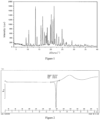
Figure 1 is an XRPD pattern of crystalline form A of the compound of formula I prepared in Example 1; -
Figure 2 is a DSC pattern of crystalline form A of the compound of formula I prepared in Example 1; -
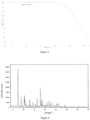
Figure 3 is a thermogravimetric analysis (TGA) pattern of crystalline form A of the compound of formula I prepared in Example 1; -
Figure 4 is an XRPD pattern of crystalline form B of the compound of formula I prepared in Example 2; -
Figure 5 is a DSC pattern of crystalline form B of the compound of formula I prepared in Example 2; -
Figure 6 is a thermogravimetric analysis (TGA) pattern of crystalline form B of the compound of formula I prepared in Example 2; -
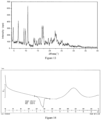
Figure 7 is an XRPD pattern of crystalline form C of the compound of formula I prepared in Example 3; -
Figure 8 is a DSC pattern of crystalline form C of the compound of formula I prepared in Example 3; -
Figure 9 is a thermogravimetric analysis (TGA) pattern of crystalline form C of the compound of formula I prepared in Example 3; -
Figure 10 is an XRPD pattern of crystalline form D of the compound of formula I prepared in Example 4; -
Figure 11 is a DSC pattern of crystalline form D of the compound of formula I prepared in Example 4; -
Figure 12 is a thermogravimetric analysis (TGA) pattern of crystalline form D of the compound of formula I prepared in Example 4; -
Figure 13 is an XRPD pattern of crystalline form E of the compound of formula I prepared in Example 5; -
Figure 14 is a DSC pattern of crystalline form E of the compound of formula I prepared in Example 5; and -
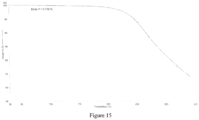
Figure 15 is a thermogravimetric analysis (TGA) pattern of crystalline form E of the compound of formula I prepared in Example 5; - This application provides a crystal of N-(4-((7-((1-(cyclopentylamino)cyclopropyl)methoxy)-6-methoxyquinolin-4-yl)oxy)-3-fl uorophenyl)-N-(4-fluorophenyl)cyclopropane-1,1-dicarboxamide (hereinafter referred to as a crystal of the compound of formula I), which has excellent properties in at least one of pharmacokinetics, bioavailability, hygroscopicity, stability, solubility, purity, ease of preparation, etc.
- According to specific embodiments of the present application, the crystal of the compound of formula I provided herein include crystalline form A of N-(4-((7-((1-(cyclopentylamino)cyclopropyl)methoxy)-6-methoxyquinolin-4-yl)oxy)-3-fl uorophenyl)-N-(4-fluorophenyl)cyclopropane-1,1-dicarboxamide (hereinafter referred to as crystalline form A of the compound of formula I), crystalline form B of N-(4-((7-((1-(cyclopentylamino)cyclopropyl)methoxy)-6-methoxyquinolin-4-yl)oxy)-3-fl uorophenyl)-N-(4-fluorophenyl)cyclopropane-1,1-dicarboxamide (hereinafter referred to as crystalline form B of the compound of formula I), crystalline form C of N-(4-((7-((1-(cyclopentylamino)cyclopropyl)methoxy)-6-methoxyquinolin-4-yl)oxy)-3-fl uorophenyl)-N-(4-fluorophenyl)cyclopropane-1,1-dicarboxamide (hereinafter referred to as crystalline form C of the compound of formula I), crystalline form D of N-(4-((7-((1-(cyclopentylamino)cyclopropyl)methoxy)-6-methoxyquinolin-4-yl)oxy)-3-fl uorophenyl)-N-(4-fluorophenyl)cyclopropane-1,1-dicarboxamide (hereinafter referred to as crystalline form D of the compound of formula I), crystalline form E of N-(4-((7-((1-(cyclopentylamino)cyclopropyl)methoxy)-6-methoxyquinolin-4-yl)oxy)-3-fl uorophenyl)-N-(4-fluorophenyl)cyclopropane-1,1-dicarboxamide (hereinafter referred to as crystalline form E of the compound of formula I).
- In one aspect, the present application provides crystalline form A of the compound of formula I, and in an X-ray powder diffraction (XRPD) pattern with Cu Kα radiation thereof, diffraction peaks are present at 20 angles of about 13.38, 15.71, 16.47, 20.15, 20.86 and 21.43 degrees, preferably diffraction peaks present at about 9.25, 10.45, 13.38, 14.03, 15.71, 16.47, 17.20, 17.85, 18.16, 18.48, 19.80, 20.15, 20.86, 21.43, 22.53, 23.43 and 24.87 degrees, more preferably diffraction peaks present at about 9.25, 10.45, 12.48, 13.38, 14.03, 15.71, 16.47, 17.20, 17.85, 18.16, 18.48, 18.85, 19.80, 20.15, 20.86, 21.43, 21.79, 22.53, 23.43, 24.87, 25.47 and 29.07 degrees, and most preferably diffraction peaks present at about 9.25, 9.64, 10.45, 11.27, 12.48, 13.38, 14.03, 15.71, 16.47, 17.20, 17.85, 18.16, 18.48, 18.85, 19.80, 20.15, 20.86, 21.43, 21.79, 22.53, 23.43, 24.25, 24.87, 25.47, 26.54, 26.76, 27.78, 29.07, 30.51, 31.99, 33.01, 34.65, 35.10 and 36.00 degrees.
- Further, in the powder X-ray diffraction pattern of crystalline form A of the compound of formula I with Cu Kα radiation in the present application, the peak positions and relative intensities of the diffraction peaks are shown in Table 1 below:
Table 1 Peak Positions and Relative Intensities of Diffraction Peaks of X-ray Powder Diffraction Pattern of Crystalline Form A No. 2θ(degree) Relative Intensity (I/I0) No. 2θ(degree) Relative Intensity (I/I0)) 1 9.25 19.1 18 21.43 99.9 2 9.64 5.6 19 21.79 15.0 3 10.45 40.2 20 22.53 29.9 4 11.27 6.1 21 23.43 21.4 5 12.48 4.5 22 24.25 6.0 6 13.38 100 23 24.87 42.5 7 14.03 23.1 24 25.47 16.7 8 15.71 50.6 25 26.54 9.5 9 16.47 73.9 26 26.76 11.2 10 17.20 34.2 27 27.78 4.7 11 17.85 25.4 28 29.07 12.1 12 18.16 29.7 29 30.51 4.4 13 18.48 45.3 30 31.99 2.3 14 18.85 12.1 31 33.01 2.5 15 19.80 53.4 32 34.65 4.6 16 20.15 76.8 33 35.10 3.9 17 20.86 65.1 34 36.00 3.9 - In a specific embodiment, the XRPD pattern of crystalline form A of the compound of formula I in the present application is shown in
Figure 1 . - Without limitation, the differential scanning calorimetry (DSC) of crystalline form A of the compound of formula I in the present application has an endothermic peak at about 177.50 °C, and specifically, the differential scanning calorimetry (DSC) pattern of crystalline form A of the compound of formula I is shown in
Figure 2 . - Without limitation, the thermogravimetric analysis (TGA) pattern of crystalline form A of the compound of formula I in the present application is shown in
Figure 3 . - In another aspect, the present application provides crystalline form B of the compound of formula I, and in an X-ray powder diffraction pattern with Cu Kα radiation thereof, diffraction peaks are present at 20 angles of about 7.44, 8.93, 10.44, and 17.84 degrees, preferably diffraction peaks present at about 7.44, 8.93, 10.26, 10.44, 10.70, 11.17, 12.65, 12.96, 14.35, 15.49, 16.34, 17.84, 18.28, 18.73, 20.96, 21.88, 22.42, 23.03, 24.17, 25.27 and 26.16 degrees, and most preferably diffraction peaks present at about 7.44, 8.93, 9.48, 10.26, 10.44, 10.70, 11.17, 11.85, 12.65, 12.96, 13.57, 14.35, 15.49, 15.75, 16.34, 17.84, 18.28, 18.73, 19.43, 20.02, 20.65, 20.96, 21.88, 22.42, 23.03, 24.17, 25.27, 25.99, 26.16 and 29.24 degrees.
- Further, in the powder X-ray diffraction pattern of crystalline form B of the compound of formula I with Cu Kα radiation in the present application, the peak positions and relative intensities of the diffraction peaks are shown in Table 2 below:
Table 2 Peak Positions and Relative Intensities of Diffraction Peaks of X-ray Powder Diffraction Pattern of Crystalline Form B No. 2θ(degree) Relative Intensity (I/I0) No. 2θ(degree) Relative Intensity (I/I0) 1 7.44 100.0 16 17.84 49.2 2 8.93 26.6 17 18.28 17.4 3 9.48 3.0 18 18.73 19.4 4 10.26 22.8 19 19.43 5.3 5 10.44 31.0 20 20.02 5.0 6 10.70 17.3 21 20.65 4.5 7 11.17 8.4 22 20.96 12.8 8 11.85 3.9 23 21.88 163 9 12.65 5.8 24 22.42 7.7 10 12.96 18.6 25 23.03 11.9 11 13.57 5.0 26 24.17 6.9 12 14.35 13.5 27 25.27 8.8 13 15.49 8.7 28 25.99 6.8 14 15.75 3.9 29 26.16 10.8 15 16.34 21.8 30 29.24 5.9 - In a specific embodiment, the XRPD pattern of crystalline form B of the compound of formula I in the present application is shown in
Figure 4 . - Without limitation, the differential scanning calorimetry (DSC) of crystalline form B of the compound of formula I in the present application has endothermic peaks at about 125.70°C and 174.07 °C, and specifically, the differential scanning calorimetry (DSC) pattern of crystalline form B of the compound of formula I is shown in
Figure 5 . - Without limitation, the thermogravimetric analysis (TGA) pattern of crystalline form B of the compound of formula I in the present application is shown in
Figure 6 . - In another aspect, the present application provides crystalline form C of the compound of formula I, and in an X-ray powder diffraction pattern with Cu Kα radiation thereof, diffraction peaks are present at 20 angles of about 7.38, 10.33 and 17.84 degrees, preferably diffraction peaks present at about 7.38, 8.80, 10.33, 11.15, 15.30, 17.84, 18.18, 19.76, 21.03 and 21.86 degrees, and most preferably diffraction peaks present at about 7.38, 8.80, 10.33, 11.15, 11.71, 12.33, 12.58, 12.88, 13.50, 14.28, 15.30, 16.04, 16.33, 16.55, 17.84, 18.18, 18.43, 19.76, 21.03, 21.86, 22.83, 25.34 and 25.86 degrees.
- Further, in the powder X-ray diffraction pattern of crystalline form C of the compound of formula I with Cu Kα radiation in the present application, the peak positions and relative intensities of the diffraction peaks are shown in Table 3 below:
Table 3 Peak Positions and Relative Intensities of Diffraction Peaks of X-ray Powder Diffraction Pattern of Crystalline Form C No. 2θ(degree) Relative Intensity (I/I0) No. 2θ(degree) Relative Intensity (I/I0) 1 7.38 100 13 16.33 6.9 2 8.80 18.5 14 16.55 7.8 3 10.33 37.3 15 17.84 34.1 4 11.15 11.9 16 18.18 19.7 5 11.71 2.9 17 18.43 9.0 6 12.33 10.6 18 19.76 15.3 7 12.58 6.5 19 21.03 16.2 8 12.88 8.5 20 21.86 22.5 9 13.50 5.4 21 22.83 2.8 10 14.28 7.4 22 25.34 5.3 11 15.30 24.9 23 25.86 4.6 12 16.04 7.5 - In a specific embodiment, the XRPD pattern of crystalline form C of the compound of formula I in the present application is shown in
Figure 7 . - In some embodiments of the present application, in the crystalline form C of the compound of formula I, the compound of formula I exists in a dioxane solvate form of the compound of formula I; specifically, in the dioxane solvate of the compound of formula I, the molar ratio of the compound of formula I to dioxane is 1-10: 1, preferably 2-8: 1, more preferably 2-3: 1, and most preferably about 2.33: 1.
- Without limitation, the differential scanning calorimetry (DSC) of crystalline form C of the compound of formula I in the present application has an endothermic peak at about 174.16 °C, and specifically, the differential scanning calorimetry (DSC) pattern of crystalline form C of the compound of formula I is shown in
Figure 8 . - Without limitation, the thermogravimetric analysis (TGA) pattern of crystalline form C of the compound of formula I in the present application is shown in
Figure 9 . - In still another aspect, the present application provides crystalline form D of the compound of formula I, and in an X-ray powder diffraction pattern with Cu Kα radiation thereof, diffraction peaks are present at 2θ angles of about 7.44, 13.38, 16.43, 20.14, 20.88 and 21.45 degrees, preferably diffraction peaks present at about 7.07, 7.44, 8.92, 9.23, 10.46, 13.38, 14.06, 15.76, 16.43, 17.21, 17.84, 18.17, 18.47, 19.82, 20.14, 20.88, 21.45, 21.82, 22.49, 23.44, 24.87, 25.44 and 29.09 degrees, and most preferably diffraction peaks present at about 7.07, 7.44, 8.05, 8.92, 9.23, 9.64, 10.46, 11.24, 12.63, 13.38, 14.06, 15.76, 16.43, 17.21, 17.84, 18.17, 18.47, 18.77, 19.82, 20.14, 20.88, 21.45, 21.82, 22.49, 23.44, 24.26, 24.87, 25.44, 26.06, 26.48, 26.80, 29.09, 33.00, 34.64 and 36.02 degrees.
- Further, in the powder X-ray diffraction pattern of crystalline form D of the compound of formula I with Cu Kα radiation in the present application, the peak positions and relative intensities of the diffraction peaks are shown in Table 4 below:
Table 4 Peak Positions and Relative Intensities of Diffraction Peaks of X-ray Powder Diffraction Pattern of Crystalline Form D No. 2θ(degree) Relative Intensity (I/I0) No. 2θ(degree) Relative Intensity (I/I0) 1 7.07 26.0 19 19.82 32.7 2 7.44 61.7 20 20.14 83.9 3 8.05 5.8 21 20.88 68.5 4 8.92 11.9 22 21.45 100.0 5 9.23 12.6 23 21.82 19.6 6 9.64 8.5 24 22.49 26.7 7 10.46 40.4 25 23.44 22.1 8 11.24 11.3 26 24.26 8.0 9 12.63 5.6 27 24.87 46.0 10 13.38 84.4 28 25.44 15.7 11 14.06 16.6 29 26.06 6.0 12 15.76 29.2 30 26.48 7.5 13 16.43 49.4 31 26.80 7.1 14 17.21 36.2 32 29.09 24.0 15 17.84 39.7 33 33.00 4.3 16 18.17 27.8 34 34.64 5.7 17 18.47 35.0 35 36.02 4.5 18 18.77 8.5 - In a specific embodiment, the XRPD pattern of crystalline form D of the compound of formula I in the present application is shown in
Figure 10 . - Without limitation, the differential scanning calorimetry (DSC) of crystalline form D of the compound of formula I in the present application has an endothermic peak at about 176.14 °C, and specifically, the differential scanning calorimetry (DSC) pattern of crystalline form D of the compound of formula I is shown in
Figure 11 . - Without limitation, the thermogravimetric analysis (TGA) pattern of crystalline form D of the compound of formula I in the present application is shown in
Figure 12 . - In still another aspect, the present application provides crystalline form E of the compound of formula I, and in an X-ray powder diffraction pattern with Cu Kα radiation thereof, diffraction peaks are present at 2θ angles of about 4.51, 6.64 and 10.66 degrees, preferably diffraction peaks present at about 4.51, 6.64, 9.03, 9.64, 10.66, 16.69 and 17.12 degrees, more preferably diffraction peaks present at about 4.51, 6.64, 9.03, 9.64, 10.66, 13.26, 13.59, 15.20, 15.85, 16.69, 17.12, 19.33, 20.49, 22.12, and 22.50 degrees, and most preferably diffraction peaks present at about 4.51, 6.64, 9.03, 9.64, 10.66, 13.26, 13.59, 14.40, 15.20, 15.85, 16.69, 17.12, 17.36, 18.10, 19.33, 20.49, 21.38, 22.12, and 22.50 degrees.
- Further, in the powder X-ray diffraction pattern of crystalline form E of the compound of formula I with Cu Kα radiation in the present application, the peak positions and relative intensities of the diffraction peaks are shown in Table 5 below:
Table 5 Peak Positions and Relative Intensities of Diffraction Peaks of X-ray Powder Diffraction Pattern of Crystalline Form E No. 2θ(degree) Relative Intensity (I/I0) No. 2θ(degree) Relative Intensity (I/I0) 1 4.51 55.6 11 16.69 53.9 2 6.64 68.8 12 17.12 44.9 3 9.03 48.7 13 17.36 17.6 4 9.64 44.7 14 18.10 9.4 5 10.66 100.0 15 19.33 12.2 6 13.26 25.3 16 20.49 12.1 7 13.59 19.6 17 21.38 8.7 8 14.40 9.3 18 22.12 24.7 9 15.20 12.1 19 22.50 16.2 10 15.85 15.8 - In a specific embodiment, the XRPD pattern of crystalline form E of the compound of formula I in the present application is shown in
Figure 13 . - Without limitation, the differential scanning calorimetry (DSC) of crystalline form E of the compound of formula I in the present application has an endothermic peak at about 136.34 °C, and specifically, the differential scanning calorimetry (DSC) pattern of crystalline form E of the compound of formula I is shown in
Figure 14 . - Without limitation, the thermogravimetric analysis (TGA) pattern of crystalline form E of the compound of formula I in the present application is shown in
Figure 15 . - In the present application, the instrument model for X-ray powder diffraction spectrometry is Bruker D2 X-ray diffractometer. Conditions and methods: 30kv 10mA, slit: 0.6/3/Ni/8, 2theta: 4-40 °, time [s]: 0.1, step: 0.02 °.
- In the present application, the instrument model for DSC spectrometry is METTLER TOLEDO DSC1. Conditions and methods: temperature is increased by 10°C/min in a range of 30-300°C.
- In the present application, the instrument model for TGA spectrometry is
PerKinElmerPyris 1 thermogravimetric analyzer. Conditions and methods: temperature is increased by 20°C/min in a range of 25-700°C. - For any given crystalline form, the relative intensity of the diffraction peak may vary due to preferred orientation caused by factors such as crystalline morphology, which is well known in the field of crystallography. Where there is an influence of preferred orientation, the peak intensity is varied, but the diffraction peak position of the crystal cannot be varied. In addition, for any given crystalline form, there may be a slight error in the position of the peak, which is also well known in the field of crystallography. For example, due to temperature changes during sample analysis, sample movement, or instrument calibration, etc., the peak position may be shifted, and the measurement error of the 20 value is sometimes about ± 0.2 degrees. Therefore, it is well known to those skilled in the art that when determining each crystalline structure, this error should be taken into account.
- DSC measures the transition temperature of a crystal when it absorbs or releases heat due to changes in its crystalline structure or crystalline melting. For the same crystalline form of the same compound, in continuous analysis, the thermal transition temperature and melting point error are typically within about 5°C, usually within about 3°C. When we say that a compound has a given DSC peak or melting point, this means the DSC peak or melting point ± 5°C. DSC provides an auxiliary method to identify different crystalline forms. Different crystalline forms can be identified according to their different transition temperature characteristics. It should be noted that for mixtures, the DSC peak or melting point may vary in a larger range. In addition, due to the accompanying decomposition during the melting of substance, the melting temperature is related to the rate of temperature increase.
- In another aspect, the present application provides a method for preparing crystalline form A of the compound of formula I, comprising the following steps of:
- (1) mixing the compound of formula I and solvent A to obtain a solution of the compound of formula I; and
- (2) precipitating solid;
- In some embodiments of the present application, solvent A is selected from a mixed solvent of acetonitrile and water, wherein the volume fraction of acetonitrile in the mixed solvent is 65%-95%.
- In some embodiments of the present application, the volume of solvent A is 1-50 mL, preferably 2-15 mL, based on 1 g of the compound of formula I.
- In some embodiments of the present application, the volume of solvent A is 5 mL, based on 1 g of the compound of formula I.
- In some embodiments of the present application, step (1) is performed at a temperature ranging from 0°C to the boiling point of the solvent system after mixing, and preferably step (1) is performed at the boiling point temperature of the solvent system after mixing.
- In some embodiments of the present application, a solid is precipitated under a state of standing, shaking or stirring in step (2), and preferably step (2) is performed under stirring. Step (2) can be performed at room temperature.
- In some embodiments of the present application, the method for preparing crystalline form A further includes separating the solid precipitated in step (2), for example, separating by filtration. In some embodiments of the present application, it further includes drying the separated solid, and the drying temperature may be 60°C.
- In yet another aspect, the present application provides a method for preparing crystalline form B of the compound of formula I, comprising the following steps of
- (1) mixing the compound of formula I and solvent B to obtain a solution of the compound of formula I; and
- (2) precipitating solid;
- In some embodiments of the present application, the volume of solvent B is 1-50 mL, preferably 5-20 mL, based on 1 g of the compound of formula I.
- In some specific embodiments of the present application, the volume of solvent B is 8.75 mL, based on 1 g of the compound of formula I.
- In some embodiments of the present application, step (1) is performed at a temperature ranging from 0°C to the boiling point of the solvent system after mixing, and preferably step (1) is performed at the boiling point temperature of the solvent system after mixing.
- In some embodiments of the present application, a solid is precipitated under a state of standing, shaking or stirring in step (2), and preferably step (2) is performed under stirring. Step (2) can be performed at room temperature.
- In some embodiments of the present application, the method for preparing crystalline form B further includes separating the solid precipitated in step (2), for example, separating by filtration. In some embodiments of the present application, it further includes drying the separated solid, and the drying temperature may be 60°C; the drying may be performed under reduced pressure.
- In still another aspect, the present application provides a method for preparing crystalline form C of the compound of formula I, comprising the following steps of:
- (1) mixing the compound of formula I and solvent C to obtain a solution of the compound of formula I; and
- (2) precipitating solid;
- In some embodiments of the present application, the volume of solvent C is 1-100 mL, preferably 5-20 mL, based on 1 g of the compound of formula I.
- In some specific embodiments of the present application, the volume of solvent C is 7.5 mL, based on 1 g of the compound of formula I.
- In some embodiments of the present application, step (1) is performed at a temperature ranging from 0°C to the boiling point of the solvent system after mixing, and preferably step (1) is performed at the boiling point temperature of the solvent system after mixing.
- In some embodiments of the present application, a solid is precipitated under a state of standing, shaking or stirring in step (2), and preferably step (2) is performed under stirring. Step (2) can be performed at room temperature.
- In some embodiments of the present application, the method for preparing crystalline form C further includes separating the solid precipitated in step (2), for example, separating by filtration. In some embodiments of the present application, it further includes drying the separated solid, and the drying temperature may be 60°C.
- In still another aspect, the present application provides a method for preparing crystalline form D of the compound of formula I, comprising the following steps of:
- (1) mixing the compound of formula I and solvent D to obtain a solution of the compound of formula I; and
- (2) precipitating solid;
- In some embodiments of the present application, the volume of solvent D is 1-50 mL, preferably 5-20 mL, based on 1 g of the compound of formula I.
- In some specific embodiments of the present application, the volume of solvent D is 10 mL, based on 1 g of the compound of formula I.
- In some embodiments of the present application, step (1) is performed at a temperature ranging from 0°C to the boiling point of the solvent system after mixing, and preferably step (1) is performed at the boiling point temperature of the solvent system after mixing.
- In some embodiments of the present application, a solid is precipitated under a state of standing, shaking or stirring in step (2), and preferably step (2) is performed under stirring. Step (2) can be performed at room temperature.
- In some embodiments of the present application, the method for preparing crystalline form D further includes separating the solid precipitated in step (2), for example, separating by filtration. In some embodiments of the present application, it further includes drying the separated solid, and the drying temperature may be 45°C; and the drying may be performed under reduced pressure.
- In still another aspect, the present application provides a method for preparing crystalline form E of the compound of formula I, comprising the following steps of:
- (1) mixing the compound of formula I and solvent E to obtain a solution of the compound of formula I; and
- (2) precipitating solid;
- In some embodiments of the present application, the volume of solvent E is 1-50 mL, preferably 5-20 mL, based on 1 g of the compound of formula I.
- In some specific embodiments of the present application, the volume of solvent E is 10 mL, based on 1 g of the compound of formula I.
- In some embodiments of the present application, step (1) is performed at a temperature ranging from 0°C to the boiling point of the solvent system after mixing, and preferably step (1) is performed at the boiling point temperature of the solvent system after mixing.
- In some embodiments of the present application, a solid is precipitated under a state of standing, shaking or stirring in step (2), and preferably step (2) is performed under stirring. Step (2) can be performed at room temperature.
- In some embodiments of the present application, the method for preparing crystalline form E further includes separating the solid precipitated in step (2), for example, separating by filtration. In some embodiments of the present application, it further includes drying the separated solid.
- In yet another aspect, the present application provides a crystalline composition comprising a crystal of the compound of formula I, wherein the crystal of the compound of formula I accounts for more than 50% by weight of the crystalline composition, preferably more than 80%, more preferably more than 90 %, and most preferably more than 95%, wherein the crystal of the compound of formula I is crystalline form A of the compound of formula I, crystalline form B of the compound of formula I, crystalline form C of the compound of formula I, crystalline form D of the compound of formula I or crystalline form E of the compound of formula I, or mixtures of thereof.
- In yet another aspect, the present application provides a pharmaceutical composition comprising a therapeutically effective amount of a crystal of the compound of formula I described herein, or the above-mentioned crystalline composition, wherein the crystal of the compound of formula I is crystalline form A of the compound of formula I, crystalline form B of the compound of formula I, crystalline form C of the compound of formula I, crystalline form D of the compound of formula I or crystalline form E of the compound of formula I, or mixtures thereof. The pharmaceutical composition of the present application may or may not contain pharmaceutically acceptable excipients. In addition, the pharmaceutical composition of the present application may further include one or more other therapeutic agents.
- The "pharmaceutically acceptable excipients" refer to inert substances that are administered together with active ingredient and facilitate administration of the active ingredient, including but not limited to any acceptable glidants, sweeteners, diluents, preservatives, dyes/colorants, flavor enhancers, surfactants, lubricants, dispersants, disintegrants, suspending agents, stabilizers, isotonic agents, solvents or emulsifier licensed by the State Food and Drug Administration for use in humans or animals (e.g., livestock). Non-limiting examples of such excipients include calcium carbonate, calcium phosphate, various sugars and various types of starch, cellulose derivatives, gelatin, vegetable oil, and polyethylene glycol.
- The pharmaceutical composition of the present application can be formulated into solid, semi-solid, liquid or gaseous formulations, such as tablets, pills, capsules, powders, granules, ointments, emulsions, suspensions, solutions, suppositories, injections, inhalants, gels, microspheres, aerosols, etc.
- Typical routes for administering the pharmaceutical compositions of the present application include, but are not limited to oral, rectal, transmucosal, enteral, or topical, transdermal, inhalation, parenteral, sublingual, intravaginal, intranasal, intraocular, intraperitoneal, intramuscular, subcutaneous and intravenous administration. A preferred route of administration is oral administration.
- In still another aspect, the present application provides a use of a crystal of the compound of formula I, or the above-mentioned crystalline composition, or the above-mentioned pharmaceutical composition in the manufacture of a medicament for treating and/or preventing of diseases mediated by c-Met kinase, wherein the crystal of the compound of formula I is crystalline form A of the compound of formula I, crystalline form B of the compound of formula I, crystalline form C of the compound of formula I, crystalline form D of the compound of formula I or crystalline form E of the compound of formula I, or mixtures of thereof.
- In still another aspect, the present application provides a use of a crystal of the compound of formula I, or the above-mentioned crystalline composition, or the above-mentioned pharmaceutical composition in treating and/or preventing of diseases mediated by c-Met kinase, wherein the crystal of the compound of formula I is crystalline form A of the compound of formula I, crystalline form B of the compound of formula I, crystalline form C of the compound of formula I, crystalline form D of the compound of formula I or crystalline form E of the compound of formula I, or mixtures of thereof.
- In still another aspect, the present application provides a method for treating diseases mediated by c-Met kinase, comprising administering to a mammal in need of such treatment, preferably humans, a therapeutically effective amount of a crystal of the compound of formula I, or the above-mentioned crystalline composition, or the above-mentioned pharmaceutical composition, wherein the crystal of the compound of formula I is crystalline form A of the compound of formula I, crystalline form B of the compound of formula I, crystalline form C of the compound of formula I, crystalline form D of the compound of formula I or crystalline form E of the compound of formula I, or mixtures thereof.
- For drugs or pharmacologically active agents, the term "therapeutically effective amount" refers to a sufficient amount of a drug or medicament that is non-toxic but could achieve the desired effect. The determination of the effective amount varies from person to person, depending on the age and general condition of the recipient, and also on the specific active substances. The appropriate effective amount in a case can be determined by those skilled in the art based on routine experiments.
- In still another aspect, the present application provides a crystal of the compound of formula I, or the above-mentioned crystalline composition, or the above-mentioned pharmaceutical composition for preventing or treating diseases mediated by c-Met kinase, wherein the crystal of the compound of formula I is crystalline form A of the compound of formula I, crystalline form B of the compound of formula I, crystalline form C of the compound of formula I, crystalline form D of the compound of formula I or crystalline form E of the compound of formula I, or mixtures thereof.
- In some embodiments of the present application, the above-mentioned disease mediated by c-Met kinase is cancer, such as lung cancer.
- The technical solution of the present application will be described in detail below in combination with drawings and examples, but the protecting scope of the present application includes but is not limited thereto. The compound of formula I is prepared by reference to the methods disclosed in
WO2012034055 . - 20 g of the compound of formula I was dissolved in toluene (100 mL), after refluxed and dissolved to clarification, filtered, and the filtrate was stirred at room temperature for crystallinelization, filtered, and air-blast dried at 60 °C under atmospheric pressure to give crystalline form A. The X-ray powder diffraction pattern using Cu Kα radiation is shown in
Figure 1 , and the differential scanning calorimetry (DSC) pattern is shown inFigure 2 , and the thermogravimetric analysis (TGA) pattern is shown inFigure 3 . - 20 g of the compound of formula I was dissolved in ethanol (175 mL), after refluxed and dissolved to clarification, filtered, and the filtrate was stirred at room temperature for crystallinelization, filtered, and dried at 60 °C under reduced pressure to give crystalline form B. The X-ray powder diffraction pattern using Cu Kα radiation is shown in
Figure 4 , and the differential scanning calorimetry (DSC) pattern is shown inFigure 5 , and the thermogravimetric analysis (TGA) pattern is shown inFigure 6 . - 20 g of the compound of formula I was dissolved in dioxane (150 mL), after refluxed and dissolved to clarification, filtered, and the filtrate was stirred at room temperature for crystallinelization, filtered, and air-blast dried at 60 °C under atmospheric pressure to give crystalline form C. The X-ray powder diffraction pattern using Cu Kα radiation is shown in
Figure 7 , and the differential scanning calorimetry (DSC) pattern is shown inFigure 8 , and the thermogravimetric analysis (TGA) pattern is shown inFigure 9 . - 20 g of the compound of formula I was dissolved in 55% ethanol aqueous solution (200 mL), after refluxed until it was just dissolved to clarification, filtered, and the filtrate was stirred at room temperature for crystallinelization, filtered, and dried under reduced pressure at 45°C to give crystalline form D. The X-ray powder diffraction pattern using Cu Kα radiation is shown in
Figure 10 , and the differential scanning calorimetry (DSC) pattern is shown inFigure 11 , and the thermogravimetric analysis (TGA) pattern is shown inFigure 12 . - 20 g of the compound of formula I was dissolved in 85% methanol aqueous solution (200 mL), after refluxed and dissolved to clarification, filtered, and the filtrate was stirred at room temperature for crystallinelization, filtered, and allowed to stand at room temperature for 10 days to give crystalline form E. The X-ray powder diffraction pattern using Cu Kα radiation is shown in
Figure 13 , and the differential scanning calorimetry (DSC) pattern is shown inFigure 14 , and the thermogravimetric analysis (TGA) pattern is shown inFigure 15 . - Took the crystalline form A, crystalline form B, crystalline form D and crystalline form E of the compound of formula I to conduct test according to the "Guidelines for Drug Moisture Test" of the Chinese Pharmacopoeia 2015 Edition Fourth General Chapter 9103, and respectively, the weight gain of samples due to hygroscopicity was calculated. The results are shown in Table 6.
Table 6 Results of Hygroscopicity Test Compound Weight Gain due to Hygroscopicity (%) Example 1 Less than 0.2 Example 2 Less than 0.2 Example 4 Less than 0.2 Example 5 Less than 0.2 - The crystalline form A, crystalline form B, crystalline form D and crystalline form E of the compound of formula I were each about 80 mg, and were directly compressed into tablets under high pressure (
tablet core diameter 4 mm,pressure 150 kg,maintenance time 2 min, repeated three times). 700 mL of 0.01 mol/L hydrochloric acid solution was used as a medium, and the intrinsic dissolution rate of the drug substance was determined. The results are shown in Table 7.Table 7 Intrinsic Dissolution Rate of Compound of Formula I Crystalline Form Intrinsic Dissolution Rate µg/ml/min mg/min/cm2 Crystalline Form A of the Compound of Formula I 2.18 12.15 Crystalline Form B of the Compound of Formula I 4.61 25.69 Crystalline Form D of the Compound of Formula I 7.04 39.24 Crystalline Form E of the Compound of Formula I 1.22 6.80 - The relative bioavailability of the compound of formula I in vivo was evaluated, after SD rats were gavaged with crystalline form A, crystalline form B, crystalline form D and crystalline form E of the compound of formula I.
-
- SD rats: Purchased from Shanghai Cipur Bikai Laboratory Animal Co., Ltd.
- Test samples: crystalline form A, crystalline form B, crystalline form D and crystalline form E of the compound of formula I filled in No. 9 gavage capsules separately
- SD rats, weighing 180-200 g, after adaptation of 3-5 days, were randomly divided into 4 groups, with 4 rats in each group, and were respectively administered of crystalline form A, crystalline form B, crystalline form D and crystalline form E of the compound of formula I by intragastric administration at a dose of 20 mg/kg. The rats were fasted for 12 hours before administration and given
food 4 hours after administration. Drinking water was free before and after the experiment and during the experiment. - After administration, the collection time points were 0.167 h (10 min), 0.5 h, 1 h, 2 h, 4 h, 6 h, 8 h, 10 h, and 24 h. About 0.3 mL of blood was collected from the orbital venous plexus and placed in a centrifuge tube containing EDTA-K2. Stored at 4 °C. Centrifuged at a condition of 4°C, 4000 rpm, 10 min within 1 h, and stored at -20°C to be tested.
- Pipetted 50 µL of plasma sample to be tested, added 300 µL of acetonitrile solution containing internal standard, shook and mixed for 5 min, centrifuged at 13000 rpm for 10 min, took 30 µL of supernatant, added 150 µL of 50% acetonitrile aqueous solution, and pipetted 1 µL for LC/MS/MS analysis and determination.
- Making use of liquid chromatography-tandem mass spectrometry (LC-MS/MS), with diazepam as an internal standard (IS), protein precipitation method was used to extract the analyte and internal standard from the plasma, and reverse phase chromatography column was adopted to separate compounds and internal standard. The analyte was quantified by electrospray ionization (ESI) mode of a tandem quadrupole mass spectrometer.
Table 8 Chromatographic Detection Conditions Liquid Chromatography Waters UPLC Auto sampler FTN I-Class Chromatographic Column Waters BEH C18 1.7µm,2.1∗50mm , NO:SPZ033 Mobile Phase Time(min) Phase A: acetonitrile Phase B: 0.1% formic acid 0.30 40% 60% 1.20 95% 5% 1.80 95% 5% 2.00 40% 60% 2.80 40% 60% Total Flow Rate 0.30 mL/min Autosampler Temp 4°C Column Temp 40°C Injection Volume 1 µL Retention Time (min) Compound of Formula I: 0.85 min, Internal Standard IS:1.39 min Table 9 Mass Spectrometric Detection Conditions of Compounds and Internal Standards (the Compound of Formula I and Diazepam) Mass Spectrometry Model Waters XEVO-TQS Parameter Optimized Value Ionization Mode (+) ESI Scan Mode Multiple Reaction Monitoring (MRM) Cone (V) 40 Capillary (kV) 3.0 Source Temp (°C) 150 Desolvation Temp (°C) 400 Desolvation Cone (L/hr) 750 Cone (L/hr) 150 Table 10 Precursor Ions, Fragment Ions, Collision Voltage and Collision Energy (CE) Compounds Precursor Ions (m/z) Fragment Ions (m/z) Cone Volt (eV) CE (eV) the Compound of Formula I 643.29 327.11 4 50 Diazepam (IS) 285.06 154.04 6 26 -
Table 11 Pharmacokinetic Parameters of Test Compounds PK Parameters Crystalline Form A of the Compound of Formula I Crystalline Form B of the Compound of Formula I Crystalline Form D of the Compound of Formula I Crystalline Form E of the Compound of Formula I Mean SD Mean SD Mean SD Mean SD Tmax (h) 6.00 1.63 4.00 0.00 6.00 1.63 4.50 1.00 Cmax (µg/mL) 481 211 1015 285 407 278 629 208 AUC(0-t) (µg∗h/mL) 4697 1709 6459 2829 3558 883 3925 612 AUC(0-∞) (µg∗h/mL) 4964 1856 6778 3113 3783 969 4054 618 tl/2 (h) 4.93 0.73 5.30 0.73 5.20 0.92 4.61 0.38 MRT(0-t) (h) 8.51 0.60 6.72 0.48 8.73 1.23 7.30 0.74 AUC(0-t) /Dose (mL/kg) 1035 399 1384 493 744 179 868 126 RelativeF (%) 100 134 72 84
Claims (15)
- A crystalline form of the compound of formula I,

- The crystalline form of the compound of formula I according to claim 1, wherein the crystalline form has endothermic peaks at about 125.70°C and 174.07°C.
- A method for preparing the crystalline form according to claim 1 or 2, comprising the following steps of:(1) mixing the compound of formula I and solvent B to obtain a solution of the compound of formula I; and(2) precipitating solid;wherein the solvent B in step (1) is selected from methanol, ethanol, acetone, a mixed solvent of methanol and water, a mixed solvent of ethanol and water, a mixed solvent of acetone and water, or a mixed solvent of ethanol and butanone, preferably ethanol; wherein the volume fraction of methanol in the mixed solvent of methanol and water is 95%; wherein the volume fraction of ethanol in the mixed solvent of ethanol and water is 65% -95%; wherein the volume fraction of acetone in the mixed solvent of acetone and water is 65% -95%; wherein the volume fraction of butanone in the mixed solvent of ethanol and butanone is not more than 30%.
- A crystalline form of the compound of formula I,

- The crystalline form of the compound of formula I according to claim 4, wherein the crystalline form has endothermic peaks at about 174.16°C.
- A method for preparing the crystalline form according to claim 4 or 5, comprising the following steps of:(1) mixing the compound of formula I and solvent C to obtain a solution of the compound of formula I; and(2) precipitating solid;wherein the solvent C in step (1) is dioxane.
- A crystalline form of the compound of formula I,

- The crystalline form of the compound of formula I according to claim 7, wherein the crystalline form has endothermic peaks at about 174.14°C.
- A method for preparing the crystalline form according to claim 7 or 8, comprising the following steps of:(1) mixing the compound of formula I and solvent D to obtain a solution of the compound of formula I; and(2) precipitating solid;wherein the solvent D in step (1) is a mixed solvent of ethanol and water; wherein the volume fraction of ethanol in the mixed solvent of ethanol and water is 55%.
- A crystalline form of the compound of formula I,

- The crystalline form of the compound of formula I according to claim 10, wherein the crystalline form has endothermic peaks at about 136.34°C.
- A method for preparing the crystalline form according to claim 10 or 11, comprising the following steps of:(1) mixing the compound of formula I and solvent E to obtain a solution of the compound of formula I; and(2) precipitating solid;wherein the solvent E in step (1) is a mixed solvent of methanol and water; wherein the volume fraction of methanol in the mixed solvent of methanol and water is 75% -85%.
- A crystalline composition comprising a crystalline form of the compound of formula I,

- A pharmaceutical composition comprising a therapeutically effective amount of a crystalline form of the compound of formula I, or the crystallineline composition according to claim 13,

- A crystalline form of the compound of formula I, or the crystalline composition according to claim 13, or the pharmaceutical composition according to claim 14 for use in the treating and/or preventing of diseases mediated by c-Met kinase,

Applications Claiming Priority (3)
| Application Number | Priority Date | Filing Date | Title |
|---|---|---|---|
| CN201810174767 | 2018-03-02 | ||
| PCT/CN2019/076683 WO2019166012A1 (en) | 2018-03-02 | 2019-03-01 | Crystal of compound as c-met kinase inhibitor and preparation method therefor and use thereof |
| EP19761595.8A EP3766870B1 (en) | 2018-03-02 | 2019-03-01 | Crystal of compound as c-met kinase inhibitor and preparation method therefor and use thereof |
Related Parent Applications (1)
| Application Number | Title | Priority Date | Filing Date |
|---|---|---|---|
| EP19761595.8A Division EP3766870B1 (en) | 2018-03-02 | 2019-03-01 | Crystal of compound as c-met kinase inhibitor and preparation method therefor and use thereof |
Publications (3)
| Publication Number | Publication Date |
|---|---|
| EP4279138A2 true EP4279138A2 (en) | 2023-11-22 |
| EP4279138A3 EP4279138A3 (en) | 2024-03-27 |
| EP4279138B1 EP4279138B1 (en) | 2026-04-22 |
Family
ID=67804847
Family Applications (2)
| Application Number | Title | Priority Date | Filing Date |
|---|---|---|---|
| EP19761595.8A Active EP3766870B1 (en) | 2018-03-02 | 2019-03-01 | Crystal of compound as c-met kinase inhibitor and preparation method therefor and use thereof |
| EP23198543.3A Active EP4279138B1 (en) | 2018-03-02 | 2019-03-01 | Crystal of compound as c-met kinase inhibitor and preparation method therefor and use thereof |
Family Applications Before (1)
| Application Number | Title | Priority Date | Filing Date |
|---|---|---|---|
| EP19761595.8A Active EP3766870B1 (en) | 2018-03-02 | 2019-03-01 | Crystal of compound as c-met kinase inhibitor and preparation method therefor and use thereof |
Country Status (6)
| Country | Link |
|---|---|
| US (1) | US11279676B2 (en) |
| EP (2) | EP3766870B1 (en) |
| JP (2) | JP2021517162A (en) |
| CN (2) | CN115057815A (en) |
| AU (1) | AU2019227391B2 (en) |
| WO (1) | WO2019166012A1 (en) |
Families Citing this family (4)
| Publication number | Priority date | Publication date | Assignee | Title |
|---|---|---|---|---|
| JP2021517162A (en) | 2018-03-02 | 2021-07-15 | チア タイ チオギン ファーマスーチカル グループ コーポレイテッド,リミテッド | Crystals of compounds as C-MET kinase inhibitors, their preparation methods and their use |
| CN116437957A (en) * | 2020-11-26 | 2023-07-14 | 正大天晴药业集团股份有限公司 | Combination pharmaceutical composition of anti-PD-L1 antibody and c-Met kinase inhibitor for treating lung cancer |
| CN117460509B (en) * | 2021-06-23 | 2025-03-28 | 正大天晴药业集团股份有限公司 | Use of compounds as c-Met kinase inhibitors for the treatment of neurofibromatosis type I |
| WO2024120483A1 (en) * | 2022-12-08 | 2024-06-13 | 正大天晴药业集团股份有限公司 | Use of quinoline compound for treating ovarian cancer |
Citations (1)
| Publication number | Priority date | Publication date | Assignee | Title |
|---|---|---|---|---|
| WO2012034055A2 (en) | 2010-09-12 | 2012-03-15 | Advenchen Laboratories, Llc | Compounds as c-met kinase inhibitors |
Family Cites Families (21)
| Publication number | Priority date | Publication date | Assignee | Title |
|---|---|---|---|---|
| SK9742002A3 (en) * | 2000-01-07 | 2003-02-04 | Transform Pharmaceuticals Inc | High-throughput formation, identification, and analysis of diverse solid-forms |
| GB0510390D0 (en) | 2005-05-20 | 2005-06-29 | Novartis Ag | Organic compounds |
| RU2478387C2 (en) | 2007-02-20 | 2013-04-10 | Новартис Аг | IMIDASOQUINOLINES AS DUAL LIPID KINASE AND mTOR INHIBITORS |
| US8148532B2 (en) | 2007-03-14 | 2012-04-03 | Guoqing Paul Chen | Spiro substituted compounds as angiogenesis inhibitors |
| US8163923B2 (en) | 2007-03-14 | 2012-04-24 | Advenchen Laboratories, Llc | Spiro substituted compounds as angiogenesis inhibitors |
| EP2303890A4 (en) | 2008-06-19 | 2012-04-11 | Progenics Pharm Inc | Phosphatidylinositol 3 kinase inhibitors |
| IT1393351B1 (en) | 2009-03-16 | 2012-04-20 | Eos Ethical Oncology Science Spa In Forma Abbreviata Eos Spa | PROCEDURE FOR THE PREPARATION OF 6- (7 - ((1-AMINOCYCLOPROPYL) METHOSSI) -6-METOSSICHINOLIN-4-ILOSSI) -N-METHYL-1-NAFTAMIDE AND ITS INTERMEDIATES OF SYNTHESIS |
| CN102344438B (en) | 2010-08-01 | 2014-02-19 | 正大天晴药业集团股份有限公司 | Crystallization of quinoline derivatives and its preparation method |
| EP2780341B1 (en) | 2011-11-14 | 2019-02-13 | Chia Tai Tianqing Pharmaceutical Group Co.,Ltd | Kinase modulating compounds, compositions containing the same and use thereof |
| MX2015008543A (en) | 2013-01-18 | 2015-11-16 | Advenchen Pharmaceuticals Llc | Process for preparing the anti-tumor agent 6-(7-((1-aminocyclopro pyl) methoxy)-6-methoxyquinolin-4-yloxy)-n-methyl-1-naphthamide and its crystalline. |
| CN104513229A (en) | 2013-09-28 | 2015-04-15 | 正大天晴药业集团股份有限公司 | Quinazoline derivatives and preparation method thereof |
| CN105311030B (en) | 2014-06-06 | 2020-03-24 | 正大天晴药业集团股份有限公司 | Spiro-substituted compounds for antitumor |
| CN105311029A (en) | 2014-06-06 | 2016-02-10 | 正大天晴药业集团股份有限公司 | Antineoplastic-activity quinoline derivative |
| CN105722840B (en) | 2014-07-14 | 2018-01-05 | 杭州爱德程医药科技有限公司 | fused quinoline compound as PI3K, mTOR inhibitors |
| WO2016091168A1 (en) | 2014-12-09 | 2016-06-16 | 正大天晴药业集团股份有限公司 | Quinoline derivative against non-small cell lung cancer |
| CN104817497B (en) * | 2015-03-20 | 2017-03-08 | 南京众睿缘生物科技有限公司 | A kind of alkyne quinoline derivative and its preparation method and application |
| US9751859B2 (en) | 2015-05-04 | 2017-09-05 | Advenchen Pharmaceuticals, LLC | Process for preparing an anti-cancer agent, 1-((4-(4-fluoro-2-methyl-1H-indol-5-yloxy)-6-methoxyquinolin-7-yloxy)methyl)cyclopropanamine, its crystalline form and its salts |
| CN114805351B (en) | 2015-07-11 | 2023-05-09 | 南京爱德程医药科技有限公司 | Pyridyl-substituted fused quinolines bearing amido groups as PI3K/MTOR inhibitors |
| CN107296811B (en) | 2016-04-15 | 2022-12-30 | 正大天晴药业集团股份有限公司 | Quinoline derivative for treating gastric cancer |
| JP2021517162A (en) | 2018-03-02 | 2021-07-15 | チア タイ チオギン ファーマスーチカル グループ コーポレイテッド,リミテッド | Crystals of compounds as C-MET kinase inhibitors, their preparation methods and their use |
| EP3934645A4 (en) | 2019-03-07 | 2022-12-21 | Advenchen Pharmaceuticals LLC | USE OF CATEQUENTINIB (ANLOTINIB) IN COMBINATION WITH STANDARD CHEMOTHERAPY OR STANDARD IMMUNOTHERAPY FOR THE TREATMENT OF CANCER |
-
2019
- 2019-03-01 JP JP2020568585A patent/JP2021517162A/en active Pending
- 2019-03-01 CN CN202210285508.5A patent/CN115057815A/en active Pending
- 2019-03-01 CN CN201980016201.1A patent/CN111936467B/en active Active
- 2019-03-01 WO PCT/CN2019/076683 patent/WO2019166012A1/en not_active Ceased
- 2019-03-01 EP EP19761595.8A patent/EP3766870B1/en active Active
- 2019-03-01 US US16/977,054 patent/US11279676B2/en active Active
- 2019-03-01 AU AU2019227391A patent/AU2019227391B2/en active Active
- 2019-03-01 EP EP23198543.3A patent/EP4279138B1/en active Active
-
2024
- 2024-03-14 JP JP2024039584A patent/JP7839214B2/en active Active
Patent Citations (1)
| Publication number | Priority date | Publication date | Assignee | Title |
|---|---|---|---|---|
| WO2012034055A2 (en) | 2010-09-12 | 2012-03-15 | Advenchen Laboratories, Llc | Compounds as c-met kinase inhibitors |
Non-Patent Citations (3)
| Title |
|---|
| MATSUMATO ET AL., CRIT. REV. ONCOG., vol. 3, 1992, pages 27 - 54 |
| SONNENBERG ET AL., J. CELL BIOL., vol. 123 |
| STOKER ET AL., NATURE |
Also Published As
| Publication number | Publication date |
|---|---|
| CN111936467B (en) | 2022-02-18 |
| CN111936467A (en) | 2020-11-13 |
| JP2024073558A (en) | 2024-05-29 |
| AU2019227391B2 (en) | 2024-06-13 |
| CN115057815A (en) | 2022-09-16 |
| US11279676B2 (en) | 2022-03-22 |
| EP3766870A4 (en) | 2021-12-22 |
| EP3766870A1 (en) | 2021-01-20 |
| AU2019227391A1 (en) | 2020-10-15 |
| EP4279138A3 (en) | 2024-03-27 |
| EP4279138B1 (en) | 2026-04-22 |
| JP7839214B2 (en) | 2026-04-01 |
| WO2019166012A1 (en) | 2019-09-06 |
| US20210047272A1 (en) | 2021-02-18 |
| JP2021517162A (en) | 2021-07-15 |
| EP3766870B1 (en) | 2023-09-27 |
Similar Documents
| Publication | Publication Date | Title |
|---|---|---|
| JP7839214B2 (en) | Crystals of a compound as a C-MET kinase inhibitor, method for preparing the same, and use thereof | |
| US20110152283A1 (en) | Crystalline pimobendan, process for the preparation thereof, pharmaceutical composition and use | |
| EP3495352B1 (en) | Crystal forms of an androgen receptor antagonist, preparation method and use thereof | |
| EP3057965B1 (en) | Salt and crystal forms of plk-4 inhibitor | |
| EP3565819B1 (en) | Solid forms of [(1s)-1-[(2s,4r,5r)-5-(5-amino-2-oxo-thiazolo[4,5-d]pyrimidin-3-yl)-4-hydroxy-tetrahydrofuran-2-yl]propyl] acetate | |
| WO2022247885A9 (en) | Crystal and salt of triheterocyclic compound and use thereof | |
| US12012420B2 (en) | Solid forms of [(1S)-1-[(2S,4R,5R)-5-(5-amino-2-oxo-thiazolo[4,5-d]pyrimidin-3-yl)-4-hydroxy-tetrahydrofuran-2-yl]propyl] acetate | |
| US12012421B2 (en) | Solid forms of [(1S)-1-[(2S,4R,5R)-5-(5-amino-2-oxo-thiazolo[4,5-d]pyrimidin-3-yl)-4-hydroxy-tetrahydrofuran-2-yl]propyl] acetate | |
| TWI862582B (en) | Crystal form of plk4 inhibitor | |
| WO2023083293A1 (en) | Pharmaceutically acceptable salt of eliglustat and crystal form thereof | |
| HK40037034B (en) | Crystal of compound as c-met kinase inhibitor and preparation method therefor and use thereof | |
| HK40037034A (en) | Crystal of compound as c-met kinase inhibitor and preparation method therefor and use thereof | |
| US7381729B2 (en) | 4-(4-trans-hydroxycyclohexyl)amino-2-phenyl-7H-pyrrolo [2,3D] pyrimidine hydrogen mesylate, its polymorphic forms, and methods for making same | |
| WO2017215521A1 (en) | Plx3397 hydrochloride crystal form, preparation method therefor and use thereof | |
| UA123218C2 (en) | Palbociclib salts | |
| EP4092028A1 (en) | Crystal of hypoxanthine compound | |
| WO2016169030A1 (en) | Fumarate and crystals of pyridylamine compound | |
| KR20230092805A (en) | Novel acid addition salt and crystalline form of (2R, 3S)-2-(3-(4,5-dichloro-1H-benzo[d]imidazol-1-yl)propyl)piperidin-3-ol | |
| CN119997950A (en) | Salts of heterocyclic inhibitors of monocarboxylate transporter 4 for treating diseases | |
| CN119638691A (en) | Paralyenesulfonate crystal form of polycyclic compound, pharmaceutical composition and application | |
| EP3390362A1 (en) | Sorafenib hemi-p-tosylate monohydrate crystal and preparation process thereof | |
| HK1227404A1 (en) | Salt and crystal forms of plk-4 inhibitor | |
| HK1227404B (en) | Salt and crystal forms of plk-4 inhibitor |
Legal Events
| Date | Code | Title | Description |
|---|---|---|---|
| PUAI | Public reference made under article 153(3) epc to a published international application that has entered the european phase |
Free format text: ORIGINAL CODE: 0009012 |
|
| STAA | Information on the status of an ep patent application or granted ep patent |
Free format text: STATUS: THE APPLICATION HAS BEEN PUBLISHED |
|
| AC | Divisional application: reference to earlier application |
Ref document number: 3766870 Country of ref document: EP Kind code of ref document: P |
|
| AK | Designated contracting states |
Kind code of ref document: A2 Designated state(s): AL AT BE BG CH CY CZ DE DK EE ES FI FR GB GR HR HU IE IS IT LI LT LU LV MC MK MT NL NO PL PT RO RS SE SI SK SM TR |
|
| REG | Reference to a national code |
Ref country code: DE Ref legal event code: R079 Free format text: PREVIOUS MAIN CLASS: A61P0035000000 Ipc: C07D0215220000 Ref country code: DE Ref legal event code: R079 Ref document number: 602019084101 Country of ref document: DE Free format text: PREVIOUS MAIN CLASS: A61P0035000000 Ipc: C07D0215220000 |
|
| RIC1 | Information provided on ipc code assigned before grant |
Ipc: A61P 35/00 20060101ALI20231129BHEP Ipc: A61K 31/47 20060101ALI20231129BHEP Ipc: C07D 215/22 20060101AFI20231129BHEP |
|
| PUAL | Search report despatched |
Free format text: ORIGINAL CODE: 0009013 |
|
| AK | Designated contracting states |
Kind code of ref document: A3 Designated state(s): AL AT BE BG CH CY CZ DE DK EE ES FI FR GB GR HR HU IE IS IT LI LT LU LV MC MK MT NL NO PL PT RO RS SE SI SK SM TR |
|
| RIC1 | Information provided on ipc code assigned before grant |
Ipc: A61P 35/00 20060101ALI20240221BHEP Ipc: A61K 31/47 20060101ALI20240221BHEP Ipc: C07D 215/22 20060101AFI20240221BHEP |
|
| STAA | Information on the status of an ep patent application or granted ep patent |
Free format text: STATUS: REQUEST FOR EXAMINATION WAS MADE |
|
| 17P | Request for examination filed |
Effective date: 20240924 |
|
| RBV | Designated contracting states (corrected) |
Designated state(s): AL AT BE BG CH CY CZ DE DK EE ES FI FR GB GR HR HU IE IS IT LI LT LU LV MC MK MT NL NO PL PT RO RS SE SI SK SM TR |
|
| STAA | Information on the status of an ep patent application or granted ep patent |
Free format text: STATUS: EXAMINATION IS IN PROGRESS |
|
| 17Q | First examination report despatched |
Effective date: 20250203 |
|
| GRAP | Despatch of communication of intention to grant a patent |
Free format text: ORIGINAL CODE: EPIDOSNIGR1 |
|
| STAA | Information on the status of an ep patent application or granted ep patent |
Free format text: STATUS: GRANT OF PATENT IS INTENDED |
|
| INTG | Intention to grant announced |
Effective date: 20250929 |
|
| GRAS | Grant fee paid |
Free format text: ORIGINAL CODE: EPIDOSNIGR3 |
|
| GRAA | (expected) grant |
Free format text: ORIGINAL CODE: 0009210 |
|
| STAA | Information on the status of an ep patent application or granted ep patent |
Free format text: STATUS: THE PATENT HAS BEEN GRANTED |
|
| AC | Divisional application: reference to earlier application |
Ref document number: 3766870 Country of ref document: EP Kind code of ref document: P |
|
| AK | Designated contracting states |
Kind code of ref document: B1 Designated state(s): AL AT BE BG CH CY CZ DE DK EE ES FI FR GB GR HR HU IE IS IT LI LT LU LV MC MK MT NL NO PL PT RO RS SE SI SK SM TR |
|
| REG | Reference to a national code |
Ref country code: CH Ref legal event code: F10 Free format text: ST27 STATUS EVENT CODE: U-0-0-F10-F00 (AS PROVIDED BY THE NATIONAL OFFICE) Effective date: 20260422 Ref country code: GB Ref legal event code: FG4D |
|
| REG | Reference to a national code |
Ref country code: DE Ref legal event code: R096 Ref document number: 602019084101 Country of ref document: DE |