EP4273826A1 - Verifying a false alarm on a smoke detector using an internal air quality sensor - Google Patents
Verifying a false alarm on a smoke detector using an internal air quality sensor Download PDFInfo
- Publication number
- EP4273826A1 EP4273826A1 EP23171884.2A EP23171884A EP4273826A1 EP 4273826 A1 EP4273826 A1 EP 4273826A1 EP 23171884 A EP23171884 A EP 23171884A EP 4273826 A1 EP4273826 A1 EP 4273826A1
- Authority
- EP
- European Patent Office
- Prior art keywords
- sensor
- iaq
- alarm
- detection element
- detector system
- Prior art date
- Legal status (The legal status is an assumption and is not a legal conclusion. Google has not performed a legal analysis and makes no representation as to the accuracy of the status listed.)
- Withdrawn
Links
Images


Classifications
-
- G—PHYSICS
- G08—SIGNALLING
- G08B—SIGNALLING SYSTEMS, e.g. PERSONAL CALLING SYSTEMS; ORDER TELEGRAPHS; ALARM SYSTEMS
- G08B29/00—Checking or monitoring of signalling or alarm systems; Prevention or correction of operating errors, e.g. preventing unauthorised operation
- G08B29/18—Prevention or correction of operating errors
- G08B29/185—Signal analysis techniques for reducing or preventing false alarms or for enhancing the reliability of the system
-
- G—PHYSICS
- G08—SIGNALLING
- G08B—SIGNALLING SYSTEMS, e.g. PERSONAL CALLING SYSTEMS; ORDER TELEGRAPHS; ALARM SYSTEMS
- G08B17/00—Fire alarms; Alarms responsive to explosion
- G08B17/10—Actuation by presence of smoke or gases, e.g. automatic alarm devices for analysing flowing fluid materials by the use of optical means
-
- G—PHYSICS
- G08—SIGNALLING
- G08B—SIGNALLING SYSTEMS, e.g. PERSONAL CALLING SYSTEMS; ORDER TELEGRAPHS; ALARM SYSTEMS
- G08B17/00—Fire alarms; Alarms responsive to explosion
- G08B17/10—Actuation by presence of smoke or gases, e.g. automatic alarm devices for analysing flowing fluid materials by the use of optical means
- G08B17/117—Actuation by presence of smoke or gases, e.g. automatic alarm devices for analysing flowing fluid materials by the use of optical means by using a detection device for specific gases, e.g. combustion products, produced by the fire
-
- G—PHYSICS
- G08—SIGNALLING
- G08B—SIGNALLING SYSTEMS, e.g. PERSONAL CALLING SYSTEMS; ORDER TELEGRAPHS; ALARM SYSTEMS
- G08B29/00—Checking or monitoring of signalling or alarm systems; Prevention or correction of operating errors, e.g. preventing unauthorised operation
- G08B29/18—Prevention or correction of operating errors
- G08B29/183—Single detectors using dual technologies
-
- G—PHYSICS
- G08—SIGNALLING
- G08B—SIGNALLING SYSTEMS, e.g. PERSONAL CALLING SYSTEMS; ORDER TELEGRAPHS; ALARM SYSTEMS
- G08B29/00—Checking or monitoring of signalling or alarm systems; Prevention or correction of operating errors, e.g. preventing unauthorised operation
- G08B29/18—Prevention or correction of operating errors
- G08B29/185—Signal analysis techniques for reducing or preventing false alarms or for enhancing the reliability of the system
- G08B29/188—Data fusion; cooperative systems, e.g. voting among different detectors
-
- G—PHYSICS
- G08—SIGNALLING
- G08B—SIGNALLING SYSTEMS, e.g. PERSONAL CALLING SYSTEMS; ORDER TELEGRAPHS; ALARM SYSTEMS
- G08B21/00—Alarms responsive to a single specified undesired or abnormal condition and not otherwise provided for
- G08B21/02—Alarms for ensuring the safety of persons
- G08B21/12—Alarms for ensuring the safety of persons responsive to undesired emission of substances, e.g. pollution alarms
Definitions
- the following description relates to false alarm verification and, more specifically, to a system and method of verifying a false alarm on a smoke detector using an internal air quality (IAQ) sensor.
- IAQ internal air quality
- Smoke detection can lead to false alarms for various reasons. These include, but are not limited to, faulty equipment, human error, low batteries or an inconsistent power source, unlocked or loose doors and windows, incorrect installation and/or the presence of pets, rodents or insects.
- a user of a smoke detector has to manually check for smoke/fire presence when a smoke detector generates an alarm to verify that there is not a false alarm in effect.
- a user will call the fire department directly without verifying the fire presence or false alarm which will unintentionally waste time and resources of the fire department.
- a smoke detector system includes a smoke detection element and an internal air quality (IAQ) sensor configured to confirm whether an alarm issued by the smoke detection element is real or a false alarm.
- IAQ internal air quality
- Each of the smoke detection element and the IAQ sensor may be a standalone device.
- the IAQ sensor may include one or more of a PM2.5 sensor, a PM10 sensor, a fire detecting odor sensor, and a total volatile organic compounds (TVOC) sensor and may further include a CO/CO 2 gas sensor, a temperature sensor and a humidity sensor.
- a PM2.5 sensor a PM10 sensor
- a fire detecting odor sensor a fire detecting odor sensor
- TVOC total volatile organic compounds
- the smoke detection element and the IAQ sensor may be integrated into a single device.
- the IAQ sensor of the single device may include one or more of a PM2.5 sensor, a PM10 sensor, a fire detecting odor sensor, and a total volatile organic compounds (TVOC) sensor and may further include a CO/CO 2 gas sensor, a temperature sensor and a humidity sensor.
- a PM2.5 sensor a PM10 sensor
- a fire detecting odor sensor a fire detecting odor sensor
- TVOC total volatile organic compounds
- a ramping up of the IAQ sensor may be indicative of the alarm being real and a normal response of the IAQ sensor may be indicative of the alarm being a false alarm.
- ramping up of the IAQ sensor may mean a ramping up of values of the IAQ sensor i.e. ramping up of the values of the sensed property (or properties) measured by the IAQ sensor.
- a smoke detector system includes a smoke detection element, an internal air quality (IAQ) sensor and a network with which the smoke detection element, the IAQ sensor and at least one other connected device are intercommunicative.
- the IAQ sensor is configured to confirm whether an alarm issued by the smoke detection element is real or a false alarm.
- a thermostat may be intercommunicative with the smoke detection element, the IAQ sensor and the at least one other connected device.
- the at least one other connected device may be a portable computing device of a user.
- the portable computing device may be a smartphone.
- Each of the smoke detection element and the IAQ sensor may be a standalone device.
- the IAQ sensor may include one or more of a PM2.5 sensor, a PM10 sensor, a fire detecting odor sensor, and a total volatile organic compounds (TVOC) sensor and may further include a CO/CO 2 gas, a temperature sensor and a humidity sensor.
- a PM2.5 sensor a PM10 sensor
- a fire detecting odor sensor a fire detecting odor sensor
- TVOC total volatile organic compounds
- the smoke detection element and the IAQ sensor may be integrated into a single device.
- the IAQ sensor of the single device may include one or more of a PM2.5 sensor, a PM10 sensor, a fire detecting odor sensor and a total volatile organic compounds (TVOC) sensor and may further include a CO/CO 2 gas sensor, a temperature sensor and a humidity sensor.
- a PM2.5 sensor a PM10 sensor
- a fire detecting odor sensor and a total volatile organic compounds (TVOC) sensor
- TVOC total volatile organic compounds
- a ramping up of the IAQ sensor may be indicative of the alarm being real and a normal response of the IAQ sensor may be indicative of the alarm being a false alarm.
- a method of operating a smoke detector system includes recognizing that a smoke detection element has issued an alarm, determining a state of an internal air quality (IAQ) sensor and judging whether the alarm is real or a false alarm based on a result of the determining.
- IAQ internal air quality
- Each of the smoke detection element and the IAQ sensor may be a standalone device.
- the IAQ sensor may include one or more of a PM2.5 sensor, a PM10 sensor, a fire detecting odor sensor, a total volatile organic compounds (TVOC) sensor and may further include a CO/CO 2 gas sensor, a temperature sensor and a humidity sensor.
- a PM2.5 sensor a PM10 sensor
- a fire detecting odor sensor a total volatile organic compounds (TVOC) sensor
- TVOC total volatile organic compounds
- the smoke detection element and the IAQ sensor may be integrated into a single device.
- the IAQ sensor of the single device includes one or more of a PM2.5 sensor, a PM10 sensor, a fire detecting odor sensor, a total volatile organic compounds (TVOC) sensor and may further include a CO/CO 2 gas sensor, a temperature sensor and a humidity sensor.
- a PM2.5 sensor a PM10 sensor
- a fire detecting odor sensor a total volatile organic compounds (TVOC) sensor
- TVOC total volatile organic compounds
- the determining of the state of the IAQ sensor may include finding that the IAQ sensor is ramping up and the judging may include judging that the alarm is real based on the IAQ sensor ramping up.
- the determining of the state of the IAQ sensor may include finding that the IAQ sensor is responding normally and the judging may include judging that the alarm is the false alarm based on the IAQ sensor responding normally.
- systems and methods are provided that using an IAQ sensor with reference to time along with a smoke detector to automatically validate the presence of smoke without manual intervention during an alarm to provide additional indications to the user and/or the fire department as to whether the alarm is a false alarm.
- a smoke detector system 101 includes a smoke detection element 110, an IAQ sensor 120 and a network 130, such as a cloud network, with which the smoke detection element 110, the IAQ sensor 120 and at least one other connected device 140 are intercommunicative with the network 130 and with each other.
- the smoke detection element 110 can be a smoke detector 111.
- the smoke detection system 101 can further include a thermostat 150, which is intercommunicative with the network 130 and with the smoke detection element 110, the IAQ sensor 120 and the at least one other connected device 140.
- the at least one other connected device 140 can be a portable computing device of a user and/or a fire department official, such as a smartphone 141.
- the IAQ sensor 120 is disposed and configured to confirm whether an alarm issued by the smoke detection element 110 is real or a false alarm. That is, as shown in FIG. 2 , when the smoke detection element 110 issues the alarm, a ramping up of values of the IAQ sensor 120 (i.e. ramping up of the values of the sensed property (or properties) measured by the IAQ sensor 120) can be read (i.e., by an application installed on the smartphone 141) as being indicative of the alarm being real whereas a normal response of the IAQ sensor 120 with no apparent ramping up of values can be indicative of the alarm being a false alarm.
- a ramping up of values of the IAQ sensor 120 i.e. ramping up of the values of the sensed property (or properties) measured by the IAQ sensor 120
- a normal response of the IAQ sensor 120 with no apparent ramping up of values can be indicative of the alarm being a false alarm.
- each of the smoke detection element 110 and the IAQ sensor 120 can be a separate standalone device (i.e., the standalone smoke detection element 301 and the standalone IAQ sensor 302).
- the IAQ sensor 120 can include one or more of a PM2.5 sensor, a PM10 sensor, a fire detecting odor sensor and a total volatile organic compounds (TVOC) sensor.
- the IAQ sensor 120 can also include one or more of a CO/CO 2 gas sensor, a temperature sensor and a humidity sensor.
- the smoke detection element 110 and the IAQ sensor 120 can be integrated into a single device 401 with a microprocessor, such as a host MCU 402.
- the IAQ sensor 120 can include one or more of a PM2.5 sensor, a PM10 sensor, a fire detecting odor sensor and a TVOC sensor.
- the IAQ sensor 120 can also include one or more of a CO/CO 2 gas sensor, a temperature sensor and a humidity sensor.
- a method of operating a smoke detector system includes recognizing that a smoke detection element as described above issues an alarm (block 501), determining a state of an IAQ sensor as described above (block 502) and judging whether the alarm is real or a false alarm based on a result of the determining (block 503).
- the determining of the state of the IAQ sensor of block 502 can include finding that the IAQ sensor is ramping up whereupon the judging of block 503 can include judging that the alarm is real based on the IAQ sensor ramping up.
- the determining of the state of the IAQ sensor of block 502 can include finding that the IAQ sensor is responding normally whereupon the judging of block 503 can include judging that the alarm is the false alarm based on the IAQ sensor responding normally.
- the present invention also provides second-level verification on the presence of smoke using IAQ sensors.
Landscapes
- Physics & Mathematics (AREA)
- General Physics & Mathematics (AREA)
- Engineering & Computer Science (AREA)
- Computer Security & Cryptography (AREA)
- Chemical & Material Sciences (AREA)
- Analytical Chemistry (AREA)
- Business, Economics & Management (AREA)
- Emergency Management (AREA)
- Fire Alarms (AREA)
- Fire-Detection Mechanisms (AREA)
Abstract
Description
- The following description relates to false alarm verification and, more specifically, to a system and method of verifying a false alarm on a smoke detector using an internal air quality (IAQ) sensor.
- Smoke detection can lead to false alarms for various reasons. These include, but are not limited to, faulty equipment, human error, low batteries or an inconsistent power source, unlocked or loose doors and windows, incorrect installation and/or the presence of pets, rodents or insects.
- Currently, a user of a smoke detector has to manually check for smoke/fire presence when a smoke detector generates an alarm to verify that there is not a false alarm in effect. In some cases, however, a user will call the fire department directly without verifying the fire presence or false alarm which will unintentionally waste time and resources of the fire department.
- According to a first aspect of the invention, a smoke detector system is provided and includes a smoke detection element and an internal air quality (IAQ) sensor configured to confirm whether an alarm issued by the smoke detection element is real or a false alarm.
- Each of the smoke detection element and the IAQ sensor may be a standalone device.
- The IAQ sensor may include one or more of a PM2.5 sensor, a PM10 sensor, a fire detecting odor sensor, and a total volatile organic compounds (TVOC) sensor and may further include a CO/CO2 gas sensor, a temperature sensor and a humidity sensor.
- The smoke detection element and the IAQ sensor may be integrated into a single device.
- The IAQ sensor of the single device may include one or more of a PM2.5 sensor, a PM10 sensor, a fire detecting odor sensor, and a total volatile organic compounds (TVOC) sensor and may further include a CO/CO2 gas sensor, a temperature sensor and a humidity sensor.
- When the smoke detection element issues the alarm, a ramping up of the IAQ sensor may be indicative of the alarm being real and a normal response of the IAQ sensor may be indicative of the alarm being a false alarm.
- Herein, ramping up of the IAQ sensor may mean a ramping up of values of the IAQ sensor i.e. ramping up of the values of the sensed property (or properties) measured by the IAQ sensor.
- According to a second aspect of the invention, a smoke detector system is provided and includes a smoke detection element, an internal air quality (IAQ) sensor and a network with which the smoke detection element, the IAQ sensor and at least one other connected device are intercommunicative. The IAQ sensor is configured to confirm whether an alarm issued by the smoke detection element is real or a false alarm.
- A thermostat may be intercommunicative with the smoke detection element, the IAQ sensor and the at least one other connected device.
- The at least one other connected device may be a portable computing device of a user.
- The portable computing device may be a smartphone.
- Each of the smoke detection element and the IAQ sensor may be a standalone device.
- The IAQ sensor may include one or more of a PM2.5 sensor, a PM10 sensor, a fire detecting odor sensor, and a total volatile organic compounds (TVOC) sensor and may further include a CO/CO2 gas, a temperature sensor and a humidity sensor.
- The smoke detection element and the IAQ sensor may be integrated into a single device.
- The IAQ sensor of the single device may include one or more of a PM2.5 sensor, a PM10 sensor, a fire detecting odor sensor and a total volatile organic compounds (TVOC) sensor and may further include a CO/CO2 gas sensor, a temperature sensor and a humidity sensor.
- When the smoke detection element issues the alarm, a ramping up of the IAQ sensor may be indicative of the alarm being real and a normal response of the IAQ sensor may be indicative of the alarm being a false alarm.
- According to a third aspect of the invention, a method of operating a smoke detector system is provided and includes recognizing that a smoke detection element has issued an alarm, determining a state of an internal air quality (IAQ) sensor and judging whether the alarm is real or a false alarm based on a result of the determining.
- Each of the smoke detection element and the IAQ sensor may be a standalone device.
- The IAQ sensor may include one or more of a PM2.5 sensor, a PM10 sensor, a fire detecting odor sensor, a total volatile organic compounds (TVOC) sensor and may further include a CO/CO2 gas sensor, a temperature sensor and a humidity sensor.
- The smoke detection element and the IAQ sensor may be integrated into a single device.
- The IAQ sensor of the single device includes one or more of a PM2.5 sensor, a PM10 sensor, a fire detecting odor sensor, a total volatile organic compounds (TVOC) sensor and may further include a CO/CO2 gas sensor, a temperature sensor and a humidity sensor.
- The determining of the state of the IAQ sensor may include finding that the IAQ sensor is ramping up and the judging may include judging that the alarm is real based on the IAQ sensor ramping up.
- The determining of the state of the IAQ sensor may include finding that the IAQ sensor is responding normally and the judging may include judging that the alarm is the false alarm based on the IAQ sensor responding normally.
- These and other advantages and features will become more apparent from the following description taken in conjunction with the drawings.
- The subject matter, which is regarded as the invention, is particularly pointed out and distinctly claimed in the claims at the conclusion of the specification. The foregoing and other features and advantages of the invention are apparent from the following detailed description of certain exemplary embodiments which are given by way of example only and taken in conjunction with the accompanying drawings in which:
-
FIG. 1 is a schematic diagram of a smoke detector system; -
FIG. 2 is a graphical depiction of an operation of the smoke detector system ofFIG. 1 ; -
FIG. 3 is a schematic diagram of components of a standalone IAQ sensor of the smoke detector system ofFIG. 1 ; -
FIG. 4 is a schematic diagram of components of an IAQ sensor of the smoke detector system ofFIG. 1 that is integrated with a smoke detection element; and -
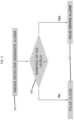
FIG. 5 is a flow diagram illustrating a method of operating a smoke detector system. - As will be described below, systems and methods are provided that using an IAQ sensor with reference to time along with a smoke detector to automatically validate the presence of smoke without manual intervention during an alarm to provide additional indications to the user and/or the fire department as to whether the alarm is a false alarm.
- With reference to
FIGS. 1 and 2 , asmoke detector system 101 is provided and includes asmoke detection element 110, anIAQ sensor 120 and anetwork 130, such as a cloud network, with which thesmoke detection element 110, theIAQ sensor 120 and at least one other connecteddevice 140 are intercommunicative with thenetwork 130 and with each other. Thesmoke detection element 110 can be asmoke detector 111. Thesmoke detection system 101 can further include athermostat 150, which is intercommunicative with thenetwork 130 and with thesmoke detection element 110, theIAQ sensor 120 and the at least one other connecteddevice 140. The at least one other connecteddevice 140 can be a portable computing device of a user and/or a fire department official, such as asmartphone 141. - The
IAQ sensor 120 is disposed and configured to confirm whether an alarm issued by thesmoke detection element 110 is real or a false alarm. That is, as shown inFIG. 2 , when thesmoke detection element 110 issues the alarm, a ramping up of values of the IAQ sensor 120 (i.e. ramping up of the values of the sensed property (or properties) measured by the IAQ sensor 120) can be read (i.e., by an application installed on the smartphone 141) as being indicative of the alarm being real whereas a normal response of theIAQ sensor 120 with no apparent ramping up of values can be indicative of the alarm being a false alarm. - With reference to
FIG. 3 , each of thesmoke detection element 110 and theIAQ sensor 120 can be a separate standalone device (i.e., the standalonesmoke detection element 301 and the standalone IAQ sensor 302). In these or other cases, theIAQ sensor 120 can include one or more of a PM2.5 sensor, a PM10 sensor, a fire detecting odor sensor and a total volatile organic compounds (TVOC) sensor. TheIAQ sensor 120 can also include one or more of a CO/CO2 gas sensor, a temperature sensor and a humidity sensor. - With reference to
FIG. 4 , thesmoke detection element 110 and theIAQ sensor 120 can be integrated into asingle device 401 with a microprocessor, such as a host MCU 402. In these or other cases, theIAQ sensor 120 can include one or more of a PM2.5 sensor, a PM10 sensor, a fire detecting odor sensor and a TVOC sensor. TheIAQ sensor 120 can also include one or more of a CO/CO2 gas sensor, a temperature sensor and a humidity sensor. - With reference to
FIG. 5 , a method of operating a smoke detector system is provided and includes recognizing that a smoke detection element as described above issues an alarm (block 501), determining a state of an IAQ sensor as described above (block 502) and judging whether the alarm is real or a false alarm based on a result of the determining (block 503). In accordance with embodiments, the determining of the state of the IAQ sensor ofblock 502 can include finding that the IAQ sensor is ramping up whereupon the judging ofblock 503 can include judging that the alarm is real based on the IAQ sensor ramping up. In accordance with alternative embodiments, the determining of the state of the IAQ sensor ofblock 502 can include finding that the IAQ sensor is responding normally whereupon the judging ofblock 503 can include judging that the alarm is the false alarm based on the IAQ sensor responding normally. - Technical effects and benefits of embodiments of the present invention are that users and fire departments will be able to make better decisions during an alarm about how to respond to the alarm. This which will save time and resources. The present invention also provides second-level verification on the presence of smoke using IAQ sensors.
- This can be used for automatic verification of the presence of smoke.
- While the invention is disclosed in detail in connection with only a limited number of embodiments, it should be readily understood that the invention is not limited to such disclosed embodiments. Rather, the invention can be modified to incorporate any number of variations, alterations, substitutions or equivalent arrangements not heretofore described, but which are commensurate with the scope of the invention. Additionally, while various embodiments of the invention have been described, it is to be understood that the exemplary embodiment(s) may include only some of the described exemplary aspects. Accordingly, the invention is not to be seen as limited by the foregoing description, but is only limited by the scope of the appended claims.
Claims (15)
- A smoke detector system (101), comprising:a smoke detection element (110); andan internal air quality (IAQ) sensor (120) disposed and configured to confirm whether an alarm issued by the smoke detection element (110) is real or a false alarm.
- The smoke detector system (101) according to claim 1, wherein each of the smoke detection element (110) and the IAQ sensor (120) is a standalone device.
- The smoke detector system (101) according to any preceding claim, wherein the IAQ sensor (120) comprises one or more of a PM2.5 sensor, a PM 10 sensor, a fire detecting odor sensor, a total volatile organic compounds (TVOC) sensor and further comprises a CO/CO2 gas sensor, a temperature sensor and a humidity sensor.
- The smoke detector system (101) according to claim 1, wherein the smoke detection element (110) and the IAQ sensor (120) are integrated into a single device (401); and
optionally wherein the IAQ sensor (120) of the single device (401) comprises one or more of a PM2.5 sensor, a PM10 sensor, a fire detecting odor sensor, a total volatile organic compounds (TVOC) sensor and further comprises a CO/CO2 gas sensor, a temperature sensor and a humidity sensor. - The smoke detector system (101) according to any preceding claim, wherein, when the smoke detection element (110) issues the alarm, a ramping up of the IAQ sensor (120) is indicative of the alarm being real and a normal response of the IAQ sensor (120) is indicative of the alarm being a false alarm.
- A smoke detector system (101) according to claim 1, further comprising:a network (130) with which the smoke detection element (110), the IAQ sensor (120) and at least one other connected device (140) are intercommunicative; andoptionally further comprising a thermostat (150) which is intercommunicative with the smoke detection element (110), the IAQ sensor (120) and the at least one other connected device (140).
- The smoke detector system (101) according claim 6, wherein the at least one other connected device (140) is a portable computing device of a user; and
optionally wherein the portable computing device is a smartphone (141). - The smoke detector system (101) according to claim 6 or 7, wherein each of the smoke detection element (110) and the IAQ sensor (120) is a standalone device (301, 302).
- The smoke detector system (101) according to any of claims 6 to 8, wherein the IAQ sensor (120) comprises one or more of a PM2.5 sensor, a PM10 sensor, a fire detecting odor sensor, a total volatile organic compounds (TVOC) sensor and further comprises a CO/CO2 gas sensor, a temperature sensor and a humidity sensor.
- The smoke detector system (101) according to claim 6 or 7, wherein the smoke detection element (110) and the IAQ sensor (120) are integrated into a single device (401); and
optionally wherein the IAQ sensor (110) of the single device (401) comprises one or more of a PM2.5 sensor, a PM10 sensor, a fire detecting odor sensor, a total volatile organic compounds (TVOC) sensor and further comprises a CO/CO2 gas sensor, a temperature sensor and a humidity sensor. - The smoke detector system (101) according to any of claims 6 to 10, wherein, when the smoke detection element (110) issues the alarm, a ramping up of the IAQ sensor (120) is indicative of the alarm being real and a normal response of the IAQ sensor (120) is indicative of the alarm being a false alarm.
- A method of operating a smoke detector system (101), the method comprising:recognizing that a smoke detection element (110) issues an alarm;determining a state of an internal air quality (IAQ) sensor (120); andjudging whether the alarm is real or a false alarm based on a result of the determining.
- The method according to claim 12, wherein:each of the smoke detection element (110) and the IAQ sensor (120) is a standalone device (301, 302), andoptionally, the IAQ sensor (120) comprises one or more of a PM2.5 sensor, a PM10 sensor, a fire detecting odor sensor, a total volatile organic compounds (TVOC) sensor and further comprises a CO/CO2 gas sensor, a temperature sensor and a humidity sensor.
- The method according to claim 12, wherein:the smoke detection element (110) and the IAQ sensor (120) are integrated into a single device (401), andoptionally, the IAQ sensor (120) of the single device (401) comprises one or more of a PM2.5 sensor, a PM10 sensor, a fire detecting odor sensor, a total volatile organic compounds (TVOC) sensor and further comprises a CO/CO2 gas sensor, a temperature sensor and a humidity sensor.
- The method according to any of claims 12 to 14, wherein the determining of the state of the IAQ sensor (120) comprises:finding that the IAQ sensor (120) is ramping up and the judging comprises judging that the alarm is real based on the IAQ sensor (120) ramping up;and/or finding that the IAQ sensor (120) is responding normally and the judging comprises judging that the alarm is the false alarm based on the IAQ sensor (120) responding normally.
Applications Claiming Priority (1)
| Application Number | Priority Date | Filing Date | Title |
|---|---|---|---|
| US202263339113P | 2022-05-06 | 2022-05-06 |
Publications (1)
| Publication Number | Publication Date |
|---|---|
| EP4273826A1 true EP4273826A1 (en) | 2023-11-08 |
Family
ID=86330280
Family Applications (1)
| Application Number | Title | Priority Date | Filing Date |
|---|---|---|---|
| EP23171884.2A Withdrawn EP4273826A1 (en) | 2022-05-06 | 2023-05-05 | Verifying a false alarm on a smoke detector using an internal air quality sensor |
Country Status (2)
| Country | Link |
|---|---|
| US (1) | US12288460B2 (en) |
| EP (1) | EP4273826A1 (en) |
Cited By (1)
| Publication number | Priority date | Publication date | Assignee | Title |
|---|---|---|---|---|
| US20250078638A1 (en) * | 2023-09-06 | 2025-03-06 | Johnson Controls Tyco IP Holdings LLP | Dual-lens smoke detection system |
Citations (4)
| Publication number | Priority date | Publication date | Assignee | Title |
|---|---|---|---|---|
| CA2685652A1 (en) * | 2008-11-26 | 2010-05-26 | Comcast Cable Communications, Llc | Building security system |
| US20150077737A1 (en) * | 2013-08-09 | 2015-03-19 | Cnry Inc. | System and methods for monitoring an environment |
| US20150170489A1 (en) * | 2012-09-21 | 2015-06-18 | Google Inc. | Detector unit and sensing chamber therefor |
| EP3889930A1 (en) * | 2018-11-30 | 2021-10-06 | Panasonic Intellectual Property Management Co., Ltd. | Control system, program, and control method |
Family Cites Families (17)
| Publication number | Priority date | Publication date | Assignee | Title |
|---|---|---|---|---|
| US5691703A (en) * | 1995-06-07 | 1997-11-25 | Hughes Associates, Inc. | Multi-signature fire detector |
| US7142105B2 (en) | 2004-02-11 | 2006-11-28 | Southwest Sciences Incorporated | Fire alarm algorithm using smoke and gas sensors |
| US7623028B2 (en) | 2004-05-27 | 2009-11-24 | Lawrence Kates | System and method for high-sensitivity sensor |
| DE202007012727U1 (en) | 2006-09-19 | 2007-11-22 | Moresens Gmbh | Monitor for rooms or buildings |
| US20150187194A1 (en) * | 2013-12-29 | 2015-07-02 | Keanu Hypolite | Device, system, and method of smoke and hazard detection |
| US9824574B2 (en) | 2015-09-21 | 2017-11-21 | Tyco Fire & Security Gmbh | Contextual fire detection and alarm verification method and system |
| DE202016001901U1 (en) | 2016-03-22 | 2016-04-21 | Siemens Schweiz Ag | Revelation of an integrated multifunction module for installation in a building |
| CN107504601A (en) | 2016-06-14 | 2017-12-22 | 珠海格力电器股份有限公司 | Air treatment apparatus and method |
| CN106205015A (en) | 2016-09-05 | 2016-12-07 | 四川长虹电器股份有限公司 | Intelligent remote fire alarm smog warning system and alarm method thereof |
| CN107798805A (en) | 2017-10-11 | 2018-03-13 | 镇江乐科信息科技有限公司 | A kind of safety monitoring system based on information technology |
| CN209607112U (en) | 2018-12-14 | 2019-11-08 | 河南润泽消防科技有限公司 | A kind of intelligent security protection fire-fighting integral system |
| KR102095986B1 (en) | 2019-07-08 | 2020-04-01 | 주식회사 신관산업 | System of early fire detection and safety evacution and method thereof |
| CN210955408U (en) | 2019-12-04 | 2020-07-07 | 沈阳科咨美电气有限公司 | Prevent smoke exhaust fan monitored control system |
| KR102768020B1 (en) | 2019-12-19 | 2025-02-18 | (주)그립 | Fire Monitoring System Using Sensing Data of Heterogeneous Device Having Multi Sensor |
| CN111210588B (en) | 2020-03-03 | 2024-06-28 | 江苏中数智慧信息科技有限公司 | Intelligent fire-fighting linkage system |
| KR20210135803A (en) | 2020-05-06 | 2021-11-16 | (주)태산전자 | Apparatus for detecting fire through parallel measurement of air quality meter and fire detector, method therefor, and computer recordable medium storing program to perform the method |
| CN113570809A (en) | 2021-07-13 | 2021-10-29 | 中车南京浦镇车辆有限公司 | Fire alarm system for continuously sampling and modeling environment and calculating alarm threshold value |
-
2023
- 2023-05-04 US US18/312,503 patent/US12288460B2/en active Active
- 2023-05-05 EP EP23171884.2A patent/EP4273826A1/en not_active Withdrawn
Patent Citations (4)
| Publication number | Priority date | Publication date | Assignee | Title |
|---|---|---|---|---|
| CA2685652A1 (en) * | 2008-11-26 | 2010-05-26 | Comcast Cable Communications, Llc | Building security system |
| US20150170489A1 (en) * | 2012-09-21 | 2015-06-18 | Google Inc. | Detector unit and sensing chamber therefor |
| US20150077737A1 (en) * | 2013-08-09 | 2015-03-19 | Cnry Inc. | System and methods for monitoring an environment |
| EP3889930A1 (en) * | 2018-11-30 | 2021-10-06 | Panasonic Intellectual Property Management Co., Ltd. | Control system, program, and control method |
Cited By (1)
| Publication number | Priority date | Publication date | Assignee | Title |
|---|---|---|---|---|
| US20250078638A1 (en) * | 2023-09-06 | 2025-03-06 | Johnson Controls Tyco IP Holdings LLP | Dual-lens smoke detection system |
Also Published As
| Publication number | Publication date |
|---|---|
| US20230360516A1 (en) | 2023-11-09 |
| US12288460B2 (en) | 2025-04-29 |
Similar Documents
| Publication | Publication Date | Title |
|---|---|---|
| US11749097B2 (en) | Self-testing fire sensing device | |
| US11024141B2 (en) | Smoke device and smoke detection circuit | |
| US12198532B2 (en) | Self-testing fire sensing device | |
| CN109872491B (en) | Fire monitoring method, device, electronic equipment and system | |
| CN118038620B (en) | Intelligent fire safety monitoring system and method | |
| KR20220076374A (en) | Fire safety monitoring system | |
| CN113781732A (en) | Cable channel fire early warning method and device based on intelligent gateway | |
| US20230360516A1 (en) | Verifying a false alarm on a smoke detector using an internal air quality sensor | |
| EP4672192A2 (en) | SELF-TESTING FIRE ALARM DEVICE FOR FIRE CONFIRMATION | |
| KR100977562B1 (en) | Fire Sensor Symptom Determination System Based on Temperature Sensor | |
| KR20100026418A (en) | Fire abnormality-symptom distinction system using temperature sensor and humidity sensor | |
| CN108829147A (en) | Mine exhaust management method and system based on Internet of Things | |
| EP4231265A1 (en) | Testing a heat detector of a self-testing hazard sensing device | |
| CN211124300U (en) | Small-size air detector | |
| CN117690245A (en) | Intelligent monitoring and early warning method and system for building fire control | |
| JP2007122175A (en) | Wooden structure monitoring system | |
| US12516838B2 (en) | Detecting airflow and temperature conditions of a fire sensing device | |
| Naylor et al. | Survey of the reliability of carbon monoxide alarms deployed in domestic homes and efficacy of use by consumers | |
| RU2774344C1 (en) | Method for early and reliable detection of fire hazards with suppression of fire and electrical damage in residential premises | |
| CN120071563A (en) | Gas leakage alarm system and method | |
| CN119784127A (en) | A method and system for fire risk assessment based on nuclear power plant building | |
| CN121253070A (en) | Water purifier water leakage detection method, system and storage medium based on various sensors | |
| CN121206404A (en) | A risk classification response method and system based on gas leak concentration | |
| CN120340189A (en) | Early warning method, device, electronic device and storage medium based on pyrolytic particles | |
| CN118914471A (en) | Early warning method and device for target gas, electronic equipment and storage medium |
Legal Events
| Date | Code | Title | Description |
|---|---|---|---|
| PUAI | Public reference made under article 153(3) epc to a published international application that has entered the european phase |
Free format text: ORIGINAL CODE: 0009012 |
|
| STAA | Information on the status of an ep patent application or granted ep patent |
Free format text: STATUS: THE APPLICATION HAS BEEN PUBLISHED |
|
| AK | Designated contracting states |
Kind code of ref document: A1 Designated state(s): AL AT BE BG CH CY CZ DE DK EE ES FI FR GB GR HR HU IE IS IT LI LT LU LV MC ME MK MT NL NO PL PT RO RS SE SI SK SM TR |
|
| STAA | Information on the status of an ep patent application or granted ep patent |
Free format text: STATUS: REQUEST FOR EXAMINATION WAS MADE |
|
| 17P | Request for examination filed |
Effective date: 20240507 |
|
| RBV | Designated contracting states (corrected) |
Designated state(s): AL AT BE BG CH CY CZ DE DK EE ES FI FR GB GR HR HU IE IS IT LI LT LU LV MC ME MK MT NL NO PL PT RO RS SE SI SK SM TR |
|
| STAA | Information on the status of an ep patent application or granted ep patent |
Free format text: STATUS: EXAMINATION IS IN PROGRESS |
|
| 17Q | First examination report despatched |
Effective date: 20250926 |
|
| STAA | Information on the status of an ep patent application or granted ep patent |
Free format text: STATUS: THE APPLICATION HAS BEEN WITHDRAWN |
|
| 18W | Application withdrawn |
Effective date: 20260319 |