EP4265273A1 - Antibody conjugate and method for enhancing immune effect function of antibody molecule - Google Patents
Antibody conjugate and method for enhancing immune effect function of antibody molecule Download PDFInfo
- Publication number
- EP4265273A1 EP4265273A1 EP21909197.2A EP21909197A EP4265273A1 EP 4265273 A1 EP4265273 A1 EP 4265273A1 EP 21909197 A EP21909197 A EP 21909197A EP 4265273 A1 EP4265273 A1 EP 4265273A1
- Authority
- EP
- European Patent Office
- Prior art keywords
- antibody
- rha
- hapten
- conjugate
- hapten derivative
- Prior art date
- Legal status (The legal status is an assumption and is not a legal conclusion. Google has not performed a legal analysis and makes no representation as to the accuracy of the status listed.)
- Pending
Links
Images
Classifications
-
- A—HUMAN NECESSITIES
- A61—MEDICAL OR VETERINARY SCIENCE; HYGIENE
- A61K—PREPARATIONS FOR MEDICAL, DENTAL OR TOILETRY PURPOSES
- A61K47/00—Medicinal preparations characterised by the non-active ingredients used, e.g. carriers or inert additives; Targeting or modifying agents chemically bound to the active ingredient
- A61K47/50—Medicinal preparations characterised by the non-active ingredients used, e.g. carriers or inert additives; Targeting or modifying agents chemically bound to the active ingredient the non-active ingredient being chemically bound to the active ingredient, e.g. polymer-drug conjugates
- A61K47/51—Medicinal preparations characterised by the non-active ingredients used, e.g. carriers or inert additives; Targeting or modifying agents chemically bound to the active ingredient the non-active ingredient being chemically bound to the active ingredient, e.g. polymer-drug conjugates the non-active ingredient being a modifying agent
- A61K47/68—Medicinal preparations characterised by the non-active ingredients used, e.g. carriers or inert additives; Targeting or modifying agents chemically bound to the active ingredient the non-active ingredient being chemically bound to the active ingredient, e.g. polymer-drug conjugates the non-active ingredient being a modifying agent the modifying agent being an antibody, an immunoglobulin or a fragment thereof, e.g. an Fc-fragment
- A61K47/6801—Drug-antibody or immunoglobulin conjugates defined by the pharmacologically or therapeutically active agent
- A61K47/6803—Drugs conjugated to an antibody or immunoglobulin, e.g. cisplatin-antibody conjugates
- A61K47/6807—Drugs conjugated to an antibody or immunoglobulin, e.g. cisplatin-antibody conjugates the drug or compound being a sugar, nucleoside, nucleotide, nucleic acid, e.g. RNA antisense
-
- A—HUMAN NECESSITIES
- A61—MEDICAL OR VETERINARY SCIENCE; HYGIENE
- A61K—PREPARATIONS FOR MEDICAL, DENTAL OR TOILETRY PURPOSES
- A61K47/00—Medicinal preparations characterised by the non-active ingredients used, e.g. carriers or inert additives; Targeting or modifying agents chemically bound to the active ingredient
- A61K47/50—Medicinal preparations characterised by the non-active ingredients used, e.g. carriers or inert additives; Targeting or modifying agents chemically bound to the active ingredient the non-active ingredient being chemically bound to the active ingredient, e.g. polymer-drug conjugates
- A61K47/51—Medicinal preparations characterised by the non-active ingredients used, e.g. carriers or inert additives; Targeting or modifying agents chemically bound to the active ingredient the non-active ingredient being chemically bound to the active ingredient, e.g. polymer-drug conjugates the non-active ingredient being a modifying agent
- A61K47/56—Medicinal preparations characterised by the non-active ingredients used, e.g. carriers or inert additives; Targeting or modifying agents chemically bound to the active ingredient the non-active ingredient being chemically bound to the active ingredient, e.g. polymer-drug conjugates the non-active ingredient being a modifying agent the modifying agent being an organic macromolecular compound, e.g. an oligomeric, polymeric or dendrimeric molecule
- A61K47/59—Medicinal preparations characterised by the non-active ingredients used, e.g. carriers or inert additives; Targeting or modifying agents chemically bound to the active ingredient the non-active ingredient being chemically bound to the active ingredient, e.g. polymer-drug conjugates the non-active ingredient being a modifying agent the modifying agent being an organic macromolecular compound, e.g. an oligomeric, polymeric or dendrimeric molecule obtained otherwise than by reactions only involving carbon-to-carbon unsaturated bonds, e.g. polyureas or polyurethanes
- A61K47/60—Medicinal preparations characterised by the non-active ingredients used, e.g. carriers or inert additives; Targeting or modifying agents chemically bound to the active ingredient the non-active ingredient being chemically bound to the active ingredient, e.g. polymer-drug conjugates the non-active ingredient being a modifying agent the modifying agent being an organic macromolecular compound, e.g. an oligomeric, polymeric or dendrimeric molecule obtained otherwise than by reactions only involving carbon-to-carbon unsaturated bonds, e.g. polyureas or polyurethanes the organic macromolecular compound being a polyoxyalkylene oligomer, polymer or dendrimer, e.g. PEG, PPG, PEO or polyglycerol
-
- A—HUMAN NECESSITIES
- A61—MEDICAL OR VETERINARY SCIENCE; HYGIENE
- A61K—PREPARATIONS FOR MEDICAL, DENTAL OR TOILETRY PURPOSES
- A61K39/00—Medicinal preparations containing antigens or antibodies
- A61K39/395—Antibodies; Immunoglobulins; Immune serum, e.g. antilymphocytic serum
- A61K39/44—Antibodies bound to carriers
-
- A—HUMAN NECESSITIES
- A61—MEDICAL OR VETERINARY SCIENCE; HYGIENE
- A61K—PREPARATIONS FOR MEDICAL, DENTAL OR TOILETRY PURPOSES
- A61K47/00—Medicinal preparations characterised by the non-active ingredients used, e.g. carriers or inert additives; Targeting or modifying agents chemically bound to the active ingredient
- A61K47/50—Medicinal preparations characterised by the non-active ingredients used, e.g. carriers or inert additives; Targeting or modifying agents chemically bound to the active ingredient the non-active ingredient being chemically bound to the active ingredient, e.g. polymer-drug conjugates
- A61K47/51—Medicinal preparations characterised by the non-active ingredients used, e.g. carriers or inert additives; Targeting or modifying agents chemically bound to the active ingredient the non-active ingredient being chemically bound to the active ingredient, e.g. polymer-drug conjugates the non-active ingredient being a modifying agent
- A61K47/54—Medicinal preparations characterised by the non-active ingredients used, e.g. carriers or inert additives; Targeting or modifying agents chemically bound to the active ingredient the non-active ingredient being chemically bound to the active ingredient, e.g. polymer-drug conjugates the non-active ingredient being a modifying agent the modifying agent being an organic compound
- A61K47/545—Heterocyclic compounds
-
- A—HUMAN NECESSITIES
- A61—MEDICAL OR VETERINARY SCIENCE; HYGIENE
- A61K—PREPARATIONS FOR MEDICAL, DENTAL OR TOILETRY PURPOSES
- A61K47/00—Medicinal preparations characterised by the non-active ingredients used, e.g. carriers or inert additives; Targeting or modifying agents chemically bound to the active ingredient
- A61K47/50—Medicinal preparations characterised by the non-active ingredients used, e.g. carriers or inert additives; Targeting or modifying agents chemically bound to the active ingredient the non-active ingredient being chemically bound to the active ingredient, e.g. polymer-drug conjugates
- A61K47/51—Medicinal preparations characterised by the non-active ingredients used, e.g. carriers or inert additives; Targeting or modifying agents chemically bound to the active ingredient the non-active ingredient being chemically bound to the active ingredient, e.g. polymer-drug conjugates the non-active ingredient being a modifying agent
- A61K47/54—Medicinal preparations characterised by the non-active ingredients used, e.g. carriers or inert additives; Targeting or modifying agents chemically bound to the active ingredient the non-active ingredient being chemically bound to the active ingredient, e.g. polymer-drug conjugates the non-active ingredient being a modifying agent the modifying agent being an organic compound
- A61K47/549—Sugars, nucleosides, nucleotides or nucleic acids
-
- A—HUMAN NECESSITIES
- A61—MEDICAL OR VETERINARY SCIENCE; HYGIENE
- A61K—PREPARATIONS FOR MEDICAL, DENTAL OR TOILETRY PURPOSES
- A61K47/00—Medicinal preparations characterised by the non-active ingredients used, e.g. carriers or inert additives; Targeting or modifying agents chemically bound to the active ingredient
- A61K47/50—Medicinal preparations characterised by the non-active ingredients used, e.g. carriers or inert additives; Targeting or modifying agents chemically bound to the active ingredient the non-active ingredient being chemically bound to the active ingredient, e.g. polymer-drug conjugates
- A61K47/51—Medicinal preparations characterised by the non-active ingredients used, e.g. carriers or inert additives; Targeting or modifying agents chemically bound to the active ingredient the non-active ingredient being chemically bound to the active ingredient, e.g. polymer-drug conjugates the non-active ingredient being a modifying agent
- A61K47/68—Medicinal preparations characterised by the non-active ingredients used, e.g. carriers or inert additives; Targeting or modifying agents chemically bound to the active ingredient the non-active ingredient being chemically bound to the active ingredient, e.g. polymer-drug conjugates the non-active ingredient being a modifying agent the modifying agent being an antibody, an immunoglobulin or a fragment thereof, e.g. an Fc-fragment
- A61K47/6835—Medicinal preparations characterised by the non-active ingredients used, e.g. carriers or inert additives; Targeting or modifying agents chemically bound to the active ingredient the non-active ingredient being chemically bound to the active ingredient, e.g. polymer-drug conjugates the non-active ingredient being a modifying agent the modifying agent being an antibody, an immunoglobulin or a fragment thereof, e.g. an Fc-fragment the modifying agent being an antibody or an immunoglobulin bearing at least one antigen-binding site
- A61K47/6849—Medicinal preparations characterised by the non-active ingredients used, e.g. carriers or inert additives; Targeting or modifying agents chemically bound to the active ingredient the non-active ingredient being chemically bound to the active ingredient, e.g. polymer-drug conjugates the non-active ingredient being a modifying agent the modifying agent being an antibody, an immunoglobulin or a fragment thereof, e.g. an Fc-fragment the modifying agent being an antibody or an immunoglobulin bearing at least one antigen-binding site the antibody targeting a receptor, a cell surface antigen or a cell surface determinant
-
- A—HUMAN NECESSITIES
- A61—MEDICAL OR VETERINARY SCIENCE; HYGIENE
- A61P—SPECIFIC THERAPEUTIC ACTIVITY OF CHEMICAL COMPOUNDS OR MEDICINAL PREPARATIONS
- A61P35/00—Antineoplastic agents
Definitions
- the present invention pertains to the field of pharmaceutical engineering and specifically relates to an antibody conjugate and a method for enhancing antibody molecular immune effector functions.
- Monoclonal antibodies are among the most effective biopharmaceuticals used in anti-cancer therapy. They exert therapeutic effects by targeting tumor-specific antigens or related antigens, primarily through mechanisms such as inducing or blocking cell signaling, activating immune effector functions, and serving as carriers for specific drug delivery to target cells.
- immune effector functions including antibody-dependent cellular cytotoxicity (ADCC) and complement-dependent cytotoxicity (CDC), play a crucial role and represent the fundamental functionality of most anti-tumor antibody drugs. Therefore, enhancing the ADCC and CDC activities of antibodies through antibody engineering has become a hot topic in antibody biopharmaceutical research and development.
- the purpose of the present invention is to overcome the limitations of existing technologies. It provides an antibody conjugate and a method for enhancing immune effector functions of antibody, based on a strategy involving the recruitment of naturally occurring hapten-specific antibodies. Furthermore, by optimizing the linker, the invention offers an optimized selection of hapten derivative molecules that result in antibody conjugate with significantly improved immune effector functions compared to previously reported antibodies.
- the present disclosure provides an antibody conjugate, comprising an antibody modified by a hapten derivative molecule.
- the hapten derivative molecule consists of a hapten, a linker, and a coupling domain.
- the present disclosure provides the antibody conjugate, wherein the hapten is a small molecule capable of recruiting specific natural antibodies in the human body.
- the haptens include, but are not limited to, Rha, DNP, and ⁇ Gal.
- the present disclosure provides the antibody conjugate, wherein the linker comprises, but is not limited to, a polyethylene glycol linker, alkyl chain or aliphatic chain linker or spacer ((CH 2 ) n ), and a peptide linker or spacer.
- the linker arm comprises, but is not limited to, a PEG with low molecule weight (less then 1000), a short alkyl chain or aliphatic chain linker (molecular weight less than 100) and a peptide linker, and further, in some embodiments, low polyethylene glycol PEGs is preferred.
- the coupling domain of the invention is used to modify hapten derivatives on antibodies.
- the coupling site in order to facilitate the synthesis of uniform products and reduce the impact of hapten derivatives on the original affinity of antibodies, is preferably the eight thiol groups formed by the reduction of four disulfide bonds on the antibodies;
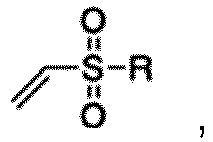
- the coupling domain is preferably SMCC, or other molecules containing maleimides or other molecules containing vinyl sulfones or other molecules containing acrylates or acrylamides or other molecules containing methacrylates, , R and R' is one or more substituents.
- the present disclosure provides the antibody conjugate, wherein the antibody is a monoclonal antibody, including but not limited to anti-CD20 antibody, anti-CD19 antibody, anti-CD30 antibody, anti-EGFR antibody, anti-EGFRvIII antibody, anti-HER2 antibody, anti-HER3 antibody, anti-PSMA antibody, anti-VEGFR antibody, anti-PD-L1 antibody, anti-cMET antibody, anti-TGF- ⁇ antibody, anti-MUC1 antibody, and anti-Trop-2 antibody.
- the antibody is a monoclonal antibody, including but not limited to anti-CD20 antibody, anti-CD19 antibody, anti-CD30 antibody, anti-EGFR antibody, anti-EGFRvIII antibody, anti-HER2 antibody, anti-HER3 antibody, anti-PSMA antibody, anti-VEGFR antibody, anti-PD-L1 antibody, anti-cMET antibody, anti-TGF- ⁇ antibody, anti-MUC1 antibody, and anti-Trop-2 antibody.
- the present disclosure provides the antibody conjugate, wherein the heavy chain of antibody is represented by SEQ ID NO.1, and the light chain of antibody is represented by SEQ ID NO.2.
- the present disclosure provides the antibody conjugate, wherein the hapten derivative includes one of the following structures:
- the present disclosure provides the antibody conjugate, wherein the synthetic pathway of the hapten derivative is: wherein n is a positive integer.
- Another objective of the present invention is to provide a method for systhesizing the antibody conjugate with enhanced immune effector functions of antibodies by modifying antibodies with hapten derivative molecules, thereby utilizing the recruitment ability of naturally occurring antibodies specific to the hapten molecules to enhance immune activities such as ADCC and CDC. Furthermore, the invention aims to optimize the linker of the hapten derivative molecules to obtain antibody conjugates with significantly improved immune effector functions.
- hapten derivative molecules antibodies, modification sites, and methods for enhancing the molecular immune effector functions of antibodies are as previously described.
- a method for preparing the antibody conjugate by modifying the hapten derivative onto the antibody comprising the following steps:
- the selected antibody is rituximab, a monoclonal antibody against CD20 (KEGG Accession Number: DB00073).
- the heavy chain is represented by SEQ ID NO.1
- the light chain is represented by SEQ ID NO.2.
- CD20 is highly expressed on the surface of over 95% of B-cell lymphoma cells, making it an important target for monoclonal antibody-based therapies.
- the optimized hapten derivative molecule is SMCC-PEG3-Rha where SMCC represents the coupling domain, PEGs represents a polyethylene glycol chain, and Rha represents the hapten.
- the coupling site is the eight thiol groups formed after reducing the four disulfide bonds on rituximab antibody.
- the present invention discloses a class of antibody-hapten conjugates, and a method to magnify the immunity effector functions of antibody.
- Antibody-hapten conjugates are antibody molecules modified with hapten derivates, and hapten derivates are synthesized small molecules capable of binding to the existing antibodies in human serum.
- the present invention provides a simple and east method to generate antibody-hapten conjugates. Theses conjugates retain excellent binding specificity and binding affinity, and are able to recruit the existing antibodies onto the cancer cell surface and further form an immune complex that is able to provide multivalent Fc domains to interact with immune cells or complement protein C1q, leading to magnified ADCC and CDC simultaneously.
- the present invention also provides conjugates with optimal ADCC and CDC activities according to the structure-activity relationship.
- SMCC, PEG and Rha are selected as the coupling domain, the linker and the hapten, respectively.
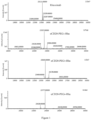
- the conjugates were further characterized by LC-MS analysis. As shown in Figure 1 , the observed MS of the light chains of rituximab and rituximab conjugates ⁇ CD20-PEG 1 -Rha, ⁇ CD20-PEG 3 -Rha and ⁇ CD20-PEG 6 -Rha were 23131, 23557, 23645 and 23777 Da, respectively, all of which were in line with their calculated molecular weight.
- ADCC assay 1) Raji cells were collected and resuspended to 4 ⁇ 10 5 /mL. Then, 50 ⁇ L of these cells was added to each well in 96-well plates. 2) Immediately supplemented with 50 ⁇ L different concentrations of antibody samples (or PBS as the negative control), 50 ⁇ L of 4% anti-Rha antibodies and 50 ⁇ L of freshly isolated human peripheral blood mononuclear cells (PBMCs), the incubation was performed at 37 °C for 4 h. 3) The cytotoxicity was determined using an LDH kit.
- ADCC results were displayed in Figure 3 .
- Rituximab and conjugates presented parallel ADCC activities when in the absence of anti-Rha antibodies ( Figure 3A ).
- the lysis rates of cells treated with 2.5 nM of rituximab or conjugates ⁇ CD20-PEG 1 -Rha, ⁇ CD20-PEG 3 -Rha or ⁇ CD20-PEG 6 -Rha were all around 20%.
- all three conjugates showed enhanced ADCC activity, with lysis rates ranging from 30% to 42%.
- conjugate ⁇ CD20-PEG 3 -Rha existed the highest ADCC activity, the percentage of cell lysis could reach 41.3% when the final concentration of ⁇ CD20-PEG 3 -Rha was 2.5 nM.
- CDC assay 1) Raji cells were collected and resuspended to 4 ⁇ 10 5 /mL. Then, 50 ⁇ L of these cells was added to each well in 96-well plates. 2) Immediately supplemented with 50 ⁇ L different concentrations of antibody samples (or PBS as the negative control), 50 ⁇ L of 4% anti-Rha antibodies and 50 ⁇ L of 8% rabbit total complement, the incubation was performed at 37 °C for 4 h. 3) The cytotoxicity was determined using an LDH kit.
- conjugate ⁇ CD20-PEG 3 -Rha existed the highest CDC activity, when cells treated with only 0.1 nM of ⁇ CD20-PEG 3 -Rha, the percentage of cell lysis could reach 69.3%, which is significantly higher than cells treated with 2.5 nM of Rituximab (53.2%).
- This results also suggested that in the presence of anti-Rha antibodies, the dosage of conjugate ⁇ CD20-PEG 3 -Rha could be dramatically reduced when compared to primary rituximab.
- rituximab-Rha conjugate ⁇ CD20-PEG 3 -Rha existed the highest ADCC and CDC activities, in another words, has made a tremendous improvement for ADCC and CDC.
- conjugate ⁇ CD20-PEG 1 -Rha containing a shorter PEG linker and ⁇ CD20-PEG 6 -Rha containing a longer PEG linker both showed lower ADCC and CDC activities.
- This difference may be explained by the steric hindrance which limit the interaction of ⁇ CD20-PEG 1 -Rha and anti-Rha antibodies, resulting in the lower antibody-recruiting level.
- this difference may be also explained by the unexpected reduced affinity of ⁇ CD20-PEG 6 -Rha against anti-Rha antibodies, resulting in restricted ADCC and CDC activities.
Landscapes
- Health & Medical Sciences (AREA)
- Life Sciences & Earth Sciences (AREA)
- Bioinformatics & Cheminformatics (AREA)
- Engineering & Computer Science (AREA)
- Chemical & Material Sciences (AREA)
- Medicinal Chemistry (AREA)
- Public Health (AREA)
- Pharmacology & Pharmacy (AREA)
- Animal Behavior & Ethology (AREA)
- General Health & Medical Sciences (AREA)
- Veterinary Medicine (AREA)
- Epidemiology (AREA)
- Immunology (AREA)
- Biochemistry (AREA)
- Molecular Biology (AREA)
- Cell Biology (AREA)
- General Chemical & Material Sciences (AREA)
- Organic Chemistry (AREA)
- Nuclear Medicine, Radiotherapy & Molecular Imaging (AREA)
- Microbiology (AREA)
- Mycology (AREA)
- Chemical Kinetics & Catalysis (AREA)
- Peptides Or Proteins (AREA)
- Medicinal Preparation (AREA)
- Medicines Containing Antibodies Or Antigens For Use As Internal Diagnostic Agents (AREA)
Abstract
Description
- Technical Field: The present invention pertains to the field of pharmaceutical engineering and specifically relates to an antibody conjugate and a method for enhancing antibody molecular immune effector functions.
- Malignant tumors continue to pose a major threat to human health, with both the incidence and mortality rates on the rise. Monoclonal antibodies are among the most effective biopharmaceuticals used in anti-cancer therapy. They exert therapeutic effects by targeting tumor-specific antigens or related antigens, primarily through mechanisms such as inducing or blocking cell signaling, activating immune effector functions, and serving as carriers for specific drug delivery to target cells. Among these mechanisms, immune effector functions, including antibody-dependent cellular cytotoxicity (ADCC) and complement-dependent cytotoxicity (CDC), play a crucial role and represent the fundamental functionality of most anti-tumor antibody drugs. Therefore, enhancing the ADCC and CDC activities of antibodies through antibody engineering has become a hot topic in antibody biopharmaceutical research and development.
- Currently, antibody engineering techniques are predominantly used to enhance antibody ADCC and CDC activities, leading to the development of next-generation monoclonal antibodies with improved immune activities. However, these techniques are complex and require extensive screening to obtain antibodies with satisfactory immunoreactivity, resulting in significant workloads. Moreover, modified antibodies exhibit a certain degree of immunogenicity, leading to immune-related side effects.
- There are naturally occurring antibodies in the human body that are specific to certain haptens. Examples of such antibodies with relatively high abundance include antibodies against Rha (rhamnose), DNP (2,4-dinitrophenol), and αGal (alpha-galactose). Modifying commercial monoclonal antibodies with these haptens holds promise for enhancing the immune effector functions of the original antibodies. For instance, it has been reported that conjugating αGal derivatives to anti-CD20 antibodies can yield CD20 antibodies with enhanced CDC levels. However, this approach is hindered by complex modification methods that can affect antibody affinity, product stability, and yield. Additionally, it fails to assess the ADCC levels of the resulting antibodies and optimize the length of critical factors such as the linker, ultimately limiting the improvement of immune effector function levels.
- Therefore, there is an urgent need for a novel method to enhance antibody immune effector functions, addressing or mitigating the aforementioned issues.
- Summary of the Invention: The purpose of the present invention is to overcome the limitations of existing technologies. It provides an antibody conjugate and a method for enhancing immune effector functions of antibody, based on a strategy involving the recruitment of naturally occurring hapten-specific antibodies. Furthermore, by optimizing the linker, the invention offers an optimized selection of hapten derivative molecules that result in antibody conjugate with significantly improved immune effector functions compared to previously reported antibodies.
- To achieve the aforementioned objectives, the present invention employs the following technical solutions:
In some aspects, the present disclosure provides an antibody conjugate, comprising an antibody modified by a hapten derivative molecule. The hapten derivative molecule consists of a hapten, a linker, and a coupling domain. - In some aspects, the present disclosure provides the antibody conjugate, wherein the hapten is a small molecule capable of recruiting specific natural antibodies in the human body. Examples of such haptens include, but are not limited to, Rha, DNP, and αGal.
- In some aspects, the present disclosure provides the antibody conjugate, wherein the linker comprises, but is not limited to, a polyethylene glycol linker, alkyl chain or aliphatic chain linker or spacer ((CH2)n), and a peptide linker or spacer.. In some aspects, to facilitate the synthesis of homogeneous products and minimize undesired toxic side effects, the preferred linker arm comprises, but is not limited to, a PEG with low molecule weight (less then 1000), a short alkyl chain or aliphatic chain linker (molecular weight less than 100) and a peptide linker, and further, in some embodiments, low polyethylene glycol PEGs is preferred.
- In some aspects, the coupling domain of the invention is used to modify hapten derivatives on antibodies.
- In some embodiments, in order to facilitate the synthesis of uniform products and reduce the impact of hapten derivatives on the original affinity of antibodies, the coupling site is preferably the eight thiol groups formed by the reduction of four disulfide bonds on the antibodies; In some embodiments, the coupling domain is preferably SMCC, or other molecules containing maleimides



- In some aspects, the present disclosure provides the antibody conjugate, wherein the antibody is a monoclonal antibody, including but not limited to anti-CD20 antibody, anti-CD19 antibody, anti-CD30 antibody, anti-EGFR antibody, anti-EGFRvIII antibody, anti-HER2 antibody, anti-HER3 antibody, anti-PSMA antibody, anti-VEGFR antibody, anti-PD-L1 antibody, anti-cMET antibody, anti-TGF-β antibody, anti-MUC1 antibody, and anti-Trop-2 antibody.
- In some embodiments, the present disclosure provides the antibody conjugate, wherein the heavy chain of antibody is represented by SEQ ID NO.1, and the light chain of antibody is represented by SEQ ID NO.2.
- In some embodiments, the present disclosure provides the antibody conjugate, wherein the hapten derivative includes one of the following structures:

- In some embodiments, the present disclosure provides the antibody conjugate, wherein the synthetic pathway of the hapten derivative is:

- Another objective of the present invention is to provide a method for systhesizing the antibody conjugate with enhanced immune effector functions of antibodies by modifying antibodies with hapten derivative molecules, thereby utilizing the recruitment ability of naturally occurring antibodies specific to the hapten molecules to enhance immune activities such as ADCC and CDC. Furthermore, the invention aims to optimize the linker of the hapten derivative molecules to obtain antibody conjugates with significantly improved immune effector functions.
- The hapten derivative molecules, antibodies, modification sites, and methods for enhancing the molecular immune effector functions of antibodies are as previously described.
- In an embodiment of the present invention, a method for preparing the antibody conjugate by modifying the hapten derivative onto the antibody, comprising the following steps:
- 1) Desalting the antibody in a sodium borate reaction.
- 2) Adding a thiol-containing reducing agent TCEP and reacting under dark and shaking conditions.
- 3) After the reaction is completed, adding a 10-fold excess of the hapten derivative and quenching the reaction with cysteine.
- 4) Ultrafiltration to remove excess small molecules and obtain the corresponding antibody conjugate.
- In a specific embodiment of the present invention, the selected antibody is rituximab, a monoclonal antibody against CD20 (KEGG Accession Number: DB00073). The heavy chain is represented by SEQ ID NO.1, and the light chain is represented by SEQ ID NO.2. CD20 is highly expressed on the surface of over 95% of B-cell lymphoma cells, making it an important target for monoclonal antibody-based therapies. The optimized hapten derivative molecule is SMCC-PEG3-Rha

-
- (1) The antibody conjugates described in the present invention exhibit both unimpaired antigen affinity levels compared to reported antibodies and significantly enhanced ADCC and CDC activities. This allows for lower dosages during treatment, ultimately reducing or avoiding the occurrence of certain toxic side effects.
- (2) The optimized hapten derivative molecules provided in the present invention lead to antibody conjugates with the most prominent immune effector functions. These conjugates demonstrate significantly higher CDC killing effects compared to wild-type antibodies, using only 4% of the dosage of the wild-type antibody.
- (3) The strategy employed in the present invention to enhance antibody immune effector functions is not only simple to implement and utilizes mild modification conditions but also avoids potential toxicity and immunogenicity by harnessing the body's own naturally occurring antibodies.
-
-
Figure 1 provides the MS of the light chains of rituximab and rituximab conjugates α CD20-PEG1-Rha, αCD20-PEG3-Rha and αCD20-PEG6-Rha. -
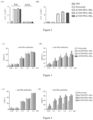
Figure 2 provides the flow cytometry of cells treated with PBS (negative control), rituximab, or rituximab conjugatesαCD20-PEG1-Rha, αCD20-PEG3-Rha or α CD20-PEG6-Rha. (A) binding affinity assay; (B) antibody-recruiting ability assay; MFI: mean fluorescence intensity. -
Figure 3 provides the ADCC mediated by different concentrations of rituximab or rituximab conjugates αCD20-PEG1-Rha, αCD20-PEG3-Rha or αCD20-PEG6-Rha. (A) in the absence of anti-Rha antibodies; (B) in the presence of anti-Rha antibodies. -
Figure 4 provides the CDC mediated by different concentrations of rituximab or rituximab conjugates αCD20-PEG1-Rha, αCD20-PEG3-Rha or αCD20-PEG6-Rha. (A) in the absence of anti-Rha antibodies; (B) in the presence of anti-Rha antibodies. - The present invention discloses a class of antibody-hapten conjugates, and a method to magnify the immunity effector functions of antibody. Antibody-hapten conjugates are antibody molecules modified with hapten derivates, and hapten derivates are synthesized small molecules capable of binding to the existing antibodies in human serum. The present invention provides a simple and east method to generate antibody-hapten conjugates. Theses conjugates retain excellent binding specificity and binding affinity, and are able to recruit the existing antibodies onto the cancer cell surface and further form an immune complex that is able to provide multivalent Fc domains to interact with immune cells or complement protein C1q, leading to magnified ADCC and CDC simultaneously. Moreover, the present invention also provides conjugates with optimal ADCC and CDC activities according to the structure-activity relationship. The following embodiments are used to describe the present presentation. However, they are not intended to limit the scope of the present invention. Any simple improvement under the conception of the present invention is within the scope of protection of the present invention. All experimental methods in the following embodiments are conducted according to the procedures provide by companies unless otherwise stated. All the materials and cell lines in the following embodiments are purchased commercially unless otherwise stated.
- In the present embodiments, SMCC, PEG and Rha are selected as the coupling domain, the linker and the hapten, respectively. According to the synthesis methods of the antibody-hapten conjugates in the present invention, the hapten derivatives SMCC-PEGn-Rha (n=1, 3, 6) are firstly synthesized. Then, hapten derivates are coupled to the antibody molecules to generate the corresponding antibody conjugates. Notably, the structure-activity relationship between the length of PEG linker and the biological activities of conjugates was evaluated.
- The details, including the coupling domain, the linker and the hapten in the following embodiments, are used to describe the present presentation. However, they are not intended to limit the scope of the present invention.
-
- (1) The synthesis procedure of hapten derivate SMCC-PEG1-Rha is as follows:

- (2) The synthesis procedure of hapten derivate SMCC-PEG3-Rha is as follows:

- (3) The synthesis procedure of hapten derivate SMCC-PEG6-Rha is as follows:

- The procedures for preparing rituximab-Rha conjugates are as follows:
- 1) Rituximab was exchanged into 25 mM of sodium borate buffer.
- 2) Tris(2-carboxyethyl)phosphine (TCEP) was added to break the four pairs of disulfide bonds in dark, the reaction progress was monitored by Ellman's analysis.
- 3) The reduced Rituximab was conjugated with 10 equiv of SMCC-PEG1-Rha, SMCC-PEG3-Rha, or SMCC-PEG6-Rha, then the reaction was quenched using cystine.
- 4) Excess hapten derivates were removed by ultrafiltration to give the final rituximab-Rha conjugates αCD20-PEG1-Rha, αCD20-PEG3-Rha and αCD20-PEG6-Rha.
- The conjugates were further characterized by LC-MS analysis. As shown in
Figure 1 , the observed MS of the light chains of rituximab and rituximab conjugates αCD20-PEG1-Rha, αCD20-PEG3-Rha and αCD20-PEG6-Rha were 23131, 23557, 23645 and 23777 Da, respectively, all of which were in line with their calculated molecular weight. - The procedure of flow cytometry is as follows:
- 1) Raji cells (CD20 positive) and K562 cells (CD20 negative) were collected and resuspended to 4×10⁵/mL. Then, 100 µL of these cells was added into tubes containing 50 nM of antibody samples. The incubation was conducted on ice for 30 min.
- 2) Cells were incubated with FITC-conjugated goat anti-human IgG antibodies (for binding affinity assay), or successively treated with 1% anti-Rha rabbit serum and FITC-conjugated goat anti-rabbit IgG antibodies (for antibody-recruiting ability assay).
- 3) Cells were finally detected using the Accuri C6 flow cytometer.
- As shown in
Figure 2A , for Raji cells treated with rituximab, or conjugates αCD20-PEG1-Rha, αCD20-PEG3-Rha or αCD20-PEG6-Rha, all showed significantly increased fluorescence signals. By contrast, no increased fluorescence signal was observed on K562 cells, suggesting that rhamnosylation did not impair the structure of rituximab significantly and retained excellent binding specificity and binding affinity to CD20 positive cells. - The results of antibody-recruiting ability were presented in
Figure 2B , compare to negative control, only Raji cells treated with conjugates showed significantly increased fluorescence signals, indicating that rituximab after rhamnosylation could successfully redirect anti-Rha antibodies onto CD20 positive cells.Figure 2B also proved conjugate αCD20-PEG3-Rha existed the highest recruiting ability for anti-Rha antibodies. - The ADCC and CDC mediated by rituximab-Rha conjugates in the absence or presence of anti-Rha antibodies were all evaluated.
- ADCC assay: 1) Raji cells were collected and resuspended to 4×10⁵/mL. Then, 50 µL of these cells was added to each well in 96-well plates. 2) Immediately supplemented with 50 µL different concentrations of antibody samples (or PBS as the negative control), 50 µL of 4% anti-Rha antibodies and 50 µL of freshly isolated human peripheral blood mononuclear cells (PBMCs), the incubation was performed at 37 °C for 4 h. 3) The cytotoxicity was determined using an LDH kit.
- ADCC results were displayed in
Figure 3 . Rituximab and conjugates presented parallel ADCC activities when in the absence of anti-Rha antibodies (Figure 3A ). For example, the lysis rates of cells treated with 2.5 nM of rituximab or conjugates αCD20-PEG1-Rha, αCD20-PEG3-Rha or αCD20-PEG6-Rha, were all around 20%. Whereas when in the presence of anti-Rha antibodies (Figure 3B ), all three conjugates showed enhanced ADCC activity, with lysis rates ranging from 30% to 42%. This result suggested that the method in the present invention could successfully magnify the ADCC function of antibody. Notably, conjugate αCD20-PEG3-Rha existed the highest ADCC activity, the percentage of cell lysis could reach 41.3% when the final concentration of αCD20-PEG3-Rha was 2.5 nM. - CDC assay: 1) Raji cells were collected and resuspended to 4×10⁵/mL. Then, 50 µL of these cells was added to each well in 96-well plates. 2) Immediately supplemented with 50 µL different concentrations of antibody samples (or PBS as the negative control), 50 µL of 4% anti-Rha antibodies and 50 µL of 8% rabbit total complement, the incubation was performed at 37 °C for 4 h. 3) The cytotoxicity was determined using an LDH kit.
- CDC results were displayed in
Figure 4 . Rituximab and conjugates presented parallel CDC activities when in the absence of anti-Rha antibodies (Figure 4A ). For example, the lysis rates of cells treated with 2.5 nM of rituximab or conjugates αCD20-PEG1-Rha, αCD20-PEG3-Rha or αCD20-PEG6-Rha, were all around 50%. Whereas when in the presence of anti-Rha antibodies (Figure 4B ), all three conjugates showed enhanced CDC activity, with lysis rates ranging from 85% to 100%. This result suggested that the method in the present invention could successfully magnify the CDC function of antibody. Notably, conjugate αCD20-PEG3-Rha existed the highest CDC activity, when cells treated with only 0.1 nM of αCD20-PEG3-Rha, the percentage of cell lysis could reach 69.3%, which is significantly higher than cells treated with 2.5 nM of Rituximab (53.2%). This results also suggested that in the presence of anti-Rha antibodies, the dosage of conjugate αCD20-PEG3-Rha could be dramatically reduced when compared to primary rituximab. - According to the above embodiments, rituximab-Rha conjugate αCD20-PEG3-Rha existed the highest ADCC and CDC activities, in another words, has made a tremendous improvement for ADCC and CDC. By contrast, conjugate αCD20-PEG1-Rha containing a shorter PEG linker and αCD20-PEG6-Rha containing a longer PEG linker both showed lower ADCC and CDC activities. This difference may be explained by the steric hindrance which limit the interaction of αCD20-PEG1-Rha and anti-Rha antibodies, resulting in the lower antibody-recruiting level. On the other hand, this difference may be also explained by the unexpected reduced affinity of αCD20-PEG6-Rha against anti-Rha antibodies, resulting in restricted ADCC and CDC activities.
- The above embodiments are used to describe the present presentation. However, they are not intended to limit the scope of the present invention. Any simple improvement under the conception of the present invention is within the scope of protection of the present invention.
Claims (5)
- An antibody conjugate, formed by modifying an antibody with at least one hapten derivative, wherein:the antibody is a monoclonal antibody;the hapten derivative is composed of a hapten, a linker, and a coupling domain;the hapten derivative includes one of the following structures:

- The antibody conjugate of claim 1, wherein the antibody is a monoclonal antibody, including but not limited to anti-CD20 antibody, anti-CD19 antibody, anti-CD30 antibody, anti-EGFR antibody, anti-EGFRvIII antibody, anti-HER2 antibody, anti-HER3 antibody, anti-PSMA antibody, anti-VEGFR antibody, anti-PD-L1 antibody, anti-cMET antibody, anti-TGF-β antibody, anti-MUC1 antibody, and anti-Trop-2 antibody.
- The antibody conjugate of claim 1, wherein the synthetic pathway of the hapten derivative is:

- A pharmaceutical composition, comprising an antibody conjugate of claim 1, for use in the preparation of drug with enhanced immune effect function of antibody,
wherein the antibody conjugate is an antibody modified with a hapten derivative; wherein:the hapten derivative is selected from any one hapten derivative of claim 1-2,the antibody is selected from any one antibody of claim 1-2. - The method of claim 4, wherein the method for preparing an antibody conjugate by modifying the hapten derivative onto an antibody, comprising the following steps:1) Desalting the antibody in a sodium borate reaction.2) Adding a thiol-containing reducing agent TCEP and reacting under dark and shaking conditions.3) After the reaction is completed, adding a 10-fold excess of the hapten derivative and quenching the reaction with cysteine.4) Ultrafiltration to remove excess small molecules and obtain the corresponding antibody conjugate.
Applications Claiming Priority (2)
| Application Number | Priority Date | Filing Date | Title |
|---|---|---|---|
| CN202011516850.9A CN112618726B (en) | 2020-12-21 | 2020-12-21 | Antibody conjugate and method for enhancing immune effector function of antibody molecule |
| PCT/CN2021/137352 WO2022135200A1 (en) | 2020-12-21 | 2021-12-13 | Antibody conjugate and method for enhancing immune effect function of antibody molecule |
Publications (3)
| Publication Number | Publication Date |
|---|---|
| EP4265273A1 true EP4265273A1 (en) | 2023-10-25 |
| EP4265273A9 EP4265273A9 (en) | 2024-03-06 |
| EP4265273A4 EP4265273A4 (en) | 2025-07-30 |
Family
ID=75320200
Family Applications (1)
| Application Number | Title | Priority Date | Filing Date |
|---|---|---|---|
| EP21909197.2A Pending EP4265273A4 (en) | 2020-12-21 | 2021-12-13 | ANTIBODY CONJUGATE AND METHOD FOR IMPROVING THE IMMUNE EFFECT FUNCTION OF AN ANTIBODY MOLECULE |
Country Status (4)
| Country | Link |
|---|---|
| US (1) | US20230364257A1 (en) |
| EP (1) | EP4265273A4 (en) |
| CN (1) | CN112618726B (en) |
| WO (1) | WO2022135200A1 (en) |
Families Citing this family (2)
| Publication number | Priority date | Publication date | Assignee | Title |
|---|---|---|---|---|
| CN115819606A (en) * | 2022-07-19 | 2023-03-21 | 江南大学 | A kind of EGFR×HER2 bispecific nanobody with Fc immune activity and its preparation method and application |
| CN115969990B (en) * | 2022-12-12 | 2025-05-16 | 江南大学 | A nanobody-multivalent rhamnose conjugate and its preparation method and application |
Family Cites Families (9)
| Publication number | Priority date | Publication date | Assignee | Title |
|---|---|---|---|---|
| JPH11508036A (en) * | 1995-06-07 | 1999-07-13 | アボツト・ラボラトリーズ | Hapten-peptide conjugates for detecting anti-HIV-1 or anti-HIV-2 antibodies |
| KR20120096466A (en) * | 2009-10-05 | 2012-08-30 | 옵소닉 테라퓨틱스 인코포레이티드 | High affinity adaptor molecules for redirecting antibody specifity |
| CA2826853C (en) * | 2011-02-09 | 2020-10-27 | The Scripps Research Institute | Ghrelin mimetic polypeptide hapten immunoconjugates having improved solubility and immunogenicity and methods of use thereof |
| CA2952834A1 (en) * | 2014-06-20 | 2015-12-23 | Abgenomics International Inc. | Her2 antibody-drug conjugates |
| CN111971060B (en) * | 2017-12-29 | 2023-06-13 | 江南大学 | Bifunctional molecules that recruit antibodies and target tumor cells |
| GB201816553D0 (en) * | 2018-10-10 | 2018-11-28 | Centauri Therapeutics Ltd | Novel compounds and therapeutic uses thereof |
| GB201816554D0 (en) * | 2018-10-10 | 2018-11-28 | Centauri Therapeutics Ltd | Novel compounds and therapeutic uses thereof |
| CN110420334A (en) * | 2019-08-19 | 2019-11-08 | 江南大学 | A kind of method of drug conjugate and raising drug molecule half-life period |
| CN112089832B (en) * | 2020-09-25 | 2022-04-22 | 江南大学 | A hapten-modified carrier protein and its application in the preparation of vaccines |
-
2020
- 2020-12-21 CN CN202011516850.9A patent/CN112618726B/en active Active
-
2021
- 2021-12-13 EP EP21909197.2A patent/EP4265273A4/en active Pending
- 2021-12-13 WO PCT/CN2021/137352 patent/WO2022135200A1/en not_active Ceased
-
2023
- 2023-06-20 US US18/337,631 patent/US20230364257A1/en active Pending
Also Published As
| Publication number | Publication date |
|---|---|
| EP4265273A4 (en) | 2025-07-30 |
| CN112618726A (en) | 2021-04-09 |
| US20230364257A1 (en) | 2023-11-16 |
| CN112618726B (en) | 2022-11-11 |
| EP4265273A9 (en) | 2024-03-06 |
| WO2022135200A1 (en) | 2022-06-30 |
Similar Documents
| Publication | Publication Date | Title |
|---|---|---|
| US11939377B2 (en) | Affinity matured CD22-specific monoclonal antibody and uses thereof | |
| US20250332261A1 (en) | Payload-Polymer-Protein Conjugates | |
| ES2719495T5 (en) | Anti-b7-h6 antibody, fusion proteins, and methods of using the same | |
| KR20230079085A (en) | Antitumor compounds and methods for their preparation and uses | |
| KR20200017391A (en) | Hydrophilic linkers and conjugates thereof | |
| JP2021516960A (en) | Antibodies and antibody-drug conjugates targeting CD73, methods and uses thereof | |
| US20230364257A1 (en) | Antibody conjugate and method for enhancing immune effect function of antibody molecule | |
| MX2013013069A (en) | Protein-active agent conjugates and method for preparing the same. | |
| CN117946277A (en) | Multispecific antibodies and methods of making and using the same | |
| WO2018213064A1 (en) | Human monoclonal antibody targeting tnfer2 for cancer immunotherapy | |
| TW201905000A (en) | Antibody-drug conjugate containing anti-GLOBO H antibody and use thereof | |
| JPH01501201A (en) | antibody | |
| Yang et al. | Supramolecular peptide hydrogel epitope vaccine functionalized with CAR-T cells for the treatment of solid tumors | |
| Ball et al. | Initial trial of bispecific antibody-mediated immunotherapy of CD15-bearing tumors: cytotoxicity of human tumor cells using a bispecific antibody comprised of anti-CD15 (MoAb PM81) and anti-CD64/FcγRI (MoAb 32) | |
| US20230032465A1 (en) | Antibody-drug conjugates specific for cd276 and uses thereof | |
| JP2020500148A (en) | Novel cytotoxic agent and conjugate thereof | |
| CN107583058B (en) | A kind of T-2 toxin-antibody conjugate and use thereof | |
| AR129303A1 (en) | MONOCLONAL ANTIBODIES DIRECTED AGAINST PROGRAMMED CELL DEATH PROTEIN 1 AND THEIR MEDICINAL USE | |
| WO2025214486A1 (en) | Anti-trop2 antibody and anti-5t4 antibody-natural killer cell conjugate and use thereof | |
| RU2857406C1 (en) | Method for producing cell preparations for adoptive immunotherapy based on genetically modified lymphocytes with universal chimeric antigen receptor and bifunctional adaptor molecules | |
| CN103087196B (en) | Muramyldipeptide-anti-CD20 immune conjugate preparation method and application | |
| CN104974252A (en) | Antibody-small molecule drug conjugate capable of inhibiting tumor growth, and preparation method and application thereof | |
| JPH072895A (en) | Antibody-drug complex | |
| Ho | Modular DNA nanopore (NP) for targeted cell killing | |
| WO2025212999A1 (en) | Potent fgfr4-targeted antibody-drug conjugates and their use for treating cancers expressing fgfr4 |
Legal Events
| Date | Code | Title | Description |
|---|---|---|---|
| STAA | Information on the status of an ep patent application or granted ep patent |
Free format text: STATUS: THE INTERNATIONAL PUBLICATION HAS BEEN MADE |
|
| PUAI | Public reference made under article 153(3) epc to a published international application that has entered the european phase |
Free format text: ORIGINAL CODE: 0009012 |
|
| STAA | Information on the status of an ep patent application or granted ep patent |
Free format text: STATUS: REQUEST FOR EXAMINATION WAS MADE |
|
| 17P | Request for examination filed |
Effective date: 20230721 |
|
| AK | Designated contracting states |
Kind code of ref document: A1 Designated state(s): AL AT BE BG CH CY CZ DE DK EE ES FI FR GB GR HR HU IE IS IT LI LT LU LV MC MK MT NL NO PL PT RO RS SE SI SK SM TR |
|
| DAV | Request for validation of the european patent (deleted) | ||
| DAX | Request for extension of the european patent (deleted) | ||
| REG | Reference to a national code |
Ref country code: DE Ref legal event code: R079 Free format text: PREVIOUS MAIN CLASS: A61K0047600000 Ipc: A61K0047680000 |
|
| A4 | Supplementary search report drawn up and despatched |
Effective date: 20250626 |
|
| RIC1 | Information provided on ipc code assigned before grant |
Ipc: A61K 47/68 20170101AFI20250620BHEP Ipc: A61K 47/54 20170101ALI20250620BHEP Ipc: A61K 47/60 20170101ALI20250620BHEP Ipc: A61K 39/44 20060101ALI20250620BHEP Ipc: A61P 35/00 20060101ALI20250620BHEP |
|
| STAA | Information on the status of an ep patent application or granted ep patent |
Free format text: STATUS: EXAMINATION IS IN PROGRESS |