EP4253398A1 - A mechanochemical method for obtaining of cyclic peptides by the solid state transformation - Google Patents
A mechanochemical method for obtaining of cyclic peptides by the solid state transformation Download PDFInfo
- Publication number
- EP4253398A1 EP4253398A1 EP23163593.9A EP23163593A EP4253398A1 EP 4253398 A1 EP4253398 A1 EP 4253398A1 EP 23163593 A EP23163593 A EP 23163593A EP 4253398 A1 EP4253398 A1 EP 4253398A1
- Authority
- EP
- European Patent Office
- Prior art keywords
- cyclic
- grinding
- obtaining
- cyclic peptides
- spectrum
- Prior art date
- Legal status (The legal status is an assumption and is not a legal conclusion. Google has not performed a legal analysis and makes no representation as to the accuracy of the status listed.)
- Granted
Links
Images



Classifications
-
- C—CHEMISTRY; METALLURGY
- C07—ORGANIC CHEMISTRY
- C07K—PEPTIDES
- C07K1/00—General methods for the preparation of peptides, i.e. processes for the organic chemical preparation of peptides or proteins of any length
- C07K1/10—General methods for the preparation of peptides, i.e. processes for the organic chemical preparation of peptides or proteins of any length using coupling agents
-
- C—CHEMISTRY; METALLURGY
- C07—ORGANIC CHEMISTRY
- C07K—PEPTIDES
- C07K5/00—Peptides containing up to four amino acids in a fully defined sequence; Derivatives thereof
- C07K5/04—Peptides containing up to four amino acids in a fully defined sequence; Derivatives thereof containing only normal peptide links
- C07K5/12—Cyclic peptides with only normal peptide bonds in the ring
- C07K5/126—Tetrapeptides
-
- C—CHEMISTRY; METALLURGY
- C07—ORGANIC CHEMISTRY
- C07K—PEPTIDES
- C07K1/00—General methods for the preparation of peptides, i.e. processes for the organic chemical preparation of peptides or proteins of any length
- C07K1/107—General methods for the preparation of peptides, i.e. processes for the organic chemical preparation of peptides or proteins of any length by chemical modification of precursor peptides
-
- C—CHEMISTRY; METALLURGY
- C07—ORGANIC CHEMISTRY
- C07K—PEPTIDES
- C07K5/00—Peptides containing up to four amino acids in a fully defined sequence; Derivatives thereof
- C07K5/04—Peptides containing up to four amino acids in a fully defined sequence; Derivatives thereof containing only normal peptide links
- C07K5/10—Tetrapeptides
- C07K5/1002—Tetrapeptides with the first amino acid being neutral
- C07K5/1016—Tetrapeptides with the first amino acid being neutral and aromatic or cycloaliphatic
-
- C—CHEMISTRY; METALLURGY
- C07—ORGANIC CHEMISTRY
- C07K—PEPTIDES
- C07K5/00—Peptides containing up to four amino acids in a fully defined sequence; Derivatives thereof
- C07K5/04—Peptides containing up to four amino acids in a fully defined sequence; Derivatives thereof containing only normal peptide links
- C07K5/10—Tetrapeptides
- C07K5/1024—Tetrapeptides with the first amino acid being heterocyclic
-
- C—CHEMISTRY; METALLURGY
- C07—ORGANIC CHEMISTRY
- C07K—PEPTIDES
- C07K7/00—Peptides having 5 to 20 amino acids in a fully defined sequence; Derivatives thereof
- C07K7/64—Cyclic peptides containing only normal peptide links
-
- Y—GENERAL TAGGING OF NEW TECHNOLOGICAL DEVELOPMENTS; GENERAL TAGGING OF CROSS-SECTIONAL TECHNOLOGIES SPANNING OVER SEVERAL SECTIONS OF THE IPC; TECHNICAL SUBJECTS COVERED BY FORMER USPC CROSS-REFERENCE ART COLLECTIONS [XRACs] AND DIGESTS
- Y02—TECHNOLOGIES OR APPLICATIONS FOR MITIGATION OR ADAPTATION AGAINST CLIMATE CHANGE
- Y02P—CLIMATE CHANGE MITIGATION TECHNOLOGIES IN THE PRODUCTION OR PROCESSING OF GOODS
- Y02P20/00—Technologies relating to chemical industry
- Y02P20/50—Improvements relating to the production of bulk chemicals
- Y02P20/55—Design of synthesis routes, e.g. reducing the use of auxiliary or protecting groups
Definitions
- the subject of the invention is a method for obtaining of cyclic peptides by solid state transformation.
- SCPs small cyclic peptides
- Cyclic peptides are important to the pharmaceutical industry because these systems provide a convenient medium for binding active sites of receptors via non-covalent interactions e.g. hydrogen bonding, dipole-dipole or ionic contacts.
- Chemically modified cyclic peptides with the desired amino acid sequence are active substances that are released in the body under the influence of stimulation of a specific environment.
- Pseudocyclic conformation of linear peptides prefers intramolecular processes and eliminates and/or limits the possibility of intermolecular reactions. Pseudocyclic conformations are rare due to the nature of the peptide bond, which adopts mostly trans geometry, ultimately resulting in extended linear structures.
- the mixture of L and D amino acid configurations in the peptide chain can promote conformations favourable for cyclization.
- L-Proline or its enantiomer D-proline are the most common natural inducers of the appropriate spatial arrangement responsible for the "turn" of the molecule. The best results are obtained by introducing a proline in the middle of a linear peptide sequence to facilitate the reactive ends approaching space to form a new peptide bond.
- the second synthetic method of cyclic peptide systems is the "high dilution method".
- Linear tetrapeptides are classically cyclized in very large volume solutions. This strategy aims to eliminate the likelihood of intermolecular reactions competing with intramolecular reactions.
- the invention aims to develop an effective method for obtaining of cyclic peptides using mechanical stimuli without the need to use environmentally harmful organic solvents.
- the effectiveness of the method was proven using four linear peptides HCl ⁇ ProPheProPhe (HCl ⁇ PFPF) 1, Tyr-Pro-Phe-Phe-OH (YPFF) 2 (Endomorphin-2 neuropeptide analogue), Tyr-(D)Ala-Phe-Gly (Y(D)AFG) 3 (address sequence of the neuropeptide Dermorphin) and the O-benzyl derivative Tyr-(D)Ala-Phe-Gly (Y(OBn)(D)AF) 4.
- Each of the peptides used has a pseudocyclic conformation in a solid state, meeting topochemical criteria and enabling the formation of new peptide bonds and the synthesis of cyclic compounds.
- Mechanosynthesis carried out in ball mills using O-(benzotriazol-1-yl)-1,1,3,3-tetramethyluronium tetrafluoroborate (TBTU) as coupling agent and diisopropylethylamine (DIPEA) as base showed the formation of two types of cyclic products, namely tetrapeptides (CTPs) and cyclic octapeptides (COPs).
- CTPs tetrapeptides
- COPs cyclic octapeptides
- the efficiency of CTP and COP is correlated with the inter- and intramolecular distances in the crystallographic unit cell between the active C and N termini involved in forming new peptide bonds.
- Monitoring of mechanosynthesis processes and analysis of the obtained products was based on measurements of liquid chromatography coupled with mass spectrometry (LC-MS), solid phase NMR spectroscopy (SS NMR) and liquid phase NMR.
- the present invention is based on the unexpected observation that during grinding of solids, cyclic peptides can be obtained.
- the key is the pseudocyclic conformation of the peptides, in which the reactive carboxyl and amino ends are located at a distance of 4 to 10 angstroms.
- the cyclization method of tetrapeptides with formulas 1-4 is based on grinding three components (linear tetrapeptide, coupling reagent and base) in a ball mill for 1-3 hours.
- the obtained raw post-reaction mixture is washed several times with water to remove the by-products generated in the grinding process, thanks to which a faster and more accurate analysis of the obtained results is possible.
- a compound from the group consisting of O-(benzotriazol-1-yl)-1,1,3,3-tetramethyluronium tetrafluoroborate, bis(dimethylamino)methylene]-1H-1,2,3-triazole 3-oxide hexafluorophosphate was selected as the coupling reagent [4,5-b]pyridinium and (1-((dimethylamino)(morpholino)methylene)-1 H -benzotriazolium 3-oxide hexafluorophosphate.
- Diisopropylethylamine is used as the base.
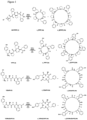
- FIG. 1 shows a general flowchart of the invention
- the mechanochemical method of preparation described in the invention has many advantages. Processes taking place in this way usually run clean, effectively and efficiently [7]. An additional advantage is the elimination of disadvantages that appear in the classic synthetic approach, such as the purification and recycling of solvents. Wet procedures are not only energy-intensive, but also problematic for the environment. Therefore, syntheses carried out in condensed matter are justified in economic and ecological terms [8].
Landscapes
- Chemical & Material Sciences (AREA)
- Organic Chemistry (AREA)
- Genetics & Genomics (AREA)
- Biochemistry (AREA)
- Biophysics (AREA)
- General Health & Medical Sciences (AREA)
- Health & Medical Sciences (AREA)
- Medicinal Chemistry (AREA)
- Molecular Biology (AREA)
- Proteomics, Peptides & Aminoacids (AREA)
- Life Sciences & Earth Sciences (AREA)
- Analytical Chemistry (AREA)
- Chemical Kinetics & Catalysis (AREA)
- General Chemical & Material Sciences (AREA)
- Peptides Or Proteins (AREA)
Abstract
Description
- The subject of the invention is a method for obtaining of cyclic peptides by solid state transformation.
- One of the challenges of modem bioorganic chemistry is the effective synthesis of small cyclic peptides (SCPs) containing four to twelve amino acids in sequence. SCPs are characterized by a unique structures and therefore a wide spectrum of biological properties, making them an attractive target for researchers working in various fields, from medicine to materials chemistry [1]. Cyclic peptides are important to the pharmaceutical industry because these systems provide a convenient medium for binding active sites of receptors via non-covalent interactions e.g. hydrogen bonding, dipole-dipole or ionic contacts. Chemically modified cyclic peptides with the desired amino acid sequence are active substances that are released in the body under the influence of stimulation of a specific environment. In many cases, low toxicity and low degradability in the body compared to linear peptides are an additional advantage. Of the more than 60 peptides approved by the FDA and EMA as drugs, two-thirds are in cyclic form [2]. No wonder that many scientists in laboratories around the world are working intensively on the development of synthetic methods for obtaining cyclic peptides.
- Unfortunately SCPs are difficult to synthesize. One of the reasons for these difficulties is conformational and energy constraints. In general, due to energy constraints, medium-sized (9-12-membered) rings are more difficult to form compared to smaller (4-8-membered) and larger (>12-membered) rings. This is mainly due to the fact that additional transferring interactions between substituents play a key role in the strain energy of the ring. Various synthesis strategies for the production of SCPs have recently been reviewed by Sarojini and colleagues [2]. In order to obtain any cyclic peptide in solution, the C- and N-termini of a linear peptide chain must be in close spatial proximity to facilitate intramolecular cyclization. Pseudocyclic conformation of linear peptides prefers intramolecular processes and eliminates and/or limits the possibility of intermolecular reactions. Pseudocyclic conformations are rare due to the nature of the peptide bond, which adopts mostly trans geometry, ultimately resulting in extended linear structures. The mixture of L and D amino acid configurations in the peptide chain can promote conformations favourable for cyclization. L-Proline or its enantiomer D-proline are the most common natural inducers of the appropriate spatial arrangement responsible for the "turn" of the molecule. The best results are obtained by introducing a proline in the middle of a linear peptide sequence to facilitate the reactive ends approaching space to form a new peptide bond.
- In the case of solution cyclization, many factors play a role in producing the intended SCPs versus competing intermolecular reactions leading to dimer, oligomer or polymer formation. In particular, the selection of coupling reagents, the order in which they are added, and the knowledge of their interrelationships are important. Reagents can be added to the peptide solution placed in high dilution or to the reagent solution with stirring, the peptide solution can be added gradually from the syringe pump. The synthetic strategy proposed in our invention is based on a completely different philosophy, inspired by the experience of crystal engineering and based on the latest achievements in mechanochemistry.
- In recent years, there has been a growing interest in applying mechanochemistry as a versatile platform for preparing various solid-state compounds [3]. Margetić and Štrukil described in a comprehensive textbook a number of chemical reactions that can be carried out in a semi-solid and/or solid state using a mechanochemical approach [4]. Such transformations are possible using a variety of approaches, ranging from mortars and mechanical hand force to dedicated devices such as mixing or planetary ball mills. Research on energy transfer and grinding kinetics in this type of mill leads to the conclusion that the effective modulus of elasticity of impact media expressed by Eeff may be in the range of hundreds of GPa [5]. It has been proven that molecules react to an external force through bond rotation, angular bending and bond stretching [6]. Based on the observation of strained molecules, it can also be assumed that during high-energy, intensive grinding, the "topochemical principle" does not need to be treated rigorously, especially when the matter is softened by the presence of small amounts of liquid solvents (LAG). Such a strategy opens the way to obtaining "difficult" products using classical methods.
- One of them, widely used, is the so-called "template method". Linear peptides are bound by coordination bonds with metal cations of appropriate size, which reduces the distance between the reacting ends of the tested systems (C- and N-terminus) to establish a peptide bond. Finally, cyclic compounds containing previously defined metals inside the peptide ring are obtained. Their removal often causes many problems; in special cases, it is only possible to carry out.
- The second synthetic method of cyclic peptide systems is the "high dilution method". Linear tetrapeptides are classically cyclized in very large volume solutions. This strategy aims to eliminate the likelihood of intermolecular reactions competing with intramolecular reactions.
- Both methods have limitations, and the target compounds are generally produced with low yields. An additional disadvantage (especially in the case of the second method) is the need to use a large amount of mostly organic solvents characterized by certain toxicity (chloroform, methylene chloride).
- The invention aims to develop an effective method for obtaining of cyclic peptides using mechanical stimuli without the need to use environmentally harmful organic solvents. The effectiveness of the method was proven using four linear peptides HCl·ProPheProPhe (HCl·PFPF) 1, Tyr-Pro-Phe-Phe-OH (YPFF) 2 (Endomorphin-2 neuropeptide analogue), Tyr-(D)Ala-Phe-Gly (Y(D)AFG) 3 (address sequence of the neuropeptide Dermorphin) and the O-benzyl derivative Tyr-(D)Ala-Phe-Gly (Y(OBn)(D)AF) 4.


- The present invention is based on the unexpected observation that during grinding of solids, cyclic peptides can be obtained. The key is the pseudocyclic conformation of the peptides, in which the reactive carboxyl and amino ends are located at a distance of 4 to 10 angstroms. The cyclization method of tetrapeptides with formulas 1-4 is based on grinding three components (linear tetrapeptide, coupling reagent and base) in a ball mill for 1-3 hours. The obtained raw post-reaction mixture is washed several times with water to remove the by-products generated in the grinding process, thanks to which a faster and more accurate analysis of the obtained results is possible.


- A compound from the group consisting of O-(benzotriazol-1-yl)-1,1,3,3-tetramethyluronium tetrafluoroborate, bis(dimethylamino)methylene]-1H-1,2,3-triazole 3-oxide hexafluorophosphate was selected as the coupling reagent [4,5-b]pyridinium and (1-((dimethylamino)(morpholino)methylene)-1H-benzotriazolium 3-oxide hexafluorophosphate. Diisopropylethylamine is used as the base.
- The invention may be more readily understood by referring to the accompanying drawings, in which
Fig. 1 shows a general flowchart of the invention; -
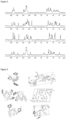
Figure 2 shows the 13C CP/MAS NMR spectra of linear peptide samples used for cyclization.Sample 1 is shown on the top,samples -
Fig. 3 shows the X-ray structures of the samples used for cyclization.Sample 1 is shown on the top, below are displayed the X-ray structures ofsamples -
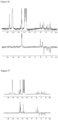
Fig. 4 shows the UPLC-ESI(+)-MS chromatogram for (a) HCl·PFPF 1, (b) triturating the sample of HCl·PFPF 1, TBTU and DIPEA after 3 hours and washing the crude mixture with water; -
Fig. 5 shows the UPLC-ESI(+)-MS chromatogram of (a)YPFF 2, (b) triturating the sample ofYPFF 2, TBTU and DIPEA after 3 hours and washing the crude mixture with water; -
Fig 6 shows the UPLC-ESI(+)-MS chromatogram of (a) Y(D)AFG 3, (b) triturating the sample of Y(D)AFG 3, TBTU and DIPEA after 3 hours and washing the crude mixture with water; -
Fig. 7 shows the UPLC-ESI(+)-MS chromatogram for (a) Y(OBn)(D)AFG 4, (b) trituration of the sample Y(OBn)(D)AFG 4, TBTU and DIPEA after 3 hours and washing the crude mixture with water; -
Fig. 8 shows the MS spectrum confirming the structure of the obtained cyclic tetrapeptide c_PFPF (1a); -
Fig. 9 shows the MS spectrum confirming the structure of the obtained cyclic octapeptide c_2[PFPF] (1b); -
Fig. 10 shows the MS spectrum confirming the structure of the resulting cyclic tetrapeptide c_YPFF (2a); -
Fig. 11 shows the MS spectrum confirming the structure of the obtained cyclic octapeptide c_2[YPFF] (2b); -
Fig. 12 shows the MS spectrum confirming the structure of the obtained cyclic tetrapeptide c_Y(D)AFG (3a); -
Fig. 13 shows the MS spectrum confirming the structure of the obtained cyclic octapeptide c_2[Y(D)AFG] (3b); -
Fig. 14 shows the MS spectrum confirming the structure of the obtained cyclic tetrapeptide c_Y(OBn)(D)AFG (4a); -
Fig. 15 shows the MS spectrum confirming the structure of the obtained cyclic octapeptide c_2[Y(OBn)(D)AFG] (4b); -
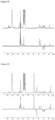
Fig. 16 shows the 13C NMR spectrum of cyclic peptide 1 (1a, 1b) after grinding and washing with water, recorded in deuterated trifluoroacetic acid TFA-d.
The upper spectrum was made using the SPE (Single Pulse Experiment) basic sequence. The bottom spectrum was taken using the DEPT135 sequence. -
Fig. 17 shows the 13C NMR spectrum of cyclic peptide 2 (2a, 2b) after grinding and washing with water, recorded in deuterated trifluoroacetic acid TFA-d. The upper spectrum used the SPE (Single Pulse Experiment) basic sequence. The lower spectrum was made using the DEPT135 sequence. -
Fig. 18 shows the 13C NMR spectrum of cyclic peptide 3 (3a, 3b), after grinding and washing with water, recorded in deuterated trifluoroacetic acid TFA-d. The upper spectrum was made using the SPE (Single Pulse Experiment) basic sequence. The bottom spectrum was taken using the DEPT135 sequence. -
Fig. 19 shows the 13C NMR spectrum of cyclic peptide 4 (4a, 4b), after grinding and washing with water, recorded in deuterated trifluoroacetic acid TFA-d. The upper spectrum was made using the SPE (Single Pulse Experiment) basic sequence. The lower spectrum was made using the DEPT135 sequence. -
Fig. 20 is a table showing UPLC-ESI(+)-MS data; UPLC retention time (Rt, min) and m/z for [M+H]+ ions in the positive ionization mode of substrates and cyclic products (tetra- and octapeptides); - The invention is explained in more detail by means of non-limiting examples:
- 50 mg of linear tetrapeptide hydrochloride Pro-Phe-
Pro-Phe 1, 59 mg of TBTU coupling reagent or 70 mg of HATU or 77 mg of HDMB, and 162 µl of DIPEA base, one 10 mm diameter stainless steel grinding ball placed in a stainless steel grinding vessel with a volume of 10 mL and mixed in an MM200 ball mill at a frequency of 25 Hz for 1 hour. The crude reaction mixture was washed 5 times with water (5 x 10 mL), and the solvent was allowed to evaporate freely. The yield of the cyclization process leading to thecyclic tetrapeptide 1a and thecyclic octapeptide 1b is 62%. The structures of the compounds are confirmed by the MS and NMR spectra recorded in deuterated trifluoroacetic acid (TFA-d). - 50 mg of Tyr-Pro-Phe-Phe-
OH 2 linear tetrapeptide, 70 mg of TBTU coupling reagent or 82 mg of HATU or 92 mg of HDMB and 153 µl of DIPEA base, one 10 mm diameter stainless steel grinding ball placed in a stainless steel grinding vessel 10 mL volume of stainless steel and mixed in an MM200 ball mill at 25 Hz for 3 hours. The crude reaction mixture was washed 5 times with water (5 x 10 mL). The cyclization process yielding thecyclic tetrapeptide 2a and thecyclic octapeptide 2b is 47%. The structures of the compounds are confirmed by the MS and NMR spectra recorded in deuterated trifluoroacetic acid (TFA-d). - 50 mg of Tyr-(D)Ala-Phe-
Gly 3 linear tetrapeptide, 88 mg of TBTU coupling reagent or 104 mg of HATU or 115 mg of HDMB, and 193 µl of DIPEA base, one 10 mm diameter stainless steel grinding ball was placed in a 10 mL of stainless steel and mixed in an MM200 ball mill at 25 Hz for 3 hours. The crude reaction mixture was washed 5 times with water (5 x 10 mL). The yield of the cyclization process leading to thecyclic tetrapeptide 3a and thecyclic octapeptide 3b is 79%. The structures of the compounds are confirmed by the MS and NMR spectra recorded in deuterated trifluoroacetic acid (TFA-d). - 50 mg linear tetrapeptide Tyr(OBn)-(D)Ala-Phe-
Gly 4, 73 mg TBTU coupling reagent or 86 mg HATU or 96 mg HDMB and 161 µl DIPEA base, one 10 mL stainless steel grinding ball and mixed in the MM200 ball mill at 25 Hz for 3 hours. The crude reaction mixture was washed 5 times with water (5 x 10 mL). The cyclization process yielding thecyclic tetrapeptide 4a and thecyclic octapeptide 4b is 67%. We have yet to confirm this. The structures of the compounds are confirmed by the MS and NMR spectra recorded in deuterated trifluoroacetic acid (TFA-d). - The mechanochemical method of preparation described in the invention has many advantages. Processes taking place in this way usually run clean, effectively and efficiently [7]. An additional advantage is the elimination of disadvantages that appear in the classic synthetic approach, such as the purification and recycling of solvents. Wet procedures are not only energy-intensive, but also problematic for the environment. Therefore, syntheses carried out in condensed matter are justified in economic and ecological terms [8].
-
- [1] Wang, X.; Lin, M.; Xu, D.; Lai, D.; Zhou, L. Structural Diversity and Biological Activities of Fungal Cyclic Peptides, Excluding Cyclodipeptides. Molecules 22, 2069, doi:10.3390/molecules22122069 (2017).
- [2] a) Zorzi, A.; Deyle, K.; Heinis, C. Cyclic peptide therapeutics: past, present and future. Curr. Opin. Chem. Biol. 38, 24-29 doi:10.1016/j.cbpa.2017.02.006 (2017); b) Zhang, H.; Chen, S. Cyclic peptide drugs approved in the last two decades (2001-2021). RSC Chem. Biol. 3, 18-31, doi: 10.1039/d1cb00154j (2022).
- [3] Sarojini, V.; Cameron, A.J.; Varnava, K.G.; Denny, W.A.; Sanjayan, G. Cyclic Tetrapeptides from Nature and Design: A Review of Synthetic Methodologies, Structure, and Function. Chem. Rev. 119, 10318-10359, doi:10.1021/acs.chemrev.8b00737 (2019).
- [4] James, S.L.; Adams, Ch.J.; Bolm, C.; Braga, D.; Collier, P.; Friscic, T.; Grepioni, F.; Harris, K.D.M.; Hyett, G.; Jones, W.; Krebs, A.; Mack, J.; Maini, L.; Orpen, A.G.; Parkin, I.P.; Shearouse, W.C.; Steedk, J.W.; Waddel, D.C. Mechanochemistry: opportunities for new and cleaner synthesis. Chem. Soc. Rev. 41, 413-447, doi:10.1039/C1CS15171A (2012).
- [5] Margetić, D. & Štrukil, V. Mechanochemical Organic Synthesis. 1st edn, (Elsevier, 2016).
- [6] Chen, Z.; Lu, S.; Mao, Q.; Buekens, A.; Wang, Y.; Yan, J. Energy transfer and kinetics in mechanochemistry. Environ. Sci. Pollut. Res. Int. 24, 24562-24571, doi: 10.1007/s11356-017-0028-9 (2017).
- [7] Bo, G.D. Mechanochemistry of the mechanical bond. Chem. Sci. 9, 15-21, doi:10.1039/C7SC04200K (2018).
- [8] Tan, D.; Garcia, F. Main group mechanochemistry: from curiosity to established protocols. Chem. Soc. Rev. 48, 2274-2292, doi:10.1039/C7CS00813A (2019).
- [9] Baig, R.B.N.; Varma, R.S. Alternative energy input: mechanochemical, microwave and ultrasound-assisted organic synthesis. Chem. Soc. Rev. 41, 1159-1584, dol:10.1039/C1CS15204A (2012).
Claims (5)
- A mechanochemical method for obtaining of cyclic peptides, characterized in that it is linear tetrapeptides with a forced pseudocyclic conformation with closely located active reactive carboxyl and amino termini of the formulas 1-4 is subjected to grinding in the presence of a coupling reagent and a base for 1 to 3 hours, after which the grated raw post-reaction mixture is washed several times with water.


- The method according to claim 1, wherein the tetrapeptides' reactive carboxyl and amino termini are 4 to 10 angstroms apart.
- The method according to claim 1, characterized in that a compound from the group consisting of O-(benzotriazol-1-yl)-1,1,3,3-tetramethyluronium tetrafluoroborate, bis(dimethylamino)methylene]-3-oxide hexafluoro-phosphate-1H-1,2,3-triazolo[4,5-b]pyridinium and (1-((dimethylamino)-(morpholino)methylene)-1H-benzotriazole-3-oxide hexafluorophosphate is selected as the coupling reagent.
- The method according to claim 1, wherein the base is diisopropylethylamine.
- The method according to claim 1, is characterized in that the grinding is carried out in a ball mill.
Applications Claiming Priority (1)
| Application Number | Priority Date | Filing Date | Title |
|---|---|---|---|
| PL440823A PL244918B1 (en) | 2022-03-31 | 2022-03-31 | Mechanochemical method for producing cyclic peptides by solid state transformation |
Publications (2)
| Publication Number | Publication Date |
|---|---|
| EP4253398A1 true EP4253398A1 (en) | 2023-10-04 |
| EP4253398B1 EP4253398B1 (en) | 2025-03-05 |
Family
ID=85726751
Family Applications (1)
| Application Number | Title | Priority Date | Filing Date |
|---|---|---|---|
| EP23163593.9A Active EP4253398B1 (en) | 2022-03-31 | 2023-03-22 | A mechanochemical method for obtaining of cyclic peptides by the solid state transformation |
Country Status (2)
| Country | Link |
|---|---|
| EP (1) | EP4253398B1 (en) |
| PL (1) | PL244918B1 (en) |
Cited By (2)
| Publication number | Priority date | Publication date | Assignee | Title |
|---|---|---|---|---|
| CN117462440A (en) * | 2023-12-26 | 2024-01-30 | 杭州湃肽生化科技有限公司 | Functional cyclic peptides and preparation methods and applications thereof |
| DE102025101736B3 (en) * | 2025-01-19 | 2026-02-19 | Elke Münch | Mechanochemical reactors with a self-regulating thermal management system based on heat pipes |
-
2022
- 2022-03-31 PL PL440823A patent/PL244918B1/en unknown
-
2023
- 2023-03-22 EP EP23163593.9A patent/EP4253398B1/en active Active
Non-Patent Citations (11)
| Title |
|---|
| BAIG, R.B.N.VARMA, R.S.: "Alternative energy input: mechanochemical, microwave and ultrasound-assisted organic synthesis", CHEM. SOC. REV., vol. 41, 2012, pages 1159 - 1584 |
| BO, G.D.: "Mechanochemistry of the mechanical bond", CHEM. SCI., vol. 9, 2018, pages 15 - 21 |
| CHEN, Z.LU, S.MAO, Q.BUEKENS, A.WANG, Y.YAN, J.: "Energy transfer and kinetics in mechanochemistry", ENVIRON. SCI. POLLUT. RES. INT., vol. 24, 2017, pages 24562 - 24571, XP036346473, DOI: 10.1007/s11356-017-0028-9 |
| JAMES, S.L.ADAMS, CH.J.BOLM, C.BRAGA, D.COLLIER, P.FRISCIC, T.GREPIONI, F.HARRIS, K.D.M.HYETT, G.JONES, W.: "Mechanochemistry: opportunities for new and cleaner synthesis", CHEM. SOC. REV., vol. 41, 2012, pages 413 - 447, XP055375977, DOI: 10.1039/C1CS15171A |
| KYRIAKOS G VARNAVA ET AL: "Making Solid-Phase Peptide Synthesis Greener: A Review of the Literature", CHEMISTRY - AN ASIAN JOURNAL, WILEY-VCH, HOBOKEN, USA, vol. 14, no. 8, 20 February 2019 (2019-02-20), pages 1088 - 1097, XP072427387, ISSN: 1861-4728, DOI: 10.1002/ASIA.201801807 * |
| MARGETIC, D.STRUKIL, V.: "Mechanochemical Organic Synthesis", 2016, ELSEVIER |
| SAROJINI VIJAYALEKSHMI ET AL: "Cyclic Tetrapeptides from Nature and Design: A Review of Synthetic Methodologies, Structure, and Function", CHEMICAL REVIEWS, vol. 119, no. 17, 11 September 2019 (2019-09-11), US, pages 10318 - 10359, XP093063223, ISSN: 0009-2665, DOI: 10.1021/acs.chemrev.8b00737 * |
| SAROJINI, V.CAMERON, A.J.VARNAVA, K.G.DENNY, W.A.SANJAYAN, G.: "Cyclic Tetrapeptides from Nature and Design: A Review of Synthetic Methodologies, Structure, and Function", CHEM. REV., vol. 119, 2019, pages 10318 - 10359 |
| TAN, D.GARCIA, F.: "Main group mechanochemistry: from curiosity to established protocols", CHEM. SOC. REV., vol. 48, 2019, pages 2274 - 2292, XP093026001, DOI: 10.1039/C7CS00813A |
| ZHANG, H.CHEN, S.: "Cyclic peptide drugs approved in the last two decades (2001-2021", RSC CHEM. BIOL., vol. 3, 2022, pages 18 - 31 |
| ZORZI, A.DEYLE, K.HEINIS, C.: "Cyclic peptide therapeutics: past, present and future", CURR. OPIN. CHEM. BIOL., vol. 38, 2017, pages 24 - 29, XP085070181, DOI: 10.1016/j.cbpa.2017.02.006 |
Cited By (3)
| Publication number | Priority date | Publication date | Assignee | Title |
|---|---|---|---|---|
| CN117462440A (en) * | 2023-12-26 | 2024-01-30 | 杭州湃肽生化科技有限公司 | Functional cyclic peptides and preparation methods and applications thereof |
| CN117462440B (en) * | 2023-12-26 | 2024-09-13 | 杭州湃肽生化科技有限公司 | Functional cyclic peptide and its preparation method and application |
| DE102025101736B3 (en) * | 2025-01-19 | 2026-02-19 | Elke Münch | Mechanochemical reactors with a self-regulating thermal management system based on heat pipes |
Also Published As
| Publication number | Publication date |
|---|---|
| EP4253398B1 (en) | 2025-03-05 |
| PL244918B1 (en) | 2024-04-02 |
| PL440823A1 (en) | 2023-10-02 |
Similar Documents
| Publication | Publication Date | Title |
|---|---|---|
| EP4253398B1 (en) | A mechanochemical method for obtaining of cyclic peptides by the solid state transformation | |
| Golebiowski et al. | Solid supported high-throughput organic synthesis of peptide β-turn mimetics via tandem Petasis reaction/diketopiperazine formation | |
| EP3266792A1 (en) | Peptide synthesis method | |
| TW202210498A (en) | Efficient peptide condensation method for difficult sequences | |
| Lin et al. | Sodium ions template the formation of rotaxanes from BPX26C6 and nonconjugated amide and urea functionalities. | |
| Bordignon et al. | Challenges and achievements of peptide synthesis in aqueous and micellar media | |
| Lau et al. | Efficient synthesis of Fmoc-protected azido amino acids | |
| Chaubet et al. | Stereoselective synthesis of original spirolactams displaying promising folded structures | |
| Taylor et al. | Synthesis of cyclic peptides modelled on the microcystin and nodularin rings | |
| CN108707187A (en) | A kind of cell-penetrating peptide and preparation method thereof, application | |
| Tromp et al. | Chemoenzymatic synthesis of Fmoc-protected (2S, 3S)-2-hydroxy-3-amino acids and their application in the synthesis of an α-hydroxylated β-hexapeptide | |
| Stark et al. | The spiro intermediate proposed for biosynthesis of the natural porphyrins: Synthesis and properties of its macrocycle | |
| Exposito et al. | Minalemines AF: Sulfamic acid peptide guanidine derivatives isolated from the marine tunicate Didemnun rodriguesi | |
| Brewster et al. | Peptidocalixarenes in molecular recognition | |
| Van der Meijden et al. | Synthesis and application of photoproline-a photoactivatable derivative of proline | |
| KR20110120051A (en) | Method for preparing 2,5-diketopiperazine compound | |
| Lin et al. | Five additional macrocycles that allow Na+ ion-templated threading of guest units featuring a single urea or amide functionality | |
| Schwartz et al. | Macrocyclic polylactams of mirror symmetry: preparation and structure | |
| CN111825742B (en) | Polypeptide solid phase synthesis of CTPA as special coupling agent for amino acid ionic liquid | |
| JP2025001050A (en) | Method for producing ganirelix or salt thereof | |
| Mashweu et al. | Hofmann degradation of asparagine and glutamine as an efficient approach for the synthesis of lysine homologues | |
| CN112250734A (en) | Method for synthesizing cyclic peptide by using three components of lysine and tyrosine as anchor points through synergistic reaction | |
| Lei et al. | Hydrazine hydrate facilitates efficient synthesis of cyclodipeptides for antibacterial screening | |
| Suut-Tuule et al. | Mechanochemically-Driven Self-Assembly of a Chiral Mono-Biotinylated Hemicucurbit [8] uril | |
| CN111777669B (en) | Anti-tumor active peptide, synthesis method and application |
Legal Events
| Date | Code | Title | Description |
|---|---|---|---|
| PUAI | Public reference made under article 153(3) epc to a published international application that has entered the european phase |
Free format text: ORIGINAL CODE: 0009012 |
|
| STAA | Information on the status of an ep patent application or granted ep patent |
Free format text: STATUS: THE APPLICATION HAS BEEN PUBLISHED |
|
| AK | Designated contracting states |
Kind code of ref document: A1 Designated state(s): AL AT BE BG CH CY CZ DE DK EE ES FI FR GB GR HR HU IE IS IT LI LT LU LV MC ME MK MT NL NO PL PT RO RS SE SI SK SM TR |
|
| STAA | Information on the status of an ep patent application or granted ep patent |
Free format text: STATUS: REQUEST FOR EXAMINATION WAS MADE |
|
| 17P | Request for examination filed |
Effective date: 20240307 |
|
| RBV | Designated contracting states (corrected) |
Designated state(s): AL AT BE BG CH CY CZ DE DK EE ES FI FR GB GR HR HU IE IS IT LI LT LU LV MC ME MK MT NL NO PL PT RO RS SE SI SK SM TR |
|
| RIC1 | Information provided on ipc code assigned before grant |
Ipc: C07K 5/107 20060101ALI20240711BHEP Ipc: C07K 5/117 20060101ALI20240711BHEP Ipc: C07K 7/64 20060101ALI20240711BHEP Ipc: C07K 5/12 20060101AFI20240711BHEP |
|
| GRAP | Despatch of communication of intention to grant a patent |
Free format text: ORIGINAL CODE: EPIDOSNIGR1 |
|
| STAA | Information on the status of an ep patent application or granted ep patent |
Free format text: STATUS: GRANT OF PATENT IS INTENDED |
|
| INTG | Intention to grant announced |
Effective date: 20240917 |
|
| GRAS | Grant fee paid |
Free format text: ORIGINAL CODE: EPIDOSNIGR3 |
|
| GRAA | (expected) grant |
Free format text: ORIGINAL CODE: 0009210 |
|
| STAA | Information on the status of an ep patent application or granted ep patent |
Free format text: STATUS: THE PATENT HAS BEEN GRANTED |
|
| AK | Designated contracting states |
Kind code of ref document: B1 Designated state(s): AL AT BE BG CH CY CZ DE DK EE ES FI FR GB GR HR HU IE IS IT LI LT LU LV MC ME MK MT NL NO PL PT RO RS SE SI SK SM TR |
|
| REG | Reference to a national code |
Ref country code: GB Ref legal event code: FG4D |
|
| REG | Reference to a national code |
Ref country code: CH Ref legal event code: EP |
|
| REG | Reference to a national code |
Ref country code: IE Ref legal event code: FG4D |
|
| REG | Reference to a national code |
Ref country code: DE Ref legal event code: R096 Ref document number: 602023002262 Country of ref document: DE |
|
| PGFP | Annual fee paid to national office [announced via postgrant information from national office to epo] |
Ref country code: AT Payment date: 20250417 Year of fee payment: 3 |
|
| PG25 | Lapsed in a contracting state [announced via postgrant information from national office to epo] |
Ref country code: RS Free format text: LAPSE BECAUSE OF FAILURE TO SUBMIT A TRANSLATION OF THE DESCRIPTION OR TO PAY THE FEE WITHIN THE PRESCRIBED TIME-LIMIT Effective date: 20250605 |
|
| PG25 | Lapsed in a contracting state [announced via postgrant information from national office to epo] |
Ref country code: FI Free format text: LAPSE BECAUSE OF FAILURE TO SUBMIT A TRANSLATION OF THE DESCRIPTION OR TO PAY THE FEE WITHIN THE PRESCRIBED TIME-LIMIT Effective date: 20250305 |
|
| REG | Reference to a national code |
Ref country code: NL Ref legal event code: MP Effective date: 20250305 |
|
| PG25 | Lapsed in a contracting state [announced via postgrant information from national office to epo] |
Ref country code: ES Free format text: LAPSE BECAUSE OF FAILURE TO SUBMIT A TRANSLATION OF THE DESCRIPTION OR TO PAY THE FEE WITHIN THE PRESCRIBED TIME-LIMIT Effective date: 20250305 |
|
| REG | Reference to a national code |
Ref country code: LT Ref legal event code: MG9D |
|
| PG25 | Lapsed in a contracting state [announced via postgrant information from national office to epo] |
Ref country code: NO Free format text: LAPSE BECAUSE OF FAILURE TO SUBMIT A TRANSLATION OF THE DESCRIPTION OR TO PAY THE FEE WITHIN THE PRESCRIBED TIME-LIMIT Effective date: 20250605 |
|
| PG25 | Lapsed in a contracting state [announced via postgrant information from national office to epo] |
Ref country code: HR Free format text: LAPSE BECAUSE OF FAILURE TO SUBMIT A TRANSLATION OF THE DESCRIPTION OR TO PAY THE FEE WITHIN THE PRESCRIBED TIME-LIMIT Effective date: 20250305 |
|
| PG25 | Lapsed in a contracting state [announced via postgrant information from national office to epo] |
Ref country code: LV Free format text: LAPSE BECAUSE OF FAILURE TO SUBMIT A TRANSLATION OF THE DESCRIPTION OR TO PAY THE FEE WITHIN THE PRESCRIBED TIME-LIMIT Effective date: 20250305 |
|
| PG25 | Lapsed in a contracting state [announced via postgrant information from national office to epo] |
Ref country code: GR Free format text: LAPSE BECAUSE OF FAILURE TO SUBMIT A TRANSLATION OF THE DESCRIPTION OR TO PAY THE FEE WITHIN THE PRESCRIBED TIME-LIMIT Effective date: 20250606 Ref country code: BG Free format text: LAPSE BECAUSE OF FAILURE TO SUBMIT A TRANSLATION OF THE DESCRIPTION OR TO PAY THE FEE WITHIN THE PRESCRIBED TIME-LIMIT Effective date: 20250305 |
|
| REG | Reference to a national code |
Ref country code: AT Ref legal event code: MK05 Ref document number: 1772889 Country of ref document: AT Kind code of ref document: T Effective date: 20250305 |
|
| PG25 | Lapsed in a contracting state [announced via postgrant information from national office to epo] |
Ref country code: NL Free format text: LAPSE BECAUSE OF FAILURE TO SUBMIT A TRANSLATION OF THE DESCRIPTION OR TO PAY THE FEE WITHIN THE PRESCRIBED TIME-LIMIT Effective date: 20250305 |
|
| PG25 | Lapsed in a contracting state [announced via postgrant information from national office to epo] |
Ref country code: SE Free format text: LAPSE BECAUSE OF FAILURE TO SUBMIT A TRANSLATION OF THE DESCRIPTION OR TO PAY THE FEE WITHIN THE PRESCRIBED TIME-LIMIT Effective date: 20250305 |
|
| REG | Reference to a national code |
Ref country code: DE Ref legal event code: R119 Ref document number: 602023002262 Country of ref document: DE |
|
| PG25 | Lapsed in a contracting state [announced via postgrant information from national office to epo] |
Ref country code: SM Free format text: LAPSE BECAUSE OF FAILURE TO SUBMIT A TRANSLATION OF THE DESCRIPTION OR TO PAY THE FEE WITHIN THE PRESCRIBED TIME-LIMIT Effective date: 20250305 |
|
| PG25 | Lapsed in a contracting state [announced via postgrant information from national office to epo] |
Ref country code: PT Free format text: LAPSE BECAUSE OF FAILURE TO SUBMIT A TRANSLATION OF THE DESCRIPTION OR TO PAY THE FEE WITHIN THE PRESCRIBED TIME-LIMIT Effective date: 20250707 |
|
| PG25 | Lapsed in a contracting state [announced via postgrant information from national office to epo] |
Ref country code: PL Free format text: LAPSE BECAUSE OF FAILURE TO SUBMIT A TRANSLATION OF THE DESCRIPTION OR TO PAY THE FEE WITHIN THE PRESCRIBED TIME-LIMIT Effective date: 20250305 Ref country code: IT Free format text: LAPSE BECAUSE OF FAILURE TO SUBMIT A TRANSLATION OF THE DESCRIPTION OR TO PAY THE FEE WITHIN THE PRESCRIBED TIME-LIMIT Effective date: 20250305 |
|
| PG25 | Lapsed in a contracting state [announced via postgrant information from national office to epo] |
Ref country code: AT Free format text: LAPSE BECAUSE OF FAILURE TO SUBMIT A TRANSLATION OF THE DESCRIPTION OR TO PAY THE FEE WITHIN THE PRESCRIBED TIME-LIMIT Effective date: 20250305 |
|
| PG25 | Lapsed in a contracting state [announced via postgrant information from national office to epo] |
Ref country code: EE Free format text: LAPSE BECAUSE OF FAILURE TO SUBMIT A TRANSLATION OF THE DESCRIPTION OR TO PAY THE FEE WITHIN THE PRESCRIBED TIME-LIMIT Effective date: 20250305 Ref country code: CZ Free format text: LAPSE BECAUSE OF FAILURE TO SUBMIT A TRANSLATION OF THE DESCRIPTION OR TO PAY THE FEE WITHIN THE PRESCRIBED TIME-LIMIT Effective date: 20250305 |
|
| PG25 | Lapsed in a contracting state [announced via postgrant information from national office to epo] |
Ref country code: RO Free format text: LAPSE BECAUSE OF FAILURE TO SUBMIT A TRANSLATION OF THE DESCRIPTION OR TO PAY THE FEE WITHIN THE PRESCRIBED TIME-LIMIT Effective date: 20250305 |
|
| PG25 | Lapsed in a contracting state [announced via postgrant information from national office to epo] |
Ref country code: SK Free format text: LAPSE BECAUSE OF FAILURE TO SUBMIT A TRANSLATION OF THE DESCRIPTION OR TO PAY THE FEE WITHIN THE PRESCRIBED TIME-LIMIT Effective date: 20250305 |
|
| PG25 | Lapsed in a contracting state [announced via postgrant information from national office to epo] |
Ref country code: IS Free format text: LAPSE BECAUSE OF FAILURE TO SUBMIT A TRANSLATION OF THE DESCRIPTION OR TO PAY THE FEE WITHIN THE PRESCRIBED TIME-LIMIT Effective date: 20250705 |
|
| PG25 | Lapsed in a contracting state [announced via postgrant information from national office to epo] |
Ref country code: LU Free format text: LAPSE BECAUSE OF NON-PAYMENT OF DUE FEES Effective date: 20250322 |
|
| REG | Reference to a national code |
Ref country code: BE Ref legal event code: MM Effective date: 20250331 |
|
| PG25 | Lapsed in a contracting state [announced via postgrant information from national office to epo] |
Ref country code: MC Free format text: LAPSE BECAUSE OF FAILURE TO SUBMIT A TRANSLATION OF THE DESCRIPTION OR TO PAY THE FEE WITHIN THE PRESCRIBED TIME-LIMIT Effective date: 20250305 |
|
| PG25 | Lapsed in a contracting state [announced via postgrant information from national office to epo] |
Ref country code: DE Free format text: LAPSE BECAUSE OF NON-PAYMENT OF DUE FEES Effective date: 20251001 |
|
| PLBE | No opposition filed within time limit |
Free format text: ORIGINAL CODE: 0009261 |
|
| STAA | Information on the status of an ep patent application or granted ep patent |
Free format text: STATUS: NO OPPOSITION FILED WITHIN TIME LIMIT |
|
| PG25 | Lapsed in a contracting state [announced via postgrant information from national office to epo] |
Ref country code: DK Free format text: LAPSE BECAUSE OF FAILURE TO SUBMIT A TRANSLATION OF THE DESCRIPTION OR TO PAY THE FEE WITHIN THE PRESCRIBED TIME-LIMIT Effective date: 20250305 |
|
| REG | Reference to a national code |
Ref country code: CH Ref legal event code: L10 Free format text: ST27 STATUS EVENT CODE: U-0-0-L10-L00 (AS PROVIDED BY THE NATIONAL OFFICE) Effective date: 20260114 |
|
| PG25 | Lapsed in a contracting state [announced via postgrant information from national office to epo] |
Ref country code: BE Free format text: LAPSE BECAUSE OF NON-PAYMENT OF DUE FEES Effective date: 20250331 |
|
| PG25 | Lapsed in a contracting state [announced via postgrant information from national office to epo] |
Ref country code: IE Free format text: LAPSE BECAUSE OF NON-PAYMENT OF DUE FEES Effective date: 20250322 |
|
| 26N | No opposition filed |
Effective date: 20251208 |
|
| PG25 | Lapsed in a contracting state [announced via postgrant information from national office to epo] |
Ref country code: FR Free format text: LAPSE BECAUSE OF NON-PAYMENT OF DUE FEES Effective date: 20250505 |