EP4253373A1 - Heteroaryl carboxamide compound - Google Patents
Heteroaryl carboxamide compound Download PDFInfo
- Publication number
- EP4253373A1 EP4253373A1 EP21898136.3A EP21898136A EP4253373A1 EP 4253373 A1 EP4253373 A1 EP 4253373A1 EP 21898136 A EP21898136 A EP 21898136A EP 4253373 A1 EP4253373 A1 EP 4253373A1
- Authority
- EP
- European Patent Office
- Prior art keywords
- esi
- compound
- methyl
- alkyl
- phenyl
- Prior art date
- Legal status (The legal status is an assumption and is not a legal conclusion. Google has not performed a legal analysis and makes no representation as to the accuracy of the status listed.)
- Granted
Links
Classifications
-
- C—CHEMISTRY; METALLURGY
- C07—ORGANIC CHEMISTRY
- C07D—HETEROCYCLIC COMPOUNDS
- C07D401/00—Heterocyclic compounds containing two or more hetero rings, having nitrogen atoms as the only ring hetero atoms, at least one ring being a six-membered ring with only one nitrogen atom
- C07D401/02—Heterocyclic compounds containing two or more hetero rings, having nitrogen atoms as the only ring hetero atoms, at least one ring being a six-membered ring with only one nitrogen atom containing two hetero rings
- C07D401/12—Heterocyclic compounds containing two or more hetero rings, having nitrogen atoms as the only ring hetero atoms, at least one ring being a six-membered ring with only one nitrogen atom containing two hetero rings linked by a chain containing hetero atoms as chain links
-
- A—HUMAN NECESSITIES
- A61—MEDICAL OR VETERINARY SCIENCE; HYGIENE
- A61K—PREPARATIONS FOR MEDICAL, DENTAL OR TOILETRY PURPOSES
- A61K31/00—Medicinal preparations containing organic active ingredients
- A61K31/33—Heterocyclic compounds
- A61K31/395—Heterocyclic compounds having nitrogen as a ring hetero atom, e.g. guanethidine or rifamycins
- A61K31/435—Heterocyclic compounds having nitrogen as a ring hetero atom, e.g. guanethidine or rifamycins having six-membered rings with one nitrogen as the only ring hetero atom
- A61K31/44—Non condensed pyridines; Hydrogenated derivatives thereof
- A61K31/445—Non condensed piperidines, e.g. piperocaine
- A61K31/4523—Non condensed piperidines, e.g. piperocaine containing further heterocyclic ring systems
- A61K31/454—Non condensed piperidines, e.g. piperocaine containing further heterocyclic ring systems containing a five-membered ring with nitrogen as a ring hetero atom, e.g. pimozide, domperidone
-
- A—HUMAN NECESSITIES
- A61—MEDICAL OR VETERINARY SCIENCE; HYGIENE
- A61K—PREPARATIONS FOR MEDICAL, DENTAL OR TOILETRY PURPOSES
- A61K31/00—Medicinal preparations containing organic active ingredients
- A61K31/33—Heterocyclic compounds
- A61K31/395—Heterocyclic compounds having nitrogen as a ring hetero atom, e.g. guanethidine or rifamycins
- A61K31/435—Heterocyclic compounds having nitrogen as a ring hetero atom, e.g. guanethidine or rifamycins having six-membered rings with one nitrogen as the only ring hetero atom
- A61K31/44—Non condensed pyridines; Hydrogenated derivatives thereof
- A61K31/445—Non condensed piperidines, e.g. piperocaine
- A61K31/4523—Non condensed piperidines, e.g. piperocaine containing further heterocyclic ring systems
- A61K31/4545—Non condensed piperidines, e.g. piperocaine containing further heterocyclic ring systems containing a six-membered ring with nitrogen as a ring hetero atom, e.g. pipamperone, anabasine
-
- A—HUMAN NECESSITIES
- A61—MEDICAL OR VETERINARY SCIENCE; HYGIENE
- A61K—PREPARATIONS FOR MEDICAL, DENTAL OR TOILETRY PURPOSES
- A61K31/00—Medicinal preparations containing organic active ingredients
- A61K31/33—Heterocyclic compounds
- A61K31/395—Heterocyclic compounds having nitrogen as a ring hetero atom, e.g. guanethidine or rifamycins
- A61K31/495—Heterocyclic compounds having nitrogen as a ring hetero atom, e.g. guanethidine or rifamycins having six-membered rings with two or more nitrogen atoms as the only ring heteroatoms, e.g. piperazine or tetrazines
- A61K31/496—Non-condensed piperazines containing further heterocyclic rings, e.g. rifampin, thiothixene or sparfloxacin
-
- A—HUMAN NECESSITIES
- A61—MEDICAL OR VETERINARY SCIENCE; HYGIENE
- A61K—PREPARATIONS FOR MEDICAL, DENTAL OR TOILETRY PURPOSES
- A61K31/00—Medicinal preparations containing organic active ingredients
- A61K31/33—Heterocyclic compounds
- A61K31/395—Heterocyclic compounds having nitrogen as a ring hetero atom, e.g. guanethidine or rifamycins
- A61K31/495—Heterocyclic compounds having nitrogen as a ring hetero atom, e.g. guanethidine or rifamycins having six-membered rings with two or more nitrogen atoms as the only ring heteroatoms, e.g. piperazine or tetrazines
- A61K31/50—Pyridazines; Hydrogenated pyridazines
- A61K31/501—Pyridazines; Hydrogenated pyridazines not condensed and containing further heterocyclic rings
-
- A—HUMAN NECESSITIES
- A61—MEDICAL OR VETERINARY SCIENCE; HYGIENE
- A61K—PREPARATIONS FOR MEDICAL, DENTAL OR TOILETRY PURPOSES
- A61K31/00—Medicinal preparations containing organic active ingredients
- A61K31/33—Heterocyclic compounds
- A61K31/395—Heterocyclic compounds having nitrogen as a ring hetero atom, e.g. guanethidine or rifamycins
- A61K31/495—Heterocyclic compounds having nitrogen as a ring hetero atom, e.g. guanethidine or rifamycins having six-membered rings with two or more nitrogen atoms as the only ring heteroatoms, e.g. piperazine or tetrazines
- A61K31/505—Pyrimidines; Hydrogenated pyrimidines, e.g. trimethoprim
- A61K31/519—Pyrimidines; Hydrogenated pyrimidines, e.g. trimethoprim ortho- or peri-condensed with heterocyclic rings
-
- A—HUMAN NECESSITIES
- A61—MEDICAL OR VETERINARY SCIENCE; HYGIENE
- A61P—SPECIFIC THERAPEUTIC ACTIVITY OF CHEMICAL COMPOUNDS OR MEDICINAL PREPARATIONS
- A61P35/00—Antineoplastic agents
-
- C—CHEMISTRY; METALLURGY
- C07—ORGANIC CHEMISTRY
- C07D—HETEROCYCLIC COMPOUNDS
- C07D401/00—Heterocyclic compounds containing two or more hetero rings, having nitrogen atoms as the only ring hetero atoms, at least one ring being a six-membered ring with only one nitrogen atom
- C07D401/14—Heterocyclic compounds containing two or more hetero rings, having nitrogen atoms as the only ring hetero atoms, at least one ring being a six-membered ring with only one nitrogen atom containing three or more hetero rings
-
- C—CHEMISTRY; METALLURGY
- C07—ORGANIC CHEMISTRY
- C07D—HETEROCYCLIC COMPOUNDS
- C07D403/00—Heterocyclic compounds containing two or more hetero rings, having nitrogen atoms as the only ring hetero atoms, not provided for by group C07D401/00
- C07D403/02—Heterocyclic compounds containing two or more hetero rings, having nitrogen atoms as the only ring hetero atoms, not provided for by group C07D401/00 containing two hetero rings
- C07D403/12—Heterocyclic compounds containing two or more hetero rings, having nitrogen atoms as the only ring hetero atoms, not provided for by group C07D401/00 containing two hetero rings linked by a chain containing hetero atoms as chain links
-
- C—CHEMISTRY; METALLURGY
- C07—ORGANIC CHEMISTRY
- C07D—HETEROCYCLIC COMPOUNDS
- C07D403/00—Heterocyclic compounds containing two or more hetero rings, having nitrogen atoms as the only ring hetero atoms, not provided for by group C07D401/00
- C07D403/14—Heterocyclic compounds containing two or more hetero rings, having nitrogen atoms as the only ring hetero atoms, not provided for by group C07D401/00 containing three or more hetero rings
-
- C—CHEMISTRY; METALLURGY
- C07—ORGANIC CHEMISTRY
- C07D—HETEROCYCLIC COMPOUNDS
- C07D405/00—Heterocyclic compounds containing both one or more hetero rings having oxygen atoms as the only ring hetero atoms, and one or more rings having nitrogen as the only ring hetero atom
- C07D405/14—Heterocyclic compounds containing both one or more hetero rings having oxygen atoms as the only ring hetero atoms, and one or more rings having nitrogen as the only ring hetero atom containing three or more hetero rings
-
- C—CHEMISTRY; METALLURGY
- C07—ORGANIC CHEMISTRY
- C07D—HETEROCYCLIC COMPOUNDS
- C07D407/00—Heterocyclic compounds containing two or more hetero rings, at least one ring having oxygen atoms as the only ring hetero atoms, not provided for by group C07D405/00
- C07D407/14—Heterocyclic compounds containing two or more hetero rings, at least one ring having oxygen atoms as the only ring hetero atoms, not provided for by group C07D405/00 containing three or more hetero rings
-
- C—CHEMISTRY; METALLURGY
- C07—ORGANIC CHEMISTRY
- C07D—HETEROCYCLIC COMPOUNDS
- C07D413/00—Heterocyclic compounds containing two or more hetero rings, at least one ring having nitrogen and oxygen atoms as the only ring hetero atoms
- C07D413/02—Heterocyclic compounds containing two or more hetero rings, at least one ring having nitrogen and oxygen atoms as the only ring hetero atoms containing two hetero rings
- C07D413/04—Heterocyclic compounds containing two or more hetero rings, at least one ring having nitrogen and oxygen atoms as the only ring hetero atoms containing two hetero rings directly linked by a ring-member-to-ring-member bond
-
- C—CHEMISTRY; METALLURGY
- C07—ORGANIC CHEMISTRY
- C07D—HETEROCYCLIC COMPOUNDS
- C07D413/00—Heterocyclic compounds containing two or more hetero rings, at least one ring having nitrogen and oxygen atoms as the only ring hetero atoms
- C07D413/14—Heterocyclic compounds containing two or more hetero rings, at least one ring having nitrogen and oxygen atoms as the only ring hetero atoms containing three or more hetero rings
-
- C—CHEMISTRY; METALLURGY
- C07—ORGANIC CHEMISTRY
- C07D—HETEROCYCLIC COMPOUNDS
- C07D487/00—Heterocyclic compounds containing nitrogen atoms as the only ring hetero atoms in the condensed system, not provided for by groups C07D451/00 - C07D477/00
- C07D487/02—Heterocyclic compounds containing nitrogen atoms as the only ring hetero atoms in the condensed system, not provided for by groups C07D451/00 - C07D477/00 in which the condensed system contains two hetero rings
- C07D487/04—Ortho-condensed systems
-
- C—CHEMISTRY; METALLURGY
- C07—ORGANIC CHEMISTRY
- C07D—HETEROCYCLIC COMPOUNDS
- C07D498/00—Heterocyclic compounds containing in the condensed system at least one hetero ring having nitrogen and oxygen atoms as the only ring hetero atoms
- C07D498/02—Heterocyclic compounds containing in the condensed system at least one hetero ring having nitrogen and oxygen atoms as the only ring hetero atoms in which the condensed system contains two hetero rings
- C07D498/04—Ortho-condensed systems
Definitions
- the present invention relates to a heteroaryl carboxamide compound which is useful as a pharmaceutical composition, for example, a diacylglycerol kinase ⁇ (DGKzeta) inhibitor, and is expected to be useful as an active ingredient of, for example, a pharmaceutical composition for treatment of cancer related to activation of immune cells or cancer resistant to anti-PD-1 antibody/anti-PD-L1 antibody therapy, particularly a pharmaceutical composition for treatment of cancer related to activation of immune cells, which has resistance to anti-PD-1 antibody/anti-PD-L1 antibody therapy.
- DGKzeta diacylglycerol kinase ⁇
- Cancer immunotherapy has drawn attention as the fourth mainstay cancer treatment method following conventional surgical treatment, radiation therapy and cancer drug therapy (chemotherapy and molecular targeted drugs). It is an anti-cytotoxic T-lymphocyte antigen (CTLA)-4 antibody (ipilimumab) and an anti-PD-1 antibody (nivolumab or pembrolizumab) that have paved the way for the cancer immunotherapy.
- CTLA-4 and PD-1 are called immune checkpoint molecules, and function as "costimulatory molecules capable of transducing inhibitory signals".
- the anti-PD-1 antibody is proven to be effective in clinical practice against many cancers including melanoma and non-small cell lung cancer, and application of the anti-PD-1 antibody is expanding.
- development of antibodies targeting checkpoint molecules other than CTLA-4 and PD-1 has become active throughout the world.
- DGK is an enzyme which converts diacyl glycerol (DAG) into phosphatidic acid (PA) by phosphorylation.
- DAG diacyl glycerol
- PA phosphatidic acid
- DGK has ten isoforms, which are classified broadly into five types according to structural characteristics. These five types of isoforms are type I ( ⁇ , ⁇ , ⁇ ), type II ( ⁇ , ⁇ , ⁇ ), type III ( ⁇ ), type IV ( ⁇ , ) and type V ( ⁇ ). All the isoforms have a catalytic domain, which is highly homologous among them, in the C-terminal portion, and a C1 domain, which has a homology with protein kinase C (PKC), in the molecule.
- PKC protein kinase C
- the C1 domain is considered to be a domain to which phorbol ester/DAG binds ( Int. J. Mol. Sci. 2013, 14: 6649-6673 ).
- phospholipase C ⁇ 1 activated by antigenic stimulation produces DAG and inositol triphosphate (IP3) from phosphatidylinositol 4,5-bisphosphate (PIP2).
- DAG activates a plurality of downstream signals including RAS, NF- ⁇ B and AKT pathways, leading to activation of T-cells.
- IP3 activates nuclear factor of activated T-cells (NFAT) signals via discharge of Ca 2+ from the endoplasmic reticulum, and is involved in not only activation of T-cells but also induction of anergy.
- the anergy of T-cells is an incomplete activated state caused by depression of costimulatory (CD28 signal) or inhibition of costimulatory during antigen recognition, and in this state, no response is produced even by restimulation.
- DGK ⁇ and DGK ⁇ are two main isoforms in T-cells, and each of these isoforms adjusts the intensity of the DAG signal down stream of antigenic stimulation to prevent excessive activation of T-cells. Further, DGK ⁇ and DGK ⁇ promote anergy of T-cells, and play an important role in immune tolerance of T-cells ( J Cell Sci. 2013, 126:2176-2186 , Crit Rev Immunol. 2013, 33: 97-118 ., Immunol rev. 2008, 224: 249-264 ).
- TGF- ⁇ transforming growth factor- ⁇
- PD-1 independent immunosuppressive factors such as Adenosine and PGE2
- a DGK ⁇ inhibitor to be produced is expected to have antitumor action through activation of immune cells, particularly activation of T-cells. Further, it has been reported that the response rate of anti-PD-1 antibody therapy varies depending on a type of cancer, but is approximately 30% in general, ( Front Immunol. 2016, 7: 550 ), and the DGK ⁇ inhibitor is also expected to be useful for patients with resistance to anti-PD-1 antibody therapy.
- Patent Literature 1 discloses that R59022 and R59499 have DGK inhibitory effect, alleviate anergy of T-cells, and upregulate the immune response.
- Patent Literature 2 discloses that the compound of the following formula has trkA receptor inhibitory effect, and is useful for treatment or prevention of frequent urination and urge to urinate associated with the hyperactive bladder, etc. (See the publication for the meanings of the symbols in the formula)
- Patent Literature 2 there is no specific disclosure of cancer treatment applications and the compound of the present invention comprising a phenyl group having a series of four adjacent substituents as imperative constituent elements.
- Patent Literature 3 discloses that the compound of the following general formula is useful for treatment or prevention of proliferative diseases, etc. as a protein kinase inhibitor against a cyclin dependent kinase (CDK) etc. (See the publication for the meanings of the symbols in the formula)
- Patent Literature 4 it is disclosed by the applicator of the present application that a compound of the following formula can be used as a drug for treatment of cancer related to activation of immune cells or cancer resistant to anti-PD-1 antibody/anti-PD-L1 antibody therapy as a DGK ⁇ inhibitor. (See the publication for the meanings of the symbols in the formula)
- Patent Literature 4 is a document published after the priority date of the present application.
- a compound which is useful as a pharmaceutical composition for example, a DGK ⁇ inhibitor, and is expected to be useful as an active ingredient of a pharmaceutical composition for treatment of cancer related to activation of immune cells or cancer resistant to anti-PD-1 antibody/anti-PD-L1 antibody therapy, particularly a pharmaceutical composition for treatment of cancer related to activation of immune cells, which has resistance to anti-PD-1 antibody/anti-PD-L1 antibody therapy is provided.
- the present inventors have extensively conducted studies on a compound useful as an active ingredient of a pharmaceutical composition for treatment of cancer related to activation of immune cells or cancer resistant to anti-PD-1 antibody/anti-PD-L1 antibody therapy, particularly a pharmaceutical composition for treatment of cancer related to activation of immune cells, which has resistance to anti-PD-1 antibody/anti-PD-L1 antibody therapy.
- a heteroaryl carboxamide compound of formula (I) comprising a phenyl group having a series of four adjacent substituents as imperative constituent elements, which is generally considered difficult to be synthesized, has excellent DGK ⁇ inhibitory activity, leading to completion of the present invention.
- the present invention relates to a compound of formula (I) or a salt thereof, and a pharmaceutical composition containing a compound of formula (I) or a salt thereof, and one or more pharmaceutically acceptable excipients: wherein
- the present invention relates to a pharmaceutical composition for treatment of cancer related to activation of immune cells or cancer resistant to anti-PD-1 antibody/anti-PD-L1 antibody therapy, containing a compound of formula (I) or a salt thereof and one or more pharmaceutically acceptable excipients, particularly a pharmaceutical composition for treatment of cancer related to activation of immune cells, which has resistance to anti-PD-1 antibody/anti-PD-L1 antibody therapy.
- the pharmaceutical composition includes a therapeutic agent for treatment of cancer related to activation of immune cells or cancer resistant to anti-PD-1 antibody/anti-PD-L1 antibody therapy, containing a compound of formula (I) or a salt thereof, particularly a therapeutic agent for treatment of cancer related to activation of immune cells, which has resistance to anti-PD-1 antibody/anti-PD-L1 antibody therapy.
- the present invention relates to a compound of formula (I) or a salt thereof which is a DGK ⁇ inhibitor; a compound of formula (I) or a salt thereof which is used as a DGK ⁇ inhibitor; a DGK ⁇ inhibitor containing a compound of formula (I) or a salt thereof; use of a compound of formula (I) or a salt thereof for the manufacture of a pharmaceutical composition for treatment of cancer related to activation of immune cells or cancer resistant to anti-PD-1 antibody/anti-PD-L1 antibody therapy, particularly use of a compound of formula (I) or a salt thereof for the manufacture of a pharmaceutical composition for treatment of cancer related to activation of immune cells, which has resistance to anti-PD-1 antibody/anti-PD-L1 antibody therapy; use of a compound of formula (I) or a salt thereof for treatment of cancer related to activation of immune cells or cancer resistant to anti-PD-1 antibody/anti-PD-L1 antibody therapy, particularly use of a compound of formula (I) or a salt thereof for treatment of cancer related
- a compound of formula (I) or a salt thereof has DGK ⁇ inhibitory effect, and can be used as a therapeutic agent for treatment of cancer related to activation of immune cells or cancer resistant to anti-PD-1 antibody/anti-PD-L1 antibody therapy, particularly a therapeutic agent for treatment of cancer related to activation of immune cells, which has resistance to anti-PD-1 antibody/anti-PD-L1 antibody therapy.
- the "C 1-6 alkyl” is a linear or branched alkyl having 1 to 6 carbon atoms (hereinafter, abbreviated as C 1-6 ). Examples thereof include methyl, ethyl, n-propyl, isopropyl, n-butyl, isobutyl, sec-butyl, tert-butyl, n-pentyl and n-hexyl.
- the "C 1-6 alkyl” is a C 1-3 alkyl.
- the "C 1-6 alkyl” is methyl or ethyl.
- the "C 1-6 alkyl” is methyl.
- the "C 1-6 alkyl” is ethyl.
- the "halogeno-C 1-6 alkyl” is a C 1-6 alkyl substituted with one or more halogens. In an embodiment, the "halogeno-C 1-6 alkyl” is a C 1-6 alkyl substituted with one to five halogens. In an embodiment, the "halogeno-C 1-6 alkyl” is a C 1-3 alkyl substituted with one to five halogens. In an embodiment, the "halogeno-C 1-6 alkyl” is trifluoromethyl, difluoromethyl, difluoroethyl or trifluoroethyl. In an embodiment, the "halogeno-C 1-6 alkyl” is difluoroethyl or trifluoromethyl.
- the "halogeno-C 1-6 alkyl” is difluoroethyl. In an embodiment, the “halogeno-C 1-6 alkyl” is trifluoromethyl. In an embodiment, the "halogeno-C 1-6 alkyl" is 2,2-difluoroethyl.
- the "C 3-8 cycloalkyl” is a saturated hydrocarbon ring group of C 3-8 , and may be crosslinked, or may form a spiro-ring. Examples thereof include cyclopropyl, cyclobutyl, cyclopentyl, cyclohexyl, cycloheptyl, cyclooctyl, bicyclo[2,2,1]heptyl, bicyclo[3,10]hexyl, bicyclo[3,1,1]heptyl and spiro[2,5]octyl.
- the "C 3-8 cycloalkyl” is a C 3-5 cycloalkyl.
- the C 3-5 cycloalkyl is cyclopropyl, cyclobutyl or cyclopentyl. In an embodiment, the C 3-5 cycloalkyl is cyclopropyl. In an embodiment, the C 3-5 cycloalkyl is cyclobutyl. In an embodiment, the C 3-5 cycloalkyl is cyclopentyl.
- the "halogen” is F, Cl, Br or I. In an embodiment, the “halogen” is F or Cl. In an embodiment, the “halogen” is F. In an embodiment, the “halogen” is Cl.
- the "five- or six-membered partially unsaturated heterocyclic ring” is a monocyclic heterocyclic ring having an unsaturated bond in a part of the five- or six-membered ring containing one to four hetero atoms selected from oxygen, sulfur and nitrogen. Sulfur or nitrogen which is a ring atom may be oxidized to form an oxide or a dioxide.
- the "five- or six-membered partially unsaturated heterocyclic ring” is, for example, dihydropyridyl, tetrahydropyridyl, dihydrofuranyl, dihydrothienyl, dihydropyranyl, thiopyranyl, dihydrothiopyranyl or the like.
- the "five- or six-membered partially unsaturated heterocyclic ring” is tetrahydropyridyl. In an embodiment, the "five- or six-membered partially unsaturated heterocyclic ring” is dihydrofuranyl. In an embodiment, the "five- or six-membered partially unsaturated heterocyclic ring” is dihydropyranyl.
- optionally substituted means being unsubstituted, or being "substituted with one or more substituents (e.g. substituents as defined below)".
- the substituent may occur at any position as long as hydrogen is normally present at the position.
- the term “optionally substituted” means being “optionally substituted with one to five substituents”.
- the term “optionally substituted” means being “optionally substituted with one to three substituents”. When there is a plurality of substituents, these substituents may be the same or different.
- One or more embodiments can be combined with another embodiment even though a specific combination is not described. That is, all embodiments can be freely combined.
- the "activation of immune cells” means that immune cells having the capability of suppressing growth of cancer cells or shrinking or eliminating cancer cells (hereinafter, referred to as antitumor activity), particularly T-cells are reactivated, and/or that the number of immune cells, particularly activated T-cells is increased.
- the "activation of immune cells” means activation of immune cells based on DGK ⁇ inhibitory effect.
- the "cancer related to activation of immune cells” is a cancer having immune responsiveness.
- the "cancer related to activation of immune cells” is a cancer in which growth of cancer cells is suppressed or cancer cells are shrunk or eliminated by activation of immune cells.
- the "cancer related to activation of immune cells” is a cancer in which growth of cancer cells is suppressed by activation of immune cells.
- the "cancer related to activation of immune cells” is a cancer in which cancer cells are shrunk or eliminated by activation of immune cells.
- the "cancer related to activation of immune cells” is a cancer in which growth of cancer cells is suppressed or cancer cells are shrunk or eliminated by activation of immune cells based on DGK ⁇ inhibitory effect. In an embodiment, the "cancer related to activation of immune cells” is a cancer in which growth of cancer cells is suppressed by activation of immune cells based on DGK ⁇ inhibitory effect. In an embodiment, the “cancer related to activation of immune cells” is a cancer in which cancer cells are shrunk or eliminated by activation of immune cells based on DGK ⁇ inhibitory effect.
- the cancer to which the present invention can be applied is not particularly limited, and examples thereof include small cell lung cancer, head and neck cancer, kidney cancer, ovarian cancer, non-small cell lung cancer, mismatch repair-deficient colon cancer, urothelial cancer, melanoma, hepatocellular carcinoma, gastric cancer and bladder cancer.
- resistant to anti-PD-1 antibody/anti-PD-L1 antibody therapy means being resistant to an anti-PD-1 antibody and/or an anti-PD-L1 antibody therapy.
- resistant to anti-PD-1 antibody/anti-PD-L1 antibody therapy means being resistant to an anti-PD-1 antibody and an anti-PD-L1 antibody therapy.
- resistant to anti-PD-1 antibody/anti-PD-L1 antibody therapy means being resistant to an anti-PD-1 antibody therapy.
- resistant to anti-PD-1 antibody/anti-PD-L1 antibody therapy means being resistant to an anti-PD-1 antibody therapy.
- the "cancer resistant to anti-PD-1 antibody/anti-PD-L1 antibody therapy” means a cancer resistant to an anti-PD-1 antibody and/or an anti-PD-L1 antibody therapy.
- the "cancer resistant to anti-PD-1 antibody/anti-PD-L1 antibody therapy” is a cancer resistant to an anti-PD-1 antibody and an anti-PD-L1 antibody therapy.
- the "cancer resistant to anti-PD-1 antibody/anti-PD-L1 antibody therapy” is a cancer resistant to an anti-PD-1 antibody therapy.
- the "cancer resistant to anti-PD-L1 antibody/anti-PD-L1 antibody therapy” is a cancer resistant to an anti-PD-L1 antibody therapy.
- the cancer to which the present invention can be applied is not particularly limited, and examples thereof include cancers resistant to anti-PD-1 antibody and/or anti-PD-L1 antibody therapy against small cell lung cancer, head and neck cancer, kidney cancer, ovarian cancer, non-small cell lung cancer, mismatch repair-deficient colon cancer, urothelial cancer, melanoma, hepatocellular carcinoma, gastric cancer, bladder cancer and the like.
- anti-PD-1 antibody/anti-PD-L1 antibody is not particularly limited, and examples thereof include antibodies selected from Nivolumab, Pembrolizumab, Atezolizumab, Pidilizumab, Avelumab and Durvalumab.
- Examples of specific compounds encompassed by the present invention include the following compounds or salts thereof:
- Examples of specific compounds encompassed by the present invention or salts thereof include the following compounds or salts thereof:
- the compound of formula (I) can have tautomers and geometric isomers depending on the type of a substituent.
- the compound of formula (I) or a salt thereof may be described in only one isomer form, but the present invention encompasses other isomers, isolated forms of isomers, or mixtures thereof.
- the compound of formula (I) or a salt thereof may have an asymmetric center or axial asymmetry, based on which enantiomers (optical isomers) can be present.
- the compound of formula (I) or a salt thereof encompass all of isolated individual enantiomers such as (R) and (S) configurations and mixtures thereof (including racemic mixtures or non-racemic mixtures).
- the enantiomer is "stereochemically pure".
- the term "stereochemically pure” refers to a purity with which those skilled in the art can recognize the enantiomer as being substantially stereochemically pure.
- the enantiomer is a compound having a stereochemical purity of, for example, 90% ee (enantiomeric excess) or more, 95% ee or more, 98% ee or more or 99% ee or more.
- the salt of the compound of formula (I) is a pharmaceutically acceptable salt of the compound of formula (I), and an acid addition salt or a salt with a base may be formed depending on the type of a substituent.
- Specific examples thereof include acid addition salts with inorganic acids such as hydrochloric acid, hydrobromic acid, hydroiodic acid, sulfuric acid, nitric acid and phosphoric acid, and organic acids such as formic acid, acetic acid, propionic acid, oxalic acid, malonic acid, succinic acid, fumaric acid, maleic acid, lactic acid, malic acid, mandelic acid, tartaric acid, dibenzoyltartaric acid, ditoluoyltartaric acid, citric acid, methanesulfonic acid, ethanesulfonic acid, benzenesulfonic acid, p-toluenesulfonic acid, aspartic acid and glutamic acid; and salts with inorganic bases such as sodium, potassium
- the present invention encompasses various hydrates, solvates and substances of crystalline polymorphism of the compounds of formula (I) and salts thereof.
- the present invention encompasses pharmaceutically acceptable prodrugs of compounds of formula (I).
- the pharmaceutically acceptable prodrug is a compound having a group which can be converted into an amino group, a hydroxyl group, a carboxyl group or the like by solvolysis or under physiological conditions.
- Examples of the group that forms the prodrug include groups as described in Prog. Med., 5, 2157-2161 (1985 ) and " Pharmaceutical research and development” (Hirokawa Shoten Co., 1990), Vol. 7, Molecular Design, 163-198 .
- the present invention encompasses all of compounds of formula (I) which are labeled with one or more pharmaceutically acceptable radioactive or non-radioactive isotopes, or salts thereof.
- preferred isotopes used for isotope labels for the compound of the present invention include isotopes of hydrogen (e.g. 2 H and 3 H), carbon (e.g. 11 C, 13 C and 14 C), nitrogen (e.g. 13 N and 15 N), oxygen (e.g. 15 O, 17 O and 18 O), fluorine (e.g. 18 F), chlorine (e.g. 36 Cl), iodine (e.g. 123 I and 125 I), phosphorus (e.g. 32 P) and sulfur (e.g. 35 S).
- hydrogen e.g. 2 H and 3 H
- carbon e.g. 11 C, 13 C and 14 C
- nitrogen e.g. 13 N and 15 N
- oxygen e.g. 15 O, 17 O and 18 O
- fluorine e.g
- the isotopically labeled compound of the invention of the present application can be used for studies on histological distributions of drugs and/or substrates.
- radioactive isotopes such as tritium ( 3 H) and carbon 14 ( 14 C) can be used for this purpose from the viewpoint of ease of labeling and convenience of detection.
- Replacement by a heavier isotope, for example replacement of hydrogen by deuterium ( 2 H) may be therapeutically advantageous because metabolic stability is improved (e.g. increased in vivo half-life, decreased necessary dose or declined drug interaction).
- positron-emitting isotopes e.g. 11 C, 18 F, 15 O and 13 N
- PET positron emission tomography
- the isotopically labeled compound of the present invention can be generally prepared by a conventional method known to those skilled in the art, or by the same preparation method as in Examples or Preparation Examples using appropriate isotopically labeled reagents instead of non-labeled reagents.
- the diffraction angle (2 ⁇ (°)) in the powder X-ray diffraction pattern is interpreted while an error range normally allowable in such a measurement method is taken into account.
- the diffraction angle may be within the error range of ⁇ 0.2 °. For example, when the compound is measured in a state of a mixture with an excipient, a peak which exists near a peak derived from the excipient and lies on a slope of a base line may apparently shift within the range of ⁇ 0.3 °.
- the compound of formula (I) and a salt thereof can be prepared by applying various known synthesis methods by making use of characteristics based on the basic structure or the type of a substituent of the compound.
- replacement of the functional group by an appropriate protective group (group easily convertible into the functional group) during formation of an intermediate from a raw material may be effective as a preparation technique.
- the protective group include protective groups as described in P. G. M. Wuts and T. W. Greene, "Greene's Protective Groups in Organic Synthesis (Fourth Edition, 2006 )", and according to the reaction conditions, an appropriate protective group may be selected and used. In this method, such a protective group is introduced, and a reaction is carried out, followed by removing the protective group if necessary to obtain a desired compound.
- the prodrug for the compound of formula (I) can be prepared by introducing a specific group during formation of an intermediate from a raw material as in the case of the above-described protective group, or by further carrying out a reaction using the resulting compound of formula (I).
- the reaction can be carried out by applying a method known to those skilled in the art, such as common esterification, amidation or dehydration.
- DMF N,N-dimethylformamide
- DMSO dimethyl sulfoxide
- EtOAc ethyl acetate
- EtOH ethanol
- Hex hexane
- MeCN acetonitrile
- MeOH methanol
- THF tetrahydrofuran
- DMI 1,3-dimethylimidazolidin-2-one
- NMP N-methyl-2-pyrrolidone
- CH 2 Cl 2 dichloromethane.
- Boc tert-butoxycarbonyl
- Ph phenyl
- tBu tert-butyl
- Et ethyl
- Me methyl
- Ac acetyl
- Ns 2-nitrobenzenesulfonyl.
- Pd(PPh 3 ) 4 tetrakis(triphenylphosphine)palladium
- PdCl 2 (PPh 3 ) 2 bis(triphenylphosphine)palladium (II) dichloride
- Pd(dppf)Cl 2 ⁇ CH 2 Cl 2 [1,1'-bis(diphenylphosphino)ferrocene]palladium (II) dichloride dichloromethane adduct
- Pd 2 (dba) 3 (1E,4E)-1,5-diphenylpenta-1,4-dien-3-one/palladium (3:2).
- brine saturated NaCl aqueous solution
- MgSO 4 anhydrous magnesium sulfate
- Na 2 SO 4 anhydrous sodium sulfate
- NaHCO 3 sodium hydrogencarbonate
- NH 4 Cl ammonium chloride
- NaBH(OAc) 3 sodium triacetoxyborohydride.
- This step is a method in which compound (1) is subjected to a reduction reaction to obtain compound (2).
- This reaction can be carried out by stirring compound (1) and a metal at room temperature or under reflux by heating under acidic conditions in a mixed solvent of MeOH, EtOH, 1,4-dioxane or the like and water for 1 hour to 5 days.
- a mixed solvent of MeOH, EtOH, 1,4-dioxane or the like As the acid, NH 4 Cl, AcOH, HCl or the like is used.
- the metal Fe, Zn, Sn or the like is used.
- this reaction can be carried out by stirring compound (1) in the presence of a metal catalyst under cooling or heating, preferably at room temperature, in a solvent inactive to the reaction, such as MeOH, EtOH or EtOAc, and a mixed solvent thereof, in a hydrogen atmosphere for 1 hour to 5 days.
- a metal catalyst palladium catalysts such as Pd/C, palladium black and palladium hydroxide-carrying carbon, platinum catalysts such as platinum-carrying carbon and platinum oxide, nickel catalysts such as reduced nickel and Raney nickel, and the like are used.
- This step is a method in which compound (2) and compound (3) are subjected to an amidation reaction, and substituents are then appropriately converted to obtain the compound of formula (I).
- compound (2) and compound (3) are used in such a manner that the amounts of the compounds are equal to each other, or the amount of one of the compounds is excessive, and a mixture of the compounds is stirred in the presence of a condensing agent under cooling or heating, preferably at -20°C to 60°C, in a solvent inactive to the reaction, typically for 0.1 hours to 5 days.
- a condensing agent under cooling or heating, preferably at -20°C to 60°C, in a solvent inactive to the reaction, typically for 0.1 hours to 5 days.
- the solvent used here is not particularly limited, and examples thereof include aromatic hydrocarbons such as benzene, toluene and xylene, halogenated hydrocarbons such as CH 2 Cl 2 , 1,2-dichloroethane and chloroform, ethers such as diethyl ether, THF, 1,4-dioxane and 1,2-dimethoxyethane, DMF, DMSO, EtOAc, MeCN, water, and mixtures thereof.
- the condensing agent include, but are not limited to, WSC.HCl, DCC, CDI, DPPA and HATU.
- Use of an additive e.g. HOBt
- HOBt may be favorable to the reaction. It may be advantageous to carry out the reaction in the presence of an organic base such as TEA, DIPEA or NMM or an inorganic base such as K 2 CO 3 , Na 2 CO 3 or KOH for causing the reaction to smoothly proceed.
- an amidation reaction can be used in which compound (3) is converted into a reactive derivative, and then reacted with compound (2).
- the reactive derivative of compound (3) include acid halides obtained by reaction of the compound with a halogenating agent such as POCl 3 or SOCl 2 , mixed acid anhydrides obtained by reaction of the compound with isobutyl chloroformate or the like, and active esters obtained by condensing the compound with HOBt or the like.
- This reaction can be carried out under cooling or under reflux by heating, preferably at -20°C to 120°C, in a solvent inactive to the reaction, such as a halogenated hydrocarbon, an aromatic hydrocarbon or an ether.
- LG 1 and LG 2 each represent a leaving group; and LG 1 and LG 2 are halogens etc., and may be mutually different.
- This preparation method is a method for preparing raw material compound (1).
- This step is a method in which compound (6) is prepared from compound (5) through an ipso-substitution reaction.
- the compound is stirred under cooling or under reflux by heating, preferably at 0°C to 120°C, in a solvent inactive to the reaction or under a solvent-free condition, typically for 0.1 hours to 5 days.
- the solvent used here is not particularly limited, and examples thereof include halogenated hydrocarbons such as CH 2 Cl 2 , 1,2-dichloroethane and chloroform, aromatic hydrocarbons such as benzene, toluene and xylene, ethers such as diethyl ether, THF, 1,4-dioxane and 1,2-dimethoxyethane, DMF, DMSO, NMP, EtOAc, MeCN, and mixtures thereof.
- reaction may be advantageous to carry out the reaction in the presence of an organic base such as TEA, DIPEA, NMM or DABCO or an inorganic base such as NaH, K 2 CO 3 , Na 2 CO 3 , Cs 2 CO 3 or NaOtBu for causing the reaction to smoothly proceed.
- organic base such as TEA, DIPEA, NMM or DABCO
- inorganic base such as NaH, K 2 CO 3 , Na 2 CO 3 , Cs 2 CO 3 or NaOtBu for causing the reaction to smoothly proceed.
- This step is a method in which compound (7) is prepared through a Suzuki coupling reaction using compound (5) and an organoboron compound, or a method in which compound (7) is prepared through a Buchwald-Hartwig reaction using compound (5) and an amine compound.
- the compound is stirred at room temperature or under reflux by heating in the presence of a base and a palladium catalyst in a solvent inactive to the reaction typically for 0.1 hours to 5 days.
- the solvent used here is not particularly limited, and examples thereof include halogenated hydrocarbons such as CH 2 Cl 2 , 1,2-dichloroethane and chloroform, aromatic hydrocarbons such as benzene, toluene and xylene, ethers such as diethyl ether, THF, 1,4-dioxane and 1,2-dimethoxyethane, alcohols such as MeOH, EtOH, isopropyl alcohol and butanol, DMF, DMSO, MeCN, DMI, water, and mixtures thereof.
- Examples of the base include inorganic bases such as NaH, K 2 CO 3 , Na 2 CO 3 , Cs 2 CO 3 , K 3 PO 4 and CsF.
- Examples of the palladium catalyst include Pd(PPh 3 ) 4 , PdCl 2 (PPh 3 ) 2 , Pd(dppf)Cl 2 ⁇ CH 2 Cl 2 and Pd 2 (dba) 3 .
- a ligand such as dicyclohexyl(2',6'-dimethoxybiphenyl-2-yl)phosphine (SPhos) for causing the reaction to smoothly proceed.
- SPhos dicyclohexyl(2',6'-dimethoxybiphenyl-2-yl)phosphine
- compound (7) can be prepared from compound (5) and an amine compound through an ipso-substitution reaction.
- the reaction conditions are the same as in the third step.
- This step is a method in which compound (1) is prepared from compound (6) and an amine compound through an ipso-substitution reaction.
- reaction conditions are the same as in the third step.
- This step is a method in which compound (1) is prepared from compound (7) through an ipso-substitution reaction, or a method in which compound (1) is prepared through a Suzuki coupling reaction using compound (7) and an organoboron compound.
- reaction conditions in the ipso-substitution reaction are the same as in the third step.
- reaction conditions in the Suzuki coupling reaction are the same as in the fourth step.
- P 1 represents H or a protective group
- P 2 represents a protective group
- This preparation method is a method for preparing raw material compound (7-b) which is an embodiment of compound (7) described above (in Synthesis of Raw Material 1).
- This step is a method in which compound (7-a) is oxidized, and then subjected to a reductive amination reaction with compound (8) to produce compound (7-b).
- compound (7-a) and a predetermined oxidizing agent are used in such a manner that the amounts of the compounds are equal to each other, or the amount of one of the compounds is excessive, and the mixture of the compounds is stirred under cooling with ice or under reflux by heating, in a solvent inactive to the reaction, typically for 0.1 hours to 5 days.
- the predetermined oxidizing agent is not particularly limited, and examples thereof include Dess-Martin periodinane.
- the solvent used here is not particularly limited, and examples thereof include halogenated hydrocarbons such as CH 2 Cl 2 , 1,2-dichloroethane, chloroform and carbon tetrachloride.
- an aldehyde obtained through the oxidation reaction and compound (8) are used in such a manner that the amounts of the compounds are equal to each other, or the amount of one of the compounds is excessive, and the mixture of the compounds is stirred in the presence of a reducing agent at -45°C or higher or under reflux by heating, in a solvent inactive to the reaction, typically for 0.1 hours to 5 days.
- the solvent used here is not particularly limited, and examples thereof include alcohols such as MeOH and EtOH, ethers such as diethyl ether, THF, 1,4-dioxane and dimethoxyethane, and mixtures thereof.
- the reducing agent examples include sodium cyanoborohydride, sodium triacetoxyborohydride and sodium borohydride. It may be preferable to carry out the reaction in the presence of a dehydrating agent such as molecular sieves, or an acid such as acetic acid, hydrochloric acid or a titanium (IV) isopropoxide complex.
- a dehydrating agent such as molecular sieves, or an acid such as acetic acid, hydrochloric acid or a titanium (IV) isopropoxide complex.
- P 1 represents H or a protective group
- P 2 represents a protective group
- This preparation method is a method for preparing compound (1-d) which is an embodiment of compound (1) described above (in Synthesis of Raw Material 1).
- This step is a method in which a leaving group is introduced into compound (1-c), and compound (1-c) is then subjected to a Gabriel amine reaction to produce compound (9).
- a compound obtained by reacting compound (1-c) with a halogenated sulfonyl compound such as MsCl or TsCl or an acid anhydride such as methanesulfonic anhydride or p-toluenesulfonic anhydride in the presence of a base in a solvent inactive to the reaction and potassium phthalimide are used in such a manner that the amounts of the compounds are equal to each other, or the amount of one of the compounds is excessive, and the mixture of the compounds is stirred in the presence of a base under cooling with ice or under reflux by heating, preferably at 0°C to 120°C, in a solvent inactive to the reaction, typically for 0.1 hours to 5 days.
- the solvent is not particularly limited, and examples thereof include aromatic hydrocarbons such as toluene, ethers such as 1,4-dioxane, halogenated hydrocarbons such as CH 2 Cl 2 , DMF, DMSO, EtOAc, MeCN and mixtures thereof.
- aromatic hydrocarbons such as toluene
- ethers such as 1,4-dioxane
- halogenated hydrocarbons such as CH 2 Cl 2 , DMF, DMSO, EtOAc, MeCN and mixtures thereof.
- the base include organic bases such as TEA, DIPEA and NMM, and inorganic bases such as K2CO3, Na2CO3 and KOH.
- compound (9) can be obtained through deprotection of phthalimide using hydrazine in a solvent inactive to the reaction.
- This step is a method in which a protective group is introduced from compound (9) to produce compound (1-d).
- protective group used in this reaction examples include protective groups as described in P. G. M. Wuts and T. W. Greene, “Greene's Protective Groups in Organic Synthesis (Fourth Edition, 2006 )", and according to the reaction conditions, an appropriate protective group may be selected and used.
- P 1 represents H or a protective group
- P 2 represents a protective group
- This preparation method is a method for preparing compound (1-b) which is an embodiment of compound (1) described above (in Synthesis of Raw Material 1).
- This step is a method in which a Mitsunobu reaction of compound (1-a) with phthalimide is carried out, and the reaction product is then subjected to deprotection of phthalimide groups to produce compound (10).
- compound (1-a) and phthalimide are used in such a manner that the amounts of the compounds are equal to each other, or the amount of one of the compounds is excessive, and the mixture of the compounds is stirred in the presence of a known diazo-carboxylic acid ester or diazo-carboxylic amide and a known phosphine under cooling or under reflux by heating, preferably at 0°C to 150°C, in a solvent inactive to the reaction, typically for 0.1 hours to 5 days.
- the solvent used here is not particularly limited, and examples thereof include aromatic hydrocarbons, ethers, halogenated hydrocarbons, DMF, DMSO, EtOAc, MeCN and mixtures thereof.
- compound (10) can be obtained through deprotection of phthalimide using hydrazine in a solvent inactive to the reaction.
- This step is a method in which a protective group is introduced from compound (10) to produce compound (1-b).
- reaction conditions are the same as in the ninth step.
- the compound of formula (I) is isolated as a free compound, or a salt, a hydrate, a solvate or a crystal-polymorphic substance thereof, and purified.
- the salt of the compound of formula (I) can be prepared by subjecting the compound to a conventional salt formation reaction.
- the isolation and purification are performed by applying normal chemical operations such as extraction, fractional crystallization and various kinds of chromatography.
- optical isomers can be prepared by selection of an appropriate raw material compound, or separated by making use of a difference in physicochemical properties between isomers.
- optical isomers can be obtained by a general method for optically resolving racemates (e.g. fractional crystallization to derive a diastereomer salt with an optically active base or acid, or chromatography using a chiral column), or prepared from an appropriate optically active raw material compound.
- the pharmacological activity of the compound of formula (I) can be confirmed through the following test, or a known improvement test.
- the dose of a test compound is shown in terms of a weight in a free form.
- the test can be conducted in accordance with the instructions of the commercially available product.
- the inhibitory effect of a test compound on human recombinant DGK ⁇ was examined by the following method in which detection is performed with ADP-Glo TM Kinase Assay (Promega Corporation).
- DGK ⁇ enzyme dissolved in an assay buffer (40 mM Tris-HCl pH 7.5, 10 mM MgCl 2 , 1 mM dithiothreitol (DTT) and 0.1 mg/mL bovine serum albumin (BSA)) (90 ng/mL) was added, and 3 ⁇ L of the test compound diluted with the same assay buffer was added so that an intended final concentration was obtained.
- an assay buffer 40 mM Tris-HCl pH 7.5, 10 mM MgCl 2 , 1 mM dithiothreitol (DTT) and 0.1 mg/mL bovine serum albumin (BSA)
- the mixture was left standing at room temperature for 15 minutes, 3 ⁇ L of a substrate (150 ⁇ M 1-oleoyl-2-acetyl-sn-glycerol (Sigma-Aldrich Co. LLC), 480 ⁇ M phosphatidylserine (Avanti, Inc.) and 150 ⁇ M UltraPure-ATP (attached to ADP-Glo)) was then added, and the mixture was left standing at room temperature for 30 minutes to react. Thereafter, 3 ⁇ L of an ADP-Glo Reagent was added, and the mixture was left standing at room temperature for 40 minutes to stop the enzyme reaction.
- a substrate 150 ⁇ M 1-oleoyl-2-acetyl-sn-glycerol (Sigma-Aldrich Co. LLC), 480 ⁇ M phosphatidylserine (Avanti, Inc.) and 150 ⁇ M UltraPure-ATP (attached to ADP-Glo)
- Test Example 2 Evaluation of IL-2 Production in human T-Cell Leukemia Cell Line Jurkat E6.1
- TCR T-cell receptor
- a 5 ⁇ g/mL anti-CD3 antibody (eBioscience, Inc., OKT3 clone) diluted with phosphate buffer saline (PBS) was added to a 96-well plate (Iwaki & Co., Ltd.) at 50 ⁇ L/well, and left standing at 4°C for 12 hours or more to provide an anti-CD3 antibody-coated plate in advance.
- PBS phosphate buffer saline
- the test compound was mixed with Jurkat E6.1 cells in such a manner that an intended final concentration was obtained, and the mixture was plated at 90 ⁇ L/well so that the number of cells per well was 1 ⁇ 10 5 (that is, finally the culture was performed at 1 ⁇ 10 5 cells/100 ⁇ L/well).
- the culture was performed at 37°C in the presence of 5% CO 2 using RPMI1640 medium containing 10% fatal bovine serum.
- IL-2 was quantitatively determined using AlphaLISA human IL2 Immunoassay Research Kit (PerkinElmer, Inc.).
- the IL-2 measurement was performed under Alpha Screen standard setting conditions (the fluorescence intensity at 570 nm was measured with an excitation wavelength of 680 nm) using EnVision 2104-0010 and EnVision 2104-0020 (PerkinElmer, Inc.).
- the IL-2 quantitative value of the solvent treatment control was set to 1, and the test compound concentration at which the IL-2 quantitative value of the test compound treatment sample increased to 10 times the IL-2 quantitative value of the control (EC 10fold ) was calculated by inverse estimation with the aid of Sigmoid-Emax model non-linear regression analysis.
- Table 2 shows the results for some test compounds of formula (I).
- Ex represents the number of each Example described below.
- Ex EC 10fold (nM) 1 110 13 340 20 36 29 40 45 8.1 47 72 48 35 80 460 86 24 122 110 123 26 124 410 125 56 126 31
- the relative tumor growth inhibition (%) of the test compound was calculated, where the tumor volume of the solvent group immediately before the start of administration was set to 100% inhibition, and the tumor volume of the solvent group on the day after the last administration was set to 0% inhibition.
- Table 3 shows the results for some test compounds of formula (I). In the table, Ex represents the number of each Example described below. [Table 3] Ex Dose (mg/kg) Antitumor effect 1 0.03 35% inhibition 13 0.3 36% inhibition 20 0.3 33% inhibition 29 0.3 41% inhibition 45 0.03 30% inhibition 47 0.3 42% inhibition 48 0.3 40% inhibition 80 0.3 31% inhibition 86 0.3 31% inhibition
- a compound of formula (I) can be used for treatment of, for example, cancer related to activation of immune cells or cancer resistant to anti-PD-1 antibody/anti-PD-L1 antibody therapy, particularly cancer related to activation of immune cells, which has resistance to anti-PD-1 antibody/anti-PD-L1 antibody therapy, etc.
- a pharmaceutical composition containing one or more of the compounds of formula (I) or salts thereof as active ingredients can be prepared by a commonly used method with an excipient commonly used in the art, i.e. an excipient for pharmaceutical use, a carrier for pharmaceutical use, or the like.
- the administration may be either oral administration with tablets, pills, capsules, granules, powders, solutions or the like, or parenteral administration with injection preparations for intraarticular injection, intravenous injection, intramuscular injection or the like, suppositories, eye-drops, eye ointments, transdermal solutions, ointments, transdermal patches, transmucosal solutions, transmucosal patches, inhalations or the like.
- a tablet, a powder, a granule or the like is used as a solid composition for oral administration.
- one or more active ingredients are mixed with at least one inactive excipient.
- the composition may conventionally contain inactive additives, for example a lubricant, a disintegrant, a stabilizer and a solubilizing agent.
- the tablet, powder, granule or pill may be coated with a wax, a sugarcoating or a stomach-soluble or enteric substance film.
- Liquid compositions for oral administration include pharmaceutically acceptable emulsions, solutions, suspensions, syrups or elixirs, and contain a commonly used inactive diluents, for example purified water or ethanol.
- a liquid composition may contain adjuvants such as a solubilizer, a wetting agent and a suspension, a sweetening agent, a flavor, a fragrance and a preservative in addition to the inactive diluent.
- the injection preparation for parenteral administration contains a sterile aqueous or nonaqueous solution, a suspension or an emulsion.
- aqueous solvent include distilled water for injection of physiological saline solutions.
- nonaqueous solvent include alcohols such as ethanol.
- Such a composition may further contain a tonicity agent, a preservative, a wetting agent, an emulsifier, a dispersant, a stabilizer or a solubilizing agent.
- the composition is sterilized by, for example, filtration involving passage through a bacteria retention filter, addition of a bactericide or irradiation.
- a sterile solid composition can be prepared, and dissolved or suspended in sterile water or a sterile solvent for injection before use.
- the external preparation encompasses ointments, plasters, creams, gelatinous preparations, cataplasms, sprays, lotions, eye-drops, and eye ointments.
- the external preparation contains a commonly used ointment base, lotion base, aqueous or nonaqueous solution, suspension, emulsion or the like.
- the transmucosal preparation such as an inhalation or a nasal preparation is solid, liquid or semisolid, and can be prepared in accordance with a known conventional method.
- a known excipient and a pH adjuster, a preservative, a surfactant, a lubricant, a stabilizer, a thickener and the like may be added to the transmucosal preparation, as appropriate.
- an appropriate device for inhalation or insufflation can be used.
- a known device such as a metered administration/inhalation device, or a sprayer
- the compound can be administered alone, as powder of a prescribed mixture, or a solution or suspension liquid obtained by combining the compound with a pharmaceutically acceptable carrier.
- the dry powder inhaler or the like may be one for single-dose administration or multi-dose administration, and enables use of dry powder or a dry powder-containing capsule, or may be in the form of a press aerosol spray using an appropriate ejection agent, for example a suitable gas such as a chlorofluoroalkane or carbon dioxide.
- the appropriate daily dose per body weight is about 0.001 to 100 mg/kg, preferably 0.1 to 30 mg/kg, more preferably 0.1 to 10 mg/kg, in a single dose or 2 to 4 divided doses.
- the appropriate daily dose per body weight is about 0.0001 to 10 mg/kg in a single dose or two or more divided doses.
- the daily dose per body weight is about 0.001 to 100 mg/kg in a single dose or two or more divided doses. The dose is appropriately determined with consideration given to a symptom, an age, a sex and the like.
- the pharmaceutical composition according to the present invention contains one or more compounds of formula (I) or salts thereof as active ingredients in an amount of 0.01 to 100 wt%, or 0.01 to 50 wt% in an embodiment.
- the compound of formula (I) can be used in combination with various therapeutic agents or prophylactic agents for diseases against which the compound of formula (I) may be effective.
- the combined use may be simultaneous administration, separate and sequential administration, or administration at a desired time interval.
- Preparations for simultaneous administration may be in the form of a combination preparation, or may be separately formulated preparations.
- the method for preparing the compound of formula (I) will be described in more detail by way of Examples.
- the present invention is not limited to the compounds described in Examples. Methods for preparing raw material compounds will be shown in preparation examples.
- the method for preparing the compound of formula (I) is not limited to the specific methods of Examples shown below, and the compound of formula (I) can be also prepared by a combination of these preparation methods, or methods obvious to those skilled in the art.
- naming software such as ACD/Name (registered trademark)(Advanced Chemistry Development, Inc.) may be used for naming a compound.
- mol/l as a unit of concentration is represented by M.
- the 1 M sodium hydroxide aqueous solution means a sodium hydroxide aqueous solution at 1 mol/l.
- the powder X-ray diffraction results described herein are obtained by measurement performed under the conditions of bulb: Cu, tube current: 40 mA, tube voltage: 45 kV, step width: 0.013 °, wavelength: 1.5418 angstrom and measurement diffraction angle range (2 ⁇ ): 2.5 to 40 ° using Empyrean.
- reaction suspension liquid was allowed to cool to room temperature, a mixed liquid of water (0.7 mL) and THF (7.7 mL) and a 4 N sodium hydroxide aqueous solution (0.7 mL) was then added, Na 2 SO 4 was then added, and the resulting mixture was stirred at room temperature for 3 hours, and filtered with celite. The filtrate was concentrated under reduced pressure to give (8S,8aS)-octahydropyrrolo[1,2-a]pyrazin-8-ol (0.972 g), which was used in the next step without further purification.
- the resulting oily substance (4.95 g) was dissolved in CH 2 Cl 2 (100 mL), and di-tert-butyl dicarbonate (11 g) was added under ice-bath cooling. The resulting mixture was stirred at room temperature for 2 hours. CH 2 Cl 2 and water were added to the reaction mixture, and the aqueous layer was separated. The aqueous layer was extracted with CH 2 Cl 2 , and the combined organic layers were dried over Na 2 SO 4 , and then concentrated under reduced pressure.
- reaction liquid was concentrated under reduced pressure, and the residue was purified by silica gel column chromatography (Hex/EtOAc) to give a mixture mainly containing (8R,8aR)-2-[3-(2-fluorophenoxy)-6-nitro-2-(trifluoromethyl)phenyl]octahydropyrrolo[1,2-a] pyrazin-8-yl benzoate (1.648 g).
- Table 4 The compounds shown in Table 4 below were prepared in the same manner as in the preparation methods of Preparation Examples described above.
- Table 4 below shows the structures of the compounds of each Preparation Example, and
- Table 5 shows the methods for preparing the compounds of each Preparation Example and physiochemical data. These compounds can be easily prepared by using the preparation methods of Preparation Examples above, methods obvious to those skilled in the art, or modified methods thereof.
- the aqueous layer was extracted with a mixed solvent (chloroform/MeOH), and the combined organic layers were dried over Na 2 SO 4 , and concentrated under reduced pressure.
- the residue was purified by silica gel column chromatography (chloroform/MeOH/aqueous ammonia). The resulting substance was dissolved in EtOAc (2 mL), a 4 M HCl/EtOAc solution (350 ⁇ L) was added, and the resulting mixture was stirred at room temperature for 10 minutes, and concentrated under reduced pressure.
- N-[4-(2-Fluorophenoxy)-2- ⁇ (3S)-4-methyl-3-[(methylamino)methyl] piperazin1-yl ⁇ -3-(trifluoromethyl)phenyl]-1-(pyridazin-4-yl)-1H-pyrazole-3-carboxamide (5 g) was dissolved in EtOH (50 mL) at 80°C, succinic acid (1.06 g) and water (2.5 mL) were added thereto, and the resulting mixture was stirred at room temperature for 48 hours. The precipitated substance was taken by filtration, and dried under reduced pressure to give a solid substance (5.50 g).
- Table 6 The compounds shown in Table 6 below were prepared in the same manner as in the preparation methods of Examples described above.
- Table 6 below shows the structures of the compounds of each Example, and Table 7 shows the methods for preparing the compounds of each Example and physiochemical data. These compounds can be easily prepared by using the preparation methods of Examples above, methods obvious to those skilled in the art, or modified methods thereof.
- the compound is an optical isomer having an absolute steric conformation described in a chemical structural formula.
- HCl indicates that the compound concerned is a monohydrochloride
- 2HCl indicates that the compound concerned is a dihydrochloride
- 3HCl indicates that the compound concerned is a trihydrochloride.
- the compound or a salt thereof of the present invention is useful as a DGK ⁇ inhibitor, and can be used as an active ingredient of a pharmaceutical composition, for example a pharmaceutical composition for treatment of cancer related to activation of immune cells or cancer resistant to anti-PD-1 antibody/anti-PD-L1 antibody therapy.
Landscapes
- Chemical & Material Sciences (AREA)
- Organic Chemistry (AREA)
- Health & Medical Sciences (AREA)
- General Health & Medical Sciences (AREA)
- Veterinary Medicine (AREA)
- Pharmacology & Pharmacy (AREA)
- Life Sciences & Earth Sciences (AREA)
- Animal Behavior & Ethology (AREA)
- Medicinal Chemistry (AREA)
- Public Health (AREA)
- Epidemiology (AREA)
- Chemical Kinetics & Catalysis (AREA)
- General Chemical & Material Sciences (AREA)
- Nuclear Medicine, Radiotherapy & Molecular Imaging (AREA)
- Pharmaceuticals Containing Other Organic And Inorganic Compounds (AREA)
- Plural Heterocyclic Compounds (AREA)
- Nitrogen Condensed Heterocyclic Rings (AREA)
- Medicines Containing Antibodies Or Antigens For Use As Internal Diagnostic Agents (AREA)
Abstract
Description
- The present invention relates to a heteroaryl carboxamide compound which is useful as a pharmaceutical composition, for example, a diacylglycerol kinase ξ (DGKzeta) inhibitor, and is expected to be useful as an active ingredient of, for example, a pharmaceutical composition for treatment of cancer related to activation of immune cells or cancer resistant to anti-PD-1 antibody/anti-PD-L1 antibody therapy, particularly a pharmaceutical composition for treatment of cancer related to activation of immune cells, which has resistance to anti-PD-1 antibody/anti-PD-L1 antibody therapy.
- Cancer immunotherapy has drawn attention as the fourth mainstay cancer treatment method following conventional surgical treatment, radiation therapy and cancer drug therapy (chemotherapy and molecular targeted drugs). It is an anti-cytotoxic T-lymphocyte antigen (CTLA)-4 antibody (ipilimumab) and an anti-PD-1 antibody (nivolumab or pembrolizumab) that have paved the way for the cancer immunotherapy. CTLA-4 and PD-1 are called immune checkpoint molecules, and function as "costimulatory molecules capable of transducing inhibitory signals". Currently, the anti-PD-1 antibody is proven to be effective in clinical practice against many cancers including melanoma and non-small cell lung cancer, and application of the anti-PD-1 antibody is expanding. In recent years, development of antibodies targeting checkpoint molecules other than CTLA-4 and PD-1 has become active throughout the world.
- DGK is an enzyme which converts diacyl glycerol (DAG) into phosphatidic acid (PA) by phosphorylation. In mammals, DGK has ten isoforms, which are classified broadly into five types according to structural characteristics. These five types of isoforms are type I (α, β, γ), type II (δ, η, κ), type III (ε), type IV (ξ,) and type V (θ). All the isoforms have a catalytic domain, which is highly homologous among them, in the C-terminal portion, and a C1 domain, which has a homology with protein kinase C (PKC), in the molecule. The C1 domain is considered to be a domain to which phorbol ester/DAG binds (Int. J. Mol. Sci. 2013, 14: 6649-6673).

- In T-cells, phospholipase Cγ1 (PLCγ1) activated by antigenic stimulation produces DAG and inositol triphosphate (IP3) from phosphatidylinositol 4,5-bisphosphate (PIP2). The produced DAG activates a plurality of downstream signals including RAS, NF-κB and AKT pathways, leading to activation of T-cells. On the other hand, IP3 activates nuclear factor of activated T-cells (NFAT) signals via discharge of Ca2+ from the endoplasmic reticulum, and is involved in not only activation of T-cells but also induction of anergy. The anergy of T-cells is an incomplete activated state caused by depression of costimulatory (CD28 signal) or inhibition of costimulatory during antigen recognition, and in this state, no response is produced even by restimulation.
- DGK α and DGK ξ are two main isoforms in T-cells, and each of these isoforms adjusts the intensity of the DAG signal down stream of antigenic stimulation to prevent excessive activation of T-cells. Further, DGK α and DGK ξ promote anergy of T-cells, and play an important role in immune tolerance of T-cells (J Cell Sci. 2013, 126:2176-2186, Crit Rev Immunol. 2013, 33: 97-118., Immunol rev. 2008, 224: 249-264).
- Further, activation of T-cells lacking DGK ξ has been reported to produce resistance to inhibitory signals from PD-1, and resistance to a transforming growth factor (TGF)-β and PD-1 independent immunosuppressive factors such as Adenosine and PGE2 (Cancer Res. 2017, 77: 5676-5686., Front Cell Dev Biol. 2016, 4: 108.). It has been reported that T-cells having overexpressed PD-1 molecules are extremely exhausted, and that in this state, the anti-PD-1 antibody has no effect. Immunosuppressive factors such as TGF-β are considered to be one of resistance mechanisms of anti-PD-1 therapy (Cancer treatment Reviews 2017, 52: 71-81). It has been reported that in NK cells, DGK ξ negatively controls activation of NK cells by activated receptor stimulation, and that in DGK ξ KO mice, growth of a major histocompatibility complex (MHC) class I-deficient tumor is suppressed (J Immunol. 2016, 197: 934-941).
- Therefore, a DGK ξ inhibitor to be produced is expected to have antitumor action through activation of immune cells, particularly activation of T-cells. Further, it has been reported that the response rate of anti-PD-1 antibody therapy varies depending on a type of cancer, but is approximately 30% in general, (Front Immunol. 2016, 7: 550), and the DGK ξ inhibitor is also expected to be useful for patients with resistance to anti-PD-1 antibody therapy.
- Patent Literature 1 discloses that R59022 and R59499 have DGK inhibitory effect, alleviate anergy of T-cells, and upregulate the immune response.

- Patent Literature 2 discloses that the compound of the following formula has trkA receptor inhibitory effect, and is useful for treatment or prevention of frequent urination and urge to urinate associated with the hyperactive bladder, etc.

- In Patent Literature 2, however, there is no specific disclosure of cancer treatment applications and the compound of the present invention comprising a phenyl group having a series of four adjacent substituents as imperative constituent elements.
- Patent Literature 3 discloses that the compound of the following general formula is useful for treatment or prevention of proliferative diseases, etc. as a protein kinase inhibitor against a cyclin dependent kinase (CDK) etc.

- In Patent Literature 3, however, there is no specific disclosure of DGK and the compound of the present invention comprising a phenyl group having a series of four adjacent substituents as imperative constituent elements.
- In Patent Literature 4, it is disclosed by the applicator of the present application that a compound of the following formula can be used as a drug for treatment of cancer related to activation of immune cells or cancer resistant to anti-PD-1 antibody/anti-PD-L1 antibody therapy as a DGK ξ inhibitor.

- In Patent Literature 4, however, there is no specific disclosure of the present inventive compound, and Patent Literature 4 is a document published after the priority date of the present application.
-
- PTL 1:
U.S. Patent No. 7,381,401 - PTL 2:
International Publication No. WO 2007/123269 - PTL 3: International Publication No.
WO 2008/054702 - PTL 4: International Publication No.
WO 2021/132422 - A compound which is useful as a pharmaceutical composition, for example, a DGK ξ inhibitor, and is expected to be useful as an active ingredient of a pharmaceutical composition for treatment of cancer related to activation of immune cells or cancer resistant to anti-PD-1 antibody/anti-PD-L1 antibody therapy, particularly a pharmaceutical composition for treatment of cancer related to activation of immune cells, which has resistance to anti-PD-1 antibody/anti-PD-L1 antibody therapy is provided.
- The present inventors have extensively conducted studies on a compound useful as an active ingredient of a pharmaceutical composition for treatment of cancer related to activation of immune cells or cancer resistant to anti-PD-1 antibody/anti-PD-L1 antibody therapy, particularly a pharmaceutical composition for treatment of cancer related to activation of immune cells, which has resistance to anti-PD-1 antibody/anti-PD-L1 antibody therapy. As a result, the present inventors have found that a heteroaryl carboxamide compound of formula (I) comprising a phenyl group having a series of four adjacent substituents as imperative constituent elements, which is generally considered difficult to be synthesized, has excellent DGK ξ inhibitory activity, leading to completion of the present invention.
- Thus, the present invention relates to a compound of formula (I) or a salt thereof, and a pharmaceutical composition containing a compound of formula (I) or a salt thereof, and one or more pharmaceutically acceptable excipients:


- A is a group of formula (A-i), (A-ii), (A-iii), (A-iv) or (A-v):

- B is a group of formula (B-i), (B-ii), (B-iii) or (B-iv):

- where B is a group of formula (B-i) when R1a is a halogeno-C1-6 alkyl,
- R1a is pyridazinyl or a halogeno-C1-6 alkyl,
- R1b is H or a C1-6 alkyl,
- R2 is a C3-5 cycloalkyl, an -O-(C1-6 alkyl), a halogeno-C1-6 alkyl, a halogen or a phenyl,
- R3 is i) a phenyl optionally substituted with a group selected from the group consisting of a C1-6 alkyl, a halogeno-C1-6 alkyl, a C3-5 cycloalkyl, an -O-(C1-6 alkyl), an -O-(halogeno-C1-6 alkyl), cyano, nitro, methanesulfonyl and a halogen, ii) a C3-8 cycloalkyl optionally substituted with a group selected from the group consisting of a C1-6 alkyl and a halogen, iii) a pyridyl optionally substituted with a group selected from the group consisting of a C1-6 alkyl, a halogeno-C1-6 alkyl, a C3-5 cycloalkyl, an -O-(C1-6 alkyl), an -O-(halogeno-C1-6 alkyl), cyano, nitro, methanesulfonyl and a halogen, or iv) five- or six-membered partially unsaturated heterocyclic ring containing one to four hetero atoms selected from oxygen, sulfur and nitrogen,
- R4 is H or F,
- R5 is H or F,
- R6 is -L2-(CH2)2NRaRb or piperidinyl,
- L1 is a bond, O or NH,
- L2 is a bond, O or CH2,
- X is CH2 or N-methyl,
- Yis CH or N,
- Ra is H or methyl,
- Rb is H, methyl, ethyl, cyclopropyl or -(CH2)2O-CH3, and
- m is 1, 2 or 3.
- When symbols in a chemical formula are used in other chemical formulae in the present description, the same symbols have the same meanings unless otherwise specified.
- The present invention relates to a pharmaceutical composition for treatment of cancer related to activation of immune cells or cancer resistant to
anti-PD-1 antibody/anti-PD-L1 antibody therapy, containing a compound of formula (I) or a salt thereof and one or more pharmaceutically acceptable excipients, particularly a pharmaceutical composition for treatment of cancer related to activation of immune cells, which has resistance to anti-PD-1 antibody/anti-PD-L1 antibody therapy. Note that, the pharmaceutical composition includes a therapeutic agent for treatment of cancer related to activation of immune cells or cancer resistant to anti-PD-1 antibody/anti-PD-L1 antibody therapy, containing a compound of formula (I) or a salt thereof, particularly a therapeutic agent for treatment of cancer related to activation of immune cells, which has resistance to anti-PD-1 antibody/anti-PD-L1 antibody therapy. - The present invention relates to a compound of formula (I) or a salt thereof which is a DGK ξ inhibitor; a compound of formula (I) or a salt thereof which is used as a DGK ξ inhibitor; a DGK ξ inhibitor containing a compound of formula (I) or a salt thereof; use of a compound of formula (I) or a salt thereof for the manufacture of a pharmaceutical composition for treatment of cancer related to activation of immune cells or cancer resistant to anti-PD-1 antibody/anti-PD-L1 antibody therapy, particularly use of a compound of formula (I) or a salt thereof for the manufacture of a pharmaceutical composition for treatment of cancer related to activation of immune cells, which has resistance to anti-PD-1 antibody/anti-PD-L1 antibody therapy; use of a compound of formula (I) or a salt thereof for treatment of cancer related to activation of immune cells or cancer resistant to anti-PD-1 antibody/anti-PD-L1 antibody therapy, particularly use of a compound of formula (I) or a salt thereof for treatment of cancer related to activation of immune cells, which has resistance to anti-PD-1 antibody/anti-PD-L1 antibody therapy; a compound of formula (I) or a salt thereof which is used for treatment of cancer related to activation of immune cells or cancer resistant to anti-PD-1 antibody/anti-PD-L1 antibody therapy, particularly a compound of formula (I) or a salt thereof which is used for treatment of cancer related to activation of immune cells, which has resistance to anti-PD-1 antibody/anti-PD-L1 antibody therapy; and a method for treatment of cancer related to activation of immune cells or cancer resistant to anti-PD-1 antibody/anti-PD-L1 antibody therapy, particularly a method for treatment of cancer related to activation of immune cells, which has resistance to
anti-PD-1 antibody/anti-PD-L1 antibody therapy, the method comprising administering an effective amount of a compound of formula (I) or a salt thereof to a subject. The "subject" is a human or another animal in need of prevention or treatment of the cancer. In an embodiment, the "subject" is a human in need of prevention or treatment of the cancer. - A compound of formula (I) or a salt thereof has DGK ξ inhibitory effect, and can be used as a therapeutic agent for treatment of cancer related to activation of immune cells or cancer resistant to anti-PD-1 antibody/anti-PD-L1 antibody therapy, particularly a therapeutic agent for treatment of cancer related to activation of immune cells, which has resistance to anti-PD-1 antibody/anti-PD-L1 antibody therapy.
- Hereinafter, the present invention will be described in detail.
- In the present description, the following terms have the following meanings unless otherwise specified. The following definitions are intended to clarify the defined terms rather than limiting the terms. If a term used herein is not specifically defined, such a term is used with a meaning which is commonly accepted by those skilled in the art.
- In the present description, the "C1-6 alkyl" is a linear or branched alkyl having 1 to 6 carbon atoms (hereinafter, abbreviated as C1-6). Examples thereof include methyl, ethyl, n-propyl, isopropyl, n-butyl, isobutyl, sec-butyl, tert-butyl, n-pentyl and n-hexyl. In an embodiment, the "C1-6 alkyl" is a C1-3 alkyl. In an embodiment, the "C1-6 alkyl" is methyl or ethyl. In an embodiment, the "C1-6 alkyl" is methyl. In an embodiment, the "C1-6 alkyl" is ethyl.
- The "halogeno-C1-6 alkyl" is a C1-6 alkyl substituted with one or more halogens. In an embodiment, the "halogeno-C1-6 alkyl" is a C1-6 alkyl substituted with one to five halogens. In an embodiment, the "halogeno-C1-6 alkyl" is a C1-3 alkyl substituted with one to five halogens. In an embodiment, the "halogeno-C1-6 alkyl" is trifluoromethyl, difluoromethyl, difluoroethyl or trifluoroethyl. In an embodiment, the "halogeno-C1-6 alkyl" is difluoroethyl or trifluoromethyl. In an embodiment, the "halogeno-C1-6 alkyl" is difluoroethyl. In an embodiment, the "halogeno-C1-6 alkyl" is trifluoromethyl. In an embodiment, the "halogeno-C1-6 alkyl" is 2,2-difluoroethyl.
- The "C3-8 cycloalkyl" is a saturated hydrocarbon ring group of C3-8, and may be crosslinked, or may form a spiro-ring. Examples thereof include cyclopropyl, cyclobutyl, cyclopentyl, cyclohexyl, cycloheptyl, cyclooctyl, bicyclo[2,2,1]heptyl, bicyclo[3,10]hexyl, bicyclo[3,1,1]heptyl and spiro[2,5]octyl. In an embodiment, the "C3-8cycloalkyl" is a C3-5 cycloalkyl. In an embodiment, the C3-5 cycloalkyl is cyclopropyl, cyclobutyl or cyclopentyl. In an embodiment, the C3-5 cycloalkyl is cyclopropyl. In an embodiment, the C3-5 cycloalkyl is cyclobutyl. In an embodiment, the C3-5 cycloalkyl is cyclopentyl.
- The "halogen" is F, Cl, Br or I. In an embodiment, the "halogen" is F or Cl. In an embodiment, the "halogen" is F. In an embodiment, the "halogen" is Cl.
- The "five- or six-membered partially unsaturated heterocyclic ring" is a monocyclic heterocyclic ring having an unsaturated bond in a part of the five- or six-membered ring containing one to four hetero atoms selected from oxygen, sulfur and nitrogen. Sulfur or nitrogen which is a ring atom may be oxidized to form an oxide or a dioxide. The "five- or six-membered partially unsaturated heterocyclic ring" is, for example, dihydropyridyl, tetrahydropyridyl, dihydrofuranyl, dihydrothienyl, dihydropyranyl, thiopyranyl, dihydrothiopyranyl or the like. In an embodiment, the "five- or six-membered partially unsaturated heterocyclic ring" is tetrahydropyridyl. In an embodiment, the "five- or six-membered partially unsaturated heterocyclic ring" is dihydrofuranyl. In an embodiment, the "five- or six-membered partially unsaturated heterocyclic ring" is dihydropyranyl.
- The term "optionally substituted" means being unsubstituted, or being "substituted with one or more substituents (e.g. substituents as defined below)". The substituent may occur at any position as long as hydrogen is normally present at the position. In an embodiment, the term "optionally substituted" means being "optionally substituted with one to five substituents". In another embodiment, the term "optionally substituted" means being "optionally substituted with one to three substituents". When there is a plurality of substituents, these substituents may be the same or different.
- One or more embodiments can be combined with another embodiment even though a specific combination is not described. That is, all embodiments can be freely combined.
- The "activation of immune cells" means that immune cells having the capability of suppressing growth of cancer cells or shrinking or eliminating cancer cells (hereinafter, referred to as antitumor activity), particularly T-cells are reactivated, and/or that the number of immune cells, particularly activated T-cells is increased. In an embodiment, the "activation of immune cells" means activation of immune cells based on DGK ξ inhibitory effect.
- The "cancer related to activation of immune cells" is a cancer having immune responsiveness.. In an embodiment, the "cancer related to activation of immune cells" is a cancer in which growth of cancer cells is suppressed or cancer cells are shrunk or eliminated by activation of immune cells. In an embodiment, the "cancer related to activation of immune cells" is a cancer in which growth of cancer cells is suppressed by activation of immune cells. In an embodiment, the "cancer related to activation of immune cells" is a cancer in which cancer cells are shrunk or eliminated by activation of immune cells. In an embodiment, the "cancer related to activation of immune cells" is a cancer in which growth of cancer cells is suppressed or cancer cells are shrunk or eliminated by activation of immune cells based on DGK ξ inhibitory effect. In an embodiment, the "cancer related to activation of immune cells" is a cancer in which growth of cancer cells is suppressed by activation of immune cells based on DGK ξ inhibitory effect. In an embodiment, the "cancer related to activation of immune cells" is a cancer in which cancer cells are shrunk or eliminated by activation of immune cells based on DGK ξ inhibitory effect.
- The cancer to which the present invention can be applied is not particularly limited, and examples thereof include small cell lung cancer, head and neck cancer, kidney cancer, ovarian cancer, non-small cell lung cancer, mismatch repair-deficient colon cancer, urothelial cancer, melanoma, hepatocellular carcinoma, gastric cancer and bladder cancer.
- The term "resistant to anti-PD-1 antibody/anti-PD-L1 antibody therapy" means being resistant to an anti-PD-1 antibody and/or an anti-PD-L1 antibody therapy. In an embodiment, the term "resistant to anti-PD-1 antibody/anti-PD-L1 antibody therapy" means being resistant to an anti-PD-1 antibody and an anti-PD-L1 antibody therapy. In an embodiment, the term "resistant to anti-PD-1 antibody/anti-PD-L1 antibody therapy" means being resistant to an anti-PD-1 antibody therapy. In an embodiment, the term "resistant to anti-PD-1 antibody/anti-PD-L1 antibody therapy" means being resistant to an
- anti-PD-L1 antibody therapy. The "resistance" includes a primary resistance in which the anti-PD-1 antibody/anti-PD-L1 antibody has no effect from the beginning, or an acquired resistance in which the anti-PD-1 antibody/anti-PD-L1 antibody becomes less effective as the treatment is continued. In an embodiment, the term "resistant to
- anti-PD-1 antibody/anti-PD-L1 antibody therapy" means having a primary resistance to anti-PD-1 antibody and the anti-PD-L1 antibody therapy. In an embodiment, the term "resistant to anti-PD-1 antibody/anti-PD-L1 antibody therapy" means having an acquired resistance to anti-PD-1 antibody and the anti-PD-L1 antibody therapy. In an embodiment, the term "resistant to anti-PD-1 antibody/anti-PD-L1 antibody therapy" means having a primary resistance to anti-PD-1 antibody therapy. In an embodiment, the term "resistant to anti-PD-1 antibody/anti-PD-L1 antibody therapy" means having an acquired resistance to anti-PD-1 antibody therapy. In an embodiment, the term "resistant to
- anti-PD-1 antibody/anti-PD-L1 antibody therapy" means having a primary resistance to anti-PD-L1 antibody therapy. In an embodiment, the term "resistant to
- anti-PD-1 antibody/anti-PD-L1 antibody therapy" means having an acquired resistance to anti-PD-L1 antibody therapy.
- The "cancer resistant to anti-PD-1 antibody/anti-PD-L1 antibody therapy" means a cancer resistant to an anti-PD-1 antibody and/or an anti-PD-L1 antibody therapy. In an embodiment, the "cancer resistant to anti-PD-1 antibody/anti-PD-L1 antibody therapy" is a cancer resistant to an anti-PD-1 antibody and an anti-PD-L1 antibody therapy. In an embodiment, the "cancer resistant to anti-PD-1 antibody/anti-PD-L1 antibody therapy" is a cancer resistant to an anti-PD-1 antibody therapy. In an embodiment, the "cancer resistant to anti-PD-L1 antibody/anti-PD-L1 antibody therapy" is a cancer resistant to an anti-PD-L1 antibody therapy. In an embodiment, the "cancer resistant to
- anti-PD-L1 antibody/anti-PD-L1 antibody therapy" is a cancer resistant to
- anti-PD-1 antibody and anti-PD-L1 antibody therapy. In an embodiment, the "cancer resistant to anti-PD-1 antibody/anti-PD-L1 antibody therapy" is a cancer resistant to anti-PD-1 antibody therapy. In an embodiment, the "cancer resistant to
- anti-PD-1 antibody/anti-PD-L1 antibody therapy" is a cancer resistant to
- anti-PD-L1 antibody therapy. In an embodiment, the "cancer resistant to
- anti-PD-1 antibody/anti-PD-L1 antibody therapy" is a cancer having a primary resistance to anti-PD-1 antibody and anti-PD-L1 antibody therapy. In an embodiment, the "cancer resistant to anti-PD-1 antibody/anti-PD-L1 antibody therapy" is a cancer having an acquired resistance to anti-PD-1 antibody and anti-PD-L1 antibody therapy. In an embodiment, the "cancer resistant to anti-PD-1 antibody/anti-PD-L1 antibody therapy" is a cancer having a primary resistance to anti-PD-1 antibody therapy. In an embodiment, the "cancer resistant to anti-PD-1 antibody/anti-PD-L1 antibody therapy" is a cancer having an acquired resistance to anti-PD-1 antibody therapy. In an embodiment, the "cancer resistant to
- anti-PD-1 antibody/anti-PD-L1 antibody therapy" is a cancer having a primary resistance to anti-PD-L1 antibody therapy. In an embodiment, the "cancer resistant to
- anti-PD-1 antibody/anti-PD-L1 antibody therapy" is a cancer having an acquired resistance to anti-PD-L1 antibody therapy.
- The cancer to which the present invention can be applied is not particularly limited, and examples thereof include cancers resistant to anti-PD-1 antibody and/or anti-PD-L1 antibody therapy against small cell lung cancer, head and neck cancer, kidney cancer, ovarian cancer, non-small cell lung cancer, mismatch repair-deficient colon cancer, urothelial cancer, melanoma, hepatocellular carcinoma, gastric cancer, bladder cancer and the like.
- The "anti-PD-1 antibody/anti-PD-L1 antibody" is not particularly limited, and examples thereof include antibodies selected from Nivolumab, Pembrolizumab, Atezolizumab, Pidilizumab, Avelumab and Durvalumab.
- An embodiment of the compound of formula (I) or a salt thereof of the present invention will be shown below:
- (1-1) a compound or a salt thereof in which A is a group of the following formula (A-i), (A-ii), (A-iii), (A-iv) or (A-v) :

- (1-2) a compound or a salt thereof in which A is a group of the following formula (A-i) or (A-ii):

- (2-1) a compound or a salt thereof in which B is a group of the following formula (B-i), (B-ii), (B-iii) or (B-iv), where B is (B-i) when R1a is a halogeno-C1-6 alkyl:

- (2-2) a compound or a salt thereof in which B is a group of the following formula (B-i-a) or (B-ii), where B is (B-i-a) when R1a is a halogeno-C1-6 alkyl:

- (3-1) a compound or a salt thereof in which B is a group of (B-i) when R1a is a halogeno-C1-6 alkyl;
- (3-2) a compound or a salt thereof in which B is a group of (B-i-a) when R1a is a halogeno-C1-6 alkyl;
- (3-3) a compound or a salt thereof in which B is a group of (B-i-a) when R1a is a halogeno-C1-3 alkyl;
- (4) a compound or a salt thereof in which R1a is pyridazinyl or a halogeno-C1-6 alkyl; in an embodiment, a compound or a salt thereof in which R1a is pyridazinyl or a halogeno-C1-3 alkyl; in an embodiment, a compound or a salt thereof in which R1a is pyridazinyl, trifluoromethyl, difluoromethyl, difluoroethyl or trifluoroethyl, ; in an embodiment, a compound or a salt thereof in which R1a is pyridazinyl or 2,2-difluoroethyl; a compound or a salt thereof in which R1a is pyridazinyl,; or in an embodiment, a compound or a salt thereof in which R1a is 2,2-difluoroethyl;
- (5) a compound or a salt thereof in which R1b is H or a C1-6 alkyl; in an embodiment, a compound or a salt thereof in which R1b is H or a C1-3 alkyl; in an embodiment, a compound or a salt thereof in which R1b is H or methyl; in an embodiment, a compound or a salt thereof in which R1b is H; or in an embodiment, a compound or a salt thereof in which R1b is methyl;
- (6) a compound or a salt thereof in which R2 is a C3-5 cycloalkyl, an -O-(C1-6 alkyl), a halogeno-C1-6 alkyl, a halogen or a phenyl,; in an embodiment, a compound or a salt thereof in which R2 is a halogeno-C1-6 alkyl or a halogen; in an embodiment, a compound or a salt thereof in which R2 is a halogeno-C1-3 alkyl, F, Cl or Br; in an embodiment, a compound or a salt thereof in which R2 is CF3, F or Cl; in an embodiment, a compound or a salt thereof in which R2 is CF3; in an embodiment, a compound or a salt thereof in which R2 is F; or in an embodiment, a compound or a salt thereof in which R2 is Cl;
- (7-1) a compound or a salt thereof in which R3 is i) a phenyl optionally substituted with a group selected from the group consisting of a C1-6 alkyl, a halogeno-C1-6 alkyl, a C3-5 cycloalkyl, an -O-(C1-6 alkyl), an -O-(halogeno-C1-6 alkyl), cyano, nitro, methanesulfonyl and a halogen, ii) a C3-8 cycloalkyl optionally substituted with a group selected from the group consisting of a C1-6 alkyl and a halogen, iii) a pyridyl optionally substituted with a group selected from the group consisting of a C1-6 alkyl, a halogeno-C1-6 alkyl, a C3-5 cycloalkyl, an -O-(C1-6 alkyl), an -O-(halogeno-C1-6 alkyl), cyano, nitro, methanesulfonyl and a halogen, or iv) five- or six-membered partially unsaturated heterocyclic ring containing one to four hetero atoms selected from oxygen, sulfur and nitrogen;
- (7-2) a compound or a salt thereof in which R3 is i) a phenyl optionally substituted with a group selected from the group consisting of a C1-6 alkyl, a halogeno-C1-6 alkyl, a C3-5 cycloalkyl, an -O-(C1-6 alkyl), an -O-(halogeno-C1-6 alkyl), cyano, nitro, methane sulfonyl and a halogen, or ii) a C3-8 cycloalkyl optionally substituted with a group selected from the group consisting of a C1-6 alkyl and a halogen;
- (7-3) a compound or a salt thereof in which R3 is a phenyl optionally substituted with a group selected from the group consisting of a C1-6 alkyl and a halogen, or a C3-5 cycloalkyl;
- (8) a compound or a salt thereof in which R4 is H or F; in an embodiment, a compound or a salt thereof in which R4 is H; or in an embodiment, a compound or a salt thereof in which R4 is F;
- (9) a compound or a salt thereof in which R5 is H or F; in an embodiment, a compound or a salt thereof in which R5 is H; or in an embodiment, a compound or a salt thereof in which R5 is F;
- (10) a compound or a salt thereof in which R6 is -L2-(CH2)2NRaRb or piperidinyl; in an embodiment, a compound or a salt thereof in which R6 is -L2-(CH2)2NRaRb; or in an embodiment, a compound or a salt thereof in which R6 is piperidinyl;
- (11) a compound or a salt thereof in which L1 is a bond, O or NH; in an embodiment, a compound or a salt thereof in which Li is a bond or O; in an embodiment, a compound or a salt thereof in which L1 is a bond; or in an embodiment, a compound or a salt thereof in which L1 is O;
- (12) a compound or a salt thereof in which L2 is a bond, O or CH2,; in an embodiment, a compound or a salt thereof in which L2 is O or CH2; in an embodiment, a compound or a salt thereof in which L2 is O; or in an embodiment, a compound or a salt thereof in which L2 is CH2;
- (13) a compound or a salt thereof in which X is CH2 or N-methyl; in an embodiment, a compound or a salt thereof in which X is CH2; or in an embodiment, a compound or a salt thereof in which X is N-methyl;
- (14) a compound or a salt thereof in which Y is CH or N; in an embodiment, a compound or a salt thereof in which Y is CH; or in an embodiment, a compound or a salt thereof in which Y is N;
- (15) a compound or a salt thereof in which Ra is H or methyl; in an embodiment, a compound or a salt thereof in which Ra is H; or in an embodiment, a compound or a salt thereof in which Ra is methyl;
- (16) a compound or a salt thereof in which Rb is H, methyl, ethyl, cyclopropyl or -(CH2)2O-CH3; in an embodiment, a compound or a salt thereof in which Rb is H or methyl; in an embodiment, a compound or a salt thereof in which Rb is H; or in an embodiment, a compound or a salt thereof in which Rb is methyl;
- (17) a compound or a salt thereof in which m is 1, 2 or 3; in an embodiment, a compound or a salt thereof in which m is 1 or 2; or in an embodiment, a compound or a salt thereof in which m is 1; or
- (18) a compound or a salt thereof that is a combination of any two or more of embodiments (1-1) to (17), which does not cause a contradiction.
- Specific examples of the combination described in (18) include the following embodiments:
- (19) a compound or a salt thereof in which A is a group of formula (A-i), (A-ii), (A-iii), (A-iv) or (A-v):

- B is a group of the following formula (B-i), (B-ii), (B-iii) or (B-iv):

- where B is a group of (B-i) when R1a is a halogeno-C1-6 alkyl; R1a is pyridazinyl or a halogeno-C1-6 alkyl; R1b is H or a C1-6 alkyl; R2 is a C3-5 cycloalkyl, an -O-(C1-6 alkyl), a halogeno-C1-6 alkyl, a halogen or a phenyl; R3 is i) a phenyl optionally substituted with a group selected from the group consisting of a C1-6 alkyl, a halogeno-C1-6 alkyl, a C3-5 cycloalkyl, an -O-(C1-6 alkyl), an -O-(halogeno-C1-6 alkyl), cyano, nitro, methanesulfonyl and a halogen, ii) a C3-8 cycloalkyl optionally substituted with a group selected from the group consisting of a C1-6 alkyl and a halogen, iii) a pyridyl optionally substituted with a group selected from the group consisting of a C1-6 alkyl, a halogeno-C1-6 alkyl, a C3-5 cycloalkyl, an -O-(C1-6 alkyl), an -O-(halogeno-C1-6 alkyl), cyano, nitro, methanesulfonyl and a halogen, or iv) five- or six-membered partially unsaturated heterocyclic ring containing one to four hetero atoms selected from oxygen, sulfur and nitrogen; R4 is H or F; R5 is H or F; R6 is -L2 (CH2)2NRaRb or piperidinyl; L1 is a bond, O or NH; L2 is a bond, O or CH2; X is CH2 or N-methyl; Y is CH or N; Ra is H or methyl; Rb is H, methyl, ethyl, cyclopropyl or -(CH2)2O-CH3, and m is 1, 2 or 3;
- B is a group of the following formula (B-i), (B-ii), (B-iii) or (B-iv):
- (20) the compound or a salt thereof described in (19) in which R2 is a halogeno-C1-6 alkyl or a halogen; R3is i) a phenyl optionally substituted with a group selected from the group consisting of a C1-6 alkyl, a halogeno-C1-6 alkyl, a C3-5 cycloalkyl, an -O-(C1-6 alkyl), an -O-(halogeno-C1-6 alkyl), cyano, nitro, methanesulfonyl and a halogen, or ii) a C3-8 cycloalkyl optionally substituted with a group selected from the group consisting of a C1-6 alkyl and a halogen; and L1 is a bond or O;
- (21) the compound or a salt thereof described in (20) in which B is a group of the following formula (B-i-a) or (B-ii):

- (22) the compound or a salt thereof described in (21) in which A is a group of the following formula (A-i) or (A-ii):

- (23) the compound or a salt thereof described in (22) in which R3 is a phenyl optionally substituted with a group selected from the group consisting of a C1-6 alkyl and a halogen, or a C3-5 cycloalkyl, and Rb is H or methyl,.
- Examples of specific compounds encompassed by the present invention include the following compounds or salts thereof:
- N-{2-[(3S)-3-(aminomethyl)piperidin-1-yl]-4-(2-fluorophenoxy)-3-(trifluoromethyl)phenyl}-1-(2,2-difluoroethyl)-1H-pyrazole-3-carboxamide;
- N- f 2-[(3 S)-3-(aminomethyl)-4-methylpiperazin-1-yl]-4-(2-chlorophenoxy)-3-(trifluoromethy l)phenyl}-1-(2,2-difluoroethyl)-1H-pyrazole-3-carboxamide;
- N- f 2-[(3 S)-3-(aminomethyl)-4-methylpiperazin-1-yl]-3-chloro-4-(2-chlorophenoxy)phenyl}-1-(2,2-difluoroethyl)-1H-pyrazole-3-carboxamide;
- N-[4-(2-fluorophenoxy)-2- f (3S)-4-methyl-3-[(methylamino)methyl]piperazin-1-yl}-3-(triflu oromethyl)phenyl]-1-(pyridazin-4-yl)-1H-pyrazole-3-carboxamide;
- N-{2-[(3R)-3-(aminomethyl)-3-fluoropiperidin-1-yl]-4-(2-fluorophenoxy)-3-(trifluoromethyl )phenyl}-1-(pyridazin-4-yl)-1H-pyrazole-3-carboxamide;
- N-[4-(2-fluorophenoxy)-2-{(3R)-4-methyl-3-[(methylamino)methyl]piperazin-1-yl}-3-(triflu oromethyl)phenyl]-1-(pyridazin-4-yl)-1H-pyrazole-3-carboxamide;
- N-[4-cyclopentyl-2-{(3S)-4-methyl-3-[(methylamino)methyl]piperazin-1-yl}-3-(trifluoromet hyl)phenyl]-1-(pyridazin-4-yl)-1H-pyrazole-3 -carboxamide;
- N- f 2-[(8R,8aS)-8-aminohexahydropyrrolo[1,2-a]pyrazin-2(1H)-yl]-4-(2-fluorophenoxy)-3-(t rifluoromethyl)phenyl}-2-(pyridazin-4-yl)-1,3-oxazole-4-carboxamide; and
- N-[3-chloro-4-(2-fluorophenoxy)-2- f (3 S)-4-methyl-3-[(methylamino)methyl]piperazin-1-yl} phenyl]-1-(pyridazin-4-yl)-1H-pyrazole-3-carboxamide.
- Examples of specific compounds encompassed by the present invention or salts thereof include the following compounds or salts thereof:
- N-[4-(2-fluorophenoxy)-2-{(3S)-4-methyl-3-[(methylamino)methyl]piperazin-1-yl}-3-(triflu oromethyl)phenyl]-1-(pyridazin-4-yl)-1H-pyrazole-3-carboxamide monobutanedioate;
- N-[4-(2-fluorophenoxy)-2-{(3R)-4-methyl-3-[(methylamino)methyl] piperazin-1-yl}-3-(trifluoromethyl)phenyl]-1-(pyridazin-4-yl)-1H-pyrazole-3-carboxamide monobutanedioate;
- N-[4-cyclopentyl-2-{(3S)-4-methyl-3-[(methylamino)methyl] piperazin-1-yl}-3-(trifluoromethyl)phenyl]-1-(pyridazin-4-yl)-1H-pyrazole-3-carboxamide monobutanedioate;
- N-[3-chloro-4-(2-fluorophenoxy)-2- f (3 S)-4-methyl-3-[(methylamino)methyl]piperazin-1-yl} phenyl]-1-(pyridazin-4-yl)-1H-pyrazole-3-carboxamide monobutanedioate; and
- N-{2-[(3R)-3-(aminomethyl)-3-fluoropiperidin-1-yl]-4-(2-fluorophenoxy)-3-(trifluoromethyl )phenyl}-1-(pyridazin-4-yl)-1H-pyrazole-3-carboxamide monobutanedioate.
- The compound of formula (I) can have tautomers and geometric isomers depending on the type of a substituent. In the present description, the compound of formula (I) or a salt thereof may be described in only one isomer form, but the present invention encompasses other isomers, isolated forms of isomers, or mixtures thereof.
- The compound of formula (I) or a salt thereof may have an asymmetric center or axial asymmetry, based on which enantiomers (optical isomers) can be present. The compound of formula (I) or a salt thereof encompass all of isolated individual enantiomers such as (R) and (S) configurations and mixtures thereof (including racemic mixtures or non-racemic mixtures). In an embodiment, the enantiomer is "stereochemically pure". The term "stereochemically pure" refers to a purity with which those skilled in the art can recognize the enantiomer as being substantially stereochemically pure. In another embodiment, the enantiomer is a compound having a stereochemical purity of, for example, 90% ee (enantiomeric excess) or more, 95% ee or more, 98% ee or more or 99% ee or more.
- The salt of the compound of formula (I) is a pharmaceutically acceptable salt of the compound of formula (I), and an acid addition salt or a salt with a base may be formed depending on the type of a substituent. Specific examples thereof include acid addition salts with inorganic acids such as hydrochloric acid, hydrobromic acid, hydroiodic acid, sulfuric acid, nitric acid and phosphoric acid, and organic acids such as formic acid, acetic acid, propionic acid, oxalic acid, malonic acid, succinic acid, fumaric acid, maleic acid, lactic acid, malic acid, mandelic acid, tartaric acid, dibenzoyltartaric acid, ditoluoyltartaric acid, citric acid, methanesulfonic acid, ethanesulfonic acid, benzenesulfonic acid, p-toluenesulfonic acid, aspartic acid and glutamic acid; and salts with inorganic bases such as sodium, potassium, magnesium, calcium and aluminum, various amino acids such as acetylleucine, and amino acid derivatives.
- Further, the present invention encompasses various hydrates, solvates and substances of crystalline polymorphism of the compounds of formula (I) and salts thereof.
- Further, the present invention encompasses pharmaceutically acceptable prodrugs of compounds of formula (I). The pharmaceutically acceptable prodrug is a compound having a group which can be converted into an amino group, a hydroxyl group, a carboxyl group or the like by solvolysis or under physiological conditions. Examples of the group that forms the prodrug include groups as described in Prog. Med., 5, 2157-2161 (1985) and "Pharmaceutical research and development" (Hirokawa Shoten Co., 1990), Vol. 7, Molecular Design, 163-198.
- The present invention encompasses all of compounds of formula (I) which are labeled with one or more pharmaceutically acceptable radioactive or non-radioactive isotopes, or salts thereof. Examples of preferred isotopes used for isotope labels for the compound of the present invention include isotopes of hydrogen (e.g. 2H and 3H), carbon (e.g. 11C, 13C and 14C), nitrogen (e.g. 13N and 15N), oxygen (e.g. 15O, 17O and 18O), fluorine (e.g. 18F), chlorine (e.g. 36Cl), iodine (e.g. 123I and 125I), phosphorus (e.g. 32P) and sulfur (e.g. 35S).
- The isotopically labeled compound of the invention of the present application can be used for studies on histological distributions of drugs and/or substrates. For example, radioactive isotopes such as tritium (3H) and carbon 14 (14C) can be used for this purpose from the viewpoint of ease of labeling and convenience of detection.
- Replacement by a heavier isotope, for example replacement of hydrogen by deuterium (2H) may be therapeutically advantageous because metabolic stability is improved (e.g. increased in vivo half-life, decreased necessary dose or declined drug interaction).
- Replacement by positron-emitting isotopes (e.g. 11C, 18F, 15O and 13N) can be applied in positron emission tomography (PET) tests for examining the substrate acceptor occupancy rate.
- The isotopically labeled compound of the present invention can be generally prepared by a conventional method known to those skilled in the art, or by the same preparation method as in Examples or Preparation Examples using appropriate isotopically labeled reagents instead of non-labeled reagents.
- In the powder X-ray diffraction patterns described herein, crystal lattice intervals and general patterns are important due to the nature of the data for identification of crystals. Diffraction angles and diffraction intensity should not be taken in a strict sense because there may be some errors depending on the direction of crystal growth, the size of particles and the measurement conditions. Herein, the diffraction angle (2 θ (°)) in the powder X-ray diffraction pattern is interpreted while an error range normally allowable in such a measurement method is taken into account. In an embodiment, the diffraction angle may be within the error range of ± 0.2 °. For example, when the compound is measured in a state of a mixture with an excipient, a peak which exists near a peak derived from the excipient and lies on a slope of a base line may apparently shift within the range of ± 0.3 °.
- The compound of formula (I) and a salt thereof can be prepared by applying various known synthesis methods by making use of characteristics based on the basic structure or the type of a substituent of the compound. Here, depending on the type of a functional group, replacement of the functional group by an appropriate protective group (group easily convertible into the functional group) during formation of an intermediate from a raw material may be effective as a preparation technique. Examples of the protective group include protective groups as described in P. G. M. Wuts and T. W. Greene, "Greene's Protective Groups in Organic Synthesis (Fourth Edition, 2006)", and according to the reaction conditions, an appropriate protective group may be selected and used. In this method, such a protective group is introduced, and a reaction is carried out, followed by removing the protective group if necessary to obtain a desired compound.
- The prodrug for the compound of formula (I) can be prepared by introducing a specific group during formation of an intermediate from a raw material as in the case of the above-described protective group, or by further carrying out a reaction using the resulting compound of formula (I). The reaction can be carried out by applying a method known to those skilled in the art, such as common esterification, amidation or dehydration.
- Hereinafter, a typical method for preparing the compound of formula (I) will be described. Each preparation method can be carried out by referring to the references cited in the description. The preparation method according to the present invention is not limited to the example shown below.
- In the present description, the following abbreviations may be used.
- DMF = N,N-dimethylformamide, DMSO = dimethyl sulfoxide, EtOAc = ethyl acetate, EtOH = ethanol, Hex = hexane, MeCN = acetonitrile, MeOH = methanol, THF = tetrahydrofuran, DMI = 1,3-dimethylimidazolidin-2-one, NMP = N-methyl-2-pyrrolidone, CH2Cl2 = dichloromethane.
- Boc = tert-butoxycarbonyl, Ph = phenyl, tBu = tert-butyl, Et = ethyl, Me = methyl, Ac = acetyl, Ns = 2-nitrobenzenesulfonyl.
- CDI = 1,1'-carbonylbis(1H-imidazole), DCC = N,N'-dicyclohexylcarbodiimide, TEA = triethylamine, DIPEA = N,N-diisopropylethylamine, DABCO = 1,4-diazabicyclo[2.2.2]octane, DPPA = diphenylphosphoryl azide, HATU = O-(7-azabenzotriazol-1-yl)-N,N,N',N'-tetramethyluronium hexafluorophosphate, HOBt = 1-hydroxybenzotriazole, KOtBu = potassium tert-butoxide, NaOtBu = sodium tert-butoxide, NMM = N-methylmorpholine, Pd/C = palladium-carrying carbon, TFA = trifluoroacetic acid, TFAA = trifluoroacetic anhydride, WSC.HCl = N-[3-(dimethylamino)propyl]-N'-ethylcarbodiimide hydrochloride.
- Pd(PPh3)4 = tetrakis(triphenylphosphine)palladium, PdCl2(PPh3)2 = bis(triphenylphosphine)palladium (II) dichloride, Pd(dppf)Cl2·CH2Cl2 = [1,1'-bis(diphenylphosphino)ferrocene]palladium (II) dichloride dichloromethane adduct, Pd2(dba)3 = (1E,4E)-1,5-diphenylpenta-1,4-dien-3-one/palladium (3:2).
- brine = saturated NaCl aqueous solution, MgSO4 = anhydrous magnesium sulfate, Na2SO4 = anhydrous sodium sulfate, NaHCO3 = sodium hydrogencarbonate, NH4Cl = ammonium chloride, NaBH(OAc)3 = sodium triacetoxyborohydride.

- This step is a method in which compound (1) is subjected to a reduction reaction to obtain compound (2).
- This reaction can be carried out by stirring compound (1) and a metal at room temperature or under reflux by heating under acidic conditions in a mixed solvent of MeOH, EtOH, 1,4-dioxane or the like and water for 1 hour to 5 days. As the acid, NH4Cl, AcOH, HCl or the like is used. As the metal, Fe, Zn, Sn or the like is used.
- In addition, this reaction can be carried out by stirring compound (1) in the presence of a metal catalyst under cooling or heating, preferably at room temperature, in a solvent inactive to the reaction, such as MeOH, EtOH or EtOAc, and a mixed solvent thereof, in a hydrogen atmosphere for 1 hour to 5 days. As the metal catalyst, palladium catalysts such as Pd/C, palladium black and palladium hydroxide-carrying carbon, platinum catalysts such as platinum-carrying carbon and platinum oxide, nickel catalysts such as reduced nickel and Raney nickel, and the like are used.
- This step is a method in which compound (2) and compound (3) are subjected to an amidation reaction, and substituents are then appropriately converted to obtain the compound of formula (I).
- In the amidation reaction, compound (2) and compound (3) are used in such a manner that the amounts of the compounds are equal to each other, or the amount of one of the compounds is excessive, and a mixture of the compounds is stirred in the presence of a condensing agent under cooling or heating, preferably at -20°C to 60°C, in a solvent inactive to the reaction, typically for 0.1 hours to 5 days. The solvent used here is not particularly limited, and examples thereof include aromatic hydrocarbons such as benzene, toluene and xylene, halogenated hydrocarbons such as CH2Cl2, 1,2-dichloroethane and chloroform, ethers such as diethyl ether, THF, 1,4-dioxane and 1,2-dimethoxyethane, DMF, DMSO, EtOAc, MeCN, water, and mixtures thereof. Examples of the condensing agent include, but are not limited to, WSC.HCl, DCC, CDI, DPPA and HATU. Use of an additive (e.g. HOBt) may be favorable to the reaction. It may be advantageous to carry out the reaction in the presence of an organic base such as TEA, DIPEA or NMM or an inorganic base such as K2CO3, Na2CO3 or KOH for causing the reaction to smoothly proceed.
- In addition, an amidation reaction can be used in which compound (3) is converted into a reactive derivative, and then reacted with compound (2). Examples of the reactive derivative of compound (3) include acid halides obtained by reaction of the compound with a halogenating agent such as POCl3 or SOCl2, mixed acid anhydrides obtained by reaction of the compound with isobutyl chloroformate or the like, and active esters obtained by condensing the compound with HOBt or the like. This reaction can be carried out under cooling or under reflux by heating, preferably at -20°C to 120°C, in a solvent inactive to the reaction, such as a halogenated hydrocarbon, an aromatic hydrocarbon or an ether.
- After the amidation reaction, a protective group is introduced and/or removed if necessary, and substituents are appropriately converted to obtain the compound of formula (I).
-
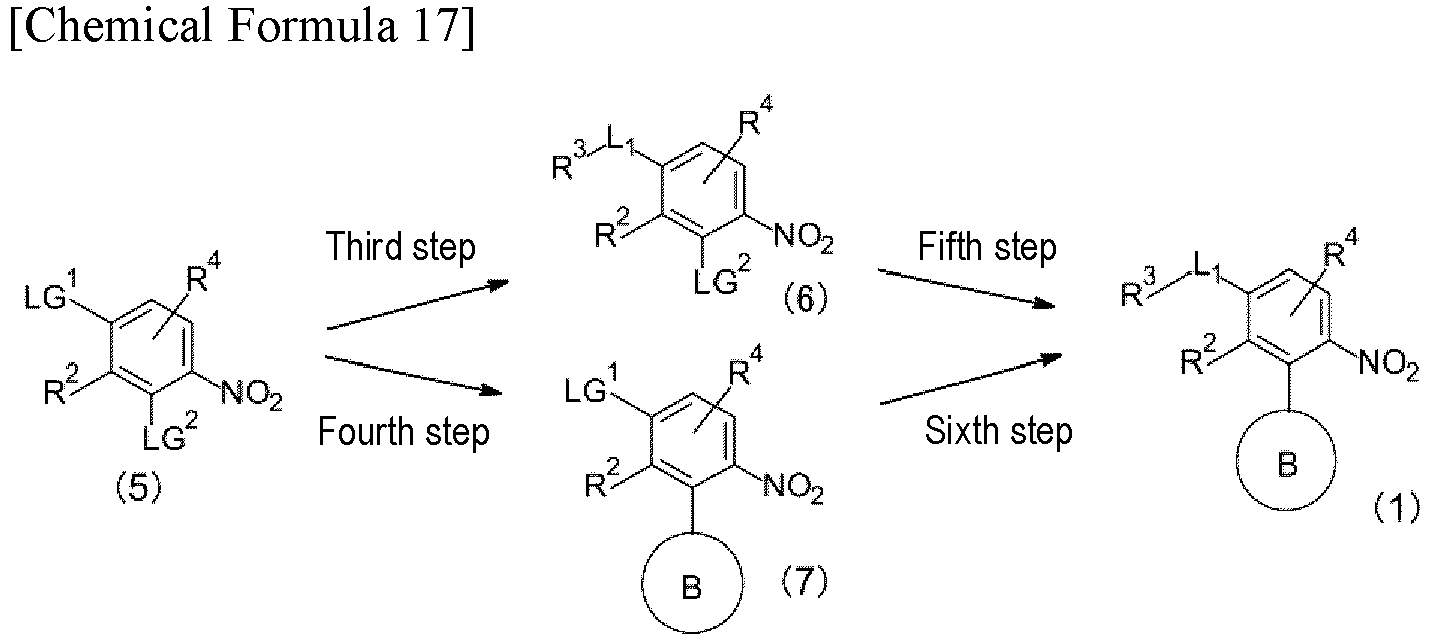
- This preparation method is a method for preparing raw material compound (1).
- This step is a method in which compound (6) is prepared from compound (5) through an ipso-substitution reaction.
- In this reaction, the compound is stirred under cooling or under reflux by heating, preferably at 0°C to 120°C, in a solvent inactive to the reaction or under a solvent-free condition, typically for 0.1 hours to 5 days. The solvent used here is not particularly limited, and examples thereof include halogenated hydrocarbons such as CH2Cl2, 1,2-dichloroethane and chloroform, aromatic hydrocarbons such as benzene, toluene and xylene, ethers such as diethyl ether, THF, 1,4-dioxane and 1,2-dimethoxyethane, DMF, DMSO, NMP, EtOAc, MeCN, and mixtures thereof. It may be advantageous to carry out the reaction in the presence of an organic base such as TEA, DIPEA, NMM or DABCO or an inorganic base such as NaH, K2CO3, Na2CO3, Cs2CO3 or NaOtBu for causing the reaction to smoothly proceed.
- This step is a method in which compound (7) is prepared through a Suzuki coupling reaction using compound (5) and an organoboron compound, or a method in which compound (7) is prepared through a Buchwald-Hartwig reaction using compound (5) and an amine compound.
- In this reaction, the compound is stirred at room temperature or under reflux by heating in the presence of a base and a palladium catalyst in a solvent inactive to the reaction typically for 0.1 hours to 5 days. The solvent used here is not particularly limited, and examples thereof include halogenated hydrocarbons such as CH2Cl2, 1,2-dichloroethane and chloroform, aromatic hydrocarbons such as benzene, toluene and xylene, ethers such as diethyl ether, THF, 1,4-dioxane and 1,2-dimethoxyethane, alcohols such as MeOH, EtOH, isopropyl alcohol and butanol, DMF, DMSO, MeCN, DMI, water, and mixtures thereof. Examples of the base include inorganic bases such as NaH, K2CO3, Na2CO3, Cs2CO3, K3PO4 and CsF. Examples of the palladium catalyst include Pd(PPh3)4, PdCl2(PPh3)2, Pd(dppf)Cl2·CH2Cl2 and Pd2(dba)3. It may be advantageous to carry out the reaction in the presence of a ligand such as dicyclohexyl(2',6'-dimethoxybiphenyl-2-yl)phosphine (SPhos) for causing the reaction to smoothly proceed. It may be advantageous to heat the reaction mixture by microwave irradiation for causing the reaction to smoothly proceed. As references for this reaction, for example, it is possible to refer to the following.
- J. Am. Chem. Soc. 127, 4685-4696, 2005
- Angew. Chem., Int. Ed. Engl. 34, 1384-1350, 1995
- In addition, compound (7) can be prepared from compound (5) and an amine compound through an ipso-substitution reaction. Here, the reaction conditions are the same as in the third step.
- This step is a method in which compound (1) is prepared from compound (6) and an amine compound through an ipso-substitution reaction.
- The reaction conditions are the same as in the third step.
- This step is a method in which compound (1) is prepared from compound (7) through an ipso-substitution reaction, or a method in which compound (1) is prepared through a Suzuki coupling reaction using compound (7) and an organoboron compound.
- The reaction conditions in the ipso-substitution reaction are the same as in the third step. In addition, the reaction conditions in the Suzuki coupling reaction are the same as in the fourth step.
-

- This preparation method is a method for preparing raw material compound (7-b) which is an embodiment of compound (7) described above (in Synthesis of Raw Material 1).
- This step is a method in which compound (7-a) is oxidized, and then subjected to a reductive amination reaction with compound (8) to produce compound (7-b).
- In the oxidation reaction of compound (7-a), compound (7-a) and a predetermined oxidizing agent are used in such a manner that the amounts of the compounds are equal to each other, or the amount of one of the compounds is excessive, and the mixture of the compounds is stirred under cooling with ice or under reflux by heating, in a solvent inactive to the reaction, typically for 0.1 hours to 5 days. The predetermined oxidizing agent is not particularly limited, and examples thereof include Dess-Martin periodinane. The solvent used here is not particularly limited, and examples thereof include halogenated hydrocarbons such as CH2Cl2, 1,2-dichloroethane, chloroform and carbon tetrachloride.
- In the reductive amination reaction, an aldehyde obtained through the oxidation reaction and compound (8) are used in such a manner that the amounts of the compounds are equal to each other, or the amount of one of the compounds is excessive, and the mixture of the compounds is stirred in the presence of a reducing agent at -45°C or higher or under reflux by heating, in a solvent inactive to the reaction, typically for 0.1 hours to 5 days. The solvent used here is not particularly limited, and examples thereof include alcohols such as MeOH and EtOH, ethers such as diethyl ether, THF, 1,4-dioxane and dimethoxyethane, and mixtures thereof. Examples of the reducing agent include sodium cyanoborohydride, sodium triacetoxyborohydride and sodium borohydride. It may be preferable to carry out the reaction in the presence of a dehydrating agent such as molecular sieves, or an acid such as acetic acid, hydrochloric acid or a titanium (IV) isopropoxide complex.
-

- This preparation method is a method for preparing compound (1-d) which is an embodiment of compound (1) described above (in Synthesis of Raw Material 1).
- This step is a method in which a leaving group is introduced into compound (1-c), and compound (1-c) is then subjected to a Gabriel amine reaction to produce compound (9).
- In this reaction, a compound obtained by reacting compound (1-c) with a halogenated sulfonyl compound such as MsCl or TsCl or an acid anhydride such as methanesulfonic anhydride or p-toluenesulfonic anhydride in the presence of a base in a solvent inactive to the reaction and potassium phthalimide are used in such a manner that the amounts of the compounds are equal to each other, or the amount of one of the compounds is excessive, and the mixture of the compounds is stirred in the presence of a base under cooling with ice or under reflux by heating, preferably at 0°C to 120°C, in a solvent inactive to the reaction, typically for 0.1 hours to 5 days. The solvent is not particularly limited, and examples thereof include aromatic hydrocarbons such as toluene, ethers such as 1,4-dioxane, halogenated hydrocarbons such as CH2Cl2, DMF, DMSO, EtOAc, MeCN and mixtures thereof. Examples of the base include organic bases such as TEA, DIPEA and NMM, and inorganic bases such as K2CO3, Na2CO3 and KOH.
- After the above reaction, compound (9) can be obtained through deprotection of phthalimide using hydrazine in a solvent inactive to the reaction.
- As references for this reaction, for example, it is possible to refer to the following.
Angew. Chem., Int. Ed. Engl. 7, 919-930, 1968 - This step is a method in which a protective group is introduced from compound (9) to produce compound (1-d).
- Examples of the protective group used in this reaction include protective groups as described in P. G. M. Wuts and T. W. Greene, "Greene's Protective Groups in Organic Synthesis (Fourth Edition, 2006)", and according to the reaction conditions, an appropriate protective group may be selected and used.
-

- This preparation method is a method for preparing compound (1-b) which is an embodiment of compound (1) described above (in Synthesis of Raw Material 1).
- This step is a method in which a Mitsunobu reaction of compound (1-a) with phthalimide is carried out, and the reaction product is then subjected to deprotection of phthalimide groups to produce compound (10).
- In the Mitsunobu reaction of compound (1-a), compound (1-a) and phthalimide are used in such a manner that the amounts of the compounds are equal to each other, or the amount of one of the compounds is excessive, and the mixture of the compounds is stirred in the presence of a known diazo-carboxylic acid ester or diazo-carboxylic amide and a known phosphine under cooling or under reflux by heating, preferably at 0°C to 150°C, in a solvent inactive to the reaction, typically for 0.1 hours to 5 days. The solvent used here is not particularly limited, and examples thereof include aromatic hydrocarbons, ethers, halogenated hydrocarbons, DMF, DMSO, EtOAc, MeCN and mixtures thereof.
- After the above reaction, compound (10) can be obtained through deprotection of phthalimide using hydrazine in a solvent inactive to the reaction.
- As references for the above Mitsunobu reaction, for example, it is possible to refer to the following.
Synthesis (1981), 1 - This step is a method in which a protective group is introduced from compound (10) to produce compound (1-b).
- The reaction conditions are the same as in the ninth step.
- The compound of formula (I) is isolated as a free compound, or a salt, a hydrate, a solvate or a crystal-polymorphic substance thereof, and purified. The salt of the compound of formula (I) can be prepared by subjecting the compound to a conventional salt formation reaction.
- The isolation and purification are performed by applying normal chemical operations such as extraction, fractional crystallization and various kinds of chromatography.
- Various isomers can be prepared by selection of an appropriate raw material compound, or separated by making use of a difference in physicochemical properties between isomers. For example, optical isomers can be obtained by a general method for optically resolving racemates (e.g. fractional crystallization to derive a diastereomer salt with an optically active base or acid, or chromatography using a chiral column), or prepared from an appropriate optically active raw material compound.
- The pharmacological activity of the compound of formula (I) can be confirmed through the following test, or a known improvement test. In the present description, the dose of a test compound is shown in terms of a weight in a free form. When a commercially available reagent, kit or the like is used, the test can be conducted in accordance with the instructions of the commercially available product.
- The inhibitory effect of a test compound on human recombinant DGK ξ (Carna Biosciences, Inc., 12-410-20N) was examined by the following method in which detection is performed with ADP-Glo™ Kinase Assay (Promega Corporation).
- To a 384-well plate (Greiner Bio-One Co., Ltd.), 3 µL of a DGK ξ enzyme dissolved in an assay buffer (40 mM Tris-HCl pH 7.5, 10 mM MgCl2, 1 mM dithiothreitol (DTT) and 0.1 mg/mL bovine serum albumin (BSA)) (90 ng/mL) was added, and 3 µL of the test compound diluted with the same assay buffer was added so that an intended final concentration was obtained. The mixture was left standing at room temperature for 15 minutes, 3 µL of a substrate (150 µM 1-oleoyl-2-acetyl-sn-glycerol (Sigma-Aldrich Co. LLC), 480 µM phosphatidylserine (Avanti, Inc.) and 150 µM UltraPure-ATP (attached to ADP-Glo)) was then added, and the mixture was left standing at room temperature for 30 minutes to react. Thereafter, 3 µL of an ADP-Glo Reagent was added, and the mixture was left standing at room temperature for 40 minutes to stop the enzyme reaction. Further, 6 µL of a Kinase-Detection Reagent was added, the mixture was left standing at room temperature for 30 minutes, and the luminescence was then measured using ARVO X3 (PerkinElmer, Inc.). The half maximal inhibitory concentration (IC50) was calculated by Sigmoid-Emax model non-linear regression analysis, where the signal value in solvent treatment was set to 0% inhibition and the signal value without addition of the DGK ξ enzyme was set to 100% inhibition. Table 1 shows the results for some test compounds of formula (I). In the table, Ex represents the number of each Example described below.
[Table 1] Ex IC50 (nM) Ex IC50 (nM) Ex IC50 (nM) Ex IC50 (nM) 1 16 34 3.1 67 35 100 60 2 28 35 45 68 24 101 69 3 150 36 55 69 60 102 210 4 170 37 23 70 55 103 46 5 330 38 4.1 71 21 104 37 6 57 39 39 72 62 105 46 7 190 40 5.2 73 43 106 7.5 8 88 41 5.0 74 16 107 220 9 9.3 42 150 75 69 108 8.9 10 93 43 30 76 7.6 109 110 11 35 44 8.6 77 5.6 110 190 12 30 45 12 78 1.3 111 280 13 18 46 3.1 79 7.8 112 52 14 150 47 6.7 80 45 113 21 15 99 48 5.8 81 110 114 37 16 73 49 7.8 82 31 115 7.9 17 190 50 55 83 3.5 116 44 18 130 51 17 84 2.1 117 20 19 960 52 46 85 5.2 118 1.4 20 20 53 29 86 2.9 119 41 21 1100 54 12 87 4.1 120 4.3 22 18 55 12 88 110 121 14 23 63 56 0.89 89 27 122 3.2 24 36 57 0.42 90 4.9 123 4.0 25 73 58 21 91 25 124 3.8 26 19 59 11 92 92 125 1.8 27 37 60 27 93 2.8 126 6.2 28 240 61 46 94 1.4 29 10 62 6.9 95 3.8 30 7.7 63 70 96 30 31 23 64 13 97 12 32 100 65 22 98 7.5 33 4.8 66 180 99 33 - The effect of the test compound on the IL-2 production by T-cell receptor (TCR) stimulation (anti-CD3/anti-CD28) in Jurkat E6.1 cells (ECACC, 88042803) was evaluated.
- A 5 µg/mL anti-CD3 antibody (eBioscience, Inc., OKT3 clone) diluted with phosphate buffer saline (PBS) was added to a 96-well plate (Iwaki & Co., Ltd.) at 50 µL/well, and left standing at 4°C for 12 hours or more to provide an anti-CD3 antibody-coated plate in advance. When the plate was used for experiments, the plate was washed with 200 µL of PBS once, an anti-CD28 antibody (eBioscience, Inc., 28.2 clone) diluted to a concentration of 10 µg/mL with a culture medium (RPMI1640 (Sigma-Aldlich Co. LLC.) containing 10% fetal bovine serum (Hyclone Laboratories, Inc.)) was then added at 10 µL/well, and the plate was used for assay as a culture plate for TCR stimulation.
- Subsequently, the test compound was mixed with Jurkat E6.1 cells in such a manner that an intended final concentration was obtained, and the mixture was plated at 90 µL/well so that the number of cells per well was 1 × 10⁵ (that is, finally the culture was performed at 1 × 10⁵ cells/100 µL/well). For culture cell conditions, the culture was performed at 37°C in the presence of 5% CO2 using RPMI1640 medium containing 10% fatal bovine serum.
- After 24 hours, the culture supernatant was collected, and IL-2 was quantitatively determined using AlphaLISA human IL2 Immunoassay Research Kit (PerkinElmer, Inc.). The IL-2 measurement was performed under Alpha Screen standard setting conditions (the fluorescence intensity at 570 nm was measured with an excitation wavelength of 680 nm) using EnVision 2104-0010 and EnVision 2104-0020 (PerkinElmer, Inc.). The IL-2 quantitative value of the solvent treatment control was set to 1, and the test compound concentration at which the IL-2 quantitative value of the test compound treatment sample increased to 10 times the IL-2 quantitative value of the control (EC10fold) was calculated by inverse estimation with the aid of Sigmoid-Emax model non-linear regression analysis. Table 2 shows the results for some test compounds of formula (I). In the table, Ex represents the number of each Example described below.
[Table 2] Ex EC10fold (nM) 1 110 13 340 20 36 29 40 45 8.1 47 72 48 35 80 460 86 24 122 110 123 26 124 410 125 56 126 31 - A cell suspension liquid prepared by suspending B16-F1 cells (ATCC, CRL-6323) in PBS at 2.0 × 10⁶ cells/mL was subcutaneously inoculated into 5-week-old female mice (C57BL/6J from Charles River Laboratories Japan, Inc.) in a volume of 50 µL. 5 days after the inoculation, the mice were grouped in such a manner that there was substantially no difference in tumor volume between groups, and administration of the test compound was started. The test was conducted with a solvent group and a test compound administration group each having 10 mice. 0.5% methylcellulose (Shin-Etsu Chemical Co., Ltd.) was orally administered to the solvent group, and 0.5% methylcellulose mixed with the test compound was orally administered to the test compound administration group. The administration was performed for 10 days once daily, and the tumor diameter and the body weight were measured twice a week. The following expression was used for calculation of the tumor volume.

- The relative tumor growth inhibition (%) of the test compound was calculated, where the tumor volume of the solvent group immediately before the start of administration was set to 100% inhibition, and the tumor volume of the solvent group on the day after the last administration was set to 0% inhibition. Table 3 shows the results for some test compounds of formula (I). In the table, Ex represents the number of each Example described below.
[Table 3] Ex Dose (mg/kg) Antitumor effect 1 0.03 35% inhibition 13 0.3 36% inhibition 20 0.3 33% inhibition 29 0.3 41% inhibition 45 0.03 30% inhibition 47 0.3 42% inhibition 48 0.3 40% inhibition 80 0.3 31% inhibition 86 0.3 31% inhibition - The results of the above test showed that some compounds of formula (I) had DGK ξ inhibitory effect (Test Example 1). In addition, some compounds of formula (I) were confirmed to cause IL-2 production in the human T-cell leukemia cell line (Test Example 2). Further, some compounds of formula (I) were confirmed to have antitumor effect in the mouse model (Test Example 3). In particular, B16-F1 cells used in Test Example 3 are cells on which an anti-PD-1 antibody/anti-PD-L1 antibody is generally known to have no pharmacological efficacy in B16-F1 cells. Even in the mouse model bearing the cells, some compounds of formula (I) were confirmed to have antitumor effect. Therefore, a compound of formula (I) can be used for treatment of, for example, cancer related to activation of immune cells or cancer resistant to anti-PD-1 antibody/anti-PD-L1 antibody therapy, particularly cancer related to activation of immune cells, which has resistance to anti-PD-1 antibody/anti-PD-L1 antibody therapy, etc.
- A pharmaceutical composition containing one or more of the compounds of formula (I) or salts thereof as active ingredients can be prepared by a commonly used method with an excipient commonly used in the art, i.e. an excipient for pharmaceutical use, a carrier for pharmaceutical use, or the like.
- The administration may be either oral administration with tablets, pills, capsules, granules, powders, solutions or the like, or parenteral administration with injection preparations for intraarticular injection, intravenous injection, intramuscular injection or the like, suppositories, eye-drops, eye ointments, transdermal solutions, ointments, transdermal patches, transmucosal solutions, transmucosal patches, inhalations or the like.
- As a solid composition for oral administration, a tablet, a powder, a granule or the like is used. In such a solid composition, one or more active ingredients are mixed with at least one inactive excipient. The composition may conventionally contain inactive additives, for example a lubricant, a disintegrant, a stabilizer and a solubilizing agent. The tablet, powder, granule or pill may be coated with a wax, a sugarcoating or a stomach-soluble or enteric substance film.
- Liquid compositions for oral administration include pharmaceutically acceptable emulsions, solutions, suspensions, syrups or elixirs, and contain a commonly used inactive diluents, for example purified water or ethanol. Such a liquid composition may contain adjuvants such as a solubilizer, a wetting agent and a suspension, a sweetening agent, a flavor, a fragrance and a preservative in addition to the inactive diluent.
- The injection preparation for parenteral administration contains a sterile aqueous or nonaqueous solution, a suspension or an emulsion. Examples of the aqueous solvent include distilled water for injection of physiological saline solutions. Examples of the nonaqueous solvent include alcohols such as ethanol. Such a composition may further contain a tonicity agent, a preservative, a wetting agent, an emulsifier, a dispersant, a stabilizer or a solubilizing agent. The composition is sterilized by, for example, filtration involving passage through a bacteria retention filter, addition of a bactericide or irradiation. In addition, a sterile solid composition can be prepared, and dissolved or suspended in sterile water or a sterile solvent for injection before use.
- The external preparation encompasses ointments, plasters, creams, gelatinous preparations, cataplasms, sprays, lotions, eye-drops, and eye ointments. The external preparation contains a commonly used ointment base, lotion base, aqueous or nonaqueous solution, suspension, emulsion or the like.
- The transmucosal preparation such as an inhalation or a nasal preparation is solid, liquid or semisolid, and can be prepared in accordance with a known conventional method. For example, a known excipient, and a pH adjuster, a preservative, a surfactant, a lubricant, a stabilizer, a thickener and the like may be added to the transmucosal preparation, as appropriate. For administration, an appropriate device for inhalation or insufflation can be used. For example, using a known device such as a metered administration/inhalation device, or a sprayer, the compound can be administered alone, as powder of a prescribed mixture, or a solution or suspension liquid obtained by combining the compound with a pharmaceutically acceptable carrier. The dry powder inhaler or the like may be one for single-dose administration or multi-dose administration, and enables use of dry powder or a dry powder-containing capsule, or may be in the form of a press aerosol spray using an appropriate ejection agent, for example a suitable gas such as a chlorofluoroalkane or carbon dioxide.
- Normally, in the case of oral administration, the appropriate daily dose per body weight is about 0.001 to 100 mg/kg, preferably 0.1 to 30 mg/kg, more preferably 0.1 to 10 mg/kg, in a single dose or 2 to 4 divided doses. In the case of intravenous administration, the appropriate daily dose per body weight is about 0.0001 to 10 mg/kg in a single dose or two or more divided doses. In the case of transmucosal administration, the daily dose per body weight is about 0.001 to 100 mg/kg in a single dose or two or more divided doses. The dose is appropriately determined with consideration given to a symptom, an age, a sex and the like.
- Depending on an administration route, a dosage form, an administration site, and types of excipients and additives, the pharmaceutical composition according to the present invention contains one or more compounds of formula (I) or salts thereof as active ingredients in an amount of 0.01 to 100 wt%, or 0.01 to 50 wt% in an embodiment.
- The compound of formula (I) can be used in combination with various therapeutic agents or prophylactic agents for diseases against which the compound of formula (I) may be effective. The combined use may be simultaneous administration, separate and sequential administration, or administration at a desired time interval. Preparations for simultaneous administration may be in the form of a combination preparation, or may be separately formulated preparations.
- Hereinafter, the method for preparing the compound of formula (I) will be described in more detail by way of Examples. The present invention is not limited to the compounds described in Examples. Methods for preparing raw material compounds will be shown in preparation examples. The method for preparing the compound of formula (I) is not limited to the specific methods of Examples shown below, and the compound of formula (I) can be also prepared by a combination of these preparation methods, or methods obvious to those skilled in the art.
- In the present description, naming software such as ACD/Name (registered trademark)(Advanced Chemistry Development, Inc.) may be used for naming a compound.
- For convenience, mol/l as a unit of concentration is represented by M. For example, the 1 M sodium hydroxide aqueous solution means a sodium hydroxide aqueous solution at 1 mol/l.
- The powder X-ray diffraction results described herein are obtained by measurement performed under the conditions of bulb: Cu, tube current: 40 mA, tube voltage: 45 kV, step width: 0.013 °, wavelength: 1.5418 angstrom and measurement diffraction angle range (2θ): 2.5 to 40 ° using Empyrean.
- To a mixture of 2-bromo-1-chloro-3-fluoro-4-nitrobenzene (1.0 g), TEA (1.2 g) and THF (10 ml) was added tert-Butyl (2R)-2-(hydroxymethyl)piperazine-1-carboxylate (935 mg), and the resulting mixture was stirred at room temperature for 16 hours. Water was added, and the resulting mixture was extracted with EtOAc three times. The combined organic layers were dried over Na2SO4 and concentrated under reduced pressure. The residue was purified by silica gel column chromatography (Hex/EtOAc) to give tert-butyl (2R)-4-(2-bromo-3-chloro-6-nitrophenyl)-2-(hydroxymethyl)piperazine-1-carboxylate (1.8 g) as a solid substance.
- A mixture of 2-bromo-4-fluoro-1-nitro-3-(trifluoromethyl)benzene (3.00 g), 2-fluorophenol (1.00 mL), potassium carbonate (2.88 g) and NMP (30 mL) was stirred at 50°C overnight. The mixture was allowed to cool to room temperature, water, EtOAc and brine were then added, and the aqueous layer was separated. The aqueous layer was extracted with EtOAc, and the combined organic layers were dried over MgSO4, and concentrated under reduced pressure. The residue was purified by silica gel chromatography (Hex/EtOAc) to give 2-bromo-4-(2-fluorophenoxy)-1-nitro-3-(trifluoromethyl)benzene (3.43 g).
- To a mixture of 2-bromo-4-fluoro-1-nitro-3-(trifluoromethyl)benzene (0.758 g), tert-butyl {2-[3-(4,4,5,5-tetramethyl-1,3,2-dioxabororan-2-yl)phenoxy]ethyl}carbamate (2.844 g), potassium carbamate (0.910 g), 1,4-dioxane (20 mL) and water (4 mL) was added Pd(dppf)Cl2·CH2Cl2 (0.215 g), and the resulting mixture was stirred at 110°C for 5 hours under an argon atmosphere. The reaction was allowed to cool to room temperature, and then poured into water, and the resulting mixture was extracted with EtOAc. The organic layer was separated, the aqueous layer was extracted with EtOAc, and the combined organic layers were washed with brine, then dried over Na2SO4, and concentrated under reduced pressure. The residue was purified by silica gel column chromatography (Hex/EtOAc) to give tert-butyl (2-{[3'-fluoro-6'-nitro-2'-(trifluoromethyl)[1,1'-biphenyl]-3-yl]oxy}ethyl)carbamate (0.502 g).
- To a mixed solution of (8S)-8-hydroxyhexahydropyrrolo[1,2-a] pyrazine-1,4-dione (3.250 g), DMF (48 mL) and imidazole (3.972 g) was added tert-Butylchlorodiphenylsilane (10.0 mL), and the resulting mixture was stirred at room temperature for 23 hours. The reaction liquid was poured into water, and the resulting mixture was extracted with EtOAc. The organic layer was separated, the aqueous layer was extracted with EtOAc, and the combined organic layers were washed with water and brine. The organic layers were dried over Na2SO4 and concentrated under reduced pressure. The residue was purified by silica gel column chromatography (EtOAc/MeOH) to give (8S,8aS)-8-{[tert-butyldi(phenyl)silyl]oxy}hexahydropyrrolo[1,2-a]pyrazine-1,4-dione (1.786 g) as a low-polarity substance and (8S,8aR)-8-{[tert-butyldi(phenyl)silyl]oxy}hexahydropyrrolo[1,2-a]pyrazine-1,4-dione (1.164 g) as a high-polarity substance.
- To a mixed liquid of lithium aluminum hydride (0.594 g) and THF (40 mL) was added a solution of (8S,8aR)-8-{[tert-butyldi(phenyl)silyl]oxy}hexahydropyrrolo[1,2-a]pyrazine-1,4-dione (1.164 g) in THF (10 mL), and the resulting mixture was stirred at reflux for 17 hours. The reaction suspension liquid was allowed to cool to room temperature, a mixed liquid of water (0.7 mL) and THF (7.7 mL) and a 4 N sodium hydroxide aqueous solution (0.7 mL) was then added, Na2SO4 was then added, and the resulting mixture was stirred at room temperature for 3 hours, and filtered with celite. The filtrate was concentrated under reduced pressure to give (8S,8aS)-octahydropyrrolo[1,2-a]pyrazin-8-ol (0.972 g), which was used in the next step without further purification.
- To a mixture of 2-bromo-4-fluoro-1-nitro-3-(trifluoromethyl)benzene (1.00 g), cyclopentanol (380 µL) and THF (10 mL) was added sodium hydride (60% oil dispersion, 181 mg) under ice-bath cooling under an argon atmosphere, and the resulting mixture was stirred at room temperature for 3 hours. Under ice-bath cooling, water was added, the resulting mixture was extracted with EtOAc, and the extract was washed with brine, dried over MgSO4, and concentrated under reduced pressure. The residue was purified by silica gel column chromatography (Hex/EtOAc) to give 2-bromo-4-(cyclopentyloxy)-1-nitro-3-(trifluoromethyl)benzene (935 mg).
- To a mixture of [(2S)-4-benzylpiperazin-2-yl]methanol dihydrochloride (5.76 g), a 37% formaldehyde aqueous solution (3.35 mL), sodium acetate (3.38 g) and THF (60 mL) was added NaBH(OAc)3 (8.74 g) under ice-bath cooling, and the resulting mixture was stirred at room temperature for 6 hours. A saturated NaHCO3 aqueous solution was added until bubbles were eliminated, and the resulting mixture was extracted with EtOAc. A 5 M sodium hydroxide aqueous solution was added to the aqueous layer, and the resulting mixture was extracted with diethyl ether twice. The combined organic layers were dried over Na2SO4, and concentrated under reduced pressure to give [(2S)-4-benzyl-1-methylpiperazin-2-yl]methanol (4.48 g).
- A solution of [(2R)-4-benzyl-1-methylpiperazin-2-yl]methanol (5.27 g), TEA (6.7 mL) and THF (100 mL) was cooled in an ice-MeOH bath, and methanesulfonyl chloride (1.96 mL) was then slowly added. The resulting mixture was stirred under ice-bath cooling for 1 hour, a 40% methylamine aqueous solution (40 mL) was added, and the resulting mixture was then stirred at 70°C for 3 hours, and allowed to cool. The reaction liquid was then concentrated under reduced pressure, water and CH2Cl2 were added to the residue, and the aqueous layer was separated. The aqueous layer was extracted with CH2Cl2 twice, and the combined organic layers were dried over Na2SO4, and then concentrated under reduced pressure.
- The resulting oily substance (4.95 g) was dissolved in CH2Cl2 (100 mL), and di-tert-butyl dicarbonate (11 g) was added under ice-bath cooling. The resulting mixture was stirred at room temperature for 2 hours. CH2Cl2 and water were added to the reaction mixture, and the aqueous layer was separated. The aqueous layer was extracted with CH2Cl2, and the combined organic layers were dried over Na2SO4, and then concentrated under reduced pressure. The residue was purified by silica gel column chromatography (aqueous ammonia/MeOH/chloroform) to give tert-butyl { [(2R)-4-benzyl-1-methylpiperazin-2-yl]methyl}(methyl)carbamate (5.92 g).
- To a solution of tert-butyl {[(2R)-4-benzyl-1-methylpiperazin-2-yl]methyl}(methyl)carbamate (4.92 g) and EtOH (100 mL) was added activated carbon (500 mg), and the resulting mixture was stirred at room temperature for 10 minutes. The mixture was filtered with celite, and the filtrate was then concentrated under reduced pressure. To the resulting solution of an oily substance and EtOH (100 mL) was added 10% Pd/C (hydrous, 510 mg) under a nitrogen atmosphere. The reaction mixture was stirred under a hydrogen atmosphere at room temperature for 24 hours. The reaction mixture was filtered with celite, and the filtrate was then concentrated under reduced pressure to give tert-butyl methyl { [(2R)-1-methylpiperazin-2-yl]methyl}carbamate (3.43 g).
- To a mixture of 1-bromo-3-fluoro-4-nitro-2-(trifluoromethyl)benzene (500 mg), 2-fluorophenylboronic acid (316 mg), cesium carbonate (1.13 g), 1,4-dioxane (6 mL) and water (1.7 mL) was added Pd(dppf)Cl2·CH2Cl2 (142 mg). The resulting mixture was stirred at 120°C for 30 minutes under microwave irradiation, allowed to cool, then diluted with EtOAc, filtered with celite, and concentrated under reduced pressure. The residue was purified by silica gel column chromatography (Hex/EtOAc) to give 2'3-difluoro-4-nitro-2-(trifluoromethyl)-1,1'-biphenyl (403 mg).
- A mixture of tert-butyl methyl { [(2R)-1-methylpiperazin-2-yl]methyl}carbamate (735 mg), 2-bromo-4-(2-fluorophenoxy)-1-nitro-3-(trifluoromethyl)benzene (1.15 g), potassium carbonate (627 mg) and 1,4-dioxane (5.75 mL) was stirred at 110°C for 24 hours, and allowed to cool. The reaction mixture was then diluted with EtOAc. The mixture was filtered with celite, and the filtrate was then concentrated under reduced pressure. The residue was purified by silica gel column chromatography (Hex/EtOAc) to give tert-butyl ({(2R)-4-[3-(2-fluorophenoxy)-6-nitro-2-(trifluoromethyl)phenyl]-1-methylpiperazin-2-yl}m ethyl)(methyl)carbamate (1.31 g).
- To a solution of 1-bromo-3-fluoro-4-nitro-2-(trifluoromethyl)benzene (2.07 g) in THF (21 mL) were added tert-butyl (2R)-2-(hydroxymethyl)piperazine-1-carboxylate (1.55 g) and TEA (1.10 mL) sequentially under ice-bath cooling. The reaction mixture was stirred under ice-bath cooling for 1 hour, and then stirred at room temperature for 64 hours. EtOAc and water were added to the reaction mixture, and the aqueous layer was separated. The aqueous layer was extracted with EtOAc, and the combined organic layers were washed with water and brine, dried over Na2SO4, and then concentrated under reduced pressure. The residue was purified by silica gel column chromatography (Hex/EtOAc) to give tert-butyl (2R)-4-[3-bromo-6-nitro-2-(trifluoromethyl)phenyl]-2-(hydroxymethyl)piperazine-1-carboxy late (2.27 g) as a solid substance.
- To a solution of tert-butyl (2R)-4-[3-bromo-6-nitro-2-(trifluoromethyl)phenyl]-2-(hydroxymethyl)piperazine-1-carboxy late (2.27 g) in CH2Cl2 (15.6 mL) was added a Dess-Martin reagent (2.98 g) under ice-bath cooling, and the resulting mixture was stirred at room temperature for 3 hours. A 10% sodium sulfite aqueous solution and a saturated NaHCO3 aqueous solution were added under ice-bath cooling, and the resulting mixture was stirred at room temperature for 30 minutes. The aqueous layer was separated, and the aqueous layer was extracted with CH2Cl2. The combined organic layers were washed with brine, dried over Na2SO4, and concentrated under reduced pressure to give tert-butyl (2R)-4-[3-bromo-6-nitro-2-(trifluoromethyl)phenyl]-2-formylpiperazine-1-carboxylate (2.20 g) as a solid substance.
- To a solution of (1S,2R,SS)-5-methyl-2-(propan-2-yl)cyclohexyl (3 S)-3-fluoro-2-oxopiperizine-3-carboxylate (2.6 g) in THF (29 mL) was added a borane-THF complex (0.91 M THF solution, 29 mL) under an argon atmosphere, and the resulting mixture was stirred at 70°C overnight, and allowed to cool to room temperature. MeOH (30 mL) and 2 M hydrochloric acid (30 mL) were then added, and the resulting mixture was stirred at 60°C for 1 hour, and concentrated under reduced pressure by azeotropic distillation with toluene. To a solution of the resulting residue in NMP (52 mL) were added 2-bromo-4-(2-fluorophenoxy)-1-nitro-3-(trifluoromethyl)benzene (2.3 g) and potassium carbonate (3 g), and the resulting mixture was stirred at 120°C overnight. 2-Bromo-4-(2-fluorophenoxy)-1-nitro-3-(trifluoromethyl)benzene (730 mg) was added, and the resulting mixture was stirred at 120°C overnight. The resulting mixture was diluted with EtOAc, washed with water and brine, and then dried over MgSO4. The solvent was concentrated under reduced pressure, and the resulting residue was purified by silica gel column chromatography (Hex/EtOAc) to give {(3S)-3 -fluoro-1- [3 -(2-fluorophenoxy)-6-nitro-2-(trifluoromethyl)phenyl]piperizin-3-yl}met hanol (1.9 g).
- To a mixture of tert-butyl (2R)-4-[3-bromo-6-nitro-2-(trifluoromethyl)phenyl]-2-formylpiperazine-1-carboxylate (2.20 g), a 2 M methylamine/THF solution (4.56 mL), acetic acid (522 µL) and CH2Cl2 (22 mL) was added NaBH(OAc)3 (1.93 g), and the resulting mixture was stirred at room temperature for 16 hours. A saturated NaHCO3 aqueous solution was added, and the resulting mixture was stirred at room temperature for 1 hour. The aqueous layer was separated, and extracted with CH2Cl2, and the combined organic layers were washed with brine, dried over Na2SO4, and concentrated under reduced pressure. The residue was purified by silica gel column chromatography (Hex/EtOAc + chloroform/MeOH) to give tert-butyl (2S)-4-[3-bromo-6-nitro-2-(trifluoromethyl)phenyl]-2-[(methylamino)methyl]piperazine-1-ca rboxylate (1.91 g).
- To a mixture of tert-butyl (2S)-4-[3-bromo-6-nitro-2-(trifluoromethyl)phenyl]-2-[(methylamino)methyl]piperazine-1-ca rboxylate (1.91 g), DIPEA (1.97 mL) and CH2Cl2 (19.1 mL) was added TFAA (1.08 mL) slowly under ice-bath cooling, and the resulting mixture was stirred at room temperature for 2 hours. A saturated NH4Cl aqueous solution was added, the resulting mixture was extracted with CH2Cl2 using an ISOLUTE (registered trademark) phase separator, and the extract was concentrated under reduced pressure. The residue was purified by silica gel column chromatography (Hex/EtOAc) to give tert-butyl (2R)-4-[3-bromo-6-nitro-2-(trifluoromethyl)phenyl]-2-{[methyl(trifluoroacetyl)amino]methy l}piperazine-1-carboxylate (1.42 g) as a solid substance.
- To a mixture of tert-butyl (2R)-4-[2-chloro-3-(2-fluorophenoxy)-6-nitrophenyl]-2-formylpiperazine-1-carboxylate (859 mg), a 2 M methylamine/THF solution (1.8 mL), CH2Cl2 (9 mL) and acetic acid (206 µL) was added NaBH(OAc)3 (760 mg), and the resulting mixture was stirred at room temperature for 2 hours. A saturated NaHCO3 aqueous solution was added, the resulting mixture was extracted with CH2Cl2 using an ISOLUTE (registered trademark) phase separator, and the extract was concentrated under reduced pressure. CH2Cl2 (9 mL) and DIPEA (920 µL) were added to the residue, TFAA (506 µL) was added under ice-bath cooling, and the resulting mixture was stirred at room temperature for 1 hour. DIPEA (230 µL) and TFAA (126 µL) were added under ice-bath cooling, and the resulting mixture was stirred at room temperature for 30 minutes. A saturated NH4Cl aqueous solution was added, the resulting mixture was extracted with CH2Cl2 using an ISOLUTE (registered trademark) phase separator, and the extract was concentrated under reduced pressure. The residue was purified by silica gel column chromatography (Hex/EtOAc) and silica gel column chromatography (Hex/chloroform→Hex/EtOAc) to give tert-butyl (2R)-4-[2-chloro-3-(2-fluorophenoxy)-6-nitrophenyl]-2- f [methyl(trifluoroacetyl)amino]meth yl}piperazine-1-carboxylate (606 mg) as a solid substance.
- To a mixture of tert-butyl (2R)-4-[2-bromo-3-(2-fluorophenoxy)-6-nitrophenyl]-2-{[methyl(trifluoroacetyl)amino]meth yl}piperazine-1-carboxylate (0.70 g), tricyclohexylphosphine (96 mg), cyclopropylboronic acid (0.28 g) and toluene (20 mL) was added an aqueous solution obtained by dissolving potassium phosphate (0.7 g) in water (2 mL). After the reaction vessel was perged with argon, palladium acetate (49 mg) was added, and the resulting mixture was stirred at 110°C for 8 hours, allowed to cool to room temperature, then diluted with EtOAc, and washed with water and brine. The organic layer was dried over Na2SO4, and concentrated under reduced pressure. The residue was purified by silica gel column chromatography (Hex/EtOAc) to give tert-butyl (2R)-4-[2-cyclopropyl-3-(2-fluorophenoxy)-6-nitrophenyl]-2-{[methyl(trifluoroacetyl)amino ]methyl}piperazine-1-carboxylate (0.42 g).
- To a solution of tert-butyl (2R)-4-[3-(2-chlorophenoxy)-6-nitro-2-(trifluoromethyl)phenyl]-2-(hydroxymethyl)piperazin e-1-carboxylate (3.33 g) in CH2Cl2 (15 mL) was added a 4 M HCl/1,4-dioxane solution (15 mL) under ice-bath cooling, and the resulting mixture was stirred at room temperature for 2 hours. The reaction mixture was concentrated under reduced pressure to give {(2R)-4-[3-(2-chlorophenoxy)-6-nitro-2-(trifluoromethyl)phenyl]piperazin-2-yl}methanol monohydrochloride (3.1 g).
- To a mixture of {(2R)-4-[3-(2-chlorophenoxy)-6-nitro-2-(trifluoromethyl)phenyl]piperazin-2-yl}methanol monohydrochloride (2.93 g) and THF (80 mL) was added sodium acetate (770 mg) under ice-bath cooling, and the resulting mixture was stirred at room temperature for 10 minutes. 1H-benzotriazole-1-methanol (1.4 g) was added, and the resulting mixture was stirred at room temperature for 10 minutes. NaBH(OAc)3 (2 g) was added, and the resulting mixture was stirred at room temperature for 12 hours. The reaction mixture was cooled in an ice bath, a saturated NaHCO3 aqueous solution was then added, the resulting mixture was diluted with water and EtOAc, and two layers were separated. The aqueous layer was extracted with EtOAc, and the combined organic layers were dried over Na2SO4, and concentrated under reduced pressure. The residue was purified by silica gel column chromatography (Hex/chloroform/EtOAc→chloroform/MeOH) to give {(2R)-4-[3-(2-chlorophenoxy)-6-nitro-2-(trifluoromethyl)phenyl]-1-methylpiperazin-2-yl}me thanol (2.65 g).
- To a mixture of tert-butyl (2R)-4-[2-chloro-3(2-fluorophenoxy)-6-nitrophenyl]-2- f [methyl(trifluoroacetyl)amino]methy 1}piperazine-1-carboxylate (603 mg) and CH2Cl2 (6 mL) was added a 4 M HCl/1,4-dioxane solution (4 mL) under ice-bath cooling, and the resulting mixture was stirred at room temperature for 2 hours. The solvent was concentrated under reduced pressure. THF (12 mL) was added to the residue, 1H-benzotriazole-1-methanol (230 mg), sodium acetate (130 mg) and NaBH(OAc)3 (330 mg) were added thereto, and the resulting mixture was stirred at room temperature for 1 hour. A saturated NaHCO3 aqueous solution was added, the resulting mixture was extracted with a mixed solvent (chloroform/MeOH), and the organic layer was dried over MgSO4, and concentrated under reduced pressure. The residue was purified by silica gel column chromatography (chloroform/MeOH), and the resulting substance was purified by silica gel column chromatography (chloroform/EtOAc) to give N-({(2R)-4-[2-chloro-3-(2-fluorophenoxy)-6-nitrophenyl]-1-methylpiperazin-2-yl}methyl)-2, 2,2-trifluoro-N-methylacetamide (415 mg) as a solid substance.
- To a solution of {(2R)-4-[3-(2-chlorophenoxy)-6-nitro-2-(trifluoromethyl)phenyl]-1-methylpiperazin-2-yl}me thanol (2.65 g) and DIPEA (2.4 mL) in CH2Cl2 (60 mL) was added methanesulfonic anhydride (1.74 g) under ice-bath cooling, and the resulting mixture was stirred for 1 hour under the same condition. Methanesulfonic anhydride (440 mg) was added, and the resulting mixture was stirred under the same condition. The reaction mixture was diluted with chloroform and water, and the aqueous layer was separated. The aqueous layer was extracted with chloroform, and the combined organic layers were dried over Na2SO4, and concentrated under reduced pressure to give {(2R)-4-[3-(2-chlorophenoxy)-6-nitro-2-(trifluoromethyl)phenyl]-1-methylpiperazin-2-yl}me thyl methanesulfonate (3.18 g).
- To a mixture of {(2R)-4-[3-(2-chlorophenoxy)-6-nitro-2-(trifluoromethyl)phenyl]-1-methylpiperazin-2-yl}me thyl methanesulfonate (3.18 g) and NMR (60 mL) was added potassium phthalimide (1.7 g), and the resulting mixture was stirred at 50°C for 12 hours. A saturated NH4Cl aqueous solution, EtOAc and water were added under ice-bath cooling, and the aqueous layer was separated. The aqueous layer was extracted with EtOAc, and the combined organic layers were dried over Na2SO4 and concentrated under reduced pressure. The residue was purified by silica gel column chromatography (Hex/EtOAc) to give 2-({(2R)-4-[3-(2-chlorophenoxy)-6-nitro-2-(trifluoromethyl)phenyl]-1-methylpiperazin-2-yl} methyl)-1H-isoindole-1,3-dione (1.8 g).
- To a solution of {(3S)-3-fluoro-1-[3-(2-fluorophenoxy)-6-nitro-2-(trifluoromethyl)phenyl]piperizin-3-yl}met hanol (1.9 g) in CH2Cl2 (38 mL) were added methanesulfonic anhydride (920 mg) and DIPEA (1.1 mL) under ice-bath cooling, and the resulting mixture was stirred for 1 hour. Water was added, the resulting mixture was extracted with chloroform using an ISOLUTE (registered trademark) phase separator, and the extract was concentrated under reduced pressure. To a solution of the resulting residue in NMP (19 mL) was added potassium phthalimide (1.2 g), and the resulting mixture was stirred at 60°C overnight, heated to 120°C, and then stirred for 2 hours. Potassium phthalimide (800 mg) was added, and the resulting mixture was stirred at 100°C for 7 days. Water and brine were added, the resulting mixture was extracted with EtOAc, and the organic layer was dried over Na2SO4, and concentrated under reduced pressure. The residue was purified by silica gel column chromatography (Hex/EtOAc) to give 2-({(3S)-3-fluoro-l-[3-(2-fluorophenoxy)-6-nitro-2-(trifluoromethyl)phenyl]piperidin-3-yl} methyl)-1H-isoindole-1,3(2H)-dione (1.2 g) as a solid substance.
- To a mixed solution of (8S,8aR)-2-[3-(2-fluorophenoxy)-6-nitro-2-(tiifluoromethyl)phenyl]octahydropyrrolo[1,2-a]p yrazin-8-ol (0.886 g), THF (13.5 mL), benzoic acid (0.245 g) and triphenylphosphine (0.792 g) was added diisopropyl azodicarboxylate (0.6 mL) under ice-bath cooling under an argon atmosphere, and the resulting mixture was stirred at room temperature for 6.5 hours. The reaction liquid was concentrated under reduced pressure, and the residue was purified by silica gel column chromatography (Hex/EtOAc) to give a mixture mainly containing (8R,8aR)-2-[3-(2-fluorophenoxy)-6-nitro-2-(trifluoromethyl)phenyl]octahydropyrrolo[1,2-a] pyrazin-8-yl benzoate (1.648 g).
- To a mixed solution of a mixture mainly containing (8R,8aR)-2-[3-(2-fluorophenoxy)-6-nitro-2-(trifluoromethyl)phenyl]octahydropyrrolo[1,2-a] pyrazin-8-yl benzoate (1.648 g) and MeOH (20 mL) was added potassium carbonate (1.396 g), and the resulting mixture was stirred at room temperature for 6 hours. The reaction mixture was filtered with celite, and the filtrate was concentrated under reduced pressure. Water was added to the residue, and the resulting mixture was extracted with EtOAc. The organic layer was washed with brine, dried over Na2SO4, and concentrated under reduced pressure. The residue was purified by silica gel column chromatography (Hex/EtOAc) to give (8R,8aR)-2-[3-(2-fluorophenoxy)-6-nitro-2-(trifluoromethyl)phenyl]octahydropyrrolo[1,2-a] pyrazin-8-ol (0.631 g) as a solid substance.
- To a mixed solution of (8S,8aS)-2-[3-(2-fluorophenoxy)-6-nitro-2-(trifluoromethyl)phenyl]octahydropyrrolo[1,2-a]p yrazin-8-ol (0.922 g), THF (15 mL), phthalimide (0.322 g) and triphenylphosphine (0.824 g) was added diisopropyl azodicarboxylate (0.62 mL) under ice-bath cooling under an argon atmosphere, and the resulting mixture was stirred at room temperature for 2.5 hours. The reaction liquid was poured into water, and the resulting mixture was extracted with EtOAc. The organic layer was separated, the aqueous layer was extracted with EtOAc, and the combined organic layers were washed with brine. The organic layers were dried over Na2SO4 and concentrated under reduced pressure. The residue was purified by silica gel column chromatography (Hex/EtOAc) to give a mixture mainly containing 2- f (8R,8aS)-2-[3-(2-fluorophenoxy)-6-nitro-2-(trifluoromethyl)phenyl]octahydropyrrolo[1,2-a]pyrazin-8-yl}-1H-isoindole-1,3(2H)-dione (1.480 g).
- To a mixture of 1-{(3S)-1-[3-(2-fluorophenoxy)-6-nitro-2-(trifluoromethyl)phenyl]piperidin-3-yl}methaneam ine (0.70 g), methoxyacetic acid (0.18 g), DIPEA (0.62 mL) and DMF (10 mL) was added HATU (0.96 g), and the resulting mixture was stirred at room temperature for 16 hours. Water was added, and the resulting mixture was extracted with EtOAc three times. The combined organic layers were dried over Na2SO4 and concentrated under reduced pressure. The residue was purified by silica gel column chromatography (Hex/EtOAc) to give N-({(3S)-1-[3-(2-fluorophenoxy)-6-nitro-2-(trifluoromethyl)phenyl]piperidin-3-yl}methyl)-2 -methoxyacetamide (0.70 g).
- To a mixture of N-({(3S)-1-[3-(2-fluorophenoxy)-6-nitro-2-(trifluoromethyl)phenyl]piperidin-3-yl}methyl)-2 -methoxyacetamide (0.50 g) and THF (10 mL) was added a borane THF complex (1 M THF solution, 3 mL) slowly, and the resulting mixture was stirred for 2 hours under ice-bath cooling. The reaction was quenched with MeOH, and the reaction mixture was concentrated under reduced pressure to give N-({(3S)-1-[3-(2-fluorophenoxy)-6-nitro-2-(trifluoromethyl)phenyl]piperidin-3-yl}methyl)-2 -methoxyethan-1-amine (0.30 g), which was used in the next reaction without further purification.
- To a mixture of 2-({(3S)-3-fluoro-1-[3-(2-fluorophenoxy)-6-nitro-2-(trifluoromethyl)phenyl]piperidin-3-yl} methyl)-1H-isoindole-1,3(2H)-dione (1.2 g) and MeOH (12 mL) was added hydrazine monohydrate (520 µL), and the resulting mixture was stirred at 60°C for 1 hour. Water was added, and the resulting mixture was extracted with chloroform using an ISOLUTE (registered trademark) phase separator, and the extract was concentrated under reduced pressure. The residue was purified by silica gel column chromatography (chloroform/MeOH) to give 1-{(3R)-3-fluoro-1-[3-(2-fluorophenoxy)-6-nitro-2-(trifluoromethyl)phenyl]piperidin-3-yl}m ethaneamine (270 mg).
- To a solution of 1-{(3R)-3-fluoro-1-[3-(2-fluorophenoxy)-6-nitro-2-(trifluoromethyl)phenyl]piperidin-3-yl}m ethaneamine (270 mg) in DMF (2.7 mL) were added di-tert-butyl dicarbonate (270 mg) and DIPEA (210 µL), and the resulting mixture was stirred at room temperature for 1 hour. Water was added, the resulting mixture was extracted with EtOAc twice, and the combined organic layers were washed with brine, dried over Na2SO4, and concentrated under reduced pressure. The residue was purified by silica gel column chromatography (Hex/EtOAc) to give tert-butyl ({(3R)-3-fluoro-1-[3-(2-fluorophenoxy)-6-nitro-2-(trifluoromethyl)phenyl]piperidin-3-yl}me thyl)carbamate (310 mg).
- To a mixture of 2-({(2R)-4-[3-(2-chlorophenoxy)-6-nitro-2-(trifluoromethyl)phenyl]-1-methylpiperazin-2-yl} methyl)-1H-isoindole-1,3-dione (1.8 g) and MeOH (20 mL) was added hydrazine monohydrate (0.8 mL), and the resulting mixture was stirred at 60°C for 2 hours, and allowed to cool to room temperature. Insoluble substances were then separated by filtration, and the filtrate was concentrated under reduced pressure. To a mixture of the residue with DMF (40 mL) and DIPEA (1.6 mL) was added di-tert-butyl dicarbonate (2 g), and the resulting mixture was stirred at room temperature for 3 hours. Water and EtOAc were added, and the aqueous layer was separated. The aqueous layer was extracted with EtOAc, and the combined organic layers were dried over Na2SO4, and concentrated under reduced pressure. The residue was purified by silica gel column chromatography (Hex/EtOAc) to give tert-butyl ({(2S)-4-[3-(2-chlorophenoxy)-6-nitro-2-(trifluoromethyl)phenyl]-1-methylpiperazin-2-yl}m ethyl)carbamate (1.60 g).
- To a mixture of N-({(2R)-4-[3-bromo-6-nitro-2-(trifluoeomethyl)phenyl]piperazin-2-yl}methyl)-2,2,2-trifluo ro-N-methylacetamide monohydrochloride (1.27 g), sodium acetate (295 mg), 1H-benzotriazole-1-methanol (536 mg) and THF (25.4 mL) was added NaBH(OAc)3 (762 mg), and the resulting mixture was stirred at room temperature for 16 hours. A saturated NaHCO3 aqueous solution was added, and the resulting mixture was stirred at room temperature for 10 minutes. EtOAc and water were added, and the aqueous layer was separated. The aqueous layer was extracted with EtOAc, and the combined organic layers were washed with water and brine, dried over Na2SO4, and concentrated under reduced pressure. The residue was purified by silica gel column chromatography (Hex/EtOAc) to give N-({(2R)-4-[3-bromo-6-nitro-2-(trifluoromethyl)phenyl]-1-methylpiperazin-2-yl}methyl)-2,2 ,2-trofluoro-N-methylacetamide (1.40 g) as a solid substance.
- To a mixture of N-({(2R)-4-[3-bromo-6-nitro-2-(trifluoromethyl)phenyl]-1-methylpiperazin-2-yl}methyl)-2,2 ,2-trofluoro-N-methylacetamide (1.0 g), MeOH (10 mL) and water (3.4 mL) was added potassium carbonate (700 mg), and the resulting mixture was stirred at 50°C for 2 hours, and allowed to cool to room temperature. A saturated NH4Cl aqueous solution was then added, and the resulting mixture was stirred for 5 minutes. Chloroform and water were added, and the resulting mixture was extracted using an ISOLUTE (registered trademark) phase separator. The extract was dried over Na2SO4 and concentrated under reduced pressure. The residue was dissolved in THF (10 mL), di-tert-butyl dicarbonate (530 mg) and TEA (420 µL) were added, and the resulting mixture was stirred at room temperature for 16 hours. EtOAc and water were added, and the aqueous layer was separated. The aqueous layer was extracted with EtOAc, and the combined organic layers were washed with brine, dried over Na2SO4, and then concentrated under reduced pressure. The residue was purified by silica gel column chromatography (Hex/EtOAc) to give tert-butyl ({(2R)-4-[3-bromo-6-nitro-2-(trifluoromethyl)phenyl]-1-methylpiperazin-2-yl}methyl)(meth yl)carbamate (720 mg).
- To a mixture of tert-butyl ({(2R)-4-[3-bromo-6-nitro-2-(trifluoromethyl)phenyl]-1-methylpiperazin-2-yl}methyl)(meth yl)carbamate (490 mg), 1-cyclopentenylboronic acid (130 mg), potassium carbonate (260 mg), 1,4-dioxane (10 mL) and water (1 mL) was added Pd(PPh3)4 (110 mg), and the resulting mixture was stirred at 120°C for 2 hours under microwave irradiation, and allowed to cool to room temperature. EtOAc and water were then added, the resulting mixture was stirred for 5 minutes, and the aqueous layer was separated. The aqueous was extracted with EtOAc. The combined organic layers were washed with water and brine, dried over Na2SO4, and concentrated under reduced pressure. The residue was purified by silica gel column chromatography (Hex/EtOAc) to give tert-butyl ({(2R)-4-[3-(cyclopenta-1-en-1-yl)-6-nitro-2-(trifluoromethyl)phenyl]-1-methylpiperazin-2-y l}methyl)(methyl)carbamate (420 mg).
- To a mixed solution of 4-[3-(cyclobutyloxy)-6-nitro-2-(trifluoromethyl)phenyl]-1-(oxan-2-yl)-1H-pyrazole (2.594 g) and CH2Cl2 (30 mL) was added TFA (15 mL), and the resulting mixture was stirred at room temperature for 2.5 hours. The reaction liquid was concentrated under reduced pressure, a saturated NaHCO3 aqueous solution was added to the residue, and the resulting mixture was extracted with CH2Cl2 twice. The combined organic layers were dried over Na2SO4, concentrated under reduced pressure, and purified by silica gel column chromatography (Hex/EtOAc) to give 4-[3-(cyclobutyloxy)-6-nitro-2-(trifluoromethyl)phenyl]-1H-pyrazole (1.907 g) as a solid substance.
- To a mixed solution of 4-[3-(cyclobutyloxy)-6-nitro-2-(trifluoromethyl)phenyl]-1H-pyrazole (0.840 g), tert-butyl (3-bromopropyl)carbamate (0.732 g) and DMF (14 mL) was added cesium carbonate (1.254 g), and the resulting mixture was stirred at room temperature for 3 hours. The reaction liquid was poured into water, and the resulting mixture was extracted with EtOAc twice. The combined organic layers were washed with water and brine, dried over Na2SO4, and concentrated under reduced pressure. The residue was purified by silica gel column chromatography (Hex/EtOAc) to give tert-butyl (3-{4-[3-(cyclobutyloxy]-6-nitro-2-(trifluoromethyl)phenyl)-1H-pyrazol-1-yl}propyl)carbam ate (0.831 g) as a solid substance.
- To a mixed solution of tert-butyl {(8R,8aS)-2-[3-(2-fluorophenoxy)-6-nitro-2-(trifluoromethyl)phenyl]octahydropyrrolo[1,2-a] pyrazin-8-yl}carbamate (0.200 g) and DMF (2.5 mL) was added sodium hydride (55% oil dispersion, 0.019 g) under ice-bath cooling under an argon atmosphere, and the resulting mixture was stirred for 40 minutes under ice-bath cooling. Methyl iodide (35 µL) was added to the reaction mixture under ice-bath cooling, and the resulting mixture was stirred at room temperature for 17 hours. The reaction liquid was poured into water, the resulting mixture was extracted with EtOAc, and the organic layer was washed with water and brine, dried over Na2SO4, and concentrated under reduced pressure. The residue was purified by silica gel column chromatography (Hex/EtOAc) to give tert-butyl f (8R,8aS)-2-[3-(2-fluorophenoxy)-6-nitro-2-(trifluoromethyl)phenyl]octahydropyrrolo[1,2-a] pyrazin-8-yl}(methyl)carbamate (0.131 g).
- To a solution of ethyl 5-methyl-1H-pyrazole-3-carboxylate (841 mg) in MeCN (20 mL) was added cesium carbonate (1.78 g), and the resulting mixture was stirred at room temperature for 10 minutes. 3,4,6-Trichloropyridazine (1 g) was added, and the resulting mixture was stirred at room temperature for 8 hours. The reaction mixture was diluted with EtOAc and filtered with celite to remove insoluble substances. The filtrate was concentrated under reduced pressure, and the residue was purified by silica gel column chromatography (EtOAc/Hex/chloroform) to give ethyl 1-(3,6-dichloropyridazin-4-yl)-5-methyl-1H-pyrazole-3-carboxylate (1.37 g) as a solid substance.
- To a solution of ethyl 1-(3,6-dichloropyridazin-4-yl)-5-methyl-1H-pyrazole-3-carboxylate (1.37 g) in THF/EtOH (1/1, 30 mL) were added TEA (1.3 mL) and a palladium-activated carbon ethylenediamine complex (3.5-6.5% Pd, 137 mg), and the resulting mixture was stirred in a hydrogen atmosphere at room temperature for 3 hours. Insoluble substances were removed by filtration with celite, and the filtrate was concentrated under reduced pressure to give a solid substance. This solid substance was diluted with chloroform and water, and two layers were then separated. The aqueous layer was extracted with chloroform, and the combined organic layers were dried over Na2SO4, and then concentrated under reduced pressure. The residue was purified by silica gel column chromatography (EtOAc/chloroform) to give ethyl 5-methyl-1-(pyridazin-4-yl)-1H-pyrazole-3-carboxylate (521 mg) as a solid substance.
- To a mixture of ethyl 5-methyl-1-(pyridazin-4-yl)-1H-pyrazole-3-carboxylate (521 mg) and THF/EtOH (1/1, 30 mL) was added a 1 M sodium hydroxide aqueous solution (10 mL) under ice-bath cooling, and the reaction mixture was stirred at room temperature for 4 hours. 1 M hydrochloric acid (10 mL) was added under ice-bath cooling, and the resulting mixture was concentrated under reduced pressure. The resulting residue was diluted with water, and the precipitated solid substance was taken by filtration, and dried under reduced pressure to give 5-methyl-1-(pyridazin-4-yl)-1H-pyrazole-3-carboxylic acid (395 mg) as a solid substance.
- To a mixture of N-cyclopropyl-2,2,2-trifluoro-N-({(2R)-4-[3-(2-fluorophenoxy)-6-nitro-2-(trifluoromethyl)p henyl]piperazin-2-yl}methyl)acetamide monohydrochloride (390 mg), DIPEA (342 µL) and DMF (4 mL) was added methyl iodide (124 µL), and the resulting mixture was stirred at room temperature for 16 hours. EtOAc and water were added, and the aqueous layer was separated. The aqueous layer was extracted with EtOAc, and the combined organic layers were washed with water and brine, dried with Na2SO4, and concentrated under reduced pressure. The residue was purified by silica gel chromatography (Hex/EtOAc) to give N-cyclopropyl-2,2,2-trifluoro-N-({(2R)-4-[3-(2-fluorophenoxy)-6-nitro-2-(trifluoromethyl)p henyl]-1-methylpiperazin-2-yl}methyl)acetamide (143 mg).
- To a solution of tert-butyl ({(2R)-4-[3-(2-fluorophenoxy)-6-nitro-2-(trifluoromethyl)phenyl]-1-methylpiperazin-2-yl}m ethyl)(methyl)carbamate (3.41 g) in 1,4-dioxane (50 mL) was added a solution of NH4Cl (3.36 g) in water (25 mL), zinc powder (4.11 g) was then added under ice-bath cooling, and the resulting mixture was stirred at room temperature for 3 hours. The reaction mixture was diluted with EtOAc and water, and then filtered with celite. The aqueous layer of the filtrate was separated. The aqueous layer was extracted with EtOAc, and the combined organic layers were dried over Na2SO4, and concentrated under reduced pressure to give tert-butyl ({(2R)-4-[6-amino-3-(2-fluorophenoxy)-2-(trifluoromethyl)phenyl]-1-methylpiperazin-2-yl} methyl)(methyl)carbamate (3.32 g).
- To tert-butyl ({(2R)-4-[3-(cyclopenta-1-en-1-yl)-6-nitro-2-(trifluoromethyl)phenyl]-1-methylpiperazin-2-y l}methyl)(methyl)carbamate (420 mg), NH4Cl (450 mg), 1,4-dioxane (4.2 mL) and water (1.7 mL) was added zinc powder (550 mg), and the resulting mixture was stirred at room temperature for 1 hour, and diluted with chloroform. The aqueous layer was separated using an ISOLUTE (registered trademark) phase separator. The organic layer was dried over Na2SO4 and concentrated under reduced pressure. The residue was dissolved in MeOH (8.4 mL), 10% Pd/C (50% hydrous, 180 mg) was added, and the resulting mixture was stirred under a hydrogen atmosphere (3 atm) at room temperature for 8 hours. Insoluble substances were removed by filtration with celite, and the filtrate was then concentrated under reduced pressure. The residue was dissolved in MeOH (8.4 mL), 10% Pd/C (50% hydrous, 360 mg) was added, and the resulting mixture was stirred under a hydrogen atmosphere (3 atm) at room temperature for 48 hours. Insoluble substances were removed by filtration with celite, and the filtrate was then concentrated under reduced pressure. The residue was purified by silica gel column chromatography (chloroform/MeOH) to give tert-butyl ({(2R)-4-[6-amino-3-cyclopentyl-2-(trifluoromethyl)phenyl]-1-methylpiperazin-2-yl}methyl) (methyl)carbamate (320 mg) as a solid substance.
- To a mixture of tert-butyl ({(2R)-4-[6-amino-3-(2-fluorophenoxy)-2-(trifluoromethyl)phenyl]-1-methylpiperazin-2-yl} methyl)(methyl)carbamate (3.22 g), 1-(pyridazin-4-yl)-1H-pyrazole-3-carboxylic acid (1.43 g), DIPEA (3.3 mL) and DMF (50 mL) was added HATU (3.58 g). The reaction mixture was stirred at 50°C for 12 hours and allowed to cool to room temperature. Chloroform and water were added to the reaction mixture, and the aqueous layer was separated. The aqueous layer was extracted with chloroform, and the combined organic layers were dried over Na2SO4, and concentrated under reduced pressure. The residue was purified by silica gel column chromatography (chloroform/MeOH) to give tert-butyl ({(2R)-4-[3-(2-fluorophenoxy)-6-{[1-(pyridazin-4-yl)-1H-pyrazole-3-carbonyl]amino}-2-(tri fluoromethyl)phenyl]-1-methylpiperazin-2-yl}methyl)(methyl)carbamate (4.35 g).
- To a mixture of N-{3-chloro-2-[(3R)-3-({[(3,4-dimethoxyphenyl)methyl](trifluoroacetyl)amino}methyl)-4-m ethylpiperazin-1-yl]-4-(2-fluorophenoxy)phenyl}-1-(2,2-difluoroethyl)-1H-pyrazole-3 -carbo xamide (0.27 g) and MeOH (10 mL) was added an aqueous solution obtained by dissolving potassium carbonate (0.24 g) in water (2 mL), and the resulting mixture was stirred at room temperature for 16 hours, concentrated under reduced pressure, diluted with EtOAc, and washed with water three times. The organic layer was dried over Na2SO4 and concentrated under reduced pressure. The residue was purified by silica gel column chromatography (CH2Cl2/MeOH) to give N-{3-chloro-2-[(3S)-3-({[(3,4-dimethoxyphenyl)methyl]amino}methyl)-4-methylpiperazin-1 -yl]-4-(2-fluorophenoxy)phenyl}-1-(2,2-difluoroethyl)-1H-pyrazole-3-carboxamide (0.16 g) as a solid substance.
- To a mixed solution of (2R)-2-{[methyl(trifluoroacetyl)amino]methyl}-4-[3-phenoxy-6-{[2-(pyridazin-4-yl)-1,3-oxa zole-4-carbonyl]amino}-2-(trifluoromethyl)phenyl]piperazine-1-carboxylate (0.414 g) and CH2Cl2 (2 mL) was added TFA (1 mL), and the resulting mixture was stirred at room temperature for 3 hours. The reaction liquid was concentrated under reduced pressure, a saturated NaHCO3 aqueous solution was added to the residue, and the resulting mixture was extracted with CH2Cl2. The organic layer was dried over Na2SO4 and concentrated under reduced pressure. The residue was purified by silica gel column chromatography (CH2Cl2/MeOH) to give N-{2-[(3R)-3-{[methyl(trifluoroacetyl)amino]methyl}piperazin-1-yl]-4-phenoxy-3-(trifluoro methyl)phenyl}-2-(pyridazin-4-yl)-1,3-oxazole-4-carboxamide (0.333 g).
- To a mixed solution of N-{2-[(3R)-3-{[methyl(trifluoroacetyl)amino]methyl}piperazin-1-yl]-4-phenoxy-3-(trifluoro methyl)phenyl}-2-(pyridazin-4-yl)-1,3-oxazole-4-carboxamide (0.318 g), CH2Cl2 (5 mL) and a 37% formaldehyde aqueous solution (0.2 mL) was added NaBH(OAc)3 (0.156 g) and the resulting mixture was stirred at room temperature for 2 hours. The reaction liquid was poured into a saturated NaHCO3 aqueous solution, and the resulting mixture was extracted with CH2Cl2. The organic layer was dried over Na2SO4 and concentrated under reduced pressure. The residue was purified by silica gel column chromatography (EtOAc/MeOH) to give N-{2-[(3R)-4-methyl-3-{[methyl(trifluoroacetyl)amino]methyl}piperazin-1-yl]-4-phenoxy-3-(trifluoromethyl)phenyl}-2-(pyridazin-4-yl)-1,3-oxazole-4-carboxamide (0.287 g).
- The compounds shown in Table 4 below were prepared in the same manner as in the preparation methods of Preparation Examples described above. Table 4 below shows the structures of the compounds of each Preparation Example, and Table 5 shows the methods for preparing the compounds of each Preparation Example and physiochemical data. These compounds can be easily prepared by using the preparation methods of Preparation Examples above, methods obvious to those skilled in the art, or modified methods thereof.
- To a mixture of tert-butyl ({(3S)-1-[6-{[1-(2,2-difluoroethyl)-1H-pyrazole-3-carbonyl]amino}-3-(2-fluorophenoxy)-2-( trifluoromethyl)phenyl]piperidin-3-yl}methyl)carbamate (275 mg) and CH2Cl2 (3 mL) was added TFA (330 µL), and the resulting mixture was stirred at room temperature for 16 hours, and concentrated under reduced pressure. A mixed solvent (chloroform/MeOH) and a saturated NaHCO3 aqueous solution were added to the residue, and the organic layer was separated, dried over Na2SO4, and concentrated under reduced pressure. The residue was purified by silica gel column chromatography (chloroform/MeOH/aqueous ammonia). The resulting substance was dissolved in EtOAc (3 mL), a 4 M HCl/EtOAc solution (500 µL) was added, and the resulting mixture was stirred at room temperature for 10 minutes, and concentrated under reduced pressure. The residue was solidified and washed with isopropyl ether, and then dried under reduced pressure to give N-{2-[(3S)-3-(aminomethyl)piperazin-1-yl]-4-(2-fluorophenoxy)-3-(trifluoromethyl)phenyl} -1-(2,2-difluoroethyl)-1H-pyrazole-3-carboxamide monohydrochloride (210 mg) as a solid substance.
- To a mixture of N-[4-(2-fluorophenoxy)-2-[(3R)-4-methyl-3- f [methyl(trifluoroacetyl)amino]methyl}piperazi n-1-yl]-3-(trifluoromethyl)phenyl]-2-(pyridazin-4-yl)-1,3-oxazole-4-carboxamide (190 mg), water (630 µL) and MeOH (2 mL) was added potassium carbonate (78 mg), and the resulting mixture was stirred at room temperature for 2 hours. Water, a saturated NH4Cl aqueous solution and chloroform were added, and the aqueous layer was separated. The aqueous layer was extracted with a mixed solvent (chloroform/MeOH), and the combined organic layers were dried over Na2SO4, and concentrated under reduced pressure. The residue was purified by silica gel column chromatography (chloroform/MeOH/aqueous ammonia). The resulting substance was dissolved in EtOAc (2 mL), a 4 M HCl/EtOAc solution (350 µL) was added, and the resulting mixture was stirred at room temperature for 10 minutes, and concentrated under reduced pressure. The residue was washed with diethyl ether, and dried under reduced pressure to give N-[4-(2-fluorophenoxy)-2-{(3S)-4-methyl-3-[(methylamino)methyl]piperazin-1-yl}-3-(triflu oromethyl)phenyl]-2-(pyridazin-4-yl)-1,3-oxazole-4-carboxamide trihydrochloride (131 mg) as a solid substance.
- To a mixture of tert-butyl ({(2R)-4-[3-(2-fluorophenoxy)-6-{[1-(pyridazin-4-yl)-1H-pyrazole-3-carbonyl]amino}-2-(tri fluoromethyl)phenyl]-1-methylpiperazin-2-yl}methyl)(methyl)carbamate (4.3 g) and CH2Cl2 (40 mL) was added TFA (10 mL), and the resulting mixture was stirred at room temperature for 4 hours. The reaction liquid was concentrated under reduced pressure, and the residue was basified by addition of water, chloroform and NaHCO3 thereto. A liquid separation process was carried out with a separatory funnel, the aqueous layer was extracted with chloroform, and the combined organic layers were dried over Na2SO4, and concentrated under reduced pressure. The residue was purified by silica gel column chromatography (chloroform/MeOH/aqueous ammonia). The resulting amorphous substance was washed with EtOAc/Hex to give N-[4-(2-fluorophenoxy)-2-{(3S)-4-methyl-3-[(methylamino)methyl]piperazin-1-yl}-3-(triflu oromethyl)phenyl]-1-(pyridazin-4-yl)-1H-pyrazole-3-carboxamide (2.62 g) as a solid substance.
- To a mixture of N-{3-chloro-4-(2-fluorophenoxy)-2-[(3R)-4-methyl-3-{[methyl(trifluoroacetyl)amino]methyl }piperazin-1-yl]phenyl}-1-(pyridazin-4-yl)-1H-pyrazole-3-carboxamide (159 mg), MeOH (1.5 mL) and water (0.5 mL) was added potassium carbonate (68 mg), and the resulting mixture was stirred at 50°C for 2 hours, and allowed to cool. A saturated NH4Cl aqueous solution was then added, the resulting mixture was extracted with a mixed solvent (chloroform/MeOH), and the organic layer was dried over MgSO4, and concentrated under reduced pressure. The residue was purified by silica gel column chromatography (chloroform/MeOH/aqueous ammonia) to give N-[3-chloro-4-(2-fluorophenoxy)-2-{(3S)-4-methyl-3-[(methylamino)methyl]piperazin-1-yl} phenyl]-1-(pyridazin-4-yl)-1H-pyrazole-3-carboxamide (106 mg) as a solid substance.
- To a mixture of tert-butyl ({(3S)-1-[6-amino-3-phenoxy-2-(trifluoromethyl)phenyl]piperidin-3-yl}methyl)carbamate (14.0 mg), 1-(2,2,2-trifluoroethyl)-1H-pyrazole-3-carboxylic acid (7.3 mg), DIPEA (20.5 µL) and DMF (600 µL) were added HATU (17.1 mg) and DMF (100 µL), and the resulting mixture was stirred at 50°C overnight, and allowed to cool. Chloroform and water were then added, the organic layer was separated, and concentrated under reduced pressure, and the residue was purified by LC-MS (aqueous formic acid/MeOH). The resulting substance was dissolved in CH2Cl2 (250 µL), a 4 M HCl/1,4-dioxane solution (250 µL) was added, and the resulting mixture was stirred at room temperature for 2 hours, and concentrated under reduced pressure. A mixed solvent (chloroform/MeOH) and a saturated NaHCO3 aqueous solution were added to the residue, and the organic layer was separated, and concentrated under reduced pressure to give N-{2-[(3S)-3-(aminomethyl)piperidin-1-yl]-4-phenoxy-3-(trifluoromethyl)phenyl}-1-(2,2,2-t rifluoroethyl)-1H-pyrazole-3-carboxamide (6.9 mg).
- To a mixture of N-{3-chloro-2-[(3S)-3-({[(3,4-dimethoxyphenyl)methyl]amino}methyl)-4-methylpiperazin-1 -yl]-4-(2-fluorophenoxy)phenyl}-1-(2,2-difluoroethyl)-1H-pyrazole-3-carboxamide (0.15 g) and TFA (1 mL) was added trifluoromethanesulfonic acid (1 mL), and the resulting mixture was stirred at room temperature for 16 hours, and at 60°C for 4 hours, and concentrated under reduced pressure. The residue was purified by preparative HPLC to give N-{2-[(3S)-3-(aminomethyl)-4-methylpiperazin-1-yl]-3-chloro-4-(2-fluorophenoxy)phenyl}-1-(2,2-difluoroethyl)-1H-pyrazole-3-carboxamide (31 mg) as a solid substance.
- To a mixed solution of N-[4-(cyclobutyloxy)-2-{2-[2-(methylamino)ethoxy]pyridin-4-yl}-3-(trifluoromethyl)phenyl ]-2-(pyridazin-4-yl)-1,3-oxazole-4-carboxamide (0.110 g), CH2Cl2 (2 mL) and a 37% formaldehyde aqueous solution (81 µL) was added NaBH(OAc)3 (0.064 g), and the resulting mixture was stirred at room temperature for 15 hours. The reaction liquid was poured into a saturated NaHCO3 aqueous solution, and the resulting mixture was extracted with CH2Cl2. The organic layer was separated, the aqueous layer was extracted with CH2Cl2, and the combined organic layers were dried over Na2SO4, and concentrated under reduced pressure. The residue was purified by silica gel column chromatography (CH2Cl2/MeOH) to give N-[4-(cyclobutyloxy)-2- f 2-[2-(dimethylamino)ethoxy]pyridin-4-yl}-3-(trifluoromethyl)phen yl]-2-(pyridazin-4-yl)-1,3-oxazole-4-carboxamide (0.098 g) as a solid substance.
- N-[4-(2-Fluorophenoxy)-2-{(3S)-4-methyl-3-[(methylamino)methyl] piperazin1-yl}-3-(trifluoromethyl)phenyl]-1-(pyridazin-4-yl)-1H-pyrazole-3-carboxamide (5 g) was dissolved in EtOH (50 mL) at 80°C, succinic acid (1.06 g) and water (2.5 mL) were added thereto, and the resulting mixture was stirred at room temperature for 48 hours. The precipitated substance was taken by filtration, and dried under reduced pressure to give a solid substance (5.50 g). A mixture of the obtained solid substance (5.45 g), EtOH (40 mL) and water (4 mL) was stirred at 70°C to form a solution, and the solution was then stirred at room temperature for 24 hours. The precipitated substance was taken by filtration, and dried under reduced pressure at 40°C for 2 days to give N-[4-(2-fluorophenoxy)-2-{(3S)-4-methyl-3-[(methylamino)methyl] piperazin1-yl}-3-(trifluoromethyl)phenyl]-1-(pyridazin-4-yl)-1H-pyrazole-3-carboxamide monobutanedioate (4.36 g) as a crystal.
- Succinic acid (34 mg) was added to a mixture of N-[4-(2-fluorophenoxy)-2-{(3R)-4-methyl-3-[(methylamino)methyl] piperazin1-yl}-3-(trifluoromethyl)phenyl]-1-(pyridazin-4-yl)-1H-pyrazole-3-carboxamide (150 mg) and EtOH (2 mL), water (100 µL) was added at 70°C, and the resulting mixture was stirred at room temperature for 24 hours, and concentrated under reduced pressure. MeCN (10 mL) was added to the residue, and the resulting mixture was stirred at room temperature for 24 hours. The precipitated substance was taken by filtration, and dried under reduced pressure to give N-[4-(2-fluorophenoxy)-2-{(3R)-4-methyl-3-[(methylamino)methyl] piperazin1-yl}-3-(trifluoromethyl)phenyl]-1-(pyridazin-4-yl)-1H-pyrazole-3-carboxamide monobutanedioate (165 mg) as a crystal.
- Succinic acid (22 mg) was added to a mixture of N-{2-[(3R)-3-(aminomethyl)-3-fluoropiperidin-1-yl]-4-(2-fluorophenoxy)-3-(trifluoromethyl )phenyl}-1-(pyridazin-4-yl)-1H-pyrazole-3-carboxamide (100 mg) and EtOH (1 mL), water (50 µL) was added at 70°C, and the resulting mixture was stirred at room temperature for 2 days. The precipitated solid substance was taken by filtration, and dried under reduced pressure to give N-{2-[(3R)-3-(aminomethyl)-3-fluoropiperidin-1-yl]-4-(2-fluorophenoxy)-3-(trifluoromethyl )phenyl}-1-(pyridazin-4-yl)-1H-pyrazole-3-carboxamide monobutanedioate (77 mg) as a crystal.
- The compounds shown in Table 6 below were prepared in the same manner as in the preparation methods of Examples described above. Table 6 below shows the structures of the compounds of each Example, and Table 7 shows the methods for preparing the compounds of each Example and physiochemical data. These compounds can be easily prepared by using the preparation methods of Examples above, methods obvious to those skilled in the art, or modified methods thereof.
- In the tables below, the following abbreviations may be used.
- PEx: Number of Preparation Example
- Ex: Number of Example
- PSyn: Method for preparing compound of Preparation Example (the number of the PSyn field indicates that the compound concerned was prepared using the same method as that for a compound of Preparation Example whose number is identical to that of the PSyn field, and using corresponding raw materials; and for example, the compound of a PSyn field whose number is 1 was prepared using the same method as that for the compound of Preparation
-
- Syn: Method for preparing compound of Example (the number of the Syn field indicates that the compound concerned was prepared using the same method as that for a compound of Example whose number is identical to that of the Syn field, and using corresponding raw materials; and for example, the compound of a Syn field whose number is 1 was prepared using the same method as that for the compound of Example 1)
- Str: Chemical structural formula
- DAT: Physiochemical data
- ESI+: m/z value in mass analysis (ionization method ESI, [M+H]+ or [M+Na]+ unless otherwise specified)
- ESI-: m/z value in mass analysis (ionization method ESI, [M-H]- unless otherwise specified) NMR DMSO-d6 (400 MHz) or NMR DMSO-d6 (500 MHz): δ value of signal (ppm) in 1H-NMR in DMSO-d6
- NMR DMSO-d6 (400 MHz, 80°C): δ value of signal (ppm) in 1H-NMR under heating at 80°C in DMSO-d6
- NMR CDCl3 (400 MHz) or NMR CDCl3 (500 MHz): δ value of signal (ppm) in 1H-NMR in CDCl3
- s: Single line (spectrum)
- d: Double line (spectrum)
- t: Triple line (spectrum)
- m: Multiple line (spectrum)
- br: Broad line (spectrum)
- dd: Double double line (spectrum)
- Unless otherwise specified, the compound is an optical isomer having an absolute steric conformation described in a chemical structural formula. In the structural formula, HCl indicates that the compound concerned is a monohydrochloride, 2HCl indicates that the compound concerned is a dihydrochloride, and 3HCl indicates that the compound concerned is a trihydrochloride.
[Table 4-1] PEx Str PEx Str 1 
5 
2 
6 
3 
7 
4 
8 
[Table 4-2] PEx Str PEx Str 9 
13 
10 
14 
11 
15 
12 
16 
[Table 4-3] PEx Str PEx Str 17 
20-2 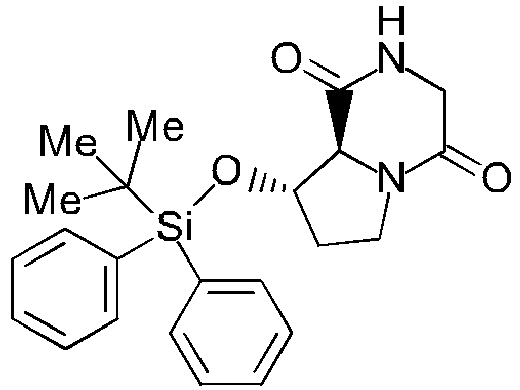
18 
21 
19 
22 
20-1 
23 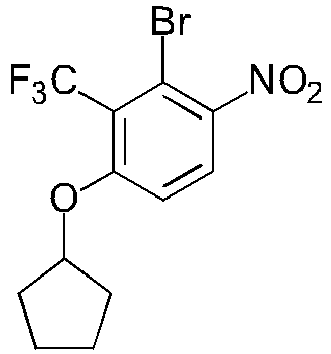
[Table 4-4] PEx Str PEx Str 24 
28 
25 
29 
26 
30 
27 
31 
[Table 4-5] PEx Str PEx Str 32 
36 
33 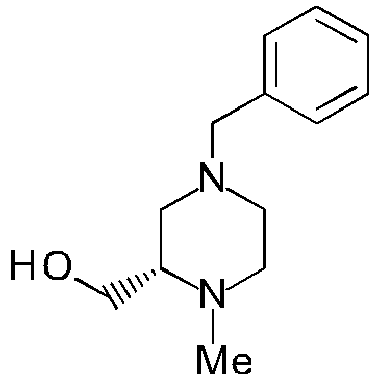
37 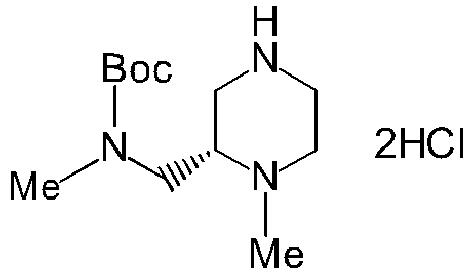
34 
38 
35 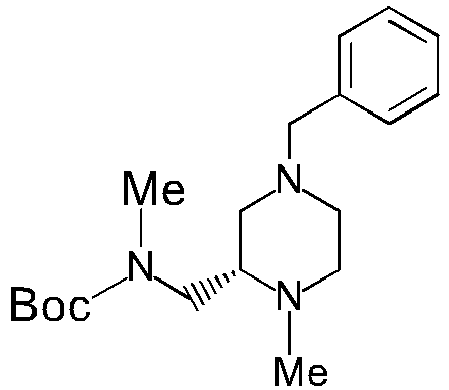
39 
[Table 4-6] PEx Str PEx Str 40 
44 
41 
45 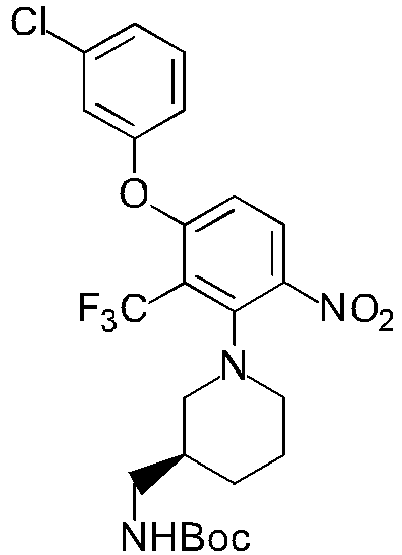
42 
46 
43 
47 
[Table 4-7] PEx Str PEx Str 48 
52 
49 
53 
50 
54 
51 
55 
[Table 4-8] PEx Str PEx Str 56 
60 
57 
61 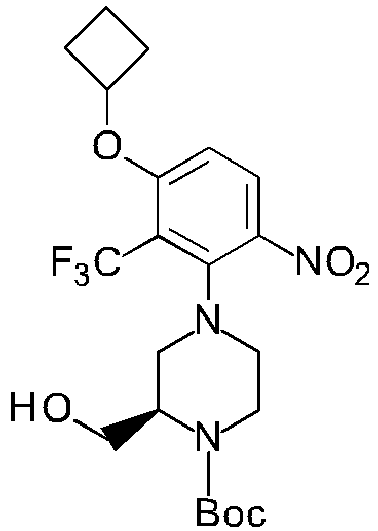
58 
62 
59 
63 
[Table 4-9] PEx Str PEx Str 64 
68 
65 
69 
66 
70 
67 
71 
[Table 4-10] PEx Str PEx Str 72 
76 
73 
77 
74 
78 
75 
79 
[Table 4-11] PEx Str PEx Str 80 
84 
81 
85 
82 
86 
83 
87 
[Table 4-12] PEx Str PEx Str 88 
92 
89 
93 
90 
94 
91 
95 
[Table 4-13] PEx Str PEx Str 96 
100 
97 
101 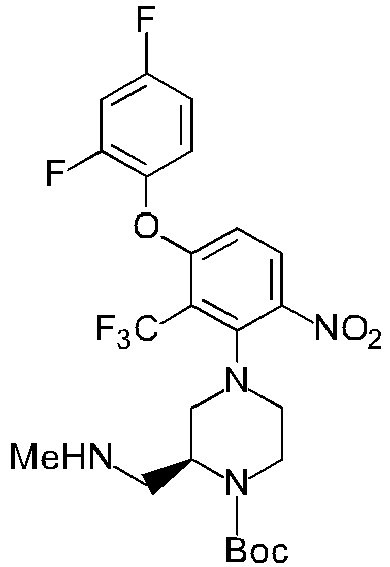
98 
102 
99 
103 
[Table 4-14] PEx Str PEx Str 104 
108 
105 
109 
106 
110 
107 
111 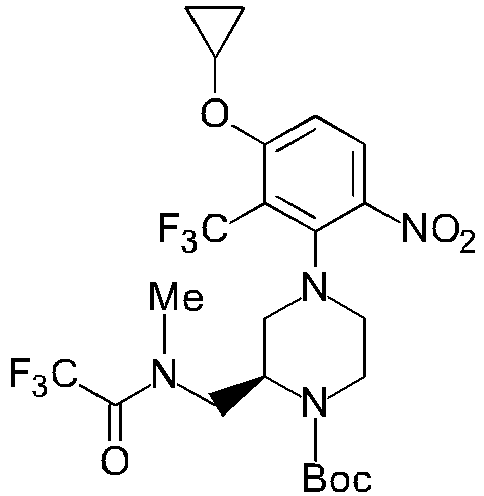
[Table 4-15] PEx Str PEx Str 112 
116 
113 
117 
114 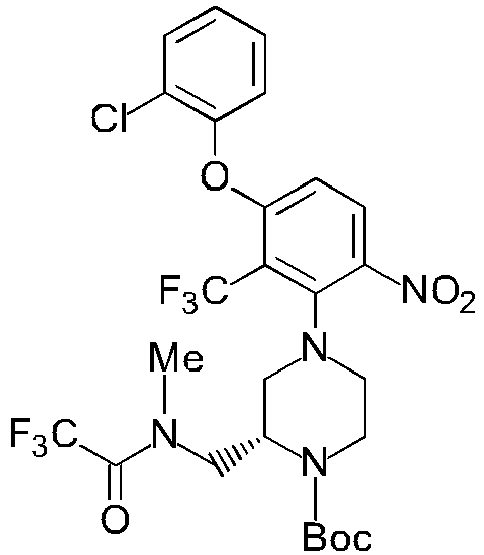
118 
115 
119 
[Table 4-16] PEx Str PEx Str 120 
124 
121 
125 
122 
126 
123 
127 
[Table 4-17] PEx Str PEx Str 128 
132 
129 
133 
130 
134 
131 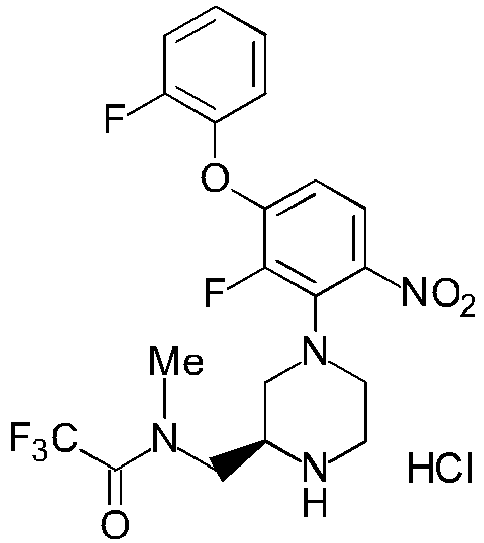
135 
[Table 4-18] PEx Str PEx Str 136 
140 
137 
141 
138 
142 
139 
143 
[Table 4-19] PEx Str PEx Str 144 
148 
145 
149 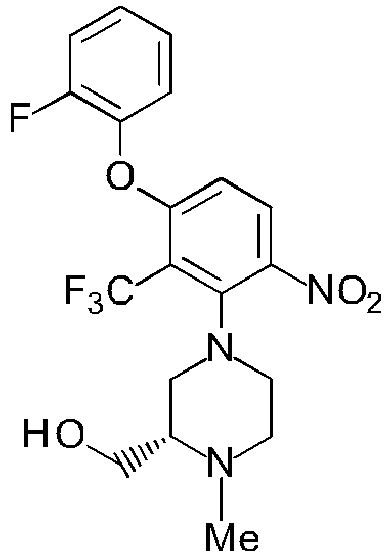
146 
150 
147 
151 
[Table 4-20] PEx Str PEx Str 152 
156 
153 
157 
154 
158 
155 
159 
[Table 4-21] PEx Str PEx Str 160 
164 
161 
165 
162 
166 
163 
167 
[Table 4-22] PEx Str PEx Str 168 
172 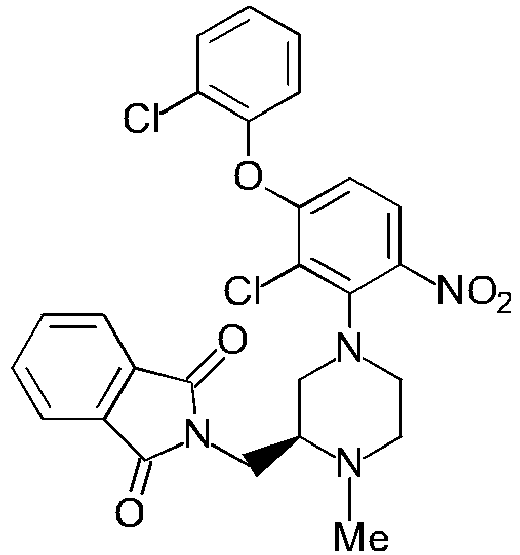
169 
173 
170 
174 
171 
175 
[Table 4-23] PEx Str PEx Str 176 
180 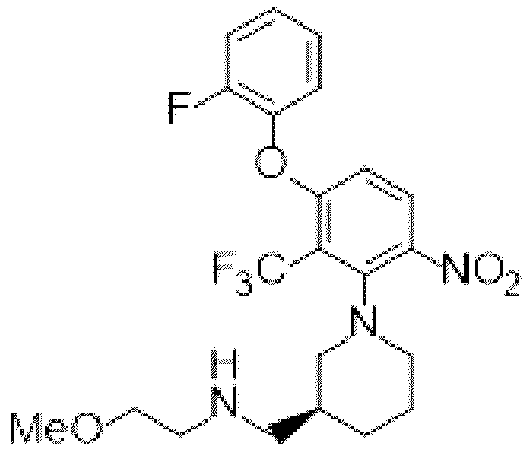
177 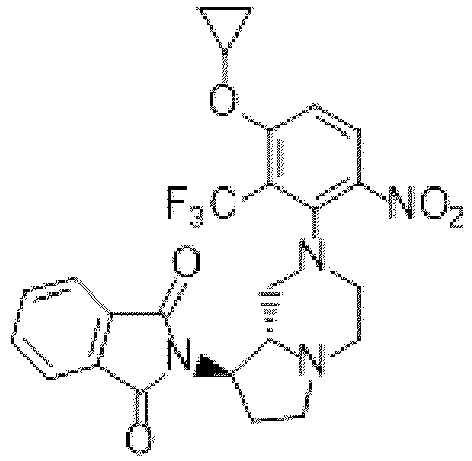
181 
178 
182 
179 
183 
[Table 4-24] PEx Str PEx Str 184 
188 
185 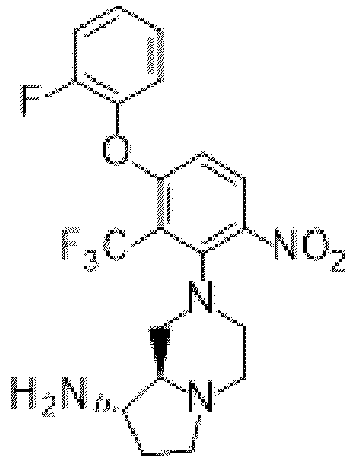
189 
186 
190 
187 
191 
[Table 4-25] PEx Str PEx Str 192 
196 
193 
197 
194 
198 
195 
199 
[Table 4-26] PEx Str PEx Str 200 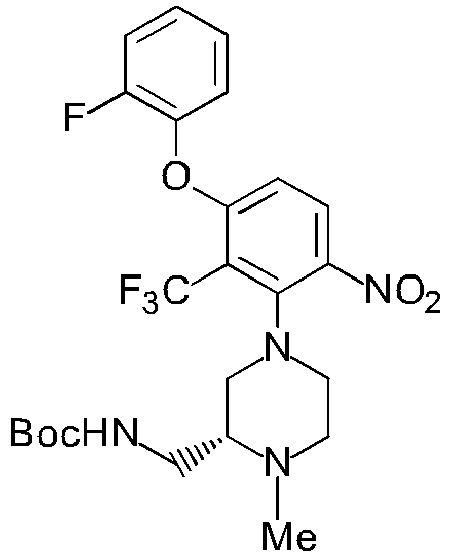
204 
201 
205 
202 
206 
203 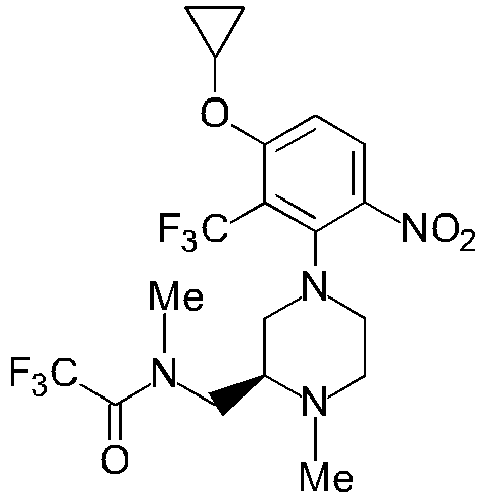
207 
[Table 4-27] PEx Str PEx Str 208 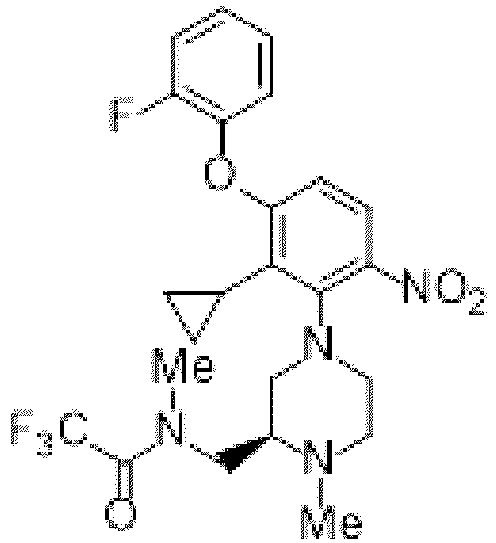
212 
209 
213 
210 
214 
211 
215 
[Table 4-28] PEx Str PEx Str 216 
220 
217 
221 
218 
222 
219 
223 
[Table 4-29] PEx Str PEx Str 224 
228 
225 
229 
226 
230 
227 
231 
[Table 4-30] PEx Str PEx Str 232 
236 
233 
237 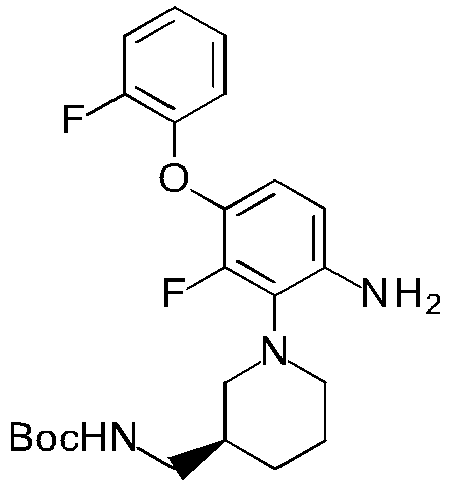
234 
238 
235 
239 
[Table 4-31] PEx Str PEx Str 240 
244 
241 
245 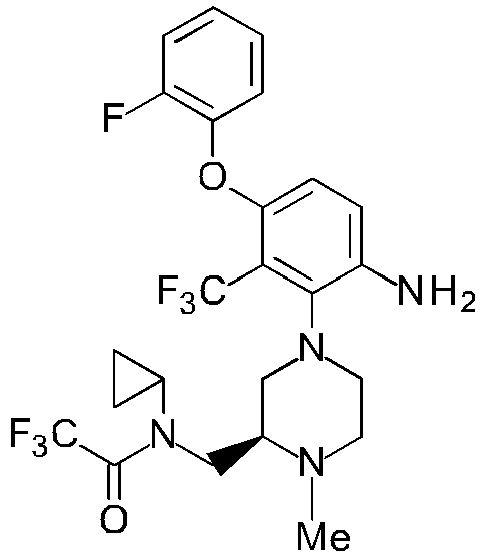
242 
246 
243 
247 
[Table 4-32] PEx Str PEx Str 248 
252 
249 
253 
250 
254 
251 
255 
[Table 4-33] PEx Str PEx Str 256 
260 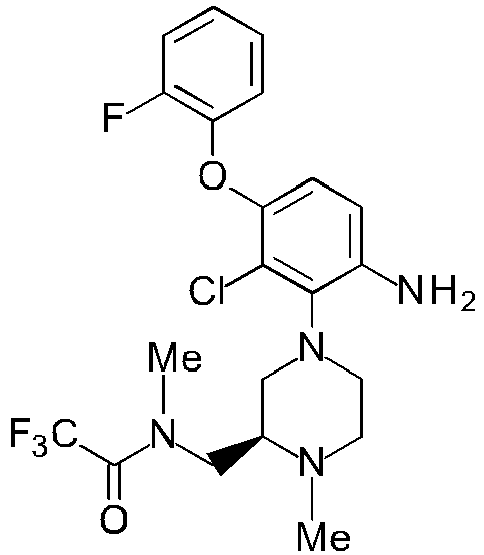
257 
261 
258 
262 
259 
263 
[Table 4-34] PEx Str PEx Str 264 
268 
265 
269 
266 
270 
267 
271 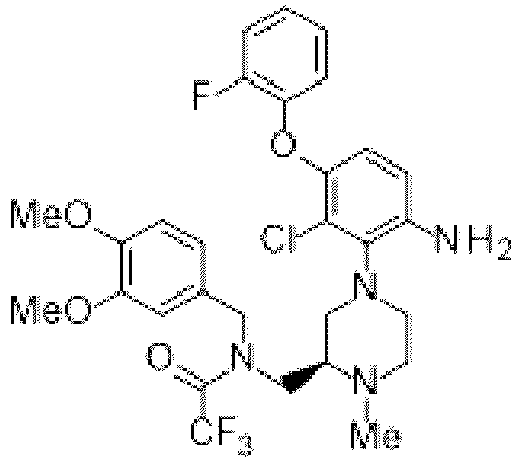
[Table 4-35] PEx Str PEx Str 272 
276 
273 
277 
274 
278 
275 
279 
[Table 4-36] PEx Str PEx Str 280 
284 
281 
285 
282 
286 
283 
287 
[Table 4-37] PEx Str PEx Str 288 
292 
289 
293 
290 
294 
291 
295 
[Table 4-38] PEx Str PEx Str 296 
300 
297 
301 
298 
302 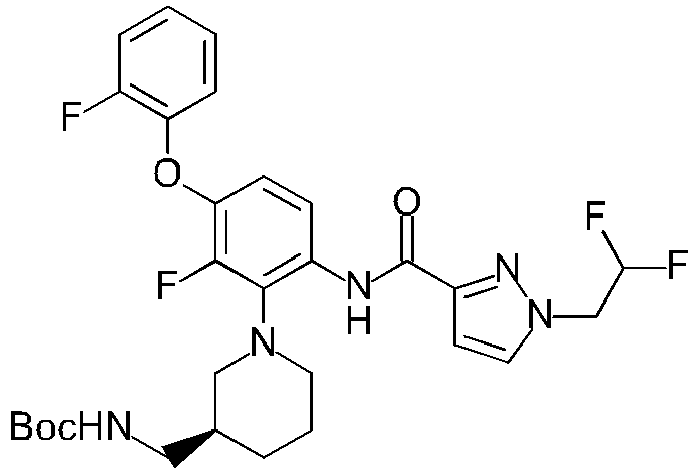
299 
303 
[Table 4-39] PEx Str PEx Str 304 
308 
305 
309 
306 
310 
307 
311 
[Table 4-40] PEx Str PEx Str 312 
316 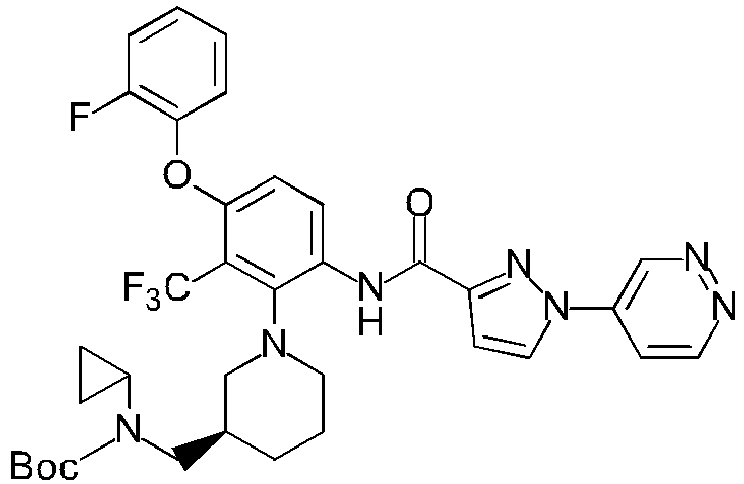
313 
317 
314 
318 
315 
319 
[Table 4-41] PEx Str PEx Str 320 
324 
321 
325 
322 
326 
323 
327 
[Table 4-42] PEx Str PEx Str 328 
332 
329 
333 
330 
334 
331 
335 
[Table 4-43] PEx Str PEx Str 336 
340 
337 
341 
338 
342 
339 
343 
[Table 4-44] PEx Str PEx Str 344 
348 
345 
349 
346 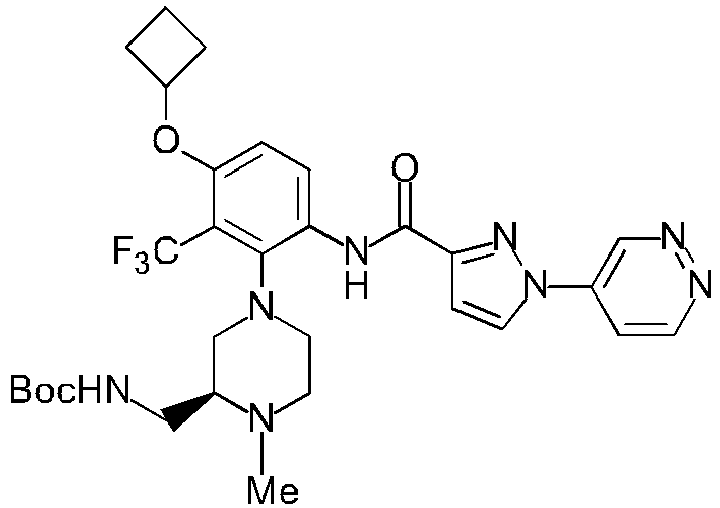
350 
347 
351 
[Table 4-45] PEx Str PEx Str 352 
356 
353 
357 
354 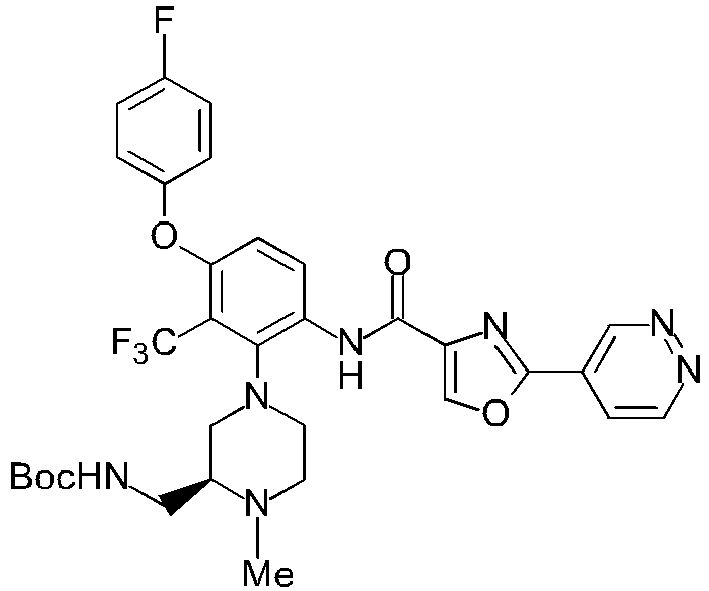
358 
355 
359 
[Table 4-46] PEx Str PEx Str 360 
364 
361 
365 
362 
366 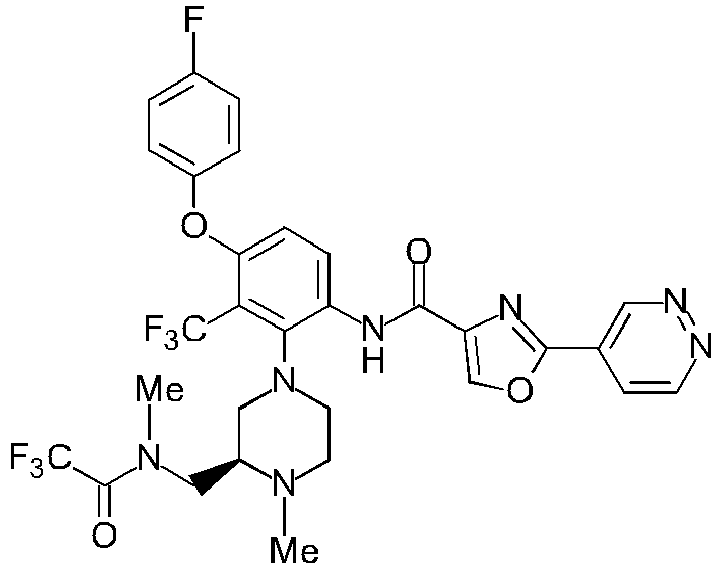
363 
367 
[Table 4-47] PEx Str PEx Str 368 
372 
369 
373 
370 
374 
371 
375 
[Table 4-48] PEx Str PEx Str 376 
380 
377 
381 
378 
382 
379 
383 
[Table 4-49] PEx Str PEx Str 384 
388 
385 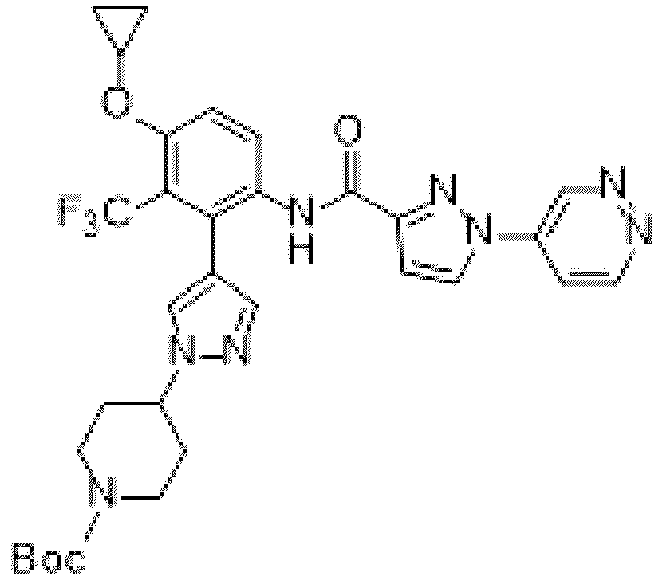
389 
386 
390 
387 
391 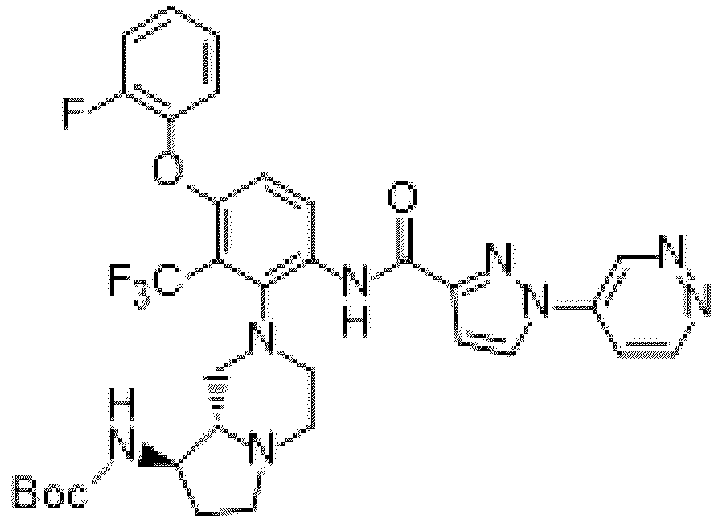
[Table 4-50] PEx Str PEx Str 392 
396 
393 
397 
394 
398 
395 
399 
[Table 4-51] PEx Str PEx Str 400 
404 
401 
405 
402 
403 
[Table 5-1] PEx PSyn DAT 1 1 - 2 2 NMR DMSO-d6 (500 MHz): 7.20 (1H, d), 7.28-7.43 (3H, m), 7.44-7.52 (1H, m), 8.18 (1H, dd) 3 2 NMR CDCl3 (500 MHz): 6.94 (1H, dd), 7.02-7.07 (2H, m), 7.24-7.29 (1H, m), 7.40-7.46 (2H, m), 7.65 (1H, dd) 4 2 ESI+: 409.0 5 2 NMR DMSO-d6 (500 MHz): 7.11 (1H, ddd), 7.28-7.55 (4H, m), 8.01 (1H, dd) 6 2 NMR DMSO-d6 (500 MHz): 7.17 (1H, ddd), 7.30-7.40 (3H, m), 7.49 (1H, dd), 8.21 (1H, dd) 7 2 NMR DMSO-d6 (500 MHz): 7.18 (1H, dd), 7.23-7.29 (2H, m), 7.29-7.37 (2H, m), 8.16 (1H, dd) 8 2 NMR DMSO-d6 (500 MHz): 7.06 (1H, dd), 7.35-7.41 (2H, m), 7.44-7.51 (1H, m), 7.67-7.72 (1H, m), 8.16 (1H, dd) 9 2 ESI+: 362.0, 364.1 10 2 NMR DMSO-d6 (500 MHz): 7.17-7.28 (2H, m), 7.46-7.54 (1H, m), 7.54-7.62 (1H, m), 8.17 (1H, d) 11 2 NMR DMSO-d6 (500 MHz): 7.06 (1H, dd), 7.28-7.44 (3H, m), 7.45-7.54 (1H, m), 7.99 (1H, d) 12 2 ESI+: 549.8 13 2 ESI+: 362.6 14 2 - 15 2 NMR CDCl3 (400 MHz): 6.98 (2H, d), 7.15-7.19 (1H, m), 7.33-7.39 (2H, m), 7.74 (1H, dd) 16 16 ESI+: 467.3 17 16 NMR CDCl3 (400 MHz): 1.46 (9H, s), 3.55-3.56 (2H, m), 4.39-4.42 (2H, m), 4.99 (1H, br s), 6.62 (1H, s), 6.81 (1H, dd), 7.45 (1H, t), 8.05 (1H, dd), 8.19 (1H, d) 18 16 NMR CDCl3 (400 MHz): 1.48 (9H, s), 1.90-1.96 (2H, m), 2.14-2.17 (2H, m), 2.88-2.94 (2H, m), 4.22-4.33 (3H, m), 7.31-7.35 (1H, m), 7.46 (1H, s), 7.48 (1H, s), 7.83 (1H, dd) 19 16 NMR CDCl3 (400 MHz): 1.60-1.77 (3H, m), 1.98-2.15 (3H, m), 3.68-3.74 (1H, m), 3.99-4.03 (1H, m), 5.42-5.45 (1H, m), 7.34 (1H, t), 7.53 (1H, s), 7.66 (1H, s), 7.84 (1H, dd) [Table 5-2] 20-1 20 NMR CDCl3 (400 MHz): 1.00 (9H, s), 1.60-1.69 (2H, m), 3.37-3.43 (1H, m), 3.95-4.20 (4H, m), 4.81 (1H, br s), 6.43 (1H, br s), 7.37-7.46 (6H, m), 7.64-7.76 (4H, m) 20-2 20 NMR CDCl3 (400 MHz): 1.09 (9H, s), 1.61-1.70 (1H, m), 1.75-1.84 (1H, m), 3.47-3.54 (1H, m), 3.69-3.80 (2H, m), 4.01-4.07 (2H, m), 4.84-4.87 (1H, m), 6.00-6.01 (1H, m), 7.37-7.46 (6H, m), 7.67-7.74 (4H, m) 21 21 ESI+: 143.1 22 21 ESI+: 143.1 23 23 NMR DMSO-d6 (500 MHz): 1.56-1.81 (6H, m), 1.88-2.01 (2H, m), 5.12-5.17 (1H, m), 7.51 (1H, d), 8.18(1H, dd) 24 23 ESI+: 326.2 25 23 NMR DMSO-d6 (500 MHz): 1.57-1.72 (1H, m), 1.76-1.89 (1H, m), 2.01-2.14 (2H, m), 2.41-2.51 (2H, m), 4.90-5.02 (1H, m), 7.31 (1H, d), 8.17 (1H, d) 26 23 - 27 23 NMR CDCl3 (400 MHz): 0.91-0.94 (4H, m), 1.45 (9H, s), 3.51-3.55 (2H, m), 3.93-4.02 (3H, m), 4.99 (1H, br s), 6.73-6.74 (1H, m), 6.81 (1H, d), 6.91 (1H, dd), 7.26-7.30 (1H, m), 7.51 (1H, d), 7.94 (1H, d) 28 23 NMR CDCl3 (400 MHz): 1.46 (9H, s), 1.74-1.81 (1H, m), 1.96-2.05 (1H, m), 2.27-2.32 (2H, m), 2.51-2.57 (2H, m), 3.54-3.55 (2H, m), 4.38-4.41 (2H, m), 4.81-4.88 (1H, m), 5.02 (1H, br s), 6.59 (1H, s), 6.80 (1H, dd), 6.97 (1H, d), 8.01 (1H, d), 8.15 (1H, d) 29 23 NMR CDCl3 (400 MHz): 0.94-0.97 (4H, m), 1.47 (9H, s), 3.55-3.56 (2H, m), 3.97-4.00 (1H, m), 4.40 (2H, t), 5.02 (1H, br s), 6.60 (1H, s), 6.80 (1H, dd), 7.58 (1H, d), 8.08 (1H, d), 8.16 (1H, d) 30 23 NMR CDCl3 (400 MHz): 1.48 (9H, s), 1.72-1.79 (1H, m), 1.91-1.96 (3H, m), 2.14-2.18 (2H, m), 2.25-2.30 (2H, m), 2.48-2.52 (2H, m), 2.90-2.92 (2H, m), 4.25-4.28 (3H, m), 4.78-4.82 (1H, m), 6.89 (1H, d), 7.41 (1H, s), 7.44 (1H, s), 7.79 (1H, d) [Table 5-3] PEx PSyn DAT 31 23 NMR CDCl3 (400 MHz): 0.86-0.93 (4H, m), 1.47 (9H, s), 1.90-1.97 (2H, m), 2.13-2.17 (2H, m), 2.88-2.94 (2H, m), 3.91-3.94 (1H, m), 4.13-4.28 (3H, m), 7.40 (1H, s), 7.43 (1H, s), 7.48 (1H, d), 7.84 (1H, d) 32 23 NMR CDCl3 (400 MHz): 1.59-1.81 (4H, m), 1.90-2.32 (6H, m), 2.48-2.55 (2H, m), 3.67-3.73 (1H, m), 3.99-4.03 (1H, m), 4.76-4.83 (1H, m), 5.43 (1H, dd), 6.89 (1H, d), 7.49 (1H, s), 7.60 (1H, s), 7.80 (1H, d) 33 33 ESI+: 221.2 34 34 ESI+: 334.3 35 34 ESI+: 334.3 36 36 ESI+: 244.2 37 36 ESI+: 244.2 38 38 NMR DMSO-d6 (500 MHz): 7.33-7.41 (2H, m), 7.41-7.47 (1H, m), 7.51-7.62 (2H, m), 8.51 (1H, dd) 39 39 ESI+: 543.4 40 39 ESI+: 496.3 41 39 ESI+: 488.3 42 39 ESI+: 460.3 43 39 ESI+: 543.4 44 39 ESI+: 464.4 45 39 ESI+: 552.3, 554.3 46 39 ESI+: 536.4 47 39 ESI+: 514.3 48 39 ESI+: 538.2 49 39 ESI+: 552.2, 554.2 50 39 ESI+: 554.3, 556.2 51 39 ESI+: 484.2 52 39 ESI+: 415.3 53 39 ESI+: 488.3 54 39 ESI+: 520.3, 522.3 55 39 ESI+: 512.4 56 39 ESI+: 520.3 57 39 ESI+: 554.3, 556.3 58 39 ESI+: 543.4 [Table 5-4] PEx PSyn DAT 59 39 ESI+: 556.3 60 60 ESI+: 508.1 61 39 ESI+: 498.3 62 39 ESI+: 504.2, 506.2 63 39 ESI+: 538.2 64 39 ESI+: 538.2 65 39 ESI+: 554.3 66 39 ESI+: 497.2 67 39 ESI+: 532.0 68 39 ESI+: 426.1 69 39 ESI+: 424.3 70 39 NMR CDCl3 (400 MHz): 1.49 (9H, s), 3.03-3.06 (1H, m), 3.24-3.26 (4H, m), 3.84-3.90 (3H, m), 4.20 (1H, br s), 6.74 (1H, d), 7.05 (2H, d), 7.23-7.26 (1H, m), 7.41-7.45 (2H, m), 7.59 (1H, d) 71 39 ESI+: 442.2 72 39 ESI+: 388.2 73 39 NMR CDCl3 (400 MHz): 1.45-1.47 (9H, m), 2.94-3.03 (1H, m), 3.12-3.25 (3H, m), 3.29-3.37 (1H, m), 3.74-4.04 (3H, m), 4.16-4.29 (1H, m), 6.85-6.97 (2H, m), 7.10-7.18 (1H, m), 7.31-7.42 (3H, m) 74 39 ESI+: 442.3 75 75 NMR CDCl3 (500 MHz): 1.38-1.57 (9H, m), 2.99-3.58 (5H, m), 3.80-4.08 (1H, m), 4.32-4.91 (1H, m), 7.51 (1H, d), 7.71 (1H, d), 9.59 (1H, br s) 76 75 ESI+: 536.2 77 75 ESI+: 552.1 78 75 NMR DMSO-d6 (500 MHz): 0.63-0.79 (2H, m), 0.82-0.92 (2H, m), 1.29-1.48 (9H, m), 2.79-3.26 (4H, m), 3.61 (1H, d), 3.64-3.76 (1H, m), 4.07-4.17 (1H, m), 4.45-4.65 (1H, m), 7.49-7.61 (1H, m), 8.03-8.17 (1H, m), 9.46 (1H, br s) 79 75 ESI+: 413.3 [Table 5-5] PEx PSyn DAT 80 75 NMR DMSO-d6 (500 MHz): 1.31-1.50 (9H, m), 2.79-3.42 (4H, m), 3.72-3.87 (2H, m), 4.52-4.80 (1H, m), 6.87 (1H, dd), 7.23-7.41 (3H, m), 7.42-7.51 (1H, m), 7.68 (1H, dd), 9.55 (1H, d) 81 75 ESI+: 518.2 82 75 ESI+: 552.2 83 75 ESI+: 510.3 84 75 ESI+: 554.3 85 75 ESI+: 502.3 86 75 ESI-: 472.3 87 75 ESI+: 536.2 88 75 - 89 75 NMR CDCl3 (400 MHz): 1.47-1.51 (9H, m), 3.13-3.54 (5H, m), 3.88-4.05 (1H, m), 4.43-4.71 (1H, m), 6.76 (1H, d), 7.05 (2H, d), 7.23-7.27 (1H, m), 7.40-7.45 (2H, m), 7.63 (1H, d), 9.63-9.66 (1H, m) 90 75 NMR CDCl3 (400 MHz): 1.46-1.49 (9H, m), 2.90-3.34 (3H, m), 3.40-3.50 (1H, m), 3.56-3.69 (1H, m), 3.71-4.10 (1H, m), 4.42-4.71 (1H, m), 6.96 (2H, d), 7.11-7.18 (1H, m), 7.31-7.39 (2H, m), 7.40 (1H, dd), 9.63-9.66 (1H, m) 91 91 ESI+: 433.2 92 92 ESI+: 499.2 93 92 ESI+: 529.2 94 92 ESI+: 545.3, 547.2 95 92 ESI+: 475.4 96 92 ESI+: 555.2 97 92 ESI+: 454.3 98 92 ESI+: 479.4 99 92 ESI+: 545.3, 547.3 100 92 ESI+: 503.3 101 92 ESI+: 547.3 102 92 ESI+: 489.3 103 92 ESI+: 529.3 104 92 ESI+: 538.9 105 92 ESI+: 631.4 [Table 5-6] PEx PSyn DAT 106 92 NMR CDCl3 (400 MHz): 1.49 (9H, s), 2.44 (3H, s), 2.80-2.83 (1H, m), 2.92-3.02 (2H, m), 3.20-3.25 (4H, m), 3.92-4.16 (2H, m), 6.72 (1H, d), 7.04-7.06 (2H, m), 7.22-7.26 (1H, m), 7.40-7.44 (2H, m), 7.58 (1H, d) 107 92 NMR CDCl3 (400 MHz): 1.47 (9H, s), 2.46 (3H, s), 2.77-3.37 (7H, m), 3.86-4.03 (1H, m), 4.13-4.29 (1H, m), 6.96 (2H, d), 7.10-7.17 (1H, m), 7.31-7.41 (3H, m) 108 108 ESI+: 617.2 109 108 ESI+: 647.3 110 108 ESI+: 663.3, 665.3 111 108 ESI+: 593.3 112 108 ESI+: 673.2 113 108 NMR DMSO-d6 (500 MHz): 1.38 (9H, s), 2.91-3.49 (9H, m), 3.68-3.98 (1H, m), 4.28-4.62 (2H, m), 6.84 (1H, dd), 7.25-7.39 (3H, m), 7.42-7.53 (1H, m), 7.64-7.74 (1H, m) 114 108 ESI+: 663.3, 665.2 115 108 ESI+: 621.2 116 108 ESI+: 665.3 117 108 ESI+: 607.3 118 108 ESI+: 647.3 119 108 - 120 108 - 121 108 ESI+: 629.3 122 108 NMR CDCl3 (400 MHz): 1.42 (9H, s), 2.86-3.58 (9H, m), 3.65-3.90 (1H, m), 4.43-4.60 (2H, m), 6.92-6.98 (2H, m), 7.10-7.17 (1H, m), 7.30-7.44 (3H, m) 123 123 ESI+: 613.2, 615.2 124 123 ESI+: 629.3, 631.2, 633.3 125 125 - 126 125 - 127 127 ESI+: 432.3, 434.3 128 127 ESI+: 525.3 129 127 ESI+: 471.3 130 127 ESI+: 551.3 131 127 ESI+: 475.3 [Table 5-7] PEx PSyn DAT 132 127 ESI+: 416.3 133 127 ESI+: 390.3 134 127 - 135 127 ESI+: 493.1 136 127 ESI+: 376.3 137 127 ESI+: 416.2 138 127 ESI+: 416.2 139 127 ESI+: 485.2 140 127 ESI+: 525.2 141 127 - 142 127 - 143 127 NMR CDCl3 (400 MHz): 2.80-3.26 (10H, m), 3.38-3.53 (2H, m), 6.93-7.00 (2H, m), 7.10-7.18 (1H, m), 7.31-7.38 (2H, m), 7.41 (1H, dd) 144 144 ESI+: 446.3, 448.2 145 144 ESI+: 430.3 146 144 ESI+: 404.3 147 144 ESI+: 390.3 148 144 ESI+: 430.2 149 144 ESI+: 430.2 150 150 ESI+: 505.1, 507.1 151 150 ESI+: 555.3, 557.3 152 150 ESI+: 521.2, 523.2 153 150 ESI+: 555.3, 557.2 154 150 ESI+: 557.2 155 150 ESI+: 448.2 156 150 ESI+: 412.1, 414.1 157 150 ESI+: 641.1 158 158 ESI+: 524.2, 526.2 159 158 ESI+: 508.3 160 158 ESI+: 482.3 161 158 ESI+: 468.3 162 158 ESI+: 508.1 163 158 ESI+: 508.2 164 164 ESI+: 575.3, 577.3 [Table 5-8] PEx PSyn DAT 165 164 ESI+: 559.3 166 164 ESI+: 533.4 167 164 ESI+: 519.4 168 164 ESI+: 559.2 169 171 ESI+: 577.2 170 164 ESI+: 559.3 171 171 ESI+: 584.3 172 171 ESI+: 541.1, 543.1 173 173 ESI+: 546.2 174 174 ESI+: 442.3 175 175 ESI+: 571.3 176 175 ESI+: 553.3 177 175 ESI+: 517.3 178 175 ESI+: 571.5 179 179 ESI+: 485.9 180 180 - 181 181 ESI+: 432.3 182 181 ESI+: 423.3 183 181 ESI+: 441.4 184 181 ESI+: 387.3 185 181 ESI+: 441.4 186 186 ESI+: 554.3 187 186 ESI+: 576.4 188 186 NMR DMSO-d6 (400 MHz): 0.97-1.00 (1H, m), 1.37 (9H, s), 1.52-1.55 (1H, m), 1.64-1.70 (2H, m), 1.94-1.98 (1H, m), 2.61 (1H, t), 2.88-2.91 (1H, m), 2.97-3.12 (4H, m), 3.20 (3H, s), 3.25-3.29 (2H, m), 3.39-3.45 (2H, m), 6.79 (1H, m), 7.27-7.37 (3H, m), 7.43-7.48 (1H, m), 7.94-7.96 (1H, m) 189 186 ESI+: 523.4 190 186 ESI+: 541.4 191 186 ESI+: 487.3 192 186 ESI+: 541.5 193 193 ESI+: 545.3, 547.3 194 193 ESI+: 529.3 195 193 ESI+: 503.4 [Table 5-9] PEx PSyn DAT 196 193 ESI+: 489.3 197 193 ESI+: 529.3 198 193 ESI+: 547.3 199 193 ESI+: 511.2, 513.2 200 193 ESI+: 529.3 201 201 ESI+: 509.1 202 201 ESI+: 539.3 203 201 ESI+: 485.3 204 201 ESI+: 489.3 205 201 ESI+: 513.3 206 201 ESI+: 499.3 207 201 ESI+: 539.2 208 201 - 209 201 NMR CDCl3 (400 MHz): 2.36-2.52 (4H, m), 2.61-2.70 (1H, m), 2.82-3.36 (8H, m), 3.59-3.69 (2H, m), 6.94-7.01 (2H, m), 7.11-7.17 (1H, m), 7.31-7.44 (3H, m) 210 210 ESI+: 513.3 211 211 ESI+: 499.3 212 211 ESI+: 515.3 213 211 ESI+: 527.3 214 214 NMR CDCl3 (400 MHz): 1.70-1.82 (1H, m), 1.89-2.00 (1H, m), 2.20-2.33 (2H, m), 2.48-2.56 (2H m), 4.77-4.84 (1H, m), 6.91 (1H, d), 7.58 (2H, s), 7.81 (1H, d) 215 215 ESI+: 507.1 216 216 ESI+: 555.3 217 216 NMR CDCl3 (400 MHz): 0.91-0.94 (4H, m), 1.45 (9H, s), 2.96 (3H, s), 3.58 (2H, br s), 3.93-3.97 (1H, m), 4.07 (2H, br s), 6.73-6.74 (1H, m), 6.80 (1H, d), 6.91 (1H, dd), 7.26-7.29 (1H, m), 7.51 (1H, d), 7.93 (1H, d) 218 216 NMR CDCl3 (400 MHz): 1.46 (9H, s), 1.76-1.81 (1H, m), 1.96-1.98 (1H, m), 2.27-2.32 (2H, m), 2.53-2.55 (2H, m), 2.95 (3H, s), 3.60-3.62 (2H, m), 4.39-4.46 (2H, m), 4.82-4.86 (1H, m), 6.59 (1H, d), 6.79-6.80 (1H, m), 6.97 (1H, d), 8.01 (1H, d), 8.15 (1H, d) [Table 5-10] PEx PSyn DAT 219 216 NMR CDCl3 (400 MHz): 0.92-0.96 (4H, m), 1.46 (9H, s), 2.94 (3H, s), 3.61 (2H, br s), 3.96-3.97 (1H, m), 4.46 (2H, br s), 6.58 (1H, s), 6.78 (1H, d), 7.56 (1H, d), 8.06 (1H, d), 8.15(1H, d) 220 216 ESI+: 537.3 221 216 ESI+: 555.5 222 222 ESI+: 301.1 223 222 ESI+: 301.2, 303.2, 305.2 224 222 ESI+: 274.2, 276.1 225 225 ESI+: 233.3 226 225 ESI+: 233.3 227 225 ESI+: 206.1 228 228 ESI+: 205.3 229 228 ESI+: 205.1 230 228 ESI+: 192.0 231 231 ESI+: 565.3 232 232 ESI+: 513.4 233 232 ESI+: 466.3 234 232 ESI+: 458.3 235 232 ESI+: 430.3 236 232 ESI+: 491.4 237 232 ESI+: 434.4 238 232 ESI+: 500.4, 502.3 239 232 ESI+: 484.3 240 232 ESI+: 484.3 241 232 ESI+: 509.4 242 232 ESI+: 500.3, 502.2 243 232 ESI+: 525.2, 527.1 244 232 ESI+: 455.4 245 232 ESI+: 535.3 246 232 ESI+: 524.4 247 232 ESI+: 459.4 248 232 ESI+: 499.4 249 232 ESI+: 491.3, 493.2 250 232 ESI+: 473.4 [Table 5-11] PEx PSyn DAT 251 232 ESI+: 468.4 252 232 ESI+: 525.3, 527.2 253 232 ESI+: 483.3 254 232 ESI+: 502.3 255 232 ESI+: 515.4, 517.3 256 232 ESI+: 513.4 257 232 ESI+: 527.2 258 232 ESI+: 485.3 259 232 ESI+: 459.3 260 232 ESI+: 475.2, 477.2 261 232 ESI+: 499.3 262 232 ESI+: 517.3 263 232 ESI+: 481.2, 483.2 264 232 ESI+: 499.3 265 232 ESI+: 469.3 266 232 ESI+: 509.3 267 232 ESI+: 502.3 268 232 ESI+: 497.4 269 232 ESI+: 481.0 270 232 ESI+: 467.1 271 232 ESI+: 611.0 272 232 ESI+: 480.2 273 232 ESI+: 438.3 274 232 ESI+: 542.2 275 232 ESI+: 475.3 276 232 ESI+: 489.4 277 232 NMR CDCl3 (400 MHz): 1.45 (9H, s), 1.60-2.05 (2H, m), 2.19-2.24 (2H, m), 2.38-2.42 (2H, m), 3.22 (2H, br s), 3.55-3.56 (2H, m), 4.39-4.41 (2H, m), 4.60-4.63 (1H, m), 5.03 (1H, br s), 6.62 (1H, s), 6.76-6.85 (3H, m), 8.21 (1H, d) 278 232 NMR CDCl3 (400 MHz): 0.77-0.82 (4H, m), 1.45 (9H, s), 3.26 (2H, br s), 3.55-3.56 (2H, m), 3.80-3.83 (1H, m), 4.40 (2H, t), 5.03 (1H, br s), 6.62 (1H, s), 6.77 (1H, dd), 6.90 (1H, d), 7.29 (1H, d), 8.21 (1H, d) [Table 5-12] PEx PSyn DAT 279 232 NMR CDCl3 (400 MHz): 1.45 (9H, s), 1.61-1.86 (2H, m), 2.18-2.23 (2H, m), 2.37-2.42 (2H, m), 2.95 (3H, s), 3.60-3.62 (4H, m), 4.45 (2H, br s), 4.59-4.63 (1H, m), 6.62 (1H, d), 6.76-6.85 (3H, m), 8.21 (1H, d) 280 232 NMR CDCl3 (400 MHz): 0.76-0.81 (4H, m), 1.46 (9H, s), 2.95 (3H, s), 3.22 (2H, br s), 3.60-3.63 (2H, m), 3.80-3.82 (1H, m), 4.45 (2H, br s), 6.61 (1H, s), 6.75 (1H, d), 6.90 (1H, d), 7.26-7.29 (1H, m), 8.21 (1H, d) 281 232 NMR CDCl3 (400 MHz): 1.48 (9H, s), 1.58-1.64 (1H, m), 1.79-2.00 (3H, m), 2.17-2.22 (4H, m), 2.36-2.42 (2H, m), 2.89-2.94 (2H, m), 3.44 (2H, br s), 4.11-4.34 (3H, m), 4.54-4.61 (1H, m), 6.76 (1H, d), 6.82 (1H, d), 7.37 (1H, s), 7.45 (1H, s) 282 232 NMR CDCl3 (400 MHz): 0.74-0.90 (4H, m), 1.48 (9H, s), 1.92-1.99 (2H, m), 2.16-2.19 (2H, m), 2.90-2.93 (2H, m), 3.46 (2H, br s), 3.77-3.81 (1H, m), 4.15-4.33 (3H, m), 6.88 (1H, d), 7.24 (1H, d), 7.37 (1H, s), 7.45 (1H, s) 283 232 NMR CDCl3 (400 MHz): 1.44 (9H, s), 1.57-1.68 (1H, m), 1.79-1.87 (1H, m), 2.05-2.11 (2H, m), 2.15-2.25 (2H, m), 2.36-2.43 (2H, m), 3.11-3.12 (2H, m), 3.47 (2H, br s), 4.24 (2H, t), 4.54-4.61 (1H, m), 4.78 (1H, br s), 6.75-6.83 (2H, m), 7.36 (1H, s), 7.44 (1H, s) 284 232 ESI+: 493.5 285 232 ESI+: 507.4 286 232 ESI+: 577.1 287 232 ESI-: 509.0 288 232 ESI+: 525.3 289 232 ESI+: 457.4 290 232 NMR CDCl3 (400 MHz): 2.36-3.47 (14H, m), 3.76-4.06 (1H, m), 4.19-4.52 (2H, m), 6.33 (1H, dd), 6.93 (2H, d), 6.99-7.07 (1H, m), 7.23-7.33 (2H, m) 291 232 ESI+: 511.5 292 232 ESI+: 525.7 293 293 ESI+: 471.3 294 294 ESI+: 685.5 [Table 5-13] PEx PSyn DAT 295 294 ESI+: 639.3 296 294 ESI+: 646.5 297 294 ESI+: 610.4 298 294 ESI+: 616.4 299 294 ESI+: 588.5 300 294 ESI+: 660.4 301 294 ESI+: 671.4 302 294 ESI+: 592.5 303 294 ESI+: 658.3 304 294 ESI+: 664.4 305 294 ESI+: 642.3 306 294 ESI+: 680.3, 682.3 307 294 ESI+: 682.4 308 294 ESI+: 672.2 309 294 ESI+: 656.3 310 294 ESI+: 667.4 311 294 ESI+: 683.3, 685.2 312 294 ESI+: 697.2, 699.2 313 294 ESI+: 674.4 314 294 ESI+: 627.4 315 294 ESI+: 707.4 316 294 ESI+: 696.5 317 294 ESI+: 704.4 318 294 ESI+: 691.4 319 294 ESI+: 692.5 320 294 ESI+: 631.4 321 294 ESI+: 686.3 322 294 ESI+: 617.4 323 294 ESI+: 695.3 324 294 ESI+: 671.4 325 294 ESI+: 657.4 326 294 ESI+: 664.3, 666.3 327 294 ESI+: 649.3, 651.2 328 294 ESI+: 663.3, 665.3 329 294 ESI+: 692.4 [Table 5-14] PEx PSyn DAT 330 294 ESI+: 645.5 331 294 ESI+: 646.5 332 294 ESI+: 663.4 333 294 ESI+: 662.4 334 294 ESI+: 697.3, 699.3 335 294 ESI+: 655.4 336 294 ESI+: 674.4 337 294 ESI+: 687.3, 689.3 338 294 ESI+: 673.3, 675.3 339 294 ESI+: 685.5 340 294 ESI+: 699.3 341 294 ESI+: 698.2, 700.2 342 294 ESI+: 643.4 343 294 ESI+: 629.4 344 294 ESI+: 644.4 345 294 ESI+: 657.4 346 294 ESI+: 631.4 347 294 ESI+: 700.3, 702.3 348 294 ESI+: 684.3 349 294 ESI+: 617.4 350 294 ESI+: 647.3, 649.2 351 294 ESI+: 633.2, 635.2 352 294 ESI+: 648.2, 650.2 353 294 ESI+: 671.4 354 294 ESI+: 672.4 355 294 ESI+: 675.4 356 294 ESI+: 657.4 357 294 ESI+: 671.4 358 294 ESI+: 672.4 359 294 ESI+: 653.4, 655.3 360 294 ESI+: 639.3, 641.4 361 294 ESI+: 654.3, 656.3 362 294 ESI+: 684.4 363 294 ESI+: 641.4 364 294 ESI+: 642.4 [Table 5-15] PEx PSyn DAT 365 294 ESI+: 681.4 366 294 ESI+: 682.3 367 294 ESI+: 657.4 368 294 ESI+: 674.4 369 294 ESI+: 669.5 370 294 ESI+: 670.5 371 294 ESI+: 654.0 372 294 ESI+: 653.1 373 294 ESI+: 639.3 374 294 ESI+: 769.0 375 294 ESI+: 652.2 376 294 ESI+: 610.1 377 294 ESI+: 712.7 378 294 ESI+: 648.4 379 294 ESI+: 662.3 380 294 ESI+: 663.2 381 294 ESI+: 649.4 382 294 ESI+: 677.5 383 294 ESI+: 663.3 384 294 ESI+: 676.4 385 294 ESI+: 639.5 386 294 ESI+: 650.3 387 294 ESI+: 627.4 388 294 ESI+: 666.3 389 294 ESI+: 680.3 390 294 ESI+: 772.4 391 294 ESI+: 683.2 392 294 ESI+: 697.4 393 294 ESI+: 640.4 394 294 ESI+: 684.4 395 294 ESI+: 630.4 396 294 ESI+: 629.3 397 294 ESI+: 632.3 398 294 ESI+: 617.4 399 294 ESI+: 698.6 [Table 5-16] PEx PSyn DAT 400 294 ESI+: 631.6 401 294 ESI+: 683.5 402 294 ESI+: 697.5 403 403 ESI+: 673.1 404 404 ESI+: 650.3 405 405 ESI+: 664.3 [Table 6-1] Ex Str Ex Str 1 
5 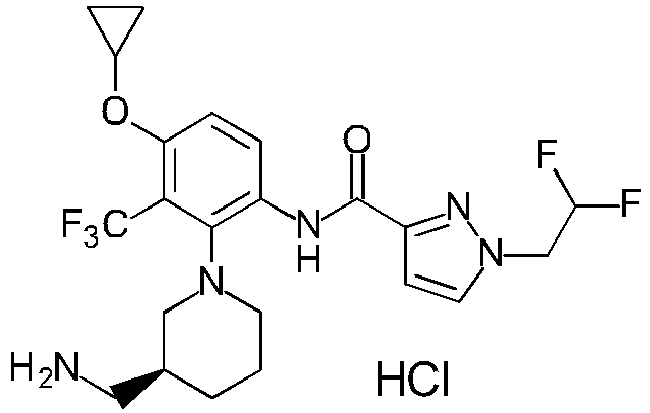
2 
6 
3 
7 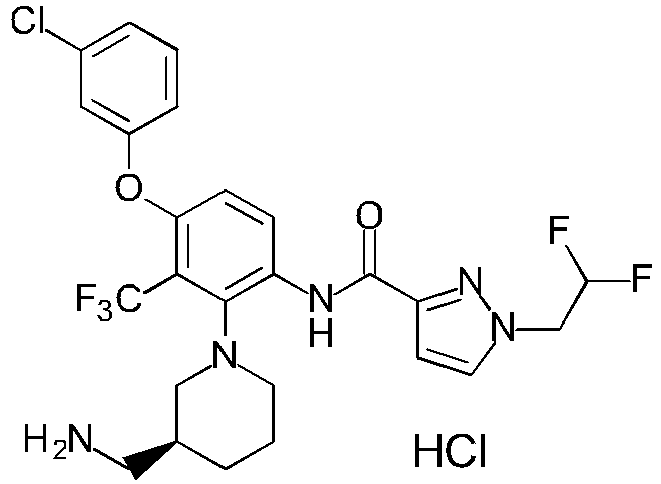
4 
8 
[Table 6-2] Ex Str Ex Str 9 
13 
10 
14 
11 
15 
12 
16 
[Table 6-3] Ex Str Ex Str 17 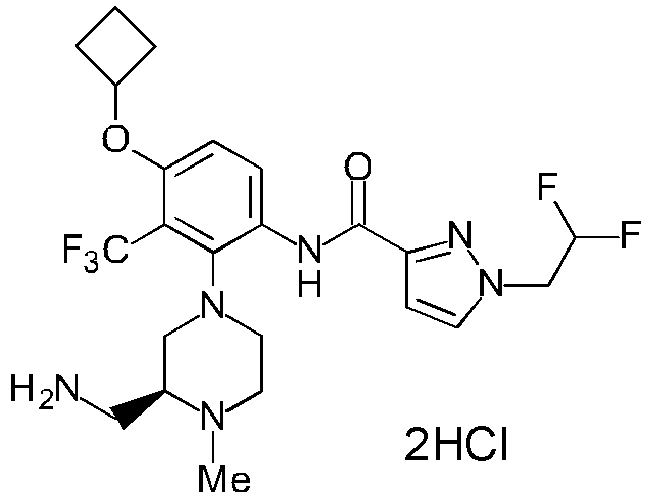
21 
18 
22 
19 
23 
20 
24 
[Table 6-4] Ex Str Ex Str 25 
29 
26 
30 
27 
31 
28 
32 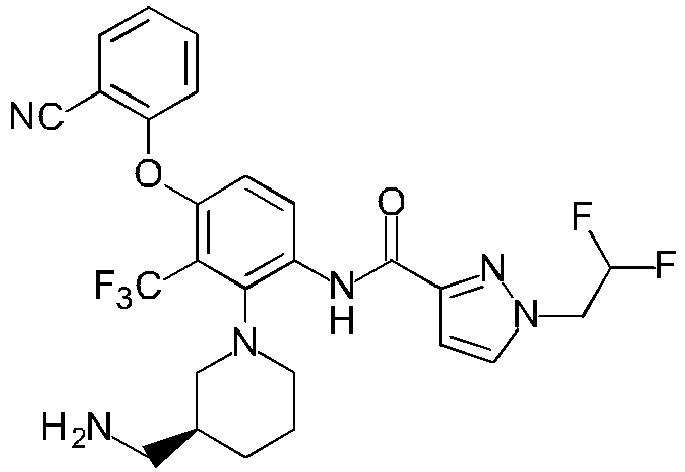
[Table 6-5] Ex Str Ex Str 33 
37 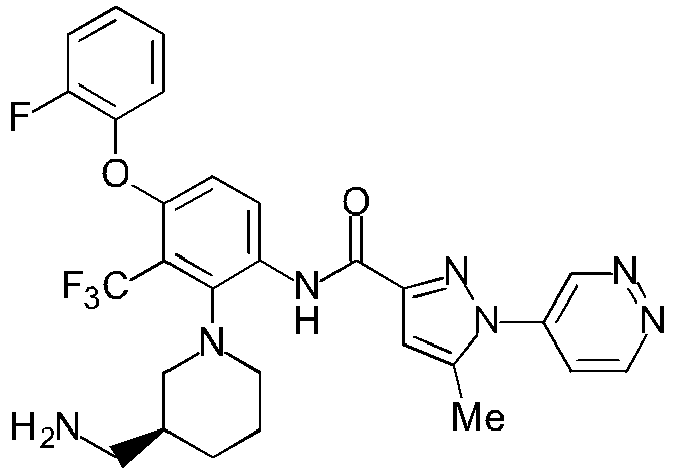
34 
38 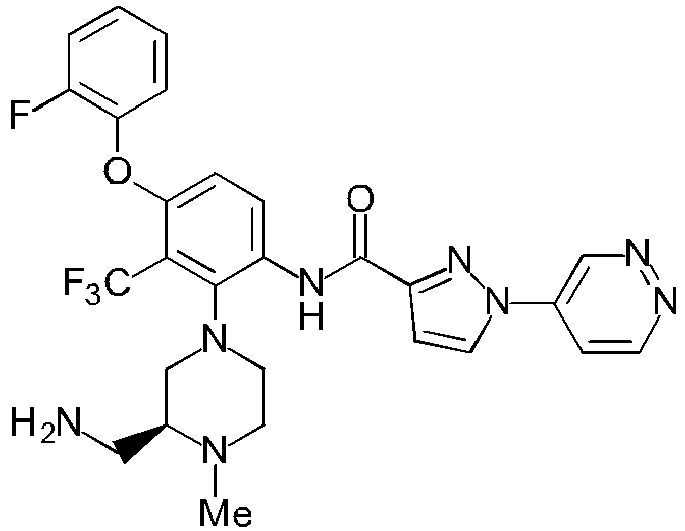
35 
39 
36 
40 
[Table 6-6] Ex Str Ex Str 41 
45 
42 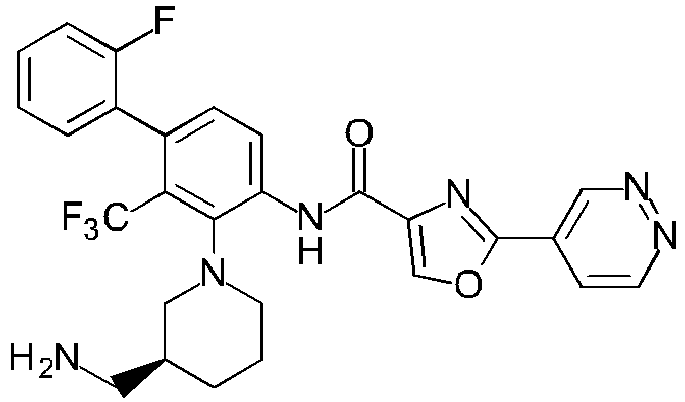
46 
43 
47 
44 
48 
[Table 6-7] Ex Str Ex Str 49 
53 
50 
54 
51 
55 
52 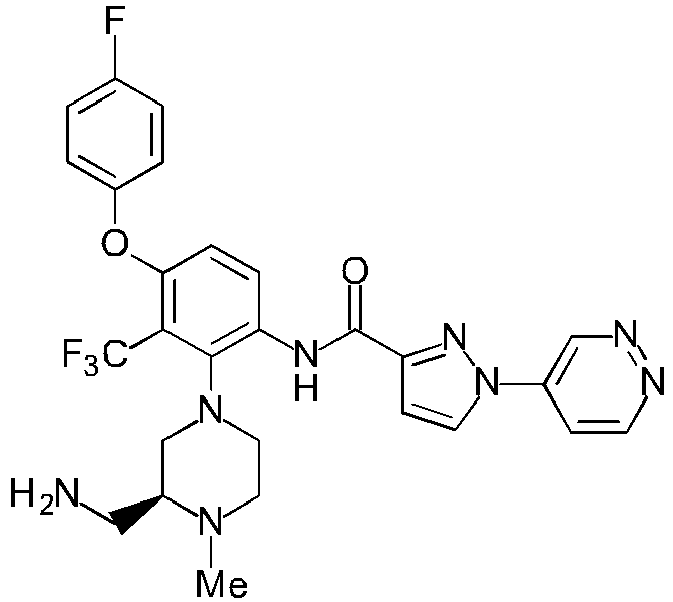
56 
[Table 6-8] Ex Str Ex Str 57 
61 
58 
62 
59 
63 
60 
64 
[Table 6-9] Ex Str Ex Str 65 
69 
66 
70 
67 
71 
68 
72 
[Table 6-10] Ex Str Ex Str 73 
77 
74 
78 
75 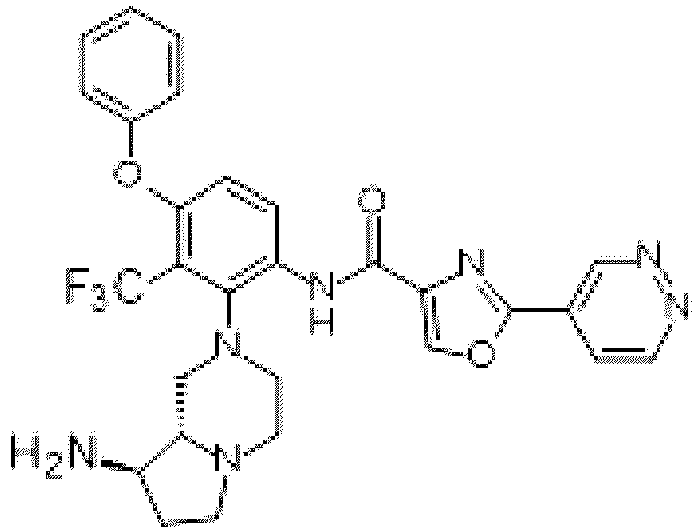
79 
76 
80 
[Table 6-11] Ex Str Ex Str 81 
85 
82 
86 
83 
87 
84 
88 
[Table 6-12] Ex Str Ex Str 89 
93 
90 
94 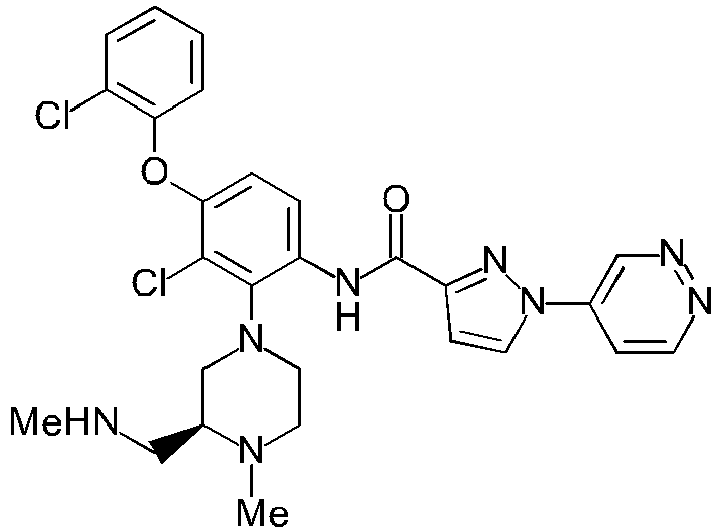
91 
95 
92 
96 
[Table 6-13] Ex Str Ex Str 97 
101 
98 
102 
99 
103 
100 
104 
[Table 6-14] Ex Str Ex Str 105 
109 
106 
110 
107 
111 
108 
112 
[Table 6-15] Ex Str Ex Str 113 
117 
114 
118 
115 
119 
116 
120 
[Table 6-16] Ex Str Ex Str 121 
125 
122 
126 
123 
124 
[Table 7-1] Ex Syn DAT 1 1 ESI+: 542.4 NMR DMSO-d6 (500 MHz): 1.07-1.21 (1H, m), 1.39-2.33 (3H, m), 2.61-3.19 (6H, m), 3.34-3.67 (1H, m), 4.74-4.93 (2H, m), 6.26-6.62 (1H, m), 6.86-6.90 (1H, m), 6.95-7.02 (1H, m), 7.04-7.11 (1H, m), 7.19-7.26 (2H, m), 7.36-7.44 (1H, m), 7.91 (3H, br s), 8.00-8.05 (1H, m), 8.39-10.30 (2H, m) 2 1 ESI+: 524.4 3 1 ESI+: 510.3 4 1 ESI+: 516.4 5 1 ESI+: 488.4 6 1 ESI+: 492.4 7 1 ESI+: 558.4, 560.4 8 1 ESI+: 542.2 9 1 ESI+: 558.3, 560.3 10 1 ESI+: 582.4 11 1 ESI+: 569.3 12 1 ESI+: 557.4 13 1 ESI+: 573.2, 575.2 NMR DMSO-d6 (500 MHz): 2.78-4.07 (12H, m), 4.76-5.33 (2H, m), 6.34-6.70 (1H, m), 6.87-7.12 (3H, m), 7.19-7.30 (1H, m), 7.33-7.45 (1H, m), 7.63 (1H, dd), 7.96-8.10 (1H, m), 8.13-8.70 (4H, m), 9.40-10.04 (1H, m), 11.82-12.65 (1H, m) 14 1 ESI+: 529.3 15 1 ESI+: 600.2, 602.2 16 1 ESI+: 584.3 17 1 ESI+: 517.3 18 1 ESI+: 575.3 19 1 ESI+: 557.3 [Table 7-2] Ex Syn DAT 20 1 ESI+: 539.3, 541.3 NMR DMSO-d6 (500 MHz): 2.76-4.49 (12H, m), 4.79-5.19 (2H, m), 6.32-6.69 (1H, m), 6.83-6.97 (2H, m), 6.97-7.11 (1H, m), 7.17-7.27 (1H, m), 7.31-7.41 (1H, m), 7.62 (1H, dd), 8.02 (1H, d), 8.09-8.57 (4H, m), 9.71-10.43 (1H, m), 11.50-12.37 (1H, m) 21 1 ESI+: 584.4 22 22 ESI+: 586.4 23 22 ESI+: 571.4 24 22 ESI+: 587.3, 589.3 25 22 ESI+: 521.4 26 22 ESI+: 553.3, 555.3 27 22 ESI+: 537.2, 539.3 28 1 ESI+: 557.3 29 29 ESI+: 585.4 NMR DMSO-d6 (500 MHz): 1.47 (1H, br s), 2.13-2.19 (3H, m), 2.23-2.58 (5H, m), 2.60-2.72 (2H, m), 2.81-2.93 (2H, m), 3.00-3.46 (3H, m), 7.00 (1H, d), 7.05-7.15 (1H, m), 7.19-7.27 (3H, m), 7.37-7.44 (1H, m), 8.15-8.70 (2H, m), 8.96-9.04 (1H, m), 9.39-9.49 (1H, m), 10.01-10.17 (2H, m) 30 29 ESI+: 539.3 31 29 ESI+: 538.3 32 29 ESI+: 549.4 33 29 ESI+: 572.3, 574.3 34 29 ESI+: 556.4 35 29 ESI+: 552.4 36 29 ESI+: 596.4 37 29 ESI+: 570.4 38 29 ESI+: 571.4 39 29 ESI+: 570.4 40 29 ESI+: 545.4 41 29 ESI+: 546.4 42 29 ESI+: 541.4 43 29 ESI+: 540.4 44 86 ESI+: 559.4 [Table 7-3] Ex Syn DAT 45 29 ESI+: 574.3 NMR DMSO-d6 (500 MHz): 1.54-1.89 (4H, m), 2.05-2.16 (1H, m), 2.34-2.48 (1H, m), 2.70-2.88 (2H, m), 2.95-3.10 (2H, m), 3.12-3.29 (2H, m), 6.93-7.06 (1H, m), 7.08-7.17 (1H, m), 7.19-7.28 (3H, m), 7.36-7.45 (1H, m), 8.17-8.77 (2H, m), 8.99 (1H, d), 9.42-9.48 (1H, m), 9.94-10.38 (2H, m) 46 29 ESI+: 587.2, 589.2 47 29 ESI+: 585.4 NMR DMSO-d6 (500 MHz): 1.46 (1H, br s), 2.13-2.18 (3H, m), 2.22-2.57 (5H, m), 2.60-2.73 (2H, m), 2.80-2.93 (2H, m), 2.99-3.47 (3H, m), 7.00 (1H, d), 7.06-7.15 (1H, m), 7.19-7.27 (3H, m), 7.37-7.44 (1H, m), 8.13-8.69 (2H, m), 8.96-9.04 (1H, m), 9.39-9.48 (1H, m), 10.01-10.18 (2H, m) 48 29 ESI+: 543.3 NMR DMSO-d6 (500 MHz): 1.52-1.72 (4H, m), 1.76-1.91 (2H, m), 1.92-2.06 (2H, m), 2.15 (3H, s), 2.20-2.74 (7H, m), 2.76-2.90 (2H, m), 2.92-3.44 (4H, m), 7.23 (1H, d), 7.46-7.55 (1H, m), 8.23-8.70 (2H, m), 8.94-9.07 (1H, m), 9.38-9.48 (1H, m), 10.01-10.06 (1H, m), 10.11 (1H, s) 49 29 ESI+: 544.3 50 29 ESI+: 557.3 51 29 ESI+: 531.3 52 29 ESI+: 571.3 53 29 ESI+: 572.3 54 29 ESI+: 571.3 55 29 ESI+: 572.3 56 29 ESI+: 553.3, 555.3 57 29 ESI+: 554.3, 556.3 58 29 ESI+: 574.3 59 29 ESI+: 569.4 60 29 ESI+: 570.4 61 29 ESI+: 539.0 62 29 ESI+: 552.0 [Table 7-4] Ex Syn DAT 63 29 ESI+: 510.2 64 29 ESI+: 614.1 65 29 ESI+: 526.3 66 29 ESI+: 540.4 67 29 ESI+: 541.4 68 29 ESI+: 527.4 69 29 ESI+: 555.3 70 29 ESI+: 541.3 71 29 ESI+: 554.5 72 29 ESI+: 539.3 73 29 ESI+: 528.4 74 29 ESI+: 527.2 75 29 ESI+: 566.3 76 29 ESI+: 580.3 77 29 ESI+: 583.2 78 29 ESI+: 597.4 79 29 ESI+: 540.2 80 29 ESI+: 584.3 NMR DMSO-d6 (400 MHz): 1.40-1.46 (1H, m), 2.09-2.71 (4H, m), 2.88-3.60 (7H, m), 7.00-7.27 (4H, m), 7.39-7.44 (1H, m), 8.11-8.74 (2H, m), 9.20-9.23 (1H, m), 9.51-9.56 (1H, m), 9.92 (1H, s), 10.24 (1H, s) 81 29 ESI+: 530.3 82 29 ESI+: 529.5 83 29 ESI+: 598.4 84 29 ESI+: 583.4 85 29 ESI+: 597.4 86 86 ESI+: 551.3 NMR DMSO-d6 (500 MHz): 1.53 (1H, br s), 2.20 (3H, s), 2.36 (3H, s), 2.37-2.74 (3H, m), 2.77-3.06 (3H, m), 3.32-3.57 (2H, m), 3.63-3.76 (1H, m), 6.92-7.03 (1H, m), 7.06 (1H, d), 7.12-7.29 (3H, m), 7.33-7.46 (1H, m), 8.13-8.56 (2H, m), 8.96-9.07 (1H, m), 9.45 (1H, d), 10.07 (1H, s), 10.59 (1H, s) 87 86 ESI+: 601.4, 603.4 [Table 7-5] Ex Syn DAT 88 86 ESI+: 531.4 89 86 ESI+: 611.4 90 86 ESI+: 535.4 91 29 ESI+: 586.2, 588.2 92 86 ESI+: 599.4 93 86 ESI+: 568.3, 570.3 94 86 ESI+: 567.3, 569.2 95 86 ESI+: 601.4, 603.4 96 86 ESI+: 603.3 97 86 ESI+: 602.2, 604.2 98 86 ESI+: 552.3 99 86 ESI+: 545.3 100 86 ESI+: 546.4 101 86 ESI+: 585.4 102 86 ESI+: 586.4 103 86 ESI+: 558.0 104 86 ESI+: 557.1 105 86 ESI+: 568.2 106 86 ESI+: 536.3 107 86 ESI+: 521.4 108 86 ESI+: 535.4 109 109 ESI+: 542.5 110 109 ESI+: 569.5 111 109 ESI+: 593.5 112 112 ESI+: 523.0 113 113 ESI+: 569.3 114 113 ESI+: 554.2 115 113 ESI+: 594.3 116 113 ESI+: 582.4 117 113 ESI+: 568.2 118 113 ESI+: 611.4 119 113 ESI+: 558.4 120 113 ESI+: 612.4 121 113 ESI+: 557.3 [Table 7-6] Ex Syn DAT 122 122 ESI+: 585.4 NMR DMSO-d6 (500 MHz): 2.22-2.54 (11H, m), 2.55-2.76 (3H, m), 2.82-2.98 (3H, m), 3.01-3.30 (2H, m), 6.95-7.04 (1H, m), 7.07-7.16 (1H, m), 7.19-7.28 (3H, m), 7.37-7.46 (1H, m), 8.09-8.66 (2H, m), 8.96-9.05 (1H, m), 9.39-9.50 (1H, m), 9.99-10.14 (2H, m) 2θ(°)=8.4, 9.9, 10.5, 11.2, 11.4, 14.7, 16.3, 19.2, 22.2, 24.0 123 123 ESI+: 585.4 NMR DMSO-d6 (500 MHz): 2.21-2.54 (11H, m), 2.56-2.77 (3H, m), 2.82-2.99 (3H, m), 3.01-3.28 (2H, m), 6.95-7.04 (1H, m), 7.06-7.17 (1H, m), 7.19-7.30 (3H, m), 7.35-7.46 (1H, m), 8.04-8.66 (2H, m), 8.96-9.05 (1H, m), 9.39-9.50 (1H, m), 9.99-10.18 (2H, m) 2θ(°)=8.4, 9.9, 10.5, 11.2, 11.4, 14.7, 16.3, 19.2, 22.2, 24.0 124 123 ESI+: 543.5 NMR DMSO-d6 (500 MHz): 1.47-1.75 (4H, m), 1.76-1.91 (2H, m), 1.91-2.08 (2H, m), 2.20-2.41 (11H, m), 2.53-2.80 (3H, m), 2.80-3.08 (6H, m), 7.24 (1H, br s), 7.47-7.58 (1H, m), 8.15-8.76 (2H, m), 8.94-9.14 (1H, m), 9.37-9.55 (1H, m), 9.95-10.23 (2H, m) 2θ(°)=7.7, 8.1, 11.6, 12.8, 20.3, 20.7, 22.3 125 123 ESI+: 551.4, 553.3 NMR DMSO-d6 (500 MHz): 2.32 (4H, s), 2.34-2.69 (8H, m), 2.73-2.83 (1H, m), 2.84-2.95 (2H, m), 2.95-3.03 (2H, m), 3.46-3.55 (1H, m), 3.62-3.74 (1H, m), 6.92-7.03 (1H, m), 7.07 (1H, d), 7.14-7.29 (3H, m), 7.35-7.45 (1H, m), 8.10-8.53 (2H, m), 8.97-9.04 (1H, m), 9.46 (1H, d), 9.95-10.10 (1H, m), 10.54 (1H, s) 2θ(°)=7.0, 10.5, 12.1, 14.4, 14.6, 17.8, 19.3, 19.9, 20.2, 21.2 [Table 7-7] Ex Syn DAT 126 126 ESI+: 574.4 NMR DMSO-d6 (500 MHz): 1.57-1.86 (2H, m), 2.05-2.21 (1H, m), 2.35 (4H, s), 2.38-2.47 (1H, m), 2.85-3.30 (6H, m), 6.92-7.07 (1H, m), 7.08-7.16 (1H, m), 7.18-7.29 (3H, m), 7.36-7.45 (1H, m), 8.16-8.77 (2H, m), 9.00 (1H, d), 9.41-9.50 (1H, m), 9.94-10.35 (2H, m) 2θ(°)=9.4, 10.7, 12.3, 13.2, 14.0, 16.8, 20.7, 21.1, 23.0, 23.5 - The compound or a salt thereof of the present invention is useful as a DGK ξ inhibitor, and can be used as an active ingredient of a pharmaceutical composition, for example a pharmaceutical composition for treatment of cancer related to activation of immune cells or cancer resistant to anti-PD-1 antibody/anti-PD-L1 antibody therapy.
Claims (14)
- A compound of formula (I):
 A is a group of formula (A-i), (A-ii), (A-iii), (A-iv) or (A-v):
 B is a group of formula (B-i), (B-ii), (B-iii) or (B-iv):
 R1a is pyridazinyl or a halogeno-C1-6 alkyl,R1b is H or a C1-6 alkyl,R2 is a C3-5 cycloalkyl, an -O-(C1-6 alkyl), a halogeno-C1-6 alkyl, a halogen or a phenyl,R3 is i) a phenyl optionally substituted with a group selected from the group consisting of a C1-6 alkyl, a halogeno-C1-6 alkyl, a C3-5 cycloalkyl, an -O-(C1-6 alkyl), an -O-(halogeno-C1-6 alkyl), cyano, nitro, methanesulfonyl and a halogen, ii) a C3-8 cycloalkyl optionally substituted with a group selected from the group consisting of a C1-6 alkyl and a halogen, iii) a pyridyl optionally substituted with a group selected from the group consisting of a C1-6 alkyl, a halogeno-C1-6 alkyl, a C3-5 cycloalkyl, an -O-(C1-6 alkyl), an -O-(halogeno-C1-6 alkyl), cyano, nitro, methanesulfonyl and a halogen, or iv) five- or six-membered partially unsaturated heterocyclic ring containing one to four hetero atoms selected from oxygen, sulfur and nitrogen,R4 is H or F,R5 is H or F,R6 is -L2-(CH2)2NRaRb or piperidinyl,Li is a bond, O or NH,L2 is a bond, O or CH2,X is CH2 or N-methyl,Yis CH or N,Ra is H or methyl,Rb is H, methyl, ethyl, cyclopropyl or -(CH2)2O-CH3, andm is 1, 2 or 3.
 - The compound or a salt thereof according to claim 1, wherein R2 is a halogeno-C1-6 alkyl or a halogen, R3 is i) a phenyl optionally substituted with a group selected from the group consisting of a C1-6 alkyl, a halogeno-C1-6 alkyl, a C3-5 cycloalkyl, an -O-(C1-6 alkyl), an -O-(halogeno-C1-6 alkyl), cyano, nitro, methanesulphonyl and a halogen, or ii) a C3-8 cycloalkyl optionally substituted with a group selected from the group consisting of a C1-6 alkyl and a halogen, and Li is a bond or O.
- The compound or a salt thereof according to claim 2, wherein B is a group of the following formula (B-i-a) or (B-ii):


- The compound or a salt thereof according to claim 3, wherein A is a group of the following formula (A-i) or (A-ii):

- The compound or a salt thereof according to claim 4, wherein R3 is a phenyl optionally substituted with a group selected from the group consisting of a C1-6 alkyl and a halogen, or a C3-5 cycloalkyl, and Rb is H or methyl.
- The compound or a salt thereof according to claim 1, which is selected from the group consisting of:N-{2-[(3S)-3-(aminomethyl)piperidin-1-yl]-4-(2-fluorophenoxy)-3-(trifluoromethyl)phenyl}-1-(2,2-difluoroethyl)-1H-pyrazole-3-carboxamide;N- f 2-[(3 S)-3-(aminomethyl)-4-methylpiperazin-1-yl]-4-(2-chlorophenoxy)-3-(trifluoromethy 1)phenyl}-1-(2,2-difluoroethyl)-1H-pyrazole-3-carboxamide;N-{2-[(3S)-3-(aminomethyl)-4-methylpiperazin-1-yl]-3-chloro-4-(2-chlorophenoxy)phenyl}-1-(2,2-difluoroethyl)-1H-pyrazole-3-carboxamide;N-[4-(2-fluorophenoxy)-2-{(3S)-4-methyl-3-[(methylamino)methyl] piperazinl-yl}-3-(trifluoromethyl)phenyl]-1-(pyridazin-4-yl)-1H-pyrazole-3-carboxamide;N-{2-[(3R)-3-(aminomethyl)-3-fluoropiperidin-1-yl]-4-(2-fluorophenoxy)-3-(trifluoromethyl )phenyl}-1-(pyridazin-4-yl)-1H-pyrazole-3-carboxamide;N-[4-(2-fluorophenoxy)-2-{(3R)-4-methyl-3-[(methylamino)methyl]piperazin-1-yl}-3-(triflu oromethyl)phenyl]-1-(pyridazin-4-yl)-1H-pyrazole-3-carboxamide;N-[4-cyclopentyl-2-{(3S)-4-methyl-3-[(methylamino)methyl]piperazin-1-yl}-3-(trifluoromet hyl)phenyl]-1-(pyridazin-4-yl)-1H-pyrazole-3-carboxamide;N-{2-[(8R,8aS)-8-aminohexahydropyrrolo[1,2-a]pyrazine-2(1H)-yl]-4-(2-fluorophenoxy)-3-( trifluoromethyl)phenyl}-2-(pyridazin-4-yl)-1,3-oxazole-4-carboxamide; andN-[3-chloro-4-(2-fluorophenoxy)-2- f (3 S)-4-methyl-3-[(methylamino)methyl]piperazin-1-yl} phenyl]-1-(pyridazin-4-yl)-1H-pyrazole-3-carboxamide.
- The compound or a salt thereof according to claim 1 which is selected from the group consisting of:N-[4-(2-fluorophenoxy)-2-{(3S)-4-methyl-3-[(methylamino)methyl] piperazinl-yl}-3-(trifluoromethyl)phenyl]-1-(pyridazin-4-yl)-1H-pyrazole-3-carboxamide monobutanedioate;N-[4-(2-fluorophenoxy)-2-{(3R)-4-methyl-3-[(methylamino)methyl] piperazinl-yl}-3-(trifluoromethyl)phenyl]-1-(pyridazin-4-yl)-1H-pyrazole-3-carboxamide monobutanedioate;N-[4-cyclopentyl-2-{(3S)-4-methyl-3-[(methylamino)methyl] piperazinl-yl}-3-(trifluoromethyl)phenyl]-1-(pyridazin-4-yl)-1H-pyrazole-3-carboxamide monobutanedioate;N-[3-chloro-4-(2-fluorophenoxy)-2- f (3 S)-4-methyl-3-[(methylamino)methyl]piperazin-1-yl} phenyl]-1-(pyridazin-4-yl)-1H-pyrazole-3-carboxamide monobutanedioate; andN-{2-[(3R)-3-(aminomethyl)-3-fluoropiperidin-1-yl]-4-(2-fluorophenoxy)-3-(trifluoromethyl )phenyl}-1-(pyridazin-4-yl)-1H-pyrazole-3-carboxamide monobutanedioate.
- A pharmaceutical composition comprising the compound or a salt thereof according to claim 1, and one or more pharmaceutically acceptable excipients.
- The pharmaceutical composition according to claim 8, which is a pharmaceutical composition for treatment of cancer related to activation of immune cells or cancer resistant to anti-PD-1 antibody/anti-PD-L1 antibody therapy.
- Use of the compound or a salt thereof according to claim 1, for the manufacture of a pharmaceutical composition for treatment of cancer related to activation of immune cells or cancer resistant to anti-PD-1 antibody/anti-PD-L1 antibody therapy.
- The compound or a salt thereof according to claim 1, which is used for treatment of cancer related to activation of immune cells or cancer resistant to
anti-PD-1 antibody/anti-PD-L1 antibody therapy. - Use of the compound or a salt thereof according to claim 1, for treatment of cancer related to activation of immune cells or cancer resistant to
anti-PD-1 antibody/anti-PD-L1 antibody therapy. - A DGK ξ inhibitor comprising the compound of formula (I) or a salt thereof.
- A method for treatment of cancer related to activation of immune cells or cancer resistant to anti-PD-1 antibody/anti-PD-L1 antibody therapy, the method comprising administering to a subject an effective amount of the compound or a salt thereof according to claim 1.
Applications Claiming Priority (2)
| Application Number | Priority Date | Filing Date | Title |
|---|---|---|---|
| JP2020197899 | 2020-11-30 | ||
| PCT/JP2021/043540 WO2022114164A1 (en) | 2020-11-30 | 2021-11-29 | Heteroaryl carboxamide compound |
Publications (3)
| Publication Number | Publication Date |
|---|---|
| EP4253373A1 true EP4253373A1 (en) | 2023-10-04 |
| EP4253373A4 EP4253373A4 (en) | 2024-11-13 |
| EP4253373B1 EP4253373B1 (en) | 2026-07-01 |
Family
ID=81754515
Family Applications (1)
| Application Number | Title | Priority Date | Filing Date |
|---|---|---|---|
| EP21898136.3A Active EP4253373B1 (en) | 2020-11-30 | 2021-11-29 | HETEROARYLCARBOXAMIDE COMPOUND |
Country Status (20)
| Country | Link |
|---|---|
| US (2) | US12655122B2 (en) |
| EP (1) | EP4253373B1 (en) |
| JP (1) | JP7397452B2 (en) |
| KR (1) | KR20230116838A (en) |
| CN (1) | CN116528864B (en) |
| AR (1) | AR124172A1 (en) |
| AU (1) | AU2021389180A1 (en) |
| CA (1) | CA3203285A1 (en) |
| CL (1) | CL2023001534A1 (en) |
| CO (1) | CO2023008271A2 (en) |
| CR (1) | CR20230415A (en) |
| DO (1) | DOP2023000107A (en) |
| EC (1) | ECSP23048974A (en) |
| IL (1) | IL303209A (en) |
| JO (1) | JOP20230118A1 (en) |
| MX (1) | MX2023006318A (en) |
| PE (1) | PE20231986A1 (en) |
| TW (1) | TWI911340B (en) |
| WO (1) | WO2022114164A1 (en) |
| ZA (1) | ZA202305845B (en) |
Cited By (4)
| Publication number | Priority date | Publication date | Assignee | Title |
|---|---|---|---|---|
| KR20220119702A (en) * | 2019-12-25 | 2022-08-30 | 아스테라스 세이야쿠 가부시키가이샤 | Pyridazinyl thiazolecarboxamide compound |
| WO2024108100A1 (en) * | 2022-11-18 | 2024-05-23 | Incyte Corporation | Heteroaryl fluoroalkenes as dgk inhibitors |
| WO2024151346A1 (en) * | 2023-01-12 | 2024-07-18 | Incyte Corporation | Heteroaryl fluoroalkenes as dgk inhibitors |
| US12077519B2 (en) | 2020-11-30 | 2024-09-03 | Astellas Pharma Inc. | Heteroaryl carboxamide compound |
Families Citing this family (10)
| Publication number | Priority date | Publication date | Assignee | Title |
|---|---|---|---|---|
| UY38988A (en) | 2019-12-19 | 2021-06-30 | Janssen Pharmaceutica Nv | LINEAR CHAIN SUBSTITUTED SPIRANCAL DERIVATIVES |
| CN119998295A (en) | 2022-06-08 | 2025-05-13 | 因赛特公司 | Tricyclic triazolo compounds as DGK inhibitors |
| WO2023248109A1 (en) | 2022-06-20 | 2023-12-28 | Astellas Pharma Inc. | Methods for treating patients with locally advanced and/or metastatic solid tumors using a dgk zeta inhibitor |
| US12600723B2 (en) | 2022-07-18 | 2026-04-14 | Incyte Corporation | Tetracyclic compounds as DGK inhibitors |
| US12600722B2 (en) | 2022-07-18 | 2026-04-14 | Incyte Corporation | Tetracyclic compounds as DGK inhibitors |
| TW202436351A (en) | 2023-02-06 | 2024-09-16 | 德商拜耳廠股份有限公司 | Combination of ccr8 antibodies with dgk inhibitors |
| WO2024199387A1 (en) * | 2023-03-30 | 2024-10-03 | 微境生物医药科技(上海)有限公司 | Compounds used as dgk zeta inhibitors |
| WO2024208198A1 (en) * | 2023-04-06 | 2024-10-10 | 微境生物医药科技(上海)有限公司 | THIAZOLE COMPOUNDS AS DGKζ INHIBITORS |
| WO2025067360A1 (en) * | 2023-09-27 | 2025-04-03 | 海思科医药集团股份有限公司 | Dgkzeta antagonist and use thereof in medicine |
| WO2025082460A1 (en) * | 2023-10-20 | 2025-04-24 | 上海先祥医药科技有限公司 | Diacylglycerol kinase inhibitor compound and use thereof |
Family Cites Families (10)
| Publication number | Priority date | Publication date | Assignee | Title |
|---|---|---|---|---|
| US7381401B2 (en) | 2004-01-08 | 2008-06-03 | The University Of Chicago | T cell anergy is reversed by active Ras and regulated by diacylglycerol kinase |
| AU2006208045B2 (en) | 2005-01-25 | 2012-08-30 | Synta Pharmaceuticals Corp. | Compounds for inflammation and immune-related uses |
| JP2009524677A (en) | 2006-01-25 | 2009-07-02 | シンタ ファーマシューティカルズ コーポレーション | Thiazole and thiadiazole compounds for inflammation and immune related use |
| JP5182088B2 (en) * | 2006-04-19 | 2013-04-10 | アステラス製薬株式会社 | Azole carboxamide derivatives |
| EP2078003B1 (en) | 2006-10-31 | 2017-03-08 | Merck Sharp & Dohme Corp. | Anilinopiperazine derivatives and methods of use thereof |
| JP2020532561A (en) | 2017-09-06 | 2020-11-12 | プロペロン セラピューティクス インコーポレイテッド | Inhibitor of WDR5 protein-protein binding |
| CN112654621B (en) * | 2018-06-27 | 2024-05-14 | 百时美施贵宝公司 | Substituted naphthyridinone compounds as T cell activators |
| AR120896A1 (en) | 2019-12-25 | 2022-03-30 | Astellas Pharma Inc | PYRIDAZINIL-THIAZOLCARBOXAMIDE COMPOUNDS AS DGKz INHIBITORS |
| CA3180670A1 (en) | 2020-04-24 | 2021-10-28 | Bayer Aktiengesellschaft | Substituted aminothiazoles as dgkzeta inhibitors for immune activation |
| WO2022114164A1 (en) | 2020-11-30 | 2022-06-02 | アステラス製薬株式会社 | Heteroaryl carboxamide compound |
-
2021
- 2021-11-29 WO PCT/JP2021/043540 patent/WO2022114164A1/en not_active Ceased
- 2021-11-29 IL IL303209A patent/IL303209A/en unknown
- 2021-11-29 CN CN202180080083.8A patent/CN116528864B/en active Active
- 2021-11-29 CR CR20230415A patent/CR20230415A/en unknown
- 2021-11-29 US US18/254,829 patent/US12655122B2/en active Active
- 2021-11-29 AR ARP210103290A patent/AR124172A1/en unknown
- 2021-11-29 AU AU2021389180A patent/AU2021389180A1/en active Pending
- 2021-11-29 KR KR1020237021502A patent/KR20230116838A/en active Pending
- 2021-11-29 CA CA3203285A patent/CA3203285A1/en active Pending
- 2021-11-29 JP JP2022565480A patent/JP7397452B2/en active Active
- 2021-11-29 PE PE2023001705A patent/PE20231986A1/en unknown
- 2021-11-29 TW TW110144382A patent/TWI911340B/en active
- 2021-11-29 MX MX2023006318A patent/MX2023006318A/en unknown
- 2021-11-29 EP EP21898136.3A patent/EP4253373B1/en active Active
-
2023
- 2023-05-29 CL CL2023001534A patent/CL2023001534A1/en unknown
- 2023-05-29 DO DO2023000107A patent/DOP2023000107A/en unknown
- 2023-05-30 JO JOJO/P/2023/0118A patent/JOP20230118A1/en unknown
- 2023-05-31 ZA ZA2023/05845A patent/ZA202305845B/en unknown
- 2023-06-23 CO CONC2023/0008271A patent/CO2023008271A2/en unknown
- 2023-06-29 EC ECSENADI202348974A patent/ECSP23048974A/en unknown
- 2023-11-28 US US18/521,400 patent/US12077519B2/en active Active
Cited By (7)
| Publication number | Priority date | Publication date | Assignee | Title |
|---|---|---|---|---|
| KR20220119702A (en) * | 2019-12-25 | 2022-08-30 | 아스테라스 세이야쿠 가부시키가이샤 | Pyridazinyl thiazolecarboxamide compound |
| EP4083038A4 (en) * | 2019-12-25 | 2023-12-20 | Astellas Pharma Inc. | PYRIDAZINYLTHIAZOLECARBONIC ACID AMIDE COMPOUND |
| US12227517B2 (en) | 2019-12-25 | 2025-02-18 | Astellas Pharma Inc. | Pyridazinyl-thiazolecarboxamide compound |
| US12077519B2 (en) | 2020-11-30 | 2024-09-03 | Astellas Pharma Inc. | Heteroaryl carboxamide compound |
| US12655122B2 (en) | 2020-11-30 | 2026-06-16 | Astellas Pharma Inc. | Heteroaryl carboxamide compound |
| WO2024108100A1 (en) * | 2022-11-18 | 2024-05-23 | Incyte Corporation | Heteroaryl fluoroalkenes as dgk inhibitors |
| WO2024151346A1 (en) * | 2023-01-12 | 2024-07-18 | Incyte Corporation | Heteroaryl fluoroalkenes as dgk inhibitors |
Also Published As
| Publication number | Publication date |
|---|---|
| JP7397452B2 (en) | 2023-12-13 |
| WO2022114164A1 (en) | 2022-06-02 |
| DOP2023000107A (en) | 2023-07-16 |
| TWI911340B (en) | 2026-01-11 |
| JPWO2022114164A1 (en) | 2022-06-02 |
| JOP20230118A1 (en) | 2023-05-30 |
| US12655122B2 (en) | 2026-06-16 |
| AU2021389180A9 (en) | 2024-06-13 |
| EP4253373A4 (en) | 2024-11-13 |
| CA3203285A1 (en) | 2022-06-02 |
| CN116528864A (en) | 2023-08-01 |
| US20240043403A1 (en) | 2024-02-08 |
| CO2023008271A2 (en) | 2023-07-21 |
| ECSP23048974A (en) | 2023-07-31 |
| AU2021389180A1 (en) | 2023-06-29 |
| CN116528864B (en) | 2026-06-05 |
| PE20231986A1 (en) | 2023-12-12 |
| CL2023001534A1 (en) | 2023-11-10 |
| MX2023006318A (en) | 2023-06-14 |
| KR20230116838A (en) | 2023-08-04 |
| ZA202305845B (en) | 2024-09-25 |
| EP4253373B1 (en) | 2026-07-01 |
| CR20230415A (en) | 2023-09-08 |
| AR124172A1 (en) | 2023-02-22 |
| US12077519B2 (en) | 2024-09-03 |
| US20240101532A1 (en) | 2024-03-28 |
| IL303209A (en) | 2023-07-01 |
| TW202229256A (en) | 2022-08-01 |
Similar Documents
| Publication | Publication Date | Title |
|---|---|---|
| US12077519B2 (en) | Heteroaryl carboxamide compound | |
| AU2021232668B2 (en) | Prodrugs of ketamine, compositions and uses thereof | |
| EP4083038B1 (en) | Pyridazinyl thiazolecarboxamide compound | |
| EP4069691B1 (en) | Substituted tetrahydrofurans as modulators of sodium channels | |
| EP3571192B1 (en) | Jak1 selective inhibitors | |
| EP4328230A2 (en) | Amino acid compounds and methods of use | |
| WO2024067744A1 (en) | Heterocyclic substituted quinazoline, preparation method therefor, and use thereof | |
| EP3626713A1 (en) | Cyclopropylamines as lsd1 inhibitors | |
| TWI924820B (en) | 1,3-substituted cyclobutyl derivatives and uses thereof | |
| WO2021129841A1 (en) | Compound used as ret kinase inhibitor and application thereof | |
| EP3672953B1 (en) | Benzimidazole derivatives useful as potassium channel inhibitors | |
| EP3350175B1 (en) | Non-steroidal glucocorticoid receptor modulators for local drug delivery | |
| EA047776B1 (en) | HETEROARYLCARBOXAMIDE COMPOUND | |
| HK40121637A (en) | Substituted tetrahydrofurans as modulators of sodium channels | |
| TW202523331A (en) | (2s,5r)-5-(hydroxymethyl)morpholine-2-carboxamides as agonists of sstr4 | |
| HK40096740A (en) | Heteroaryl carboxamide compound | |
| TW202604533A (en) | P53 mutant stabilizer and uses thereof | |
| BR122025005591A2 (en) | USE OF AND PROCESS FOR PREPARING 1,3-SUBSTITUTED CYCLOBUTYL DERIVATIVES, PHARMACEUTICAL COMBINATION, AND KIT | |
| BR122025005591B1 (en) | USE OF AND PROCESS FOR PREPARATION OF 1,3-SUBSTITUTED CYCLOBUTYL DERIVATIVES, PHARMACEUTICAL COMBINATION, AND KIT | |
| HK40080163B (en) | Substituted tetrahydrofurans as modulators of sodium channels | |
| HK40080163A (en) | Substituted tetrahydrofurans as modulators of sodium channels | |
| HK40017725B (en) | Jak1 selective inhibitors | |
| HK40017725A (en) | Jak1 selective inhibitors |
Legal Events
| Date | Code | Title | Description |
|---|---|---|---|
| STAA | Information on the status of an ep patent application or granted ep patent |
Free format text: STATUS: THE INTERNATIONAL PUBLICATION HAS BEEN MADE |
|
| PUAI | Public reference made under article 153(3) epc to a published international application that has entered the european phase |
Free format text: ORIGINAL CODE: 0009012 |
|
| STAA | Information on the status of an ep patent application or granted ep patent |
Free format text: STATUS: REQUEST FOR EXAMINATION WAS MADE |
|
| 17P | Request for examination filed |
Effective date: 20230615 |
|
| AK | Designated contracting states |
Kind code of ref document: A1 Designated state(s): AL AT BE BG CH CY CZ DE DK EE ES FI FR GB GR HR HU IE IS IT LI LT LU LV MC MK MT NL NO PL PT RO RS SE SI SK SM TR |
|
| A4 | Supplementary search report drawn up and despatched |
Effective date: 20241016 |
|
| RIC1 | Information provided on ipc code assigned before grant |
Ipc: C07D 487/04 20060101ALI20241010BHEP Ipc: C07D 413/14 20060101ALI20241010BHEP Ipc: C07D 413/04 20060101ALI20241010BHEP Ipc: C07D 407/14 20060101ALI20241010BHEP Ipc: C07D 403/14 20060101ALI20241010BHEP Ipc: C07D 403/12 20060101ALI20241010BHEP Ipc: C07D 401/14 20060101ALI20241010BHEP Ipc: A61P 35/00 20060101ALI20241010BHEP Ipc: A61K 31/519 20060101ALI20241010BHEP Ipc: A61K 31/501 20060101ALI20241010BHEP Ipc: A61K 31/496 20060101ALI20241010BHEP Ipc: A61K 31/4545 20060101ALI20241010BHEP Ipc: A61K 31/454 20060101ALI20241010BHEP Ipc: C07D 401/12 20060101AFI20241010BHEP |
|
| STAA | Information on the status of an ep patent application or granted ep patent |
Free format text: STATUS: EXAMINATION IS IN PROGRESS |
|
| 17Q | First examination report despatched |
Effective date: 20251105 |
|
| GRAP | Despatch of communication of intention to grant a patent |
Free format text: ORIGINAL CODE: EPIDOSNIGR1 |
|
| STAA | Information on the status of an ep patent application or granted ep patent |
Free format text: STATUS: GRANT OF PATENT IS INTENDED |
|
| INTG | Intention to grant announced |
Effective date: 20260205 |
|
| GRAS | Grant fee paid |
Free format text: ORIGINAL CODE: EPIDOSNIGR3 |
|
| GRAA | (expected) grant |
Free format text: ORIGINAL CODE: 0009210 |
|
| STAA | Information on the status of an ep patent application or granted ep patent |
Free format text: STATUS: THE PATENT HAS BEEN GRANTED |
|
| AK | Designated contracting states |
Kind code of ref document: B1 Designated state(s): AL AT BE BG CH CY CZ DE DK EE ES FI FR GB GR HR HU IE IS IT LI LT LU LV MC MK MT NL NO PL PT RO RS SE SI SK SM TR |
|
| REG | Reference to a national code |
Ref country code: CH Ref legal event code: F10 Free format text: ST27 STATUS EVENT CODE: U-0-0-F10-F00 (AS PROVIDED BY THE NATIONAL OFFICE) Effective date: 20260701 Ref country code: GB Ref legal event code: FG4D |
|
| P01 | Opt-out of the competence of the unified patent court (upc) registered |
Free format text: CASE NUMBER: UPC_APP_0017803_4253373/2026 Effective date: 20260609 |
|
| REG | Reference to a national code |
Ref country code: DE Ref legal event code: R096 Ref document number: 602021056640 Country of ref document: DE |
|
| REG | Reference to a national code |
Ref country code: IE Ref legal event code: FG4D |