EP4242663A2 - Methods for characterizing compositions comprising peanut antigens - Google Patents
Methods for characterizing compositions comprising peanut antigens Download PDFInfo
- Publication number
- EP4242663A2 EP4242663A2 EP23167597.6A EP23167597A EP4242663A2 EP 4242663 A2 EP4242663 A2 EP 4242663A2 EP 23167597 A EP23167597 A EP 23167597A EP 4242663 A2 EP4242663 A2 EP 4242663A2
- Authority
- EP
- European Patent Office
- Prior art keywords
- ara
- peanut
- seq
- allergen
- allergens
- Prior art date
- Legal status (The legal status is an assumption and is not a legal conclusion. Google has not performed a legal analysis and makes no representation as to the accuracy of the status listed.)
- Pending
Links
Images
Classifications
-
- G—PHYSICS
- G01—MEASURING; TESTING
- G01N—INVESTIGATING OR ANALYSING MATERIALS BY DETERMINING THEIR CHEMICAL OR PHYSICAL PROPERTIES
- G01N33/00—Investigating or analysing materials by specific methods not covered by groups G01N1/00 - G01N31/00
- G01N33/48—Biological material, e.g. blood, urine; Haemocytometers
- G01N33/50—Chemical analysis of biological material, e.g. blood, urine; Testing involving biospecific ligand binding methods; Immunological testing
- G01N33/68—Chemical analysis of biological material, e.g. blood, urine; Testing involving biospecific ligand binding methods; Immunological testing involving proteins, peptides or amino acids
- G01N33/6803—General methods of protein analysis not limited to specific proteins or families of proteins
- G01N33/6848—Methods of protein analysis involving mass spectrometry
-
- G—PHYSICS
- G01—MEASURING; TESTING
- G01N—INVESTIGATING OR ANALYSING MATERIALS BY DETERMINING THEIR CHEMICAL OR PHYSICAL PROPERTIES
- G01N2333/00—Assays involving biological materials from specific organisms or of a specific nature
- G01N2333/415—Assays involving biological materials from specific organisms or of a specific nature from plants
-
- G—PHYSICS
- G01—MEASURING; TESTING
- G01N—INVESTIGATING OR ANALYSING MATERIALS BY DETERMINING THEIR CHEMICAL OR PHYSICAL PROPERTIES
- G01N2800/00—Detection or diagnosis of diseases
- G01N2800/24—Immunology or allergic disorders
Definitions
- the present invention relates to methods for characterizing e.g., determining release profiles, allergen signatures and the like, of therapeutic compositions comprising peanut allergens for use in treating, alleviating or otherwise reducing peanut allergy in a subject.
- Peanut allergy develops when the body's immune system has an abnormal hypersensitivity response to one or more peanut allergens.
- Peanut allergy is one of the most common food allergies in both children and adults. It receives particular attention because it is relatively common, typically lifelong, and can cause severe allergic reactions. Peanut allergy is the leading cause of anaphylaxis and death due to food allergy. It can lead to significant burden on patients and their families. Peanut is a common food ingredient making strict avoidance difficult. Therefore, there is a relatively high rate of accidental peanut ingestion for those trying to avoid peanuts. For these reasons, peanut allergy has become an important public health issue.
- compositions for the treatment of peanut allergy Research is currently underway focused on the development of compositions for the treatment of peanut allergy. Methods are needed for determining in vitro peanut allergen release data of known and newly developed compositions, both for quality control and to predict in vivo release profiles.
- the present invention is based in part on the discovery of highly sensitive methods to determine release profiles of allergens and/or to determine allergenic signatures of compositions comprising allergens.
- the methods described herein provide the sensitivity and accuracy needed to profile peanut allergens present in a sample, such as a protein extract, a therapeutic composition, or a dissolution or release medium and to allow measurement of low level, relevant allergens present in the sample.
- the methods include the step of detecting allergen digest products that exist in one or more isoforms of one or more allergens in the sample.
- the identification of allergen digest products found in multiple isoforms of a peanut allergen provides qualitative and quantitative information about a sample, which can be indicators of batch-to-batch consistency, and can provide a release profile of allergens stored on or in a substrate, such as, e.g., a nanoparticle.
- the invention features a highly sensitive method for determining a signature of peanut allergens in a composition.
- the method includes the step of digesting peanut allergens present in a composition (e.g., medium or other sample) from the composition to generate allergen digest products, fragmenting the allergen digest products to generate peptide fragments, detecting and identifying the allergen digest products by mass spectrometry, and determining the signature of peanut allergens in the composition.
- the methods are used to determine a signature of one or more peanut allergens that are present in low concentrations in a composition.
- the signature includes the type and quantity (e.g., relative quantity) of allergens in the composition.
- the composition is an aqueous medium, such as an aqueous pharmaceutical composition, an analytical sample, a dissolution medium or a release medium.
- the total amount of peanut allergens in the composition is very low.
- the amount of a particular peanut allergen e.g., Ara h1, Ara h2, Ara h3 or Ara h6
- the method further comprises the step of comparing a peanut allergen signature to a signature standard.
- the signature standard can be a peptide profile set by a regulatory authority, such as the FDA (Food and Drug Administration) or EMA (European Medicines Association), a peptide profile established by industry standards, or a profile set by expectations as determined by repeated experimentation.
- the signature standard can specify the types and relative amounts of peanut allergens that are expected to be found in a sample.
- the allergen digest products are between about 4 amino acids and about 50 amino acids in length, between about 6 amino acids and about 30 amino acids in length, or between about 15 amino acids and about 20 amino acids in length, or are about 15, 16, 17, 18, 19 or 20 amino acids in length
- the steps of fragmenting the allergen digest products and detecting the peptide fragments are performed by a method that includes tandem mass spectrometry, such as Liquid Chromatography-tandem Mass Spectroscopy (LC-MS-MS), nano tandem Mass Spectroscopy (nanoLC-MS-MS) or nano High Performance Liquid Chromatography-tandem Mass Spectroscopy (nanoHPLC-MS-MS).
- tandem mass spectrometry such as Liquid Chromatography-tandem Mass Spectroscopy (LC-MS-MS), nano tandem Mass Spectroscopy (nanoLC-MS-MS) or nano High Performance Liquid Chromatography-tandem Mass Spectroscopy (nanoHPLC-MS-MS).
- the signature (e.g., peanut allergen signature and/or signature standard) comprises one or more Ara h1 allergen digest products having an amino acid sequence selected from the group consisting of SEQ ID NO:17, SEQ ID NO:70, SEQ ID NO:177, SEQ ID NO:155, SEQ ID NO:93 and SEQ ID NO:40.
- the signature comprises allergen digest products from Ara h1, Ara h2 and Ara h6.
- the signature comprises allergen digest products from Ara h1, Ara h2, Ara h3 and Ara h6.
- the signature includes one or more allergen digest products having amino acid sequences selected from the group consisting of SEQ ID NO:17, SEQ ID NO:70, SEQ ID NO:177, SEQ ID NO:197, SEQ ID NO:198, SEQ ID NO:199, SEQ ID NO:200, SEQ ID NO:201, SEQ ID NO:236 and SEQ ID NO:237.
- the signature includes one or more allergen digest products having amino acid sequences selected from the group consisting of SEQ ID NO:17, SEQ ID NO:70, SEQ ID NO:197, SEQ ID NO:198, SEQ ID NO:199, SEQ ID NO:200, SEQ ID NO:201, SEQ ID NO:236 and SEQ ID NO:237.
- allergen digest products suitable for use in establishing a peanut allergen profile are present in more than one isoform of a peanut allergen, such as in 2, 3, 4, 5, 6, 7, 8, 10, 12, 14, 16 or more isoforms of a particular allergen (e.g., an Ara h protein or polypeptide).
- a peanut allergen such as in 2, 3, 4, 5, 6, 7, 8, 10, 12, 14, 16 or more isoforms of a particular allergen (e.g., an Ara h protein or polypeptide).
- an allergen digest product suitable for use in a peanut allergen signature profile can be present in one or any combination of in 2, 3, 4, 5, 6, 7, 8 or more of isoforms of Ara h1, in 2, 3, 4, 5, 6, 7, 8 or more of isoforms of Ara h2, in 2, 3, 4, 5, 6, 7, 8 or more of isoforms of Ara h3, and/or in 2, 3, 4, 5, 6, 7, 8 or more of isoforms of Ara h6.
- an allergen digest product suitable for use in a peanut allergen signature profile is present in all isoforms of one or more peanut allergens.
- peanut allergens are digested with one or more proteases.
- peanut allergens may be digested with one or more proteases selected from the group consisting of trypsin, endoproteinase Lys-C and endoproteinase Arg-C.
- a composition comprising peanut allergens further comprises an internal standard.
- the internal standard comprises one or more heavy isotopes, such as 13 C and/or 15 N.
- the internal standard is not a full-length allergen, but is instead a fragment of the peptide.
- the fragment is typically less than 50 amino acids long (such as, e.g., between about 4 and about 50 amino acids long, between about 6 and about 30 amino acids long, or between about 10 and about 20 amino acids long).
- the fragment has the sequence of an expected or predicted allergen digest product.
- the internal standard is comprised of multiple peanut allergen peptides, each labeled at the C-terminus with a heavy isotope.
- an exemplary internal standard can comprise any combination of two or more isotope-labeled fragments of an Ara h1 peptide, two or more isotope-labeled fragments of an Ara h2 peptide, two or more isotope-labeled fragments of an Ara h3 peptide and two or more isotope-labeled fragments of an Ara h6 peptide.
- a composition comprising peanut antigens is digested with trypsin, a standard mix comprising 13 C and/or 15 N-labeled peanut allergen peptides is added to the digested mix, and then the composition is assayed by fragmentation, e.g., by mass spectrometry, such as e.g., LC-MS, or LC-MS-MS.
- fragmentation e.g., by mass spectrometry, such as e.g., LC-MS, or LC-MS-MS.
- a signature comprises allergen digest products that do not contain missed proteolytic cleavage sites.
- the invention features a method for determining a release profile, e.g., an in vitro release profile, of a composition comprising one or more peanut allergens.
- the method includes obtaining one or more samples from the composition at each of a plurality of time points, digesting the peanut allergens present in the one or more samples to generate allergen digest products, fragmenting the allergen digest products to generate peptide fragments, and detecting the peptide fragments for at least two of the plurality of time points to determine the release profile of the peanut allergens.
- the composition can be, for example, a peanut extract, a therapeutic composition comprising peanut allergens, a dissolution medium or an analytical sample. In some embodiments the composition is an aqueous medium.
- the amount of peanut allergens in the composition is very low.
- the amount of a particular peanut allergen e.g., Ara h1, Ara h2, Ara h3 or Ara h6
- allergens in a sample taken from a composition are digested to produce allergen digest products between about 4 amino acids and about 50 amino acids in length, between about 6 amino acids and about 30 amino acids in length, or between about 15 amino acids and about 20 amino acids in length.
- the pattern of allergen digest products obtained after digestion creates a peptide signature for the sample.
- the steps of fragmenting the allergen digest products and detecting the peptide fragments include one or more of a separation method and a peptide detection method.
- the steps of detecting and identifying the peptide fragments include performing methods such as LC-MS-MS, nano-LC-MS-MS, HPLC-MS-MS, or nanoHPLC-MS-MS.
- the peptide signature includes a collection of fragments from one or more of peanut proteins Ara h1, Ara h2, Ara h3, Ara h4, Ara h5, Ara h6, Ara h7, Ara h8, Ara h9, Ara h10, Ara h11, Ara h12 and Ara h13.
- a peptide signature includes one or more Ara h1 allergen digest products having amino acid sequences selected from the group consisting of SEQ ID NO:17, SEQ ID NO:70, SEQ ID NO:177, SEQ ID NO:155, SEQ ID NO:93 and SEQ ID NO:40.
- the peptide signature comprises one or more allergen digest products from any combination of Ara h1, Ara h2 and Ara h6, or one or more allergen digest products from any combination of Ara h1, Ara h2, Ara h3 and Ara h6.
- the signature comprises one or more allergen digest products having amino acid sequences selected from the group consisting of SEQ ID NO:17, SEQ ID NO:70, SEQ ID NO:177, SEQ ID NO:197, SEQ ID NO:198, SEQ ID NO:199, SEQ ID NO:200, SEQ ID NO:201, SEQ ID NO:236 and SEQ ID NO:237.
- allergen digest products are present in more than one isoform of a peanut allergen, such as in one, two, three, four or all isoforms of a peanut allergen, such as in one, two, three, four or all isoforms of Ara h1. In one embodiment, the allergen digest products are in more than one peanut allergen isoform.
- the peanut allergens are digested with one or more proteases, such as one or more proteases selected from the group consisting of trypsin, endoproteinase Lys-C and endoproteinase Arg-C.
- proteases such as one or more proteases selected from the group consisting of trypsin, endoproteinase Lys-C and endoproteinase Arg-C.
- a sample e.g., a sample taken from an extract or pharmaceutical composition, further comprises an internal standard.
- An internal standard is typically a peptide having the sequence of an expected or predicted allergen digest product, and is typically less than about 50 amino acids long (such as between about 4 and about 50 amino acids long, between about 6 and about 30 amino acids long, or between about 10 and about 20 amino acids long or about 10, about 11, about 12, about 13, about 14, about 15, about 16, about 17, about 18, about 19 or about 20 amino acids long).
- the internal standard can be added to the composition prior to sampling, and/or added to the sample prior to the enzymatic digestion step.
- the internal standard comprises one or more heavy isotopes, such as, e.g., 13 C and/or 15 N.
- the signature comprises allergen digest products that do not contain missed (uncleaved) proteolytic cleavage sites.
- the composition comprises a particle that encases the allergens and/or has allergens bound to the surface.
- the particle can be, for example, a nanoparticle, a microparticle, a film, a capsule or a hydrogel.
- the release profile is obtained over a period of time, such as, e.g., over a period of hours, e.g., a three-hour period of time, a six-hour period of time, a twelve-hour period of time, or a twenty-four hour period of time.
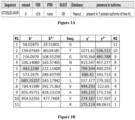
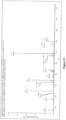
- Figures 1A-1C depict a high quality Ara h1 peptide (SEQ ID NO:70) identified by tryptic digestion followed by MS-MS.
- A depicts the sequence, the number of uncleaved trypsin cleavage sites ("missed"), the percentage of False Discovery Rate (FDR), the number of post-translational modification sites ("PTM”), confirmation in BLAST (Basic Local Alignment Tool) that the identified sequence is unique to the target protein (“BLAST”), the database searched, and the number of isoforms in the database that included the identified sequence.
- B and (C) depict MS-MS data in Table form and graphical form, respectively.
- the present invention is based in part on the development of sensitive analytical methods for measuring and profiling peanut allergens present in a composition, such as an extract or a therapeutic composition, and for determining a release profile, such as an in vitro release profile, from formulated compositions comprising peanut allergens.
- the methods include the detection of peptides that exist in one or more isoforms of one or more allergens in a sample.
- the identification of peptides found in multiple isoforms of a peanut allergen provides qualitative and quantitative information about a sample, which can be indicators of batch-to-batch consistency, and can provide a release profile of antigens stored on or in a substrate, such as a nanoparticle.
- the methods are particularly useful for profiling allergen content in compositions containing a very low amount of peanut allergens.
- Peanut protein allergens include Ara h1, Ara h2, Ara h3, Ara H4, Ara h5, Ara h6, Ara h7, Ara h8, Ara h9, Ara h10, Ara h11, Ara h12, Ara h13, Ara h14, Ara h15, Ara h16 and Ara h17.
- GenBank Accession Numbers for the cDNA sequences of exemplary allergens include L34402.1 (Ara h1), AY007229.1 (Ara h2.0101), AY158467.1 (Ara h2.0201), AF093541.1 (Ara h3.0101), AF086821.1 (Ara h3.0201), AF059616 (Ara h5), AF092846.1 (Ara h6), AF091737.1 (Ara h7), EU046325.1 (AraH7.0201), AY328088.1 (Ara h8.0101), EF436550.1 (Ara h8.0201), EU159429.1 (Ara h9.0101), and EU161278.1 (Ara h9.0201), AY722694.2 (Ara h10.0101), AY722695.1 (Ara h10.0201), DQ097716.1 (Ara h11),
- a signature of allergen digest products in a sample is obtained by digesting peanut allergens present in the sample to generate allergen digest products, fragmenting the allergen digest products to generate peptide fragments, and detecting and identifying the peptide fragments to obtain the signature of allergen digest products.
- an "allergen digest product” refers to a peanut allergen present in an extract or sample that is digested, e.g., using an enzyme (e.g., trypsin, endoproteinase Lys-C, endoproteinase Arg-C and the like) to generate a product that is smaller than the intact allergen.
- allergen digest product also refers to the amino acid sequence of a peptide that would be produced if the peanut allergen were enzymatically digested.
- an “allergen” refers to a subset of antigens (e.g., peanut peptide antigens) which elicit the production of IgE in addition to other isotypes of antibodies.
- antigens e.g., peanut peptide antigens
- allergen naturally allergen
- wild-type allergen may be used interchangeably.
- an "antigen” refers to a molecule (e.g., a peanut peptide) that elicits production of an antibody response (i.e., a humoral response) and/or an antigen-specific reaction with T-cells (i.e., a cellular response) in an animal.
- an antibody response i.e., a humoral response
- an antigen-specific reaction with T-cells i.e., a cellular response
- Non-limiting examples of enzymes, specifically proteases, that are suitable to digest peanut allergens to generate allergen digest products include, but are not limited to, trypsin, endoproteinase Glu-C, endoproteinase Asp-N, chymotrypsin, endoproteinase Lys-C, and endoproteinase Arg-C, pepsin, papain, thermolysin, subtilisin, protease K, bromelain, sulfhydryl-specific protease (ficin) and the like.
- a "peptide fragment,” or “gas phase peptide fragment,” refers to any part or portion of the allergen that is smaller than the intact natural allergen that is generated by a fragmentation method that does not utilize an enzyme. Typically, fragmentation conditions are introduced in the gas phase, e.g., in a mass spectrometer step.
- a peptide fragment is less than 50 amino acids long, e.g., between about 2 and about 50 amino acids in length, between about 6 and about 30 amino acids in length, or between about 15 and about 20 amino acids in length or any values or sub-ranges within these ranges.
- a peptide fragment is about 2, about 3, about 4, about 5, about 6, about 7, about 8, about 9, about 10, about 11, about 12, about 13, about 14, about 15, about 16, about 17, about 18, about 19, about 20, about 21, about 22, about 23, about 24, about 25, about 26, about 27, about 28, about 29, about 30, about 31, about 32, about 33, about 34, about 35, about 36, about 37, about 38, about 39, about 40, about 41, about 42, about 43, about 44, about 45, about 46, about 47, about 48, or about 49 amino acids in length.
- a peptide fragment is generated by fragmenting an allergen digest product, and then using a separation process and a peptide identification method, such as Liquid Chromatography-tandem Mass Spectroscopy (LC-MS-MS), nano-LC-MS-MS, High Performance Liquid Chromatography-tandem MS (HPLC-MS-MS), nanoHPLC-MS-MS, UltraPerformance-tandem MS (UPLC-MS-MS), nanoUPLC-MS-MS, and Ultra High Performance-tandem MS (UHPLC-MS-MS), nanoUHPLC-MS-MS, or the like.
- LC-MS-MS Liquid Chromatography-tandem Mass Spectroscopy
- HPLC-MS-MS High Performance Liquid Chromatography-tandem MS
- UPLC-MS-MS UltraPerformance-tandem MS
- nanoUPLC-MS-MS nanoUPLC-MS-MS
- Ultra High Performance-tandem MS UHPLC-MS-MS
- a method described herein further comprises mass analyzing allergen digest products and/or peptide fragments using a mass analyzer.
- the mass analyzer typically comprises a triple quadrupole mass analyzer.
- the mass analyzer may comprise a mass analyzer selected from the group consisting of: (i) triple quadrupole mass spectrometer, (ii) an orbitrap, such as a Fourier transform orbitrap, such as an Orbitrap ELITE TM (Thermo Scientific); (iii) a Fourier Transform ("FT") mass analyzer; (ii) a Fourier Transform Ion Cyclotron Resonance (“FTICR”) mass analyzer; (iii) a Time of Flight (“TOF”) mass analyzer; (iv) an orthogonal acceleration Time of Flight (“oaTOF”) mass analyzer; (v) an axial acceleration time of flight mass analyzer; (vi) a magnetic sector mass spectrometer; (vii) a Paul or 3D quadrupole mass
- the methods described herein utilize a separation process such as a chromatography method, e.g., liquid chromatography.
- fragmenting the allergen digest products and/or detecting and identifying the peptide fragments is performed by: (i) High Performance Liquid Chromatography ("HPLC"), (ii) anion exchange, (iii) anion exchange chromatography; (iv) cation exchange; (v) cation exchange chromatography; (vi) ion pair reversed-phase chromatography; (vii) chromatography; (viii) single dimensional electrophoresis; (ix) multi-dimensional electrophoresis; (x) size exclusion; (xi) affinity; (xii) reverse phase chromatography; (xiii) Capillary Electrophoresis Chromatography (“CEC”); (xiv) electrophoresis; (xv) ion mobility separation; (xvi) Field Asymmetric Ion Mobility Separation or Spectrome
- the method further comprises ionizing allergen digest products and/or peptide fragments in a sample to be analyzed.
- the ion source may comprise a continuous ion source.
- the ion source may be selected from the group consisting of: (i) an Electrospray ionization ("ESI") ion source; (ii) a Matrix Assisted Laser Desorption Ionization (“MALDI”) ion source; (iii) a Desorption Ionization on Silicon (“DIOS”) ion source; and (iv) a Desorption Electrospray Ionization ("DESI”) ion source.
- ESI Electrospray ionization
- MALDI Matrix Assisted Laser Desorption Ionization
- DIOS Desorption Ionization on Silicon
- DESI Desorption Electrospray Ionization
- the peanut allergen signatures described herein are generally determined by measurement of multiple reaction monitoring (MRM) transitions consisting of the peptide precursor ion, one or more fragment ions and a retention time. This measurement is performed, for example, on a triple quadrupole instrument. The signature can also be obtained by a combination of retention time and accurate high resolution mass spectrometric analysis of the intact peptide. These quantitation methods typically require a labeled internal standard and an external synthetic peptide calibration curve.
- MRM multiple reaction monitoring
- a signature is obtained by a nano-LC/MS/MS (nLC-MS-MS) analysis where as many peptides as possible are fragmented and identified by database analysis and nLC/MS/MS datasets consisting of retention time and mass/charge values and intensity are measured and compared to determine global proteome changes.
- nLC-MS-MS nano-LC/MS/MS
- internal standards are used that include a combination of two or more allergen digest products from protein allergens, such as from one or more of Ara h1, Ara h2, Ara h3, Ara h4, Ara h5, Ara h6, Ara h7, Ara h8, Ara h9, Ara h10, Ara h11, Ara h12, Ara h13, Ara h14, Ara h15, Ara h16 and Ara h17.
- the internal standards typically have a known peptide sequence and are provided in a known quantity.
- the internal standards include a combination of allergen digest products from the peanut allergens Ara h1, Ara h2 and Ara h6. In other embodiments, internal standards are used that include a combination of allergen digest products from Ara h1, Ara h2, Ara h3 and Ara h6. In certain exemplary embodiments, a sample can include one or more internal standards that comprise one or any combination of allergen digest products listed in Tables 19-23. In some embodiments, the standards are labeled, such with one or more heavy isotopes, e.g., 13 C or 15 N.
- the allergen digest products chosen to characterize the composition uniquely represent the peanut allergen or peanut allergen isoform family and are present in the majority or in all isoforms of the allergen it is derived from, enabling its usage for specific quantitation of the allergen in question, e.g., peanut allergens.
- a signature of allergen digest products is generated.
- a "signature,” or “allergenic signature” refers to the presence of a particular combination and amount of specific peanut allergen digest products (e.g., Ara h1, Ara h2, Ara h6 and/or Ara h3 allergen digest products).
- a signature comprises 5, 6, 7, 8, 9, 10, 11, 12, 13, 14, 15, 16, 17, 18, 19, 20, 21, 22, 23, 24, 25, 26, 27, 28, 29, 30, 35, 40, 45, 50, 55, 60, 65, 70, 75, 80, 85, 90, 95, 100 or more distinct allergen digest products, each distinct product having a unique sequence.
- the selection of peptides for use in a peanut allergen signature can be based on the identification of isoforms that include the peptides identified by the steps of digestion and fragmentation.
- a variety of sequence databases can be used to identify the sequences of peanut allergen isoforms, including UniProt (online at uniprot.org, and which includes the Swiss-Prot and TrEMBL databases), the database at Allergen Nomenclature (online at allergen.org), GenBank (online at ncbi.nlm.nih.gov), GeneCards (online at genecards.org), Ensembl (online at ensemble.org), and the like.
- sequence alignment algorithm can be used to identify the isoforms that include the peptides identified following digestion and fragmentation of a sample comprising peanut allergens.
- sequence alignment algorithms include BLAST (online at blast.ncbi.nlm.nih.gov/Blast.cgi), Clustal Omega (online at ebi.ac.uk/Tools/msa/clustalo), and the like.
- the peanut allergen profiling methods can be useful for a variety of purposes.
- the methods described herein are useful for performing batch-to-batch reproducibility assessments in peanut-containing compositions.
- the methods described herein are also useful for measuring the release or leakage of peanut allergens from the surface or interior of a vessel or substrate, such as from a bead or a particle (e.g., a nanoparticle or microparticle), a capsule, a film or a strip (such as, e.g., for sublingual administration of the composition), or a gel (such as a hydrogel).
- the peptide signature includes peptides that include one or more immunogenic epitopes, or one or more immunodominant epitopes of one or more peanut allergens.
- Peptide signatures that comprise immunogenic epitopes or immunodominant epitopes can provide a standard for the immunogenicity of a composition comprising peanut allergens.
- sample refers to any composition containing peanut allergens.
- samples include, but are not limited to, peanut-containing extracts, peanut-containing powders, analytical samples comprising one or more peanut allergens, pharmaceutical compositions (e.g., therapeutic vaccines), dissolution or release media and the like.
- a sample will be aqueous.
- a sample for use in the allergen profiling methods featured in the invention can be a peanut extract, such as an extract made from whole roasted or raw peanuts, or from peanut flour.
- the extract can be for use in a pharmaceutical composition, such as for the treatment or prevention of peanut allergy.
- the extract can be used in a composition for oral immunotherapy (OIT), or sublingual immunotherapy (SLIT), or in a composition for use in a nanoparticle composition, with or without an adjuvant.
- OIT oral immunotherapy
- SLIT sublingual immunotherapy
- nanoparticle composition with or without an adjuvant.
- the amount of peanut allergens in the composition is very low.
- the amount of a particular peanut allergen e.g., Ara h1, Ara h2, Ara h3 and/or Ara h6
- Peanut protein extracts can be made by methods known in the art including defatting and/or filtration methods to produce peanut allergen preparations.
- a sample for use in the allergen profiling methods described herein can be a therapeutic composition, such as a liquid formulation for administration orally, sublingually, mucosally, intradermally, subcutaneously, intravenously, intramuscularly, parenterally or by inhalation.
- a therapeutic composition will be in the form of a film or a strip.
- a sample can include a piece of the film dissolved in a buffer prior to analysis by the allergen profiling methods described herein.
- the sample will include a substrate, such as a nanoparticle, a capsule, a film or tablet, or a gel, such as a hydrogel.
- a substrate such as a nanoparticle, a capsule, a film or tablet, or a gel, such as a hydrogel.
- the allergen profiling methods described herein are useful to assay release of peanut allergens from the substrate, such as, e.g., from a nanoparticle or capsule, or from a film or a hydrogel.
- the release can be from the interior of the substrate, e.g., a particle, or from the exterior (e.g., a surface) of a substrate.
- the release profile is assayed by performing a complete release of peanut allergens and then assaying for a controlled release, such as over a period of time or in different culture or solution conditions (e.g., at different temperatures, pH or the like).
- the amount of allergen released in the controlled release assay is typically reported as a fraction or percentage as compared to the amount of allergen released under the complete release conditions.
- two or more signatures obtained at specific points in time can be used to determine an in vitro release profile of peanut allergens in a sample containing a substrate (e.g., an aqueous sample, e.g., a dissolution or release medium).
- An in vitro release profile can be determined over a period of hours, days or weeks.
- a release profile is obtained over a period of time of about 1, 2, 3, 4, 5, 6, 7, 8, 9, 10, 11, 12, 13, 14, 15, 16, 17, 18, 19, 20, 21, 22, 23 or about 24 hours.
- a release profile is obtained over a period of time of about 1, 2, 3, 4, 5, 6 or about 7 days.
- a release profile is obtained over a period of time of about one week, about two weeks, about three weeks, about four weeks, about five weeks, about six weeks, about seven weeks, or about eight weeks.
- 2, 3, 4, 5, 6, 7, 8, 9, 10, 11, 12, 13, 14, 15, 20, 25, 30, 35, 40, 45, 50 or more signatures are obtained over a particular period of time.
- the release burst of peanut allergens can be assessed within the first 24 hours in evenly spaced time points with sufficient data to determine the burst kinetics followed by the release of the remaining amount of the same allergens from the sample to help assess overall product composition performance.
- the release profile can include types of allergens released from the substrate and/or the relative amounts of allergen released.
- the methods described herein indicate release of allergen from the surface of a substrate, e.g., a nanoparticle, by detecting a burst of peptides in a dissolution or release medium near the start of the assay. If allergen is present in the interior of the substrate, the detection of allergen over time will be more gradual according to the rate of release.
- Allergen that is both present on the surface of a substrate and encapsulated within the substrate may be identified by an initial burst of peptide detection in the dissolution or release medium near the start of the assay, as antigen from the surface is released from the substrate, followed by a more gradual increase in peptide detection in the dissolution or release media as allergen is released (e.g., leaked) from the interior of the substrate.
- dissolution medium As used herein, “dissolution medium,” “dissolution media,” “release medium” and “release media” refer to a composition that is used to provide in vitro drug release information. Dissolution or release media is useful, for example, for quality control testing of a sample for determining the release and/or stability of allergen in the sample. In choosing a suitable dissolution or release medium, it is useful to determine the analytical target profile of the allergen (e.g., delayed release, constant release, extended release and the like) and/or the allergen solubility profile. For a review of dissolution media selection, see Martin and Gray (Summer 2011) Journal of Validation Technology .
- release rate refers to the rate that an entrapped peanut allergen agent flows from a composition and into a surrounding medium in an in vitro release test.
- the composition is first prepared for release testing by placing the composition into the appropriate in vitro release medium. This is generally performed by exchanging the buffer after centrifugation to pellet the substrate (e.g., a synthetic nanocarrier), and reconstituting of the substrate using mild conditions.
- the assay is started by placing the sample at 37° C in an appropriate temperature-controlled apparatus. A sample is typically removed at various time points.
- a "release profile” refers to the types of proteins and/or peptides, e.g., peanut allergens, that are released from a substrate or vessel over time, and may also include the rate at which each particular protein, peptide and/or allergen in or on the substrate or vessel is released.
- Exhibits a pH-sensitive dissociation refers to a coupling between two entities, such as a peanut allergen and a substrate, e.g., a carrier molecule, that is significantly reduced or eliminated by exposure of the two entities to a change in environmental pH.
- relevant pH-sensitive dissociations may satisfy any of the relationships or combinations thereof provided herein.
- a pharmaceutical composition comprises nanocarriers and/or microcarriers, such as synthetic nanocarriers and/or synthetic microcarriers.
- nanocarriers and/or microcarriers such as synthetic nanocarriers and/or synthetic microcarriers.
- synthetic nanocarrier or “synthetic microcarrier” refers to a discrete object that possesses at least one dimension that is less than or equal to 5 microns in size.
- the mass balance is compared between one or more peanut allergens in one or more compositions to be compared, such as in a sampling from a composition over a period of time across different time points, or between different batches made at different times, and/or by different methods.
- the comparative data can be presented as a relative quantitation, and are typically expressed as a fraction or as a percentage.
- compositions containing peanut allergens can generally be formulated with carriers, excipients, and other agents that provide suitable transfer, delivery, tolerance, and the like.
- Exemplary formulations include, for example, powders, pastes, ointments, jellies, waxes, oils, lipids, lipid (cationic or anionic) containing vesicles (such as LIPOFECTIN TM ), anhydrous absorption pastes, oil-in-water and water-in-oil emulsions, emulsions carbowax (polyethylene glycols of various molecular weights), semi-solid gels, and semi-solid mixtures containing carbowax. See also Powell et al. "Compendium of excipients for parenteral formulations" PDA (1998) J. Pharm Sci. Technol. 52:238-311 .
- “Pharmaceutically acceptable excipient” refers to a pharmacologically inactive substance added to a composition (e.g., a therapeutic composition) to further facilitate administration of the composition.
- Pharmaceutically acceptable excipients include, but are not limited to, calcium carbonate, calcium phosphate, various diluents, various sugars and types of starch, cellulose derivatives, gelatin, vegetable oils, polyethylene glycols and the like.
- Dosage form refers to a drug (e.g., one or more peanut allergens) in a medium, carrier, vehicle or device suitable for administration to a subject.
- Effective amount refers to that amount effective for a certain purpose.
- an effective amount is an amount that treats, alleviates, ameliorates, relieves, delays onset of, inhibits progression of, reduces severity of and/or reduces incidence of one or more symptoms or features of a disease, disorder and/or condition provided herein, e.g., a peanut allergy.
- Subject refers an animal, including mammals such as humans and non-human primates; avians; domestic household or farm animals such as cats, dogs, sheep, goats, cattle, horses and pigs; laboratory animals such as mice, rats and guinea pigs; fish; and the like.
- vaccine refers to a composition of matter that improves the immune response to a particular disease or disorder.
- a vaccine typically contains factors that stimulate a subject's immune system to recognize a specific antigen (e.g., a peanut antigen) as foreign and eliminate it from the subject's body.
- a vaccine also establishes an immunologic "memory" such the antigen will be quickly recognized and responded to if a subject is re-challenged.
- Vaccines can be prophylactic (for example to prevent future infection by any pathogen) or therapeutic (for example a vaccine against a peanut antigen for the treatment of peanut allergy).
- administering means providing a drug to a subject in a manner that is pharmacologically useful.
- an “epitope” refers to a binding site including an amino acid motif of between approximately six and fifteen amino acids which can be bound by an immunoglobulin (e.g., IgE, IgG, etc.) or recognized by a T-cell receptor when presented by an APC in conjunction with the major histocompatibility complex (MHC).
- a linear epitope is one where the amino acids are recognized in the context of a simple linear sequence.
- a conformational epitope is one where the amino acids are recognized in the context of a particular three dimensional structure.
- the peanut allergen signatures identified by the methods featured in the invention may comprise one or more peanut epitopes.
- An immunogenic epitope can provoke an immune response in the body, e.g., an allergic response.
- an "immunodominant epitope” refers to an epitope which is bound by antibody in a large percentage of the sensitized population or where the titer of the antibody is high, relative to the percentage or titer of antibody reaction to other epitopes present in the same antigen.
- an immunodominant epitope is bound by antibody in more than 50% of the sensitive population, more preferably more than 60%, 70%, 80%, 90%, 95%, or 99% of the sensitive population.
- the peanut allergen signatures identified by the methods featured in the invention will typically comprising one or more peanut immunodominant epitopes.
- the profiling method was dependent on the digest reproducibility and digest efficiency for the protein of interest in a complex protein mixture. Not all proteolytic peptides are good candidates for quantitation, and whereas good ionization efficiency and consistent tryptic cleavage, as well as low probability of the peptide harboring post-translational modification, are important aspects of the selection process, issues such as interference from other peptides and other matrix effects in a complex digest, are more difficult to predict.
- a series of both heavy isotope labeled peptides and non-labeled synthetic versions of the selected peptides were procured and used as internal standards and for buffer calibration curves, respectively.
- Peanut extracts prepared from lightly roasted peanut flour (Golden Peanut and Tree Nuts, Alpharetta, GA) were digested in quadruplicate with trypsin, and then a standard was added to the digested sample.
- the standard contained two Ara h1 peptides, two Ara h2 peptides, two Ara h3 peptides, and two Ara h6 peptides.
- the peptides in the internal standard were labeled with one or both of 13 C and 15 N.
- the sequences of the internal standards are provided in Tables 1 and 2 below. Table 1.
- Ara h6 contains methionine, which is undesirable but difficult to avoid as Ara h6 contains an unusually high content of S-containing amino acids.
- Ara h3 contains N-terminal "missed" cleavage sites that have been found to be stable. Often, tryptic cleavage sites that are very close to each other will result in preferential cleavage of one of the sites, not both.
- the internal standards were used to quantitate the digested products. Buffer calibration curves of synthetic unlabeled signature peptides were generated with heavy isotope-labeled internal standards added to both the peanut extract digest and the calibration curve. Relative quantification was performed applying the internal standard and calibration curve to determine the relative amount of signature peptides in the peanut extract digest.
- the samples containing the digested test allergens and the standards were analyzed by nanoHPLC-MS-MS gas phase fragmentation (Orbitrap ELITE TM , ThermoScientific).
- nanoHPLC-MS-MS gas phase fragmentation Orbitrap ELITE TM , ThermoScientific.
- One sample (out of the four total) was analyzed three times, and the remaining three samples were analyzed one time, to generate a total of six data files. These data files were analyzed by Proteome Discoverer TM Software (Thermo Scientific). Applying the top-15 method to identify the most abundant proteins assured that peptides of high ionization and fragmentation efficiency would be identified in a consistent manner across the data sets.
- Ara h1, Ara h2, Ara h3 and Ara h6 represent the major peanut allergens. Table 3. Ara h1 isoforms detected in peanut flour. Peanut Allergen UniProt Ref Peak Identified by nanoHPLC-MS-MS Ara h 1 B3IXL2 No Ara h 1 E5G076 Yes Ara h 1 N1NEW2 No Arah 1 N1NG13 No Arah 1 P43237 Yes Arah 1 Q6PSU3 Yes Ara h 1 Q6PSU4 Yes Ara h 1 Q6PSU5 Yes Ara h 1 Q6PSU6 Yes Ara h 1.0101 P43238 Yes Table 4. Ara h2 isoforms detected in peanut flour.
- Ara h5 isoforms identified in peanut flour Peanut Allergen UniProt Ref Peak Identified by nanoHPLC-MS-MS Ara h 5 D3K177 Yes Ara h 5 L7QH52 Yes Ara h 5 Q5XXQ5 Yes Ara h 5.0101 Q9SQI9 Yes Table 7.
- Ara h6 isoforms identified in peanut flour Peanut Allergen UniProt Ref Peak Identified by nanoHPLC-MS-MS Ara h 6 A1DZE9 Yes Ara h 6 ASZ1R0 No Ara h 6.0101 Q647G9 Yes Table 8.
- Ara h7 isoforms identified in peanut flour Peanut Allergen UniProt Ref Peak Identified by nanoHPLC-MS-MS Ara h 7 Q647G8 Yes Ara h 7.0101 Q9SQH1 Yes Ara h 7.0201 B4XID4 Yes Table 9.
- Ara h8 isoforms identified in peanut flour Peanut Allergen UniProt Ref Peak Identified by nanoHPLC-MS-MS Ara h 8 B1PYZ4 Yes Ara h 8 B2ZGS2 Yes Ara h 8 Q0PKR4 Yes Ara h 8 Q2YHR1 Yes Ara h 8.0101 Q6VT83 Yes Ara h 8.0201 B0YIU5 Yes Table 10.
- Ara h9 isoforms identified in peanut flour Peanut Allergen UniProt Ref Peak Identified by nanoHPLC-MS-MS Ara h 9.0101 B6CEX8 Yes Ara h 9.0201 B6CG41 Yes Table 11.
- Ara h10 isoforms identified in peanut flour. Peanut Allergen UniProt Ref Peak Identified by nanoHPLC-MS-MS Ara h 10.0101 Q647G5 Yes Ara h 10.0102 Q647G4 Yes Table 12.
- Ara h11 isoforms identified in peanut flour. Peanut Allergen UniProt Ref Peak Identified by nanoHPLC-MS-MS Ara h 11.0101 Q45W87 Yes Ara h 11.0102 Q45W86 Yes Table 13.
- Ara h12 isoforms identified in peanut flour. Peanut Allergen UniProt Ref Peak Identified by nanoHPLC-MS-MS Ara h 12.0101 EY396089 No Table 14. Ara h13 isoforms identified in peanut flour. Peanut Allergen UniProt Ref Peak Identified by nanoHPLC-MS-MS Ara h 13.0101 EY396019 No Table 15. Ara h14 isoforms identified in peanut flour. Peanut Allergen UniProt Ref Peak Identified by nanoHPLC-MS-MS Ara h 14.0101 Q9AXI1 Yes Ara h 14.0102 Q9AXI0 Yes Ara h 14.0103 Q6J1J8 Yes Table 16.
- Ara h15 isoforms identified in peanut flour. Peanut Allergen UniProt Ref Peak Identified by nanoHPLC-MS-MS Ara h 15.0101 Q647G3 Yes Table 17. Ara h Agglutinin isoforms identified in peanut flour. Peanut Allergen UniProt Ref Peak Identified by nanoHPLC-MS-MS Ara h Agglutinin P02872 Yes Ara h Agglutinin Q38711 Yes Ara h Agglutinin Q43373 Yes Ara h Agglutinin Q43375 Yes Ara h Agglutinin Q8W0P8 Yes Table 18. Ara h hypothetical isoforms identified in peanut flour.
- Peptides of the major allergens are identified to form a collection of peptides for use as an indicator of peanut allergen content in a composition (e.g., a "peanut peptide signature").
- An ideal peptide signature utilizes peptides that represent completely cleaved true tryptic digest products (with the possible exception of peptides that contain sequential arginine and/or lysine residues), where one or the other cleavage site is typically preferentially cleaved.
- Selected peptides also typically have sequence conservation with a False Discovery Rate (FDR) of less than 1%, and sequence conservation across multiple isoforms.
- FDR False Discovery Rate
- selected peptides typically have no or minimal post-translational modifications, including oxidation and glycosylation, and have high detection quality based on manual curation of tandem mass spectrometry (MS-MS). Isoforms are represented by genetic variations, including peptides generated by truncated or deleted sequences.
- MS-MS tandem mass spectrometry
- An example of a high quality peptide as identified by MS-MS is the Ara h1 peptide illustrated in Figures 1A to 1C .
- Ara hlk heterogeneity was determined by comparing sequence variations in the UniProt database records.
- Exemplary Ara h1 allergen digest products identified from UniProt reference P43238 are shown in Table 19. Sequences from other UniProt Ara h1 records were also compared (see Table 20).
- Preferred Ara h1 allergen digest products were selected as being useful in a peanut allergen signature based on: 1) preferentially zero missed tryptic cleavage sites; 2) presence in all sequences with a False Discovery Rate (FDR) of less than 1%; 3) no or minimal post-translational modification sites; 4) high quality fragments as determined by manual curation of tandem Mass Spectroscopy (MS-MS) data; 5) an indication by BLAST search that the sequence is unique within the peanut proteome; and 6) presence of the sequence a maximum number of isoforms.
- FDR False Discovery Rate
- Ara h3 Sequences Identified in Prepared Peanut Extract Ara h3 Peptide Sequence # Appearance in 16 UniProt References UniProt Reference Nos RPFYSNAPQEIFIQQGR (SEQ ID NO:199) 12 Q5I6T2, B5TYU1, Q9FZ11, A1DZF1, O82580, Q8LL03, Q9SQH7, Q647H4, Q6T2T4, Q8LKN1, Q647H3, A1DZF0 AHVQVVDSNGNR (SEQ ID NO:200) 10 Q5I6T2, B5TYU1, Q9FZ11, 082580, Q0GM57, E5G077, Q9SQH7, Q647H3, Q6IWG5, A1DZF0 FNLAGNHEQEFLR (SEQ ID NO:201) 10 Q5I6T2, B5TYU1, Q9FZ11, Q8LL03, Q9SQH7, Q647H4, Q
- Ara h6 Sequences Identified in Prepared Peanut Extract Ara h6 Peptide Sequence # Appearance in 2 UniProt References UniProt Reference Nos IMGEQEQYDSYDIR (SEQ ID NO:236) 2 Q647G9, A1DZE9 QMVQQFK (SEQ ID NO:237) 1 Q647G9
Landscapes
- Life Sciences & Earth Sciences (AREA)
- Health & Medical Sciences (AREA)
- Engineering & Computer Science (AREA)
- Molecular Biology (AREA)
- Physics & Mathematics (AREA)
- Hematology (AREA)
- Bioinformatics & Cheminformatics (AREA)
- Bioinformatics & Computational Biology (AREA)
- Chemical & Material Sciences (AREA)
- Urology & Nephrology (AREA)
- Biomedical Technology (AREA)
- Immunology (AREA)
- Spectroscopy & Molecular Physics (AREA)
- Biochemistry (AREA)
- Biotechnology (AREA)
- Microbiology (AREA)
- Proteomics, Peptides & Aminoacids (AREA)
- Biophysics (AREA)
- Food Science & Technology (AREA)
- Medicinal Chemistry (AREA)
- Analytical Chemistry (AREA)
- Cell Biology (AREA)
- General Health & Medical Sciences (AREA)
- General Physics & Mathematics (AREA)
- Pathology (AREA)
- Peptides Or Proteins (AREA)
- Medicines Containing Antibodies Or Antigens For Use As Internal Diagnostic Agents (AREA)
- Coloring Foods And Improving Nutritive Qualities (AREA)
- Seeds, Soups, And Other Foods (AREA)
- Other Investigation Or Analysis Of Materials By Electrical Means (AREA)
Abstract
Description
- This application claims the benefit of
U.S. Provisional Application No. 62/272,094, filed December 29, 2015 French Patent Application No. 163306642.6, filed December 8, 2016 - The present invention relates to methods for characterizing e.g., determining release profiles, allergen signatures and the like, of therapeutic compositions comprising peanut allergens for use in treating, alleviating or otherwise reducing peanut allergy in a subject.
- Peanut allergy develops when the body's immune system has an abnormal hypersensitivity response to one or more peanut allergens. Peanut allergy is one of the most common food allergies in both children and adults. It receives particular attention because it is relatively common, typically lifelong, and can cause severe allergic reactions. Peanut allergy is the leading cause of anaphylaxis and death due to food allergy. It can lead to significant burden on patients and their families. Peanut is a common food ingredient making strict avoidance difficult. Therefore, there is a relatively high rate of accidental peanut ingestion for those trying to avoid peanuts. For these reasons, peanut allergy has become an important public health issue.
- Research is currently underway focused on the development of compositions for the treatment of peanut allergy. Methods are needed for determining in vitro peanut allergen release data of known and newly developed compositions, both for quality control and to predict in vivo release profiles.
- The present invention is based in part on the discovery of highly sensitive methods to determine release profiles of allergens and/or to determine allergenic signatures of compositions comprising allergens. The methods described herein provide the sensitivity and accuracy needed to profile peanut allergens present in a sample, such as a protein extract, a therapeutic composition, or a dissolution or release medium and to allow measurement of low level, relevant allergens present in the sample. In exemplary embodiments, the methods include the step of detecting allergen digest products that exist in one or more isoforms of one or more allergens in the sample. The identification of allergen digest products found in multiple isoforms of a peanut allergen provides qualitative and quantitative information about a sample, which can be indicators of batch-to-batch consistency, and can provide a release profile of allergens stored on or in a substrate, such as, e.g., a nanoparticle.
- In one aspect, the invention features a highly sensitive method for determining a signature of peanut allergens in a composition. The method includes the step of digesting peanut allergens present in a composition (e.g., medium or other sample) from the composition to generate allergen digest products, fragmenting the allergen digest products to generate peptide fragments, detecting and identifying the allergen digest products by mass spectrometry, and determining the signature of peanut allergens in the composition. In particular embodiments, the methods are used to determine a signature of one or more peanut allergens that are present in low concentrations in a composition. The signature includes the type and quantity (e.g., relative quantity) of allergens in the composition.
- In certain embodiments, the composition is an aqueous medium, such as an aqueous pharmaceutical composition, an analytical sample, a dissolution medium or a release medium. In some embodiments, the total amount of peanut allergens in the composition is very low. For example, the amount of a particular peanut allergen (e.g., Ara h1, Ara h2, Ara h3 or Ara h6), may be less than about 2 µg/ml, less than about 1.5 µg/ml, less than about 1 µg/ml or less than about 0.5 µg/ml, e.g., about 0.2 µg/ml.
- In some embodiments, the method further comprises the step of comparing a peanut allergen signature to a signature standard. The signature standard can be a peptide profile set by a regulatory authority, such as the FDA (Food and Drug Administration) or EMA (European Medicines Association), a peptide profile established by industry standards, or a profile set by expectations as determined by repeated experimentation. The signature standard can specify the types and relative amounts of peanut allergens that are expected to be found in a sample.
- In certain exemplary embodiments, the allergen digest products are between about 4 amino acids and about 50 amino acids in length, between about 6 amino acids and about 30 amino acids in length, or between about 15 amino acids and about 20 amino acids in length, or are about 15, 16, 17, 18, 19 or 20 amino acids in length
- In certain exemplary embodiments, the steps of fragmenting the allergen digest products and detecting the peptide fragments are performed by a method that includes tandem mass spectrometry, such as Liquid Chromatography-tandem Mass Spectroscopy (LC-MS-MS), nano tandem Mass Spectroscopy (nanoLC-MS-MS) or nano High Performance Liquid Chromatography-tandem Mass Spectroscopy (nanoHPLC-MS-MS).
- In certain exemplary embodiments, the signature (e.g., peanut allergen signature and/or signature standard) comprises one or more Ara h1 allergen digest products having an amino acid sequence selected from the group consisting of SEQ ID NO:17, SEQ ID NO:70, SEQ ID NO:177, SEQ ID NO:155, SEQ ID NO:93 and SEQ ID NO:40. In some embodiments, the signature comprises allergen digest products from Ara h1, Ara h2 and Ara h6. In other embodiments, the signature comprises allergen digest products from Ara h1, Ara h2, Ara h3 and Ara h6. In some embodiments, the signature includes one or more allergen digest products having amino acid sequences selected from the group consisting of SEQ ID NO:17, SEQ ID NO:70, SEQ ID NO:177, SEQ ID NO:197, SEQ ID NO:198, SEQ ID NO:199, SEQ ID NO:200, SEQ ID NO:201, SEQ ID NO:236 and SEQ ID NO:237. In some embodiments, the signature includes one or more allergen digest products having amino acid sequences selected from the group consisting of SEQ ID NO:17, SEQ ID NO:70, SEQ ID NO:197, SEQ ID NO:198, SEQ ID NO:199, SEQ ID NO:200, SEQ ID NO:201, SEQ ID NO:236 and SEQ ID NO:237.
- In some embodiments, allergen digest products suitable for use in establishing a peanut allergen profile are present in more than one isoform of a peanut allergen, such as in 2, 3, 4, 5, 6, 7, 8, 10, 12, 14, 16 or more isoforms of a particular allergen (e.g., an Ara h protein or polypeptide). For example, an allergen digest product suitable for use in a peanut allergen signature profile can be present in one or any combination of in 2, 3, 4, 5, 6, 7, 8 or more of isoforms of Ara h1, in 2, 3, 4, 5, 6, 7, 8 or more of isoforms of Ara h2, in 2, 3, 4, 5, 6, 7, 8 or more of isoforms of Ara h3, and/or in 2, 3, 4, 5, 6, 7, 8 or more of isoforms of Ara h6. In some embodiments, an allergen digest product suitable for use in a peanut allergen signature profile is present in all isoforms of one or more peanut allergens.
- In certain exemplary embodiments, peanut allergens are digested with one or more proteases. For example, peanut allergens may be digested with one or more proteases selected from the group consisting of trypsin, endoproteinase Lys-C and endoproteinase Arg-C.
- In certain exemplary embodiments, a composition comprising peanut allergens further comprises an internal standard. For example, in some embodiments, the internal standard comprises one or more heavy isotopes, such as 13C and/or 15N. In certain embodiments, the internal standard is not a full-length allergen, but is instead a fragment of the peptide. The fragment is typically less than 50 amino acids long (such as, e.g., between about 4 and about 50 amino acids long, between about 6 and about 30 amino acids long, or between about 10 and about 20 amino acids long). In some embodiments, the fragment has the sequence of an expected or predicted allergen digest product. In one embodiment, the internal standard is comprised of multiple peanut allergen peptides, each labeled at the C-terminus with a heavy isotope. For example, an exemplary internal standard can comprise any combination of two or more isotope-labeled fragments of an Ara h1 peptide, two or more isotope-labeled fragments of an Ara h2 peptide, two or more isotope-labeled fragments of an Ara h3 peptide and two or more isotope-labeled fragments of an Ara h6 peptide. In one embodiment, a composition comprising peanut antigens is digested with trypsin, a standard mix comprising 13C and/or 15N-labeled peanut allergen peptides is added to the digested mix, and then the composition is assayed by fragmentation, e.g., by mass spectrometry, such as e.g., LC-MS, or LC-MS-MS.
- In certain exemplary embodiments, a signature comprises allergen digest products that do not contain missed proteolytic cleavage sites.
- In another aspect, the invention features a method for determining a release profile, e.g., an in vitro release profile, of a composition comprising one or more peanut allergens. In one embodiment, the method includes obtaining one or more samples from the composition at each of a plurality of time points, digesting the peanut allergens present in the one or more samples to generate allergen digest products, fragmenting the allergen digest products to generate peptide fragments, and detecting the peptide fragments for at least two of the plurality of time points to determine the release profile of the peanut allergens. The composition can be, for example, a peanut extract, a therapeutic composition comprising peanut allergens, a dissolution medium or an analytical sample. In some embodiments the composition is an aqueous medium. In some embodiments, the amount of peanut allergens in the composition is very low. For example, the amount of a particular peanut allergen (e.g., Ara h1, Ara h2, Ara h3 or Ara h6), may be less than about 2 µg/ml, less than about 1.5 µg/ml, less than about 1 µg/ml or less than about 0.5 µg/ml, e.g., about 0.2 µg/ml, or are about 15, 16, 17, 18, 19 or 20 amino acids in length. In some embodiments, allergens in a sample taken from a composition are digested to produce allergen digest products between about 4 amino acids and about 50 amino acids in length, between about 6 amino acids and about 30 amino acids in length, or between about 15 amino acids and about 20 amino acids in length. The pattern of allergen digest products obtained after digestion creates a peptide signature for the sample.
- In some embodiments, the steps of fragmenting the allergen digest products and detecting the peptide fragments include one or more of a separation method and a peptide detection method. For example, in some embodiments, the steps of detecting and identifying the peptide fragments include performing methods such as LC-MS-MS, nano-LC-MS-MS, HPLC-MS-MS, or nanoHPLC-MS-MS. In some embodiments, the peptide signature includes a collection of fragments from one or more of peanut proteins Ara h1, Ara h2, Ara h3, Ara h4, Ara h5, Ara h6, Ara h7, Ara h8, Ara h9, Ara h10, Ara h11, Ara h12 and Ara h13.
- In some embodiments, a peptide signature includes one or more Ara h1 allergen digest products having amino acid sequences selected from the group consisting of SEQ ID NO:17, SEQ ID NO:70, SEQ ID NO:177, SEQ ID NO:155, SEQ ID NO:93 and SEQ ID NO:40.
- In some embodiments, the peptide signature comprises one or more allergen digest products from any combination of Ara h1, Ara h2 and Ara h6, or one or more allergen digest products from any combination of Ara h1, Ara h2, Ara h3 and Ara h6.
- In some embodiments, the signature comprises one or more allergen digest products having amino acid sequences selected from the group consisting of SEQ ID NO:17, SEQ ID NO:70, SEQ ID NO:177, SEQ ID NO:197, SEQ ID NO:198, SEQ ID NO:199, SEQ ID NO:200, SEQ ID NO:201, SEQ ID NO:236 and SEQ ID NO:237.
- In certain embodiments, allergen digest products are present in more than one isoform of a peanut allergen, such as in one, two, three, four or all isoforms of a peanut allergen, such as in one, two, three, four or all isoforms of Ara h1. In one embodiment, the allergen digest products are in more than one peanut allergen isoform.
- In certain exemplary embodiments, the peanut allergens are digested with one or more proteases, such as one or more proteases selected from the group consisting of trypsin, endoproteinase Lys-C and endoproteinase Arg-C.
- In certain embodiments, a sample, e.g., a sample taken from an extract or pharmaceutical composition, further comprises an internal standard. An internal standard is typically a peptide having the sequence of an expected or predicted allergen digest product, and is typically less than about 50 amino acids long (such as between about 4 and about 50 amino acids long, between about 6 and about 30 amino acids long, or between about 10 and about 20 amino acids long or about 10, about 11, about 12, about 13, about 14, about 15, about 16, about 17, about 18, about 19 or about 20 amino acids long). The internal standard can be added to the composition prior to sampling, and/or added to the sample prior to the enzymatic digestion step. In certain exemplary embodiments, the internal standard comprises one or more heavy isotopes, such as, e.g., 13C and/or 15N.
- In some embodiments, the signature comprises allergen digest products that do not contain missed (uncleaved) proteolytic cleavage sites.
- In some embodiments, the composition comprises a particle that encases the allergens and/or has allergens bound to the surface. The particle can be, for example, a nanoparticle, a microparticle, a film, a capsule or a hydrogel.
- In some embodiments, the release profile is obtained over a period of time, such as, e.g., over a period of hours, e.g., a three-hour period of time, a six-hour period of time, a twelve-hour period of time, or a twenty-four hour period of time.
- The foregoing and other features and advantages of the present invention will be more fully understood from the following detailed description of illustrative embodiments taken in conjunction with the accompanying drawings.
-
Figures 1A-1C depict a high quality Ara h1 peptide (SEQ ID NO:70) identified by tryptic digestion followed by MS-MS. (A) depicts the sequence, the number of uncleaved trypsin cleavage sites ("missed"), the percentage of False Discovery Rate (FDR), the number of post-translational modification sites ("PTM"), confirmation in BLAST (Basic Local Alignment Tool) that the identified sequence is unique to the target protein ("BLAST"), the database searched, and the number of isoforms in the database that included the identified sequence. (B) and (C) depict MS-MS data in Table form and graphical form, respectively. - The present invention is based in part on the development of sensitive analytical methods for measuring and profiling peanut allergens present in a composition, such as an extract or a therapeutic composition, and for determining a release profile, such as an in vitro release profile, from formulated compositions comprising peanut allergens. The methods include the detection of peptides that exist in one or more isoforms of one or more allergens in a sample. The identification of peptides found in multiple isoforms of a peanut allergen provides qualitative and quantitative information about a sample, which can be indicators of batch-to-batch consistency, and can provide a release profile of antigens stored on or in a substrate, such as a nanoparticle. The methods are particularly useful for profiling allergen content in compositions containing a very low amount of peanut allergens.
- As used herein, the terms "peanut," "groundnut" and "Arachis hypogea" are used interchangeably, and refer to a legume belonging to the Leguminosae family and the Papillionacea subfamily. Over 17 different peanut allergens have been identified. Peanut protein allergens include Ara h1, Ara h2, Ara h3, Ara H4, Ara h5, Ara h6, Ara h7, Ara h8, Ara h9, Ara h10, Ara h11, Ara h12, Ara h13, Ara h14, Ara h15, Ara h16 and Ara h17. GenBank Accession Numbers for the cDNA sequences of exemplary allergens include L34402.1 (Ara h1), AY007229.1 (Ara h2.0101), AY158467.1 (Ara h2.0201), AF093541.1 (Ara h3.0101), AF086821.1 (Ara h3.0201), AF059616 (Ara h5), AF092846.1 (Ara h6), AF091737.1 (Ara h7), EU046325.1 (AraH7.0201), AY328088.1 (Ara h8.0101), EF436550.1 (Ara h8.0201), EU159429.1 (Ara h9.0101), and EU161278.1 (Ara h9.0201), AY722694.2 (Ara h10.0101), AY722695.1 (Ara h10.0201), DQ097716.1 (Ara h11), EY396089.1 (Ara h12), EY396019.1 (AraH13), AAK13449 (Ara h14.0101), AAK13450 (Ara h14.0102), AAT11925 (Ara h14.0103), AAU21501 (Ara h15.0101), respectively (see, e.g., Leon et al., The peanut allergy epidemic: allergen molecular characterization and prospects for specific therapy. Expert Rev. Mol. Med. Vol. 9, ; see also Arkwright et al., IgE Sensitization to the Nonspecific Lipid-Transfer ; see url address allergen.org/search.php?allergensource=Arachis+hypogaea).
- In an exemplary embodiment, a signature of allergen digest products in a sample is obtained by digesting peanut allergens present in the sample to generate allergen digest products, fragmenting the allergen digest products to generate peptide fragments, and detecting and identifying the peptide fragments to obtain the signature of allergen digest products. As used herein, an "allergen digest product" refers to a peanut allergen present in an extract or sample that is digested, e.g., using an enzyme (e.g., trypsin, endoproteinase Lys-C, endoproteinase Arg-C and the like) to generate a product that is smaller than the intact allergen. The term "allergen digest product" also refers to the amino acid sequence of a peptide that would be produced if the peanut allergen were enzymatically digested.
- As used herein, an "allergen" refers to a subset of antigens (e.g., peanut peptide antigens) which elicit the production of IgE in addition to other isotypes of antibodies. The terms "allergen," "natural allergen," and "wild-type allergen" may be used interchangeably.
- As used herein, an "antigen" refers to a molecule (e.g., a peanut peptide) that elicits production of an antibody response (i.e., a humoral response) and/or an antigen-specific reaction with T-cells (i.e., a cellular response) in an animal.
- Non-limiting examples of enzymes, specifically proteases, that are suitable to digest peanut allergens to generate allergen digest products include, but are not limited to, trypsin, endoproteinase Glu-C, endoproteinase Asp-N, chymotrypsin, endoproteinase Lys-C, and endoproteinase Arg-C, pepsin, papain, thermolysin, subtilisin, protease K, bromelain, sulfhydryl-specific protease (ficin) and the like.
- As used herein, a "peptide fragment," or "gas phase peptide fragment," refers to any part or portion of the allergen that is smaller than the intact natural allergen that is generated by a fragmentation method that does not utilize an enzyme. Typically, fragmentation conditions are introduced in the gas phase, e.g., in a mass spectrometer step. In certain exemplary embodiments, a peptide fragment is less than 50 amino acids long, e.g., between about 2 and about 50 amino acids in length, between about 6 and about 30 amino acids in length, or between about 15 and about 20 amino acids in length or any values or sub-ranges within these ranges. In certain exemplary embodiments, a peptide fragment is about 2, about 3, about 4, about 5, about 6, about 7, about 8, about 9, about 10, about 11, about 12, about 13, about 14, about 15, about 16, about 17, about 18, about 19, about 20, about 21, about 22, about 23, about 24, about 25, about 26, about 27, about 28, about 29, about 30, about 31, about 32, about 33, about 34, about 35, about 36, about 37, about 38, about 39, about 40, about 41, about 42, about 43, about 44, about 45, about 46, about 47, about 48, or about 49 amino acids in length.
- In certain exemplary embodiments, a peptide fragment is generated by fragmenting an allergen digest product, and then using a separation process and a peptide identification method, such as Liquid Chromatography-tandem Mass Spectroscopy (LC-MS-MS), nano-LC-MS-MS, High Performance Liquid Chromatography-tandem MS (HPLC-MS-MS), nanoHPLC-MS-MS, UltraPerformance-tandem MS (UPLC-MS-MS), nanoUPLC-MS-MS, and Ultra High Performance-tandem MS (UHPLC-MS-MS), nanoUHPLC-MS-MS, or the like.
- According to certain exemplary embodiments, a method described herein further comprises mass analyzing allergen digest products and/or peptide fragments using a mass analyzer. The mass analyzer typically comprises a triple quadrupole mass analyzer. According to other embodiments the mass analyzer may comprise a mass analyzer selected from the group consisting of: (i) triple quadrupole mass spectrometer, (ii) an orbitrap, such as a Fourier transform orbitrap, such as an Orbitrap ELITE™ (Thermo Scientific); (iii) a Fourier Transform ("FT") mass analyzer; (ii) a Fourier Transform Ion Cyclotron Resonance ("FTICR") mass analyzer; (iii) a Time of Flight ("TOF") mass analyzer; (iv) an orthogonal acceleration Time of Flight ("oaTOF") mass analyzer; (v) an axial acceleration time of flight mass analyzer; (vi) a magnetic sector mass spectrometer; (vii) a Paul or 3D quadrupole mass analyzer; (viii) a 2D or linear quadrupole mass analyzer; (ix) a Penning trap mass analyzer; (x) an ion trap mass analyzer; and (xiii) an electrostatic Fourier transform mass spectrometer.
- In certain exemplary embodiments, the methods described herein utilize a separation process such as a chromatography method, e.g., liquid chromatography. According to an embodiment, fragmenting the allergen digest products and/or detecting and identifying the peptide fragments is performed by: (i) High Performance Liquid Chromatography ("HPLC"), (ii) anion exchange, (iii) anion exchange chromatography; (iv) cation exchange; (v) cation exchange chromatography; (vi) ion pair reversed-phase chromatography; (vii) chromatography; (viii) single dimensional electrophoresis; (ix) multi-dimensional electrophoresis; (x) size exclusion; (xi) affinity; (xii) reverse phase chromatography; (xiii) Capillary Electrophoresis Chromatography ("CEC"); (xiv) electrophoresis; (xv) ion mobility separation; (xvi) Field Asymmetric Ion Mobility Separation or Spectrometry ("FAIMS"); (xvii) capillary electrophoresis; and (xviii) supercritical fluid chromatography.
- According to certain exemplary embodiments, the method further comprises ionizing allergen digest products and/or peptide fragments in a sample to be analyzed. The ion source may comprise a continuous ion source. According to an embodiment, the ion source may be selected from the group consisting of: (i) an Electrospray ionization ("ESI") ion source; (ii) a Matrix Assisted Laser Desorption Ionization ("MALDI") ion source; (iii) a Desorption Ionization on Silicon ("DIOS") ion source; and (iv) a Desorption Electrospray Ionization ("DESI") ion source.
- The peanut allergen signatures described herein are generally determined by measurement of multiple reaction monitoring (MRM) transitions consisting of the peptide precursor ion, one or more fragment ions and a retention time. This measurement is performed, for example, on a triple quadrupole instrument. The signature can also be obtained by a combination of retention time and accurate high resolution mass spectrometric analysis of the intact peptide. These quantitation methods typically require a labeled internal standard and an external synthetic peptide calibration curve. In one embodiment, a signature is obtained by a nano-LC/MS/MS (nLC-MS-MS) analysis where as many peptides as possible are fragmented and identified by database analysis and nLC/MS/MS datasets consisting of retention time and mass/charge values and intensity are measured and compared to determine global proteome changes.
- In certain exemplary embodiments, internal standards are used that include a combination of two or more allergen digest products from protein allergens, such as from one or more of Ara h1, Ara h2, Ara h3, Ara h4, Ara h5, Ara h6, Ara h7, Ara h8, Ara h9, Ara h10, Ara h11, Ara h12, Ara h13, Ara h14, Ara h15, Ara h16 and Ara h17. The internal standards typically have a known peptide sequence and are provided in a known quantity. In some embodiments, the internal standards include a combination of allergen digest products from the peanut allergens Ara h1, Ara h2 and Ara h6. In other embodiments, internal standards are used that include a combination of allergen digest products from Ara h1, Ara h2, Ara h3 and Ara h6. In certain exemplary embodiments, a sample can include one or more internal standards that comprise one or any combination of allergen digest products listed in Tables 19-23. In some embodiments, the standards are labeled, such with one or more heavy isotopes, e.g., 13C or 15N.
- In certain embodiments, the allergen digest products chosen to characterize the composition uniquely represent the peanut allergen or peanut allergen isoform family and are present in the majority or in all isoforms of the allergen it is derived from, enabling its usage for specific quantitation of the allergen in question, e.g., peanut allergens. Accordingly, in certain exemplary embodiments, a signature of allergen digest products is generated. As used herein, a "signature," or "allergenic signature" refers to the presence of a particular combination and amount of specific peanut allergen digest products (e.g., Ara h1, Ara h2, Ara h6 and/or Ara h3 allergen digest products). In certain exemplary embodiments, a signature comprises 5, 6, 7, 8, 9, 10, 11, 12, 13, 14, 15, 16, 17, 18, 19, 20, 21, 22, 23, 24, 25, 26, 27, 28, 29, 30, 35, 40, 45, 50, 55, 60, 65, 70, 75, 80, 85, 90, 95, 100 or more distinct allergen digest products, each distinct product having a unique sequence.
- The selection of peptides for use in a peanut allergen signature can be based on the identification of isoforms that include the peptides identified by the steps of digestion and fragmentation. A variety of sequence databases can be used to identify the sequences of peanut allergen isoforms, including UniProt (online at uniprot.org, and which includes the Swiss-Prot and TrEMBL databases), the database at Allergen Nomenclature (online at allergen.org), GenBank (online at ncbi.nlm.nih.gov), GeneCards (online at genecards.org), Ensembl (online at ensemble.org), and the like.
- Any sequence alignment algorithm can be used to identify the isoforms that include the peptides identified following digestion and fragmentation of a sample comprising peanut allergens. Exemplary sequence alignment algorithms include BLAST (online at blast.ncbi.nlm.nih.gov/Blast.cgi), Clustal Omega (online at ebi.ac.uk/Tools/msa/clustalo), and the like.
- The peanut allergen profiling methods can be useful for a variety of purposes. For example, the methods described herein are useful for performing batch-to-batch reproducibility assessments in peanut-containing compositions. The methods described herein are also useful for measuring the release or leakage of peanut allergens from the surface or interior of a vessel or substrate, such as from a bead or a particle (e.g., a nanoparticle or microparticle), a capsule, a film or a strip (such as, e.g., for sublingual administration of the composition), or a gel (such as a hydrogel).
- In some embodiments, the peptide signature includes peptides that include one or more immunogenic epitopes, or one or more immunodominant epitopes of one or more peanut allergens. Peptide signatures that comprise immunogenic epitopes or immunodominant epitopes can provide a standard for the immunogenicity of a composition comprising peanut allergens.
- As used herein, a "sample" refers to any composition containing peanut allergens. Exemplary samples include, but are not limited to, peanut-containing extracts, peanut-containing powders, analytical samples comprising one or more peanut allergens, pharmaceutical compositions (e.g., therapeutic vaccines), dissolution or release media and the like. In typical embodiments, a sample will be aqueous.
- A sample for use in the allergen profiling methods featured in the invention can be a peanut extract, such as an extract made from whole roasted or raw peanuts, or from peanut flour. The extract can be for use in a pharmaceutical composition, such as for the treatment or prevention of peanut allergy. The extract can be used in a composition for oral immunotherapy (OIT), or sublingual immunotherapy (SLIT), or in a composition for use in a nanoparticle composition, with or without an adjuvant. By assessing the peanut allergen signature of the peanut extract, batch-to-batch consistencies can be monitored. The peanut allergen signature can also be used as a factor to deduce the immunogenicity of the extract, as extracts with similar signatures are expected to have similar immunogenic properties.
- In some embodiments, the amount of peanut allergens in the composition is very low. For example, the amount of a particular peanut allergen (e.g., Ara h1, Ara h2, Ara h3 and/or Ara h6), may be less than about 2 µg/ml, less than about 1.5 µg/ml, less than about 1 µg/ml or less than about 0.5 µg/ml, e.g., about 0.2 µg/ml.
- Peanut protein extracts can be made by methods known in the art including defatting and/or filtration methods to produce peanut allergen preparations.
- A sample for use in the allergen profiling methods described herein can be a therapeutic composition, such as a liquid formulation for administration orally, sublingually, mucosally, intradermally, subcutaneously, intravenously, intramuscularly, parenterally or by inhalation.
- In some embodiments, a therapeutic composition will be in the form of a film or a strip. A sample can include a piece of the film dissolved in a buffer prior to analysis by the allergen profiling methods described herein.
- In other embodiments, the sample will include a substrate, such as a nanoparticle, a capsule, a film or tablet, or a gel, such as a hydrogel. The allergen profiling methods described herein are useful to assay release of peanut allergens from the substrate, such as, e.g., from a nanoparticle or capsule, or from a film or a hydrogel. The release can be from the interior of the substrate, e.g., a particle, or from the exterior (e.g., a surface) of a substrate. In one embodiment, the release profile is assayed by performing a complete release of peanut allergens and then assaying for a controlled release, such as over a period of time or in different culture or solution conditions (e.g., at different temperatures, pH or the like). The amount of allergen released in the controlled release assay is typically reported as a fraction or percentage as compared to the amount of allergen released under the complete release conditions.
- In certain exemplary embodiments, two or more signatures obtained at specific points in time can be used to determine an in vitro release profile of peanut allergens in a sample containing a substrate (e.g., an aqueous sample, e.g., a dissolution or release medium). An in vitro release profile can be determined over a period of hours, days or weeks. In certain exemplary embodiments, a release profile is obtained over a period of time of about 1, 2, 3, 4, 5, 6, 7, 8, 9, 10, 11, 12, 13, 14, 15, 16, 17, 18, 19, 20, 21, 22, 23 or about 24 hours. In certain exemplary embodiments, a release profile is obtained over a period of time of about 1, 2, 3, 4, 5, 6 or about 7 days. In certain exemplary embodiments, a release profile is obtained over a period of time of about one week, about two weeks, about three weeks, about four weeks, about five weeks, about six weeks, about seven weeks, or about eight weeks. In certain exemplary embodiments, 2, 3, 4, 5, 6, 7, 8, 9, 10, 11, 12, 13, 14, 15, 20, 25, 30, 35, 40, 45, 50 or more signatures are obtained over a particular period of time. For example, the release burst of peanut allergens can be assessed within the first 24 hours in evenly spaced time points with sufficient data to determine the burst kinetics followed by the release of the remaining amount of the same allergens from the sample to help assess overall product composition performance. The release profile can include types of allergens released from the substrate and/or the relative amounts of allergen released.
- In one embodiment, the methods described herein indicate release of allergen from the surface of a substrate, e.g., a nanoparticle, by detecting a burst of peptides in a dissolution or release medium near the start of the assay. If allergen is present in the interior of the substrate, the detection of allergen over time will be more gradual according to the rate of release. Allergen that is both present on the surface of a substrate and encapsulated within the substrate may be identified by an initial burst of peptide detection in the dissolution or release medium near the start of the assay, as antigen from the surface is released from the substrate, followed by a more gradual increase in peptide detection in the dissolution or release media as allergen is released (e.g., leaked) from the interior of the substrate.
- As used herein, "dissolution medium," "dissolution media," "release medium" and "release media" refer to a composition that is used to provide in vitro drug release information. Dissolution or release media is useful, for example, for quality control testing of a sample for determining the release and/or stability of allergen in the sample. In choosing a suitable dissolution or release medium, it is useful to determine the analytical target profile of the allergen (e.g., delayed release, constant release, extended release and the like) and/or the allergen solubility profile. For a review of dissolution media selection, see Martin and Gray (Summer 2011) Journal of Validation Technology .
- As used herein, "release rate" refers to the rate that an entrapped peanut allergen agent flows from a composition and into a surrounding medium in an in vitro release test. In one exemplary embodiment, the composition is first prepared for release testing by placing the composition into the appropriate in vitro release medium. This is generally performed by exchanging the buffer after centrifugation to pellet the substrate (e.g., a synthetic nanocarrier), and reconstituting of the substrate using mild conditions. In certain embodiments, the assay is started by placing the sample at 37° C in an appropriate temperature-controlled apparatus. A sample is typically removed at various time points.
- As used herein, a "release profile" refers to the types of proteins and/or peptides, e.g., peanut allergens, that are released from a substrate or vessel over time, and may also include the rate at which each particular protein, peptide and/or allergen in or on the substrate or vessel is released.
- "Exhibits a pH-sensitive dissociation" refers to a coupling between two entities, such as a peanut allergen and a substrate, e.g., a carrier molecule, that is significantly reduced or eliminated by exposure of the two entities to a change in environmental pH. In certain embodiments, relevant pH-sensitive dissociations may satisfy any of the relationships or combinations thereof provided herein.
- In certain exemplary embodiments, a pharmaceutical composition comprises nanocarriers and/or microcarriers, such as synthetic nanocarriers and/or synthetic microcarriers. As used herein, a "synthetic nanocarrier" or "synthetic microcarrier" refers to a discrete object that possesses at least one dimension that is less than or equal to 5 microns in size.
- In some embodiments, the mass balance is compared between one or more peanut allergens in one or more compositions to be compared, such as in a sampling from a composition over a period of time across different time points, or between different batches made at different times, and/or by different methods. The comparative data can be presented as a relative quantitation, and are typically expressed as a fraction or as a percentage.
- Pharmaceutical compositions containing peanut allergens can generally be formulated with carriers, excipients, and other agents that provide suitable transfer, delivery, tolerance, and the like. Exemplary formulations include, for example, powders, pastes, ointments, jellies, waxes, oils, lipids, lipid (cationic or anionic) containing vesicles (such as LIPOFECTIN™), anhydrous absorption pastes, oil-in-water and water-in-oil emulsions, emulsions carbowax (polyethylene glycols of various molecular weights), semi-solid gels, and semi-solid mixtures containing carbowax. See also Powell et al. "Compendium of excipients for parenteral formulations" PDA (1998) J. Pharm Sci. Technol. 52:238-311.
- "Pharmaceutically acceptable excipient" refers to a pharmacologically inactive substance added to a composition (e.g., a therapeutic composition) to further facilitate administration of the composition. Pharmaceutically acceptable excipients include, but are not limited to, calcium carbonate, calcium phosphate, various diluents, various sugars and types of starch, cellulose derivatives, gelatin, vegetable oils, polyethylene glycols and the like.
- "Dosage form" refers to a drug (e.g., one or more peanut allergens) in a medium, carrier, vehicle or device suitable for administration to a subject.
- "Effective amount" refers to that amount effective for a certain purpose. For example, when the effective amount is for a therapeutic purpose, an effective amount is an amount that treats, alleviates, ameliorates, relieves, delays onset of, inhibits progression of, reduces severity of and/or reduces incidence of one or more symptoms or features of a disease, disorder and/or condition provided herein, e.g., a peanut allergy.
- "Subject" refers an animal, including mammals such as humans and non-human primates; avians; domestic household or farm animals such as cats, dogs, sheep, goats, cattle, horses and pigs; laboratory animals such as mice, rats and guinea pigs; fish; and the like.
- As used herein, "vaccine" refers to a composition of matter that improves the immune response to a particular disease or disorder. A vaccine typically contains factors that stimulate a subject's immune system to recognize a specific antigen (e.g., a peanut antigen) as foreign and eliminate it from the subject's body. A vaccine also establishes an immunologic "memory" such the antigen will be quickly recognized and responded to if a subject is re-challenged. Vaccines can be prophylactic (for example to prevent future infection by any pathogen) or therapeutic (for example a vaccine against a peanut antigen for the treatment of peanut allergy).
- "Administering" or "administration" means providing a drug to a subject in a manner that is pharmacologically useful.
- As used herein, an "epitope" refers to a binding site including an amino acid motif of between approximately six and fifteen amino acids which can be bound by an immunoglobulin (e.g., IgE, IgG, etc.) or recognized by a T-cell receptor when presented by an APC in conjunction with the major histocompatibility complex (MHC). A linear epitope is one where the amino acids are recognized in the context of a simple linear sequence. A conformational epitope is one where the amino acids are recognized in the context of a particular three dimensional structure. The peanut allergen signatures identified by the methods featured in the invention may comprise one or more peanut epitopes. An immunogenic epitope can provoke an immune response in the body, e.g., an allergic response.
- As used herein, an "immunodominant epitope" refers to an epitope which is bound by antibody in a large percentage of the sensitized population or where the titer of the antibody is high, relative to the percentage or titer of antibody reaction to other epitopes present in the same antigen. In one embodiment, an immunodominant epitope is bound by antibody in more than 50% of the sensitive population, more preferably more than 60%, 70%, 80%, 90%, 95%, or 99% of the sensitive population. The peanut allergen signatures identified by the methods featured in the invention will typically comprising one or more peanut immunodominant epitopes.
- The application further discloses the following items:
-
Item 1. A method for determining a signature of peanut allergens in an aqueous medium comprising:- digesting peanut allergens present in an aqueous medium to generate allergen digest products;
- fragmenting the allergen digest products to generate peptide fragments; and
- determining the signature of allergen digest products of peanut allergens of the aqueous medium.
-
Item 2. The method ofItem 1, wherein the aqueous medium is a dissolution or release medium. -
Item 3. The method ofItem 1, wherein the aqueous medium is an analytical sample. -
Item 4. The method ofItem 1, wherein the amount of peanut allergens in the medium is less than about 2 µg/ml, less than about 1.5 µg/ml, less than about 1 µg/ml, or less than about 0.5 µg/ml. -
Item 5. The method ofItem 1, further comprising the step of comparing the signature to a signature standard. -
Item 6. The method ofItem 1, wherein the allergen digest products are between about 4 amino acids and about 50 amino acids in length. -
Item 7. The method ofItem 1, wherein the allergen digest products are between about 6 amino acids and about 30 amino acids in length. -
Item 8. The method ofItem 1, wherein the allergen digest products are between about 15 amino acids and about 20 amino acids in length. -
Item 9. The method ofItem 1, wherein the steps of fragmenting the allergen digest products and determining the signature are performed by a method selected from the group consisting of one or any combination of LC-MS, LC-MS-MS, nano-LC-MS-MS, and nanoHPLC-MS-MS. -
Item 10. The method ofItem 1, wherein the signature comprises Ara h1 allergen digest products having an amino acid sequence selected from the group consisting of SEQ ID NO:17, SEQ ID NO:70, SEQ ID NO:177, SEQ ID NO:155, SEQ ID NO:93 and SEQ ID NO:40. -
Item 11. The method ofItem 1, wherein the signature comprises allergen digest products from Ara h1, Ara h2 and Ara h6. - Item 12. The method of
Item 1, wherein the signature comprises allergen digest products from Ara h1, Ara h2, Ara h3 and Ara h6. - Item 13. The method of Item 12, wherein the signature comprises allergen digest products having amino acid sequences selected from the group consisting of SEQ ID NO:17, SEQ ID NO:70, SEQ ID NO:177, SEQ ID NO:197, SEQ ID NO:198, SEQ ID NO:199, SEQ ID NO:200, SEQ ID NO:201, SEQ ID NO:236 and SEQ ID NO:237.
- Item 14. The method of
Item 1, wherein the allergen digest products are present in a majority of isoforms of Ara h1. - Item 15. The method of
Item 1, wherein the allergen digest products are present in at least 90% of isoforms of Ara h1. - Item 16. The method of
Item 1, wherein the allergen digest products are present in all isoforms of Ara h1. - Item 17. The method of
Item 1, wherein the allergen digest products are present in a majority of isoforms of Ara h1, Ara h2 and Ara h6. - Item 18. The method of
Item 1, wherein the allergen digest products are present in a majority of isoforms of Ara h1, Ara h2, Ara h3 and Ara h6. - Item 19. The method of
Item 1, wherein the peanut allergens are digested with one or more proteases selected from the group consisting of trypsin, endoproteinase Lys-C and endoproteinase Arg-C. -
Item 20. The method ofItem 1, wherein the aqueous medium further comprises an internal standard. - Item 21. The method of
Item 1, wherein the internal standard comprises one or more heavy isotopes. - Item 22. The method of
Item 1, wherein the signature comprises allergen digest products that do not contain missed proteolytic cleavage sites. - Item 23. A method for determining an in vitro release profile of an aqueous medium comprising peanut allergens comprising:
- obtaining a sample from the aqueous medium at each of a plurality of time points;
- digesting the peanut allergens present in the samples to generate allergen digest products;
- fragmenting the allergen digest products to generate peptide fragments; and
- detecting the peptide fragments for at least two of the plurality of time points to identify the allergen digest products, thereby determining the in vitro release profile of the peanut allergens from the aqueous medium.
- Item 24. The method of Item 23, wherein the aqueous medium is a dissolution or release medium.
-
Item 25. The method of Item 23, wherein the amount of peanut allergens in the aqueous medium is less than about 2 µg/ml, less than about 1.5 µg/ml, less than about 1 µg/ml, or less than about 0.5 µg/ml. - Item 26. The method of Item 23, wherein the aqueous medium is an analytical sample.
- Item 27. The method of Item 23, wherein the allergen digest products are between about 4 amino acids and about 50 amino acids in length.
- Item 28. The method of Item 23, wherein the allergen digest products are between about 6 amino acids and about 30 amino acids in length.
- Item 29. The method of Item 23, wherein the allergen digest products are between about 15 amino acids and about 20 amino acids in length.
- Item 30. The method of Item 23, wherein the steps of fragmenting the allergen digest products and detecting the peptide fragments are performed by a method selected from the group consisting of one or a combination of Liquid Chromatography-tandem Mass Spectroscopy (LC-MS-MS), nanoLC-MS-MS, and nano High Performance Liquid Chromatography-tandem Mass Spectroscopy (nanoHPLC-MS-MS).
- Item 31. The method of Item 23, wherein the signatures comprise Ara h1 allergen digest products having amino acid sequences selected from the group consisting of SEQ ID NO:17, SEQ ID NO:70, SEQ ID NO:177, SEQ ID NO:155, SEQ ID NO:93 and SEQ ID NO:40.
- Item 32. The method of Item 23, wherein the signatures comprise allergen digest products from Ara h1, Ara h2 and Ara h6.
- Item 33. The method of Item 23, wherein the signatures comprise allergen digest products from Ara h1, Ara h2, Ara h3 and Ara h6.
- Item 34. The method of Item 23, wherein the signatures comprises allergen digest products having amino acid sequences selected from the group consisting of SEQ ID NO:17, SEQ ID NO:70, SEQ ID NO:177, SEQ ID NO:197, SEQ ID NO:198, SEQ ID NO:199, SEQ ID NO:200, SEQ ID NO:201, SEQ ID NO:236 and SEQ ID NO:237.
- Item 35. The method of Item 23, wherein the allergen digest products are present in a majority of isoforms of Ara h1.
- Item 36. The method of Item 23, wherein the allergen digest products are present in at least 90% of isoforms of Ara h1.
- Item 37. The method of Item 23, wherein the allergen digest products are present in all isoforms of Ara h1.
- Item 38. The method of Item 23, wherein the allergen digest products are present in a majority of isoforms of Ara h1, Ara h2 and Ara h6.
- Item 39. The method of Item 23, wherein the peanut allergens are digested with one or more proteases selected from the group consisting of trypsin, endoproteinase Lys-C and endoproteinase Arg-C.
- Item 40. The method of Item 23, wherein the aqueous medium further comprises the use of an internal standard.
- Item 41. The method of Item 40, wherein the internal standard comprises one or more heavy isotopes.
- Item 42. The method of Item 23, wherein the signatures comprise allergen digest fragments that do not contain missed proteolytic cleavage sites.
- Item 43. The method of Item 23, wherein the composition comprises one or both of nanoparticles and microparticles.
- Item 44. The method of Item 23, wherein the release profile is obtained over a three-hour period of time.
- Item 45. The method of Item 23, wherein the release profile is obtained over a six-hour period of time.
- Item 46. The method of Item 23, wherein the release profile is obtained over a twelve-hour period of time.
- Item 47. The method of Item 23, wherein the release profile is obtained over a twenty-four hour period of time.
- It will be readily apparent to those skilled in the art that other suitable modifications and adaptations of the methods described herein may be made using suitable equivalents without departing from the scope of the embodiments disclosed herein. Having now described certain embodiments in detail, the same will be more clearly understood by reference to the following example, which is included for purposes of illustration only and is not intended to be limiting.
- The development and initial preliminary validation of a method for the relative quantitation of four peanut allergens, Ara h1, Ara h2, Ara h3 and Ara h6, are described below. The method utilized liquid chromatography coupled to tandem mass spectrometry, and was based on the measurement of representative tryptic peptides derived from each of these proteins. The peptides were chosen in each case to include the majority of the reported allergenic protein isoforms.
- The profiling method was dependent on the digest reproducibility and digest efficiency for the protein of interest in a complex protein mixture. Not all proteolytic peptides are good candidates for quantitation, and whereas good ionization efficiency and consistent tryptic cleavage, as well as low probability of the peptide harboring post-translational modification, are important aspects of the selection process, issues such as interference from other peptides and other matrix effects in a complex digest, are more difficult to predict. Once selected, a series of both heavy isotope labeled peptides and non-labeled synthetic versions of the selected peptides were procured and used as internal standards and for buffer calibration curves, respectively.
- Peanut extracts prepared from lightly roasted peanut flour (Golden Peanut and Tree Nuts, Alpharetta, GA) were digested in quadruplicate with trypsin, and then a standard was added to the digested sample. The standard contained two Ara h1 peptides, two Ara h2 peptides, two Ara h3 peptides, and two Ara h6 peptides. The peptides in the internal standard were labeled with one or both of 13C and 15N. The sequences of the internal standards are provided in Tables 1 and 2 below.
Table 1. Unlabeled synthetic "Light" peptides for internal standard Peptide sequence peptide formula DLAFPGSGEQVEK ARA_L1-1 C60 H93 N15 O22 GTGNLELVAVR ARA_L1-2 C48 H85 N15 O16 GAGSSQHQER ARA_L2-1 C40 H65 N17 O17 QQEQQFK ARA_L2-2 C40 H62 N12 O14 RPFYSNAPQEIFIQQGR ARA_L3-1 C93 H139 N27 O26 AHVQVVDSNGNR ARA_L3-2 C52 H86 N20 O19 IMGEQEQYDSYDIR ARA_L6-1 C74 H111 N19 O28 S1 QMVQQFK ARA_L6-2 C40 H65 N11 O11 S1 Table 2. Labeled synthetic "Heavy" peptides for internal standard Peptide sequence peptide formula DLAFPGSGEQVEK* ARA_H1-1 13C6 C54 H93 15N2 N13 O22 GTGNLELVAVR* ARA_H1-2 13C6 C42 H85 15N4 N11 O16 GAGSSQHQER* ARA_H2-1 13C6 C34 H65 15N4 N13 O17 QQEQQFK* ARA_H2-2 13C6 C34 H62 15N2 N10 O14 RPFYSNAPQEIFIQQGR* ARA_H3-1 13C6 C87 H139 15N4 N23 O26 AHVQVVDSNGNR* ARA_H3-2 13C6 C46 H86 15N4 N16 O19 IMGEQEQYDSYDIR* ARA_H6-1 13C6 C68 H111 15N4 N14 O28 S1 QMVQQFK* ARA H6-2 13C6 C34 H65 15N4 N7 O11 S1 K∗ and R∗ are heavy isotope labeled amino acids where the carbon-12 has been replaced with carbon -13 and nitrogen-14 with nitrogen-15 resulting in 13C6 15N2 for lysine and 13C6 15N4 for arginine - Notably, additional peptides could have been selected and the particular characteristics of the proteins made it difficult to fulfill all desirable features for all peptides. For example, the two peptides for Ara h6 contain methionine, which is undesirable but difficult to avoid as Ara h6 contains an unusually high content of S-containing amino acids. Similarly, Ara h3 contains N-terminal "missed" cleavage sites that have been found to be stable. Often, tryptic cleavage sites that are very close to each other will result in preferential cleavage of one of the sites, not both.
- The internal standards were used to quantitate the digested products. Buffer calibration curves of synthetic unlabeled signature peptides were generated with heavy isotope-labeled internal standards added to both the peanut extract digest and the calibration curve. Relative quantification was performed applying the internal standard and calibration curve to determine the relative amount of signature peptides in the peanut extract digest.
- The samples containing the digested test allergens and the standards were analyzed by nanoHPLC-MS-MS gas phase fragmentation (Orbitrap ELITE™, ThermoScientific). Using the top-15 method, one sample (out of the four total) was analyzed three times, and the remaining three samples were analyzed one time, to generate a total of six data files. These data files were analyzed by Proteome Discoverer™ Software (Thermo Scientific). Applying the top-15 method to identify the most abundant proteins assured that peptides of high ionization and fragmentation efficiency would be identified in a consistent manner across the data sets.
- The identities of the resulting fragments were determined using the UniProt sequence database at uniprot.org.
- Over 90% of all known peanut allergens were detected from the peanut flour sample, including Ara h1, Ara h2, Ara h3, Ara h5, Ara h6, Ara h7, Ara h8, Ara h10, Ara h11, Ara h14, Ara h15, and Ara h Agglutinin. A survey of the identified allergens is illustrated in Tables 3-18 below.
- Ara h1, Ara h2, Ara h3 and Ara h6 represent the major peanut allergens.
Table 3. Ara h1 isoforms detected in peanut flour. Peanut Allergen UniProt Ref Peak Identified by nanoHPLC-MS- MS Ara h 1 B3IXL2 No Ara h 1 E5G076 Yes Ara h 1 N1NEW2 No Arah 1 N1NG13 No Arah 1 P43237 Yes Arah 1 Q6PSU3 Yes Ara h 1 Q6PSU4 Yes Ara h 1 Q6PSU5 Yes Ara h 1 Q6PSU6 Yes Ara h 1.0101 P43238 Yes Table 4. Ara h2 isoforms detected in peanut flour. Peanut Allergen UniProt Ref Peak Identified by nanoHPLC-MS- MS Arah 2 C0LJJ1 No Ara h 2.0101 Q6PSU2 Yes Ara h 2.0201 Q6PSU2 Yes Table 5. Ara h3 isoforms detected in peanut flour Peanut Allergen UniProt Ref Peak Identified by nanoHPLC-MS- MS Ara h 3 A1DZF0 Yes Ara h 3 A1DZF1 Yes Ara h 3 B5TYU1 Yes Ara h 3 E5G077 Yes Ara h 3 Q0GM57 Yes Ara h 3 Q516T2 Yes Ara h 3 Q647H2 Yes Ara h 3 Q647H3 Yes Ara h 3 Q647H4 Yes Ara h 3 Q6IWG5 Yes Ara h 3 Q6T2T4 Yes Ara h 3 Q8LKN1 Yes Ara h 3 Q8LL03 Yes Ara h 3 Q9FZ11 Yes Ara h 3.0101 082580 Yes Ara h 3.0201 Q9SQH7 Yes n/a 082580 Yes n/a Q9SQH7 Yes Table 6. Ara h5 isoforms identified in peanut flour Peanut Allergen UniProt Ref Peak Identified by nanoHPLC-MS- MS Ara h 5 D3K177 Yes Ara h 5 L7QH52 Yes Ara h 5 Q5XXQ5 Yes Ara h 5.0101 Q9SQI9 Yes Table 7. Ara h6 isoforms identified in peanut flour Peanut Allergen UniProt Ref Peak Identified by nanoHPLC-MS- MS Ara h 6 A1DZE9 Yes Ara h 6 ASZ1R0 No Ara h 6.0101 Q647G9 Yes Table 8. Ara h7 isoforms identified in peanut flour Peanut Allergen UniProt Ref Peak Identified by nanoHPLC-MS- MS Ara h 7 Q647G8 Yes Ara h 7.0101 Q9SQH1 Yes Ara h 7.0201 B4XID4 Yes Table 9. Ara h8 isoforms identified in peanut flour Peanut Allergen UniProt Ref Peak Identified by nanoHPLC-MS- MS Ara h 8 B1PYZ4 Yes Ara h 8 B2ZGS2 Yes Ara h 8 Q0PKR4 Yes Ara h 8 Q2YHR1 Yes Ara h 8.0101 Q6VT83 Yes Ara h 8.0201 B0YIU5 Yes Table 10. Ara h9 isoforms identified in peanut flour Peanut Allergen UniProt Ref Peak Identified by nanoHPLC-MS-MS Ara h 9.0101 B6CEX8 Yes Ara h 9.0201 B6CG41 Yes Table 11. Ara h10 isoforms identified in peanut flour. Peanut Allergen UniProt Ref Peak Identified by nanoHPLC-MS-MS Ara h 10.0101 Q647G5 Yes Ara h 10.0102 Q647G4 Yes Table 12. Ara h11 isoforms identified in peanut flour. Peanut Allergen UniProt Ref Peak Identified by nanoHPLC-MS-MS Ara h 11.0101 Q45W87 Yes Ara h 11.0102 Q45W86 Yes Table 13. Ara h12 isoforms identified in peanut flour. Peanut Allergen UniProt Ref Peak Identified by nanoHPLC-MS-MS Ara h 12.0101 EY396089 No Table 14. Ara h13 isoforms identified in peanut flour. Peanut Allergen UniProt Ref Peak Identified by nanoHPLC-MS-MS Ara h 13.0101 EY396019 No Table 15. Ara h14 isoforms identified in peanut flour. Peanut Allergen UniProt Ref Peak Identified by nanoHPLC-MS-MS Ara h 14.0101 Q9AXI1 Yes Ara h 14.0102 Q9AXI0 Yes Ara h 14.0103 Q6J1J8 Yes Table 16. Ara h15 isoforms identified in peanut flour. Peanut Allergen UniProt Ref Peak Identified by nanoHPLC-MS-MS Ara h 15.0101 Q647G3 Yes Table 17. Ara h Agglutinin isoforms identified in peanut flour. Peanut Allergen UniProt Ref Peak Identified by nanoHPLC-MS-MS Ara h Agglutinin P02872 Yes Ara h Agglutinin Q38711 Yes Ara h Agglutinin Q43373 Yes Ara h Agglutinin Q43375 Yes Ara h Agglutinin Q8W0P8 Yes Table 18. Ara h hypothetical isoforms identified in peanut flour. Hypothetical Peanut Allergen UniProt Ref Peak Identified by nanoHPLC-MS- MS Ara i 2 A5Z1Q9 No Ara i 6 A5Z1Q6 No Ara d 2 A5Z1Q8 No Ara d 2 A8VT41 No Ara d 2 A8VT44 No Ara d 2 A8VT45 No Ara d 2 A8VT50 No Ara d 6 A5Z1Q5 No - Peptides of the major allergens are identified to form a collection of peptides for use as an indicator of peanut allergen content in a composition (e.g., a "peanut peptide signature"). An ideal peptide signature utilizes peptides that represent completely cleaved true tryptic digest products (with the possible exception of peptides that contain sequential arginine and/or lysine residues), where one or the other cleavage site is typically preferentially cleaved. Selected peptides also typically have sequence conservation with a False Discovery Rate (FDR) of less than 1%, and sequence conservation across multiple isoforms. Further, selected peptides typically have no or minimal post-translational modifications, including oxidation and glycosylation, and have high detection quality based on manual curation of tandem mass spectrometry (MS-MS). Isoforms are represented by genetic variations, including peptides generated by truncated or deleted sequences. An example of a high quality peptide as identified by MS-MS is the Ara h1 peptide illustrated in
Figures 1A to 1C . - For example, Ara hlk heterogeneity was determined by comparing sequence variations in the UniProt database records. Exemplary Ara h1 allergen digest products identified from UniProt reference P43238 are shown in Table 19. Sequences from other UniProt Ara h1 records were also compared (see Table 20). Preferred Ara h1 allergen digest products were selected as being useful in a peanut allergen signature based on: 1) preferentially zero missed tryptic cleavage sites; 2) presence in all sequences with a False Discovery Rate (FDR) of less than 1%; 3) no or minimal post-translational modification sites; 4) high quality fragments as determined by manual curation of tandem Mass Spectroscopy (MS-MS) data; 5) an indication by BLAST search that the sequence is unique within the peanut proteome; and 6) presence of the sequence a maximum number of isoforms. The resulting initial list of allergen digest products that were determined to be most useful candidates for profiling peanut antigens in the peanut flour extract are shown in Tables 20-23, representing peanut allergens from Ara h1, Ara h2, Ara h3 and Ara h6, respectively.
Table 19. Ara h1 allergen digest products from UniProt Ref. P43238. Ara h1 Peptide Sequence SEQ ID NO: ACESRCTKLEYDPR 1 ACESRCTKLEYDPRCVYDPR 2 AMVIVVVNK 3 AMVIVVVNKGTGNLELVAVR 4 AMVIVVVNKGTGNLELVAVRK 5 CLQSCQQEPDDLK 6 CLQSCQQEPDDLKQK 7 CLQSCQQEPDDLKQKACESR 8 CLQSCQQEPDDLKQKACESRCTK 9 CTKLEYDPR 10 CTKLEYDPRCVYDPR 11 CTKLEYDPRCVYDPRGHTGTTNQR 12 CVYDPR 13 CVYDPRGHTGTTNQR 14 CVYDPRGHTGTTNQRSPPGER 15 CVYDPRGHTGTTNQRSPPGERTR 16 DLAFPGSGEQVEK 17 DLAFPGSGEQVEKLIK 18 DNVIDQIEKQAK 19 DQSSYLQGFSR 20 DQSSYLQGFSRNTLEAAFNAEFNEIRR 21 EDQEEENQGGKGPLLSILK 22 EDWRRPSHQQPR 23 EEDWRQPREDWR 24 EEDWRQPREDWRRPSHQQPR 25 EEEEDEDEEEEGSNREVRRYTAR 26 EEGGRWGPAGPR 27 EEGGRWGPAGPRER 28 EEGGRWGPAGPRERER 29 EETSRNNPFYFPSR 30 EETSRNNPFYFPSRR 31 EETSRNNPFYFPSRRFSTR 32 EGALMLPHFNSK 33 EGALMLPHFNSKAMVIVVVNK 34 EGDVFIMPAAHPVAINASSELHLLGFGINAENNHRIFLAGDK 35 EGDVFIMPAAHPVAINASSELHLLGFGINAENNHRIFLAGDKDNVIDQIEK 36 EGEPDLSNNFGK 37 EGEPDLSNNFGKLFEVKPDKK 38 EGEPDLSNNFGKLFEVKPDKKNPQLQDLDMMLTCVEIK 39 EGEQEWGTPGSHVR 40 EGEQEWGTPGSHVREETSRNNPFYFPSRR 41 EHVEELTK 42 EHVEELTKHAK 43 EQQQRGRR 44 EQQQRGRREEEEDEDEEEEGSNR 45 EREEDWR 46 EREEDWRQPR 47 EREREEDWR 48 EREREEDWRQPR 49 ESHFVSARPQSQSQSPSSPEK 50 ESHFVSARPQSQSQSPSSPEKESPEKEDQEEENQGGK 51 ESPEKEDQEEENQGGK 52 EVRRYTAR 53 FDQRSR 54 FDQRSRQFQNLQNHR 55 FSTRYGNQNGR 56 FSTRYGNQNGRIR 57 FSTRYGNQNGRIR 58 GHTGTTNQRSPPGERTR 59 GHTGTTNQRSPPGERTRGR 60 GQRRWSTR 61 GRQPGDYDDDR 62 GRQPGDYDDDRR 63 GRQPGDYDDDRRQPR 64 GRQPGDYDDDRRQPR 65 GRREEEEDEDEEEEGSNR 66 GRREEEEDEDEEEEGSNREVR 67 GSEEEGDITNPINLR 68 GSEEEGDITNPINLREGEPDLSNNFGK 69 GTGNLELVAVR 70 GTGNLELVAVRK 71 HADADNILVIQQGQATVTVANGNNR 72 HADADNILVIQQGQATVTVANGNNRK 73 HADADNILVIQQGQATVTVANGNNRKSFNLDEGHALR 74 HAKSVSKK 75 HAKSVSKKGSEEEGDITNPINLR 76 HDNQNLR 77 HDNQNLRVAKISMPVNTPGQFEDFFPASSR 78 IFLAGDKDNVIDQIEK 79 IFLAGDKDNVIDQIEKQAK 80 IFLAGDKDNVIDQIEKQAKDLAFPGSGEQVEK 81 IPSGFISYILNR 82 IPSGFISYILNRHDNQNLR 83 IPSGFISYILNRHDNQNLRVAK 84 IPSGFISYILNRHDNQNLRVAKISMPVNTPGQFEDFFPASSR 85 IRPEGREGEQEWGTPGSHVREETSR 86 IRPEGREGEQEWGTPGSHVREETSRNNPFYFPSR 87 IRVLQRFDQR 88 ISMPVNTPGQFEDFFPASSR 89 ISMPVNTPGQFEDFFPASSRDQSSYLQGFSR 90 ISMPVNTPGQFEDFFPASSRDQSSYLQGFSRNTLEAAFNAEFNEIR 91 ISMPVNTPGQFEDFFPASSRDQSSYLQGFSRNTLEAAFNAEFNEIRR 92 IVQIEAKPNTLVLPK 93 KEQQQR 94 KEQQQRGRR 95 KGSEEEGDITNPINLR 96 KGSEEEGDITNPINLREGEPDLSNNFGK 97 KGSEEEGDITNPINLREGEPDLSNNFGKLFEVKPDK 98 KIRPEGREGEQEWGTPGSHVREETSR 99 KNPQLQDLDMMLTCVEIK 100 KNPQLQDLDMMLTCVEIKEGALMLPHFNSK 101 KNPQLQDLDMMLTCVEIKEGALMLPHFNSKAMVIVVVNK 102 KSFNLDEGHALR 103 KSFNLDEGHALRIPSGFISYILNR 104 KSFNLDEGHALRIPSGFISYILNRHDNQNLR 105 KTENPCAQR 106 KTENPCAQRCLQSCQQEPDDLK 107 KTENPCAQRCLQSCQQEPDDLKQK 108 LEYDPR 109 LEYDPRCVYDPR 110 LEYDPRCVYDPRGHTGTTNQR 111 LEYDPRCVYDPRGHTGTTNQRSPPGER 112 LFEVKPDK 113 LFEVKPDKK 114 LFEVKPDKKNPQLQDLDMMLTCVEIK 115 LFEVKPDKKNPQLQDLDMMLTCVEIKEGALMLPHFNSK 116 LIKNQKESHFVSARPQSQSQSPSSPEK 117 NNPFYFPSR 118 NNPFYFPSRR 119 NNPFYFPSRRFSTR 120 NNPFYFPSRRFSTRYGNQNGR 121 NPQLQDLDMMLTCVEIK 122 NPQLQDLDMMLTCVEIKEGALMLPHFNSK 123 NPQLQDLDMMLTCVEIKEGALMLPHFNSKAMVIVVVNK 124 NQKESHFVSARPQSQSQSPSSPEK 125 NQKESHFVSARPQSQSQSPSSPEKESPEKEDQEEENQGGK 126 NTLEAAFNAEFNEIR 127 NTLEAAFNAEFNEIRR 128 NTLEAAFNAEFNEIRRVLLEENAGGEQEER 129 NTLEAAFNAEFNEIRRVLLEENAGGEQEERGQR 130 QAKDLAFPGSGEQVEK 131 QFQNLQNHR 132 QFQNLQNHRIVQIEAKPNTLVLPKHADADNILVIQQGQATVTVANGNNRK 133 QKACESR 134 QKACESRCTKLEYDPR 135 QPGDYDDDRR 136 QPGDYDDDRRQPR 137 QPGDYDDDRRQPRR 138 QPREDWRRPSHQQPR 139 QPREDWRRPSHQQPRK 140 QPRREEGGR 141 QPRREEGGRWGPAGPR 142 REEEEDEDEEEEGSNR 143 REEEEDEDEEEEGSNREVR 144 REEEEDEDEEEEGSNREVRR 145 REEGGR 146 REEGGRWGPAGPR 147 REEGGRWGPAGPRER 148 RFSTRYGNQNGR 149 RFSTRYGNQNGRIR 150 RPSHQQPR 151 RVLLEENAGGEQEER 152 RVLLEENAGGEQEERGQR 153 RWSTRSSENNEGVIVK 154 SFNLDEGHALR 155 SFNLDEGHALRIPSGFISYILNR 156 SFNLDEGHALRIPSGFISYILNRHDNQNLR 157 SPPGERTRGR 158 SPPGERTRGRQPGDYDDDR 159 SRQFQNLQNHR 160 SRQFQNLQNHRIVQIEAKPNTLVLPKHADADNILVIQQGQATVTVANGNNR 161 SSENNEGVIVK 162 SSENNEGVIVKVSK 164 SSENNEGVIVKVSKEHVEELTK 164 SSPYQKK 165 SSPYQKKTENPCAQR 166 SSPYQKKTENPCAQRCLQSCQQEPDDLK 167 SVSKKGSEEEGDITNPINLR 168 TENPCAQR 169 TENPCAQRCLQSCQQEPDDLK 170 TENPCAQRCLQSCQQEPDDLKQK 171 TENPCAQRCLQSCQQEPDDLKQKACESR 172 TRGRQPGDYDDDR 173 TRGRQPGDYDDDRR 174 VAKISMPVNTPGQFEDFFPASSR 175 VAKISMPVNTPGQFEDFFPASSRDQSSYLQGFSRNTLEAAFNAEFNEIR 176 VLLEENAGGEQEER 177 VLLEENAGGEQEERGQR 178 VLLEENAGGEQEERGQRR 179 VLLEENAGGEQEERGQRRWSTR 180 VLQRFDQRSRQFQNLQNHR 181 VSKEHVEELTK 182 VSPLMLLLGILVLASVSATHAK 183 WGPAGPR 184 WGPAGPRER 185 WGPAGPRERER 186 WSTRSSENNEGVIVK 187 WSTRSSENNEGVIVKVSKEHVEELTK 188 YGNQNGR 189 YGNQNGRIRVLQR 190 YGNQNGRIRVLQRFDQR 191 YTARLKEGDVFIMPAAHPVAINASSELHLLGFGINAENNHRIFLAGDK 192 Table 20. Ara h1 Sequences Identified in Prepared Peanut Extract Ara h1 Peptide Sequence # Appearance in 7 UniProt References UniProt Reference Nos DLAFPGSGEQVEK (SEQ ID NO:17) 7 P43238, P43237, E5G076, Q6PSU3, Q6PSU6, Q6PSU5, Q6PSU4 GTGNLELVAVR (SEQ ID NO:70) 7 P43238, P43237, E5G076, Q6PSU3, Q6PSU6, Q6PSU5, Q6PSU4 VLLEENAGGEQEER (SEQ ID NO:177) 7 P43238, P43237, E5G076, Q6PSU3, Q6PSU6, Q6PSU5, Q6PSU4 DQSSYLQGFSR (SEQ ID NO:20) 5 P43238, P43237, E5G076, Q6PSU3, Q6PSU4 HADADNILVIQQGQATVTVANGNNR (SEQ ID NO:72) 5 P43238, P43237, E5G076, Q6PSU3, Q6PSU4 NTLEAAFNAEFNEIR (SEQ ID NO:127) 5 P43238, P43237, E5G076, Q6PSU3, Q6PSU4 EQEWEEEEEDEEEEGSNR (SEQ ID NO:193) 4 P43237, E5G076, Q6PSU3, Q6PSU6 IPSGFISYILNR (SEQ ID NO:82) 4 P43238, P43237, Q6PSU3, Q6PSU4 NNPFYFPSR (SEQ ID NO:118) 4 P43238, P43237, E5G076, Q6PSU3 SFNLDEGHALR (SEQ ID NO:155) 4 P43238, P43237, Q6PSU3, Q6PSU4 GSEEEDITNPINLR (SEQ ID NO:194) 3 P43237, Q6PSU3, Q6PSU6 IVQIEAKPNTLVLPK (SEQ ID NO:93) 3 P43238, E5G076, Q6PSU4 EGEQEWGTPGSEVR (SEQ ID NO:195) 2 P43237, Q6PSU3 EGEQEWGTPGSHVR (SEQ ID NO:40) 2 P43238, E5G076 IVQIEARPNTLVLPK (SEQ ID NO:196) 2 P43237, Q6PSU3 Table 21. Ara h2 Sequences Identified in Prepared Peanut Extract Ara h2 Peptide Sequence # Appearance in 1 UniProt References UniProt Reference Nos GAGSSQHQER (SEQ ID NO:197) 1 Q6PSU2 QQEQQFK (SEQ ID NO:198) 1 Q6PSU2 Table 22. Ara h3 Sequences Identified in Prepared Peanut Extract Ara h3 Peptide Sequence # Appearance in 16 UniProt References UniProt Reference Nos RPFYSNAPQEIFIQQGR (SEQ ID NO:199) 12 Q5I6T2, B5TYU1, Q9FZ11, A1DZF1, O82580, Q8LL03, Q9SQH7, Q647H4, Q6T2T4, Q8LKN1, Q647H3, A1DZF0 AHVQVVDSNGNR (SEQ ID NO:200) 10 Q5I6T2, B5TYU1, Q9FZ11, 082580, Q0GM57, E5G077, Q9SQH7, Q647H3, Q6IWG5, A1DZF0 FNLAGNHEQEFLR (SEQ ID NO:201) 10 Q5I6T2, B5TYU1, Q9FZ11, Q8LL03, Q9SQH7, Q647H4, Q6T2T4, Q8LKN1, Q647H3, A1DZF0 NALFVPHYNTNAHSIIYALR (SEQ ID NO:202) 9 Q5I6T2 (3x), B5TYU1 (3x), Q9FZ11 (3x), Q9SQH7 (3x), Q647H4 (3x), Q6T2T4 (3x), Q8LKN1 (3x), Q647H3 (3x), A1DZF0 (3x) SPDIYNPQAGSLK (SEQ ID NO:203) 9 Q5I6T2, B5TYU1, Q9FZ11, 082580, Q647H4, Q6T2T4, Q8LKN1, Q647H3, A1DZF0 WLGLSAEYGNLYR (SEQ ID NO:204) 9 Q5I6T2, B5TYU1, Q9FZ11, Q9SQH7, Q647H4, Q6T2T4, Q8LKN1, Q647H3, A1DZF0 VYDEELQEGHVLVVPQNFAVAGK (SEQ ID NO:205) 7 Q5I6T2, B5TYU1, Q9FZ11, 082580, Q9SQH7, Q647H3, A1DZF0 SQSENFEYVAFK (SEQ ID NO:206) 6 O82580 (3x), Q9SQH7 (3x), Q647H4 (3x), Q6T2T4 (3x), Q8LKN1 (3x), A1DZF0 (3x) AGQEQENEGGNIFSGFTPEFLAQAFQVDDR (SEQ ID NO:207) 4 Q647H4 (3x), Q6T2T4 (3x), Q8LKN1 (3x), Q647H3 (3x) GENESDEQGAIVTVR (SEQ ID NO:208) 4 Q647H4, Q6T2T4, Q8LKN1, Q647H3 QQYERPDEEEEYDEDEYEYDEEER (SEQ ID NO:209) 4 Q647H4, Q6T2T4, Q8LKN1, Q647H3 SQSDNFEYVAFK (SEQ ID NO:210) 4 Q5I6T2, B5TYU1, Q9FZ11, Q647H3 TANDLNLLILR (SEQ ID NO:211) 4 Q5I6T2, Q9FZ11, O82580, Q8LKN1 TANELNLLILR (SEQ ID NO:212) 4 B5TYU1 (3x), Q647H4 (3x), Q6T2T4 (3x), A1DZF0 (3x) TDSRPSIANLAGENSFIDNLPEEVVANSYGLPR (SEQ ID NO:213) 4 Q647H4 (3x), Q6T2T4 (3x), Q8LKN1 (3x), A1DZF0 (3x) AHVQVVDSNGDR (SEQ ID NO:214) 3 Q647H4, Q6T2T4, Q8LKN1 AQSENYEYLAFK (SEQ ID NO:215) 3 Q0GM57, E5G077, Q6IWG5 
3 B5TYU1, Q9SQH7, A1DZF0 GADEEEEYDEDEYEYDEEDR (SEQ ID NO:217) 3 Q5I6T2, B5TYU1, Q9FZ11 SSNPDIYNPQAGSLR (SEQ ID NO:218) 3 Q0GM57, E5G077, Q6IWG5 SVNELDLPILGWLGLSAQHGTIYR (SEQ ID NO:219) 3 Q0GM57, E5G077, Q6IWG5 VFDEELQEGHVLVVPQNFAVAGK (SEQ ID NO:220) 3 Q647H4, Q6T2T4, Q8LKN1 VYDEELQEGHVLVVPQNFAVAAK (SEQ ID NO:221) 3 Q0GM57, E5G077, Q6IWG5 AGQEEENEGGNIFSGFTPEFLAQAFQVDDR (SEQ ID NO:222) 2 B5TYU1, Q9FZ11 AGQEEENEGGNIFSGFTPEFLEQAFQVDDR (SEQ ID NO:223) 2 Q5I6T2, 082580 FFVPPFQQSPR (SEQ ID NO:224) 2 Q9SQH7, A1DZF0 TDSRPSIANLAGENSIIDNLPEEVVANSYR (SEQ ID NO:225) 2 Q0GM57 (3x), Q6IWG5 (3x) AGQEEEDEGGNIFSGFTPEFLEQAFQVDDR (SEQ ID NO:226) 1 Q9SQH7 AGQEQENEGGNIFSGFTSEFLAQAFQVDDR (SEQ ID NO:227) 1 A1DZF0 GENESEEEGAIVTVK (SEQ ID NO:228) 1 Q9FZ11 GENESEEQGAIVTVK (SEQ ID NO:229) 1 A1DZF0 (3x) SPDEEEEYDEDEYAEEER (SEQ ID NO:230) 1 A1DZF0 SQSEHFLYVAFK (SEQ ID NO:231) 1 Q647H2 TOSRPSIANLAGENSIIDNLPEEVVANSYGLPR (SEQ ID NO:232) 1 Q647H3 (3x) TDSRPSIANLAGENSVIDNLPEEVVANSYGLPR (SEQ ID NO:233) 1 B5TYU1 TDSRPSIANQAGENSIIDNLPEEVVANSYR (SEQ ID NO:234) 1 E5G077 VFDEELQEGQSLVVPQNFAVAAK (SEQ ID NO:235) 1 Q647H2 Table 23. Ara h6 Sequences Identified in Prepared Peanut Extract Ara h6 Peptide Sequence # Appearance in 2 UniProt References UniProt Reference Nos IMGEQEQYDSYDIR (SEQ ID NO:236) 2 Q647G9, A1DZE9 QMVQQFK (SEQ ID NO:237) 1 Q647G9 - The disclosure may be embodied in other specific forms without departing from the spirit or essential characteristics thereof. The foregoing embodiments are therefore to be considered in all respects illustrative rather than limiting of the disclosure. Scope of the disclosure is thus indicated by the appended claims rather than by the foregoing description, and all changes that come within the meaning and range of equivalency of the claims are therefore intended to be embraced herein.
Claims (7)
- A method for quantifying one or more peanut protein allergens in a composition, the method comprising:contacting the composition comprising one or more peanut allergens with an aqueous peanut extract medium to produce an aqueous peanut extract;digesting the one or more peanut protein allergens present in the aqueous peanut extract to generate peanut protein allergen digest products;fragmenting the one or more peanut protein allergen digest products to generate peptide fragments;analyzing the peptide fragments and/or the peanut protein allergen digest products using a mass spectroscopic method to generate a peanut allergen signature; anddetermining the amount of the one or more peanut protein allergens in the composition by comparing the peanut allergen signature to a calibration curve.
- The method of claim 1, wherein the one or more peanut protein allergens in the aqueous extract is less than about 2 µg/ml, less than about 1.5 µg/ml, less than about 1 µg/ml, or less than about 0.5 µg/ml.
- The method of claim 1 or 2, wherein:the mass spectroscopic method is selected from the group consisting of one or any combination of LC-MS, LC-MS-MS, nano-LC-MS-MS, and nanoHPLC-MS-MS;the peanut protein allergen digest products are between about 4 amino acids and about 50 amino acids in length, between about 6 amino acids and about 30 amino acids in length, or between about 15 amino acids and about 20 amino acids in length; orthe peanut protein allergens are digested with one or more proteases selected from the group consisting of trypsin, endoproteinase Lys-C and endoproteinase Arg-C.
- The method of any one of claims 1 to 3, wherein the peanut allergen signature comprises:Ara h1 allergen digest products having an amino acid sequence selected from the group consisting of SEQ ID NO: 17, SEQ ID NO:70, SEQ ID NO: 177, SEQ ID NO: 155, SEQ ID NO:93 and SEQ ID NO:40;allergen digest products from Ara h1, Ara h2 and Ara h6;allergen digest products from Ara h1, Ara h2, Ara h3 and Ara h6, optionally having amino acid sequences selected from the group consisting of SEQ ID NO: 17, SEQ ID NO:70, SEQ ID NO: 177, SEQ ID NO: 197, SEQ ID NO: 198, SEQ ID NO: 199, SEQ ID NO:200, SEQ ID NO:201, SEQ ID NO:236 and SEQ ID NO:237; ordigest products that do not contain missed proteolytic cleavage sites.
- The method of any one of claims 1 to 4, wherein the allergen digest products are present in all isoforms of Ara h1.
- The method of any one of claims 1 to 5, wherein the composition comprising peanut allergens comprises an internal standard that comprises one or more heavy isotopes.
- The method of any one of claims 1 to 6, wherein the aqueous peanut extract sample is:an extract made from peanut flour; oran extract made from raw peanuts.
Applications Claiming Priority (4)
| Application Number | Priority Date | Filing Date | Title |
|---|---|---|---|
| US201562272094P | 2015-12-29 | 2015-12-29 | |
| EP16306642 | 2016-12-08 | ||
| EP16836233.3A EP3397970B1 (en) | 2015-12-29 | 2016-12-28 | Methods for characterizing compositions comprising peanut antigens |
| PCT/IB2016/001944 WO2017115139A2 (en) | 2015-12-29 | 2016-12-28 | Methods for characterizing compositions comprising peanut antigens |
Related Parent Applications (2)
| Application Number | Title | Priority Date | Filing Date |
|---|---|---|---|
| EP16836233.3A Division-Into EP3397970B1 (en) | 2015-12-29 | 2016-12-28 | Methods for characterizing compositions comprising peanut antigens |
| EP16836233.3A Division EP3397970B1 (en) | 2015-12-29 | 2016-12-28 | Methods for characterizing compositions comprising peanut antigens |
Publications (2)
| Publication Number | Publication Date |
|---|---|
| EP4242663A2 true EP4242663A2 (en) | 2023-09-13 |
| EP4242663A3 EP4242663A3 (en) | 2023-11-15 |
Family
ID=57629530
Family Applications (2)
| Application Number | Title | Priority Date | Filing Date |
|---|---|---|---|
| EP23167597.6A Pending EP4242663A3 (en) | 2015-12-29 | 2016-12-28 | Methods for characterizing compositions comprising peanut antigens |
| EP16836233.3A Active EP3397970B1 (en) | 2015-12-29 | 2016-12-28 | Methods for characterizing compositions comprising peanut antigens |
Family Applications After (1)
| Application Number | Title | Priority Date | Filing Date |
|---|---|---|---|
| EP16836233.3A Active EP3397970B1 (en) | 2015-12-29 | 2016-12-28 | Methods for characterizing compositions comprising peanut antigens |
Country Status (11)
| Country | Link |
|---|---|
| US (4) | US10466250B2 (en) |
| EP (2) | EP4242663A3 (en) |
| CN (2) | CN108780097B (en) |
| AU (1) | AU2016380894A1 (en) |
| CA (1) | CA3010074A1 (en) |
| DK (1) | DK3397970T3 (en) |
| ES (1) | ES2952741T3 (en) |
| HU (1) | HUE062670T2 (en) |
| MX (1) | MX2018008198A (en) |
| SG (1) | SG11201805536VA (en) |
| WO (1) | WO2017115139A2 (en) |
Families Citing this family (5)
| Publication number | Priority date | Publication date | Assignee | Title |
|---|---|---|---|---|
| CN108780097B (en) * | 2015-12-29 | 2022-04-05 | 赛诺菲 | Methods for characterizing compositions comprising peanut antigens |
| US11408895B1 (en) | 2018-04-09 | 2022-08-09 | Hob Biotech Group Corp., Ltd. | Allergen characterization, potent allergen product formulation, comprehensive allergen reagent, and allergy assay |
| ES3060502T3 (en) * | 2018-06-13 | 2026-03-26 | Acraf | Peptides having inhibitory activity on neuronal exocytosis |
| JP7715992B2 (en) * | 2021-11-24 | 2025-07-31 | 一般財団法人雑賀技術研究所 | Food allergen composition reference materials |
| AU2023253754A1 (en) | 2022-04-11 | 2024-10-17 | Alk-Abelló A/S | Peanut allergen composition |
Family Cites Families (13)
| Publication number | Priority date | Publication date | Assignee | Title |
|---|---|---|---|---|
| AU765211B2 (en) * | 1995-12-29 | 2003-09-11 | University Of Arkansas, The | Peanut allergens and methods |
| KR20070002044A (en) * | 2004-03-05 | 2007-01-04 | 뿌리마하무가부시끼가이샤 | Detection method of allergen |
| EP2140880B1 (en) * | 2008-07-04 | 2012-11-14 | HAL Allergy Holding B.V. | Modification of allergens |
| US8835361B2 (en) * | 2010-06-01 | 2014-09-16 | The Curators Of The University Of Missouri | High-throughput quantitation of crop seed proteins |
| EP2508537A1 (en) * | 2011-04-04 | 2012-10-10 | Max-Planck-Gesellschaft zur Förderung der Wissenschaften e.V. | Quantitative standard for mass spectrometry of proteins |
| CN106918709B (en) | 2011-09-02 | 2020-03-10 | Dh科技发展私人贸易有限公司 | System and method for detecting allergens |
| WO2013087119A1 (en) * | 2011-12-16 | 2013-06-20 | Hal Allergy Holding B.V. | Pharmaceutical formulations and the use thereof for the treatment of peanut allergy |
| WO2014159609A1 (en) * | 2013-03-14 | 2014-10-02 | Allergen Research Corporation | Peanut formulations and uses thereof |
| CN104569243A (en) * | 2014-05-29 | 2015-04-29 | 天津出入境检验检疫局动植物与食品检测中心 | Peanut mass spectrometric detection signature sequence group and detection kit |
| CN104987363A (en) * | 2015-06-25 | 2015-10-21 | 浙江省疾病预防控制中心 | Characteristic peptide of peanut allergen protein and application thereof |
| CN108780097B (en) | 2015-12-29 | 2022-04-05 | 赛诺菲 | Methods for characterizing compositions comprising peanut antigens |
| CA3031176C (en) * | 2016-07-21 | 2024-02-13 | Nisshin Seifun Group Inc. | Allergen detection method |
| WO2021046819A1 (en) * | 2019-09-12 | 2021-03-18 | Mars, Incorporated | Quantifying peanut proteins in food products |
-
2016
- 2016-12-28 CN CN201680082864.XA patent/CN108780097B/en active Active
- 2016-12-28 CN CN202210259447.5A patent/CN114791499B/en active Active
- 2016-12-28 WO PCT/IB2016/001944 patent/WO2017115139A2/en not_active Ceased
- 2016-12-28 US US15/392,233 patent/US10466250B2/en active Active
- 2016-12-28 SG SG11201805536VA patent/SG11201805536VA/en unknown
- 2016-12-28 ES ES16836233T patent/ES2952741T3/en active Active
- 2016-12-28 AU AU2016380894A patent/AU2016380894A1/en not_active Abandoned
- 2016-12-28 MX MX2018008198A patent/MX2018008198A/en unknown
- 2016-12-28 EP EP23167597.6A patent/EP4242663A3/en active Pending
- 2016-12-28 DK DK16836233.3T patent/DK3397970T3/en active
- 2016-12-28 HU HUE16836233A patent/HUE062670T2/en unknown
- 2016-12-28 CA CA3010074A patent/CA3010074A1/en not_active Abandoned
- 2016-12-28 EP EP16836233.3A patent/EP3397970B1/en active Active
-
2019
- 2019-09-24 US US16/580,638 patent/US11199548B2/en active Active
-
2021
- 2021-11-10 US US17/523,050 patent/US12411140B2/en active Active
-
2025
- 2025-07-14 US US19/268,299 patent/US20260036591A1/en active Pending
Non-Patent Citations (5)
| Title |
|---|
| "GenBank", Database accession no. EY396019.1 |
| ARKWRIGHT ET AL.: "IgE Sensitization to the Nonspecific Lipid-Transfer Protein Ara h 9 and Peanut-Associated Bronchospasm", BIOMED RESEARCH INTERNATIONAL, vol. 2013 |
| LEON ET AL.: "The peanut allergy epidemic: allergen molecular characterization and prospects for specific therapy", EXPERT REV. MOL. MED., vol. 9, January 2007 (2007-01-01) |
| MARTINGRAY, JOURNAL OF VALIDATION TECHNOLOGY, 2011 |
| POWELL ET AL.: "Compendium of excipients for parenteral formulations", J. PHARM SCI. TECHNOL., vol. 52, 1998, pages 238 - 311, XP009119027 |
Also Published As
| Publication number | Publication date |
|---|---|
| WO2017115139A3 (en) | 2017-08-17 |
| DK3397970T3 (en) | 2023-08-21 |
| CN108780097A (en) | 2018-11-09 |
| SG11201805536VA (en) | 2018-07-30 |
| EP3397970A2 (en) | 2018-11-07 |
| CN114791499B (en) | 2025-09-05 |
| WO2017115139A2 (en) | 2017-07-06 |
| CN114791499A (en) | 2022-07-26 |
| AU2016380894A1 (en) | 2018-08-09 |
| US20220170942A1 (en) | 2022-06-02 |
| US10466250B2 (en) | 2019-11-05 |
| CN108780097B (en) | 2022-04-05 |
| HUE062670T2 (en) | 2023-11-28 |
| CA3010074A1 (en) | 2017-07-06 |
| EP3397970B1 (en) | 2023-05-24 |
| US12411140B2 (en) | 2025-09-09 |
| MX2018008198A (en) | 2018-11-12 |
| US20170219600A1 (en) | 2017-08-03 |
| US20260036591A1 (en) | 2026-02-05 |
| US20200116732A1 (en) | 2020-04-16 |
| ES2952741T3 (en) | 2023-11-03 |
| EP4242663A3 (en) | 2023-11-15 |
| US11199548B2 (en) | 2021-12-14 |
Similar Documents
| Publication | Publication Date | Title |
|---|---|---|
| US12411140B2 (en) | Methods for characterizing compositions comprising peanut antigens | |
| Hao et al. | Recent advances in mass spectrometric analysis of protein deamidation | |
| Patwa et al. | Screening of glycosylation patterns in serum using natural glycoprotein microarrays and multi-lectin fluorescence detection | |
| Qin et al. | Proteomics analysis of O-GalNAc glycosylation in human serum by an integrated strategy | |
| Sun et al. | Capture and dimethyl labeling of glycopeptides on hydrazide beads for quantitative glycoproteomics analysis | |
| US8568993B2 (en) | Detection of glycopeptides and glycoproteins for medical diagnostics | |
| Kontro et al. | Comparison of sialylated N‐glycopeptide levels in serum of pancreatic cancer patients, acute pancreatitis patients, and healthy controls | |
| KR102509880B1 (en) | Method for Absolute Quantification of Minor Polypeptides Using Mass Spectrometry | |
| US20190073452A1 (en) | Method for determining the in vivo comparability of a biologic drug and a reference drug | |
| Seppälä et al. | Absolute quantification of allergens from complex mixtures: a new sensitive tool for standardization of allergen extracts for specific immunotherapy | |
| Downard | Contributions of mass spectrometry to structural immunology | |
| Ramachandran et al. | Comparison of N-linked glycoproteins in human whole saliva, parotid, submandibular, and sublingual glandular secretions identified using hydrazide chemistry and mass spectrometry | |
| Fenaille et al. | Mass spectrometric investigation of molecular variability of grass pollen group 1 allergens | |
| HK40099504A (en) | Methods for characterizing compositions comprising peanut antigens | |
| Yang et al. | Brain proteomics supports the role of glutamate metabolism and suggests other metabolic alterations in protein l-isoaspartyl methyltransferase (PIMT)-knockout mice | |
| HK40077146A (en) | Methods for characterizing compositions comprising peanut antigens | |
| HK40077146B (en) | Methods for characterizing compositions comprising peanut antigens | |
| Ye et al. | Direct site-specific glycoform identification and quantitative comparison of glycoprotein therapeutics: imiglucerase and velaglucerase alfa | |
| Altamirano et al. | Expression, purification, and biochemical characterization of human afamin | |
| US20150168425A1 (en) | Method and agents to quantify proteins from tissues | |
| Long et al. | Determination of glycosylation degree for glycoconjugate vaccines using a solid‐phase extraction combined with liquid chromatography and tandem mass spectrometry method | |
| Yoo et al. | Toward high sequence coverage of proteins in human breast cancer cells using on‐line monolith‐based HPLC‐ESI‐TOF MS compared to CE MS | |
| De la Luz-Hernandez et al. | Cancer vaccine characterization: from bench to clinic | |
| Hao et al. | Proteomic analysis of protein deamidation | |
| Zuniga-Banuelos et al. | Immunoglobulin A carries sulfated N-glycans primarily at the tailpiece site–An oxonium-ion-guided approach for site-specific N-glycan identification |
Legal Events
| Date | Code | Title | Description |
|---|---|---|---|
| PUAI | Public reference made under article 153(3) epc to a published international application that has entered the european phase |
Free format text: ORIGINAL CODE: 0009012 |
|
| STAA | Information on the status of an ep patent application or granted ep patent |
Free format text: STATUS: THE APPLICATION HAS BEEN PUBLISHED |
|
| AC | Divisional application: reference to earlier application |
Ref document number: 3397970 Country of ref document: EP Kind code of ref document: P |
|
| AK | Designated contracting states |
Kind code of ref document: A2 Designated state(s): AL AT BE BG CH CY CZ DE DK EE ES FI FR GB GR HR HU IE IS IT LI LT LU LV MC MK MT NL NO PL PT RO RS SE SI SK SM TR |
|
| PUAL | Search report despatched |
Free format text: ORIGINAL CODE: 0009013 |
|
| AK | Designated contracting states |
Kind code of ref document: A3 Designated state(s): AL AT BE BG CH CY CZ DE DK EE ES FI FR GB GR HR HU IE IS IT LI LT LU LV MC MK MT NL NO PL PT RO RS SE SI SK SM TR |
|
| RIC1 | Information provided on ipc code assigned before grant |
Ipc: G01N 33/68 20060101AFI20231009BHEP |
|
| REG | Reference to a national code |
Ref country code: HK Ref legal event code: DE Ref document number: 40099504 Country of ref document: HK |
|
| STAA | Information on the status of an ep patent application or granted ep patent |
Free format text: STATUS: REQUEST FOR EXAMINATION WAS MADE |
|
| 17P | Request for examination filed |
Effective date: 20240514 |
|
| RBV | Designated contracting states (corrected) |
Designated state(s): AL AT BE BG CH CY CZ DE DK EE ES FI FR GB GR HR HU IE IS IT LI LT LU LV MC MK MT NL NO PL PT RO RS SE SI SK SM TR |
|
| STAA | Information on the status of an ep patent application or granted ep patent |
Free format text: STATUS: EXAMINATION IS IN PROGRESS |