EP4241435B1 - Methods, systems, and computer readable media for providing optimized binding support function (bsf) packet data unit (pdu) session binding discovery responses - Google Patents
Methods, systems, and computer readable media for providing optimized binding support function (bsf) packet data unit (pdu) session binding discovery responses Download PDFInfo
- Publication number
- EP4241435B1 EP4241435B1 EP21759196.5A EP21759196A EP4241435B1 EP 4241435 B1 EP4241435 B1 EP 4241435B1 EP 21759196 A EP21759196 A EP 21759196A EP 4241435 B1 EP4241435 B1 EP 4241435B1
- Authority
- EP
- European Patent Office
- Prior art keywords
- pcf
- pdu session
- session binding
- binding
- nrf
- Prior art date
- Legal status (The legal status is an assumption and is not a legal conclusion. Google has not performed a legal analysis and makes no representation as to the accuracy of the status listed.)
- Active
Links
Images


Classifications
-
- H—ELECTRICITY
- H04—ELECTRIC COMMUNICATION TECHNIQUE
- H04L—TRANSMISSION OF DIGITAL INFORMATION, e.g. TELEGRAPHIC COMMUNICATION
- H04L12/00—Data switching networks
- H04L12/02—Details
- H04L12/14—Charging, metering or billing arrangements specially adapted for data communications, e.g. authentication, authorisation and accounting [AAA] framework
- H04L12/1403—Architecture for metering, charging or billing
- H04L12/1407—Policy-and-charging control [PCC] architecture
-
- H—ELECTRICITY
- H04—ELECTRIC COMMUNICATION TECHNIQUE
- H04L—TRANSMISSION OF DIGITAL INFORMATION, e.g. TELEGRAPHIC COMMUNICATION
- H04L67/00—Network arrangements or protocols for supporting network services or applications
- H04L67/01—Protocols
- H04L67/02—Protocols based on web technology, e.g. hypertext transfer protocol [HTTP]
-
- H—ELECTRICITY
- H04—ELECTRIC COMMUNICATION TECHNIQUE
- H04L—TRANSMISSION OF DIGITAL INFORMATION, e.g. TELEGRAPHIC COMMUNICATION
- H04L67/00—Network arrangements or protocols for supporting network services or applications
- H04L67/14—Session management
-
- H—ELECTRICITY
- H04—ELECTRIC COMMUNICATION TECHNIQUE
- H04L—TRANSMISSION OF DIGITAL INFORMATION, e.g. TELEGRAPHIC COMMUNICATION
- H04L67/00—Network arrangements or protocols for supporting network services or applications
- H04L67/50—Network services
- H04L67/51—Discovery or management thereof, e.g. service location protocol [SLP] or web services
-
- H—ELECTRICITY
- H04—ELECTRIC COMMUNICATION TECHNIQUE
- H04M—TELEPHONIC COMMUNICATION
- H04M15/00—Arrangements for metering, time-control or time indication ; Metering, charging or billing arrangements for voice wireline or wireless communications, e.g. VoIP
- H04M15/41—Billing record details, i.e. parameters, identifiers, structure of call data record [CDR]
-
- H—ELECTRICITY
- H04—ELECTRIC COMMUNICATION TECHNIQUE
- H04M—TELEPHONIC COMMUNICATION
- H04M15/00—Arrangements for metering, time-control or time indication ; Metering, charging or billing arrangements for voice wireline or wireless communications, e.g. VoIP
- H04M15/44—Augmented, consolidated or itemized billing statement or bill presentation
-
- H—ELECTRICITY
- H04—ELECTRIC COMMUNICATION TECHNIQUE
- H04M—TELEPHONIC COMMUNICATION
- H04M15/00—Arrangements for metering, time-control or time indication ; Metering, charging or billing arrangements for voice wireline or wireless communications, e.g. VoIP
- H04M15/66—Policy and charging system
-
- H—ELECTRICITY
- H04—ELECTRIC COMMUNICATION TECHNIQUE
- H04M—TELEPHONIC COMMUNICATION
- H04M15/00—Arrangements for metering, time-control or time indication ; Metering, charging or billing arrangements for voice wireline or wireless communications, e.g. VoIP
- H04M15/82—Criteria or parameters used for performing billing operations
- H04M15/8214—Data or packet based
-
- H—ELECTRICITY
- H04—ELECTRIC COMMUNICATION TECHNIQUE
- H04M—TELEPHONIC COMMUNICATION
- H04M15/00—Arrangements for metering, time-control or time indication ; Metering, charging or billing arrangements for voice wireline or wireless communications, e.g. VoIP
- H04M15/82—Criteria or parameters used for performing billing operations
- H04M15/8228—Session based
-
- H—ELECTRICITY
- H04—ELECTRIC COMMUNICATION TECHNIQUE
- H04W—WIRELESS COMMUNICATION NETWORKS
- H04W24/00—Supervisory, monitoring or testing arrangements
- H04W24/04—Arrangements for maintaining operational condition
-
- H—ELECTRICITY
- H04—ELECTRIC COMMUNICATION TECHNIQUE
- H04W—WIRELESS COMMUNICATION NETWORKS
- H04W4/00—Services specially adapted for wireless communication networks; Facilities therefor
- H04W4/24—Accounting or billing
-
- H—ELECTRICITY
- H04—ELECTRIC COMMUNICATION TECHNIQUE
- H04W—WIRELESS COMMUNICATION NETWORKS
- H04W4/00—Services specially adapted for wireless communication networks; Facilities therefor
- H04W4/50—Service provisioning or reconfiguring
-
- H—ELECTRICITY
- H04—ELECTRIC COMMUNICATION TECHNIQUE
- H04W—WIRELESS COMMUNICATION NETWORKS
- H04W4/00—Services specially adapted for wireless communication networks; Facilities therefor
- H04W4/80—Services using short range communication, e.g. near-field communication [NFC], radio-frequency identification [RFID] or low energy communication
-
- H—ELECTRICITY
- H04—ELECTRIC COMMUNICATION TECHNIQUE
- H04W—WIRELESS COMMUNICATION NETWORKS
- H04W8/00—Network data management
Definitions
- the subject matter described herein relates to discovering packet data unit (PDU) session bindings. More particularly, the subject matter described herein relates to methods, systems, and computer readable media for providing optimized BSF PDU session binding discovery responses.
- PDU packet data unit
- a service endpoint is an address on a network node that uniquely identifies an entity that provides service to service consumers.
- the service endpoint can include an Internet protocol (IP) address or a combination of IP address and transport layer port number, which is also referred to as an IP endpoint.
- IP Internet protocol
- the network node that provides service is referred to as a producer network function (NF).
- a network node that consumes services is referred to as a consumer NF.
- a network function can be both a producer NF and a consumer NF depending on whether it is consuming or providing service.
- a given producer NF may have many service endpoints.
- Producer NFs register with a network function repository function (NRF).
- the NRF maintains an NF profile of available NF instances and their supported services.
- Consumer NFs can subscribe to receive information about producer NF instances that have registered with the NRF.
- SCP service communication proxy
- the SCP subscribes with the NRF and obtains reachability and service profile information regarding producer NF service instances.
- Consumer NFs connect to the service communications proxy, and the service communications proxy load balances traffic among producer NF service instances that provide the required service or directly routes the traffic to the destined producer NF.
- PDU session binding information maintained in a PDU session binding database at a binding support function may not be updated when the status of a policy control function (PCF) associated with the PDU session binding changes.
- PCF policy control function
- UE user equipment
- a policy control function PCF
- the PCF assigned to the session registers with a binding support function (BSF), and the BSF creates a binding record for the session in its database.
- NF service consumers seeking to discover the PDU session binding for a UE do so by querying the BSF using a discovery API provided by the BSF.
- the PDU session binding records maintained by the BSF may not reflect the current operational status of the PCFs. For example, after a binding record is created, the operational status of a PCF associated with the binding record may change, e.g., due to the PCF going out of service.
- a BSF consumer NF may seek to discover a PDU session binding in order to provide service to a UE. However, if the PDU session binding information does not reflect the current operational status of the PCF, the NF may receive PDU session binding information for a PCF that is out of service.
- the consumer NF may then seek to contact the non-operational PCF, fail to receive a response, and then initiate discovery with a network function (NF) repository function (NRF) to obtain alternate PCF session binding information for the UE. Requiring consumer NFs to contact the BSF, contact the non-operational PCF, contact the NRF, and then contact the alternate PCF assigned to a PDU session can result in delays in providing of services to UEs.
- NF network function
- NRF repository function
- the subject matter described herein may be implemented in hardware, software, firmware, or any combination thereof.
- the terms “function” “node” or “module” as used herein refer to hardware, which may also include software and/or firmware components, for implementing the feature being described.
- the subject matter described herein may be implemented using a computer readable medium having stored thereon computer executable instructions that when executed by the processor of a computer control the computer to perform any one or more of the steps described herein.
- Exemplary computer readable media suitable for implementing the subject matter described herein include non-transitory computer-readable media, such as disk memory devices, chip memory devices, programmable logic devices, and application specific integrated circuits.
- a computer readable medium that implements the subject matter described herein may be located on a single device or computing platform or may be distributed across multiple devices or computing platforms.
- FIG. 1 is a block diagram illustrating an exemplary 5G system network architecture.
- the architecture in Figure 1 includes NRF 100 and SCP 101, which may be located in the same home public land mobile network (HPLMN).
- NRF 100 may maintain profiles of available producer NF service instances and their supported services and allow consumer NFs or SCPs to subscribe to and be notified of the registration of new/updated producer NF service instances.
- SCP 101 may also support service discovery and selection of producer NFs.
- SCP 101 may perform load balancing of connections between consumer and producer NFs.
- NRF 100 is a repository for NF profiles.
- a consumer NF or an SCP In order to communicate with a producer NF, a consumer NF or an SCP must obtain the NF profile from NRF 100.
- the NF profile is a JSON data structure defined in 3GPP TS 29.510 that stores information about NF service instances.
- the NF profile definition includes at least one of an FQDN, an IP version 4 address or an IP version 6 address. However, there is no requirement that the NF profile include individual IP addresses or IP endpoints associated with a producer NF service endpoint located on the producer NF service instance.
- any of the nodes can be either consumer NFs or producer NFs, depending on whether they are requesting or providing services.
- the nodes include a policy control function (PCF) 102 that performs policy related operations in a network, a user data management (UDM) function 104 that manages user data, and an application function (AF) 106 that provides application services.
- the nodes illustrated in Figure 1 further include a session management function (SMF) 108 that manages sessions between access and mobility management function (AMF) 110 and PCF 102.
- AMF 110 performs mobility management operations similar to those performed by a mobility management entity (MME) in 4G networks.
- An authentication server function (AUSF) 112 performs authentication services for user equipment (UEs), such as UE 114, seeking access to the network.
- UEs user equipment
- a network slice selection function (NSSF) 116 provides network slicing services for devices seeking to access specific network capabilities and characteristics associated with a network slice.
- a network exposure function (NEF) 118 provides application programming interfaces (APIs) for application functions seeking to obtain information about Internet of things (IoT) devices and other UEs attached to the network. NEF 118 performs similar functions to the service capability exposure function (SCEF) in 4G networks.
- SCEF service capability exposure function
- a radio access network (RAN) 120 connects UE 114 to the network via a wireless link.
- Radio access network 120 may be accessed using a g-Node B (gNB) (not shown in Figure 1A) or other wireless access point.
- gNB g-Node B
- a user plane function (UPF) 122 can support various proxy functionality for user plane services.
- proxy functionality is multipath transmission control protocol (MPTCP) proxy functionality.
- MPTCP multipath transmission control protocol
- UPF 122 may also support performance measurement functionality, which may be used by UE 114 to obtain network performance measurements.
- DN data network
- DN data network
- FIG. 2 is a network diagram illustrating an additional 5G NF, the binding support function (BSF), which stores bindings between PDU sessions and PCFs and allows discovery of bindings to other nodes.
- BSF 200 provides a service that is referred to as the Nbsf_Management service.
- the Nbsf_Management service is defined in 3GPP TS 29.521.
- the Nbsf_Management service is used for the BSF to provide PDU session binding functionality, which ensures that an AF request for a PDU session reaches the PCF holding the PDU session information.
- the Nbsf_Management service allows consumers to register, update, and remove binding information.
- the Nbsf_Management service also allows consumers to retrieve the binding information.
- the consumers of the service provided by BSF 200 include a PCF 102, NEF 118, AF 106, and network data analytics function (NWDAF) 200.
- PCF 102 registers binding information in the BSF for a UE when an IPv4 address and/or an IPv6 prefix is allocated, or a MAC address is used for the PDU session.
- PCF 102 also updates binding information with BSF 200 when UE address information is changed for a PDU session.
- PCF 102 removes binding information in BSF 200 when an IPv4 address and/or an IPv6 prefix is released or a MAC address is not used for the PDU session.
- NEF 118 provides a means for AF 106 to securely interact with the policy framework for policy control to a 3GPP network. During the procedure, any NEF 118 needs to discover the selected PCF using the Nbsf_Management_Discovery service operation.
- AF 106 discovers the PCF using the Nbsf_Management_Discovery service operation when AF 106 is allowed to interact directly with the policy framework for policy control.
- NWDAF 202 discovers a selected PCF using the Nbsf_Management_Discovery service.
- Table 1 shown below illustrates the operation of the Nbsf_Management service.
- Table 1 Operation of the Nbsf_management Service Service operation name Description Initiated by Nbsf_Management_Re gister This service operation is used to register the binding information for a UE when an IPv4 address and/or an IPv6 prefix is allocated for an IP PDU Session or a MAC address is used for an Ethernet PDU session.
- NF service consumer (PCF) Nbsf_Management_Der egister This service operation is used to deregister the binding information for a UE.
- NF service consumer Nbsf_Management_Up date This service operation is used to update an existing session binding information for a UE (i.e. UE address(es) for a PDU Session).
- PCF NF service consumer
- the Nbsf_management services offered by the BSF include Nbsf_Management_Register service, Nbsf_Management_Deregister service, Nbsf_Management_Discovery service, and Nbsf_Management_Update service.
- Nbsf_Management_Register and Nbsf_Management_Deregister services are services used by PCFs to register and deregister session bindings for a UE.
- the Nbsf_Management_Update service is used by the PCF to update a session binding for a UE when a UE address for a PDU session changes.
- the Nbsf_Management_Discovery service allows NF service consumers, such as NEFs, AFs, and NWDAFs, discover PDU session binding information for a UE.
- Nbsf_Management_Discovery service enhances by subscribing to receive updated PCF registration status information for PCFs that are bound to PDU sessions and responding to PDU session binding discovery requests with the NF profiles of reachable PCF instances.
- FIG. 3 illustrates an exemplary message flow when a PCF registers session binding information with BSF 200 and a consumer NF discovers the session binding information for the case where the PCF registration status does not change between PDU session binding registration and discovery.
- a PCF instance 102 N creates a binding for a PDU session at BSF 200.
- PCF instance 102 N acting as the NF service consumer may provide PCF Set Id within the "pcfSetId" attribute and "bindLevel” attribute set to NF_SET or provide PCF Set Id within the "pcfSetId” attribute, PCF instance Id within the "pcfld” attribute and "bindLevel” attribute set to NF_INSTANCE.
- the bindLevel attribute defines the level of the PDU session binding and indicates either an individual PCF instance bound to the session or a group of PDF instances, referred to as an NF set, assigned to the PDU session. If the bindLevel attribute is set to NF_INSTANCE, a single PCF instance is assigned to the PDU session. If the bindLevel attribute is set to NF_SET, then an entire set of PCFs is bound to the PDU session.
- PCF set 300 includes plural PCF instances 102 1 -102 N , which can be bound to the same PDU session as a set. In either case, the PCF performing the registration will also specify PCF endpoint identifying parameters for the PCF instance that is providing the policy service for the session. This information will be used by BSF service consumers in discovery requests to obtain PDU session binding information.
- a consumer NF which can be any of AF 106, NEF 118 or an alternate PCF 102, sends a BSF discovery request to obtain the details of the endpoint that can be used for N5/Rx messages.
- BSF 200 provides the binding information to the consumer NF 106, 118, or 102.
- consumer NF 106, 118, or 102 performs N5/Rx messaging with the corresponding PCF instance.
- Table 2 shown below illustrates exemplary PCF binding data that can be registered by a PCF with BSF 200.
- Table 2 PCF Binding Data Registered by PCF with BSF Attribute name Data type P Cardinality Description supi Supi O 0..1 Subscription Permanent Identifier gpsi Gpsi O 0..1 Generic Public Subscription Identifier ipv4Addr Ipv4Addr C 0..1 The IPv4 Address of the served UE. (NOTE 4) ipv6Prefix Ipv6Prefix C 0..1 The IPv6 Address Prefix of the served UE.
- NOTE 2 pcflpEndPoints array(IpEndPoint) C 1..N IP end points of the PCF hosting the Npcf_PolicyAuthorization service.
- NOTE 2 pcfDiamHost DiameterIdentity C 0..1 The diameter host for an individual PCF.
- NOTE 3) pcfDiamRealm DiameterIdentity C 0..1 The diameter realm for an individual PCF.
- the pcfFqdn, pcflpEndPoints, pcfDiamHost, PcfDiamRealm, PcfSmIpEndPoints, the pcfld, pcfSetId, and bindLevel attributes are the PCF identifying attributes set by the PCF that creates or registers the binding record in the BSF.
- the pcfFqdn and pcflpEndpoints attributes will be used by the consumer NF on the N5 interface to contact the PCF.
- the PcfDiamHost and PcfDiamRealm attributes will be used by the DRA/AF to contact the PCF.
- the alternate PCF tries to register binding of the same subscriber + dnn + snssai, pcfSmFqdn and pcfSmIpEndpoints will be used by the alternate PCF.
- the PCF as the NF service consumer may provide the PCF set ID within the pcfSetld attribute and bindLevel attribute set to NF_SET or provide the PCF set ID within the pcfSetld attribute, the PCF instance ID within the pcfld attribute, and the bindLevel attribute set to NF_INSTANCE.
- the significance of the different settings of these attributes with regarding to providing optimized PDU session binding discovery responses will be explained in detail below with regard to Figures 9 and 10 .
- Figure 4 illustrates an exemplary message flow for the Nbsf_Management_Discovery service for a consumer NF that uses the N5 interface to contact the PCF bound to a session.
- an NF service consumer 400 which can be any of the service consumers illustrated in Figures 2 and 3 , invokes the Nbsf_Management_Discovery service option to obtain the address information of the selected PCF for a PDU session in the BSF (step 1).
- the service is invoked by sending an HTTP GET message that includes "query parameters" used by the BSF to locate any corresponding session bindings.
- the query parameters include the UE address and may include the SUPI or GPSI, DNN and optionally S-NSSAI, and IPv4 address domain.
- BSF 200 Upon receiving the HTTP GET message, BSF 200 searches for PDU session binding information that matches the query parameters.
- step 3 if the HTTP request from the NF service consumer is accepted and a session binding resource matching the query parameters exists, the BSF replies with an HTTP 200 OK response with the corresponding PcfBinding data structure as provided by the PCF during the NbsfManagement_Register service operation in the response body.
- Table 2 above is an example of the PCFBinding data structure that will be provided to the consumer NF in response to the discovery request.
- FIG. 5 is a message flow diagram illustrating the PDU session binding discovery process and subsequent Rx session establishment.
- BSF 200 receives a discovery request which in the Diameter protocol is an Rx-AAR-I message from AF/DRA 500.
- BSF 200 includes a Diameter gateway 504 that receives and processes diameter messages, a Diameter connector 506 that handles diameter layer connections and a binding service 508 that implements the Nbsf_Management_Discovery service.
- PCF 102 includes a Diameter gateway 510 that performs processing of received Diameter messages and a Diameter connector 512 that handles diameter connections.
- PCF 102 also includes a policy service 514 that makes policy decisions for PDU sessions, a policy authorization service 516 that creates policies, a session management service 518 that creates session bindings.
- PCF 102 interfaces with session management function 108 to inform session management function 108 of policy decisions.
- AF/DRA 500 sends an Rx-AAR-I message to Diameter gateway 504 of BSF 200.
- Diameter gateway 504 receives the message and sends, in line 2, the Rx-AAR-I message to Diameter connector 506.
- Diameter connector 506, in response to receiving the Rx-AAR-I message sends an Nbsf_Management_Discovery message to binding service 508.
- Binding service 508 performs a lookup in the binding database based on the query parameters in the Nbsf_Management_Discovery message.
- binding service 508 sends the binding discovery result to Diameter connector 506.
- Diameter connector 506 sends the binding results to Diameter gateway 504.
- AF/DRA 500 initiates contact on the Rx interface with the PCF assigned to the session.
- Diameter gateway 504 sends an Rx-AAR-I proxy message to Diameter gateway 510 of PCF 102.
- Diameter gateway 510 sends the Rx-AAR-I proxy message to Diameter connector 512.
- Diameter connector 512 sends an Npcf_Policy_Authorization_Create message to PA service 516.
- PA service 516 sends a session binding request to session management service 518.
- session service 518 sends a session binding reply to PA service 516.
- PA service 516 sends a create reply message to Diameter connector 512.
- Diameter connector 512 sends an Rx-AAA-I message to Diameter gateway 510.
- Diameter gateway 510 sends the Rx-AAA-I message to Diameter gateway 504.
- Diameter gateway 504 sends the Rx-AAA-I message to AF/DRA 500.
- SM service 518 After sending the session binding reply in line 10, SM service 518 sends a policy evaluate message to policy service 514. Policy service 514 makes a decision based on application of a policy and in line 16 sends a policy decision to SM service 518. SM service 518 applies the policy decision and in line 17 sends a policy association notification rules to SMF 108.
- FIG. 6 illustrates a message flow that can occur during discrepancies in the binding database maintained by BSF 200.
- step 1 the PCF service of PCF 102 N goes down.
- step 2 AF/NEF/PCF 106, 118, or 102 attempts to perform discovery of binding information stored in the BSF.
- BSF 200 responds with the binding information to identify failed PCF 102 N .
- step 3 upon receiving the discovery response, AF/NEF/PCF 106, 118, or 102 attempts to contact PCF instance 102 N identified in the binding response. However, PCF 102 N is not available. Accordingly, upon failing to receive a response, AF/NEF/PCF 106, 118 or 102 initiates the NF discovery procedure with NRF 100 to identify a new PCF instance. In step 5, consumer NF 106, 118, or 102 performs N5 or Rx message signaling with the alternate PCF instance 102 1 .
- One problem caused by the unavailability of a PCF instance in the BSF binding database is a delay in processing service requests from consumer NFs.
- the consumer NF upon a failed attempt to reach the original PCF, the consumer NF initiates the NRF discovery procedure and reroutes the request to the new PCF upon receiving the discovery response from the NRF.
- the time required to perform discovery with the BSF, the failed attempt to contact the PCF, and to perform discovery with the NRF result in delayed service provided to the consumer NF.
- Another problem associated with outdated binding information maintained by the BSF is a discovery storm at the NRF.
- a PCF instance fails all consumers of binding records with the failed PCF instance as the serving PCF instance will initiate discovery with the NRF to find the identity of an alternate PCF serving the UE. This could lead to the NRF becoming overwhelmed due to the storm of discovery messages at the NRF.
- DRA Diameter relay agent
- a BSF may subscribe with an NRF to keep track of registered PCF instances for corresponding PCF sets in the PDU session binding database maintained by the BSF.
- the BSF upon processing of a bsf_discovery request, if a binding record is present in the BSF database that contains bindlevel information, may run additional logic set forth below in Table 3 to verify that reachable endpoints are in the binding discovery response.
- Table 3 PCF Instance Tracking Binding level in BSF record Criteria Action NF_INSTAN CE • Corresponding pcf profile is still registered Update the attributes in binding response from correspondi ng PCF profile.
- BSF 200 includes at least one processor 700 and memory 702.
- BSF 200 further includes a PCF instance tracker 704 that may be implemented in software executable by processor 700.
- PCF instance tracker 704 subscribes with NRF 100 to obtain up to date registration status and NF profile information for PCF instances whose binding data is stored in binding database 706 and generate optimized BSF PDU session binding discovery responses based on the updated registration status and NF profile information.
- FIG 8 illustrates exemplary messaging exchanged between BSF 200, PCF instance 102 1 , and NRF 100 associated with tracking registered PCF instances.
- BSF 200 keeps tracks of registered PCF instances for corresponding "pcfset(s)". For example, when any PCF instance from PCF NF set "set 1" creates a first binding, BSF 200 subscribes with NRF 100 to monitor all PCF instances that register with NRF 100 with the pcf set id "set1". BSF 200 also tracks the number of stored binding records for a given PCF NF set id. When a counter for given NF set id goes to 0, BSF 200 un-subscribes for that NFSet with NRF 100.
- PCF instance 102 1 of PCF set set1 sends a registration message to BSF 200 to create a PDU session binding between PCF instance 102 1 and a PDU session.
- BSF 200 creates the session binding, creates a corresponding record in the PDU session binding database, and responds to PCF instance 102 1 with an HTTP 201 message indicating that the binding has been created.
- BSF 200 determines whether the registration message received in line 1 is the first message received for the PCF set set1. In this example, BSF 200 determines that registration message is the first message received for pcfSet set1.
- BSF 200 subscribes with NRF 100 to receive notification of change in status of NF instances in the NF set set1.
- NRF 100 processes the subscription request for pcfSet set1, creates the subscription, and responds to BSF 200 indicating the subscription has been created.
- BSF 200 will receive notice from NRF 100 any time a change in status of the of any of the NF instances in set1 occurs until the timer maintained by BSF 200 for the subscription expires and BSF 200 unsubscribes with NRF 100 for the status of the PCF set.
- BSF 200 invokes the nnrf discovery service to discover the PCF profiles in the nfSet set1.
- NRF 100 responds with a 200 Ok message that includes the list NF profiles of the PCFs in set1. After a successful subscription, the NRF notifies changes to subscribed data from the point of subscription only. Thus, line 6 is required for the BSF to fetch the list of all PCF instances in NFSet, with their current states at NRF.
- BSF 200 will have a list of NF profiles for the PCFs in set 1 and will be subscribed with the NRF to receive updates in status of the PCFs.
- the NRF will notify the BSF any time the NF profile of any of the PCFs in set1 changes. Examples of changes in status include deregistration, change in IP address, etc.
- BSF 200 will use this information to provide optimized discovery response to consumer NFs seeking to discover PDU session binging information from BSF 200.
- FIG. 9 is a flow chart illustrating an exemplary process performed by BSF 200 in processing a PDU session binding discovery request message from a consumer NF.
- BSF 200 receives a binding discovery request from a consumer NF.
- the consumer NF may be an AF, an NEF, another PCF, or an NWDAF.
- BSF 200 determines whether binding data is present in the binding database and whether this solution for maintaining PCF status information is enabled. If the solution is enabled, control proceeds to step 904, where BSF 200 determines whether the bind level attribute is set in the binding record in the record in the PDU session binding database containing the binding data requested by the discovery request. As illustrated in Table 2, the bind level attribute defines the level at which the binding was originally created. If the binding level attribute is set, control proceeds to step 906 where BSF 200 determines whether the bind level is NF_instance.
- step 908 BSF 200 checks the NRF reported status for the PCF profile with the same pcfld indicates that the corresponding PCF is still registered with the NRF. If the PCF is still registered, control proceeds to step 910 where BSF 200 determines whether the parameters stored for the PCF instance in the binding record match the corresponding details in the NF profile registered for the PCF instance with the NRF. If the parameters match, control proceeds to step 912 where BSF 200 sends a binding discovery response with the PCF instance profile of the PCF matching the query parameters (such as UE address) in the binding discovery request.
- the query parameters such as UE address
- step 910 if pcfDiamHost, pcfDiamRealm, pcfSmIpEndPoints, or pcfSmFqdn stored for the PCF instance in the binding record does not match the corresponding details in the NF profile registered for the PCF instance with the NRF, then the parameters in discovery response need to be updated with the parameters for the matching PCF profile registered with the NRF. Accordingly, control proceeds to step 922 where the mismatching attributes are updated in the binding response and the response is sent to the consumer NF.
- step 902 if there is no binding data and/or the solution is not enabled, default behavior is executed and control proceeds to step 912 where the binding discovery response is sent. If there is no binding data, the binding discovery response will indicate that there is no binding data stored with the BSF matching the query parameters in the binding discovery request.
- step 904 if the bind level attribute is not set in the binding discovery request, the BSF cannot verify PCF instance details from binding data, with registered PCF profiles at NRF. Thus, control proceeds to step 912, where the binding discovery response with PCF information as stored in binding database is sent.
- step 914 determines whether the bind level is set to NF_Set. If the bind level is set to NF_Set, control proceeds to step 916 where the BSF 200 determines whether the pcfFqdn and pcflpEndPoints parameters in the binding record match those for any PCF profile registered with the NRF (received by the BSF in the discovery response and as modified by any status notifications received from the BSF) for the pcfSetld in the binding record.
- step 918 BSF 200 determines whether the PCF pcfDiamHost, pcfDiamRealm, pcfSmFqdn, pcfSmIpEndpoints parameters match those for the corresponding PCF profile identified as matching in step 916. If the parameters in step 918 match, this indicates that the PCF profile registered with the NRF matches the details in the binding record, and, control proceeds to step 912 where the binding discovery response with the PCF profile is sent to the consumer NF.
- the BSF cannot provide the PDU session binding information to the service consumer.
- the BSF may respond to the service consumer indicating that no binding information is available and perform actions to clean up or delete the corresponding binding record.
- the BSF would have responded to the discovery request with a PCF profile of a PCF that is no longer registered with the NRF. This would result in the inefficiencies described above where the service consumer attempts to contact the PCF, is unsuccessful, and contacts the NRF to obtain updated binding information for the PDU session.
- step 914 if the bindLevel is not set to NF_Set or NF_Instance, the bindLevel is unknown because these are the only two bindLevels allowed by the 3GPP specifications. Accordingly, control proceeds to step 912 where BSF 200 sends a binding discovery response to the consumer NF indicating the binding information stored in the binding database.
- step 916 if the pcfFqdn and pcflpEndpoints in the binding record matching the query parameters do not match any of the PCF profiles registered with the NRF, control proceeds to step 920 where BSF 200 selects an alternate PCF profile and sends a discovery response to the consumer NF with the alternate PCF profile. Details of the steps performed by BSF 200 to select the alternate PCF profile are described below with regard to Figure 10 .
- step 918 if the pcfFqdn and pcflpEndpoints in the binding record matching the query parameters match one of the PCF profiles registered but the pcfDiamHost, pcfDiamRealm, pcfSmIpEndPoints, or pcfSmFqdn does not match the corresponding PCF profile, then the parameters in discovery response need to be updated with the parameters for the matching PCF profile registered with the NRF. Accordingly, control proceeds to step 922 where the mismatching attributes are updated in the binding response and the response is sent to the consumer NF.
- FIG 10 illustrates exemplary steps for selecting an alternate PCF profile as illustrated by step 920 in Figure 9 .
- selecting an alternate PCF profile begins in step 1000 where BSF 200 creates, from the list of PCF profiles received from the NRF in the discovery response from the NRF to the BSF (see step 7 in Figure 8 ) or later through NRF notification due to change in status of PCF profile(s) for subscriber NfSet, a list of PCF profiles that match the pcfSetld of the binding record.
- BSF 200 determines whether the binding record has pcfSmFqdn or pcfSmIpEndPoints attributes.
- step 1003 BSF 200 filters the profile to locate a profile that supports at least one instance of session management service. If in step 1002 BSF 200 determines that the binding record does not have pcfSmFqdn or pcfSmIpEndPoints attributes, step 1003 is bypassed.
- step 1004 BSF 200 determines whether the binding record has pcfFqdn or pcflpEndPoints attributes. If the binding record includes these attributes, control proceeds to step 1006 where BSF 200 filters the profiles that have PA service registered. If the binding record does not include the pcfFqdn or pcflpEndPoints attributes, step 1006 is bypassed.
- step 1004 or 1006 control proceeds to step 1008, where BSF 200 determines whether the binding record has pcfDiamHost and pcfDiamRealm attributes. If the binding record has pcfDiamHost and pcfDiamRealm attributes, control proceeds to step 1009 where BSF 200 filters profiles that have Diameter attributes published to the NRF in pcfinfo. If the binding record does not have pcfDiamHost and pcfDiamRealm attributes, step 1009 is bypassed.
- step 1010 BSF 200 determines whether the list, after the filtering, has more than one profile. If the filtered list includes more than one profile, control proceeds to step 1011 where BSF 200 filters the profile based on operator configuration to select profiles to select a profile that has a matching SM service version. This is an optional step. It is not required when the operator network has more than one PCF instance in the same PCF set with the same major version. Control then proceeds to step 1012 where BSF 200 filters the profile based on operator configuration to select profiles that have the specific api version, load, capacity, location, etc.
- step 1010 the BSF determines that the list does not include more than one profile, steps 1011 and 1012 are bypassed.
- step 1014 BSF 200 determines whether there is at least one profile in the filtered list. If BSF 200 determines that there is at least one profile in the filtered list, control proceeds to step 1016 where BSF 200 updates the binding discovery response to be sent to the consumer NF to match the parameters of the alternate PCF profile. BSF 200 may optionally update the binding record in the PDU session binding database to include the updated information for the alternate PCF. In step 1018, BSF 200 sends the discovery response with the alternate PCF binding information to the consumer NF.
- step 1014 If BSF 200 determines in step 1014 that there are no remaining profiles in the list, this means that BSF 200 cannot find an alternate PCF profile to include in the binding discovery response. Accordingly, control proceeds to step 1018 where the binding discovery response is sent with the PCF profile from the PDU session binding record.
- the solution described herein allows BSF to actively monitor PCF status information by subscribing to and receiving updates from an NRF. If a PCF whose binding information is maintained at the BSF fails, goes out of service, or has changed attributes in its NF profile, the BSF will upon receiving a discovery request, update the information to be provided to the consumer NF in a binding discovery response and provide the updated binding information to the requesting consumer NF.
- the BSF may optionally update the binding information for the UE in the PDU session binding database.
- Such a solution reduces additional messaging from consumer NFs, such as AFs, NEFs, and PCFs towards the NRF. It provides efficient network utilization but avoids network overload. Higher throughput and lower latency at the AF, NEF, and PCF can also be achieved by avoiding unnecessary NRF discovery.
- the subject matter described herein is optional and backward compatible. It does not require any parameter or trigger from any other NF and thus control and scope of the feature can be implemented at the BSF.
- the feature can be selectively enabled for specific consumers by network operators. Information about a consumer seeking force to perform selective enablement can provide selection details such as an instance ID or PLMN ID in authorization token. Alternatively, for HTTPS connections, the transport layer security (TLS) certificate can be used to find the identity of the consumer. Similarly, Vendor specific attributes in the discovery request can also be used to identify the consumer.
- TLS transport layer security
Landscapes
- Engineering & Computer Science (AREA)
- Computer Networks & Wireless Communication (AREA)
- Signal Processing (AREA)
- Databases & Information Systems (AREA)
- Business, Economics & Management (AREA)
- Accounting & Taxation (AREA)
- Mobile Radio Communication Systems (AREA)
Description
- The subject matter described herein relates to discovering packet data unit (PDU) session bindings. More particularly, the subject matter described herein relates to methods, systems, and computer readable media for providing optimized BSF PDU session binding discovery responses.
- In telecommunications networks, a service endpoint is an address on a network node that uniquely identifies an entity that provides service to service consumers. The service endpoint can include an Internet protocol (IP) address or a combination of IP address and transport layer port number, which is also referred to as an IP endpoint.
- In 5G telecommunications networks, the network node that provides service is referred to as a producer network function (NF). A network node that consumes services is referred to as a consumer NF. A network function can be both a producer NF and a consumer NF depending on whether it is consuming or providing service.
- A given producer NF may have many service endpoints. Producer NFs register with a network function repository function (NRF). The NRF maintains an NF profile of available NF instances and their supported services. Consumer NFs can subscribe to receive information about producer NF instances that have registered with the NRF.
- In addition to consumer NFs, another type of network node that can subscribe to receive information about NF service instances is a service communication proxy (SCP). The SCP subscribes with the NRF and obtains reachability and service profile information regarding producer NF service instances. Consumer NFs connect to the service communications proxy, and the service communications proxy load balances traffic among producer NF service instances that provide the required service or directly routes the traffic to the destined producer NF.
- One problem with the existing 3GPP service architecture is PDU session binding information maintained in a PDU session binding database at a binding support function (BSF) may not be updated when the status of a policy control function (PCF) associated with the PDU session binding changes. For example, after a user equipment (UE) device registers with the network, the UE creates a PDU session in order to exchange data with the network. As part of the PDU session creation process, a policy control function (PCF) is assigned to the session to generate policy rules for the session to control quality of service and charging for the session. The PCF assigned to the session registers with a binding support function (BSF), and the BSF creates a binding record for the session in its database. NF service consumers seeking to discover the PDU session binding for a UE do so by querying the BSF using a discovery API provided by the BSF.
- One problem that can occur when the NF service consumers query the BSF is that the PDU session binding records maintained by the BSF may not reflect the current operational status of the PCFs. For example, after a binding record is created, the operational status of a PCF associated with the binding record may change, e.g., due to the PCF going out of service. A BSF consumer NF may seek to discover a PDU session binding in order to provide service to a UE. However, if the PDU session binding information does not reflect the current operational status of the PCF, the NF may receive PDU session binding information for a PCF that is out of service. The consumer NF may then seek to contact the non-operational PCF, fail to receive a response, and then initiate discovery with a network function (NF) repository function (NRF) to obtain alternate PCF session binding information for the UE. Requiring consumer NFs to contact the BSF, contact the non-operational PCF, contact the NRF, and then contact the alternate PCF assigned to a PDU session can result in delays in providing of services to UEs.
- In light of these and other challenges, there exists a need for improved, methods, and non-transitory computer-readable media for providing optimized BSF PDU session binding discovery responses.
- "Correction of PCF discovery via BSF to consider eSBA binding principles" by Nokia et al, 3GPP draft S2-1912225, is a document that belongs to the prior art and describes that a BSF may subscribe at the NRF to notifications about the availability of PCF(s).
- According to the present invention there is provided a method according to
claim 1, a system according toclaim 9 and a non-transitory computer readable medium according toclaim 15. - The subject matter described herein may be implemented in hardware, software, firmware, or any combination thereof. As such, the terms "function" "node" or "module" as used herein refer to hardware, which may also include software and/or firmware components, for implementing the feature being described. In one exemplary implementation, the subject matter described herein may be implemented using a computer readable medium having stored thereon computer executable instructions that when executed by the processor of a computer control the computer to perform any one or more of the steps described herein. Exemplary computer readable media suitable for implementing the subject matter described herein include non-transitory computer-readable media, such as disk memory devices, chip memory devices, programmable logic devices, and application specific integrated circuits. In addition, a computer readable medium that implements the subject matter described herein may be located on a single device or computing platform or may be distributed across multiple devices or computing platforms.
- The subject matter described herein will now be explained with reference to the accompanying drawings of which:
-
Figure 1 is a network diagram illustrating an exemplary 5G network architecture; -
Figure 2 is a network diagram illustrating a binding support function and nodes that communicate the binding support function; -
Figure 3 is a message flow diagram illustrating exemplary messages exchanged between a BSF and consumer NFs for registration and discovery services; -
Figure 4 is a message flow diagram illustrating exemplary messages exchanged between a BSF and an NF service consumer for PDU session binding discovery service for an NF service consumer that supports the N5 interface for policy authorization service; -
Figure 5 is a message flow diagram illustrating exemplary messages exchanged between a BSF and a Diameter consumer NF for PDU session binding discovery service and subsequent signaling on the Rx interface between the Diameter consumer and the PCF bound to the PDU session; -
Figure 6 is a message flow diagram illustrating exemplary messaging required to discover the identity of an alternate PCF assigned to a session when the PCF operational status changes after a PDU session binding is established; -
Figure 7 is a block diagram illustrating a BSF with PCF instance tracking for maintaining operational status information for PCF instances for which PDU session binding is present in a PDU session binding database; -
Figure 8 is a message flow diagram illustrating exemplary messages exchanged between a PCF instance, the BSF, and an NRF when the BSF implements PCF instance tracking; -
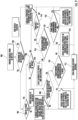
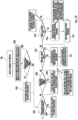
Figure 9 is a flow chart illustrating exemplary steps performed by the BSF for PCF instance tracking and providing optimized PDU session binding discovery responses to consumer NFs; and -
Figure 10 is a flow chart illustrating exemplary steps performed by the BSF for selecting an alternate PCF profile to provide in a PDU session binding discovery response when the operational status of a PCF changes. - The subject matter described herein relates to methods, systems, and computer readable media for providing optimized BSF PDU session binding discovery responses.
Figure 1 is a block diagram illustrating an exemplary 5G system network architecture. The architecture inFigure 1 includes NRF 100 and SCP 101, which may be located in the same home public land mobile network (HPLMN). As described above, NRF 100 may maintain profiles of available producer NF service instances and their supported services and allow consumer NFs or SCPs to subscribe to and be notified of the registration of new/updated producer NF service instances. SCP 101 may also support service discovery and selection of producer NFs. In addition, SCP 101 may perform load balancing of connections between consumer and producer NFs. - NRF 100 is a repository for NF profiles. In order to communicate with a producer NF, a consumer NF or an SCP must obtain the NF profile from NRF 100. The NF profile is a JSON data structure defined in 3GPP TS 29.510 that stores information about NF service instances. The NF profile definition includes at least one of an FQDN, an
IP version 4 address or anIP version 6 address. However, there is no requirement that the NF profile include individual IP addresses or IP endpoints associated with a producer NF service endpoint located on the producer NF service instance. - In
Figure 1 , any of the nodes (other thanSCP 101 and NRF 100) can be either consumer NFs or producer NFs, depending on whether they are requesting or providing services. In the illustrated example, the nodes include a policy control function (PCF) 102 that performs policy related operations in a network, a user data management (UDM)function 104 that manages user data, and an application function (AF) 106 that provides application services. The nodes illustrated inFigure 1 further include a session management function (SMF) 108 that manages sessions between access and mobility management function (AMF) 110 and PCF 102. AMF 110 performs mobility management operations similar to those performed by a mobility management entity (MME) in 4G networks. An authentication server function (AUSF) 112 performs authentication services for user equipment (UEs), such as UE 114, seeking access to the network. - A network slice selection function (NSSF) 116 provides network slicing services for devices seeking to access specific network capabilities and characteristics associated with a network slice. A network exposure function (NEF) 118 provides application programming interfaces (APIs) for application functions seeking to obtain information about Internet of things (IoT) devices and other UEs attached to the network.
NEF 118 performs similar functions to the service capability exposure function (SCEF) in 4G networks. - A radio access network (RAN) 120 connects
UE 114 to the network via a wireless link.Radio access network 120 may be accessed using a g-Node B (gNB) (not shown in Figure 1A) or other wireless access point. A user plane function (UPF) 122 can support various proxy functionality for user plane services. One example of such proxy functionality is multipath transmission control protocol (MPTCP) proxy functionality.UPF 122 may also support performance measurement functionality, which may be used byUE 114 to obtain network performance measurements. Also illustrated inFigure 1 is a data network (DN) 124 through which UEs access data network services, such as Internet services. -
Figure 2 is a network diagram illustrating an additional 5G NF, the binding support function (BSF), which stores bindings between PDU sessions and PCFs and allows discovery of bindings to other nodes. InFigure 2 ,BSF 200 provides a service that is referred to as the Nbsf_Management service. The Nbsf_Management service is defined in 3GPP TS 29.521. - In general, the Nbsf_Management service is used for the BSF to provide PDU session binding functionality, which ensures that an AF request for a PDU session reaches the PCF holding the PDU session information. The Nbsf_Management service allows consumers to register, update, and remove binding information. The Nbsf_Management service also allows consumers to retrieve the binding information.
- In
Figure 2 , the consumers of the service provided byBSF 200 include aPCF 102,NEF 118,AF 106, and network data analytics function (NWDAF) 200. -
PCF 102 registers binding information in the BSF for a UE when an IPv4 address and/or an IPv6 prefix is allocated, or a MAC address is used for the PDU session.PCF 102 also updates binding information withBSF 200 when UE address information is changed for a PDU session.PCF 102 removes binding information inBSF 200 when an IPv4 address and/or an IPv6 prefix is released or a MAC address is not used for the PDU session. -
NEF 118 provides a means forAF 106 to securely interact with the policy framework for policy control to a 3GPP network. During the procedure, anyNEF 118 needs to discover the selected PCF using the Nbsf_Management_Discovery service operation. -
AF 106 discovers the PCF using the Nbsf_Management_Discovery service operation whenAF 106 is allowed to interact directly with the policy framework for policy control.NWDAF 202 discovers a selected PCF using the Nbsf_Management_Discovery service. - Table 1 shown below illustrates the operation of the Nbsf_Management service.
Table 1: Operation of the Nbsf_management Service Service operation name Description Initiated by Nbsf_Management_Re gister This service operation is used to register the binding information for a UE when an IPv4 address and/or an IPv6 prefix is allocated for an IP PDU Session or a MAC address is used for an Ethernet PDU session. NF service consumer (PCF) Nbsf_Management_Der egister This service operation is used to deregister the binding information for a UE. NF service consumer (PCF) Nbsf_Management_Dis covery This service operation is used by an NEF or AF or NWDAF to discover a selected PCF. NF service consumer (NEF, AF, NWDAF) Nbsf_Management_Up date This service operation is used to update an existing session binding information for a UE (i.e. UE address(es) for a PDU Session). NF service consumer (PCF) - In Table 1, the Nbsf_management services offered by the BSF include Nbsf_Management_Register service, Nbsf_Management_Deregister service, Nbsf_Management_Discovery service, and Nbsf_Management_Update service. Nbsf_Management_Register and Nbsf_Management_Deregister services are services used by PCFs to register and deregister session bindings for a UE. The Nbsf_Management_Update service is used by the PCF to update a session binding for a UE when a UE address for a PDU session changes. The Nbsf_Management_Discovery service allows NF service consumers, such as NEFs, AFs, and NWDAFs, discover PDU session binding information for a UE. It is the Nbsf_Management_Discovery service that the subject matter described herein enhances by subscribing to receive updated PCF registration status information for PCFs that are bound to PDU sessions and responding to PDU session binding discovery requests with the NF profiles of reachable PCF instances.
-
Figure 3 illustrates an exemplary message flow when a PCF registers session binding information withBSF 200 and a consumer NF discovers the session binding information for the case where the PCF registration status does not change between PDU session binding registration and discovery. Referring toFigure 3 , instep 1, aPCF instance 102N creates a binding for a PDU session atBSF 200.PCF instance 102N acting as the NF service consumer may provide PCF Set Id within the "pcfSetId" attribute and "bindLevel" attribute set to NF_SET or provide PCF Set Id within the "pcfSetId" attribute, PCF instance Id within the "pcfld" attribute and "bindLevel" attribute set to NF_INSTANCE. The bindLevel attribute defines the level of the PDU session binding and indicates either an individual PCF instance bound to the session or a group of PDF instances, referred to as an NF set, assigned to the PDU session. If the bindLevel attribute is set to NF_INSTANCE, a single PCF instance is assigned to the PDU session. If the bindLevel attribute is set to NF_SET, then an entire set of PCFs is bound to the PDU session. InFigure 3 , PCF set 300 includes plural PCF instances 1021-102N , which can be bound to the same PDU session as a set. In either case, the PCF performing the registration will also specify PCF endpoint identifying parameters for the PCF instance that is providing the policy service for the session. This information will be used by BSF service consumers in discovery requests to obtain PDU session binding information. - In
step 2 ofFigure 3 , a consumer NF, which can be any ofAF 106,NEF 118 or analternate PCF 102, sends a BSF discovery request to obtain the details of the endpoint that can be used for N5/Rx messages.BSF 200 provides the binding information to theconsumer NF step 3,consumer NF - Table 2 shown below illustrates exemplary PCF binding data that can be registered by a PCF with
BSF 200.Table 2: PCF Binding Data Registered by PCF with BSF Attribute name Data type P Cardinality Description supi Supi O 0..1 Subscription Permanent Identifier gpsi Gpsi O 0..1 Generic Public Subscription Identifier ipv4Addr Ipv4Addr C 0..1 The IPv4 Address of the served UE. (NOTE 4) ipv6Prefix Ipv6Prefix C 0..1 The IPv6 Address Prefix of the served UE. (NOTE 4) (NOTE 5) addlpv6Prefixes array(Ipv6Prefix) O 1..N The additional IPv6 Address Prefixes of the served UE. (NOTE 4) (NOTE 5) ipDomain string O 0..1 IPv4 address domain identifier. (NOTE 1) macAddr48 MacAddr48 C 0..1 The MAC Address of the served UE. addMacAddrs array(MacAddr48) O 1..N The additional MAC Addresses of the served UE. dnn Dnn M 1 DNN, a full DNN with both the Network Identifier and Operator Identifier, or a DNN with the Network Identifier only. pcfFqdn Fqdn C 0..1 FQDN of the PCF hosting the Npcf_PolicyAuthorization service. (NOTE 2) pcflpEndPoints array(IpEndPoint) C 1..N IP end points of the PCF hosting the Npcf_PolicyAuthorization service. (NOTE 2) pcfDiamHost DiameterIdentity C 0..1 The diameter host for an individual PCF. (NOTE 3) pcfDiamRealm DiameterIdentity C 0..1 The diameter realm for an individual PCF. (NOTE 3) pcfSmFqdn Fqdn O 0..1 FQDN of the PCF hosting the Npcf_SMPolicyControl service. (NOTE x) pcfSmIpEndPoints array(IpEndPoint) O 1..N IP end points of the PCF hosting the Npcf_SMPolicControl service. (NOTE x) snssai Snssai M 1 The identification of slice. suppFeat Supported Features O 1 Used to negotiate the supported optional features as described in subclause 5.8. pcfld NfInstanceld O 0..1 PCF instance identifier pcfSetId NfSetld O 0..1 The PCF set Id recoveryTime DateTime O 0..1 Recovery time of the PCF paraCom ParameterCombination O 0..1 If it is included, the BSF shall check whether there is an existing PCF binding information for the indicated combination. (NOTE 6) bindLevel BindingLevel O 0..1 Contains the level of binding. - In Table 2, in the attribute name column, the pcfFqdn, pcflpEndPoints, pcfDiamHost, PcfDiamRealm, PcfSmIpEndPoints, the pcfld, pcfSetId, and bindLevel attributes are the PCF identifying attributes set by the PCF that creates or registers the binding record in the BSF. For a discovery request from a consumer NF that uses the N5 interface for contacting the PCF bound to a session, the pcfFqdn and pcflpEndpoints attributes will be used by the consumer NF on the N5 interface to contact the PCF. For a discovery request from a DRA/AF that uses the Rx interface for contacting the PCF bound to a session, the PcfDiamHost and PcfDiamRealm attributes will be used by the DRA/AF to contact the PCF. In case another PCF tries to register binding of the same subscriber + dnn + snssai, pcfSmFqdn and pcfSmIpEndpoints will be used by the alternate PCF. As stated above, the PCF as the NF service consumer may provide the PCF set ID within the pcfSetld attribute and bindLevel attribute set to NF_SET or provide the PCF set ID within the pcfSetld attribute, the PCF instance ID within the pcfld attribute, and the bindLevel attribute set to NF_INSTANCE. The significance of the different settings of these attributes with regarding to providing optimized PDU session binding discovery responses will be explained in detail below with regard to
Figures 9 and10 . -
Figure 4 illustrates an exemplary message flow for the Nbsf_Management_Discovery service for a consumer NF that uses the N5 interface to contact the PCF bound to a session. Referring toFigure 4 , anNF service consumer 400, which can be any of the service consumers illustrated inFigures 2 and3 , invokes the Nbsf_Management_Discovery service option to obtain the address information of the selected PCF for a PDU session in the BSF (step 1). The service is invoked by sending an HTTP GET message that includes "query parameters" used by the BSF to locate any corresponding session bindings. According to 3GPP TS 29.521, the query parameters include the UE address and may include the SUPI or GPSI, DNN and optionally S-NSSAI, and IPv4 address domain. Upon receiving the HTTP GET message,BSF 200 searches for PDU session binding information that matches the query parameters. Instep 3, if the HTTP request from the NF service consumer is accepted and a session binding resource matching the query parameters exists, the BSF replies with anHTTP 200 OK response with the corresponding PcfBinding data structure as provided by the PCF during the NbsfManagement_Register service operation in the response body. Table 2 above is an example of the PCFBinding data structure that will be provided to the consumer NF in response to the discovery request. -
Figure 5 is a message flow diagram illustrating the PDU session binding discovery process and subsequent Rx session establishment. InFigure 5 ,BSF 200 receives a discovery request which in the Diameter protocol is an Rx-AAR-I message from AF/DRA 500.BSF 200 includes aDiameter gateway 504 that receives and processes diameter messages, aDiameter connector 506 that handles diameter layer connections and abinding service 508 that implements the Nbsf_Management_Discovery service. -
PCF 102 includes aDiameter gateway 510 that performs processing of received Diameter messages and aDiameter connector 512 that handles diameter connections.PCF 102 also includes apolicy service 514 that makes policy decisions for PDU sessions, apolicy authorization service 516 that creates policies, asession management service 518 that creates session bindings.PCF 102 interfaces withsession management function 108 to informsession management function 108 of policy decisions. - In the message flow illustrated in
Figure 5 , inline 1, AF/DRA 500 sends an Rx-AAR-I message toDiameter gateway 504 ofBSF 200.Diameter gateway 504 receives the message and sends, inline 2, the Rx-AAR-I message toDiameter connector 506.Diameter connector 506, in response to receiving the Rx-AAR-I message, sends an Nbsf_Management_Discovery message tobinding service 508. Bindingservice 508 performs a lookup in the binding database based on the query parameters in the Nbsf_Management_Discovery message. Inline 4, bindingservice 508 sends the binding discovery result toDiameter connector 506. Inline 5,Diameter connector 506 sends the binding results toDiameter gateway 504. - After receiving the PDU session binding information, AF/
DRA 500 initiates contact on the Rx interface with the PCF assigned to the session. Inline 6 of the message flow diagram,Diameter gateway 504 sends an Rx-AAR-I proxy message toDiameter gateway 510 ofPCF 102. Inline 7,Diameter gateway 510 sends the Rx-AAR-I proxy message toDiameter connector 512. Inline 8,Diameter connector 512 sends an Npcf_Policy_Authorization_Create message toPA service 516. Inline 9,PA service 516 sends a session binding request tosession management service 518. Inline 10,session service 518 sends a session binding reply toPA service 516. Inline 11,PA service 516 sends a create reply message toDiameter connector 512. Inline 12Diameter connector 512 sends an Rx-AAA-I message toDiameter gateway 510. Inline 13,Diameter gateway 510 sends the Rx-AAA-I message toDiameter gateway 504. In line 14,Diameter gateway 504 sends the Rx-AAA-I message to AF/DRA 500. - After sending the session binding reply in
line 10,SM service 518 sends a policy evaluate message topolicy service 514.Policy service 514 makes a decision based on application of a policy and inline 16 sends a policy decision toSM service 518.SM service 518 applies the policy decision and inline 17 sends a policy association notification rules toSMF 108. - If the operational status of a PCF changes after a binding record is created in the BSF, many problems and inefficiencies can occur. For example, if a PCF service instance goes offline during a network outage or due to a service issue, the binding maintained by the BSF is not up to date, and an NRF discovery procedure may be required to be rerun to find an alternate PCF instance. Other problems can occur when SM, PA, and Diameter entities used to contact a PCF instance become unreachable. SMs/PA/Diameter entities published in binding information can also be changed when a new IP address, FQDN, or other identity is assigned to the PCF by the network operator. These changes make entities listed in the BSF's binding table inaccessible and, without the subject matter described herein, a manual procedure is required to update BSF binding records to correct these discrepancies.
-
Figure 6 illustrates a message flow that can occur during discrepancies in the binding database maintained byBSF 200. Referring toFigure 6 , instep 1, the PCF service ofPCF 102N goes down. As a result, the PCF information stored inBSF 200 forPCF 102n cannot be used to process N5 or Rx messages. Instep 2, AF/NEF/PCF BSF 200 responds with the binding information to identify failedPCF 102N . - In
step 3, upon receiving the discovery response, AF/NEF/PCF PCF instance 102N identified in the binding response. However,PCF 102N is not available. Accordingly, upon failing to receive a response, AF/NEF/PCF NRF 100 to identify a new PCF instance. Instep 5,consumer NF alternate PCF instance 1021 . - One problem caused by the unavailability of a PCF instance in the BSF binding database is a delay in processing service requests from consumer NFs. As described above, upon a failed attempt to reach the original PCF, the consumer NF initiates the NRF discovery procedure and reroutes the request to the new PCF upon receiving the discovery response from the NRF. The time required to perform discovery with the BSF, the failed attempt to contact the PCF, and to perform discovery with the NRF result in delayed service provided to the consumer NF.
- Another problem associated with outdated binding information maintained by the BSF is a discovery storm at the NRF. When a PCF instance fails, all consumers of binding records with the failed PCF instance as the serving PCF instance will initiate discovery with the NRF to find the identity of an alternate PCF serving the UE. This could lead to the NRF becoming overwhelmed due to the storm of discovery messages at the NRF.
- Other challenges associated with discovery include the fact that non-5G nodes, such as a Diameter relay agent (DRA) may not be able to perform 5G discovery with the NRF. Accordingly, there is no alternate route for the DRA to try when the binding information received from the BSF is incorrect or not up to date. Similarly, an AF may lack the ability to run NRF discovery to select an alternate PCF. This also limits the possibility for the AF to be served by an alternate PCF.
- In order to avoid these difficulties, a BSF may subscribe with an NRF to keep track of registered PCF instances for corresponding PCF sets in the PDU session binding database maintained by the BSF. The BSF, upon processing of a bsf_discovery request, if a binding record is present in the BSF database that contains bindlevel information, may run additional logic set forth below in Table 3 to verify that reachable endpoints are in the binding discovery response.
Table 3: PCF Instance Tracking Binding level in BSF record Criteria Action NF_INSTAN CE • Corresponding pcf profile is still registered Update the attributes in binding response from correspondi ng PCF profile. • pcfFqdn/pcflpEndPoints/ pcfDiamHost/pcfDiamRealm/pcfSmFqdn/pc fSmIpEndPoints does not match with corresponding pcf profile NF_SET • pcfFqdn and pcflpEndPoints does not match with any "Registered" PCF profiles of matching setld • Select another pcf instance from correspo nding pcfsetld • Update the attributes in binding response from alternate PCF profile. NF_SET • pcfFqdn/pcflpEndPoints match with a PCF profiles that has matching setld but pcfDiamHost/pcfDiamRealm/ pcfSmFqdn/pcfSmIpEndPoints does not match with corresponding PCF profile Update the attributes in binding response from matching PCF profile. - The operation of the BSF in the various scenarios illustrated in Table 3 will be described in detail below.
-
Figure 7 illustrates an overview of this solution. InFigure 7 ,BSF 200 includes at least oneprocessor 700 andmemory 702.BSF 200 further includes aPCF instance tracker 704 that may be implemented in software executable byprocessor 700.PCF instance tracker 704 subscribes withNRF 100 to obtain up to date registration status and NF profile information for PCF instances whose binding data is stored inbinding database 706 and generate optimized BSF PDU session binding discovery responses based on the updated registration status and NF profile information. -
Figure 8 illustrates exemplary messaging exchanged betweenBSF 200,PCF instance 1021, andNRF 100 associated with tracking registered PCF instances. As part of the solution,BSF 200 keeps tracks of registered PCF instances for corresponding "pcfset(s)". For example, when any PCF instance from PCF NF set "set 1" creates a first binding,BSF 200 subscribes withNRF 100 to monitor all PCF instances that register withNRF 100 with the pcf set id "set1".BSF 200 also tracks the number of stored binding records for a given PCF NF set id. When a counter for given NF set id goes to 0,BSF 200 un-subscribes for that NFSet withNRF 100. - Referring to the message flow in
Figure 8 , inline 1,PCF instance 1021 of PCF set set1 sends a registration message toBSF 200 to create a PDU session binding betweenPCF instance 1021 and a PDU session. Inline 2,BSF 200 creates the session binding, creates a corresponding record in the PDU session binding database, and responds toPCF instance 1021 with anHTTP 201 message indicating that the binding has been created. In line,BSF 200 determines whether the registration message received inline 1 is the first message received for the PCF set set1. In this example,BSF 200 determines that registration message is the first message received for pcfSet set1. Accordingly, inline 4 of the message flow diagram,BSF 200 subscribes withNRF 100 to receive notification of change in status of NF instances in the NF set set1. Inline 5 of the message flow diagram,NRF 100 processes the subscription request for pcfSet set1, creates the subscription, and responds toBSF 200 indicating the subscription has been created. Once the subscription is created,BSF 200 will receive notice fromNRF 100 any time a change in status of the of any of the NF instances in set1 occurs until the timer maintained byBSF 200 for the subscription expires andBSF 200 unsubscribes withNRF 100 for the status of the PCF set. Inline 6 of the message flow diagram,BSF 200 invokes the nnrf discovery service to discover the PCF profiles in the nfSet set1. Inline 7,NRF 100 responds with a 200 Ok message that includes the list NF profiles of the PCFs in set1. After a successful subscription, the NRF notifies changes to subscribed data from the point of subscription only. Thus,line 6 is required for the BSF to fetch the list of all PCF instances in NFSet, with their current states at NRF. - After the message flow in
Figure 8 ,BSF 200 will have a list of NF profiles for the PCFs inset 1 and will be subscribed with the NRF to receive updates in status of the PCFs. The NRF will notify the BSF any time the NF profile of any of the PCFs in set1 changes. Examples of changes in status include deregistration, change in IP address, etc. As will be described in detail below,BSF 200 will use this information to provide optimized discovery response to consumer NFs seeking to discover PDU session binging information fromBSF 200. -
Figure 9 is a flow chart illustrating an exemplary process performed byBSF 200 in processing a PDU session binding discovery request message from a consumer NF. Referring toFigure 9 , instep 900,BSF 200 receives a binding discovery request from a consumer NF. The consumer NF may be an AF, an NEF, another PCF, or an NWDAF. Instep 902,BSF 200 determines whether binding data is present in the binding database and whether this solution for maintaining PCF status information is enabled. If the solution is enabled, control proceeds to step 904, whereBSF 200 determines whether the bind level attribute is set in the binding record in the record in the PDU session binding database containing the binding data requested by the discovery request. As illustrated in Table 2, the bind level attribute defines the level at which the binding was originally created. If the binding level attribute is set, control proceeds to step 906 whereBSF 200 determines whether the bind level is NF_instance. - If the bind level is set to NF_instance, this indicates that the binding level for the record is and individual PCF instance, and control proceeds to step 908 where
BSF 200 checks the NRF reported status for the PCF profile with the same pcfld indicates that the corresponding PCF is still registered with the NRF. If the PCF is still registered, control proceeds to step 910 whereBSF 200 determines whether the parameters stored for the PCF instance in the binding record match the corresponding details in the NF profile registered for the PCF instance with the NRF. If the parameters match, control proceeds to step 912 whereBSF 200 sends a binding discovery response with the PCF instance profile of the PCF matching the query parameters (such as UE address) in the binding discovery request. - Returning to step 910, if pcfDiamHost, pcfDiamRealm, pcfSmIpEndPoints, or pcfSmFqdn stored for the PCF instance in the binding record does not match the corresponding details in the NF profile registered for the PCF instance with the NRF, then the parameters in discovery response need to be updated with the parameters for the matching PCF profile registered with the NRF. Accordingly, control proceeds to step 922 where the mismatching attributes are updated in the binding response and the response is sent to the consumer NF.
- Returning to step 902, if there is no binding data and/or the solution is not enabled, default behavior is executed and control proceeds to step 912 where the binding discovery response is sent. If there is no binding data, the binding discovery response will indicate that there is no binding data stored with the BSF matching the query parameters in the binding discovery request.
- Returning to step 904, if the bind level attribute is not set in the binding discovery request, the BSF cannot verify PCF instance details from binding data, with registered PCF profiles at NRF. Thus, control proceeds to step 912, where the binding discovery response with PCF information as stored in binding database is sent.
- Returning to step 906, if the bind level in the binding data is not set to NF_Instance, control proceeds to step 914, where is determined whether the bind level is set to NF_Set. If the bind level is set to NF_Set, control proceeds to step 916 where the
BSF 200 determines whether the pcfFqdn and pcflpEndPoints parameters in the binding record match those for any PCF profile registered with the NRF (received by the BSF in the discovery response and as modified by any status notifications received from the BSF) for the pcfSetld in the binding record. If the parameters match those for any PCF profile registered with the NRF, control proceeds to step 918 whereBSF 200 determines whether the PCF pcfDiamHost, pcfDiamRealm, pcfSmFqdn, pcfSmIpEndpoints parameters match those for the corresponding PCF profile identified as matching instep 916. If the parameters instep 918 match, this indicates that the PCF profile registered with the NRF matches the details in the binding record, and, control proceeds to step 912 where the binding discovery response with the PCF profile is sent to the consumer NF. - Returning to step 908, if the bind level is set to NF_Instance and the NRF reported status information for the PCF profile matching the pcfld and pcfSetld is no longer registered with the NRF, the BSF cannot provide the PDU session binding information to the service consumer. In this case, the BSF may respond to the service consumer indicating that no binding information is available and perform actions to clean up or delete the corresponding binding record. Without the solution described herein, the BSF would have responded to the discovery request with a PCF profile of a PCF that is no longer registered with the NRF. This would result in the inefficiencies described above where the service consumer attempts to contact the PCF, is unsuccessful, and contacts the NRF to obtain updated binding information for the PDU session.
- Returning to step 914, if the bindLevel is not set to NF_Set or NF_Instance, the bindLevel is unknown because these are the only two bindLevels allowed by the 3GPP specifications. Accordingly, control proceeds to step 912 where
BSF 200 sends a binding discovery response to the consumer NF indicating the binding information stored in the binding database. - Returning to step 916, if the pcfFqdn and pcflpEndpoints in the binding record matching the query parameters do not match any of the PCF profiles registered with the NRF, control proceeds to step 920 where
BSF 200 selects an alternate PCF profile and sends a discovery response to the consumer NF with the alternate PCF profile. Details of the steps performed byBSF 200 to select the alternate PCF profile are described below with regard toFigure 10 . - Returning to step 918, if the pcfFqdn and pcflpEndpoints in the binding record matching the query parameters match one of the PCF profiles registered but the pcfDiamHost, pcfDiamRealm, pcfSmIpEndPoints, or pcfSmFqdn does not match the corresponding PCF profile, then the parameters in discovery response need to be updated with the parameters for the matching PCF profile registered with the NRF. Accordingly, control proceeds to step 922 where the mismatching attributes are updated in the binding response and the response is sent to the consumer NF.
-
Figure 10 illustrates exemplary steps for selecting an alternate PCF profile as illustrated bystep 920 inFigure 9 . Referring toFigure 10 , selecting an alternate PCF profile begins instep 1000 whereBSF 200 creates, from the list of PCF profiles received from the NRF in the discovery response from the NRF to the BSF (seestep 7 inFigure 8 ) or later through NRF notification due to change in status of PCF profile(s) for subscriber NfSet, a list of PCF profiles that match the pcfSetld of the binding record. Instep 1002,BSF 200 determines whether the binding record has pcfSmFqdn or pcfSmIpEndPoints attributes. IfBSF 200 determines that the binding record has pcfSmFqdn or pcfSmIpEndPoints attributes, control proceeds to step 1003 whereBSF 200 filters the profile to locate a profile that supports at least one instance of session management service. If instep 1002BSF 200 determines that the binding record does not have pcfSmFqdn or pcfSmIpEndPoints attributes,step 1003 is bypassed. - After
step BSF 200 determines whether the binding record has pcfFqdn or pcflpEndPoints attributes. If the binding record includes these attributes, control proceeds to step 1006 whereBSF 200 filters the profiles that have PA service registered. If the binding record does not include the pcfFqdn or pcflpEndPoints attributes,step 1006 is bypassed. - After
step BSF 200 determines whether the binding record has pcfDiamHost and pcfDiamRealm attributes. If the binding record has pcfDiamHost and pcfDiamRealm attributes, control proceeds to step 1009 whereBSF 200 filters profiles that have Diameter attributes published to the NRF in pcfinfo. If the binding record does not have pcfDiamHost and pcfDiamRealm attributes,step 1009 is bypassed. - After the filtering in
step 1009 or if the binding record does not have the pcfDiamHost and pcfDiamRealm attributes instep 1008, control then proceeds to step 1010 whereBSF 200 determines whether the list, after the filtering, has more than one profile. If the filtered list includes more than one profile, control proceeds to step 1011 whereBSF 200 filters the profile based on operator configuration to select profiles to select a profile that has a matching SM service version. This is an optional step. It is not required when the operator network has more than one PCF instance in the same PCF set with the same major version. Control then proceeds to step 1012 whereBSF 200 filters the profile based on operator configuration to select profiles that have the specific api version, load, capacity, location, etc. that best satisfies the requirements of the network operator to be selected as an alternate PCF profile for the PCF whose status has changed since the binding record was created. If instep 1010, the BSF determines that the list does not include more than one profile, steps 1011 and 1012 are bypassed. - After the filtering in
step 1012 or if more than 1 profile was not found instep 1010, control proceeds to step 1014 whereBSF 200 determines whether there is at least one profile in the filtered list. IfBSF 200 determines that there is at least one profile in the filtered list, control proceeds to step 1016 whereBSF 200 updates the binding discovery response to be sent to the consumer NF to match the parameters of the alternate PCF profile.BSF 200 may optionally update the binding record in the PDU session binding database to include the updated information for the alternate PCF. Instep 1018,BSF 200 sends the discovery response with the alternate PCF binding information to the consumer NF. - If
BSF 200 determines instep 1014 that there are no remaining profiles in the list, this means thatBSF 200 cannot find an alternate PCF profile to include in the binding discovery response. Accordingly, control proceeds to step 1018 where the binding discovery response is sent with the PCF profile from the PDU session binding record. - Thus, the solution described herein allows BSF to actively monitor PCF status information by subscribing to and receiving updates from an NRF. If a PCF whose binding information is maintained at the BSF fails, goes out of service, or has changed attributes in its NF profile, the BSF will upon receiving a discovery request, update the information to be provided to the consumer NF in a binding discovery response and provide the updated binding information to the requesting consumer NF. The BSF may optionally update the binding information for the UE in the PDU session binding database. Such a solution reduces additional messaging from consumer NFs, such as AFs, NEFs, and PCFs towards the NRF. It provides efficient network utilization but avoids network overload. Higher throughput and lower latency at the AF, NEF, and PCF can also be achieved by avoiding unnecessary NRF discovery.
- The subject matter described herein is optional and backward compatible. It does not require any parameter or trigger from any other NF and thus control and scope of the feature can be implemented at the BSF. The feature can be selectively enabled for specific consumers by network operators. Information about a consumer seeking force to perform selective enablement can provide selection details such as an instance ID or PLMN ID in authorization token. Alternatively, for HTTPS connections, the transport layer security (TLS) certificate can be used to find the identity of the consumer. Similarly, Vendor specific attributes in the discovery request can also be used to identify the consumer.
- The disclosure of each of the following references is hereby acknowledged.
-
- 1. 3GPP TS 29.521; 3rd Generation Partnership Project; Technical Specification Group Core Network and Terminals; 5G System; Binding Support Management Service; Stage 3 (Release 16), V16.5.0 (2020-09).
- 2. 3GPP TS 29.510; 3rd Generation Partnership Project; Technical Specification Group Core Network and Terminals; 5G System; Network Function Repository Services; Stage 3 (Release 16), V16.5.0 (2020-09).
- It will be understood that various details of the presently disclosed subject matter may be changed without departing from the scope of the presently disclosed subject matter. Furthermore, the foregoing description is for the purpose of illustration only, and not for the purpose of limitation.
Claims (15)
- A method for providing optimized binding support function, BSF, packet data unit, PDU, session binding discovery responses, the method comprising:
at a BSF (200) including at least one processor (700):maintaining a database (706) of packet data unit, PDU, session binding records;subscribing with a network function, NF, repository function, NRF (100), to receive notification of changes to NF profiles of Policy Control Function, PCF, instances for NF sets identified in the PDU session binding records, wherein subscribing with the NRF includes subscribing with the NRF to monitor all PCF instances in a PCF NF set that are registered with the NRF in response to one of the PCF instances in the PCF NF set creating a first PDU session binding in the BSF;obtaining, from the NRF, lists of NF profiles for the PCF instances for the NF sets identified in the PDU session binding records;receiving, from the NRF and in response to the subscribing, at least one notification of changes in at least some of the NF profiles in the NF sets identified in the PDU session binding records;receiving a PDU session binding discovery request from a consumer NF;identifying, in the database of PDU session binding records and based on at least one query parameter in the PDU session binding discovery request, a matching PDU session binding record matching; andgenerating, using the matching PDU session binding record, one of the lists of NF profiles received from the NRF, and at least one notification of changes in at least some of the NF profiles, a PDU session binding discovery response; andtransmitting the PDU session binding response to the consumer NF. - The method of claim 1 wherein obtaining the lists of NF profiles includes transmitting NRF discovery requests to the NRF containing attributes identifying the NF sets identified in the PDU session binding records.
- The method of claim 1 or claim 2 wherein receiving the PDU session binding discovery request includes receiving a hypertext transfer protocol, HTTP, message from a 5G consumer network function, NF, that utilizes an N5 interface to contact a PCF bound to a session or a Diameter message from a Diameter node that uses an Rx interface to contact a PCF bound to a session.
- The method of claim 3 wherein the 5G consumer NF comprises one of an application function, AF, a network exposure function, NEF, a policy control function, PCF, and a network data analytics function, NWDAF, or the Diameter node that uses the Rx interface comprises a Diameter relay agent ,DRA, or Diameter based application server.
- The method of any preceding claim wherein generating the PDU session binding response includes selecting an alternate NF profile to an NF profile for a PCF instance identified in the matching PDU session binding record and including the alternate NF profile in the PDU session binding discovery response.
- The method of claim 5 wherein selecting the alternate NF profile includes filtering the one list of NF profiles based on attributes included in the matching PDU session binding record and selecting the alternate NF profile from the filtered list.
- The method of claim 5 wherein selecting the alternate NF profile includes filtering the one list of NF profiles based on operator-specified parameters and selecting the alternate NF profile from the filtered list.
- The method of any one of claims 5 to 7 comprising updating the matching PDU session binding record based on attributes of the alternate NF profile.
- A system for providing optimized binding support function, BSF, packet data unit, PDU, session binding discovery responses, the system comprising:a BSF (200) including at least one processor (700) and a memory (702);a PDU session binding database (706) located in the memory and including PDU session binding records;a Policy Control Function, PCF, instance tracker (704) implemented by the at least one processor for subscribing with a network function, NF, repository function, NRF, to receive notification of changes to NF profiles of PCF instances for NF sets identified in the PDU session binding records, obtaining, from the NRF, lists of NF profiles for the PCF instances for the NF sets identified in the PDU session binding records, , wherein subscribing with the NRF includes subscribing NRF to monitor all PCF instances in a PCF NF set that are registered with the NRF in response to one of the PCF instances in the PCF NF set creating a first PDU session binding in the BSF, the PCF instance tracker for receiving, from the NRF and in response to the subscribing, at least one notification of changes in at least some of the NF profiles in the NF sets identified in the PDU session binding records, receiving a PDU session binding discovery request from a consumer NF, and identifying, in the database of PDU session binding records and based on at least one query parameter in the PDU session binding discovery request, a matching PDU session binding record matching, generating, using the matching PDU session binding record, one of the lists of NF profiles received from the NRF, and the at least one notification of changes in at least some of the NF profiles, a PDU session binding discovery response, and transmitting the PDU session binding response to the consumer NF.
- The system of claim 9 wherein the PCF instance tracker is configured to obtain the lists of NF profiles by transmitting NRF discovery requests to the NRF containing attributes identifying the NF sets identified in the PDU session binding records.
- The system of claim 9 or claim 10 wherein the PDU session binding discovery request comprises a hypertext transfer protocol, HTTP, message from a 5G consumer network function, NF, that utilizes an N5 interface to contact a PCF bound to a session or a Diameter message from a Diameter node that uses an Rx interface to contact a PCF bound to a session.
- The system of any one of claims 9 to 11 wherein the PCF instance tracker is configured to generate the PDU session binding response by selecting an alternate NF profile to an NF profile for a PCF instance identified in the matching PDU session binding record and including the alternate NF profile in the PDU session binding discovery response.
- The system of claim 12 wherein the PCF instance tracker is configured to select the alternate NF profile by filtering the one list of NF profiles based on at least one of the attributes included in the matching PDU session binding record and operator-specified parameters and selecting the alternate NF profile from the filtered list.
- The system of claim 12 wherein the PCF instance tracker is configured to update the matching PDU session binding record based on attributes of the alternate NF profile.
- A non-transitory computer readable medium having stored thereon executable instructions that when executed by a processor of a computer control the computer to perform steps comprising:
at a binding support function, BSF (200), including at least one processor (700):maintaining a database (706) of packet data unit, PDU, session binding records;subscribing with a network function, NF, repository function, NRF (100), to receive notification of changes to NF profiles of Policy Control Function, PCF, instances for NF sets identified in the PDU session binding records, wherein subscribing with the NRF includes subscribing NRF to monitor all PCF instances in a PCF NF set that are registered with the NRF in response to one of the PCF instances in the PCF NF set creating a first PDU session binding in the BSF;obtaining, from the NRF, lists of NF profiles for the PCF instances for the NF sets identified in the PDU session binding records;receiving, from the NRF and in response to the subscribing, at least one notification of changes in at least some of the NF profiles in the NF sets identified in the PDU session binding records;receiving a PDU session binding discovery request from a consumer NF;identifying, in the database of PDU session binding records and based on at least one query parameter in the PDU session binding discovery request, a matching PDU session binding record matching;generating, using the matching PDU session binding record, one of the lists of NF profiles received from the NRF, and the at least one notification of changes in at least some of the NF profiles, a PDU session binding discovery response; andtransmitting the PDU session binding response to the consumer NF.
Applications Claiming Priority (2)
| Application Number | Priority Date | Filing Date | Title |
|---|---|---|---|
| US17/093,016 US11283883B1 (en) | 2020-11-09 | 2020-11-09 | Methods, systems, and computer readable media for providing optimized binding support function (BSF) packet data unit (PDU) session binding discovery responses |
| PCT/US2021/042658 WO2022098403A1 (en) | 2020-11-09 | 2021-07-21 | Methods, systems, and computer readable media for providing optimized binding support function (bsf) packet data unit (pdu) session binding discovery responses |
Publications (2)
| Publication Number | Publication Date |
|---|---|
| EP4241435A1 EP4241435A1 (en) | 2023-09-13 |
| EP4241435B1 true EP4241435B1 (en) | 2025-02-12 |
Family
ID=77466043
Family Applications (1)
| Application Number | Title | Priority Date | Filing Date |
|---|---|---|---|
| EP21759196.5A Active EP4241435B1 (en) | 2020-11-09 | 2021-07-21 | Methods, systems, and computer readable media for providing optimized binding support function (bsf) packet data unit (pdu) session binding discovery responses |
Country Status (5)
| Country | Link |
|---|---|
| US (1) | US11283883B1 (en) |
| EP (1) | EP4241435B1 (en) |
| JP (1) | JP7738062B2 (en) |
| CN (1) | CN116569541B (en) |
| WO (1) | WO2022098403A1 (en) |
Families Citing this family (17)
| Publication number | Priority date | Publication date | Assignee | Title |
|---|---|---|---|---|
| JP7153797B2 (en) * | 2018-11-13 | 2022-10-14 | テレフオンアクチーボラゲット エルエム エリクソン(パブル) | Method and apparatus for binding information management |
| EP4000287B1 (en) * | 2019-07-18 | 2023-10-18 | Nokia Solutions and Networks Oy | Mechanism to facilitate signaling traffic |
| US11638134B2 (en) * | 2021-07-02 | 2023-04-25 | Oracle International Corporation | Methods, systems, and computer readable media for resource cleanup in communications networks |
| JP7682372B2 (en) * | 2021-07-30 | 2025-05-23 | テレフオンアクチーボラゲット エルエム エリクソン(パブル) | NETWORK NODE FOR FACILITATING NETWORK CAPABILITY DISCOVERY AND METHOD THEREIN - Patent application |
| US11638231B2 (en) * | 2021-09-20 | 2023-04-25 | Verizon Patent And Licensing Inc. | Method and system for binding information service |
| US12185205B2 (en) * | 2021-12-13 | 2024-12-31 | Oracle International Corporation | Methods, systems, and computer readable media for reducing inter-public land mobile network (PLMN) forwarding of messages relating to Nnrf service operations |
| US12349050B2 (en) * | 2022-01-18 | 2025-07-01 | Oracle International Corporation | Methods, systems, and computer readable media for prioritizing among alternate network function (NF) instances |
| US11709725B1 (en) | 2022-01-19 | 2023-07-25 | Oracle International Corporation | Methods, systems, and computer readable media for health checking involving common application programming interface framework |
| US11956302B1 (en) | 2022-11-28 | 2024-04-09 | At&T Intellectual Property I, L.P. | Internet protocol version 4-to-version 6 redirect for application function-specific user endpoint identifiers |
| US12493673B2 (en) * | 2023-01-19 | 2025-12-09 | Ca, Inc. | Systems of and methods for managing tenant and user identity information in a multi-tenant environment |
| WO2024171226A1 (en) * | 2023-02-17 | 2024-08-22 | Jio Platforms Limited | System and method for providing binding support function in a network |
| US12238523B2 (en) * | 2023-02-22 | 2025-02-25 | Oracle International Corporation | Bundled audit for stale session bindings |
| JP2024141722A (en) * | 2023-03-29 | 2024-10-10 | Kddi株式会社 | Stateless core network system, request management device, and request management method |
| EP4767610A1 (en) * | 2023-09-20 | 2026-07-01 | Jio Platforms Limited | METHOD AND SYSTEM FOR MANAGING SESSION CONNECTIONS IN A NETWORK |
| US12695813B2 (en) * | 2024-06-26 | 2026-07-28 | Oracle International Corporation | Subscription based 5G session validation |
| CN121218155A (en) * | 2024-09-30 | 2025-12-26 | 中国移动通信集团设计院有限公司 | Policy control element addressing method, application-side network element and control plane network element |
| US20260172311A1 (en) * | 2024-12-17 | 2026-06-18 | Oracle International Corporation | Binding restoration engine(s) for enabling initiation of ims-based sessions without bindings |
Family Cites Families (164)
| Publication number | Priority date | Publication date | Assignee | Title |
|---|---|---|---|---|
| US1872857A (en) | 1931-04-20 | 1932-08-23 | Peerless Handcuff Company | Police officer's shackle |
| US5878347A (en) | 1996-03-26 | 1999-03-02 | Ericsson, Inc. | Routing a data signal to a mobile station within a telecommunications network |
| JPH1098470A (en) | 1996-09-20 | 1998-04-14 | Hitachi Ltd | ATM network call forwarding method |
| US6006098A (en) | 1997-11-06 | 1999-12-21 | Alcatel Usa Sourcing, L.P. | System and method for application location register routing in a telecommunications network |
| JPH11224219A (en) | 1998-02-05 | 1999-08-17 | Nippon Telegr & Teleph Corp <Ntt> | Distributed cache control method, distributed control device, distributed cache system, and storage medium storing distributed cache control program |
| US6785730B1 (en) | 1999-02-16 | 2004-08-31 | Rebecca S. Taylor | Generic communications protocol translator |
| US6836477B1 (en) | 1999-12-23 | 2004-12-28 | Tekelec | Methods and systems for routing messages in a communications network |
| US6775262B1 (en) | 2000-03-10 | 2004-08-10 | Telefonaktiebolaget Lm Ericsson (Publ) | Method and apparatus for mapping an IP address to an MSISDN number within a wireless application processing network |
| US6977917B2 (en) | 2000-03-10 | 2005-12-20 | Telefonaktiebolaget Lm Ericsson (Publ) | Method and apparatus for mapping an IP address to an MSISDN number within a service network |
| US6967956B1 (en) | 2000-07-18 | 2005-11-22 | Tekelec | Methods and systems for providing message translation, accounting and routing service in a multi-protocol communications network environment |
| US20020147845A1 (en) | 2001-03-06 | 2002-10-10 | Juan-Antonio Sanchez-Herrero | Flexible user distribution between user's serving entities |
| US20020194378A1 (en) | 2001-04-05 | 2002-12-19 | George Foti | System and method of hiding an internet protocol (IP) address of an IP terminal during a multimedia session |
| ATE452517T1 (en) | 2001-06-18 | 2010-01-15 | Nokia Corp | ROAMING FROM THE IMS AREA TO THE CS AREA |
| US7027433B2 (en) | 2001-06-20 | 2006-04-11 | Nokia Corporation | Routing a call between different types of networks |
| DE60202527T2 (en) | 2001-07-03 | 2006-03-30 | Telefonaktiebolaget Lm Ericsson (Publ) | METHOD AND SYSTEM FOR TREATING MULTILINGER MESSAGES |
| US6885861B2 (en) | 2001-08-24 | 2005-04-26 | Nokia Corporation | Service mobility and recovery in communication networks |
| US7028311B2 (en) | 2002-01-04 | 2006-04-11 | Telefonaktiebolaget Lm Ericsson (Publ) | Communications node architecture and method for providing control functions in a telecommunications network |
| GB0206849D0 (en) | 2002-03-22 | 2002-05-01 | Nokia Corp | Communication system and method |
| CN1643879B (en) | 2002-03-27 | 2010-09-29 | 诺基亚西门子通信有限责任两合公司 | Method for updating information in AAA server system |
| US20040103157A1 (en) | 2002-04-17 | 2004-05-27 | Nokia Corporation | Store-and-forward server and method for storing and forwarding for instant messaging service implemented in IP multimedia core network subsystem (IMS) |
| ES2250581T3 (en) | 2002-04-22 | 2006-04-16 | Telefonaktiebolaget Lm Ericsson (Publ) | USER SELECTOR MANDATORY, METHOD AND SYSTEM FOR AUTHENTICATION, AUTHORIZATION AND ACCOUNTING. |
| US7814015B2 (en) | 2002-05-21 | 2010-10-12 | Tekelec | Methods and systems for performing a sales transaction using a mobile communications device |
| KR100454680B1 (en) | 2002-11-07 | 2004-11-03 | 한국전자통신연구원 | A Method for Batch Processing of Accounting in AAA System |
| US7310307B1 (en) | 2002-12-17 | 2007-12-18 | Cisco Technology, Inc. | System and method for authenticating an element in a network environment |
| US6928383B2 (en) | 2002-12-18 | 2005-08-09 | Wacom Co., Ltd. | Three-dimensional information detecting system, three-dimensional information detecting device and input device for three-dimensional information detecting system |
| MXPA05006470A (en) | 2003-01-10 | 2005-09-30 | Ericsson Telefon Ab L M | Single sign-on for users of a packet radio network roaming in a multinational operator network. |
| US9369498B2 (en) | 2003-01-30 | 2016-06-14 | Nokia Technologies Oy | Message-based conveyance of load control information |
| US7408930B2 (en) | 2003-02-07 | 2008-08-05 | Fujitsu Limited | Address learning to enable high speed routing table lookups |
| GB0306830D0 (en) | 2003-03-25 | 2003-04-30 | Nokia Corp | Routing messages |
| US20040205212A1 (en) | 2003-03-31 | 2004-10-14 | Nokia Corporation | Method and system for forwarding a service-related information to a network user |
| WO2004100431A2 (en) | 2003-05-02 | 2004-11-18 | Interdigital Technology Corporation | Method and architecture for accessing an internet protocol multimedia subsystem (ims) over a wireless local area network (wlan) |
| US7421732B2 (en) | 2003-05-05 | 2008-09-02 | Nokia Corporation | System, apparatus, and method for providing generic internet protocol authentication |
| US7522613B2 (en) | 2003-05-07 | 2009-04-21 | Nokia Corporation | Multiplexing media components of different sessions |
| JP4041038B2 (en) | 2003-08-13 | 2008-01-30 | 富士通株式会社 | Higher layer processing method and system |
| US7885208B2 (en) | 2003-09-11 | 2011-02-08 | Nokia Corporation | IP-based services for circuit-switched networks |
| US7283506B2 (en) | 2003-10-13 | 2007-10-16 | Nokia Corporation | System and method for releasing sessions at network entities associated with the sessions |
| KR101001622B1 (en) | 2003-11-05 | 2010-12-17 | 삼성전자주식회사 | Wireless communication system and network size measurement method that can perform optimized routing |
| FI20031784A0 (en) | 2003-12-05 | 2003-12-05 | Nokia Corp | Registration control in a communication system |
| US20050155036A1 (en) | 2003-12-19 | 2005-07-14 | Nokia Corporation | Application server addressing |
| GB0329857D0 (en) | 2003-12-23 | 2004-01-28 | Nokia Corp | User registration in a communication system |
| US20070189215A1 (en) | 2004-01-07 | 2007-08-16 | Huawei Technologies Co., Ltd. | Method for reducing interface load of home subscriber server |
| GB0400883D0 (en) | 2004-01-15 | 2004-02-18 | Nokia Corp | Controlling communication sessions in a communication system |
| KR100834457B1 (en) | 2004-03-26 | 2008-06-05 | 삼성전자주식회사 | Method and system for joining digital broadcasting service through mobile communication network |
| KR100823128B1 (en) | 2004-06-30 | 2008-04-21 | 삼성전자주식회사 | Method and device for managing information in integrated service providing system |
| GB0417296D0 (en) | 2004-08-03 | 2004-09-08 | Nokia Corp | User registration in a communication system |
| US8582567B2 (en) | 2005-08-09 | 2013-11-12 | Avaya Inc. | System and method for providing network level and nodal level vulnerability protection in VoIP networks |
| US7844745B1 (en) | 2004-08-19 | 2010-11-30 | Nortel Networks Limited | Alternate home subscriber server (HSS) node to receive a request if a first HSS node cannot handle said request |
| US7170982B2 (en) | 2004-08-26 | 2007-01-30 | Lucent Technologies Inc. | Call authorization and billing message routing capability |
| US7319857B2 (en) | 2004-09-13 | 2008-01-15 | Tekelec | Methods, systems, and computer program products for delivering messaging service messages |
| US7738488B2 (en) | 2004-09-15 | 2010-06-15 | Tekelec | Methods, systems, and computer program products for providing wireless-fidelity (Wi-Fi) gateway visitor location register (VLR) functionality |
| US20060068816A1 (en) | 2004-09-30 | 2006-03-30 | Lucent Technologies Inc. | Network based contacts with optional DTMF exchange of the same |
| US7292592B2 (en) | 2004-10-08 | 2007-11-06 | Telefonaktiebolaget Lm Ericsson (Publ) | Home network-assisted selection of intermediary network for a roaming mobile terminal |
| US7551926B2 (en) | 2004-10-08 | 2009-06-23 | Telefonaktiebolaget Lm Ericsson (Publ) | Terminal-assisted selection of intermediary network for a roaming mobile terminal |
| KR100651716B1 (en) | 2004-10-11 | 2006-12-01 | 한국전자통신연구원 | Bootstrapping Method and System for Mobile Networks in Diqa-based Protocols |
| US8527003B2 (en) | 2004-11-10 | 2013-09-03 | Newlans, Inc. | System and apparatus for high data rate wireless communications |
| US7916685B2 (en) | 2004-12-17 | 2011-03-29 | Tekelec | Methods, systems, and computer program products for supporting database access in an internet protocol multimedia subsystem (IMS) network environment |
| JP4305396B2 (en) | 2005-01-31 | 2009-07-29 | ブラザー工業株式会社 | COMMUNICATION SYSTEM, DATA TRANSMITTING DEVICE, AND OUTPUT DEVICE |
| EP1860837A4 (en) | 2005-03-30 | 2010-09-29 | Huawei Tech Co Ltd | A method and system for implementing route control |
| EP1864522B1 (en) | 2005-04-01 | 2012-01-11 | Telefonaktiebolaget LM Ericsson (publ) | Method for initiating ims based communications |
| US7760732B2 (en) | 2005-04-01 | 2010-07-20 | Cisco Technology, Inc. | Constant time signature methods for scalable and bandwidth-efficient multicast |
| US20060259759A1 (en) | 2005-05-16 | 2006-11-16 | Fabio Maino | Method and apparatus for securely extending a protected network through secure intermediation of AAA information |
| JP4738901B2 (en) | 2005-06-07 | 2011-08-03 | 株式会社日立製作所 | VLANID dynamic allocation method and packet transfer apparatus |
| KR100753820B1 (en) | 2005-12-10 | 2007-08-31 | 한국전자통신연구원 | Network System and Communication Method for Initial Operation of Secure Mobile IPv6 Mobile Node Based on Preshared Key |
| US8170055B2 (en) | 2005-12-29 | 2012-05-01 | Alcatel Lucent | Method of converting between radius message and diameter messages |
| CN100474854C (en) | 2006-01-10 | 2009-04-01 | 华为技术有限公司 | Method and network system for selecting called continued network |
| FI20060131A0 (en) | 2006-02-13 | 2006-02-13 | Kone Corp | connection system |
| CN100464550C (en) | 2006-02-27 | 2009-02-25 | 东南大学 | A Backward Compatible Authentication, Authorization, Accounting System Network Structure and Implementation Method |
| US8406191B2 (en) | 2006-04-14 | 2013-03-26 | Qualcomm Incorporated | Pseudo wires for mobility management |
| DE102006022369A1 (en) | 2006-05-12 | 2007-11-15 | Siemens Ag | Method and device for redirecting messages of a mobile terminal |
| US8208930B2 (en) | 2006-06-21 | 2012-06-26 | Hewlett-Packard Development Company, L. P. | Message routing in a telecommunication system |
| EP2060087A1 (en) | 2006-07-03 | 2009-05-20 | Telefonaktiebolaget L M Ericsson (Publ) | Topology hiding of mobile agents |
| CN101212420B (en) | 2006-12-27 | 2010-09-29 | 华为技术有限公司 | Redirector, relay, routing information configuration system and update method |
| CN101247321B (en) | 2007-02-14 | 2012-07-04 | 华为技术有限公司 | Method, device and system for routing diagnosis in network based on diameter protocol |
| US9871872B2 (en) | 2007-04-13 | 2018-01-16 | Nokia Technologies Oy | Mechanism for executing server discovery |
| US7996541B2 (en) | 2007-06-15 | 2011-08-09 | Tekelec | Methods, systems, and computer program products for identifying a serving home subscriber server (HSS) in a communications network |
| CN101079742A (en) | 2007-07-03 | 2007-11-28 | 中兴通讯股份有限公司 | Data synchronization method and system between disaster tolerance home user servers |
| US8155128B2 (en) | 2007-09-26 | 2012-04-10 | Alcatel Lucent | Method and apparatus for establishing and managing diameter associations |
| CN103607793B (en) | 2007-10-25 | 2017-08-25 | 思达伦特网络有限责任公司 | Interworking gateway for mobile node |
| EP2056570A1 (en) | 2007-10-29 | 2009-05-06 | Nokia Siemens Networks Oy | Session and media binding to common control |
| US9380460B2 (en) | 2007-11-01 | 2016-06-28 | Telefonaktiebolaget L M Ericsson (Publ) | Method and system for correlating authentication, authorization and accounting sessions |
| US7855982B2 (en) | 2007-11-19 | 2010-12-21 | Rajesh Ramankutty | Providing services to packet flows in a network |
| CN102239481B (en) | 2007-12-01 | 2013-09-11 | 朗讯科技公司 | Ims diameter router with load balancing |
| US8218459B1 (en) | 2007-12-20 | 2012-07-10 | Genbrand US LLC | Topology hiding of a network for an administrative interface between networks |
| EP2234422B1 (en) | 2007-12-27 | 2015-08-12 | ZTE Corporation | Method for selecting policy and charging rules function |
| CN101483826B (en) | 2008-01-07 | 2012-06-27 | 华为技术有限公司 | Method and apparatus for selecting policy and fee charging rule functional entity |
| CN101227391B (en) | 2008-01-09 | 2012-01-11 | 中兴通讯股份有限公司 | method for selecting function entity of tactics and charging rules under non-roaming condition |
| US7778203B2 (en) | 2008-02-01 | 2010-08-17 | Microsoft Corporation | On-demand MAC address lookup |
| US8787249B2 (en) | 2008-02-06 | 2014-07-22 | Qualcomm Incorporated | Mobile IP multiple registrations and PCC interactions |
| US9749404B2 (en) | 2008-04-17 | 2017-08-29 | Radware, Ltd. | Method and system for load balancing over a cluster of authentication, authorization and accounting (AAA) servers |
| US8116728B2 (en) | 2008-04-22 | 2012-02-14 | Alcatel Lucent | Charging in LTE/EPC communication networks |
| WO2009134265A1 (en) | 2008-05-01 | 2009-11-05 | Lucent Technologies Inc | Message restriction for diameter servers |
| CN101277541B (en) | 2008-05-22 | 2012-02-08 | 中兴通讯股份有限公司 | Method for forwarding message of Diameter route entity |
| US8125999B2 (en) | 2008-05-30 | 2012-02-28 | At&T Intellectual Property I, L.P. | Systems and methods to minimize customer equipment downtime in a voice over internet protocol (VOIP) service network |
| US8249551B2 (en) | 2008-06-05 | 2012-08-21 | Bridgewater Systems Corp. | Long-term evolution (LTE) policy control and charging rules function (PCRF) selection |
| CN101742009B (en) | 2008-11-07 | 2012-06-27 | 华为技术有限公司 | Method, system and device for session association |
| US8359402B2 (en) | 2008-11-19 | 2013-01-22 | Seachange International, Inc. | Intercept device for providing content |
| CA2782674C (en) | 2008-12-03 | 2016-02-02 | Mobophiles, Inc. | System and method for providing virtual web access |
| EP2750426A1 (en) | 2009-04-07 | 2014-07-02 | Togewa Holding AG | Method and system for authenticating a network node in a UAM-based walled garden network |
| CN101867873B (en) | 2009-04-14 | 2012-08-29 | 电信科学技术研究院 | Information sending and receiving processing method and equipment in long-term evolution system |
| JP5453928B2 (en) | 2009-05-29 | 2014-03-26 | 日本電気株式会社 | Routing device, communication control method, and communication system |
| US20120076125A1 (en) | 2009-06-03 | 2012-03-29 | Telefonaktiebolaget Lm Ericsson (Publ) | Operator control of resources for roaming subscribers |
| WO2010142327A1 (en) | 2009-06-09 | 2010-12-16 | Nokia Siemens Networks Oy | Methods, apparatuses, and related computer program product for network element recovery |
| EP2441233B1 (en) | 2009-06-11 | 2015-04-22 | Telefonaktiebolaget L M Ericsson (publ) | User data convergence (udc) notification management |
| US8351964B2 (en) | 2009-06-30 | 2013-01-08 | Alcatel Lucent | Message delivery over LTE networks |
| CN101969632B (en) | 2009-07-28 | 2013-06-05 | 中兴通讯股份有限公司 | Implementation method of policy charging control in roaming scene |
| US8958306B2 (en) | 2009-10-16 | 2015-02-17 | Tekelec, Inc. | Methods, systems, and computer readable media for providing diameter signaling router with integrated monitoring functionality |
| US9313759B2 (en) | 2009-10-16 | 2016-04-12 | Tekelec, Inc. | Methods, systems, and computer readable media for providing triggerless equipment identity register (EIR) service in a diameter network |
| JP5441158B2 (en) | 2009-11-25 | 2014-03-12 | 日本電気株式会社 | Management device, control device, communication system, control method, and program |
| EP2507964A1 (en) | 2009-11-30 | 2012-10-10 | Nokia Siemens Networks Oy | Method and network device establishing a binding between a plurality of separate sessions in a network |
| US8787174B2 (en) | 2009-12-31 | 2014-07-22 | Tekelec, Inc. | Methods, systems, and computer readable media for condition-triggered policies |
| US9350876B2 (en) | 2010-01-04 | 2016-05-24 | Tekelec, Inc. | Methods, systems, and computer readable media for detecting initiation of a service data flow using a Gx rule |
| US8615237B2 (en) | 2010-01-04 | 2013-12-24 | Tekelec, Inc. | Methods, systems, and computer readable media for policy and charging rules function (PCRF) node selection |
| JP5576946B2 (en) | 2010-01-05 | 2014-08-20 | テレフオンアクチーボラゲット エル エム エリクソン(パブル) | Method and apparatus for gateway session establishment |
| US8527598B2 (en) | 2010-02-12 | 2013-09-03 | Tekelec, Inc. | Methods, systems, and computer readable media for answer-based routing of diameter request messages |
| EP2534794B1 (en) | 2010-02-12 | 2019-03-27 | Tekelec, Inc. | Methods, systems, and computer readable media for providing peer routing at a diameter node |
| US9917700B2 (en) | 2010-03-15 | 2018-03-13 | Tekelec, Inc. | Systems, methods, and computer readable media for policy enforcement correlation |
| US8650572B2 (en) | 2010-03-15 | 2014-02-11 | Alcatel Lucent | Diverse message synchronization |
| WO2011115991A2 (en) | 2010-03-15 | 2011-09-22 | Tekelec | Methods, systems, and computer readable media for communicating policy information between a policy charging and rules function and a service node |
| IN2012CN10349A (en) | 2010-06-06 | 2015-07-31 | Tekelec Inc | |
| KR101409384B1 (en) | 2010-06-15 | 2014-06-18 | 테켈렉, 인코퍼레이티드 | Methods, systems, and computer readable media for providing dynamic origination-based routing key registration in a diameter network |
| US8903357B2 (en) * | 2010-06-28 | 2014-12-02 | Alcatel Lucent | Session binding using subscriber identification |
| CN101945047B (en) | 2010-09-14 | 2014-11-05 | 中兴通讯股份有限公司 | Diameter routing method and system |
| US8750825B2 (en) | 2010-09-25 | 2014-06-10 | Tekelec, Inc. | Methods, systems, and computer readable media for inter-carrier roaming cost containment |
| US8675659B2 (en) | 2010-12-16 | 2014-03-18 | Openet Telecom Ltd. | Methods, systems and devices for multiphase decoding |
| US8824370B2 (en) | 2010-12-16 | 2014-09-02 | Openet Telecom Ltd. | Methods, systems and devices for dynamic context-based routing |
| US8498286B2 (en) | 2011-01-10 | 2013-07-30 | Alcatel Lucent | Radius gateway on policy charging and rules function (PCRF) for wireline/wireless converged solution |
| JP5950943B2 (en) | 2011-02-04 | 2016-07-13 | テケレック・インコーポレイテッドTekelec, Inc. | Method, system, and computer-readable medium for supplying a Diameter binding repository |
| US8693423B2 (en) | 2011-02-16 | 2014-04-08 | Tekelec, Inc. | Methods, systems, and computer readable media for providing enhanced mobile subscriber location register fault recovery |
| EP2681938B1 (en) | 2011-03-01 | 2016-12-21 | Tekelec, Inc. | Methods, systems and computer readable media for dynamically learning diameter binding information |
| EP2681937B1 (en) | 2011-03-01 | 2019-09-25 | Tekelec, Inc. | Method, system, and computer readable medium for hybrid session based diameter routing |
| CN103477660B (en) | 2011-03-01 | 2017-04-19 | 泰科来股份有限公司 | Methods, systems, and computer readable media for sharing Diameter binding data |
| CN103493522B (en) | 2011-03-03 | 2016-12-07 | 泰科来股份有限公司 | For enriching the method for Diameter signaling message, system and computer-readable medium |
| US8831016B2 (en) | 2011-03-18 | 2014-09-09 | Tekelec, Inc. | Methods, systems, and computer readable media for configurable diameter address resolution |
| EP2705698B1 (en) | 2011-05-06 | 2016-04-06 | Tekelec, Inc. | Methods, systems, and computer readable media for steering a subscriber between access networks |
| CN102905390B (en) * | 2011-07-26 | 2017-12-01 | 中兴通讯股份有限公司 | Session association methods, devices and systems |
| TWI463847B (en) | 2012-02-29 | 2014-12-01 | Mstar Semiconductor Inc | Transceiver iq calibration system and associated method |
| US8874766B2 (en) | 2012-03-09 | 2014-10-28 | Mcafee, Inc. | System and method for flexible network access control policies in a network environment |
| US20130279497A1 (en) | 2012-04-18 | 2013-10-24 | Subhash Verma | Method for correlating messages across multiple protocols in a telecommunication network |
| US9860323B2 (en) | 2012-05-15 | 2018-01-02 | At&T Intellectual Property I, L.P. | System and apparatus for providing policy control and charging to support communications |
| US8953592B2 (en) | 2012-09-28 | 2015-02-10 | Juniper Networks, Inc. | Network address translation for application of subscriber-aware services |
| US9319378B2 (en) | 2013-01-23 | 2016-04-19 | Tekelec, Inc. | Methods, systems, and computer readable media for using a diameter routing agent (DRA) to obtain mappings between mobile subscriber identification information and dynamically assigned internet protocol (IP) addresses and for making the mappings accessible to applications |
| US10243862B2 (en) | 2013-03-15 | 2019-03-26 | Gigamon Inc. | Systems and methods for sampling packets in a network flow |
| US9131071B2 (en) | 2013-05-14 | 2015-09-08 | Alcatel Lucent | Binding of SD messages with radius messages |
| US9521695B2 (en) | 2013-06-04 | 2016-12-13 | Tallac Networks, Inc. | Initializing network advertisements from probe requests |
| US9369386B2 (en) | 2013-07-31 | 2016-06-14 | Oracle International Corporation | Methods, systems, and computer readable media for destination-host defined overload scope |
| US9438555B2 (en) | 2013-10-31 | 2016-09-06 | Aruba Networks, Inc. | Communicating with a distribution system via an uplink access point |
| US11388082B2 (en) | 2013-11-27 | 2022-07-12 | Oracle International Corporation | Methods, systems, and computer readable media for diameter routing using software defined network (SDN) functionality |
| US10951519B2 (en) | 2015-06-17 | 2021-03-16 | Oracle International Corporation | Methods, systems, and computer readable media for multi-protocol stateful routing |
| US10084755B2 (en) | 2015-08-14 | 2018-09-25 | Oracle International Corporation | Methods, systems, and computer readable media for remote authentication dial in user service (RADIUS) proxy and diameter agent address resolution |
| US9668135B2 (en) | 2015-08-14 | 2017-05-30 | Oracle International Corporation | Methods, systems, and computer readable media for providing access network signaling protocol interworking for user authentication |
| US9923984B2 (en) | 2015-10-30 | 2018-03-20 | Oracle International Corporation | Methods, systems, and computer readable media for remote authentication dial in user service (RADIUS) message loop detection and mitigation |
| US9668134B2 (en) | 2015-08-14 | 2017-05-30 | Oracle International Corporation | Methods, systems, and computer readable media for providing access network protocol interworking and authentication proxying |
| US10554661B2 (en) | 2015-08-14 | 2020-02-04 | Oracle International Corporation | Methods, systems, and computer readable media for providing access network session correlation for policy control |
| US10148766B2 (en) * | 2015-11-12 | 2018-12-04 | Oracle International Corporation | Methods, systems, and computer readable media for subscriber binding repository reconfiguration |
| KR102317374B1 (en) * | 2017-08-14 | 2021-10-26 | 텔레폰악티에볼라겟엘엠에릭슨(펍) | Method and apparatus for establishing a network initiated packet data unit session in a communication network |
| US11019668B2 (en) * | 2018-04-09 | 2021-05-25 | Ofinno, Llc | PDU session establishment for cellular IoT |
| US10904947B2 (en) * | 2018-05-16 | 2021-01-26 | Huawei Technologies Co., Ltd. | Message and system for application function influence on traffic routing |
| US11178725B2 (en) * | 2018-06-21 | 2021-11-16 | Ofinno, Llc | Multi access packet/protocol data unit session |
| EP3729841B1 (en) * | 2018-10-04 | 2021-11-03 | Telefonaktiebolaget Lm Ericsson (Publ) | Notifications for a subscription to network function (service) profile change |
| CN111010744B (en) * | 2018-10-08 | 2022-05-13 | 华为技术有限公司 | Method and device for establishing session and method and device for sending message |
| US12028799B2 (en) * | 2018-11-16 | 2024-07-02 | Telefonaktiebolaget Lm Ericsson (Publ) | Efficient handling of subscriptions |
| US11363447B2 (en) * | 2019-08-01 | 2022-06-14 | Verizon Patent And Licensing Inc. | Method and device for managing and allocating binding service in a wireless network |
| US11310151B2 (en) * | 2019-09-16 | 2022-04-19 | Verizon Patent And Licensing Inc. | System and method for managing lookups for network repository functions |
| US11140231B2 (en) * | 2020-02-07 | 2021-10-05 | Verizon Patent And Licensing Inc. | Mechanisms for enabling negotiation of API versions and supported features |
-
2020
- 2020-11-09 US US17/093,016 patent/US11283883B1/en active Active
-
2021
- 2021-07-21 WO PCT/US2021/042658 patent/WO2022098403A1/en not_active Ceased
- 2021-07-21 EP EP21759196.5A patent/EP4241435B1/en active Active
- 2021-07-21 JP JP2023527022A patent/JP7738062B2/en active Active
- 2021-07-21 CN CN202180075567.3A patent/CN116569541B/en active Active
Also Published As
| Publication number | Publication date |
|---|---|
| CN116569541B (en) | 2026-01-30 |
| JP2023548554A (en) | 2023-11-17 |
| EP4241435A1 (en) | 2023-09-13 |
| WO2022098403A1 (en) | 2022-05-12 |
| US11283883B1 (en) | 2022-03-22 |
| JP7738062B2 (en) | 2025-09-11 |
| CN116569541A (en) | 2023-08-08 |
Similar Documents
| Publication | Publication Date | Title |
|---|---|---|
| US11283883B1 (en) | Methods, systems, and computer readable media for providing optimized binding support function (BSF) packet data unit (PDU) session binding discovery responses | |
| EP4200999B1 (en) | Methods, systems, and computer readable media for optimized network function (nf) discovery and routing using service communications proxy (scp) and nf repository function (nrf) | |
| EP4243379B1 (en) | Methods, systems, and computer readable media for discovering network function service producers in a hierarchical network | |
| US11849506B2 (en) | Methods, systems, and computer readable media for routing inter-public land mobile network (inter-PLMN) messages related to existing subscriptions with network function (NF) repository function (NRF) using security edge protection proxy (SEPP) | |
| EP3815401B1 (en) | Security management for service access in a communication system | |
| US20220240171A1 (en) | Methods, systems, and computer readable media for optimized routing of messages relating to existing network function (nf) subscriptions using an intermediate forwarding nf repository function (nrf) | |
| EP3881520B1 (en) | Efficient handling of subscriptions | |
| US11950178B2 (en) | Methods, systems, and computer readable media for optimized routing of service based interface (SBI) request messages to remote network function (NF) repository functions using indirect communications via service communication proxy (SCP) | |
| US11864093B2 (en) | Methods, systems, and computer readable media for communicating delegated network function (NF) discovery results between service communication proxies (SCPs) and using the delegated NF discovery results for alternate routing | |
| US11917720B2 (en) | Methods, systems, and computer readable media for enabling forwarding of subsequent network function subscription updates | |
| US11895080B2 (en) | Methods, systems, and computer readable media for resolution of inter-network domain names | |
| US12185205B2 (en) | Methods, systems, and computer readable media for reducing inter-public land mobile network (PLMN) forwarding of messages relating to Nnrf service operations | |
| WO2023229855A1 (en) | Methods, systems, and computer readable media for utilizing network function (nf) service attributes associated with registered nf service producers in a hierarchical network | |
| US12587956B2 (en) | Methods, systems, and computer readable media for using network function (NF) repository function (NRF) to provide mapping of single network slice selection assistance information (S-NSSAI) for roaming and inter-public land mobile network (inter-PLMN) traffic | |
| US11784762B2 (en) | Methods, systems, and computer readable media for limiting network function (NF) repository function (NRF) forwarding | |
| US20260067153A1 (en) | Methods, systems, and computer readable media for suppressing subscription notifications to resource update originators | |
| US12526620B2 (en) | Methods, systems, and computer readable media for facilitating processing of inter-public land mobile network (PLMN) messages relating to existing subscriptions | |
| US20250280294A1 (en) | METHODS, SYSTEMS, AND COMPUTER READABLE MEDIA FOR INDICATING CONSUMER NETWORK FUNCTION (NF) TYPE FOR ACCESS TOKEN REQUESTS FORWARDED BETWEEN NF REPOSITORY FUNCTIONS (NRFs) | |
| US20260039555A1 (en) | METHODS, SYSTEMS, AND COMPUTER READABLE MEDIA FOR INCREASING RESILIENCE OF NETWORK TOPOLOGY HIDING ACROSS GEO-REDUNDANT SECURITY EDGE PROTECTION PROXIES (SEPPs) |
Legal Events
| Date | Code | Title | Description |
|---|---|---|---|
| STAA | Information on the status of an ep patent application or granted ep patent |
Free format text: STATUS: UNKNOWN |
|
| STAA | Information on the status of an ep patent application or granted ep patent |
Free format text: STATUS: THE INTERNATIONAL PUBLICATION HAS BEEN MADE |
|
| PUAI | Public reference made under article 153(3) epc to a published international application that has entered the european phase |
Free format text: ORIGINAL CODE: 0009012 |
|
| STAA | Information on the status of an ep patent application or granted ep patent |
Free format text: STATUS: REQUEST FOR EXAMINATION WAS MADE |
|
| 17P | Request for examination filed |
Effective date: 20230405 |
|
| AK | Designated contracting states |
Kind code of ref document: A1 Designated state(s): AL AT BE BG CH CY CZ DE DK EE ES FI FR GB GR HR HU IE IS IT LI LT LU LV MC MK MT NL NO PL PT RO RS SE SI SK SM TR |
|
| DAV | Request for validation of the european patent (deleted) | ||
| DAX | Request for extension of the european patent (deleted) | ||
| REG | Reference to a national code |
Ref country code: DE Ref legal event code: R079 Free format text: PREVIOUS MAIN CLASS: H04L0065400000 Ipc: H04M0015000000 Ref country code: DE Ref legal event code: R079 Ref document number: 602021026040 Country of ref document: DE Free format text: PREVIOUS MAIN CLASS: H04L0065400000 Ipc: H04M0015000000 |
|
| GRAP | Despatch of communication of intention to grant a patent |
Free format text: ORIGINAL CODE: EPIDOSNIGR1 |
|
| STAA | Information on the status of an ep patent application or granted ep patent |
Free format text: STATUS: GRANT OF PATENT IS INTENDED |
|
| RIC1 | Information provided on ipc code assigned before grant |
Ipc: H04W 8/00 20090101ALI20240823BHEP Ipc: H04W 4/24 20180101ALI20240823BHEP Ipc: H04L 67/51 20220101ALI20240823BHEP Ipc: H04L 12/14 20060101ALI20240823BHEP Ipc: H04W 92/00 20090101ALI20240823BHEP Ipc: H04W 88/18 20090101ALI20240823BHEP Ipc: H04W 24/04 20090101ALI20240823BHEP Ipc: H04M 15/00 20060101AFI20240823BHEP |
|
| INTG | Intention to grant announced |
Effective date: 20240910 |
|
| GRAS | Grant fee paid |
Free format text: ORIGINAL CODE: EPIDOSNIGR3 |
|
| GRAA | (expected) grant |
Free format text: ORIGINAL CODE: 0009210 |
|
| STAA | Information on the status of an ep patent application or granted ep patent |
Free format text: STATUS: THE PATENT HAS BEEN GRANTED |
|
| AK | Designated contracting states |
Kind code of ref document: B1 Designated state(s): AL AT BE BG CH CY CZ DE DK EE ES FI FR GB GR HR HU IE IS IT LI LT LU LV MC MK MT NL NO PL PT RO RS SE SI SK SM TR |
|
| REG | Reference to a national code |
Ref country code: GB Ref legal event code: FG4D |
|
| REG | Reference to a national code |
Ref country code: CH Ref legal event code: EP |
|
| REG | Reference to a national code |
Ref country code: DE Ref legal event code: R096 Ref document number: 602021026040 Country of ref document: DE |
|
| REG | Reference to a national code |
Ref country code: IE Ref legal event code: FG4D |
|
| REG | Reference to a national code |
Ref country code: NL Ref legal event code: MP Effective date: 20250212 |
|
| PG25 | Lapsed in a contracting state [announced via postgrant information from national office to epo] |
Ref country code: RS Free format text: LAPSE BECAUSE OF FAILURE TO SUBMIT A TRANSLATION OF THE DESCRIPTION OR TO PAY THE FEE WITHIN THE PRESCRIBED TIME-LIMIT Effective date: 20250512 |
|
| PG25 | Lapsed in a contracting state [announced via postgrant information from national office to epo] |
Ref country code: FI Free format text: LAPSE BECAUSE OF FAILURE TO SUBMIT A TRANSLATION OF THE DESCRIPTION OR TO PAY THE FEE WITHIN THE PRESCRIBED TIME-LIMIT Effective date: 20250212 |
|
| PG25 | Lapsed in a contracting state [announced via postgrant information from national office to epo] |
Ref country code: PL Free format text: LAPSE BECAUSE OF FAILURE TO SUBMIT A TRANSLATION OF THE DESCRIPTION OR TO PAY THE FEE WITHIN THE PRESCRIBED TIME-LIMIT Effective date: 20250212 |
|
| PG25 | Lapsed in a contracting state [announced via postgrant information from national office to epo] |
Ref country code: ES Free format text: LAPSE BECAUSE OF FAILURE TO SUBMIT A TRANSLATION OF THE DESCRIPTION OR TO PAY THE FEE WITHIN THE PRESCRIBED TIME-LIMIT Effective date: 20250212 |
|
| REG | Reference to a national code |
Ref country code: LT Ref legal event code: MG9D |
|
| PG25 | Lapsed in a contracting state [announced via postgrant information from national office to epo] |
Ref country code: IS Free format text: LAPSE BECAUSE OF FAILURE TO SUBMIT A TRANSLATION OF THE DESCRIPTION OR TO PAY THE FEE WITHIN THE PRESCRIBED TIME-LIMIT Effective date: 20250612 Ref country code: NO Free format text: LAPSE BECAUSE OF FAILURE TO SUBMIT A TRANSLATION OF THE DESCRIPTION OR TO PAY THE FEE WITHIN THE PRESCRIBED TIME-LIMIT Effective date: 20250512 |
|
| PG25 | Lapsed in a contracting state [announced via postgrant information from national office to epo] |
Ref country code: NL Free format text: LAPSE BECAUSE OF FAILURE TO SUBMIT A TRANSLATION OF THE DESCRIPTION OR TO PAY THE FEE WITHIN THE PRESCRIBED TIME-LIMIT Effective date: 20250212 |
|
| PG25 | Lapsed in a contracting state [announced via postgrant information from national office to epo] |
Ref country code: HR Free format text: LAPSE BECAUSE OF FAILURE TO SUBMIT A TRANSLATION OF THE DESCRIPTION OR TO PAY THE FEE WITHIN THE PRESCRIBED TIME-LIMIT Effective date: 20250212 |
|
| PG25 | Lapsed in a contracting state [announced via postgrant information from national office to epo] |
Ref country code: LV Free format text: LAPSE BECAUSE OF FAILURE TO SUBMIT A TRANSLATION OF THE DESCRIPTION OR TO PAY THE FEE WITHIN THE PRESCRIBED TIME-LIMIT Effective date: 20250212 Ref country code: PT Free format text: LAPSE BECAUSE OF FAILURE TO SUBMIT A TRANSLATION OF THE DESCRIPTION OR TO PAY THE FEE WITHIN THE PRESCRIBED TIME-LIMIT Effective date: 20250612 |
|
| PG25 | Lapsed in a contracting state [announced via postgrant information from national office to epo] |
Ref country code: BG Free format text: LAPSE BECAUSE OF FAILURE TO SUBMIT A TRANSLATION OF THE DESCRIPTION OR TO PAY THE FEE WITHIN THE PRESCRIBED TIME-LIMIT Effective date: 20250212 Ref country code: GR Free format text: LAPSE BECAUSE OF FAILURE TO SUBMIT A TRANSLATION OF THE DESCRIPTION OR TO PAY THE FEE WITHIN THE PRESCRIBED TIME-LIMIT Effective date: 20250513 |
|
| P01 | Opt-out of the competence of the unified patent court (upc) registered |
Free format text: CASE NUMBER: APP_31904/2025 Effective date: 20250702 |
|
| REG | Reference to a national code |
Ref country code: AT Ref legal event code: MK05 Ref document number: 1767197 Country of ref document: AT Kind code of ref document: T Effective date: 20250212 |
|
| PG25 | Lapsed in a contracting state [announced via postgrant information from national office to epo] |
Ref country code: SE Free format text: LAPSE BECAUSE OF FAILURE TO SUBMIT A TRANSLATION OF THE DESCRIPTION OR TO PAY THE FEE WITHIN THE PRESCRIBED TIME-LIMIT Effective date: 20250212 |
|
| PG25 | Lapsed in a contracting state [announced via postgrant information from national office to epo] |
Ref country code: SM Free format text: LAPSE BECAUSE OF FAILURE TO SUBMIT A TRANSLATION OF THE DESCRIPTION OR TO PAY THE FEE WITHIN THE PRESCRIBED TIME-LIMIT Effective date: 20250212 |
|
| PG25 | Lapsed in a contracting state [announced via postgrant information from national office to epo] |
Ref country code: DK Free format text: LAPSE BECAUSE OF FAILURE TO SUBMIT A TRANSLATION OF THE DESCRIPTION OR TO PAY THE FEE WITHIN THE PRESCRIBED TIME-LIMIT Effective date: 20250212 |
|
| PGFP | Annual fee paid to national office [announced via postgrant information from national office to epo] |
Ref country code: DE Payment date: 20250604 Year of fee payment: 5 |
|
| PG25 | Lapsed in a contracting state [announced via postgrant information from national office to epo] |
Ref country code: IT Free format text: LAPSE BECAUSE OF FAILURE TO SUBMIT A TRANSLATION OF THE DESCRIPTION OR TO PAY THE FEE WITHIN THE PRESCRIBED TIME-LIMIT Effective date: 20250212 |
|
| PG25 | Lapsed in a contracting state [announced via postgrant information from national office to epo] |
Ref country code: AT Free format text: LAPSE BECAUSE OF FAILURE TO SUBMIT A TRANSLATION OF THE DESCRIPTION OR TO PAY THE FEE WITHIN THE PRESCRIBED TIME-LIMIT Effective date: 20250212 |
|
| PG25 | Lapsed in a contracting state [announced via postgrant information from national office to epo] |
Ref country code: EE Free format text: LAPSE BECAUSE OF FAILURE TO SUBMIT A TRANSLATION OF THE DESCRIPTION OR TO PAY THE FEE WITHIN THE PRESCRIBED TIME-LIMIT Effective date: 20250212 Ref country code: CZ Free format text: LAPSE BECAUSE OF FAILURE TO SUBMIT A TRANSLATION OF THE DESCRIPTION OR TO PAY THE FEE WITHIN THE PRESCRIBED TIME-LIMIT Effective date: 20250212 |
|
| PG25 | Lapsed in a contracting state [announced via postgrant information from national office to epo] |
Ref country code: RO Free format text: LAPSE BECAUSE OF FAILURE TO SUBMIT A TRANSLATION OF THE DESCRIPTION OR TO PAY THE FEE WITHIN THE PRESCRIBED TIME-LIMIT Effective date: 20250212 |
|
| PG25 | Lapsed in a contracting state [announced via postgrant information from national office to epo] |
Ref country code: SK Free format text: LAPSE BECAUSE OF FAILURE TO SUBMIT A TRANSLATION OF THE DESCRIPTION OR TO PAY THE FEE WITHIN THE PRESCRIBED TIME-LIMIT Effective date: 20250212 |
|
| REG | Reference to a national code |
Ref country code: DE Ref legal event code: R097 Ref document number: 602021026040 Country of ref document: DE |
|
| PLBE | No opposition filed within time limit |
Free format text: ORIGINAL CODE: 0009261 |
|
| STAA | Information on the status of an ep patent application or granted ep patent |
Free format text: STATUS: NO OPPOSITION FILED WITHIN TIME LIMIT |
|
| REG | Reference to a national code |
Ref country code: CH Ref legal event code: L10 Free format text: ST27 STATUS EVENT CODE: U-0-0-L10-L00 (AS PROVIDED BY THE NATIONAL OFFICE) Effective date: 20251224 |
|
| 26N | No opposition filed |
Effective date: 20251113 |
|
| REG | Reference to a national code |
Ref country code: CH Ref legal event code: H13 Free format text: ST27 STATUS EVENT CODE: U-0-0-H10-H13 (AS PROVIDED BY THE NATIONAL OFFICE) Effective date: 20260224 |
|
| PG25 | Lapsed in a contracting state [announced via postgrant information from national office to epo] |
Ref country code: LU Free format text: LAPSE BECAUSE OF NON-PAYMENT OF DUE FEES Effective date: 20250721 |
|
| REG | Reference to a national code |
Ref country code: BE Ref legal event code: MM Effective date: 20250731 |
|
| PG25 | Lapsed in a contracting state [announced via postgrant information from national office to epo] |
Ref country code: BE Free format text: LAPSE BECAUSE OF NON-PAYMENT OF DUE FEES Effective date: 20250731 |
|
| PG25 | Lapsed in a contracting state [announced via postgrant information from national office to epo] |
Ref country code: FR Free format text: LAPSE BECAUSE OF NON-PAYMENT OF DUE FEES Effective date: 20250731 |
|
| PG25 | Lapsed in a contracting state [announced via postgrant information from national office to epo] |
Ref country code: CH Free format text: LAPSE BECAUSE OF NON-PAYMENT OF DUE FEES Effective date: 20250731 |
|
| PG25 | Lapsed in a contracting state [announced via postgrant information from national office to epo] |
Ref country code: LT Free format text: LAPSE BECAUSE OF FAILURE TO SUBMIT A TRANSLATION OF THE DESCRIPTION OR TO PAY THE FEE WITHIN THE PRESCRIBED TIME-LIMIT Effective date: 20250212 |
|
| PGFP | Annual fee paid to national office [announced via postgrant information from national office to epo] |
Ref country code: GB Payment date: 20260608 Year of fee payment: 6 |
|
| PG25 | Lapsed in a contracting state [announced via postgrant information from national office to epo] |
Ref country code: IE Free format text: LAPSE BECAUSE OF NON-PAYMENT OF DUE FEES Effective date: 20250721 |
|
| PG25 | Lapsed in a contracting state [announced via postgrant information from national office to epo] |
Ref country code: MC Free format text: LAPSE BECAUSE OF FAILURE TO SUBMIT A TRANSLATION OF THE DESCRIPTION OR TO PAY THE FEE WITHIN THE PRESCRIBED TIME-LIMIT Effective date: 20250212 |
|
| PG25 | Lapsed in a contracting state [announced via postgrant information from national office to epo] |
Ref country code: CY Free format text: LAPSE BECAUSE OF FAILURE TO SUBMIT A TRANSLATION OF THE DESCRIPTION OR TO PAY THE FEE WITHIN THE PRESCRIBED TIME-LIMIT Effective date: 20250212 |