EP4233844B1 - Naltrexone and risperidone combination sustained-release composition - Google Patents
Naltrexone and risperidone combination sustained-release composition Download PDFInfo
- Publication number
- EP4233844B1 EP4233844B1 EP20960660.7A EP20960660A EP4233844B1 EP 4233844 B1 EP4233844 B1 EP 4233844B1 EP 20960660 A EP20960660 A EP 20960660A EP 4233844 B1 EP4233844 B1 EP 4233844B1
- Authority
- EP
- European Patent Office
- Prior art keywords
- soluble polymer
- naltrexone
- risperidone
- sustained
- water
- Prior art date
- Legal status (The legal status is an assumption and is not a legal conclusion. Google has not performed a legal analysis and makes no representation as to the accuracy of the status listed.)
- Active
Links
Images


Classifications
-
- A—HUMAN NECESSITIES
- A61—MEDICAL OR VETERINARY SCIENCE; HYGIENE
- A61K—PREPARATIONS FOR MEDICAL, DENTAL OR TOILETRY PURPOSES
- A61K31/00—Medicinal preparations containing organic active ingredients
- A61K31/33—Heterocyclic compounds
- A61K31/395—Heterocyclic compounds having nitrogen as a ring hetero atom, e.g. guanethidine or rifamycins
- A61K31/435—Heterocyclic compounds having nitrogen as a ring hetero atom, e.g. guanethidine or rifamycins having six-membered rings with one nitrogen as the only ring hetero atom
- A61K31/47—Quinolines; Isoquinolines
- A61K31/485—Morphinan derivatives, e.g. morphine, codeine
-
- A—HUMAN NECESSITIES
- A61—MEDICAL OR VETERINARY SCIENCE; HYGIENE
- A61K—PREPARATIONS FOR MEDICAL, DENTAL OR TOILETRY PURPOSES
- A61K31/00—Medicinal preparations containing organic active ingredients
- A61K31/33—Heterocyclic compounds
- A61K31/395—Heterocyclic compounds having nitrogen as a ring hetero atom, e.g. guanethidine or rifamycins
- A61K31/495—Heterocyclic compounds having nitrogen as a ring hetero atom, e.g. guanethidine or rifamycins having six-membered rings with two or more nitrogen atoms as the only ring heteroatoms, e.g. piperazine or tetrazines
- A61K31/505—Pyrimidines; Hydrogenated pyrimidines, e.g. trimethoprim
- A61K31/519—Pyrimidines; Hydrogenated pyrimidines, e.g. trimethoprim ortho- or peri-condensed with heterocyclic rings
-
- A—HUMAN NECESSITIES
- A61—MEDICAL OR VETERINARY SCIENCE; HYGIENE
- A61K—PREPARATIONS FOR MEDICAL, DENTAL OR TOILETRY PURPOSES
- A61K9/00—Medicinal preparations characterised by special physical form
- A61K9/14—Particulate form, e.g. powders, Processes for size reducing of pure drugs or the resulting products, Pure drug nanoparticles
- A61K9/16—Agglomerates; Granulates; Microbeadlets ; Microspheres; Pellets; Solid products obtained by spray drying, spray freeze drying, spray congealing,(multiple) emulsion solvent evaporation or extraction
- A61K9/1605—Excipients; Inactive ingredients
- A61K9/1617—Organic compounds, e.g. phospholipids, fats
- A61K9/1623—Sugars or sugar alcohols, e.g. lactose; Derivatives thereof; Homeopathic globules
-
- A—HUMAN NECESSITIES
- A61—MEDICAL OR VETERINARY SCIENCE; HYGIENE
- A61K—PREPARATIONS FOR MEDICAL, DENTAL OR TOILETRY PURPOSES
- A61K9/00—Medicinal preparations characterised by special physical form
- A61K9/14—Particulate form, e.g. powders, Processes for size reducing of pure drugs or the resulting products, Pure drug nanoparticles
- A61K9/16—Agglomerates; Granulates; Microbeadlets ; Microspheres; Pellets; Solid products obtained by spray drying, spray freeze drying, spray congealing,(multiple) emulsion solvent evaporation or extraction
- A61K9/1605—Excipients; Inactive ingredients
- A61K9/1629—Organic macromolecular compounds
- A61K9/1635—Organic macromolecular compounds obtained by reactions only involving carbon-to-carbon unsaturated bonds, e.g. polyvinyl pyrrolidone, poly(meth)acrylates
-
- A—HUMAN NECESSITIES
- A61—MEDICAL OR VETERINARY SCIENCE; HYGIENE
- A61K—PREPARATIONS FOR MEDICAL, DENTAL OR TOILETRY PURPOSES
- A61K9/00—Medicinal preparations characterised by special physical form
- A61K9/14—Particulate form, e.g. powders, Processes for size reducing of pure drugs or the resulting products, Pure drug nanoparticles
- A61K9/16—Agglomerates; Granulates; Microbeadlets ; Microspheres; Pellets; Solid products obtained by spray drying, spray freeze drying, spray congealing,(multiple) emulsion solvent evaporation or extraction
- A61K9/1605—Excipients; Inactive ingredients
- A61K9/1629—Organic macromolecular compounds
- A61K9/1641—Organic macromolecular compounds obtained otherwise than by reactions only involving carbon-to-carbon unsaturated bonds, e.g. polyethylene glycol, poloxamers
- A61K9/1647—Polyesters, e.g. poly(lactide-co-glycolide)
-
- A—HUMAN NECESSITIES
- A61—MEDICAL OR VETERINARY SCIENCE; HYGIENE
- A61K—PREPARATIONS FOR MEDICAL, DENTAL OR TOILETRY PURPOSES
- A61K9/00—Medicinal preparations characterised by special physical form
- A61K9/14—Particulate form, e.g. powders, Processes for size reducing of pure drugs or the resulting products, Pure drug nanoparticles
- A61K9/16—Agglomerates; Granulates; Microbeadlets ; Microspheres; Pellets; Solid products obtained by spray drying, spray freeze drying, spray congealing,(multiple) emulsion solvent evaporation or extraction
- A61K9/1682—Processes
- A61K9/1694—Processes resulting in granules or microspheres of the matrix type containing more than 5% of excipient
-
- A—HUMAN NECESSITIES
- A61—MEDICAL OR VETERINARY SCIENCE; HYGIENE
- A61K—PREPARATIONS FOR MEDICAL, DENTAL OR TOILETRY PURPOSES
- A61K9/00—Medicinal preparations characterised by special physical form
- A61K9/20—Pills, tablets, discs, rods
- A61K9/2004—Excipients; Inactive ingredients
- A61K9/2013—Organic compounds, e.g. phospholipids, fats
-
- A—HUMAN NECESSITIES
- A61—MEDICAL OR VETERINARY SCIENCE; HYGIENE
- A61K—PREPARATIONS FOR MEDICAL, DENTAL OR TOILETRY PURPOSES
- A61K9/00—Medicinal preparations characterised by special physical form
- A61K9/20—Pills, tablets, discs, rods
- A61K9/2072—Pills, tablets, discs, rods characterised by shape, structure or size; Tablets with holes, special break lines or identification marks; Partially coated tablets; Disintegrating flat shaped forms
- A61K9/2077—Tablets comprising drug-containing microparticles in a substantial amount of supporting matrix; Multiparticulate tablets
-
- A—HUMAN NECESSITIES
- A61—MEDICAL OR VETERINARY SCIENCE; HYGIENE
- A61K—PREPARATIONS FOR MEDICAL, DENTAL OR TOILETRY PURPOSES
- A61K9/00—Medicinal preparations characterised by special physical form
- A61K9/20—Pills, tablets, discs, rods
- A61K9/28—Dragees; Coated pills or tablets, e.g. with film or compression coating
-
- A—HUMAN NECESSITIES
- A61—MEDICAL OR VETERINARY SCIENCE; HYGIENE
- A61K—PREPARATIONS FOR MEDICAL, DENTAL OR TOILETRY PURPOSES
- A61K9/00—Medicinal preparations characterised by special physical form
- A61K9/48—Preparations in capsules, e.g. of gelatin, of chocolate
- A61K9/50—Microcapsules having a gas, liquid or semi-solid filling; Solid microparticles or pellets surrounded by a distinct coating layer, e.g. coated microspheres, coated drug crystals
- A61K9/5084—Mixtures of one or more drugs in different galenical forms, at least one of which being granules, microcapsules or (coated) microparticles according to A61K9/16 or A61K9/50, e.g. for obtaining a specific release pattern or for combining different drugs
-
- A—HUMAN NECESSITIES
- A61—MEDICAL OR VETERINARY SCIENCE; HYGIENE
- A61P—SPECIFIC THERAPEUTIC ACTIVITY OF CHEMICAL COMPOUNDS OR MEDICINAL PREPARATIONS
- A61P25/00—Drugs for disorders of the nervous system
- A61P25/30—Drugs for disorders of the nervous system for treating abuse or dependence
-
- A—HUMAN NECESSITIES
- A61—MEDICAL OR VETERINARY SCIENCE; HYGIENE
- A61P—SPECIFIC THERAPEUTIC ACTIVITY OF CHEMICAL COMPOUNDS OR MEDICINAL PREPARATIONS
- A61P25/00—Drugs for disorders of the nervous system
- A61P25/30—Drugs for disorders of the nervous system for treating abuse or dependence
- A61P25/36—Opioid-abuse
-
- A—HUMAN NECESSITIES
- A61—MEDICAL OR VETERINARY SCIENCE; HYGIENE
- A61K—PREPARATIONS FOR MEDICAL, DENTAL OR TOILETRY PURPOSES
- A61K9/00—Medicinal preparations characterised by special physical form
- A61K9/14—Particulate form, e.g. powders, Processes for size reducing of pure drugs or the resulting products, Pure drug nanoparticles
- A61K9/16—Agglomerates; Granulates; Microbeadlets ; Microspheres; Pellets; Solid products obtained by spray drying, spray freeze drying, spray congealing,(multiple) emulsion solvent evaporation or extraction
- A61K9/1605—Excipients; Inactive ingredients
- A61K9/1629—Organic macromolecular compounds
- A61K9/1641—Organic macromolecular compounds obtained otherwise than by reactions only involving carbon-to-carbon unsaturated bonds, e.g. polyethylene glycol, poloxamers
Definitions
- the present disclosure relates to a compound sustained-release composition of naltrexone and risperidone prepared by a method, according to claim 1, and to its medical use, according to claim 10.
- Naltrexone is a pure antagonist for opioid receptors, and has a block effect on ⁇ -, ⁇ -, and x-opioid receptors. Naltrexone can block the effect of retaking drugs, thereby weakening the positive reinforcement and negative reinforcement, and playing a good supporting role in prevention of relapse. Naltrexone has the following chemical structure:
- Risperidone has a good therapeutic effect on positive and negative symptoms and accompanying affective symptoms thereof (such as anxiety and depression). Risperidone may also reduce affective symptoms associated with schizophrenia. For patients who benefit from treatment during the acute period, this product can continue to exert its clinical efficacy during the maintenance period. Risperidone has the following chemical structure:
- sustained-release microparticles are proposed, which specifically refer to microcapsules prepared by encapsulating drugs into polymers or microsphere disperse systems prepared by dispersing or adsorbing drugs into polymers.
- Microspheres usually have a size in a unit of ⁇ m, so they can be administered to the human body or animals by intramuscular or subcutaneous injection.
- Microspheres may be prepared according to different drug release rates, so that the drug delivery time can be controlled. Therefore, the effective therapeutic concentration of a drug can be maintained for a long term after single administration, which reduces the total dose of the drug required by treatment to the maximum extent, and improves the patient compliance with drug therapy.
- the approved VIVITROL ® includes the active ingredient naltrexone, and it is proved that the preparation has a good effect of improving opioid relapse control and quitting alcohol addiction. However, the preparation cannot achieve good results in treatment of novel drug addiction, and especially cannot achieve satisfactory results in treatment of methamphetamine drug addiction.
- US 2003/211164 A1 discloses microparticles comprising naltrexone or risperidone. Microparticles comprising naltrexone are further disclosed in CN 101 700 226 A , CN 102 512 399 A and CN 110 742 871 A . Microparticles comprising risperidone are further disclosed in CN 106 474 070 A and CN 110 123 789 A .
- a technical problem to be solved by the present disclosure is to provide a naltrexone sustained-release microsphere preparation capable of effectively prolonging the in vivo action time of a compound of naltrexone and risperidone to reduce the administration frequency of naltrexone and risperidone.
- An objective of the present disclosure is to provide a compound sustained-release composition of naltrexone and risperidone, which includes the following components in parts by weight:
- a preparation method of the risperidone sustained-release microspheres may include the following steps:
- the additive may be selected from at least one of sodium chloride, mannitol, disodium hydrogen phosphate, and sodium dihydrogen phosphate.
- the fat-soluble polymer may be selected from at least one of polylactic acid (PLA), poly(lactic-co-glycolic acid) (PLGA), polycaprolactone (PCL), polycarbonate, polyglycolic acid (PGA), polycyanoacrylate, and polyether ester.
- PLA polylactic acid
- PLA poly(lactic-co-glycolic acid)
- PCL polycaprolactone
- PCL polycarbonate
- PGA polycyanoacrylate
- polyether ester polyether ester
- water-soluble polymer may be selected from polyvinyl alcohol.
- a ratio of lactic acid to glycolic acid may be (1-9): 1.
- the weight-average molecular weight (M w ) of the water-soluble polymer or the fat-soluble polymer may be 6,000-220,000 Da, and preferably 50,000-100,000 Da.
- the organic solvent may be selected from at least one of dichloromethane and ethyl acetate.
- a dosage ratio of the additive to the purified water may be 50-300 mg/mL, and preferably 75-150 mg/mL.
- the concentration of risperidone may be 100-300 mg/mL, and preferably
- a dosage ratio of the primary emulsion to the aqueous solution of the water-soluble polymer may be (1-3): 80, and preferably (2-3): 80.
- the content of the water-soluble polymer may be 0.1-2 wt%.
- the content of the water-soluble polymer may be 0.5-0.6 wt%.
- the aqueous solution may contain 0-5 wt% sodium chloride or 0-10 wt% sucrose.
- the stirring may be performed at 500-5,000 revolutions/minute, and preferably 700-1,000 revolutions/minute
- the evaporation may be performed at 200-3,000 revolutions/minute, preferably 500-1,000 revolutions/minute, at 30-40°C for 24 h.
- a preparation method of the naltrexone sustained-release microspheres may include the following steps:
- the fat-soluble polymer may be selected from at least one of polylactic acid (PLA), poly(lactic-co-glycolic acid) (PLGA), polycaprolactone (PCL), polycarbonate, polyglycolic acid (PGA), polycyanoacrylate, and polyether ester.
- PLA polylactic acid
- PLA poly(lactic-co-glycolic acid)
- PCL polycaprolactone
- PCL polycarbonate
- PGA polycyanoacrylate
- polyether ester polyether ester
- water-soluble polymer may be selected from polyvinyl alcohol.
- the organic solvent may be selected from at least one of dichloromethane and ethyl acetate.
- a ratio of lactic acid to glycolic acid may be (1-9): 1.
- the weight-average molecular weight (M w ) of the water-soluble polymer or the fat-soluble polymer may be 6,000-220,000 Da, and preferably 50,000-100,000 Da.
- the concentration of naltrexone may be 50-300 mg/mL, and preferably 100-150 mg/mL; and the concentration of the fat-soluble polymer may be 100-300 mg/mL, and preferably 100-150 mg/mL.
- a dosage ratio of the oil phase to the aqueous solution of the water-soluble polymer may be (1-3): 80, and preferably (2-3): 80.
- the content of the water-soluble polymer may be 0.1-2 wt%, and preferably 0.5-1 wt%.
- the aqueous solution may contain 0-10 wt% sodium chloride or 0-20 wt% sucrose, preferably 8-10 wt% sucrose.
- the stirring may be performed at 500-5,000 revolutions/minute, and preferably 700-1,000 revolutions/minute
- the evaporation may be performed at 200-3,000 revolutions/minute, preferably 500-1,000 revolutions/minute, at 30-40°C for 24 h.
- Another objective of the present disclosure is to provide a preparation including the composition of the invention, which is prepared by uniformly mixing the composition with a lubricant, compressing into tablets, and coating.
- the lubricant may be selected from at least one of sodium stearyl fumarate, magnesium stearate, and a stearic acid.
- a dosage of lubricant may be is 0.05-0.1 wt% of the composition.
- Still another objective of the present disclosure is to provide a medical use of the composition of the invention for treating or relieving amphetamine, ketamine, cocaine or cannabis addiction.
- the present disclosure has the following advantages.
- naltrexone and risperidone are combined into a compound for use, which further improve the therapeutic effect on patients with opioid or drug addiction.
- the tablets were coated by spraying to obtain a compound sustained-release preparation of naltrexone and risperidone.
- FIG. 3 An in vitro cumulative release curve of the compound sustained-release preparation of naltrexone and risperidone prepared in this example is shown in Fig. 3 , and it can be seen that the in vitro cumulative release period exceeds 90 days, and naltrexone and risperidone are released synchronously.
- the tablets were coated by spraying to obtain a compound sustained-release preparation of naltrexone and risperidone.
- FIG. 4 An in vitro cumulative release curve of the compound sustained-release preparation of naltrexone and risperidone prepared in this example is shown in Fig. 4 , and it can be seen that the in vitro cumulative release period exceeds 90 days, and naltrexone and risperidone are released synchronously.
- the tablets were coated by spraying to obtain a compound sustained-release preparation of naltrexone and risperidone.
- FIG. 5 An in vitro cumulative release curve of the compound sustained-release preparation of naltrexone and risperidone prepared in this example is shown in Fig. 5 , and it can be seen that the in vitro cumulative release period exceeds 90 days, and naltrexone and risperidone are released synchronously.
- the tablets were coated by spraying to obtain a compound sustained-release preparation of naltrexone and risperidone.
- the tablets were coated by spraying to obtain a compound sustained-release preparation of naltrexone and risperidone.
- Fig. 7 An in vitro cumulative release curve of the compound sustained-release preparation of naltrexone and risperidone prepared in this Comparative Example is shown in Fig. 7 , and it can be seen that the release periods of naltrexone and risperidone are less than 80 days, and naltrexone and risperidone cannot be released synchronously.
- Example 1 and Comparative Example 1 it can be seen from Example 1 and Comparative Example 1 that in a case that the preparation methods of risperidone microspheres are different and the preparation methods of naltrexone microspheres are the same, the release behaviors of risperidone are similar, and the release behaviors of naltrexone are greatly different.
- Example 1 and Comparative Example 2 it can be seen from Example 1 and Comparative Example 2 that in a case that the preparation methods of risperidone microspheres are the same and the preparation methods of naltrexone microspheres are different, the release behaviors of naltrexone are similar, and the release behaviors of risperidone are greatly different. It shows the complexity of the release behaviors of the two sustained-release microspheres of the present disclosure when mixed, and to achieve the synchronous release of the two sustained-release microspheres, the parameters need to be limited within the ranges required by the present disclosure.
- the tablets were coated by spraying to obtain a compound sustained-release preparation of naltrexone and risperidone.
- naltrexone and risperidone cannot be released synchronously.
- naltrexone reference An appropriate amount of naltrexone reference was taken and accurately weighed, a release medium was added to dissolve the naltrexone reference and quantitatively dilute to obtain a solution containing about 50 ⁇ g/mL naltrexone reference, and the solution was taken as a naltrexone reference solution.
- risperidone reference An appropriate amount of risperidone reference was taken and accurately weighed, a release medium was added to dissolve the risperidone reference and quantitatively dilute to obtain a solution containing about 50 ⁇ g/mL risperidone control, and the solution was taken as a risperidone reference solution.
- the product of the present disclosure was taken and placed into six 100 mL conical flasks with stoppers, 80 mL of 0.1 M anhydrous dipotassium hydrogen phosphate solution (a solution prepared by accurately sucking and placing 25 mL of 1 M sodium hydroxide solution into a 1,000 mL volumetric flask, adding a 0.1 M anhydrous dipotassium hydrogen phosphate solution for dilution, and regulating the pH value of the diluted solution to 11.2 ⁇ 0.05) was used as a solvent, and the conical flasks were tightly covered with the stoppers and shaken in a water bath oscillator at 100 times/minute at 37+0.5°C.
- 0.1 M anhydrous dipotassium hydrogen phosphate solution a solution prepared by accurately sucking and placing 25 mL of 1 M sodium hydroxide solution into a 1,000 mL volumetric flask, adding a 0.1 M anhydrous dipotassium hydrogen phosphate solution for dilution, and regulating the pH value of the diluted solution
- the medium was replaced on day 1, day 3, day 6, day 9, day 12, day 15, ..., and day 120, the solution was filtered, a subsequent filtrate was taken as a test solution, and the release medium was replenished in the operating container in time.
- the test solution was detected by high-performance liquid chromatography (a high-performance liquid chromatography method described in General Rule 0512 of Chinese Pharmacopoeia 2020 ) at a wavelength of 280 nm.
- Example 1 SD rats, half male and half female, were taken as experimental animals.
- the naltrexone compound preparation sample of Example 1 was used.
- the compound sustained-release preparation was implanted into the back of each rat, and blood of each rat was collected at set time points for analysis of drug-time data.
- Blood collection method the rat was anesthetized with isoflurane, about 1 mL of blood was collected from the retroorbital venous plexus, the collected whole blood was placed into an EP tube containing heparin immediately, the EP tube was shaken by reversing top and bottom three times, and placed in crushed ice, and centrifugation was performed (at 4,000 rpm at 4°C for about 5 min) within 1 h, and the centrifuged plasma sample was stored below -20°C. Naltrexone and its metabolite 6 ⁇ -naltrexol, and risperidone and its metabolite 9-hydroxyrisperidone in the blood sample were detected by LC-MS/MS. Blood was collected for analysis once a week at time points 0h, 4h, D1, D3, D7, D10, D16, D39, D45, D60, D75, and D90.
- Fig. 8 Drug-time analysis results are shown in Fig. 8 , and it can be seen that the product of the present disclosure can effectively release risperidone and naltrexone into the blood in the body of the experimental animal, and the plasma concentration is kept stable within 90 days.
- mice All mice were bred under the same conditions.
- the product of the present disclosure was surgically implanted into each mouse in a model group before an experiment. Except implantation of the product of the present disclosure, other experimental conditions of a positive control group were the same as those of the model group. Mice in a negative control group were normally bred without undergoing experimental treatment. Behavioral differences among the model group, the positive control group, and the negative control group were observed during the experiment.
- mice 36 SD mice weighing 120-150 g, half male and half female, were taken. The mice were randomly divided into 3 groups: a positive control group, a negative control group, and a model group.
- the compound sustained-release preparation (prepared in Example 1) was implanted into the back of each mouse in the model group before administration, and a challenge experiment was carried out on the second day after surgery.
- methylamphetamine (2 mg/kg) was daily intraperitoneally injected into each mouse in the positive control group and the model group, an equal amount of normal saline was intraperitoneally injected into each mouse in the negative control group for 7 consecutive days. During the conversion period, the drug was withdrawn for 7 days without any treatment. The expression period lasted for 12 weeks, during the expression period, methylamphetamine (2 mg/kg) was intraperitoneally injected into each mouse every 7 days for stimulation, and spontaneous activities of the mice were observed 30 minutes after injection.
- Results are shown in Fig. 9 , and it can be seen that from day 7, activities of the mice in the positive control group are significantly increased (P ⁇ 0.05), which indicates that spontaneous activities of the mice chronically administered with methylamphetamine are obvious, and methylamphetamine can induce behavioral sensitization. Compared with the positive control group, spontaneous activities of the mice in the model group are significantly reduced (P ⁇ 0.01) on day 7, day 14, day 42, day 49, day 56, day 77, and day 84, which are similar to those of the mice in the negative control group.
- mice in the model group on day 7 Compared with the mice in the model group on day 7, spontaneous activities of the mice in the model group on day 14, day 42, day 49, day 56, day 77, and day 84 are not gradually increased as those of the mice in the positive control group, which indicates that after the pre-implantation of the compound sustained-release preparation of naltrexone and risperidone, the mice are antagonistic to methamphetamine, and the body is protected.
Landscapes
- Health & Medical Sciences (AREA)
- Life Sciences & Earth Sciences (AREA)
- Animal Behavior & Ethology (AREA)
- Pharmacology & Pharmacy (AREA)
- Medicinal Chemistry (AREA)
- General Health & Medical Sciences (AREA)
- Public Health (AREA)
- Veterinary Medicine (AREA)
- Chemical & Material Sciences (AREA)
- Engineering & Computer Science (AREA)
- Bioinformatics & Cheminformatics (AREA)
- Epidemiology (AREA)
- Addiction (AREA)
- Molecular Biology (AREA)
- Biophysics (AREA)
- Emergency Medicine (AREA)
- Psychiatry (AREA)
- Biomedical Technology (AREA)
- Neurology (AREA)
- Neurosurgery (AREA)
- Chemical Kinetics & Catalysis (AREA)
- General Chemical & Material Sciences (AREA)
- Nuclear Medicine, Radiotherapy & Molecular Imaging (AREA)
- Organic Chemistry (AREA)
- Pharmaceuticals Containing Other Organic And Inorganic Compounds (AREA)
- Medicinal Preparation (AREA)
Description
- The present disclosure relates to a compound sustained-release composition of naltrexone and risperidone prepared by a method, according to claim 1, and to its medical use, according to
claim 10. - Naltrexone is a pure antagonist for opioid receptors, and has a block effect on µ-, δ-, and x-opioid receptors. Naltrexone can block the effect of retaking drugs, thereby weakening the positive reinforcement and negative reinforcement, and playing a good supporting role in prevention of relapse. Naltrexone has the following chemical structure:

- Risperidone has a good therapeutic effect on positive and negative symptoms and accompanying affective symptoms thereof (such as anxiety and depression). Risperidone may also reduce affective symptoms associated with schizophrenia. For patients who benefit from treatment during the acute period, this product can continue to exert its clinical efficacy during the maintenance period. Risperidone has the following chemical structure:

- After intramuscular or subcutaneous injection, conventional injectable preparations, such as solution, suspension, and emulsion, will be removed from the body quickly. Therefore, frequently parenteral administration is required by treatment of chronic diseases. To solve the foregoing problem, sustained-release microparticles are proposed, which specifically refer to microcapsules prepared by encapsulating drugs into polymers or microsphere disperse systems prepared by dispersing or adsorbing drugs into polymers. Microspheres usually have a size in a unit of µm, so they can be administered to the human body or animals by intramuscular or subcutaneous injection. Microspheres may be prepared according to different drug release rates, so that the drug delivery time can be controlled. Therefore, the effective therapeutic concentration of a drug can be maintained for a long term after single administration, which reduces the total dose of the drug required by treatment to the maximum extent, and improves the patient compliance with drug therapy.
- The approved VIVITROL® includes the active ingredient naltrexone, and it is proved that the preparation has a good effect of improving opioid relapse control and quitting alcohol addiction. However, the preparation cannot achieve good results in treatment of novel drug addiction, and especially cannot achieve satisfactory results in treatment of methamphetamine drug addiction.
US 2003/211164 A1 discloses microparticles comprising naltrexone or risperidone. Microparticles comprising naltrexone are further disclosed inCN 101 700 226 A ,CN 102 512 399 A andCN 110 742 871 A . Microparticles comprising risperidone are further disclosed inCN 106 474 070 A andCN 110 123 789 A . - Currently, there is no report on application of a compound composition of naltrexone and risperidone in addiction treatment.
- A technical problem to be solved by the present disclosure is to provide a naltrexone sustained-release microsphere preparation capable of effectively prolonging the in vivo action time of a compound of naltrexone and risperidone to reduce the administration frequency of naltrexone and risperidone.
- An objective of the present disclosure is to provide a compound sustained-release composition of naltrexone and risperidone, which includes the following components in parts by weight:
- 5-10 parts of naltrexone sustained-release microspheres, and
- 1-2 parts of risperidone sustained-release microspheres, wherein the risperidone sustained-release microspheres are prepared by a W1/O/W2 double emulsion-solvent evaporation method, and
- wherein the naltrexone sustained-release microspheres are prepared by an O/W emulsion-solvent evaporation method.
- Further, a preparation method of the risperidone sustained-release microspheres
may include the following steps: - preparation of the risperidone sustained-release microspheres by a W1/O/W2 double emulsion-solvent evaporation method.
- S1: dissolving an additive in purified water to form an inner water phase;
- S2: dissolving risperidone and a fat-soluble polymer in an organic solvent to form an oil phase;
- S3: adding the inner water phase to the oil phase, and performing ultrasonic emulsification to obtain a primary emulsion; and
- S4: adding dropwise the primary emulsion to an aqueous solution of a water-soluble polymer, stirring until uniform, evaporating the organic solvent, washing, collecting, and drying to obtain risperidone sustained-release microspheres.
- Further, the additive may be selected from at least one of sodium chloride, mannitol,
disodium hydrogen phosphate, and sodium dihydrogen phosphate. - Further, the fat-soluble polymer may be selected from at least one of polylactic acid
(PLA), poly(lactic-co-glycolic acid) (PLGA), polycaprolactone (PCL), polycarbonate, polyglycolic acid (PGA), polycyanoacrylate, and polyether ester. - Further, the water-soluble polymer may be selected from polyvinyl alcohol.
- Further, in the poly(lactic-co-glycolic acid) (PLGA), a ratio of lactic acid to glycolic acid may be (1-9): 1.
- Further, the weight-average molecular weight (Mw) of the water-soluble polymer
or the fat-soluble polymer may be
6,000-220,000 Da, and preferably 50,000-100,000 Da. - Further, the organic solvent may be
selected from at least one of dichloromethane and
ethyl acetate. - Further, in S1, a dosage ratio of the additive to the purified water may be 50-300 mg/mL,
and preferably 75-150 mg/mL. - Further, in S2, the concentration of risperidone may be
100-300 mg/mL, and preferably - 100-150 mg/mL; and the concentration of the fat-soluble polymer may be 100-300 mg/mL,
- and preferably 100-150 mg/mL.
- Further, in S4, a dosage ratio of the primary emulsion to the aqueous solution of the water-soluble polymer may be (1-3): 80, and preferably (2-3): 80.
- Further, in S4, in the aqueous solution of the water-soluble polymer, the content of the water-soluble polymer may be 0.1-2 wt%.
- Further, in S4, the content of the water-soluble polymer may be 0.5-0.6 wt%.
- Further, the aqueous solution may contain 0-5 wt% sodium chloride or 0-10 wt%
sucrose. - Further, the stirring may be performed at 500-5,000 revolutions/minute, and preferably
700-1,000 revolutions/minute, and the evaporation may be performed at 200-3,000
revolutions/minute, preferably 500-1,000 revolutions/minute, at 30-40°C for 24 h. - Further, a preparation method of the naltrexone sustained-release microspheres may include the following steps:
- preparation of naltrexone sustained-release microspheres by an O/W emulsion-solvent evaporation method.
- S1': dissolving naltrexone and a fat-soluble polymer in an organic solvent to form an oil phase; and
- S2': adding dropwise the oil phase to an aqueous solution of a water-soluble polymer, stirring until uniform, evaporating the organic solvent, washing, collecting, and drying to obtain naltrexone sustained-release microspheres.
- Further, the fat-soluble polymer may be selected from at least one of polylactic acid (PLA), poly(lactic-co-glycolic acid) (PLGA), polycaprolactone (PCL), polycarbonate, polyglycolic acid (PGA), polycyanoacrylate, and polyether ester.
- Further, the water-soluble polymer may be selected from polyvinyl alcohol.
- Further, the organic solvent may be selected from at least one of dichloromethane and ethyl acetate.
- Further, in the poly(lactic-co-glycolic acid) (PLGA), a ratio of lactic acid to glycolic acid may be (1-9): 1.
- Further, the weight-average molecular weight (Mw) of the water-soluble polymer or the fat-soluble polymer may be 6,000-220,000 Da, and preferably 50,000-100,000 Da.
- Further, in S1', the concentration of naltrexone may be 50-300 mg/mL, and preferably 100-150 mg/mL; and the concentration of the fat-soluble polymer may be 100-300 mg/mL, and preferably 100-150 mg/mL.
- Further, in S2', a dosage ratio of the oil phase to the aqueous solution of the water-soluble polymer may be (1-3): 80, and preferably (2-3): 80.
- Further, in S2', in the aqueous solution of the water-soluble polymer, the content of the water-soluble polymer may be 0.1-2 wt%, and preferably 0.5-1 wt%.
- Further, the aqueous solution may contain 0-10 wt% sodium chloride or 0-20 wt% sucrose, preferably 8-10 wt% sucrose.
- Further, the stirring may be performed at 500-5,000 revolutions/minute, and preferably 700-1,000 revolutions/minute, and the evaporation may be performed at 200-3,000 revolutions/minute, preferably 500-1,000 revolutions/minute, at 30-40°C for 24 h.
- Another objective of the present disclosure is to provide a preparation including the composition of the invention, which is prepared by uniformly mixing the composition with a lubricant, compressing into tablets, and coating.
- Further, the lubricant may be selected from at least one of sodium stearyl fumarate, magnesium stearate, and a stearic acid.
- Further, a dosage of lubricant may be is 0.05-0.1 wt% of the composition.
- Still another objective of the present disclosure is to provide a medical use of the composition of the invention for treating or relieving amphetamine, ketamine, cocaine or cannabis addiction.
- The present disclosure has the following advantages.
- Patients with opioid or drug addiction usually develop psychiatric symptoms in addition to addiction symptoms. Therefore, during treatment of patients with opioid or drug addiction, ancillary interventions for mental stability of the patients are also important. In the present disclosure, naltrexone and risperidone are combined into a compound for use, which further improve the therapeutic effect on patients with opioid or drug addiction.
- 1. The sustained-release preparation of the present disclosure is composed of naltrexone, risperidone, and preferably a biodegradable pharmaceutical polymer material, and preferably an additive.
- 2. The preparation method of the present disclosure improves the stability of naltrexone and risperidone in the preparation process and release process, is simple and easy to operate, and has good repeatability.
- 3. The sustained-release microspheres of the present disclosure may be sustainably released in vitro for more than 12 weeks, the release conforms to a zeroth-order approximation mode, and the release rate is stable.
- 4. The suitable preparation method and parameter control are adopted in the present disclosure, so that naltrexone sustained-release microspheres and risperidone sustained-release microspheres are released synchronously, and an administration period is easier to control to avoid an uncertain administration period due to non-synchronous release of the two drugs.
- 5. In view of the fact that there is no anti-amphetamine relapse product on the market, the preparation of the present disclosure can better help patients avoid relapse during the window period due to frequent medications by virtue of its sustained-release characteristics.
-
-
Fig. 1 shows a scanning electron microscopy image of naltrexone sustained-release microspheres prepared in Example 3 of the present disclosure; -
Fig. 2 shows a scanning electron microscopy image of risperidone sustained-release microspheres prepared in Example 3 of the present disclosure; -
Fig. 3 shows an in vitro cumulative release curve of a compound sustained-release preparation of naltrexone and risperidone prepared in Example 1 of the present disclosure, where the Y-axis represents a cumulative release percentage (%), and the X-axis represents time (day); -
Fig. 4 shows an in vitro cumulative release curve of a compound sustained-release preparation of naltrexone and risperidone prepared in Example 2 of the present disclosure, where the Y-axis represents a cumulative release percentage (%), and the X-axis represents time (day); -
Fig. 5 shows an in vitro cumulative release curve of a compound sustained-release preparation of naltrexone and risperidone prepared in Example 3 of the present disclosure, where the Y-axis represents a cumulative release percentage (%), and the X-axis represents time (day); -
Fig. 6 shows an in vitro cumulative release curve of a compound sustained-release preparation of naltrexone and risperidone prepared in Comparative Example 1 of the present disclosure, where the Y-axis represents a cumulative release percentage (%), and the X-axis represents time (day); -
Fig. 7 shows an in vitro cumulative release curve of a compound sustained-release preparation of naltrexone and risperidone prepared in Comparative Example 2 of the present disclosure, where the Y-axis represents a cumulative release percentage (%), and the X-axis represents time (day); -
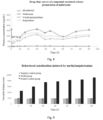
Fig. 8 shows a in vivo drug-time curve of the compound sustained-release preparation of naltrexone and risperidone prepared in Example 1 of the present disclosure, where the Y-axis represents a plasma concentration percentage (%), and the X-axis represents time (day); and -
Fig. 9 shows a comparison diagram of sensitization data of animal models according to examples of the present disclosure, where the Y-axis represents a travelled distance (cm), and the X-axis represents time (day). - The present disclosure will be further described below with reference to the drawings.
- Preparation of risperidone microspheres by a W1/O/W2 double emulsion-solvent evaporation method
- (1) 0.6 g of sodium chloride was dissolved in 3 mL of purified water to form an inner water phase.
- (2) 3.5 g of risperidone and 3.5 g of PLA (Mw 80,000 Da) were dissolved in dichloromethane to form an oil phase in which the concentration of risperidone was 150 mg/mL and the concentration of PLA was 150 mg/mL.
- (3) The inner water phase was added to the oil phase, and the mixture was ultrasonically emulsified to form a primary emulsion.
- (4) The primary emulsion was added dropwise to an aqueous solution (containing 0.5% polyvinyl alcohol and 5% sodium chloride) according to a ratio of 1: 40, the mixture was thoroughly stirred at 1,000 revolutions/minute until uniform, the organic solvent was evaporated by stirring at 800 revolutions/minute at 35°C for 24 h to obtain sustained-release microspheres, and the microspheres were washed, collected, and dried.
- Preparation of naltrexone microspheres by an O/W emulsion-solvent evaporation method
- (1) 3.5 g of naltrexone and 3.5 g of PLA (Mw 80,000 Da) were dissolved in dichloromethane to form an oil phase in which the concentration of naltrexone was 150 mg/mL and the concentration of PLA was 150 mg/mL.
- (2) The oil phase was added dropwise to an aqueous solution (containing 0.5% polyvinyl alcohol and 10% sucrose) according to a ratio of 1: 40, the mixture was thoroughly stirred at 1,000 revolutions/minute until uniform, the organic solvent was evaporated by stirring at 800 revolutions/minute at 35°C for 24 h to obtain sustained-release microspheres, and the microspheres were collected and dried.
- 10 parts of prepared naltrexone microspheres, 1 part of prepared risperidone microspheres, and 0.05% magnesium stearate were mixed and compressed into tablets.
- An in vitro cumulative release curve of the compound sustained-release preparation of naltrexone and risperidone prepared in this example is shown in
Fig. 3 , and it can be seen that the in vitro cumulative release period exceeds 90 days, and naltrexone and risperidone are released synchronously. - Preparation of risperidone microspheres by a W1/O/W2 double emulsion-solvent evaporation method
- (1) 0.3 g of sodium dihydrogen phosphate was dissolved in 2 mL of water to form an inner water phase.
- (2) 4.0 g of risperidone and 6.0 g of PLGA (lactic acid: glycolic acid = 90: 10, Mw 50,000 Da) were dissolved in dichloromethane to form an oil phase in which the concentration of risperidone was 100 mg/mL and the concentration of PLGA was 150 mg/mL.
- (3) The inner water phase was added to the oil phase, and the mixture was ultrasonically emulsified to form a primary emulsion.
- (4) The primary emulsion was added dropwise to an aqueous solution (containing 0.6% polyvinyl alcohol and 5% sodium chloride) according to a ratio of 3: 80, the mixture was thoroughly stirred at 700 revolutions/minute until uniform, the organic solvent was evaporated by stirring at 1,000 revolutions/minute at 35°C for 24 h to obtain sustained-release microspheres, and the microspheres were washed, collected, and dried.
-
- (1) 4.5 g of naltrexone and 6 g of PLGA (lactic acid: glycolic acid = 90: 10, Mw 50,000 Da) were dissolved in dichloromethane to form an oil phase in which the concentration of naltrexone was 150 mg/mL and the concentration of PLGA was 200 mg/mL.
- (2) The oil phase was added dropwise to an aqueous solution (containing 1.0% polyvinyl alcohol and 8% sucrose) according to a ratio of 3: 80, the mixture was thoroughly stirred at 700 revolutions/minute until uniform, the organic solvent was evaporated by stirring at 1,000 revolutions/minute at 35°C for 24 h to obtain sustained-release microspheres, and the microspheres were collected and dried.
- 5 parts of prepared naltrexone microspheres, 1 part of prepared risperidone microspheres, and 0.1% sodium stearyl fumarate were mixed and compressed into tablets.
- An in vitro cumulative release curve of the compound sustained-release preparation of naltrexone and risperidone prepared in this example is shown in
Fig. 4 , and it can be seen that the in vitro cumulative release period exceeds 90 days, and naltrexone and risperidone are released synchronously. - Preparation of risperidone microspheres by a W1/O/W2 double emulsion-solvent evaporation method
- (1) 0.5 g of disodium hydrogen phosphate was dissolved in 5 mL of water to form an inner water phase.
- (2) 5.0 g of risperidone and 6.0 g of PLGA (lactic acid: glycolic acid = 50: 50, Mw 100,000 Da) were dissolved in ethyl acetate to form an oil phase in which the concentration of risperidone was 100 mg/mL and the concentration of PLGA was 120 mg/mL.
- (3) The inner water phase was added to the oil phase, and the mixture was ultrasonically emulsified to form a primary emulsion.
- (4) The primary emulsion was added dropwise to an aqueous solution (containing 0.5% polyvinyl alcohol and 15% sucrose) according to a ratio of 1: 40, the mixture was thoroughly stirred at 800 revolutions/minute until uniform, the organic solvent was evaporated by stirring at 700 revolutions/minute at 35°C for 24 h to obtain sustained-release microspheres, and the microspheres were washed, collected, and dried.
-
- (1) 5 g of naltrexone and 5 g of PLGA (50: 50, Mw 100,000 Da) were dissolved in dichloromethane to form an oil phase in which the concentration of naltrexone was 100 mg/mL and the concentration of PLGA was 100 mg/mL.
- (2) The oil phase was added dropwise to an aqueous solution (containing 0.7% polyvinyl alcohol and 10% sucrose) according to a ratio of 1: 40, the mixture was thoroughly stirred at 900 revolutions/minute until uniform, the organic solvent was evaporated by stirring at 700 revolutions/minute at 35°C for 24 h to obtain sustained-release microspheres, and the microspheres were collected and dried.
- 5 parts of prepared naltrexone microspheres, 2 parts of prepared risperidone microspheres, 0.025% sodium stearyl fumarate, and 0.025% magnesium stearate were mixed and compressed into tablets.
- 4. The tablets were coated by spraying to obtain a compound sustained-release preparation of naltrexone and risperidone.
- An in vitro cumulative release curve of the compound sustained-release preparation of naltrexone and risperidone prepared in this example is shown in
Fig. 5 , and it can be seen that the in vitro cumulative release period exceeds 90 days, and naltrexone and risperidone are released synchronously. - Preparation of risperidone microspheres by an O/W emulsion-solvent evaporation method
- (1) 3 g of risperidone and 3 g of PLA (Mw 80,000 Da) were dissolved in dichloromethane to form an oil phase in which the concentration of risperidone was 150 mg/mL and the concentration of PLA was 150 mg/mL.
- (2) The oil phase was added dropwise to an aqueous solution (containing 0.5% polyvinyl alcohol and 10% sucrose) according to a ratio of 1: 40, the mixture was thoroughly stirred at 1,000 revolutions/minute until uniform, the organic solvent was evaporated by stirring at 800 revolutions/minute at 35°C for 24 h to obtain sustained-release microspheres, and the microspheres were washed, collected, and dried.
-
- (1) 3 g of naltrexone and 3 g of PLA (Mw 80,000 Da) were dissolved in dichloromethane to form an oil phase in which the concentration of naltrexone was 150 mg/mL and the concentration of PLA was 150 mg/mL.
- (2) The oil phase was added dropwise to an aqueous solution (containing 0.5% polyvinyl alcohol and 10% sucrose) according to a ratio of 1: 40, the mixture was thoroughly stirred at 1,000 revolutions/minute until uniform, the organic solvent was evaporated by stirring at 800 revolutions/minute at 35°C for 24 h to obtain sustained-release microspheres, and the microspheres were collected and dried.
- 10 parts of prepared naltrexone microspheres, 1 part of prepared risperidone microspheres, and 0.05% magnesium stearate were mixed and compressed into tablets.
- 4. The tablets were coated by spraying to obtain a compound sustained-release preparation of naltrexone and risperidone.
- An in vitro cumulative release curve of the compound sustained-release preparation of naltrexone and risperidone prepared in this Comparative Example is shown in
Fig. 6 , and it can be seen that the in vitro cumulative release period is only 70 days, and naltrexone and risperidone cannot be released synchronously. - Preparation of risperidone microspheres by a W1/O/W2 double emulsion-solvent evaporation method
- (1) 0.6 g of sodium chloride was dissolved in 3 mL of purified water to form an inner water phase.
- (2) 3.5 g of risperidone and 3.5 g of PLA (Mw 80,000Da) were dissolved in dichloromethane to form an oil phase in which the concentration of risperidone was 150 mg/mL and the concentration of PLA was 150 mg/mL.
- (3) The inner water phase was added to the oil phase, and the mixture was ultrasonically emulsified to form a primary emulsion.
- (4) The primary emulsion was added dropwise to an aqueous solution (containing 0.5% polyvinyl alcohol and 5% sodium chloride) according to a ratio of 1: 40, the mixture was thoroughly stirred at 1,000 revolutions/minute until uniform, the organic solvent was evaporated by stirring at 800 revolutions/minute at 35°C for 24 h to obtain sustained-release microspheres, and the microspheres were collected and dried.
-
- (1) 0.6 g of sodium chloride was dissolved in 4 mL of purified water to form an inner water phase.
- (2) 3.5 g of naltrexone and 3.5 g of PLA (Mw 80,000 Da) were dissolved in dichloromethane to form an oil phase in which the concentration of naltrexone was 150 mg/mL and the concentration of PLA was 150 mg/mL.
- (3) The inner water phase was added to the oil phase, and the mixture was ultrasonically emulsified to form a primary emulsion.
- (4) The primary emulsion was added dropwise to an aqueous solution (containing 0.5% polyvinyl alcohol and 10% sucrose) according to a ratio of 1: 40, the mixture was thoroughly stirred at 1,000 revolutions/minute until uniform, the organic solvent was evaporated by stirring at 800 revolutions/minute at 35°C for 24 h to obtain sustained-release microspheres, and the microspheres were collected and dried.
- 10 parts of prepared naltrexone microspheres, 1 part of prepared risperidone microspheres, and 0.05% magnesium stearate were mixed and compressed into tablets.
- 4. The tablets were coated by spraying to obtain a compound sustained-release preparation of naltrexone and risperidone.
- An in vitro cumulative release curve of the compound sustained-release preparation of naltrexone and risperidone prepared in this Comparative Example is shown in
Fig. 7 , and it can be seen that the release periods of naltrexone and risperidone are less than 80 days, and naltrexone and risperidone cannot be released synchronously. - It can be seen from Example 1 and Comparative Example 1 that in a case that the preparation methods of risperidone microspheres are different and the preparation methods of naltrexone microspheres are the same, the release behaviors of risperidone are similar, and the release behaviors of naltrexone are greatly different. Moreover, it can be seen from Example 1 and Comparative Example 2 that in a case that the preparation methods of risperidone microspheres are the same and the preparation methods of naltrexone microspheres are different, the release behaviors of naltrexone are similar, and the release behaviors of risperidone are greatly different. It shows the complexity of the release behaviors of the two sustained-release microspheres of the present disclosure when mixed, and to achieve the synchronous release of the two sustained-release microspheres, the parameters need to be limited within the ranges required by the present disclosure.
- Comparative Example 3 Preparation by using a fat-soluble polymer with a molecular weight different from Example 1
- Preparation of risperidone microspheres by a W1/O/W2 double emulsion-solvent evaporation method
- (1) 0.6 g of sodium chloride was dissolved in 3 mL of purified water to form an inner water phase.
- (2) 3.5 g of risperidone and 3.5 g of PLA (Mw 5,000 Da) were dissolved in dichloromethane to form an oil phase in which the concentration of risperidone was 150 mg/mL and the concentration of PLA was 150 mg/mL.
- (3) The inner water phase was added to the oil phase, and the mixture was ultrasonically emulsified to form a primary emulsion.
- (4) The primary emulsion was added dropwise to an aqueous solution (containing 0.5% polyvinyl alcohol and 5% sodium chloride) according to a ratio of 1: 40, the mixture was thoroughly stirred at 1,000 revolutions/minute until uniform, the organic solvent was evaporated by stirring at 800 revolutions/minute at 35°C for 24 h to obtain sustained-release microspheres, and the microspheres were collected and dried.
-
- (1) 3.5 g of naltrexone and 3.5 g of PLA (Mw 5,000 Da) were dissolved in dichloromethane to form an oil phase in which the concentration of naltrexone was 150 mg/mL and the concentration of PLA was 150 mg/mL.
- (2) The oil phase was added dropwise to an aqueous solution (containing 0.5% polyvinyl alcohol and 10% sucrose) according to a ratio of 1: 40, the mixture was thoroughly stirred at 1,000 revolutions/minute until uniform, the organic solvent was evaporated by stirring at 800 revolutions/minute at 35°C for 24 h to obtain sustained-release microspheres, and the microspheres were collected and dried.
- 10 parts of prepared naltrexone microspheres, 1 part of prepared risperidone microspheres, and 0.05% magnesium stearate were mixed and compressed into tablets.
- 4. The tablets were coated by spraying to obtain a compound sustained-release preparation of naltrexone and risperidone.
- In this case, naltrexone and risperidone cannot be released synchronously.
- An appropriate amount of naltrexone reference was taken and accurately weighed, a release medium was added to dissolve the naltrexone reference and quantitatively dilute to obtain a solution containing about 50 µg/mL naltrexone reference, and the solution was taken as a naltrexone reference solution.
- An appropriate amount of risperidone reference was taken and accurately weighed, a release medium was added to dissolve the risperidone reference and quantitatively dilute to obtain a solution containing about 50 µg/mL risperidone control, and the solution was taken as a risperidone reference solution.
- The product of the present disclosure was taken and placed into six 100 mL conical flasks with stoppers, 80 mL of 0.1 M anhydrous dipotassium hydrogen phosphate solution (a solution prepared by accurately sucking and placing 25 mL of 1 M sodium hydroxide solution into a 1,000 mL volumetric flask, adding a 0.1 M anhydrous dipotassium hydrogen phosphate solution for dilution, and regulating the pH value of the diluted solution to 11.2±0.05) was used as a solvent, and the conical flasks were tightly covered with the stoppers and shaken in a water bath oscillator at 100 times/minute at 37+0.5°C. The medium was replaced on day 1, day 3, day 6, day 9, day 12, day 15, ..., and
day 120, the solution was filtered, a subsequent filtrate was taken as a test solution, and the release medium was replenished in the operating container in time. The test solution was detected by high-performance liquid chromatography (a high-performance liquid chromatography method described in General Rule 0512 of Chinese Pharmacopoeia 2020) at a wavelength of 280 nm. - In vitro cumulative release results are shown in
Fig. 3 to Fig. 7 , and it can be seen that the release period of the product of the present disclosure is more than 12 weeks, and the naltrexone and risperidone drugs are released synchronously. However, the two drugs cannot be released synchronously in Comparative Examples, and a difference between release end points is more than 2 weeks. - SD rats, half male and half female, were taken as experimental animals. The naltrexone compound preparation sample of Example 1 was used. The compound sustained-release preparation was implanted into the back of each rat, and blood of each rat was collected at set time points for analysis of drug-time data.
- Blood collection method: the rat was anesthetized with isoflurane, about 1 mL of blood was collected from the retroorbital venous plexus, the collected whole blood was placed into an EP tube containing heparin immediately, the EP tube was shaken by reversing top and bottom three times, and placed in crushed ice, and centrifugation was performed (at 4,000 rpm at 4°C for about 5 min) within 1 h, and the centrifuged plasma sample was stored below -20°C. Naltrexone and its metabolite 6β-naltrexol, and risperidone and its metabolite 9-hydroxyrisperidone in the blood sample were detected by LC-MS/MS. Blood was collected for analysis once a week at time points 0h, 4h, D1, D3, D7, D10, D16, D39, D45, D60, D75, and D90.
- Drug-time analysis results are shown in
Fig. 8 , and it can be seen that the product of the present disclosure can effectively release risperidone and naltrexone into the blood in the body of the experimental animal, and the plasma concentration is kept stable within 90 days. - All mice were bred under the same conditions. The product of the present disclosure was surgically implanted into each mouse in a model group before an experiment. Except implantation of the product of the present disclosure, other experimental conditions of a positive control group were the same as those of the model group. Mice in a negative control group were normally bred without undergoing experimental treatment. Behavioral differences among the model group, the positive control group, and the negative control group were observed during the experiment.
- 36 SD mice weighing 120-150 g, half male and half female, were taken. The mice were randomly divided into 3 groups: a positive control group, a negative control group, and a model group. The compound sustained-release preparation (prepared in Example 1) was implanted into the back of each mouse in the model group before administration, and a challenge experiment was carried out on the second day after surgery.
- During the formative period, methylamphetamine (2 mg/kg) was daily intraperitoneally injected into each mouse in the positive control group and the model group, an equal amount of normal saline was intraperitoneally injected into each mouse in the negative control group for 7 consecutive days. During the conversion period, the drug was withdrawn for 7 days without any treatment. The expression period lasted for 12 weeks, during the expression period, methylamphetamine (2 mg/kg) was intraperitoneally injected into each mouse every 7 days for stimulation, and spontaneous activities of the mice were observed 30 minutes after injection.
- Results are shown in
Fig. 9 , and it can be seen that from day 7, activities of the mice in the positive control group are significantly increased (P<0.05), which indicates that spontaneous activities of the mice chronically administered with methylamphetamine are obvious, and methylamphetamine can induce behavioral sensitization. Compared with the positive control group, spontaneous activities of the mice in the model group are significantly reduced (P<0.01) on day 7, day 14, day 42, day 49, day 56, day 77, and day 84, which are similar to those of the mice in the negative control group. Compared with the mice in the model group on day 7, spontaneous activities of the mice in the model group on day 14, day 42, day 49, day 56, day 77, and day 84 are not gradually increased as those of the mice in the positive control group, which indicates that after the pre-implantation of the compound sustained-release preparation of naltrexone and risperidone, the mice are antagonistic to methamphetamine, and the body is protected.
Claims (10)
- A compound sustained-release composition of naltrexone and risperidone, comprising the following components in parts by weight:5-10 parts of naltrexone sustained-release microspheres; and1-2 parts of risperidone sustained-release microspheres,the risperidone sustained-release microspheres being prepared by a W1/O/W2 double emulsion-solvent evaporation method, and the naltrexone sustained-release microspheres being prepared by an O/W emulsification-solvent evaporation method.
- The composition according to claim 1, wherein preparation raw materials of the risperidone sustained-release microspheres comprise risperidone, an additive, a fat-soluble polymer, and a water-soluble polymer; preferably, the additive is selected from at least one of sodium chloride, mannitol, disodium hydrogen phosphate, and sodium dihydrogen phosphate; the fat-soluble polymer is selected from at least one of polylactic acid, poly(lactic-co-glycolic acid), polycaprolactone, polycarbonate, polyglycolic acid, polycyanoacrylate, and polyether ester; the water-soluble polymer is selected from polyvinyl alcohol; in the poly(lactic-co-glycolic acid), a ratio of lactic acid to glycolic acid is (1-9): 1; and the weight-average molecular weight of the water-soluble polymer or the fat-soluble polymer is 6,000-220,000 Da, and preferably 50,000-100,000 Da.
- The composition according to claim 1, wherein a preparation method of the risperidone sustained-release microspheres comprises the following steps:
preparation of risperidone sustained-release microspheres by a W1/O/W2 double emulsion-solvent evaporation method, specifically comprising the following steps:S1: dissolving an additive in purified water to form an inner water phase;S2: dissolving risperidone and a fat-soluble polymer in an organic solvent to form an oil phase;S3: adding the inner water phase to the oil phase, and performing ultrasonic emulsification to obtain a primary emulsion; andS4: adding the primary emulsion to an aqueous solution of a water-soluble polymer, stirring until uniform, solidifying, evaporating the organic solvent, collecting, and drying to obtain risperidone sustained-release microspheres. - The composition according to claim 3, wherein in S1, a dosage ratio of the additive to the purified water is 50-300 mg/mL; in S2, the concentration of risperidone is 100-300 mg/mL, the organic solvent is selected from at least one of dichloromethane and ethyl acetate, and the concentration of the fat-soluble polymer is 100-300 mg/mL; and in S4, a dosage ratio of the primary emulsion to the aqueous solution of the water-soluble polymer is (1-3): 80, and in the aqueous solution of the water-soluble polymer, the content of the water-soluble polymer is 0.1-2 wt%, and preferably 0.5-0.6 wt%.
- The composition according to claim 4, wherein in S4, the aqueous solution contains sodium chloride whose content is ≤5 wt% or sucrose whose content is ≤15 wt%, the stirring is performed at 500-5,000 revolutions/minute, and preferably 700-1,000 revolutions/minute, and the evaporation is performed at 200-3,000 revolutions/minute, preferably 500-1,000 revolutions/minute, at 30-40°C for 24 h.
- The composition according to claim 1, wherein preparation raw materials of the naltrexone sustained-release microspheres comprise naltrexone, a fat-soluble polymer, and a water-soluble polymer; preferably, the fat-soluble polymer is selected from at least one of polylactic acid, poly(lactic-co-glycolic acid), polycaprolactone, polycarbonate, polyglycolic acid, polycyanoacrylate, and polyether ester; the water-soluble polymer is selected from polyvinyl alcohol; in the poly(lactic-co-glycolic acid), a ratio of lactic acid to glycolic acid is (1-9): 1; and the weight-average molecular weight of the water-soluble polymer or the fat-soluble polymer is 6,000-220,000 Da, and preferably 50,000-100,000 Da.
- The composition according to claim 1, wherein a preparation method of the naltrexone sustained-release microspheres comprises the following steps:
preparation of naltrexone sustained-release microspheres by an O/W emulsion-solvent evaporation method, specifically comprising the following steps:S1': dissolving naltrexone and a fat-soluble polymer in an organic solvent to form an oil phase; andS2': adding dropwise the oil phase to an aqueous solution of a water-soluble polymer, stirring until uniform, solidifying, evaporating the organic solvent, collecting, and drying to obtain naltrexone sustained-release microspheres. - The composition according to claim 7, wherein in S1', the concentration of naltrexone is 50-300 mg/mL, the concentration of the fat-soluble polymer is 100-300 mg/mL, and the organic solvent is selected from at least one of dichloromethane and ethyl acetate; and in S2', a dosage ratio of the oil phase to the aqueous solution of the water-soluble polymer is (1-3): 80, in the aqueous solution of the water-soluble polymer, the content of the water-soluble polymer is 0.1-2 wt%, and preferably 0.5-1 wt%, the aqueous solution contains 0-10 wt% sodium chloride or 0-20 wt% sucrose, and preferably 8-10 wt% sucrose, the stirring is performed at 1,000-5,000 revolutions/minute, and preferably 700-1,000 revolutions/minute, and the evaporation is performed at 200-3,000 revolutions/minute, preferably 500-1,000 revolutions/minute, at 30-40°C for more than 24 h.
- A preparation comprising the composition according to any one of claims 1 to 8 prepared by uniformly mixing the composition with a lubricant, compressing into tablets, and coating; preferably, the lubricant being selected from at least one of sodium stearyl fumarate, magnesium stearate, and a stearic acid, and a dosage of lubricant being 0.05-1 wt% of the composition.
- The composition according to any one of claims 1 to 8 or the preparation according to claim 9 for use in treating or relieving amphetamine, ketamine, cocaine or cannabis addiction.
Applications Claiming Priority (2)
| Application Number | Priority Date | Filing Date | Title |
|---|---|---|---|
| CN202011243436.5A CN112245434A (en) | 2020-11-09 | 2020-11-09 | Naltrexone and risperidone compound sustained-release composition |
| PCT/CN2020/135369 WO2022095203A1 (en) | 2020-11-09 | 2020-12-10 | Naltrexone and risperidone combination sustained-release composition |
Publications (3)
| Publication Number | Publication Date |
|---|---|
| EP4233844A1 EP4233844A1 (en) | 2023-08-30 |
| EP4233844A4 EP4233844A4 (en) | 2023-10-25 |
| EP4233844B1 true EP4233844B1 (en) | 2025-03-12 |
Family
ID=74266720
Family Applications (1)
| Application Number | Title | Priority Date | Filing Date |
|---|---|---|---|
| EP20960660.7A Active EP4233844B1 (en) | 2020-11-09 | 2020-12-10 | Naltrexone and risperidone combination sustained-release composition |
Country Status (5)
| Country | Link |
|---|---|
| US (1) | US20240016744A1 (en) |
| EP (1) | EP4233844B1 (en) |
| CN (2) | CN112245434A (en) |
| ES (1) | ES3031434T3 (en) |
| WO (1) | WO2022095203A1 (en) |
Families Citing this family (6)
| Publication number | Priority date | Publication date | Assignee | Title |
|---|---|---|---|---|
| CN112245434A (en) * | 2020-11-09 | 2021-01-22 | 深圳善康医疗健康产业有限公司 | Naltrexone and risperidone compound sustained-release composition |
| CN112741813A (en) * | 2021-02-08 | 2021-05-04 | 北京佗林医药科技有限公司 | Naltrexone binary subcutaneous implant and preparation method thereof |
| CN115518048B (en) | 2022-09-28 | 2023-11-07 | 深圳善康医药科技股份有限公司 | Naltrexone and risperidone compound sustained-release implant, preparation method and application thereof |
| CN115737568A (en) * | 2022-11-24 | 2023-03-07 | 东南大学 | Nasal powder spray of risperidone and preparation method thereof |
| CN116473927B (en) * | 2023-06-07 | 2023-11-17 | 深圳聚生生物科技有限公司 | Preparation method and application of injectable PLA microspheres |
| WO2025112048A1 (en) * | 2023-12-01 | 2025-06-05 | 深圳善康医药科技股份有限公司 | Pharmaceutical composition for preventing cannabis relapse and use thereof |
Family Cites Families (14)
| Publication number | Priority date | Publication date | Assignee | Title |
|---|---|---|---|---|
| US6264987B1 (en) * | 2000-05-19 | 2001-07-24 | Alkermes Controlled Therapeutics Inc. Ii | Method for preparing microparticles having a selected polymer molecular weight |
| WO2007096489A1 (en) * | 2006-02-17 | 2007-08-30 | Trimaran Limited | Novel pharmaceutical compositions for optimizing replacement treatments and broadening the pharmacopeia for the overall treatment of addictions |
| CN101292960B (en) * | 2006-04-29 | 2011-02-09 | 中国人民解放军军事医学科学院毒物药物研究所 | Sustained-release microsphere containing risperidone and preparation method thereof |
| WO2008095086A2 (en) * | 2007-01-31 | 2008-08-07 | University Of Virginia Patent Foundation | Topiramate plus naltrexone for the treatment of addictive disorders |
| CN101700226A (en) * | 2009-03-26 | 2010-05-05 | 海南凤凰国际药物研究院 | Naltrexone long-acting sustained-release preparation with no need of coating and preparation method thereof |
| BRPI1106938A2 (en) * | 2011-10-17 | 2015-12-08 | Fbm Indústria Farmacêutica Ltda | controlled release pharmaceutical composition containing naltrexone and topiramate |
| CN102512399B (en) * | 2011-12-31 | 2013-05-01 | 湖南赛沃药业股份有限公司 | Long-acting naltrexone implant and preparation method thereof |
| CN106474070B (en) * | 2015-08-26 | 2020-03-17 | 四川科伦药物研究院有限公司 | Microsphere capable of overcoming stagnation period and releasing hydrophobic drugs at constant speed and preparation method thereof |
| CN106822039A (en) * | 2017-01-24 | 2017-06-13 | 广州帝奇医药技术有限公司 | Slowly water-soluble or slightly soluble drug sustained-release composition and preparation method thereof |
| CN110123789A (en) * | 2018-02-02 | 2019-08-16 | 山东墨海生物科技有限公司 | A kind of PLGA mixture of microspheres and preparation method thereof carrying Risperidone |
| WO2019231993A1 (en) * | 2018-06-01 | 2019-12-05 | Purdue Pharma L.P. | Compositions and methods for opioid overdose rescue |
| CN110742871B (en) * | 2018-08-22 | 2021-02-23 | 深圳善康医疗健康产业有限公司 | A kind of naltrexone implant microsphere compression technology |
| CN111329845A (en) * | 2020-04-08 | 2020-06-26 | 江苏长泰药业有限公司 | Preparation process for improving naltrexone microsphere encapsulation rate |
| CN112245434A (en) * | 2020-11-09 | 2021-01-22 | 深圳善康医疗健康产业有限公司 | Naltrexone and risperidone compound sustained-release composition |
-
2020
- 2020-11-09 CN CN202011243436.5A patent/CN112245434A/en active Pending
- 2020-12-10 US US18/314,047 patent/US20240016744A1/en active Pending
- 2020-12-10 CN CN202080105731.6A patent/CN116710097A/en active Pending
- 2020-12-10 WO PCT/CN2020/135369 patent/WO2022095203A1/en not_active Ceased
- 2020-12-10 ES ES20960660T patent/ES3031434T3/en active Active
- 2020-12-10 EP EP20960660.7A patent/EP4233844B1/en active Active
Also Published As
| Publication number | Publication date |
|---|---|
| CN112245434A (en) | 2021-01-22 |
| CN116710097A (en) | 2023-09-05 |
| EP4233844A4 (en) | 2023-10-25 |
| WO2022095203A1 (en) | 2022-05-12 |
| EP4233844A1 (en) | 2023-08-30 |
| US20240016744A1 (en) | 2024-01-18 |
| ES3031434T3 (en) | 2025-07-08 |
Similar Documents
| Publication | Publication Date | Title |
|---|---|---|
| EP4233844A1 (en) | Naltrexone and risperidone combination sustained-release composition | |
| US5656299A (en) | Sustained release microsphere preparation containing antipsychotic drug and production process thereof | |
| US20210212934A1 (en) | Methods for providing long-lasting anesthetic effect using microparticles | |
| EP2910242B1 (en) | Durable analgetic sebacoyl dinalbuphine ester-plga controlled release formulation | |
| CN113018277B (en) | Sustained-release preparation for injection and preparation method thereof | |
| CN114748428B (en) | High-drug-loading-amount long-acting sustained-release microsphere of calicheazine hydrochloride and preparation method thereof | |
| WO2019108029A1 (en) | Sustained-release injection preparation containing donepezil and preparation method therefor | |
| US20260102388A1 (en) | Compound slow-release implant of naltrexone and risperidone, preparation method therefor, and use thereof | |
| CN103893129B (en) | Paliperidone sustained-release micro-spheres and injection thereof and the preparation method of this sustained-release micro-spheres | |
| CN119997934A (en) | Sustained-release injection composition for treating or preventing inflammatory diseases and preparation method thereof | |
| US20250114320A1 (en) | Microspheres for extended release of fenofibrate | |
| WO2002094321A1 (en) | Compositions for promoting healing of bone fracture | |
| CN1965839A (en) | Sustained release microsphere of finasteride and its analogue, preparation process and use thereof | |
| JP2017533943A (en) | Compositions for treating acute, postoperative or chronic pain and methods of use thereof | |
| CN105997889B (en) | Amifostine sustained-release microspheres for subcutaneous injection and preparation method thereof | |
| EP4406534A1 (en) | Sustained-release injectable composition containing naltrexone and method for preparing same | |
| CN102631326A (en) | Sustained release microsphere used for injection and preparation method and applications of sustained release microsphere | |
| CN113786393A (en) | A kind of rivaroxaban microsphere and its preparation method and application | |
| CN116898824B (en) | Histamine H1 receptor antagonist slow-release nanoparticle, preparation method thereof, injection and application | |
| EP1488801B1 (en) | Chemical igf-i composition for the treatment and prevention of neurodegenerative diseases | |
| US20260130857A1 (en) | Sustained-release injectable composition for treating or preventing inflammatory disease, and method for preparing same | |
| CN121622584A (en) | Buripiperazole sustained-release microspheres and their preparation method | |
| RU2548722C1 (en) | Prolonged-release antitumour therapeutic agent based on anastrozole, antitumour preparation, oestrogen synthesis inhibitor | |
| CN118234487A (en) | Sustained-release injection composition containing naltrexone and preparation method thereof |
Legal Events
| Date | Code | Title | Description |
|---|---|---|---|
| STAA | Information on the status of an ep patent application or granted ep patent |
Free format text: STATUS: THE INTERNATIONAL PUBLICATION HAS BEEN MADE |
|
| PUAI | Public reference made under article 153(3) epc to a published international application that has entered the european phase |
Free format text: ORIGINAL CODE: 0009012 |
|
| STAA | Information on the status of an ep patent application or granted ep patent |
Free format text: STATUS: REQUEST FOR EXAMINATION WAS MADE |
|
| 17P | Request for examination filed |
Effective date: 20230505 |
|
| AK | Designated contracting states |
Kind code of ref document: A1 Designated state(s): AL AT BE BG CH CY CZ DE DK EE ES FI FR GB GR HR HU IE IS IT LI LT LU LV MC MK MT NL NO PL PT RO RS SE SI SK SM TR |
|
| A4 | Supplementary search report drawn up and despatched |
Effective date: 20230926 |
|
| RIC1 | Information provided on ipc code assigned before grant |
Ipc: A61K 9/28 20060101ALI20230920BHEP Ipc: A61K 9/50 20060101ALI20230920BHEP Ipc: A61P 25/30 20060101ALI20230920BHEP Ipc: A61K 9/20 20060101ALI20230920BHEP Ipc: A61P 25/36 20060101ALI20230920BHEP Ipc: A61K 47/32 20060101ALI20230920BHEP Ipc: A61K 47/34 20170101ALI20230920BHEP Ipc: A61K 31/485 20060101ALI20230920BHEP Ipc: A61K 31/519 20060101ALI20230920BHEP Ipc: A61K 9/16 20060101AFI20230920BHEP |
|
| DAV | Request for validation of the european patent (deleted) | ||
| DAX | Request for extension of the european patent (deleted) | ||
| GRAP | Despatch of communication of intention to grant a patent |
Free format text: ORIGINAL CODE: EPIDOSNIGR1 |
|
| STAA | Information on the status of an ep patent application or granted ep patent |
Free format text: STATUS: GRANT OF PATENT IS INTENDED |
|
| INTG | Intention to grant announced |
Effective date: 20241203 |
|
| GRAS | Grant fee paid |
Free format text: ORIGINAL CODE: EPIDOSNIGR3 |
|
| GRAA | (expected) grant |
Free format text: ORIGINAL CODE: 0009210 |
|
| STAA | Information on the status of an ep patent application or granted ep patent |
Free format text: STATUS: THE PATENT HAS BEEN GRANTED |
|
| AK | Designated contracting states |
Kind code of ref document: B1 Designated state(s): AL AT BE BG CH CY CZ DE DK EE ES FI FR GB GR HR HU IE IS IT LI LT LU LV MC MK MT NL NO PL PT RO RS SE SI SK SM TR |
|
| REG | Reference to a national code |
Ref country code: GB Ref legal event code: FG4D |
|
| REG | Reference to a national code |
Ref country code: CH Ref legal event code: EP |
|
| REG | Reference to a national code |
Ref country code: DE Ref legal event code: R096 Ref document number: 602020047789 Country of ref document: DE |
|
| REG | Reference to a national code |
Ref country code: IE Ref legal event code: FG4D |
|
| REG | Reference to a national code |
Ref country code: NL Ref legal event code: FP |
|
| P01 | Opt-out of the competence of the unified patent court (upc) registered |
Free format text: CASE NUMBER: APP_19465/2025 Effective date: 20250423 |
|
| PG25 | Lapsed in a contracting state [announced via postgrant information from national office to epo] |
Ref country code: RS Free format text: LAPSE BECAUSE OF FAILURE TO SUBMIT A TRANSLATION OF THE DESCRIPTION OR TO PAY THE FEE WITHIN THE PRESCRIBED TIME-LIMIT Effective date: 20250612 |
|
| PG25 | Lapsed in a contracting state [announced via postgrant information from national office to epo] |
Ref country code: FI Free format text: LAPSE BECAUSE OF FAILURE TO SUBMIT A TRANSLATION OF THE DESCRIPTION OR TO PAY THE FEE WITHIN THE PRESCRIBED TIME-LIMIT Effective date: 20250312 |
|
| REG | Reference to a national code |
Ref country code: ES Ref legal event code: FG2A Ref document number: 3031434 Country of ref document: ES Kind code of ref document: T3 Effective date: 20250708 |
|
| REG | Reference to a national code |
Ref country code: LT Ref legal event code: MG9D |
|
| PG25 | Lapsed in a contracting state [announced via postgrant information from national office to epo] |
Ref country code: NO Free format text: LAPSE BECAUSE OF FAILURE TO SUBMIT A TRANSLATION OF THE DESCRIPTION OR TO PAY THE FEE WITHIN THE PRESCRIBED TIME-LIMIT Effective date: 20250612 |
|
| PG25 | Lapsed in a contracting state [announced via postgrant information from national office to epo] |
Ref country code: HR Free format text: LAPSE BECAUSE OF FAILURE TO SUBMIT A TRANSLATION OF THE DESCRIPTION OR TO PAY THE FEE WITHIN THE PRESCRIBED TIME-LIMIT Effective date: 20250312 |
|
| PG25 | Lapsed in a contracting state [announced via postgrant information from national office to epo] |
Ref country code: LV Free format text: LAPSE BECAUSE OF FAILURE TO SUBMIT A TRANSLATION OF THE DESCRIPTION OR TO PAY THE FEE WITHIN THE PRESCRIBED TIME-LIMIT Effective date: 20250312 |
|
| PG25 | Lapsed in a contracting state [announced via postgrant information from national office to epo] |
Ref country code: GR Free format text: LAPSE BECAUSE OF FAILURE TO SUBMIT A TRANSLATION OF THE DESCRIPTION OR TO PAY THE FEE WITHIN THE PRESCRIBED TIME-LIMIT Effective date: 20250613 Ref country code: BG Free format text: LAPSE BECAUSE OF FAILURE TO SUBMIT A TRANSLATION OF THE DESCRIPTION OR TO PAY THE FEE WITHIN THE PRESCRIBED TIME-LIMIT Effective date: 20250312 |
|
| REG | Reference to a national code |
Ref country code: AT Ref legal event code: MK05 Ref document number: 1774454 Country of ref document: AT Kind code of ref document: T Effective date: 20250312 |
|
| PG25 | Lapsed in a contracting state [announced via postgrant information from national office to epo] |
Ref country code: SE Free format text: LAPSE BECAUSE OF FAILURE TO SUBMIT A TRANSLATION OF THE DESCRIPTION OR TO PAY THE FEE WITHIN THE PRESCRIBED TIME-LIMIT Effective date: 20250312 |
|
| PG25 | Lapsed in a contracting state [announced via postgrant information from national office to epo] |
Ref country code: SM Free format text: LAPSE BECAUSE OF FAILURE TO SUBMIT A TRANSLATION OF THE DESCRIPTION OR TO PAY THE FEE WITHIN THE PRESCRIBED TIME-LIMIT Effective date: 20250312 |
|
| PG25 | Lapsed in a contracting state [announced via postgrant information from national office to epo] |
Ref country code: PT Free format text: LAPSE BECAUSE OF FAILURE TO SUBMIT A TRANSLATION OF THE DESCRIPTION OR TO PAY THE FEE WITHIN THE PRESCRIBED TIME-LIMIT Effective date: 20250714 |
|
| PG25 | Lapsed in a contracting state [announced via postgrant information from national office to epo] |
Ref country code: PL Free format text: LAPSE BECAUSE OF FAILURE TO SUBMIT A TRANSLATION OF THE DESCRIPTION OR TO PAY THE FEE WITHIN THE PRESCRIBED TIME-LIMIT Effective date: 20250312 |
|
| PG25 | Lapsed in a contracting state [announced via postgrant information from national office to epo] |
Ref country code: AT Free format text: LAPSE BECAUSE OF FAILURE TO SUBMIT A TRANSLATION OF THE DESCRIPTION OR TO PAY THE FEE WITHIN THE PRESCRIBED TIME-LIMIT Effective date: 20250312 |
|
| PG25 | Lapsed in a contracting state [announced via postgrant information from national office to epo] |
Ref country code: CZ Free format text: LAPSE BECAUSE OF FAILURE TO SUBMIT A TRANSLATION OF THE DESCRIPTION OR TO PAY THE FEE WITHIN THE PRESCRIBED TIME-LIMIT Effective date: 20250312 Ref country code: EE Free format text: LAPSE BECAUSE OF FAILURE TO SUBMIT A TRANSLATION OF THE DESCRIPTION OR TO PAY THE FEE WITHIN THE PRESCRIBED TIME-LIMIT Effective date: 20250312 |
|
| PG25 | Lapsed in a contracting state [announced via postgrant information from national office to epo] |
Ref country code: RO Free format text: LAPSE BECAUSE OF FAILURE TO SUBMIT A TRANSLATION OF THE DESCRIPTION OR TO PAY THE FEE WITHIN THE PRESCRIBED TIME-LIMIT Effective date: 20250312 |
|
| PG25 | Lapsed in a contracting state [announced via postgrant information from national office to epo] |
Ref country code: SK Free format text: LAPSE BECAUSE OF FAILURE TO SUBMIT A TRANSLATION OF THE DESCRIPTION OR TO PAY THE FEE WITHIN THE PRESCRIBED TIME-LIMIT Effective date: 20250312 |
|
| PG25 | Lapsed in a contracting state [announced via postgrant information from national office to epo] |
Ref country code: IS Free format text: LAPSE BECAUSE OF FAILURE TO SUBMIT A TRANSLATION OF THE DESCRIPTION OR TO PAY THE FEE WITHIN THE PRESCRIBED TIME-LIMIT Effective date: 20250712 |
|
| REG | Reference to a national code |
Ref country code: DE Ref legal event code: R097 Ref document number: 602020047789 Country of ref document: DE |
|
| PGFP | Annual fee paid to national office [announced via postgrant information from national office to epo] |
Ref country code: GB Payment date: 20251229 Year of fee payment: 6 |
|
| PG25 | Lapsed in a contracting state [announced via postgrant information from national office to epo] |
Ref country code: DK Free format text: LAPSE BECAUSE OF FAILURE TO SUBMIT A TRANSLATION OF THE DESCRIPTION OR TO PAY THE FEE WITHIN THE PRESCRIBED TIME-LIMIT Effective date: 20250312 |
|
| PGFP | Annual fee paid to national office [announced via postgrant information from national office to epo] |
Ref country code: FR Payment date: 20251223 Year of fee payment: 6 |
|
| PGFP | Annual fee paid to national office [announced via postgrant information from national office to epo] |
Ref country code: TR Payment date: 20251215 Year of fee payment: 6 |
|
| PLBE | No opposition filed within time limit |
Free format text: ORIGINAL CODE: 0009261 |
|
| STAA | Information on the status of an ep patent application or granted ep patent |
Free format text: STATUS: NO OPPOSITION FILED WITHIN TIME LIMIT |
|
| REG | Reference to a national code |
Ref country code: CH Ref legal event code: L10 Free format text: ST27 STATUS EVENT CODE: U-0-0-L10-L00 (AS PROVIDED BY THE NATIONAL OFFICE) Effective date: 20260121 |
|
| 26N | No opposition filed |
Effective date: 20251215 |
|
| PGFP | Annual fee paid to national office [announced via postgrant information from national office to epo] |
Ref country code: DE Payment date: 20251230 Year of fee payment: 6 |
|
| PG25 | Lapsed in a contracting state [announced via postgrant information from national office to epo] |
Ref country code: LT Free format text: LAPSE BECAUSE OF FAILURE TO SUBMIT A TRANSLATION OF THE DESCRIPTION OR TO PAY THE FEE WITHIN THE PRESCRIBED TIME-LIMIT Effective date: 20250312 |
|
| PG25 | Lapsed in a contracting state [announced via postgrant information from national office to epo] |
Ref country code: MC Free format text: LAPSE BECAUSE OF FAILURE TO SUBMIT A TRANSLATION OF THE DESCRIPTION OR TO PAY THE FEE WITHIN THE PRESCRIBED TIME-LIMIT Effective date: 20250312 |
|
| REG | Reference to a national code |
Ref country code: CH Ref legal event code: H13 Free format text: ST27 STATUS EVENT CODE: U-0-0-H10-H13 (AS PROVIDED BY THE NATIONAL OFFICE) Effective date: 20260723 |
|
| REG | Reference to a national code |
Ref country code: NL Ref legal event code: MM Effective date: 20260101 |