EP4227396A1 - Gelatin microparticles containing nutrients for cell culture therein, preparation method therefor, and use thereof - Google Patents
Gelatin microparticles containing nutrients for cell culture therein, preparation method therefor, and use thereof Download PDFInfo
- Publication number
- EP4227396A1 EP4227396A1 EP21880466.4A EP21880466A EP4227396A1 EP 4227396 A1 EP4227396 A1 EP 4227396A1 EP 21880466 A EP21880466 A EP 21880466A EP 4227396 A1 EP4227396 A1 EP 4227396A1
- Authority
- EP
- European Patent Office
- Prior art keywords
- cross
- cell culture
- gelatin microparticles
- linking
- gelatin
- Prior art date
- Legal status (The legal status is an assumption and is not a legal conclusion. Google has not performed a legal analysis and makes no representation as to the accuracy of the status listed.)
- Pending
Links
Images






Classifications
-
- C—CHEMISTRY; METALLURGY
- C12—BIOCHEMISTRY; BEER; SPIRITS; WINE; VINEGAR; MICROBIOLOGY; ENZYMOLOGY; MUTATION OR GENETIC ENGINEERING
- C12M—APPARATUS FOR ENZYMOLOGY OR MICROBIOLOGY; APPARATUS FOR CULTURING MICROORGANISMS FOR PRODUCING BIOMASS, FOR GROWING CELLS OR FOR OBTAINING FERMENTATION OR METABOLIC PRODUCTS, i.e. BIOREACTORS OR FERMENTERS
- C12M1/00—Apparatus for enzymology or microbiology
-
- C—CHEMISTRY; METALLURGY
- C12—BIOCHEMISTRY; BEER; SPIRITS; WINE; VINEGAR; MICROBIOLOGY; ENZYMOLOGY; MUTATION OR GENETIC ENGINEERING
- C12N—MICROORGANISMS OR ENZYMES; COMPOSITIONS THEREOF; PROPAGATING, PRESERVING, OR MAINTAINING MICROORGANISMS; MUTATION OR GENETIC ENGINEERING; CULTURE MEDIA
- C12N5/00—Undifferentiated human, animal or plant cells, e.g. cell lines; Tissues; Cultivation or maintenance thereof; Culture media therefor
- C12N5/06—Animal cells or tissues; Human cells or tissues
- C12N5/0602—Vertebrate cells
- C12N5/0652—Cells of skeletal and connective tissues; Mesenchyme
- C12N5/0658—Skeletal muscle cells, e.g. myocytes, myotubes, myoblasts
-
- A—HUMAN NECESSITIES
- A23—FOODS OR FOODSTUFFS; TREATMENT THEREOF, NOT COVERED BY OTHER CLASSES
- A23L—FOODS, FOODSTUFFS OR NON-ALCOHOLIC BEVERAGES, NOT OTHERWISE PROVIDED FOR; PREPARATION OR TREATMENT THEREOF
- A23L13/00—Meat products; Meat meal; Preparation or treatment thereof
-
- A—HUMAN NECESSITIES
- A23—FOODS OR FOODSTUFFS; TREATMENT THEREOF, NOT COVERED BY OTHER CLASSES
- A23L—FOODS, FOODSTUFFS OR NON-ALCOHOLIC BEVERAGES, NOT OTHERWISE PROVIDED FOR; PREPARATION OR TREATMENT THEREOF
- A23L13/00—Meat products; Meat meal; Preparation or treatment thereof
- A23L13/40—Meat products; Meat meal; Preparation or treatment thereof containing additives
- A23L13/42—Additives other than enzymes or microorganisms in meat products or meat meals
-
- A—HUMAN NECESSITIES
- A23—FOODS OR FOODSTUFFS; TREATMENT THEREOF, NOT COVERED BY OTHER CLASSES
- A23L—FOODS, FOODSTUFFS OR NON-ALCOHOLIC BEVERAGES, NOT OTHERWISE PROVIDED FOR; PREPARATION OR TREATMENT THEREOF
- A23L29/00—Foods or foodstuffs containing additives; Preparation or treatment thereof
- A23L29/20—Foods or foodstuffs containing additives; Preparation or treatment thereof containing gelling or thickening agents
- A23L29/275—Foods or foodstuffs containing additives; Preparation or treatment thereof containing gelling or thickening agents of animal origin, e.g. chitin
- A23L29/281—Proteins, e.g. gelatin or collagen
- A23L29/284—Gelatin; Collagen
-
- A—HUMAN NECESSITIES
- A23—FOODS OR FOODSTUFFS; TREATMENT THEREOF, NOT COVERED BY OTHER CLASSES
- A23L—FOODS, FOODSTUFFS OR NON-ALCOHOLIC BEVERAGES, NOT OTHERWISE PROVIDED FOR; PREPARATION OR TREATMENT THEREOF
- A23L33/00—Modifying nutritive qualities of foods; Dietetic products; Preparation or treatment thereof
- A23L33/10—Modifying nutritive qualities of foods; Dietetic products; Preparation or treatment thereof using additives
-
- C—CHEMISTRY; METALLURGY
- C12—BIOCHEMISTRY; BEER; SPIRITS; WINE; VINEGAR; MICROBIOLOGY; ENZYMOLOGY; MUTATION OR GENETIC ENGINEERING
- C12M—APPARATUS FOR ENZYMOLOGY OR MICROBIOLOGY; APPARATUS FOR CULTURING MICROORGANISMS FOR PRODUCING BIOMASS, FOR GROWING CELLS OR FOR OBTAINING FERMENTATION OR METABOLIC PRODUCTS, i.e. BIOREACTORS OR FERMENTERS
- C12M1/00—Apparatus for enzymology or microbiology
- C12M1/12—Apparatus for enzymology or microbiology with sterilisation, filtration or dialysis means
-
- C—CHEMISTRY; METALLURGY
- C12—BIOCHEMISTRY; BEER; SPIRITS; WINE; VINEGAR; MICROBIOLOGY; ENZYMOLOGY; MUTATION OR GENETIC ENGINEERING
- C12M—APPARATUS FOR ENZYMOLOGY OR MICROBIOLOGY; APPARATUS FOR CULTURING MICROORGANISMS FOR PRODUCING BIOMASS, FOR GROWING CELLS OR FOR OBTAINING FERMENTATION OR METABOLIC PRODUCTS, i.e. BIOREACTORS OR FERMENTERS
- C12M23/00—Constructional details, e.g. recesses, hinges
- C12M23/20—Material Coatings
-
- C—CHEMISTRY; METALLURGY
- C12—BIOCHEMISTRY; BEER; SPIRITS; WINE; VINEGAR; MICROBIOLOGY; ENZYMOLOGY; MUTATION OR GENETIC ENGINEERING
- C12M—APPARATUS FOR ENZYMOLOGY OR MICROBIOLOGY; APPARATUS FOR CULTURING MICROORGANISMS FOR PRODUCING BIOMASS, FOR GROWING CELLS OR FOR OBTAINING FERMENTATION OR METABOLIC PRODUCTS, i.e. BIOREACTORS OR FERMENTERS
- C12M25/00—Means for supporting, enclosing or fixing the microorganisms, e.g. immunocoatings
- C12M25/16—Particles; Beads; Granular material; Encapsulation
-
- C—CHEMISTRY; METALLURGY
- C12—BIOCHEMISTRY; BEER; SPIRITS; WINE; VINEGAR; MICROBIOLOGY; ENZYMOLOGY; MUTATION OR GENETIC ENGINEERING
- C12N—MICROORGANISMS OR ENZYMES; COMPOSITIONS THEREOF; PROPAGATING, PRESERVING, OR MAINTAINING MICROORGANISMS; MUTATION OR GENETIC ENGINEERING; CULTURE MEDIA
- C12N11/00—Carrier-bound or immobilised enzymes; Carrier-bound or immobilised microbial cells; Preparation thereof
- C12N11/02—Enzymes or microbial cells immobilised on or in an organic carrier
-
- C—CHEMISTRY; METALLURGY
- C12—BIOCHEMISTRY; BEER; SPIRITS; WINE; VINEGAR; MICROBIOLOGY; ENZYMOLOGY; MUTATION OR GENETIC ENGINEERING
- C12N—MICROORGANISMS OR ENZYMES; COMPOSITIONS THEREOF; PROPAGATING, PRESERVING, OR MAINTAINING MICROORGANISMS; MUTATION OR GENETIC ENGINEERING; CULTURE MEDIA
- C12N5/00—Undifferentiated human, animal or plant cells, e.g. cell lines; Tissues; Cultivation or maintenance thereof; Culture media therefor
-
- C—CHEMISTRY; METALLURGY
- C12—BIOCHEMISTRY; BEER; SPIRITS; WINE; VINEGAR; MICROBIOLOGY; ENZYMOLOGY; MUTATION OR GENETIC ENGINEERING
- C12N—MICROORGANISMS OR ENZYMES; COMPOSITIONS THEREOF; PROPAGATING, PRESERVING, OR MAINTAINING MICROORGANISMS; MUTATION OR GENETIC ENGINEERING; CULTURE MEDIA
- C12N5/00—Undifferentiated human, animal or plant cells, e.g. cell lines; Tissues; Cultivation or maintenance thereof; Culture media therefor
- C12N5/0018—Culture media for cell or tissue culture
-
- C—CHEMISTRY; METALLURGY
- C12—BIOCHEMISTRY; BEER; SPIRITS; WINE; VINEGAR; MICROBIOLOGY; ENZYMOLOGY; MUTATION OR GENETIC ENGINEERING
- C12N—MICROORGANISMS OR ENZYMES; COMPOSITIONS THEREOF; PROPAGATING, PRESERVING, OR MAINTAINING MICROORGANISMS; MUTATION OR GENETIC ENGINEERING; CULTURE MEDIA
- C12N5/00—Undifferentiated human, animal or plant cells, e.g. cell lines; Tissues; Cultivation or maintenance thereof; Culture media therefor
- C12N5/0068—General culture methods using substrates
-
- C—CHEMISTRY; METALLURGY
- C12—BIOCHEMISTRY; BEER; SPIRITS; WINE; VINEGAR; MICROBIOLOGY; ENZYMOLOGY; MUTATION OR GENETIC ENGINEERING
- C12N—MICROORGANISMS OR ENZYMES; COMPOSITIONS THEREOF; PROPAGATING, PRESERVING, OR MAINTAINING MICROORGANISMS; MUTATION OR GENETIC ENGINEERING; CULTURE MEDIA
- C12N5/00—Undifferentiated human, animal or plant cells, e.g. cell lines; Tissues; Cultivation or maintenance thereof; Culture media therefor
- C12N5/06—Animal cells or tissues; Human cells or tissues
-
- C—CHEMISTRY; METALLURGY
- C12—BIOCHEMISTRY; BEER; SPIRITS; WINE; VINEGAR; MICROBIOLOGY; ENZYMOLOGY; MUTATION OR GENETIC ENGINEERING
- C12N—MICROORGANISMS OR ENZYMES; COMPOSITIONS THEREOF; PROPAGATING, PRESERVING, OR MAINTAINING MICROORGANISMS; MUTATION OR GENETIC ENGINEERING; CULTURE MEDIA
- C12N2500/00—Specific components of cell culture medium
- C12N2500/30—Organic components
- C12N2500/32—Amino acids
-
- C—CHEMISTRY; METALLURGY
- C12—BIOCHEMISTRY; BEER; SPIRITS; WINE; VINEGAR; MICROBIOLOGY; ENZYMOLOGY; MUTATION OR GENETIC ENGINEERING
- C12N—MICROORGANISMS OR ENZYMES; COMPOSITIONS THEREOF; PROPAGATING, PRESERVING, OR MAINTAINING MICROORGANISMS; MUTATION OR GENETIC ENGINEERING; CULTURE MEDIA
- C12N2500/00—Specific components of cell culture medium
- C12N2500/30—Organic components
- C12N2500/34—Sugars
-
- C—CHEMISTRY; METALLURGY
- C12—BIOCHEMISTRY; BEER; SPIRITS; WINE; VINEGAR; MICROBIOLOGY; ENZYMOLOGY; MUTATION OR GENETIC ENGINEERING
- C12N—MICROORGANISMS OR ENZYMES; COMPOSITIONS THEREOF; PROPAGATING, PRESERVING, OR MAINTAINING MICROORGANISMS; MUTATION OR GENETIC ENGINEERING; CULTURE MEDIA
- C12N2500/00—Specific components of cell culture medium
- C12N2500/30—Organic components
- C12N2500/38—Vitamins
-
- C—CHEMISTRY; METALLURGY
- C12—BIOCHEMISTRY; BEER; SPIRITS; WINE; VINEGAR; MICROBIOLOGY; ENZYMOLOGY; MUTATION OR GENETIC ENGINEERING
- C12N—MICROORGANISMS OR ENZYMES; COMPOSITIONS THEREOF; PROPAGATING, PRESERVING, OR MAINTAINING MICROORGANISMS; MUTATION OR GENETIC ENGINEERING; CULTURE MEDIA
- C12N2500/00—Specific components of cell culture medium
- C12N2500/50—Soluble polymers, e.g. polyethyleneglycol [PEG]
-
- C—CHEMISTRY; METALLURGY
- C12—BIOCHEMISTRY; BEER; SPIRITS; WINE; VINEGAR; MICROBIOLOGY; ENZYMOLOGY; MUTATION OR GENETIC ENGINEERING
- C12N—MICROORGANISMS OR ENZYMES; COMPOSITIONS THEREOF; PROPAGATING, PRESERVING, OR MAINTAINING MICROORGANISMS; MUTATION OR GENETIC ENGINEERING; CULTURE MEDIA
- C12N2501/00—Active agents used in cell culture processes, e.g. differentation
- C12N2501/10—Growth factors
- C12N2501/105—Insulin-like growth factors [IGF]
-
- C—CHEMISTRY; METALLURGY
- C12—BIOCHEMISTRY; BEER; SPIRITS; WINE; VINEGAR; MICROBIOLOGY; ENZYMOLOGY; MUTATION OR GENETIC ENGINEERING
- C12N—MICROORGANISMS OR ENZYMES; COMPOSITIONS THEREOF; PROPAGATING, PRESERVING, OR MAINTAINING MICROORGANISMS; MUTATION OR GENETIC ENGINEERING; CULTURE MEDIA
- C12N2501/00—Active agents used in cell culture processes, e.g. differentation
- C12N2501/10—Growth factors
- C12N2501/113—Acidic fibroblast growth factor (aFGF, FGF-1)
-
- C—CHEMISTRY; METALLURGY
- C12—BIOCHEMISTRY; BEER; SPIRITS; WINE; VINEGAR; MICROBIOLOGY; ENZYMOLOGY; MUTATION OR GENETIC ENGINEERING
- C12N—MICROORGANISMS OR ENZYMES; COMPOSITIONS THEREOF; PROPAGATING, PRESERVING, OR MAINTAINING MICROORGANISMS; MUTATION OR GENETIC ENGINEERING; CULTURE MEDIA
- C12N2501/00—Active agents used in cell culture processes, e.g. differentation
- C12N2501/10—Growth factors
- C12N2501/155—Bone morphogenic proteins [BMP]; Osteogenins; Osteogenic factor; Bone inducing factor
-
- C—CHEMISTRY; METALLURGY
- C12—BIOCHEMISTRY; BEER; SPIRITS; WINE; VINEGAR; MICROBIOLOGY; ENZYMOLOGY; MUTATION OR GENETIC ENGINEERING
- C12N—MICROORGANISMS OR ENZYMES; COMPOSITIONS THEREOF; PROPAGATING, PRESERVING, OR MAINTAINING MICROORGANISMS; MUTATION OR GENETIC ENGINEERING; CULTURE MEDIA
- C12N2501/00—Active agents used in cell culture processes, e.g. differentation
- C12N2501/10—Growth factors
- C12N2501/165—Vascular endothelial growth factor [VEGF]
-
- C—CHEMISTRY; METALLURGY
- C12—BIOCHEMISTRY; BEER; SPIRITS; WINE; VINEGAR; MICROBIOLOGY; ENZYMOLOGY; MUTATION OR GENETIC ENGINEERING
- C12N—MICROORGANISMS OR ENZYMES; COMPOSITIONS THEREOF; PROPAGATING, PRESERVING, OR MAINTAINING MICROORGANISMS; MUTATION OR GENETIC ENGINEERING; CULTURE MEDIA
- C12N2501/00—Active agents used in cell culture processes, e.g. differentation
- C12N2501/998—Proteins not provided for elsewhere
-
- C—CHEMISTRY; METALLURGY
- C12—BIOCHEMISTRY; BEER; SPIRITS; WINE; VINEGAR; MICROBIOLOGY; ENZYMOLOGY; MUTATION OR GENETIC ENGINEERING
- C12N—MICROORGANISMS OR ENZYMES; COMPOSITIONS THEREOF; PROPAGATING, PRESERVING, OR MAINTAINING MICROORGANISMS; MUTATION OR GENETIC ENGINEERING; CULTURE MEDIA
- C12N2533/00—Supports or coatings for cell culture, characterised by material
- C12N2533/50—Proteins
- C12N2533/54—Collagen; Gelatin
-
- C—CHEMISTRY; METALLURGY
- C12—BIOCHEMISTRY; BEER; SPIRITS; WINE; VINEGAR; MICROBIOLOGY; ENZYMOLOGY; MUTATION OR GENETIC ENGINEERING
- C12N—MICROORGANISMS OR ENZYMES; COMPOSITIONS THEREOF; PROPAGATING, PRESERVING, OR MAINTAINING MICROORGANISMS; MUTATION OR GENETIC ENGINEERING; CULTURE MEDIA
- C12N2537/00—Supports and/or coatings for cell culture characterised by physical or chemical treatment
- C12N2537/10—Cross-linking
Definitions
- the present application relates to gelatin microparticles containing nutrients for cell culture therein, a preparation method therefor, and a use thereof.
- Cultured meat is artificial meat prepared through mass culture of cells without slaughter of livestock, and is prepared through an ethical and eco-friendly process, unlike actual meat that requires a process of breeding and slaughtering livestocks and a use of antibiotics.
- the process for preparing cultured meat is performed through the following process: First, muscle satellite cells are isolated from livestock, and then the isolated cells are mass-proliferated in a culture medium containing amino acids, vitamins, sugars, inorganic salts, minerals, and various growth factors in a bioreactor. The prepared cells are transferred to a specific support or differentiated into muscle tissues in the differentiated culture medium through self-assembly between cells.
- the conventional culture used for cell proliferation includes fetal bovine serum (FBS) containing various growth factors, cytokines, proteins, and the like essential for cell growth.
- FBS fetal bovine serum
- the present inventors have made efforts to develop a nutrient delivery platform capable of replacing or reducing animal-derived serum during cell culture for preparing cultured meat. As a result, the present inventors have proved experimentally that a cell proliferation effect superior to that of the case of using serum can be achieved through the continuous and stable release of nutrients by preparing cross-linked gelatin microparticles and incorporating the nutrients for cell culture in pores of the prepared gelatin microparticles, and applying the resultant microparticles in a cell culture medium, thereby completing the present application.
- an aspect of the present application provides gelatin microparticles for delivering nutrients for cell culture.
- composition for cell culture including gelatin microparticles.
- Yet another aspect of the present application provides a method for reducing serum components in a cell culture medium, the method including culturing cells in a cell culture medium containing gelatin microparticles.
- Still another aspect of the present application provides a method for producing gelatin microparticles for delivering nutrients for cell culture.
- Still yet another aspect of the present application provides a method for controlling the release of nutrients for cell culture from gelatin microparticles.
- gelatin microparticles including cross-linked gelatin microparticles and nutrients for cell culture incorporated in the particles.
- composition for cell culture including the gelatin microparticles.
- a method for preparing cultured meat including culturing cells in a cell culture medium containing gelatin microparticles.
- a method for reducing serum components in a cell culture medium including culturing cells in the cell culture medium containing gelatin microparticles.
- composition for preparing the gelatin microparticles there is provided a composition for preparing the gelatin microparticles.
- the present application provides gelatin microparticles which are formed by cross-linking gelatin and into which nutrients for cell culture are incorporated.
- the gelatin microparticles may be prepared by an emulsification method.
- the gelatin microparticles may be prepared by a water-in-oil emulsification method for dispersing, in oil, a solution in which gelatin is dissolved.
- the gelatin microparticles prepared by the emulsification method may go through a drying step.
- the dried gelatin microparticles may be cross-linked by a cross-linking reaction.
- the prepared gelatin microparticles may be cross-linked.
- the cross-linking of the gelatin microparticles may be performed in the presence of a cross-linking agent, and the cross-linking agent may be genipin.
- the genipin may be a compound represented by Formula 1 below:
- Cross-linking may be performed by adding the gelatin microparticles prepared by the emulsification method to a cross-linking agent solution prepared by dissolving a cross-linking agent in a solvent and then reacting the mixture.
- the degree of cross-linking of the gelatin microparticles may be controlled by controlling the cross-linking reaction.
- the degree of cross-linking may be controlled by controlling the concentration of the cross-linking agent, the concentration of the microparticles, or the reaction time.
- the degree of cross-linking of the gelatin microparticles may vary with the cross-linking reaction time, and may be 10-60%, 12-58%, 14-56%, 16-54%, 18-52%, 20-50%, 22-48%, 24-46%, 26-44%, 28-42%, or 30-40%.
- the degree of cross-linking of the gelatin microparticles may be expressed by the cross-linking reaction time.
- the degree of cross-linking of the gelatin microparticles may be obtained by reacting a cross-linking reaction solution containing a 90% ethanol solvent, a 0.5 w/v% concentration of genipin, and a 50 mg/mL concentration of dry gelatin microparticles for a reaction time of 2-60 hours, 3-58 hours, 4-56 hours, 5-54 hours, 5-52 hours, 5-50 hours, 5-49 hours, 5-48 hours, or 6-48 hours, more specifically, 6-16 hours, 4-8 hours, 5-7 hours, 10-14 hours, 11-13 hours, 14-18 hours, 15-17 hours, 22-26 hours, 23-25 hours, 40-46 hours, or 47-49 hours.
- the loading amount and the release characteristics of nutrients for cell culture incorporated in microparticles vary with the degree of cross-linking of the gelatin microparticles so that the loading amount and the release characteristics of the nutrients may be controlled by controlling the degree of cross-linking of the microparticles.
- the cross-linking is carried out by the cross-linking agent, and a higher level of the cross-linking agent may be present on the surfaces of the gelatin microparticles compared to the insides of the gelatin microparticles.
- the cross-linking agent present on the surfaces of gelatin microparticles may have an effect on the loading amount and release rate of the nutrients.
- the gelatin microparticles prepared by the emulsification method and cross-linking may have a size of 1-200 ⁇ m, 3-170 ⁇ m, 5-150 ⁇ m, 5-120 um, 5-110 ⁇ m, 5-100 ⁇ m, 5-90 ⁇ m, 5-80 um, 5-70 ⁇ m, 6-70 ⁇ m, 7-70 ⁇ m, 8-70 um, or 10-50 ⁇ m.
- the gelatin microparticles cross-linked by the cross-linking agent may be added to the solution in which the nutrients for cell culture are dissolved, thereby incorporating the nutrients into the microparticles.
- the nutrients for cell culture incorporated into the gelatin microparticles may be used without limitation as long as they are materials capable of forming a complex with gelatin through electrostatic attraction, ionic bonding, or hydrogen bonding.
- the nutrients for cell culture that may be incorporated into the gelatin microparticles may be high molecular weight materials having a molecular weight of 1-50 kDa, 3-47 kDa, 5-45 kDa, 7-43 kDa, 10-40 kDa, 13-37 kDa, 15-35 kDa, 17-33 kDa, or 20-30 kDa.
- the nutrients for cell culture that may be incorporated into the gelatin microparticles may be low molecular weight materials having 1 kDa or less.
- the nutrients may be low molecular weight materials having a molecular weight of 0.01-1 kDa, 0.03-1 kDa, 0.05-1 kDa, 0.07-1 kDa, 0.07-0.95 kDa, 0.10-0.9 kDa, 0.15-0.90 kDa, 0.2-0.85 kDa, 0.25-0.8 kDa, or 0.3-0.75 kDa.
- the nutrients for cell culture that may be incorporated into the gelatin microparticles may include hormones, growth factors, amino acids, or vitamins necessary for cell culture.
- the nutrients for cell culture may be C-phycocyanin; albumin; growth factors selected from the group consisting of IGF-1, BMP-2, FGF-1, and VEGF; amino acids; or ascorbic acid, but are not limited thereto.
- gelatin microparticles of the present application as described above may be used for cell culture.
- the cells may be animal-derived muscle cells.
- the present application provides a composition for cell culture including: (i) gelatin microparticles which are formed by cross-linking gelatin and into which nutrients for cell culture are incorporated; and (ii) serum components.
- the cross-linking may be carried out by genipin.
- the nutrients for cell culture may be C-phycocyanin, albumin; growth factors selected from the group consisting of IGF-1, BMP-2, FGF-1, and VEGF; amino acids; or ascorbic acid.
- the degree of cross-linking of the gelatin microparticles may be 10-60%.
- the degree of cross-linking of the gelatin microparticles may be obtained by reacting a cross-linking reaction solution containing a 90% ethanol solvent, a 0.5 w/v% concentration of genipin, and a 50 mg/mL concentration of dry gelatin microparticles for a reaction time of 2-60 hours, 3-58 hours, 4-56 hours, 5-54 hours, 5-52 hours, 5-50 hours, 5-49 hours, 5-48 hours, or 6-48 hours, more specifically, 6-16 hours, 4-8 hours, 5-7 hours, 10-14 hours, 11-13 hours, 14-18 hours, 15-17 hours, 22-26 hours, 23-25 hours, 46-40 hours, or 47-49 hours.
- the composition for cell culture may further include other components that may be included in the medium for cell culture, in addition to the gelatin microparticles containing the nutrients for cell culture as described above.
- the additional components may be, for example, carbon sources (e.g., glucose), minerals, amino acids, vitamins, lipids, serum, serum-derived components, or a combination of one or more thereof, but are not limited thereto.
- composition for cell culture of the present application may be contained in an amount in which the serum components are reduced.
- the serum component content may be less than 10 wt%, more specifically less than 9 wt%, less than 8 wt%, less than 7 wt%, less than 6 wt%, less than 5 wt%, or less than 4 wt% in the composition for cell culture.
- the lower limit of the serum component content may be 0.001 wt%, 0.01 wt%, or 0.1 wt% in the medium for cell culture.
- the serum component may be fetal bovine serum
- the fetal bovine serum content may be less than 10 wt%, more specifically less than 9 wt%, less than 8 wt%, less than 7 wt%, less than 6 wt%, less than 5 wt%, and less than 4 wt% in the composition for cell culture
- the lower limit of the fetal bovine serum content may be 0.001 wt%, 0.01 wt%, or 0.1 wt% in the composition for cell culture.
- composition of the present application contains the serum components having a content lower than 10 wt%, which is the content of serum components (e.g., fetal bovine serum) contained in a conventional cell culture medium, when the composition contains the above-described gelatin microparticles of the present application, equal or higher level of proliferation in cell proliferation, more specifically, muscle cell proliferation is possible.
- serum components e.g., fetal bovine serum
- composition for cell culture of the present application may further include a serum-free medium, and for example, may include Dulbecco's Modified Eagle's Medium (DMEM), Eagle's Minimal Essential Medium (MEM), RPMI 1640, Ham's F 12, or SF 12 serum-free medium, or may further include some of the components of the medium.
- DMEM Dulbecco's Modified Eagle's Medium
- MEM Eagle's Minimal Essential Medium
- RPMI 1640 fetal bovine serum-free medium
- Ham's F 12 serum-free medium may further include some of the components of the medium.
- the cells may be cells for preparing cultured meat.
- the cells for preparing cultured meat may be animal-derived muscle cells, and the muscle cells may include myoblast, muscle satellite cells, myotube cells, myotubes, myofibers, or mature myofibers.
- the present application provides a method for preparing cultured meat, the method including culturing cells in a cell culture medium containing gelatin microparticles which are formed by cross-linking and into which nutrients for cell culture are incorporated.
- the cross-linking may be carried out by genipin.
- the nutrients for cell culture may be C-phycocyanin, albumin; growth factors selected from the group consisting of IGF-1, BMP-2, FGF-1, and VEGF; amino acids; or ascorbic acid.
- the degree of cross-linking of the gelatin microparticles may be 10-60%.
- the degree of cross-linking of the gelatin microparticles may be obtained by reacting a cross-linking reaction solution containing a 90% ethanol solvent, a 0.5 w/v% concentration of genipin, and a 50 mg/mL concentration of dry gelatin microparticles for a reaction time of 2-60 hours, 3-58 hours, 4-56 hours, 5-54 hours, 5-52 hours, 5-50 hours, 5-49 hours, 5-48 hours, or 6-48 hours, more specifically, 6-16 hours, 4-8 hours, 5-7 hours, 10-14 hours, 11-13 hours, 14-18 hours, 15-17 hours, 22-26 hours, 23-25 hours, 40-46 hours, or 47-49 hours.
- the cells may be animal-derived muscle cells, and the muscle cells may include myoblast, muscle satellite cells, myotube cells, myotubes, myofibers, or mature myofibers.
- the present application provides a method for reducing serum components in a cell culture medium, the method including culturing cells in a cell culture medium containing gelatin microparticles which are formed by cross-linking and into which nutrients for cell culture are incorporated.
- the cross-linking may be carried out by genipin.
- the nutrients for cell culture may be C-phycocyanin, albumin; growth factors selected from the group consisting of IGF-1, BMP-2, FGF-1, and VEGF; amino acids; or ascorbic acid.
- the degree of cross-linking of the gelatin microparticles may be 10-60%.
- the degree of cross-linking of the gelatin microparticles may be obtained by reacting a cross-linking reaction solution containing a 90% ethanol solvent, a 0.5 w/v% concentration of genipin, and a 50 mg/mL concentration of dry gelatin microparticles for a reaction time of 2-60 hours, 3-58 hours, 4-56 hours, 5-54 hours, 5-52 hours, 5-50 hours, 5-49 hours, 5-48 hours, or 6-48 hours, more specifically, 6-16 hours, 4-8 hours, 5-7 hours, 10-14 hours, 11-13 hours, 14-18 hours, 15-17 hours, 22-26 hours, 23-25 hours, 40-46 hours, or 47-49 hours.
- the present application provides a method for preparing gelatin microparticles for cell culture, the method including the following steps of: (a) preparing gelatin microparticles by an emulsification method; (b) reacting and cross-linking the prepared gelatin microparticles in the presence of a cross-linking agent; and (c) incorporating nutrients for cell culture into the cross-linked gelatin microparticles.
- the cross-linking agent may be genipin.
- the present application provides a method for controlling the release of nutrients for cell culture, the method including the steps of: (a) preparing gelatin microparticles by an emulsification method; (b) reacting and cross-linking the prepared gelatin microparticles in the presence of a cross-linking agent; and (c) incorporating nutrients for cell culture into the cross-linked gelatin microparticles, wherein the release of nutrients for cell culture from the gelatin microparticles is controlled by controlling the degree of cross-linking in step (b) above.
- the description of the gelatin microparticles is the same as described in the gelatin microparticles, which is an aspect of the present application, and thus is not described in duplicate.
- nutrients necessary for cell culture can be delivered stably.
- the problems of ethics, high costs, and causing diseases caused by the use of serum can be solved due to the use of nutrients which can replace animal-derived serum.
- the degree of cross-linking of the gelatin microparticles of the present application can be easily controlled, and thus the amount of nutrients incorporated, the amount of release, and the release speed can be controlled.
- the present application is suitable for preparing artificial cultured meat due to the use of a gelatin and a cross-linking agent which are derived from a living organism, edible, and safe.
- Gelatin microparticles were prepared by a water/oil emulsion method. First, a 11.1 wt% gelatin (from Sigma-Aldrich) solution preheated at 45 °C was added dropwise in olive oil (from Sigma-aldrich) and the resultant mixture was stirred at 500 rpm for 10 minutes. After continuously stirring the mixture, the mixture was slowly cooled to 4 °C to be gelled, and after 30 minutes, 100 mL of cooled acetone was added thereto, mixed and stirred. After 1 hour, 100 mL of cooled acetone was further mixed and stirred at 1,000 rpm for 5 minutes. The generated microparticles were collected by filtration, washed with acetone to remove residual oil, and then naturally dried.
- a 11.1 wt% gelatin (from Sigma-Aldrich) solution preheated at 45 °C was added dropwise in olive oil (from Sigma-aldrich) and the resultant mixture was stirred at 500 rpm for 10 minutes. After continuously stirring the
- a genipin (from Sigma-Aldrich) cross-linking solution having a concentration of 0.5 w/v% was prepared using 90% ethanol (Sigma-Aldrich) as a solvent, and dried microparticles (50 mg/mL) were added thereto and cross-linked.
- the degree of cross-linking was controlled by differently setting the cross-linking time to 6 hours, 12 hours, 16 hours, 24 hours, or 48 hours.
- the cross-linked gelatin microparticles (GMS) were washed three times with ethanol and then dried in an oven at 80 °C for 3 hours.
- Nutrients were incorporated by adding the dried GMS to a IGF-1 solution (0.5 ⁇ g/mL) or a C-phycocyanin (C-PC) solution (2 mg/mL) at a concentration of 10 mg/mL, and reacting the mixed solution for 12 hours.
- IGF-1 solution 0.5 ⁇ g/mL
- C-PC C-phycocyanin
- C2C12 myoblast (Passage 6) was inoculated into each well of a 24 well-plate by 3.5 ⁇ 10 3 cells.
- the cell culture was performed using a culture medium in which 1% penicillin/streptomycin antibiotic (Gibco ® Life Technologies) and 10% or 5% FBS (WELGENE) are contained in Dulbecco's Modified Eagle Medium (DMEM, Gibco ® Life Technologies).
- DMEM Dulbecco's Modified Eagle Medium
- a culture medium containing 10% FBS was used in control group 1
- a culture medium containing 5% FBS was used in control group 2
- a culture medium containing 6-hour cross-linked GMS (GMS_6) into which C-PC was incorporated was used in experimental group 1
- a culture medium containing 16-hour cross-linked GMS (GMS_16) into which C-PC was incorporated was used in experimental group 2
- a culture medium containing 24-hour cross-linked GMS (GMS_24) into which C-PC was incorporated was used in experimental group 3
- a culture medium containing 48-hour cross-linked GMS (GMS_48) into which C-PC was incorporated was used in experimental group 4.
- the cell proliferation enhancement experiment for GMS into which IGF-1 was incorporated was also performed by setting a control group and an experimental group in the same manner as the experimental method for GMS into which C-PC was incorporated.
- the characteristic analysis of GMS was performed as follows. The roughness and fine shape of porosity of the GMS were observed using SEM. The color, shape, and swelling ratio of the GMS according to cross-linking were observed using an optical microscope (OM). The C-PC released from the GMS was detected using Photoluminescence spectroscopy (PL) and Micro reader to quantify the release amount over time and analyze the release behavior. The growth factor (IGF-1) released from the GMS was quantified using ELISA.
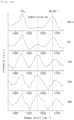
- the size of the prepared GMS was observed to be 10-50 ⁇ m, and as the cross-linking time increased, the blue color of the GMS became darker and aggregation between the GMSs was observed ( FIG. 1 ). It was confirmed that as the cross-linking was performed through Raman spectrum data, a new peak was formed around 1550 cm -1 due to the formation of heterocyclic amine and aromatic amide, and shift of an amide I peak around 1680 cm -1 occurred, thereby verifying that the cross-linking was successfully performed ( FIGS. 2A and 2B ). In addition, a change in the shape of the GMS according to the cross-linking time was observed ( FIG. 2C ).
- the rate of decrease in weight of the GMS in a cell culture environment for 12 days was measured to evaluate the degradation rate of each GMS.
- the weight of the GMS cross-linked for 12 hours (12h_GMS) was largely reduced within 48 hours and 90% or more of the GMS was degraded during the final 12 days. Considering that 7 days is required for the mass proliferation of cells for preparing cultured meat, and 5 days are required for the differentiation of cells, and thus a total period of 12 days for cell culture is required, the degree of degradation of 12h_GMS was suitable for preparing cultured meat.
- the weight of the GMS cross-linked for 24 hours was largely reduced within 96 hours and approximately 50% of the GMS was degraded during the final 12 days. For a total period of 12 days of cell proliferation and differentiation, the GMS was degraded by about half, indicating that nutrients will remain in the GMS after 12 days ( FIG. 3 ).
- the degradation rate of the GMS may be controlled according to the degree of cross-linking, and thus, it was proved that the release amount and release rate of the incorporated nutrients may be controlled. Since the degradation rate of the GMS is closely related to the release of nutrients, the degradation rate decreases as the degree of cross-linking increases, and it is expected to release nutrients more slowly and continuously.
- the loading amount of C-PC in GMS according to the degree of cross-linking was analyzed. According to the experimental results shown in Table 1 below, the loading amount and efficiency of C-PC were in the order of 6h > Bare > 24h ⁇ 16h > 48h. As the degree of cross-linking increases, the density of the GMS increases, and the swelling ratio decreases, and thus the C-PC-loading space decreases. In the loading efficiency measurement result, it was found that the Bare and 6h samples had a loading efficiency of 30% or more, and the others had 17-20%, and thus the GMS internal structure was rapidly cross-linked between 6h and 16h.
- a first step of the release of C-PC from the GMS is a step of rapidly releasing a large amount of materials due to initial diffusion according to a concentration gradient.
- a second step of the release is a step of gradually and continuously releasing the incorporated materials by the degradation of the GMS.
- the release amount ( ⁇ g) was in the order of Bare > 16h ⁇ 6h > 24h > 48h.
- the Bare GMS was saturated by both the diffusion of C-PC and the degradation of the GMS based on 24h.
- the 6h_GMS had a release rate of C-PC slower than the Bare due to the internal diffusion space reduced by some cross-linking, but after 48h, 95% of the 6h_GMS was released and the 6h_GMS was almost saturated at 96h.
- the loading amount between samples was not significantly different, and the release behavior was almost similar, but the release amount showed a distinct difference, and was higher in the order of 16h > 24h > 48h.
- the inner structure of the GMS is cross-linked as well as genipin starts to be accumulated in the outer layer, and the interaction between the GMS surface and C-PC, or the interaction between C-PC and C-PC is enhanced, and thus the release rate is delayed ( FIG. 4A ).
- the release amount and release rate of IGF-1 were evaluated through ELISA quantitative analysis. During the initial 24 hours, rapid release occurred due to the diffusion phenomenon by the concentration gradient in and out of the GMS, and after 24 hours, IGF-1 was slowly released by slow degradation of the GMS. After 72 hours, the release of IGF-1 was sustained, and the maximum release amount was 256 ng/mL, which met the effective concentration for enhancing the proliferation of C2C12 cells ( FIG. 4B ). The release amount (ng/mL) of IGF-1 according to the degree of cross-linking was in the order of Bare ⁇ 6h ⁇ 24h ⁇ 48h ⁇ 168h ( FIG. 4C ).
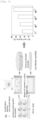
- the cell proliferation effect was evaluated by applying the nutrient-incorporated gelatin microparticles to cell culture ( FIG. 5 ).
- Fetal Bovine Serum is added to the cell culture medium at a concentration of 10%.
- FBS Fetal Bovine Serum
- the cell proliferation evaluation was performed by preparing a conventional medium (FBS 10%), a medium (FBS 5%) in which FBS was reduced, and media in which GMSs into which C-PC was incorporated and which were prepared by varying the degree of cross-linking in the FBS 5% medium were added, respectively.
- the cell proliferation evaluation was performed by preparing a conventional medium (FBS 10%), a medium (FBS 5%) in which FBS was reduced, and media in which GMSs into which IGF-1 was incorporated and which were prepared by varying the degree of cross-linking in the FBS 5% medium were added, respectively.
- FBS 10% a conventional medium
- FBS 5% a medium in which FBS was reduced
- media in which GMSs into which IGF-1 was incorporated and which were prepared by varying the degree of cross-linking in the FBS 5% medium were added, respectively.
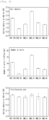
- the cell density, number of cells, and proliferation rate in the GMS-added group were significantly improved compared to the FBS 5%, and in particular, the 6h_GMS, 24h_GMS, and 48h_GMS groups were measured to have 1.4 times more cells than the FBS 10% group ( FIG. 7 ).
- the GMS can incorporate various materials by swelling properties and charged amino acid chains.
- low-molecular materials in addition to C-PC and IGF-1 or various types of growth factors may be used.
- Hyaluronic acid (HA) as a high molecular material and Fluorescein isothiocyanate (FITC) as a low molecular material were selected as model materials in addition to IGF-1 and C-PC as materials incorporated into the GMS.
- the release behavior of the model materials was analyzed for the GMS samples into which HA or FITC was incorporated for 72 hours in media for culturing C2C12 cells.
- the HA was mixed with HA conjugated with rhodamine B dye at a ratio of 1:9 and used, and the release behavior was analyzed through photoluminescence (PL) measurement.
- the HA has a relatively high negative charge density in a neutral solution condition, and thus strong electrostatic attraction may act between the HA and the GMS positively charged. Accordingly, the GMS/HA interaction > diffusion rate was shown, and the part affected by diffusion was reduced, and the HA was slowly released as the GMS was degraded.
- FITC is a low-molecular material model and the release behavior was analyzed by PL fluorescence analysis. In the case of the FITC, since the molecular weight is much smaller than the GMS, rapid release occurs depending on diffusion force rather than interaction with the GMS ( FIG. 8 ).
Landscapes
- Health & Medical Sciences (AREA)
- Engineering & Computer Science (AREA)
- Life Sciences & Earth Sciences (AREA)
- Chemical & Material Sciences (AREA)
- Bioinformatics & Cheminformatics (AREA)
- Biomedical Technology (AREA)
- Zoology (AREA)
- Organic Chemistry (AREA)
- Wood Science & Technology (AREA)
- Biotechnology (AREA)
- Genetics & Genomics (AREA)
- General Engineering & Computer Science (AREA)
- General Health & Medical Sciences (AREA)
- Biochemistry (AREA)
- Microbiology (AREA)
- Cell Biology (AREA)
- Rheumatology (AREA)
- Polymers & Plastics (AREA)
- Food Science & Technology (AREA)
- Nutrition Science (AREA)
- Sustainable Development (AREA)
- Immunology (AREA)
- Medicinal Chemistry (AREA)
- Clinical Laboratory Science (AREA)
- Dispersion Chemistry (AREA)
- Mycology (AREA)
- Micro-Organisms Or Cultivation Processes Thereof (AREA)
- Manufacturing Of Micro-Capsules (AREA)
Abstract
Description
- The present application relates to gelatin microparticles containing nutrients for cell culture therein, a preparation method therefor, and a use thereof.
- Cultured meat is artificial meat prepared through mass culture of cells without slaughter of livestock, and is prepared through an ethical and eco-friendly process, unlike actual meat that requires a process of breeding and slaughtering livestocks and a use of antibiotics. The process for preparing cultured meat is performed through the following process: First, muscle satellite cells are isolated from livestock, and then the isolated cells are mass-proliferated in a culture medium containing amino acids, vitamins, sugars, inorganic salts, minerals, and various growth factors in a bioreactor. The prepared cells are transferred to a specific support or differentiated into muscle tissues in the differentiated culture medium through self-assembly between cells.
- Although many companies around the world are challenging the cultured meat industry, it is difficult to commercialize the cultured meat due to the complex production process and high production costs. Since the cost of the culture medium used in the mass proliferation process of muscle cells isolated from livestock accounts for at least 70% of the total production cost of cultured meat, research for reducing the cost of the culture medium is an indispensable factor. The conventional culture used for cell proliferation includes fetal bovine serum (FBS) containing various growth factors, cytokines, proteins, and the like essential for cell growth. However, since the use of animal-derived components is not suitable for the original purpose of cultured meat, there is a demand for developing a technology capable of excluding or reducing FBS.
-
-
Korean Patent Laid-open Publication No. 10-2019-0054425 - The present inventors have made efforts to develop a nutrient delivery platform capable of replacing or reducing animal-derived serum during cell culture for preparing cultured meat. As a result, the present inventors have proved experimentally that a cell proliferation effect superior to that of the case of using serum can be achieved through the continuous and stable release of nutrients by preparing cross-linked gelatin microparticles and incorporating the nutrients for cell culture in pores of the prepared gelatin microparticles, and applying the resultant microparticles in a cell culture medium, thereby completing the present application.
- Therefore, an aspect of the present application provides gelatin microparticles for delivering nutrients for cell culture.
- Another aspect of the present application provides a composition for cell culture including gelatin microparticles.
- Further another aspect of the present application provides a method for preparing cultured meat, the method including culturing cells in a cell culture medium containing gelatin microparticles.
- Yet another aspect of the present application provides a method for reducing serum components in a cell culture medium, the method including culturing cells in a cell culture medium containing gelatin microparticles.
- Still another aspect of the present application provides a method for producing gelatin microparticles for delivering nutrients for cell culture.
- Still yet another aspect of the present application provides a method for controlling the release of nutrients for cell culture from gelatin microparticles.
- In order to accomplish the object of the invention,
- according to an aspect of the present application, there is provided gelatin microparticles including cross-linked gelatin microparticles and nutrients for cell culture incorporated in the particles.
- According to another aspect of the present application, there is provided a composition for cell culture including the gelatin microparticles.
- According to further another aspect of the present application, there is provided a method for preparing cultured meat, the method including culturing cells in a cell culture medium containing gelatin microparticles.
- According to still another aspect of the present application, there is provided a method for reducing serum components in a cell culture medium, the method including culturing cells in the cell culture medium containing gelatin microparticles.
- According to yet another aspect of the present application, there is provided a composition for preparing the gelatin microparticles.
- According to still yet another aspect of the present application, there is provided a method for controlling the release of nutrients for cell culture from gelatin microparticles by controlling a degree of cross-linking of the gelatin microparticles.
- Hereinafter, the present application will be described in detail.
- According to an aspect, the present application provides gelatin microparticles which are formed by cross-linking gelatin and into which nutrients for cell culture are incorporated.
- In the present application, the gelatin microparticles may be prepared by an emulsification method. For example, the gelatin microparticles may be prepared by a water-in-oil emulsification method for dispersing, in oil, a solution in which gelatin is dissolved.
- The gelatin microparticles prepared by the emulsification method may go through a drying step. The dried gelatin microparticles may be cross-linked by a cross-linking reaction.
- The prepared gelatin microparticles may be cross-linked.
- In an embodiment, the cross-linking of the gelatin microparticles may be performed in the presence of a cross-linking agent, and the cross-linking agent may be genipin.
- The genipin may be a compound represented by Formula 1 below:

- Cross-linking may be performed by adding the gelatin microparticles prepared by the emulsification method to a cross-linking agent solution prepared by dissolving a cross-linking agent in a solvent and then reacting the mixture.
- The degree of cross-linking of the gelatin microparticles may be controlled by controlling the cross-linking reaction. For example, the degree of cross-linking may be controlled by controlling the concentration of the cross-linking agent, the concentration of the microparticles, or the reaction time.
- In the present application, the degree of cross-linking of the gelatin microparticles may vary with the cross-linking reaction time, and may be 10-60%, 12-58%, 14-56%, 16-54%, 18-52%, 20-50%, 22-48%, 24-46%, 26-44%, 28-42%, or 30-40%.
- In the present application, the degree of cross-linking of the gelatin microparticles may be expressed by the cross-linking reaction time.
- In an embodiment, the degree of cross-linking of the gelatin microparticles may be obtained by reacting a cross-linking reaction solution containing a 90% ethanol solvent, a 0.5 w/v% concentration of genipin, and a 50 mg/mL concentration of dry gelatin microparticles for a reaction time of 2-60 hours, 3-58 hours, 4-56 hours, 5-54 hours, 5-52 hours, 5-50 hours, 5-49 hours, 5-48 hours, or 6-48 hours, more specifically, 6-16 hours, 4-8 hours, 5-7 hours, 10-14 hours, 11-13 hours, 14-18 hours, 15-17 hours, 22-26 hours, 23-25 hours, 40-46 hours, or 47-49 hours.
- In the present invention, the loading amount and the release characteristics of nutrients for cell culture incorporated in microparticles vary with the degree of cross-linking of the gelatin microparticles so that the loading amount and the release characteristics of the nutrients may be controlled by controlling the degree of cross-linking of the microparticles.
- In an embodiment, the cross-linking is carried out by the cross-linking agent, and a higher level of the cross-linking agent may be present on the surfaces of the gelatin microparticles compared to the insides of the gelatin microparticles. The cross-linking agent present on the surfaces of gelatin microparticles may have an effect on the loading amount and release rate of the nutrients.
- In the present application, the gelatin microparticles prepared by the emulsification method and cross-linking may have a size of 1-200 µm, 3-170 µm, 5-150 µm, 5-120 um, 5-110 µm, 5-100 µm, 5-90 µm, 5-80 um, 5-70 µm, 6-70 µm, 7-70 µm, 8-70 um, or 10-50 µm.
- In the present application, the gelatin microparticles cross-linked by the cross-linking agent may be added to the solution in which the nutrients for cell culture are dissolved, thereby incorporating the nutrients into the microparticles.
- The nutrients for cell culture incorporated into the gelatin microparticles may be used without limitation as long as they are materials capable of forming a complex with gelatin through electrostatic attraction, ionic bonding, or hydrogen bonding.
- The nutrients for cell culture that may be incorporated into the gelatin microparticles may be high molecular weight materials having a molecular weight of 1-50 kDa, 3-47 kDa, 5-45 kDa, 7-43 kDa, 10-40 kDa, 13-37 kDa, 15-35 kDa, 17-33 kDa, or 20-30 kDa.
- In addition, the nutrients for cell culture that may be incorporated into the gelatin microparticles may be low molecular weight materials having 1 kDa or less. Specifically, the nutrients may be low molecular weight materials having a molecular weight of 0.01-1 kDa, 0.03-1 kDa, 0.05-1 kDa, 0.07-1 kDa, 0.07-0.95 kDa, 0.10-0.9 kDa, 0.15-0.90 kDa, 0.2-0.85 kDa, 0.25-0.8 kDa, or 0.3-0.75 kDa.
- The nutrients for cell culture that may be incorporated into the gelatin microparticles may include hormones, growth factors, amino acids, or vitamins necessary for cell culture. For example, the nutrients for cell culture may be C-phycocyanin; albumin; growth factors selected from the group consisting of IGF-1, BMP-2, FGF-1, and VEGF; amino acids; or ascorbic acid, but are not limited thereto.
- The gelatin microparticles of the present application as described above may be used for cell culture.
- In an embodiment, the cells may be animal-derived muscle cells.
- According to another aspect, the present application provides a composition for cell culture including: (i) gelatin microparticles which are formed by cross-linking gelatin and into which nutrients for cell culture are incorporated; and (ii) serum components.
- In the composition for cell culture of the present application, the cross-linking may be carried out by genipin.
- In the composition for cell culture of the present invention, the nutrients for cell culture may be C-phycocyanin, albumin; growth factors selected from the group consisting of IGF-1, BMP-2, FGF-1, and VEGF; amino acids; or ascorbic acid.
- In the composition for cell culture of the present application, the degree of cross-linking of the gelatin microparticles may be 10-60%.
- In the composition for cell culture of the present application, the degree of cross-linking of the gelatin microparticles may be obtained by reacting a cross-linking reaction solution containing a 90% ethanol solvent, a 0.5 w/v% concentration of genipin, and a 50 mg/mL concentration of dry gelatin microparticles for a reaction time of 2-60 hours, 3-58 hours, 4-56 hours, 5-54 hours, 5-52 hours, 5-50 hours, 5-49 hours, 5-48 hours, or 6-48 hours, more specifically, 6-16 hours, 4-8 hours, 5-7 hours, 10-14 hours, 11-13 hours, 14-18 hours, 15-17 hours, 22-26 hours, 23-25 hours, 46-40 hours, or 47-49 hours.
- In the present application, the composition for cell culture may further include other components that may be included in the medium for cell culture, in addition to the gelatin microparticles containing the nutrients for cell culture as described above. The additional components may be, for example, carbon sources (e.g., glucose), minerals, amino acids, vitamins, lipids, serum, serum-derived components, or a combination of one or more thereof, but are not limited thereto.
- The composition for cell culture of the present application may be contained in an amount in which the serum components are reduced.
- In an embodiment, the serum component content may be less than 10 wt%, more specifically less than 9 wt%, less than 8 wt%, less than 7 wt%, less than 6 wt%, less than 5 wt%, or less than 4 wt% in the composition for cell culture.
- The lower limit of the serum component content may be 0.001 wt%, 0.01 wt%, or 0.1 wt% in the medium for cell culture.
- In an embodiment, the serum component may be fetal bovine serum, and the fetal bovine serum content may be less than 10 wt%, more specifically less than 9 wt%, less than 8 wt%, less than 7 wt%, less than 6 wt%, less than 5 wt%, and less than 4 wt% in the composition for cell culture, and the lower limit of the fetal bovine serum content may be 0.001 wt%, 0.01 wt%, or 0.1 wt% in the composition for cell culture.
- Even through the composition of the present application contains the serum components having a content lower than 10 wt%, which is the content of serum components (e.g., fetal bovine serum) contained in a conventional cell culture medium, when the composition contains the above-described gelatin microparticles of the present application, equal or higher level of proliferation in cell proliferation, more specifically, muscle cell proliferation is possible.
- The composition for cell culture of the present application may further include a serum-free medium, and for example, may include Dulbecco's Modified Eagle's Medium (DMEM), Eagle's Minimal Essential Medium (MEM), RPMI 1640, Ham's
F 12, orSF 12 serum-free medium, or may further include some of the components of the medium. - In the composition for cell culture of the present application, the cells may be cells for preparing cultured meat.
- In the composition for cell culture of the present application, the cells for preparing cultured meat may be animal-derived muscle cells, and the muscle cells may include myoblast, muscle satellite cells, myotube cells, myotubes, myofibers, or mature myofibers.
- According to further another aspect, the present application provides a method for preparing cultured meat, the method including culturing cells in a cell culture medium containing gelatin microparticles which are formed by cross-linking and into which nutrients for cell culture are incorporated.
- In the method for preparing cultured meat of the present application, the cross-linking may be carried out by genipin.
- In the method for preparing cultured meat of the present invention, the nutrients for cell culture may be C-phycocyanin, albumin; growth factors selected from the group consisting of IGF-1, BMP-2, FGF-1, and VEGF; amino acids; or ascorbic acid.
- In the method for preparing cultured meat of the present application, the degree of cross-linking of the gelatin microparticles may be 10-60%.
- In the method for preparing cultured meat of the present application, the degree of cross-linking of the gelatin microparticles may be obtained by reacting a cross-linking reaction solution containing a 90% ethanol solvent, a 0.5 w/v% concentration of genipin, and a 50 mg/mL concentration of dry gelatin microparticles for a reaction time of 2-60 hours, 3-58 hours, 4-56 hours, 5-54 hours, 5-52 hours, 5-50 hours, 5-49 hours, 5-48 hours, or 6-48 hours, more specifically, 6-16 hours, 4-8 hours, 5-7 hours, 10-14 hours, 11-13 hours, 14-18 hours, 15-17 hours, 22-26 hours, 23-25 hours, 40-46 hours, or 47-49 hours.
- In the method for preparing cultured meat of the present application, the cells may be animal-derived muscle cells, and the muscle cells may include myoblast, muscle satellite cells, myotube cells, myotubes, myofibers, or mature myofibers.
- According to yet another aspect, the present application provides a method for reducing serum components in a cell culture medium, the method including culturing cells in a cell culture medium containing gelatin microparticles which are formed by cross-linking and into which nutrients for cell culture are incorporated.
- In the method for reducing serum components of the present application, the cross-linking may be carried out by genipin.
- In the method for reducing serum components of the present invention, the nutrients for cell culture may be C-phycocyanin, albumin; growth factors selected from the group consisting of IGF-1, BMP-2, FGF-1, and VEGF; amino acids; or ascorbic acid.
- In the method for reducing serum components of the present application, the degree of cross-linking of the gelatin microparticles may be 10-60%.
- In the method for reducing serum components of the present application, the degree of cross-linking of the gelatin microparticles may be obtained by reacting a cross-linking reaction solution containing a 90% ethanol solvent, a 0.5 w/v% concentration of genipin, and a 50 mg/mL concentration of dry gelatin microparticles for a reaction time of 2-60 hours, 3-58 hours, 4-56 hours, 5-54 hours, 5-52 hours, 5-50 hours, 5-49 hours, 5-48 hours, or 6-48 hours, more specifically, 6-16 hours, 4-8 hours, 5-7 hours, 10-14 hours, 11-13 hours, 14-18 hours, 15-17 hours, 22-26 hours, 23-25 hours, 40-46 hours, or 47-49 hours.
- According to still another aspect, the present application provides a method for preparing gelatin microparticles for cell culture, the method including the following steps of: (a) preparing gelatin microparticles by an emulsification method; (b) reacting and cross-linking the prepared gelatin microparticles in the presence of a cross-linking agent; and (c) incorporating nutrients for cell culture into the cross-linked gelatin microparticles.
- In the method for preparing gelatin microparticles for cell culture of the present application, the cross-linking agent may be genipin.
- According to still yet another aspect, the present application provides a method for controlling the release of nutrients for cell culture, the method including the steps of: (a) preparing gelatin microparticles by an emulsification method; (b) reacting and cross-linking the prepared gelatin microparticles in the presence of a cross-linking agent; and (c) incorporating nutrients for cell culture into the cross-linked gelatin microparticles, wherein the release of nutrients for cell culture from the gelatin microparticles is controlled by controlling the degree of cross-linking in step (b) above.
- In the other aspects of the present application, which are the composition for cell culture, the method for preparing culture meat, the method for reducing serum components in a cell culture medium, the method for preparing gelatin microparticles, and the method for controlling the release of nutrients for cell culture, the description of the gelatin microparticles is the same as described in the gelatin microparticles, which is an aspect of the present application, and thus is not described in duplicate.
- According to the gelatin microparticles of the present application, nutrients necessary for cell culture can be delivered stably.
- According to the gelatin microparticles of the present application, the problems of ethics, high costs, and causing diseases caused by the use of serum can be solved due to the use of nutrients which can replace animal-derived serum.
- The degree of cross-linking of the gelatin microparticles of the present application can be easily controlled, and thus the amount of nutrients incorporated, the amount of release, and the release speed can be controlled.
- The present application is suitable for preparing artificial cultured meat due to the use of a gelatin and a cross-linking agent which are derived from a living organism, edible, and safe.
- However, the effects of the present application are not limited to the above-mentioned effects and other effects not mentioned will be clearly understood from the following description by a person skilled in the art.
-
-
FIG. 1 is an optical microscope image showing the shape and size of gelatin microparticles (GMS) according to the degree of cross-linking. -
FIG. 2A shows a mechanism of cross-linking gelatin particles by genipin,FIG. 2B shows graphs showing changes in Raman spectroscopy spectra due to the formation of a heterocyclic amine and the formation of an aromatic amide according to cross-linking by genipin, andFIG. 2C shows scanning electron microscope (SEM) images obtained by observing changes in shape of GMS according to the cross-linking time. -
FIG. 3 shows the results of measuring the degradation rates of GMS samples cross-linked for 12 hours and 24 hours. -
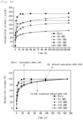
FIG. 4A is a graph (upper graph) obtained by analyzing a total accumulated release amount of C-PC in GMS samples cross-linked for 6 hours, 16 hours, 24 hours, and 48 hours, respectively, and a graph (lower graph) obtained by analyzing the release behavior of C-PC. -
FIG. 4B is a graph obtained by analyzing the release behavior of IGF-1 in GMS cross-linked for 12 hours (12h_GMS). -
FIG. 4C is a graph obtained by analyzing the release amount of IGF-1 incorporated into a GMS bare sample and GMS samples which are cross-linked for 6 hours, 16 hours, 24 hours, and 48 hours. -
FIG. 5 is an experimental schematic diagram for evaluating the cell proliferation effect by applying gelatin microparticles, into which nutrients are incorporated, to cell culture. -
FIG. 6 shows results of evaluation of proliferation of C2C12 cells by C-PC-incorporated GMS. -
FIG. 7 shows results of evaluation of proliferation of C2C12 cells by IGF-1-incorporated GMS. -
FIG. 8 shows graphs showing results of analyzing the release behavior of hyaluronic acid (HA) or FITC released from GMS into which HA or FITC is incorporated. - Hereinafter, the present application will be described in detail with reference to examples. However, the following examples specifically illustrate the present application, and the contents of the present application are not limited by the following examples.
- Gelatin microparticles were prepared by a water/oil emulsion method. First, a 11.1 wt% gelatin (from Sigma-Aldrich) solution preheated at 45 °C was added dropwise in olive oil (from Sigma-aldrich) and the resultant mixture was stirred at 500 rpm for 10 minutes. After continuously stirring the mixture, the mixture was slowly cooled to 4 °C to be gelled, and after 30 minutes, 100 mL of cooled acetone was added thereto, mixed and stirred. After 1 hour, 100 mL of cooled acetone was further mixed and stirred at 1,000 rpm for 5 minutes. The generated microparticles were collected by filtration, washed with acetone to remove residual oil, and then naturally dried. A genipin (from Sigma-Aldrich) cross-linking solution having a concentration of 0.5 w/v% was prepared using 90% ethanol (Sigma-Aldrich) as a solvent, and dried microparticles (50 mg/mL) were added thereto and cross-linked. The degree of cross-linking was controlled by differently setting the cross-linking time to 6 hours, 12 hours, 16 hours, 24 hours, or 48 hours. The cross-linked gelatin microparticles (GMS) were washed three times with ethanol and then dried in an oven at 80 °C for 3 hours. Nutrients were incorporated by adding the dried GMS to a IGF-1 solution (0.5 µg/mL) or a C-phycocyanin (C-PC) solution (2 mg/mL) at a concentration of 10 mg/mL, and reacting the mixed solution for 12 hours.
- Gelatin microparticles into which nutrients were incorporated were applied to a cell culture environment to evaluate the efficacy of nutrient delivery. C2C12 myoblast (Passage 6) was inoculated into each well of a 24 well-plate by 3.5 × 10³ cells. The cell culture was performed using a culture medium in which 1% penicillin/streptomycin antibiotic (Gibco® Life Technologies) and 10% or 5% FBS (WELGENE) are contained in Dulbecco's Modified Eagle Medium (DMEM, Gibco® Life Technologies). In the cell proliferation enhancement experiment for GMS into which C-PC was incorporated, a culture medium containing 10% FBS was used in
control group 1, a culture medium containing 5% FBS was used incontrol group 2, a culture medium containing 6-hour cross-linked GMS (GMS_6) into which C-PC was incorporated was used inexperimental group 1, a culture medium containing 16-hour cross-linked GMS (GMS_16) into which C-PC was incorporated was used inexperimental group 2, a culture medium containing 24-hour cross-linked GMS (GMS_24) into which C-PC was incorporated was used inexperimental group 3, and a culture medium containing 48-hour cross-linked GMS (GMS_48) into which C-PC was incorporated was used in experimental group 4. The cell proliferation enhancement experiment for GMS into which IGF-1 was incorporated was also performed by setting a control group and an experimental group in the same manner as the experimental method for GMS into which C-PC was incorporated. - The characteristic analysis of GMS was performed as follows. The roughness and fine shape of porosity of the GMS were observed using SEM. The color, shape, and swelling ratio of the GMS according to cross-linking were observed using an optical microscope (OM). The C-PC released from the GMS was detected using Photoluminescence spectroscopy (PL) and Micro reader to quantify the release amount over time and analyze the release behavior. The growth factor (IGF-1) released from the GMS was quantified using ELISA.
- The size of the prepared GMS was observed to be 10-50 µm, and as the cross-linking time increased, the blue color of the GMS became darker and aggregation between the GMSs was observed (
FIG. 1 ). It was confirmed that as the cross-linking was performed through Raman spectrum data, a new peak was formed around 1550 cm-1 due to the formation of heterocyclic amine and aromatic amide, and shift of an amide I peak around 1680 cm-1 occurred, thereby verifying that the cross-linking was successfully performed (FIGS. 2A and2B ). In addition, a change in the shape of the GMS according to the cross-linking time was observed (FIG. 2C ). - The rate of decrease in weight of the GMS in a cell culture environment for 12 days was measured to evaluate the degradation rate of each GMS. The weight of the GMS cross-linked for 12 hours (12h_GMS) was largely reduced within 48 hours and 90% or more of the GMS was degraded during the final 12 days. Considering that 7 days is required for the mass proliferation of cells for preparing cultured meat, and 5 days are required for the differentiation of cells, and thus a total period of 12 days for cell culture is required, the degree of degradation of 12h_GMS was suitable for preparing cultured meat. The weight of the GMS cross-linked for 24 hours (24h_GMS) was largely reduced within 96 hours and approximately 50% of the GMS was degraded during the final 12 days. For a total period of 12 days of cell proliferation and differentiation, the GMS was degraded by about half, indicating that nutrients will remain in the GMS after 12 days (
FIG. 3 ). - As a result of the above experiment, it was proved that the degradation rate of the GMS may be controlled according to the degree of cross-linking, and thus, it was proved that the release amount and release rate of the incorporated nutrients may be controlled. Since the degradation rate of the GMS is closely related to the release of nutrients, the degradation rate decreases as the degree of cross-linking increases, and it is expected to release nutrients more slowly and continuously.
- The loading amount of C-PC in GMS according to the degree of cross-linking was analyzed. According to the experimental results shown in Table 1 below, the loading amount and efficiency of C-PC were in the order of 6h > Bare > 24h ≥ 16h > 48h. As the degree of cross-linking increases, the density of the GMS increases, and the swelling ratio decreases, and thus the C-PC-loading space decreases. In the loading efficiency measurement result, it was found that the Bare and 6h samples had a loading efficiency of 30% or more, and the others had 17-20%, and thus the GMS internal structure was rapidly cross-linked between 6h and 16h. Although the difference in time between 6h and 16h samples was only 10 hours, the difference in loading efficiency was 16%, but although the difference in time between 16h and 48h samples was 32 hours, the difference in loading efficiency was 3.3%, which was no significant difference. This is supposed to be the result of the accumulation of genipin molecules in the outer layer of the GMS and the bonding of C-PC to the outer part. The loading efficiency is higher at 6h GMS than at Bare. When the degree of cross-linking is low, the viscoelasticity of the GMS is increased so that C-PC is easily loaded, and the degradation of the GMS is minimized during the process of loading C-PC.
[Table 1] Bare_GMS 6h_GMS 16h_GMS 24h_GMS 48h_GMS Remaining volume (mL) 0.34 0.34 0.42 0.41 0.42 Remaining cone (mg/mL) 1.577±0.083 1.462±0.00 2 1.608±0.035 1.624±0.00 9 1.663±0.02 2 Remaining amount (µg) 736.04±28.2 8 697.18±0.8 7 875.25±14.8 4 865.87±3.8 0 811.62±9.5 9 Loading amount (µg) 363.96 402.82 224.75 234.13 188.38 Loading efficienc y (%) 33.09±2.57 36.62±0.08 20.43±1.35 21.28±0.35 17.13±0.87 - The GMS samples, which were cross-linked for 6, 16, 24, and 48 hours, were prepared in 4 mg each, C-PC was incorporated as a nutrient, and the release behavior for 7 days was then analyzed. By cross-linking, the interior of the GMS has a denser microstructure, which was expected to have an effect on the incorporation and release amounts of C-PC of 30 kDa. A first step of the release of C-PC from the GMS is a step of rapidly releasing a large amount of materials due to initial diffusion according to a concentration gradient. A second step of the release is a step of gradually and continuously releasing the incorporated materials by the degradation of the GMS.
- As a result of the experiment, the release amount (µg) was in the order of Bare > 16h ≥ 6h > 24h > 48h. The Bare GMS was saturated by both the diffusion of C-PC and the degradation of the GMS based on 24h. The 6h_GMS had a release rate of C-PC slower than the Bare due to the internal diffusion space reduced by some cross-linking, but after 48h, 95% of the 6h_GMS was released and the 6h_GMS was almost saturated at 96h. In the case of 16h to 48h GMSs, the loading amount between samples was not significantly different, and the release behavior was almost similar, but the release amount showed a distinct difference, and was higher in the order of 16h > 24h > 48h. From the case where the cross-linking time is greater than 24 hours, the inner structure of the GMS is cross-linked as well as genipin starts to be accumulated in the outer layer, and the interaction between the GMS surface and C-PC, or the interaction between C-PC and C-PC is enhanced, and thus the release rate is delayed (
FIG. 4A ). - The release amount and release rate of IGF-1 were evaluated through ELISA quantitative analysis. During the initial 24 hours, rapid release occurred due to the diffusion phenomenon by the concentration gradient in and out of the GMS, and after 24 hours, IGF-1 was slowly released by slow degradation of the GMS. After 72 hours, the release of IGF-1 was sustained, and the maximum release amount was 256 ng/mL, which met the effective concentration for enhancing the proliferation of C2C12 cells (
FIG. 4B ). The release amount (ng/mL) of IGF-1 according to the degree of cross-linking was in the order of Bare < 6h < 24h < 48h ≒ 168h (FIG. 4C ). - The cell proliferation effect was evaluated by applying the nutrient-incorporated gelatin microparticles to cell culture (
FIG. 5 ). - In general, Fetal Bovine Serum (FBS) is added to the cell culture medium at a concentration of 10%. In this Example, in order to evaluate the effect of FBS reduction due to the delivery of nutrients, the cell proliferation evaluation was performed by preparing a conventional medium (
FBS 10%), a medium (FBS 5%) in which FBS was reduced, and media in which GMSs into which C-PC was incorporated and which were prepared by varying the degree of cross-linking in theFBS 5% medium were added, respectively. As a result of the experiments, when C-PC was released from the GMS cross-linked for 16 hours (GMS_16), the effect was the most obvious, and the number of cells increased by 1.6 times compared to the conventional medium (FBS 10%) despite the use of medium with reduced FBS amount. In addition, the number and density of cells in all groups to which GMS was added in addition to GMS_16 were higher than those of FBS-reduction medium (FBS 5%) (FIG. 6 ). - In the same manner as in the method of evaluation of proliferation of C-PC-incorporated GMS samples for C2C12 cells, the cell proliferation evaluation was performed by preparing a conventional medium (
FBS 10%), a medium (FBS 5%) in which FBS was reduced, and media in which GMSs into which IGF-1 was incorporated and which were prepared by varying the degree of cross-linking in theFBS 5% medium were added, respectively. As a result of the experiments, the cell density, number of cells, and proliferation rate in the GMS-added group were significantly improved compared to theFBS 5%, and in particular, the 6h_GMS, 24h_GMS, and 48h_GMS groups were measured to have 1.4 times more cells than theFBS 10% group (FIG. 7 ). - It was confirmed through the experimental results that the amount of FBS used may be reduced when the nutrient-incorporated GMS is used.
- The GMS can incorporate various materials by swelling properties and charged amino acid chains. In the actual process for preparing cultured meat, low-molecular materials in addition to C-PC and IGF-1 or various types of growth factors may be used. Hyaluronic acid (HA) as a high molecular material and Fluorescein isothiocyanate (FITC) as a low molecular material were selected as model materials in addition to IGF-1 and C-PC as materials incorporated into the GMS. The release behavior of the model materials was analyzed for the GMS samples into which HA or FITC was incorporated for 72 hours in media for culturing C2C12 cells.
- The HA was mixed with HA conjugated with rhodamine B dye at a ratio of 1:9 and used, and the release behavior was analyzed through photoluminescence (PL) measurement. The HA has a relatively high negative charge density in a neutral solution condition, and thus strong electrostatic attraction may act between the HA and the GMS positively charged. Accordingly, the GMS/HA interaction > diffusion rate was shown, and the part affected by diffusion was reduced, and the HA was slowly released as the GMS was degraded. Unlike IGF-1, C-PC, and HA, FITC is a low-molecular material model and the release behavior was analyzed by PL fluorescence analysis. In the case of the FITC, since the molecular weight is much smaller than the GMS, rapid release occurs depending on diffusion force rather than interaction with the GMS (
FIG. 8 ). - Through the above results, it was proved that the nutrients having various functional groups or molecular weights required for the preparation of cultured meat may be incorporated into edible GMS and efficiently released.
- Although the representative embodiments of the present application have been exemplarily described, the scope of the present application is not limited to the specific embodiments as described above, and a person skilled in the art can change the present application within the scope described in the claims of the present application.
Claims (16)
- Gelatin microparticles which are formed by cross-linking gelatin and into which nutrients for cell culture are incorporated.
- The gelatin microparticles of claim 1, wherein a cross-linking agent is present at a higher level on the surfaces of the gelatin microparticles than on the insides of the gelatin microparticles.
- The gelatin microparticles of claim 1, wherein the cross-linking is carried out by genipin.
- The gelatin microparticles of claim 1, wherein the nutrients for cell culture are C-phycocyanin, albumin; growth factors selected from the group consisting of IGF-1, BMP-2, FGF-1, and VEGF; amino acids; or ascorbic acid.
- The gelatin microparticles of claim 1, wherein the degree of cross-linking of the gelatin microparticles is 10-60%.
- The gelatin microparticles of claim 1, wherein the degree of cross-linking of the gelatin microparticles is obtained by reacting a cross-linking reaction solution containing a 90% ethanol solvent, a 0.5 w/v% concentration of genipin, and a 50 mg/mL concentration of dry gelatin microparticles for a reaction time of 2-60 hours.
- The gelatin microparticles of claim 1, wherein the gelatin microparticles are used for cell culture.
- The gelatin microparticles of claim 7, wherein the cells are animal-derived muscle cells.
- A composition for cell culture comprising:(i) the gelatin microparticles of any one of claims 1 to 6; and(ii) serum components.
- The composition of claim 9, wherein the serum components are contained in an amount of less than 10 wt% in the composition for cell culture.
- A method for preparing cultured meat comprising culturing cells in a cell culture medium containing gelatin microparticles of any one of claims 1 to 6.
- The method of claim 11, wherein the cells are animal-derived muscle cells.
- A method for reducing serum components in a cell culture medium, the method comprising culturing cells in a cell culture medium containing gelatin microparticles of any one of claims 1 to 6.
- A method for preparing gelatin microparticles for cell culture comprising the steps of:(a) preparing gelatin microparticles by an emulsification method;(b) reacting and cross-linking the prepared gelatin microparticles in the presence of a cross-linking agent; and(c) incorporating nutrients for cell culture into the cross-linked gelatin microparticles.
- The method of claim 14, wherein the cross-linking agent is genipin.
- A method for controlling the release of nutrients for cell culture, the method comprising the steps of:(a) preparing gelatin microparticles by an emulsification method;(b) reacting and cross-linking the prepared gelatin microparticles in the presence of a cross-linking agent; and(c) incorporating nutrients for cell culture into the cross-linked gelatin microparticles,wherein the release of nutrients for cell culture from the gelatin microparticles is controlled by controlling the degree of cross-linking in step (b) above.
Applications Claiming Priority (2)
| Application Number | Priority Date | Filing Date | Title |
|---|---|---|---|
| KR1020200131410A KR20220048353A (en) | 2020-10-12 | 2020-10-12 | Gelatin Microsphere Containing Nutrient Materials for Cell Culture, Preparing Mehtod and Uses Thereof |
| PCT/KR2021/014019 WO2022080819A1 (en) | 2020-10-12 | 2021-10-12 | Gelatin microparticles containing nutrients for cell culture therein, preparation method therefor, and use thereof |
Publications (2)
| Publication Number | Publication Date |
|---|---|
| EP4227396A1 true EP4227396A1 (en) | 2023-08-16 |
| EP4227396A4 EP4227396A4 (en) | 2025-01-08 |
Family
ID=81208479
Family Applications (1)
| Application Number | Title | Priority Date | Filing Date |
|---|---|---|---|
| EP21880466.4A Pending EP4227396A4 (en) | 2020-10-12 | 2021-10-12 | GELATIN MICROPARTICLES CONTAINING NUTRIENTS FOR CELL CULTURE, PROCESS FOR THEIR PREPARATION AND THEIR USE |
Country Status (7)
| Country | Link |
|---|---|
| US (1) | US20230374461A1 (en) |
| EP (1) | EP4227396A4 (en) |
| JP (1) | JP7633390B2 (en) |
| KR (2) | KR20220048353A (en) |
| CN (1) | CN116348585A (en) |
| IL (1) | IL301925A (en) |
| WO (1) | WO2022080819A1 (en) |
Families Citing this family (3)
| Publication number | Priority date | Publication date | Assignee | Title |
|---|---|---|---|---|
| KR20240001856A (en) * | 2022-06-28 | 2024-01-04 | 연세대학교 산학협력단 | Method for manufacturing gelatin microsphere |
| KR102861315B1 (en) * | 2022-07-26 | 2025-09-18 | 전남대학교산학협력단 | Composition for enhancing growth of plants |
| KR102721257B1 (en) * | 2024-02-07 | 2024-10-24 | 주식회사 엘앤씨이에스 | Crosslinked gelatin based biodegradable composition for hemostatic agents |
Family Cites Families (11)
| Publication number | Priority date | Publication date | Assignee | Title |
|---|---|---|---|---|
| JPS62278979A (en) * | 1986-05-28 | 1987-12-03 | Toa Nenryo Kogyo Kk | Culture of animal cell |
| JP2003189848A (en) | 2001-10-19 | 2003-07-08 | Sanyo Chem Ind Ltd | Bead for culturing animal cell |
| US20120225483A1 (en) | 2009-11-13 | 2012-09-06 | Hitachi-High-Technologies | Microsphere-Containing Cell Aggregate |
| JP5922054B2 (en) * | 2013-03-22 | 2016-05-24 | 学校法人近畿大学 | Cell culture medium and method for producing the same |
| KR20170036879A (en) * | 2015-09-18 | 2017-04-03 | 주식회사 그린파이오니아 | Extraction and stabilization methods of phycocyanin for using as a cosmetic material |
| US11273236B2 (en) * | 2016-09-07 | 2022-03-15 | Case Western Reserve University | Engineered tissue constructs |
| CA3066060A1 (en) * | 2017-06-07 | 2018-12-13 | Wild Type, Inc. | Ex vivo meat production |
| KR102559358B1 (en) | 2017-11-13 | 2023-07-26 | 중앙대학교 산학협력단 | Composition for inducing chondrogenic differentiation comprising microparticle and cell spheroid |
| CN109160947B (en) | 2018-10-09 | 2020-05-29 | 广东一家人食品有限公司 | Preparation method and application of spirulina phycocyanin |
| CN110184263B (en) * | 2019-05-20 | 2020-11-10 | 浙江大学 | Core-shell structure microsphere for monitoring myocyte mechanical property and contraction frequency and application thereof |
| CN110373384A (en) * | 2019-07-24 | 2019-10-25 | 安徽科门生物科技有限公司 | A kind of cultural method of serum-free fat stem cell culture medium and fat stem cell |
-
2020
- 2020-10-12 KR KR1020200131410A patent/KR20220048353A/en not_active Ceased
-
2021
- 2021-10-12 EP EP21880466.4A patent/EP4227396A4/en active Pending
- 2021-10-12 IL IL301925A patent/IL301925A/en unknown
- 2021-10-12 US US18/031,413 patent/US20230374461A1/en active Pending
- 2021-10-12 CN CN202180069263.6A patent/CN116348585A/en active Pending
- 2021-10-12 WO PCT/KR2021/014019 patent/WO2022080819A1/en not_active Ceased
- 2021-10-12 JP JP2023521942A patent/JP7633390B2/en active Active
-
2023
- 2023-05-19 KR KR1020230065153A patent/KR102789192B1/en active Active
Also Published As
| Publication number | Publication date |
|---|---|
| KR102789192B1 (en) | 2025-04-01 |
| JP2023545290A (en) | 2023-10-27 |
| WO2022080819A1 (en) | 2022-04-21 |
| US20230374461A1 (en) | 2023-11-23 |
| CN116348585A (en) | 2023-06-27 |
| KR20220048353A (en) | 2022-04-19 |
| KR20230074688A (en) | 2023-05-31 |
| JP7633390B2 (en) | 2025-02-19 |
| EP4227396A4 (en) | 2025-01-08 |
| IL301925A (en) | 2023-06-01 |
Similar Documents
| Publication | Publication Date | Title |
|---|---|---|
| KR102789192B1 (en) | Gelatin Microsphere Containing Nutrient Materials for Cell Culture, Preparing Mehtod and Uses Thereof | |
| JP7044725B2 (en) | Method of forming ion-crosslinked gel | |
| Rasti Boroojeni et al. | Bioinspired nanofiber scaffold for differentiating bone marrow-derived neural stem cells to oligodendrocyte-like cells: design, fabrication, and characterization | |
| WO2010132028A1 (en) | Composition for manufacturing a scaffold for tissue engineering, and a method of making it | |
| Luo et al. | Injectable chondroitin sulfate-grafted self-antioxidant hydrogels ameliorate nucleus pulposus degeneration against overactive inflammation | |
| Skotak et al. | Electrospun cross‐linked gelatin fibers with controlled diameter: The effect of matrix stiffness on proliferative and biosynthetic activity of chondrocytes cultured in vitro | |
| US20230166231A1 (en) | Methods of fabricating hyper compliant polymer particles and methods of use and compositions | |
| EP4130235A1 (en) | Supporting bath for three-dimensional (3d) tissue culture | |
| Yeh et al. | Neocartilage formation from mesenchymal stem cells grown in type II collagen–hyaluronan composite scaffolds | |
| EP2703480A1 (en) | Method for preparing induced pluripotent stem cells using microvesicles derived from embryonic stem cells | |
| Grzeczkowicz et al. | Polyelectrolyte membrane scaffold sustains growth of neuronal cells | |
| Dodson et al. | Effects of medium and substratum on ovine satellite cell attachment, proliferation and differentiation in vitro | |
| EP0436449B1 (en) | Magnetisable microspheres based on polysilsesquioxane, their preparation process and their biological use | |
| CN116970304A (en) | A kind of MnO2-protein fiber composite particle gel ink and its preparation and application | |
| Rajasekaran et al. | Enhancing the stability of urea-formaldehyde microcapsules for self-healing polymers through additive modulation | |
| Yang et al. | The effect of sodium alginate on the nanomechanical properties and interaction between oil body droplets studied using atomic force microscopy | |
| Qian et al. | Carboxyl-functionalized and bio-conjugated silica-coated quantum dots as targeting probes for cell imaging | |
| CN116948117A (en) | Universal polymer carrier for intracellular protein delivery and nucleic acid transfection | |
| WO2017110746A1 (en) | Gelatin particles, method for producing gelatin particles, gelatin particle-encapsulating cells, and method for producing gelatin particle-encapsulating cells | |
| EP3946254B1 (en) | Capsule comprising insulin-secreting cells for treating diabetes | |
| EP4252549A1 (en) | Methods and compositions for the preparation of fibrous muscle bundles for cultivated meat production | |
| Su et al. | Structural regulation of carboxymethyl starch/whey protein isolated coacervate microcapsules for colon-targeted delivery of oleoylethanolamine and promotion of satiety hormones secretion | |
| Sergeeva et al. | Control of the transfection efficiency of human dermal fibroblasts by adjusting the characteristics of jetPEI®/plasmid complexes/polyplexes through the cation/anion ratio | |
| EP3936238A1 (en) | Cell tissue production method, cell tissue production set, and cultivation container containing cell tissue produced by said production method | |
| CN115819807B (en) | A preparation method and application of strong acid-resistant lignin nanoparticles |
Legal Events
| Date | Code | Title | Description |
|---|---|---|---|
| STAA | Information on the status of an ep patent application or granted ep patent |
Free format text: STATUS: THE INTERNATIONAL PUBLICATION HAS BEEN MADE |
|
| PUAI | Public reference made under article 153(3) epc to a published international application that has entered the european phase |
Free format text: ORIGINAL CODE: 0009012 |
|
| STAA | Information on the status of an ep patent application or granted ep patent |
Free format text: STATUS: REQUEST FOR EXAMINATION WAS MADE |
|
| 17P | Request for examination filed |
Effective date: 20230407 |
|
| AK | Designated contracting states |
Kind code of ref document: A1 Designated state(s): AL AT BE BG CH CY CZ DE DK EE ES FI FR GB GR HR HU IE IS IT LI LT LU LV MC MK MT NL NO PL PT RO RS SE SI SK SM TR |
|
| P01 | Opt-out of the competence of the unified patent court (upc) registered |
Effective date: 20230824 |
|
| DAV | Request for validation of the european patent (deleted) | ||
| DAX | Request for extension of the european patent (deleted) | ||
| A4 | Supplementary search report drawn up and despatched |
Effective date: 20241205 |
|
| RIC1 | Information provided on ipc code assigned before grant |
Ipc: A23L 33/10 20160101ALI20241129BHEP Ipc: A23L 29/281 20160101ALI20241129BHEP Ipc: A23L 13/40 20230101ALI20241129BHEP Ipc: A23L 13/00 20160101ALI20241129BHEP Ipc: C12N 11/02 20060101ALI20241129BHEP Ipc: C12N 5/077 20100101ALI20241129BHEP Ipc: C12N 5/00 20060101ALI20241129BHEP Ipc: C12M 1/00 20060101ALI20241129BHEP Ipc: C12M 1/12 20060101AFI20241129BHEP |