EP4227158B1 - Front headlamp control system and control method thereof - Google Patents
Front headlamp control system and control method thereof Download PDFInfo
- Publication number
- EP4227158B1 EP4227158B1 EP22215299.3A EP22215299A EP4227158B1 EP 4227158 B1 EP4227158 B1 EP 4227158B1 EP 22215299 A EP22215299 A EP 22215299A EP 4227158 B1 EP4227158 B1 EP 4227158B1
- Authority
- EP
- European Patent Office
- Prior art keywords
- luminance region
- high luminance
- region
- road
- curvature
- Prior art date
- Legal status (The legal status is an assumption and is not a legal conclusion. Google has not performed a legal analysis and makes no representation as to the accuracy of the status listed.)
- Active
Links
Images





Classifications
-
- B—PERFORMING OPERATIONS; TRANSPORTING
- B60—VEHICLES IN GENERAL
- B60Q—ARRANGEMENT OF SIGNALLING OR LIGHTING DEVICES, THE MOUNTING OR SUPPORTING THEREOF OR CIRCUITS THEREFOR, FOR VEHICLES IN GENERAL
- B60Q1/00—Arrangement of optical signalling or lighting devices, the mounting or supporting thereof or circuits therefor
- B60Q1/02—Arrangement of optical signalling or lighting devices, the mounting or supporting thereof or circuits therefor the devices being primarily intended to illuminate the way ahead or to illuminate other areas of way or environments
- B60Q1/04—Arrangement of optical signalling or lighting devices, the mounting or supporting thereof or circuits therefor the devices being primarily intended to illuminate the way ahead or to illuminate other areas of way or environments the devices being headlights
- B60Q1/06—Arrangement of optical signalling or lighting devices, the mounting or supporting thereof or circuits therefor the devices being primarily intended to illuminate the way ahead or to illuminate other areas of way or environments the devices being headlights adjustable, e.g. remotely-controlled from inside vehicle
- B60Q1/076—Arrangement of optical signalling or lighting devices, the mounting or supporting thereof or circuits therefor the devices being primarily intended to illuminate the way ahead or to illuminate other areas of way or environments the devices being headlights adjustable, e.g. remotely-controlled from inside vehicle by electrical means including means to transmit the movements, e.g. shafts or joints
-
- B—PERFORMING OPERATIONS; TRANSPORTING
- B60—VEHICLES IN GENERAL
- B60Q—ARRANGEMENT OF SIGNALLING OR LIGHTING DEVICES, THE MOUNTING OR SUPPORTING THEREOF OR CIRCUITS THEREFOR, FOR VEHICLES IN GENERAL
- B60Q1/00—Arrangement of optical signalling or lighting devices, the mounting or supporting thereof or circuits therefor
- B60Q1/02—Arrangement of optical signalling or lighting devices, the mounting or supporting thereof or circuits therefor the devices being primarily intended to illuminate the way ahead or to illuminate other areas of way or environments
- B60Q1/04—Arrangement of optical signalling or lighting devices, the mounting or supporting thereof or circuits therefor the devices being primarily intended to illuminate the way ahead or to illuminate other areas of way or environments the devices being headlights
- B60Q1/06—Arrangement of optical signalling or lighting devices, the mounting or supporting thereof or circuits therefor the devices being primarily intended to illuminate the way ahead or to illuminate other areas of way or environments the devices being headlights adjustable, e.g. remotely-controlled from inside vehicle
- B60Q1/08—Arrangement of optical signalling or lighting devices, the mounting or supporting thereof or circuits therefor the devices being primarily intended to illuminate the way ahead or to illuminate other areas of way or environments the devices being headlights adjustable, e.g. remotely-controlled from inside vehicle automatically
- B60Q1/085—Arrangement of optical signalling or lighting devices, the mounting or supporting thereof or circuits therefor the devices being primarily intended to illuminate the way ahead or to illuminate other areas of way or environments the devices being headlights adjustable, e.g. remotely-controlled from inside vehicle automatically due to special conditions, e.g. adverse weather, type of road, badly illuminated road signs or potential dangers
-
- B—PERFORMING OPERATIONS; TRANSPORTING
- B60—VEHICLES IN GENERAL
- B60Q—ARRANGEMENT OF SIGNALLING OR LIGHTING DEVICES, THE MOUNTING OR SUPPORTING THEREOF OR CIRCUITS THEREFOR, FOR VEHICLES IN GENERAL
- B60Q1/00—Arrangement of optical signalling or lighting devices, the mounting or supporting thereof or circuits therefor
- B60Q1/02—Arrangement of optical signalling or lighting devices, the mounting or supporting thereof or circuits therefor the devices being primarily intended to illuminate the way ahead or to illuminate other areas of way or environments
- B60Q1/04—Arrangement of optical signalling or lighting devices, the mounting or supporting thereof or circuits therefor the devices being primarily intended to illuminate the way ahead or to illuminate other areas of way or environments the devices being headlights
- B60Q1/06—Arrangement of optical signalling or lighting devices, the mounting or supporting thereof or circuits therefor the devices being primarily intended to illuminate the way ahead or to illuminate other areas of way or environments the devices being headlights adjustable, e.g. remotely-controlled from inside vehicle
- B60Q1/08—Arrangement of optical signalling or lighting devices, the mounting or supporting thereof or circuits therefor the devices being primarily intended to illuminate the way ahead or to illuminate other areas of way or environments the devices being headlights adjustable, e.g. remotely-controlled from inside vehicle automatically
- B60Q1/12—Arrangement of optical signalling or lighting devices, the mounting or supporting thereof or circuits therefor the devices being primarily intended to illuminate the way ahead or to illuminate other areas of way or environments the devices being headlights adjustable, e.g. remotely-controlled from inside vehicle automatically due to steering position
-
- B—PERFORMING OPERATIONS; TRANSPORTING
- B60—VEHICLES IN GENERAL
- B60Q—ARRANGEMENT OF SIGNALLING OR LIGHTING DEVICES, THE MOUNTING OR SUPPORTING THEREOF OR CIRCUITS THEREFOR, FOR VEHICLES IN GENERAL
- B60Q1/00—Arrangement of optical signalling or lighting devices, the mounting or supporting thereof or circuits therefor
- B60Q1/02—Arrangement of optical signalling or lighting devices, the mounting or supporting thereof or circuits therefor the devices being primarily intended to illuminate the way ahead or to illuminate other areas of way or environments
- B60Q1/04—Arrangement of optical signalling or lighting devices, the mounting or supporting thereof or circuits therefor the devices being primarily intended to illuminate the way ahead or to illuminate other areas of way or environments the devices being headlights
- B60Q1/14—Arrangement of optical signalling or lighting devices, the mounting or supporting thereof or circuits therefor the devices being primarily intended to illuminate the way ahead or to illuminate other areas of way or environments the devices being headlights having dimming means
- B60Q1/1415—Dimming circuits
- B60Q1/1423—Automatic dimming circuits, i.e. switching between high beam and low beam due to change of ambient light or light level in road traffic
- B60Q1/143—Automatic dimming circuits, i.e. switching between high beam and low beam due to change of ambient light or light level in road traffic combined with another condition, e.g. using vehicle recognition from camera images or activation of wipers
-
- H—ELECTRICITY
- H05—ELECTRIC TECHNIQUES NOT OTHERWISE PROVIDED FOR
- H05B—ELECTRIC HEATING; ELECTRIC LIGHT SOURCES NOT OTHERWISE PROVIDED FOR; CIRCUIT ARRANGEMENTS FOR ELECTRIC LIGHT SOURCES, IN GENERAL
- H05B47/00—Circuit arrangements for operating light sources in general, i.e. where the type of light source is not relevant
- H05B47/10—Controlling the light source
- H05B47/105—Controlling the light source in response to determined parameters
-
- B—PERFORMING OPERATIONS; TRANSPORTING
- B60—VEHICLES IN GENERAL
- B60Q—ARRANGEMENT OF SIGNALLING OR LIGHTING DEVICES, THE MOUNTING OR SUPPORTING THEREOF OR CIRCUITS THEREFOR, FOR VEHICLES IN GENERAL
- B60Q2200/00—Special features or arrangements of vehicle headlamps
- B60Q2200/30—Special arrangements for adjusting headlamps, e.g. means for transmitting the movements for adjusting the lamps
-
- B—PERFORMING OPERATIONS; TRANSPORTING
- B60—VEHICLES IN GENERAL
- B60Q—ARRANGEMENT OF SIGNALLING OR LIGHTING DEVICES, THE MOUNTING OR SUPPORTING THEREOF OR CIRCUITS THEREFOR, FOR VEHICLES IN GENERAL
- B60Q2300/00—Indexing codes for automatically adjustable headlamps or automatically dimmable headlamps
- B60Q2300/05—Special features for controlling or switching of the light beam
- B60Q2300/054—Variable non-standard intensity, i.e. emission of various beam intensities different from standard intensities, e.g. continuous or stepped transitions of intensity
-
- B—PERFORMING OPERATIONS; TRANSPORTING
- B60—VEHICLES IN GENERAL
- B60Q—ARRANGEMENT OF SIGNALLING OR LIGHTING DEVICES, THE MOUNTING OR SUPPORTING THEREOF OR CIRCUITS THEREFOR, FOR VEHICLES IN GENERAL
- B60Q2300/00—Indexing codes for automatically adjustable headlamps or automatically dimmable headlamps
- B60Q2300/05—Special features for controlling or switching of the light beam
- B60Q2300/056—Special anti-blinding beams, e.g. a standard beam is chopped or moved in order not to blind
-
- B—PERFORMING OPERATIONS; TRANSPORTING
- B60—VEHICLES IN GENERAL
- B60Q—ARRANGEMENT OF SIGNALLING OR LIGHTING DEVICES, THE MOUNTING OR SUPPORTING THEREOF OR CIRCUITS THEREFOR, FOR VEHICLES IN GENERAL
- B60Q2300/00—Indexing codes for automatically adjustable headlamps or automatically dimmable headlamps
- B60Q2300/10—Indexing codes relating to particular vehicle conditions
- B60Q2300/12—Steering parameters
- B60Q2300/122—Steering angle
-
- B—PERFORMING OPERATIONS; TRANSPORTING
- B60—VEHICLES IN GENERAL
- B60Q—ARRANGEMENT OF SIGNALLING OR LIGHTING DEVICES, THE MOUNTING OR SUPPORTING THEREOF OR CIRCUITS THEREFOR, FOR VEHICLES IN GENERAL
- B60Q2300/00—Indexing codes for automatically adjustable headlamps or automatically dimmable headlamps
- B60Q2300/30—Indexing codes relating to the vehicle environment
- B60Q2300/32—Road surface or travel path
- B60Q2300/322—Road curvature
-
- B—PERFORMING OPERATIONS; TRANSPORTING
- B60—VEHICLES IN GENERAL
- B60Q—ARRANGEMENT OF SIGNALLING OR LIGHTING DEVICES, THE MOUNTING OR SUPPORTING THEREOF OR CIRCUITS THEREFOR, FOR VEHICLES IN GENERAL
- B60Q2300/00—Indexing codes for automatically adjustable headlamps or automatically dimmable headlamps
- B60Q2300/40—Indexing codes relating to other road users or special conditions
-
- B—PERFORMING OPERATIONS; TRANSPORTING
- B60—VEHICLES IN GENERAL
- B60Q—ARRANGEMENT OF SIGNALLING OR LIGHTING DEVICES, THE MOUNTING OR SUPPORTING THEREOF OR CIRCUITS THEREFOR, FOR VEHICLES IN GENERAL
- B60Q2300/00—Indexing codes for automatically adjustable headlamps or automatically dimmable headlamps
- B60Q2300/40—Indexing codes relating to other road users or special conditions
- B60Q2300/42—Indexing codes relating to other road users or special conditions oncoming vehicle
-
- Y—GENERAL TAGGING OF NEW TECHNOLOGICAL DEVELOPMENTS; GENERAL TAGGING OF CROSS-SECTIONAL TECHNOLOGIES SPANNING OVER SEVERAL SECTIONS OF THE IPC; TECHNICAL SUBJECTS COVERED BY FORMER USPC CROSS-REFERENCE ART COLLECTIONS [XRACs] AND DIGESTS
- Y02—TECHNOLOGIES OR APPLICATIONS FOR MITIGATION OR ADAPTATION AGAINST CLIMATE CHANGE
- Y02B—CLIMATE CHANGE MITIGATION TECHNOLOGIES RELATED TO BUILDINGS, e.g. HOUSING, HOUSE APPLIANCES OR RELATED END-USER APPLICATIONS
- Y02B20/00—Energy efficient lighting technologies, e.g. halogen lamps or gas discharge lamps
- Y02B20/40—Control techniques providing energy savings, e.g. smart controller or presence detection
Definitions
- the following disclosure relates to a headlamp control system, and more particularly, to a front headlamp control system for controlling a light source mounted on a front side of a vehicle, and a control method thereof.
- a vehicle according to the related art is equipped with a night driving safety system that enhances the visibility of the vehicle while significantly reducing damage from glare to other people, such as an intelligent head light emitting element, an adaptive driving beam (ADB) system, or a high beam assistance (HBA) system.
- ADB adaptive driving beam
- HBA high beam assistance
- the largest quantity of light at the center may be lost in a situation of following a preceding vehicle.
- the total light quantity may be decreased, and it may be difficult for a driver to recognize a wild animal when the wild animal appears on a shoulder of a curved road or the like. Accordingly, the need for a technology to eliminate potential safety threats by controlling the head light emitting element or the high beam based on vehicle driving information and environmental information such as a road curvature to provide optimal visibility to a driver has emerged.
- DBL dynamic bending light
- the DBL is also an incomplete technology that does not have enough time to recognize and take measures for wild animals in advance because the pattern rotates when a driver actually enters a curved road and controls the steering.
- US 2008/106886 A1 discloses an apparatus for controlling swivel angles of headlights mounted on a vehicle (a headlight swivel control apparatus), which controls a swivel angle of headlights which are mounted on the front a vehicle in a horizontal plane to the vehicle body.
- a headlight swivel control apparatus which controls a swivel angle of headlights which are mounted on the front a vehicle in a horizontal plane to the vehicle body.
- EP 3 246 204 A1 discloses a vehicle lamp capable of changing the clearness of a contrast boundary line correspondingly to a traveling state or a traveling environment of a vehicle.
- An embodiment of the present invention is directed to providing a front headlamp control system that is highly applicable to existing vehicles and is capable of efficiently controlling light of a front headlamp by adjusting a light quantity of the front headlamp based on a combination of navigation information and camera information in addition to a steering angle of a steering wheel, and a control method thereof.
- Another example relevant to understand the present invention is directed to providing a front headlamp control system that is capable of increasing visibility of an area in front of a driver by calculating a light-off section in a case where there is a preceding vehicle and increasing, in a case where a changed position of a high luminance region overlaps the light-off section, a range of a central luminance region in a horizontal direction or a vertical direction to maintain the high luminance region, and a control method thereof.
- Another embodiment of the present invention is directed to providing a front headlamp control system that is capable of being easily implemented without an increase in the number of parts and an increase in cost by being controlled by means of interaction with a sensor already mounted in a vehicle, and a control method thereof.
- a front headlamp control system includes: a light source unit provided on a front side of a mobility device or mobile body and including two or more light emitting elements; and a control unit controlling the light source unit in such a way that a relative position or range of a high luminance region is changed within a predetermined light irradiation region based on received environmental information, in which the environmental information includes steering angle information of the mobility device, and further includes at least one of road surface information of a road surface on which the mobility device is located, or road navigation information
- the control unit may control the light source unit in such a way that an intensity of light from a light emitting element that irradiates the high luminance region with the light among the two or more light emitting elements is higher than intensities of light from other light emitting elements.
- the light source unit may further include a direction adjustment actuator that adjusts a light irradiation direction of the light emitting element, and the control unit may control the direction adjustment actuator in such a way that a luminance of the high luminance region is higher than a luminance of a region other than the high luminance region.
- the control unit may calculate an expected movement route from the steering angle information of the mobility device, calculate a curvature of a road based on at least one of the road surface information image information or the road navigation information, and change, in a case where a curvature of the expected movement route is greater than the curvature of the road, a position of the high luminance region in a steering direction of the mobility device in proportion to an amount of real-time steering angle change.
- the control unit may calculate an expected movement route from the steering angle information of the mobility device, calculate a curvature of a road based on at least one of the road surface information or the road navigation information, and further adjust, in a case where a curvature of the expected movement route is equal to or less than the curvature of the road, a position of the high luminance region in proportion to a real-time curvature of the road.
- the control unit is configured, according to the invention, to sequentially set first to (n)th reference values for the curvature of the road, compare the first to (n)th reference values with the curvature of the road, and adjust the position of the high luminance region in stages, n being a natural number.
- the environmental information may include information regarding an object in front of the mobility device, and in a case where one or more objects exist in front of the mobility device, the control unit may designate, as a low luminance region, a region where the object is positioned in the light irradiation region of the light source unit, and control the light source unit in such a way that a luminance of the low luminance region is equal to or lower than a predetermined value.
- control unit may control to irradiate a portion where the low luminance region and the high luminance region overlap each other with a quantity of light corresponding to the low luminance region, and expand or change the relative position or range of the high luminance region to an outside of the low luminance region.
- control unit may control to irradiate the portion where the low luminance region and the high luminance region overlap each other with a quantity of light corresponding to the low luminance region, and expand or change the relative position or range of the high luminance region to the outside of the low luminance region in at least one of a vertical direction or a horizontal direction with respect to the low luminance region.
- a control method of a front headlamp control system includes: a step (a) of receiving, by a control unit, environmental information including steering angle information of a mobility device and further including at least one of road surface information of a road surface on which the mobility device is located or road navigation information; a step (b) of calculating, by the control unit, a curvature of a road from the received environmental information; and a step (c) of setting or adjusting, by the control unit, a high luminance region based on the environmental information.
- the step (c) may include a step (c1) of adjusting, by the control unit, a position of the high luminance region in such a way that the high luminance region is moved by a distance proportional to an amount of real-time steering angle change in a steering direction of the mobility device, in a case where a curvature of an expected route of the mobility device is greater than the curvature of the road.
- the control unit sets first to (n)th reference values for the curvature of the road, and the step (c) may include: a step (c2) of maintaining a position of the high luminance region in a case where the curvature of the road is less than the first reference value, n being a natural number; and a step (c3) of adjusting, by the control unit, the position of the high luminance region in such a way that the position of the high luminance region is moved by a predetermined distance corresponding to an (i-1)th reference value in a case where the curvature of the road is less than an (i-1)th reference value, i being a positive integer, and 1 ⁇ i ⁇ n.
- the environmental information may include information regarding an object in front of the mobility device, and the control method may further include: after the step (c), in a case where one or more objects exist in front of the mobility device, a step (d) of calculating, by the control unit, a region where the object is positioned in a light irradiation region of a light source unit as a low luminance region; and a step (e) of setting, by the control unit, a final light pattern by adjusting the low luminance region and the high luminance region.
- the step (d) may include: a step (d1) of temporarily storing a position of the high luminance region adjusted in the step (c); a step (d2) of receiving and storing position information of the object; and a step (d3) of comparing the position information of the object with the light irradiation region of the light source unit to determine the low luminance region, and in a case where the high luminance region and the low luminance region at least partially overlap each other, the step (d) may further include a step (d4) of expanding the high luminance region in at least one of a vertical direction or a horizontal direction with respect to the low luminance region.
- the front headlamp control system 1000 may include a light source unit 100 provided on a front side of a mobility device V and including two or more light emitting elements, and a control unit 200 controlling the light source unit 100 in such a way as to change a relative position of a high luminance region H within a predetermined light irradiation region based on received environmental information.
- the environmental information includes steering angle information of the mobility device V and includes at least one of road surface information of a road surface on which the mobility device V is located, or road R navigation information.
- the light source unit 100 may be an intelligent headlamp, an adaptive driving beam (ADB) system, or a high beam assistance (HBA) system
- the control unit 200 may be an electronic control unit (ECU) of the mobility device V.
- the environmental information received by the control unit 200 is preferably received from a sensor unit 300 mounted on the mobility device V, and the sensor unit 300 preferably includes a navigation system, a camera, and a steering sensor.
- the high luminance region H is a central luminance region for light from the light source unit 100, and may be a region having a relatively high luminance in the light irradiation region of the light source unit 100.
- the control unit 200 controls the light source unit 100 with the ultimate goal of positioning the high luminance region H at the center of a visual field of a driver.
- control unit 200 does not increase or decrease a light irradiation range of the light source unit 100, but controls a light irradiation angle of the light source unit 100 using a swivel actuator or controls an intensity of each light source included in the light source unit 100 by pixelating each light source for each position to control the position and range of the high-intensity region H.
- a road R on which the mobility device V travels is a curved road having a curvature equal to or greater than a predetermined curvature
- a visual field blocking phenomenon may occur as the low luminance region L and the high luminance region H overlap each other. Accordingly, it may be difficult for the driver to recognize the appearance of the second front object O2.
- control unit 200 maintains a portion where the low luminance region L and the high luminance region overlap each other as the low luminance region L to prevent the existing first front object O1 from being irradiated with an excessive quantity of light, and changes the position and range of the high luminance region H in such a way as to be adjacent to the low luminance region L as illustrated in FIG. 3 to secure the high luminance region H, thereby securing the visual field of the driver.
- control unit 200 calculates, before controlling the low luminance region L and the high luminance region H, an expected movement route from the steering angle information of the mobility device V, calculates the curvature of the road R based on at least one of the road surface information of the road surface on which the mobility device V is located or the road R navigation information, and changes the position of the high luminance region H in proportion to the amount of change in real-time steering angle in a steering direction of the mobility device V in a case where a curvature of the expected movement route is greater than the curvature of the road R.
- control unit 200 calculates an expected movement route from the steering angle information of the mobility device V, calculates the curvature of the road R based on at least one of the road surface information of the road surface on which the mobility device V is located or the road R navigation information, and more sharply adjusts the position of the high luminance region H as the real-time curvature of the road R is increased in the steering direction of the mobility device V in a case where a curvature of the expected movement route is equal to or less than the curvature of the road R.
- control unit 200 sequentially sets first to (n)th reference values for the curvature of the road R (n is a positive integer greater than 1), and compares the calculated curvature of the road R with predetermined first to (n)th reference values to set the amount of change of the relative position of the high luminance region H in stages.
- the light source unit 100 is formed by integrating a plurality of light emitting elements.
- the control unit 200 may control each light emitting element independently by dividing and pixelating the light irradiation region according to the position of the light emitting element. It is preferable that the control unit 200 designates the high luminance region H as described above and controls the light source unit 100 in such a way that an intensity of light from a light emitting element that irradiates the high luminance region H with the light among the plurality of light emitting elements is higher than intensities of light from other light emitting elements.
- the light source unit 100 may further include a direction adjustment actuator for adjusting a light irradiation direction of the light emitting element.
- the direction adjustment actuator is a swivel actuator.
- the control unit 200 controls the direction adjustment actuator in such a way that a luminance of the high luminance region H is higher than a luminance of a region other than the high luminance region H.
- control unit 200 may designate the position of the high luminance region H as described above, calculate a distance of the high luminance region H from the current state, and calculate an angle to which the light source unit 100 is to be adjusted by the direction adjustment actuator.
- a direction adjustment speed for the light source unit 100 may be controlled by applying a filter time constant of the light source unit 100.
- the environmental information received by the control unit 200 may include information regarding an object in front of the mobility device V, the information including size and speed information of an obstacle positioned in front of the mobility device V, and in a case where one or more objects are detected in front of the mobility device V, the control unit 200 may designate a region where the object is positioned in the light irradiation region of the light source unit 100 as the low luminance region L and lower the luminance.
- the first example of the light source unit 100 it is preferable to decrease the quantity of light from a light emitting element that irradiates the low luminance region L with the light or turn off the light emitting element, and in a case where the second example of the light source unit 100 is applied, it is preferable to mask the low luminance region L to irradiate the low luminance region L with a predetermined quantity or less of light.
- control unit 200 change the relative position of the high luminance region H in the light irradiation region in such a way as to expand the high luminance region H to the surroundings of the low luminance region L as much as the size of the overlapping portion of the high luminance region H. As illustrated in FIGS.
- the control unit 200 expands the range of the high luminance region H to the surroundings of the low luminance region L to secure the high luminance region H. At this time, it is preferable to irradiate a portion where the low luminance region L and the high luminance region H overlap each other with a designated quantity of light corresponding to the low luminance region L to prevent an external object from being irradiated with light having a high intensity.
- the control unit 200 designates the high luminance region H in such a way as to expand the range of the high luminance region H in a horizontal direction with respect to the low luminance region L in a dispersed manner.
- the control unit 200 designates the high luminance region H in such a way as to expand the range of the high luminance region H in a horizontal direction with respect to the low luminance region L in a dispersed manner.
- the control unit 200 designates the high luminance region H in such a way as to expand the range of the high luminance region H in not only the horizontal direction but also the vertical direction with respect to the low luminance region L in a dispersed manner.
- the range of the high luminance region H adjusted to be positioned outside the low luminance region L has the same size as that of the range of the existing high luminance region H.
- the control unit 200 adjusts the position of the high luminance region H to the left or right to secure the high luminance region H at the surroundings of the low luminance region L. At this time, it is preferable to irradiate a portion where the low luminance region L and the high luminance region H overlap each other with a designated quantity of light corresponding to the low luminance region L to prevent an external object from being irradiated with light having a high intensity.
- the control unit 200 designates the high luminance region H in such a way that the high luminance region H is moved in the horizontal direction with respect to the low luminance region L to secure the high luminance region H outside the low luminance region L.
- the control unit 200 designates the high luminance region H in such a way that the high luminance region H is moved in the horizontal direction with respect to the low luminance region L to secure the high luminance region H outside the low luminance region L.
- the control unit 200 designates the high luminance region H in such a way that the high luminance region H may be moved not only in the horizontal direction but also the vertical direction with respect to the low luminance region L to secure the high luminance region H outside the low luminance region L. It is preferable that the range of the high luminance region H moved to be positioned outside the low luminance region L has the same size as that of the range of the existing high luminance region H.
- quantities of light of adjacent pixels may be adjusted to an intermediate value between the quantity of light in the low luminance region L and the quantity of light in the high luminance region H.
- the control method of the front headlamp control system includes a step (a) of receiving, by the control unit 200, the environmental information including the steering angle information of the mobility device V and further including at least one of the road surface information of the road surface on which the mobility device V is located or the road R navigation information.
- the environmental information in the step (a) is preferably received from the sensor unit 300, and the sensor unit 300 preferably includes a navigation system, a camera, and a steering sensor.
- the control method of the front headlamp control system according to the present invention includes: a step (b) of calculating the curvature of the road R from the received environmental information; and a step (c) of setting or adjusting the high luminance region H based on the environmental information.
- the step (c) includes a step (c1) of adjusting, by the control unit 200, the position of the high luminance region H in the steering direction of the mobility device V in such a way that the high luminance region H is moved by a distance proportional to the amount of real-time steering angle change in the steering direction of the mobility device V, in a case where a curvature of an expected route of the mobility device V is greater than the curvature of the road R.
- the control unit 200 sets the first to (n)th reference values for the curvature of the road R (n is a positive integer greater than 1), and the step (c) preferably includes: a step (c2) of maintaining the position of the high luminance region H in a case where the calculated curvature of the road R is less than the first reference value; and a step (c3) of adjusting, by the control unit 200, the position of the high luminance region H in such a way that the position of the high luminance region H is moved by a predetermined distance corresponding to an (i-1)th reference value (i is a positive integer greater than 1 and equal to or smaller than n in a case where the calculated curvature of the road R is less than an (i-1)th reference value.
- the environmental information includes information regarding an object in front of the mobility device V
- the control method of the front headlamp control system according to the present invention further includes: after the step (c), in a case where one or more objects exist in front of the mobility device V, a step (d) of calculating, by the control unit 200, a region where the object is positioned in a light irradiation region of the light source unit 100 as the low luminance region L; and a step (e) of setting, by the control unit 200, a final light pattern by adjusting the low luminance region L and the high luminance region H.
- the step (d) includes: a step (d1) of temporarily storing the position of the high luminance region H adjusted in the step (c); a step (d2) of receiving and storing position information of the object in front of the mobility device V; and a step (d3) of comparing the position information of the object in front of the mobile vehicle V with the light irradiation region of the light source unit 100 to determine the low luminance region L, and in a case where the high luminance region H and the low luminance region L at least partially overlap each other, the step (d) further includes a step (d4) of expanding the high luminance region H in at least one of the vertical direction or the horizontal direction with respect to the low luminance region L.
- the control unit 200 expands the range of the high luminance region H in the horizontal direction or the vertical direction to secure the high luminance region H. At this time, it is preferable to irradiate a portion where the low luminance region L and the high luminance region H overlap each other with a designated quantity of light corresponding to the low luminance region L to prevent an external object from being irradiated with light having a high intensity.
- the size of the high luminance region H expanded to the outside of the low luminance region L is adjusted to be the same as that of the existing high luminance region H.
- the control unit 200 adjusts the position of the high luminance region H to the left or right to secure the high luminance region H. At this time, it is preferable to irradiate a portion where the low luminance region L and the high luminance region H overlap each other with a designated quantity of light corresponding to the low luminance region L to prevent an external object from being irradiated with light having a high intensity. In addition, it is preferable that the size of the high luminance region H expanded to the outside of the low luminance region L is adjusted to be the same as that of the existing high luminance region H.
- quantities of light of adjacent pixels may be adjusted to an intermediate value between the quantity of light in the low luminance region L and the quantity of light in the high luminance region H.
- the front headlamp control system and the control method thereof according to the present invention are highly applicable to existing vehicles and is capable of efficiently controlling light of a front headlamp by adjusting a light quantity of the front headlamp based on a combination of navigation information and camera information in addition to a steering angle of a steering wheel.
- the front headlamp control system may be easily implemented without an increase in the number of parts and an increase in cost by being controlled by means of interaction with a sensor already mounted in a vehicle.
Landscapes
- Engineering & Computer Science (AREA)
- Mechanical Engineering (AREA)
- Lighting Device Outwards From Vehicle And Optical Signal (AREA)
Description
- This application claims priority under 35 U.S.C. §119 to
Korean Patent Application No. 10-2022-0017879, filed on February 11, 2022 - The following disclosure relates to a headlamp control system, and more particularly, to a front headlamp control system for controlling a light source mounted on a front side of a vehicle, and a control method thereof.
- A vehicle according to the related art is equipped with a night driving safety system that enhances the visibility of the vehicle while significantly reducing damage from glare to other people, such as an intelligent head light emitting element, an adaptive driving beam (ADB) system, or a high beam assistance (HBA) system. The development of such a high beam system also has a problem in that appearances of wild animals on roads and roadkill are rapidly increasing while traveling due to excessive glare for wild animals.
- More specifically, in a case of the current intelligent head light emitting element, especially the ADB system, the largest quantity of light at the center may be lost in a situation of following a preceding vehicle. As a result, the total light quantity may be decreased, and it may be difficult for a driver to recognize a wild animal when the wild animal appears on a shoulder of a curved road or the like. Accordingly, the need for a technology to eliminate potential safety threats by controlling the head light emitting element or the high beam based on vehicle driving information and environmental information such as a road curvature to provide optimal visibility to a driver has emerged.
- Therefore, dynamic bending light (DBL), which is a technology applied to a low beam among the related arts, assists in improving the visibility on a curved road by rotating a beam pattern by means of connection to a steering. However, the DBL is also an incomplete technology that does not have enough time to recognize and take measures for wild animals in advance because the pattern rotates when a driver actually enters a curved road and controls the steering.
- Further, in a case of the high beam, there is no corresponding solution because it is difficult to apply a general control mechanism due to the trend of removing an actuator. In particular, in a case of the ADB system, there is a problem that, when following a preceding vehicle, the efficiency of the high beam significantly deteriorates as a central portion that corresponds to the largest quantity of light is frequently not irradiated with light.
-
US 2002/039295 A1 discloses a vehicle headlamp system which can control beams from headlamps by accurately estimating an arriving position of one's own vehicle a predetermined time later.EP 3 402 694 B1 discloses a headlight system for a vehicle which provides a cornering light function.US 6 049 749 A discloses a lighting device for vehicle which conducts irradiation control of the lighting device in accordance with a road profile, vehicle operation and vehicle running condition.US 6 010 237 A discloses a light distribution control of a head lamp device for a vehicle capable of moving a lighting region of a head lamp in front of the vehicle in rightward and leftward directions.US 2008/106886 A1 discloses an apparatus for controlling swivel angles of headlights mounted on a vehicle (a headlight swivel control apparatus), which controls a swivel angle of headlights which are mounted on the front a vehicle in a horizontal plane to the vehicle body.EP 3 246 204 A1 discloses a vehicle lamp capable of changing the clearness of a contrast boundary line correspondingly to a traveling state or a traveling environment of a vehicle. - The present invention is defined by the appended independent claims, and preferred aspects of the present invention are defined by the appended dependent claims. An embodiment of the present invention is directed to providing a front headlamp control system that is highly applicable to existing vehicles and is capable of efficiently controlling light of a front headlamp by adjusting a light quantity of the front headlamp based on a combination of navigation information and camera information in addition to a steering angle of a steering wheel, and a control method thereof.
- Another example relevant to understand the present invention is directed to providing a front headlamp control system that is capable of increasing visibility of an area in front of a driver by calculating a light-off section in a case where there is a preceding vehicle and increasing, in a case where a changed position of a high luminance region overlaps the light-off section, a range of a central luminance region in a horizontal direction or a vertical direction to maintain the high luminance region, and a control method thereof.
- Another embodiment of the present invention is directed to providing a front headlamp control system that is capable of being easily implemented without an increase in the number of parts and an increase in cost by being controlled by means of interaction with a sensor already mounted in a vehicle, and a control method thereof.
- In one general aspect, a front headlamp control system includes: a light source unit provided on a front side of a mobility device or mobile body and including two or more light emitting elements; and a control unit controlling the light source unit in such a way that a relative position or range of a high luminance region is changed within a predetermined light irradiation region based on received environmental information, in which the environmental information includes steering angle information of the mobility device, and further includes at least one of road surface information of a road surface on which the mobility device is located, or road navigation information
- The control unit may control the light source unit in such a way that an intensity of light from a light emitting element that irradiates the high luminance region with the light among the two or more light emitting elements is higher than intensities of light from other light emitting elements.
- The light source unit may further include a direction adjustment actuator that adjusts a light irradiation direction of the light emitting element, and the control unit may control the direction adjustment actuator in such a way that a luminance of the high luminance region is higher than a luminance of a region other than the high luminance region.
- The control unit may calculate an expected movement route from the steering angle information of the mobility device, calculate a curvature of a road based on at least one of the road surface information image information or the road navigation information, and change, in a case where a curvature of the expected movement route is greater than the curvature of the road, a position of the high luminance region in a steering direction of the mobility device in proportion to an amount of real-time steering angle change.
- The control unit may calculate an expected movement route from the steering angle information of the mobility device, calculate a curvature of a road based on at least one of the road surface information or the road navigation information, and further adjust, in a case where a curvature of the expected movement route is equal to or less than the curvature of the road, a position of the high luminance region in proportion to a real-time curvature of the road.
- The control unit is configured, according to the invention, to sequentially set first to (n)th reference values for the curvature of the road, compare the first to (n)th reference values with the curvature of the road, and adjust the position of the high luminance region in stages, n being a natural number.
- The environmental information may include information regarding an object in front of the mobility device, and in a case where one or more objects exist in front of the mobility device, the control unit may designate, as a low luminance region, a region where the object is positioned in the light irradiation region of the light source unit, and control the light source unit in such a way that a luminance of the low luminance region is equal to or lower than a predetermined value.
- In a case where the low luminance region and the high luminance region at least partially overlap each other, the control unit may control to irradiate a portion where the low luminance region and the high luminance region overlap each other with a quantity of light corresponding to the low luminance region, and expand or change the relative position or range of the high luminance region to an outside of the low luminance region.
- In a case where the low luminance region and the high luminance region at least partially overlap each other, the control unit may control to irradiate the portion where the low luminance region and the high luminance region overlap each other with a quantity of light corresponding to the low luminance region, and expand or change the relative position or range of the high luminance region to the outside of the low luminance region in at least one of a vertical direction or a horizontal direction with respect to the low luminance region.
- In another general aspect, a control method of a front headlamp control system includes: a step (a) of receiving, by a control unit, environmental information including steering angle information of a mobility device and further including at least one of road surface information of a road surface on which the mobility device is located or road navigation information; a step (b) of calculating, by the control unit, a curvature of a road from the received environmental information; and a step (c) of setting or adjusting, by the control unit, a high luminance region based on the environmental information.
- The step (c) may include a step (c1) of adjusting, by the control unit, a position of the high luminance region in such a way that the high luminance region is moved by a distance proportional to an amount of real-time steering angle change in a steering direction of the mobility device, in a case where a curvature of an expected route of the mobility device is greater than the curvature of the road.
- In the step (c), in a case where a curvature of an expected route of the mobility device is equal to or less than the curvature of the road, the control unit sets first to (n)th reference values for the curvature of the road, and the step (c) may include: a step (c2) of maintaining a position of the high luminance region in a case where the curvature of the road is less than the first reference value, n being a natural number; and a step (c3) of adjusting, by the control unit, the position of the high luminance region in such a way that the position of the high luminance region is moved by a predetermined distance corresponding to an (i-1)th reference value in a case where the curvature of the road is less than an (i-1)th reference value, i being a positive integer, and 1 < i ≤ n.
- The environmental information may include information regarding an object in front of the mobility device, and the control method may further include: after the step (c), in a case where one or more objects exist in front of the mobility device, a step (d) of calculating, by the control unit, a region where the object is positioned in a light irradiation region of a light source unit as a low luminance region; and a step (e) of setting, by the control unit, a final light pattern by adjusting the low luminance region and the high luminance region.
- The step (d) may include: a step (d1) of temporarily storing a position of the high luminance region adjusted in the step (c); a step (d2) of receiving and storing position information of the object; and a step (d3) of comparing the position information of the object with the light irradiation region of the light source unit to determine the low luminance region, and in a case where the high luminance region and the low luminance region at least partially overlap each other, the step (d) may further include a step (d4) of expanding the high luminance region in at least one of a vertical direction or a horizontal direction with respect to the low luminance region.
-
-
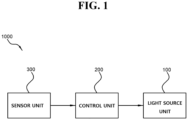
FIG. 1 is a block diagram illustrating a basic configuration of a front headlamp control system according to the present invention. -
FIG. 2 is a schematic diagram illustrating a visual field blocking phenomenon when an obstacle is positioned in a front area. -
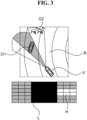
FIG. 3 is a schematic diagram illustrating adjustment of a high luminance region by a control unit according to the present invention when an obstacle is positioned in a front area. -
FIG. 4 is a schematic diagram illustrating a first example of a method of correcting a low luminance region and a high luminance region by the control unit according to the present invention, in a case of a first example of a light source unit. -
FIG. 5 is a schematic diagram illustrating a second example of the method of correcting the low luminance region and the high luminance region by the control unit according to the present invention, in a case of the first example of the light source unit. -
FIG. 6 is a schematic diagram illustrating the first example of the method of correcting the low luminance region and the high luminance region by the control unit according to the present invention, in a case of a second example of the light source unit. -
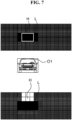
FIG. 7 is a schematic diagram illustrating the second example of the method of correcting the low luminance region and the high luminance region by the control unit according to the present invention, in a case of the second example of the light source unit. -
FIG. 8 is a flowchart illustrating a control method of the front headlamp control system according to the present invention. -
FIG. 9 is a flowchart illustrating detailed steps of a high luminance region setting step according to the present invention. -
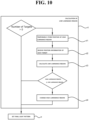
FIG. 10 is a flowchart illustrating detailed steps of a low luminance region calculating step according to the present invention. - Hereinafter, the present invention will be described in more detail with reference to the accompanying drawings. Terms and words used in the present specification and claims are not to be construed as a general or dictionary meaning, but are to be construed as meaning and concepts meeting the technical ideas of the present invention based on a principle that the present inventors may appropriately define the concepts of terms in order to describe their inventions in best mode.
- Hereinafter, a basic configuration of a front
headlamp control system 1000 according to the present invention will be described with reference toFIG. 1 . - The front
headlamp control system 1000 according to the present invention may include alight source unit 100 provided on a front side of a mobility device V and including two or more light emitting elements, and acontrol unit 200 controlling thelight source unit 100 in such a way as to change a relative position of a high luminance region H within a predetermined light irradiation region based on received environmental information. It is preferable that the environmental information includes steering angle information of the mobility device V and includes at least one of road surface information of a road surface on which the mobility device V is located, or road R navigation information. - Here, the
light source unit 100 may be an intelligent headlamp, an adaptive driving beam (ADB) system, or a high beam assistance (HBA) system, and thecontrol unit 200 may be an electronic control unit (ECU) of the mobility device V. The environmental information received by thecontrol unit 200 is preferably received from asensor unit 300 mounted on the mobility device V, and thesensor unit 300 preferably includes a navigation system, a camera, and a steering sensor. - Here, the high luminance region H is a central luminance region for light from the
light source unit 100, and may be a region having a relatively high luminance in the light irradiation region of thelight source unit 100. At this time, it is preferable that thecontrol unit 200 controls thelight source unit 100 with the ultimate goal of positioning the high luminance region H at the center of a visual field of a driver. At this time, thecontrol unit 200 does not increase or decrease a light irradiation range of thelight source unit 100, but controls a light irradiation angle of thelight source unit 100 using a swivel actuator or controls an intensity of each light source included in thelight source unit 100 by pixelating each light source for each position to control the position and range of the high-intensity region H. Accordingly, it is possible to prevent the high luminance region H from deviating from the center of the visual field of the driver and being eccentric when the mobility device V turns a corner or the like, and it is possible to efficiently secure the visual field of the driver by changing and securing the position of the high luminance region H in a case where a region switched to the low luminance region L due to the presence of an external obstacle (or turned off) overlaps the high luminance region H. In addition, excessive energy consumption can be prevented by maintaining the total quantity of light within a predetermined small range without increasing or decreasing the light irradiation range as a whole. - Hereinafter, the adjustment of the high luminance region H by the
control unit 200 will be described in more detail with reference toFIGS. 2 and3 . - As illustrated in
FIG. 2 , in a case where a road R on which the mobility device V travels is a curved road having a curvature equal to or greater than a predetermined curvature, when the low luminance region L is generated due to the presence of an existing first front object O1, and a second front object O2 additionally appears on the road, a visual field blocking phenomenon may occur as the low luminance region L and the high luminance region H overlap each other. Accordingly, it may be difficult for the driver to recognize the appearance of the second front object O2. Therefore, it is preferable that thecontrol unit 200 maintains a portion where the low luminance region L and the high luminance region overlap each other as the low luminance region L to prevent the existing first front object O1 from being irradiated with an excessive quantity of light, and changes the position and range of the high luminance region H in such a way as to be adjacent to the low luminance region L as illustrated inFIG. 3 to secure the high luminance region H, thereby securing the visual field of the driver. - Hereinafter, an algorithm for adjusting the high luminance region H by the
control unit 200 will be described in more detail with reference toFIGS. 4 to 7 . - It is preferable that the
control unit 200 calculates, before controlling the low luminance region L and the high luminance region H, an expected movement route from the steering angle information of the mobility device V, calculates the curvature of the road R based on at least one of the road surface information of the road surface on which the mobility device V is located or the road R navigation information, and changes the position of the high luminance region H in proportion to the amount of change in real-time steering angle in a steering direction of the mobility device V in a case where a curvature of the expected movement route is greater than the curvature of the road R. - In addition, it is preferable that the
control unit 200 calculates an expected movement route from the steering angle information of the mobility device V, calculates the curvature of the road R based on at least one of the road surface information of the road surface on which the mobility device V is located or the road R navigation information, and more sharply adjusts the position of the high luminance region H as the real-time curvature of the road R is increased in the steering direction of the mobility device V in a case where a curvature of the expected movement route is equal to or less than the curvature of the road R. - In addition, the
control unit 200 sequentially sets first to (n)th reference values for the curvature of the road R (n is a positive integer greater than 1), and compares the calculated curvature of the road R with predetermined first to (n)th reference values to set the amount of change of the relative position of the high luminance region H in stages. - In this case, in a case of a first example of the
light source unit 100, thelight source unit 100 is formed by integrating a plurality of light emitting elements. Thecontrol unit 200 may control each light emitting element independently by dividing and pixelating the light irradiation region according to the position of the light emitting element. It is preferable that thecontrol unit 200 designates the high luminance region H as described above and controls thelight source unit 100 in such a way that an intensity of light from a light emitting element that irradiates the high luminance region H with the light among the plurality of light emitting elements is higher than intensities of light from other light emitting elements. - In addition, in a case of a second example of the
light source unit 100, thelight source unit 100 may further include a direction adjustment actuator for adjusting a light irradiation direction of the light emitting element. At this time, it is preferable that the direction adjustment actuator is a swivel actuator. It is preferable that thecontrol unit 200 controls the direction adjustment actuator in such a way that a luminance of the high luminance region H is higher than a luminance of a region other than the high luminance region H. - At this time, the
control unit 200 may designate the position of the high luminance region H as described above, calculate a distance of the high luminance region H from the current state, and calculate an angle to which thelight source unit 100 is to be adjusted by the direction adjustment actuator. In this case, a direction adjustment speed for thelight source unit 100 may be controlled by applying a filter time constant of thelight source unit 100. - Further, the environmental information received by the
control unit 200 may include information regarding an object in front of the mobility device V, the information including size and speed information of an obstacle positioned in front of the mobility device V, and in a case where one or more objects are detected in front of the mobility device V, thecontrol unit 200 may designate a region where the object is positioned in the light irradiation region of thelight source unit 100 as the low luminance region L and lower the luminance. - Accordingly, in a case where the first example of the
light source unit 100 is applied, it is preferable to decrease the quantity of light from a light emitting element that irradiates the low luminance region L with the light or turn off the light emitting element, and in a case where the second example of thelight source unit 100 is applied, it is preferable to mask the low luminance region L to irradiate the low luminance region L with a predetermined quantity or less of light. - At this time, in a case where the low luminance region L and the high luminance region H at least partially overlap each other, it is preferable that the
control unit 200 change the relative position of the high luminance region H in the light irradiation region in such a way as to expand the high luminance region H to the surroundings of the low luminance region L as much as the size of the overlapping portion of the high luminance region H. As illustrated inFIGS. 3 and4 , in a case where the first example of thelight source unit 100 is applied, and the relative position of the high luminance region H designated according to the steering angle of the steering wheel of the mobility device V and the curvature of the road R at least partially overlaps with the low luminance region L, it is preferable that thecontrol unit 200 expands the range of the high luminance region H to the surroundings of the low luminance region L to secure the high luminance region H. At this time, it is preferable to irradiate a portion where the low luminance region L and the high luminance region H overlap each other with a designated quantity of light corresponding to the low luminance region L to prevent an external object from being irradiated with light having a high intensity. - More specifically, as illustrated in
FIG. 4 , in a case where thelight source unit 100 is a type of light source unit that emits light in such a way that an entire range corresponding to a width of an obstacle in a vertical direction becomes the low luminance region L, it is preferable that thecontrol unit 200 designates the high luminance region H in such a way as to expand the range of the high luminance region H in a horizontal direction with respect to the low luminance region L in a dispersed manner. Alternatively, as illustrated inFIG. 5 , in a case where thelight source unit 100 is a type of light source unit that also has a vertical control function and thus does not emit only light corresponding to a position of an obstacle, it is preferable that thecontrol unit 200 designates the high luminance region H in such a way as to expand the range of the high luminance region H in not only the horizontal direction but also the vertical direction with respect to the low luminance region L in a dispersed manner. In this case, it is preferable that the range of the high luminance region H adjusted to be positioned outside the low luminance region L has the same size as that of the range of the existing high luminance region H. - Furthermore, as illustrated in
FIGS. 6 and7 , in a case where the second example of thelight source unit 100 is applied, and the relative position of the high luminance region H designated according to the steering angle of the steering wheel of the mobility device V and the curvature of the road R at least partially overlaps with the low luminance region L, it is preferable that thecontrol unit 200 adjusts the position of the high luminance region H to the left or right to secure the high luminance region H at the surroundings of the low luminance region L. At this time, it is preferable to irradiate a portion where the low luminance region L and the high luminance region H overlap each other with a designated quantity of light corresponding to the low luminance region L to prevent an external object from being irradiated with light having a high intensity. - More specifically, as illustrated in
FIG. 6 , in a case where thelight source unit 100 is a type of light source unit that emits light in such a way that an entire range corresponding to a width of an obstacle in the vertical direction becomes the low luminance region L, it is preferable that thecontrol unit 200 designates the high luminance region H in such a way that the high luminance region H is moved in the horizontal direction with respect to the low luminance region L to secure the high luminance region H outside the low luminance region L. Alternatively, as illustrated inFIG. 7 , in a case where thelight source unit 100 is a type of light source unit that also has the vertical control function and thus does not emit only light corresponding to a position of an obstacle, it is preferable that thecontrol unit 200 designates the high luminance region H in such a way that the high luminance region H may be moved not only in the horizontal direction but also the vertical direction with respect to the low luminance region L to secure the high luminance region H outside the low luminance region L. It is preferable that the range of the high luminance region H moved to be positioned outside the low luminance region L has the same size as that of the range of the existing high luminance region H. - At this time, furthermore, when the positions and ranges of the low luminance region L and the high luminance region H are determined by the above-described algorithm, in a case where the low luminance region L and the high luminance region H are adjacent to each other, quantities of light of adjacent pixels may be adjusted to an intermediate value between the quantity of light in the low luminance region L and the quantity of light in the high luminance region H.
- Hereinafter, a control method of the front headlamp control system according to the present invention will be described in more detail with reference to
FIGS. 8 to 10 . - As illustrated in
FIG. 8 , the control method of the front headlamp control system according to the present invention includes a step (a) of receiving, by thecontrol unit 200, the environmental information including the steering angle information of the mobility device V and further including at least one of the road surface information of the road surface on which the mobility device V is located or the road R navigation information. Here, the environmental information in the step (a) is preferably received from thesensor unit 300, and thesensor unit 300 preferably includes a navigation system, a camera, and a steering sensor. The control method of the front headlamp control system according to the present invention includes: a step (b) of calculating the curvature of the road R from the received environmental information; and a step (c) of setting or adjusting the high luminance region H based on the environmental information. - As illustrated in
FIG. 9 , it is preferable that the step (c) includes a step (c1) of adjusting, by thecontrol unit 200, the position of the high luminance region H in the steering direction of the mobility device V in such a way that the high luminance region H is moved by a distance proportional to the amount of real-time steering angle change in the steering direction of the mobility device V, in a case where a curvature of an expected route of the mobility device V is greater than the curvature of the road R. - Further, in the step (c), in a case where a curvature of an expected route of the mobility device V is equal to or less than the curvature of the road R, the
control unit 200 sets the first to (n)th reference values for the curvature of the road R (n is a positive integer greater than 1), and the step (c) preferably includes: a step (c2) of maintaining the position of the high luminance region H in a case where the calculated curvature of the road R is less than the first reference value; and a step (c3) of adjusting, by thecontrol unit 200, the position of the high luminance region H in such a way that the position of the high luminance region H is moved by a predetermined distance corresponding to an (i-1)th reference value (i is a positive integer greater than 1 and equal to or smaller than n in a case where the calculated curvature of the road R is less than an (i-1)th reference value. - In addition, as illustrated in
FIG. 10 , it is preferable that the environmental information includes information regarding an object in front of the mobility device V, and the control method of the front headlamp control system according to the present invention further includes: after the step (c), in a case where one or more objects exist in front of the mobility device V, a step (d) of calculating, by thecontrol unit 200, a region where the object is positioned in a light irradiation region of thelight source unit 100 as the low luminance region L; and a step (e) of setting, by thecontrol unit 200, a final light pattern by adjusting the low luminance region L and the high luminance region H. - It is preferable that the step (d) includes: a step (d1) of temporarily storing the position of the high luminance region H adjusted in the step (c); a step (d2) of receiving and storing position information of the object in front of the mobility device V; and a step (d3) of comparing the position information of the object in front of the mobile vehicle V with the light irradiation region of the
light source unit 100 to determine the low luminance region L, and in a case where the high luminance region H and the low luminance region L at least partially overlap each other, the step (d) further includes a step (d4) of expanding the high luminance region H in at least one of the vertical direction or the horizontal direction with respect to the low luminance region L. - More specifically, in the step (d4), in a case where the first example (an example in which a plurality of light emitting elements are independently controlled) of the
light source unit 100 is applied, it is preferable that thecontrol unit 200 expands the range of the high luminance region H in the horizontal direction or the vertical direction to secure the high luminance region H. At this time, it is preferable to irradiate a portion where the low luminance region L and the high luminance region H overlap each other with a designated quantity of light corresponding to the low luminance region L to prevent an external object from being irradiated with light having a high intensity. In addition, it is preferable that the size of the high luminance region H expanded to the outside of the low luminance region L is adjusted to be the same as that of the existing high luminance region H. - More specifically, in the step (d4), in a case where the second example (an example in which a swivel actuator is applied to control the light irradiation angle) of the
light source unit 100 is applied, it is preferable that thecontrol unit 200 adjusts the position of the high luminance region H to the left or right to secure the high luminance region H. At this time, it is preferable to irradiate a portion where the low luminance region L and the high luminance region H overlap each other with a designated quantity of light corresponding to the low luminance region L to prevent an external object from being irradiated with light having a high intensity. In addition, it is preferable that the size of the high luminance region H expanded to the outside of the low luminance region L is adjusted to be the same as that of the existing high luminance region H. - At this time, furthermore, when the positions and ranges of the low luminance region L and the high luminance region H are determined by the above-described algorithm, in a case where the low luminance region L and the high luminance region H are adjacent to each other, quantities of light of adjacent pixels may be adjusted to an intermediate value between the quantity of light in the low luminance region L and the quantity of light in the high luminance region H.
- As described above, the front headlamp control system and the control method thereof according to the present invention are highly applicable to existing vehicles and is capable of efficiently controlling light of a front headlamp by adjusting a light quantity of the front headlamp based on a combination of navigation information and camera information in addition to a steering angle of a steering wheel.
- Further, it is possible to increase visibility of an area in front of a driver by calculating a light-off section in a case where there is a preceding vehicle and increasing, in a case where a changed position of a high luminance region overlaps the light-off section, a range of a central luminance region in a horizontal direction or a vertical direction to maintain the high luminance region.
- In addition, the front headlamp control system may be easily implemented without an increase in the number of parts and an increase in cost by being controlled by means of interaction with a sensor already mounted in a vehicle.
Claims (12)
- A system for controlling a headlamp of a mobility device, comprising:a light source unit (100) disposed at a front of the mobility device and including a plurality of light emitting elements; anda control unit (200) configured to:receive environmental information of the mobility device, the environmental information including steering angle information of the mobility device and further including at least one of road surface information and road navigation information; andcontrol, based on the received environmental information, the light source unit to change a relative position or range of a high luminance region within a predetermined light irradiation region of the light source unit;calculate, based on the steering angle information, a curvature of an expected movement route of the mobility device;calculate, based on at least one of the road surface information and road navigation information, a curvature of a road; andin response to the calculated curvature of the expected movement route being equal to or less than the calculated curvature of the road, set first to (n)th reference values for the calculated curvature of the road, wherein (n) is a positive integer greater than one, and the (i)th reference value increases as the integer (i) increases; compare the first to (n)th reference values with the calculated curvature of the road; and adjust the position of the high luminance region in stages based on results of the comparison.
- The system of claim 1, wherein:the plurality of light emitting elements includes first and second light emitting elements, andthe control unit (200) is configured to control, in response to the first light emitting element irradiating the high luminance region and the second light emitting element not irradiating the high luminance region, the light source unit to set an intensity of first light emitted from the first light emitting element to be higher than that of second light emitted from the second light emitting element.
- The system of claim 1, wherein:the light source unit further includes a direction adjustment actuator configured to adjust a light irradiation direction of the light emitting elements, andthe control unit (200) is configured to control the direction adjustment actuator to set a luminance of the high luminance region to be higher than that of a region outside the high luminance region.
- The system of claim 1, wherein the control unit is configured to:
in response to a curvature of the expected movement route being greater than the curvature of the road, change a position of the high luminance region in a steering direction of the mobility device based on the steering angle information. - The system of claim 1, wherein:the environmental information further includes object information regarding an object in front of the mobility device, andin response to the object information indicating that the object exists in front of the mobility device, the control unit is configured to:designate, as a low luminance region, a region at which the object is positioned within the light irradiation region, andcontrol the light source unit to set a luminance of the low luminance region to be equal to or lower than a first value.
- The system of claim 5, wherein, in response to the low and high luminance regions at least partially overlapping each other to form an overlapping portion, the control unit is configured to:control the light source unit to irradiate the overlapping portion with a light quantity corresponding to the low luminance region, andcontrol the light source unit to expand or change the relative position or range of the high luminance region externally of the low luminance region.
- The system of claim 6, wherein, to expand or change the relative position or range of the high luminance region externally of the low luminance region, the control unit is configured to expand or change the relative position or range of the high luminance region in at least one of vertical and horizontal directions with respect to the low luminance region.
- A method of operating a front headlamp control system having a light source unit for a mobility device, comprising:receiving (a) environmental information of the mobility device, the environmental information including steering angle information of the mobility device and further including at least one of road surface information and road navigation information;calculating (b), based on at least one of the road surface information and road navigation information, a curvature of a road;calculating, based on the steering angle information, a curvature of an expected movement route of the mobility device; andsetting or adjusting (c), based on the received environmental information, a high luminance region in a pre-determined light irradiation region of the light source unitwherein adjusting the high luminance region includes:
in response to the calculated curvature of the expected route of the mobility device being equal to or less than the calculated curvature of the road, setting first to (n)th reference values for the calculated curvature of the road, wherein (n) is a positive integer greater than one, and the (i)th reference value increases as the integer (i) increases; comparing the first to (n)th reference values with the calculated curvature of the road; and adjusting the position of the high luminance region in stages based on results of the comparison. - The control method of claim 8, wherein setting or adjusting the high luminance region includes, in response to a curvature of an expected route of the mobility device being greater than the curvature of the road, adjusting a position of the high luminance region by a distance proportional to a steering angle change in a steering direction of the mobility device.
- The control method of claim 8, wherein in response to the curvature of the road being less than the first reference value, maintaining a current position of the high luminance region; and
in response to the curvature of the road being less than an (i)th reference value, (i) being a positive integer greater than 1 and equal to or smaller than (n), adjusting the position of the high luminance region by a distance corresponding to an (i-1)th reference value. - The control method of claim 8, wherein:the environmental information includes object information regarding an object in front of the mobility device, andthe method further comprises, in response to the object information indicating that the object exists in front of the mobility device, performing:designating, as a low luminance region, a region at which the object is positioned within a light irradiation region of a light source unit; andadjusting the low and high luminance regions to generate a final light pattern.
- The control method of claim 11, wherein designating, as the low luminance region, the region at which the object is positioned within the light irradiation region of the light source unit includes:temporarily storing a position of the adjusted high luminance region;receiving and storing position information of the object; andcomparing the position information of the object with the light irradiation region of the light source unit to determine the low luminance region, andin response to the high and low luminance regions at least partially overlapping each other, expanding the high luminance region in at least one of vertical and horizontal directions with respect to the low luminance region.
Applications Claiming Priority (1)
| Application Number | Priority Date | Filing Date | Title |
|---|---|---|---|
| KR1020220017879A KR20230121256A (en) | 2022-02-11 | 2022-02-11 | Forward headlamp control system and control method thereof |
Publications (2)
| Publication Number | Publication Date |
|---|---|
| EP4227158A1 EP4227158A1 (en) | 2023-08-16 |
| EP4227158B1 true EP4227158B1 (en) | 2025-05-07 |
Family
ID=84547424
Family Applications (1)
| Application Number | Title | Priority Date | Filing Date |
|---|---|---|---|
| EP22215299.3A Active EP4227158B1 (en) | 2022-02-11 | 2022-12-21 | Front headlamp control system and control method thereof |
Country Status (5)
| Country | Link |
|---|---|
| US (2) | US12090914B2 (en) |
| EP (1) | EP4227158B1 (en) |
| JP (1) | JP2023118065A (en) |
| KR (1) | KR20230121256A (en) |
| CN (1) | CN116587970A (en) |
Families Citing this family (3)
| Publication number | Priority date | Publication date | Assignee | Title |
|---|---|---|---|---|
| KR20240083320A (en) * | 2022-12-05 | 2024-06-12 | 현대모비스 주식회사 | Lamp system and method for controlling thereof |
| CN121794162A (en) * | 2024-06-18 | 2026-04-03 | Lg电子株式会社 | Vehicles that implement light control to improve object recognition |
| US20260027968A1 (en) * | 2024-07-24 | 2026-01-29 | Hyundai Mobis Co., Ltd. | Lamp system for vehicle |
Citations (1)
| Publication number | Priority date | Publication date | Assignee | Title |
|---|---|---|---|---|
| EP2495129B1 (en) * | 2011-03-04 | 2017-06-21 | Koito Manufacturing Co., Ltd. | Light distribution control device |
Family Cites Families (16)
| Publication number | Priority date | Publication date | Assignee | Title |
|---|---|---|---|---|
| JPH10166934A (en) * | 1996-12-13 | 1998-06-23 | Koito Mfg Co Ltd | Lamp device for vehicle |
| JPH10203232A (en) * | 1997-01-29 | 1998-08-04 | Honda Motor Co Ltd | Headlight device for vehicles |
| JP3753932B2 (en) * | 2000-08-09 | 2006-03-08 | 株式会社小糸製作所 | Vehicle headlight system |
| JP2003112569A (en) * | 2001-10-04 | 2003-04-15 | Koito Mfg Co Ltd | Lighting device for vehicle |
| JP4473232B2 (en) * | 2006-04-26 | 2010-06-02 | 株式会社日本自動車部品総合研究所 | Vehicle front environment detecting device for vehicle and lighting device for vehicle |
| JP2008110686A (en) * | 2006-10-31 | 2008-05-15 | Denso Corp | Headlight swivel control device |
| JP5301383B2 (en) * | 2009-07-29 | 2013-09-25 | 株式会社小糸製作所 | Vehicle headlamp device |
| JP5719620B2 (en) * | 2011-02-04 | 2015-05-20 | 株式会社小糸製作所 | Light distribution control device for vehicle headlamp |
| US9873372B2 (en) * | 2014-12-19 | 2018-01-23 | Sl Corporation | Adaptive driving beam headlamp for vehicle |
| KR101819000B1 (en) * | 2015-05-12 | 2018-01-16 | 엘지전자 주식회사 | Lamp for vehicle and Vehicle including the same |
| DE102016200339A1 (en) * | 2016-01-14 | 2017-07-20 | Volkswagen Aktiengesellschaft | Headlight system and method for providing a cornering light function |
| JP6741438B2 (en) * | 2016-02-17 | 2020-08-19 | 株式会社小糸製作所 | Vehicle lighting |
| JP6751307B2 (en) * | 2016-05-17 | 2020-09-02 | スタンレー電気株式会社 | Vehicle lighting |
| US11320284B2 (en) * | 2017-12-15 | 2022-05-03 | Regents Of The University Of Minnesota | Real-time lane departure detection using map shape points and trajectory histories |
| US20200398738A1 (en) * | 2019-06-20 | 2020-12-24 | Hyundai Mobis Co., Ltd. | Headlamp for vehicle and method for controlling the same |
| KR102300103B1 (en) | 2019-12-18 | 2021-09-08 | 주식회사 유라코퍼레이션 | Smart lamp control system and method thereof |
-
2022
- 2022-02-11 KR KR1020220017879A patent/KR20230121256A/en active Pending
- 2022-12-21 EP EP22215299.3A patent/EP4227158B1/en active Active
- 2022-12-21 JP JP2022204839A patent/JP2023118065A/en active Pending
- 2022-12-22 US US18/145,537 patent/US12090914B2/en active Active
- 2022-12-26 CN CN202211674344.1A patent/CN116587970A/en active Pending
-
2024
- 2024-08-15 US US18/805,906 patent/US20240399951A1/en active Pending
Patent Citations (1)
| Publication number | Priority date | Publication date | Assignee | Title |
|---|---|---|---|---|
| EP2495129B1 (en) * | 2011-03-04 | 2017-06-21 | Koito Manufacturing Co., Ltd. | Light distribution control device |
Also Published As
| Publication number | Publication date |
|---|---|
| US20240399951A1 (en) | 2024-12-05 |
| EP4227158A1 (en) | 2023-08-16 |
| US20230256895A1 (en) | 2023-08-17 |
| KR20230121256A (en) | 2023-08-18 |
| JP2023118065A (en) | 2023-08-24 |
| US12090914B2 (en) | 2024-09-17 |
| CN116587970A (en) | 2023-08-15 |
Similar Documents
| Publication | Publication Date | Title |
|---|---|---|
| EP4227158B1 (en) | Front headlamp control system and control method thereof | |
| US20080225271A1 (en) | Vehicle Operation Support Method and System | |
| CN103209861B (en) | Vehicular light distribution control system and vehicular light distribution control method | |
| JP4624257B2 (en) | Vehicle lighting | |
| EP2295291B1 (en) | Vehicle headlight device | |
| KR102245384B1 (en) | Apparatus for controlling beam pattern of head lamp for vehicle and method thereof | |
| US10793059B2 (en) | Headlamp control apparatus and method | |
| US8511872B2 (en) | Predictive adaptive front lighting for a motor vehicle | |
| US9193297B2 (en) | Vehicle light distribution control device and vehicle light distribution control method | |
| KR102712308B1 (en) | Apparatus for controlling adaptive driving beam and method thereof | |
| EP2394851A2 (en) | Vehicle lighting system | |
| JP2009269510A (en) | Automotive headlamp apparatus and its control method | |
| KR102837252B1 (en) | Dynamic bending adb head lamp system and control method thereof | |
| KR102394952B1 (en) | Lamp for vehicle and controlling method applied to the same | |
| JP2017177941A (en) | Cast light controlling apparatus for vehicle | |
| KR102182253B1 (en) | Apparatus for controlling headlamp of vehicle and method thereof | |
| JP2015058731A (en) | Lighting control device for headlight of vehicle, and headlight system of vehicle | |
| JP7100517B2 (en) | Vehicle headlight control device, vehicle headlight control method, vehicle headlight system | |
| JP2009220739A (en) | Optical axis adjustment device for vehicle headlight | |
| JP2010143483A (en) | Vehicle headlight device and method for controlling the same | |
| KR20170027392A (en) | Lamp for vehicle and controlling method applied to the same | |
| JP2013163417A (en) | Lighting control apparatus for vehicle headlight, and vehicle headlight system | |
| WO2025234100A1 (en) | Headlight control device | |
| WO2025220427A1 (en) | Headlamp control device, headlamp control method, and headlamp system |
Legal Events
| Date | Code | Title | Description |
|---|---|---|---|
| PUAI | Public reference made under article 153(3) epc to a published international application that has entered the european phase |
Free format text: ORIGINAL CODE: 0009012 |
|
| STAA | Information on the status of an ep patent application or granted ep patent |
Free format text: STATUS: REQUEST FOR EXAMINATION WAS MADE |
|
| 17P | Request for examination filed |
Effective date: 20230121 |
|
| AK | Designated contracting states |
Kind code of ref document: A1 Designated state(s): AL AT BE BG CH CY CZ DE DK EE ES FI FR GB GR HR HU IE IS IT LI LT LU LV MC ME MK MT NL NO PL PT RO RS SE SI SK SM TR |
|
| RBV | Designated contracting states (corrected) |
Designated state(s): AL AT BE BG CH CY CZ DE DK EE ES FI FR GB GR HR HU IE IS IT LI LT LU LV MC ME MK MT NL NO PL PT RO RS SE SI SK SM TR |
|
| STAA | Information on the status of an ep patent application or granted ep patent |
Free format text: STATUS: EXAMINATION IS IN PROGRESS |
|
| 17Q | First examination report despatched |
Effective date: 20240404 |
|
| GRAP | Despatch of communication of intention to grant a patent |
Free format text: ORIGINAL CODE: EPIDOSNIGR1 |
|
| STAA | Information on the status of an ep patent application or granted ep patent |
Free format text: STATUS: GRANT OF PATENT IS INTENDED |
|
| INTG | Intention to grant announced |
Effective date: 20250110 |
|
| GRAS | Grant fee paid |
Free format text: ORIGINAL CODE: EPIDOSNIGR3 |
|
| GRAA | (expected) grant |
Free format text: ORIGINAL CODE: 0009210 |
|
| STAA | Information on the status of an ep patent application or granted ep patent |
Free format text: STATUS: THE PATENT HAS BEEN GRANTED |
|
| RAP3 | Party data changed (applicant data changed or rights of an application transferred) |
Owner name: HYUNDAI MOBIS CO., LTD. |
|
| AK | Designated contracting states |
Kind code of ref document: B1 Designated state(s): AL AT BE BG CH CY CZ DE DK EE ES FI FR GB GR HR HU IE IS IT LI LT LU LV MC ME MK MT NL NO PL PT RO RS SE SI SK SM TR |
|
| P01 | Opt-out of the competence of the unified patent court (upc) registered |
Free format text: CASE NUMBER: APP_14998/2025 Effective date: 20250327 |
|
| REG | Reference to a national code |
Ref country code: GB Ref legal event code: FG4D |
|
| REG | Reference to a national code |
Ref country code: CH Ref legal event code: EP |
|
| REG | Reference to a national code |
Ref country code: DE Ref legal event code: R096 Ref document number: 602022014214 Country of ref document: DE |
|
| REG | Reference to a national code |
Ref country code: IE Ref legal event code: FG4D |
|
| REG | Reference to a national code |
Ref country code: NL Ref legal event code: MP Effective date: 20250507 |
|
| PG25 | Lapsed in a contracting state [announced via postgrant information from national office to epo] |
Ref country code: PT Free format text: LAPSE BECAUSE OF FAILURE TO SUBMIT A TRANSLATION OF THE DESCRIPTION OR TO PAY THE FEE WITHIN THE PRESCRIBED TIME-LIMIT Effective date: 20250908 Ref country code: FI Free format text: LAPSE BECAUSE OF FAILURE TO SUBMIT A TRANSLATION OF THE DESCRIPTION OR TO PAY THE FEE WITHIN THE PRESCRIBED TIME-LIMIT Effective date: 20250507 Ref country code: ES Free format text: LAPSE BECAUSE OF FAILURE TO SUBMIT A TRANSLATION OF THE DESCRIPTION OR TO PAY THE FEE WITHIN THE PRESCRIBED TIME-LIMIT Effective date: 20250507 |
|
| REG | Reference to a national code |
Ref country code: LT Ref legal event code: MG9D |
|
| PG25 | Lapsed in a contracting state [announced via postgrant information from national office to epo] |
Ref country code: GR Free format text: LAPSE BECAUSE OF FAILURE TO SUBMIT A TRANSLATION OF THE DESCRIPTION OR TO PAY THE FEE WITHIN THE PRESCRIBED TIME-LIMIT Effective date: 20250808 Ref country code: NO Free format text: LAPSE BECAUSE OF FAILURE TO SUBMIT A TRANSLATION OF THE DESCRIPTION OR TO PAY THE FEE WITHIN THE PRESCRIBED TIME-LIMIT Effective date: 20250807 |
|
| PG25 | Lapsed in a contracting state [announced via postgrant information from national office to epo] |
Ref country code: NL Free format text: LAPSE BECAUSE OF FAILURE TO SUBMIT A TRANSLATION OF THE DESCRIPTION OR TO PAY THE FEE WITHIN THE PRESCRIBED TIME-LIMIT Effective date: 20250507 Ref country code: PL Free format text: LAPSE BECAUSE OF FAILURE TO SUBMIT A TRANSLATION OF THE DESCRIPTION OR TO PAY THE FEE WITHIN THE PRESCRIBED TIME-LIMIT Effective date: 20250507 |
|
| REG | Reference to a national code |
Ref country code: AT Ref legal event code: MK05 Ref document number: 1792135 Country of ref document: AT Kind code of ref document: T Effective date: 20250507 |
|
| PG25 | Lapsed in a contracting state [announced via postgrant information from national office to epo] |
Ref country code: BG Free format text: LAPSE BECAUSE OF FAILURE TO SUBMIT A TRANSLATION OF THE DESCRIPTION OR TO PAY THE FEE WITHIN THE PRESCRIBED TIME-LIMIT Effective date: 20250507 |
|
| PG25 | Lapsed in a contracting state [announced via postgrant information from national office to epo] |
Ref country code: HR Free format text: LAPSE BECAUSE OF FAILURE TO SUBMIT A TRANSLATION OF THE DESCRIPTION OR TO PAY THE FEE WITHIN THE PRESCRIBED TIME-LIMIT Effective date: 20250507 |
|
| PG25 | Lapsed in a contracting state [announced via postgrant information from national office to epo] |
Ref country code: AT Free format text: LAPSE BECAUSE OF FAILURE TO SUBMIT A TRANSLATION OF THE DESCRIPTION OR TO PAY THE FEE WITHIN THE PRESCRIBED TIME-LIMIT Effective date: 20250507 |
|
| PG25 | Lapsed in a contracting state [announced via postgrant information from national office to epo] |
Ref country code: RS Free format text: LAPSE BECAUSE OF FAILURE TO SUBMIT A TRANSLATION OF THE DESCRIPTION OR TO PAY THE FEE WITHIN THE PRESCRIBED TIME-LIMIT Effective date: 20250807 |
|
| PG25 | Lapsed in a contracting state [announced via postgrant information from national office to epo] |
Ref country code: IS Free format text: LAPSE BECAUSE OF FAILURE TO SUBMIT A TRANSLATION OF THE DESCRIPTION OR TO PAY THE FEE WITHIN THE PRESCRIBED TIME-LIMIT Effective date: 20250907 |
|
| PG25 | Lapsed in a contracting state [announced via postgrant information from national office to epo] |
Ref country code: LV Free format text: LAPSE BECAUSE OF FAILURE TO SUBMIT A TRANSLATION OF THE DESCRIPTION OR TO PAY THE FEE WITHIN THE PRESCRIBED TIME-LIMIT Effective date: 20250507 |
|
| PGFP | Annual fee paid to national office [announced via postgrant information from national office to epo] |
Ref country code: DE Payment date: 20251020 Year of fee payment: 4 |
|
| PG25 | Lapsed in a contracting state [announced via postgrant information from national office to epo] |
Ref country code: DK Free format text: LAPSE BECAUSE OF FAILURE TO SUBMIT A TRANSLATION OF THE DESCRIPTION OR TO PAY THE FEE WITHIN THE PRESCRIBED TIME-LIMIT Effective date: 20250507 Ref country code: SM Free format text: LAPSE BECAUSE OF FAILURE TO SUBMIT A TRANSLATION OF THE DESCRIPTION OR TO PAY THE FEE WITHIN THE PRESCRIBED TIME-LIMIT Effective date: 20250507 |
|
| PGFP | Annual fee paid to national office [announced via postgrant information from national office to epo] |
Ref country code: FR Payment date: 20251021 Year of fee payment: 4 |
|
| PG25 | Lapsed in a contracting state [announced via postgrant information from national office to epo] |
Ref country code: CZ Free format text: LAPSE BECAUSE OF FAILURE TO SUBMIT A TRANSLATION OF THE DESCRIPTION OR TO PAY THE FEE WITHIN THE PRESCRIBED TIME-LIMIT Effective date: 20250507 |
|
| PG25 | Lapsed in a contracting state [announced via postgrant information from national office to epo] |
Ref country code: EE Free format text: LAPSE BECAUSE OF FAILURE TO SUBMIT A TRANSLATION OF THE DESCRIPTION OR TO PAY THE FEE WITHIN THE PRESCRIBED TIME-LIMIT Effective date: 20250507 |
|
| PG25 | Lapsed in a contracting state [announced via postgrant information from national office to epo] |
Ref country code: SK Free format text: LAPSE BECAUSE OF FAILURE TO SUBMIT A TRANSLATION OF THE DESCRIPTION OR TO PAY THE FEE WITHIN THE PRESCRIBED TIME-LIMIT Effective date: 20250507 |
|
| PG25 | Lapsed in a contracting state [announced via postgrant information from national office to epo] |
Ref country code: IT Free format text: LAPSE BECAUSE OF FAILURE TO SUBMIT A TRANSLATION OF THE DESCRIPTION OR TO PAY THE FEE WITHIN THE PRESCRIBED TIME-LIMIT Effective date: 20250507 |
|
| REG | Reference to a national code |
Ref country code: DE Ref legal event code: R097 Ref document number: 602022014214 Country of ref document: DE |
|
| PG25 | Lapsed in a contracting state [announced via postgrant information from national office to epo] |
Ref country code: RO Free format text: LAPSE BECAUSE OF FAILURE TO SUBMIT A TRANSLATION OF THE DESCRIPTION OR TO PAY THE FEE WITHIN THE PRESCRIBED TIME-LIMIT Effective date: 20250507 |
|
| PLBE | No opposition filed within time limit |
Free format text: ORIGINAL CODE: 0009261 |
|
| STAA | Information on the status of an ep patent application or granted ep patent |
Free format text: STATUS: NO OPPOSITION FILED WITHIN TIME LIMIT |
|
| REG | Reference to a national code |
Ref country code: CH Ref legal event code: L10 Free format text: ST27 STATUS EVENT CODE: U-0-0-L10-L00 (AS PROVIDED BY THE NATIONAL OFFICE) Effective date: 20260318 |
|
| 26N | No opposition filed |
Effective date: 20260210 |