EP4221086A1 - Computing system with device attestation feature - Google Patents
Computing system with device attestation feature Download PDFInfo
- Publication number
- EP4221086A1 EP4221086A1 EP23153802.6A EP23153802A EP4221086A1 EP 4221086 A1 EP4221086 A1 EP 4221086A1 EP 23153802 A EP23153802 A EP 23153802A EP 4221086 A1 EP4221086 A1 EP 4221086A1
- Authority
- EP
- European Patent Office
- Prior art keywords
- attestation
- media player
- watermark
- computing device
- generating
- Prior art date
- Legal status (The legal status is an assumption and is not a legal conclusion. Google has not performed a legal analysis and makes no representation as to the accuracy of the status listed.)
- Granted
Links
Images




Classifications
-
- H—ELECTRICITY
- H04—ELECTRIC COMMUNICATION TECHNIQUE
- H04N—PICTORIAL COMMUNICATION, e.g. TELEVISION
- H04N21/00—Selective content distribution, e.g. interactive television or video on demand [VOD]
- H04N21/80—Generation or processing of content or additional data by content creator independently of the distribution process; Content per se
- H04N21/83—Generation or processing of protective or descriptive data associated with content; Content structuring
- H04N21/835—Generation of protective data, e.g. certificates
- H04N21/8358—Generation of protective data, e.g. certificates involving watermark
-
- G—PHYSICS
- G06—COMPUTING OR CALCULATING; COUNTING
- G06F—ELECTRIC DIGITAL DATA PROCESSING
- G06F21/00—Security arrangements for protecting computers, components thereof, programs or data against unauthorised activity
- G06F21/30—Authentication, i.e. establishing the identity or authorisation of security principals
- G06F21/44—Program or device authentication
-
- H—ELECTRICITY
- H04—ELECTRIC COMMUNICATION TECHNIQUE
- H04L—TRANSMISSION OF DIGITAL INFORMATION, e.g. TELEGRAPHIC COMMUNICATION
- H04L63/00—Network architectures or network communication protocols for network security
- H04L63/08—Network architectures or network communication protocols for network security for authentication of entities
- H04L63/0876—Network architectures or network communication protocols for network security for authentication of entities based on the identity of the terminal or configuration, e.g. MAC address, hardware or software configuration or device fingerprint
-
- H—ELECTRICITY
- H04—ELECTRIC COMMUNICATION TECHNIQUE
- H04L—TRANSMISSION OF DIGITAL INFORMATION, e.g. TELEGRAPHIC COMMUNICATION
- H04L9/00—Cryptographic mechanisms or cryptographic arrangements for secret or secure communications; Network security protocols
- H04L9/08—Key distribution or management, e.g. generation, sharing or updating, of cryptographic keys or passwords
- H04L9/0816—Key establishment, i.e. cryptographic processes or cryptographic protocols whereby a shared secret becomes available to two or more parties, for subsequent use
- H04L9/0819—Key transport or distribution, i.e. key establishment techniques where one party creates or otherwise obtains a secret value, and securely transfers it to the other(s)
- H04L9/0822—Key transport or distribution, i.e. key establishment techniques where one party creates or otherwise obtains a secret value, and securely transfers it to the other(s) using key encryption key
-
- H—ELECTRICITY
- H04—ELECTRIC COMMUNICATION TECHNIQUE
- H04L—TRANSMISSION OF DIGITAL INFORMATION, e.g. TELEGRAPHIC COMMUNICATION
- H04L9/00—Cryptographic mechanisms or cryptographic arrangements for secret or secure communications; Network security protocols
- H04L9/32—Cryptographic mechanisms or cryptographic arrangements for secret or secure communications; Network security protocols including means for verifying the identity or authority of a user of the system or for message authentication, e.g. authorization, entity authentication, data integrity or data verification, non-repudiation, key authentication or verification of credentials
- H04L9/3236—Cryptographic mechanisms or cryptographic arrangements for secret or secure communications; Network security protocols including means for verifying the identity or authority of a user of the system or for message authentication, e.g. authorization, entity authentication, data integrity or data verification, non-repudiation, key authentication or verification of credentials using cryptographic hash functions
-
- H—ELECTRICITY
- H04—ELECTRIC COMMUNICATION TECHNIQUE
- H04L—TRANSMISSION OF DIGITAL INFORMATION, e.g. TELEGRAPHIC COMMUNICATION
- H04L9/00—Cryptographic mechanisms or cryptographic arrangements for secret or secure communications; Network security protocols
- H04L9/32—Cryptographic mechanisms or cryptographic arrangements for secret or secure communications; Network security protocols including means for verifying the identity or authority of a user of the system or for message authentication, e.g. authorization, entity authentication, data integrity or data verification, non-repudiation, key authentication or verification of credentials
- H04L9/3247—Cryptographic mechanisms or cryptographic arrangements for secret or secure communications; Network security protocols including means for verifying the identity or authority of a user of the system or for message authentication, e.g. authorization, entity authentication, data integrity or data verification, non-repudiation, key authentication or verification of credentials involving digital signatures
-
- H—ELECTRICITY
- H04—ELECTRIC COMMUNICATION TECHNIQUE
- H04L—TRANSMISSION OF DIGITAL INFORMATION, e.g. TELEGRAPHIC COMMUNICATION
- H04L9/00—Cryptographic mechanisms or cryptographic arrangements for secret or secure communications; Network security protocols
- H04L9/32—Cryptographic mechanisms or cryptographic arrangements for secret or secure communications; Network security protocols including means for verifying the identity or authority of a user of the system or for message authentication, e.g. authorization, entity authentication, data integrity or data verification, non-repudiation, key authentication or verification of credentials
- H04L9/3297—Cryptographic mechanisms or cryptographic arrangements for secret or secure communications; Network security protocols including means for verifying the identity or authority of a user of the system or for message authentication, e.g. authorization, entity authentication, data integrity or data verification, non-repudiation, key authentication or verification of credentials involving time stamps, e.g. generation of time stamps
-
- H—ELECTRICITY
- H04—ELECTRIC COMMUNICATION TECHNIQUE
- H04N—PICTORIAL COMMUNICATION, e.g. TELEVISION
- H04N21/00—Selective content distribution, e.g. interactive television or video on demand [VOD]
- H04N21/80—Generation or processing of content or additional data by content creator independently of the distribution process; Content per se
- H04N21/81—Monomedia components thereof
- H04N21/812—Monomedia components thereof involving advertisement data
-
- H—ELECTRICITY
- H04—ELECTRIC COMMUNICATION TECHNIQUE
- H04L—TRANSMISSION OF DIGITAL INFORMATION, e.g. TELEGRAPHIC COMMUNICATION
- H04L2209/00—Additional information or applications relating to cryptographic mechanisms or cryptographic arrangements for secret or secure communication H04L9/00
- H04L2209/60—Digital content management, e.g. content distribution
- H04L2209/608—Watermarking
Definitions
- a typical media presentation system operates to facilitate presentation of media content, such as video, audio, or multi-media content, to end users.
- An example of such a system could include client-side equipment positioned at customer premises and arranged to output and present media content on a user interface such as a display screen with an associated sound system, and server-side equipment arranged to serve media content to the client-side equipment for presentation.
- the client-side equipment could include a media presentation device such as a television (TV), monitor, tablet computer, or mobile phone, which could present the media content on a user interface.
- the client-side equipment could include a media player such as an over-the-top (OTT) streaming media player, cable or satellite set top box, digital video recorder, disc player, gaming system, mobile phone, personal computer, audio/video receiver, or tuner, which could be integrated with or in local or network communication with the media presentation device and could output media content to the media presentation device for presentation on the user interface.
- OTT over-the-top
- a user at the customer premises may control the client-side equipment, to cause the system to present a desired media-content item, such as a movie, TV show, or video game, among other possibilities, any of which might be locally-stored, broadcast, or on-demand, also among other possibilities.
- the media presentation system may present the user with an on-screen media-content selection menu, and the user may operate a remote control to navigate through that menu, to select a desired media-content item, and to direct the system to present the selected media-content item.
- the client-side equipment could obtain and present the selected media-content item to the user. And the user may then enjoy presentation of that selected media-content item.
- an example media player is disclosed.
- the computing system is configured for performing a set of acts including (i) encountering a trigger to transmit a network communication to a computing device; (ii) generating an attestation watermark indicative of an authenticity of the media player using a cryptographic key; (iii) attaching the attestation watermark to the network communication; and (iv) based on encountering the trigger, transmitting the network communication having the attached attestation watermark to the computing device, the authenticity of the media player being verifiable by the computing device using the attestation watermark.
- a signature of the JWT is verifiable by the computing device using a public key.
- FIG. 2 is a simplified block diagram of example customer-premises equipment, including aspects of a media player and media presentation device as discussed above.
- the example customer-premises equipment includes a content input interface 36, a network communication interface 38, a content presentation interface 40, a processor 42, and non-transitory data storage 44, any or all of which could be integrated together or, as shown, communicatively linked together by a system bus, network, or other connection mechanism 46.
- Content presentation interface 40 could then comprise one or more components to facilitate presentation of the received media content.
- the content presentation interface 40 could comprise a user interface such as a display screen and/or a loudspeaker, as well as one or more drivers or other components for processing the received media content to facilitate presentation of the content on the user interface.
- media player 22 can generate attestation watermark by sending an attestation request to signing server 56. Based on receiving the attestation request, signing server 56 can generate an attestation watermark. For instance, signing server 56 can generate a data object specifying a claim related to media player 22, and cryptographically sign the data object using a cryptographic key stored by signing server 56.
- claims include an HDMI identifier identifying whether HDMI is on, a sound identifier identifying whether sound is on, a content identifier, a content genre, a user ID identifying a user ID of a logged-in user, and a last user control interaction time.
- a computing device such as the media player or the signing server, can generate the header by specifying values for the various claims.
- the computing device can use the public key to verify that the network communication was sent by a holder of the private key. For instance, the computing device can verify the signature of the JWT by retrieving the public key, and determining a signature using the encoded header, the encoded payload, the public key, and the signing algorithm. Based on determining that the signature determined using the public key matches the signature in the JWT, the computing device can determine that the network communication was sent by a holder of the private key. Assuming that the private key is only known to authentic media players, the computing device can therefore use the public key to verify that the network communication was sent by a genuine, authentic media player.
Landscapes
- Engineering & Computer Science (AREA)
- Computer Security & Cryptography (AREA)
- Signal Processing (AREA)
- Computer Networks & Wireless Communication (AREA)
- Multimedia (AREA)
- Computer Hardware Design (AREA)
- General Engineering & Computer Science (AREA)
- Theoretical Computer Science (AREA)
- Marketing (AREA)
- Business, Economics & Management (AREA)
- Power Engineering (AREA)
- Computing Systems (AREA)
- Software Systems (AREA)
- Physics & Mathematics (AREA)
- General Physics & Mathematics (AREA)
- Two-Way Televisions, Distribution Of Moving Picture Or The Like (AREA)
- Editing Of Facsimile Originals (AREA)
Abstract
Description
- This disclosure claims priority to
U.S. Provisional Pat. App. No. 63/267,363 filed January 31, 2022 U.S. Pat App. No. 17/676,058 filed February 18, 2022 - In this disclosure, unless otherwise specified and/or unless the particular context clearly dictates otherwise, the terms "a" or "an" mean at least one, and the term "the" means the at least one.
- A typical media presentation system operates to facilitate presentation of media content, such as video, audio, or multi-media content, to end users. An example of such a system could include client-side equipment positioned at customer premises and arranged to output and present media content on a user interface such as a display screen with an associated sound system, and server-side equipment arranged to serve media content to the client-side equipment for presentation.
- By way of example, the client-side equipment could include a media presentation device such as a television (TV), monitor, tablet computer, or mobile phone, which could present the media content on a user interface. Further, the client-side equipment could include a media player such as an over-the-top (OTT) streaming media player, cable or satellite set top box, digital video recorder, disc player, gaming system, mobile phone, personal computer, audio/video receiver, or tuner, which could be integrated with or in local or network communication with the media presentation device and could output media content to the media presentation device for presentation on the user interface. And the server-side equipment could include a media server and/or head-end equipment, operated by an OTT provider (e.g., virtual multichannel video programming distributor (virtual MVPD)), cable or satellite TV provider, or the like, which could stream or otherwise deliver media content to the client-side equipment for presentation.
- In operation, a user at the customer premises may control the client-side equipment, to cause the system to present a desired media-content item, such as a movie, TV show, or video game, among other possibilities, any of which might be locally-stored, broadcast, or on-demand, also among other possibilities. For instance, the media presentation system may present the user with an on-screen media-content selection menu, and the user may operate a remote control to navigate through that menu, to select a desired media-content item, and to direct the system to present the selected media-content item. In response, possibly through interaction between the client-side equipment and the server-side equipment, the client-side equipment could obtain and present the selected media-content item to the user. And the user may then enjoy presentation of that selected media-content item.
- In one aspect, an example method is disclosed. The method includes (i) encountering, by a media player of a media presentation system, a trigger to transmit a network communication to a computing device; (ii) generating, by the media player, an attestation watermark indicative of an authenticity of the media player using a cryptographic key; (iii) attaching, by the media player, the attestation watermark to the network communication; and (iv) based on encountering the trigger, transmitting, by the media player, the network communication having the attached attestation watermark to the computing device, the authenticity of the media player being verifiable by the computing device using the attestation watermark.
- In another aspect, an example non-transitory computer-readable medium is disclosed. The computer-readable medium has stored thereon program instructions that upon execution by a processor, cause performance of a set of acts including (i) encountering a trigger to transmit a network communication from a media player of a media presentation system to a computing device; (ii) generating an attestation watermark indicative of an authenticity of the media player using a cryptographic key; (iii) attaching the attestation watermark to the network communication; and (iv) based on encountering the trigger, transmitting the network communication having the attached attestation watermark to the computing device, the authenticity of the media player being verifiable by the computing device using the attestation watermark.
- In another aspect, an example media player is disclosed. The computing system is configured for performing a set of acts including (i) encountering a trigger to transmit a network communication to a computing device; (ii) generating an attestation watermark indicative of an authenticity of the media player using a cryptographic key; (iii) attaching the attestation watermark to the network communication; and (iv) based on encountering the trigger, transmitting the network communication having the attached attestation watermark to the computing device, the authenticity of the media player being verifiable by the computing device using the attestation watermark.
- In an aspect, there is provided a method comprising: encountering, by a media player of a media presentation system, a trigger to transmit a network communication to a computing device; generating, by the media player, an attestation watermark indicative of an authenticity of the media player using a cryptographic key; attaching, by the media player, the attestation watermark to the network communication; and based on encountering the trigger, transmitting, by the media player, the network communication having the attached attestation watermark to the computing device, wherein the authenticity of the media player is verifiable by the computing device using the attestation watermark.
- In some embodiments, the cryptographic key is stored by the media player, and generating the attestation watermark comprises: generating a data object specifying a claim related to the media player; and cryptographically signing the data object using the cryptographic key.
- In some embodiments, the specified claim comprises a device identifier of the media player.
- In some embodiments, the specified claim comprises timestamp indicative of a creation time of the attestation watermark or an expiration time of the attestation watermark.
- In some embodiments, generating the attestation watermark comprises generating a JavaScript Object Notation (JSON) Web Token (JWT) including the specified claim using the cryptographic key.
- In some embodiments, a signature of the JWT is verifiable by the computing device using a public key.
- In some embodiments, the public key is hosted on a server, and the JWT identifies the public key.
- In some embodiments, encountering the trigger comprises encountering a trigger to transmit an impression beacon to a measurement platform, and the computing device is a computing device of the measurement platform.
- In some embodiments, encountering the trigger comprises encountering a trigger to transmit an advertisement request to an advertisement publisher, and the computing device is a computing device of the advertisement publisher.
- In some embodiments, generating the attestation watermark comprises: sending, by the media player, an attestation request to a server that stores the cryptographic key; and receiving, by the media player from the server, the attestation watermark.
- In an aspect, there is provided a non-transitory computer-readable medium having stored thereon program instructions that upon execution by a processor, cause performance of a set of acts comprising: encountering a trigger to transmit a network communication from a media player of a media presentation system to a computing device; generating an attestation watermark indicative of an authenticity of the media player using a cryptographic key; attaching the attestation watermark to the network communication; and based on encountering the trigger, transmitting the network communication having the attached attestation watermark to the computing device, wherein the authenticity of the media player is verifiable by the computing device using the attestation watermark.
- In some embodiments, the cryptographic key is stored by the media player, and generating the attestation watermark comprises: generating a data object specifying a claim related to the media player; and cryptographically signing the data object using the cryptographic key.
- In an aspect, there is provided a media player configured for performing a set of acts comprising: encountering a trigger to transmit a network communication to a computing device; generating an attestation watermark indicative of an authenticity of the media player using a cryptographic key; attaching the attestation watermark to the network communication; and based on encountering the trigger, transmitting the network communication having the attached attestation watermark to the computing device, wherein the authenticity of the media player is verifiable by the computing device using the attestation watermark.
- In some embodiments, the cryptographic key is stored by the media player, and generating the attestation watermark comprises: generating a data object specifying a claim related to the media player; and cryptographically signing the data object using the cryptographic key.
- In some embodiments, generating the attestation watermark comprises generating a JavaScript Object Notation (JSON) Web Token including the specified claim using the cryptographic key.
- In some embodiments, a signature of the JWT is verifiable by the computing device using a public key.
- In some embodiments, the public key is hosted on a server, and the JWT identifies the public key.
- In some embodiments, encountering the trigger comprises encountering a trigger to transmit an impression beacon to a measurement platform, and the computing device is a computing device of the measurement platform.
- In some embodiments, encountering the trigger comprises encountering a trigger to transmit an advertisement request to an advertisement publisher, and the computing device is a computing device of the advertisement publisher.
- In some embodiments, generating the attestation watermark comprises: sending, by the media player, an attestation request to a server that stores the cryptographic key; and receiving, by the media player from the server, the attestation watermark.
-
-
Figure 1 is a simplified block diagram of an example media presentation system. -
Figure 2 is a simplified block diagram of example customer-premises equipment. -
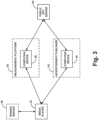
Figure 3 is a simplified block diagram of an example device attestation system. -
Figure 4 is a conceptual illustration of an example network communication including an attestation watermark. -
Figure 5 is a flow chart of an example method. - Spoofing is a common fraud threat in the OTT space. As one example of spoofing, a bad actor can fabricate an advertisement request by using an emulator or some other spoofing device to send an advertisement request to an advertisement publisher. Even though the advertisement request does not originate from a genuine media player, to the advertisement publisher, the advertisement request may appear to be a genuine advertisement request from a media player. As another example of spoofing, a bad actor can fabricate an impression by sending a network communication to a measurement platform. Even though the impression does not originate from a genuine media player, to the measurement platform, the impression may appear to be a genuine impression. With current solutions, it is difficult for advertisement publishers, measurement platforms, and other parties to verify whether network traffic that claims to be from a particular device platform actually originates from a real device as opposed to originating from a spoofing device.
- Disclosed herein are methods and systems to address these and potentially other issues. In an example method, a media player of a media presentation system encounters a trigger to transmit a network communication to a computing device, such as a computing device of an advertisement publisher or a measurement platform. The media player generates an attestation watermark indicative of an authenticity of the media player using a cryptographic key, and attaches the attestation watermark to the network communication. Based on encountering the trigger, the media player transmits the network communication having the attached attestation watermark to the computing device. The authenticity of the media player is verifiable by the computing device using the attestation watermark.
- As such, the method provides a deterministic, countermeasure for spoofing that allows outside parties to detect and reject fraudulent network traffic (e.g., advertisement requests, impression beacons, etc.) that does not originate from an authentic media player. In some examples, an advertisement publisher can increase the value of advertisement inventory by using the method to reject fraudulent advertisement requests. Similarly, a measurement platform can provide more accurate measurements of media impressions by using the method to reject fraudulent impressions.
-
Figure 1 is a simplified block diagram of an example media presentation system.Figure 1 is a simplified block diagram of an example media presentation system. In line with the discussion above, the example media presentation system includes customer-premises equipment 12 located atcustomer premises 14 such as a home, and a network basedmedia provider 16 configured to provide the customer-premises equipment 12 with media content for presentation. - In the example arrangement, the customer-
premises equipment 12 includes amedia presentation device 18 such as a TV or other user-interface device configured to present media content to one or more users such asexample user 20. Further, the customer-premises equipment 12 includes amedia player 22, such as an OTT device, configured to receive streaming media content and to provide the media content to themedia presentation device 18 for presentation. In various implementations, themedia player 22 could be provided as a standalone device connected with themedia presentation device 18 by a High Definition Multimedia Interface (HDMI) cable or other wired or wireless connection or could be integrated within themedia presentation device 18 or provided in another manner. - The example network-based
media provider 16 then includes amedia server 24 configured to stream media content to user devices such as customer-premises equipment 12 and includes acontrol server 26 configured to control the streaming. Themedia provider 16 could be configured to obtain much of this content on demand fromvarious OTT services 28 and to serve or proxy that media content to the customer-premises equipment for presentation. - In an example implementation, the
media player 22 could be in network communication with both themedia server 24 andcontrol server 26, to facilitate interacting with themedia provider 16 to receive information about available media content, and to request and receive streaming media content for presentation onmedia presentation device 18. For instance, themedia player 22 could have local area network (LAN) connectivity at thecustomer premises 14, thecustomer premises 14 could have a router and modem (not shown) with an assigned public Internet Protocol (IP) address on the Internet, and themedia server 24 andcontrol server 26 could be accessible at respective public IP addresses as well. Alternatively, themedia player 22 could have virtual private network (VPN) connectivity with themedia server 24 andcontrol server 26, among other possibilities. - Streaming of media content from the
media server 24 to themedia player 22 could operate according to any of a variety of well-known adaptive bit-rate streaming protocols, such as Dynamic Adaptive Streaming over Hypertext Transfer Protocol (HTTP) (DASH), HTTP Live Streaming (HLS), or Smooth Streaming Transport Protocol (SSTP), among other possibilities. As the details of these streaming protocols are known, they will not be described here. - In the example implementation, the
media provider 16 could include or otherwise have access to various data and platforms to facilitate providing streaming media services to users such asuser 20. As shown, for instance, themedia provider 16 could have access tomedia metadata 30,user profile data 32, and apayment processing system 34. Themedia metadata 30 could include a variety of information regarding each of various media-content items available for streaming, such title, duration, genre, production staff, menu graphics, and ratings, among other possibilities. Theuser profile data 32 could include profile records for users and associated customer-premises equipment configured to receive streaming media service provided by themedia provider 16, such as user name, equipment location, user-payment information (e.g., credit card information), and mobile phone number if applicable. And thepayment processing system 34 could be configured to securely interact with a commercial payment processing platform (e.g., a credit-card service) (not shown) and with a user such asuser 20, to enable themedia provider 16 to process user payments for media streaming and/or other services. - As noted above, the media presentation system could be configured to present the
user 20 with an on-screen media-content selection menu, and the user could operate a remote control (not shown) to navigate through that menu and interact with various on-screen prompts in order to select a desired media-content item to be presented and to direct the system to present that selected item. In practice, for instance, thecontrol server 26 could serve themedia player 22 with graphical user interfaces (GUIs) representing various menu screens and prompts, and themedia player 22 could responsively output the GUIs for presentation by themedia presentation device 18. Thecontrol server 26 could establish these GUIs based on themedia metadata 30 anduser profile data 32, such as restricting the GUIs to present information about media content that is available for streaming to theuser 20. And thecontrol server 26 could receive user input entered intomedia player 22 and could respond to the user input by generating and transmitting other GUIs to themedia player 22 for presentation. -
Figure 2 is a simplified block diagram of example customer-premises equipment, including aspects of a media player and media presentation device as discussed above. As shown inFigure 2 , the example customer-premises equipment includes acontent input interface 36, anetwork communication interface 38, acontent presentation interface 40, aprocessor 42, andnon-transitory data storage 44, any or all of which could be integrated together or, as shown, communicatively linked together by a system bus, network, orother connection mechanism 46. -
Content input interface 36 could comprise a physical communication interface for receiving media content to be presented by the customer-premises equipment. As such, thecontent input interface 36 could include one or more wired and/or wireless interfaces for establishing communication with and receiving media content in analog or digital form from a media source.Network communication interface 38, which could be separate from or the same interface as thecontent input interface 36, could comprise a physical network connection mechanism to facilitate communication on a network, and/or for engaging in direct or networked communication with one or more other local or remote entities. These interfaces could comprise a wireless or wired Ethernet interface or other type of network interface, for engaging in IP communication and/or other type of network communication, among other possibilities. -
Content presentation interface 40 could then comprise one or more components to facilitate presentation of the received media content. By way of example, thecontent presentation interface 40 could comprise a user interface such as a display screen and/or a loudspeaker, as well as one or more drivers or other components for processing the received media content to facilitate presentation of the content on the user interface. -
Processor 42 could then comprise one or more general purpose processors (e.g., microprocessors) and/or one or more specialized processors (e.g., application specific integrated circuits). Andnon-transitory data storage 44 could comprise one or more volatile and/or non-volatile storage components, such as optical, magnetic, or flash storage. Further, as shown,non-transitory data storage 44 could storestores program instructions 48, which could be executable byprocessor 42 to carry out various operations described here. -
Figure 3 is a simplified block diagram of an example device attestation system. As shown inFigure 3 , the device attestation system includesmedia player 22, ameasurement platform 50, anadvertisement publisher 52, a publickey server 54, and asigning server 56.Measurement platform 50, in turn, includes acomputing device 58. Similarly,advertisement publisher 52 includes acomputing device 60. Each of publickey server 54, signingserver 56,computing device 58, andcomputing device 60 can include a processor, data storage unit, communication interface, and user interface. -
Measurement platform 50 can be configured to measure (e.g., count) advertisement impressions using impression beacons. Impression beacons are notifications sent tocomputing device 58 indicating that an advertisement has been presented. One example of an impression beacon is a Hypertext Transfer Protocol (HTTP) request. In some instances, a tracking module implemented bymedia player 22 can transmit impression beacons tocomputing device 58 when trigger conditions are satisfied. For example,media player 22 can transmit an impression beacon when a first frame of a video advertisement is displayed. Additionally or alternatively,media player 22 can transmit impression beacons at specific increments throughout a duration of a video advertisement, such thatmeasurement platform 50 can track howlong media player 22 presents the video advertisement. -
Advertisement publisher 52 can be a platform of an entity providing advertisement inventory. In some instances,advertisement publisher 52 can be an operator of an individual streaming channel. Alternatively, advertisement publisher can be an operator of a family of affiliated streaming channels.Media player 22 can communicate withcomputing device 60 ofadvertisement publisher 52 to request advertisements. -
Media player 22 can include a client-side library that provides advertisement related features formedia player 22. For instance,media player 22 can include a client-side library that provides advertisement related features for an advertisement-supported video-on-demand (AVOD) service. The advertisement related features can include sending advertisement requests to advertisement publishers, such asadvertisement publisher 52. The advertisement related features can also include sending impression beacons to measurement platforms, such asmeasurement platform 50. - In addition, in line with the discussion above,
media player 22 can be configured to generate an attestation watermark, attach the attestation watermark to a network communication, and transmit the attestation watermark to eithercomputing device 58 ofmeasurement platform 50 orcomputing device 60 ofadvertisement publisher 52. In some examples,media player 22 generates an attestation watermark by generating a data object specifying a claim related tomedia player 22, and cryptographically signing the data object using a cryptographic key stored bymedia player 22. In other words,media player 22 can cryptographically sign the data object without communicating with signingserver 56. Hence, signingserver 56 is an optional component that can be omitted from the device attestation system. - A claim is a piece of data that is asserted about
media player 22. For instance, a claim can include a device identifier (e.g., an advertising identifier) ofmedia player 22, a timestamp indicative of a current time, a channel identifier of a channel thatmedia player 22 is streaming content on, or a user agent string identifying a device and/or operating system version ofmedia player 22. Other examples of claims include an HDMI identifier identifying whether HDMI is on, a sound identifier identifying whether sound is on, a content identifier, a content genre, a user ID identifying a user ID of a logged-in user, and a last user control interaction time. - In some examples, the cryptographic key is a private key that is part of a private key / public key pair. The private key can be stored in a file system of the client-side library of
media player 22 and might only be accessible to the client-side library. - Public
key server 54 can store the public key of the private key / public key pair. In some examples,media player 22 or another computing device supplies a base URL tomeasurement platform 50 andadvertisement publisher 52 during integration. The base URL identifies publickey server 54, so that computingdevice 58 andcomputing device 60 can retrieve the public key from publickey server 54. - In some examples,
media player 22 can generate attestation watermark by sending an attestation request to signingserver 56. Based on receiving the attestation request, signingserver 56 can generate an attestation watermark. For instance, signingserver 56 can generate a data object specifying a claim related tomedia player 22, and cryptographically sign the data object using a cryptographic key stored by signingserver 56. - In some examples, the private key used for signing the data object is a rotating private key. For instance, an operator of the device attestation system can periodically send a new private key to
media player 22 and/orsigning server 56. In conjunction with updating the private key, the operator can add a public key to publickey server 54. Publickey server 54 can host multiple public keys, with each public key having a corresponding identifier. Further, prior to or after generating an attestation watermark,media player 22 can send a public key identifier tocomputing device 58 orcomputing device 60. In some instances, the public key identifier is part of the attestation watermark.Computing device 58 orcomputing device 60 can use the public key identifier to select and download an appropriate public key from publickey server 54. - The device attestation system of
Figure 3 and/or components thereof can perform various acts and/or functions. Examples of these and related features will now be described. - In line with the discussion above, while providing advertisement related features, a media player can encounter a trigger to transmit a network communication to a computing device. As one example, the media player can encounter a trigger to transmit an impression beacon to a measurement platform. As another example, the media player can encounter a trigger to transmit an advertisement request to an advertisement publisher. Based on encountering the trigger, the media player (or a signing server) can generate an attestation watermark, and attach the attestation watermark to a network communication. The act of generating the attestation watermark can involve generating a data object specifying a claim related to the media player, and cryptographically signing the data object using a cryptographic key.
-
Figure 4 is a conceptual illustration of anexample network communication 62 including anattestation watermark 64. As shown inFigure 4 ,network communication 62 is an HTTP request. The HTTP request can be an impression beacon or an advertisement request. - In
Figure 4 ,attestation watermark 64 is shown as a JavaScript Object Notation (JSON) Web Token (JWT) included within a header of the HTTP request. The JWT includes three parts separated by dots: a header, a payload, and a signature. The header and the payload are Base64Url encoded. For purposes of explanation,Figure 4 shows adecoding 66 of the header and adecoding 68 of the payload. - In this example, the header specifies values for three parameters: the signing algorithm, the key identifier, and the type of token. For this example, the signing algorithm is RS256, the key identifier is two, and the type of token is JWT. The key identifier is an identifier of a public key that is usable to verify the signature of the JWT. A computing device, such a media player or a signing server, can generate the header by specifying values for the signing algorithm and the key identifier.
- Further, in this example, the payload specifies values for various claims, namely, expiration time (exp) after which the JWT must be rejected, issuance time (iat) representing creation time, issuer of the token (iss), JWT unique id (jti), subject (sub), user agent (ua), and a claim schema version (ver). The JWT unique id can be a globally unique identifier. In other examples, the payload can specify values for one or more other claims, such as a channel identifier and/or a device identifier. Other examples of claims (not shown) include an HDMI identifier identifying whether HDMI is on, a sound identifier identifying whether sound is on, a content identifier, a content genre, a user ID identifying a user ID of a logged-in user, and a last user control interaction time. A computing device, such as the media player or the signing server, can generate the header by specifying values for the various claims.
- A computing device, such as a media player or a signing server, can determine the signature of the JWT using the encoded header, the encoded payload, and the signing algorithm, and a private key of a private key / public key pair.
- In some examples, the media player includes the attestation watermark in the network communication if the network communication is intended for a domain that is within a whitelist of acceptable domains. Accordingly, based on encountering the trigger to transmit the network communication, the media player can determine whether a destination of the network communication is within a whitelist of acceptable domains. Based on determining that the destination is within the whitelist, the media player can generate an attestation watermark and attach the attestation watermark to the network communication. Whereas, based on determining that the destination is not within the whitelist, the media player can forgo generating the attestation watermark.
- Alternatively, the media player can include the attestation watermark in the network communication if the network communication is not intended for a domain that is within a blacklist of unacceptable domains. Accordingly, based on encountering the trigger to transmit the network communication, the media player can determine whether a destination of the network communication is within a blacklist of unacceptable domains. Based on determining that the destination is not within the blacklist, the media player can generate an attestation watermark and attach the attestation watermark to the network communication. Whereas, based on determining that the destination is within the blacklist, the media player can forgo generating the attestation watermark.
- In some examples, the media player can cache attestation watermarks for a period of time until the attestation watermarks expire. Further, based on encountering a trigger to transmit a network communication, the media player can determine whether a cached attestation watermark is available for attaching to the network communication. Based on determining that a cached attestation watermark is available, the media player can retrieve the cached attestation watermark from a data storage unit of the media player, and attach the cached attestation watermark to the network communication. In a similar manner, the signing server can cache attestation watermarks. Caching attestation watermarks allows attestation watermarks to be reused for multiple impression beacons and/or advertisement requests, thereby reducing the processing load associated with generating attestation watermarks.
- In line with the discussion above, a media player can transmit a network communication including an attestation watermark to a computing device of another party, such as a measurement platform or an advertisement publisher. The computing device of the other party can then use the attestation watermark to verify an authenticity of the media player.
- By way of example, the attestation watermark can be a JWT that is signed with a private key. With this approach, the computing device can decode the header to identify the signing algorithm and the public key. Further, the computing device can decode the payload to identify the values for one or more claims.
- Still further, because the JWT is signed with a private key, the computing device can use the public key to verify that the network communication was sent by a holder of the private key. For instance, the computing device can verify the signature of the JWT by retrieving the public key, and determining a signature using the encoded header, the encoded payload, the public key, and the signing algorithm. Based on determining that the signature determined using the public key matches the signature in the JWT, the computing device can determine that the network communication was sent by a holder of the private key. Assuming that the private key is only known to authentic media players, the computing device can therefore use the public key to verify that the network communication was sent by a genuine, authentic media player.
- In some examples, after retrieving a public key from a public key server, the computing device can cache the public key for a period of time. This can reduce unnecessary network traffic and increase performance (e.g. interpretation speed of attestation watermarks).
- In some examples, the computing device can use the result of the signature verification as one of a plurality of signals for detecting fraudulent network traffic. By way of example, if a signature determined using a public key does not match a signature within an attestation watermark, the computing device can flag the network communication including the attestation watermark as suspicious. Similarly, if the value of an issuer claim and/or the value of a subject claim are different than the expected values for those claims, the computing device can flag the network communication as suspicious. Likewise, if a difference between a timestamp of when the network communication is received and the value of the issuance time claim is more than a threshold duration (e.g. half a second, two seconds, etc.), the computing device can flag the network communication as suspicious. As another example, if the value of the user agent claim does not match a user agent specified in the header of the network communication, the computing device can flag the network communication as suspicious. The computing device can then log any network communications flagged as suspicious within a report, for further analysis by an operator.
-
Figure 5 is a flow chart illustrating anexample method 500. Atblock 502, themethod 500 can include encountering, by a media player of a media presentation system, a trigger to transmit a network communication to a computing device. Atblock 504, themethod 500 can include generating, by the media player, an attestation watermark indicative of an authenticity of the media player using a cryptographic key. Atblock 506, themethod 500 can include attaching, by the media player, the attestation watermark to the network communication. And atblock 508, themethod 500 includes, based on encountering the trigger, transmitting, by the media player, the network communication having the attached attestation watermark to the computing device. The authenticity of the media player is verifiable by the computing device using the attestation watermark. - Although some of the acts and/or functions described in this disclosure have been described as being performed by a particular entity, the acts and/or functions can be performed by any entity, such as those entities described in this disclosure. Further, although the acts and/or functions have been recited in a particular order, the acts and/or functions need not be performed in the order recited. However, in some instances, it can be desired to perform the acts and/or functions in the order recited. Further, each of the acts and/or functions can be performed responsive to one or more of the other acts and/or functions. Also, not all of the acts and/or functions need to be performed to achieve one or more of the benefits provided by this disclosure, and therefore not all of the acts and/or functions are required.
- Although certain variations have been discussed in connection with one or more examples of this disclosure, these variations can also be applied to all of the other examples of this disclosure as well.
- Although select examples of this disclosure have been described, alterations and permutations of these examples will be apparent to those of ordinary skill in the art. Other changes, substitutions, and/or alterations are also possible without departing from the invention in its broader aspects as set forth in the following claims.
Claims (15)
- A method comprising:encountering, by a media player of a media presentation system, a trigger to transmit a network communication to a computing device;generating, by the media player, an attestation watermark indicative of an authenticity of the media player using a cryptographic key;attaching, by the media player, the attestation watermark to the network communication; andbased on encountering the trigger, transmitting, by the media player, the network communication having the attached attestation watermark to the computing device, wherein the authenticity of the media player is verifiable by the computing device using the attestation watermark.
- The method of claim 1, wherein:the cryptographic key is stored by the media player, andgenerating the attestation watermark comprises:generating a data object specifying a claim related to the media player; andcryptographically signing the data object using the cryptographic key.
- The method of claim 2, wherein the specified claim comprises a device identifier of the media player.
- The method of claim 2 or 3, wherein the specified claim comprises timestamp indicative of a creation time of the attestation watermark or an expiration time of the attestation watermark.
- The method of any one of claims 2 to 4, wherein generating the attestation watermark comprises generating a JavaScript Object Notation, JSON, Web Token, JWT, including the specified claim using the cryptographic key.
- The method of claim 5, wherein a signature of the JWT is verifiable by the computing device using a public key.
- The method of claim 6, wherein:the public key is hosted on a server, andthe JWT identifies the public key.
- The method of any one of claims 1 to 7, wherein:encountering the trigger comprises encountering a trigger to transmit an impression beacon to a measurement platform, andthe computing device is a computing device of the measurement platform.
- The method of any one of claims 1 to 8, wherein:encountering the trigger comprises encountering a trigger to transmit an advertisement request to an advertisement publisher, andthe computing device is a computing device of the advertisement publisher.
- The method of any one of claims 1 to 9, wherein generating the attestation watermark comprises:sending, by the media player, an attestation request to a server that stores the cryptographic key; andreceiving, by the media player from the server, the attestation watermark.
- A non-transitory computer-readable medium having stored thereon program instructions that upon execution by a processor, cause performance of a set of acts comprising:encountering a trigger to transmit a network communication from a media player of a media presentation system to a computing device;generating an attestation watermark indicative of an authenticity of the media player using a cryptographic key;attaching the attestation watermark to the network communication; andbased on encountering the trigger, transmitting the network communication having the attached attestation watermark to the computing device, wherein the authenticity of the media player is verifiable by the computing device using the attestation watermark.
- The non-transitory computer-readable medium of claim 11, wherein:the cryptographic key is stored by the media player, andgenerating the attestation watermark comprises:generating a data object specifying a claim related to the media player; andcryptographically signing the data object using the cryptographic key.
- A media player configured for performing a set of acts comprising:encountering a trigger to transmit a network communication to a computing device;generating an attestation watermark indicative of an authenticity of the media player using a cryptographic key;attaching the attestation watermark to the network communication; andbased on encountering the trigger, transmitting the network communication having the attached attestation watermark to the computing device, wherein the authenticity of the media player is verifiable by the computing device using the attestation watermark.
- The media player of claim 13, wherein:the cryptographic key is stored by the media player, andgenerating the attestation watermark comprises:generating a data object specifying a claim related to the media player; andcryptographically signing the data object using the cryptographic key.
- The media player of claim 14, wherein generating the attestation watermark comprises generating a JavaScript Object Notation, JSON, Web Token including the specified claim using the cryptographic key.
Priority Applications (1)
| Application Number | Priority Date | Filing Date | Title |
|---|---|---|---|
| EP25201407.1A EP4641415A3 (en) | 2022-01-31 | 2023-01-27 | Computing system with device attestation feature |
Applications Claiming Priority (2)
| Application Number | Priority Date | Filing Date | Title |
|---|---|---|---|
| US202263267363P | 2022-01-31 | 2022-01-31 | |
| US17/676,058 US12238392B2 (en) | 2022-01-31 | 2022-02-18 | Computing system with device attestation feature |
Related Child Applications (2)
| Application Number | Title | Priority Date | Filing Date |
|---|---|---|---|
| EP25201407.1A Division-Into EP4641415A3 (en) | 2022-01-31 | 2023-01-27 | Computing system with device attestation feature |
| EP25201407.1A Division EP4641415A3 (en) | 2022-01-31 | 2023-01-27 | Computing system with device attestation feature |
Publications (3)
| Publication Number | Publication Date |
|---|---|
| EP4221086A1 true EP4221086A1 (en) | 2023-08-02 |
| EP4221086B1 EP4221086B1 (en) | 2025-11-05 |
| EP4221086C0 EP4221086C0 (en) | 2025-11-05 |
Family
ID=85132966
Family Applications (2)
| Application Number | Title | Priority Date | Filing Date |
|---|---|---|---|
| EP25201407.1A Pending EP4641415A3 (en) | 2022-01-31 | 2023-01-27 | Computing system with device attestation feature |
| EP23153802.6A Active EP4221086B1 (en) | 2022-01-31 | 2023-01-27 | Computing system with device attestation feature |
Family Applications Before (1)
| Application Number | Title | Priority Date | Filing Date |
|---|---|---|---|
| EP25201407.1A Pending EP4641415A3 (en) | 2022-01-31 | 2023-01-27 | Computing system with device attestation feature |
Country Status (2)
| Country | Link |
|---|---|
| US (2) | US12238392B2 (en) |
| EP (2) | EP4641415A3 (en) |
Citations (3)
| Publication number | Priority date | Publication date | Assignee | Title |
|---|---|---|---|---|
| WO2015013412A1 (en) * | 2013-07-23 | 2015-01-29 | Azuki Systems, Inc. | Media client device authentication using hardware root of trust |
| US20200145728A1 (en) * | 2018-11-06 | 2020-05-07 | At&T Intellectual Property I, L.P. | Inserting advertisements in atsc content |
| WO2022010548A1 (en) * | 2020-07-09 | 2022-01-13 | Google Llc | Anonymous event attestation |
Family Cites Families (4)
| Publication number | Priority date | Publication date | Assignee | Title |
|---|---|---|---|---|
| US10460340B2 (en) * | 2015-07-31 | 2019-10-29 | Wideorbit Inc. | Verifying ad requests |
| US10581909B2 (en) * | 2017-06-26 | 2020-03-03 | Oath Inc. | Systems and methods for electronic signing of electronic content requests |
| US11218324B2 (en) * | 2018-04-05 | 2022-01-04 | Ares Technologies, Inc. | Systems and methods authenticating a digitally signed assertion using verified evaluators |
| US20210021407A1 (en) * | 2019-07-17 | 2021-01-21 | Charter Communications Operating, Llc | Apparatus and methods for blockchain-based verification |
-
2022
- 2022-02-18 US US17/676,058 patent/US12238392B2/en active Active
-
2023
- 2023-01-27 EP EP25201407.1A patent/EP4641415A3/en active Pending
- 2023-01-27 EP EP23153802.6A patent/EP4221086B1/en active Active
-
2025
- 2025-01-22 US US19/034,015 patent/US20250168469A1/en active Pending
Patent Citations (3)
| Publication number | Priority date | Publication date | Assignee | Title |
|---|---|---|---|---|
| WO2015013412A1 (en) * | 2013-07-23 | 2015-01-29 | Azuki Systems, Inc. | Media client device authentication using hardware root of trust |
| US20200145728A1 (en) * | 2018-11-06 | 2020-05-07 | At&T Intellectual Property I, L.P. | Inserting advertisements in atsc content |
| WO2022010548A1 (en) * | 2020-07-09 | 2022-01-13 | Google Llc | Anonymous event attestation |
Also Published As
| Publication number | Publication date |
|---|---|
| US20250168469A1 (en) | 2025-05-22 |
| EP4221086B1 (en) | 2025-11-05 |
| EP4641415A3 (en) | 2025-12-24 |
| EP4641415A2 (en) | 2025-10-29 |
| US20230247268A1 (en) | 2023-08-03 |
| EP4221086C0 (en) | 2025-11-05 |
| US12238392B2 (en) | 2025-02-25 |
Similar Documents
| Publication | Publication Date | Title |
|---|---|---|
| US11824946B2 (en) | Systems and methods for distributing content | |
| US9769507B2 (en) | System, method, and infrastructure for real-time live streaming content | |
| US11468458B2 (en) | Methods and apparatus to monitor media presentations | |
| US9875480B2 (en) | System, method, and infrastructure for real-time live streaming content | |
| US20210168183A1 (en) | Public/private communications paths | |
| CN109711117B (en) | Apparatus and method for distributing digital content | |
| US8510851B2 (en) | Method and apparatus for accessing content protected media streams | |
| US20140282665A1 (en) | Set top box cookies | |
| CN106062801A (en) | Tracking pixels and COOKIE for television event viewing | |
| CN104885583A (en) | Systems and methods for configuring media devices utilizing audio codes or signatures | |
| US9615120B2 (en) | Systems and methods for associating additional content with broadband content | |
| EP3503568A1 (en) | Information processing device, client device, and data processing method | |
| US10602094B1 (en) | Entitlement access token | |
| EP3669545B1 (en) | Methods and apparatus of identification of streaming activity and source for cached media on streaming devices | |
| CN111164982A (en) | Method and apparatus for determining a source of a media presentation | |
| US12238392B2 (en) | Computing system with device attestation feature | |
| EP3022673A1 (en) | System and method for discovery moment monetization of media | |
| HK40074887A (en) | Apparatus to perform media source detection, the method thereof and readable medium | |
| HK40059301B (en) | Tracking pixels and cookies for television event viewing | |
| HK40031892A (en) | Method and apparatus for monitoring media presentation device,and readable medium | |
| WO2022250963A1 (en) | Methods, apparatus, and articles of manufacture to identify candidates for media asset qualification | |
| HK40028768B (en) | Method,apparatus and computer-readable medium to determine an input source associated with a media presented by a media device | |
| HK1223210B (en) | Method and aapparatus for monitoring media presentation device, and tangible computer readable storage medium | |
| HK1231225B (en) | Tracking pixels and cookies for television event viewing |
Legal Events
| Date | Code | Title | Description |
|---|---|---|---|
| PUAI | Public reference made under article 153(3) epc to a published international application that has entered the european phase |
Free format text: ORIGINAL CODE: 0009012 |
|
| STAA | Information on the status of an ep patent application or granted ep patent |
Free format text: STATUS: REQUEST FOR EXAMINATION WAS MADE |
|
| 17P | Request for examination filed |
Effective date: 20230127 |
|
| AK | Designated contracting states |
Kind code of ref document: A1 Designated state(s): AL AT BE BG CH CY CZ DE DK EE ES FI FR GB GR HR HU IE IS IT LI LT LU LV MC ME MK MT NL NO PL PT RO RS SE SI SK SM TR |
|
| GRAP | Despatch of communication of intention to grant a patent |
Free format text: ORIGINAL CODE: EPIDOSNIGR1 |
|
| STAA | Information on the status of an ep patent application or granted ep patent |
Free format text: STATUS: GRANT OF PATENT IS INTENDED |
|
| INTG | Intention to grant announced |
Effective date: 20250506 |
|
| GRAJ | Information related to disapproval of communication of intention to grant by the applicant or resumption of examination proceedings by the epo deleted |
Free format text: ORIGINAL CODE: EPIDOSDIGR1 |
|
| STAA | Information on the status of an ep patent application or granted ep patent |
Free format text: STATUS: REQUEST FOR EXAMINATION WAS MADE |
|
| GRAP | Despatch of communication of intention to grant a patent |
Free format text: ORIGINAL CODE: EPIDOSNIGR1 |
|
| STAA | Information on the status of an ep patent application or granted ep patent |
Free format text: STATUS: GRANT OF PATENT IS INTENDED |
|
| GRAS | Grant fee paid |
Free format text: ORIGINAL CODE: EPIDOSNIGR3 |
|
| GRAA | (expected) grant |
Free format text: ORIGINAL CODE: 0009210 |
|
| STAA | Information on the status of an ep patent application or granted ep patent |
Free format text: STATUS: THE PATENT HAS BEEN GRANTED |
|
| INTG | Intention to grant announced |
Effective date: 20250916 |
|
| AK | Designated contracting states |
Kind code of ref document: B1 Designated state(s): AL AT BE BG CH CY CZ DE DK EE ES FI FR GB GR HR HU IE IS IT LI LT LU LV MC ME MK MT NL NO PL PT RO RS SE SI SK SM TR |
|
| RAP3 | Party data changed (applicant data changed or rights of an application transferred) |
Owner name: ROKU, INC. |
|
| REG | Reference to a national code |
Ref country code: CH Ref legal event code: F10 Free format text: ST27 STATUS EVENT CODE: U-0-0-F10-F00 (AS PROVIDED BY THE NATIONAL OFFICE) Effective date: 20251105 Ref country code: GB Ref legal event code: FG4D |
|
| REG | Reference to a national code |
Ref country code: IE Ref legal event code: FG4D |
|
| U01 | Request for unitary effect filed |
Effective date: 20251107 |
|
| U07 | Unitary effect registered |
Designated state(s): AT BE BG DE DK EE FI FR IT LT LU LV MT NL PT RO SE SI Effective date: 20251113 |
|
| U20 | Renewal fee for the european patent with unitary effect paid |
Year of fee payment: 4 Effective date: 20260108 |
|
| PG25 | Lapsed in a contracting state [announced via postgrant information from national office to epo] |
Ref country code: ES Free format text: LAPSE BECAUSE OF FAILURE TO SUBMIT A TRANSLATION OF THE DESCRIPTION OR TO PAY THE FEE WITHIN THE PRESCRIBED TIME-LIMIT Effective date: 20251105 |
|
| PG25 | Lapsed in a contracting state [announced via postgrant information from national office to epo] |
Ref country code: NO Free format text: LAPSE BECAUSE OF FAILURE TO SUBMIT A TRANSLATION OF THE DESCRIPTION OR TO PAY THE FEE WITHIN THE PRESCRIBED TIME-LIMIT Effective date: 20260205 |
|
| PG25 | Lapsed in a contracting state [announced via postgrant information from national office to epo] |
Ref country code: HR Free format text: LAPSE BECAUSE OF FAILURE TO SUBMIT A TRANSLATION OF THE DESCRIPTION OR TO PAY THE FEE WITHIN THE PRESCRIBED TIME-LIMIT Effective date: 20251105 |
|
| PG25 | Lapsed in a contracting state [announced via postgrant information from national office to epo] |
Ref country code: RS Free format text: LAPSE BECAUSE OF FAILURE TO SUBMIT A TRANSLATION OF THE DESCRIPTION OR TO PAY THE FEE WITHIN THE PRESCRIBED TIME-LIMIT Effective date: 20260205 |
|
| PG25 | Lapsed in a contracting state [announced via postgrant information from national office to epo] |
Ref country code: IS Free format text: LAPSE BECAUSE OF FAILURE TO SUBMIT A TRANSLATION OF THE DESCRIPTION OR TO PAY THE FEE WITHIN THE PRESCRIBED TIME-LIMIT Effective date: 20260305 |
|
| PG25 | Lapsed in a contracting state [announced via postgrant information from national office to epo] |
Ref country code: PL Free format text: LAPSE BECAUSE OF FAILURE TO SUBMIT A TRANSLATION OF THE DESCRIPTION OR TO PAY THE FEE WITHIN THE PRESCRIBED TIME-LIMIT Effective date: 20251105 |