EP4212020A1 - Composition for controlling plant disease and method for preparing same - Google Patents
Composition for controlling plant disease and method for preparing same Download PDFInfo
- Publication number
- EP4212020A1 EP4212020A1 EP21867107.1A EP21867107A EP4212020A1 EP 4212020 A1 EP4212020 A1 EP 4212020A1 EP 21867107 A EP21867107 A EP 21867107A EP 4212020 A1 EP4212020 A1 EP 4212020A1
- Authority
- EP
- European Patent Office
- Prior art keywords
- kctc
- strains
- bacillus
- composition
- disease
- Prior art date
- Legal status (The legal status is an assumption and is not a legal conclusion. Google has not performed a legal analysis and makes no representation as to the accuracy of the status listed.)
- Pending
Links
Images




Classifications
-
- A—HUMAN NECESSITIES
- A01—AGRICULTURE; FORESTRY; ANIMAL HUSBANDRY; HUNTING; TRAPPING; FISHING
- A01N—PRESERVATION OF BODIES OF HUMANS OR ANIMALS OR PLANTS OR PARTS THEREOF; BIOCIDES, e.g. AS DISINFECTANTS, AS PESTICIDES OR AS HERBICIDES; PEST REPELLANTS OR ATTRACTANTS; PLANT GROWTH REGULATORS
- A01N63/00—Biocides, pest repellants or attractants, or plant growth regulators containing microorganisms, viruses, microbial fungi, animals or substances produced by, or obtained from, microorganisms, viruses, microbial fungi or animals, e.g. enzymes or fermentates
- A01N63/20—Bacteria; Substances produced thereby or obtained therefrom
-
- A—HUMAN NECESSITIES
- A01—AGRICULTURE; FORESTRY; ANIMAL HUSBANDRY; HUNTING; TRAPPING; FISHING
- A01N—PRESERVATION OF BODIES OF HUMANS OR ANIMALS OR PLANTS OR PARTS THEREOF; BIOCIDES, e.g. AS DISINFECTANTS, AS PESTICIDES OR AS HERBICIDES; PEST REPELLANTS OR ATTRACTANTS; PLANT GROWTH REGULATORS
- A01N25/00—Biocides, pest repellants or attractants, or plant growth regulators, characterised by their forms, or by their non-active ingredients or by their methods of application, e.g. seed treatment or sequential application; Substances for reducing the noxious effect of the active ingredients to organisms other than pests
- A01N25/02—Biocides, pest repellants or attractants, or plant growth regulators, characterised by their forms, or by their non-active ingredients or by their methods of application, e.g. seed treatment or sequential application; Substances for reducing the noxious effect of the active ingredients to organisms other than pests containing liquids as carriers, diluents or solvents
-
- A—HUMAN NECESSITIES
- A01—AGRICULTURE; FORESTRY; ANIMAL HUSBANDRY; HUNTING; TRAPPING; FISHING
- A01N—PRESERVATION OF BODIES OF HUMANS OR ANIMALS OR PLANTS OR PARTS THEREOF; BIOCIDES, e.g. AS DISINFECTANTS, AS PESTICIDES OR AS HERBICIDES; PEST REPELLANTS OR ATTRACTANTS; PLANT GROWTH REGULATORS
- A01N25/00—Biocides, pest repellants or attractants, or plant growth regulators, characterised by their forms, or by their non-active ingredients or by their methods of application, e.g. seed treatment or sequential application; Substances for reducing the noxious effect of the active ingredients to organisms other than pests
- A01N25/02—Biocides, pest repellants or attractants, or plant growth regulators, characterised by their forms, or by their non-active ingredients or by their methods of application, e.g. seed treatment or sequential application; Substances for reducing the noxious effect of the active ingredients to organisms other than pests containing liquids as carriers, diluents or solvents
- A01N25/04—Dispersions, emulsions, suspoemulsions, suspension concentrates or gels
-
- A—HUMAN NECESSITIES
- A01—AGRICULTURE; FORESTRY; ANIMAL HUSBANDRY; HUNTING; TRAPPING; FISHING
- A01N—PRESERVATION OF BODIES OF HUMANS OR ANIMALS OR PLANTS OR PARTS THEREOF; BIOCIDES, e.g. AS DISINFECTANTS, AS PESTICIDES OR AS HERBICIDES; PEST REPELLANTS OR ATTRACTANTS; PLANT GROWTH REGULATORS
- A01N63/00—Biocides, pest repellants or attractants, or plant growth regulators containing microorganisms, viruses, microbial fungi, animals or substances produced by, or obtained from, microorganisms, viruses, microbial fungi or animals, e.g. enzymes or fermentates
- A01N63/20—Bacteria; Substances produced thereby or obtained therefrom
- A01N63/22—Bacillus
-
- A—HUMAN NECESSITIES
- A01—AGRICULTURE; FORESTRY; ANIMAL HUSBANDRY; HUNTING; TRAPPING; FISHING
- A01P—BIOCIDAL, PEST REPELLANT, PEST ATTRACTANT OR PLANT GROWTH REGULATORY ACTIVITY OF CHEMICAL COMPOUNDS OR PREPARATIONS
- A01P15/00—Biocides for specific purposes not provided for in groups A01P1/00 - A01P13/00
-
- C—CHEMISTRY; METALLURGY
- C12—BIOCHEMISTRY; BEER; SPIRITS; WINE; VINEGAR; MICROBIOLOGY; ENZYMOLOGY; MUTATION OR GENETIC ENGINEERING
- C12N—MICROORGANISMS OR ENZYMES; COMPOSITIONS THEREOF; PROPAGATING, PRESERVING, OR MAINTAINING MICROORGANISMS; MUTATION OR GENETIC ENGINEERING; CULTURE MEDIA
- C12N1/00—Microorganisms; Compositions thereof; Processes of propagating, maintaining or preserving microorganisms or compositions thereof; Processes of preparing or isolating a composition containing a microorganism; Culture media therefor
- C12N1/20—Bacteria; Culture media therefor
-
- C—CHEMISTRY; METALLURGY
- C12—BIOCHEMISTRY; BEER; SPIRITS; WINE; VINEGAR; MICROBIOLOGY; ENZYMOLOGY; MUTATION OR GENETIC ENGINEERING
- C12R—INDEXING SCHEME ASSOCIATED WITH SUBCLASSES C12C - C12Q, RELATING TO MICROORGANISMS
- C12R2001/00—Microorganisms ; Processes using microorganisms
- C12R2001/01—Bacteria or Actinomycetales ; using bacteria or Actinomycetales
- C12R2001/07—Bacillus
Definitions
- the present disclosure relates to a composition for controlling plant disease and a method for preparing the same.
- Bacterial wilt is a disease with rapid wilting (withering) symptoms and is caused by the plant pathogenic bacterium Ralstonia solanacearum. Bacterial wilt is a globally distributed soil disease that infects more than 200 plant species, including major solanaceous crops such as tomatoes, potatoes, peppers, eggplants, and tobacco, to thereby cause serious economic losses in agricultural and horticultural production. At first, leaves near growing points wilt, and recover for several days at night and on rainy days, and then the whole leaves wilt, so the entire plant cannot recover and be dried.
- biopesticides use microorganisms such as bacteria genus Pseudomonas, Burkholderia, Bacillus, Ricinibacillus, Pennybacillus, Brevibacillus, and Trichoderma.
- products such as probiotic charcoal (Farm Hannong Co., Ltd.), Heukhyang (BIG. Co., Ltd.), Cheongotan (BIG. Co., Ltd.), Pangi Coma (Nambo Co., Ltd.), and KomaH (Nambo Co., Ltd.) are being released and sold in the market in Korea.
- Microbial bio-pesticides are considered environmentally friendly control measures compared to synthetic pesticides having a wide control spectrum because the microbial bio-pesticides do not affect other than target organisms, but cannot cope with all species present in the population of target pathogens in actual packaging.
- Rhizosphere microbiota plays an important role in rigidity, growth, and immunity of plants.
- the positive and negative effects of single crop cultivation systems on soil microbes have been studied for a long time.
- a phenomenon known as negative plant-soil feedback changes the soil environment to a disease-prone condition.
- the progress of the soil disease may be suppressed.
- plant hosts simultaneously exhibit resistance to the disease and the occurrence of the disease may be minimized.
- Disease-suppressive soils are mainly known to be effective against pathogens such as Rhizoctonia solani (rice sheath blight), Pythium ultimum (damp-off disease), Gaeumannomyces graminis var tritici (take-all), Plasmodiophora brassicae (root gall disease), and Fusarium oxysporum (fusarium wilt disease) which are soil-derived fungal diseases, and Ralstonia solanacearum (bacterial wilt) which is a bacterial disease.
- pathogens such as Rhizoctonia solani (rice sheath blight), Pythium ultimum (damp-off disease), Gaeumannomyces graminis var tritici (take-all), Plasmodiophora brassicae (root gall disease), and Fusarium oxysporum (fusarium wilt disease) which are soil-derived fungal diseases, and Ralstonia solanacearum (bacterial w
- Control of plant diseases is mainly undertaken with chemical pesticides, but concerns about the use thereof are increasing for reasons such as acquisition of resistance against drugs by pathogenic microorganisms, residual toxicity of chemical pesticides, toxicity to humans and animals, and destruction of ecosystems. Accordingly, the development and use of microbial agents as a substitute for the chemical pesticides are increasing.
- Korean Patent Publication No. 10-1188641 discloses that a microbial fertilizer including Bacillus subtilis (GDYA-1) or a culture solution or mixture thereof as an active ingredient has antibacterial activity against plant pathogens such as white leaf blight, blast disease, kidney disease, rice kernel blight, sesame seed blotch, and sheath blight
- Korean Patent Publication No. 10-2126582 discloses that a microbial fertilizer simultaneously controls Isaria javanica FT333 strains ( Isaria javanica FT333) or thrips and plant anthracnose using the same.
- compositions of rhizosphere microorganisms in soils that suppresses and causes disease in plants differ, and the imbalance (dysbiosis) of microorganisms living in rhizosphere of soils makes a difference in the incidence of disease.
- Studies on the microflora of Arabidopsis thaliana leaves have reported that an increase in Proteobacteria, an antagonistic microorganism, decreases Firmicute of leaf, resulting in a microbial imbalance. This study provides a clue that the addition of specific beneficial bacteria alone or a mixture thereof may reverse microbial imbalance even in the soil, which has been unbalanced due to the prevalence of pathogens, and induce plants to grow healthily.
- the present disclosure provides Brevibacterium frigoritolerans HRS1 (KCTC 14301BP), Bacillus niacini HRS2 (KCTC 14302BP), Solibacillus silvestris HRS3 (KCTC 14303BP) or Bacillus luciferensis (HRS4, KCTC 14304BP) strains capable of eliciting immunity(resistance) of plants against plant pathogens.
- the present disclosure provides a composition for controlling plant diseases including any one selected from the group consisting of one or more of the strains, spores of the strains, a culture solution of the strains, and an extract of the culture solution as an active ingredient.
- the present disclosure provides a method for controlling plantdiseases in which, in a treatment operation, compositions are treated on soil, treated on roots, treated on seeds, sprayed onto plants, or treated by a combination thereof.
- the present disclosure provides a method for preparing a composition for controlling plant diseases including cultivating one or more of Brevibacterium frigoritolerans HRS1 (KCTC 14301BP), Bacillus niacini HRS2 (KCTC 14302BP), Solibacillus silvestris HRS3 (KCTC 14303BP) and Bacillus luciferensis (HRS4, KCTC 14304BP) strains capable of improving immunity (resistance) of plants against plant pathogens.
- Brevibacterium frigoritolerans HRS1 KCTC 14301BP
- Bacillus niacini HRS2 KCTC 14302BP
- Solibacillus silvestris HRS3 KCTC 14303BP
- Bacillus luciferensis HRS4, KCTC 14304BP
- the present disclosure provides a use of one or more Brevibacterium frigoritolerans HRS1 (KCTC 14301BP), Bacillus niacini HRS2 (KCTC 14302BP), Solibacillus silvestris HRS3 (KCTC 14303BP), and Bacillus luciferensis HRS4 (KCTC 14304BP) strains for preparing a composition for controlling plant diseases.
- KCTC 14301BP Brevibacterium frigoritolerans HRS1
- Bacillus niacini HRS2 KCTC 14302BP
- Solibacillus silvestris HRS3 KCTC 14303BP
- Bacillus luciferensis HRS4 KCTC 14304BP
- One aspect of the present disclosure provides Brevibacterium frigoritolerans HRS1 (KCTC 14301BP), Bacillus niacini HRS2 (KCTC 14302BP), Solibacillus silvestris HRS3 (KCTC 14303BP), or Bacillus luciferensis HRS4 (KCTC 14304BP) strains capable of improving resistance of plants against plant pathogens.
- the plant pathogen may be one or more of Ralstonia solanacearum and Xanthomonas axonopodis pv. vesicatoria (Xav).
- compositions for controlling plant diseases including one or more of Brevibacterium frigoritolerans HRS1 (KCTC 14301BP), Bacillus niacini HRS2 (KCTC 14302BP), Solibacillus silvestris HRS3 (KCTC 14303BP), and Bacillus luciferensis HRS4 (KCTC 14304BP) strains and as an active ingredient one or more selected from the group consisting of a spore of the strain, a culture solution of the strain, and an extract of the culture solution.
- Brevibacterium frigoritolerans HRS1 KCTC 14301BP
- Bacillus niacini HRS2 KCTC 14302BP
- Solibacillus silvestris HRS3 KCTC 14303BP
- Bacillus luciferensis HRS4 KCTC 14304BP
- the plant disease may be any one of bacterial wilt on root and spot diseases on leaf.
- Another aspect of the present disclosure provides a method for controlling plant diseases including treating the composition in a plant or around the plant.
- the composition in the treating, may be treated on soil, roots, and, seeds, sprayed onto plants, or treated by a combination thereof.
- the microbial preparation for plant disease control including Brevibacterium frigoritolerans HRS1 (KCTC 14301BP), Bacillus niacini HRS2 (KCTC 14302BP), Solibacillus silvestris HRS3 (KCTC 14303BP), and Bacillus luciferensis HRS4 (KCTC 14304BP) strains may show excellent effects on bacterial wilt control on tomato and aphid control on pepper through each strain or strain combination.
- One aspect of the present disclosure provides Brevibacterium frigoritolerans HRS1 (KCTC 14301BP), Bacillus niacini HRS2 (KCTC 14302BP), Solibacillus silvestris HRS3 (KCTC 14303BP), or Bacillus luciferensis HRS4 (KCTC 14304BP) strains capable of improving resistance of plants against plant pathogens.
- the plant pathogen may be one or more of Ralstonia solanacearum and Xanthomonas axonopodis pv. vesicatoria (Xav).
- the plant pathogens are bacteria that cause bacterial wilt on tomato root system and spot diseases on pepper leaves.
- Brevibacterium frigoritolerans HRS1 (KCTC 14301BP), Bacillus niacini HRS2 (KCTC 14302BP), Solibacillus silvestris HRS3 (KCTC 14303BP), or Bacillus luciferensis HRS4 (KCTC 14304BP) strains may, individually or in combination, improve resistance to one or more plant pathogens of Ralstonia solanacearum and Xanthomonas axonopodis pv. vesicatoria (Xav).
- compositions for controlling plant diseases including any one selected from the group consisting of one or more of the strains, spores or vegetative cells of the strains, a culture solution of the strains, and an extract of the culture solution as an active ingredient.
- the culture solution of the strains may include both a culture solution including the strains and a culture solution obtained by filtering the strains broth culture.
- the composition may include a carrier other than the strains themselves, the culture solution of the strains, and the extract of the culture solution, and as the preferred carrier, water, white carbon, kaolin, dextrin, and the like may be used.
- the extract of the culture solution may be preferably an extract obtained by extracting a culture solution of strains with an appropriate extraction solvent, for example, ethyl acetate, butanol, water, or a mixture thereof, and more preferably an ethyl acetate layer or a butanol layer remaining after fractionating a culture supernatant with the equal amounts of ethyl acetate or butanol, or an aqueous solution layer remaining after fractionating the culture supernatant with the equal amounts of ethyl acetate and butanol.
- an appropriate extraction solvent for example, ethyl acetate, butanol, water, or a mixture thereof, and more preferably an ethyl acetate layer or a butanol layer remaining after fractionating a culture supernatant with the equal amounts of ethyl acetate or butanol, or an aqueous solution layer remaining after fractionating the culture supernatant with the equal amounts of ethyl
- the culture solution of the strains, or the extract of the culture solution with the carrier After mixing the spores or vegetative cells of the strains, the culture solution of the strains, or the extract of the culture solution with the carrier, it may be formulated into powder, pellets, granules, or solutions and used.
- the plant disease may be any one of bacterial wilt and spot disease, and more specifically, any one of tomato bacterial wilt and pepper spot disease. Most specifically, the plant disease may be any one of tomato bacterial wilt caused by Ralstonia solanacearum and pepper spot disease caused by Xanthomonas axonopodis pv. vesicatoria (Xav).
- Another aspect of the present disclosure provides a method for controlling plant disease including treating the composition at a plant or around the plant.
- the plant disease may be any one of bacterial wilt and spot disease, and more specifically, any one of tomato bacterial wilt and pepper spot disease. Most specifically, the plant disease may be any one of tomato bacterial wilt caused by Ralstonia solanacearum and pepper spot disease caused by Xanthomonas axonopodis pv. vesicatoria (Xav).
- the composition in the treating, may be treated on soil, roots, seeds, sprayed onto plants, or treated by a combination thereof.
- Another aspect of the present disclosure provides a method for preparing a composition for controlling plant disease including cultivating one or more of Brevibacterium frigoritolerans HRS1, KCTC 14301BP), Bacillus niacini (HRS2, KCTC 14302BP), Solibacillus silvestris (HRS3, KCTC 14303BP), or Bacillus luciferensis (HRS4, KCTC 14304BP) strains capable of improving resistance of plants against plant pathogens.
- HRS1, KCTC 14301BP Bacillus niacini
- HRS3, KCTC 14303BP Solibacillus silvestris
- HRS4, KCTC 14304BP Bacillus luciferensis
- Another aspect of the present disclosure provides a use of one or more Brevibacterium frigoritolerans (HRS1, KCTC 14301BP), Bacillus niacini (HRS2, KCTC 14302BP), Solibacillus silvestris (HRS3, KCTC 14303BP), and Bacillus luciferensis (HRS4, KCTC 14304BP) strains for preparing a composition for controlling plant disease.
- HRS1, KCTC 14301BP Brevibacterium frigoritolerans
- HRS2, KCTC 14302BP Bacillus niacini
- Solibacillus silvestris HRS3, KCTC 14303BP
- Bacillus luciferensis HRS4, KCTC 14304BP
- Example 1 Comparison of microbial community of healthy soil without tomato bacterial wilt and soil with tomato bacterial wilt
- Tomato bacterial wilt occurred locally (within 1m diameter) in tomato greenhouses located in Yongin, Gwangju, and Damyang, and the soil was collected and subjected to 16S rDNA sequence analysis to analyze microbial community of soil (healthy rhizosphere soil (HRS)) in which healthy tomatoes grow and soil (diseased rhizosphere soil (DRS)) in which tomatoes diseased with tomato bacterial wilt grow.
- HRS healthy rhizosphere soil
- DRS diseased rhizosphere soil
- Example 1 In order to examine the effect of Firmicutes and Actinobacteria confirmed in Example 1 on the occurrence of tomato bacterial wilt, symptoms of the tomato bacterial wilt were observed after suppressing Gram-positive bacteria in healthy soil. To this end, the incidence of the tomato bacterial wilt was observed in healthy soil and healthy soil treated with vancomycin which is an antibiotic specific to killing Gram-positive bacteria. It was found that, in soil where the Gram-positive bacteria were killed due to antibiotics, and thus, an imbalance in soil microorganisms has occurred, the symptoms of the tomato bacterial wilt increased 1.5 to 1.8 times as observed in FIG. 3 .
- Example 3 Isolation and identification of Firmicutes and Actinobacteria in healthy soil without tomato bacterial wilt
- MES buffer extracts of healthy soil without tomato bacterial wilt and soil with tomato bacterial wilt were cultivated at 80°C for 30 minutes, spread on TSA medium, and then cultivated at 30°C for 48 hours.
- four types of Gram-positive bacteria sensitive to 500 ⁇ g/mL vancomycin were selected to isolate.
- 16S rRNA nucleotide sequence was analyzed using 27F/1492R primers, and comparative analysis using BLASTn found that these strains were Brevibacterium frigorito(erans HRS1, Bacillus niacini HRS2, Solibacillus silvestris HRS3, and Bacillus luciferensis HRS4.
- [Table 1] Primer name Primer sequence (5'->3') ⁇ 27F AGAGTTTGATCCTGGCTCAG 1492R GGTTACCTTGTTACGACTT
- KCTC 14301BP The strains identified above were deposited on September 8, 2020 at the Korean Collection for Type Cultures (KCTC) of the Korea Research Institute of Bioscience and Biotechnology. Specifically, Brevibacterium frigoritolerans HRS1 was deposited as KCTC 14301BP, Bacillus niacini HRS2 was deposited as KCTC 14302BP, Solibacillus silvestris HRS3 was deposited as KCTC 14303BP, and Bacillus luciferensis HRS4 was deposited as KCTC 14304BP.
- KCTC 14301BP Brevibacterium frigoritolerans HRS1 was deposited as KCTC 14301BP
- Bacillus niacini HRS2 was deposited as KCTC 14302BP
- Solibacillus silvestris HRS3 was deposited as KCTC 14303BP
- Bacillus luciferensis HRS4 was deposited as KCTC 14304BP.
- each of the 4 strains was treated on roots.
- Ralstonia solanacearum bacterial disease, which is a tomato bacterial wilt-induced strain, stem-inoculated on tomato, by using a control in which roots are treated with same volume of sterile distilled water and BTH (benzo[1,2,3]thiadiazole-7-carbothioic cid S-methyl ester), a chemical that causes systemic resistance in plants, as a positive control, the incidence of disease was investigated.
- Brevibacterium frigoritolerans HRS1 and Bacillus niacini HRS2 showed resistance to bacterial wilt, as illustrated in FIG. 4 below.
- Example 5 Expression of induced resistance-related genes by synthetic microbial community (Syncom) treatment
- Example 6 Increased pepper yield by single or synthetic microbial community (Syncom) treatment
- Example 7 Suppression of Xanthomonasaxonopodis pv. vesicatoria (Xav) causing bacterial spot disease of pepper leaves through single or synthetic microbial community (Syncom) treatment
- Example 9 Aphid control of pepper leaf in the greenhouse through synthetic microbial community (Syncom) soil treatment
Landscapes
- Life Sciences & Earth Sciences (AREA)
- Health & Medical Sciences (AREA)
- Engineering & Computer Science (AREA)
- General Health & Medical Sciences (AREA)
- Zoology (AREA)
- Wood Science & Technology (AREA)
- Pest Control & Pesticides (AREA)
- Plant Pathology (AREA)
- Environmental Sciences (AREA)
- Agronomy & Crop Science (AREA)
- Dentistry (AREA)
- Biotechnology (AREA)
- Microbiology (AREA)
- Virology (AREA)
- Chemical & Material Sciences (AREA)
- Toxicology (AREA)
- Bioinformatics & Cheminformatics (AREA)
- Organic Chemistry (AREA)
- Genetics & Genomics (AREA)
- Biomedical Technology (AREA)
- Tropical Medicine & Parasitology (AREA)
- Medicinal Chemistry (AREA)
- Dispersion Chemistry (AREA)
- General Chemical & Material Sciences (AREA)
- Biochemistry (AREA)
- General Engineering & Computer Science (AREA)
- Chemical Kinetics & Catalysis (AREA)
- Agricultural Chemicals And Associated Chemicals (AREA)
- Micro-Organisms Or Cultivation Processes Thereof (AREA)
Abstract
Description
- The present disclosure relates to a composition for controlling plant disease and a method for preparing the same.
- Bacterial wilt is a disease with rapid wilting (withering) symptoms and is caused by the plant pathogenic bacterium Ralstonia solanacearum. Bacterial wilt is a globally distributed soil disease that infects more than 200 plant species, including major solanaceous crops such as tomatoes, potatoes, peppers, eggplants, and tobacco, to thereby cause serious economic losses in agricultural and horticultural production. At first, leaves near growing points wilt, and recover for several days at night and on rainy days, and then the whole leaves wilt, so the entire plant cannot recover and be dried. It may be seen that, when a stem is cut or an epidermis is cut, a vascular tube is browned, and when the stem is cut and floated in water, white bacterial liquid (ooze) flows out. Bacterial wilt occurs more severe under a high-temperature and high-humidity environment with an increased incidence and appears frequently in facility cultivation such as greenhouse. Once bacterial wilt occurs, it is highly contagious by contact, so all diseased plants should be removed and the temperature and humidity should be lowered. However, it is very difficult to put this into practice in farms.
- In order to prevent the occurrence of bacterial wilt, as a bacterial wilt control method a cultural method such as crop rotation, intercrop cropping, cultivation and packaging hygiene and a method of cultivating resistant varieties have been mainly applied. It is known that the use of copper (coperhydroxide) and agricultural antibiotics (streptomycin, oxytetracycline, validamycin, etc.) is somewhat effective, but other chemical control measures are very limited. Recently, biopesticides that are effective in controlling bacterial wilt have been developed and patented or released as products and are being supplied to farmers. Most of the biopesticides use microorganisms such as bacteria genus Pseudomonas, Burkholderia, Bacillus, Ricinibacillus, Pennybacillus, Brevibacillus, and Trichoderma. As the biopesticides, products such as probiotic charcoal (Farm Hannong Co., Ltd.), Heukhyang (BIG. Co., Ltd.), Cheongotan (BIG. Co., Ltd.), Pangi Coma (Nambo Co., Ltd.), and KomaH (Nambo Co., Ltd.) are being released and sold in the market in Korea. Microbial bio-pesticides are considered environmentally friendly control measures compared to synthetic pesticides having a wide control spectrum because the microbial bio-pesticides do not affect other than target organisms, but cannot cope with all species present in the population of target pathogens in actual packaging.
- Rhizosphere microbiota plays an important role in rigidity, growth, and immunity of plants. The positive and negative effects of single crop cultivation systems on soil microbes have been studied for a long time. Generally, a phenomenon known as negative plant-soil feedback changes the soil environment to a disease-prone condition. On the other hand, after persistent and serious occurrence of the disease due to continuous single crop cultivation, the progress of the soil disease may be suppressed. In such soil, despite the presence of the disease, plant hosts simultaneously exhibit resistance to the disease and the occurrence of the disease may be minimized. Disease-suppressive soils are mainly known to be effective against pathogens such as Rhizoctonia solani (rice sheath blight), Pythium ultimum (damp-off disease), Gaeumannomyces graminis var tritici(take-all), Plasmodiophora brassicae (root gall disease), and Fusarium oxysporum (fusarium wilt disease) which are soil-derived fungal diseases, and Ralstonia solanacearum (bacterial wilt) which is a bacterial disease.
- Control of plant diseases is mainly undertaken with chemical pesticides, but concerns about the use thereof are increasing for reasons such as acquisition of resistance against drugs by pathogenic microorganisms, residual toxicity of chemical pesticides, toxicity to humans and animals, and destruction of ecosystems. Accordingly, the development and use of microbial agents as a substitute for the chemical pesticides are increasing.
- As a patent for a previously registered microbial agent,
Korean Patent Publication No. 10-1188641 Korean Patent Publication No. 10-2126582 - It has been reported that compositions of rhizosphere microorganisms in soils that suppresses and causes disease in plants differ, and the imbalance (dysbiosis) of microorganisms living in rhizosphere of soils makes a difference in the incidence of disease. Studies on the microflora of Arabidopsis thaliana leaves have reported that an increase in Proteobacteria, an antagonistic microorganism, decreases Firmicute of leaf, resulting in a microbial imbalance. This study provides a clue that the addition of specific beneficial bacteria alone or a mixture thereof may reverse microbial imbalance even in the soil, which has been unbalanced due to the prevalence of pathogens, and induce plants to grow healthily.
- The present disclosure provides Brevibacterium frigoritolerans HRS1 (KCTC 14301BP), Bacillus niacini HRS2 (KCTC 14302BP), Solibacillus silvestris HRS3 (KCTC 14303BP) or Bacillus luciferensis (HRS4, KCTC 14304BP) strains capable of eliciting immunity(resistance) of plants against plant pathogens.
- The present disclosure provides a composition for controlling plant diseases including any one selected from the group consisting of one or more of the strains, spores of the strains, a culture solution of the strains, and an extract of the culture solution as an active ingredient.
- The present disclosure provides a method for controlling plantdiseases in which, in a treatment operation, compositions are treated on soil, treated on roots, treated on seeds, sprayed onto plants, or treated by a combination thereof.
- The present disclosure provides a method for preparing a composition for controlling plant diseases including cultivating one or more of Brevibacterium frigoritolerans HRS1 (KCTC 14301BP), Bacillus niacini HRS2 (KCTC 14302BP), Solibacillus silvestris HRS3 (KCTC 14303BP) and Bacillus luciferensis (HRS4, KCTC 14304BP) strains capable of improving immunity (resistance) of plants against plant pathogens.
- The present disclosure provides a use of one or more Brevibacterium frigoritolerans HRS1 (KCTC 14301BP), Bacillus niacini HRS2 (KCTC 14302BP), Solibacillus silvestris HRS3 (KCTC 14303BP), and Bacillus luciferensis HRS4 (KCTC 14304BP) strains for preparing a composition for controlling plant diseases.
- One aspect of the present disclosure provides Brevibacterium frigoritolerans HRS1 (KCTC 14301BP), Bacillus niacini HRS2 (KCTC 14302BP), Solibacillus silvestris HRS3 (KCTC 14303BP), or Bacillus luciferensis HRS4 (KCTC 14304BP) strains capable of improving resistance of plants against plant pathogens.
- In one embodiment of the present disclosure, the plant pathogen may be one or more of Ralstonia solanacearum and Xanthomonas axonopodis pv. vesicatoria (Xav).
- Another aspect of the present disclosure provides a composition for controlling plant diseases including one or more of Brevibacterium frigoritolerans HRS1 (KCTC 14301BP), Bacillus niacini HRS2 (KCTC 14302BP), Solibacillus silvestris HRS3 (KCTC 14303BP), and Bacillus luciferensis HRS4 (KCTC 14304BP) strains and as an active ingredient one or more selected from the group consisting of a spore of the strain, a culture solution of the strain, and an extract of the culture solution.
- In one embodiment of the present disclosure, the plant disease may be any one of bacterial wilt on root and spot diseases on leaf.
- Another aspect of the present disclosure provides a method for controlling plant diseases including treating the composition in a plant or around the plant.
- In one embodiment of the present disclosure, in the treating, the composition may be treated on soil, roots, and, seeds, sprayed onto plants, or treated by a combination thereof.
- According to the present disclosure, the microbial preparation for plant disease control including Brevibacterium frigoritolerans HRS1 (KCTC 14301BP), Bacillus niacini HRS2 (KCTC 14302BP), Solibacillus silvestris HRS3 (KCTC 14303BP), and Bacillus luciferensis HRS4 (KCTC 14304BP) strains may show excellent effects on bacterial wilt control on tomato and aphid control on pepper through each strain or strain combination.
-
-
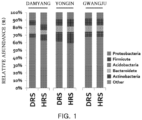
FIG. 1 is a diagram illustrating microorganisms in soil collected as a result of 16S rRNA analysis at a phylum level. Healthy rhizosphere soil (HRS), diseased rhizosphere soil (DRS). -
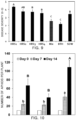
FIG. 2 is a diagram illustrating a percentage of Gram-positive bacteria in the healthy rhizosphere soil (HRS) and diseased rhizosphere soil (DRS) through a 3% KOH string test and a selective medium. -
FIG. 3 is a diagram illustrating the occurrence amount of tomato bacterial wilt in the healthy rhizosphere soil (HRS) and diseased rhizosphere soil (DRS). It shows that treatment with vancomycin, an antibiotic that suppresses Gram-positive bacteria, increases the occurrence of tomato bacterial wilt of the HRS. -
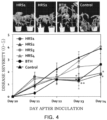
FIG. 4 is a diagram illustrating resistance against disease after treating bacterial wilt on soil in which tomato roots in which Brevibacteriumfrigoritolerans HRS1, Bacillus niacini HRS2, Solibacillus silvestris HRS3, and Bacillus luciferensis HRS4 strains, respectively, are treated are planted. -
FIG. 5 is a diagram illustrating induced systemic resistance (plant systemic immunity) response of tomatoes after tomato stem inoculation of Ralstonia solanacearum following drench-inoculation of tomato roots with Brevibacterium frigoritolerans HRS1, Bacillus niacini HRS2), Solibacillus silvestris HRS3, and Bacillus luciferensis HRS4 strains, respectively. -
FIG. 6 is a diagram illustrating results of the induced systemic resistance response by mixing Brevibacterium frigoritolerans HRS1, Bacillus niacini HRS2, Solibacillus silvestris HRS3, and Bacillus luciferensis HRS4 strains to produce synthetic microbial community (Syncom) and then treating the synthetic microbial community (Syncom) on tomatoes. -
FIG. 7 is a diagram illustrating an expression of tomato genes related to induced resistance by synthetic microbial community (Syncom) treatment. -
FIG. 8 is a diagram illustrating an increase in yield of red pepper fruits by single microorganism and synthetic microorganism community (Syncom) treatments. -
FIG. 9 is a diagram illustrating resistance to Xanthomonas axonopodis pv. vesicatoria (Xav), which causes bacterial spot disease of red pepper leaf with induced resistance caused by the synthetic microbial community (Syncom) treatment. -
FIG. 10 is a diagram illustrating the elicitation of systemic resistance against aphids on pepper by the synthetic microbial community (Syncom) treatment. - One aspect of the present disclosure provides Brevibacterium frigoritolerans HRS1 (KCTC 14301BP), Bacillus niacini HRS2 (KCTC 14302BP), Solibacillus silvestris HRS3 (KCTC 14303BP), or Bacillus luciferensis HRS4 (KCTC 14304BP) strains capable of improving resistance of plants against plant pathogens.
- In one embodiment of the present disclosure, the plant pathogen may be one or more of Ralstonia solanacearum and Xanthomonas axonopodis pv. vesicatoria (Xav). The plant pathogens are bacteria that cause bacterial wilt on tomato root system and spot diseases on pepper leaves. According to the present disclosure, Brevibacterium frigoritolerans HRS1 (KCTC 14301BP), Bacillus niacini HRS2 (KCTC 14302BP), Solibacillus silvestris HRS3 (KCTC 14303BP), or Bacillus luciferensis HRS4 (KCTC 14304BP) strains may, individually or in combination, improve resistance to one or more plant pathogens of Ralstonia solanacearum and Xanthomonas axonopodis pv. vesicatoria (Xav).
- Another aspect of the present disclosure provides a composition for controlling plant diseases including any one selected from the group consisting of one or more of the strains, spores or vegetative cells of the strains, a culture solution of the strains, and an extract of the culture solution as an active ingredient.
- The culture solution of the strains may include both a culture solution including the strains and a culture solution obtained by filtering the strains broth culture. In addition, the composition may include a carrier other than the strains themselves, the culture solution of the strains, and the extract of the culture solution, and as the preferred carrier, water, white carbon, kaolin, dextrin, and the like may be used.
- The extract of the culture solution may be preferably an extract obtained by extracting a culture solution of strains with an appropriate extraction solvent, for example, ethyl acetate, butanol, water, or a mixture thereof, and more preferably an ethyl acetate layer or a butanol layer remaining after fractionating a culture supernatant with the equal amounts of ethyl acetate or butanol, or an aqueous solution layer remaining after fractionating the culture supernatant with the equal amounts of ethyl acetate and butanol.
- After mixing the spores or vegetative cells of the strains, the culture solution of the strains, or the extract of the culture solution with the carrier, it may be formulated into powder, pellets, granules, or solutions and used.
- In one embodiment of the present disclosure, the plant disease may be any one of bacterial wilt and spot disease, and more specifically, any one of tomato bacterial wilt and pepper spot disease. Most specifically, the plant disease may be any one of tomato bacterial wilt caused by Ralstonia solanacearum and pepper spot disease caused by Xanthomonas axonopodis pv. vesicatoria (Xav).
- Another aspect of the present disclosure provides a method for controlling plant disease including treating the composition at a plant or around the plant.
- As described above, the plant disease may be any one of bacterial wilt and spot disease, and more specifically, any one of tomato bacterial wilt and pepper spot disease. Most specifically, the plant disease may be any one of tomato bacterial wilt caused by Ralstonia solanacearum and pepper spot disease caused by Xanthomonas axonopodis pv. vesicatoria (Xav).
- In one embodiment of the present disclosure, in the treating, the composition may be treated on soil, roots, seeds, sprayed onto plants, or treated by a combination thereof.
- Another aspect of the present disclosure provides a method for preparing a composition for controlling plant disease including cultivating one or more of Brevibacterium frigoritolerans HRS1, KCTC 14301BP), Bacillus niacini (HRS2, KCTC 14302BP), Solibacillus silvestris (HRS3, KCTC 14303BP), or Bacillus luciferensis (HRS4, KCTC 14304BP) strains capable of improving resistance of plants against plant pathogens.
- Another aspect of the present disclosure provides a use of one or more Brevibacterium frigoritolerans (HRS1, KCTC 14301BP), Bacillus niacini (HRS2, KCTC 14302BP), Solibacillus silvestris (HRS3, KCTC 14303BP), and Bacillus luciferensis (HRS4, KCTC 14304BP) strains for preparing a composition for controlling plant disease.
- Hereinafter, one or more specific examples will be described in more detail through examples. However, these examples are intended to illustrate one or more specific examples, and the scope of the present disclosure is not limited to these examples.
- Tomato bacterial wilt occurred locally (within 1m diameter) in tomato greenhouses located in Yongin, Gwangju, and Damyang, and the soil was collected and subjected to 16S rDNA sequence analysis to analyze microbial community of soil (healthy rhizosphere soil (HRS)) in which healthy tomatoes grow and soil (diseased rhizosphere soil (DRS)) in which tomatoes diseased with tomato bacterial wilt grow. Five phyla of Firmicutes, Actinobacteria, Acidobacteria, and Bacteroidetes, were found to constitute the major microbial phase (
FIG. 1 ). Among them, the genes of microorganisms belonging to Firmicutes and Actinobacteria were found to be much more abundant in the soil (HRS) in which healthy tomatoes grow. To prove Firmicutes and Actinobacteria, they were cultured in selective medium including 20 µg/mL polymyxin B or 5 µg/mL vancomycin and 3% KOH string test was executed. The results of the two experiments showed that Firmicutes and Actinobacteria were present in the HRS in an amount of 26.2% and 26.3%, respectively (FIG. 2 ). - In order to examine the effect of Firmicutes and Actinobacteria confirmed in Example 1 on the occurrence of tomato bacterial wilt, symptoms of the tomato bacterial wilt were observed after suppressing Gram-positive bacteria in healthy soil. To this end, the incidence of the tomato bacterial wilt was observed in healthy soil and healthy soil treated with vancomycin which is an antibiotic specific to killing Gram-positive bacteria. It was found that, in soil where the Gram-positive bacteria were killed due to antibiotics, and thus, an imbalance in soil microorganisms has occurred, the symptoms of the tomato bacterial wilt increased 1.5 to 1.8 times as observed in
FIG. 3 . - To isolate bacteria that form endospores, MES buffer extracts of healthy soil without tomato bacterial wilt and soil with tomato bacterial wilt were cultivated at 80°C for 30 minutes, spread on TSA medium, and then cultivated at 30°C for 48 hours. Among them, four types of Gram-positive bacteria sensitive to 500 µg/mL vancomycin were selected to isolate. 16S rRNA nucleotide sequence was analyzed using 27F/1492R primers, and comparative analysis using BLASTn found that these strains were Brevibacterium frigorito(erans HRS1, Bacillus niacini HRS2, Solibacillus silvestris HRS3, and Bacillus luciferensis HRS4.
[Table 1] Primer name Primer sequence (5'->3')† 27F AGAGTTTGATCCTGGCTCAG 1492R GGTTACCTTGTTACGACTT - The strains identified above were deposited on September 8, 2020 at the Korean Collection for Type Cultures (KCTC) of the Korea Research Institute of Bioscience and Biotechnology. Specifically, Brevibacterium frigoritolerans HRS1 was deposited as KCTC 14301BP, Bacillus niacini HRS2 was deposited as KCTC 14302BP, Solibacillus silvestris HRS3 was deposited as KCTC 14303BP, and Bacillus luciferensis HRS4 was deposited as KCTC 14304BP.
- In order to examine the effect of 4 strains selected in Preparation Example 3 on induction of systemic resistance of plants, each of the 4 strains was treated on roots. At 5 days after root inoculation, Ralstonia solanacearum, bacterial disease, which is a tomato bacterial wilt-induced strain, stem-inoculated on tomato, by using a control in which roots are treated with same volume of sterile distilled water and BTH (benzo[1,2,3]thiadiazole-7-carbothioic cid S-methyl ester), a chemical that causes systemic resistance in plants, as a positive control, the incidence of disease was investigated.
- In the single treatment group, Brevibacterium frigoritolerans HRS1 and Bacillus niacini HRS2 showed resistance to bacterial wilt, as illustrated in
FIG. 4 below. - In order to find out whether 4 strains selected in Preparation Example 3 cause induced resistance of tomatoes, 50 µL of tomato bacterial wilt strains were inoculated into stems after 7 days of treatment of each strain on roots to evaluate the induced resistance. As illustrated in
FIG. 5 in the Brevibacterium frigoritolerans HRS1 and Bacillus niacini HRS2 treatment groups, the induced resistance was shown after 3 days of treatment of the tomato bacterial wilt. However, it was confirmed that the induced resistance by the treatment of each strain disappears on 4th and 5th days after treating the tomato bacterial wilt. - To find out the effect of synthetic microbial community (Syncom) on the resistance of the tomato bacterial wilt rather than the single treatment group, Brevibacterium frigoritolerans HRS1, Bacillus niacini HRS2, Solibacillus silvestris HRS3, and Bacillus luciferensis HRS4 were mixed to treat a combination of two strains HRS1+HRS2, a combination of three strains HRS1+HRS2+HRS3 and HRS1+HRS2+HRS4, and a combination of four strains HRS1+HRS2 +HRS3+HRS4 on the soil. Treatment of two strains increased the resistance of the tomato bacterial wilt from 3 days to 5 days when each strain was treated. When all four strains were mixed, the resistance was maintained for a long time, showing that the resistance was maintained up to 7 days, the end point of the experiment (
FIG. 6 ). - In order to elucidate the mechanism of expression of the induced resistance by the synthetic microbial community (Syncom) treatment, the expression of plant defense-related genes was investigated.
- As can be seen in
FIG. 7 below, it was confirmed that, after 12 days of the treatment of the tomato bacterial wilt, Jasmonic acid signaling-related genes Pin2, AOS, and LoxD, and salicylic acid signaling-related genes PR-P6, NPP1, and PR1α increased, and thus, the synthetic microbial community (Syncom) treatment caused induced resistance dependent on the resistance signal pathway to jasmonic acid and salicylic acid, causing tomatoes to develop the resistance to the tomato bacterial wilt. - It was confirmed that the yield of red pepper increased or decreased by the single or synthetic microbial community (Syncom) treatment in the outdoor red pepper field. In the synthetic microbial phase, and it was confirmed that the number of peppers hanging per unit pepper seedling increased, and the weight per pepper drop also increased compared to the untreated group (
FIG. 8 ). - As a result of treating Xanthomonas axonopodis pv. vesicatoria (Xav), which causes the bacterial spot disease in peppers by the single or synthetic microbial community (Syncom) treatment in an outdoor red pepper field, it was confirmed that the resistance against disease in the synthetic microbial phase increased (
FIG. 9 ). - As can be seen in
FIG. 10 below, it was confirmed that the soil treatment of the synthetic microbial phase increased the aphid control effect of pepper in the greenhouse. - Hereinabove, the present disclosure has been described with reference to exemplary embodiments. It will be understood by those skilled in the art to which the present disclosure pertains that the present disclosure may be implemented in a modified form without departing from essential characteristics of the present disclosure. Therefore, exemplary embodiments disclosed herein should be considered in an illustrative aspect rather than a restrictive aspect. The scope of the present disclosure should be defined by the claims rather than the above-mentioned description, and equivalents to the claims should be interpreted to fall within the present disclosure.


Claims (8)
- Brevibacterium frigoritolerans HRS1 (KCTC 14301BP), Bacillus niacini HRS2 (KCTC 14302BP), Solibacillus silvestris HRS3 (KCTC 14303BP), or Bacillus luciferensis (HRS4, KCTC 14304BP) strains, which increase resistance of plants against plant pathogens.
- The strains of claim 1, wherein the plant pathogen is one or more of Ralstonia solanacearum and Xanthomonas axonopodis pv. vesicatoria (Xav).
- A composition for controlling plant disease, comprising: any one selected from the group consisting of one or more of Brevibacterium frigoritolerans HRS1 (KCTC 14301BP), Bacillus niacini HRS2 (KCTC 14302BP), Solibacillus silvestris HRS3 (KCTC 14303BP), and Bacillus luciferensis HRS4 (KCTC 14304BP) strains, a spore of the strain, a culture solution of the strain, and an extract of the culture solution as an active ingredient.
- The composition of claim 3, wherein the plant disease is any one of bacterial wilt and spot disease.
- A method for controlling plant disease including treating the composition of claim 3 in a plant or around the plant.
- The method of claim 5, wherein, in the treating, the composition is treated on soil, roots, seeds, sprayed onto plants, or treated by a combination thereof.
- A method for preparing a composition for controlling plant disease, comprising: cultivating one or more of Brevibacterium frigoritolerans HRS1 (KCTC 14301BP), Bacillus niacini HRS2 (KCTC 14302BP), Solibacillus silvestris HRS3 (KCTC 14303BP), and Bacillus luciferensis HRS4 (KCTC 14304BP) strains capable of improving resistance of plants against plant pathogens.
- A use of one or more Brevibacterium frigoritolerans (HRS1, KCTC 14301BP), Bacillus niacini (HRS2, KCTC 14302BP), Solibacillus silvestris (HRS3, KCTC 14303BP), and Bacillus luciferensis (HRS4, KCTC 14304BP) strains for preparing a composition for controlling plant disease.
Applications Claiming Priority (2)
| Application Number | Priority Date | Filing Date | Title |
|---|---|---|---|
| KR20200114907 | 2020-09-08 | ||
| PCT/KR2021/012187 WO2022055241A1 (en) | 2020-09-08 | 2021-09-08 | Composition for controlling plant disease and method for preparing same |
Publications (2)
| Publication Number | Publication Date |
|---|---|
| EP4212020A1 true EP4212020A1 (en) | 2023-07-19 |
| EP4212020A4 EP4212020A4 (en) | 2024-06-05 |
Family
ID=80817281
Family Applications (1)
| Application Number | Title | Priority Date | Filing Date |
|---|---|---|---|
| EP21867107.1A Pending EP4212020A4 (en) | 2020-09-08 | 2021-09-08 | COMPOSITION FOR FIGHTING PLANT DISEASE AND PREPARATION METHOD THEREFOR |
Country Status (2)
| Country | Link |
|---|---|
| EP (1) | EP4212020A4 (en) |
| KR (1) | KR102609080B1 (en) |
Cited By (4)
| Publication number | Priority date | Publication date | Assignee | Title |
|---|---|---|---|---|
| CN117448200A (en) * | 2023-09-19 | 2024-01-26 | 山东农业大学 | A kind of Pseudomonas chlororaphis strain LQ29 and its application |
| CN117778242A (en) * | 2023-12-19 | 2024-03-29 | 中国热带农业科学院环境与植物保护研究所 | A multifunctional microbial agent and its application |
| CN118064327A (en) * | 2024-03-20 | 2024-05-24 | 浙江省农业科学院 | A rhizosphere probiotic strain of Bacillus cereus BC24 and its application |
| CN119177194A (en) * | 2024-11-22 | 2024-12-24 | 云南省农业科学院茶叶研究所 | Bacillus nicotinate BD-5-3 and application thereof |
Families Citing this family (1)
| Publication number | Priority date | Publication date | Assignee | Title |
|---|---|---|---|---|
| CN118460438B (en) * | 2024-07-11 | 2024-09-20 | 青岛滋百农作物营养有限公司 | Application of low-temperature-resistant bacillus ZIP-133 in preparation of tomato growth-promoting compound microbial inoculum |
Family Cites Families (4)
| Publication number | Priority date | Publication date | Assignee | Title |
|---|---|---|---|---|
| KR101188641B1 (en) | 2011-12-13 | 2012-10-08 | 주식회사 지디 | Novel bacillus subtilis gdya-1 having anti-plant pathogens activity and preparation of microbial pesticide |
| CN103053621A (en) * | 2012-01-31 | 2013-04-24 | 河北农业大学 | A kind of biocontrol preparation and preparation method for preventing and treating strawberry heavy cropping disease |
| CN105385643B (en) * | 2015-12-27 | 2018-11-13 | 中国热带农业科学院南亚热带作物研究所 | A kind of composite bacteria agent and control method of prevention banana blight |
| EP3405564A4 (en) * | 2016-01-19 | 2019-09-04 | Bioconsortia, Inc. | BENEFICIAL MICROBES FOR AGRICULTURE, MICROBIAL COMPOSITIONS AND CONSORTIVA |
-
2021
- 2021-09-08 EP EP21867107.1A patent/EP4212020A4/en active Pending
- 2021-09-08 KR KR1020210119490A patent/KR102609080B1/en active Active
Cited By (4)
| Publication number | Priority date | Publication date | Assignee | Title |
|---|---|---|---|---|
| CN117448200A (en) * | 2023-09-19 | 2024-01-26 | 山东农业大学 | A kind of Pseudomonas chlororaphis strain LQ29 and its application |
| CN117778242A (en) * | 2023-12-19 | 2024-03-29 | 中国热带农业科学院环境与植物保护研究所 | A multifunctional microbial agent and its application |
| CN118064327A (en) * | 2024-03-20 | 2024-05-24 | 浙江省农业科学院 | A rhizosphere probiotic strain of Bacillus cereus BC24 and its application |
| CN119177194A (en) * | 2024-11-22 | 2024-12-24 | 云南省农业科学院茶叶研究所 | Bacillus nicotinate BD-5-3 and application thereof |
Also Published As
| Publication number | Publication date |
|---|---|
| KR20220033039A (en) | 2022-03-15 |
| EP4212020A4 (en) | 2024-06-05 |
| KR102609080B1 (en) | 2023-12-06 |
Similar Documents
| Publication | Publication Date | Title |
|---|---|---|
| Tagele et al. | Effectiveness of multi-trait Burkholderia contaminans KNU17BI1 in growth promotion and management of banded leaf and sheath blight in maize seedling | |
| KR102609080B1 (en) | A composition for preventing plant disease and The preparation method thereof | |
| Li et al. | Antibacterial activity of Lansiumamide B to tobacco bacterial wilt (Ralstonia solanacearum) | |
| CN104480046B (en) | One plant of Brevibacillus laterosporus and its application | |
| KR101624628B1 (en) | Novel bacillus vallismortis bs07m with promoting effect of plant growth and improving effect of cold-tolerance, and microbial agent containing the same | |
| Mercado-Flores et al. | Application of Bacillus subtilis in the biological control of the phytopathogenic fungus Sporisorium reilianum | |
| CN103509740B (en) | Pseudomonas chlororaphis for preventing and treating crop fusarium disease and applications thereof | |
| CN109355233B (en) | Bacillus amyloliquefaciens and application thereof | |
| KR102670981B1 (en) | Development of a multifunctional biopesticide controlling anthracnose and bacterial diseases with plant growth stimulating effects | |
| Poovarasan et al. | Mycorrhizae colonizing actinomycetes promote plant growth and control bacterial blight disease of pomegranate (Punica granatum L. cv Bhagwa) | |
| CA3047865A1 (en) | Biocontrol organism | |
| US12575574B2 (en) | Composition for controlling plant disease and insect and method for preparing same | |
| CN110423712A (en) | A kind of Paenibacillus pierreus and its application | |
| Sampathkumar et al. | Multifaceted Bacillus spp. for the management of cotton bacterial blight caused by Xanthomonas citri pv. malvacearum | |
| AU2018267591B2 (en) | An Herbicidal Composition for Controlling Parthenium Weed and Strain Thereof | |
| Paul et al. | Inoculation with bacterial endophytes and the fungal root endophyte, Piriformospora indica improves plant growth and reduces foliar infection by Phytophthora capsici in black pepper | |
| US20220053769A1 (en) | Microbacterium esteraromaticum strain, composition comprising the same, and uses thereof | |
| CN106399166B (en) | One plant of Achromobacter xylosoxidans for preventing and treating plant root-knot nematode and its application | |
| CN115725450B (en) | A strain of Myxococcus aurantiacus and its application in biological control of bacterial plant diseases | |
| KR101953835B1 (en) | Aspergillus terreus isolate enhancing disease resisance and use thereof | |
| KR20150080763A (en) | Paenibacillus polymyxa APEC154 having antimicrobial activity and aphid evasion power and biological control agents using the same | |
| KR20190086947A (en) | Erwinia gerundensis KUDC9201 strain having antifungal activity against pathogens, and uses thereof | |
| KR20180040544A (en) | Paenibacillus peoriae HB774 strain and method for the biological control of plant diseases using same | |
| Nagrale et al. | Characterization of a bacterial collar and rhizome rot of banana (Musa paradisiaca) caused by strains of Erwinia chrysanthemi pv. paradisiaca. | |
| CN113502227A (en) | Fusarium celastrum, microbial inoculum and herbicide containing fusarium celastrum and application of fusarium celastrum and herbicide |
Legal Events
| Date | Code | Title | Description |
|---|---|---|---|
| STAA | Information on the status of an ep patent application or granted ep patent |
Free format text: STATUS: THE INTERNATIONAL PUBLICATION HAS BEEN MADE |
|
| PUAI | Public reference made under article 153(3) epc to a published international application that has entered the european phase |
Free format text: ORIGINAL CODE: 0009012 |
|
| STAA | Information on the status of an ep patent application or granted ep patent |
Free format text: STATUS: REQUEST FOR EXAMINATION WAS MADE |
|
| 17P | Request for examination filed |
Effective date: 20230404 |
|
| AK | Designated contracting states |
Kind code of ref document: A1 Designated state(s): AL AT BE BG CH CY CZ DE DK EE ES FI FR GB GR HR HU IE IS IT LI LT LU LV MC MK MT NL NO PL PT RO RS SE SI SK SM TR |
|
| DAV | Request for validation of the european patent (deleted) | ||
| DAX | Request for extension of the european patent (deleted) | ||
| A4 | Supplementary search report drawn up and despatched |
Effective date: 20240506 |
|
| RIC1 | Information provided on ipc code assigned before grant |
Ipc: C12R 1/07 20060101ALI20240430BHEP Ipc: C12N 1/20 20060101ALI20240430BHEP Ipc: A01P 15/00 20060101ALI20240430BHEP Ipc: A01N 25/04 20060101ALI20240430BHEP Ipc: A01N 63/22 20200101ALI20240430BHEP Ipc: A01N 63/20 20200101AFI20240430BHEP |
|
| STAA | Information on the status of an ep patent application or granted ep patent |
Free format text: STATUS: EXAMINATION IS IN PROGRESS |
|
| 17Q | First examination report despatched |
Effective date: 20250710 |
|
| GRAP | Despatch of communication of intention to grant a patent |
Free format text: ORIGINAL CODE: EPIDOSNIGR1 |
|
| STAA | Information on the status of an ep patent application or granted ep patent |
Free format text: STATUS: GRANT OF PATENT IS INTENDED |