EP4209502A1 - Fructose sensing and signaling in plants - Google Patents
Fructose sensing and signaling in plants Download PDFInfo
- Publication number
- EP4209502A1 EP4209502A1 EP22150603.3A EP22150603A EP4209502A1 EP 4209502 A1 EP4209502 A1 EP 4209502A1 EP 22150603 A EP22150603 A EP 22150603A EP 4209502 A1 EP4209502 A1 EP 4209502A1
- Authority
- EP
- European Patent Office
- Prior art keywords
- plant
- fructose
- symporter
- nucleic acid
- tonoplast proton
- Prior art date
- Legal status (The legal status is an assumption and is not a legal conclusion. Google has not performed a legal analysis and makes no representation as to the accuracy of the status listed.)
- Pending
Links
- 239000005715 Fructose Substances 0.000 title claims abstract description 174
- 229930091371 Fructose Natural products 0.000 title claims abstract description 107
- RFSUNEUAIZKAJO-ARQDHWQXSA-N Fructose Chemical compound OC[C@H]1O[C@](O)(CO)[C@@H](O)[C@@H]1O RFSUNEUAIZKAJO-ARQDHWQXSA-N 0.000 title claims abstract description 107
- 230000011664 signaling Effects 0.000 title description 5
- 230000001965 increasing effect Effects 0.000 claims abstract description 72
- 108090000088 Symporters Proteins 0.000 claims abstract description 68
- 102000003673 Symporters Human genes 0.000 claims abstract description 67
- 150000007523 nucleic acids Chemical class 0.000 claims abstract description 65
- 238000003860 storage Methods 0.000 claims abstract description 64
- 108020004707 nucleic acids Proteins 0.000 claims abstract description 47
- 102000039446 nucleic acids Human genes 0.000 claims abstract description 47
- 150000001875 compounds Chemical class 0.000 claims abstract description 46
- 239000013598 vector Substances 0.000 claims abstract description 45
- 230000002068 genetic effect Effects 0.000 claims abstract description 44
- 238000000034 method Methods 0.000 claims abstract description 33
- 230000024346 drought recovery Effects 0.000 claims abstract description 11
- 241000196324 Embryophyta Species 0.000 claims description 347
- 108090000623 proteins and genes Proteins 0.000 claims description 67
- 210000004027 cell Anatomy 0.000 claims description 50
- 235000000346 sugar Nutrition 0.000 claims description 50
- 102000004169 proteins and genes Human genes 0.000 claims description 46
- 210000000056 organ Anatomy 0.000 claims description 43
- 210000000172 cytosol Anatomy 0.000 claims description 42
- CZMRCDWAGMRECN-UGDNZRGBSA-N Sucrose Chemical compound O[C@H]1[C@H](O)[C@@H](CO)O[C@@]1(CO)O[C@@H]1[C@H](O)[C@@H](O)[C@H](O)[C@@H](CO)O1 CZMRCDWAGMRECN-UGDNZRGBSA-N 0.000 claims description 36
- 229930006000 Sucrose Natural products 0.000 claims description 36
- 239000005720 sucrose Substances 0.000 claims description 36
- 239000002028 Biomass Substances 0.000 claims description 30
- 241000219310 Beta vulgaris subsp. vulgaris Species 0.000 claims description 25
- 235000021536 Sugar beet Nutrition 0.000 claims description 25
- 241000335053 Beta vulgaris Species 0.000 claims description 17
- 240000002791 Brassica napus Species 0.000 claims description 17
- 229920002472 Starch Polymers 0.000 claims description 17
- 240000008042 Zea mays Species 0.000 claims description 17
- 239000008107 starch Substances 0.000 claims description 17
- 235000019698 starch Nutrition 0.000 claims description 17
- 235000021533 Beta vulgaris Nutrition 0.000 claims description 16
- 235000003222 Helianthus annuus Nutrition 0.000 claims description 16
- 240000005979 Hordeum vulgare Species 0.000 claims description 16
- 235000007340 Hordeum vulgare Nutrition 0.000 claims description 16
- 108091028043 Nucleic acid sequence Proteins 0.000 claims description 16
- 240000007594 Oryza sativa Species 0.000 claims description 16
- 235000007164 Oryza sativa Nutrition 0.000 claims description 16
- 235000007238 Secale cereale Nutrition 0.000 claims description 16
- 244000061456 Solanum tuberosum Species 0.000 claims description 16
- 235000002595 Solanum tuberosum Nutrition 0.000 claims description 16
- 125000003275 alpha amino acid group Chemical group 0.000 claims description 15
- 150000002632 lipids Chemical class 0.000 claims description 13
- 235000011684 Sorghum saccharatum Nutrition 0.000 claims description 12
- 244000020551 Helianthus annuus Species 0.000 claims description 11
- 244000082988 Secale cereale Species 0.000 claims description 11
- 235000011293 Brassica napus Nutrition 0.000 claims description 9
- 240000008100 Brassica rapa Species 0.000 claims description 9
- 235000011292 Brassica rapa Nutrition 0.000 claims description 9
- 235000007244 Zea mays Nutrition 0.000 claims description 9
- 235000013399 edible fruits Nutrition 0.000 claims description 9
- 235000006008 Brassica napus var napus Nutrition 0.000 claims description 8
- 235000005824 Zea mays ssp. parviglumis Nutrition 0.000 claims description 8
- 235000002017 Zea mays subsp mays Nutrition 0.000 claims description 8
- 235000005822 corn Nutrition 0.000 claims description 8
- 240000007124 Brassica oleracea Species 0.000 claims description 7
- 235000003899 Brassica oleracea var acephala Nutrition 0.000 claims description 7
- 235000011301 Brassica oleracea var capitata Nutrition 0.000 claims description 7
- 235000001169 Brassica oleracea var oleracea Nutrition 0.000 claims description 7
- 240000006394 Sorghum bicolor Species 0.000 claims description 7
- 235000009566 rice Nutrition 0.000 claims description 7
- 241000511986 Oryza sp. Species 0.000 claims description 5
- 230000000295 complement effect Effects 0.000 claims description 3
- 230000001172 regenerating effect Effects 0.000 claims description 3
- 241000209072 Sorghum Species 0.000 claims 2
- 230000007727 signaling mechanism Effects 0.000 abstract 1
- 230000002018 overexpression Effects 0.000 description 29
- WQZGKKKJIJFFOK-GASJEMHNSA-N Glucose Natural products OC[C@H]1OC(O)[C@H](O)[C@@H](O)[C@@H]1O WQZGKKKJIJFFOK-GASJEMHNSA-N 0.000 description 28
- 230000014509 gene expression Effects 0.000 description 25
- 239000002689 soil Substances 0.000 description 22
- 241000219195 Arabidopsis thaliana Species 0.000 description 21
- 239000008103 glucose Substances 0.000 description 19
- 241000219194 Arabidopsis Species 0.000 description 16
- 108010078791 Carrier Proteins Proteins 0.000 description 16
- 230000001086 cytosolic effect Effects 0.000 description 14
- 150000008163 sugars Chemical class 0.000 description 14
- 230000032258 transport Effects 0.000 description 11
- 238000011282 treatment Methods 0.000 description 11
- 210000003934 vacuole Anatomy 0.000 description 11
- 244000062793 Sorghum vulgare Species 0.000 description 10
- 238000000692 Student's t-test Methods 0.000 description 10
- 238000004458 analytical method Methods 0.000 description 10
- LFQSCWFLJHTTHZ-UHFFFAOYSA-N Ethanol Chemical compound CCO LFQSCWFLJHTTHZ-UHFFFAOYSA-N 0.000 description 9
- 102000005548 Hexokinase Human genes 0.000 description 9
- 108700040460 Hexokinases Proteins 0.000 description 9
- 230000003828 downregulation Effects 0.000 description 8
- 239000000463 material Substances 0.000 description 8
- 239000008188 pellet Substances 0.000 description 8
- 101150023850 CIPK6 gene Proteins 0.000 description 7
- 102000003793 Fructokinases Human genes 0.000 description 7
- 108090000156 Fructokinases Proteins 0.000 description 7
- 235000007230 Sorghum bicolor Nutrition 0.000 description 7
- 230000008641 drought stress Effects 0.000 description 7
- 238000010362 genome editing Methods 0.000 description 7
- 238000004519 manufacturing process Methods 0.000 description 7
- 229920002477 rna polymer Polymers 0.000 description 7
- 241000894007 species Species 0.000 description 7
- 239000000758 substrate Substances 0.000 description 7
- 102100021908 3-mercaptopyruvate sulfurtransferase Human genes 0.000 description 6
- FBPFZTCFMRRESA-KVTDHHQDSA-N D-Mannitol Chemical compound OC[C@@H](O)[C@@H](O)[C@H](O)[C@H](O)CO FBPFZTCFMRRESA-KVTDHHQDSA-N 0.000 description 6
- 229930195725 Mannitol Natural products 0.000 description 6
- 230000004913 activation Effects 0.000 description 6
- 238000001994 activation Methods 0.000 description 6
- 244000038559 crop plants Species 0.000 description 6
- 230000001419 dependent effect Effects 0.000 description 6
- 230000000694 effects Effects 0.000 description 6
- 238000002474 experimental method Methods 0.000 description 6
- 239000000594 mannitol Substances 0.000 description 6
- 235000010355 mannitol Nutrition 0.000 description 6
- 125000003729 nucleotide group Chemical group 0.000 description 6
- 230000001105 regulatory effect Effects 0.000 description 6
- 241000208818 Helianthus Species 0.000 description 5
- 241000209056 Secale Species 0.000 description 5
- 230000009286 beneficial effect Effects 0.000 description 5
- WQZGKKKJIJFFOK-VFUOTHLCSA-N beta-D-glucose Chemical compound OC[C@H]1O[C@@H](O)[C@H](O)[C@@H](O)[C@@H]1O WQZGKKKJIJFFOK-VFUOTHLCSA-N 0.000 description 5
- 239000012154 double-distilled water Substances 0.000 description 5
- 238000000605 extraction Methods 0.000 description 5
- 210000000416 exudates and transudate Anatomy 0.000 description 5
- 238000002703 mutagenesis Methods 0.000 description 5
- 231100000350 mutagenesis Toxicity 0.000 description 5
- 239000002773 nucleotide Substances 0.000 description 5
- 210000001938 protoplast Anatomy 0.000 description 5
- 238000011002 quantification Methods 0.000 description 5
- 230000004044 response Effects 0.000 description 5
- 239000000243 solution Substances 0.000 description 5
- 238000012360 testing method Methods 0.000 description 5
- 230000009466 transformation Effects 0.000 description 5
- IJGRMHOSHXDMSA-UHFFFAOYSA-N Atomic nitrogen Chemical compound N#N IJGRMHOSHXDMSA-UHFFFAOYSA-N 0.000 description 4
- 101710132674 Monosaccharide transporter Proteins 0.000 description 4
- 238000010586 diagram Methods 0.000 description 4
- 230000004807 localization Effects 0.000 description 4
- 239000002207 metabolite Substances 0.000 description 4
- 230000004048 modification Effects 0.000 description 4
- 238000012986 modification Methods 0.000 description 4
- 239000006228 supernatant Substances 0.000 description 4
- 238000012225 targeting induced local lesions in genomes Methods 0.000 description 4
- 230000009261 transgenic effect Effects 0.000 description 4
- XLYOFNOQVPJJNP-UHFFFAOYSA-N water Substances O XLYOFNOQVPJJNP-UHFFFAOYSA-N 0.000 description 4
- 108020004414 DNA Proteins 0.000 description 3
- 102000053602 DNA Human genes 0.000 description 3
- 238000003559 RNA-seq method Methods 0.000 description 3
- 102100030140 Thiosulfate:glutathione sulfurtransferase Human genes 0.000 description 3
- 238000009825 accumulation Methods 0.000 description 3
- 238000009395 breeding Methods 0.000 description 3
- 230000001488 breeding effect Effects 0.000 description 3
- ATNHDLDRLWWWCB-AENOIHSZSA-M chlorophyll a Chemical compound C1([C@@H](C(=O)OC)C(=O)C2=C3C)=C2N2C3=CC(C(CC)=C3C)=[N+]4C3=CC3=C(C=C)C(C)=C5N3[Mg-2]42[N+]2=C1[C@@H](CCC(=O)OC\C=C(/C)CCC[C@H](C)CCC[C@H](C)CCCC(C)C)[C@H](C)C2=C5 ATNHDLDRLWWWCB-AENOIHSZSA-M 0.000 description 3
- 210000003763 chloroplast Anatomy 0.000 description 3
- 230000008645 cold stress Effects 0.000 description 3
- 230000007423 decrease Effects 0.000 description 3
- 230000035882 stress Effects 0.000 description 3
- 238000006467 substitution reaction Methods 0.000 description 3
- 238000012353 t test Methods 0.000 description 3
- 238000012546 transfer Methods 0.000 description 3
- 241000589158 Agrobacterium Species 0.000 description 2
- 241000589155 Agrobacterium tumefaciens Species 0.000 description 2
- 108700028369 Alleles Proteins 0.000 description 2
- 101100006456 Arabidopsis thaliana CIPK6 gene Proteins 0.000 description 2
- 102000014914 Carrier Proteins Human genes 0.000 description 2
- 241000088885 Chlorops Species 0.000 description 2
- 108091026890 Coding region Proteins 0.000 description 2
- KCXVZYZYPLLWCC-UHFFFAOYSA-N EDTA Chemical compound OC(=O)CN(CC(O)=O)CCN(CC(O)=O)CC(O)=O KCXVZYZYPLLWCC-UHFFFAOYSA-N 0.000 description 2
- 102000004190 Enzymes Human genes 0.000 description 2
- 108090000790 Enzymes Proteins 0.000 description 2
- PLUBXMRUUVWRLT-UHFFFAOYSA-N Ethyl methanesulfonate Chemical compound CCOS(C)(=O)=O PLUBXMRUUVWRLT-UHFFFAOYSA-N 0.000 description 2
- 244000068988 Glycine max Species 0.000 description 2
- 235000010469 Glycine max Nutrition 0.000 description 2
- KFZMGEQAYNKOFK-UHFFFAOYSA-N Isopropanol Chemical compound CC(C)O KFZMGEQAYNKOFK-UHFFFAOYSA-N 0.000 description 2
- TWRXJAOTZQYOKJ-UHFFFAOYSA-L Magnesium chloride Chemical compound [Mg+2].[Cl-].[Cl-] TWRXJAOTZQYOKJ-UHFFFAOYSA-L 0.000 description 2
- XJLXINKUBYWONI-NNYOXOHSSA-O NADP(+) Chemical compound NC(=O)C1=CC=C[N+]([C@H]2[C@@H]([C@H](O)[C@@H](COP(O)(=O)OP(O)(=O)OC[C@@H]3[C@H]([C@@H](OP(O)(O)=O)[C@@H](O3)N3C4=NC=NC(N)=C4N=C3)O)O2)O)=C1 XJLXINKUBYWONI-NNYOXOHSSA-O 0.000 description 2
- 244000061176 Nicotiana tabacum Species 0.000 description 2
- 235000002637 Nicotiana tabacum Nutrition 0.000 description 2
- 108091000080 Phosphotransferase Proteins 0.000 description 2
- 108091030071 RNAI Proteins 0.000 description 2
- 108700026226 TATA Box Proteins 0.000 description 2
- ISAKRJDGNUQOIC-UHFFFAOYSA-N Uracil Chemical compound O=C1C=CNC(=O)N1 ISAKRJDGNUQOIC-UHFFFAOYSA-N 0.000 description 2
- 150000001413 amino acids Chemical class 0.000 description 2
- 230000015572 biosynthetic process Effects 0.000 description 2
- 238000012512 characterization method Methods 0.000 description 2
- 238000006243 chemical reaction Methods 0.000 description 2
- 229930002875 chlorophyll Natural products 0.000 description 2
- 235000019804 chlorophyll Nutrition 0.000 description 2
- 108010031100 chloroplast transit peptides Proteins 0.000 description 2
- 238000003776 cleavage reaction Methods 0.000 description 2
- 238000010219 correlation analysis Methods 0.000 description 2
- OPTASPLRGRRNAP-UHFFFAOYSA-N cytosine Chemical compound NC=1C=CNC(=O)N=1 OPTASPLRGRRNAP-UHFFFAOYSA-N 0.000 description 2
- 230000002222 downregulating effect Effects 0.000 description 2
- 238000001035 drying Methods 0.000 description 2
- 230000007613 environmental effect Effects 0.000 description 2
- 229940088598 enzyme Drugs 0.000 description 2
- 239000000284 extract Substances 0.000 description 2
- 230000004907 flux Effects 0.000 description 2
- 238000005194 fractionation Methods 0.000 description 2
- 230000004927 fusion Effects 0.000 description 2
- 230000009368 gene silencing by RNA Effects 0.000 description 2
- 230000012010 growth Effects 0.000 description 2
- UYTPUPDQBNUYGX-UHFFFAOYSA-N guanine Chemical compound O=C1NC(N)=NC2=C1N=CN2 UYTPUPDQBNUYGX-UHFFFAOYSA-N 0.000 description 2
- 238000003306 harvesting Methods 0.000 description 2
- 238000011534 incubation Methods 0.000 description 2
- 230000003834 intracellular effect Effects 0.000 description 2
- 239000007788 liquid Substances 0.000 description 2
- 238000005259 measurement Methods 0.000 description 2
- 230000001404 mediated effect Effects 0.000 description 2
- 239000000203 mixture Substances 0.000 description 2
- 238000002887 multiple sequence alignment Methods 0.000 description 2
- 229910052757 nitrogen Inorganic materials 0.000 description 2
- 230000003204 osmotic effect Effects 0.000 description 2
- 230000026731 phosphorylation Effects 0.000 description 2
- 238000006366 phosphorylation reaction Methods 0.000 description 2
- 102000020233 phosphotransferase Human genes 0.000 description 2
- 230000009467 reduction Effects 0.000 description 2
- 230000022532 regulation of transcription, DNA-dependent Effects 0.000 description 2
- 230000007017 scission Effects 0.000 description 2
- 238000012216 screening Methods 0.000 description 2
- 230000004960 subcellular localization Effects 0.000 description 2
- RWQNBRDOKXIBIV-UHFFFAOYSA-N thymine Chemical compound CC1=CNC(=O)NC1=O RWQNBRDOKXIBIV-UHFFFAOYSA-N 0.000 description 2
- 210000001519 tissue Anatomy 0.000 description 2
- 230000002103 transcriptional effect Effects 0.000 description 2
- MTCFGRXMJLQNBG-REOHCLBHSA-N (2S)-2-Amino-3-hydroxypropansäure Chemical compound OC[C@H](N)C(O)=O MTCFGRXMJLQNBG-REOHCLBHSA-N 0.000 description 1
- JKMHFZQWWAIEOD-UHFFFAOYSA-N 2-[4-(2-hydroxyethyl)piperazin-1-yl]ethanesulfonic acid Chemical compound OCC[NH+]1CCN(CCS([O-])(=O)=O)CC1 JKMHFZQWWAIEOD-UHFFFAOYSA-N 0.000 description 1
- 102100039377 28 kDa heat- and acid-stable phosphoprotein Human genes 0.000 description 1
- 101710176122 28 kDa heat- and acid-stable phosphoprotein Proteins 0.000 description 1
- 108020005345 3' Untranslated Regions Proteins 0.000 description 1
- 108020003589 5' Untranslated Regions Proteins 0.000 description 1
- 102100031126 6-phosphogluconolactonase Human genes 0.000 description 1
- 108010029731 6-phosphogluconolactonase Proteins 0.000 description 1
- 229930024421 Adenine Natural products 0.000 description 1
- GFFGJBXGBJISGV-UHFFFAOYSA-N Adenine Chemical compound NC1=NC=NC2=C1N=CN2 GFFGJBXGBJISGV-UHFFFAOYSA-N 0.000 description 1
- 108010037365 Arabidopsis Proteins Proteins 0.000 description 1
- 101100078180 Arabidopsis thaliana MSSP2 gene Proteins 0.000 description 1
- 235000016068 Berberis vulgaris Nutrition 0.000 description 1
- 102100031277 Calcineurin B homologous protein 1 Human genes 0.000 description 1
- 101710147327 Calcineurin B homologous protein 1 Proteins 0.000 description 1
- 101710158087 Calcineurin subunit B type 2 Proteins 0.000 description 1
- OYPRJOBELJOOCE-UHFFFAOYSA-N Calcium Chemical compound [Ca] OYPRJOBELJOOCE-UHFFFAOYSA-N 0.000 description 1
- 102100035813 E3 ubiquitin-protein ligase CBL Human genes 0.000 description 1
- 235000008730 Ficus carica Nutrition 0.000 description 1
- 108700039691 Genetic Promoter Regions Proteins 0.000 description 1
- 108010073178 Glucan 1,4-alpha-Glucosidase Proteins 0.000 description 1
- 102000042092 Glucose transporter family Human genes 0.000 description 1
- 108091052347 Glucose transporter family Proteins 0.000 description 1
- 108010018962 Glucosephosphate Dehydrogenase Proteins 0.000 description 1
- 239000007995 HEPES buffer Substances 0.000 description 1
- SQUHHTBVTRBESD-UHFFFAOYSA-N Hexa-Ac-myo-Inositol Natural products CC(=O)OC1C(OC(C)=O)C(OC(C)=O)C(OC(C)=O)C(OC(C)=O)C1OC(C)=O SQUHHTBVTRBESD-UHFFFAOYSA-N 0.000 description 1
- 101000715390 Homo sapiens E3 ubiquitin-protein ligase CBL Proteins 0.000 description 1
- 241000192130 Leuconostoc mesenteroides Species 0.000 description 1
- 235000007688 Lycopersicon esculentum Nutrition 0.000 description 1
- 108010052285 Membrane Proteins Proteins 0.000 description 1
- 102000018697 Membrane Proteins Human genes 0.000 description 1
- 102000005455 Monosaccharide Transport Proteins Human genes 0.000 description 1
- 108010006769 Monosaccharide Transport Proteins Proteins 0.000 description 1
- BAWFJGJZGIEFAR-NNYOXOHSSA-O NAD(+) Chemical compound NC(=O)C1=CC=C[N+]([C@H]2[C@@H]([C@H](O)[C@@H](COP(O)(=O)OP(O)(=O)OC[C@@H]3[C@H]([C@@H](O)[C@@H](O3)N3C4=NC=NC(N)=C4N=C3)O)O2)O)=C1 BAWFJGJZGIEFAR-NNYOXOHSSA-O 0.000 description 1
- 101710163270 Nuclease Proteins 0.000 description 1
- 101710115108 Plastidic ATP/ADP-transporter Proteins 0.000 description 1
- 241000590419 Polygonia interrogationis Species 0.000 description 1
- 206010036618 Premenstrual syndrome Diseases 0.000 description 1
- 102000001253 Protein Kinase Human genes 0.000 description 1
- 238000011529 RT qPCR Methods 0.000 description 1
- 101150063766 SWEET17 gene Proteins 0.000 description 1
- MTCFGRXMJLQNBG-UHFFFAOYSA-N Serine Natural products OCC(N)C(O)=O MTCFGRXMJLQNBG-UHFFFAOYSA-N 0.000 description 1
- VMHLLURERBWHNL-UHFFFAOYSA-M Sodium acetate Chemical compound [Na+].CC([O-])=O VMHLLURERBWHNL-UHFFFAOYSA-M 0.000 description 1
- 240000003768 Solanum lycopersicum Species 0.000 description 1
- 102100022719 Solute carrier family 2, facilitated glucose transporter member 5 Human genes 0.000 description 1
- 101710104292 Solute carrier family 2, facilitated glucose transporter member 5 Proteins 0.000 description 1
- 101150028282 TMT-1 gene Proteins 0.000 description 1
- 108700019146 Transgenes Proteins 0.000 description 1
- 238000010162 Tukey test Methods 0.000 description 1
- 108090000848 Ubiquitin Proteins 0.000 description 1
- 102000044159 Ubiquitin Human genes 0.000 description 1
- 230000036579 abiotic stress Effects 0.000 description 1
- 230000003213 activating effect Effects 0.000 description 1
- 229960000643 adenine Drugs 0.000 description 1
- 230000002411 adverse Effects 0.000 description 1
- 102000004139 alpha-Amylases Human genes 0.000 description 1
- 108090000637 alpha-Amylases Proteins 0.000 description 1
- 229940024171 alpha-amylase Drugs 0.000 description 1
- 230000001195 anabolic effect Effects 0.000 description 1
- 238000013459 approach Methods 0.000 description 1
- 238000013528 artificial neural network Methods 0.000 description 1
- 230000001042 autoregulative effect Effects 0.000 description 1
- 108010051210 beta-Fructofuranosidase Proteins 0.000 description 1
- 108091008324 binding proteins Proteins 0.000 description 1
- 230000003115 biocidal effect Effects 0.000 description 1
- 230000033228 biological regulation Effects 0.000 description 1
- 239000007853 buffer solution Substances 0.000 description 1
- 239000011575 calcium Substances 0.000 description 1
- 229910052791 calcium Inorganic materials 0.000 description 1
- 230000019259 carbohydrate homeostasis Effects 0.000 description 1
- 150000001720 carbohydrates Chemical class 0.000 description 1
- 235000014633 carbohydrates Nutrition 0.000 description 1
- 230000006860 carbon metabolism Effects 0.000 description 1
- 210000000170 cell membrane Anatomy 0.000 description 1
- 230000001413 cellular effect Effects 0.000 description 1
- 239000001913 cellulose Substances 0.000 description 1
- 229920002678 cellulose Polymers 0.000 description 1
- 238000005119 centrifugation Methods 0.000 description 1
- 230000008859 change Effects 0.000 description 1
- 239000002962 chemical mutagen Substances 0.000 description 1
- 239000003153 chemical reaction reagent Substances 0.000 description 1
- 229930002868 chlorophyll a Natural products 0.000 description 1
- 229930002869 chlorophyll b Natural products 0.000 description 1
- NSMUHPMZFPKNMZ-VBYMZDBQSA-M chlorophyll b Chemical compound C1([C@@H](C(=O)OC)C(=O)C2=C3C)=C2N2C3=CC(C(CC)=C3C=O)=[N+]4C3=CC3=C(C=C)C(C)=C5N3[Mg-2]42[N+]2=C1[C@@H](CCC(=O)OC\C=C(/C)CCC[C@H](C)CCC[C@H](C)CCCC(C)C)[C@H](C)C2=C5 NSMUHPMZFPKNMZ-VBYMZDBQSA-M 0.000 description 1
- 230000011088 chloroplast localization Effects 0.000 description 1
- 230000022472 cold acclimation Effects 0.000 description 1
- 239000003086 colorant Substances 0.000 description 1
- 238000010276 construction Methods 0.000 description 1
- 230000009089 cytolysis Effects 0.000 description 1
- 229940104302 cytosine Drugs 0.000 description 1
- 230000018044 dehydration Effects 0.000 description 1
- 238000006297 dehydration reaction Methods 0.000 description 1
- 230000002074 deregulated effect Effects 0.000 description 1
- 238000001514 detection method Methods 0.000 description 1
- 238000002224 dissection Methods 0.000 description 1
- 238000009826 distribution Methods 0.000 description 1
- 230000002708 enhancing effect Effects 0.000 description 1
- 238000007824 enzymatic assay Methods 0.000 description 1
- 230000002255 enzymatic effect Effects 0.000 description 1
- 238000006911 enzymatic reaction Methods 0.000 description 1
- 210000003527 eukaryotic cell Anatomy 0.000 description 1
- 239000004459 forage Substances 0.000 description 1
- 230000007914 freezing tolerance Effects 0.000 description 1
- 238000010230 functional analysis Methods 0.000 description 1
- 108020001507 fusion proteins Proteins 0.000 description 1
- 102000037865 fusion proteins Human genes 0.000 description 1
- 230000035784 germination Effects 0.000 description 1
- 210000002288 golgi apparatus Anatomy 0.000 description 1
- 150000002402 hexoses Chemical class 0.000 description 1
- 230000013632 homeostatic process Effects 0.000 description 1
- 229910052739 hydrogen Inorganic materials 0.000 description 1
- 239000001257 hydrogen Substances 0.000 description 1
- 230000007062 hydrolysis Effects 0.000 description 1
- 238000006460 hydrolysis reaction Methods 0.000 description 1
- 230000003301 hydrolyzing effect Effects 0.000 description 1
- 230000008676 import Effects 0.000 description 1
- 230000006872 improvement Effects 0.000 description 1
- 238000010348 incorporation Methods 0.000 description 1
- CDAISMWEOUEBRE-GPIVLXJGSA-N inositol Chemical compound O[C@H]1[C@H](O)[C@@H](O)[C@H](O)[C@H](O)[C@@H]1O CDAISMWEOUEBRE-GPIVLXJGSA-N 0.000 description 1
- 229960000367 inositol Drugs 0.000 description 1
- 239000001573 invertase Substances 0.000 description 1
- 235000011073 invertase Nutrition 0.000 description 1
- 238000003973 irrigation Methods 0.000 description 1
- 230000002262 irrigation Effects 0.000 description 1
- SBUJHOSQTJFQJX-NOAMYHISSA-N kanamycin Chemical compound O[C@@H]1[C@@H](O)[C@H](O)[C@@H](CN)O[C@@H]1O[C@H]1[C@H](O)[C@@H](O[C@@H]2[C@@H]([C@@H](N)[C@H](O)[C@@H](CO)O2)O)[C@H](N)C[C@@H]1N SBUJHOSQTJFQJX-NOAMYHISSA-N 0.000 description 1
- 229930027917 kanamycin Natural products 0.000 description 1
- 229960000318 kanamycin Drugs 0.000 description 1
- 229930182823 kanamycin A Natural products 0.000 description 1
- 229910001629 magnesium chloride Inorganic materials 0.000 description 1
- 239000011159 matrix material Substances 0.000 description 1
- 230000008018 melting Effects 0.000 description 1
- 238000002844 melting Methods 0.000 description 1
- 239000012528 membrane Substances 0.000 description 1
- 210000000473 mesophyll cell Anatomy 0.000 description 1
- 230000004060 metabolic process Effects 0.000 description 1
- 238000012544 monitoring process Methods 0.000 description 1
- 150000002772 monosaccharides Chemical class 0.000 description 1
- 239000004570 mortar (masonry) Substances 0.000 description 1
- 239000006870 ms-medium Substances 0.000 description 1
- 230000035772 mutation Effects 0.000 description 1
- 238000001543 one-way ANOVA Methods 0.000 description 1
- 239000002245 particle Substances 0.000 description 1
- 230000026961 phloem transport Effects 0.000 description 1
- 238000013081 phylogenetic analysis Methods 0.000 description 1
- 229920000642 polymer Polymers 0.000 description 1
- 229920005862 polyol Polymers 0.000 description 1
- 150000003077 polyols Chemical class 0.000 description 1
- 230000008092 positive effect Effects 0.000 description 1
- 230000001323 posttranslational effect Effects 0.000 description 1
- 239000002243 precursor Substances 0.000 description 1
- 210000001236 prokaryotic cell Anatomy 0.000 description 1
- 108060006633 protein kinase Proteins 0.000 description 1
- 238000003762 quantitative reverse transcription PCR Methods 0.000 description 1
- 238000003757 reverse transcription PCR Methods 0.000 description 1
- 230000021749 root development Effects 0.000 description 1
- 230000002786 root growth Effects 0.000 description 1
- 239000004576 sand Substances 0.000 description 1
- 238000004578 scanning tunneling potentiometry Methods 0.000 description 1
- CDAISMWEOUEBRE-UHFFFAOYSA-N scyllo-inosotol Natural products OC1C(O)C(O)C(O)C(O)C1O CDAISMWEOUEBRE-UHFFFAOYSA-N 0.000 description 1
- 230000007226 seed germination Effects 0.000 description 1
- 230000005562 seed maturation Effects 0.000 description 1
- 230000035939 shock Effects 0.000 description 1
- 235000017281 sodium acetate Nutrition 0.000 description 1
- 239000001632 sodium acetate Substances 0.000 description 1
- 235000019832 sodium triphosphate Nutrition 0.000 description 1
- 238000000638 solvent extraction Methods 0.000 description 1
- -1 sucrose Chemical class 0.000 description 1
- 235000020238 sunflower seed Nutrition 0.000 description 1
- 230000002195 synergetic effect Effects 0.000 description 1
- 238000003786 synthesis reaction Methods 0.000 description 1
- 125000000341 threoninyl group Chemical group [H]OC([H])(C([H])([H])[H])C([H])(N([H])[H])C(*)=O 0.000 description 1
- 229940113082 thymine Drugs 0.000 description 1
- 238000013518 transcription Methods 0.000 description 1
- 230000035897 transcription Effects 0.000 description 1
- 238000001890 transfection Methods 0.000 description 1
- 229940035893 uracil Drugs 0.000 description 1
- 108700026220 vif Genes Proteins 0.000 description 1
Images
Classifications
-
- C—CHEMISTRY; METALLURGY
- C12—BIOCHEMISTRY; BEER; SPIRITS; WINE; VINEGAR; MICROBIOLOGY; ENZYMOLOGY; MUTATION OR GENETIC ENGINEERING
- C12N—MICROORGANISMS OR ENZYMES; COMPOSITIONS THEREOF; PROPAGATING, PRESERVING, OR MAINTAINING MICROORGANISMS; MUTATION OR GENETIC ENGINEERING; CULTURE MEDIA
- C12N15/00—Mutation or genetic engineering; DNA or RNA concerning genetic engineering, vectors, e.g. plasmids, or their isolation, preparation or purification; Use of hosts therefor
- C12N15/09—Recombinant DNA-technology
- C12N15/63—Introduction of foreign genetic material using vectors; Vectors; Use of hosts therefor; Regulation of expression
- C12N15/79—Vectors or expression systems specially adapted for eukaryotic hosts
- C12N15/82—Vectors or expression systems specially adapted for eukaryotic hosts for plant cells, e.g. plant artificial chromosomes (PACs)
- C12N15/8241—Phenotypically and genetically modified plants via recombinant DNA technology
- C12N15/8242—Phenotypically and genetically modified plants via recombinant DNA technology with non-agronomic quality (output) traits, e.g. for industrial processing; Value added, non-agronomic traits
- C12N15/8243—Phenotypically and genetically modified plants via recombinant DNA technology with non-agronomic quality (output) traits, e.g. for industrial processing; Value added, non-agronomic traits involving biosynthetic or metabolic pathways, i.e. metabolic engineering, e.g. nicotine, caffeine
- C12N15/8245—Phenotypically and genetically modified plants via recombinant DNA technology with non-agronomic quality (output) traits, e.g. for industrial processing; Value added, non-agronomic traits involving biosynthetic or metabolic pathways, i.e. metabolic engineering, e.g. nicotine, caffeine involving modified carbohydrate or sugar alcohol metabolism, e.g. starch biosynthesis
-
- C—CHEMISTRY; METALLURGY
- C07—ORGANIC CHEMISTRY
- C07K—PEPTIDES
- C07K14/00—Peptides having more than 20 amino acids; Gastrins; Somatostatins; Melanotropins; Derivatives thereof
- C07K14/415—Peptides having more than 20 amino acids; Gastrins; Somatostatins; Melanotropins; Derivatives thereof from plants
-
- C—CHEMISTRY; METALLURGY
- C12—BIOCHEMISTRY; BEER; SPIRITS; WINE; VINEGAR; MICROBIOLOGY; ENZYMOLOGY; MUTATION OR GENETIC ENGINEERING
- C12N—MICROORGANISMS OR ENZYMES; COMPOSITIONS THEREOF; PROPAGATING, PRESERVING, OR MAINTAINING MICROORGANISMS; MUTATION OR GENETIC ENGINEERING; CULTURE MEDIA
- C12N15/00—Mutation or genetic engineering; DNA or RNA concerning genetic engineering, vectors, e.g. plasmids, or their isolation, preparation or purification; Use of hosts therefor
- C12N15/09—Recombinant DNA-technology
- C12N15/63—Introduction of foreign genetic material using vectors; Vectors; Use of hosts therefor; Regulation of expression
- C12N15/79—Vectors or expression systems specially adapted for eukaryotic hosts
- C12N15/82—Vectors or expression systems specially adapted for eukaryotic hosts for plant cells, e.g. plant artificial chromosomes (PACs)
- C12N15/8241—Phenotypically and genetically modified plants via recombinant DNA technology
- C12N15/8261—Phenotypically and genetically modified plants via recombinant DNA technology with agronomic (input) traits, e.g. crop yield
- C12N15/8271—Phenotypically and genetically modified plants via recombinant DNA technology with agronomic (input) traits, e.g. crop yield for stress resistance, e.g. heavy metal resistance
- C12N15/8273—Phenotypically and genetically modified plants via recombinant DNA technology with agronomic (input) traits, e.g. crop yield for stress resistance, e.g. heavy metal resistance for drought, cold, salt resistance
Definitions
- the present invention is concerned with providing and generating plants with beneficial characteristics.
- the invention is concerned with providing and generating crop plants that produce increased amounts of biomass and/or increased amounts of desired plant storage compound(s), e.g. sugars, such as sucrose, starch, lipids and/or proteins, and/or have an increased tolerance to adverse environmental conditions, such as drought.
- desired plant storage compound(s) e.g. sugars, such as sucrose, starch, lipids and/or proteins
- the present inventors have surprisingly found that increasing the fructose concentration in the cytosol of a plant changes the sugar signaling in the plant, for instance in the leaf of the plant, which leads to a change in the long-distance transport of sugars, such as sucrose in the phloem of the plant.
- the long-distance transport in the plant changes so that more sugar is transported from the plant sites of carbohydrate synthesis (source) to the plant sites of storage (sink) of the plant storage compounds.
- source carbohydrate synthesis
- sink plant sites of storage
- such compounds may be converted into other plant storage compounds.
- sugars may be converted into starch or cellulose in the plant organ.
- Plant storage compounds may include, without limitation, sugars such as sucrose, starch, proteins and/or lipids.
- sugars such as sucrose, starch, proteins and/or lipids.
- the inventors have found that increasing the concentration of fructose in the cytosol of a plant, in particular by overexpressing a tonoplast proton-fructose symporter, e.g. EDRL4, increases the biomass of the plant.
- cytosolic fructose levels can be sensed by the plant in different plant compartments, thereby leading to changes in long-distance transport of sugar, which has a positive effect on biomass production, drought resistance and in particular plant storage compound e.g. sucrose, accumulation in plant organs, such as a fruit, a seed, a root or a storage organ.
- plant storage compound e.g. sucrose
- Increasing the amount of sucrose in sucrose storage compartments of a plant is particularly desirable in the case of crop plants, such as sugar beets. Accordingly, as the skilled person will appreciate, any means of increasing the fructose concentration in the cytosol of a plant may be used to achieve the beneficial effects described herein.
- the invention concerns a vector or mobile genetic element, comprising a nucleic acid molecule, wherein the nucleic acid molecule encodes a tonoplast proton-fructose symporter.
- the nucleic acid molecule is selected from the group consisting of: a) a nucleic acid molecule having at least 50% nucleic acid sequence identity with a nucleic acid sequence selected from the group consisting of any one of the sequences according to SEQ ID NO: 40, 39, 1, and 129-152, b) a nucleic acid molecule having a nucleic acid sequence that is complementary to or hybridizes under stringent conditions with the nucleic acid molecule according to a), and c) a nucleic acid molecule having a nucleic acid sequence that encodes a protein having at least 50% amino acid sequence identity with an amino acid sequence selected from the group consisting of any one of the sequences according to SEQ ID NO: 58, 57, 22, and 77-128.
- the invention includes a host cell comprising the vector or mobile genetic element.
- the invention also includes a plant or a part of a plant comprising at least one host cell as described herein.
- the plant of the inventions may be genetically modified.
- the plant may be a transgenic plant.
- a plant wherein the plant has been genetically modified so that the plant comprises elevated levels of fructose in the cytosol relative to the wild type plant from which it is derived.
- the plant of the invention may overexpress a tonoplast proton-fructose symporter relative to the wild type plant from which it is derived.
- the plant of the invention is characterized as follows:
- the plant comprises the vector or mobile genetic element of the invention.
- the vector or the mobile genetic element may be introduced into the plant as described herein, in the cited references and by any other means known to the skilled person.
- the invention also includes a seed of a plant according to the invention.
- the seed may be planted to provide a plant according to the invention.
- the plant may be grown to solve the technical problems described herein, e.g. to increase the yield of a plant storage compound, to increase the biomass, to increase the concentration of the plant storage compound in at least one plant organ or to increase the drought tolerance of a plant.
- the invention includes a method of producing a plant, comprising the following steps: a) genetically modifying at least one plant cell so that at least one plant cell is produced that comprises elevated levels of fructose in the cytosol relative to the wild type plant cell from which it is derived; and b) regenerating a plant from the genetically modified plant cell of step a), wherein the plant comprises elevated levels of fructose in the cytosol relative to the wild type plant from which is derived.
- genetically modifying the at least one plant cell comprises:
- the vector or mobile genetic element of the invention is introduced into the at least one plant cell.
- the invention also includes a method of increasing the yield of a plant storage compound, comprising increasing the concentration of fructose in the cytosol of the plant.
- the plant that produces the plant storage compound is produced as described herein.
- the plant that produces the plant storage compound is a plant as described herein.
- the concentration of fructose in the cytosol of a plant can be increased as described herein.
- the plant storage compound may be selected from a sugar, preferably sucrose, starch, a protein or a lipid.
- the sugar may be a sugar as present in sugar beet, soybeans or tomato fruit
- the lipid may be a lipid present in sunflower seed or oilseed rape
- the protein may be a protein present in soybeans.
- the plant storage compound is sucrose.
- the method of increasing the yield of a plant storage compound may comprise the following:
- the yield of a plant storage compound is increased by increasing the biomass of at least one plant organ, such as a fruit, a seed, a root or a storage organ. In some embodiments, the yield of a plant storage compound is increased by increasing the concentration of the plant storage compound in at least one plant organ, such as a fruit, a seed, a root or a storage organ.
- the invention provides a method of increasing drought tolerance in plants, comprising increasing the concentration of fructose in the cytosol of the plant.
- the method may comprise:
- the plant may be a crop plant.
- the plant is selected from the group consisting of sugar beet (Beta vulgaris), cabbage (Brassica rapa), oilseed rape (Brassica napus), sunflower (Helianthus annuus), potato (Solanum tuberosum), corn (Zea mays), rice (Oryza sp., e.g. Oryza sativa), barley (Hordeum vulgare), rye (Secale cereale) or sorghum (Sorghum sp., e.g. Sorghum bicolor), preferably the plant is sugar beet.
- the plant is sugar beet
- the plant organ is the sugar beet taproot
- the plant storage compound is sucrose
- the inventions also provides a use of a tonoplast proton-fructose symporter in a plant to increase the concentration of a plant storage compound in a plant organ
- the plant storage compound is selected from a sugar, preferably sucrose, starch, a protein or a lipid
- the plant is selected from the group consisting of sugar beet (Beta vulgaris), cabbage (Brassica rapa), oilseed rape (Brassica napus), sunflower (Helianthus annuus), potato (Solanum tuberosum), corn (Zea mays), rice (Oryza sp., e.g.
- Oryza sativa barley (Hordeum vulgare), rye (Secale cereale) or sorghum (Sorghum sp., e.g. Sorghum bicolor), preferably the plant is sugar beet and the plant organ is the sugar beet taproot.
- the invention also provides a method of selecting a plant with increased fructose levels in the cytosol of the plant, comprising the steps:
- the reference level may be the fructose level in the cytosol of a reference plant.
- the reference plant may be a plant from which the plant is derived.
- the reference plant may be a plant of the same species.
- the reference plant may be a wild type plant from which the plant is derived if the plant has been genetically modified.
- the plant is a plant of the invention, e.g. comprising a vector or genetic element as described herein.
- the plant may also overexpress a tonoplast proton-fructose symporter as described herein.
- the reference fructose level is determined in the same plant organ and/or same plant cell type.
- nucleic acid refers to an oligomer or polymer of naturally occurring or modified nucleotides.
- the nucleic acid may also comprise nucleotide substitutions relative to a reference sequence.
- the nucleic acid may contain 1, 2, 3, 4, 5, 6, 7, 8, 9 or 10 nucleotide substitutions.
- the nucleic acid may have 100 %, 95%, 90%, 85%, 80%, 75%, 70%, 65%, 60%, 55%, or 50% sequence identity to a reference sequence.
- a reference sequence may be a nucleic acid with a sequence according to SEQ ID NO: 1 to SEQ ID NO: 152.
- a nucleic acid may be a ribonucleic acid (RNA) or a deoxyribonucleic acid (DNA) or a hybrid between RNA and DNA.
- the nucleic acid may be single or double stranded.
- the double stranded nucleic acid may be RNA-RNA, RNA-DNA (hybrid) or DNA-DNA. Double strand formation occurs through for example, hydrogen bonds according to the Watson-Crick-base pairing.
- the nucleic acid may have one or two 3' overhangs.
- the nucleic acid may have one or two 5' overhangs.
- the nucleic acid may have one or two blunt ends. Combinations of the above-referenced overhangs or blunt ends are also included.
- the nucleic acid can be defined by a sequence of nucleotides indicated in the commonly accepted letter code for the base of the nucleotide, A (adenine), C (cytosine), G (guanine), T (thymine) and U (uracil).
- A adenine
- C cytosine
- G guanine
- T thymine
- U uracil
- a sequence of amino acids may have 100 %, 95%, 90%, 85%, 80%, 75%, 70%, 65%, 60%, 55%, or 50% sequence identity to a reference sequence and/or may contain amino acid substitution relative to a reference sequence.
- hybridizes under stringent conditions means capable of hybridizing under stringent conditions, for instance, under conditions that correspond to a Tm (melting temperature) equal to or greater than about 50°C, 51°C, 53°C,54°C, 55°C, 56°C, 57°C, 58°C, 59°C, 60°C, 61°C, 62°C, 63°C, 64°C, 65°C, 66°C, 67°C, 68°C, 69°C or 70°C.
- Tm melting temperature
- an “increase in sucrose concentration” or an “increased sucrose concentration” or a “higher sucrose concentration of a sucrose storage organ of a plant” means an increase in the average sucrose concentration, based on the fresh weight of the sucrose storage organ, as compared with a reference plant cultured under identical conditions of at least 0.2%, 0.4%, 0.6%, 0.8% or 1%, preferably of at least 1.2%, 1.4%, 1.6%, 1.8% or 2%, particularly preferably of at least 2.5%, 3%, 3.5%, 4%, 4.5%, 5%, 6%, 7%, 8%, or 10%, and most preferably of at least 15%.
- the increase in yield of a plant storage compound is an increase in sucrose concentration.
- Increasing the yield of a plant storage compound means that the yield is increased relative to a reference plant.
- the reference plant may be a reference plant as defined herein, for instance a wild type plant from which the plant with increased yield is derived.
- the plant with increased yield may be genetically modified, for instance the plant may comprise the vector or mobile genetic element of the invention.
- Yield of plant storage compound is determined as common in the art. For instance, yield may be mass of plant storage compound per area of cultivation.
- a storage organ is a plant organ that stores plant storage compound.
- the storage organ may be a sugar storage organ.
- a "sugar storage organ” as used herein is a part of a plant, in which the plant stores sugar, such as sucrose and which may be harvested.
- sugar storage organs may be beets or fruits, such as corn kernel.
- the "plant” may be a crop plant, in particular sugar beet (Beta vulgaris), cabbage (Brassica rapa), oilseed rape (Brassica napus), sunflower (Helianthus annuus), potato (Solanum tuberosum), corn (Zea mays), rice (Oryza sp., e.g. Oryza sativa), barley (Hordeum vulgare), rye (Secale cereale) or sorghum (Sorghum sp., e.g. Sorghum bicolor).
- the plant is a transgenic plant.
- the plant has been modified, in particular genetically modified.
- the plant modification leads to an increased level of fructose in the cytosol of the plant, in particular relative to a reference plant, such as a wild type plant from which the modified plant is derived.
- the increase of the fructose level may be achieved by overexpressing a tonoplast proton-fructose symporter, such as any one of the tonoplast proton-fructose symporter taught herein.
- the term "overexpresses a tonoplast proton-fructose symporter” means that the amount of tonoplast proton-fructose symporter in the plant, plant cell or tonoplast is higher than in a reference plant, plant cell or tonoplast that has not been modified to overexpress. For instance, if a plant overexpresses a tonoplast proton-fructose symporter relative to the wild type plant from which it is derived, then the plant comprises a higher amount of tonoplast proton-fructose symporter in the plant, plant cell or tonoplast than the wild type plant, plant cell or tonoplast.
- a "tonoplast proton-fructose symporter” is a co-transporter protein that is located in the tonoplast and transports protons and fructose from the vacuole into the cytosol.
- the invention includes a vector or mobile genetic element, comprising a nucleic acid molecule, wherein the nucleic acid molecule encodes a tonoplast proton-fructose symporter and wherein the nucleic acid molecule is selected from the group consisting of:
- the nucleic acid molecule comprised in the vector or mobile genetic element has at least 55%, at least 60%, at least 65%, at least 70%, at least 75%, at least 80%, at least 85%, at least 90%, at least 95%, or 100% sequence identity with a nucleic acid sequence selected from the group consisting of any one of the sequences according to SEQ ID NO: 40, 39, 1, and 129-152.
- the protein encoded by the nucleic acid molecule has at least 55%, at least 60%, at least 65%, at least 70%, at least 75%, at least 80%, at least 85%, at least 90%, at least 95%, or 100% sequence identity with an amino acid sequence selected from the group consisting of any one of the sequences according to SEQ ID NO: 58, 57, 22, and 77-128.
- the vector or mobile genetic element may further comprise one or more of any one of the nucleic acid sequences according to SEQ ID NO: 1-152 or a nucleic acid molecule having at least 50%, at least 55%, at least 60%, at least 65%, at least 70%, at least 75%, at least 80%, at least 85%, at least 90%, at least 95% sequence identity with a nucleic acid sequence selected from the group consisting of any one of the nucleic acid sequences according to SEQ ID NO: 1-152.
- the vector or mobile genetic element may further comprise one or more nucleic acid sequences encoding any one of the amino acid sequences according to SEQ ID NO: 1-152 or one or more nucleic acid sequences encoding an amino acid sequence having at least 50%, at least 55%, at least 60%, at least 65%, at least 70%, at least 75%, at least 80%, at least 85%, at least 90%, at least 95% sequence identity with an amino acid sequence selected from the group consisting of any one of the amino acid sequences according to SEQ ID NO: 1-152.
- the vector or mobile genetic element may be used in the methods and uses taught herein, for example to achieve an overexpression of the tonoplast proton-fructose symporter.
- the vector or mobile genetic element may be used to produce a host cell as described herein, so that the host cell, for instance a plant cell, comprises the vector or mobile genetic element.
- the vector or mobile genetic element may be used to produce a plant as described herein.
- the plant described herein may comprise the vector or mobile genetic element.
- the vector or mobile genetic element may be used to increase the yield of a plant storage compound.
- the vector or mobile genetic element may be used to increase the biomass of a plant, in particular the biomass of at least on organ of the plant.
- the vector or mobile genetic element may be used to increase the concentration of at least one plant storage compound in at least one organ of the plant.
- the yield of the plant storage compound may be increased by increasing the biomass of at least one organ of the plant, or by increasing the concentration of the plant storage compound in at least one plant organ, or a combination of both increasing the biomass and the concentration.
- the vector or mobile genetic element may be used to increase the sucrose concentration in a sucrose storage organ of a plant as described herein, in particular by using the vector or mobile genetic element in a method of increasing the sucrose concentration in a sucrose storage organ of a plant as described herein.
- the vector or mobile genetic element may also be applied in the described use of a tonoplast proton-fructose symporter in a plant to increase the concentration of sucrose in a sucrose storage organ of the plant, for instance by introducing the vector or mobile genetic element into a cell of the plant.
- the vector or mobile genetic element may also find use in the described method of increasing the biomass of a plant.
- overexpressing the tonoplast proton-fructose symporter as described herein as encoded by the nucleic acid molecule comprised in the vector or mobile genetic element leads to an increased production of biomass of the plant that comprises the vector or mobile genetic element.
- the vector or mobile genetic element when comprised in a plant, also leads to an increase in sucrose concentration as described herein.
- the vector or mobile genetic element may be introduced into a cell, such as a eukaryotic or prokaryotic cell, by transformation, transfection or other means known in the art.
- the vector or mobile genetic element may be introduced into a plant cell by infecting the plant cell with Agrobacterium tumefaciens, which contains the vector or mobile genetic element.
- the vector or mobile genetic element may also be introduced into a plant cell by biolistic transfer or protoplast transformation.
- the vector or mobile genetic element is stably maintained in the cell by incorporating the vector or mobile genetic element into the genome of the cell. Stable incorporation of the vector or mobile genetic element into the genome of the cell, such as a plant cell, allows regenerating a plant from the cell stably carrying the vector or mobile genetic element, thereby producing a transgenic plant.
- Genome editing may be used to introduce the vector or mobile genetic element into the plant genome. Genome editing may be used to modify the promotor of an endogenous gene encoding a tonoplast proton-fructose symporter so that the tonoplast proton-fructose symporter is overexpressed. Genome editing includes CRSIPR gene editing, for instance using CRISPR- nuclease systems.
- the invention is directed to a host cell comprising the vector or mobile genetic element.
- a host cell may be a cell as described therein, in particular a plant cell of a plant as described herein.
- the invention is directed to a plant or part of the plant comprising at least one host cell, wherein the host cell preferably comprises a vector or mobile genetic element as described herein.
- the plant described herein is in particular characterized by being genetically modified so that the plant comprises elevated levels of fructose in the cytosol relative to the wild type plant from which it is derived.
- Fructose levels in the cytosol of the plant may be at least 5%, at least 10%, at least 15%, at least 20%, at least 25%, at least 30%, at least 35%, at least 40%, at least 45%, at least 50%, at least 60%, at least 70%, at least 80%, at least 90%,at least 100%, at least 110%, at least 120%, at least 130%, at least 140%, at least 150%, at least 160%, at least 170%, at least 180%, at least 190%, at least 200%, at least 250%, at least 300%, at least 350%, at least 400%, at least 450%, or at least 500% higher than fructose levels in the cytosol of the wild type plant.
- Elevated fructose levels in the cytosol of a plant may be achieved in different ways.
- elevated levels of fructose in the cytosol of a plant may be achieved in any way that leads to an overexpression of tonoplast proton-fructose symporter, in particular the tonoplast proton-fructose symporter disclosed herein.
- Overexpression of the tonoplast proton-fructose symporter can be for instance achieved by activating the promoter of an endogenous tonoplast proton-fructose symporter gene.
- the TATA box of the promoter may be modified to achieve overexpression.
- Cis-regulatory elements may be introduced, for instance via genome editing as described herein and as known to the skilled person, to achieve overexpression.
- Promotor activation in plants can be achieved as described for instance in EP 3 546 582 .
- overexpression of the tonoplast proton-fructose symporter is achieved by introducing at least one additional copy of a tonoplast proton-fructose symporter into the plant cell.
- the additional copy of the tonoplast proton-fructose symporter may be an additional copy of an endogenous tonoplast proton-fructose symporter or an additional copy of a heterologous tonoplast proton-fructose symporter.
- the tonoplast proton-fructose symporter may be any one of the tonoplast proton-fructose symporter disclosed herein, for instance ERDL4 of Arabidopsis thaliana (At) (SEQ ID NO: 1 and SEQ ID NO: 22), BvIMP of Beta vulgaris (Bv) (SEQ ID NO: 39 and SEQ ID NO: 57), BvIMP2 of Beta vulgaris (SEQ ID NO: 40 and SEQ ID NO: 58), or any one of the sequences according to SEQ ID NO: 77-128.
- ERDL4 of Arabidopsis thaliana Arabidopsis thaliana
- Bv BvIMP of Beta vulgaris
- Bv BvIMP2 of Beta vulgaris
- SEQ ID NO: 40 and SEQ ID NO: 58 BvIMP2 of Beta vulgaris
- the tonoplast proton-fructose symporter may be any one of the candidates identified in the examples herein. More preferably, the tonoplast proton-fructose symporter may be ERDL4 of Arabidopsis thaliana, BvIMP of Beta vulgaris or BvIMP2 of Beta vulgaris.
- the plant is a Beta vulgaris that overexpresses a tonoplast proton-fructose symporter, such as BvIMP or BvIMP2.
- the tonoplast proton-fructose symporter comprises an amino acid sequence that has at least 50%, at least 55%, at least 60%, at least 65%, at least 70%, at least 75%, at least 80%, at least 85%, at least 90%, at least 95%, or 100% sequence identity with any one of the tonoplast proton-fructose symporter amino acid sequences taught herein, in particular SEQ ID NO: 58, 57, 22, and 77-128.
- SWEET17 (Sugars Will Eventually be Exported Transporter 17) may also increase the amount of fructose in the cytosol.
- SWEET17 is capable of transporting fructose across the tonoplast.
- overexpression of a tonoplast proton-fructose symporter may be combined with down regulation of the expression of SWEET17.
- Down regulating the expression of SWEET17 may be achieved by various means, for instance genetically knocking out the SWEET17 gene or using RNAi.
- SWEET17 is SWEET17 of Arabidopsis thaliana (SEQ ID NO: 5, 28) or SWEET17 of Beta vulgaris (SEQ ID NO: 45, 64).
- the down regulation of SWEET17 can be applied to any plant, in particular crop plant that has an ortholog of SWEET17.
- Fructose levels in the cytosol may also be increased by reducing the activity of fructose kinases and/or hexokinases that phosphorylate fructose and reduce the amount of free fructose in the cytosol. Therefore, it is envisaged to reduce the expression level of fructokinases and/or hexokinases (e.g. by down regulation or knockout) to increase fructose levels in the cytosol.
- the fructokinases and/or hexokinases are selected from the group of fructokinases and/or hexokinases disclosed herein.
- the reduction of the expression level of fructokinases and/or hexokinases may be combined with overexpressing the tonoplast proton-fructose symporter and/or down regulating the expression of SWEET17.
- TILLING Targeting Induced Local Lesions in Genomes
- EMS ethyl methanesulfonate
- TILLING may be used to identify mutant plants that possess increased cytosolic levels of fructose.
- TILLING may be used to identify plants that overexpress a tonoplast proton-fructose symporter, such as ERDL4, BvIMP or BvIMP2.
- Increasing the yield of a plant storage compound refers to increasing the yield of the plant storage compound relative to a corresponding plant that is not a plant as taught herein, in particular a corresponding plant with lower fructose levels in the cytosol and/or a plant that has not been modified according to the present technical teaching.
- a corresponding plant is a plant of the same species.
- the methods and uses of the invention for instance the method of producing a plant, the method of increasing the yield of a plant storage compound and the method of increasing drought resistance in plants may include a step of growing the plant.
- fructose To be sensed and by that to contribute to nuclear signaling, fructose must be present in the cytosol. Otherwise, transcriptional regulation would not occur as the vacuole can be regarded 'outside' a cell, and the nucleus is blind to outside the cell.
- NAF non-aqueous fractionation
- ERDL4_Fwd (5'-ggggacaagtttgtacaaaaagcaggcttaATGAGTTTTAGGGATGATAATACG-3') and ERDL4_Rev: (5'-ggggaccactttgtacaagaaagctgggtaTCATCTGAACAAAGCTTGGATCTC-3') and cloned into pDON/Zeo and subcloned into pK2GW7 GatewayTM vector (Karimi et al., 2002) to create overexpression lines in Col-0 background.
- Agrobacterium tumefaciens strain GV3101 was used for transformation. Arabidopsis Col-0 plants were transformed via floral dip method (Clough and Bent, 1998). Positive lines were screened by Kanamycin antibiotic resistance and RT-PCR was used further for selection of strongest lines.
- Example 2 Increase of cytosolic fructose is beneficial for plant biomass production.
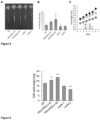
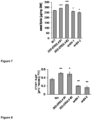
- Arabidopsis thaliana ERDL4 over-expressor plants have a bigger leaf rosette ( Fig.4 ) as well as higher root biomass ( Fig.5 ), the 1000 seed weight is higher ( Fig.6 ) and the lipid content of seeds higher than in control plants ( Fig.7 ).
- sugar flux exported from leaves via the phloem is higher than in control plants ( Fig.8 ).
- Rosette size was determined by measuring the fresh weight of the rosettes from the four-week-old plants grown on soil substrate ED73 (Patzer 10,serde, Sinntal-Altengronau, Germany) under short days (10 h light/ 14 h dark) at 21°C. Rosettes were cut above the hypocotyl and cleaned of soil particles.
- Root biomass was determined from four-week-old plants grown in a hydroponic system. Plants were removed from the hydroponic system and roots of individual plants cut below the hypocotyl. The severed root stocks were turned back and forth on a paper towel to remove excess water. Root fresh weight was determined using a precision balance (Sartorius, Göttingen, Germany). After determination of the fresh weight, roots were dried in an oven at 55°C overnight and weighed again.
- plants from the different lines were grown for five weeks under short days (10 h light/ 14 h dark) at 21°C and then transferred to long days (18 h light/ 6 h dark) at 21°C until seed maturation.
- short days 10 h light/ 14 h dark
- long days 18 h light/ 6 h dark
- the 1000-seed weight was calculated by dividing the weight of the harvested seeds by the number of seeds and multiplying the value with 1000.
- Lipid quantification was done according to previously optimized protocols (Reiser et al., 2004). 100 mg of seeds were homogenized in a mortar with liquid nitrogen. 1.5 ml of isopropanol was added to the homogenate and seeds were further homogenized. It was then transferred to 1.5 ml Eppendorf tubes and incubated at 4°C for 12 hours at 100 rpm. Samples were centrifuged at 13,000 g for 10 minutes. Subsequently, supernatant was transferred to pre-weighed 1.5 ml Eppendorf tubes and allowed to evaporate at 60°C for 8 hours. The remaining lipid pellet was quantified gravimetrically.
- Phloem exudate measurements Phloem exudates were collected according to the protocol from Xu et al. [2019) with few modifications. Source leaves of same developmental stage from 6 weeks old well-watered plants, were cut with a sharp razor blade at the base of the petiole. Petioles were dipped in 20mM K2-EDTA solution. Leaves of the same line were stacked and the petioles were recut while dipped in the EDTA solution. Leaves were then transferred to 1.5 ml Eppendorf tubes with 500 ul of EDTA solution. Exudates were collected for 6 hours in a dark and humid chamber. Leaves were weighed and exudates were dried in a vacuum concentrator. For sugar quantification pellets were solubilized in 100 ul of ddH2O.
- Example 3 Increase of cytosolic fructose can be sensed in the nucleus and triggers transcriptional regulation
- ERDL4 over-expression increases cytosolic fructose which is sensed by the nucleus.
- the transcription of some genes is de-regulated through the presence of increased fructose in the cytosol.
- CIPK6 Calcineurin B-like protein (CBL) interacting protein kinase 6; Fig.10 ) the protein of which activates TST2 (Tonoplast Sugar Transporter 2) through phosphorylation which is then importing more monosaccharides into the vacuole (Deng et al., 2020). Whether this activation of TST2 is part of the explanation for biomass increase through fructose sensing remains to be elucidated. Over-expressing CIPK6 would be a possibility to test this.
- a knock-out of CIPK6 in ERDL4 over-expressors would probably lead to a dissection of transcriptional and post-translational activation of TST2 and might give a hint whether any of these activations or which one is crucial for the ERDL4 over-expression phenotype.
- over-expression of a TST in Arabidopsis thaliana has been shown to result in a similar phenotype with increased biomass (Wormit et al., 2006; Wingenter et al., 2010).
- Other genes are also deregulated in ERDL4 over-expressors and/or in high cytosolic fructose plants. These could also be part of the explanation for the apparent phenotype.
- RNA-Seq analysis RNA was isolated from source leaves of six-week old plants grown under short days (10 h light, 14 h dark at 21°C) on soil substrate ED73 (Einheitserde Patzer, Sinntal-Altengronau, Germany) using the RNEasy KIT (Qiagen, Hilden, Germany). Shortly, about 100 mg of frozen and ground tissue were extracted with 1.5 ml Qiazol Lysis reagent in 2 ml Eppendorf cups and centrifuged at 4°C at 12.000 g. Supernatants were purified using RNEasy spin colums. RNA concentration was calculated using a Nanodrop 2000/2000c (Thermo Fisher, Germany). About five micrograms of total RNA were shipped to NOVOGENE, (Cambridge, UK) for RNA library construction and bioinformatics RNAseq analysis ( https://en.novogene.com ).
- Example 4 Increase of cytosolic fructose by reducing fructokinase and hexokinase activities for increased plant biomass production
- SWEET17 Sudgars Will Eventually be Exported Transporter 17 of Arabidopsis is capable of fructose transport across the tonoplast.
- SWEET17 is a facilitator rather than an activated transporter, fructose cannot be accumulated in the cytosol (Chardon et al., 2013; Guo et al., 2014; Klemens et al., 2014; Valifard et al., 2021).
- a potentially existing fructose gradient across the tonoplast concentration of fructose in vacuole vs. cytosol can only be equated.
- ERDL4 and a down-regulation of SWEET17 are expected to lead to even higher cytosolic fructose levels.
- BvERDL4;2 sequence see appendix
- BvSWEET17 the sequence of the closest ortholog of SWEET17 from Arabidopsis thaliana is given in the appendix
- Example 6 Overexpression of ERDL4 homologs in crop plants for increased plant biomass production
- An alternative to the GM approach described above is to activate the promoter of BvIMP2 by modifying core promoter elements like the TATA box or by introducing cis-regulatory elements via genome editing. Such a modified promoter would then lead to a higher expression of BvIMP2 which - in turn - would lead to the phenotype described above.
- an activation of the promoter can also be brought about by mutagenesis, e.g. single point mutations improving a core promoter element.
- mutagenesis of the coding sequence or other adjacent regulatory sequences can lead to an improved activity enhancing fructose export from the vacuole.
- BvERDL4;1 BvIMP2
- its function can be rendered towards fructose transport by mutagenesis.
- Such an extra fructose exporter could lead to an increase of cytosolic fructose and to a similar phenotype described above.
- BvIMP2 overexpression in the background of a sweet17 mutant can lead to an even higher cytosolic fructose content (see experiment 4).
- BvIMP2 overexpression and RNAi against BvSWEET17 can be combined to reach this aim.
- Example 7 Overexpression of potential sugar beet ERDL4 homolog in Arabidopsis shows fructose export from the vacuole
- Soluble sugars were extracted from frozen material. For this purpose, about 50 mg of powdered plant material was weighed into 1 ml of 80% EtOH solution and extracted with 1 ml of 80% EtOH solution at 80°C for one hour with shaking at 350 rpm twice. After each extraction step, the insoluble components were centrifuged at 14,000 rpm for ten minutes and their supernatant was combined in 2 ml reaction tubes. The combined metabolite extracts were then evaporated in a Concentrator plus Vacofuge (Eppendorf, Hamburg, Germany). The evaporated pellets were dissolved in 1 ml ddH2O and stored at -20°C until measurement. The pellets remaining after extraction were washed with 500 ⁇ l of 80% EtOH and 1 ml of ddH2O and used to extract starch.
- the washed pellets remaining after extraction of soluble metabolites were mixed with 200 ⁇ l ddH2O and then autoclaved at 121°C for 40 min. Starch chains present in the pellet were then hydrolytically digested.
- 200 ⁇ l enzyme mix (5 U ⁇ -amylase, Sigma-Aldrich, Kunststoff, Germany; 5 U amyloglucosidase, Roche, Mannheim, Germany; 200 mM sodium acetate; pH 4.8) was added to the autoclaved pellet and incubated at 37°C for at least four hours. To stop the enzyme reactions, the sample was then heated to 95°C for ten minutes. After final centrifugation at 14,000 rpm for ten minutes, the supernatant was used to quantify starch.
- HEPES pH 7.5
- MgCl2 10mM ATP 2mM
- NADP 1mM Glucose-6-phosphate dehydrogenase from Leuconostoc mesenteroides 0.5U.
- Table 1 HEPES (pH 7.5) 100mM, MgCl2 10mM, ATP 2mM, NADP 1mM and Glucose-6-phosphate dehydrogenase from Leuconostoc mesenteroides 0.5U.
- Example 8 Overexpression of ERDL4 for increased drought tolerance
- ERDL4 over-expressor Arabidopsis plants have a higher biomass already under well-watered control conditions (100% field capacity; compare Fig.4 ). When subjecting the plants to mild (60% field capacity) or harsher (40% field capacity) drought stress, fresh weight biomass decreases. However, the decrease of biomass was less pronounced in over-expressor plants than in controls ( Fig.12 ).
- ERDL4 over-expression for drought tolerance can be explained by improved root growth (compare Fig.5 ) of over-expressor plants which can use their extended root system to forage for water better than control plants or even erdl4 mutants (KO1, KO2). Consequently, mutants with smaller root system are particularly sensitive to drought.
- Drought stress was applied based on the field capacity of the soil (100%, 60%, 40%). Plants subjected to stress after 7 days of germination. Stress was applied for 3.5 weeks. Fresh weights were determined by taking the rosette fresh weight immediately after harvest.
- Example 9 Many genes de-regulated in Arabidopsis thaliana ERDL4 overexpressors are also de-regulated in fructose-floated rather than glucose-floated Arabidopsis thaliana leaf discs
- ERDL4 Overexpression of ERDL4 results in elevated fructose and glucose levels in the cytosol and it is reasonable to check for consequences on global gene expression caused by the altered intracellular sugar distribution by means of RNASeq analysis.
- control experiments were performed in which discs excised from mature Arabidopsis leaves were incubated overnight in 0.5 MS buffer solution pH 5.7 supplemented with either 1% glucose, 1% fructose or 1% mannitol (as osmotic control). Under these conditions, the supplemented sugars diffuse via the apoplasm to intact mesophyll cells where they are imported into the cytosol.
- DEGs Differentially expressed genes
- Example 10 Identification of orthologous sequences to AtERDL4 in several dicotyledonous and monocotyledonous crop species
- Table 2 Arabidopsis thaliana ERDL4, 6 and 7 comparison with each other AtERDL4 AtERDL6 AtERDL7 AtERDL4 947 880 417 AtERDL6 880 951 414 AtERDL7 417 414 904
- AtERDL4, 6 and 7 can be discriminated from each other.
- BrA and BrB are candidates for AtERDL4 orthologs in cabbage, and BrC, BrD and BrE for AtERDL6.
- BrF is a candidate ortholog for AtERDL7. Additional sequences from Arabidopsis thaliana could be included ( Fig.1 ) in the analyses. However, the purpose of sequence comparisons here is solely to define the most likely candidates for orthologs of AtERDL4 (and not of all AtERDL proteins).
- AtERDL4 in Brassica napus
- AtERDL4 3 BLAST searches were conducted using (i) AtERDL4, (ii) AtERDL6 and (iii) AtERDL7, respectively, as query sequences against protein sequences of the Brassica napus genome.
- the resulting BLAST scores are listed in Table 4.
- Table 4 Comparison of AtERDL4, AtERDL6 and AtERDL7, respectively, with Brassica napus proteins AtERDL4 AtERDL6 AtERDL7 BnA 911 884 408 BnB 910 882 406 BnC 907 870 405 BnD 901 865 407 BnE 863 905 413 BnF 862 910 409 BnG 862 904 413 BnH 861 902 417 Bnl 724 759 325 BnJ 416 414 857
- BnA, BnB, BnC and BnD are candidates for AtERDL4 orthologs in oilseed rape.
- BnE, BnF, BnG and BrH are more likely orthologs of AtERDL6.
- Bnl and BnJ are likely no candidate orthologs for AtERDL4.
- AtERDL4 In order to define putative orthologs of AtERDL4 in Beta vulgaris, 3 BLAST searches were conducted using (i) AtERDL4, (ii) AtERDL6 and (iii) AtERDL7, respectively, as query sequences against protein sequences of the Beta vulgaris genome. The resulting BLAST scores are listed in Table 5. Table 5 : Comparison of AtERDL4, AtERDL6 and AtERDL7, respectively, with Beta vulgaris proteins AtERDL4 AtERDL6 AtERDL7 BvIMP 775 789 409 BvIMP2 710 720 394 BvC 420 427 665
- BvIMP and BvIMP2 are candidates for AtERDL4 (and AtERDL6) orthologs in sugar beet.
- BvC is likely no candidate ortholog for AtERDL4 or 6.
- BvIMP2 is a functional ortholog of AtERDL4 (see Fig. 11 ).
- HaA and HaB are candidates for AtERDL4 (and AtERDL6) orthologs in sunflower.
- HaD is likely no candidate ortholog for AtERDL4 or 6.
- StA and StB are candidates for AtERDL4 (and AtERDL6) orthologs in potato.
- StF is likely no candidate ortholog for AtERDL4 or 6.
- AtERDL4 In order to define putative orthologs of AtERDL4 in several monocotyledonous species, 3 BLAST searches each were conducted using (i) AtERDL4, (ii) AtERDL6 and (iii) AtERDL7, respectively, as query sequences against protein sequences of the genome of several monocotyledonous species. The resulting BLAST scores are listed in the following tables. In order to define putative orthologs of AtERDL4 in Zea mays, 3 BLAST searches were conducted using (i) AtERDL4, (ii) AtERDL6 and (iii) AtERDL7, respectively, as query sequences against protein sequences of the Zea mays genome. The resulting BLAST scores are listed in the following Table 8.
- Table 8 Comparison of AtERDL4, AtERDL6 and AtERDL7, respectively, with Zea mays proteins AtERDL4 AtERDL6 AtERDL7 ZmA 710 707 406 ZmB 689 684 397 ZmC 595 595 389 ZmD 594 603 381 ZmE 566 562 342 ZmF 424 413 488
- ZmA and ZmB are best candidates for AtERDL4 (and AtERDL6) orthologs in corn.
- ZmF is no candidate ortholog for AtERDL4 or 6.
- OsA, OsB and OsC are candidates for orthologs for AtERDL4 (and AtERDL6) in rice.
- OsD, OsE and OsF are less likely candidates for AtERDL4 (and AtERDL6) orthologs.
- AtERDL4 In order to define putative orthologs of AtERDL4 in Hordeum vulgare 3 BLAST searches were conducted using (i) AtERDL4, (ii) AtERDL6 and (iii) AtERDL7, respectively, as query sequences against protein sequences of the Hordeum vulgare genome. The resulting BLAST scores are listed in Table 10. Table 10 : Comparison of AtERDL4, AtERDL6 and AtERDL7, respectively, with Hordeum vulgare proteins AtERDL4 AtERDL6 AtERDL7 HvA 686 684 385 HvB 684 681 383 HvC 660 652 372 HvD 401 400 514
- HvA, HvB or HvC are candidates for orthologs for AtERDL4 (and AtERDL6) in barley.
- HvD is no candidate for AtERDL4 (and AtERDL6) orthologs.
- ScA, ScB or ScC are candidates for orthologs for AtERDL4 (and AtERDL6) in rye.
- ScD and particularly ScE are less likely candidates for AtERDL4 (and AtERDL6) orthologs.
- AtERDL4 in Sorghum bicolor
- 3 BLAST searches were conducted using (i) AtERDL4, (ii) AtERDL6 and (iii) AtERDL7, respectively, as query sequences against protein sequences of the Sorghum bicolor genome.
- the resulting BLAST scores are listed in Table 12.
- Table 12 Comparison of AtERDL4, AtERDL6 and AtERDL7, respectively, with Sorghum bicolor proteins AtERDL4 AtERDL6 AtERDL7 SbA 704 701 407 SbB 680 675 397 SbC 673 674 371 SbD 610 609 365 SbE 422 416 482
- SbA, SbB or SbC are candidates for orthologs for AtERDL4 (and AtERDL6) in sorghum.
- SbD and particularly SbE are less likely candidates for AtERDL4 (and AtERDL6) orthologs.
Landscapes
- Health & Medical Sciences (AREA)
- Life Sciences & Earth Sciences (AREA)
- Genetics & Genomics (AREA)
- Chemical & Material Sciences (AREA)
- Engineering & Computer Science (AREA)
- Molecular Biology (AREA)
- Organic Chemistry (AREA)
- Biotechnology (AREA)
- Wood Science & Technology (AREA)
- General Engineering & Computer Science (AREA)
- Bioinformatics & Cheminformatics (AREA)
- Biomedical Technology (AREA)
- Zoology (AREA)
- Biochemistry (AREA)
- General Health & Medical Sciences (AREA)
- Biophysics (AREA)
- Microbiology (AREA)
- Physics & Mathematics (AREA)
- Plant Pathology (AREA)
- Cell Biology (AREA)
- Nutrition Science (AREA)
- Botany (AREA)
- Gastroenterology & Hepatology (AREA)
- Medicinal Chemistry (AREA)
- Proteomics, Peptides & Aminoacids (AREA)
- Breeding Of Plants And Reproduction By Means Of Culturing (AREA)
- Micro-Organisms Or Cultivation Processes Thereof (AREA)
- Preparation Of Compounds By Using Micro-Organisms (AREA)
Abstract
The invention is directed to fructose sensing and signaling mechanisms in plants for improving plant properties. In particular, the invention concerns a vector or mobile genetic element, comprising a nucleic acid molecule, wherein the nucleic acid molecule encodes a tonoplast proton-fructose symporter. Further the invention concerns a host cell, a plant, a seed, a method of producing a plant, a method of increasing the yield of a plant storage compound, a method of increasing drought tolerance in plants, use of a tonoplast proton-fructose symporter in a plant to increase the concentration of a plant storage compound or a method of selecting a plant with increased fructose levels.
Description
- The present invention is concerned with providing and generating plants with beneficial characteristics. In particular, the invention is concerned with providing and generating crop plants that produce increased amounts of biomass and/or increased amounts of desired plant storage compound(s), e.g. sugars, such as sucrose, starch, lipids and/or proteins, and/or have an increased tolerance to adverse environmental conditions, such as drought.
- The present inventors have surprisingly found that increasing the fructose concentration in the cytosol of a plant changes the sugar signaling in the plant, for instance in the leaf of the plant, which leads to a change in the long-distance transport of sugars, such as sucrose in the phloem of the plant. Particularly, the long-distance transport in the plant changes so that more sugar is transported from the plant sites of carbohydrate synthesis (source) to the plant sites of storage (sink) of the plant storage compounds. In plant organs that serve as the sink of plant storage compounds, such compounds may be converted into other plant storage compounds. For example, sugars may be converted into starch or cellulose in the plant organ. Plant storage compounds may include, without limitation, sugars such as sucrose, starch, proteins and/or lipids. In addition, the inventors have found that increasing the concentration of fructose in the cytosol of a plant, in particular by overexpressing a tonoplast proton-fructose symporter, e.g. EDRL4, increases the biomass of the plant.
- The inventors' observations strongly suggest that an increase in cytosolic fructose levels can be sensed by the plant in different plant compartments, thereby leading to changes in long-distance transport of sugar, which has a positive effect on biomass production, drought resistance and in particular plant storage compound e.g. sucrose, accumulation in plant organs, such as a fruit, a seed, a root or a storage organ. Increasing the amount of sucrose in sucrose storage compartments of a plant is particularly desirable in the case of crop plants, such as sugar beets. Accordingly, as the skilled person will appreciate, any means of increasing the fructose concentration in the cytosol of a plant may be used to achieve the beneficial effects described herein.
- In one aspect, the invention concerns a vector or mobile genetic element, comprising a nucleic acid molecule, wherein the nucleic acid molecule encodes a tonoplast proton-fructose symporter. In particular, the nucleic acid molecule is selected from the group consisting of: a) a nucleic acid molecule having at least 50% nucleic acid sequence identity with a nucleic acid sequence selected from the group consisting of any one of the sequences according to SEQ ID NO: 40, 39, 1, and 129-152, b) a nucleic acid molecule having a nucleic acid sequence that is complementary to or hybridizes under stringent conditions with the nucleic acid molecule according to a), and c) a nucleic acid molecule having a nucleic acid sequence that encodes a protein having at least 50% amino acid sequence identity with an amino acid sequence selected from the group consisting of any one of the sequences according to SEQ ID NO: 58, 57, 22, and 77-128.
- In a further aspect the invention includes a host cell comprising the vector or mobile genetic element.
- The invention also includes a plant or a part of a plant comprising at least one host cell as described herein. The plant of the inventions may be genetically modified. The plant may be a transgenic plant.
- In one embodiment provided is a plant, wherein the plant has been genetically modified so that the plant comprises elevated levels of fructose in the cytosol relative to the wild type plant from which it is derived. The plant of the invention may overexpress a tonoplast proton-fructose symporter relative to the wild type plant from which it is derived.
- In some embodiments, the plant of the invention is characterized as follows:
- i) the plant comprises a modified promotor of an endogenous gene encoding the overexpressed tonoplast proton-fructose symporter so that the tonoplast proton-fructose symporter is homologously overexpressed,
- ii) the plant comprises at least one additional copy of a nucleic acid encoding the overexpressed tonoplast proton-fructose symporter so that the tonoplast proton-fructose symporter is homologously overexpressed, or
- iii) the plant comprises a heterologous nucleic acid encoding a heterologous tonoplast proton-fructose symporter so that the tonoplast proton-fructose symporter is heterologously overexpressed.
- In some embodiments of the invention, the plant comprises the vector or mobile genetic element of the invention. The vector or the mobile genetic element may be introduced into the plant as described herein, in the cited references and by any other means known to the skilled person.
- The invention also includes a seed of a plant according to the invention. The seed may be planted to provide a plant according to the invention. The plant may be grown to solve the technical problems described herein, e.g. to increase the yield of a plant storage compound, to increase the biomass, to increase the concentration of the plant storage compound in at least one plant organ or to increase the drought tolerance of a plant.
- In a further aspect, the invention includes a method of producing a plant, comprising the following steps: a) genetically modifying at least one plant cell so that at least one plant cell is produced that comprises elevated levels of fructose in the cytosol relative to the wild type plant cell from which it is derived; and b) regenerating a plant from the genetically modified plant cell of step a), wherein the plant comprises elevated levels of fructose in the cytosol relative to the wild type plant from which is derived.
- In some embodiments, genetically modifying the at least one plant cell, e.g. in step a), comprises:
- i) modifying the promoter of an endogenous gene encoding a tonoplast proton-fructose symporter so that the tonoplast proton-fructose symporter is overexpressed,
- ii) introducing into the plant cell at least one additional copy of a nucleic acid encoding a tonoplast proton-fructose symporter so that the tonoplast proton-fructose symporter is homologously overexpressed, or
- iii) introducing into the plant cell a heterologous nucleic acid encoding a heterologous tonoplast proton-fructose symporter so that the tonoplast proton-fructose symporter is heterologously overexpressed.
- In some embodiments, the vector or mobile genetic element of the invention is introduced into the at least one plant cell.
- The invention also includes a method of increasing the yield of a plant storage compound, comprising increasing the concentration of fructose in the cytosol of the plant. In some embodiments, the plant that produces the plant storage compound is produced as described herein. In some embodiments, the plant that produces the plant storage compound is a plant as described herein. The concentration of fructose in the cytosol of a plant can be increased as described herein.
- The plant storage compound may be selected from a sugar, preferably sucrose, starch, a protein or a lipid. In particular, the sugar may be a sugar as present in sugar beet, soybeans or tomato fruit, the lipid may be a lipid present in sunflower seed or oilseed rape, the protein may be a protein present in soybeans. Preferably, the plant storage compound is sucrose. The method of increasing the yield of a plant storage compound may comprise the following:
- i) the biomass of at least one plant organ that comprises the plant storage compound is increased, preferably the plant organ is a fruit, a seed, a root or a storage organ; or
- ii) the concentration of the plant storage compound in at least one plant organ is increased, preferably the plant organ is a fruit, a seed, a root or a storage organ.
- In some embodiments, the yield of a plant storage compound is increased by increasing the biomass of at least one plant organ, such as a fruit, a seed, a root or a storage organ. In some embodiments, the yield of a plant storage compound is increased by increasing the concentration of the plant storage compound in at least one plant organ, such as a fruit, a seed, a root or a storage organ.
- In a further aspect, the invention provides a method of increasing drought tolerance in plants, comprising increasing the concentration of fructose in the cytosol of the plant. The method may comprise:
- i) the plant that has increased drought tolerance is produced according to the methods of the invention; and/or
- ii) the plant that has increased drought tolerance is a plant according to the invention.
- The plant may be a crop plant. In some embodiments, the plant is selected from the group consisting of sugar beet (Beta vulgaris), cabbage (Brassica rapa), oilseed rape (Brassica napus), sunflower (Helianthus annuus), potato (Solanum tuberosum), corn (Zea mays), rice (Oryza sp., e.g. Oryza sativa), barley (Hordeum vulgare), rye (Secale cereale) or sorghum (Sorghum sp., e.g. Sorghum bicolor), preferably the plant is sugar beet.
- In a preferred embodiment, the plant is sugar beet, the plant organ is the sugar beet taproot and the plant storage compound is sucrose.
- The inventions also provides a use of a tonoplast proton-fructose symporter in a plant to increase the concentration of a plant storage compound in a plant organ, optionally the plant storage compound is selected from a sugar, preferably sucrose, starch, a protein or a lipid, and the plant is selected from the group consisting of sugar beet (Beta vulgaris), cabbage (Brassica rapa), oilseed rape (Brassica napus), sunflower (Helianthus annuus), potato (Solanum tuberosum), corn (Zea mays), rice (Oryza sp., e.g. Oryza sativa), barley (Hordeum vulgare), rye (Secale cereale) or sorghum (Sorghum sp., e.g. Sorghum bicolor), preferably the plant is sugar beet and the plant organ is the sugar beet taproot.
- The invention also provides a method of selecting a plant with increased fructose levels in the cytosol of the plant, comprising the steps:
- i) growing a plant;
- ii) measuring the fructose level in at least one plant cell of the plant;
- iii) comparing the measured fructose level to at least one fructose reference level; and
- iv) selecting the plant with increased fructose levels relative to the at least one reference level.
- The reference level may be the fructose level in the cytosol of a reference plant. The reference plant may be a plant from which the plant is derived. The reference plant may be a plant of the same species. For instance, the reference plant may be a wild type plant from which the plant is derived if the plant has been genetically modified. In some embodiments, the plant is a plant of the invention, e.g. comprising a vector or genetic element as described herein. The plant may also overexpress a tonoplast proton-fructose symporter as described herein. In some embodiments, the reference fructose level is determined in the same plant organ and/or same plant cell type.
-
-
Figure 1 . Phylogenetic tree of the MST transporter family (Figure 1A ). The figure is taken from Pommerrenig et al. (2018). Phylogenetic tree of the 53 Arabidopsis MST family proteins based on their nucleotide sequences. Numbers at nodes show node support values. Only values <100 are shown. MST subfamilies are abbreviated as follows: PMTs, POLYOL MONOSACCHARIDE TRANSPORTERs; VGTs, VACUOLAR GLUCOSE TRANSPORTERs; TSTs, TONOPLAST SUGAR TRANSPORTERs; ERDLs, EARLY-RESPONSE TO DEHYDRATION SIX-LIKE proteins; STPs, SUGAR TRANSPORTERs; pHTs, PLASTIDIC HEXOSE TRANSPORTERs; INTs, INOSITOL TRANSPORTERs. Names of individual transport proteins are given together with their Arabidopsis identifier (in parentheses). Letters outside of the circle indicate the subcellular localization of the proteins: PM, plasma membrane; T, tonoplast; C, chloroplast; G, Golgi apparatus. Asterisks indicate predicted chloroplast localization due to identification of chloroplast transit peptide sequences (ChloroP 1.1; Emanuelsson et al. 1999). Letters in parentheses indicate presumptive localization, e.g. when localization has been shown in heterologous systems. Question marks indicate unknown subcellular localization. Tested and putative transport substrates are listed for each subfamily. A larger font size indicates higher affinity of subfamily members for substrate. The MST nucleotide sequences were obtained from the aramemnon database (Schwacke et al. 2003). Multiple sequence alignment for all MST sequences was built using Clustal Omega (Sievers et al. 2011). Bayesian phylogenetic analysis was performed with MrBayes version 3.2.6 (Ronquist and Huelsenbeck 2003) using the HKY + I + G model. MrBayes was run by conducting two parallel Metropolis-coupled Monte Carlo Markov chain analyses with four chains for 2 million generations. The SD of split frequencies was <0.01. The tree file was visualized using FigTree v. 1.4.3.Figure 1B shows a blow-up of the portion including the AtERDL4 gene. -
Figure 2 . Tonoplast localization of an N-terminal fusion of ERDL4 with GFP. A-F) Confocal images from tobacco mesophyll protoplasts transformed with an PromoterUBQ10-ERDL4-GFP construct. Scale bars are 10 µm A-F) Images of a tobacco protoplast expressing the ERDL4-GFP fusion. Different confocal channels of the same protoplast are shown. A) Bright-field image B) Chlorophyll-derived auto-fluorescence indicating position of chloroplasts (spheres) C) GFP-derived fluorescence indicating position of the ERDL4-GFP fusion protein D) overlay of chlorophyll and GFP fluorescence. E and F) images of a lysed protoplast expressing the ERDL4-GFP fluorescence E) GFP-derived fluorescence at the vacuolar membrane (the tonoplast) F) overlay picture of GFP fluorescence and bright field image. White triangles in C-F point towards the tonoplast G) schematic depiction of 2D-structure of the ERDL4 protein fused to GFP at the C-terminus of the ERDL4 protein. Different numbers within the protein structure indicate different transmembrane helices in the ERDL4 protein. Black triangles point towards predicted phosphorylation sites, serine or threonine residues. -
Figure 3 . Schematic representation of ERDL4 localization and proposed function. TST2 and VGT1/2-dependent transport of sugars glucose (glc), fructose (frc) and sucrose (suc) is stimulated by cytosolic fructose. Vacuolar frc derived by TST import or vacuolar suc hydrolysis is transported via ERDL4 into the cytosol and activates TST2 and VGT1/2 activity (indicated by stars above schematic TST2 and VGT1/2 transporters). Because of high specificity of ERDL4 for frc, in sum high concentrations of suc and glc, but not frc accumulate in vacuoles. -
Figure 4 . Phenotypes and fresh weight of different erdl4 mutant and ERDL4-overexpressing plants. A) Phenotypes of four-week-old WT, 35S-ERDL4, and erdl4 knock-out plants grown in soil substrate under short day conditions. B) Quantification of shoot biomass on fresh weight basis of plants depicted in (A). Bars show means from n=12 independent plants ± SE. Asterisks indicate significant differences to WT according to Students t-test (* p < 0.05). -
Figure 5 . Characterization of root parameters of different erdl4 mutant and ERDL4-overexpressing plants. A) Exemplary pictures of rosettes and roots from five-week-old WT, 35S-ERDL4, and erdl4 knock-out plants grown in hydroponic culture. ERDL4 overexpressing plants have longer roots with higher biomass. B) Dry biomass of roots from plants depicted in (A). Bars show means from n=6 roots ± SE. Asterisk indicate significant differences to WT according to Students t-test. C) Length of primary roots from WT and 35S-ERDL4 plants measured over a time course of six days. -
Figure 6 . Thousand Seed weight is increased in ERDL4 over-expressors. 1000-Seed-weight of dry mature seeds from WT, erdl4-knock-out mutants and ERDL4-overexpessing plants. Bars represent means from 1000-Seed weights of n=6 plants per line. Asterisks indicate significant differences according to Students t-test (** = p<0.01; *** = p < 0.001). -
Figure 7 . Seed lipid content of dry mature seeds from erdl4-knock-out mutants and ERDL4-overexpessing plants. Bars represent means from n=6 plants per line. Asterisks indicate significant differences according to Students t-test (* = p < 0.05; ** = p<0.01; *** = p < 0.001). -
Figure 8 . Increased phloem flux of sugar from detached leaves of ERDL4-overexpressors. Sugar measured as hexose equivalents in phloem exudates collected from detached leaves of five-week-old WT, 35S-ERDL4, and erdl4 knock-out plants. Bars are means from at least n=12 leaves ± SE. Asterisks indicate significant differences to WT according to Students t-test. -
Figure 9 . Total and subcellular sugar accumulation in WT, ERDL4-overexpressing and mutant plants. A) Contents of glucose (glc), fructose (frc), sucrose (suc) in shoots. B-D) subcellular contents of glucose (B), fructose (C), sucrose (D) in vacuoles, chloroplast, and cytosolic fractions of shoots from WT, ERDL4-overexpressing and mutant plants as obtained by non-aqueous fractionation. Bars represent means from n=5 plants ± SE. Different letters above bars denote significant differences according to One-Way ANOVA with post-hoc Tukey test (p < 0.05). nd = no quantifiable amount detected. -
Figure 10 . CIPK6 expression is increased by fructose as well as in ERDL4-overexpressing lines. A) Relative expression of CIPK6 (At4g30960) and TST2 (At4g35300) in response to different sugars or mannitol. The sugar treatment was performed by incubating leaf discs excised from Arabidopsis thaliana source leaves in half-strength MS medium supplemented without (control) or with 2% of the respective sugar or mannitol. Expression was quantified with RT-qPCR and normalized to expression of AtACT2. B) Relative expression of CIPK6 (At4g30960) in WT and two 35S-ERDL4 lines. A-B) Bars represent means of n=4 replicates ± SE. Asterisks indicate significant differences according to Students t-test (* = p < 0.05; ** = p < 0.005; *** = p < 0.001). -
Figure 11 . Cold acclimation and de-acclimation kinetics of sugar contents in leaves of Arabidopsis thaliana. The time course was recorded for Col-0, tst1-2 double knock-out, and two BvIMP2 (=BvERDL4;2) overexpressing lines under cold stress (4°C) and de-acclimation (20°C). A) Glucose content B) Fructose content C) Sucrose content. Each time point represents the mean value from at least three plants per line. Error bars indicate SEs. Asterisks denote significant changes of BvIMP2 overexpressing lines in comparison to the WT at a given time point. Different colors of asterisks indicate affiliation with the respective line (grey = BvIMP2 OX1, black = BvIMP2 OX2). -
Figure 12 . Fresh weight of plants grown under control or drought conditions. Drought stress was applied based on field capacity (FC) of the soil substrate (A) 100% FC = control, well-watered condition; (B) 60% FC = mild drought stress, (C) 40% FC = severe drought stress to Arabidopsis thaliana Col-0 (Wt, control), two ERDL4-overexpressing lines (Oex1, Oex2) and erdl4-knock out lines (KO 1, KO2). Plants were subjected to stress after seven days of growth under 100% FC and grown under the respective FC for 3.5 weeks. Bars represent means of at least n=6 plants ± SE. Asterisks denote significant differences in comparison to the WT according to Students t-test (* = p < 0.05; ** = p < 0.005; *** = p < 0.001). -
Figure 13 . Venn-diagram and correlation analysis between differentially expressed genes (DEGs) from ERDL4-overexpressing and WT plants and from fructose (Frc) or glucose (Glc) and mannitol (Man = control) incubated leaf discs. A) and C) show Venn-diagrams of DEGs. Numbers within circles represent number of DEGs (significant at p < 0.001 according to double-sided t-test of three replicates). There were 484 35S-ERDL4-dependent DEGs, 4340 Frc-dependent DEGs, and 5148 Glc-dependent DEGs. A) Diagram showing overlap of DEGs from 35S-ERDL4 and Frc-treatment. There were 130 DEGs regulated by both ERDL4-overepression and Frc. B) Correlation between relative expression (based on log2-fold-change) of 130 DEGs between 35S-ERDL4 (against WT) and Frc (against Man). r = Pearson coefficient calculated from ERDL4/WT and Frc/Man matrices. C) Diagram showing overlap of DEGs from 35S-ERDL4 and Glc-treatment. There were 155 DEGs regulated by both ERDL4-overexpression and Glc. D) Correlation between relative expression (based on log2-fold-change) of 155 DEGs between 35S-ERDL4 (against WT) and Glc (against Man). r = Pearson coefficient calculated from ERDL4/WT and Glc/Man matrices. -
Figure 14. Figure 14 depicts the genomic sequence of the Beta vulgaris gene of ERDL4 (BvERDL4 ;2 (BvIMP2; Bv6_128840_qhip.t1), SEQ ID NO:76). The promoter region is depicted in italics, the 5'-UTR and 3'-UTR regions are given in boldface, the CDS regions are underlined. - All publications, including but not limited to patents, patent applications and scientific publications, cited in this description are herein incorporated by reference for all purposes as if each individual publication were specifically and individually indicated to be incorporated by reference.
- Unless defined otherwise, all technical and scientific terms used herein have the meaning commonly understood by the person skilled in the art.
- As used herein, the singular forms "a," "an" and "the" are intended to include the plural forms as well, unless the context clearly indicates otherwise.
- As used herein, "and/or" refers to and encompasses any and all possible combinations of one or more of the associated listed items, as well as the lack of combinations when interpreted in the alternative ("or").
- The use of the term "comprising" as well as other grammatical forms such as "comprises" and "comprised" is not limiting. The terms "comprising", "comprises" and "comprised" should be understood as referring to an open-ended description of an embodiment of the present invention that may, but does not have to, include additional technical features, in addition to the explicitly stated technical features. In the same sense, the term "involving" as well as other respective grammatical forms such as "involves" and "involved" is not limiting. The same applies for the term "including" and other grammatical forms such as "includes" and "included".
- Section headings throughout the description are for organizational purposes only. In particular, they are not intended as limiting for various embodiments described therein, and it is to be understood that embodiments (and features therein) described under one subheading may be freely combined with embodiments (and features therein) described under another subheading.
- Further, the terms "comprising", "involving" and "including", and any grammatical forms thereof, are not to be interpreted to exclusively refer to embodiments that include additional features to those explicitly recited. These terms equally refer to embodiments that consist of only those features that are explicitly mentioned.
- As used herein, the term "nucleic acid" refers to an oligomer or polymer of naturally occurring or modified nucleotides. The nucleic acid may also comprise nucleotide substitutions relative to a reference sequence. For instance, the nucleic acid may contain 1, 2, 3, 4, 5, 6, 7, 8, 9 or 10 nucleotide substitutions. The nucleic acid may have 100 %, 95%, 90%, 85%, 80%, 75%, 70%, 65%, 60%, 55%, or 50% sequence identity to a reference sequence. A reference sequence may be a nucleic acid with a sequence according to SEQ ID NO: 1 to SEQ ID NO: 152. A nucleic acid may be a ribonucleic acid (RNA) or a deoxyribonucleic acid (DNA) or a hybrid between RNA and DNA. The nucleic acid may be single or double stranded. The double stranded nucleic acid may be RNA-RNA, RNA-DNA (hybrid) or DNA-DNA. Double strand formation occurs through for example, hydrogen bonds according to the Watson-Crick-base pairing. The nucleic acid may have one or two 3' overhangs. The nucleic acid may have one or two 5' overhangs. The nucleic acid may have one or two blunt ends. Combinations of the above-referenced overhangs or blunt ends are also included.
- The nucleic acid can be defined by a sequence of nucleotides indicated in the commonly accepted letter code for the base of the nucleotide, A (adenine), C (cytosine), G (guanine), T (thymine) and U (uracil). "Sequence" as used herein refers to a sequence of nucleotides or a sequence of amino acids.
- A sequence of amino acids may have 100 %, 95%, 90%, 85%, 80%, 75%, 70%, 65%, 60%, 55%, or 50% sequence identity to a reference sequence and/or may contain amino acid substitution relative to a reference sequence.
- As used herein, the term "hybridizes under stringent conditions" means capable of hybridizing under stringent conditions, for instance, under conditions that correspond to a Tm (melting temperature) equal to or greater than about 50°C, 51°C, 53°C,54°C, 55°C, 56°C, 57°C, 58°C, 59°C, 60°C, 61°C, 62°C, 63°C, 64°C, 65°C, 66°C, 67°C, 68°C, 69°C or 70°C.
- An "increase in sucrose concentration" or an "increased sucrose concentration" or a "higher sucrose concentration of a sucrose storage organ of a plant" means an increase in the average sucrose concentration, based on the fresh weight of the sucrose storage organ, as compared with a reference plant cultured under identical conditions of at least 0.2%, 0.4%, 0.6%, 0.8% or 1%, preferably of at least 1.2%, 1.4%, 1.6%, 1.8% or 2%, particularly preferably of at least 2.5%, 3%, 3.5%, 4%, 4.5%, 5%, 6%, 7%, 8%, or 10%, and most preferably of at least 15%.
- In some embodiments, the increase in yield of a plant storage compound is an increase in sucrose concentration.
- "Increasing the yield of a plant storage compound" means that the yield is increased relative to a reference plant. The reference plant may be a reference plant as defined herein, for instance a wild type plant from which the plant with increased yield is derived. The plant with increased yield may be genetically modified, for instance the plant may comprise the vector or mobile genetic element of the invention. Yield of plant storage compound is determined as common in the art. For instance, yield may be mass of plant storage compound per area of cultivation.
- A storage organ is a plant organ that stores plant storage compound. The storage organ may be a sugar storage organ. A "sugar storage organ" as used herein is a part of a plant, in which the plant stores sugar, such as sucrose and which may be harvested. In particular, sugar storage organs may be beets or fruits, such as corn kernel.
- The "plant" may be a crop plant, in particular sugar beet (Beta vulgaris), cabbage (Brassica rapa), oilseed rape (Brassica napus), sunflower (Helianthus annuus), potato (Solanum tuberosum), corn (Zea mays), rice (Oryza sp., e.g. Oryza sativa), barley (Hordeum vulgare), rye (Secale cereale) or sorghum (Sorghum sp., e.g. Sorghum bicolor). In some embodiments, the plant is a transgenic plant. In some embodiments, the plant has been modified, in particular genetically modified. In some embodiments the plant modification leads to an increased level of fructose in the cytosol of the plant, in particular relative to a reference plant, such as a wild type plant from which the modified plant is derived. The increase of the fructose level may be achieved by overexpressing a tonoplast proton-fructose symporter, such as any one of the tonoplast proton-fructose symporter taught herein.
- The term "overexpresses a tonoplast proton-fructose symporter" means that the amount of tonoplast proton-fructose symporter in the plant, plant cell or tonoplast is higher than in a reference plant, plant cell or tonoplast that has not been modified to overexpress. For instance, if a plant overexpresses a tonoplast proton-fructose symporter relative to the wild type plant from which it is derived, then the plant comprises a higher amount of tonoplast proton-fructose symporter in the plant, plant cell or tonoplast than the wild type plant, plant cell or tonoplast.
- A "tonoplast proton-fructose symporter" is a co-transporter protein that is located in the tonoplast and transports protons and fructose from the vacuole into the cytosol.
- The invention includes a vector or mobile genetic element, comprising a nucleic acid molecule, wherein the nucleic acid molecule encodes a tonoplast proton-fructose symporter and wherein the nucleic acid molecule is selected from the group consisting of:
- a) a nucleic acid molecule having at least 50% nucleic acid sequence identity with a nucleic acid sequence selected from the group consisting of any one of the sequences according to SEQ ID NO: 40, 39, 1, and 129-152,
- b) a nucleic acid molecule having a nucleic acid sequence that is complementary to or hybridizes under stringent conditions with the nucleic acid molecule according to a),
- c) a nucleic acid molecule having a nucleic acid sequence that encodes a protein having at least 50% amino acid sequence identity with an amino acid sequence selected from the group consisting of any one of the sequences according to SEQ ID NO: 58, 57, 22, and 77-128.
- In one embodiment the nucleic acid molecule comprised in the vector or mobile genetic element has at least 55%, at least 60%, at least 65%, at least 70%, at least 75%, at least 80%, at least 85%, at least 90%, at least 95%, or 100% sequence identity with a nucleic acid sequence selected from the group consisting of any one of the sequences according to SEQ ID NO: 40, 39, 1, and 129-152.
- In one embodiment the protein encoded by the nucleic acid molecule has at least 55%, at least 60%, at least 65%, at least 70%, at least 75%, at least 80%, at least 85%, at least 90%, at least 95%, or 100% sequence identity with an amino acid sequence selected from the group consisting of any one of the sequences according to SEQ ID NO: 58, 57, 22, and 77-128.
- The vector or mobile genetic element may further comprise one or more of any one of the nucleic acid sequences according to SEQ ID NO: 1-152 or a nucleic acid molecule having at least 50%, at least 55%, at least 60%, at least 65%, at least 70%, at least 75%, at least 80%, at least 85%, at least 90%, at least 95% sequence identity with a nucleic acid sequence selected from the group consisting of any one of the nucleic acid sequences according to SEQ ID NO: 1-152.
- The vector or mobile genetic element may further comprise one or more nucleic acid sequences encoding any one of the amino acid sequences according to SEQ ID NO: 1-152 or one or more nucleic acid sequences encoding an amino acid sequence having at least 50%, at least 55%, at least 60%, at least 65%, at least 70%, at least 75%, at least 80%, at least 85%, at least 90%, at least 95% sequence identity with an amino acid sequence selected from the group consisting of any one of the amino acid sequences according to SEQ ID NO: 1-152.
- The vector or mobile genetic element may be used in the methods and uses taught herein, for example to achieve an overexpression of the tonoplast proton-fructose symporter. For instance, the vector or mobile genetic element may be used to produce a host cell as described herein, so that the host cell, for instance a plant cell, comprises the vector or mobile genetic element. The vector or mobile genetic element may be used to produce a plant as described herein. In particular, the plant described herein may comprise the vector or mobile genetic element. The vector or mobile genetic element may be used to increase the yield of a plant storage compound. The vector or mobile genetic element may be used to increase the biomass of a plant, in particular the biomass of at least on organ of the plant. The vector or mobile genetic element may be used to increase the concentration of at least one plant storage compound in at least one organ of the plant. In some embodiments, the yield of the plant storage compound may be increased by increasing the biomass of at least one organ of the plant, or by increasing the concentration of the plant storage compound in at least one plant organ, or a combination of both increasing the biomass and the concentration. Further, the vector or mobile genetic element may be used to increase the sucrose concentration in a sucrose storage organ of a plant as described herein, in particular by using the vector or mobile genetic element in a method of increasing the sucrose concentration in a sucrose storage organ of a plant as described herein. The vector or mobile genetic element may also be applied in the described use of a tonoplast proton-fructose symporter in a plant to increase the concentration of sucrose in a sucrose storage organ of the plant, for instance by introducing the vector or mobile genetic element into a cell of the plant. The vector or mobile genetic element may also find use in the described method of increasing the biomass of a plant. In particular, overexpressing the tonoplast proton-fructose symporter as described herein as encoded by the nucleic acid molecule comprised in the vector or mobile genetic element leads to an increased production of biomass of the plant that comprises the vector or mobile genetic element. The vector or mobile genetic element, when comprised in a plant, also leads to an increase in sucrose concentration as described herein.
- The vector or mobile genetic element may be introduced into a cell, such as a eukaryotic or prokaryotic cell, by transformation, transfection or other means known in the art. For instance, the vector or mobile genetic element may be introduced into a plant cell by infecting the plant cell with Agrobacterium tumefaciens, which contains the vector or mobile genetic element. The vector or mobile genetic element may also be introduced into a plant cell by biolistic transfer or protoplast transformation. Preferably, the vector or mobile genetic element is stably maintained in the cell by incorporating the vector or mobile genetic element into the genome of the cell. Stable incorporation of the vector or mobile genetic element into the genome of the cell, such as a plant cell, allows regenerating a plant from the cell stably carrying the vector or mobile genetic element, thereby producing a transgenic plant.
- Genome editing may be used to introduce the vector or mobile genetic element into the plant genome. Genome editing may be used to modify the promotor of an endogenous gene encoding a tonoplast proton-fructose symporter so that the tonoplast proton-fructose symporter is overexpressed. Genome editing includes CRSIPR gene editing, for instance using CRISPR- nuclease systems.
- In a further aspect, the invention is directed to a host cell comprising the vector or mobile genetic element. A host cell may be a cell as described therein, in particular a plant cell of a plant as described herein.
- In a further aspect, the invention is directed to a plant or part of the plant comprising at least one host cell, wherein the host cell preferably comprises a vector or mobile genetic element as described herein.
- The plant described herein is in particular characterized by being genetically modified so that the plant comprises elevated levels of fructose in the cytosol relative to the wild type plant from which it is derived. Fructose levels in the cytosol of the plant may be at least 5%, at least 10%, at least 15%, at least 20%, at least 25%, at least 30%, at least 35%, at least 40%, at least 45%, at least 50%, at least 60%, at least 70%, at least 80%, at least 90%,at least 100%, at least 110%, at least 120%, at least 130%, at least 140%, at least 150%, at least 160%, at least 170%, at least 180%, at least 190%, at least 200%, at least 250%, at least 300%, at least 350%, at least 400%, at least 450%, or at least 500% higher than fructose levels in the cytosol of the wild type plant.
- Elevated fructose levels in the cytosol of a plant, for instance a transgenic plant, may be achieved in different ways. For instance, elevated levels of fructose in the cytosol of a plant may be achieved in any way that leads to an overexpression of tonoplast proton-fructose symporter, in particular the tonoplast proton-fructose symporter disclosed herein.
- Overexpression of the tonoplast proton-fructose symporter can be for instance achieved by activating the promoter of an endogenous tonoplast proton-fructose symporter gene. The TATA box of the promoter may be modified to achieve overexpression. Cis-regulatory elements may be introduced, for instance via genome editing as described herein and as known to the skilled person, to achieve overexpression. Promotor activation in plants can be achieved as described for instance in
.EP 3 546 582 - In some embodiments, overexpression of the tonoplast proton-fructose symporter is achieved by introducing at least one additional copy of a tonoplast proton-fructose symporter into the plant cell. The additional copy of the tonoplast proton-fructose symporter may be an additional copy of an endogenous tonoplast proton-fructose symporter or an additional copy of a heterologous tonoplast proton-fructose symporter.
- In some embodiments, the tonoplast proton-fructose symporter may be any one of the tonoplast proton-fructose symporter disclosed herein, for instance ERDL4 of Arabidopsis thaliana (At) (SEQ ID NO: 1 and SEQ ID NO: 22), BvIMP of Beta vulgaris (Bv) (SEQ ID NO: 39 and SEQ ID NO: 57), BvIMP2 of Beta vulgaris (SEQ ID NO: 40 and SEQ ID NO: 58), or any one of the sequences according to SEQ ID NO: 77-128. Preferably, the tonoplast proton-fructose symporter may be any one of the candidates identified in the examples herein. More preferably, the tonoplast proton-fructose symporter may be ERDL4 of Arabidopsis thaliana, BvIMP of Beta vulgaris or BvIMP2 of Beta vulgaris.
- In a particularly preferred embodiment, the plant is a Beta vulgaris that overexpresses a tonoplast proton-fructose symporter, such as BvIMP or BvIMP2.
- In some embodiments, the tonoplast proton-fructose symporter comprises an amino acid sequence that has at least 50%, at least 55%, at least 60%, at least 65%, at least 70%, at least 75%, at least 80%, at least 85%, at least 90%, at least 95%, or 100% sequence identity with any one of the tonoplast proton-fructose symporter amino acid sequences taught herein, in particular SEQ ID NO: 58, 57, 22, and 77-128.
- In addition to overexpressing a tonoplast proton-fructose symporter, other means can also be applied to increase the level of fructose in the cytosol, to achieve the beneficial effects of the present invention.
- For instance, down regulation of the expression of SWEET17 (Sugars Will Eventually be Exported Transporter 17) may also increase the amount of fructose in the cytosol. SWEET17 is capable of transporting fructose across the tonoplast. In some embodiments, overexpression of a tonoplast proton-fructose symporter may be combined with down regulation of the expression of SWEET17. Down regulating the expression of SWEET17 may be achieved by various means, for instance genetically knocking out the SWEET17 gene or using RNAi. In some embodiments SWEET17 is SWEET17 of Arabidopsis thaliana (SEQ ID NO: 5, 28) or SWEET17 of Beta vulgaris (SEQ ID NO: 45, 64). The down regulation of SWEET17 can be applied to any plant, in particular crop plant that has an ortholog of SWEET17.
- Fructose levels in the cytosol may also be increased by reducing the activity of fructose kinases and/or hexokinases that phosphorylate fructose and reduce the amount of free fructose in the cytosol. Therefore, it is envisaged to reduce the expression level of fructokinases and/or hexokinases (e.g. by down regulation or knockout) to increase fructose levels in the cytosol. In some embodiments, the fructokinases and/or hexokinases are selected from the group of fructokinases and/or hexokinases disclosed herein. Preferably, the reduction of the expression level of fructokinases and/or hexokinases may be combined with overexpressing the tonoplast proton-fructose symporter and/or down regulating the expression of SWEET17.
- In some embodiments, TILLING (Targeting Induced Local Lesions in Genomes), using a chemical mutagen such as ethyl methanesulfonate (EMS), may be applied to identify mutant plants that possess increased cytosolic levels of fructose. For instance, in some embodiments TILLING may be used to identify plants that overexpress a tonoplast proton-fructose symporter, such as ERDL4, BvIMP or BvIMP2.
- Increasing the yield of a plant storage compound refers to increasing the yield of the plant storage compound relative to a corresponding plant that is not a plant as taught herein, in particular a corresponding plant with lower fructose levels in the cytosol and/or a plant that has not been modified according to the present technical teaching. A corresponding plant is a plant of the same species.
- The methods and uses of the invention, for instance the method of producing a plant, the method of increasing the yield of a plant storage compound and the method of increasing drought resistance in plants may include a step of growing the plant.
- The over-expression of a tonoplast-located transporter called ERDL4 (Early Response to Dehydration-Like 4), a proton-symporter belonging to a large sub-group of the MST family of transporters (
Fig.1 ; Büttner, 2007) that exports fructose from the vacuole to the cytosol (Fig.2 and3 ), leads to an increase in fructose in the cytosol. Whether other sugars are also transported remains to be elucidated. - To be sensed and by that to contribute to nuclear signaling, fructose must be present in the cytosol. Otherwise, transcriptional regulation would not occur as the vacuole can be regarded 'outside' a cell, and the nucleus is blind to outside the cell. In a non-aqueous fractionation (NAF) experiment it could be shown that in ERDL4 over-expressing Arabidopsis thaliana plants fructose content is specifically increased in the cytosol (
Fig.9 ). - Generation of ERDL4 Oex. Lines:
Full-length coding region of ERDL4 was amplified with primers ERDL4_Fwd: (5'-ggggacaagtttgtacaaaaaagcaggcttaATGAGTTTTAGGGATGATAATACG-3') and ERDL4_Rev: (5'-ggggaccactttgtacaagaaagctgggtaTCATCTGAACAAAGCTTGGATCTC-3') and cloned into pDON/Zeo and subcloned into pK2GW7 GatewayTM vector (Karimi et al., 2002) to create overexpression lines in Col-0 background. Agrobacterium tumefaciens strain GV3101 was used for transformation. Arabidopsis Col-0 plants were transformed via floral dip method (Clough and Bent, 1998). Positive lines were screened by Kanamycin antibiotic resistance and RT-PCR was used further for selection of strongest lines. - Extraction of soluble sugars was done with 1ml of 80% Ethanol added to 100 mg of frozen finely ground plant material at 80°C for 30 min. The extracts were collected and evaporated in a vacufuge concentrator (Eppendorf, Hamburg, Germany). Resulting pellets were dissolved in ddH2O and quantified using NADP-coupled enzymatic test (Stitt et al., 1989) via 96-well plate reader (Tecan Infinite 200; Tecan Group).
- Example 2: Increase of cytosolic fructose is beneficial for plant biomass production.
- Arabidopsis thaliana ERDL4 over-expressor plants have a bigger leaf rosette (
Fig.4 ) as well as higher root biomass (Fig.5 ), the 1000 seed weight is higher (Fig.6 ) and the lipid content of seeds higher than in control plants (Fig.7 ). In addition, sugar flux exported from leaves via the phloem is higher than in control plants (Fig.8 ). - Increased rosette size of ERDL4 over-expressors, root biomass and seed weight:
Rosette size was determined by measuring the fresh weight of the rosettes from the four-week-old plants grown on soil substrate ED73 (Patzer Einheitserde, Sinntal-Altengronau, Germany) under short days (10 h light/ 14 h dark) at 21°C. Rosettes were cut above the hypocotyl and cleaned of soil particles. - Root biomass was determined from four-week-old plants grown in a hydroponic system. Plants were removed from the hydroponic system and roots of individual plants cut below the hypocotyl. The severed root stocks were turned back and forth on a paper towel to remove excess water. Root fresh weight was determined using a precision balance (Sartorius, Göttingen, Germany). After determination of the fresh weight, roots were dried in an oven at 55°C overnight and weighed again.
- For determination of the seed weight, plants from the different lines were grown for five weeks under short days (10 h light/ 14 h dark) at 21°C and then transferred to long days (18 h light/ 6 h dark) at 21°C until seed maturation. Around 1000 mature seeds of at least four plants from WT, the two ERDL4-overexpressing and the two erdl4 mutant lines were counted and then weighed. The 1000-seed weight was calculated by dividing the weight of the harvested seeds by the number of seeds and multiplying the value with 1000.
- Determination of lipid content:
Lipid quantification was done according to previously optimized protocols (Reiser et al., 2004). 100 mg of seeds were homogenized in a mortar with liquid nitrogen. 1.5 ml of isopropanol was added to the homogenate and seeds were further homogenized. It was then transferred to 1.5 ml Eppendorf tubes and incubated at 4°C for 12 hours at 100 rpm. Samples were centrifuged at 13,000 g for 10 minutes. Subsequently, supernatant was transferred to pre-weighed 1.5 ml Eppendorf tubes and allowed to evaporate at 60°C for 8 hours. The remaining lipid pellet was quantified gravimetrically. - Phloem exudate measurements:
Phloem exudates were collected according to the protocol from Xu et al. [2019) with few modifications. Source leaves of same developmental stage from 6 weeks old well-watered plants, were cut with a sharp razor blade at the base of the petiole. Petioles were dipped in 20mM K2-EDTA solution. Leaves of the same line were stacked and the petioles were recut while dipped in the EDTA solution. Leaves were then transferred to 1.5 ml Eppendorf tubes with 500 ul of EDTA solution. Exudates were collected for 6 hours in a dark and humid chamber. Leaves were weighed and exudates were dried in a vacuum concentrator. For sugar quantification pellets were solubilized in 100 ul of ddH2O. - ERDL4 over-expression increases cytosolic fructose which is sensed by the nucleus. The transcription of some genes is de-regulated through the presence of increased fructose in the cytosol. One example of such a gene is CIPK6 (Calcineurin B-like protein (CBL) interacting
protein kinase 6;Fig.10 ) the protein of which activates TST2 (Tonoplast Sugar Transporter 2) through phosphorylation which is then importing more monosaccharides into the vacuole (Deng et al., 2020). Whether this activation of TST2 is part of the explanation for biomass increase through fructose sensing remains to be elucidated. Over-expressing CIPK6 would be a possibility to test this. On the other hand, a knock-out of CIPK6 in ERDL4 over-expressors would probably lead to a dissection of transcriptional and post-translational activation of TST2 and might give a hint whether any of these activations or which one is crucial for the ERDL4 over-expression phenotype. However, over-expression of a TST in Arabidopsis thaliana has been shown to result in a similar phenotype with increased biomass (Wormit et al., 2006; Wingenter et al., 2010). Other genes are also deregulated in ERDL4 over-expressors and/or in high cytosolic fructose plants. These could also be part of the explanation for the apparent phenotype. - For RNA-Seq analysis, RNA was isolated from source leaves of six-week old plants grown under short days (10 h light, 14 h dark at 21°C) on soil substrate ED73 (Einheitserde Patzer, Sinntal-Altengronau, Germany) using the RNEasy KIT (Qiagen, Hilden, Germany). Shortly, about 100 mg of frozen and ground tissue were extracted with 1.5 ml Qiazol Lysis reagent in 2 ml Eppendorf cups and centrifuged at 4°C at 12.000 g. Supernatants were purified using RNEasy spin colums. RNA concentration was calculated using a Nanodrop 2000/2000c (Thermo Fisher, Germany). About five micrograms of total RNA were shipped to NOVOGENE, (Cambridge, UK) for RNA library construction and bioinformatics RNAseq analysis (https://en.novogene.com).
- Moreover, several enzymes exist that phosphorylate fructose to F6P in order to funnel back fructose into carbon metabolism - a reduction of activities of certain fructokinases (FrcKs) and hexokinases (HxKs) brought about by knock out or down-regulation of expression might therefore also lead to higher fructose levels and by that to fructose sensing and an increased plant biomass production.
- In addition, SWEET17 (Sugars Will Eventually be Exported Transporter 17) of Arabidopsis is capable of fructose transport across the tonoplast. However, as SWEET17 is a facilitator rather than an activated transporter, fructose cannot be accumulated in the cytosol (Chardon et al., 2013; Guo et al., 2014; Klemens et al., 2014; Valifard et al., 2021). A potentially existing fructose gradient across the tonoplast (concentration of fructose in vacuole vs. cytosol) can only be equated. Therefore, a concomitant over-expression of ERDL4 and a down-regulation of SWEET17 is expected to lead to even higher cytosolic fructose levels. E.g. for sugar beet, BvERDL4;2 (sequence see appendix) and BvSWEET17 (the sequence of the closest ortholog of SWEET17 from Arabidopsis thaliana is given in the appendix) might be modified to increase cytosolic fructose.
-
- Overexpression using a transgene
- As an example for a crop we intend to improve, envisaged experiments will be described for sugar beet. However, the improvement of other crops is also envisaged. Overexpression of the sugar beet ortholog of Arabidopsis thaliana ERDL4 is expected to lead to increased biomass and yield. It is likely that BvERDL4;2 (BvIMP2) is the respective ortholog with relevant function as BvIMP2 overexpression leads to fructose export from the vacuole (
Experiment 7;Fig.11 ). Expression of BvIMP2 under control of a constitutive (e.g. the 35S-CaMV promoter or a ubiquitin promoter) or under a leaf- or green tissue-specific promoter (e.g. a chlorophyll a/b binding protein or the StLS1 promoter, respectively) is envisaged to mimick the Arabidopsis thaliana ERDL4 overexpressor phenotype. - Overexpression by promoter activation of the endogenous gene
- An alternative to the GM approach described above is to activate the promoter of BvIMP2 by modifying core promoter elements like the TATA box or by introducing cis-regulatory elements via genome editing. Such a modified promoter would then lead to a higher expression of BvIMP2 which - in turn - would lead to the phenotype described above.
- TILLING mutants leading to ERDL4 overexpression
- Moreover, an activation of the promoter can also be brought about by mutagenesis, e.g. single point mutations improving a core promoter element. In addition, mutagenesis of the coding sequence or other adjacent regulatory sequences (not determined yet) can lead to an improved activity enhancing fructose export from the vacuole.
- Mutagenesis of BvERDL4;1 to gain fructose transport function
- As the sequence of BvERDL4;1 (BvIMP) is similar to BvIMP2, it seems reasonable that its function can be rendered towards fructose transport by mutagenesis. Such an extra fructose exporter could lead to an increase of cytosolic fructose and to a similar phenotype described above.
- Over-expression of ERDL4 and in addition down-regulation/knock out of SWEET17
- Similar to what is described above, an overexpression of BvIMP2 in the background of a sweet17 mutant (brought about by mutagenesis or genome editing) can lead to an even higher cytosolic fructose content (see experiment 4). Alternatively, BvIMP2 overexpression and RNAi against BvSWEET17 can be combined to reach this aim.
- Screening populations of plants for natural over-expressors of ERDL4 with subsequent increase of the allele in a breeding pool
- Populations of sugar beet (and other crops) elite or exotic breeding material will be screened for genotypes with increased expression of BvIMP2. Such screening will be done via RNAseq of leaves. Detection of natural overexpressors will be used for crossing into elite material to increase the respective allele in the breeding pool. This should ultimately lead to increased yield.
- When analyzing the course of sugar and starch contents in Arabidopsis thaliana (Col-0, attst1-2, BvIMP2 OX1 and OX2) under cold stress (4°C) and re-acclimation (20°C;
Fig.11 ), the sugar beet ortholog of AtERDL4, BvIMP2 (Bv6_128840_qhip.t1), could be assigned vacuolar fructose export function. Contents of glucose (a), fructose (b), sucrose (c) and starch (d) are shown over 14 days. Fructose content of BvIMP2 OX1 and OX2 does not reach the level of fructose in control plants, and it decreases earlier than in control plants. This is indicative of BvIMP2 to export fructose from the vacuole (in addition to the endogenous AtERDL4). Fructose in the cytosol could then be funneled into metabolism and used for anabolic reactions. Here, the extra fructose seems to be a precursor for building up starch. - For analysis of sugar and starch contents in Arabidopsis thaliana (Col-0, attst1-2, BvIMP2 OX1 and OX2) under cold stress (4°C) and re-acclimation (20°C) plants were cultivated on standardized soil (ED-73; DIN1154080T) mixed with 151 sand on 501 soil. Prior to the experiment plants were grown at 20°C (10h light/14 dark) at 110µmol m-2 s-1 for 21 days. After three weeks plants were transferred to 4°C at same light/dark regime. Plant material was harvested prior to 4°C treatment, after one, two, four and seven days after transfer to 4°C. After 4°C treatment for full seven days remaining plants were transferred back to 20°C and plant material was harvested four and seven days after retransfer. Four biological replicates each consisting of a pool of 4 plant rosettes were harvested at 10am immediately after onset of light. The harvested plant material was transferred to liquid nitrogen, pulverized, and stored at -80°C until use.
- Soluble sugars were extracted from frozen material. For this purpose, about 50 mg of powdered plant material was weighed into 1 ml of 80% EtOH solution and extracted with 1 ml of 80% EtOH solution at 80°C for one hour with shaking at 350 rpm twice. After each extraction step, the insoluble components were centrifuged at 14,000 rpm for ten minutes and their supernatant was combined in 2 ml reaction tubes. The combined metabolite extracts were then evaporated in a Concentrator plus Vacofuge (Eppendorf, Hamburg, Germany). The evaporated pellets were dissolved in 1 ml ddH2O and stored at -20°C until measurement. The pellets remaining after extraction were washed with 500 µl of 80% EtOH and 1 ml of ddH2O and used to extract starch.
- For extraction of starch the washed pellets remaining after extraction of soluble metabolites were mixed with 200 µl ddH2O and then autoclaved at 121°C for 40 min. Starch chains present in the pellet were then hydrolytically digested. For hydrolytic cleavage of starch, 200 µl enzyme mix (5 U α-amylase, Sigma-Aldrich, Munich, Germany; 5 U amyloglucosidase, Roche, Mannheim, Germany; 200 mM sodium acetate; pH 4.8) was added to the autoclaved pellet and incubated at 37°C for at least four hours. To stop the enzyme reactions, the sample was then heated to 95°C for ten minutes. After final centrifugation at 14,000 rpm for ten minutes, the supernatant was used to quantify starch.
- Concentrations of sugars (glucose, fructose, sucrose) and hydrolyzed starch were measured by NAD+-coupled enzymatic assay as described by Stitt et al., 1989. For this purpose, 190 µl of premix was added to 10 -20 µl of sample. Glucose, fructose, and sucrose were measured photometrically at a wavelength of 340 nm in an Infinite® M Nano microplate reader (Tecan, Männedorf, Switzerland) after addition of the enzymes hexokinase (Roche, Mannheim, Germany), phosphoglucoisomerase (Roche, Mannheim, Germany), and invertase (Sigma-Aldrich, Munich, Germany). The sugar content was then calculated according to Lambert-Beer's law.
- Composition of the premix for sugar quantification: HEPES (pH 7.5) 100mM, MgCl2 10mM, ATP 2mM, NADP 1mM and Glucose-6-phosphate dehydrogenase from Leuconostoc mesenteroides 0.5U.
Table 1. Analyzed lines Name Line Genetic background Modification Reference attst1-2 tst1-2::tDNA Col-0 Crossing of tmt1::tDNA and tmt2::tDNA (Wormit et al., 2006) BvIMP2 OX1 35S::BvIMP2 #1-8 Col-0 35S-BvIMP2cds (Zierer, Wolfgang; FAU Erlangen) BvIMP2 OX2 35S::BvIMP2 #4-5 Col-0 35S-BvIMP2cds - ERDL4 over-expressor Arabidopsis plants have a higher biomass already under well-watered control conditions (100% field capacity; compare
Fig.4 ). When subjecting the plants to mild (60% field capacity) or harsher (40% field capacity) drought stress, fresh weight biomass decreases. However, the decrease of biomass was less pronounced in over-expressor plants than in controls (Fig.12 ). Calculating the fresh weight ratio of over-expressors and controls demonstrates this: - The beneficial effect of ERDL4 over-expression for drought tolerance can be explained by improved root growth (compare
Fig.5 ) of over-expressor plants which can use their extended root system to forage for water better than control plants or even erdl4 mutants (KO1, KO2). Consequently, mutants with smaller root system are particularly sensitive to drought. - Application of drought stress on plants grown on soil substrate:
Plants were exposed to drought conditions based on soil field capacity (FC) (Bouzid et al., 2019). Plants were kept at the determined water content on soil (control=100%, 60%, 40% FC) by a 48h interval of irrigation until harvesting. Seeds of wild types and ERDL4 overexpressing lines were germinated on standard soil (ED-73; Einheitserde Patzer; Sinntal-Altengronau, Germany) and plants were grown for one week prior to transfer to soil with 60% moisture/field capacity (FC) as compared to the control soil (100%). To prevent osmotic shock, seedlings were not directly transferred from 100% to 40% FC. Instead, two-week-old seedlings which were grown for one week at 100% and one week at 60% FC, were not watered until 40% moisture in the soil was reached. Afterwards, the level of soil moisture was kept constant by monitoring pot weight (with a precision balance and an accuracy of 0.01g) in 48h intervals (Xt). To calculate the field capacity of the soil, three pots were filled with the corresponding soil, followed by drying in an oven for 4 days at 60 °C to determine the weight of dry soil (X0) in each pot. Consequently, three further pots were filled with the same amount of soil as described for drying followed by watering the soil until water saturation (Xf). Subsequent to this, pots were transferred to the growth chamber. After 48h, pots were weighed again (Xt). The percentage for field capacity of the soil was calculated using the following formula; [(Xt-X0)/(Xf-X0)] *100 (Bouzid et al., 2019). - Drought stress was applied based on the field capacity of the soil (100%, 60%, 40%). Plants subjected to stress after 7 days of germination. Stress was applied for 3.5 weeks. Fresh weights were determined by taking the rosette fresh weight immediately after harvest.
- Overexpression of ERDL4 results in elevated fructose and glucose levels in the cytosol and it is reasonable to check for consequences on global gene expression caused by the altered intracellular sugar distribution by means of RNASeq analysis. To test whether changes of the transcriptome of ERDL4-overexpresors were caused by intracellular glucose or fructose accumulation, control experiments were performed in which discs excised from mature Arabidopsis leaves were incubated overnight in 0.5 MS buffer solution pH 5.7 supplemented with either 1% glucose, 1% fructose or 1% mannitol (as osmotic control). Under these conditions, the supplemented sugars diffuse via the apoplasm to intact mesophyll cells where they are imported into the cytosol. Such flooding with pure sugar species has been shown to evoke sugar species-specific responses on the level of gene expression (Wormit et al., 2006; Luo et al., 2012). Genes which exhibit significant differential expression between different plant lines or between different treatments are named "differentially expressed genes" (DEGs). DEGs between ERDL4-overexpressors and wild-type (WT) have been identified by testing for significant differences of the expression of individual genes by double-sided t-test. DEGs between fructose and mannitol incubation or between glucose and mannitol incubation have been identified by testing for significant differences of the expression of individual genes by double-sided t-test. With conditional analysis DEGs overlapping in ERDL4-overexpressors and fructose treatment or DEGs overlapping in ERDL4-overexpressors and glucose treatment were identified (
Figure 13 ). In total, 130 common DEGs between ERDL4-overexpressors and fructose, and 155 common DEGs between ERDL4-overexpressors and glucose were identified (Figure 13 ). Correlation analysis based on the individual amplitudes of gene expression changes of the 130 common DEGs from ERDL4-overexpressors and fructose and of the 155 common DEGs from ERDL4-overexpressors and glucose treatments revealed Pearson coefficients of r = 0.48 (r2 = 0.23) and r = 0.15 (r2 = 0.0225) for ERDL4-overexpressors and fructose treatment and ERDL4-overexpressors and glucose treatment, respectively. The analysis revealed a ten-times higher correlation between ERDL4-overexpressing- and fructose-dependent gene expression changes when compared to ERDL4-overexpressing- and glucose-dependent gene expression and indicated that the transcriptional changes recorded in ERDL4-overexpressors were caused by altered fructose rather than altered glucose signaling. - In order to identify crop genes orthologous to the Arabidopsis thaliana ERDL4 gene, a series of sequence comparisons was carried out using the respective protein (amino acid) sequences of these genes. Genes/proteins of several crops were analyzed: Sugar beet (Beta vulgaris), cabbage (Brassica rapa), oilseed rape (Brassica napus), sunflower (Helianthus annuus), potato (Solanum tuberosum), corn (Zea mays), rice (Oryza sativa), barley (Hordeum vulgare), rye (Secale cereale) and sorghum (Sorghum bicolor). To demonstrate that the Arabidopsis thaliana proteins can be distinguished from each other using a BLAST search (Altschul et al., 1997; with standard conditions: Expect: 10; Matrix: BLOSUM62 producing pairwise alignments), a comparison amongst AtERDL4, 6 and 7 was carried out first (Table 2, also compare
Fig.1 ). The higher the score the more similar the sequences are. The reason to include ERDL6 and 7 into the analyses is that ERDL6 is the most similar paralog of ERDL4 in Arabidopsis thaliana, and ERDL7 is one of the second most similar but already quite different to ERDL4 and 6 (compare alsoFig.1 ).Table 2: Arabidopsis thaliana ERDL4, 6 and 7 comparison with each other AtERDL4 AtERDL6 AtERDL7 AtERDL4 947 880 417 AtERDL6 880 951 414 AtERDL7 417 414 904 - AtERDL4, 6 and 7 can be discriminated from each other.
- In order to define putative orthologs of AtERDL4 in Brassica rapa, 3 BLAST searches were conducted using (i) AtERDL4, (ii) AtERDL6 and (iii) AtERDL7, respectively, as query sequences against protein sequences of the Brassica rapa genome. The resulting BLAST scores are listed in Table 3.
Table 3: Comparison of AtERDL4, AtERDL6 and AtERDL7, respectively, with Brassica rapa proteins AtERDL4 AtERDL6 AtERDL7 BrA 910 882 406 BrB 904 866 405 BrC 865 912 410 BrD 860 903 412 BrE 860 901 416 BrF 414 411 856 - BrA and BrB (see all sequences in the appendix) are candidates for AtERDL4 orthologs in cabbage, and BrC, BrD and BrE for AtERDL6. BrF is a candidate ortholog for AtERDL7. Additional sequences from Arabidopsis thaliana could be included (
Fig.1 ) in the analyses. However, the purpose of sequence comparisons here is solely to define the most likely candidates for orthologs of AtERDL4 (and not of all AtERDL proteins). - In order to define putative orthologs of AtERDL4 in Brassica napus, 3 BLAST searches were conducted using (i) AtERDL4, (ii) AtERDL6 and (iii) AtERDL7, respectively, as query sequences against protein sequences of the Brassica napus genome. The resulting BLAST scores are listed in Table 4.
Table 4: Comparison of AtERDL4, AtERDL6 and AtERDL7, respectively, with Brassica napus proteins AtERDL4 AtERDL6 AtERDL7 BnA 911 884 408 BnB 910 882 406 BnC 907 870 405 BnD 901 865 407 BnE 863 905 413 BnF 862 910 409 BnG 862 904 413 BnH 861 902 417 Bnl 724 759 325 BnJ 416 414 857 - BnA, BnB, BnC and BnD are candidates for AtERDL4 orthologs in oilseed rape. BnE, BnF, BnG and BrH are more likely orthologs of AtERDL6. Bnl and BnJ are likely no candidate orthologs for AtERDL4.
- In order to define putative orthologs of AtERDL4 in Beta vulgaris, 3 BLAST searches were conducted using (i) AtERDL4, (ii) AtERDL6 and (iii) AtERDL7, respectively, as query sequences against protein sequences of the Beta vulgaris genome. The resulting BLAST scores are listed in Table 5.
Table 5: Comparison of AtERDL4, AtERDL6 and AtERDL7, respectively, with Beta vulgaris proteins AtERDL4 AtERDL6 AtERDL7 BvIMP 775 789 409 BvIMP2 710 720 394 BvC 420 427 665 - BvIMP and BvIMP2 are candidates for AtERDL4 (and AtERDL6) orthologs in sugar beet. BvC is likely no candidate ortholog for AtERDL4 or 6. These data are supported by functional analysis of BvIMP2, which indicates that BvIMP2 is a functional ortholog of AtERDL4 (see
Fig. 11 ). - In order to define putative orthologs of AtERDL4 in Helianthus annuus, 3 BLAST searches were conducted using (i) AtERDL4, (ii) AtERDL6 and (iii) AtERDL7, respectively, as query sequences against protein sequences of the Helianthus annuus genome. The resulting BLAST scores are listed in Table 6.
Table 6: Comparison of AtERDL4, AtERDL6 and AtERDL7, respectively, with Helianthus annuus proteins AtERDL4 AtERDL6 AtERDL7 HaA 773 786 391 HaB 763 771 396 HaC 682 680 384 HaD 422 421 695 - HaA and HaB are candidates for AtERDL4 (and AtERDL6) orthologs in sunflower. HaD is likely no candidate ortholog for AtERDL4 or 6.
- In order to define putative orthologs of AtERDL4 in Solanum tuberosum, 3 BLAST searches were conducted using (i) AtERDL4, (ii) AtERDL6 and (iii) AtERDL7, respectively, as query sequences against protein sequences of the Solanum tuberosum genome. The resulting BLAST scores are listed in Table 7.
Table 7: Comparison of AtERDL4, AtERDL6 and AtERDL7, respectively, with Solanum tuberosum proteins AtERDL4 AtERDL6 AtERDL7 StA 780 779 408 StB 780 796 402 StC 714 723 412 StD 691 698 399 StE 575 583 334 StF 422 419 525 - StA and StB are candidates for AtERDL4 (and AtERDL6) orthologs in potato. StF is likely no candidate ortholog for AtERDL4 or 6.
- In order to define putative orthologs of AtERDL4 in several monocotyledonous species, 3 BLAST searches each were conducted using (i) AtERDL4, (ii) AtERDL6 and (iii) AtERDL7, respectively, as query sequences against protein sequences of the genome of several monocotyledonous species. The resulting BLAST scores are listed in the following tables. In order to define putative orthologs of AtERDL4 in Zea mays, 3 BLAST searches were conducted using (i) AtERDL4, (ii) AtERDL6 and (iii) AtERDL7, respectively, as query sequences against protein sequences of the Zea mays genome. The resulting BLAST scores are listed in the following Table 8.
Table 8: Comparison of AtERDL4, AtERDL6 and AtERDL7, respectively, with Zea mays proteins AtERDL4 AtERDL6 AtERDL7 ZmA 710 707 406 ZmB 689 684 397 ZmC 595 595 389 ZmD 594 603 381 ZmE 566 562 342 ZmF 424 413 488 - ZmA and ZmB are best candidates for AtERDL4 (and AtERDL6) orthologs in corn. ZmF is no candidate ortholog for AtERDL4 or 6.
- In order to define putative orthologs of AtERDL4 in Oryza sativa, 3 BLAST searches were conducted using (i) AtERDL4, (ii) AtERDL6 and (iii) AtERDL7, respectively, as query sequences against protein sequences of the Oryza sativa genome. The resulting BLAST scores are listed in Table 9.
Table 9: Comparison of AtERDL4, AtERDL6 and AtERDL7, respectively, with Oryza sativa proteins AtERDL4 AtERDL6 AtERDL7 OsA 720 710 397 OsB 691 692 374 OsC 658 654 374 OsD 408 410 570 OsE 367 377 514 OsF 367 371 501 - OsA, OsB and OsC are candidates for orthologs for AtERDL4 (and AtERDL6) in rice. OsD, OsE and OsF are less likely candidates for AtERDL4 (and AtERDL6) orthologs.
- In order to define putative orthologs of AtERDL4 in
Hordeum vulgare 3 BLAST searches were conducted using (i) AtERDL4, (ii) AtERDL6 and (iii) AtERDL7, respectively, as query sequences against protein sequences of the Hordeum vulgare genome. The resulting BLAST scores are listed in Table 10.Table 10: Comparison of AtERDL4, AtERDL6 and AtERDL7, respectively, with Hordeum vulgare proteins AtERDL4 AtERDL6 AtERDL7 HvA 686 684 385 HvB 684 681 383 HvC 660 652 372 HvD 401 400 514 - HvA, HvB or HvC are candidates for orthologs for AtERDL4 (and AtERDL6) in barley. HvD is no candidate for AtERDL4 (and AtERDL6) orthologs.
- In order to define putative orthologs of AtERDL4 in Secale cereale, 3 BLAST searches were conducted using (i) AtERDL4, (ii) AtERDL6 and (iii) AtERDL7, respectively, as query sequences against protein sequences of the Secale cereale genome. The resulting BLAST scores are listed in Table 11.
Table 11: Comparison of AtERDL4, AtERDL6 and AtERDL7, respectively, with Secale cereale proteins AtERDL4 AtERDL6 AtERDL7 ScA 698 697 394 ScB 677 674 379 ScC 672 668 378 ScD 658 648 374 ScE 407 405 539 - ScA, ScB or ScC are candidates for orthologs for AtERDL4 (and AtERDL6) in rye. ScD and particularly ScE are less likely candidates for AtERDL4 (and AtERDL6) orthologs.
- In order to define putative orthologs of AtERDL4 in Sorghum bicolor, 3 BLAST searches were conducted using (i) AtERDL4, (ii) AtERDL6 and (iii) AtERDL7, respectively, as query sequences against protein sequences of the Sorghum bicolor genome. The resulting BLAST scores are listed in Table 12.
Table 12: Comparison of AtERDL4, AtERDL6 and AtERDL7, respectively, with Sorghum bicolor proteins AtERDL4 AtERDL6 AtERDL7 SbA 704 701 407 SbB 680 675 397 SbC 673 674 371 SbD 610 609 365 SbE 422 416 482 - SbA, SbB or SbC are candidates for orthologs for AtERDL4 (and AtERDL6) in sorghum. SbD and particularly SbE are less likely candidates for AtERDL4 (and AtERDL6) orthologs.
- The foregoing examples are illustrative of the present invention, and are not to be construed as limiting the invention to the embodiments disclosed therein. Although the invention has been described in detail with reference to preferred embodiments, variations and modifications exist within the scope and spirit of the invention as described and defined in the following claims.
- References:
- 1) In concert: Orchestrated changes in carbohydrate homeostasis are critical for plant abiotic stress tolerance; Pommerrenig B et al. (2018), DOI: 10.1093/pcp/pcy037
- 2) ChloroP, a neural network based method for predicting chloroplast transit peptides and their cleavage sites; Emanuelsson O et al., (2008), DOI: 10.1110/ps.8.5.978
- 3) ARAMEMNON, a novel database for Arabidopsis integral membrane proteins; Schwacke R et al. (2003), DOI: 10.1104/pp.011577
- 4) Fast, scalable generation of high-quality protein multiple sequence alignments using Clustal Omega; Sievers F et al. (2011), DOI: 10.1038/msb.2011.75
- 5) MrBayes: Bayesian phylogenetic inference under mixed models; Ronquist F & Huelsenbeck JP (2003), DOI: 10.1093/bioinformatics/btg180
- 6) The monosaccharide transporter(-like) gene family in Arabidopsis; Büttner M (2007), DOI: 10.1016/j.febslet.2007.03.016
- 7) GATEWAY™ vectors for Agrobacterium-mediated plant transformation; Karimi M et al. (2002), DOI: 10.1016/S1360-1385(02)02251-3
- 8) "Floral dip: a simplified method for Agrobacterium-mediated transformation of Arabidopsis thaliana; Clough S & Bent AF (1998), DOI: 10.1046/j.1365-313x.1998.00343.x
- 9) Metabolite levels in specific cells and subcellular compartments of plant leaves; Stitt M (1989), DOI: 10.1016/0076-6879(89)74035-0
- 10) Molecular physiological analysis of the two plastidic ATP/ADP transporters from Arabidopsis; Reiser J et al (2004), DOI: 10.1104/pp.104.049502
- 11) Regulation of sucrose transporters and phloem loading in response to environmental cues; Xu Q et al (2018), DOI: 10.1104/pp.17.01088
- 12) The Calcium Sensor CBL2 and Its Interacting Kinase CIPK6 Are Involved in Plant Sugar Homeostasis via Interacting with Tonoplast Sugar Transporter TST2(1); Deng JW et al. (2020), DOI: 10.1104/pp.19.01368
- 13) Molecular identification and physiological characterization of a novel monosaccharide transporter from Arabidopsis involved in vacuolar sugar transport; Wormit A et al. (2006), DOI: 10.1105/tpc.106.047290
- 14) Increased Activity of the Vacuolar Monosaccharide Transporter TMT1 Alters Cellular Sugar Partitioning, Sugar Signaling, and Seed Yield in Arabidopsis; Wingenter K et al (2010), DOI: 10.1104/pp.110.162040
- 15) Leaf Fructose Content Is Controlled by the Vacuolar Transporter SWEET17 in Arabidopsis; Chardon F et al (2013), DOI: 10.1016/j.cub.2013.03.021
- 16) SWEET17, a Facilitative Transporter, Mediates Fructose Transport across the Tonoplast of Arabidopsis Roots and Leaves; Guo, WJ et al. (2014), DOI: 10.1104/pp.113.232751
- 17) Overexpression of a proton-coupled vacuolar glucose exporter impairs freezing tolerance and seed germination; Klemens, PAW et al. (2014), DOI: 10.1111/nph.12642
- 18) Vacuolar fructose transporter SWEET17 is critical for root development and drought tolerance; Valifard M et al (2021), DOI: 10.1093/plphys/kiab436
- 19) Arabidopsis species deploy distinct strategies to cope with drought stress; Bouzid M et al. (2019), DOI: 10.1093/aob/mcy237
- 20) An autoregulatory feedback loop involving PAP1 and TAS4 in response to sugars in Arabidopsis; Luo, QJ etal. (2012), DOI: 10.1007/s11103-011-9778-9
- 21) Gapped BLAST and PSI-BLAST: a new generation of protein database search programs; Altschul, SF et al. (1997), DOI: 10.1093/nar/25.17.3389
Claims (21)
- A vector or mobile genetic element, comprising a nucleic acid molecule, wherein the nucleic acid molecule encodes a tonoplast proton-fructose symporter and wherein the nucleic acid molecule is selected from the group consisting of:a) a nucleic acid molecule having at least 50% nucleic acid sequence identity with a nucleic acid sequence selected from the group consisting of any one of the sequences according to SEQ ID NO: 40, 39, 1, and 129-152,b) a nucleic acid molecule having a nucleic acid sequence that is complementary to or hybridizes under stringent conditions with the nucleic acid molecule according to a), andc) a nucleic acid molecule having a nucleic acid sequence that encodes a protein having at least 50% amino acid sequence identity with an amino acid sequence selected from the group consisting of any one of the sequences according to SEQ ID NO: 58, 57, 22, and 77-128.
- A host cell comprising the vector or mobile genetic element according to claim 1.
- A plant or a part of a plant comprising at least one host cell according to claim 1.
- A plant, wherein the plant has been modified so that the plant comprises elevated levels of fructose in the cytosol relative to the wild type plant from which it is derived.
- The plant of claim 4, wherein the plant overexpresses a tonoplast proton-fructose symporter relative to the wild type plant from which it is derived.
- The plant of claim 5, whereini) the plant comprises a modified promotor of an endogenous gene encoding the overexpressed tonoplast proton-fructose symporter so that the tonoplast proton-fructose symporter is homologously overexpressed,ii) the plant comprises at least one additional copy of a nucleic acid encoding the overexpressed tonoplast proton-fructose symporter so that the tonoplast proton-fructose symporter is homologously overexpressed, oriii) the plant comprises a heterologous nucleic acid encoding a heterologous tonoplast proton-fructose symporter so that the tonoplast proton-fructose symporter is heterologously overexpressed.
- The plant of any one of claims 4 to 6, wherein the plant comprises the vector or mobile genetic element of claim 1.
- A seed of a plant according to any one of claims 3 to 7.
- A method of producing a plant, comprising the following steps:a) modifying at least one plant cell so that at least one plant cell is produced that comprises elevated levels of fructose in the cytosol relative to the wild type plant cell from which it is derived; andb) regenerating a plant from the modified plant cell of step a), wherein the plant comprises elevated levels of fructose in the cytosol relative to the wild type plant from which is derived.
- The method of claim 9, wherein modifying the at least one plant cell in step a) comprisesi) modifying the promoter of an endogenous gene encoding a tonoplast proton-fructose symporter so that the tonoplast proton-fructose symporter is overexpressed,ii) introducing into the plant cell at least one additional copy of a nucleic acid encoding a tonoplast proton-fructose symporter so that the tonoplast proton-fructose symporter is homologously overexpressed, oriii) introducing into the plant cell a heterologous nucleic acid encoding a heterologous tonoplast proton-fructose symporter so that the tonoplast proton-fructose symporter is heterologously overexpressed.
- The method of claim 9 or 10, wherein the vector or mobile genetic element of claim 1 is introduced into the at least one plant cell.
- A method of increasing the yield of a plant storage compound, comprising increasing the concentration of fructose in the cytosol of the plant.
- The method of claim 12, whereini) the plant that produces the plant storage compound is produced according to any one of claims 9 to 11, and/orii) the plant that produces the plant storage compound is a plant of any one of claims 3 to 7.
- The method of any one of claims 12 or 13, wherein the plant storage compound is selected from a sugar, preferably sucrose, starch, a protein or a lipid.
- The method of any one of claims 12 to 14, whereini) the biomass of at least one plant organ that comprises the plant storage compound is increased, preferably the plant organ is a fruit, a seed, a root or a storage organ, orii) the concentration of the plant storage compound in at least one plant organ is increased, preferably the plant organ is a fruit, a seed, a root or a storage organ.
- A method of increasing drought tolerance in plants, comprising increasing the concentration of fructose in the cytosol of the plant.
- The method of claim 16, whereini) the plant that has increased drought tolerance is produced according to any one of claims 9 to 11, and/orii) the plant that has increased drought tolerance is a plant of any one of claims 3 to 7.
- The plant of any one of claims 3 to 7 and the method of any one of claims 9 to 17, wherein the plant is selected from the group consisting of sugar beet (Beta vulgaris), cabbage (Brassica rapa), oilseed rape (Brassica napus), sunflower (Helianthus annuus), potato (Solanum tuberosum), corn (Zea mays), rice (Oryza sp., e.g. Oryza sativa), barley (Hordeum vulgare), rye (Secale cereale) or sorghum (Sorghum sp.), preferably the plant is sugar beet.
- The method of any one of claims 12 to 15, wherein the plant is sugar beet, the plant organ is the sugar beet taproot and the plant storage compound is sucrose.
- Use of a tonoplast proton-fructose symporter in a plant to increase the concentration of a plant storage compound in a plant organ, optionally the plant storage compound is selected from a sugar, preferably sucrose, starch, a protein or a lipid, and the plant is selected from the group consisting of sugar beet (Beta vulgaris), cabbage (Brassica rapa), oilseed rape (Brassica napus), sunflower (Helianthus annuus), potato (Solanum tuberosum), corn (Zea mays), rice (Oryza sp., e.g. Oryza sativa), barley (Hordeum vulgare), rye (Secale cereale) or sorghum (Sorghum sp.), preferably the plant is sugar beet and the plant organ is the sugar beet taproot.
- A method of selecting a plant with increased fructose levels in the cytosol of the plant, comprising the steps:i) growing a plant;ii) measuring the fructose level in at least one plant cell of the plant;iii) comparing the measured fructose level to at least one fructose reference level; andiv) selecting the plant with increased fructose levels relative to the at least one reference level.
Priority Applications (6)
| Application Number | Priority Date | Filing Date | Title |
|---|---|---|---|
| EP22150603.3A EP4209502A1 (en) | 2022-01-07 | 2022-01-07 | Fructose sensing and signaling in plants |
| EP23702958.2A EP4460510A2 (en) | 2022-01-07 | 2023-01-05 | Fructose sensing and signaling in plants |
| JP2024540749A JP2025502863A (en) | 2022-01-07 | 2023-01-05 | Fructose sensing and signaling in plants |
| US18/723,690 US20250059552A1 (en) | 2022-01-07 | 2023-01-05 | Fructose sensing and signaling in plants |
| PCT/EP2023/050160 WO2023131639A2 (en) | 2022-01-07 | 2023-01-05 | Fructose sensing and signaling in plants |
| CA3248048A CA3248048A1 (en) | 2022-01-07 | 2023-01-05 | Fructose sensing and signaling in plants |
Applications Claiming Priority (1)
| Application Number | Priority Date | Filing Date | Title |
|---|---|---|---|
| EP22150603.3A EP4209502A1 (en) | 2022-01-07 | 2022-01-07 | Fructose sensing and signaling in plants |
Publications (1)
| Publication Number | Publication Date |
|---|---|
| EP4209502A1 true EP4209502A1 (en) | 2023-07-12 |
Family
ID=80119260
Family Applications (2)
| Application Number | Title | Priority Date | Filing Date |
|---|---|---|---|
| EP22150603.3A Pending EP4209502A1 (en) | 2022-01-07 | 2022-01-07 | Fructose sensing and signaling in plants |
| EP23702958.2A Pending EP4460510A2 (en) | 2022-01-07 | 2023-01-05 | Fructose sensing and signaling in plants |
Family Applications After (1)
| Application Number | Title | Priority Date | Filing Date |
|---|---|---|---|
| EP23702958.2A Pending EP4460510A2 (en) | 2022-01-07 | 2023-01-05 | Fructose sensing and signaling in plants |
Country Status (5)
| Country | Link |
|---|---|
| US (1) | US20250059552A1 (en) |
| EP (2) | EP4209502A1 (en) |
| JP (1) | JP2025502863A (en) |
| CA (1) | CA3248048A1 (en) |
| WO (1) | WO2023131639A2 (en) |
Citations (5)
| Publication number | Priority date | Publication date | Assignee | Title |
|---|---|---|---|---|
| US20070118916A1 (en) * | 2005-10-14 | 2007-05-24 | Metanomics Gmbh | Process for the production of fine chemicals |
| US20110179531A1 (en) * | 2000-05-09 | 2011-07-21 | Kovalic David K | Nucleic acid molecules and other molecules associated with plants and uses thereof for plant improvement |
| US20170037422A1 (en) * | 2003-09-30 | 2017-02-09 | Ceres, Inc. | Sequence determined dna fragments and corresponding polypeptides encoded thereby |
| CN109750048A (en) * | 2019-03-15 | 2019-05-14 | 西北农林科技大学 | Apple saccharide transporter gene M dERDL6 and its application |
| EP3546582A1 (en) | 2018-03-26 | 2019-10-02 | KWS SAAT SE & Co. KGaA | Promoter activating elements |
Family Cites Families (1)
| Publication number | Priority date | Publication date | Assignee | Title |
|---|---|---|---|---|
| MX2019007380A (en) * | 2016-12-20 | 2019-10-15 | Evogene Ltd | Methods of increasing specific plants traits by over-expressing polypeptides in a plant. |
-
2022
- 2022-01-07 EP EP22150603.3A patent/EP4209502A1/en active Pending
-
2023
- 2023-01-05 WO PCT/EP2023/050160 patent/WO2023131639A2/en not_active Ceased
- 2023-01-05 US US18/723,690 patent/US20250059552A1/en active Pending
- 2023-01-05 CA CA3248048A patent/CA3248048A1/en active Pending
- 2023-01-05 EP EP23702958.2A patent/EP4460510A2/en active Pending
- 2023-01-05 JP JP2024540749A patent/JP2025502863A/en active Pending
Patent Citations (5)
| Publication number | Priority date | Publication date | Assignee | Title |
|---|---|---|---|---|
| US20110179531A1 (en) * | 2000-05-09 | 2011-07-21 | Kovalic David K | Nucleic acid molecules and other molecules associated with plants and uses thereof for plant improvement |
| US20170037422A1 (en) * | 2003-09-30 | 2017-02-09 | Ceres, Inc. | Sequence determined dna fragments and corresponding polypeptides encoded thereby |
| US20070118916A1 (en) * | 2005-10-14 | 2007-05-24 | Metanomics Gmbh | Process for the production of fine chemicals |
| EP3546582A1 (en) | 2018-03-26 | 2019-10-02 | KWS SAAT SE & Co. KGaA | Promoter activating elements |
| CN109750048A (en) * | 2019-03-15 | 2019-05-14 | 西北农林科技大学 | Apple saccharide transporter gene M dERDL6 and its application |
Non-Patent Citations (21)
| Title |
|---|
| ALTSCHUL, SF ET AL., GAPPED BLAST AND PSI-BLAST: A NEW GENERATION OF PROTEIN DATABASE SEARCH PROGRAMS, 1997 |
| BOUZID M ET AL., ARABIDOPSIS SPECIES DEPLOY DISTINCT STRATEGIES TO COPE WITH DROUGHT STRESS, 2019 |
| BUTTNER M, THE MONOSACCHARIDE TRANSPORTER(-LIKE) GENE FAMILY IN ARABIDOPSIS, 2007 |
| CHARDON F ET AL., LEAF FRUCTOSE CONTENT IS CONTROLLED BY THE VACUOLAR TRANSPORTER SWEET17 IN ARABIDOPSIS, 2013 |
| CLOUGH SBENT AF, FLORAL DIP: A SIMPLIFIED METHOD FOR AGROBACTERIUM-MEDIATED TRANSFORMATION OF ARABIDOPSIS THALIANA, 1998 |
| DENG JW ET AL., THE CALCIUM SENSOR CBL2 AND ITS INTERACTING KINASE CIPK6 ARE INVOLVED IN PLANT SUGAR HOMEOSTASIS VIA INTERACTING WITH TONOPLAST SUGAR TRANSPORTER TST2(1, 2020 |
| EMANUELSSON O ET AL., CHLOROP, A NEURAL NETWORK BASED METHOD FOR PREDICTING CHLOROPLAST TRANSIT PEPTIDES AND THEIR CLEAVAGE SITES, 2008 |
| GUO, WJ ET AL., SWEET17, A FACILITATIVE TRANSPORTER, MEDIATES FRUCTOSE TRANSPORT ACROSS THE TONOPLAST OF ARABIDOPSIS ROOTS AND LEAVES, 2014 |
| KARIMI M ET AL., GA TEWA YTM VECTORS FOR AGROBACTERIUM-MEDIATED PLANT TRANSFORMATION, 2002 |
| KLEMENS, PAW ET AL., OVEREXPRESSION OF A PROTON-COUPLED VACUOLAR GLUCOSE EXPORTER IMPAIRS FREEZING TOLERANCE AND SEED GERMINATION, 2014 |
| LUO, QJ ET AL., AN AUTOREGULATORY FEEDBACK LOOP INVOLVING PAP1 AND TAS4 IN RESPONSE TO SUGARS IN ARABIDOPSIS, 2012 |
| POMMERRENIG B ET AL., IN CONCERT: ORCHESTRATED CHANGES IN CARBOHYDRATE HOMEOSTASIS ARE CRITICAL FOR PLANT ABIOTIC STRESS TOLERANCE, 2018 |
| REISER J ET AL., MOLECULAR PHYSIOLOGICAL ANALYSIS OF THE TWO PLASTIDIC ATP/ADP TRANSPORTERS FROM ARABIDOPSIS, 2004 |
| RONQUIST FHUELSENBECK JP, MRBAYES: BAYESIAN PHYLOGENETIC INFERENCE UNDER MIXED MODELS, 2003 |
| SCHWACKE R ET AL., ARAMEMNON, A NOVEL DATABASE FOR ARABIDOPSIS INTEGRAL MEMBRANE PROTEINS, 2003 |
| SIEVERS F ET AL., FAST, SCALABLE GENERATION OF HIGH-QUALITY PROTEIN MULTIPLE SEQUENCE ALIGNMENTS USING CLUSTAL OMEGA, 2011 |
| STITT M, METABOLITE LEVELS IN SPECIFIC CELLS AND SUBCELLULAR COMPARTMENTS OF PLANT LEAVES, 1989 |
| VALIFARD M ET AL., VACUOLAR FRUCTOSE TRANSPORTER SWEET17 IS CRITICAL FOR ROOT DEVELOPMENT AND DROUGHT TOLERANCE, 2021 |
| WINGENTER K ET AL., INCREASED ACTIVITY OF THE VACUOLAR MONOSACCHARIDE TRANSPORTER TMT1 ALTERS CELLULAR SUGAR PARTITIONING, SUGAR SIGNALING, AND SEED YIELD IN ARABIDOPSIS, 2010 |
| WORMIT A ET AL., MOLECULAR IDENTIFICATION AND PHYSIOLOGICAL CHARACTERIZATION OF A NOVEL MONOSACCHARIDE TRANSPORTER FROM ARABIDOPSIS INVOLVED IN VACUOLAR SUGAR TRANSPORT, 2006 |
| XU Q ET AL., REGULATION OF SUCROSE TRANSPORTERS AND PHLOEM LOADING IN RESPONSE TO ENVIRONMENTAL CUES, 2018 |
Also Published As
| Publication number | Publication date |
|---|---|
| EP4460510A2 (en) | 2024-11-13 |
| WO2023131639A3 (en) | 2023-08-17 |
| US20250059552A1 (en) | 2025-02-20 |
| JP2025502863A (en) | 2025-01-28 |
| WO2023131639A2 (en) | 2023-07-13 |
| CA3248048A1 (en) | 2023-07-13 |
Similar Documents
| Publication | Publication Date | Title |
|---|---|---|
| Xu et al. | CONSTANS-LIKE 1a positively regulates salt and drought tolerance in soybean | |
| Krishnamurthy et al. | Regulation of a cytochrome P450 gene CYP94B1 by WRKY33 transcription factor controls apoplastic barrier formation in roots to confer salt tolerance | |
| Liu et al. | rHsp90 gene expression in response to several environmental stresses in rice (Oryza sativa L.) | |
| Zhao et al. | DWARF3 participates in an SCF complex and associates with DWARF14 to suppress rice shoot branching | |
| Kong et al. | A novel nuclear-localized CCCH-type zinc finger protein, OsDOS, is involved in delaying leaf senescence in rice | |
| Qian et al. | Molecular and functional analysis of phosphomannomutase (PMM) from higher plants and genetic evidence for the involvement of PMM in ascorbic acid biosynthesis in Arabidopsis and Nicotiana benthamiana | |
| Cernac et al. | WRINKLED1 encodes an AP2/EREB domain protein involved in the control of storage compound biosynthesis in Arabidopsis | |
| To et al. | WRINKLED transcription factors orchestrate tissue-specific regulation of fatty acid biosynthesis in Arabidopsis | |
| Jiang et al. | Sucrose metabolism gene families and their biological functions | |
| Chávez-Bárcenas et al. | Tissue-specific and developmental pattern of expression of the rice sps1 gene | |
| Wang et al. | SEMI‐ROLLED LEAF 10 stabilizes catalase isozyme B to regulate leaf morphology and thermotolerance in rice (Oryza sativa L.) | |
| Pommerrenig et al. | SUCROSE TRANSPORTER 5 supplies A rabidopsis embryos with biotin and affects triacylglycerol accumulation | |
| Liu et al. | A novel long noncoding RNA CIL1 enhances cold stress tolerance in Arabidopsis | |
| Wang et al. | Rice premature leaf senescence 2, encoding a glycosyltransferase (GT), is involved in leaf senescence | |
| Xia et al. | Normal root elongation requires arginine produced by argininosuccinate lyase in rice | |
| CN104450640A (en) | Transgenic Plant With Increased Stress Tolerance And Yield | |
| Liu et al. | Cloning and molecular characterization of putative invertase inhibitor genes and their possible contributions to cold-induced sweetening of potato tubers | |
| Gao et al. | The Arabidopsis mutant stg1 identifies a function for TBP-associated factor 10 in plant osmotic stress adaptation | |
| Sripinyowanich et al. | Overexpression of a partial fragment of the salt-responsive gene OsNUC1 enhances salt adaptation in transgenic Arabidopsis thaliana and rice (Oryza sativa L.) during salt stress | |
| Xu et al. | Brittle culm 25, which encodes an UDP-xylose synthase, affects cell wall properties in rice | |
| Mo et al. | The hpa1 mutant of Arabidopsis reveals a crucial role of histidine homeostasis in root meristem maintenance | |
| Yang et al. | E3 ubiquitin ligase ATL61 acts as a positive regulator in abscisic acid mediated drought response in Arabidopsis | |
| Yokotani et al. | A novel chloroplast protein, CEST induces tolerance to multiple environmental stresses and reduces photooxidative damage in transgenic Arabidopsis | |
| Liu et al. | ATP-citrate lyase B (ACLB) negatively affects cell death and resistance to Verticillium wilt | |
| Han et al. | TaMADS2-3D, a MADS transcription factor gene, regulates phosphate starvation responses in plants |
Legal Events
| Date | Code | Title | Description |
|---|---|---|---|
| PUAI | Public reference made under article 153(3) epc to a published international application that has entered the european phase |
Free format text: ORIGINAL CODE: 0009012 |
|
| STAA | Information on the status of an ep patent application or granted ep patent |
Free format text: STATUS: REQUEST FOR EXAMINATION WAS MADE |
|
| 17P | Request for examination filed |
Effective date: 20220107 |
|
| AK | Designated contracting states |
Kind code of ref document: A1 Designated state(s): AL AT BE BG CH CY CZ DE DK EE ES FI FR GB GR HR HU IE IS IT LI LT LU LV MC MK MT NL NO PL PT RO RS SE SI SK SM TR |
|
| RAP1 | Party data changed (applicant data changed or rights of an application transferred) |
Owner name: SUEDZUCKER AG Owner name: KWS SAAT SE & CO. KGAA |